





-
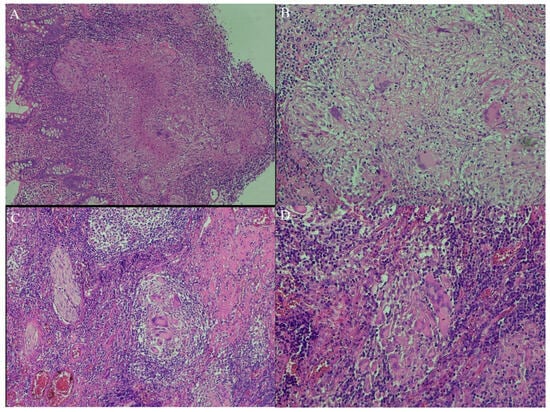
Advances in Minimally Invasive Esophagectomy—An Overview of Recent Developments and a Novel Classification of Innovations in Treatment of Thoracic Esophageal Cancer -
Oral Probiotics in Acne vulgaris: A Systematic Review and Meta-Analysis of Double-Blind Randomized Clinical Trials -
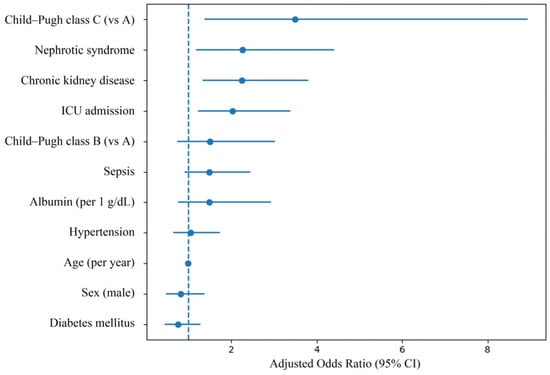
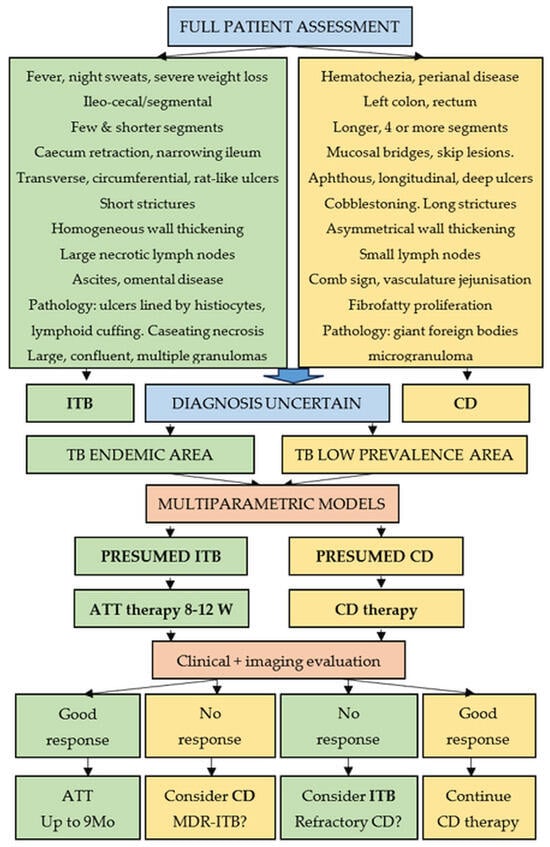
Clinical Characteristics, Microbiological Spectrum, Biomarkers, and Imaging Insights in Acute Pyelonephritis and Its Complicated Forms—A Systematic Review -
Early SGLT2 Inhibitor Therapy in Acute Coronary Syndrome: Mitigating Adverse Remodeling in High-Risk Phenotypes—A Real-World Study -
Stroke Neurorehabilitation and the Role of Motor Imagery Training: Do ARAT and Barthel Index Improvements Support Its Clinical Use? A Systematic Review and Meta-Analysis
Journal Description
Medicina
Medicina
is an international, peer-reviewed, open access journal covering all problems related to medicine, published monthly online. It is the official journal of the Lithuanian University of Health Sciences (LUHS). The Lithuanian Medical Association (LMA), Vilnius University, Rīga Stradiņš University, University of Latvia, and University of Tartu are affiliated with Medicina, serving as their official journal. Members of these organizations receive discounts on the article processing charges.
- Open Access— free for readers, with article processing charges (APC) paid by authors or their institutions.
- High Visibility: indexed within Scopus, SCIE (Web of Science), PubMed, MEDLINE, PMC, and other databases.
- Journal Rank: JCR - Q1 (Medicine, General and Internal) / CiteScore - Q1 (General Medicine)
- Rapid Publication: manuscripts are peer-reviewed and a first decision is provided to authors approximately 17.5 days after submission; acceptance to publication is undertaken in 2.6 days (median values for papers published in this journal in the second half of 2025).
- Recognition of Reviewers: reviewers who provide timely, thorough peer-review reports receive vouchers entitling them to a discount on the APC of their next publication in any MDPI journal, in appreciation of the work done.
Impact Factor:
2.4 (2024);
5-Year Impact Factor:
2.8 (2024)
Latest Articles
Exercise as a Metabolic Therapy for MASLD: Beyond Weight Loss Toward Sustainable Exercise Strategies
Medicina 2026, 62(4), 784; https://doi.org/10.3390/medicina62040784 (registering DOI) - 18 Apr 2026
Abstract
Metabolic dysfunction–associated steatotic liver disease (MASLD) is a systemic metabolic disorder characterized by impaired metabolic flexibility involving the liver, skeletal muscle, and adipose tissue. Although weight loss has traditionally been emphasized in its management, emerging evidence suggests that exercise exerts therapeutic effects beyond
[...] Read more.
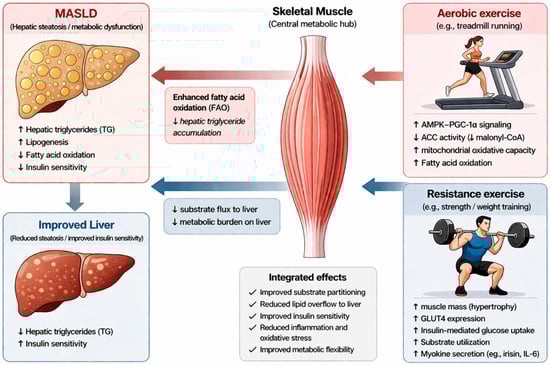
Metabolic dysfunction–associated steatotic liver disease (MASLD) is a systemic metabolic disorder characterized by impaired metabolic flexibility involving the liver, skeletal muscle, and adipose tissue. Although weight loss has traditionally been emphasized in its management, emerging evidence suggests that exercise exerts therapeutic effects beyond body weight reduction. This narrative review aims to examine exercise as a metabolic therapy for MASLD by integrating mechanistic insights and clinical evidence. Exercise improves hepatic steatosis, insulin resistance, mitochondrial function, and inflammatory signaling through interconnected pathways, including activation of AMPK-related signaling, enhanced fatty acid oxidation, and muscle–liver crosstalk mediated by myokines. Importantly, these benefits can occur independently of weight loss, supporting a shift from weight-centered to metabolism-focused treatment strategies. Both aerobic and resistance exercise demonstrate efficacy, with combined approaches providing complementary benefits. In conclusion, exercise should be considered a central therapeutic strategy for MASLD by restoring metabolic flexibility rather than solely promoting weight reduction. Future research should focus on optimizing individualized and sustainable exercise prescriptions to enhance long-term clinical outcomes.
Full article
(This article belongs to the Section Sports Medicine and Sports Traumatology)
►
Show Figures
Open AccessSystematic Review
Patient Satisfaction with Anticoagulation for Venous Thromboembolic Disease: A Systematic Review of Oral and Parenteral Regiments
by
Eleftheria Elmina Lefkou, Anastasia Fragkaki, Maria Mirsini Miliori, Dimitra Latsou, Kalliopi Panagiotopoulou, Paraskevi Kotsi, Grigorios Gerotziafas and Maria Geitona
Medicina 2026, 62(4), 783; https://doi.org/10.3390/medicina62040783 - 17 Apr 2026
Abstract
Background and Objectives: Venous thromboembolic disease (VTE), including deep vein thrombosis (DVT) and pulmonary embolism (PE), is a major cause of morbidity and mortality worldwide and imposes a substantial financial burden on health systems due to both the direct and indirect costs
[...] Read more.
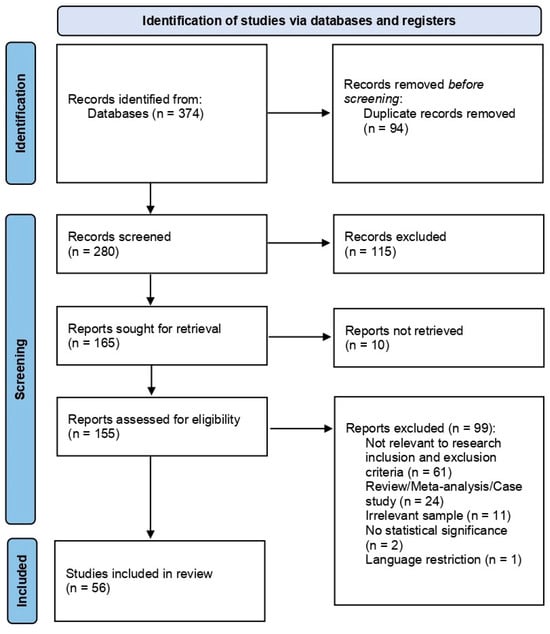
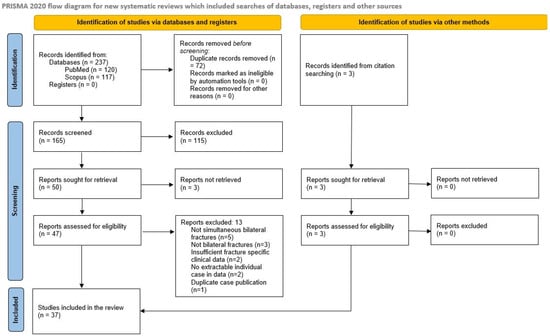
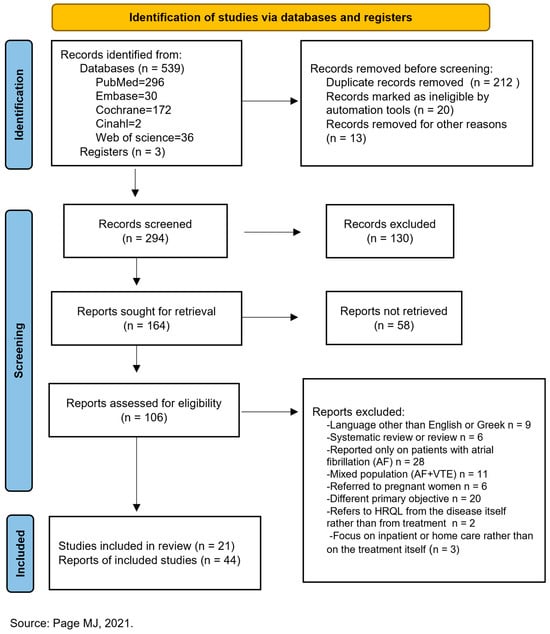
Background and Objectives: Venous thromboembolic disease (VTE), including deep vein thrombosis (DVT) and pulmonary embolism (PE), is a major cause of morbidity and mortality worldwide and imposes a substantial financial burden on health systems due to both the direct and indirect costs of acute management and long-term complications. This systematic review aimed to assess patient satisfaction with anticoagulation therapy for VTE and to highlight potential differences according to the type of anticoagulant. The review focused on factors influencing the patient experience, such as perceived efficacy, ease of use, adverse effects, and health-related quality of life. Materials and Methods: A systematic review, without quantitative meta-analysis, was conducted in accordance with PRISMA 2020 guidelines. Articles were identified through searches in major databases (PubMed, Scopus, Cochrane Library and others) using keywords including “patient satisfaction”, “anticoagulation”, “venous thromboembolic disease”, and “quality of life”. In total, 21 studies published between 2009 and 2025 met the inclusion criteria. The studies assessed patient satisfaction with different types of anticoagulation, including vitamin K antagonists (VKAs), direct oral anticoagulants (DOACs), and low-molecular-weight heparin (LMWH) injections. Results: Across the included studies, patients generally reported higher levels of treatment satisfaction with DOACs compared with VKAs, mainly due to the absence of routine laboratory monitoring and fewer dietary restrictions. However, satisfaction varied according to age, sex, and clinical status. In specific patient populations, such as those with cancer-associated thrombosis, factors including fewer drug–drug interactions and perceptions of safety with LMWH appeared to influence treatment choice and satisfaction. Adverse effects, particularly bleeding, were identified as major drivers of dissatisfaction. Several studies suggested that higher treatment satisfaction was associated with better adherence, while quality of life appeared to improve in patients treated with DOACs in comparison with VKAs. Conclusions: Patient satisfaction is a critical component of successful VTE management. Overall, DOACs appear to be associated with higher treatment satisfaction than traditional therapies such as VKAs, although further high-quality research is needed to individualise anticoagulation strategies. Systematic incorporation of patient-reported satisfaction into clinical decision-making and into international guidelines may improve adherence, enhance quality of life, and ultimately increase the effectiveness of anticoagulation therapy.
Full article
(This article belongs to the Special Issue Venous Thromboembolism: Diagnosis, Management, and Treatment)
►▼
Show Figures

Figure 1
Open AccessOpinion
Are Coronary Calcium-Modifying Techniques Levelling the Playfield?
by
Georgiana Pintea Bentea and Pierre-Emmanuel Massart
Medicina 2026, 62(4), 782; https://doi.org/10.3390/medicina62040782 - 17 Apr 2026
Abstract
Patients with heavily calcified coronary arteries represent a challenge in percutaneous coronary intervention (PCI), as severe calcification impairs device delivery and limits optimal stent expansion, leading to higher risks of stent thrombosis, restenosis, and adverse clinical outcomes. Approximately 20% of patients undergoing PCI
[...] Read more.
Patients with heavily calcified coronary arteries represent a challenge in percutaneous coronary intervention (PCI), as severe calcification impairs device delivery and limits optimal stent expansion, leading to higher risks of stent thrombosis, restenosis, and adverse clinical outcomes. Approximately 20% of patients undergoing PCI exhibit severe coronary calcification, which independently predicts incomplete revascularization, increased mortality, and higher rates of major adverse cardiovascular events over mid-term follow-up. Recent advances have focused on improving the assessment and management of calcified lesions. Intracoronary imaging modalities, including intravascular ultrasound and optical coherence tomography, allow precise detection and characterization of calcium burden, overcoming the limitations of angiography. These tools play a pivotal role in guiding procedural strategy, enabling tailored selection of calcium-modifying techniques based on lesion morphology, and optimizing stent deployment. Technological innovations have significantly expanded therapeutic options. While non-compliant balloon angioplasty alone is often insufficient, adjunctive devices such as cutting and scoring balloons improve plaque modification in focal disease. Atherectomy techniques, including rotational and orbital systems, are effective for more complex lesions but require technical expertise and carry procedural risks. Intravascular lithotripsy has emerged as a promising, less aggressive modality capable of fracturing deep calcium, while excimer laser atherectomy offers an alternative for resistant lesions. Despite these advances, current evidence supporting calcium-modifying strategies is largely based on procedural outcomes rather than definitive improvements in long-term clinical endpoints. Meta-analyses and randomized trials have not demonstrated clear superiority of any single technique, and most studies remain underpowered. Intriguingly, recent data suggest that outcomes in treated calcified lesions may approximate those of non-calcified disease, raising the hypothesis that these technologies could mitigate the adverse impact of calcification. However, this remains unproven, highlighting the urgent need for adequately powered randomized trials to determine their true clinical benefit.
Full article
(This article belongs to the Special Issue Current Perspectives and Future Directions in Vascular Surgery)
Open AccessArticle
Comparative Cardiovascular Outcomes of SGLT2i Plus Low-Dose of Conventional Triple Therapy Versus High-Dose of Conventional Triple Therapy for Heart Failure with Reduced Ejection Fraction (HFrEF): A Retrospective Cohort Study
by
Suwat Khamboonruang, Parita Bunditboondee, Pongpun Jittham and Surarong Chinwong
Medicina 2026, 62(4), 781; https://doi.org/10.3390/medicina62040781 - 17 Apr 2026
Abstract
Background and Objectives: Sodium-glucose cotransporter 2 inhibitors (SGLT2i) reduce cardiovascular (CV) death and heart failure hospitalizations (HFH) in patients with heart failure with reduced ejection fraction (HFrEF). However, data regarding their use in combination with different doses of guideline-directed medical therapy (GDMT)
[...] Read more.
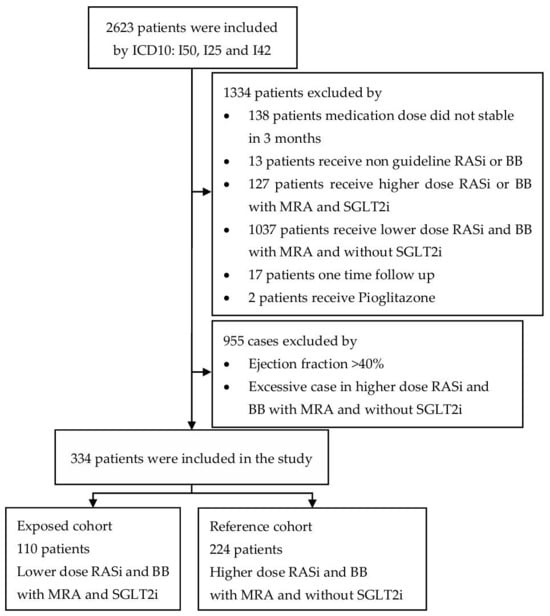
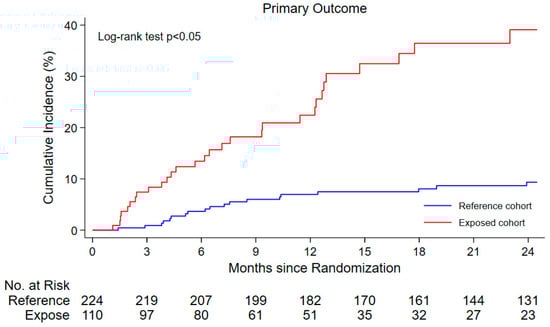
Background and Objectives: Sodium-glucose cotransporter 2 inhibitors (SGLT2i) reduce cardiovascular (CV) death and heart failure hospitalizations (HFH) in patients with heart failure with reduced ejection fraction (HFrEF). However, data regarding their use in combination with different doses of guideline-directed medical therapy (GDMT) remain limited. This study aimed to evaluate whether SGLT2i combined with low-dose conventional triple therapy is non-inferior to high-dose conventional triple therapy in preventing adverse cardiovascular outcomes. Materials and Methods: This retrospective observational study included 334 patients with HFrEF treated between 31 March 2018 and 31 March 2024. Of these, 110 received SGLT2i plus low-dose conventional triple therapy, and 224 received high-dose conventional triple therapy. A non-inferiority framework was applied to compare outcomes between groups. The primary endpoint was a composite of CV death and HFH, while secondary endpoints included the individual components. Results: The composite endpoint occurred more frequently in the SGLT2i plus low-dose group. After inverse probability of treatment weighting and multivariable Cox analysis, this group demonstrated a significantly higher risk of the composite outcome (adjusted HR 4.10, 95% CI 2.07–8.13; p < 0.001). CV death was similar between groups; however, HFH was significantly more frequent in the SGLT2i plus low-dose group. Conclusions: In patients with HFrEF, SGLT2i combined with low-dose conventional triple therapy did not demonstrate comparable clinical outcomes to high-dose conventional triple therapy in reducing CV death and HFH, particularly in patients with a higher baseline burden of disease severity. These findings underscore the importance of optimizing background GDMT dosing alongside the incorporation of SGLT2i into clinical practice.
Full article
(This article belongs to the Special Issue New Insights into Heart Failure Management and Treatment)
►▼
Show Figures

Figure 1
Open AccessArticle
Intra-Observer Reproducibility of Endoscopic Ultrasound Point Shear-Wave Elastography: A 120-Patient Prospective Cohort Study
by
Adrian Burdan, Bogdan Miutescu, Eyad Gadour, Calin Burciu, Mirela Danila, Felix Bende, Moga Tudor, Aymen Almuhaidb, Raluca Lupusoru, Andreea Brasovan, Roxana Sirli and Alina Popescu
Medicina 2026, 62(4), 780; https://doi.org/10.3390/medicina62040780 - 17 Apr 2026
Abstract
Background and Objectives: Endoscopic ultrasound point shear-wave elastography (EUS-pSWE) bypasses subcutaneous fat and may provide weight-independent liver stiffness measurements; however, data on reproducibility and quality criteria remain limited. This study aimed to evaluate the intra-observer reproducibility and short-term variability of EUS-pSWE. Materials
[...] Read more.
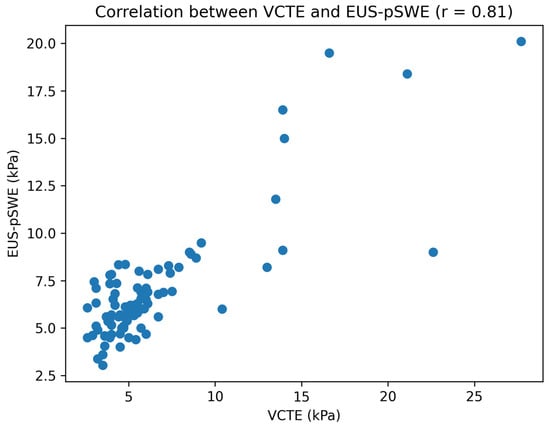
Background and Objectives: Endoscopic ultrasound point shear-wave elastography (EUS-pSWE) bypasses subcutaneous fat and may provide weight-independent liver stiffness measurements; however, data on reproducibility and quality criteria remain limited. This study aimed to evaluate the intra-observer reproducibility and short-term variability of EUS-pSWE. Materials and Methods: In this single-center prospective cohort study (December 2024–February 2025), 120 consecutive adults undergoing diagnostic EUS were enrolled. For each hepatic lobe, 10 consecutive measurements were obtained and grouped into two sequential blocks of five measurements without scope repositioning. Intra-observer reproducibility was assessed using intraclass correlation coefficients (ICC3,1). The agreement between acquisition runs and determinants of short-term variability was also evaluated. Same-day vibration-controlled transient elastography (VCTE) served as an external comparator. Results: Forty-six participants were obese (BMI ≥ 30 kg/m2). The mean VCTE stiffness was 6.24 kPa, while the mean EUS-pSWE stiffness was 9.40 ± 5.64 kPa. Among examinations meeting IQR/Median < 30% quality criteria, reproducibility was excellent (left ICC 0.97 [0.95–0.98]; right ICC 0.92 [0.86–0.95]) and consistent across BMI strata. EUS-pSWE correlated strongly with VCTE (r = 0.81, p < 0.001). In contrast, agreement between consecutive acquisition runs was low, indicating increased short-term variability. EUS-pSWE quality pass rates based on IQR/Median criteria were modest (left 56.7%, right 41.7%, both lobes 23.3%), although all measurements fulfilled device-specific validity criteria (VSN > 60%). Age and BMI were not significant predictors of variability. Conclusions: EUS-pSWE demonstrates excellent intra-observer reproducibility under quality-controlled conditions and shows a strong correlation with VCTE. However, short-term variability between acquisition runs and limited feasibility based on conventional quality thresholds should be considered. EUS-pSWE appears to be a promising modality for liver stiffness assessment, warranting further validation of quality criteria and clinical thresholds.
Full article
(This article belongs to the Section Gastroenterology & Hepatology)
►▼
Show Figures

Figure 1
Open AccessReview
The Relationship Between Body Posture and Psychophysical Functioning in Children with Obesity: A Narrative Literature Review and Future Research Perspective Related to Preliminary Research Concept
by
Kornelia Korzan, Kamila Czepczor-Bernat, Paweł Matusik and Anna Brzęk
Medicina 2026, 62(4), 779; https://doi.org/10.3390/medicina62040779 - 17 Apr 2026
Abstract
Childhood obesity is a growing global health problem with significant biomechanical and psychosocial consequences. While many studies have examined these domains separately, few integrate postural abnormalities, psychophysical functioning, and lifestyle factors within a single framework. This narrative review synthesises the literature published between
[...] Read more.
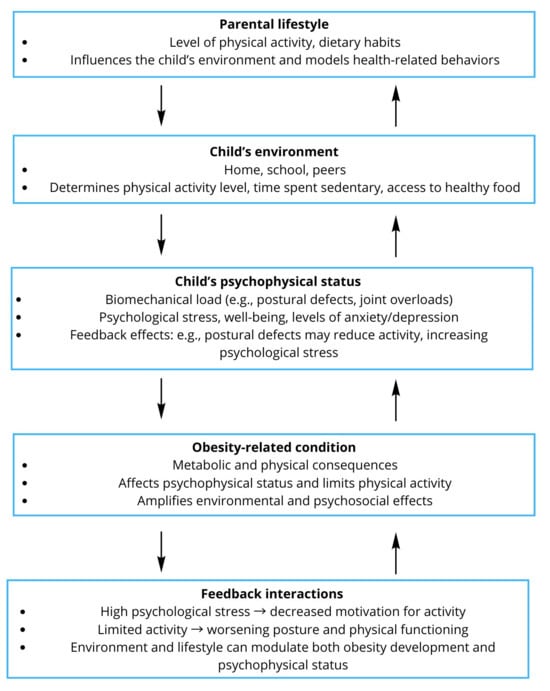
Childhood obesity is a growing global health problem with significant biomechanical and psychosocial consequences. While many studies have examined these domains separately, few integrate postural abnormalities, psychophysical functioning, and lifestyle factors within a single framework. This narrative review synthesises the literature published between 2005 and 2025 to summarise current evidence and identify research gaps. The findings indicate that overweight and obesity increase the risk of musculoskeletal deviations such as genu valgum, flat feet, and increased lumbar lordosis, as well as altered gait biomechanics and reduced motor competence. Excess body weight is also associated with lower self-esteem, negative body image, depressive symptoms, and reduced health-related quality of life in children and adolescents. These outcomes appear to be influenced by modifiable lifestyle factors, including parental health behaviours, sleep patterns, and screen time, although reported associations remain inconsistent. Notably, few studies address biomechanical, psychological, and environmental factors simultaneously, which limits the understanding of their interactions. To address this gap, a prospective observational study of 250–300 children aged 7–17 years is proposed. The study will combine objective postural assessments, validated psychometric tools, and lifestyle analyses at baseline and after a 12–14-month follow-up. This integrated approach aims to identify postural compensation patterns, psychosocial risk trajectories, and modifiable behavioural predictors associated with childhood obesity, supporting the development of early preventive and interdisciplinary interventions.
Full article
(This article belongs to the Special Issue The Prevention, Diagnosis, and Intervention of Childhood and Adolescent Obesity)
►▼
Show Figures

Figure 1
Open AccessArticle
Pre-Stenting: Is Smaller Better? A Multicentric Evaluation of 4.8 F and 6 F JJ Stents in Retrograde Intrarenal Surgery
by
Erdinc Dincer, Orkunt Ozkaptan, Cengiz Canakci, Mehmet Gurkan Arikan, Burak Citamak, Yusuf Diker, Osman Murat Ipek, Kubilay Can Caglar and Alkan Cubuk
Medicina 2026, 62(4), 778; https://doi.org/10.3390/medicina62040778 - 17 Apr 2026
Abstract
Background and Objectives: In this study, we aimed to compare the effects of 4.8 F and 6 F JJ stents on irritative symptoms and success rate in patients with a preoperative JJ stent prior to RIRS. Materials and Methods: A total
[...] Read more.
Background and Objectives: In this study, we aimed to compare the effects of 4.8 F and 6 F JJ stents on irritative symptoms and success rate in patients with a preoperative JJ stent prior to RIRS. Materials and Methods: A total of 316 patients who underwent JJ stent implantation prior to retrograde intrarenal surgery were retrospectively analyzed. Patients were classified into Group 1 (4.8 F stent) and Group 2 (6 F stent) based on stent diameter. Urinary symptoms prior to the insertion of the JJ stent and the day before RIRS were evaluated using the Quality of Life (QoL) score (VAS), International Prostate Symptom Score (IPSS), and Visual Analog Scale. The groups were compared in terms of demographic data, stone characteristics, perioperative data, length of stay, complications, stone-free rates (SFRs) and change in total VAS score, IPSS and QoL. Results: The patients’ demographic data and the stone characteristics of the two groups were similar. There was no statistical difference between groups in the SFR, length of stay, or total complication rates (p = 0.5, p = 0.159, and p = 0.13, respectively). Operation time was similar between the groups (p = 0.13). Although the change in total VAS scores was similar between the two groups (p = 0.1), QoL was higher in Group 1 compared with Group 2 (p < 0.001). Group 2 demonstrated worse outcomes in total IPSS, as well as in the storage subscores (Q2, Q4, and Q7) and voiding symptom subscores (Q1, Q3, Q5, and Q6), with all comparisons showing statistical significance (p < 0.001 for each). Conclusions: Varying calibers of JJ stents have comparable success rates and complication outcomes. However, when the stent caliber is reduced, patients experience better QoL and fewer lower urinary tract symptoms. Smaller-diameter stents were associated with significantly better symptom-related outcomes without compromising surgical success.
Full article
(This article belongs to the Section Urology & Nephrology)
Open AccessArticle
Quality of Life Following Dental Rehabilitation with Customized Subperiosteal Implants: A Pilot Cohort Study
by
Evangelos Kostares, Michael Kostares, Georgia Kostare, Fani Pitsigavdaki, Ourania Schoinohoriti and Christos Perisanidis
Medicina 2026, 62(4), 777; https://doi.org/10.3390/medicina62040777 - 16 Apr 2026
Abstract
Background and Objectives: Severe alveolar atrophy may pose significant challenges for dental rehabilitation. Recent advances in digital planning and CAD/CAM technology have renewed the interest in patient-specific subperiosteal implants as a treatment option for anatomically challenging cases. This cohort study evaluated changes
[...] Read more.
Background and Objectives: Severe alveolar atrophy may pose significant challenges for dental rehabilitation. Recent advances in digital planning and CAD/CAM technology have renewed the interest in patient-specific subperiosteal implants as a treatment option for anatomically challenging cases. This cohort study evaluated changes in oral health-related quality of life and patient satisfaction following rehabilitation with customized subperiosteal implants in severe alveolar atrophy. Materials and Methods: This cohort study included all consecutive adult patients with severe alveolar atrophy who underwent reconstruction with patient-specific subperiosteal implants at the Department of Oral and Maxillofacial Surgery of “Evangelismos” General Hospital, Athens, Greece, in 2025. Oral health-related quality of life was assessed using the validated OHIP-14 questionnaire preoperatively and 12 months postoperatively. Patient satisfaction was evaluated using a numerical rating scale (NRS). Secondary outcomes included postoperative complications, implant exposure, implant stability, and need for reoperation. Comparisons between baseline and 12-month scores were performed using the Wilcoxon signed-rank test. Results: Nine patients who had completed 12-month follow-up were included. Five were male, and all implants were placed in the maxilla. Significant improvement was observed in oral health-related quality of life, with the median OHIP-14 total score decreasing from 41 preoperatively to 1 at the 12-month follow-up. Patient satisfaction also improved significantly, with the median NRS total score increasing from 17 to 58. Improvements were consistent across all OHIP-14 domains and all NRS items. No major complications were recorded. One patient developed early wound dehiscence, and one patient presented with implant exposure at the anterior palate. At the final follow-up twelve months postoperatively, all implants remained clinically and radiographically stable. Conclusions: These preliminary short-term findings suggest that customized subperiosteal implants may be a promising option for selected patients with severe alveolar atrophy in whom placement of conventional endosseous implants is not feasible; however, the results should be interpreted cautiously given the very small sample size and observational design.
Full article
(This article belongs to the Special Issue Recent Innovations in Dental Implantology: Clinical Applications and Regenerative Approaches)
►▼
Show Figures

Figure 1
Open AccessArticle
Metformin Use and Clinical Outcomes in Very Elderly Patients with Type 2 Diabetes and Chronic Kidney Disease
by
Michele Marchini
Medicina 2026, 62(4), 776; https://doi.org/10.3390/medicina62040776 - 16 Apr 2026
Abstract
Background and Objactives: Metformin is the most widely prescribed glucose-lowering therapy worldwide and is generally considered safe in patients with chronic kidney disease (CKD) with estimated glomerular filtration rate (eGFR) ≥30 mL/min/1.73 m2. However, very elderly patients are underrepresented in pivotal
[...] Read more.
Background and Objactives: Metformin is the most widely prescribed glucose-lowering therapy worldwide and is generally considered safe in patients with chronic kidney disease (CKD) with estimated glomerular filtration rate (eGFR) ≥30 mL/min/1.73 m2. However, very elderly patients are underrepresented in pivotal trials, and evidence on metformin safety in this vulnerable population remains limited. We evaluated the association between metformin use and adverse clinical outcomes in very elderly patients with CKD and type 2 diabetes. Materials and Methods: We conducted a single-center retrospective observational study including 624 very elderly patients (age > 78 years) with CKD, type 2 diabetes mellitus, and eGFR > 30 mL/min/1.73 m2. Patients were stratified according to metformin exposure (309 metformin-treated and 315 controls). The primary composite outcome was the first occurrence of intensive care unit (ICU) admission, initiation of renal replacement therapy (RRT), lactic acidosis, or all-cause mortality. A propensity score-matched sensitivity analysis and hierarchical win ratio analysis were also performed to further address potential baseline confounding. Results: Over a median follow-up of 33.7 months, the primary composite outcome occurred more frequently in the metformin group than in controls (18.7% vs. 9.5%; HR 1.75; 95% CI 1.12–2.73; p = 0.013). Metformin use was associated with a higher risk of ICU admission (HR 2.33; 95% CI 1.33–4.08), RRT initiation (HR 1.90; 95% CI 1.14–3.16), and lactic acidosis (HR 3.14; 95% CI 1.75–5.65). All-cause mortality was numerically higher but not statistically significant (HR 1.57; 95% CI 0.89–2.78). In a propensity score-matched analysis including 260 matched pairs, the association between metformin exposure and adverse outcomes remained consistent, and hierarchical win ratio analysis favored the control group (win ratio 2.00; 95% CI 1.24–3.47). Conclusions: In very elderly patients with CKD and type 2 diabetes, metformin use was associated with a higher observed risk of adverse clinical outcomes. These findings support a cautious, individualized risk–benefit assessment when prescribing metformin in this population.
Full article
(This article belongs to the Section Urology & Nephrology)
►▼
Show Figures

Figure 1
Open AccessArticle
Enhanced Recovery After Surgery Incorporating Erector Spinae Plane Block Versus Standard Care in Adolescent Idiopathic Scoliosis: A Comparative Cohort Analysis of Early Postoperative Recovery
by
Sergio De Salvatore, Gianmichele Di Cosimo, Paolo Brigato, Michele Inverso, Leonardo Oggiano, Sergio Sessa, Davide Palombi, Francesca Palmieri, Stefano Guida, Antonio Contursi, Caterina Fumo, Cloe Curri, Sebastian Miccio, Maria D’Alessandro and Pier Francesco Costici
Medicina 2026, 62(4), 775; https://doi.org/10.3390/medicina62040775 - 16 Apr 2026
Abstract
Background and Objectives: Enhanced Recovery After Surgery (ERAS) pathways are increasingly used in spine surgery, but uptake in adolescent idiopathic scoliosis (AIS) remains heterogeneous across institutions. Evidence in pediatric deformity surgery supports shorter recovery with protocolized care, yet real-world comparative data combining
[...] Read more.
Background and Objectives: Enhanced Recovery After Surgery (ERAS) pathways are increasingly used in spine surgery, but uptake in adolescent idiopathic scoliosis (AIS) remains heterogeneous across institutions. Evidence in pediatric deformity surgery supports shorter recovery with protocolized care, yet real-world comparative data combining ERAS and the erector spinae plane block (ESPB) remain limited. This study aimed to compare early postoperative outcomes between a historical standard-care pathway and a structured ERAS+ESPB pathway in adolescents undergoing posterior spinal fusion for AIS. Materials and Methods: A single-center retrospective time-based comparative cohort study design included consecutive AIS patients (<18 years) treated between 1 January 2024 and 31 December 2025. The standard-care pathway was applied to patients operated on before 1 June 2025 (n = 34), whereas the ERAS+ESPB pathway was applied to those operated on from 1 June 2025 onward (n = 35), following formal institutional implementation. Outcomes included postoperative pain assessed using the visual analog scale under two functional conditions—at rest in the supine position and during standing/mobilization—at POD0, POD1, POD2, POD3, discharge, and 2-week follow-up; postoperative nausea at POD0–POD3; and length of stay (LOS). Between-group pain comparisons used Welch’s t-test; nausea used Fisher’s exact test; LOS used the Wilcoxon rank-sum test. Results: At POD0, supine pain was lower in ERAS+ESPB (1.50 ± 0.55) than in standard care (3.20 ± 1.50; p < 0.001). From POD1 onward, supine pain did not differ significantly between groups. Among assessable patients, standing pain was lower in ERAS+ESPB at POD2 (3.05 ± 1.53 vs. 4.50 ± 1.05; p = 0.020), POD3 (2.82 ± 1.62 vs. 4.17 ± 1.03; p = 0.006), and 2-week follow-up (1.45 ± 0.80 vs. 2.26 ± 0.93; p = 0.006). Nausea was lower in ERAS+ESPB at POD0 (11.4% vs. 35.3%; p = 0.024) and POD2 (8.6% vs. 32.4%; p = 0.018), with no significant differences at POD1 or POD3. LOS was shorter in ERAS+ESPB (5.41 ± 1.10 vs. 8.32 ± 2.06 nights; p < 0.001). Conclusions: In adolescents undergoing posterior spinal fusion for AIS, an ERAS-based perioperative pathway incorporating ESPB was associated with improved early postoperative recovery, particularly in terms of immediate postoperative pain, pain during mobilization, early postoperative nausea at selected time points, and length of hospital stay. Prospective multicenter studies are needed to confirm these findings and clarify the independent contribution of individual pathway components.
Full article
(This article belongs to the Special Issue Diagnosis and Treatment of Adolescent Idiopathic Scoliosis)
►▼
Show Figures

Figure 1
Open AccessArticle
The Role of Platelet-to-Neutrophil Ratio as a Biomarker for Pulmonary Hypertension in Sickle Cell Disease Patients: A Retrospective Cohort Study
by
Abrar J. Alwaheed, Safi G. Alqatari, Sajidah Jaffar Alalwan, Dana Ahmed Alnufaily, Moyad Almuslim, Maryam L. Aldossari, Marj M. Alabdullah, Shahad A. Alzahrani, Abdullah Shaker Al Jama, Hind Asim Kutbi, Rayyan Almusally, Manal A. Hasan and Osama Abdulla Alsultan
Medicina 2026, 62(4), 774; https://doi.org/10.3390/medicina62040774 - 16 Apr 2026
Abstract
►▼
Show Figures
Background and Objectives: Pulmonary hypertension (PH) is a major contributor to morbidity and mortality in sickle cell disease (SCD), yet reliable and accessible biomarkers for cardiopulmonary risk stratification remain limited. This study aimed to evaluate whether the platelet-to-neutrophil ratio (PNR) is independently
[...] Read more.
Background and Objectives: Pulmonary hypertension (PH) is a major contributor to morbidity and mortality in sickle cell disease (SCD), yet reliable and accessible biomarkers for cardiopulmonary risk stratification remain limited. This study aimed to evaluate whether the platelet-to-neutrophil ratio (PNR) is independently associated with echo-estimated PH (ePH) in adolescents and adults with SCD and to compare its predictive value with hemoglobin composition and genotype. Materials and Methods: A retrospective cohort study was conducted at King Fahd Hospital of the University, Al Khobar, Saudi Arabia (January 2019–January 2025). Clinical, laboratory, and echocardiographic data from 114 patients with confirmed SCD who underwent transthoracic echocardiography (TTE) were analyzed. ePH was defined as tricuspid regurgitant velocity (TRV) ≥ 2.5 m/s or pulmonary artery acceleration time (PAAT) ≤ 105 ms. Multivariable logistic and linear regression models were used to assess associations between PNR, hemoglobin fractions, genotype, and pulmonary pressure estimates. Results: Overall, 43% of patients met the criteria for ePH. PNR was not independently associated with ePH or TRV in adjusted analyses. In contrast, higher fetal hemoglobin (HbF) levels were independently associated with lower odds of ePH (adjusted OR 0.92 per 1% increase, 95% CI 0.86–0.98) and lower TRV values. The HbS/β0 genotype was significantly associated with increased odds of ePH (adjusted OR 5.44, 95% CI 1.37–24.0). Exploratory analyses demonstrated an inverse association between PNR and lactate dehydrogenase, suggesting that PNR reflects hemolytic activity rather than pulmonary vascular involvement. Conclusions: In this retrospective cohort of patients with SCD, PNR was not independently associated with ePH or TRV after multivariable adjustment. In contrast, hemoglobin composition and genotype, particularly higher HbF and the HbS/β0 genotype, were significantly associated with pulmonary pressure estimates.
Full article

Figure 1
Open AccessArticle
Histopathologic Reassessment of Placental Vascular Lesions Based on the Amsterdam Consensus Criteria: A Retrospective Analysis of 571 Placental Cases
by
Büşra Altunay Ünal, Esra Çobankent Aytekin and Havva Serap Toru
Medicina 2026, 62(4), 773; https://doi.org/10.3390/medicina62040773 - 16 Apr 2026
Abstract
Background and Objectives: Placental vascular lesions are significant histopathological findings that indicate disruptions in uteroplacental and fetoplacental circulations and are associated with adverse pregnancy outcomes such as preeclampsia, intrauterine growth restriction (IUGR), and perinatal morbidity. This study aimed to re-examine the frequency
[...] Read more.
Background and Objectives: Placental vascular lesions are significant histopathological findings that indicate disruptions in uteroplacental and fetoplacental circulations and are associated with adverse pregnancy outcomes such as preeclampsia, intrauterine growth restriction (IUGR), and perinatal morbidity. This study aimed to re-examine the frequency and distribution of placental vascular lesions in placentas submitted for histopathological analysis at our center, based on criteria established by the Amsterdam Placental Workshop Group Consensus Statement. Materials and Methods: In this retrospective study, placental samples examined in the Department of Pathology at Akdeniz University Faculty of Medicine from 2016 to 2019 were analyzed. A total of 571 cases with at least one placental vascular lesion identified on histopathology were included. Hematoxylin–eosin-stained sections from all cases were re-evaluated, and maternal vascular malperfusion (MVM), fetal vascular malperfusion (FVM), and other placental vascular pathologies were assessed according to the Amsterdam consensus criteria. Statistical analyses were performed using IBM SPSS Statistics for Windows, Version 25 (IBM Corp., Armonk, NY, USA). Categorical variables were compared using the chi-square or Fisher’s exact test, while continuous variables were analyzed with the Mann–Whitney U test. Results: MVM and FVM were considered the primary outcomes of the study. MVM was identified in 95.1% of cases, whereas FVM was present in 1.9%. Among individual lesions, chorangiosis (97.2%) and villous/perivillous fibrinoid deposition (88.3%) were the most frequent findings, followed by mucinous cystic degeneration of the umbilical cord (61.5%) and dystrophic calcification (58.1%). Retroplacental hematoma was observed in 38.4% of cases. Although no significant association was found between MVM and placental weight or size, umbilical cord length was significantly shorter in MVM-positive cases (p = 0.032). In contrast, FVM showed significant associations with chorangiosis (p = 0.035) and placentomegaly (p = 0.003). The high frequency of chorangiosis may reflect a compensatory angiogenic response to chronic intrauterine hypoxia, potentially mediated by vascular growth factors, with variable effectiveness depending on the severity of the underlying condition. Conclusions: These findings suggest that placental vascular lesions are not only markers of obstetric complications but also serve as morphological indicators of fetoplacental adaptive responses.
Full article
(This article belongs to the Section Obstetrics and Gynecology)
►▼
Show Figures

Figure 1
Open AccessArticle
Predicting Substance Use in Young Adults: The Role of Childhood Adversity
by
Liudas Vincentas Sinkevicius, Sandra Sakalauskaite, Mykolas Simas Poskus and Danielius Serapinas
Medicina 2026, 62(4), 772; https://doi.org/10.3390/medicina62040772 - 16 Apr 2026
Abstract
Background and Objectives: One of the strongest early factors influencing later psychoactive substance use is adverse childhood experiences (ACEs). Studies investigate a variety of adverse experiences in relation to substance use, yet not all adverse childhood experiences are equal in intensity and
[...] Read more.
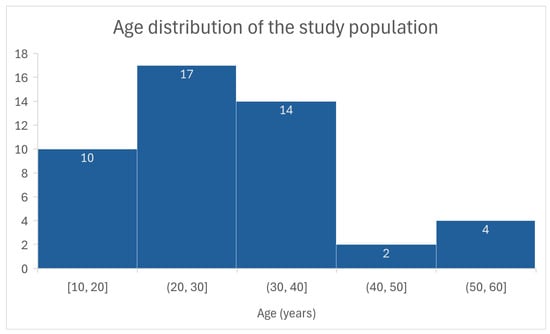
Background and Objectives: One of the strongest early factors influencing later psychoactive substance use is adverse childhood experiences (ACEs). Studies investigate a variety of adverse experiences in relation to substance use, yet not all adverse childhood experiences are equal in intensity and harm. Our study aimed to address this gap by examining in detail the associations between individual ACEs, broader ACE categories, and different forms of psychoactive substance use. Materials and Methods: The study included 709 participants who completed self-report questionnaires. ACEs were measured using the MACE questionnaire. Marijuana use was measured using the CUDIT-R, alcohol use using the AUDIT, and heavy psychoactive substance use using the ASSIST. Linear regression analyses were used to predict associations. As expected, only a small part of the sample reported hard drug use; some analyses are limited to substantially fewer observations. Results: All regression models were statistically significant and predicted all three categories of psychoactive substances, but if we count the individual adverse experiences, the results become different. Although the results showed that ACE is a significant predictor of hard drug use and explains 25% of the variance, it is separately only emotional neglect that is associated with hard drug use. The regression analysis also explains 14% of the variance in marijuana use, but when considered separately, we found associations only with emotional neglect. The severity of alcohol use explains 13% of the variance, but only a few ACEs reach statistical significance: peer physical bullying, physical violence, and sexual abuse. Conclusions: The findings of our study suggest that adverse childhood experiences may not be qualitatively equivalent and therefore may not be evaluated only as a cumulative risk score. Separate ACE evaluations, instead of aggregate calculation of ACEs, may be useful to understand better which specific negative experiences have the greatest impact on subsequent use of psychoactive substances. The regression models explain only a small portion of the variance, which suggests that other factors may contribute to a larger share.
Full article
(This article belongs to the Section Epidemiology & Public Health)
►▼
Show Figures

Figure 1
Open AccessArticle
Etiological Spectrum and Maternal Peripartum Hematologic Outcomes of Thrombocytopenia in Pregnancy: A Retrospective Cohort Study
by
Bilge Erbey, Cemal Reşat Atalay and Sait Erbey
Medicina 2026, 62(4), 771; https://doi.org/10.3390/medicina62040771 - 16 Apr 2026
Abstract
Background and Objectives: Thrombocytopenia complicates 6.6–11.6% of pregnancies. While gestational thrombocytopenia (GT) is usually benign, etiologies such as immune thrombocytopenia (ITP), preeclampsia, and HELLP syndrome require individualized management. This study aimed to characterize the etiological spectrum, maternal peripartum hematologic outcomes, blood product
[...] Read more.
Background and Objectives: Thrombocytopenia complicates 6.6–11.6% of pregnancies. While gestational thrombocytopenia (GT) is usually benign, etiologies such as immune thrombocytopenia (ITP), preeclampsia, and HELLP syndrome require individualized management. This study aimed to characterize the etiological spectrum, maternal peripartum hematologic outcomes, blood product utilization, and mode of delivery in a tertiary-center cohort of thrombocytopenic pregnancies and to assess whether platelet count should influence delivery mode decisions. Materials and Methods: This retrospective cohort study included 137 thrombocytopenic pregnant women at a tertiary center (2010–2019), categorized by etiology and severity. Peripartum hemoglobin, hematocrit, and platelet counts were compared between delivery groups. Blood product utilization was recorded and analyzed using t-test, ANOVA, chi-square, Fisher’s exact, and Fisher–Freeman–Halton tests; binary logistic regression was used for multivariable analysis. Results: GT (43.1%) and ITP (32.1%) were the most prevalent diagnoses; cesarean delivery rate was 52.6%. Postpartum Hb was higher in the vaginal delivery group (10.24 ± 1.28 vs. 9.80 ± 1.26 g/dL; p = 0.003), while platelet counts were paradoxically lower (p = 0.039). Platelet transfusion rates did not differ significantly between delivery modes (23.1% vs. 27.8%; p = 0.621). Severe thrombocytopenia required platelet transfusion in 92.6% of cases versus 11.6% (moderate) and 0% (mild) (p < 0.001). RBC transfusion was highest in gestational hypertensive disease (41.2%) versus GT (5.1%) and ITP (2.3%) (p < 0.001). General anesthesia was used in 75% of cesarean cases. Conclusions: Delivery mode in thrombocytopenic pregnancies should be guided by obstetric indications, not platelet count alone. Although postpartum platelet counts declined more steeply after vaginal delivery, this did not increase transfusion requirements. Gestational hypertensive disorders carried the greatest hemorrhagic burden, highlighting the need for etiology-specific multidisciplinary planning. The high general anesthesia rate warrants prospective institutional audit of anesthetic decision-making protocols to determine adherence to current neuraxial anesthesia thresholds. This study is limited to maternal peripartum hematologic outcomes; neonatal outcomes were not captured and should be addressed in future prospective research.
Full article
(This article belongs to the Section Obstetrics and Gynecology)
Open AccessReview
The Diabetes–Viral Respiratory Syndemic: Pathophysiological Insights and Precision Management: A Scoping Review
by
Ana Maria Mihai, Monica Marc, Florina Lucaciu and Alexandra Sima
Medicina 2026, 62(4), 770; https://doi.org/10.3390/medicina62040770 - 16 Apr 2026
Abstract
Background/Objectives: Viral respiratory tract infections (VRTIs) in patients with diabetes mellitus (DM) are characterized by a severity gap rather than an infection gap. This review synthesizes evidence from the 2023–2026 respiratory seasons to provide a post-pandemic framework for managing the synergistic metabolic and
[...] Read more.
Background/Objectives: Viral respiratory tract infections (VRTIs) in patients with diabetes mellitus (DM) are characterized by a severity gap rather than an infection gap. This review synthesizes evidence from the 2023–2026 respiratory seasons to provide a post-pandemic framework for managing the synergistic metabolic and viral threats in this population. Materials and Methods: A scoping review of literature from PubMed, Scopus, and Embase (2023–2026) was conducted, focusing on clinical outcomes and mechanistic interactions between DM and emerging respiratory pathogens. Results: Recent data identify human Metapneumovirus (hMPV) and adenovirus as significant threats to diabetic hosts, with mortality risks equivalent to seasonal influenza (HR 1.00 for hMPV vs. influenza). The two-hit model combines a baseline of innate immune paralysis, characterized by impaired neutrophil chemo-taxis and mechanical SP-D dysfunction, with a cellular signaling environment primed for cytokine overreaction by epigenetic metabolic memory. The stress hyperglycemia ratio (SHR) has emerged as a promising predictor of mortality compared to absolute glucose or HbA1c, with a proposed threshold of ≥1.14 identifying patients at 3.5-fold increased risk for mechanical ventilation. Precision management should consider the prudent suspension of SGLT2 inhibitors to mitigate euglycemic DKA risks and considering the early use of GLP-1 receptor agonists for their hypothesized pulmonary anti-inflammatory properties. Conclusions: Closing the mortality gap may require a shift from generic viral care to a precision model that treats metabolic susceptibility with high clinical priority alongside the treatment of the viral pathogen.
Full article
(This article belongs to the Special Issue Clinical Management of Diabetes and Complications)
►▼
Show Figures

Graphical abstract
Open AccessArticle
The Role of Drug-Coated Balloons in an All-Comer Population: Outcomes from a Two-Center Real-World Registry
by
Florin-Leontin Lazar, Teodor Paul Kacso, Calin Homorodean, Horea-Laurentiu Onea, Ioan-Cornel Bitea, Mihai Ober, Oana Stoia, Minodora Teodoru and Dan-Mircea Olinic
Medicina 2026, 62(4), 769; https://doi.org/10.3390/medicina62040769 - 16 Apr 2026
Abstract
Background and Objectives: Drug-coated balloons (DCBs) represent a novel, attractive strategy for coronary revascularization; however, data supporting their use in complex real-world populations remain limited. We aimed to evaluate the safety and efficacy of a DCB-first strategy in a predominantly acute coronary syndrome
[...] Read more.
Background and Objectives: Drug-coated balloons (DCBs) represent a novel, attractive strategy for coronary revascularization; however, data supporting their use in complex real-world populations remain limited. We aimed to evaluate the safety and efficacy of a DCB-first strategy in a predominantly acute coronary syndrome (ACS) and multivessel disease (MVD) population. Materials and Methods: We conducted a prospective two-center observational registry including 115 consecutive patients treated with a DCB-first strategy (DCB-only in 44 patients and a hybrid DCB–drug-eluting stent in 71 patients) for both de novo and in-stent coronary lesions. Bailout stenting was performed when required according to predefined criteria. Results: The study population was characterized by high clinical complexity, with 78.3% MVD and 67.8% presenting with ACS, including 10.5% ST-segment elevation myocardial infarctions. Bailout stenting was required in 12.2% of lesions. At 18 months, the target lesion revascularization (TLR) rate was 2.83%, while the device-oriented composite endpoint (DOCE; cardiac death, target vessel myocardial infarction or TLR) occurred in 4.7% of patients. The cumulative major adverse cardiovascular event (MACE) rate at 18 months was 14.8%, largely driven by the high-risk clinical profile of the cohort. Patients treated with a DCB-only strategy had a shorter duration of dual antiplatelet therapy compared with those treated with a hybrid strategy. Conclusions: In this two-center real-world registry including predominantly ACS and MVD patients, a DCB-first strategy was associated with low lesion-level event rates and acceptable mid-term clinical outcomes. These findings support the feasibility of a leave-nothing-behind approach in complex coronary disease when meticulous lesion preparation and provisional bailout stenting are applied.
Full article
(This article belongs to the Section Cardiology)
►▼
Show Figures

Graphical abstract
Open AccessSystematic Review
Effect of Supervised Versus Hybrid Delivery of Physiotherapeutic Scoliosis-Specific Exercises in Adolescents with Idiopathic Scoliosis: Systematic Review and Meta-Analysis
by
Su-Young Lee and Ju-Young Tak
Medicina 2026, 62(4), 768; https://doi.org/10.3390/medicina62040768 - 15 Apr 2026
Abstract
Background and Objectives: Adolescent idiopathic scoliosis (AIS) is a three-dimensional spinal deformity that requires effective conservative management. Physiotherapeutic scoliosis-specific exercises (PSSE) have been widely used; however, evidence regarding their effectiveness according to therapist supervision intensity remains limited. Therefore, this study aimed to
[...] Read more.
Background and Objectives: Adolescent idiopathic scoliosis (AIS) is a three-dimensional spinal deformity that requires effective conservative management. Physiotherapeutic scoliosis-specific exercises (PSSE) have been widely used; however, evidence regarding their effectiveness according to therapist supervision intensity remains limited. Therefore, this study aimed to evaluate the effects of PSSE in patients with AIS and to examine differences according to supervision intensity. Design: Systematic review and meta-analysis of randomized controlled trials (RCTs) conducted in accordance with the PRISMA 2020 guidelines. Materials and Methods: RCTs involving patients with AIS (aged 10–18 years, Cobb angle 10–45°) were included if PSSE was applied alone or in combination with other conservative treatments. The primary outcomes were Cobb angle, angle of trunk rotation (ATR), and Scoliosis Research Society-22 (SRS-22). Effect sizes were calculated as standardized mean differences (SMDs) using a random-effects model. Subgroup analyses were performed according to supervision intensity. Results: A total of 10 RCTs (n = 600) were included. The pooled analysis demonstrated that PSSE significantly reduced Cobb angle (SMD = −0.52, 95% CI −0.79 to −0.25, p < 0.001) and ATR (SMD = −1.01, 95% CI −1.53 to −0.48, p < 0.001) compared with control interventions. In subgroup analyses, fully supervised interventions showed larger and more consistent effects, with statistically significant improvements in both Cobb angle (SMD = −0.70) and ATR (SMD = −1.33), whereas hybrid approaches did not demonstrate statistically significant effects. However, statistical support for subgroup differences was stronger for ATR than for Cobb angle. SRS-22 scores showed a trend toward improvement but did not reach statistical significance. Moderate to high heterogeneity was observed in some analyses, and risk-of-bias concerns were identified in several studies. Conclusions: PSSE may be an effective conservative intervention for improving structural curvature and trunk rotation in patients with AIS. Subgroup findings suggest that closer therapist supervision may be associated with more favorable effects, particularly for ATR; however, these findings should be interpreted cautiously because of heterogeneity and potential risk of bias. Large-scale, high-quality trials are warranted to confirm the magnitude and long-term sustainability of clinical effects.
Full article
(This article belongs to the Section Neurology)
►▼
Show Figures

Figure 1
Open AccessArticle
Association Between the Combined Herbal Medicines and Risk of Dental Diseases in Patients with Rheumatoid Arthritis: Insight from a Nationwide Database
by
Chiu-Hui Ling, Wei-Jen Chen, Ying-To Hsu, Hanoch Livneh, Ming-Chi Lu and Tzung-Yi Tsai
Medicina 2026, 62(4), 767; https://doi.org/10.3390/medicina62040767 - 15 Apr 2026
Abstract
Background and Objectives: Patients with rheumatoid arthritis (RA) are found to have a higher risk of dental diseases. Although herbal medicines (HMs) have long been used to treat various conditions, few studies focus on its impact on dental diseases. In this longitudinal cohort
[...] Read more.
Background and Objectives: Patients with rheumatoid arthritis (RA) are found to have a higher risk of dental diseases. Although herbal medicines (HMs) have long been used to treat various conditions, few studies focus on its impact on dental diseases. In this longitudinal cohort study, we assessed the correlation between HM use and risk of dental diseases in RA groups. Materials and Methods: A total of 2359 persons with RA aged 20–80 who were free of dental diseases between 2001 and 2010 were retrospectively enrolled from nationwide register-based data. They were then classified into HMs and non-HMs groups based on whether they ever used combined HMs after RA onset. Incidence rate and hazard ratios (HRs) of dental diseases were estimated for both groups by the end of 2013 via fitting Cox proportional hazards model. Results: Incidence rate of dental disease was reported to be lower in the HMs group than in the non-HMs group (90.21 per 1000 person-years versus 106.94 per 1000 person-years, respectively). RA individuals treated with HMs showed a significantly lower risk of dental diseases, especially dental caries, pulpitis, periodontitis, and stomatitis. Among commonly prescribed formulas, eleven herbal products significantly associated with a lower risk of dental diseases, such as Hai-Piao-Xiao, Yan-Hu-Suo, Chuan-Niu-Xi, Mo-Yao, Olibanum, Bei-Mu, Mu-Gua, Gui-Zhi-Shao-Yao-Zhi-Mu-Tang, Shao-Yao-Gan-Cao-Tang, Xue-Fu-Zhu-Yu-Tang, and Ping-Wei-San. Conclusions: The addition of HMs treatment may have advantages to proactively prevent sequent risk of dental disorders for persons with rheumatic diseases. A deeper exploration focusing on pharmacological action is needed to provide more reliable evidence for the improvement of susceptible individuals’ oral hygiene.
Full article
(This article belongs to the Special Issue Recent Advances in Autoimmune Rheumatic Diseases—3rd Edition)
►▼
Show Figures

Graphical abstract
Open AccessArticle
The Association Between Healthy Lifestyle Score Trajectory and Frailty in Middle-Aged and Older Adults in Korea: Findings from the Korean Longitudinal Study of Aging (2006–2024)
by
Young Long Choi, Bon Hee Gu and Jeong Min Yang
Medicina 2026, 62(4), 766; https://doi.org/10.3390/medicina62040766 - 15 Apr 2026
Abstract
Background and Objectives: represents a major public health challenge in rapidly aging societies. While lifestyle behaviors are established modifiable risk factors for frailty, the longitudinal impact of composite lifestyle trajectories—particularly by sex—remains poorly understood. This study examined sex-stratified associations between Healthy Lifestyle
[...] Read more.
Background and Objectives: represents a major public health challenge in rapidly aging societies. While lifestyle behaviors are established modifiable risk factors for frailty, the longitudinal impact of composite lifestyle trajectories—particularly by sex—remains poorly understood. This study examined sex-stratified associations between Healthy Lifestyle Score Trajectories (HLSTs) and frailty among community-dwelling middle-aged and older adults in South Korea. Using 19 years of nationally representative panel data from the Korean Longitudinal Study of Aging (2006–2024), we analyzed 6603 participants (2684 males; 3919 females). Materials and Methods: Group-Based Trajectory Modeling was applied to Waves 1–6 to derive sex-specific HLSTs based on smoking, alcohol consumption, physical activity, and body mass index. Generalized Estimating Equations were used to assess longitudinal associations between HLSTs and Frailty Index (FI) scores across Waves 6–10, adjusting for sociodemographic covariates. Results: Five distinct HLSTs were identified in both sexes. In both males and females, persistently poor or deteriorating trajectories were independently associated with higher FI scores relative to the Favorable HLST reference group. The effect size for Poor HLST was more than twice as large in females (B = 0.039) than in males (B = 0.018), consistent with the sex-frailty paradox. Among females, the Improving HLST group did not demonstrate a statistically significant frailty benefit (B = 0.014, p = 0.091). Stratified analyses revealed that the lifestyle–frailty association among males was significant only in rural-dwelling participants, whereas in females the association was consistent across both urban and rural settings. Conclusions: Persistently unfavorable composite lifestyle trajectories were independently associated with higher frailty burden, with disproportionately greater impact in women. Late-life lifestyle improvement was not significantly associated with reduced frailty in women, reinforcing the importance of early and sustained behavioral maintenance. The rural-specific association in men highlights the role of structural disadvantage in amplifying lifestyle-related frailty risk. However, given the observational design of this study, the possibility of reverse causality cannot be excluded, and these findings should be interpreted as associative rather than causal. These findings support sex-sensitive, trajectory-based, and geographically tailored frailty prevention strategies.
Full article
(This article belongs to the Section Epidemiology & Public Health)
►▼
Show Figures

Figure 1
Open AccessReview
Digital and Immersive Technologies for Rehabilitation in Complex Psychosis: State of the Art and Future Directions
by
Giuseppe Marano, Mariateresa Acanfora, Giuseppe Mandracchia, Gianandrea Traversi, Osvaldo Mazza, Antonio Pallotti, Giorgio Veneziani, Carlo Lai, Emanuele Caroppo and Marianna Mazza
Medicina 2026, 62(4), 765; https://doi.org/10.3390/medicina62040765 - 15 Apr 2026
Abstract
Complex psychosis (CP) remains one of the most challenging conditions in mental health, characterized by persistent symptoms, cognitive impairment, functional disability, and reduced autonomy. Traditional rehabilitation approaches, although essential, are often insufficient to address the multidimensional needs of these individuals. Over the past
[...] Read more.
Complex psychosis (CP) remains one of the most challenging conditions in mental health, characterized by persistent symptoms, cognitive impairment, functional disability, and reduced autonomy. Traditional rehabilitation approaches, although essential, are often insufficient to address the multidimensional needs of these individuals. Over the past decade, rapid advances in digital health have opened new opportunities to enhance psychosocial rehabilitation, improve engagement, and personalize treatment pathways. This narrative review synthesizes current evidence on the use of digital and immersive technologies in the rehabilitation of people with CP, including virtual reality (VR), augmented reality (AR), telerehabilitation platforms, mobile health (m-Health) applications, digital phenotyping, and AI-assisted cognitive remediation. We examine clinical trials, feasibility studies, and real-world implementations published between 2015 and 2025, highlighting the efficacy of VR-based social cognition training, remote cognitive remediation, ecological momentary interventions, and hybrid digital–in-person rehabilitation models. Mechanisms of action, transfer to real-world functioning, and predictors of engagement are described. Barriers such as digital literacy, access disparities, privacy concerns, and clinical integration are critically discussed. We also outline future directions, including adaptive algorithms, biosensor integration, and the development of multimodal digital ecosystems tailored to individual recovery trajectories. By integrating technological innovation with recovery-oriented care, digital rehabilitation tools have the potential to transform the treatment landscape for people with CP. This review offers a roadmap for clinicians, researchers, and policymakers seeking to incorporate evidence-based digital solutions into modern psychiatric rehabilitation.
Full article
(This article belongs to the Special Issue New Development of Rehabilitation Interventions for People with Complex Psychosis)
►▼
Show Figures

Figure 1
Journal Menu
► ▼ Journal Menu-
- Medicina Home
- Aims & Scope
- Editorial Board
- Reviewer Board
- Topical Advisory Panel
- Instructions for Authors
- Special Issues
- Topics
- Sections & Collections
- Article Processing Charge
- Indexing & Archiving
- Editor’s Choice Articles
- Most Cited & Viewed
- Journal Statistics
- Journal History
- Journal Awards
- Society Collaborations
- Conferences
- Editorial Office
Journal Browser
► ▼ Journal BrowserHighly Accessed Articles
Latest Books
E-Mail Alert
News
Topics
Topic in
Applied Sciences, Dentistry Journal, JCM, Materials, Medicina
Advances in Dental Materials
Topic Editors: Vincenzo D'Antò, Daniele Botticelli, Piero Antonio ZeccaDeadline: 31 May 2026
Topic in
Biomedicines, IJMS, JCM, Medicina, Neurology International
Advances in Exercise-Induced Neurogenesis, Neuronal and Functional Adaptations in Neurorehabilitation
Topic Editors: Carlos Bernal-Utrera, Cleofas Rodriguez-Blanco, Maria Livia Carrascal MorenoDeadline: 29 June 2026
Topic in
IJERPH, Medicina, Hospitals, Healthcare, Safety, Geriatrics
The Imperative of Patient Safety and Safety Culture in Contemporary Healthcare
Topic Editors: Hana Brborović, Ognjen Brborovic, Reinhard StrametzDeadline: 8 July 2026
Topic in
Dentistry Journal, IJMS, JCM, Medicina, Applied Sciences
Oral Health Management and Disease Treatment
Topic Editors: Christos Rahiotis, Felice Lorusso, Sergio Rexhep TariDeadline: 31 July 2026
Conferences
Special Issues
Special Issue in
Medicina
Advances in Corneal Management
Guest Editors: Sanja Masnec, Rafael I. BarraquerDeadline: 20 April 2026
Special Issue in
Medicina
Current Therapies for Trauma and Surgical Critical Care
Guest Editors: Yuko Ono, Shigeaki InoueDeadline: 20 April 2026
Special Issue in
Medicina
Pancreatic Cancer: Advances in Treatment and Future Prospects
Guest Editors: Damiano Caputo, Roberto CammarataDeadline: 20 April 2026
Special Issue in
Medicina
Recent Advances in Interventional Cardiology
Guest Editors: Dan Mircea Olinic, Florin-Leontin LazarDeadline: 20 April 2026
Topical Collections
Topical Collection in
Medicina
Advances in Cornea, Cataract, and Refractive Surgery
Collection Editor: Ivo Guber
Topical Collection in
Medicina
Interdisciplinary Medicine – The Key For Personalized Medicine
Collection Editor: Camelia Diaconu
Topical Collection in
Medicina
The Utility of Biomarkers in Disease Management Approach
Collection Editors: Salvatore Di Somma, David Brenner
Topical Collection in
Medicina
Frontiers in Breast Cancer Diagnosis and Treatment
Collection Editors: Jimmy T. Efird, Tithi Biswas