
-
AI-Powered Customer Service in Online Retail: Product-Type Differences, Information Asymmetry, and Seller Interventions -
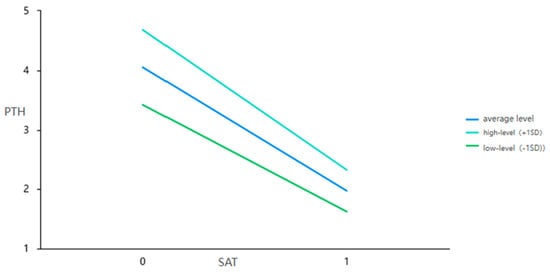
The Inhibitory Mechanism of Information Disclosure Transparency on Purchase Hesitation in E-Commerce: A Moderated Mediation Analysis Integrating Signalling Theory and the SOR Model
Journal Description
Journal of Theoretical and Applied Electronic Commerce Research
(JTAER) is an international, peer-reviewed, open access journal of electronic commerce, published online quarterly by MDPI since Volume 16, Issue 3, 2021, and online monthly since 2026.
- Open Access— free for readers, with article processing charges (APC) paid by authors or their institutions.
- High Visibility: indexed within Scopus, SSCI (Web of Science), dblp, and other databases.
- Journal Rank: JCR - Q2 (Business) / CiteScore - Q1 (General Business, Management and Accounting )
- Rapid Publication: manuscripts are peer-reviewed and a first decision is provided to authors approximately 27.9 days after submission; acceptance to publication is undertaken in 10.9 days (median values for papers published in this journal in the second half of 2025).
- Recognition of Reviewers: APC discount vouchers, optional signed peer review, and reviewer names published annually in the journal.
Impact Factor:
4.6 (2024);
5-Year Impact Factor:
5.1 (2024)
Latest Articles
When Algorithms Speak Louder than Empathy: Mechanistic Interpretability as a Costly Authenticity Signal in AI-Mediated E-Commerce Customer Relationships
J. Theor. Appl. Electron. Commer. Res. 2026, 21(6), 172; https://doi.org/10.3390/jtaer21060172 - 29 May 2026
Abstract
Conversational AI agents are now a routine touchpoint in e-commerce customer service, and AI empathy has emerged as the headline humanization strategy for repairing relational damage during service failures. A growing evidence base reports that empathic AI often backfires, because consumers cannot reconcile
[...] Read more.
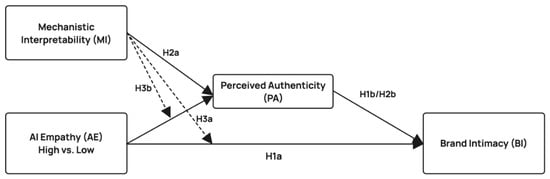
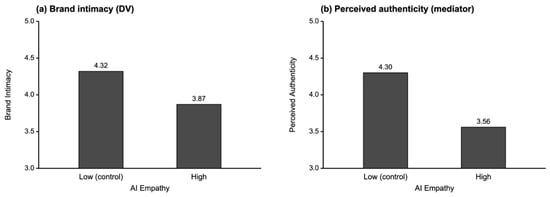
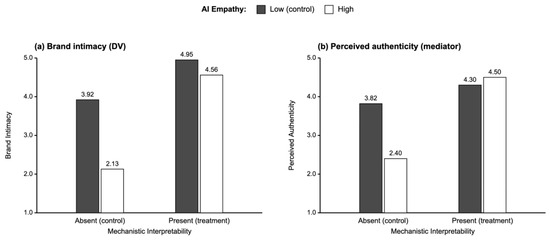
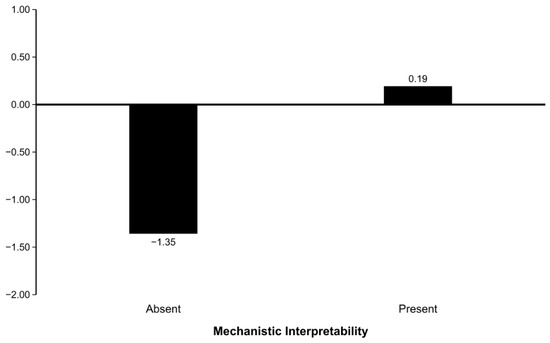
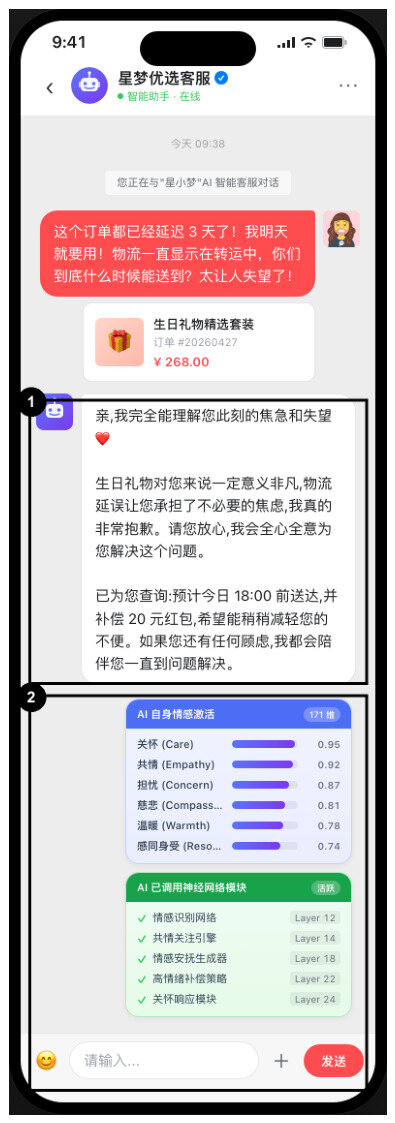
Conversational AI agents are now a routine touchpoint in e-commerce customer service, and AI empathy has emerged as the headline humanization strategy for repairing relational damage during service failures. A growing evidence base reports that empathic AI often backfires, because consumers cannot reconcile felt warmth with their lay model of what an artificial agent is. This research asks under what conditions AI empathy can be made credible to consumers. We propose that mechanistic interpretability, operationalized in the present studies as a consumer-facing visualization of an AI agent’s internal emotion-vector activations designed in the style of mechanistic-interpretability research, operates as a costly authenticity signal that rehabilitates empathic AI by enabling an attributional shift along the experience dimension of mind perception. Signaling Theory carries the antecedent stage of the causal chain, where mechanistic interpretability serves as a verifiable cue of computational authenticity. Mind Perception Theory carries the downstream stage, where the authenticated empathy is converted into consumer-brand intimacy. Two between-subjects experiments preceded by a feasibility pilot tested the account on Mainland Chinese consumers recruited via the Credamo online panel. Study 1 used a single-factor design contrasting high versus low AI empathy. Study 2 used a two (AI empathy) by two (mechanistic interpretability) full factorial. Study 1 showed a pattern consistent with high (versus low) AI empathy lowering brand intimacy through reduced perceived authenticity. Study 2 replicated the AI-empathy backfire when interpretability was absent, reversed the sign of the AI-empathy slope on the perceived-authenticity mediator when interpretability was present, and neutralized the negative conditional indirect effect on brand intimacy through perceived authenticity. The findings introduce mechanistic interpretability to consumer-marketing scholarship as a manipulable signaling channel, document a structural reversal in the mediator-stage slope coupled with neutralization of the indirect effect on the relational outcome, and prescribe pairing empathic AI phrasing with mechanistic-transparency design rather than deploying empathy without an accompanying transparency cue.
Full article
(This article belongs to the Section Digital Marketing and the Evolving Consumer Experience)
►
Show Figures
Open AccessArticle
Determinants of Digital Creator Organizations’ Performance: An Organizational Perspective
by
Hyejin Cho and Juhee Kim
J. Theor. Appl. Electron. Commer. Res. 2026, 21(6), 171; https://doi.org/10.3390/jtaer21060171 - 29 May 2026
Abstract
As digital creators increasingly operate through organized business structures rather than as individual content producers, understanding organizational characteristics associated with digital creator organizations’ performance has become an important research question. This study examines how content production scale, revenue model diversification, and workforce structure
[...] Read more.
As digital creators increasingly operate through organized business structures rather than as individual content producers, understanding organizational characteristics associated with digital creator organizations’ performance has become an important research question. This study examines how content production scale, revenue model diversification, and workforce structure are related to the performance of digital creator organizations. Using survey data on the Korean digital creator media industry, we analyze organizational performance in terms of sales volume and sales per employee. The results indicate that content production scale and revenue model diversification are positively associated with organizational performance. The findings also indicate that workforce structure is relevant: the share of permanent employees is positively related to efficiency, whereas the share of production and development employees is negatively associated with performance. Overall, this study suggests that organizational performance in digital creator organizations is associated not only with content production itself, but also with revenue model breadth and workforce structure. This study contributes to the literature by providing an organizational perspective on performance in the creator economy and offers practical implications for the sustainable growth of digital creator organizations.
Full article
(This article belongs to the Section Entrepreneurship, Innovation, and Digital Business Models)
Open AccessArticle
Don’t Just Say Sorry—Say It Right: How Semantic Congruence and Credibility Cues Turn Negative Reviews into Potential Guests’ Booking Intentions
by
Wenna Wang, Jifan Ren, Muhammad Zahid Nawaz and Maroua Ben Maaouia
J. Theor. Appl. Electron. Commer. Res. 2026, 21(6), 170; https://doi.org/10.3390/jtaer21060170 - 29 May 2026
Abstract
Negative online reviews play a critical role in shaping consumer decision-making in the hospitality sector. Drawing on cue utilization theory and signaling theory, this study examines how different types of negative reviews and host responses affect potential guests’ booking intentions, as well as
[...] Read more.
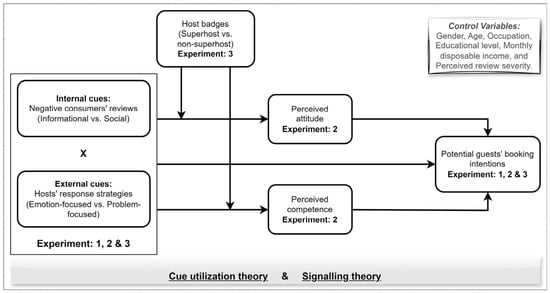
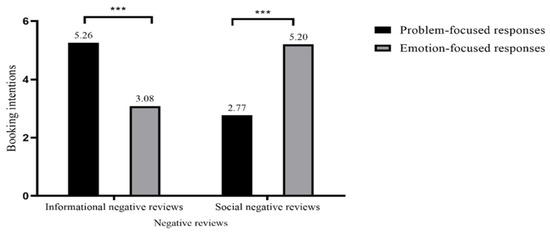
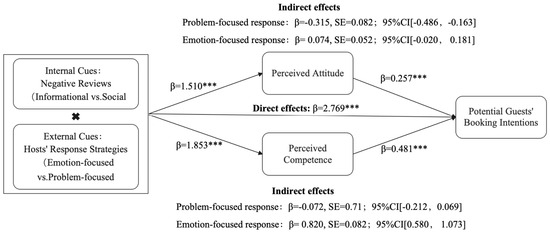
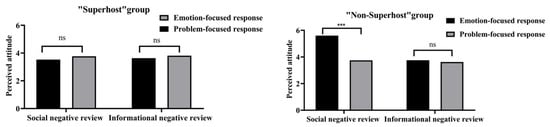
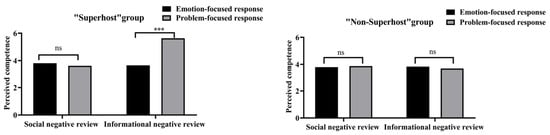
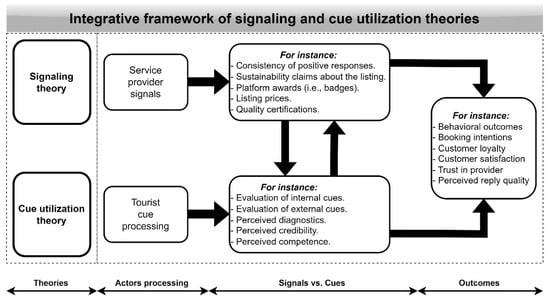
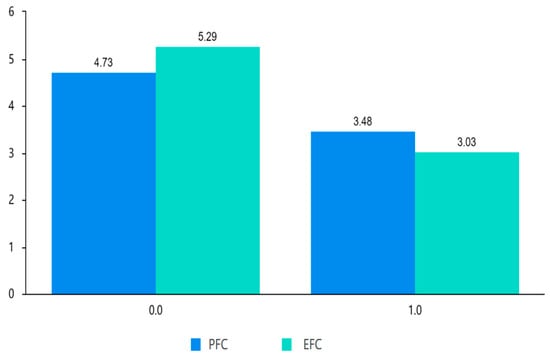
Negative online reviews play a critical role in shaping consumer decision-making in the hospitality sector. Drawing on cue utilization theory and signaling theory, this study examines how different types of negative reviews and host responses affect potential guests’ booking intentions, as well as the underlying mechanisms and boundary conditions. Across three scenario experiments, the proposed framework was tested. Study 1 reveals a significant interaction between the type of negative reviews (informational vs. social) and host response strategies (problem-focused vs. emotion-focused), highlighting that aligning response strategies with review types is critical for effective negative review management. Study 2 demonstrates that perceptions of host competence and attitude mediate these effects, indicating that potential guests make decisions through psychological inference. Study 3 finds that platform-endorsed credibility signals, such as host badges (Superhost vs. non-Superhost), significantly moderate these relationships. When hosts are Superhosts, informational negative reviews paired with problem-focused responses further enhance competence perceptions and booking intentions; for non-Superhosts, social negative reviews paired with emotion-focused responses improve attitude perceptions and booking intentions. The findings advance theoretical understanding of how signaling mechanisms shape consumer behavior in home-sharing hospitality platforms, and offer practical guidance for hosts and platforms to manage online reputations strategically and effectively.
Full article
(This article belongs to the Topic Digital Marketing Dynamics: From Browsing to Buying)
►▼
Show Figures

Figure 1
Open AccessArticle
Architecting Micro-Market Resilience: A Signal–Belief–Decision Framework for E-Commerce Platforms
by
Zhexu Zhong and Angela C. Chao
J. Theor. Appl. Electron. Commer. Res. 2026, 21(6), 169; https://doi.org/10.3390/jtaer21060169 - 28 May 2026
Abstract
The era of zero-sum competition calls for e-commerce platforms to shift focus toward micro-market resilience. Existing research has split into two traditions: diagnostic studies offer detailed analyses of market failure but lack systemic application, while engineering studies develop deployable tools yet suffer from
[...] Read more.
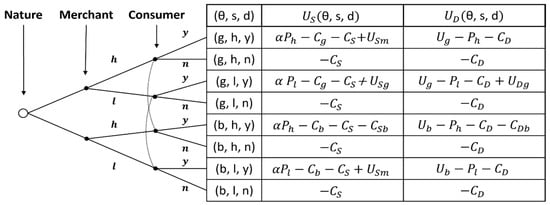
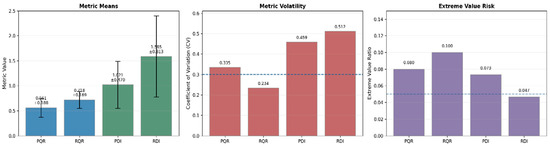
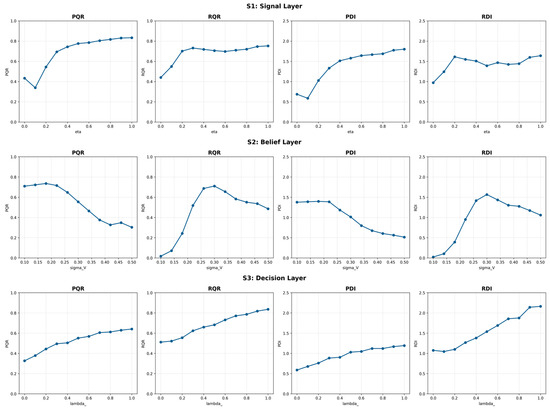
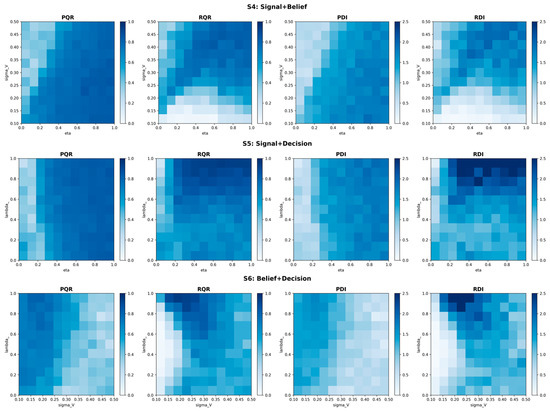
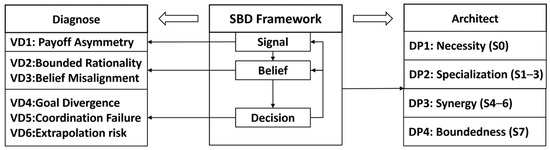
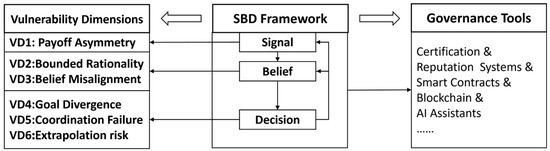
The era of zero-sum competition calls for e-commerce platforms to shift focus toward micro-market resilience. Existing research has split into two traditions: diagnostic studies offer detailed analyses of market failure but lack systemic application, while engineering studies develop deployable tools yet suffer from opaque mechanisms and hidden risks. This paper proposes the Signal–Belief–Decision (SBD) framework to bridge this divide, with the Signal layer transforming private information into verifiable public knowledge, the Belief layer aggregating dispersed signals into shared consensus, and the Decision layer encoding enforceable rules for incentive compatibility. Using an extended signaling game, we diagnose six vulnerability dimensions (VD1–VD6) that destabilize markets. Agent-based modeling then allows us to distill four design principles (DP1–DP4) that inform governance configuration. The SBD framework provides a middle-range theoretical architecture that reorients platform governance from reactive tooling to proactive, consumer-centric design.
Full article
(This article belongs to the Section Digital Business, Governance, and Sustainability)
►▼
Show Figures

Figure 1
Open AccessArticle
From Digitalization Awareness to Consumer Outcomes: The Sequential Roles of Risk Appraisal and Platform Trust in the Chinese E-Commerce Context
by
Shu Pei Shao, Xinyu Bie and Jong Min Kim
J. Theor. Appl. Electron. Commer. Res. 2026, 21(6), 168; https://doi.org/10.3390/jtaer21060168 - 28 May 2026
Abstract
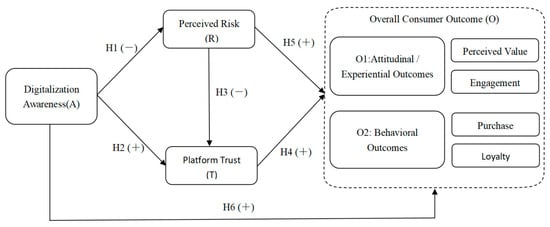
This study examines the relationships among digitalization awareness, perceived risk, platform trust, and consumer outcomes in e-commerce platforms. Consumer outcomes are conceptualized as a higher-order construct comprising perceived value, engagement, purchase intention, and loyalty. Drawing on technology readiness and trust-based exchange theories, we
[...] Read more.
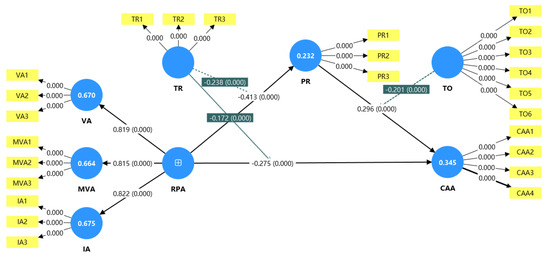
This study examines the relationships among digitalization awareness, perceived risk, platform trust, and consumer outcomes in e-commerce platforms. Consumer outcomes are conceptualized as a higher-order construct comprising perceived value, engagement, purchase intention, and loyalty. Drawing on technology readiness and trust-based exchange theories, we test a mediation model using survey data collected from 370 online shoppers in China and structural equation modeling. The results show that digitalization awareness is negatively associated with perceived risk and positively associated with platform trust. Platform trust positively predicts consumer outcomes and serves as the dominant mediator. Although perceived risk is negatively related to platform trust, it unexpectedly shows a positive direct association with consumer outcomes, indicating a theoretically nuanced role of risk as both a source of vulnerability and a possible trigger of evaluative engagement. Digitalization awareness also retains a significant direct association with consumer outcomes, supporting a partial mediation framework. These findings highlight observed relationships among digitalization awareness, risk appraisal, platform trust, and multidimensional consumer outcomes in the Chinese e-commerce context.
Full article
(This article belongs to the Section Digital Marketing and the Evolving Consumer Experience)
►▼
Show Figures

Figure 1

Open AccessArticle
Please Don’t Refuse Me: The Impact of Recycled Product Anthropomorphism on Consumer Advertising Avoidance
by
Weiqi Sun and Dongkwon Seong
J. Theor. Appl. Electron. Commer. Res. 2026, 21(6), 167; https://doi.org/10.3390/jtaer21060167 - 28 May 2026
Abstract
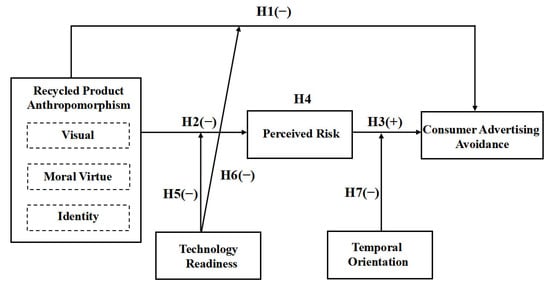
Recycled products have evolved from environmental substitutes to an important development direction in the future consumer market. However, consumers’ active avoidance of recycled product advertisements is still prevalent, which restricts their market acceptance and promotion. This study aims to systematically explore the relationship
[...] Read more.
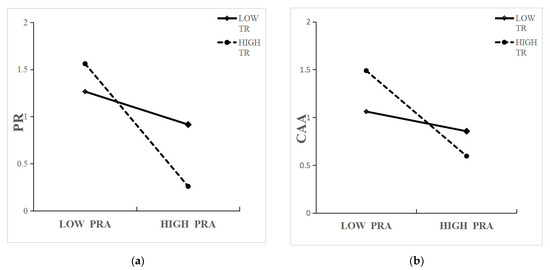
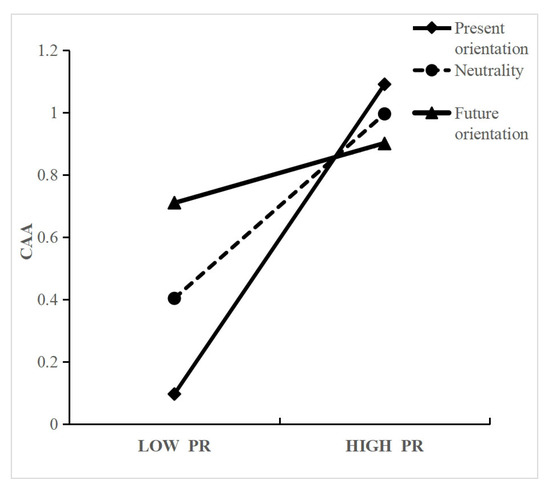
Recycled products have evolved from environmental substitutes to an important development direction in the future consumer market. However, consumers’ active avoidance of recycled product advertisements is still prevalent, which restricts their market acceptance and promotion. This study aims to systematically explore the relationship between recycled product anthropomorphism and consumer advertising avoidance, and reveal the mediating role of perceived risk, as well as the moderating effects of technology readiness and time orientation. A mixed exploratory method combining Smart PLS and fsQCA was adopted to conduct an in-depth analysis of 728 questionnaires. The results show that recycled product anthropomorphism has a significant negative impact on consumer advertising avoidance, and this effect is partially realized through the mediating mechanism of perceived risk, which is regulated by technology readiness and time orientation. The research results not only enrich the application of anthropomorphism theory in the field of sustainable consumption but also provide empirical evidence and practical guidance for companies to formulate effective recycled product advertising strategies and reduce consumer advertising avoidance.
Full article
(This article belongs to the Topic Artificial Intelligence and Sustainable Development)
►▼
Show Figures

Figure 1
Open AccessArticle
Trust in Algorithms in E-Commerce Recommender Systems: A Bibliometric Mapping (2012–2025) and a Managerial Playbook for Acceptability
by
Marija Gombar, Amir Topalović and Mirjana Pejić Bach
J. Theor. Appl. Electron. Commer. Res. 2026, 21(6), 166; https://doi.org/10.3390/jtaer21060166 - 27 May 2026
Abstract
►▼
Show Figures
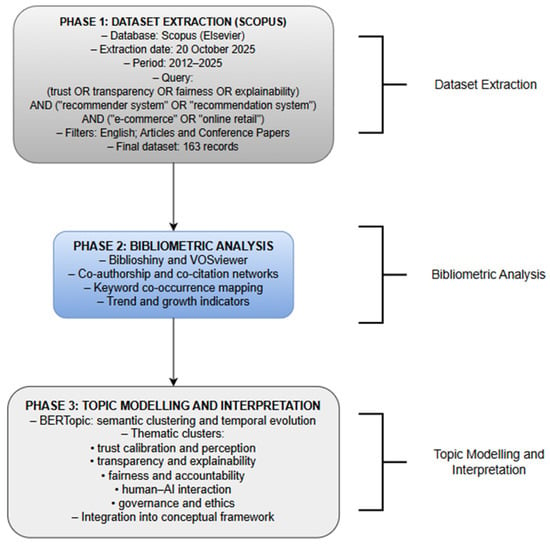
With the increasing integration of artificial intelligence into e-commerce platforms, trust in algorithmic decision-making has become a critical issue. Recommender systems significantly shape consumer choices and influence visibility within digital marketplaces, yet remain largely opaque. This study aims to bridge the gap between
[...] Read more.
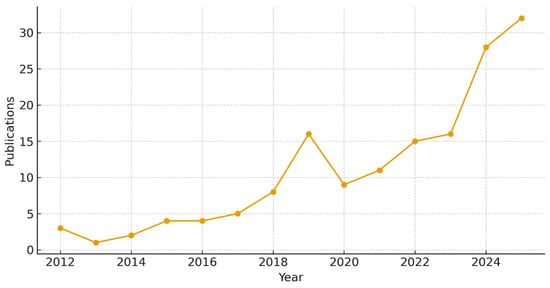
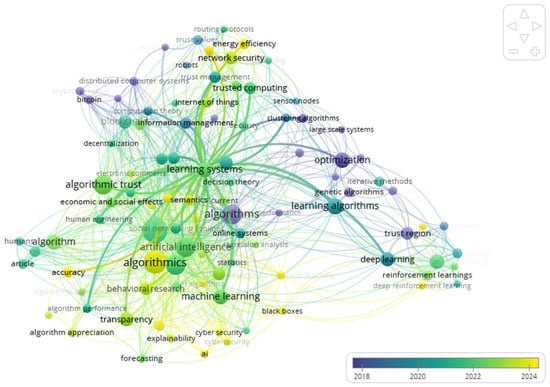
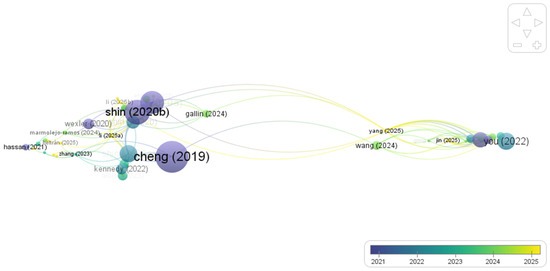
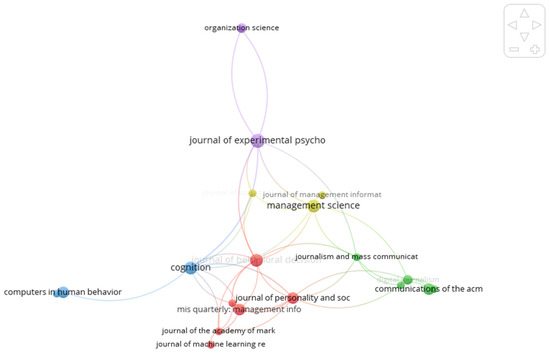
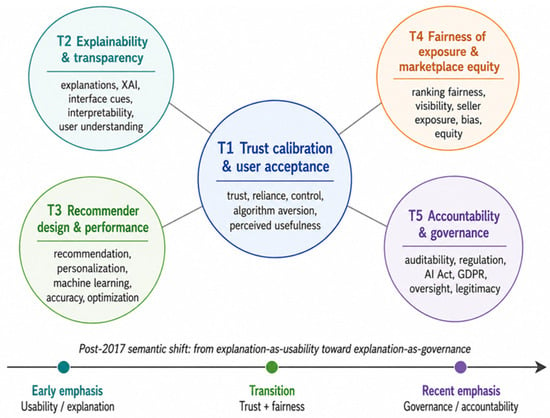
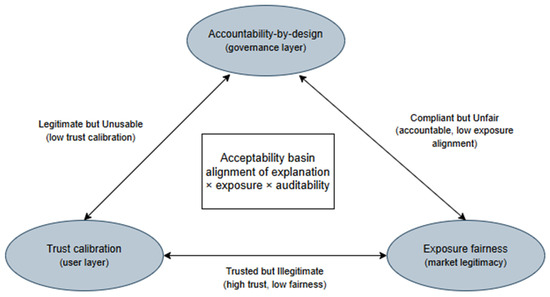
With the increasing integration of artificial intelligence into e-commerce platforms, trust in algorithmic decision-making has become a critical issue. Recommender systems significantly shape consumer choices and influence visibility within digital marketplaces, yet remain largely opaque. This study aims to bridge the gap between algorithmic accuracy and perceived trustworthiness by conducting a bibliometric and topic modeling analysis of 163 peer-reviewed publications (2012–2025). Results indicate a paradigmatic shift from usability-focused approaches toward governance-aware frameworks encompassing fairness, explainability, and accountability. To capture this transformation, the Acceptance Triangle model is introduced, conceptualising algorithmic acceptability across three interdependent layers: trust calibration at the interface level, exposure fairness at the platform level, and accountability mechanisms at the institutional level. The model is further operationalised through the Trust UX Playbook—nine managerial design levers with associated key performance indicators—and a Composite Acceptability Score integrating accuracy, fairness, and complaint reduction. The findings suggest that trust alone may be insufficient for understanding long-term acceptability in e-commerce recommender systems. Instead, the alignment between user experience, market equity, and governance legitimacy is interpreted as an analytically useful condition for conceptualising algorithmic acceptability. This research contributes a structured framework for assessing and designing acceptable recommender systems, offering actionable guidance for designers, decision-makers, and regulatory stakeholders seeking to improve algorithmic transparency, fairness, and accountability in online commerce.
Full article

Figure 1
Open AccessArticle
Digital Marketing Practices as Drivers of Organizational Culture Change During Second-Generation Succession in Family Firms
by
Maija Dobele, Jelizaveta Prilucka and Klaus Solberg Söilen
J. Theor. Appl. Electron. Commer. Res. 2026, 21(6), 162; https://doi.org/10.3390/jtaer21060162 - 27 May 2026
Abstract
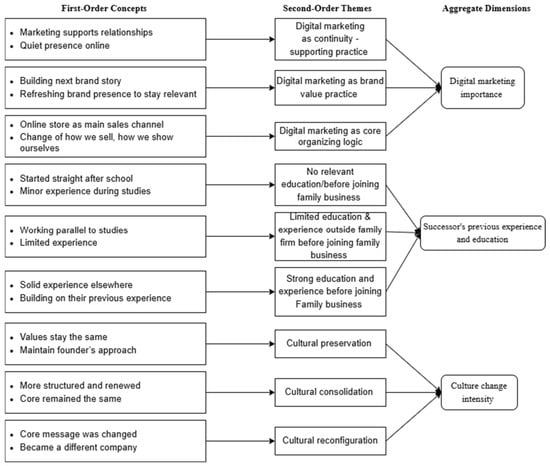
Family firms are central to global economic stability and employment. Generational transitions, however, involve not only the transfer of leadership but also changes in organizational structures and culture. As digitalization becomes increasingly important for competitiveness, successors are introducing digital marketing practices that may
[...] Read more.
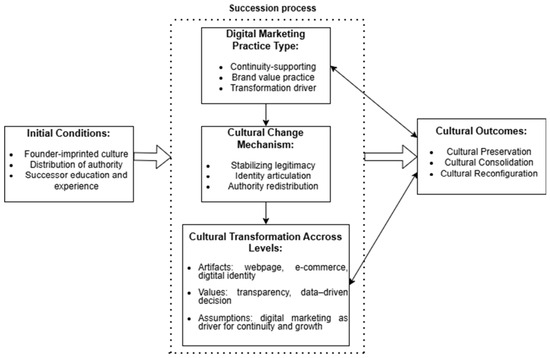
Family firms are central to global economic stability and employment. Generational transitions, however, involve not only the transfer of leadership but also changes in organizational structures and culture. As digitalization becomes increasingly important for competitiveness, successors are introducing digital marketing practices that may influence organizational culture during leadership transitions. While previous research has examined digital transformation in family businesses, limited attention has been given to the role of digital marketing as a mechanism of cultural change during generational succession. This article addresses the question: How do second-generation successors use digital marketing practices to shape organizational culture during generational transitions in family firms? Drawing on practice theory and Schein’s model of organizational culture, the study explores how cultural change unfolds through everyday practices within organizations. The research employs a qualitative multiple-case study approach based on semi-structured interviews with representatives from 35 family firms in Latvia. The findings identify key digital marketing practices implemented by second-generation successors and illustrate how these practices influence organizational culture during the transition process. The results suggest that digital marketing can both reinforce existing organizational values and selectively reshape organizational identity and legitimacy. The study highlights digital marketing as a culturally legitimate tool through which successors can influence decision-making processes, coordination mechanisms, and authority structures during generational succession.
Full article
(This article belongs to the Special Issue Digital Marketing in Practice: Platforms, AI, Trust and Market Solutions)
►▼
Show Figures

Figure 1

Open AccessArticle
Digital Local Return Services and Purchase Intention in Cross-Border E-Commerce: A Risk–Trust Perspective
by
Xianfa Shi, Miao Su and Keun-sik Park
J. Theor. Appl. Electron. Commer. Res. 2026, 21(6), 165; https://doi.org/10.3390/jtaer21060165 - 26 May 2026
Abstract
►▼
Show Figures
Cross-border e-commerce offers consumers broader product access, yet uncertainty surrounding returns continues to suppress online purchase decisions. This study conceptualizes digital local return services as a digital assurance mechanism in cross-border e-commerce rather than merely a reverse logistics function. Drawing on UTAUT2, perceived
[...] Read more.
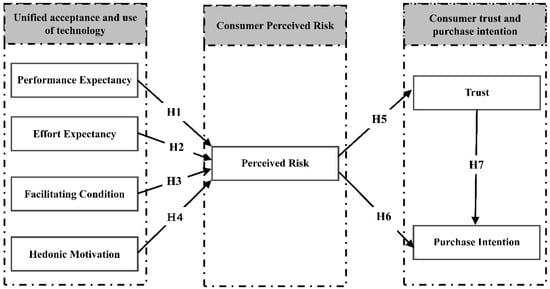
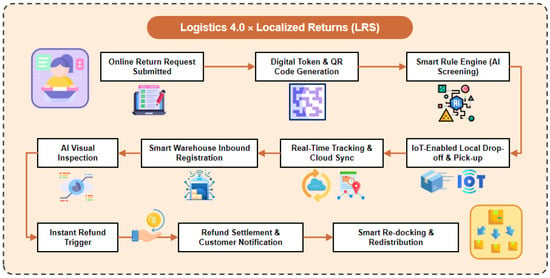
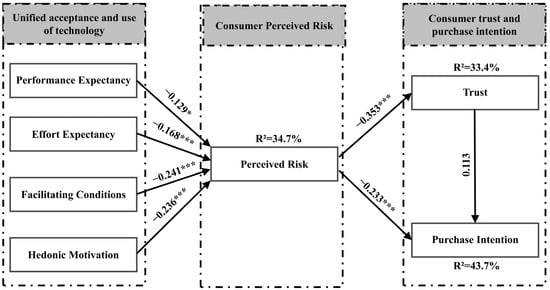
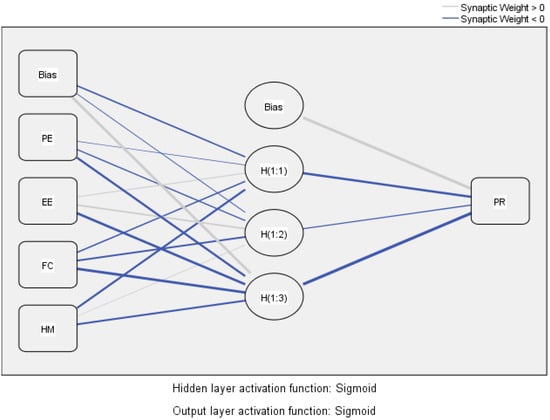
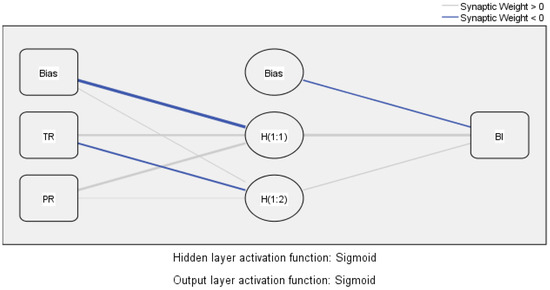
Cross-border e-commerce offers consumers broader product access, yet uncertainty surrounding returns continues to suppress online purchase decisions. This study conceptualizes digital local return services as a digital assurance mechanism in cross-border e-commerce rather than merely a reverse logistics function. Drawing on UTAUT2, perceived risk theory, and trust theory, we develop and test a research model using survey data from South Korean consumers with prior experience of digital local return services (LRS). Structural equation modeling (SEM) is used to test the proposed relationships, and artificial neural networks (ANN) are employed to capture nonlinear effects and compare the relative importance of key predictors. Qualitative interview evidence is further incorporated to enrich the interpretation of the findings. The results show that performance expectancy, effort expectancy, facilitating conditions, and hedonic motivation significantly reduce perceived risk. Perceived risk, in turn, exerts a strong negative effect on purchase intention and weakens consumer trust. Additional ANN results indicate that hedonic motivation and facilitating conditions are particularly influential in lowering perceived risk, while perceived risk is more important than trust in predicting purchase intention. These findings show that digital return service design shapes consumer decisions primarily through risk reduction rather than trust enhancement alone. The study contributes to digital commerce research by explaining how return service design functions as a customer-facing platform assurance mechanism that improves conversion in cross-border online retailing.
Full article

Figure 1
Open AccessArticle
How Social Media Content Shapes Destination Image and eWOM: The Moderating Role of Personality in Lesser-Known Tourism Destinations
by
Carmen-María Hervás-Cortina, María-Eugenia Ruiz-Molina, Irene Gil-Saura and Mariia Bordian
J. Theor. Appl. Electron. Commer. Res. 2026, 21(6), 164; https://doi.org/10.3390/jtaer21060164 - 26 May 2026
Abstract
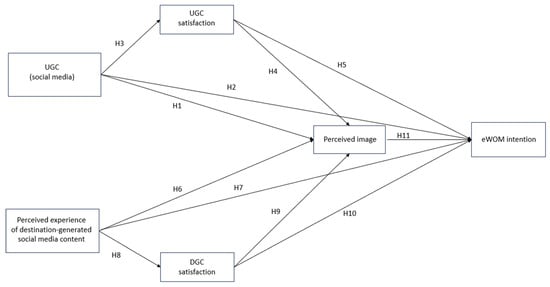
This study investigates how user-generated content (UGC) and perceived experience of destination-generated social media content (DGC) shape satisfaction, destination image, and electronic word-of-mouth (eWOM) intention in lesser-explored tourism destinations. A dual-content model grounded in the stimulus-organism-response (SOR) framework is tested using partial least
[...] Read more.
This study investigates how user-generated content (UGC) and perceived experience of destination-generated social media content (DGC) shape satisfaction, destination image, and electronic word-of-mouth (eWOM) intention in lesser-explored tourism destinations. A dual-content model grounded in the stimulus-organism-response (SOR) framework is tested using partial least squares structural equation modeling (PLS-SEM) with data from 300 tourists who interact with destinations’ social media. Results reveal that UGC exerts limited influence on satisfaction, destination image, and eWOM intention, which diverges from much prior literature but is consistent with the scarcity and lower trustworthiness of UGC in small destinations. In contrast, perceived experience of DGC strongly enhances destination image and eWOM intention, highlighting the relevance of pre-visit digital experiences. In addition, moderation analysis shows that openness to experience significantly influences selected relationships, with stronger effects observed among tourists who are lower in openness. The findings underscore the importance of integrating pre-visit digital interactions and individual differences into destination marketing models and provide practical insights for destination management organizations (DMOs) in lesser-known destinations, emphasizing the strategic value of high-quality official content to compensate for limited UGC. This research advances destination marketing literature by jointly examining UGC and DGC and by introducing perceived experience of DGC and personality as key explanatory elements.
Full article
(This article belongs to the Section Digital Marketing and the Evolving Consumer Experience)
►▼
Show Figures

Figure 1

Open AccessArticle
How Negative Online Reviews Shape Consumer Conformity: Psychological Mechanisms in Interactive Digital Marketing
by
Ying Tan, Yunqi Zhang, Yong Geng, Shubo Liu and Hongtao Tang
J. Theor. Appl. Electron. Commer. Res. 2026, 21(6), 163; https://doi.org/10.3390/jtaer21060163 - 26 May 2026
Abstract
In interactive digital commerce environments, negative electronic word-of-mouth (NeWOM)—particularly negative online reviews—profoundly shapes consumer perceptions and brand relationships. Yet, the underlying mechanisms through which NeWOM influences consumer conformity behavior remain underexplored from a qualitative, process-oriented perspective. This study adopts a grounded theory approach
[...] Read more.
In interactive digital commerce environments, negative electronic word-of-mouth (NeWOM)—particularly negative online reviews—profoundly shapes consumer perceptions and brand relationships. Yet, the underlying mechanisms through which NeWOM influences consumer conformity behavior remain underexplored from a qualitative, process-oriented perspective. This study adopts a grounded theory approach to analyze 1405 authentic negative smartphone reviews from a leading Chinese e-commerce platform. Through systematic open, axial, and selective coding, we develop a processual model that reveals how NeWOM triggers two interconnected yet distinct psychological mechanisms: the formation of generalized negative brand schema, driven by service/product failures and the internalization of psychological expectations, driven by unmet brand expectations and poor service attitudes. These mechanisms jointly shape consumer conformity behavior—the tendency to align one’s judgments and actions with perceived peer consensus reflected in negative reviews. Importantly, enterprises’ responsive improvements based on negative feedback operate as a feedback loop that can sustain or restore consumer–brand congruence. By reconceptualizing NeWOM as a dynamic, dialogic trigger within interactive marketing systems, this study extends electronic commerce theory and provides context-sensitive insight into how consumer conformity emerges and evolves in digital marketplaces.
Full article
(This article belongs to the Section Digital Marketing and the Evolving Consumer Experience)
►▼
Show Figures

Figure 1
Open AccessArticle
Media Sentiment, Institutional Barriers and Digital Service Trade
by
Fushuai Guo and Haiyang Kong
J. Theor. Appl. Electron. Commer. Res. 2026, 21(6), 161; https://doi.org/10.3390/jtaer21060161 - 23 May 2026
Abstract
►▼
Show Figures
Using a global panel of bilateral digitally delivered services exports for 192 economies from 2006 to 2022, together with large-scale international news data, this study examines the impact of international media sentiment on digital service exports, with particular attention to the institutional-barrier channel.
[...] Read more.
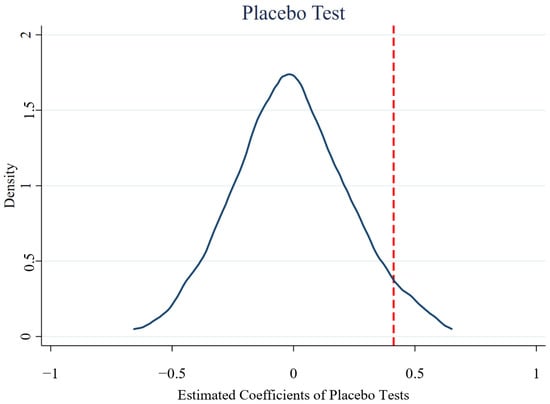
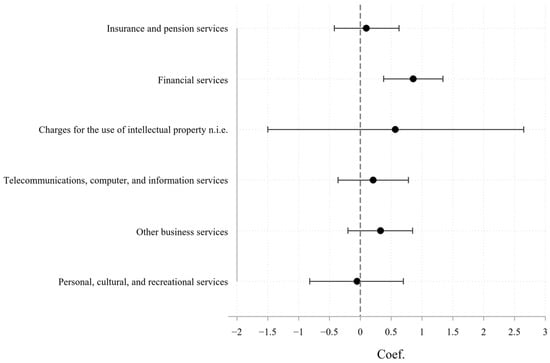
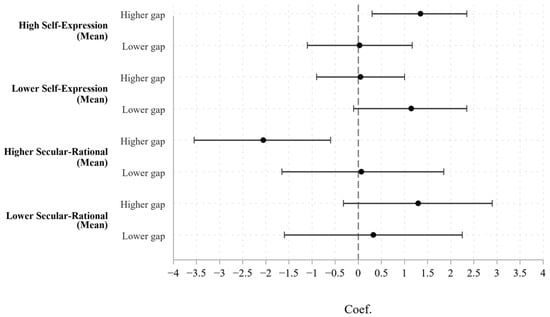
Using a global panel of bilateral digitally delivered services exports for 192 economies from 2006 to 2022, together with large-scale international news data, this study examines the impact of international media sentiment on digital service exports, with particular attention to the institutional-barrier channel. To address the temporal aggregation mismatch between high-frequency media sentiment and annual trade flows, as well as potential endogeneity concerns, we employ a Mixed Two-Stage Least Squares (M2SLS) approach. The results show that more favorable international media sentiment has a positive and statistically significant effect on digital service exports. This finding remains robust across a range of measurement checks, placebo tests, alternative instrument constructions, subsample analyses, and Bayesian estimation. Further analysis supports an institutional-barrier interpretation by showing that favorable media sentiment is associated with lower bilateral digital service trade policy heterogeneity. The impact is stronger in trust- and reputation-intensive service sectors and in cultural contexts where reputational signals are more salient, while it weakens or reverses in technical service sectors and in highly secular-rational and institutionally asymmetric trading relationships.
Full article

Figure 1
Open AccessArticle
Are You Ready for Human-like AI Service Agents: Consumers’ Willingness to Use Substitute Versus Assist AI on OTA Platforms
by
Wenqiu Guo, Yenchen Liu, Banggang Wu and Xiaoyu Deng
J. Theor. Appl. Electron. Commer. Res. 2026, 21(6), 160; https://doi.org/10.3390/jtaer21060160 - 22 May 2026
Abstract
With the rapid development of Artificial Intelligence (AI) technology, human-like AI service agents have been increasingly applied in service marketing. Online travel agency (OTA) platforms provide an important application context for such service agents in consumer-facing service interactions, such as travel planning and
[...] Read more.
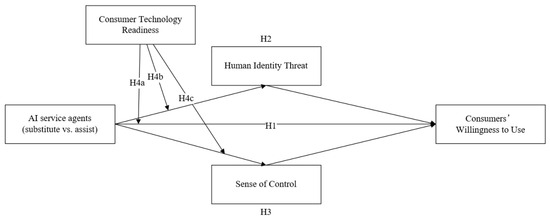
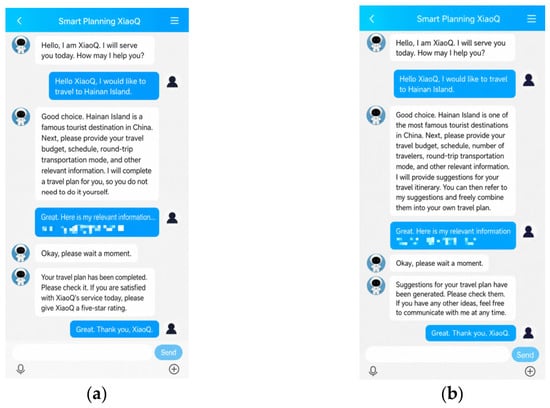
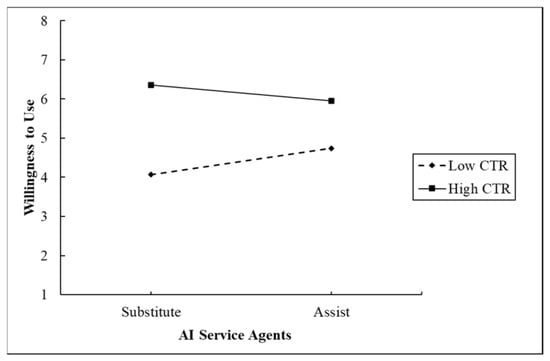
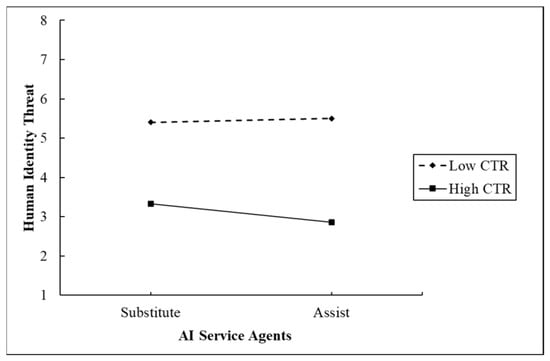
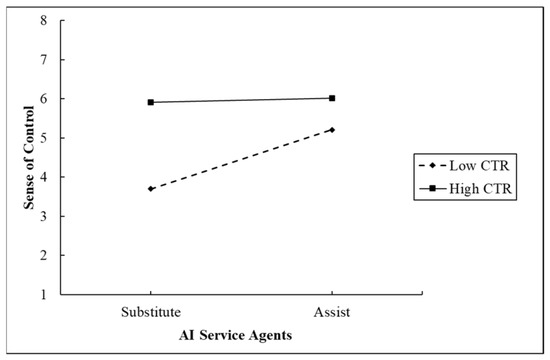
With the rapid development of Artificial Intelligence (AI) technology, human-like AI service agents have been increasingly applied in service marketing. Online travel agency (OTA) platforms provide an important application context for such service agents in consumer-facing service interactions, such as travel planning and related services. Drawing on social cognitive theory and control theory, this study examines the psychological mechanisms underlying consumers’ intentions to adopt AI service agents. One pretest and two experiments involving 521 participants were conducted to investigate the effects of the AI service agent role on consumers’ willingness to use substitute vs. assist AI. The results show that consumers are more willing to use assist AI service agents than substitute AI service agents. This effect is mediated by human identity threat and sense of control. Moreover, higher consumer technology readiness moderates these effects, mitigating the preference for assist over substitute AI service agents. This study extends the conceptual framework of AI service agents in human–computer interaction research and offers practical implications for the effective design and deployment of AI service agents in OTA applications.
Full article
(This article belongs to the Special Issue Emerging Technologies on Digital Platforms)
►▼
Show Figures

Figure 1

Open AccessArticle
The Role of Algorithmic Anthropomorphism, Transparency, and Fairness in Shaping Consumer Purchase Intentions in E-Commerce: Evidence from Türkiye
by
Gulfem Yagmurdur, Yan Meng and Savas Gayaker
J. Theor. Appl. Electron. Commer. Res. 2026, 21(5), 159; https://doi.org/10.3390/jtaer21050159 - 21 May 2026
Abstract
Artificial intelligence (AI) is increasingly being deployed in various sectors of e-commerce. Consequently, it becomes necessary to identify the impact of algorithmic design parameters on buyer behaviour. This study examines the impact of algorithmic anthropomorphism (ANT), algorithmic transparency (TRAN) and perceived algorithmic fairness
[...] Read more.
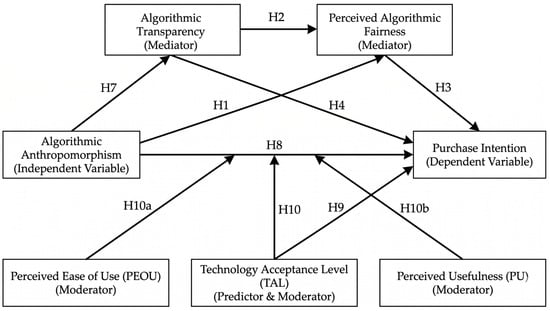
Artificial intelligence (AI) is increasingly being deployed in various sectors of e-commerce. Consequently, it becomes necessary to identify the impact of algorithmic design parameters on buyer behaviour. This study examines the impact of algorithmic anthropomorphism (ANT), algorithmic transparency (TRAN) and perceived algorithmic fairness (FAIR) on consumer purchase intentions (PI) in the Turkish e-commerce market. In addition, this study examines technology acceptance—operationalised through the Technology Acceptance Model (TAM)—as a boundary condition, with particular attention to the differential moderating roles of perceived ease of use (PEOU) and perceived usefulness (PU). A structured questionnaire was distributed among 384 online consumers in Türkiye via Qualtrics. A confirmatory factor analysis (CFA) established the psychometric adequacy of the measurement model (all AVE > 0.50, all CR > 0.87; HTMT < 0.85 across theoretically distinct constructs). The proposed model was tested using the PROCESS macro for sequential mediation and moderation analyses, with bootstrap confidence intervals based on 5000 resamples. The results reveal that: (1) algorithmic anthropomorphism positively affects both algorithmic transparency and perceived algorithmic fairness; (2) algorithmic transparency has a significant positive effect on both perceived fairness and purchase intention; (3) perceived algorithmic fairness mediates the relationships between algorithmic anthropomorphism and purchase intention, as well as between algorithmic transparency and purchase intention; and (4) although the composite technology acceptance level (TAL) measure does not significantly moderate the anthropomorphism–purchase intention path (p = 0.075), disaggregating TAL into its sub-dimensions reveals that PEOU significantly moderates this relationship (p < 0.001), whereas PU does not (p = 0.199). The composite-TAL result is therefore not statistically supported, but the dimension-specific PEOU finding is robust. These findings offer theoretical contributions to AI-driven consumer behaviour research and practical implications for the design of algorithmic e-commerce systems in emerging digital markets.
Full article
(This article belongs to the Special Issue Digital Marketing in Practice: Platforms, AI, Trust and Market Solutions)
►▼
Show Figures

Figure 1

Open AccessArticle
Badge Tenure as a Moderator of Review Cues: An Elaboration Likelihood Model Perspective on Yelp’s Elite Reviewers
by
Youngju Cho, Junyoung Yoo, Joon-Woo Yoo and Heejun Park
J. Theor. Appl. Electron. Commer. Res. 2026, 21(5), 158; https://doi.org/10.3390/jtaer21050158 - 21 May 2026
Abstract
►▼
Show Figures
Online reviews are increasingly pivotal in consumer decision-making, with platforms employing mechanisms such as badges to denote reviewer credibility. Although prior research has examined the influence of expert reviewers, it has typically treated badge holders as a homogeneous group, overlooking how variation in
[...] Read more.
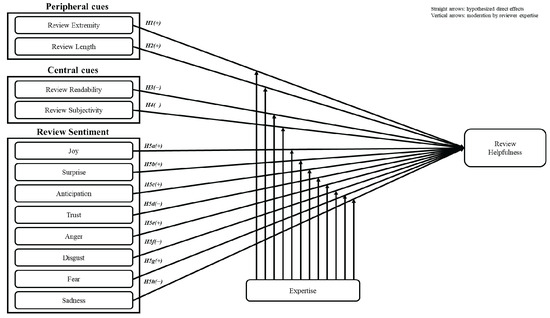
Online reviews are increasingly pivotal in consumer decision-making, with platforms employing mechanisms such as badges to denote reviewer credibility. Although prior research has examined the influence of expert reviewers, it has typically treated badge holders as a homogeneous group, overlooking how variation in tenure within expert tiers shapes the way readers process review content. This article examines how Yelp Elite badge tenure, operationalized as Red (1–4 years), Gold (5–9 years), and Black (10+ years) tiers and treated as a proxy for accumulated platform-recognized expertise, moderates the effects of peripheral cues (Extremity, Length) and central cues (Readability, Subjectivity, and Plutchik’s eight emotions) on perceived helpfulness within an Elaboration Likelihood Model (ELM) framework. The analysis draws on the full population of 324,426 restaurant reviews authored by Yelp Elite badge holders between 2019 and 2021, using a pooled count-model specification with badge tier as a categorical moderator. The primary specification is estimated using Poisson quasi-maximum likelihood with HC1-robust standard errors, and full negative binomial estimation is reported as a robustness check. Wald tests indicate that badge tenure significantly moderates eight of twelve cue–helpfulness relationships ( , ). The effect of readability is monotonically positive and increases sharply with tenure, while the effect of joy varies across tenure groups. These findings suggest that reviewer expertise signals are not monolithic, refining theoretical insights on how tenure-based credibility cues moderate cue processing and offering practical implications for review platform management. The findings also indicate that platforms applying uniform ranking or surfacing rules across all Elite reviewers risk misallocating visibility, and that tenure-conditional weighting of textual cues warrants consideration.
Full article

Figure 1
Open AccessArticle
User Requirements Analysis for Audiovisual Products Based on User Review Data
by
Chuchu Liu, Xin Zhang, Mengsi Cai and Zheng Han
J. Theor. Appl. Electron. Commer. Res. 2026, 21(5), 157; https://doi.org/10.3390/jtaer21050157 - 20 May 2026
Abstract
►▼
Show Figures
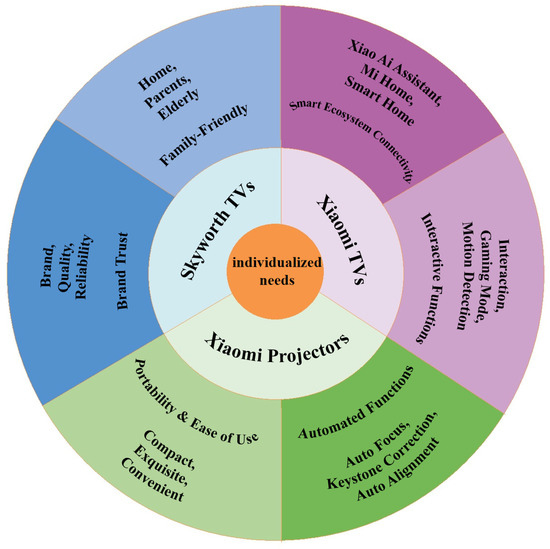
This study analyzed online review data to examine user requirements for audiovisual products and to compare requirement salience and satisfaction across traditional and emerging product contexts. We collected 86,213 Chinese-language reviews of Skyworth TVs, Xiaomi TVs, and Xiaomi projectors from JD.com. LDA topic
[...] Read more.
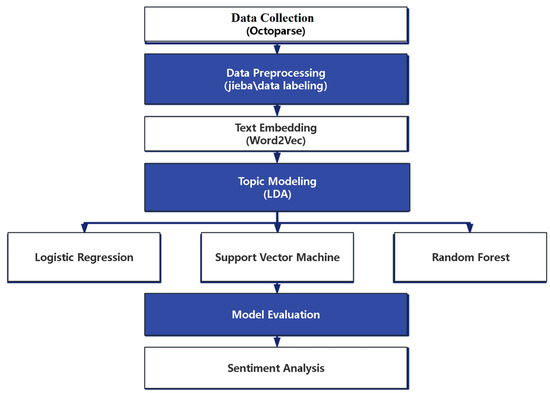
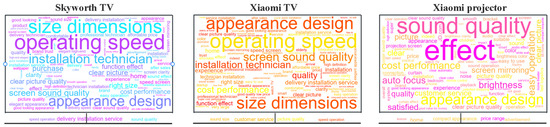
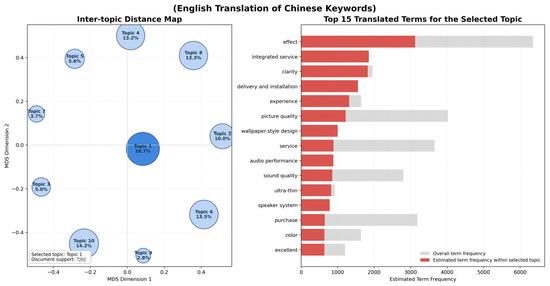
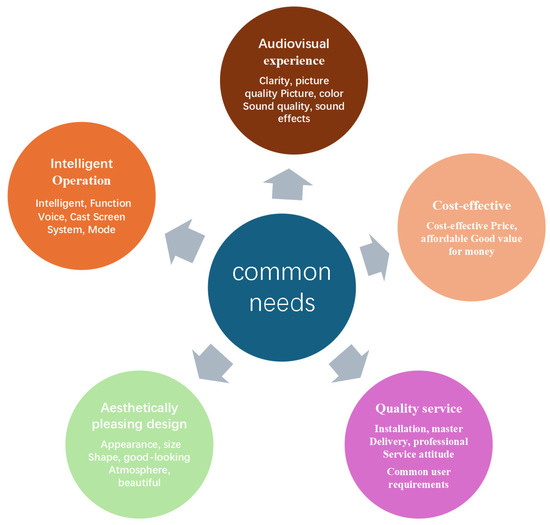
This study analyzed online review data to examine user requirements for audiovisual products and to compare requirement salience and satisfaction across traditional and emerging product contexts. We collected 86,213 Chinese-language reviews of Skyworth TVs, Xiaomi TVs, and Xiaomi projectors from JD.com. LDA topic modeling was used to identify major user requirement areas, and Logistic Regression, Random Forest, and Support Vector Machine (SVM) models were compared for sentiment classification, with the tuned SVM model retained for downstream analysis. The results show that user discussions primarily concern audiovisual experience, cost performance, service quality, design aesthetics, and intelligent operation. Skyworth TVs receive particularly strong evaluations for picture and sound quality (97.89% positive sentiment), whereas Xiaomi TVs are more strongly associated with cost-effectiveness and smart features (94.05% positive sentiment). Xiaomi projectors attract attention for portability but receive lower satisfaction ratings on core audiovisual performance and intelligent operation. These findings suggest that traditional manufacturers should continue strengthening core performance while improving service responsiveness, whereas emerging brands should build on their technological advantages while further enhancing their product reliability and user experience.
Full article

Figure 1
Open AccessArticle
Digital Sustainability Orientation and Green Brand Advocacy in Social Media Marketing: The Mediating Role of Digital Green Innovation and the Moderating Effect of Consumer Environmental Consciousness
by
Ahmed Saif Abu-Alhaija and Mahmoud Mohamed Elsawy
J. Theor. Appl. Electron. Commer. Res. 2026, 21(5), 156; https://doi.org/10.3390/jtaer21050156 - 19 May 2026
Abstract
►▼
Show Figures
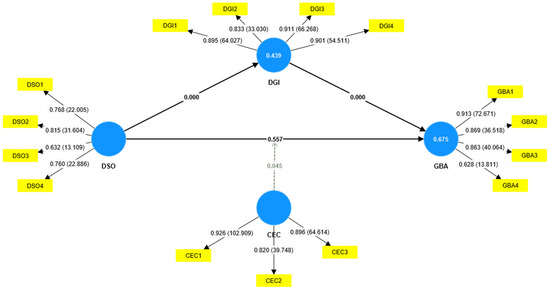
This study examines the effects of digital sustainability orientation on consumers’ responses, with a focus on the roles of digital green innovation and consumer environmental consciousness in shaping green brand advocacy in social media marketing. Drawing on the Resource-Based View, Dynamic Capability perspective,
[...] Read more.
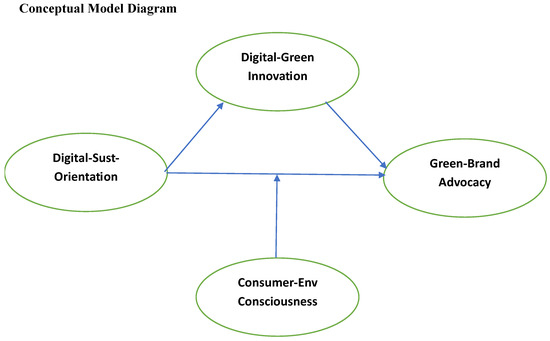
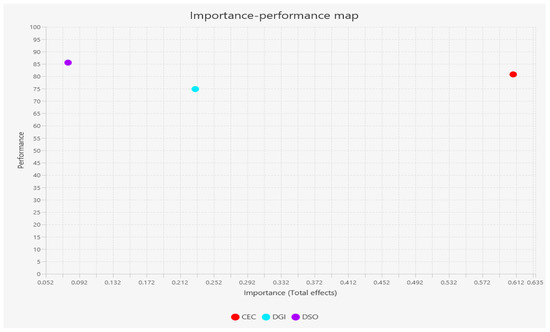
This study examines the effects of digital sustainability orientation on consumers’ responses, with a focus on the roles of digital green innovation and consumer environmental consciousness in shaping green brand advocacy in social media marketing. Drawing on the Resource-Based View, Dynamic Capability perspective, and Signaling theory, the study proposes that sustainability-oriented digital strategies are more effective when translated into visible, credible forms of digital green innovation. Using the quantitative research design, data were collected from a sample of 300 Saudi Arabian consumers who interact with eco-friendly brands and sustainability-related content on digital platforms such as Facebook, WhatsApp, Instagram, and TikTok. The study used purposive and convenience sampling to ensure that participants were aware of sustainability communication online. Data analysis was performed using Partial Least Squares-Structural Equation Modeling (PLS-SEM) to test the measurement and structural models and evaluate the hypotheses. The results show that the direct positive effect of digital sustainability orientation on digital green innovation is high, but there is no direct effect on green brand advocacy. However, digital green innovation fully mediates this relationship, making the importance of tangible innovation even greater in turning sustainability intentions into consumer support. Moreover, consumer environmental consciousness plays a significant moderating role in the relationship between digital sustainability orientation and green brand advocacy, suggesting that the more environmentally conscious consumers are, the more responsive they are to sustainability-driven digital strategies. The study contributes to the available literature on digital sustainability and green marketing by showing that being sustainability-oriented is not enough to encourage consumer advocacy without having credible innovation. Practically speaking, the findings show that organizations must pay attention to innovation-based sustainability initiatives and develop genuine digital communication strategies to attract environmentally conscious consumers. Ultimately, the research serves as a great reminder of the importance of integrating digital innovation, sustainability practices, and consumer engagement as key drivers of strong green brand advocacy.
Full article

Figure 1
Open AccessArticle
Understanding Customer Engagement Behavior in Virtual Try-On Services: Evidence from Indonesia
by
Nyoman Sri Subawa, Ni Putu Chantika Aprilia Nariswari, Made Maenita Dewi, Anak Agung Gede Wiranata, Caren Angellina Mimaki and Made Srinitha Millinia Utami
J. Theor. Appl. Electron. Commer. Res. 2026, 21(5), 155; https://doi.org/10.3390/jtaer21050155 - 18 May 2026
Abstract
►▼
Show Figures
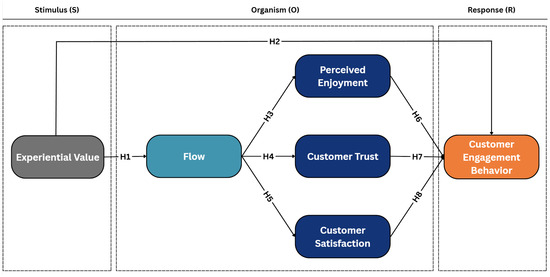
The adoption of immersive technologies, such as Virtual Try-On (VTO), has transformed how consumers evaluate products, interact digitally, and engage with brands. This study investigates the effects of experiential value, flow, perceived enjoyment, customer trust, and customer satisfaction on customer engagement behavior, within
[...] Read more.
The adoption of immersive technologies, such as Virtual Try-On (VTO), has transformed how consumers evaluate products, interact digitally, and engage with brands. This study investigates the effects of experiential value, flow, perceived enjoyment, customer trust, and customer satisfaction on customer engagement behavior, within the Stimulus–Organism–Response (S–O–R) framework. Experiential value serves as the stimulus, flow and psychological states as the organism, and engagement as the response. Data were collected from 320 Indonesian e-commerce using a purposive sampling technique, targeting respondents with prior experience using Virtual Try-On (VTO) features through an online questionnaire distributed via Google Forms, and were subsequently analyzed using Partial Least Squares Structural Equation Modeling (PLS-SEM). The results show that experiential value and flow are fundamental drivers of immersive experiences. Interestingly, although flow significantly increased perceived enjoyment, these affective responses did not independently mediate the relationship with engagement behavior. Instead, customer trust and satisfaction acted as significant primary mediators, indicating a pragmatic immersion profile in which Indonesian consumers prioritize functional validation and system reliability over mere digital entertainment. These findings underscore that in markets with high uncertainty, evaluative and relational mechanisms are more important for sustained engagement than short-term hedonic responses. Practically, this research suggests that brands should prioritize photorealistic accuracy and biometric data security to foster long-term trust, while using enjoyment as a secondary engagement stimulus.
Full article

Figure 1
Open AccessArticle
AI Labels, Perceived Authenticity, and Consumer Trust in User-Generated Reviews
by
Dariia Drozd and Klaus Solberg Söilen
J. Theor. Appl. Electron. Commer. Res. 2026, 21(5), 154; https://doi.org/10.3390/jtaer21050154 - 14 May 2026
Abstract
With growing interest in the effects of AI disclosure on user-generated content, empirical studies have produced mixed results. While some studies report negative consequences of disclosure, others suggest that transparent AI use does not necessarily reduce perceived authenticity or product evaluations. There is
[...] Read more.
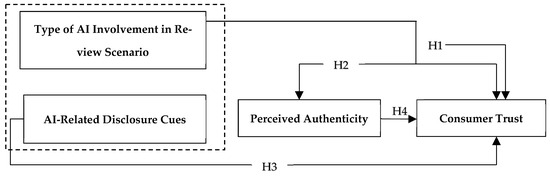
With growing interest in the effects of AI disclosure on user-generated content, empirical studies have produced mixed results. While some studies report negative consequences of disclosure, others suggest that transparent AI use does not necessarily reduce perceived authenticity or product evaluations. There is still limited knowledge about how AI disclosure in online reviews influences consumer perceptions when AI is presented as a support tool rather than a replacement for human input. To address this gap, the present study examines how AI disclosure and AI-related review cues influence consumer trust. The study compares three labeled review scenarios—reviews without AI-related information, AI-assisted labeled reviews, and AI-generated labeled reviews. The textual content of the reviews remained constant across conditions, while only AI-related labels and images were varied. This study also examines how these labeled scenarios relate to perceived authenticity and whether perceived authenticity mediates the relationship between labeled review scenarios and consumer trust. Based on survey data from 370 users of digital marketplaces in Latvia, analyzed using repeated-measures ANOVA, pairwise comparisons, and mediation analysis, this study found that: (1) reviews labeled as AI-generated showed the lowest levels of consumer trust and perceived authenticity, whereas AI-assisted labeled reviews were evaluated more favorably than AI-generated labeled reviews; (2) differences across the three scenarios were statistically significant for both consumer trust and perceived authenticity; and (3) perceived authenticity significantly mediated the relationship between labeled review scenarios and consumer trust. This study contributes to the literature by providing a more nuanced understanding of how AI disclosure and AI-related review cues shape consumer trust. It suggests that the key issue is not AI disclosure alone, but how AI-related cues shape perceived authenticity and, in turn, consumer trust.
Full article
(This article belongs to the Special Issue Digital Marketing in Practice: Platforms, AI, Trust and Market Solutions)
►▼
Show Figures

Figure 1
Open AccessArticle
AI Transparency and User Behavior in Human–AI Collaboration: Evidence from E-Commerce Recommendation Systems
by
Ionica Oncioiu
J. Theor. Appl. Electron. Commer. Res. 2026, 21(5), 153; https://doi.org/10.3390/jtaer21050153 - 12 May 2026
Abstract
The growing reliance on artificial intelligence (AI)-based recommendation systems is transforming e-commerce into a space where decision-making is increasingly co-constructed between users and intelligent systems. However, it remains insufficiently understood how the transparency of these systems influences users’ trust and purchasing decisions within
[...] Read more.
The growing reliance on artificial intelligence (AI)-based recommendation systems is transforming e-commerce into a space where decision-making is increasingly co-constructed between users and intelligent systems. However, it remains insufficiently understood how the transparency of these systems influences users’ trust and purchasing decisions within human–AI collaboration contexts. Addressing this gap, the study develops a conceptual model that explains the role of cognitive mechanisms in the relationship between AI transparency and consumer behavior. Specifically, algorithmic understanding and fairness perception are conceptualized as cognitive processes through which users evaluate AI-generated recommendations, while perceived control is positioned as a key link between these evaluations and trust formation. The model is empirically tested using partial least squares structural equation modeling (PLS-SEM) based on data collected from 312 users of recommender systems. The results highlight the role of cognitive mechanisms and perceived control in explaining the effects of AI transparency on trust and, indirectly, on purchase intention. AI literacy also shapes how users interpret the information provided by the system. The present research provides an integrated perspective on human–AI collaboration in e-commerce, with relevant implications for the design of recommender systems and the optimization of user experience.
Full article
(This article belongs to the Special Issue Human–AI Collaboration and User Behavior in Electronic Commerce)
►▼
Show Figures

Figure 1
Journal Menu
► ▼ Journal MenuJournal Browser
► ▼ Journal Browser-
arrow_forward_ios
Forthcoming issue
arrow_forward_ios Current issue - Volumes not published by MDPI
Highly Accessed Articles
Latest Books
E-Mail Alert
News
Topics
Topic in
Administrative Sciences, Businesses, Informatics, JTAER
Innovations in New Media: Shaping the Future of Interactive Marketing
Topic Editors: Chenglu Wang, Hongfei Liu, Morgan Yang, Qing Ye, Yunjia ChiDeadline: 30 September 2026
Topic in
Businesses, Economies, Foods, Nutrients, Sustainability, JTAER, Platforms
Consumer Behaviour and Healthy Food Consumption, 2nd Edition
Topic Editors: Manuel Escobar-Farfán, Elizabeth Emperatriz García-Salirrosas, Ivan Veas-GonzalezDeadline: 15 November 2026
Topic in
Businesses, JTAER, Societies, Administrative Sciences
Livestreaming and Influencer Marketing
Topic Editors: Xianghui (Richard) Peng, Chao Wen, Jiaming FangDeadline: 31 December 2026
Topic in
AI, BDCC, FinTech, IJFS, JTAER, Risks
Artificial Intelligence Applications in Financial Technology, 2nd Edition
Topic Editors: Albert Y.S. Lam, Andy ChunDeadline: 28 February 2027
Special Issues
Special Issue in
JTAER
Emerging Technologies on Digital Platforms
Guest Editors: Xiaofei Zhang, Xiumei MaDeadline: 15 June 2026
Special Issue in
JTAER
Digital Intelligence Empowering the Dual Carbon Strategy and E-Commerce
Guest Editors: Fei Fan, Xionghe Qin, Song WangDeadline: 24 July 2026
Special Issue in
JTAER
Innovation in Digital Marketing to Enhance Consumer Experience
Guest Editors: María Eugenia Ruíz-Molina, Irene Gil-Saura, Mariia BordianDeadline: 31 July 2026
Special Issue in
JTAER
Pioneering Predictive Analytics: AI-IoT Synergies for Adaptive and Sustainable Distribution Models in E-Commerce Supply Chains
Guest Editors: Carman Ka Man Lee, Dicky Kin Lok Keung, Shuzhu ZhangDeadline: 31 July 2026
Topical Collections
Topical Collection in
JTAER
Emerging Topics in Omni-Channel Operations
Collection Editors: Gang Li, T.C. Edwin Cheng, Tao Zhang
Topical Collection in
JTAER
Advances in Supply Chain Management in the Era of Electronic Commerce
Collection Editors: Hua Ke, Zhiguo Li, Zhang Zhao
Topical Collection in
JTAER
Exploring the Future of Creative Economy: Transforming Creative Industries through Innovation, Technology and Enhanced Consumer Engagement
Collection Editors: Chuanlan Liu, Sibei Xia