Article

The Inhibitory Mechanism of Information Disclosure Transparency on Purchase Hesitation in E-Commerce: A Moderated Mediation Analysis Integrating Signalling Theory and the SOR Model


Department of Management Sciences, Tamkang University, New Taipei 25137, Taiwan
*
Author to whom correspondence should be addressed.
J. Theor. Appl. Electron. Commer. Res. 2026, 21(3), 80; https://doi.org/10.3390/jtaer21030080 (registering DOI)
Submission received: 29 November 2025 / Revised: 18 February 2026 / Accepted: 20 February 2026 / Published: 2 March 2026
(This article belongs to the Collection The Connected Consumer)

Abstract

This study integrates the SOR framework with signalling theory, centring on information disclosure transparency as the core construct, to systematically examine its direct and indirect effects on consumers’ purchase hesitation. It specifically investigates the mediating roles of seller uncertainty and product uncertainty, whilst also testing the moderating effects of product price, type, and attributes. The research employs PLS-SEM in conjunction with the PROCESS Macro for empirical validation, drawing on 814 valid responses collected from online consumers in Taiwan. The principal findings indicate the following: (1) information disclosure transparency exerts a significant negative direct effect on purchase hesitation (B = −0.582, p < 0.001); (2) both seller uncertainty (indirect effect = −0.061) and product uncertainty (indirect effect = −0.060) exhibit partial mediation; (3) the model demonstrates strong predictive relevance for purchase hesitation (Q2 = 0.486), underscoring its robust explanatory power in consumer decision-making processes; and (4) product price, type, and attributes significantly moderate the relationships between information disclosure transparency and the two uncertainty constructs. By extending signalling theory—originally developed in traditional markets—to the digital consumption context, this study provides empirical support for the signalling efficacy of information disclosure. It thereby offers an alternative theoretical lens for analysing consumer behaviour in online environments.

1. Introduction

In the contemporary digital economy, information asymmetry has evolved into a fundamental paradigmatic barrier to consumer decision-making efficacy. Owing to the inherent spatiotemporal and non-face-to-face nature of e-commerce [1,2], markets are increasingly susceptible to the ‘lemons market’ effect described by Akerlof [3]. Within this framework, high-quality vendors often exit the market due to an inability to convey effective quality signals, while consumers succumb to a psychological impasse of purchase hesitation precipitated by heightened perceived risk.
Whilst global regulatory frameworks are progressively tightening information disclosure mandates to mitigate market opacity through institutional drivers, rudimentary ‘data publicity’ is not synonymous with ‘psychological transparency’ [4]. Information Disclosure Transparency (IDT) extends beyond simple legal compliance; it constitutes a high-quality diagnostic signal proactively deployed by vendors [5,6]. Within highly volatile digital retail environments, it remains critical to examine how platform-level information design reshapes consumer cognitive structures to systematically inhibit decision inertia—a phenomenon precipitated by vendor and product uncertainty [7]. Addressing this issue not only responds to contemporary scholarly calls for enhanced digital governance transparency but also holds profound theoretical implications for optimising online consumer decision-making efficacy.
Although prior studies have examined the direct relationship between transparency and trust, limited research has systematically analysed how information disclosure functions as a cost-bearing signal that suppresses purchase hesitation through dual mediating mechanisms—namely, seller uncertainty and product uncertainty—and how this pathway is further bounded by product price, product type, and product attributes.
Drawing on uncertainty theory and signalling theory, sellers may employ costly signals—such as return policies and responsiveness—to reduce buyers’ uncertainty regarding seller credibility and to strengthen trust [8]. Prior studies further indicate that platform-level information transparency, including the quality of reviews and customer service interactions, can mitigate buyers’ concerns about products and sellers, thereby increasing their willingness to transact [9]. Within social commerce environments, behaviours such as review scrutiny, reply quality, and the richness of product information have been shown to exert significant effects on trust. Additionally, buyers’ trust propensity and perceptions of price fairness moderate the relationship between trust and purchase intention [10]. Research on live-stream commerce similarly demonstrates that the consistency of signals influences consumers’ judgements and behavioural responses, underscoring the importance of signal quality and coherence in reducing uncertainty [11].
Adopting a cross-theoretical perspective, this study proposes a multiple mediation mechanism—information transparency → uncertainty → trust—and a moderated mediation process influenced by product price, type, and attributes. Through this approach, the research offers a more holistic understanding of information disclosure mechanisms in e-commerce and provides incremental contributions in terms of theoretical integration and model development [12].
Distinct from prior studies that predominantly examine single causal pathways, the present research adopts a moderated mediation framework to systematically analyse how digital information design concurrently shapes consumers’ cognition and purchase hesitation. Recent studies have demonstrated that informational cues—such as seller responsiveness, review transparency, and signal consistency—affect trust and purchase intention by reducing perceived uncertainty, a process that is inherently characterised by multiple mediating and moderating mechanisms [9,10].
Moreover, emerging research in 2025 indicates that the consistency of signals and the manner in which digital interfaces are presented influence consumers’ cognitive processing and decision-making responses in live-stream commerce and social commerce environments, further underscoring the theoretical significance of moderated mediation models [11]. Accordingly, this study adopts a moderated mediation framework to systematically examine the multiple effects of digital information design on consumer cognition, thereby addressing scholarly recommendations for optimising platform information disclosure [12].
Information disclosure transparency (IDT) is regarded as an essential mechanism through which consumers reduce uncertainty and perceived risk; higher levels of transparency generally mitigate information asymmetry and positively influence purchase intention [13,14]. Further empirical evidence from Sun et al. [15] shows that, on digital platforms, brand self-disclosure—including the disclosure of negative information—may, under specific contextual and health-awareness conditions, enhance brand trust and increase purchase intention.
The remainder of this study is organised as follows. Section 2 reviews the S–O–R framework and signalling theory and develops the research hypotheses. Section 3 outlines the research design and methodology. Section 4 presents the empirical analysis and results. Finally, Section 5 provides the discussion, implications, and conclusions.

2. Theoretical Framework and Literature Review

2.1. Theoretical Basis: Stimulus–Organism–Response (S–O–R) Model and Signalling Theory

The theoretical foundation of this research is predicated upon a robust ontological synthesis of the Stimulus–Organism–Response (S–O–R) framework and signalling theory. Since its inception in 1974, the S–O–R model has remained the dominant paradigm within environmental psychology and consumer behaviour research, elucidating how environmental stimuli are internalised via an organism’s internal states to manifest as either approach or avoidance responses [16]. Nevertheless, within purely digital e-commerce contexts, conventional SOR applications frequently encounter the limitation of ‘stimulus opacity’. Specifically, a critical gap remains in understanding the mechanisms by which consumers discern whether a particular digital cue represents an authentic quality signal or a deceptive inducement.
The present study incorporates signalling theory to address this cognitive conundrum. According to the seminal discourse of Spence [17,18], an efficacious signal must possess both signalling costs and inimitability. When an e-commerce platform discloses granular operational security data, exhaustive policy terms, and legally binding post-purchase commitments, these actions—entailing potential litigation costs and reputational risks—are transformed into high-quality diagnostic signals. Within the Organism (O) phase, these signals are not merely processed passively; instead, they actively intervene in the consumer’s uncertainty-processing mechanisms, reconstructing trust structures by mitigating perceived risk. Ultimately, at the Response (R) stage, this cognitive ‘decompressing’ effect manifests directly as the inhibition of purchase hesitation and a concomitant enhancement in decision-making efficiency.
This theoretical integration strategy not only imbues the SOR framework with a dynamic economic logic but also extends the explanatory boundaries of signalling theory within complex decision-making environments. The primary objective is to construct a dynamic, integrated model of ‘signalling—cognitive processing—behavioural response’ [17,18,19]. The extant e-commerce literature has predominantly treated information disclosure as a static external antecedent; conversely, there remains a paucity of research that provides a granular analysis of the sender’s cost attributes and the receiver’s cognitive filtering mechanisms.
The Stimulus–Organism–Response (S–O–R) framework, integrated with signalling theory, aims to elucidate how information transparency functions as a ‘costly signal’. By mitigating the dual anxieties regarding vendor integrity (vendor uncertainty) and the tangible manifestation of product performance (product uncertainty), these signals effectively disrupt the psychological circuitry of purchase hesitation [17,18].
To resolve extant debates regarding the boundary conditions of transparency efficacy, this study innovatively introduces product price, type, and attributes as ‘perceived diagnostic moderators’. By doing so, it delineates the boundary effects of signals across diverse product contexts [20]. This nuanced moderated-mediation architecture not only enhances the model’s explanatory power regarding purchasing behaviour but also provides precise information-layering design guidelines for e-commerce platforms within AI-driven personalised environments.

2.2. Classification and Functions of Information Disclosure Transparency

Information disclosure transparency (IDT) has been empirically validated as a pivotal antecedent of trust-building within digital environments [21]. Building upon the conceptualisation by Schnackenberg et al. [22], transparency is not viewed as a unidimensional data aggregation; rather, it constitutes a multidimensional construct encompassing disclosure, clarity, and accuracy. The present study focuses on two sub-dimensions critical to e-commerce decision-making: (1) Policy Transparency (PTrans), which refers to the depth of interpretative detail regarding user rights, return protocols, and privacy agreements, serving to establish institutionalised trust [23]; and (2) Operational Security Transparency (OST), involving the explicit disclosure of cybersecurity encryption, logistics fulfilment records, and technical stability, aimed at alleviating perceived transactional apprehension [24].
Current scholarship on the ‘transparency paradox’ cautions that not all disclosure yields positive feedback [25]. Overly convoluted or technical disclosures may precipitate information overload, thereby impairing consumer judgement [26,27]. Consequently, the present study underscores the role of perceived diagnosticity regarding transparency signals. This concept posits that information must provide substantive, decision-relevant evidence to effectively permeate the consumer’s cognitive filtering system.

2.3. Purchase Hesitation (PH) and Its Dimensions

According to Cho et al. [28], purchase hesitation (PH) is a psychological state in which consumers delay or refrain from purchasing due to perceived risk and uncertainty. Their study indicates that consumer characteristics, environmental factors, perceived uncertainty, and novel purchasing channels may trigger hesitation. PH can be categorised into two dimensions: (1) Information and Price Hesitation (IPH) arising from insufficient product information, limited evaluative cues, and uncertainty regarding pricing or promotions; and (2) Transaction and Service Hesitation (TSH) associated with concerns regarding payment security, logistics, and after-sales service. Such uncertainties often lead to ambivalence during the checkout stage [29,30,31].
Within social media contexts, the disclosure practices of influencers regarding sponsored content also represent a critical determinant of consumers’ purchase intentions [32]. Advertising disclosure has been found to enhance influencer credibility and brand recognition, thereby significantly shaping purchase intentions [33].

2.4. Uncertainty as an Organismic Mediating Mechanism

Within the Stimulus–Organism–Response (S–O–R) paradigm, ‘uncertainty’ represents a negative cognitive filter through which an organism processes external stimuli [34]. To capture the specific loci of risk in digital transactions with greater granularity, the present study deconstructs uncertainty into two distinct dimensions: the vendor-specific and product-specific domains.
Seller Uncertainty (SU) originates from the perceived moral hazard engendered by information asymmetry, encompassing the instability of vendor stipulations (inventory and supply uncertainty) and potential perceptions of fraudulent risk. Such uncertainty typically stems from a deficit of trust signals, rendering it arduous for consumers to discern the authentic attributes of a vendor [9]. Consequently, this exacerbates consumer apprehension and undermines purchase intentions, particularly within high-interaction contexts [35,36]. Building upon the synthesis of the extant literature, SU can be categorised into three distinct dimensions: (1) Inventory and Supply Uncertainty (ISU), where consumers are unable to ascertain the vendor’s stock availability and fulfilment capabilities; (2) Quality and Transactional Uncertainty (QTU), concerning product authenticity and transaction security; and (3) Risk and Trading Uncertainty (RTU), covering data breaches, fraudulent activities, and post-purchase return risks [9,35,36].
Product Uncertainty (PU), conversely, leans towards perceived performance risk, stemming from functional apprehensions (functional and quality uncertainty) and order consistency anxiety precipitated by the absence of physical interaction. This uncertainty arises from a deficit of direct sensory experience, leading consumers to harbour doubts regarding product performance and quality, which subsequently hampers purchase decision-making [37]. PU can be bifurcated into two distinct dimensions: (1) Functional and Quality Uncertainty (FQU), which describes consumer misgivings concerning product operation, materiality, durability, and quality stability [38]; and (2) Order Consistency Uncertainty (OCU), involving anxieties related to the accuracy of order processing, shipping velocity, and the integrity of fulfilment [39].
The empirical literature indicates that transparent information signals effectively bridge consumer cognitive lacunae, transforming ambiguous risks into manageable probabilities [7]. Specifically, the deployment of granular product data, high-definition imagery, and AR/VR demonstrations can mitigate product uncertainty and bolster consumer confidence [40]. Furthermore, enhanced order notifications, logistics transparency, and fulfilment records serve to attenuate order consistency uncertainty. High-quality information—characterised by clarity of specifications and comprehensive instructional utility—further augments transparency, thereby reducing perceived risk and catalysing purchase intentions [41].
Crucially, when consumers perceive a vendor’s willingness to disclose potentially negative information or stringent warranty terms, their appraisal of vendor integrity undergoes a positive shift, subsequently releasing suppressed purchase intentions [42]. This ‘dual uncertainty mitigation pathway’ constitutes the primary theoretical contribution of this study, extending the depth of the mediational mechanisms within the S–O–R framework.

2.5. Product Price and Its Effects

Product price (PP) represents the market-listed price and may directly influence consumers’ purchase intention and their degree of hesitation [43]. Existing studies discuss various facets of price perception, though their emphases differ. Synthesising the relevant literature, price perception can be divided into three dimensions, as follows: (1) Price Fairness (PF) concerns consumers’ judgments about the fairness of pricing procedures and outcomes. Radic [43] provides theoretical and experimental evidence regarding different fairness benchmarks (e.g., square equity and mean price), showing that consumers evaluate price fairness based on intuitive assessments of procedural and distributive justice. (2) Price Reasonableness (PR) refers to consumers’ assessment of whether the price paid corresponds to the product’s value or the benefits received. Empirical findings by Huang et al. [44] demonstrate that the perceived diagnosticity of information influences consumers’ valuation of a product, thereby affecting their purchase intention. This mechanism offers empirical support for the value–cost alignment perspective on price reasonableness. (3) Price Comprehensibility (PC) describes the extent to which price-related information is readable and easy to understand. Maleki et al. [45], in their analysis of the usability of healthcare price transparency datasets in the United States, show that poorly presented or difficult-to-interpret price information may diminish consumers’ decision confidence and willingness to engage in transactions.
Empirical evidence consistently shows that when consumers perceive prices as fair or reasonable, purchase intention tends to increase; conversely, when price information lacks transparency or is difficult to comprehend, hesitation increases and transaction intention declines [43,44,45].

2.6. Product Type and Its Effects

Product type (PT) is typically categorised based on product attributes, functionality, and brand characteristics, facilitating catalogue management and enhancing consumer search efficiency [46,47]. Recent studies indicate that products are commonly categorised into two principal dimensions, as follows: (1) luxury goods (LG), characterised by brand prestige, scarcity, and social status symbolism, with consumption motives often associated with status, personal values, and social comparison; and (2) daily necessities (DN), defined by functionality and essentiality, primarily addressing everyday needs [48,49].
From the perspective of information asymmetry in economics, the insufficient disclosure of product quality or attributes may expose buyers to uncertainty and reduce market efficiency [3]. Accordingly, luxury goods and daily necessities exhibit distinct motivational and value-oriented patterns.

2.7. Product Attribute and Its Effects

Product attribute (PA) refers to the characteristics or features of a product, typically described and differentiated in terms of functionality, quality, and appearance [50]. Puspitasari et al. [51] identify two primary dimensions of product attributes, as follows: (1) utilitarian attribute (UA), which encompasses features evaluated by consumers based on practicality, efficiency, functionality, or goal-oriented considerations; and (2) hedonic attribute (HA), which comprises features assessed in terms of pleasure, enjoyment, sensory gratification, or psychological satisfaction.
Luxury products tend to deliver enhanced pleasure and sensory gratification, emphasising psychological rather than functional utility [52]. Utilitarian products focus on functionality and goal achievement, whereas hedonic products emphasise experiential enjoyment, stimulation, and affective responses [50].
Integrating the aforementioned literature, the Stimulus–Organism–Response (S–O–R) model [19] and signalling theory [17,18] form the theoretical foundation of this study. Both frameworks hold seminal positions in explaining consumer emotional responses and market information asymmetry. Recent studies—such as those by Radic [43] and Huang et al. [44]—further highlight the role of price transparency and information diagnosticity in shaping consumer decision-making, underscoring the importance of disclosure mechanisms on digital platforms.
While prior research primarily emphasises the direct relationship between information transparency and trust formation, less attention has been given to how transparency influences purchase hesitation through seller uncertainty (SU) and product uncertainty (PU), and how these effects are further moderated by PP, PT, and PA. The absence of an integrated model and empirical verification represents a notable gap in the literature, which this study seeks to address.
Accordingly, this study proposes an integrative framework combining the SOR model and signalling theory and employs Partial Least Squares Structural Equation Modelling (PLS-SEM) and the PROCESS Macro to examine the mediation and moderated mediation mechanisms. This approach responds to ongoing calls within the information systems and electronic commerce domains for advancing platform optimisation and personalised design.

3. Methods

3.1. Research Design and Hypothesis Development

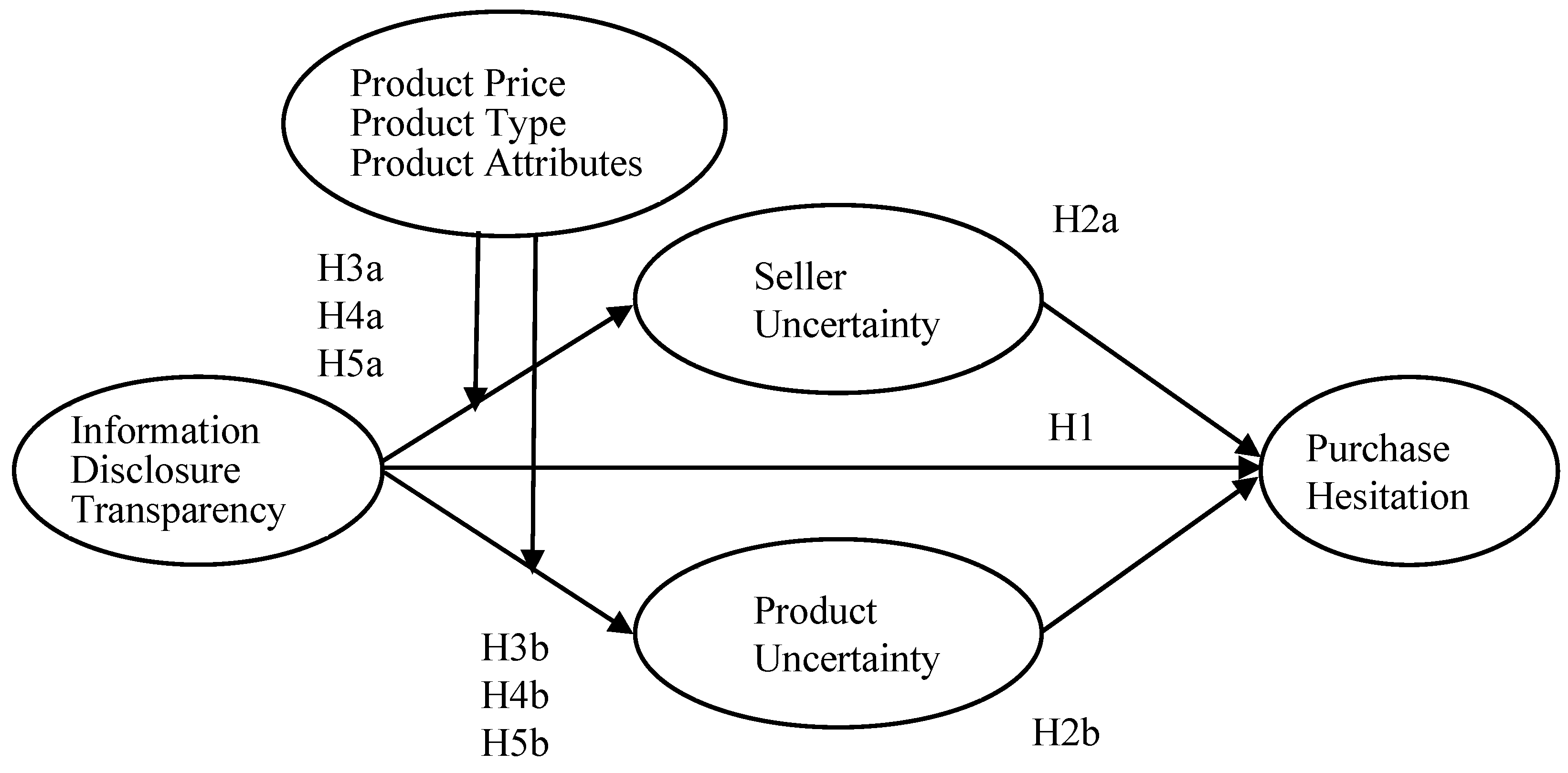
This study aims to examine the effect of information disclosure transparency on purchase hesitation and to investigate the mediating roles of seller uncertainty and product uncertainty in this relationship. Additionally, it explores whether product price, product type, and product attributes moderate the influence of information transparency on perceived uncertainty. The overall research framework is presented in Figure 1.
Grounded in the S–O–R framework and signalling theory, this study proposes nine hypotheses encompassing direct, mediating, and moderated mediation effects.
  • H1: Information disclosure transparency has a significant negative effect on purchase hesitation.
  • H2a: Seller uncertainty mediates the relationship between information disclosure transparency and purchase hesitation.
  • H2b: Product uncertainty mediates the relationship between information disclosure transparency and purchase hesitation.
  • H3a–H5b: Product price, product type, and product attributes, respectively, moderate the effects of information transparency on seller uncertainty and product uncertainty.

3.2. Research Sample and Data Collection

To ensure the generalisability of the research findings to contemporary digital retail cohorts, the target population was defined as consumers in Taiwan aged 21 and above who had engaged in cross-platform shopping within the preceding six months. The data collection process employed a rigorous stratified random sampling design. Stratification criteria encompassed gender, age, educational attainment, and monthly income, ensuring alignment with the annual Internet Usage Behaviour Report published by the National Communications Commission (NCC) of Taiwan.
A total of 950 questionnaires were distributed. Following the exclusion of invalid responses—specifically those with excessively short completion times (below 120 s) or exhibiting logical inconsistencies (consistent responses to reverse-coded items)—814 valid questionnaires were retained, yielding an effective response rate of 85.7%. According to the model complexity criteria established by Kline [53] and Ali [54], the sample size is sufficient to support high-order structural analysis involving seven latent variables, multiple interaction terms, and parallel mediational pathways. This ensures the convergence and stability of the parameter estimations.

3.3. Instrument Development

The questionnaire was developed based on the Stimulus–Organism–Response (S–O–R) framework and signalling theory, employing a seven-point Likert scale (1 = strongly disagree; 7 = strongly agree). Several items were reverse-coded to mitigate response bias and were re-coded during data processing.
The initial draft underwent ten rounds of expert review and a pilot test involving 300 respondents to ensure semantic clarity, content validity, and adherence to scale development procedures [55].

3.4. Data Preparation

To assess the overall model fit, this study employed the Standardised Root Mean Square Residual (SRMR) and the Normed Fit Index (NFI). An SRMR value below the recommended threshold of 0.08 indicates that the model demonstrates satisfactory fit [56]. An NFI value exceeding the cut-off criterion of 0.90 suggests that the hypothesised model provides a reasonable representation of the observed data [57].
To ensure data integrity, mean imputation was employed for missing values where the missingness proportion was below 1%, thereby mitigating the potential bias caused by sample attrition. Subsequently, a dual-procedural testing strategy was implemented to detect and address potential Common Method Bias (CMB).
First, Harman’s [58,59] Single-Factor Test was conducted using an unrotated exploratory factor analysis to determine whether a single factor accounted for the majority of the variance. The results indicated that the primary factor explained less than the 50% critical threshold, suggesting that CMB did not substantially contaminate the dataset.
Second, a Full Collinearity Assessment was performed via SPSS 20 to evaluate the data distribution, linearity, and potential multicollinearity. Following the rigorous criteria proposed by Hair et al. [60] and Kock [61], the model was assessed for lateral collinearity. The analysis revealed that all Tolerance values exceeded 0.3, and all Variance Inflation Factors (VIF) were below the stringent threshold of 3.3.
These diagnostics collectively confirm the absence of problematic multicollinearity and method bias, rendering the dataset suitable for subsequent empirical analysis.

3.5. Data Analysis

Methodologically, this study adopts a ‘tandem analysis approach’ to satisfy the stringent requirements for model robustness. The primary analytical tool employed is variance-based partial least squares structural equation modelling (PLS-SEM), executed via SmartPLS 4. The selection of PLS-SEM is predicated upon two critical advantages: firstly, it enables the simultaneous evaluation of measurement model validity and structural model causality, whilst exhibiting superior non-parametric properties when processing non-normal data; secondly, the integrated PLSpredict procedure provides rigorous indicators of out-of-sample predictive power (e.g., Q2), which is indispensable for theory-building research.
Regarding the measurement model, this study evaluated construct reliability using Cronbach’s alpha and Composite Reliability (CR). Convergent validity was assessed via Average Variance Extracted (AVE), whilst discriminant validity was confirmed using the Fornell–Larcker criterion. In terms of the structural model, the analysis primarily examined path coefficients, explanatory power (R2), effect sizes (f2), and predictive relevance (Q2). Specifically, R2 reflects the model’s capacity to explain variance in the endogenous variables, whereas the effect size f2 is employed to determine the relative impact of each exogenous variable on the respective endogenous constructs [60].
To facilitate a deeper resolution of the conditional processes and provide a more intuitive analysis of marginal effects, this study incorporates Hayes’ [62] PROCESS Macro (Version 4.2) as a supplementary validation. Specifically, Model 4 was employed to verify the parallel significance of mediational effects, whilst Model 7 was utilised to scrutinise the moderated mediation pathways. The utility of PROCESS lies in its application of bootstrapping (with 5000 resamples) to generate confidence intervals, which precisely captures the non-linear characteristics of interactions. Furthermore, it enables the identification of significant transition points in moderation effects via the Johnson–Neyman (J–N) technique. This strategic combination of ‘global estimation’ (via PLS-SEM) and ‘granular resolution’ (via PROCESS) substantially mitigates the risk of Type I errors (false positives) arising from the algorithmic biases of a single analytical platform.

4. Results

4.1. Sample Characteristics

A total of 860 questionnaires were collected in this study. After excluding invalid and incomplete responses, 814 valid questionnaires were retained, yielding an effective response rate of 94.7%. As the proportion of missing values was below 1%, the mean imputation method was applied to address missing data and maintain data quality.
The sample exhibited a balanced gender distribution; the majority of respondents were aged between 31 and 60 years (81.2%); most possessed tertiary education or above (85.4%), and a considerable proportion were employed in knowledge-intensive industries, with stable career tenure and moderate income levels. Overall, the sample structure was representative and suitable for empirical research on online shopping behaviour, as shown in Table 1.

4.2. Model Fit Assessment

In accordance with the recommendations of Partial Least Squares Structural Equation Modelling (PLS-SEM) [60], the present study examined the overall model fit. Within SmartPLS, the Standardised Root Mean Square Residual (SRMR) is the primary indicator suggested for assessing global model fit. The saturated model SRMR in this study is 0.021, while the estimated model SRMR is 0.085, which is below the 0.08 threshold recommended by Hu and Bentler [56], indicating an adequate level of model-data fit and remaining acceptable within the standards of the PLS-SEM literature.
The Normed Fit Index (NFI), with a value of 0.952, serves as a supplementary fit measure, providing additional insight into the overall performance of the model, though it is not considered a decisive criterion for model acceptance. Overall, the fit indices demonstrate that the model meets the recommended standards of PLS-SEM and is therefore suitable for subsequent structural model analysis. Detailed results are presented in Table 2.

4.3. Measurement Model Analysis

The reliability and validity of all constructs were assessed prior to structural model evaluation. Cronbach’s α values ranged from 0.941 to 0.963, and Composite Reliability (CR) values ranged from 0.953 to 0.968, exceeding the recommended threshold of 0.70, indicating excellent internal consistency. The Average Variance Extracted (AVE) for all constructs ranged from 0.762 to 0.781, surpassing the recommended minimum of 0.50, demonstrating strong convergent validity.
Discriminant validity was assessed through a dual-lens approach. The Fornell–Larcker criterion was applied using correlation coefficients derived from the latent variable estimations in SmartPLS 4 [60]. The square root of the Average Variance Extracted (AVE) for each construct exceeded the absolute value of its correlation coefficients with all other constructs, thereby satisfying the fundamental requirements for discriminant validity.
To address the potential limitations of the Fornell–Larcker method, the Heterotrait-Monotrait Ratio (HTMT) was calculated. All HTMT values remained below the conservative ideal threshold of 0.85, confirming that each construct represents a distinct theoretical entity. Detailed results for these assessments are presented in Table 3 and Table 4, collectively affirming the robust discriminant validity of the measurement model.

4.4. Advanced Diagnostics for Full Collinearity and Common Method Bias (CMB)

To rigorously address potential Common Method Bias (CMB), this study initially performed Harman’s [58,59] Single-Factor Test. The results indicated that the first factor did not exceed the 50% threshold, providing preliminary evidence that CMB was not a primary concern (see Table 5).
Building upon this, we employed the Full Collinearity Assessment, a robust diagnostic approach widely advocated in the Information Systems (IS) field. According to Hair et al. [60] and Kock [61], significant method bias manifests as lateral collinearity among latent constructs, leading to inflated Variance Inflation Factors (VIF). Therefore, all constructs were integrated into a single model for simultaneous testing.
The product price construct did not reach statistical significance (p > 0.05), necessitating further validation through subsequent hypothesis testing. However, its Tolerance values ranged from 0.557 to 0.662, well above the recommended 0.3 threshold. Crucially, the VIF values for all constructs ranged between 1.510 and 1.794—significantly below the stringent threshold of 3.3. These results confirm the absence of severe multicollinearity or method bias, aligning with established academic recommendations for empirical rigour (see Table 6).

4.5. Descriptive Statistics

Descriptive statistics were examined for all constructs to identify patterns in consumer perceptions and priorities.
Information Disclosure Transparency (IDT): Consumers placed the highest importance on the platform’s disclosure of operational information (Q5), whereas concern for the explicit presentation of user terms and conditions was the lowest (Q2). This suggests that consumers prioritise the platform’s operational background and security over formal policy disclosures.
Seller uncertainty (SU): Consumers were most concerned about potential changes in seller regulations affecting transactions (Q12), while worry about product quality unreliability was the lowest (Q11). This may reflect a baseline level of trust in product quality on the platform.
Product uncertainty (PU): Consumers were most apprehensive about product damage during delivery (Q21), and least concerned about whether the product would meet functional suitability (Q19), indicating that logistical risks remain a primary concern.
Purchase hesitation (PH): Hesitation due to insufficient product information scored the highest (Q22), whereas hesitation related to transactional security concerns was the lowest (Q25), likely reflecting the maturity of platform payment mechanisms.
Product price (PP): Consumers rated clarity of product price information highest (Q30), whereas agreement that the product price matched its market positioning was lowest (Q35), indicating room for improvement in perceived price fairness.
Product type (PT): Consumers most frequently purchased daily necessities online (e.g., tableware, cookware; Q40), while interest in luxury goods (e.g., branded clothing and accessories; Q38) was lowest, reflecting a function-oriented consumption tendency.
Product attribute (PA): Consumers preferred utilitarian attributes, such as multifunctional and practical products (Q43), whereas hedonic attributes, such as high-quality audiovisual experiences, scored lowest (Q47), demonstrating a primary focus on product practicality. A summary of the descriptive statistics for each construct is presented in Table 7 (Complete descriptive statistics are available in the Supplementary Materials).
Consumers place the greatest emphasis on stable transaction rules, logistical safety, and the availability of daily necessities, which collectively constitute the core foundations of platform trust. To encourage online purchasing behaviour, e-commerce platforms should prioritise improvements in both practical utility and perceived safety. Furthermore, platforms seeking to enhance their competitiveness must strengthen price fairness and product diversity, as these dimensions remain critical to sustaining consumer engagement and long-term market advantage.

4.6. Pearson Correlation Analysis

To preliminarily examine linear associations among the primary constructs, bivariate Pearson correlations were calculated in SPSS 20 using scale total or mean scores, serving to explore pairwise relationships among variables [60].
Information disclosure transparency (IDT) demonstrated moderate negative correlations with seller uncertainty (SU, r = −0.455), product uncertainty (PU, r = −0.443), and purchase hesitation (PH, r = −0.581), indicating that higher transparency is associated with lower levels of uncertainty and hesitation. Both forms of uncertainty showed strong positive correlations with purchase hesitation (SU–PH, r = 0.618; PU–PH, r = 0.624), suggesting that greater uncertainty substantially increases consumer hesitancy.
Product-related variables—namely product price, product type, and product attributes—exhibited moderate positive correlations with IDT (r = 0.417–0.469), and moderate negative correlations with uncertainty and hesitation (r = −0.286 to −0.442). These results imply that transparent information enhances consumers’ positive perceptions of product characteristics while simultaneously reducing hesitation. The detailed results are presented in Table 8.

4.7. Analysis of Effect Size (f2) and Predictive Relevance (Q2)

To further evaluate the explanatory power and predictive capability of the structural model, this study integrated two indicators, namely, effect size (f2) and Stone–Geisser’s predictive relevance (Q2). Information disclosure transparency exerted a moderate effect on seller uncertainty (f2 = 0.151) and product uncertainty (f2 = 0.133), indicating that transparency in information disclosure is a critical predictor in reducing uncertainty.
Product price, product type, and product attributes yielded f2 values close to zero or negligible, suggesting that their independent effects on uncertainty were limited.
Within the purchase hesitation model, transparency (f2 = 0.206), seller uncertainty (f2 = 0.107), and product uncertainty (f2 = 0.120) all demonstrated moderate effects. This finding reveals that purchase hesitation is jointly influenced by information disclosure transparency and both forms of uncertainty, with transparency exerting a slightly stronger effect than the other variables, thereby emerging as the most influential factor.
The Q2 results show that seller uncertainty (Q2 = 0.210) and product uncertainty (Q2 = 0.209) achieved moderate predictive effects, indicating that the model effectively predicts perceptions of uncertainty. Purchase hesitation yielded a Q2 value of 0.486, exceeding the threshold of 0.35, which signifies strong predictive capability. These results demonstrate that the overall model possesses not only sound explanatory power but also robust predictive relevance. By combining the indicators of f2 and Q2, this study confirms the central role of information transparency and uncertainty in consumer decision-making processes, as presented in Table 9.

4.8. Hypothesis Testing

4.8.1. Direct Effect Test (H1)

This study employed multiple regression analyses to examine the direct effects of the principal research variables on purchase hesitation (PH). As shown in Table 10, all six predictor variables achieved statistical significance (p < 0.001), indicating that each respective model demonstrates satisfactory explanatory power and predictive validity.
Information disclosure transparency (IDT) exerted a significant negative effect on PH (B = −0.582, t = −20.366, p < 0.001), with the model displaying a moderate level of explanatory capacity (R2 = 0.338). This finding supports the hypothesis (H1) that higher information transparency effectively reduces consumer hesitation.
Seller uncertainty (SU) and product uncertainty (PU) were both found to have significant positive effects on PH (SU—B = 0.580, t = 22.399; PU—B = 0.592, t = 22.733), with R2 values of 0.382 and 0.389, respectively. These results indicate that heightened perceptions of uncertainty substantially increase consumer hesitation.
Product price (PP), product type (PT), and product attributes (PA) also exhibited significant negative effects on PH (PP—B = −0.399; PT—B = −0.415; PA—B = −0.436). Although their regression coefficients were somewhat smaller than those of IDT, their effects remained statistically meaningful. The models for these product-related variables yielded R2 values ranging from 0.162 to 0.195, suggesting that product characteristics constitute additional influential factors shaping purchase hesitation.
Overall, IDT and the uncertainty-related variables (SU and PU) emerged as the most influential predictors, while product-level variables provided supplementary explanatory strength, thereby enhancing the coherence and empirical robustness of the overall model structure.

4.8.2. Mediation Effect Test (H2a and H2b)

Using PROCESS Macro Model 4, this study examined the mediating effects of uncertainty on the relationship between information disclosure transparency (IDT) and purchase hesitation (PH) (N = 814, bias-corrected 95% confidence intervals). When testing the mediating effect of seller uncertainty (SU), product uncertainty (PU) was included as a covariate; conversely, SU was controlled for when testing PU as the mediator.
H2a: 
IDT → Seller Uncertainty (SU) → PH.
The total effect was −0.380 (95% CI [−0.437, −0.322]), with zero excluded from the interval, indicating satisfactory model explanatory power. The indirect effect was −0.061 (95% CI [−0.085, −0.040]), again excluding zero, demonstrating a significant mediating effect. The direct effect remained significant at −0.318 (95% CI [−0.380, −0.257]), indicating partial mediation. These results suggest that higher IDT reduces SU, which in turn diminishes PH.
H2b: 
IDT → Product Uncertainty (PU) → PH.
The total effect was −0.379 (95% CI [−0.440, −0.318]), with zero excluded, further confirming overall model adequacy. The indirect effect was −0.060 (95% CI [−0.082, −0.041]), indicating a significant mediating effect. The direct effect was −0.318 (95% CI [−0.380, −0.257]), showing that PU also partially mediates the relationship between IDT and PH. Thus, greater IDT reduces PU, subsequently lowering PH.
Both mediating pathways were statistically significant and supported the proposed hypotheses (H2a and H2b), as shown in Table 11.
These findings indicate that information transparency not only exerts a direct negative effect on PH but also reduces consumer hesitation indirectly by lowering perceptions of SU and PU. This pattern aligns with the Stimulus–Organism–Response (S–O–R) framework, wherein external stimuli (information disclosure) shape internal evaluations (uncertainty), ultimately influencing behavioural responses (purchase hesitation).

4.8.3. Moderated Mediation Effect Test (H3a–H5b)

To examine whether product price (PP), product type (PT), and product attributes (PA) moderate the mediating mechanisms described above, PROCESS Macro Model 7 was employed to test the relevant interaction effects. When PP was tested as a moderator, the other two variables were included as covariates, and the same specification was applied for the remaining models.
The interaction terms between information disclosure transparency (IDT) and PP (IDT × PP) produced confidence intervals that did not include zero for both seller uncertainty (SU; 95% CI [0.173, 0.267]) and product uncertainty (PU; 95% CI [0.173, 0.277]). Similarly, the interaction between IDT and PT (IDT × PT) yielded significant moderation effects for SU (95% CI [0.186, 0.288]) and PU (95% CI [0.160, 0.265]). The interaction between IDT and PA (IDT × PA) also showed confidence intervals excluding zero for SU (95% CI [0.177, 0.276]) and PU (95% CI [0.160, 0.271]).
In all cases, the lower and upper limits of the 95% confidence intervals did not cross zero, indicating statistically significant moderation effects. These findings demonstrate that PP, PT, and PA each significantly moderate the influence of IDT on uncertainty (SU and PU). Detailed results are presented in Table 12.
The present study contends that the efficacy of signal transmission is not constant but is, instead, contingent upon the ‘cognitive weighting’ attributed to the product itself. This proposition is rooted in Perceived Diagnosticity Theory, which posits that consumer reliance on environmental signals undergoes significant shifts depending on the complexity of the decision-making task [7].
The PROCESS slope analysis results reveal a significant interaction effect between information disclosure transparency (IDT) and product characteristics. Specifically, product characteristics function as a potent moderator, significantly altering the impact of IDT on both seller uncertainty (SU) and product uncertainty (PU).
Regarding product price (PP), high-priced offerings entail greater financial risk, which compels consumers to adopt a systematic processing mode. In such high-stakes scenarios, consumers tend to scrutinise a broader array of cues, leading to diminishing marginal utility for any single transparency signal. Consequently, high product price acts as a buffer that attenuates the inhibitory effect of information disclosure transparency (IDT) on uncertainty. In other words, as the financial commitment increases, the relative potency of IDT in mitigating anxiety is diluted by the consumer’s demand for more comprehensive and diverse evidence.
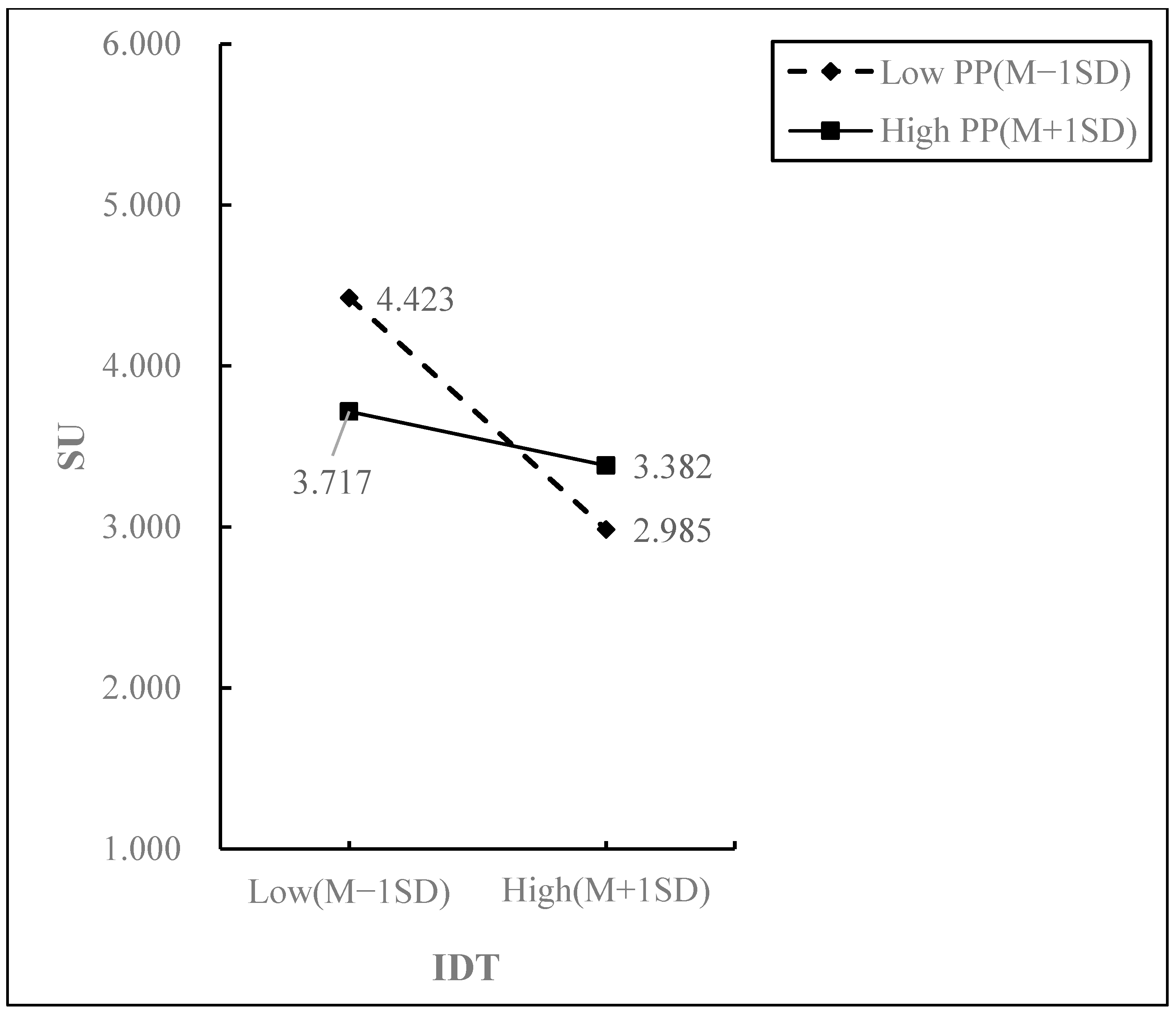
Taking H3a as an illustrative case, under the condition of low product price, as information disclosure transparency (IDT) increases from a low to a high level, the slope of seller uncertainty (SU) decreases from 4.423 to 2.985 (Δ = −1.438). This shift demonstrates that information transparency functions as an explicit risk-buffering mechanism.
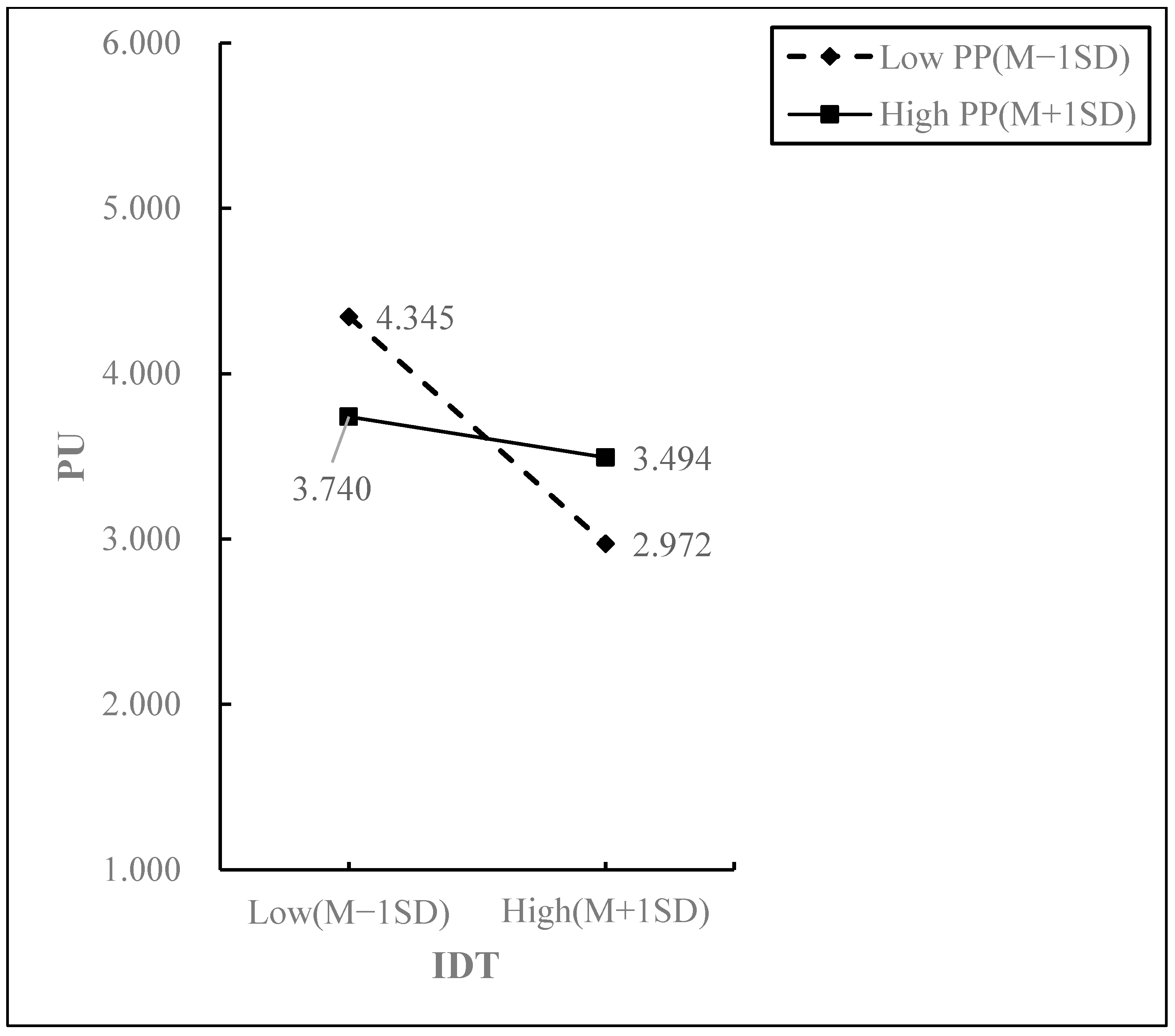
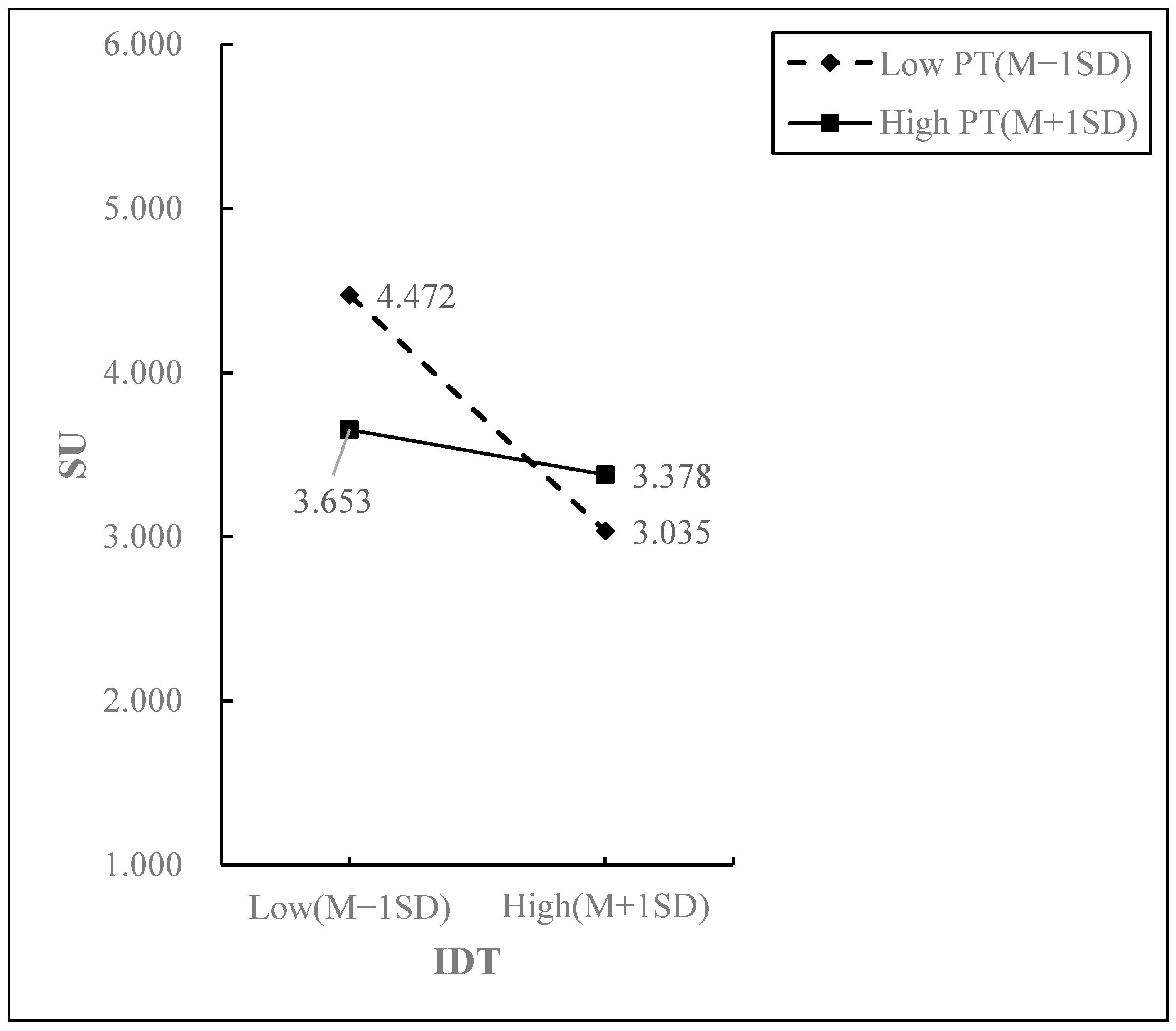
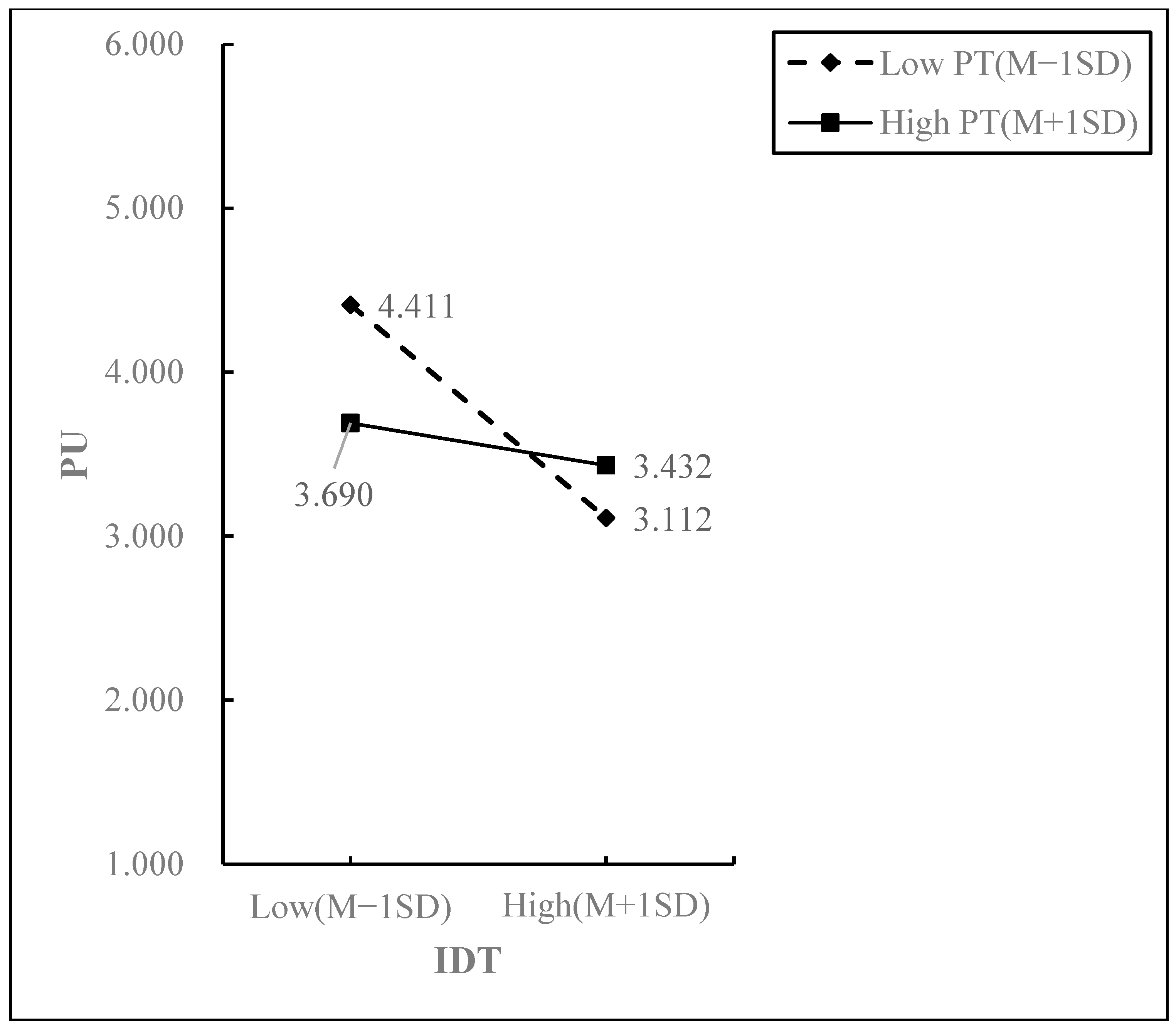
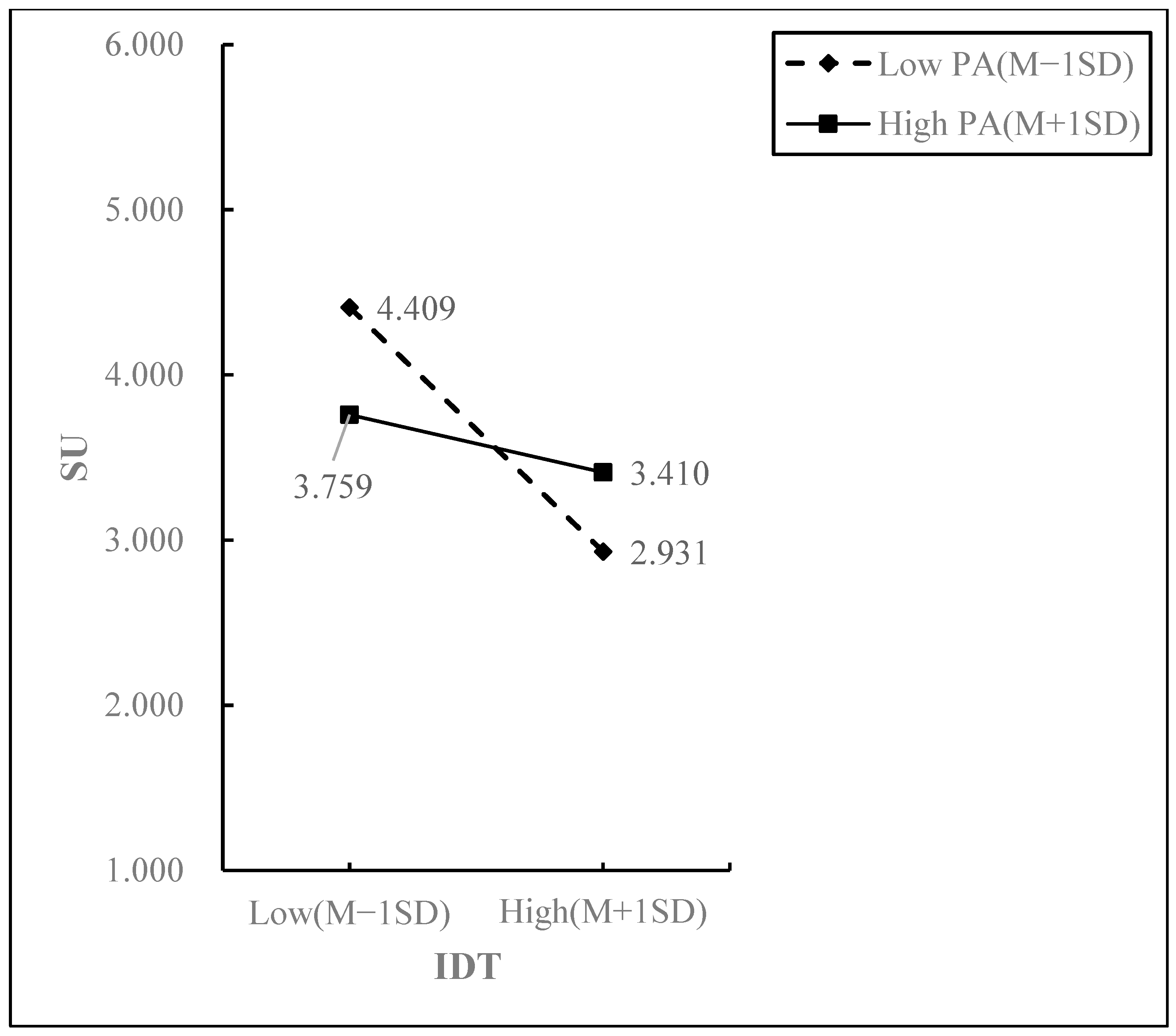
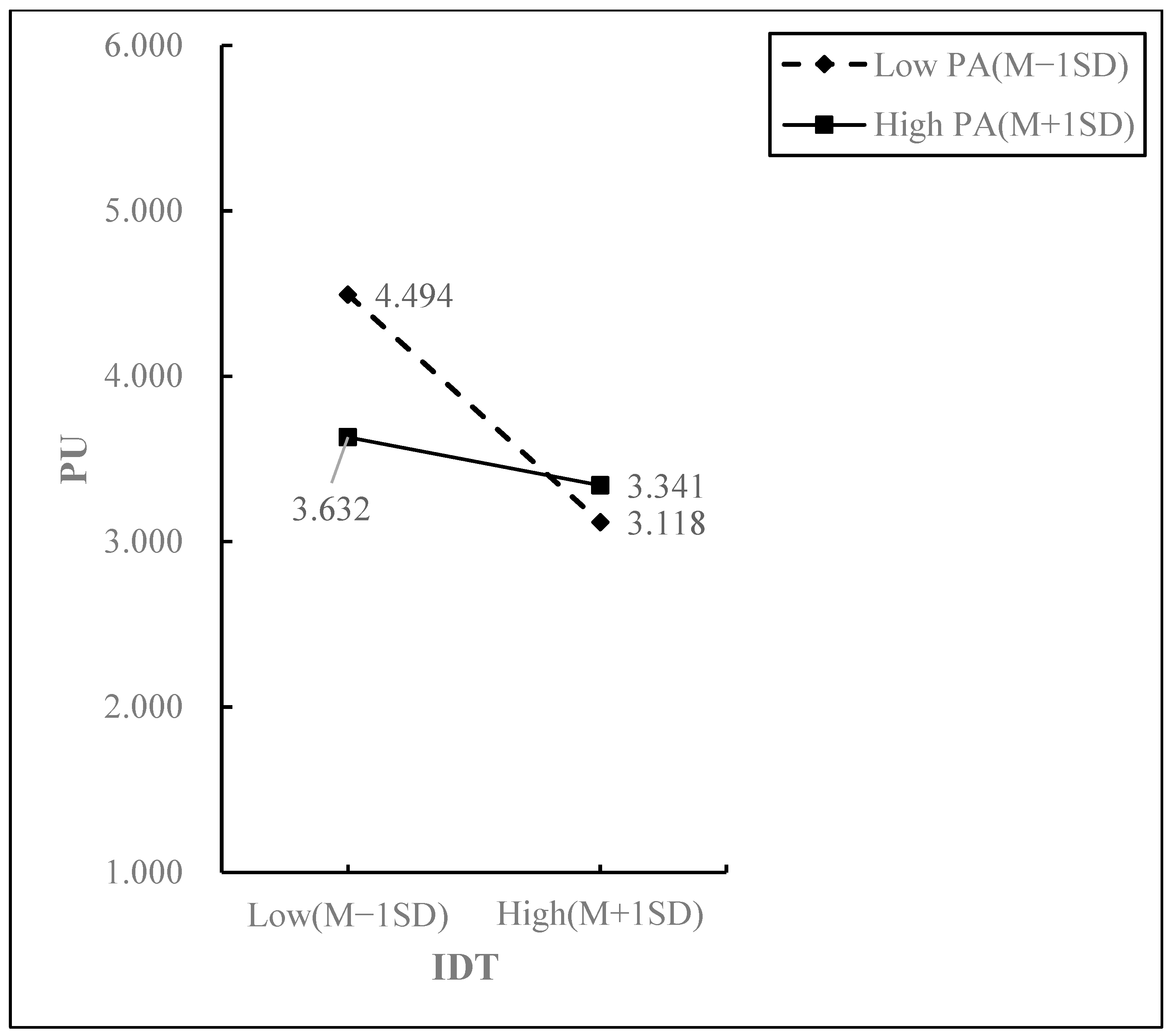
A consistent trend was observed across H3b–H5b, where product uncertainty (PU) exhibited the most pronounced decline under low-moderation conditions. For instance, in H5b, the effect size dropped significantly from 4.494 to 3.118 (Δ = −1.376). Conversely, under high-moderation conditions, the downward trajectory became notably attenuated (3.632 → 3.341, Δ = −0.291). These findings collectively suggest that while transparency is effective, its potency is significantly moderated by the contextual ‘cognitive weight’ of the product’s attributes.
The results further indicate that the magnitude of the aforementioned buffering effect is moderated by the degree of product characteristics (or product influence). Under conditions of high product influence, although information disclosure continues to mitigate uncertainty, its efficacy is significantly diminished. For instance, in H3a, under the high-influence condition, seller uncertainty (SU) only decreased by 0.335 (from 3.717 to 3.382)—a reduction substantially lower than that observed in low-influence contexts.
This finding suggests that in information-rich environments, consumers exhibit heightened sensitivity to the attributes of high-influence products. This augmented sensitivity potentially dilutes the stabilising effect that information disclosure would otherwise exert, as consumers may engage in more critical scrutiny, thereby offsetting the risk-mitigating potential of standard transparency signals.
Regarding product type (PT), luxury goods emphasise symbolic value and emotional identification; consequently, structured policy disclosures find it difficult to fully substitute for the affective signals inherently tied to a brand’s prestige. Conversely, daily necessities (functional goods) focus primarily on functional fit and utilitarian alignment. Therefore, the luxury product category tends to attenuate the efficacy of information disclosure transparency (IDT). In such contexts, the structured transparency provided by the platform is perceived as less diagnostic compared to the brand’s established emotional allure, thereby weakening the impact of IDT on reducing consumer uncertainty.
With respect to product attributes (PA), hedonic products prioritise psychological gratification and the state of affective flow; consequently, the rational logic inherent in high information transparency may paradoxically interfere with the immersive hedonic experience. In contrast, utilitarian products are inherently aligned with the logical framework of information disclosure transparency (IDT), as consumers in this category seek objective data to facilitate functional decision-making. Therefore, the hedonic attribute tends to attenuate the efficacy of IDT. In such scenarios, excessive structured disclosure may disrupt the consumer’s emotional engagement, thereby weakening the capacity of IDT to mitigate perceived uncertainty compared to its impact on utilitarian offerings.
The conditional slope analysis empirically substantiates the aforementioned predictions. Under scenarios involving low product price and utilitarian attributes, each one-standard-deviation increase in information disclosure transparency (IDT) corresponds to the most precipitous decline in perceived uncertainty.
Overall, the findings suggest that the buffering efficacy of information transparency is maximised when high levels of either seller uncertainty (SU) or product uncertainty (PU) are coupled with low-product-influence conditions. This indicates a ‘sweet spot’ for strategic disclosure, where the marginal utility of providing transparent information is at its zenith, providing a robust cognitive anchor for consumers who are motivated by functional problem-solving rather than complex risk assessment or emotional immersion.
These findings resonate with the core tenets of signalling theory, specifically the principle that ‘signal efficacy is context-dependent.’ By empirically validating hypotheses H3a–H5b, this study underscores the necessity for firms to calibrate their information disclosure strategies in alignment with product signal intensity to enhance consumer trust and decision quality.
This discovery offers substantial managerial utility, serving as a critical reminder for platform administrators that when managing high-priced, hedonic goods, structured policy disclosures are insufficient. Instead, managers should supplement traditional transparency with ‘immersive signals’—such as live-streaming or Augmented Reality (AR) experiences—to bridge the efficacy gap left by formalised textual transparency (refer to Table 13 and Figure 2, Figure 3, Figure 4, Figure 5, Figure 6 and Figure 7).

4.9. Summary of Research Findings

Overall, the results indicate that information disclosure transparency (IDT) effectively reduces consumers’ purchase hesitation (PH). Both seller uncertainty (SU) and product uncertainty (PU) partially mediate this relationship, demonstrating that transparent information not only directly influences decision-making but also indirectly facilitates consumer choices by mitigating perceived uncertainty.
In our resolution of the moderating effects, it was observed that the inclusion of product characteristics fundamentally alters what we term the ‘digestion efficiency’ of signals. Specifically, when product attributes shift from utilitarian to hedonic (H5b), the efficacy of information disclosure transparency (IDT) in mitigating uncertainty undergoes a radical transformation. This is evidenced by the transition from a marginal, slow decline under high-moderation environments (slope = −0.291) to a precipitous, rapid reduction in low-moderation contexts (slope = −1.376).
This phenomenon suggests an ‘information substitution effect’ within digital decision-making processes. For functional, lower-priced daily necessities, structured policy information—such as return guarantees and real-time logistics tracking—serves as a sufficient quality endorsement.
Conversely, for high-priced or high-emotional-involvement goods, consumers appear to develop a psychological ‘immunity’ to textual disclosures. In these instances, the cognitive demand shifts away from abstract logic toward signals that provide sensory authenticity. These findings align closely with Signal Consistency Theory, demonstrating that unidimensional transparency is an inadequate panacea for all forms of market failure. Instead, the efficacy of transparency is contingent upon the congruence between the signal medium and the product’s intrinsic nature.
This study confirms the pivotal role of IDT in diminishing purchase hesitation and emphasises the mediating function of uncertainty and the moderating influence of product characteristics in the consumer decision-making process. The findings support theoretical perspectives that signal effectiveness and information transparency must be interpreted contextually, consistent with signalling theory, and offer practical implications for firms to implement differentiated information disclosure strategies to enhance consumer trust and decision quality.

5. Discussion, Implications, and Conclusions

5.1. Summary of the Research

The primary objective of this study is to elucidate the dynamic psychological mechanisms through which information disclosure transparency mitigates purchase hesitation in e-commerce contexts. Drawing on empirical evidence from a survey of 814 consumers, this study validates the effectiveness of integrating the S–O–R framework with signalling theory. The findings indicate that information transparency on e-commerce platforms—particularly disclosures related to operational security and policy terms—functions as a high-quality signal that directly reduces consumers’ deliberation and hesitation during purchase decision-making. Empirical results reveal a significant negative effect of information disclosure transparency on purchase hesitation (B = −0.582, p < 0.001), while the model demonstrates strong predictive relevance for purchase hesitation (Q2 = 0.486), underscoring the robustness of the proposed framework in explaining consumer decision behaviour in digital commerce environments.
Further mechanism analysis suggests that this inhibitory effect is not merely superficial but is deeply embedded in consumers’ cognitive risk-reduction processes. Mediation analysis confirms that transparent information simultaneously alleviates concerns regarding seller credibility (seller uncertainty; indirect effect = −0.061) and product performance tangibility (product uncertainty; indirect effect = −0.060). This dual-mediation pathway clarifies how transparency operates as a psychological stabiliser that lowers barriers to consumers’ perceived diagnosticity. Moreover, moderation analyses demonstrate that product price, product type, and product attributes significantly condition the impact of transparency on uncertainty reduction. Under low-moderation conditions—such as low-priced or utilitarian products—the slope of uncertainty reduction is steepest, indicating that transparency exerts a particularly strong buffering effect on decision risk for everyday goods. Taken together, these findings not only fulfil the study’s original theoretical objectives but also provide rigorous empirical support for the causal linkage between signalling mechanisms and psychological responses in digital commerce settings.

5.2. Theoretical Implications

This study achieves four core theoretical advancements. First, it successfully executes a ‘dynamic ontological fusion’ of the Stimulus–Organism–Response (S–O–R) framework and signalling theory.
Whilst traditional applications of SOR frequently overlook the source of a stimulus’s credibility, this research employs signalling theory to define the ‘economic cost attributes’ of information disclosure. We demonstrate that transparency functions as a high-quality signal—capable of being absorbed by the ‘organism’—only when it implies potential default costs for the seller. By doing so, the study bridges the gap between environmental psychology and information economics, illustrating that the efficacy of a stimulus is predicated upon its inherent costliness and reliability.
Secondly, this research identifies the ‘perceived diagnosticity limit’ within digital decision-making processes. By conducting boundary tests on product prices and attributes, this study uncovers a significant ‘efficacy bottleneck’ for transparency signals when consumers encounter high-involvement offerings. This finding directly challenges the conventional, unidirectional logic of ‘disclosure-equals-trust’ prevalent in prior literature. By delineating these constraints, this research provides robust new evidence for understanding the boundaries of rationality in digital retailing, suggesting that transparency is not a universal panacea but a tool whose utility is contingent upon the nature of the decision-making task.
Thirdly, this study extends the taxonomical dimensions of uncertainty within the e-commerce context. By precisely delineating the differentiated roles of seller uncertainty (SU) and product uncertainty (PU) during cognitive processing, this research resolves the long-standing ‘black box’ problem regarding how transparency is concretely transformed into behavioural responses. Rather than treating uncertainty as a monolithic construct, our findings illustrate that transparency interacts with SU and PU through distinct pathways, thereby providing a more nuanced understanding of the internal psychological mechanisms that drive consumer decision-making in digital marketplaces.
Fourthly, this research establishes a robust methodological paradigm for addressing Common Method Bias (CMB) through the implementation of the Full Collinearity Assessment. By rigorously applying this diagnostic, the study sets a high standard for statistical stringency in future empirical e-commerce research. This advancement demonstrates that beyond traditional post hoc tests, the integration of lateral collinearity diagnostics provides a more comprehensive safeguard against biassed estimations, thereby ensuring the structural integrity of the empirical findings and offering a refined blueprint for future scholarly inquiries in the field.

5.3. Managerial Implications

This research provides e-commerce platforms and global sellers with a differentiated strategic roadmap for the ‘Digital Commerce 4.0’ era.
First, implementation of ‘Diagnosticity-Oriented Strategic Disclosure’ for daily necessities and functional products, platforms should prioritise the enhancement of structured policy transparency. This involves the prominent standardisation of high-quality signals, such as ‘One-Click Refund’ guarantees and ‘Real-Time Logistics Tracking’ milestones. By deploying these specific diagnostic cues, sellers can rapidly alleviate order consistency anxiety—the psychological friction consumers feel regarding whether the received product will match their functional expectations. In this segment, transparency is the primary driver of conversion efficiency.
Secondly, construction of ‘Sensory Compensation Mechanisms’ for High-Value Hedonic Goods: Given that the efficacy of structured information diminishes for high-value and hedonic products, managers should implement immersive technologies to provide a compensatory effect. This includes the deployment of AR Virtual Try-ons, VR Digital Unboxings, and Blockchain-based Traceability systems. These high-impact ‘alternative signals’ offer a level of sensory stimulation and psychological proximity that textual disclosures lack. By providing a more visceral form of evidence, these mechanisms effectively bridge the diagnosticity gap inherent in traditional transparency, catering to the systematic processing needs of consumers in high-stakes, emotionally driven luxury segments.
Thirdly, optimisation of Algorithmic Transparency and AI Explainability: To address AI-driven personalised recommendations, platforms should proactively disclose ‘recommendation rationale labels’ to counter consumer concerns regarding ‘algorithmic manipulation’. This form of strategic transparency serves a dual purpose: it mitigates immediate purchase hesitation and, more importantly, constructs a trust moat for long-term brand loyalty. By enhancing the explainability of the decision-making process, platforms can transform perceived algorithmic surveillance into a helpful, transparent concierge service, thereby fostering a more resilient relationship between the consumer and the automated system.

5.4. Limitations of the Paper

Despite providing rich empirical insights, this research is subject to several limitations regarding interpretation and generalisation. First, the sample is restricted to online consumers in Taiwan (N = 814), which may introduce a moderating bias rooted in a specific cultural background.
Viewed through the lens of Hofstede’s Cultural Dimensions, Taiwanese consumers exhibit pronounced characteristics of High Uncertainty Avoidance and Collectivism. Furthermore, influenced by the long-term orientation of Confucian values, they place a high premium on interpersonal trust and integrity signals. Consequently, the inhibitory effect of information transparency on purchase hesitation observed in this study represents the model’s maximal performance within a ‘high-risk-sensitive market.’ This inherently defines the boundary conditions of our proposed framework [63], suggesting that the efficacy of these signals may vary in cultures with higher risk tolerance or more individualistic tendencies.
In environments that prioritise individualism and legalistic safeguards, and where there is a higher propensity for risk-taking (such as the United Kingdom or the United States), the marginal utility of transparency signals may exhibit a distinct decay pattern [64]. In these contexts, consumers may rely more heavily on institutional trust or personal judgement rather than detailed information disclosures. Consequently, future research should employ a cross-cultural validation design to further test the generalisability and robustness of the proposed model. Such comparative inquiries would be instrumental in determining whether the ‘efficacy bottleneck’ identified in this study is a universal phenomenon or one contingent upon the cultural configuration of the marketplace.
Secondly, this study utilises cross-sectional data, which captures only a static snapshot of relationships at a specific point in time. Consequently, establishing rigorous long-term causal inferences remains a challenge. Whilst PLS-SEM has strengthened our structural validation, purchase hesitation is inherently dynamic—prone to evolution based on single-transaction experiences or adverse security incidents.
Furthermore, the reliance on self-reported questionnaires may introduce social desirability bias; specifically, respondents may overstate their actual attentiveness to ‘privacy policies’. Finally, while the model demonstrates high predictive relevance (Q2 = 0.486), its focus remains primarily on the rational-cognitive dimension. Future research could refine the decision-making model by incorporating moderating variables such as ‘affective bonding’ within digital interfaces or the influence of ‘AI autonomous agents’, thereby capturing a more holistic view of the consumer experience.

5.5. Future Studies and Recommendations

In light of the limitations identified in this study and ongoing digital transformation trends, several avenues for future research are proposed. First, scholars are encouraged to adopt longitudinal research designs or field experiments to strengthen causal inference. Tracking consumers’ actual clickstream data across varying levels of transparency would enable more precise observation of the dynamic evolution of decision-making processes over time, while simultaneously reducing biases associated with self-reported measures.
Second, with the increasing diffusion of Web3 and blockchain technologies, future research should examine the comparative effects of technology-driven transparency and institutionally driven transparency. In particular, studies may investigate whether immutable signals generated through blockchain-based traceability outperform traditional platform certifications in reducing uncertainty associated with luxury products.
In addition, the rise in agentic commerce represents a critical and underexplored domain. As AI assistants increasingly execute purchasing decisions on behalf of consumers, the primary recipients of transparency signals will shift from human decision-makers to AI agents. This transition necessitates the transformation of transparency disclosures into machine-readable, structured knowledge. Future research should explore how AI agents interpret and process transparency signals and how such agent-mediated decision-making reshapes the formation of brand loyalty.
Finally, cross-cultural comparative research remains essential. Subsequent studies are encouraged to validate the proposed model across diverse cultural contexts—such as emerging Southeast Asian markets versus mature Western economies—to examine how cultural resilience moderates the buffering effect of transparency on perceived risk. Such efforts would contribute to the development of a more generalisable theoretical framework for risk management in global e-commerce.
The framework established in this study provides a foundational basis for subsequent explorations into ‘Smart Commerce’. With the ascent of ‘Agentic Commerce’, the primary recipient of shopping decision stimuli is poised to shift from human consumers to AI autonomous assistants. In this nascent era, the manifestation of information disclosure transparency must evolve from ‘visualised labels’ into ‘machine-readable structured knowledge’ [25].
Future research should critically examine whether AI agents encounter a form of ‘computational cognitive load’ analogous to human processing when parsing transparency signals. Furthermore, investigations are needed to determine if transparency can effectively mitigate agency problems within human–machine collaboration. These forward-looking inquiries will propel e-commerce psychological research into a new dimension of intelligent governance [65].

Supplementary Materials

Supplementary materials can be downloaded from the following URL: https://doi.org/10.5281/zenodo.18080339 (accessed on 29 December 2025), Research Questionnaire; Descriptive statistics of selected scale items; Ethical Review; English-Editing-Certificate-105360.

Author Contributions

Conceptualisation, H.-J.C. and C.-H.C.; methodology, H.-J.C.; validation, H.-J.C. and C.-H.C.; formal analysis, C.-H.C.; investigation, C.-H.C.; data curation, C.-H.C.; writing—original draft preparation, C.-H.C.; writing—review and editing, H.-J.C.; visualisation, C.-H.C.; supervision, H.-J.C.; project administration, H.-J.C. and C.-H.C. All authors have read and agreed to the published version of the manuscript.

Funding

This research received no external funding.

Institutional Review Board Statement

The study was conducted in accordance with the Declaration of Helsinki, and the protocol was approved by the Ethics Committee of National Taiwan University, NTU-REC No.: 202502ES023 on 18 March 2025.

Informed Consent Statement

This study collected participants’ opinions through an anonymous online questionnaire. Informed consent for publication was obtained from all identifiable human participants to publish this paper.

Data Availability Statement

The original data presented in this study are openly available in the Science Data Bank at https://doi.org/10.57760/sciencedb.24698 (accessed on 17 November 2025).

Acknowledgments

During the preparation of this manuscript, the authors used IBM SPSS Statistics (version 20), including PROCESS Macro and PLS-SEM (version 4.0) to conduct statistical validation analyses. The authors have reviewed and edited the outputs and take full responsibility for the content of this publication.

Conflicts of Interest

The authors declare no conflicts of interest.

Abbreviations

The following abbreviations are used in this manuscript:
AVEAverage Variance Extracted
CRComposite Reliability
DNDaily Necessities
FQUFunctional and Quality Uncertainty
HAHedonic Attribute
IDTInformation Disclosure Transparency
IPHInformation and Price Hesitation
ISUInventory and Supply Uncertainty
LGLuxury Goods
NFINormed Fit Index
OCUOrder Consistency Uncertainty
OSTOperational Security Transparency
PAProduct Attributes
PCPrice Comprehensibility
PFPrice Fairness
PHPurchase Hesitation
PLS-SEMPartial Least Squares Structural Equation Modelling
PPProduct Price
PRPrice Reasonableness
PTProduct Type
PTransPolicy Transparency
PUProduct Uncertainty
Q2Stone–Geisser’s Q2 (Predictive Relevance Statistic)
QTUQuality and Transaction Uncertainty
RTURisk and Transactional Uncertainty
SORStimulus–Organism–Response (Model)
SRMRStandardised Root Mean Square Residual
SUSeller Uncertainty
TSHTransaction and Service Hesitation
UAUtilitarian Attribute
VIFVariance Inflation Factor

References

  1. Pandey, S.; Mittal, S.; Chawla, D. Tackling consumer information asymmetry and perceived uncertainty for luxury re-commerce through seller signals. J. Retail. Consum. Serv. 2024, 79, 103736. [Google Scholar] [CrossRef]
  2. Spence, M.; Zheng, X. Signaling Theory and Information Asymmetry in Online Commerce. Inf. Manag. 2012, 49, 240–247. [Google Scholar] [CrossRef]
  3. Akerlof, G.A. The Market for “Lemons”: Quality Uncertainty and the Market Mechanism. Q. J. Econ. 1970, 84, 488–500. [Google Scholar] [CrossRef]
  4. Xiao, B.; Benbasat, I. Product-Related Deception in E-Commerce: A Theoretical Perspective. MIS Q. 2011, 35, 169–195. [Google Scholar] [CrossRef]
  5. Liu, F. The Legal Implications of Information Disclosure Obligations for E-Commerce Platforms: An Analysis Based on the Electronic Commerce Law of the People’s Republic of China. Law Econ. 2024, 3, 62–67. [Google Scholar] [CrossRef]
  6. Romdoni, I.A. Legal Analysis of Consumer Protection in E-Commerce Transactions. Justisia J. Ilmu Huk. 2024, 2, 130. [Google Scholar] [CrossRef]
  7. Hung, C.-L. Cultural Dimensions and Consumption Values of Cross-Border Electronic Commerce: A Canonical Analysis. Businesses 2024, 4, 823–842. [Google Scholar] [CrossRef]
  8. Al-Adwan, A.S.; Alrousan, M.K.; Yaseen, H.; Alkufahy, A.M.; Alsoud, M. Boosting Online Purchase Intention in High-Uncertainty-Avoidance Societies: A Signaling Theory Approach. J. Open Innov. Technol. Mark. Complex. 2022, 8, 136. [Google Scholar] [CrossRef]
  9. Herzallah, F.; Al-Sharafi, M.A. Mitigating Seller Uncertainty in Social Commerce Platforms by Exploring Pre-Purchase Customer-Seller Signals. Digit. Bus. 2025, 5, 100116. [Google Scholar] [CrossRef]
  10. Senali, M.G.; Iranmanesh, M.; Ghobakhloo, M.; Foroughi, B.; Asadi, S.; Rejeb, A. Determinants of Trust and Purchase Intention in Social Commerce: Perceived Price Fairness and Trust Disposition as Moderators. Electron. Commer. Res. Appl. 2024, 64, 101370. [Google Scholar] [CrossRef]
  11. Wang, H.-M.; Zhu, Y.-P.; Lee, K.-T. What Signals Are You Sending? How Signal Consistency Influences Consumer Purchase Behavior in Live Streaming Commerce. J. Theor. Appl. Electron. Commer. Res. 2025, 20, 109. [Google Scholar] [CrossRef]
  12. Lee, G.K.S. Trust in Social Commerce: Challenges and Opportunities for Building Consumer Confidence and Shaping Purchase Intention. Int. J. Appl. Res. Bus. Manag. 2025, 6, 45761. [Google Scholar] [CrossRef]
  13. Montecchi, M.; Plangger, K.; West, D.; de Ruyter, K. Perceived Brand Transparency: A Conceptualization and Measurement Scale. Psychol. Mark. 2024, 41, 2274–2297. [Google Scholar] [CrossRef]
  14. Phamthi, V.A.; Nagy, Á.; Ngo, T.M. The Influence of Perceived Risk on Purchase Intention in E-Commerce—Systematic Review and Research Agenda. Int. J. Consum. Stud. 2024, 48, e13067. [Google Scholar] [CrossRef]
  15. Sun, C.; Ji, J.; Meng, X. Transparency as a Trust Catalyst: How Self-Disclosure Strategies Reshape Consumer Perceptions of Unhealthy Food Brands on Digital Platforms. J. Theor. Appl. Electron. Commer. Res. 2025, 20, 133. [Google Scholar] [CrossRef]
  16. Pan, J.; Ishak, N.A.; Qin, Y. The Application of Moore’s Online Learning Interactions Model in Learning Outcomes: The SOR (Stimulus-Organism-Response) Paradigm Perspective. Heliyon 2024, 10, e28505. [Google Scholar] [CrossRef]
  17. Spence, M. Job Market Signaling. Q. J. Econ. 1973, 87, 355–374. [Google Scholar] [CrossRef]
  18. Spence, M. Signaling in Retrospect and the Informational Structure of Markets. Am. Econ. Rev. 2002, 92, 434–459. [Google Scholar] [CrossRef]
  19. Mehrabian, A.; Russell, J.A. An Approach to Environmental Psychology; MIT Press: Cambridge, MA, USA, 1974; Available online: https://mitpress.mit.edu/9780262130905/an-approach-to-environmental-psychology/ (accessed on 16 February 2026).
  20. Kirmani, A.; Rao, A.R. No Pain, No Gain: A Critical Review of the Literature on Signaling Unobservable Product Quality. J. Mark. 2000, 64, 66–79. [Google Scholar] [CrossRef]
  21. Wang, F.; Lopez, C.; Okazaki, S. Signaling Transparency in the Era of Artificial Intelligence. Internet Res. 2025, 1–25. [Google Scholar] [CrossRef]
  22. Schnackenberg, A.K.; Tomlinson, E.C.; Coen, C. The Dimensional Structure of Transparency: A Construct Validation of Transparency as Disclosure, Clarity, and Accuracy in Organizations. Hum. Relat. 2020, 74, 1628–1660. [Google Scholar] [CrossRef]
  23. Javed, Y.; Sajid, A. A Systematic Review of Privacy Policy Literature. ACM Comput. Surv. 2024, 57, 45. [Google Scholar] [CrossRef]
  24. Buell, R.W.; Porter, E.; Norton, M.I. Surfacing the Submerged State: Operational Transparency Increases Trust in and Engagement with Government. Manuf. Serv. Oper. Manag. 2021, 23, 781–802. [Google Scholar] [CrossRef]
  25. Park, K.; Yoon, H.Y. Beyond the Code: The Impact of AI Algorithm Transparency Signaling on User Trust and Relational Satisfaction. Public Relat. Rev. 2024, 50, 102507. [Google Scholar] [CrossRef]
  26. Dholakia, U. Transparency in Business: An Integrative View; Palgrave Macmillan: Cham, Switzerland, 2023. [Google Scholar] [CrossRef]
  27. Reischauer, G.; Hess, T.; Sellhorn, T.; Theissen, E. Transparency in an Age of Digitalization and Responsibility. Schmalenbach J. Bus. Res. 2024, 76, 483–494. [Google Scholar] [CrossRef]
  28. Cho, C.-H.; Kang, J.; Cheon, H.J. Online Shopping Hesitation. Cyberpsychol. Behav. 2006, 9, 261–274. [Google Scholar] [CrossRef]
  29. Li, Z.; Liu, J.; Chen, J.; Zhang, Y. Why Consumers Hesitate to Pay Online: Evidence from Online Transactions. Aust. J. Manag. 2025, 51, 147–173. [Google Scholar] [CrossRef]
  30. Liu, Z.; Li, J.; Wang, X.; Guo, Y. How Search and Evaluation Cues Influence Consumers’ Continuous Watching and Purchase Intentions: An Investigation of Live-Stream Shopping from an Information Foraging Perspective. J. Bus. Res. 2023, 168, 114233. [Google Scholar] [CrossRef]
  31. Ma, X.; Zou, X.; Lv, J. Why Do Consumers Hesitate to Purchase in Live Streaming? A Perspective of Interaction between Participants. Electron. Commer. Res. Appl. 2022, 55, 101193. [Google Scholar] [CrossRef]
  32. Kay, S.; Mulcahy, R.; Parkinson, J. When Less Is More: The Impact of Macro and Micro Social Media Influencers’ Disclosure. J. Mark. Manag. 2020, 36, 248–278. [Google Scholar] [CrossRef]
  33. Sesar, V.; Martinčević, I.; Boguszewicz-Kreft, M. Relationship between Advertising Disclosure, Influencer Credibility and Purchase Intention. J. Risk Financ. Manag. 2022, 15, 276. [Google Scholar] [CrossRef]
  34. Tikhomirova, A.; Huang, J.; Chuanmin, S.; Khayyam, M.; Ali, H.; Khramchenko, D.S. How Culture and Trustworthiness Interact in Different E-Commerce Contexts: A Comparative Analysis of Consumers’ Intention to Purchase on Platforms of Different Origins. Front. Psychol. 2021, 12, 746467. [Google Scholar] [CrossRef] [PubMed]
  35. Chiu, T.-S.; Chih, W.-H.; Ortiz, J.; Wang, C.-Y. The Contradiction of Trust and Uncertainty from the Viewpoint of Swift Guanxi. Internet Res. 2018, 28, 716–745. [Google Scholar] [CrossRef]
  36. Tang, Y.; Zhang, Y.; Ning, X. Uncertainty in the Platform Market: The Information Asymmetry Perspective. Comput. Hum. Behav. 2023, 148, 107918. [Google Scholar] [CrossRef]
  37. Kim, Y.; Krishnan, R. On Product-Level Uncertainty and Online Purchase Behavior: An Empirical Analysis. Manag. Sci. 2015, 61, 2449–2467. [Google Scholar] [CrossRef]
  38. Li, M.; Peng, H. Research on the Internal Structure of Product Uncertainty and Scale Development. In 2023 4th International Conference on E-Commerce and Internet Technology (ECIT 2023), Nanchang, China, 17–19 March 2023; Atlantis Press: Paris, France, 2023; pp. 291–296. [Google Scholar] [CrossRef]
  39. Farhat, R.; Yang, Q.; Ahmed, M.A.O.; Hasan, G. E-Commerce for a Sustainable Future: Integrating Trust, Product Quality Perception, and Online-Shopping Satisfaction. Sustainability 2025, 17, 1431. [Google Scholar] [CrossRef]
  40. Kumar, H.; Rauschnabel, P.A.; Agarwal, M.N.; Singh, R.K.; Srivastava, R. Towards a Theoretical Framework for Augmented Reality Marketing: A Means-End Chain Perspective on Retailing. Inf. Manag. 2024, 61, 103910. [Google Scholar] [CrossRef]
  41. Al-Adwan, A.S.; Yaseen, H. Solving the Product Uncertainty Hurdle in Social Commerce: The Mediating Role of Seller Uncertainty. Int. J. Inf. Manag. Data Insights 2023, 3, 100169. [Google Scholar] [CrossRef]
  42. Luo, X.; Cheah, J.-H.; Lim, X.-J.; Ramayah, T.; Dwivedi, Y.K. Inducing Shoppers’ Impulsive Buying Tendency in Live-Streaming: Integrating Signaling Theory with Social Exchange Theory. Internet Res. 2025, 35, 318–348. [Google Scholar] [CrossRef]
  43. Radic, D. Price Fairness: Square Equity and Mean Pricing. J. Revenue Pricing Manag. 2024, 23, 96–102. [Google Scholar] [CrossRef]
  44. Huang, C.; Chen, C.; Wang, H. Effects of Online Customer Reviews on Sustainable Clothing Purchase Intentions: The Mediating Role of Perceived Diagnosticity. J. Consum. Behav. 2024, 23, 2676–2692. [Google Scholar] [CrossRef]
  45. Maleki, N.; Padmanabhan, B.; Dutta, K. Usability of Health Care Price Transparency Data in the United States: Mixed Methods Study. J. Med. Internet Res. 2024, 26, e50629. [Google Scholar] [CrossRef] [PubMed]
  46. Chen, K.; Zhang, W.; Jiang, P. Ratings or Sales? The Neural and Psychological Processes of Online Experience Product Purchase: Evidence from a Sample of Chinese University Students. Behav. Sci. 2022, 12, 499. [Google Scholar] [CrossRef] [PubMed]
  47. Ozyegen, O.; Jahanshahi, H.; Cevik, M.; Bulut, B.; Yigit, D.; Gonen, F.F.; Başar, A. Classifying Multi-Level Product Categories Using Dynamic Masking and Transformer Models. J. Data Inf. Manag. 2022, 4, 71–85. [Google Scholar] [CrossRef]
  48. Dubois, D.; Jung, S.; Ordabayeva, N. The Psychology of Luxury Consumption. Curr. Opin. Psychol. 2021, 39, 82–87. [Google Scholar] [CrossRef]
  49. Ruan, Y.; Xu, Y.; Lee, H. Consumer Motivations for Luxury Fashion Rental: A Second-Order Factor Analysis Approach. Sustainability 2022, 14, 7475. [Google Scholar] [CrossRef]
  50. Wei, Q.; Lv, D.; Lin, Y.; Zhu, D.; Liu, S.; Liu, Y. Influence of Utilitarian and Hedonic Attributes on Willingness to Pay Green Product Premiums and Neural Mechanisms in China: An ERP Study. Sustainability 2023, 15, 2403. [Google Scholar] [CrossRef]
  51. Puspitasari, I.; Rusydi, F.; Nuzulita, N.; Hsiao, C.-S. Investigating the Role of Utilitarian and Hedonic Goals in Characterizing Customer Loyalty in E-Marketplaces. Heliyon 2023, 9, e19193. [Google Scholar] [CrossRef]
  52. Xi, X.; Yang, J.; Jiao, K.; Wang, S.; Lu, T. “We Buy What We Wanna Be”: Understanding the Effect of Brand Identity Driven by Consumer Perceived Value in the Luxury Sector. Front. Psychol. 2022, 13, 1002275. [Google Scholar] [CrossRef]
  53. Kline, R.B. Principles and Practice of Structural Equation Modeling, 4th ed.; Guilford Press: New York, NY, USA, 2016; Available online: https://psycnet.apa.org/record/2015-56948-000 (accessed on 16 February 2026).
  54. Ali, F. Sample Size Practices and Guidelines in Services Marketing Survey Research. Serv. Ind. J. 2026, 1–26. [Google Scholar] [CrossRef]
  55. DeVellis, R.F. Scale Development: Theory and Applications, 4th ed.; Sage Publications: Thousand Oaks, CA, USA, 2017; Available online: https://collegepublishing.sagepub.com/products/scale-development-4-246123 (accessed on 16 February 2026).
  56. Hu, L.; Bentler, P.M. Cutoff Criteria for Fit Indexes in Covariance Structure Analysis: Conventional Criteria versus New Alternatives. Struct. Equ. Model. 1999, 6, 1–55. [Google Scholar] [CrossRef]
  57. Bentler, P.M.; Bonett, D.G. Significance Tests and Goodness of Fit in the Analysis of Covariance Structures. Psychol. Bull. 1980, 88, 588–606. [Google Scholar] [CrossRef]
  58. Harman, H.H. Modern Factor Analysis, 2nd ed.; University of Chicago Press: Chicago, IL, USA, 1967. [Google Scholar]
  59. Podsakoff, P.M.; MacKenzie, S.B.; Lee, J.-Y.; Podsakoff, N.P. Common method biases in behavioral research: A critical review of the literature and recommended remedies. J. Appl. Psychol. 2003, 88, 879–903. [Google Scholar] [CrossRef]
  60. Hair, J.F., Jr.; Hult, G.T.M.; Ringle, C.M.; Sarstedt, M. A Primer on Partial Least Squares Structural Equation Modeling (PLS-SEM), 3rd ed.; SAGE Publications: Thousand Oaks, CA, USA, 2022. [Google Scholar] [CrossRef]
  61. Kock, N. Common Method Bias in PLS-SEM: A Full Collinearity Assessment Approach. Int. J. e-Collab. 2015, 11, 1–10. [Google Scholar] [CrossRef]
  62. Hayes, A.F. Introduction to Mediation, Moderation, and Conditional Process Analysis: A Regression-Based Approach, 3rd ed.; Guilford Press: New York, NY, USA, 2022; Available online: https://www.guilford.com/books/Introduction-to-Mediation-Moderation-and-Conditional-Process-Analysis/Andrew-Hayes/9781462549030 (accessed on 16 February 2026).
  63. Mulaomerovic, E.; Trappey, C.V. The Role of Cultural Dimensions in the Acceptance of Retail Innovations. In Proceedings of the Management, Knowledge and Learning International Conference, Zadar, Croatia, 19–21 June 2013; ToKnowPress: Celje, Slovenia, 2013; pp. 491–496. Available online: https://ideas.repec.org/h/tkp/mklp13/491-496.html (accessed on 16 February 2026).
  64. Hung, C.-L.; Chou, J.C.L.; Chung, R.Y.; Dong, T.P. A Cross-Cultural Study on the Mobile Commerce Acceptance Model. In 5th IEEE International Conference on Management of Innovation and Technology (ICMIT 2010); IEEE: Singapore, 2010; pp. 462–467. [Google Scholar] [CrossRef]
  65. González-Reyes, C.; Ficapal-Cusí, P.; Torrent-Sellens, J. AI and Organizational Leadership: Bibliometric Review and Future Trends. J. Organ. Change Manag. 2026, 1–35. [Google Scholar] [CrossRef]
Figure 1. Research framework. Source: Authors’ own work.
Jtaer 21 00080 g001
Figure 2. Moderating effect of product price on the relationship between information disclosure transparency and seller uncertainty.
Jtaer 21 00080 g002
Figure 3. Moderating effect of product price on the relationship between information disclosure transparency and product uncertainty.
Jtaer 21 00080 g003
Figure 4. Moderating effect of product type on the relationship between information disclosure transparency and seller uncertainty.
Jtaer 21 00080 g004
Figure 5. Moderating effect of product type on the relationship between information disclosure transparency and product uncertainty.
Jtaer 21 00080 g005
Figure 6. Moderating effect of product attributes on the relationship between information disclosure transparency and seller uncertainty.
Jtaer 21 00080 g006
Figure 7. Moderating effect of product attributes on the relationship between information disclosure transparency and product uncertainty.
Jtaer 21 00080 g007
Table 1. Basic demographic characteristics of the respondents (N = 814).
VariableCategoryn%
GenderMale38146.8
Female43353.2
Age21–30 years8910.9
31–40 years20224.8
41–50 years21726.7
51–60 years24229.7
61 years or above647.9
Education LevelHigh school or vocational school or below11914.6
College or university degree43753.7
Master’s degree or above25831.7
OccupationMilitary/Public sector/Education9211.3
Manufacturing10012.3
Business/Trade739.0
Information Technology12515.4
Finance/Insurance15619.2
Service industry20124.7
Other678.2
Work ExperienceLess than 2 years10012.3
2–<5 years17020.9
5–<8 years26232.2
8–<10 years21826.8
10 years or more647.9
Average Monthly Income (in USD)Below 100028334.8
1000–200031538.7
2000–300012014.7
Above 30009611.8
Note. Percentages may not total 100% due to rounding.
Table 2. Summary of model fit (N = 814).
Fit IndexSaturated ModelEstimated Model
SRMR0.0210.085
NFI0.9610.952
Table 3. Construct reliability, AVE, and Fornell–Larcker criterion (N = 814).
Cronbach’s αCRAVEIDTSUPUPHPPPTPA
IDT0.9410.9530.7730.879
SU0.9630.9680.769−0.5050.877
PU0.9430.9550.780−0.4910.7180.883
PH0.9440.9550.781−0.6320.6870.6870.884
PP0.9610.9670.7620.519−0.351−0.330−0.4530.873
PT0.9440.9550.7810.452−0.338−0.346−0.4400.5790.884
PA0.9420.9540.7750.513−0.350−0.375−0.4900.6550.5290.880
Note. Diagonal values in bold italics represent the square roots of the Average Variance Extracted (AVE) for each construct; off-diagonal elements indicate the correlations between constructs.
Table 4. HTMT discriminant validity analysis (N = 814).
IDTSUPUPHPPPTPA
IDT
SU0.531
PU0.5210.754
PH0.6700.7210.727
PP0.5450.3640.3460.475
PT0.4800.3540.3660.4660.607
PA0.5440.3670.3970.5190.6880.560
IDT = information disclosure transparency; SU = seller uncertainty; PU = product uncertainty; PH = purchase hesitation; PP = product price; PT = product type; PA = product attributes.
Table 5. Statistical results of Harman’s single-factor test (N = 814).
ComponentInitial EigenvaluesExtraction Sums of Squared LoadingsRotation Sums of Squared Loadings
Total% of VarianceCumulative %Total% of VarianceCumulative %Total% of VarianceCumulative %
121.15644.07444.07421.15644.07444.0748.07016.81316.813
26.51513.57257.6466.51513.57257.6467.30015.20832.021
32.4295.06062.7062.4295.06062.7064.7859.96941.989
42.3134.81867.5242.3134.81867.5244.7029.79651.785
51.9464.05571.5791.9464.05571.5794.4409.25161.036
61.5453.21874.7971.5453.21874.7974.2198.79069.826
71.3092.72877.5251.3092.72877.5253.6967.69977.525
Table 6. Full collinearity analysis table (N = 814).
PredictorBStandard ErrorBetat-Valuep-ValueToleranceVIF
(Constant)3.1850.19915.963<0.001
IDT−0.2460.029−0.246−8.36<0.0010.6161.623
SU0.2540.0290.2718.756<0.0010.5571.794
PU0.2640.0290.2789.013<0.0010.5591.788
PP−0.0060.031−0.006−0.200.8420.5581.791
PT−0.0790.029−0.078−2.7360.0060.6621.510
PA−0.1170.03−0.118−3.907<0.0010.5821.718
Note.B’ = unstandardised coefficient; ‘Beta’ = standardised coefficient; Tolerance and VIF indicate multicollinearity diagnostics. Significance levels: p < 0.001 = highly significant. IDT = information disclosure transparency; SU = seller uncertainty; PU = product uncertainty; PP = product price; PT = product type; PA = product attributes; PH = purchase hesitation (Dependent variable).
Table 7. Descriptive statistics of selected scale items (N = 814).
VariableFacetQuestionnaire ItemMeanSERank
IDTOST5. When shopping online, I am concerned about whether the website publicly discloses its operational information.3.5471.2021
PTrans2. When shopping online, I am concerned about whether the website clearly states its terms of use.3.5101.2256
SUQTU12. When purchasing products online, I worry that changes in the seller’s policies may affect product availability.3.7801.2621
11. When purchasing products online, I suspect that the product quality may be unreliable.3.7101.2599
PUOCU21. When purchasing products online, I worry that the product may be damaged during delivery.3.7731.2811
19. When purchasing products online, I worry that the product may be unsuitable for use.3.7051.2596
PHIPH22. When shopping online, I hesitate if there is insufficient product information.3.5721.2191
TSH25. When shopping online, I hesitate if transaction security is uncertain.3.4771.2106
PPPF30. I believe that the breakdown of online product prices is clearly presented.3.5551.2581
PC35. I believe that the listed prices of online products align with their market positioning.3.4781.2019
PTDN40. I purchase household essentials online, such as tableware and cookware.3.5771.1781
LG38. I purchase branded designer products online, such as LV clothing and accessories.3.4791.1746
PAUA43. I purchase practical products online, such as multifunctional items.3.5611.2201
HA47. I purchase products that provide a sense of satisfaction online, such as high-quality audiovisual equipment.3.5201.1846
Note. SE = standard error; IDT = information disclosure transparency; SU = seller uncertainty; PU = product uncertainty; PH = purchase hesitation; PP = product price; PT = product type; PA = product attributes.
Table 8. Bivariate Pearson correlation matrix for key constructs (N = 814).
IDTSUPUPHPPPTPA
IDT1
SU−0.455 **1
PU−0.443 **0.631 **1
PH−0.581**0.618 **0.624 **1
PP0.469 **−0.319 **−0.309 **−0.403 **1
PT0.417 **−0.313 **−0.308 **−0.410 **0.509 **1
PA0.456 **−0.286 **−0.338 **−0.442 **0.585 **0.474 **1
Note. p < 0.01 ** (two-tailed); IDT = information disclosure transparency; SU = seller uncertainty; PU = product uncertainty; PH = purchase hesitation; PP = product price; PT = product type; PA = product attributes.
Table 9. Effect Size (f2) and Stone–Geisser’s predictive relevance (Q2) for endogenous variables (N = 814).
Endogenous VariablePredictor Variablef2
Effect Size
Effect Size LevelQ2 Predictive RelevancePredictive Effect Level
Seller Uncertainty (SU)Information disclosure transparency0.151Moderate0.210Moderate
Product price0.000No effect
Product type0.011Negligible
Product attributes0.003Negligible
Product Uncertainty (PU)Information disclosure transparency0.133Moderate0.209Moderate
Product price0.001No effect
Product type0.008Negligible
Product attributes0.012Small
Purchase Hesitation (PH)Seller uncertainty0.107Moderate0.486High
Product uncertainty0.120Moderate
Information disclosure transparency0.206Moderately high
Note. f2 assesses the change in R2 when an exogenous variable is removed from the model; Q2 evaluates the predictive quality of the model.
Table 10. Regression analysis of direct effects on purchase hesitation (N = 814).
Predictor → PHModel SupportedFp-ValueR2Bt-Valuep-Value
IDT → PHSupported414.7660.000 ***0.338−0.582−20.3660.000 ***
SU → PHSupported501.7150.000 ***0.3820.58022.3990.000 ***
PU → PHSupported516.8120.000 ***0.3890.59222.7330.000 ***
PP → PHSupported157.0320.000 ***0.162−0.399−12.5310.000 ***
PT → PHSupported163.9150.000 ***0.168−0.415−12.8030.000 ***
PA → PHSupported197.2270.000 ***0.195−0.436−14.0440.000 ***
Note. p < 0.001 ***; B = unstandardised regression coefficient. PH = purchase hesitation; IDT = information disclosure transparency; SU = seller uncertainty; PU = product uncertainty; PP = product price; PT = product type; PA = product attributes.
Table 11. Analysis of the mediating effects of seller and product uncertainty on the relationship between information disclosure transparency and purchase hesitation (N = 814).
Mediating Variable HypothesisResultEffectBootstrapping
95% BC CI
LowerUpper
H2aIDT → SU → PHSupportTotal effect−0.380−0.437−0.322
Indirect effect−0.061−0.085−0.040
Direct effect−0.318−0.380−0.257
H2bIDT → PU → PHSupportTotal effect−0.379−0.440−0.318
Indirect effect−0.060−0.082−0.041
Direct effect−0.318−0.380−0.257
Note. IDT = information disclosure transparency; SU = seller uncertainty; PU = product uncertainty; PH = purchase hesitation; BC = bias-corrected percentile method (5000 bootstrap samples); CI = confidence interval. All effects are statistically significant as the confidence intervals do not include zero.
Table 12. Moderated mediation model: interaction effects of product price, type, and attributes on the relationship between IDT and SU/PU (N = 814).
Mediating VariableIntermediate VariableDVResultcoeffSEt-Valuep-ValueLLCIULCI
H3aIDT × PPSUPHSupport0.2200.0249.1760.000 ***0.1730.267
H3bPUSupport0.2250.0268.5420.000 ***0.1730.277
H4aIDT × PTSUSupport0.2370.0269.1430.000 ***0.1860.288
H4bPUSupport0.2120.0277.9240.000 ***0.1600.265
H5aIDT × PASUSupport0.2250.0249.3400.000 ***0.1770.272
H5bPUSupport0.2160.0287.6240.000 ***0.1600.271
Note. p < 0.001 ***; IDT = information disclosure transparency; SU = seller uncertainty; PU = product uncertainty; PP = product price; PT = product type; PA = product attributes; DV = dependent variable; SE = standard error; LLCI/ULCI = lower/upper bound of 95% confidence interval (bias-corrected bootstrap, 5000 resamples).
Table 13. Conditional slope estimates for the moderating effects of product characteristics on the relationship between IDT and SU/PU (N = 814).
Moderator: Product CharacteristicsH3a: PriceH3b: PriceH4a: TypeH4b: TypeH5a: AttributesH5b: Attributes
SUPUSUPUSUPU
Low Moderator Environment
Low Independent Variable/Low Moderator4.4234.3454.4724.4114.4094.494
High Independent Variable/Low Moderator2.9852.9723.0353.1122.9313.118
High Moderator Environment
Low Independent Variable/High Moderator3.7173.7403.6533.6903.7593.632
High Independent Variable/High Moderator3.3823.4943.3783.4323.4103.341
Note. Slope values represent estimated conditional means of seller uncertainty (SU) and product uncertainty (PU) at different levels of information disclosure transparency (IDT) and product-related moderators (PP = Price, PT = Type, PA = Attributes); ‘Low’ and ‘High’ reflect ±1 SD from the mean.
Disclaimer/Publisher’s Note: The statements, opinions and data contained in all publications are solely those of the individual author(s) and contributor(s) and not of MDPI and/or the editor(s). MDPI and/or the editor(s) disclaim responsibility for any injury to people or property resulting from any ideas, methods, instructions or products referred to in the content.