


Abstract
Cross-border e-commerce offers consumers broader product access, yet uncertainty surrounding returns continues to suppress online purchase decisions. This study conceptualizes digital local return services as a digital assurance mechanism in cross-border e-commerce rather than merely a reverse logistics function. Drawing on UTAUT2, perceived risk theory, and trust theory, we develop and test a research model using survey data from South Korean consumers with prior experience of digital local return services (LRS). Structural equation modeling (SEM) is used to test the proposed relationships, and artificial neural networks (ANN) are employed to capture nonlinear effects and compare the relative importance of key predictors. Qualitative interview evidence is further incorporated to enrich the interpretation of the findings. The results show that performance expectancy, effort expectancy, facilitating conditions, and hedonic motivation significantly reduce perceived risk. Perceived risk, in turn, exerts a strong negative effect on purchase intention and weakens consumer trust. Additional ANN results indicate that hedonic motivation and facilitating conditions are particularly influential in lowering perceived risk, while perceived risk is more important than trust in predicting purchase intention. These findings show that digital return service design shapes consumer decisions primarily through risk reduction rather than trust enhancement alone. The study contributes to digital commerce research by explaining how return service design functions as a customer-facing platform assurance mechanism that improves conversion in cross-border online retailing.
1. Introduction
As digital penetration deepens, cross-border e-commerce (CBEC) has become a major driver of global retail growth. The United Nations Conference on Trade and Development (UNCTAD) reports that CBEC trade volume exceeded USD 4.2 trillion in 2024 with a compound annual growth rate of approximately 17% [1]. Despite this rapid expansion, retailers and consumers increasingly face difficulties with managing product returns. Cross-border return processes typically involve complex coordination across multiple countries, customs procedures, and international settlements, often resulting in long return cycles, high costs, and limited information transparency. These frictions matter not only at the post-purchase stage, but also before purchase, because they shape consumers’ expectations of potential loss and their willingness to transact across borders. In this sense, return arrangements in CBEC should be understood not merely as an operational issue, but as a customer-facing assurance mechanism in digital commerce. Recent advances in digitally enabled return services, supported by technologies such as the Internet of Things (IoT), artificial intelligence (AI), and blockchain, have created new possibilities for improving return visibility, process control, and consumer reassurance in cross-border online retailing [2,3].
In response to the limitations of traditional cross-border return arrangements, industry leaders have begun developing innovative digital local return service (digital LRS) models that are increasingly embedded in digital commerce infrastructures. In this study, digital LRS is defined as a platform-orchestrated return service system that integrates local return access in the importing market with digital return initiation, real-time process visibility, automated or accelerated refund coordination, and data-enabled service support. Unlike ordinary return logistics, digital LRS is not limited to the physical reverse flow of returned goods, but also includes the platform interface, information visibility, refund coordination, and data-based service control that consumers evaluate before purchase. It also differs from localized after-sales service, which broadly covers post-purchase customer support such as consultation, exchange assistance, complaint handling, and warranty service. Digital LRS focuses more specifically on the digitally enabled design of the return and refund process. Its value is therefore not only operational but also partly ex ante. By making return conditions, procedures, tracking information, and refund expectations visible before purchase, digital LRS functions as a consumer-facing assurance mechanism in CBEC. Accordingly, digital LRS refers not simply to returning products locally, but to a digitally enabled return-service design that makes cross-border returns more visible, controllable, and predictable before purchase. Platforms from exporting countries now establish forward warehouses in importing markets or form digital strategic alliances with third-party logistics (3PL) providers [4,5]. These arrangements enable digitally integrated return services that support localized collection, AI-powered quality inspection, and faster refund processing [6]. Firms such as Amazon, SHEIN, and AliExpress have already introduced digital return solutions that improve return visibility, simplify procedures, and shorten refund cycles [7,8,9]. Industry surveys further indicate that 84% of consumers consider packaging-free returns and immediate refunds when making purchase decisions [10]. Despite these developments, existing research has paid limited attention to how digital LRS functions as a customer-facing digital assurance mechanism in CBEC [11,12,13]. More importantly, prior studies have rarely theorized LRS as a digitally enabled service capability through which return process design shapes pre-purchase consumer evaluations and purchase intention [14]. Therefore, it is essential to examine not only whether LRS features influence consumer purchase intention, but also through what risk-related and trust-related mechanisms these services reshape expectations of uncertainty, control, and potential loss in cross-border online shopping.
Nevertheless, research on cross-border online retail in digitally enabled return service settings remains fragmented. Most existing studies focus on firm- and supply chain-level optimization, including logistics mode selection, capacity and network configuration, contractual arrangements, and information sharing [15,16,17,18,19]. Although these studies improve operational efficiency, they rarely examine how emerging CBEC practices, such as localized return services, create consumer-facing digital value through return service design. Another stream of research examines how digital technologies support CBEC supply chains through demand forecasting, inventory optimization, risk alerting, and service sharing [4,20,21,22]. A third stream investigates the carbon footprint, emission reduction strategies, and environmental inequality associated with CBEC logistics within sustainability frameworks [23,24,25]. However, these studies focus primarily on macro-level systems, operational design, or policy scenarios, while paying far less attention to how digital return service systems function as customer-facing digital assurance mechanisms that shape perceived risk, trust formation, and consumer purchase decisions under cross-border uncertainty.
To address this gap, this study investigates two research questions (RQ):
RQ1. Which attributes of digital LRS reduce consumers’ perceived risk in CBEC?
RQ2. How do these attributes influence purchase intention through perceived risk and trust?
To answer these research questions, we develop an integrated framework combining UTAUT2, perceived risk theory, and trust theory. The three perspectives are linked through a logic that connects service attributes, risk appraisal and behavioral response. Drawing on UTAUT2 [26], this study captures consumers’ evaluations of digital LRS design through four dimensions: performance expectancy, effort expectancy, facilitating conditions, and hedonic motivation [26]. These dimensions represent the service attributes that consumers directly evaluate when judging whether a return process is useful, easy to use, well supported, and reassuring. Perceived risk theory and trust theory are then used to explain how these digitally enabled service attributes are translated into behavioral outcomes under cross-border uncertainty. Specifically, the model assumes that favorable evaluations of LRS reduce perceived risk, strengthen trust in the platform, and ultimately increase purchase intention. Taken together, these perspectives support a framework in which digital return service design shapes purchase intention through perceived risk reduction and trust formation. To enrich the analysis, the proposed model is tested using SEM, complemented by ANN to capture potential nonlinear relationships, and further interpreted through qualitative evidence [27,28,29].
In summary, digital LRS should not be understood merely as an after-sales convenience feature. Rather, they function as a customer-facing digital assurance mechanism in CBEC, affecting purchase intention by altering consumers’ perceptions of uncertainty, potential loss, and control before purchase. The key novelty of this study lies in identifying ex ante risk appraisal, rather than trust enhancement alone, as the primary mechanism through which LRS shape behavioral intention. By integrating UTAUT2 with perceived risk and trust perspectives, the study offers a more precise explanation of how digital return service design shapes customer evaluations and purchase decisions in CBEC [30,31]. Methodologically, the combination of SEM, ANN, and qualitative analysis provides complementary insights that strengthen explanation, prediction, and managerial relevance for platform design, digital governance, and return-related consumer experience management [27,28,32].
The remainder of the paper proceeds as follows. Section 2 develops the theoretical framework and reviews relevant literature. Section 3 describes data collection and presents the SEM analysis used to test the hypotheses. Section 4 reports and discusses the results. Section 5 addresses the theoretical and practical implications. Section 6 concludes the study and discusses limitations.
2. Theory and Hypothesis
2.1. Theoretical Framework
This study investigates how digital local return services on CBEC platforms influence consumers’ purchase intention. We integrate UTAUT2, perceived risk theory, and trust theory to develop the study’s theoretical model and hypotheses (see Figure 1). UTAUT2 is used to identify the digital service attributes that consumers directly evaluate when using digital LRS, including usefulness, ease of use, support conditions, and experiential quality. Perceived risk theory explains why these attributes matter in CBEC, where consumers face uncertainty about return costs, refund timing, product quality, and information security. Trust theory then explains how reduced risk may strengthen confidence in the platform’s competence and responsibility. In this framework, UTAUT2 provides the antecedent service-design factors, perceived risk serves as the central appraisal mechanism, and trust captures the relational outcome of reduced uncertainty. To connect this theoretical framework with the service context, Figure 2 presents the process architecture of Logistics 4.0-enabled local return services. Logistics 4.0-enabled LRS refers to a digitally integrated return system that connects platform interfaces, local return facilities, logistics partners, data systems, and automated decision tools. The process includes digital return application, AI-based rule filtering and quality assessment, IoT-enabled tracking, instant refund processing, and intelligent product redistribution. Compared with traditional return logistics, this system reduces manual coordination and fragmented information exchange, thereby improving return visibility, process control, and refund predictability. Although consumers may not observe the full technical infrastructure, they experience its outcomes through simpler procedures, clearer instructions, faster feedback, and more transparent return status. These observable outcomes provide the practical basis for linking digital LRS attributes to perceived risk and trust formation.
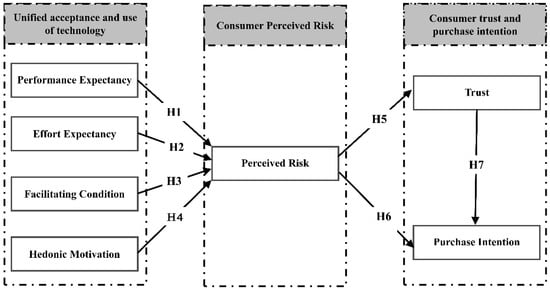
Figure 1.
Research model. Source: Authors’ own work.
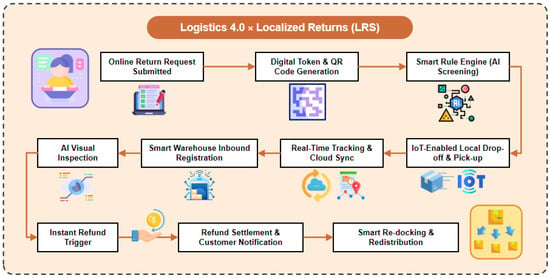
Figure 2.
Process architecture of Logistics 4.0-enabled local return services. Source: Authors’ own work.
2.1.1. Unified Acceptance and Use of Technical Theories
Venkatesh et al. (2003) introduced the Unified Theory of Acceptance and Use of Technology (UTAUT) by integrating eight prior technology adoption models [33]. This framework identifies four core determinants of behavioral intention and usage behavior: performance expectancy, effort expectancy, social influence, and facilitating conditions. It also includes demographic moderators such as age and gender and explains approximately 70% of the variance in behavioral intention (R2 = 0.70). To extend UTAUT to consumer contexts, Venkatesh et al. (2012) developed UTAUT2 by adding three constructs: hedonic motivation, price value, and habit [26]. Since then, UTAUT and UTAUT2 have been widely applied in e-commerce research [34]. Drawing on this theoretical foundation, the present study focuses on four UTAUT2 antecedents, namely performance expectancy, effort expectancy, facilitating conditions, and hedonic motivation, in the context of digital LRS design in CBEC. These constructs are selected because they directly reflect how consumers evaluate a return service: whether it is useful, easy to complete, well supported, and reassuring. Such evaluations are closely related to consumers’ perceptions of uncertainty, potential loss, and control in cross-border returns. In contrast, local return decisions are usually private and problem-driven, rather than mainly shaped by social pressure. This study also emphasizes return-process assurance rather than price evaluation, and digital LRS is typically used when return needs arise rather than as a routine behavior. Therefore, by linking UTAUT2 with perceived risk and trust theories, this study follows a service attribute, risk appraisal, and trust formation logic to examine how digital LRS features influence purchase intention among consumers in importing countries.
2.1.2. Perceived Risk Theory
Researchers originally developed perceived risk theory in psychology [35] and later applied it to e-commerce contexts [36]. The theory argues that consumers form uncertain expectations regarding potential losses during purchasing decisions, and these uncertainties discourage them from completing transactions [37,38]. This theory conceptualizes risk as a multidimensional construct that includes financial, functional, temporal, and social risks. The theory also suggests that consumers focus more on reducing risk than on maximizing potential gains [39]. LRS addresses these risks by establishing local return centers in importing countries and leveraging technologies such as big data, the Internet of Things, and intelligent classification. From a financial risk perspective, LRS reduces concerns about tied-up funds by eliminating secondary customs duties, lowering international return shipping costs, and accelerating refund processing [12,40]. To reduce functional risk, platforms implement localized quality inspection and traceability systems that increase consumer confidence in produce reliability [3,41]. To minimize time risk, platforms shorten return cycles through rapid local collection and same-city distribution [42,43]. To address social and psychological risks, platforms combine intelligent customer service with real-time progress visualization, which enhances the user experience and strengthens consumers’ sense of security. These measures make cross-border returns more transparent, convenient, and reliable [36]. Empirical studies consistently show that higher perceived risk across these dimensions significantly reduces purchase intention and creates a major impediment to online transactions [41,44]. Therefore, cross-border retail platforms should leverage digitally enabled return services, real-time tracking, and enhanced payment and privacy protections, to reduce multidimensional perceived risk and strengthen consumer purchase intention. In this way, perceived risk theory connects the service attributes identified by UTAUT2 with consumers’ behavioral responses by explaining how digital LRS reduces uncertainty, potential loss, and perceived lack of control in CBEC.
2.1.3. Trust Theory
After perceived risk explains consumers’ uncertainty appraisal, trust theory further clarifies how lower perceived risk can translate into confidence in the platform. Trust theory defines trust as consumers’ positive expectations regarding a transaction partner’s competence, benevolence, and integrity [45]. In e-commerce settings, trust strongly influences consumers’ purchase intention [46,47,48,49]. Platforms build trust by implementing localized return networks, speeding up quality inspection, and providing transparent, visible assurance mechanisms. These actions send strong value signals to consumers and systematically increase overall trust levels [50,51]. Empirical evidence further suggests that trust gains generated by LRS mitigate uncertainties associated with cross-border returns and increase the marginal effect of trust on purchase intention by nearly 20%. As a result, stronger trust significantly boosts cross-border purchase intention among consumers in importing countries [52,53].
2.2. Hypothesis Development
2.2.1. The Effect of Performance Expectancy on Perceived Risk
Performance expectancy (PE) refers to the benefits that consumers in importing countries gain when they use digital LRS in CBEC [26]. CBEC platforms may provide localized return access, digitally coordinated return processing, and faster refund mechanisms to make the return process more efficient and manageable. These service features help reduce return time, lower perceived burden, and improve process efficiency [43]. When consumers perceive strong performance benefits, they develop greater confidence in a platform’s ability to fulfill its obligations [51]. At the same time, high performance expectancy reduces multidimensional perceived risk by lowering subjective assessments of negative outcomes such as product damage, delivery delays, and privacy breaches [54]. In other words, stronger beliefs in the effectiveness of digital LRS correspond to lower perceived risk [55]. Therefore, the study proposes the following hypothesis:
H1.
Performance expectancy has a significant negative effect on consumers’ perceived risk.
2.2.2. The Effect of Effort Expectancy on Perceived Risk
Effort expectancy (EE) refers to the degree of convenience with which consumers can complete product returns through digital LRS platform [56]. It reflects how easily consumers can locate services and how quickly the platform resolves their issues. This construct aligns with perceived ease of use in the Technology Acceptance Model (TAM) [57] and usability in Innovation Diffusion Theory (IDT) [58]. Researchers have shown that easier systems reduce perceived risk by lowering consumers’ sense of uncertainty during transactions [55]. In CBEC return settings, platforms simplify operations through features such as one-click return requests, QR code-based returns, paperless shipping, and real-time multilingual guidance [8,9]. These features reduce learning costs and psychological burdens related to language barriers and packaging procedures. As a result, consumers perceive lower risks associated with delays, information leakage, and additional costs, thereby reducing overall perceived risk across multiple dimensions [36]. Therefore, we propose the following hypothesis:
H2.
Effort expectancy has a significant negative effect on consumers’ perceived risk.
2.2.3. The Effect of Facilitating Conditions on Perceived Risk
Facilitating conditions refer to consumers’ perceptions of the availability of resources and support, such as stable network connectivity, digital payment tools, and relevant applications, that help them complete online transactions [33,59,60]. This concept resembles perceived behavioral control in the Theory of Planned Behavior (TPB), which influences intentions and behaviors [61]. When consumers perceive strong facilitating conditions, they feel more capable of using new technologies and less uncertain about potential losses [26,62]. Empirical evidence suggests that well-designed online shopping cues can reduce consumers’ perceived risk in cross-border e-commerce contexts [63]. In digital local return service settings, platforms strengthen facilitating conditions by making return procedures easier to access, improving process visibility, and providing timely customer support. These improvements lower consumers’ perceptions of delays, additional costs, and information leakage [36,64]. Conversely, weak technical support or limited resources can increase consumers’ perceptions of risk [65]. A reliable and well-supported return process can shorten return cycles, reduce transaction uncertainty, and strengthen consumer trust, thereby further lowering perceived risk [40,51,66]. Therefore, we propose the following hypothesis:
H3.
Facilitating conditions have a significant negative effect on consumers’ perceived risk.
2.2.4. The Effect of Hedonic Motivation on Perceived Risk
UTAUT2 defines hedonic motivation (HM) as the pleasure or enjoyment consumers experience when using technology, and prior research shows that it plays an important role in technology acceptance and use [59]. Consumer behavior research also confirms that positive affect arising from technology strongly influences behavioral intention [59,67]. Research in affective psychology further indicates that positive emotions lower perceived risk. When consumers experience an activity as enjoyable, they tend to evaluate its benefits as greater and its risks as smaller [68]. This phenomenon appears frequently in e-commerce contexts. For instance, Chiu (2014) found that enjoyment during online shopping indirectly reduces concerns about security and privacy by encouraging repeat purchase intention [69]. Studies on digital banking adoption also show that hedonic motivation lowers multidimensional perceived risk [70]. In digital local return service settings, platforms increasingly seek to make the return process smoother, more user-friendly, and more reassuring for consumers. By making the return process easier, clearer, and more pleasant, digital LRS may reduce consumers’ uncertainty and perceived risk in cross-border purchasing contexts [26,62]. In short, the more seamless and enjoyable the return service experience becomes, the more consumers rely on positive feelings to evaluate the process as low risk [51]. Therefore, we propose the following hypothesis:
H4.
Hedonic motivation has a significant negative effect on consumers’ perceived risk.
2.2.5. The Effect of Perceived Risk on Consumer Trust
In e-commerce, trust plays a critical role in mitigating uncertainty during online transactions [71]. In CBEC, consumers form trust under conditions shaped by various risk factors [72]. As perceived risk increases, trust declines [73]. Cross-border transactions often involve longer delivery times and greater information asymmetry, which amplify consumers’ perceptions of uncertainty across physical and psychological dimensions. As a result, consumers struggle to assess sellers’ trustworthiness and platforms’ ability to fulfill their promises. When perceived risk exceeds acceptable thresholds, consumers lose trust and reduce their willingness to purchase [74,75]. In digital local return service settings, platforms can mitigate these negative effects by making the return process more transparent, predictable, and secure. When platforms improve return-process transparency, shorten refund waiting times, and strengthen data security, consumers perceive lower potential losses. Reduced risk helps restore trust, which then encourages continued platform use. In this sense, digital return service design strengthens trust by reducing uncertainty and reinforcing consumers’ confidence in the platform’s ability to handle post-purchase issues. Therefore, we propose the following hypothesis:
H5.
Perceived risk has a significant negative effect on consumer trust.
2.2.6. The Effect of Perceived Risk on Purchase Intention
Perceived risk refers to consumers’ subjective assessment of possible losses and negative outcomes when making online purchases [52]. In CBEC, consumers who perceive high uncertainty, whether related to payment, fulfillment, or information security, often delay or abandon their purchases [44]. Compared with perceived benefits, perceived risk often exerts a stronger influence on behavioral decisions. Since consumers prioritize avoiding losses over achieving gains, high perceived risk can erode trust in platforms and sellers and reduce purchase intention [39,41,51]. In digital local return service settings, platforms can reduce perceived risk by making return processes more transparent, manageable, and financially predictable. Platforms can provide digital tracking and tracing functions [76], support more automated and standardized return processes [77], and offer lenient return policies that reduce perceived risk in cross-border e-commerce contexts [3]. When consumers perceive that the return process is simple, cost-effective, and transparent, they feel more secure about the product and the platform, which strengthens their purchase intention [75]. In this sense, digital return service design increases purchase intention by lowering consumers’ expectations of uncertainty and potential loss in cross-border online shopping. Therefore, we propose the following hypothesis:
H6.
Perceived risk exerts a significant negative effect on consumers’ purchase intention.
2.2.7. The Effect of Consumer Trust on Purchase Intention
Studies have consistently shown that consumer trust is an important antecedent of online purchasing intention, as higher trust generally reduces uncertainty and increases willingness to transact [78]. When a platform fulfills its obligations and safeguards information security, trust can mitigate perceived risk and encourage purchase behavior [79]. Conversely, when consumers lose trust, they often abandon their purchase even if they initially wanted the product [41]. In cross-border retailing, digital local return services improve process transparency, traceability, and perceived accountability, thereby strengthening consumer trust in the platform. Although trust may not always be the only mechanism shaping purchase intention, it is generally expected to play a positive role in consumers’ purchase decisions. Therefore, we propose the following hypothesis:
H7.
Consumer trust has a significant positive effect on purchase intention.
3. Method
This study adopts a complementary mixed-method design to examine how digital LRS shape consumer purchase intention in CBEC. We used SPSS 22.0 and Amos 26.0 to conduct SEM analysis to test the proposed structural relationships. ANN analysis was performed using Python 3.12 to capture potential nonlinearities and predictive importance. Qualitative interview data were analyzed manually to interpret contextual mechanisms and boundary conditions. Together, these approaches improve the study’s explanatory depth, predictive insight, and contextual interpretation.
3.1. Survey Design and Data Collection
We developed the survey instrument by adapting established multi-item scales from prior studies (see Table 1). The questionnaire included three sections: study introduction, demographic information, and measurement items for all observed variables. Standardized English instruments were adapted, translated into Korean, and refined to fit the context of digital LRS in CBEC. A back-translation procedure was conducted to ensure linguistic and conceptual equivalence. Before the main survey, domain experts reviewed the questionnaire, and a pilot test was conducted to assess item clarity, contextual appropriateness, and response comprehensibility. Minor wording revisions were then made to improve readability and reduce ambiguity.

Table 1.
Constructs and measurement items.
The formal survey was administered through Macromill Embrain, a professional online survey platform in South Korea with a large national consumer panel. Potential respondents were invited from the platform’s panel and screened to identify those with prior cross-border e-commerce purchase experience and actual use of local return services. All items were measured on a seven-point Likert scale ranging from 1 (“strongly disagree”) to 7 (“strongly agree”). To improve data quality, IP-address filtering, device deduplication, response-time monitoring, completeness checks, and attention checks were applied. Responses with straight-line patterns, unusually short completion times, or logical inconsistencies were removed before analysis. The final sample covered diverse demographic groups in terms of gender, age, education, shopping frequency, and monthly cross-border shopping expenditure, improving the contextual representativeness of active CBEC consumers familiar with digital LRS.
3.2. Demographic Profile of Respondents Respondent Demographics
We conducted a cross-sectional online survey of consumers in South Korea who had experience with cross-border online shopping and had used LRS. All data were collected anonymously and used solely for research purposes. The survey was administered from 24 September to 5 October 2025, and yielded 501 responses. After applying the quality-control procedures described above, 402 valid questionnaires were retained for empirical analysis, resulting in an effective response rate of 80.2%. Table 2 presents the demographic characteristics of the respondents.
Table 2.
Respondent demographics.
4. Results
4.1. Structural Equation Model
4.1.1. Measurement Results
We employed AMOS 26.0 to conduct confirmatory factor analysis (CFA) on the measurement model to evaluate the scales’ reliability and validity. The model demonstrated strong fit: χ2 = 592.39, df = 539, CFI = 0.992 > 0.90, TLI = 0.991 > 0.90, SRMR = 0.035 < 0.08, and RMSEA = 0.016 < 0.08 (see Table 3). These values all exceeded the recommended thresholds, indicating satisfactory model fit [89]. We then evaluated internal consistency using composite reliability (CR). All constructs showed CR values above 0.7, indicating satisfactory reliability [90]. Factor loadings (λ) also exceeded 0.7, confirming that the indicators reliably represented their respective constructs [52].
Table 3.
Reliability and validity test results.
To assess convergent validity, we calculated the average variance extracted (AVE) for each construct. All AVE values exceeded 0.5, meeting the recommended threshold [90]. For discriminant validity, we compared the square roots of AVE values with inter-construct correlations (see Table 4). The results satisfied the Fornell–Larcker (1981) criterion, demonstrating that the measurement model has good discriminant validity [91].
Table 4.
Correlations among constructs.
4.1.2. Structural Equation Modeling and Analysis
This study employs AMOS 26.0 to examine the proposed structural model and evaluate the relationships among latent constructs [41,92]. Figure 3 displays the standardized path coefficients, their significance levels, and the explained variance (R2) for endogenous variables. The structural model demonstrates an excellent overall fit: χ2 = 668.48, df = 547, CFI = 0.981, TLI = 0.979, SRMR = 0.069, and RMSEA = 0.024. The analysis supported most hypotheses except H7.
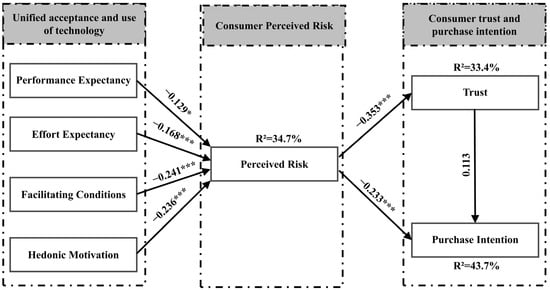
Figure 3.
Research model findings for the study. Source: Authors’ own work. Note. * p < 0.05, *** p < 0.001.
SEM results (Table 5, Panel A) showed that performance expectancy (β = −0.129, p < 0.05), effort expectancy (β = −0.168, p < 0.001), facilitating conditions (β= − 0.241, p < 0.001), and hedonic motivation (β = −0.236, p < 0.001) all significantly reduced perceived risk, thereby supporting hypotheses H1–H4. These findings demonstrate that digital LRS attributes reduce consumers’ uncertainty and perceived risk in CBEC. Perceived risk significantly reduced consumer trust (β = −0.353, p < 0.001), supporting H5, and also directly reduced purchase intention (β = −0.233, p < 0.001), supporting H6. These results suggest that perceived risk weakens purchase decisions directly and indirectly through trust. However, trust did not significantly influence purchase intention (β = 0.113, t = 1.86, p > 0.05), so the analysis did not support H7. This non-significant result does not mean that trust is unimportant in CBEC. Rather, it suggests that, when perceived risk is included in the SEM, the direct effect of trust on purchase intention may be weakened or absorbed by consumers’ risk appraisal. This interpretation is further supported by the indirect effects analysis (Table 5, Panel B), which shows that trust operates mainly through the risk-reduction pathway rather than as an independent direct predictor. In the context of digital LRS, cross-border consumers are often more concerned with concrete risks, such as refund delay, return cost, product mismatch, and dispute uncertainty. Therefore, digital LRS appears to influence purchase intention primarily by reducing perceived risk and making potential losses more manageable, while trust functions more as a relational outcome of reduced uncertainty.
Table 5.
Hypothesis test results.
Building upon this, the indirect effects presented in Table 5 (Panel B) further elucidate the fundamental mechanisms underpinning these relationships. Specifically, performance expectancy (β = 0.041, p < 0.05), effort expectancy (β = 0.052, p < 0.001), facilitating conditions (β = 0.079, p < 0.001), and hedonic motivation (β = 0.082, p < 0.001) indirectly increased trust by reducing perceived risk. These variables also indirectly increased purchase intention through the same pathway (β = 0.033, p < 0.05; β = 0.041, p < 0.05; β = 0.063, p < 0.001; β = 0.066, p < 0.001). In contrast, perceived risk did not significantly influence purchase intention through trust (β = −0.038, p > 0.05), suggesting that perceived risk primarily affected purchase intention through a direct pathway. Overall, perceived risk serves as a vital mediating factor linking digital return service design, consumer trust, and purchase intention. Trust mainly influenced purchase intention indirectly, consistent with the non-significant direct effect found for H7.
Taken together, the SEM findings provide direct answers to the two research questions. Regarding RQ1, the results show that all four digital LRS attributes—performance expectancy, effort expectancy, facilitating conditions, and hedonic motivation—significantly reduce consumers’ perceived risk in CBEC. Among these factors, facilitating conditions and hedonic motivation exhibit relatively stronger effects, suggesting that consumers value operational support, process visibility, and emotionally reassuring service experiences when evaluating cross-border return systems. Regarding RQ2, the results indicate that digital LRS attributes influence purchase intention primarily through perceived risk reduction rather than through trust enhancement alone. Perceived risk directly reduces purchase intention and simultaneously weakens trust, whereas trust does not exert a statistically significant direct effect on purchase intention. These findings suggest that consumers in CBEC settings respond more strongly to the reduction in anticipated losses and uncertainty than to generalized relational trust in the platform.
As illustrated in Figure 3, the model explained 34.7% of the variance in perceived risk, 33.4% in trust, and 43.7% in purchase intention, indicating substantial explanatory power [93].
4.2. Artificial Neural Networks
Although SEM effectively evaluates hypotheses, its linear structure limits its ability to detect potential nonlinear associations among variables. To address this shortcoming, this study incorporates artificial neural network (ANN) analysis to improve the model’s predictive capabilities and capture intricate nonlinear relationships [94]. As a machine learning technique, ANN generally surpasses conventional linear models in prediction tasks because it emulates how neurons in the human brain process information [79]. Building on the SEM framework, this study develops two ANN sub-models aligned with the core model structure. We modeled the neural network using a multilayer perceptron (MLP) with a double hidden layer structure. We also applied the Sigmoid activation function in the hidden layer to represent nonlinear neuron activation. To enhance the robustness of model evaluation and reduce bias arising from data partitioning, this study uses 10-fold cross-validation. Specifically, we randomly divide the dataset into ten mutually exclusive subsets and perform ten training iterations, each time using 90% of the data for training and 10% for testing. This procedure reduces overfitting risk and strengthens the reliability of the RMSE assessment.
4.2.1. Nonlinear Impact of Pre-Existing Technical Attributes on Perceived Risk
Figure 4 illustrates the nonlinear effects of performance expectancy, effort expectancy, facilitating conditions, and hedonic motivation on perceived risk. The model’s RMSE on the training set ranges from 1.187 to 1.351. On the test set, RMSE ranges from approximately 1.061 to 1.461, indicating acceptable predictive performance (see Table 6). We then conduct a sensitivity analysis to determine the relative significance of each input variable. The results show the following standardized importance levels: hedonic motivation (HM, 100%), facilitating conditions (FC, 52%), effort expectancy (EE, 32%), and performance expectancy (PE, 10%) (see Table 7). From a theoretical standpoint, hedonic motivation reduces subjective amplification of uncertainty through positive emotional arousal [95]; Effort expectancy lowers concerns about operational errors by increasing perceived ease of use [57]. Performance expectancy influences risk appraisal indirectly through perceived usefulness [30]. In LRS platforms, facilitating conditions and hedonic motivation show particularly strong effects (e.g., Network 4: HM = 0.844, FC = 0.082; Network 2: FC = 0.296, HM = 0.573) (see Table 6). These findings suggest that enjoyment, experiential value, resource availability, and ease of use play key roles in reducing perceived risk. These ANN findings further strengthen the answer to RQ1 by showing that hedonic motivation and facilitating conditions are the most influential predictors of perceived risk reduction. This suggests that consumers evaluate digital LRS not only in terms of functional efficiency and ease of use, but also through experiential reassurance, enjoyment, resource availability, and process support. This result is consistent with UTAUT2, which emphasizes the role of hedonic motivation and facilitating conditions in shaping user intentions and usage behavior, and it also supports the proposed link between digital service attributes and perceived risk [26].
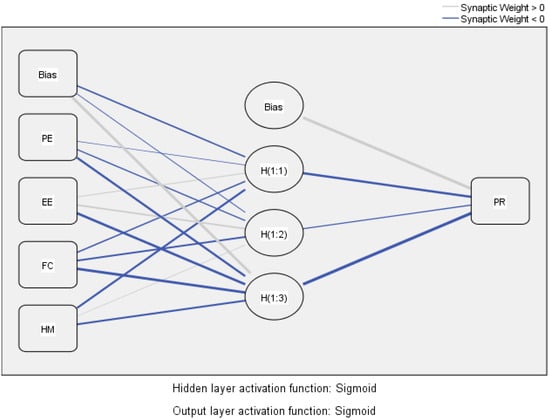
Figure 4.
Artificial neural networks for technical attributes and perceived risks. Source: Authors’ own work.
Table 6.
Model fit for perceived risk across training and test sets.
Table 7.
Sensitivity analysis for perceived risk.
4.2.2. Relative Effects of Perceived Risk and Trust on Purchase Intention
Figure 5 presents the purchase intention model. Permutation importance analysis indicates that perceived risk has a standardized importance of 100%, which markedly exceeds that of consumer trust (84%) (see Table 8). This result identifies perceived risk as a primary determinant of consumers’ purchase intention. However, analysis across different network initializations indicates that trust holds greater significance than perceived risk in Networks 2, 3, and 9. This variation suggests that the direct influence of trust on purchase intention depends on contextual conditions and varies across conditions. Based on the fitting results, the RMSE for purchase intention is 1.269 on the training set and 1.275 on the test set, a minimal difference of 0.006. Error dispersion remains low across various initialization conditions, indicating strong generalization performance and minimal overfitting (see Table 9). Among all initializations, Network 7 achieves the best test performance with an RMSE of 1.009. Overall, the ANN analysis provides additional evidence for RQ2 by showing that perceived risk mitigation exerts a stronger influence on purchase intention than trust. This indicates that consumers’ purchasing decisions in CBEC are driven more by the avoidance of potential loss than by generalized confidence in the platform. Trust appears to affect purchase intention mainly by shaping consumers’ reevaluation of risk and utility, and it shows stronger direct effects only in specific contexts. These results align with the SEM findings, which indicated that trust did not significantly predict purchase intention, and they also agree with recent consumption research [96,97].
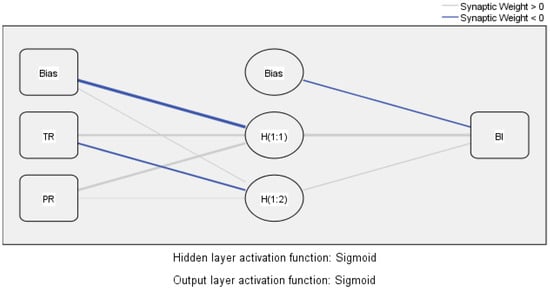
Figure 5.
Artificial neural networks for purchase intention. Source: Authors’ own work.
Table 8.
Sensitivity analysis for purchase intention.
Table 9.
Model fit for purchase intention across training and test sets.
4.3. Qualitative Study
4.3.1. Program Settings
To complement the SEM and ANN analyses, this study conducted a qualitative investigation with consumers who had direct experience using LRS in CBEC. The purpose of the qualitative component was not to establish causal validity independently, but to provide contextual interpretation of the quantitative findings and to identify boundary conditions that structured models may not fully capture.
We recruited participants from consumers residing in South Korea who had experience with cross-border online shopping and had used local refund services in actual transactions. During recruitment, we applied screening criteria that required participants to have completed at least one cross-border online purchase in the past year and returned goods locally. At the same time, we ensured diversity in gender, age, occupation type, and platform usage frequency to capture variation in consumer perceptions. A total of 8 participants were included in the qualitative study, and each interview lasted approximately 30 min. Data collection continued until thematic saturation was reached, that is, when additional interviews no longer generated materially new insights. We also informed all participants that the study served academic purposes and that we would keep all personal information strictly confidential.
We conducted the interviews by telephone, assigning one researcher to moderate the discussion and another to probe for details and document the process. The interview outline covered four core themes: the perceived performance advantages of LRS, perceived operational convenience, changes in multidimensional perceived risk, and the formation of trust and purchase intention in the return-service context. More specifically, the discussions explored consumers’ views on return time, fund occupation, problem-resolution efficiency, return procedures, informational prompts, customer support and changes in financial, performance, time, and privacy risks before and after using LRS.
We obtained participants’ consent before conducting and recording all interviews, and each interview was subsequently transcribed into written form. The two researchers independently reviewed the transcripts and conducted open coding, focusing on statements related to technological attributes, perceived risk, trust, and purchase intention. They then compared interpretations, discussed discrepancies, and grouped the initial codes into higher-level categories, including time and financial security, perceived control over the return process, privacy and data security concerns, and experience-driven emotional changes. Finally, the identified qualitative themes were compared with the SEM and ANN findings to provide contextual interpretation of the quantitative results and to identify mechanisms and boundary conditions that were not fully visible in the quantitative models.
4.3.2. Interview Results
Overall, the qualitative findings support and extend the SEM and ANN results. Rather than treating LRS as a simple after-sales convenience, participants viewed digital LRS as a safeguard against cross-border transaction risk. Their responses can be summarized into four themes: time and financial security, perceived control over the return process, gradual trust formation, and remaining privacy and product-quality concerns. Representative interview excerpts are provided in Appendix A.
First, participants emphasized that digital LRS reduced perceived risk by shortening return cycles, simplifying procedures, accelerating refunds, and making worst-case outcomes more manageable. This supports the SEM result that perceived risk negatively affects purchase intention. Second, participants evaluated technological attributes as concrete service experiences. Interface clarity, simple procedures, multilingual support, automatic order information, and real-time process visibility reduced operational burden and strengthened perceived control, helping explain why effort expectancy, facilitating conditions, and hedonic motivation reduce perceived risk. Third, trust was built gradually through repeated and reliable return experiences, rather than through platform reputation alone. This supports the finding that perceived risk affects trust, while the direct effect of trust on purchase intention is limited. Finally, the interviews identified boundary conditions. Although digital LRS reduced time and financial risks, some participants remained concerned about privacy, cross-border data transfer, and product quality. Platforms should therefore complement digital return services with stronger data governance and supplier quality management.
5. Discussion
5.1. Research Contributions
These findings directly answer the two research questions. For RQ1, the SEM, ANN, and qualitative results show that performance expectancy, effort expectancy, facilitating conditions, and hedonic motivation all reduce perceived risk, with facilitating conditions and hedonic motivation showing particularly strong roles. For RQ2, the results indicate that these attributes influence purchase intention mainly through perceived risk reduction, while trust operates more as a process-based outcome of reduced uncertainty than as an independent direct predictor of purchase intention.
First, this study reconceptualizes LRS as a customer-facing digital assurance mechanism in CBEC rather than merely an operational after-sales arrangement. Existing research has largely focused on platform features, payment security, and institutional safeguards when explaining perceived risk, trust, and purchase intention [44,98,99], while paying limited attention to how digitally enabled return service design shapes consumer evaluations before purchase. Although cross-disciplinary research in operations and marketing emphasizes service quality and governance mechanisms, its focus remains largely on front-end transactions and platform governance [100,101,102]. By shifting attention to LRS, this study extends digital commerce research by showing that return service design also creates customer-facing value under cross-border uncertainty and functions as an important platform signal in consumers’ purchase decisions [103,104].
Second, this study contributes by identifying ex ante risk appraisal, rather than trust enhancement alone, as the primary mechanism through which local return systems shape behavioral intention. Drawing on UTAUT2, perceived risk theory, and trust theory, this study develops and empirically examines a structural model that links digital LRS design, perceived risk, trust, and purchase intention. The findings show that digital return service design shapes cross-border purchasing intentions primarily by reducing anticipated loss and restoring perceived control, thereby shifting the explanation of online purchasing from a trust-centered account to a risk-centered one. This interpretation is particularly important because the direct path from trust to purchase intention was not significant. Although prior e-commerce studies often identify trust as a strong predictor of purchase intention, the present findings suggest that its role may be more conditional in CBEC return-service settings. When consumers evaluate cross-border purchases involving possible return costs, refund delays, and dispute uncertainty, perceived risk becomes a more immediate decision criterion. Trust still matters, but it appears to operate mainly as a process-based outcome of reduced risk rather than as a standalone determinant of purchase intention.
Third, this study contributes by clarifying the boundary conditions of digital return service effectiveness in CBEC. Prior research on logistics and operations has traditionally emphasized cost control, network configuration, and operational efficiency [105,106,107], with relatively few studies examining service innovation from the viewpoints of consumer psychology and market performance. The findings suggest that the effects of digital LRS are not uniform: they appear to be more effective in alleviating time-related and financial concerns than in addressing privacy concerns and product-quality uncertainty. Accordingly, the study contributes not only by identifying the main mechanism of influence, but also by specifying the conditions under which return service design is more or less effective in shaping consumer behavior across different dimensions of perceived risk.
Methodologically, these theoretical contributions are further strengthened by the complementary use of SEM, ANN, and qualitative analysis. SEM tests the proposed structural relationships, ANN captures potential nonlinearities and predictive importance, and qualitative evidence helps interpret contextual mechanisms and boundary conditions. This mixed-method design balances theoretical rigor with practical relevance [100,108]. Practically, the findings offer useful guidance for cross-border platforms and brands in areas such as digital return service design, platform assurance, data governance, and consumer-facing service management [101,109,110].
5.2. Implications for Practice
This study developed a mechanism model to illustrate how digital return service design influences consumers’ purchase intention in CBEC through the psychological pathways of perceived risk and trust. Based on this model, the study proposes practical guidance for platform assurance, return transparency, and consumer-facing service design for CBEC platforms and related firms, which we discuss below.
5.2.1. Enhance Digital Return Experience as a Platform Assurance Cue
Our UTAUT2 analysis shows that consumers value convenience and a seamless experience in cross-border returns. Therefore, CBEC platforms should treat digital return design as part of platform assurance rather than merely as an operational support function. Platforms should integrate consumer-facing return functions so that return requests can be initiated easily, relevant order information can be retrieved automatically, and the process can be completed with minimal effort. In addition, platforms should improve return visibility through tools such as QR-based processing, real-time status updates, and estimated processing-time prompts. Where possible, digital monitoring tools may also be used to identify exceptions early and improve service predictability. These features reduce uncertainty, improve perceived control, and strengthen consumer confidence before purchase.
5.2.2. Reduce Perceived Risk Through Return Transparency and Data Governance
CBEC platforms should actively reduce consumers’ perceived risk to encourage purchasing. First, platforms should strengthen data security governance. They should use encrypted transmission, tokenization, and auditable access controls among platforms, merchants, and logistics partners to protect cross-border transaction security and personal data. Second, platforms should improve the credibility of their evaluation systems. By linking user evaluations with verifiable transaction, fulfillment, and return data, platforms can mitigate information asymmetry and help consumers make more informed purchase decisions. Third, platforms should accelerate after-sales response through automated workflows. When the system detects delays, losses, or damages, it should automatically direct the case to the appropriate resolution process and provide timely explanations and solutions to the customer. Finally, platforms should use digital monitoring and traceability tools to improve product quality oversight, reduce the risk of counterfeits, and enable rapid issue tracing and resolution. Taken together, these practices enhance return transparency, reduce uncertainty, and strengthen consumer confidence in CBEC transactions.
5.2.3. Strengthen Regulatory and Institutional Support
Governments and regulators should enhance institutional support and consumer protection mechanisms to keep pace with the development of cross-border LRS. First, authorities should standardize process and interface rules across the cross-border return ecosystem, requiring platforms and service providers to document critical milestones such as refund initiation, quality inspections, handovers, and pickups. Second, regulators should promote traceability and accountability through tools such as IoT tracking, electronic documentation, and blockchain technologies. These tools can preserve inspection evidence and clarify handover responsibilities, thereby supporting dispute resolution and accountability. Third, governments should clarify the obligations of platforms and service providers in cross-border data flows, including privacy protection, data minimization, encrypted storage, access control, and evidence preservation. They should also impose stricter penalties for data breaches and fraudulent inspections. Fourth, authorities should improve transparency and public trust by working with platforms to publish clear service standards and performance indicators, share policy updates, and provide consumer education on cross-border online shopping and returns. By doing so, institutional support can reduce uncertainty, strengthen consumer protection, and improve trust in CBEC transactions.
6. Conclusions
This study examined digital LRS as a customer-facing assurance mechanism in CBEC and explained how digital return service design shapes consumers’ purchase intention through perceived risk and trust. The findings show that performance expectancy, effort expectancy, facilitating conditions, and hedonic motivation all contribute to lower perceived risk, which in turn directly increases purchase intention and also strengthens trust in the platform. At the same time, the results suggest that the influence of trust on purchase intention is more conditional and process-based than directly dominant. Overall, the study clarifies how CBEC platforms can influence consumer purchase intention by using digital return design to reduce uncertainty, restore perceived control, and support trust formation before purchase. The study also offers practical guidance for platforms seeking to improve return transparency, platform assurance, conversion, and customer retention in importing-country markets.
Despite these contributions, this study has limitations. First, the study focuses on consumers in South Korea who have experience with LRS, which limits the generalizability of the findings across countries, platforms, and cultural contexts. Second, the study relies on cross-sectional self-reported data. Although these data reveal correlations among variables, they cannot fully capture behavioral changes over time or establish strong causal relationships.
Future research should examine several issues more closely. Comparative studies across countries, platforms, and product categories could test whether the risk-reduction effect of digital LRS varies by institutional context, return norms, and consumer expectations. Future studies could also compare different return-service designs, such as home pickup, offline drop-off, locker-based returns, real-time tracking, and instant refunds, to identify which features reduce specific forms of perceived risk most effectively. More attention should also be given to boundary conditions, including platform reputation, return policy strictness, merchant quality control, data protection, and product type. Finally, longitudinal data, field experiments, and actual platform behavior records would help assess whether digital LRS has lasting effects on trust, repeat purchase, and customer retention.
Author Contributions
Conceptualization, X.S.; Methodology, X.S.; Software, M.S.; Validation, X.S.; Formal analysis, X.S.; Investigation, X.S.; Data curation, X.S.; Writing—original draft, X.S.; Writing—review & editing, M.S. and K.-s.P.; Visualization, M.S.; Supervision, K.-s.P. All authors have read and agreed to the published version of the manuscript.
Funding
This research received no external funding.
Institutional Review Board Statement
According to the Dankook University Institutional Bioethics Committee Regulations, Article 2(12), studies that pose only minimal risk to participants and the public may qualify for review exemption. In addition, under Article 13 of the Enforcement Rule of the Bioethics and Safety Act of Korea, research involving non-identifiable and unspecified participants, which does not collect or record sensitive personal information, may be exempt from IRB review. As this study was an anonymous online survey that did not collect identifiable or sensitive personal data, it was considered exempt from formal ethical review under these guidelines. Informed consent was obtained from all subjects involved in the study.
Informed Consent Statement
Informed consent was obtained from all subjects involved in the study.
Data Availability Statement
The data presented in this study are available from the corresponding author upon reasonable request. The data are not publicly available due to privacy and ethical considerations related to the anonymous survey participants.
Conflicts of Interest
The authors declare no conflicts of interest.
Appendix A. Telephone Interview Results
References
- UNCTAD—UN Trade and Development. Digital Economy Report 2024: Balancing Digital Growth and Environmental Impact. 2024. Available online: https://unctad.org/publication/digital-economy-report-2024/ (accessed on 29 December 2025).
- Roshid, M.; Waaje, A.; Meem, T.N.; Sarkar, A. Logistics 4.0: A comprehensive literature review of technological integration, challenges, and future prospects of implementation of Industry 4.0 technologies. Int. J. Technol. Knowl. Soc. 2024, 20, 65. [Google Scholar] [CrossRef]
- Shao, B.; Cheng, Z.; Wan, L.; Yue, J. The impact of cross border E-tailer’s return policy on consumer’s purchase intention. J. Retail. Consum. Serv. 2021, 59, 102367. [Google Scholar] [CrossRef]
- Khooban, Z.; Mutlu, N.; de Kok, T. Logistics service sharing in cross-border e-commerce. Int. J. Prod. Econ. 2025, 279, 109460. [Google Scholar] [CrossRef]
- Zha, X.; Zhang, X.; Liu, Y.; Dan, B. Bonded-warehouse or direct-mail? Logistics mode choice in a cross-border e-commerce supply chain with platform information sharing. Electron. Commer. Res. Appl. 2022, 54, 101181. [Google Scholar] [CrossRef]
- Li, J.; Liu, S.; Gong, X.; Yang, S.-B.; Liu, Y. Technology affordance, national polycontextuality, and customer loyalty in the cross-border e-commerce platform: A comparative study between China and South Korea. Telemat. Inform. 2024, 88, 102099. [Google Scholar] [CrossRef]
- Amazon News. Amazon Offers Free Returns with No Box, Tape, or Label Needed. 2024. Available online: https://www.aboutamazon.com/news/operations/free-returns-with-no-box-tape-or-label-needed/ (accessed on 29 December 2025).
- Happy Returns. Launches Retail Industry’s First Comprehensive Cross-Brand “BORIS” Solution. 2025. Available online: https://happyreturns.com/resource/shein-forever-21 (accessed on 29 December 2025).
- Garland, M. UPS’ Happy Returns Now Powers Shein Returns at Forever 21 Stores. 2024. Available online: https://www.supplychaindive.com/ (accessed on 29 December 2025).
- Appriss Retail. 2024 Consumer Returns in the Retail Industry. 2024. Available online: https://apprissretail.com/resources/2024-consumer-returns-report/ (accessed on 29 December 2025).
- Bernon, M.; Cullen, J.; Gorst, J. Online retail returns management: Integration within an omni-channel distribution context. Int. J. Phys. Distrib. Logist. Manag. 2016, 46, 584–605. [Google Scholar] [CrossRef]
- Li, Y.; Li, Z. Research on B2C cross-border electronic commerce return logistics model selection based on estimated return rate. J. Theor. Appl. Electron. Commer. Res. 2024, 19, 1034–1059. [Google Scholar] [CrossRef]
- Liu, A.; Osewe, M.; Shi, Y.; Zhen, X.; Wu, Y. Cross-border e-commerce development and challenges in China: A systematic literature review. J. Theor. Appl. Electron. Commer. Res. 2021, 17, 69–88. [Google Scholar] [CrossRef]
- Rintamäki, T.; Spence, M.T.; Saarijärvi, H.; Joensuu, J.; Yrjölä, M. Customers’ perceptions of returning items purchased online: Planned versus unplanned product returners. Int. J. Phys. Distrib. Logist. Manag. 2021, 51, 403–422. [Google Scholar] [CrossRef]
- Niu, B.; Chen, K.; Chen, L.; Ding, C.; Yue, X. Strategic waiting for disruption forecasts in cross-border E-commerce operations. Prod. Oper. Manag. 2021, 30, 2840–2857. [Google Scholar] [CrossRef]
- Ren, S.; Choi, T.-M.; Lee, K.-M.; Lin, L. Intelligent service capacity allocation for cross-border-E-commerce related third-party-forwarding logistics operations: A deep learning approach. Transp. Res. Part E Logist. Transp. Rev. 2020, 134, 101834. [Google Scholar] [CrossRef]
- Van Asch, T.; Dewulf, W.; Kupfer, F.; Cárdenas, I.; Van de Voorde, E. Cross-border e-commerce logistics–Strategic success factors for airports. Res. Transp. Econ. 2020, 79, 100761. [Google Scholar] [CrossRef]
- Wang, X.; Xie, J.; Fan, Z.-P. B2C cross-border E-commerce logistics mode selection considering product returns. Int. J. Prod. Res. 2021, 59, 3841–3860. [Google Scholar] [CrossRef]
- Zhang, X.; Zha, X.; Dan, B.; Liu, Y.; Sui, R. Logistics mode selection and information sharing in a cross-border e-commerce supply chain with competition. Eur. J. Oper. Res. 2024, 314, 136–151. [Google Scholar] [CrossRef]
- Gong, Z. Optimization of cross-border E-commerce (CBEC) supply chain management based on fuzzy logic and auction theory. Sci. Rep. 2024, 14, 14088. [Google Scholar] [CrossRef]
- Liang, X. Cross-border logistics risk warning system based on federated learning. Sci. Rep. 2025, 15, 39131. [Google Scholar] [CrossRef] [PubMed]
- Liao, R.; Chai, Y. Research on the business performance evaluation method for small and medium-sized enterprises in cross-border e-commerce based on artificial bee colony optimized LSTM model. Sci. Rep. 2025, 15, 31698. [Google Scholar] [CrossRef] [PubMed]
- Cheah, L.; Huang, Q. Comparative carbon footprint assessment of cross-border e-commerce shipping options. Transp. Res. Rec. 2022, 2676, 584–595. [Google Scholar] [CrossRef]
- Muñoz-Villamizar, A.; Velázquez-Martínez, J.C.; Haro, P.; Ferrer, A.; Mariño, R. The environmental impact of fast shipping ecommerce in inbound logistics operations: A case study in Mexico. J. Clean. Prod. 2021, 283, 125400. [Google Scholar] [CrossRef]
- Zhang, Y.; Li, H. Cross-border e-commerce and carbon emission reduction: A quasi-natural experiment based on the establishment of cross-border e-commerce comprehensive pilot zones. Econ. Anal. Policy 2025, 88, 452–475. [Google Scholar] [CrossRef]
- Venkatesh, V.; Thong, J.Y.L.; Xu, X. Consumer acceptance and use of information technology: Extending the Unified Theory of Acceptance and Use of Technology. MIS Q. 2012, 36, 157–178. [Google Scholar] [CrossRef]
- Albahri, A.S.; Alnoor, A.; Zaidan, A.A.; Albahri, O.S.; Hameed, H.; Zaidan, B.B.; Peh, S.S.; Zain, A.B.; Siraj, S.B.; Masnan, A.H.B.; et al. Hybrid artificial neural network and structural equation modelling techniques: A survey. Complex Intell. Syst. 2022, 8, 1781–1801. [Google Scholar] [CrossRef]
- Leong, L.-Y.; Hew, T.-S.; Ooi, K.-B.; Dwivedi, Y.K. Predicting trust in online advertising with an SEM-artificial neural network approach. Expert Syst. Appl. 2020, 162, 113849. [Google Scholar] [CrossRef]
- Xu, S.; Wang, Y.; Luo, W. Hybrid SEM-ANN model for predicting undergraduates’ e-learning continuance intention based on perceived educational and emotional support. PLoS ONE 2024, 19, e0308630. [Google Scholar] [CrossRef] [PubMed]
- Pavlou, P.A. Consumer acceptance of electronic commerce: Integrating trust and risk with the technology acceptance model. Int. J. Electron. Commer. 2003, 7, 101–134. [Google Scholar] [CrossRef]
- Sarfaraz, J. Unified theory of acceptance and use of technology (UTAUT) model-mobile banking. J. Internet Bank. Commer. 2017, 22, 1–20. [Google Scholar]
- Yu, C.H.; Creswell, J.; Clark, V.L.P. Designing and Conducting Mixed Methods Research; Organizational Research Methods; Sage: Thousand Oaks, CA, USA, 2009; Volume 12, pp. 801–804. [Google Scholar]
- Venkatesh, V.; Morris, M.G.; Davis, G.B.; Davis, F.D. User acceptance of information technology: Toward a unified view. MIS Q. 2003, 27, 425–478. [Google Scholar] [CrossRef]
- Kumari, V.; Bala, P.K.; Chakraborty, S. An empirical study of user adoption of cryptocurrency using blockchain technology: Analysing role of success factors like technology awareness and financial literacy. J. Theor. Appl. Electron. Commer. Res. 2023, 18, 1580–1600. [Google Scholar] [CrossRef]
- Stone, R.N.; Grønhaug, K. Perceived risk: Further considerations for the marketing discipline. Eur. J. Mark. 1993, 27, 39–50. [Google Scholar] [CrossRef]
- Featherman, M.S.; Pavlou, P.A. Predicting e-services adoption: A perceived risk facets perspective. Int. J. Hum. Comput. Stud. 2003, 59, 451–474. [Google Scholar] [CrossRef]
- Martin, J.; Mortimer, G.; Andrews, L. Re-examining online customer experience to include purchase frequency and perceived risk. J. Retail. Consum. Serv. 2015, 25, 81–95. [Google Scholar] [CrossRef]
- Bauer, R.A. Consumer behavior as risk taking. Mark. Crit. Perspect. Bus. Manag. 1967, 593, 13–21. [Google Scholar]
- Wang, Y.; Zhu, J.; Liu, R.; Jiang, Y. Enhancing recommendation acceptance: Resolving the personalization–privacy paradox in recommender systems: A privacy calculus perspective. Int. J. Inf. Manag. 2024, 76, 102755. [Google Scholar] [CrossRef]
- Mou, J.; Cohen, J.; Dou, Y.; Zhang, B. International buyers’ repurchase intentions in a Chinese cross-border e-commerce platform: A valence framework perspective. Internet Res. 2020, 30, 403–437. [Google Scholar] [CrossRef]
- Wu, I.-L.; Chiu, M.-L.; Chen, K.-W. Defining the determinants of online impulse buying through a shopping process of integrating perceived risk, expectation-confirmation model, and flow theory issues. Int. J. Inf. Manag. 2020, 52, 102099. [Google Scholar] [CrossRef]
- Pålsson, H.; Pettersson, F.; Hiselius, L.W. Energy consumption in e-commerce versus conventional trade channels—Insights into packaging, the last mile, unsold products and product returns. J. Clean. Prod. 2017, 164, 765–778. [Google Scholar] [CrossRef]
- ReverseLogix. Best Practices for Managing Cross-Border Returns. 2025. Available online: https://www.reverselogix.com/industry-updates/best-practices-for-managing-cross-border-returns/ (accessed on 29 December 2025).
- Hallikainen, H.; Laukkanen, T. National culture and consumer trust in e-commerce. Int. J. Inf. Manag. 2018, 38, 97–106. [Google Scholar] [CrossRef]
- McKnight, D.H.; Choudhury, V.; Kacmar, C. Developing and validating trust measures for e-commerce: An integrative typology. Inf. Syst. Res. 2002, 13, 334–359. [Google Scholar] [CrossRef]
- Chen, N.; Yang, Y. The Role of influencers in live streaming e-commerce: Influencer trust, attachment, and consumer purchase intention. J. Theor. Appl. Electron. Commer. Res. 2023, 18, 1601–1618. [Google Scholar] [CrossRef]
- Han, L.; Ma, Y.; Addo, P.C.; Liao, M.; Fang, J. The role of platform quality on consumer purchase intention in the context of cross-border e-commerce: The evidence from Africa. Behav. Sci. 2023, 13, 385. [Google Scholar] [CrossRef] [PubMed]
- Jadil, Y.; Rana, N.P.; Dwivedi, Y.K. Understanding the drivers of online trust and intention to buy on a website: An emerging market perspective. Int. J. Inf. Manag. Data Insights 2022, 2, 100065. [Google Scholar] [CrossRef]
- Tyrväinen, O.; Karjaluoto, H. Unrequited love? A mixed-methods study of parasocial engagement with social media influencers. Int. J. Inf. Manag. 2025, 80, 102845. [Google Scholar] [CrossRef]
- Oghazi, P.; Karlsson, S.; Hellström, D.; Hjort, K. Online purchase return policy leniency and purchase decision: Mediating role of consumer trust. J. Retail. Consum. Serv. 2018, 41, 190–200. [Google Scholar] [CrossRef]
- Kim, D.J.; Ferrin, D.L.; Rao, H.R. A trust-based consumer decision-making model in electronic commerce: The role of trust, perceived risk, and their antecedents. Decis. Support Syst. 2008, 44, 544–564. [Google Scholar] [CrossRef]
- Ma, D.; Dong, J.; Lee, C.-C. Influence of perceived risk on consumers’ intention and behavior in cross-border e-commerce transactions: A case study of the Tmall Global platform. Int. J. Inf. Manag. 2025, 81, 102854. [Google Scholar] [CrossRef]
- Sun, Y.; Li, Y. The impact of risk-aware consumer trust on CB e-commerce platforms and purchase intention. J. Glob. Inf. Manag. 2021, 30, 13. [Google Scholar] [CrossRef]
- Forsythe, S.M.; Shi, B. Consumer patronage and risk perceptions in Internet shopping. J. Bus. Res. 2003, 56, 867–875. [Google Scholar] [CrossRef]
- Setiyani, L.; Natalia, I.; Liswadi, G.T. Analysis of behavioral intentions of e-commerce shopee users in indonesia using utaut2. ADI J. Recent Innov. 2023, 4, 160–171. [Google Scholar] [CrossRef]
- Chen, L.; Rashidin, S.; Song, F.; Wang, Y.; Javed, S.; Wang, J. Determinants of consumer’s purchase intention on fresh e-commerce platform: Perspective of utaut model. SAGE Open 2021, 11, 21582440211027875. [Google Scholar] [CrossRef]
- Davis, F.D. Perceived usefulness, perceived ease of use, and user acceptance of information technology. MIS Q. 1989, 13, 319–340. [Google Scholar] [CrossRef]
- Moore, G.C.; Benbasat, I. Development of an instrument to measure the perceptions of adopting an information technology innovation. Inf. Syst. Res. 1991, 2, 192–222. [Google Scholar] [CrossRef]
- Brown, S.A.; Venkatesh, V. Model of adoption of technology in households: A baseline model test and extension incorporating household life cycle. MIS Q. 2005, 29, 399–426. [Google Scholar] [CrossRef]
- Fitrianie, S.; Horsch, C.; Beun, R.J.; Griffioen-Both, F.; Brinkman, W.-P. Factors affecting user’s behavioral intention and use of a mobile-phone-delivered cognitive behavioral therapy for insomnia: A small-scale UTAUT analysis. J. Med. Syst. 2021, 45, 110. [Google Scholar] [CrossRef]
- Ajzen, I. The theory of planned behavior. Organ. Behav. Hum. Decis. Process. 1991, 50, 179–211. [Google Scholar] [CrossRef]
- Martins, C.; Oliveira, T.; Popovič, A. Understanding the Internet banking adoption: A unified theory of acceptance and use of technology and perceived risk application. Int. J. Inf. Manag. 2014, 34, 1–13. [Google Scholar] [CrossRef]
- Wang, C.; Zhou, X.; Zhang, R.; Liu, Y. The impact of context cues on college students’ purchase behavior for low-carbon products in CBEC. Front. Psychol. 2023, 14, 1287235. [Google Scholar] [CrossRef]
- Slade, E.L.; Dwivedi, Y.K.; Piercy, N.C.; Williams, M.D. Modeling consumers’ adoption intentions of remote mobile payments in the United Kingdom: Extending UTAUT with innovativeness, risk, and trust. Psychol. Mark. 2015, 32, 860–873. [Google Scholar] [CrossRef]
- Zhou, L.; Dai, L.; Zhang, D. Online shopping acceptance model-A critical survey of consumer factors in online shopping. J. Electron. Commer. Res. 2007, 8, 41–62. [Google Scholar]
- Wang, D.; Ozden, M.; Tsang, Y.P. The impact of facilitating conditions on electric vehicle adoption intention in China: An integrated unified theory of acceptance and use of technology model. Int. J. Eng. Bus. Manag. 2023, 15, 18479790231224715. [Google Scholar] [CrossRef]
- Childers, T.L.; Carr, C.L.; Peck, J.; Carson, S. Hedonic and utilitarian motivations for online retail shopping behavior. J. Retail. 2001, 77, 511–535. [Google Scholar] [CrossRef]
- Finucane, M.L.; Alhakami, A.; Slovic, P.; Johnson, S.M. The affect heuristic in judgments of risks and benefits. J. Behav. Decis. Mak. 2000, 13, 1–17. [Google Scholar] [CrossRef]
- Chiu, C.; Wang, E.T.G.; Huang, Y.F.A.H. Understanding customers’ repeat purchase intentions in B2C e-commerce: The roles of utilitarian value, hedonic value and perceived risk. Inf. Syst. J. 2014, 24, 85–114. [Google Scholar] [CrossRef]
- Abikari, M. Emotions, perceived risk and intentions to adopt emerging e-banking technology amongst educated young consumers. Int. J. Bank Mark. 2024, 42, 1036–1058. [Google Scholar] [CrossRef]
- Zhu, W.; Mou, J.; Benyoucef, M. Exploring purchase intention in cross-border E-commerce: A three stage model. J. Retail. Consum. Serv. 2019, 51, 320–330. [Google Scholar] [CrossRef]
- Chin, A.G.; Harris, M.A.; Brookshire, R. A bidirectional perspective of trust and risk in determining factors that influence mobile app installation. Int. J. Inf. Manag. 2018, 39, 49–59. [Google Scholar] [CrossRef]
- Yang, T.; Yang, F.; Men, J. Recommendation content matters! Exploring the impact of the recommendation content on consumer decisions from the means-end chain perspective. Int. J. Inf. Manag. 2023, 68, 102589. [Google Scholar] [CrossRef]
- Khalilzadeh, J.; Ozturk, A.B.; Bilgihan, A. Security-related factors in extended UTAUT model for NFC based mobile payment in the restaurant industry. Comput. Hum. Behav. 2017, 70, 460–474. [Google Scholar] [CrossRef]
- Park, H.J.; Lin, L.M. The effects of match-ups on the consumer attitudes toward internet celebrities and their live streaming contents in the context of product endorsement. J. Retail. Consum. Serv. 2020, 52, 101934. [Google Scholar] [CrossRef]
- Helo, P.; Thai, V.V. Logistics 4.0—Digital transformation with smart connected tracking and tracing devices. Int. J. Prod. Econ. 2024, 275, 109336. [Google Scholar] [CrossRef]
- Stevenson, A.B.; Rieck, J. Investigating returns management across e-commerce sectors and countries: Trends, perspectives, and future research. Logistics 2024, 8, 82. [Google Scholar] [CrossRef]
- Cheng, X.; Gu, Y.; Shen, J. An integrated view of particularized trust in social commerce: An empirical investigation. Int. J. Inf. Manag. 2019, 45, 1–12. [Google Scholar] [CrossRef]
- Liébana-Cabanillas, F.; Marinkovic, V.; de Luna, I.R.; Kalinic, Z. Predicting the determinants of mobile payment acceptance: A hybrid SEM-neural network approach. Technol. Forecast. Soc. Change 2018, 129, 117–130. [Google Scholar] [CrossRef]
- Marikyan, M.; Papagiannidis, P. Unified Theory of Acceptance and Use of Technology; Newcastle University: Newcastle Upon Tyne, UK, 2021. [Google Scholar]
- Tomić, N.; Kalinić, Z.; Todorović, V. Using the UTAUT model to analyze user intention to accept electronic payment systems in Serbia. Port. Econ. J. 2023, 22, 251–270. [Google Scholar] [CrossRef]
- Erjavec, J.; Manfreda, A. Online shopping adoption during COVID-19 and social isolation: Extending the UTAUT model with herd behavior. J. Retail. Consum. Serv. 2022, 65, 102867. [Google Scholar] [CrossRef]
- Rehman, A.U.; Bashir, S.; Mahmood, A.; Karim, H.; Nawaz, Z. Does e-shopping service quality enhance customers’e-shopping adoption? An extended perspective of unified theory of acceptance and use of technology. PLoS ONE 2022, 17, e0263652. [Google Scholar] [CrossRef] [PubMed]
- Arnold, M.J.; Reynolds, K.E. Hedonic shopping motivations. J. Retail. 2003, 79, 77–95. [Google Scholar] [CrossRef]
- To, P.-L.; Liao, C.; Lin, T.-H. Shopping motivations on Internet: A study based on utilitarian and hedonic value. Technovation 2007, 27, 774–787. [Google Scholar] [CrossRef]
- Kupfer, A.; Ableitner, L.; Schöb, S.; Tiefenbeck, V. Technology adoption vs. Continuous usage intention: Do decision criteria change when using a technology? In AMCIS 2016 Proceedings; Association for Information Systems (AIS): Atlanta, GA, USA, 2016; Volume 10. [Google Scholar]
- San Martín, S.; Camarero, C.; San José, R. Dual effect of perceived risk on cross-national e-commerce. Internet Res. 2011, 21, 46–66. [Google Scholar] [CrossRef]
- Wang, C.; Liu, T.; Zhu, Y.; Wang, H.; Wang, X.; Zhao, S. The influence of consumer perception on purchase intention: Evidence from cross-border E-commerce platforms. Heliyon 2023, 9, e21617. [Google Scholar] [CrossRef]
- Epitropaki, O.; Martin, R. From ideal to real: A longitudinal study of the role of implicit leadership theories on leader-member exchanges and employee outcomes. J. Appl. Psychol. 2005, 90, 659. [Google Scholar] [CrossRef]
- Hair, J.F.; Sarstedt, M.; Ringle, C.M.; Mena, J.A. An assessment of the use of partial least squares structural equation modeling in marketing research. J. Acad. Mark. Sci. 2012, 40, 414–433. [Google Scholar] [CrossRef]
- Fornell, C.; Larcker, D.F. Evaluating structural equation models with unobservable variables and measurement error. J. Mark. Res. 1981, 18, 39–50. [Google Scholar] [CrossRef]
- Li, C.-Y.; Fang, Y.-H. The more we get together, the more we can save? A transaction cost perspective. Int. J. Inf. Manag. 2022, 62, 102434. [Google Scholar] [CrossRef]
- Cohen, J. Statistical Power Analysis for the Behavioral Sciences, 2nd ed.; Routledge: New York, NY, USA, 2013. [Google Scholar]
- Trends, R.L. Going Backwards: Reverse Logistics Trends and Practices; Reverse Logistics Executive Council: Reno, NV, USA, 1999; ISBN 9780967461908. Available online: https://www.icesi.edu.co/blogs/gestionresiduossolidos/files/2008/11/libro-lr.pdf (accessed on 29 December 2025).
- Slovic, P.; Finucane, M.L.; Peters, E.; MacGregor, D.G. The affect heuristic. Eur. J. Oper. Res. 2007, 177, 1333–1352. [Google Scholar] [CrossRef]
- Handoyo, S. Purchasing in the digital age: A meta-analytical perspective on trust, risk, security, and e-WOM in e-commerce. Heliyon 2024, 10, e29714. [Google Scholar] [CrossRef]
- Phamthi, V.A.; Nagy, Á.; Ngo, T.M. The influence of perceived risk on purchase intention in e-commerce—Systematic review and research agenda. Int. J. Consum. Stud. 2024, 48, 13067. [Google Scholar] [CrossRef]
- Marriott, H.R.; Williams, M.D. Exploring consumers perceived risk and trust for mobile shopping: A theoretical framework and empirical study. J. Retail. Consum. Serv. 2018, 42, 133–146. [Google Scholar] [CrossRef]
- Oliveira, T.; Alhinho, M.; Rita, P.; Dhillon, G. Modelling and testing consumer trust dimensions in e-commerce. Comput. Hum. Behav. 2017, 71, 153–164. [Google Scholar] [CrossRef]
- Chun, S.Y.; Ovchinnikov, A. Strategic consumers, revenue management, and the design of loyalty programs. Manag. Sci. 2019, 65, 3969–3987. [Google Scholar] [CrossRef]
- Kopalle, P.K.; Sun, Y.; Neslin, S.A.; Sun, B.; Swaminathan, V. The joint sales impact of frequency reward and customer tier components of loyalty programs. Mark. Sci. 2012, 31, 216–235. [Google Scholar] [CrossRef]
- Lim, F.; Chun, S.Y.; Satopää, V. Loyalty currency and mental accounting: Do consumers treat points like money? Manuf. Serv. Oper. Manag. 2024, 26, 1878–1896. [Google Scholar] [CrossRef]
- Bernon, M.; Cullen, J. An integrated approach to managing reverse logistics. Int. J. Logist. Res. Appl. 2007, 10, 41–56. [Google Scholar] [CrossRef]
- Trends, R.L. Going Backwards: Reverse Logistics Trends and Practices; Reverse Logistics Executive Council: Pittsburgh, PA, USA, 1998. [Google Scholar]
- Min, H.; Ko, H.-J. The dynamic design of a reverse logistics network from the perspective of third-party logistics service providers. Int. J. Prod. Econ. 2008, 113, 176–192. [Google Scholar] [CrossRef]
- Pishvaee, M.S.; Rabbani, M.; Torabi, S.A. A robust optimization approach to closed-loop supply chain network design under uncertainty. Appl. Math. Model. 2011, 35, 637–649. [Google Scholar] [CrossRef]
- Srivastava, S.K. Network design for reverse logistics. Omega 2008, 36, 535–548. [Google Scholar] [CrossRef]
- Orhun, A.Y.; Guo, T.; Hagemann, A. Reaching for gold: Frequent-flyer status incentives and moral hazard. Mark. Sci. 2022, 41, 548–574. [Google Scholar] [CrossRef]
- Im, G.; Rai, A. Knowledge sharing ambidexterity in long-term interorganizational relationships. Manag. Sci. 2008, 54, 1281–1296. [Google Scholar] [CrossRef]
- Jap, S.D.; Anderson, E. Testing a life-cycle theory of cooperative interorganizational relationships: Movement across stages and performance. Manag. Sci. 2007, 53, 260–275. [Google Scholar] [CrossRef]
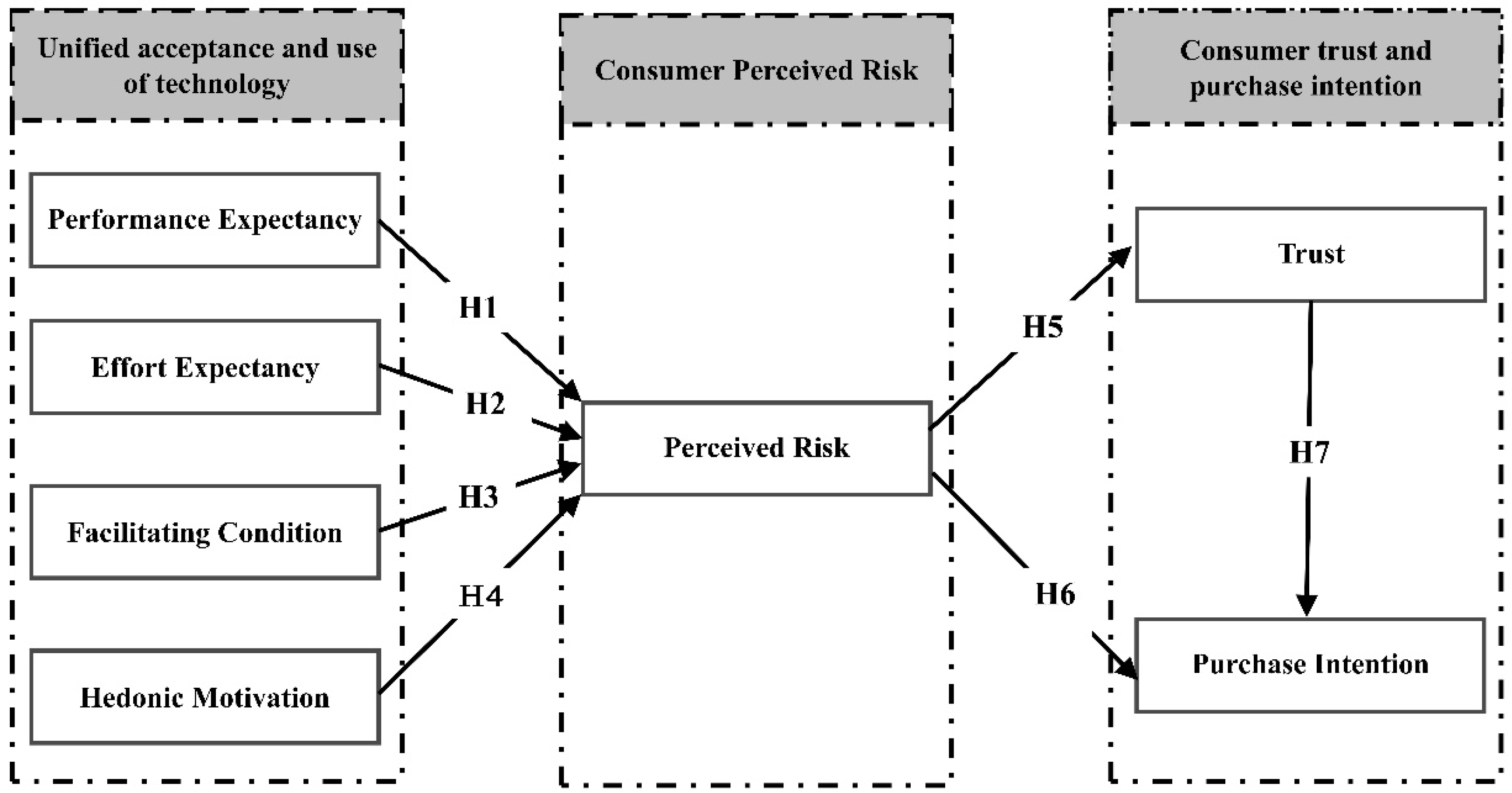
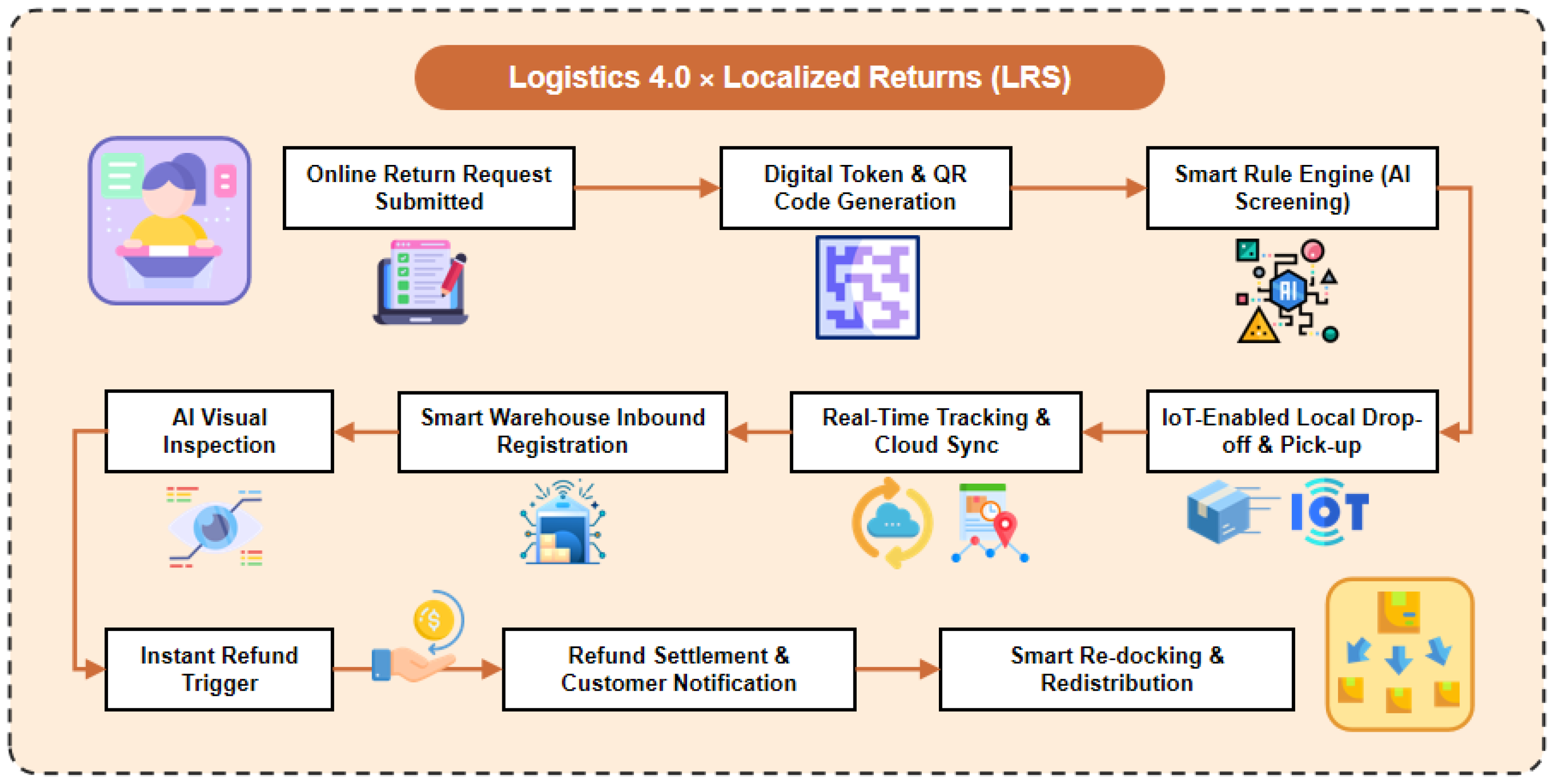
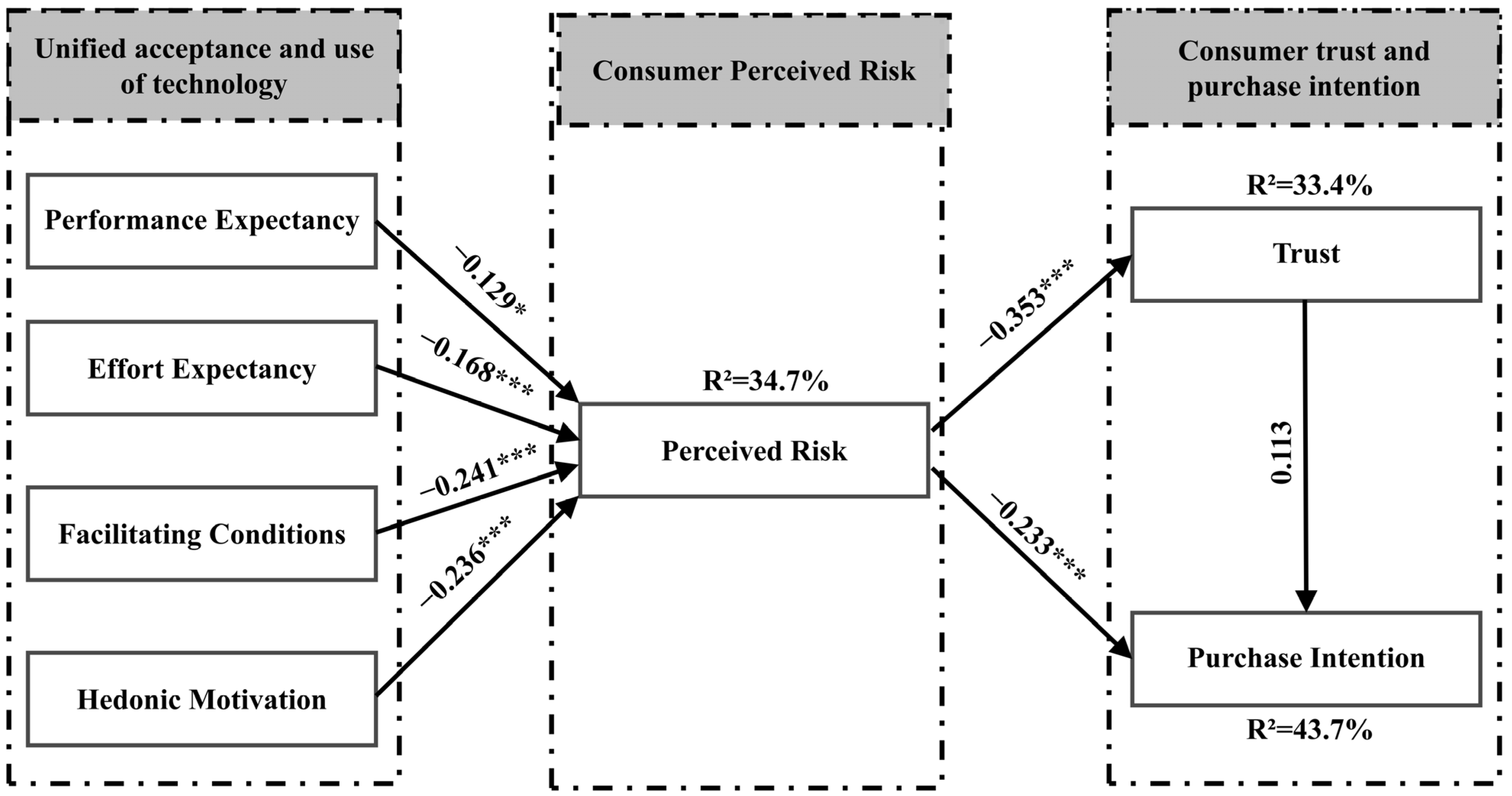
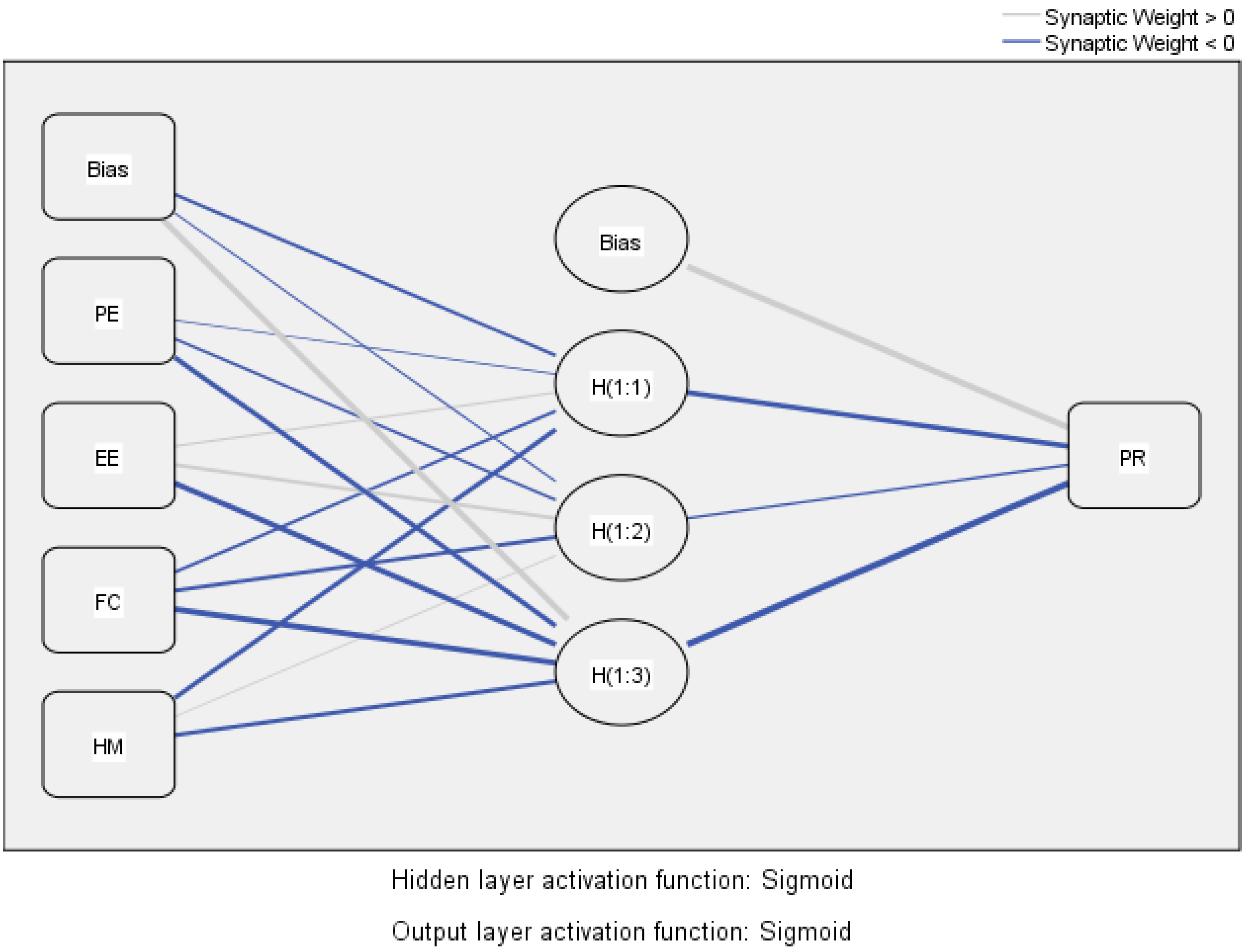
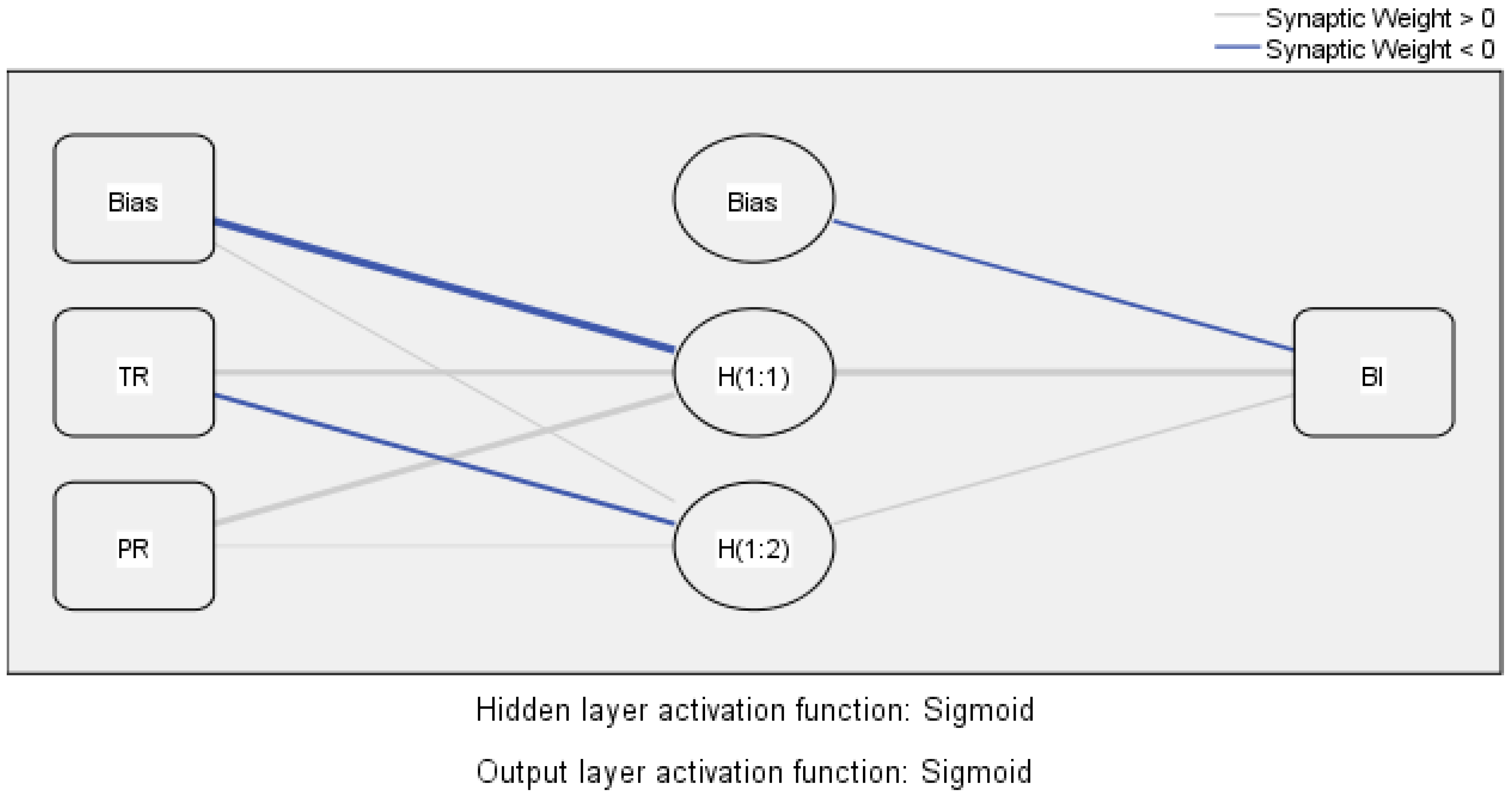
Disclaimer/Publisher’s Note: The statements, opinions and data contained in all publications are solely those of the individual author(s) and contributor(s) and not of MDPI and/or the editor(s). MDPI and/or the editor(s) disclaim responsibility for any injury to people or property resulting from any ideas, methods, instructions or products referred to in the content. |
© 2026 by the authors. Licensee MDPI, Basel, Switzerland. This article is an open access article distributed under the terms and conditions of the Creative Commons Attribution (CC BY) license.