


-
The Overlooked Dimension: Physiotherapists’ Perceptions of Spirituality and Religion in Older Person Care -
Vulnerability to Heat Effects and Regional Inequalities Among Older Adults in the State of São Paulo, Brazil -
Association Between Language Performance and Functional Status in Patients with Neurocognitive Disorders
Journal Description
Journal of Ageing and Longevity
is an international, peer-reviewed, open access journal on all aspects of ageing and longevity published quarterly online by MDPI. The Italian Longevity League (ILL) is affiliated with the Journal of Ageing and Longevity and its members receive discounts on the article processing charges.
- Open Access— free for readers, with article processing charges (APC) paid by authors or their institutions.
- High Visibility: indexed within ESCI (Web of Science), Scopus and other databases.
- Rapid Publication: manuscripts are peer-reviewed and a first decision is provided to authors approximately 32.6 days after submission; acceptance to publication is undertaken in 4.1 days (median values for papers published in this journal in the first half of 2026).
- Recognition of Reviewers: APC discount vouchers, optional signed peer review, and reviewer names published annually in the journal.
- Journal Cluster of Healthcare Sciences and Services: Geriatrics, Journal of Ageing and Longevity, Healthcare, Hospitals, Nursing Reports, Women, Journal of Gerontology and Geriatrics and Primary and Hospital Care.
Latest Articles
Factors Affecting Well-Being Among Retired Older Adults: An Umbrella Review
J. Ageing Longev. 2026, 6(3), 58; https://doi.org/10.3390/jal6030058 - 29 Jul 2026
Abstract
Retirement is a major later-life transition, yet existing reviews have often examined selected dimensions of well-being rather than integrating evidence across physical, mental, social, financial and spiritual or meaning-related domains. This umbrella review synthesised systematic review evidence on factors and interventions influencing well-being
[...] Read more.
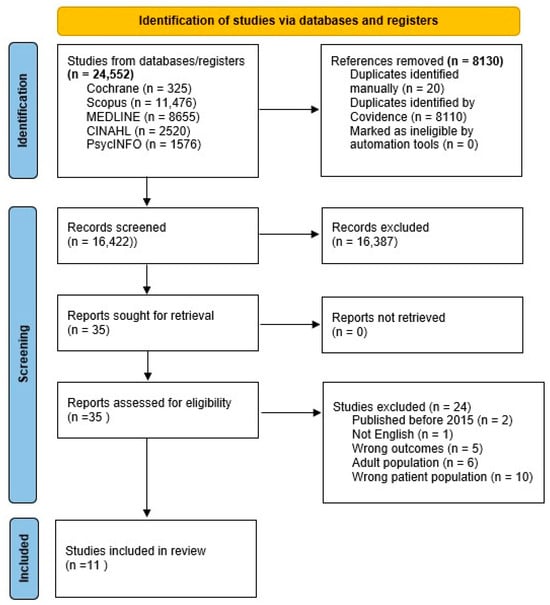
Retirement is a major later-life transition, yet existing reviews have often examined selected dimensions of well-being rather than integrating evidence across physical, mental, social, financial and spiritual or meaning-related domains. This umbrella review synthesised systematic review evidence on factors and interventions influencing well-being among retired older adults. Following Joanna Briggs Institute methodology and Preferred Reporting Items for Overviews of Reviews guidance, five databases were searched for systematic reviews published from 2015 onward. The protocol was registered in PROSPERO (CRD420251158970). Screening, quality appraisal and data extraction were completed independently by two reviewers, with disagreements resolved by a third reviewer. Eleven systematic reviews met the inclusion criteria. Findings showed that retirement well-being is multidimensional and context-dependent, shaped by social participation, physical health, psychological resources, retirement preparation, voluntary retirement, financial security and meaningful engagement. Social participation and social integration were among the most consistent determinants, while financial and spiritual or meaning-related well-being were less frequently examined. Intervention evidence was limited and focused mainly on physical activity, health behaviours and volunteerism. Retirement well-being is influenced by interacting personal, social and structural factors, highlighting the need for multidimensional interventions and more consistent measurement across well-being domains.
Full article
(This article belongs to the Special Issue Frailty, Function, and Well-Being in Community-Dwelling Older Adults)
►
Show Figures
Open AccessArticle
Active Living and Oral Health-Related Quality of Life in a Population with Exceptional Longevity: Multivariable Evidence from Loma Linda
by
Jenny Piao, Lian Nakamura, Erica Shin, Camille Chu, Balsam Jekki, Udochukwu Oyoyo and So Ran Kwon
J. Ageing Longev. 2026, 6(3), 57; https://doi.org/10.3390/jal6030057 - 25 Jul 2026
Abstract
►▼
Show Figures
There are several regions characterized by exceptional longevity and lifestyle that promote health and well-being. Loma Linda, California, in the United States, provides a unique context to examine how lifestyle behaviors relate to oral health-related quality of life (OHRQoL). This cross-sectional study surveyed
[...] Read more.
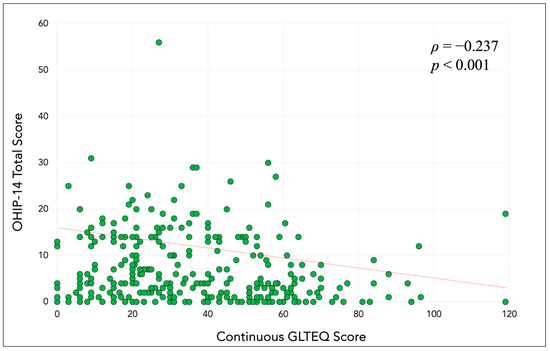
There are several regions characterized by exceptional longevity and lifestyle that promote health and well-being. Loma Linda, California, in the United States, provides a unique context to examine how lifestyle behaviors relate to oral health-related quality of life (OHRQoL). This cross-sectional study surveyed adults residing in Loma Linda (N = 321) to evaluate associations among physical activity, lifestyle adherence, and OHRQoL. Physical activity was assessed using the Godin Leisure-Time Exercise Questionnaire, lifestyle adherence using a composite lifestyle score, and OHRQoL using the Oral Health Impact Profile-14 (OHIP-14). Higher physical activity and greater lifestyle adherence were associated with lower OHIP-14 scores in bivariate analyses (ρ = −0.237, p < 0.001; ρ = −0.15, p < 0.01, respectively), indicating better perceived OHRQoL. OHIP-14 scores differed across physical activity categories (Kruskal–Wallis H = 6.99, p = 0.030), with the lowest scores observed among active participants. These associations were attenuated after adjustment for demographic factors and lifestyle adherence and were not statistically significant in multivariable models (p > 0.05). These findings suggest that OHRQoL reflects the combined influence of interconnected lifestyle behaviors rather than a single factor, supporting a holistic approach to promoting oral and systemic health.
Full article

Figure 1
Open AccessArticle
New Zealand Osteopaths and the Management of Older Adults: Outcomes from a Practice-Based Research Network
by
Ana Paula Antunes Ferreira, Michael Fleischmann, Lee Muddle, Jack Feehan, Kesava Kovanur Sampath and Brett Vaughan
J. Ageing Longev. 2026, 6(3), 56; https://doi.org/10.3390/jal6030056 - 23 Jul 2026
Abstract
Older adults represent a growing proportion of healthcare consumers, and yet little is known about the osteopathic practitioners who regularly manage this population. This study set out to understand what characteristics are common among New Zealand osteopaths who regularly treat older adults. This
[...] Read more.
Older adults represent a growing proportion of healthcare consumers, and yet little is known about the osteopathic practitioners who regularly manage this population. This study set out to understand what characteristics are common among New Zealand osteopaths who regularly treat older adults. This cross-sectional, exploratory study was a secondary analysis of questionnaire data collected through a practice-based research network. The questionnaire captured osteopaths’ demographic characteristics, practice settings, and clinical management approaches. Of the 277 osteopaths who completed the questionnaire, 188 (67.9%) reported frequently treating older adults. Those most likely to do so were based in urban areas, treated wrist and degenerative spinal complaints, and used exercise prescription as part of their practice. These findings suggest that a substantial number of New Zealand osteopaths are actively involved in the care of older adults, highlighting the need for further research into the role osteopathy can play in supporting this growing patient population.
Full article
Open AccessArticle
Fear of Falling and Eye–Segmental Coordination in Portuguese Elderly Participants Enrolled in a Community Physical Exercise Programme
by
Luis Coelho, Diogo Dias, Ricardo Canhoto, João Cruz, Diogo Monteiro, Miguel Jacinto, Raúl Antunes, Filipe Rodrigues, Nuno Amaro and Rui Matos
J. Ageing Longev. 2026, 6(3), 55; https://doi.org/10.3390/jal6030055 - 10 Jul 2026
Abstract
The performance of 94 elderly subjects (73 women) (71.72 ± 5.64) in an eye–hand and eye–foot coordination test (TST) was correlated with fear of falling, based on the results obtained on the International Fall Efficacy Scale (FES-I), translated into Portuguese. The results revealed
[...] Read more.
The performance of 94 elderly subjects (73 women) (71.72 ± 5.64) in an eye–hand and eye–foot coordination test (TST) was correlated with fear of falling, based on the results obtained on the International Fall Efficacy Scale (FES-I), translated into Portuguese. The results revealed that, for the whole sample, there was a weak inverse association between the two (ρ = −0.54, p < 0.05). However, when analyzing the results by gender, this inverse association only remained significant for females (ρ = −0.305, p < 0.01), with no statistical significance for males. Thus, higher levels of fear of falling in the elderly female population were associated with lower levels of eye–segmental coordination. Additionally, men achieved significantly better results in TST than women (9.38 ± 4.70 vs. 4.67 ± 3.13, p < 0.001). Regarding fear of falling, women had significantly higher scores (23.51 ± 7.17 vs. 21.38 ± 7.59, p < 0.05). At the same time, elderly men had higher values of eye–segmental coordination, which may have reduced their fear of falling. Results highlight the importance of the maintenance of a healthy and active lifestyle through the lifespan and place TST as a potential proxy for detecting fear of falling in elderly populations, especially in women. Future studies would benefit from employing balanced, representative samples to validate and extend these results, particularly regarding possible sex-related patterns, as the study relied on a convenience sample that was markedly unbalanced in terms of sex.
Full article
Open AccessArticle
Functional Classification Framework Associated with Fall and Frailty Vulnerability in Community-Dwelling Adults Aged 50 Years and Older
by
Josivaldo de Souza-Lima, Sandra Mahecha-Matsudo, João Pedro da Silva-Junior, Timóteo Leandro-Araujo, Maribel Parra-Saldias, Daniel Duclos-Bastias, Andrés Godoy-Cumillaf, Eugenio Merellano-Navarro, José Bruneau-Chávez and Claudio Farias-Valenzuela
J. Ageing Longev. 2026, 6(3), 54; https://doi.org/10.3390/jal6030054 - 8 Jul 2026
Abstract
Background: Early identification of fall and frailty risk is essential for preventing disability and maintaining functional independence in older adults. Although simple functional assessments are widely used in community settings, their combined application as a classification approach in large real-world populations remains limited.
[...] Read more.
Background: Early identification of fall and frailty risk is essential for preventing disability and maintaining functional independence in older adults. Although simple functional assessments are widely used in community settings, their combined application as a classification approach in large real-world populations remains limited. Methods: This cross-sectional study included 2979 community-dwelling adults (67.6 ± 8.3 years) enrolled in a municipal physical activity program. Participants underwent standardized assessments of gait speed, handgrip strength, and balance. A composite fall/frailty risk classification was defined using established functional cut-offs. Associations between functional variables and risk classification were examined using correlation analyses and group comparisons. Results: Overall, 45% of participants were classified as high risk. Women showed a higher prevalence compared to men (47% vs. 35%). Lower gait speed (r = −0.56), reduced handgrip strength (r = −0.32), and shorter balance time (r = −0.47) were significantly associated with higher risk classification (all p < 0.001). Conclusions: Functional performance measures are strongly associated with a composite classification of fall and frailty risk. These findings support the use of simple, scalable screening tools in community and primary care settings to identify vulnerable older adults and inform early intervention strategies.
Full article
(This article belongs to the Special Issue Frailty, Function, and Well-Being in Community-Dwelling Older Adults)
Open AccessReview
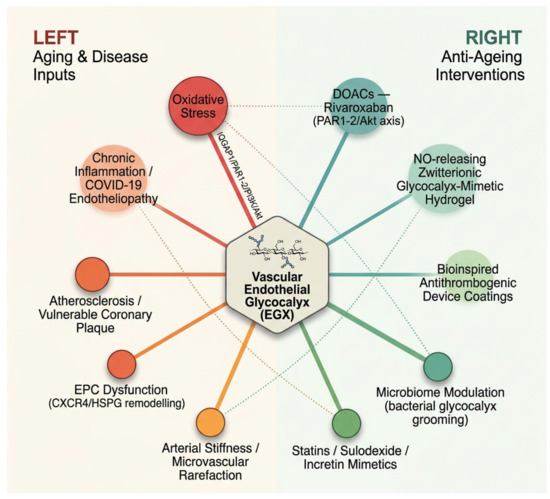
The Vascular Endothelial Glycocalyx in Ageing: Molecular Mechanisms, Age-Related Dysfunction, and Anti-Ageing Strategies for Cardiovascular Healthspan
by
Taiki Tojo and Minako Yamaoka-Tojo
J. Ageing Longev. 2026, 6(3), 53; https://doi.org/10.3390/jal6030053 - 2 Jul 2026
Abstract
►▼
Show Figures
The vascular endothelial glycocalyx (EGX) is a gel-like, negatively charged mesh of membrane-bound proteoglycans, glycosaminoglycans, glycoproteins and adsorbed plasma proteins that covers the luminal surface of the endothelium and orchestrates vascular homeostasis through regulation of permeability, leukocyte trafficking, mechanotransduction and anti-thrombotic signalling. Progressive
[...] Read more.
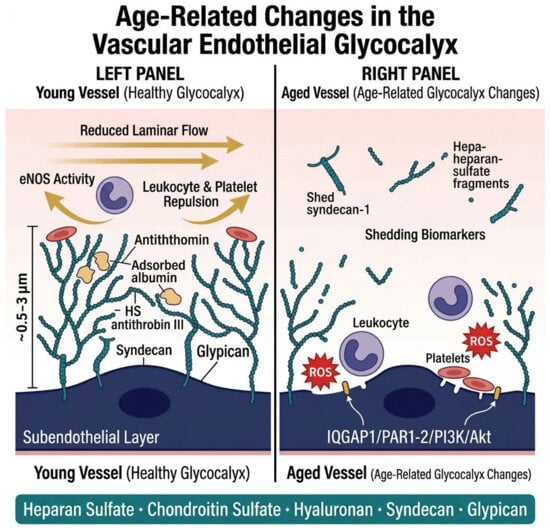
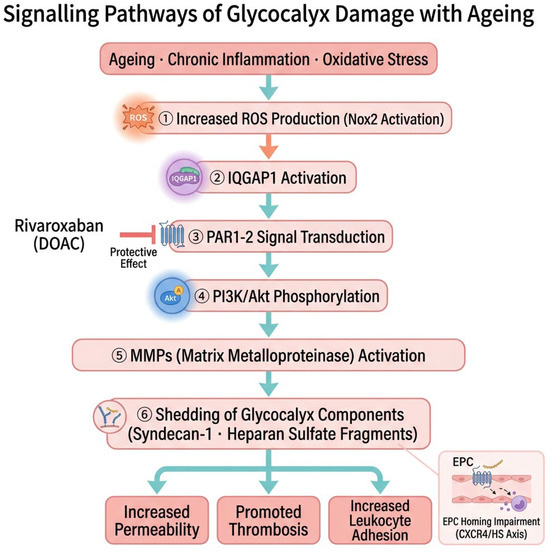
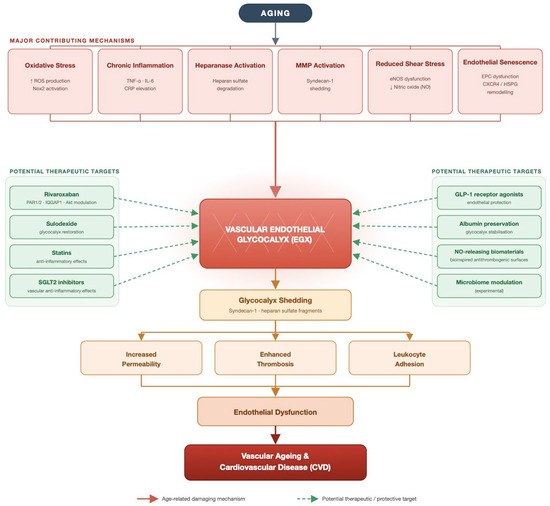
The vascular endothelial glycocalyx (EGX) is a gel-like, negatively charged mesh of membrane-bound proteoglycans, glycosaminoglycans, glycoproteins and adsorbed plasma proteins that covers the luminal surface of the endothelium and orchestrates vascular homeostasis through regulation of permeability, leukocyte trafficking, mechanotransduction and anti-thrombotic signalling. Progressive thinning, heterogeneous remodelling and accelerated shedding of the EGX are now recognised as hallmarks of vascular ageing and early drivers of age-related cardiovascular disease. Here, we synthesise current evidence linking EGX integrity to biological ageing, with emphasis on age-dependent remodelling of heparan-sulfate proteoglycans, endothelial progenitor-cell dysfunction, and the heightened susceptibility of the aged EGX to oxidative, inflammatory and infectious insults. We discuss signalling pathways driving EGX shedding—including the IQGAP1/PAR1-2/PI3K/Akt axis—and clinical correlates such as vulnerable coronary plaque in older patients with coronary artery disease and microvascular endotheliopathy in severe COVID-19. Finally, we review emerging anti-ageing strategies targeting the EGX, including direct oral anticoagulants, glycocalyx-mimetic and nitric-oxide-releasing biomaterials, bioinspired antithrombogenic surfaces and microbiome-based modulation, and consider their translational potential for extending cardiovascular healthspan.
Full article

Figure 1
Open AccessArticle
Associations of Physical Activity with Body Composition, Functional Fitness, and Isokinetic Strength in Older Adults
by
André Schneider, Stéphane César, João Mota, Luciano Bernardes Leite, José Eduardo Teixeira, Pedro Forte, Telma Pires, José Lumini and António M. Monteiro
J. Ageing Longev. 2026, 6(3), 52; https://doi.org/10.3390/jal6030052 - 1 Jul 2026
Abstract
►▼
Show Figures
(1) Introduction: Physical activity is considered a key factor in maintaining functional health during aging; however, its relationship with objective measures of physical performance remains unclear. (2) Methods: A cross-sectional study was conducted with 63 community-dwelling older adults (70.4 ± 6.6 years; 35.7
[...] Read more.
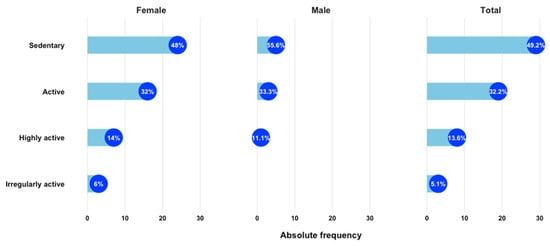
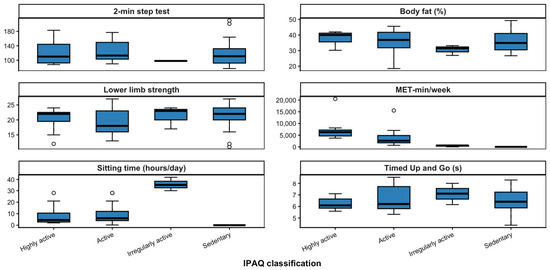
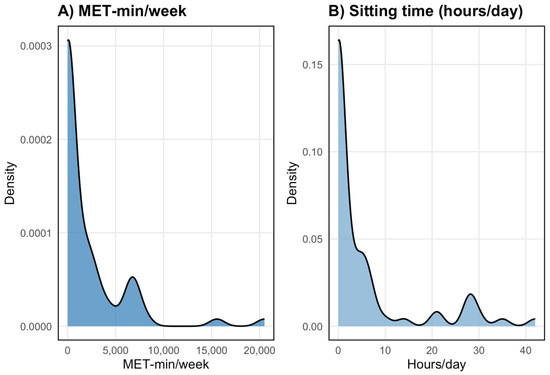
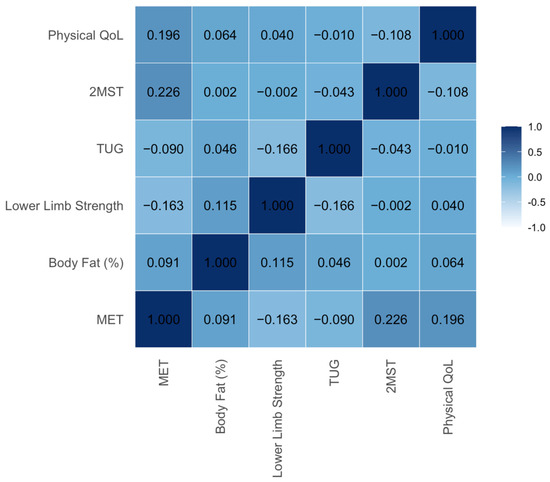
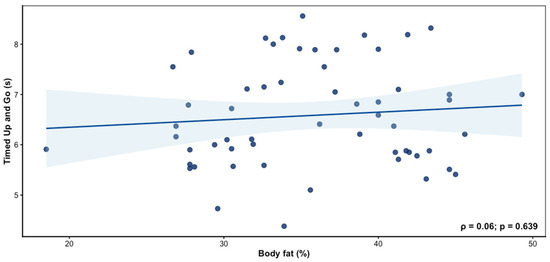
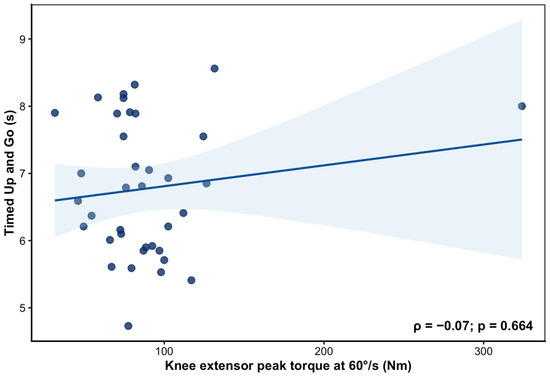
(1) Introduction: Physical activity is considered a key factor in maintaining functional health during aging; however, its relationship with objective measures of physical performance remains unclear. (2) Methods: A cross-sectional study was conducted with 63 community-dwelling older adults (70.4 ± 6.6 years; 35.7 ± 6.5% body fat). Physical activity was assessed using the International Physical Activity Questionnaire (IPAQ), and participants were classified into activity levels. Body composition was evaluated using bioelectrical impedance analysis. Functional fitness was assessed through standardized tests, including lower-limb strength, Timed Up and Go (TUG), and the 2 min step test (2MST). Isokinetic strength of the knee extensors and flexors was measured at 60°/s and 180°/s. Non-parametric tests, Spearman correlations, and linear regression analyses were performed; (3) Results: No significant differences were observed between IPAQ categories for body fat percentage, TUG performance, lower-limb strength, or aerobic capacity (all p > 0.05). Correlations between MET values and physical or functional variables were weak (ρ ranging from −0.07 to 0.18). (4) Conclusions: Self-reported physical activity was not associated with objective measures of physical function in older adults. These findings highlight the importance of incorporating objective assessments of physical performance when evaluating functional health in this population.
Full article

Figure 1
Open AccessArticle
Associations Between Sociodemographic Factors and Access to Select Digital Resources Among Older Medicare Beneficiaries in Nonmetropolitan Areas: A Cross-Sectional Study
by
Brian Nguyen, Andrew Chern, Irene Jerish, Janet Lopez, Marissa Mackiewicz and Boon Peng Ng
J. Ageing Longev. 2026, 6(3), 51; https://doi.org/10.3390/jal6030051 - 29 Jun 2026
Abstract
►▼
Show Figures
The COVID-19 pandemic accelerated telehealth adoption, but disparities in digital access hinder its potential, especially for older adults in nonmetropolitan areas. This study examined associations between sociodemographic factors and access to select digital resources among nonmetropolitan Medicare beneficiaries. This cross-sectional study used the
[...] Read more.
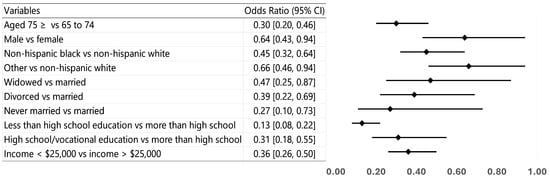
The COVID-19 pandemic accelerated telehealth adoption, but disparities in digital access hinder its potential, especially for older adults in nonmetropolitan areas. This study examined associations between sociodemographic factors and access to select digital resources among nonmetropolitan Medicare beneficiaries. This cross-sectional study used the 2022 Medicare Current Beneficiary Survey Public Use File, including 1732 Medicare beneficiaries aged ≥65 in nonmetropolitan areas. The dependent variable of digital access was categorized as (1) access to both a computer/tablet and the internet, (2) access to either, and (3) access to neither. A survey-weighted multinomial logit model was conducted to examine associations between sociodemographic factors and digital access, with no access to either a computer/tablet or the internet as the reference category. Approximately 71.7% of nonmetropolitan beneficiaries had both computer/tablet and internet access, 14.4% had one or the other, and 13.9% had neither. About one-third of study beneficiaries lacked full digital access. Older age, male, minority race/ethnicity, lower education, and lower income were associated with reduced digital access among nonmetropolitan beneficiaries. Targeted interventions to expand digital access for these at-risk populations are needed.
Full article

Figure 1
Open AccessArticle
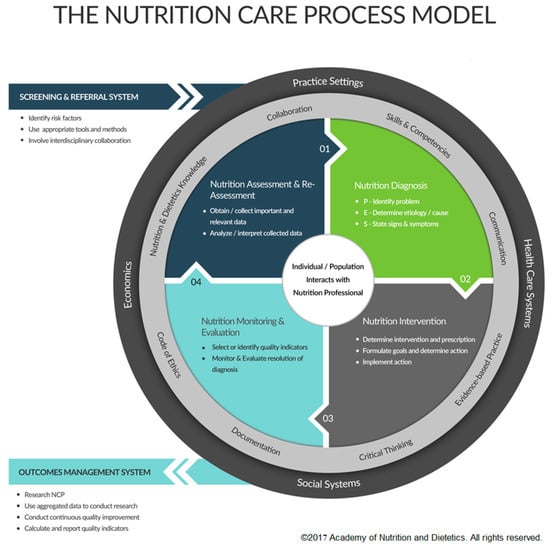
Towards Healthy Diets and Sustainable Nutritional Behavior: Identifying Design Opportunities for Technology-Supported Malnutrition Care
by
Janna W. Alberts, Martijn H. Vastenburg, Henk Herman Nap and Wijnand A. IJsselsteijn
J. Ageing Longev. 2026, 6(3), 50; https://doi.org/10.3390/jal6030050 - 29 Jun 2026
Abstract
Background: Malnutrition is common among older adults aged 65 years and over and is associated with physical and mental health risks. Malnutrition is a complex condition; supporting older adults in achieving healthy, sustainable dietary behaviors remains a challenge for care professionals. Assistive technologies
[...] Read more.
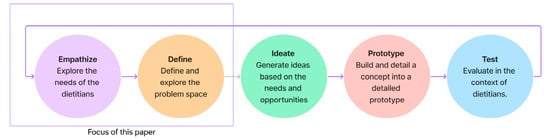
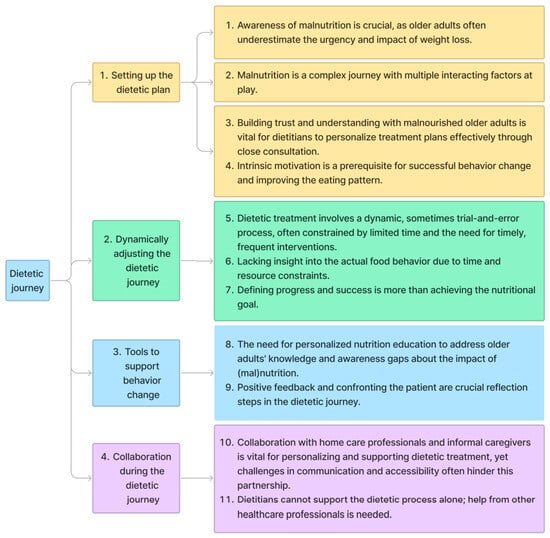
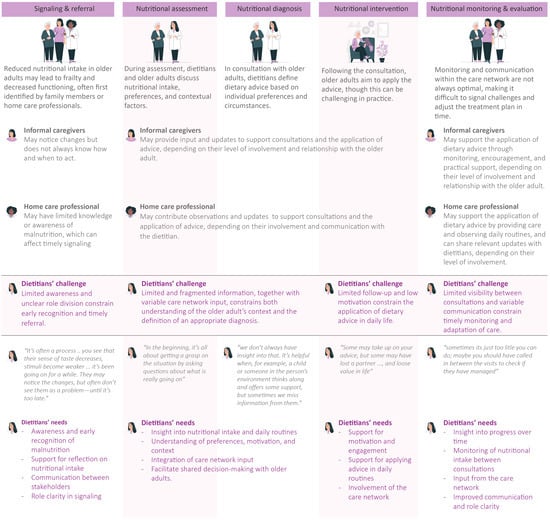
Background: Malnutrition is common among older adults aged 65 years and over and is associated with physical and mental health risks. Malnutrition is a complex condition; supporting older adults in achieving healthy, sustainable dietary behaviors remains a challenge for care professionals. Assistive technologies to support malnutrition care, such as monitoring tools, social robots, or smart spoons, are often poorly adapted to real-world contexts and fail to sustain long-term engagement. Method: A design research approach was used to understand care practices better and explore design opportunities for assistive technologies. Eight in-depth, qualitative interviews were conducted with dietitians treating older adults with malnutrition. Interviews were transcribed and analyzed through thematic analysis. A five-phase patient journey was created as a visual tool to identify where assistive technologies could improve the care process and define design requirements. Results: Dietitians face challenges due to the dynamic nature of patient journeys, limited time for personalized care, difficulty in monitoring progress, and unclear collaboration with other care providers. Conclusions: This study contributed by reframing malnutrition as a dynamic, multi-actor patient journey in which assistive technology can play a supportive role at different phases, supporting collaboration, facilitating relationship-building, and involving the larger care network.
Full article
(This article belongs to the Special Issue Quality of Life among Older Adults: Lifestyle Differentiation and Associated Factors)
►▼
Show Figures

Figure 1

Open AccessReview
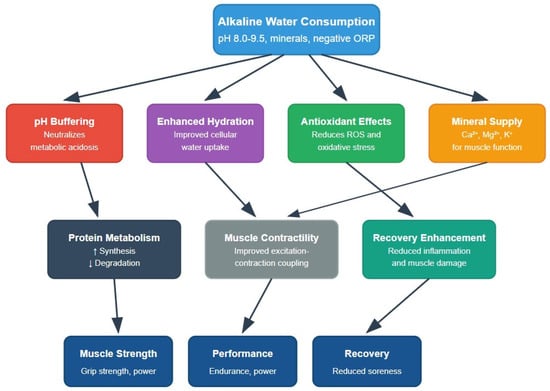
Alkaline Water and Muscle Health in Aging: A Systematic Evidence Map and Translational Appraisal of Human Evidence
by
Tariq A. Alalwan, Giuseppe Mazzola, Lucia Chiesa, Mariangela Rondanelli and Simone Perna
J. Ageing Longev. 2026, 6(3), 49; https://doi.org/10.3390/jal6030049 - 24 Jun 2026
Abstract
►▼
Show Figures
Alkaline water is increasingly marketed for musculoskeletal and recovery benefits, yet its relevance to healthy aging, sarcopenia prevention, and functional capacity in older adults remains largely unexplored. This systematic evidence map and translational appraisal examined whether the available comparative human evidence on alkaline
[...] Read more.
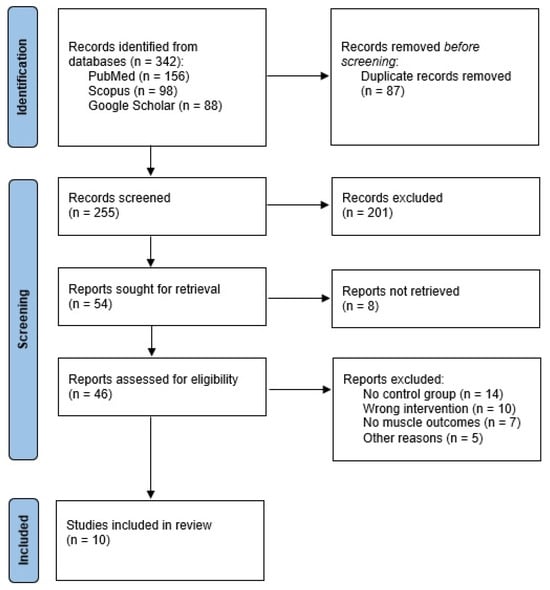
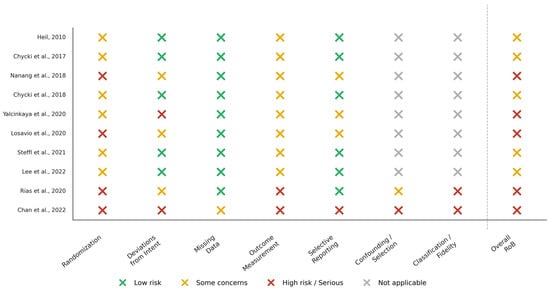
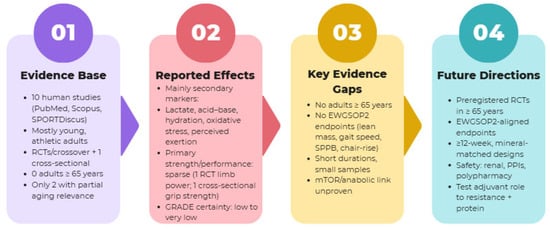
Alkaline water is increasingly marketed for musculoskeletal and recovery benefits, yet its relevance to healthy aging, sarcopenia prevention, and functional capacity in older adults remains largely unexplored. This systematic evidence map and translational appraisal examined whether the available comparative human evidence on alkaline water is applicable to aging populations and longevity research. Following PRISMA guidance, PubMed and Scopus were searched from January 2005 to September 2025. Eligible studies were controlled or comparative observational human studies reporting muscle strength, physical performance, or recovery outcomes. Risk of bias was assessed using RoB 2, ROBINS-I, and JBI criteria; evidence certainty was judged narratively using GRADE-informed principles. Ten studies met the inclusion criteria. Most enrolled young athletic populations; only two had partial relevance to aging cohorts. Crucially, no study included participants aged 65 years or older or assessed primary sarcopenia-relevant endpoints such as appendicular lean mass, gait speed, or chair-rise performance; this total absence of data in the target demographic represents the central limitation of the current literature. Risk of bias ranged from some concerns to serious. The most consistent signals were short-term improvements in lactate clearance and perceived exertion in young male athletes. Evidence for strength, functional performance, and safety in older adults was absent or indirect. Current evidence, rated low to very low certainty for aging-relevant outcomes, does not support alkaline water as an evidence-based strategy for healthy aging or muscle preservation in older adults. Age-appropriate trials using EWGSOP2-aligned outcomes are urgently needed.
Full article

Figure 1
Open AccessArticle
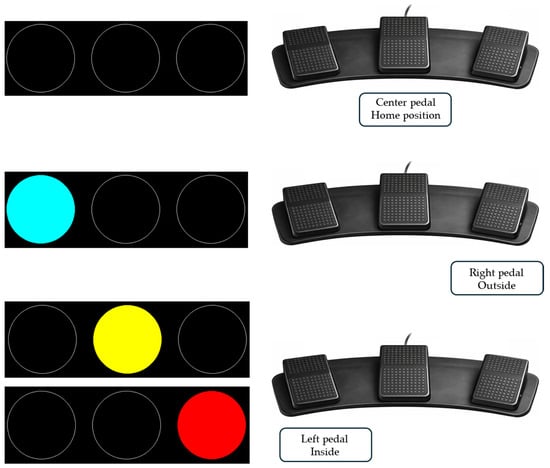
Aging Slows Reaction Time but Preserves Inside–Outside Pedal Response Structure in a Foot Psychomotor Vigilance Test
by
Yutaka Yoshida and Kiyoko Yokoyama
J. Ageing Longev. 2026, 6(3), 48; https://doi.org/10.3390/jal6030048 - 23 Jun 2026
Abstract
►▼
Show Figures
Reaction time (RT) is widely used as a fundamental indicator of central nervous system processing speed. Numerous studies have shown that RT increases with age, generally interpreted as a decline in information processing efficiency. However, most previous studies have focused on absolute RT
[...] Read more.
Reaction time (RT) is widely used as a fundamental indicator of central nervous system processing speed. Numerous studies have shown that RT increases with age, generally interpreted as a decline in information processing efficiency. However, most previous studies have focused on absolute RT values, and it remains unclear whether aging also alters the relative relationships between responses under different task conditions. The present study investigated whether aging affects the relative difference between inside and outside pedal reaction times in a Foot Psychomotor Vigilance Test (Foot PVT). A total of 44 participants were analyzed, including 20 younger adults (24 ± 3 years) and 24 older adults (73 ± 5 years). Participants responded to visual stimuli by pressing either the left or right pedal with the right foot. The difference between inside and outside RT (dRT) was calculated for each participant as an index of relative response structure. Group comparisons and correlation analyses were conducted to examine associations with age, height, physical activity level (PAL), and sleep-related factors. As expected, RTs were consistently longer in older adults across conditions. In contrast, dRT did not differ significantly between younger and older groups, with negligible effect sizes (|d| < 0.1). Furthermore, dRT showed no significant correlations with height, PAL, or sleep-related indices. These findings indicate that while aging affects the overall speed of motor responses, the relative temporal structure between response conditions is preserved. This dissociation between global slowing and stable response structure may represent a fundamental characteristic of neuromotor aging.
Full article

Figure 1
Open AccessArticle
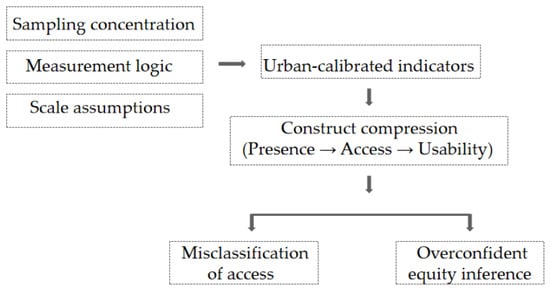
Geographic Bias as a Methodological Condition in Ageing and Built Environment Research: Equity, Feasibility, and the Limits of Indicator Portability
by
Jinyi Tang, Jacqueline McIntosh and Bruno Marques
J. Ageing Longev. 2026, 6(2), 47; https://doi.org/10.3390/jal6020047 - 15 Jun 2026
Abstract
In ageing and built environment research, unevenness in evidence across spatial contexts constitutes a methodological condition rather than a simple coverage gap, with direct implications for how accessibility, usability and fairness are conceptualised and measured. Research on built environments for older adults has
[...] Read more.
In ageing and built environment research, unevenness in evidence across spatial contexts constitutes a methodological condition rather than a simple coverage gap, with direct implications for how accessibility, usability and fairness are conceptualised and measured. Research on built environments for older adults has largely relied on urban evidence. Although findings from cities remain valuable, this focus influences how concepts are defined, which indicators are considered valid, and how far results can be generalised. Indicators designed for high-density urban settings often capture service availability well but have limited validity in low-density or resource-scarce environments. In such contexts, the presence of nearby services is frequently equated with accessibility, and accessibility is often assumed to imply usability. This paper synthesises review and measurement research to identify three mechanisms sustaining urban bias: urban-focused sampling, limited transferability of common indicators, and exposure definitions that assume density and reliable infrastructure. Building on this analysis, the study proposes a measurement framework that explicitly takes principles of fairness into account. This framework is organised around four analytical lenses: distribution, recognition, participation and sustainability. Matching sampling strategies, spatial classifications, measurement strategies and reporting practices to local settlement characteristics is critical to ensuring that conclusions are appropriately limited to what indicator-based evidence can validly support.
Full article
(This article belongs to the Topic Environmental and Social Transformations, Population Ageing, and Sustainable Health Equity)
►▼
Show Figures

Figure 1

Open AccessArticle
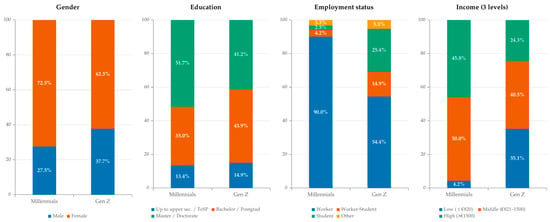
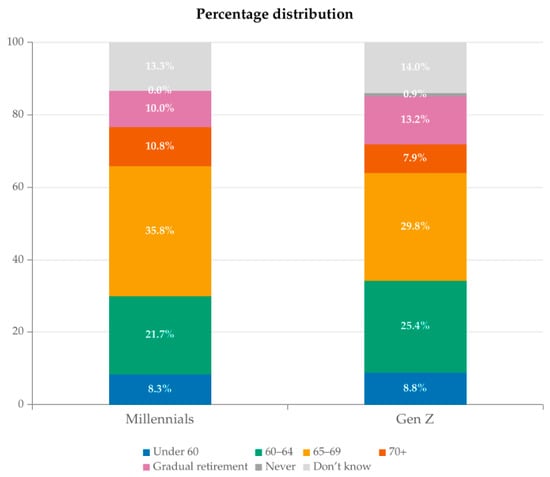
Is the Tripartite Life Model Being Reconfigured? An Exploratory Study on Retirement Expectations Among Millennials and Generation Z in Portugal
by
Ana Maria da Costa Oliveira and Catarina Silva Simão
J. Ageing Longev. 2026, 6(2), 46; https://doi.org/10.3390/jal6020046 - 15 Jun 2026
Abstract
►▼
Show Figures
The classic tripartite life-course model (education, work, and retirement) is under increasing pressure from rising longevity and structural labour-market change. This study examines how Millennials and Generation Z in Portugal conceptualise retirement and the life course, asking whether these cohorts adhere to a
[...] Read more.
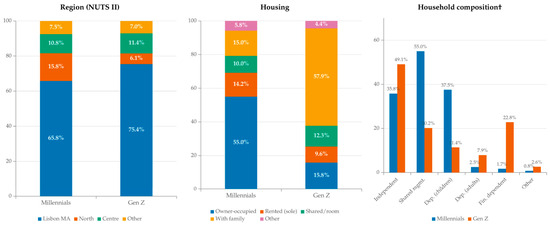
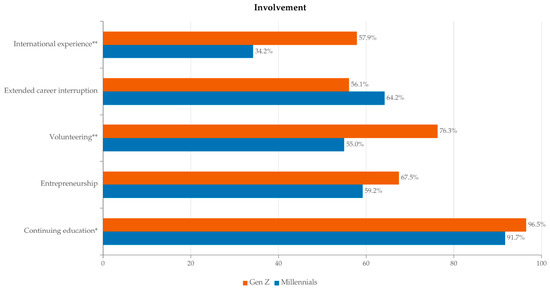
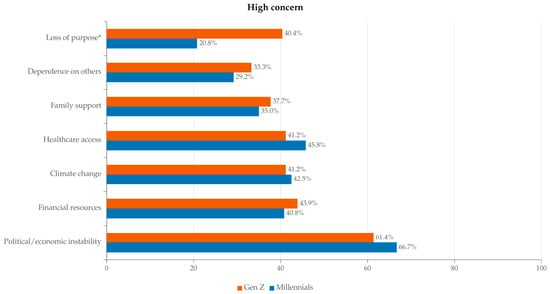
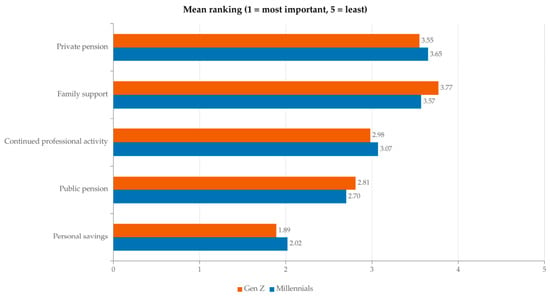
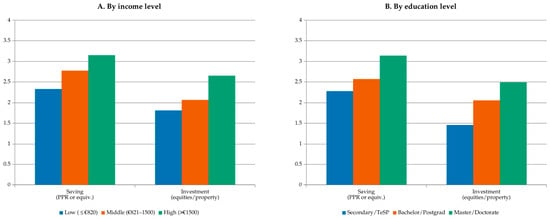
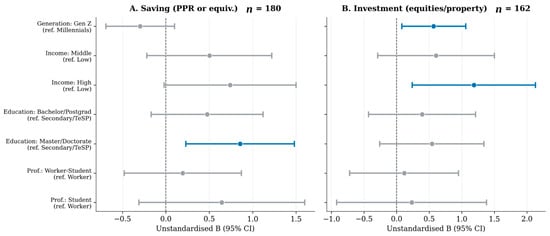
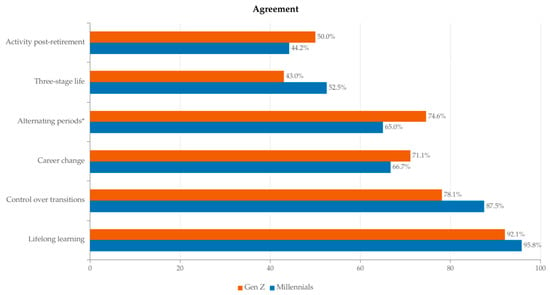
The classic tripartite life-course model (education, work, and retirement) is under increasing pressure from rising longevity and structural labour-market change. This study examines how Millennials and Generation Z in Portugal conceptualise retirement and the life course, asking whether these cohorts adhere to a standardised, sequential logic or aspire to more fluid, multi-stage trajectories, and whether observed differences reflect generation or socioeconomic position. A cross-sectional survey of 234 participants aged 18–43 assessed perceptions of retirement, openness to non-linear life cycles, future concerns, preparation strategies, and orientations towards lifelong learning. Responses were analysed using non-parametric tests (Mann–Whitney U, Kruskal–Wallis) and multivariate linear regression, with outcomes stratified by income, education, and occupational status. Participants showed a widespread preference for greater flexibility around the tripartite sequence rather than its abandonment, the statutory retirement age persisting as a reference point. Trust in the public pension system was low and cross-cutting, with over 70% doubting its capacity to ensure an adequate retirement, while Generation Z reported significantly greater concern about losing professional purpose. Socioeconomic position was a more consistent stratifier than generation for financial preparation, which rose with income and education; distrust, by contrast, was predicted by neither socioeconomic position nor generation in multivariate models. These findings indicate that biographical deinstitutionalisation may already be underway among younger Portuguese cohorts, with structural risks increasingly individualised, carrying implications for the redesign of life-course policies and social protection systems in an era of longevity.
Full article

Figure 1
Open AccessArticle
A Pilot Feasibility Study of a Group-Based Program Addressing Fear of Falling and Its Consequences on Activity Levels Among Older Adults Living in Low-Income Housing
by
Roxane De Broux Leduc, Nathalie Bier, Jacqueline Rousseau, Samuel Turcotte, Dahlia Kairy, Thien Thanh Dang-Vu, Kami Sarimanukoglu, François Dubé, Elwige Angèle Ngapa and Johanne Filiatrault
J. Ageing Longev. 2026, 6(2), 45; https://doi.org/10.3390/jal6020045 - 4 Jun 2026
Abstract
Falls among older adults are a major public health concern. Older adults living in low-income housing (LIH) are at higher risk of falls due to disadvantages linked to social determinants of health, yet remain underrepresented in research. This study aimed to assess the
[...] Read more.
Falls among older adults are a major public health concern. Older adults living in low-income housing (LIH) are at higher risk of falls due to disadvantages linked to social determinants of health, yet remain underrepresented in research. This study aimed to assess the feasibility of a program addressing fear of falling and its consequences on activity levels among older adults living in LIH in Côte-des-Neiges (Montreal, QC, Canada). A mixed-methods pilot feasibility study was conducted using Bowen et al.’s framework, drawing on data collected through questionnaires, observation grids, attendance records, and semi-structured interviews. The program consisted of six 90 min sessions designed to enhance participants’ confidence in preventing falls while promoting engagement in activities. Fourteen older adults (mean age = 75.5 years) were recruited. Outcome data on fall-related psychological factors, activity engagement, and knowledge about falls were collected before and after the program. Moreover, older participants’ perceived benefits were assessed following program completion. Post-program interviews with older adults, facilitators, and a community field worker were conducted to further explore program feasibility, including its acceptability, implementation, and integration. The program showed strong acceptability and a high attendance rate (95%). Although no statistically significant pre-post changes were observed in the outcome variables, older participants reported several benefits at post-test, including improved knowledge about fall prevention (100%) and greater confidence in their ability to avoid falls (85%). These findings support the feasibility of implementing this culturally adapted fall prevention program in similar LIH settings and provide valuable insights for its refinement and future research. Further investigation is warranted to examine the program’s feasibility across other LIH settings and linguistic groups, as well as to assess its effectiveness.
Full article
Open AccessArticle
Leisure Attitude and Psychological Well-Being Among Older Adults: An Asymmetrical Dual-Pathway Model for Healthy Aging
by
Byoungwook Ahn
J. Ageing Longev. 2026, 6(2), 44; https://doi.org/10.3390/jal6020044 - 3 Jun 2026
Abstract
Background/Objectives: Promoting psychological well-being is a central goal in healthy aging research. While leisure has been widely recognized as an important contributor to well-being in later life, the underlying psychological mechanisms remain insufficiently understood. This study aims to examine the relative roles of
[...] Read more.
Background/Objectives: Promoting psychological well-being is a central goal in healthy aging research. While leisure has been widely recognized as an important contributor to well-being in later life, the underlying psychological mechanisms remain insufficiently understood. This study aims to examine the relative roles of cognitive and experiential mechanisms in shaping psychological well-being among older adults. Methods: A cross-sectional survey was conducted with 200 older adults participating in community-based leisure programs in South Korea. Data were analyzed using confirmatory factor analysis and structural equation modeling. A dual-pathway model was tested, in which leisure attitude represents a cognitive mechanism and leisure satisfaction reflects an experiential mechanism. Results: Leisure attitude significantly influenced both leisure satisfaction and psychological well-being, while leisure satisfaction also had a positive but comparatively weaker effect on well-being. Mediation analysis confirmed that leisure satisfaction partially mediates the relationship between leisure attitude and psychological well-being. Notably, the direct effect of leisure attitude (β = 0.368) was substantially stronger than that of leisure satisfaction (β = 0.150), providing preliminary support for differences in the relative associations of cognitive and experiential pathways. Conclusions: These findings suggest that cognitive appraisal may play a relatively important role in psychological well-being among older adults and provide preliminary support for the relevance of cognitive mechanisms alongside experiential factors in aging research. Interventions aimed at promoting healthy aging should therefore focus not only on improving the quality of leisure experiences but also on fostering positive cognitive orientations toward leisure.
Full article
(This article belongs to the Topic Healthy, Safe and Active Aging, 2nd Edition)
Open AccessProtocol
Transforming the Built Environment for Mobility Challenged Seniors: Protocol for the Built Environment in Falls and ArthrITis (BE-FIT) Study
by
Eugene Yong Sheng Woon, Su-Yin Yang, Eloise Ying Ying Lie, Neha Seayad, Chun Yue Tan, Krešimir Friganović, Shamsul Azrin Jamaluddin, Shiau Ching Wong, Isaac Okumura Tan, Nien Xiang Tou, Houhao Liang, Joanne Ee Chia Kua, Noor Hafizah Ismail, Su Su, Phyllis Liang, Panos Mavros, Yee Sien Ng, Yew Yoong Ding, Julian Thumboo, Navrag B. Singh and Bryan Yijia Tanadd
Show full author list
remove
Hide full author list
J. Ageing Longev. 2026, 6(2), 43; https://doi.org/10.3390/jal6020043 - 29 May 2026
Abstract
►▼
Show Figures
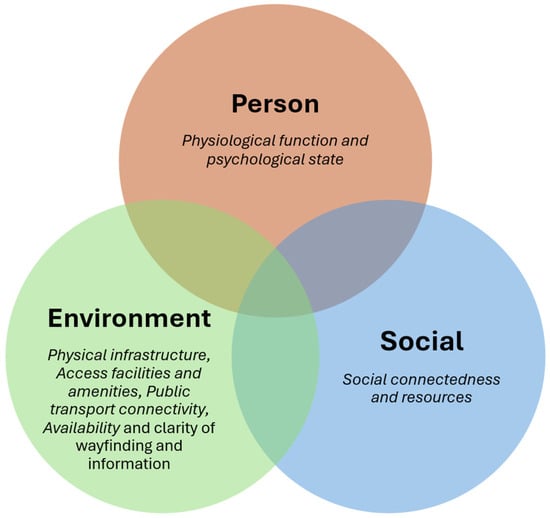
A neighborhood’s built environment can challenge the mobility of older mobility-challenged adults (due to knee osteoarthritis and falls), reducing their participation and quality of life. The Built Environment in Falls and arthrITis (BE-FIT) study aims to understand the neighborhood influence on the mobility,
[...] Read more.
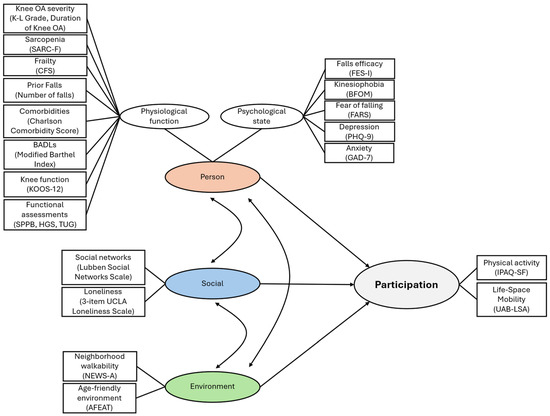
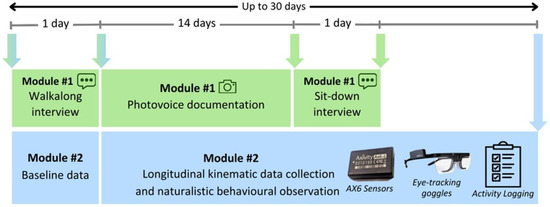
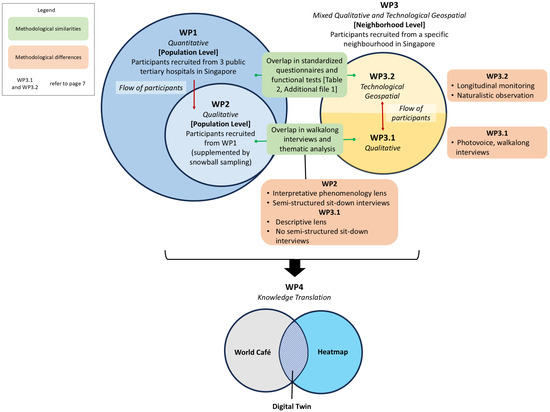
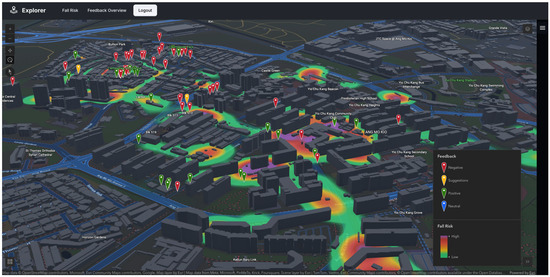
A neighborhood’s built environment can challenge the mobility of older mobility-challenged adults (due to knee osteoarthritis and falls), reducing their participation and quality of life. The Built Environment in Falls and arthrITis (BE-FIT) study aims to understand the neighborhood influence on the mobility, participation, and psychosocial health of older adults with knee osteoarthritis and/or falls. BE-FIT comprises four work packages (WPs). WP1 quantitatively explores relationships among environmental-, social-, and person-related factors and participation outcomes of its intended population. WP2 employs qualitative methods to comprehend the relationships among WP1’s variables. Via a combination of wearable sensor technology and qualitative geospatial methods, WP3 aims to characterize its population’s movement behavior, mobility, functional activity of daily living, and lived experiences of residing in a mature neighborhood. Finally, WP4 engages crucial stakeholders to co-develop evidence-based recommendations to inform public health, urban planning, and aging policies and implementation. BE-FIT could benefit societies with rising incidence of knee osteoarthritis and falls by improving neighborhoods and lives of older mobility-challenged residents.
Full article

Figure 1
Open AccessReview
The Capability Approach in Ageing Research: A Bibliometric Mapping and Qualitative Interpretive Synthesis
by
Shuo Wu, R. B. Radin Firdaus, Chunyan Li, Chunyan Zhu and Jinxiao Yang
J. Ageing Longev. 2026, 6(2), 42; https://doi.org/10.3390/jal6020042 - 29 May 2026
Abstract
►▼
Show Figures
Population ageing has renewed interest in the capability approach (CA) as a framework for understanding wellbeing in later life. Yet research applying the CA to ageing remains fragmented, and its empirical focus is still not well understood. This study examines how CA-based ageing
[...] Read more.
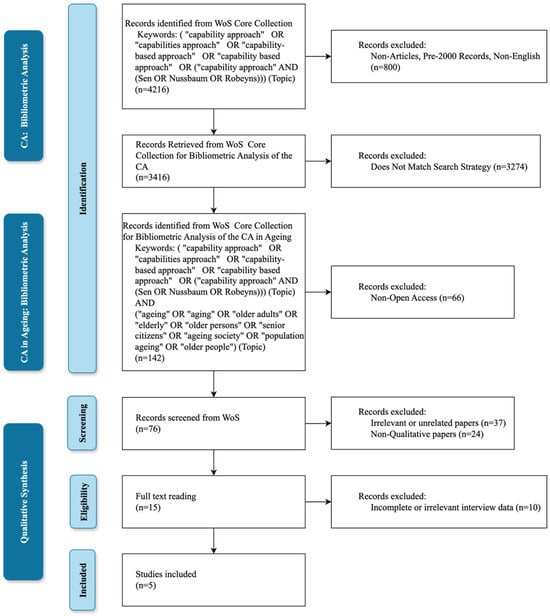
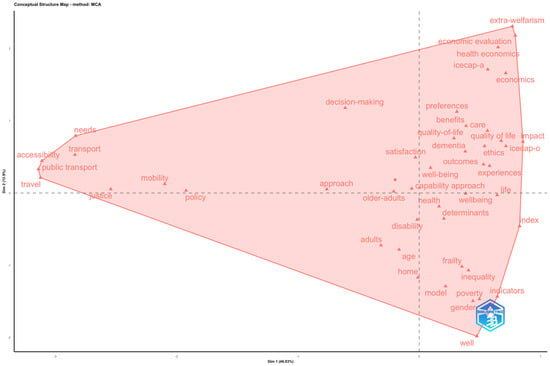
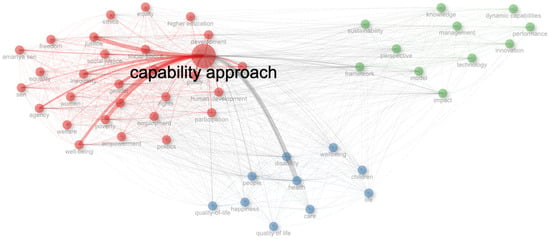
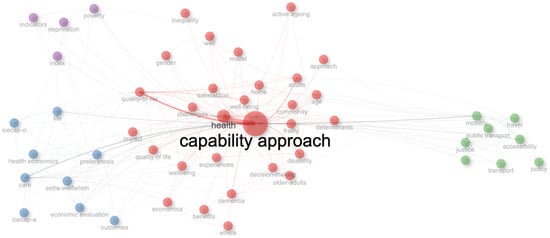
Population ageing has renewed interest in the capability approach (CA) as a framework for understanding wellbeing in later life. Yet research applying the CA to ageing remains fragmented, and its empirical focus is still not well understood. This study examines how CA-based ageing research has developed and how it explains capability constraints and adaptive responses in later life. Using Web of Science Core Collection records from 2000 to 2025, we combine comparative bibliometric analysis with a focused qualitative interpretive synthesis. A general CA corpus (n = 3416) was first constructed and then refined to identify a CA-in-ageing subset (n = 142). The bibliometric results suggest that CA-in-ageing research is more problem-oriented than the broader CA literature, with health and care evaluation, as well as mobility and accessibility, emerging as particularly prominent thematic concentrations in the retrieved corpus. The qualitative synthesis of five appraised studies further shows how capability loss may be experienced in everyday life through shrinking life-space, disrupted social participation, and threats to dignity. It also identifies adaptive strategies through which older adults rebuild routines, negotiate selective support, and re-establish participation through enabling environments and services. Given the small qualitative corpus, its reliance on several COVID-19-related studies, and its Western empirical contexts, the findings should be read as an explanatory account of possible mechanisms rather than as a comprehensive representation of later-life capability loss across all ageing settings. By integrating bibliometric mapping with qualitative evidence, this study clarifies how the CA has been operationalised in ageing research and highlights the importance of environmental accessibility, service stability, and participation opportunities in sustaining wellbeing in later life.
Full article

Figure 1
Open AccessArticle
The Meaning of Loneliness: Listening to the Voice of Older Mental Health Service Users
by
Roger O’Sullivan, Ruth D. Neill, Gerard Leavey, Brian Lawlor, Annette Burns, Michael Adams, Jeannette Golden and Dermot Reilly
J. Ageing Longev. 2026, 6(2), 41; https://doi.org/10.3390/jal6020041 - 23 May 2026
Abstract
Loneliness describes a complex experience, the subjective incongruence between one’s desired and perceived social connections. The study of loneliness has increased but mostly through quantitative methods, leaving a gap in the personal experience and understanding of what it means to be lonely. The
[...] Read more.
Loneliness describes a complex experience, the subjective incongruence between one’s desired and perceived social connections. The study of loneliness has increased but mostly through quantitative methods, leaving a gap in the personal experience and understanding of what it means to be lonely. The everyday language used to articulate the personal experience of loneliness remains underexamined. To address this gap, we conducted 18 semi-structured life story interviews with older adult mental health service users. Interviews were conducted via telephone and lasted on average 45 min. Participants were included on the basis of being objectively classified as lonely and ranged in age from 66 to 84. This paper provides a thematic analysis of responses to the question “What does loneliness mean to you?” Responses include subjective and objective aspects, as well as frequency, duration, and intensity, and social, emotional, and existential loneliness. Loneliness is a multidimensional, personal experience, rather than a single construct. Participants discussed loneliness alongside social isolation, depression, grief, feelings of emptiness, purpose, meaning, boredom and hopelessness. These insights are important for informing how we frame loneliness in research, policy, and practice, and for highlighting that our language needs to be sufficiently inclusive to capture the complexity of loneliness, not only for work with mental health service users but in public health.
Full article
Open AccessArticle
Investigation of the Influential Attributes on Subjective Economic Status and Life Satisfaction of Korean Middle-Aged Using the Korean Longitudinal Study of Elderly Employment (KLoEE) Data
by
Min Gyung Kim and Joonho Moon
J. Ageing Longev. 2026, 6(2), 40; https://doi.org/10.3390/jal6020040 - 12 May 2026
Abstract
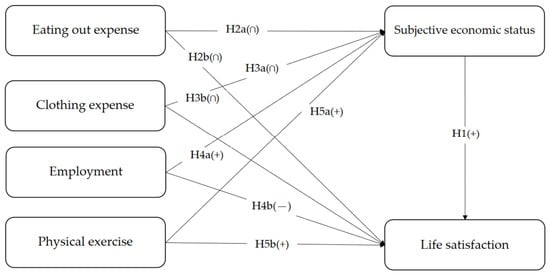
This study examines the determinants of subjective economic status and life satisfaction among Korean middle-aged individuals, defined as those between 45 and 57 years old. The research explores the impact of eating out expenses, clothing expenses, employment status, and physical exercise on these
[...] Read more.
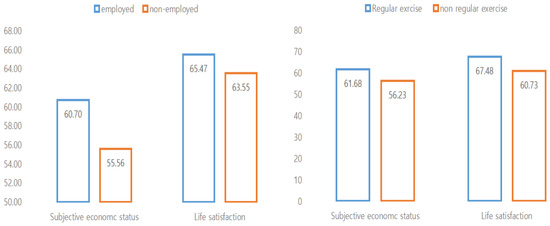
This study examines the determinants of subjective economic status and life satisfaction among Korean middle-aged individuals, defined as those between 45 and 57 years old. The research explores the impact of eating out expenses, clothing expenses, employment status, and physical exercise on these factors. Data is drawn from the Korean Longitudinal Study of Elderly Employment (KLoEE) for the year 2022, with a sample size of 4392 observations. To test the research hypotheses, quadratic multiple regression analysis was employed. The findings reveal that subjective economic status is significantly influenced by both eating out and clothing expenses, exhibiting an inverted-U-shaped effect. Additionally, an inverted U-shaped relationship between clothing expenses and life satisfaction was also observed. Employment had a positive effect on subjective economic status but a negative impact on life satisfaction. Furthermore, regular physical exercise was found to influence both subjective economic status and life satisfaction positively. The study concludes that subjective economic status positively affects life satisfaction among the Korean middle-aged population. This research contributes to the literature by identifying key behavioral characteristics of this demographic in Korea and discussing relevant policy implications.
Full article
(This article belongs to the Special Issue Frailty, Function, and Well-Being in Community-Dwelling Older Adults)
►▼
Show Figures

Figure 1
Open AccessArticle
The Urban Affordance for Longevity: Toward an Integrated Approach for Healthy Ageing in Place in Medium-Sized Cities
by
Francesca Morganti, Emanuele Garda, Michela Cameletti, Stefania Butti, Marta Rodeschini and Oksana Bardhi
J. Ageing Longev. 2026, 6(2), 39; https://doi.org/10.3390/jal6020039 - 8 May 2026
Abstract
►▼
Show Figures
Addressing global urbanization and demographic shifts, this study argues that urban affordance—the environment’s capacity to promote or constrain healthy activities—is the critical link missing in current ageing in place (AIP) models. The research introduces a new multidisciplinary approach bridging urbanism, statistics, and psychology
[...] Read more.
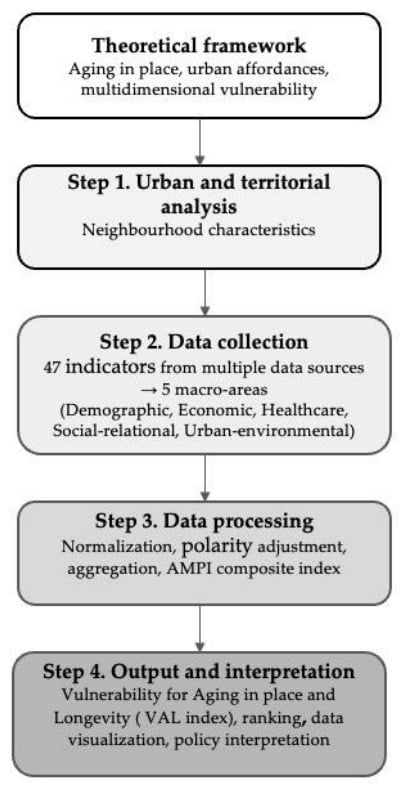
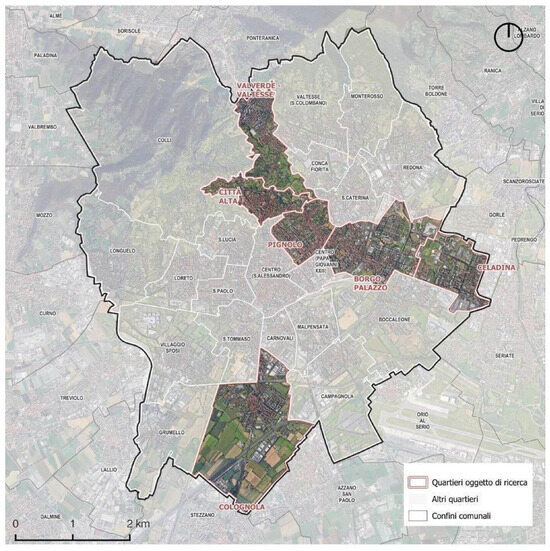
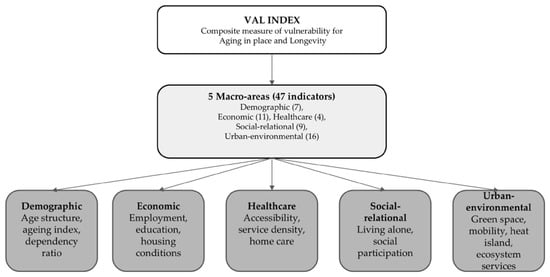
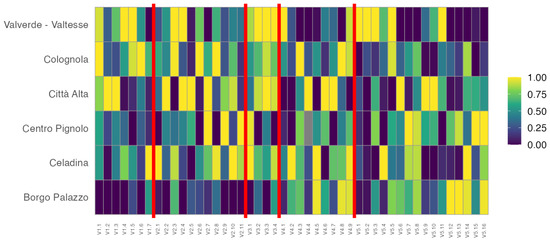
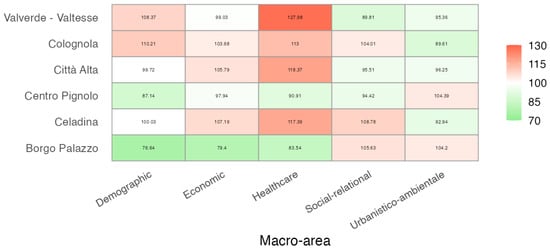
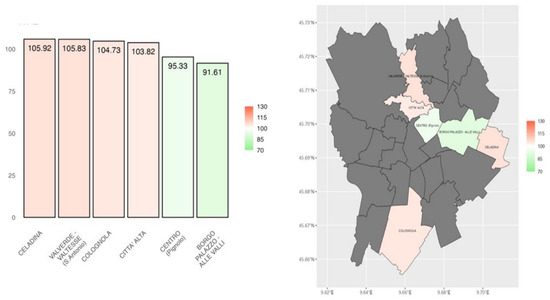
Addressing global urbanization and demographic shifts, this study argues that urban affordance—the environment’s capacity to promote or constrain healthy activities—is the critical link missing in current ageing in place (AIP) models. The research introduces a new multidisciplinary approach bridging urbanism, statistics, and psychology to evaluate the relationship between urban space and ageing through the lens of environmental affordance. It synthesizes 47 indicators across five macro-areas (demographic, economic, healthcare, social–relational and urban–environmental) into a composite index named the index of Vulnerability for Ageing in place and Longevity (VAL index). It maps over 65 vulnerabilities related to AIP at the neighbourhood level in Bergamo, an Italian medium-sized city. The VAL index reveals critical discrepancies between objective urban determinants and subjective resident conditions (e.g., high walkability contrast with low perceived safety). In conclusion, this index reorients urban planning for ageing, leveraging an AIP approach to advance spatial justice and demographic resilience.
Full article

Figure 1
Highly Accessed Articles
Latest Books
E-Mail Alert
News
Topics
Topic in
Healthcare, IJERPH, JAL, Societies, Sustainability, Social Sciences, Nursing Reports
Environmental and Social Transformations, Population Ageing, and Sustainable Health Equity
Topic Editors: Xiaoting Liu, Chenkai Wu, Zhixin FengDeadline: 30 April 2027
Topic in
AI, Geriatrics, JAL, Healthcare
AI-Driven Smart Elderly Care: Innovations and Solutions
Topic Editors: Mahmoud Elkhodr, Ergun GideDeadline: 30 June 2027
Topic in
Brain Sciences, Geriatrics, Healthcare, IJERPH, JAL, Nursing Reports, JGG, Nutrients
Healthy, Safe and Active Aging, 3rd Edition
Topic Editors: Antonella Lopez, Andrea Bosco, Alessandro Oronzo Caffò, Elisabetta Ricciardi, Luigi Tinella, Giuseppina SpanoDeadline: 31 August 2027
Topic in
Behavioral Sciences, Healthcare, Social Sciences, Societies, Sustainability, JAL
Diversity Competence and Social Inequalities, 2nd Edition
Topic Editors: Costas Constantinou, Lisa Dikomitis, Eirini KamprianiDeadline: 31 October 2027
Conferences
Special Issues
Special Issue in
JAL
Innovations in Rehabilitation to Enhance Abilities and Quality of Life
Guest Editor: Stephanie A. Kolakowsky-HaynerDeadline: 30 September 2026
Special Issue in
JAL
Frailty, Function, and Well-Being in Community-Dwelling Older Adults
Guest Editors: Weida Lyu, Shangjun LiuDeadline: 30 September 2026
Special Issue in
JAL
Health Information Behaviors and Health Literacy in Older Adults
Guest Editors: Maryline Vivion, André TourignyDeadline: 31 January 2027
Special Issue in
JAL
Transforming Health Outcomes: Cutting-Edge Research and Empirical Knowledge About the Care of Older Adults Living with HIV/AIDS
Guest Editor: Christopher Lance ColemanDeadline: 30 April 2027