


Abstract
Background: Malnutrition is common among older adults aged 65 years and over and is associated with physical and mental health risks. Malnutrition is a complex condition; supporting older adults in achieving healthy, sustainable dietary behaviors remains a challenge for care professionals. Assistive technologies to support malnutrition care, such as monitoring tools, social robots, or smart spoons, are often poorly adapted to real-world contexts and fail to sustain long-term engagement. Method: A design research approach was used to understand care practices better and explore design opportunities for assistive technologies. Eight in-depth, qualitative interviews were conducted with dietitians treating older adults with malnutrition. Interviews were transcribed and analyzed through thematic analysis. A five-phase patient journey was created as a visual tool to identify where assistive technologies could improve the care process and define design requirements. Results: Dietitians face challenges due to the dynamic nature of patient journeys, limited time for personalized care, difficulty in monitoring progress, and unclear collaboration with other care providers. Conclusions: This study contributed by reframing malnutrition as a dynamic, multi-actor patient journey in which assistive technology can play a supportive role at different phases, supporting collaboration, facilitating relationship-building, and involving the larger care network.
1. Introduction
Malnutrition is common among older adults aged 65 years and older. The prevalence of malnutrition among older adults worldwide is 18.6%, with the highest prevalence among older African adults at 35.7% and a prevalence in Europe of 19.8% [1]. In The Netherlands, prevalence ranges between 20% and 25%. Malnutrition is frequently inadequately identified and often goes undiagnosed [2,3]. Malnutrition is defined as “a state resulting from lack of intake or uptake of nutrition that leads to altered body composition (decreased fat-free mass) and body cell mass, leading to diminished physical and mental function and impaired clinical outcome from disease” [4]. Beyond clinical outcomes, malnutrition is closely associated with independence, social participation, and the overall quality of life of older adults.
As presented in the Determinants of Malnutrition in Aged Persons (DoMAP) model by Volkert et al. [5] malnutrition is a challenging problem to address for a variety of reasons [2]. It results from multiple direct factors, such as forgetting to eat and poor appetite, as well as indirect factors like poverty, loneliness, dementia, stroke, and oral pain [2,3,4,5]. These factors tend to interact and vary across individuals and over time within the same individual, making a standardized, one-size-fits-all approach insufficient.
Dietitians play a crucial role in supporting community-dwelling older adults experiencing malnutrition by helping them improve their nutritional intake. The steps involved in delivering nutritional support have been well-described by the Nutrition Care Process model as presented in Figure 1, which includes nutritional assessment, diagnosis, intervention, and monitoring [6]. While the model provides a structured framework for improving nutritional patterns, it primarily centers on the dyadic interaction between dietitians and community-dwelling older adults. As such, it offers limited guidance on the involvement and roles of the broader care network, including informal caregivers (e.g., family, friends, and/or neighbors), home care professionals, and general practitioners. This research focuses on the nutritional care process of community-dwelling older adults, taking into consideration the broader care network.
Figure 1.
The nutrition care process model [6] presents the phases that dietitians typically go through when supporting older adults in improving their nutritional status. Reprinted with permission from the Academy of Nutrition and Dietetics, Nutrition Terminology Reference Manual (eNCPT): Dietetics Language for Nutrition Care. Nutrition Care Process. Copyright (2017), accessed at https://www.ncpro.org/vault/2570/web/images/NCP%20Model(1).png (8 January 2026).
Given the multifaceted nature of malnutrition in later life, multidisciplinary treatment is strongly recommended [7,8,9,10,11,12]. However, effective collaboration across the care network remains difficult, and due to organizational challenges, including unclear roles and responsibilities, insufficient nutritional education, time constraints, and the high care load experienced by care network members [11,13,14,15,16,17,18].
Beyond organizational challenges, previous research [7,19,20] indicates that dietitians also experience other difficulties in adequately supporting their clients. Supporting clients in developing healthy eating habits is perceived as challenging due to the complexity of malnutrition and the multiple interdependent factors outlined in the DoMAP model [5]. For nutritional interventions to be effective, a personalized approach is needed that considers the individual’s preferences, needs, and changing circumstances [8,11,12,21]. Recognizing the barriers older adults face when trying to change their dietary habits is not easily achieved in a single consultation [13,14]. Moreover, community-dwelling older adults are often insufficiently involved in their own care and nutritional planning, which can undermine their sense of ownership and influence their adherence to their dietary treatment [22].
An opportunity to support the nutritional care process may involve using assistive technologies designed to complement and extend the care provided by dietitians and other stakeholders. The World Health Organization defines assistive technologies as a broad category of tools that support or maintain individuals’ functional abilities, such as mobility, self-care, well-being, and participation in daily life, while also supporting healthcare professionals by improving efficiency and care delivery [23].
Assistive technologies have demonstrated considerable potential in addressing malnutrition among older adults by supporting multiple phases of the nutrition care process, including screening, assessment, intervention, and monitoring, and by contributing to positive clinical outcomes and their quality of life [24,25,26,27,28,29]. Earlier and more established solutions focus primarily on professional support and care coordination, such as online platforms and camera-based systems for screening and monitoring food intake. These technologies can aid timely diagnosis and ongoing monitoring by providing objective and continuous insights into nutritional behavior [24,25,26,27,29,30,31,32,33,34,35,36,37,38,39,40,41]. Complementing these system-level approaches, a range of technologies directly target older adults by supporting self-management and everyday nutritional practices. Tablet-based interfaces and digital tools have been used to increase nutritional awareness, provide tailored education, and facilitate dietary behavior change, thereby supporting the intervention and monitoring phases of nutritional care [37,38,42,43]. Such tools empower older adults to take an active role in their own care, which has been linked to greater autonomy, confidence and perceived quality of life. In addition, more embodied and interactive innovations, such as smart spoons, smart drinking cups, and socially assistive robots (SARs), aim to enhance daily food and fluid intake by offering prompts, feedback, or companionship during meals. These solutions have shown promise in older adult care by supporting sustainable dietary behavior change and addressing social and motivational dimensions of eating [35,44,45,46,47,48,49,50,51,52]. More recently, advances in artificial intelligence have begun to further expand this landscape, enabling AI-assisted nutritional assessment, personalized interventions, and adaptive monitoring strategies across care contexts [28,35,39,53].
While existing solutions have the potential to positively impact specific phases of the care process, they often face limitations, including a lack of adaptability to individual contexts, difficulty maintaining long-term engagement, limited personalization based on end-user needs, and a lack of collaborative features needed to support the care network collaboration [7,8,9,10,11,12,47,48,54]. Although user-centered approaches are used to develop these assistive technologies, there are still opportunities to better tailor them to meet users’ needs and adapt them to their lived experiences in context. Assistive technologies like social robots should align with users’ needs and enhance their independence; however, some innovations may override patients’ autonomy and be perceived as intrusive [49,55].
Taken together, these developments highlight the largely untapped potential of technology-based support for nutritional care in later life, while also underscoring the complexity of the problem space. Malnutrition is shaped not only by individual behavior, but by cognitive, social, organizational, and ethical factors, requiring careful integration of technological solutions into existing care practices and lived routines rather than stand-alone, technology-driven fixes.
This highlights the need for an approach that goes beyond optimizing isolated technological functions and instead engages with the complexity of dietetic integrated care as it unfolds in everyday practice. The nutritional care process is inherently iterative, context-dependent, and shaped by the perspectives, routines, and constraints of multiple stakeholders, including older adults, informal caregivers, and care professionals. We therefore adopt a design thinking approach [56,57,58,59,60,61] as it is particularly well suited to addressing such “fuzzy” problem spaces characterized by uncertainty, competing needs, and evolving practices. Design thinking enables the systematic exploration of stakeholder experiences and unmet needs, supports co-creation across disciplines, and facilitates the translation of insights into concrete, solution-oriented design requirements. In this way, it provides a structured yet flexible framework for identifying when, how, and for whom assistive technologies can meaningfully complement and extend dietetic care.
Figure 2 presents an overview of the design thinking approach [56,57,58,59,60,61], consisting of five key stages: (1) Empathize: Explore the needs of the dietitians. (2) Define: Define and explore the problem space. (3) Ideate: Generate ideas based on the needs and the context. (4) Prototype: Build and detail a concept into a detailed prototype. (5) Test: Evaluate in the context of dietitians. This paper will focus on the first two stages of the approach, i.e., Empathize and Define. Applying a design thinking approach helps gain insight into how assistive technologies can support the nutritional care process for community-dwelling older adults and the care network involved.
Figure 2.
The design thinking approach, as described by Sanders and Stappers [57,58], helps better understand the needs of dietitians and explore the problem space. The design thinking approach presented in the figure is reproduced based on the work of Brown [60,61].
This study will address three main research questions: (1) What are the main challenges experienced by dietitians when supporting community-dwelling older adults suffering from malnutrition? (2) What are the challenges experienced by dietitians in the collaboration and involvement of the care network? (3) What are the challenges in the nutritional care process that may be supported using assistive technologies, and what are the preconditions that need to be considered for such technologies? To address these questions, we performed qualitative interviews with dietitians who support community-dwelling older adults with malnutrition.
To situate this inquiry within a design-oriented framework, this study addresses the early “empathize” and “define” phases of the design thinking process. By developing a patient journey, we structure the problem space of malnutrition care from the perspective of dietitians and make visible the phase-specific challenges experienced by community-dwelling older adults and their care networks. The contribution of this work lies in identifying and articulating opportunities for assistive technologies across the nutritional care process, rather than in proposing or evaluating concrete technological solutions.
Accordingly, detailed system designs, prototypes, or implementations are intentionally outside the scope of this paper. Instead, the resulting patient journey and initial design requirements are intended to inform and ground subsequent design thinking phases, including ideation, prototyping, and evaluation. In line with this scope, the paper contributes by (1) mapping the dietetic care process for community-dwelling older adults as a patient journey, (2) identifying challenges regarding the collaborative process in the nutrition care process, and (3) translating these insights into first design requirements guiding the design of assistive technologies.
2. Methods
2.1. Participants
Eight dietitians participated in the study (ages 22–33 years, all female). They were recruited through the professional dietitian network of the HAN University of Applied Sciences in The Netherlands. Dietitians were selected for their experience treating community-dwelling older adults and were required to have at least one year of professional experience. The research was conducted in accordance with the guidelines and approval of the Ethical Review Board at Eindhoven University of Technology, including the research protocol, interview questions, and informed consent forms. Recruitment was guided by the data saturation criterion, defined as the point at which additional interviews yielded no new data or themes. At the time of the interview, all participants had between one and ten years of professional experience and specific experience treating malnutrition among community-dwelling older adults. Details on age and professional experience for each dietitian are presented in Table 1 below.
Table 1.
Details on age and work experience for each dietitian.
2.2. Interview Process
Two researchers conducted semi-structured interviews. Due to the COVID lockdown in The Netherlands, the interviews took place via a video call. They took 60 min each and were audio-recorded. Prior to the interview, participants received an information letter and were asked to sign the informed consent form. For the dietitians to express themselves fluently, the interviews were conducted in Dutch. After participating, all dietitians received a 20-euro gift voucher.
An interview guide was constructed based on the previously defined research questions and literature on dietitians’ experiences during the care process. In addition to a general introduction, the interview consisted of 13 interview questions with several sub-questions. In collaboration among the authors, the questions were categorized into five categories to cover the most essential phases of the nutritional care process.
(A) Defining the dietetic plan:
- How do you define your dietetic approach?
- What aspects do you consider when defining the best approach?
- Can you describe how you supported your most recent client?
- Can you explain what activities you performed during the visit?
(B) The nutritional care process:
- 4.
- At which moments in the treatment process do you have contact with your client?
- 5.
- What happens between these contact moments?
- 6.
- How long are these contact moments and what do you discuss?
- 7.
- If you could visit the patient between consultations, how would you support them?
- Would your treatment plan change if you could visit more often?
(C) Treatment toolbox:
- 8.
- What tools do you use in your work, and when do you use them?
- 9.
- Do all tools apply for all clients?
- 10.
- Which tools do you use most often?
(D) Success & frustrations:
- 11.
- How do you define success in your profession?
- Can you explain one of these experienced success stories?
- What makes this story a success?
- 12.
- What challenges do you encounter in the nutritional care process?
- 13.
- How do you deal with these moments?
- 14.
- Are there moments in which you are unsure how to support the client?
(E) The role of the network:
- 15.
- How do home caregivers, dietitians, and informal caregivers collaborate? How often do you communicate with other members of the care network?
- How do you experience this communication?
2.3. Data Analysis
The interviews were transcribed verbatim and repeatedly read by the first author to become familiar with the data and to note initial reflections on meaningful patterns. The data were analyzed using reflexive thematic analysis [62,63,64]. In line with Braun and Clarke’s thematic analysis approach, this analysis involved an iterative and interpretive engagement with the data, acknowledging the active role of the researcher in defining its meaning.
As this research aims to explore opportunities for assistive technologies in malnutrition care, the patient’s dietary journey, and the involvement of care network members, the researchers have used this lens to reflect on the data, applying a latent and inductive approach. By identifying the meaning behind the dietitians’ views and defining themes in the data, the researcher aimed to understand the dietitians’ experiences better. The first author undertook the initial coding, first on paper and then using MAXQDA 2022 for data analysis [65]. Groups were then consolidated into potential themes, which the first researcher further refined.
An interpretive dialogue with a fellow researcher was held to reflect on the themes. This researcher was not involved in setting up the interviews and provided new perspectives on data interpretation and reflection. The discussion was intended to deepen the interpretation of the data and broaden the interpretive perspectives. Based on this reflection, the first author refined the themes and codes by recoding the data twice. The corresponding authors supported this process to improve the framing and readability of the themes.
To strengthen the transparency and rigor of our reflexive thematic analysis, we explicitly acknowledge the interpretive nature of our analytic position. Our approach was informed by a contextualist epistemology, recognizing both dietitians’ experiential accounts and the socially situated nature of their narratives. Although coding was conducted inductively at the semantic and latent levels, the analysis was also theoretically sensitized by our research aim to explore opportunities for assistive technologies, which shaped how we attended to patterns of meaning in the data. In line with reflexive thematic analysis, theme development was not aimed at coder consensus or reliability metrics; rather, the interpretive dialogue between researchers served to deepen reflexivity, challenge assumptions, and expand the analytical lens. The first author’s disciplinary background in human-centered design and aging research informed the reading of the data, and we acknowledge that this positionality has shaped the knowledge produced through the analysis.
3. Results
During the thematic analysis, four overarching themes and eleven subthemes that reflect on the data were constructed (see Figure 3 for an overview).
Figure 3.
Overview of four main themes and eleven subthemes based on the thematic analysis of the interview results on the dietetic journey of older adults.
In this section, we describe each theme and subtheme and enrich it with quotes from the qualitative interviews with the dietitians.
Theme 1: Setting up the dietetic plan
Awareness of malnutrition is crucial, as older adults often underestimate the urgency and impact of weight loss.
According to all dietitians, malnutrition does not happen overnight. Dietitians reported that their clients often do not notice their weight loss or recognize its impact on their well-being, and many older adults underestimate the impact of their nutrition on their health, strength, and independence. Usually, clients do not feel the need to act on it. Clients believe that due to the aging process, they need less energy intake, as reported by Dietitian #3:
“When I tell the clients that they lost weight, they say they don’t do much during the day, so they don’t need to eat much [..] I explain that their body is still working really hard, just like professional athletes.”
Malnutrition is a complex journey with multiple interacting factors.
There are numerous factors influencing malnutrition; factors highlighted by the dietitians in the interviews include physical limitations that impede cooking, stress, tension with family members, difficulties swallowing, loneliness leading to less care of oneself, dementia or memory loss, changes in taste, loss of appetite, and feeling saturated quickly while eating. The advice often goes beyond the energy intake and addresses sociological, physiological, and psychological problems.
Dietitians cannot provide all the needed care; for example, psychological problems may require the help of a psychologist. As Dietitian #2 explained, a client whose partner was institutionalized experienced a negative impact on his mental well-being, therefore limiting his food intake:
“His partner moved to an institution [..], missing his partner, and the sadness was so big that due to the situation, he experienced a lump in his throat, […] I referred him to a psychologist, and now he is doing much better.”
Building trust and understanding with malnourished older adults is vital for dietitians to personalize treatment plans effectively through close consultation.
Dietetic advice is personalized in close consultation with the client; dietitians try to map the situation through in-depth conversations. Dietitians aim to assess and understand (1) the nutritional status and its urgency, (2) the mental and physical well-being of their client, (3) their needs and (food) preferences, (4) their daily habits, (5) the care network involved, and the nature and extent of support they provide. Additionally, dietitians aim to build a trusting relationship with their clients. Dietitians carefully listen to their clients and ask the right questions, as explained by Dietitian #7:
“In the beginning, it’s all about getting a grasp on the situation: what is really going on, who plays a role, who has influence, who can help, what can a client do themselves.”
Intrinsic motivation is a prerequisite for successful behavior change and improving eating patterns.
Motivation is key for dietitians to define the best approach. When the client’s motivation is high, dietitians provide the needed information, a personalized action plan, and advice. When motivation is low due to, for example, the loss of a partner or a perceived lack of meaning in life, a first step might be to trigger intrinsic motivation, provide nutritional education, and create awareness, as explained by Dietitian #7.
“But there are also clients […] they are just not yet ready to change, they don’t even know what the problem is, […] In those cases, you discuss what you would want to change, what the benefits are […].”
When one of the clients does not seem to be aware or entirely motivated, it may have an adverse effect of putting pressure on this person. A step back may be needed to fully understand the person’s context and address their awareness, as explained by Dietitian #1.
“Yes, the challenge is that when someone is not motivated […] you may push too hard, which might have the opposite effect.”
Specific care settings, such as palliative care and cognitive decline, require an approach different from that previously described. In these examples, the dietitians’ approach does not rely primarily on intrinsic motivation but on how to provide the best care, depending on the context.
This theme informed all phases of the patient journey, highlighting that malnutrition often develops unnoticed and is influenced by many factors, making it rather complex. These findings informed multiple phases of the journey, specifically the signaling and assessment phases, where lack of awareness and limited understanding regarding malnutrition need to be addressed by dietitians through building trust and supporting shared decision-making. These insights also lead back to the requirements in the next section, emphasizing the importance of supporting early awareness, self-reflection, and shared decision-making.
Theme 2: Dynamically adjusting the patient’s dietary journey
Dietetic treatment involves a dynamic, sometimes trial-and-error process, often constrained by limited time and the need for timely, frequent interventions.
The dynamic trajectory of dietetic treatment can sometimes feel like a trial-and-error process to dietitians. What may work for one client may not be suitable for another. Dietitians feel a tension between the time available and the time needed per client. Therefore, they feel they cannot intervene in time or with sufficient frequency, as presented by Dietitian #2:
“You notice that it is sometimes just too little you can do; maybe you should have called in between the visits to check if they have managed to apply the given advice.”
Lacking insight into the actual food behavior due to time and resource constraints.
Dietitians desired better insights into their clients’ food intake and progress to enable more effective adjustments to treatment plans. They noted that home visits often provide more valuable information than consultations conducted at the dietitian’s practice. During home visits, dietitians can observe the client’s environment and behaviors in context, offering a deeper understanding of their situation and the support they receive from their care network.
For instance, dietitians may observe how clients prepare their tea, assess their physical capabilities, inspect the contents of their fridge (checking for appropriate and fresh nutrients), and evaluate their cooking ability. If clients are unable to cook, dietitians may inquire about their dinner choices and dietary habits. These detailed observations offer a richer perspective on the client’s nutritional status and daily challenges. However, as noted by Dietitian #4, time and resource constraints often limit dietitians’ ability to track food intake or conduct home visits regularly:
“It would be great if we had time to watch them during dinner time, we never do that since we don’t have time […] just to see what is going well and what not […] in order to react to it.”
Additionally, clients’ desire to remain independent sometimes leads to hesitation to ask for help, or to overreport their actual food behavior. Therefore, dietitians may not always have the right insight into the food intake, as described by Dietitian #2:
“I had a patient who gave her dog with his begging eyes half of her sandwich. [..] Though she said she was eating a whole sandwich, in reality, she just ate half of it.”
Defining progress and success is more than achieving the nutritional goal.
Goals are tailored to align with the patient’s needs and preferences in the dietetic process. Dietitians monitor progress by reviewing food intake and tracking weight. However, factors like mental and physical well-being can sometimes serve as more meaningful indicators of success than weight or muscle strength, as noted by Dietitian #5:
“Sometimes the focus is to strengthen for daily activities, such as grocery shopping. When they achieve this, they have reached their goal. Sometimes their weight might not even be optimal.”
This theme highlights the dynamic and iterative nature of the dietetic care process, where trial and error and limited visibility of older adults’ behavior are characteristic. These findings are reflected in the intervention and monitoring phase, where dietitians need more continuous insights into the nutrition of older adults and the ability to adapt the nutritional plan. This has led to requirements that focus on enabling monitoring and supporting timely adjustments to the treatment plan based on shared information about the older adults.
Theme 3: Tools to support behavior change
During the interviews, dietitians shared various nutritional interventions they commonly use, which are summarized below. Key behavior change techniques include motivational interviewing—a goal-oriented approach that empowers older adults to change their behavior—and goal setting. In terms of more instrumental interventions, dietitians mentioned food fortification—enhancing the nutritional content of food with additional vitamins or minerals-, providing meal services, and increasing the frequency of meal occasions.
Dietitians emphasized that interventions focused on encouragement and behavioral change are most effective when a trusting relationship has been established between the dietitian and the client. However, they also highlighted that the ultimate responsibility for change lies with the client. These interventions are only successful when cognitive challenges are not a barrier. Dietitians noted that if a client is unwilling to make changes, they cannot enforce behavioral adjustments. As described by Dietitian #4:
“He is in control, he decides, […] I tell him it’s fine if you don’t do some things I advised, or do not want to cooperate, or don’t see the importance of it, but it is my responsibility to explain the consequences if they stop or don’t do anything.”
The need for personalized nutrition education to address older adults’ knowledge and awareness gaps about the impact of (mal)nutrition.
Dietitians highlighted the importance of nutritional education and awareness that may impede the needed change in nutritional behavior. It is difficult for older adults to grasp the influence (mal)nutrition can have on their well-being. Thus, dietitians experience a knowledge and awareness gap and aim to address it by providing personalized nutrition education and fostering self-reflection. Dietitian #5 describes how they explain the consequences of their nutritional status:
“They often don’t have an idea, they think losing a few kilograms should not be a problem, it’s not that important [….] when you share knowledge and explain why it is important or state the facts, then they realize, ok maybe we should do something.”
Positive feedback and confronting the patient are crucial reflection steps in the patient’s dietary journey.
Throughout the journey, collaborative reflection amongst older adults and dietitians is key. Gaining weight often takes time. Therefore, older adults may not always see the progress they are making. Positively reflecting on this progress may support keeping older adults motivated. As Dietitian #1 comments:
“When they gain weight, they may downplay their progress, aah it’s not much, while I think it is great! They say I should have gained 2 kg. I respond you know that each half-kilogram is already a great start; they really need that feedback.”
Dietitians work to explore and address reasons behind an older adult’s lack of progress, which may stem from low motivation or a diminished will to follow advice, sometimes requiring a wake-up call to inspire change, as presented by Dietitian #4:
“So I say, I noticed quite some weight loss. Do you know why? I always start the discussion and look at what the patient tells you about it, what they think about it.”
This theme emphasizes the importance of motivation, awareness, and reflection for supporting behavior change. These insights shaped the monitoring phases of the patient’s journey. The related requirements focus on fostering motivation and engagement, as well as providing a personalized nutritional plan to help older adults apply the advice in their daily lives.
Theme 4: Collaboration during the patient’s dietary journey
Collaboration with home care professionals and informal caregivers is vital for personalizing and supporting dietetic treatment, yet challenges in communication and accessibility often hinder this partnership.
Home care professionals and informal caregivers have intimate knowledge of older adults’ preferences, habits, and living environment. They may be able to support personalizing the treatment plan as presented by Dietitian #8:
“We discuss how can we make sure that it will go better from now on. It matters when you have someone involved who knows the client.”
In addition, since most informal caregivers visit the older adult daily or weekly, they can support by monitoring the food intake, motivating the older adult, and signaling to the dietitians when additional support is needed. In addition, as described by Dietitian #3:
“So, you involve the family members, what can they do, with what (nutritional treat) can we make your mother or father happy, or give them a treat, support with the groceries, request a meal service…”
Informal caregivers, such as family members, are crucial in nutritional support. When these members are missing, dietitians experience a gap in the support needed, as explained by Dietitian #3:
“Yes, some people don’t have children or don’t get in touch with them. Well, you notice that the fridge is much emptier…. And sometimes they have really involved children; they do everything for their parents, then the fridge is full, and all advice is taken into action. Yes, there is a difference ….”
The communication and collaboration between dietitians and home care professionals are not always optimal, often depending on the organization, the electronic health records used, and the involvement of the healthcare professionals, as presented by Dietitian #8:
“Well, you do notice that informal caregivers are also difficult to reach, and many professionals are involved. There is a lot of variation in who visits at what times. It’s difficult to get hold of the right person.”
Dietitians cannot support the dietetic process alone; help from other healthcare professionals is needed.
Given the complexity of malnutrition and the wide range of contributing factors, involvement from additional experts and healthcare professionals is essential alongside informal caregivers and home care professionals. For example, a speech therapist may help with swallowing problems, an occupational therapist or physiotherapist can help with hand movements, and a psychologist may be necessary to address stress, loneliness, or depression. Therefore, dietitians consult other professionals when needed, as presented by Dietitian #6:
“That is much more psychology, so sometimes you have to think whether the help needed is still in your field or when you need outside help.”
This theme highlights the essential role the care network plays in supporting the malnutrition care process and explicitly shows the challenges dietitians experience in communication and collaboration. As collaboration with the network is essential throughout the journey, it impacts all phases of the process. The corresponding requirements aim to support communication among care network members and clarify role division, enabling the network to provide the necessary support.
4. Synthesizing Dietitians’ Experience into a Patient Journey
Malnutrition among community-dwelling older adults is widely recognized as a complex condition, with interdependent factors, changing patient needs, and challenges in coordinating care within the care network. Previous research has highlighted the importance of collaboration within the care network, the time pressures experienced, and the personalization of the nutritional treatment process [10,11,12,13,15,16,17,18]. We aimed to answer three research questions: to gain insight into the challenges dietitians face when treating older adults with malnutrition; to examine the challenges encountered in collaborating with the care network; and to explore the challenges that assistive technologies may address within the care network.
Building on previous research, this study explored dietitians’ experiences through a design thinking lens and synthesized these experiences and the prior literature into a patient journey to identify needs and develop design requirements for assistive technology. Figure 4 presents a patient journey synthesized based on the results of the thematic analysis, the Nutritional Care Process model, and relevant literature [4,5,6,7,8,9,12,13,14,15,16,17,19,20,21,66,67,68,69,70]. The Nutritional Care Process model, as shown in Figure 1, served as a foundation, to which we added the roles of the involved stakeholders, including older adults, home care professionals, and informal caregivers. To translate these qualitative insights into user needs, we followed a structure synthesis based on the design thinking approach. First, we mapped the themes (and subthemes) onto the phases of the nutrition care process model by identifying recurring patterns in how dietitians experienced each phase and the activities they performed. Secondly, for each phase we identified (1) the main challenges described by the dietitians, (2) the stakeholders involved, and (3) the underlying needs based on the results. In addition, the relevant literature has been used to fill gaps regarding stakeholders’ involvement in each phase, and the challenges dietitians have previously experienced, as described [4,5,6,7,8,9,12,13,14,15,16,17,19,20,21,66,67,68,69,70].
Figure 4.
The patient journey, reflecting the results previously described from the perspective of dietitians. For each phase, the challenges and needs are described, which inform the development of requirements and ultimately the design of technologies for the dietetic care process. Illustrations used in the journey are attributed to Storyset.
The journey was used as an analytical tool to explore when and how assistive technology can add value to the care process of malnutrition. Figure 4 provides an overview of the journey and corresponding needs, while a more detailed explanation is presented in the section below “First Design Requirements”. Examining stakeholder activities in relation to one another highlights opportunities where technology may strengthen collaboration, support information sharing, provide insight into changing patient needs, and help dietitians manage the dynamic nature of malnutrition care.
5. First Design Requirements
The patient journey provides a structured overview of the malnutrition care process from the dietitian’s perspective, highlighting key activities, challenges, and stakeholder interactions across the different phases. In the sections below, we examine each phase of the journey in more detail. We describe the challenges dietitians encounter in practice and translate these insights into phase-specific design requirements that inform the design of assistive technologies.
Phase 1: Signaling and referral
Changes in eating behavior, weight loss, and declining muscle strength often develop gradually and may go unnoticed or be attributed to aging. Older adults and their care network may lack knowledge about malnutrition, may not have time to prioritize it, or, due to unclear role divisions, may not perceive it as their responsibility to signal malnutrition [15]. Therefore, referral to a dietitian may not always occur in a timely manner.
While existing assistive technologies, such as electronic health records, may support information sharing amongst care professionals, they do not clarify the role division amongst care network members. Whereas prior research shows that assistive technologies may support nutritional awareness among older adults [37,38,41,42,54,71] and early identification of risk [31,37,38,41,42,54,71]. These solutions may not address the collaborative needs of the stakeholders involved in the referral process.
Based on our findings, assistive technologies in this phase should integrate into the existing care routines of the involved care network members and support early awareness among older adults, self-reflection, knowledge of malnutrition assessment, clarification of role divisions, and communication between care professionals and dietitians. Based on the findings and previous literature, technology in this phase may meet the requirements presented in Table 2.
Table 2.
Design requirements addressing challenges experienced in phase 1: Signaling and referral.
Phase 2 & 3: Nutritional assessment & defining diagnosis
In these two phases, dietitians aim to understand the older adult’s nutritional status, lived experiences, and motivation to define the appropriate treatment plan. This requires connecting with patients, building trust, and gaining insight into aspects beyond nutritional facts, including motivation, changing needs, and context. Although the care network may play a supportive role in creating a complete picture, communication barriers, limited contact, or uncertainty about whom to contact impede this.
Previous research has shown that emerging technologies support nutritional assessment and diagnosis using various methods, including voice-assisted systems, camera-based applications, mobile-based applications, and generative AI. Recent reviews highlight the growing use of predictive and generative AI in nutrition and dietetics, supporting dietitians in dietary assessment and planning [28,33,34,35,39,50,53,72]. These technologies support tracking nutritional intake and assessment and diagnosis; however, they focus on quantifiable information and miss information regarding needs, motivation, and the context of older adults. In addition, previous research highlights the importance of shared decision-making in this assessment process, improving adherence to the treatment plan and personalizing the plan [19,22,67].
Our results suggest that assistive technology should not only support the collection of objective nutrition-related information but also facilitate the sharing of experiences, preferences, and contextual insights by older adults and their care networks. These needs are translated into design requirements as presented in Table 3.
Table 3.
Design requirements addressing challenges experienced in phases 2 & 3: Nutritional assessment & defining diagnosis.
Phase 4: Nutritional Intervention
During the intervention phase, dietitians define and discuss nutritional goals with the older adults to personalize the approach as much as possible. To achieve behavior change, building a connection with the patient is key. This is established through in-depth conversations, positive feedback, motivational interviewing, and shared reflection. The results indicate that older adults may need support during this phase to fully understand the nutritional intervention and apply it effectively in their daily lives. In addition, both dietitians and older adults may benefit from the support of the care network.
Previous research suggests that assistive technologies may help older adults understand nutritional interventions by integrating them into their daily routines and encouraging adherence to the treatment plan by companionship, telemonitoring, motivational messages, and complementing [2,3,25,29,54,73]. Although previous work shows potential to engage older adults, it still misses the opportunity to engage informal caregivers throughout the journey. Therefore, this phase may benefit from the design requirements presented in Table 4.
Table 4.
Design requirements addressing challenges experienced in phase 4: Nutritional intervention.
Phase 5: Nutritional monitoring & reassessment
In the monitoring and reassessment phases, dietitians track the progress and, when needed, reassess the treatment plan. The results highlight the main challenge: older adults struggle to adhere to the treatment plan, and dietitians are unaware of the need for assistance. Dietitians report that limited time makes it difficult to monitor progress closely, sustain motivation among older adults, and iteratively adapt nutritional advice in response to changes in the patient’s needs and circumstances. Dietitians hope that the care network can play a supportive role [11,13,14,15,16,17,18,69,70]. Previous work has shown that assistive technologies can support the monitoring or assessment of nutritional intake. Other technologies aim to help older adults apply dietetic advice, while others may even support the reassessment of the treatment plan using artificial intelligence [39,41,53,71,74]. However, as highlighted previously, none of these technologies addresses the needs of all stakeholders simultaneously.
Our results suggest that assistive technology may therefore address the needs of all stakeholders, including dietitians, older adults, informal caregivers, and formal caregivers. This includes supporting their challenges and needs and fostering collaboration and support among them. This is reflected in Table 5.
Table 5.
Design requirements addressing challenges experienced in phase 5: Nutritional monitoring & reassessment.
6. Discussion
This study sought to address a persistent gap in the malnutrition and assistive-technology literature: although a wide range of nutritional interventions and digital tools exists, there is limited understanding of how these solutions can support the dietary process as it unfolds in everyday practice and within an older adult’s care network. To inform more contextually grounded innovation, we employed a qualitative design research approach to explore the lived practices, challenges, and coordination demands experienced by community dietitians. The findings highlight longstanding issues, including recognizing and signaling malnutrition, fragmented collaboration across the care network, challenges by dietitians in dietary counseling, low awareness amongst older adults, older adults’ difficulties in adjusting dietary intake, and the constraints faced by informal caregivers and home care professionals with regard to resources and care load—that are well-documented in prior work [2,5,6,7,9,10,11,12,14,15,17,18,21,75]. However, by foregrounding dietitians’ experiential knowledge, our study deepens existing accounts and reframes malnutrition care as a dynamic, phase-dependent, and multi-actor system that extends beyond the dyadic dietitian–patient interaction. In doing so, we offer a more comprehensive rationale for technology-supported malnutrition care that considers organizational, relational, and motivational dynamics.
To translate these insights into actionable implications for the design of assistive technologies, we synthesized the qualitative results with relevant literature into a patient journey model. This journey functions both as a descriptive framework of the nutritional care process and as an analytical tool for examining how stakeholder needs, roles, and constraints shift across phases. Using this model, we identified initial requirements for assistive technologies that more appropriately support not only dietitians and older adults, but also the wider care network. These requirements articulate where and how technology could strengthen communication, enhance insight into evolving needs, facilitate shared understanding of treatment plans, and enable more timely and personalized support.
Beyond nutritional facts: building trust
While the Nutritional Care Process model provides a structured foundation, our results and prior literature [3,11,14,20,22,73] indicate that time pressure and resource constraints undermine the continuity of care. Our study shows that, beyond these constraints, dietitians also lack insight into older adults’ lived experiences, factors that extend beyond nutritional facts but strongly influence the dietary changes required. Unlike many existing technologies that mainly focus on self-management and tracking nutritional intake, our findings highlight the importance of building trust and relationships. However, dietitians mention a tension between their desire to develop these relationships and the limitations of time and consultations. This situation offers an opportunity to develop assistive technology that serves as a facilitator, helping older adults share their experiences simply and accessibly, and providing dietitians with more contextual information between appointments. Such technology can support relationship building and complement current approaches. This shifts the role of technology from emphasizing efficiency toward enhancing the connection between older adults and dietitians.
Collaboration as a phase-dependent challenge
The results and previous studies highlight that collaboration within the care network can be challenging [11,13,14,15,16,17,18]. By combining interview findings with existing research and organizing them into a patient journey, collaboration appears not as a one-time problem but as an ongoing challenge that takes different forms over time. Depending on the stage of the journey, the nature of collaboration shifts, and so does the role of technology. In the early phases, support from the care network is especially important for identifying malnutrition and developing a treatment plan, while in later phases it focuses on supporting the application and monitoring of advice. Unlike much of the existing research, which discusses collaboration more generally, the patient journey clearly highlights these stage-specific differences.
Applying the advice in collaboration with the network
The journey reveals that when older adults face challenges, the care network might be willing to help if it knows when and how to intervene. At the same time, the results also indicate that dietitians struggle because they lack information about what happens between their consultations. By visualizing stakeholder activities simultaneously, the patient journey uncovers opportunities for assistive technologies to support not only behavior change in older adults but also to provide guidance, clarity, and coordination within the care network. This insight directly influenced the design requirements for greater involvement of the care network, role clarity, and a shared understanding of the treatment plan.
The role technology can play to support dietitians during the care process
From a design thinking perspective, our findings suggest that different categories of assistive technologies can meaningfully support distinct phases of the patient journey. In the early phases, communication platforms such as shared electronic health records, as established components of routine clinical practice, can support communication during the signaling phase of malnutrition. Self-management tools may support older adults’ awareness and knowledge; however, many remain experimental and are not yet widely embedded in care practice. Additionally, telehealth solutions may also support early assessment of malnutrition, supporting communication between older adult and dietitians [23,24,29,31,33,40,41,73,74].
During the nutritional assessment and diagnosis phase, AI-based technologies can assist in gaining insight into dietary patterns by combining input from the care network with monitored data. Additionally, food imaging technologies may support nutritional assessment, while more established tools, such as nutritional assessment applications and digital food diaries, can further facilitate the assessment process [29,30,31,32,33,34,35,36,72]. These approaches can be complemented by self-monitoring tools that use smart sensors and wearable devices to capture behavioral patterns. However, these technologies are still emerging and are not yet generally embedded in (nutritional) care practice, often limited to experimental or pilot settings. In addition, these technologies remain limited in their ability to capture aspects such as motivation and the lived experiences of older adults.
In the intervention phase, during which many behavior change technologies have been developed, older adults often have difficulty applying advice in their daily lives, often due to factors such as motivation. These challenges have been addressed in existing research approaches, such as motivational applications, socially assistive technologies that provide companionship, telemonitoring programs involving dietitians, care pathway templates, and nutrition information applications [28,29,37,40,41,44,46,49,50,51,52,53,71,76]. However, only a limited number of these technologies are market-ready and implemented in practice, with many still primarily used in scientific research. For example, socially assistive robots (SARs), which may provide motivational support or companionship, are not yet widely adopted and are mostly limited to pilot implementations in care settings.
In the final phase, where monitoring takes place, dietitians would benefit from better insight into nutritional intake, with the care network playing an active supporting role. Emerging technologies, such as AI-assisted monitoring tools, may help identify patterns in dietary behavior, while more established tools, such as nutritional assessment applications, can support routine monitoring [35,39,50,53]. Existing technologies, including electronic health records, provide partial support; however, solutions that enable older adults to share their experiences and challenges, and that allow dietitians to monitor the broader context of daily life, remain limited and are often still in the prototype stage.
Overall, the results highlight a persistent gap between the potential of technologies, many of which are still in pilot phases, and those that are fully developed and available on the European market for malnutrition care, with only a limited number of solutions currently implemented in practice.
7. Conclusions & Limitations
This study demonstrates how a design-oriented approach offers a new perspective on malnutrition care by shifting the focus from isolated interventions to the lived, dynamic care journey of dietitians, older adults, and their care networks. By applying design thinking, we were able to uncover three key insights that would likely remain less visible in more traditional research approaches: (1) assistive technology could support the dynamic nature of the patient journey by addressing phase-dependent collaboration; (2) technology should facilitate the central role of relational connection and shared decision-making between dietitians and older adults; and (3) technology can play a facilitating role in involving home care professionals and family members in the dietetic care process. These insights have a clear impact on the role of technology in supporting the improvement of the older adult’s quality of life.
This study demonstrated how a design-thinking approach, applied through the patient journey, can help understand a complex healthcare context, such as the malnutrition care process. By using the journey approach, we have explored not only the opportunities for assistive technologies from the perspective of dietitians but also the collaboration among care network members and how the assistive technology may fit within such an ecosystem. Although rooted in the Dutch context, the journey-based design approach and resulting insights are applicable to other healthcare systems facing similar challenges in community-based malnutrition care.
Several limitations should be considered when interpreting the results of this study. First, the study included a small sample of eight dietitians, all recruited from similar professional networks in the Netherlands, which may limit the diversity of lived experiences captured and restrict generalizability to other contexts. Next, technological opportunities were deliberately not discussed during the interviews to prevent dietitians from focusing prematurely on specific solutions. While this approach allowed for open exploration of care practices, future work could benefit from a co-design session with dietitians to explore their views on the role of technological interventions, which can help clarify how technology can address identified needs and where support is most urgently needed.
Furthermore, the interviews were conducted online due to COVID-19 restrictions, which may have limited opportunities for richer interaction or observation. Although the interviews provided in-depth insights into dietitians’ experiences, the study primarily reflects the dietitians’ perspective. The lived experiences of older adults, informal caregivers, and home care professionals were not directly included. Future research will therefore incorporate the perspectives of these three primary stakeholder groups through co-design activities, using the design requirements identified in this study as a starting point. Including these perspectives will support the development of a more comprehensive patient journey and further refine design.
In all, our insights underscore the importance of designing technologies that are sensitive to context, collaboration, and lived experience, an approach that we think holds considerable promise for improving malnutrition care and, ultimately, the quality of life of older adults.
Author Contributions
Conceptualization, W.A.I., M.H.V. and J.W.A.; methodology, W.A.I., M.H.V. and J.W.A.; validation, formal analysis, W.A.I., M.H.V. and J.W.A.; investigation, J.W.A.; resources, J.W.A.; data curation, J.W.A.; writing—original draft preparation, J.W.A.; writing—review and editing, W.A.I., M.H.V., H.H.N. and J.W.A.; visualization, J.W.A.; supervision, W.A.I., M.H.V. and H.H.N.; project administration, J.W.A.; funding acquisition, W.A.I., M.H.V. and J.W.A. All authors have read and agreed to the published version of the manuscript.
Funding
This study was funded by the Innovative Medical Devices Initiative (IMDI) of ZonMW as part of the project HUGO—Collaborative Human&Robot Coaching Framework for Behavior Change 1040022008.
Institutional Review Board Statement
The research was conducted in accordance with the Declaration of Helsinki and approval of the Ethical Review Board at Eindhoven University of Technology was obtained (approval number: 1385; approval date: 26 May 2021).
Informed Consent Statement
Informed consent was obtained from all subjects involved in the study.
Data Availability Statement
The datasets generated during and/or analyzed during the current study are not publicly available for privacy reasons but are available from the corresponding author upon reasonable request.
Acknowledgments
We want to thank Femke Spikman, Karen Lips, and Marian de van der Schueren of the HAN University of Applied Sciences for their support in recruiting the dietitians and for sharing their experience and knowledge regarding the nutritional care process.
Conflicts of Interest
Martijn Vastenburg is the managing director of ConnectedCare, a company developing digital and embodied coaching concepts, including Lizz.Health. Whereas nutrition coaching might be a future application domain, the current research was by no means guided by commercial interests. The authors Janna W. Alberts, Henk Herman Nap and Wijnand A. IJsselsteijn declare no conflicts of interest.
Correction Statement
This article has been published with a minor correction of the information included in the Institutional Review Board Statement and Informed Consent statement. Due to an error in the publication process Institutional Review Board statement and Informed Consent statement were excluded from the final manuscript version. This change does not affect the scientific content of the article.
Abbreviation
| DoMAP | Determinants of Malnutrition in Aged Persons Model |
References
- Salari, N.; Darvishi, N.; Bartina, Y.; Keshavarzi, F.; Hosseinian-Far, M.; Mohammadi, M. Global prevalence of malnutrition in older adults: A comprehensive systematic review and meta-analysis. Public Health Pract. 2025, 9, 100583. [Google Scholar] [CrossRef] [Scilit] [PubMed]
- Nieuwenhuizen, W.F.; Weenen, H.; Rigby, P.; Hetherington, M.M. Older adults and patients in need of nutritional support: Review of current treatment options and factors influencing nutritional intake. Clin. Nutr. 2010, 29, 160–169. [Google Scholar] [CrossRef] [Scilit] [PubMed]
- Leslie, W.; Hankey, C. Aging, Nutritional Status and Health. Healthcare 2015, 3, 648–658. [Google Scholar] [CrossRef] [Scilit] [PubMed]
- Mills, C.M.; Boyar, L.; O’Flaherty, J.A.; Keller, H.H. Social Factors Associated with Nutrition Risk in Community-Dwelling Older Adults in High-Income Countries: Protocol for a Scoping Review. JMIR Res. Protoc. 2024, 13, e56714. [Google Scholar] [CrossRef] [Scilit] [PubMed]
- Volkert, D.; Kiesswetter, E.; Cederholm, T.; Donini, L.M.; Eglseer, D.; Norman, K.; Schneider, S.M.; Ströbele-Benschop, N.; Torbahn, G.; Wirth, R.; et al. Development of a model on determinants of malnutrition in aged persons: A MaNuEL project. Gerontol. Geriatr. Med. 2019, 5, 2333721419858438. [Google Scholar] [CrossRef] [Scilit] [PubMed]
- Lacey, K.; Pritchett, E. Nutrition Care Process and Model: ADA adopts road map to quality care and outcomes management. J. Am. Diet. Assoc. 2003, 103, 1061–1072. [Google Scholar] [CrossRef] [Scilit] [PubMed]
- Fleurke, M.; Voskuil, D.W.; Beneken genaamd Kolmer, D.M. The role of the dietitian in the management of malnutrition in the elderly: A systematic review of current practices. Nutr. Diet. 2020, 77, 60–75. [Google Scholar] [CrossRef] [Scilit] [PubMed]
- Hickman, I.; Tapsell, L. Evidence based practice guidelines for the nutritional management of malnutrition in adult patients across the continuum of care. Nutr. Diet. 2009, 66, S1–S34. [Google Scholar] [CrossRef] [Scilit]
- Meijers, J.M.M.; Halfens, R.J.G.; van Bokhorst-de van der Schueren, M.A.E.; Dassen, T.; Schols, J.M.G.A. Malnutrition in Dutch health care: Prevalence, prevention, treatment, and quality indicators. Nutrition 2009, 25, 512–519. [Google Scholar] [CrossRef] [Scilit] [PubMed]
- ten Cate, D.; Schoonhoven, L.; Huisman-de Waal, G.; Schuurmans, M.J.; Ettema, R.G.A. Hospital and home care nurses’ experiences and perceptions regarding nutritional care for older adults to prevent and treat malnutrition: A cross-sectional study. J. Clin. Nurs. 2021, 30, 2079–2092. [Google Scholar] [CrossRef] [Scilit] [PubMed]
- ten Cate, D.; Mellema, M.; Ettema, R.G.A.; Schuurmans, M.J.; Schoonhoven, L. Older Adults’ and Their Informal Caregivers’ Experiences and Needs regarding Nutritional Care Provided in the Periods before, during and after Hospitalization: A Qualitative Study. J. Nutr. Gerontol. Geriatr. 2021, 40, 80–107. [Google Scholar] [CrossRef] [Scilit] [PubMed]
- ten Cate, D.; Ettema, R.G.A.; Huisman-de Waal, G.; Bell, J.J.; Verbrugge, R.; Schoonhoven, L.; Schuurmans, M.J. Basic Care Revisited Group (BCR). Interventions to prevent and treat malnutrition in older adults to be carried out by nurses: A systematic review. J. Clin. Nurs. 2020, 29, 1883–1902. [Google Scholar] [CrossRef] [Scilit] [PubMed]
- Hestevik, C.H.; Molin, M.; Debesay, J.; Bergland, A.; Bye, A. Older patients’ and their family caregivers’ perceptions of food, meals and nutritional care in the transition between hospital and home care: A qualitative study. BMC Nutr. 2020, 6, 11. [Google Scholar] [CrossRef] [Scilit] [PubMed]
- Beelen, J.; Vasse, E.; Ziylan, C.; Janssen, N.; De Roos, N.M.; De Groot, L.C.P.G.M. Undernutrition: Who cares? Perspectives of dietitians and older adults on undernutrition. BMC Nutr. 2017, 3, 24. [Google Scholar] [CrossRef] [Scilit] [PubMed]
- Linschooten, J.O.; Verwijs, M.H.; Beelen, J.; de van der Schueren, M.A.E.; Roodenburg, A.J.C. Low awareness of community-dwelling older adults on the importance of dietary protein: New insights from four qualitative studies. J. Nutr. Sci. 2021, 10, e102. [Google Scholar] [CrossRef] [Scilit] [PubMed]
- Verwijs, M.H.; Puijk-Hekman, S.; van der Heijden, E.; Vasse, E.; de Groot, L.C.P.G.M.; de van der Schueren, M.A.E. Interdisciplinary communication and collaboration as key to improved nutritional care of malnourished older adults across health-care settings—A qualitative study. Health Expect. 2020, 23, 1096–1107. [Google Scholar] [CrossRef] [Scilit] [PubMed]
- Ziylan, C.; Haveman-Nies, A.; van Dongen, E.J.I.; Kremer, S.; de Groot, L.C.P.G.M. Dutch nutrition and care professionals’ experiences with undernutrition awareness, monitoring, and treatment among community-dwelling older adults: A qualitative study. BMC Nutr. 2015, 1, 38. [Google Scholar] [CrossRef] [Scilit]
- Boxum, S.D.; Reinders, J.J.; van den Berg, M.G.; Veer, J.V.T.; Tieland, M.; Spoorenberg, S.L.; Geluk-Bleumink, A.; van der Wees, P.J.; Drenth, H.; Jager-Wittenaar, H. Co-designing an interprofessional care pathway for (risk of) malnutrition and sarcopenia in community-dwelling older adults. BMC Health Serv. Res. 2026, 26, 245. [Google Scholar] [CrossRef] [Scilit] [PubMed]
- Roberts, H.C.; Lim, S.E.R.; Cox, N.J.; Ibrahim, K. The challenge of managing undernutrition in older people with frailty. Nutrients 2019, 11, 808. [Google Scholar] [CrossRef] [Scilit] [PubMed]
- Volkert, D.; Beck, A.M.; Cederholm, T.; Cereda, E.; Cruz-Jentoft, A.; Goisser, S.; de Groot, L.; Großhauser, F.; Kiesswetter, E.; Norman, K.; et al. Management of malnutrition in older patients—Current approaches, evidence and open questions. J. Clin. Med. 2019, 8, 974. [Google Scholar] [CrossRef] [Scilit] [PubMed]
- Craven, D.L.; Lovell, G.P.; Pelly, F.E.; Isenring, E. Community-Living Older Adults’ Perceptions of Body Weight, Signs of Malnutrition and Sources of Information: A Descriptive Analysis of Survey Data. J. Nutr. Health Aging 2018, 22, 393–399. [Google Scholar] [CrossRef] [Scilit] [PubMed]
- Dyrstad, D.N.; Testad, I.; Aase, K.; Storm, M. A review of the literature on patient participation in transitions of the elderly. Cogn. Technol. Work 2015, 17, 15–34. [Google Scholar] [CrossRef] [Scilit]
- Sommer, D.; Lermer, E.; Wahl, F.; Lopera, G.L.I. Assistive technologies in healthcare: Utilization and healthcare workers perceptions in Germany. BMC Health Serv. Res. 2025, 25, 223. [Google Scholar] [CrossRef] [Scilit] [PubMed]
- Trtovac, D.; Lee, J. The Use of Technology in Identifying Hospital Malnutrition: Scoping Review. JMIR Med. Inform. 2018, 6, e4. [Google Scholar] [CrossRef] [Scilit] [PubMed]
- Scarry, A.; Rice, J.; O’Connor, E.M.; Tierney, A.C. Usage of Mobile Applications or Mobile Health Technology to Improve Diet Quality in Adults. Nutrients 2022, 14, 2437. [Google Scholar] [CrossRef] [Scilit] [PubMed]
- Bayram, H.M.; Arslan, S. Nutritional analysis of AI-generated diet plans based on popular online diet trends. J. Food Compos. Anal. 2025, 145, 107850. [Google Scholar] [CrossRef] [Scilit]
- Bayram, H.M.; Ozturkcan, A. Applications of generative and predictive AI in nutrition and dietetics: A narrative review. Inform. Health Soc. Care 2025, 50, 133–156. [Google Scholar] [CrossRef] [Scilit] [PubMed]
- Kalu, K.; Ataguba, G.; Onifade, O.; Orji, F.; Giweli, N.; Orji, R. Application of Artificial Intelligence Technologies as an Intervention for Promoting Healthy Eating and Nutrition in Older Adults: A Systematic Literature Review. Nutrients 2025, 17, 3223. [Google Scholar] [CrossRef] [Scilit] [PubMed]
- LoBuono, D.L.; Milovich, M. A Scoping Review of Nutrition Health for Older Adults: Does technology help? Nutrients 2023, 15, 4402. [Google Scholar] [CrossRef] [Scilit] [PubMed]
- Pfisterer, K.; Amelard, R.; Boger, J.; Keller, H.; Chung, A.; Wong, A. Enhancing food intake tracking in long-term care with automated food imaging and nutrient intake tracking (AFINI-T) technology: Validation and feasibility assessment. JMIR Aging 2022, 5, e37590. [Google Scholar] [CrossRef] [Scilit] [PubMed]
- Bonilla, C.; Brauer, P.; Royall, D.; Keller, H.; Hanning, R.M.; DiCenso, A. Use of electronic dietary assessment tools in primary care: An interdisciplinary perspective eHealth/telehealth/mobile health systems. BMC Med. Inform. Decis. Mak. 2015, 15, 60. [Google Scholar] [CrossRef] [Scilit] [PubMed]
- Gemming, L.; Utter, J.; Ni Mhurchu, C. Image-Assisted Dietary Assessment: A Systematic Review of the Evidence. J. Acad. Nutr. Diet. 2015, 115, 64–77. [Google Scholar] [CrossRef] [Scilit] [PubMed]
- Shah, R.R.; Dixon, C.C.; Fowler, M.J.; Driesse, T.M.; Liang, X.; Summerour, C.E.; Gross, D.C.; Spangler, H.B.; Lynch, D.H. Using Voice Assistant Systems to Improve Dietary Recall among Older Adults: Perspectives of Registered Dietitians. J. Nutr. Gerontol. Geriatr. 2024, 43, 1–13. [Google Scholar] [CrossRef] [Scilit] [PubMed]
- Zhao, X.; Xu, X.; Li, X.; He, X.; Yang, Y.; Zhu, S. Emerging trends of technology-based dietary assessment: A perspective study. Eur. J. Clin. Nutr. 2020, 75, 582–587. [Google Scholar] [CrossRef] [Scilit] [PubMed]
- Wong, K.L.Y.; Hung, L.; Wong, J.; Park, J.; Alfares, H.; Zhao, Y.; Mousavinejad, A.; Soni, A.; Zhao, H. Adoption of Artificial Intelligence–Enabled Robots in Long-Term Care Homes by Health Care Providers: Scoping Review. JMIR Aging 2024, 7, e55257. [Google Scholar] [CrossRef] [Scilit] [PubMed]
- Pfisterer, K.J.; Boger, J.; Wong, A. Prototyping the Automated Food Imaging and Nutrient Intake Tracking System: Modified Participatory Iterative Design Sprint. JMIR Hum. Factors 2019, 6, e13017. [Google Scholar] [CrossRef] [Scilit] [PubMed]
- Aure, C.; Kluge, A. Promoting dietary awareness: Home-dwelling older adults’ perspectives on using a nutrition application. Int. J. Older People Nurs. 2020, 15, e12332. [Google Scholar] [CrossRef] [Scilit] [PubMed]
- Happe, L.; Sgraja, M.; Hein, A.; Diekmann, R. Iterative Development and Applicability of a Tablet-Based e-Coach for Older Adults in Rehabilitation Units to Improve Nutrition and Physical Activity: Usability Study. JMIR Hum. Factors 2022, 9, e31823. [Google Scholar] [CrossRef] [Scilit] [PubMed]
- Panayotova, G.G. Artificial intelligence in nutrition and dietetics: A comprehensive review of current research. Healthcare 2025, 13, 2579. [Google Scholar] [CrossRef] [Scilit] [PubMed]
- van Doorn-van Atten, M.N.; Haveman-Nies, A.; Pilichowski, P.; Roca, R.; de Vries, J.H.M.; de Groot, C.P.G.M. Telemonitoring to improve nutritional status in community-dwelling elderly: Design and methods for process and effect evaluation of a non-randomized controlled trial. BMC Geriatr. 2018, 18, 284. [Google Scholar] [CrossRef] [Scilit] [PubMed]
- van Doorn-van Atten, M.N.; Haveman-Nies, A.; van Bakel, M.M.; Ferry, M.; Franco, M.; de Groot, L.C.; de Vries, J.H. Effects of a multi-component nutritional telemonitoring intervention on nutritional status, diet quality, physical functioning and quality of life of community-dwelling older adults. Br. J. Nutr. 2018, 119, 1185–1194. [Google Scholar] [CrossRef] [Scilit] [PubMed]
- Happe, L.; Sgraja, M.; Quinten, V.; Förster, M.; Diekmann, R. Requirement Analysis of Different Variants of a Measurement and Training Station for Older Adults at Risk of Malnutrition and Reduced Mobility: Focus Group Study. JMIR Aging 2024, 7, e58714. [Google Scholar] [CrossRef] [Scilit] [PubMed]
- French, C.; Burden, S.; Stanmore, E. A Digital Intervention (KOKU-Nut) to Improve Nutrition in Older Adults: Protocol for a Feasibility Randomised Controlled Trial. JMIR Res. Protoc. 2024, 13, e50922. [Google Scholar] [CrossRef] [Scilit] [PubMed]
- Łukasik, S.; Tobis, S. Could robots help older people with age-related nutritional problems? Opinions of potential users. Int. J. Environ. Res. Public Health 2018, 15, 2535. [Google Scholar] [CrossRef] [Scilit] [PubMed]
- Kachouie, R.; Sedighadeli, S.; Abkenar, A.B. The role of socially assistive robots in elderly wellbeing: A systematic review. In Social Robotics; Lecture Notes in Computer Science; Springer: Cham, Switzerland, 2017; Volume 10281, pp. 669–682. [Google Scholar] [CrossRef] [Scilit]
- Łukasik, S.; Tobis, S.; Kropińska, S.; Suwalska, A. Role of assistive robots in the care of older people: Survey study among medical and nursing students. JMIR Med. Educ. 2020, 6, e18003. [Google Scholar] [CrossRef] [Scilit] [PubMed]
- Casaccia, S.; Revel, G.M.; Scalise, L.; Bevilacqua, R.; Rossi, L.; Paauwe, R.A.; Karkowsky, I.; Ercoli, I.; Artur Serrano, J.; Suijkerbuijk, S.; et al. Social Robot and Sensor Network in Support of Activity of Daily Living for People with Dementia. Commun. Comput. Inf. Sci. 2019, 1117, 128–135. [Google Scholar] [CrossRef] [Scilit]
- Nap, H.H.; Suijkerbuijk, S.; Lukkien, D.; Casaccia, S.; Bevilacqua, R.; Revel, G.M.; Rossi, L.; Scalise, L. A social robot to support integrated person centered care. J. Integr. Care 2018, 18, 120. [Google Scholar] [CrossRef] [Scilit]
- Johnson, E.; Villa, L.; Mondéjar, T.; Hervás, R. Proactivity in Conversational Assistants: The mPLiCA Model Based on a Systematic Literature Review. In Proceedings of the 15th International Conference on Ubiquitous Computing & Ambient Intelligence (UCAmI 2023) Lecture Notes in Networks and Systems; Springer: Cham, Switzerland, 2023; Volume 835, pp. 275–285. [Google Scholar] [CrossRef] [Scilit]
- Gallagher, C.P.; Niewiadomski, R.; Bruijnes, M.; Huisman, G.; Mancini, M. Eating with an artificial commensal companion. In Proceedings of the 2020 International Conference on Multimodal Interaction—Companion; ACM: New York, NY, USA, 2020; pp. 312–316. [Google Scholar] [CrossRef] [Scilit]
- Niewiadomski, R.; Bruijnes, M.; Huisman, G.; Gallagher, C.P.; Mancini, M. Social robots as eating companions. Front. Comput. Sci. 2022, 4, 909844. [Google Scholar] [CrossRef] [Scilit]
- Fujii, A.; Okada, K.; Inaba, M. A basic study for acceptance of robots as meal partners: Number of robots during mealtime, frequency of solitary eating, and past experience with robots. In Proceedings of the IEEE International Conference on Robot and Human Interactive Communication (RO-MAN); IEEE: New York, NY, USA, 2021. [Google Scholar] [CrossRef] [Scilit]
- Agrawal, K.; Goktas, P.; Kumar, N.; Leung, M.-F. Artificial intelligence in personalized nutrition and food manufacturing: A comprehensive review of methods, applications, and future directions. Front. Nutr. 2025, 12, 1636980. [Google Scholar] [CrossRef] [Scilit] [PubMed]
- Connelly, J.; Swingler, K.; Rodriguez-Sanchez, N.; Whittaker, A.C. Identifying food preferences and malnutrition in older adults in care homes: Co-design study of a digital nutrition assessment tool. JMIR Aging 2025, 8, e64661. [Google Scholar] [CrossRef] [Scilit] [PubMed]
- Villa, L.; Hervás, R.; Cruz-Sandoval, D.; Favela, J. Design and Evaluation of Proactive Behavior in Conversational Assistants: Approach with the Eva Companion Robot. In Proceedings of the International Conference on Ubiquitous Computing & Ambient Intelligence (UCAmI 2022) Lecture Notes in Networks and Systems; Springer: Cham, Switzerland, 2023; Volume 594, pp. 234–245. [Google Scholar] [CrossRef] [Scilit]
- Suijkerbuijk, S.; Nap, H.H.; Cornelisse, L.; IJsselsteijn, W.A.; De Kort, Y.A.; Minkman, M.M. Active involvement of people with Dementia: A systematic review of studies developing supportive technologies. J. Alzheimer’s Dis. 2019, 69, 1041–1065. [Google Scholar] [CrossRef] [Scilit] [PubMed]
- Sanders, E.B.-N.; Stappers, P.J. Convivial Toolbox: Generative Research for the Front End of Design; BIS Publishers: Amsterdam, The Netherlands, 2012. [Google Scholar]
- Sanders, E.B.-N.; Stappers, P.J. Probes, toolkits and prototypes: Three approaches to making in codesigning. CoDesign 2014, 10, 5–14. [Google Scholar] [CrossRef] [Scilit]
- Sleeswijk Visser, F.; Stappers, P.J.; van der Lugt, R.; Sanders, E.B.-N. Contextmapping: Experiences from practice. CoDesign 2015, 11, 119–149. [Google Scholar] [CrossRef] [Scilit]
- Brown, T. Change by Design: How Design Thinking Transforms Organizations and Inspires Innovation; HarperBusiness: New York, NY, USA, 2009. [Google Scholar]
- Brown, T. Design Thinking. Harv. Bus. Rev. 2008, 86, 84–92. [Google Scholar] [PubMed]
- Byrne, D. A worked example of Braun and Clarke’s approach to reflexive thematic analysis. Qual. Quant. 2022, 56, 1391–1412. [Google Scholar] [CrossRef] [Scilit]
- Braun, V.; Clarke, V. Using thematic analysis in psychology. Qual. Res. Psychol. 2006, 3, 77–101. [Google Scholar] [CrossRef] [Scilit]
- Braun, V.; Clarke, V. Reflecting on reflexive thematic analysis. Qual. Res. Sport Exerc. Health 2019, 11, 589–597. [Google Scholar] [CrossRef] [Scilit]
- VERBI Software. MAXQDA 2022, VERBI Software: Berlin, Germany, 2021.
- Hestevik, C.H.; Molin, M.; Debesay, J.; Bergland, A.; Bye, A. Healthcare professionals’ experiences of providing individualized nutritional care for Older People in hospital and home care: A qualitative study. BMC Geriatr. 2019, 19, 317. [Google Scholar] [CrossRef] [Scilit] [PubMed]
- Dent, E.; Wright, O.R.L.; Woo, J.; Hoogendijk, E.O. Malnutrition in older adults. Lancet 2023, 401, 951–966. [Google Scholar] [CrossRef] [Scilit] [PubMed]
- Craven, D.L.; Pelly, F.E.; Lovell, G.P.; Ferguson, M.; Isenring, E. Malnutrition screening of older adults in the community setting: Practices reported by Australian dietitians. Nutr. Diet. 2016, 73, 383–388. [Google Scholar] [CrossRef] [Scilit]
- Barkmeijer, A.; te Molder, H.; Janssen, M.; Jager-Wittenaar, H. Towards effective dietary counseling: A scoping review. Patient Educ. Couns. 2022, 105, 1801–1817. [Google Scholar] [CrossRef] [Scilit] [PubMed]
- Barkmeijer, A.; Jager-Wittenaar, H.; Lamerichs, J.; Molder, H. Dietary counseling on malnutrition: Clients show self-help in response to dietitians’ history taking questions. Clin. Nutr. ESPEN 2023, 54, 711–718. [Google Scholar] [CrossRef] [Scilit]
- Samoggia, A.; Riedel, B. Assessment of nutrition-focused mobile apps’ influence on consumers’ healthy food behaviour and nutrition knowledge. Food Res. Int. 2020, 128, 108766. [Google Scholar] [CrossRef] [Scilit] [PubMed]
- Budiningsari, D.; Syahrian, F. Validity of a digital photo-based dietary assessment tool: Development and initial evaluation. Nutr. Health 2024, 32, 703–711. [Google Scholar] [CrossRef] [Scilit] [PubMed]
- Robert, C.; Erdt, M.; Lee, J.; Cao, Y.; Naharudin, N.B.; Theng, Y.L. Effectiveness of eHealth Nutritional Interventions for Middle-Aged and Older Adults: Systematic Review and Meta-analysis. J. Med. Internet Res. 2021, 23, e15649. [Google Scholar] [CrossRef] [Scilit] [PubMed]
- Marx, W.; Kelly, J.T.; Crichton, M.; Craven, D.; Collins, J.; Mackay, H.; Isenring, E.; Marshall, S. Is telehealth effective in managing malnutrition in community-dwelling older adults? A systematic review and meta-analysis. Maturitas 2018, 111, 31–46. [Google Scholar] [CrossRef] [Scilit] [PubMed]
- Dent, E.; Hoogendijk, E.O.; Wright, O.R.L. New insights into the anorexia of ageing: From prevention to treatment. Curr. Opin. Clin. Nutr. Metab. Care 2019, 22, 44–51. [Google Scholar] [CrossRef] [Scilit] [PubMed]
- Łukasik, S.; Tobis, S.; Suwalska, J.; Łojko, D. The role of socially assistive robots in the care of older people: To assist in cognitive training, to remind or to accompany? Sustainability 2021, 13, 10394. [Google Scholar] [CrossRef] [Scilit]
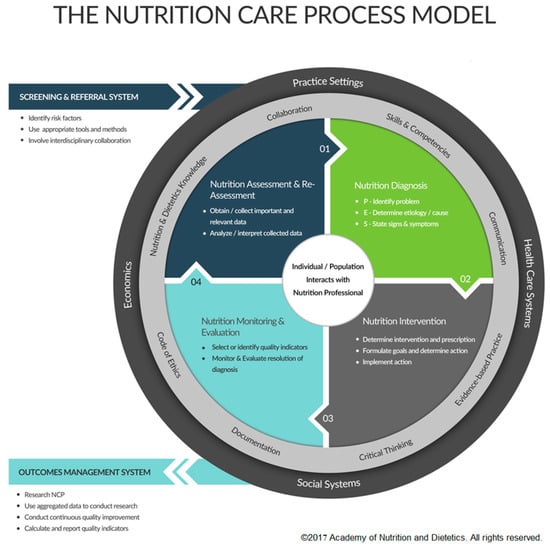
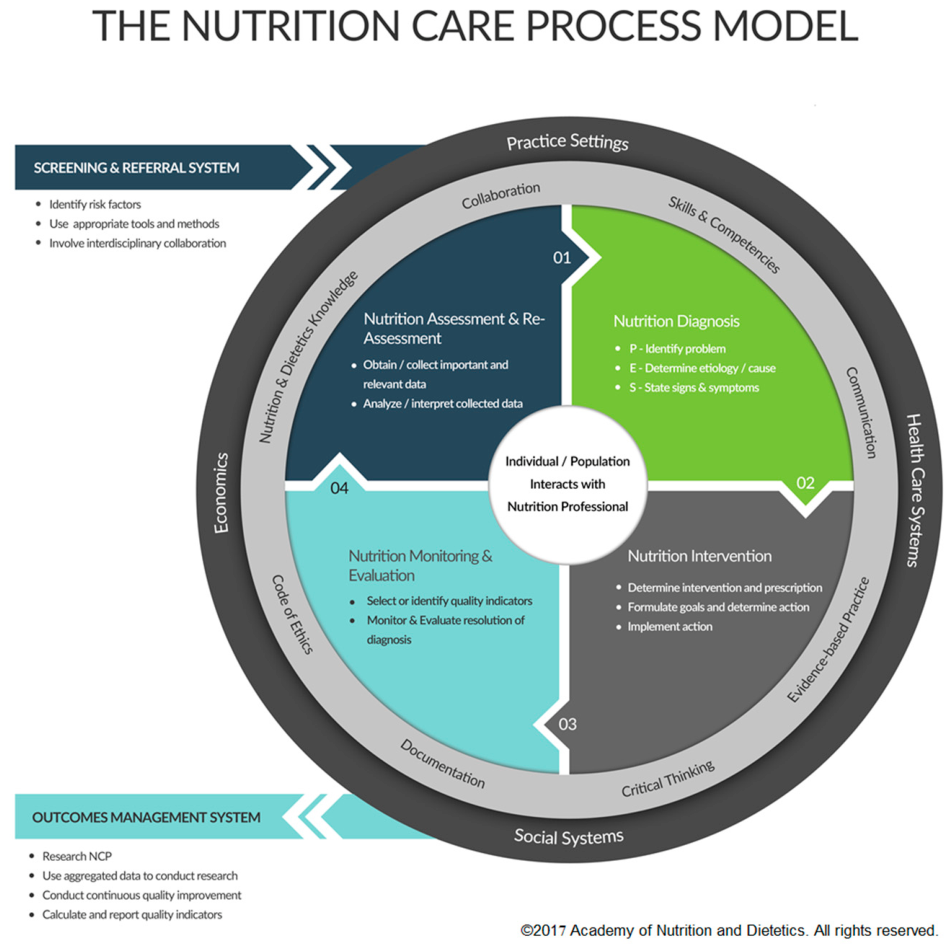
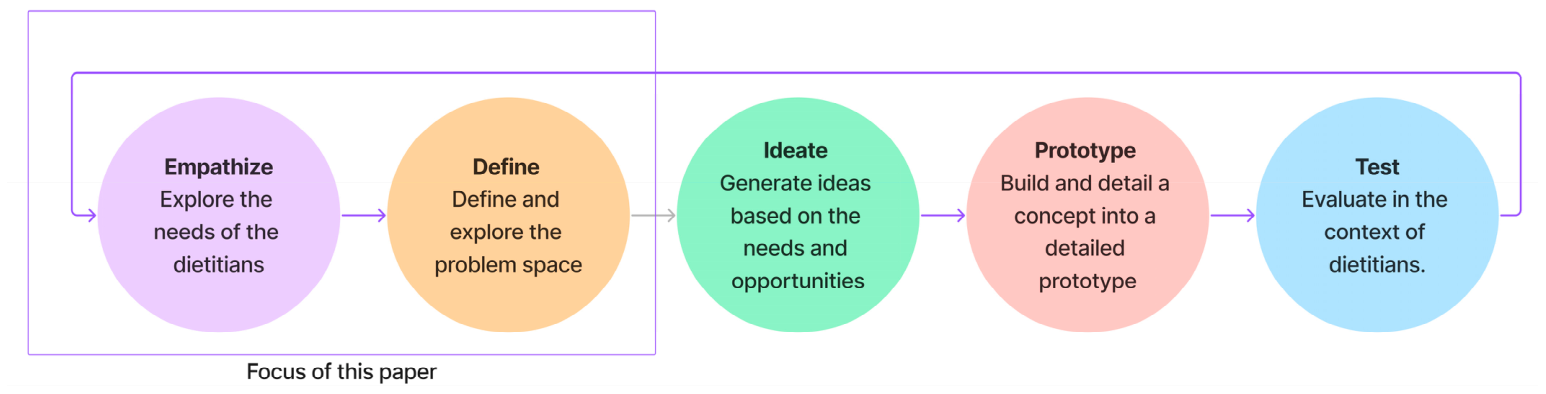
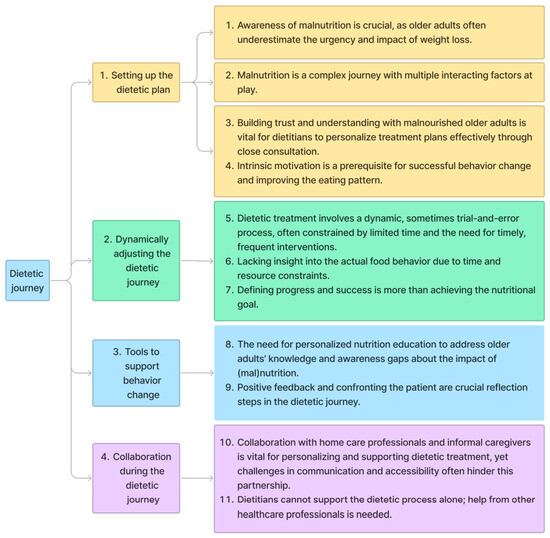
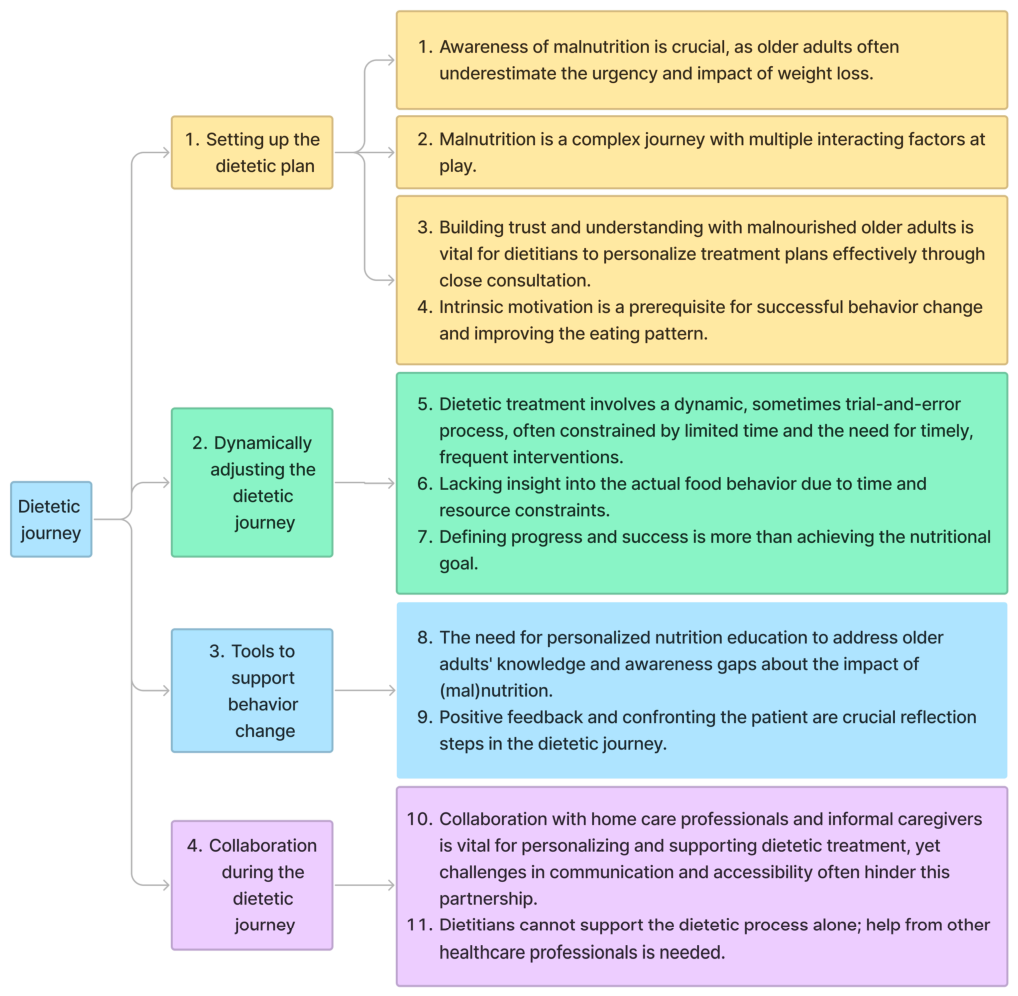
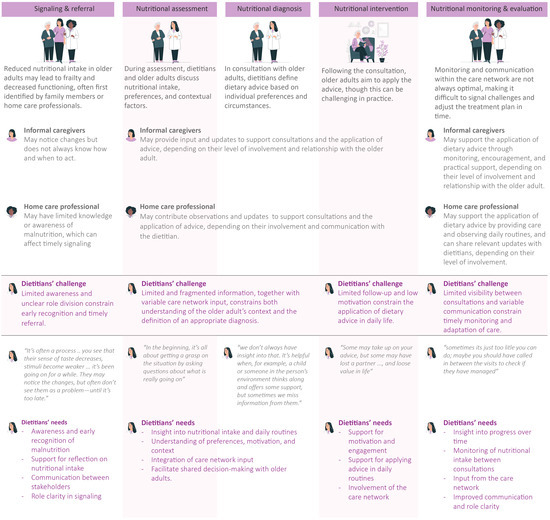
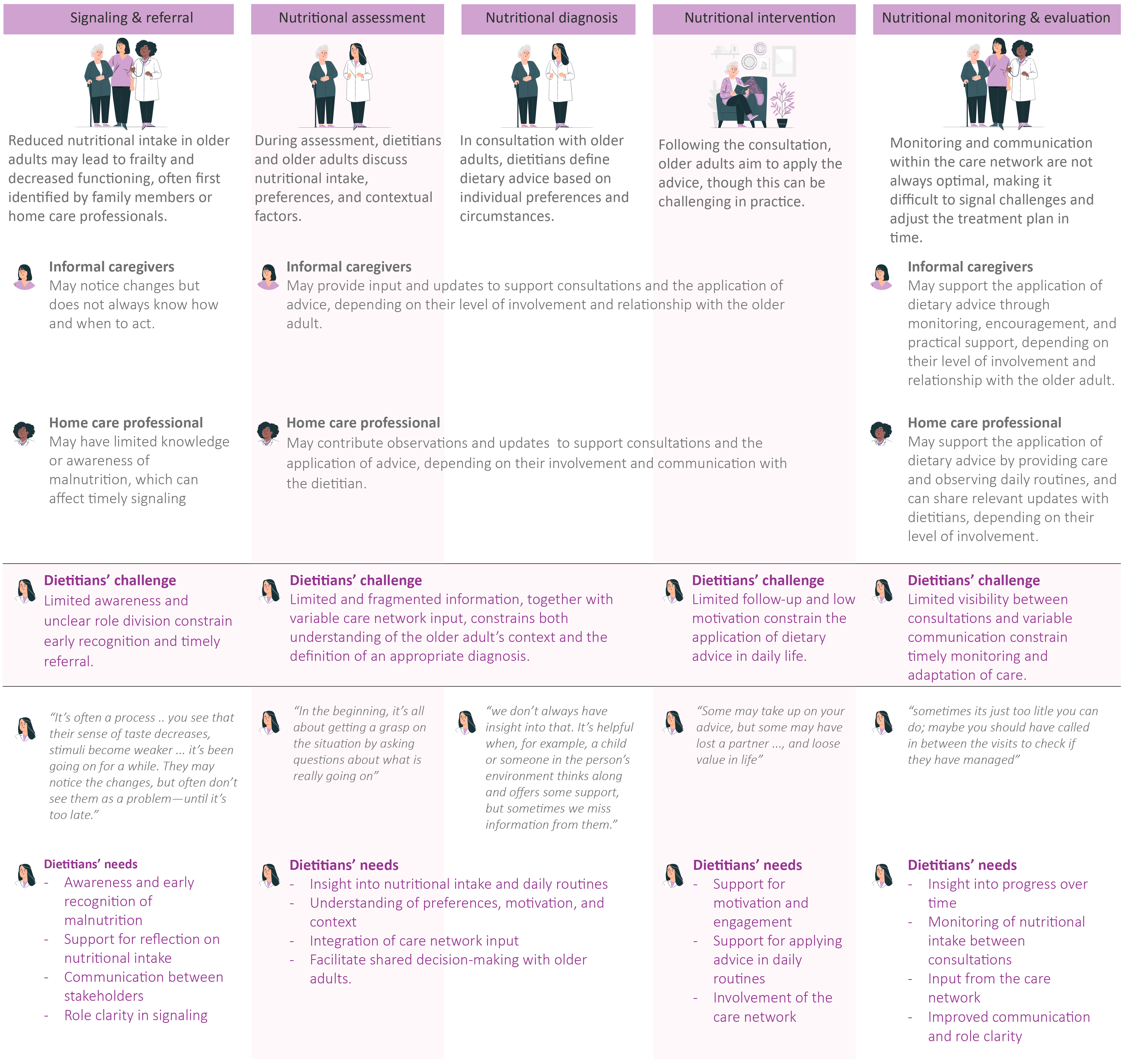

Disclaimer/Publisher’s Note: The statements, opinions and data contained in all publications are solely those of the individual author(s) and contributor(s) and not of MDPI and/or the editor(s). MDPI and/or the editor(s) disclaim responsibility for any injury to people or property resulting from any ideas, methods, instructions or products referred to in the content. |
© 2026 by the authors. Licensee MDPI, Basel, Switzerland. This article is an open access article distributed under the terms and conditions of the Creative Commons Attribution (CC BY) license.