Review

Alkaline Water and Muscle Health in Aging: A Systematic Evidence Map and Translational Appraisal of Human Evidence


1
Department of Biology, College of Science, University of Bahrain, Sakhir Campus, Zallaq P.O. Box 32038, Bahrain
2
Department of Public Health, Experimental and Forensic Medicine, University of Pavia, 27100 Pavia, Italy
3
Department of Food, Division of Human Nutrition, Environmental and Nutritional Sciences (DeFENS), Università Degli Studi di Milano, 20122 Milan, Italy
4
Endocrinology and Nutrition Unit, Azienda di Servizi alla Persona “Istituto Santa Margherita”, University of Pavia, 27100 Pavia, Italy
*
Authors to whom correspondence should be addressed.
J. Ageing Longev. 2026, 6(3), 49; https://doi.org/10.3390/jal6030049
Submission received: 9 June 2026 / Accepted: 19 June 2026 / Published: 24 June 2026

Abstract

Alkaline water is increasingly marketed for musculoskeletal and recovery benefits, yet its relevance to healthy aging, sarcopenia prevention, and functional capacity in older adults remains largely unexplored. This systematic evidence map and translational appraisal examined whether the available comparative human evidence on alkaline water is applicable to aging populations and longevity research. Following PRISMA guidance, PubMed and Scopus were searched from January 2005 to September 2025. Eligible studies were controlled or comparative observational human studies reporting muscle strength, physical performance, or recovery outcomes. Risk of bias was assessed using RoB 2, ROBINS-I, and JBI criteria; evidence certainty was judged narratively using GRADE-informed principles. Ten studies met the inclusion criteria. Most enrolled young athletic populations; only two had partial relevance to aging cohorts. Crucially, no study included participants aged 65 years or older or assessed primary sarcopenia-relevant endpoints such as appendicular lean mass, gait speed, or chair-rise performance; this total absence of data in the target demographic represents the central limitation of the current literature. Risk of bias ranged from some concerns to serious. The most consistent signals were short-term improvements in lactate clearance and perceived exertion in young male athletes. Evidence for strength, functional performance, and safety in older adults was absent or indirect. Current evidence, rated low to very low certainty for aging-relevant outcomes, does not support alkaline water as an evidence-based strategy for healthy aging or muscle preservation in older adults. Age-appropriate trials using EWGSOP2-aligned outcomes are urgently needed.

1. Introduction

1.1. Muscle Health and Age-Related Decline

Skeletal muscle makes up about 40% of body weight in healthy adults and is the body’s largest protein store [1,2]. Maintaining muscle mass and strength is essential throughout life. It affects independence, quality of life, and mortality risk [3,4]. Unfortunately, muscles naturally decline with age. People gradually lose muscle mass, strength, and function, especially after age 40 [5,6].
This age-related decline occurs through several interconnected biological changes. Levels of key anabolic hormones—such as testosterone, growth hormone, and insulin-like growth factor 1—gradually decrease. At the same time, inflammatory markers like Tumor Necrosis Factor-alpha (TNF-alpha) and Interleukin-6 (IL-6) rise, contributing to a chronic low-grade inflammatory state. Oxidative stress also increases as free radicals accumulate faster than the body can neutralize them. Mitochondrial function becomes less efficient, reducing the cells’ ability to produce energy. In addition, aging leads to the loss of motor units, which weakens the connection between nerves and muscle fibers and further accelerates muscle decline [2,7,8]. Compounding these biological changes, habitual physical activity declines markedly with advancing age. Reduced engagement in both aerobic and resistance exercise further limits anabolic stimulation of muscle, accelerates the loss of type II fiber size and number, and impairs neuromuscular recruitment patterns [9]. This bidirectional relationship between physical inactivity and muscle deterioration creates a vicious cycle that substantially amplifies the biological drivers of sarcopenia in older adults and underscores the importance of modifiable lifestyle factors, including nutrition and hydration, in counteracting age-related muscle loss. When this decline becomes more pronounced, it can progress to sarcopenia— a clinical syndrome marked by substantial loss of muscle mass and strength. Sarcopenia was formally recognized as an independent clinical condition in 2016 with the assignment of a dedicated International Classification of Diseases, 10th Revision (ICD-10) code [3]. Globally, it affects an estimated 10–16% of older adults and is associated with a higher risk of falls, fractures, functional impairment, and even mortality [4,6].
The decline in muscle health with age involves far more than simply losing protein or mass. Muscle quality also deteriorates due to the accumulation of fat and connective tissue within muscle fibers, a reduction in both the size and number of type II fibers, disruptions in the organization of myofilaments, and impairments in excitation–contraction coupling [5,7,10]. These changes lead to strength loss that is disproportionately greater than muscle mass loss, highlighting the need for multifaceted strategies to preserve muscle function [2,11].

1.2. Nutritional Influences on Muscle Health

Nutrition plays a fundamental role in muscle health. Evidence shows that adequate protein, vitamin D, antioxidants, and omega-3 fatty acids all support muscle function [12]. Protein is the strongest dietary stimulus for muscle protein synthesis, and current guidelines suggest that older adults require higher daily intake—typically 1.2 to 1.6 g/kg/day—to counteract age-related anabolic resistance [13,14]. Vitamin D deficiency, which is common among older individuals, has been linked to muscle weakness and an elevated risk of falls; supplementation may help maintain muscle mass and improve physical performance [15].
Antioxidant nutrients also play an essential role by reducing exercise-induced oxidative stress and the chronic inflammation associated with aging—both of which accelerate muscle breakdown [12,16]. Long-chain omega-3 fatty acids also benefit muscle through anti-inflammatory effects and by potentially stimulating protein synthesis pathways [17]. Dietary patterns rich in plant-based phytochemicals, such as polyphenols, may further help preserve muscle mass and function through their combined antioxidant and anti-inflammatory effects [12,18].
Beyond individual nutrients, emerging research suggests that the body’s acid–base balance may influence muscle health [19,20]. Modern Western diets tend to be acid-producing, contributing to chronic low-grade metabolic acidosis [21]. This acidic internal environment may promote muscle protein breakdown while inhibiting protein synthesis—conditions that favor muscle loss [21]. In contrast, diets that promote alkalinity have been proposed to potentially support the preservation of muscle mass by offering some degree of buffering capacity against metabolic acidity, although the clinical significance of this effect remains speculative and has not been established in well-controlled human trials [22].
An important physiological caveat applies here. The human body maintains arterial blood pH within a tightly regulated range of approximately 7.35 to 7.45 through integrated respiratory and renal buffering mechanisms. Respiratory regulation adjusts CO2 excretion within seconds to minutes, while renal mechanisms modulate bicarbonate reabsorption and acid excretion over hours to days [21]. These homeostatic systems are highly robust, and under normal circumstances, exogenous alkaline intake does not meaningfully shift systemic blood pH. Claims that alkaline water “changes the body’s acidity” are therefore inconsistent with basic human physiology and should be interpreted with caution. Any biologically plausible effects of alkaline water are more likely to operate through modest extracellular buffering during acute metabolic acidosis, through mineral delivery, or through hydration effects, rather than through sustained alterations in systemic pH. Readers should bear this context in mind when evaluating the studies reviewed below, where reported blood pH changes of 0.01–0.02 units fall entirely within the normal compensatory range.

1.3. Alkaline Water: Properties and Production Methods

Alkaline water—generally defined as water with a pH above 7.0—has gained popularity as a functional beverage marketed for various health benefits [23]. In contrast to regular drinking water, which typically maintains a neutral pH of around 7.0, alkaline water usually falls between pH 8.0 and 10.0 [22]. It also tends to contain higher levels of alkalinizing minerals such as calcium, magnesium, sodium, and potassium, often present in their bicarbonate or hydroxide forms [24]. Additionally, alkaline water frequently exhibits a negative oxidation–reduction potential (ORP), typically ranging from −100 to −750 mV, a characteristic proposed to contribute to its antioxidant effects [25].
Commercial alkaline water production employs several methodologies, each with distinct characteristics. Electrolysis represents the most common approach, utilizing an ionization process where water passes through electrically charged plates separated by a selective membrane. This process generates alkaline water at the cathode (containing hydroxide ions) and acidic water at the anode [26]. The electrolysis method allows precise pH control and can produce water with consistent mineral content and ORP values [27].
Another production approach involves mineral addition, typically by dissolving calcite (calcium carbonate) in contactors to raise pH, alkalinity, and calcium, and by using magnesium oxide media, alone or blended with calcite, to introduce magnesium and further stabilize pH (and, in some systems, lime/CO2); these practices are documented in drinking water post treatment [28,29,30]. A third source is naturally occurring alkaline water, which forms in geographic regions rich in alkaline rock formations or hydrothermal activity, but these waters typically show highly variable, non-standardized compositions [31]. Additionally, specialized physical techniques, such as magnetic field treatment, and other non-chemical structuring methods, have been shown to alter water pH and physicochemical properties [32].
As consumer interest has expanded, the alkaline water market has diversified into numerous commercial formats, including ready-to-drink bottled alkaline waters, concentrated alkaline additives, and residential ionization devices [33]. These products differ widely in their pH levels, mineral profiles, and advertised health effects, contributing to a highly variable marketplace that poses challenges for both consumers and researchers [34].

1.4. Theoretical Mechanisms: Alkaline Water and Muscle Function

The proposed benefits of alkaline water for muscle health involve several mechanisms. The primary hypothesis is that alkaline water provides acid–base buffering, helping counteract exercise-induced acidosis that contributes to fatigue during high-intensity activity [35,36]. This is consistent with evidence that extracellular buffering improves performance during glycolytic exercise [35,37]. Supporting this, a randomized controlled trial (RCT) in combat athletes found that three weeks of alkaline water (pH 9.13) increased resting blood pH and bicarbonate levels while improving anaerobic performance [38]. However, for the purposes of this evidence map, oxidative stress markers and hydration status are included as critical secondary outcomes due to their established roles in muscle preservation.
A second mechanism involves oxidative stress reduction. Oxidative stress is a central driver of age-related muscle decline. A double-blind crossover RCT showed that a single post-exercise dose of alkaline-reduced water (pH ≈ 9.5) reduced reactive oxygen species (ROS) and nitric oxide (NO) compared to control water, while favorably altering glutathione peroxidase (GPx) and malondialdehyde (MDA) levels [39]. This suggests short-term antioxidant effects. However, negative ORP should not be used as a proxy for antioxidant capacity, as ORP measurements are confounded by pH, temperature, and meter error [25]. Furthermore, biomarkers such as ROS, MDA, and antioxidant enzyme activity (e.g., GPx) serve as mechanistic proxies for muscle health, as excessive oxidative damage is directly linked to the proteolysis and fiber atrophy characteristic of sarcopenia. Direct measurement of specific oxidative biomarkers provides more reliable evidence [40].
Hydration is frequently cited as a third mechanism, representing even a fundamental modifiable factor in sarcopenia prevention. Alkaline water consumption has been associated with improved hydration markers in some studies [24,38], which may support recovery. However, claims about enhanced cellular hydration from “ionized” or “micro-clustered” water lack robust human evidence [22]. Most hydration benefits likely reflect adequate fluid intake rather than unique water properties [24]. Monitoring hydration and oxidative-stress markers could, in principle, help test whether such acute physiological shifts bear on the long-term maintenance of muscle mass and functional capacity, although no study has yet established such a translational link.
Beyond extracellular buffering, the potential interaction between alkaline intake and the primary anabolic pathways regulating muscle mass warrants consideration. The mammalian target of rapamycin (mTOR) signaling pathway serves as the master regulator of muscle protein synthesis and a key integrator of nutrient sensing [8,41,42,43]. In the context of aging, the dysregulation of mTOR contributes to anabolic resistance—a state where muscle cells show a blunted response to protein intake and exercise—and to an impaired autophagy balance, both of which accelerate sarcopenia progression [7,44]. Theoretically, alkaline water could influence these nutrient-sensing pathways or mitochondrial regulation by altering the microenvironmental pH or through its mineral constituents, potentially mitigating the metabolic stressors that inhibit mTOR activity. However, it must be explicitly stated that direct evidence linking exogenous alkaline intake to mTOR signaling or anabolic signaling mechanisms in humans is currently absent. These interactions remain speculative and require validation through rigorous molecular and clinical aging-specific models. Finally, mineral content may contribute independently. Some alkaline waters contain elevated magnesium and calcium, which support muscle function through excitation–contraction coupling and energy metabolism [8]. Some alkaline waters contain sufficient concentrations of these minerals to contribute meaningfully to daily mineral intake [24].
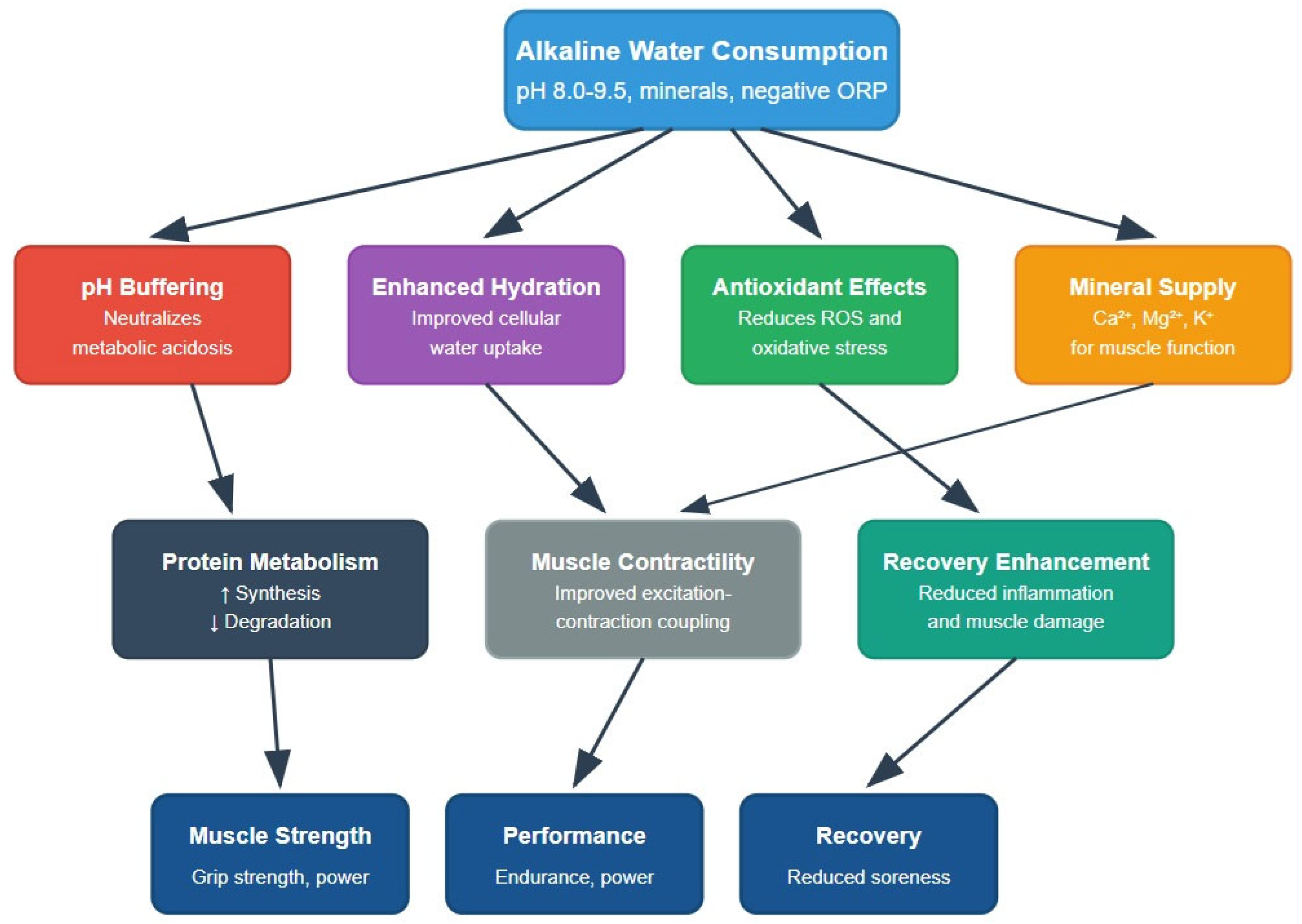
Overall, the existing literature suggests several plausible-but not yet confirmed-pathways through which alkaline water might influence muscle-related outcomes, including pH buffering, mineral delivery, hydration effects, and changes in selected oxidative-stress markers. At present, the evidence is insufficient to determine the relative importance of any one mechanism. Figure 1 summarizes these hypothesized mechanisms. The diagram is intended as a conceptual framework rather than proof of causality, and it should be interpreted in light of the limited and heterogeneous human evidence currently available.

1.5. Current Evidence Landscape, Translational Limits, and Knowledge Gaps

The evidence base for alkaline water and muscle health is growing, but it remains uneven and difficult to interpret with confidence. Studies have enrolled very different populations—ranging from trained athletes to sedentary community adults—and have used interventions that vary from single post-exercise doses to several weeks of daily intake [22,34,45]. Additionally, “alkaline water” is not consistent across trials: some use electrolyzed alkaline-reduced water at pH 9–10, others use mineral alkaline waters at lower pH with higher magnesium or calcium content, and outcome measures range from performance tests to biochemical markers [24,38,39].
This heterogeneity makes direct comparisons difficult. For example, one cannot easily compare a three-week intervention in combat athletes measuring anaerobic performance and acid–base status [38] with an acute crossover trial measuring oxidative stress markers immediately post-exercise [39], as they differ in population, intervention duration, water characteristics, and outcomes. Similarly, studies combining alkaline dietary patterns with exercise training [46] make it impossible to isolate the contribution of water alone.
The variability across studies prevents straightforward meta-analysis. Populations differ in age, sex, and training status. Interventions differ in pH (ranging from 8.5 to 10.0), mineral content, production method, and dosing protocol. Outcomes include repeated-sprint power, submaximal aerobic estimates, and diverse oxidative-stress panels [22,45]. Some trials use indirect measurements—such as formula-based maximal oxygen uptake (VO2max) estimation from submaximal tests—which introduces additional uncertainty compared to direct breath-by-breath gas exchange measurement.
Methodological caution is warranted around specific measurement approaches. Negative ORP is sometimes presented as evidence of antioxidant capacity; however, ORP is strongly confounded by pH and temperature, and measurement error can exceed the signal attributed to dissolved hydrogen [25]. Trials using direct oxidative markers (ROS, NO, GPx, MDA) provide more interpretable evidence [39,40]. Similarly, hydration-related outcomes must be carefully controlled, as many benefits may simply reflect adequate fluid intake rather than unique water properties [24].
Several critical knowledge gaps remain. Optimal dosing parameters—including volume, pH range, mineral profile, and timing relative to exercise or meals—are undefined. Existing protocols vary from single 10 mL·kg−1 boluses to approximately 1.5 L daily for weeks [24,38,39]. Individual response variability by age, sex, baseline fitness, or comorbidity is largely unexplored. Long-term data are absent, with no adequately powered trials examining clinically important endpoints such as age-related muscle decline or sarcopenia prevention. Finally, standardization is lacking: without consensus on water characterization methods, physiological measurement approaches, and biomarker panels, the field will continue accumulating signals without clarity for practice.
The current landscape therefore offers a fragmented set of preliminary signals rather than a mature evidence base. Stronger conclusions will require larger, preregistered comparative studies with standardized intervention reporting, direct outcome measurement, and longer follow-up. Consequently, this study is positioned as a systematic evidence mapping exercise, designed to delineate the current breadth of human research and identify critical translational gaps that must be addressed to inform healthy aging and longevity-oriented care.

1.6. Objective, Rationale, and Relevance to Aging and Longevity

This work is structured as a systematic evidence map to identify and critically appraise the comparative human evidence on alkaline water and muscle-related outcomes, with a primary focus on its relevance to aging and longevity research. The inclusion of studies involving young athletic cohorts is scientifically justified as these populations provide a valuable physiological model for assessing acute metabolic stress and extracellular buffering—mechanisms that are theoretically relevant to counteracting the biological drivers of muscle decline. However, the primary objective of this mapping exercise is to determine whether the existing literature informs clinically meaningful questions for older adults and sarcopenia prevention, or whether it remains largely confined to non-aging settings. By systematically identifying these findings, we aim to clarify the current translational gap and provide a framework for the design of future trials specifically targeting the requirements of healthy aging.

2. Materials and Methods

The present review was conducted following the Preferred Reporting Items for Systematic Review and Meta-Analyses (PRISMA) guidelines [47] and registered in PROSPERO under the registration number CRD420251140847. The completed PRISMA 2020 checklist is provided in the Supplementary Materials (Table S1). Because the eligible evidence base was sparse and highly heterogeneous, the synthesis was planned as a structured critical narrative synthesis rather than a meta-analysis.

2.1. Search Strategy

A comprehensive literature search was conducted in PubMed, Scopus, and SPORTDiscus for studies published from January 2005 to September 2025. Google Scholar was used only as a supplementary source to identify additional records through forward searching and citation tracking, given its limited reproducibility for systematic searching.
The search strategy was developed using explicit, database-specific concept blocks combining (i) alkaline-water terms, (ii) muscle-, performance-, and recovery-related terms, and (iii) comparative study design terms. This structure was chosen to avoid overly broad retrieval and to make the search logic reproducible.
For PubMed, the search logic was structured as follows: ((“alkaline water” [Title/Abstract] OR “alkaline ionized water” [Title/Abstract] OR “ionized water” [Title/Abstract] OR “electrolyzed water” [Title/Abstract] OR “electrolyzed reduced water” [Title/Abstract] OR “high pH water” [Title/Abstract]) AND (“muscle strength” [Title/Abstract] OR “muscle function” [Title/Abstract] OR “muscle performance” [Title/Abstract] OR “exercise performance” [Title/Abstract] OR “physical performance” [Title/Abstract] OR “muscle recovery” [Title/Abstract] OR “muscle fatigue” [Title/Abstract] OR “muscle damage” [Title/Abstract] OR “muscle soreness” [Title/Abstract] OR “muscle power” [Title/Abstract] OR “muscle endurance” [Title/Abstract] OR lactate [Title/Abstract] OR hydration [Title/Abstract] OR “oxidative stress” [Title/Abstract]) AND (randomized [Title/Abstract] OR randomized [Title/Abstract] OR placebo [Title/Abstract] OR crossover [Title/Abstract] OR trial [Title/Abstract] OR intervention [Title/Abstract] OR cohort [Title/Abstract] OR “cross-sectional” [Title/Abstract])) AND (“1 January 2005” [Date-Publication]: “30 September 2025” [Date-Publication]) AND Humans [Mesh]. Equivalent syntax was adapted for Scopus, and reference lists of included articles and relevant reviews were screened manually.

2.2. Eligibility Criteria

We included comparative human studies published between 2005 and 2025 that examined alkaline water interventions or habitual alkaline water exposure and reported muscle-related, performance-related, or recovery-related outcomes. To ensure clarity in the synthesis, outcomes were hierarchically categorized: primary outcomes were defined as direct measures of muscle strength (e.g., handgrip strength, limb power) and physical functional performance (e.g., gait speed, chair-rise tests); secondary outcomes included biochemical markers (e.g., lactate, acid–base status), hydration indicators, and subjective recovery or fatigue scores. Eligible designs included RCTs, crossover trials, non-randomized controlled studies, and comparative observational studies; however, observational evidence was interpreted separately and given lower inferential weight for causal statements. We excluded animal studies, in vitro studies, uncontrolled single-arm reports, hydrogen-water studies without an alkaline component, and studies lacking outcomes relevant to muscle function, exercise performance, or recovery.

2.3. Study Selection Process

Study selection followed PRISMA guidance using a standardized two-stage screening process. Two independent reviewers screened all retrieved titles and abstracts against predetermined eligibility criteria. Eligible records included comparative human studies published between 2005 and 2025, encompassing randomized trials, crossover trials, non-randomized controlled studies, and comparative observational designs when they offered contextual evidence relevant to muscle-related outcomes. Animal experiments, in vitro studies, uncontrolled single-arm reports, and studies lacking outcomes relevant to muscle function, physical performance, or recovery were excluded.
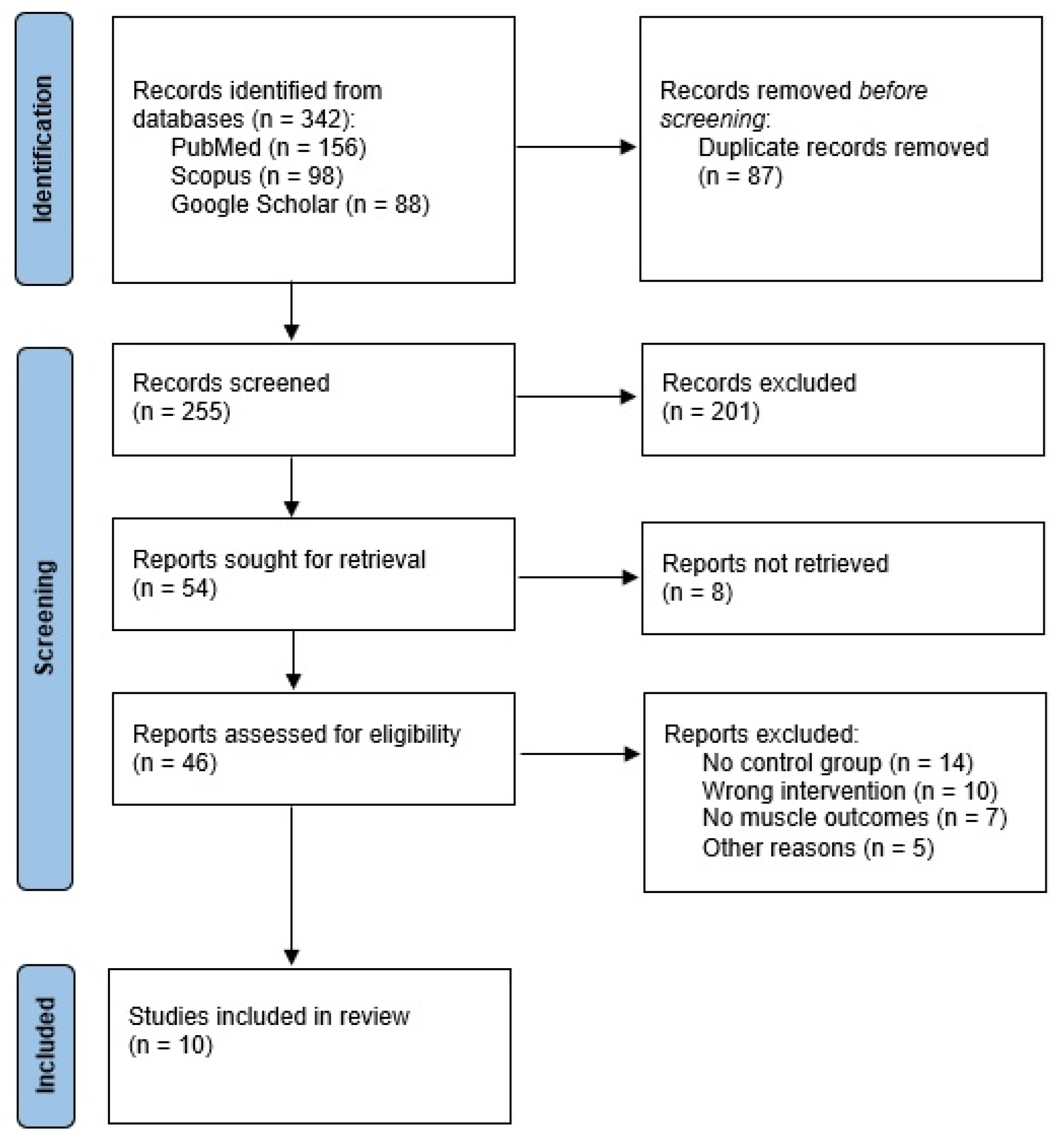
Full-text articles of potentially eligible studies were independently assessed by the same two reviewers. Disagreements at both screening stages were resolved through discussion, with a third reviewer consulted when consensus could not be reached. Reasons for exclusion at the full-text review stage were documented using a standardized form. The complete study selection process is illustrated in Figure 2.

2.4. Data Extraction, Formal Risk-of-Bias Assessment, and Synthesis

Data extraction was carried out independently by two researchers. The following items were extracted from each study: study details (first author, year of publication, and country or region), sample characteristics (number of participants, age range, sex distribution, and clinical profile), intervention details (alkaline water specifications including pH, mineral composition, dose, and duration), comparator details, and outcome measures (categorized into primary: muscle strength and physical performance; and secondary: biochemical indicators, hydration markers, and recovery/fatigue indicators). Formal internal validity appraisal was then performed at the study design level using the Cochrane Risk of Bias 2.0 (RoB 2) tool for randomized or crossover comparative trials, the Risk Of Bias In Non-Randomized Studies of Interventions (ROBINS-I) for non-randomized comparative interventions, and the Joanna Briggs Institute (JBI) analytical cross-sectional checklist for the single observational study. Because several reports provided incomplete methodological details, the resulting judgments were used to guide interpretation and certainty assessment rather than to exclude studies. A structured summary of dominant bias domains is presented in Table 1. Because only a small number of studies contributed to each outcome domain and because interventions and endpoints were highly heterogeneous, meta-analysis was not appropriate; findings were synthesized narratively and organized by both evidence domain and aging and longevity applicability.

2.5. Assessment of Certainty and Aging Relevance

Because the review question was explicitly translational, we also evaluated each evidence domain for direct applicability to healthy aging on the basis of participant age, presence or absence of sarcopenia/frailty, duration of exposure, clinical relevance of outcomes, and adequacy of safety reporting. Overall certainty was summarized narratively using the Grading of Recommendations, Assessment, Development, and Evaluation (GRADE)-informed principles—risk of bias, indirectness, inconsistency, and imprecision—without generating formal evidence profiles, as the dataset was too sparse and heterogeneous for stable pooled estimates.

3. Results

3.1. Study Characteristics and Evidence Mapping Overview

Ten human studies met the inclusion criteria for this systematic evidence map (Table 2). The identified literature is highly heterogeneous regarding participant profiles, dosing protocols, and endpoints. To address this complexity, the evidence was divided into two distinct subgroups: athletic populations (n = 7) and clinical or sedentary populations (n = 3). The athletic group consisted mainly of young males, such as footballers [24], combat sport athletes [38], and healthy active students [39,48,49,50,51]. The second group included postmenopausal women [36], sedentary midlife women [46], and individuals with type 2 diabetes [52].
There was also a clear distinction in intervention duration. Five studies assessed acute effects following a single bolus or short-term intake of up to one week [24,39,49,50,51]. The remaining interventional work utilized chronic protocols ranging from three to eight weeks [38,46,48,52]. One additional study utilized a cross-sectional design [36].
From a translational standpoint, these results highlight a significant mismatch between the available evidence and the objectives of healthy aging research. Most studies were conducted in young cohorts, while data on the older populations targeted by commercial claims are lacking. Most notably, no study included participants aged 65 years or older or evaluated individuals with established sarcopenia or frailty.

3.2. Primary Outcomes

3.2.1. Muscle Strength and EWGSOP2 Metrics

Direct evidence for primary strength outcomes was limited to two studies with contrasting designs. In young combat athletes, a three-week randomized trial reported a significant increase in limb power following alkaline water intake [38]. In a separate study involving postmenopausal women, a cross-sectional analysis found a positive association between habitual alkaline water consumption and higher handgrip strength [36]. However, the observational nature of the latter study precludes any determination of a causal relationship.
From the perspective of the European Working Group on Sarcopenia in Older People (EWGSOP2) diagnostic framework, which identifies muscle strength as the primary indicator for sarcopenia, the current evidence remains insufficient [3]. None of the included intervention trials specifically targeted participants over the age of 65 or used standardized strength measures to assess sarcopenia risk in older populations. Furthermore, no study utilized the chair-rise test, which serves as a critical clinical proxy for lower-limb strength in geriatric assessment and is a core component of the EWGSOP2 criteria [3]. This gap highlights a significant disconnect between the experimental data derived from young athletes and the clinical requirements for diagnosing and managing muscle loss in older adults.

3.2.2. Physical Functional Performance and Geriatric Endpoints

Evidence for primary functional performance was entirely absent regarding geriatric clinical standards. No study evaluated outcomes aligned with the EWGSOP2 criteria for physical performance, such as gait speed, the Short Physical Performance Battery (SPPB), or standardized frailty indices [3]. Consequently, there is no direct evidence to determine whether alkaline water intake influences the preservation of functional independence or the reduction in falls risk in older populations [4].
The performance data identified in this mapping exercise focused exclusively on acute anaerobic or aerobic responses in young and active cohorts. For instance, submaximal exercise protocols were used to evaluate lactate accumulation in sports students [49], while anaerobic tests were employed to assess reaction time and perceived exertion [51]. Other research examined changes in aerobic capacity and body composition in sedentary midlife women, though these results were observed within the context of a combined alkaline diet and exercise program, preventing the isolation of water as a single variable [46]. While these measures provide laboratory insights into physiological performance, they do not address the clinical functional declines characteristic of sarcopenia or the specific needs of geriatric rehabilitation.

3.3. Secondary Outcomes

3.3.1. Acute Biochemical Signals and Buffering Capacity

Evidence for secondary outcomes was more frequent than for primary endpoints but was largely confined to surrogate biochemical markers in young athletic populations. Regarding metabolic recovery, several studies reported enhanced post-exercise lactate clearance or lower lactate accumulation following alkaline water intake [24,39,49,50]. These effects were predominantly observed in acute settings or after short-term protocols of one week involving young males undergoing high-intensity exercise.
Acid–base markers also showed modest shifts in response to the interventions. Increases in resting blood pH and bicarbonate levels were reported in healthy adults and combat athletes following protocols ranging from one to four weeks [38,48]. These findings suggest a potential improvement in extracellular buffering capacity, although the reported changes in blood pH typically fell within the normal physiological compensatory range [38,48].
From a translational perspective, these biochemical signals remain laboratory-based observations with no direct evidence of clinical benefit for older adults. The identified literature does not provide data on whether these modest physiological shifts translate into improved metabolic resilience or better handling of chronic low-grade acidosis in aging populations. Furthermore, the reliance on young cohorts means that the potential impact of these signals on individuals with age-related declines in renal or respiratory function has not been addressed.

3.3.2. Recovery Markers and Perceived Exertion

Recovery-related indicators represented the most frequent signals across the included studies, primarily involving subjective and physiological markers of fatigue. Regarding the direction of effect, several trials reported a reduction in the Rating of Perceived Exertion (RPE) following high-intensity exercise. Specifically, young males consuming alkaline water for three days reported lower RPE during anaerobic testing compared to a placebo group [51]. Similar improvements in subjective fatigue markers were noted in healthy men following acute post-exercise consumption of alkaline-reduced water [39].
Other recovery outcomes focused on functional and biochemical restoration. One pilot study reported improved reaction times after anaerobic exercise in young male participants [51]. Additionally, faster lactate clearance and improved hydration status were documented in young footballers and healthy adults, suggesting enhanced short-term metabolic recovery [24,50].
Despite these positive signals in secondary outcomes, the evidence remains limited by the acute nature of the protocols and the reliance on young, active cohorts [24,39,51]. No data were identified concerning recovery trajectories in older adults or the impact of alkaline water on rehabilitation outcomes following injury or surgery in geriatric populations. Furthermore, the absence of standardized recovery panels across the evidence map makes it difficult to determine whether these transient signals translate into clinically meaningful improvements in daily functional resilience for the target aging population.

3.3.3. Metabolic, Oxidative, and Indirect Markers

Secondary outcomes also included various indirect metabolic and oxidative signals that provide contextual rather than definitive evidence for muscle health. In a randomized trial involving adults with type 2 diabetes, eight weeks of alkaline water consumption was associated with significant improvements in oxidative stress markers and inflammatory indicators, as well as enhanced quality-of-life scores [52]. Similarly, acute post-exercise consumption of alkaline-reduced water in healthy young men was reported to lower reactive oxygen species and modulate antioxidant enzyme activity [39].
Other research identified changes in aerobic capacity and body composition. In a study of sedentary midlife women, an eight-week intervention combining an alkaline diet with exercise reported improvements in maximal oxygen uptake and body fat percentage [46]. However, the independent contribution of alkaline water in this study could not be isolated from the effects of the broader dietary and exercise program.
As noted in the methodological appraisal, the use of oxidation–reduction potential as a proxy for antioxidant capacity in some reports is limited by significant measurement instability and should be interpreted with caution [25]. These metabolic and oxidative findings are best regarded as ancillary signals that inform mechanistic hypotheses rather than as proof of efficacy for muscle function or sarcopenia prevention. There is currently no evidence to suggest that these transient or indirect biochemical shifts translate into long-term preservation of muscle mass or functional independence in older populations.

3.4. Safety, Tolerability, and Clinical Contextualization

Short-term tolerability was generally reported as acceptable across the included studies, with no major adverse events documented in the young athletic cohorts [38,48]. However, the absence of reported complications in healthy participants cannot be extrapolated to signify long-term safety in older populations. Most trials were characterized by brief exposure periods, often limited to a few weeks or even single doses, which is insufficient to evaluate the risks associated with chronic mineral loading or sustained shifts in acid–base balance [39].
From a clinical perspective, the safety of alkaline water in geriatric care requires specific contextualization regarding renal and metabolic vulnerability. Aging is frequently associated with a progressive decline in the glomerular filtration rate and a reduced physiological capacity to manage acute electrolyte or bicarbonate loads [53]. Excessive alkaline intake in individuals with impaired renal clearance could theoretically increase the risk of metabolic alkalosis or electrolyte disturbances, yet no study monitored renal function or serum electrolyte stability in such vulnerable groups.
Furthermore, potential interactions with common geriatric medications and physiological changes remain unaddressed. Older adults often exhibit age-related declines in gastric acid secretion or frequently utilize proton pump inhibitors (PPIs), both of which may significantly alter the physiological response to alkaline water consumption [54]. The lack of long-term safety data in participants with multimorbidity or polypharmacy represents a critical evidence gap that remains a central limitation for clinical applicability.

3.5. Overall Risk of Bias and Certainty of Evidence

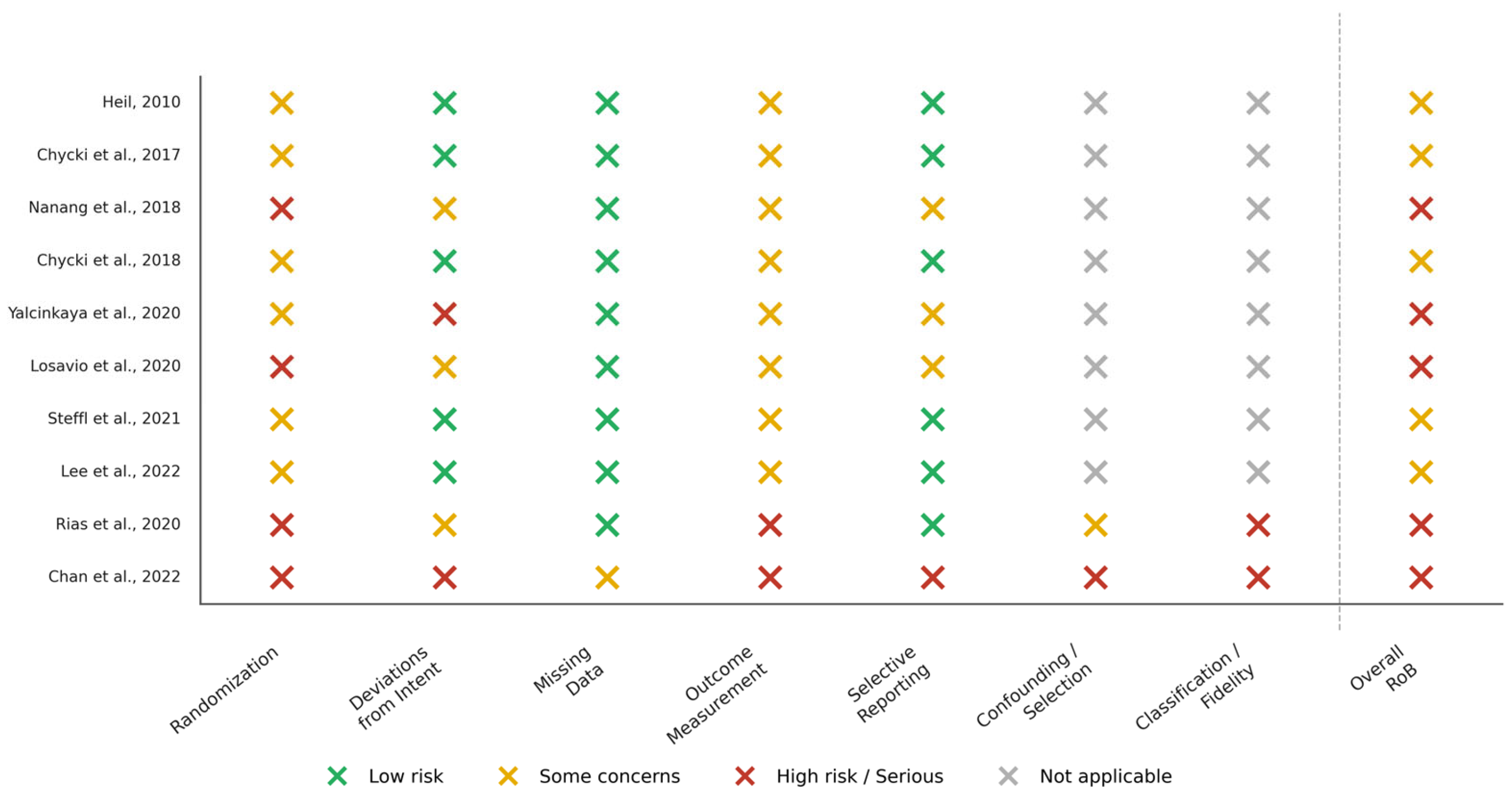
Across the randomized and crossover comparative trials, overall risk of bias was usually judged as having some concerns, mainly because of small samples, incomplete reporting of randomization/allocation procedures, limited blinding detail, short intervention periods, and heavy reliance on surrogate physiological outcomes. Non-randomized comparative interventions were more vulnerable to confounding, comparator mismatch, and co-intervention effects, yielding moderate to serious internal validity concerns. The single analytical cross-sectional study was interpreted as contextual evidence only because residual confounding and reverse causation cannot be excluded. The domain-level and overall risk of bias judgements for all included studies are summarized in Figure 3.
Certainty of evidence was then rated separately for each outcome domain by integrating these risk-of-bias judgements with the GRADE domains of inconsistency, indirectness, and imprecision. Because the available studies combined methodological limitations with marked indirectness to aging populations and substantial imprecision, overall certainty for clinically relevant aging outcomes was low to very low, as detailed in the GRADE evidence profile (Table 3).

4. Discussion

This review identified a small, heterogeneous, and methodologically uneven literature that is substantially misaligned with the needs of aging and longevity research. The evidence does not support strong conclusions that alkaline water improves muscle strength, physical function, or recovery in a way that is clinically meaningful for older adults. Instead, the current record is better interpreted as an emerging, largely non-aging evidence base in which short-term recovery signals are more recurrent than strength- or function-related findings.

4.1. Interpretation of the Evidence Base, Risk of Bias, and Certainty

This study functions primarily as a systematic evidence map rather than a definitive meta-analysis, reflecting the fragmented and heterogeneous nature of the current literature. A core finding is the hierarchical mismatch between reported outcomes and clinical needs: while secondary biochemical and recovery signals are somewhat recurrent in young athletes, primary outcomes such as muscle strength and physical functional performance remain largely unaddressed in the target aging population [38,39]. Using a GRADE-informed narrative approach, certainty for age-relevant outcomes was downgraded primarily for extreme indirectness, as the findings from young athletic cohorts cannot be directly extrapolated to older adults at risk of sarcopenia or frailty [3]. Consequently, any positive signals observed in secondary markers must be interpreted as hypothesis-generating rather than as a basis for clinical practice.
A central limitation is not only evidence scarcity but evidence mismatch. Only 10 studies met the inclusion criteria, and very few contributed direct evidence within each prespecified domain once overlapping outcomes and design differences were considered. This made formal meta-analysis inappropriate and means the review functions primarily as a systematic critical synthesis and evidence map rather than as a definitive domain-specific assessment.
Methodological features further constrain confidence. Study designs, populations, comparators, water characteristics, and outcome measures varied substantially, and several reported endpoints were surrogate physiological markers rather than validated, clinically important muscle outcomes. For an aging and longevity readership, the most serious problem is external validity: most studies were neither designed for nor conducted in older adults at risk of sarcopenia, mobility limitation, or frailty [3,4]. Using a GRADE-informed narrative approach [55], certainty for age-relevant outcomes was downgraded primarily for indirectness, imprecision, and risk of bias, with inconsistency adding further caution in performance and recovery domains. Accordingly, any positive signals should be interpreted as hypothesis-generating rather than practice-changing.
The most critical weakness identified in this systematic evidence map is the complete absence of participants aged 65 years and older. While the literature provides some signals in athletic populations, the lack of primary data on older individuals at risk of sarcopenia or frailty remains the dominant barrier to clinical translation. Because no trial evaluated established geriatric endpoints, such as gait speed or SPPBs, the current findings cannot be used to support evidence-based recommendations for older adults [3]. This mismatch between existing research and the requirements of geriatric medicine represents the central limitation of the current evidence base and prevents any determination of efficacy for the target population.

4.2. Relevance to Healthy Aging and Clinical Practice

From a healthy aging perspective, the strongest recurring signals concern short-term recovery-related markers such as lactate handling, perceived exertion, and selected oxidative-stress outcomes after exercise. By contrast, evidence for direct effects on muscle strength, mobility, functional independence, or prevention of sarcopenia remains sparse or absent. Mechanistic attribution is also unresolved: any observed effects may reflect pH buffering, mineral composition, hydration behavior, expectancy effects, or combinations of these factors [22,34]. For these reasons, the present literature does not justify routine clinical recommendations in older adults or support claims that alkaline water promotes healthy aging.
This distinction matters in practice. Older adults, caregivers, and clinicians are not primarily asking whether alkaline water marginally changes post-exercise lactate in young athletes; they are asking whether it preserves mobility, supports rehabilitation, de-lays disability, sustains quality of life, and does so without introducing renal or electrolyte risk. The currently available studies do not answer those questions. Accordingly, alkaline water should not displace established strategies that are already evidence-based for healthy aging, including resistance exercise [56], adequate protein intake, vitamin D repletion when indicated, and comprehensive management of comorbidity and hydration status [3,9,13,15,57].
Clinical safety remains a paramount concern for geriatric translation. The absence of adverse events in young, healthy cohorts does not equate to long-term safety in older adults, who often present with age-related declines in glomerular filtration rate and a reduced capacity to handle acute mineral or bicarbonate loads [53]. Furthermore, potential interactions with common geriatric medications must be considered. Older adults frequently utilize PPIs, which significantly alter gastric pH and may compound the physiological effects of alkaline water consumption [54]. Without specific safety data in populations with multimorbidity or polypharmacy, routine clinical recommendations remain premature.
The mechanistic rationale for prioritizing established interventions such as progressive resistance exercise and adequate protein intake is well defined: these provide a robust anabolic stimulus by activating the mTOR signaling pathway, which is essential for muscle protein synthesis and for counteracting age-related anabolic resistance [7,13,56]. Whether alkaline water can theoretically interact with these nutrient-sensing pathways or enhance mitochondrial regulation remains speculative; currently, there is no direct evidence that exogenous alkaline intake influences mTOR signaling or other anabolic mechanisms involved in muscle maintenance. Future trials should therefore evaluate whether alkaline water might offer any adjuvant benefit alongside these established interventions—potentially by optimizing the metabolic environment for anabolic signaling—rather than serving as a replacement for proven geriatric care.

4.3. Future Directions for Aging and Longevity Research

Future research must bridge these translational gaps by utilizing preregistered, adequately powered comparative designs that clearly characterize water pH, composition, and redox potential. Methodological rigor should be improved by standardizing water characterization and minimizing the emphasis on unstable markers like ORP, which lacks the measurement stability required for robust clinical inference [25]. Trials should employ mineral-matched controls and recruit adults aged ≥65 years, stratified by frailty, sarcopenia status, sex, and comorbidity burden, prioritizing EWGSOP2-aligned functional endpoints, such as gait speed, chair-rise performance, and the SPPB, over biochemical surrogates [3]. Protocols should extend to at least 12 weeks to capture clinically meaningful changes in muscle mass, mobility, and resilience, incorporating blinded outcome assessment and quantified adherence measures.
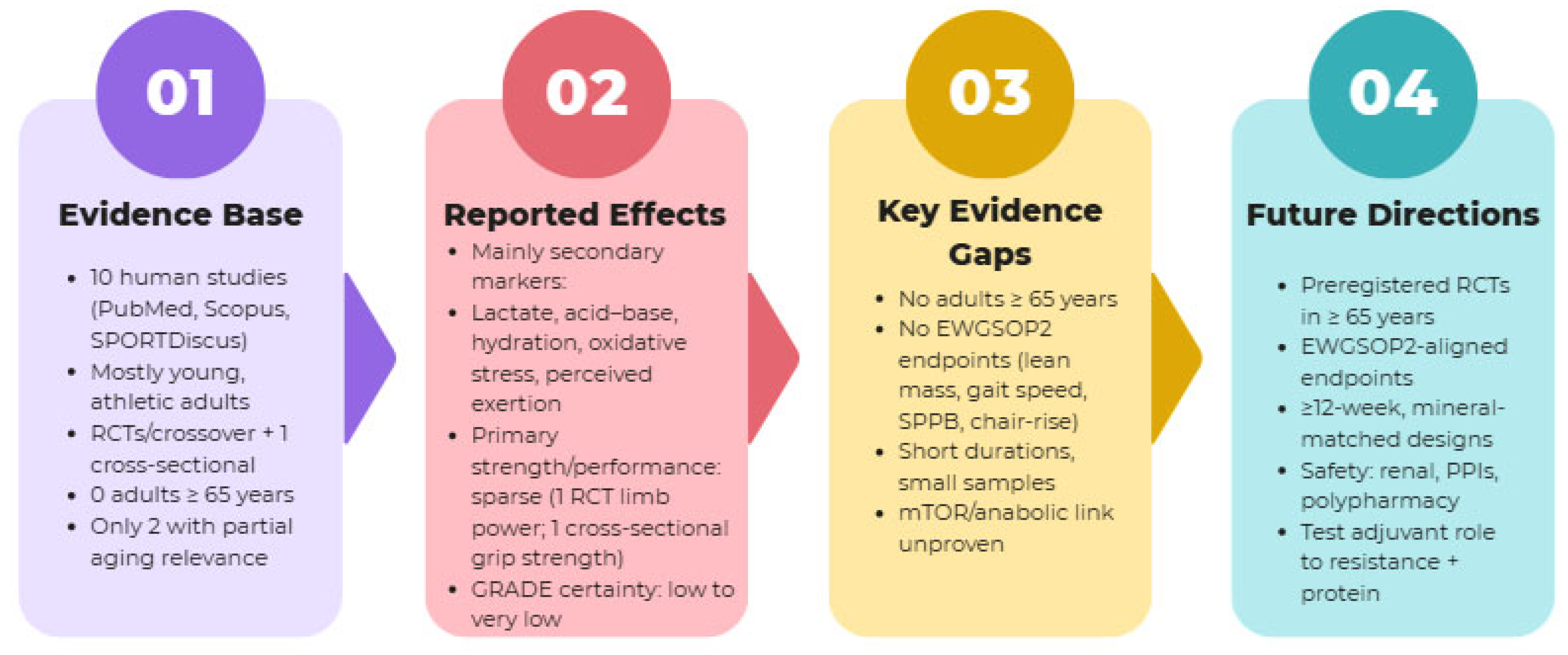
Safety monitoring remains essential and must specifically include renal function, serum electrolytes, gastrointestinal tolerance, and potential interactions with medications common in older populations. Particular attention should be paid to PPIs, which are highly prevalent in geriatric cohorts and may compound the gastric pH effects of alkaline water [54]. Until age-appropriate randomized trials are conducted with explicit safety protocols and validated functional assessments, alkaline water should be regarded as experimental rather than as an established strategy for healthy aging or longevity-oriented care. The overall evidence landscape, spanning current sources, reported effects, key gaps, and research priorities, is summarized in Figure 4.

5. Conclusions

This review identified a limited and heterogeneous comparative literature on alkaline water and muscle-related outcomes, highlighting a critical hierarchical mismatch: while secondary physiological and recovery signals are somewhat recurrent in young athletic cohorts, primary clinical evidence regarding muscle strength and functional performance in older adults is absent. No included study directly evaluated EWGSOP2-aligned, sarcopenia-relevant endpoints such as appendicular lean mass, gait speed, chair-rise performance, disability, rehabilitation outcomes, or broader indicators of healthy aging. Because the evidence base is small, methodologically diverse, and almost entirely derived from non-aging populations, this work should be interpreted primarily as a systematic evidence map of research gaps relevant to healthy aging and sarcopenia prevention.
Current evidence quality is low to very low for aging-relevant outcomes, long-term safety remains uncertain, and generalizability to older adults is extremely limited. Translational safety remains a paramount concern, as the current literature fails to account for age-related renal vulnerability or potential interactions with common geriatric medications, such as proton pump inhibitors, which may significantly alter the physiological response to alkaline water. Until adequately powered, age-appropriate randomized trials are conducted with EWGSOP2-aligned outcomes, blinded assessment where feasible, and explicit safety monitoring, alkaline water cannot be recommended as an evidence-based strategy for muscle health in aging populations. Established interventions, including progressive resistance training and adequate dietary protein intake, which provide a proven anabolic stimulus through the mTOR pathway, remain the clinical priorities for preserving functional independence and longevity.

Supplementary Materials

The following supporting information can be downloaded at: https://www.mdpi.com/article/10.3390/jal6030049/s1, Table S1: PRISMA 2020 Checklist.

Author Contributions

Conceptualization, T.A.A. and S.P.; methodology, T.A.A. and M.R.; validation, S.P., G.M. and M.R.; data curation, G.M., L.C. and M.R.; investigation, L.C. and S.P.; writing—original draft preparation, T.A.A.; writing—review and editing, T.A.A., G.M., L.C., S.P. and M.R.; visualization, T.A.A.; supervision, S.P. All authors have read and agreed to the published version of the manuscript.

Funding

This research received no external funding.

Institutional Review Board Statement

Not applicable.

Informed Consent Statement

Not applicable.

Data Availability Statement

All data analyzed in this systematic review are available in the published studies cited in the reference list. No new data were created or analyzed in this study.

Acknowledgments

During the preparation of this manuscript, the authors used Claude (Anthropic) Sonnet 4.6 for the purposes of manuscript editing, structural revision, and reference management. The authors explicitly state that the AI was utilized as a linguistic tool to improve the clarity and flow of the narrative. All scientific content, including the identification of research gaps, the interpretation of the evidence mapping, and the final conclusions, was developed solely by the authors. The tool was not used to generate scientific data, perform data analysis, or formulate original clinical interpretations. The authors have reviewed and edited the final output and take full responsibility for the scientific integrity and content of this publication.

Conflicts of Interest

The authors declare no conflicts of interest.

Abbreviations

The following abbreviations are used in this manuscript:
EWGSOP2European Working Group on Sarcopenia in Older People 2
GRADEGrading of Recommendations, Assessment, Development and Evaluation
GPxGlutathione peroxidase
JBIJoanna Briggs Institute
MDAMalondialdehyde
mTORMammalian target of rapamycin
NONitric oxide
ORPOxidation–reduction potential
PPIsProton pump inhibitors
RCTRandomized controlled trial
RoB 2Revised Cochrane Risk-of-Bias tool for randomized trials
ROBINS-IRisk Of Bias In Non-randomized Studies of Interventions
ROSReactive oxygen species
SPPBShort Physical Performance Battery

References

  1. Muscaritoli, M.; Anker, S.D.; Argilés, J.; Aversa, Z.; Bauer, J.M.; Biolo, G.; Boirie, Y.; Bosaeus, I.; Cederholm, T.; Costelli, P.; et al. Consensus Definition of Sarcopenia, Cachexia and Pre-Cachexia: Joint Document Elaborated by Special Interest Groups (SIG) “Cachexia-Anorexia in Chronic Wasting Diseases” and “Nutrition in Geriatrics”. Clin. Nutr. 2010, 29, 154–159. [Google Scholar] [CrossRef] [PubMed]
  2. Ganapathy, A.; Nieves, J.W. Nutrition and Sarcopenia—What Do We Know? Nutrients 2020, 12, 1755. [Google Scholar] [CrossRef] [PubMed]
  3. Cruz-Jentoft, A.J.; Bahat, G.; Bauer, J.; Boirie, Y.; Bruyère, O.; Cederholm, T.; Cooper, C.; Landi, F.; Rolland, Y.; Sayer, A.A.; et al. Sarcopenia: Revised European Consensus on Definition and Diagnosis. Age Ageing 2019, 48, 16–31. [Google Scholar] [CrossRef] [PubMed]
  4. Gielen, E.; Dupont, J.; Dejaeger, M.; Laurent, M.R. Sarcopenia, Osteoporosis and Frailty. Metabolism 2023, 145, 155638. [Google Scholar] [CrossRef] [PubMed]
  5. Santilli, V.; Bernetti, A.; Mangone, M.; Paoloni, M. Clinical Definition of Sarcopenia. Clin. Cases Mineral. Bone Metab. 2014, 11, 177. [Google Scholar] [CrossRef]
  6. Kirk, B.; Zanker, J.; Duque, G. Osteosarcopenia: Epidemiology, Diagnosis, and Treatment—Facts and Numbers. J. Cachexia Sarcopenia Muscle 2020, 11, 609–618. [Google Scholar] [CrossRef] [PubMed]
  7. Chinvattanachot, G.; Rivas, D.; Duque, G. Mechanisms of Muscle Cells Alterations and Regeneration Decline during Aging. Ageing Res. Rev. 2024, 102, 102589. [Google Scholar] [CrossRef] [PubMed]
  8. Tu, S.; Hao, X.; Xu, S.; Jin, X.; Liao, W.; Xia, H.; Wang, S.; Sun, G. Sarcopenia: Current Insights into Molecular Mechanisms, Diagnostics, and Emerging Interventional Approaches. Int. J. Mol. Sci. 2025, 26, 6740. [Google Scholar] [CrossRef] [PubMed]
  9. Sánchez-Sánchez, J.L.; He, L.; Morales, J.S.; de Souto Barreto, P.; Jiménez-Pavón, D.; Carbonell-Baeza, A.; Casas-Herrero, Á.; Gallardo-Gómez, D.; Lucia, A.; del Pozo Cruz, B.; et al. Association of Physical Behaviours with Sarcopenia in Older Adults: A Systematic Review and Meta-Analysis of Observational Studies. Lancet Healthy Longev. 2024, 5, e108–e119. [Google Scholar] [CrossRef] [PubMed]
  10. Alalwan, T.A. Phenotypes of Sarcopenic Obesity: Exploring the Effects on Peri-Muscular Fat, the Obesity Paradox, Hormone-Related Responses and the Clinical Implications. Geriatrics 2020, 5, 8. [Google Scholar] [CrossRef] [PubMed]
  11. Robinson, S.M.; Reginster, J.Y.; Rizzoli, R.; Shaw, S.C.; Kanis, J.A.; Bautmans, I.; Bischoff-Ferrari, H.; Bruyère, O.; Cesari, M.; Dawson-Hughes, B.; et al. Does Nutrition Play a Role in the Prevention and Management of Sarcopenia? Clin. Nutr. 2018, 37, 1121–1132. [Google Scholar] [CrossRef] [PubMed]
  12. Bloom, I.; Shand, C.; Cooper, C.; Robinson, S.; Baird, J. Diet Quality and Sarcopenia in Older Adults: A Systematic Review. Nutrients 2018, 10, 308. [Google Scholar] [CrossRef] [PubMed]
  13. Bauer, J.; Biolo, G.; Cederholm, T.; Cesari, M.; Cruz-Jentoft, A.J.; Morley, J.E.; Phillips, S.; Sieber, C.; Stehle, P.; Teta, D.; et al. Evidence-Based Recommendations for Optimal Dietary Protein Intake in Older People: A Position Paper From the PROT-AGE Study Group. J. Am. Med. Dir. Assoc. 2013, 14, 542–559. [Google Scholar] [CrossRef] [PubMed]
  14. Campbell, W.W.; Deutz, N.E.P.; Volpi, E.; Apovian, C.M. Nutritional Interventions: Dietary Protein Needs and Influences on Skeletal Muscle of Older Adults. J. Gerontol. Ser. A 2023, 78, 67–72. [Google Scholar] [CrossRef] [PubMed]
  15. Fuentes-Barría, H.; Aguilera-Eguía, R.; Angarita-Davila, L.; Rojas-Gómez, D.; Alarcón-Rivera, M.; López-Soto, O.; Maureira-Sánchez, J.; Bermúdez, V.; Rivera-Porras, D.; Contreras-Velázquez, J.C. Vitamin D and Sarcopenia: Implications for Muscle Health. Biomedicines 2025, 13, 1863. [Google Scholar] [CrossRef] [PubMed]
  16. Meng, Q.; Su, C.-H. The Impact of Physical Exercise on Oxidative and Nitrosative Stress: Balancing the Benefits and Risks. Antioxidants 2024, 13, 573. [Google Scholar] [CrossRef] [PubMed]
  17. Therdyothin, A.; Prokopidis, K.; Galli, F.; Witard, O.C.; Isanejad, M. The Effects of Omega-3 Polyunsaturated Fatty Acids on Muscle and Whole-Body Protein Synthesis: A Systematic Review and Meta-Analysis. Nutr. Rev. 2025, 83, e131–e143. [Google Scholar] [CrossRef] [PubMed]
  18. Medoro, A.; Scapagnini, G.; Davinelli, S. Polyphenol Supplementation and Sarcopenia: A Systematic Review and Meta-Analysis of Clinical Trials. J. Frailty Aging 2024, 13, 432–440. [Google Scholar] [CrossRef] [PubMed]
  19. Baranauskas, M.; Jablonskienė, V.; Abaravičius, J.A.; Samsonienė, L.; Stukas, R. Dietary Acid-Base Balance in High-Performance Athletes. Int. J. Environ. Res. Public Health 2020, 17, 5332. [Google Scholar] [CrossRef] [PubMed]
  20. Dawson-Hughes, B. Acid–Base Balance of the Diet—Implications for Bone and Muscle. Eur. J. Clin. Nutr. 2020, 74, 7–13. [Google Scholar] [CrossRef] [PubMed]
  21. Bailey, J.L. Metabolic Acidosis and Protein Catabolism: Mechanisms and Clinical Implications. Miner. Electrolyte Metab. 1998, 24, 13–19. [Google Scholar] [CrossRef] [PubMed]
  22. Anantharamu, T.; Vishnuprasad, R.; Sinha, S.; Santhanalakshmi, D.; Pradhan, S.; Salmani, F. Does Much Hyped Alkaline Electrolyzed Water Provide Health Benefits? A Systematic Review and Narrative Synthesis. Int. J. Environ. Health Eng. 2022, 11, 12. [Google Scholar] [CrossRef] [PubMed]
  23. Weidman, J.; Holsworth, R.E.; Brossman, B.; Cho, D.J.; St Cyr, J.; Fridman, G. Effect of Electrolyzed High-PH Alkaline Water on Blood Viscosity in Healthy Adults. J. Int. Soc. Sports Nutr. 2016, 13, 45. [Google Scholar] [CrossRef] [PubMed]
  24. Chycki, J.; Zając, T.; Maszczyk, M.; Kurylas, A. The Effect of Mineral-Based Alkaline Water on Hydration Status and the Metabolic Response to Short-Term Anaerobic Exercise. Biol. Sport 2017, 34, 255–261. [Google Scholar] [CrossRef] [PubMed]
  25. LeBaron, T.W.; Sharpe, R. ORP Should Not Be Used to Estimate or Compare Concentrations of Aqueous H2: An in Silico Analysis and Narrative Synopsis. Front. Food Sci. Technol. 2022, 2, 1007001. [Google Scholar] [CrossRef]
  26. Brauns, J.; Turek, T. Alkaline Water Electrolysis Powered by Renewable Energy: A Review. Processes 2020, 8, 248. [Google Scholar] [CrossRef]
  27. Çankaya, A.; Kılıç, A.E.; Kaplan, Y. Alkaline Water Electrolysis: A Review on Technological Progress, Market Dynamics, and Environmental Implications. Int. J. Energy Horiz. 2025, 2, 39–60. [Google Scholar]
  28. Albergamo, V.; Escher, B.I.; Schymanski, E.L.; Helmus, R.; Dingemans, M.M.L.; Cornelissen, E.R.; Kraak, M.H.S.; Hollender, J.; De Voogt, P. Evaluation of Reverse Osmosis Drinking Water Treatment of Riverbank Filtrate Using Bioanalytical Tools and Non-Target Screening. Environ. Sci. 2020, 6, 103–116. [Google Scholar] [CrossRef]
  29. Szymoniak, L.; Claveau-Mallet, D.; Haddad, M.; Barbeau, B. Application of Magnesium Oxide Media for Remineralization and Removal of Divalent Metals in Drinking Water Treatment: A Review. Water 2022, 14, 633. [Google Scholar] [CrossRef]
  30. Biyoune, M.G.; Bouargane, B.; Atbir, A.; Uddin, M.G.; Ikirri, M.; Olbert, A.I.; Abioui, M. Remineralization of Desalinated Water: Duality Roles of H2SO4 and CO2 Injection during Calco-Carbonic Equilibrium of Osmosis Water. Results Eng. 2024, 22, 102341. [Google Scholar] [CrossRef]
  31. Wang, J.; Zhou, L.; Liu, J.; Zhang, X.; Luo, X.; Zhu, R.; Wu, Y.; Ren, Z.; Dick, J. Geochemistry of Formation Water and Its Implications for Petroleum Source Rocks in the Fengcheng Formation, Mahu Depression, Xinjiang, China. Front. Earth Sci. 2022, 9, 774501. [Google Scholar] [CrossRef]
  32. Sidorenko, G.; Brilly, M.; Laptev, B.; Gorlenko, N.; Antoshkin, L.; Vidmar, A.; Kryžanowski, A. The Role of Modification of the Structure of Water and Water-Containing Systems in Changing Their Biological, Therapeutic, and Other Properties Overview. Water 2021, 13, 2441. [Google Scholar] [CrossRef]
  33. Piedras, P.; Cumpanas, A.D.; McCormac, A.; Lavasani, S.A.M.; Gorgen, A.R.H.; Rojhani, A.; Vu, M.C.; Bhatt, R.; Asplin, J.; Tano, Z.E.; et al. Alkaline Water: Help or Hype for Uric Acid and Cystine Urolithiasis? J. Urol. 2024, 211, 276–284. [Google Scholar] [CrossRef] [PubMed]
  34. Tajudin, M.H.M.Z.; Hamirudin, A.H. Effects of Alkaline Water Intake on Health: A Systematic Literature Review. Int. J. Allied Health Sci. 2020, 4, 1284–1298. [Google Scholar]
  35. Grgic, J.; Pedisic, Z.; Saunders, B.; Artioli, G.G.; Schoenfeld, B.J.; McKenna, M.J.; Bishop, D.J.; Kreider, R.B.; Stout, J.R.; Kalman, D.S.; et al. International Society of Sports Nutrition Position Stand: Sodium Bicarbonate and Exercise Performance. J. Int. Soc. Sports Nutr. 2021, 18, 61. [Google Scholar] [CrossRef] [PubMed]
  36. Chan, Y.M.; Shariff, Z.M.; Chin, Y.S.; Ghazali, S.S.; Lee, P.Y.; Chan, K.S. Associations of Alkaline Water with Metabolic Risks, Sleep Quality, Muscle Strength: A Cross-Sectional Study among Postmenopausal Women. PLoS ONE 2022, 17, e0275640. [Google Scholar] [CrossRef] [PubMed]
  37. Calvo, J.L.; Xu, H.; Mon-López, D.; Pareja-Galeano, H.; Jiménez, S.L. Effect of Sodium Bicarbonate Contribution on Energy Metabolism during Exercise: A Systematic Review and Meta-Analysis. J. Int. Soc. Sports Nutr. 2021, 18, 11. [Google Scholar] [CrossRef] [PubMed]
  38. Chycki, J.; Kurylas, A.; Maszczyk, A.; Golas, A.; Zajac, A. Alkaline Water Improves Exercise-Induced Metabolic Acidosis and Enhances Anaerobic Exercise Performance in Combat Sport Athletes. PLoS ONE 2018, 13, e0205708. [Google Scholar] [CrossRef] [PubMed]
  39. Lee, M.; Fadriquela, A.; Antonio, J.M.; Kim, C.S.; Cho, I.Y.; Kim, K.E.; An, W.S.; Jang, H.Y.; Bajgai, J.; Lee, K.J. Effects of Alkaline-Reduced Water on Exercise-Induced Oxidative Stress and Fatigue in Young Male Healthy Adults. Processes 2022, 10, 1543. [Google Scholar] [CrossRef]
  40. Murphy, M.P.; Bayir, H.; Belousov, V.; Chang, C.J.; Davies, K.J.A.; Davies, M.J.; Dick, T.P.; Finkel, T.; Forman, H.J.; Janssen-Heininger, Y.; et al. Guidelines for Measuring Reactive Oxygen Species and Oxidative Damage in Cells and in Vivo. Nat. Metab. 2022, 4, 651–662. [Google Scholar] [CrossRef] [PubMed]
  41. Sirago, G.; Picca, A.; Calvani, R.; Coelho-Júnior, H.J.; Marzetti, E. Mammalian Target of Rapamycin (MTOR) Signaling at the Crossroad of Muscle Fiber Fate in Sarcopenia. Int. J. Mol. Sci. 2022, 23, 13823. [Google Scholar] [CrossRef] [PubMed]
  42. Fan, J.; Zhang, X.; Zhang, J.; Zhao, T.; Burley, S.K.; Zheng, X.F.S. PDX1 Phosphorylation at S61 by MTORC1 Links Nutrient Signaling to β Cell Function and Metabolic Disease. Cell Rep. 2026, 45, 116811. [Google Scholar] [CrossRef] [PubMed]
  43. Zhao, T.; Fan, J.; Abu-Zaid, A.; Burley, S.K.; Zheng, X.F.S. Nuclear MTOR Signaling Orchestrates Transcriptional Programs Underlying Cellular Growth and Metabolism. Cells 2024, 13, 781. [Google Scholar] [CrossRef] [PubMed]
  44. Joseph, G.A.; Wang, S.X.; Jacobs, C.E.; Zhou, W.; Kimble, G.C.; Tse, H.W.; Eash, J.K.; Shavlakadze, T.; Glass, D.J. Partial Inhibition of MTORC1 in Aged Rats Counteracts the Decline in Muscle Mass and Reverses Molecular Signaling Associated with Sarcopenia. Mol. Cell. Biol. 2019, 39, e00141-19. [Google Scholar] [CrossRef] [PubMed]
  45. Sunardi, D.; Chandra, D.N.; Medise, B.E.; Manikam, N.R.M.; Friska, D.; Lestari, W.; Insani, P.N.C. Health Effects of Alkaline, Oxygenated, and Demineralized Water Compared to Mineral Water among Healthy Population: A Systematic Review. Rev. Environ. Health 2024, 39, 339–349. [Google Scholar] [CrossRef] [PubMed]
  46. Yalcinkaya, N.; Cetin, O.; Beyleroglu, M.; Isik, O.; Eker, S.; Bilge, M. Effect of Alkaline Diet with 8-Week Step Aerobic Exercise on Body Composition and Aerobic Exercise Performance of Sedentary Women. Prog. Nutr. 2020, 22, 372. [Google Scholar] [CrossRef]
  47. Page, M.J.; McKenzie, J.E.; Bossuyt, P.M.; Boutron, I.; Hoffmann, T.C.; Mulrow, C.D.; Shamseer, L.; Tetzlaff, J.M.; Akl, E.A.; Brennan, S.E.; et al. The PRISMA 2020 Statement: An Updated Guideline for Reporting Systematic Reviews. BMJ 2021, 372, n71. [Google Scholar] [CrossRef] [PubMed]
  48. Heil, D.P. Acid-Base Balance and Hydration Status Following Consumption of Mineral-Based Alkaline Bottled Water. J. Int. Soc. Sports Nutr. 2010, 7, 1–12. [Google Scholar] [CrossRef] [PubMed]
  49. Nanang, M.; Fuad, N.; Didik, R.; Topo, S.; Panuwun, J. Effect of Alkaline Fluids to Blood PH and Lactic Acid Changes on Sub Maximal Physical Exercise. IOP Conf. Ser. Earth Environ. Sci. 2018, 197, 012049. [Google Scholar] [CrossRef]
  50. Losavio, G.; Tamma, B.; Abbattista, A.; Tatò, I.S.; Buongiorno, D.; Cascarano, G.D.; Brunetti, A.; De Feudis, I.; Bevilacqua, V. On the Analysis of the Relationship Between Alkaline Water Usage and Muscle Fatigue Recovery. In Proceedings of The International Conference on Applied Human Factors and Ergonomics, San Diego, CA, USA, 16–20 July 2020; Springer: Cham, Switzerland, 2020; Volume 1215, pp. 26–31. [Google Scholar] [CrossRef]
  51. Steffl, M.; Kinkorova, I.; Talar, K.; Jandova, T.; Moulisova, K.; Omcirk, D.; Malecek, J.; Chrudimsky, J.; Wilk, M.; Stastny, P.; et al. The Effects of High Mineral Alkaline Water Consumed Over Three Consecutive Days on Reaction Time Following Anaerobic Exercise–A Randomized Placebo-Controlled Crossover Pilot Study. J. Hum. Kinet. 2021, 78, 111. [Google Scholar] [CrossRef] [PubMed]
  52. Rias, Y.A.; Kurniawan, A.L.; Chang, C.W.; Gordon, C.J.; Tsai, H.T. Synergistic Effects of Regular Walking and Alkaline Electrolyzed Water on Decreasing Inflammation and Oxidative Stress, and Increasing Quality of Life in Individuals with Type 2 Diabetes: A Community Based Randomized Controlled Trial. Antioxidants 2020, 9, 946. [Google Scholar] [CrossRef] [PubMed]
  53. Noronha, I.L.; Santa-Catharina, G.P.; Andrade, L.; Coelho, V.A.; Jacob-Filho, W.; Elias, R.M. Glomerular Filtration in the Aging Population. Front. Med. 2022, 9, 769329. [Google Scholar] [CrossRef] [PubMed]
  54. Vara-Luiz, F.; Mendes, I.; Palma, C.; Mascarenhas, P.; Nunes, G.; Patita, M.; Fonseca, J. Age-Related Decline of Gastric Secretion: Facts and Controversies. Biomedicines 2025, 13, 1546. [Google Scholar] [CrossRef] [PubMed]
  55. Guyatt, G.H.; Oxman, A.D.; Vist, G.E.; Kunz, R.; Falck-Ytter, Y.; Alonso-Coello, P.; Schünemann, H.J. GRADE: An Emerging Consensus on Rating Quality of Evidence and Strength of Recommendations. BMJ 2008, 336, 924–926. [Google Scholar] [CrossRef] [PubMed]
  56. Shen, Y.; Shi, Q.; Nong, K.; Li, S.; Yue, J.; Huang, J.; Dong, B.; Beauchamp, M.; Hao, Q. Exercise for Sarcopenia in Older People: A Systematic Review and Network Meta-Analysis. J. Cachexia Sarcopenia Muscle 2023, 14, 1199–1211. [Google Scholar] [CrossRef] [PubMed]
  57. Li, S.; Xiao, X.; Zhang, X. Hydration Status in Older Adults: Current Knowledge and Future Challenges. Nutrients 2023, 15, 2609. [Google Scholar] [CrossRef] [PubMed]
Figure 1. Conceptual framework of hypothesized mechanistic pathways linking alkaline water consumption to muscle health outcomes. The diagram illustrates the theoretical cascade from alkaline water intake through four primary intermediate mechanisms: (1) extracellular buffering of metabolic acidosis, (2) reduction in oxidative stress markers, (3) optimization of cellular hydration, and (4) mineral supplementation (Ca2+ and Mg2+). These pathways are proposed to influence physiological effects such as lactate clearance and protein synthesis, ultimately leading to clinical outcomes like muscle strength and functional capacity. This schematic represents a hypothesis-generating model based on current physiological theories and should be interpreted with caution given the limited human evidence. Abbreviations: Ca2+, calcium; Mg2+, magnesium; K+, potassium; ORP, oxidation–reduction potential; ROS, reactive oxygen species; ↑, increase; ↓, decrease.
Jal 06 00049 g001
Figure 2. PRISMA flow diagram for study selection.
Jal 06 00049 g002
Figure 3. Comprehensive risk of bias summary across the included evidence base. Domain-level internal validity assessments are presented for all 10 included studies (Heil, 2010 [48]; Chycki et al., 2017 [24]; Nanang et al., 2018 [49]; Chycki et al., 2018 [38]; Yalcinkaya et al., 2020 [46]; Rias et al., 2020 [52]; Losavio et al., 2020 [50]; Steffl et al., 2021 [51]; Lee et al., 2022 [39]; and Chan et al., 2022 [36]). The appraisal utilized three distinct frameworks tailored to study design: the Cochrane Risk of Bias 2.0 (RoB 2) for randomized and crossover trials, the Risk Of Bias In Non-Randomized Studies of Interventions (ROBINS-I), and the Joanna Briggs Institute (JBI) checklist for analytical cross-sectional studies. Ratings are color-coded: Green indicates low risk of bias; Yellow signifies some concerns; Red denotes high risk or serious concerns; and Grey indicates non-applicability of a domain to a specific design. This summary highlights the methodological limitations—primarily small sample sizes and lack of blinding—that contribute to the low overall certainty of the evidence. Abbreviations: D1–D5, risk of bias domains specific to each tool.
Jal 06 00049 g003
Figure 4. Translational evidence map for alkaline water and muscle health in aging. The schematic integrates the current evidence base and study populations, the reported effects and the primary-versus-secondary outcome hierarchy, the principal evidence gaps (no participants aged 65 years or older and no EWGSOP2-aligned functional endpoints), and priority directions for future aging-specific research. Abbreviations: EWGSOP2, European Working Group on Sarcopenia in Older People; GRADE, Grading of Recommendations, Assessment, Development and Evaluation; mTOR, mammalian target of rapamycin; PPIs, proton pump inhibitors; RCT, randomized controlled trial; SPPB, short physical performance battery.
Jal 06 00049 g004
Table 1. Structured summary of methodological limitations and overall internal validity concerns across the included evidence base.
Evidence SubsetAppraisal FrameworkDominant ConcernsOverall Judgment
Randomized and crossover intervention trialsRoB 2Small samples; incomplete reporting of sequence generation/allocation concealment in several reports; limited blinding detail; short interventions; frequent reliance on surrogate physiological outcomesMostly some concerns
Non-randomized comparative interventionsROBINS-IConfounding by training status, hydration behavior, mineral intake, or co-interventions; comparator mismatch; incomplete control of baseline differencesModerate to serious risk
Analytical cross-sectional evidenceJBI analytical cross-sectional checklistResidual confounding; reverse causation; inability to infer treatment effects; indirect relevance to aging endpointsHigh vulnerability to bias
Abbreviations: JBI, Joanna Briggs Institute; RoB 2, Risk of Bias 2; ROBINS-I, Risk of Bias In Non-randomized Studies of Interventions.
Table 2. Summary of included studies and their relevance to aging and longevity research. Interventional and observational evidence are shown together for completeness, but observational findings were interpreted as contextual rather than causal.
Author and YearPopulationStudy DesignKey Findings and Relevance to Aging and LongevityDirection of Effect
Heil, 2010 [48]38 healthy adults
(aged 21–23 years)
4-week RCT comparing alkaline water (pH 10.0) vs. placeboImproved acid–base and hydration markers; no direct muscle endpoint and no aging-relevant sample.↑ Positive (secondary)
Chycki et al., 2017 [24]36 male footballers
(21.3 ± 1.8 years)
7-day intervention: low-mineralized alkaline water (pH 8.0) vs. highly mineralized water vs. table waterBetter hydration and lactate handling in young footballers; not informative for older adults.↑ Positive (secondary)
Nanang et al., 2018 [49]30 male sports students (17.96 ± 0.80 years)Pretest-posttest control group design: alkaline fluid (pH 9.0) vs. control during submaximal exerciseLower lactate accumulation during exercise in young male sports students; no applicability to aging populations.↑ Positive (secondary)
Chycki et al., 2018 [38]16 combat sport athletes (22.3 ± 0.5 years)3-week double-blind RCT: alkaline water (pH 9.13) vs. table waterHigher limb power and better acid–base balance in young combat athletes; external validity to older adults is very low.↑ Positive (primary)
Yalcinkaya et al., 2020 [46]22 sedentary women
(49.18 ± 6.28 years)
8-week RCT: alkaline diet + exercise vs. acidic diet + exercise [indirect alkalinizing intervention; the independent effect of water cannot be isolated]Combined alkaline diet plus exercise improved body composition and VO2max, but the independent effect of water cannot be isolated; midlife rather than older adult sample.↑ Positive (confounded)
Rias et al., 2020 [52]81 adults with type 2 diabetes4-group RCT: alkaline water ± walking vs. controlsOxidative stress, inflammation, and quality-of-life markers improved in adults with type 2 diabetes, but direct muscle function outcomes were not assessed.↑ Positive (secondary)
Losavio et al., 2020 [50]30 healthy adultsCrossover study: alkaline water (pH 8.5–9.3) vs. control post-exercisePost-exercise lactate reduction suggests faster short-term recovery; healthy adults, not older adults.↑ Positive (secondary)
Steffl et al., 2021 [51]12 healthy young males (aged 21.1 ± 1.3 years)Double-blind, placebo-controlled crossover pilot study: alkaline water vs. regular water for 3 days before anaerobic exerciseLower perceived exertion and improved reaction time after anaerobic testing; young male pilot study only.↑ Positive (secondary)
Lee et al., 2022 [39]Healthy men (19–25 years)Double-blind crossover RCT: alkaline-reduced water post-exerciseReduced reactive oxygen species, lactate, and fatigue markers post-exercise; no clinically meaningful aging-relevant endpoint.↑ Positive (secondary)
Chan et al., 2022 [36]304 postmenopausal womenCross-sectional study: alkaline water consumers vs. non-consumers [observational design; contextual evidence only]Higher grip strength and lower metabolic syndrome prevalence among consumers, but cross-sectional design prevents causal inference; postmenopausal rather than older adult-specific evidence.↑ Positive (observational)
Abbreviations: MetS, metabolic syndrome; QoL, quality of life; RCT, randomized controlled trial; ROS, reactive oxygen species; RPE, rating of perceived exertion; T2D, type 2 diabetes; VO2max, maximal oxygen consumption; ↑, positive/favorable direction of the reported effect.
Table 3. GRADE evidence profile of alkaline water interventions for muscle-related outcomes in aging and longevity research.
Outcome DomainNumber of Studies (Design)Risk of BiasInconsistencyIndirectnessImprecisionOverall Certainty
Primary: Muscle Strength2 (1 RCT, 1 CS)SeriousNot SeriousVery SeriousSeriousVery Low
Primary: Physical Performance0NANANANANo Evidence
Secondary: Biochemical Markers6 (RCT/Crossover)Some concernsSeriousVery SeriousSeriousVery Low
Secondary: Recovery Markers3 (RCT/Crossover)Some concernsNot SeriousVery SeriousSeriousLow
Secondary: Safety/Tolerability10 (Various)SeriousNot SeriousVery SeriousVery SeriousVery Low
Abbreviations: CS, cross-sectional study; NA, not applicable; RCT, randomized controlled trial.
Disclaimer/Publisher’s Note: The statements, opinions and data contained in all publications are solely those of the individual author(s) and contributor(s) and not of MDPI and/or the editor(s). MDPI and/or the editor(s) disclaim responsibility for any injury to people or property resulting from any ideas, methods, instructions or products referred to in the content.