Journal Description
Inventions
Inventions
is an international, scientific, peer-reviewed, open access journal published bimonthly online by MDPI.
- Open Access— free for readers, with article processing charges (APC) paid by authors or their institutions.
- High Visibility: indexed within Scopus, ESCI (Web of Science), Inspec, Ei Compendex and other databases.
- Journal Rank: JCR - Q2 (Engineering, Multidisciplinary) / CiteScore - Q1 (General Engineering)
- Rapid Publication: manuscripts are peer-reviewed and a first decision is provided to authors approximately 21.9 days after submission; acceptance to publication is undertaken in 4.6 days (median values for papers published in this journal in the second half of 2025).
- Recognition of Reviewers: reviewers who provide timely, thorough peer-review reports receive vouchers entitling them to a discount on the APC of their next publication in any MDPI journal, in appreciation of the work done.
Impact Factor:
1.9 (2024);
5-Year Impact Factor:
2.3 (2024)
Latest Articles
High Hermeticity and Long Lifetime MEMS Alkali Vapor Cells for Atomic Sensors
Inventions 2026, 11(3), 51; https://doi.org/10.3390/inventions11030051 - 22 May 2026
Abstract
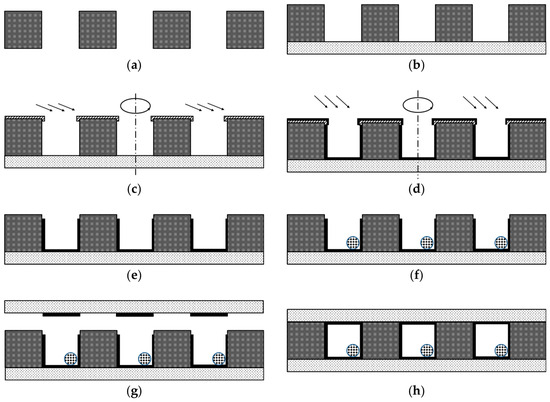
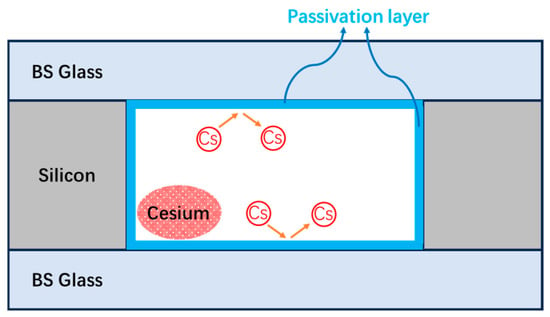
Most chip-scale atomic sensors in quantum precision measurement fields require MEMS alkali vapor cells with long lifetime operation, which is mainly restricted by the significant reduction in alkali metal in the vapor cells. An integrated circuit compatible fabrication process is proposed to realize
[...] Read more.
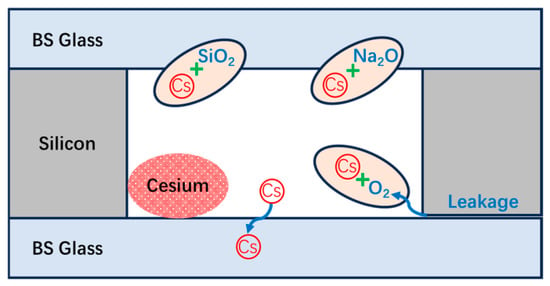
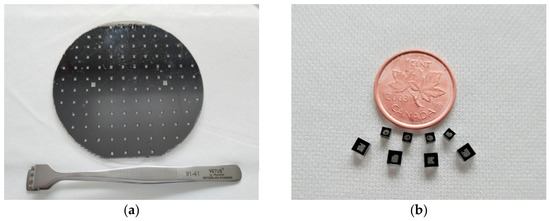
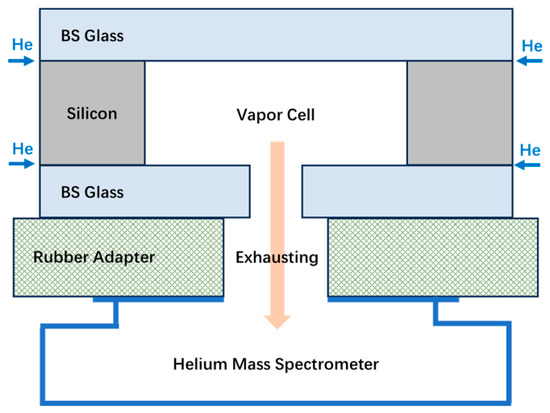
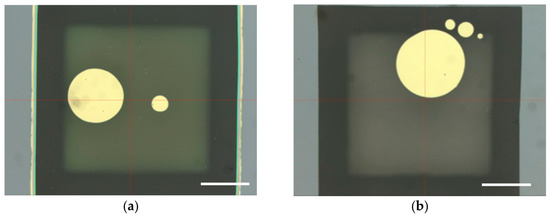
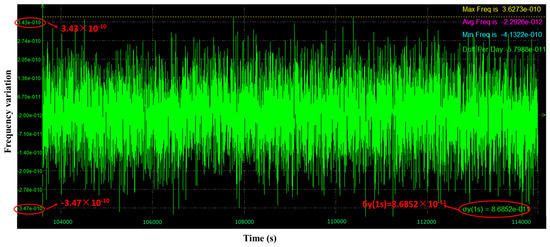
Most chip-scale atomic sensors in quantum precision measurement fields require MEMS alkali vapor cells with long lifetime operation, which is mainly restricted by the significant reduction in alkali metal in the vapor cells. An integrated circuit compatible fabrication process is proposed to realize high hermetic alkali metal cesium vapor cells with passivation layers to prevent the reduction in alkali metal. The fabricated vapor cells achieve leakage rates less than 1 × 10⁻¹³ Pa·m3/s, and can maintain cesium content well in a two-step high-temperature accelerated aging process of 115 °C for more than 2 years and 300 °C for 48 h. The high-temperature aged vapor cells are tested and assembled in miniaturized atomic clocks for trial use. The resonance performance tests indicate that the coherent population trapping widths of the vapor cells are less than 2 kHz, and the corresponding atomic clocks realize pretty good short-term stabilities of about 8.68 × 10⁻¹¹ @ 1 s and 6.83 × 10⁻¹² @ 1000 s. All results indicate that the vapor cells have long lifetime application potential in chip-scale atomic sensing devices.
Full article
(This article belongs to the Special Issue Advancements in Micro-Electro-Mechanical Systems (MEMS): Materials, Intelligence, and Integration for Next-Generation Industrial Applications)
►
Show Figures
Open AccessArticle
A Chaotic Educational Competition Optimizer with an Explainable SVC for Risk-Aware Student Performance Prediction
by
M. A. Elsabagh, Menna M. S. Elmasry and Mona G. Gafar
Inventions 2026, 11(3), 50; https://doi.org/10.3390/inventions11030050 - 20 May 2026
Abstract
Predicting student performance has emerged as an essential element of contemporary learning assessment, allowing educational organizations to determine problematic students and offer early intellectual assistance. Many machine learning (ML) methodologies prioritize predicted accuracy at the expense of interpretability and practical insights. This paper
[...] Read more.
Predicting student performance has emerged as an essential element of contemporary learning assessment, allowing educational organizations to determine problematic students and offer early intellectual assistance. Many machine learning (ML) methodologies prioritize predicted accuracy at the expense of interpretability and practical insights. This paper provides a framework for predicting student performance that is both risk aware and explainable utilizing a chaotic educational competition optimizer (ECO) in conjunction with a support vector classifier (SVC) to overcome existing challenges. The ECO serves as a metaheuristic feature selection technique for selecting the most significant features from a multivariate educational dataset consisting of 1195 students and 29 behavioral, demographic, and academic characteristics. Experimental findings demonstrate that ECO effectively condenses the feature space to 11 essential indications and improves generalization of model while maintaining classification robustness. Utilizing the chosen features, the ECO–SVC model attains a complete classification accuracy of 87.03%, with F1-scores of 0.92, 0.69, and 0.82 for high-, medium-, and low-performance student categories, respectively, surpassing other benchmark ML methods. The proposed framework incorporates explainable artificial intelligence (XAI) to improve transparency by utilizing local explanations and permutation-driven feature significance. The XAI research verifies that institutional support, learner engagement, and previous academic success are the most important contributing factors to predictive results. Notably the ECO functions as a classifier-independent feature selection mechanism; however, the support vector classifier (SVC) is adopted in this study due to its strong generalization capability and effectiveness in exploiting the optimized feature space. The findings are analyzed using a semiotic-linguistic framework, wherein certain qualities are correlated with symbolic, indexical, and temporal educational signs, converting numerical significance into substantive pedagogical insights. Furthermore, an initial academic risk profile strategy is established by utilizing SVC decision confidence and elucidating feature contributors. The consequent risk ratings accurately categorize students into low-, medium-, and high-risk categories, facilitating the detection of at-risk learners beyond mere final score assessment. The proposed risk-aware and explainable ECO–SVC framework enhances learning outcomes assessment by integrating interpretability, high accuracy, and proactive academic reasoning, rendering it suitable for real-life educational decision-support systems.
Full article
(This article belongs to the Section Inventions and Innovation in Design, Modeling and Computing Methods)
Open AccessArticle
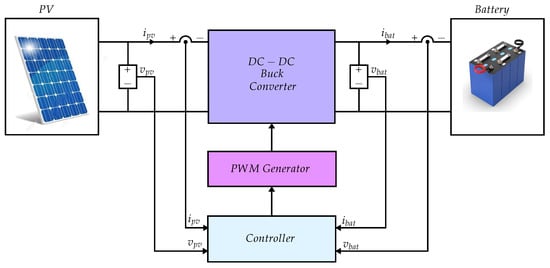
Adaptive Nonlinear Control and State Estimation for Energy Management in Standalone Photovoltaic–Battery Systems
by
Nabil Elaadouli, Ilyass El Myasse, Abdelmounime El Magri, Rachid Lajouad, Mishari Metab Almalki and Mahmoud A. Mossa
Inventions 2026, 11(3), 49; https://doi.org/10.3390/inventions11030049 - 18 May 2026
Abstract
This paper presents an adaptive nonlinear control and state observation framework for energy management in standalone photovoltaic (PV) systems integrated with battery energy storage. A unified nonlinear dynamic model is developed to describe the interactions between the PV generator, the DC/DC buck converter,
[...] Read more.
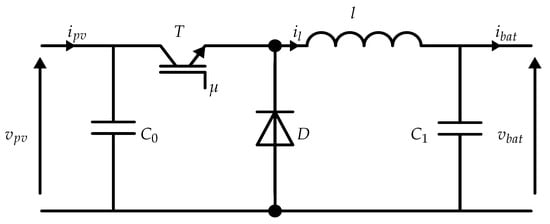
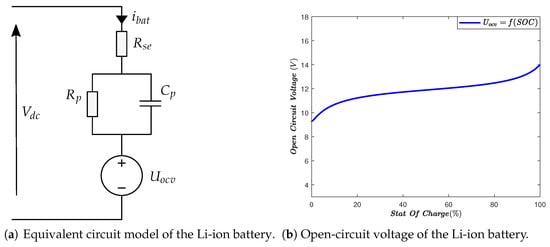
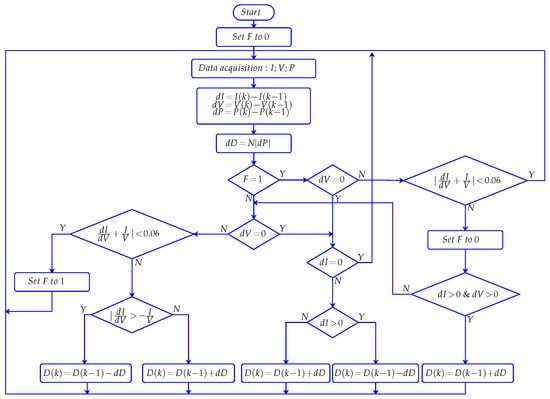
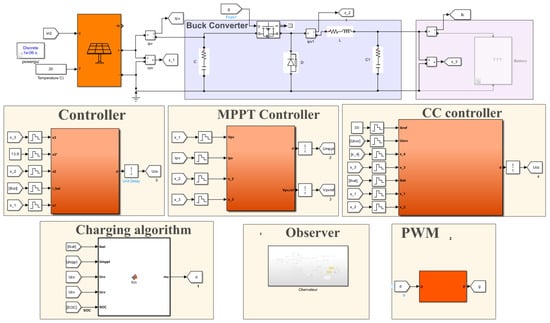
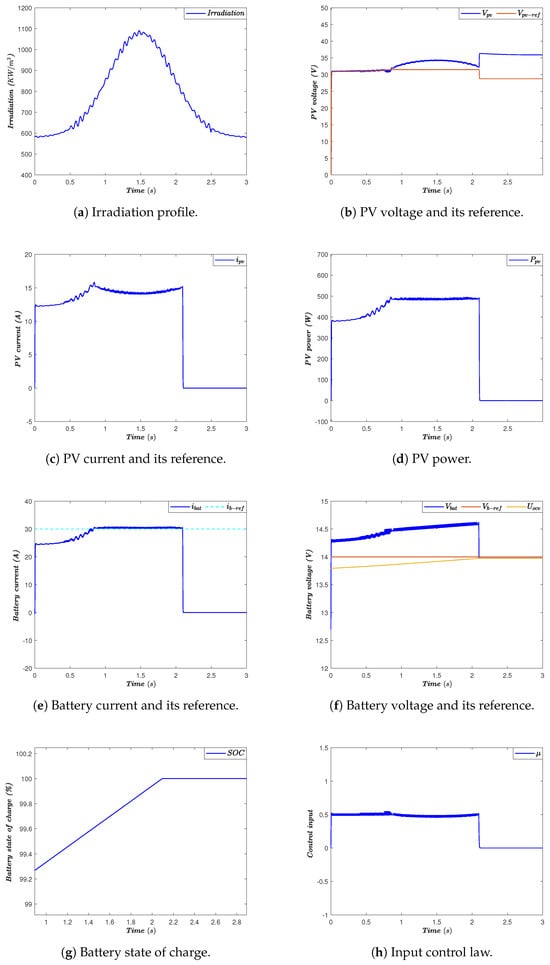
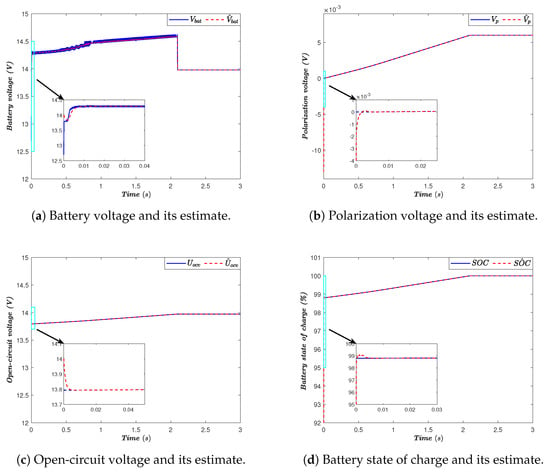
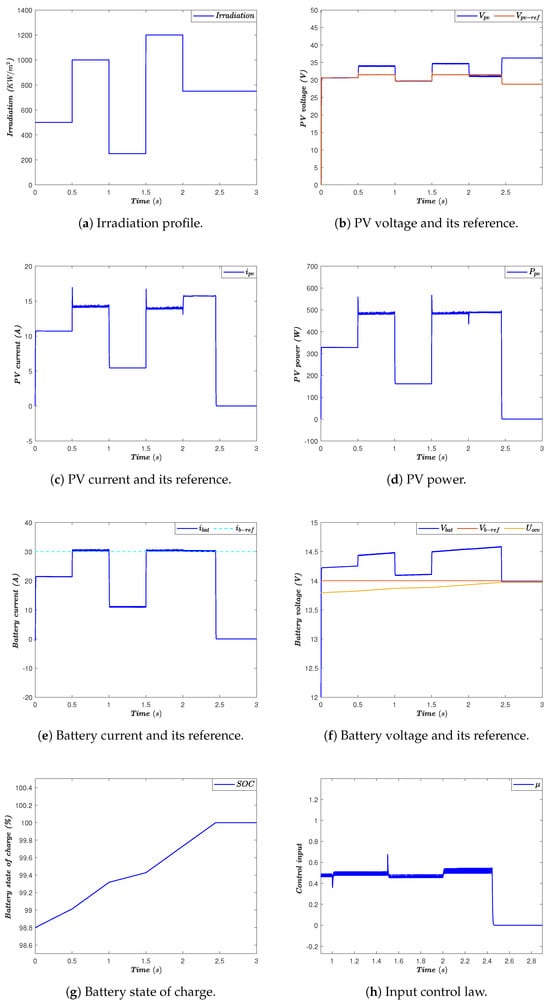
This paper presents an adaptive nonlinear control and state observation framework for energy management in standalone photovoltaic (PV) systems integrated with battery energy storage. A unified nonlinear dynamic model is developed to describe the interactions between the PV generator, the DC/DC buck converter, and the lithium-ion battery. Based on this model, a multi-mode control strategy is designed to ensure efficient and safe operation under varying environmental and loading conditions. The proposed scheme incorporates maximum power point tracking (MPPT) to maximize photovoltaic energy extraction, along with constant current (CC) and constant voltage (CV) charging modes to guarantee battery safety and longevity. To address uncertainties and unmeasured states, an adaptive nonlinear observer is developed for real-time estimation of the battery open-circuit voltage and state of charge. The observer design is supported by Lyapunov-based stability analysis, ensuring boundedness and convergence of the estimation error in the presence of modeling uncertainties and external disturbances. An energy management algorithm is further introduced to coordinate the transition between operating modes according to the estimated system states and battery constraints. The effectiveness and robustness of the proposed control and observation strategy are validated through detailed simulations in MATLAB/Simulink under varying solar irradiance conditions. The results demonstrate accurate maximum power tracking, reliable state estimation, and safe battery charging performance, highlighting the potential of the proposed approach for advanced autonomous PV–battery systems.
Full article
(This article belongs to the Special Issue Advanced Nonlinear Control and Optimization for Renewable Energy Systems, Smart Grids and Electric Vehicles)
►▼
Show Figures

Figure 1
Open AccessArticle
A System-Level Planning Framework for Rooftop Photovoltaic-Based Vehicle Fleet Electrification Under Seasonal and Spatial Constraints
by
Or Yatzkan, Orit Rotem-Mindali, Reuven Cohen, Eyal Yaniv and David Burg
Inventions 2026, 11(3), 48; https://doi.org/10.3390/inventions11030048 - 18 May 2026
Abstract
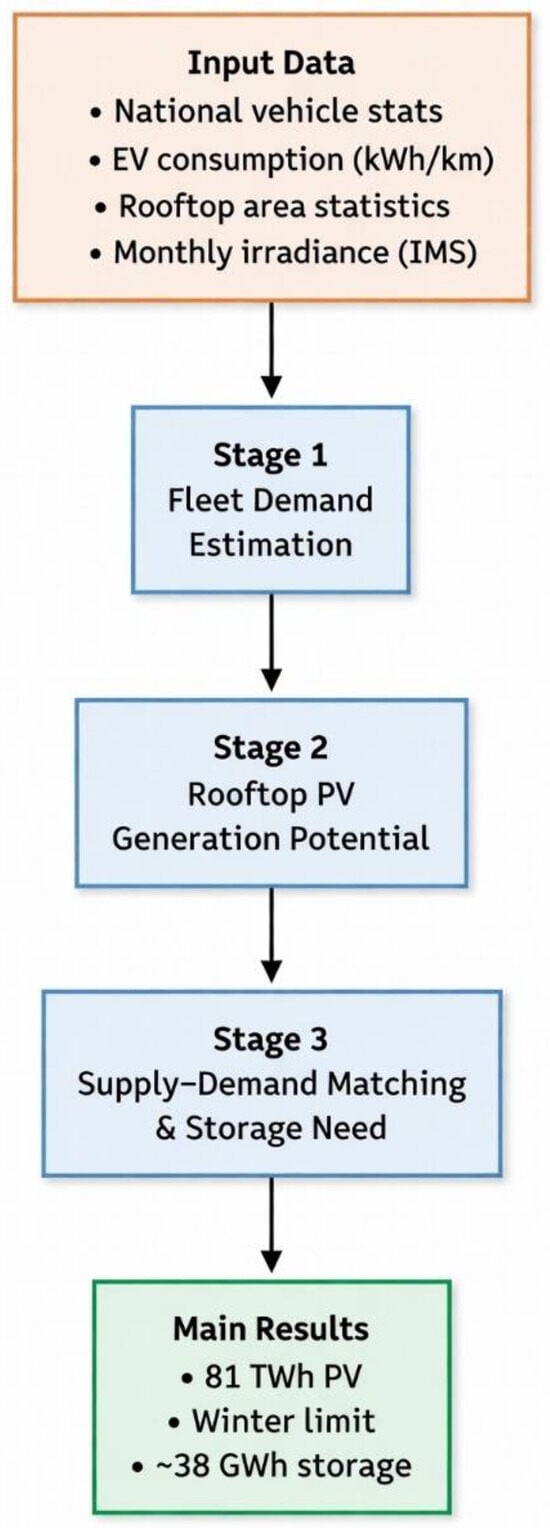
As global efforts to decarbonize the transportation sector intensify, integrating renewable energy sources into electric vehicle (EV) infrastructure has become a critical challenge, particularly under strong temporal mismatches between generation and demand. This study evaluates the potential of urban rooftop photovoltaic (PV) systems
[...] Read more.
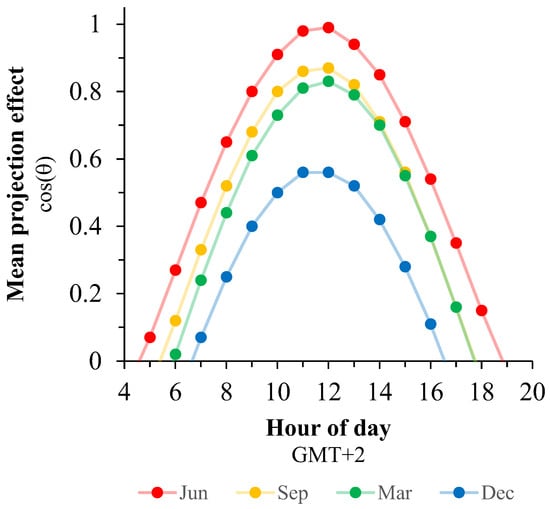
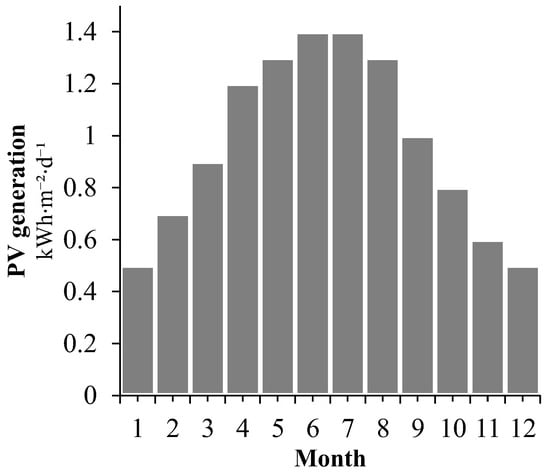
As global efforts to decarbonize the transportation sector intensify, integrating renewable energy sources into electric vehicle (EV) infrastructure has become a critical challenge, particularly under strong temporal mismatches between generation and demand. This study evaluates the potential of urban rooftop photovoltaic (PV) systems in Israel to support full electrification of the private vehicle fleet using a planning-oriented modeling framework that links energy supply, transport demand, and seasonal variability. Current annual fleet demand is estimated at 14 TWh, based on both internal combustion vehicle replacement and EV-specific consumption. A three-stage modeling framework is applied. First, national vehicle data are used to estimate total electricity demand. Second, rooftop PV generation potential is calculated using a monthly irradiance model, rooftop availability data, and system-level efficiency factors. Under these assumptions, residential rooftop PV could generate up to 81 TWh per year, corresponding to approximately 44 km2 of usable rooftop area. Third, temporal matching between supply and demand is evaluated, with explicit focus on intra-annual variability rather than only annual energy balance. Winter irradiance declines to approximately 45% of summer levels, while maintaining continuous charging requires approximately 38 GWh of energy storage. These results show that system feasibility is constrained by winter minimum generation rather than annual energy balance. The findings highlight that large-scale rooftop PV-based electrification is primarily limited by a temporal mismatch between generation and demand. This shifts the evaluation of PV-EV integration from a static annual energy perspective to a temporal system-design problem. This underscores the importance of integrating storage, grid flexibility, and system-level planning when evaluating the role of distributed PV in supporting electrified transport.
Full article
(This article belongs to the Section Inventions and Innovation in Energy and Thermal/Fluidic Science)
►▼
Show Figures

Figure 1
Open AccessArticle
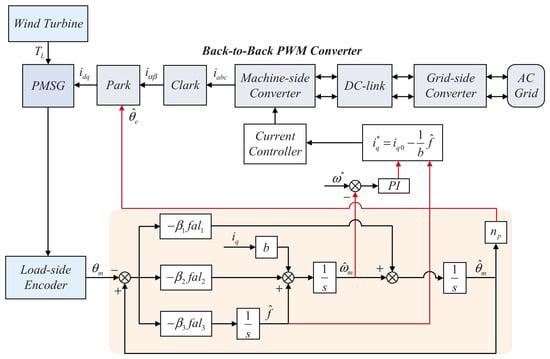
Load-Side Encoder-Based Redundant Control Framework for PMSG Wind Energy Conversion Systems
by
Zijian Zhang, Wenzhe Hao, Chao Luo, Jiawei Yu, Yihua Zhu, Zhiyong Dai and Guangqi Li
Inventions 2026, 11(3), 47; https://doi.org/10.3390/inventions11030047 - 15 May 2026
Abstract
In permanent magnet synchronous generator-based wind energy conversion systems, generator-side measurements may become unreliable due to sensor faults, which can degrade system reliability. To address this issue, a redundant control framework based on load-side encoder feedback is proposed, where the load-side encoder serves
[...] Read more.
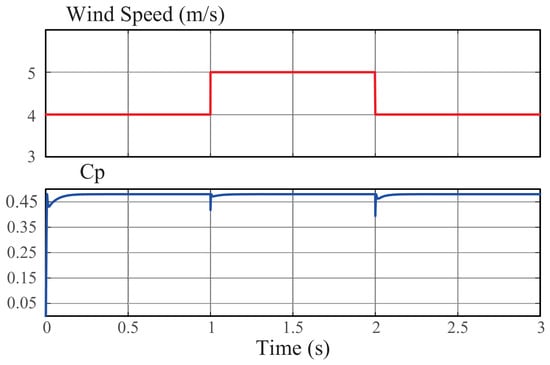
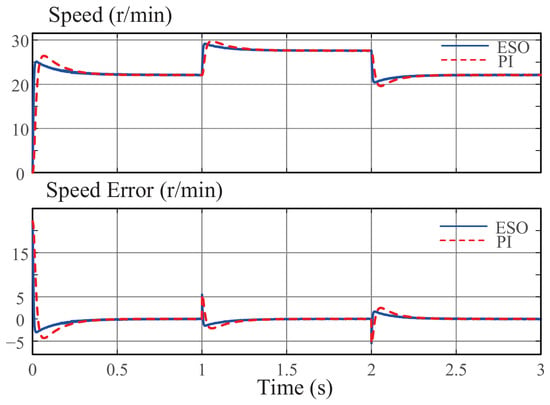
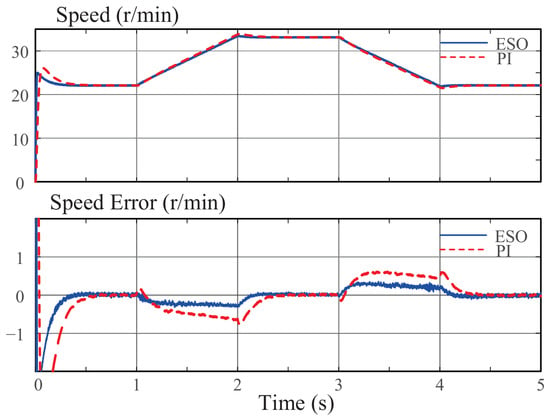
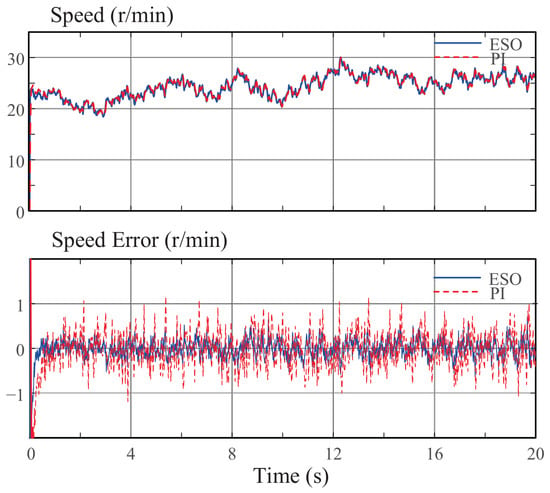
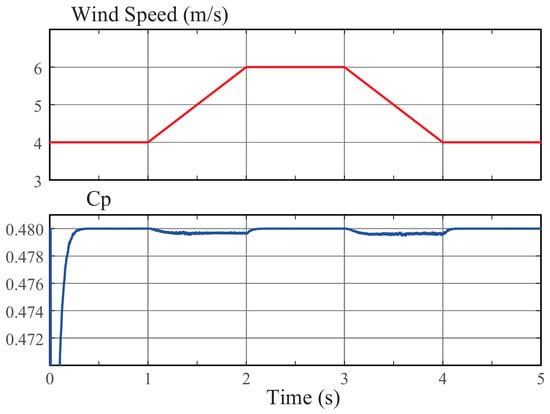
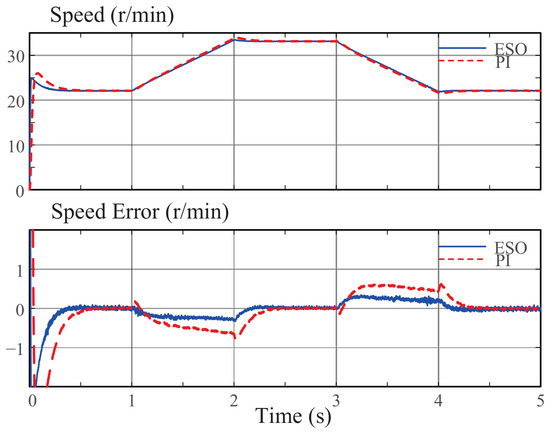
In permanent magnet synchronous generator-based wind energy conversion systems, generator-side measurements may become unreliable due to sensor faults, which can degrade system reliability. To address this issue, a redundant control framework based on load-side encoder feedback is proposed, where the load-side encoder serves as an alternative measurement source under sensor degradation. Compared with conventional generator-side sensing strategies, the proposed approach enhances fault tolerance without requiring additional hardware redundancy. An extended state observer is employed to estimate system states and lumped disturbances, enabling improved robustness. Simulation results show that the proposed method significantly improves speed tracking performance, reducing the root mean square error by approximately 45% compared with conventional PI control, while maintaining stable operation under sensor degradation conditions. The results demonstrate that the proposed strategy enhances system reliability and robustness in fault scenarios.
Full article
(This article belongs to the Section Inventions and Innovation in Electrical Engineering/Energy/Communications)
►▼
Show Figures

Figure 1

Open AccessArticle
Photocatalytic CO2 Conversion via the RK-X Process: A Comprehensive Feasibility Analysis of In Situ Resource Utilisation on Mars
by
Zoltán Köntös
Inventions 2026, 11(3), 46; https://doi.org/10.3390/inventions11030046 - 14 May 2026
Abstract
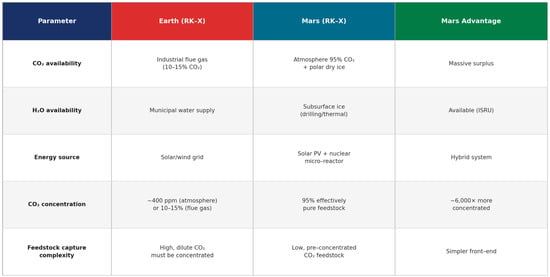
This paper presents a theoretical engineering feasibility analysis of the RK-X photocatalytic process for In Situ Resource Utilisation (ISRU) on Mars. Experimental validation under simulated Martian conditions is the essential next step before any mission deployment claim can be made. The RK-X process
[...] Read more.
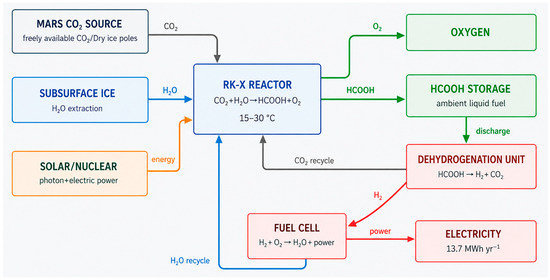
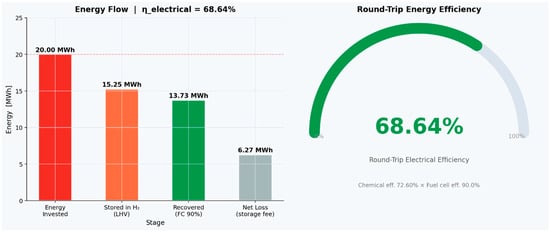
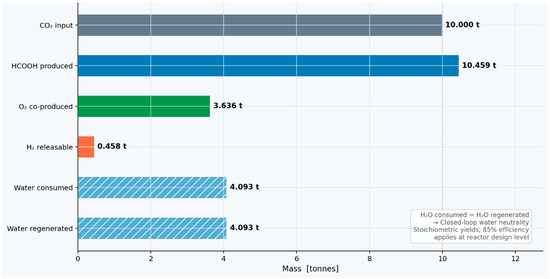
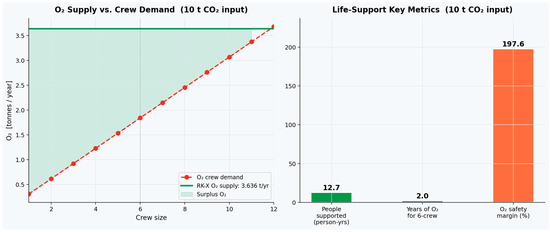
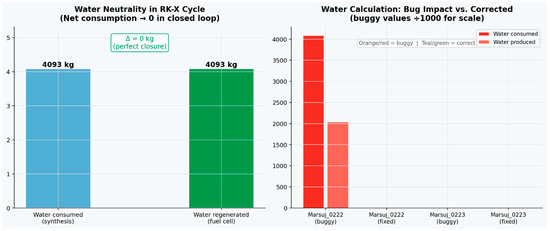
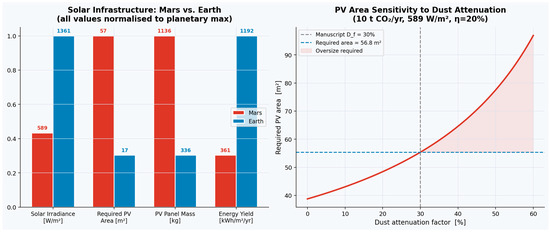
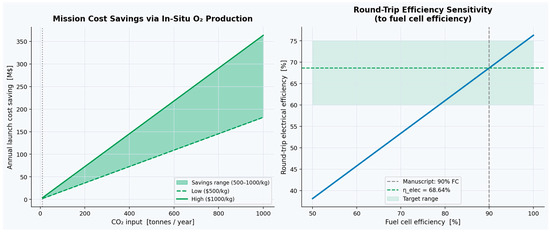
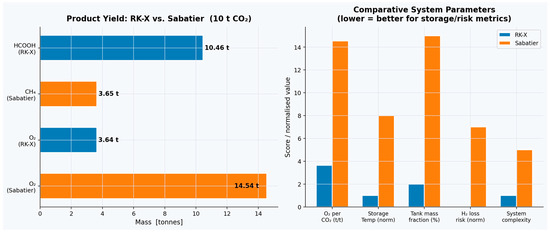
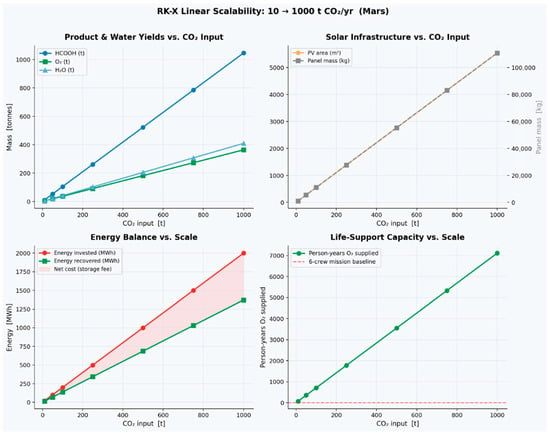
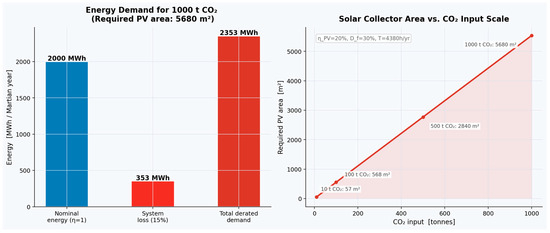
This paper presents a theoretical engineering feasibility analysis of the RK-X photocatalytic process for In Situ Resource Utilisation (ISRU) on Mars. Experimental validation under simulated Martian conditions is the essential next step before any mission deployment claim can be made. The RK-X process converts the two most abundant Martian resources, atmospheric carbon dioxide (CO2) and subsurface water ice (H2O), into formic acid (HCOOH) and oxygen (O2) through a fulvic acid-based photocatalytic cycle validated at the industrial scale in Hungary. A reference module processing 10 tonnes of CO2 per Earth year yields 10.459 tonnes of formic acid and 3.636 tonnes of oxygen, sufficient to sustain a six-person crew for approximately two Earth years with a 198% safety margin over nominal respiratory demand. The economic analysis indicates that importing equivalent oxygen from Earth costs $1.82–$3.64 million per year; equivalent energy storage (Li-ion) costs $30.5–$61 million for one-time use. Formic acid stores 15.25 MWh of energy in ambient-stable liquid form at a round-trip efficiency of 68.64% without cryogenic infrastructure. A photovoltaic array of 55.37 m2 provides the primary energy source; a kilowatt-class nuclear fission reactor constitutes the strategic opportunity for continuous, dust-storm-immune operation with free thermal co-generation. Three critical research gaps have been identified requiring laboratory validation before Mars deployment: (i) catalyst performance at the Martian CO2 partial pressure (p(CO2) < 10 mbar, T = 15 °C); (ii) water ice and dry ice extraction at an operational scale; and (iii) integrated closed-loop system demonstration. Built on Earth-proven chemistry with identified, addressable development pathways, the RK-X process theoretically resolves the problems of oxygen supply, seasonal energy storage, water management, and cryogenic infrastructure within a single closed-loop chemical cycle.
Full article
(This article belongs to the Section Inventions and Innovation in Energy and Thermal/Fluidic Science)
►▼
Show Figures

Figure 1
Open AccessArticle
Electro-Thermal Coupled Modeling of SPADs Considering Avalanche Self-Heating Effects
by
Chunwang Wang, Zekai Zhang, Wangyang Liu and Junliang Liu
Inventions 2026, 11(3), 45; https://doi.org/10.3390/inventions11030045 - 4 May 2026
Abstract
The performance of single-photon avalanche diodes (SPADs) is highly dependent on the operating temperature, while traditional SPAD models neglect the self-heating effect induced by avalanche current during long-term device operation, leading to insufficient prediction accuracy. This paper proposes an electro-thermal coupled SPAD simulation
[...] Read more.
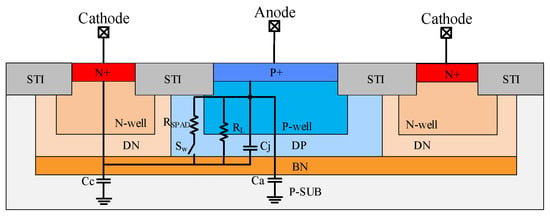
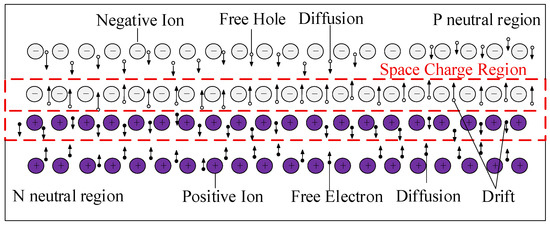
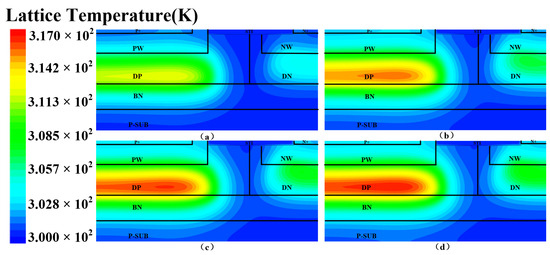
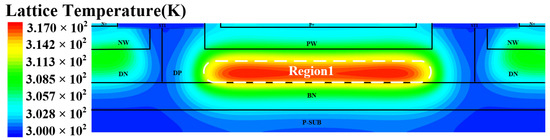
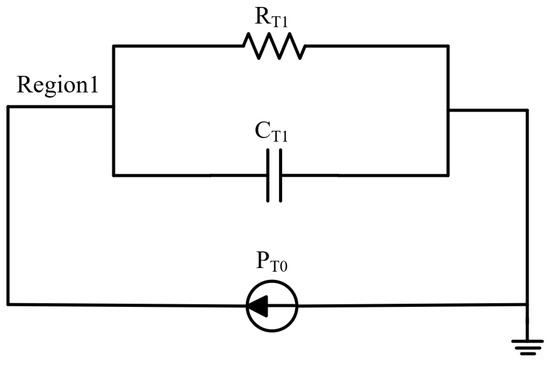
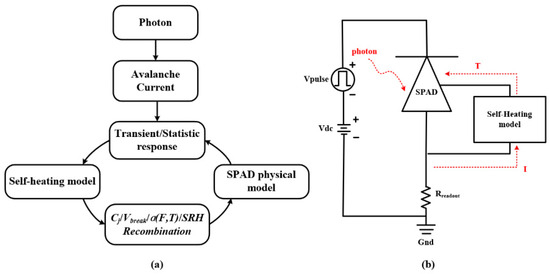
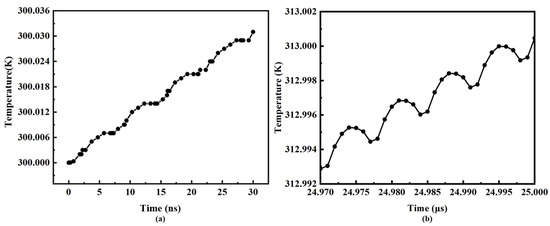
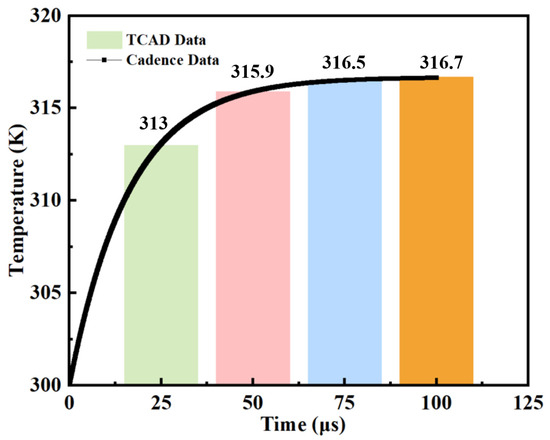
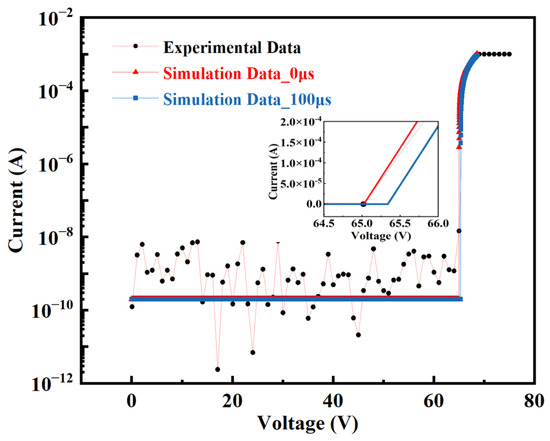
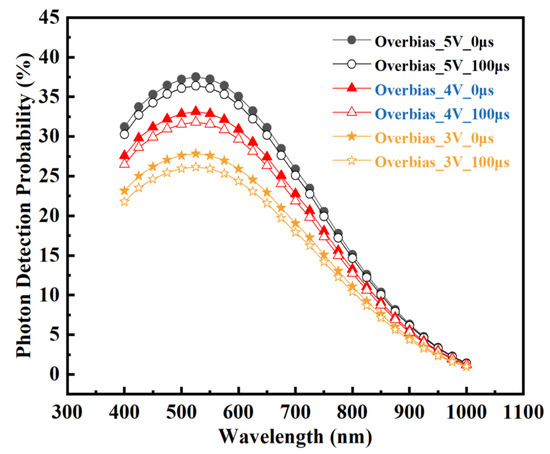
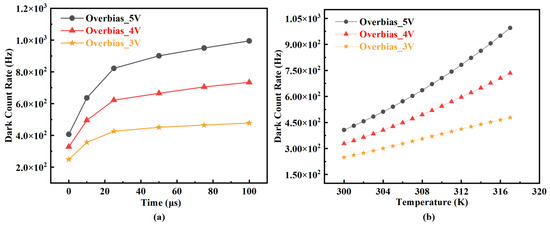
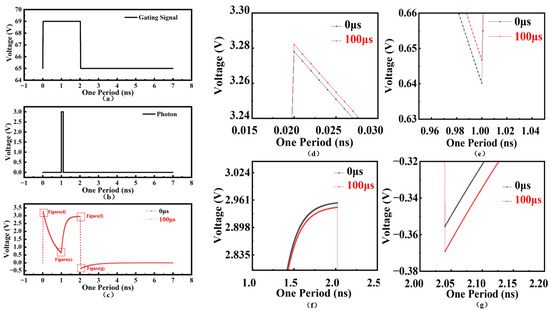
The performance of single-photon avalanche diodes (SPADs) is highly dependent on the operating temperature, while traditional SPAD models neglect the self-heating effect induced by avalanche current during long-term device operation, leading to insufficient prediction accuracy. This paper proposes an electro-thermal coupled SPAD simulation model that self-consistently integrates the transient thermal effects of the avalanche process with temperature-dependent electrical parameters, including junction capacitance, breakdown voltage, impact ionization coefficients, and Shockley–Read–Hall (SRH) recombination rates. The complete electro-thermal coupled model is constructed based on Sentaurus-TCAD thermal simulation and Virtuoso circuit simulation and implemented via the Verilog-A language. Simulation results demonstrate that after the device operates for 100 μs under repeated avalanche-quenching processes, the self-heating effect causes a 0.34 V shift in breakdown voltage, increases the device dead time by 3.34 ps, and simultaneously reduces the photon detection probability and elevates the dark count rate. This study conducts a systematic investigation into the performance degradation mechanism of SPAD devices induced by the self-heating effect, laying a theoretical foundation at the device self-heating level for subsequent research on the electrothermal interaction between quenching circuits and device bodies.
Full article
(This article belongs to the Section Inventions and Innovation in Design, Modeling and Computing Methods)
►▼
Show Figures

Figure 1

Open AccessArticle
A Smart Greenhouse Integrated with AI, IoT and Renewable Energies for the Optimization of Romaine Lettuce Cultivation
by
Luis Alejandro Arias Barragan, Ricardo Alirio Gonzalez, Luis Fernando Rico, Victor Hugo Bernal, Andrea Aparicio and Ricardo Alfonso Gómez
Inventions 2026, 11(3), 44; https://doi.org/10.3390/inventions11030044 - 29 Apr 2026
Abstract
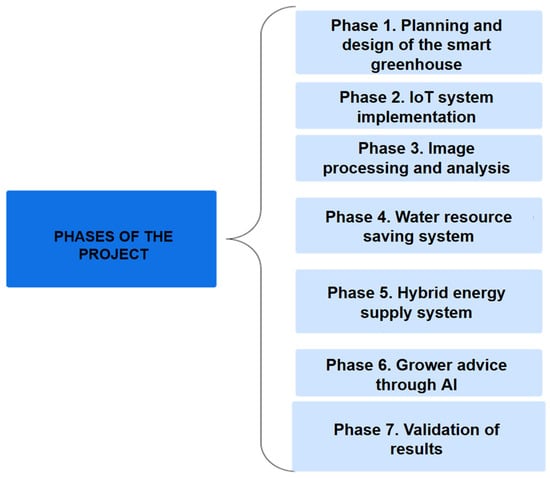
This work presents the design, development, and proof-of-concept validation of a smart greenhouse for romaine lettuce (Lactuca sativa var. longifolia) that integrates Internet of Things (IoT) sensing/actuation with an image-based crop state assessment pipeline. The proposed pipeline combines a lightweight AI
[...] Read more.
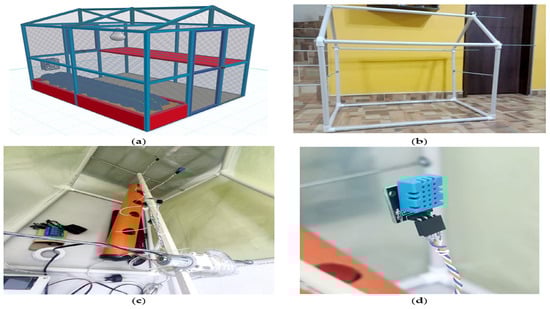
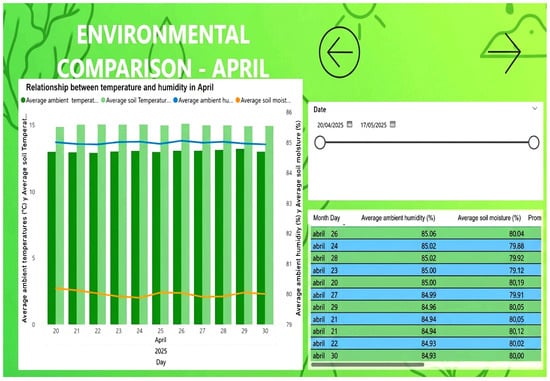
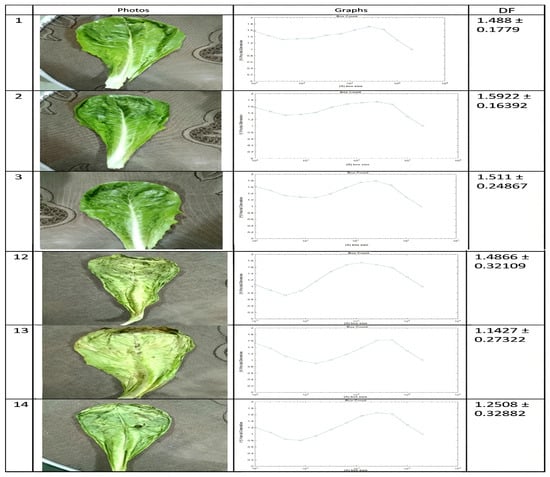
This work presents the design, development, and proof-of-concept validation of a smart greenhouse for romaine lettuce (Lactuca sativa var. longifolia) that integrates Internet of Things (IoT) sensing/actuation with an image-based crop state assessment pipeline. The proposed pipeline combines a lightweight AI image classifier with fractal texture descriptors (box-counting fractal dimension) to support the non-destructive monitoring of leaf condition and growth stage. The system also implements resilience-oriented resource strategies, including rainwater harvesting, graywater reuse, and a hybrid power supply (photovoltaic + grid backup). Water and energy indicators are reported as estimated values derived from the prototype operating profile and literature-based baseline values (i.e., contextual comparisons rather than a contemporaneous controlled trial). Using an expanded dataset (n = 1500 images) and an independent held-out test subset (n = 350), the image classifier achieved 97.1% accuracy, with detailed precision/recall/F1 metrics reported in the Results. Overall, the proposed architecture and evaluation workflow provide an accessible and reproducible pathway toward sustainable, low-cost smart greenhouses in resource-constrained settings.
Full article
(This article belongs to the Topic Advanced Systems Engineering: Theory and Applications, 2nd Volume)
►▼
Show Figures

Figure 1

Open AccessBrief Report
The Severity Index: A Possible Measurement Approach to Cross-Linking Effectiveness
by
Umberto Lucia, Mariarosa Astori and Giulia Grisolia
Inventions 2026, 11(3), 43; https://doi.org/10.3390/inventions11030043 - 27 Apr 2026
Abstract
Cross-linking is a therapy that strengthens the cornea and helps slow the progression of keratoconus. This therapeutic surgery has evolved from a single standardized protocol to a diverse array of techniques tailored to improve safety, efficacy, patient comfort, and accessibility. It represents a
[...] Read more.
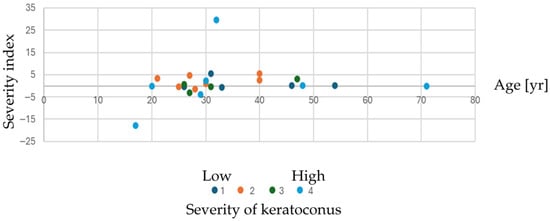
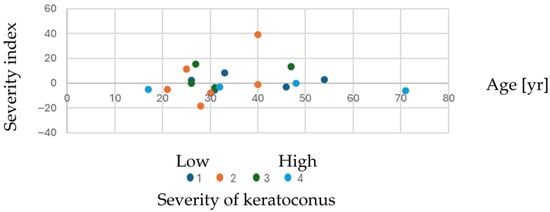
Cross-linking is a therapy that strengthens the cornea and helps slow the progression of keratoconus. This therapeutic surgery has evolved from a single standardized protocol to a diverse array of techniques tailored to improve safety, efficacy, patient comfort, and accessibility. It represents a transformative advancement in keratoconus treatment. Its ability to biomechanically reinforce the cornea and halt disease progression has revolutionized patient care, reducing the burden of advanced keratoconus and improving long-term visual outcomes. Ongoing refinements in technique continue to enhance its efficacy, safety, and patient comfort, securing its role as a cornerstone of modern ophthalmic practice. This process involves creating new covalent bonds between corneal fibers using a photosensitising substance called riboflavin. The effectiveness of cross-linking can be assessed by introducing the severity index, which provides a quantitative measure of the therapeutic outcome. This index allows for a more objective evaluation for both prognostic and therapeutic purposes.
Full article
(This article belongs to the Special Issue Thermodynamic and Technical Analysis for Sustainability: 4th Edition)
►▼
Show Figures

Figure 1

Open AccessArticle
Risk Assessment of Distribution Network Based on Dirichlet Process Mixture Model and the Cumulant Method
by
Yuxuan Huang, Yuwei Chen, Zhenguo Shao, Feixiong Chen, Yunting Shao, Yifan Zhang and Changming Chen
Inventions 2026, 11(2), 42; https://doi.org/10.3390/inventions11020042 - 21 Apr 2026
Abstract
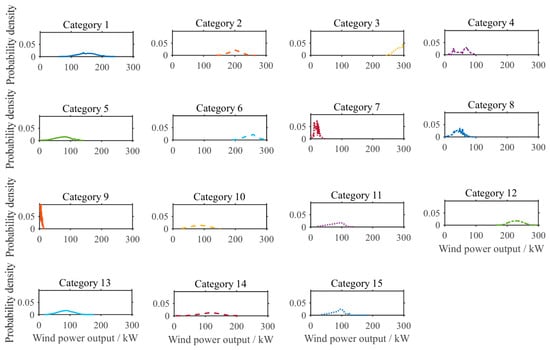
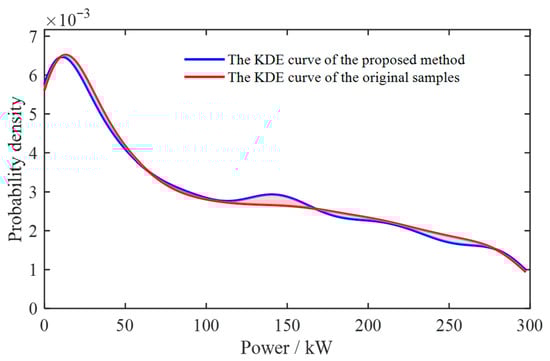
To address the increased operational risk in distribution network caused by the grid integration of distributed wind power, a distribution network risk assessment method that combines a Dirichlet process mixture model (DPMM) with the cumulant method (CM) is proposed, to achieve effective quantification
[...] Read more.
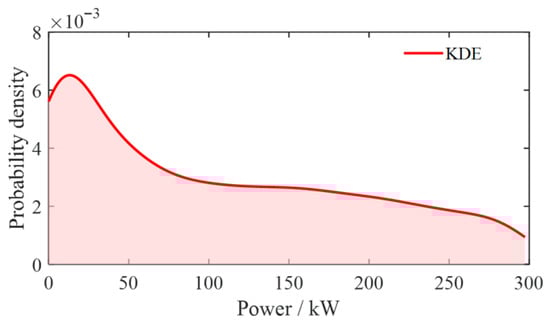
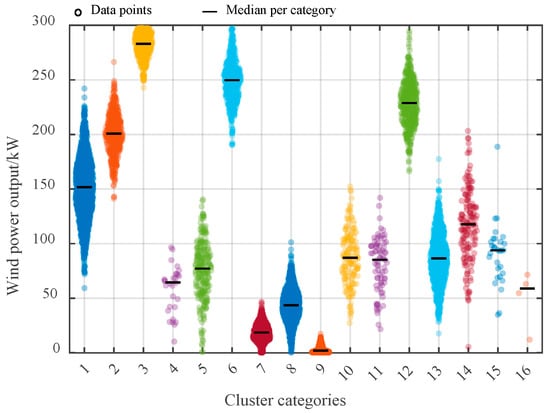
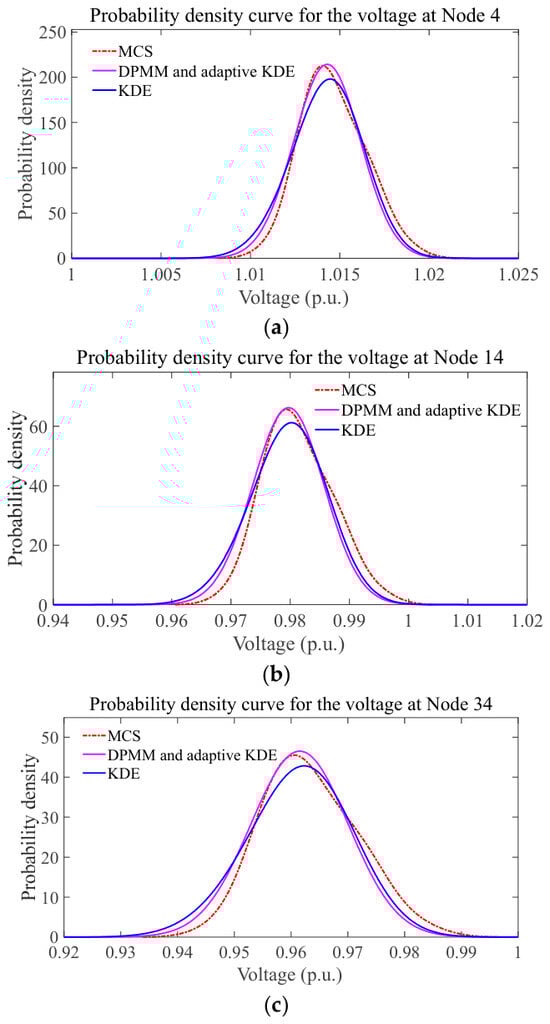
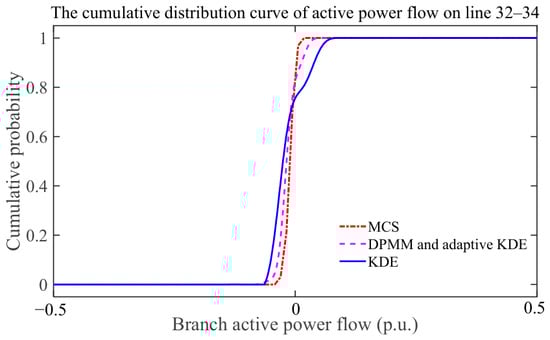
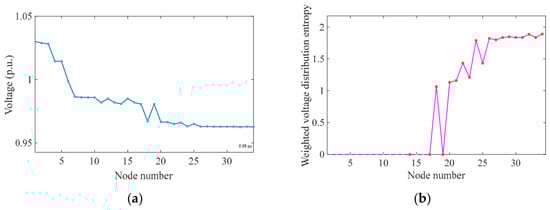
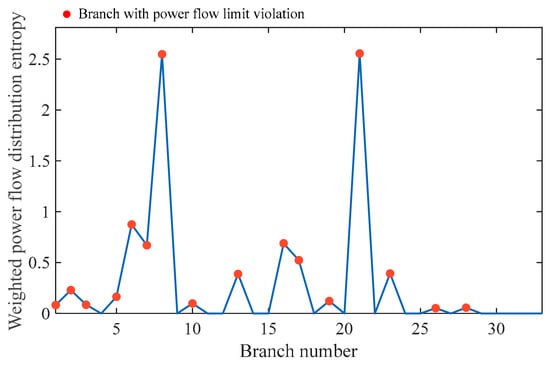
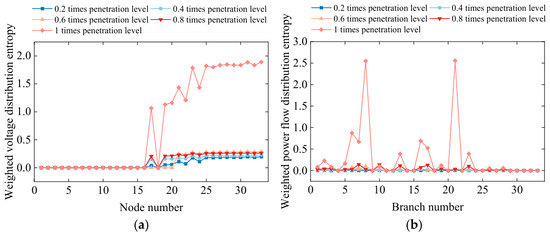
To address the increased operational risk in distribution network caused by the grid integration of distributed wind power, a distribution network risk assessment method that combines a Dirichlet process mixture model (DPMM) with the cumulant method (CM) is proposed, to achieve effective quantification of operational risk. Firstly, a DPMM is employed to cluster wind power output data, and adaptive kernel density estimation is introduced to construct a probabilistic model of wind power output, thereby improving local fitting accuracy. Secondly, uncertainties arising from wind generation and load are considered, and a probabilistic power flow model for the distribution network is established based on the CM and the Gram–Charlier series expansion, in order to obtain the probability distributions of state variables and branch power flows. Then, distribution entropy theory is introduced to quantify the severity of limit violations for state variables such as voltage and power, so that operational risk assessment is enabled. Finally, simulations are conducted on a modified IEEE 34-bus distribution test system, and the results demonstrate the effectiveness of the proposed method.
Full article
(This article belongs to the Special Issue Recent Advances and Challenges in Emerging Power Systems: 3rd Edition)
►▼
Show Figures

Figure 1
Open AccessArticle
Temperature–Power Adaptive Control Strategy for Multi-Electrolyzer Systems
by
Yuxin Xu and Yan Dong
Inventions 2026, 11(2), 41; https://doi.org/10.3390/inventions11020041 - 21 Apr 2026
Abstract
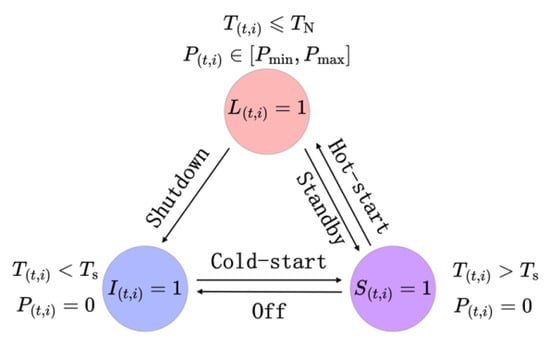
Driven by renewable energy, the operating temperatures of alkaline water electrolyzers (AWEs) exhibit significant dynamic variations. Conventional control strategies rely on fixed startup parameters, causing dispatch plans to deviate from actual physical states, which leads to transient over-temperature or startup failures. To address
[...] Read more.
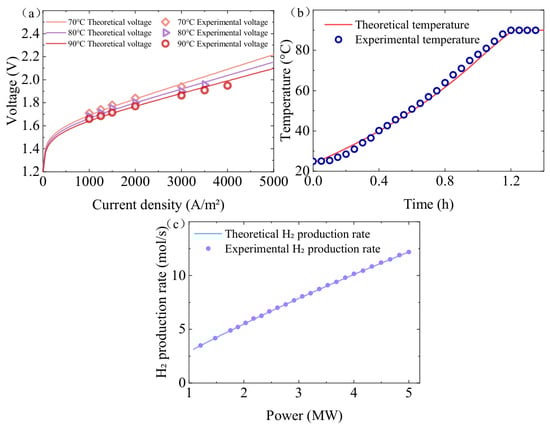
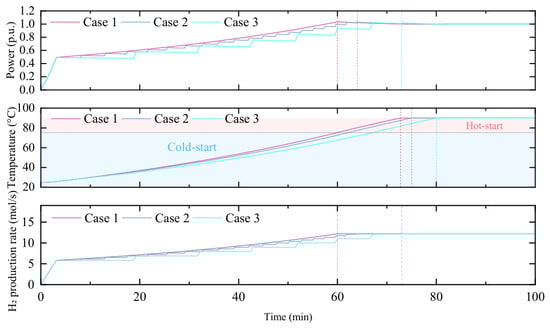
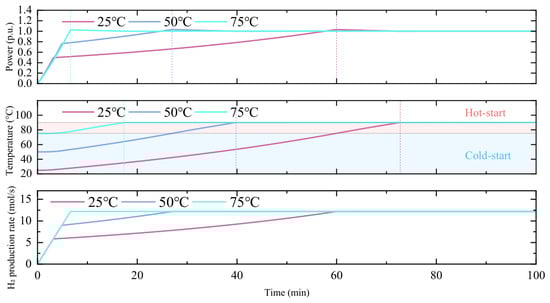
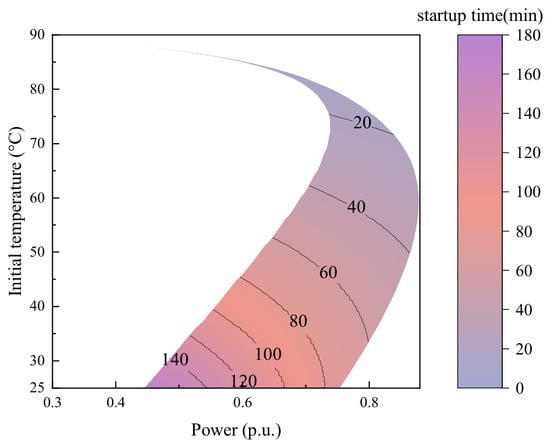
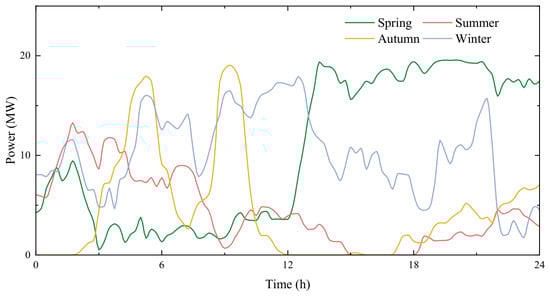
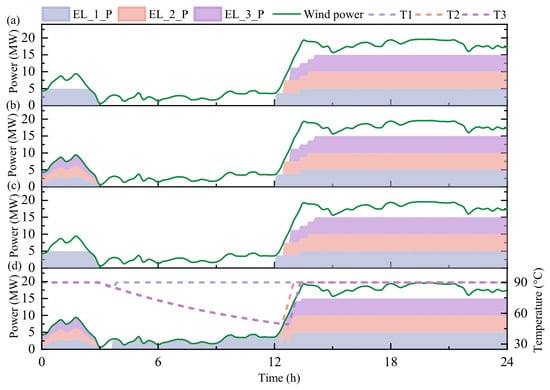
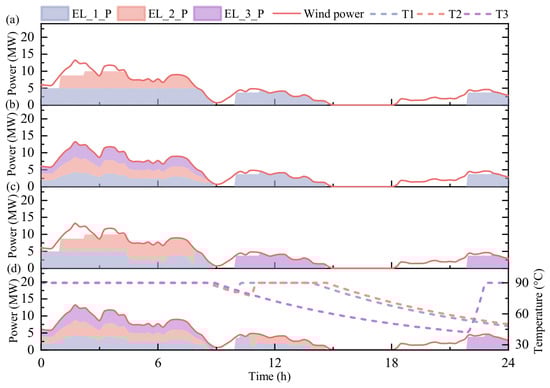
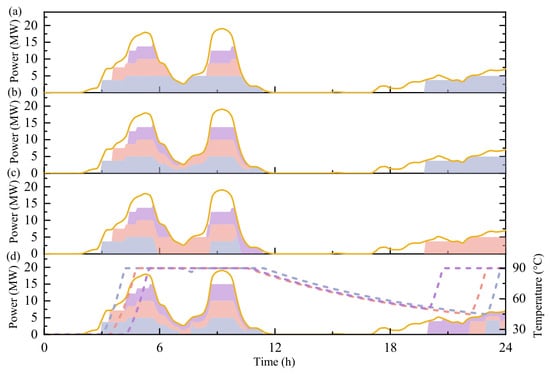
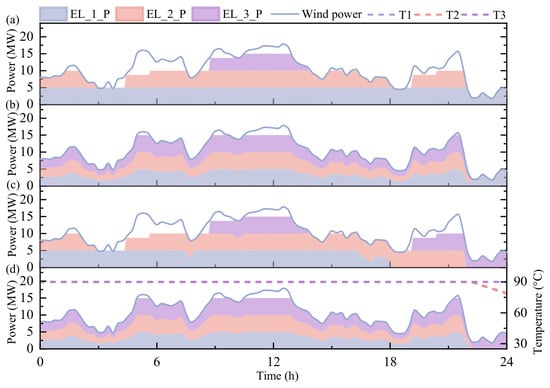
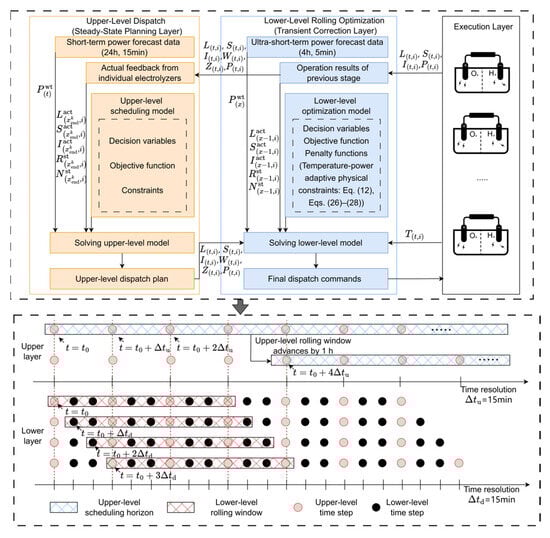
Driven by renewable energy, the operating temperatures of alkaline water electrolyzers (AWEs) exhibit significant dynamic variations. Conventional control strategies rely on fixed startup parameters, causing dispatch plans to deviate from actual physical states, which leads to transient over-temperature or startup failures. To address this issue, this paper proposes a dual-layer optimization strategy for multi-electrolyzer systems based on temperature–power adaptation. First, a thermo-electro-hydrogen coupling model is established to quantitatively reveal the dynamic relationship among the initial temperature, startup power, and transition time. This relationship is utilized to construct a dynamic startup boundary, overcoming the limitations of traditional static constraints. Within the proposed framework, the upper layer utilizes a Mixed-Integer Linear Programming (MILP) model to formulate state-switching and baseline power allocation plans derived from short-term forecasts. Concurrently, the lower layer employs the Mongoose Optimization Algorithm (MOA) for real-time rolling optimization, enabling the system to actively perceive temperature variations and adaptively schedule power allocation. Simulations across typical seasonal scenarios validate the strategy’s superiority. In a typical spring scenario, compared to the traditional Daisy Chain and Rotation Control strategies, as well as the Equal Allocation strategy, the proposed approach reduces total startup time and energy consumption by 59.2% and 54.6%, respectively. Furthermore, it increases wind power accommodation rates by 17.7% and 14.2%, and total hydrogen production by 20.0% and 14.9%, respectively. These superior renewable energy utilization and production efficiencies are robustly maintained across typical seasonal scenarios. By actively perceiving actual temperatures for adaptive scheduling, the proposed strategy ultimately ensures synergy and reliability between the control strategy and actual operational constraints under fluctuating conditions.
Full article
(This article belongs to the Special Issue Advanced Nonlinear Control and Optimization for Renewable Energy Systems, Smart Grids and Electric Vehicles)
►▼
Show Figures

Figure 1

Open AccessArticle
Joint Optimization of Hovering Position and Resource Allocation in UAV-Enabled Semantic Communications via Greedy-Enhanced Adaptive Cellular Genetic Algorithm
by
Pei Liu and Boge Wen
Inventions 2026, 11(2), 40; https://doi.org/10.3390/inventions11020040 - 12 Apr 2026
Abstract
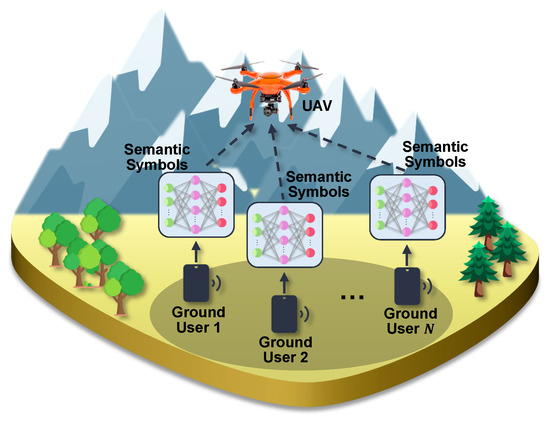
Despite significant advancements in communication systems, inherent limitations persist in providing reliable data transmission for emerging applications with massive data exchanges. Semantic communication offers promising solutions by extracting and transmitting meaningful information rather than raw bit sequences. However, it faces challenges from high
[...] Read more.
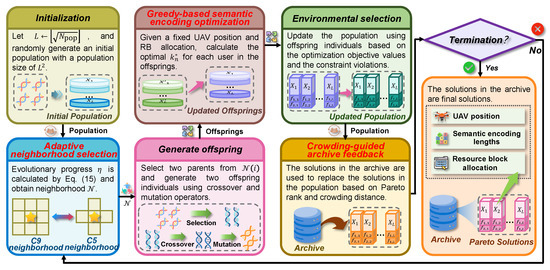
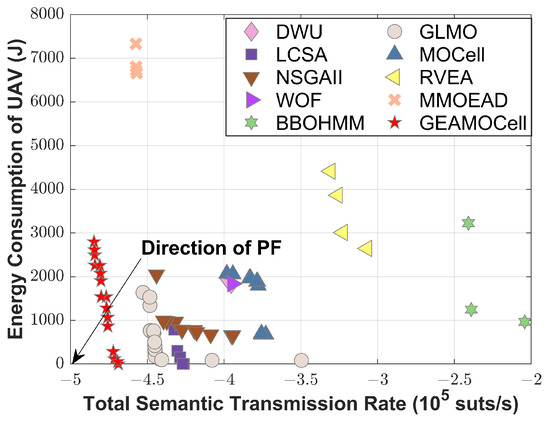
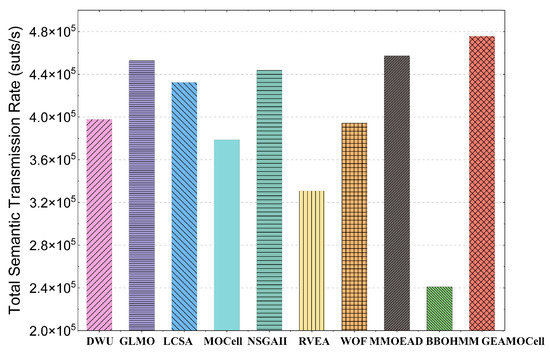
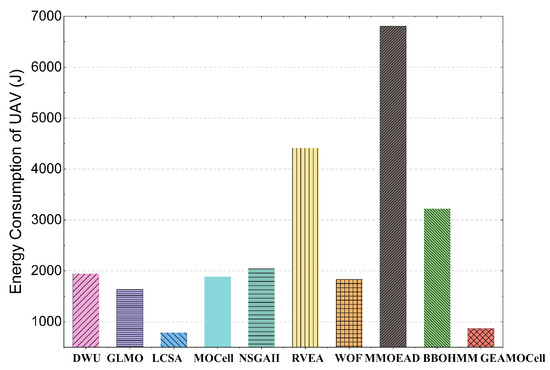
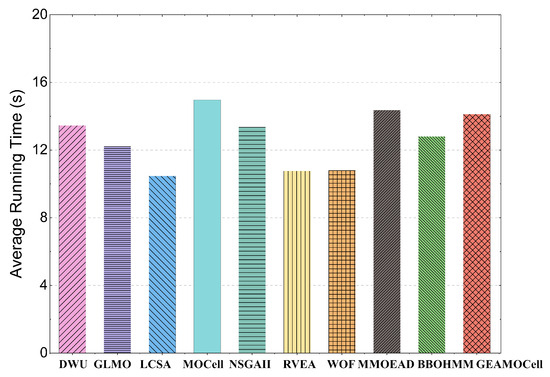
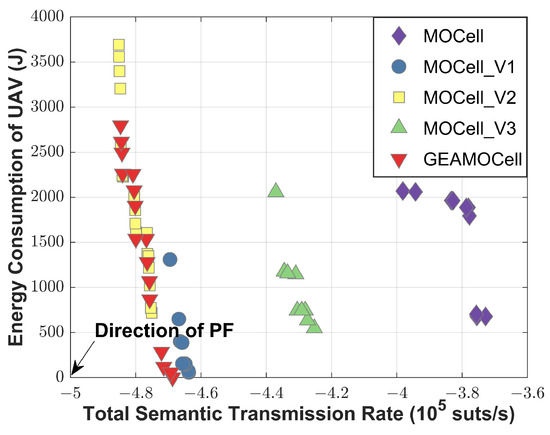
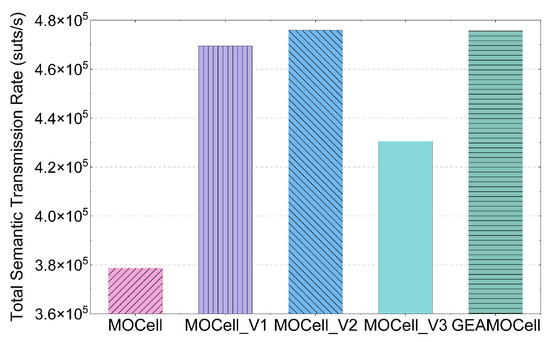
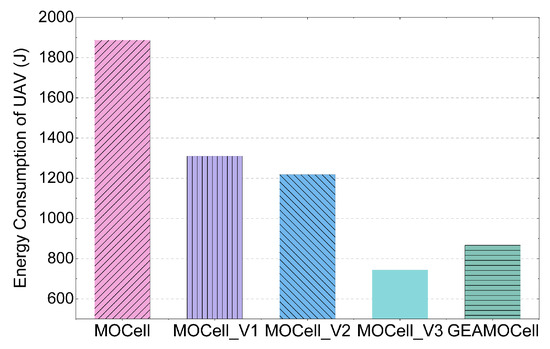
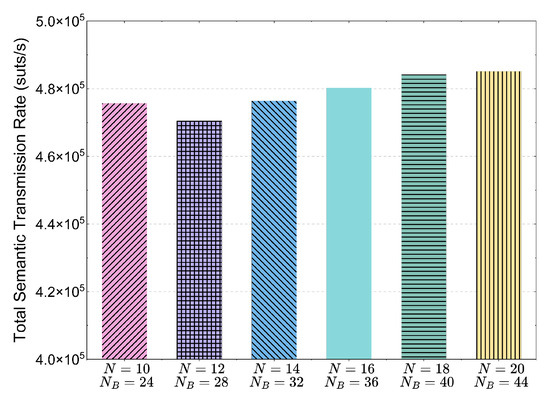
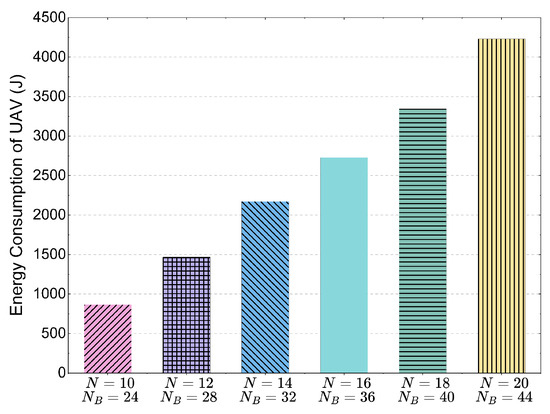
Despite significant advancements in communication systems, inherent limitations persist in providing reliable data transmission for emerging applications with massive data exchanges. Semantic communication offers promising solutions by extracting and transmitting meaningful information rather than raw bit sequences. However, it faces challenges from high mobility and dynamic channel conditions in wireless environments. In this paper, we design a ground-to-air network architecture that integrates a rotary-wing unmanned aerial vehicle (UAV) and ground terminals to maximize semantic transmission efficiency while maintaining low energy consumption. This approach leverages the high mobility of the UAV for flexible deployment and the data reduction capabilities of semantic communication. Therefore, we formulate a multi-objective optimization problem to simultaneously balance the total semantic transmission rate and the UAV propulsion energy consumption by jointly optimizing the UAV hovering position, semantic encoding lengths, and resource block (RB) allocation. The problem is complex, with mixed continuous and discrete variables, which necessitates an advanced optimization method. To address these challenges, we propose a novel greedy-enhanced adaptive multi-objective cellular genetic algorithm (GEAMOCell), which utilizes an adaptive neighborhood selection mechanism to balance exploration and exploitation, and employs a crowding-guided archive feedback mechanism to maintain population diversity. The simulation results demonstrate that the proposed GEAMOCell algorithm outperforms baseline algorithms in terms of convergence, semantic transmission rate, and energy efficiency.
Full article
(This article belongs to the Special Issue Revolutionizing Surveillance: Unmanned Aerial Vehicle Technology Innovations)
►▼
Show Figures

Figure 1

Open AccessArticle
Wide-Band Compact Substrate-Integrated Coaxial Line Transition
by
Mohamed Mamdouh M. Ali, Shoukry I. Shams, Mahmoud Elsaadany, Ghyslain Gagnon and Abdelrazik Sebak
Inventions 2026, 11(2), 39; https://doi.org/10.3390/inventions11020039 - 9 Apr 2026
Abstract
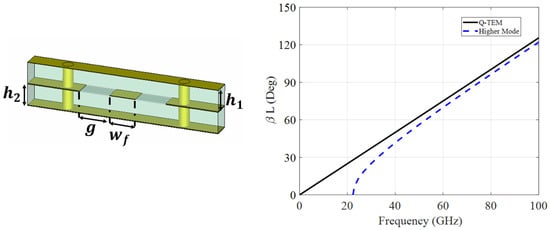
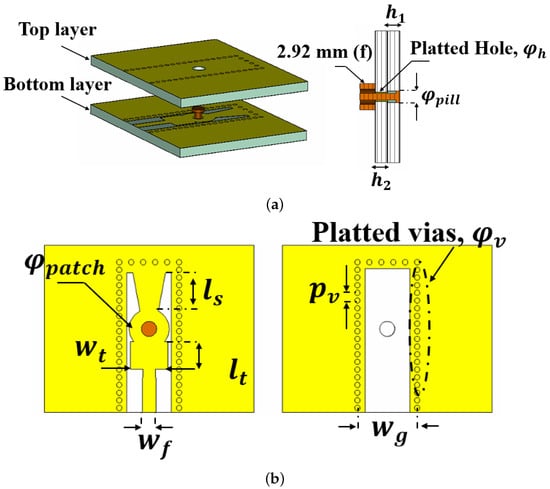
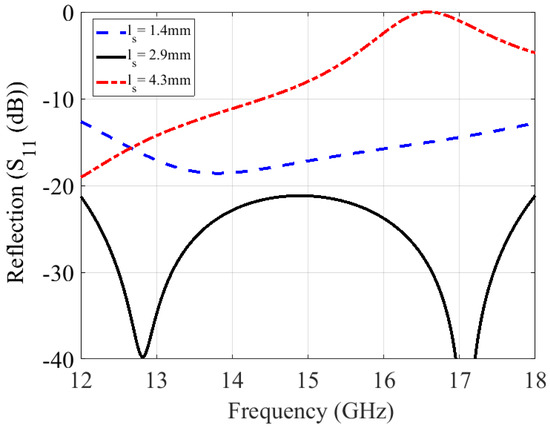
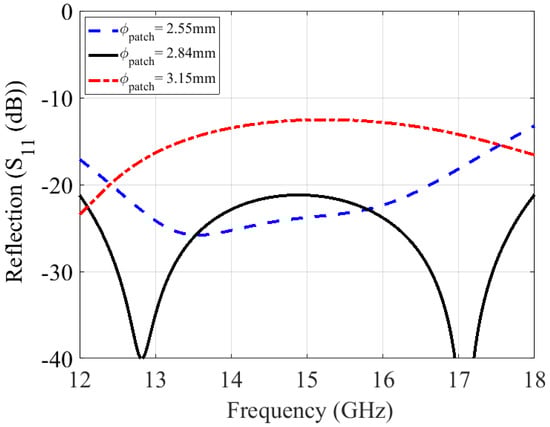
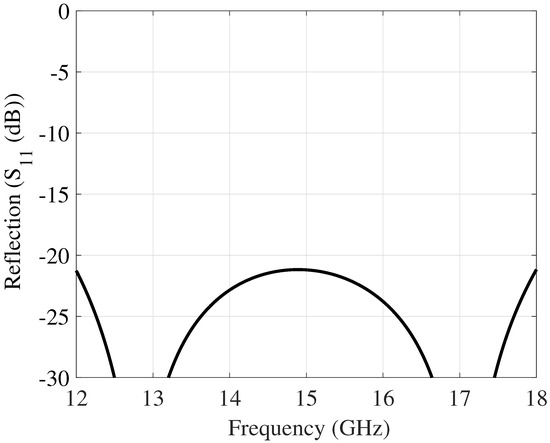
This article introduces a novel right-angle coax to Substrate Integrated Coaxial (SIC) transition, offering featured characteristics and performance in a compact size. An air-filled K-connector is used to ensure optimal transition in a compact form factor. The proposed transition covers the Ku-band up
[...] Read more.
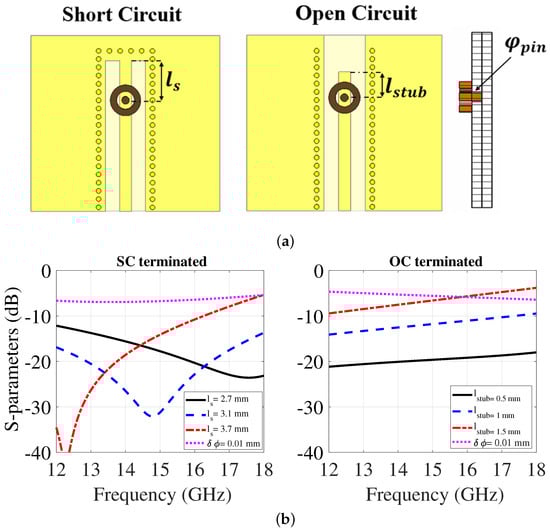
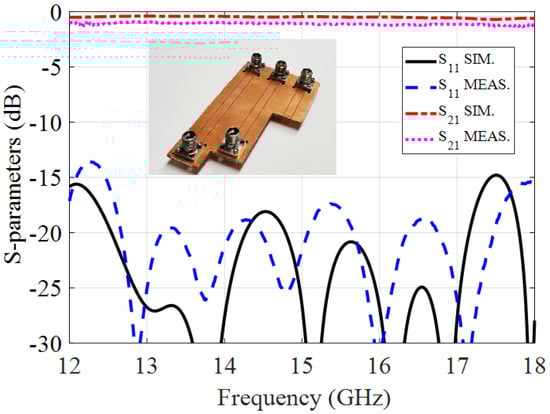
This article introduces a novel right-angle coax to Substrate Integrated Coaxial (SIC) transition, offering featured characteristics and performance in a compact size. An air-filled K-connector is used to ensure optimal transition in a compact form factor. The proposed transition covers the Ku-band up to 18 GHz, achieving a deep matching level below 20 dB. The transition is fabricated and tested in a back-to-back configuration, where it demonstrates impressive characteristics, including a matching level of −15 dB and an insertion loss of −0.22 dB/inch across the entire bandwidth for the back-to-back configuration.
Full article
(This article belongs to the Special Issue Antenna and Microwave Components for Future Wireless Communication Systems)
►▼
Show Figures

Figure 1

Open AccessArticle
Spark Piezotransformer-Based Discharge in Argon Flow for Stimulating Plasma-Induced Cell Death of the Human Cancer Cells HEp-2
by
Evgeny M. Konchekov, Viktoria V. Gudkova, Dmitriy A. Serov, Nikolai N. Bogachev, Dmitriy E. Burmistrov, Tatiana I. Pavlik, Leonid V. Kolik, Ismail R. Seriev, Vyacheslav P. Stepin, Evgeny I. Grudiev, Valentin D. Borzosekov, Namik Gusein-zade and Sergey V. Gudkov
Inventions 2026, 11(2), 38; https://doi.org/10.3390/inventions11020038 - 8 Apr 2026
Abstract
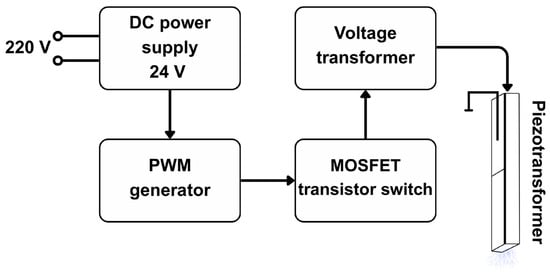
One of the promising methods for generating low-temperature plasma to address oncological issues is a spark discharge initiated by a piezotransformer. This is attributed to its relative simplicity and versatility in application, both in the direct treatment of biological objects in vitro and
[...] Read more.
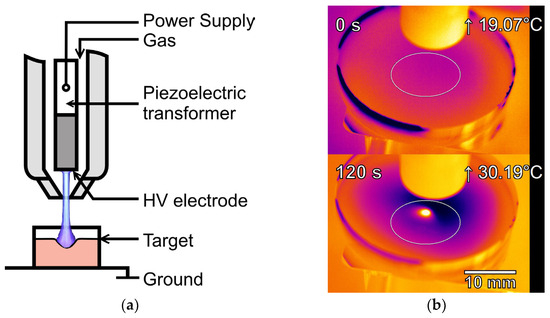
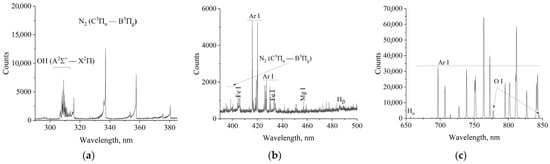
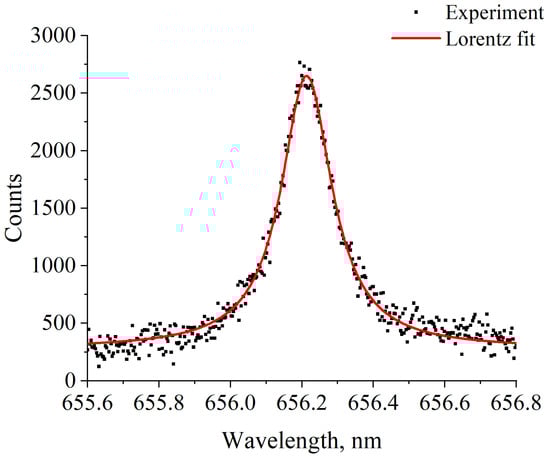
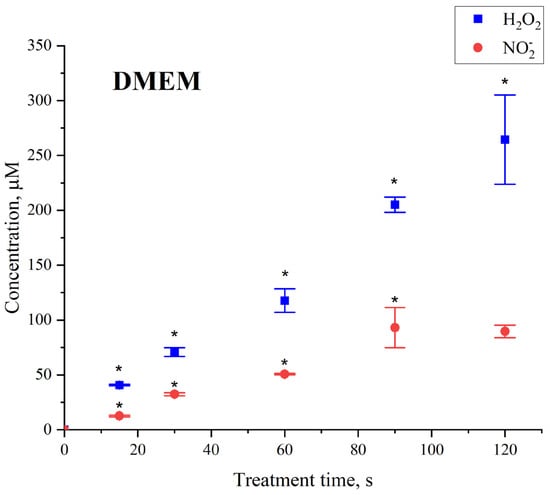
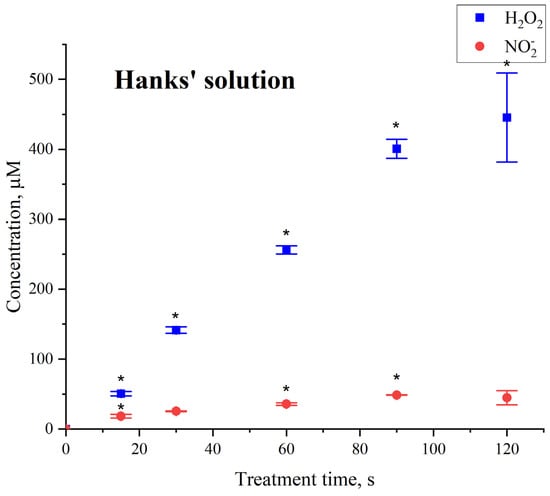
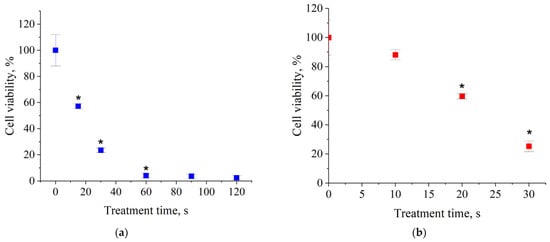
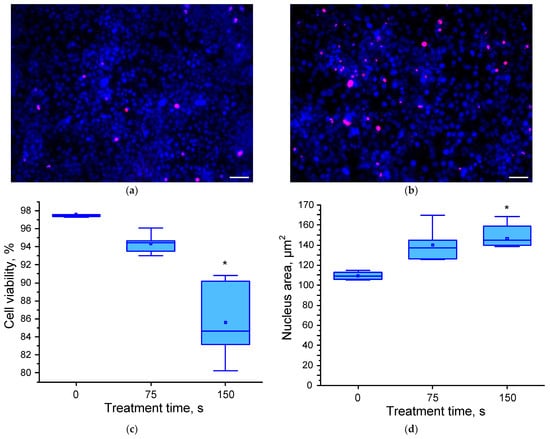
One of the promising methods for generating low-temperature plasma to address oncological issues is a spark discharge initiated by a piezotransformer. This is attributed to its relative simplicity and versatility in application, both in the direct treatment of biological objects in vitro and in vivo, as well as indirectly through the production of plasma-activated solutions. The study presents the results of a comprehensive study of the effect of spark discharge initiated by a piezotransformer in argon flow on the metabolic activity and survival rate of cancer HEp-2 cells. For this purpose, adhesive cells cultured in DMEM were subjected to plasma exposure of different duration (from 10 to 120 s). The produced effect was assessed by studying the spark discharge optical emission spectra, as well as by measuring the concentrations of reactive oxygen and nitrogen species in the liquid medium. Cell viability and metabolic rate were determined by MTT test and fluorescence microscopy using propidium iodide (PI) and Hoechst dyes. The metabolic activity of cells is reduced by half after 20 s of treatment, cell viability reduced after 150 s of treatment. The concentration of hydrogen peroxide H2O2 reaches a value of ~50 μM, and the concentration of nitrite ion NO2− reaches a value of ~20 μM.
Full article
(This article belongs to the Section Inventions and Innovation in Biotechnology and Materials)
►▼
Show Figures

Figure 1
Open AccessArticle
Aerodynamic Performance Improvement of a Straight-Bladed Vertical Axis Wind Turbine Through a Modified NACA0012 Profile with Inclined Orifices
by
Ioana-Octavia Bucur, Daniel-Eugeniu Crunțeanu and Mădălin-Constantin Dombrovschi
Inventions 2026, 11(2), 37; https://doi.org/10.3390/inventions11020037 - 3 Apr 2026
Abstract
Vertical axis wind turbines (VAWTs) are promising systems for urban wind energy applications because of their compact layout, omni-directional operation, and favorable integration potential. However, their broader deployment remains limited by poor self-starting capabilities and relatively low aerodynamic efficiency compared to horizontal axis
[...] Read more.
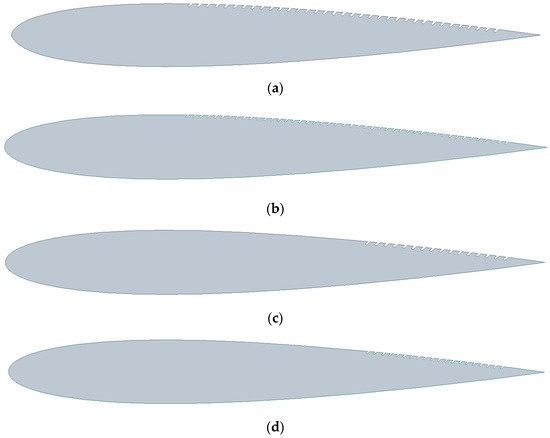
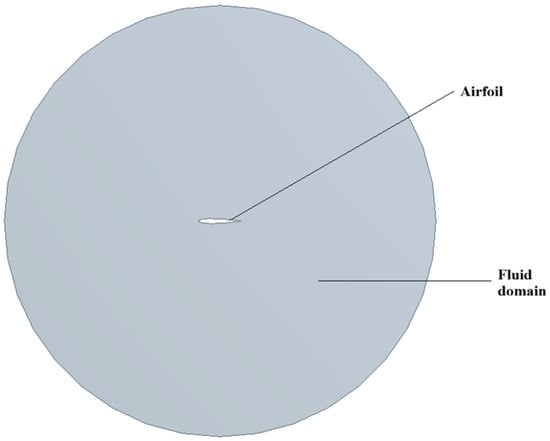
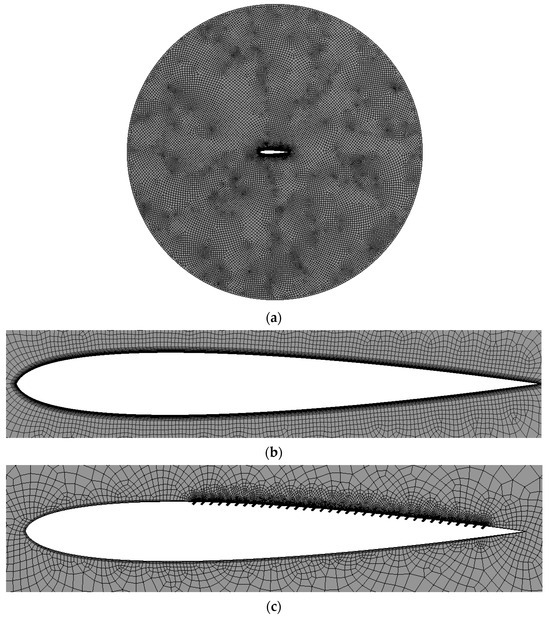
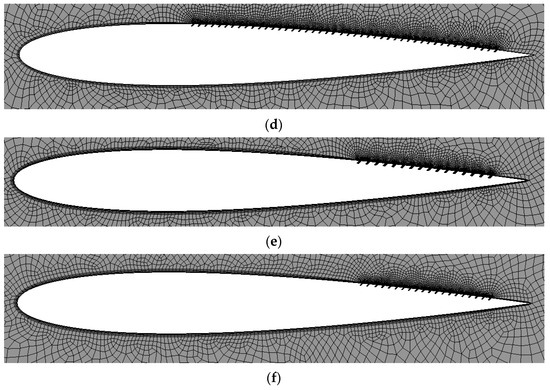
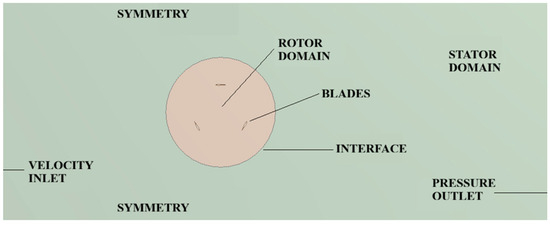
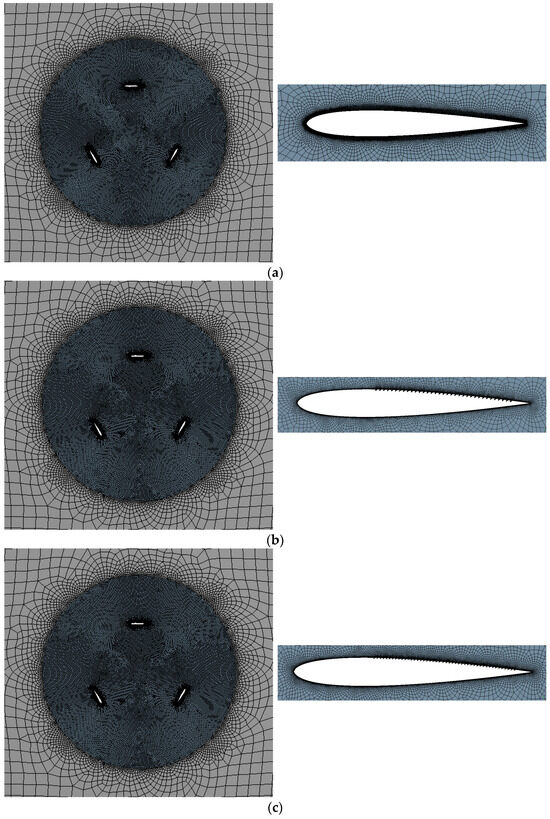
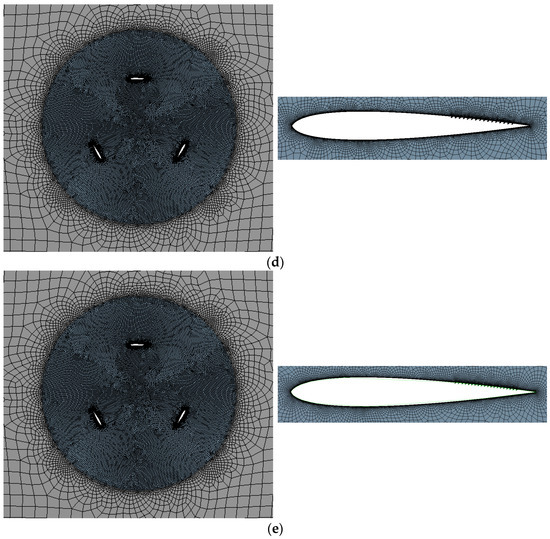
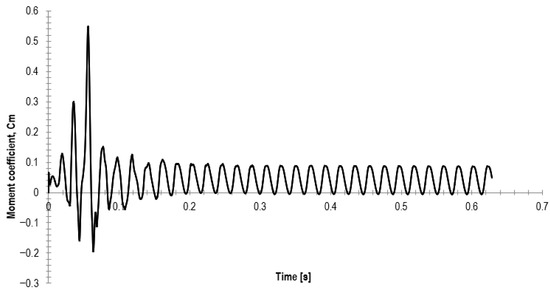
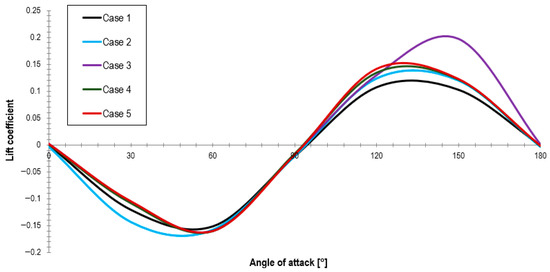
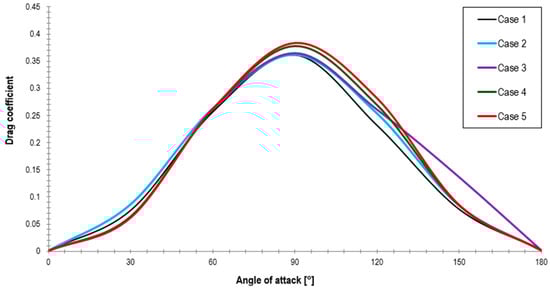
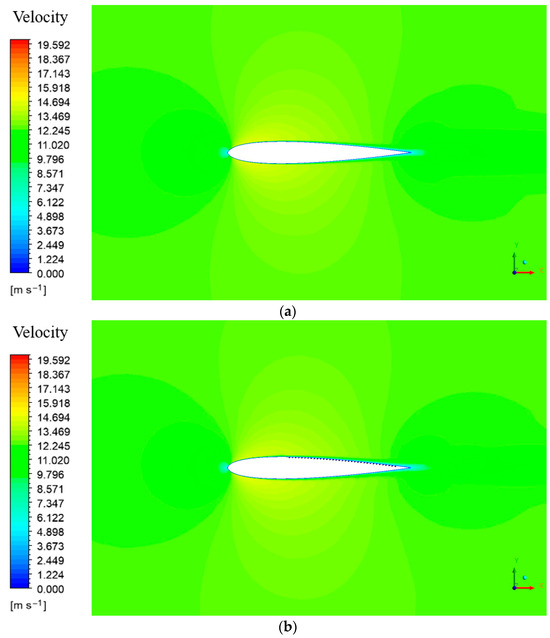
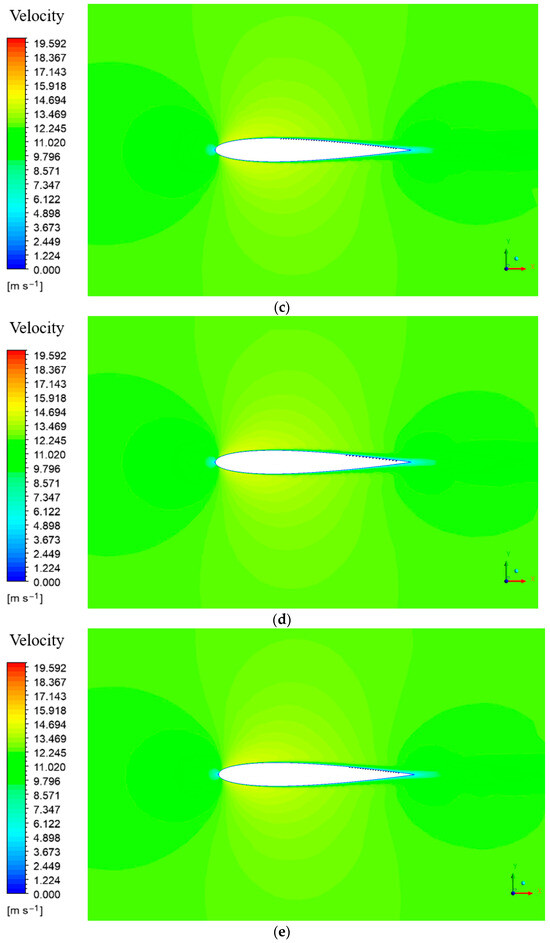
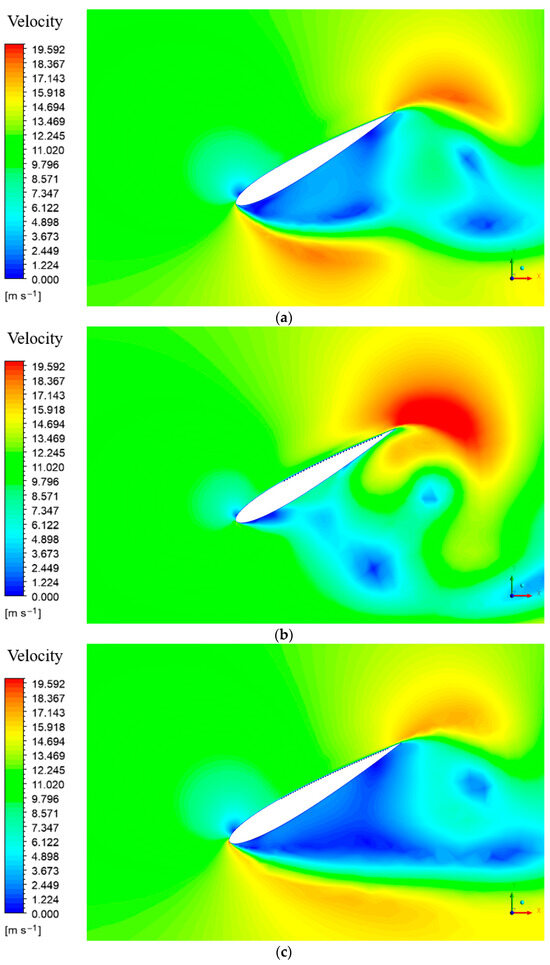
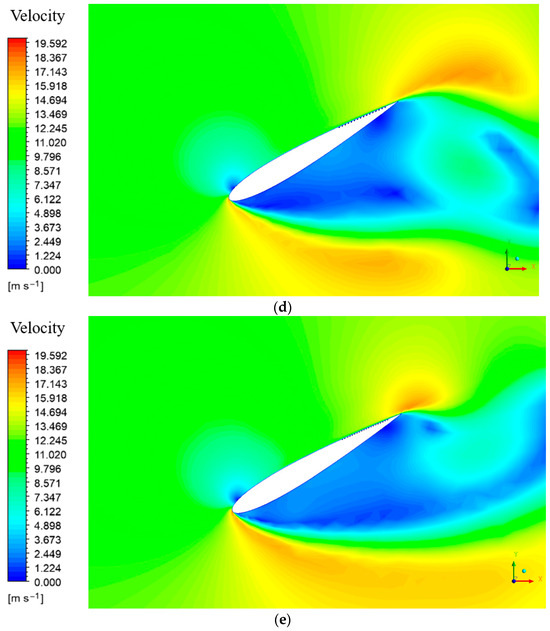
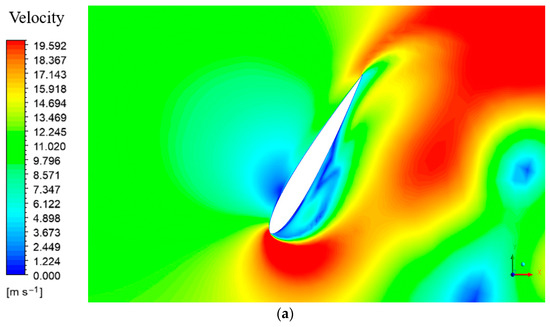
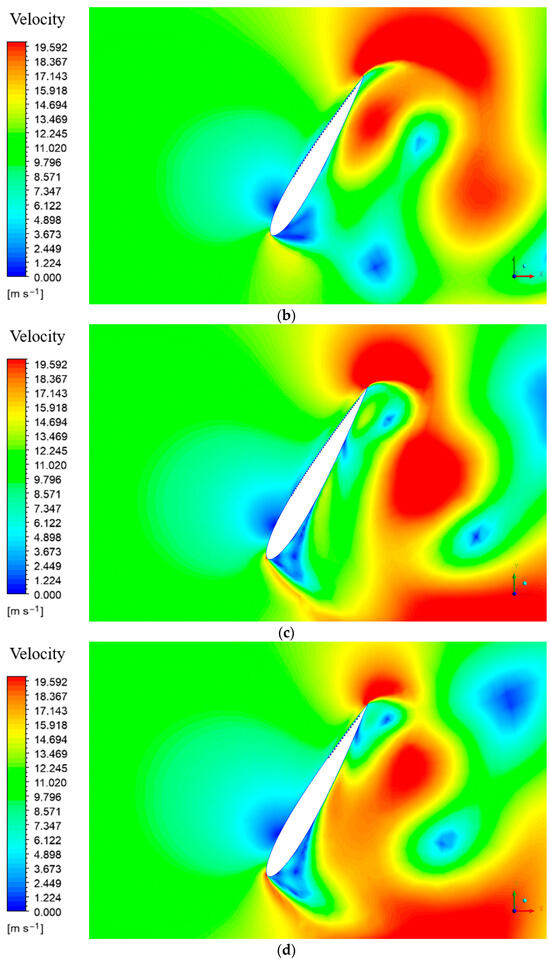
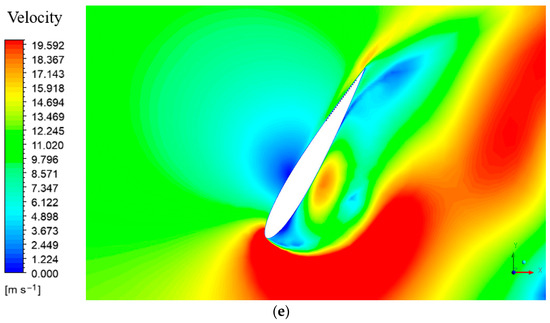
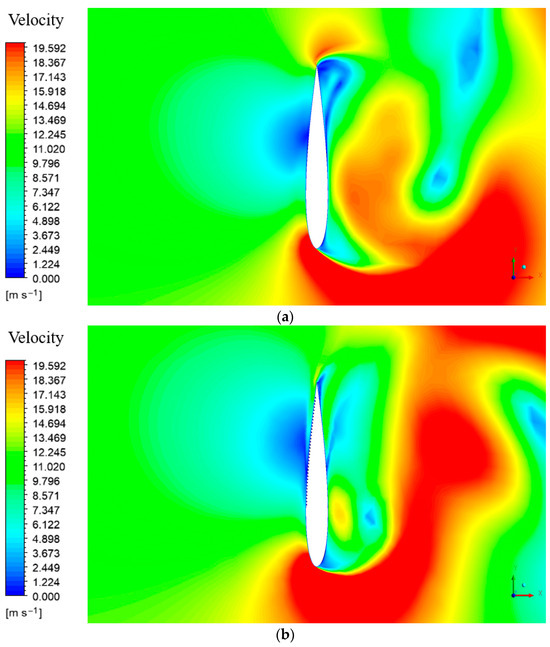
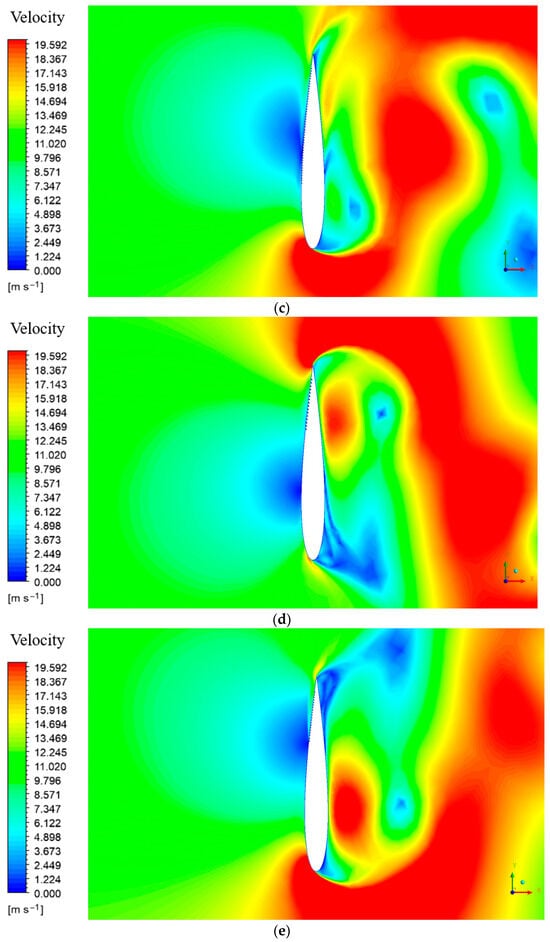
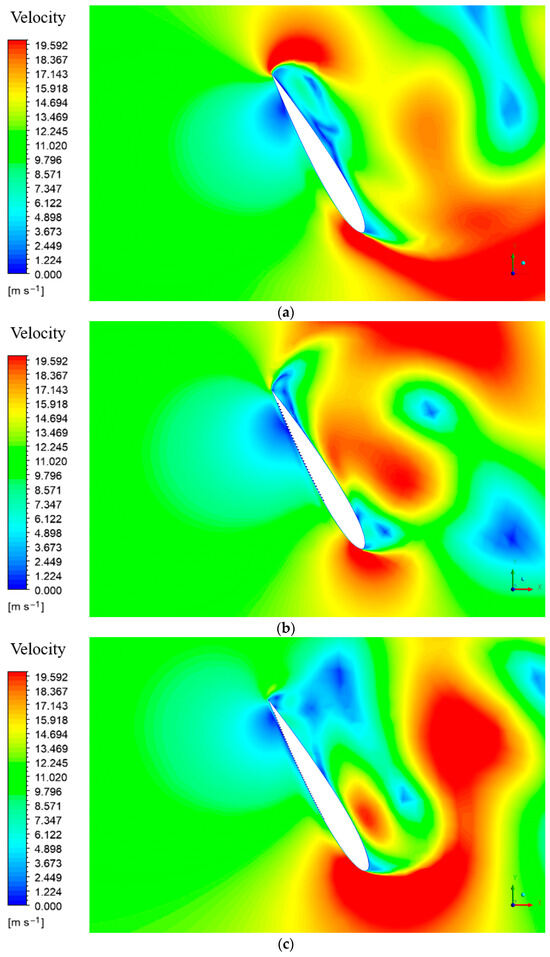
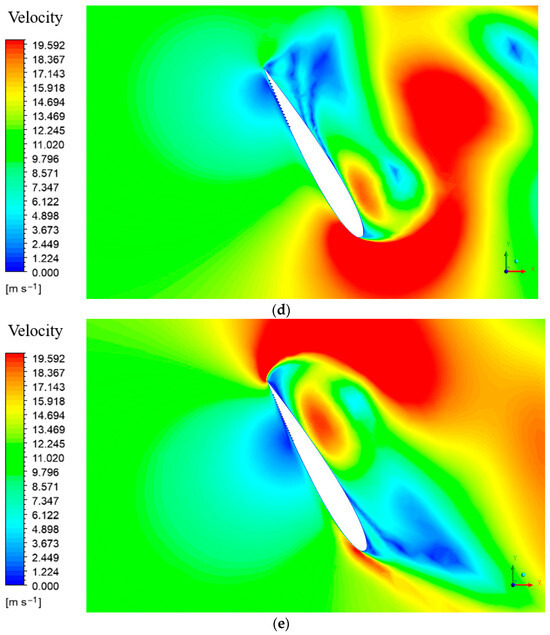
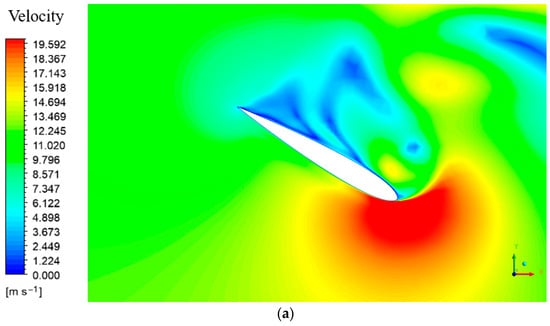
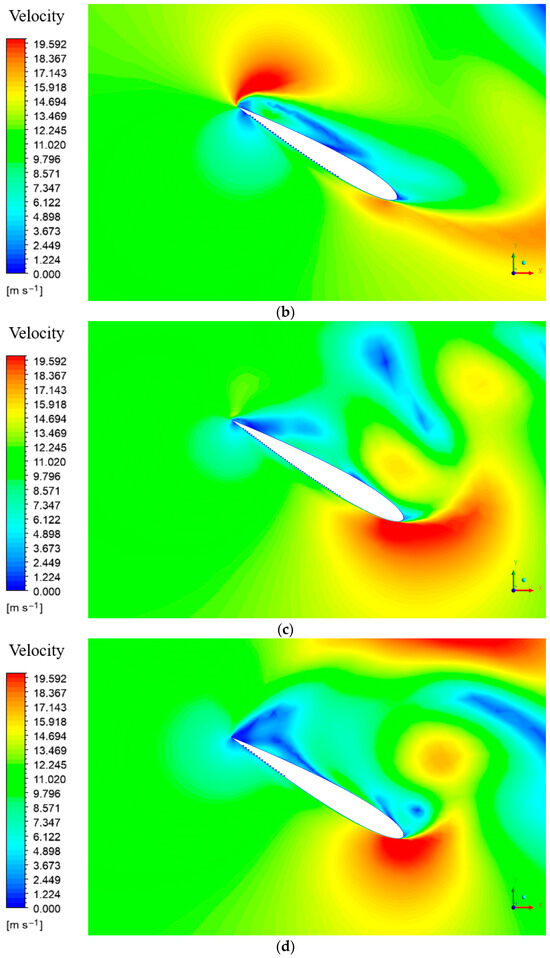
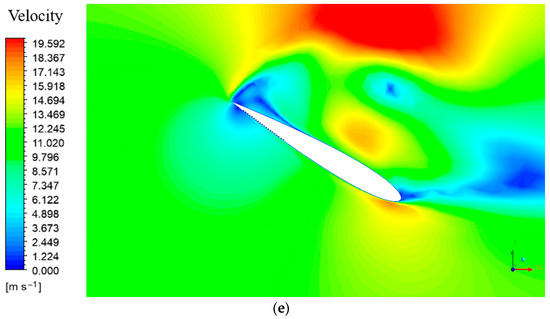
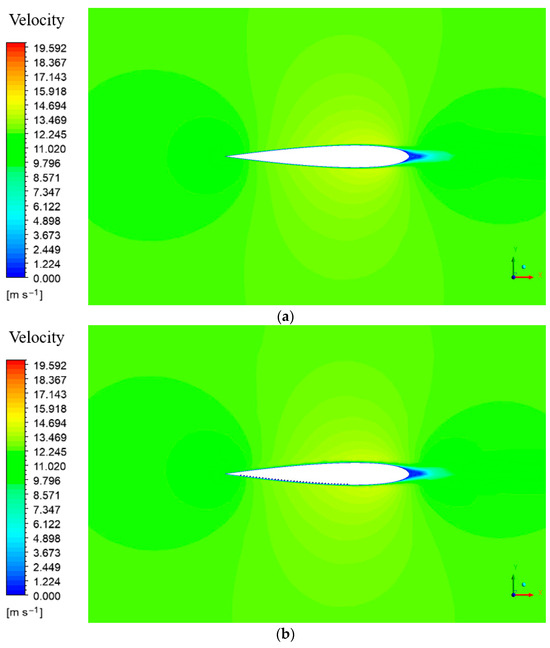
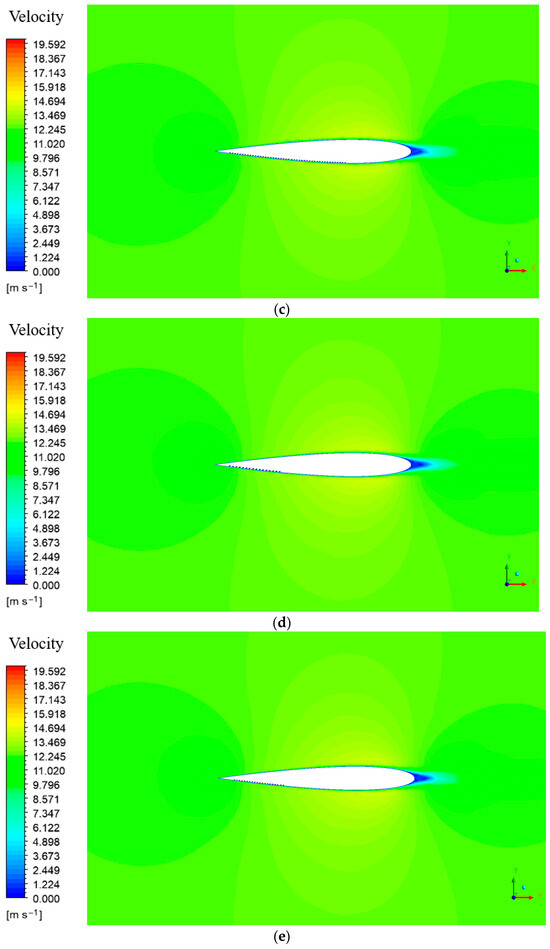
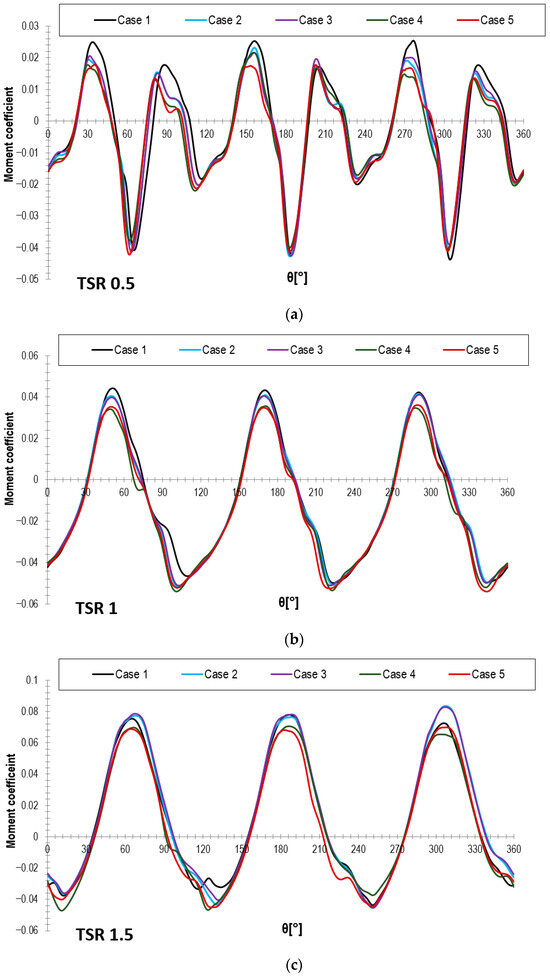
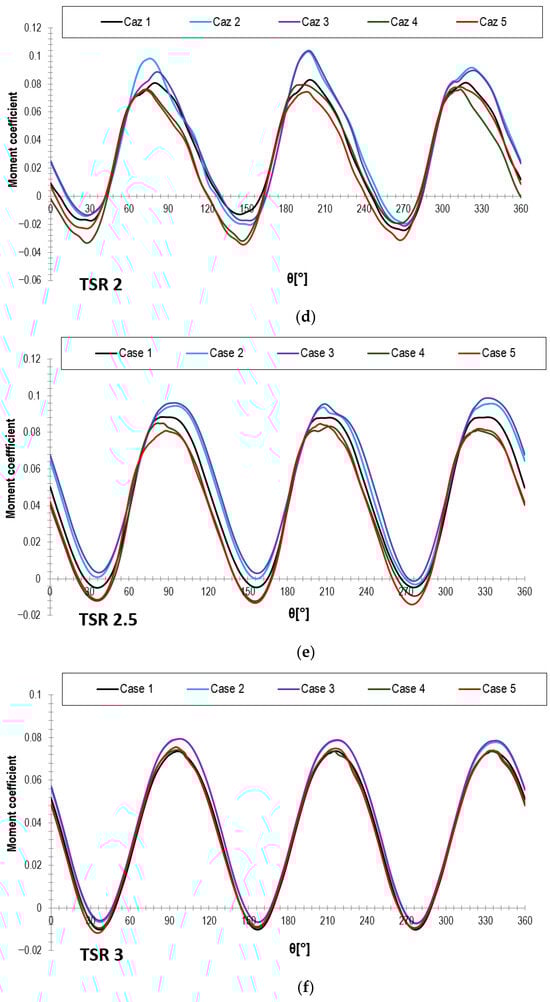
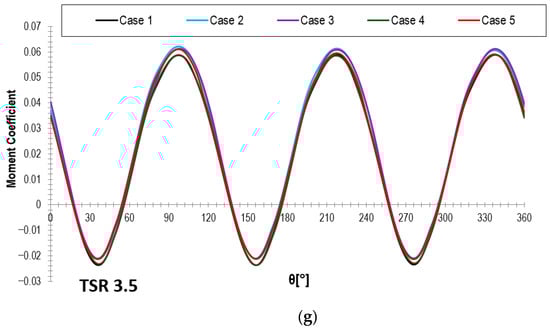
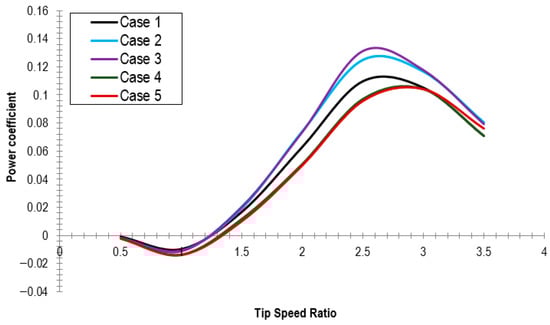
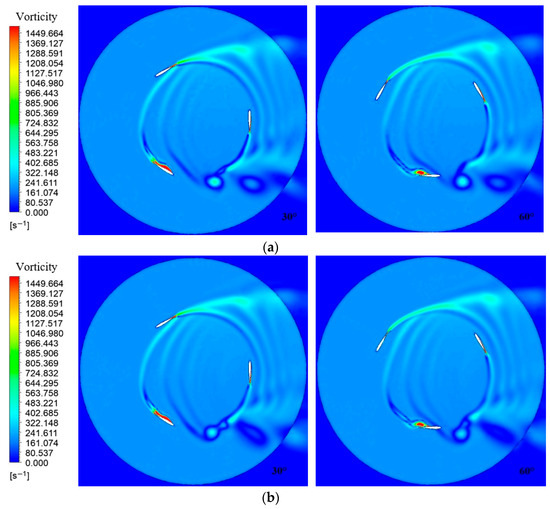
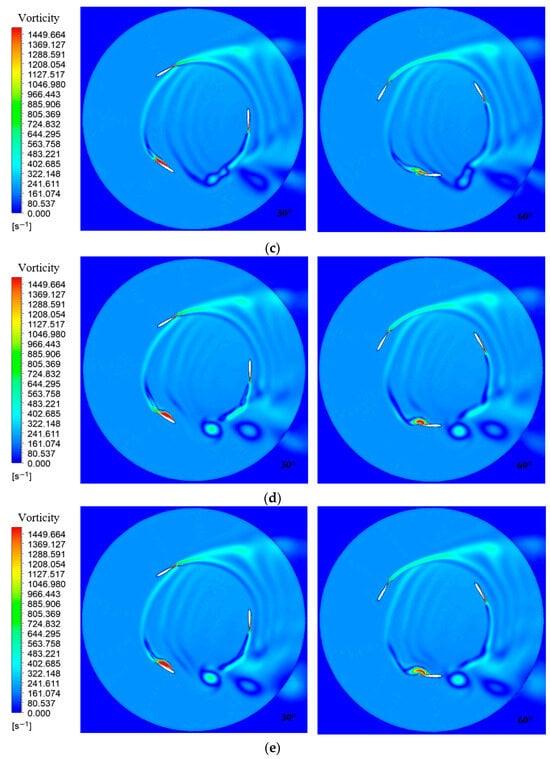
Vertical axis wind turbines (VAWTs) are promising systems for urban wind energy applications because of their compact layout, omni-directional operation, and favorable integration potential. However, their broader deployment remains limited by poor self-starting capabilities and relatively low aerodynamic efficiency compared to horizontal axis wind turbines. In this study, a passive flow control concept for a straight-bladed VAWT is numerically investigated using a NACA0012 airfoil modified with 45° inclined perforations on the extrados. Four perforated configurations were generated and compared with the baseline profile through a two-stage computational approach. First, steady 2D computational fluid dynamics (CFD) simulations of the isolated airfoils were performed at a free stream velocity of 12 m/s over an angle of attack range of 0–180°. Subsequently, the most relevant aerodynamic trends were assessed at rotor level using transient 2D Moving Mesh simulations for a three-bladed wind turbine with tip speed ratios (TSRs) between 0.5 and 3.5. All perforated variants exhibited higher lift than the baseline airfoil, while the configuration with smaller, denser perforations distributed over the downstream two-thirds of the extrados provided the best overall aerodynamic performance. At TSR = 2.5, this geometry increased the mean moment coefficient from 0.044 to 0.0525 and the power coefficient from 0.109 to 0.131, corresponding to an increase in power output of approximately 20%. These results indicate that inclined extrados perforations constitute a promising passive strategy for improving the aerodynamic performance of small straight-bladed VAWTs, although further 3D and experimental validations are required.
Full article
(This article belongs to the Special Issue Emerging Trends and Innovations in Renewable Energy)
►▼
Show Figures

Figure 1
Open AccessPatent Summary
Recycling Installation for Circular SLA Resin and Injection Casting in Microgravity
by
Emilia Georgiana Prisăcariu and Iulian Vlăducă
Inventions 2026, 11(2), 36; https://doi.org/10.3390/inventions11020036 - 3 Apr 2026
Abstract
Photopolymer-based additive manufacturing processes such as stereolithography (SLA) offer high precision and surface quality but generate cured thermoset waste that is typically non-recyclable. In microgravity environments, conventional recycling approaches—based on gravitational settling, open solvent handling, and buoyancy-driven degassing—are ineffective, motivating the development of
[...] Read more.
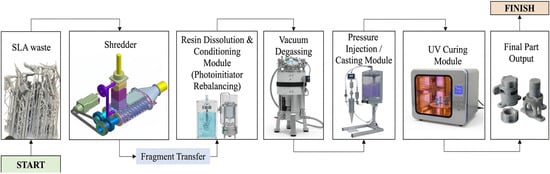
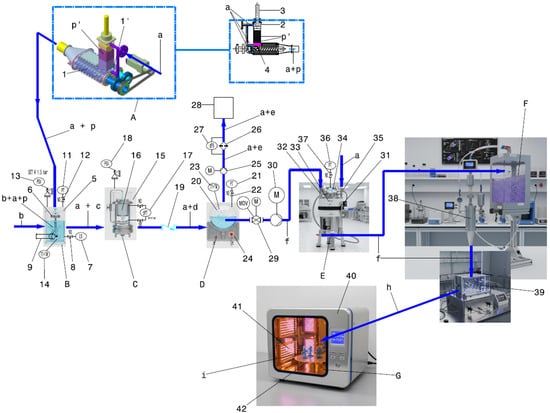
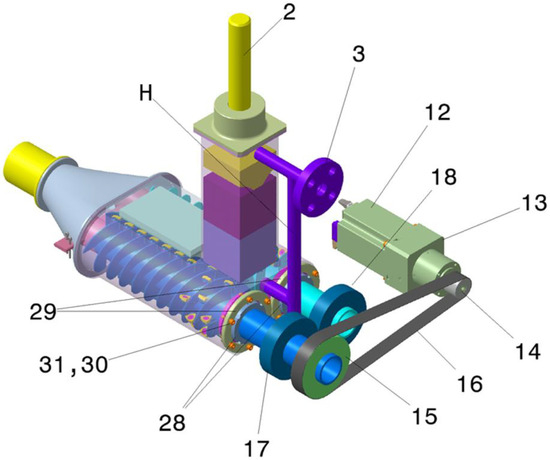
Photopolymer-based additive manufacturing processes such as stereolithography (SLA) offer high precision and surface quality but generate cured thermoset waste that is typically non-recyclable. In microgravity environments, conventional recycling approaches—based on gravitational settling, open solvent handling, and buoyancy-driven degassing—are ineffective, motivating the development of fully contained, gravity-independent material recovery systems for on-orbit manufacturing. This work presents a conceptual, design-stage closed-loop system architecture for recycling photopolymer resins in microgravity. The system integrates eight subassemblies enabling mechanical fragmentation, solvent-assisted dissolution, filtration, low-pressure degassing, pressurized storage, injection molding, and ultraviolet curing. A hermetically sealed dual-screw shredder produces resin fragments of 1–3 mm, suitable for dissolution. Gas removal is achieved through low-vacuum degassing at approximately 0.1–0.3 bar, with characteristic residence times of 5–10 min, ensuring stable processing prior to injection. Material transport is governed by mechanical conveyance and controlled pressure, eliminating reliance on gravity. The architecture maintains full containment of solids, liquids, and vapors throughout the process. Supported by engineering design considerations, the system establishes a microgravity-compatible pathway for closed-loop recycling of SLA materials. Experimental validation is planned in future work.
Full article
(This article belongs to the Section Inventions and Innovation in Advanced Manufacturing)
►▼
Show Figures

Figure 1
Open AccessArticle
Conquering the Urban Firefighting Challenge: A Deep Q-Network Approach for Autonomous UAV Navigation
by
Shafiqul Alam Khan, Damian Valles, Marcelo M. Carvalho and Wenquan Dong
Inventions 2026, 11(2), 35; https://doi.org/10.3390/inventions11020035 - 2 Apr 2026
Abstract
Firefighters must locate victims reliably to carry out rescue operations within burning structures during urban firefighting events. Low visibility, reduced oxygen levels, weakened structural rigidity, and dense smoke make it difficult to locate victims. In addition to these challenges, victims may be unconscious
[...] Read more.
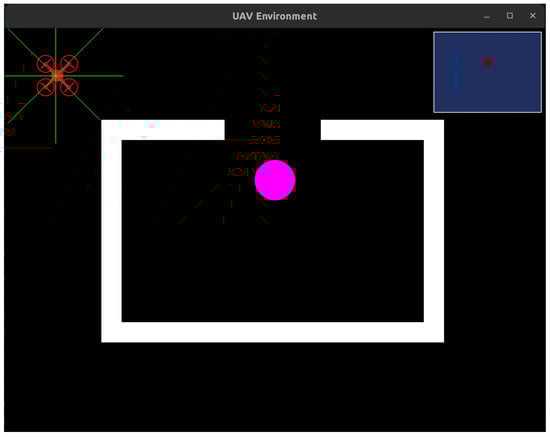
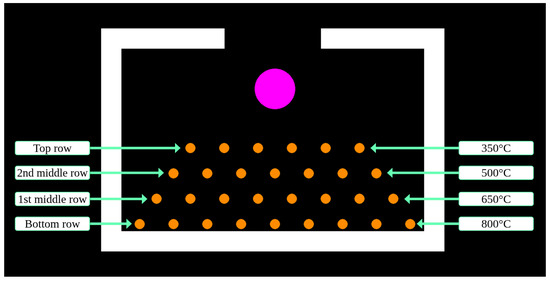
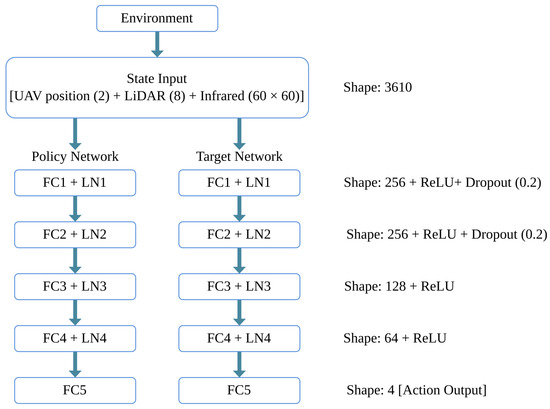
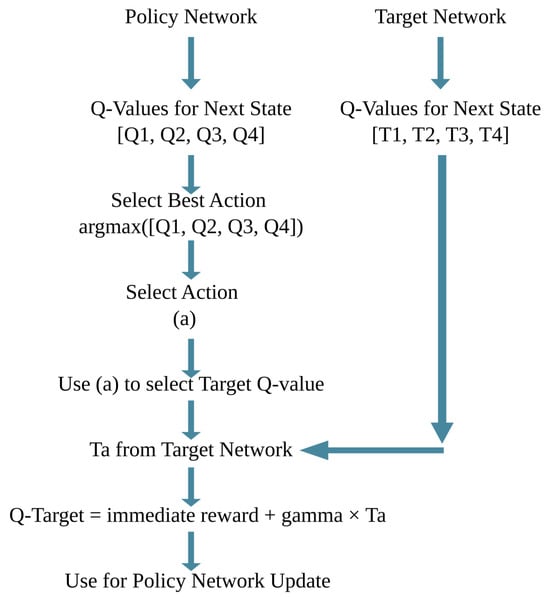
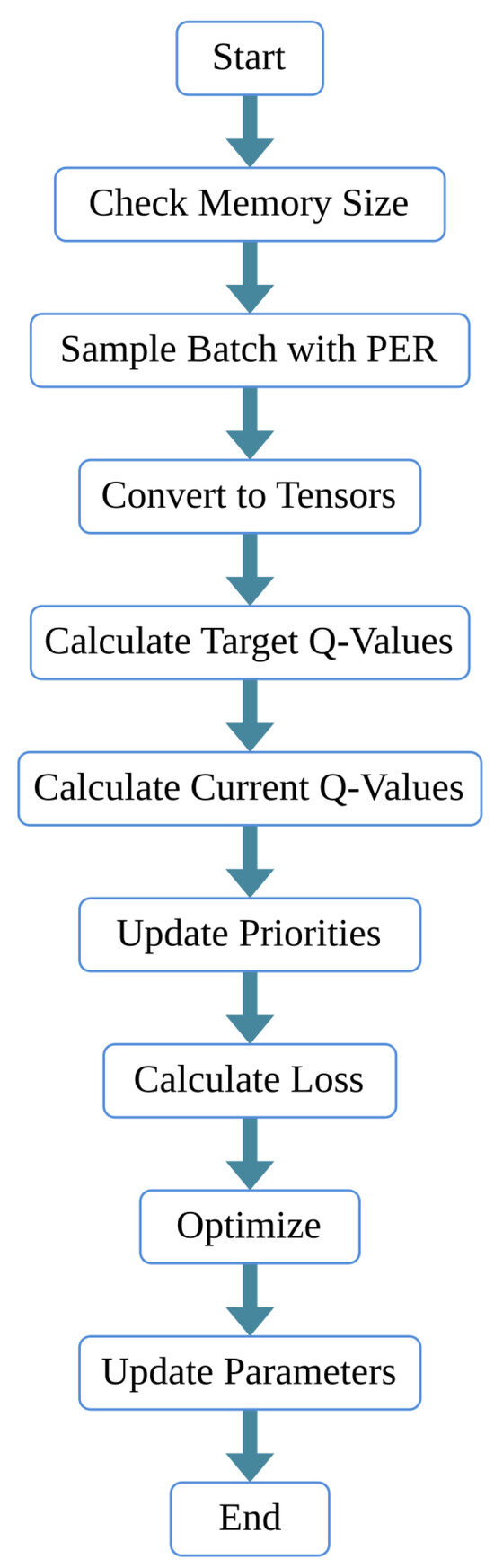
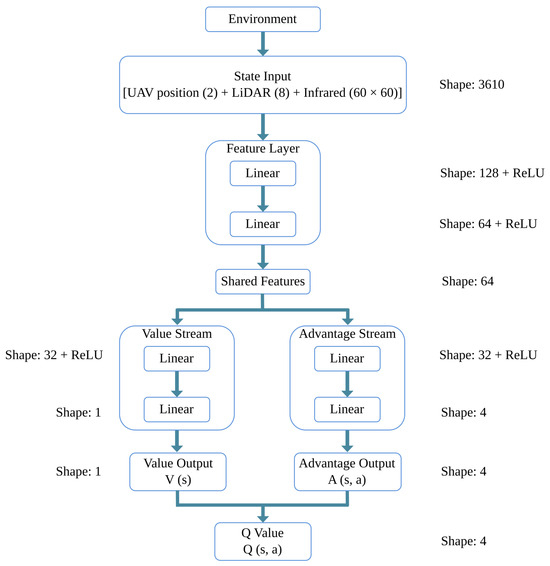
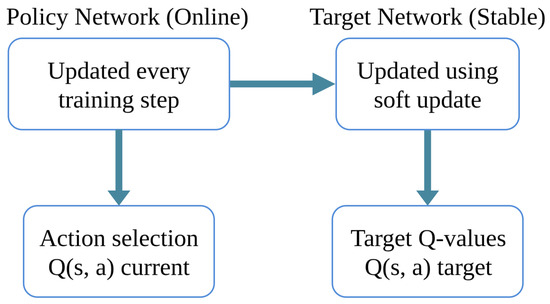
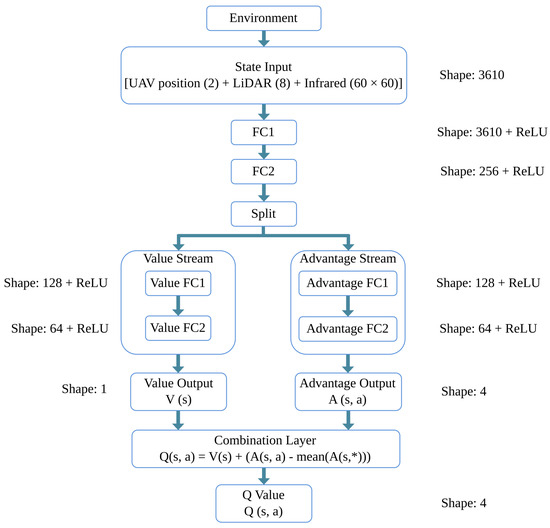
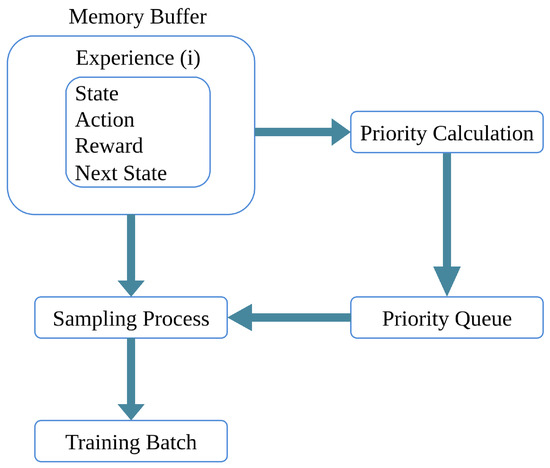
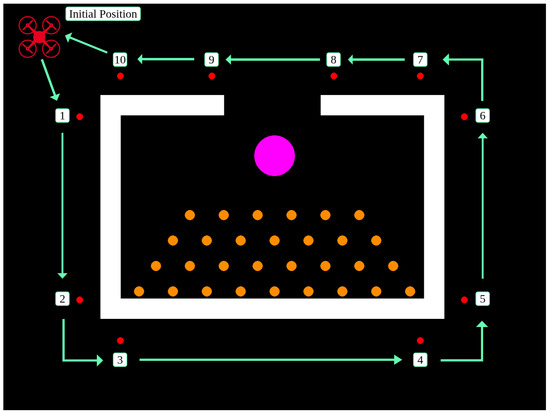
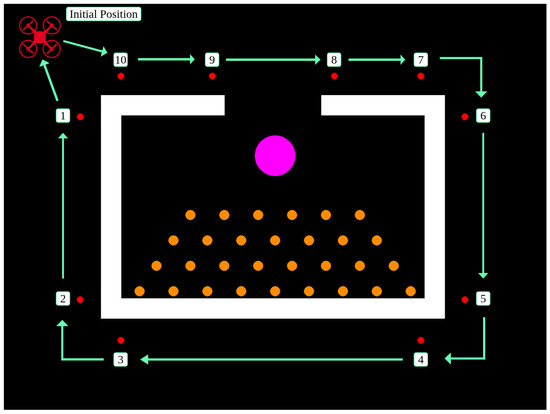
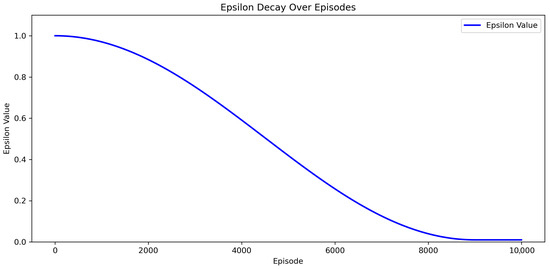
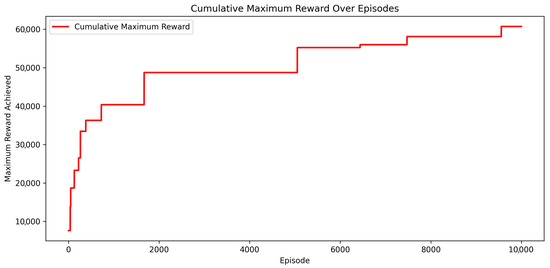
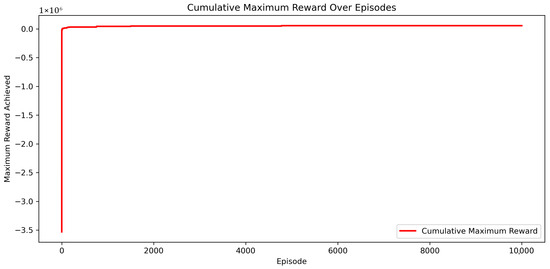
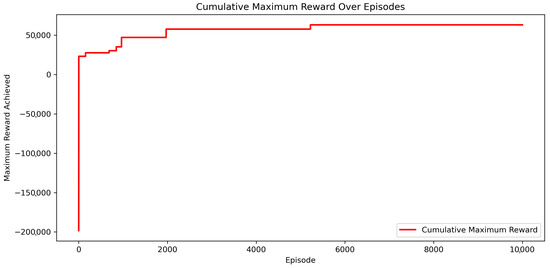
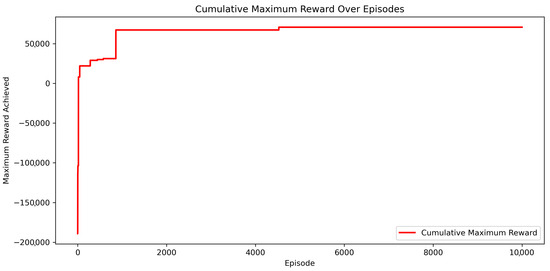
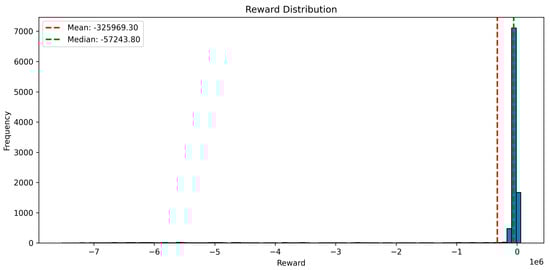
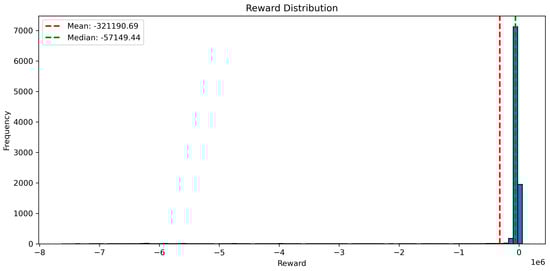
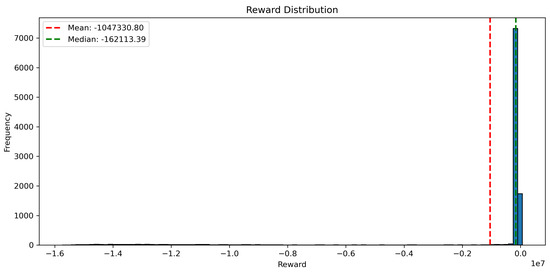
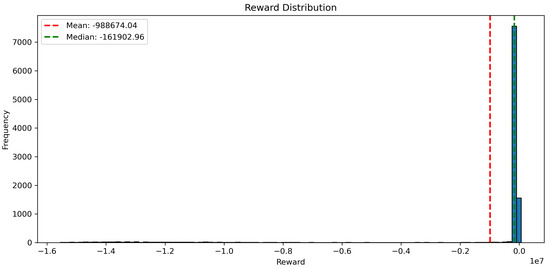
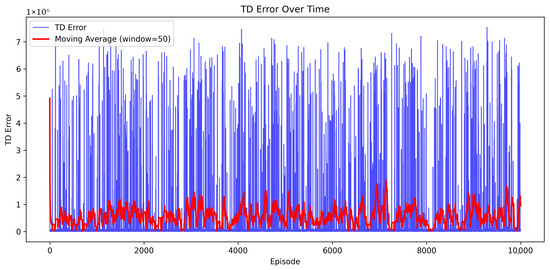
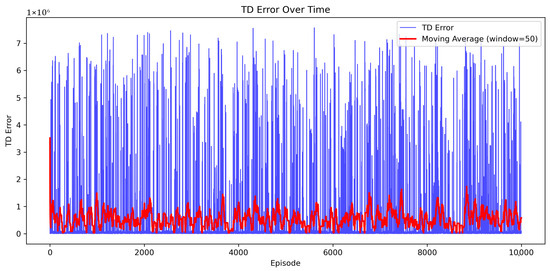
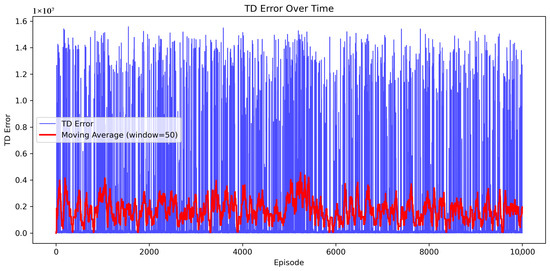
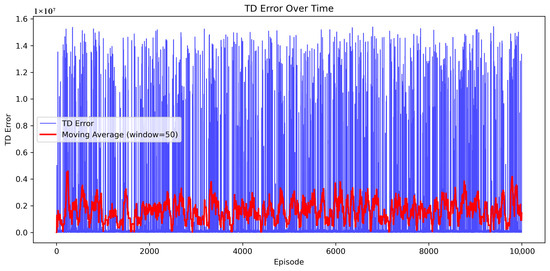
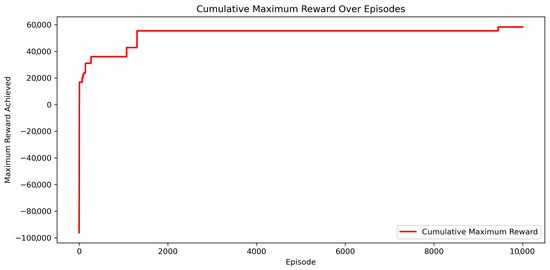
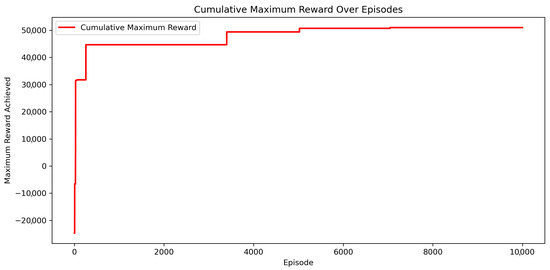
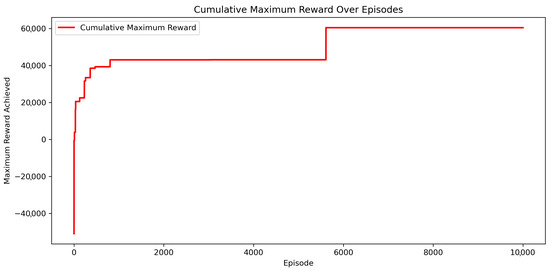
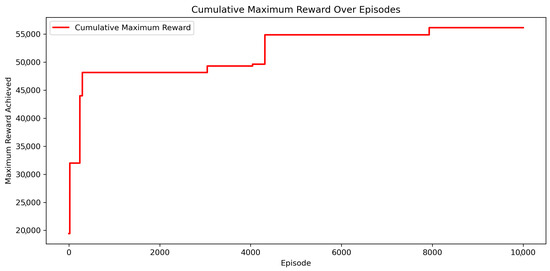
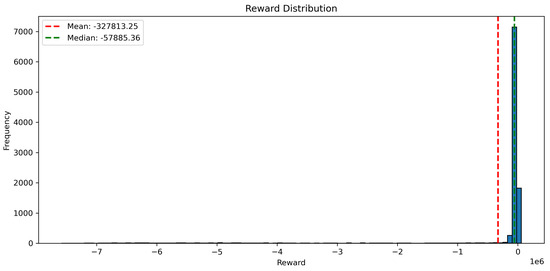
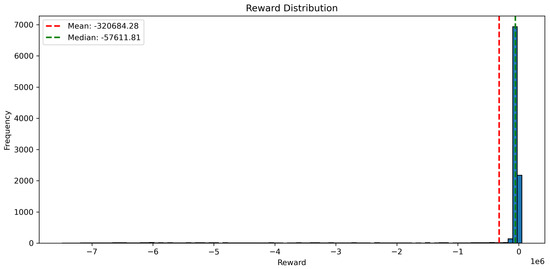
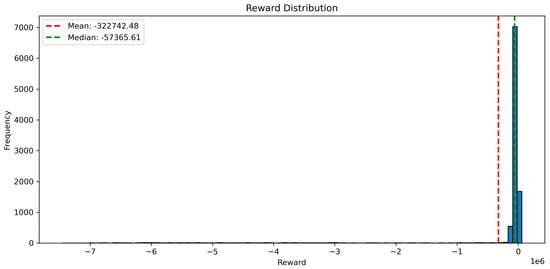
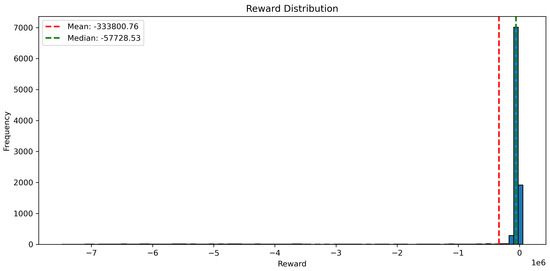
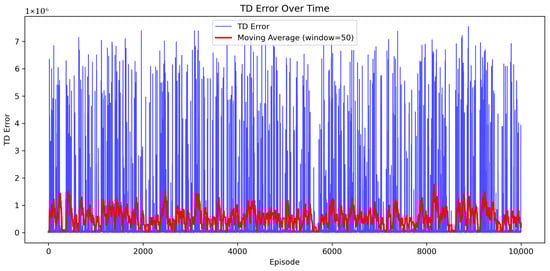
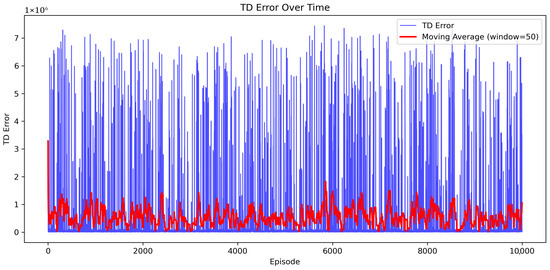
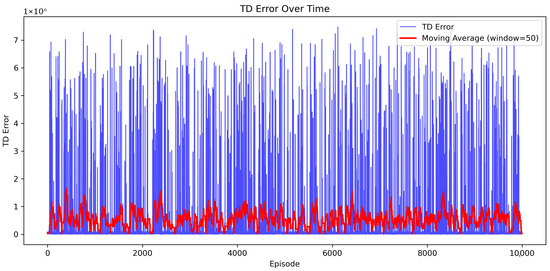
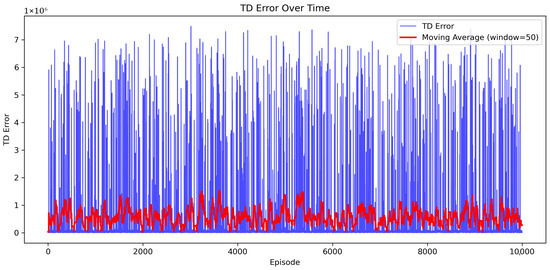
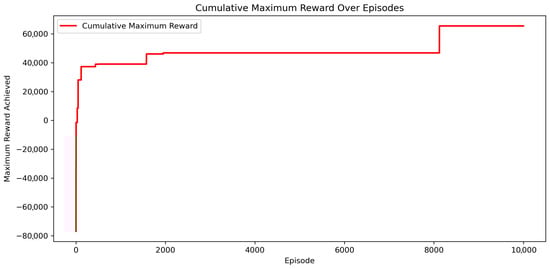
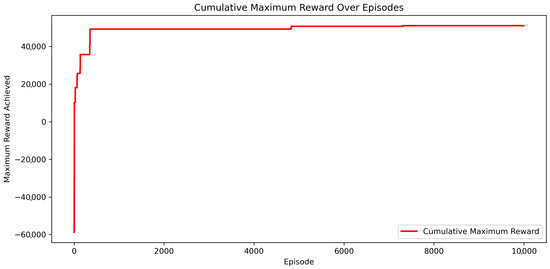
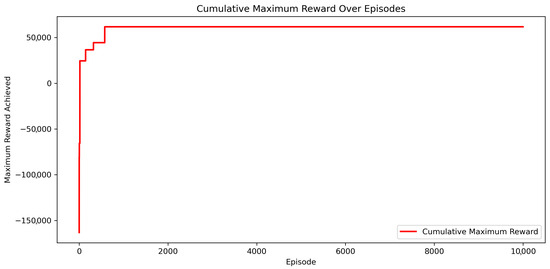
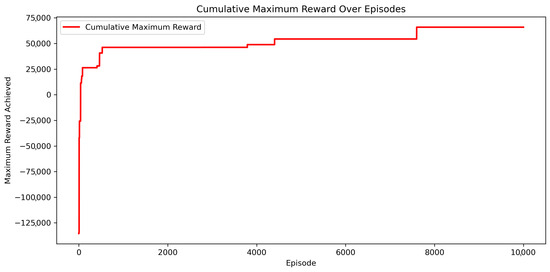
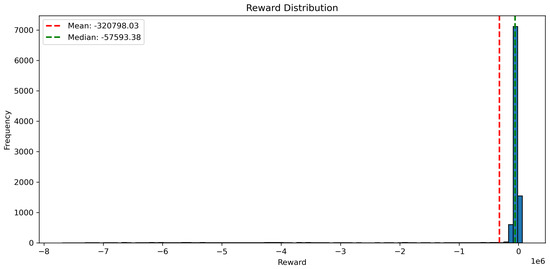
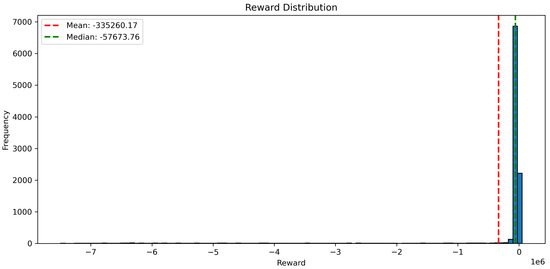
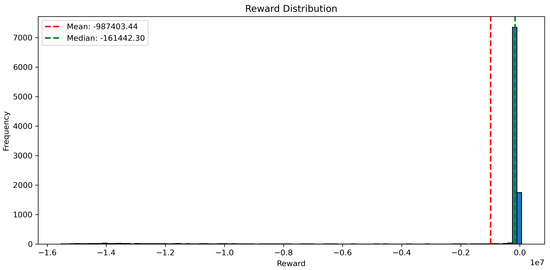
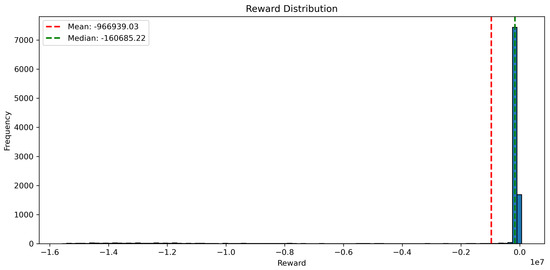
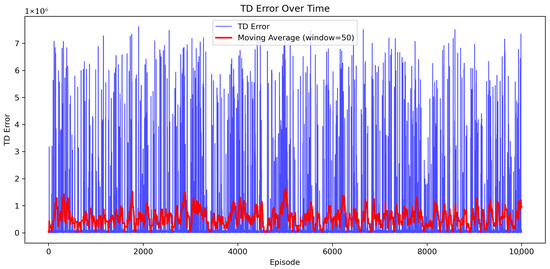
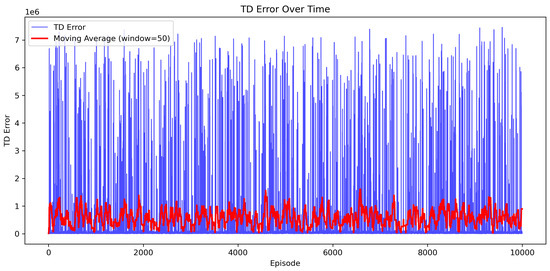
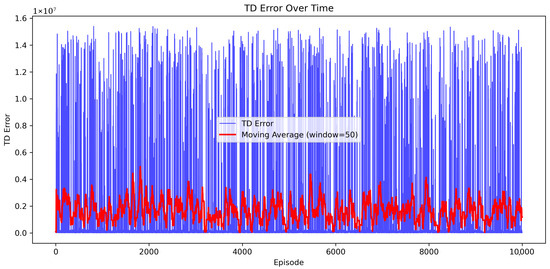
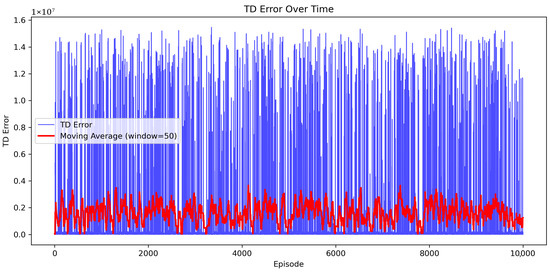
Firefighters must locate victims reliably to carry out rescue operations within burning structures during urban firefighting events. Low visibility, reduced oxygen levels, weakened structural rigidity, and dense smoke make it difficult to locate victims. In addition to these challenges, victims may be unconscious and unable to report their locations to firefighters. This research work explores the Double Deep Q-Network (Double DQN), Dueling Deep Q-Network (Dueling DQN), and Dueling Double Deep Q-Network (D3QN) agents for an unmanned aerial vehicle (UAV) to navigate around a structure and locate trapped victims within it. The UAV’s position, Light Detection and Ranging (LiDAR), and infrared camera data are utilized as inputs for the Deep Q-Networks. The PER is used to store transitions and sample them according to priority for training. Python’s Pygame library is used in this research to create a simulated environment in which infrared camera and LiDAR data are simulated. The performance of the UAV agent is evaluated using cumulative maximum reward, reward distribution histogram, Temporal Difference (TD) error over time, and number of successful episodes. Among the three DQN UAV agents, the Dueling DQN and Double DQN have potential for real-world applications in firefighting.
Full article
(This article belongs to the Special Issue Unmanned Aerial Vehicles (UAVs): Innovations and Applications)
►▼
Show Figures

Figure 1
Open AccessArticle
Determining Fault Locations on Overhead Power Lines Under Power Quality Deviation Conditions Based on the Least Squares Method
by
Aleksandr Kulikov, Pavel Ilyushin and Anton Loskutov
Inventions 2026, 11(2), 34; https://doi.org/10.3390/inventions11020034 - 31 Mar 2026
Abstract
Overhead power lines (OHPLs) are currently widely used to generate power from various types of traditional power plants and transmit power between electric power systems (EPSs). OHPLs are known to be susceptible to climatic, meteorological, man-made, and other factors, which leads to more
[...] Read more.
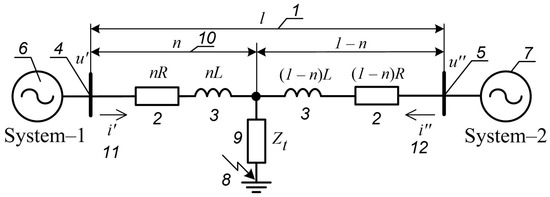
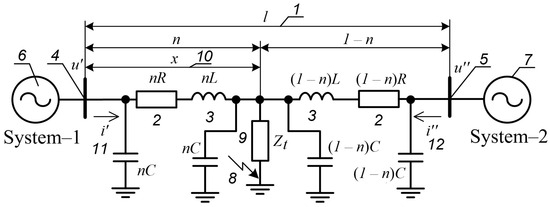
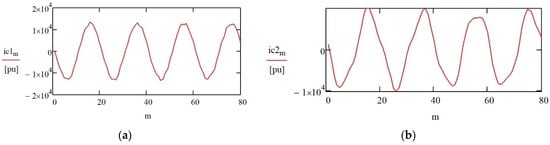
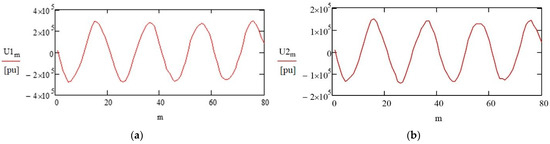
Overhead power lines (OHPLs) are currently widely used to generate power from various types of traditional power plants and transmit power between electric power systems (EPSs). OHPLs are known to be susceptible to climatic, meteorological, man-made, and other factors, which leads to more frequent outages with damage of varying severity. Ensuring reliable operation of the EPS requires rapid and accurate fault location (FL) for emergency restoration operations and the subsequent restoration of the OHPL. This article presents the results of an analysis of various methods for FL of OHPLs under conditions of deviations in power quality indicators (PQI), which leads to additional FL errors in emergency mode parameters (EMP). The objective of the study is to develop a new method for FL on OHPLs with unsynchronized measurements from both ends under conditions of current and voltage deviations from a sinusoidal shape, based on the least-squares method. The developed method for FL on OHPLs is based on differential equations describing the currents and voltages in emergency conditions at both ends, taking into account distributed transverse (capacitive) conductivity. This significantly improves the accuracy of FL on OHPLs with unsynchronized measurements at both ends under conditions of fluctuating power quality parameters. The article presents calculation results for a specific OHPL, demonstrating the improved accuracy of FL based on the EMP. The developed method can be implemented in digital protection and automation devices for OHPLs, as well as in software for power system control centers.
Full article
(This article belongs to the Section Inventions and Innovation in Electrical Engineering/Energy/Communications)
►▼
Show Figures

Figure 1
Open AccessArticle
Data-Driven Requirements Prioritization Framework for App Reviews
by
Fatma A. Mihany, Galal H. Galal-Edeen, Ehab E. Hassanein and Hanan Moussa
Inventions 2026, 11(2), 33; https://doi.org/10.3390/inventions11020033 - 31 Mar 2026
Abstract
The rapid expansion of market-driven software product development has led to the increasing use of User-Generated Content (UGC), such as mobile application user reviews, as a valuable source of requirements. However, unlike the traditional requirements engineering (RE) process, data-driven RE introduces several challenges,
[...] Read more.
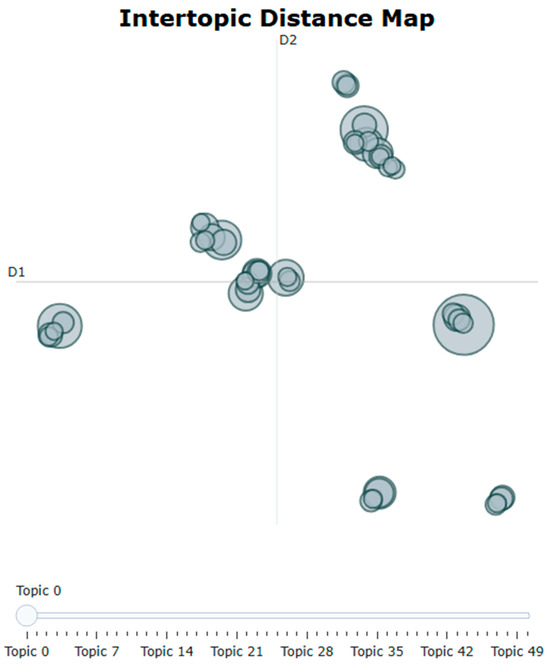
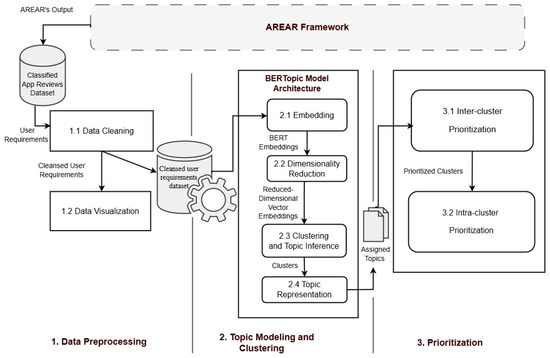
The rapid expansion of market-driven software product development has led to the increasing use of User-Generated Content (UGC), such as mobile application user reviews, as a valuable source of requirements. However, unlike the traditional requirements engineering (RE) process, data-driven RE introduces several challenges, particularly in requirements elicitation and prioritization. Traditional requirements prioritization techniques typically rely on stakeholders’ involvement; however, in data-driven and market-driven development contexts, explicit stakeholders are often absent. Thus, we propose a DAta-driven Requirements Prioritization (DARP) framework that integrates Natural Language Processing (NLP), topic modeling, and Large Language Models (LLMs) to automate requirements prioritization in a data-driven development context. The proposed framework utilizes BERTopic to identify latent topics in user reviews and incorporates Hierarchical Density-Based Spatial Clustering of Applications with Noise (HDBSCAN) to group semantically related requirements. The proposed framework introduces a robust and automated prioritization applied to mobile app reviews. The scope of the proposed framework is user-perspective prioritization. Our objective is to detect insights from app reviews to reflect the voice of the customer. The results indicate that leveraging NLP and topic modeling techniques provides an effective data-driven approach to requirements prioritization.
Full article
(This article belongs to the Section Inventions and Innovation in Design, Modeling and Computing Methods)
►▼
Show Figures

Figure 1
Open AccessArticle
A Study on the Impact of Ice-Covered Pantograph–Catenary Arc Characteristics and Ablation Mechanisms
by
Zhiliang Wang, Zhuo Li, Keqiao Zeng, Wenfu Wei, Zefeng Yang and Huan Zhang
Inventions 2026, 11(2), 32; https://doi.org/10.3390/inventions11020032 - 25 Mar 2026
Abstract
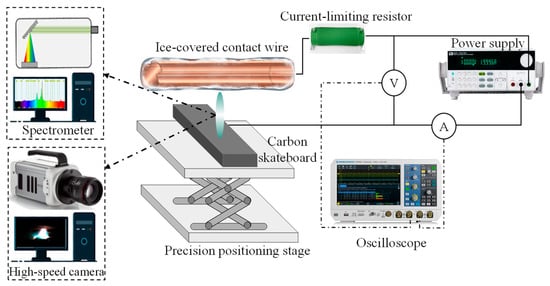
Under severe ice and snow weather, ice-covered pantograph–catenary arcs affect the safe operation of high-speed trains. This study investigates the impact of ice-covered arc electrical characteristics, plasma parameters, and material ablation mechanisms. By constructing a comprehensive pantograph–catenary icing experimental platform, arc voltage, current
[...] Read more.
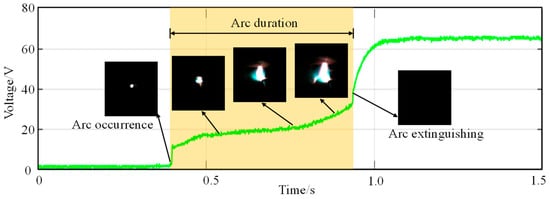
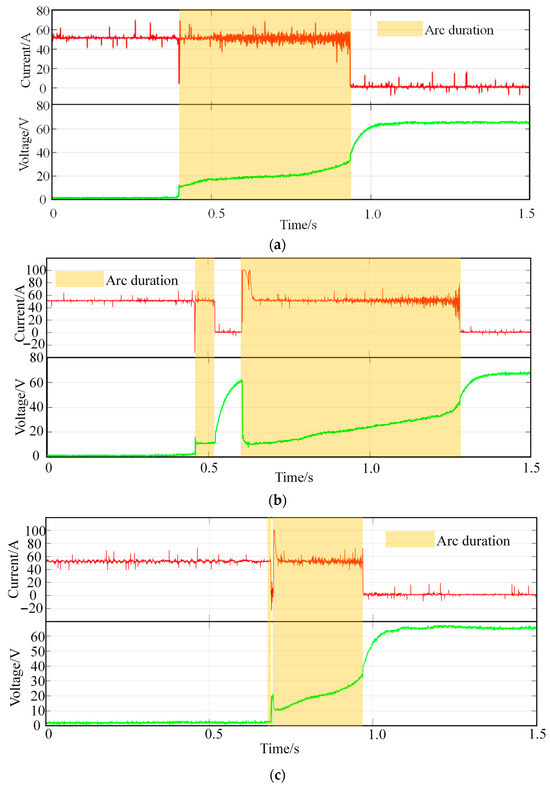
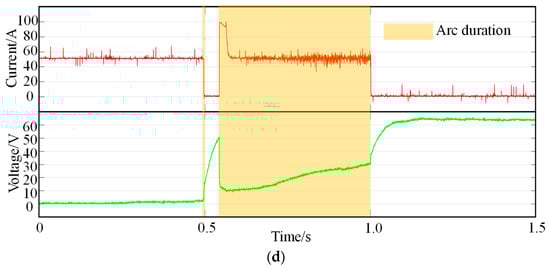
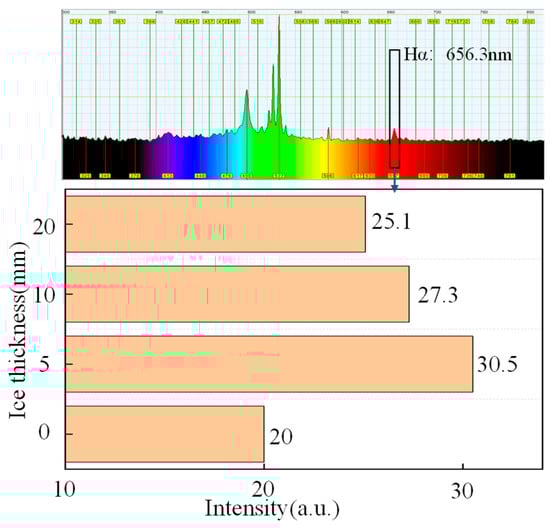
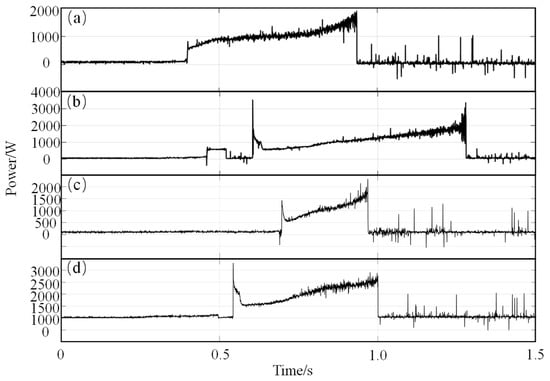
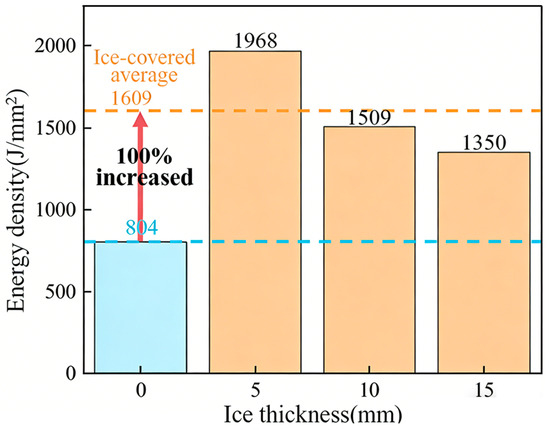
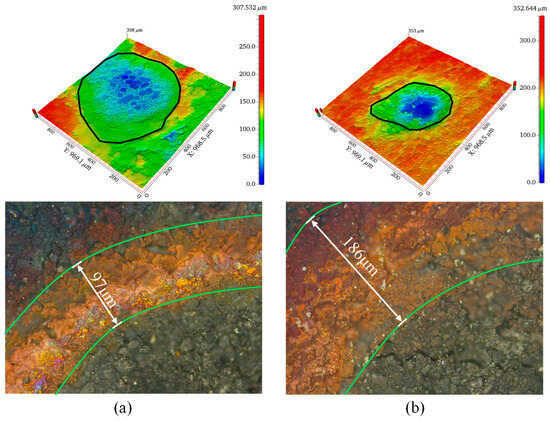
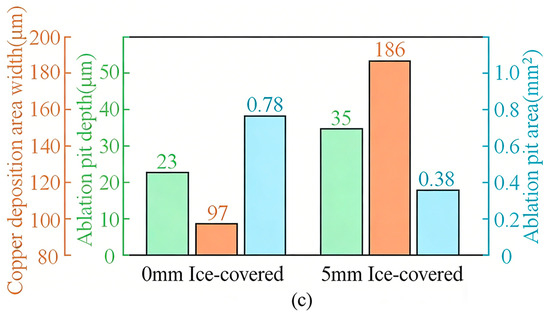
Under severe ice and snow weather, ice-covered pantograph–catenary arcs affect the safe operation of high-speed trains. This study investigates the impact of ice-covered arc electrical characteristics, plasma parameters, and material ablation mechanisms. By constructing a comprehensive pantograph–catenary icing experimental platform, arc voltage, current signals, high-speed dynamic images, and emission spectra were synchronously collected under different icing thicknesses ranging from 0 to 15 mm. Research indicates that ice coverture causes frequent “extinction–reignition” phenomena during the arc initiation stage due to the latent heat absorbed by melting ice, significantly reducing the initial stability of arc combustion. Spectral analysis confirms that the arc excitation temperature and energy density are positively correlated with the concentration of hydrogen ions produced by water vapor ionization, reaching a peak under the 5 mm icing condition. Experimental results show that the average energy density of ice-covered arcs is approximately double that of the non-iced condition, causing the ablation pits on the carbon strip to exhibit characteristics of greater depth and wider copper deposition zones. This study reveals the unique mechanisms and damage characteristics of icing pantograph–catenary arcs, providing an important basis for the safe design and maintenance of pantograph–catenary systems in high-cold railway environments.
Full article
(This article belongs to the Special Issue Mechanics of Composite Materials: Strength, Deformation, and Failure Analysis)
►▼
Show Figures

Figure 1
Highly Accessed Articles
Latest Books
E-Mail Alert
News
9 October 2025
Meet Us at the 3rd International Conference on AI Sensors and Transducers, 2–7 August 2026, Jeju, South Korea
15 May 2026
Meet Us at the 17th IEEE International Conference on Electron Devices and Solid-State Circuits (EDSSC 2026), 9–12 June 2026, Guangzhou, China
Topics
Topic in
Electronics, Energies, Eng, Machines, Vehicles, Designs, Batteries, Inventions
Next-Generation EV Motor Systems: Integrated Design and AI-Driven Optimization
Topic Editors: Kan Akatsu, Minh Cao TaDeadline: 30 June 2026
Topic in
AI, Inventions, MTI, Robotics, Sci, Sensors, Standards, Technologies
Toward Trustworthy Human-AI Collaboration: From Interactive Intelligence to Collaborative Autonomy
Topic Editors: George Margetis, Helmut Degen, Stavroula NtoaDeadline: 30 November 2026
Topic in
Applied Sciences, Electronics, Future Internet, IoT, Technologies, Inventions, Sensors, Vehicles
Next-Generation IoT and Smart Systems for Communication and Sensing
Topic Editors: Dinh-Thuan Do, Vitor Fialho, Luis Pires, Francisco Rego, Ricardo Santos, Vasco VelezDeadline: 31 December 2026
Topic in
Electronics, Energies, Processes, Smart Cities, Sustainability, Electricity, Inventions, Batteries
Recent Advances in Smart Grid and Energy Storage Applications
Topic Editors: Alfredo Alcayde, John Alexander Taborda-GiraldoDeadline: 31 January 2027
Conferences
Special Issues
Special Issue in
Inventions
Advanced Electrode Material for Electrochemical Production Conversion and Storage of Energy
Guest Editor: Alessandro Dell'EraDeadline: 29 May 2026
Special Issue in
Inventions
Machine Learning Applications in Healthcare and Disease Prediction
Guest Editor: Chiara IacovelliDeadline: 31 May 2026
Special Issue in
Inventions
Next-Generation Nanomaterials for Energy Storage and Conversion
Guest Editor: Waseem RazaDeadline: 31 May 2026
Special Issue in
Inventions
Antenna and Microwave Components for Future Wireless Communication Systems
Guest Editor: Shoukry I. ShamsDeadline: 20 June 2026