

Journal Description
International Journal of Plant Biology
is an international, peer-reviewed, open access journal on all different subdisciplines of plant biology, published monthly online by MDPI (from Volume 13, Issue 1 - 2022).
- Open Access— free for readers, with article processing charges (APC) paid by authors or their institutions.
- High Visibility: indexed within Scopus, Biological Abstracts and BIOSIS Previews (Web of Science), and other databases.
- Rapid Publication: manuscripts are peer-reviewed and a first decision is provided to authors approximately 17 days after submission; acceptance to publication is undertaken in 4.9 days (median values for papers published in this journal in the second half of 2025).
- Recognition of Reviewers: APC discount vouchers, optional signed peer review, and reviewer names published annually in the journal.
Latest Articles
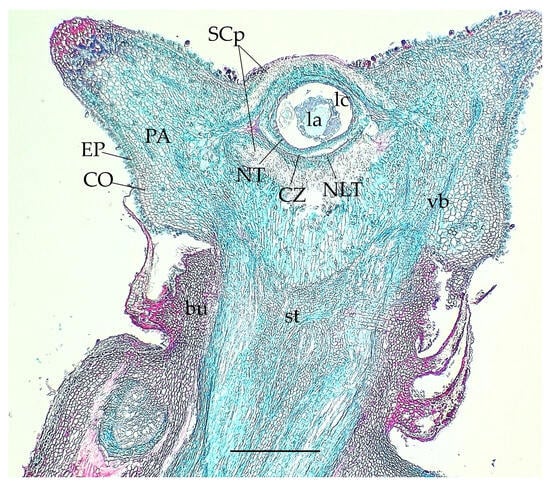
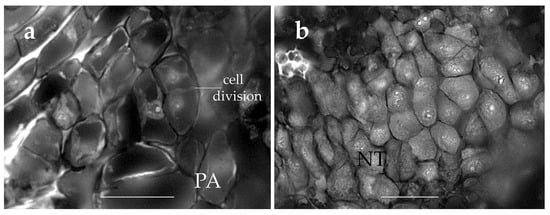
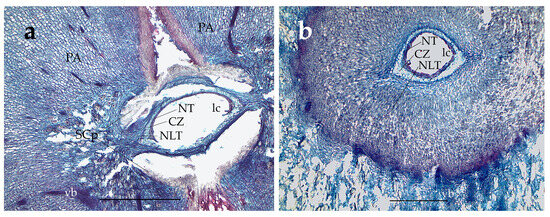
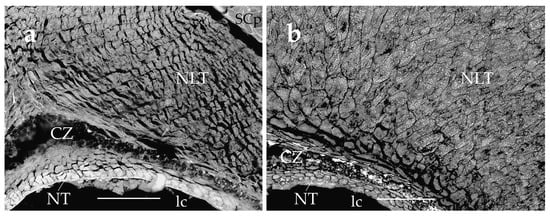
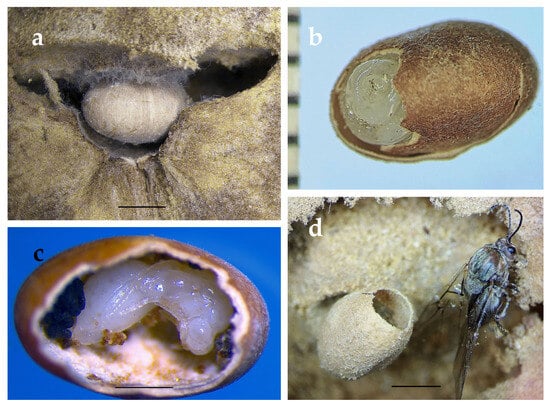
Structural Complexity of Quercus virgiliana Galls Induced by Andricus quercustozae (Hymenoptera: Cynipidae)
Int. J. Plant Biol. 2026, 17(2), 9; https://doi.org/10.3390/ijpb17020009 - 5 Feb 2026
Abstract
Cynipid gall wasps are known for their ability to manipulate host plant development, redirecting undifferentiated tissues into complex, highly specialised structures. In this study, we investigated how Andricus quercustozae larvae manipulate axillary bud tissues of Quercus virgiliana across four key stages of gall
[...] Read more.
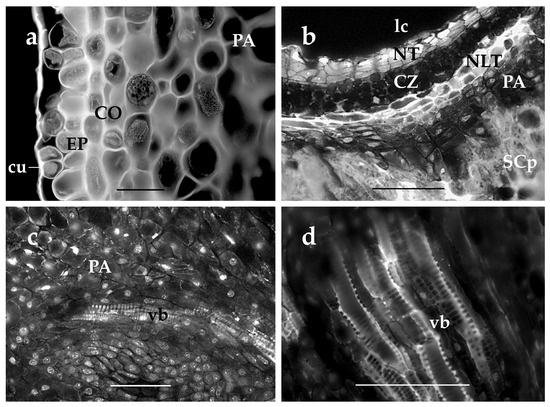
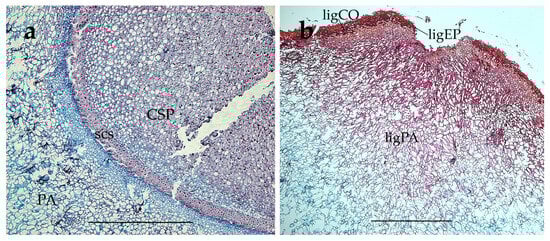
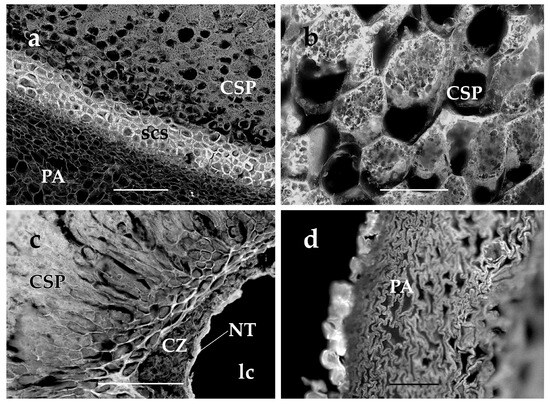
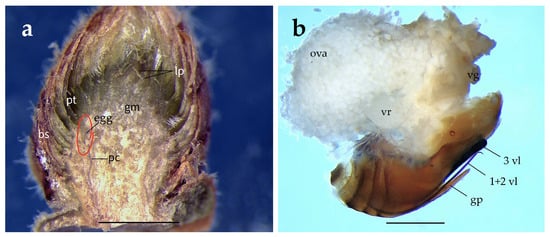
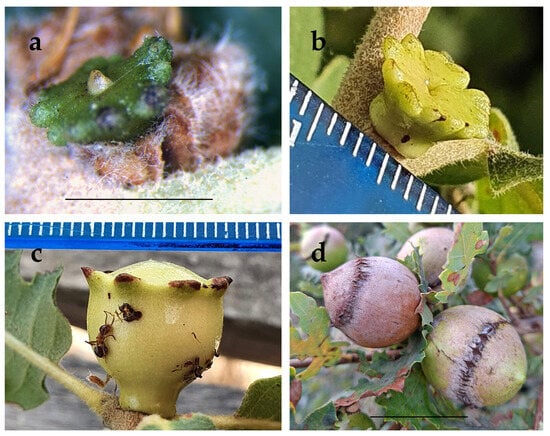
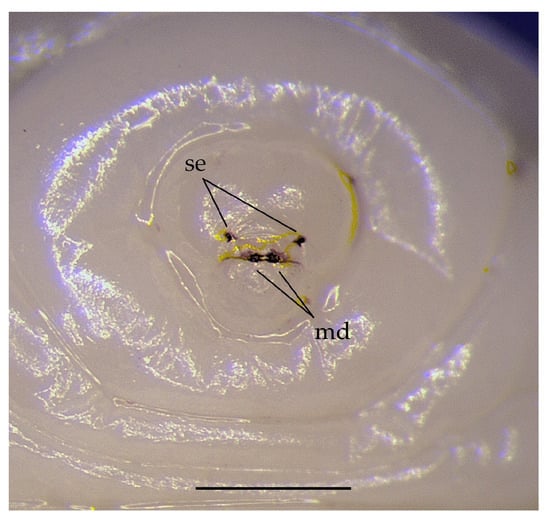
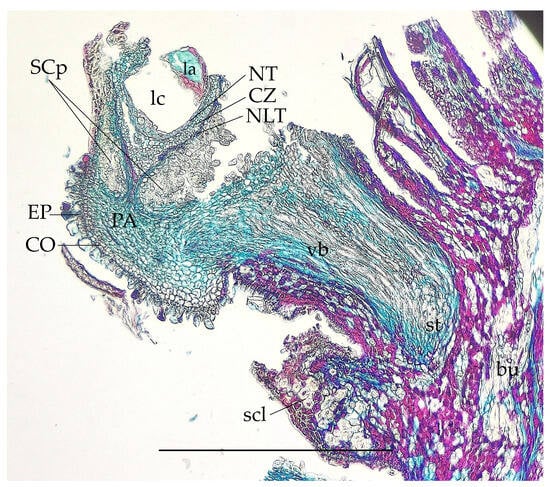
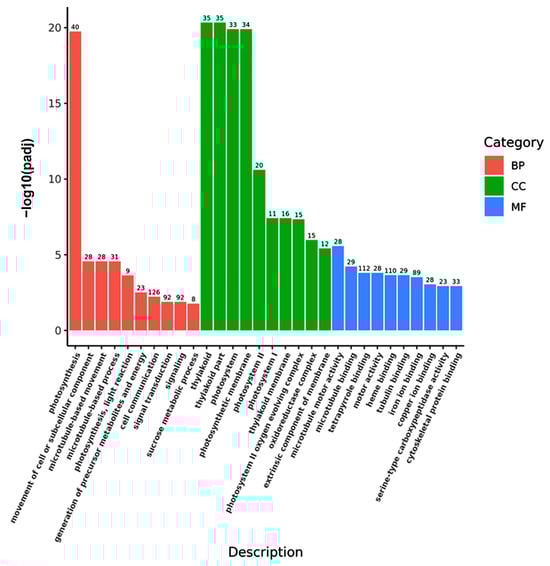
Cynipid gall wasps are known for their ability to manipulate host plant development, redirecting undifferentiated tissues into complex, highly specialised structures. In this study, we investigated how Andricus quercustozae larvae manipulate axillary bud tissues of Quercus virgiliana across four key stages of gall development: initiation, differentiation and growth, maturation, and lignification. Using detailed histological analyses, we characterised progressive tissue differentiation within galls, focusing on the organisation of nutritive, protective, and vascular tissues. Gall development was marked by sustained hyperplasia and hypertrophy, extensive vascular proliferation, and progressive cell wall lignification, resulting in a complex organ optimised for larval nutrition and protection. To complement these anatomical observations, we conducted a preliminary transcriptomic comparison between gall tissue and unmodified leaf tissue. Gene expression analyses revealed suppression of photosynthesis-related functions and coordinated modulation of developmental, regulatory, and metabolic pathways, consistent with a transition from assimilatory leaf tissue to a specialised nutrient sink. Integration of anatomical and transcriptomic evidence supports a model in which cynipid gall wasps intervene at key regulatory nodes of bud development, progressively reprogramming host tissues to form a functionally autonomous gall. These findings provide new insight into the extended phenotype and highlight the plasticity of plant developmental programmes under insect control.
Full article
(This article belongs to the Special Issue Plant Resistance to Insects)
►
Show Figures
Open AccessArticle
Capability of ISSR, SCoT and CEAP Markers for Genetic Diversity Assessment of Lavender (Lavandula angustifolia Mill.) Genotypes
by
Mariya Todorova Zhelyazkova
Int. J. Plant Biol. 2026, 17(1), 8; https://doi.org/10.3390/ijpb17010008 - 21 Jan 2026
Abstract
Lavender has been cultivated in Bulgaria for over a century. The high essential oil content and quality of Bulgarian lavender varieties have established the country as a leading global producer. Studies into the crop’s genetic diversity are essential for selecting varieties best suited
[...] Read more.
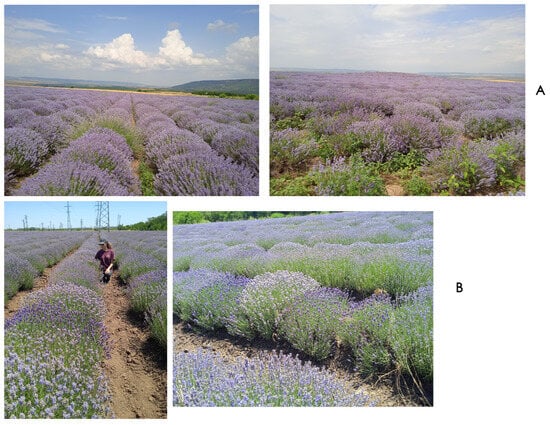
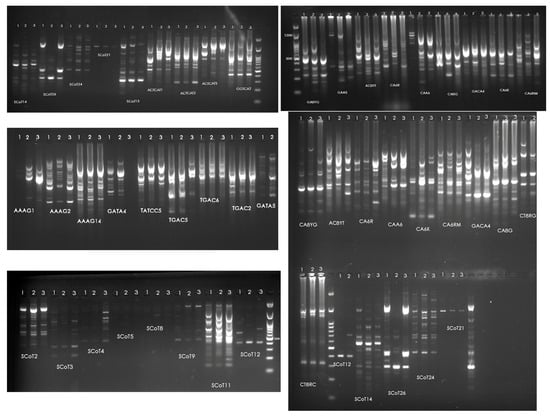
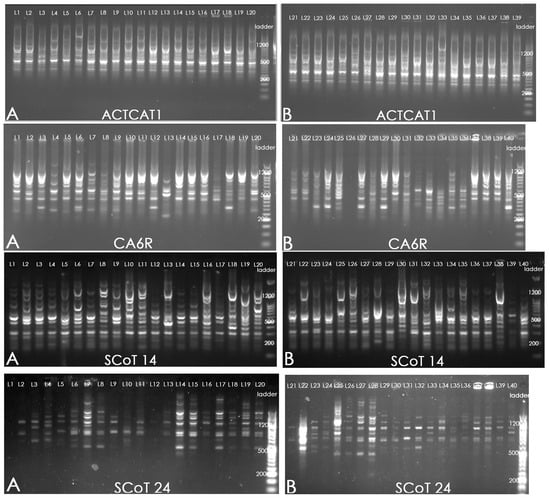
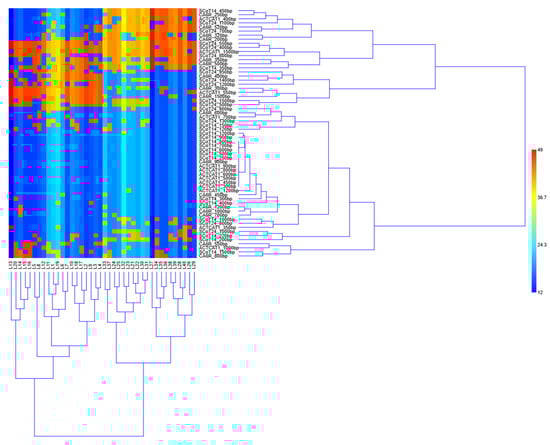
Lavender has been cultivated in Bulgaria for over a century. The high essential oil content and quality of Bulgarian lavender varieties have established the country as a leading global producer. Studies into the crop’s genetic diversity are essential for selecting varieties best suited to specific environmental conditions, maximizing resilience and yield. Therefore, identifying appropriate genetic markers to monitor lavender diversity is a key prerequisite for developing effective crop selection strategies, particularly in response to the challenges posed by global climate change. In this study, we evaluate the versatility of markers for assessing genetic diversity of lavender genotypes. A total of 96, 97 and 96 bands were recorded using the 13 Start Codon Targeted Polymorphism (SCoT), 13 Inter-Simple Sequence Repeat (ISSR) and 14 Cis-Element Aligned Polymorphism (CEAP) primers, respectively. All amplification programs used were successful in the studied genotypes. Additionally, four informative primers of each marker system were applied for assessment of the within-field genetic variability in two lavender plantations from Bulgaria. This is the first report on the combined use and comparison of CEAP, SCoT and ISSR primers in lavender genotypes in Bulgaria.
Full article
(This article belongs to the Section Plant Biochemistry and Genetics)
►▼
Show Figures

Figure 1
Open AccessReview
Advances in Boron, Iron, Manganese, and Zinc Signaling, Transport, and Functional Integration for Enhancing Cotton Nutrient Efficiency and Yield—A Review
by
Unius Arinaitwe, Dalitso Noble Yabwalo, Abraham Hangamaisho, Shillah Kwikiiriza and Francis Akitwine
Int. J. Plant Biol. 2026, 17(1), 7; https://doi.org/10.3390/ijpb17010007 - 20 Jan 2026
Abstract
Micronutrients, particularly boron (B), iron (Fe), manganese (Mn), and zinc (Zn), are pivotal for cotton (Gossypium spp.) growth, reproductive success, and fiber quality. However, their critical roles are often overlooked in fertility programs focused primarily on macronutrients. This review synthesizes recent advances
[...] Read more.
Micronutrients, particularly boron (B), iron (Fe), manganese (Mn), and zinc (Zn), are pivotal for cotton (Gossypium spp.) growth, reproductive success, and fiber quality. However, their critical roles are often overlooked in fertility programs focused primarily on macronutrients. This review synthesizes recent advances in the physiological, molecular, and agronomic understanding of B, Fe, Mn, and Zn in cotton production. The overarching goal is to elucidate their impact on cotton nutrient use efficiency (NUE). Drawing from the peer-reviewed literature, we highlight how these micronutrients regulate essential processes, including photosynthesis, cell wall integrity, hormone signaling, and stress remediation. These processes directly influence root development, boll retention, and fiber quality. As a result, deficiencies in these micronutrients contribute to significant yield gaps even when macronutrients are sufficiently supplied. Key genes, including Boron Transporter 1 (BOR1), Iron-Regulated Transporter 1 (IRT1), Natural Resistance-Associated Macrophage Protein 1 (NRAMP1), Zinc-Regulated Transporter/Iron-Regulated Transporter-like Protein (ZIP), and Gossypium hirsutum Zinc/Iron-regulated transporter-like Protein 3 (GhZIP3), are crucial for mediating micronutrient uptake and homeostasis. These genes can be leveraged in breeding for high-yielding, nutrient-efficient cotton varieties. In addition to molecular hacks, advanced phenotyping technologies, such as unmanned aerial vehicles (UAVs) and single-cell RNA sequencing (scRNA-seq; a technology that measures gene expression at single-cell level, enabling the high-resolution analysis of cellular diversity and the identification of rare cell types), provide novel avenues for identifying nutrient-efficient genotypes and elucidating regulatory networks. Future research directions should include leveraging microRNAs, CRISPR-based gene editing, and precision nutrient management to enhance the use efficiency of B, Fe, Mn, and Zn. These approaches are essential for addressing environmental challenges and closing persistent yield gaps within sustainable cotton production systems.
Full article
(This article belongs to the Topic Recent Progress in Plant Nutrition Research and Plant Physiology: 2nd Edition)
►▼
Show Figures

Figure 1
Open AccessArticle
Comparison of Machine Learning Methods for Marker Identification in GWAS
by
Weverton Gomes da Costa, Hélcio Duarte Pereira, Gabi Nunes Silva, Aluizio Borém, Eveline Teixeira Caixeta, Antonio Carlos Baião de Oliveira, Cosme Damião Cruz and Moyses Nascimento
Int. J. Plant Biol. 2026, 17(1), 6; https://doi.org/10.3390/ijpb17010006 - 19 Jan 2026
Abstract
Genome-wide association studies (GWAS) are essential for identifying genomic regions associated with agronomic traits, but Linear Mixed Model (LMM)-based GWAS face challenges in capturing complex gene interactions. This study explores the potential of machine learning (ML) methodologies to enhance marker identification and association
[...] Read more.
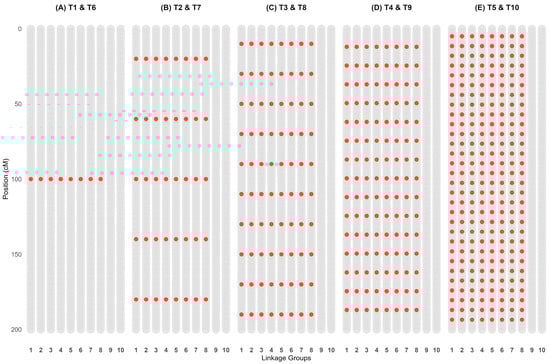
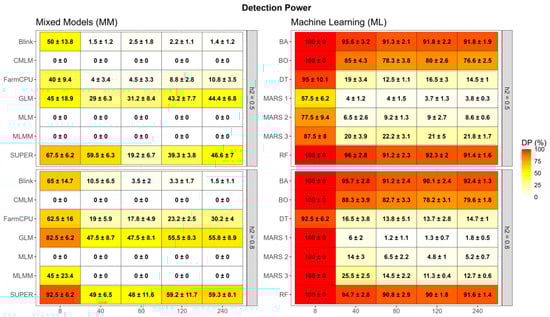
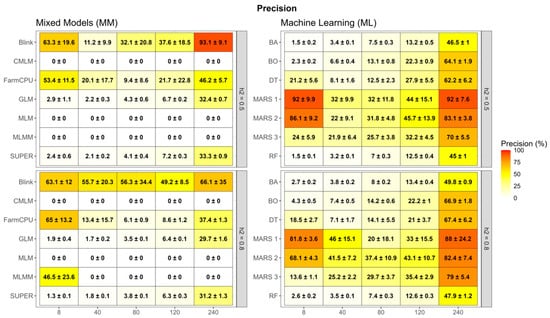
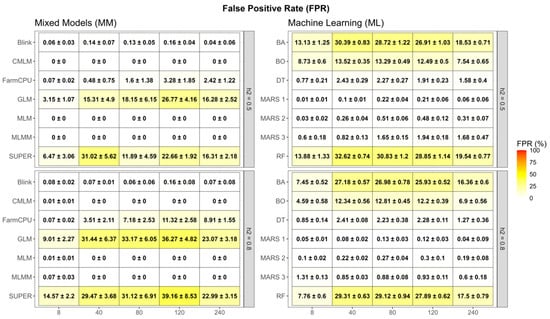
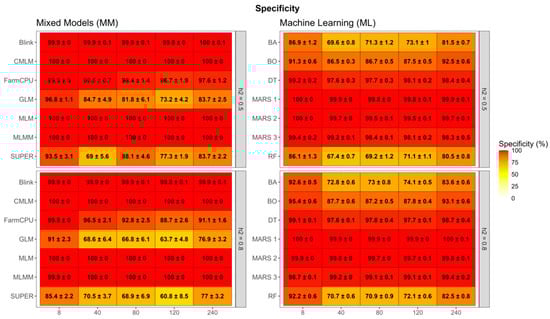
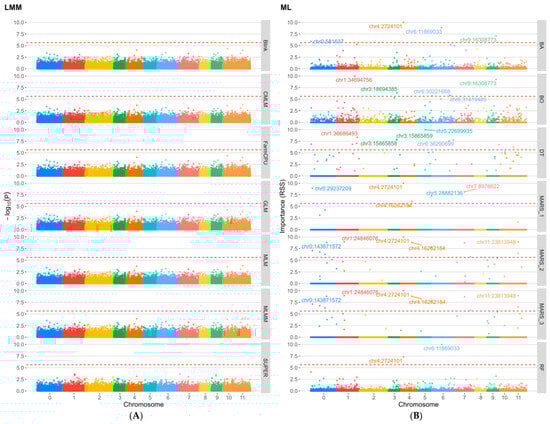
Genome-wide association studies (GWAS) are essential for identifying genomic regions associated with agronomic traits, but Linear Mixed Model (LMM)-based GWAS face challenges in capturing complex gene interactions. This study explores the potential of machine learning (ML) methodologies to enhance marker identification and association modeling in plant breeding. Unlike LMM-based GWAS, ML approaches do not require prior assumptions about marker–phenotype relationships, enabling the detection of epistatic effects and non-linear interactions. The research sought to assess and contrast approaches utilizing ML (Decision Tree—DT; Bagging—BA; Random Forest—RF; Boosting—BO; and Multivariate Adaptive Regression Splines—MARS) and LMM-based GWAS. A simulated F2 population comprising 1000 individuals was analyzed using 4010 SNP markers and ten traits modeled with epistatic interactions. The simulation included quantitative trait loci (QTL) counts varying between 8 and 240, with heritability levels set at 0.5 and 0.8. These characteristics simulate traits of candidate crops that represent a diverse range of agronomic species, including major cereal crops (e.g., maize and wheat) as well as leguminous crops (e.g., soybean), such as yield, with moderate heritability and a high number of QTLs, and plant height, with high heritability and an average number of QTLs, among others. To validate the simulation findings, the methodologies were further applied to a real Coffea arabica population (n = 195) to identify genomic regions associated with yield, a complex polygenic trait. Results demonstrated a fundamental trade-off between sensitivity and precision. Specifically, for the most complex trait evaluated (240 QTLs under epistatic control), Ensemble methods (Bagging and Random Forest) maintained a Detection Power (DP) exceeding 90%, significantly outperforming state-of-the-art GWAS methods (FarmCPU), which dropped to approximately 30%, and traditional Linear Mixed Models, which failed to detect signals (0%). However, this sensitivity resulted in lower precision for ensembles. In contrast, MARS (Degree 1) and BLINK achieved exceptional Specificity (>99%) and Precision (>90%), effectively minimizing false positives. The real data analysis corroborated these trends: while standard GWAS models failed to detect significant associations, the ML framework successfully prioritized consensus genomic regions harboring functional candidates, such as SWEET sugar transporters and NAC transcription factors. In conclusion, ML Ensembles are recommended for broad exploratory screening to recover missing heritability, while MARS and BLINK are the most effective methods for precise candidate gene validation.
Full article
(This article belongs to the Section Application of Artificial Intelligence in Plant Biology)
►▼
Show Figures

Figure 1
Open AccessArticle
The Role of Phosphorus-Potassium Nutrition in Synchronizing Flowering and Accelerating Generation Turnover in Sugar Beet
by
Aleksandra Yu. Kroupina, Pavel Yu. Kroupin, Mariya N. Polyakova, Malak Alkubesi, Alana A. Ulyanova, Daniil S. Ulyanov, Natalya Yu. Svistunova, Alina A. Kocheshkova, Gennady I. Karlov and Mikhail G. Divashuk
Int. J. Plant Biol. 2026, 17(1), 5; https://doi.org/10.3390/ijpb17010005 - 5 Jan 2026
Abstract
Speed breeding technologies offer a promising avenue for accelerating crop improvement, yet their application to biennial crops like sugar beet remains constrained by extended generation cycles. This study examined the effects of supplemental phosphorus-potassium (PK) nutrition on the development of two hybrids under
[...] Read more.
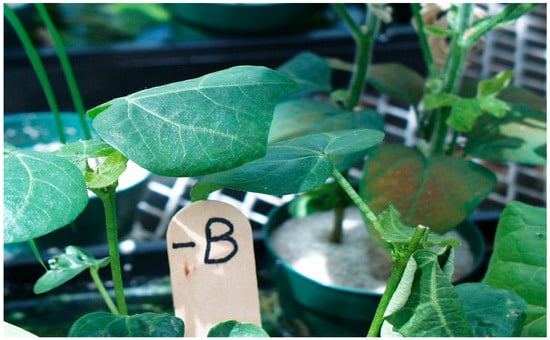
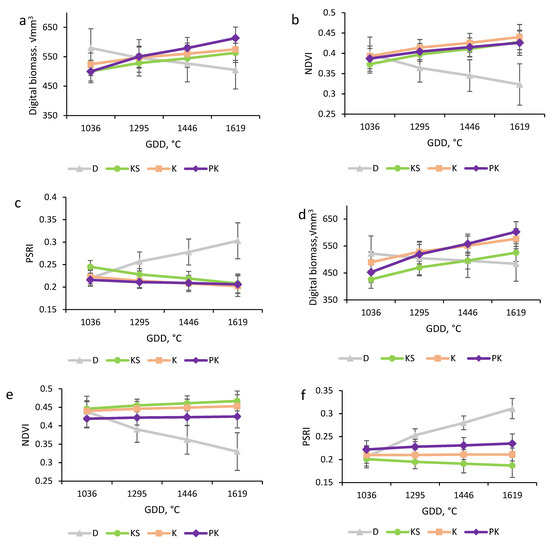
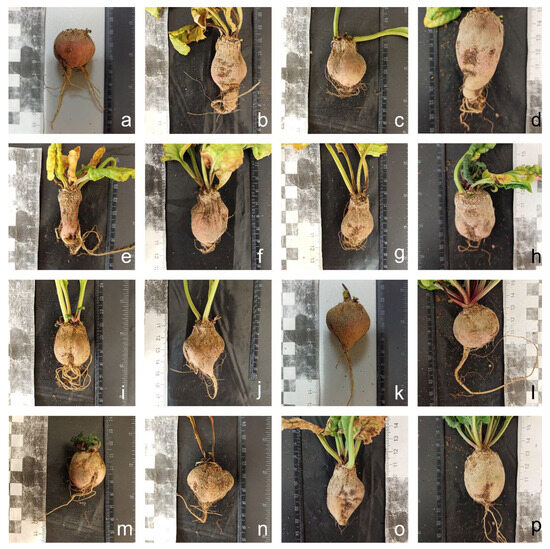
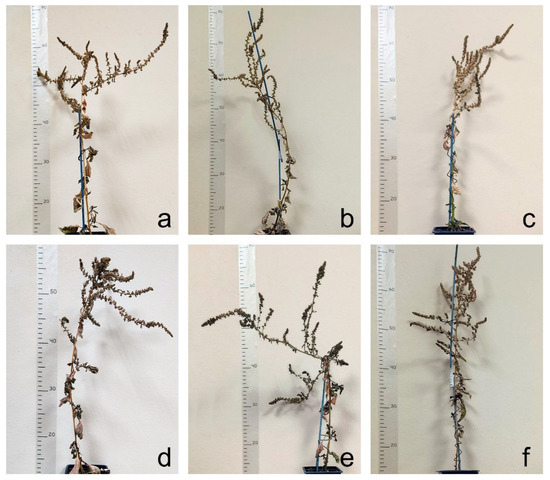
Speed breeding technologies offer a promising avenue for accelerating crop improvement, yet their application to biennial crops like sugar beet remains constrained by extended generation cycles. This study examined the effects of supplemental phosphorus-potassium (PK) nutrition on the development of two hybrids under a speed-breeding protocol. Plants received one of four nutritional regimes: PK supplementation, potassium (K) supplementation, standard Knop’s solution (KS), or nutrient deficiency (D). Digital phenotyping confirmed that adequate nutrition maintained photosynthetic health, as deficiency significantly reduced NDVI and increased PSRI by 75 days. The most notable, genotype-specific effects were observed in reproductive architecture. PK nutrition significantly increased the median number of flower stalks by 17% in Smart Iberia KWS (21.0 vs. 18.0) and substantially in Dubravka KWS (33.0 vs. 1.0). PK also supported root development, increasing mini-steckling weight by 45–183% under white light. In the generative phase, plants under PK nutrition consistently showed the highest progression to flowering and capsule formation. A consistent increase in median 1000-seed weight of 24–36% was associated with PK treatment. In conclusion, supplementing standard nutrition with phosphorus and potassium enhances key yield-related architectural traits and supports reproductive development in sugar beet under speed-breeding conditions, with the magnitude of response depending on genotype. This provides a practical basis for optimizing mineral nutrition to improve the efficiency of accelerated breeding protocols. This provides a practical basis for optimizing mineral nutrition to improve the efficiency of speed breeding protocols.
Full article
(This article belongs to the Section Plant Reproduction)
►▼
Show Figures

Figure 1

Open AccessArticle
Investigation of Watermelon Collection for Mutations Affecting Male Sterility
by
Nikolay Velkov and Stanislava Grozeva
Int. J. Plant Biol. 2026, 17(1), 4; https://doi.org/10.3390/ijpb17010004 - 2 Jan 2026
Abstract
Systems favoring cross-pollination, such as male sterility and female flowering type, are of great importance in the development of new hybrid cultivars and their seed production. The advantages of male sterility are expressed in the production of cheaper and competitive seeds. The presence
[...] Read more.
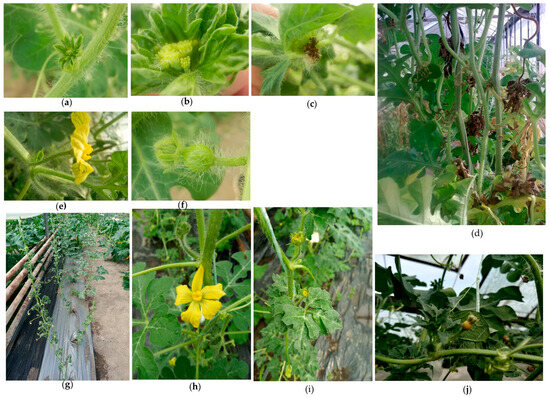
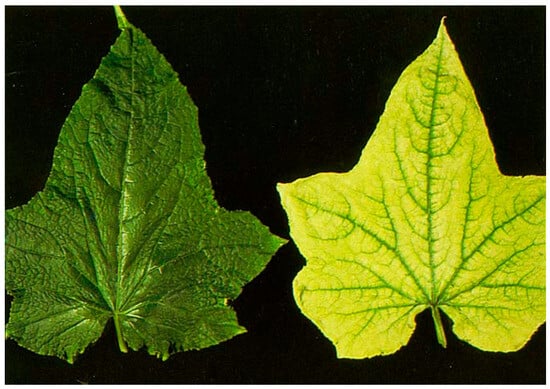
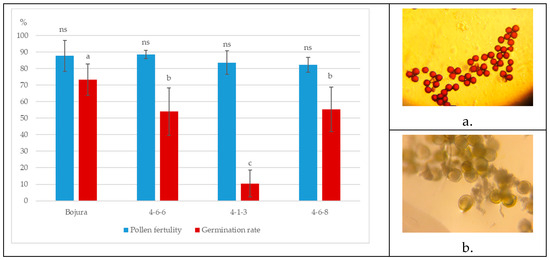
Systems favoring cross-pollination, such as male sterility and female flowering type, are of great importance in the development of new hybrid cultivars and their seed production. The advantages of male sterility are expressed in the production of cheaper and competitive seeds. The presence of this characteristic in watermelon is not common, and in some cases, it is accompanied by negative manifestations. A collection of 150 watermelon genotypes was tested at the Maritsa Vegetable Crops Research Institute, Bulgaria, over the past nine years to search for a genetic source of male sterility. The results revealed that two mutations were found. The first mutation was in a plant of the Asar variety, which formed completely degenerated structures in the place of male and female flowers that were completely sterile. The other mutation affected male flowers, female flowers, and leaf shape. Male flowers produced a small amount of pollen. Female flowers were formed, but they were sterile and aborted at an early stage. The genotype can be propagated by pollination of the normal plants, which in the next generation segregate into mutant—25% and normal—75%. The gene source is phenotyped according to the main characteristics of the fruits and the vegetation period. The mutation found cannot be directly used in a breeding program, but it is of interest for studying this important trait. The success of detecting flowers that are sterile depends on the number of watermelon plants, which, for the conditions of the experiment, amounted to a minimum of 4492 plants at a probability level of P3—0.95.
Full article
(This article belongs to the Section Plant Biochemistry and Genetics)
►▼
Show Figures

Figure 1
Open AccessArticle
Adaptability, Yield Stability, and Agronomic Performance of Improved Purple Corn (Zea mays L.) Hybrids Across Diverse Agro-Ecological Zones in Peru
by
Gilberto Garcia, Fernando Montero, Maria Elena Torres, Selwyn Alvarez, Wildo Vasquez, Abraham Villantoy, Yoel Ruiz, Fernando Escobal, Hector Cántaro-Segura, Omar Paitamala and Daniel Matsusaka
Int. J. Plant Biol. 2026, 17(1), 3; https://doi.org/10.3390/ijpb17010003 - 25 Dec 2025
Abstract
Purple corn (Zea mays L.) is a nutraceutical crop of increasing economic importance in Peru, yet its productivity is highly influenced by genotype × environment (G × E) interactions across heterogeneous agro-ecological zones. Therefore, selecting suitable genotypes for specific environments is essential
[...] Read more.
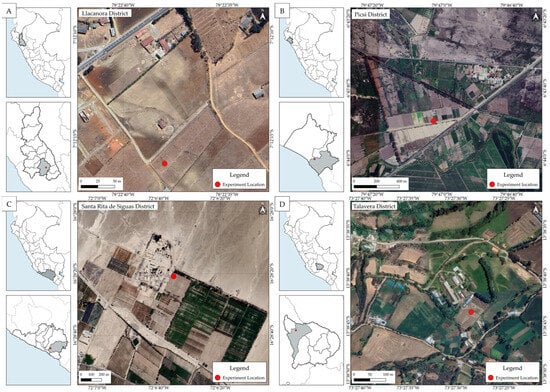
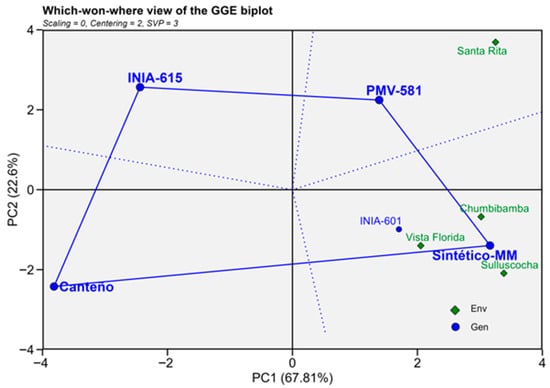
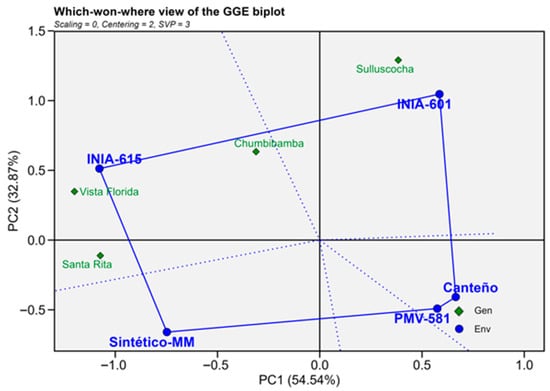
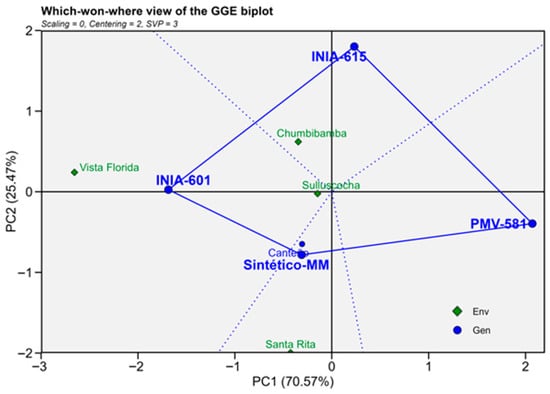
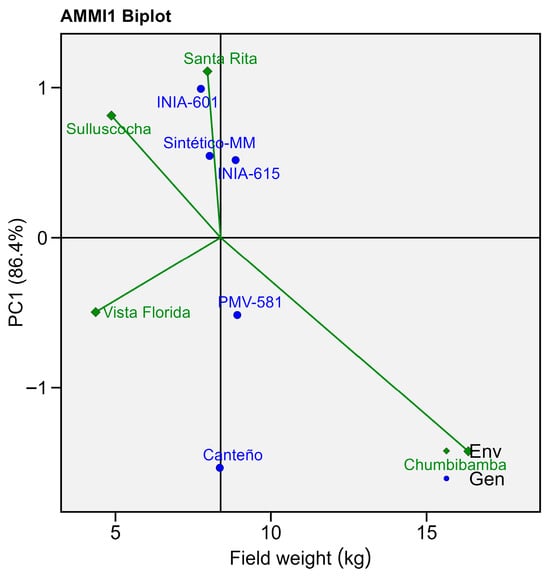
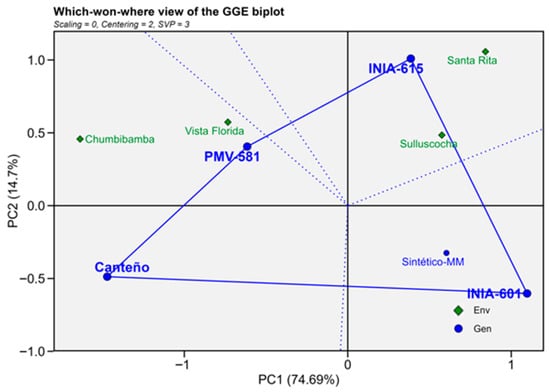
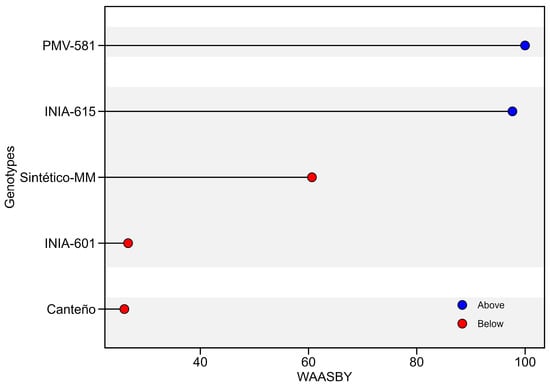
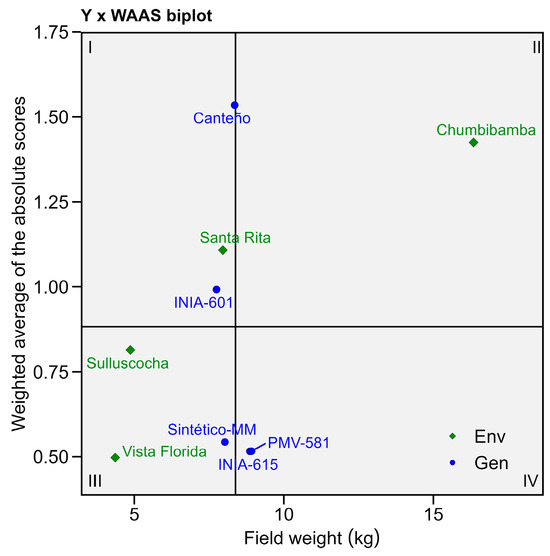
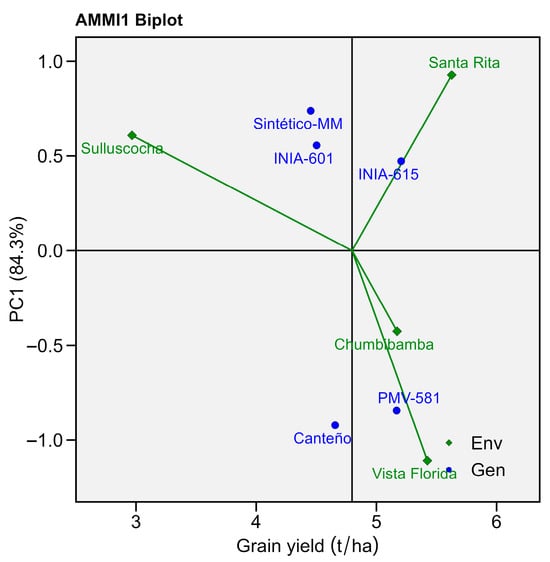
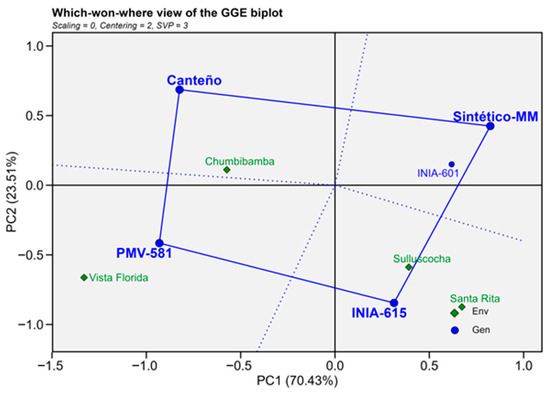
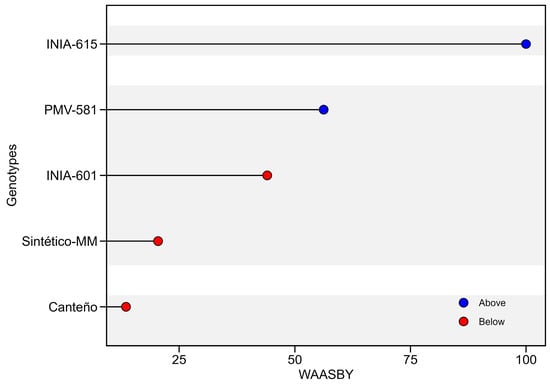
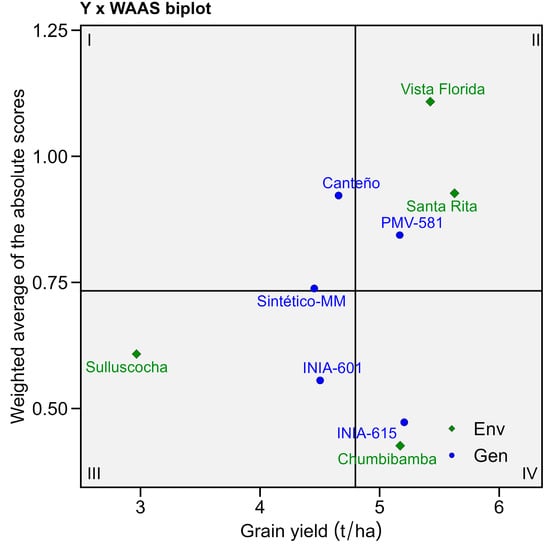
Purple corn (Zea mays L.) is a nutraceutical crop of increasing economic importance in Peru, yet its productivity is highly influenced by genotype × environment (G × E) interactions across heterogeneous agro-ecological zones. Therefore, selecting suitable genotypes for specific environments is essential to optimize variety deployment and maximize site-specific yield. Five purple-maize genotypes (INIA-601, INIA-615, Canteño, PMV-581, and Sintético-MM) were evaluated in four contrasting Peruvian sites using a randomized complete-block design. Grain yield, field weight, anthesis–silking interval (ASI), plant height, and ear-rot incidence were analyzed with combined analysis of variance (ANOVA), the additive main effects and multiplicative interaction (AMMI), genotype and genotype-by-environment (GGE) biplots, Weighted Average of Absolute Scores (WAAS), weighted average of absolute scores and best yield index (WAASBY), and Y × WAAS indices. Environment accounted for 90.1% of field-weight variation (p < 0.0001) and 50.2% of grain-yield variation (p < 0.001), while significant G × E interactions (3.93% and 18.14%, respectively) justified bilinear modeling. AMMI1 and GGE “which-won-where” biplots identified INIA-615 and PMV-581 as broadly adapted, with INIA-615 achieving the highest WAASBY and positioning in quadrant IV of Y × WAAS (high yield, high stability). INIA-601 and Sintético-MM exhibited exceptional stability (low ASV) but moderate productivity; Canteño showed limited adaptability. Chumbibamba emerged as a key discriminating, high-productivity location. From an agronomic perspective, INIA-615 is recommended for high-productivity valleys such as Sulluscocha and Santa Rita, where its yield potential and stability are maximized. These findings underscore the potential of integrating multivariate stability metrics with physiological and disease-resistance traits to guide the selection of superior purple corn cultivars. Overall, INIA-615 represents a robust candidate for enhancing yield stability, supporting sustainable intensification, and expanding the nutraceutical value chain of purple corn in the Andean highlands.
Full article
(This article belongs to the Section Plant Physiology)
►▼
Show Figures

Figure 1

Open AccessArticle
Multifunctional Maize Rhizobacteria: Isolation, Characterization and Prospects for Sustainable Agriculture
by
Zhuldyz Batykova, Aida Kistaubayeva, Malika Abdulzhanova, Gulina Doktyrbay, Laila Saidullayeva, Zhamila Baimirzayeva, Moldir Turaliyeva and Zhuldyz Ibraimova
Int. J. Plant Biol. 2026, 17(1), 2; https://doi.org/10.3390/ijpb17010002 - 23 Dec 2025
Abstract
The increasing environmental challenges facing modern agriculture necessitate development of sustainable, eco-friendly alternatives to chemical inputs. This study aimed to isolate and characterize rhizophilic bacterial strains from the rhizosphere of the maize hybrid Turan 480 SV (Zea mays L.), with a focus on
[...] Read more.
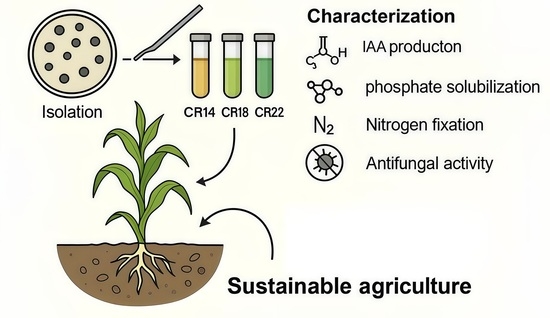
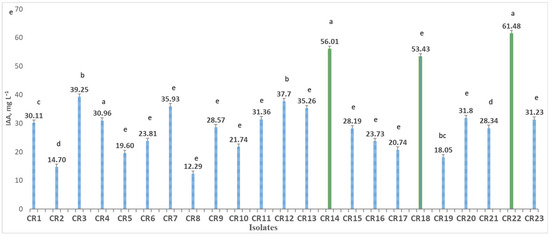
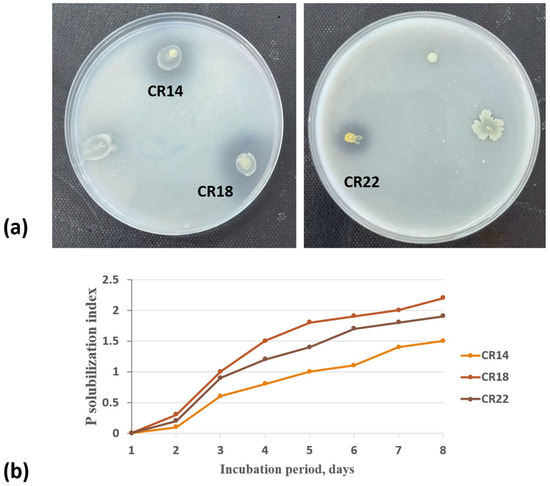
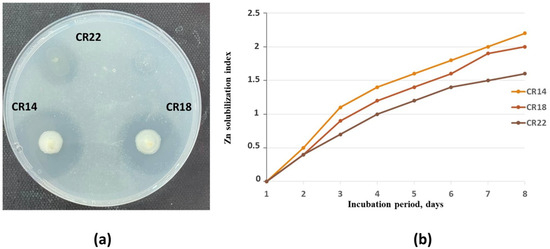
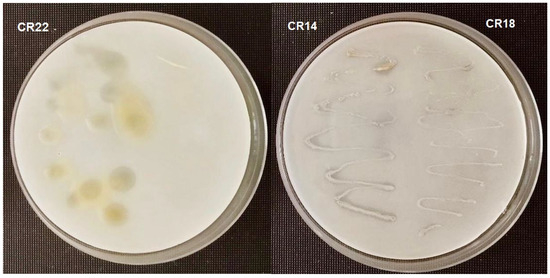
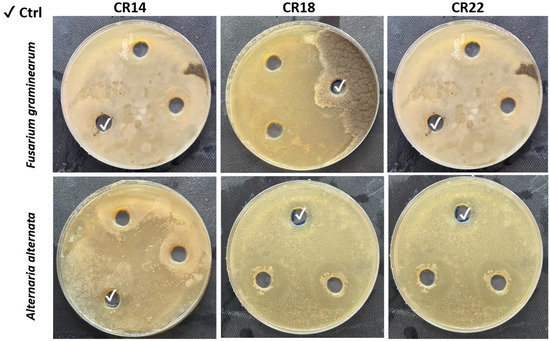
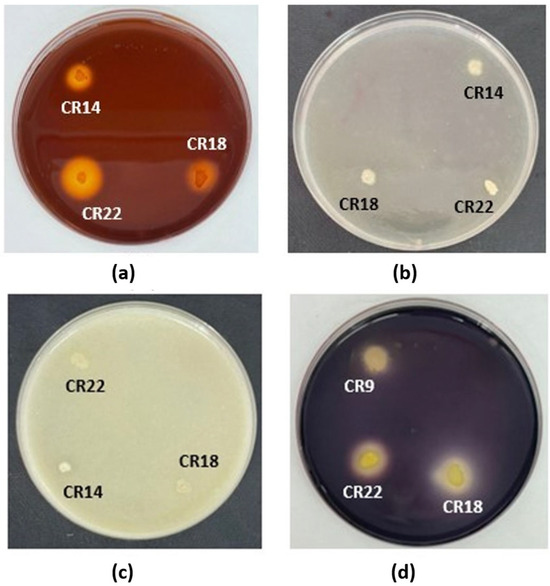
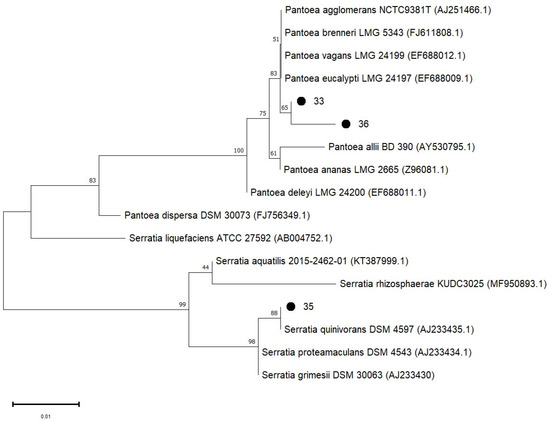
The increasing environmental challenges facing modern agriculture necessitate development of sustainable, eco-friendly alternatives to chemical inputs. This study aimed to isolate and characterize rhizophilic bacterial strains from the rhizosphere of the maize hybrid Turan 480 SV (Zea mays L.), with a focus on their plant growth-promoting and biocontrol traits. A total of 23 bacterial isolates were obtained, including 15 Gram-negative and 8 Gram-positive strains. Among these, three strains—CR14, CR18 and CR22—were selected for detailed analysis. All three demonstrated significant indole-3-acetic acid (IAA) production, phosphate and zinc solubilization, nitrogen fixation and antifungal activity. CR14 synthesized 56.01 mg L−1 of IAA and demonstrated the highest zinc solubilization, while CR18 exhibited superior phosphate solubilization and protease activity. CR22 produced the highest IAA (61.46 mg L−1) and demonstrated strong cellulase and amylase activity. In antagonism tests, CR14 suppressed Alternaria alternata with an 80 mm inhibition zone, while CR18 and CR22 effectively inhibited both A. alternata and Fusarium graminearum. Phylogenetic analysis based on 16S rRNA sequencing identified CR18 as Serratia quinivorans, CR14 as Pantoea agglomerans and CR22 as Pantoea sp. The functional diversity of rhizobacteria holds promise as bioinoculants for enhancing maize growth and protecting against soil-borne pathogens in sustainable agriculture.
Full article
(This article belongs to the Section Plant–Microorganisms Interactions)
►▼
Show Figures

Graphical abstract
Open AccessArticle
Quantitative Genetics of Vachellia nilotica (L.) P. J. H. Hunter & Mabb. (Fabaceae) in Provenance/Progeny Trial
by
Isaac Theophile Ndjepel Yetnason, Adrian Christopher Brennan, Dorothy Tchatchoua Tchapda and Chimene Abib Fanta
Int. J. Plant Biol. 2026, 17(1), 1; https://doi.org/10.3390/ijpb17010001 - 19 Dec 2025
Abstract
(1) Background: In the Sudano-Sahelian zone of Cameroon, which is affected by drought and forest decline, Vachellia nilotica leaves and seeds are fodder for livestock. (2) Methods: A provenance and progeny study on growth performance and heritability of V. nilotica was carried out
[...] Read more.
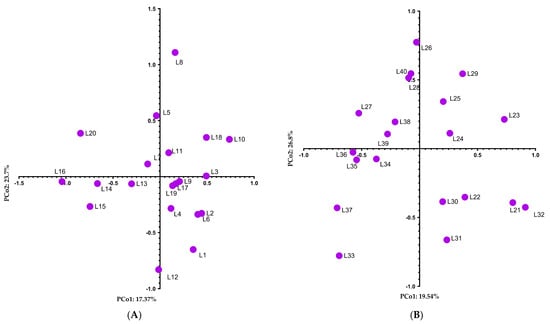
(1) Background: In the Sudano-Sahelian zone of Cameroon, which is affected by drought and forest decline, Vachellia nilotica leaves and seeds are fodder for livestock. (2) Methods: A provenance and progeny study on growth performance and heritability of V. nilotica was carried out to provide a reliable database for tree selection, improvement programs, and the creation of future forested areas in this region. Open-pollinated seeds from 120 mother trees (10 half-sib families per provenance) representing twelve provenances, 50–100 km apart, were used for a progeny trial near Maroua, the Far North region of Cameroon. The experimental design was a Fisher block. (3) Results: The results reveal significant differences among provenances only for the number of leaves, and the variability was marked by coefficients of variation ranging from 0.24−0.63. Narrow-sense heritability was measured, varying from 0.01 ± 0.009 to 0.74 ± 0.02, and genetic gain reached 21.83 at the selection intensity of 5% for the number of leaves per plant. The phenotypic coefficient of variation varied between 14% and 90%. Half-sib families were classified into three subgroups using hierarchical ascending classification, and provenances were grouped into five groups using principal component analysis. (4) Conclusions: These results could contribute to initiating tree selection, but more provenances, longer-term experiments, and molecular genetic testing are needed to complement these nursery-level observations.
Full article
(This article belongs to the Section Plant Ecology and Biodiversity)
►▼
Show Figures

Figure 1

Open AccessArticle
Genomic and Phylogenetic Evidence for a Novel Emaravirus Infecting Cacao (Theobroma cacao L.) in Amazonas, Peru
by
Angel F. Huaman-Pilco, Nicola Fiore, Oscar P. Hurtado-Gonzales, Larissa Carvalho Costa, Xiaojun Hu, Manuel Oliva-Cruz, Jorge R. Díaz-Valderrama and Alan Zamorano
Int. J. Plant Biol. 2025, 16(4), 142; https://doi.org/10.3390/ijpb16040142 - 16 Dec 2025
Abstract
Preserving Peruvian cacao germplasm requires preventing the spread of pathogens such as viruses, yet cacao viral diseases in Peru remain poorly studied. In this study, we characterized the viral sequences associated with native cacao trees from the department of Amazonas, northwestern Peru. Leaf
[...] Read more.
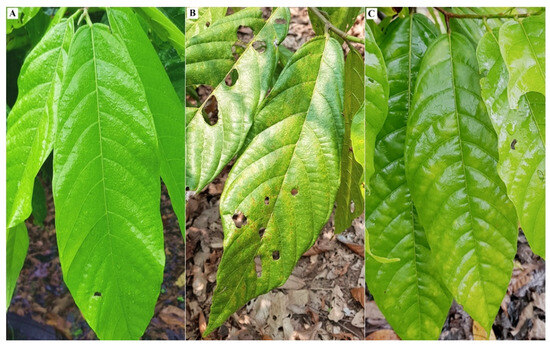
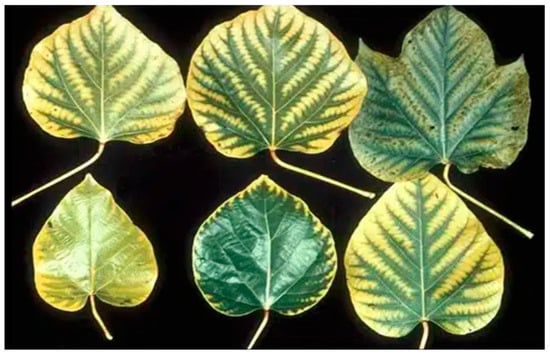
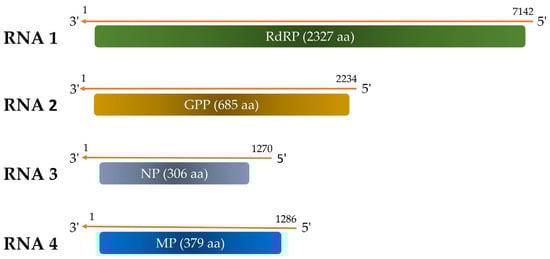
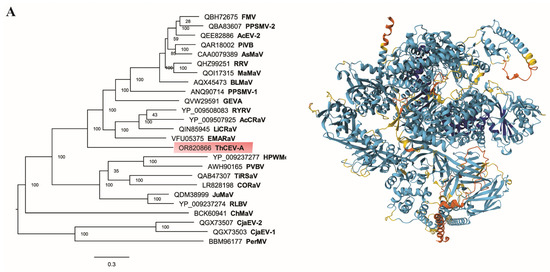
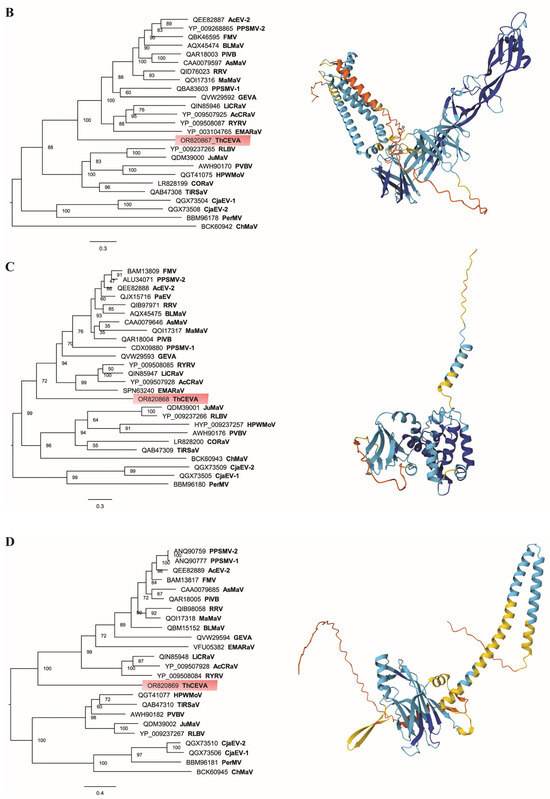
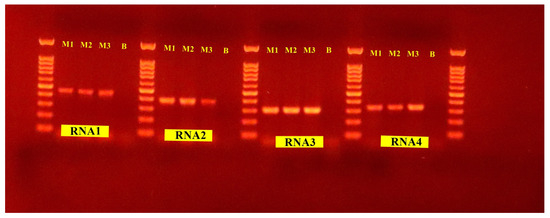
Preserving Peruvian cacao germplasm requires preventing the spread of pathogens such as viruses, yet cacao viral diseases in Peru remain poorly studied. In this study, we characterized the viral sequences associated with native cacao trees from the department of Amazonas, northwestern Peru. Leaf samples from two symptomatic plants (mosaic, yellowing, leaf deformation) and one asymptomatic plant were collected from the cacao germplasm bank of the Universidad Nacional Toribio Rodríguez de Mendoza de Amazonas. RNA high-throughput sequencing identified four RNA segments consistent with the genus Emaravirus: RNA1 (7142 nt; replicase P1), RNA2 (2225 nt; glycoprotein P2), RNA3 (1269 nt; nucleocapsid P3), and RNA4 (1286 nt; movement protein P4), sharing 32.6–45.9% amino acid identity with European mountain ash ringspot-associated emaravirus (EMARaV). Phylogenetic analysis of P1–P4 proteins placed this virus in a distinct lineage, confirming it as a novel species, Theobroma cacao emaravirus A (ThCEV-A). Specific RT-PCR detected ThCEV-A in 11 additional accessions, with symptoms including yellow mosaic and mottling. This study documents for the first time the presence of a novel Emaravirus in cacao, highlighting the need to assess its epidemiology, vector(s), and potential impact on cacao production in its center of origin.
Full article
(This article belongs to the Section Plant–Microorganisms Interactions)
►▼
Show Figures

Figure 1

Open AccessArticle
Characterization of Viral Communities and Two Novel Viruses in Symptomatic Tea Plants via Ribodepleted Transcriptome Sequencing
by
Rongrong Tan, Long Jiao, Peizhuo Wu, Danjuan Huang, Hongjuan Wang, Xun Chen and Yingxin Mao
Int. J. Plant Biol. 2025, 16(4), 141; https://doi.org/10.3390/ijpb16040141 - 15 Dec 2025
Abstract
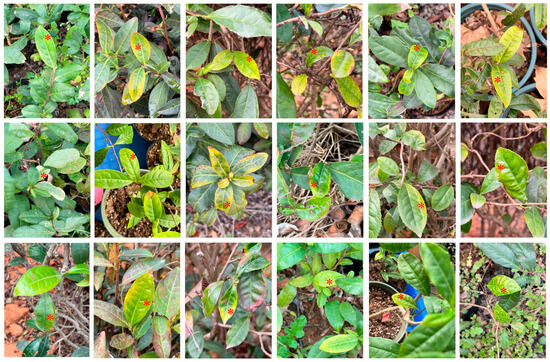
The tea plant (Camellia sinensis (L.) O. Kuntze) is a globally important crop, yet its cultivation is continually challenged by a range of viral pathogens that can compromise plant health and product quality. In this study, eighteen symptomatic leaves were collected from
[...] Read more.
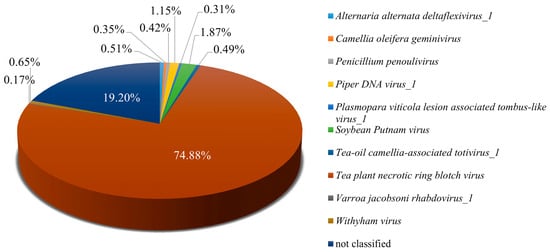
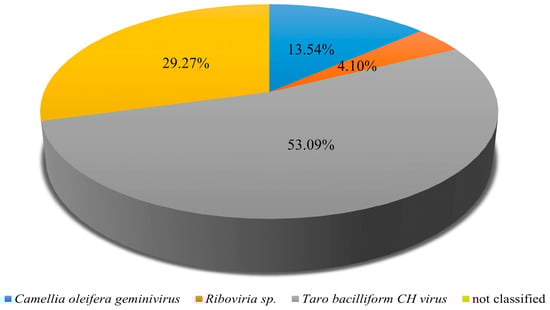
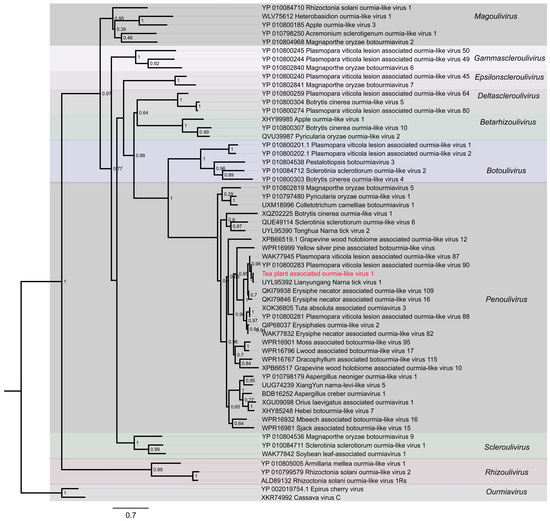
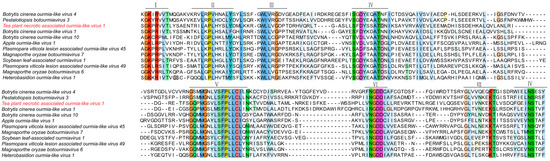
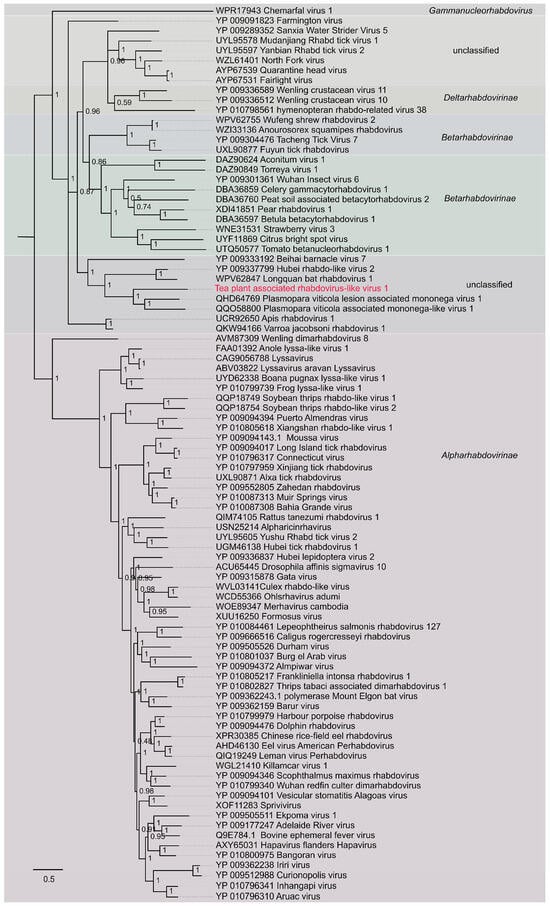
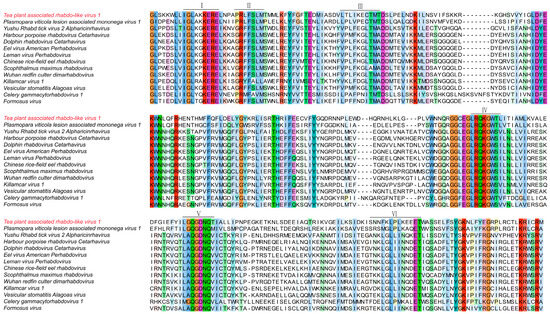
The tea plant (Camellia sinensis (L.) O. Kuntze) is a globally important crop, yet its cultivation is continually challenged by a range of viral pathogens that can compromise plant health and product quality. In this study, eighteen symptomatic leaves were collected from the Hubei Province Tea Germplasm Resources Nursery, China, representing multiple cultivars and diverse genetic backgrounds. The samples were pooled into three groups and subjected to ribodepleted transcriptome sequencing. Analyses revealed a complex virome, with Tea plant necrotic ring blotch virus (TPNRBV) dominating Pools A and B, whereas Badnavirus betacolocalasiae was the most prevalent in Pool C. Functional enrichment of viral genes indicated involvement in multiple biological processes, including replication, host interaction, and metabolism. Notably, two previously uncharacterized viruses were identified: Tea plant-associated ourmia-like virus 1 (TeaOLV1) and Tea plant-associated rhabdo-like virus 1 (TeaRLV1). Phylogenetic reconstruction positioned TeaOLV1 within the Penoulivirus genus, while TeaRLV1 formed a distinct clade among plant-associated rhabdoviruses. Conserved motif analysis revealed typical viral domains, accompanied by lineage-specific variations in tea plants. Collectively, these findings enhance our understanding of the viral diversity in tea plants, provide refined taxonomic placement for newly identified viruses, and offer molecular insights into their evolutionary relationships and potential functional roles.
Full article
(This article belongs to the Section Plant–Microorganisms Interactions)
►▼
Show Figures

Figure 1
Open AccessArticle
An Agrobacterium-Mediated Transformation for Zingeria biebersteiniana
by
Ryan Koeth, Shahzad Hussain Shah, Calvin Juel Rigney and Changbin Chen
Int. J. Plant Biol. 2025, 16(4), 140; https://doi.org/10.3390/ijpb16040140 - 8 Dec 2025
Abstract
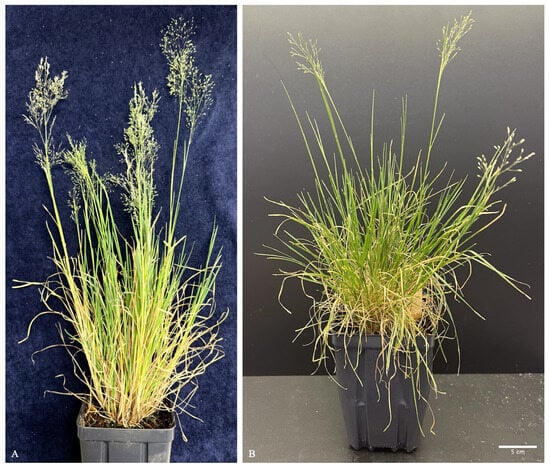
Zingeria biebersteiniana, a grass species with the lowest known chromosome number among angiosperms (2n = 2x = 4), offers a distinctive platform for cytogenetic and grass research. Despite its unique karyotype and potential for molecular and educational applications, no transformation
[...] Read more.
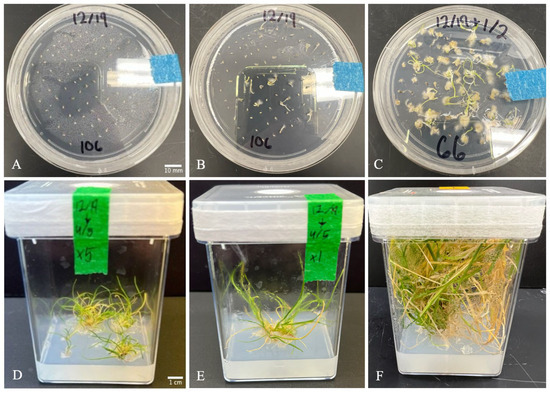
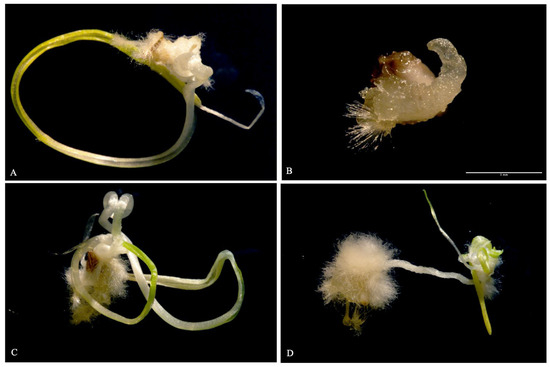
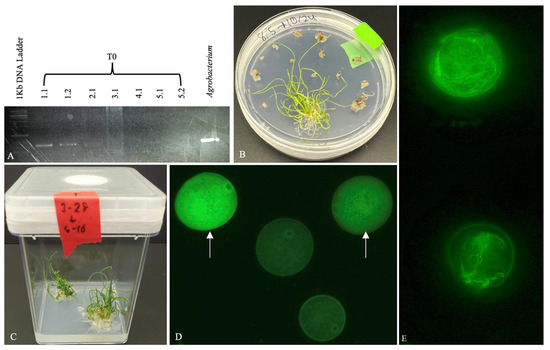
Zingeria biebersteiniana, a grass species with the lowest known chromosome number among angiosperms (2n = 2x = 4), offers a distinctive platform for cytogenetic and grass research. Despite its unique karyotype and potential for molecular and educational applications, no transformation system has previously been reported for this species. Here, we establish a reproducible Agrobacterium tumefaciens-mediated transformation protocol for Z. biebersteiniana, optimized through comparative evaluation of three tissue culture media. A modified Khromov medium with Plant Preservative Mixture supported robust callus induction and plant regeneration, enabling the successful introduction of a GFP–mouse talin1 fusion construct driven by the rice Actin-1 promoter. Transgenic lines were validated via PCR amplification of the hygromycin resistance gene, and GFP signals were observed in transformed individuals. However, the expression pattern was less specific than previously reported in rice, potentially due to species-specific differences in mouse Talin1 protein localization. Although actin filament visualization in mature pollen remained unspecific, the protocol provides a foundational tool for future molecular and functional genomics and genetics studies. This work represents the first documented genetic transformation of Z. biebersteiniana, expanding its utility as a model system in plant biology and genomics.
Full article
(This article belongs to the Section Plant Biochemistry and Genetics)
►▼
Show Figures

Figure 1

Open AccessArticle
Seed Viability of Commiphora leptophloeos (Mart.) J.B. Gillett (Burseraceae) Assessed by the Tetrazolium Test
by
Jamille Cardeal da Silva, Jailton de Jesus Silva, Raquel Araujo Gomes, Claudinéia Regina Pelancani Cruz and Barbara França Dantas
Int. J. Plant Biol. 2025, 16(4), 139; https://doi.org/10.3390/ijpb16040139 - 8 Dec 2025
Abstract
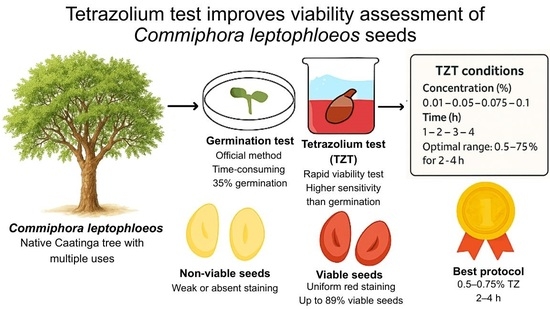
Commiphora leptophloeos, a native Caatinga species with economic and medicinal potential, faces propagation challenges due to seed dormancy and extractive use. The germination test, the official method for seed quality assessment, is time-consuming, whereas the tetrazolium test (TZT) offers a rapid alternative
[...] Read more.
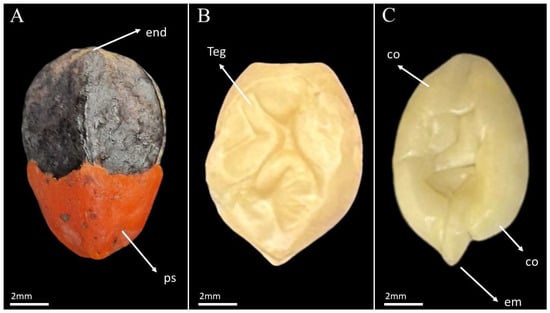
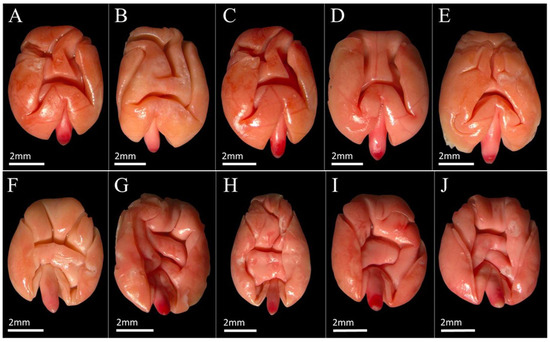
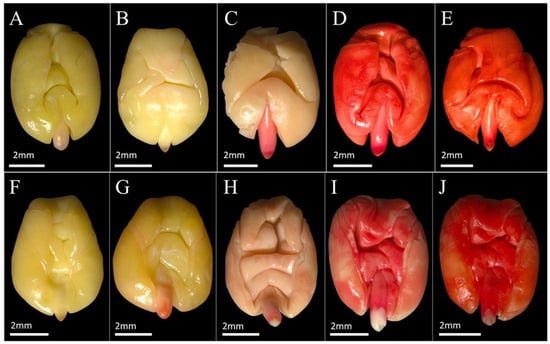
Commiphora leptophloeos, a native Caatinga species with economic and medicinal potential, faces propagation challenges due to seed dormancy and extractive use. The germination test, the official method for seed quality assessment, is time-consuming, whereas the tetrazolium test (TZT) offers a rapid alternative for determining seed viability. This study aimed to establish and validate a TZT protocol for C. leptophloeos seeds. Seeds collected in 2025 were extracted after natural fruit drying and then stored in a cold chamber. The germination test was conducted with seeds without pyrenes at 30 °C. For the TZT, a completely randomized design was used in a 6 × 4 factorial scheme (six TZT concentrations × four immersion times), with adjustments in seed preparation and staining procedures. Higher concentrations (0.5% and 0.75%) combined with shorter immersion periods (2 h) provided the best results, especially 0.75% for 2 h, which yielded 89% viability. Very low concentrations combined with short periods resulted in little or no staining. Compared with the germination test (35%), the TZT showed greater sensitivity in detecting viable seeds. We conclude that the TZT is highly efficient for assessing the viability of C. leptophloeos seeds, with optimal responses at 0.5–0.75% TTC and 2–4 h immersion periods, and represents a strategic tool to support the conservation and sustainable use of this species.
Full article
(This article belongs to the Section Plant Physiology)
►▼
Show Figures

Graphical abstract
Open AccessArticle
Acaricidal Activity of Botanical Oils Against Tetranychus urticae and Their Non-Target Effects on Amblyseius swirskii and Photosynthesis in Papaya
by
Alicia A. Ibarra-Moguel, Marcos E. Cua-Basulto, Alejandra González-Moreno, Esaú Ruiz-Sánchez, Jehú G. Noh-Kú, Adrián I. Fernández-Basto and René Garruña
Int. J. Plant Biol. 2025, 16(4), 138; https://doi.org/10.3390/ijpb16040138 - 5 Dec 2025
Abstract
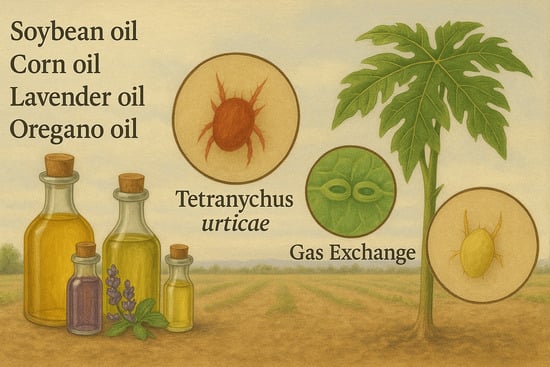
The objective of this study is to evaluate the effects of botanical oils on the mortality of the phytophagous mite Tetranychus urticae, the predatory mite Amblyseius swirskii, and on gas exchange in papaya seedlings. Two vegetable oils (soybean and corn), two
[...] Read more.
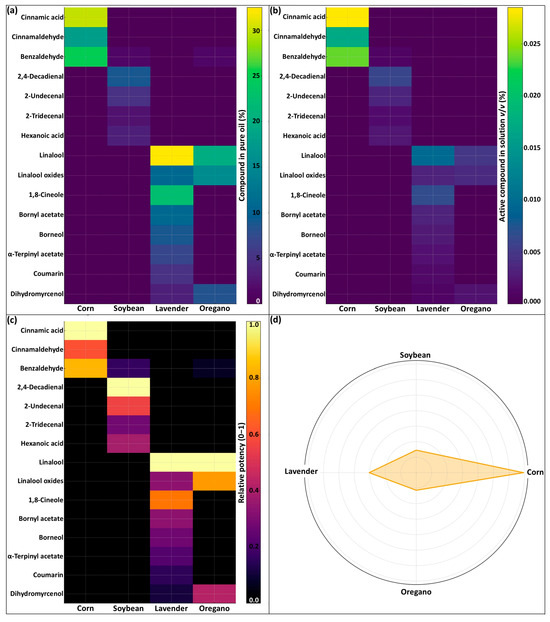
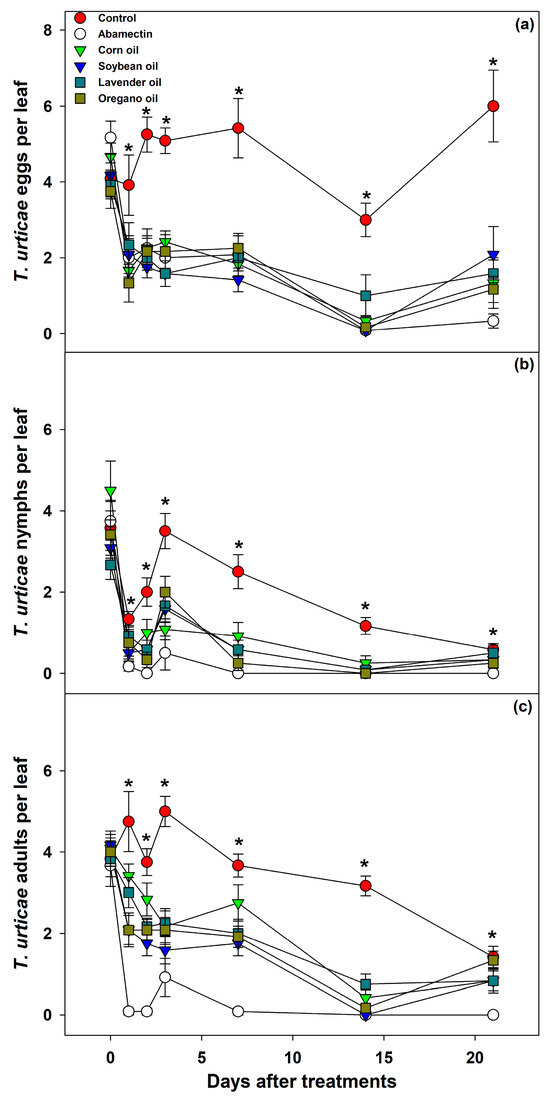
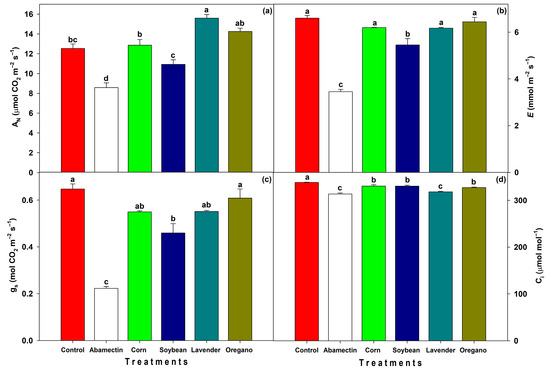
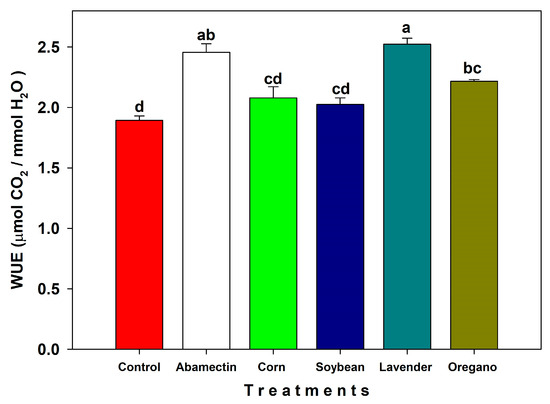
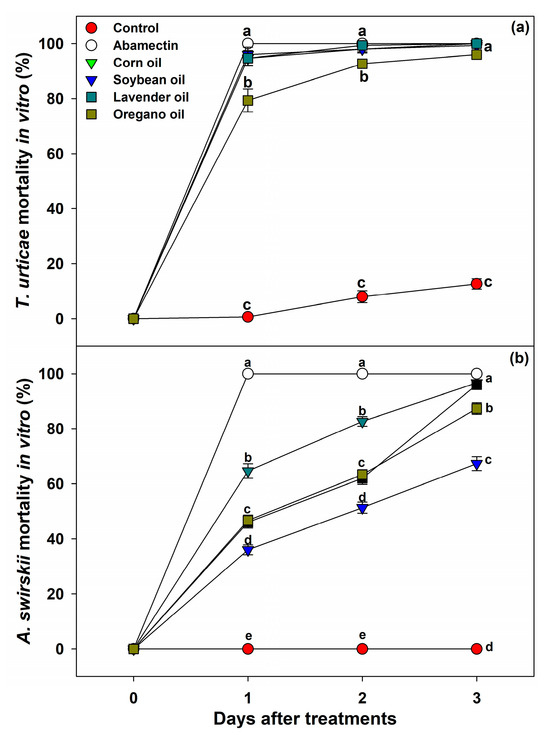
The objective of this study is to evaluate the effects of botanical oils on the mortality of the phytophagous mite Tetranychus urticae, the predatory mite Amblyseius swirskii, and on gas exchange in papaya seedlings. Two vegetable oils (soybean and corn), two essential oils (lavender and oregano), a synthetic pesticide (abamectin), and a control (water) were evaluated on papaya seedlings infested with T. urticae. In laboratory assays, within the first day after application, abamectin caused 100% mortality of T. urticae adults, followed closely by soybean (96%), corn (94.7%), and lavender (94.7%) oils. In A. swirskii, abamectin caused 100% mortality within 24 h; at 72 h, corn and lavender oils reached 96%, while oregano oil caused the least mortality (67.3%). In field trials, both abamectin and botanical oils statistically reduced eggs per leaf 24 h after application relative to the control, and a similar pattern was observed for nymphs 48 h after treatment. Botanical oils equaled abamectin in T. urticae adult suppression by 72 h, and soybean caused complete adult mortality by day 14. Regarding gas exchange, abamectin significantly affected the photosynthesis and transpiration processes. Thus, botanical oils represent viable biorational options for managing T. urticae in papaya, with lower ecological and physiological costs than abamectin.
Full article
(This article belongs to the Special Issue Plant Resistance to Insects)
►▼
Show Figures

Graphical abstract
Open AccessReview
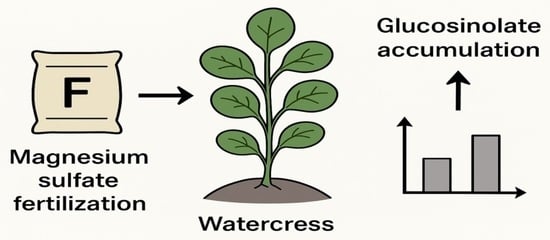
Effects of Magnesium Sulphate Fertilization on Glucosinolate Accumulation in Watercress (Nasturtium officinale)
by
Hattie Hope Makumbe, Theoneste Nzaramyimana, Richard Kabanda and George Fouad Antonious
Int. J. Plant Biol. 2025, 16(4), 137; https://doi.org/10.3390/ijpb16040137 - 4 Dec 2025
Abstract
Watercress is a nutrient-dense, aquatic leafy vegetable with significant public health and economic potential. Hydroponically cultivated watercress can offer greater nutritional benefits due to the controlled delivery of specific nutrients. From an agronomist’s perspective, watercress has the advantage of optimized environmental resource efficiency,
[...] Read more.
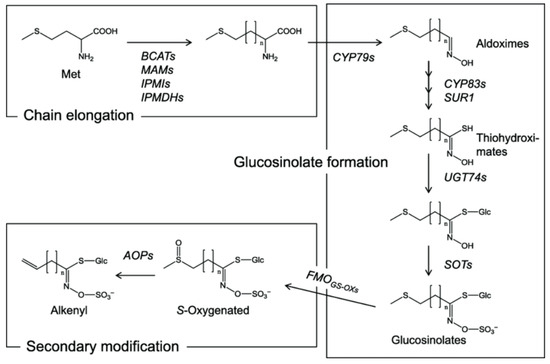
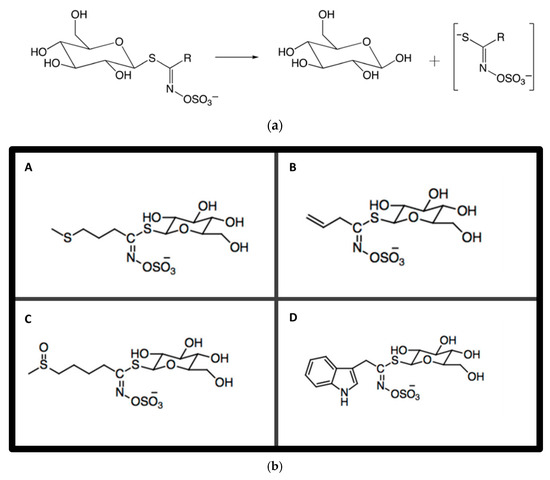
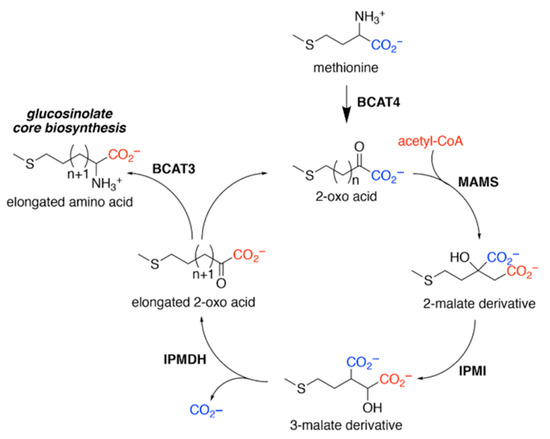
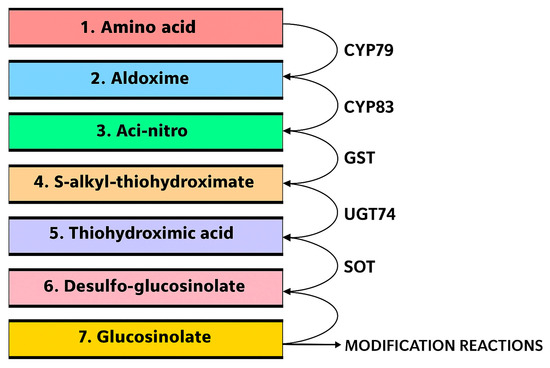
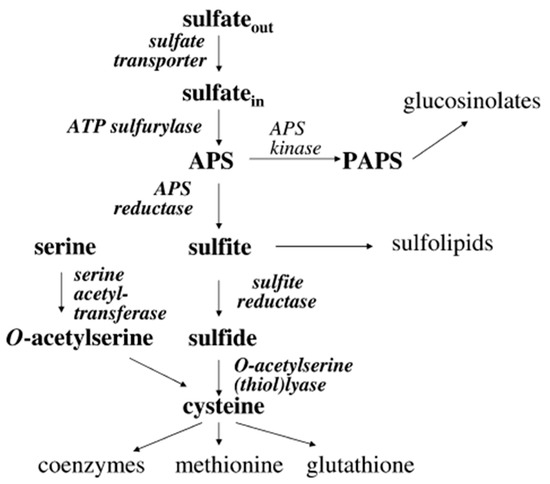
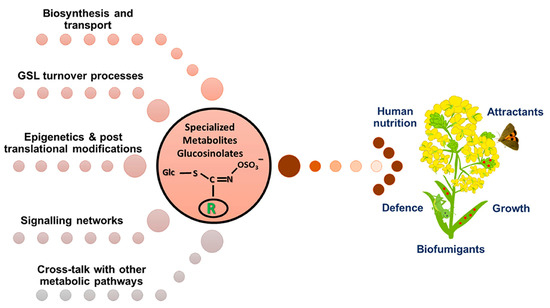
Watercress is a nutrient-dense, aquatic leafy vegetable with significant public health and economic potential. Hydroponically cultivated watercress can offer greater nutritional benefits due to the controlled delivery of specific nutrients. From an agronomist’s perspective, watercress has the advantage of optimized environmental resource efficiency, achieved through reduced energy, chemical, and water consumption, as well as its short cultivation cycle. Glucosinolates (GSLs) in watercress enhance sustainable agriculture by naturally protecting crops from pests and diseases, reducing the need for chemical inputs. They also increase market value and shelf-life, supporting resource-efficient and profitable farming. Within the pharmaceutical space, GSLs are well-known for their chemo preventive and anti-inflammatory properties. This review aims to summarize research findings, critically evaluate existing studies to highlight current knowledge, and identify research gaps, and to guide future investigations. The synthesis of the reviewed literature demonstrates that increased sulphate generally improves GSL content. However, not many studies have looked specifically at how magnesium sulphate (MgSO4) affects watercress. This review highlights the specific impact of MgSO4 on GSL production in watercress, which could provide valuable insights for optimizing nutrient management in hydroponic systems and enhancing the health benefits of this nutrient-dense crop.
Full article
(This article belongs to the Topic From Plant to Pharmacology: Understanding the Metabolism of Natural Products)
►▼
Show Figures

Graphical abstract
Open AccessArticle
Efficacy of Biological and Chemical Control Agents Against the Potato Psyllid (Bactericera cockerelli Šulc) Under Field Conditions
by
Gabriela Cárdenas-Huamán, Henry Morocho-Romero, Sebastian Casas-Niño, Sandy Vilchez-Navarro, Leslie D. Velarde-Apaza, Max Ramirez-Rojas, Juancarlos Cruz and Flavio Lozano-Isla
Int. J. Plant Biol. 2025, 16(4), 136; https://doi.org/10.3390/ijpb16040136 - 3 Dec 2025
Abstract
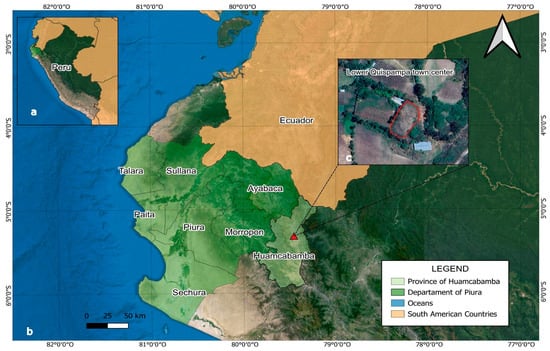
Potato (Solanum tuberosum L.) is the third most important food crop worldwide and a cornerstone of food security across the Andean region. However, its production is increasingly threatened by the potato psyllid Bactericera cockerelli (Šulc), the vector of Candidatus Liberibacter solanacearum,
[...] Read more.
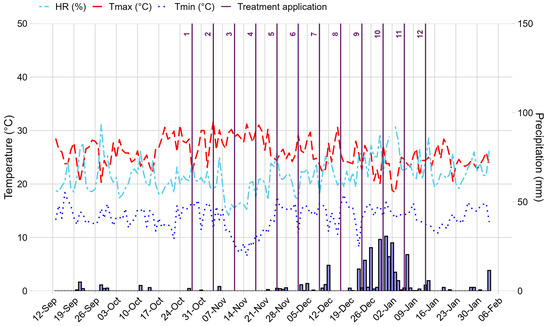
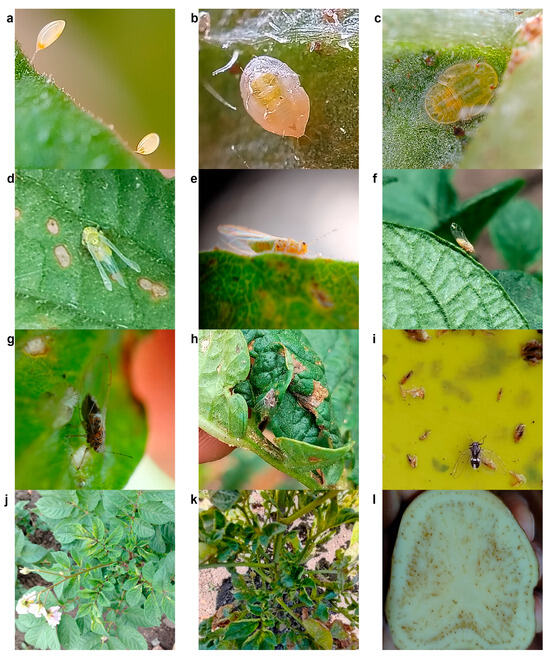
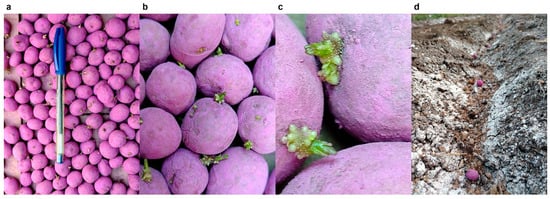
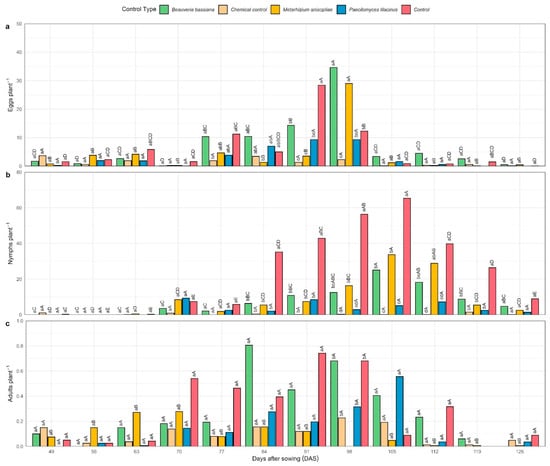
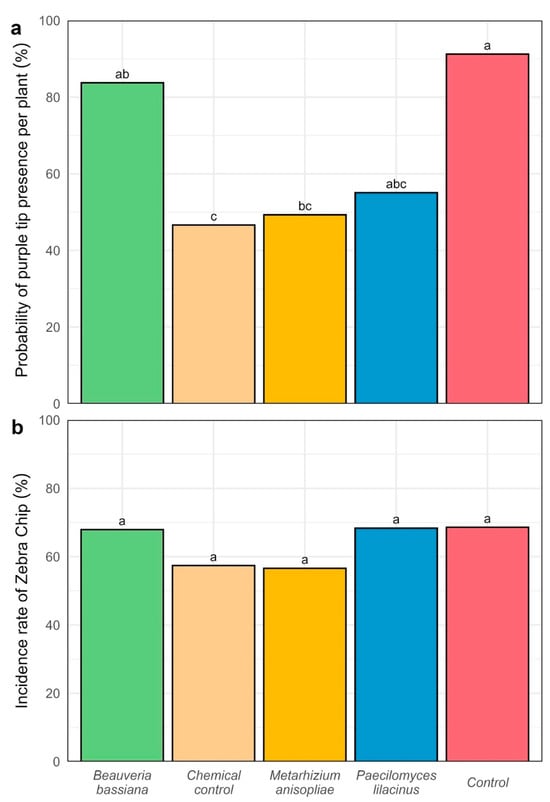
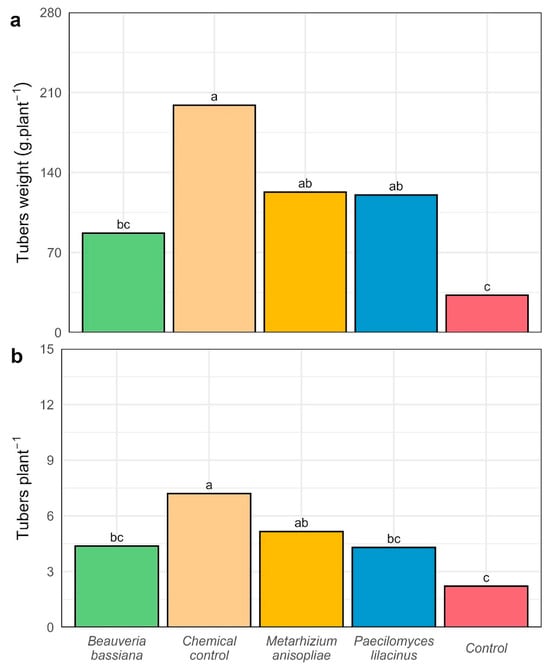
Potato (Solanum tuberosum L.) is the third most important food crop worldwide and a cornerstone of food security across the Andean region. However, its production is increasingly threatened by the potato psyllid Bactericera cockerelli (Šulc), the vector of Candidatus Liberibacter solanacearum, the causal agent of the purple-top complex associated with zebra chip disease, which severely reduces both tuber yield and quality. This study was conducted from September 2024 to February 2025 in the province of Huancabamba, Peru, to evaluate the efficacy of biological and chemical control agents against B. cockerelli under field conditions. A randomized complete block design was implemented with five treatments and four replicates, totaling 20 experimental units, each consisting of 20 potato plants (S. tuberosum L.), of which 10 plants were evaluated. Treatments included an untreated control (T0), a chemical control (thiamethoxam + lambda-cyhalothrin, abamectin, and imidacloprid) (T1), and three biological control agents: Beauveria bassiana CCB LE-265 (>1.5 × 10¹⁰ conidia g−1) (T2), Paecilomyces lilacinus strain 251 (1.0 × 10¹⁰ conidia g−1) (T3), and Metarhizium anisopliae (1.0 × 10¹⁰ conidia g−1) (T4). Foliar applications targeted eggs, nymphs, and adults of the psyllid. Results indicated that B. cockerelli mortality across developmental stages was lower under biological treatments compared with T1, which achieved the lowest probability of purple-top symptom expression (46%) and a zebra chip incidence of 60.60%. Among the biological agents, M. anisopliae (T4) reduced incidence to 56.60%, while P. lilacinus (T3) demonstrated consistent suppression of nymphal populations. In terms of yield, T1 achieved the highest tuber weight (198.86 g plant−1) and number of tubers (7.74 plant−1), followed by T3 (5.08) and T4 (4.24). Nevertheless, all treatments exhibited low yields and small tuber sizes, likely due to unfavorable environmental conditions and the presence of the invasive pest. Overall, chemical control was more effective than biological agents; however, the latter showed considerable potential for integration into sustainable pest management programs. Importantly, vector suppression alone does not guarantee the absence of purple-top complex symptoms or zebra chip disease in potato tubers.
Full article
(This article belongs to the Section Plant–Microorganisms Interactions)
►▼
Show Figures

Figure 1

Open AccessReview
Global Trends in Biotic and Abiotic Stress Mitigation Strategies for Common Bean: A Bibliometric Study
by
Wagner Meza-Maicelo, César R. Balcázar-Zumaeta, Henry W. Santillan Culquimboz, Manuel Oliva-Cruz and Flavio Lozano-Isla
Int. J. Plant Biol. 2025, 16(4), 135; https://doi.org/10.3390/ijpb16040135 - 3 Dec 2025
Abstract
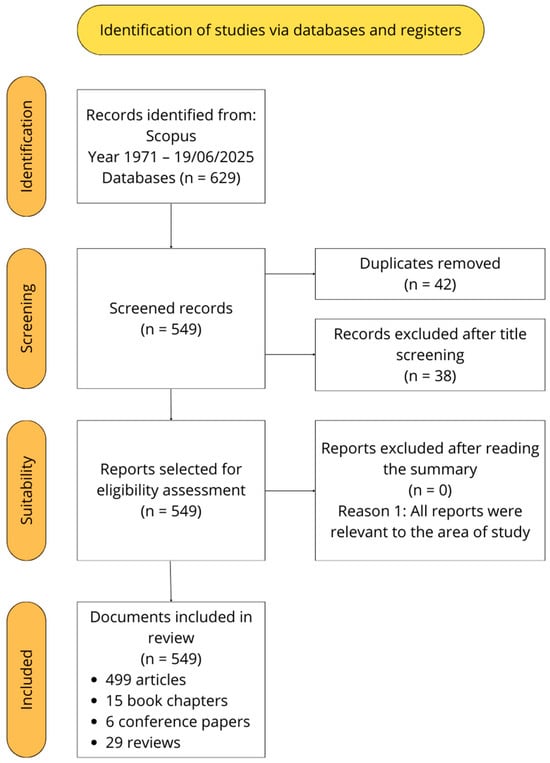
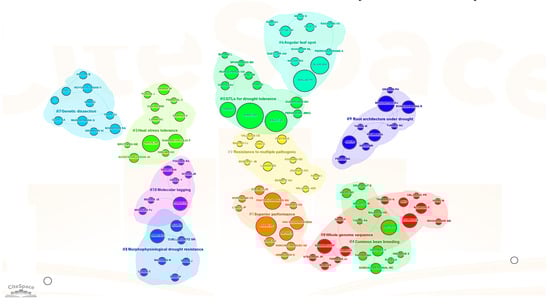
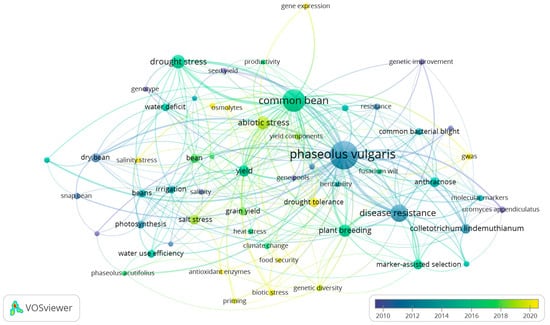
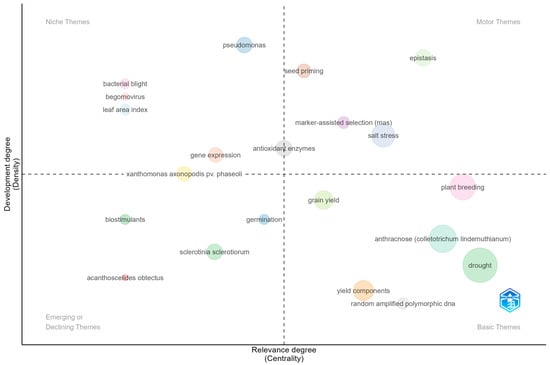
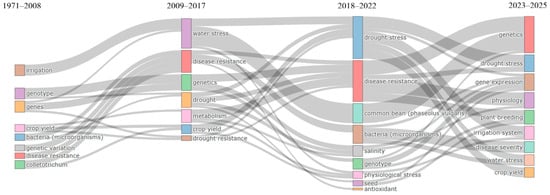
Common bean (Phaseolus vulgaris L.) is a cornerstone of global food security, yet its production is persistently challenged by biotic and abiotic stresses. This study conducted a bibliometric analysis following PRISMA guidelines on 549 documents published between 1971 and mid-2025, using Biblioshiny,
[...] Read more.
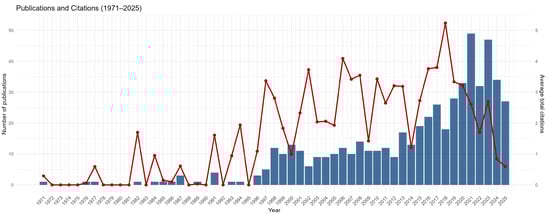
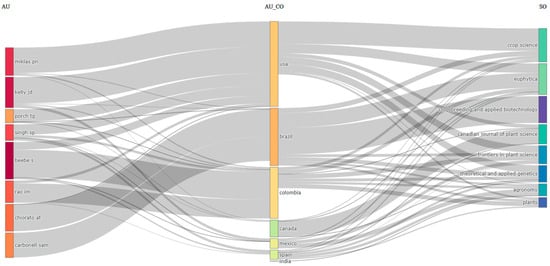
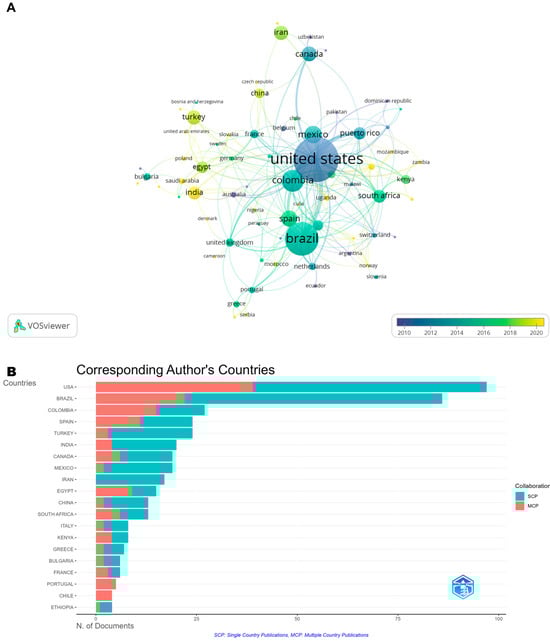
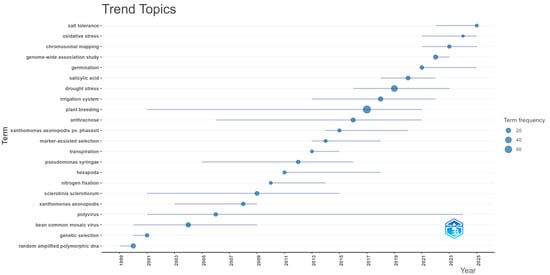
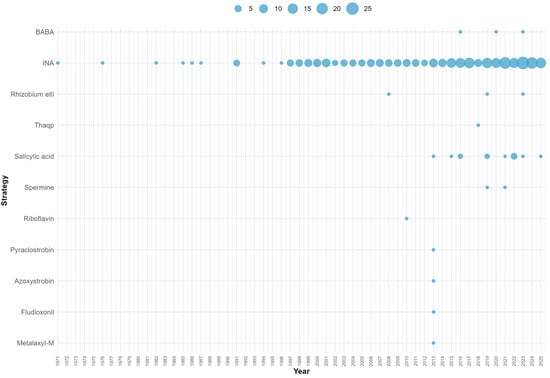
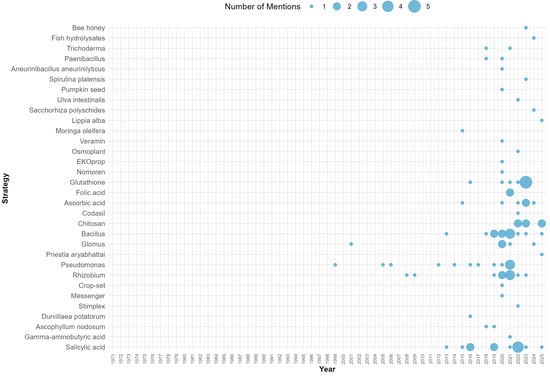
Common bean (Phaseolus vulgaris L.) is a cornerstone of global food security, yet its production is persistently challenged by biotic and abiotic stresses. This study conducted a bibliometric analysis following PRISMA guidelines on 549 documents published between 1971 and mid-2025, using Biblioshiny, VOSviewer, and CiteSpace. Results reveal a scientific output concentrated in leading institutions such as Michigan State University (MSU, USA) and the International Center for Tropical Agriculture (CIAT, Colombia). Collaboration networks are dominated by influential authors including Beebe, S. and Kelly, J.D., with Euphytica and Crop Science emerging as primary publication outlets. Research trends highlight salinity tolerance, oxidative stress, and chromosomal mapping, where advanced technologies such as SNP chips have supplanted RAPD markers. Critical challenges remain, including limited phenotyping capacity and the complexity of polygenic resistance, with urgent implications for developing countries where beans are vital for food security but face barriers to technology adoption and restricted participation in global research networks. Concurrently, mitigation strategies have shifted toward sustainable approaches, incorporating beneficial microorganisms for biotic stress and bio-stimulants or plant extracts for abiotic stress. Since 2020, the field has increasingly embraced multifunctional strategies leveraging natural mechanisms to enhance crop resilience. This analysis offers a comprehensive knowledge base to guide future research agendas.
Full article
(This article belongs to the Topic New Challenges on Plant–Microbe Interactions)
►▼
Show Figures

Figure 1
Open AccessArticle
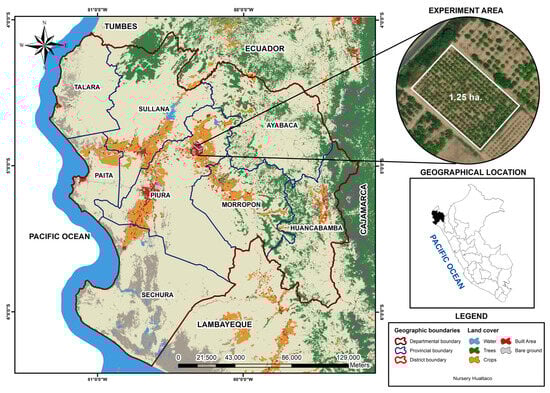
Impact of Interstock and Rootstock on the Growth and Productivity of Mango (Mangifera indica L.) Cultivar Kent in the San Lorenzo Valley, Peru
by
Sebastian Casas-Niño, Sandy Vilchez-Navarro, Henry Morocho-Romero, Gabriela Cárdenas-Huamán, Esdwin-Oberti Nuñez-Ticliahuanca, Ana-Gabriela Montañez-Artica, Leslie Velarde-Apaza, Max Ramirez Rojas, Juan Carlos Rojas and Flavio Lozano-Isla
Int. J. Plant Biol. 2025, 16(4), 134; https://doi.org/10.3390/ijpb16040134 - 24 Nov 2025
Abstract
Mango (Mangifera indica L.) is a tropical fruit tree characterized by vigorous growth and high fruit production, making it one of Peru’s main export crops. However, its extensive vegetative development requires substantial space, limiting productivity per unit area. This study evaluated the
[...] Read more.
Mango (Mangifera indica L.) is a tropical fruit tree characterized by vigorous growth and high fruit production, making it one of Peru’s main export crops. However, its extensive vegetative development requires substantial space, limiting productivity per unit area. This study evaluated the effects of rootstock and interstock combinations on agronomic traits and fruit biometrics, highlighting the potential of interstocks to modulate tree vigor in mango orchards of Peru’s dry forest region. A total of 216 trees were established using ‘Chulucanas’ and ‘Chato’ as rootstocks and ‘Chulucanas,’ ‘Chato,’ ‘Irwin,’ and ‘Julie’ as interstocks, apically grafted with the ‘Kent’ cultivar, with a spacing of 6.0 m × 6.0 m. Tree performance was assessed after 10 years during the 2017–2019 growing seasons in Piura, Peru, under a randomized complete block design (2 × 4 factorial). The combination of the ‘Chulucanas’ rootstock with ‘Chulucanas’ and ‘Julie’ interstocks reduced tree height by 10.94% and 11.70%, respectively, facilitating orchard management and potentially increasing planting density. Yield varied significantly among growing seasons, with a 15% reduction in 2017 attributed to El Niño–Southern Oscillation (ENSO)-related increases in temperature and rainfall that affected flowering and fruit set. These results underscore the importance of cultivar selection and climate-adaptive strategies to sustain mango productivity in regions prone to climatic variability.
Full article
(This article belongs to the Section Plant Physiology)
►▼
Show Figures

Figure 1
Open AccessArticle
Enhancing Stress Resilience in a Drought-Tolerant Zea mays Cultivar by Integrating Morpho-Physiological and Proteomic Characterization
by
Rotondwa Rabelani Sinthumule, Charlie Sithole, Joseph Lesibe Gaorongwe, Kegomoditswe Martha Matebele, Oziniel Ruzvidzo and Tshegofatso Bridget Dikobe
Int. J. Plant Biol. 2025, 16(4), 133; https://doi.org/10.3390/ijpb16040133 - 21 Nov 2025
Abstract
Maize is not only a staple across the sub-Saharan Africa (SSA) region but also a substantially economically valuable cereal crop. As a seasonal crop, its successful cultivation depends on favorable rainfall patterns and climatic conditions. However, environmental stresses such as drought limit its
[...] Read more.
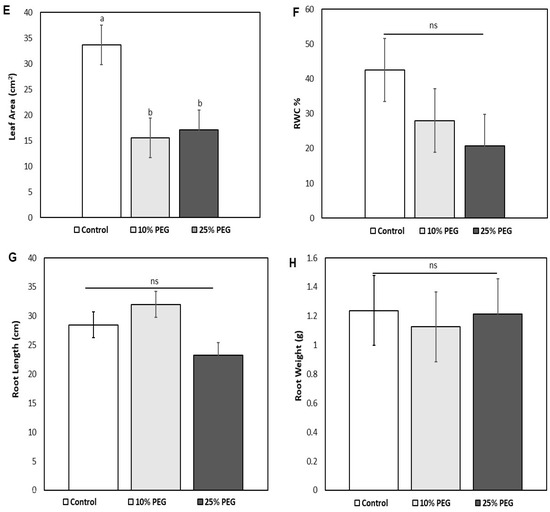
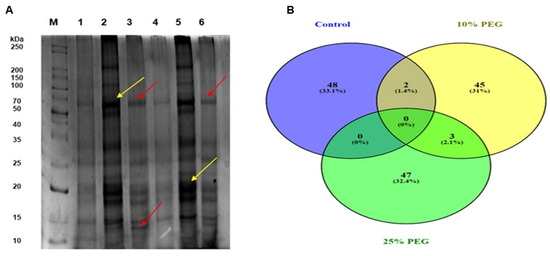
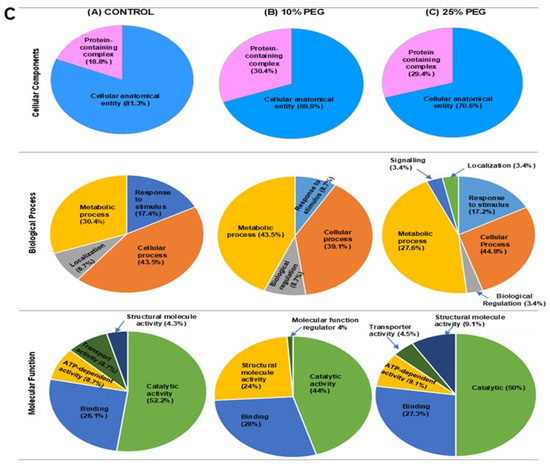
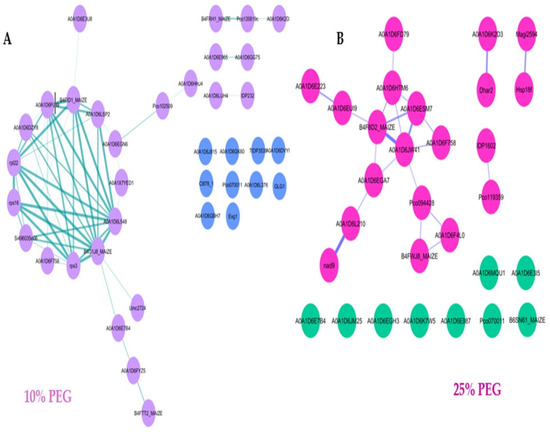
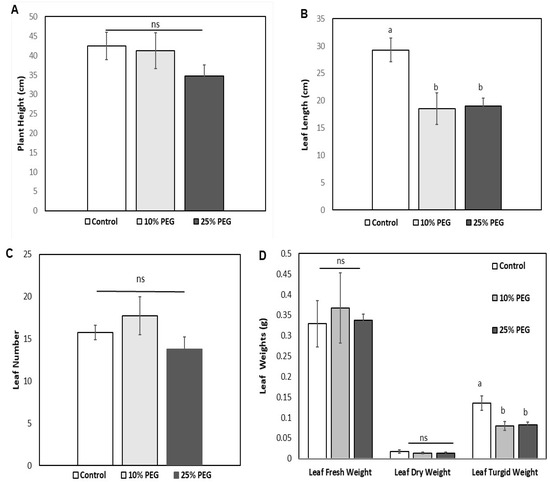
Maize is not only a staple across the sub-Saharan Africa (SSA) region but also a substantially economically valuable cereal crop. As a seasonal crop, its successful cultivation depends on favorable rainfall patterns and climatic conditions. However, environmental stresses such as drought limit its productivity. Enhancing stress resilience requires understanding the morphological, physiological, and proteomic response mechanisms that contribute to drought tolerance. Hence, it is critical to understand its adaptive capacity at the protein level to achieve improved stress-tolerant cultivars and increased yields in the future. Our study investigated drought stress responses in a drought-tolerant maize cultivar subjected to polyethylene glycol (PEG)-induced water deficit, combining one-dimensional gel electrophoresis (1DE) with LC-MS/MS to profile the leaf proteome. From the analysis, 50 of the 439 identified maize leaf proteins were further studied due to their significant differential expression and functional relevance, revealing the interconnection between the proteomic patterns as well as the morphological and physiological responses that enable drought resilience. These insights provide a foundation for improving stress-tolerant maize cultivars through integrative characterization approaches.
Full article
(This article belongs to the Topic Tolerance to Drought and Salt Stress in Plants, 2nd volume)
►▼
Show Figures

Figure 1
Open AccessArticle
Genetic Characterization and Variability of Cassava (Manihot esculenta) Accessions Cultivated in Southwest and North Central Nigeria Using Agromorphological Markers
by
Isaac O. Abegunde, Oghenevwairhe P. Efekemo, Olabode Onile-Ere, Folashade Otitolaye, Olusegun A. Oduwaye, Thomas O. Fabunmi, Emmanuel O. Idehen, Justin S. Pita, Fidèle Tiendrébéogo, Titus Alicai and Angela O. Eni
Int. J. Plant Biol. 2025, 16(4), 132; https://doi.org/10.3390/ijpb16040132 - 20 Nov 2025
Abstract
Understanding the genetic variability among Nigerian cassava accessions is a crucial prerequisite for its improvement. The objective of this study was to estimate the genetic variability among 477 cassava accessions and to classify them based on their genetic similarities for effective utilization in
[...] Read more.
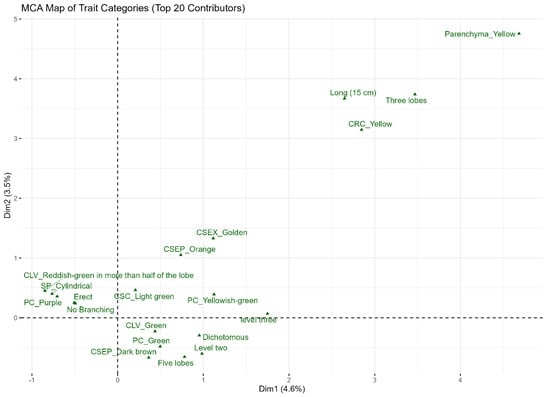
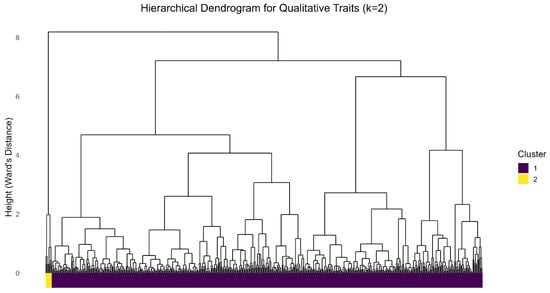
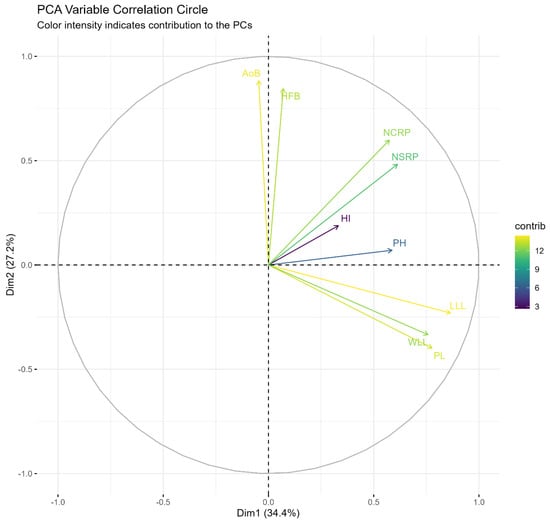
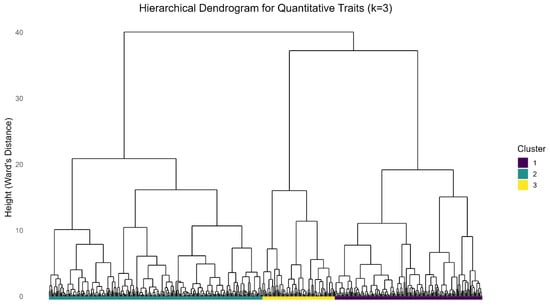
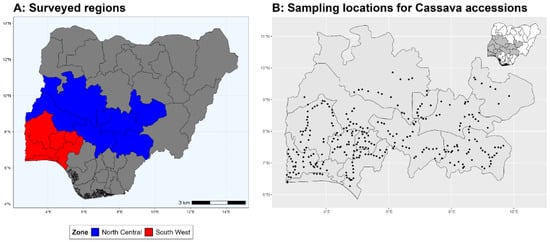
Understanding the genetic variability among Nigerian cassava accessions is a crucial prerequisite for its improvement. The objective of this study was to estimate the genetic variability among 477 cassava accessions and to classify them based on their genetic similarities for effective utilization in breeding programs. The accessions were evaluated at the Federal University of Agriculture, Abeokuta experimental site from 2023–2024, using an augmented randomized complete block design with two checks (TME 419 and NR 87184). Agromorphological descriptors were collected at 3-month intervals for 12 months. Broad sense heritability and genetic advance as percent of mean (GAM) were high, indicating that the overall phenotypic expressions observed were largely influenced by genetic factors. Multiple correspondence analysis (MCA) showed that petiole color, number of leaf lobes, color of leaf veins, and parenchyma contributed the most to the overall variability observed in the study population. Principal component analysis (PCA) identified petiole length, length of leaf lobe, width of leaf lobe, and plant height as primary contributors to the overall phenotypic variations observed in the population. Hierarchical clustering of accessions using Euclidean distance revealed two and three clusters based on qualitative and quantitative traits respectively. This study has shown the existence of wide genetic variations in several cassava traits, providing a valuable resource for breeding programs.
Full article
(This article belongs to the Section Plant Physiology)
►▼
Show Figures

Figure 1
Highly Accessed Articles
Latest Books
E-Mail Alert
News
Topics
Topic in
Agriculture, Agronomy, Crops, Insects, Plants, Agrochemicals, IJPB
Exploring Plant-Derived Compounds for Effective Insect Pest Management in Agriculture
Topic Editors: Ian Scott, Roselyne M. LabbéDeadline: 31 May 2026
Topic in
Crops, IJMS, Stresses, IJPB
New Insights into Plant Biotic and Abiotic Stress
Topic Editors: Salme Timmusk, Erick ZagalDeadline: 30 June 2026
Topic in
Agriculture, Agronomy, Ecologies, IJPB, Plants, Soil Systems
The Role of Plant-Soil Interactions on Crop Yields and Carbon Sequestration
Topic Editors: Jifu Ma, Meng Zhou, Caiqing QinDeadline: 31 July 2026
Topic in
IJPB, Molecules, Plants, Toxins, Pharmaceuticals, BioTech, Metabolites
From Plant to Pharmacology: Understanding the Metabolism of Natural Products
Topic Editors: Fawzy A. Elbarbry, Mike EspirituDeadline: 31 August 2026
Conferences
Special Issues
Special Issue in
IJPB
Environmental Contaminants: Impacts and Responses in Plant and Soil Systems and Their Remediation Strategies
Guest Editor: Chuks Kenneth OdohDeadline: 28 February 2026
Special Issue in
IJPB
Plant Resistance to Insects
Guest Editor: Horacio Salomón Ballina-GómezDeadline: 30 May 2026
Special Issue in
IJPB
Challenges in Cannabis sativa: Breeding and Secondary Metabolite Synthesis
Guest Editor: Mariana QuirogaDeadline: 30 May 2026
Special Issue in
IJPB
Chemical Signatures, Biological Functions, and Valorization Potential of Plant Extracts
Guest Editors: Mohamed Ouknin, Ahmed WifayaDeadline: 30 November 2026