


-
Public Policies for Healthy Eating: The Portuguese Experience with the Taxation of Sugary Drinks -
FEED Europe: An Exploratory Study of Food Insecurity Screening and Referral Practices of Dietitians Practicing in Europe -
Monofloral Honeys as Functional Interactomes: Navigating Bioavailability, Gut Microbiota Transformation, and Food Integrity Pressures
Journal Description
Dietetics
Dietetics
is an international, peer-reviewed, open access journal on all aspects of human dietetics published bimonthly online by MDPI.
- Open Access— free for readers, with article processing charges (APC) paid by authors or their institutions.
- High Visibility: indexed within ESCI (Web of Science), EBSCO and other databases.
- Rapid Publication: manuscripts are peer-reviewed and a first decision is provided to authors approximately 25.8 days after submission; acceptance to publication is undertaken in 8.7 days (median values for papers published in this journal in the first half of 2026).
- Recognition of Reviewers: Reviewers whose reports are timely and of high quality receive an APC discount voucher for a future publication in an MDPI journal. Become a reviewer.
- Dietetics is a companion journal of Nutrients.
- Journal Cluster of Food, Nutrition, and Health Science: Beverages, Dietetics, Foods, Nutraceuticals, Nutrients and Obesities.
Impact Factor:
1.8 (2025);
5-Year Impact Factor:
1.8 (2025)
Latest Articles
Pos-Opening Quality and Oxidative Stability of Plant-Based Meat Alternatives During Refrigerated Storage: A Comparison with Conventional Meat Products
Dietetics 2026, 5(4), 57; https://doi.org/10.3390/dietetics5040057 - 11 Sep 2026
Abstract
►
Show Figures
This study evaluated changes in physicochemical properties, oxidative stability, colour, and texture of commercially available plant-based meat alternatives (PBMAs) and their meat counterparts during consumer-relevant post-opening refrigerated storage. Four product categories (salami, bacon, kabanos sausages, and frankfurters), each represented by a plant-based alternative
[...] Read more.
This study evaluated changes in physicochemical properties, oxidative stability, colour, and texture of commercially available plant-based meat alternatives (PBMAs) and their meat counterparts during consumer-relevant post-opening refrigerated storage. Four product categories (salami, bacon, kabanos sausages, and frankfurters), each represented by a plant-based alternative and its corresponding conventional meat product, were analysed immediately after package opening and after 7 days of refrigerated storage (4 ± 1 °C). Physicochemical parameters (pH, oxidation–reduction potential, water activity), colour, cutting force, thiobarbituric acid reactive substances (TBARS), and ABTS radical-scavenging activity were determined. Frankfurters were additionally evaluated before and after heating. Storage-related quality changes depended primarily on product category rather than product origin. Plant-based salami and bacon showed substantially greater lipid oxidation than meat products, whereas kabanos sausages exhibited comparable oxidative stability. Plant-based kabanos maintained more stable colour and texture during storage, while frankfurters displayed formulation- and heating-dependent responses. Cluster analysis confirmed that quality characteristics were product-specific and did not consistently separate plant-based from meat products. PBMAs cannot be considered a homogeneous food category with respect to post-opening quality. Product-specific evaluation is therefore essential when assessing the dietetic value, storage stability, and practical suitability of PBMAs.
Full article
Open AccessReview
Nutritional Strategies and Bioactive Compounds: Vaccinium myrtillus L. and Ribes nigrum and Their Anti-Inflammatory, Antioxidant, Potential Preclinical Anticancer, and Microbiota-Related Effects
by
Silvia Tedesco, Nadia Campelli, Stefano Lunetti and Marina Taus
Dietetics 2026, 5(4), 56; https://doi.org/10.3390/dietetics5040056 - 10 Sep 2026
Abstract
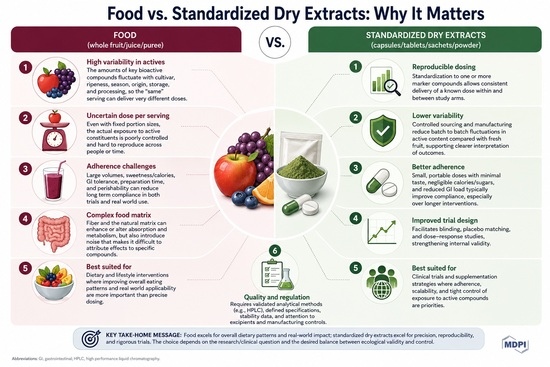
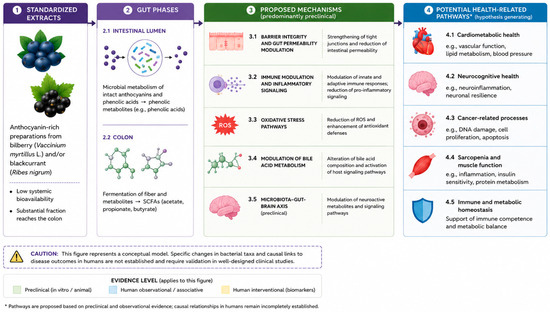
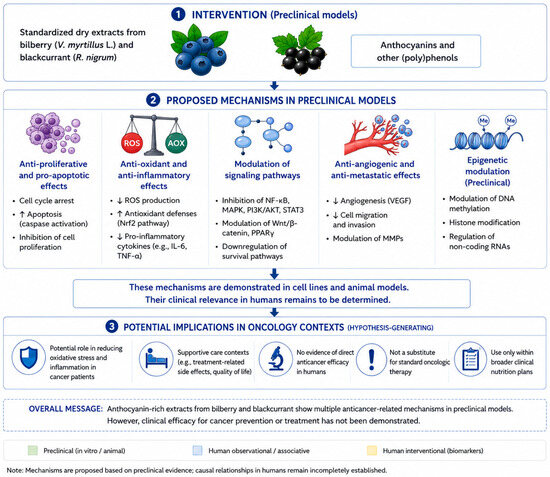
Anthocyanin-rich preparations derived from bilberry (Vaccinium myrtillus L.) and blackcurrant (Ribes nigrum), whether standardized or otherwise analytically characterized, have been investigated for their potential to modulate chronic low-grade inflammation and oxidative stress. This narrative review focuses on human intervention studies
[...] Read more.
Anthocyanin-rich preparations derived from bilberry (Vaccinium myrtillus L.) and blackcurrant (Ribes nigrum), whether standardized or otherwise analytically characterized, have been investigated for their potential to modulate chronic low-grade inflammation and oxidative stress. This narrative review focuses on human intervention studies using preparations explicitly derived from these species and contextualizes microbiota-related mechanisms and potential anticancer pathways using selected preclinical evidence. Human studies primarily report changes in inflammatory, endothelial, and oxidative-stress biomarkers, including hsCRP, IL-6, TNF-α, adhesion molecules, malondialdehyde, urinary 8-iso-PGF2α, and urinary 8-OHdG; however, findings are heterogeneous across formulations, doses, populations, intervention durations, and endpoints. Evidence for clinically meaningful outcomes remains limited. Studies of purified anthocyanins without unequivocal botanical sourcing are considered background evidence and are not used to substantiate species-specific claims. Mechanistically, intact anthocyanins have low systemic bioavailability, and colonic microbial metabolism generates phenolic metabolites that may interact with SCFA-related and barrier–immune pathways; however, causal relationships in humans remain insufficiently established. Potential anticancer mechanisms are supported predominantly by in vitro and animal studies and should therefore be considered hypothesis-generating rather than evidence of clinical efficacy. Overall, bilberry and blackcurrant preparations warrant further investigation in adequately powered, longer-duration human trials with transparent botanical characterization and clinically relevant endpoints.
Full article
(This article belongs to the Special Issue Bioactive Compounds from Food and Health Benefits)
►▼
Show Figures

Graphical abstract
Open AccessReview
Mitochondria-Targeted Nutraceuticals as Metabolic Adjuncts to Physical Rehabilitation in Older Adults with Sarcopenia or Frailty: A Narrative Review
by
Alessio Turco, Lorenzo Lippi, Francesca Uberti, Alessandro de Sire and Marco Invernizzi
Dietetics 2026, 5(4), 55; https://doi.org/10.3390/dietetics5040055 - 2 Sep 2026
Abstract
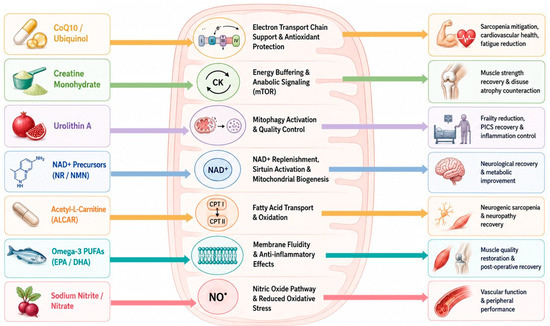
Age-related skeletal muscle wasting, clinically expressed as sarcopenia and frailty, significantly limits the efficacy of physical rehabilitation due to an underlying cellular bioenergetic decline, mitochondrial dysfunction, and chronic inflammaging. This narrative review synthesizes current physiological and clinical evidence evaluating mitochondria- targeted nutraceuticals as
[...] Read more.
Age-related skeletal muscle wasting, clinically expressed as sarcopenia and frailty, significantly limits the efficacy of physical rehabilitation due to an underlying cellular bioenergetic decline, mitochondrial dysfunction, and chronic inflammaging. This narrative review synthesizes current physiological and clinical evidence evaluating mitochondria- targeted nutraceuticals as targeted metabolic adjuvants to physical exercise in older adults. Comprehensive literature searches were executed across PubMed, Web of Science, and Scopus following SANRA guidelines and the SPIDER framework to evaluate functional and bioenergetic outcomes in geriatric cohorts. The findings demonstrate that target-specific biofactors directly impact mitochondrial restrictions: ubiquinol and NAD+ precursors restore electron transport chain efficiency and biogenesis; urolithin A upregulates mitophagy to prevent the cytosolic extrusion of pro-inflammatory mitochondrial DNA, while creatine monohydrate and omega-3 polyunsaturated fatty acids selectively restore downstream myofibrillar anabolic pathways. When translated to specialized clinical settings, including post-fracture orthopedic immobilization, chronic pain syndromes managed, and post-ICU-acquired weakness, these bioenergetic substrates safely mitigate tissue proteolysis and enhance recovery kinetics. In conclusion, structurally integrating biomarker-driven nutritional rehabilitation pathways with tailored exercise protocols provides the precise pro-anabolic microenvironment necessary to overcome anabolic resistance, ultimately shortening recovery timelines and maximizing functional independence in the aging population.
Full article
(This article belongs to the Special Issue Nutritional Strategies to Improve Exercise Performance and Recovery)
►▼
Show Figures

Figure 1
Open AccessArticle
Dietary Ammonium Hydroxide Enhancement Modulates Renal Inflammatory and Apoptotic Signaling and Mitochondrial-Associated Pathways in High-Fat-Fed C3H/HeJ Mice
by
Hemalata Deshmukh, Camille Schacherer, Kyunghoon Yeom, Alaina Rivera and Lauren Gollahon
Dietetics 2026, 5(4), 54; https://doi.org/10.3390/dietetics5040054 - 1 Sep 2026
Abstract
Diet-induced obesity contributes to chronic inflammation, mitochondrial dysfunction, and progressive kidney injury, while increased dietary acid load may further impair renal homeostasis. In our previous studies, we showed that ammonium hydroxide enhancement (AHE) of dietary protein, prior to incorporation into the complete diet,
[...] Read more.
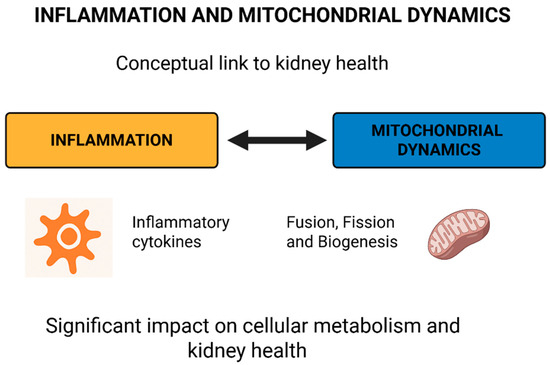
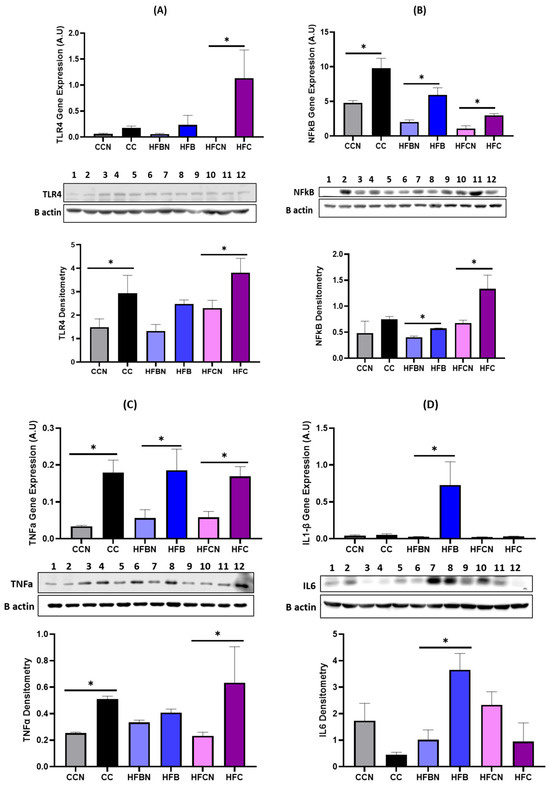
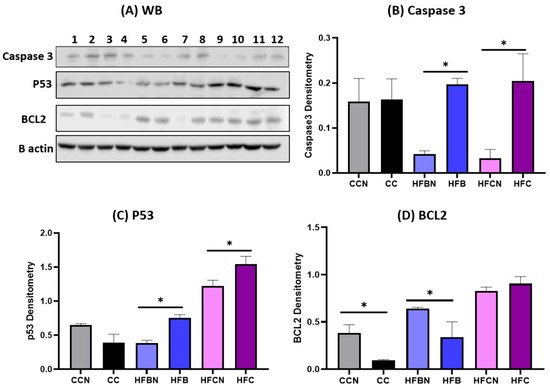
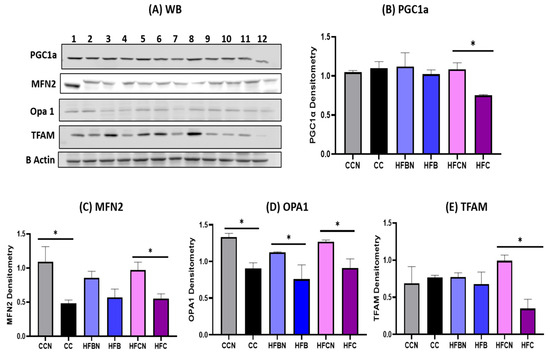
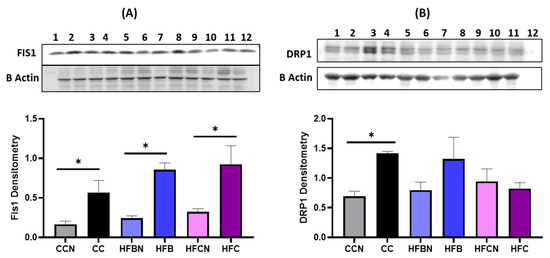
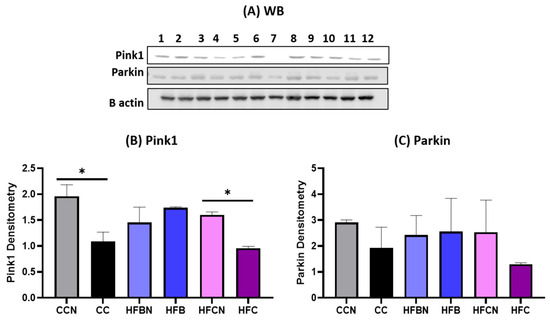
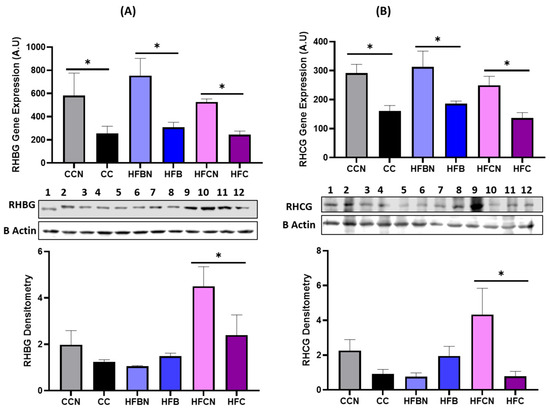
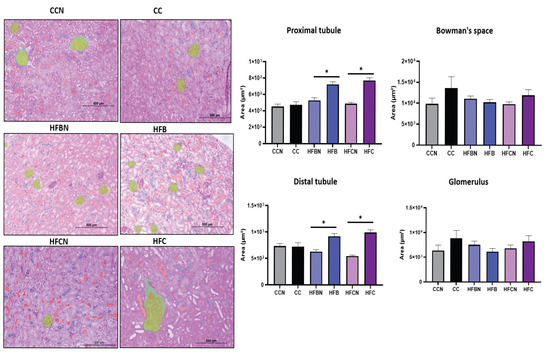
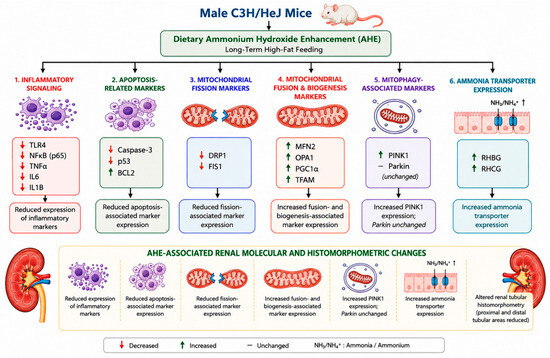
Diet-induced obesity contributes to chronic inflammation, mitochondrial dysfunction, and progressive kidney injury, while increased dietary acid load may further impair renal homeostasis. In our previous studies, we showed that ammonium hydroxide enhancement (AHE) of dietary protein, prior to incorporation into the complete diet, increases dietary alkalinity and has improved longevity, decreased secretion of adipocytokines, and beneficially affected the microbiome in high-fat diet fed C3H/HeJ mice. However, its effects on renal molecular and structural responses remain unknown. In this study, kidney tissues from male C3H/HeJ mice fed control casein (CC), ammonium hydroxide-enhanced casein (CCN), high-fat casein (HFC), ammonium hydroxide-enhanced high-fat casein (HFCN), high-fat beef (HFB), or ammonium hydroxide-enhanced high-fat beef (HFBN) diets were analyzed using quantitative PCR, Western blotting, and histological morphometry. Results showed that AHE reduced renal inflammatory signaling, evidenced by decreased TLR4, TNFα, Il1-β, IL6, and NFκB expression. Apoptosis-associated signaling was attenuated through reduced Caspase-3 and p53 expressions and increased BCL2 levels. AHE also modulated mitochondrial-associated markers. Increased markers of mitochondrial biogenesis and fusion, and decreased fission-associated markers were observed, along with increased PINK1 expression, while Parkin remained unchanged. In addition, expression levels of the ammonia transporters, RHBG and RHCG, were elevated, indicating altered renal ammonia transporter expression. Histological and morphometric analyses demonstrated AHE-associated changes in tubular areas, while glomerular and Bowman’s capsule areas remained largely unchanged. Collectively, these findings suggest that long-term dietary AHE is associated with alterations in renal inflammatory and apoptotic signaling, mitochondrial-associated pathways, ammonia transporter expression, and renal histomorphometry in male C3H/HeJ mice.
Full article
(This article belongs to the Topic Nutrition, Obesity and Metabolic Diseases)
►▼
Show Figures

Figure 1
Open AccessSystematic Review
Microbiota-Directed Therapies for the Treatment of Small Intestinal Bacterial Overgrowth: A Systematic Review and Meta-Analysis
by
Diego Fernández Lázaro, Isabel Mínguez-De La Concha, Carla Cucalón Solanot, Evelina Garrosa, Marina Seco-Casares and Enrique Roche
Dietetics 2026, 5(4), 53; https://doi.org/10.3390/dietetics5040053 - 1 Sep 2026
Abstract
►▼
Show Figures
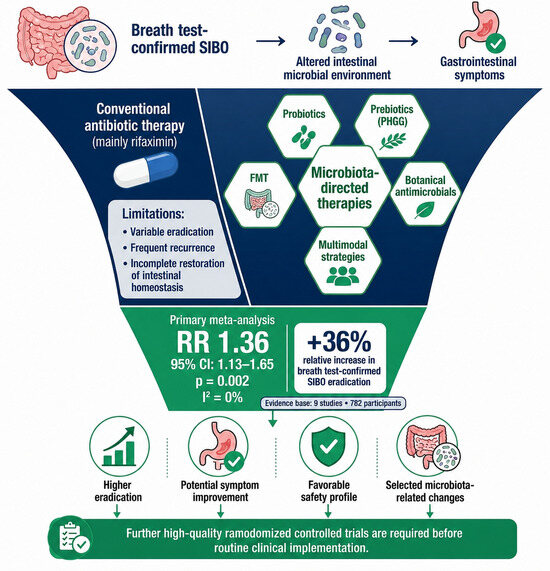
Small intestinal bacterial overgrowth (SIBO) is characterized by an excessive proliferation of bacteria within the small intestine, resulting in chronic gastrointestinal symptoms, impaired quality of life, and frequent recurrence. Although rifaximin remains the cornerstone of treatment, increasing interest has focused on microbiota-directed therapeutic
[...] Read more.
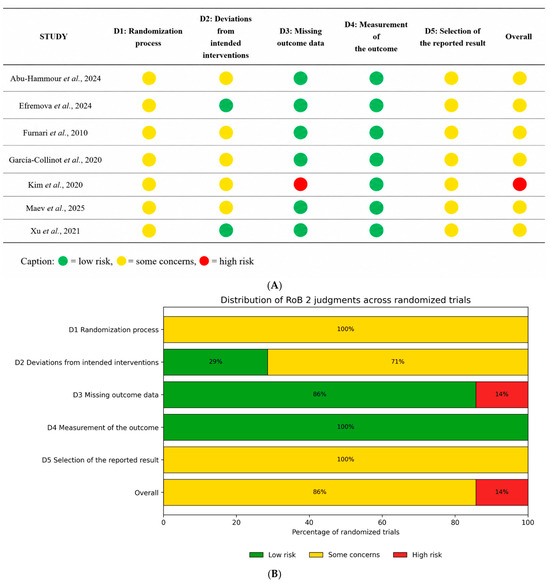
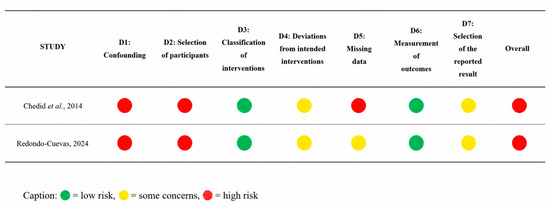
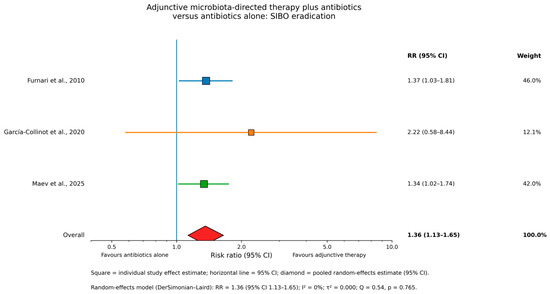
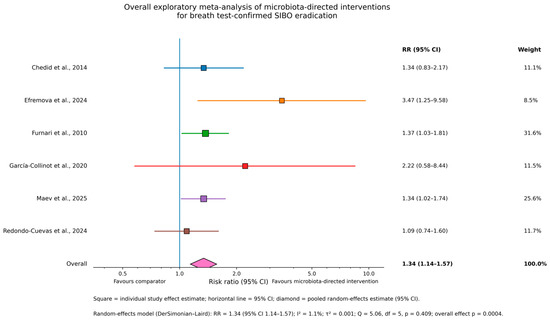
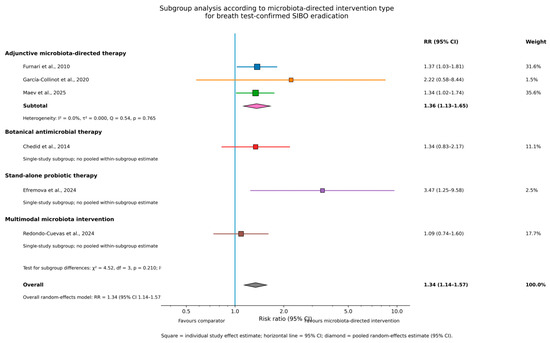
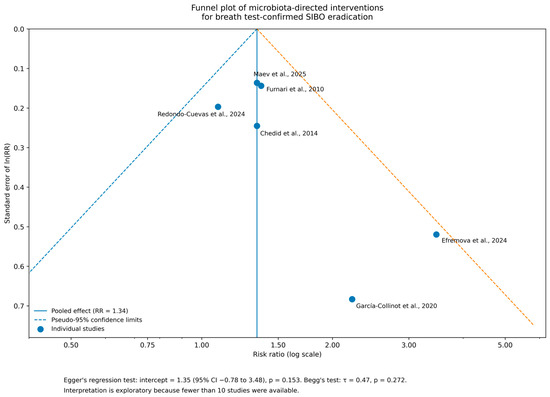
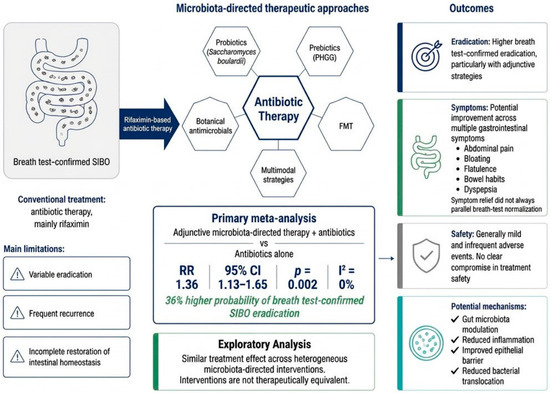
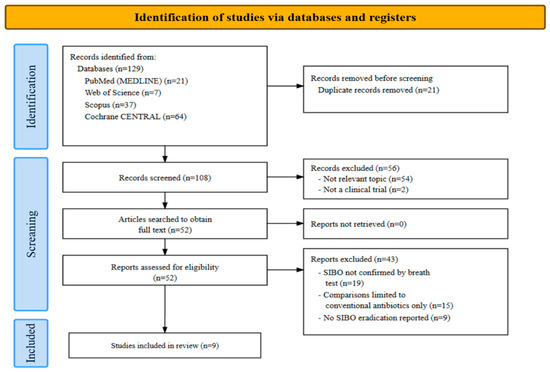
Small intestinal bacterial overgrowth (SIBO) is characterized by an excessive proliferation of bacteria within the small intestine, resulting in chronic gastrointestinal symptoms, impaired quality of life, and frequent recurrence. Although rifaximin remains the cornerstone of treatment, increasing interest has focused on microbiota-directed therapeutic strategies aimed at restoring intestinal homeostasis and addressing mechanisms beyond bacterial eradication. This systematic review and meta-analysis evaluated the efficacy, safety, and clinical relevance of microbiota-directed interventions compared with conventional antibiotic therapy, placebo, or no intervention in adults with breath test-confirmed SIBO. A systematic search identified nine eligible studies involving 782 participants. Methodological quality was assessed using the CASP and PEDro tools, while risk of bias was evaluated using the Cochrane Risk of Bias 2 (RoB 2) tool and ROBINS-I. A random-effects meta-analysis was performed whenever clinically comparable studies reporting extractable dichotomous data were available. The primary meta-analysis demonstrated that adjunctive microbiota-directed therapies combined with antibiotics significantly improved breath test-confirmed SIBO eradication compared with antibiotic monotherapy (RR 1.36, 95% CI 1.13–1.65; I2 = 0%). An exploratory meta-analysis including all eligible interventions yielded consistent findings (RR 1.34, 95% CI 1.14–1.57; I2 = 1.1%). The qualitative synthesis identified symptomatic improvements in some individual studies; however, these findings were heterogeneous across symptom domains, assessment methods, and underlying clinical populations. Evidence regarding health-related quality of life and selected microbiota-related and inflammatory biomarkers was also limited, whereas adverse events were generally mild and infrequent. Overall, the available evidence suggests that microbiota-directed therapies, particularly when used as adjuncts to antibiotic treatment, may represent a promising complementary approach for improving SIBO eradication without compromising safety. However, the certainty of the available evidence remains limited by the small number of studies, heterogeneous interventions, and variability in outcome reporting. Larger, well-designed randomized controlled trials are warranted to confirm these findings and define the optimal microbiota-directed therapeutic strategy.
Full article

Graphical abstract
Open AccessReview
Dietary Inequalities and Health Risks Among Roma Populations in Europe: A Scoping Review of Nutritional Patterns and Socioeconomic Determinants
by
Aikaterini Galiatsatou, Evangelia Antoniou, Maria Iliadou and Ermioni Palaska
Dietetics 2026, 5(4), 52; https://doi.org/10.3390/dietetics5040052 - 31 Aug 2026
Abstract
Introduction: The Roma, historically referred to as “Gypsies” (a term now widely considered pejorative in many contexts), appear to have originated in northern India and settled in Europe in the 14th century, spreading mainly to Eastern and Southern Europe. In Greece, they make
[...] Read more.
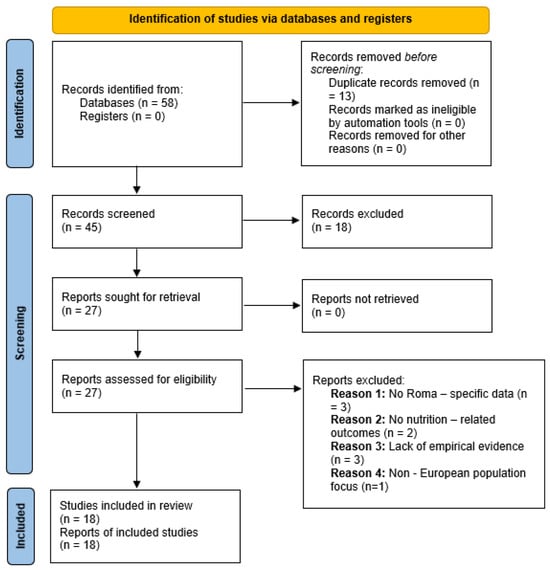
Introduction: The Roma, historically referred to as “Gypsies” (a term now widely considered pejorative in many contexts), appear to have originated in northern India and settled in Europe in the 14th century, spreading mainly to Eastern and Southern Europe. In Greece, they make up 1.13% of the total population and live in all geographical areas of the country. Aim: The aim of this article is to investigate and study the dietary habits of Roma and their health consequences. Methodology: A literature review was conducted in Medline, PubMed and Scopus databases, using the keywords “nutrition”, “health”, “outcomes”, and “Roma”. Results: In Europe, as well as in Greece, Roma continue to experience poverty, unemployment, socioeconomic inequalities, limited access to health services, and phenomena of racism, despite the efforts of states. These conditions negatively affect their dietary choices, leading to an unhealthy and unbalanced diet, with consequences such as obesity, cardiovascular diseases and diabetes mellitus. Conclusions: The profound gap between Roma and non-Roma populations in Europe requires not only targeted policies but also active interventions by health professionals. These interventions should aim at improving the nutritional status and general healthcare of Roma.
Full article
(This article belongs to the Topic Environmental Influences on Dietary Patterns and Disease Risk: Nutritional Pathways and Health Implications)
►▼
Show Figures

Figure 1
Open AccessArticle
Dietary Habits of Sports Volunteers and Their Associations with Sociodemographic Characteristics: A Cross-Sectional Study
by
Mateusz Rozmiarek, Tomasz Jurys and Mateusz Grajek
Dietetics 2026, 5(4), 51; https://doi.org/10.3390/dietetics5040051 - 25 Aug 2026
Abstract
Background: Dietary behaviors are important modifiable factors related to health and well-being. Sports volunteers represent a population involved in sport-related environments, yet limited evidence is available regarding their specific dietary behaviors and their associations with sociodemographic characteristics. Materials and Methods: A cross-sectional survey
[...] Read more.
Background: Dietary behaviors are important modifiable factors related to health and well-being. Sports volunteers represent a population involved in sport-related environments, yet limited evidence is available regarding their specific dietary behaviors and their associations with sociodemographic characteristics. Materials and Methods: A cross-sectional survey was conducted among 297 sports volunteers (184 women, 113 men) at international sporting events in Poznan, Poland. Twenty specific dietary behaviors, including meal frequency, consumption of fruits, vegetables, cereal products, meat, dairy products, fish, sweets, sugar-sweetened beverages, salty snacks, ready-made meals, legumes, water, and selected eating behaviors, were assessed using a 20-item dietary habits questionnaire developed in accordance with dietary recommendations of the National Institute of Public Health and the National Center for Nutrition Education in Poland. Gender, age, educational attainment, and BMI were recorded. Chi-square tests were used to examine bivariate associations between each dietary behavior and sociodemographic characteristics. Multivariable logistic regression models were subsequently applied to dietary behaviors showing statistically significant bivariate associations. Results: Of the 20 dietary behaviors assessed, only a small number varied significantly according to sociodemographic characteristics. Women reported higher adherence to daily fruit consumption (46.8% vs. 28.1%; p = 0.002) and daily consumption of at least three portions of vegetables (44.1% vs. 28.9%; p = 0.013) than men. Participants aged 18 years differed from older age groups in daily fruit consumption and limiting meat consumption to no more than once per day (p < 0.05). Educational attainment was associated with daily fruit consumption, with participants with primary education reporting higher adherence than those with higher education (48.8% vs. 25.3%; p = 0.011). BMI was associated with several dietary behaviors, including fruit consumption, avoiding snacking between meals, and portion control (p < 0.05). In multivariable analyses, female gender remained independently associated with fruit and vegetable consumption, while younger age was independently associated with daily fruit consumption and lower meat consumption. BMI remained independently associated with daily fruit consumption, whereas educational attainment was no longer significantly associated with dietary behaviors after adjustment. Conclusions: Most of the 20 dietary behaviors assessed did not differ significantly according to the examined sociodemographic characteristics. The observed associations were limited to selected behaviors and varied by gender, age, educational attainment, and BMI. Further research should examine additional factors, including physical activity, volunteering characteristics, and socioeconomic conditions, that may contribute to dietary behaviors among sports volunteers.
Full article
Open AccessArticle
Perceived Genetic Risk and Dietary Prevention Beliefs Among Offspring of People Living with Dementia: A Mixed-Methods Study Guided by the Health Belief Model
by
Vaios Svolos, Dimitra Eleftheria Strongylou, Elli Zoupa, Anastasia Triantafyllou, Maria Katsama, Konstantinos Michas, Rena Kosti, Olympia Bogiatzidou, Vasileios Siokas, Ioannis Liampas, Efthimios Dardiotis and Odysseas Androutsos
Dietetics 2026, 5(3), 50; https://doi.org/10.3390/dietetics5030050 - 21 Aug 2026
Abstract
Background: Given the rising global prevalence of dementia and its complex etiology, involving genetic and environmental risk factors, the aim of the present exploratory study was to investigate how offspring of individuals with dementia perceive genetic risk and the role of diet in
[...] Read more.
Background: Given the rising global prevalence of dementia and its complex etiology, involving genetic and environmental risk factors, the aim of the present exploratory study was to investigate how offspring of individuals with dementia perceive genetic risk and the role of diet in dementia prevention. Methods: A mixed-methods study was conducted in Greece. Overall, 118 offspring completed an online questionnaire assessing demographics, risk perceptions, and dietary beliefs and practices in dementia risk reduction. Additionally, 22 semi-structured interviews explored dietary beliefs, practices, and influencing factors using framework analysis. Results: Most participants (76.3%) recognized diet’s role in dementia prevention, while 52.5% perceived offspring as having increased genetic risk; 40.7% reported making dietary changes to reduce disease risk. Healthcare professional consultation was the factor most strongly associated with dietary modification (OR = 26.61, 95% CI 7.47–94.76, p < 0.001). Qualitative findings showed that, while dementia was viewed as severe, personal susceptibility was often perceived as uncertain or distant. Key barriers, facilitators, and the role of self-efficacy in adopting healthier dietary practices were also explored. Conclusions: Our findings identify personalized dietary counselling and risk communication as priorities for evaluation in future intervention studies, aimed at supporting the implementation of dietary modifications and reducing the gap between knowledge and behavior in dementia risk reduction.
Full article
(This article belongs to the Special Issue Nutrigenetics, Nutrigenomics, and Personalized Nutrition)
Open AccessArticle
Protein Intake Following Ultra-Processed Food Reduction in Free-Living Adults
by
Tyler J. Godsey, Abby Maupin, Tatum Louthan, Jillian Joyce, Ashlea Braun, Edralin A. Lucas and Sam R. Emerson
Dietetics 2026, 5(3), 49; https://doi.org/10.3390/dietetics5030049 - 18 Aug 2026
Abstract
►▼
Show Figures
Ultra-processed foods (UPFs) account for a substantial proportion of energy intake and are commonly characterized by being low in protein. The growing availability of protein-fortified UPFs may contribute considerably to dietary protein intake. This study examined associations between UPF consumption and protein intake
[...] Read more.
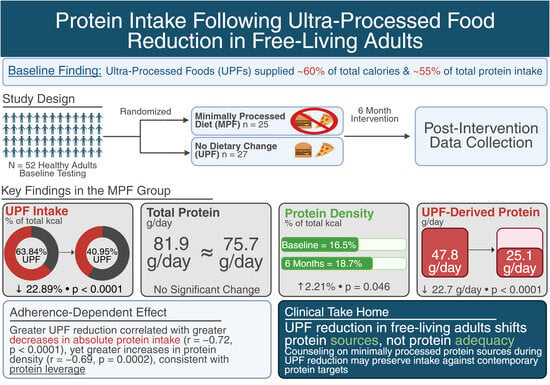
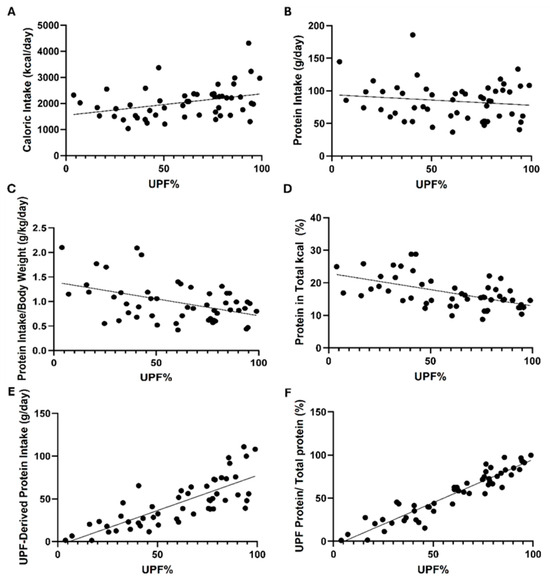
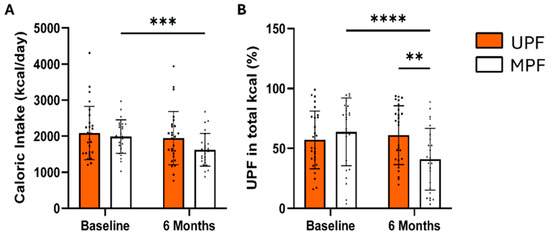
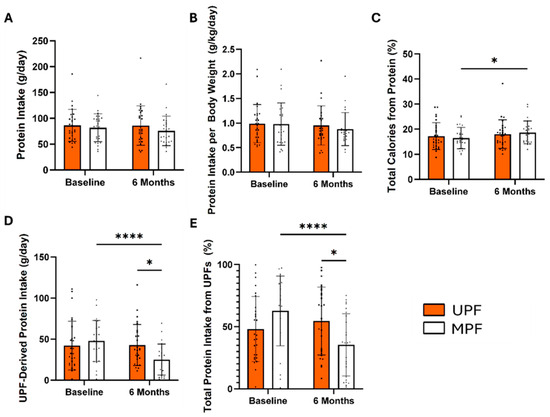
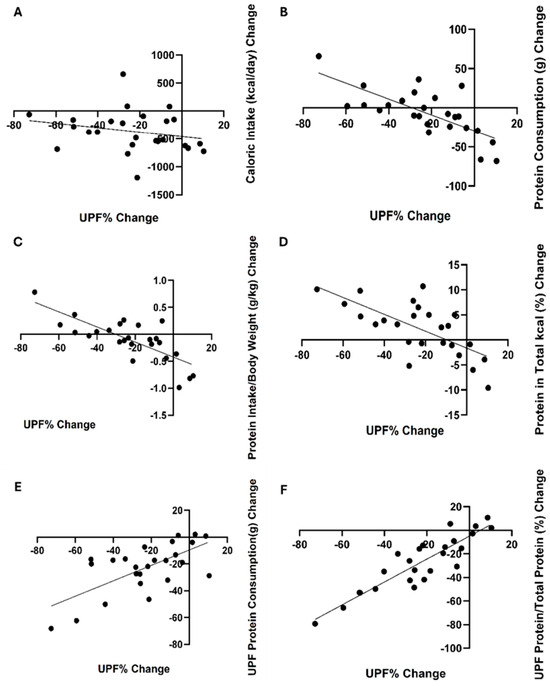
Ultra-processed foods (UPFs) account for a substantial proportion of energy intake and are commonly characterized by being low in protein. The growing availability of protein-fortified UPFs may contribute considerably to dietary protein intake. This study examined associations between UPF consumption and protein intake and evaluated the effects of UPF reduction on protein intake. Fifty-two healthy adults were randomized to either minimize UPF consumption (MPF; n = 25) or maintain typical dietary patterns (UPF; n = 27) for six months. Dietary intake was assessed using three-day diet records at baseline and post-intervention, and foods were classified by the Nova Food Classification System. At baseline, UPF consumption was positively associated with UPF-derived protein intake and the proportion of protein obtained from UPFs (p’s < 0.0001), while demonstrating inverse associations with protein intake relative to body mass and the percentage of calories derived from protein. The MPF group significantly reduced UPF consumption and UPF-derived protein intake (p’s < 0.0001). Despite this, total protein intake, protein intake relative to body mass, and percentage of calories derived from protein were maintained. These findings suggest that dietary protein adequacy can be preserved during UPF reduction while decreasing reliance on UPF-derived protein sources.
Full article

Graphical abstract
Open AccessReview
Factors Influencing Nutritional Status and Dietary Intake Among Young Adult Cancer Survivors: A Narrative Review
by
Leah Walsh, Gemma Pugh and Laura Keaver
Dietetics 2026, 5(3), 48; https://doi.org/10.3390/dietetics5030048 - 14 Aug 2026
Abstract
►▼
Show Figures
Advances in healthcare have led to substantial growth in the global population of cancer survivors, yet young adult cancer survivors (YACS) aged 18–39 years remain an underrepresented population in cancer survivorship research. This review examines the health challenges and psychosocial factors that shape
[...] Read more.
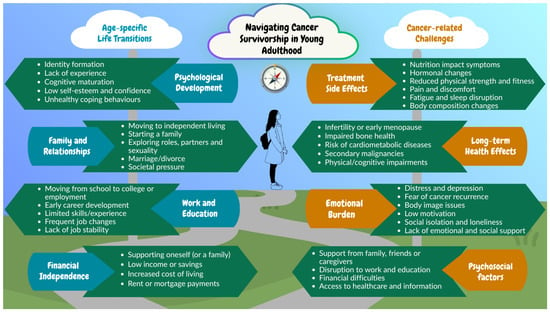
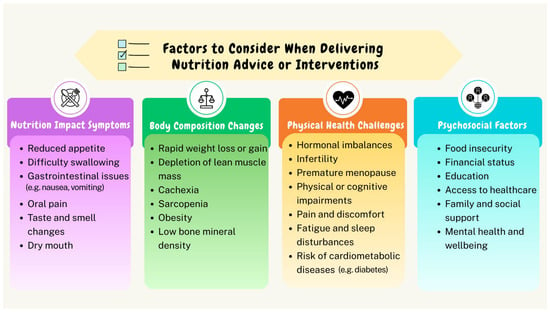
Advances in healthcare have led to substantial growth in the global population of cancer survivors, yet young adult cancer survivors (YACS) aged 18–39 years remain an underrepresented population in cancer survivorship research. This review examines the health challenges and psychosocial factors that shape nutritional status in YACS, with the aim of informing age-appropriate nutritional care. YACS face significant financial and psychosocial demands unique to this life stage, balancing education, early careers and family responsibilities. They report greater unmet nutritional and health needs than other age cohorts, in addition to concerns regarding long-term side effects, financial strain, fear of cancer recurrence and increased responsibility for managing their own care. Cancer treatment can cause nutrition impact symptoms (e.g., nausea, taste changes, fatigue, dysphagia and gastrointestinal (GI) disturbances) that may persist for years, and YACS are vulnerable to late effects such as endocrine dysfunction, cardiometabolic disease, chronic pain and osteoporosis, all of which can be influenced by diet. Poor dietary patterns have been observed in YACS, indicating low intakes of fruits, vegetables, fibre and dairy, and higher consumption of saturated fat, sodium and processed foods. This narrative review evaluated fourteen nutritional intervention studies targeting YACS aged 18–39. Most existing interventions demonstrate minimal recruitment and retention rates, small sample sizes, and a reliance on self-report methods rather than objective nutritional measures. These limitations highlight the need for a deeper understanding of YACS’ specific nutritional needs and more effective strategies to engage this cohort. Future research should prioritise larger, more representative samples, incorporate objective nutritional and clinical measures, and explicitly address psychosocial and age-related barriers to healthy eating in young adulthood.
Full article

Figure 1
Open AccessArticle
Malnutrition Risk, Nutrition Insecurity, Barriers, and Facilitators to Dietary Management Among Adults with Inflammatory Bowel Disease in the US Rocky Mountain Region: A Cross-Sectional Mixed-Methods Study
by
Heather Burr, Carrie Durward, Korry Hintze and Getrude Mphwanthe
Dietetics 2026, 5(3), 47; https://doi.org/10.3390/dietetics5030047 - 11 Aug 2026
Abstract
We conducted an online cross-sectional study to assess malnutrition risk, food and nutrition insecurity, and perceived barriers and facilitators to dietary management among adults (18–64 years old) with a self-reported clinical diagnosis of inflammatory bowel disease (IBD) in outpatient and community settings. We
[...] Read more.
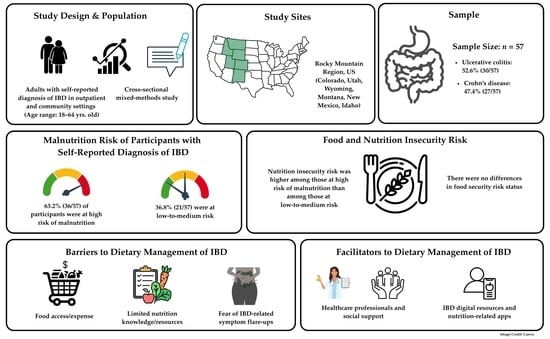
We conducted an online cross-sectional study to assess malnutrition risk, food and nutrition insecurity, and perceived barriers and facilitators to dietary management among adults (18–64 years old) with a self-reported clinical diagnosis of inflammatory bowel disease (IBD) in outpatient and community settings. We assessed malnutrition risk using the Saskatchewan IBD-Nutrition Risk screening tool, food security risk using the two-item Hunger Vital Signs questionnaire, and nutrition security risk using a validated four-item tool. Open-ended questions elucidated barriers and facilitators to dietary management of IBD. Among 57 participants who self-reported a clinical diagnosis of IBD, 52.6% (n = 30/57) had ulcerative colitis, and 47.4% (n = 27/57) had Crohn’s disease. Nutrition insecurity was higher among those at high risk of malnutrition than among those at low-to-medium risk (p = 0.018), and there were no differences in food security status (p = 0.081). Using univariate logistic regression, the odds of being classified as having a high risk of malnutrition were associated with being male, following a special diet or nutrition plan, experiencing IBD-related flare-ups, and nutrition insecurity. Furthermore, healthcare professionals and social support, as well as digital resources/nutrition-related apps, were identified as facilitators to dietary management, while barriers included food access and expense, limited nutrition knowledge and resources, and fear of IBD-related symptom flare-ups. Although self-reported malnutrition risk and food and nutrition insecurity are common, larger prospective studies incorporating validated disease-activity measures and comprehensive nutritional assessment are needed to clarify these relationships and evaluate integrated dietetic and social-support interventions.
Full article
(This article belongs to the Special Issue Personalized Nutrition and Dietary Interventions in Inflammatory Bowel Disease (IBD))
►▼
Show Figures

Graphical abstract
Open AccessReview
Role of Magnesium in Vitamin D Supplementation Outcomes in Adults Living with Obesity—A Narrative Review
by
Deeptha. Sukumar and Nathalie. May
Dietetics 2026, 5(3), 46; https://doi.org/10.3390/dietetics5030046 - 11 Aug 2026
Abstract
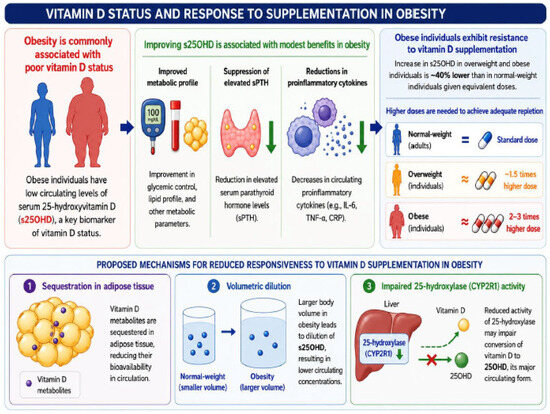
Individuals with overweight and obesity consistently demonstrate lower circulating concentrations of serum 25-hydroxyvitamin D (25OHD), the primary biomarker of vitamin D status. Additionally, they exhibit an attenuated response to conventional vitamin D supplementation and may require doses approximately 2–3 times higher than those
[...] Read more.
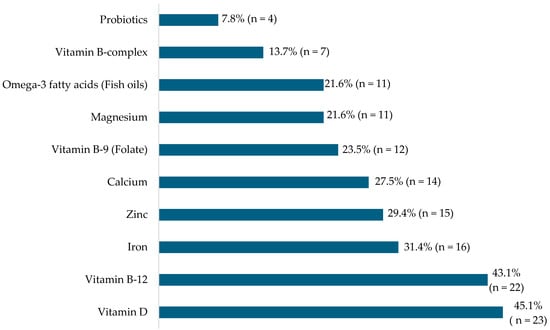
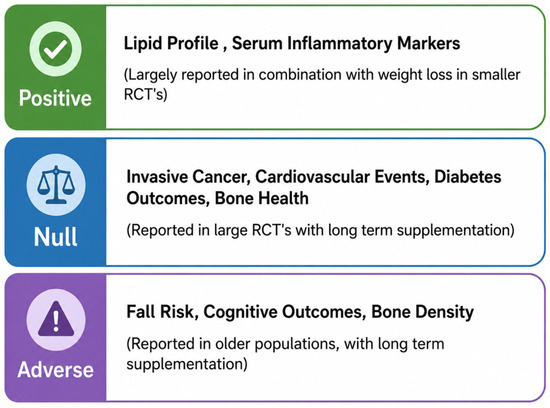
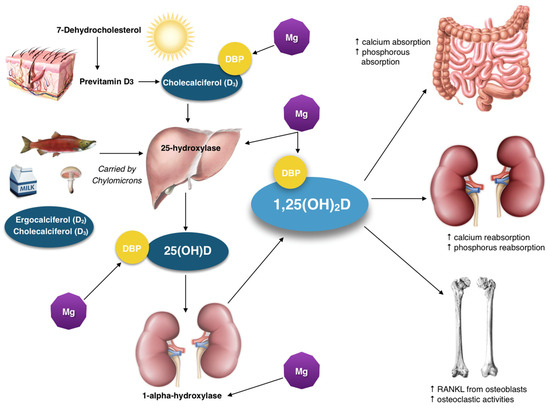
Individuals with overweight and obesity consistently demonstrate lower circulating concentrations of serum 25-hydroxyvitamin D (25OHD), the primary biomarker of vitamin D status. Additionally, they exhibit an attenuated response to conventional vitamin D supplementation and may require doses approximately 2–3 times higher than those recommended for individuals with normal body weight to achieve equivalent serum 25OHD concentrations. However, accumulating evidence from randomized controlled trials raises concerns regarding the safety of high-dose vitamin D supplementation, with some studies reporting increased risks of falls and fractures, as well as potential adverse effects on bone mineral density and cognitive outcomes. Magnesium is an essential cofactor in vitamin D metabolism, participating in enzymatic processes required for the hepatic and renal hydroxylation of vitamin D into its active forms. Inadequate Magnesium status may therefore influence vitamin D status and response to vitamin D treatment. Previous randomized clinical trials suggest that Magnesium supplementation, administered either alone or in combination with moderate doses of vitamin D, can effectively increase serum 25OHD concentrations, particularly among individuals with overweight or obesity. Collectively, these findings suggest that optimizing Magnesium status may improve the response to vitamin D supplementation and potentially reduce the need for high-dose vitamin D therapy in obese individuals. Physicians treating overweight or obese patients for vitamin D deficiency should consider co-supplementation with Magnesium and/or encourage intake of Magnesium-rich foods to improve vitamin D status and supplementation outcomes in this population.
Full article
(This article belongs to the Special Issue Clinical Nutrition in the Era of Precision: Bioactives, Microbiome and Targeted Dietetic Interventions)
►▼
Show Figures

Figure 1
Open AccessArticle
Impact of Emotionally Evocative Screen Content on Emotional State and Food Selection in Generation Z College Students: A Randomized, Between-Subjects Study
by
Jill R. Silverman, Zili Huang, Amanda A. Harb and Jack R. Thomas
Dietetics 2026, 5(3), 45; https://doi.org/10.3390/dietetics5030045 - 3 Aug 2026
Abstract
►▼
Show Figures
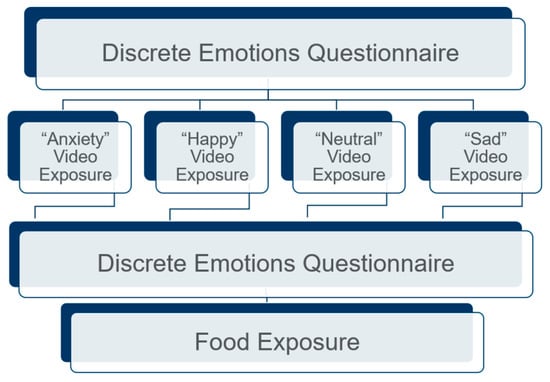
Excessive screen usage and exposure to emotionally charged content are public health concerns because they correlate with emotional eating and weight gain. This study investigated the relationship between emotionally charged screen content, emotional shifts, and subsequent food selection. Seventy-two students were randomized to
[...] Read more.
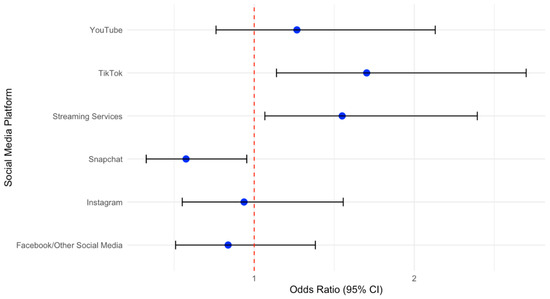
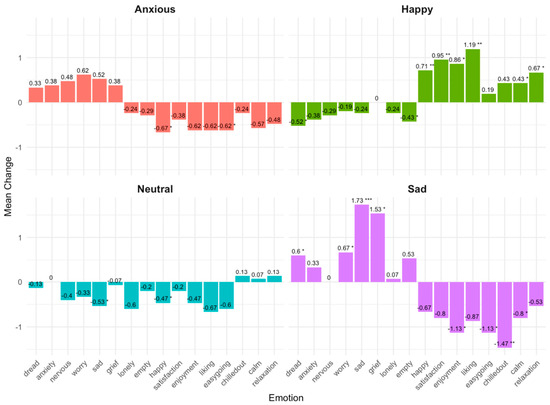
Excessive screen usage and exposure to emotionally charged content are public health concerns because they correlate with emotional eating and weight gain. This study investigated the relationship between emotionally charged screen content, emotional shifts, and subsequent food selection. Seventy-two students were randomized to watch happy, sad, or anxiety-eliciting videos. The Discrete Emotions Questionnaire and Wilcoxon signed-rank tests measured changes in emotion. Following the post-questionnaire, students were invited to select from pre-packaged food items. Correlation analysis examined relationships between emotional change and standardized food selection. Use of TikTok and video streaming platforms was associated with higher odds of overweight (p < 0.05). “Happy” screen content correlated with increases in happiness, satisfaction, liking (p < 0.01), enjoyment, calm, and relaxation (p < 0.05), and a reduction in sadness (p < 0.05) among students. “Sad” screen content was associated with increases in sadness (p < 0.001), grief, dread, and worry (p < 0.05). Positive emotions, such as easygoing, were negatively correlated with savory food selection (r = −0.95, p < 0.05). Loneliness positively correlated with sweet food selections (r = 0.99, p < 0.05). Emotive screen content is associated with emotional shifts that potentially influence food selection. These findings highlight the need for targeted interventions to address emotional eating among college students.
Full article

Figure 1
Open AccessArticle
Eating and Food Literacy Behaviors Questionnaire Factor Scores Predict Cooking Frequency
by
Georgianna Tuuri and Melissa W. Cater
Dietetics 2026, 5(3), 44; https://doi.org/10.3390/dietetics5030044 - 23 Jul 2026
Abstract
►▼
Show Figures
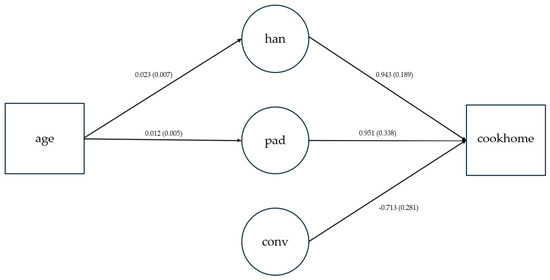
More frequent consumption of home-cooked meals is associated with better diet quality, and food literacy questionnaires may be able to identify factors that influence cooking frequency. Eating and Food Literacy Behaviors Questionnaire (EFLBQ) factor scores and demographic characteristics were examined as predictors of
[...] Read more.
More frequent consumption of home-cooked meals is associated with better diet quality, and food literacy questionnaires may be able to identify factors that influence cooking frequency. Eating and Food Literacy Behaviors Questionnaire (EFLBQ) factor scores and demographic characteristics were examined as predictors of home cooking in a group of women aged 18 to 30 years. Participants were recruited by a third-party provider. EFLBQ factor scores (F1: health and nutrition, F2: taste, F3: food preparation, F4: planning and decision making, and F5: convenience), demographic characteristics, and frequency of cooking were measured. Groups were compared using ANOVA and Games–Howell post hoc tests. Pearson’s r or point-biserial tests were used to examine relationships between variables. Significant predictors were entered into a structural equation model (SEM) to predict home cooking frequency. A total of 107 Asian, 113 Black, 108 Hispanic, and 111 White women participated. The F1 factor score (health and nutrition) was a positive mediator between age and cooking frequency, and the F5 score (convenience) was independently and negatively correlated with how often the women cooked. Nutrition educators should address these EFLBQ factor topics in interventions and use these factor scores to measure changes in participants’ behaviors after they participate in educational programs that promote cooking.
Full article

Figure 1
Open AccessReview
Monofloral Honeys as Functional Interactomes: Navigating Bioavailability, Gut Microbiota Transformation, and Food Integrity Pressures
by
Simona Martinotti, Gregorio Bonsignore, Zineb Lakouam, Abdelilah El Abbassi and Elia Ranzato
Dietetics 2026, 5(3), 43; https://doi.org/10.3390/dietetics5030043 - 15 Jul 2026
Abstract
►▼
Show Figures
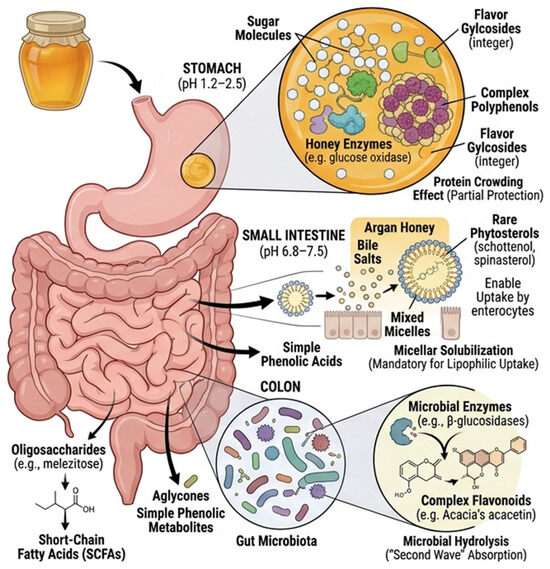
While standard dietary frameworks and public health guidelines predominantly evaluate honey based on its high free-sugar content to regulate caloric intake, its comprehensive role as a complex and dense biological signaling matrix is often less characterized. This review integrates raw chemical profiling with
[...] Read more.
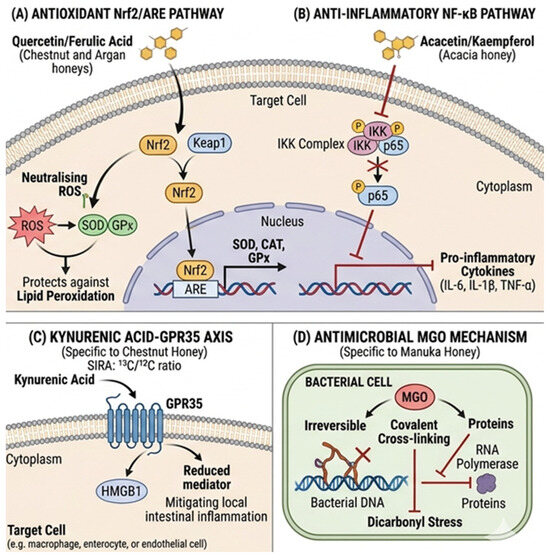
While standard dietary frameworks and public health guidelines predominantly evaluate honey based on its high free-sugar content to regulate caloric intake, its comprehensive role as a complex and dense biological signaling matrix is often less characterized. This review integrates raw chemical profiling with physiological bioaccessibility to evaluate the effect of the floral source on the functional quality of monofloral honeys. Through a structured literature-based comparative synthesis, the specific enzymatic behaviors, gastrointestinal metabolic fates, and chemical biomarkers of four representative monofloral honeys—Manuka, Chestnut, Acacia, and Argan—were systematically mapped and contrasted. Honey bioactives undergo extensive metabolic transformation during gastrointestinal transit, actively communicating with the mucosal environment rather than acting as a static nutrient solution The synthesized literature highlights distinct botanical-specific mechanisms: Manuka honey matrices exhibit well-characterized topical antimicrobial kinetics, while data on Chestnut honey suggest a potential role in cellular redox homeostasis via the Nrf2 pathway and a highly specific, though preclinical, signaling axis through kynurenic acid–GPR35 interactions. Furthermore, in vitro profiles of Acacia honey support its potential to modulate digestive carbohydrate enzymes, providing a plausible framework for its lower postprandial glycemic responses. Conversely, Argan honey bioactivity remains restricted to preliminary baseline antioxidant screenings. We also note that sophisticated sugar adulteration and climate change create critical “phytochemical drift,” endangering the therapeutic consistency of honey. In summary, the identification of honey as a “functional interactome” offers a strong scientific foundation for evidence-based dietetics. The targeted use of verified medical-grade monofloral honeys must be supported by advanced authenticity testing, metabolomics, and in vivo pharmacokinetics in future clinical dietetic interventions.
Full article

Figure 1

Open AccessArticle
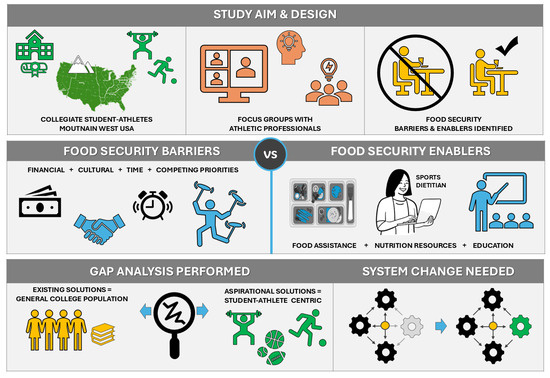
A Qualitative Exploration of Food Security Among Collegiate Student-Athletes from the Perspective of Athletic Professionals
by
Barbara Gordon, Natalie Christensen, Jenifer Reader and Cynthia Blanton
Dietetics 2026, 5(3), 42; https://doi.org/10.3390/dietetics5030042 - 14 Jul 2026
Abstract
►▼
Show Figures
Though it has been well established that a subset of collegiate student-athletes in the United States (U.S.) are not food secure, efficacious solutions for mitigating this issue appear to be elusive. This study identified system-level barriers and enablers to food security among student-athletes
[...] Read more.
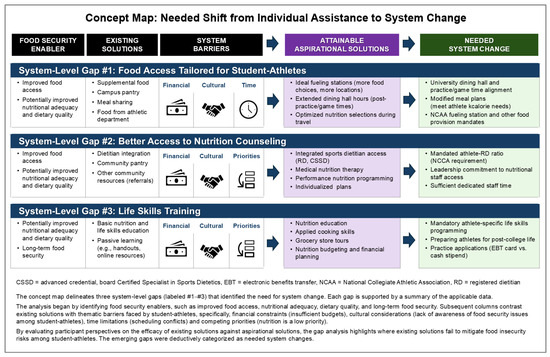
Though it has been well established that a subset of collegiate student-athletes in the United States (U.S.) are not food secure, efficacious solutions for mitigating this issue appear to be elusive. This study identified system-level barriers and enablers to food security among student-athletes through the lens of collegiate athletic professionals (athletic directors, athletic trainers, sports dietitians, and strength and conditioning coaches). Using a phenomenological-informed design and constructivist theoretical framework, researchers explored the experiences and insights of participants (n = 27, Division I, northwestern U.S.) via six online focus groups July–December 2023. Categorical themes for barriers to food security were finances, culture, and competing priorities; enablers were on-campus supplemental food assistance, referrals to community services, and educational programming. A gap analysis was performed; existing solutions enabling food security and aspirational solutions for addressing food insecurity were compared, and gaps identified. Based on the insights of athletic professionals, a lack of student-athlete-centric solutions to ensure food security emerged. The introduction of shared revenue programs in American college sports may address some of food security barriers; however, additional funds may not mitigate the contribution of competing priorities and scheduling issues experienced by student-athletes. System-level changes are required to enable food security among this population.
Full article

Graphical abstract
Open AccessArticle
Low-Protein Diets and Plant-Based Diets in Chronic Kidney Disease: Understanding Dietitians’ Perspectives and Practice Trends
by
Jenny L. Chu, Alainn Bailey, Joachim Sackey and Laura Byham-Gray
Dietetics 2026, 5(3), 41; https://doi.org/10.3390/dietetics5030041 - 9 Jul 2026
Abstract
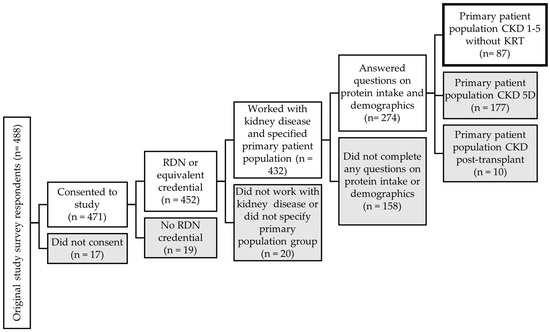
Protein intake recommendations for patients with chronic kidney disease (CKD) stages 3–5 without kidney replacement therapy (KRT) remain controversial. This study investigated current practice trends related to the 2020 Kidney Disease Outcomes Quality Initiative (KDOQI) protein guidelines and dietitians’ perspectives on low-protein diets
[...] Read more.
Protein intake recommendations for patients with chronic kidney disease (CKD) stages 3–5 without kidney replacement therapy (KRT) remain controversial. This study investigated current practice trends related to the 2020 Kidney Disease Outcomes Quality Initiative (KDOQI) protein guidelines and dietitians’ perspectives on low-protein diets (LPDs) and plant-based diets in CKD. This mixed-methods explanatory sequential study included a secondary analysis of an online survey (N = 87), followed by a conventional content analysis of two virtual focus groups (N = 11). Most survey respondents reported prescribing the KDOQI-recommended protein amounts of 0.55–0.6 g/kg/d in patients without diabetes (65.9%) and 0.6–0.8 g/kg/d in patients with diabetes (81.5%). Use of keto-acid analogs (KAs) was low among survey participants (18.4%). Focus group participants described varied approaches for calculating protein goals but overwhelmingly stressed the importance of individualized care. Key factors influencing recommendations included nutritional status, food preferences, comorbidities, current intake, and knowledge, beliefs, attitudes, and motivations. In summary, most participants recommended LPDs consistent with the KDOQI guidelines; however, KA use was uncommon. Despite differences in decision-making, participants emphasized individualizing protein recommendations to each patient’s unique needs. Given the exploratory nature of this work and the small, self-selected sample, these results provide preliminary insights that warrant further investigation in more diverse samples.
Full article
(This article belongs to the Special Issue Clinical Nutrition in the Era of Precision: Bioactives, Microbiome and Targeted Dietetic Interventions)
►▼
Show Figures

Figure 1
Open AccessArticle
Evaluating Mexican American Young Adult College Students’ Perceptions of the Cultural Competence of Registered Dietitian Nutritionists
by
Alexa Tanner, Richard J. Cass, Gregory Snow and Rickelle Richards
Dietetics 2026, 5(3), 40; https://doi.org/10.3390/dietetics5030040 - 2 Jul 2026
Abstract
►▼
Show Figures
Registered dietitian nutritionists (RDNs) have an opportunity to play a central role in improving nutritional outcomes among Mexican American young adult college students by helping them make culturally relevant adaptations to their eating patterns. Previous research has suggested limited representation of Mexican Americans
[...] Read more.
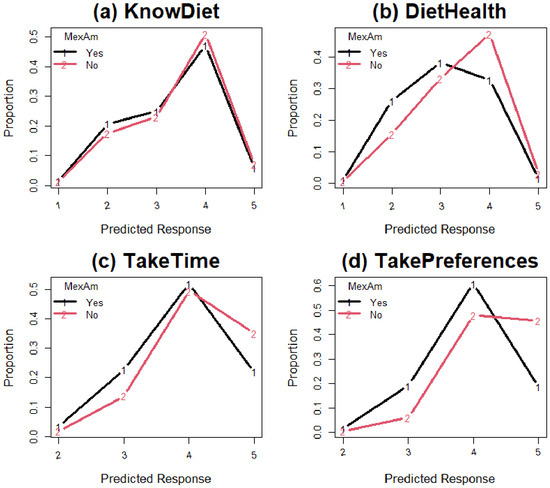
Registered dietitian nutritionists (RDNs) have an opportunity to play a central role in improving nutritional outcomes among Mexican American young adult college students by helping them make culturally relevant adaptations to their eating patterns. Previous research has suggested limited representation of Mexican Americans among RDNs; therefore, the cultural competence of RDNs as perceived by Mexican Americans is uncertain. The purpose of this study was to evaluate how young adult college-age Mexican Americans (defined as 18–30 years old) perceive the cultural competence of RDNs. A sample of Mexican American (n = 93) and non-Mexican American (n = 120) young adult college students completed a 19-item online survey, with researchers using a subset of 4 survey items related to perceived cultural competence of RDNs in the present study. Descriptive statistics, Fisher’s exact tests with adjusted standardized residuals, and ordinal regression models were used. Fisher’s exact tests indicated that Mexican American young adult college students, compared to non-Mexican American young adult college students, reported less agreement that RDNs were knowledgeable about a traditional Mexican diet, that RDNs would take time to know students’ food preferences, and that RDNs would take personal preferences into account during nutrition counseling (p < 0.05). These associations, however, became insignificant in adjusted regression models. Rather, results indicated that other variables, such as age and lack of prior experience with an RDN, were associated with poorer perceptions.
Full article

Figure 1
Open AccessArticle
Differential Associations of Mediterranean Diet Adherence and Physical Activity with Domain-Specific Quality of Life Among Rotating-Shift Nurses: A Pilot Cross-Sectional Study
by
Aristotelis Sakkas, Sousana Papadopoulou, Kyriakos Kazakos, Maria Lavdaniti and Evgenia Minasidou
Dietetics 2026, 5(3), 39; https://doi.org/10.3390/dietetics5030039 - 1 Jul 2026
Abstract
Rotating shift work has been associated with impaired quality of life and changes in health behaviors among nurses. Although maintaining a healthy diet and engaging in physical activity may be associated with better quality of life, evidence in shift-working nurses remains limited. This
[...] Read more.
Rotating shift work has been associated with impaired quality of life and changes in health behaviors among nurses. Although maintaining a healthy diet and engaging in physical activity may be associated with better quality of life, evidence in shift-working nurses remains limited. This pilot cross-sectional study explored associations between adherence to the Mediterranean diet, physical activity, and quality of life among nurses in Northern Greece from October 2025 to February 2026. A total of 100 nurses working rotating shifts participated in the study. Quality of life, adherence to the Mediterranean diet, and physical activity were assessed using the WHOQOL-BREF, MedDietScore, and IPAQ questionnaires, respectively. The mean MedDietScore was 22.56 ± 4.83, and the mean physical activity was 711.16 ± 576.05 MET-min/week. Adherence to the Mediterranean diet was positively associated with the Physical Health, Psychological Health, and Environment domains. In the multivariable model, physical activity remained positively and independently associated with Physical Health (β = 0.31, p = 0.002), whereas both physical activity and adherence to the Mediterranean diet were positively associated with the Environment domain. These findings suggest that lifestyle behaviors are associated with specific dimensions of quality of life among shift-working nurses and emphasize the need for larger studies.
Full article
(This article belongs to the Topic The Link Between Dietary Patterns and Health Outcomes)
Open AccessArticle
Rebound Response in Food Intake to Light–Dark Reversal Stress Is Not Established in Young Adult Female Rats
by
Tomoko Fujiwara, Masanori Ono, Kiyora Kozu, Takiko Daikoku, Hitoshi Ando, Hiroshi Fujiwara and Rieko Nakata
Dietetics 2026, 5(3), 38; https://doi.org/10.3390/dietetics5030038 - 1 Jul 2026
Abstract
►▼
Show Figures
Underweight in pregnant women adversely affects the next generation. Although young female underweight has become an important issue even in developed countries, the precise mechanisms that induce an underweight status in young women remains unknown. To examine the influence of feeding timing in
[...] Read more.
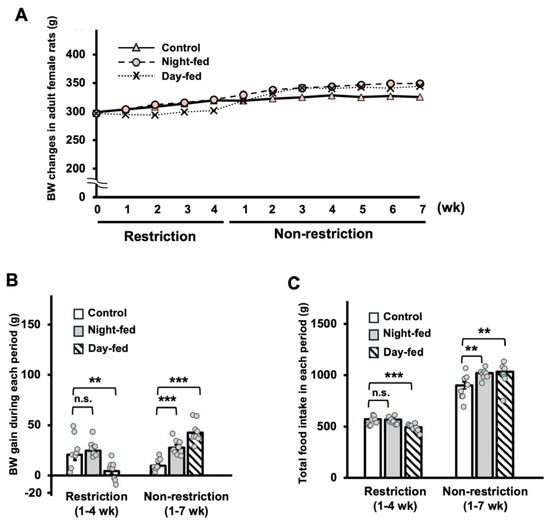
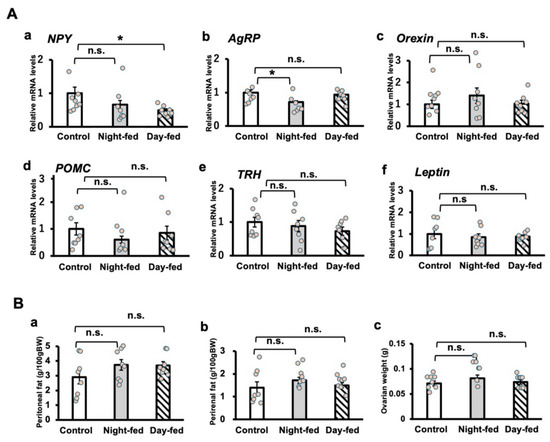
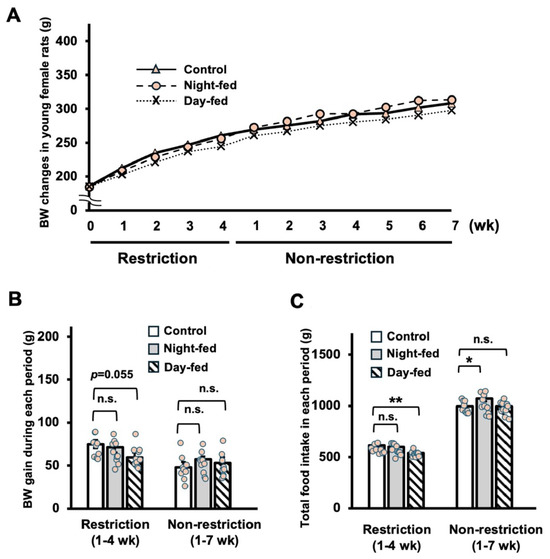
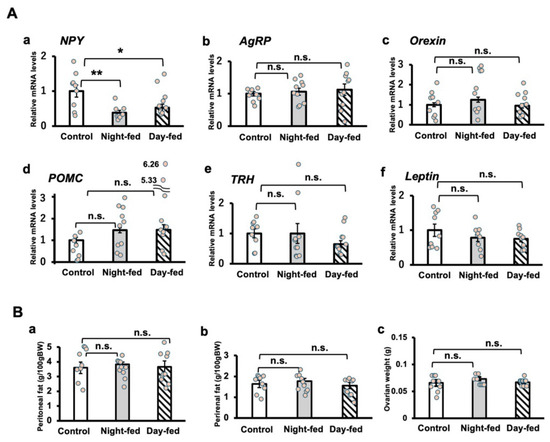
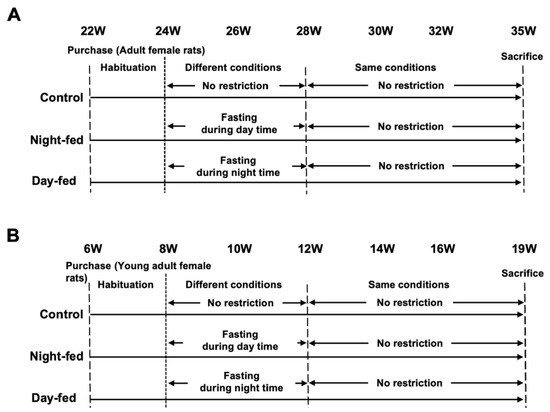
Underweight in pregnant women adversely affects the next generation. Although young female underweight has become an important issue even in developed countries, the precise mechanisms that induce an underweight status in young women remains unknown. To examine the influence of feeding timing in young women on the following underweight conditions, we examined the effects of chronic light–dark cycle-reversed feeding restriction on post-restriction dietary behaviors using adult and young adult female rats. Eight- and 24-week-aged female Wistar rats were classified into three groups: (1) the control group (without time or calorie restriction), (2) the night-time-fed group that was fed only during the active phase, and (3) the daytime-fed group that was fed only during the non-active phase. After a 4-week feeding restriction, all groups were additionally fed ad libitum for 7 weeks with daily food intake and weight gain measurements. After sacrifice, mRNA expressions of neuropeptide Y (NPY), agouti-related protein (AgRP), orexin-A, pro-opiomelanocortin (POMC), and thyrotropin-releasing hormone (TRH) in the hypothalamus and leptin in the fatty tissues were examined by real-time PCR. Daytime-fed groups decreased food intake during restriction. After stress relief, adult rats showed a rebound increase in food intake beyond the level of the control group, whereas young adult rats showed no significant rebound response. At the end of the non-restricted period, both adult and young adult rats in the daytime-fed group reduced NPY expression in the hypothalamus. These findings indicate that recovery responses in food intake against chronic light–dark cycle-reversed stress are different between adult and young adult rats. The lower response in young adult rats may provide clues to elucidating a new mechanism for underweight status in young females.
Full article

Figure 1
Highly Accessed Articles
Latest Books
E-Mail Alert
News
9 September 2026
Meet Us at Nutrients 2026—Clinical Nutrition: from Research to Practice, 22–24 October 2026, Barcelona, Spain
1 September 2026
MDPI INSIGHTS: The CEO’s Letter #38 – 2 Million Published Articles, Outstanding Reviewers, Michele Parrinello Award, AIS 2026 & WSF-12
Topics
Topic in
Dietetics, Nutrients, Obesities, Diseases, IJMS, Metabolites
Dietary Habits in Liver Health and Disease: Preclinical and Clinical Studies
Topic Editors: Evelyn Nunes Goulart Da Silva Pereira, Rosane Harter Griep, Anissa DaliryDeadline: 31 December 2026
Topic in
Dietetics, Genealogy, Nutrients
Ancestry, Nutrition, and Health: From Ancestral Diets to Modern Nutritional Science
Topic Editors: Naim Akhtar Khan, Athena LeoussiDeadline: 15 January 2027
Topic in
Dietetics, Diseases, Foods, Nutrients, JCM
Environmental Influences on Dietary Patterns and Disease Risk: Nutritional Pathways and Health Implications
Topic Editors: Yuquan Chen, Guanhu YangDeadline: 1 February 2027
Topic in
Dietetics, Foods, Marine Drugs, Nutrients, Oceans, Phycology
Microalgae-Based Foods and Ingredients: Innovative Processing, Sensory Quality, and Functional Applications
Topic Editors: Haohao Wu, Xiaojin Song, Han Sun, Adewale Olusegun Obadina, Wenhui GuDeadline: 12 March 2027
Conferences
Special Issues
Special Issue in
Dietetics
Nutritional Strategies to Improve Exercise Performance and Recovery
Guest Editor: Derek BallDeadline: 15 November 2026
Special Issue in
Dietetics
Personalized Nutrition and Dietary Interventions in Inflammatory Bowel Disease (IBD)
Guest Editor: Bahram H. ArjmandiDeadline: 15 December 2026
Special Issue in
Dietetics
Nutrigenetics, Nutrigenomics, and Personalized Nutrition
Guest Editors: Sara Mahdavi, Ahmed El-SohemyDeadline: 25 December 2026
Special Issue in
Dietetics
Clinical Nutrition in the Era of Precision: Bioactives, Microbiome and Targeted Dietetic Interventions
Guest Editor: Carmen Lucas-AbellánDeadline: 25 December 2026