
Review

Nutritional Strategies and Bioactive Compounds: Vaccinium myrtillus L. and Ribes nigrum and Their Anti-Inflammatory, Antioxidant, Potential Preclinical Anticancer, and Microbiota-Related Effects

by
Silvia Tedesco
*,
Nadia Campelli
,
Stefano Lunetti
and
Marina Taus
SOD Dietetics and Clinical Nutrition—AOU delle Marche Ancona, 60127 Ancona, Italy
*
Author to whom correspondence should be addressed.
Dietetics 2026, 5(4), 56; https://doi.org/10.3390/dietetics5040056
Submission received: 16 July 2026 / Revised: 1 September 2026 / Accepted: 2 September 2026 / Published: 10 September 2026
(This article belongs to the Special Issue Bioactive Compounds from Food and Health Benefits)

Abstract

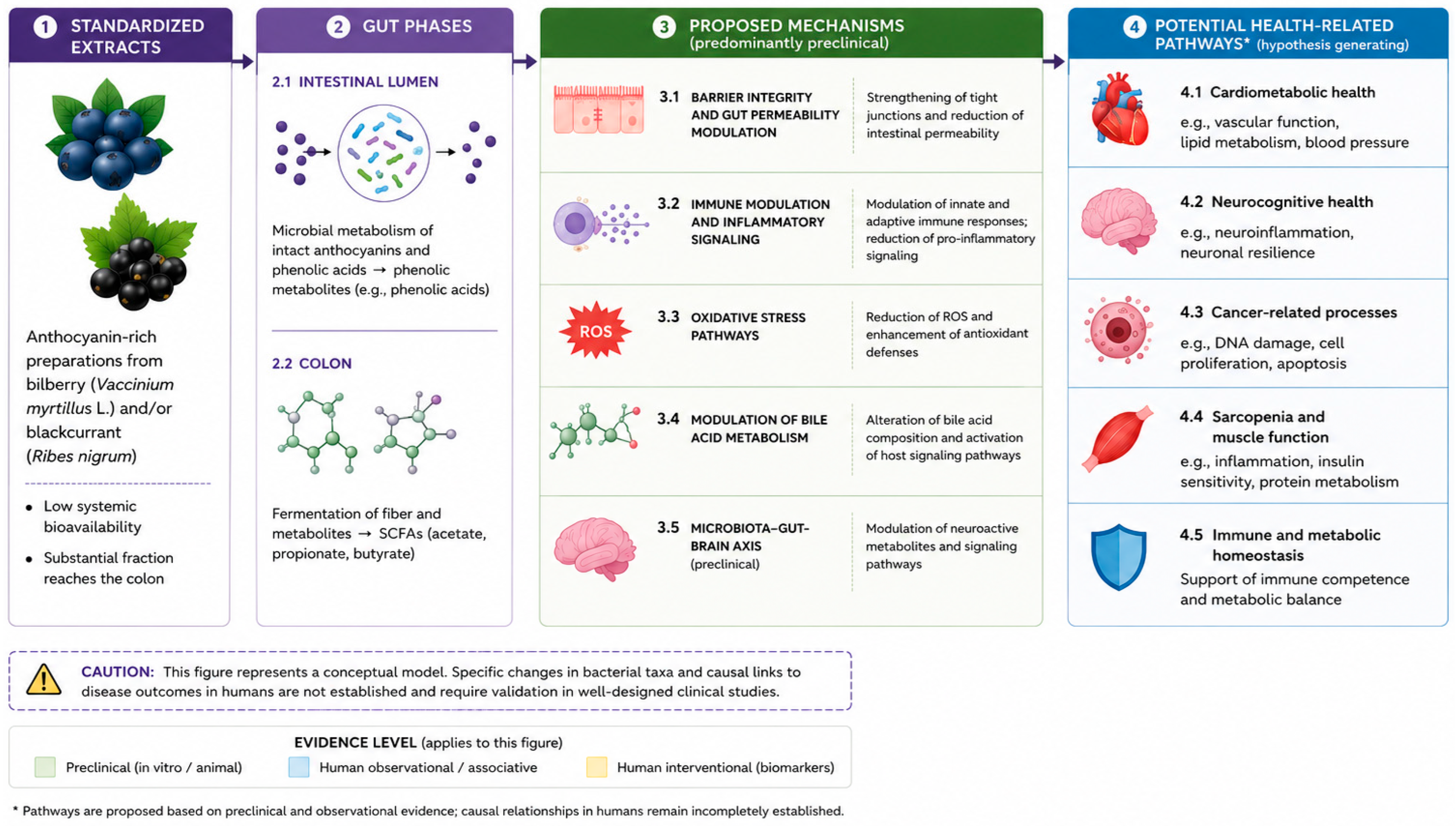
Anthocyanin-rich preparations derived from bilberry (Vaccinium myrtillus L.) and blackcurrant (Ribes nigrum), whether standardized or otherwise analytically characterized, have been investigated for their potential to modulate chronic low-grade inflammation and oxidative stress. This narrative review focuses on human intervention studies using preparations explicitly derived from these species and contextualizes microbiota-related mechanisms and potential anticancer pathways using selected preclinical evidence. Human studies primarily report changes in inflammatory, endothelial, and oxidative-stress biomarkers, including hsCRP, IL-6, TNF-α, adhesion molecules, malondialdehyde, urinary 8-iso-PGF2α, and urinary 8-OHdG; however, findings are heterogeneous across formulations, doses, populations, intervention durations, and endpoints. Evidence for clinically meaningful outcomes remains limited. Studies of purified anthocyanins without unequivocal botanical sourcing are considered background evidence and are not used to substantiate species-specific claims. Mechanistically, intact anthocyanins have low systemic bioavailability, and colonic microbial metabolism generates phenolic metabolites that may interact with SCFA-related and barrier–immune pathways; however, causal relationships in humans remain insufficiently established. Potential anticancer mechanisms are supported predominantly by in vitro and animal studies and should therefore be considered hypothesis-generating rather than evidence of clinical efficacy. Overall, bilberry and blackcurrant preparations warrant further investigation in adequately powered, longer-duration human trials with transparent botanical characterization and clinically relevant endpoints.

Graphical Abstract

1. Introduction

Anthocyanins are bioactive flavonoids abundant in berries and other plant foods and are increasingly investigated for their potential to modulate oxidative stress and inflammatory pathways relevant to human health. Reproducible composition and dosing are essential for translating these compounds into nutraceutical and clinical nutrition interventions.
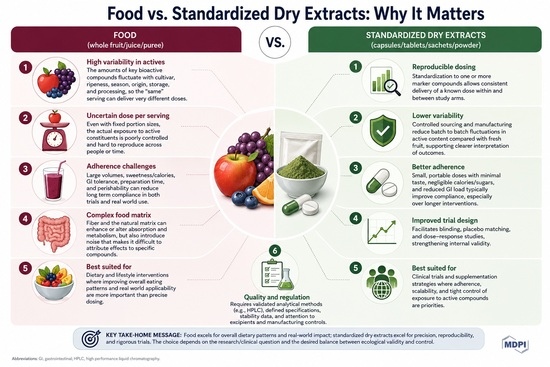
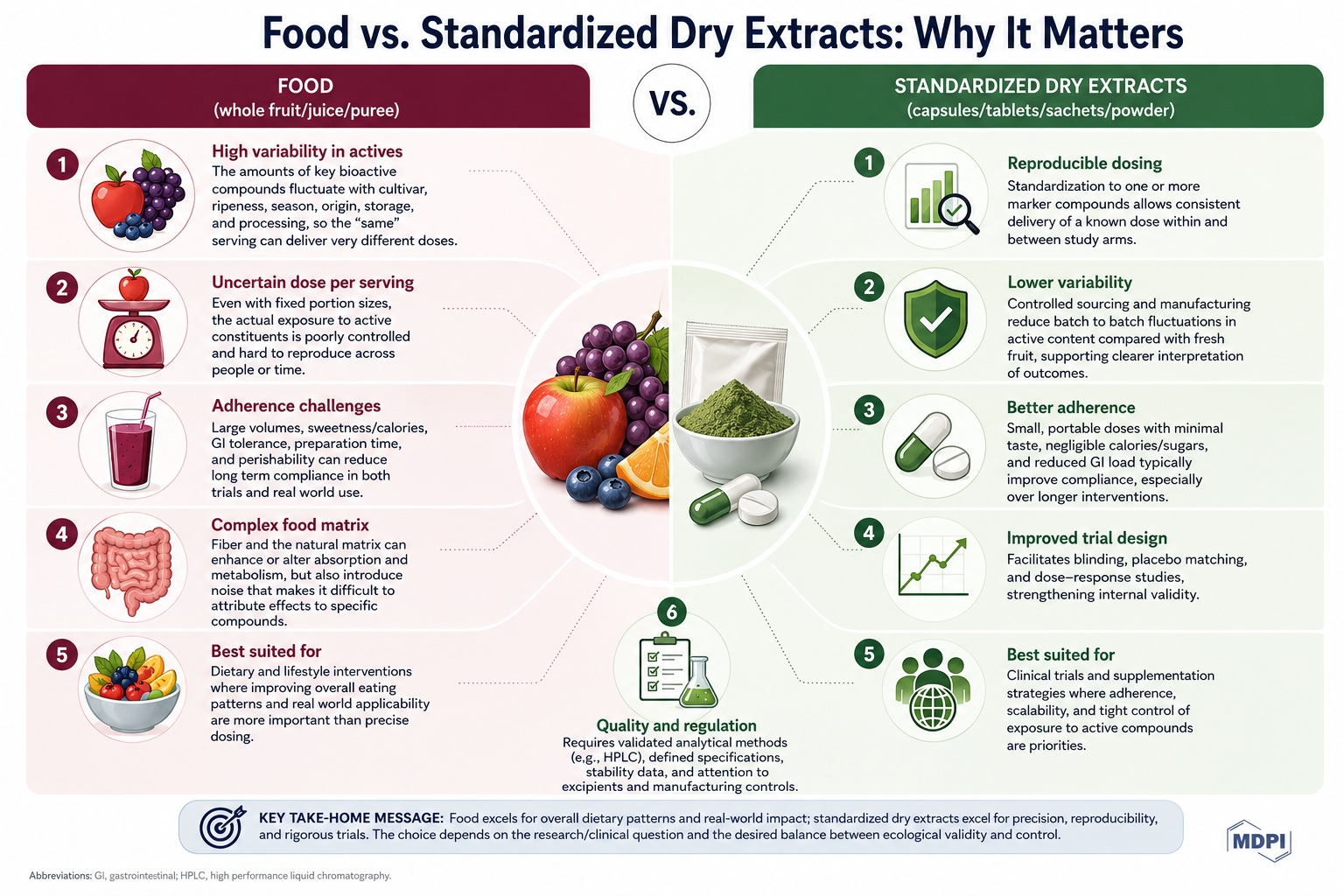
In oral nutritional supplements (ONS) and clinical nutrition practice, botanical preparations are often provided as standardized dry extracts to reduce the intrinsic variability of whole-food matrices and ensure reproducible exposure to selected bioactive compounds. A standardized extract is manufactured under controlled conditions and analytically characterized so that one or more marker constituents (e.g., total anthocyanins or defined anthocyanin profiles) are maintained within a prespecified range across batches. The declared content of these markers is commonly reported as a titer, i.e., the quantified amount of a target compound or class expressed as % w/w or mg per dose unit, typically measured using validated chromatographic methods such as high-performance liquid chromatography (HPLC). From a translational perspective, standardization improves dose accuracy, facilitates placebo-controlled study designs and dose–response assessments, and enhances interpretability and comparability across trials—particularly for polyphenol-rich berries, for which cultivar, geographic origin, processing, and storage can substantially influence the native phytochemical profile.
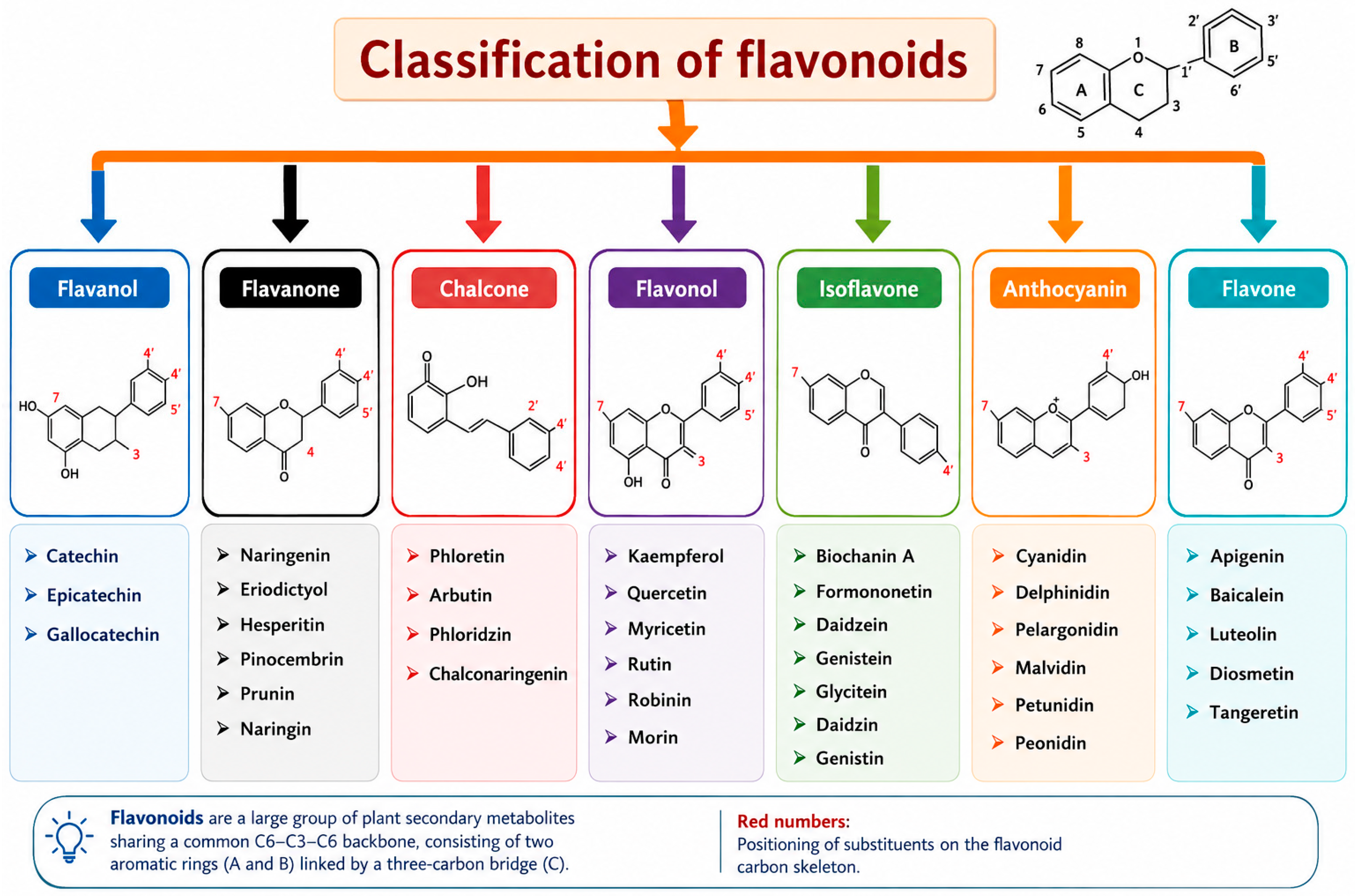
Blackcurrant (Ribes nigrum) is a versatile shrub whose berries, leaves, seeds, and buds contain a high concentration of bioactive compounds. Although the berries contain macro- and micronutrients such as fiber, minerals, and vitamins, many of their proposed health-promoting effects are attributed to phytochemicals, particularly phenolic compounds and anthocyanins [1]. The characteristic phytochemical profile of blackcurrant includes flavonoids (Figure 1), especially anthocyanins such as delphinidin-3-O-glucoside, delphinidin-3-O-rutinoside, cyanidin-3-O-glucoside, and cyanidin-3-O-rutinoside, as well as flavonols; the fruit and seeds also contain polyunsaturated fatty acids.
Bilberry (Vaccinium myrtillus L.), also known as whortleberry or European blueberry, is a dwarf shrub belonging to the genus Vaccinium. Bilberries contain sugars, vitamins, pectin, and a diverse range of phenolic compounds. Anthocyanins constitute the largest phenolic group. The most abundant anthocyanins are delphinidin and cyanidin derivatives, followed by petunidin, peonidin, and malvidin derivatives, and they occur predominantly as glycosides [2].
Chronic low-grade inflammation and oxidative stress are closely interconnected and contribute to the pathophysiology of multiple chronic conditions, including cardiometabolic and neurodegenerative disorders and NAFLD. This provides a rationale for investigating dietary strategies and botanical preparations rich in anti-inflammatory and antioxidant bioactive compounds. In this context, purified anthocyanin-rich preparations from Vaccinium myrtillus L. and Ribes nigrum have been evaluated in human intervention studies, with some trials reporting modest improvements in cardiometabolic and inflammatory biomarkers (e.g., lipids, endothelial function, selected cytokines, and oxidative-stress indices), although most studies are limited by sample size and duration. Mechanistic and preclinical evidence further suggests that gut microbiota-mediated biotransformation and downstream metabolites may represent an important interface through which anthocyanins influence host physiology and systemic inflammatory tone [3].
Moreover, anthocyanins from various botanical sources have shown anticancer activity in preclinical models [4,5].
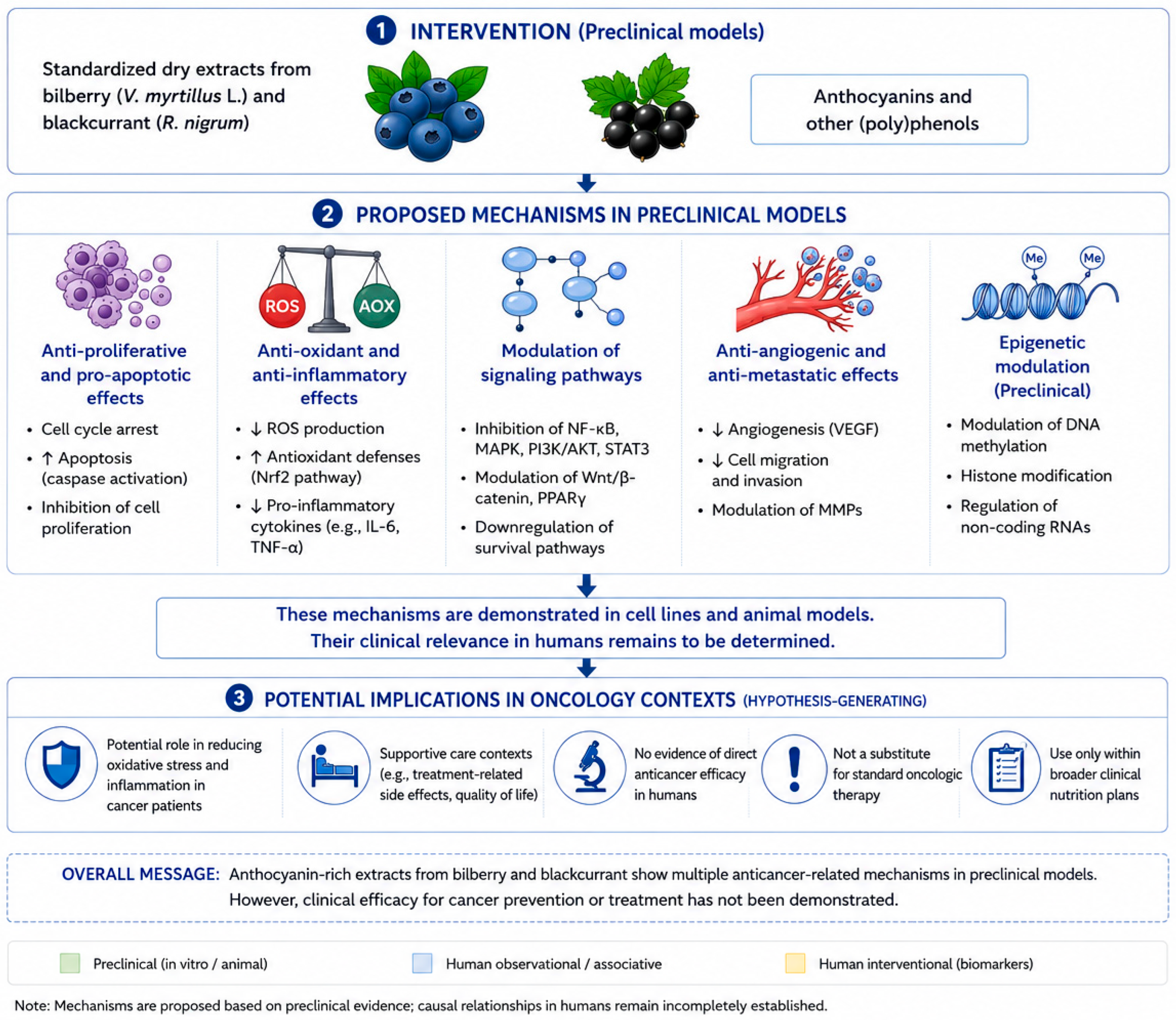
To address these translational gaps, this narrative review aims to synthesize and critically discuss evidence on anthocyanin-rich preparations explicitly derived from bilberry (V. myrtillus) and blackcurrant (R. nigrum), with a primary focus on human intervention outcomes related to inflammation and oxidative stress. The species-specific human evidence base substantially overlaps with the recent 2026 narrative review by Escobar-Cervantes et al. [6]. Accordingly, the contribution of the present review should be understood as an additional synthesis and reframing of largely overlapping clinical evidence rather than as a substantially distinct clinical evidence base. Its added emphasis is the explicit stratification of species-specific human biomarker evidence, mechanistic evidence, and preclinical findings, together with separate consideration of microbiota-related pathways and preclinical oncology/supportive-care hypotheses. Purified anthocyanin interventions without unequivocal botanical sourcing are treated as background evidence and are not used to substantiate species-specific claims. Throughout the text, tables, and figures, we distinguish human biomarker findings, preclinical observations, and hypothesis-driven extrapolations. Accordingly, the oncology section is limited to a supportive-care research context and does not imply clinical anticancer efficacy.

2. Materials and Methods

2.1. Design

This narrative review focuses on anthocyanin-rich preparations derived from bilberry (Vaccinium myrtillus) and blackcurrant (Ribes nigrum). Because the human evidence includes standardized dry extracts as well as juices, beverages, and whole-fruit interventions, the scope is defined by botanical source rather than dosage form. Standardized dry extracts are discussed as a reproducible formulation of particular interest in clinical nutrition, but they are not considered the only eligible intervention type.

2.2. Data Sources and Search Strategy

A structured search was conducted in PubMed/MEDLINE and last updated in June 2026. It was supplemented by manual screening of the reference lists of eligible papers and recent reviews. The core search string was: (“Ribes nigrum” OR “Vaccinium myrtillus”) AND (inflammation OR “oxidative stress” OR microbiota OR “short-chain fatty acids” OR cancer). Records published in English or Italian were considered. The search was designed to identify species-specific human intervention studies and retrieve mechanistic and preclinical literature relevant to microbiota-mediated biotransformation, SCFAs, barrier–immune pathways, and experimental anticancer mechanisms.

2.3. Eligibility Criteria

We included: (i) randomized, controlled, or prospective human intervention studies in which the botanical source was explicitly attributable to V. myrtillus, R. nigrum, or a clearly characterized combination of the two and that reported inflammatory, oxidative-stress, endothelial, and/or related cardiometabolic biomarker outcomes; and (ii) selected mechanistic and preclinical studies addressing microbial biotransformation, phenolic metabolites, SCFAs, barrier–immune pathways, or experimental anticancer mechanisms. Studies using purified anthocyanins without unequivocal botanical sourcing were retained only as background evidence and were not used to support species-specific claims. Non-human studies were not considered part of the human evidence base.

2.4. Study Selection and Synthesis Approach

Titles and abstracts retrieved from the database search were screened for relevance to the two target botanicals, followed by full-text assessment when eligibility could not be determined from the abstract. The final synthesis includes 10 human intervention studies that met the species-attribution and outcome criteria; these studies are summarized in Table 1. Mechanistic and preclinical papers were selected purposively when they directly informed the microbiota/SCFA, barrier–immune, redox/inflammatory, or experimental anticancer sections. Because this is a narrative rather than a systematic review, the mechanistic and preclinical literature included was not intended to be exhaustive.
Given the narrative nature of the review and the heterogeneity of formulations and endpoints, no meta-analysis was performed. Evidence was synthesized qualitatively, with emphasis on (a) botanical source and preparation characterization, (b) anthocyanin dose, when reported, (c) intervention duration, (d) population characteristics, (e) endpoint type (biomarkers vs. patient-relevant clinical outcomes), and (f) evidence level (human vs. preclinical/in vitro).
For transparency, the original narrative-review search was not prospectively logged using a systematic-review screening platform; therefore, the exact numbers of records retrieved, screened, and excluded cannot be reliably reconstructed from the original working file. We therefore did not introduce retrospective numerical counts that could not be verified. Instead, the revised Methods explicitly report the search strategy, eligibility criteria, final number of human studies, and main exclusion principle. A formal risk-of-bias assessment was not performed because the review was designed as a narrative synthesis.

3. Discussion

3.1. Bilberry and Blackcurrant Preparations in Nutrition and Supportive Care

The available literature on Vaccinium myrtillus (bilberry) and Ribes nigrum (blackcurrant) supports a plausible role for anthocyanin-rich preparations as nutritional tools for modulating selected physiological pathways. Importantly, human intervention studies have used different formulations—including standardized dry extracts, capsules, juices, beverages, and whole-fruit interventions—so effects should not be attributed exclusively to standardized dry extracts. Standardization remains relevant to translational research because it can improve dose reproducibility and facilitate comparisons across trials; however, formulation-specific and whole-food matrix effects must also be considered [6,7,8].
Human clinical evidence indicates that bilberry- and blackcurrant-derived anthocyanin preparations can modify selected inflammatory, endothelial, lipid, and oxidative-stress biomarkers. Reported effects include reductions in hsCRP, selected cytokines, or adhesion molecules and, in some trials, changes in LDL-C, HDL-C, or oxidative-stress indices [9,10,11,12,13,14,15,16,17,18]. However, effects are not consistent across studies, and some interventions have yielded neutral or unexpected findings. Accordingly, the evidence is best characterized as heterogeneous and largely limited to biomarker outcomes rather than proof of clinically meaningful benefit. Although some background studies of purified anthocyanins or anthocyanin preparations report dose-related biomarker changes [19,20,21], their botanical source is not unequivocally attributable to bilberry or blackcurrant; these studies are therefore summarized separately in Table S1 and are not used as species-specific evidence. A consistent dose–response relationship across bilberry- and blackcurrant-derived preparations and outcomes has not been established.
The current human literature therefore primarily supports biomarker-level effects, including changes in inflammatory cytokines, oxidative-stress indices, endothelial biomarkers, and lipid parameters. These findings contribute to biological plausibility but should not be conflated with patient-relevant clinical benefits such as symptom improvement, functional outcomes, quality of life, treatment tolerance, or major cardiovascular or oncologic outcomes. Future trials should incorporate clinically meaningful outcomes alongside biomarker panels.
Table 1 summarizes the 10 human intervention studies that met the revised species-specific attribution criteria. Studies were included only when the intervention was explicitly attributable to V. myrtillus, R. nigrum, or a clearly characterized combination of the two. Studies of purified anthocyanins without clear botanical sourcing were not included in Table 1; such evidence was considered background anthocyanin evidence only and was not used to substantiate claims regarding bilberry or blackcurrant preparations.
Table 1. Human intervention studies using anthocyanin-rich preparations explicitly attributable to bilberry (Vaccinium myrtillus L.), blackcurrant (Ribes nigrum), or a clearly characterized combination of these species. Study design, sample size, intervention duration, and the principal inflammatory, oxidative-stress, endothelial, and related cardiometabolic outcomes are reported according to the original publications. For multi-part studies, the structure of the human intervention is retained rather than collapsed into a single broad design label. NR, not reported [9,10,11,12,13,14,15,16,17,18].
Study (Ref.)Design/EvidencePopulationIntervention and Botanical SourceInflammatory OutcomesOxidative-Stress OutcomesSpecies Attribution
Zhu et al., Clin Chem (2011) [9]Multi-part human study: (i) acute randomized crossover substudy, n = 12; (ii) randomized, double-blind, placebo-controlled parallel trial, n = 150, 12 weeks; (iii) acute inhibitor substudy, n = 6Hypercholesterolemic adultsAnthocyanin-EBB, 320 mg acute dose or 320 mg/day; bilberry + blackcurrantFMD and cGMP ↑; sVCAM-1 and LDL-C ↓; HDL-C ↑ in the 12-week trialNRV. myrtillus + R. nigrum
Karlsen et al., J Nutr (2007) [10]Randomized, double-blind, placebo-controlled parallel trial; n = 120; 3 weeksHealthy adults aged 40–74 yearsAnthocyanin-EBB (Medox), 300 mg/day; anthocyanins explicitly isolated from V. myrtillus and R. nigrumIL-8 ↓; RANTES ↓; IFN-α ↓; IL-4/IL-13 tended to decreaseNRV. myrtillus + R. nigrum
Qin et al., Am J Clin Nutr (2009) [11]Randomized, double-blind, placebo-controlled parallel trial; n = 120; 12 weeksDyslipidemic adults aged 40–65 yearsAnthocyanin-EBB, 320 mg/day; bilberry + blackcurrantHDL-C ↑; LDL-C ↓; cholesterol efflux ↑NRV. myrtillus + R. nigrum
Zhu et al., Nutr Metab Cardiovasc Dis (2013) [12]Randomized, double-blind, placebo-controlled parallel trial; n = 150; 24 weeksHypercholesterolemic adultsPurified anthocyanin mixture, 320 mg/day; bilberry + blackcurranthsCRP ↓; sVCAM-1 ↓; IL-1β ↓; LDL-C ↓; HDL-C ↑NRV. myrtillus + R. nigrum
Aboonabi & Aboonabi, Free Radic Biol Med (2020) [13]Prospective open-label two-cohort intervention; n = 35 (healthy n = 15; metabolic syndrome n = 20); 4 weeksAdults with metabolic syndrome and healthy comparison participantsBerry anthocyanin supplement, 320 mg/day; purified bilberry + blackcurrant anthocyaninshsCRP ↓ in metabolic syndrome; NF-κB-dependent inflammatory gene expression ↓NRV. myrtillus + R. nigrum
Vugic et al., J Funct Foods (2020) [14]Prospective open-label intervention; n = 35 (lean n = 15; overweight n = 10; obese n = 10); 28 daysLean, overweight, and obese adultsAnthocyanin-EBB, 320 mg/day; bilberry + blackcurrantCCL2 ↓ across groups; IL-6 ↓ in obese subgroupNRV. myrtillus + R. nigrum
Borda et al., GeroScience (2026) [15]Ancillary/secondary analysis of a randomized, double-blind, placebo-controlled Phase II trial; n = 99; 24 weeksAdults aged 60–80 years at risk for dementia (mild cognitive impairment and/or cardiometabolic disorders)Anthocyanin-EBB, 320 mg/day; standardized bilberry/blackcurrant preparationCRP and inflammatory score ↓; selected cytokines ↓NRV. myrtillus + R. nigrum
Karlsen et al., Eur J Nutr (2010) [16]Randomized, controlled parallel trial; n = 62 (bilberry juice n = 31; water control n = 31); 4 weeksAdults with at least one CVD risk factorBilberry juice, 330 mL/dayCRP ↓; IL-6 ↓; IL-15 ↓; MIG ↓; TNF-α increased unexpectedlyNo clear effect on oxidative-stress or antioxidant-status markersV. myrtillus
Kolehmainen et al., Mol Nutr Food Res (2012) [17]Randomized, controlled, 2-arm parallel dietary intervention; n = 27 (bilberry n = 15; control n = 12); 8 weeksAdults with features of metabolic syndromeBilberry-rich diet equivalent to 400 g fresh bilberries/dayhsCRP, IL-6 and IL-12 tended to decrease; inflammation score improvedNRV. myrtillus
Widén et al., Int J Mol Sci (2015) [18]Randomized controlled 7-day dietary intervention; n = 24 across bilberry 250 g/day, bilberry 500 g/day, and placebo groups; additional standard-of-care reference group n = 8Adults with gingivitisBilberries, 250 or 500 g/day for 7 days; potato-starch placebo; debridement-only reference groupAt 500 g/day, gingival IL-1β, IL-6 and VEGF ↓; bleeding on probing ↓NRV. myrtillus
Abbreviations: CCL2, C-C motif chemokine ligand 2; cGMP, cyclic guanosine monophosphate; CRP, C-reactive protein; CVD, cardiovascular disease; FMD, flow-mediated dilation; HDL-C, high-density lipo-protein cholesterol; hsCRP, high-sensitivity C-reactive protein; IFN, interferon; IL, interleukin; LDL-C, low-density lipoprotein cholesterol; MIG, monokine induced by interferon-gamma; NF-κB, nuclear factor kappa B; RANTES, regulated upon activation, normal T cell expressed and secreted; sVCAM-1, soluble vascular cell adhesion molecule-1; TNF-α, tumor necrosis factor al-pha; VEGF, vascular endothelial growth factor; NR, not reported.
Within this framework, anthocyanin-rich bilberry and blackcurrant preparations may be considered nutritional tools capable of modulating selected inflammatory and oxidative-stress biomarkers and may potentially support vascular or metabolic homeostasis. The evidence is stronger for biomarker modulation than for patient-relevant outcomes, whereas microbiota-related and oncology applications remain predominantly mechanistic or hypothesis-driven (Table 2) [9,10,11,12,13,14,15,16,17,18].

3.2. Microbiota as a Mechanistic Interface: Digestion, Low Bioavailability, and Metabolite-Driven Effects

Anthocyanins may contribute to host effects through complementary pathways. A fraction of ingested anthocyanins and their host-derived metabolites can interact with redox-sensitive and inflammatory signaling pathways, whereas a substantial proportion reaches the colon and undergoes microbial transformation into smaller phenolic metabolites [24,25,26]. This provides a biologically plausible interface among dietary anthocyanins, microbial metabolism, and host signaling.
Because intact anthocyanins generally have low systemic bioavailability, microbial metabolites may contribute to their biological activity. However, the magnitude and composition of this metabolite pool vary according to anthocyanin structure, preparation, host metabolism, diet, and baseline microbiota. Therefore, microbiota-mediated biotransformation should be viewed as a mechanistic interface rather than a demonstrated explanation for the biomarker effects observed in human bilberry and blackcurrant trials [24,25,26,28].
Claims regarding specific taxa-level changes require particular caution. Experimental studies and selected associative human studies have reported changes in microbial composition, including in taxa often considered beneficial; however, findings are heterogeneous and strongly dependent on the botanical matrix, dose, model, and analytical method [39]. Consistent increases or decreases in specific genera following bilberry or blackcurrant supplementation have not been established in humans. Accordingly, Table 2 classifies microbiota-related statements by evidence level and avoids presenting changes in individual taxa as established effects.

3.3. SCFAs and Barrier/Immune Modulation

Anthocyanin-rich preparations have been associated with changes in microbial ecology in selected human and preclinical settings, but the evidence is insufficient to conclude that bilberry or blackcurrant supplementation consistently increases specific beneficial taxa or SCFA production in humans. Nevertheless, SCFAs such as acetate, propionate, and butyrate are well-characterized microbial metabolites with roles in epithelial barrier integrity and immune regulation; these general mechanisms provide a rationale for further investigation rather than proof of a species-specific clinical effect [29,30,31,32].
The extent to which bilberry or blackcurrant anthocyanin supplementation consistently alters SCFA production in humans, and whether such changes translate into clinically meaningful benefits, remains insufficiently established [3,25,27]. The evidence should therefore be considered in three distinct layers: (i) human intervention outcomes, which are mainly biomarker-based; (ii) mechanistic hypotheses concerning microbial metabolism and barrier–immune signaling; and (iii) preclinical findings that require translational validation (Figure 2).

3.4. Oncology Supportive-Care Context: Rationale, Evidence Limits, and Research Needs

In oncology, preserving nutritional status and gut-barrier integrity is clinically relevant because systemic inflammation, oxidative stress, reduced intake, treatment-related gastrointestinal toxicity, and microbiota alterations can co-occur and affect function and quality of life [40,41]. In this context, anthocyanin-rich bilberry and blackcurrant preparations may be considered investigational nutritional adjuncts for modulating physiological inflammatory and redox pathways. However, the human evidence base is derived predominantly from non-oncology cohorts and focuses on biomarkers; therefore, oncology applications remain supportive-care hypotheses rather than demonstrated clinical benefits [42,43] (Figure 3).

3.4.1. Evidence Level

Experimental studies and preclinical reviews suggest that anthocyanins can influence inflammatory and redox pathways (e.g., NF-κB-related signaling and Nrf2-associated cytoprotective responses) and may modulate proliferation, apoptosis, cell-cycle regulation, angiogenesis, adhesion, or invasion in selected tumor models [22,23,33,34,35,36,37,38]. However, these findings do not demonstrate clinical anticancer efficacy in humans. Experimental dose–response relationships cannot be directly extrapolated to typical dietary intake or supplement exposure, and effects may depend on formulation, concentration, exposure time, and model context. Accordingly, anticancer mechanisms are presented in this review solely as preclinical rationale and hypothesis-generating evidence.

3.4.2. Supportive-Care Hypothesis

The human studies summarized in Table 1 were conducted largely in cardiometabolic, generally healthy, or older populations and reported biomarker modulation. Extrapolation to oncology patients—particularly to outcomes such as cachexia, sarcopenia, symptom control, treatment tolerance, or survival—remains speculative in the absence of dedicated clinical trials. The relevant current research question is whether standardized, well-characterized preparations can safely modify nutritional or physiological endpoints when used alongside established cancer care, rather than whether they can prevent or treat cancer.

3.4.3. Nutritional Status, Cachexia/Sarcopenia, and Treatment Tolerance: Rationale and Evidence Gaps

Cancer-associated malnutrition and muscle loss, including cachexia and sarcopenia, are multifactorial conditions influenced by reduced intake, metabolic alterations, systemic inflammation, oxidative stress, and treatment-related gastrointestinal toxicity. From a supportive-care perspective, interventions that help preserve adequate energy and protein intake, maintain gut function, and limit excessive inflammatory and oxidative burden are clinically relevant [44,45].
Within this framework, anthocyanin-rich preparations may be investigated as nutritional adjuncts on the basis of a plausible mechanistic rationale involving inflammatory and redox pathways and microbiota-mediated metabolism. However, current human evidence does not demonstrate improvements in cachexia- or sarcopenia-related outcomes such as preservation of lean mass, muscle strength, physical performance, symptom burden, or treatment tolerance in oncology populations. Most human studies involve non-oncology cohorts and biomarker endpoints, which cannot be directly translated into clinical benefits in cancer care.
Therefore, any potential role of bilberry- or blackcurrant-derived anthocyanin-rich preparations in oncology supportive care should be framed as a research hypothesis. Future trials should use standardized, analytically characterized preparations with transparent reporting of anthocyanin dose and profile; control for baseline nutritional status and concomitant therapies; and include clinically meaningful endpoints such as body composition, muscle strength and function, patient-reported outcomes, gastrointestinal toxicity, treatment completion, and safety and interaction outcomes [46].

4. Limitations of the Available Evidence

Several limitations reduce the strength and clinical interpretability of the current evidence. First, most human trials have small sample sizes and short intervention durations and focus primarily on biomarkers rather than patient-relevant clinical outcomes. Second, interventions are heterogeneous with respect to botanical matrix and formulation (standardized dry extracts, purified but species-attributed anthocyanin preparations, beverages or juices, and whole-fruit interventions), anthocyanin dose and profile, and intervention duration, which complicates cross-study comparisons and dose–response inference. Third, study populations vary substantially, limiting generalizability to vulnerable settings such as oncology supportive care. Fourth, mechanistic claims concerning microbiota modulation and SCFAs often rely on preclinical or associative evidence, and causal relationships in humans remain incompletely established. In addition, the species-specific human evidence substantially overlaps with the 2026 narrative review by Escobar-Cervantes et al. [6]; the present review therefore adds an evidence-stratified synthesis and translational reframing rather than a substantially independent clinical evidence base. Finally, the review methodology itself has limitations: the primary database search was restricted to PubMed/MEDLINE and supplemented by reference-list screening, and no formal systematic risk-of-bias assessment was performed. The narrative selection of mechanistic and preclinical studies may therefore introduce selection and publication bias. These limitations highlight the need for broader searches, standardized product characterization, transparent reporting, harmonized endpoints, longer follow-up, and adequately powered trials designed around clinically meaningful outcomes.

5. Conclusions

Bilberry (Vaccinium myrtillus L.) and blackcurrant (Ribes nigrum) provide anthocyanins and other polyphenols that have been investigated for their potential to modulate inflammation and oxidative stress. Human intervention evidence suggests that selected preparations can influence inflammatory, endothelial, metabolic, and oxidative-stress biomarkers, but effects are heterogeneous and evidence for clinically meaningful outcomes remains limited.
Human evidence should therefore be interpreted primarily at the biomarker level. Microbiota-mediated biotransformation, SCFA pathways, and barrier–immune signaling provide plausible mechanistic interfaces, but consistent species-specific microbiota effects and causal clinical consequences have not been established. Evidence for anticancer activity remains predominantly preclinical and hypothesis-generating and should not be interpreted as evidence of clinical efficacy. Standardized, analytically characterized preparations may improve reproducibility in future trials, but they should be evaluated alongside other intervention formats and within an overall nutritional strategy [27]. High-quality, longer-duration studies with clinically relevant endpoints, particularly in oncology supportive-care populations, are needed.

Supplementary Materials

The following supporting information can be downloaded at https://www.mdpi.com/article/10.3390/dietetics5040056/s1. Table S1: Human intervention studies using purified anthocyanins or anthocyanin preparations where the botanical source is not unequivocally attributable to bilberry/blackcurrant [19,20,21,47].

Author Contributions

Conceptualization, S.T. and M.T.; methodology, S.T. and M.T.; investigation and resources (literature search and study selection), S.T., N.C. and S.L.; data curation and evidence synthesis, S.T., N.C. and S.L.; writing—original draft preparation, S.T.; writing—review and editing, S.T., N.C., S.L. and M.T.; visualization (figures and tables), S.T. and N.C.; supervision, M.T.; project administration, S.T. All authors have read and agreed to the published version of the manuscript.

Funding

This research received no external funding.

Data Availability Statement

No new data were created or analyzed in this study. Data sharing is not applicable to this article.

Conflicts of Interest

Lionhealth funded the APC. S. Tedesco received a fee from Lionhealth following publication. The other authors declare no conflicts of interest. No product is endorsed in this review. The funder had no role in the design of the study; the collection, analysis, or interpretation of data; the writing of the manuscript; or the decision to publish the results.

Abbreviations

The following abbreviations are used in this manuscript:
SCFAsshort-chain fatty acids
NAFLDNon-Alcoholic Fatty Liver Disease
HDL-CHigh-Density Lipoprotein Cholesterol
LDL-CLow-Density Lipoprotein Cholesterol
IL-6interleukin-6
TNF-αtumor necrosis factor-alpha
MDAmalondialdehyde
urinary 8-iso-PGF2αurinary 8-iso-prostaglandin F2α
urinary 8-OHdG8-hydroxy-2′-deoxyguanosine
COXcyclooxygenase
LOXlipoxygenase
NF-κBnuclear factor-kappa B
IL-1βinterleukin-1 beta
IL-10interleukin-10
ROSreactive oxygen species
IBDinflammatory bowel disease
MAPKmitogen-activated protein kinases
Nrf2nuclear factor erythroid 2-related factor 2
GPR41/43G-Protein-Coupled Receptor 41/43
HDAChistone deacetylase
ACNsanthocyanins

References

  1. Gopalan, A.; Reuben, S.C.; Ahmed, S.; Darvesh, A.S.; Hohmann, J.; Bishayee, A. The health benefits of blackcurrants. Food Funct. 2012, 3, 795–809. [Google Scholar] [CrossRef] [Scilit] [PubMed]
  2. Sharma, A.; Lee, H.J. Anti-Inflammatory Activity of Bilberry (Vaccinium myrtillus L.). Curr. Issues Mol. Biol. 2022, 44, 4570–4583. [Google Scholar] [CrossRef] [Scilit] [PubMed]
  3. Chen, Y.; Song, G.; Zhao, C.; Qi, W.; Wang, Y. Interactions between anthocyanins and gut microbiota in promoting healthy aging. J. Future Foods 2025, 5, 229–238. [Google Scholar] [CrossRef] [Scilit]
  4. Zhao, C.; Giusti, M.M.; Malik, M.; Moyer, M.P.; Magnuson, B.A. Effects of commercial anthocyanin-rich extracts on colonic cancer and nontumorigenic colonic cell growth. J. Agric. Food Chem. 2004, 52, 6122–6128. [Google Scholar] [CrossRef] [Scilit] [PubMed]
  5. Lala, G.; Malik, M.; Zhao, C.; He, J.; Kwon, Y.; Giusti, M.M.; Magnuson, B.A. Anthocyanin-rich extracts inhibit multiple biomarkers of colon cancer in rats. Nutr. Cancer 2006, 54, 84–93. [Google Scholar] [CrossRef] [Scilit] [PubMed]
  6. Escobar-Cervantes, C.; Vázquez-Martinez, C.; Gómez-Senent, S.; Henriquez-Linares, A.E.; Fasero-Laiz, M. Anthocyanin-Rich Extracts from Bilberries and Blackcurrants in Human Health: A Narrative Review of Their Anti-Inflammatory and Antioxidant Effects. J. Clin. Med. 2026, 15, 2083. [Google Scholar] [CrossRef] [Scilit] [PubMed]
  7. Rinninella, E.; Galeazzi, G.; Gianferrari, E.; Putzu, S.; Raoul, P.; Cintoni, M.; Bugli, F.; Mele, M.C.; Di Vito, M. Botanicals in human nutrition: Focus on bioactive food-derived compounds on gut microbiota in gastrointestinal inflammatory diseases. Nutr. Cur. 2023, 2, e134. [Google Scholar]
  8. Heinrich, M.; Jalil, B.; Abdel-Tawab, M.; Echeverria, J.; Kulić, Ž.; McGaw, L.J.; Pezzuto, J.M.; Potterat, O.; Wang, J.-B. Best Practice in the Chemical Characterisation of Extracts Used in Pharmacological and Toxicological Research—The ConPhyMP-Guidelines. Front. Pharmacol. 2022, 13, 953205. [Google Scholar] [CrossRef] [Scilit] [PubMed]
  9. Zhu, Y.; Xia, M.; Yang, Y.; Liu, F.; Li, Z.; Hao, Y.; Mi, M.; Jin, T.; Ling, W. Purified anthocyanin supplementation improves endothelial function via NO-cGMP activation in hypercholesterolemic individuals. Clin. Chem. 2011, 57, 1524–1533. [Google Scholar] [CrossRef] [Scilit] [PubMed]
  10. Karlsen, A.; Retterstøl, L.; Laake, P.; Paur, I.; Bøhn, S.K.; Sandvik, L.; Blomhoff, R. Anthocyanins inhibit nuclear factor-kappaB activation in monocytes and reduce plasma concentrations of pro-inflammatory mediators in healthy adults. J. Nutr. 2007, 137, 1951–1954. [Google Scholar] [CrossRef] [Scilit] [PubMed]
  11. Qin, Y.; Xia, M.; Ma, J.; Hao, Y.; Liu, J.; Mou, H.; Cao, L.; Ling, W. Anthocyanin supplementation improves serum LDL- and HDL-cholesterol concentrations associated with the inhibition of cholesteryl ester transfer protein in dyslipidemic subjects. Am. J. Clin. Nutr. 2009, 90, 485–492. [Google Scholar] [CrossRef] [Scilit] [PubMed]
  12. Zhu, Y.; Ling, W.; Guo, H.; Song, F.; Ye, Q.; Zou, T.; Li, D.; Zhang, Y.; Li, G.; Xiao, Y.; et al. Anti-inflammatory effect of purified dietary anthocyanin in adults with hypercholesterolemia: A randomized controlled trial. Nutr. Metab. Cardiovasc. Dis. 2013, 23, 843–849. [Google Scholar] [CrossRef] [Scilit] [PubMed]
  13. Aboonabi, A.; Aboonabi, A. Anthocyanins reduce inflammation and improve glucose and lipid metabolism associated with inhibiting nuclear factor-kappaB activation and increasing PPAR-γ gene expression in metabolic syndrome subjects. Free Radic. Biol. Med. 2020, 150, 30–39. [Google Scholar] [CrossRef] [Scilit] [PubMed]
  14. Vugic, L.; Colson, N.; Nikbakht, E.; Gaiz, A.; Holland, O.J.; Reddy Kundur, A.; Singh, I. Anthocyanin supplementation inhibits secretion of pro-inflammatory cytokines in overweight and obese individuals. J. Funct. Foods 2020, 64, 103596. [Google Scholar] [CrossRef] [Scilit]
  15. Borda, M.G.; Ramírez-Vélez, R.; Botero-Rodriguez, F.; Patricio-Baldera, J.; de Lucia, C.; Pola, I.; Barreto, G.E.; Khalifa, K.; Bergland, A.K.; Kivipelto, M.; et al. Anthocyanin supplementation in adults at risk for dementia: A randomized controlled trial on its cardiometabolic and anti-inflammatory biomarker effects. GeroScience 2026, 48, 563–576. [Google Scholar] [CrossRef] [Scilit] [PubMed]
  16. Karlsen, A.; Paur, I.; Bøhn, S.K.; Sakhi, A.K.; Borge, G.I.; Serafini, M.; Erlund, I.; Laake, P.; Tonstad, S.; Blomhoff, R. Bilberry juice modulates plasma concentration of NF-kappaB related inflammatory markers in subjects at increased risk of CVD. Eur. J. Nutr. 2010, 49, 345–355. [Google Scholar] [CrossRef] [Scilit] [PubMed]
  17. Kolehmainen, M.; Mykkänen, O.; Kirjavainen, P.V.; Leppänen, T.; Moilanen, E.; Adriaens, M.; Laaksonen, D.E.; Hallikainen, M.; Puupponen-Pimiä, R.; Pulkkinen, L.; et al. Bilberries reduce low-grade inflammation in individuals with features of metabolic syndrome. Mol. Nutr. Food Res. 2012, 56, 1501–1510. [Google Scholar] [CrossRef] [Scilit] [PubMed]
  18. Widén, C.; Coleman, M.; Critén, S.; Karlgren-Andersson, P.; Renvert, S.; Persson, G.R. Consumption of bilberries controls gingival inflammation. Int. J. Mol. Sci. 2015, 16, 10665–10673. [Google Scholar] [CrossRef] [Scilit] [PubMed]
  19. Aboonabi, A.; Meyer, R.R.; Gaiz, A.; Singh, I. Anthocyanins in berries exhibited anti-atherogenicity and antiplatelet activities in a metabolic syndrome population. Nutr. Res. 2020, 76, 82–93. [Google Scholar] [CrossRef] [Scilit] [PubMed]
  20. Zhang, H.; Xu, Z.; Zhao, H.; Wang, X.; Pang, J.; Li, Q.; Yang, Y.; Ling, W. Anthocyanin supplementation improves anti-oxidative and anti-inflammatory capacity in a dose-response manner in subjects with dyslipidemia. Redox Biol. 2020, 32, 101474. [Google Scholar] [CrossRef] [Scilit] [PubMed]
  21. Guo, Y.; Zhang, P.; Liu, Y.; Zha, L.; Ling, W.; Guo, H. A dose-response evaluation of purified anthocyanins on inflammatory and oxidative biomarkers and metabolic risk factors in healthy young adults: A randomized controlled trial. Nutrition 2020, 74, 110745. [Google Scholar] [CrossRef] [Scilit] [PubMed]
  22. Wang, L.-S.; Stoner, G.D. Anthocyanins and their role in cancer prevention. Cancer Lett. 2008, 269, 281–290. [Google Scholar] [CrossRef] [Scilit] [PubMed]
  23. Miladinovic, B.; Faria, M.Â.; Ribeiro, M.; Sobral, M.C.C.; Ferreira, I.M.P.L.V.O. Delphinidin-3-rutinoside from Blackcurrant Berries (Ribes nigrum): In Vitro Antiproliferative Activity and Interactions with Other Phenolic Compounds. Molecules 2023, 28, 1286. [Google Scholar] [CrossRef] [Scilit] [PubMed]
  24. Manach, C.; Williamson, G.; Morand, C.; Scalbert, A.; Rémésy, C. Bioavailability and bioefficacy of polyphenols in humans. I. Review of 97 bioavailability studies. Am. J. Clin. Nutr. 2005, 81, 230S–242S. [Google Scholar] [CrossRef] [Scilit] [PubMed]
  25. Selma, M.V.; Espín, J.C.; Tomás-Barberán, F.A. Interaction between phenolics and gut microbiota: Role in human health. J. Agric. Food Chem. 2009, 57, 6485–6501. [Google Scholar] [CrossRef] [Scilit] [PubMed]
  26. Kay, C.D.; Pereira-Caro, G.; Ludwig, I.A.; Clifford, M.N.; Crozier, A. Anthocyanins and flavanones are more bioavailable than previously perceived: A review of recent evidence. Annu. Rev. Food Sci. Technol. 2017, 8, 155–180. [Google Scholar] [CrossRef] [Scilit] [PubMed]
  27. Lopes, L.R.; de Souza, A.A.; Dos Santos, T.W.; Dos Santos, R.C. Harnessing Anthocyanins to Mitigate Inflammation, Dysbiosis, and Aging in the Gastrointestinal Tract. ACS Pharmacol. Transl. Sci. 2026, 9, 252–271. [Google Scholar] [CrossRef] [Scilit] [PubMed]
  28. Kay, C.D. The future of flavonoid research. Br. J. Nutr. 2010, 104, S91–S95. [Google Scholar] [CrossRef] [Scilit] [PubMed]
  29. Kalyanaraman, B.; Cheng, G.; Hardy, M. The role of short-chain fatty acids in cancer prevention and cancer treatment. Arch. Biochem. Biophys. 2024, 761, 110172. [Google Scholar] [CrossRef] [Scilit] [PubMed]
  30. Koh, A.; De Vadder, F.; Kovatcheva-Datchary, P.; Bäckhed, F. From Dietary Fiber to Host Physiology: Short-Chain Fatty Acids as Key Bacterial Metabolites. Cell 2016, 165, 1332–1345. [Google Scholar] [CrossRef] [Scilit] [PubMed]
  31. Brown, A.J.; Goldsworthy, S.M.; Barnes, A.A.; Eilert, M.M.; Tcheang, L.; Daniels, D.; Muir, A.I.; Wigglesworth, M.J.; Kinghorn, I.; Fraser, N.J.; et al. The orphan G protein-coupled receptors GPR41 and GPR43 are activated by propionate and other short-chain carboxylic acids. J. Biol. Chem. 2003, 278, 11312–11319. [Google Scholar] [CrossRef] [Scilit] [PubMed]
  32. Davie, J.R. Inhibition of histone deacetylase activity by butyrate. J. Nutr. 2003, 133, 2485S–2493S. [Google Scholar] [CrossRef] [Scilit] [PubMed]
  33. Ginovyan, M.; Babayan, A.; Shirvanyan, A.; Minasyan, A.; Qocharyan, M.; Kusznierewicz, B.; Koss-Mikołajczyk, I.; Avtandilyan, N.; Vejux, A.; Bartoszek, A.; et al. The Action Mechanisms, Anti-Cancer and Antibiotic-Modulation Potential of Vaccinium myrtillus L. Extract. Discov. Med. 2023, 35, 590–611. [Google Scholar] [CrossRef] [Scilit] [PubMed]
  34. Del Bubba, M.; Di Serio, C.; Renai, L.; Scordo, C.V.A.; Checchini, L.; Ungar, A.; Tarantini, F.; Bartoletti, R. Vaccinium myrtillus L. extract and its native polyphenol-recombined mixture have anti-proliferative and pro-apoptotic effects on human prostate cancer cell lines. Phytother. Res. 2021, 35, 1089–1098. [Google Scholar] [CrossRef] [Scilit] [PubMed]
  35. Onali, T.; Kivimäki, A.; Mauramo, M.; Salo, T.; Korpela, R. Anticancer Effects of Lingonberry and Bilberry on Digestive Tract Cancers. Antioxidants 2021, 10, 850. [Google Scholar] [CrossRef] [Scilit] [PubMed]
  36. Mauramo, M.; Onali, T.; Wahbi, W.; Vasara, J.; Lampinen, A.; Mauramo, E.; Kivimäki, A.; Martens, S.; Häggman, H.; Sutinen, M.; et al. Bilberry (Vaccinium myrtillus L.) Powder Has Anticarcinogenic Effects on Oral Carcinoma In Vitro and In Vivo. Antioxidants 2021, 10, 1319. [Google Scholar] [CrossRef] [Scilit] [PubMed]
  37. Fu, D.; Fu, H.; Wang, Y.; Yang, K.; Nie, B.; Lu, X. Therapeutic potentials of plant-based antioxidants on colorectal cancer: Challenges and perspectives. Int. J. Oncol. 2025, 67, 107. [Google Scholar] [CrossRef] [Scilit] [PubMed]
  38. Choi, E.H.; Park, J.H.; Kim, M.K.; Chun, H.S. Alleviation of doxorubicin-induced toxicities by anthocyanin-rich bilberry (Vaccinium myrtillus L.) extract in rats and mice. BioFactors 2010, 36, 319–327. [Google Scholar] [CrossRef] [Scilit] [PubMed]
  39. Schmidt, T.S.B.; Raes, J.; Bork, P. The Human Gut Microbiome: From Association to Modulation. Cell 2018, 172, 1198–1215. [Google Scholar] [CrossRef] [Scilit] [PubMed]
  40. Sonis, S.T. The pathobiology of mucositis. Nat. Rev. Cancer 2004, 4, 277–284. [Google Scholar] [CrossRef] [Scilit] [PubMed]
  41. van Vliet, M.J.; Harmsen, H.J.M.; de Bont, E.S.J.M.; Tissing, W.J.E. The role of intestinal microbiota in the development and severity of chemotherapy-induced mucositis. PLoS Pathog. 2010, 6, e1000879. [Google Scholar] [CrossRef] [Scilit] [PubMed]
  42. Ghosh, A.; Biswas, S.; De, S.; Ingale, S. Molecular and Functional Aspects of Anthocyanins: A Narrative Review on Their Antioxidant and Anti-inflammatory Mechanism. Curr. Res. Nutr. Food Sci. 2025, 13, 97–112. [Google Scholar] [CrossRef] [Scilit]
  43. Muscaritoli, M.; Arends, J.; Bachmann, P.; Baracos, V.; Barthelemy, N.; Bertz, H.; Bozzetti, F.; Hütterer, E.; Isenring, E.; Kaasa, S.; et al. ESPEN practical guideline: Clinical Nutrition in cancer. Clin. Nutr. 2021, 40, 2898–2913. [Google Scholar] [CrossRef] [Scilit] [PubMed]
  44. Baracos, V.; Martin, L.; Korc, M.; Guttridge, D.C.; Fearon, K.C. Cancer-associated cachexia. Nat. Rev. Dis. Primers 2018, 4, 17105. [Google Scholar] [CrossRef] [Scilit] [PubMed]
  45. Cruz-Jentoft, A.J.; Bahat, G.; Bauer, J.; Boirie, Y.; Bruyère, O.; Cederholm, T.; Cooper, C.; Landi, F.; Rolland, Y.; Sayer, A.A.; et al. Sarcopenia: Revised European consensus on definition and diagnosis. Age Ageing 2019, 48, 16–31. [Google Scholar] [CrossRef] [Scilit] [PubMed]
  46. McDonald, J.; Sayers, J.; Anker, S.D.; Arends, J.; Balstad, T.R.; Baracos, V.; Brown, L.; Bye, A.; Dajani, O.; Dolan, R.; et al. Physical function endpoints in cancer cachexia clinical trials: Systematic Review 1 of the cachexia endpoints series. J. Cachexia Sarcopenia Muscle 2023, 14, 1932–1948. [Google Scholar] [CrossRef] [Scilit] [PubMed]
  47. Tian, Z.; Li, K.; Fan, D.; Zhao, Y.; Gao, X.; Ma, X.; Xu, L.; Shi, Y.; Ya, F.; Zou, J.; et al. Dose-dependent effects of anthocyanin supplementation on platelet function in subjects with dyslipidemia: A randomized clinical trial. eBioMedicine 2021, 70, 103533. [Google Scholar] [CrossRef] [Scilit] [PubMed]
Figure 1. Basic structure and classification of flavonoids with examples. Schematic overview of major flavonoid classes, including anthocyanins, and representative compounds. This figure provides general chemical context and does not represent the full phytochemical composition of blackcurrant or bilberry (original schematic adapted from general flavonoid chemistry).
Dietetics 05 00056 g001
Figure 2. Proposed anthocyanin–microbiota–host interface. This conceptual, hypothesis-generating framework illustrates how anthocyanin-rich bilberry and blackcurrant preparations may undergo colonic microbial biotransformation, generating phenolic metabolites and potentially influencing microbial ecology, SCFA-related pathways, and barrier–immune/redox signaling. The model is based predominantly on mechanistic and preclinical evidence and selected associative human findings; consistent taxa-specific changes and causal relationships between microbiota modulation and clinical outcomes in humans remain incompletely established. Abbreviations: ACNs, anthocyanins; SCFAs, short-chain fatty acids.
Dietetics 05 00056 g002
Figure 3. Preclinical antineoplastic mechanisms of anthocyanins and translational caveats. The figure summarizes mechanisms reported predominantly in cell and animal models, including experimental modulation of inflammatory and redox signaling, tumor-cell proliferation and apoptosis, and tumor-microenvironment processes such as angiogenesis and invasion. These findings are hypothesis-generating and should not be interpreted as evidence of clinical anticancer efficacy. Experimental concentrations, formulations, and exposure conditions may not reflect human dietary or supplement exposures. Abbreviations: ROS, reactive oxygen species; Nrf2, nuclear factor erythroid 2-related factor 2.
Dietetics 05 00056 g003
Table 2. Anthocyanin-rich bilberry and blackcurrant preparations: principal features, evidence level, and translational interpretation. Specific microbiota taxa changes are not presented as established human effects.
FeatureRibes nigrum (Blackcurrant)Vaccinium myrtillus L. (Bilberry)Evidence Level/References
Fruit matrix/nutrientsCarbohydrates, fiber, vitamin C and other micronutrients; composition varies with cultivar and processing.Carbohydrates, fiber, vitamins and minerals; composition varies with cultivar and processing.Food-composition background; not an intervention effect [1,2].
Major bioactivesAnthocyanins (including cyanidin/delphinidin glycosides), flavonols and other phenolics.Anthocyanins (delphinidin/cyanidin derivatives) plus flavonols and other phenolics.Botanical and phytochemical background [1,2]; extract-characterization principles [8].
Inflammatory/redox signalingExperimental and human studies report modulation of selected inflammatory biomarkers; direction and magnitude vary by preparation and population.Human studies report selected inflammatory biomarker changes; experimental studies support NF-κB/Nrf2-related mechanisms.Human + preclinical/ex vivo; species-specific human studies [9,10,11,12,13,14,15,16,17,18]; mechanistic background [4,22,23].
Microbiota modulationSpecific taxa-level increases/decreases are not established in humans; selected preclinical studies suggest microbiota–polyphenol interactions.Specific taxa-level increases/decreases are not established in humans; selected preclinical studies suggest microbiota–polyphenol interactions.Predominantly mechanistic, preclinical, and associative evidence; species-specific causal effects in humans remain unestablished [3,24,25,26,27].
Metabolites/postbioticsMicrobial transformation can generate smaller phenolic metabolites; SCFA pathways are biologically plausible.Microbial transformation can generate phenolic metabolites; SCFA pathways are biologically plausible.Mechanistic/preclinical and general anthocyanin evidence; translation to humans remains uncertain [24,25,26,27,28,29,30,31,32].
Clinical interpretationPotential modulation of biomarkers; no demonstrated disease-prevention or treatment effect.Potential modulation of biomarkers; no demonstrated disease-prevention or treatment effect.Human evidence is mainly limited to biomarkers [9,10,11,12,13,14,15,16,17,18]; anticancer evidence is predominantly preclinical [22,23,33,34,35,36,37,38].
Disclaimer/Publisher’s Note: The statements, opinions and data contained in all publications are solely those of the individual author(s) and contributor(s) and not of MDPI and/or the editor(s). MDPI and/or the editor(s) disclaim responsibility for any injury to people or property resulting from any ideas, methods, instructions or products referred to in the content.