Journal Description
Journal of Manufacturing and Materials Processing
is an international, peer-reviewed, open access journal on the scientific fundamentals and engineering methodologies of manufacturing and materials processing published monthly online by MDPI.
- Open Access— free for readers, with article processing charges (APC) paid by authors or their institutions.
- High Visibility: indexed within Scopus, ESCI (Web of Science), Inspec, CAPlus / SciFinder, Ei Compendex and other databases.
- Journal Rank: JCR - Q2 (Engineering, Mechanical) / CiteScore - Q2 (Mechanical Engineering)
- Rapid Publication: manuscripts are peer-reviewed and a first decision is provided to authors approximately 15.9 days after submission; acceptance to publication is undertaken in 3.5 days (median values for papers published in this journal in the second half of 2025).
- Recognition of Reviewers: reviewers who provide timely, thorough peer-review reports receive vouchers entitling them to a discount on the APC of their next publication in any MDPI journal, in appreciation of the work done.
- Journal Cluster of Mechanical Manufacturing and Automation Control: Aerospace, Automation, Drones, Journal of Manufacturing and Materials Processing, Machines, Robotics and Technologies.
Impact Factor:
3.3 (2024);
5-Year Impact Factor:
3.6 (2024)
Latest Articles
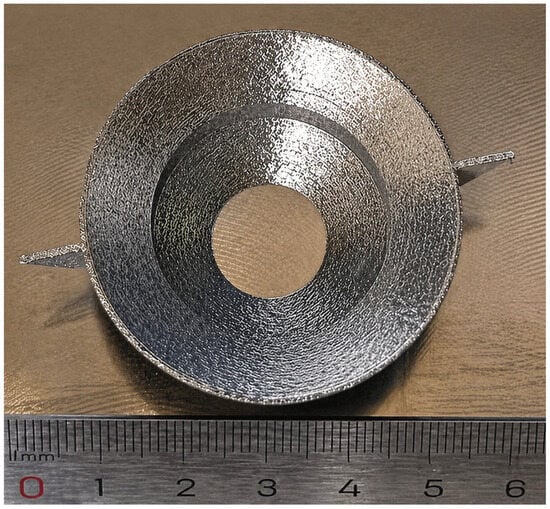
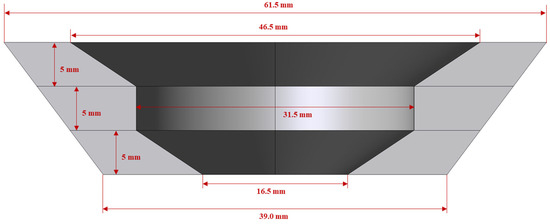
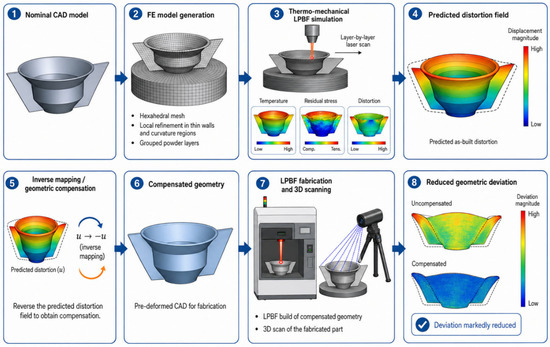
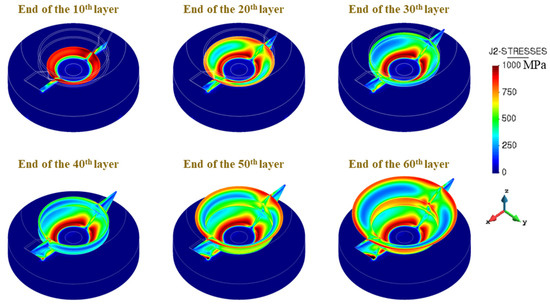
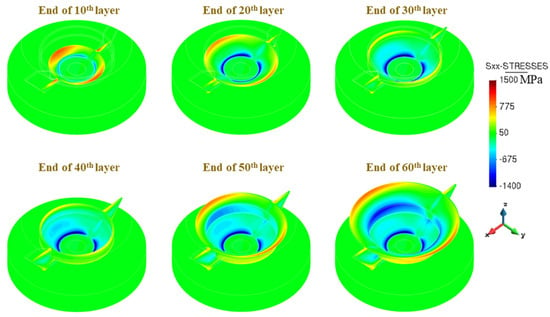
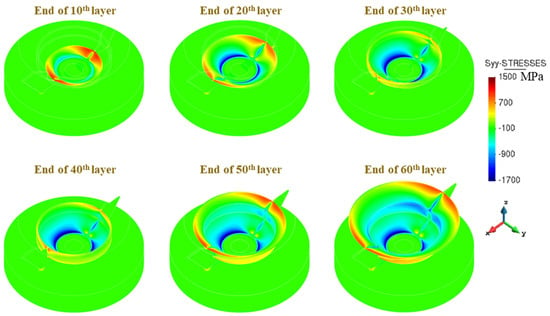
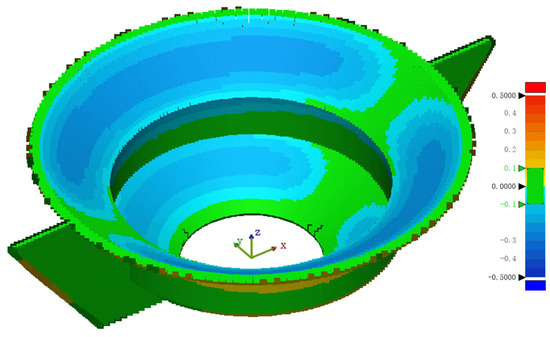
Finite Element Simulation-Driven Geometric Compensation for an LPBF-Fabricated Winged Annular Funnel Structure
J. Manuf. Mater. Process. 2026, 10(5), 178; https://doi.org/10.3390/jmmp10050178 (registering DOI) - 19 May 2026
Abstract
Geometric distortion remains a major obstacle to achieving high dimensional accuracy in laser powder bed fusion (LPBF), especially for complex thin-walled components with heterogeneous structural constraint. In this study, a finite element simulation-driven geometric compensation strategy was applied and validated for an LPBF-fabricated
[...] Read more.
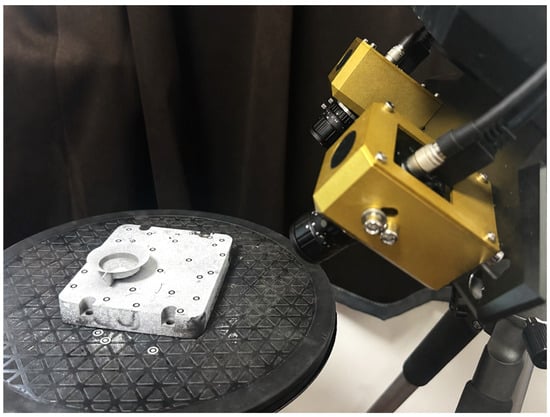
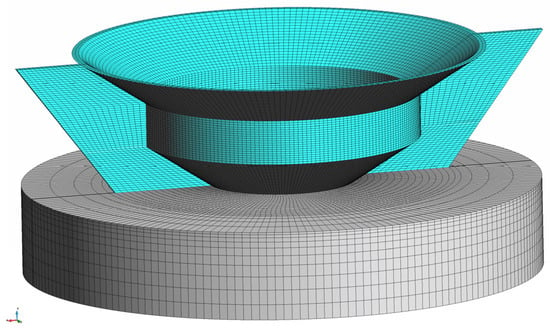
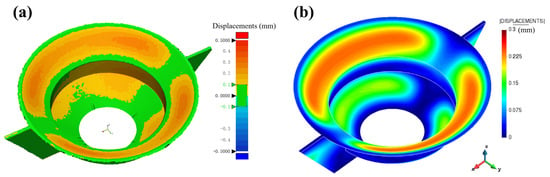
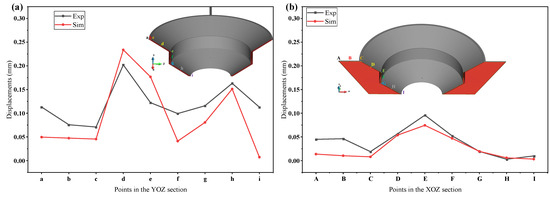
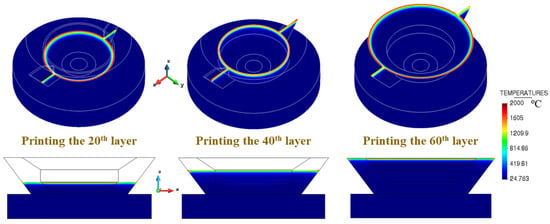
Geometric distortion remains a major obstacle to achieving high dimensional accuracy in laser powder bed fusion (LPBF), especially for complex thin-walled components with heterogeneous structural constraint. In this study, a finite element simulation-driven geometric compensation strategy was applied and validated for an LPBF-fabricated winged annular funnel structure (WAFS). A transient thermo-mechanically coupled finite element model was established to predict the distortion behavior during fabrication and validated by 3D scanning measurements, showing good agreement in both global deformation trend and local distribution characteristics. The simulation results indicated that the distortion of the WAFS was dominated by the combined constraint effect of the wing-like features and the baseplate, resulting in a non-uniform and symmetric deformation pattern. Based on the validated displacement field, an inverse-mapping method was used to construct a compensated geometry for re-fabrication. The compensated WAFS exhibited a substantially reduced deformation level, and the overall geometric distortion was reduced by more than 85% after a single compensation iteration. The present results demonstrate that finite element simulation-driven geometric compensation provides an efficient and practical route for improving the dimensional accuracy of the investigated WAFS, while reducing dependence on repeated trial-and-error optimization.
Full article
(This article belongs to the Special Issue High-Performance Metal Additive Manufacturing, 2nd Edition)
►
Show Figures
Open AccessArticle
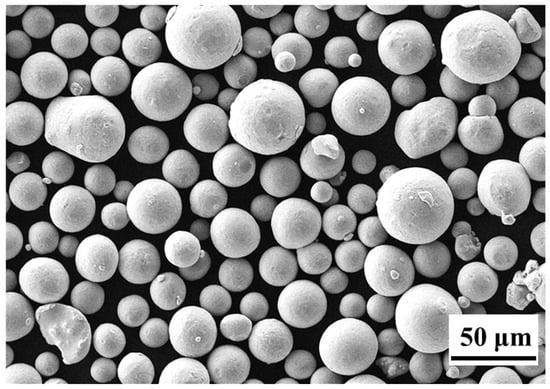
In Situ Fabrication of FexNiyCrzCoaTibMoc High-Entropy Alloy Coating by Rotating Arc Cladding
by
Xueping Guo, Jian Liu, Xian Du, Shaofu Huang, Jun Liu, Jing Li, Zhihai Cai and Binggong Yan
J. Manuf. Mater. Process. 2026, 10(5), 177; https://doi.org/10.3390/jmmp10050177 - 18 May 2026
Abstract
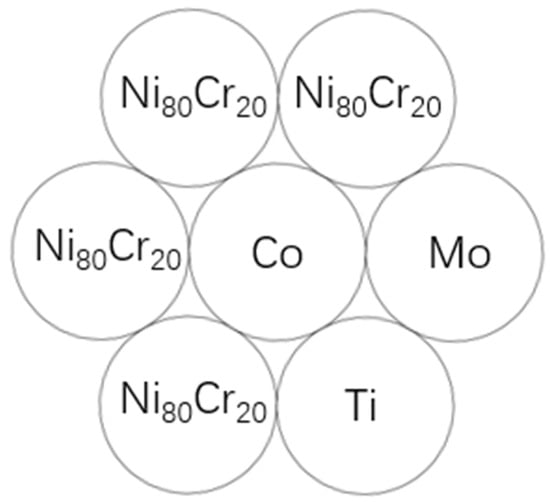
This study utilized a twisted wire rotating arc cladding method to in situ fabricate a Fe-containing multi-principal element alloy (HPEA) coating derived from NiCrCoTiMo stranded wire on 45 steel (equivalent to AISI 1045 steel). The macroscopic morphology, microstructure, mechanical properties, and electrochemical corrosion
[...] Read more.
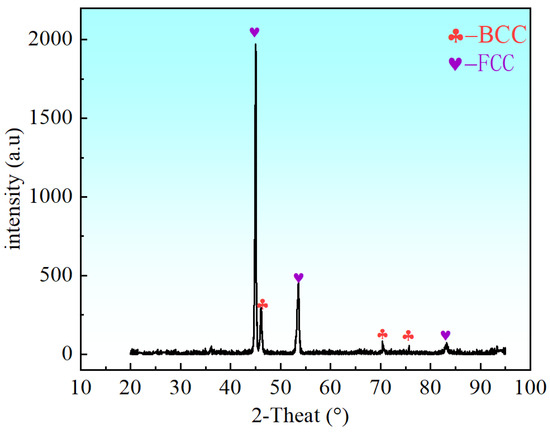
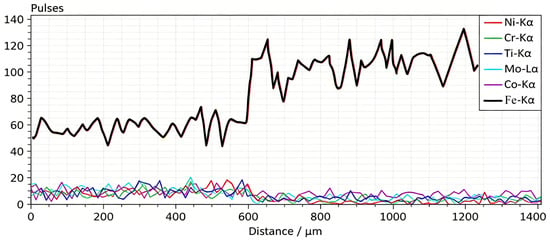
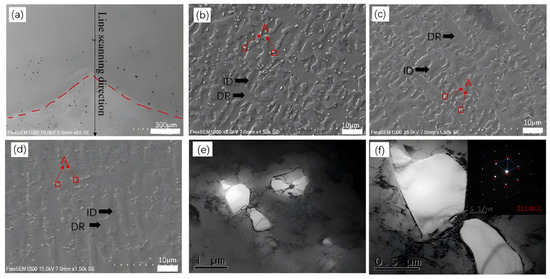
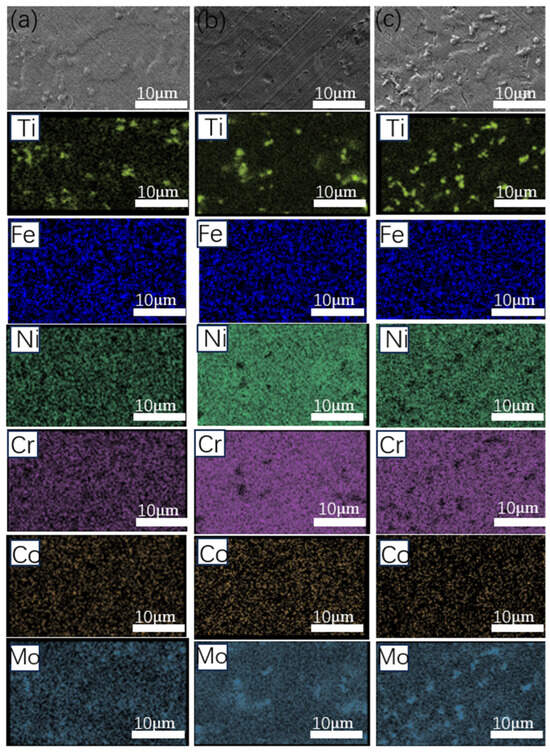
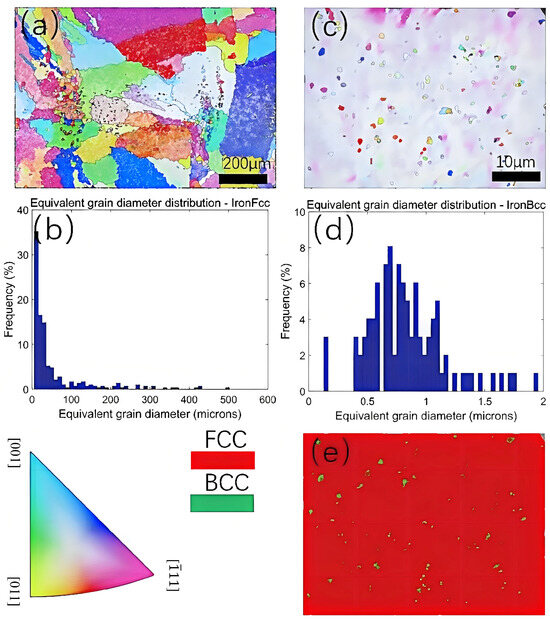
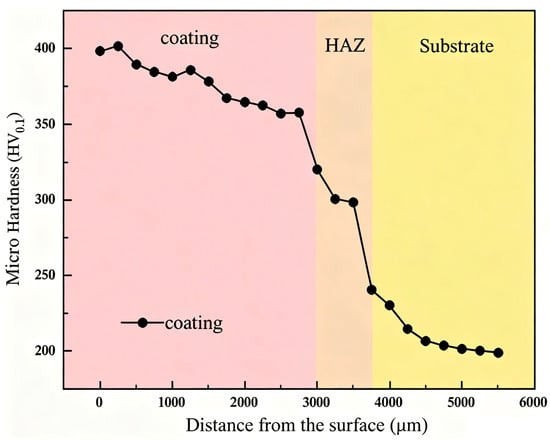
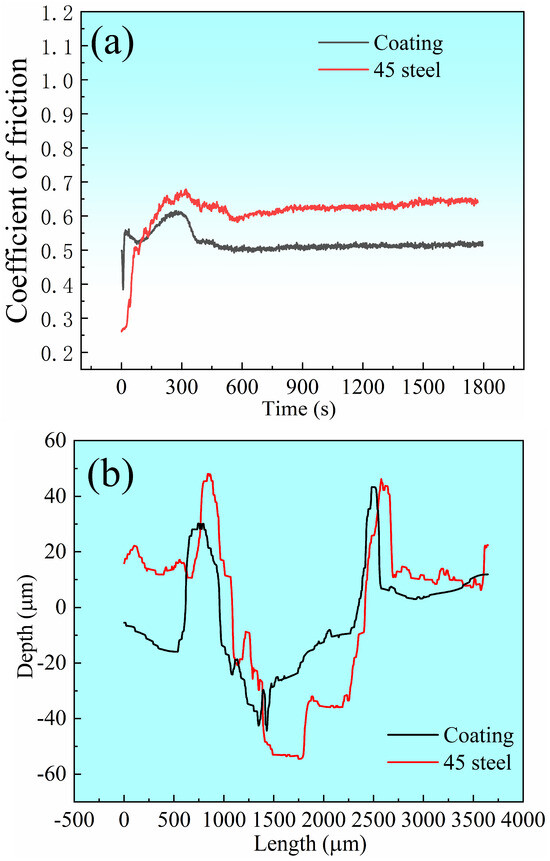
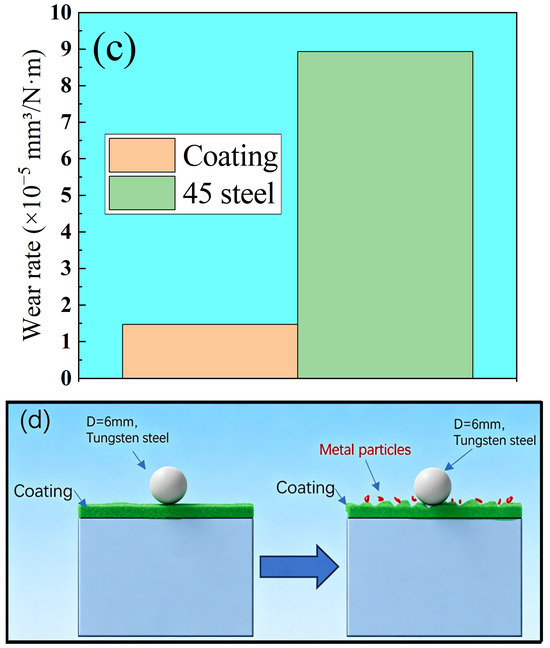
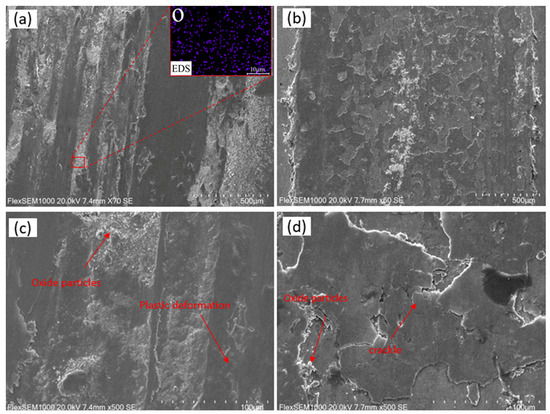
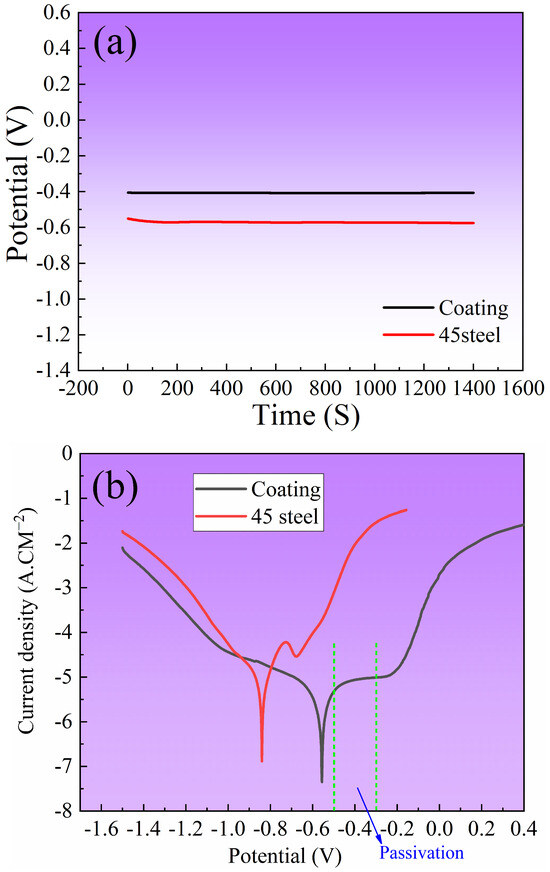
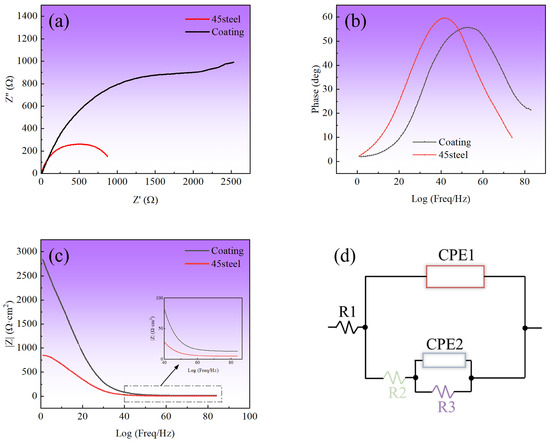
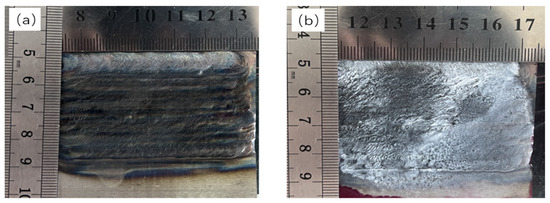
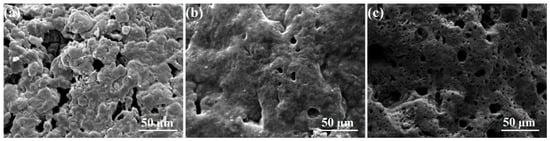
This study utilized a twisted wire rotating arc cladding method to in situ fabricate a Fe-containing multi-principal element alloy (HPEA) coating derived from NiCrCoTiMo stranded wire on 45 steel (equivalent to AISI 1045 steel). The macroscopic morphology, microstructure, mechanical properties, and electrochemical corrosion behavior of the prepared coatings were examined. The coating exhibited no visible cracks or pores and displayed a dual-phase face-centered cubic (FCC) + body-centered cubic (BCC) structure, with an average grain size of 78 μm for the FCC phase and 1 μm for the BCC phase. The microhardness of the coating is approximately 381.3 HV0.1. Compared to 45 steel, the coating’s coefficient of friction (COF) decreased from 0.6265 to 0.5125, representing an 18.2% reduction. The calculated wear rate of the coating was 1.47 × 10⁻⁵ mm3/N·m, approximately six times lower than that of 45 steel (8.93 × 10⁻⁵ mm3/N·m). Electrochemical testing revealed that the coating’s open-circuit potential (OCP) was −0.405 V vs. the saturated calomel electrode (SCE), with a corrosion potential (Ecorr) of −0.556 V vs. SCE and a corrosion current density (Icorr) of 4.458 × 10⁻⁶ A/cm2. In comparison, 45 steel exhibited an OCP of −0.582 V vs. SCE, with corrosion parameters of Ecorr = −0.840 V vs. SCE and Icorr = 1.302 × 10⁻⁵ A/cm2. These results demonstrate the superior corrosion resistance and wear performance of the coating, underscoring its potential for applications in challenging environments that demand enhanced material durability.
Full article
(This article belongs to the Special Issue Advancements in Metal Additive Manufacturing: Technologies and Applications)
►▼
Show Figures

Figure 1
Open AccessArticle
Effect of Aluminum Powder Agglomeration on the Foaming of Al-TiH2 Bulk Foamable Precursors
by
Dominic Malanga, Oscar Osuna and K. Morsi
J. Manuf. Mater. Process. 2026, 10(5), 176; https://doi.org/10.3390/jmmp10050176 - 16 May 2026
Abstract
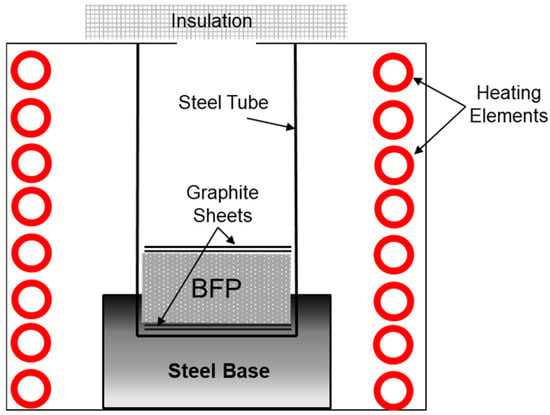
The powder metallurgy route (PM route) for producing aluminum closed-cell foams has recently attracted significant scientific and industrial interest. The process involves mixing a blowing agent powder (e.g., TiH2) with aluminum powder, then compacting the mixture to produce a high-density bulk
[...] Read more.
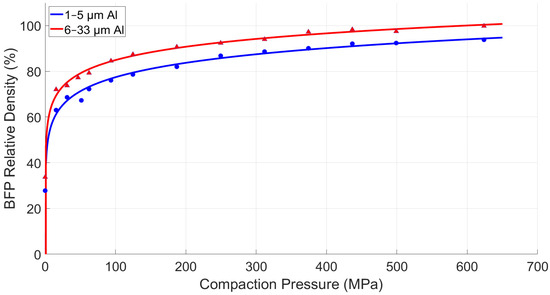
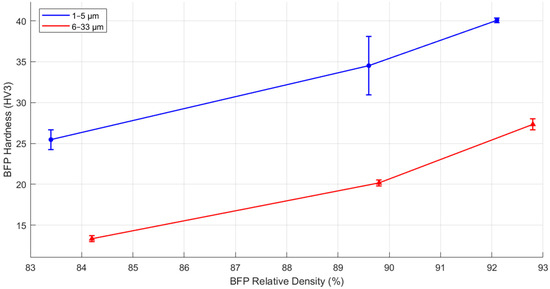
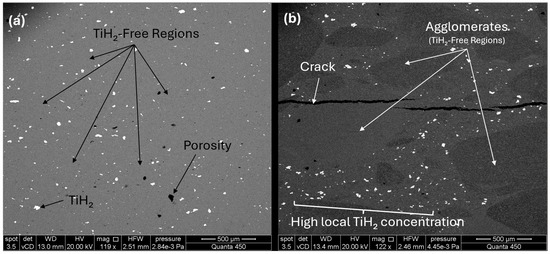
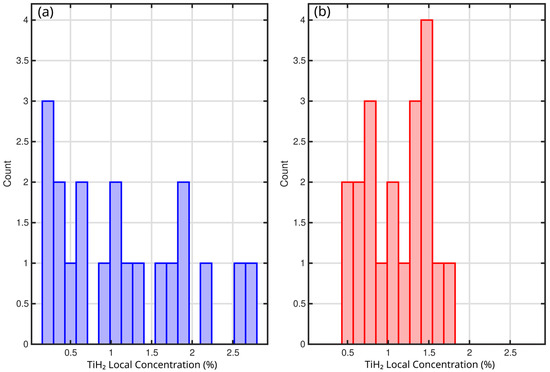
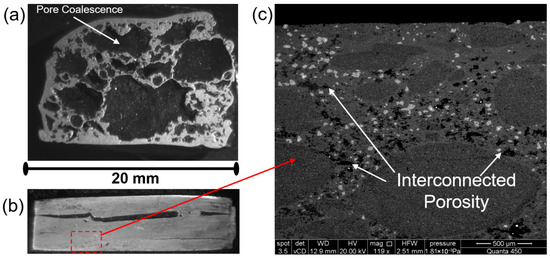
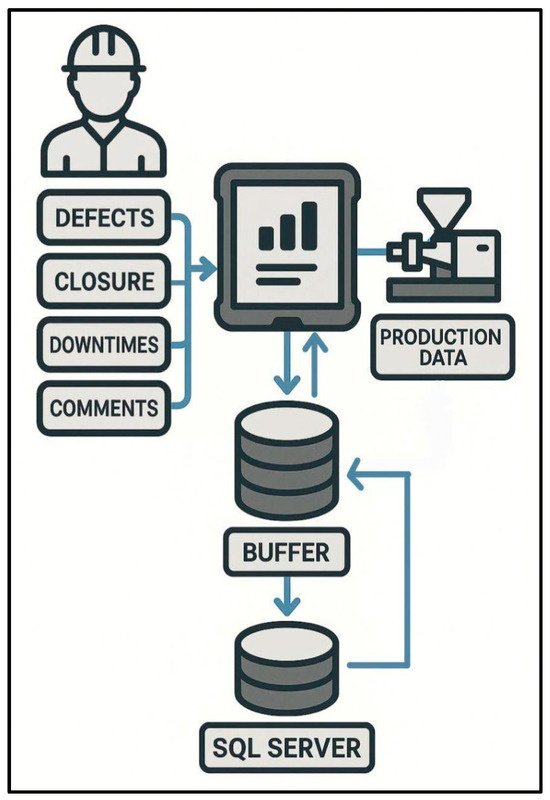
The powder metallurgy route (PM route) for producing aluminum closed-cell foams has recently attracted significant scientific and industrial interest. The process involves mixing a blowing agent powder (e.g., TiH2) with aluminum powder, then compacting the mixture to produce a high-density bulk foamable precursor (BFP). The BFP is then heated above the melting point of aluminum, where the hydrogen released from TiH2 particles forms bubbles in the molten aluminum, which become closed pores (cells) upon solidification. Despite metal powder agglomeration being an important factor in powder metallurgy research that can significantly influence processing, it has surprisingly received little to no attention in the powder-based foaming of metals. To the best of our knowledge, this paper is the first to address aluminum powder agglomeration within the context of powder-based metallic foams. Results show that significant aluminum powder agglomeration not only leads to an inhomogeneous distribution of the TiH2 particles within the BFP, but also to the formation of locally higher than nominal concentrations of TiH2 particle-rich regions, which greatly influence foaming characteristics. The work, for the first time, highlights the need to seriously consider metal-powder agglomeration (even partial agglomeration) in future foaming research via the PM route, and its effect on foaming characteristics.
Full article
(This article belongs to the Special Issue Processing, Mechanical Properties, and Manufacturing Techniques of Advanced Composite Materials)
►▼
Show Figures

Figure 1

Open AccessReview
Intelligent Non-Destructive Evaluation of Additively Manufactured Metal Parts: From Advanced Inspections to Data-Driven Quality Predictions
by
Abdulcelil Bayar, Fatih Altun, Gozde Altuntas, Ramazan Asmatulu, Odessa Engram and Eylem Asmatulu
J. Manuf. Mater. Process. 2026, 10(5), 175; https://doi.org/10.3390/jmmp10050175 - 16 May 2026
Abstract
This review paper presents a comprehensive and system-oriented analysis of advanced non-destructive testing (NDT) technologies for metal additive manufacturing (AM), including X-ray computed tomography (XCT), ultrasonic testing (UT), infrared thermography, acoustic emission (AE), and electromagnetic techniques. While the existing literature often focuses on
[...] Read more.
This review paper presents a comprehensive and system-oriented analysis of advanced non-destructive testing (NDT) technologies for metal additive manufacturing (AM), including X-ray computed tomography (XCT), ultrasonic testing (UT), infrared thermography, acoustic emission (AE), and electromagnetic techniques. While the existing literature often focuses on the physical principles of individual NDT methods, this work addresses a critical knowledge gap by analyzing NDT as a digitally integrated “quality intelligence layer” rather than a standalone post-process inspection tool. The primary motivation is to bridge the disconnect between raw inspection data and cyber–physical production systems. Particular focus is given to NDT data analytics and digitalization, where machine learning (ML) and digital twin (DT) integration are discussed as fundamental enablers of intelligent manufacturing. The review systematically examines image and signal processing pipelines required for quantitative defect characterization, highlighting challenges related to voxel resolution, signal-to-noise ratio, anisotropic microstructures, and operator dependency. It further analyzes supervised learning, deep learning, and multi-sensor data fusion approaches for automated defect classification and predictive quality assessment. Furthermore, the role of digital twins in coupling in situ monitoring data, ex situ NDT results, and physics-based models is discussed as a transformative pathway toward closed-loop process control and evidence-based certification. By synthesizing NDT science with digital manufacturing architectures, this review contributes a unique framework for transitioning from traditional inspection-centric quality control to a predictive, adaptive, and digital twin-enabled quality assurance paradigm. The work concludes by identifying key research gaps in data standardization and computational scalability, providing a strategic roadmap for the future of smart AM production.
Full article
(This article belongs to the Special Issue Emerging Manufacturing Strategies: Additive, Nano and Composite Fabrication of Functional Materials)
Open AccessArticle
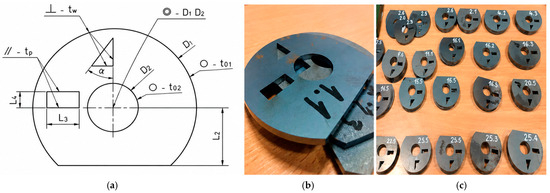
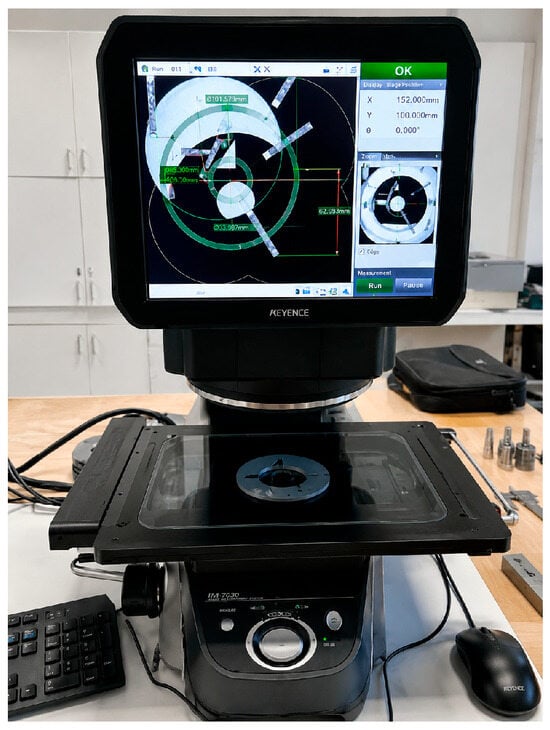
Experimental Investigation and Statistical Optimization of Dimensional Accuracy and Microhardness in Fiber Laser Cutting of Low-Carbon Steel Sheets
by
Iveta Čačková, Viliam Čačko, Bálint Ferenczi, Alena Brusilová, Ľubomír Šooš and Shane Shabu
J. Manuf. Mater. Process. 2026, 10(5), 174; https://doi.org/10.3390/jmmp10050174 - 15 May 2026
Abstract
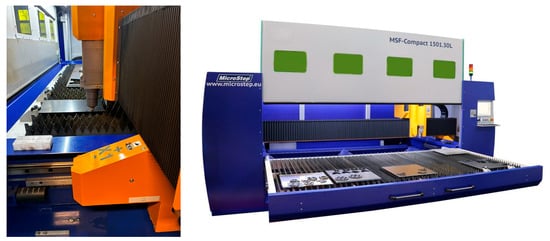
This study investigates the influence of process parameters on dimensional accuracy and microhardness in fiber laser cutting of low-carbon steel. A full factorial design of experiments (DOE) with three factors—cutting speed, focal position, and assist gas pressure—was applied to evaluate their effects on
[...] Read more.
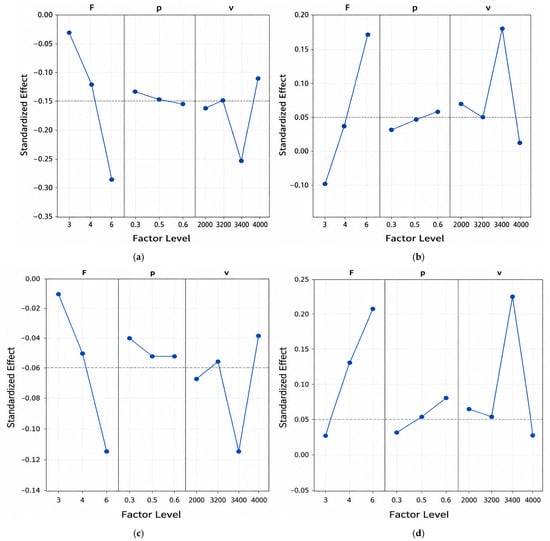
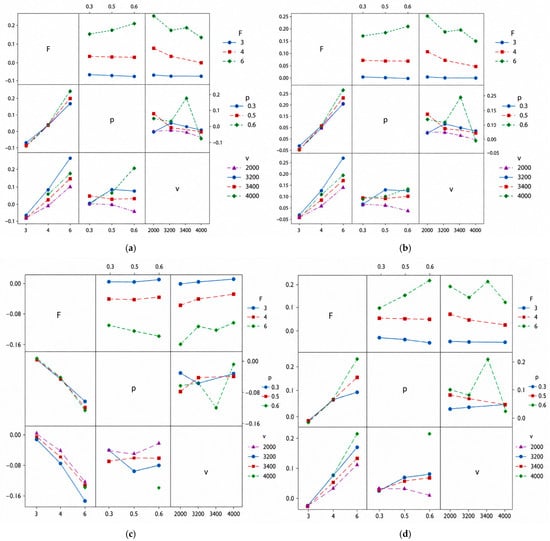
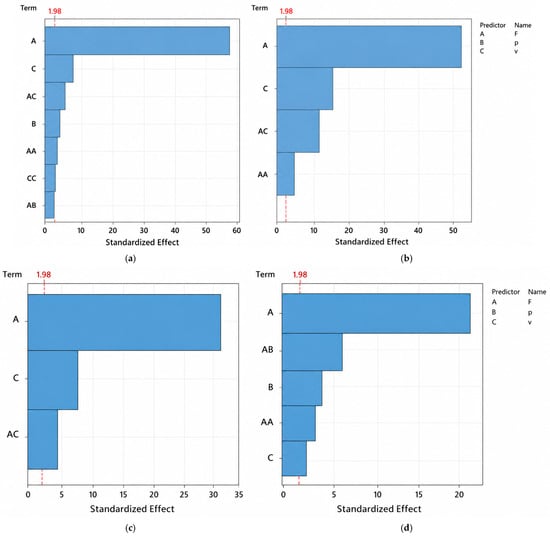
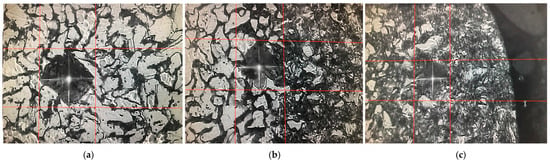
This study investigates the influence of process parameters on dimensional accuracy and microhardness in fiber laser cutting of low-carbon steel. A full factorial design of experiments (DOE) with three factors—cutting speed, focal position, and assist gas pressure—was applied to evaluate their effects on dimensional deviations and microhardness in the heat-affected zone (HAZ). The results showed that focal position is the most significant factor affecting all evaluated dimensional responses, while cutting speed has a strong influence on circular and linear dimensions. The effect of assist gas pressure was found to be response-dependent, being insignificant for inner diameter deviation but significant for selected linear features and through interaction effects with focal position. Statistical analysis confirmed the presence of significant interaction effects between process parameters. Microhardness measurements revealed a substantial increase in hardness from the base material toward the cut edge, indicating microstructural transformations caused by rapid thermal cycles during laser cutting. While this increase in hardness may enhance wear resistance, it may also lead to increased brittleness and reduced toughness. The findings provide a detailed insight into the relationship between process parameters and dimensional accuracy, highlighting the importance of parameter optimization and interaction effects in contributing to improved quality of laser-cut components.
Full article
(This article belongs to the Special Issue Recent Advances in Laser- and Cutting-Based Microfabrication for Functional Surface Engineering)
►▼
Show Figures

Figure 1
Open AccessArticle
Influence of Vibration-Assisted MIG Weld Cladding on the Reconditioning of Hot Extrusion Punches
by
Mihai Alexandru Luca, Dorin-Ioan Catana, Dana Luca Motoc and Mircea Horia Tierean
J. Manuf. Mater. Process. 2026, 10(5), 173; https://doi.org/10.3390/jmmp10050173 - 14 May 2026
Abstract
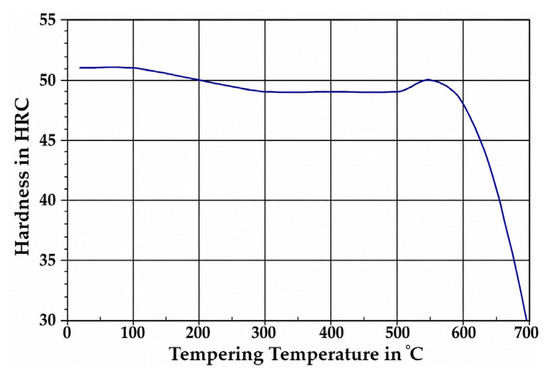
Hot extrusion tools operate under severe thermal and mechanical conditions, which significantly limit their service life. During operation, the punch and die absorb large amounts of heat from the hot billet while being subjected to high pressures and intense friction, leading to severe
[...] Read more.
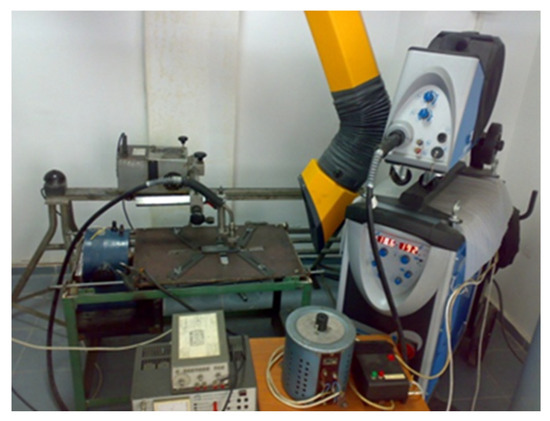
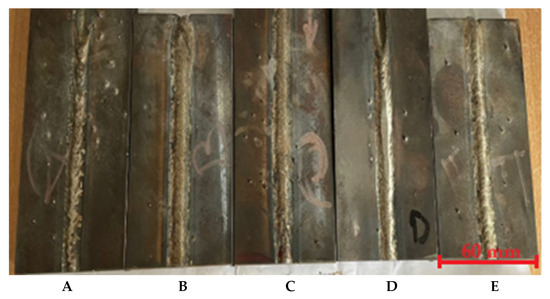
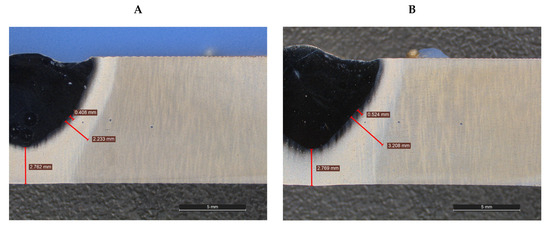
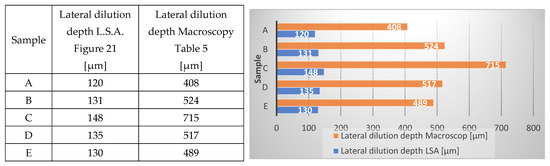
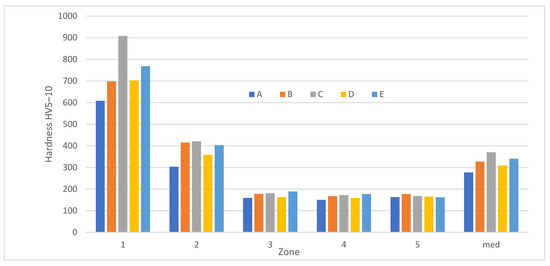
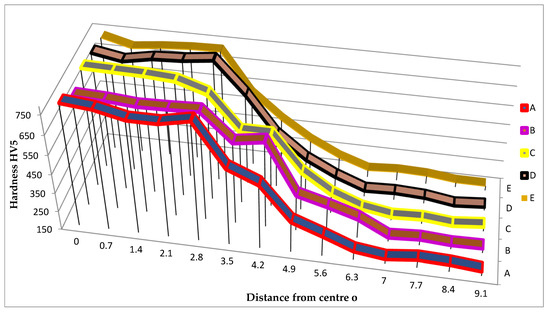
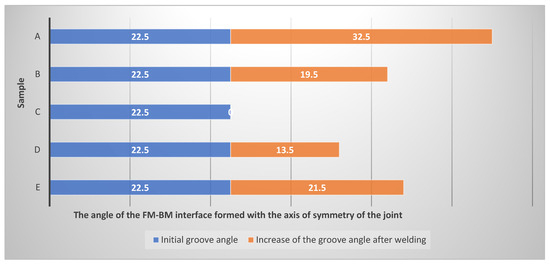
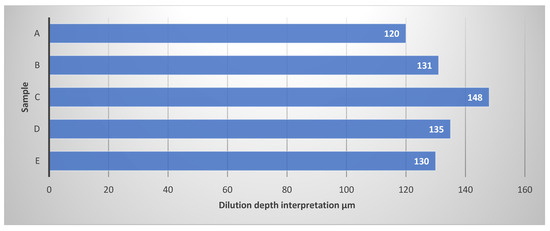
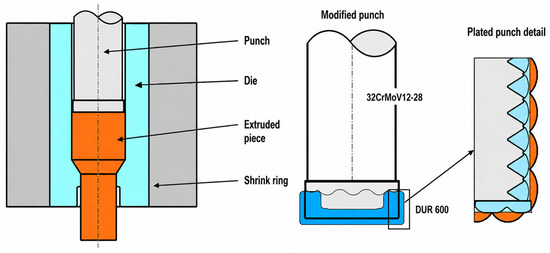
Hot extrusion tools operate under severe thermal and mechanical conditions, which significantly limit their service life. During operation, the punch and die absorb large amounts of heat from the hot billet while being subjected to high pressures and intense friction, leading to severe abrasive wear and progressive hardness reduction. In practice, the punch generally exhibits a shorter service life than the die. The present study proposes a technological solution for reconditioning worn extrusion punches using vibration-assisted welding (VAW). A wear-resistant layer was deposited by MIG welding using DUR 600 filler material, while mechanical vibrations were introduced through a vibrating welding table. The applied vibration regime consisted of a frequency of 50 Hz–108 Hz and acceleration components of ax = 30–60 m/s2 and az = 35–70 m/s2. The experimental investigations included macroscopic analysis, hardness and microhardness measurements, microstructural observations, and SEM-EDS line scanning analysis of the dilution zone between the cladding material and the base metal. The results suggest that vibration-assisted welding may influence the microstructural characteristics, hardness distribution, and dilution behavior of the cladded layer. The vibrated specimens exhibited higher hardness values in the range of 702 to 908 HV5–10. Under the investigated conditions, the process did not require additional hardening treatment, and only a stress-relief annealing stage was applied. The proposed VAW approach appears to be a promising option for the reconditioning of hot extrusion tools; however, further investigations are required to validate its performance under industrial conditions.
Full article
(This article belongs to the Special Issue Advanced Welding Processes, Additive Manufacturing and Numerical Models: 2nd Edition)
►▼
Show Figures

Figure 1

Open AccessArticle
Laser Welding of Polypropylene to HDPE/GNP Nanocomposites: Optimization of Flexural and Impact Strength Using Response Surface Methodology
by
Maged Faihan Alotaibi
J. Manuf. Mater. Process. 2026, 10(5), 172; https://doi.org/10.3390/jmmp10050172 - 14 May 2026
Abstract
This study addresses a persistent challenge in polymer joining: the laser welding of two incompatible thermoplastics, polypropylene (PP) and high-density polyethylene (HDPE). The key innovation lies in modifying HDPE with 3 wt% graphene nanoplatelets (GNPs) via material extrusion (MEX), which raises its melting
[...] Read more.
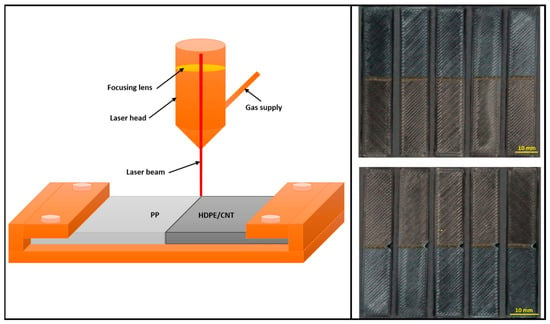
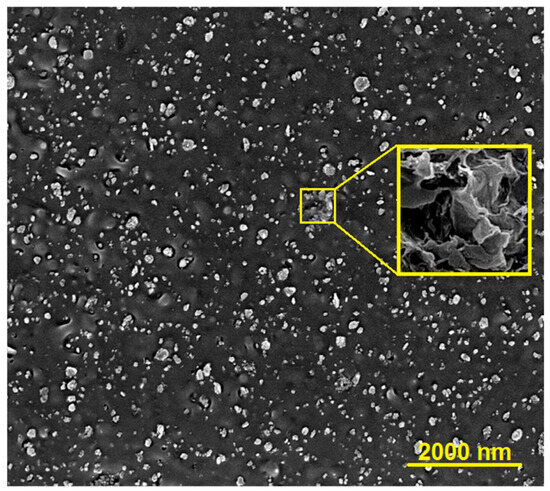
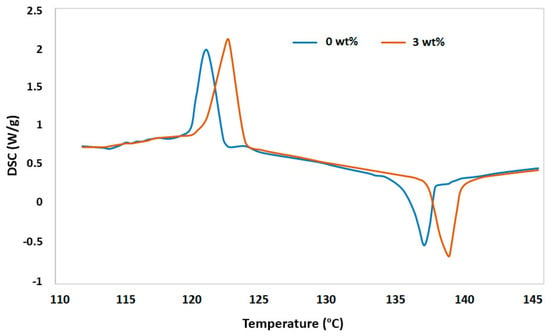
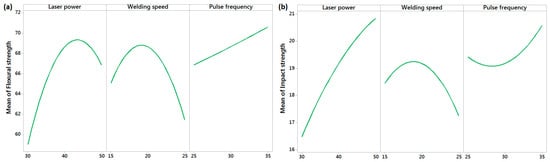
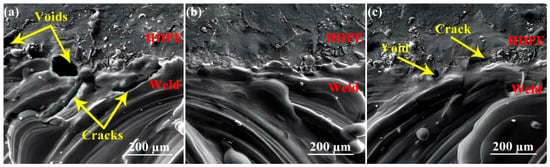
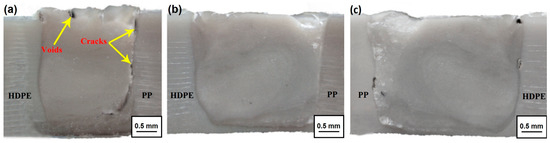
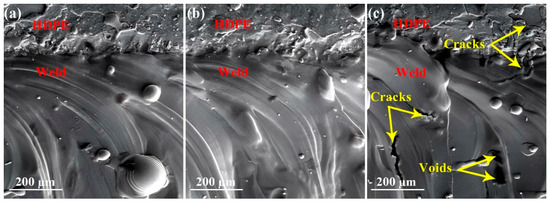
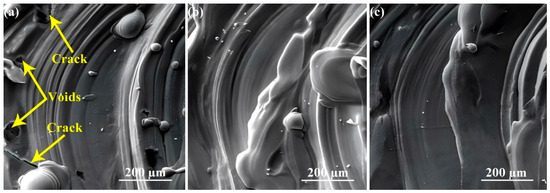
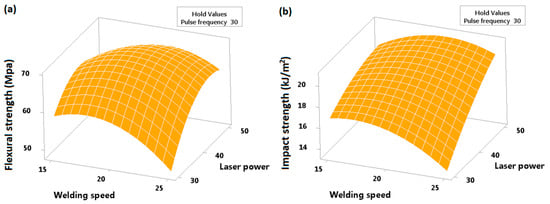
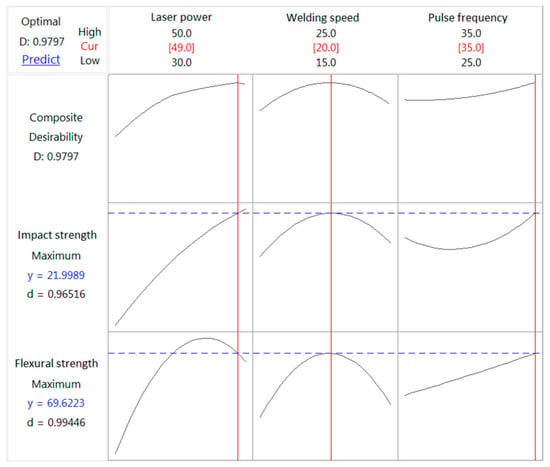
This study addresses a persistent challenge in polymer joining: the laser welding of two incompatible thermoplastics, polypropylene (PP) and high-density polyethylene (HDPE). The key innovation lies in modifying HDPE with 3 wt% graphene nanoplatelets (GNPs) via material extrusion (MEX), which raises its melting temperature from 136.8 °C to 138.8 °C and increases crystallinity from 46.9% to 51.4%, as confirmed by differential scanning calorimetry (DSC). This thermal adjustment brings HDPE closer to PP’s melting behavior, enabling effective laser butt welding using a pulsed CO2 laser. A Box–Behnken design within response surface methodology (RSM) was employed to model the individual and interactive effects of laser power (30–50 W), welding speed (15–25 mm/s), and pulse frequency (25–35 Hz) on the flexural and impact strength of the welded joints. Scanning electron microscopy (SEM) revealed that optimal welding conditions—laser power of 49 W, welding speed of 20 mm/s, and pulse frequency of 35 Hz—produce a defect-free interface with complete polymer chain interdiffusion. Under these optimized conditions, the regression models predicted a flexural strength of 69.7 MPa and an impact strength of 21.9 kJ/m2. Confirmation experiments yielded 68.2 MPa and 22.6 kJ/m2, with relative errors below 4%, validating the predictive capability of the models. This work demonstrates that GNP-mediated thermal property modification, coupled with statistical process optimization, offers a viable pathway for manufacturing high-performance dissimilar polymer joints for lightweight structural applications.
Full article
(This article belongs to the Special Issue Laser Processing of Composites and Metals)
►▼
Show Figures

Figure 1

Open AccessArticle
Effect of Process Co-Factors on Repeatable Process Capability for Subscale Feature Dimensions in PBF-LB/M Additive Manufacturing of TI6Al4V
by
Utkarsh Thakre, Venkatavaradan Sunderarajan, Seneca Stevans and Suman Das
J. Manuf. Mater. Process. 2026, 10(5), 171; https://doi.org/10.3390/jmmp10050171 - 14 May 2026
Abstract
This article addresses the lack of repeatability and reproducibility that has inhibited the widespread adoption of Laser Powder Bed Fusion Additive Manufacturing (PBF-LB/M) for service-critical part fabrication in production. A rigorous analysis of critical dimensional variations at a statistically significant scale is essential
[...] Read more.
This article addresses the lack of repeatability and reproducibility that has inhibited the widespread adoption of Laser Powder Bed Fusion Additive Manufacturing (PBF-LB/M) for service-critical part fabrication in production. A rigorous analysis of critical dimensional variations at a statistically significant scale is essential to understand the influence of process co-factors in PBF-LB/M, serving as a vital step toward process control. Structured white-light profilometry provides an effective balance of capability and features for performing such analysis, including advanced focus variation-based feature extraction. In this work, two types of samples were fabricated, each having either thin gaps or thin walls of varying widths ranging from 200 to 1000 µm. Samples containing these features were designed with and without a constraining base geometry and built along different orientations across various locations on the build plate in two layer thicknesses: 30 µm and 60 µm. Co-factors such as base geometry, specimen orientation, layer thickness, and location on the build plate were investigated for their impact on measurement variations in the as-built condition. The achievable resolution and repeatability was found to be 500 μm, and thus did not conform to the machine manufacturer’s stated minimum of 150 μm. The presence of a base geometry effectively reduced the variations preferentially for features larger than this limit. Features smaller than 500 µm exhibited a variation of approximately 1.5–3 times the D50 size of the powder feedstock, regardless of the co-factors. The tightest control over the variations was observed to occur at the center of the build plate. This study aims to quantify the combined effect of multiple process co-factors on the repeatable dimensional process capability of sub-millimeter PBF-LB/M features in Ti6Al4V.
Full article
(This article belongs to the Special Issue High-Performance Metal Additive Manufacturing, 2nd Edition)
Open AccessArticle
A Sampling-Based Inspection and Cost Optimization Model for Electronic Assembly Quality Control
by
Luling Duan and Pan Zhang
J. Manuf. Mater. Process. 2026, 10(5), 170; https://doi.org/10.3390/jmmp10050170 - 11 May 2026
Abstract
►▼
Show Figures
In electronic assembly, inspection is worthwhile only when the cost of testing is justified by the losses avoided by preventing defective products from reaching customers. This study examines that balance by developing a mathematical model that integrates one-sided acceptance sampling with an expected-cost
[...] Read more.
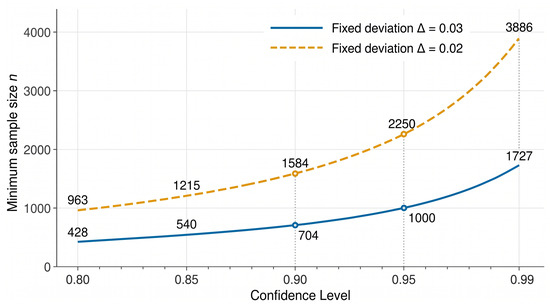
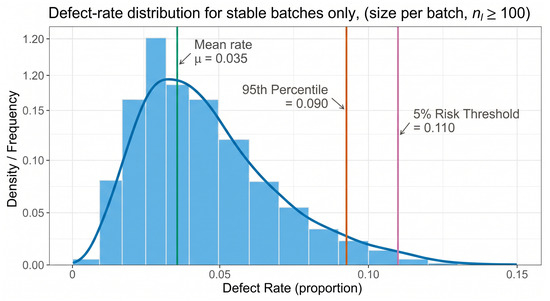
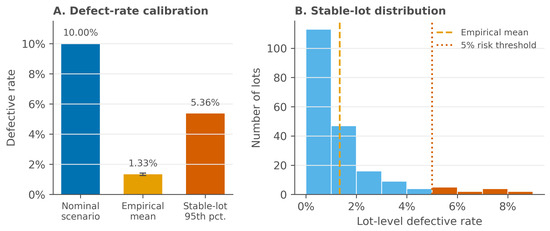
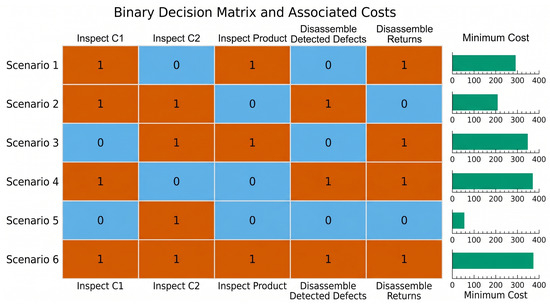
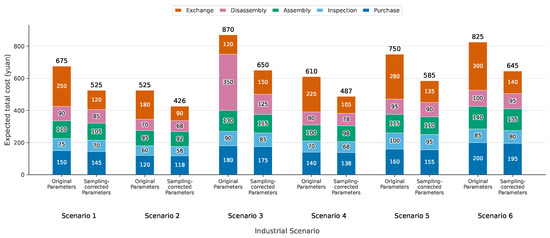
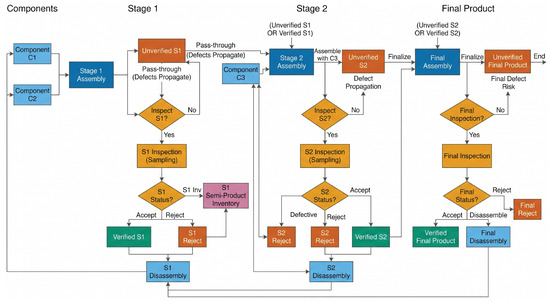
In electronic assembly, inspection is worthwhile only when the cost of testing is justified by the losses avoided by preventing defective products from reaching customers. This study examines that balance by developing a mathematical model that integrates one-sided acceptance sampling with an expected-cost framework covering component inspection, finished-product inspection, exchange loss, and the disassembly of defective products. The analysis is first developed for a two-component assembly case and then extended to a multi-stage, multi-component process. Because defect rates are often estimated from limited samples rather than known in advance, interval-based parameter correction is introduced and compared with an electrical-test dataset of 80,000 cleaned records from 866 lots. The data give a final-product defective rate of 1.335%, with a 95% confidence interval of 1.255–1.415%, which is well below the nominal 10% rate used in the baseline scenarios. Nevertheless, the distribution across stable lots shows a pronounced right tail, indicating that some lots remain riskier than the average level suggests. Routine full inspection of finished products is therefore difficult to justify at low average defect rates, whereas higher exchange losses or upper-tail lots can make tighter inspection economically reasonable. The model provides a practical route from sampling evidence to inspection and cost-control decisions in electronic assembly.
Full article

Figure 1
Open AccessArticle
Impact of Boiling on Surface Tension of Steel
by
Joerg Volpp
J. Manuf. Mater. Process. 2026, 10(5), 169; https://doi.org/10.3390/jmmp10050169 - 11 May 2026
Abstract
►▼
Show Figures
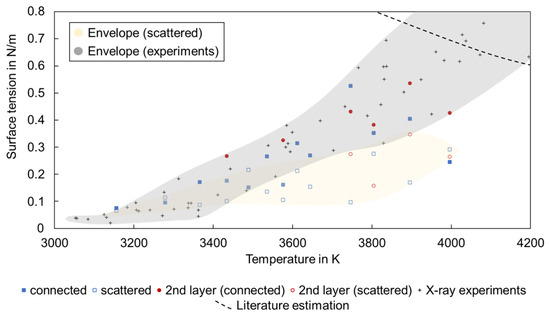
It is typically assumed that surface tension decreases with increasing temperatures. Around the melting temperature of steel, this seems to be quite correct. However, it is difficult to measure or model surface tension around boiling temperatures of metals, although those values play a
[...] Read more.
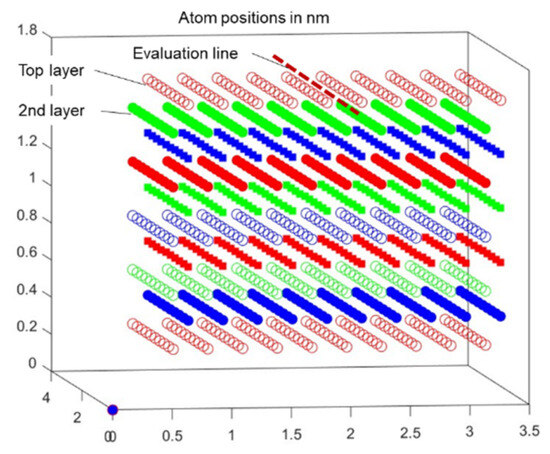
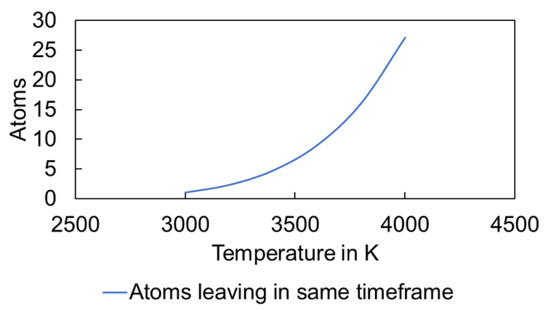
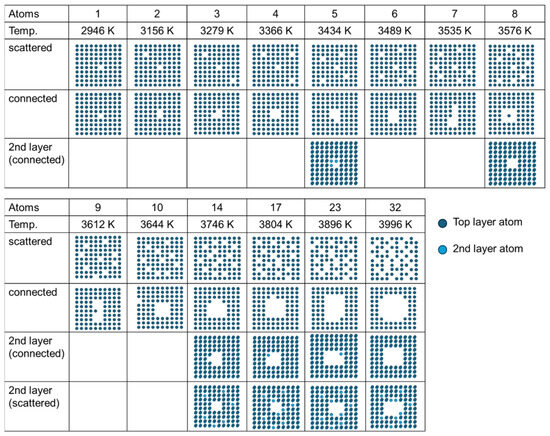
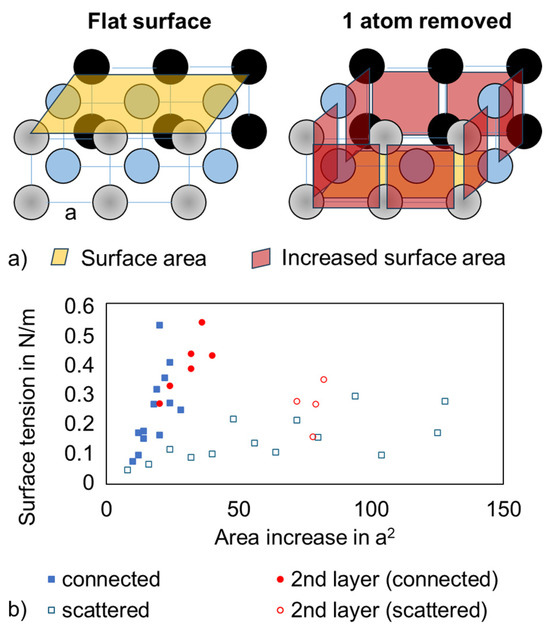
It is typically assumed that surface tension decreases with increasing temperatures. Around the melting temperature of steel, this seems to be quite correct. However, it is difficult to measure or model surface tension around boiling temperatures of metals, although those values play a crucial role in many processes. Therefore, this work used a simple pair-interaction model to derive surface tension values to explain how surface tension can increase with temperature above the boiling temperature. Different surface atom removal patterns were applied. Simulation results of surface tension were compared with experimental surface tension measurements on vapor channel walls. It was found that surface tension seems to depend on the way atoms leave the surface and how they rearrange on the surface. It is further indicated that second layer removal is necessary to describe the surface tension at extensive boiling conditions.
Full article

Figure 1
Open AccessArticle
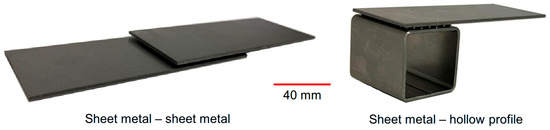
Resistance Projection Welding Using Wire Mesh Inserts: Joining Hollow Profiles to Sheet Metals
by
Rene Graver, Stefan Boehm, Nima Eslami, Alexander Harms and Yasmin Spura
J. Manuf. Mater. Process. 2026, 10(5), 168; https://doi.org/10.3390/jmmp10050168 - 9 May 2026
Abstract
►▼
Show Figures
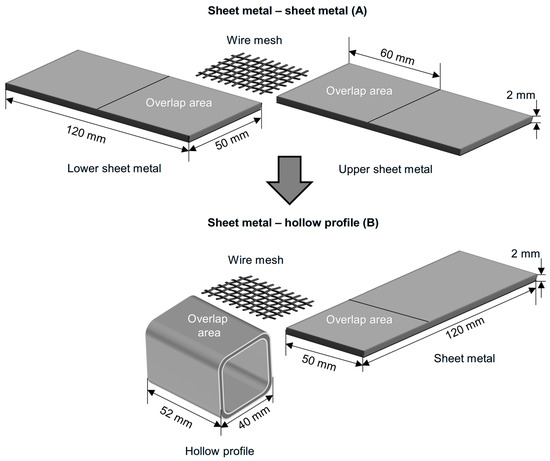
For large-scale manufacturing of profile-intensive vehicle bodies, a suitable joining process for hollow profile–sheet metal joints is required. These joints pose challenges related to minimizing plastic deformation while ensuring low, localized heat input to preserve the properties of high-strength steels. Conventional resistance spot
[...] Read more.
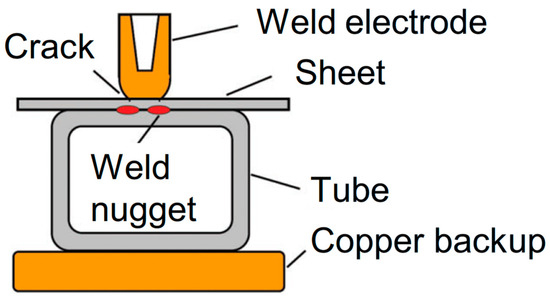
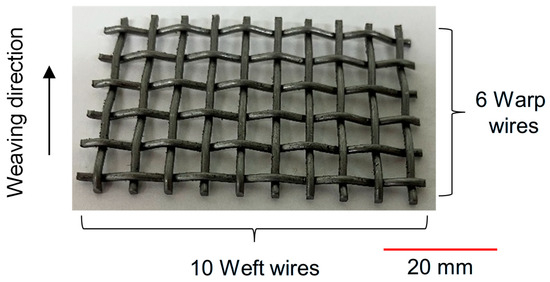
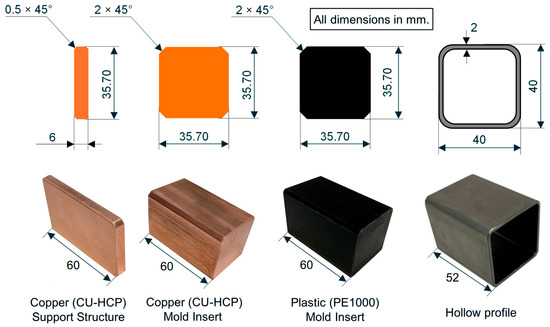
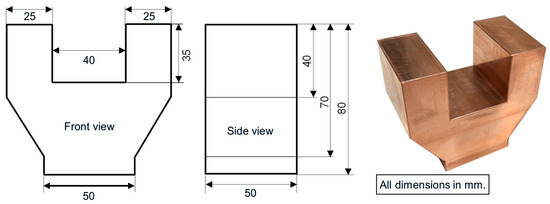
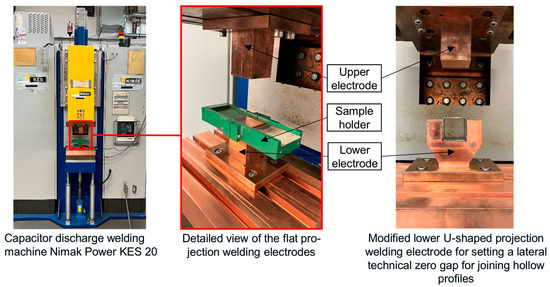
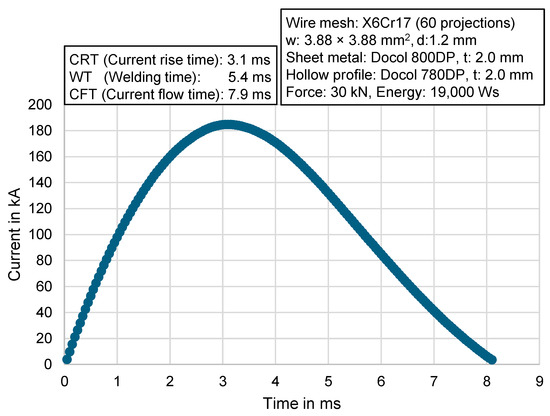
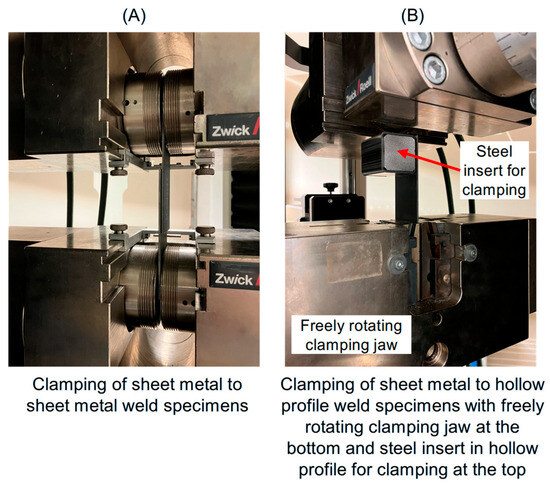
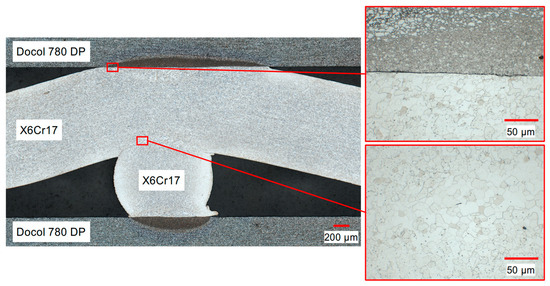
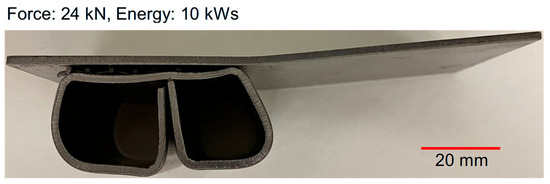
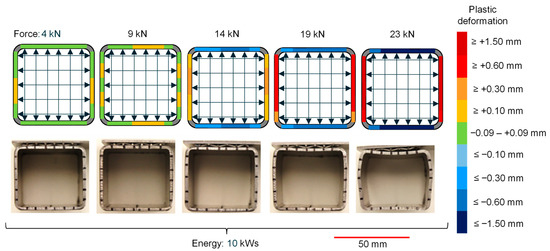
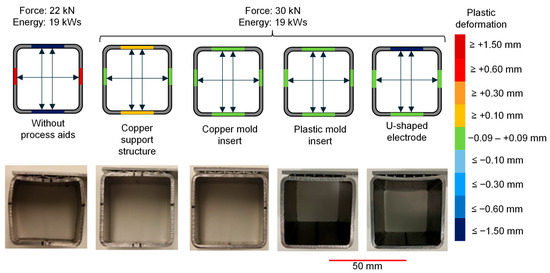
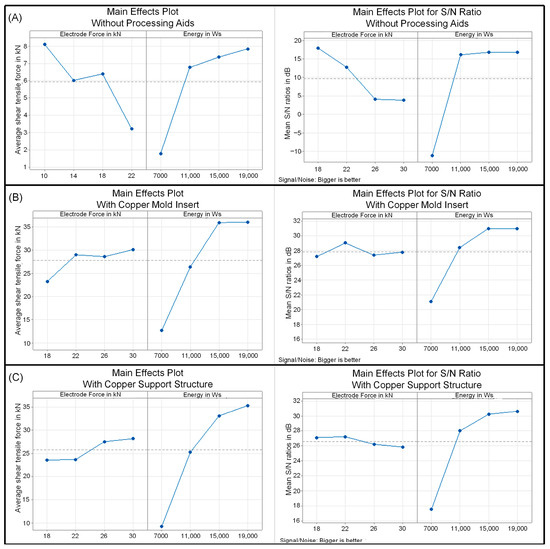
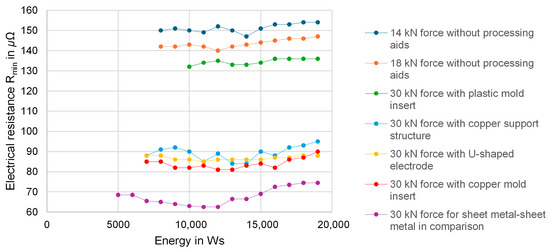
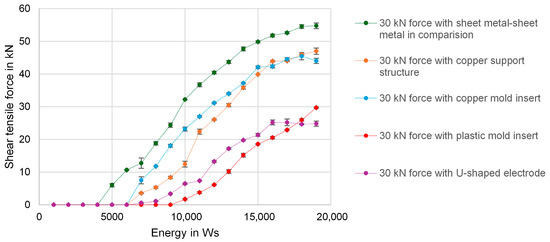
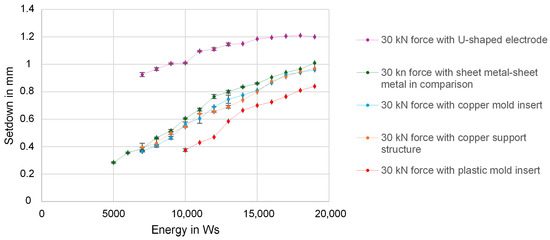
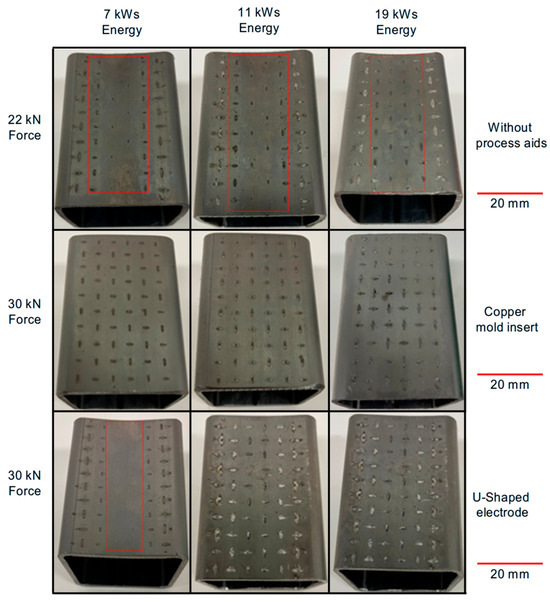
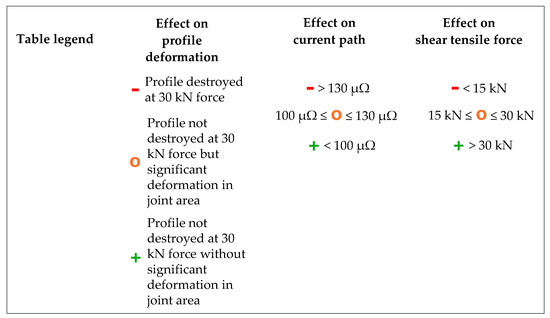
For large-scale manufacturing of profile-intensive vehicle bodies, a suitable joining process for hollow profile–sheet metal joints is required. These joints pose challenges related to minimizing plastic deformation while ensuring low, localized heat input to preserve the properties of high-strength steels. Conventional resistance spot welding often leads to profile deformation due to concentrated force and heat input and the lack of mechanical backing. For this reason, CD-welding tests on sandwich structures consisting of hollow profile-sheet metal with a wire mesh interlayer used as natural projections are conducted. This enables multiple small welds with localized heat input and welding times below 10 ms. This study investigates the influence of the weld parameters electrode force and charging energy, and illustrates that as the electrode force increases, plastic deformation increases up to the point of failure above 24 kN. In this regard, support structures and inserts made of copper and plastic, as well as novel welding electrodes with lateral profile contacts, are being investigated. Joint quality is evaluated based on setdown, electrical resistance, shear strength, and plastic deformation of hollow profiles. The highest shear tensile forces of up to 47 kN were achieved using 60 projections and an inner copper support structure.
Full article

Figure 1
Open AccessArticle
DSC and TEM Investigation of Precipitation Behavior in a Cold-Rolled Pre-Aged Al-Mg-Si-Cu Alloy
by
Vu Ngoc Hai, Seungwon Lee, Taiki Tsuchiya, Tetsuya Katsumi, Kazuhiko Kita and Kenji Matsuda
J. Manuf. Mater. Process. 2026, 10(5), 167; https://doi.org/10.3390/jmmp10050167 - 8 May 2026
Abstract
►▼
Show Figures
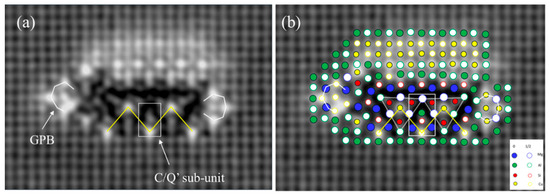
This study investigates the effect of cold rolling on precipitation behavior and mechanical properties in a pre-aged Al–Mg–Si–Cu alloy. Following pre-aging at 35 °C, samples were subjected to various cold-rolling reductions (0–80%) and subsequently aged at 160 °C. Hardness measurements reveal that increasing
[...] Read more.
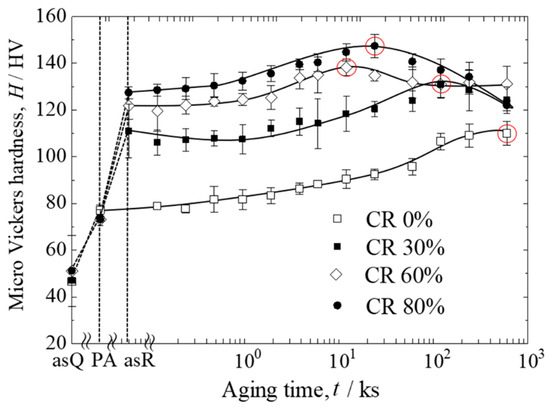
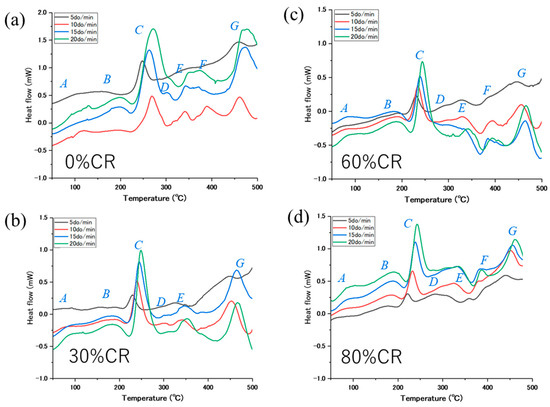
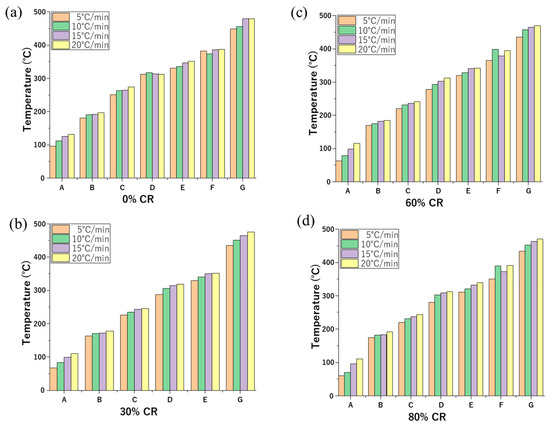
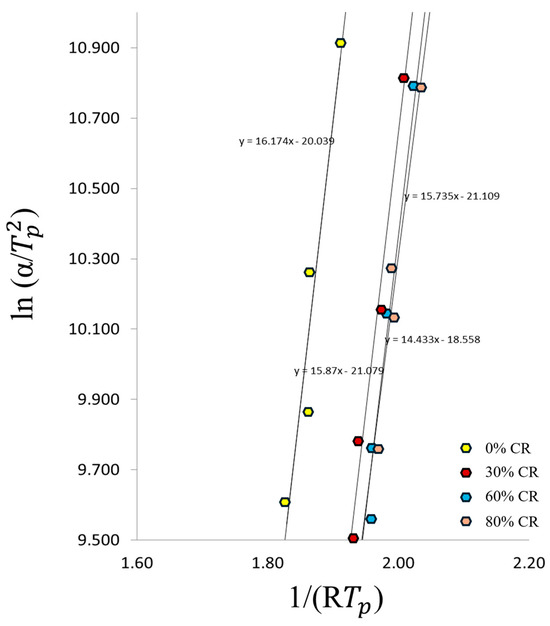
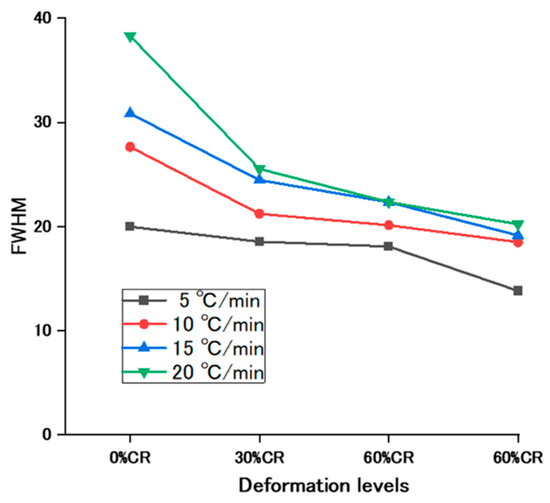
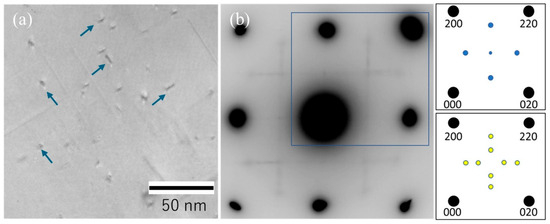
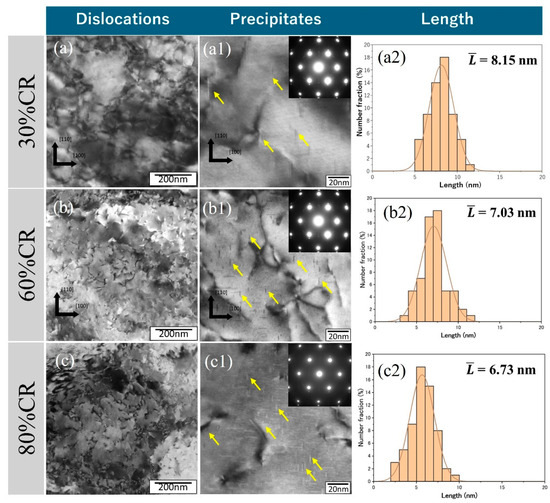
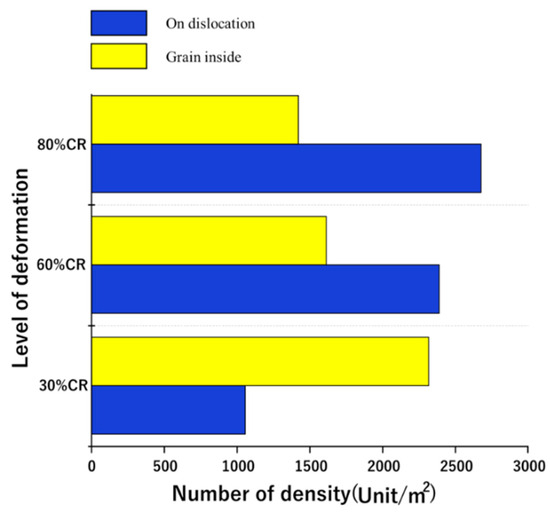
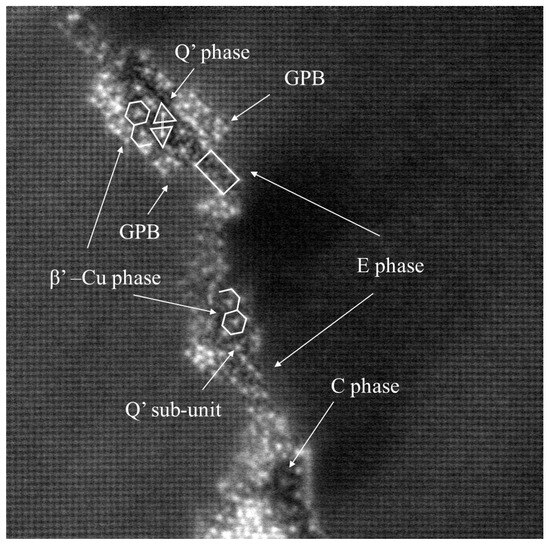
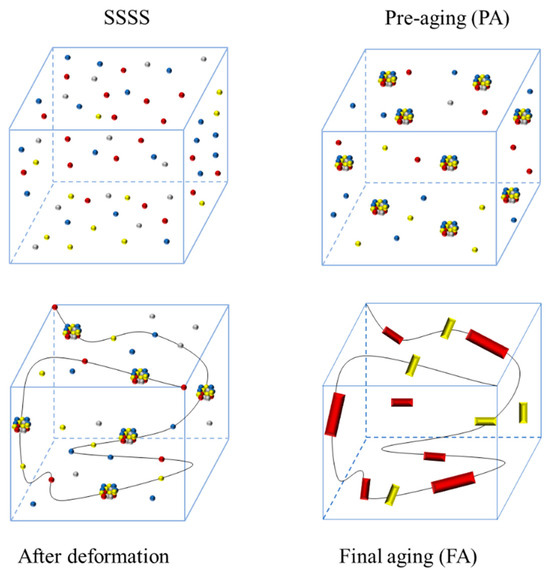
This study investigates the effect of cold rolling on precipitation behavior and mechanical properties in a pre-aged Al–Mg–Si–Cu alloy. Following pre-aging at 35 °C, samples were subjected to various cold-rolling reductions (0–80%) and subsequently aged at 160 °C. Hardness measurements reveal that increasing deformation significantly enhances peak hardness and accelerates aging kinetics, with the 80% cold-rolled sample reaching peak hardness within 6 h compared to 1 week for the undeformed condition. Differential scanning calorimetry (DSC) analysis shows that all precipitation peaks shift to lower temperatures with increasing level of deformation, accompanied by a reduction in activation energy and narrowing of the full width at half-maximum, indicating accelerated precipitation reactions. Transmission electron microscopy (TEM) observations demonstrate that cold rolling introduces a high density of dislocations, which act as preferential nucleation sites for precipitates. As a result, a refined and more uniform distribution of nanoscale precipitates is obtained, with increasing number density and decreasing size at higher deformation levels. The combined results indicate that deformation-induced dislocations play a critical role in modifying precipitation pathways, promoting rapid formation of metastable phases, and enhancing the overall strengthening response of the alloy.
Full article

Figure 1
Open AccessArticle
Mechanism and Optimization of Rotary Abrasive Waterjet for Well Tubing Cutting: Experimental and SPH-FEM Study
by
Can Cai, Hao Jiang, Gao Yang, Lang Zeng, Xin Shen, Shengxin Yan, Fuqiang Zhang and Yingfang Zhou
J. Manuf. Mater. Process. 2026, 10(5), 166; https://doi.org/10.3390/jmmp10050166 - 8 May 2026
Abstract
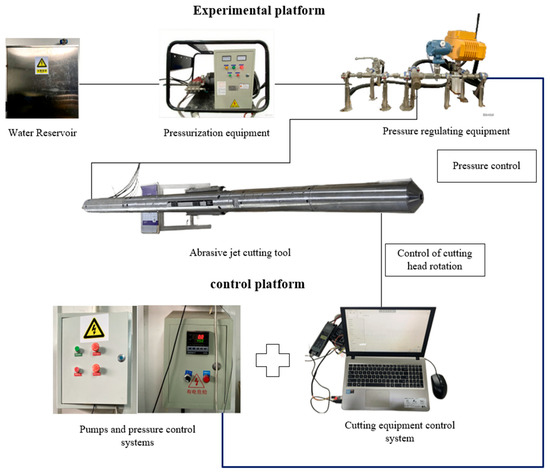
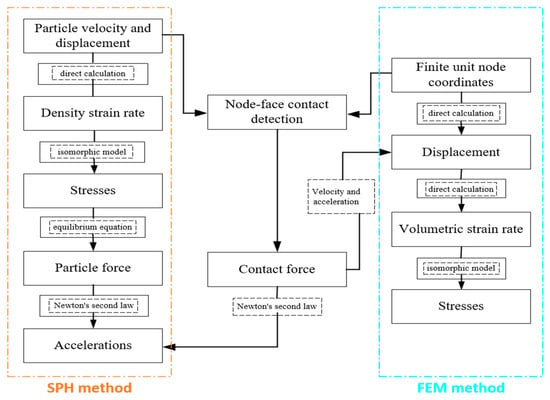
Rotary abrasive waterjet (AWJ) cutting is an effective technique for industrial tube cutting and is widely used for oil and gas well tubing. This study presents a self-designed experimental apparatus for investigating the cutting performance of rotary AWJ. Based on the SPH-FEM coupling
[...] Read more.
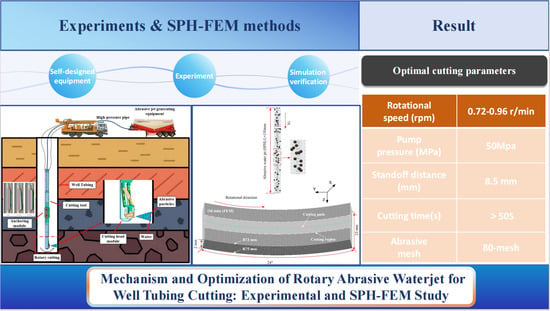
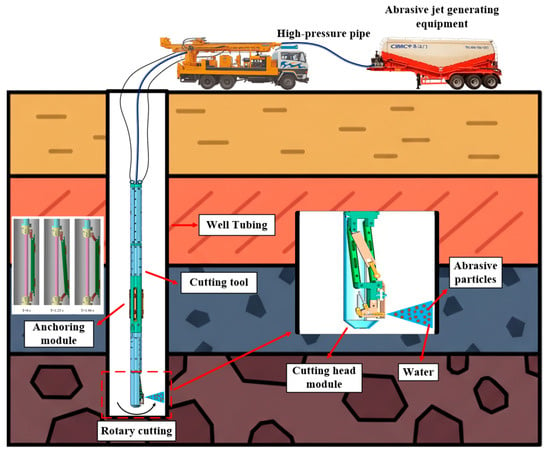
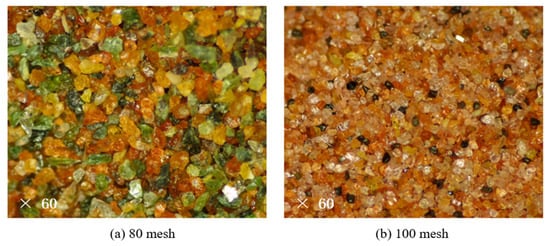
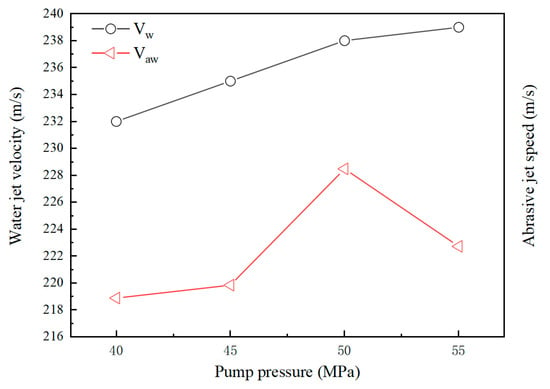
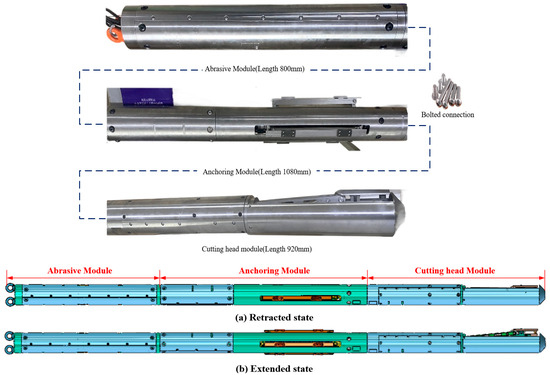
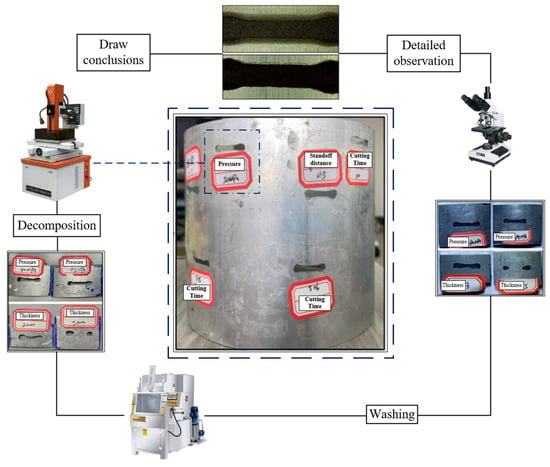
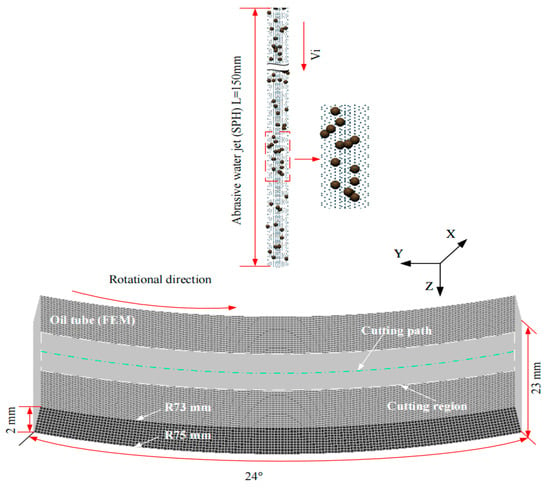
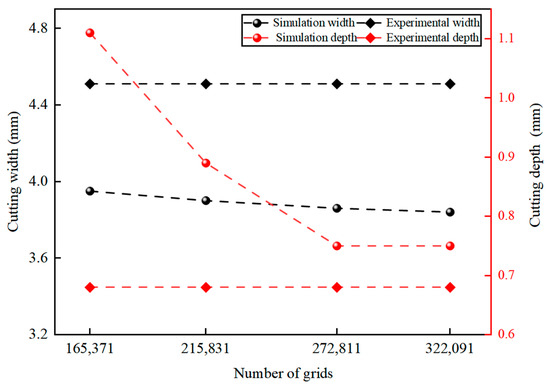
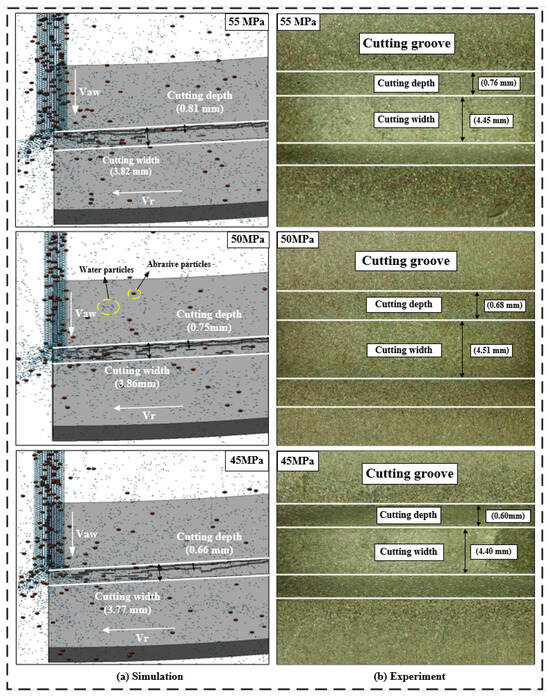
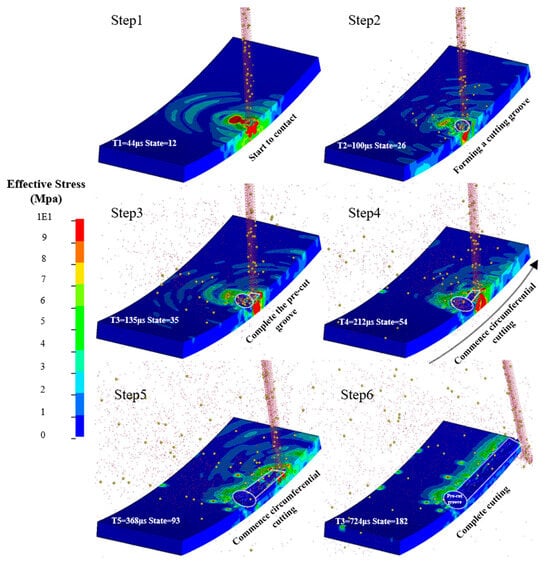
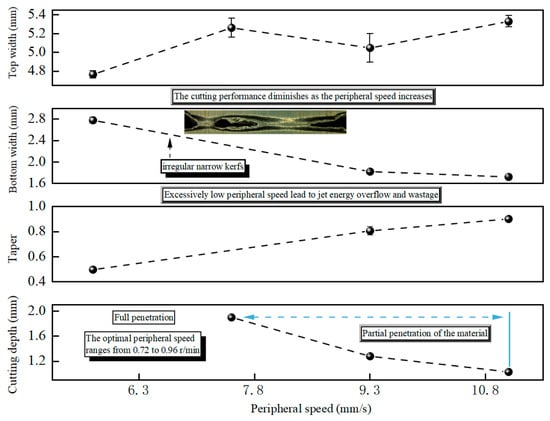
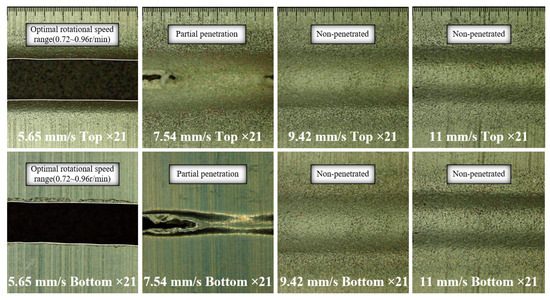
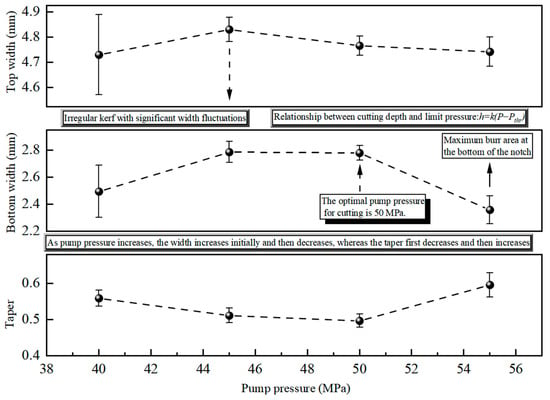
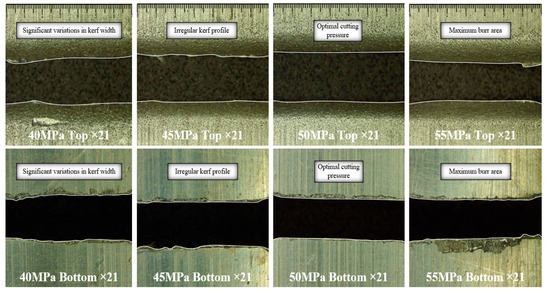
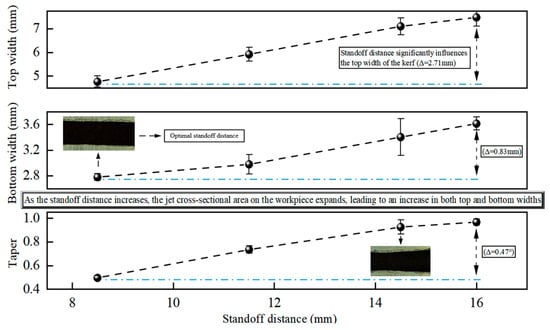
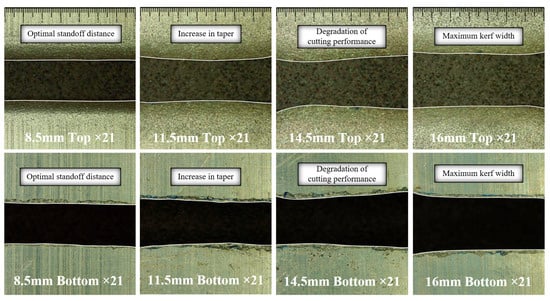
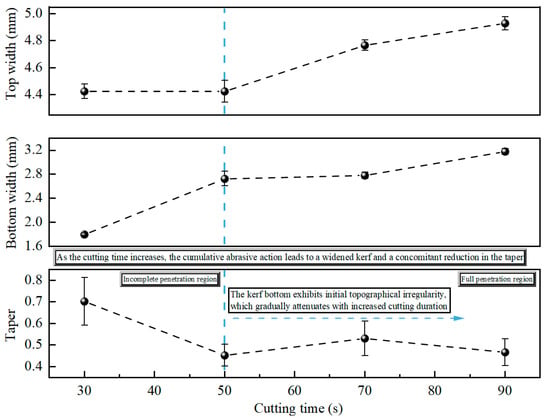
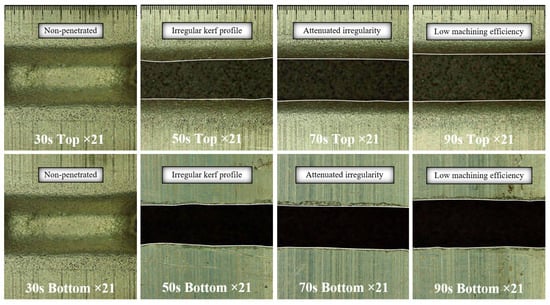
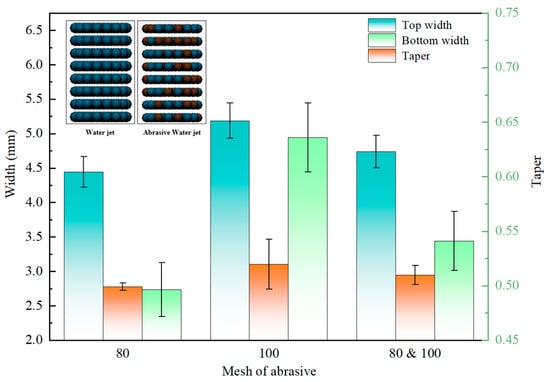
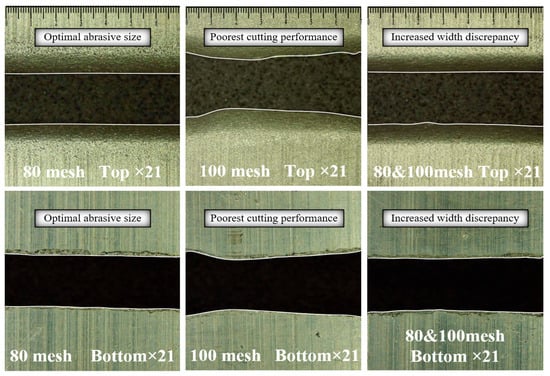
Rotary abrasive waterjet (AWJ) cutting is an effective technique for industrial tube cutting and is widely used for oil and gas well tubing. This study presents a self-designed experimental apparatus for investigating the cutting performance of rotary AWJ. Based on the SPH-FEM coupling theory, a numerical model for rotary AWJ cutting of tubing was developed to investigate the cutting mechanism and optimize process parameters. Experimental results show that low peripheral speed leads to inefficient utilization of jet energy, whereas excessively high peripheral speed degrades cutting performance; the optimal range is 5.65–7.54 mm/s. Pump pressure below the cutting threshold or high pressure both decrease cutting efficiency, with optimal performance at 50 MPa. Both overly fine and overly coarse abrasive mesh sizes degrade cutting performance, with 80-mesh abrasive being optimal. Increasing standoff distance intensifies jet energy attenuation, decreases cutting capacity, and increases kerf taper; 8.5 mm is recommended. Cutting depth increases over cutting time until the jet no longer has enough energy to cut, at which point the depth stops increasing. A theoretical basis for the design and application of rotary AWJ cutting technology in oil and gas wells is provided in this study.
Full article
(This article belongs to the Special Issue Advances in Metal Cutting and Cutting Tools, 2nd Edition)
►▼
Show Figures

Graphical abstract
Open AccessArticle
Structural Continuity-Controlled Stress Evolution and Distortion in LPBF Bridge Structures
by
Yunpeng Zhang, Shilong Che, Junfeng He, Xin Lin and Xufei Lu
J. Manuf. Mater. Process. 2026, 10(5), 165; https://doi.org/10.3390/jmmp10050165 - 8 May 2026
Abstract
►▼
Show Figures
Unsupported and weakly supported overhang features remain a critical challenge in laser powder bed fusion (LPBF) due to their strong susceptibility to geometric degradation, residual stress accumulation, and part distortion. In this study, bridge-shaped structures with four different arch sizes are fabricated to
[...] Read more.
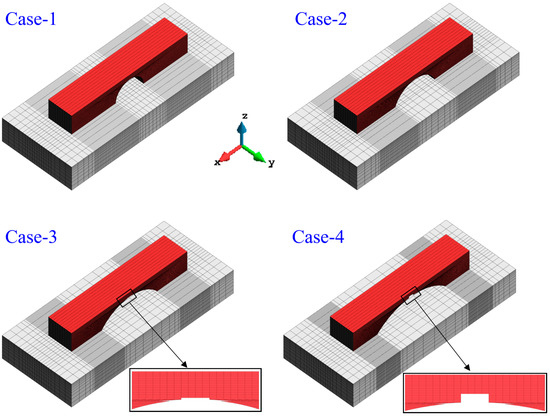
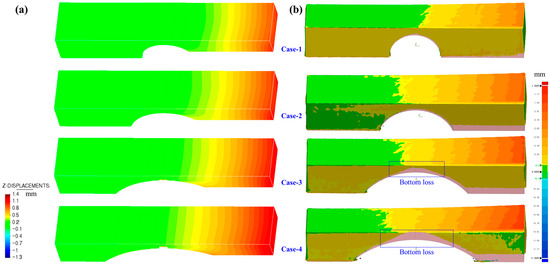
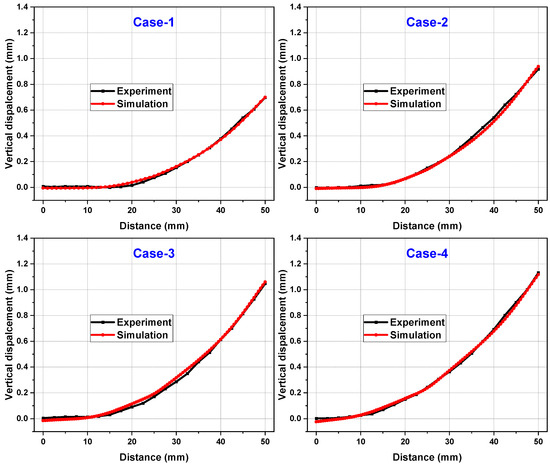
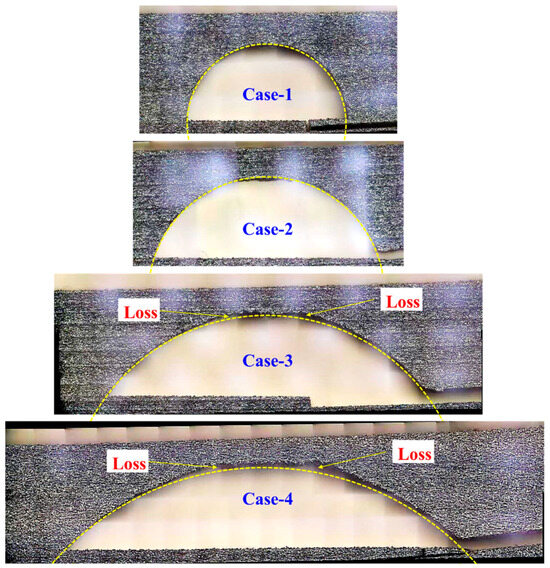
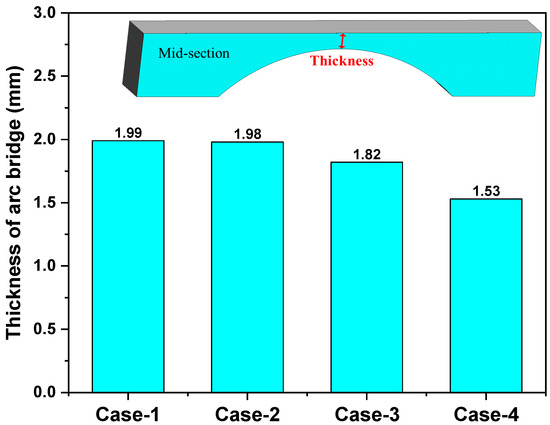
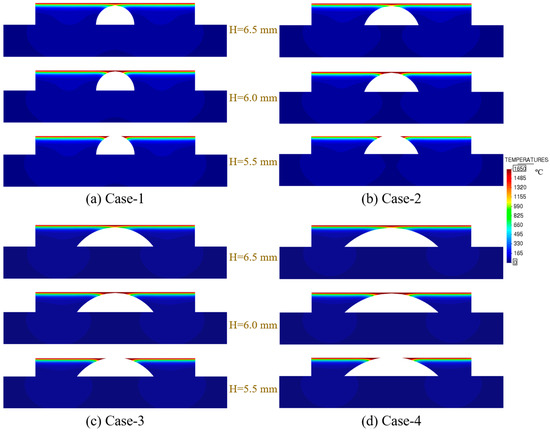
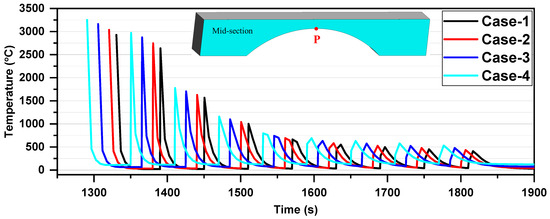
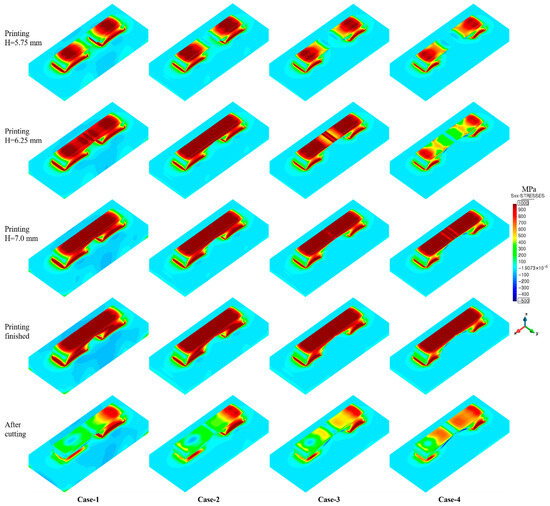
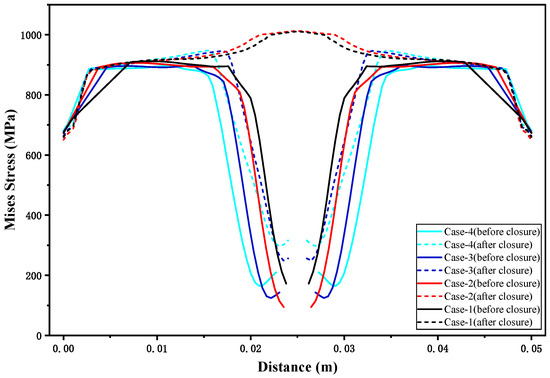
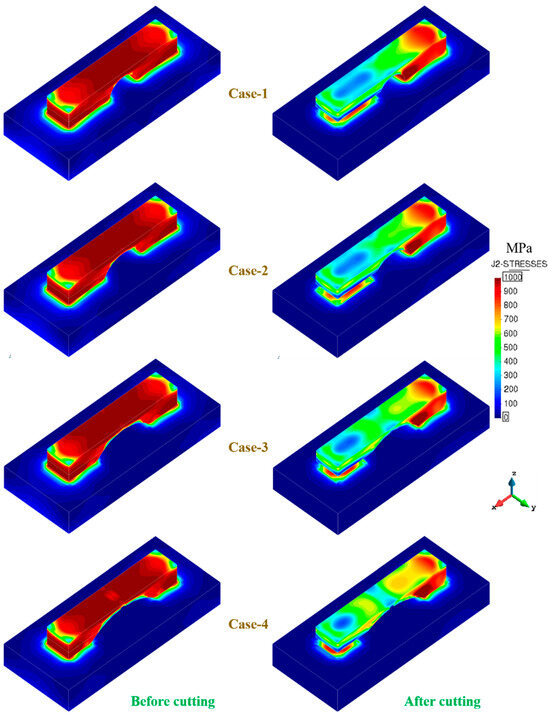
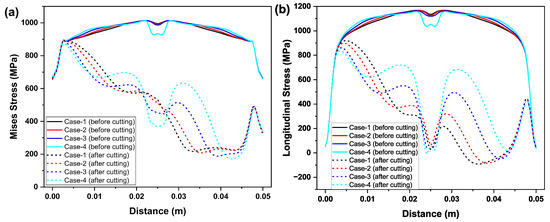
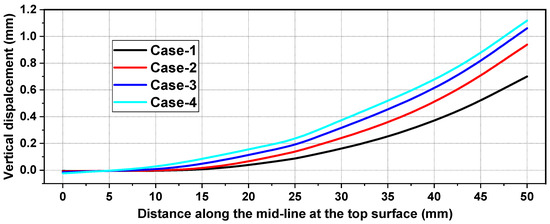
Unsupported and weakly supported overhang features remain a critical challenge in laser powder bed fusion (LPBF) due to their strong susceptibility to geometric degradation, residual stress accumulation, and part distortion. In this study, bridge-shaped structures with four different arch sizes are fabricated to systematically investigate geometry-dependent macroscopic forming quality, stress evolution, and distortion behavior. Experimental results show that increasing arch size leads to progressive thickness reduction at the arch bottom and eventual overhang closure loss, indicating a monotonic deterioration in geometric fidelity. A thermo-mechanically coupled finite element model is developed and calibrated using 3D scanning measurements of warpage, achieving a maximum deviation below 0.03 mm between predicted and measured displacements. Numerical analyses reveal that larger arch sizes promote local heat accumulation and reduced cooling rates beneath the arch, which reduce the instantaneous load-bearing capacity of the material and increase its susceptibility to downward deformation. Meanwhile, arch size significantly influences the establishment of structural continuity and stress transfer during printing; incomplete closure in large arches interrupts load-bearing paths and alters stress redistribution at intermediate stages, whereas similar stress evolution trends are observed once geometric continuity is achieved. These findings demonstrate that arch closure acts as a key structural transition controlling stress transmission and distortion development during LPBF, thereby providing mechanistic insight into geometry-induced defects and offering quantitative guidance for the design of unsupported features in additively manufactured components.
Full article

Figure 1
Open AccessReview
Hand Scraping: A Review of Skill, Automation, and the Future of Human–AI Collaboration in Precision Surface Finishing
by
Hirotaka Tsutsumi
J. Manuf. Mater. Process. 2026, 10(5), 164; https://doi.org/10.3390/jmmp10050164 - 7 May 2026
Abstract
Hand scraping (kisage) is a precision finishing technique in which a skilled craftsperson uses a hardened scraping tool to selectively remove minute amounts of metal from a workpiece surface, achieving flatness and surface texture unattainable by conventional machine processes. This technique continues to
[...] Read more.
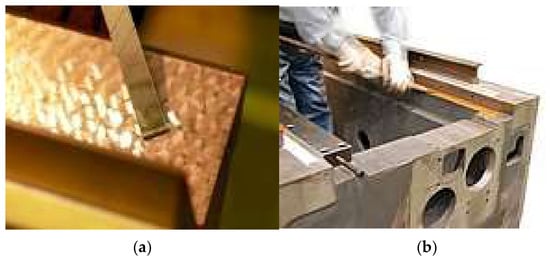
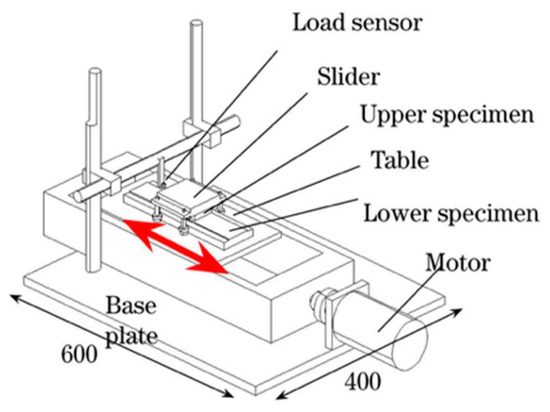
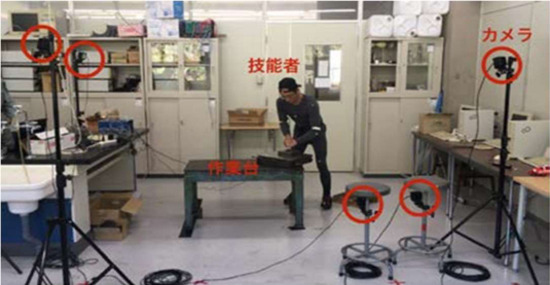
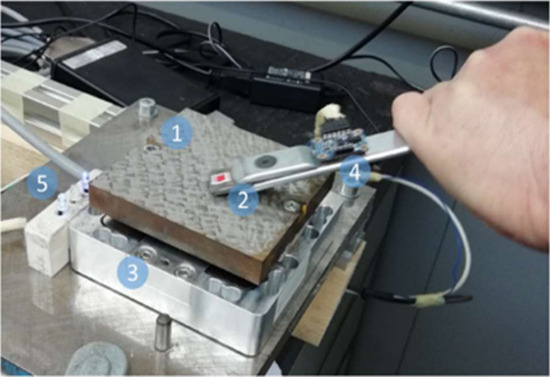
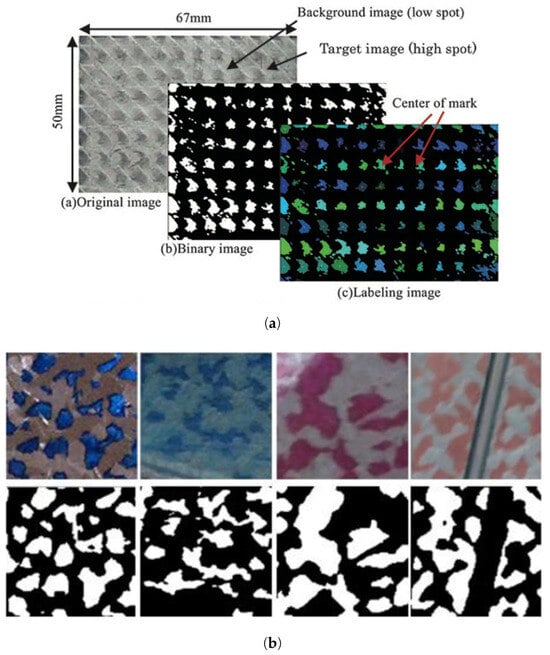
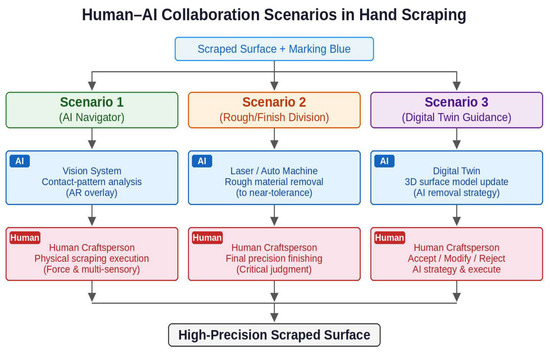
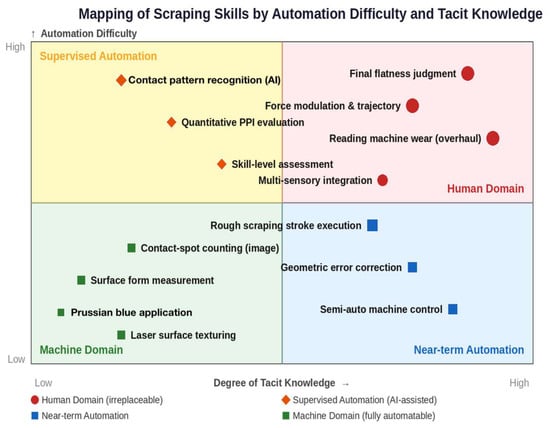
Hand scraping (kisage) is a precision finishing technique in which a skilled craftsperson uses a hardened scraping tool to selectively remove minute amounts of metal from a workpiece surface, achieving flatness and surface texture unattainable by conventional machine processes. This technique continues to play a decisive role in the manufacture of high-precision machine tools—particularly for guideway and datum surfaces—yet it faces a serious skill-succession crisis driven by the retirement of master craftspeople and the absence of systematic transmission mechanisms. This paper provides a comprehensive review of hand scraping technology, tracing its historical origins and fundamental principles and organizing the current research landscape into four interrelated pillars structured along two analytical levels: (1) skill digitization and transmission, (2) surface measurement and evaluation, (3) tooling and process innovation, and (4) automation systems. Primary qualitative field data gathered at a specialist machine tool repair company—Ando Kikai Kogyo Co., Ltd. (Ome, Tokyo)—are used to provide evidence on the realities of skill transmission in industrial practice. Building on this analysis, the paper discusses the prospects for artificial intelligence integration, from AI-assisted contact-pattern recognition to semi-automated scraping systems, and proposes a near-future roadmap centered on Human–AI collaboration rather than full automation. The paper argues that genuine mastery of scraping cannot be separated from its physical enactment—that knowledge of scraping and the action of scraping are inseparable—and that the appropriate response is to design Human–AI systems that augment and preserve this embodied knowledge rather than seek to replace it.
Full article
(This article belongs to the Special Issue Artificial Intelligence Systems for Intelligent Manufacturing)
►▼
Show Figures

Figure 1
Open AccessArticle
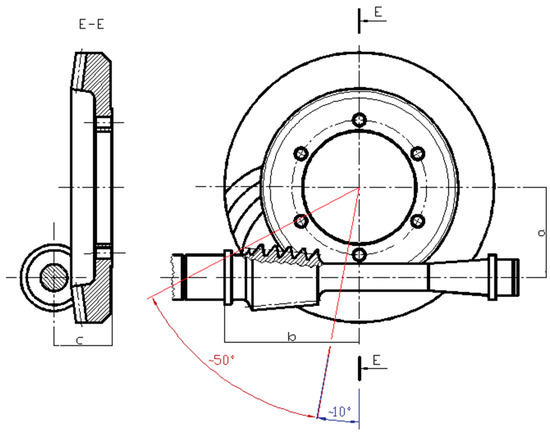
Theoretical Manufacturing and Mathematical Analysis of the Spiroid Worm Grinding Process Based on a Solution to the Lead and Angular Velocity Fluctuation Problem Using Lead Angle Correction
by
Sándor Bodzás, Gyöngyi Szanyi and Tatjana Lazovic
J. Manuf. Mater. Process. 2026, 10(5), 163; https://doi.org/10.3390/jmmp10050163 - 7 May 2026
Abstract
►▼
Show Figures
The present study provides a comprehensive analysis of the grinding process of spiroid worm shafts, focusing on the combined application of lathe center displacement and lead angle correction on a conventional cylindrical grinding machine. The objective is to generate accurate tooth profiles for
[...] Read more.
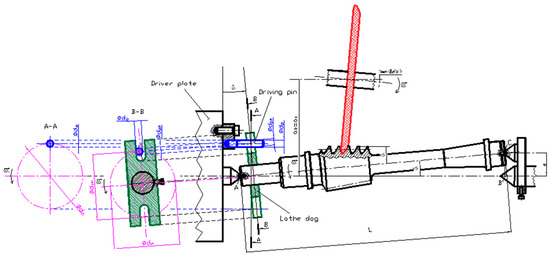
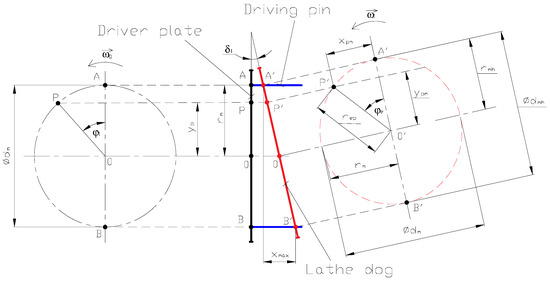
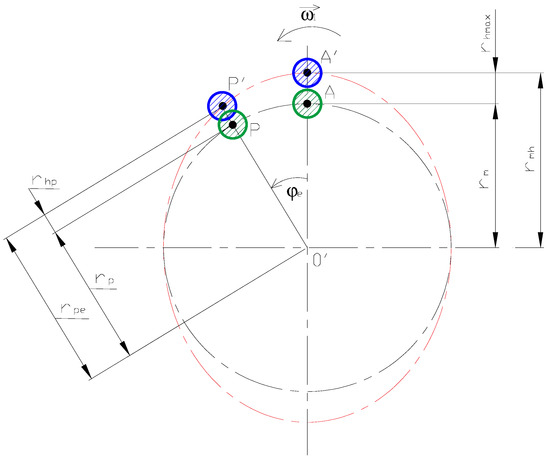
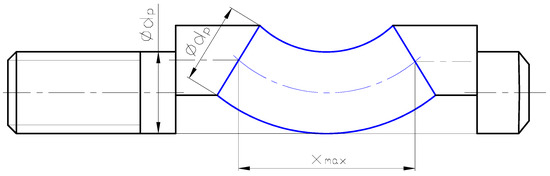
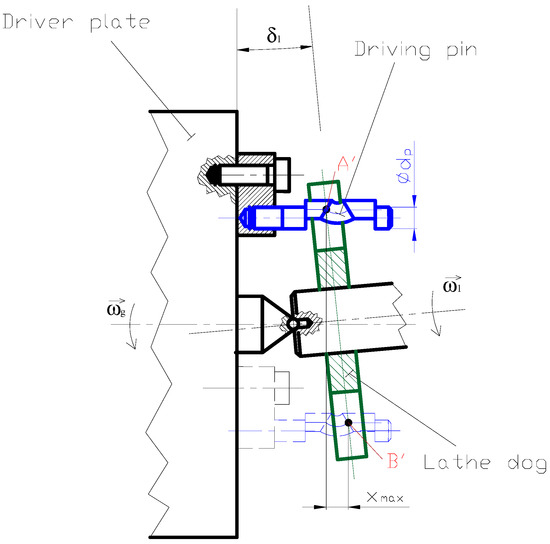
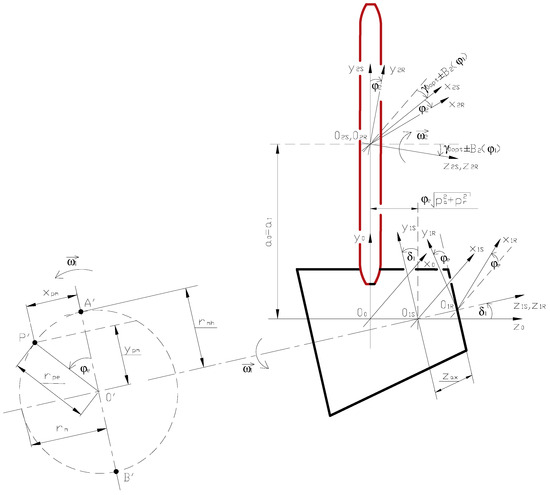
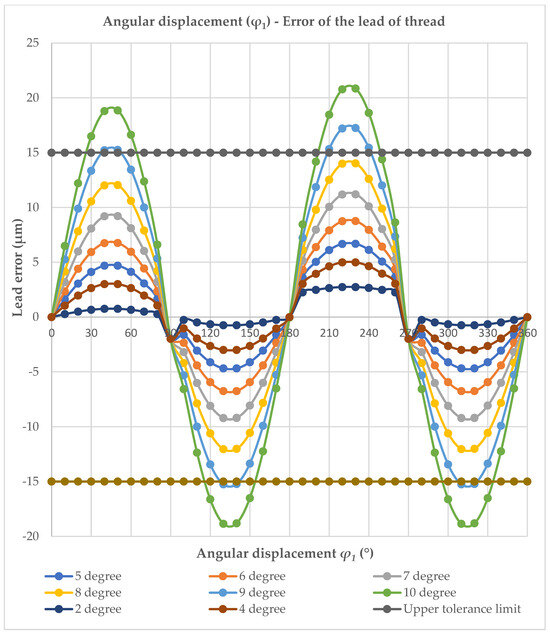
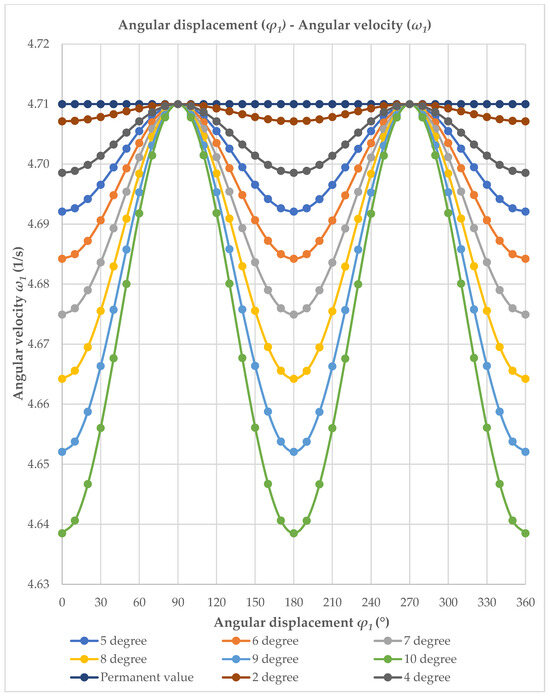
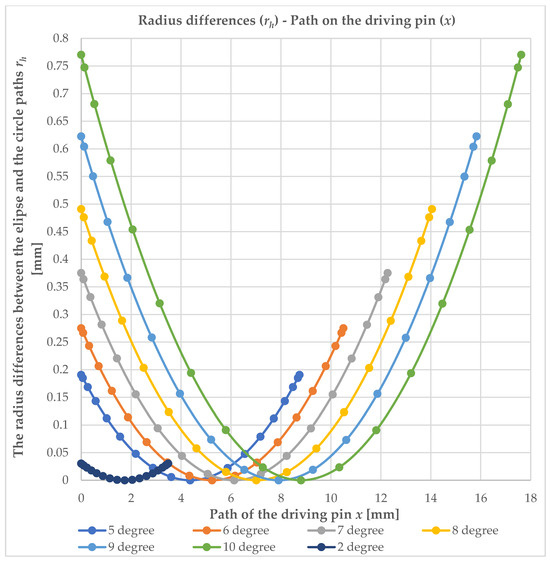
The present study provides a comprehensive analysis of the grinding process of spiroid worm shafts, focusing on the combined application of lathe center displacement and lead angle correction on a conventional cylindrical grinding machine. The objective is to generate accurate tooth profiles for spiroid worms and spiroid hobs while minimizing lead errors and angular velocity fluctuations inherent in the worm grinding process. The implementation of lathe center displacement alters the kinematics of the workpiece, transforming the nominal circular path into an elliptical path. This kinematic modification introduces manufacturing deviations due to the continuously varying radius along the elliptical path. To address these effects, a novel mathematical model is developed, enabling the determination of an optimal grinding wheel profile for both spiroid worms and hobs under these non-ideal motion conditions. The simultaneous application of the optimized grinding wheel profile and lead angle correction is shown to significantly enhance the profile accuracy of the generated tooth geometry. Furthermore, a detailed manufacturing analysis is carried out to investigate the influence of variations in the half-taper angle on key process parameters. Based on the analytical and computational results, a methodological solution is proposed to effectively mitigate lead errors and angular velocity fluctuations in spiroid worm grinding.
Full article

Figure 1
Open AccessArticle
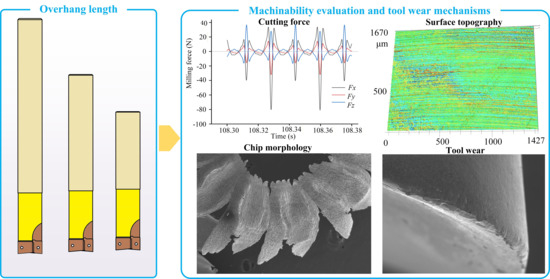
Tool Wear and Machinability Assessment of Ti-6Al-4V with Cemented Carbide Tools During Large Overhang Milling with Varying Shank Lengths
by
Aisheng Jiang, Feng Guo, Yuzhong Wang, Shibo Zhang, Tianyu Wang, Haiqiang Yu, Xiaoliang Liang and Zhanqiang Liu
J. Manuf. Mater. Process. 2026, 10(5), 162; https://doi.org/10.3390/jmmp10050162 - 5 May 2026
Abstract
►▼
Show Figures
Large overhang milling cutters face challenges, including poor cutting stability and surface quality when machining deep-cavity parts in aerospace and other industries. The combined interactions between overhang and process parameters significantly influence machining performance and the tool wear mechanism. In this study, the
[...] Read more.
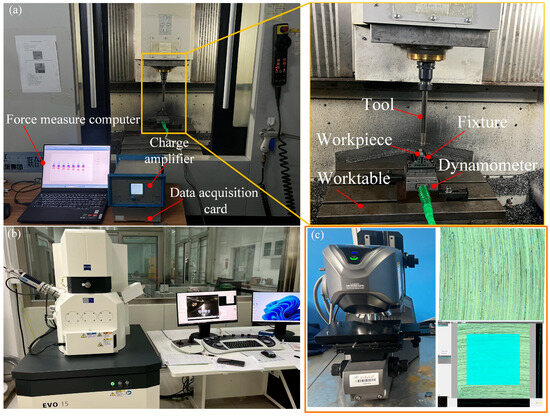
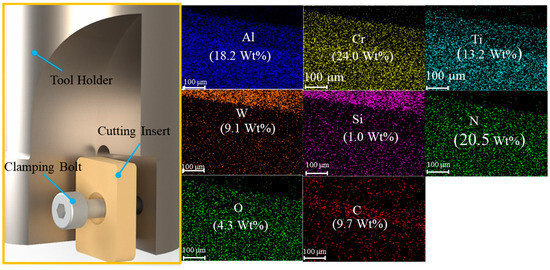
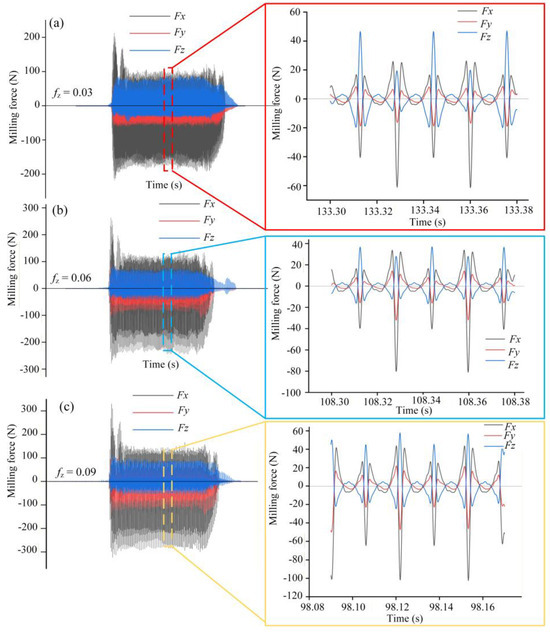
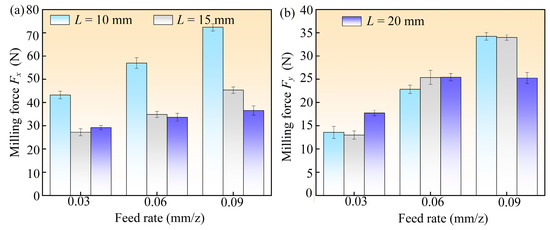
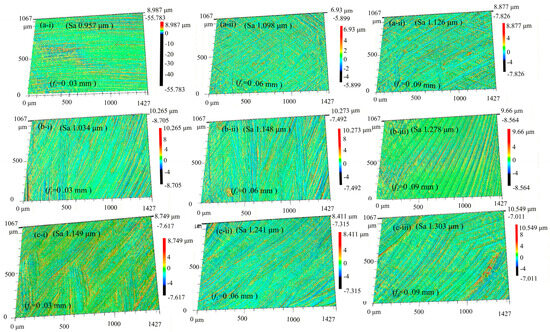
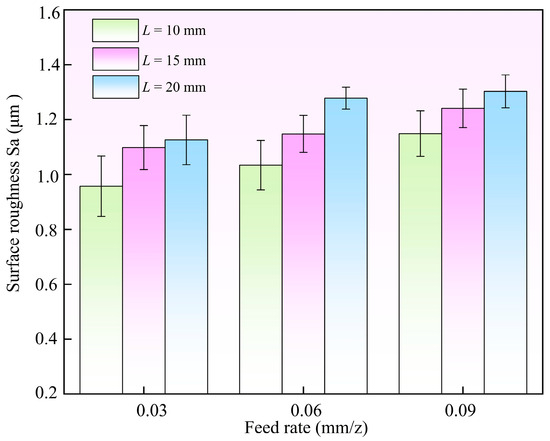
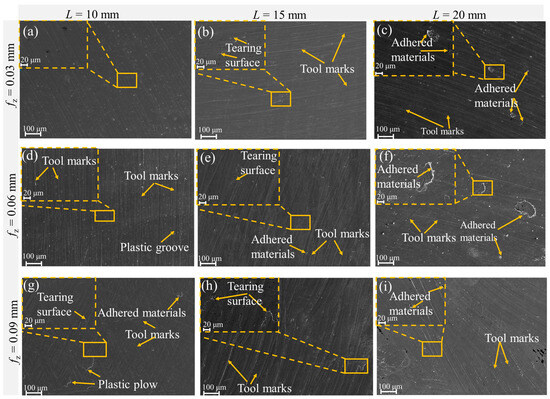
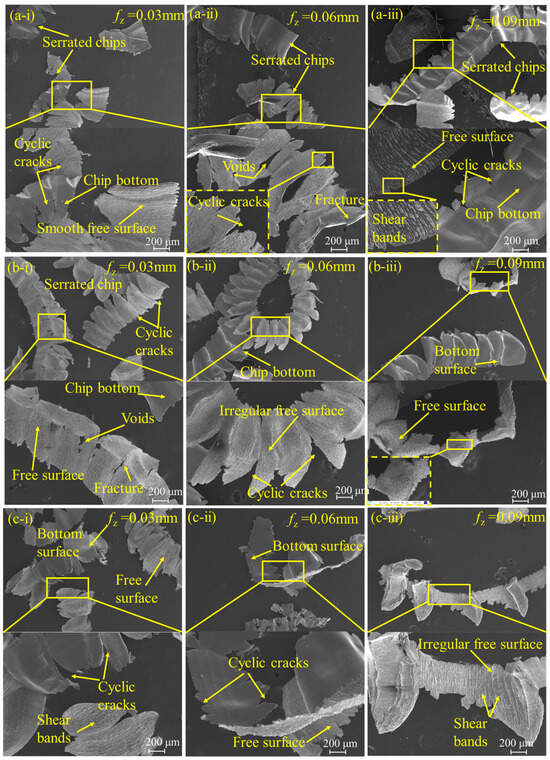
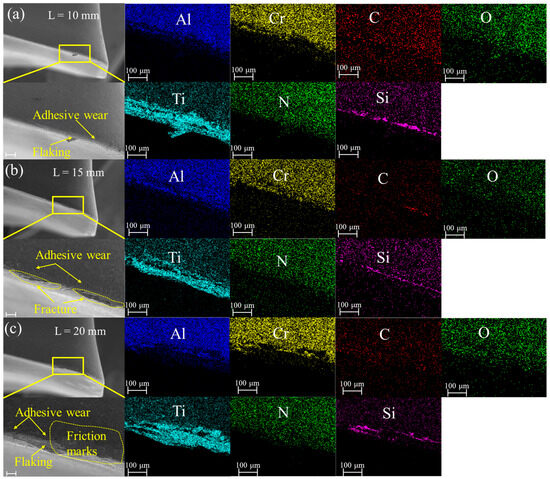
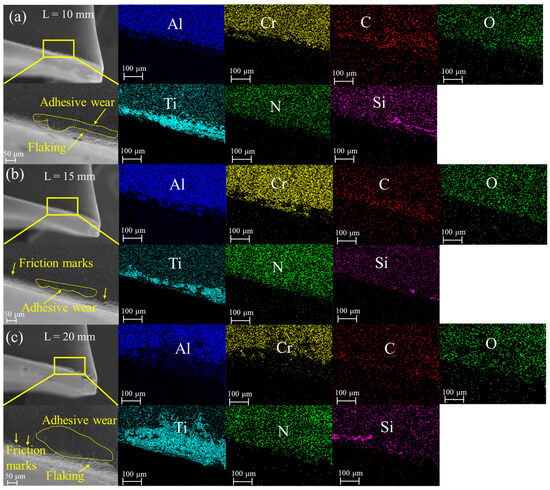
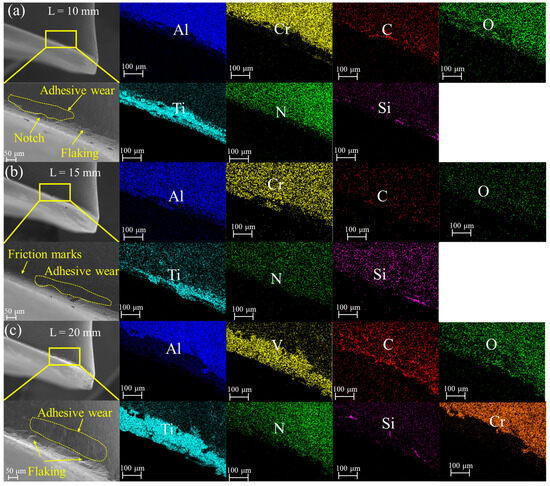
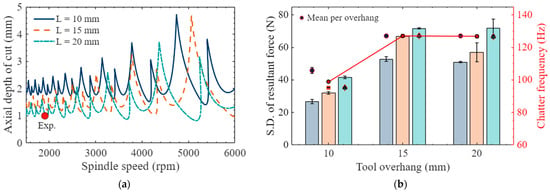
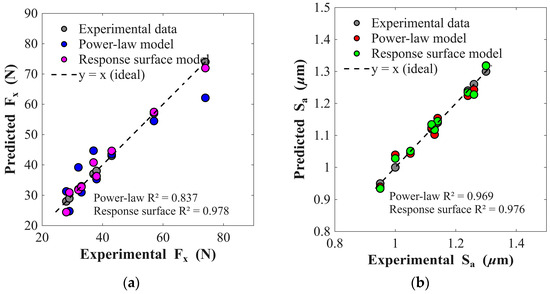
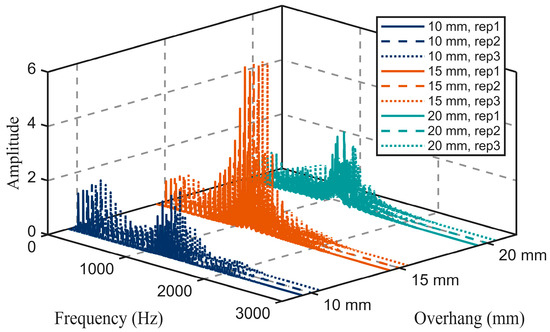
Large overhang milling cutters face challenges, including poor cutting stability and surface quality when machining deep-cavity parts in aerospace and other industries. The combined interactions between overhang and process parameters significantly influence machining performance and the tool wear mechanism. In this study, the coupled effects of tool overhang length and feed per tooth on milling force, surface topography, chip morphology, and tool wear mechanism were systematically investigated under typical large overhang conditions. The tool stiffness decreased with increasing overhangs; the feed force decreased by approximately 32.4%~49.48%; and the chip morphology changed from continuous bands to fractures. The feed force increased by approximately 25.11%~67.34% with increasing the feed per tooth, resulting in reduced surface quality and accelerated tool wear. The novelty of this work lies in quantitatively revealing the coupling mechanism between overhang length and feed rate in large overhang milling, providing a theoretical basis for process optimization. The findings are directly applicable to the optimization of machining parameters for deep-cavity components such as aero-engine casings and optical mold cavities, where tool overhang is a critical factor affecting productivity and surface integrity. This study provides a theoretical foundation and experimental reference for optimizing process parameters when milling titanium alloy with long-overhang milling cutters.
Full article

Graphical abstract
Open AccessArticle
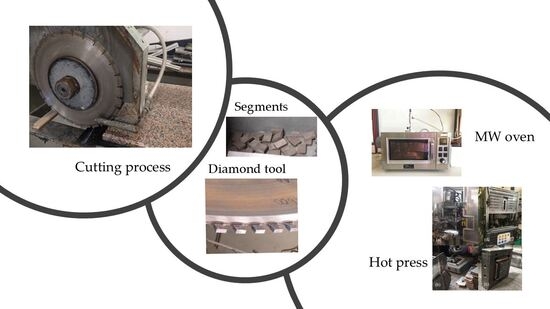
From Sintering Route to Cutting Response: Circular-Saw Granite Cutting with Microwave-Hybrid Sintered Diamond Segments
by
Raquel S. Henriques, Pedro F. Borges, Adriano Coelho, Pedro M. Amaral, Jorge Cruz Fernandes and Fernando A. Costa Oliveira
J. Manuf. Mater. Process. 2026, 10(5), 161; https://doi.org/10.3390/jmmp10050161 - 2 May 2026
Abstract
►▼
Show Figures
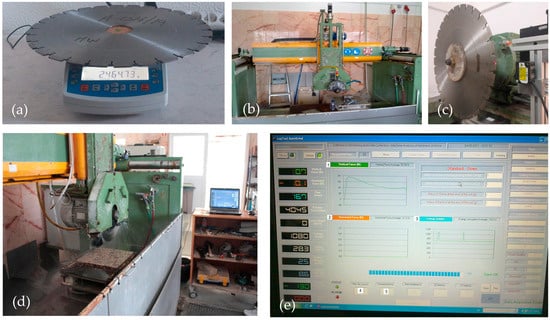
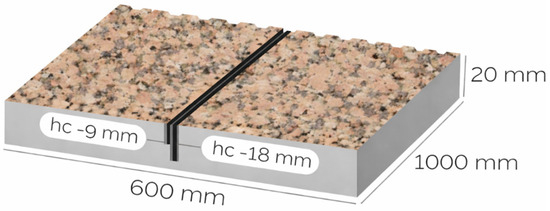
Balancing low segment wear with stable cutting forces remains a challenge in granite sawing. This work compares diamond-impregnated saw segments produced by microwave– hybrid sintering (MWHS) and hot pressing (HP) when cutting Rosa Porriño granite. Tests were performed under tap-water cooling (22 L
[...] Read more.
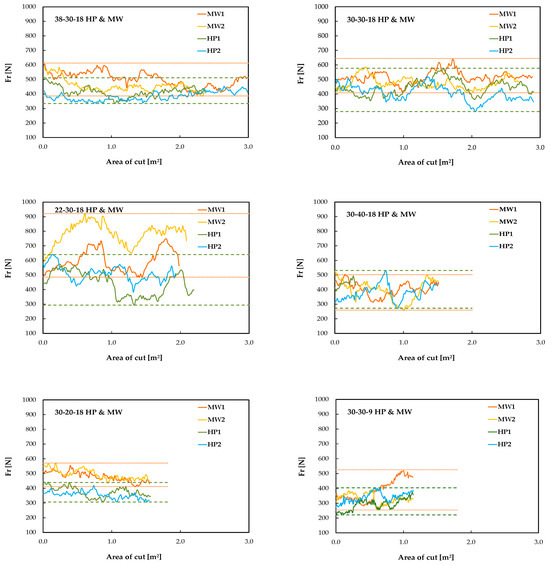
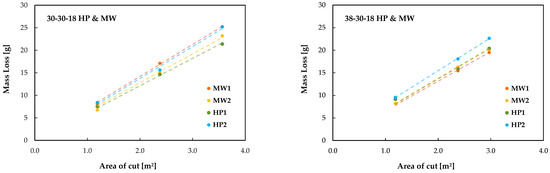
Balancing low segment wear with stable cutting forces remains a challenge in granite sawing. This work compares diamond-impregnated saw segments produced by microwave– hybrid sintering (MWHS) and hot pressing (HP) when cutting Rosa Porriño granite. Tests were performed under tap-water cooling (22 L min−1) while varying peripheral speed (20–40 m s−1), feed speed (22–38 mm s−1), and cutting depth (9–18 mm). Cutting forces were recorded during successive slots, and wear was quantified as mass loss per machined area (1.2–3.0 m2 per test). MWHS segments exhibited lower wear than HP segments, with reductions up to ~20%, consistent with improved diamond retention and reduced binder exposure to debris-driven abrasion. Under higher cutting severity, however, MWHS segments developed higher forces, indicating reduced grit renewal and progressive blunting, plausibly linked to stronger diamond–matrix bonding and the low-friability diamond grade used. In contrast, HP segments operated at lower forces but showed higher wear, consistent with greater surface renewal through controlled grit release. Tuning diamond friability and matrix compliance in MWHS is proposed to stabilize forces while preserving the wear advantage. Overall, MWHS is a viable route for granite cutting segments, but further optimization is required to achieve HP-equivalent behavior across the tested conditions.
Full article

Graphical abstract
Open AccessArticle
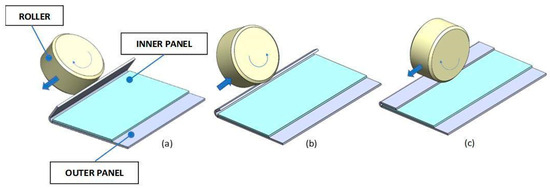
Effect of Forming Temperature on Linear Roll Forming of 6011 Aluminum Sheets: An Analysis Based on Experimental Design
by
Luis Andrés García Velásquez, Pablo Alberto Limon-Leyva, Ian Sosa-Tinoco, Eusebio Jiménez López and Antonio de J. Balvantin-Garcia
J. Manuf. Mater. Process. 2026, 10(5), 160; https://doi.org/10.3390/jmmp10050160 - 30 Apr 2026
Abstract
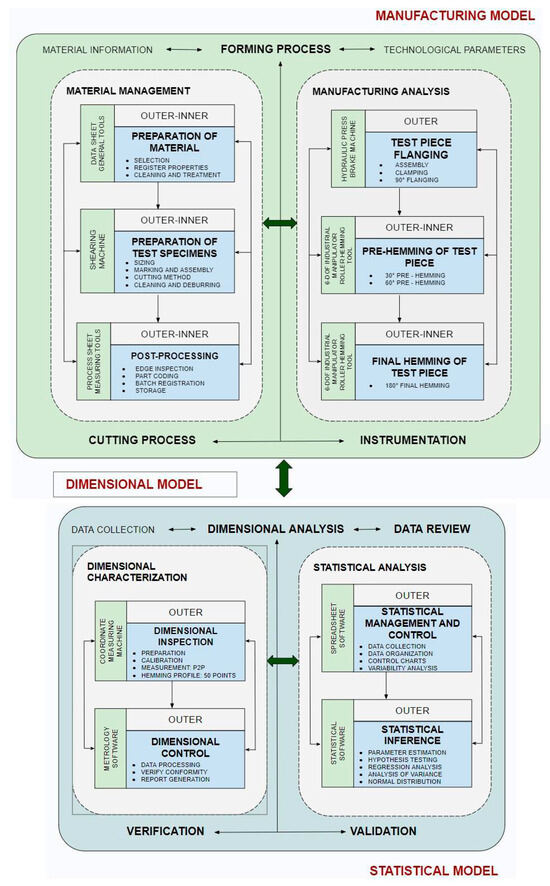
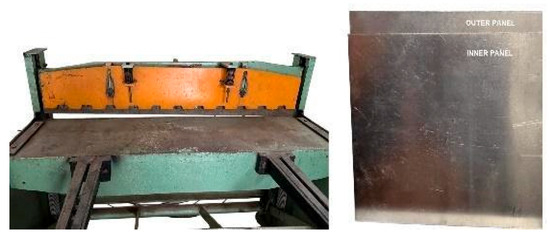
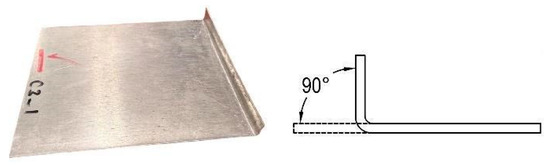
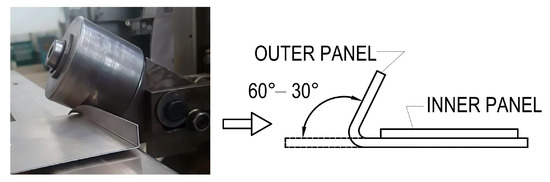
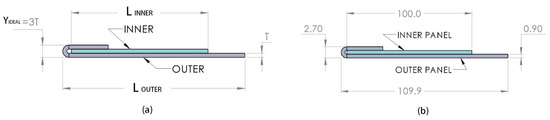
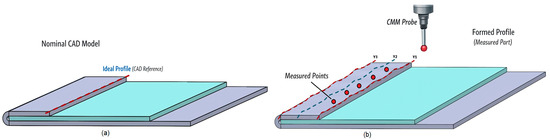
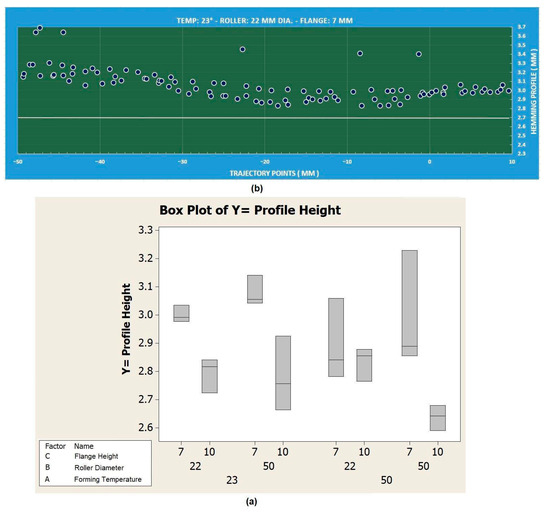
This study analyzed the effect of forming temperature on the roller hemming process of AA6011-T4 aluminum alloy sheets, using a 2K factorial design to also evaluate the influence of roller diameter and flange height. A total of 24 experimental tests were conducted,
[...] Read more.
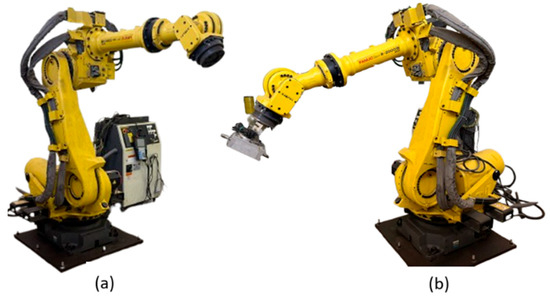
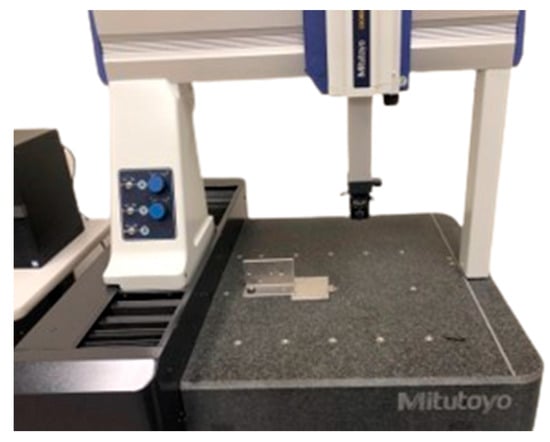
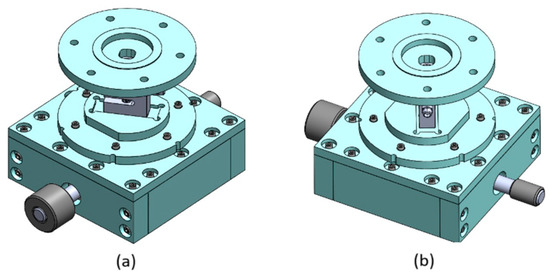
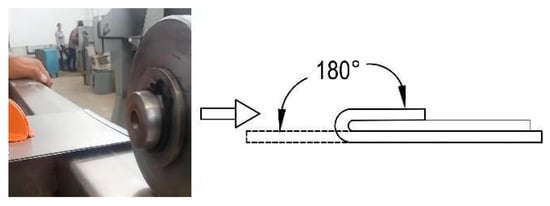
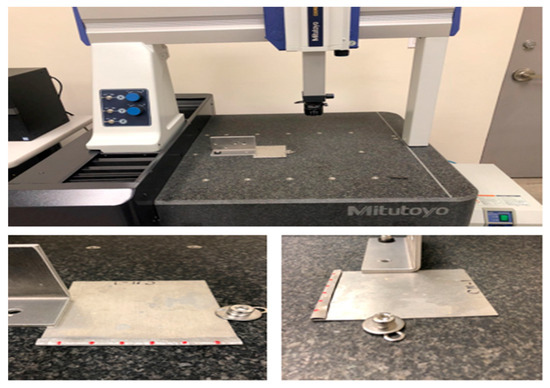
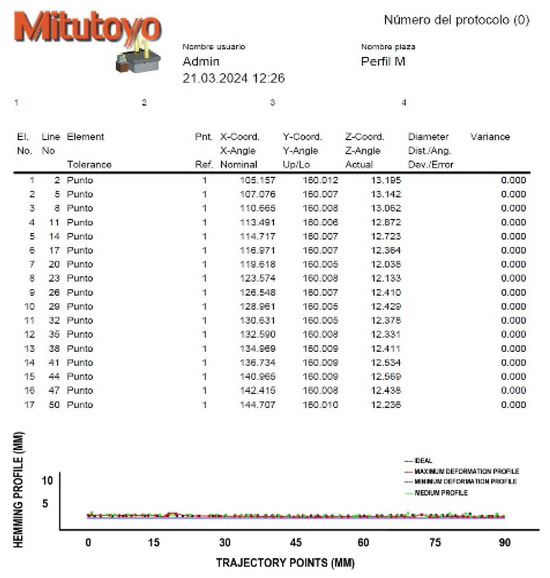
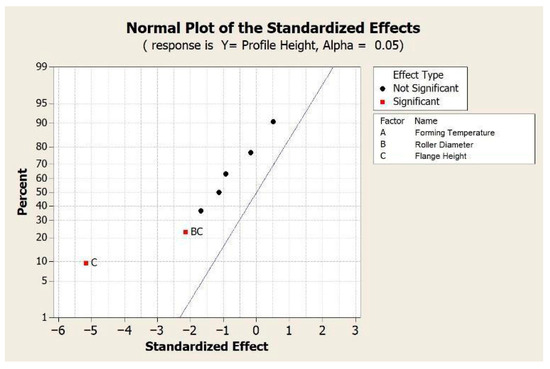
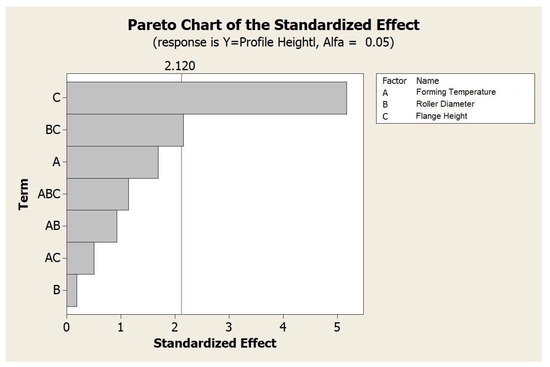
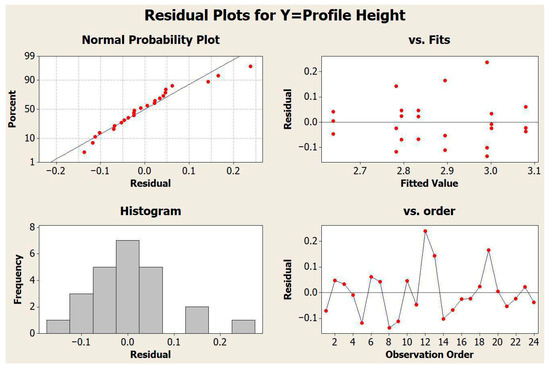
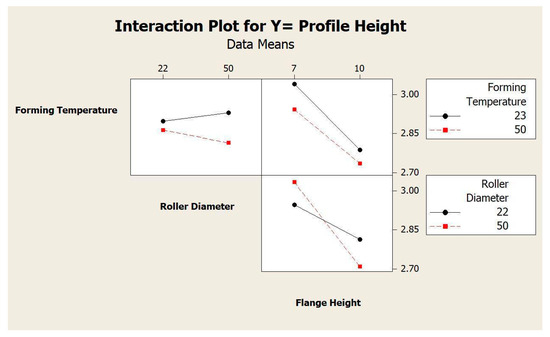
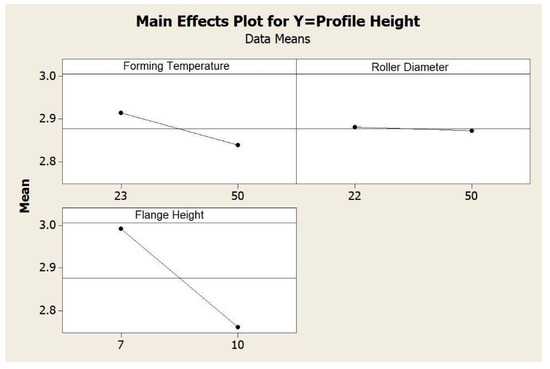
This study analyzed the effect of forming temperature on the roller hemming process of AA6011-T4 aluminum alloy sheets, using a 2K factorial design to also evaluate the influence of roller diameter and flange height. A total of 24 experimental tests were conducted, varying the forming temperature (23 °C and 50 °C), roller diameter (22 mm and 50 mm), and flange height (7 mm and 10 mm). The hemming process was performed using a six-axis industrial robot (FANUC 2000i, Fanuc Corporation, Oshino, Japan) with roller tooling mounted o n a support fixture. The height of the flanged profile was measured using a coordinate measuring machine. ANOVA results, processed with MINITAB 18, showed that forming temperature, roller diameter, and flange height all have a statistically significant effect on the final profile height. No significant interactions were found among the factors, indicating their effects are independent. The most favorable configuration for maximizing profile height was the combination of the largest roller diameter and the highest flange height, under cold forming conditions. Additionally, a significant difference was observed between cold and warm forming processes in terms of the resulting profile height, highlighting the relevance of temperature control in the roller hemming of AA6011-T4 aluminum alloy.
Full article
(This article belongs to the Special Issue Green Heat Transfer: Towards Sustainable Manufacturing of Advanced Thermal Technologies)
►▼
Show Figures

Figure 1

Open AccessArticle
Overall Equipment Effectiveness as a Strategic KPI in Intelligent Manufacturing: A Case Study in Plastic Injection Moulding
by
Sonia Val, Nicolás Jiménez and María Pilar Lambán
J. Manuf. Mater. Process. 2026, 10(5), 159; https://doi.org/10.3390/jmmp10050159 - 30 Apr 2026
Abstract
Intelligent manufacturing requires strategic performance indicators that link shop-floor performance with productivity and sustainability goals. This study examines Overall Equipment Effectiveness (OEE) as a strategic key performance indicator and applies it to a hydraulic plastic injection-moulding machine producing an automotive component. Production data
[...] Read more.
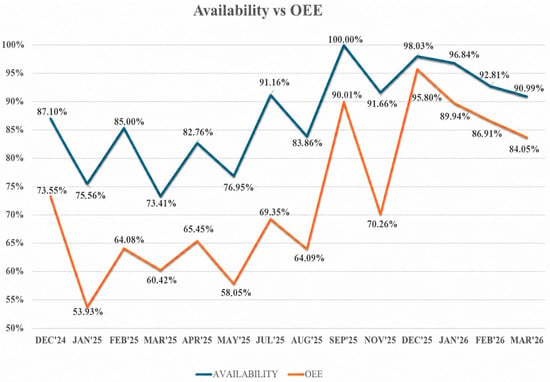
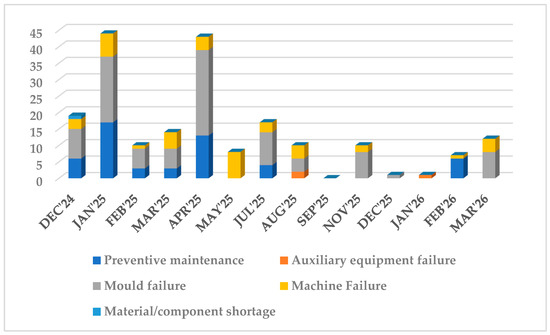
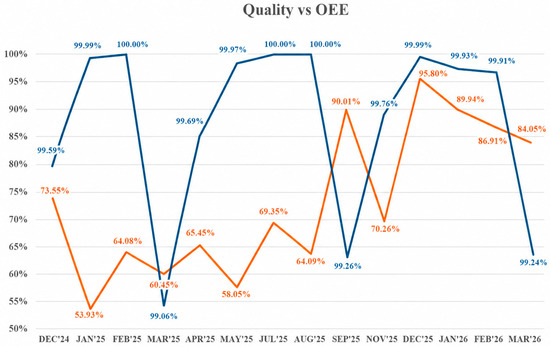
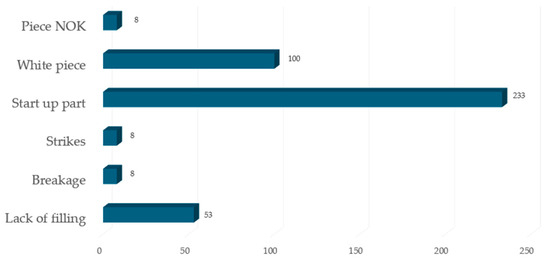
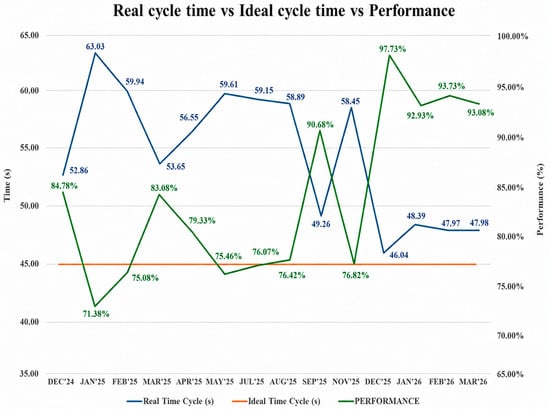
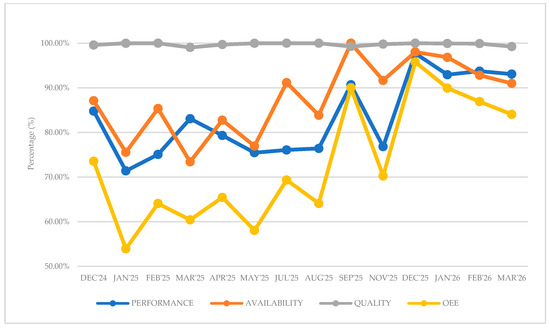
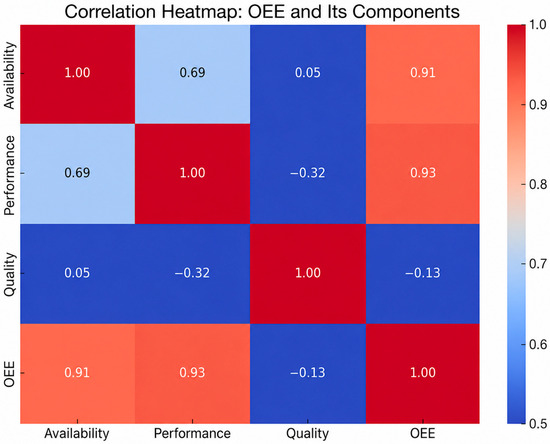
Intelligent manufacturing requires strategic performance indicators that link shop-floor performance with productivity and sustainability goals. This study examines Overall Equipment Effectiveness (OEE) as a strategic key performance indicator and applies it to a hydraulic plastic injection-moulding machine producing an automotive component. Production data captured through a PLC-and-SQL-integrated digital monitoring system over 14 months were used to calculate monthly Availability, Performance, Quality, and OEE values and to identify the main sources of efficiency loss. The baseline period showed low OEE, driven mainly by unplanned downtime, minor stoppages, and cycle times above the 45 s target, whereas Quality remained consistently close to 100%. A diagnostic analysis combining production logs, downtime stratification, cycle-time records, and consultations with plant personnel was then used to define improvement actions. The implemented measures included preventive and predictive maintenance, process-parameter optimisation, operator training, and wider use of digital monitoring and analytics. In the post-improvement period, OEE increased markedly, downtime decreased, and cycle-time stability improved, reaching values close to world-class performance. The results confirm that OEE can function as a unifying KPI for intelligent manufacturing, supporting data-driven decision-making, continuous improvement, and more sustainable production.
Full article
(This article belongs to the Special Issue AI-Driven Smart Manufacturing: Bridging Data Innovation, Industrial Practice, and Ethical Intelligence)
►▼
Show Figures

Figure 1
Highly Accessed Articles
Latest Books
E-Mail Alert
News
18 May 2026
Meet Us at the European Society for Precision Engineering and Nanotechnology International Conference, 8–12 June 2026, Krakow, Poland
Topics
Topic in
Actuators, Algorithms, BDCC, Future Internet, JMMP, Machines, Robotics, Systems
Smart Product Design and Manufacturing on Industrial Internet
Topic Editors: Pingyu Jiang, Jihong Liu, Ying Liu, Jihong YanDeadline: 30 June 2026
Topic in
Fibers, J. Compos. Sci., JMMP, Materials, Polymers, Recycling
Advanced Composites Manufacturing and Plastics Processing, 2nd Volume
Topic Editors: Patricia Krawczak, Ludwig Cardon, Frederik DesplentereDeadline: 1 September 2026
Topic in
Coatings, Lubricants, Metals, Applied Sciences, CMD, JMMP
Surface Modification and Durability Enhancement of Advanced Alloys
Topic Editors: Ping Zhang, Chuang He, Damian Przestacki, Yu-Cun GuDeadline: 5 October 2026
Topic in
Aerospace, Applied Sciences, Astronautics, Coatings, J. Compos. Sci., JMMP, Materials, Polymers
Advanced Materials and Manufacturing for Extreme Environments in Energy and Aerospace
Topic Editors: Richard E. Wirz, Chih-Hung (Alex) Chang, Tianyi Chen, Somayeh Pasebani, Dong Lin, Devin J. Roach, Jesse A. RodriguezDeadline: 31 October 2026
Conferences
Special Issues
Special Issue in
JMMP
Advances in Dissimilar Metal Joining and Welding, 2nd Edition
Guest Editors: Daniel F.O. Braga, Sérgio TavaresDeadline: 31 May 2026
Special Issue in
JMMP
Progress in Laser Materials Processing
Guest Editors: Antonio Riveiro, Rafael ComesañaDeadline: 31 May 2026
Special Issue in
JMMP
Advancements in Metal Additive Manufacturing: Technologies and Applications
Guest Editors: Christoph Hartl, Danka Katrakova-KrügerDeadline: 31 May 2026
Special Issue in
JMMP
Advanced Laser-Assisted Manufacturing Processes
Guest Editors: Shayan Dehghan, Mehdi SafariDeadline: 31 May 2026