



Journal Description
Behavioral Sciences
Behavioral Sciences
is an international, peer-reviewed, open access journal on psychology, neuroscience, cognitive science, behavioral biology and behavioral genetics, published monthly online by MDPI.
- Open Access— free for readers, with article processing charges (APC) paid by authors or their institutions.
- High Visibility: indexed within Scopus, SSCI (Web of Science), PubMed, PMC, Embase, PsycInfo, and other databases.
- Journal Rank: JCR - Q2 (Psychology, Multidisciplinary) / CiteScore - Q2 (Development)
- Rapid Publication: manuscripts are peer-reviewed and a first decision is provided to authors approximately 32 days after submission; acceptance to publication is undertaken in 3.6 days (median values for papers published in this journal in the second half of 2025).
- Recognition of Reviewers: reviewers who provide timely, thorough peer-review reports receive vouchers entitling them to a discount on the APC of their next publication in any MDPI journal, in appreciation of the work done.
- Companion journal: International Journal of Cognitive Sciences
- Journal Cluster of Education and Psychology: Adolescents, AI in Education, Behavioral Sciences, Education Sciences, International Journal of Cognitive Sciences, Journal of Intelligence, Psychology International and Youth.
Impact Factor:
2.5 (2024);
5-Year Impact Factor:
2.6 (2024)
Latest Articles
Examining the Effect of Assimilation Overlap on Discrimination of English and Persian Stop–Fricative Contrasts in Chinese Listeners
Behav. Sci. 2026, 16(4), 562; https://doi.org/10.3390/bs16040562 (registering DOI) - 9 Apr 2026
Abstract
Research on cross-language adult speech perception shows that non-native speech sounds are interpreted through the listener’s L1 phonological system. According to the Perceptual Assimilation Model (PAM) and its extension, PAM-L2, discriminability of non-native/L2 speech contrasts is determined by how two phones are assimilated
[...] Read more.
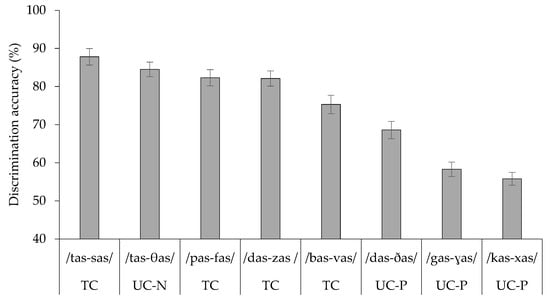
Research on cross-language adult speech perception shows that non-native speech sounds are interpreted through the listener’s L1 phonological system. According to the Perceptual Assimilation Model (PAM) and its extension, PAM-L2, discriminability of non-native/L2 speech contrasts is determined by how two phones are assimilated to L1 phonological categories. Specifically, discriminability varies depending on perceived overlap with L1 phonological categories. This study assessed the PAM/PAM-L2 account of the assimilation–discrimination relationship in discrimination of non-native/L2 stop–fricative contrasts, focusing on how discrimination varies with assimilation overlap. Chinese listeners completed assimilation and AXB discrimination tasks with six English (/p-f/, /b-v/, /t-θ/, /t-s/, /d-ð/, /d-z/) and two Persian (/k-x/, /g-ɣ/) stop–fricative contrasts. The contrasts were assimilated as four Uncategorized–Categorized (UC) contrasts, one with no overlap and three with partial overlap, and four Two-Category (TC) contrasts. The discrimination results showed that TC and non-overlapping UC contrasts were more accurately discriminated than partially overlapping UC contrasts, consistent with PAM/PAM-L2. Further analysis revealed that overlap scores were strongly negatively correlated with discrimination accuracy at the group level, and this correlation was also significant for most contrasts at the individual level. These findings suggest that exploring assimilation overlap may help clarify the assimilation–discrimination relationship in non-native/L2 stop–fricative contrast discrimination.
Full article
(This article belongs to the Section Cognition)
►
Show Figures
Open AccessArticle
Parental Bipolar Symptoms and Identity Development in Emerging Adults: The Mediating Role of Parental Attachment
by
Alexa D. Loonam, Casey Andrion and Steven L. Berman
Behav. Sci. 2026, 16(4), 561; https://doi.org/10.3390/bs16040561 - 9 Apr 2026
Abstract
►▼
Show Figures
Bipolar disorder is characterized by extreme mood fluctuations that may create emotionally inconsistent caregiving environments for children. Although children of caregivers with bipolar disorder are at elevated risk for psychosocial difficulties, less is known about how parental bipolar symptoms (PBSs) relate specifically to
[...] Read more.
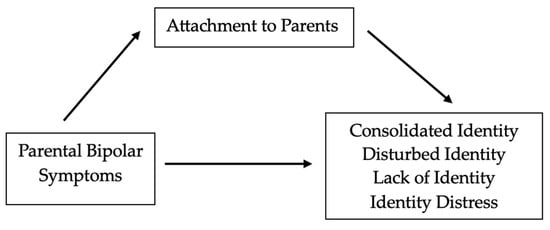
Bipolar disorder is characterized by extreme mood fluctuations that may create emotionally inconsistent caregiving environments for children. Although children of caregivers with bipolar disorder are at elevated risk for psychosocial difficulties, less is known about how parental bipolar symptoms (PBSs) relate specifically to identity development. The present study investigated associations between perceived PBSs and identity outcomes among emerging adults, examining parental attachment as a potential mediator. College students (N = 399) completed an anonymous online survey assessing identity development, attachment to parents, and perception of PBSs. PBSs were positively associated with identity distress, disturbed identity, and lack of identity, and negatively associated with identity consolidation. Mediation analyses indicated that parental attachment partially or fully mediated the relationships between PBSs and each identity variable, suggesting that higher levels of PBSs were associated with less secure attachment, which in turn were linked to greater identity difficulties. These findings highlight the role of parental mental health and attachment in shaping identity development and underscore the importance of accessible mental health care for youth navigating identity formation in the context of caregiver psychopathology. Clinical implications and future directions are discussed.
Full article

Figure 1
Open AccessArticle
Academic Resilience Among Vocational High School Students in Collectivist Culture: The Role of Intolerance of Uncertainty and Academic Self-Efficacy
by
Banu S. Ünsal Akbıyık, İhsan İlker Çitli and Melis Melek Kahveci
Behav. Sci. 2026, 16(4), 560; https://doi.org/10.3390/bs16040560 - 8 Apr 2026
Abstract
Academic anxiety frequently emerges when students perceive academic demands as uncertain, uncontrollable, or threatening. Intolerance of uncertainty is widely recognized as a key cognitive antecedent of such anxiety, influencing how learners appraise stressors and mobilize coping resources. This study investigates the relationships among
[...] Read more.
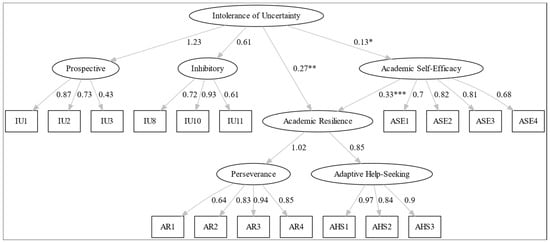
Academic anxiety frequently emerges when students perceive academic demands as uncertain, uncontrollable, or threatening. Intolerance of uncertainty is widely recognized as a key cognitive antecedent of such anxiety, influencing how learners appraise stressors and mobilize coping resources. This study investigates the relationships among intolerance of uncertainty, academic self-efficacy as a coping mechanism, and academic resilience among vocational high school students in a collectivist educational context. Data were collected from 387 vocational high school students across Istanbul, Turkey via online forms. Contrary to expectations, the results revealed that intolerance of uncertainty positively affects academic self-efficacy. Furthermore, academic self-efficacy was positively associated with academic resilience. Academic self-efficacy partially mediated the relationship between these two variables. These findings provide new insights into how uncertainty is managed in collectivist educational contexts and suggest directions for future educational practices and research.
Full article
(This article belongs to the Special Issue Academic Anxieties and Coping Strategies)
►▼
Show Figures

Figure 1

Open AccessReview
The Gut Microbiota and Autism Spectrum Disorder: Current Research and Therapeutic Insights
by
Miao Zheng, Xueying Wei, Rui Chen, Chongying Wang and Lingbiao Xin
Behav. Sci. 2026, 16(4), 559; https://doi.org/10.3390/bs16040559 - 8 Apr 2026
Abstract
Autism Spectrum Disorder (ASD) is a collective term for neurodevelopmental disorders with core features of social communication impairment, restricted and repetitive behaviors, and narrow interests. These include classic autism, Asperger’s syndrome, and pervasive developmental disorder not otherwise specified. ASD is currently managed with
[...] Read more.
Autism Spectrum Disorder (ASD) is a collective term for neurodevelopmental disorders with core features of social communication impairment, restricted and repetitive behaviors, and narrow interests. These include classic autism, Asperger’s syndrome, and pervasive developmental disorder not otherwise specified. ASD is currently managed with behavioral interventions, rehabilitation training, and family support, but there is no curative medication. Recent studies suggest that some patients with ASD may experience gastrointestinal symptoms. Perhaps this is associated with the disturbances of gut microbiota. Increasing evidence has demonstrated that the composition of gut microbiota in ASD individuals is different from that in normal population and may be associated with neurodevelopmental processes via the gut–brain axis. This article reviews the evidence for the association between gut microbiota and ASD, describes the characteristics of microbial changes, and analyzes the mechanism by which changes in the composition of the microbiota affect the occurrence and development of ASD. Finally, we review recent advances in microbiota-targeted therapeutic strategies, including probiotics, prebiotics, and fecal microbiota transplantation, which provide new approaches to alleviate and improve autism-related symptoms and point out the future research direction.
Full article
Open AccessReview
Cognitive Diagnosis Computerized Adaptive Testing (CD-CAT) for Adolescent Internet Gaming Disorder: A Conceptual Assessment Framework
by
Min Jia and Jing Liu
Behav. Sci. 2026, 16(4), 558; https://doi.org/10.3390/bs16040558 - 8 Apr 2026
Abstract
Internet Gaming Disorder (IGD) has become a major behavioral health concern among adolescents, yet current assessment tools remain limited. These tools often fail to capture the disorder’s complex symptom variations and lack clinical interpretability. This study, taking an interdisciplinary approach that combines clinical
[...] Read more.
Internet Gaming Disorder (IGD) has become a major behavioral health concern among adolescents, yet current assessment tools remain limited. These tools often fail to capture the disorder’s complex symptom variations and lack clinical interpretability. This study, taking an interdisciplinary approach that combines clinical psychology and psychometrics, summarizes recent progress in understanding adolescent IGD and the development of its assessment methods. We compare the diagnostic criteria of the DSM-5 TR and ICD-11 and argue that the nine DSM-5 TR criteria are particularly suited for transformation into distinct diagnostic attributes due to their detailed and actionable nature. We then review the strengths and weaknesses of Classical Test Theory (CTT), Item Response Theory (IRT), and Cognitive Diagnostic Models (CDMs) in assessing IGD. The review emphasizes the limitations of total-score and single latent-trait approaches in capturing the disorder’s multidimensional symptoms. Based on these insights, we propose a conceptual assessment framework, Cognitive Diagnosis Computerized Adaptive Testing (CD-CAT), that integrates CDMs with computerized adaptive testing. Rather than presenting an empirically validated system, this framework offers a theoretically grounded proposal that specifies the key components, logical relationships, and methodological pathways necessary for advancing precision assessment of adolescent IGD. CD-CAT uses a system of attributes and a Q-matrix based on the DSM-5 TR criteria to efficiently classify IGD symptoms in adolescents, reducing the number of items required while enhancing clinical relevance. Lastly, we discuss the theoretical contributions of the proposed framework, acknowledge its limitations as a conceptual proposal, and outline directions for future empirical research.
Full article
Open AccessArticle
Identifying Learner Profiles Through Universal Screening: Academic Anxiety and Depression in Nepalese University Students
by
Dev Bandhu Poudel, Jerrell C. Cassady and C. Addison Helsper
Behav. Sci. 2026, 16(4), 557; https://doi.org/10.3390/bs16040557 - 8 Apr 2026
Abstract
As in other cultures, university students in Nepal struggle with significant academic pressure, which often leads to academic anxiety and depression. The current study aims to expand awareness of the presence, prevalence, and impact of student academic anxiety and depression among Nepalese university
[...] Read more.
As in other cultures, university students in Nepal struggle with significant academic pressure, which often leads to academic anxiety and depression. The current study aims to expand awareness of the presence, prevalence, and impact of student academic anxiety and depression among Nepalese university students as well as to test an emerging approach to universal screening to identify learners’ need profiles to promote targeted intervention supports. Participants included 547 Nepalese college students who completed the Academic Anxiety Scale (AAS) and the University Student Depression Inventory (USDI). Confirmatory factor analysis (CFA) was conducted to evaluate the validity of the Nepalese versions. Finally, comparative analyses using an archival dataset of students from the United States explored consistencies across cultural contexts. Nepalese translations of both scales demonstrated high reliability and validity and identified similarities in patterns of expressed academic anxiety and depression across cultures. Furthermore, four profiles of need were generated based on levels of anxiety, depression, and academic motivation. The results supported clear recommendations for tiered interventions in specific domains of emotion regulation. This initial large-scale study of academic anxiety and depression in a Nepalese university population provided confirmation that the models of anxiety and depression as well as incidence levels were consistent with existing research from other contexts. Moreover, the results provided strong confirmation that universal screening with simplified self-report measures can identify clear patterns of need among students, which can be aligned with targeted tiered interventions to support student thriving.
Full article
(This article belongs to the Special Issue Academic Anxieties and Coping Strategies)
Open AccessArticle
Examining the Relationship Between Perceived Value and Movie Consumption Behavioral Intention: The Mediating Role of Satisfaction
by
Nicong Zhao, Xia Zhu and Xiaoquan Pan
Behav. Sci. 2026, 16(4), 556; https://doi.org/10.3390/bs16040556 - 8 Apr 2026
Abstract
This study addressed a critical gap in understanding the drivers of movie consumption during digital transformation and streaming platform proliferation. It examined the direct effects of three core dimensions—social value, functional value, and emotional value—on movie consumption behavioral intention, alongside the mediating mechanism
[...] Read more.
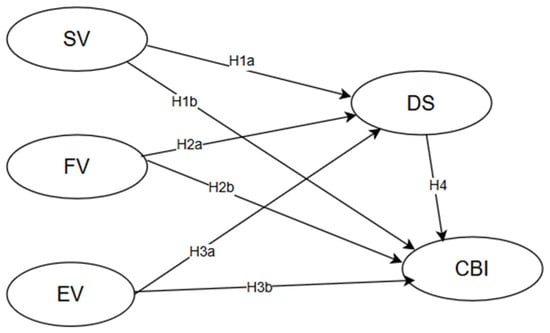
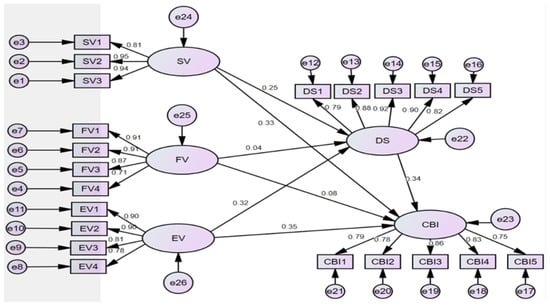
This study addressed a critical gap in understanding the drivers of movie consumption during digital transformation and streaming platform proliferation. It examined the direct effects of three core dimensions—social value, functional value, and emotional value—on movie consumption behavioral intention, alongside the mediating mechanism of satisfaction. Data were collected via questionnaire surveys administered to cinema audiences in Eastern China and through Wenjuanxing online platform, yielding 1089 valid responses. Statistical analysis was conducted using SPSS 26.0, and Structural Equation Modeling (SEM) was performed employing AMOS 26.0. Findings indicate significant positive direct effects of social value and emotional value on movie consumption behavioral intention. Furthermore, these value dimensions indirectly enhance movie consumption behavioral intention through the mediating influence of satisfaction. In contrast, functional value demonstrates no significant direct effect on either movie consumption behavioral intention or satisfaction. Satisfaction serves as a significant mediator in the relationships between both social value and emotional value, and movie consumption behavioral intention. This study elaborated the distinct pathways through which varied perceived value dimensions operate and empirically validates the mediating role of satisfaction within movie consumption decision-making. For the movie industry, these insights suggest prioritizing social engagement and emotional resonance to optimize offerings, establishing dynamic satisfaction monitoring, and designing member incentives targeting these values to foster sustained behavioral activation. This provides empirically grounded guidance for refining marketing strategies and experiential enhancements.
Full article
(This article belongs to the Section Social Psychology)
►▼
Show Figures

Figure 1
Open AccessEditorial
Promoting Flourishing at Work: Innovations in Positive Work and Organisational Psychology
by
Rona Hart and Dan Hart
Behav. Sci. 2026, 16(4), 555; https://doi.org/10.3390/bs16040555 - 8 Apr 2026
Abstract
Work occupies a central place in contemporary life [...]
Full article
(This article belongs to the Special Issue Promoting Flourishing at Work: Innovations in Positive Work and Organizational Psychology)
Open AccessArticle
Sexualized Deepfakes in UK Schools: Understanding and Preventing AI-Generated Image-Based Sexual Abuse Through Better AI Literacies
by
Jessica Ringrose, Tanya Horeck and Edith Rodda
Behav. Sci. 2026, 16(4), 554; https://doi.org/10.3390/bs16040554 - 8 Apr 2026
Abstract
Responding to the lack of academic research on how young people are impacted by deepfake sexual abuse or how schools should address these issues, this paper explores levels of awareness of AI technology and sexualized deepfakes in UK schools and how schools are
[...] Read more.
Responding to the lack of academic research on how young people are impacted by deepfake sexual abuse or how schools should address these issues, this paper explores levels of awareness of AI technology and sexualized deepfakes in UK schools and how schools are responding to these newly emergent harms. Drawing on interviews with students and teachers from eight schools across the UK, we found that teachers and students express uncertainty about how AI deepfake technology works. Some teachers underestimated how easy the technology is to use, and they lacked uniform comprehension that sexualized deepfakes should be treated the same way as non-consensual nudes, leading to inconsistency and variations in school responses. Students similarly lacked basic literacy about AI, equating AI with LLMs like ChatGPT, and even though sexualized deepfakes were occurring in their school contexts, students reported having received no explicit education on the topic. Educators and students connected sexualized deepfakes to a rise in misogyny via social media influencers, with some of the students and teachers calling for more education on AI, sexual violence, and consent at earlier ages. We advance the concept of AI-generated image-based sexual abuse, arguing that these harms should be understood as elements of technology-facilitated gender-based violence (TFGBV). We argue this framing is necessary to support systematic understandings of this issue and develop appropriate school responses. Our discussion offers recommendations for improving AI literacy, including preventative AI education that engages critically with AI harms and supports victims.
Full article
(This article belongs to the Special Issue The Prevention of Technology-Facilitated Gender-Based Violence (TFGBV))
Open AccessArticle
The Influence of Mindfulness-Enhanced Resistance Training Program on the Subjective Well-Being of Female College Students: A Randomized Controlled Trial
by
Ping Qu, Fang-Bin Li, Yi-Wen Zhou and Feng Pan
Behav. Sci. 2026, 16(4), 553; https://doi.org/10.3390/bs16040553 - 8 Apr 2026
Abstract
This study evaluates the effects of a 30-week mindfulness-enhanced resistance training (MRT) program on the physical and mental health of female college students and explores whether changes in self-esteem or mindfulness mediate the relationship between MRT and subjective well-being. Sixty-four healthy female college
[...] Read more.
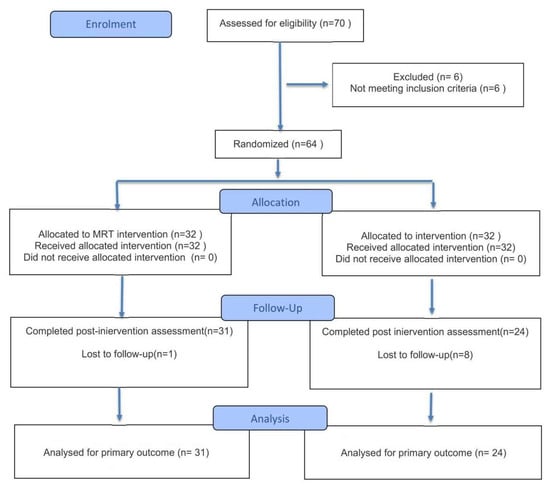
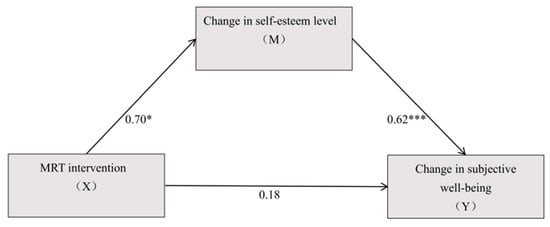
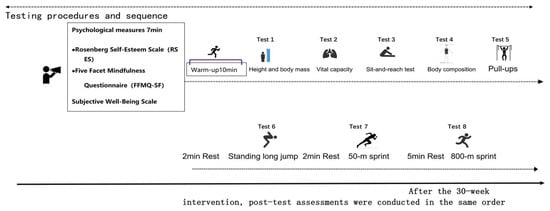
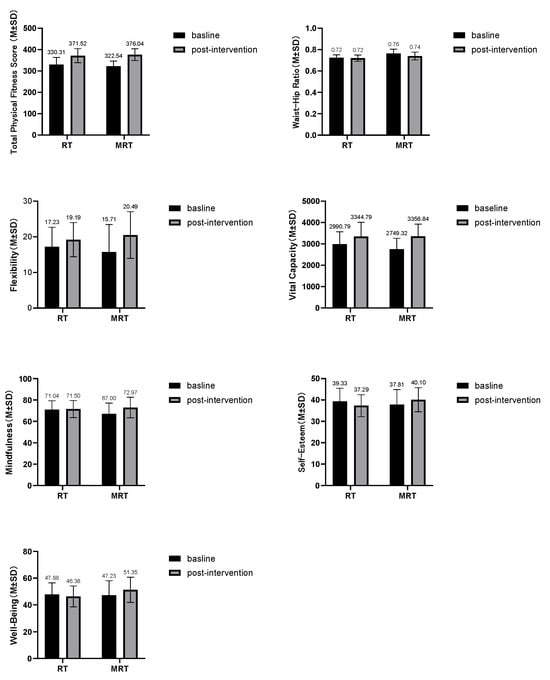
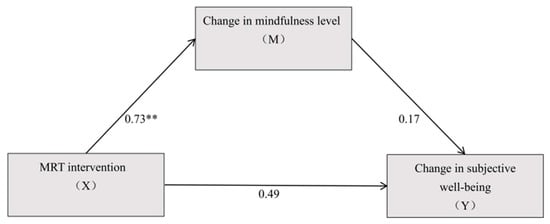
This study evaluates the effects of a 30-week mindfulness-enhanced resistance training (MRT) program on the physical and mental health of female college students and explores whether changes in self-esteem or mindfulness mediate the relationship between MRT and subjective well-being. Sixty-four healthy female college students were randomly assigned to either the MRT or resistance training (RT) group. Both groups participated in 90 min weekly sessions for 30 weeks. A 2 × 2 mixed-design ANOVA analyzed the intervention’s effects on physical health, mindfulness, self-esteem, and subjective well-being. PROCESS macro (Model 4) tested mediation effects. MRT and RT significantly improved physical health, with MRT showing superior improvements in waist-to-hip ratio, flexibility, and vital capacity. Only MRT improved mindfulness, self-esteem, and subjective well-being. Self-esteem changes fully mediated the relationship between MRT and subjective well-being. MRT as a comprehensive mind–body intervention significantly enhanced the physical health and subjective well-being of female college students, outperforming resistance training. Improvements in self-esteem mediated the relationship between MRT and increased subjective well-being. MRT can serve as an effective approach to promote the physical and mental health of female college students.
Full article
(This article belongs to the Section Health Psychology)
►▼
Show Figures

Figure 1

Open AccessArticle
When Support Backfires: Narcissistic Self-Regulatory Strategies, Ego Threat, and Workplace Aggression
by
Ryoichi Semba
Behav. Sci. 2026, 16(4), 552; https://doi.org/10.3390/bs16040552 - 7 Apr 2026
Abstract
►▼
Show Figures
Although ego threat is known to influence workers’ aggressive behavior, little is understood about how support and narcissism shape this relationship. Accordingly, the present study conceptualized narcissistic traits as distinct self-regulatory strategies for maintaining self-worth and examined whether the meaning of support under
[...] Read more.
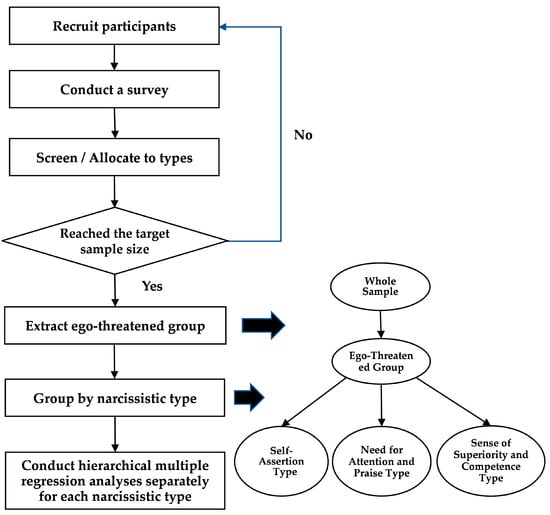
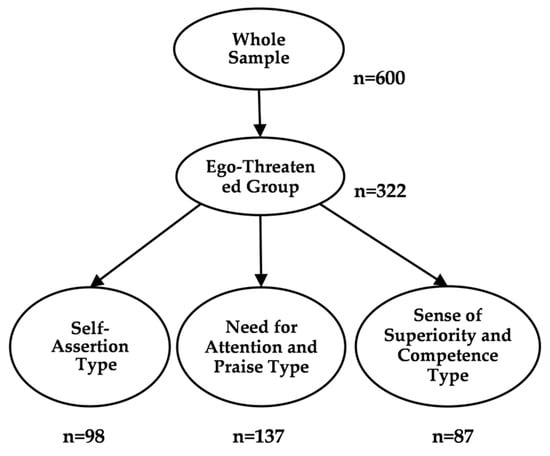
Although ego threat is known to influence workers’ aggressive behavior, little is understood about how support and narcissism shape this relationship. Accordingly, the present study conceptualized narcissistic traits as distinct self-regulatory strategies for maintaining self-worth and examined whether the meaning of support under ego threat varies depending on these traits. An online survey was conducted with 1621 Japanese workers, and the participants were classified into three types—Self-Assertion, Need for Attention and Praise, and Sense of Superiority and Competence—based on the highest scores on the three factors of the Narcissistic Personality Inventory Short version. Hierarchical multiple regression analyses were then conducted separately for each type. The results showed that the behavioral consequences of ego threat varied substantially across narcissistic types and that support did not uniformly suppress power harassment. For the Self-Assertion type, perceived organizational support was positively associated with Invasion of Privacy. For the Need for Attention and Praise type, men and managers tended to choose Excessive Demands. For the Sense of Superiority and Competence type, supervisor support reduced harassment; however, under strong ego-threatening conditions, such support paradoxically amplified harassment. These findings suggest that support functions as a socially meaningful cue whose interpretation depends on narcissistic self-regulatory strategies.
Full article

Figure 1
Open AccessArticle
Recognition and Resistance as Dual Pathways in Self-Relevant Advertising: The Role of Narcissistic Admiration and Rivalry
by
Avi Besser, Virgil Zeigler-Hill and Iris Gertner Moryossef
Behav. Sci. 2026, 16(4), 551; https://doi.org/10.3390/bs16040551 - 7 Apr 2026
Abstract
►▼
Show Figures
This study examined how distinct dimensions of grandiose narcissism shape responses to self-relevant video advertising framed as either recognition/validation or status challenge. Drawing on the Narcissistic Admiration and Rivalry Concept, we tested a dual-path process model in which two proximal mechanisms–perceived recognition and
[...] Read more.
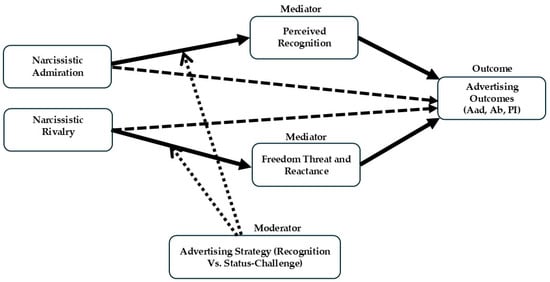
This study examined how distinct dimensions of grandiose narcissism shape responses to self-relevant video advertising framed as either recognition/validation or status challenge. Drawing on the Narcissistic Admiration and Rivalry Concept, we tested a dual-path process model in which two proximal mechanisms–perceived recognition and autonomy-related resistance (operationalized as perceived freedom threat and state reactance)–are associated with advertising-related outcomes. Community adults (N = 598) were randomly assigned to view one of two video advertisements and subsequently reported perceived recognition, resistance, and consumer responses. Recognition framing increased perceived recognition but did not directly influence consumer outcomes. Process analyses revealed distinct personality-linked patterns that were consistent with the proposed dual-path model. Narcissistic admiration was associated with more favorable attitudes toward the advertisement and brand, as well as stronger purchase intentions, indirectly through higher perceived recognition. In contrast, narcissistic rivalry showed contrasting indirect associations, with positive indirect associations through recognition alongside negative indirect associations through resistance. Moderated mediation by message framing was not supported. Overall, the findings are consistent with the view that self-relevant advertising can simultaneously activate affirmation-related and autonomy-protective processes that may partially offset one another at the aggregate level. Importantly, consumer responses appear to depend on whether the persuasive encounter is construed as authentic recognition or as an autonomy threat–an interpretive dynamic that is especially pronounced among individuals high in narcissistic rivalry.
Full article

Figure 1
Open AccessFeature PaperArticle
Assessing Culturally Relevant Variables in Predicting Science Outcomes in Asian American Kindergartners
by
Josh Medrano and Dana Miller-Cotto
Behav. Sci. 2026, 16(4), 550; https://doi.org/10.3390/bs16040550 - 7 Apr 2026
Abstract
Though separate research has found that early experiences, parental beliefs, and cognitive skills all influence science learning, science remains an underexamined domain compared to math and reading, despite its policy and societal implications. We integrate and expand on previous research by examining culturally
[...] Read more.
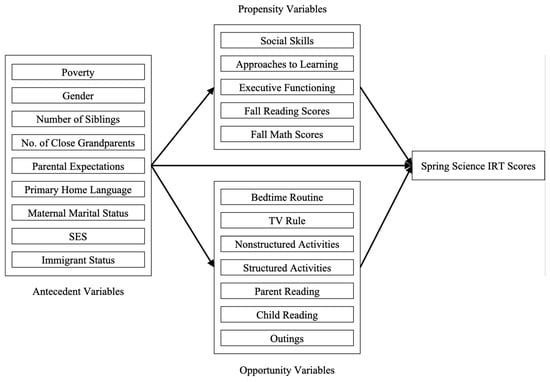
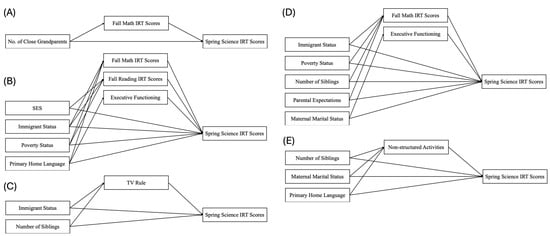
Though separate research has found that early experiences, parental beliefs, and cognitive skills all influence science learning, science remains an underexamined domain compared to math and reading, despite its policy and societal implications. We integrate and expand on previous research by examining culturally relevant variables in different subgroups of Asian American kindergartners (N = 894). Guided by the Opportunity-Propensity Model of Achievement, we conducted a multi-group path analysis with science scores as the outcome, and propensity (self-regulation, social skills, and prior knowledge), opportunity (e.g., parent and child reading, TV-watching routine), and antecedent variables (e.g., poverty, SES, number of siblings and close grandparents, parental expectations, primary language at home, immigrant status) as predictors. We expected that propensity and opportunity variables would mediate the effects of antecedent variables. We conducted a multi-group path analysis, in which we examined differences between subgroups (China, India, Vietnam, Other East, Other Southeast, Other). Although we did not find heterogeneity in science achievement among subgroups, we found various direct and indirect effects at the subgroup level. Findings suggest that Asian American children may generally benefit from enhanced self-regulatory skills and prior knowledge, though some subgroups may benefit specifically from having fewer TV-watching rules and non-structured activities. We also recommend further disaggregation and reporting of data to better support learners.
Full article
(This article belongs to the Special Issue Children’s Cognitive Development in Social and Cultural Contexts)
►▼
Show Figures

Figure 1
Open AccessArticle
Posttraumatic Growth Among Siblings Bereaved by a Drug-Related Death: A Mixed-Method Study
by
Monika Alvestad Reime, Liv Marit Kleppe, Nina Bringedal and Kristine Berg Titlestad
Behav. Sci. 2026, 16(4), 549; https://doi.org/10.3390/bs16040549 (registering DOI) - 7 Apr 2026
Abstract
Losing a sibling to a drug-related death can lead not only to profound grief but also to unexpected psychological growth. This mixed-method study examined such growth among siblings bereaved by a drug-related death in Norway, combining survey data from 78 participants with interviews
[...] Read more.
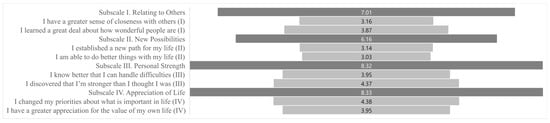
Losing a sibling to a drug-related death can lead not only to profound grief but also to unexpected psychological growth. This mixed-method study examined such growth among siblings bereaved by a drug-related death in Norway, combining survey data from 78 participants with interviews from ten siblings. Quantitative findings showed that appreciation of life and personal strengths were the most prominent domains of growth. Regression analysis indicated that self-efficacy explained most of the variance in growth when controlling for time since death, whereas social support did not make a unique contribution. Qualitative findings added depth by revealing how growth was experienced through closer family relationships and a heightened sense of empathy toward people in vulnerable situations. These accounts suggest that growth may involve a reorientation of values and deeper relational ties, aspects that standardized measures may not fully capture. Although based on a small and relatively homogeneous sample, the integrated results point to the importance of internal coping resources and family connectedness in fostering growth after a stigmatized loss. Further research should explore these mechanisms in more diverse populations and examine how they evolve over time.
Full article
(This article belongs to the Special Issue Novel Psychological Perspectives on Traumatic Bereavement: From Research to Practice)
►▼
Show Figures

Figure 1

Open AccessArticle
How Time Pressure Amplifies Framing Effects in Risky Decision-Making: The Role of Attentional Allocation and Information Presentation
by
Zhun Gong, Haowen Wang, Xiaofei Ma and Yun Lv
Behav. Sci. 2026, 16(4), 548; https://doi.org/10.3390/bs16040548 - 6 Apr 2026
Abstract
Decision-making under time pressure has been associated with reduced deliberation and increased sensitivity to contextual cues such as framing. This study investigates how time pressure reshapes information processing in risky decision-making and which types of information receive greater attention when cognitive resources are
[...] Read more.
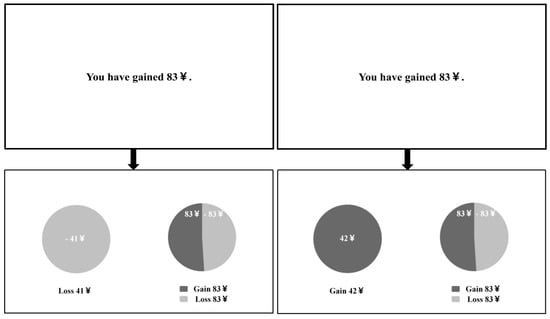
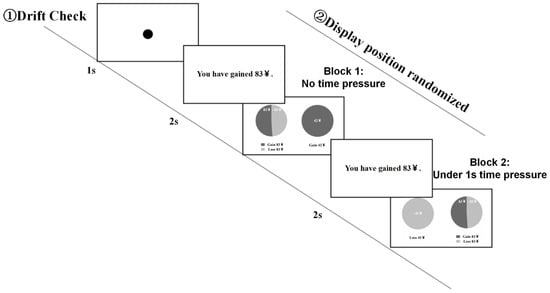
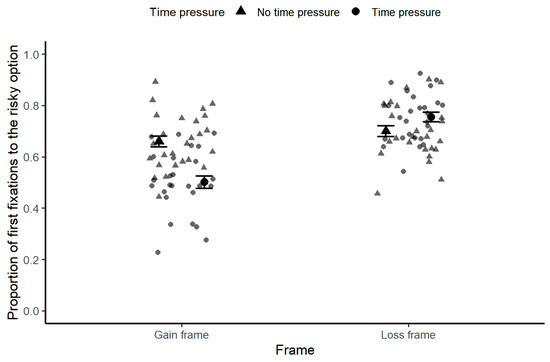
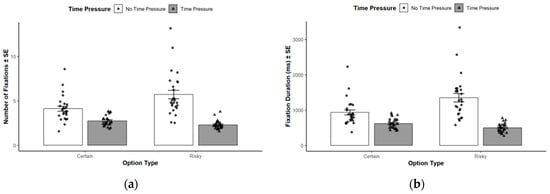
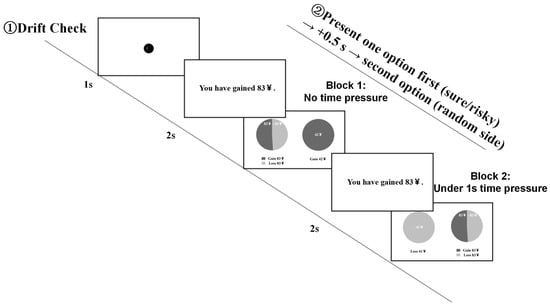
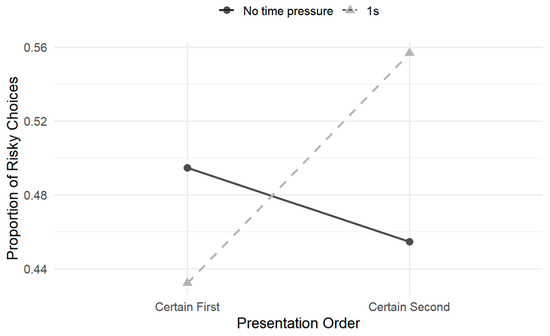
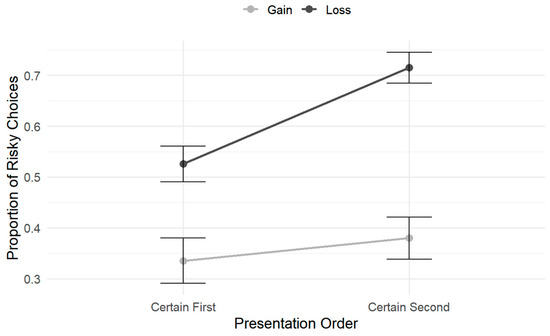
Decision-making under time pressure has been associated with reduced deliberation and increased sensitivity to contextual cues such as framing. This study investigates how time pressure reshapes information processing in risky decision-making and which types of information receive greater attention when cognitive resources are constrained. Two experiments examined the combined effects of time pressure, spatial position, and presentation order on framing effects, integrating behavioral risk-choice measures with gaze-based indices of attention allocation. The results show that time pressure significantly reduces fixation counts and fixation durations, suggesting more restricted information search. Moreover, time pressure enhances frame-consistent risk preferences, with contextual presentation factors further shaping decision outcomes. Specifically, under time pressure and loss framing, stronger risk seeking emerged when the certain option was presented second. Overall, these findings suggest that time pressure not only amplifies framing effects in risky decision-making but also is associated with changes in attentional allocation patterns and increased reliance on contextual cues underlying framed choices. This study highlights how the temporal and spatial characteristics of information presentation shape decision processes under temporal constraint and provides theoretical and practical implications for decision-making under pressure.
Full article
(This article belongs to the Section Cognition)
►▼
Show Figures

Figure 1

Open AccessArticle
Exploring the Predictors of Physical Activity in Older Adults in South Korea Using the Health Belief Model
by
Hyungsook Kim, Ye Hoon Lee and Yonghyun Park
Behav. Sci. 2026, 16(4), 547; https://doi.org/10.3390/bs16040547 - 6 Apr 2026
Abstract
This study aimed to examine the associations of Health Belief Model (HBM) constructs with physical activity (PA) participation intention and self-reported PA participation among older adults in South Korea. Specifically, we examined whether perceived susceptibility, perceived severity, perceived benefits, perceived barriers, and self-efficacy
[...] Read more.
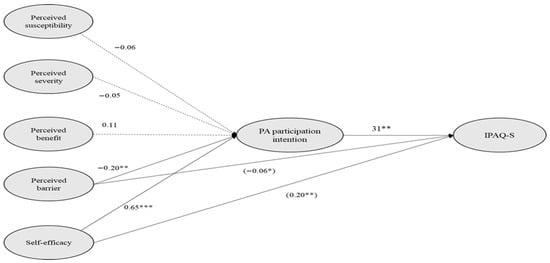
This study aimed to examine the associations of Health Belief Model (HBM) constructs with physical activity (PA) participation intention and self-reported PA participation among older adults in South Korea. Specifically, we examined whether perceived susceptibility, perceived severity, perceived benefits, perceived barriers, and self-efficacy were associated with PA participation intention and PA participation, and whether intention accounted for indirect associations between HBM constructs and PA within the hypothesized model. A total of 408 older adults (Mage = 68.84, SD = 4.11) participated in the online survey. This study employed Structural Equation Modeling to examine the interrelationships among the proposed variables. The findings indicated a significant negative association between perceived barriers and PA participation intention and a significant positive association between self-efficacy and PA participation intention. Furthermore, intention was positively associated with PA and accounted for indirect associations linking perceived barriers and self-efficacy with PA. Overall, these findings suggest that perceived barriers and self-efficacy are salient belief domains linked to PA intention and behavior. Practical implications include further interventions to reduce perceived barriers and enhance self-efficacy to promote sustained PA engagement among older adults.
Full article
(This article belongs to the Topic The Effect of Physical Activity on the Population's Health)
►▼
Show Figures

Figure 1

Open AccessArticle
How Specificity in Episodic Future Thinking Affects Prospective Memory: Cognitive Mechanisms and Latent Subgroup Differences
by
Chen Cai, Zihan Quan, Qingye Lin, Xin Fang and Qiyu Lin
Behav. Sci. 2026, 16(4), 546; https://doi.org/10.3390/bs16040546 - 6 Apr 2026
Abstract
Episodic future thinking (EFT) has been confirmed as a promising cognitive intervention for enhancing prospective memory (PM), yet emerging evidence suggests its effects may depend on the specificity of induction. The current study investigated this issue by dichotomizing EFT into two distinct methods:
[...] Read more.
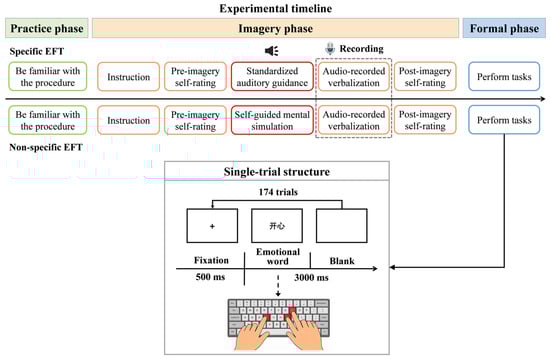
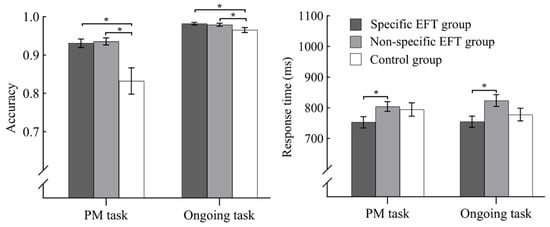
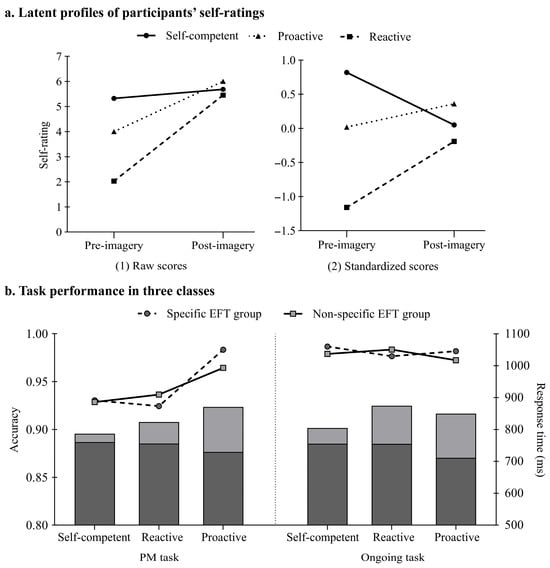
Episodic future thinking (EFT) has been confirmed as a promising cognitive intervention for enhancing prospective memory (PM), yet emerging evidence suggests its effects may depend on the specificity of induction. The current study investigated this issue by dichotomizing EFT into two distinct methods: specific (researcher-guided detailed mental simulations) versus non-specific (participants’ self-guided imagination), implemented through differentially structured future thinking instructions. We also analyzed the distinct cognitive strategies mainly employed under each EFT condition based on the Dynamic Multiprocess Framework. The latent profile analysis (LPA) was further conducted to characterize individual variability in responsiveness to EFT manipulations. Behavioral results revealed comparable PM accuracy improvements across both EFT methods relative to the control group; moreover, specific EFT uniquely accelerated response times for both PM and ongoing task execution. The LPA further identified three distinct EFT response patterns—self-competent, proactive, and reactive—each exhibiting unique state-dependent cognitive characteristics. These findings provide a refined understanding of the EFT-PM relationship: (1) specific EFT facilitates more automatic retrieval of PM intentions, whereas non-specific EFT predominantly engages strategic monitoring; (2) individual differences in baseline mental images influence the effectiveness of EFT methods, suggesting the potential benefits of personalized intervention approaches for PM enhancement.
Full article
(This article belongs to the Special Issue Executive Functions and Prospective Memory Enhancement: Interventions, Neurocognitive Mechanisms and Individual Differences)
►▼
Show Figures

Figure 1
Open AccessArticle
Felt Ambivalence Weakens the Attitude–Intention Pathway for Regular Leisure-Time Physical Activity in Chinese Adolescents: A Three-Wave Prospective Study
by
Yaogang Han, Yubing Wang, Pan Li and Guohua Zheng
Behav. Sci. 2026, 16(4), 545; https://doi.org/10.3390/bs16040545 - 6 Apr 2026
Abstract
Background: Favorable attitudes toward regular leisure-time physical activity may not always translate into intention if adolescents feel ambivalent about the behavior. This study tested whether felt ambivalence weakens the prospective attitude–intention association and the indirect effect of attitude on later behavior through
[...] Read more.
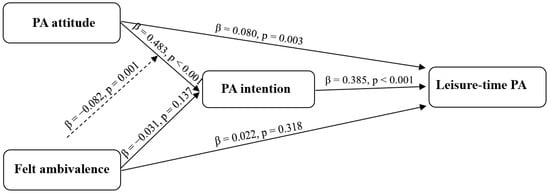
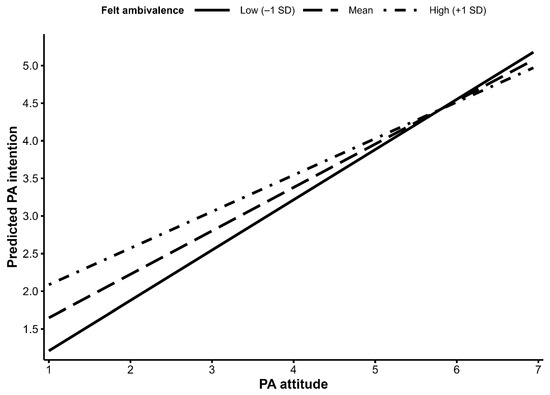
Background: Favorable attitudes toward regular leisure-time physical activity may not always translate into intention if adolescents feel ambivalent about the behavior. This study tested whether felt ambivalence weakens the prospective attitude–intention association and the indirect effect of attitude on later behavior through intention. Methods: Chinese adolescents (N = 1714; Grades 7–12; mean age = 15.0 years) completed a three-wave survey at approximately two-week intervals. Wave 1 assessed attitudes toward regular leisure-time moderate-to-vigorous physical activity, felt ambivalence, and physical activity habit; Wave 2 assessed intention; and Wave 3 assessed leisure-time physical activity. Moderated mediation was tested in a structural equation model adjusting for habit, gender, and grade. Results: More favorable baseline attitudes predicted stronger intention two weeks later, and intention predicted greater self-reported leisure-time physical activity at follow-up. Felt ambivalence significantly moderated the attitude–intention pathway such that the association was weaker at higher levels of ambivalence. The conditional indirect effect of attitude on later leisure-time physical activity through intention was significant at low, mean, and high ambivalence, but decreased as ambivalence increased. Conclusions: Favorable attitudes may be insufficient when adolescents remain conflicted about physical activity. The present study provides prospective support for a theoretically relevant moderation pattern in which felt ambivalence weakens the attitude–intention pathway, but it does not establish ambivalence as a key explanatory mechanism.
Full article
(This article belongs to the Section Health Psychology)
►▼
Show Figures

Figure 1
Open AccessArticle
Watching Eyes at Home: A Proof-of-Concept Study
by
Sabine Windmann
Behav. Sci. 2026, 16(4), 544; https://doi.org/10.3390/bs16040544 - 6 Apr 2026
Abstract
Waste separation in private households remains difficult to promote, particularly in urban contexts, where anonymity limits informal social monitoring. This proof-of-concept study tested, for the first time, self-administration of images of “watching eyes” as an intervention. About 22% of all households living in
[...] Read more.
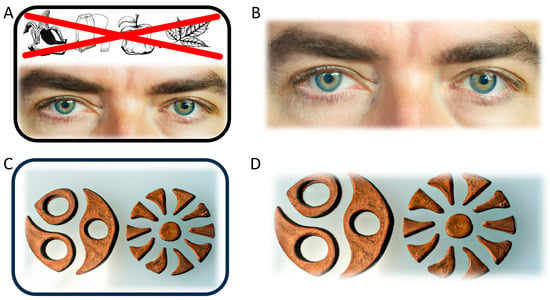
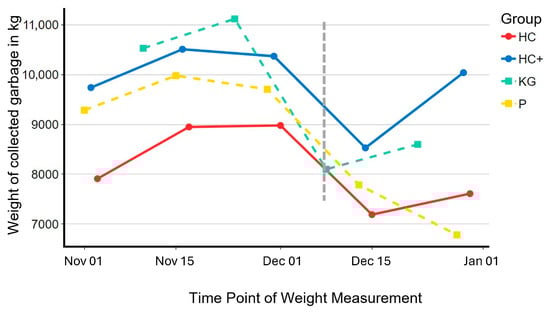
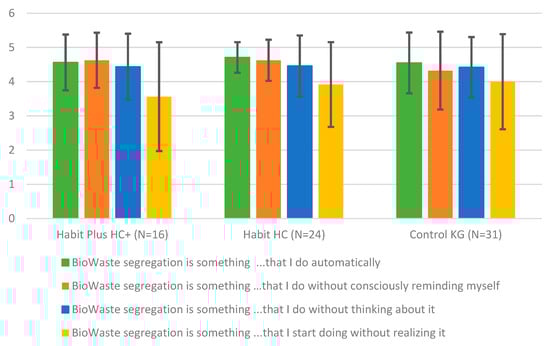
Waste separation in private households remains difficult to promote, particularly in urban contexts, where anonymity limits informal social monitoring. This proof-of-concept study tested, for the first time, self-administration of images of “watching eyes” as an intervention. About 22% of all households living in the district of Riedberg in Frankfurt/Main, Germany, received a letter asking residents to attach eye cues to kitchen and outdoor waste bins to prompt appropriate separation of organic from residual waste. Objective data from weighed collection trucks showed a measurable behavioral effect compared to control conditions, with a 5–8% increase in biowaste volumes. While this study does not allow causal inference because waste was measured only at the group level, it does suggest that, when applied by residents themselves, social nudges might enhance self-awareness about environmentally conscious behavior. Accompanying survey responses displayed ceiling effects, presumably because only highly motivated individuals participated. Importantly, some signs of reactance were also observed, with some participants perceiving the intervention as intrusive and regulatory. Although low-cost and easy to apply, self-administration of watching-eyes cues requires careful communication and attention to psychological reactions to avoid resistance while encouraging the formation and maintenance of target habits in private environments.
Full article
(This article belongs to the Section Social Psychology)
►▼
Show Figures

Figure 1
Open AccessArticle
Generality of a Paired-Stimulus Preference Assessment for Identifying Reinforcing Forms of Social Interaction
by
Zoë A. D. Newman, Eileen M. Roscoe and Ali C. Schaefer
Behav. Sci. 2026, 16(4), 543; https://doi.org/10.3390/bs16040543 - 6 Apr 2026
Abstract
Although social interaction can function as an effective reinforcer during skill acquisition for individuals with autism spectrum disorder (ASD), preferred forms may vary across individuals and tasks. This study evaluated the extent to which a paired-stimulus preference assessment (PSPA) predicted the reinforcing efficacy
[...] Read more.
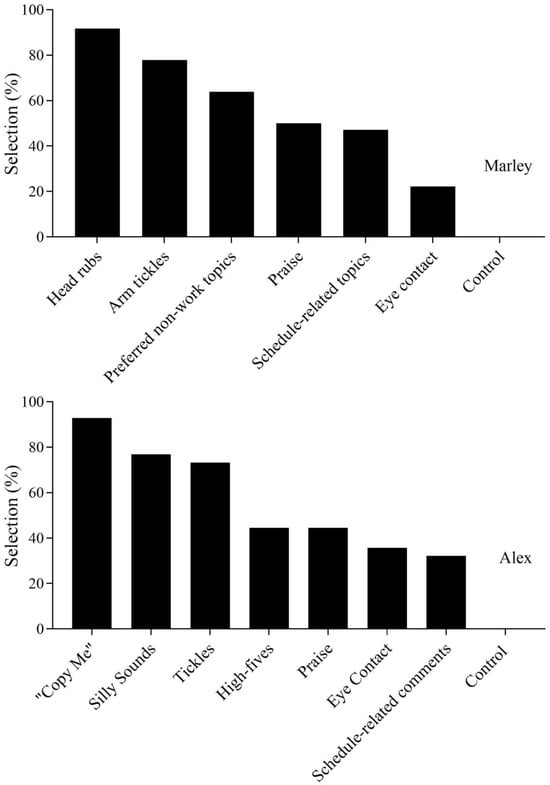
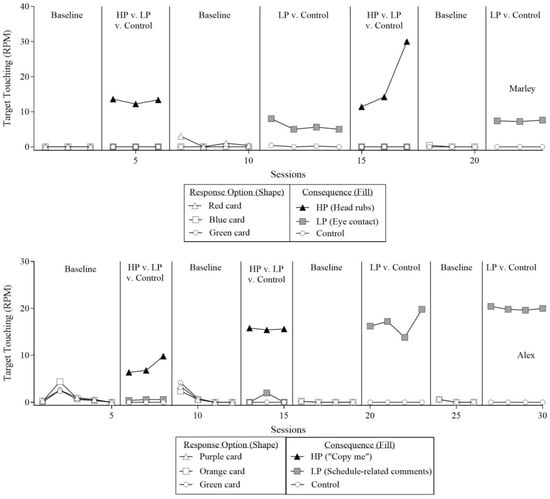
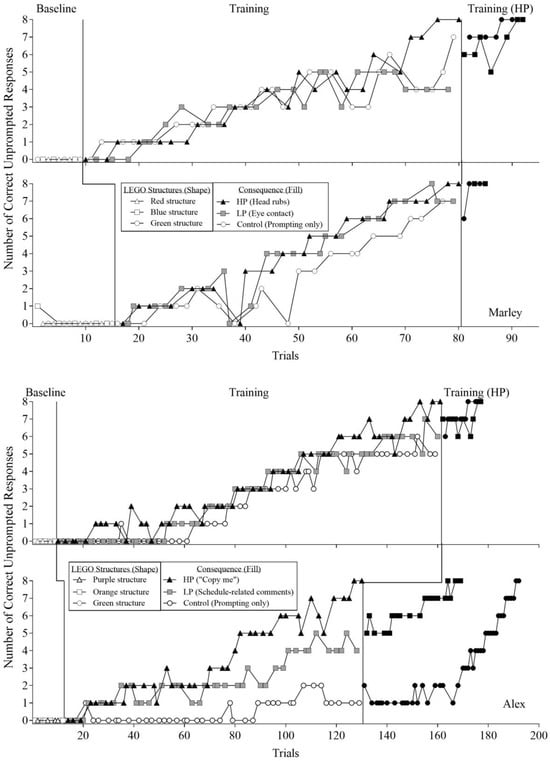
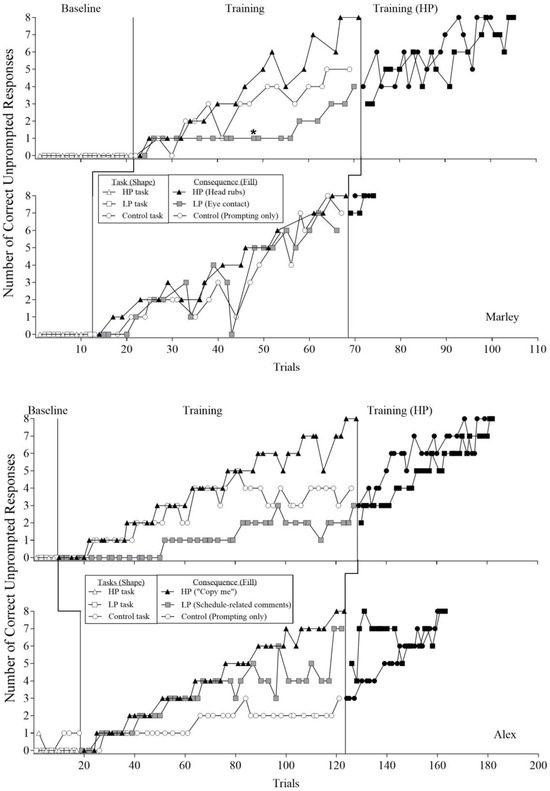
Although social interaction can function as an effective reinforcer during skill acquisition for individuals with autism spectrum disorder (ASD), preferred forms may vary across individuals and tasks. This study evaluated the extent to which a paired-stimulus preference assessment (PSPA) predicted the reinforcing efficacy of different forms of social interaction across tasks of increasing complexity. Two individuals with ASD participated. A pictorial PSPA identified highly preferred (HP) and less preferred (LP) social interactions. Three reinforcer assessments evaluated the relative and absolute reinforcing effects of HP and LP social interactions for (a) a simple arbitrary response, (b) a complex arbitrary response chain, and (c) a complex socially relevant response chain. Across assessments, HP social interactions produced more efficient acquisition than LP social interactions and prompting only. LP social interactions functioned as reinforcers when HP alternatives were unavailable. These findings suggest PSPA outcomes may predict differences in relative reinforcer efficacy while highlighting the importance of evaluating both relative and absolute reinforcing efficacy.
Full article
(This article belongs to the Special Issue The Role of Behavior Analysis in Understanding and Promoting Adaptive Social Behavior)
►▼
Show Figures

Figure 1
Journal Menu
► ▼ Journal Menu-
- Behavioral Sciences Home
- Aims & Scope
- Editorial Board
- Reviewer Board
- Topical Advisory Panel
- Instructions for Authors
- Special Issues
- Topics
- Sections
- Article Processing Charge
- Indexing & Archiving
- Editor’s Choice Articles
- Most Cited & Viewed
- Journal Statistics
- Journal History
- Journal Awards
- Conferences
- Editorial Office
Journal Browser
► ▼ Journal BrowserHighly Accessed Articles
Latest Books
E-Mail Alert
News
Topics
Topic in
Behavioral Sciences, EJIHPE, Social Sciences, J. Intell.
Personality and Cognition in Human–AI Interaction
Topic Editors: Virginia Sau Y. Kwan, Samantha McMichael, Julia BrailovskaiaDeadline: 15 June 2026
Topic in
Behavioral Sciences, Digital, Sustainability
Consumer Behavior and Sustainable Marketing Strategy in the Digital Era
Topic Editors: Antiopi Panteli, Basilis BoutsinasDeadline: 30 June 2026
Topic in
Buildings, Forests, Land, Remote Sensing, Behavioral Sciences, Sustainability
Biophilic Cities and Communities: Human-Environment Interaction and Sustainable Governance
Topic Editors: Xin-Chen Hong, Baojie He, Guangyu Wang, Zhaowu Yu, Jiang Liu, Xiong YaoDeadline: 31 July 2026
Topic in
Behavioral Sciences, Children, Healthcare, IJERPH, JFMK, Obesities
The Effect of Physical Activity on the Population's Health
Topic Editors: Stefania Paduano, Federica ValerianiDeadline: 31 August 2026
Conferences
Special Issues
Special Issue in
Behavioral Sciences
Psychological Factors Determining Performance Under Pressure
Guest Editors: Stewart T. Cotterill, Zoe WimshurstDeadline: 10 April 2026
Special Issue in
Behavioral Sciences
Traumatic Experiences and Perinatal Period
Guest Editors: Agata Freedle, Amber L. RandolphDeadline: 15 April 2026
Special Issue in
Behavioral Sciences
Young Children's Learning with Digital Media
Guest Editor: Astrid WirthDeadline: 15 April 2026
Special Issue in
Behavioral Sciences
Education for Autistic Children and Young People
Guest Editor: Rebecca WoodDeadline: 16 April 2026