


Journal Description
Animals
Animals
is an international, peer-reviewed, open access journal devoted entirely to animals, including zoology and veterinary sciences, and is published semimonthly online by MDPI. The World Association of Zoos and Aquariums (WAZA), European College of Animal Welfare and Behavioural Medicine (ECAWBM), and Federation of European Laboratory Animal Science Associations (FELASA) are affiliated with Animals and their members receive a discount on the article processing charges.
- Open Access— free for readers, with article processing charges (APC) paid by authors or their institutions.
- High Visibility: indexed within Scopus, SCIE (Web of Science), PubMed, PMC, Embase, PubAg, AGRIS, Animal Science Database, CAB Abstracts, and other databases.
- Journal Rank: JCR - Q1 (Veterinary Sciences) / CiteScore - Q1 (General Veterinary )
- Rapid Publication: manuscripts are peer-reviewed and a first decision is provided to authors approximately 17.1 days after submission; acceptance to publication is undertaken in 2.6 days (median values for papers published in this journal in the second half of 2025).
- Recognition of Reviewers: reviewers who provide timely, thorough peer-review reports receive vouchers entitling them to a discount on the APC of their next publication in any MDPI journal, in appreciation of the work done.
- Companion journals for Animals include: Birds, Ruminants and Zoonotic Diseases.
- Journal Cluster of Animal Science: Animals, Arthropoda, Birds, Dairy, Insects, Journal of Zoological and Botanical Gardens, Pets, Poultry, Ruminants and Veterinary Sciences.
Impact Factor:
3.2 (2025);
5-Year Impact Factor:
3.5 (2025)
Latest Articles
Yeast Additive Effects on Dry Matter Intake, Milk Production, Milk Composition, and Ruminal Metabolism in Lactating Dairy Cattle
Animals 2026, 16(13), 1970; https://doi.org/10.3390/ani16131970 (registering DOI) - 25 Jun 2026
Abstract
Saccharomyces cerevisiae yeast products are used to stabilize dairy cattle rumen environments. In this study, multiparous lactating Holstein–Jersey cross cows in late lactation (n = 12; ±150 DIM) were used in a replicated 4 × 4 Latin square design over four 21
[...] Read more.
Saccharomyces cerevisiae yeast products are used to stabilize dairy cattle rumen environments. In this study, multiparous lactating Holstein–Jersey cross cows in late lactation (n = 12; ±150 DIM) were used in a replicated 4 × 4 Latin square design over four 21 d periods to evaluate yeast supplementation on dry matter intake (DMI), milk production, milk components, rumen pH, and redox potential (Eh). A subset of four ruminally cannulated cows were selected for rumen measurements. Treatments included no additive (CON), 14 g yeast culture additive (YCA), 5 g active dry yeast (ADY), and 5 g ADY + 5 g yeast extract additive (YEA) top-dressed once daily. Data were analyzed using GLIMMIX in SAS 9.4, with significance at p ≤ 0.05 and tendencies at p ≤ 0.15. Dry matter intake did not differ among treatments (p > 0.15) but decreased over time (p < 0.05). Milk production, efficiency, lactose, and total solids were not affected (p > 0.15). YCA tended to increase milk fat and fatty acid fractions compared with CON (p < 0.15). Protein in milk was greater in CON (p < 0.05; p < 0.05) than YCA and YEA. Active dry yeast treatments increased the frequency of a buffered rumen (p < 0.05) and promoted a more reducing ruminal environment, characterized by lower redox potential and conditions favorable for anaerobic fermentation (p < 0.05). Overall, supplementing active dry yeasts to dairy cows in late lactation did not affect DMI, production efficiency, or milk quality, but may maintain rumen pH stability.
Full article
(This article belongs to the Special Issue Novel Techniques for Efficient and Sustainable Cattle Production: Precision Farming, Feed Ingredients and Efficiency and Rumen Health)
Open AccessArticle
Whole-Genome Resequencing-Based GWAS Reveals Major-Effect Loci and Candidate Genes for Growth Traits in Topmouth Culter (Culter alburnus)
by
Wenping Jiang, Junzhi Luo, Jianbo Zheng, Shili Liu, Meili Chi, Shun Cheng, Chao Zhu, Xiaoying Hang, Miao Peng and Fei Li
Animals 2026, 16(13), 1969; https://doi.org/10.3390/ani16131969 (registering DOI) - 25 Jun 2026
Abstract
Topmouth culter (Culter alburnus) is one of the most economically important freshwater fish in China, but intensive aquaculture has caused germplasm degradation and reduced growth performance, while the genetic basis underlying growth variation in this species remains poorly understood. This study
[...] Read more.
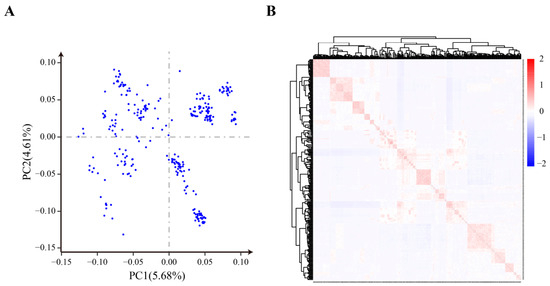
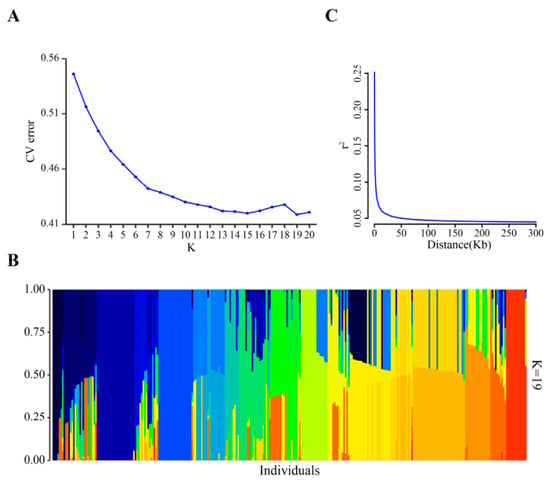
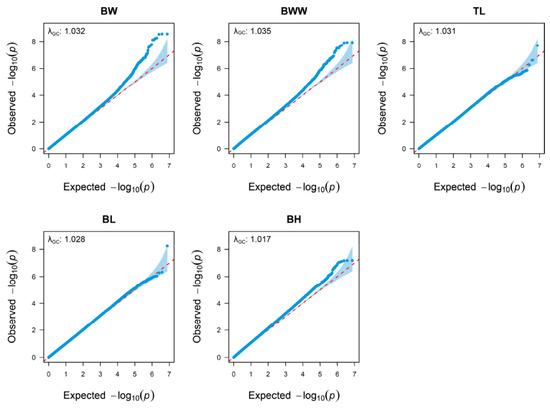
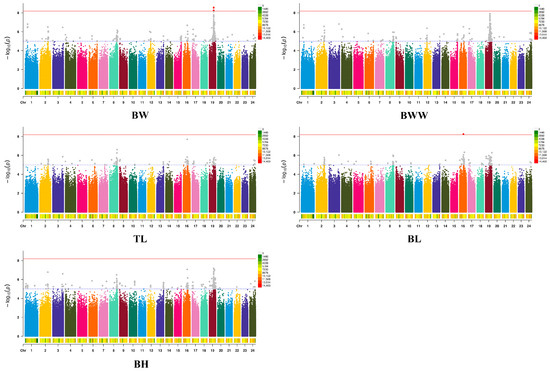
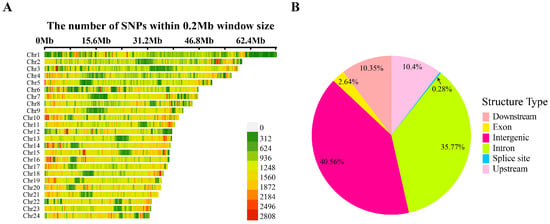
Topmouth culter (Culter alburnus) is one of the most economically important freshwater fish in China, but intensive aquaculture has caused germplasm degradation and reduced growth performance, while the genetic basis underlying growth variation in this species remains poorly understood. This study aimed to identify major-effect loci and candidate genes associated with growth-related traits to support molecular breeding. Whole-genome resequencing (average depth 11.44×) was performed on 300 individuals derived from random mating among three geographic populations (Danjiangkou, Taihu, and Poyang Lake); 239 individuals with complete phenotypic records were retained for a genome-wide association study (GWAS) of five growth-related traits, including body weight (BW), body weight without viscera (BWW), total length (TL), body length (BL), and body height (BH). After stringent filtering, 7,597,008 high-quality single-nucleotide polymorphisms (SNPs) were obtained, and association analysis was conducted using a linear mixed model, followed by Benjamini–Hochberg false discovery rate correction and 1000-permutation testing for BW and BL. Six genome-wide significant SNPs and 473 suggestive SNPs were identified, with individual significant SNPs explaining over 11% of phenotypic variance, indicating candidate loci of putatively moderate-to-large effect. Significant SNPs were predominantly clustered on chromosomes 16 and 19. Four candidate genes—aig1, cacna1b, pgm5, and bcr—were identified, with functions related to lipid metabolism, muscle structure, and cell proliferation. This first population-level GWAS in topmouth culter provides valuable molecular markers for marker-assisted selection and lays a foundation for accelerated genetic improvement of this species.
Full article
(This article belongs to the Special Issue Genetic and Genomic Mechanisms Underlying Economically Important Traits in Aquatic Animals)
►▼
Show Figures

Figure 1
Open AccessBrief Report
Emergence of a Novel Highly Pathogenic Recombinant RNA Virus of Picornaviridae with Blood–Brain Barrier Breaching Capability in China
by
Jianli Shi, Shuo Wang, Chang Liu, Yong Ying, Yongming Wang, Xiaofei Song, Lianguo Wei, Guang Zhang, Shaojian Xu, Shun Zhou, Chen Li and Jun Li
Animals 2026, 16(13), 1968; https://doi.org/10.3390/ani16131968 (registering DOI) - 25 Jun 2026
Abstract
Picornaviruses pose a significant threat to both human and animal health, causing many diseases in humans and swine. Porcine sapelovirus (PSV) is a globally reported enteric picornavirus commonly associated with subclinical or mild enteric infections in swine populations. Critically, unlike other neurotropic picornaviruses
[...] Read more.
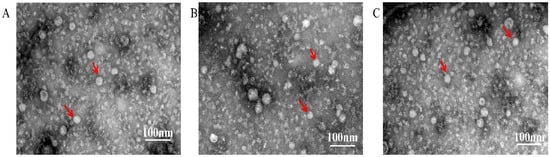
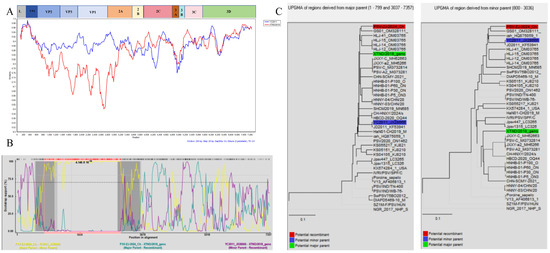
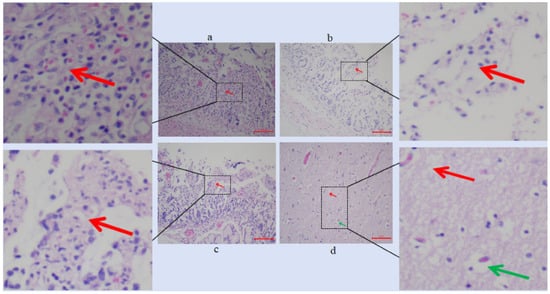
Picornaviruses pose a significant threat to both human and animal health, causing many diseases in humans and swine. Porcine sapelovirus (PSV) is a globally reported enteric picornavirus commonly associated with subclinical or mild enteric infections in swine populations. Critically, unlike other neurotropic picornaviruses such as Enterovirus A71, no PSV strain has been reported to breach the blood–brain barrier (BBB). Since 2023, outbreaks of diarrhea with concurrent neurological signs like ataxia and lameness have been observed in weaned piglets across China, in particular, on a farm in Zhejiang province in 2025 with 100% morbidity and 20% mortality among the cases. Routine diagnostics ruled out common swine pathogens, but qPCR was positive for PSV. We successfully isolated three PSV strains (ZJ, FJ, SD) from affected piglets. Genetic analysis revealed that the PSV-ZJ is a novel recombinant between strains YC2011/2012 (China, 2011) and XTND/2019 (Vietnam, 2018). Pathogenicity assessment confirmed that the recombinant PSV-ZJ is highly pathogenic, causing severe diarrhea, growth retardation, and significant viral shedding via the respiratory and digestive tracts. qPCR and histopathology confirmed viral presence in intestinal and brain tissues, indicating that PSV-ZJ can cross the blood–brain barrier. This study presents the first quantitative viral load and histopathological data for a highly pathogenic recombinant PSV strain in China and emphasizes the critical role of recombination in driving viral virulence evolution, necessitating enhanced surveillance and the development of targeted preventive strategies.
Full article
(This article belongs to the Special Issue Emerging and Re-Emerging Veterinary Viruses: Pathogenesis, Detection, and Control Strategies)
►▼
Show Figures

Figure 1
Open AccessReview
Glycine as a Metabolic Regulator of Reproductive Function in Livestock: From Gametes to Early Embryos
by
Yuxin Teng, Chenjun Wang, Yingjie Wu, Chang Yan and Yinghe Qin
Animals 2026, 16(13), 1967; https://doi.org/10.3390/ani16131967 (registering DOI) - 25 Jun 2026
Abstract
Reproductive inefficiency associated with impaired oocyte competence and embryonic loss remains a major limitation in livestock production. Although glycine is classified as a non-essential amino acid, its endogenous synthesis is often insufficient to meet increased metabolic demands during gestation and early embryonic development.
[...] Read more.
Reproductive inefficiency associated with impaired oocyte competence and embryonic loss remains a major limitation in livestock production. Although glycine is classified as a non-essential amino acid, its endogenous synthesis is often insufficient to meet increased metabolic demands during gestation and early embryonic development. This suggests that glycine has a conditionally essential role in reproductive physiology. However, the mechanisms through which glycine integrates metabolic and signaling processes to regulate reproductive outcomes are not fully understood. This review summarizes the recent advances in understanding glycine’s role in animal reproduction, emphasizing its function as a metabolic regulator rather than merely a structural component. Glycine contributes to reproductive processes by maintaining redox homeostasis, supporting mitochondrial function and stabilizing cellular environments as part of its osmolyte function during critical developmental stages. Additionally, glycine participates in one-carbon metabolism, influencing nucleotide synthesis and epigenetic regulation. Furthermore, emerging evidence suggests that glycine may modulate key signaling pathways, including the AMP-activated protein kinase (AMPK)-mechanistic target of rapamycin complex 1 (mTORC1) pathway. Consistent with these mechanistic roles, glycine supplementation has been associated with improvements in oocyte maturation and embryonic development, particularly in vitro. These findings highlight the potential of glycine as a dietary or culture medium supplement to enhance reproductive performance in livestock. However, most current evidence is derived from in vitro systems, and the translation of these findings into livestock production strategies requires validation through well-designed in vivo studies.
Full article
(This article belongs to the Section Animal Reproduction)
Open AccessArticle
Refined THI Models for Evaluating the Effects of Heat Stress on Egg Production in Thai Native and Black-Boned Chickens
by
Doungnapa Promket, Khanitta Pengmeesri, Vibuntita Chankitisakul and Wuttigrai Boonkum
Animals 2026, 16(13), 1966; https://doi.org/10.3390/ani16131966 (registering DOI) - 25 Jun 2026
Abstract
Heat stress is a major constraint on poultry productivity in tropical environments, where persistent high temperature and humidity intensify its negative effects on production traits. In this study, we quantified the relationship between thermal load and monthly egg production in black-boned and Thai
[...] Read more.
Heat stress is a major constraint on poultry productivity in tropical environments, where persistent high temperature and humidity intensify its negative effects on production traits. In this study, we quantified the relationship between thermal load and monthly egg production in black-boned and Thai native chickens and developed a refined temperature–humidity index intended to improve the assessment of heat stress under tropical conditions. A large dataset comprising 136,816 monthly egg production records from 11,530 birds was analyzed using regression models and seven THI equations. The results confirmed that heat stress significantly reduces monthly egg production, while conventional indices showed only moderate explanatory power. In contrast, the refined index consistently improved model performance, providing modest improvements in model fit compared with the original formulation. Notably, genotype-specific responses were identified, with Thai native chickens exhibiting greater tolerance to elevated thermal conditions. Distinct heat stress thresholds were also established, with values of 72 for black-boned and 74 for Thai native chickens. These findings highlight the environmentally sensitive nature of monthly egg production traits and demonstrate that targeted refinement of thermal indices enhances the detection of heat stress effects. This study provides a practical framework for integrating environmental indicators into management and breeding strategies aimed at improving thermal resilience in poultry systems.
Full article
(This article belongs to the Special Issue Heat Stress Management in Poultry)
Open AccessArticle
High Rank, Low Tolerance: Hierarchy-Dependent Reactions of Cohabiting Companion Dogs to Being Separated from Their Owner
by
Petra Dobos, Kata Vékony, Viktória Bakos, Blanka Veres, Csenge Anna Lugosi and Péter Pongrácz
Animals 2026, 16(13), 1965; https://doi.org/10.3390/ani16131965 (registering DOI) - 25 Jun 2026
Abstract
Cohabiting companion dogs establish hierarchy among themselves. It is hypothesized that the owner represents the main and undividable resource, thus primary access to this is a main organizing factor of rank-related behaviors of dogs. Here we tested high- and low-ranking cohabiting companion dogs’
[...] Read more.
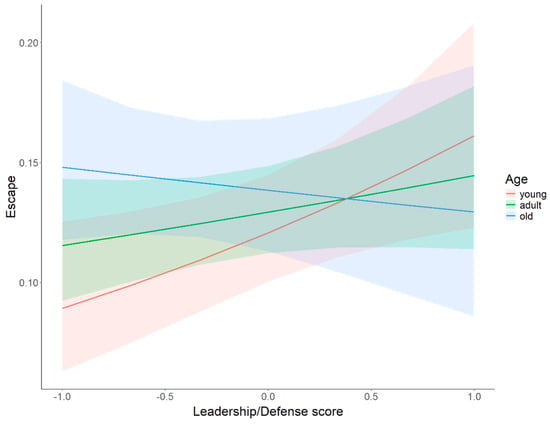
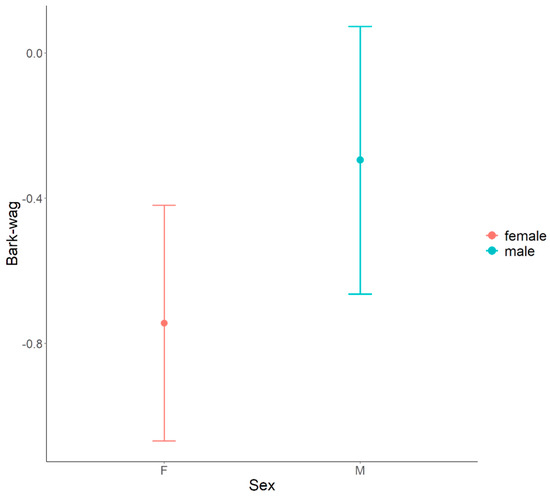
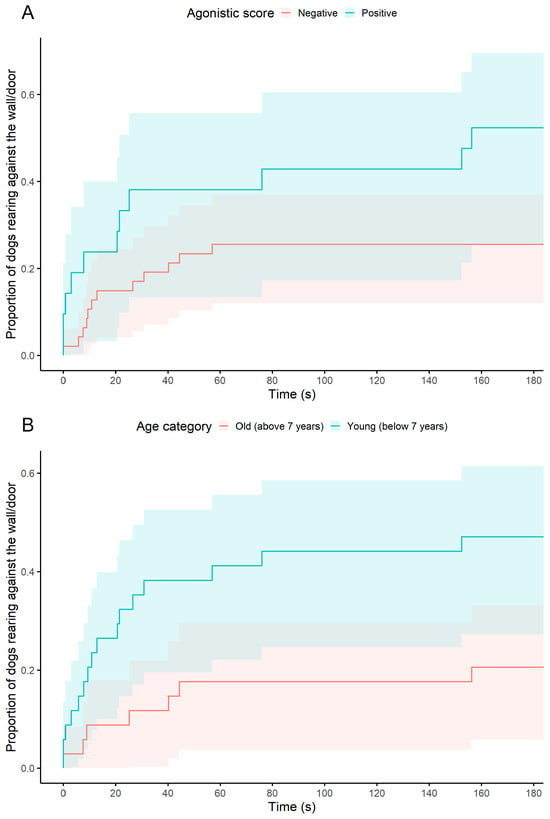
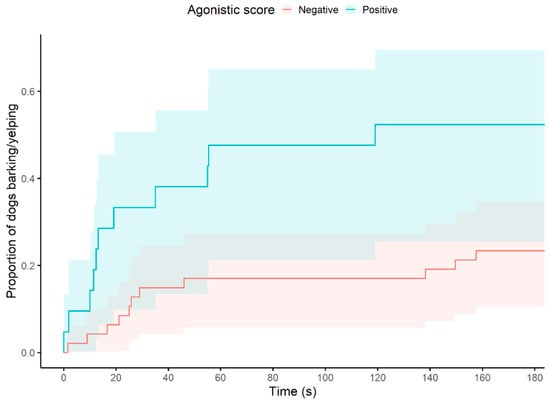
Cohabiting companion dogs establish hierarchy among themselves. It is hypothesized that the owner represents the main and undividable resource, thus primary access to this is a main organizing factor of rank-related behaviors of dogs. Here we tested high- and low-ranking cohabiting companion dogs’ (N = 70) reactions to their owner’s absence in a 3 min separation test. Rank scores have been assigned with a validated questionnaire (DRA-Q). We predicted that dominant dogs would show stronger reactions to being separated from their owner. Indeed, we found that higher-ranking dogs showed more intense activity and sooner arising attempts to leave the room (rearing at the wall, scratching the door, moving around, barking) than lower-ranking dogs did. These reactions may show also the intention to reestablish their connection with the absent owner. The associations between dogs’ rank and the behavioral responses were modified by the dogs’ age (negatively), the number of cohabiting dogs (positively), and we found that subcategories of the dog’s dominant status (such as ‘agonistic’ and ‘leadership’ subscales) were also associated with finer details of the outcome. These are the first results indicating that presence of the owner may provide more reassurance to higher-ranking dogs against stress than it does to lower-ranking dogs.
Full article
(This article belongs to the Section Companion Animals)
►▼
Show Figures

Figure 1
Open AccessArticle
The Live-Attenuated PruΔgra47 Strain of Toxoplasma gondii Confers Protective Immunity Against Acute and Chronic Toxoplasmosis in Mice
by
Chen-Ran Tian, Xing Tian, Shu-Min Zhao, Zhi Zheng, Wen-Bo Hao, Xing-Quan Zhu and Xiao-Nan Zheng
Animals 2026, 16(13), 1964; https://doi.org/10.3390/ani16131964 (registering DOI) - 25 Jun 2026
Abstract
Toxoplasma gondii is an apicomplexan parasite that causes toxoplasmosis, a widespread zoonotic disease leading to serious public health concerns and economic losses to animal husbandry. Currently, highly effective vaccines against toxoplasmosis remain unavailable. This study aimed to investigate the safety, immunogenicity, and protective
[...] Read more.
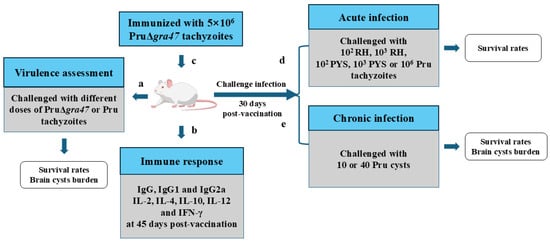
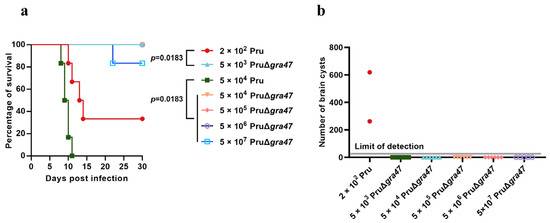
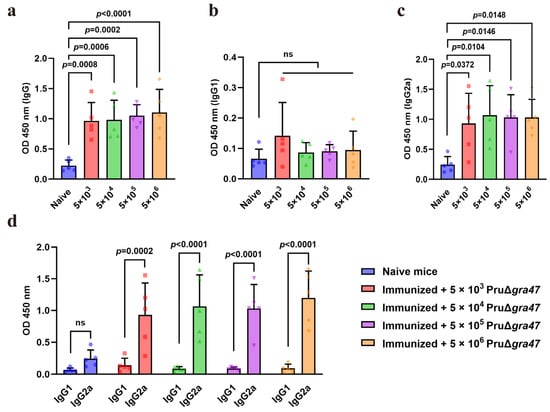
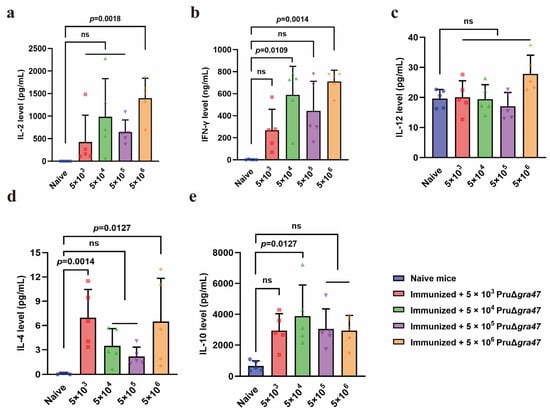
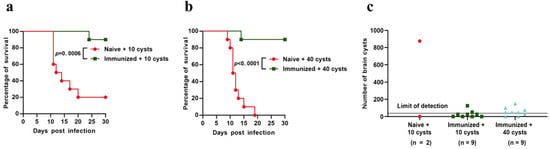
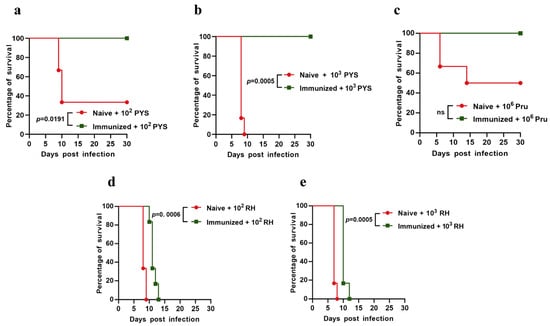
Toxoplasma gondii is an apicomplexan parasite that causes toxoplasmosis, a widespread zoonotic disease leading to serious public health concerns and economic losses to animal husbandry. Currently, highly effective vaccines against toxoplasmosis remain unavailable. This study aimed to investigate the safety, immunogenicity, and protective efficacy of the gra47-deficient mutant strain PruΔgra47 as a live-attenuated vaccine candidate. We evaluated the virulence of PruΔgra47 in a mouse model, determined the optimal immunization dose, and measured serum antibody levels and cytokine profiles. Then, mice immunized with PruΔgra47 were challenged with different T. gondii strains to assess protection against acute and chronic infection. PruΔgra47 displayed significantly attenuated virulence and its ability to form cysts was weakened. Vaccination with 5 × 10⁶ tachyzoites elicited predominantly Th1-skewed immune responses. Immunization with PruΔgra47 provided complete protection against challenge infection with relatively low-virulent PYS strain and homologous Pru strain, prolonged survival against the highly virulent RH strain, and achieved a 90% survival rate with reduced brain cyst burden under chronic challenge. In conclusion, PruΔgra47 is relatively safe and immunogenic in the murine model, and is worth being evaluated in food-producing animals and cats.
Full article
(This article belongs to the Special Issue Vaccine and Diagnostic Technologies: Promising Solutions for Animal Health)
►▼
Show Figures

Figure 1
Open AccessFeature PaperArticle
Neonatal Calf Serum MAP Antibody Titre as a Potential Marker of Early-Life MAP Exposure
by
Jonathan Hedgecock, Peter Plate and Steven van Winden
Animals 2026, 16(13), 1963; https://doi.org/10.3390/ani16131963 (registering DOI) - 25 Jun 2026
Abstract
Johne’s disease (JD), caused by Mycobacterium avium subsp. paratuberculosis (MAP), is typically acquired early in life, yet detection of exposure during this period remains challenging. This study evaluated whether MAP-specific antibodies are passively transferred from dam to calf and detectable in neonatal calf
[...] Read more.
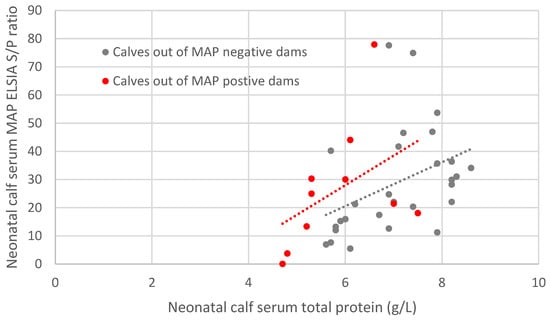
Johne’s disease (JD), caused by Mycobacterium avium subsp. paratuberculosis (MAP), is typically acquired early in life, yet detection of exposure during this period remains challenging. This study evaluated whether MAP-specific antibodies are passively transferred from dam to calf and detectable in neonatal calf serum, and whether these titres reflect early-life exposure to MAP. Neonatal calves (n = 38) from a commercial dairy herd were blood sampled within the first 10 days of life as part of routine assessment of passive transfer. Serum total protein (STP) was measured to assess colostrum intake, and residual serum was analysed for MAP antibody titres using an indirect ELISA. Multivariable linear regression was used to evaluate associations between calf MAP antibody titres, STP, and dam JD serological status. Calf serum MAP antibody titres were positively associated with STP (p < 0.001) and differed according to dam serological status, with higher titres observed in calves born to MAP-seropositive dams (p = 0.025). A significant interaction between STP and dam status indicated that the relationship between passive transfer efficiency and MAP antibody levels varied by dam infection status. These findings support the biological plausibility of passive transfer of MAP-specific antibodies via colostrum and suggest that neonatal calf serology may reflect exposure to an early-life epidemiological risk period associated with maternal MAP exposure and the calving environment rather than infection status within the calf itself. Given the modest sample size and single-herd design, these findings should be interpreted as exploratory and hypothesis-generating.
Full article
(This article belongs to the Special Issue The Detection, Prevention and Treatment of Calf Diseases)
►▼
Show Figures

Figure 1
Open AccessArticle
Early-Life Swine Inflammation and Necrosis Syndrome Is Associated with Later Tail Integrity and Systemic Hematological Changes in Organically Raised Pigs
by
Karien Koenders-van Gog, Esther Krooshoop, Thomas Wijnands and Gerald Reiner
Animals 2026, 16(13), 1962; https://doi.org/10.3390/ani16131962 (registering DOI) - 25 Jun 2026
Abstract
Swine Inflammation and Necrosis Syndrome (SINS) is a widespread condition in pigs and has been proposed as an early-life animal-based measure (ABM) for assessing health and welfare. However, its prognostic value for later-life outcomes under commercial conditions remains poorly understood. This study investigated
[...] Read more.
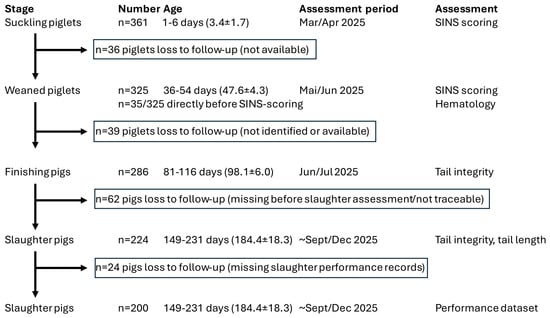
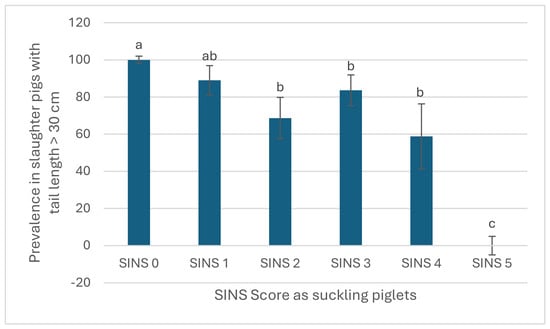
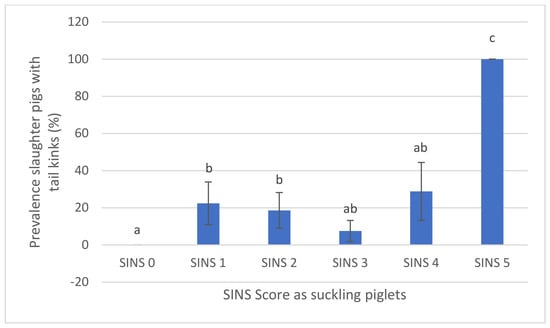
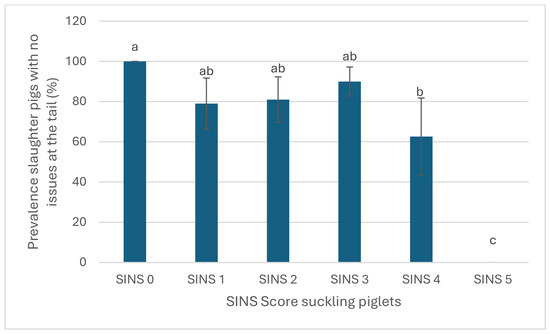
Swine Inflammation and Necrosis Syndrome (SINS) is a widespread condition in pigs and has been proposed as an early-life animal-based measure (ABM) for assessing health and welfare. However, its prognostic value for later-life outcomes under commercial conditions remains poorly understood. This study investigated the prevalence, progression, and predictive relevance of SINS in two organic pig farms in the Netherlands. Clinical SINS signs were assessed in suckling and weaned piglets and related to hematological parameters at weaning (35 weaned piglets) as well as tail integrity at slaughter. SINS lesions were highly prevalent in suckling piglets (approximately 80%) but markedly decreased after weaning. Lesion prevalence and severity differed substantially between farms and showed clear age-dependent patterns, peaking between days 3 and 5 of life. Higher SINS scores in suckling piglets were associated with systemic hematological alterations at weaning, including increased monocyte proportions, reduced platelet counts, and altered red blood cell indices. Importantly, early-life SINS was significantly associated with later tail integrity. Pigs with higher SINS scores showed a lower probability of intact tails at slaughter and subsequently a higher prevalence of tail lesions. These findings suggest that SINS may have potential as an early-life indicator of later tail outcomes; however, this hypothesis requires validation in larger studies involving a greater number of farms and production systems.
Full article
(This article belongs to the Section Veterinary Clinical Studies)
►▼
Show Figures

Figure 1
Open AccessArticle
Screening and Preliminary Identification of Inhibin α Subunit-Specific Nanobodies Through High-Throughput Sequencing Combined with Mass Spectrometry
by
Jifu Ma, Zhumanov Kairat, Bupebayeva Lyalla, Zhongmei Ma and Wurelihazi Hazihan
Animals 2026, 16(13), 1961; https://doi.org/10.3390/ani16131961 (registering DOI) - 25 Jun 2026
Abstract
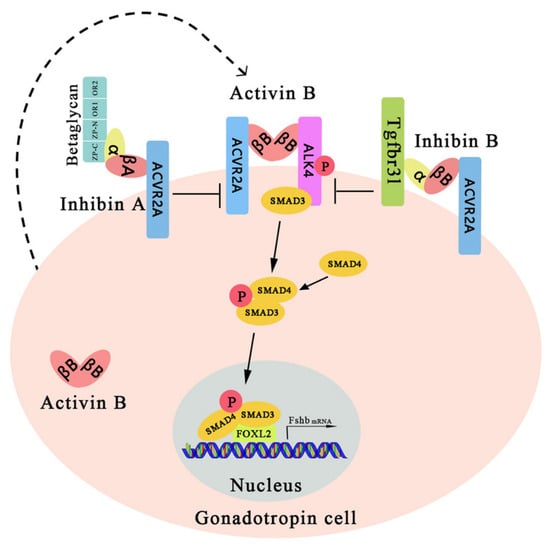
Inhibin, a water-soluble protein emitted by the gonads, plays a pivotal role in regulating the release of follicle-stimulating hormone (FSH) from the pituitary gland, which, in turn, influences follicular growth, gamete production, and the secretion of associated hormones. We performed high-throughput sequencing of
[...] Read more.
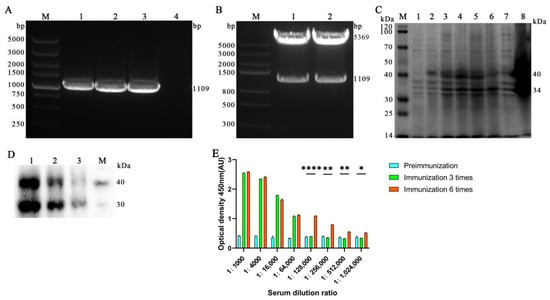
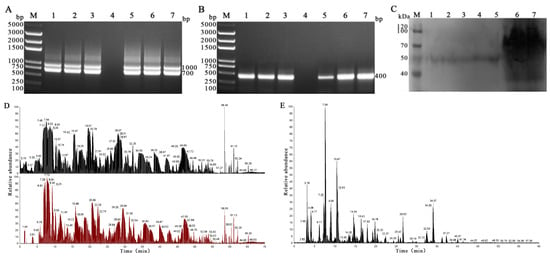
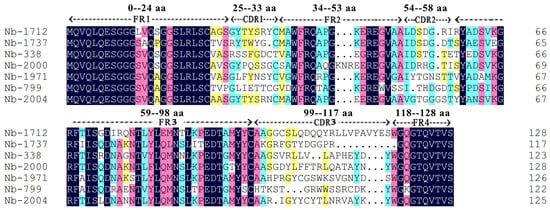
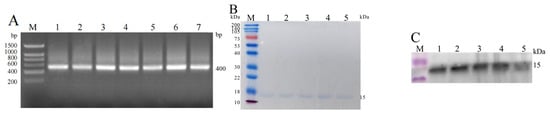
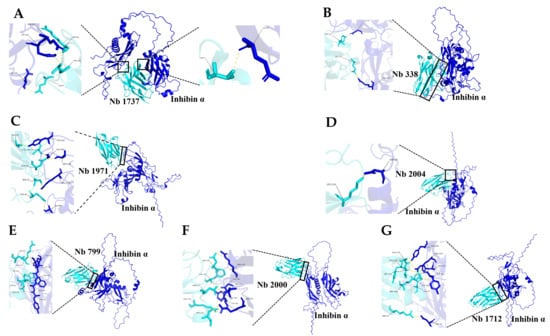
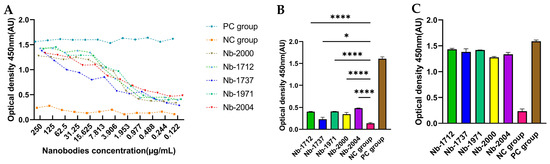
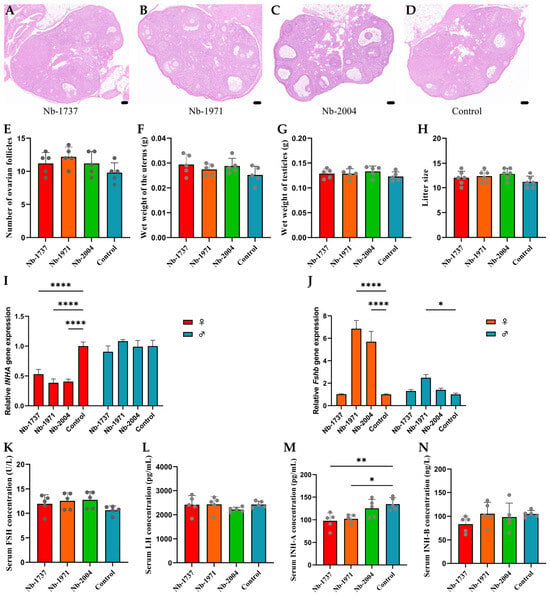
Inhibin, a water-soluble protein emitted by the gonads, plays a pivotal role in regulating the release of follicle-stimulating hormone (FSH) from the pituitary gland, which, in turn, influences follicular growth, gamete production, and the secretion of associated hormones. We performed high-throughput sequencing of the nanobody gene in the lymphocytes of Bactrian camels before and after inhibin α protein immunization followed by mass spectrometry analysis of specific antibodies to this protein in the serum following immunization to screen for inhibin α subunit-specific nanobodies. Seven inhibin α-specific nanobodies, namely Nb-1712, Nb-1971, Nb-2000, Nb-799, Nb-2004, Nb-1737, and Nb-338, were identified through high-throughput sequencing and mass spectrometry. Following the construction and expression of a prokaryotic expression vector, five of these nanobody proteins were successfully produced. These proteins demonstrated high affinity for inhibin α in the indirect enzyme-linked immunosorbent assay. Notably, nanobodies Nb-1737, Nb-1971, and Nb-2004 significantly downregulated Inha and upregulated Fshb gene expression, enhancing follicle-stimulating hormone secretion. In female mice, these three nanobodies promoted follicular development and led to a numerical increase in litter size (average ~10%, with Nb-2004 showing a 14.93% increase), although the differences were not statistically significant. These findings demonstrate their potential to regulate reproductive function. We identified 7 inhibin α subunit-specific nanobody genes from a Xinjiang Bactrian camel’s lymphocyte genome through high-throughput sequencing and mass spectrometry. We also compared their relative binding affinities and characterized their biological functions, thereby providing key theoretical guidance and technical support for increasing FSH levels.
Full article
(This article belongs to the Special Issue Investigating Twin Pregnancies in Mono-Ovulatory Species)
►▼
Show Figures

Figure 1
Open AccessArticle
Protective Effects of Ginseng Extract Against Oxidative Stress in Chilled Rooster Semen: Implications for Sperm Quality and Fertility
by
Ruthaiporn Ratchamak, Khanitta Pengmeesri and Eakapol Wangkahart
Animals 2026, 16(13), 1960; https://doi.org/10.3390/ani16131960 (registering DOI) - 25 Jun 2026
Abstract
Oxidative stress is a primary driver of sperm deterioration during chilled storage of poultry semen, and identifying effective natural antioxidant supplements for semen extenders is an important practical goal for poultry reproductive management. This study evaluated the protective effects of ginseng extract (Panax
[...] Read more.
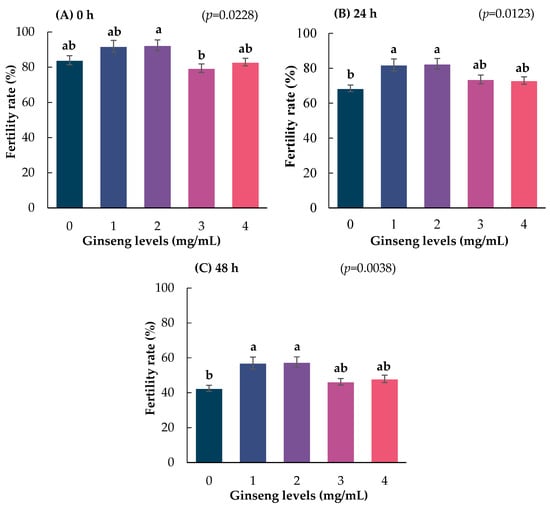
Oxidative stress is a primary driver of sperm deterioration during chilled storage of poultry semen, and identifying effective natural antioxidant supplements for semen extenders is an important practical goal for poultry reproductive management. This study evaluated the protective effects of ginseng extract (Panax ginseng) supplementation on sperm viability, motility, oxidative stress biomarkers, antioxidant defense, and fertility in chilled Leung Hang Kao rooster semen. Pooled semen was diluted in IGGKPh extender supplemented with ginseng extract at 0, 1, 2, 3, or 4 mg/mL and stored at 5 °C for 0, 24, and 48 h. Sperm viability, total motility, progressive motility, malondialdehyde (MDA) concentration, total antioxidant capacity (T-AOC), glutathione peroxidase (GPx) activity, catalase (CAT) activity, and fertility following artificial insemination were evaluated at each time point. All ginseng-supplemented groups showed significantly lower MDA concentrations and higher GPx activity than the unsupplemented control throughout storage. At 48 h, total motility and progressive motility were highest in the 2 and 3 mg/mL groups, while T-AOC was best maintained in the 1 and 2 mg/mL groups. CAT activity did not differ significantly among groups at 48 h (p = 0.2498). Fertility was significantly higher in the 1 and 2 mg/mL groups than in the control after 24 and 48 h of storage, and the alignment between T-AOC and fertility across storage time points indicated that overall antioxidant buffering capacity was a stronger determinant of fertilizing competence than individual enzyme activities or MDA concentration alone. Concentrations of 3–4 mg/mL, despite producing lower MDA at 48 h, did not confer superior fertility outcomes, suggesting a hormetic dose–response relationship. Based on integrated evidence from sperm quality, antioxidant status, and in vivo fertility, ginseng extract supplementation at 1–2 mg/mL is recommended as the most suitable range for preserving chilled Leung Hang Kao rooster semen and may represent a practical natural antioxidant strategy for Thai native poultry breeding programs.
Full article
(This article belongs to the Special Issue New Insights into Poultry Breeding: Advancements in Hatchability, Semen Collection and Fertility Enhancement)
►▼
Show Figures

Figure 1
Open AccessArticle
Cranial Tibial Wedge Osteotomy in Five Cats with Cranial Cruciate Ligament Rupture
by
Fidel San Román-Llorens, Alejandro Blanco, Fidel San Román, Cristina González, Alberto Climent, Julia Laliena, Manuel Alamán and Ana Whyte
Animals 2026, 16(13), 1959; https://doi.org/10.3390/ani16131959 (registering DOI) - 25 Jun 2026
Abstract
Cranial cruciate ligament (CrCL) rupture in cats is less common than in dogs, and its optimal treatment remains a subject of debate. This study aimed to evaluate the application of cranial tibial wedge osteotomy (CTWO) as a dynamic stabilization technique in cats with
[...] Read more.
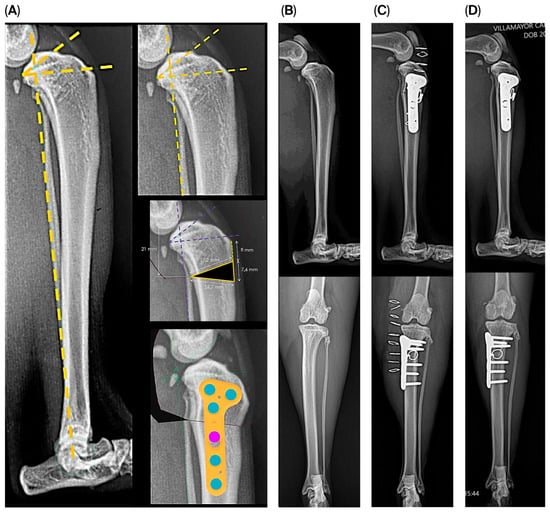
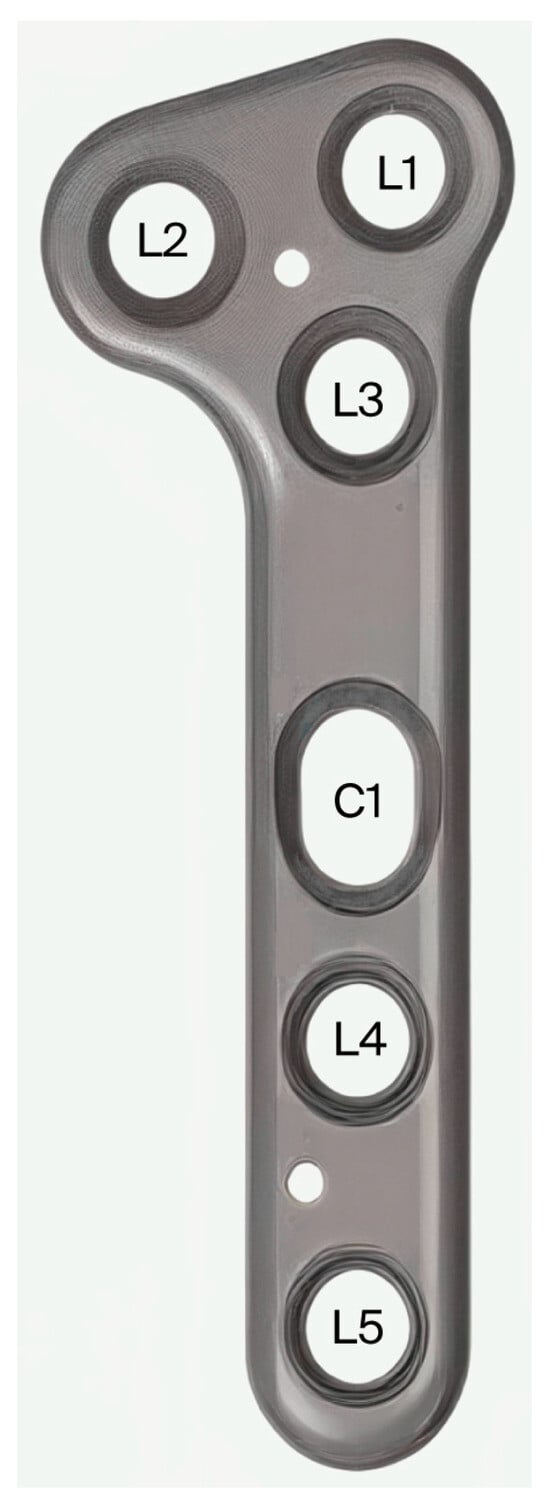
Cranial cruciate ligament (CrCL) rupture in cats is less common than in dogs, and its optimal treatment remains a subject of debate. This study aimed to evaluate the application of cranial tibial wedge osteotomy (CTWO) as a dynamic stabilization technique in cats with CrCL rupture, describing the technical aspects and clinical outcomes obtained. Five cases with a confirmed diagnosis of CrCL rupture between 2020 and 2024 were included in this study. All patients were treated with CTWO using specific osteosynthesis locking plates designed for use in dogs and a complementary cerclage wire. Radiographic rechecks were performed at 8 and 12 weeks postoperatively, and clinical evaluations were performed 24 h, 8 weeks, 12 weeks, and 6 months postoperatively in every patient. Successful and complete bone healing of the tibial osteotomy was observed in every case. No intraoperative or postoperative complications related to implants or soft tissues were recorded. All cats achieved complete functional recovery without lameness at the last recheck six months after surgery. The technique was performed without significant technical difficulties, providing adequate stability and favorable clinical outcomes in all cases. These preliminary results support the use of CTWO as an effective surgical alternative for the treatment of CrCL rupture in cats. However, further studies with a larger number of cases and a longer follow-up are required to better evaluate its clinical application, outcomes, and influence on osteoarthritis progression in the long term.
Full article
(This article belongs to the Section Veterinary Clinical Studies)
►▼
Show Figures

Figure 1
Open AccessArticle
Size-Dependent Agonistic Interaction Patterns in Juvenile Male Swimming Crabs (Portunus trituberculatus)
by
Nahayo Viateur, Litao Wan, Yuanyuan Fu, Hao Wang, Wenjun Xu and Jie He
Animals 2026, 16(13), 1958; https://doi.org/10.3390/ani16131958 (registering DOI) - 25 Jun 2026
Abstract
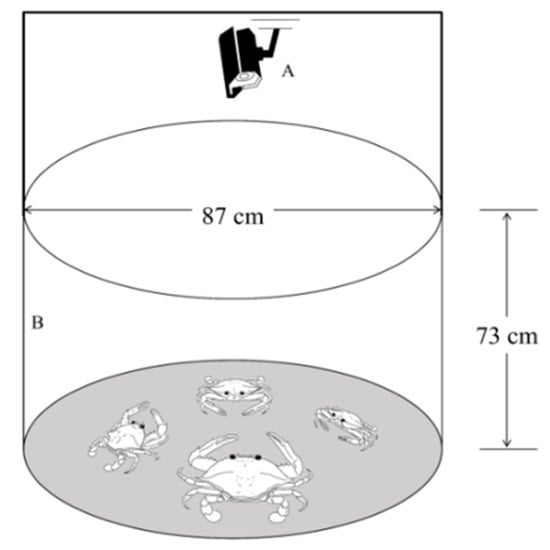
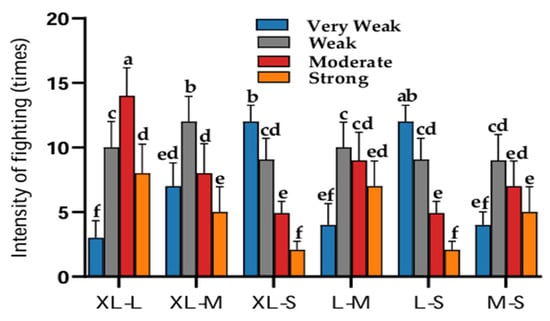
Body size is a key determinant of agonistic interactions in swimming crabs. This study quantified agonistic interactions during pairwise contests among different size classes. Four size classes of male juveniles, Portunus trituberculatus, were examined (extra-large: 70.16 ± 1.12 g; large: 45.07 ±
[...] Read more.
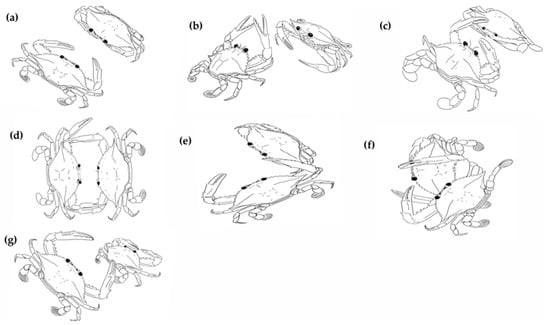
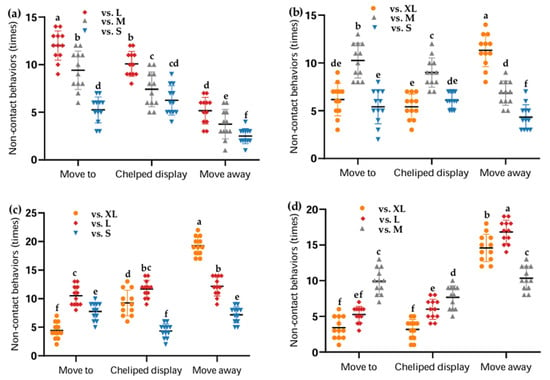
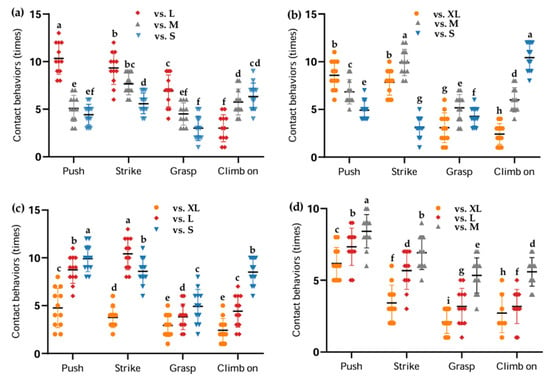
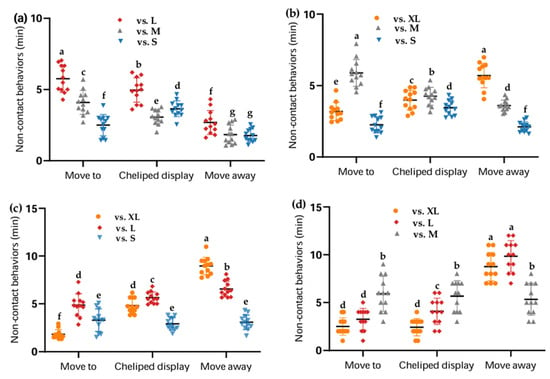
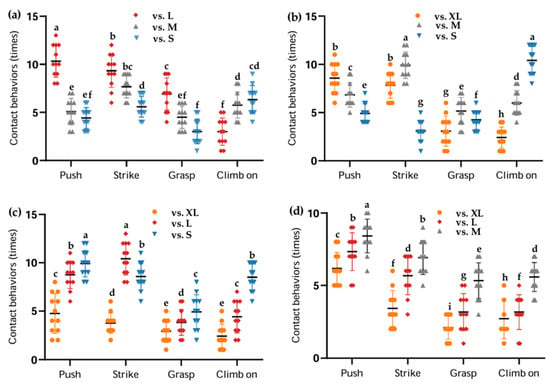
Body size is a key determinant of agonistic interactions in swimming crabs. This study quantified agonistic interactions during pairwise contests among different size classes. Four size classes of male juveniles, Portunus trituberculatus, were examined (extra-large: 70.16 ± 1.12 g; large: 45.07 ± 1.15 g; medium: 25.30 ± 1.19 g; small: 15.08 ± 1.73 g; n = 12 per size class). The frequency and duration of agonistic behaviors and fighting intensity were recorded by a video recording system and analyzed. Larger crabs initiated more frequent and intense aggressive interactions, whereas smaller crabs exhibited mainly avoidance and submissive responses, particularly against larger opponents. The most intense and prolonged contests occurred between opponents with relatively small size differences. Conversely, highly size-mismatched pairs exhibited shorter, less intense interactions. These agonistic interactions were strongly size-dependent, consistent with Resource Holding Potential theory and size-contest dynamics. These behavioral patterns provide insights into social dynamics and inform aquaculture management practices.
Full article
(This article belongs to the Special Issue Behavioral Mechanisms in Aquatic Animals: Advances in Aquaculture and Breeding)
►▼
Show Figures

Figure 1
Open AccessArticle
eDNA-qPCR Reveals Spatial Biomass and Habitat Associations of the Endangered Brachymystax lenok tsinlingensis in Zhouzhi Heihe River
by
Hu Zhao, Xiaoran An, Kunyang Zhang, Han Zhang, Jie Deng, Jianlu Zhang, Cheng Fang, Fei Kong, Wei Jiang, Qijun Wang, Xin Ding and Hongying Ma
Animals 2026, 16(13), 1957; https://doi.org/10.3390/ani16131957 (registering DOI) - 24 Jun 2026
Abstract
Brachymystax lenok tsinlingensis is an endangered salmonid endemic to China. Traditional trapping methods frequently fail to detect this rare fish in low-density mountain streams, hampering evidence-based conservation. Here, we employed environmental DNA quantitative PCR (eDNA-qPCR) with species-specific primers to assess the spatial biomass
[...] Read more.
Brachymystax lenok tsinlingensis is an endangered salmonid endemic to China. Traditional trapping methods frequently fail to detect this rare fish in low-density mountain streams, hampering evidence-based conservation. Here, we employed environmental DNA quantitative PCR (eDNA-qPCR) with species-specific primers to assess the spatial biomass distribution of this species in the Zhouzhi Heihe River. Concurrently, we surveyed plankton, benthic macroinvertebrates, and physicochemical water parameters. eDNA detected the target species at 12 of 14 sites, with reliable quantification achieved at 9 sites, suggesting that the method may be more effective than conventional trapping for detecting this species under the studied low-density conditions. eDNA-derived relative biomass exhibited pronounced spatial heterogeneity, ranging from 6.0 × 10⁻⁴ to 1.5 × 10⁻² g/cm3. Water depth showed a significant positive association with biomass (r = 0.5347), whereas phytoplankton Shannon diversity (a measure of species richness and evenness) was significantly negatively correlated (r = −0.5447). Flow velocity displayed a negative trend that did not reach statistical significance (r = −0.5009). Plankton and benthic communities indicated overall ecological conditions but did not directly explain the observed spatial variation in fish biomass. These findings indicate that the spatial pattern of B. lenok tsinlingensis is primarily shaped by local physical habitat structure, with deeper, hydraulically more complex channel units serving as key microhabitats. eDNA-qPCR thus represents an effective, low-disturbance monitoring tool for this endangered cold-water fish and provides a scientific basis for targeted habitat protection and restoration.
Full article
(This article belongs to the Special Issue Fish and Fisheries Under Ecosystem Changes)
Open AccessArticle
Prevalence of rs850683722 Variant and Its Influence on the Course of Myxomatous Mitral Valve Disease in 105 Cavalier King Charles Spaniel Dogs in the Polish Population
by
Maksymilian Lewicki, Sylwia Barbara Górczyńska-Kosiorz, Justyn Gach, Piotr Frydrychowski, Zuzanna Wojtczak and Agnieszka Noszczyk-Nowak
Animals 2026, 16(13), 1956; https://doi.org/10.3390/ani16131956 (registering DOI) - 24 Jun 2026
Abstract
Myxomatous mitral valve disease (MMVD) is the most common acquired cardiac disease in small-breed dogs and shows particularly high prevalence and early onset in Cavalier King Charles Spaniels (CKCS). Although MMVD is considered a complex, polygenic disease, the clinical relevance of individual genetic
[...] Read more.
Myxomatous mitral valve disease (MMVD) is the most common acquired cardiac disease in small-breed dogs and shows particularly high prevalence and early onset in Cavalier King Charles Spaniels (CKCS). Although MMVD is considered a complex, polygenic disease, the clinical relevance of individual genetic variants remains incompletely understood. The angiotensin-converting enzyme (ACE) gene variant rs850683722 has previously been associated with altered ACE activity and differences in renin–angiotensin–aldosterone system-related responses in dogs with MMVD. The aim of this study was to determine the prevalence of rs850683722 in a Polish population of CKCS dogs and to assess whether this variant is associated with the clinical course of MMVD. A total of 105 CKCS dogs were included in the study. All dogs underwent standardized cardiovascular evaluation, including echocardiography, electrocardiography, and systolic blood pressure measurement. MMVD diagnosis and staging were performed according to current ACVIM consensus criteria. Genotyping of the rs850683722 variant was performed using Sanger sequencing for 95 dogs, while next-generation sequencing data was obtained for 10 dogs. Genotype distribution, allele frequencies, conformity with the Hardy–Weinberg equilibrium (HWE), sex-related differences, and associations between genotype and age at progression to selected MMVD stages or the primary clinical endpoint were assessed statistically. The most frequent genotype was AA, detected in fifty-nine dogs, followed by GG in thirty-seven dogs and AG in nine dogs. When dogs carrying at least one A allele were considered variant-positive, the overall prevalence of the variant-positive genotype was 64.8%. The calculated allele frequencies were 0.605 for the A allele and 0.395 for the G allele. The observed genotype distribution deviated markedly from the Hardy–Weinberg equilibrium, mainly because of a pronounced deficit of heterozygous dogs. No significant association was detected between genotype and sex. Genotype was also not significantly associated with age at progression to stage B2 or stage C. A statistically significant difference in age of death was demonstrated by genotype, but this difference was not reflected in the survival analysis. The rs850683722 variant was highly prevalent in the studied Polish CKCS population, with a frequency comparable to previously reported data for this breed. Despite its documented biological association with ACE activity and RAAS-related responses, the variant was not significantly associated with the clinical progression of MMVD in this cohort. These findings suggest that rs850683722 alone seems unlikely to be a reliable marker for predicting the severity or rate of MMVD progression in Polish CKCS dogs. Further studies including larger cohorts, longer follow-up, pedigree information, and the direct assessment of RAAS activity may help clarify whether this variant has stage-dependent or treatment-related clinical relevance.
Full article
(This article belongs to the Section Veterinary Clinical Studies)
Open AccessArticle
Cetacean Welfare Risk and the Educational Integrity of Ecotourism: A Multi-Framework Assessment of Whale-Watching Practices in the New York Metropolitan Area
by
Jie Sima, Lien-Siang Chou and Wei-Cheng Yang
Animals 2026, 16(13), 1955; https://doi.org/10.3390/ani16131955 (registering DOI) - 24 Jun 2026
Abstract
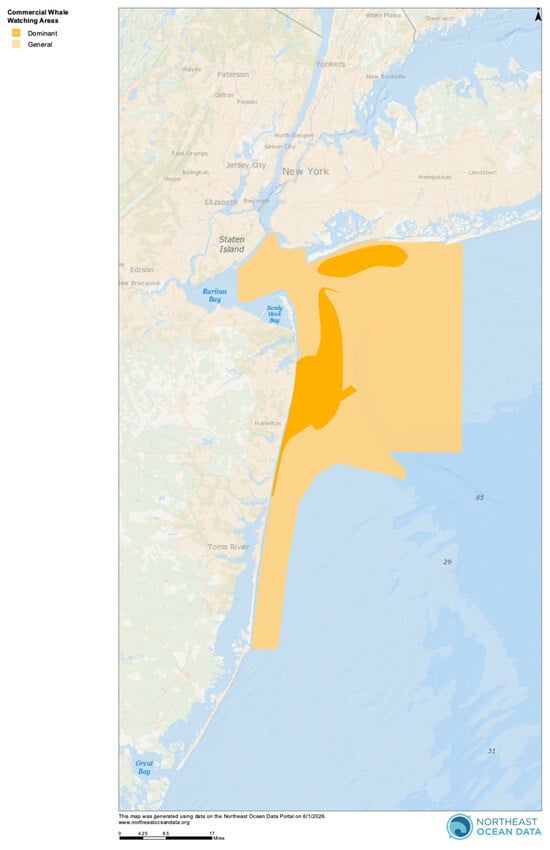
Whale watching is frequently presented as a benign form of wildlife interaction, yet its ethical and ecological acceptability depends on two conditions: vessel practices must minimize disturbance to free-ranging cetaceans, and tours must provide meaningful conservation-oriented education. This study assessed whale-watching operations in
[...] Read more.
Whale watching is frequently presented as a benign form of wildlife interaction, yet its ethical and ecological acceptability depends on two conditions: vessel practices must minimize disturbance to free-ranging cetaceans, and tours must provide meaningful conservation-oriented education. This study assessed whale-watching operations in the New York City Metropolitan Area using three complementary frameworks: the Whale SENSE “On the Water” evaluation, the World Cetacean Alliance (WCA) Best Practice Guidance, and a Higher-Order Thinking Skills (HOTS) framework for interpretation. Eight trips representing the active full-time commercial sector in the study area were observed between May and November 2022. The results have revealed that certified operators generally performed better than uncertified operators, but the difference was not large enough to demonstrate that certification alone ensured welfare-protective practice. Educational content was often present but shallow, with limited discussion of cetacean threats, conservation measures, and legal protections, while higher-order engagement and multilingual accessibility were notably weak. Vessel behavior showed a similar pattern: certified operators achieved higher average scores, yet close approaches, inconsistent adherence to conservative speed and maneuvering guidance, and occasional unacceptable practices were still recorded. Overall, some operations still expose whales to avoidable disturbance and fail to meet the educational standards that give ecotourism its conservation value. Responsible whale watching should therefore be evaluated not only by whether vessels find whales and satisfy tourists, but also by whether operators demonstrably protect animal welfare and cultivate informed conservation attitudes. As such, this study offers a regionally novel benchmark for future comparative research, management evaluation, and the development of more responsible cetacean ecotourism.
Full article
(This article belongs to the Special Issue Wild Animal Welfare: Science, Ethics and Law)
►▼
Show Figures

Figure 1
Open AccessArticle
Metabolic Adaptation and Potential Regulatory Mechanisms of Longissimus Dorsi-Derived Skeletal Muscle Satellite Cells from Hu Sheep Under Insulin Induction
by
Haotian Yuan, Xiongxiong Li, Zengkui Lu, Chao Yuan, Tingting Guo, Lixia Sun, Jianbin Liu and Bowen Chen
Animals 2026, 16(13), 1954; https://doi.org/10.3390/ani16131954 (registering DOI) - 24 Jun 2026
Abstract
The bidirectional differentiation potential of skeletal muscle satellite cells (SMSCs) enables them to differentiate into myofibers or intramuscular adipocytes, which affects meat quality in livestock. However, how insulin regulates ovine SMSC metabolism remains poorly understood. SMSCs were isolated from the longissimus dorsi muscle
[...] Read more.
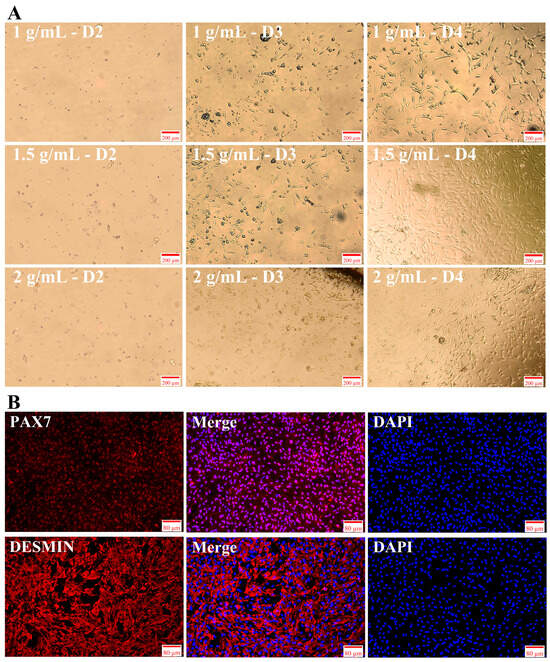
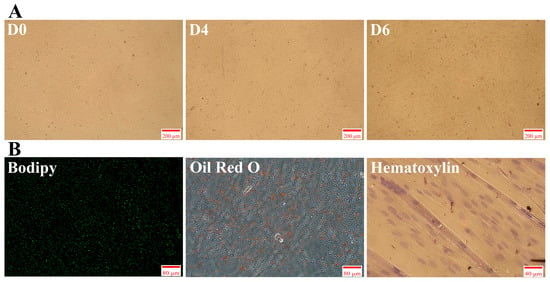
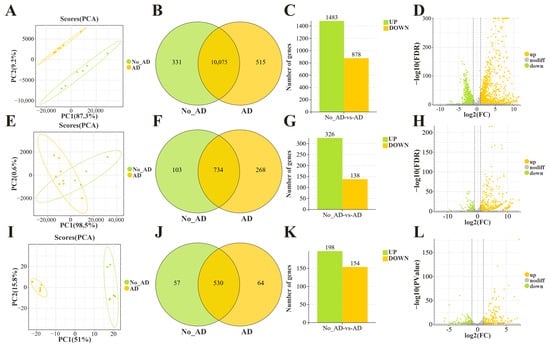
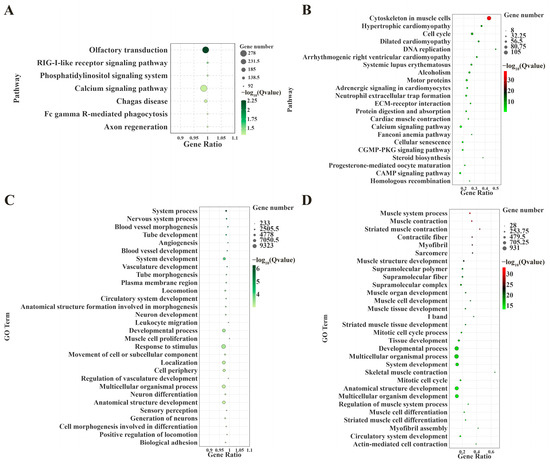
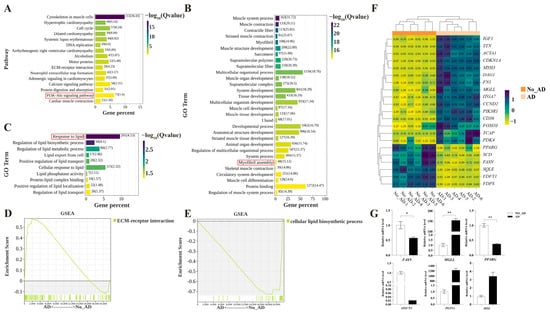
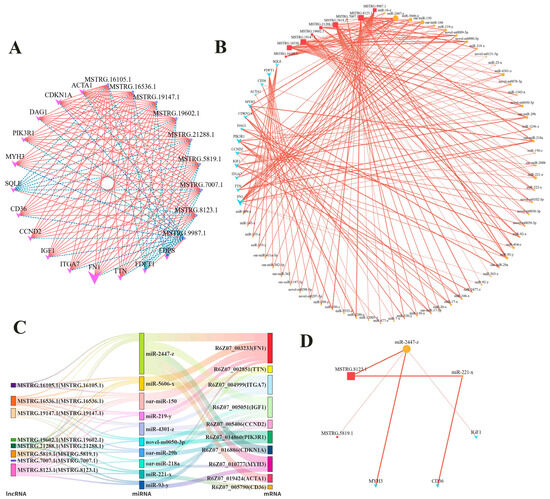
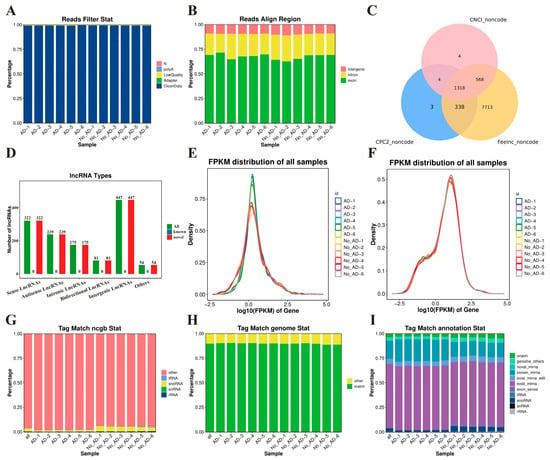
The bidirectional differentiation potential of skeletal muscle satellite cells (SMSCs) enables them to differentiate into myofibers or intramuscular adipocytes, which affects meat quality in livestock. However, how insulin regulates ovine SMSC metabolism remains poorly understood. SMSCs were isolated from the longissimus dorsi muscle of 1-day-old Hu sheep, cultured, identified, and induced to differentiate with insulin. After induction, lipid droplet formation and the number of nuclei per cell were assessed, and samples were collected before adipogenic induction (No_AD) and after adipogenic induction (AD) for qPCR and whole-transcriptome sequencing. Immunofluorescence confirmed cells were positive for PAX7 and DESMIN. Bodipy, Oil Red O, and hematoxylin staining revealed lipid droplets and multinucleated cells. Sequencing and qPCR indicated that insulin promoted fatty acid uptake and utilization, inhibited adipogenic differentiation, and promoted myogenic differentiation. Integrated ceRNA analysis suggested that miR-2447-z and MSTRG.8123.1 may coordinate muscle development and lipid metabolism. In conclusion, under insulin induction, ovine SMSCs may undergo metabolic adaptation through the ceRNA network mediated by miR-2447-z and MSTRG.8123.1, exhibiting enhanced myogenesis, suppressed adipogenesis, and lipid droplet accumulation. These findings provide new insights into insulin-regulated SMSC metabolism, suggesting that leveraging the bidirectional differentiation potential of SMSCs to in-fluence muscle characteristics and fat deposition may be a feasible approach for im-proving meat production traits in sheep.
Full article
(This article belongs to the Section Small Ruminants)
►▼
Show Figures

Figure 1
Open AccessArticle
Acclimation During the 7-Day CO-Synch + CIDR Protocol Improves Temperament and Pregnancy Rate to Timed Artificial Insemination in Bos taurus Beef Heifers
by
Sydney Flax, Danielle M. Ellinghuysen, Allen G. Schwartz, Jack Lemmon, Joao V. C. Silva, Santiago P. Hurtado, Andreia Ferreira Machado, Victor E. Gomez-Leon, John R. Jaeger, Nicola Oosthuizen, Kenneth C. Olson, Felipe A. C. C. Silva, Sandy K. Johnson and Nicholas W. Dias
Animals 2026, 16(13), 1953; https://doi.org/10.3390/ani16131953 (registering DOI) - 24 Jun 2026
Abstract
Temperament has been associated with reproductive success in beef cattle, with excitable animals often exhibiting reduced fertility. This study evaluated whether acclimating heifers to human handling during an ovulation synchronization protocol improves temperament and pregnancy rates to timed artificial insemination (TAI). A total
[...] Read more.
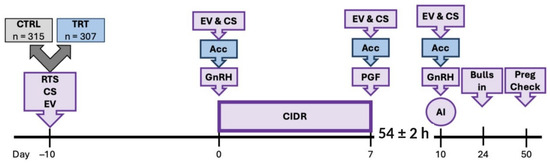
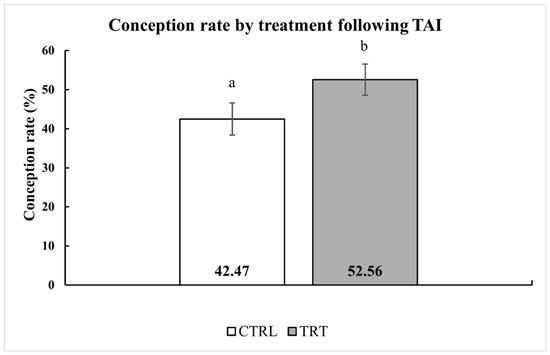
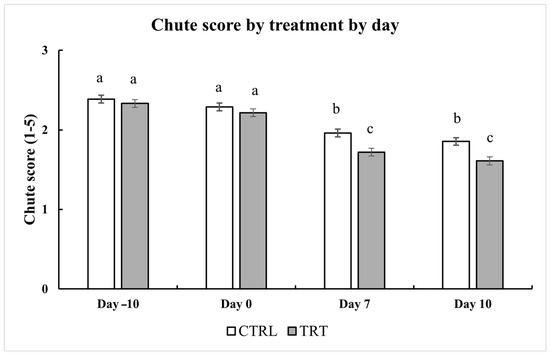
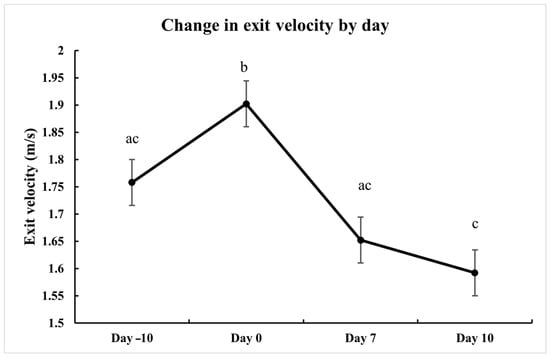
Temperament has been associated with reproductive success in beef cattle, with excitable animals often exhibiting reduced fertility. This study evaluated whether acclimating heifers to human handling during an ovulation synchronization protocol improves temperament and pregnancy rates to timed artificial insemination (TAI). A total of 622 Bos taurus yearling beef heifers across five locations and two breeding seasons (eight herd-year observations) were stratified according to reproductive maturity and temperament and were assigned to either acclimation (TRT; n = 307) or control (CTRL; n = 315). Acclimated heifers were moved through handling facilities without restraint prior to each protocol event (days 0, 7, and 10). Temperament was assessed using chute score (CS) and exit velocity (EV), and plasma cortisol was measured in a subset of animals. Acclimated heifers had lower CS on days 7 and 10 (p = 0.011 and p = 0.010, respectively) and greater pregnancy rates to TAI compared with control heifers (54.5% vs. 45.2%; p = 0.018). Exit velocity and cortisol concentrations did not differ between treatments (p ≥ 0.13). These results indicate that acclimation during handling events can improve behavioral responses and pregnancy rates to TAI with modest additional handling time (a mean of 17 s per heifer; no more than 18 min per location/day), providing a practical and scalable strategy for beef producers.
Full article
(This article belongs to the Special Issue Reproductive Management Strategies for Dairy and Beef Cows)
►▼
Show Figures

Figure 1
Open AccessFeature PaperArticle
Effects of Sodium Butyrate on Sperm Function and Protein Acetylation in Fresh and Frozen–Thawed Boar Spermatozoa
by
Grzegorz Smołucha, Monika Trzcińska, Magdalena Bryła, Anna Steg and Lechosław Gajda
Animals 2026, 16(13), 1952; https://doi.org/10.3390/ani16131952 (registering DOI) - 24 Jun 2026
Abstract
Sodium butyrate (NaBu), a short-chain fatty acid and histone deacetylase inhibitor, has been reported to influence protein acetylation and cellular function; however, its effects on boar spermatozoa remain poorly understood. This study evaluated the effects of NaBu on sperm function and global protein
[...] Read more.
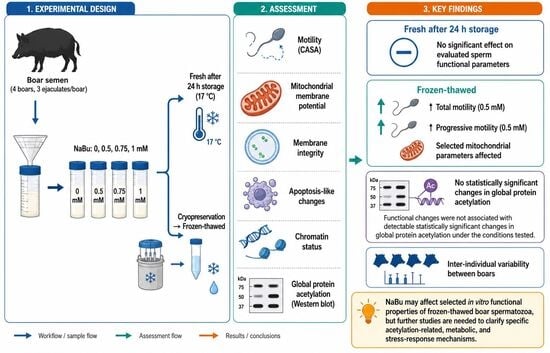
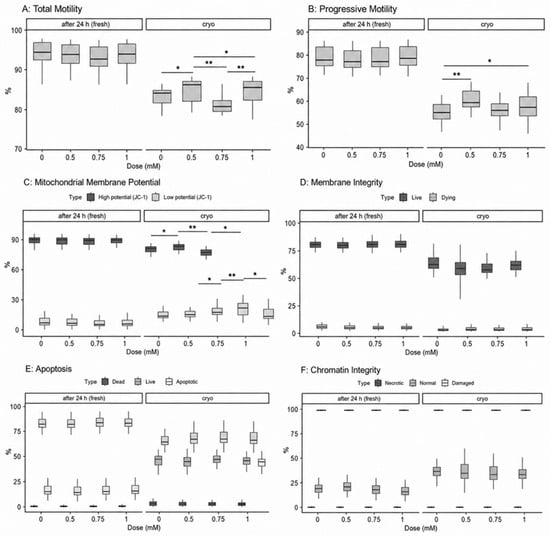
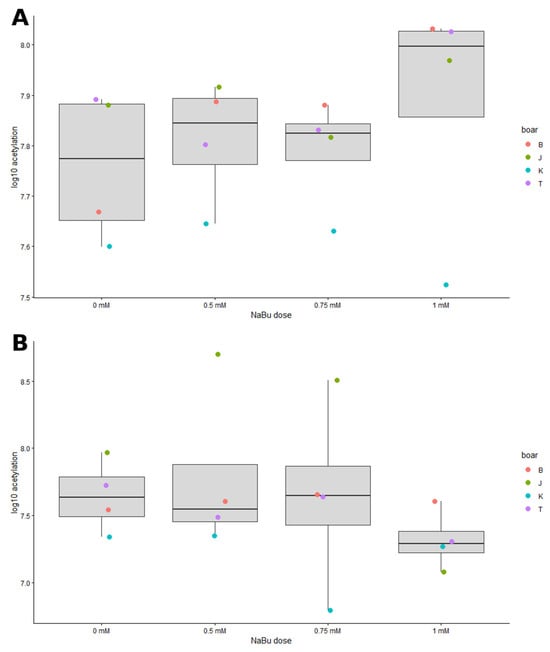
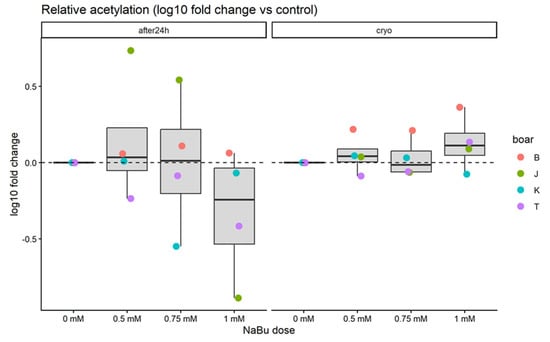
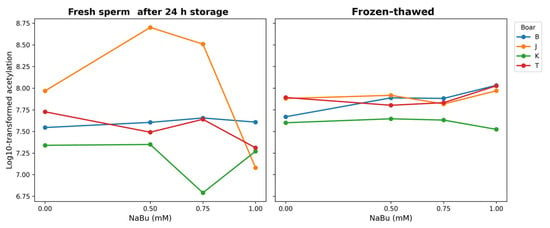
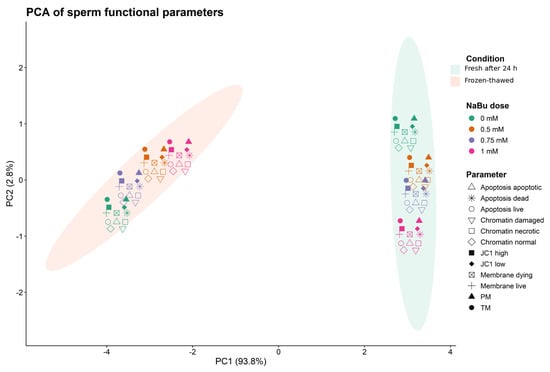
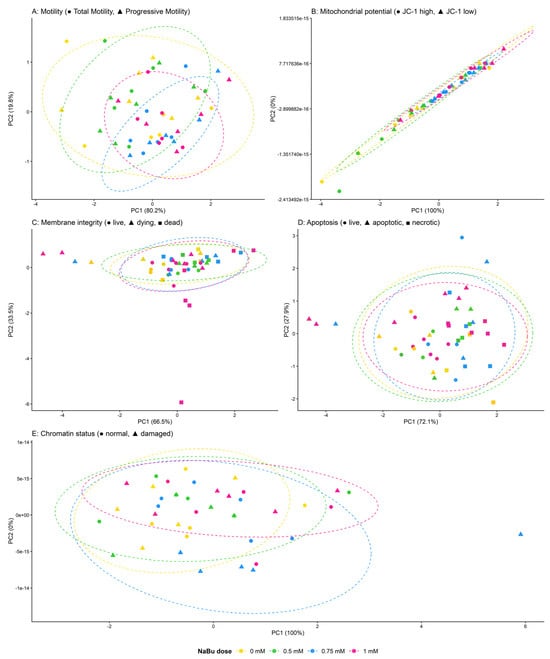
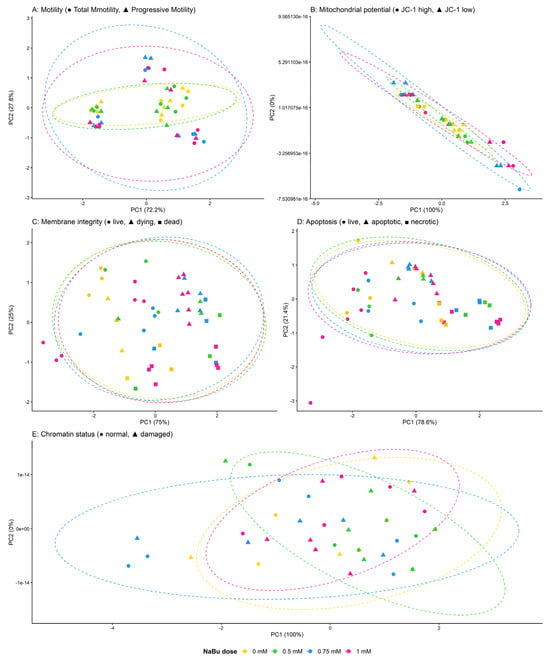
Sodium butyrate (NaBu), a short-chain fatty acid and histone deacetylase inhibitor, has been reported to influence protein acetylation and cellular function; however, its effects on boar spermatozoa remain poorly understood. This study evaluated the effects of NaBu on sperm function and global protein acetylation in fresh after 24 h storage and frozen–thawed boar spermatozoa. Semen samples collected from boars (n = 4), with three ejaculates per boar, were supplemented with 0, 0.5, 0.75, or 1 mM NaBu, stored for 24 h at 17 °C, and subsequently cryopreserved. Sperm motility, mitochondrial membrane potential, membrane integrity, apoptosis-like changes, and chromatin status were assessed using CASA, flow cytometry, and fluorescence microscopy, whereas global protein acetylation was assessed by Western blotting. In fresh semen after 24 h storage, NaBu did not significantly affect the evaluated sperm functional parameters, whereas frozen–thawed spermatozoa showed significant changes in selected functional parameters, particularly total and progressive motility at 0.5 mM. Selected mitochondrial membrane potential parameters were also affected in frozen–thawed samples, while membrane integrity, apoptosis-like changes, and chromatin status remained largely unaffected. NaBu did not significantly alter global protein acetylation levels in either fresh after 24 h storage or frozen–thawed spermatozoa. Considerable inter-individual variability between boars was observed. These findings indicate that NaBu may affect selected in vitro functional properties of frozen–thawed boar spermatozoa; however, the observed functional changes were not associated with detectable statistically significant changes in global protein acetylation under the conditions tested. Further studies are needed to determine whether specific acetylated proteins, metabolic pathways, or stress-response mechanisms are involved.
Full article
(This article belongs to the Special Issue Advances in Livestock Breeding: From DNA Sequencing to Selection Techniques)
►▼
Show Figures

Graphical abstract
Open AccessArticle
Pig Passage Counting Based on Improved YOLO and HMTC Strategy
by
Lu Yang, Saisai Wu, Shuqing Han, Xin Chai, Yali Wang, Hongyu Zhang and Guodong Cheng
Animals 2026, 16(13), 1951; https://doi.org/10.3390/ani16131951 (registering DOI) - 24 Jun 2026
Abstract
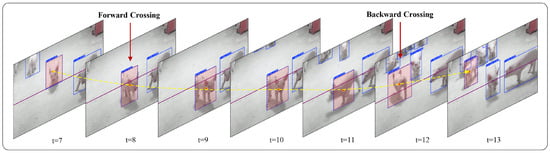
Accurate pig counting during herd transfers is fundamental to effective livestock management in large-scale swine production, yet existing methods struggle with bidirectional passages, boundary oscillations, and occlusion in real corridor environments. This study proposes an integrated system combining an improved YOLO-based detection model
[...] Read more.
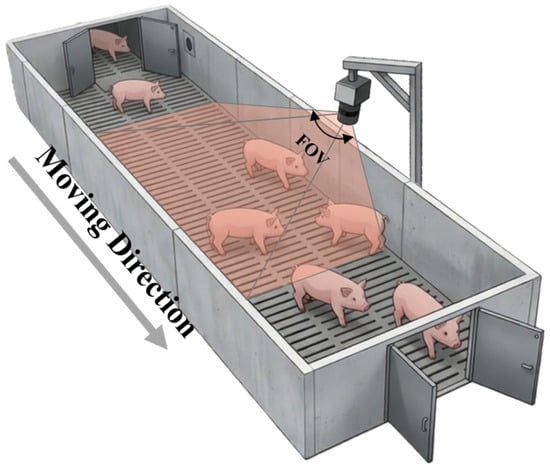
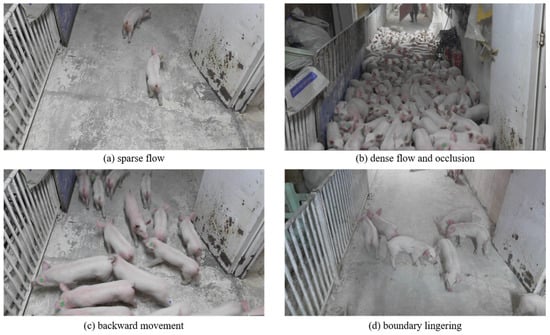
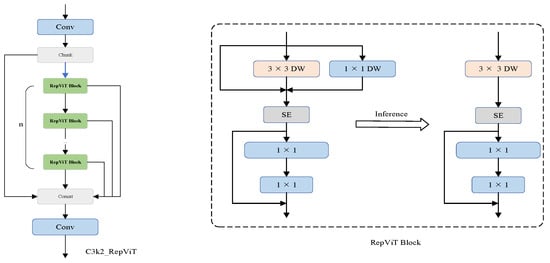
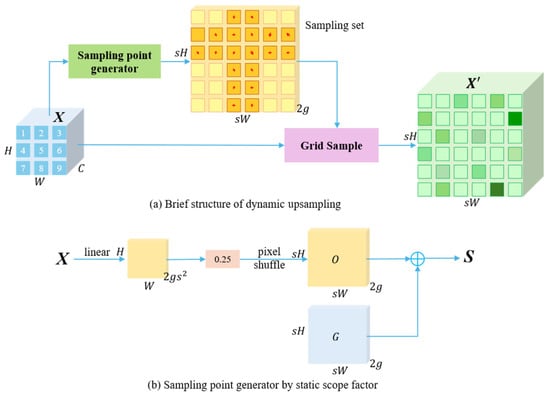
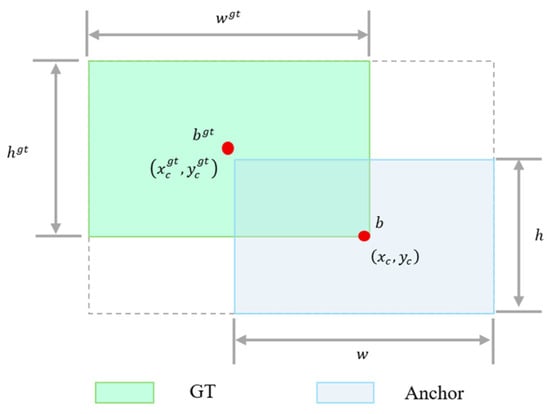
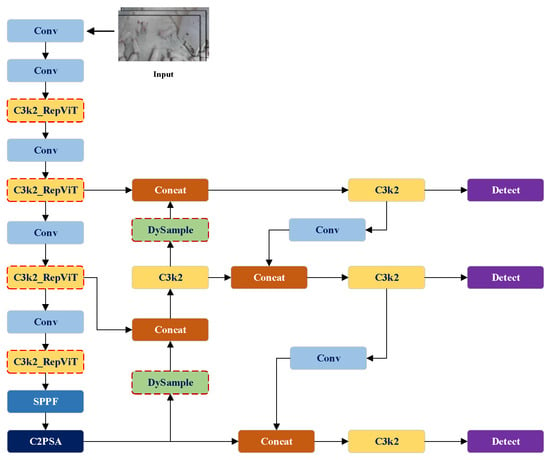
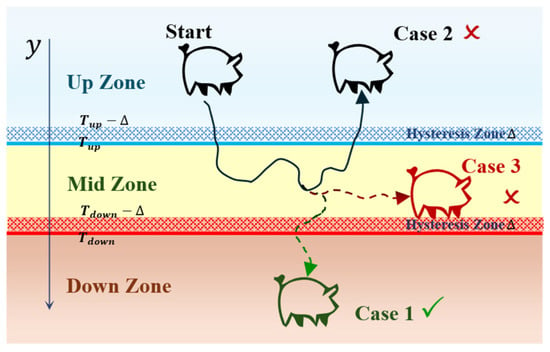
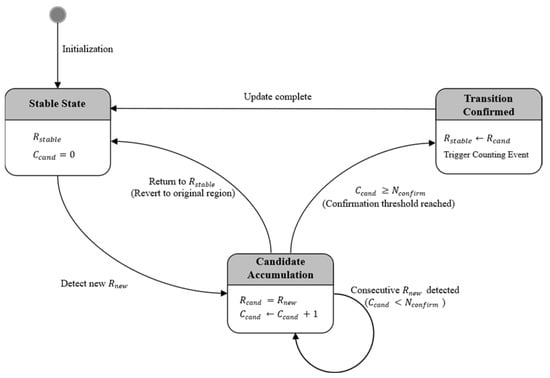
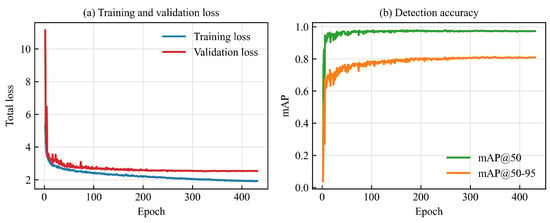
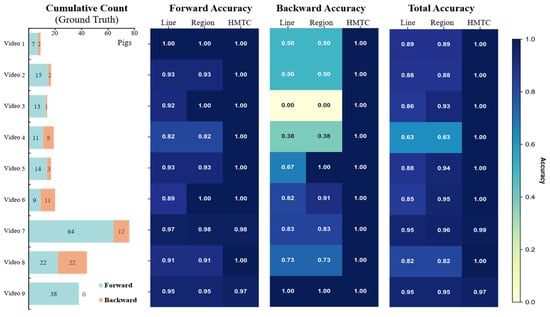
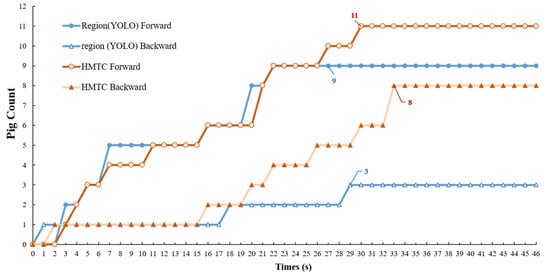
Accurate pig counting during herd transfers is fundamental to effective livestock management in large-scale swine production, yet existing methods struggle with bidirectional passages, boundary oscillations, and occlusion in real corridor environments. This study proposes an integrated system combining an improved YOLO-based detection model with a Hysteresis-based Multi-frame Temporal Confirmation Counting Strategy (HMTC). The YOLO11s baseline was enhanced using lightweight RepViT blocks, dynamic upsampling (DySample), and shape-aware bounding box regression (Shape-IoU). The resulting model achieves a mAP50 of 0.982 with a compact architecture of 8.28M parameters, representing a 12.3% reduction relative to the baseline while improving detection accuracy. To address bidirectional counting challenges, the HMTC strategy utilizes hysteresis-based region classification, temporal confirmation, and trajectory verification to suppress boundary jitter and ensure directional correctness. Evaluated on nine videos from a single transfer corridor, the proposed system achieves an overall counting accuracy of 99.21% on this test set and runs in real time on an embedded edge device at over 30 FPS without loss of counting accuracy. Together, the improved detection model and HMTC counting strategy provide a cohesive approach to pig passage counting, validated here under a single transfer-corridor condition; these results offer a promising basis for automated animal inventory management, pending further validation across more diverse farm environments.
Full article
(This article belongs to the Topic Precision Feeding and Management of Farm Animals, 3rd Edition)
►▼
Show Figures

Figure 1
Journal Menu
► ▼ Journal Menu-
- Animals Home
- Aims & Scope
- Editorial Board
- Reviewer Board
- Topical Advisory Panel
- Early Career Editorial Board
- Instructions for Authors
- Special Issues
- Topics
- Sections & Collections
- Article Processing Charge
- Indexing & Archiving
- Editor’s Choice Articles
- Most Cited & Viewed
- Journal Statistics
- Journal History
- Journal Awards
- Society Collaborations
- Conferences
- Editorial Office
Journal Browser
► ▼ Journal BrowserHighly Accessed Articles
Latest Books
E-Mail Alert
News
Topics
Topic in
Agriculture, Crops, Foods, Horticulturae, Sustainability, Animals, Plants
Sustainability and Innovation in Agriculture for the Food Production of Tomorrow
Topic Editors: Carla Cavallo, Maura Sannino, Chiara Amitrano, Francesco Serrapica, Christophe El-NakhelDeadline: 30 June 2026
Topic in
Animals, Biology, Conservation, Diversity, Ecologies, Forests, Land
Conservation at the Crossroads: Forest Ecology, Wildlife Dynamics, and Emerging Challenges for Ecosystem Resilience
Topic Editors: Yiannis G. Zevgolis, Triantaphyllos Akriotis, Anastasia Christopoulou, Panayiotis G. Dimitrakopoulos, Dimitra-Lida Rammou, Dionisios YoulatosDeadline: 31 July 2026
Topic in
Animals, Antioxidants, Fishes, Biology
Immunology and Disease Prevention and Control in Aquatic Animals
Topic Editors: Hongliang Zuo, Jiejie Sun, Linwei YangDeadline: 31 August 2026
Topic in
Animals, Antioxidants, Metabolites, Pets, Veterinary Sciences
Research on Companion Animal Nutrition
Topic Editors: Baichuan Deng, Lian Li, Yun JiDeadline: 26 October 2026
Conferences
Special Issues
Special Issue in
Animals
Contaminated Environments: The Effects of Toxic Waste on Animal Health and Conservation
Guest Editor: Li DingDeadline: 25 June 2026
Special Issue in
Animals
Diseases of Marine Mammals: Prevention, Control and Beyond
Guest Editor: Suzana TkalcicDeadline: 30 June 2026
Special Issue in
Animals
Animal Environmental Physiology and Nutritional Modulation: From Mechanisms to Practical Solutions
Guest Editors: Minhong Zhang, Dandan MaDeadline: 30 June 2026
Special Issue in
Animals
Optimizing Farm-Raised Fish Production: Nutritional Requirements, Precision Feed Formulations, Sustainable Feeding Strategies, and Health and Welfare
Guest Editors: Simon Davies, Ehab El-HarounDeadline: 30 June 2026
Topical Collections
Topical Collection in
Animals
Carcass Composition and Meat Quality of Small Ruminants
Collection Editors: Virgínia Alice Cruz Dos Santos, Severiano R. Silva, Cristina Miranda Guedes
Topical Collection in
Animals
Use of Agricultural By-Products in Animal Feeding
Collection Editor: Mariangela Caroprese