1. Introduction
Inhibin is a glycoprotein heterodimer hormone that influences animal reproduction through the hypothalamic–pituitary–gonadal (HPG) axis and is involved in mammalian ovulation [
1,
2]. The inhibin family mainly consists of inhibin A (INH-A, α-βA heterodimer) and inhibin B (INH-B, α-βB heterodimer), both of which suppress pituitary FSH secretion. Many studies have confirmed that inhibin immunization is beneficial for both male and female mammals. It can increase the serum FSH levels [
3], ovulation rate [
4,
5], and pregnancy rate [
4,
6,
7] of female mammals and increase the sperm count and sperm activity of male mammals [
8]. So far, most inhibin-immunity-related studies have involved active immunization. However, active immunization cannot be promoted because of the requirement for a limited number of antigens.
As an alternative strategy to conventional FSH injections for ovarian stimulation, passive immunization with anti-inhibin antibodies neutralizes endogenous inhibin and offers unique advantages: it stimulates endogenous FSH secretion while avoiding ovarian hyperstimulation syndrome and the stress of repeated injections caused by exogenous hormones. Inhibin antibodies are obtained from various sources [
9,
10,
11,
12,
13,
14,
15] and are of two types: polyclonal [
16] and monoclonal antibodies [
17]. Animals immunized with inhibin include sheep [
10], goats [
16], cattle [
13], horses [
18], rabbits [
11], pigs [
12], etc. However, monoclonal antibodies are complex and expensive to produce, while polyclonal antibodies suffer from batch-to-batch variability and lower specificity, affecting their reliability.
The discovery of heavy-chain antibodies, a camelid-specific form of antibodies, has raised high hopes. Camelid sera contain unique types of antibodies composed only of two identical heavy chains and are designated as “heavy-chain-only antibodies” (HCAbs) [
19]. The variable domain of HCAb, corresponding to the paratope (also known as the antigen-binding site), is called the variable domain of the heavy chain of heavy-chain antibody (VHH), also known as a nanobody [
20,
21,
22]. Nanobodies have a low molecular weight, strong stability, good solubility, low immunogenicity, and are easily expressed. This solves the problems of high immunogenicity and poor solubility in inhibin antibodies [
20,
23,
24,
25]. Furthermore, nanobodies can be efficiently expressed in bacteria at a low cost, making them a potentially economical and feasible alternative to FSH injections for ovarian stimulation. Nanobodies thus allow the possibility for the promotion and use of passive immunization with inhibin. Our previous work successfully selected anti-inhibin-α nanobodies using a phage display library [
26]. While that study validated the feasibility of obtaining such nanobodies, it did not comprehensively analyze the full repertoire of VHH sequences induced by immunization.
In this research, we sequenced the total VHH cDNA derived from the lymphocytes of Bactrian camel immunized with the inhibin α subunit (encoded by the INHA gene) by using high-throughput sequencing techniques. Subsequently, we performed mass spectrometry to analyze serum anti-inhibin α antibodies, aiming to screen for the inhibin α subunit-specific nanobody gene. Later, the specific nanobody protein was identified through a process including gene synthesis, vector construction, and protein expression. To evaluate the affinity of the selected nanobody for the inhibin α subunit, we performed protein–protein docking simulations and an indirect enzyme-linked immunosorbent assay (ELISA). The biological functions of the top three nanobodies with the highest affinity were elucidated through passive immunization in mice. The present study establishes a foundation for the development of cost-effective and efficient nanobody-based passive immunization strategies against inhibin and offers theoretical insights into the field of animal reproductive immunology.
2. Materials and Methods
2.1. Animal
A 2-year-old male Xinjiang bimodal Bactrian camel was provided by Huaguoshan Camel Farm in Shihezi City, Xinjiang, China.
2.2. Strains and Carriers
Escherichia coli BL21(DE3) and DH5α competent cells were purchased from Beijing TransGen Biotechnology Co., Ltd. (Beijing, China). The prokaryotic expression vector of sheep INHA (pET32a-INHA) was constructed in our laboratory.
2.3. Main Reagents
RNA extraction kits, reverse transcription kits, plasmid extraction kits, and gel recovery kits were all purchased from Tiangen Biochemical Technology Co., Ltd. (Beijing, China). The qPCR Mix was purchased from Beijing TransGen Biotech Co., Ltd. (Beijing, China). The camel peripheral blood lymphocyte extraction kit was purchased from Beijing Solarbio Science&Technology Co., Ltd. (Beijing, China). The restriction endonuclease was purchased from Takara Biology Company (Beijing, China). Rabbit anti-camel IgG serum, horseradish peroxidase (HRP)-labeled mouse anti-rabbit IgG, and HRP-labeled mouse anti-camel serum IgG were purchased from Beijing Solarbio Science&Technology Co., Ltd. (Beijing, China). Mouse anti-His tag antibodies and mouse anti-E tag antibodies were purchased from Kingsley Biotechnology Co., Ltd. (Nanjing, China). Primer synthesis and sequencing were completed by Beijing Ruibo Xingke Biotechnology Co., Ltd. (Beijing, China). High-throughput sequencing was performed by Mingke Biotechnology (Hangzhou) Co., Ltd. (Hangzhou, China). The mass spectrometry analysis was conducted by Shanghai Baipu Biotechnology Co., Ltd. (Shanghai, China).
2.4. Preparation of Antigen and Immunity of Bactrian Camels
First, total RNA was extracted from the Kazakh sheep ovary tissue, and cDNA was obtained through reverse transcription. The
INHA gene was obtained through PCR by using the obtained cDNA as the template and
INHA-
Nde I-F and
INHA-
Not I-R as primers (
Table 1, NM_001308579.1). Then, the correctly sequenced
INHA gene and pET32a plasmid were digested with double enzymes, and the digested products were ligated with DNA ligase following agarose gel electrophoresis. Finally, the ligated products were transformed into
E. coli BL21 (DE3) cells. The cryopreserved strains were coated on LB (Luria–Bertani) solid medium (containing ampicillin antibiotics). Single clones were selected, monoclonal cultures were completed, and numerous
E. coli-carrying pET32a-
INHA vectors were obtained. The recombinant plasmid was confirmed by bacterial liquid PCR, double enzymatic digestion of the plasmid, and subsequent sequencing analysis.
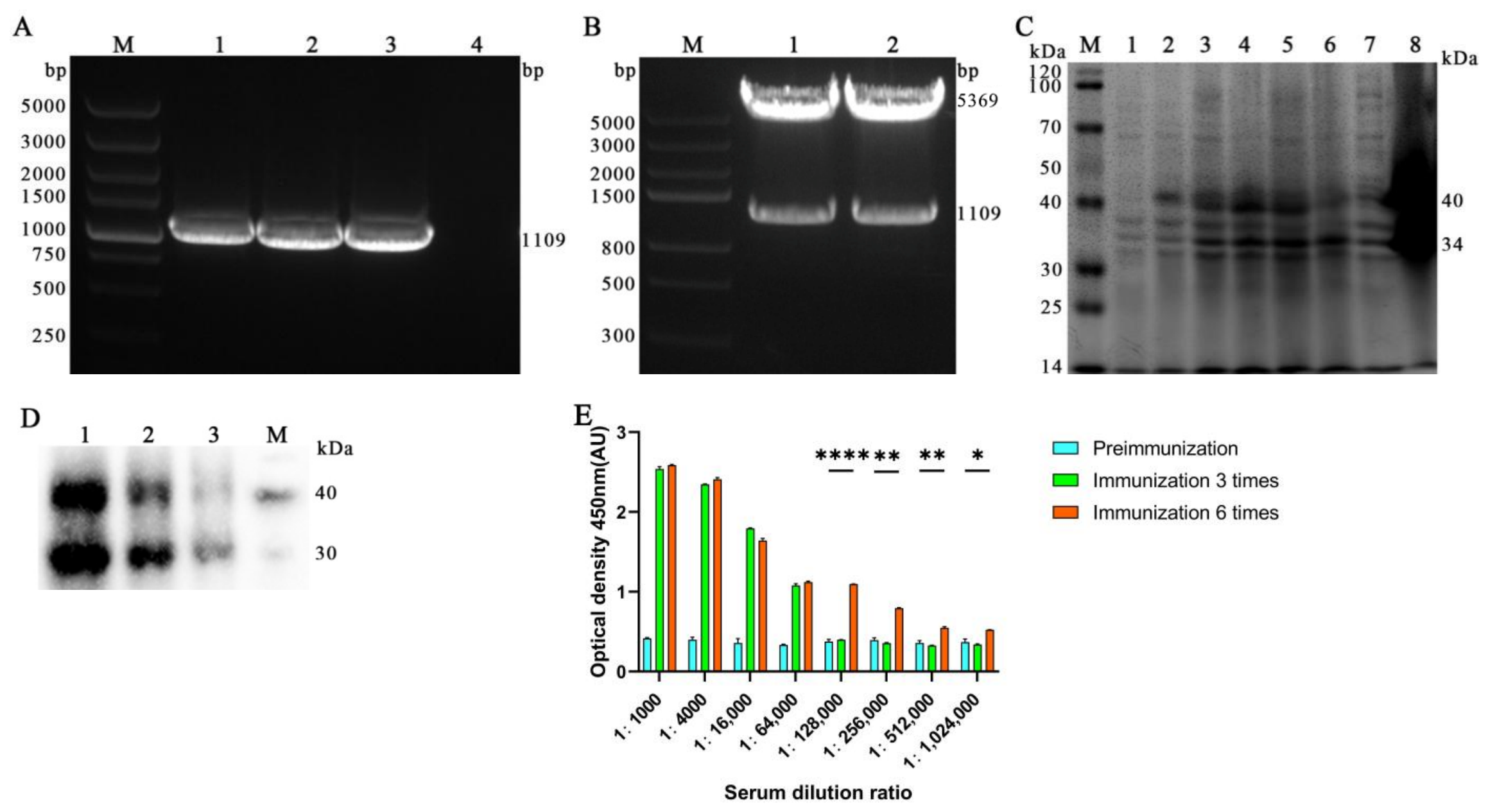
The prokaryotic inhibin α expression strain was cultured in LB liquid medium, and the strain was induced with IPTG. The best induction time and expression form of the inhibin α protein were determined through polyacrylamide gel electrophoresis (no reducing agent was added). The IPTG-induced bacterial solution was centrifuged. The pellet was resuspended with PBS. The pellet was then repeatedly freeze-thawed and ultrasonically disrupted. The products formed through ultrasonic fragmentation were centrifuged to collect the inclusion body (pellet). The inclusion bodies were heavily suspended in solution A (20 mM Tris–HCl, 5 mM imidazole, 0.5 M NaCl, and 8 M urea), dissolved at 4 °C for 16 h, and centrifuged at 10,000 rpm for 30 min. The supernatant was filtered through a 0.45-μm filter and stored at 4 °C. The inhibin α protein was purified through the His-tagged Ni+ Agar column. After the purified inhibin α protein was placed into a dialysis bag, it was dialyzed with 6, 4, 2, and 1 M urea and PBS for 6 h. The inclusion body protein was refolded and stored in a refrigerator at −20 °C.
The inhibin α protein was analyzed through polyacrylamide gel electrophoresis. The gel region containing proteins of 30–50 kDa was excised, and the α protein was transferred to the PVDF membrane. The PVDF membrane was blocked at room temperature for 2 h in a 5% skim milk powder solution and cleaned with TBST 3 times, for 10 min each time. The diluted mouse anti-His tag antibody was incubated at room temperature for 1 h and washed with TBST 3 times. The membrane was incubated with HRP-labeled goat antimouse IgG at room temperature for 1 h, and the washing steps were repeated at the end. The enhanced chemiluminescence (ECL) ultra-sensitive detection solution was used to develop the image for 5 min.
Before immunization, non-anticoagulant whole blood (50 mL) and anticoagulant whole blood (50 mL) were collected from the jugular vein of a Bactrian camel. The inhibin α protein was diluted to a concentration of 1 mg/mL and then mixed with an equal volume of adjuvant to create an emulsified immunogen suspension. For the first immunization, Freund’s complete adjuvant was used, while Freund’s incomplete adjuvant was employed for subsequent immunizations. The emulsified immunogen was subcutaneously injected into camels. The interval between the first and second immunizations was set at 2 weeks, and the interval for subsequent immunizations was shortened to 1 week. On the third day following the third and sixth immunizations, whole blood samples were collected. The collected blood was then separated to obtain serum, and the antibody titers in the serum were measured to assess the immune response. On the third day after the last immunization, 100 mL of both non-anticoagulant and anticoagulant blood were collected for further analysis. The non-anticoagulant serum was collected each time through centrifugation. The antibody titer was determined using the inhibin α protein as the antigen. Then, each well of a 96-well enzyme plate was coated with 0.4 µg antigen and incubated overnight at 4 °C. The serum diluted through a 2-fold gradient was the first antibody, and the serum before immunization was used as the negative control. HRP-labeled mouse anti-camel serum IgG was used as a secondary antibody, and indirect ELISA was performed to determine the titer of the inhibin α antibody in Bactrian camels.
2.5. High-Flux Sequencing and Mass Spectrometry Analysis
The peripheral lymphocytes of whole blood (100 mL) from the Bactrian camels were extracted using a camel peripheral blood lymphocyte extraction kit before and after immunization. The RNA of the lymphocytes was extracted using the phenol-chloroform method and reverse transcribed into cDNA using the HiFiScript cDNA Synthesis Kit (Jiangsu CoWin Biotech Co., Ltd., Taizhou, China). The VHH cDNA of the Bactrian camel was amplified through nested PCR, and the primers are listed in
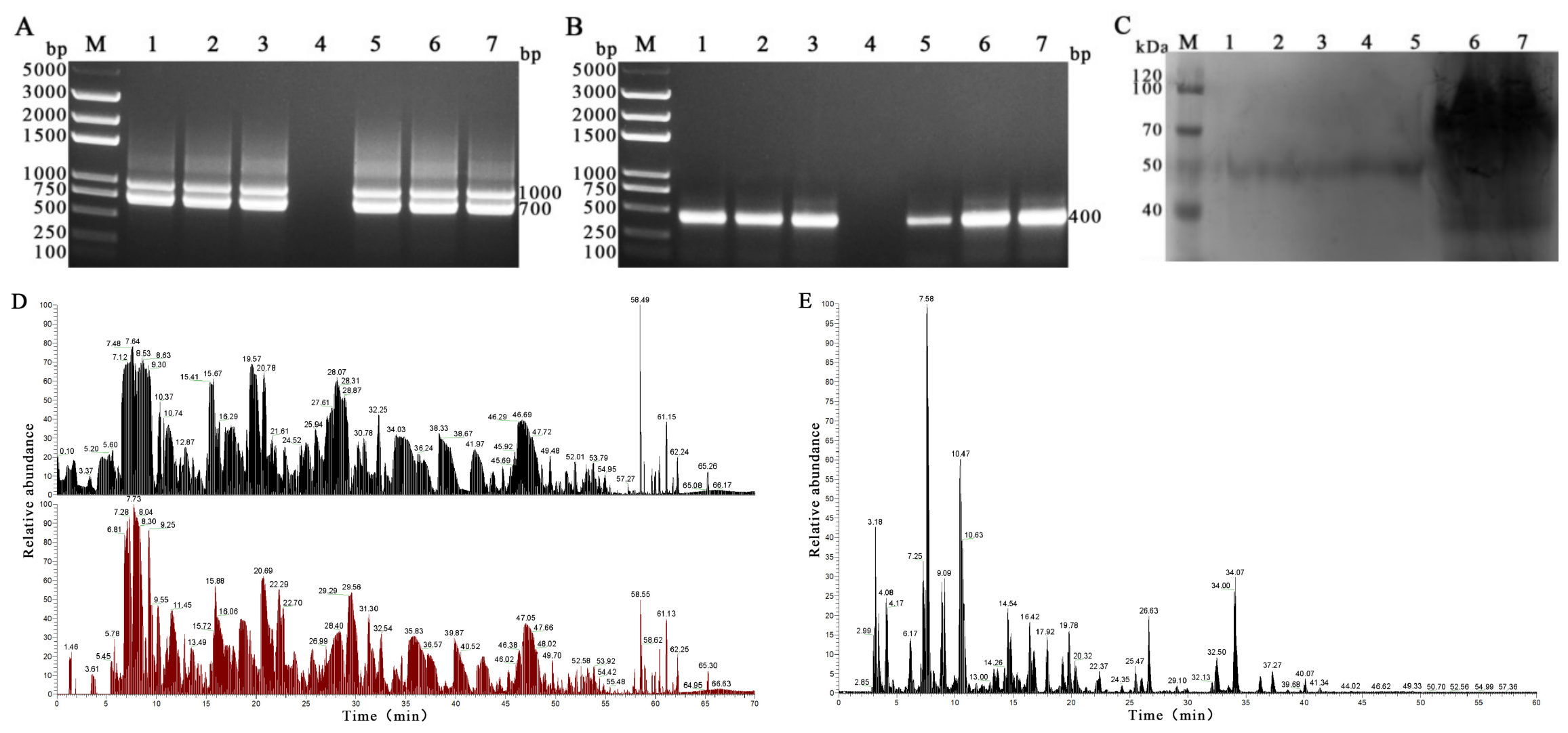
Table 2 (GenBank accession number KU555411.1). The first round of PCR was performed using cDNA as a template and Call001 and Call002 as upstream and downstream primers, respectively (The partial cDNA sequence from Camelus bactrianus encoding the immunoglobulin gamma 1b heavy chain was replicated). Following PCR product electrophoresis, a 700 bp gel product was recovered (The 900 bp product corresponded to a conventional antibody heavy chain, whereas the 700 bp product represented a heavy chain from the HCAb). The second round of PCR was performed by using gel recovery products as templates and
VHH-F and
VHH-R as upstream and downstream primers, respectively (The cDNA sequence that encodes for the variable domain of the nanobody’s immunoglobulin heavy chain was duplicated). After the second round of PCR was successful, the 700 bp products of the first round of PCR were sent to biological companies for high-throughput sequencing. Usearch10.0.240 software clustered the high-throughput sequencing results into operational taxonomic units (OTU), and the VHH databases before and after immunization were obtained.
The inhibin α protein was used as an antigen. Then, each well of a 96-well enzyme plate was coated with 0.4 μg inhibin α protein. On the second day, after washing, the antigens in each well were blocked with 5% skim milk powder for 2 h at 37 °C. After the plate was washed with PBST, 100 μL of immunized serum was added to the enzyme plate. The plate was incubated at 37 °C for 2 h. After washing away unbound serum, the IgG that specifically binds to the inhibin α protein in the enzyme plate was scraped off with a plastic scraper and resuspended in PBS. Then, 5× SDS-PAGE loading buffer (containing a reducing agent) was added, and the samples were heated before polyacrylamide gel electrophoresis. The bands in the gel were excised for mass spectrometry. First, the SDS-PAGE gel after electrophoresis was subjected to the decolorization process, which included the steps of fixation, decolorization, and scanning, to obtain a clear image of the protein bands. Subsequently, the target protein bands were subjected to reduction and alkylation treatments, followed by enzymatic digestion with trypsin to extract the protein fragments and dry them. The redissolved peptide fragments were then separated through liquid chromatography (LC). Subsequently, mass spectrometry analysis was performed using a tandem mass spectrometry (MS/MS) system. The redissolved peptide fragments were then separated through LC (The mass spectrometry equipment used in this study includes the following: Mass spectrometer: Thermo Scientific Q-Exactive HF-X (Thermo Fisher Scientific, Waltham, MA, USA), Chromatography system: Easy-nLC1200, Thermo Scientific, Trap column: Reverse-phase, 100 µm × 20 mm (5 µm, C18). Analytical column: Thermo Scientific EASY column, Reverse-phase, 75 µm × 150 mm (3 µm, C18)). Subsequently, mass spectrometry analysis was performed using a tandem mass spectrometry (MS/MS) system. The selected peptide ion fragments from the primary mass spectrometric data were subjected to collision-induced dissociation or other fragmentation techniques to obtain fragment ions of the peptides. The sequence information of the peptides was acquired through secondary mass spectrometry analysis. Mass spectrometric data were successfully acquired for both pre-immunization and post-immunization serum samples, as well as for the inhibin α-specific antibody (The detailed experimental procedure is shown in
File S1).
2.6. Screening and Gene Synthesis of Nanobodies
The VHH sequence alignment of the pre-immunization and post-immunization databases was performed by Mingke Biotechnology (Hangzhou, China) using a custom Perl program developed in-house. The unique OTU sequences identified in the post-immunization database were organized and compiled to form a database known as the VHH differential gene database, which contained new or altered VHH gene sequences that appeared after the immune response was generated. Using EMBOSS 6.6.0.0 software, the DNA sequences in the VHH differential gene database were translated into amino acid sequences, which resulted in a database containing VHH differential amino acid sequences. To facilitate subsequent search and analysis, each amino acid sequence must be associated with the name of its corresponding DNA sequence, ensuring that each amino acid sequence can be traced back to its original DNA sequence.
The mass spectrometric data was preprocessed, which included the steps of baseline correction, peak detection, charge state identification, and retention time alignment. Subsequently, the database search was conducted using MaxQuant 1.6.1.0 software (the database is the aforementioned VHH differential amino acid sequence database).
Supplementary Table S1 presents the analysis parameters for the MaxQuant search engine. Following the mass spectrometric data search, the filtering criteria for the peptide, site, and protein identifications were set at PSM FDR ≤ 0.01 and protein FDR ≤ 0.01, respectively.
Supplementary Table S2 presents the final statistics regarding the number of proteins and peptides identified in the samples.
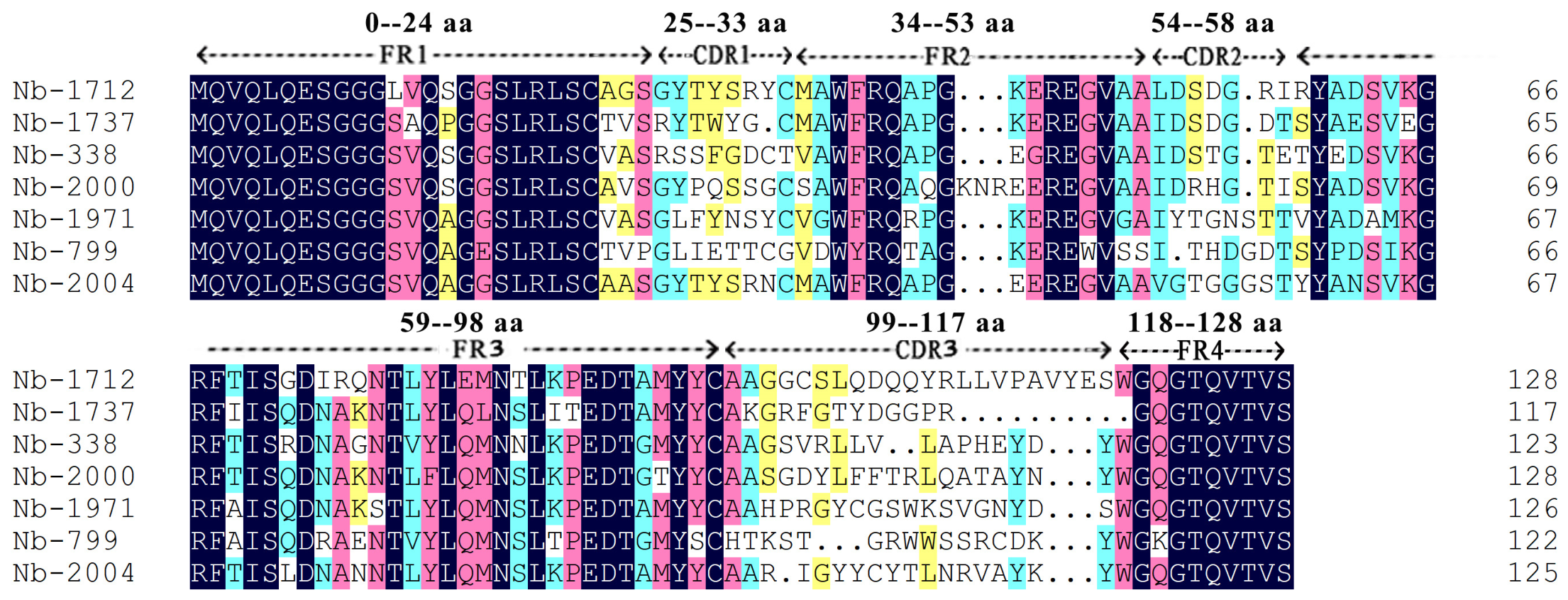
Given that the complementarity-determining regions 1 (CDR1), CDR2, and CDR3 of nanobodies are approximately located at positions 24–36, 50–65, and 93–115 of the full nanobody sequence, respectively [
27,
28], further screening for inhibin α-specific antibodies was conducted by referring to their peptide libraries and post-immunization specific antibody protein libraries. Finally, the selected proteins were matched with genes in the
VHH differential gene database to obtain the final inhibin α-specific nanobody gene sequences. Subsequently, the selected VHH sequences were aligned using Mega7 software, and a phylogenetic tree was constructed to further analyze their evolutionary relationships and structural characteristics.
After the suitable restriction site and E-tag gene sequence were added to the selected 7 VHH sequences, the sequences were sent to General Biology Co., Ltd. (Chuzhou, China) for gene synthesis. Then, the sequences were ligated to the pMD19-T vector and transformed into the E. coli BL21 and DH5α competent cells.
2.7. Construction of Nanobody Gene Vectors and Protein Expression
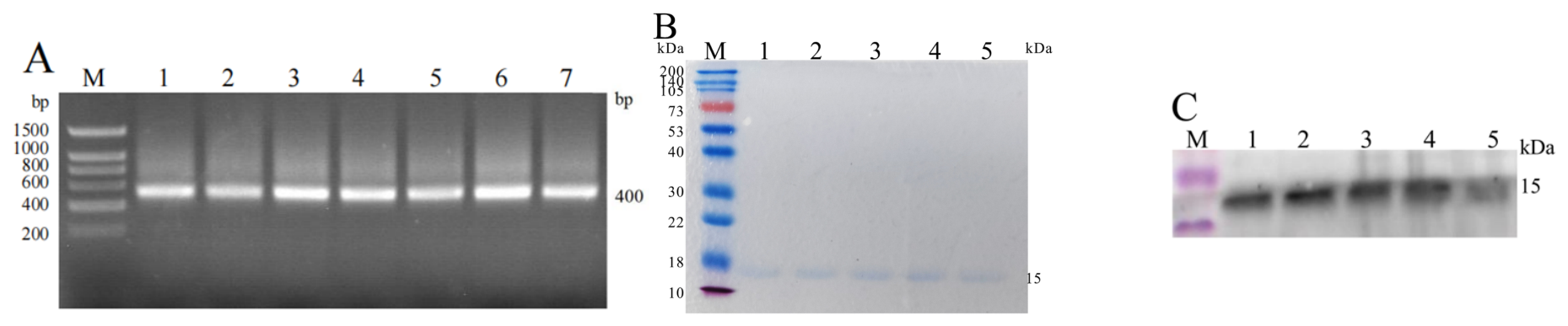
The E. coli sent from the company was cultured, and a plasmid extraction kit was used to extract plasmids from the E. coli. The recombinant plasmids containing the 7 nanobody genes were digested with suitable restriction endonucleases (Cloning Sites Nde I-Not I). The products obtained were double digested with enzymes for agarose gel electrophoresis, and the target gene was recovered using the gel recovery kit. The pET32a (+) plasmid was also double-digested with endonuclease, thereby recovering the target fragment. Then, T4 DNA ligase was used to ligate the target gene and the 32a vector. Following ligation, the recombinant plasmid was transformed into the E. coli BL21 (DE3) cells, and the positive transformants were screened on LB solid medium (containing ampicillin antibiotics). The selected positive transformants were identified through PCR, double enzyme digestion (Digested with Apa I-Xho I), and sequencing.
The positive strains were cultured at 37 °C and 170 r/min to the logarithmic growth phase and induced to express by IPTG. Samples of 1 mL bacterial culture media induced for 0, 2, 4, 6, and 8 h were collected, and polyacrylamide gel electrophoresis was performed. The remaining bacterial culture medium was centrifuged to obtain the pellet. The pellet was then resuspended in PBS, repeatedly freeze-thawed, and ultrasonically lysed. The crushed products were centrifuged for 20 min at 4 °C and 10,000 r/min. The supernatants and precipitates obtained were analyzed through polyacrylamide gel electrophoresis to determine the best induction time and expression form of recombinant proteins.
The pellet obtained through ultrasonic fragmentation was resuspended in inclusion body solution A (ibid.) and dissolved at 4 °C for 16 h. After the precipitate was dissolved, the mixture was centrifuged at 10,000 rpm for 20 min. The supernatant was collected, filtered through a 0.45-μm filter membrane, and added to the Ni+ agarose gel column. The nanobody proteins in the gel column were eluted with B solution (20 mM Tris–HCl, 500 mM imidazole, 0.5 M sodium chloride, and 8 M urea). Finally, urea concentrations of 6, 4, 2, and 1 M, followed by those of PBS, were used to sequentially dialyze the protein for 6–8 h. The protein was renatured, and polyacrylamide gel electrophoresis was performed.
2.8. Western Blot Identification of Nanobody Proteins
First, polyacrylamide gel electrophoresis of the purified nanobody protein was performed. Then, the gel region containing 15 kDa proteins was excised, and the protein was transferred to the PVDF membrane. The membrane was incubated with 5% skimmed milk powder at room temperature for 2 h. After the membrane was washed with TBST, it was incubated with the diluted mouse anti-His tag polyclonal antibody at room temperature for 2 h. The membrane was washed again and incubated with the diluted HRP-labeled goat anti-mouse polyclonal antibody at room temperature for 2 h. The membrane was washed and incubated in an ECL luminescent solution for 5 min to visualize the band.
2.9. Protein Simulation Docking and Affinity Identification
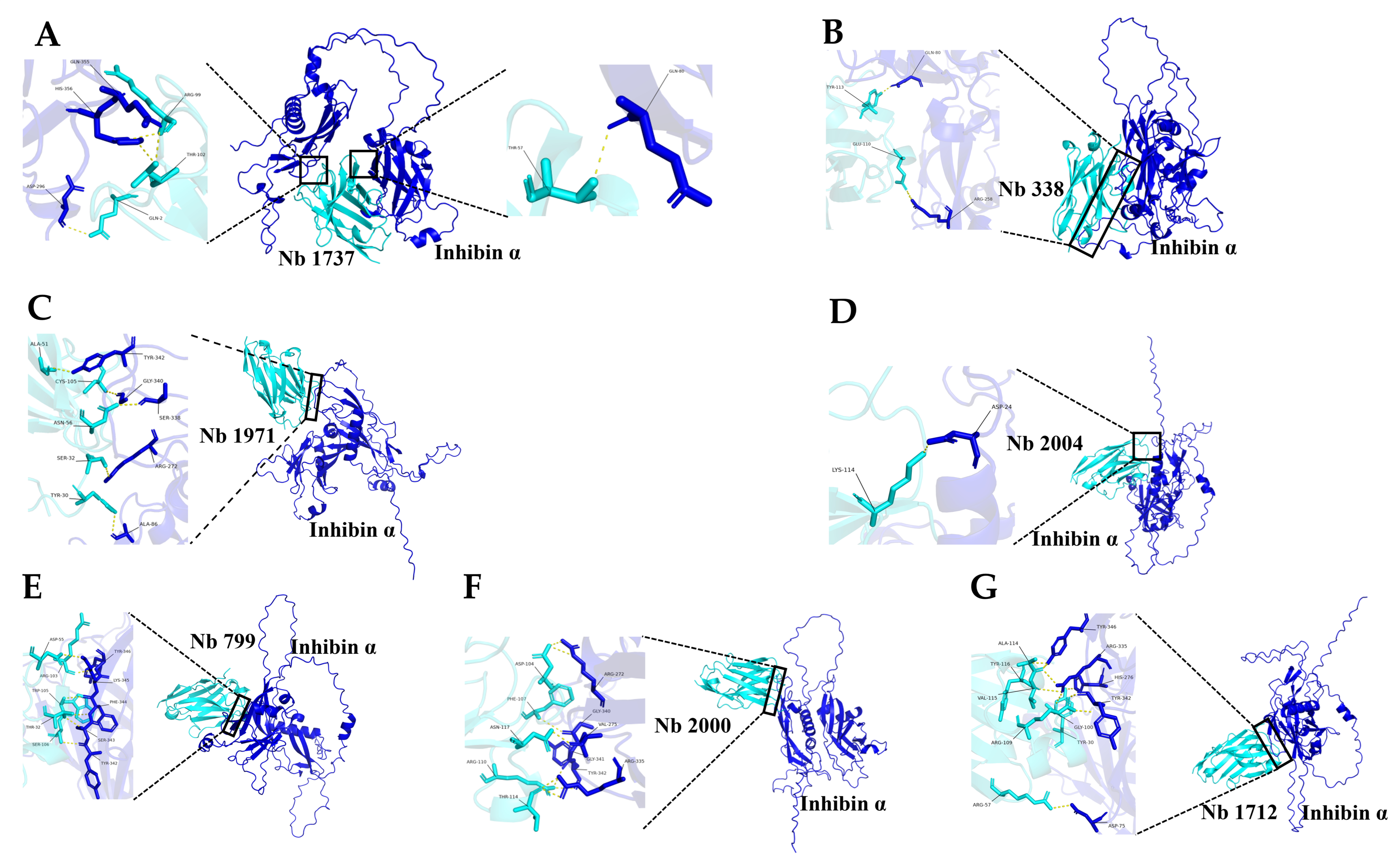
7 selected nanobodies were docked with inhibin α through protein–protein simulation. First, the AlphaFold 3 online software was used to predict the interactions between the 7 nanobodies and the inhibin α protein. Subsequently, PyMOL 3.1 software was employed to visualize the predicted results and analyze the interaction forces formed between the nanobodies and polar amino acid residues of inhibin α.
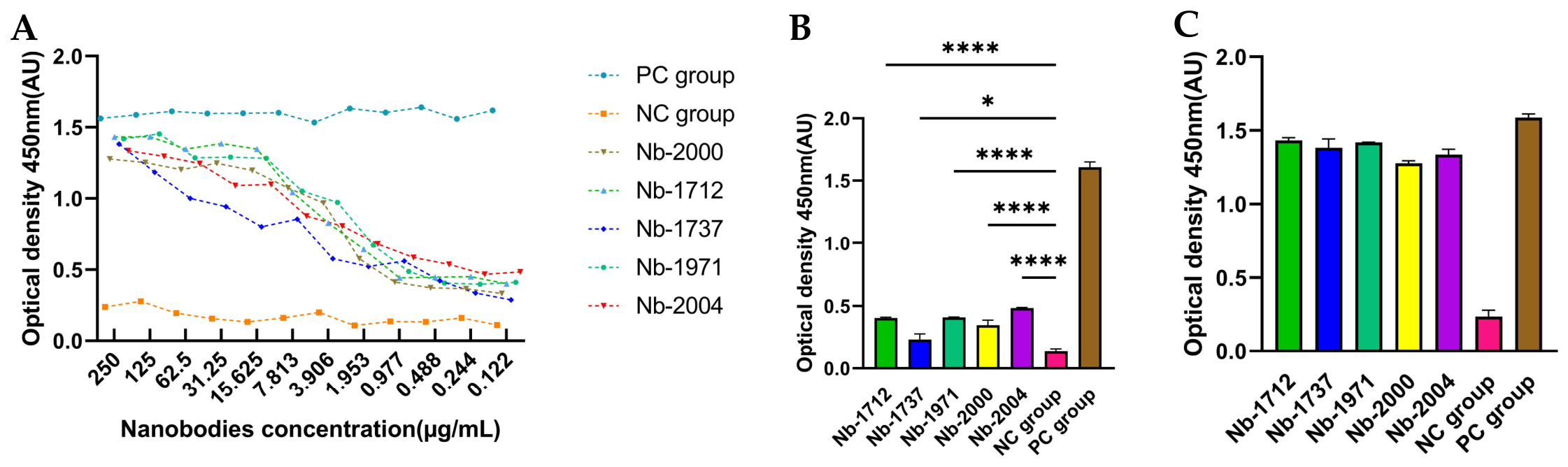
The inhibin α protein was used as an antigen, and then, each well of a 96-well enzyme plate was coated with 0.4 µg of the inhibin α protein. On the second day, 5% skim milk powder was used to block the plate for 2 h at 37 °C. Nanobodies diluted with a 2-fold gradient (250, 125, … and 0.122 μg/mL) were used as primary antibodies and incubated at 37 °C for 1 h. The nanobodies were incubated with the secondary antibody HRP-labeled mouse anti-E tag polyclonal antibody at 37 °C for 1 h. A 3,3′,5,5′-tetramethylbenzidine single-component chromogenic solution was used for 15 min at room temperature to develop color, followed by the addition of the stopping solution. The optical density (OD) value was measured at 450 nm.
2.10. Passive Immunity Test of Nanobodies in Female Mice
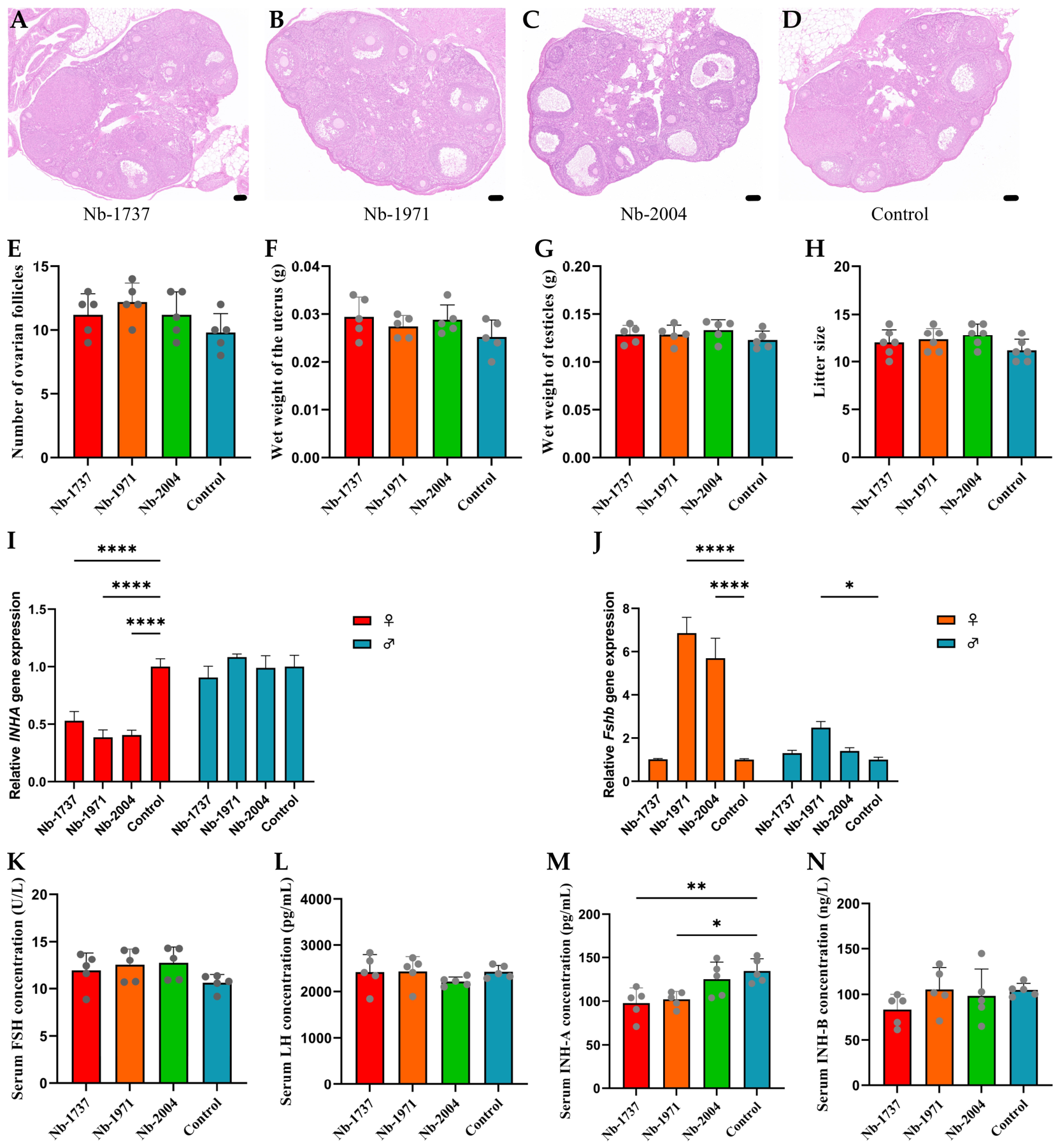
Twenty-eight healthy female Kunming mice (age: 8 weeks) with similar body weights were randomly assigned to the nanobody Nb-1737 immunization group, the nanobody Nb-1971 immunization group, the nanobody Nb-2004 immunization group, and the normal saline immunization group. All mice were immunized three times through intraperitoneal injection at an interval of 2 days between each immunization. The immunization dose administered each time was 500 μL, and the nanobody protein concentration was 300 μg/mL (the administration dosage was approximately 7.5 mg/kg). The control group was given an equivalent volume of normal saline. From the second day after immunization, the estrus cycle of the female mice was determined by vaginal smear examination every morning (9:00–10:00). Blood was collected via cardiac puncture and centrifuged to obtain serum, which was stored at −80 °C for subsequent hormone measurement. Serum levels of FSH, LH, inhibin A, and inhibin B were determined using commercial ELISA kits (Jiangsu Jingmei Biotechnology Co., Ltd., Yancheng, China) according to the manufacturers’ instructions. The mice in estrus were killed through cervical dislocation. Their ovaries, uterus, and pituitary tissues were collected after dissection. The number of ovarian follicles was counted (Ovarian tissues were fixed in Bouin’s solution, embedded in paraffin, sectioned, and stained with H&E for histological evaluation. Follicles in entire ovarian sections were counted by two blinded observers based on micrographs. The uterus was weighed by an investigator blinded to the group allocation; all visible fat and connective tissue were carefully dissected away before weighing, and the wet weight was normalized to body weight. RNA from the ovaries and pituitary tissues was extracted and reverse transcribed.
2.11. Passive Immunity Test of Nanobodies in Male Mice
Twenty-eight healthy male Kunming mice (8 weeks old) with comparable body weights were randomly divided into four groups: those immunized with nanobodies Nb-1737, Nb-1971, or Nb-2004, and a control group administered with saline. All mice received three intraperitoneal immunizations at 2-day intervals. Each injection consisted of a 500 μL dose containing nanobodies at 300 μg/mL, while the control group received an equal volume of normal saline. On the second day post-immunization, all male mice were euthanized by cervical dislocation at noon. Testes and pituitary tissues were then collected, and testicular wet weight was recorded. Subsequently, total RNA was extracted from the collected tissues and reverse-transcribed into cDNA.
2.12. Effect of Nanobody on Litter Size of Female Mice
Twenty-eight healthy female mice (8 weeks old, with similar body weights) were randomly assigned to four groups and immunized with nanobodies Nb-1737, Nb-1971, Nb-2004, or normal saline (control). All mice received three intraperitoneal injections at 2-day intervals. Each 500 μL injection contained nanobodies at a concentration of 300 μg/mL, while the control group received an equal volume of saline. Concurrently, 28 age- and weight-matched male mice were housed under the same conditions without treatment. On day 2 post-immunization, all mice were co-housed in pairs (one female and one male per cage). After 5 days, the male mice were removed, and the litter size of each female was subsequently recorded to evaluate the effects of nanobody immunization.
2.13. Detection of Gene Expression Levels
First, ovarian, testicular, and pituitary tissues were thoroughly washed with pre-cooled physiological saline to remove any potential impurities. Subsequently, a precise sample of 100 mg was taken from each tissue and ground into a fine powder in a low-temperature environment of liquid nitrogen (The processing and sampling of the detection samples were kept consistent, including the sampling site, time, sample size, growth conditions, and genetic background, to reduce the experimental result deviations caused by sample differences), followed by RNA being extracted from the tissues by using the Trizol method. Once extraction was complete, RNA was transcribed into cDNA through reverse transcription.
To ensure the accuracy of the quantitative polymerase chain reaction (qPCR) results, we first validated the specificity of the primers and the quality of the cDNA templates. Two reference genes were used:
GAPDH and
β-actin, and they yielded consistent results; for brevity, only
GAPDH is reported in the main text. The specific procedure involved amplifying the cDNA extracted from the ovarian and testicular tissues by using
Inha-qPCR-F and
Inha-qPCR-R primers, as well as
GAPDH-F and
GAPDH-R primers. Concurrently, we amplified the cDNA extracted from the pituitary tissues by using
Fshb-qPCR-F and
Fshb-qPCR-R primers, as well as
GAPDH-F and
GAPDH-R primers. We then sequenced all PCR products for verification.
Table 3 presents the details of the specific qPCR primer sequences, designed for the
Inha gene (NM_001329843.1), the
Fshb gene (NM_008045.3), and the
β-actin gene (NM_007393.5) in addition to the
GAPDH gene (GU214026.1).
The cDNA concentration from all tissues was uniformly diluted to 100 ng/μL to facilitate qPCR (Each sample was subjected to three replicates). In this experiment, we detected Inha gene transcription levels in the testes and ovaries, as well as Fshb gene expression in the pituitary. The GAPDH gene served as the reference gene. The qPCR reaction system totals 20 µL, with the specific composition as follows: cDNA: 2 µL, upstream and downstream primers: 1 µL each, qPCR Mix: 10 µL, dd H2O: 6 µL. The qPCR reaction conditions were set as follows: initial denaturation at 94 °C for 30 s, followed by 40 cycles of amplification, each involving denaturation at 94 °C for 5 s, annealing at 50 °C for 15 s, and extension at 72 °C for 10 s.
2.14. Statistical Analyses
The aforementioned data were statistically analyzed through one-way/two-way ANOVA using GraphPad Prism 9.0 software. Normality was checked using the Shapiro–Wilk test. A p-value < 0.05 was considered statistically significant.
4. Discussion
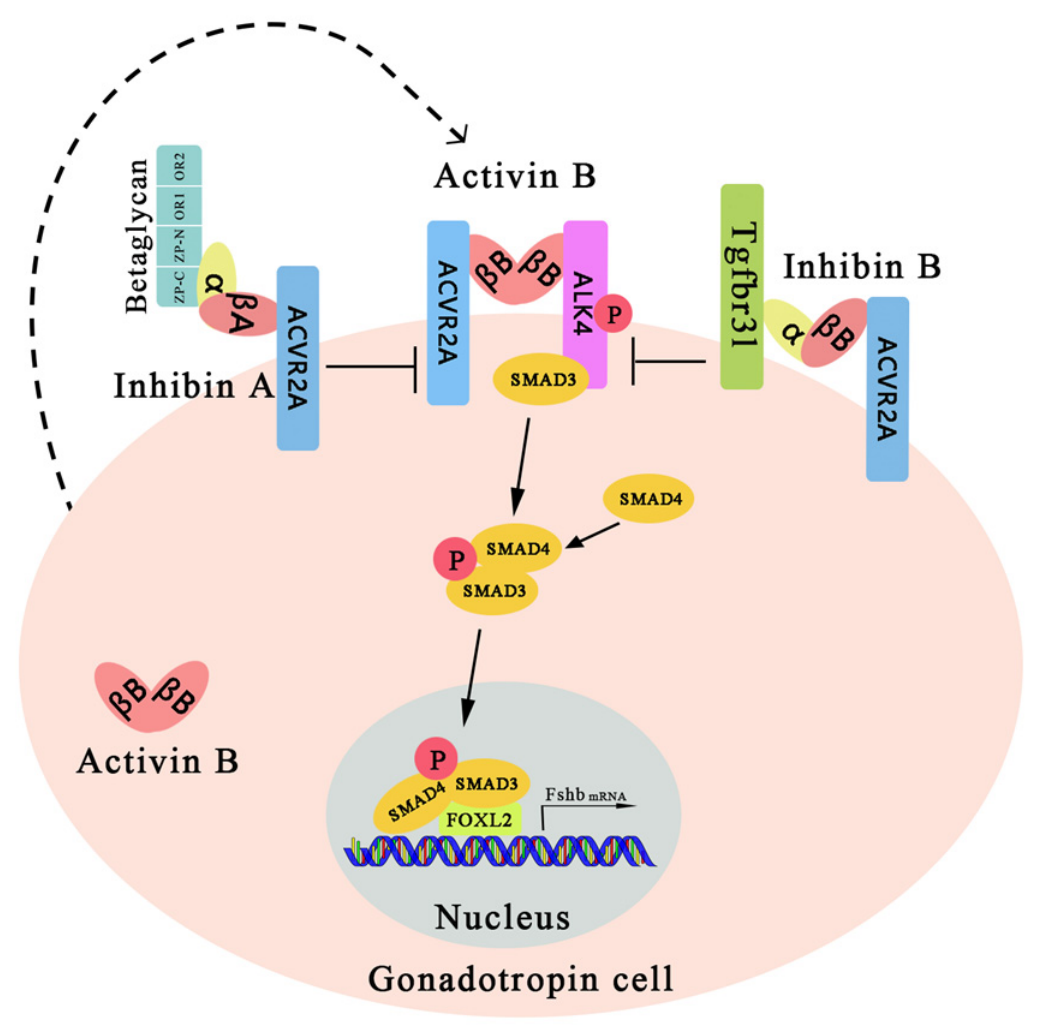
Activin promotes
Fshb mRNA synthesis in gonadotropin cells by forming ternary complexes with activin type II and type I receptors [
29,
30]. Activin is the main driving force for FSH synthesis [
31,
32]. Inhibin prevents activin from exerting its biological function by competitively binding to the activin type II receptor after binding to the coreceptor (the coreceptor of inhibin A is TGFBR3 [
33,
34], and the coreceptor of inhibin B is TGFBR3L [
35]). Thus, it indirectly inhibits FSH synthesis (
Figure 8). When the nanobody has sufficient affinity for the α-subunit, it can reduce the levels of inhibin A (α subunit + βA subunit) and inhibin B (α subunit + βB subunit) by competitively binding to the α-subunit. Moreover, even if the nanobody and α-subunit successfully bind to the β-subunit, they can block the binding of inhibin to its coreceptor, thereby preventing inhibin from exerting its biological function. We used protein simulation docking and indirect ELISA to identify the affinity of nanobodies to the inhibin α protein. Several nanobodies exhibited sufficient affinity toward inhibin α-subunits. Therefore, we predicted that these nanobodies can effectively prevent inhibin from exerting its biological function. We performed molecular docking using AlphaFold to visualize potential interaction modes. However, due to very low ipTM confidence scores (all <0.3; see
Table 4), these docking models cannot reliably predict binding affinity or guide the selection of nanobodies. Therefore, the identification of high-affinity nanobodies was based exclusively on indirect ELISA. Based on the results of the indirect ELISA analysis, three nanobodies (Nb-1737, Nb-1971, and Nb-2004) with the best affinity were selected from among the 7 nanobodies for a follow-up passive immunity test to further identify the biological function of these nanobodies. The results show that these three nanobodies downregulated
Inha and upregulated
Fshb gene expression in mice, stimulated FSH secretion, promoted follicular development, and increased litter size, demonstrating their potential to regulate reproductive function.
The inhibin α protein is used as an antigen to immunize Bactrian camels, and its correct folding and high purity are critical for successful immunization [
36,
37]. In this experiment, the inhibin α protein was expressed as inclusion bodies, which may contain excess salt, endotoxins, and other harmful substances that are detrimental to animal health and immune function. Therefore, the protein was initially purified, treated with decreasing concentrations of urea (6, 4, 2, and 1 mol/L) for 6 h to break disulfide bonds, fully extend the peptide chain, and gradually renature the protein to restore its natural conformation [
38], followed by dialysis against PBS (0.1 mol/L) for another 6 h to reduce impurities. During this process, we observed two protein bands (~34 kDa and ~40 kDa) on SDS-PAGE. Both bands were recognized by an anti-His antibody, confirming the presence of the C-terminal His-tag. To definitively identify these species, we performed LC-MS/MS analysis, which confirmed that both bands correspond to the inhibin α protein. The 34 kDa band is likely a degradation product or the result of aberrant translation initiation—a common phenomenon in prokaryotic expression of eukaryotic proteins. However, we must also acknowledge that the pET32a vector drives expression of the inhibin α protein in the bacterial cytosol, which is a reducing environment that does not support disulfide bond formation. The gradual urea treatment and dialysis performed here allow protein renaturation in terms of secondary and tertiary structure but do not promote the reformation of disulfide bridges. Therefore, we cannot claim to have fully restored the natural conformation of the inhibin α protein, particularly if disulfide bridges are critical for its native structure.
The nanobody of the Bactrian camel is composed of four frame regions and three CDRs arranged alternately. Genes in the frame region are highly conservative. Therefore, based on the frame regions at both ends of the nanobody gene, primers were designed for high-throughput sequencing. This technique can obtain all the nanobody genes in Bactrian camel lymphocytes and ensure data integrity. Other techniques, like phage display for nanobody selection, encompass procedures such as transformation and phage encapsulation. These steps can inadvertently constrain the diversity and complexity of the library, potentially leading to outcomes that may not completely meet expectations. For example, Kravchenko et al. [
39] explicitly reported that the cloning step in phage display is a bottleneck limiting library diversity, leading to the loss of poorly represented variants before the selection procedure even begins. Heyduk [
40] and others also experienced the problem of the selected antibodies being too single when the ribosome display technology was used for screening serum antibodies. In this study, through an integrated analysis of mass spectrometry data derived from the inhibin α-specific antibody, pre-immunization, and post-immunization sera, this approach effectively reduced the candidate nanobody gene pool while markedly improving screening accuracy. This provides a robust foundation for the efficient acquisition of inhibin α-specific nanobody genes.
Intraperitoneal immunization of mice with a specific inhibin α nanobody significantly downregulated ovarian
Inha expression and upregulated pituitary
Fshb expression. This subsequently stimulated FSH secretion, leading to enhanced follicular development and increased litter size. Because the FR2 region of the nanobody was rich in hydrophilic amino acids, the excellent water solubility of these amino acids facilitates intraperitoneal injection and ensures efficient drug delivery [
41]. Intraperitoneal injection is simple and rapid and can allow administration of larger volumes of the drug, which is a major advantage [
42,
43]. The peritoneal cavity is lined by a vast peritoneum, which has an area comparable to that of the skin, thereby offering a huge absorption surface for the drug [
41,
44]. Peritoneal mesothelial cells are key in maintaining the stability of the peritoneal environment and the transmembrane transport of fluids and solutes. Below the peritoneum lies a dense and efficient network of blood and lymphatic vessels in the interstitial layer, which further promotes rapid drug absorption [
45]. Therefore, as a drug administration method, intraperitoneal injection is convenient and effectively improves drug bioavailability. The relatively modest enhancement of reproductive parameters observed in this study may be largely due to the short in vivo half-life characteristic of monovalent nanobodies. This brief half-life likely compromised the duration of effective drug exposure and the maintenance of therapeutic plasma levels, thereby limiting the sustainability and overall potency of the effects. Similar pharmacokinetic constraints have been noted for nanobodies in prior studies [
46,
47].
The mass spectrometry data of some peptides were limited, characterized by weak ion sequences, a low signal-to-noise ratio (SNR), weak fragmentation, and low ion counts, which may affect the reliability of peptide assignment. Although these limitations did not shake the overall research conclusions, related peptides should be handled with caution in the final analysis. To improve data quality, we plan to use a higher-resolution mass spectrometer in the future, implement stricter search criteria, and manually verify assignments. According to the guidelines of Smith et al. [
48], the SNR should be at least 10 to ensure the reliability of the ion assignment. However, the data of some peptides in the current study did not meet this standard, highlighting the necessity of adopting stricter criteria. Although the mass spectrometry limitations of some peptides did not affect the overall conclusion of the study, it emphasized the importance of using high-resolution mass spectrometers and strict data analysis standards to ensure the reliability of peptide assignments.
In gene quantification experiments, we observed differences in the expression of the
Inha gene and
Fshb gene between male and female mice, especially in the expression of the
Inha gene. Specifically, nanobody immunization did not show differences in male mice, but significant differences were observed in female mice. These differences may be related to gender and tissue specificity. In female mice, the
Inha gene is mainly expressed by ovarian granulosa cells, while in male mice, it is mainly expressed by testicular epithelial cells. In addition, the expression levels at different growth stages also vary. With some exceptions, adult male mammals usually only produce inhibin B [
49]. Inhibin B is the main hormone form in the follicular phase of the female menstrual cycle and in the estrous/inter-estrous period of female rodents [
50]. Both inhibin A and inhibin B are heterodimers composed of the inhibin α subunit and the inhibin βA and βB subunits, respectively. Therefore, there may be selective pressure to promote the expression of the
Inha gene in specific genders and tissues to meet different physiological needs.
This study identified 7 nanobody genes specifically targeting the inhibin α subunit using high-throughput sequencing and mass spectrometry. Their high affinity was confirmed by indirect ELISA. Passive immunization in mice revealed that three of these nanobodies downregulated Inha, upregulated Fshb, and stimulated FSH secretion, thereby promoting follicular development. Although the increase in litter size was not statistically significant, these findings demonstrate the potential of these nanobodies to regulate reproductive function. This study establishes a foundation for developing nanobody-based strategies to improve animal fertility.