
Journal Description
Forecasting
Forecasting
is an international, peer-reviewed, open access journal on all aspects of forecasting published bimonthly online by MDPI.
- Open Access— free for readers, with article processing charges (APC) paid by authors or their institutions.
- High Visibility: indexed within Scopus, ESCI (Web of Science), RePEc, and other databases.
- Journal Rank: JCR - Q1 (Multidisciplinary Sciences) / CiteScore - Q1 (Economics, Econometrics and Finance (miscellaneous))
- Rapid Publication: manuscripts are peer-reviewed and a first decision is provided to authors approximately 26.3 days after submission; acceptance to publication is undertaken in 3.5 days (median values for papers published in this journal in the second half of 2025).
- Recognition of Reviewers: reviewers who provide timely, thorough peer-review reports receive vouchers entitling them to a discount on the APC of their next publication in any MDPI journal, in appreciation of the work done.
Impact Factor:
3.2 (2024);
5-Year Impact Factor:
2.9 (2024)
Latest Articles
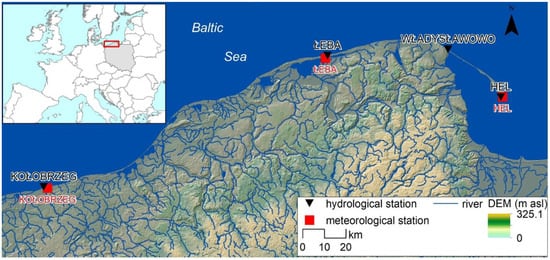
Projection of Changes in Coastal Water Temperature of the Baltic Sea up to 2100
Forecasting 2026, 8(1), 12; https://doi.org/10.3390/forecast8010012 - 4 Feb 2026
Abstract
Temperature is a fundamental property of water that determines its quality and the course of both biotic and physical processes. Therefore, the distribution and future changes in thermal conditions are crucial for the functioning of the hydrosphere. In this study, a hybrid air2water
[...] Read more.
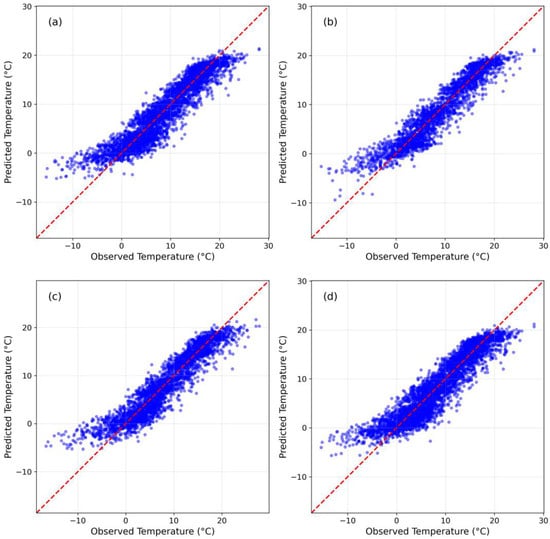
Temperature is a fundamental property of water that determines its quality and the course of both biotic and physical processes. Therefore, the distribution and future changes in thermal conditions are crucial for the functioning of the hydrosphere. In this study, a hybrid air2water model was used to determine the course of the sea surface temperature, which allows for its prediction using a minimal set of input data based on the air temperature. The widespread availability of air temperature measurements worldwide offers broad potential for the model’s application, which is especially important in coastal zones—the most dynamic and diverse areas of marine ecosystems, and simultaneously the most exposed to anthropogenic pressure. The study analyzes four hydrological stations in the southern part of the Baltic Sea, where the results confirm the high predictive capabilities of the air2water model for sea surface temperature. Depending on the adopted climate change scenarios, the average rate of sea surface temperature increase by the end of the 21st century is projected to be 0.15 °C per decade (SSP2-4.5) and 0.33 °C per decade (in the case of the SSP5-8.5 scenario). If these projections come true, they should be considered unfavorable, and such a situation will require taking into account changes in the thermal regime in the functioning of the Baltic Sea. More broadly, this simple yet effective method for predicting thermal conditions may be applied in interdisciplinary research as well as in the management of coastal marine zones.
Full article
(This article belongs to the Section Environmental Forecasting)
►
Show Figures
Open AccessArticle
A Comparative Study of Univariate Models for Baltic Dry Index Forecasting
by
Juan Huang, Ching-Wu Chu and Hsiu-Li Hsu
Forecasting 2026, 8(1), 11; https://doi.org/10.3390/forecast8010011 - 2 Feb 2026
Abstract
The Baltic Dry Index (BDI) measures the cost of transporting dry bulk commodities such as coal, iron ore, and grain. As a key indicator of global trade, supply chain dynamics, and overall economic activity, accurate short-term forecasting of the BDI is crucial. This
[...] Read more.
The Baltic Dry Index (BDI) measures the cost of transporting dry bulk commodities such as coal, iron ore, and grain. As a key indicator of global trade, supply chain dynamics, and overall economic activity, accurate short-term forecasting of the BDI is crucial. This paper compares six univariate methods to obtain a more precise short-term BDI prediction model, providing valuable insights for decision-makers. The six forecasting techniques include Grey Forecast, ARIMA, Support Vector Regression, LSTM, GRU and EMD-SVR-GWO. Model performance is evaluated using three common metrics: Mean Absolute Error (MAE), Root Mean Squared Error (RMSE), and Mean Absolute Percentage Error (MAPE). Our findings reveal that the novel EMD-SVR-GWO model outperforms the other univariate methods, demonstrating superior accuracy in forecasting monthly BDI trends. This study contributes to improved BDI prediction, aiding managers in strategic planning and decision-making.
Full article
(This article belongs to the Section Forecasting in Economics and Management)
Open AccessArticle
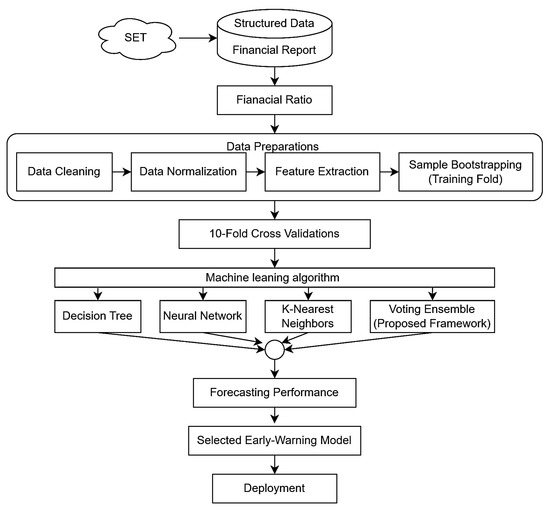
An Explainable Voting Ensemble Framework for Early-Warning Forecasting of Corporate Financial Distress
by
Lersak Phothong, Anupong Sukprasert, Sutana Boonlua, Prapaporn Chubsuwan, Nattakron Seetha and Rotcharin Kunsrison
Forecasting 2026, 8(1), 10; https://doi.org/10.3390/forecast8010010 - 23 Jan 2026
Abstract
►▼
Show Figures
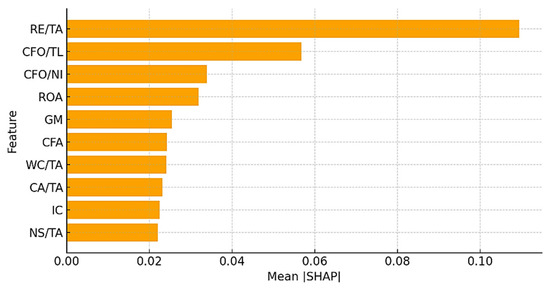
Accurate early-warning forecasting of corporate financial distress remains a critical challenge due to nonlinear financial relationships, severe data imbalance, and the high operational costs of false alarms in risk-monitoring systems. This study proposes an explainable voting ensemble framework for early-warning forecasting of corporate
[...] Read more.
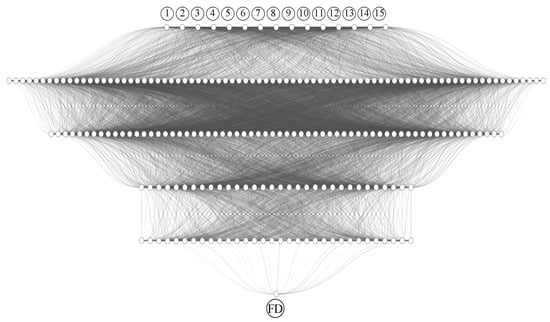
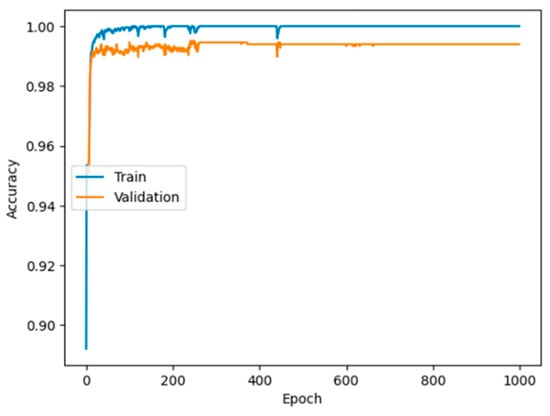
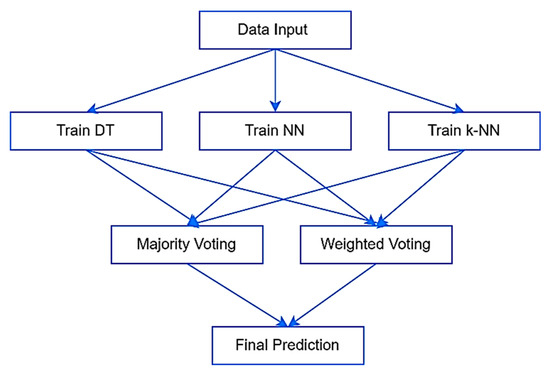
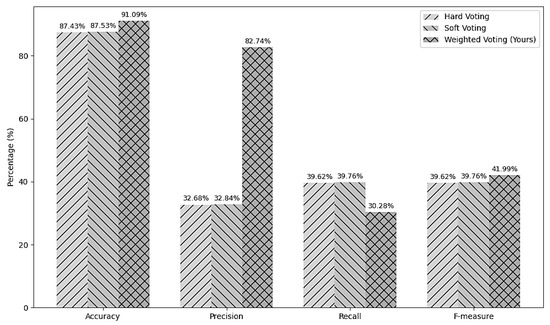
Accurate early-warning forecasting of corporate financial distress remains a critical challenge due to nonlinear financial relationships, severe data imbalance, and the high operational costs of false alarms in risk-monitoring systems. This study proposes an explainable voting ensemble framework for early-warning forecasting of corporate financial distress using lagged accounting-based financial information. The proposed framework integrates heterogeneous base learners, including Decision Tree, Neural Network, and k-Nearest Neighbors models, and is evaluated using financial statement data from 752 publicly listed firms in Thailand, comprising sixteen financial ratios across six dimensions: liquidity, operating efficiency, debt management, profitability, earnings quality, and solvency. To ensure robustness under imbalanced and rare-event conditions, the study employs feature selection, data normalization, stratified cross-validation, resampling techniques, and repeated validation procedures. Empirical results demonstrate that the proposed Voting Ensemble delivers a precision-oriented and decision-relevant forecasting profile, outperforming classical classifiers and maintaining greater early-warning reliability when benchmarked against advanced tree-based ensemble models. Probability-based evaluation further confirms the robustness and calibration stability of the proposed framework under repeated cross-validation. By adopting a forward-looking, early-warning perspective and integrating ensemble learning with explainable machine learning principles, this study offers a transparent and scalable approach to financial distress forecasting. The findings offer practical implications for auditors, investors, and regulators seeking reliable early-warning tools for corporate risk assessment, particularly in emerging market environments characterized by data imbalance and heightened uncertainty.
Full article

Figure 1
Open AccessArticle
Climate Indices as Potential Predictors in Empirical Long-Range Meteorological Forecasting Models
by
Sergei Soldatenko, Genrikh Alekseev, Vladimir Loginov, Yaromir Angudovich and Irina Danilovich
Forecasting 2026, 8(1), 9; https://doi.org/10.3390/forecast8010009 - 22 Jan 2026
Abstract
Improving the accuracy of climate and long-range meteorological forecasts is an important objective for many economic sectors: agriculture, energy and utilities, transportation and logistics, construction, disaster risk management, insurance and finance, retail, tourism and leisure. Traditional physical models face limitations at ultra-long lead
[...] Read more.
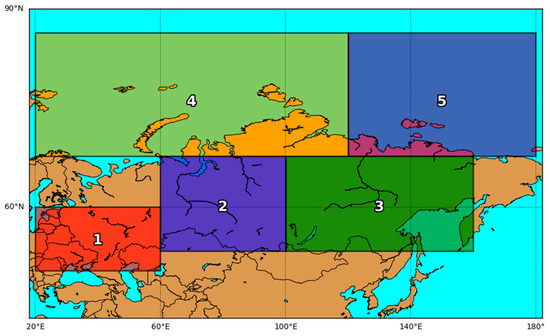
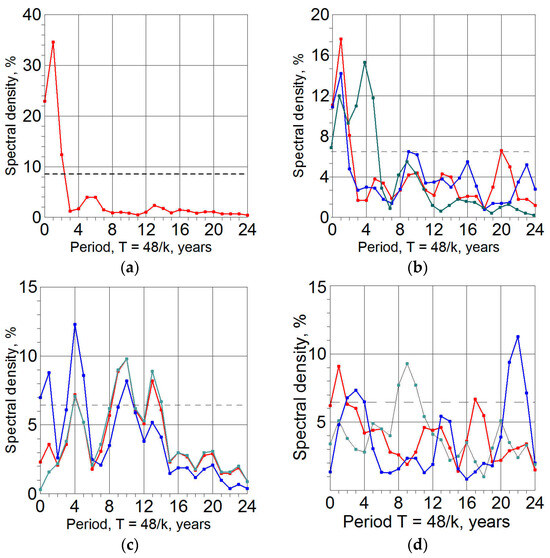
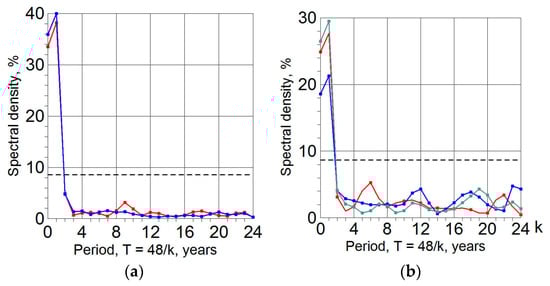
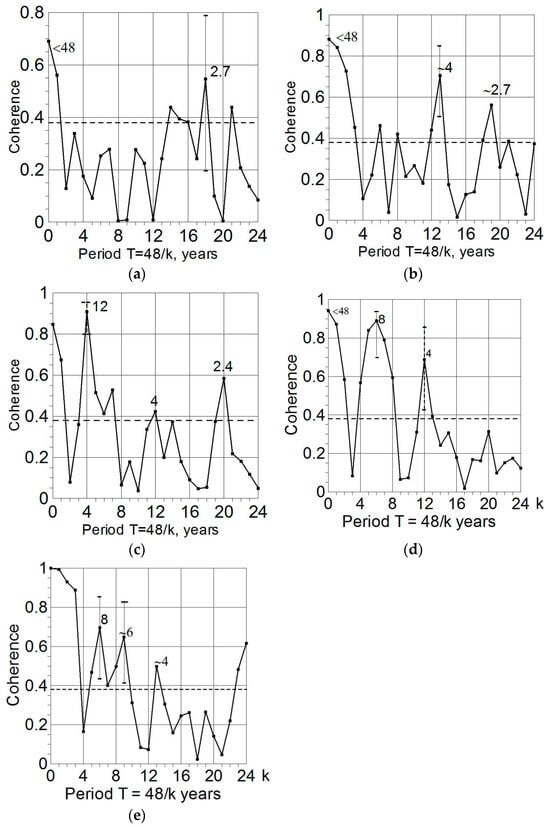
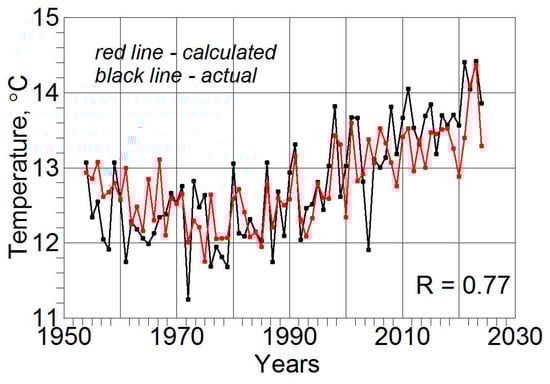
Improving the accuracy of climate and long-range meteorological forecasts is an important objective for many economic sectors: agriculture, energy and utilities, transportation and logistics, construction, disaster risk management, insurance and finance, retail, tourism and leisure. Traditional physical models face limitations at ultra-long lead times, which motivates the development of empirical–statistical approaches, including those leveraging deep learning techniques. In this study, using ERA5 reanalysis data and archives of major climate indices for the period 1950–2024, we examine statistical relationships between climate indices associated with large-scale atmospheric and oceanic patterns in the Northern Hemisphere and surface air temperature anomalies in selected mid- and high-latitude regions. The aim is to assess the predictive skill of these indices for seasonal temperature anomalies within empirical forecasting frameworks. To this end, we employ cross-correlation and cross-spectral analyses, as well as regression modeling. Our findings indicate that the choice of the most informative predictors strongly depends on the target region and season. Among the major indices, AMO and EA/WR emerge as the most informative for forecasting purposes. The Niño 4 and IOD indices can be considered useful predictors for the Eastern Arctic. Notably, the strongest correlations between the AMO, EA/WR, Niño 4, and IOD indices and surface air temperature occur at one- to two-year lags. To illustrate the predictive potential of the four selected indices, several multiple regression models were developed. The results obtained from these models confirm that the chosen set of indices effectively captures the main sources of variability relevant to seasonal and interannual temperature prediction across the analyzed regions. In particular, approximately 64% of the forecasts have errors less than 0.674 times the standard deviation.
Full article
(This article belongs to the Section Weather and Forecasting)
►▼
Show Figures

Figure 1
Open AccessArticle
Beyond Accuracy: The Cognitive Economy of Trust and Absorption in the Adoption of AI-Generated Forecasts
by
Anne-Marie Sassenberg, Nirmal Acharya, Padmaja Kar and Mohammad Sadegh Eshaghi
Forecasting 2026, 8(1), 8; https://doi.org/10.3390/forecast8010008 - 21 Jan 2026
Abstract
AI Recommender Systems (RecSys) function as personalised forecasting engines, predicting user preferences to reduce information overload. However, the efficacy of these systems is often bottlenecked by the “Last Mile” of forecasting: the end-user’s willingness to adopt and rely on the prediction. While the
[...] Read more.
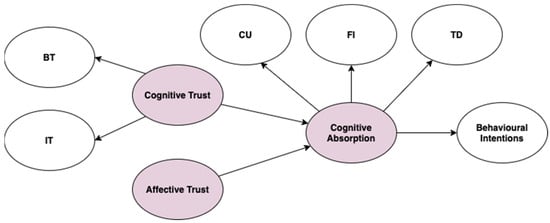
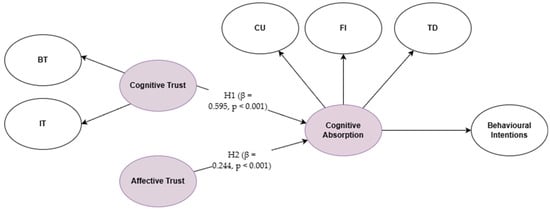
AI Recommender Systems (RecSys) function as personalised forecasting engines, predicting user preferences to reduce information overload. However, the efficacy of these systems is often bottlenecked by the “Last Mile” of forecasting: the end-user’s willingness to adopt and rely on the prediction. While the existing literature often assumes that algorithmic accuracy (e.g., low RMSE) automatically drives utilisation, empirical evidence suggests that users frequently reject accurate forecasts due to a lack of trust or cognitive friction. This study challenges the utilitarian view that users adopt systems simply because they are useful, instead proposing that sustainable adoption requires a state of Cognitive Absorption—a psychological flow state enabled by the Cognitive Economy of trust. Grounded in the Motivation–Opportunity–Ability (MOA) framework, we developed the Trust–Absorption–Intention (TAI) model. We analysed data from 366 users of a major predictive platform using Partial Least Squares Structural Equation Modelling (PLS-SEM). The Disjoint Two-Stage Approach was employed to model the reflective–formative Higher-Order Constructs. The results demonstrate that Cognitive Trust (specifically the relational dimensions of Benevolence and Integrity) operates via a dual pathway. It drives adoption directly, serving as a mechanism of Cognitive Economy where users suspend vigilance to rely on the AI as a heuristic, while simultaneously freeing mental resources to enter a state of Cognitive Absorption. Affective Trust further drives this immersion by fostering curiosity. Crucially, Cognitive Absorption partially mediates the relationship between Cognitive Trust and adoption intention, whereas it fully mediates the impact of Affective Trust. This indicates that while Cognitive Trust can drive reliance directly as a rational shortcut, Affective Trust translates to adoption only when it successfully triggers a flow state. This study bridges the gap between algorithmic forecasting and behavioural adoption. It introduces the Cognitive Economy perspective: Trust reduces the cognitive cost of verifying predictions, allowing users to outsource decision-making to the AI and enter a state of effortless immersion. For designers of AI forecasting agents, the findings suggest that maximising accuracy may be less effective than minimising cognitive friction for sustaining long-term adoption. To solve the cold start problem, platforms should be designed for flow by building emotional rapport and explainability, thereby converting sporadic users into continuous data contributors.
Full article
(This article belongs to the Section AI Forecasting)
►▼
Show Figures

Figure 1
Open AccessArticle
Multi-Scale Explainable AI for RMB Exchange Rate Drivers
by
Jie Ji, Shouyang Wang and Yunjie Wei
Forecasting 2026, 8(1), 7; https://doi.org/10.3390/forecast8010007 - 21 Jan 2026
Abstract
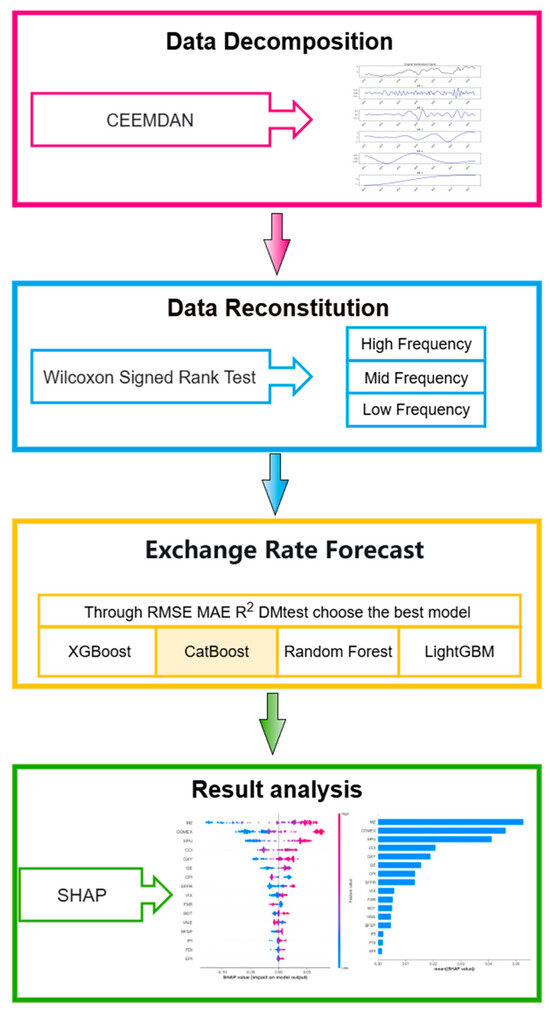
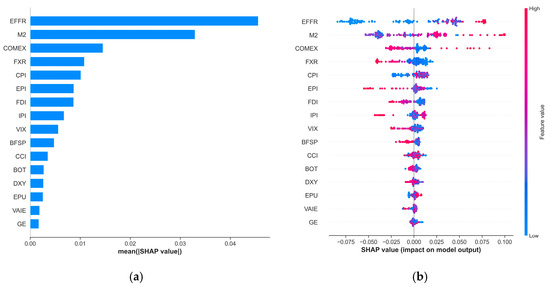
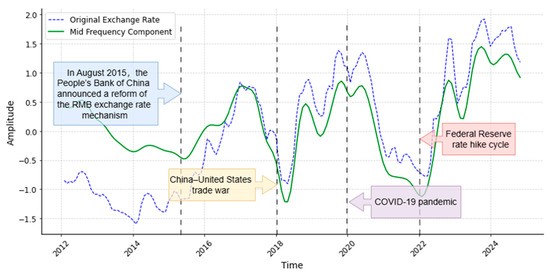
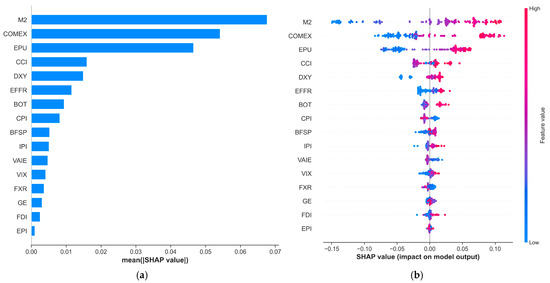
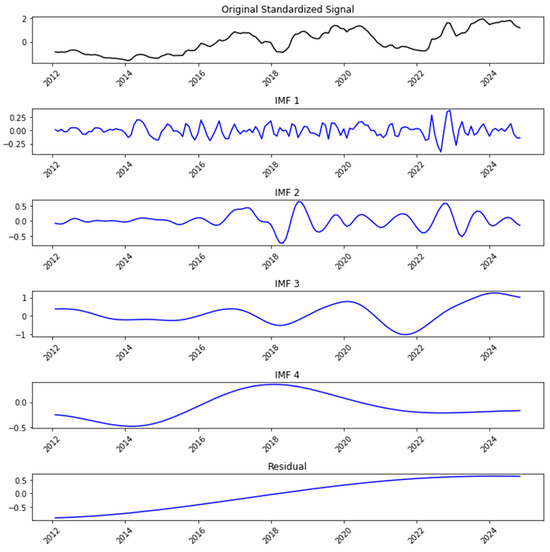
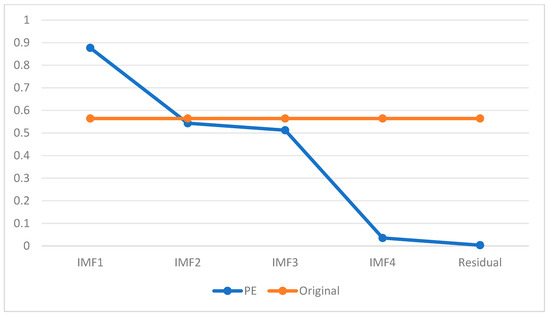
To address the nonlinear nature of exchange rates where drivers vary by time horizon, this paper proposes a CEEMDAN-PE-CatBoost-SHAP framework. Analyzing USD/CNY data (2012–2024), we decomposed rates into high, medium, and low frequencies to bridge machine learning with economic interpretability. Empirical results revealed
[...] Read more.
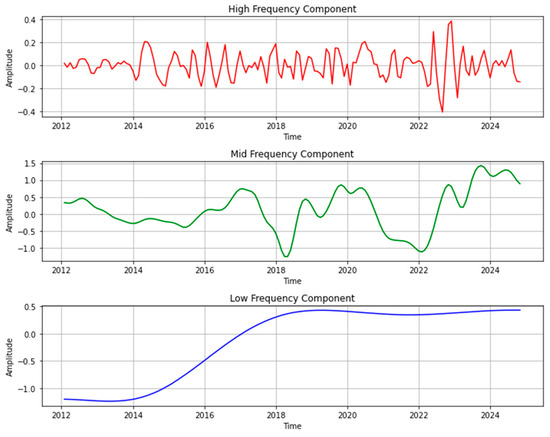
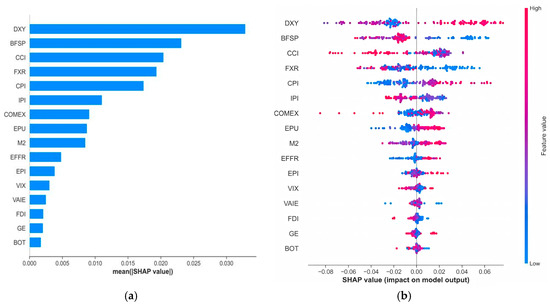
To address the nonlinear nature of exchange rates where drivers vary by time horizon, this paper proposes a CEEMDAN-PE-CatBoost-SHAP framework. Analyzing USD/CNY data (2012–2024), we decomposed rates into high, medium, and low frequencies to bridge machine learning with economic interpretability. Empirical results revealed distinct frequency-dependent drivers: high-frequency fluctuations depend on market sentiment; medium-frequency variations follow Fed policies; and low-frequency trends reflect fundamentals like gold prices. SHAP analysis provides transparent attribution of these factors. This multi-scale approach isolates heterogeneous drivers, offering policymakers and investors a nuanced paradigm for managing currency risks. The study significantly clarifies how different economic factors shape exchange rate dynamics across varying time scales.
Full article
(This article belongs to the Special Issue Feature Papers of Forecasting 2025)
►▼
Show Figures

Figure 1

Open AccessArticle
New Statistical Approach to Forecasting Earth’s Skin Temperature from MERRA-2 Satellite Using Semiparametric Time Series Regression with Mixed Additive Spline Fourier (STSR-MASF)
by
Andrea Tri Rian Dani, Nur Chamidah, I. Nyoman Budiantara, Budi Lestari and Dursun Aydin
Forecasting 2026, 8(1), 6; https://doi.org/10.3390/forecast8010006 - 19 Jan 2026
Abstract
►▼
Show Figures
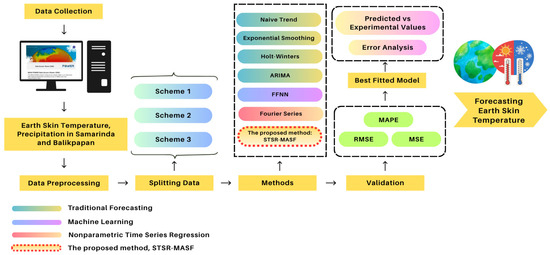
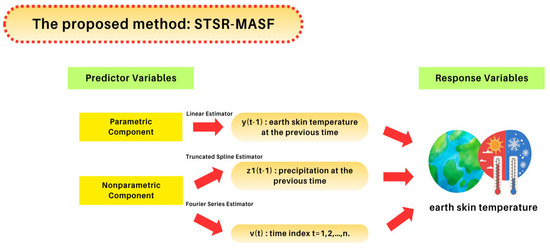
We introduce the Semiparametric Time Series Regression with Mixed Additive Spline Fourier (STSR–MASF) model as an innovative approach for analyzing time series data with complex patterns. The model combines the flexibility of the spline estimator in capturing nonlinear variations across specific sub-intervals and
[...] Read more.
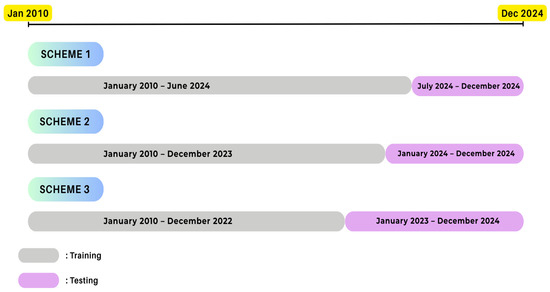
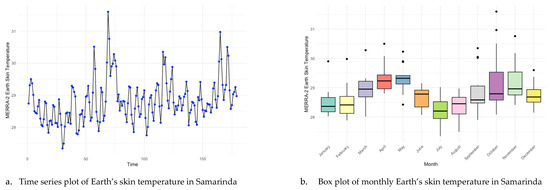
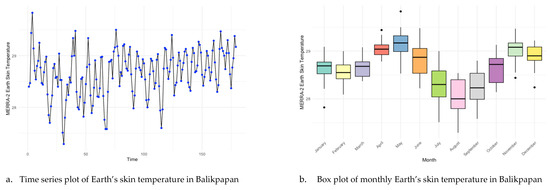
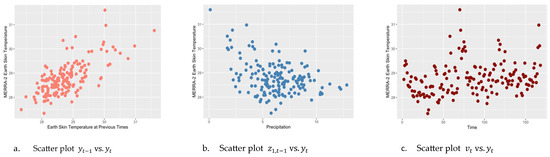
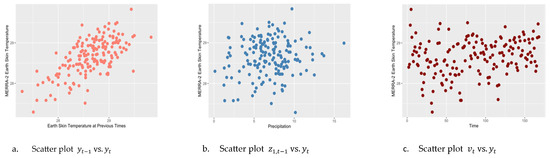
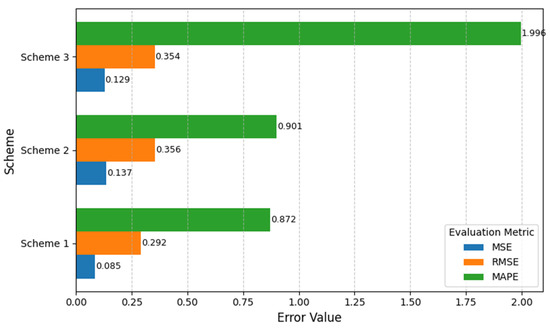
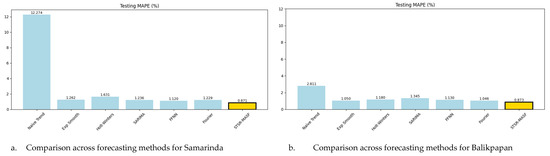
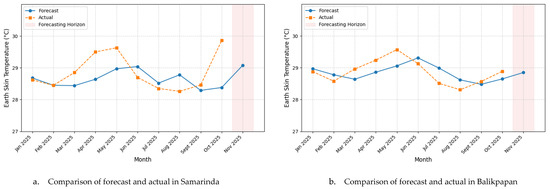
We introduce the Semiparametric Time Series Regression with Mixed Additive Spline Fourier (STSR–MASF) model as an innovative approach for analyzing time series data with complex patterns. The model combines the flexibility of the spline estimator in capturing nonlinear variations across specific sub-intervals and the strength of the Fourier series in representing periodically recurring patterns. Within the semiparametric regression framework, STSR–MASF integrates both linear parametric and nonparametric components, with the optimal number of knots and oscillations determined using the Generalized Cross-Validation (GCV) criterion. The model was trained and tested using Earth’s skin temperature data from the National Aeronautics and Space Administration (NASA) MERRA-2 for East Kalimantan, Indonesia, a tropical rainforest region. The results demonstrate that the STSR–MASF model provides more accurate estimations and forecasts compared to six previous methods proposed in earlier studies with highly accurate predictions. This innovation not only offers methodological advancements in nonlinear time series modeling, but also contributes practical insights into understanding variations in Earth’s skin temperature in tropical regions, supporting broader efforts toward global climate change mitigation.
Full article

Figure 1
Open AccessArticle
Pollutant-Specific Deep Learning Architectures for Multi-Species Air Quality Bias Correction: Application to NO2 and PM10 in California
by
Ioannis Stergiou, Nektaria Traka, Dimitrios Melas, Efthimios Tagaris and Rafaella-Eleni P. Sotiropoulou
Forecasting 2026, 8(1), 5; https://doi.org/10.3390/forecast8010005 - 9 Jan 2026
Abstract
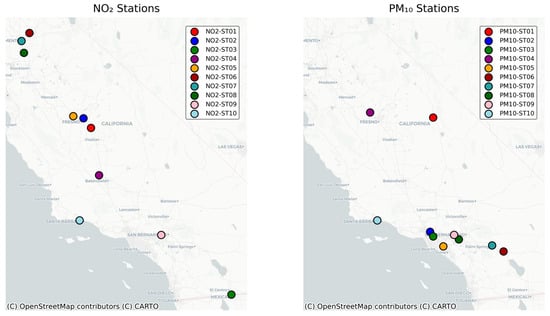
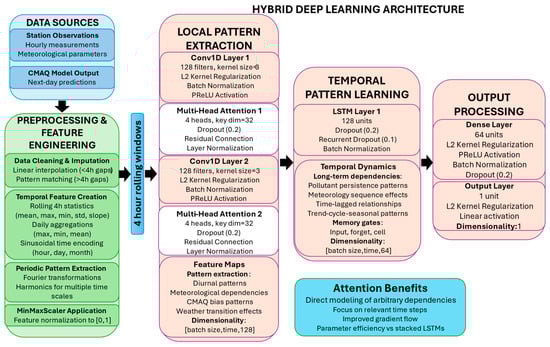
Accurate air quality forecasting remains challenging due to persistent biases in chemical transport models. Addressing this challenge, the current study develops pollutant-specific deep learning frameworks that correct systematic errors in the Community Multiscale Air Quality (CMAQ) simulations of nitrogen dioxide (NO2)
[...] Read more.
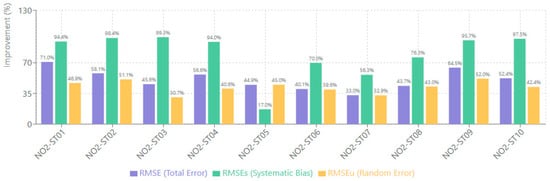
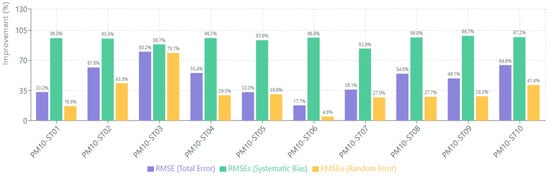
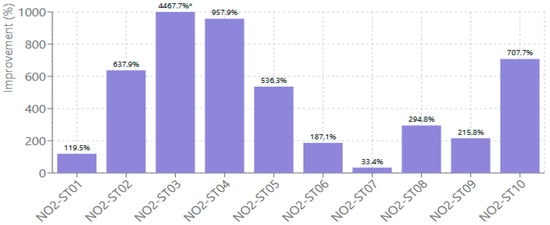
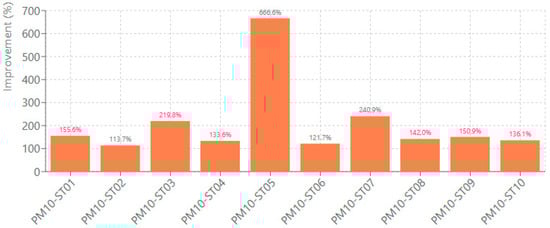
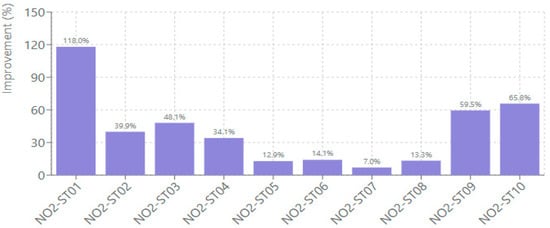
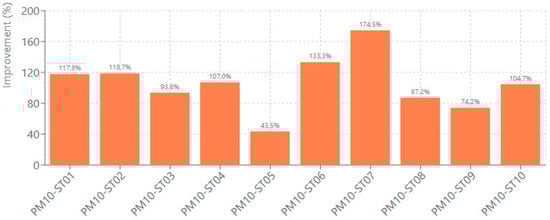
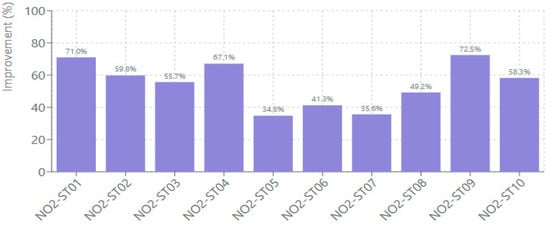
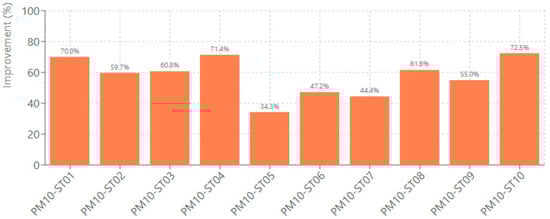
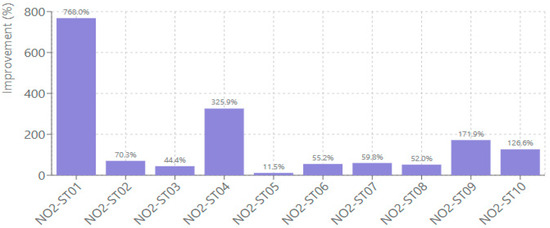
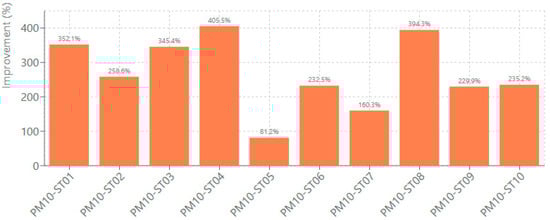
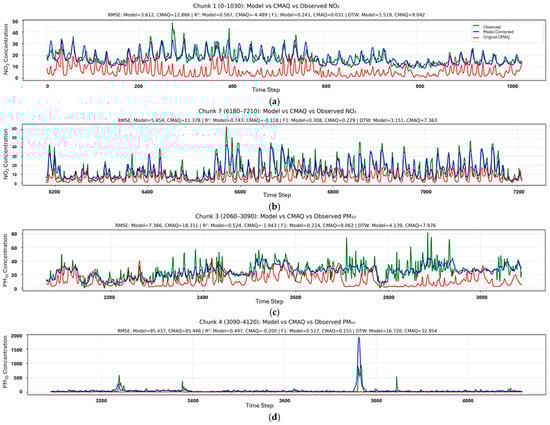
Accurate air quality forecasting remains challenging due to persistent biases in chemical transport models. Addressing this challenge, the current study develops pollutant-specific deep learning frameworks that correct systematic errors in the Community Multiscale Air Quality (CMAQ) simulations of nitrogen dioxide (NO2) and coarse particulate matter (PM10) over California. Building upon a previous study on ozone bias correction, a hybrid CNN–Attention–LSTM architecture is adapted, and a weighted Huber loss function is introduced for PM10 to enhance the detection of extreme pollution events through a gated tail-weighting mechanism. Using data from twenty EPA monitoring stations (ten per pollutant) for 2010–2014, the proposed approach achieves substantial performance gains over the CMAQ baseline. For NO2, RMSE decreases by ~51% with an average systematic bias reduction of ~80% and a random error reduction of ~42%. For PM10, RMSE improves by ~49% while the systematic and random errors decrease by ~94% and ~33%, respectively. The PM10 model also shows high consistency with observations (Index of Agreement improvement of ~105%) and a strong ability to capture peak events (F1 score improvement of ~270%), while the NO2 model achieves large gains in explanatory power (R2 improvement averaging ~816%). Both pollutants also demonstrate enhanced temporal agreement between predictions and observations, as confirmed by the Dynamic Time Warping analysis (NO2: ~55%, PM10: ~58%). These results indicate that pollutant-specific loss functions and architectural tuning can significantly improve both accuracy and event sensitivity, offering a transferable framework for bias correction across multiple pollutants and regions.
Full article
(This article belongs to the Special Issue Feature Papers of Forecasting 2025)
►▼
Show Figures

Figure 1
Open AccessArticle
Wind Shear Prediction at Jeju International Airport Using a Tree-Based Machine Learning Algorithm
by
Jae-Hyeok Seok, Hee-Wook Choi and Sang-Sam Lee
Forecasting 2026, 8(1), 4; https://doi.org/10.3390/forecast8010004 - 9 Jan 2026
Abstract
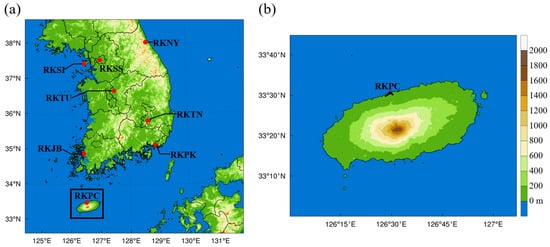
This study employed tree-based machine learning (ML) algorithms to predict low-level wind shear (LLWS) at Jeju International Airport (ICAO: RKPC). Hourly meteorological data from 47 observation stations across Jeju Island, collected between 2019 and 2023, were split into training (60%), validation (20%), and
[...] Read more.
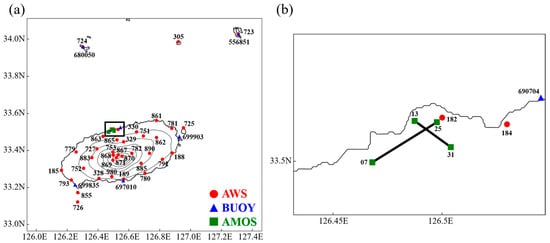
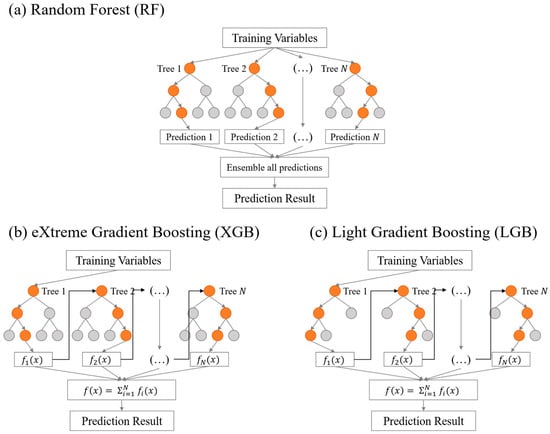
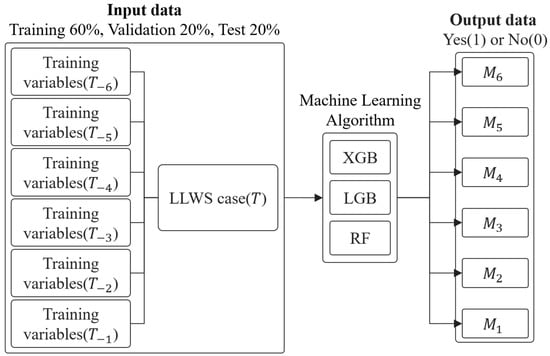
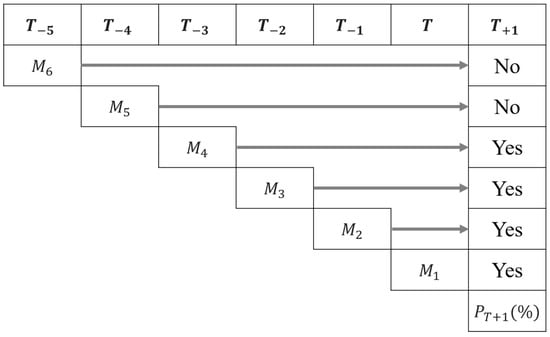
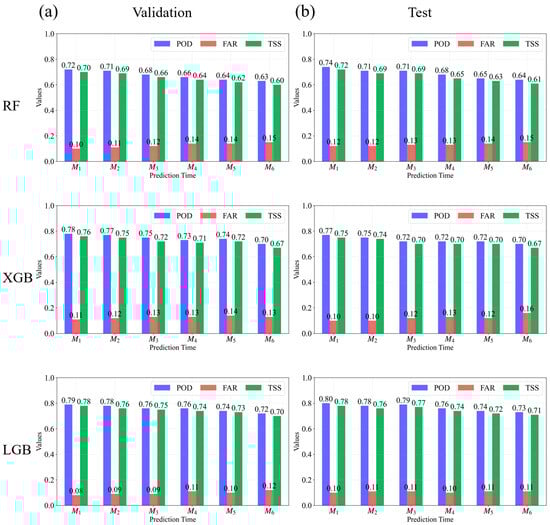
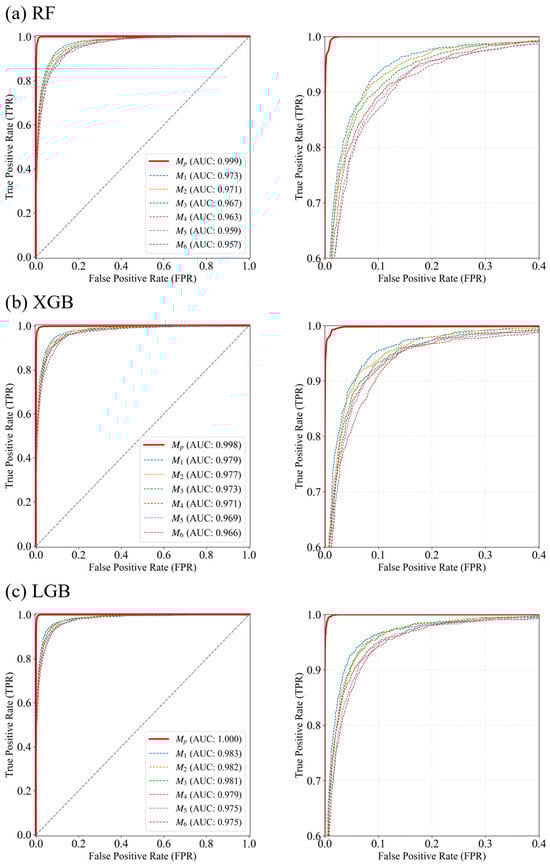
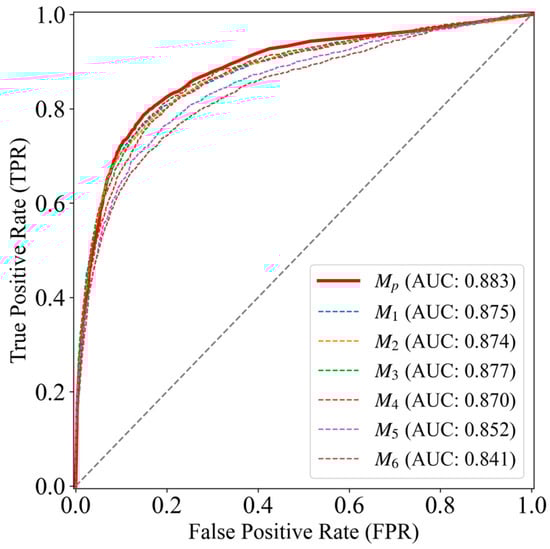
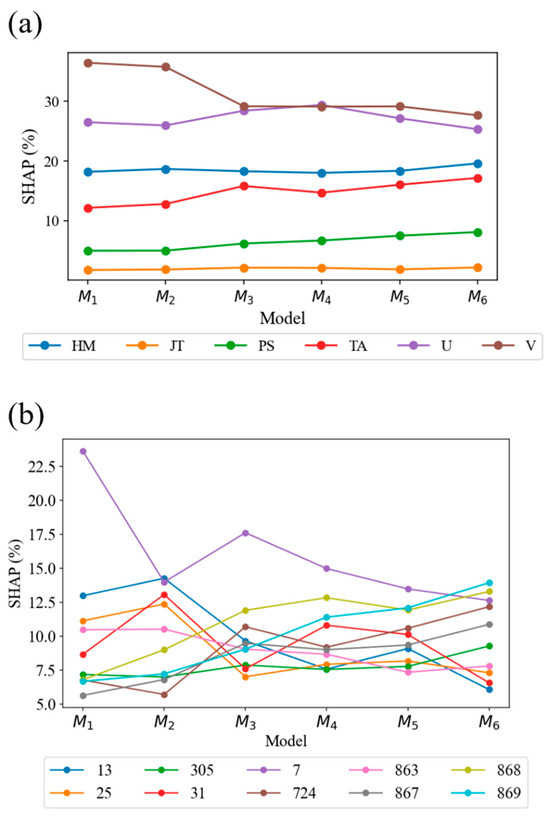
This study employed tree-based machine learning (ML) algorithms to predict low-level wind shear (LLWS) at Jeju International Airport (ICAO: RKPC). Hourly meteorological data from 47 observation stations across Jeju Island, collected between 2019 and 2023, were split into training (60%), validation (20%), and test (20%) sets to develop individual prediction models for lead times ranging from 1 to 6 h. A probabilistic prediction model was developed by assigning weights to individual models according to their true skill statistic performance. Validation using an independent 2024 dataset showed that the light gradient boosting machine-based probabilistic model exhibited the highest predictive performance, achieving an area under the receiver operating characteristic curve of 0.883. The Shapley additive explanation analysis identified wind components (U, V) as key variables, contributing over 50%, with the significance of pressure and temperature slightly increasing over long-term prediction times (4–6 h). In addition, spatial analysis revealed that nearby airport stations were more influential for short-term prediction times (1–2 h), whereas Mount Halla and offshore stations north of the airport gained greater influence for medium-to long-term prediction times (3–6 h). The ML-based LLWS prediction model offers high accuracy and interpretability, supporting stepwise warning systems and aiding aviation decision-making.
Full article
(This article belongs to the Section AI Forecasting)
►▼
Show Figures

Figure 1

Open AccessArticle
A Highly Accurate and Efficient Statistical Framework for Short-Term Load Forecasting: A Case Study for Mexico
by
Luis Conde-López, Monica Borunda, Gerardo Ruiz-Chavarría and Tomás Aparicio-Cárdenas
Forecasting 2026, 8(1), 3; https://doi.org/10.3390/forecast8010003 - 5 Jan 2026
Abstract
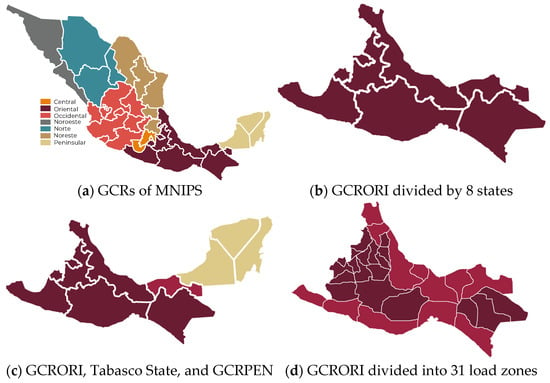
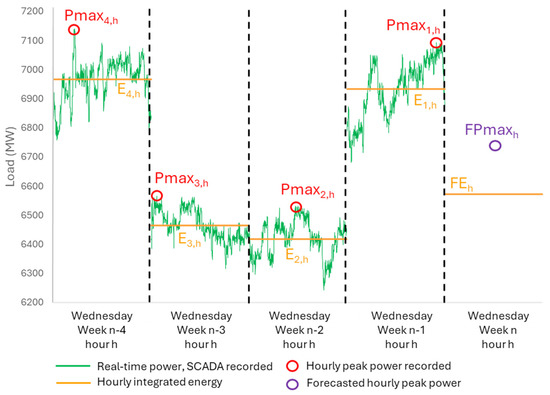
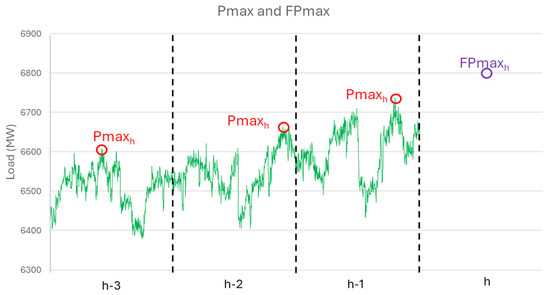
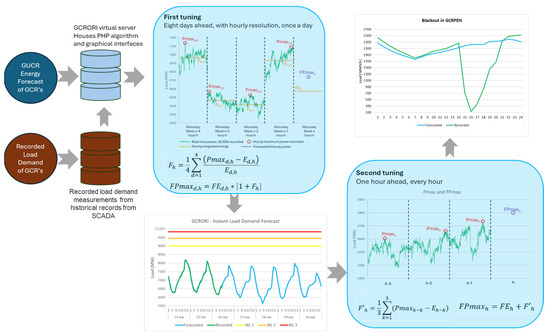
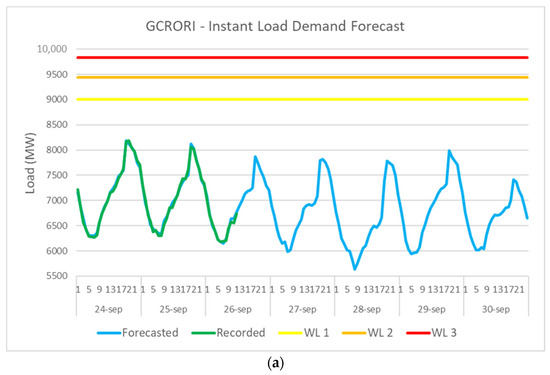
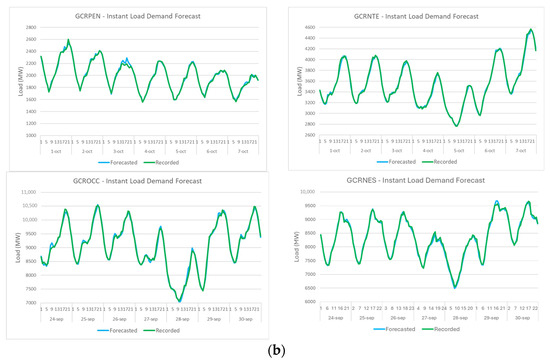
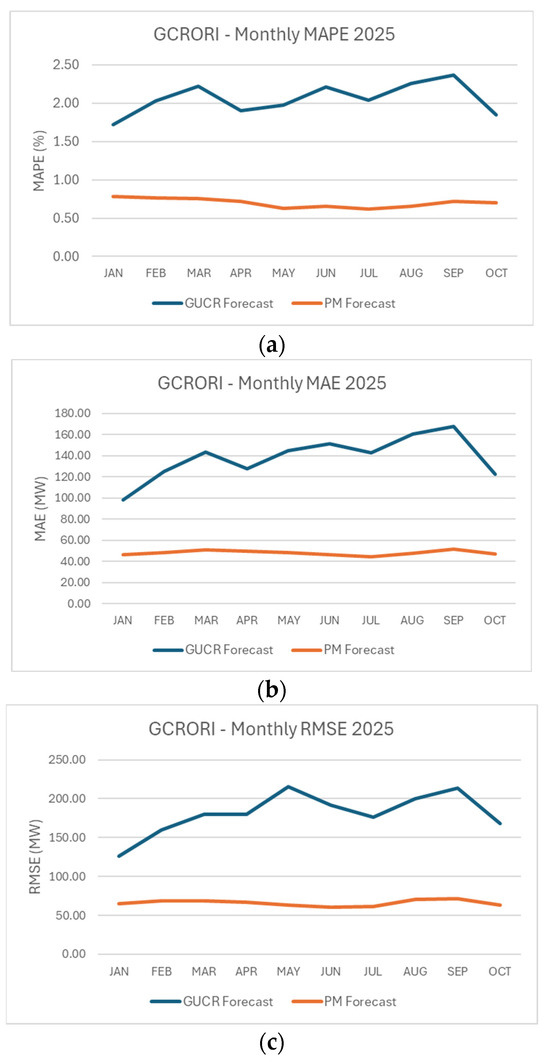
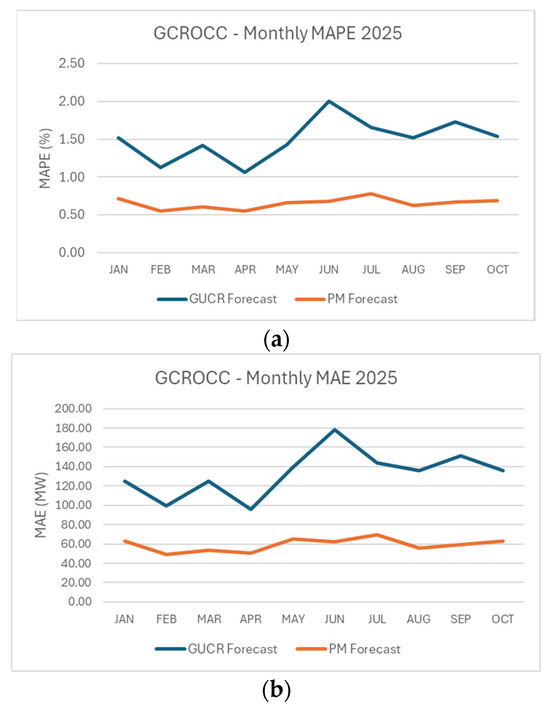
Short-term load forecasting is fundamental for the effective and reliable operation of power systems. Very accurate forecasting methods often involve complex hybrid approaches that combine statistical, physical, and/or intelligent techniques. In this work, we present an innovative, clear, and effective methodology for short-term
[...] Read more.
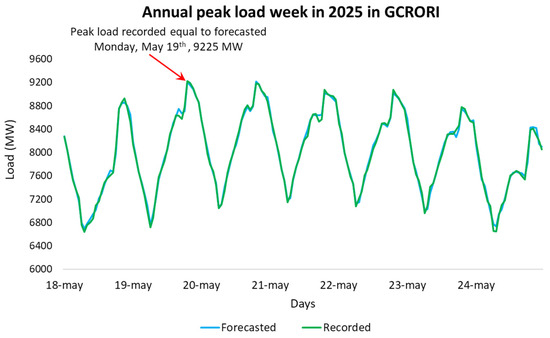
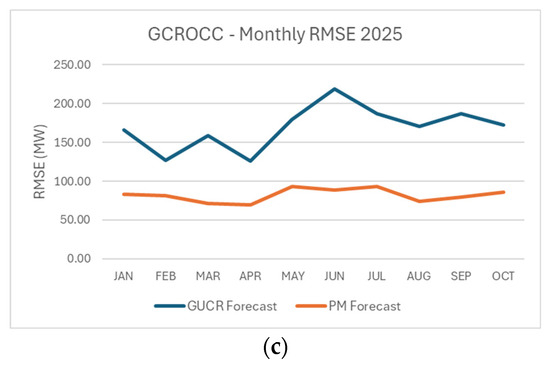
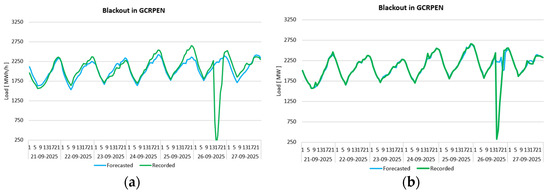
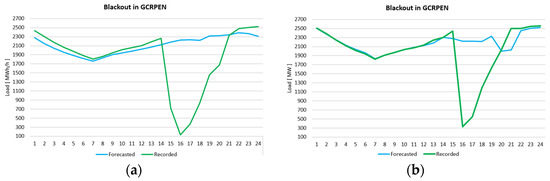
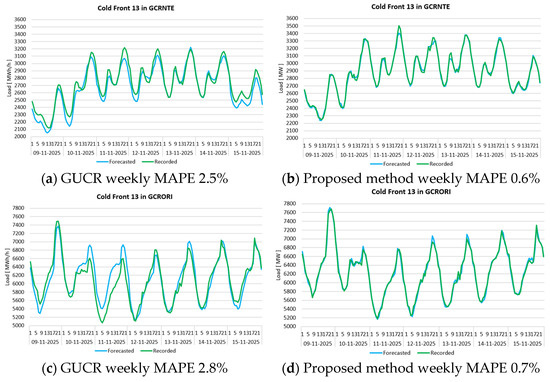
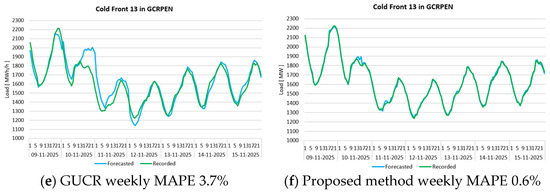
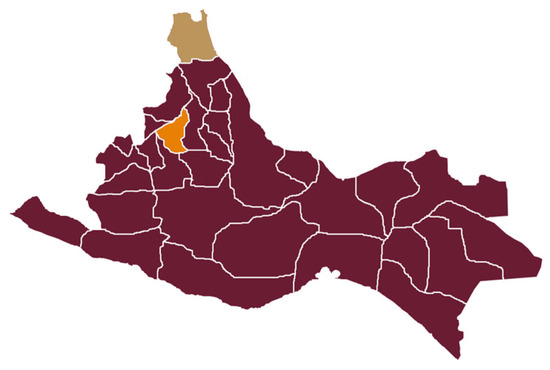
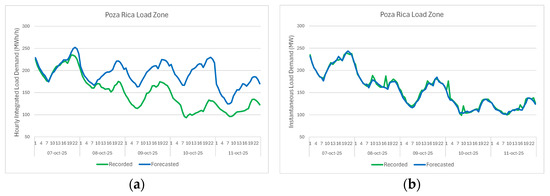
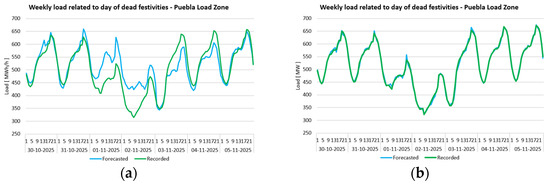
Short-term load forecasting is fundamental for the effective and reliable operation of power systems. Very accurate forecasting methods often involve complex hybrid approaches that combine statistical, physical, and/or intelligent techniques. In this work, we present an innovative, clear, and effective methodology for short-term hourly peak load forecasting that is both simple and highly accurate. The methodology is based on the load forecast used for electricity market purposes, together with fine-tuning dynamic estimation. As a case study, the methodology was applied and tested in Mexico’s interconnected power system. It was implemented across various regions and at both regional and load-\ zone levels of this interconnected power system and, even under a variety of standard and extreme load conditions, achieved outstanding results.
Full article
(This article belongs to the Topic Short-Term Load Forecasting—2nd Edition)
►▼
Show Figures

Figure 1

Open AccessArticle
Advanced Techniques for Financial Distress Prediction
by
Lee-Wen Yang, Nguyen Thi Thanh Binh and Jiang Meng Yi
Forecasting 2026, 8(1), 2; https://doi.org/10.3390/forecast8010002 - 30 Dec 2025
Abstract
This study compares Logit, Probit, Extreme Value, and Artificial Neural Network (ANN) models using data from 2012 to 2024 in the Taiwan electronics industry. ANN outperforms traditional models, achieving 98% accuracy in predicting financial distress. Two robust distress signals are identified: Return on
[...] Read more.
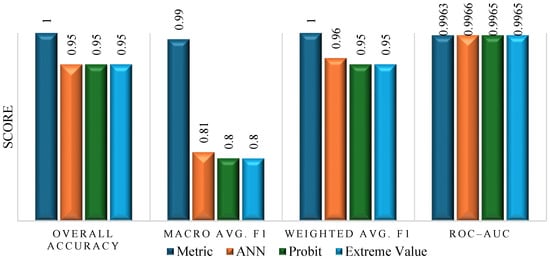
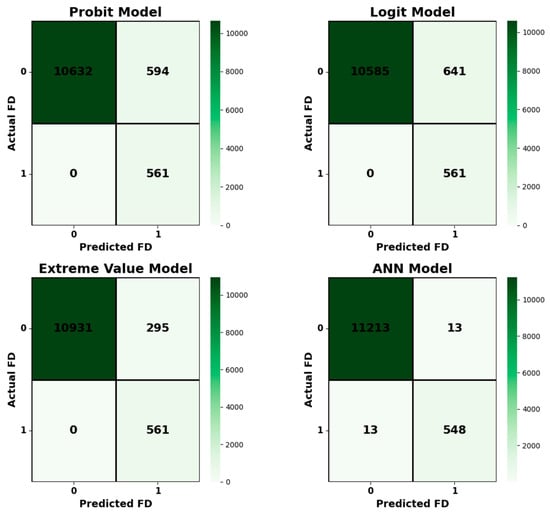
This study compares Logit, Probit, Extreme Value, and Artificial Neural Network (ANN) models using data from 2012 to 2024 in the Taiwan electronics industry. ANN outperforms traditional models, achieving 98% accuracy in predicting financial distress. Two robust distress signals are identified: Return on Assets (threshold: 7.03%) and Total Asset Growth (threshold: −9.05%). The nonlinear impacts of financial distress on variables are analyzed, with a focus on contextual considerations in decision-making. These findings bring attention to the importance of utilizing advanced techniques like ANN for improved predictive accuracy, offering profound clarification for risk assessment and management.
Full article
(This article belongs to the Section Forecasting in Economics and Management)
►▼
Show Figures

Figure 1

Open AccessArticle
A Comparative and Regional Study of Atmospheric Temperature in the Near-Space Environment Using Intelligent Modeling
by
Zhihui Li, Zhiming Han, Huanwei Zhang and Qixiang Liao
Forecasting 2026, 8(1), 1; https://doi.org/10.3390/forecast8010001 - 23 Dec 2025
Abstract
The high-precision prediction of near-space atmospheric temperature holds significant importance for aerospace, national defense security, and climate change research. To address the deficiencies of extracting features in conventional convolutional neural networks, this paper designs a ConvLSTM hybrid model that combines the spatiotemporal feature
[...] Read more.
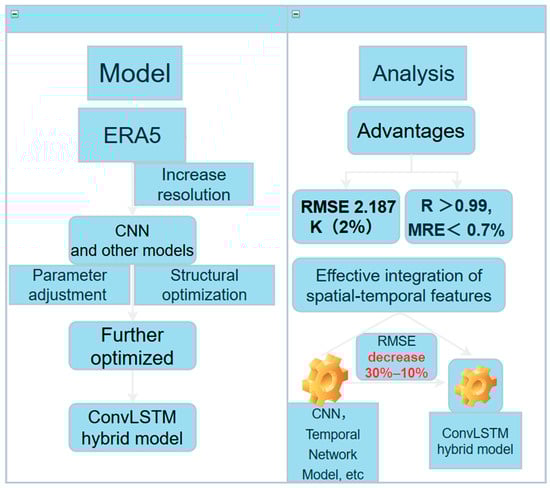
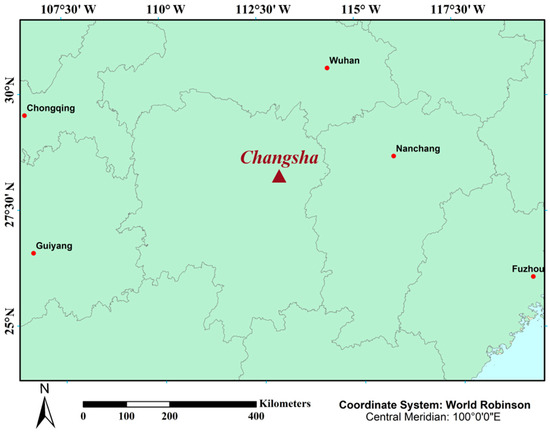
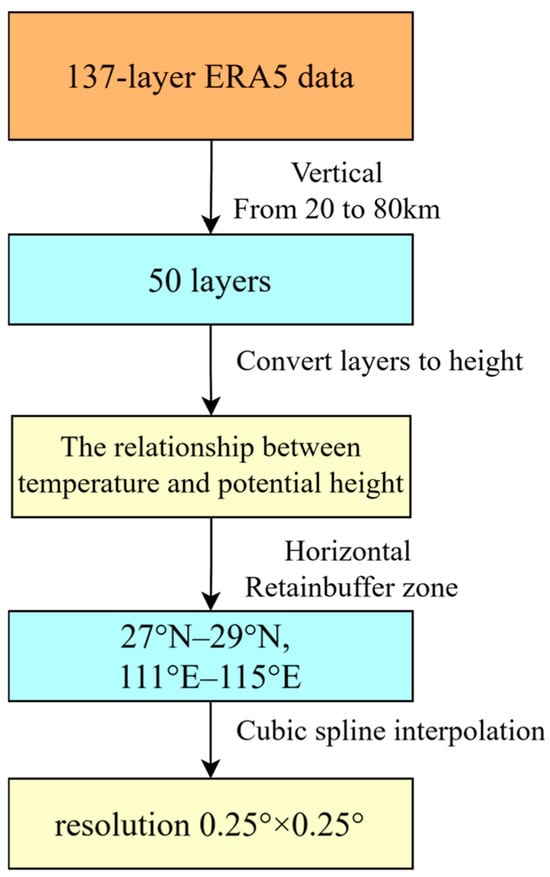
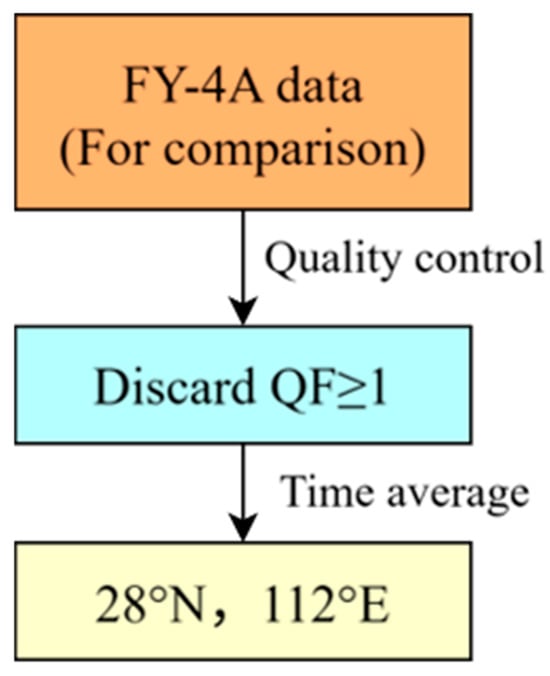
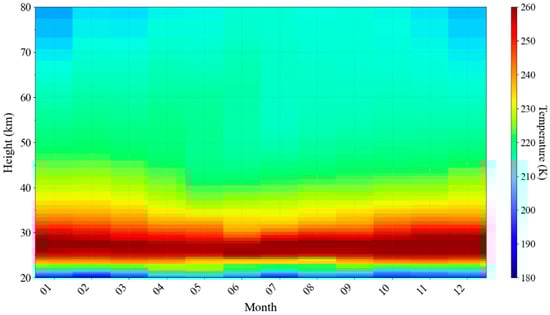
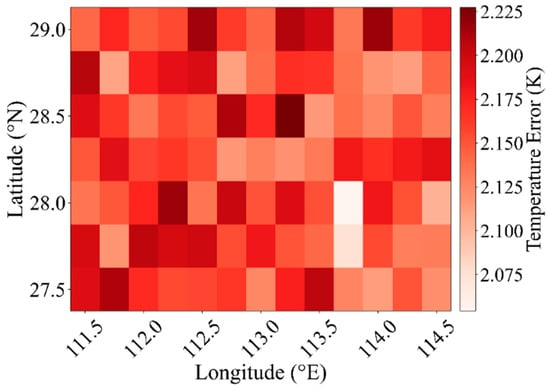
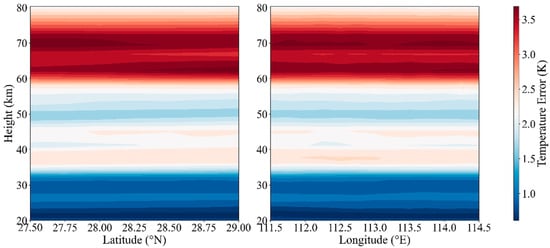
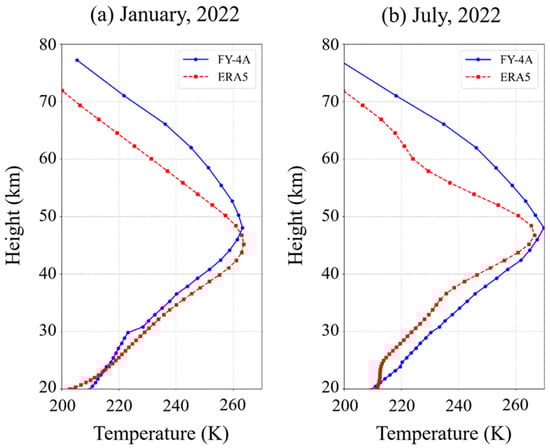
The high-precision prediction of near-space atmospheric temperature holds significant importance for aerospace, national defense security, and climate change research. To address the deficiencies of extracting features in conventional convolutional neural networks, this paper designs a ConvLSTM hybrid model that combines the spatiotemporal feature extraction capability of 3D convolution with a residual attention mechanism, effectively capturing the dynamic evolution patterns of the near-space temperature field. The comparative analysis with various models, including GRU, shows that the proposed model demonstrates superior performance, achieving an RMSE of 2.433 K, a correlation coefficient R of 0.993, and an MRE of 0.76% on the test set. Seasonal error analysis reveals that the prediction stability is better in winter than in summer, with errors in the mesosphere primarily stemming from the complexity of atmospheric processes and limitations in data resolution. Compared to traditional CNNs and single time-series models, the proposed method significantly enhances prediction accuracy, providing a new technical approach for near-space environmental modeling.
Full article
(This article belongs to the Section Weather and Forecasting)
►▼
Show Figures

Figure 1
Open AccessArticle
AutoML-Based Prediction of Unconfined Compressive Strength of Stabilized Soils: A Multi-Dataset Evaluation on Worldwide Experimental Data
by
Romulo Murucci Oliveira, Deivid Campos, Katia Vanessa Bicalho, Bruno da S. Macêdo, Matteo Bodini, Camila Martins Saporetti and Leonardo Goliatt
Forecasting 2025, 7(4), 80; https://doi.org/10.3390/forecast7040080 - 18 Dec 2025
Abstract
►▼
Show Figures
Unconfined Compressive Strength (UCS) of stabilized soils is commonly used for evaluating the effectiveness of soil improvement techniques. Achieving target UCS values through conventional trial-and-error approaches requires extensive laboratory experiments, which are time-consuming and resource-intensive. Automated Machine Learning (AutoML) frameworks offer a promising
[...] Read more.
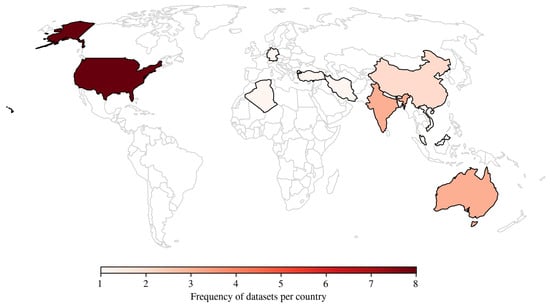
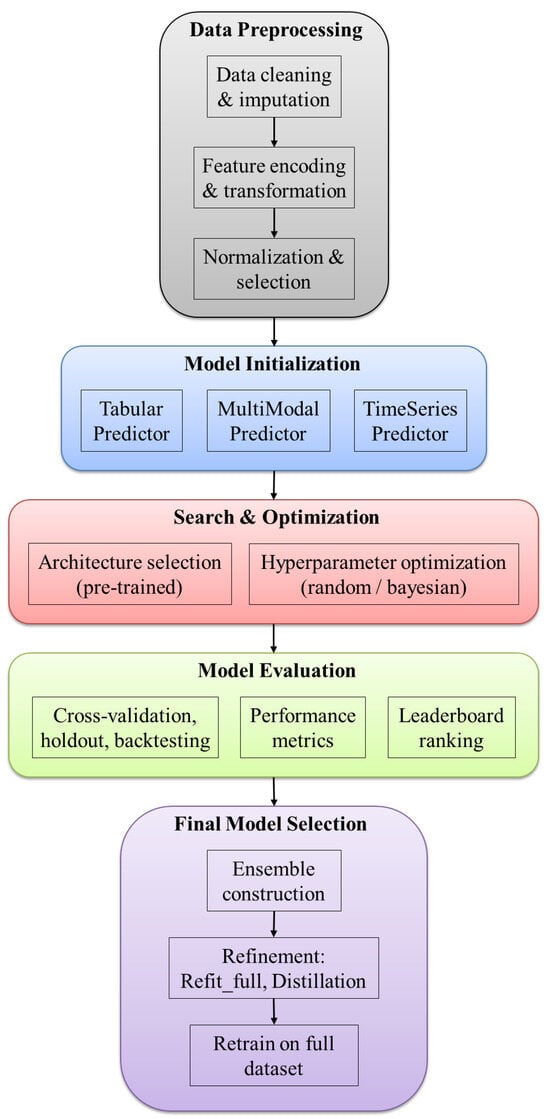
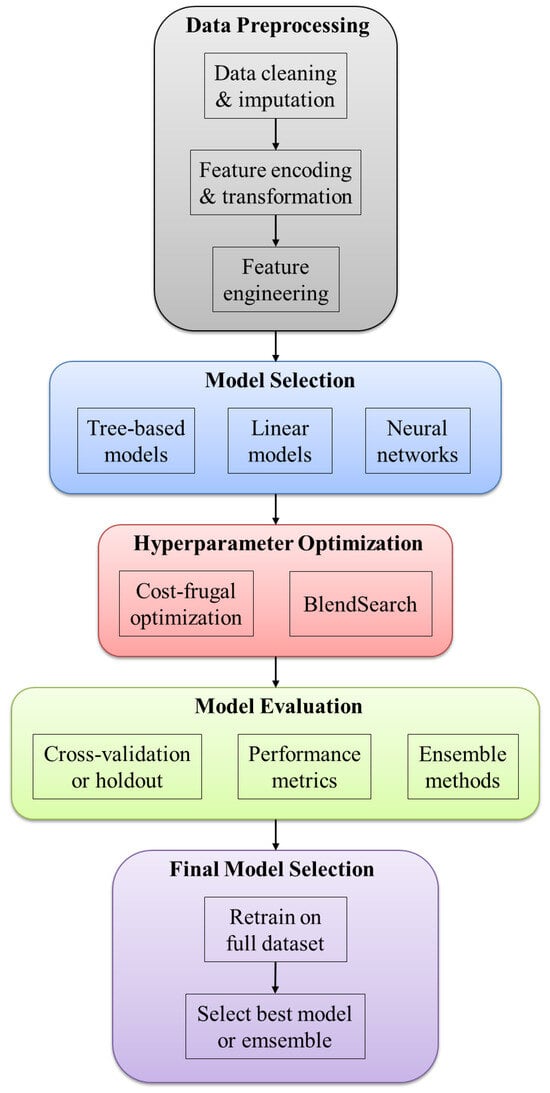
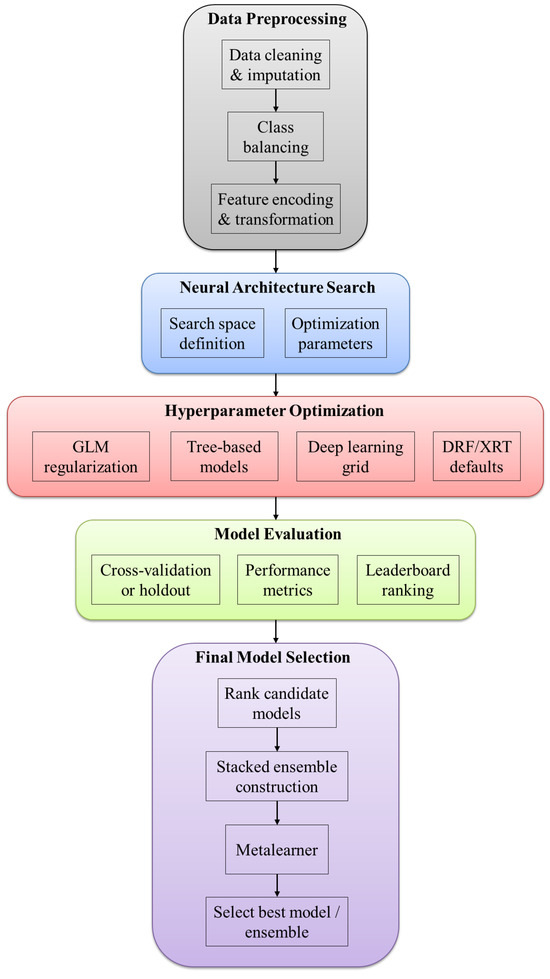
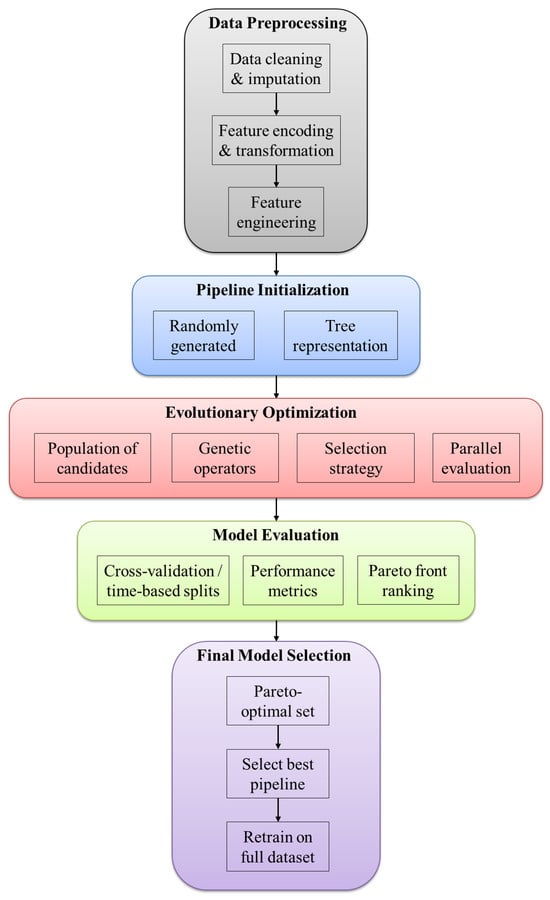
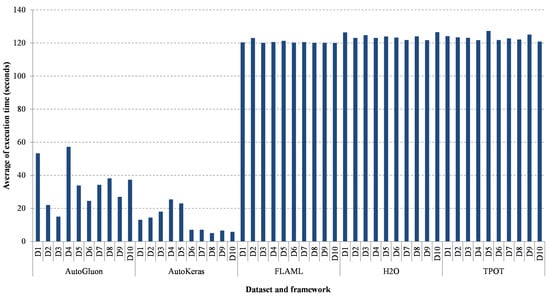
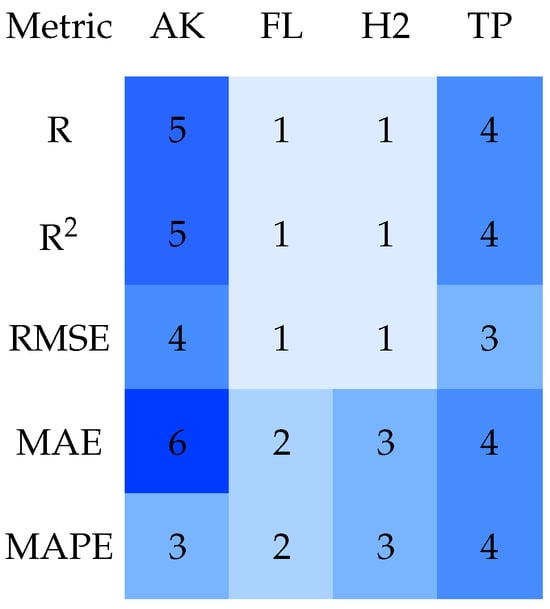
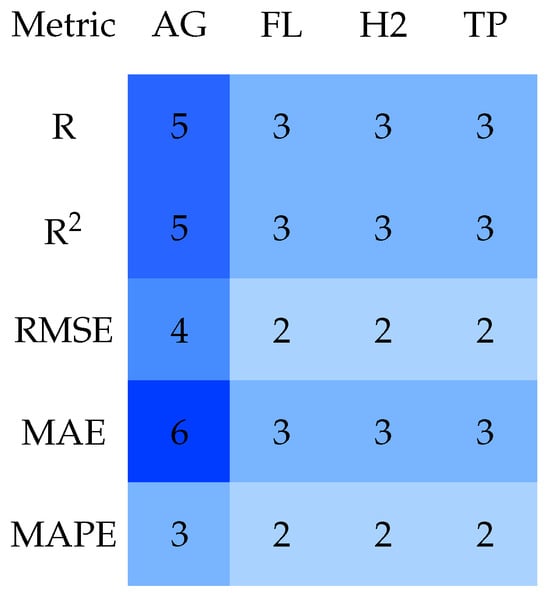
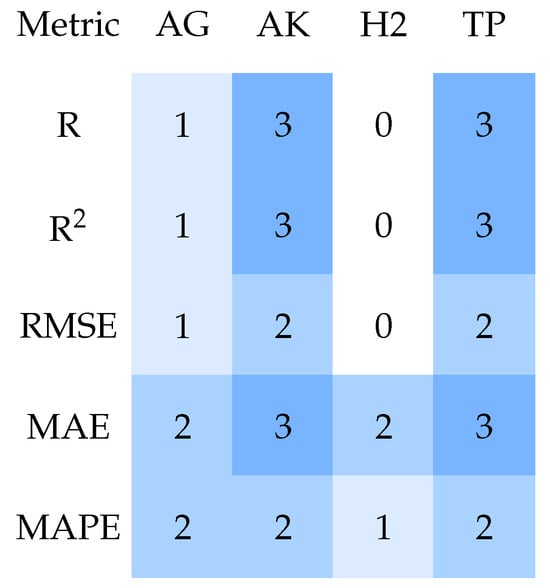
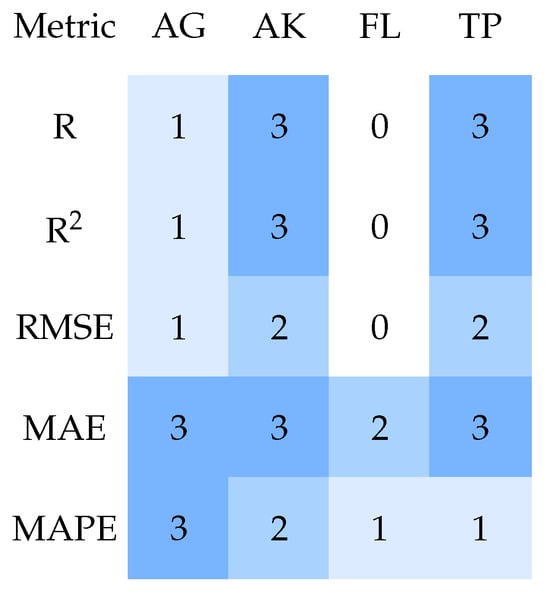
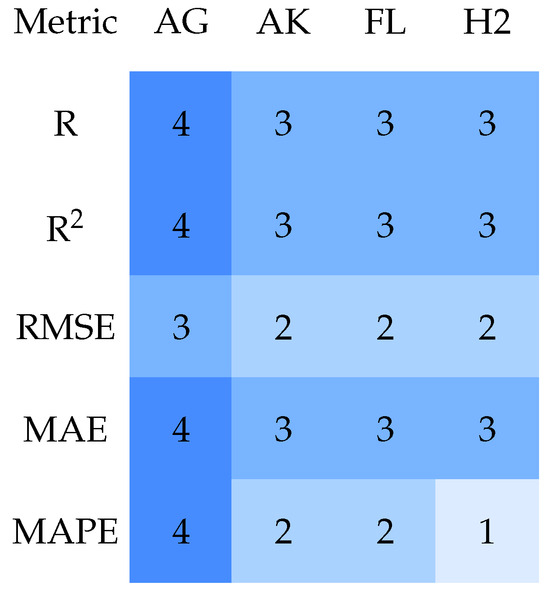
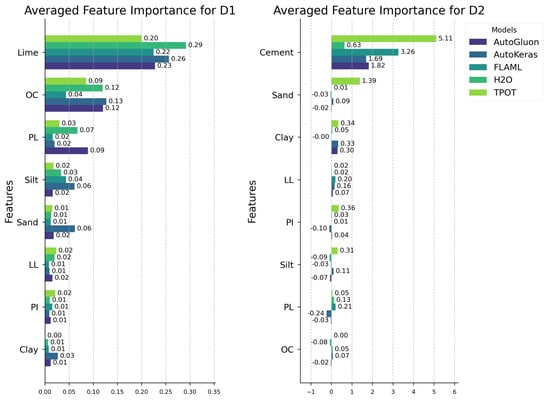
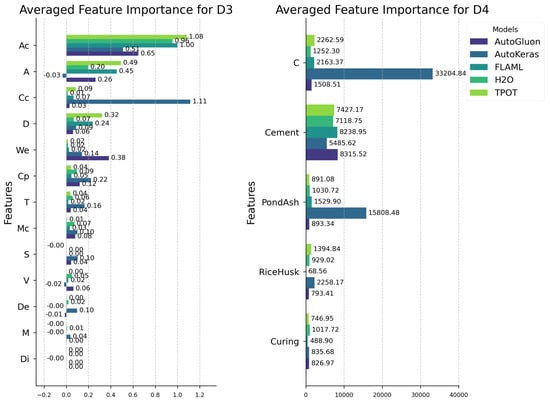
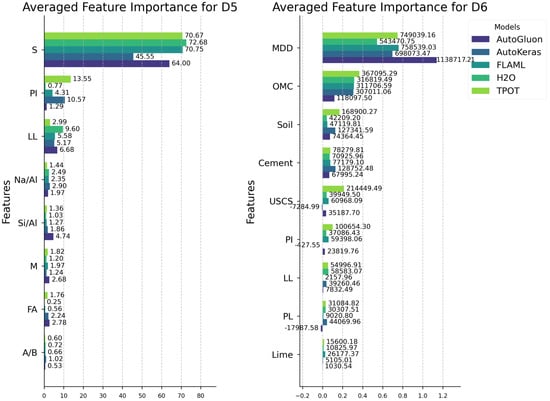
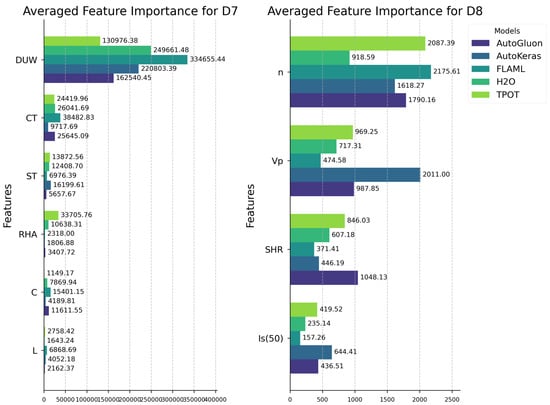
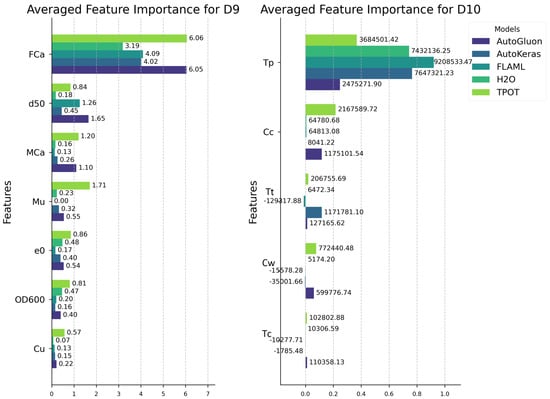
Unconfined Compressive Strength (UCS) of stabilized soils is commonly used for evaluating the effectiveness of soil improvement techniques. Achieving target UCS values through conventional trial-and-error approaches requires extensive laboratory experiments, which are time-consuming and resource-intensive. Automated Machine Learning (AutoML) frameworks offer a promising alternative by enabling automated, reproducible, and accessible predictive modeling of UCS values from more readily obtainable index and physical soil and stabilizer properties, reducing the reliance on experimental testing and empirical relationships, and allowing systematic exploration of multiple models and configurations. This study evaluates the predictive performance of five state-of-the-art AutoML frameworks (i.e., AutoGluon, AutoKeras, FLAML, H2O, and TPOT) using analyses of results from 10 experimental datasets comprising 2083 samples from laboratory experiments spanning diverse soil types, stabilizers, and experimental conditions across many countries worldwide. Comparative analyses revealed that FLAML achieved the highest overall performance (average PI score of 0.7848), whereas AutoKeras exhibited lower accuracy on complex datasets; AutoGluon , H2O and TPOT also demonstrated strong predictive capabilities, with performance varying with dataset characteristics. Despite the promising potential of AutoML, prior research has shown that fully automated frameworks have limited applicability to UCS prediction, highlighting a gap in end-to-end pipeline automation. The findings provide practical guidance for selecting AutoML tools based on dataset characteristics and research objectives, and suggest avenues for future studies, including expanding the range of AutoML frameworks and integrating interpretability techniques, such as feature importance analysis, to deepen understanding of soil–stabilizer interactions. Overall, the results indicate that AutoML frameworks can effectively accelerate UCS prediction, reduce laboratory workload, and support data-driven decision-making in geotechnical engineering.
Full article

Figure 1
Open AccessArticle
A Bayesian Markov Switching Autoregressive Model with Time-Varying Parameters for Dynamic Economic Forecasting
by
Syarifah Inayati, Nur Iriawan, Irhamah and Uha Isnaini
Forecasting 2025, 7(4), 79; https://doi.org/10.3390/forecast7040079 - 17 Dec 2025
Abstract
►▼
Show Figures
This research tackles the challenge of forecasting nonlinear time series data with stochastic structural variations by proposing the Markov switching autoregressive model with time-varying parameters (MSAR-TVP). Although effective in modeling dynamic regime transitions, the Classical MSAR-TVP faces challenges with complex datasets. To address
[...] Read more.
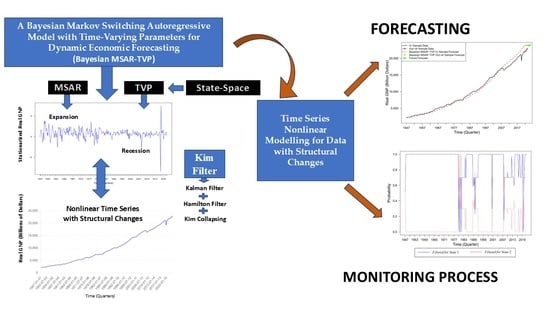
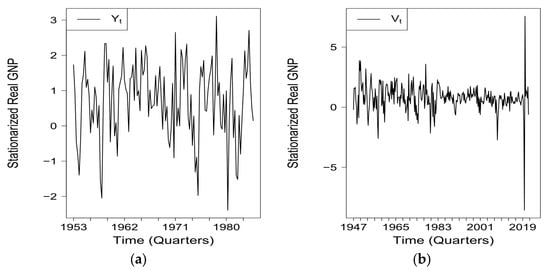
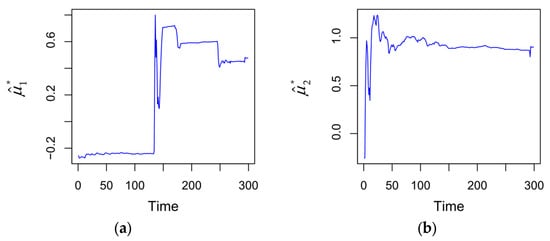
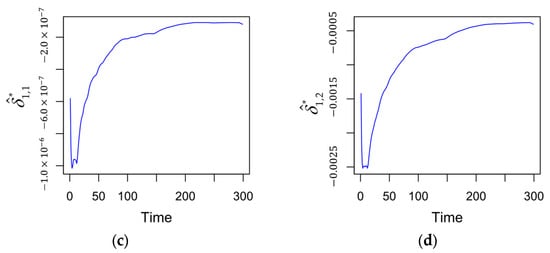
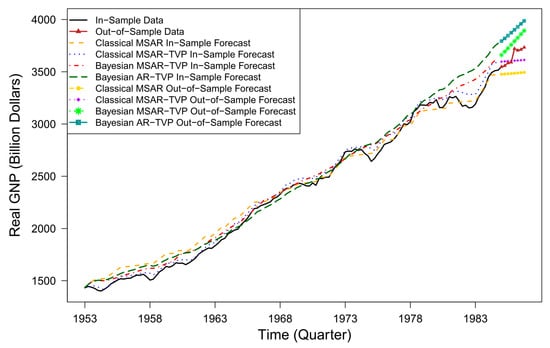
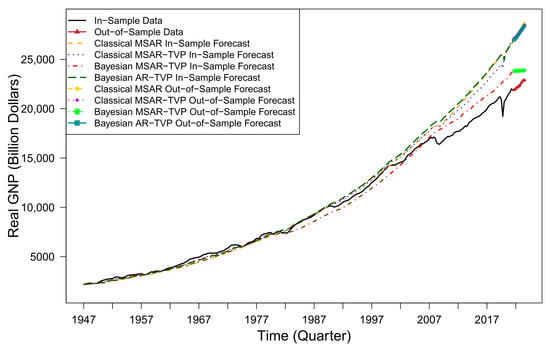
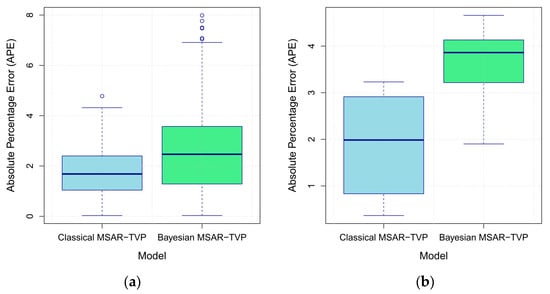
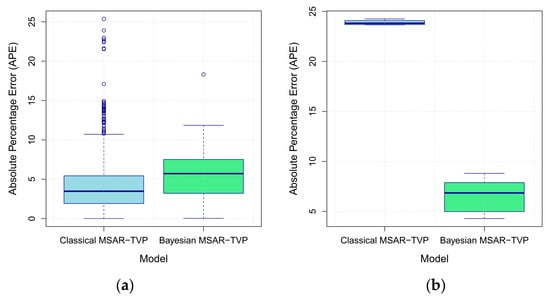
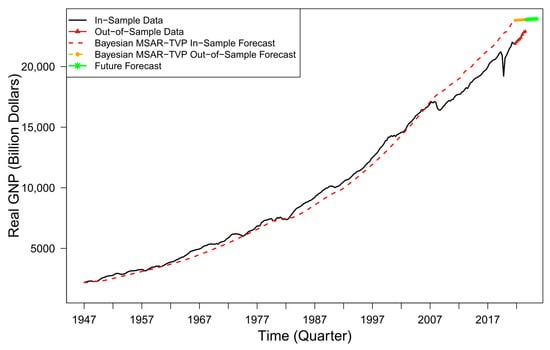
This research tackles the challenge of forecasting nonlinear time series data with stochastic structural variations by proposing the Markov switching autoregressive model with time-varying parameters (MSAR-TVP). Although effective in modeling dynamic regime transitions, the Classical MSAR-TVP faces challenges with complex datasets. To address these issues, a Bayesian MSAR-TVP framework was developed, incorporating flexible parameters that adapt dynamically across regimes. The model was tested on two periods of U.S. real GNP data: a historically stable segment (1952–1986) and a more complex, modern segment that includes more economic volatility (1947–2024). The Bayesian MSAR-TVP demonstrated superior performance in handling complex datasets, particularly in out-of-sample forecasting, outperforming the Bayesian AR-TVP, Classical MSAR-TVP, and Classical MSAR models, as evaluated by mean absolute percentage error (MAPE) and mean absolute error (MAE). For in-sample data, the Classical MSAR-TVP retained its stability advantage. These findings highlight the Bayesian MSAR-TVP’s ability to address parameter uncertainty and adapt to data fluctuations, making it highly effective for forecasting dynamic economic cycles. Additionally, the two-year forecast underscores its practical utility in predicting economic cycles, suggesting continued expansion. This reinforces the model’s significance for economic forecasting and strategic policy formulation.
Full article

Graphical abstract
Open AccessArticle
Smarter Chains, Safer Medicines: From Predictive Failures to Algorithmic Fixes in Global Pharmaceutical Logistics
by
Kathleen Marshall Park, Sarthak Pattnaik, Natasya Liew, Triparna Kundu, Ali Ozcan Kures and Eugene Pinsky
Forecasting 2025, 7(4), 78; https://doi.org/10.3390/forecast7040078 - 12 Dec 2025
Cited by 1
Abstract
Pharmaceutical manufacturing and logistics rely on accurate prediction and decision making to safeguard product quality, delivery reliability, and patient outcomes. Despite rapid advances in artificial intelligence (AI) and machine learning (ML), few studies benchmark model performance across the diverse operational demands of global
[...] Read more.
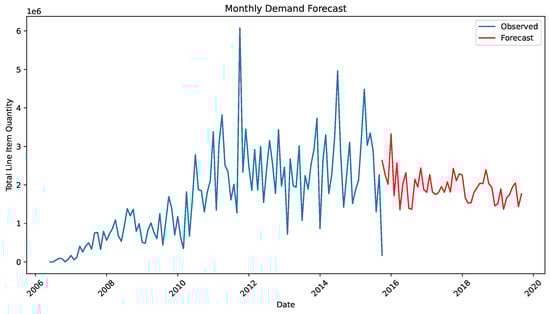
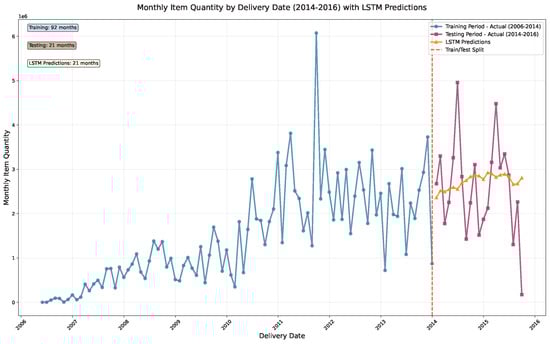
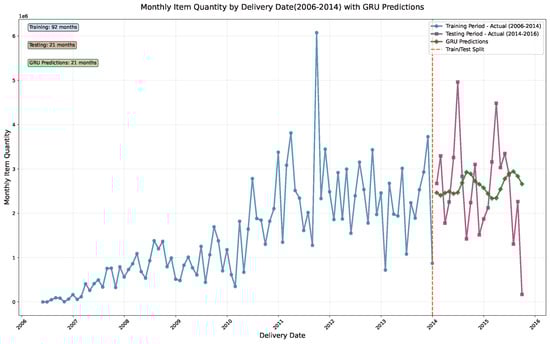
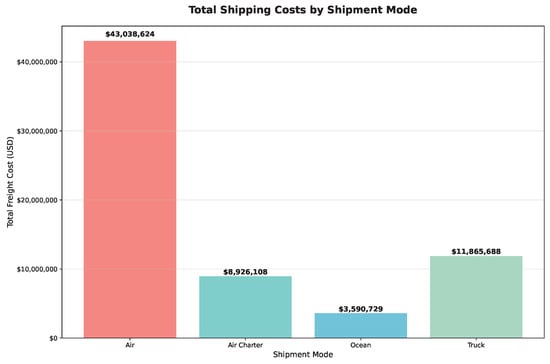
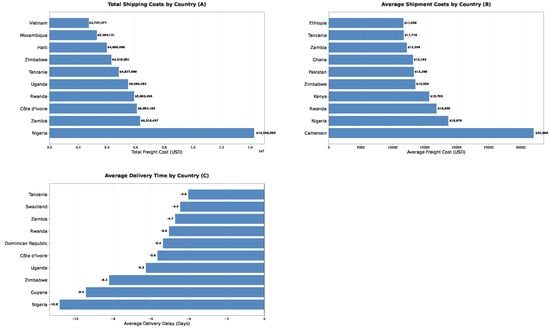
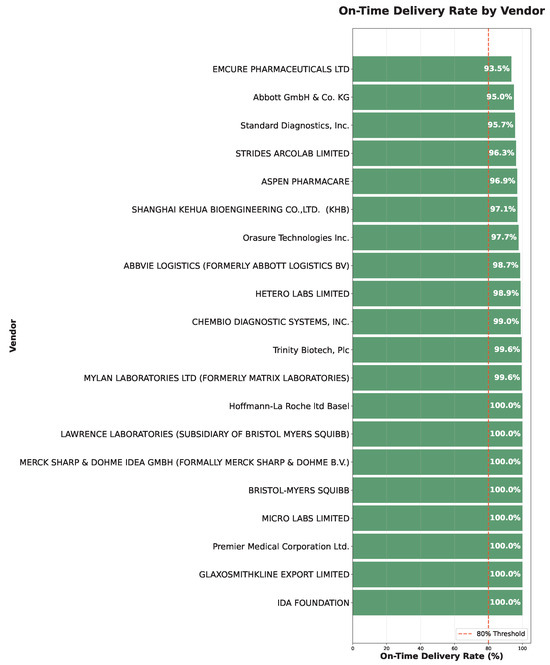
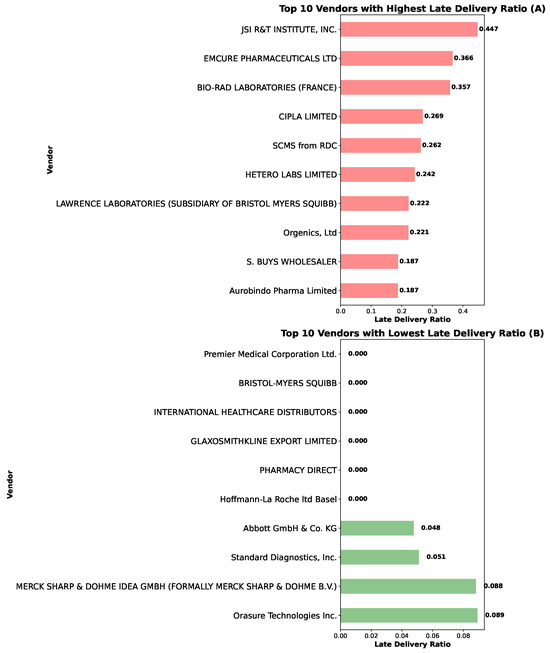
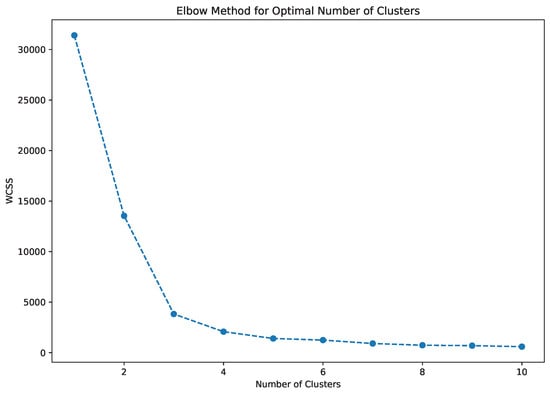
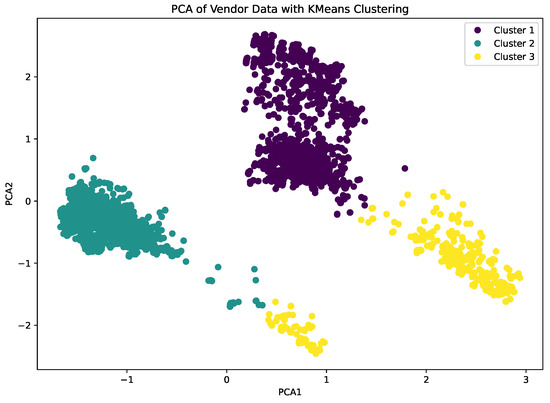
Pharmaceutical manufacturing and logistics rely on accurate prediction and decision making to safeguard product quality, delivery reliability, and patient outcomes. Despite rapid advances in artificial intelligence (AI) and machine learning (ML), few studies benchmark model performance across the diverse operational demands of global pharmaceutical supply chains. Predictive setbacks contribute to financial losses, reduced supply chain efficacy, and potential adverse health consequences, yet understanding these failures offers firms opportunities to refine strategy and strengthen resilience. Drawing on 1.2 million shipments spanning 39 countries, we compare traditional statistical models (ARIMA), ensemble methods (random forests, gradient boosting), and deep neural networks (LSTM, GRU, CNN, ANN) across pricing, demand forecasting, vendor management, and shipment planning. Gradient boosting produced the strongest pricing performance, while ARIMA delivered the lowest demand-forecasting errors but with limited explanatory power; neural networks captured nonlinear demand shocks and achieved superior maintenance-risk classification. We also identified three vendor performance clusters—high-performing, cost-efficient, and mixed-reliability vendors—enabling firms to better align shipment criticality with vendor capabilities by prioritizing high performers for urgent deliveries, leveraging cost-efficient vendors for non-urgent volumes, and managing mixed performers through targeted oversight. These insights highlight the value of our evidence-based roadmap for selecting algorithms in high-stakes healthcare logistics, in rapidly evolving, technologically complex global contexts where increasing algorithmic sophistication elevates the standards for safer, smarter pharmaceutical supply chains.
Full article
(This article belongs to the Section AI Forecasting)
►▼
Show Figures

Figure 1

Open AccessArticle
Decentralized Physical Infrastructure Networks (DePINs) for Solar Energy: The Impact of Network Density on Forecasting Accuracy and Economic Viability
by
Marko Corn, Anže Murko and Primož Podržaj
Forecasting 2025, 7(4), 77; https://doi.org/10.3390/forecast7040077 - 10 Dec 2025
Abstract
This study explores the role of decentralized physical infrastructure networks (DePINs) in enhancing solar energy forecasting, focusing on how network density influences prediction accuracy and economic viability. Using machine learning models applied to production data from 47 residential PV systems in Utrecht, Netherlands,
[...] Read more.
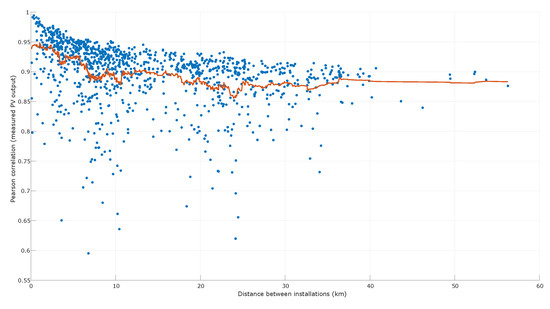
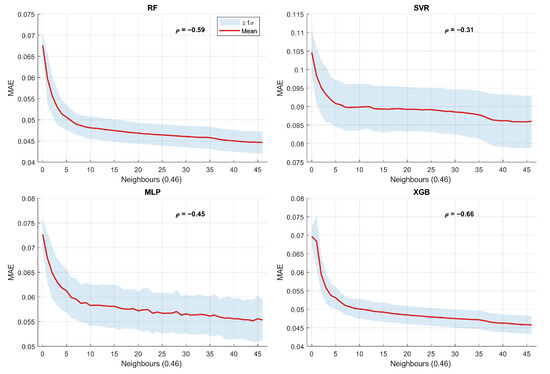
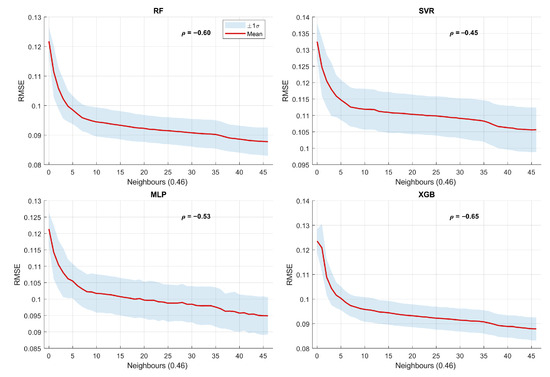
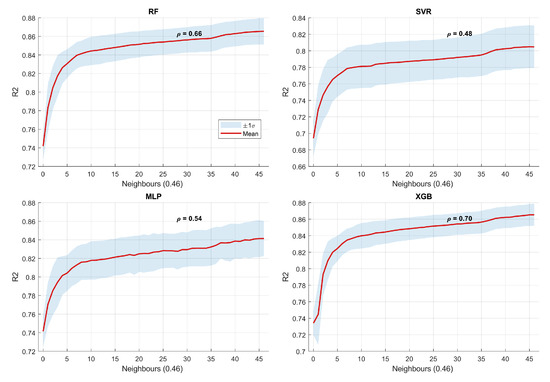
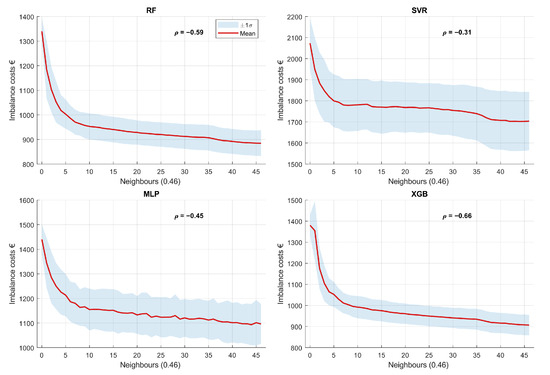
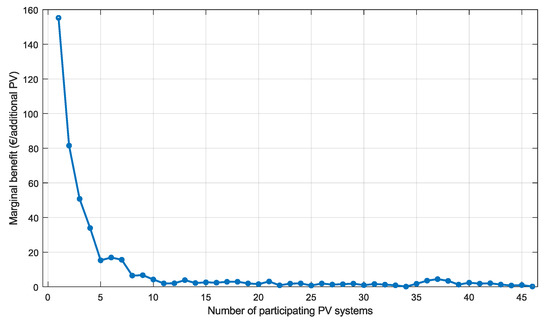
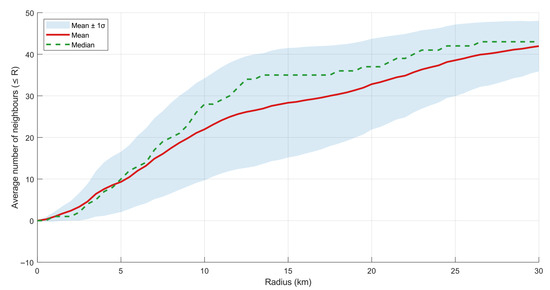
This study explores the role of decentralized physical infrastructure networks (DePINs) in enhancing solar energy forecasting, focusing on how network density influences prediction accuracy and economic viability. Using machine learning models applied to production data from 47 residential PV systems in Utrecht, Netherlands, we developed a hierarchical forecasting framework: Level 1 (clear-sky baseline without historical data), Level 2 (solo forecasting using only local historical data), and Level 3 (networked forecasting incorporating data from neighboring installations). The results show that networked forecasting substantially improves accuracy: under solo forecasting conditions (Level 2), the Random Forests model reduces Mean Absolute Error (MAE) by 17% relative to the Level 1 baseline, and incorporating all available neighbors (Level 3) further reduces the MAE by an additional 34% relative to Level 2, corresponding to a total improvement of 45% compared with Level 1. The largest accuracy gains arise from the first 10–15 neighbors, highlighting the dominant influence of local spatial correlations. These forecasting improvements translate into significant economic benefits. Imbalance costs decrease from EUR 1618 at Level 1 to EUR 1339 at Level 2 and further to EUR 884 at Level 3, illustrating the financial impact of both solo and networked data sharing. A marginal benefit analysis reveals diminishing returns beyond approximately 10–15 neighbors, consistent with spatial saturation effects within 5–10 km radii. These findings provide a quantitative foundation for incentive mechanisms in DePIN ecosystems and demonstrate that privacy-preserving data sharing mitigates data fragmentation, reduces imbalance costs for energy traders, and creates new revenue opportunities for participants, thereby supporting the development of decentralized energy markets.
Full article
(This article belongs to the Special Issue Renewable Energy Forecasting: Innovations and Breakthroughs)
►▼
Show Figures

Figure 1

Open AccessArticle
A Novel k-Nearest Neighbors Approach for Forecasting Sub-Seasonal Precipitation at Weather Observing Stations
by
Sean Guidry Stanteen, Jianzhong Su, Paul Flanagan and Xunchang John Zhang
Forecasting 2025, 7(4), 76; https://doi.org/10.3390/forecast7040076 - 10 Dec 2025
Abstract
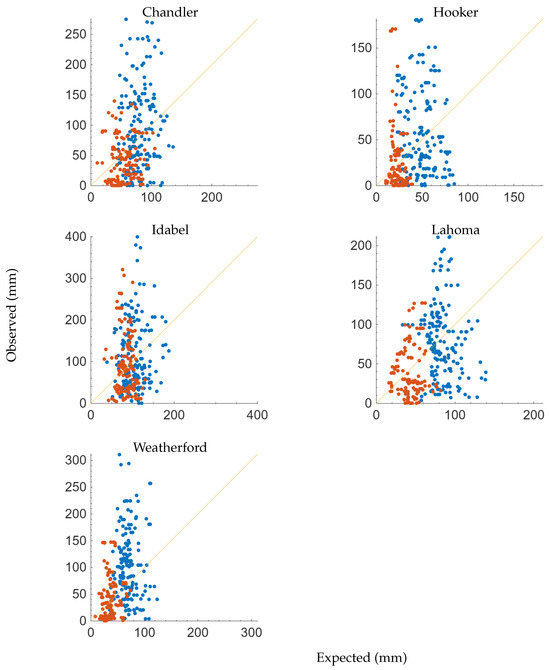
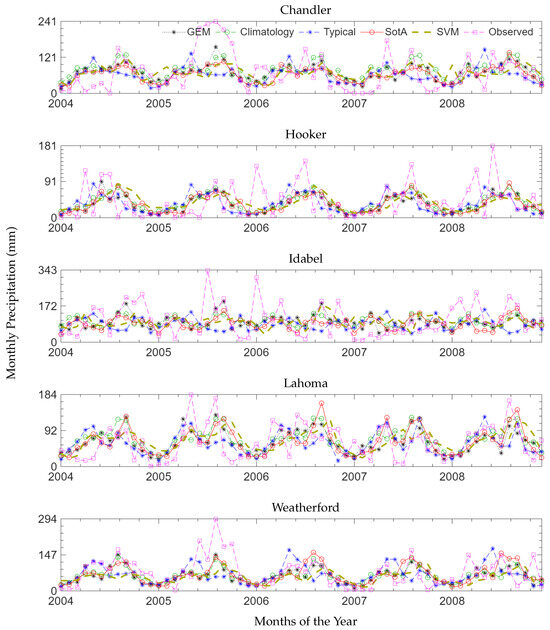
This study introduces a novel k-nearest neighbors (kNN) method of forecasting precipitation at weather-observing stations. The method identifies numerous monthly temporal patterns to produce precipitation forecasts for a specific month. Compared to climatological forecasts, which average the observed precipitation over
[...] Read more.
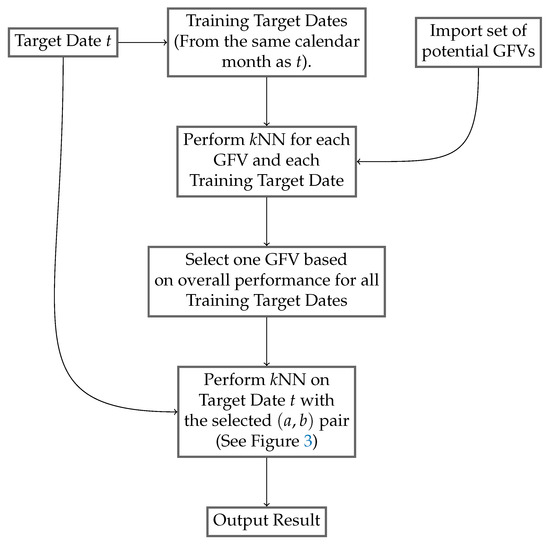
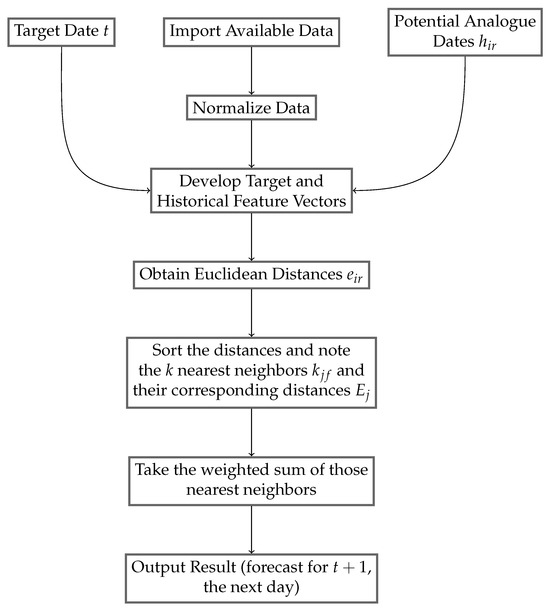
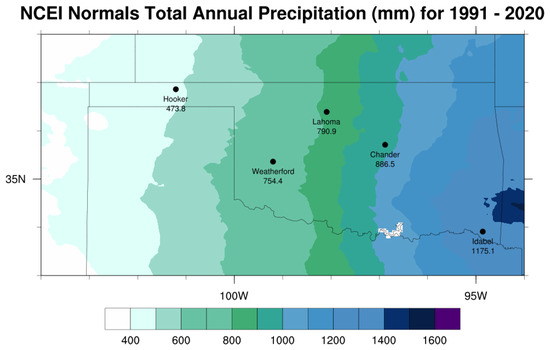
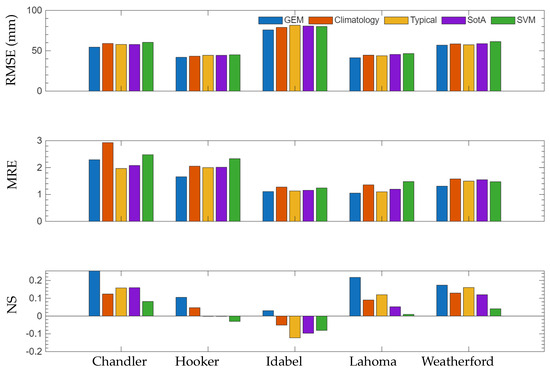
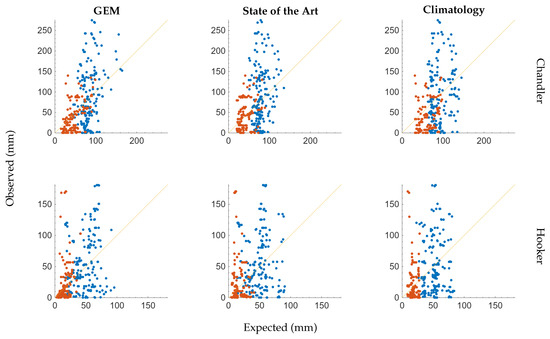
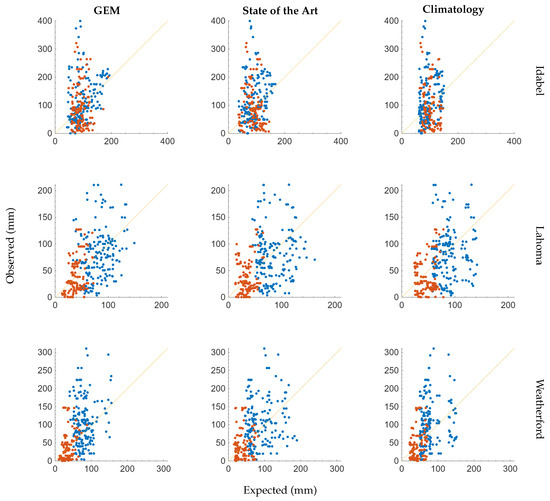
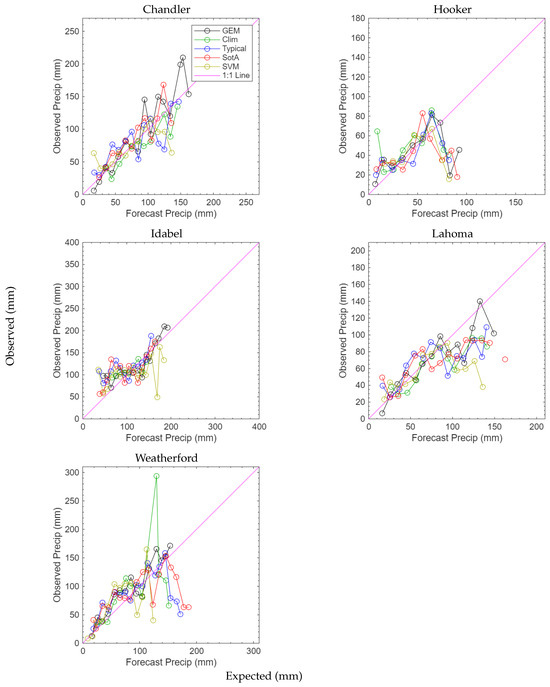
This study introduces a novel k-nearest neighbors (kNN) method of forecasting precipitation at weather-observing stations. The method identifies numerous monthly temporal patterns to produce precipitation forecasts for a specific month. Compared to climatological forecasts, which average the observed precipitation over the prior thirty years, and other existing contemporary iterations of kNN, the proposed novel kNN method produces more accurate forecasts on a consistent basis. Specifically, the novel kNN method produces improved root mean square errors (RMSE), mean relative errors, and Nash–Sutcliffe coefficients when compared to climatological and other kNN forecasts at five weather stations in Oklahoma. Rather than looking at the daily data for feature vectors, this novel kNN method takes so many days and evenly groups them, using the resulting average as one feature each. All methods tested were lacking in the ability to forecast wet extremes; however, the novel kNN method produced more frequent higher precipitation forecasts compared to climatology and the two other kNN methods tested.
Full article
(This article belongs to the Section Weather and Forecasting)
►▼
Show Figures

Figure 1

Open AccessArticle
A New Loss Function for Enhancing Peak Prediction in Time Series Data with High Variability
by
Mahan Hajiabbasi Somehsaraie, Soheyla Tofighi, Zhaoan Wang, Jun Wang and Shaoping Xiao
Forecasting 2025, 7(4), 75; https://doi.org/10.3390/forecast7040075 - 3 Dec 2025
Cited by 1
Abstract
Time series models are considered among the most intricate models in machine learning. Due to sharp temporal variations, time series models normally fall short in predicting the peaks or local minima accurately. To overcome this challenge, we proposed a novel custom loss function,
[...] Read more.
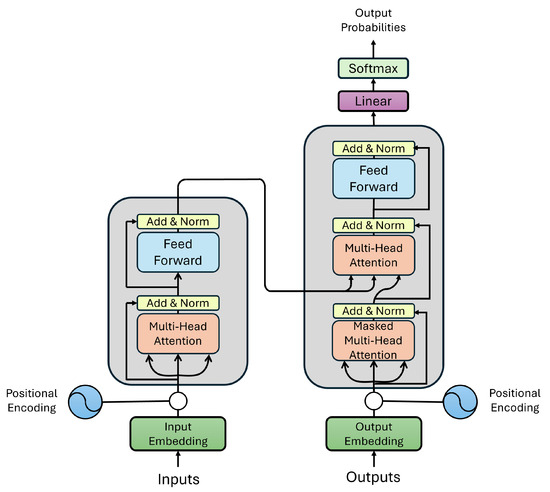
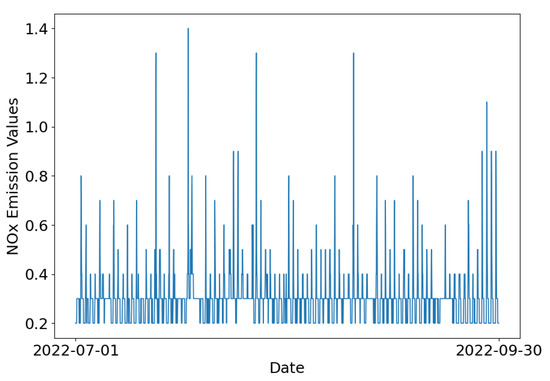
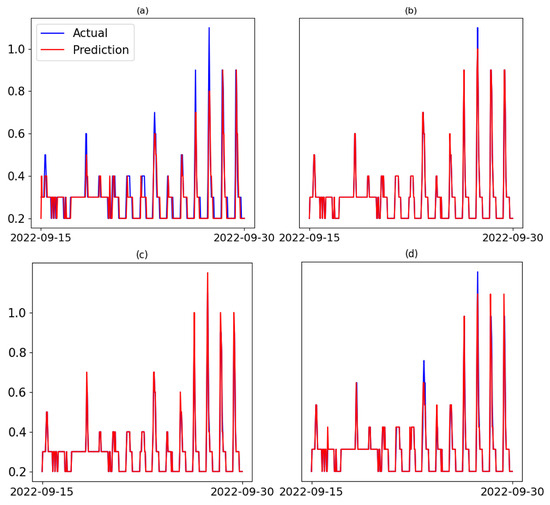
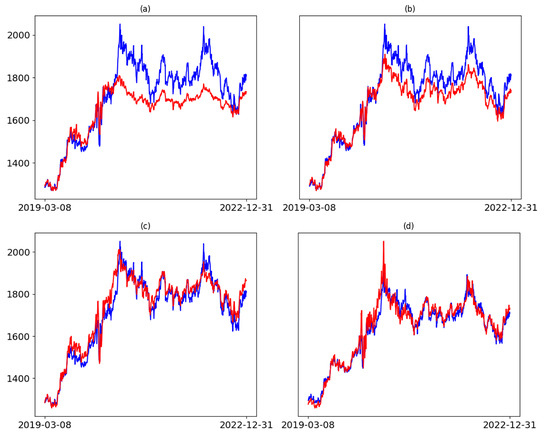
Time series models are considered among the most intricate models in machine learning. Due to sharp temporal variations, time series models normally fall short in predicting the peaks or local minima accurately. To overcome this challenge, we proposed a novel custom loss function, Enhanced Peak (EP) loss, specifically designed to pinpoint peaks and troughs in time series models, to address underestimations and overestimations in the forecasting process. EP loss applies an adaptive penalty when prediction errors exceed a specified threshold, encouraging the model to focus more effectively on these regions. To evaluate the effectiveness and versatility of EP loss, the loss function was tested on three highly variable datasets: NOx emissions, streamflow measurements, and gold price, implementing Gated Recurrent Unit and Transformer-based models. The results consistently demonstrated that EP loss significantly mitigates peak prediction errors compared to conventional loss functions, highlighting its potential for highly variable time series applications.
Full article
(This article belongs to the Special Issue Feature Papers of Forecasting 2025)
►▼
Show Figures

Figure 1
Open AccessArticle
A System Dynamics Framework for Market Share Forecasting in the Telecommunications Market
by
Nikolaos Kanellos, Dimitrios Katsianis and Dimitris Varoutas
Forecasting 2025, 7(4), 74; https://doi.org/10.3390/forecast7040074 - 30 Nov 2025
Abstract
►▼
Show Figures
This paper presents a novel system dynamics-based framework for forecasting market share evolution in the telecommunications sector. The framework conceptualizes market share as flows of subscribers—driven by churn, attraction, and market growth—between interconnected compartments representing providers. It is designed to operate with limited
[...] Read more.
This paper presents a novel system dynamics-based framework for forecasting market share evolution in the telecommunications sector. The framework conceptualizes market share as flows of subscribers—driven by churn, attraction, and market growth—between interconnected compartments representing providers. It is designed to operate with limited available market data and incorporates stochastic processes to capture market uncertainty, enabling risk-informed forecasts. The framework is applied to the Greek mobile telecommunications market using historical data (2006–2022), with a 5-year hold-back period for validation. Results highlight the dominant role of churn management in market share variability, particularly for the incumbent provider Cosmote, while subscriber attraction parameters show moderate influence for alternative providers Vodafone and Wind Hellas. Sensitivity analysis confirms the model’s robustness and identifies key drivers of forecast variability. The proposed framework provides actionable insights for strategic decision-making, making it a valuable tool for providers and policymakers to address churn, optimize attraction strategies, and ensure long-term competitiveness in dynamic markets.
Full article

Figure 1
Open AccessSystematic Review
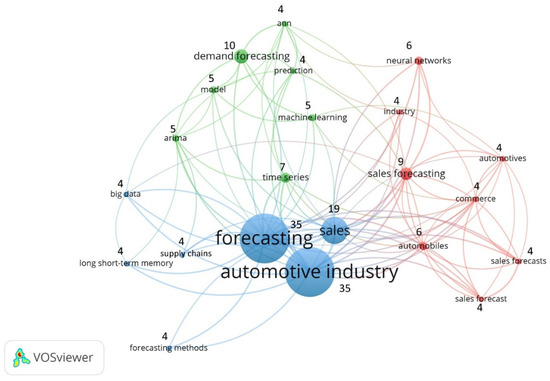
Demand Forecasting in the Automotive Industry: A Systematic Literature Review
by
Nehalben Ranabhatt, Sérgio Barreto, Marco Pimpão and Pedro Prates
Forecasting 2025, 7(4), 73; https://doi.org/10.3390/forecast7040073 - 28 Nov 2025
Cited by 1
Abstract
►▼
Show Figures
The automobile industry is one of the world’s largest manufacturing sectors and a key contributor to economic growth. Demand forecasting plays a critical role in supply chain management within the automotive sector. Reliable forecasts are essential for production planning, inventory control, and meeting
[...] Read more.
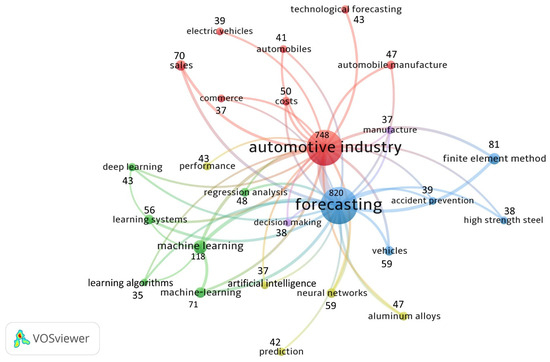
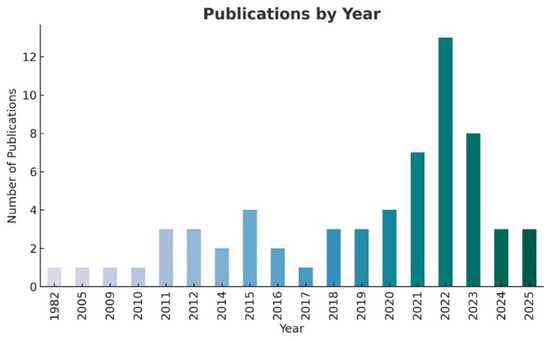
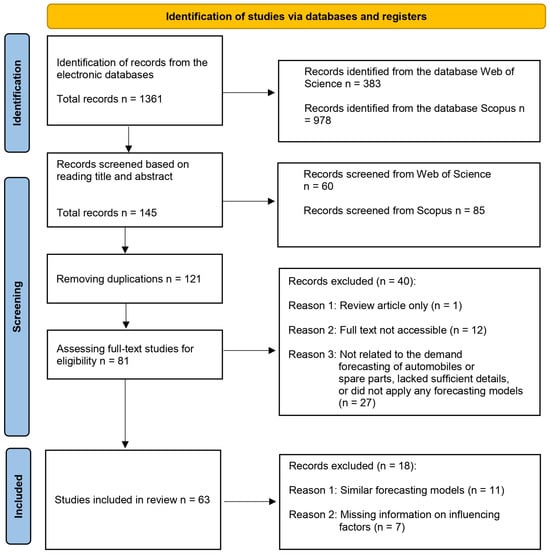
The automobile industry is one of the world’s largest manufacturing sectors and a key contributor to economic growth. Demand forecasting plays a critical role in supply chain management within the automotive sector. Reliable forecasts are essential for production planning, inventory control, and meeting market demands efficiently. However, accurately predicting demand remains a challenge due to the influence of external factors such as socioeconomic trends and weather conditions. This study presents a systematic literature review of the forecasting methods employed within the automotive industry, encompassing both vehicle and spare parts demand. Following PRISMA guidelines, 63 publications were identified and analyzed, covering traditional statistical models such as ARIMA and SARIMA, as well as state-of-the-art artificial intelligence approaches, including artificial neural networks. The review finds that classical statistical models remain prevalent for vehicle demand forecasting, Croston’s method dominates spare parts forecasting, and AI-based techniques increasingly outperform conventional models in recent studies. Furthermore, the review compiles a broad set of external variables influencing demand and highlights the common challenges associated with demand forecasting. It concludes by outlining potential directions for future research.
Full article

Figure 1
Highly Accessed Articles
Latest Books
E-Mail Alert
News
Topics
Topic in
Applied Sciences, Energies, Forecasting, Solar, Wind, Batteries
Solar and Wind Power and Energy Forecasting, 2nd Edition
Topic Editors: Emanuele Ogliari, Alessandro Niccolai, Sonia LevaDeadline: 31 July 2026
Topic in
Econometrics, Economies, JRFM, Forecasting
Modern Challenges and Innovations in Financial Econometrics
Topic Editors: Agnieszka Szmelter-Jarosz, Hamed NozariDeadline: 31 August 2027
Conferences
Special Issues
Special Issue in
Forecasting
Renewable Energy Forecasting: Innovations and Breakthroughs
Guest Editors: Grzegorz Mentel, Xin ZhaoDeadline: 1 June 2026
Special Issue in
Forecasting
Advancing Time Series Forecasting with Large Language Models: Innovations and Applications
Guest Editors: Manuela Pedio, Massimo Guidolin, Walayat Hussain, Kaijian HeDeadline: 1 August 2026
Special Issue in
Forecasting
Advanced Forecasting in an Era of Uncertainty and Its Impact on Strategic Investment Decisions
Guest Editors: Marek Nagy, Katarina ValaskovaDeadline: 30 November 2026
Special Issue in
Forecasting
Fire Weather in a Warming Climate: From Surface Indices to Atmospheric Dynamics
Guest Editors: Theodore M. Giannaros, Georgios PapavasileiouDeadline: 31 December 2026
Topical Collections
Topical Collection in
Forecasting
Supply Chain Management Forecasting
Collection Editors: Gokhan Egilmez, Juan Ramón Trapero Arenas
Topical Collection in
Forecasting
Near-Term Ecological Forecasting
Collection Editor: Michael Dietze