



Next Issue
Volume 23, January
Previous Issue
Volume 22, November
 
 
ijerph-logo

Journal Browser

Journal Browser

Int. J. Environ. Res. Public Health, Volume 22, Issue 12 (December 2025) – 122 articles
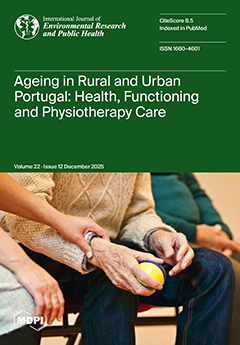
Cover Story (view full-size image): Where people live increasingly shapes how they grow older. In Portugal, older adults face not only the biological challenges of later life but also distinct social and environmental conditions that influence health, independence, and participation in daily life. This study explores how ageing unfolds differently in rural and urban settings, examining health status, functional capacity, lifestyle, and social engagement among adults aged 65 and over. It reveals marked rural–urban disparities, with rural residents showing poorer physical performance, a higher burden of chronic disease, and greater restrictions in social participation. These findings underscore the importance of context-sensitive, community-based physiotherapy strategies to reduce inequalities and promote healthy ageing across diverse living environments. View this paper
  • Issues are regarded as officially published after their release is announced to the table of contents alert mailing list.
  • You may sign up for e-mail alerts to receive table of contents of newly released issues.
  • PDF is the official format for papers published in both, html and pdf forms. To view the papers in pdf format, click on the "PDF Full-text" link, and use the free Adobe Reader to open them.
Order results
Result details
Section
Select all
Export citation of selected articles as:
22 pages, 1049 KB  
Article
Pilot Study on Risk Perception in Practices with Medical Cyclotrons in Radiopharmaceutical Centers in Latin American Countries: Diagnosis and Corrective Measures
by Frank Montero-Díaz, Antonio Torres-Valle and Ulises Jauregui-Haza
Int. J. Environ. Res. Public Health 2025, 22(12), 1885; https://doi.org/10.3390/ijerph22121885 - 18 Dec 2025
Viewed by 416
Abstract
Practices with medical cyclotrons to produce PET radiopharmaceuticals in Latin America represent a technological advance for the diagnosis and treatment of diseases such as cancer, but they involve occupational risks due to exposure to ionizing radiation. This study evaluates the perception of risk [...] Read more.
Practices with medical cyclotrons to produce PET radiopharmaceuticals in Latin America represent a technological advance for the diagnosis and treatment of diseases such as cancer, but they involve occupational risks due to exposure to ionizing radiation. This study evaluates the perception of risk in 46 radiopharmacy service workers in 13 countries in the region (Argentina, Bolivia, Brazil, Chile, Colombia, Costa Rica, Cuba, Ecuador, Mexico, Peru, Portugal, Dominican Republic and Venezuela), analyzing differences by gender and age. The questionnaire, validated by reliability analysis (Cronbach’s coefficient α > 0.7), was statistically analyzed with means, standard deviations (SD) and standard errors (SE), 95% confidence intervals (Student’s t-distribution), and coefficients of variation (CV) to assess the dispersion of each variable. The results reveal general underestimation in dimensions such as reversibility of consequences (SD = 0.7142, SE = 0.1053) and familiarity (SD = 0.8410, SE = 0.124), promoting complacency, while immediacy of consequences shows overestimation (SD = 0.9760, SE = 0.1439), amplifying anxiety. By gender, women tend to overestimate (e.g., immediacy = 2.5) and men underestimate (e.g., confidence = 1.78); by age, young people (26–45 years old) overestimate more than older people (≥46 years old). These deviations, with high QoL indicating heterogeneity, suggest interventions such as continuous training, real-time monitoring, and communication campaigns to balance perception. Practical recommendations include job rotations to reduce underestimation due to familiarity and simulations to mitigate emotional overestimation, which are aligned with IAEA regulations (GSR Part 3, SSG-46) to promote a sustainable safety culture. Full article
Show Figures

Figure 1

15 pages, 988 KB  
Article
Validating the Nepalese Short Attitudes Toward Mental Health Problems Scale (N-SATMHPS): A Culturally Sensitive Tool for Assessing Mental Health Stigma
by Dev Bandhu Poudel, Takashi Yoshioka, Rory Colman and Yasuhiro Kotera
Int. J. Environ. Res. Public Health 2025, 22(12), 1884; https://doi.org/10.3390/ijerph22121884 - 18 Dec 2025
Viewed by 933
Abstract
(1) Background: Negative attitudes toward mental health problems remain a barrier for help-seeking, especially in collectivist, lower-middle-income countries like Nepal. While the Attitudes Towards Mental Health Problems Scale (ATMHPS) has been used globally, it has not been formally validated for Nepalese populations. This [...] Read more.
(1) Background: Negative attitudes toward mental health problems remain a barrier for help-seeking, especially in collectivist, lower-middle-income countries like Nepal. While the Attitudes Towards Mental Health Problems Scale (ATMHPS) has been used globally, it has not been formally validated for Nepalese populations. This study aimed to culturally adapt and psychometrically validate a concise Nepalese version of the scale. (2) Methods: We conducted a cross-sectional study and recruited participants through an opportunity sampling method. We developed the Nepalese Short Version of the Attitudes Towards Mental Health Problems Scale (N-SATMHPS) using Dataset 1 (n = 384) and validated it with Dataset 2 (n = 803). Items were selected based on internal consistency indices. Fourteen items showing the strongest reliability were retained from the original seven subscales. A confirmatory factor analysis and internal consistency testing were used to assess psychometric properties. (3) Results: The N-SATMHPS showed a strong internal consistency (α = 0.74–0.92) and excellent model fit (χ2/df = 1.92, CFI = 0.982, TLI = 0.970, RMSEA = 0.049, SRMR = 0.026). Correlations with the full version ranged from r = 0.79 to 0.96. Discriminant validity with Mental Health Literacy Questionnaire—Young Adults (MHLQ-YA) showed weak but significant correlations, confirming construct distinction. (4) Conclusions: The scale captured key Nepalese cultural constructs, such as shame and family honor. It also aligned with collectivist cultural expectations. The N-SATMHPS demonstrates strong psychometric performance and cultural relevance. It is suitable for research and intervention work aimed at reducing stigma and improving mental health in Nepal. Full article
(This article belongs to the Special Issue Cross-Cultural Perspectives on Mental Health Personal Recovery)
Show Figures

Figure A1

17 pages, 769 KB  
Article
Motorized Two-Wheeled Vehicles Contribute Disproportionately to the Increase in Pandemic-Period Road Traffic Fatalities in New York State
by Joyce C. Pressley, Zarah Aziz, Leah Hines, Jancarlos Guzman, Emilia Pawlowski and Michael Bauer
Int. J. Environ. Res. Public Health 2025, 22(12), 1883; https://doi.org/10.3390/ijerph22121883 - 18 Dec 2025
Viewed by 313
Abstract
Background: New York State, like many other states, experienced a significant increase in road traffic deaths during the COVID-19 pandemic that is not fully understood. Our earlier work using the Safe System framework suggests a shift in the distribution of vehicle types that [...] Read more.
Background: New York State, like many other states, experienced a significant increase in road traffic deaths during the COVID-19 pandemic that is not fully understood. Our earlier work using the Safe System framework suggests a shift in the distribution of vehicle types that may have contributed to this phenomenon. Methods: To further investigate this, variables from the Fatality Analysis Reporting System (FARS) were mapped onto the Safe System framework and used to examine factors associated with motorized two- and three-wheeled vehicle deaths. Two time periods were examined: pre-pandemic (1 April 2017–31 December 2019, n = 428) and the COVID-19 pandemic era (1 April 2020–31 December 2022, n = 600). A buffer pandemic transition period (1 January 2020–31 March 2020) was excluded. Percent difference, chi-square tests, and multivariable logistic regression (OR, 95% CI) were used. Results: Compared to pre-COVID-19, pandemic-period motorized two-wheeled deaths were 40.2% higher, helmet wearing lower (80.2% vs. 90.6%, p < 0.0001), urban roadway deaths higher (76.7% vs. 64.0%, p < 0.0001), and fully licensed drivers lower (78.4% vs. 89.9%, p < 0.0001), with unlicensed drivers doubling between the two periods (8.7% to 17.6%, p < 0.0001). Deaths associated with mopeds/motor scooters/minibikes increased 361.5% between study periods, from 3% to 10% of motorized two-wheeled deaths. Adjusted multivariable risk factors for pandemic-period death were age 30–39 years (1.601, 1.155–2.311), being unhelmeted (3.191, 2.109–4.968), being in an urban area (1.898, 1.425–2.533), being unlicensed (1.968, 1.228–33.216) and riding an off-road motorcycle (3.753. 1.391–13.063), moped or motor scooter/minibike (3.540, 1.971–6.842). Conclusions: Total mortality was higher in the COVID-19–era timeframe, with the increase differing significantly by vehicle type, helmet use, licensure status, and urbanization. Due to the increase in motorized two-wheeled vehicles, they should be incorporated into surveillance systems and injury prevention strategies. Full article
Show Figures

Figure 1

25 pages, 610 KB  
Review
Assessment of Noise Exposure in United States Urban Public Parks: A Scoping Review
by Ugoji Nwanaji-Enwerem, Kevin M. Mwenda, Shira Dunsiger and Diana Grigsby-Toussaint
Int. J. Environ. Res. Public Health 2025, 22(12), 1882; https://doi.org/10.3390/ijerph22121882 - 18 Dec 2025
Viewed by 359
Abstract
Adverse exposure to noise pollution is increasingly recognized as a significant public health concern. Strong evidence links noise exposure with negative health outcomes such as cardiovascular disease, mental disorders, stress, and sleep disturbance. The presence of noise in parks, which are environmental settings [...] Read more.
Adverse exposure to noise pollution is increasingly recognized as a significant public health concern. Strong evidence links noise exposure with negative health outcomes such as cardiovascular disease, mental disorders, stress, and sleep disturbance. The presence of noise in parks, which are environmental settings associated with health promotion, recreation, and restoration, presents a paradox that warrants further exploration. The United States offers a distinct context for exploring this paradox, given its vast public park system and a wide array of anthropogenic and environmental noise sources. Our scoping review synthesized findings from fifteen research studies that investigated noise exposure and noise levels in United States public parks. The review examined how studies measured noise, the integration of subjective perceptions with objective assessments, and the role of park characteristics in shaping park visitor noise experiences. Results highlighted varying methodological approaches, with some studies employing sound level meters or modeling techniques, while others also incorporated surveys to capture visitor perceptions. Despite this variety, evidence on the direct health impacts of park noise exposure remains limited, and longitudinal studies are largely absent. Notably, few studies evaluated how noise interacts with other environmental exposures, such as air pollution or greenness, to influence visitor perception and wellness. By synthesizing the current evidence base, this review suggests knowledge gaps and few methodological inconsistencies that limit the field. Findings call for future research mobilizing standardized, multimodal noise assessment methods, and considerations for health outcome measures. Such advancements are important for informing public health interventions and guiding urban planning strategies to improve the acoustic quality and restorative potential of US parks. Full article
Show Figures

Figure 1

15 pages, 581 KB  
Article
Barriers to Chronic Disease Healthcare Access in Rural Eastern Cape Province, South Africa
by Siphelele Mntungwana, Ntiyiso Vinny Khosa, Andiswa Esethu Buso and Nomfuneko Sithole
Int. J. Environ. Res. Public Health 2025, 22(12), 1881; https://doi.org/10.3390/ijerph22121881 - 18 Dec 2025
Viewed by 285
Abstract
Background: Inadequate access to healthcare in rural areas worsens the burden of disease, leading to increased morbidity and mortality rates. This study aims to explore the multifaceted barriers that hinder access to chronic disease management at selected rural facilities of the Eastern [...] Read more.
Background: Inadequate access to healthcare in rural areas worsens the burden of disease, leading to increased morbidity and mortality rates. This study aims to explore the multifaceted barriers that hinder access to chronic disease management at selected rural facilities of the Eastern Cape Province. Methods: An exploratory descriptive qualitative design was used to collect data from a sample size of 32 participants (23 patients and 9 health professionals) between November and December 2024. A convenient sampling technique was used to select participants for the study. Semi-structured interviews were audio-recorded; transcribed; and analyzed using thematic analysis. The interview tool was piloted in one of the primary healthcare facilities in the Eastern Cape, which was not used in the actual study. Ethical principles were adhered to throughout the study. The study adhered to the Access to Healthcare conceptual framework. Results: The study identified three themes: barriers of access to healthcare services, experiences and perspectives, and existing strategies or interventions. Conclusions: Addressing systemic issues like workforce shortages, infrastructure deficits, and socioeconomic challenges in rural Eastern Cape requires a multifaceted approach, including strengthening community-based services and ensuring equitable resource distribution. Full article
Show Figures

Figure 1

17 pages, 323 KB  
Review
Complexity and Barriers to Vision Care: A Narrative Review Informed by a Mobile Eye Program
by Valeria Villabona-Martinez, Anne Schulman, Bharadwaj Chirravuri, Kerollos Kamel, Paula A. Sepulveda-Beltran, Zeila Hobson and Evan L. Waxman
Int. J. Environ. Res. Public Health 2025, 22(12), 1880; https://doi.org/10.3390/ijerph22121880 - 18 Dec 2025
Viewed by 276
Abstract
Purpose: To describe structural and systemic barriers to ophthalmic care experienced by underserved patients, particularly those facing language obstacles, immigration-related constraints, limited insurance coverage, financial hardship, and navigation challenges in an urban setting, and to examine these barriers through a complexity-informed lens. [...] Read more.
Purpose: To describe structural and systemic barriers to ophthalmic care experienced by underserved patients, particularly those facing language obstacles, immigration-related constraints, limited insurance coverage, financial hardship, and navigation challenges in an urban setting, and to examine these barriers through a complexity-informed lens. Methods: We conducted a narrative literature review focused on healthcare disparities, patient navigation, complexity in care delivery, and time-sensitive prioritization frameworks in ophthalmology. Findings were integrated with case vignettes drawn from Eyes on Wheels (EOW), a mobile eye care initiative that provides no-cost examinations at Federally Qualified Health Centers (FQHCs) and free clinics. Cases were identified through routine clinical documentation and used to illustrate how structural barriers described in the literature manifest in real-world care pathways. Results: Three recurring system-level issues were identified across EOW encounters: (A) misclassification of medically necessary, time-sensitive ophthalmic care as “non-urgent”; (B) patient disengagement driven by cumulative structural and logistical barriers; and (C) failures that arise when the healthcare system, functioning as a complex adaptive system (CAS), is unable to adapt to patients’ and systems’ changing circumstances. A review of the literature confirmed that these patterns reflect widely documented challenges faced by underserved urban populations. Three EOW case vignettes, selected from seven patients identified in 2024, are presented as illustrative examples of these systemic patterns. Conclusions: Addressing inequities in eye care requires an approach that recognizes how many parts of the healthcare system interact and affect a patient’s ability to receive timely treatment. Vision loss is often the preventable result of systems that are rigid, fragmented, or unable to adapt to a patient’s circumstances. Improving outcomes will require flexible care models, such as mobile clinics, paired with strong institutional support, patient-centered navigation, and consistent assessment of social needs and barriers to care. Sustained progress will depend on collaboration across organizations, adaptable leadership, and policies that respond to the real-world situations in which patients live. Full article
(This article belongs to the Special Issue Advances and Trends in Mobile Healthcare)
15 pages, 284 KB  
Article
How Do Young Women Perceive Adult Responses to the Disclosure of Their Self-Harm and What Is the Impact of That Perception?
by Demee Rheinberger, Isabel Mahony, Anastasia Hronis, Samantha Tang, Helen Christensen, Fiona Shand, Alexis Whitton, Katherine Boydell, Aimy Slade and Alison L. Calear
Int. J. Environ. Res. Public Health 2025, 22(12), 1879; https://doi.org/10.3390/ijerph22121879 - 17 Dec 2025
Viewed by 199
Abstract
Rates of self-harm amongst young women are rising. However, only half of individuals disclose self-harm, and when they do, they may be met with responses that can be harmful or helpful to recovery. The aim of the current study is to understand how [...] Read more.
Rates of self-harm amongst young women are rising. However, only half of individuals disclose self-harm, and when they do, they may be met with responses that can be harmful or helpful to recovery. The aim of the current study is to understand how young women perceive adult (e.g., parents, health professionals) responses to their self-harm disclosures, and the impact these responses have on them. Semi-structured interviews were conducted with young women (N = 27, M age = 20.9, SD = 2.1) reporting a history of self-harm. Reflexive thematic analysis was used to analyse the data, with three main themes generated: (1) the young woman’s needs were diminished, (2) the confidant’s response was not attuned to their needs, and (3) the confidant’s response was attuned to their needs. The first theme reflects responses that felt dismissive or elicited feelings of discomfort or shame. The second theme captures responses that failed to resonate with the participant’s needs or were unhelpful or invalidating. The third theme represents responses that elicited feelings of being cared for or validated. Future interventions could focus on educating parents and health professionals about the best approaches to responding to self-harm disclosures that promote future disclosure and recovery. Full article
(This article belongs to the Section Behavioral and Mental Health)
11 pages, 564 KB  
Article
Occupation and Female Breast Cancer Mortality in South Africa: A Case–Control Study
by Melitah Motlhale, Hlologelo Ramatsoma, Tsoseletso Maabela, Kerry Wilson and Nisha Naicker
Int. J. Environ. Res. Public Health 2025, 22(12), 1878; https://doi.org/10.3390/ijerph22121878 - 17 Dec 2025
Viewed by 372
Abstract
Breast cancer is the most frequently diagnosed malignancy among South African women and remains a leading cause of cancer-related death, yet the role of occupation as an independent predictor of mortality has not been evaluated nationally. In this unmatched case–control study using 2011–2019 [...] Read more.
Breast cancer is the most frequently diagnosed malignancy among South African women and remains a leading cause of cancer-related death, yet the role of occupation as an independent predictor of mortality has not been evaluated nationally. In this unmatched case–control study using 2011–2019 mortality data, we compared 13,207 breast cancer deaths with 64,849 non-malignant circulatory disease deaths among women aged 30 years and older, classifying usual occupation into major and sub-groups. A multivariable binary logistic regression adjusting for age, year of death, education, province of death and smoking status was conducted. We observed that compared with elementary occupations, breast cancer mortality was significantly higher during 2011–2015 among legislators, senior officials and managers (aMOR = 1.79, 95% CI: 1.36–2.36), clerks (aMOR = 1.75, 95% CI: 1.46–2.11), professionals (aMOR = 1.62, 95% CI: 1.36–1.94), craft and related trades workers (aMOR = 1.55, 95% CI: 1.18–2.05), technicians and associate professionals (aMOR = 1.54, 95% CI: 1.21–1.96), and service workers, shop and market sales workers (aMOR = 1.33, 95% CI: 1.10–1.62), with similar patterns persisting in 2016–2019 where technicians and associate professionals (aMOR = 1.69, 95% CI: 1.44–1.98), legislators, senior officials and managers (aMOR = 1.59, 95% CI: 1.20–2.10), professionals (aMOR = 1.47, 95% CI: 1.23–1.75), clerks (aMOR = 1.43, 95% CI: 1.24–1.65), and service workers (aMOR = 1.34, 95% CI: 1.12–1.61) again showed elevated odds. The sub-occupation analyses for 2011–2015 identified strikingly high risks among building and related trades workers excluding electricians (aMOR = 8.01, 95% CI: 3.06–20.96), legal, social and cultural professionals (aMOR = 3.32, 95% CI: 2.18–5.04), and business and administration professionals (aMOR = 2.18, 95% CI: 1.60–2.97). The results underscore occupation as an essential determinant of breast cancer mortality, highlighting the need for targeted prevention and screening strategies in workers. Full article
Show Figures

Figure 1

17 pages, 411 KB  
Review
Art Therapy and Art Making for Addressing Cancer-Related Pain and Distress in Adult Populations: A Scoping Review
by Nina H. Russin, Alexis M. Koskan and Matthew P. Martin
Int. J. Environ. Res. Public Health 2025, 22(12), 1877; https://doi.org/10.3390/ijerph22121877 - 17 Dec 2025
Viewed by 359
Abstract
Background: Worldwide, cancer is a leading cause of morbidity and mortality, with symptoms of pain and emotional distress, associated with the disease and its treatment. Art therapy and art making are promising adjuncts to pharmacotherapy for these symptoms. However, current studies do not [...] Read more.
Background: Worldwide, cancer is a leading cause of morbidity and mortality, with symptoms of pain and emotional distress, associated with the disease and its treatment. Art therapy and art making are promising adjuncts to pharmacotherapy for these symptoms. However, current studies do not support replacing pharmacotherapy with these methods. Research Question: Is there evidence supporting the use of art therapy and/or art making interventions for managing cancer-related pain (primary outcome) and emotional distress (secondary outcome) among adult cancer survivors, during and following active treatment? Methods: We searched six databases, including PubMed, CINAHL, Scopus, ProQuest (library’s version), and Google Scholar, using the search terms “cancer pain” AND “art therapy” OR “art making.” Inclusion criteria included English language, peer-reviewed studies, on adult cancer survivors. The search yielded 1305 results, with 23 meeting the inclusion criteria. Because emotional distress was frequently discussed in the context of cancer-related pain in the included studies, it was added as a secondary outcome. Results: The efficacy of art therapy/art making to manage cancer-related pain and emotional distress was difficult to determine due to the heterogeneity of study designs and interventions. Of the studies reviewed in which pain was a primary outcome, eight found significant pain reductions, three found small or no effects, and three reviews described art making as a non-verbal method of communicating about pain, but did not address changes in pain levels. The terms “art therapy” and “art making” were sometimes used interchangeably. The choice of therapeutic approach was sometimes financially driven, and was also impacted by the availability of certified art therapists. Discussion: Methodological shortcomings of the existing research include small sample sizes, lack of standardized intervention protocols, and inconsistent outcome measures, underscoring the need for more rigorous and generalizable studies. Future research should consider neuroimaging evidence linking aesthetic experiences with activation of the brain’s “reward network” by utilizing fMRI to study brain activity during art therapy and art making interventions. Full article
Show Figures

Figure 1

22 pages, 1008 KB  
Article
Perceptions of Health in the Denver Refugee Community: A Mixed-Methods Study
by Katherine Boyd, Jini Puma, Anne Lambert-Kerzner, Benjamin C. Ingman, Maytham Alshadood and Carol E. Kaufman
Int. J. Environ. Res. Public Health 2025, 22(12), 1876; https://doi.org/10.3390/ijerph22121876 - 17 Dec 2025
Viewed by 202
Abstract
Refugees often face significant barriers to healthcare access and integration, contributing to poor health outcomes. Although perceptions of health are known predictors of self-reported health status, little is known about how refugees themselves conceptualize health. This study employed a community-engaged, transformative mixed-methods design [...] Read more.
Refugees often face significant barriers to healthcare access and integration, contributing to poor health outcomes. Although perceptions of health are known predictors of self-reported health status, little is known about how refugees themselves conceptualize health. This study employed a community-engaged, transformative mixed-methods design to explore refugee health perceptions in the Denver-metro area. Data collection included 149 surveys and 27 interviews with refugees and asylum seekers conducted between November 2018 and March 2019. Hierarchical linear regression was used to assess associations between social determinants of health (SDoH) and self-reported health, while qualitative data were analyzed using a constant comparative approach. The final regression model explained 75.8% of the variance in self-reported health (R2 = 0.758, p < 0.001). Significant predictors included country of origin (Burma: −3.419, p = 0.030; Somalia: −9.155, p < 0.001), age (1.901, p < 0.001), sex (male: −3.252, p < 0.001), and education level (−0.999, p < 0.001). Qualitative findings revealed themes such as health as the ability to live life and health as happiness, each shaped by cultural context, community connectedness, and perceptions of safety. Integrating these findings highlights how structural conditions and culturally rooted understandings of well-being intersect to shape refugee health after resettlement. This study underscores the need for public health and clinical interventions that center refugee-defined priorities and suggests future research should incorporate constructs, such as happiness and culturally grounded notions of safety, that emerged as central to health in this study. Full article
Show Figures

Figure 1

23 pages, 479 KB  
Article
Prenatal Exposure to Phthalates, Bisphenols and Their Mixtures and Early Childhood Allergic Conditions and Asthma: Results from the APrON Cohort
by Emily Bartram, Gillian England-Mason, Jonathan W. Martin, Amy M. MacDonald, David W. Kinniburgh, Deborah Dewey and Munawar Hussain Soomro
Int. J. Environ. Res. Public Health 2025, 22(12), 1875; https://doi.org/10.3390/ijerph22121875 - 17 Dec 2025
Viewed by 374
Abstract
Associations between prenatal exposure to phthalates, bisphenols and their mixtures and early childhood allergic conditions and asthma were examined. Five hundred and fifty-six mother–child pairs from the Alberta Pregnancy Outcomes and Nutrition (APrON) cohort participated. Urine samples collected from mothers during the second [...] Read more.
Associations between prenatal exposure to phthalates, bisphenols and their mixtures and early childhood allergic conditions and asthma were examined. Five hundred and fifty-six mother–child pairs from the Alberta Pregnancy Outcomes and Nutrition (APrON) cohort participated. Urine samples collected from mothers during the second trimester of pregnancy were analyzed for phthalates and bisphenols. A child health questionnaire, completed by mothers when children were 12, 24, and 36 months, asked whether children had experienced allergic conditions (i.e., food allergies, eczema, rash) or asthma. In single-chemical models, associations varied with child age. Higher prenatal concentrations of mono-benzyl phthalate (MBzP) were associated with lower odds of eczema at 12 months. At 36 months, higher mono-methyl phthalate (MMP) was associated with increased odds of eczema, whereas higher mono-carboxy-octyl phthalate (MCOP) was associated with reduced odds. Higher prenatal MCOP was also associated with higher odds of rash at 12 months, and higher MMP was associated with higher odds of rash at 36 months. Higher bisphenol S (BPS) was associated with increased odds of asthma at 12 months but decreased odds of eczema and rash at 36 months. Sex-specific effects were also noted. In multi-chemical exposure least absolute shrinkage and selection operator (LASSO) models, several phthalate metabolites and BPS were selected as the best predictors of eczema and rash at 36 months of age. Bayesian kernel machine regression (BKMR) mixture models suggested that BPS was the most important chemical in predicting eczema in children at 36 months, while MMP and BPS were the most important chemicals in predicting rash at 36 months. Prenatal exposure to certain phthalate metabolites and BPS predicted allergic conditions and asthma in young children, with patterns varying by age and sex. Prenatal exposure to these chemicals may differentially influence immune development and contribute to the development of early-life allergic conditions, with potentially sex-specific susceptibility. Full article
(This article belongs to the Section Environmental Health)
Show Figures

Graphical abstract

19 pages, 311 KB  
Article
Young Australian Women’s Views on Peer Support for Self-Harm: A Qualitative Study
by Amy Wang, Demee Rheinberger, Samantha Tang, Helen Christensen, Alison L. Calear, Katherine Boydell, Alexis Whitton, Aimy Slade and Anastasia Hronis
Int. J. Environ. Res. Public Health 2025, 22(12), 1874; https://doi.org/10.3390/ijerph22121874 - 17 Dec 2025
Viewed by 403
Abstract
Self-harm among young women has been rising internationally and in Australia, yet many are not in contact with formal services. Peer support may play an important role in managing self-harm; however, it remains under-investigated. This qualitative study explored how young Australian women perceive [...] Read more.
Self-harm among young women has been rising internationally and in Australia, yet many are not in contact with formal services. Peer support may play an important role in managing self-harm; however, it remains under-investigated. This qualitative study explored how young Australian women perceive peer support for managing self-harm. Using purposive sampling, twenty-seven women (M = 20.9, SD = 2.1) with lived or living experiences of self-harm participated in semi-structured interviews. Data were analysed using reflexive thematic analysis. Five themes highlighted perceived benefits and risks of peer support: 1. Affirmation—peer support offers understanding and validation that reduce shame and stigma; 2. Connection to community—shared experience reduces isolation and supports learning; 3. Empowerment—peer support promotes hope, autonomy, and help-seeking; 4. Capacity matters—limited psychological knowledge and emotional resources can constrain or burden peers; 5. Perception can be distorted—in un-moderated online contexts, normalisation, glamorisation, and competitive dynamics of self-harm may increase risk. These findings offer insight into how young women understand the different aspects of peer support for self-harm and may inform the development of structured and moderated peer support options. Future research should focus on the design and evaluation of safe and effective peer support initiatives. Full article
25 pages, 510 KB  
Article
Use of a Critical Constructivist, Community-Engaged Approach to Understand Commercial Determinants of Breast Cancer: The Situational Scoping Method
by Cristin E. Kearns
Int. J. Environ. Res. Public Health 2025, 22(12), 1873; https://doi.org/10.3390/ijerph22121873 - 17 Dec 2025
Viewed by 270
Abstract
In the digital age, online industry documents have become an available and abundant source to inform qualitative health research on the commercial determinants of health (CDOH), including how corporations shape knowledge, policy, and public perception to protect business interests. This paper introduces the [...] Read more.
In the digital age, online industry documents have become an available and abundant source to inform qualitative health research on the commercial determinants of health (CDOH), including how corporations shape knowledge, policy, and public perception to protect business interests. This paper introduces the situational scoping method, a rigorous and transparent qualitative approach rooted in critical constructivism designed to conduct an overview of large databases of industry documents and systematically map industry responses to external events perceived as threats or opportunities. Developed through a pilot study on environmental exposures and breast cancer, using the UCSF Industry Documents Library, the method consists of three stages: (1) identification of a broad range of external events over time perceived by industries as a threat or opportunity to business interests; (2) selection of a sample of external events for further analysis; and (3) social world/arena mapping of industry responses to selected external events. Conducted by a transdisciplinary team with community partners, the method builds on and enhances traditional tobacco documents and CDOH research by integrating participatory action and collaborative analysis of digital archives. It also offers a transferable framework for examining corporate influence across sectors. This work contributes to emerging public health methodologies that confront commercial power through critical, community-engaged inquiry essential for emancipatory action. Full article
Show Figures

Figure 1

15 pages, 554 KB  
Article
Barriers to Healthcare Access for Homeless Women: Perspectives of Social Intervention Professionals
by María Virginia Matulič Domandzič, José Manuel Díaz González, Núria Fustier García and Eliana González Gómez
Int. J. Environ. Res. Public Health 2025, 22(12), 1872; https://doi.org/10.3390/ijerph22121872 - 16 Dec 2025
Viewed by 415
Abstract
(1) Background: Female homelessness is one of the most invisible forms of social exclusion, aggravated by structural and gender factors and by experiences of violence. This research analyzes the multifaceted barriers hindering women experiencing homelessness from accessing healthcare services, from the perspective of [...] Read more.
(1) Background: Female homelessness is one of the most invisible forms of social exclusion, aggravated by structural and gender factors and by experiences of violence. This research analyzes the multifaceted barriers hindering women experiencing homelessness from accessing healthcare services, from the perspective of social intervention professionals. (2) Methods: A qualitative study was conducted using three focus groups with 21 professionals from Santa Cruz de Tenerife, Lleida and Barcelona. An interpretative phenomenological approach guided data collection and analysis, and transcripts were examined through thematic analysis to identify common patterns in professionals’ meaning-making regarding healthcare barriers. (3) Results: Gender-based violence cuts across the life trajectories of most women experiencing homelessness, hindering their access to healthcare services. Barriers identified include lack of documentation, stigma and discriminatory treatment, limited access to specialized services, the absence of a gender perspective in healthcare, and a lack of coordination between social and health services. In addition, the study highlights the lack of preventive programs and health education tailored to this population. (4) Conclusions: It is essential to adopt a comprehensive, intersectional and gender-sensitive approach to safeguard the right to health for these women. Measures such as training for healthcare personnel, simplifying bureaucratic procedures, creating specialized resources, and improving inter-institutional coordination are proposed. Full article
Show Figures

Figure 1

17 pages, 495 KB  
Article
Perspectives from Young Australian Women with Lived Experience on Why Rates of Self-Harm Are Increasing: A Qualitative Study
by Lorna Hankin, Anastasia Hronis, Alexis Whitton, Samantha Tang, Aimy Slade, Helen Christensen, Alison L. Calear, Katherine Boydell and Demee Rheinberger
Int. J. Environ. Res. Public Health 2025, 22(12), 1871; https://doi.org/10.3390/ijerph22121871 - 16 Dec 2025
Viewed by 295
Abstract
Rates of self-harm in Australian young people have increased significantly in recent years, especially in young women. Self-harm has been associated with several risk factors, including a history of abuse, bullying, mood and personality disorders, social isolation and suicidal ideation. However, little is [...] Read more.
Rates of self-harm in Australian young people have increased significantly in recent years, especially in young women. Self-harm has been associated with several risk factors, including a history of abuse, bullying, mood and personality disorders, social isolation and suicidal ideation. However, little is known about why rates have increased in the past decade, and the voices of young Australian women have been conspicuously absent from the research. This study explored perceived subjective reasons for the increase in self-harm rates by interviewing 24 young Australian women with lived experience of self-harming behaviours. A reflexive thematic analysis identified three interwoven themes: ‘The world is hard, and it’s getting harder’, ‘New media exacerbates old challenges’, and ‘The online world brings unique challenges’. Participants also highlighted the complexity of social media as both a negative influence and a supportive factor. These themes extend previous research by highlighting the nuanced and multi-faceted psychosocial factors that influence self-harming behaviours and may help inform effective, evidence-based strategies that help minimise harm. Full article
Show Figures

Figure 1

21 pages, 655 KB  
Article
Economic and Humanistic Burden of Multimorbidity in the United States: A Longitudinal Study of Expenditure and Quality of Life Trajectories, 2019–2022
by Ibrahim Alliu, Subash Thapa, Lili Yu, Blerta Shehaj and Olamide Asifat
Int. J. Environ. Res. Public Health 2025, 22(12), 1870; https://doi.org/10.3390/ijerph22121870 - 16 Dec 2025
Viewed by 458
Abstract
This study examines the economic and humanistic burden associated with multimorbidity among adults in the United States. Using data from the 2019–2022 Medical Expenditure Panel Survey (MEPS), we identified individuals with two or more chronic conditions and assessed trends in healthcare expenditures, out-of-pocket [...] Read more.
This study examines the economic and humanistic burden associated with multimorbidity among adults in the United States. Using data from the 2019–2022 Medical Expenditure Panel Survey (MEPS), we identified individuals with two or more chronic conditions and assessed trends in healthcare expenditures, out-of-pocket costs, inpatient stays, and health-related quality of life (HRQL). Weighted analyses were conducted to estimate national patterns and annual changes across survey years. Outcomes were analyzed using generalized estimating equation (GEE) models with AR(1) working correlation to compare adjusted mean total and out-of-pocket expenditures, inpatient utilization, and mental and physical HRQL across multimorbidity profiles while controlling for sociodemographic and health factors. Findings showed that multimorbidity was associated with substantial economic burden, reflected in higher healthcare costs and out-of-pocket spending over time. HRQL consistently declined throughout the study years, highlighting the growing humanistic toll of chronic disease clustering. These findings provide longitudinal evidence of persistent disparities associated with multimorbidity and may inform future research and health system planning strategies. The results provide timely evidence for health policymakers and practitioners seeking to improve health system efficiency and equity in managing multimorbidity. Full article
Show Figures

Graphical abstract

19 pages, 330 KB  
Article
The Association Between Racial Microaggressions and Stereotypes and Self-Rated Mental Health in Asian Women
by Yvette C. Cozier, Bhavana Ganduri, Michael Tang, Yifan Xie, Uyen-sa D. T. Nguyen and Hyeouk Chris Hahm
Int. J. Environ. Res. Public Health 2025, 22(12), 1869; https://doi.org/10.3390/ijerph22121869 - 15 Dec 2025
Viewed by 459
Abstract
The impacts of microaggressions and the Model Minority Myth on self-rated mental health among Asian American (AA) women are unclear. A total of 152 AA women completed an online questionnaire including select items from the Racial and Ethnic Microaggressions Scale (REMS) and the [...] Read more.
The impacts of microaggressions and the Model Minority Myth on self-rated mental health among Asian American (AA) women are unclear. A total of 152 AA women completed an online questionnaire including select items from the Racial and Ethnic Microaggressions Scale (REMS) and the Internalization of the Model Minority Myth Measure (IM-4). Logistic regression was used to estimate associations (odds ratios and 95% confidence intervals) between the REMS and IM-4 with fair/poor mental health. Experiencing frequent microaggressions was significantly and consistently associated with fair/poor mental health, particularly those experiences involving exclusion or dismissal during interpersonal or professional interactions. Women who reported more microaggressions (>10), compared to those who reported fewer (<5), had more than twice the odds of fair/poor mental health (OR: 2.70, CI: 1.12, 6.49). For the IM-4, compared to those who were undecided, women who agreed with statements such as “Asian Americans have stronger work ethics” had lower odds of poor or fair/poor mental health: (OR: 0.39, CI: 0.15, 0.99) than those who were undecided. Gaining a greater understanding and acknowledgement of the impacts of subtle microaggressions and stereotyping, including internalization of stereotypes, is necessary to support psychological wellbeing and design effective mental health interventions for Asian American women. Full article
(This article belongs to the Section Global Health)
32 pages, 394 KB  
Review
Review of Frameworks for Assessing the Strength of the Sanitation Economy and Investment Readiness
by Guy Hutton and Sue Coates
Int. J. Environ. Res. Public Health 2025, 22(12), 1868; https://doi.org/10.3390/ijerph22121868 - 15 Dec 2025
Viewed by 473
Abstract
An improved understanding of the sanitation enabling environment and status of market development (“sanitation economy”) is crucial not only for advancing national and global sanitation goals, but also for attracting the financing necessary to drive meaningful progress in low- and middle-income countries (LMICs). [...] Read more.
An improved understanding of the sanitation enabling environment and status of market development (“sanitation economy”) is crucial not only for advancing national and global sanitation goals, but also for attracting the financing necessary to drive meaningful progress in low- and middle-income countries (LMICs). This need is particularly pressing as the sanitation sector faces a significant funding gap that must be bridged to meet the growing demands for sanitation services, infrastructure, and innovation. This paper reviews frameworks that assess the sanitation economy in LMICs with the aim of informing the development of more impactful future frameworks and the wider application of existing frameworks. Frameworks were identified through internet search and interviews with representatives of international sanitation sector organisations and universities. Thirty-nine frameworks were identified that have been or are currently being used in sanitation. Frameworks are diverse in the structure they adopt, their focus areas, the number of indicators, the number of countries covered, the frequency with which they have been applied, their reliance on primary versus secondary data sources, and their uptake and impact. Overall, use of the frameworks has been piecemeal and sporadic in LMICs. Only few frameworks have been picked up and applied by another organisation, although the results of some frameworks are widely used and cited. To ensure future efforts to measure and monitor the sanitation economy are evidence-based and make the best use of limited resources, frameworks currently in use should be independently evaluated and there should be greater collaboration and adoption of common frameworks. Full article
(This article belongs to the Section Global Health)
16 pages, 293 KB  
Article
Sesotho Women’s Preferences for Male Partner Involvement During Antenatal Care and Delivery
by Michelle Engelbrecht, Ngwi Mulu and Gladys Kigozi-Male
Int. J. Environ. Res. Public Health 2025, 22(12), 1867; https://doi.org/10.3390/ijerph22121867 - 15 Dec 2025
Viewed by 348
Abstract
Male partner involvement (MPI) is recognised as an important strategy for improving maternal health, yet little is known about women’s preferences for how men should participate in antenatal care (ANC) and childbirth. This study explored Sesotho-speaking women’s preferences for MPI and identified the [...] Read more.
Male partner involvement (MPI) is recognised as an important strategy for improving maternal health, yet little is known about women’s preferences for how men should participate in antenatal care (ANC) and childbirth. This study explored Sesotho-speaking women’s preferences for MPI and identified the forms of involvement that they considered to be appropriate and beneficial using a concurrent mixed-methods design. A survey was conducted with 513 women who had children under six years, and eight focus group discussions were held with 64 women of reproductive age. Quantitative data were analysed using descriptive statistics and binomial logistic linear regression, while qualitative data were analysed using inductive thematic analysis. Survey findings revealed that 95.7% of women supported male attendance at ANC visits, while 78% favoured male presence during delivery. Support for MPI during delivery was associated with prior male attendance at ANC and previous birth, as well as older maternal age. Qualitative findings highlighted that women valued emotional and practical support and appreciated men’s improved knowledge about pregnancy and childbirth. However, some women expressed concerns about privacy, cultural expectations, male anxiety, and potential verbal abuse. The combined findings reveal the complexity of women’s perspectives on MPI, underscoring the importance of context-sensitive interventions that prioritise women’s voices while promoting constructive male engagement in maternal health. Full article
21 pages, 521 KB  
Article
Entrepreneurship Under Fire: Psychological Distress During Armed Conflict from a Public Health Perspective
by Sharon Hadad and Ohad Shaked
Int. J. Environ. Res. Public Health 2025, 22(12), 1866; https://doi.org/10.3390/ijerph22121866 - 15 Dec 2025
Viewed by 533
Abstract
On 7 October 2023, Israel experienced a large-scale attack, initiating the Iron Swords War (also known internationally as the 2023 Israel–Hamas War). This protracted armed conflict profoundly disrupted social and economic life in Israel and the region. This study investigates the psychological distress [...] Read more.
On 7 October 2023, Israel experienced a large-scale attack, initiating the Iron Swords War (also known internationally as the 2023 Israel–Hamas War). This protracted armed conflict profoundly disrupted social and economic life in Israel and the region. This study investigates the psychological distress of small business owners in the aftermath of this terrorist assault and during the ensuing conflict. Drawing on a nationwide survey of 363 entrepreneurs, we applied a two-stage higher-order PLS-SEM model to examine how economic stressors, psychological and institutional resources, and demographic factors shaped distress. The findings reveal that uncertainty and revenue loss intensified distress, while resilience, hope, and trust in government operated as protective resources, with notable gender differences also observed. Beyond its economic and psychological relevance, the study situates entrepreneurial distress within a broader public health perspective, viewing the mental health and well-being of small business owners as integral to community resilience, social stability, and national recovery during crises. By framing entrepreneurial distress and resilience as key determinants of population mental health and collective well-being, this research underscores how supporting entrepreneurs contributes to wider health promotion and psychosocial recovery efforts. Overall, the study offers a novel multidimensional empirical analysis of entrepreneurial distress during armed conflict, underscoring the psychological mechanisms through which terrorism and its aftermath affect small business owners, and highlighting the need for resilience-building and institutional support to mitigate mental health burdens. Full article
Show Figures

Figure 1

4 pages, 208 KB  
Editorial
Bridging the Gap in Studies on the Food Environment: The State-of-the-Art in LMICs
by Mariana Carvalho de Menezes, Ariene Silva do Carmo and Larissa Loures Mendes
Int. J. Environ. Res. Public Health 2025, 22(12), 1865; https://doi.org/10.3390/ijerph22121865 - 15 Dec 2025
Viewed by 184
Abstract
Food systems influence population health through multiple pathways and are recognized
as key drivers of the global syndemic of undernutrition, obesity, and climate change
(Swinburn et al., 2019) [...] Full article
21 pages, 1984 KB  
Article
Epidemiology Meets Advocacy: Understanding Pediatric Dental Trauma and Delayed Care in Post-Conflict Syria
by Yasser Alsayed Tolibah, Nada Bshara, Ramah E. Makieh, Marwan Alhaji, Mohammed N. Al-Shiekh, MHD Bashier AlMonakel, Osama Aljabban and Ziad D. Baghdadi
Int. J. Environ. Res. Public Health 2025, 22(12), 1864; https://doi.org/10.3390/ijerph22121864 - 15 Dec 2025
Viewed by 924
Abstract
Objective. To evaluate the prevalence, risk factors, aetiology, and management of traumatic dental injuries (TDIs) among children aged 1–18 years attending the Department of Pediatric Dentistry, Damascus University, Syria, during 2023–2024, and to illustrate representative clinical cases with documented outcomes. Methods. This retrospective [...] Read more.
Objective. To evaluate the prevalence, risk factors, aetiology, and management of traumatic dental injuries (TDIs) among children aged 1–18 years attending the Department of Pediatric Dentistry, Damascus University, Syria, during 2023–2024, and to illustrate representative clinical cases with documented outcomes. Methods. This retrospective cross-sectional study reviewed 2716 patient records (2023–2024) and identified 301 children with TDIs. Demographic, clinical, and behavioural variables were extracted and analysed using χ2, t tests, ANOVA, and binary logistic regression (IBM SPSS v26). Results. The overall TDI prevalence was 11.08%. Males were over twice as likely as females to experience TDIs (OR = 2.30; 95% CI = 1.76–3.01; p < 0.001). Older age acted as a protective factor (OR = 0.56; 95% CI = 0.43–0.74; p < 0.001). Falls were the most common cause (63.7%), and injuries most often occurred at home (48.9%). The maxillary central incisors were most frequently affected (68.5% of cases). Children with special healthcare needs had significantly more traumatised teeth (mean = 2.61 ± 1.13) than healthy children (1.66 ± 0.92; p < 0.001). Nearly half of the patients (45.3%) presented > one month after injury, and asymptomatic apical periodontitis and reversible pulpitis were the most frequent diagnoses. Representative case presentations demonstrated multidisciplinary management using restorative, endodontic, and orthodontic approaches with favourable follow-up outcomes. Conclusions. TDIs affected about one in nine children in this Syrian cohort. Male gender, younger age, and previous trauma were key risk factors. The predominance of delayed presentation underscores the need for community education, early referral systems, and targeted preventive programs within school and home environments. Full article
Show Figures

Figure 1

16 pages, 848 KB  
Review
What to Know About Falls in Older Adults? Risk Factors, Predictors, and Therapeutic Interventions
by Fernanda Bueno Pilastri, Julia Fantim Lopez, Eric Nkansah Boateng and Nise Ribeiro Marques
Int. J. Environ. Res. Public Health 2025, 22(12), 1863; https://doi.org/10.3390/ijerph22121863 - 14 Dec 2025
Viewed by 843
Abstract
Background: Approximately one quarter of community-dwelling older adults experience at least one fall each year. Falls can result in soft tissue injuries, fractures, or even death. Given this high prevalence, it is essential to identify fall-related risk factors, develop predictive models, and prescribe [...] Read more.
Background: Approximately one quarter of community-dwelling older adults experience at least one fall each year. Falls can result in soft tissue injuries, fractures, or even death. Given this high prevalence, it is essential to identify fall-related risk factors, develop predictive models, and prescribe effective exercise-based interventions to prevent falls. Objective: To analyze risk factors, predictors, and therapeutic interventions for falls in older adults. Methods: A literature search was conducted in SCIELO, PUBMED, and PEDro databases between 15–20 October 2025. Inclusion criteria comprised peer-reviewed, open-access studies in English published from 2020 onward. Findings were categorized into three domains: (1) fall risk factors, (2) predictive models, and (3) exercise-based interventions. Twenty studies met the inclusion criteria. Results: Falls among older adults arise from multifactorial interactions involving physical, clinical, cognitive, and social factors such as impaired mobility, comorbidities, polypharmacy, and cognitive decline. Lower-limb strength and functional performance are key determinants of fall risk. Current predictive models show limited accuracy, with fall history as the strongest predictor. Exercise-based interventions, particularly multicomponent and home-based programs, improve balance, strength, and mobility but show variable effects on fall rates. The absence of standardized parameters for exercise prescription limits the development of evidence-based guidelines. Conclusions: Falls in older adults are multifactorial events influenced by physical and cognitive decline. Predictive models remain imprecise, and although exercise interventions improve functional outcomes, their impact on reducing falls is inconsistent. Standardized exercise protocols are needed to optimize fall prevention strategies. Full article
(This article belongs to the Special Issue Achieving Effective Fall Prevention and Intervention for Older Adults)
Show Figures

Figure 1

19 pages, 815 KB  
Article
Developing a Female Sex Worker-Led Program to Improve the Uptake of Oral Pre-Exposure Prophylaxis in South Africa: An Intervention Mapping Study
by Nosipho Faith Makhakhe and Gift Khumalo
Int. J. Environ. Res. Public Health 2025, 22(12), 1862; https://doi.org/10.3390/ijerph22121862 - 14 Dec 2025
Viewed by 384
Abstract
In 2016, the South African government approved free oral PrEP distribution among high-risk groups like female sex workers (FSWs) to reduce new HIV infections. Despite the availability, unique barriers exist that challenge PrEP persistence, including limited knowledge, side effects, stigma, and mobility that [...] Read more.
In 2016, the South African government approved free oral PrEP distribution among high-risk groups like female sex workers (FSWs) to reduce new HIV infections. Despite the availability, unique barriers exist that challenge PrEP persistence, including limited knowledge, side effects, stigma, and mobility that hinder adherence. As such, engaging FSWs in the design of an FSW-led intervention program is crucial to promote PrEP uptake, adherence, and retention. Processes of an intervention mapping approach were applied to design and develop the program in KwaZulu-Natal, South Africa. A needs analysis was completed through existing literature and through engagements with FSWs, FSW peer educators, and a healthcare provider. The working group, comprising eight FSW peer educators and a researcher, co-created the intervention following a six-step mapping process. A total of six meetings took place, during which intervention determinants, change objectives, theory-based methods, and the intervention program were discussed and formulated, as well as implementing partners and the evaluation plan identified. The program focuses on the development of agency, self-efficacy, and hope among FSWs and aims to destigmatize PrEP through positive messaging, equipping FSWs with the ability to differentiate PrEP from ARVs given to people living with HIV. Through role-playing, participants will practice discussing PrEP with their intimate partners and friends, receive suggestions on managing pill supply and side effects, and be equipped to become PrEP ambassadors. The introduction of PrEP as a pill for high-risk groups can be stigmatizing. Therefore, it is crucial to involve marginalized groups in the design and implementation of their interventions to foster acceptance and develop a sense of ownership, ensuring the programs’ sustainability. Full article
(This article belongs to the Special Issue Women and Pre-Exposure Prophylaxis for HIV Prevention)
Show Figures

Figure 1

18 pages, 1055 KB  
Article
Getting an Active Start: Assessing the Impact of a Physical Literacy-Based Intervention on Preschool-Aged Children’s Fundamental Movement Skills, Motor Competency and Behavioral Self-Regulation
by Breanne C. Wilhite, Kenneth Chui, Jennifer M. Sacheck, Daniel P. Hatfield, Margaret Morris, Megan Ziembowicz, Stephanie Herrick and Erin Hennessy
Int. J. Environ. Res. Public Health 2025, 22(12), 1861; https://doi.org/10.3390/ijerph22121861 - 13 Dec 2025
Viewed by 551
Abstract
Fundamental movement skills (FMS) and behavioral self-regulation (SR) are important for lifelong physical activity (PA). While physical literacy (PL) mediates child PA, its broader developmental impact in early childhood education (ECE) remains underexplored. The Active Start feasibility study examined a 10-week PL-based intervention’s [...] Read more.
Fundamental movement skills (FMS) and behavioral self-regulation (SR) are important for lifelong physical activity (PA). While physical literacy (PL) mediates child PA, its broader developmental impact in early childhood education (ECE) remains underexplored. The Active Start feasibility study examined a 10-week PL-based intervention’s effects on FMS (stationary, locomotion, object control), total motor competency and behavioral SR, as well as sex-based differences, among 3–5-year-olds in Somerville, Massachusetts childcare centers. Children (mean age = 3.8 years, 55% boys) were randomized by childcare center (two per condition) into intervention (n = 39) or control (n = 35) groups. Outcomes were measured at baseline and final using the Peabody Developmental Motor Scales for FMS and motor competency and the Head–Toes–Knees–Shoulders task for SR. Intervention effects were assessed using linear mixed-effects and zero-inflated mixed-effects hurdle models, with interactions examining sex-based differences in program effectiveness. Stationary skills had a net average improvement of 2.3 points in the intervention group compared to the control (p < 0.01). No significant treatment effects were observed for locomotor, object control, total motor competency or behavioral SR skills (p > 0.05). The treatment effects did not significantly differ by sex. PL-based ECE interventions may enhance stability skills in motor development, but further research in larger samples is needed to determine broader impacts on early childhood development. Full article
Show Figures

Figure 1

17 pages, 528 KB  
Article
The Impact of Coursework Demand and Learning Engagement on Mental Fatigue in Online College Students
by Fethi Ahmet Inan, Edwin Teye Sosi, Deniz Unal, Fatemeh Marzban and Gail Alleyne Bayne
Int. J. Environ. Res. Public Health 2025, 22(12), 1860; https://doi.org/10.3390/ijerph22121860 - 13 Dec 2025
Viewed by 372
Abstract
The purpose of this study was to examine the relationships among coursework demand, course value, learning engagement, and mental fatigue among online undergraduate students in the United States. Data was collected through a panel survey involving 415 online student complete responses across the [...] Read more.
The purpose of this study was to examine the relationships among coursework demand, course value, learning engagement, and mental fatigue among online undergraduate students in the United States. Data was collected through a panel survey involving 415 online student complete responses across the study variables. Structural Equation Modeling (SEM) was employed to analyze the relationships between the variables of interest. The findings revealed that coursework demand exerted a direct positive effect on mental fatigue, meaning higher demand leads to more fatigue. In contrast, course value indirectly reduced mental fatigue by positively enhancing learning engagement. Furthermore, learning engagement had a direct negative impact on mental fatigue, suggesting that higher levels of engagement may function as a potential buffer against the negative effects of increased coursework demand. While the variables in the current model have been examined individually in prior research, this study explored the mechanisms of the relevant variables and the pathways through which they affect mental fatigue, particularly among online learning populations who are more susceptible to experiencing online learning fatigue. The current findings therefore have significant implications for public health and higher education, suggesting that interventions focused on carefully adjusting coursework demand, increasing course value, and boosting learning engagement could be an effective strategy to mitigate mental fatigue and promote the overall well-being of college students. Full article
(This article belongs to the Special Issue Health Behaviors and Mental Health Among College Students)
Show Figures

Figure 1

25 pages, 2182 KB  
Study Protocol
Design of a Prospective Human–Animal Cohort Study to Evaluate the Role of Camels and Other Livestock Species in the Transmission of Brucella spp. to Humans in Kenya
by Dismas Oketch, Ruth Njoroge, Isaac Ngere, John Gachohi, Samuel Waiguru, Dalmas Omia, Peninah Munyua, Samoel Khamadi, Bonventure Juma, Athman Mwatondo, Samson Limbaso, Mathew Muturi, Roland Ashford, Adrian Whatmore, John McGiven, Scott Nuismer, Felix Lankester, John Njeru, Ali Boru, Boku Bodha, Lydia Kilowua, Nazaria Nyaga, Humphrey Njaanake, Walter Jaoko, Kariuki Njenga and Eric Osoroadd Show full author list remove Hide full author list
Int. J. Environ. Res. Public Health 2025, 22(12), 1859; https://doi.org/10.3390/ijerph22121859 - 12 Dec 2025
Viewed by 587
Abstract
Brucellosis remains a major zoonotic disease worldwide, with disproportionate burden in low- and middle-income countries where limited veterinary and healthcare infrastructure constrain effective control measures. However, its pathways of transmission are poorly understood. In pastoralist settings, we hypothesize that camels have a high [...] Read more.
Brucellosis remains a major zoonotic disease worldwide, with disproportionate burden in low- and middle-income countries where limited veterinary and healthcare infrastructure constrain effective control measures. However, its pathways of transmission are poorly understood. In pastoralist settings, we hypothesize that camels have a high burden of Brucella spp. and play a key role in spreading it to humans and other livestock. This manuscript presents a study protocol to quantify the relative contribution of various livestock species to brucellosis transmission and identify cost-effective control strategies in Kenya. Using probability-proportional-to-size sampling, we aimed to recruit a longitudinal cohort of 170 households and their herds per site in the Marsabit and Kajiado counties. Households rearing at least one livestock species (cattle, camels, goats, sheep) were eligible. Serum, milk, and vaginal swabs (from livestock), and serum (from humans) were collected for testing using Rose Bengal Test, ELISA, qPCR, and culture methods. Concurrently, surveillance for suspected brucellosis was conducted in study health facilities. A qualitative ethnographic study and livestock movement monitoring using GPS-collared animals were nested within the cohort. These data will be used to parameterize a multi-host, multi-species infectious disease model through Approximate Bayesian Computation. Through this One Health approach, our study will identify and optimize potential interventions and help inform the development of a comprehensive cost-effective national control program for brucellosis. Full article
Show Figures

Figure 1

11 pages, 258 KB  
Article
Perspectives on Rising Societal Crime on Workplace Productivity in a Small Island Developing State
by Adeoye Adenekan, Marsha Ivey and Srikanta Banerjee
Int. J. Environ. Res. Public Health 2025, 22(12), 1858; https://doi.org/10.3390/ijerph22121858 - 12 Dec 2025
Viewed by 222
Abstract
Objectives: The crime rate in Trinidad and Tobago has increased over the last few years. It is important to understand the impact of rising societal crime on university workplace productivity in order to make meaningful recommendations to mitigate the negative effects of crime. [...] Read more.
Objectives: The crime rate in Trinidad and Tobago has increased over the last few years. It is important to understand the impact of rising societal crime on university workplace productivity in order to make meaningful recommendations to mitigate the negative effects of crime. Methods: We conducted semi-structured interviews online via Zoom and face-to-face with both academic and non-academic staff from a university located in Trinidad and Tobago in April 2025. We employed purposive sampling and topics explored included participants’ views on crime, the effect of crime on workplace productivity, the effect of crime on workplace concentration, the effect of crime on participants’ mental health, concerns about safety at the workplace, and desired changes or suggestions to ensure improved safety at the workplace. Data were manually analyzed, and we employed thematic analysis to understand the participants’ data. Results: Analysis included data from 10 participants. Participants represented both academic and non-academic staff, with varied ethnic backgrounds, age range, and were both from Mount Hope and the main campus. Seven of the participants believed that their work productivity had been negatively affected by the crime situation. All the participants agreed that the crime situation was out of control; two of the participants claimed to have been victims of crime. Five of the participants believed they had experienced depressive symptoms, while six participants claimed to have experienced poor concentration on the job. Five participants expressed genuine concerns that something terrible could happen to them within their workplace premises. In order to improve security at the workplace, seven of the participants suggested the employment of more security personnel, while six participants highlighted the need for more surveillance and closed-circuit television (CCTV) cameras. Participants identified four major categories or themes: views on crime and its effects on individuals; effects of crime on workplace productivity; effects of crime on mental well-being; and suggestions and opportunities to improve security at the workplace. Conclusions: From this study, it can be inferred that the majority of the participants were negatively affected by the climate of crime in the country. A comprehensive risk assessment would identify potential risks and vulnerabilities faced by staff, while enhanced surveillance measures and the promotion of the Employee Assistance Program (EAP) can support those impacted. Staff should also be trained to respond effectively to potential threats. Full article
(This article belongs to the Section Behavioral and Mental Health)
11 pages, 851 KB  
Article
Measuring Attitudes Toward Plastics: A Cross-Cultural Adaptation and Patient Evaluation Study
by Francesca Diodati, Denisa Gabriela Balan, Giovanni Libralato, Loredana Manfra, Valerio Vanelli, Matteo Puntoni and Caterina Caminiti
Int. J. Environ. Res. Public Health 2025, 22(12), 1857; https://doi.org/10.3390/ijerph22121857 - 12 Dec 2025
Viewed by 306
Abstract
Individual behaviors play a crucial role in generating and mitigating plastic pollution. Understanding citizen knowledge and perceptions is therefore critical to inform effective public interventions. Surveys can provide this information, but they must use well-designed and culturally adapted tools to be reliable. We [...] Read more.
Individual behaviors play a crucial role in generating and mitigating plastic pollution. Understanding citizen knowledge and perceptions is therefore critical to inform effective public interventions. Surveys can provide this information, but they must use well-designed and culturally adapted tools to be reliable. We present the Italian cross-cultural adaptation of an Australian questionnaire identified via systematic review as meeting high-quality standards. The tool included 21 items (Likert-scale, multiple-choice, and open-ended). In accordance with literature indications, we performed forward and back translation and subsequent review by an Expert Committee, producing a pre-final version. A stratified sample of 43 citizens assessed clarity of each item and provided feedback, which guided further Expert Committee revision. Ten items showed comprehension problems, and seven of them were rephrased because they were confusing or redundant. Items with technical terms such as “bioplastics” and “biodegradable” proved challenging, leading to the addition of brief explanations in the introduction to the questionnaire. This process produced a rigorously developed, culturally appropriate instrument for assessing public understanding of plastic pollution in Italy. This standardized tool, if adapted in multiple languages, will enable international surveys and meta-analyses to guide global strategies. Psychometric validation is recommended before large-scale deployment of the tool. Full article
Show Figures

Figure 1

30 pages, 2992 KB  
Article
Twin Threats in Digital Workplace: Technostress and Work Intensification in a Dual-Path Moderated Mediation Model of Employee Health
by Muhammad Jawwad Nasir Malik, Mubashar Ali, Asad Malik and Shamir Malik
Int. J. Environ. Res. Public Health 2025, 22(12), 1856; https://doi.org/10.3390/ijerph22121856 - 12 Dec 2025
Viewed by 694
Abstract
This study investigates how technostress and work intensification jointly influence employee health harm through two distinct stressor-strain pathways within Pakistan’s manufacturing sector. The proposed model specifies two mechanisms, (1) technostress induces IT strain that contributes to health harm, moderated by user satisfaction; and [...] Read more.
This study investigates how technostress and work intensification jointly influence employee health harm through two distinct stressor-strain pathways within Pakistan’s manufacturing sector. The proposed model specifies two mechanisms, (1) technostress induces IT strain that contributes to health harm, moderated by user satisfaction; and (2) work intensification heightens emotional exhaustion that similarly leads to health harm, moderated by perceived organizational support. Grounded in Conservation of Resources (COR) theory, the framework explains how cumulative digital and organizational demands deplete employee resources, amplifying both psychological and physical harm. A cross-sectional quantitative design was employed, utilizing a structured self-administered questionnaire administered to mid and senior-level employees across manufacturing firms. A total of 252 valid responses were analyzed through Partial Least Squares Structural Equation Modeling (PLS-SEM) using Smart PLS 4. Results revealed that both IT strain and emotional exhaustion significantly mediated the effects of technostress and work intensification, respectively, on health harm. Moreover, user satisfaction significantly moderated the IT strain-health harm relationship, indicating that higher satisfaction with digital tools mitigates the adverse impact of technological stress. Similarly, organizational support weakened the association between emotional exhaustion and health harm, underscoring its protective role in high-pressure work settings. This study offers theoretical advancement by integrating fragmented stressor-strain models and offers practical recommendations to foster digital well-being and supportive organizational work cultures in evolving industrial contexts. Full article
(This article belongs to the Special Issue Work Environment Effects on Health and Safety of Employees)
Show Figures

Figure 1

Previous Issue
Next Issue
Back to TopTop
