

- Article

Preparation, Kinetic Stability, and Dissolution Study of Amorphous Norfloxacin
- Alexander Gerasimov,
- Dar’ya Khabibulina and
- Semen Lapuk
- + 4 authors
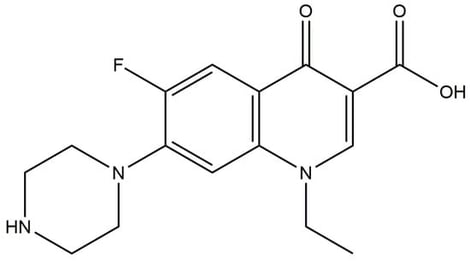
Obtaining amorphous forms of drugs is one of the ways to increase bioavailability. This is especially important for active pharmaceutical ingredients belonging to class II and IV according to the biopharmaceutical classification. These compounds include the currently widely used fluoroquinolone antibiotics. They have low solubility in water and are therefore typically used as hydrochlorides. The presence of a strong acid and a charged active pharmaceutical ingredient in the drug increases solubility, but can also lead to additional side effects and decreased permeability. One way to improve the properties of active pharmaceutical ingredients is to convert them to amorphous form. In this study, an amorphous form of the fluoroquinolone antibiotic norfloxacin was obtained, its stability was determined, and its solubility was studied. It was shown that the resulting amorphous form has good temporal stability. The optimal models describing the cold crystallization process are the Nakamura and Sbirrazzuoli models. Despite the slower dissolution kinetics compared to the crystalline sample, the amorphous form shows higher equilibrium solubility values. These results can be used in pharmaceutical engineering to produce amorphous forms of active pharmaceutical ingredients and determine their stability.
2 June 2026