


-
Preparation and Study of Bright Orange-Yellow Long Persistent Luminescent Ca2LuScGa2Ge2O12:Pr3+ Phosphor -
Simultaneous photocatalytic CO2 reduction and methylene blue degradation over TiO2@(Pt or Au or Pd) -
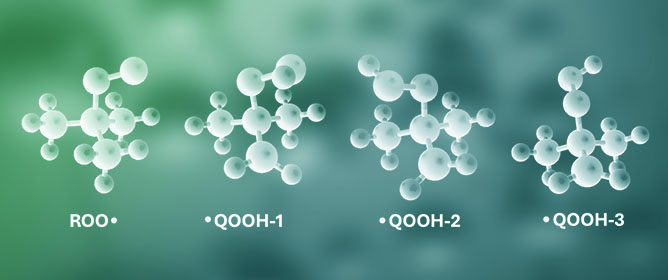
Characterizing the Excited States and Electronic Absorption Spectra of Small Alkylperoxy (RO2•) and Hydroperoxy (•QOOH) Radicals
Journal Description
Photochem
Photochem
is an international, peer-reviewed, open access journal on photochemistry published quarterly online by MDPI.
- Open Access— free for readers, with article processing charges (APC) paid by authors or their institutions.
- High Visibility: indexed within Scopus, ESCI (Web of Science), EBSCO, and other databases.
- Rapid Publication: manuscripts are peer-reviewed and a first decision is provided to authors approximately 19.2 days after submission; acceptance to publication is undertaken in 4.3 days (median values for papers published in this journal in the second half of 2025).
- Recognition of Reviewers: APC discount vouchers, optional signed peer review, and reviewer names published annually in the journal.
- Journal Cluster of Chemical Reactions and Catalysis: Catalysts, Chemistry, Electrochem, Inorganics, Molecules, Organics, Oxygen, Photochem, Reactions, Sustainable Chemistry.
Impact Factor:
2.3 (2024);
5-Year Impact Factor:
2.7 (2024)
Latest Articles
Valorization of Hop (Humulus lupulus L.) Brewing Residue as a Natural Photoprotective Adjuvant
Photochem 2026, 6(1), 8; https://doi.org/10.3390/photochem6010008 - 2 Feb 2026
Abstract
►
Show Figures
The transition to more sustainable models of production and consumption has encouraged the scientific community to seek innovative solutions that promote environmental responsibility and reduce waste. The cosmetic industry, in particular, has increasingly invested in natural and eco-friendly ingredients as alternatives to synthetic
[...] Read more.
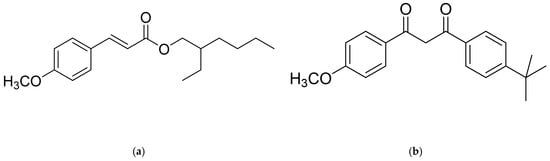
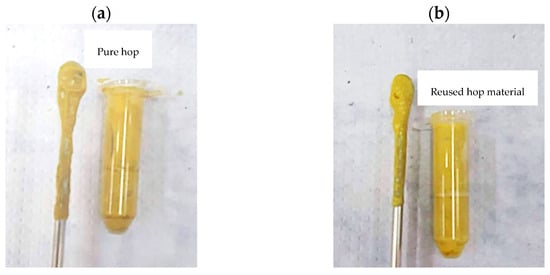
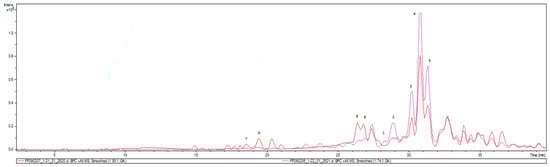
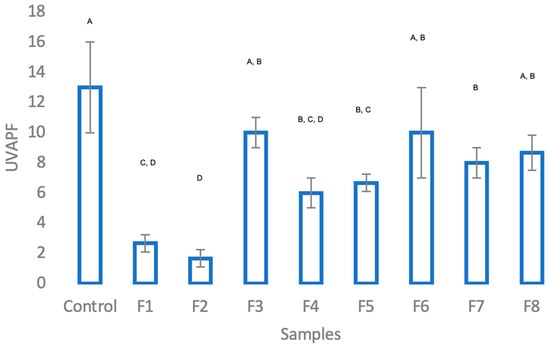
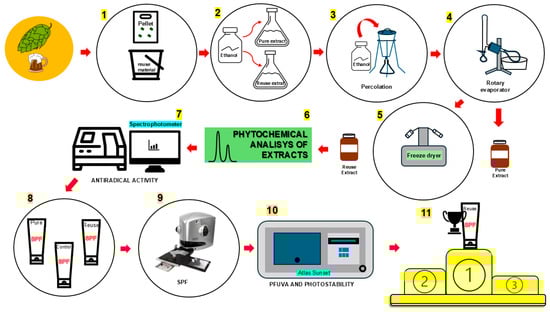
The transition to more sustainable models of production and consumption has encouraged the scientific community to seek innovative solutions that promote environmental responsibility and reduce waste. The cosmetic industry, in particular, has increasingly invested in natural and eco-friendly ingredients as alternatives to synthetic and environmentally harmful components. In this context, plant-derived bioactive compounds with antioxidant and anti-inflammatory potential have gained attention for their ability to enhance photoprotection and reduce the concentration of conventional ultraviolet (UV) filters in sunscreens. Humulus lupulus L. (hop), a plant traditionally used in the brewing industry, generates large amounts of organic waste after the beer production process, especially through the dry-hopping technique. Despite often being discarded, this residual biomass retains important secondary metabolites with high biological value. Our investigation researched the sustainable valorization of hop brewing residues as a source of bioactive compounds for the development of more natural photoprotective products. We performed HLPC-MS/MS analysis and confirmed the presence of α-acids in both pure and reused hop material extracts, while a xanthohumol-like prenylated flavonoid was tentatively detected exclusively in the extract obtained from reused hop extract. In vitro tests demonstrated that sunscreens containing extract obtained from reused material significantly increased the sun protection factor (SPF) without negatively altering the critical wavelength when water was used as the solvent. None of the samples developed higher UVAPF values compared to the control. Our investigation, to the best of our knowledge, constitutes the first successful proof of concept demonstrating the use of both pure (non-reused) and reused hop material extracts as functional photoprotective adjuvants in sunscreen formulations evaluated by a robust, standardized in vitro methodology. This work highlights the dual benefit of reducing industrial waste and developing more sustainable, consumer-friendly cosmetic products.
Full article
Open AccessReview
Solar-Light-Activated Photochemical Skin Injury Induced by Highly Oxygenated Compounds of Sosnovsky’s Hogweed
by
Valery M. Dembitsky and Alexander O. Terent’ev
Photochem 2026, 6(1), 7; https://doi.org/10.3390/photochem6010007 - 27 Jan 2026
Abstract
Sosnovsky’s hogweed (Heracleum sosnowskyi Manden.) is an invasive plant species widely distributed across Eastern Europe and Russia that poses a serious threat to human health due to its pronounced phototoxic properties. Contact with the plant sap followed by exposure to solar ultraviolet
[...] Read more.
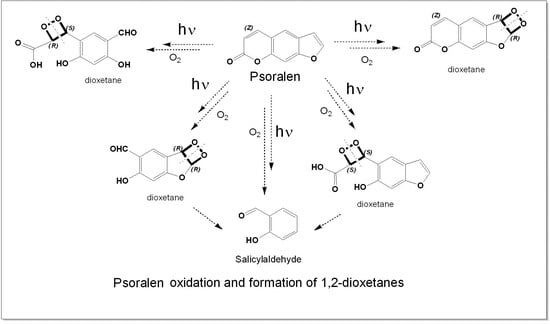
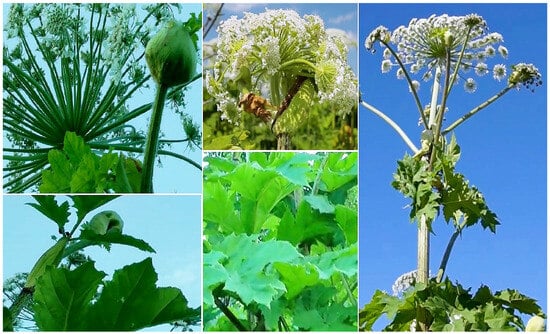
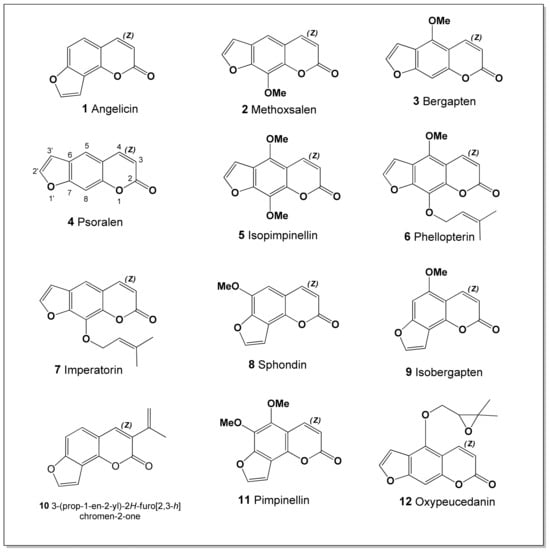
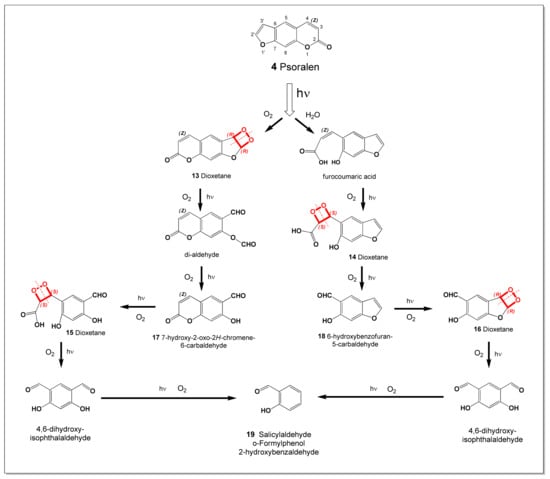
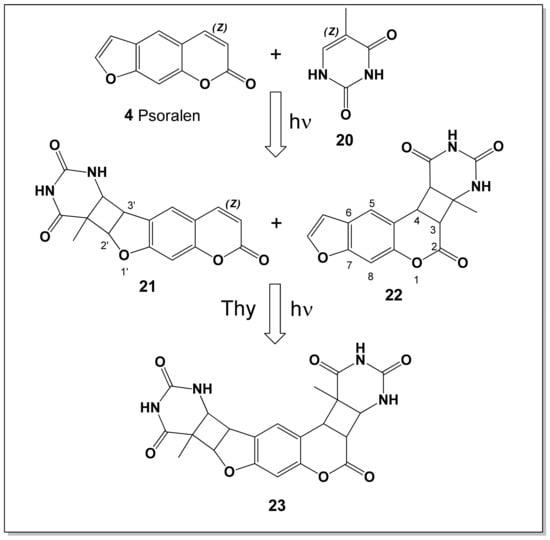
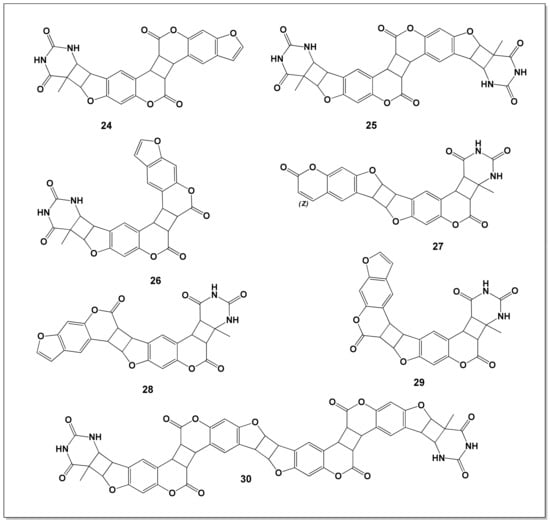
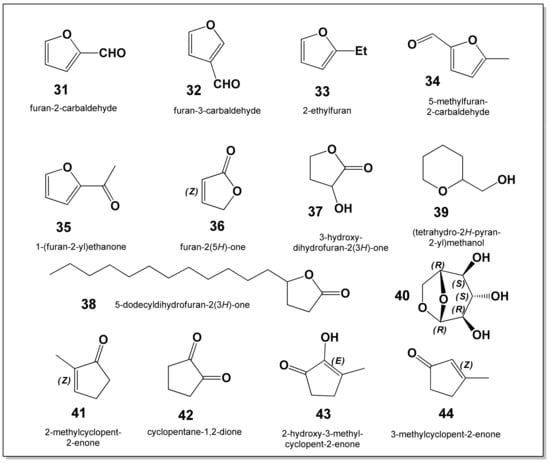
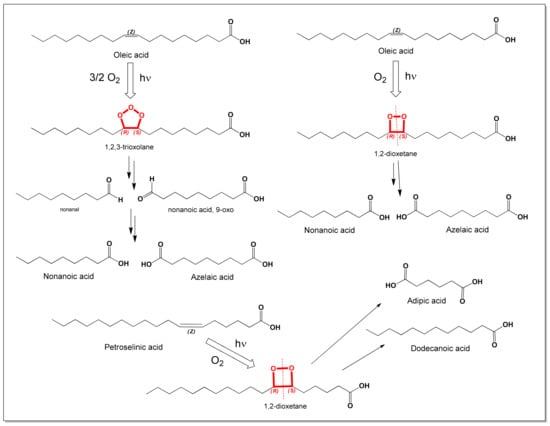
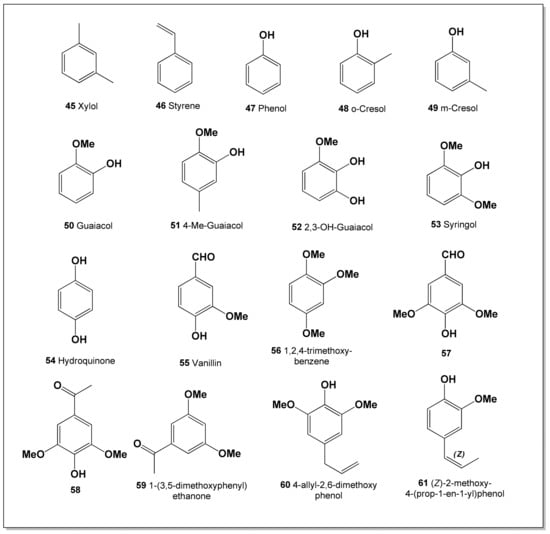
Sosnovsky’s hogweed (Heracleum sosnowskyi Manden.) is an invasive plant species widely distributed across Eastern Europe and Russia that poses a serious threat to human health due to its pronounced phototoxic properties. Contact with the plant sap followed by exposure to solar ultraviolet (UV) radiation frequently results in phytophotodermatitis, which is characterized by erythema, blistering, ulceration, and persistent hyperpigmentation. The development of these photochemical injuries—most notably furanocoumarins—act as potent photosensitizers and induce cellular and DNA damage upon UV activation. This review provides an integrated overview of the geographical spread and invasiveness of H. sosnowskyi, the chemical composition of its biologically active metabolites, and the molecular mechanisms underlying hogweed-induced skin injury. Particular emphasis is placed on the photochemical transformations of furanocoumarins, including psoralens and their photooxidation products, such as 1,2-dioxetanes, which generate reactive oxygen species and DNA crosslinks. In addition, the review examines other compounds derived from hogweed biomass—including furan derivatives, aromatic compounds, fatty acids, sterols, and their oxidative products—that may contribute to phototoxic and cytotoxic effects. Clinical manifestations of hogweed-induced burns, their classification, symptomatology, and current therapeutic approaches are critically discussed, highlighting the absence of standardized treatment guidelines. Rather than serving as a purely clinical or botanical survey, this review frames Sosnovsky’s hogweed injury as a solar-light-activated photochemical hazard, tracing the sequence from environmental sunlight exposure through molecular photochemistry to biological tissue damage. By integrating chemical, biological, and dermatological perspectives, the review aims to clarify injury mechanisms and support the development of more effective preventive and mitigation strategies under real-world exposure conditions.
Full article
(This article belongs to the Special Issue Solar-Light-Activated Materials, Photonics, and Emerging Technologies: From Fundamentals to Real-World Impact)
►▼
Show Figures

Graphical abstract
Open AccessArticle
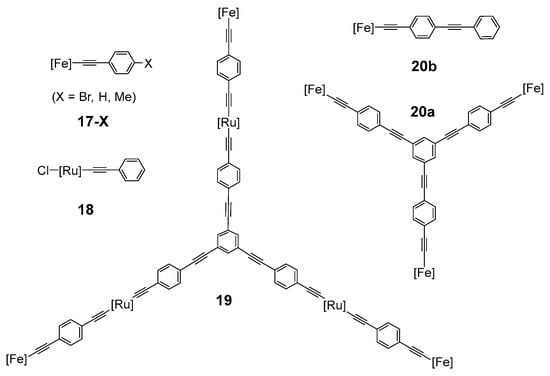
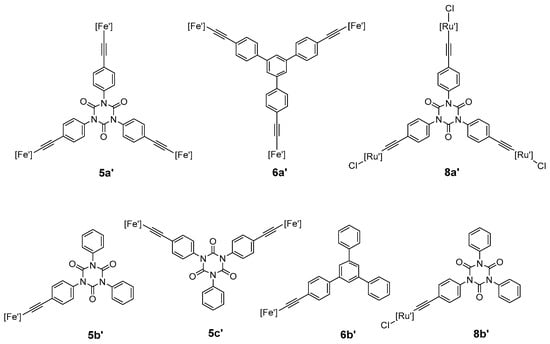
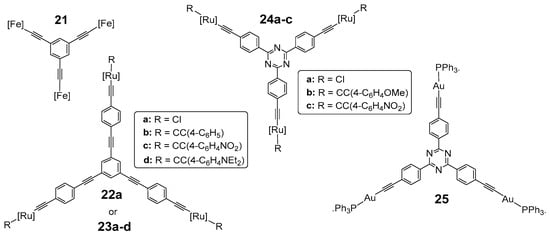
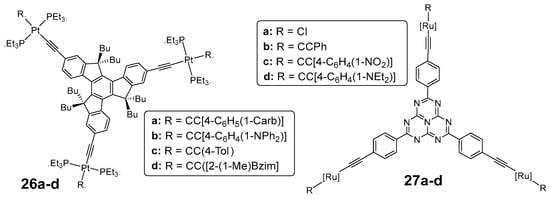
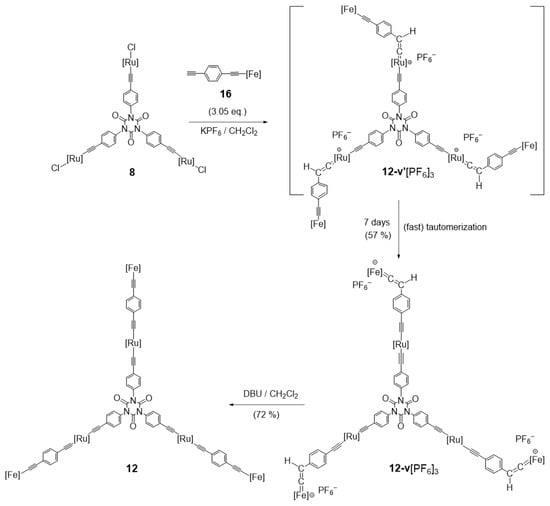
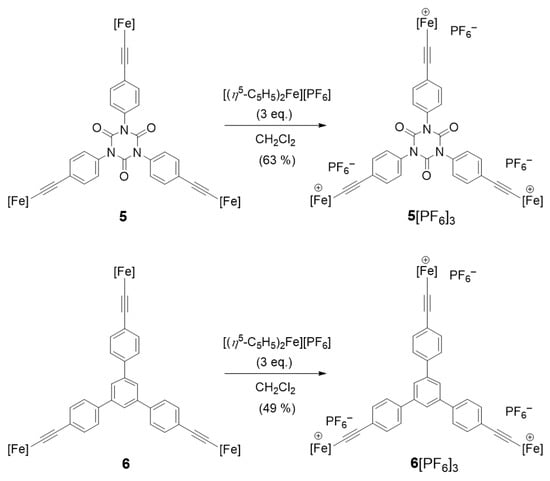
Nonlinear Optical Properties of Fe(II) and Ru(II) Alkynyl-Functionalized 1,3,5-Triphenyl-1,3,5-triazine-2,4,6-triones and 1,3,5-Triphenylbenzenes: Syntheses, Second-Harmonic Generation and Two-Photon Absorption
by
Alexander Trujillo, Romain Veillard, Amédée Triadon, Guillaume Grelaud, Gilles Argouarch, Thierry Roisnel, Anu Singh, Isabelle Ledoux, Anissa Amar, Abdou Boucekkine, Marek Samoc, Katarzyna Matczyszyn, Xinwei Yang, Adam Barlow, Marie P. Cifuentes, Mahbod Morshedi, Mark G. Humphrey and Frédéric Paul
Photochem 2026, 6(1), 6; https://doi.org/10.3390/photochem6010006 - 21 Jan 2026
Abstract
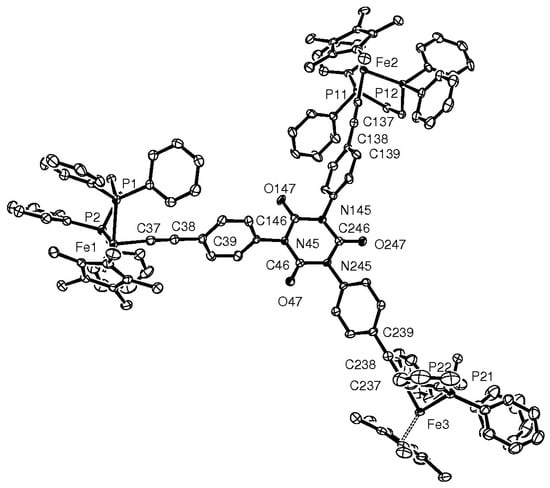
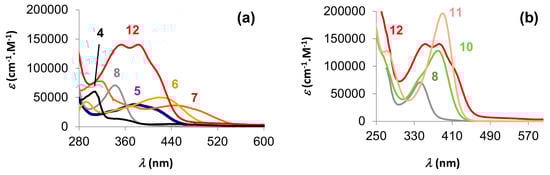
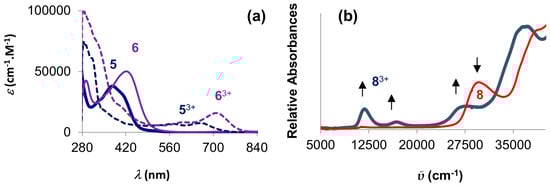
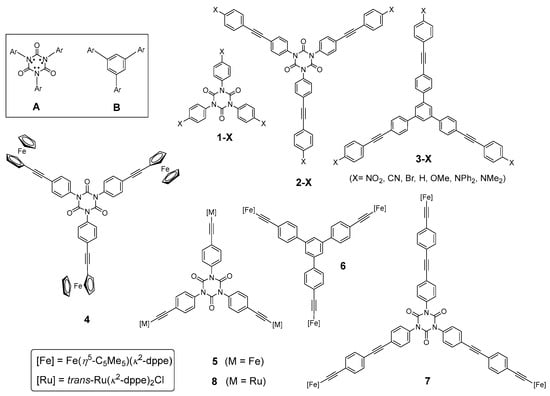
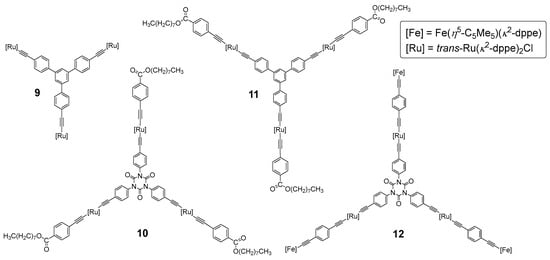
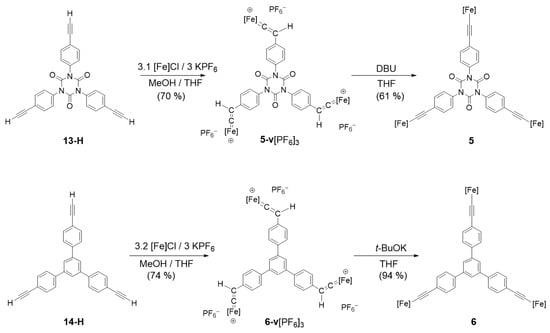
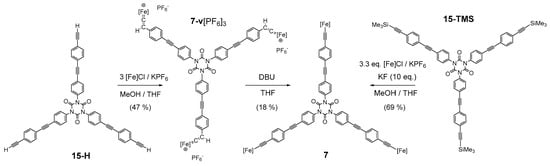
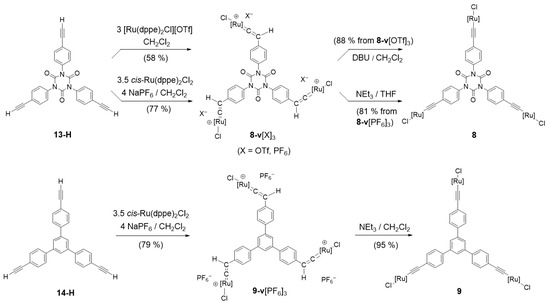
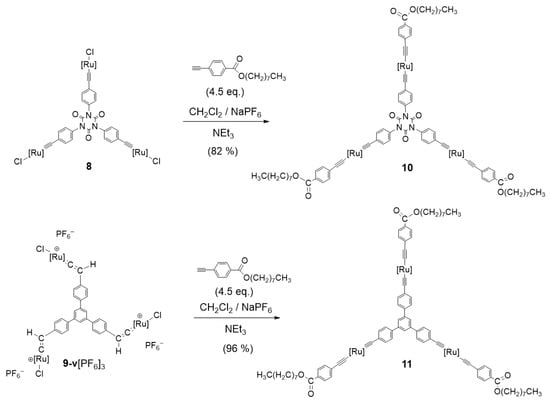
We report the use of σ-alkynyl d6 electron-rich transition metal complexes as electron-releasing end-groups in octupolar molecules designed for nonlinear optical (NLO) applications, specifically, N,N′,N″-triarylisocyanurates (5,7,8,10,12)
[...] Read more.
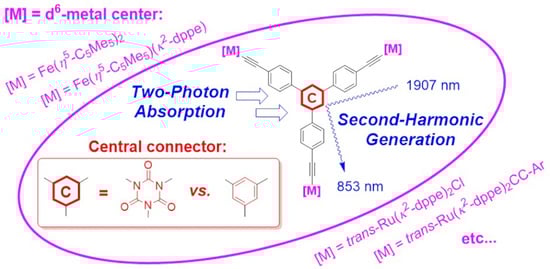
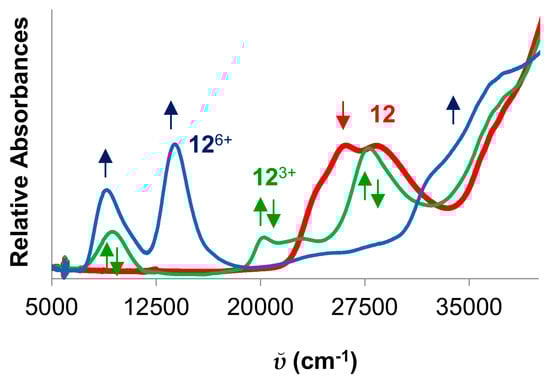
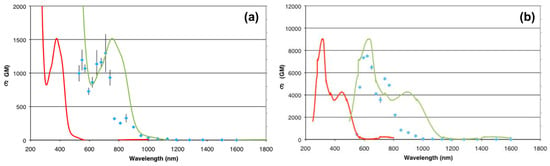
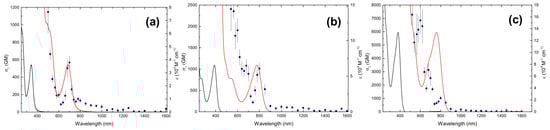
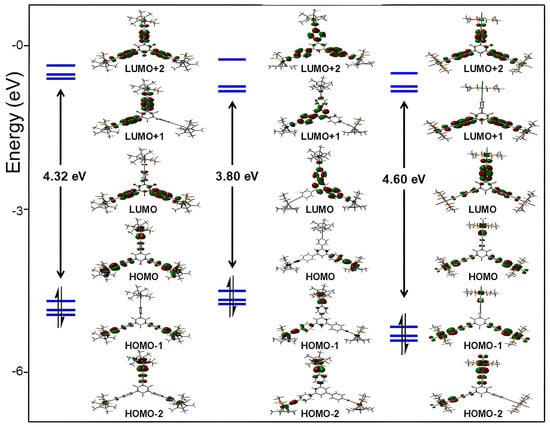
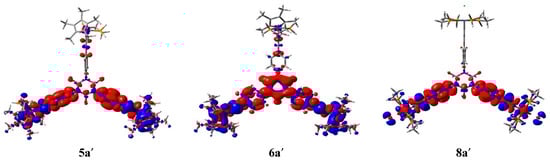
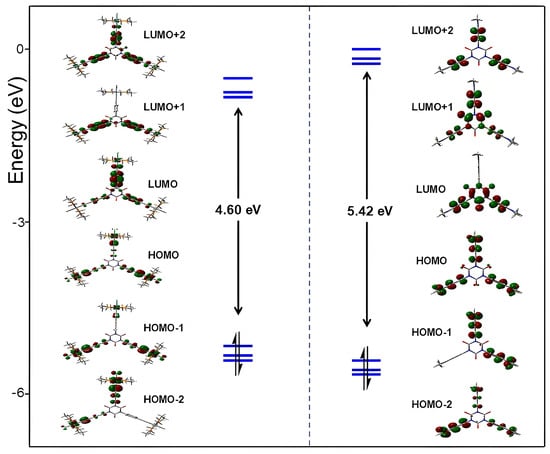
We report the use of σ-alkynyl d6 electron-rich transition metal complexes as electron-releasing end-groups in octupolar molecules designed for nonlinear optical (NLO) applications, specifically, N,N′,N″-triarylisocyanurates (5,7,8,10,12) and 1,3,5-triarylbenzenes (6,9,11) functionalized by Fe(II) and Ru(II) organometallic moieties, and their NLO properties, as assessed by hyper-Rayleigh scattering (HRS) and Z-scan. The redox properties are briefly investigated through isolation of the corresponding Fe(III) trications 5[PF6]3 and 6[PF6]3. The second-harmonic generation (SHG) or two-photon absorption (2PA) performance of the Fe(II) and Ru(II) parents is compared with the help of TD-DFT calculations performed on models. Comparison with tris-ferrocenyl isocyanurate 4 reveals that the σ-connection of the metallic centers to the π-manifold is superior to the η5-connection for enhancing NLO properties. The positive effect of organometallic end-groups on NLO properties relative to purely organic electron-releasing substituents is established. The mechanism by which NLO enhancement occurs is complex and possibly connected to the polarizable π-electrons in the ligands surrounding the metal alkynyl units, but in most cases, the observed NLO enhancement must arise from the transition metal centers interacting with the central π-manifold.
Full article
(This article belongs to the Special Issue Feature Papers in Photochemistry, 3rd Edition)
►▼
Show Figures

Graphical abstract
Open AccessReview
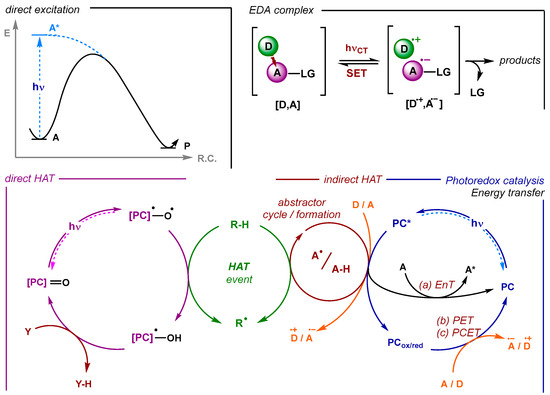
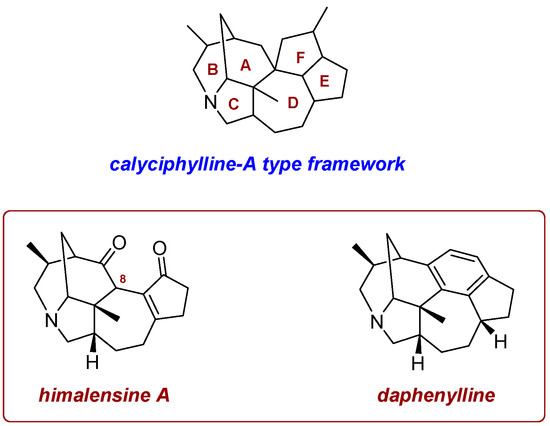
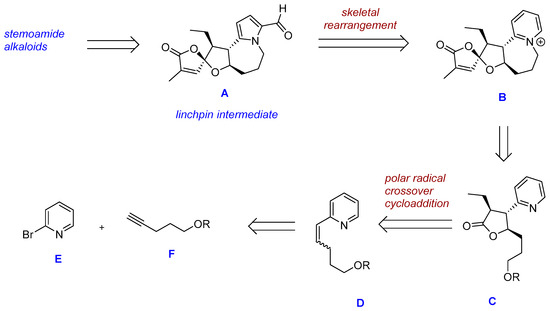
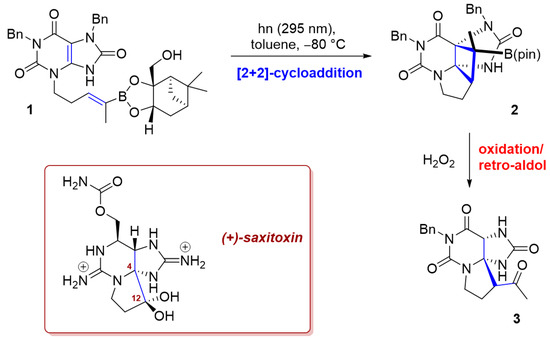
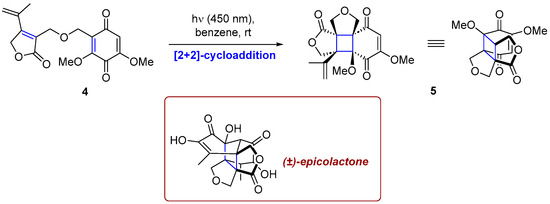
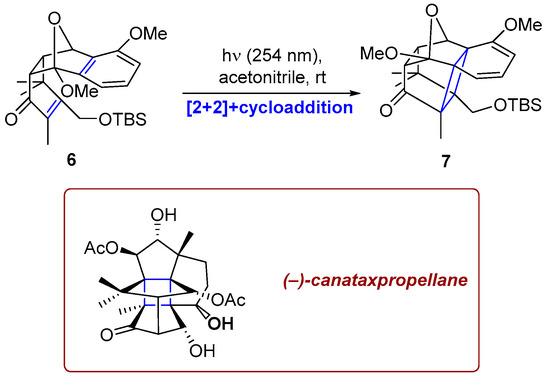
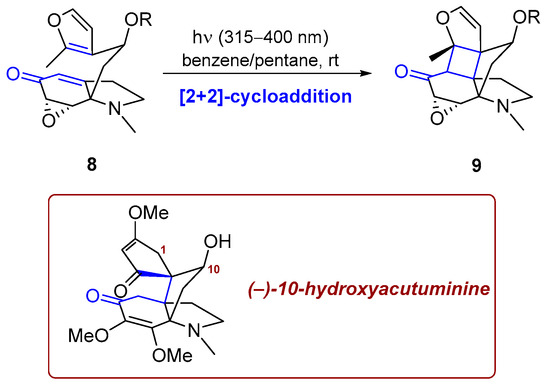
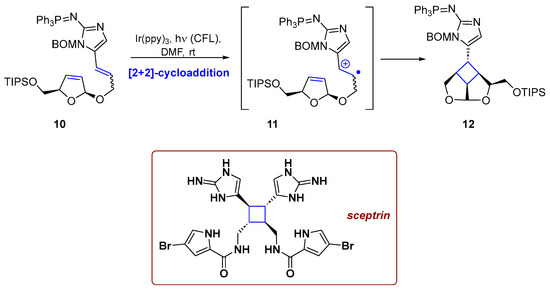
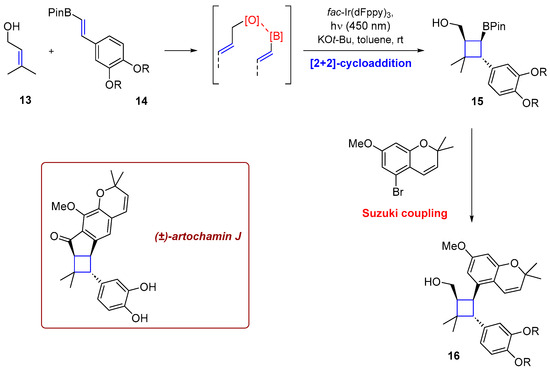
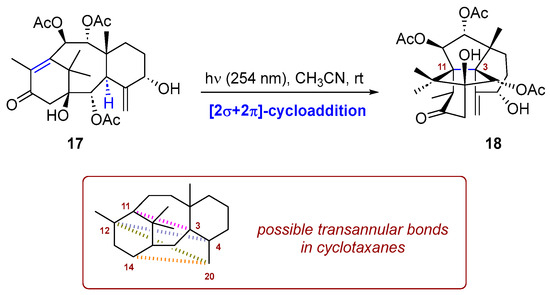
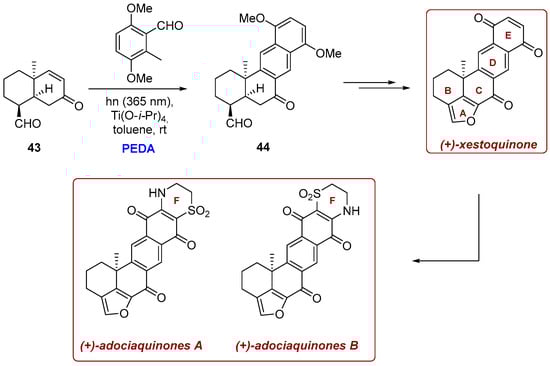
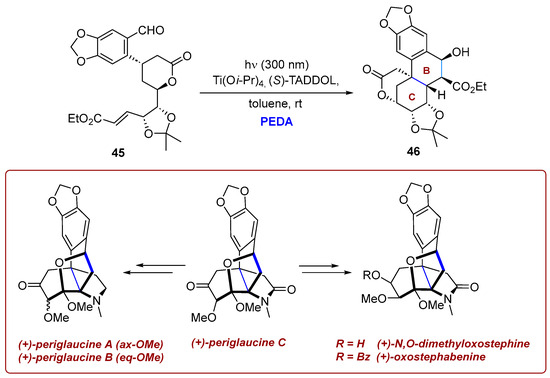
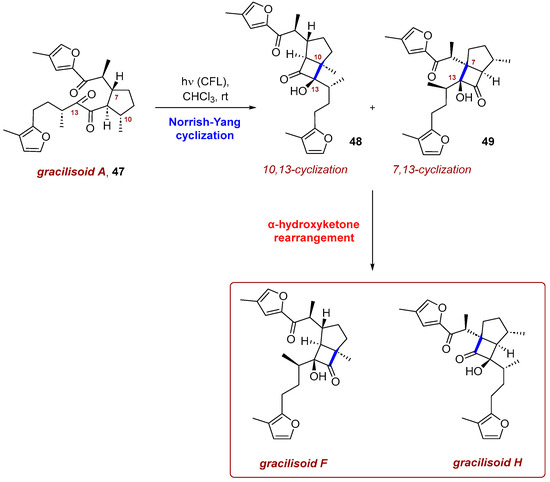
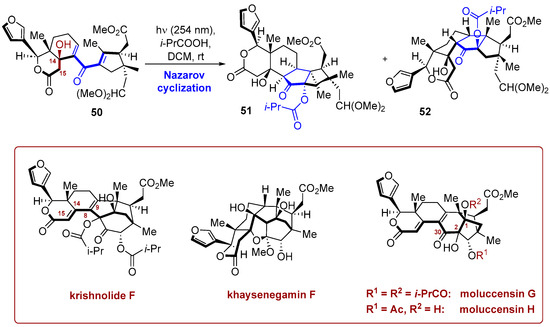
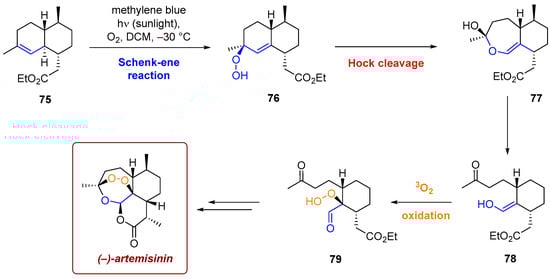
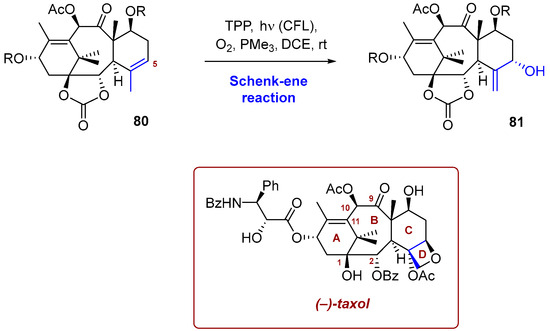
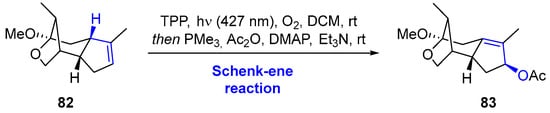
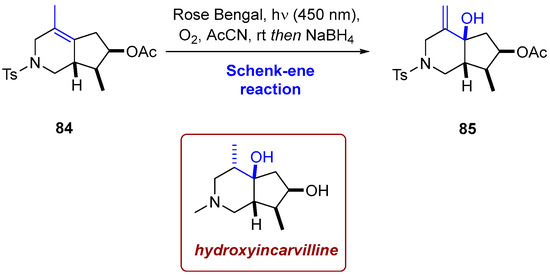
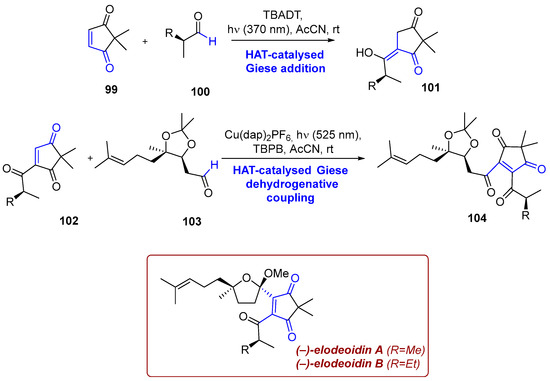
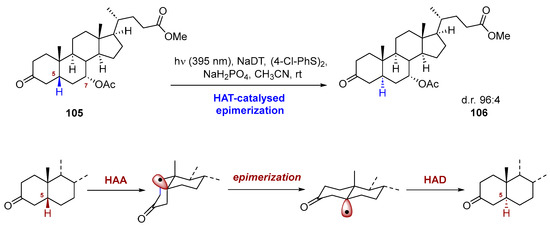
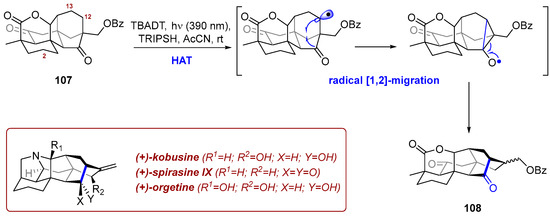
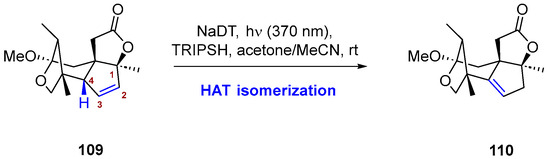
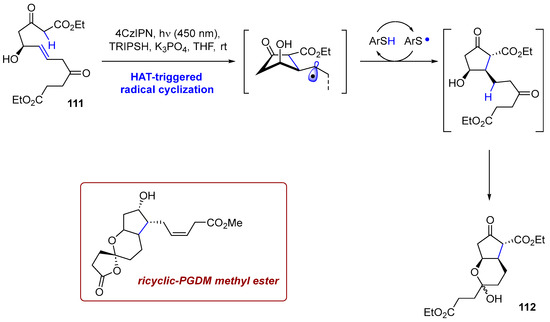
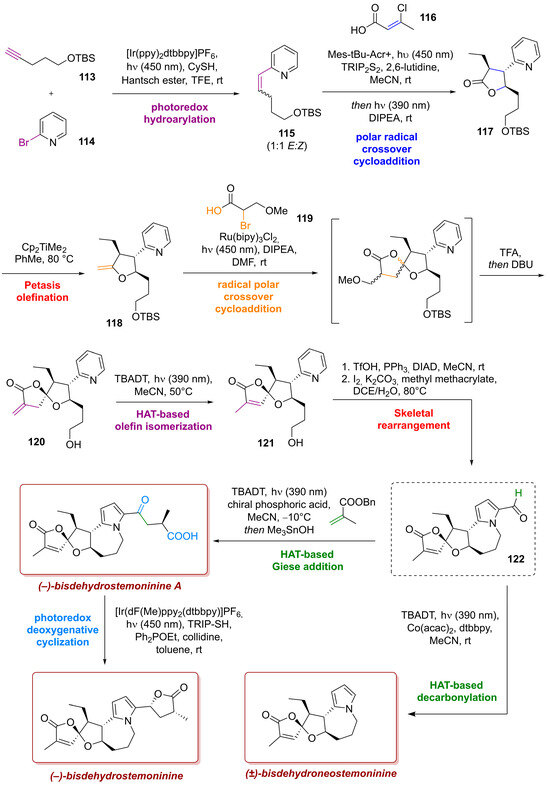
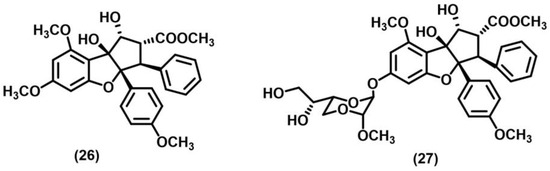
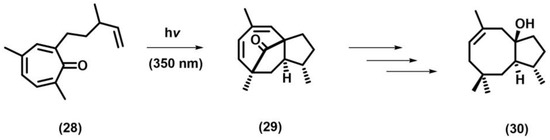
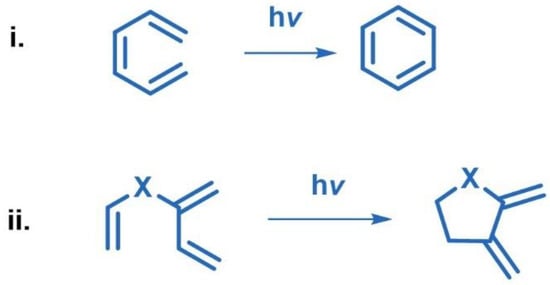
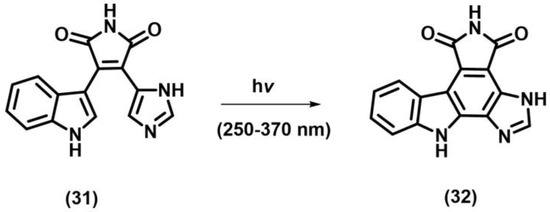
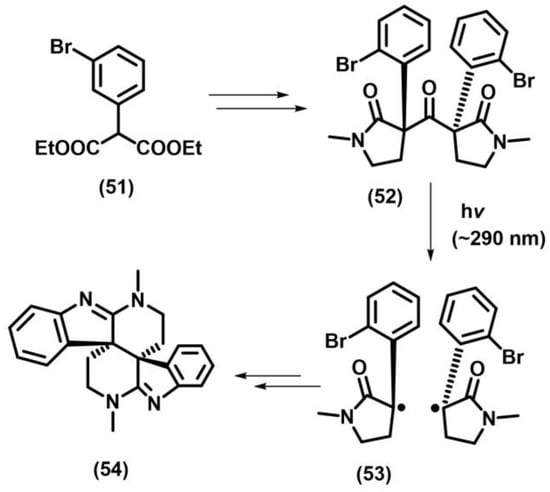
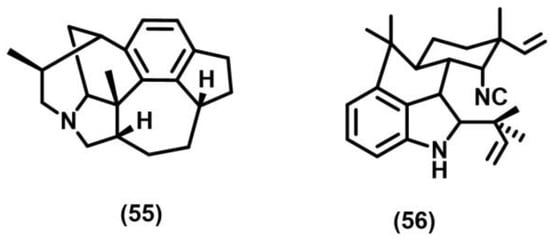
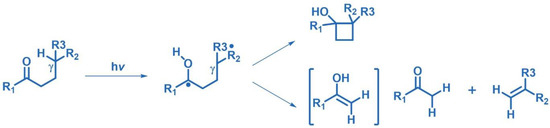
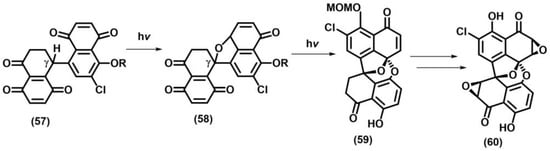
Illuminating Total Synthesis: Strategic Applications of Photochemistry in Natural Product Construction
by
Pietro Capurro, Cristina Martini and Andrea Basso
Photochem 2026, 6(1), 5; https://doi.org/10.3390/photochem6010005 - 12 Jan 2026
Abstract
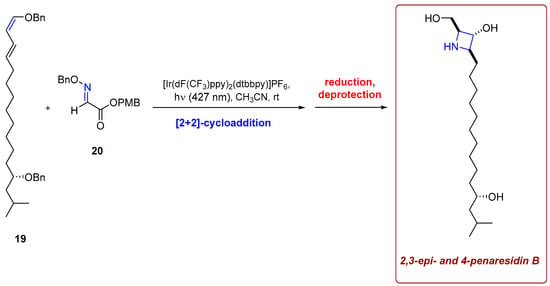
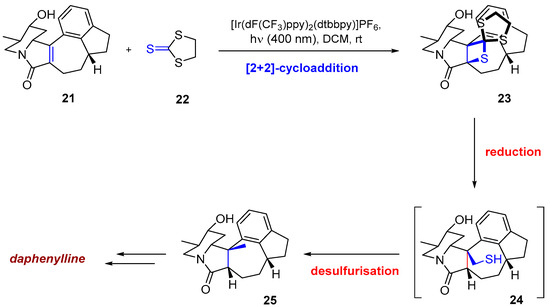
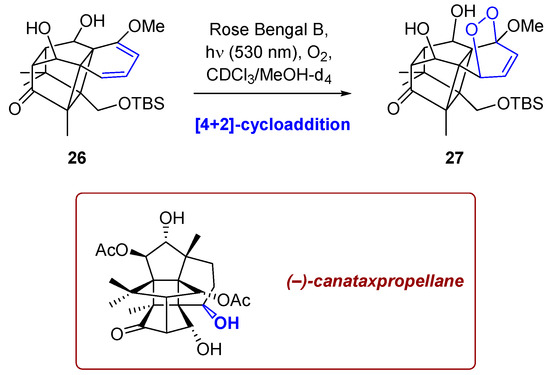
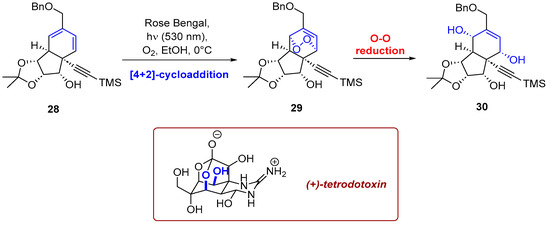
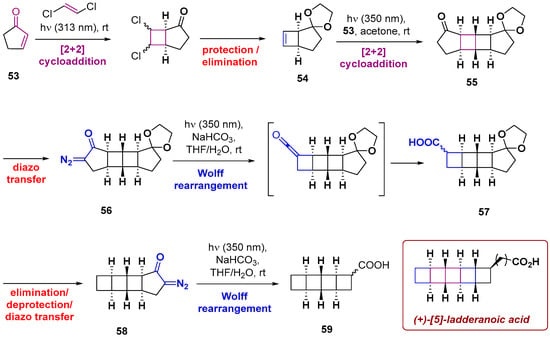
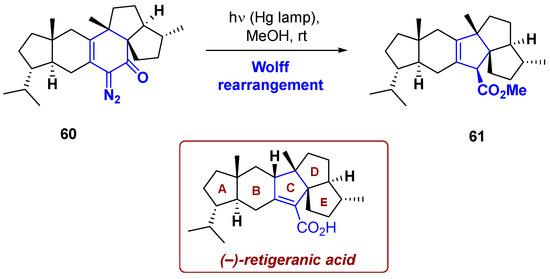
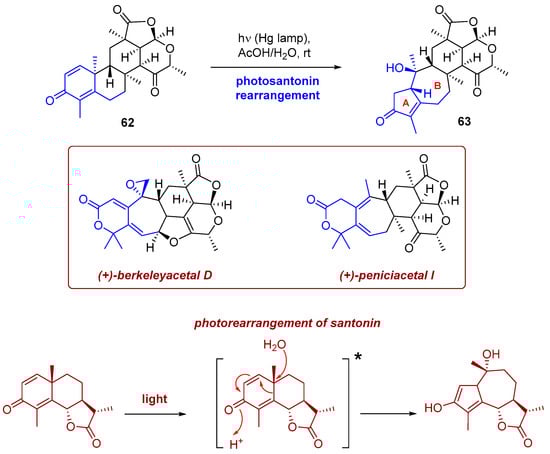
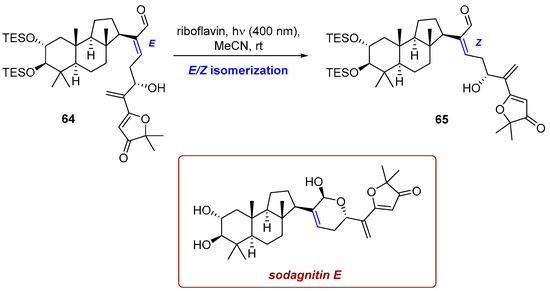
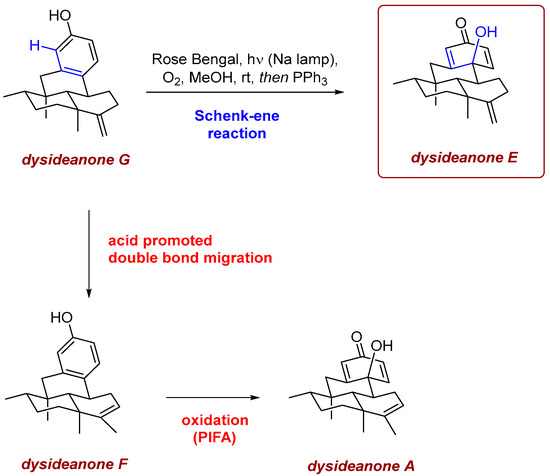
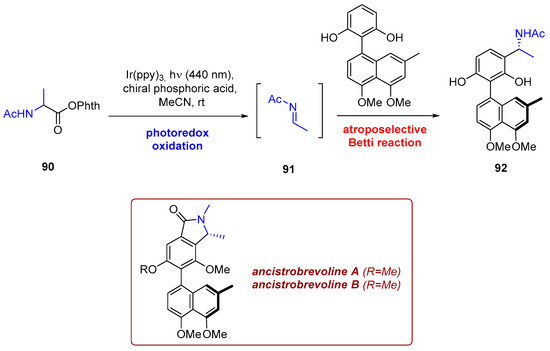
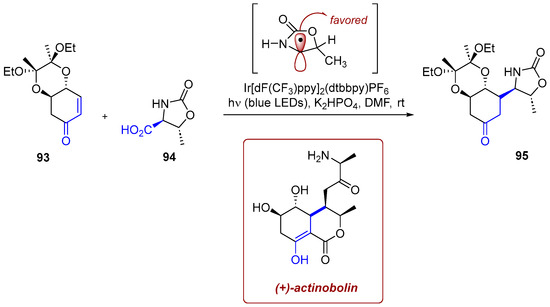
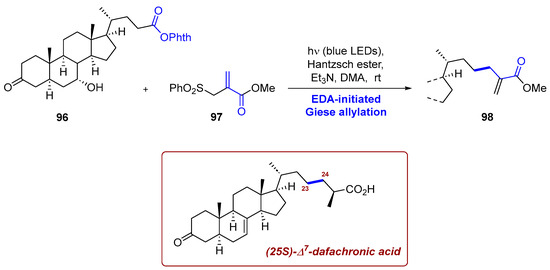
Synthesizing natural substances has always been a significant challenge for organic chemists. The key to a successful total synthesis lies in utilizing reactions that generate molecular complexity with high stereocontrol. Photochemical reactions offer immense potential in this regard, though their complex mechanisms require
[...] Read more.
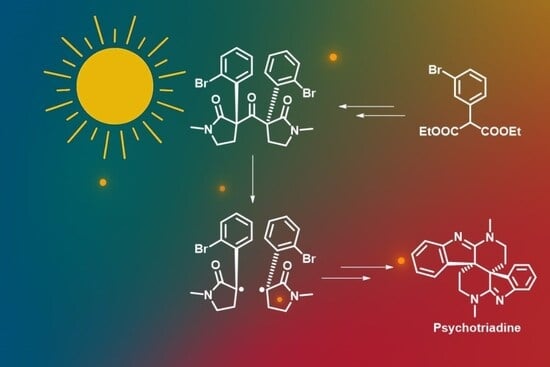
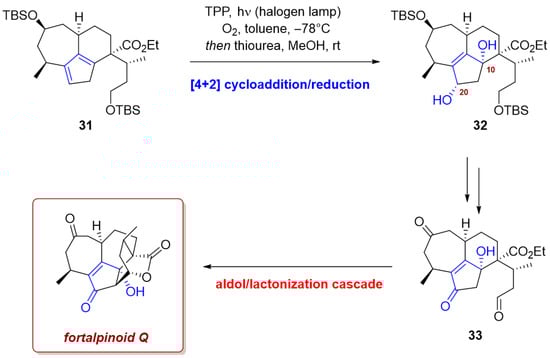
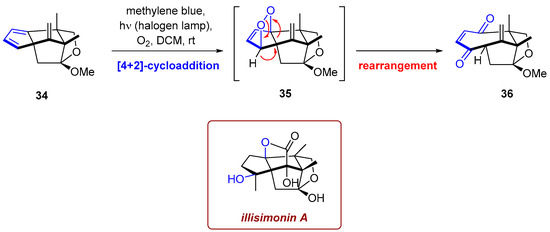
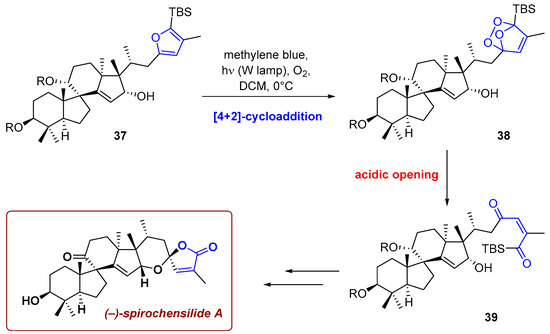
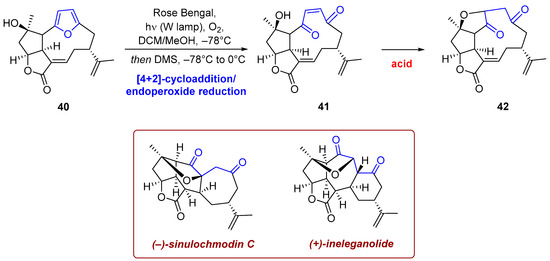
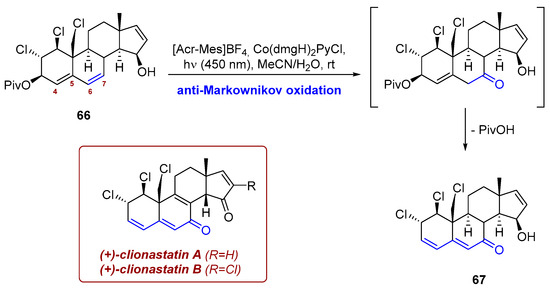
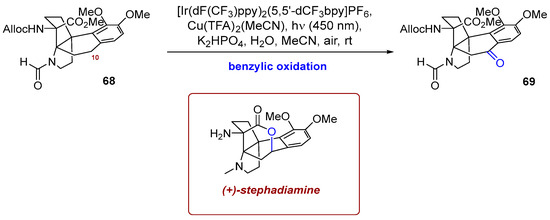
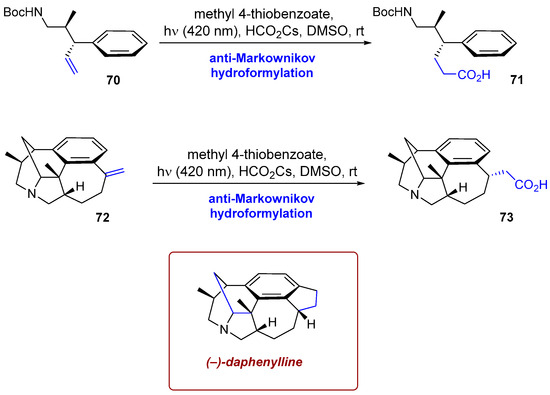
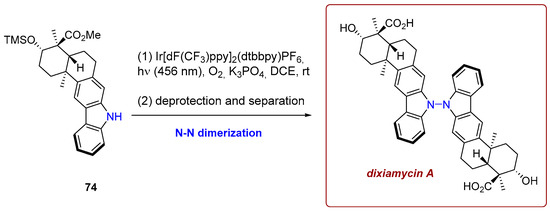
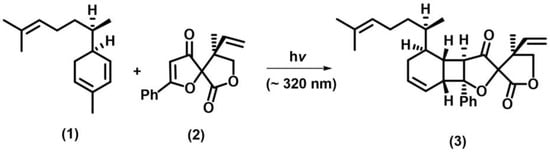
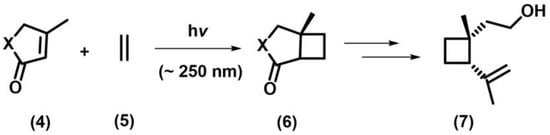
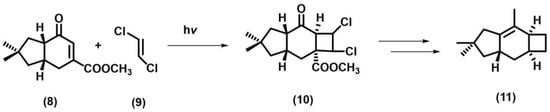
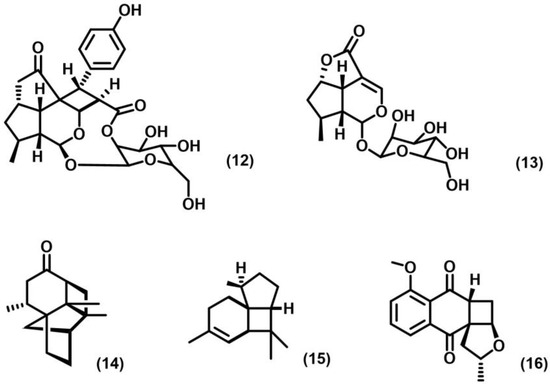
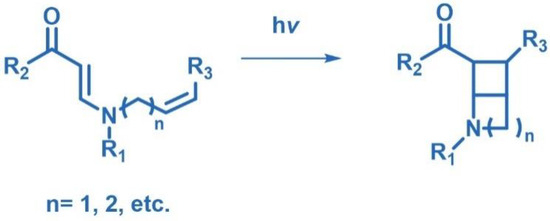
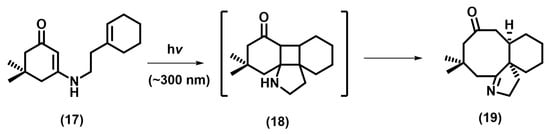
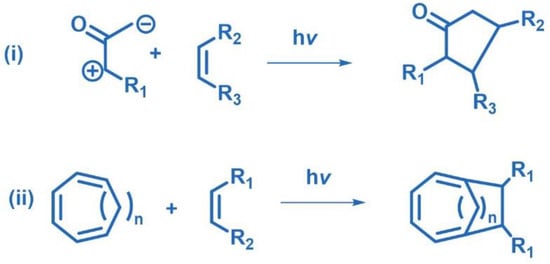
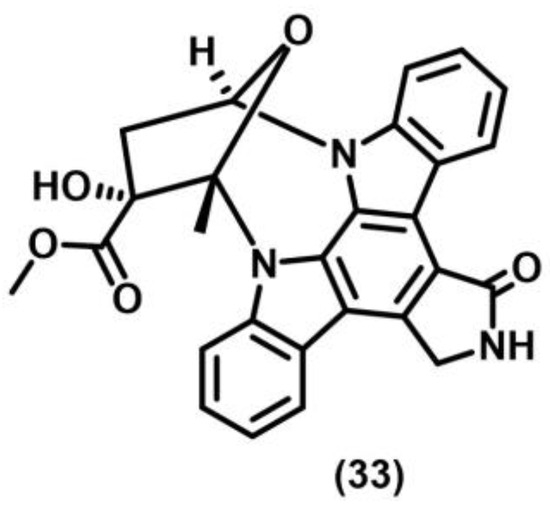
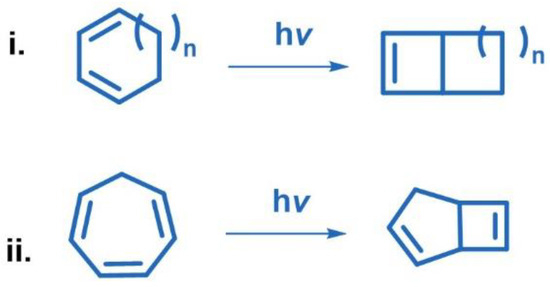
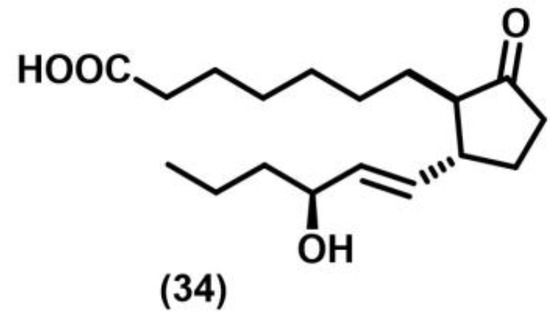
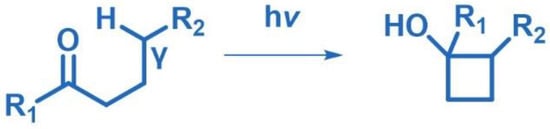
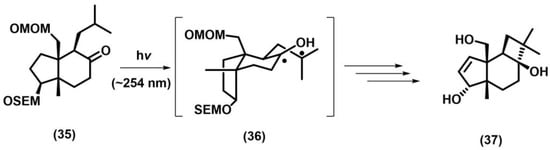
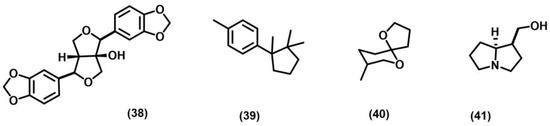
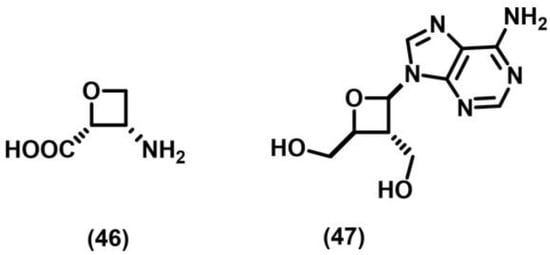
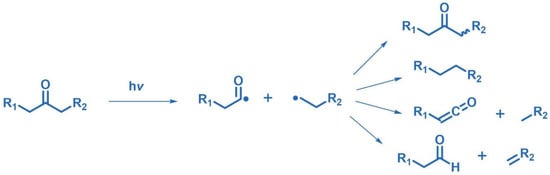
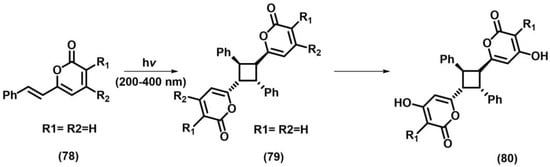
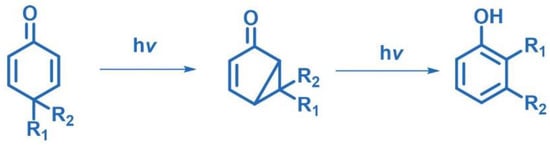
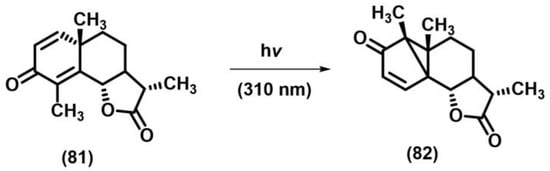
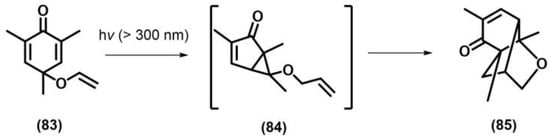
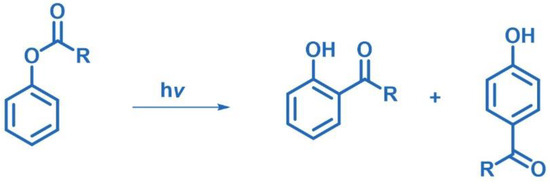
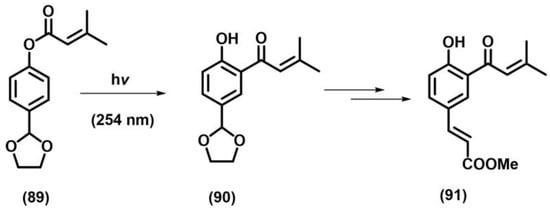
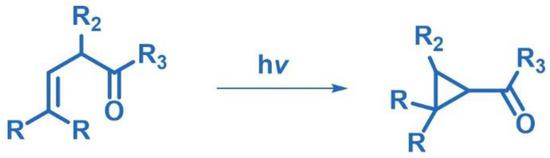
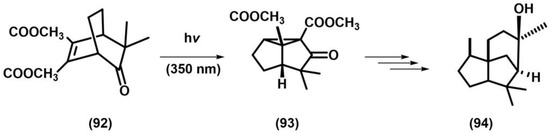
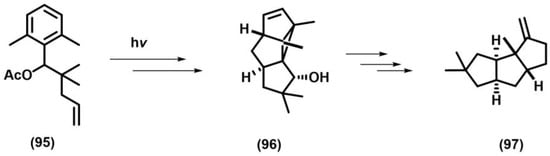
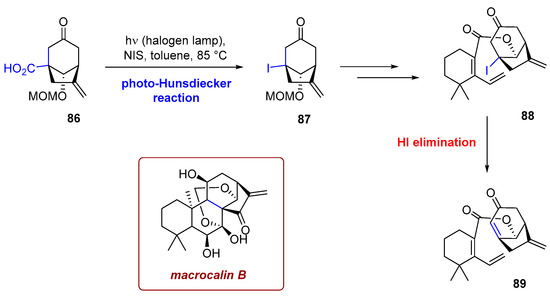
Synthesizing natural substances has always been a significant challenge for organic chemists. The key to a successful total synthesis lies in utilizing reactions that generate molecular complexity with high stereocontrol. Photochemical reactions offer immense potential in this regard, though their complex mechanisms require careful mastery. This review explores recent examples from the literature where light-mediated reactions are crucial, often irreplaceable by thermal alternatives. The manuscript is organized by different photochemical processes, each introduced with relevant background. This review does not offer a complete analysis of all recent light-assisted syntheses; rather, it offers a glimpse into the growing trend of using photo-driven transformations to address significant synthetic challenges.
Full article
(This article belongs to the Special Issue Feature Review Papers in Photochemistry)
►▼
Show Figures

Graphical abstract
Open AccessArticle
Low-Temperature Hot-Water Treatment as a Green Strategy to Enhance the Self-Cleaning and Antibacterial Performance of Sputtered TiO2 Thin Films
by
Manel Boukazzoula, Djamila Maghnia, Frank Neumann and Oualid Baghriche
Photochem 2026, 6(1), 4; https://doi.org/10.3390/photochem6010004 - 6 Jan 2026
Abstract
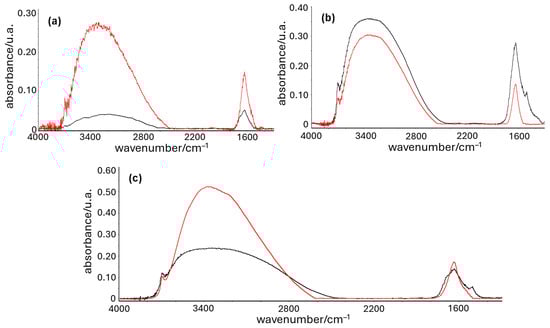
Titanium dioxide (TiO2) thin films were deposited by DC magnetron sputtering and subsequently treated in hot water at 50, 70, and 95 °C for 72 h to investigate the influence of low temperature on their structural optical and functional properties. XRD
[...] Read more.
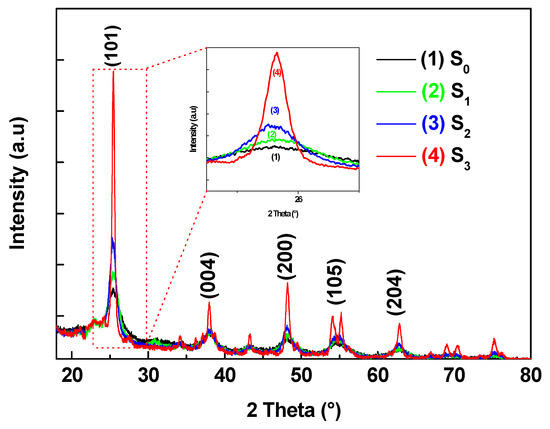
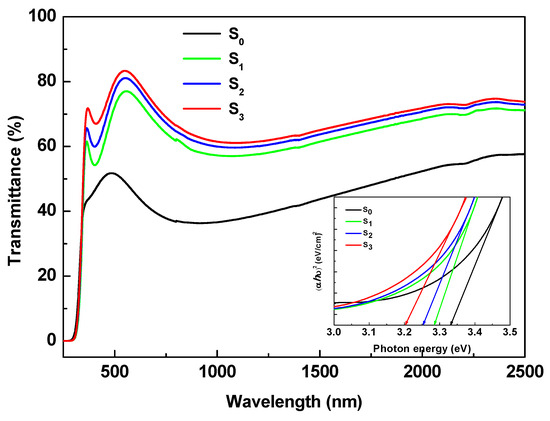
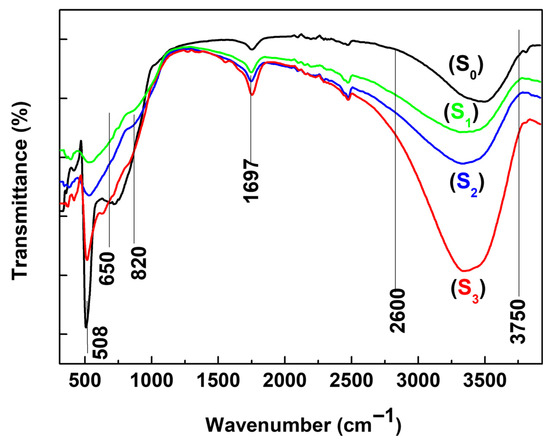
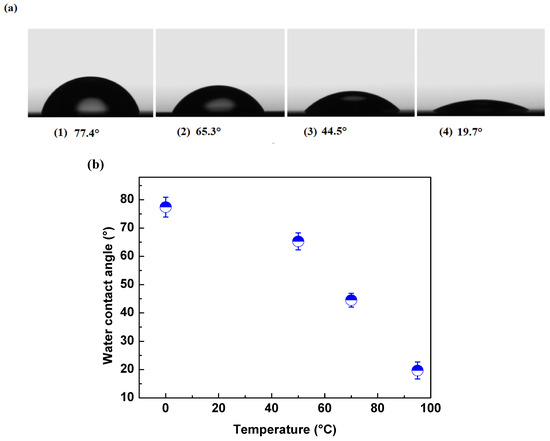
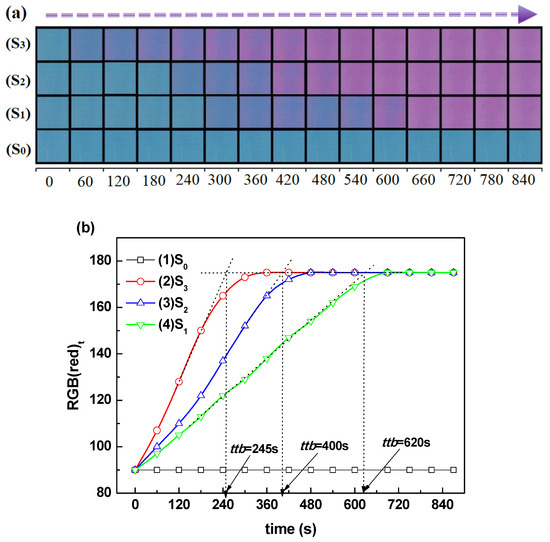
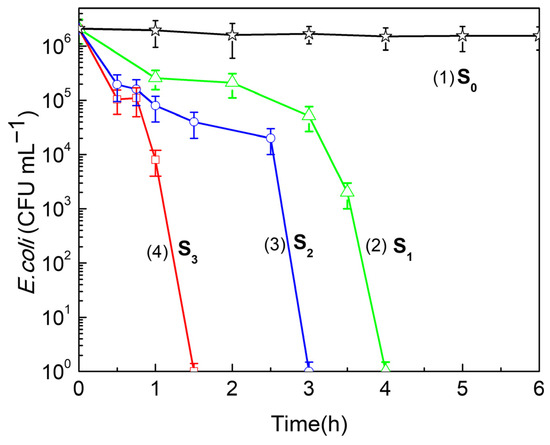
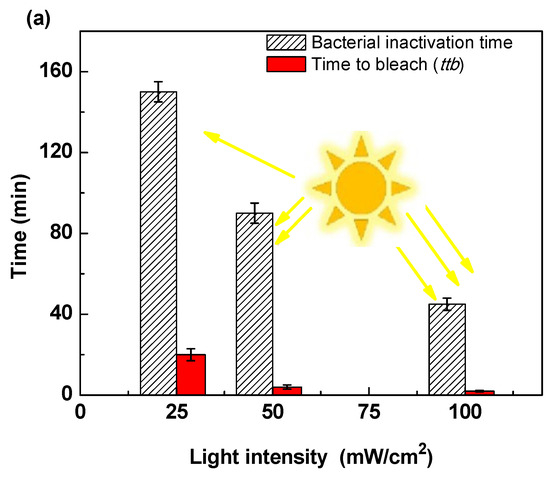
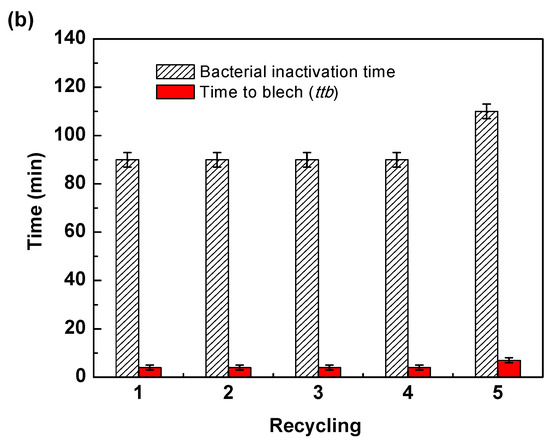
Titanium dioxide (TiO2) thin films were deposited by DC magnetron sputtering and subsequently treated in hot water at 50, 70, and 95 °C for 72 h to investigate the influence of low temperature on their structural optical and functional properties. XRD analysis revealed a progressive transformation from amorphous to anatase phase with increasing treatment temperature, accompanied by an increase in crystallite size from 5.2 to 15.1 nm. FT-IR spectroscopy confirmed enhanced surface hydroxylation and contact angle measurements showed a decrease from 77.4° to 19.7°, indicating a significant improvement in superior wettability. The transmittance spectroscopy revealed a slight narrowing of the optical band gap from 3.34 to 3.21 eV, consistent with improved visible-light absorption. Photocatalytic tests using the Resazurin indicator demonstrated that the film treated at 95 °C exhibited the highest activity, achieving a bleaching time of 245 s three times faster than treated at 50 °C and twice as fast as treated at 70 °C. Under low-intensity solar irradiation, the same sample achieved complete E. coli inactivation within 90 min. These improvements are attributed to increased crystallinity, surface hydroxyl density, and enhanced ROS generation. Overall, this study demonstrates that mild hot-water treatment is an effective, substrate-friendly route to enhance TiO2 film wettability and multifunctional performance, enabling the fabrication of self-cleaning and antibacterial coatings on fragile materials such as plastics and textiles.
Full article
(This article belongs to the Topic Supported Photocatalysts: Nano-Architecture vs. Reactivity)
►▼
Show Figures

Figure 1
Open AccessArticle
CuO-Clinoptilolite Composites for Sustainable CO2 Conversion: Modulating Pathways Toward Alcohols
by
Fabiana L. Santos, José B. G. Filho, Vinícius M. F. Santos, Karolina Furukawa, Maraisa Gonçalves, Juliana A. Torres, Amanda S. Giroto, Lucas S. Ribeiro, Lucas Bonelli, Caue Ribeiro and André E. Nogueira
Photochem 2026, 6(1), 3; https://doi.org/10.3390/photochem6010003 - 20 Dec 2025
Abstract
The increasing atmospheric concentration of CO2 is a major contributor to global climate change, underscoring the urgent need for effective strategies to convert CO2 into value-added products. In this sense, a composite was successfully synthesized by combining clinoptilolite zeolite (CZ) with
[...] Read more.
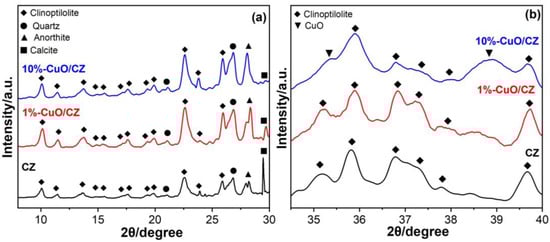
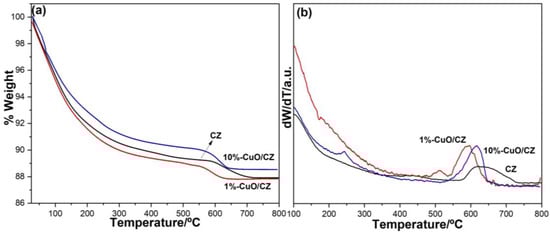
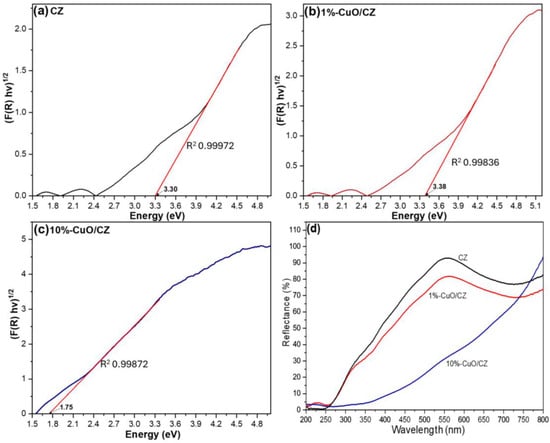
The increasing atmospheric concentration of CO2 is a major contributor to global climate change, underscoring the urgent need for effective strategies to convert CO2 into value-added products. In this sense, a composite was successfully synthesized by combining clinoptilolite zeolite (CZ) with varying amounts of copper oxide (CuO-1% and 10%) for CO2 photoreduction. The composites were characterized using insightful techniques, including XRD, nitrogen physisorption, DRS, and SEM. The results confirmed the incorporation and dispersion of CuO within the CZ support. The XRD analysis revealed characteristic crystalline CuO peaks. Despite the low surface area (<15 m2·g−1) and macroporous nature of the samples, EDS imaging revealed an effective and homogeneous dispersion of CuO, indicating efficient surface distribution. UV–Vis diffuse reflectance spectroscopy revealed band gap energies of 3.30 eV (CZ), 3.38 eV (1%-CuO/CZ), and 1.75 eV (10%-CuO/CZ), highlighting the pronounced electronic changes resulting from CuO incorporation. Photocatalytic tests conducted under UVC irradiation (λ = 254 nm) revealed that 10%-CuO/CZ exhibited the highest CO and CH4 production, 35 µmol·g−1 and 3.6 µmol·g−1, respectively. The composite also delivered the highest CO productivity (5.91 µmol·g−1·h−1), approximately 3.5 times that of pristine CZ, in addition to achieving the highest CH4 productivity (0.60 µmol·g−1·h−1). Furthermore, turnover frequency (TOF) analysis normalized per Cu site revealed that CuO incorporation not only enhances total productivity but also improves the intrinsic catalytic efficiency of the active copper centers. Overall, the synthesized composites demonstrate promising potential for CO2 photoreduction, driven by synergistic structural, electronic, and morphological features.
Full article
(This article belongs to the Special Issue Recent Trends in Light-Assisted Reactions for CO2 Conversion to Fuels and Chemicals)
►▼
Show Figures

Figure 1
Open AccessReview
The Quest for Luminescent Iron Complexes
by
Salvatore Genovese, Federica Giorgianni, Alessandro Amadeo, Scolastica Serroni and Sebastiano Campagna
Photochem 2026, 6(1), 2; https://doi.org/10.3390/photochem6010002 - 19 Dec 2025
Abstract
►▼
Show Figures
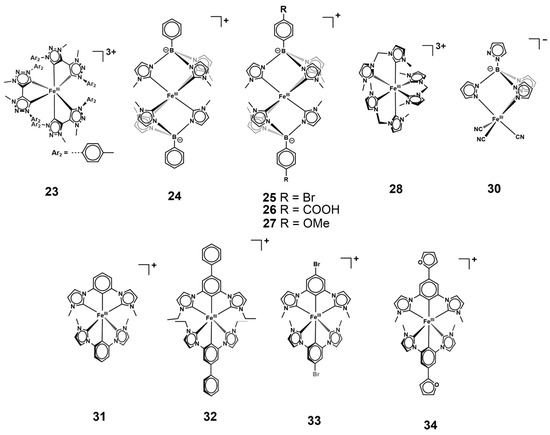
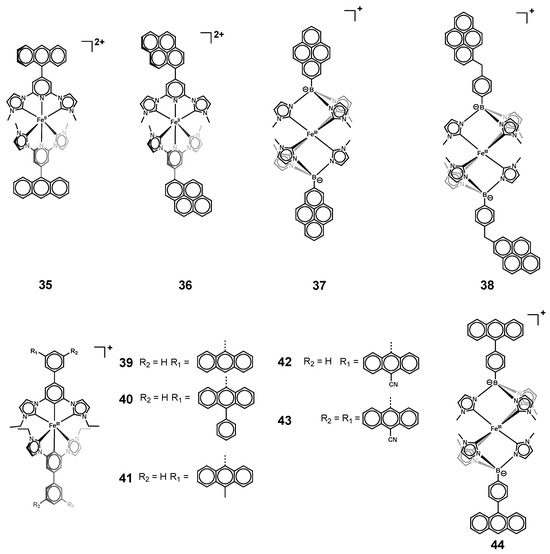
The photochemistry of transition metal complexes has been crucial for the development of many fundamental topics, as well as to pave the way for several important applications. However, in most cases, photoactive transition metal complexes involved precious metals, with luminescent ruthenium polypyridine complexes
[...] Read more.
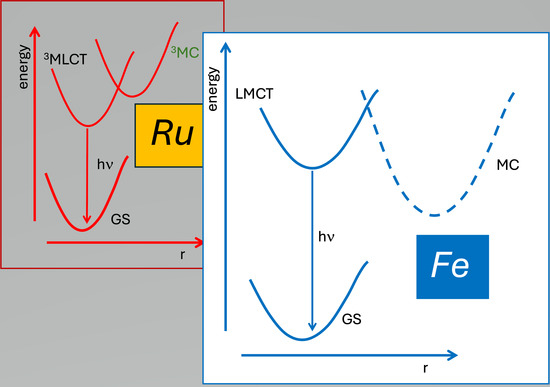
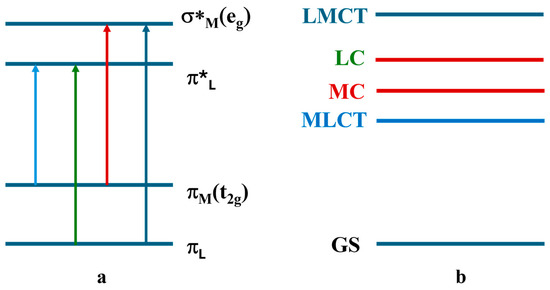
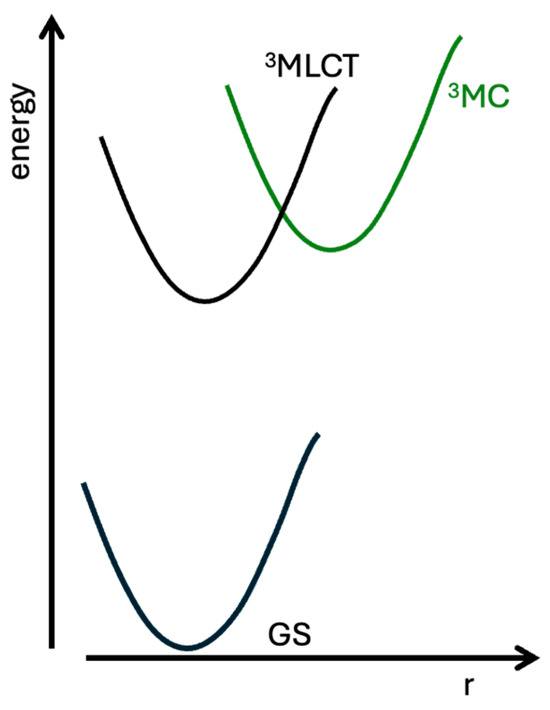
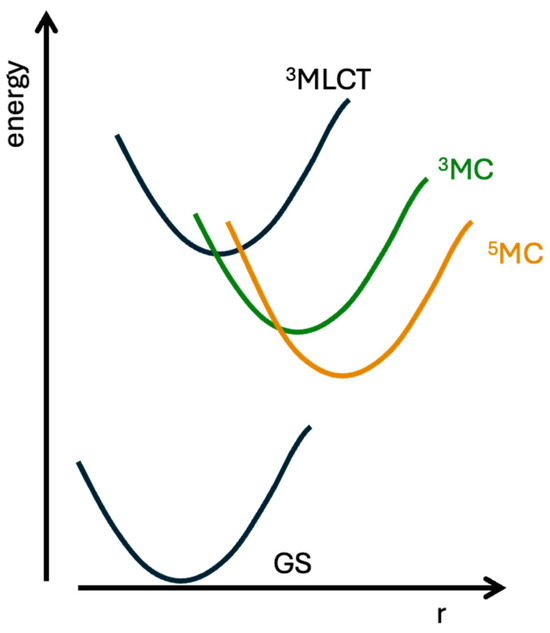
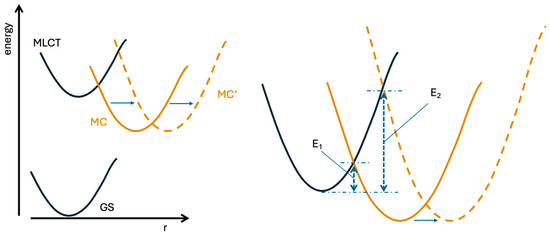
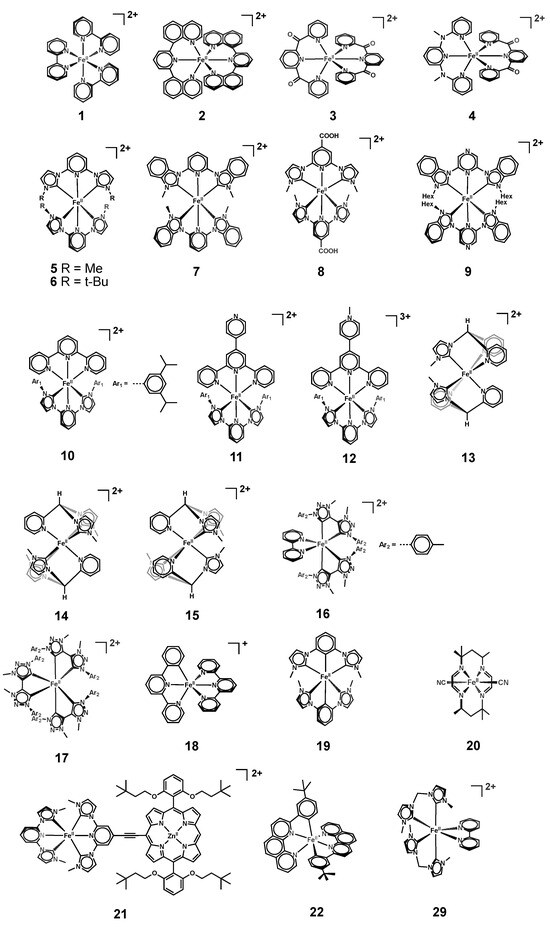
The photochemistry of transition metal complexes has been crucial for the development of many fundamental topics, as well as to pave the way for several important applications. However, in most cases, photoactive transition metal complexes involved precious metals, with luminescent ruthenium polypyridine complexes playing the dominant role. Developing photoactive species based on earth-abundant metals is highly important for fundamental and applicative reasons. Iron is one of the most abundant metals on Earth’s crust, so luminescent iron complexes are highly desired. The recent search for iron complexes with long-lived and luminescent excited states is here presented, including Fe(II) species with metal-to-ligand charge transfer (MLCT) excited states and Fe(III) species with luminescent ligand-to-metal charge transfer (LMCT) states. The excited-state equilibration approach to prolong the luminescence lifetimes of Fe(III) compounds in multichromophoric species is also discussed. This latter approach can increase the possibility of luminescent iron complexes being involved in bimolecular processes as well as in photoinduced electron and energy transfer at interfaces, which is relevant for many applications.
Full article

Graphical abstract
Open AccessReview
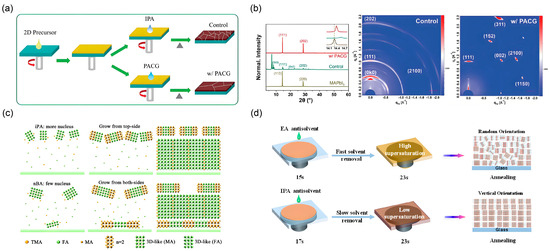
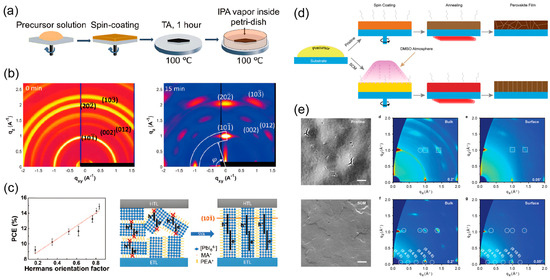
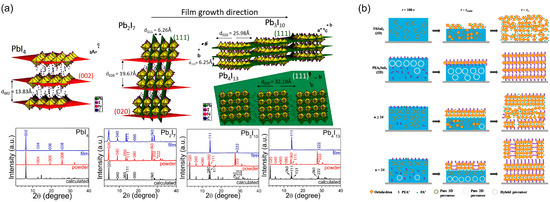
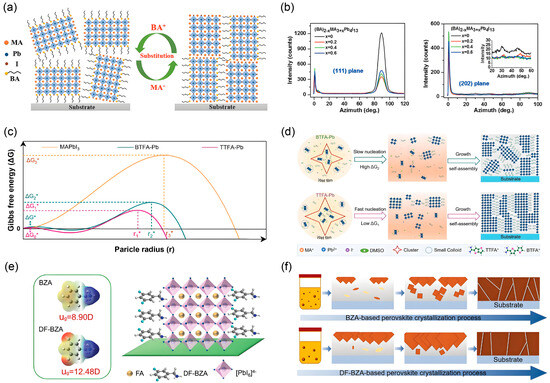
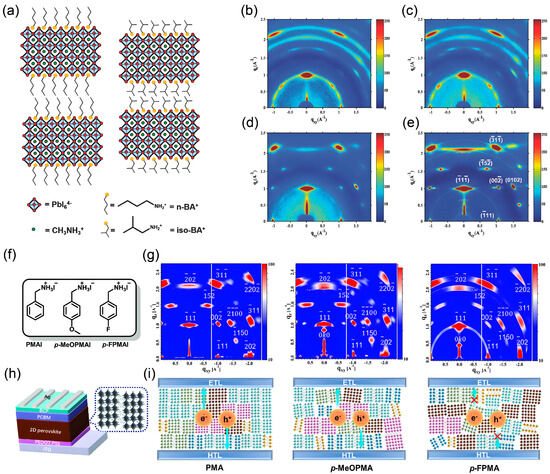
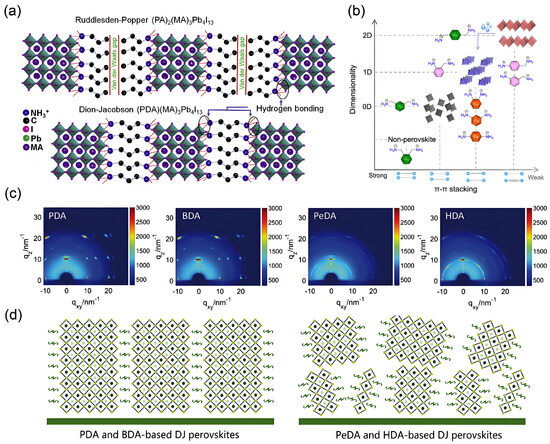
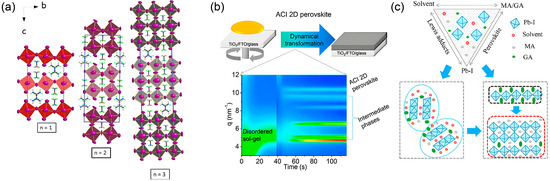
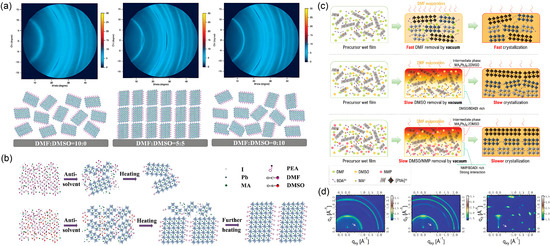
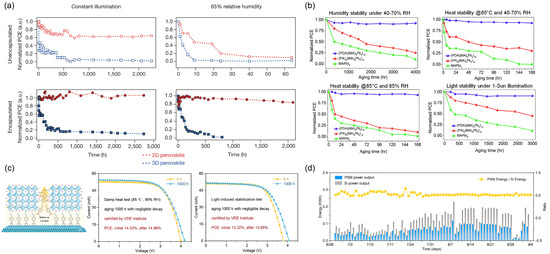
Recent Advances in Crystallographic Optimization for High-Performance Two-Dimensional Perovskite Photovoltaic Devices
by
Pinghui Yang, Yuexian Cao, Jianhua Wang, Jiaju Zhou, Minyong Du and Dexu Zheng
Photochem 2026, 6(1), 1; https://doi.org/10.3390/photochem6010001 - 19 Dec 2025
Abstract
►▼
Show Figures
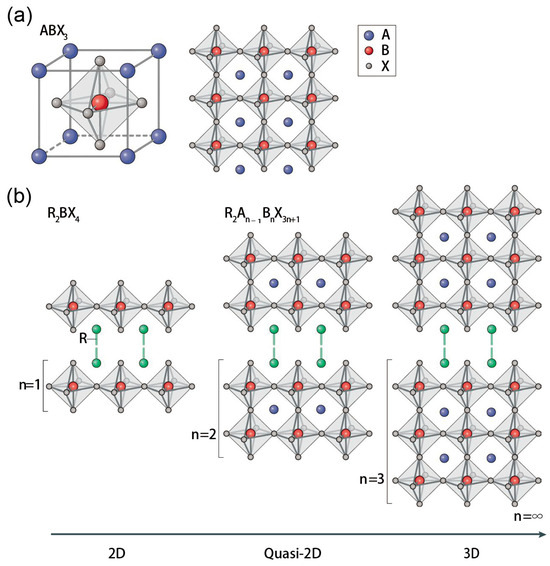
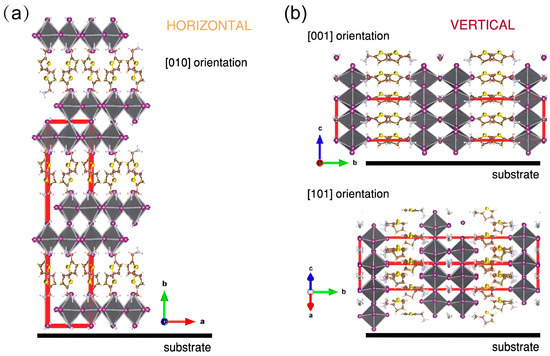
Two-dimensional (2D) metal halide perovskites have attracted considerable interest for their markedly improved environmental stability and versatile compositional tunability compared to their three-dimensional (3D) counterparts. Nevertheless, the anisotropic charge transport caused by insulating organic spacers often leads to inefficient charge transport and limiting
[...] Read more.
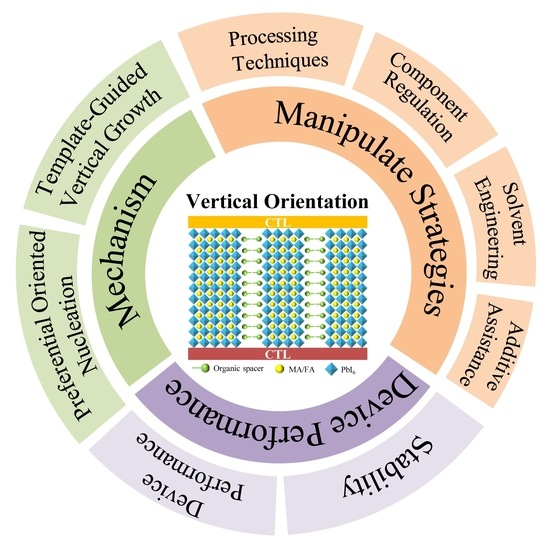
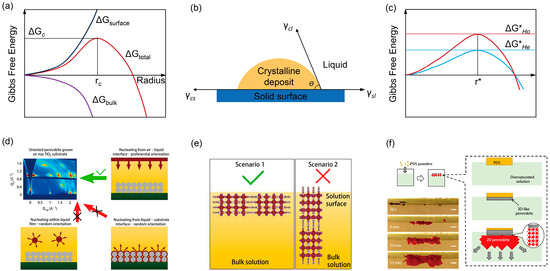
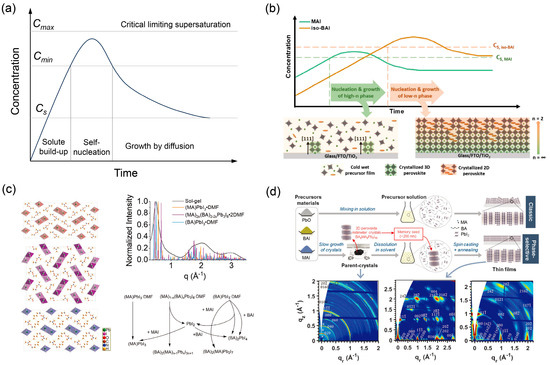
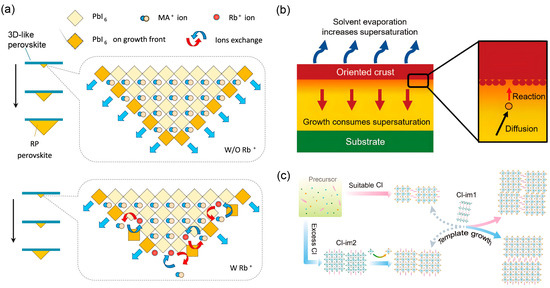
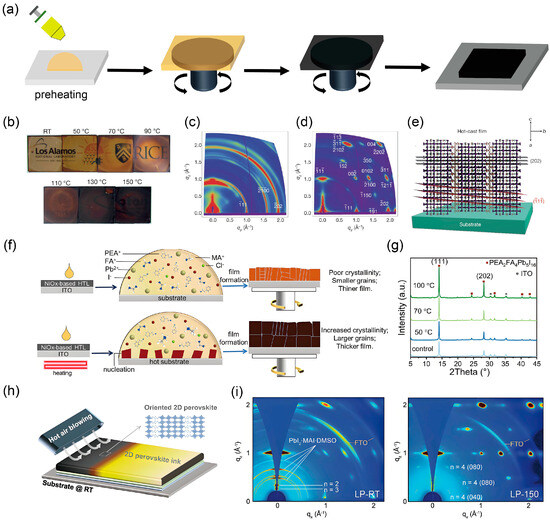
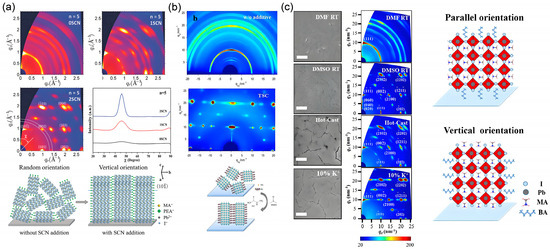
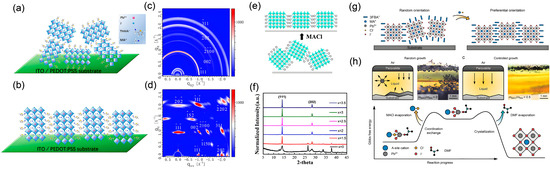
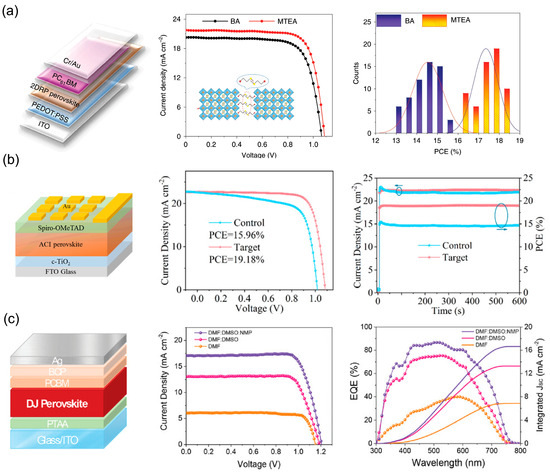
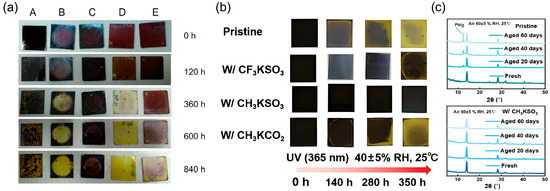
Two-dimensional (2D) metal halide perovskites have attracted considerable interest for their markedly improved environmental stability and versatile compositional tunability compared to their three-dimensional (3D) counterparts. Nevertheless, the anisotropic charge transport caused by insulating organic spacers often leads to inefficient charge transport and limiting device performance. Precise control over crystallographic orientation, particularly achieving vertical alignment of the inorganic layers, is essential to facilitate out-of-plane charge transport and enhance device efficiency. This review systematically summarizes recent advances in understanding and controlling the crystallographic orientation of 2D perovskites, emphasizing manipulating strategies such as processing optimization, composition engineering, spacer design, solvent selection, and additive assistance to promote vertical alignment of inorganic layers and improve interlayer charge transport. We also discuss the influence of phase distribution, quantum well width, and crystal growth kinetics on device performance. Finally, we outline prevailing challenges and future opportunities for achieving the ideal microstructure and high-efficiency 2D perovskite solar cells.
Full article

Graphical abstract
Open AccessArticle
Gold Nanoparticle-Mediated Delivery of Methylene Blue and INF: A Dual-Action Strategy Against Bacterial Resistance
by
Begench Gurbandurdyyev, Berdimyrat Annamuradov, Justice ben Yosef, Yaran Allamyradov, Brayden Gross and Ali Oguz Er
Photochem 2025, 5(4), 40; https://doi.org/10.3390/photochem5040040 - 8 Dec 2025
Abstract
Gold nanoparticles (AuNPs) synthesized via picosecond pulsed laser ablation were investigated as enhancers of methylene blue (MB)-mediated photodynamic therapy (PDT) against Escherichia coli. AuNPs produced at 532 and 1064 nm with frequencies of 20–50 kHz showed frequency- and size-dependent effects, with 50 kHz
[...] Read more.
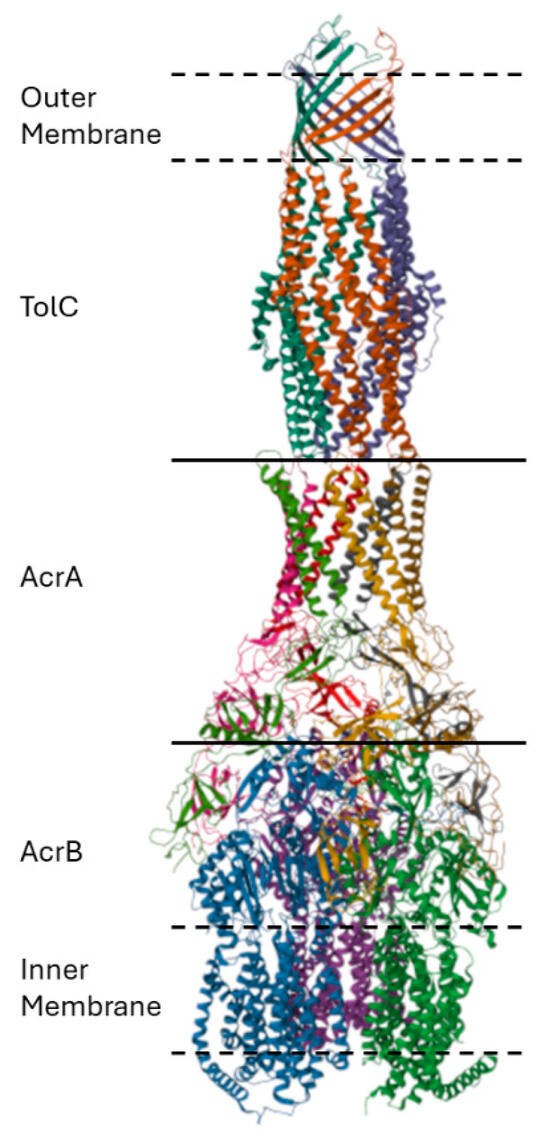
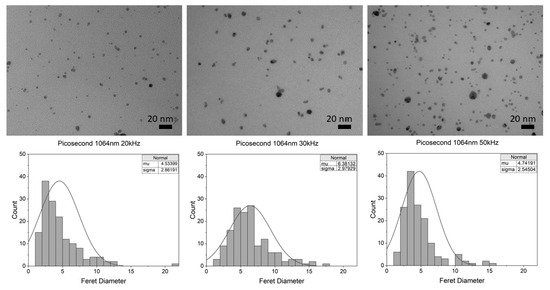
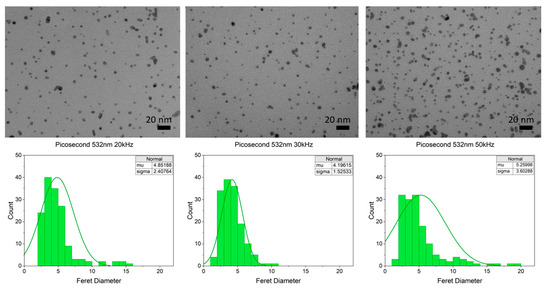
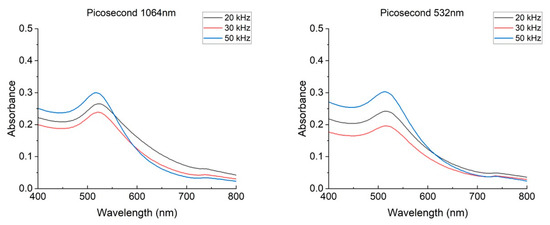
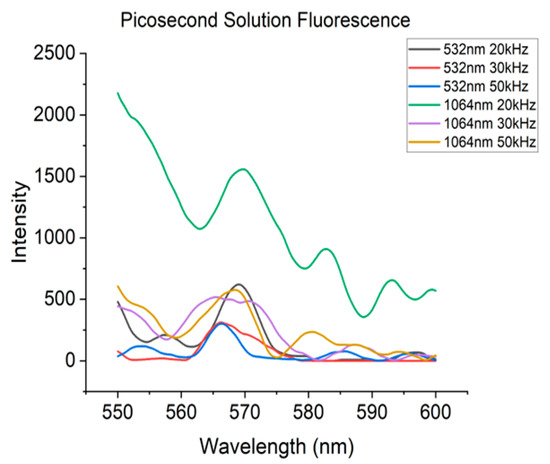
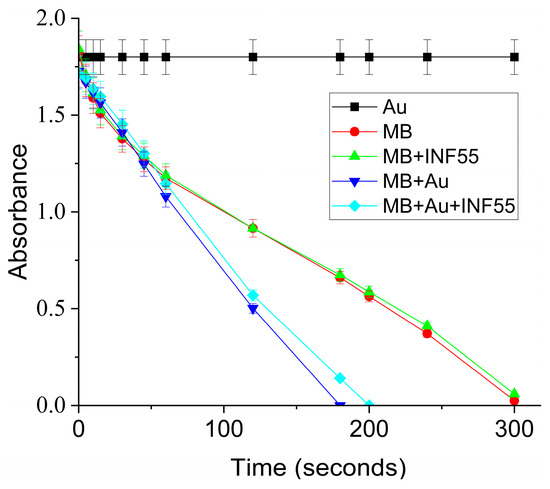
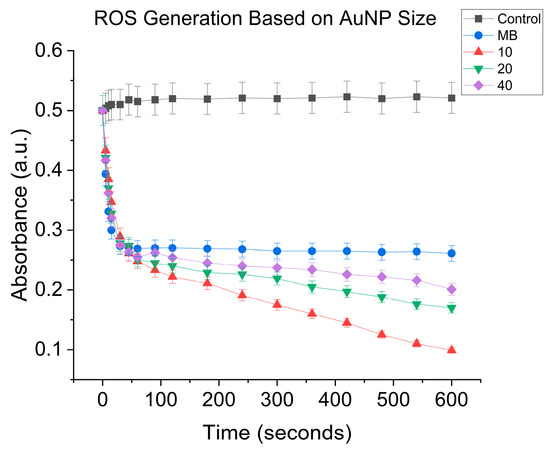
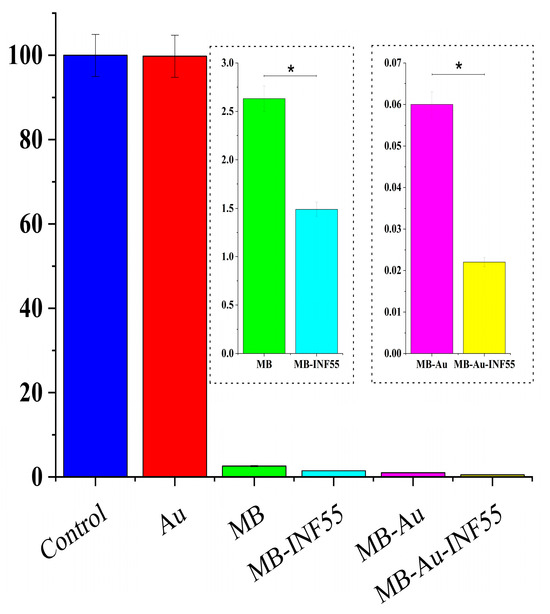
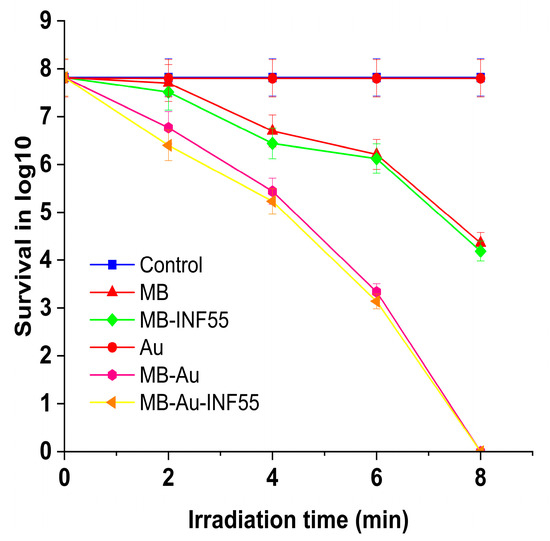
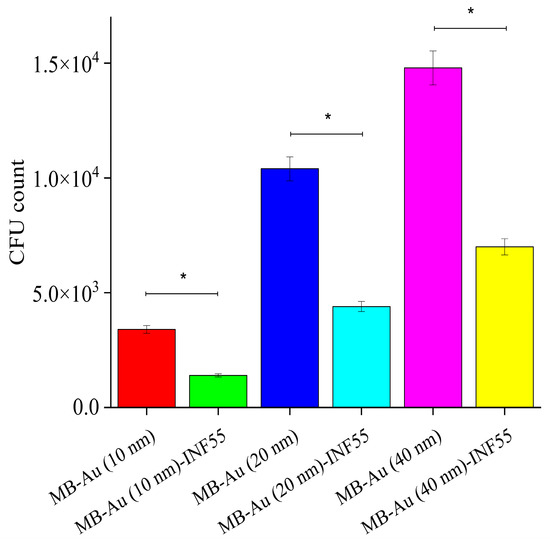
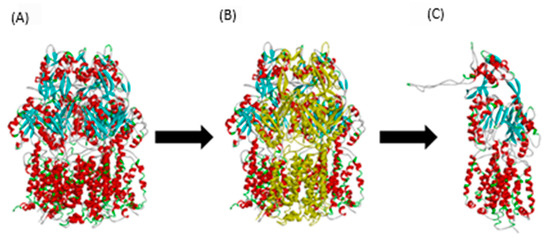
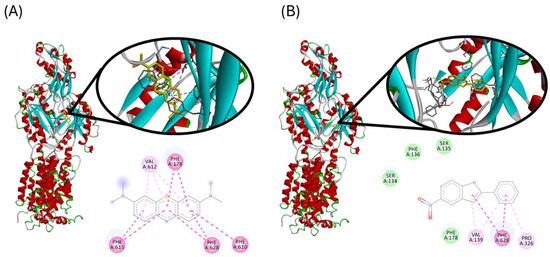
Gold nanoparticles (AuNPs) synthesized via picosecond pulsed laser ablation were investigated as enhancers of methylene blue (MB)-mediated photodynamic therapy (PDT) against Escherichia coli. AuNPs produced at 532 and 1064 nm with frequencies of 20–50 kHz showed frequency- and size-dependent effects, with 50 kHz yielding the highest particle concentrations and smaller particles enhancing reactive oxygen species (ROS) generation. UV-Vis and fluorescence spectroscopy confirmed nanoparticle formation and plasmonic properties consistent with TEM measurements. Photobleaching assays demonstrated that AuNPs significantly increased MB singlet oxygen generation, while the efflux pump inhibitor INF-55 further amplified bacterial killing without altering net ROS yield. In vitro assays revealed that INF-55 combined with MB/AuNPs achieved ~59% higher bacterial deactivation compared to MB/AuNPs alone. Molecular docking confirmed stronger binding of INF-55 to the AcrB efflux pump (−9.1 kcal/mol) than MB, supporting its role as a competitive inhibitor that promotes intracellular MB retention. These findings establish a dual-action PDT strategy in which AuNPs enhance ROS production and INF-55 augments antibacterial efficacy via efflux pump inhibition. Together, this platform provides a proof of concept for future translation to biofilm- and tissue-based infection models, and potentially to localized clinical applications such as prosthetic joint, catheter-associated, or chronic wound infections where conventional sterilization or systemic antibiotics are insufficient.
Full article
(This article belongs to the Special Issue Feature Papers in Photochemistry, 3rd Edition)
►▼
Show Figures

Figure 1
Open AccessReview
Application of Photochemistry in Natural Product Synthesis: A Sustainable Frontier
by
Shipra Gupta
Photochem 2025, 5(4), 39; https://doi.org/10.3390/photochem5040039 - 5 Dec 2025
Abstract
Natural Product Synthesis (NPS) is a cornerstone of organic chemistry, historically rooted in the dual goals of structure elucidation and synthetic strategy development for bioactive compounds. Initially focused on identifying the structures of medicinally relevant natural products, NPS has evolved into a dynamic
[...] Read more.
Natural Product Synthesis (NPS) is a cornerstone of organic chemistry, historically rooted in the dual goals of structure elucidation and synthetic strategy development for bioactive compounds. Initially focused on identifying the structures of medicinally relevant natural products, NPS has evolved into a dynamic field with applications in drug discovery, immunotherapy, and smart materials. This evolution has been propelled by advances in reaction design, mechanistic insight, and the integration of green chemistry principles. A particularly promising development in NPS is the use of photochemistry, which harnesses light—a renewable energy source—to drive chemical transformations. Photochemical reactions offer unique excited-state reactivity, enabling synthetic pathways that are often inaccessible through thermal methods. Their precision and sustainability make them ideal for modern synthetic challenges. This review explores a wide range of photochemical reactions, from classical to contemporary, emphasizing their role in total synthesis. By showcasing their potential, the review aims to encourage broader adoption of photochemical strategies in the synthesis of complex natural products, promoting innovation at the intersection of molecular complexity, sustainability, and synthetic efficiency.
Full article
(This article belongs to the Special Issue Feature Review Papers in Photochemistry)
►▼
Show Figures

Graphical abstract
Open AccessArticle
Preparation and Study of Bright Orange-Yellow Long Persistent Luminescent Ca2LuScGa2Ge2O12:Pr3+ Phosphor
by
Xiaoman Shi, Huimin Li, Ruiping Deng, Su Zhang and Hongjie Zhang
Photochem 2025, 5(4), 38; https://doi.org/10.3390/photochem5040038 - 18 Nov 2025
Abstract
►▼
Show Figures
Long persistent phosphors are widely used in many fields, such as LED, bioimaging, urgent lighting, temperature sensors, etc. Although green and blue long persistent phosphors are well developed, efficient orange-yellow long persistent phosphors are still relatively rare. In this work, a novel orange-yellow
[...] Read more.
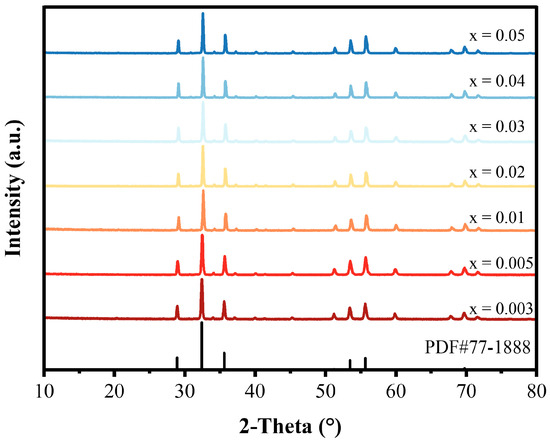
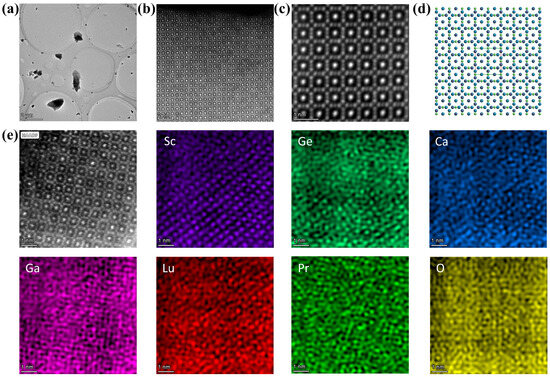
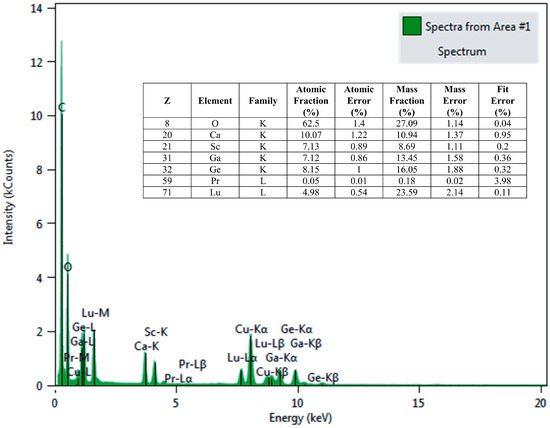
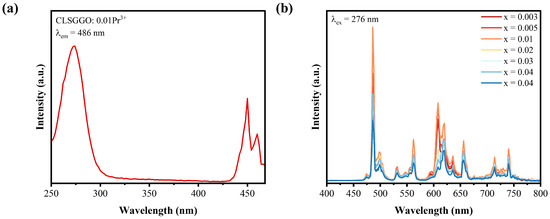
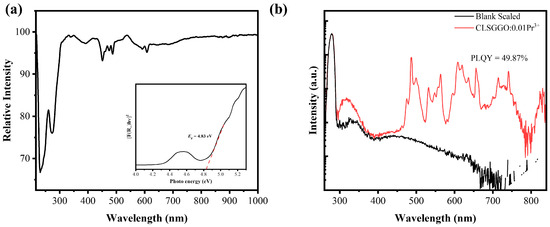
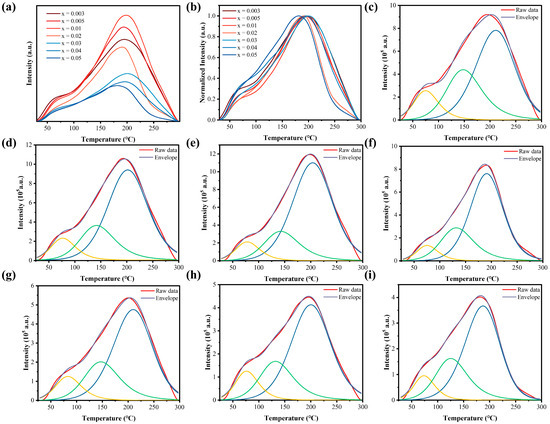
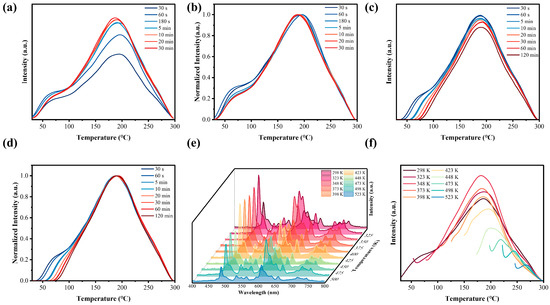
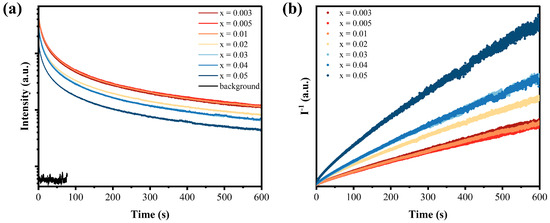
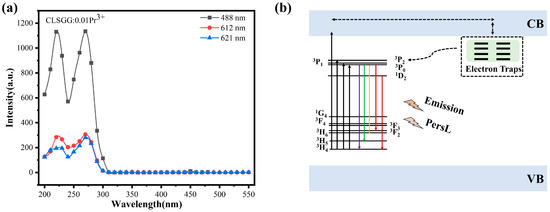
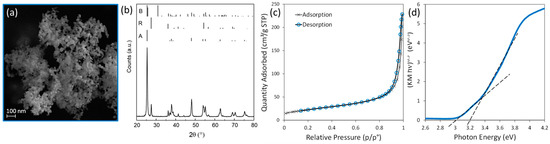
Long persistent phosphors are widely used in many fields, such as LED, bioimaging, urgent lighting, temperature sensors, etc. Although green and blue long persistent phosphors are well developed, efficient orange-yellow long persistent phosphors are still relatively rare. In this work, a novel orange-yellow long-persistent phosphors Ca2LuScGa2Ge2O12:xPr3+ (CLSGGO:xPr3+, x = 0.003, 0.005, 0.01, 0.02, 0.03, 0.04, 0.05) are prepared and systematically investigated through its crystal structural information, photoluminescence, and persistent luminescence properties. Under ultraviolet light excitation, these phosphors exhibit orange-yellow emission stemming from the 3P0 and 1D2 multiple electron transitions in the 4f level of Pr3+ ion. In addition, the material exhibits bright persistent luminescence. The complex garnet matrix structure of Ca2LuScGa2Ge2O12 provides excellent conditions for the formation of traps. Through the testing of thermoluminescence curve and function fitting, the density and depth of traps are studied; also, the storage and release process of carriers in the material are calculated in detail. A reasonable persistent luminescence mechanism is proposed for CLSGGO:0.01Pr3+. This work enriches the research content of photoluminescence and long persistent luminescence of Pr3+-doped garnet-based phosphors and paves the way for the future research of long persistent luminescent materials doped with rare earth ions.
Full article

Figure 1
Open AccessArticle
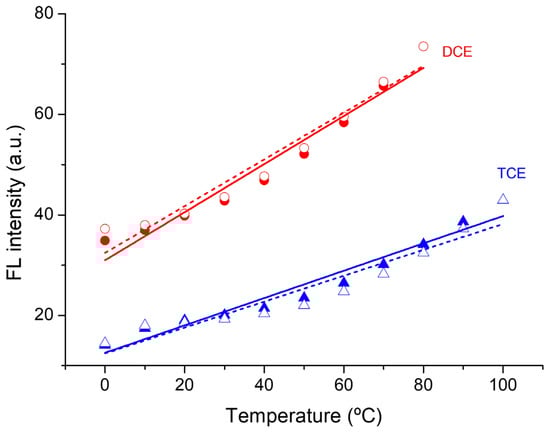
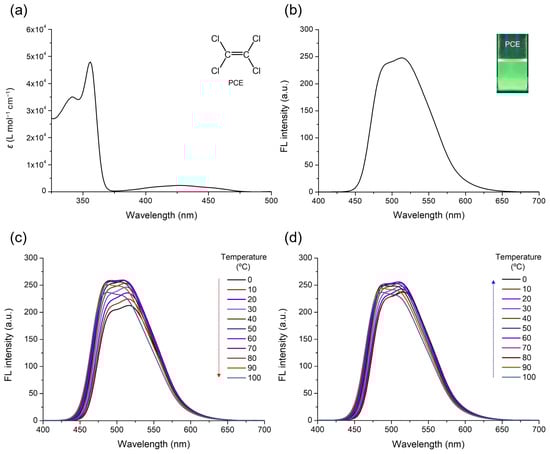
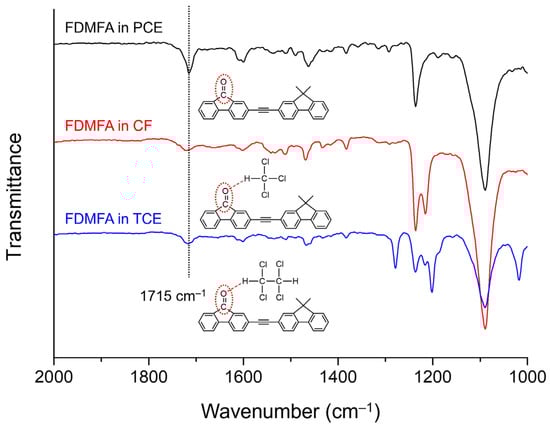
Fluorescence Behavior of Fluorenone Derivative in Chlorinated Hydrocarbons: Verification of Solvent Proticity via Fluorescence Spectroscopy
by
Jineun Lee, Toshikazu Sakaguchi and Giseop Kwak
Photochem 2025, 5(4), 37; https://doi.org/10.3390/photochem5040037 - 3 Nov 2025
Abstract
►▼
Show Figures
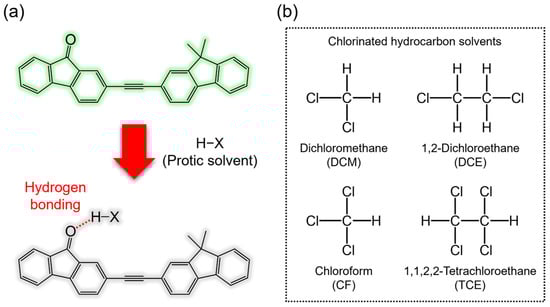
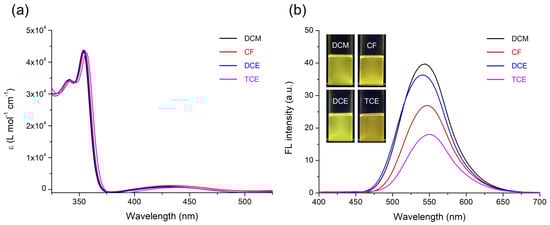
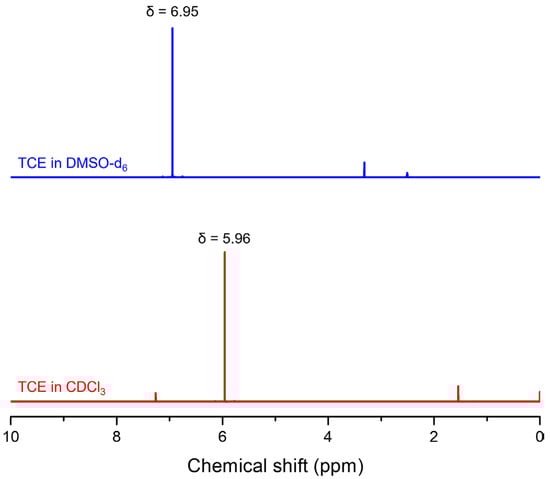
In this study, the fluorescence (FL) behavior of a fluorenone derivative (FDMFA) in four chlorinated hydrocarbon solvents was investigated. While all four solvents have low polarities, their proticities are considerably different. Therefore, the FL properties of FDMFA could be considered to depend solely
[...] Read more.
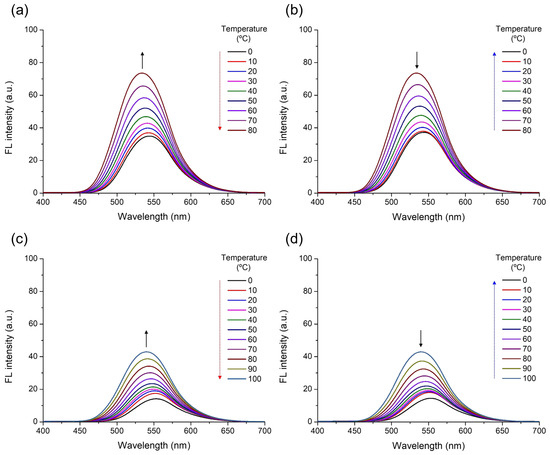
In this study, the fluorescence (FL) behavior of a fluorenone derivative (FDMFA) in four chlorinated hydrocarbon solvents was investigated. While all four solvents have low polarities, their proticities are considerably different. Therefore, the FL properties of FDMFA could be considered to depend solely on the solvent’s proticity, with any polarity effects being insignificant. The hydrogen bond donor acidity was used as a measure of proticity, with higher values representing greater FL quenching due to vibronic coupling. The hydrogen bonding between FDMFA and the solvents could be thermodynamically controlled; thus, the FL emission was substantially enhanced during the heating process and quenched again during the cooling process. This change occurred reversibly and repeatedly. Because chlorinated hydrocarbon solvents are widely used for reaction and cleaning purposes in industrial applications, the findings of this study will be helpful in ensuring that such solvents are appropriately handled.
Full article

Figure 1
Open AccessArticle
Distinct Piezochromic Properties of Cyanostilbene- and Cyanostyrene-Based Donor–Acceptor–Donor- and Donor–Acceptor-Structured Organic Luminogens
by
Ziyang Wang, Miao Yang, Yuxi Chen, Xinyue Yang, Bowen Xie, Xiaoke Duan, Haoyue Shen and Chengyuan Wang
Photochem 2025, 5(4), 36; https://doi.org/10.3390/photochem5040036 - 3 Nov 2025
Abstract
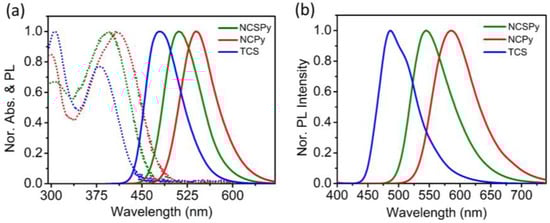
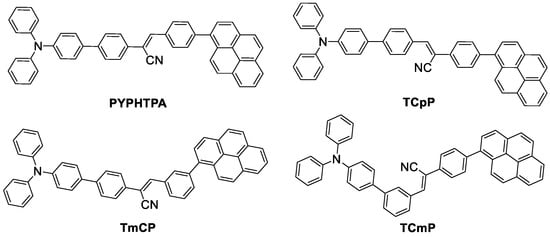
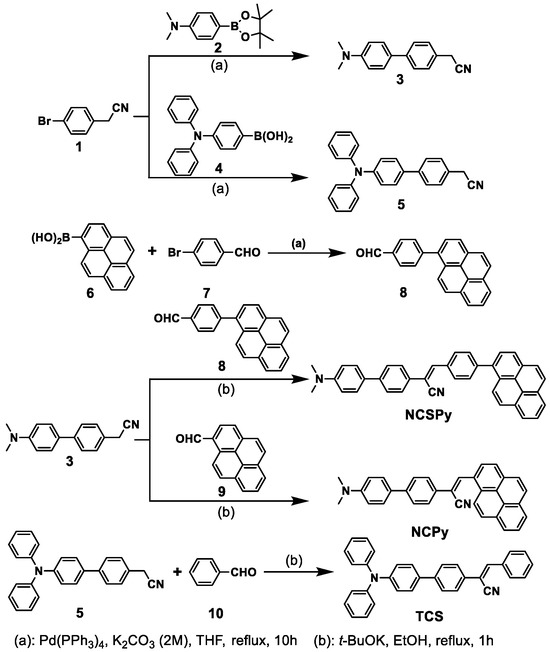
Organic luminogens (OLs) with piezochromic (PC) properties have attracted significant attention for their varied applications in chemical sensors, organic optoelectronic devices, biological imaging, etc. In this work, we designed and synthesized three donor–acceptor–donor- or donor–acceptor-structured OLs with different donor or acceptor moieties. Their
[...] Read more.
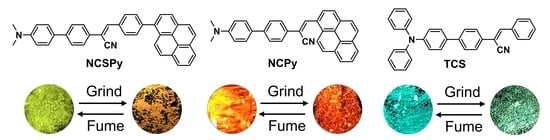
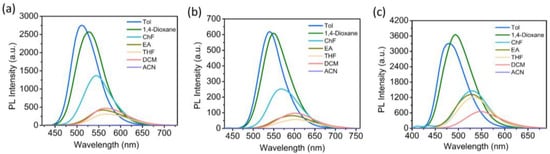
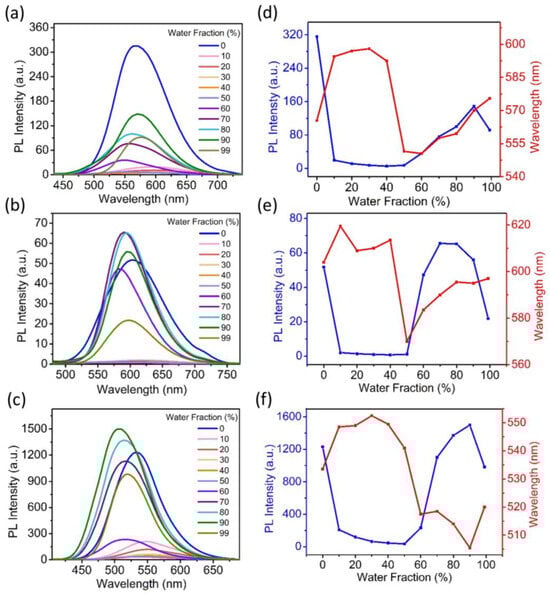
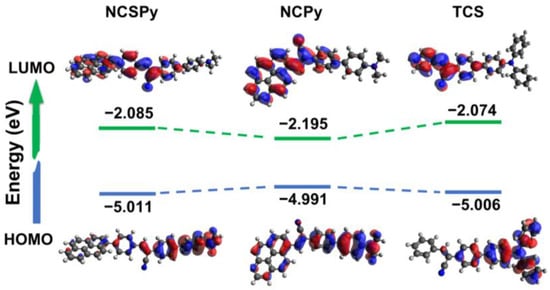
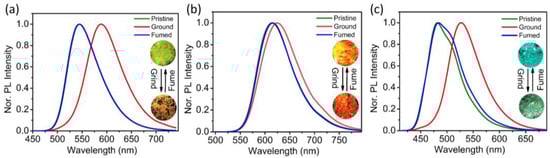
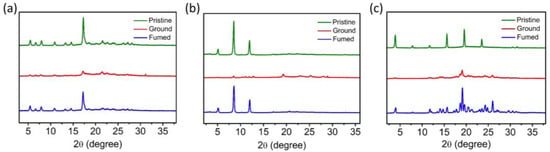
Organic luminogens (OLs) with piezochromic (PC) properties have attracted significant attention for their varied applications in chemical sensors, organic optoelectronic devices, biological imaging, etc. In this work, we designed and synthesized three donor–acceptor–donor- or donor–acceptor-structured OLs with different donor or acceptor moieties. Their photophysical properties in both dilute solution and aggregated states were studied through various spectroscopic analytical methods, and their PC properties were investigated under mechanical grinding (MG) conditions. The OLs containing cyanostilbene moiety exhibited a photoemission shift up to ~45 nm after simple grinding, while that was only ~10 nm for cyanostyrene-containing OL. Combined with the powder X-ray diffraction analysis, the incorporation of the cyanostilbene moiety is inferred to play an important role in inducing the apparent PC properties. Our study not only reports novel OLs with good PC properties, but also discusses the structure–property relationships in order to provide guidance for future rational design and the development of novel PC materials.
Full article
(This article belongs to the Special Issue Photochemistry Directed Applications of Organic Fluorescent Materials)
►▼
Show Figures

Graphical abstract
Open AccessReview
Hybrid Biocatalysis with Photoelectrocatalysis for Renewable Furan Derivatives’ Valorization: A Review
by
Shize Zheng, Xiangshi Liu, Bingqian Guo, Yanou Qi, Xifeng Lv, Bin Wang and Di Cai
Photochem 2025, 5(4), 35; https://doi.org/10.3390/photochem5040035 - 1 Nov 2025
Abstract
Biocatalysis is fundamental to biological processes and sustainable chemical productions. Over time, the biocatalysis strategy has been widely researched. Initially, biomanufacturing and catalysis of high-value chemicals were carried out through direct immobilization and application of biocatalysts, including natural enzymes and living cells. With
[...] Read more.
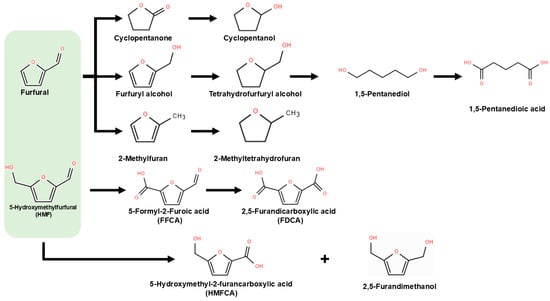
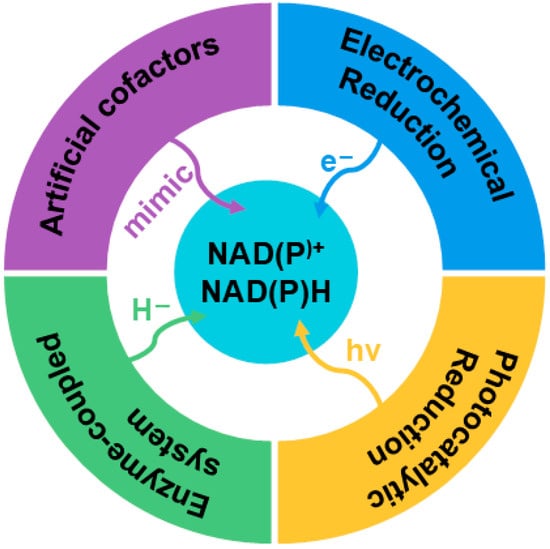
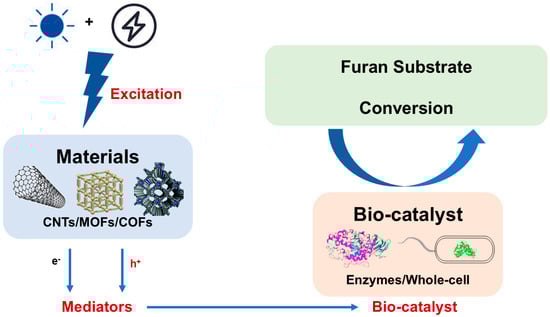
Biocatalysis is fundamental to biological processes and sustainable chemical productions. Over time, the biocatalysis strategy has been widely researched. Initially, biomanufacturing and catalysis of high-value chemicals were carried out through direct immobilization and application of biocatalysts, including natural enzymes and living cells. With the evolution of green chemistry and environmental concern, hybrid photoelectro-biocatalysis (HPEB) platforms are seen as a new approach to enhance biocatalysis. This strategy greatly expands the domain of natural biocatalysis, especially for bio-based components. The selective valorization of renewable furan derivatives, such as 5-hydroxymethylfurfural (HMF) and furfural, is central to advancing biomass-based chemical production. Biocatalysis offers high chemo-, regio-, and stereo-selectivity under mild conditions compared with traditional chemical catalysis, yet it is often constrained by the costly and inefficient regeneration of redox cofactors like NAD(P)H. Photoelectrocatalysis provides a sustainable means to supply reducing equivalents using solar or electrical energy. In recent years, hybrid systems that integrate biocatalysis with photoelectrocatalysis have emerged as a promising strategy to overcome this limitation. This review focuses on recent advances in such systems, where photoelectrochemical platforms enable in situ cofactor regeneration to drive enzymatic transformations of furan-based substrates. We critically analyze representative coupling strategies, materials and device configurations, and reaction engineering approaches. Finally, we outline future directions for developing efficient, robust, and industrially viable hybrid catalytic platforms for green biomass valorization.
Full article
(This article belongs to the Special Issue Feature Review Papers in Photochemistry)
►▼
Show Figures

Figure 1
Open AccessReview
Mechanical Characterization of Natural Polymers Using Brillouin Spectroscopy: A Comprehensive Review
by
José A. Rodrigues, Bruno Esteves, Patrícia Costa and José H. Correia
Photochem 2025, 5(4), 34; https://doi.org/10.3390/photochem5040034 - 23 Oct 2025
Abstract
►▼
Show Figures
Experimental analysis of the viscoelastic properties of natural polymers over different testing durations and response time scales yields complementary insights into their static and dynamic mechanical behavior. Within this context, Brillouin spectroscopy has emerged as a contactless, non-invasive and label-free tool for the
[...] Read more.
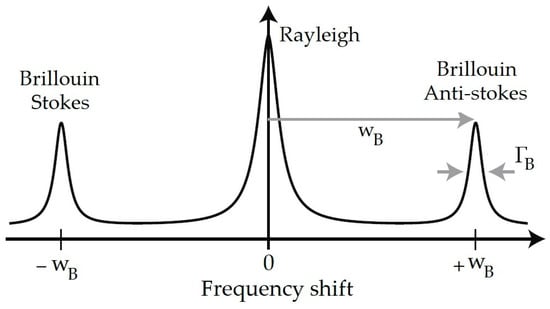
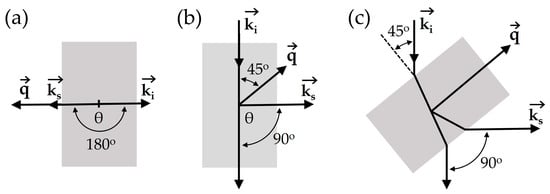
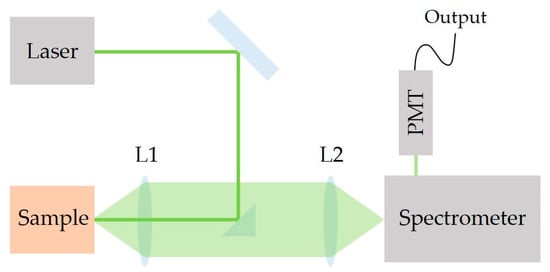
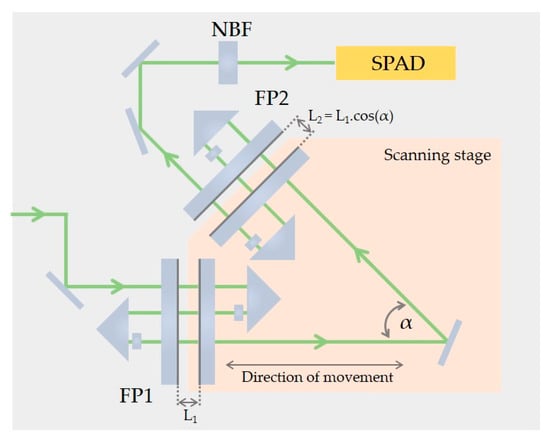
Experimental analysis of the viscoelastic properties of natural polymers over different testing durations and response time scales yields complementary insights into their static and dynamic mechanical behavior. Within this context, Brillouin spectroscopy has emerged as a contactless, non-invasive and label-free tool for the mechanical characterization of materials. In this review article, we provide a comprehensive overview of recent advances in Brillouin spectroscopy techniques applied to various natural polymers, including proteins, carbohydrates, and polysaccharides. We discuss the principles of Brillouin scattering and their application in investigating the mechanical properties of natural polymers. Additionally, we explore future perspectives and challenges. This review aims to provide researchers and practitioners with a comprehensive understanding of the capabilities and limitations of Brillouin spectroscopy for the mechanical characterization of natural polymers, promoting new advances in this interdisciplinary field.
Full article

Figure 1
Open AccessArticle
Immune Gene Expression Modulation and In Vitro Inhibitory Effect of TiO2 Nanoparticles Under UV Irradiation on Viral Necrosis Virus
by
Rim El Jeni, Gian Luca Chiarello, Elena Selli, Annamaria Costa, Alessia Di Giancamillo, Daniela Bertotto, Giuseppe Radaelli, Tarek Temraz and Nadia Chérif
Photochem 2025, 5(4), 33; https://doi.org/10.3390/photochem5040033 - 16 Oct 2025
Abstract
►▼
Show Figures
This study examines the potential in vitro application of different concentrations of titanium dioxide (TiO2) nanoparticles (NPs) irradiated with UV light for the sanitation of recirculating aquaculture systems (RASs) and their antiviral activity. The diverse effects of Nodavirus on immune gene
[...] Read more.
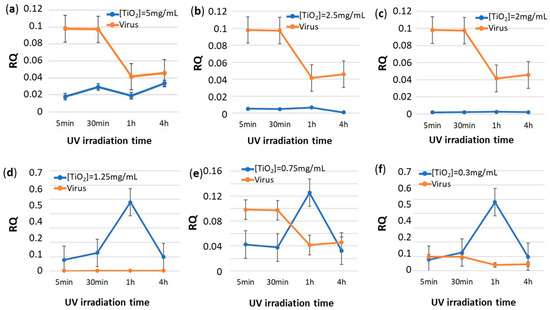
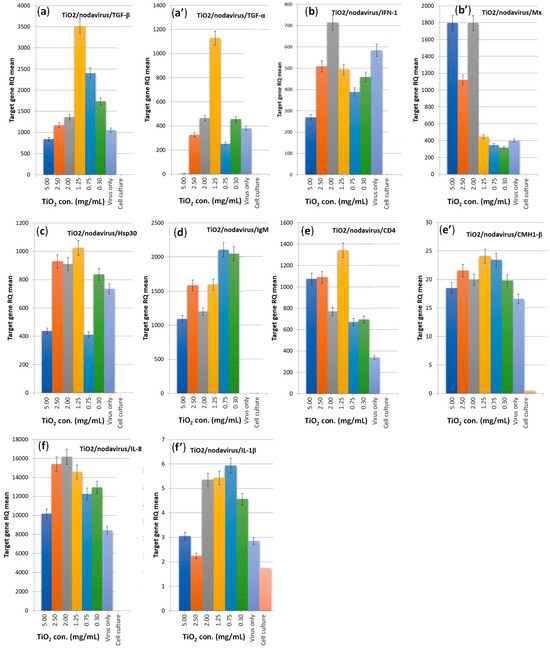
This study examines the potential in vitro application of different concentrations of titanium dioxide (TiO2) nanoparticles (NPs) irradiated with UV light for the sanitation of recirculating aquaculture systems (RASs) and their antiviral activity. The diverse effects of Nodavirus on immune gene expression (i.e., pro-inflammatory and anti-inflammatory genes, cellular response genes, humoral response genes, and stress genes) were studied using RT-qPCR (Reverse Transcription Quantitative Polymerase Chain Reaction). In addition, the viability and cytopathic effect in E-11 fish cells were also investigated. The results obtained did not show a clear cytopathic effect under the reversed-phase microscope observation at different TiO2 concentrations. A significant decrease in viral coat protein gene expression was observed when using 2.5 and 1.25 g/L TiO2 suspensions under UV irradiation. TiO2 at 1.25 g/L induced an inflammatory response to Nodavirus by increasing the expression of all target genes. Thus, this work suggests that TiO2 NPs can strengthen the immune system of fish to fight virus infection and make aquaculture a greener and more sustainable activity.
Full article

Figure 1
Open AccessArticle
Upcycled Carbon Dots as Multifunctional Boosters for Broad-Spectrum Photostable Sunscreens
by
Gustavo Teixeira Machado, Caio Rui Chiabai, Isaac dos Santos Orgino, Leticia Neves Ferraz, Flavia Dayrell França, Fábio Luiz Partelli, Paulo Eduardo Narcizo de Souza, Ana Sofia Fernandes, Ana Luísa Gomes Júlio, André Rolim Baby, George Ricardo Santana Andrade and Fabiana Vieira Lima Solino Pessoa
Photochem 2025, 5(4), 32; https://doi.org/10.3390/photochem5040032 - 13 Oct 2025
Abstract
►▼
Show Figures
Sustainable ultraviolet (UV) filters that couple photoprotection with antioxidant activity are needed. Carbon dots (CDots) derived from agro-industrial waste have emerged as promising candidates. CDots were prepared from Coffea canephora (coffee leaf) residues by a one-pot microwave route and characterized by UV–Vis, FTIR,
[...] Read more.
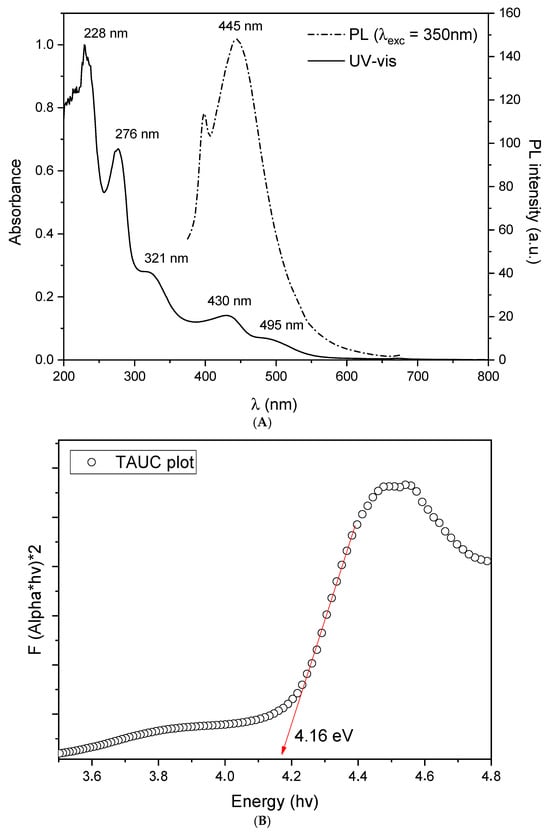
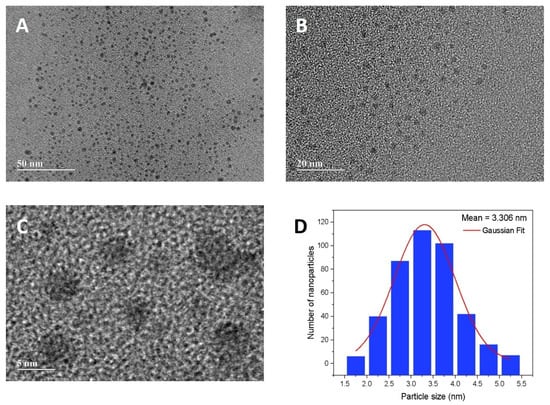
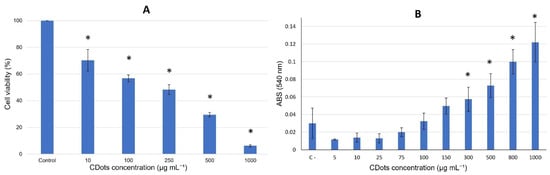
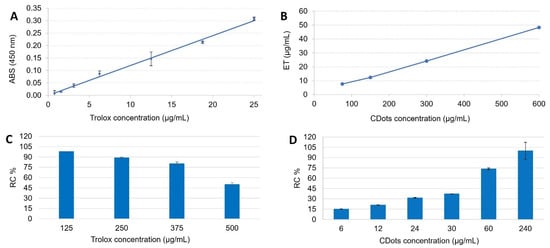
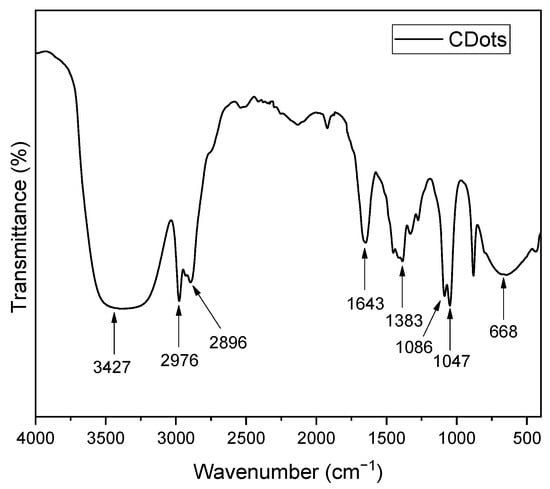
Sustainable ultraviolet (UV) filters that couple photoprotection with antioxidant activity are needed. Carbon dots (CDots) derived from agro-industrial waste have emerged as promising candidates. CDots were prepared from Coffea canephora (coffee leaf) residues by a one-pot microwave route and characterized by UV–Vis, FTIR, and TEM. Antioxidant capacity was determined by CUPRAC and DPPH-EPR. The photoprotective efficacy was assessed in vitro by diffuse reflectance spectrophotometry before and after solar-simulator exposure. Nearly spherical CDots (3.3 ± 0.7 nm) displayed a 4.16 eV optical bandgap and broad absorption from 200 to 400 nm. At 10 μg mL−1, CDots exhibited 24.62 ± 0.19% antioxidant activity relative to Trolox by CUPRAC, while by DPPH-EPR, they showed 99.9 ± 12.5% of radical quenching at 240 µg mL−1. Addition of 4.5% w/w (dry basis) CDots to the sunscreen system increased the in vitro SPF from 26 ± 13 to 161 ± 8 (p < 0.05) while maintaining the critical wavelength at 380 ± 0.64 nm. After 30 min of irradiation, the SPF dropped only 10%, versus 44% for the CDots-free sample (control), indicating superior photostability. Coffee leaf CDots acted as an efficient broadband UV absorber and antioxidant that markedly enhanced and stabilized a conventional sunscreen formulation. The work positions waste-derived CDots as an eco-friendly, next-generation multifunctional ingredient, aligning with circular economy principles.
Full article

Figure 1

Open AccessArticle
[2+2]-Photocycloadditions of 2-Acetoxy-1,4-naphthoquinone and Structure Determination of the Main Photoadducts
by
Madyan A. Yaseen, Zhifang Guo, Peter C. Junk and Michael Oelgemöller
Photochem 2025, 5(4), 31; https://doi.org/10.3390/photochem5040031 - 10 Oct 2025
Abstract
►▼
Show Figures
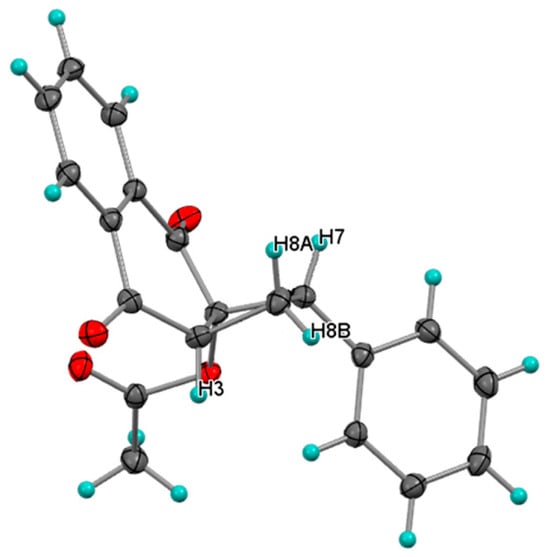
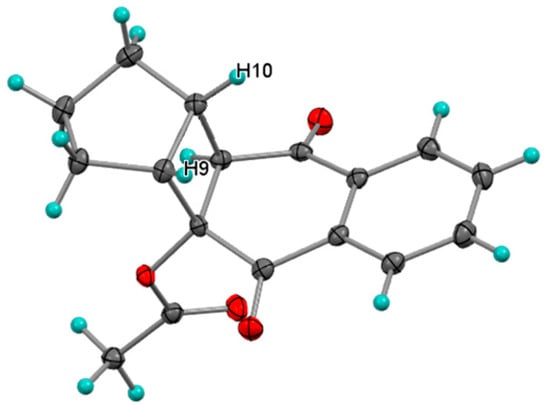
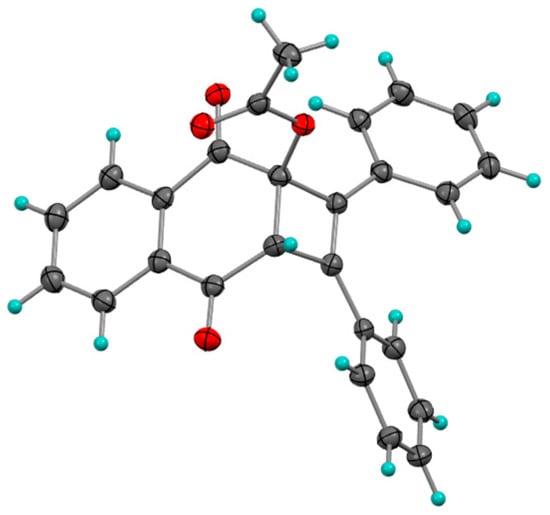
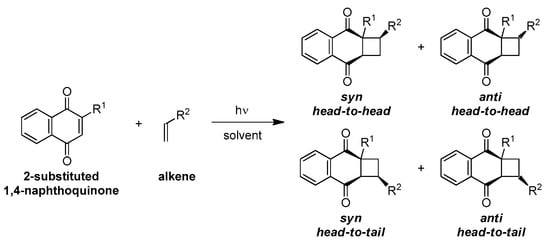
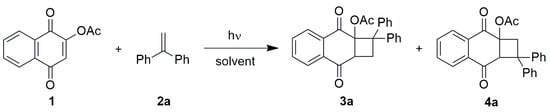
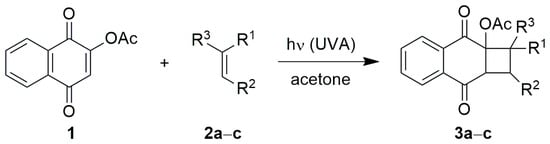
The [2+2]-photocycloaddition of 2-acetoxy-1,4-naphthoquinone with 1,1-diphenylethylene, styrene and cyclopentene was conducted in a conventional batch reactor. Prolonged irradiation selectively produced the corresponding anti and head-to-head cyclobutanes in acceptable to good yields. The batch process was subsequently transferred to continuous-flow operation in a simple
[...] Read more.
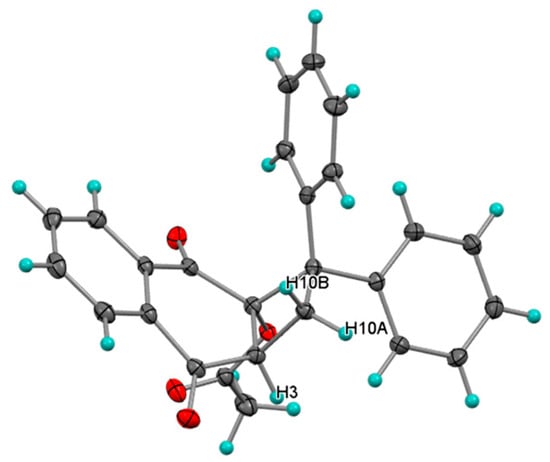
The [2+2]-photocycloaddition of 2-acetoxy-1,4-naphthoquinone with 1,1-diphenylethylene, styrene and cyclopentene was conducted in a conventional batch reactor. Prolonged irradiation selectively produced the corresponding anti and head-to-head cyclobutanes in acceptable to good yields. The batch process was subsequently transferred to continuous-flow operation in a simple capillary device. Likewise, the photocycloaddition with diphenylacetylene gave the corresponding cyclobutene and a benzoanthracenone derivative in acceptable yields. The crystal structures of all main photoproducts were successfully determined.
Full article

Figure 1

Open AccessArticle
Simultaneous Photocatalytic CO2 Reduction and Methylene Blue Degradation over TiO2@(Pt, Au, or Pd)
by
Elisenda Pulido-Melián, Cristina Valeria Santana-Fleitas, Javier Araña and Óscar Manuel González-Díaz
Photochem 2025, 5(4), 30; https://doi.org/10.3390/photochem5040030 - 28 Sep 2025
Abstract
►▼
Show Figures
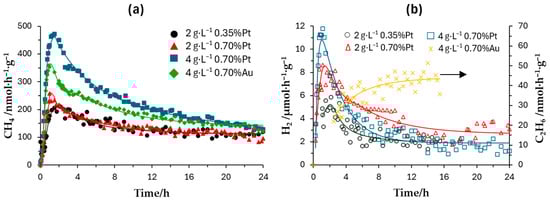
In this work, the photocatalytic reduction of CO2 was innovatively tested with the simultaneous removal and mineralization of a textile contaminant, methylene blue (MB), which acts as a sacrificial agent. The process was carried out in a flow regime under atmospheric conditions,
[...] Read more.
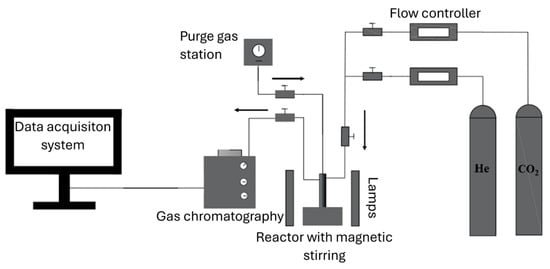
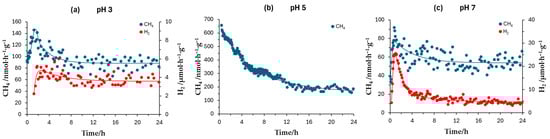
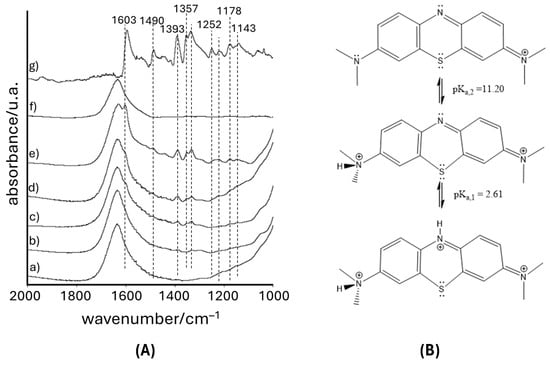
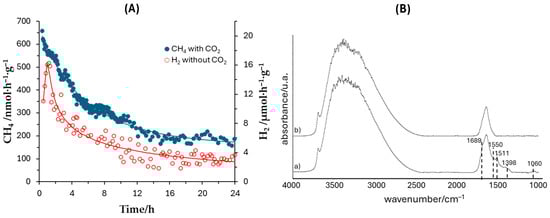
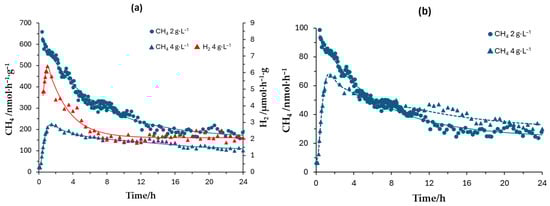
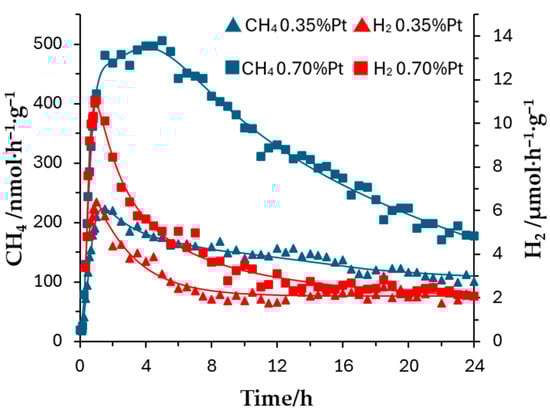
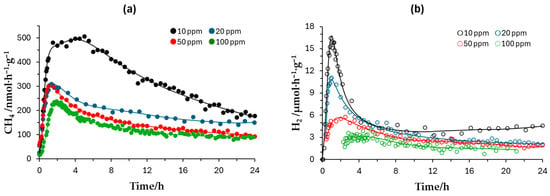
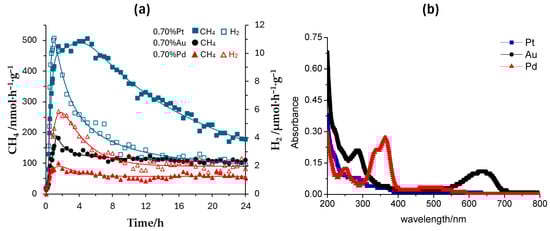
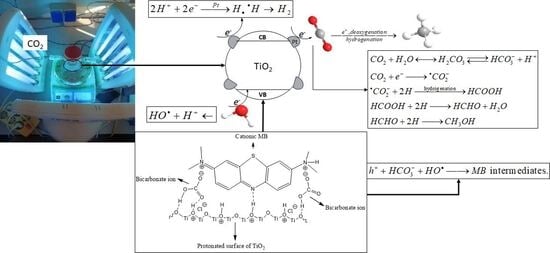
In this work, the photocatalytic reduction of CO2 was innovatively tested with the simultaneous removal and mineralization of a textile contaminant, methylene blue (MB), which acts as a sacrificial agent. The process was carried out in a flow regime under atmospheric conditions, using a liquid-phase photoreactor under UVA illumination with a duration of 24 h per test. Two commercial TiO2-based photocatalysts, P25 and P90 from Evonik, were used and surface modified through the photodeposition of metallic nanoparticles of Pt, Au, and Pd, as they did not show gas-phase products from CO2 reduction on their own. The optimal pH was 5, the decreasing order of activity by metal was Pt > Au > Pd, and the optimal MB concentration was 20 ppm. The major products were CH4 and H2 in the gas phase. The presence of CH4 was only detected in the presence of a CO2 flow. In the liquid phase, carboxylic acids were also detected in small amounts, and in the test, 100 ppm of MB ethanol was additionally detected. A 100% degradation of MB and 72.5% mineralization was achieved under the conditions of highest CH4 production (20 ppm MB at pH 5 with 4 g·L−1 P25-0.70%Pt).
Full article

Graphical abstract
Open AccessReview
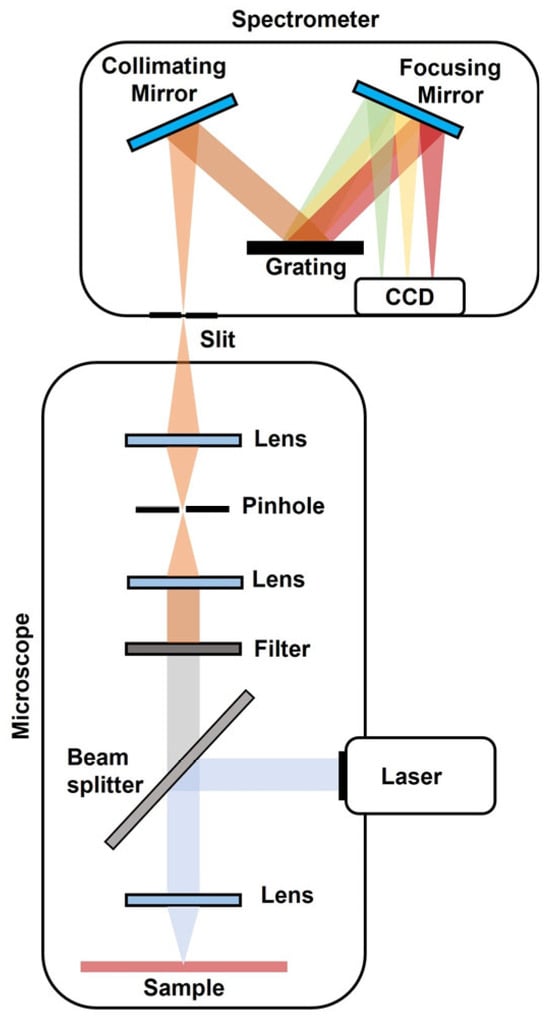
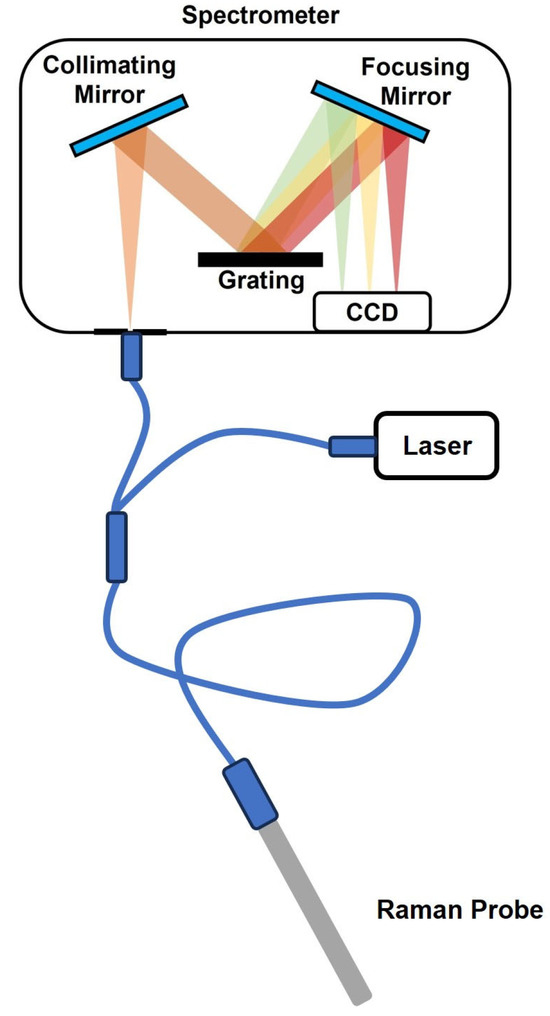
Biomedical Applications of Raman Spectroscopy: A Review
by
Sara Pimenta and José H. Correia
Photochem 2025, 5(4), 29; https://doi.org/10.3390/photochem5040029 - 26 Sep 2025
Cited by 1
Abstract
►▼
Show Figures
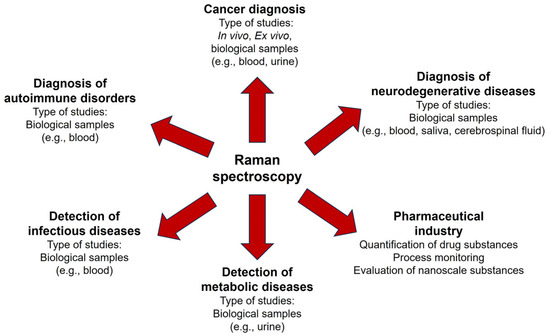
Raman spectroscopy is a widely used technology in the biomedical field, including specific applications from cancer diagnosis to an active role in the pharmaceutical industry. Despite the extensive use of Raman spectroscopy in research studies, there are still some limitations to its applicability
[...] Read more.
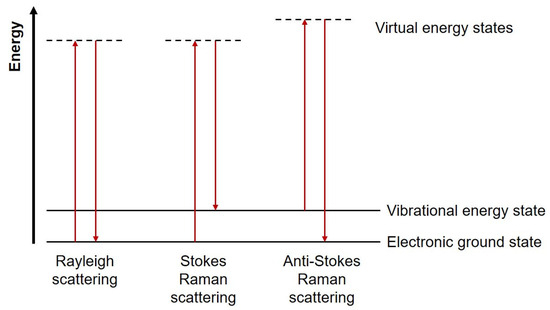
Raman spectroscopy is a widely used technology in the biomedical field, including specific applications from cancer diagnosis to an active role in the pharmaceutical industry. Despite the extensive use of Raman spectroscopy in research studies, there are still some limitations to its applicability in daily clinical diagnosis. This review initially presents the main principles of Raman spectroscopy and then its most relevant applications in the biomedical field, exploring the main advantages, challenges, and limitations. Additionally, other Raman-based techniques are identified as alternatives to the conventional technique. Overall, this review aims to present the currently available applications of Raman spectroscopy in the biomedical field and future appropriate perspectives, as possible guidance for new Raman-based biomedical devices.
Full article

Figure 1
Highly Accessed Articles
Latest Books
E-Mail Alert
News
Topics
Topic in
Applied Nano, Catalysts, Materials, Nanomaterials, Molecules, Photochem, Reactions
Supported Photocatalysts: Nano-Architecture vs. Reactivity
Topic Editors: Yongfa Zhu, Sami RtimiDeadline: 31 May 2026
Topic in
Catalysts, Materials, Molecules, Nanomaterials, Photochem, Applied Nano, AppliedChem
Fabrication of Hybrid Materials for Catalysis, 2nd Edition
Topic Editors: Michael Arkas, Jerry J. Wu, Dimitrios GiannakoudakisDeadline: 30 June 2026
Topic in
Sci, Spectroscopy Journal, Chemistry, Organics, Catalysts, Molecules, Photochem
Photogenerated Intermediates: Spectral Capture, Theoretical Characterization and Chemical Reactivity
Topic Editors: Rui Fausto, Licinia L. G. JustinoDeadline: 31 December 2026
Conferences
Special Issues
Special Issue in
Photochem
Photochemistry Directed Applications of Organic Fluorescent Materials
Guest Editor: Chengyuan WangDeadline: 31 July 2026
Special Issue in
Photochem
Recent Trends in Light-Assisted Reactions for CO2 Conversion to Fuels and Chemicals
Guest Editors: Antonietta Mancuso, Vincenzo Vaiano, Olga SaccoDeadline: 31 August 2026
Special Issue in
Photochem
Synergistic Advances in Photochemistry: Integrating Theory and Experiment
Guest Editor: Raúl Losantos CabelloDeadline: 31 August 2026
Special Issue in
Photochem
Feature Papers in Photochemistry, 3rd Edition
Guest Editor: Marcelo GuzmanDeadline: 30 September 2026