Journal Description
Nutraceuticals
Nutraceuticals
is an international, peer-reviewed, open access journal on research and development of nutraceuticals, published quarterly online by MDPI.
- Open Access— free for readers, with article processing charges (APC) paid by authors or their institutions.
- High Visibility: indexed within Scopus and other databases.
- Rapid Publication: manuscripts are peer-reviewed and a first decision is provided to authors approximately 21.1 days after submission; acceptance to publication is undertaken in 5.7 days (median values for papers published in this journal in the second half of 2025).
- Recognition of Reviewers: APC discount vouchers, optional signed peer review, and reviewer names published annually in the journal.
- Journal Cluster of Food, Nutrition, and Health Science: Beverages, Dietetics, Foods, Nutraceuticals, Nutrients and Obesities.
Latest Articles
Correction: Lessa et al. Investigation of the In Vitro Immunomodulatory Effects of Extracts from Green-Lipped Mussels (Perna canaliculus). Nutraceuticals 2024, 4, 127–146
Nutraceuticals 2026, 6(2), 37; https://doi.org/10.3390/nutraceuticals6020037 - 2 Jun 2026
Abstract
References Update [...]
Full article
Open AccessReview
Nutraceutical Strategies for Blood Pressure Control: Mechanisms, Evidence, and Clinical Implications
by
Tea Vrcelj, Vlatka Buzjak Služek, Marina Ferenac Kiš, Viduranga Y. Waisundara and Ines Banjari
Nutraceuticals 2026, 6(2), 36; https://doi.org/10.3390/nutraceuticals6020036 - 28 May 2026
Abstract
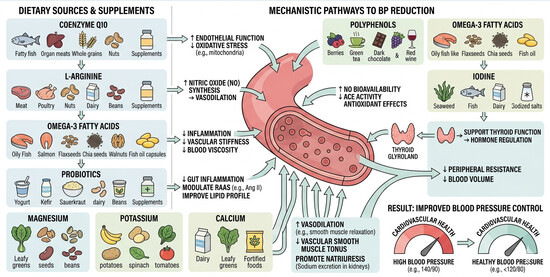
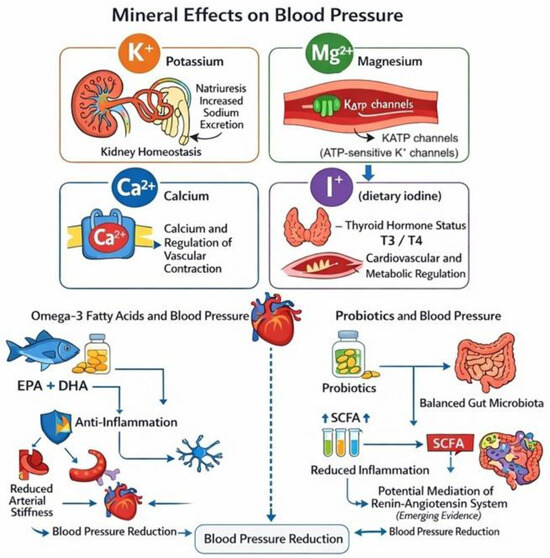
Hypertension frequently remains uncontrolled despite pharmacological therapy, supporting interest in complementary nutritional strategies. This narrative review evaluates human clinical evidence and mechanistic pathways for minerals, polyphenols, omega-3 fatty acids, probiotics, coenzyme Q10, and L-arginine in blood pressure regulation. Across these categories, antihypertensive effects
[...] Read more.
Hypertension frequently remains uncontrolled despite pharmacological therapy, supporting interest in complementary nutritional strategies. This narrative review evaluates human clinical evidence and mechanistic pathways for minerals, polyphenols, omega-3 fatty acids, probiotics, coenzyme Q10, and L-arginine in blood pressure regulation. Across these categories, antihypertensive effects appear to depend largely on post-ingestion metabolic biotransformation into bioactive metabolites that influence endothelial nitric oxide availability, vascular inflammation, renal sodium handling, and renin–angiotensin system activity. Randomized controlled trials and meta-analyses consistently demonstrate modest reductions in systolic blood pressure of approximately 2–8 mmHg, although most studies are short-term and frequently use supplementation models. The overall certainty of evidence is moderate due to consistent but heterogeneous randomized trials. Variability in response is partly explained by metabolic phenotype and gut microbiota composition, and combined dietary patterns targeting multiple mechanisms may produce additive effects. Overall, nutraceuticals function as adjunct physiological modulators that may contribute to cardiovascular risk reduction but are not intended to replace pharmacological therapy. The present review integrates post-ingestion metabolism, microbiota-derived mediators, and clinical trial evidence into a unified physiological framework explaining why consistent but modest blood pressure reductions occur across heterogeneous interventions. Nutritional strategies remain underutilized in routine clinical practice despite reproducible physiological effects. Incorporating evidence-based nutraceutical approaches alongside pharmacological management may facilitate patient engagement with lifestyle modification, as dietary interventions are often perceived as more achievable than isolated behavioral recommendations. A holistic management model integrating medical therapy, nutrition, and patient education may therefore enhance long-term adherence to cardiovascular prevention strategies and support sustained risk reduction.
Full article
(This article belongs to the Special Issue Feature Review Papers in Nutraceuticals)
►▼
Show Figures

Graphical abstract
Open AccessArticle
Short-Term Methylcobalamin Supplementation Is Associated with Changes in Anaerobic and Cognitive Performance in Amateur Cyclists: A Randomized Crossover Trial
by
Francisco Javier Martínez-Noguera, Pedro E. Alcaraz, Francisco Jesús González Blanc, Thomas G. Huyghe and Cristian Marín-Pagán
Nutraceuticals 2026, 6(2), 35; https://doi.org/10.3390/nutraceuticals6020035 - 23 May 2026
Abstract
►▼
Show Figures
Introduction: Vitamin B12 (VB12), particularly its active form methylcobalamin (MeB12), contributes to neuromuscular function and energy metabolism, which may be relevant for sports performance. However, evidence on the acute effects of MeB12 supplementation in athletes remains limited. Objective: To evaluate the effects of
[...] Read more.
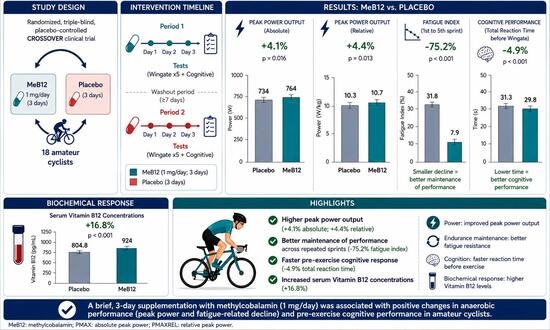
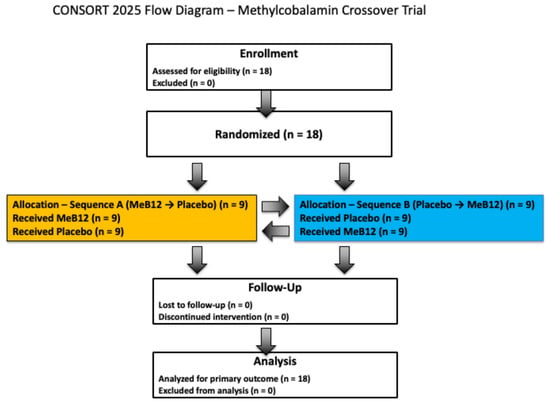
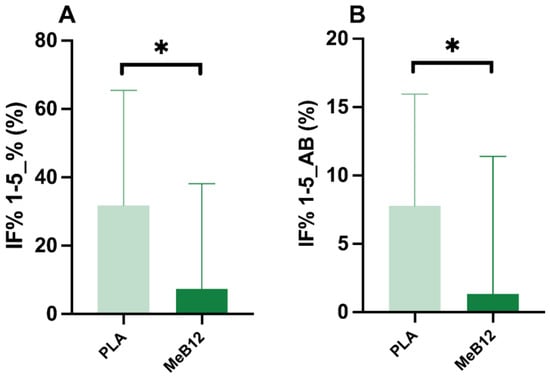
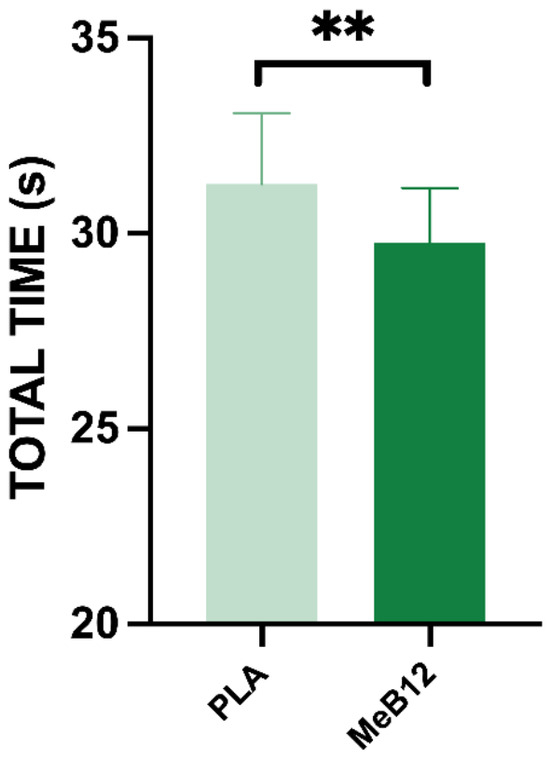
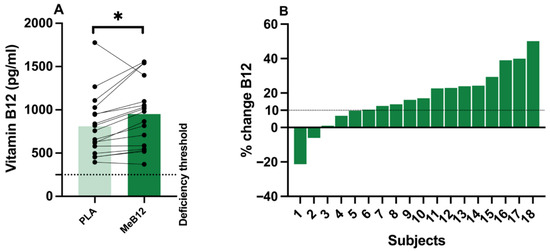
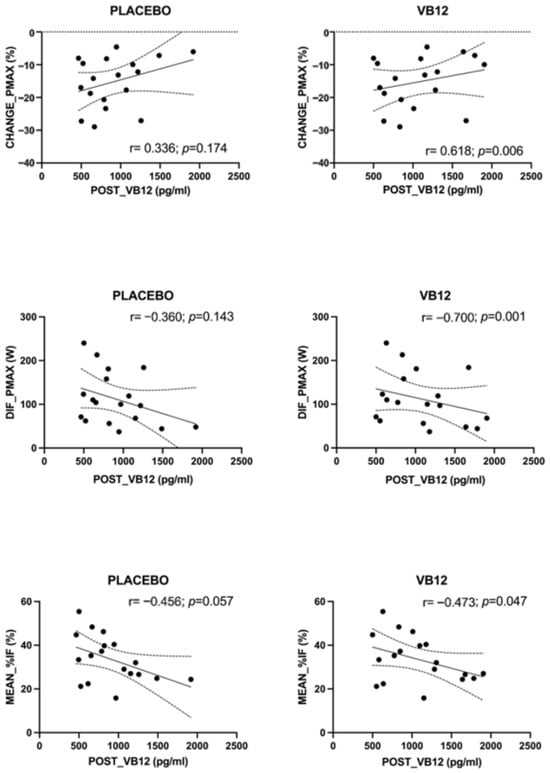
Introduction: Vitamin B12 (VB12), particularly its active form methylcobalamin (MeB12), contributes to neuromuscular function and energy metabolism, which may be relevant for sports performance. However, evidence on the acute effects of MeB12 supplementation in athletes remains limited. Objective: To evaluate the effects of short-term (3-day) MeB12 supplementation on anaerobic and cognitive performance in amateur cyclists. Methods: A randomized, triple-blind, placebo-controlled crossover clinical trial was conducted in 18 amateur cyclists. Participants received formulations containing MeB12 (1 mg/day; MecobalActive®, HTBA, Murcia, Spain) or placebo for three consecutive days. Anaerobic performance was assessed using a repeated Wingate protocol, and cognitive performance was evaluated using a light-based mental agility/reaction test system. Biochemical analyses included serum VB12 concentrations. Primary outcomes included peak power output (absolute and relative), fatigue index across repeated sprints, and cognitive response time. Results: Compared with placebo, MeB12 supplementation was associated with higher peak power output, with increases in absolute maximal power (PMAX: +4.1%, p = 0.016) and relative maximal power (PMAXREL: +4.4%, p = 0.013). MeB12 supplementation was associated with a smaller decline in performance across repeated sprints, with a smaller drop in fatigue index from the first to the fifth sprint (p = 0.012). Pre-exercise cognitive performance improved, with a shorter total reaction test time (−4.9%, p < 0.001) versus placebo. Serum VB12 concentrations increased by 16.8% following MeB12 supplementation. Conclusions: A brief, 3-day intervention with methylcobalamin (1 mg/day) was associated with positive changes, when compared with placebo, in selected markers of anaerobic performance (peak power and fatigue-related decline) and pre-exercise cognitive performance in recreationally trained amateur cyclists, suggesting a possible involvement of peripheral and central mechanisms.
Full article

Graphical abstract
Open AccessArticle
Phytochemical Evaluation of Wild-Grown Rosehips from Native Greek Rosa canina Genotypes
by
Theodora Papagrigoriou, Efstathia Patelou, Charikleia Paloukopoulou, Stefanos Kostas, Angelos K. Kanellis and Diamanto Lazari
Nutraceuticals 2026, 6(2), 34; https://doi.org/10.3390/nutraceuticals6020034 - 22 May 2026
Abstract
►▼
Show Figures
Rosehip (the “fruit” of Rosa canina L, commonly known as dog rose) is an emerging functional food, yet native Greek populations remain under-explored. This study screened 76 wild genotypes from Northern Greece for radical scavenging activity (% RSA), total phenolic content (TPC), and
[...] Read more.
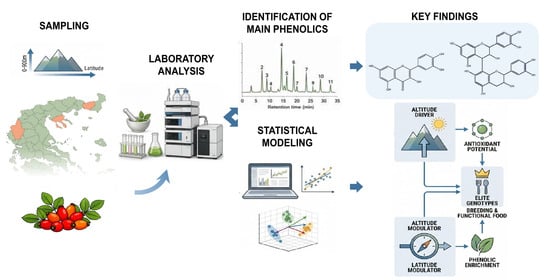
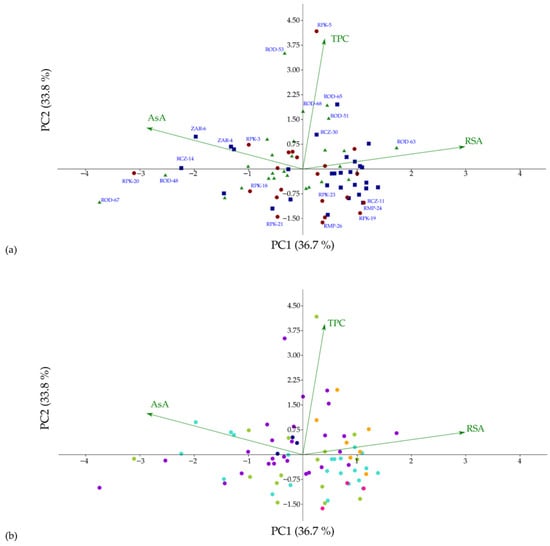
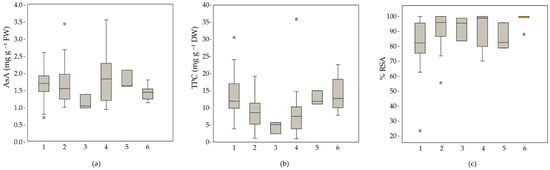
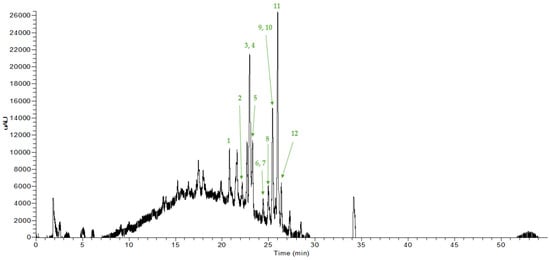
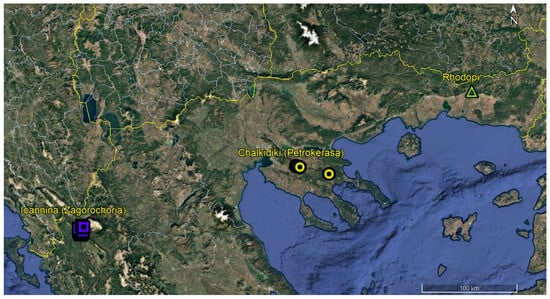
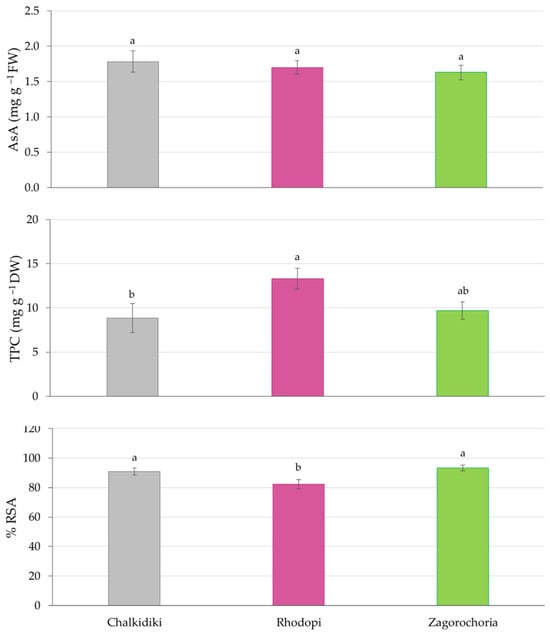
Rosehip (the “fruit” of Rosa canina L, commonly known as dog rose) is an emerging functional food, yet native Greek populations remain under-explored. This study screened 76 wild genotypes from Northern Greece for radical scavenging activity (% RSA), total phenolic content (TPC), and ascorbic acid (AsA). The results showed remarkable antioxidant potential (RSA > 70%), with TPC ranging from 1.02 to 35.96 mg g−1 DW, and AsA between 0.72 and 3.57 mg g−1 FW. Stepwise multiple regression analysis identified altitude as the primary predictor for RSA (adjusted R2 = 0.139, p = 0.001) and latitude as a significant modulator for TPC (p = 0.034), reflecting subtle environmental adaptations over a robust genetic baseline. HPLC-PDA-MS characterization revealed a complex profile dominated by procyanidins, catechin derivatives, flavanonols (eriodictyol conjugates), and flavonol 3-O-glycosides (mainly quercetin hexosides and pentosides). Exploratory multivariate analysis (PCA) visualized high phenotypic plasticity and identified elite chemotypes (e.g., RPK-5, RCZ-12). Notably, the Rhodopi population exhibited the most extensive multidimensional dispersion despite its geographically restricted collection radius, suggesting a diverse local genetic reservoir. These findings establish a phytochemical map of Greek dog rose germplasm, providing essential criteria for selecting high-quality genotypes for future domestication and exploitation in the nutraceutical and pharmaceutical sectors.
Full article

Graphical abstract
Open AccessArticle
Subfractionation of Pistacia lentiscus L. var. Chia Neutral Fractions: Chemical Analysis and Evaluation of Their Biological Profiling
by
Foteini D. Kalousi, Achilleas Georgantopoulos, Aurora Camola, Natasa P. Kalogiouri, Federica Pollastro and Anna-Maria G. Psarra
Nutraceuticals 2026, 6(2), 33; https://doi.org/10.3390/nutraceuticals6020033 - 15 May 2026
Abstract
Pistacia lentiscus L. var. Chia is an endemic tree cultivated in the Southern part of Chios Greek Island. Chios mastiha, the aromatic resin secreted from this tree, has been used as traditional remedy since ancient times to cure many peptic system diseases and
[...] Read more.
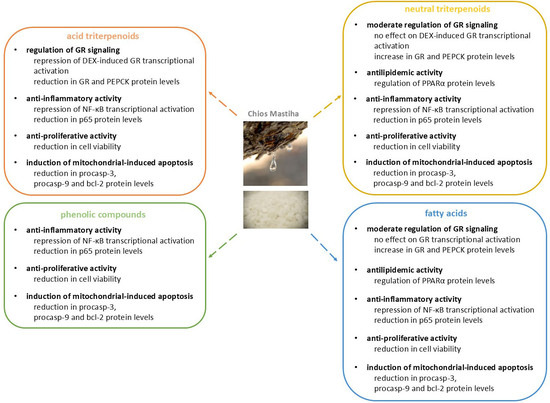
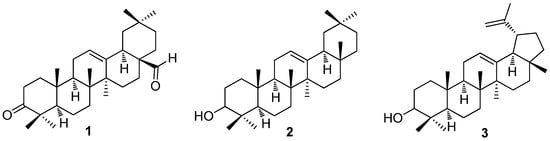
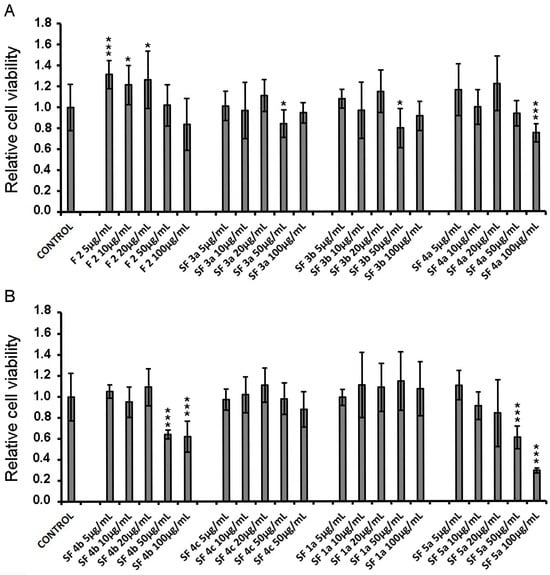
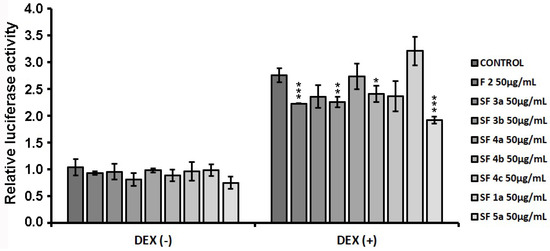
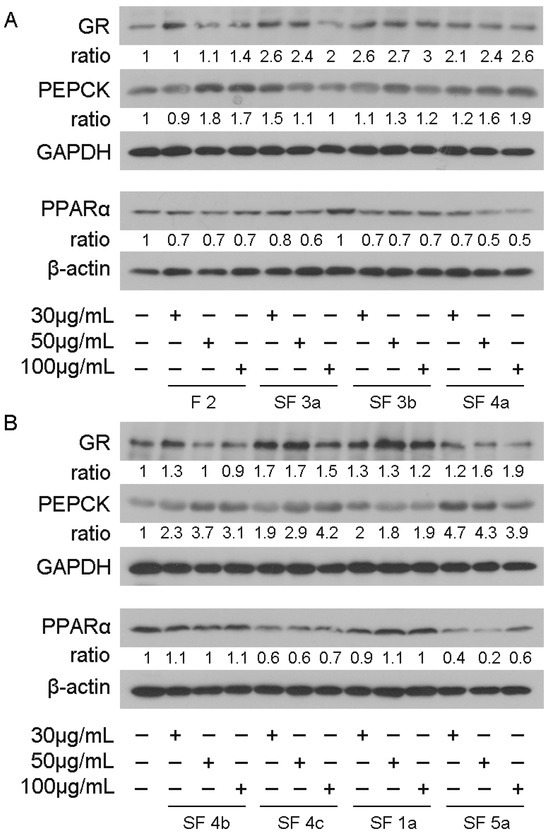
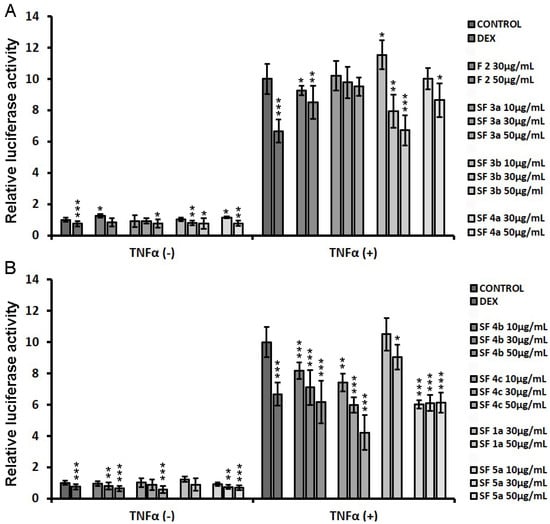
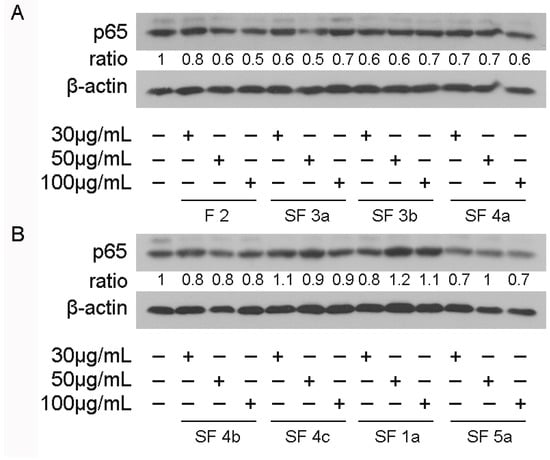
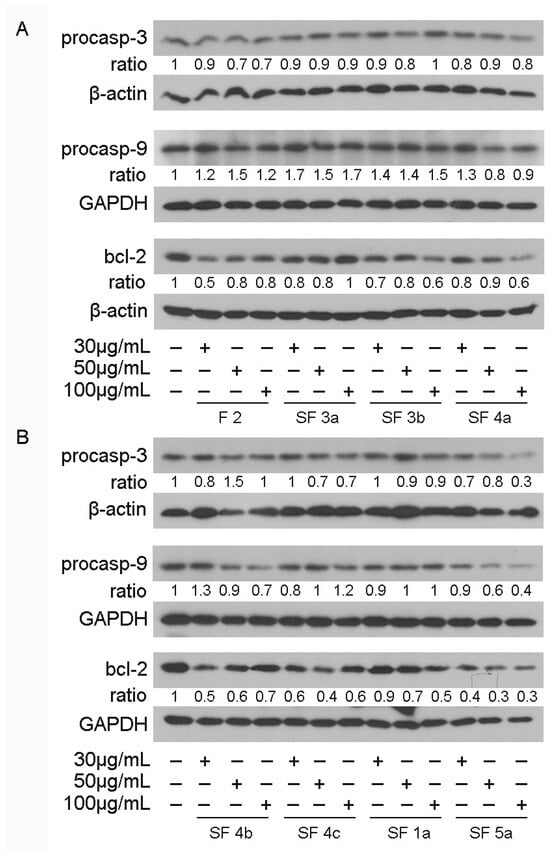
Pistacia lentiscus L. var. Chia is an endemic tree cultivated in the Southern part of Chios Greek Island. Chios mastiha, the aromatic resin secreted from this tree, has been used as traditional remedy since ancient times to cure many peptic system diseases and as a nutritional agent. Nowadays, Chios mastiha has been widely investigated for its biological activities and its chemical composition. A major part of Chios mastiha’s bioactive compounds are triterpenoids, which are proposed to interfere with glucocorticoid receptor (GR) signaling, acting as selective GR agonists. In this study a specific “neutral fraction” of Chios mastiha resin, a portion devoid of acidic triterpenoids, was investigated regarding its biological potential and chemical composition. The study aimed to determine if the neutral triterpenoids, the non-carboxylic ones, within this fraction drive Chios mastiha’s interference with GR signaling and whether it exhibits anti-inflammatory, apoptotic, and potential antilipidemic activities. The phytochemical characterization of this specific resin portion, applying 1H NMR and HPLC-QTOF-MS/MS analysis, identified novel unidentified Chios mastiha’s phenolic components (apigenin, astragalin, diosmetin, flavidin, genistein), a complex mixture of fatty acids (palmitic, stearic, oleic), non-carboxylic triterpenoids (lupeol, β-amyrin, keto-oleanolic aldehyde), and a trace of terpenoids. Biological assessment of DEX-induced GR transcriptional activation revealed that neutral triterpenoid fractions only minimally contribute to GR transcriptional activation while positively regulating GR and its target, phosphoenolpyruvate carboxykinase (PEPCK), protein levels. Additionally, negative regulation of the peroxisome proliferator-activated receptor alpha (PPARα) protein levels as well as inhibition of the TNFα-induced NF-κΒ activity and reduction in the p65 subunit of NF-κΒ protein levels, were observed, indicating potential antilipidemic and anti-inflammatory Chios mastiha’s neutral fraction activities, which were attributed to its composition in triterpenoids, fatty acids, and novel phenolic compounds. Moreover, mitochondrial-dependent induction of apoptosis accompanied by reduction in cell viability was observed in lupeol, β-amyrin, and fatty acids-enriched fractions. The plethora of bioactive compounds associated with a variety of Chios mastiha’s neutral fraction render Chios mastiha a valuable food additive and nutritional agent.
Full article

(This article belongs to the Topic Functional Foods and Nutraceuticals in Health and Disease)
►▼
Show Figures

Graphical abstract
Open AccessReview
Recent Advances in the Use of Hop Extracts in Medicine, Food Science and Agriculture
by
James Billam, Omoniteni Akinlotan, Michail Karavolos, Sami Faour and Georgios Efthimiou
Nutraceuticals 2026, 6(2), 32; https://doi.org/10.3390/nutraceuticals6020032 - 14 May 2026
Abstract
►▼
Show Figures
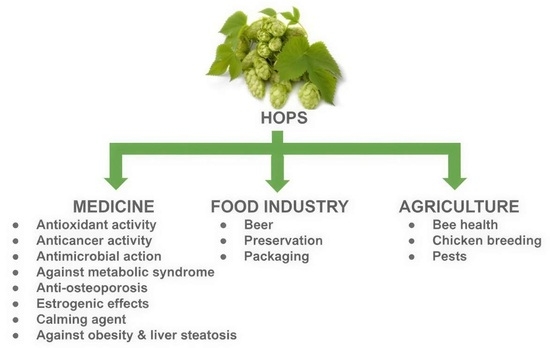
Hops (Humulus lupulus L.) is a plant species with a multitude of uses in medicine, food science and agriculture. Xanthohumol, the major prenylflavonoid in hop cone extract, possesses anti-cancer activity. Xanthohumol also exhibits strong antimicrobial activity against Gram-positive bacteria (e.g., S. aureus
[...] Read more.
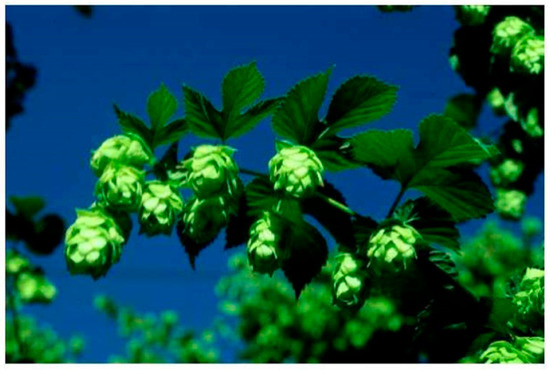
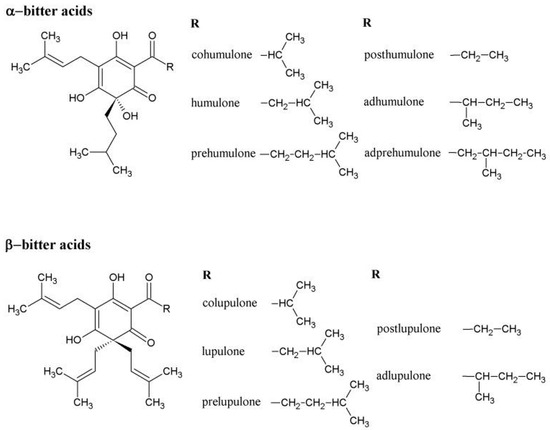
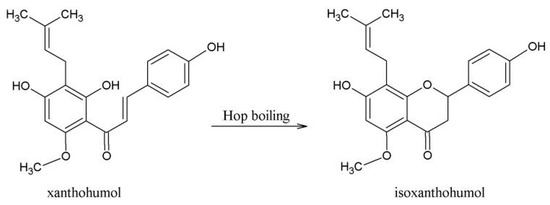
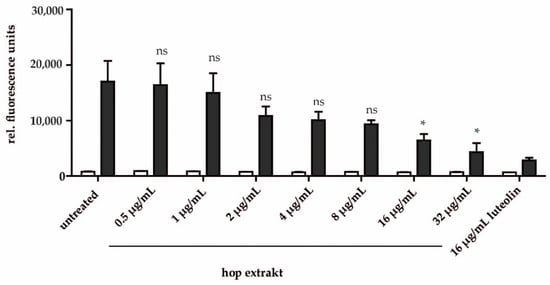
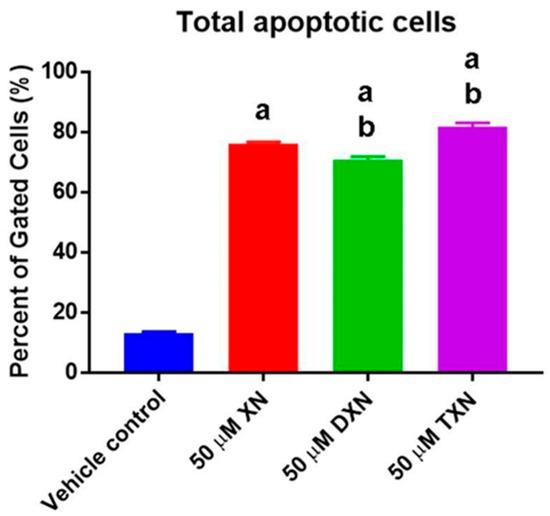
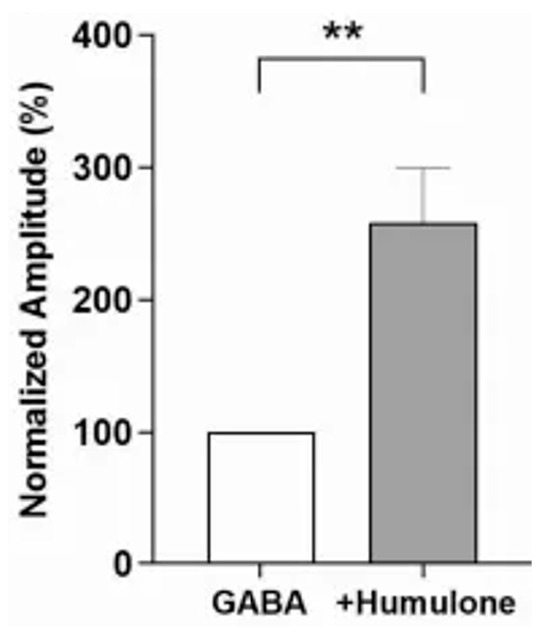
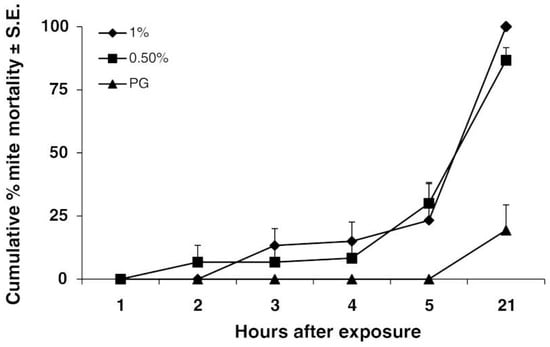
Hops (Humulus lupulus L.) is a plant species with a multitude of uses in medicine, food science and agriculture. Xanthohumol, the major prenylflavonoid in hop cone extract, possesses anti-cancer activity. Xanthohumol also exhibits strong antimicrobial activity against Gram-positive bacteria (e.g., S. aureus), but not against Gram-negative bacteria. Xanthohumol can reduce blood glucose levels and body fat in obese male rats (not females), and mature hop bitter acids (MHBAs) have been found to decrease visceral and abdominal human fat. Xanthohumol can increase bone mineral density, decrease osteoclast numbers, and protect osteoblasts from oxidative stress in osteoporotic mice. Further clinical research, xanthohumol and bitter acids could be sourced from hop cone extracts to formulate novel drugs that can successfully treat a variety of diseases and potentially replace current therapies that have negative effects. In the food industry, hop cone extracts are mainly used in the brewing industry, with 98% of the world’s hop cones being used in brewing beer. Hop cone extracts are also used as food/drink preservatives due to their antimicrobial abilities, as previously mentioned, although there is less of a need for hops in extending food/drink shelf-life. Finally, hop cone extracts have several uses in agriculture, mainly as pesticides. For example, hop extracts can kill varroa mites, a parasite that impairs honeybee health. This benefits honeybee farmers as increased bee survival means more honey production, increasing profits. Overall, this review paper brings together recent studies that highlight hop extracts as valuable bioactive compound mixtures with many useful applications.
Full article

Graphical abstract
Open AccessReview
Ecdysterone: A Component of Dietary Supplements with Ergogenic Potential?
by
Sareli Alonso León, Berta Pinto Robayna, Carlos Díaz Romero and Néstor Benítez Brito
Nutraceuticals 2026, 6(2), 31; https://doi.org/10.3390/nutraceuticals6020031 - 7 May 2026
Abstract
Ecdysterone is a natural compound proposed as an alternative to anabolic-androgenic steroids (AAS) due to its comparable ergogenic potential and more favorable safety profile. This narrative review summarizes current evidence using a standardized search protocol. Although many plants synthesize ecdysteroids, only a few
[...] Read more.
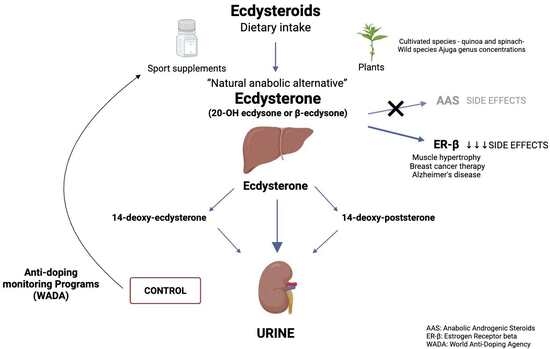
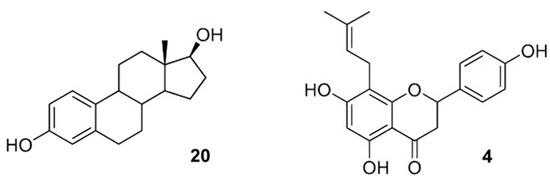
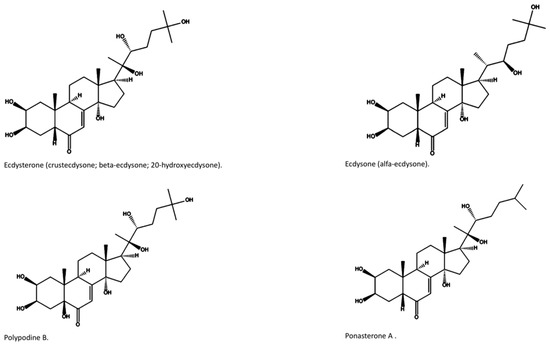
Ecdysterone is a natural compound proposed as an alternative to anabolic-androgenic steroids (AAS) due to its comparable ergogenic potential and more favorable safety profile. This narrative review summarizes current evidence using a standardized search protocol. Although many plants synthesize ecdysteroids, only a few cultivated species—emphasizing quinoa and spinach—contribute meaningfully to dietary intake, while wild species such as those from the Ajuga genus contain substantially higher concentrations. Experimental studies indicate that ecdysterone enhances protein synthesis and physical performance through estrogen receptor-beta activation, avoiding the adverse effects typically associated with AAS. Additional pharmacological effects, including potential roles in breast cancer therapy and Alzheimer’s disease, have also been described. Ecdysteroids are generally considered non-toxic in humans; however, analysis of commercial supplements frequently reveals poor quality control and discrepancies between labeled and actual ecdysterone content. Although prevalence of use among athletes appears low, establishing urinary reference ranges to differentiate dietary exposure from supplement-derived intake is essential. Ecdysterone and its metabolites, 14-deoxy-ecdisterone and 14-deoxy-poststerone, are detectable in urine for more than two days depending on dosage. Given its ergogenic potential and detectability, ecdysterone may pose risks for unethical use and should be considered for inclusion in initial anti-doping testing procedures. Further research on ecdysteroids is required to elucidate their mechanisms of action, confirm the absence of adverse effects, and establish reference urinary concentration ranges that allow differentiation between diet-related metabolites and those derived from drug use.
Full article
(This article belongs to the Special Issue Feature Review Papers in Nutraceuticals)
►▼
Show Figures

Graphical abstract
Open AccessArticle
Four Weeks of CreaSol®Tyrosol Plus Creatine Supplementation Enhances Training Volume and Strength Endurance: A Randomized, Double-Blind, Placebo-Controlled Trial
by
Eric M. Sikorski, Tony M. Zavala, Kenneth B. Hawkins II, Gabriel J. Wilson, Charlie Ottinger, Ryan Lowery and Jacob M. Wilson
Nutraceuticals 2026, 6(2), 30; https://doi.org/10.3390/nutraceuticals6020030 - 6 May 2026
Abstract
►▼
Show Figures
Tyrosol, a phenolic compound derived from olive products, exhibits anti-inflammatory, neuroprotective, and cardiometabolic properties, whereas creatine is a well-established ergogenic aid with documented benefits for muscular performance and emerging evidence for cognitive support. This 5-week randomized, double blind, placebo-controlled trial examined the effects
[...] Read more.
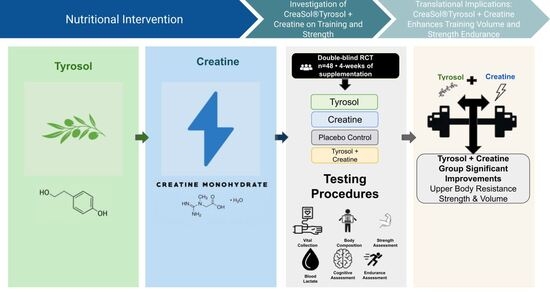
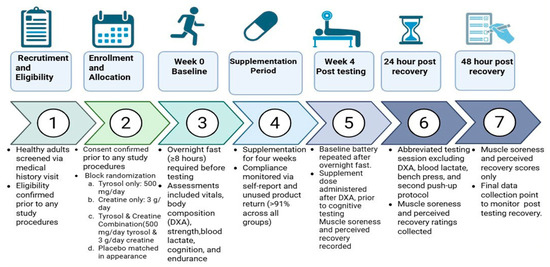
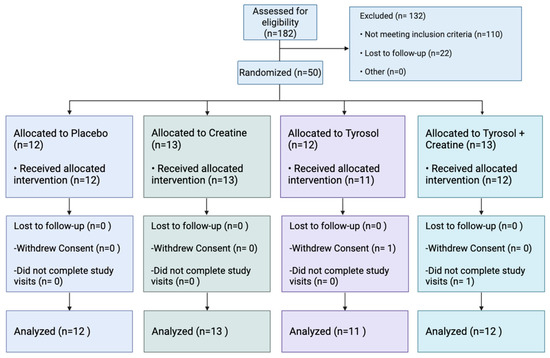
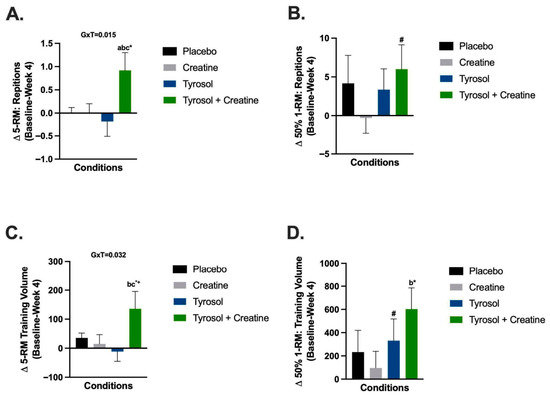
Tyrosol, a phenolic compound derived from olive products, exhibits anti-inflammatory, neuroprotective, and cardiometabolic properties, whereas creatine is a well-established ergogenic aid with documented benefits for muscular performance and emerging evidence for cognitive support. This 5-week randomized, double blind, placebo-controlled trial examined the effects of Tyrosol, creatine, their combination, and placebo on resistance and aerobic exercise performance and psychomotor vigilance in healthy adults. Participants (n = 48; 18–50 years) consumed their assigned supplement for 4 weeks, after which changes in upper and lower body strength, submaximal resistance performance, aerobic capacity, lactate responses, plyometric performance, and acute cognitive function were assessed. The Tyrosol + Creatine condition produced the most consistent improvements in upper body resistance performance, particularly for higher load, higher volume bench press work. In contrast, neither the Tyrosol-alone group, the creatine-alone group, nor the placebo group achieved this effect, which suggests there is a synergistic effect between Tyrosol and creatine. No significant effects were observed for intermediate resistance loads, isometric lower body strength, grip strength, aerobic endurance, lactate responses, plyometric outcomes, or acute psychomotor vigilance. Collectively, these findings support the use of short-term co-supplementation with Tyrosol and low-dose creatine (without a loading phase) as a potentially beneficial strategy to enhance upper-body training quality in specific tests and improve upper-body strength endurance.
Full article

Graphical abstract
Open AccessReview
Polyphenols and Cardiovascular Diseases: Molecular Insights and Nutraceutical Advances
by
Ana Cecilia Cepeda-Nieto, Ileana Vera-Reyes, Gilberto Esquivel-Muñoz, Carlos Barrera-Ramírez, Raúl Rodríguez-Herrera, Jesús A. Padilla-Gámez, Eduardo Meneses-Sierra, Sunday Sedodo Nupo and Jesús Antonio Morlett-Chávez
Nutraceuticals 2026, 6(2), 29; https://doi.org/10.3390/nutraceuticals6020029 - 30 Apr 2026
Abstract
Cardiovascular diseases (CVDs) remain the leading cause of morbidity and mortality worldwide. Despite their often-asymptomatic progression and complex therapeutic management, a substantial proportion of CVDs is preventable through early intervention and lifestyle modification. However, effective pharmacological strategies to fully reduce disease burden and
[...] Read more.
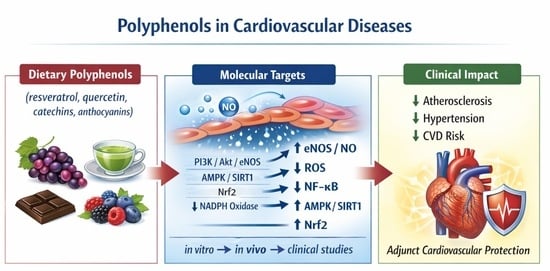
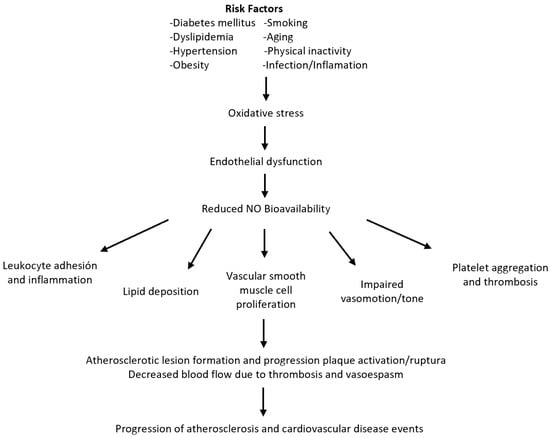
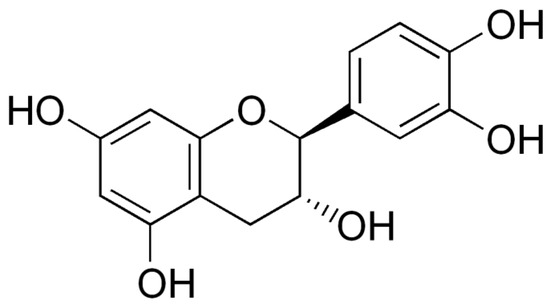
Cardiovascular diseases (CVDs) remain the leading cause of morbidity and mortality worldwide. Despite their often-asymptomatic progression and complex therapeutic management, a substantial proportion of CVDs is preventable through early intervention and lifestyle modification. However, effective pharmacological strategies to fully reduce disease burden and associated risk factors remain limited. Polyphenols are a structurally diverse class of bioactive compounds widely distributed in plant-based foods, characterized by multiple phenolic and hydroxyl groups that confer potent redox-modulating properties. Increasing evidence indicates that dietary polyphenols exert cardioprotective effects through antioxidant, anti-inflammatory, and endothelial-modulating mechanisms. Experimental studies (in vitro and in vivo) have demonstrated that polyphenols regulate key molecular pathways involved in oxidative stress, inflammation, and vascular function, including PI3K/Akt/eNOS, AMPK/SIRT1, and Nrf2 signaling. In parallel, epidemiological and clinical evidence support their association with improvements in blood pressure, glycemic control, lipid profiles, and body weight, critical determinants of cardiovascular risk. Importantly, the biological response to polyphenol intake is highly variable and influenced by genetic background, metabolism, gut microbiota composition, and bioavailability constraints. This review provides an updated and integrative analysis of the molecular mechanisms underlying the cardioprotective effects of polyphenols, emphasizing their role in endothelial function and nitric oxide bioavailability. Additionally, it highlights recent advances in polyphenol-based nutraceuticals, discusses translational limitations, and outlines future perspectives for their application in cardiovascular disease prevention and management.
Full article
(This article belongs to the Topic Functional Foods and Nutraceuticals in Health and Disease)
►▼
Show Figures

Graphical abstract
Open AccessArticle
Study on the Prevalence of Oilseed Consumption in Morocco: Chemical Characteristics, Nutritional Profile, and Health Benefits of the Most Consumed Seeds
by
Chayma Ait Naanaa, Ayoub Ainane, Sanaa Cherroud, Adnane El Yaacoubi and Tarik Ainane
Nutraceuticals 2026, 6(2), 28; https://doi.org/10.3390/nutraceuticals6020028 - 27 Apr 2026
Abstract
►▼
Show Figures
Oilseed consumption in Morocco has seen enhanced relevance due to its nutrient and functional value. This research paper was undertaken to establish the most consumed oilseeds in the country and to compare their chemical profiles, nutritional contents and health-promoting properties. Two-hundred and fifty
[...] Read more.
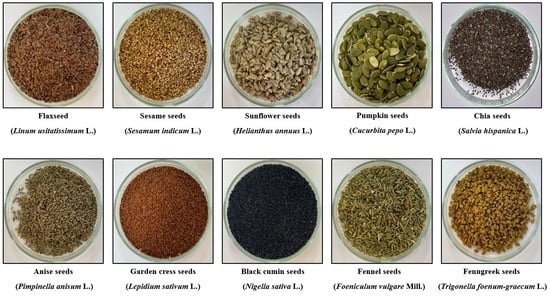
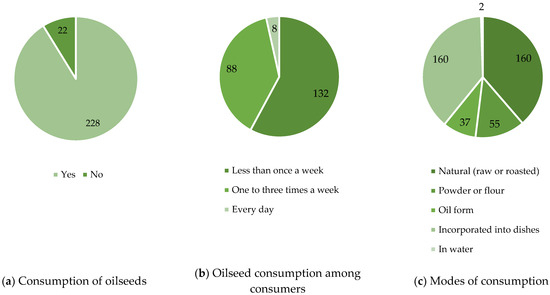
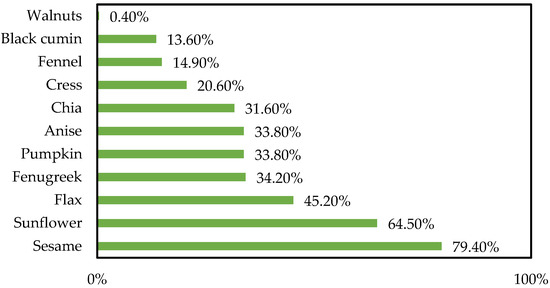
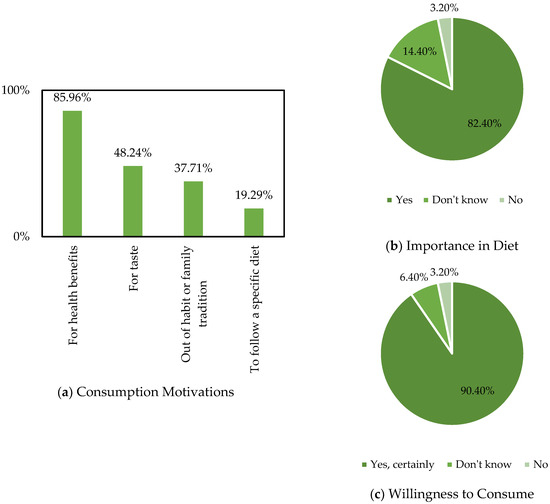
Oilseed consumption in Morocco has seen enhanced relevance due to its nutrient and functional value. This research paper was undertaken to establish the most consumed oilseeds in the country and to compare their chemical profiles, nutritional contents and health-promoting properties. Two-hundred and fifty people spread out in various regions of Morocco were surveyed to obtain comprehensive information on the consumption patterns of the participants. The findings revealed that the percentage who consumed oilseeds was 91.2%, and the frequency of consumption was at a very low level, with the overall majority consuming the food less than once a week. Flax, sesame, sunflower, pumpkin, chia, anise, garden cress, black cumin, fennel, and fenugreek oilseeds were the most frequently consumed. At the same time, it is possible to note that the analysis of the available scientific evidence gave information about the chemical composition and the nutritional qualities of these oilseeds, which make their use of great advantage in the case of cardiovascular health, digestive system and skin health. Conclusively, although the consumption of oilseeds is still inconsistent, the research indicates that more of them can be consumed both nationally and internationally, especially with the help of nutritional education, awareness, and availability of fortified product campaigns.
Full article
Graphical abstract
Open AccessCorrection
Correction: Di Simone et al. Unravelling the Neuroprotective Effects of a Novel Formulation Based on Plant Extracts, Mg, and Vitamin B6. Nutraceuticals 2025, 5, 5
by
Simonetta Cristina Di Simone, Alessandra Acquaviva, Maria Loreta Libero, Nilofar Nilofar, Fatma Tunali, Paola Angelini, Giancarlo Angeles Flores, Gaia Cusumano, Lucia Recinella, Sheila Leone, Giustino Orlando, Gokhan Zengin, Luigi Menghini, Claudio Ferrante and Annalisa Chiavaroli
Nutraceuticals 2026, 6(2), 27; https://doi.org/10.3390/nutraceuticals6020027 - 24 Apr 2026
Abstract
References Update [...]
Full article
Open AccessCorrection
Correction: Lastra et al. Silymarin as a Redox-Signalling and Proteostasis Modulator. Nutraceuticals 2026, 6, 25
by
José Manuel Pérez de la Lastra, Celia María Curieses Andrés, Elena Bustamante Munguira, Celia Andrés Juan and Eduardo Pérez Lebeña
Nutraceuticals 2026, 6(2), 26; https://doi.org/10.3390/nutraceuticals6020026 - 22 Apr 2026
Abstract
►▼
Show Figures
In the original publication, there was a mistake in Figure 12 as published [...]
Full article
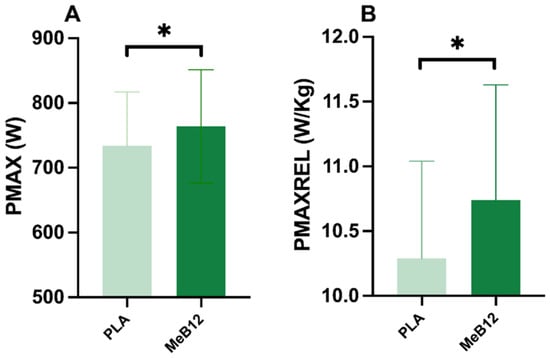
Figure 12
Open AccessReview
Silymarin as a Redox-Signalling and Proteostasis Modulator
by
José Manuel Pérez de la Lastra, Celia María Curieses Andrés, Elena Bustamante Munguira, Celia Andrés Juan and Eduardo Pérez Lebeña
Nutraceuticals 2026, 6(2), 25; https://doi.org/10.3390/nutraceuticals6020025 - 13 Apr 2026
Cited by 2
Abstract
Silymarin (Silybum marianum (L.) Gaertn. extract) is a widely used botanical for liver disease, yet clinical results remain inconsistent. Most mechanistic work uses supraphysiological aglycones, whereas humans are exposed predominantly to phase II conjugates that are strongly protein-bound and routed by transporters
[...] Read more.
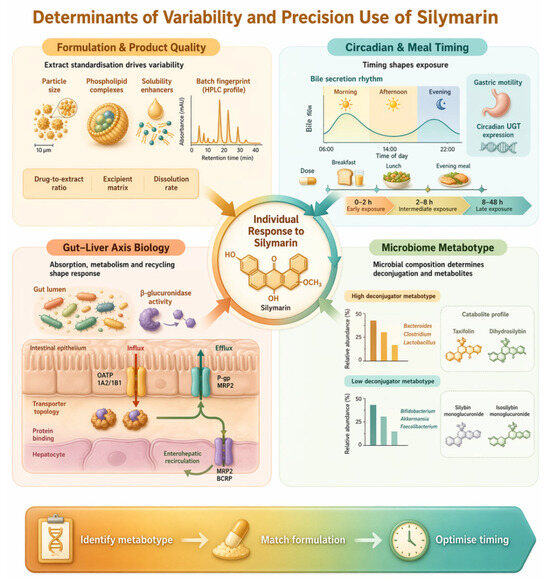
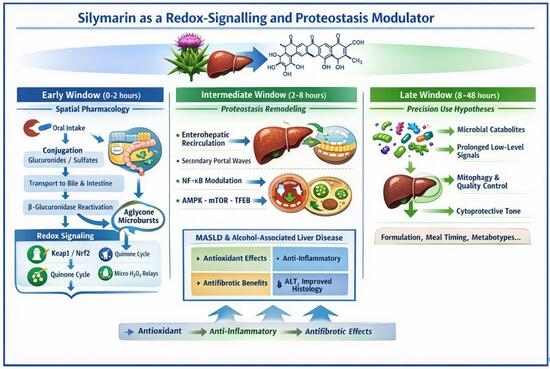
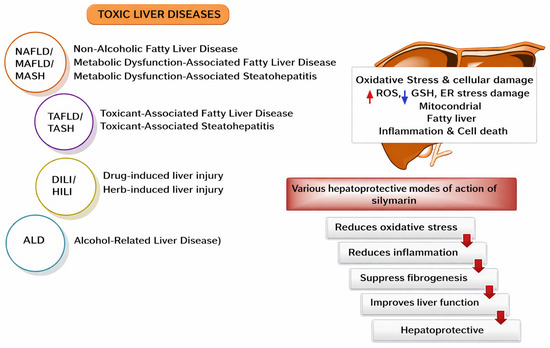
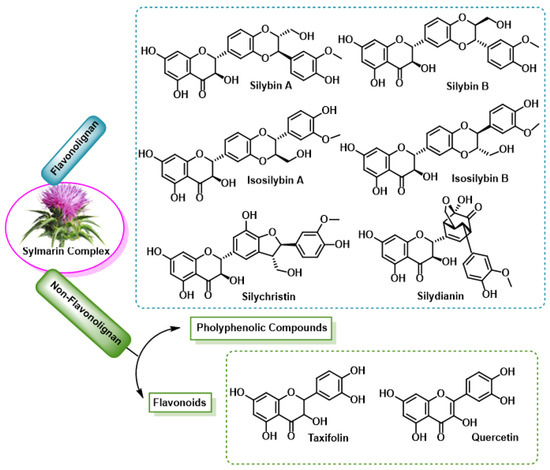
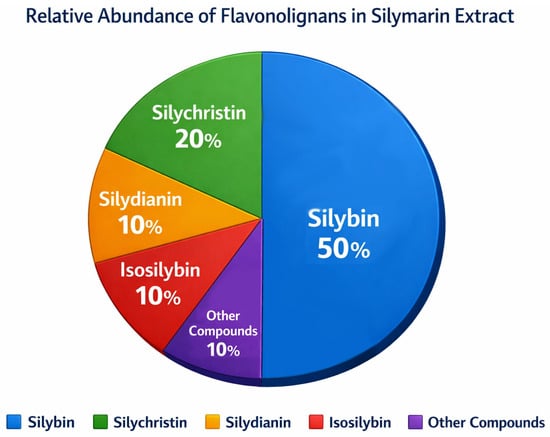
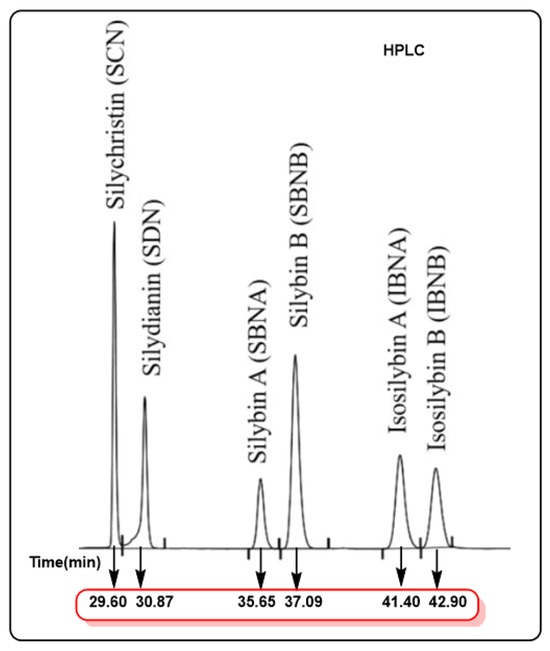
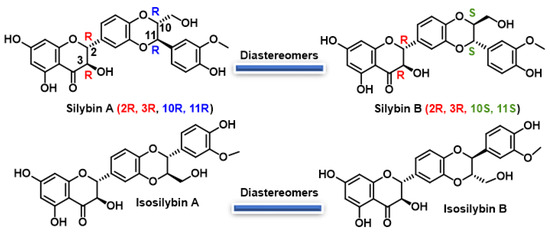
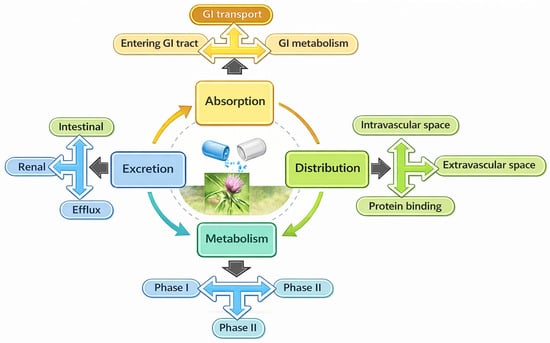
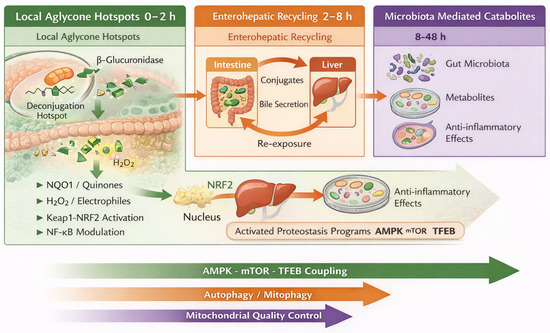
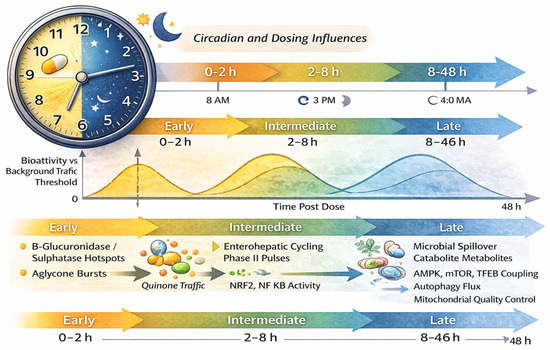
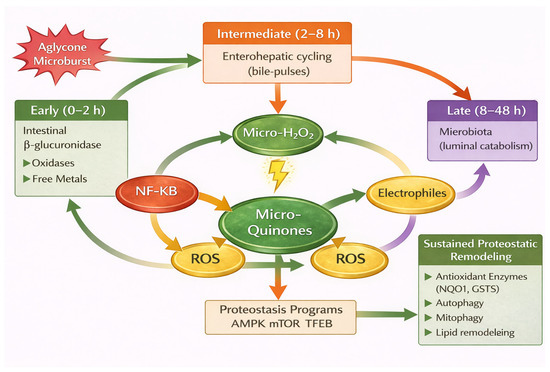
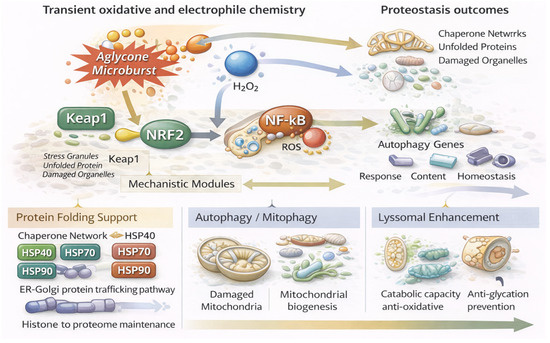
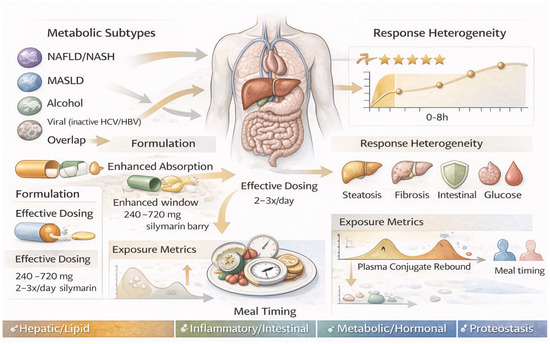
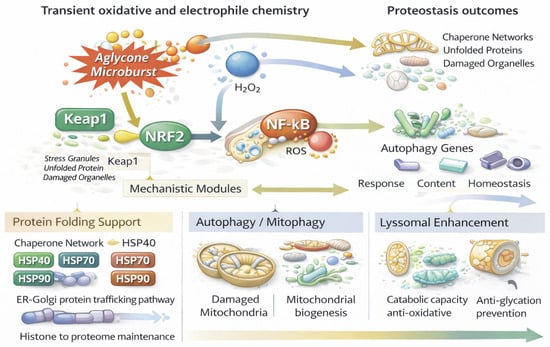
Silymarin (Silybum marianum (L.) Gaertn. extract) is a widely used botanical for liver disease, yet clinical results remain inconsistent. Most mechanistic work uses supraphysiological aglycones, whereas humans are exposed predominantly to phase II conjugates that are strongly protein-bound and routed by transporters toward bile and the intestinal mucosa. We reframe silymarin activity through a spatial pharmacology lens, proposing three post-intake windows: early (0–2 h) conjugate-dominant exposure with localised β-glucuronidase-mediated reactivation; intermediate (2–8 h) enterohepatic recirculation pulses; and late (8–48 h) microbial catabolite contributions. Each window engages distinct signalling modules—Keap1/NRF2, NF-κB, and AMPK-mTOR-TFEB—via transient redox events (quinone cycling, micro-H2O2 relays) and proteostatic remodelling (autophagy/mitophagy). We synthesise human pharmacokinetic and clinical evidence—with emphasis on MASLD and alcohol-associated liver disease—and show how formulation, meal timing, and microbiome metabotype determine which windows are engaged. Finally, we propose minimum reporting standards and falsifiable hypotheses to reduce between-study heterogeneity and enable precision use of silymarin.
Full article
(This article belongs to the Special Issue Feature Review Papers in Nutraceuticals)
►▼
Show Figures

Graphical abstract
Open AccessArticle
Pharmacokinetic Evaluation of Oleuropein from the Olive Tree (Olea europaea)
by
Pradeep Subedi, Rocío Rivera Rodríguez, Pariksha Thapa, Daniel Lantvit and Jeremy James Johnson
Nutraceuticals 2026, 6(2), 24; https://doi.org/10.3390/nutraceuticals6020024 - 13 Apr 2026
Abstract
►▼
Show Figures
In this study, the pharmacokinetic (PK) characteristics of oleuropein present in the olive tree (Olea europaea) were determined. We developed and validated a highly sensitive ultra-performance liquid chromatography coupled with tandem mass spectrometry (UPLC-MS/MS) method to quantify oleuropein and its aglycone
[...] Read more.
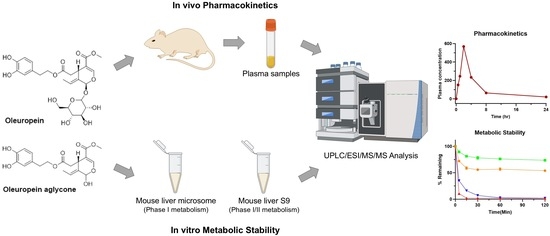
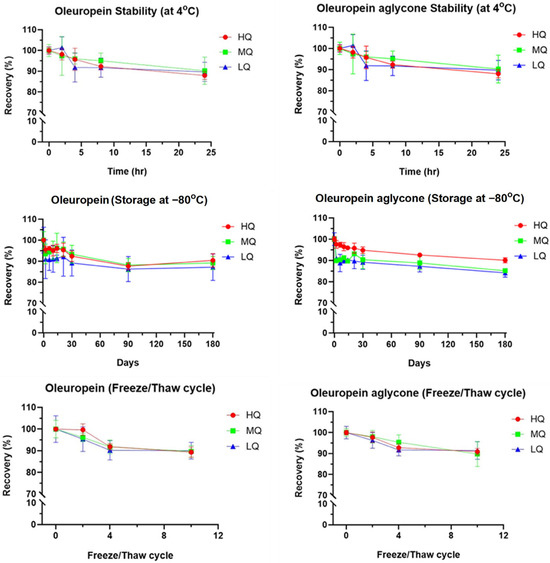
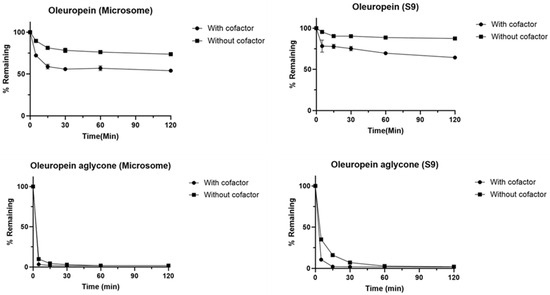
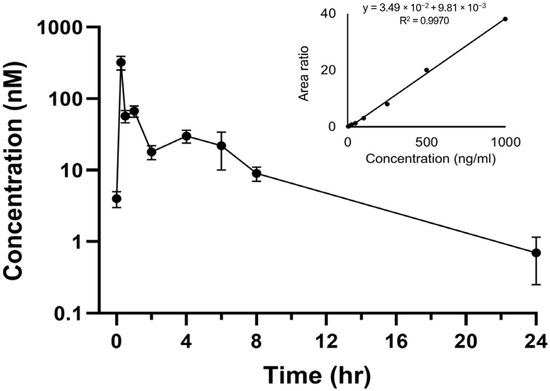
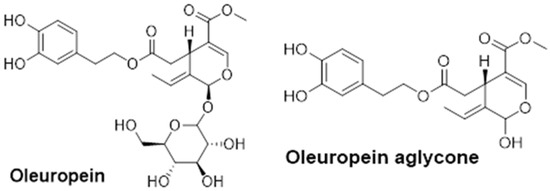
In this study, the pharmacokinetic (PK) characteristics of oleuropein present in the olive tree (Olea europaea) were determined. We developed and validated a highly sensitive ultra-performance liquid chromatography coupled with tandem mass spectrometry (UPLC-MS/MS) method to quantify oleuropein and its aglycone derivative, thereby establishing their pharmacokinetic properties in vitro and in vivo. Quantification of oleuropein and oleuropein aglycone was performed using selected reaction monitoring (SRM) with heated electrospray ionization in negative ion mode, employing mass transitions of m/z 275.06 and 307.137 for the respective analytes, and methylparaben as the internal standard. The calibration curve for both exhibited a range from 1 ng/mL to 1000 ng/mL, utilizing a total of 10 calibrator standards. The method demonstrated superior sensitivity, precision, and reproducibility, facilitating accurate quantification of analytes over a wide concentration range in biological matrices. To develop a pharmacokinetic profile, C57BL/6 male mice were administered oleuropein at a dose of 100 mg/kg body weight via oral gavage, and plasma levels were examined by LC-MS/MS. Oleuropein pharmacokinetics were evaluated exclusively, as plasma levels of oleuropein aglycone remained below the limit of quantification throughout the 24 h sampling period. Mass analysis of plasma samples identified multiple glucuronidated and sulfated metabolites, establishing Phase II metabolism as the dominant pathway governing the systemic disposition of oleuropein. In addition, the metabolic stability of the compounds was also investigated in mouse liver microsomes and S9 fractions to define the in vivo stability of oleuropein and oleuropein aglycone.
Full article
Graphical abstract
Open AccessArticle
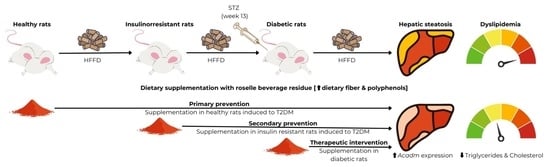
Dietary Intervention with Hibiscus sabdariffa L. Beverage Residue Attenuates Dyslipidemia and Hepatic Steatosis in Late-Stage Type 2 Diabetic Rats
by
Evelyn Regalado-Rentería, Jesús E. Serna-Tenorio, David G. García-Gutiérrez, Rosalía Reynoso-Camacho, Miriam A. Anaya-Loyola and Iza F. Pérez-Ramírez
Nutraceuticals 2026, 6(2), 23; https://doi.org/10.3390/nutraceuticals6020023 - 8 Apr 2026
Abstract
►▼
Show Figures
Roselle beverage residue (RBR), a by-product of Hibiscus sabdariffa L. processing, retains bioactive compounds, including soluble and insoluble dietary fiber and polyphenols. Its antihyperglycemic effect in type 2 diabetes mellitus (T2DM) has been previously demonstrated; however, its role in lipid metabolism remains unknown.
[...] Read more.
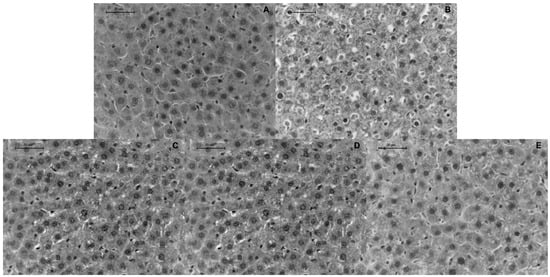
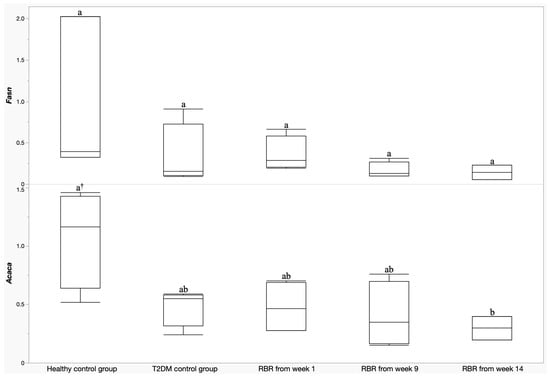
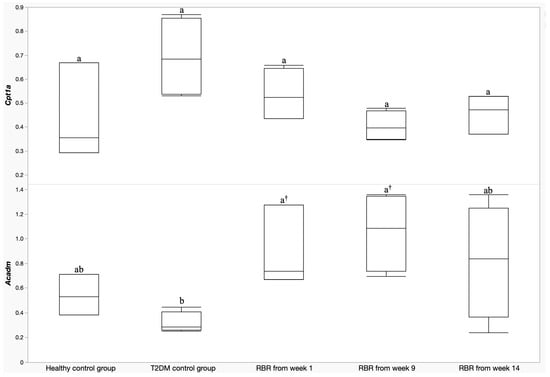
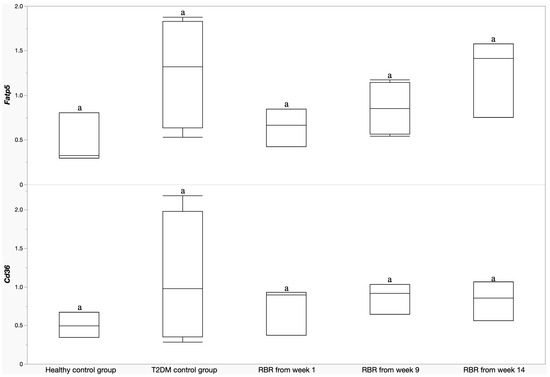
Roselle beverage residue (RBR), a by-product of Hibiscus sabdariffa L. processing, retains bioactive compounds, including soluble and insoluble dietary fiber and polyphenols. Its antihyperglycemic effect in type 2 diabetes mellitus (T2DM) has been previously demonstrated; however, its role in lipid metabolism remains unknown. This study assessed the preventive and therapeutic potential of RBR on dyslipidemia and hepatic steatosis in a rodent model of late-stage T2DM characterized by hyperglycemia and hypoinsulinemia. Male Wistar rats with T2DM induced by a high-fat and high-fructose diet combined with streptozotocin received 6% RBR supplementation as either a preventive intervention (starting at week 1 in healthy rats or week 9 in insulin-resistant rats) or a therapeutic intervention (starting at week 14 in diabetic rats). After 17 weeks, RBR supplementation significantly reduced serum triglycerides and total cholesterol, attenuating hepatic lipid accumulation regardless of the timing of intervention. Hepatic Acadm expression, involved in fatty acid β-oxidation, was significantly upregulated in rats treated with RBR from week 1 and 9, whereas no significant modulation was observed for genes related to fatty acid synthesis or uptake. These findings suggest that RBR supplementation may contribute to improving lipid metabolism and hepatic steatosis in a rat model of late-stage T2DM.
Full article

Graphical abstract
Open AccessArticle
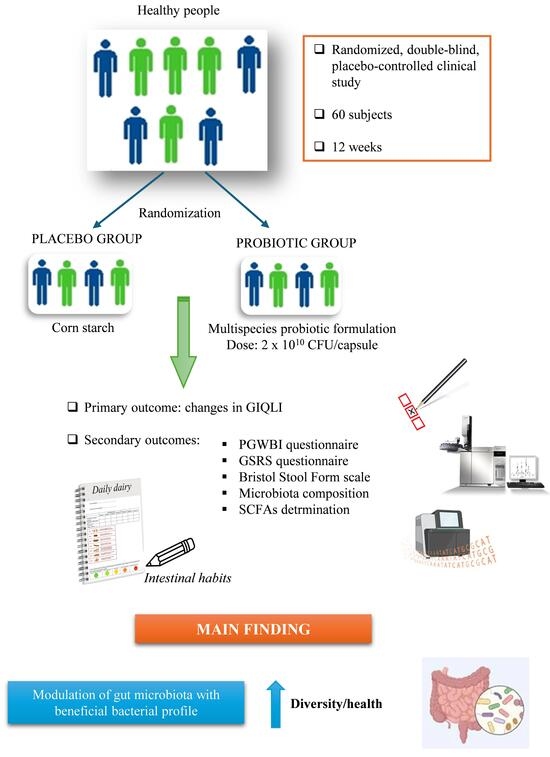
An Exploratory Study on a Multispecies Probiotic Formulation and Markers of Intestinal Health in Healthy People
by
Maria Cristina Verdenelli, Maria Magdalena Coman, Francesco Martino Carpi and Stefania Silvi
Nutraceuticals 2026, 6(2), 22; https://doi.org/10.3390/nutraceuticals6020022 - 1 Apr 2026
Abstract
►▼
Show Figures
This study aimed to explore the efficacy of oral supplementation with 11 probiotic strains, combined in the strain mix Probatech™ (Centro Sperimentale del Latte S.r.l Strada Provinciale per Merlino, 326839 Zelo Buon Persico (LO), Italy) and delivered through the food supplement PROBAFLOR and
[...] Read more.
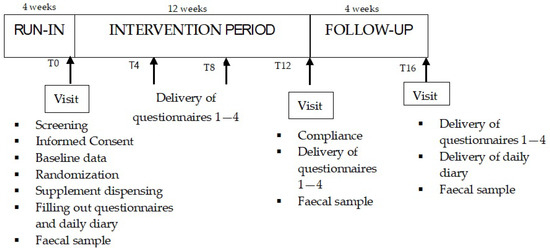
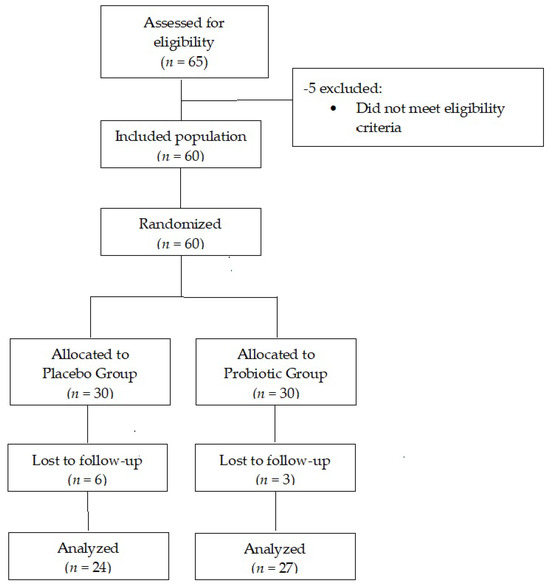
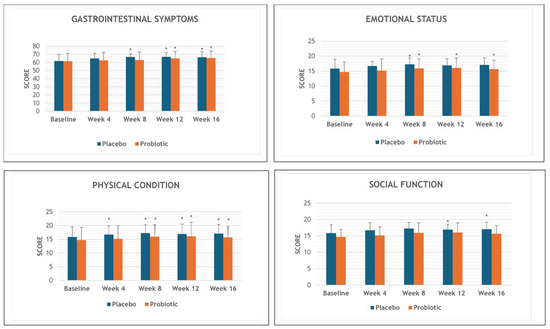
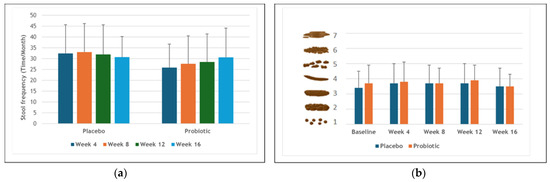
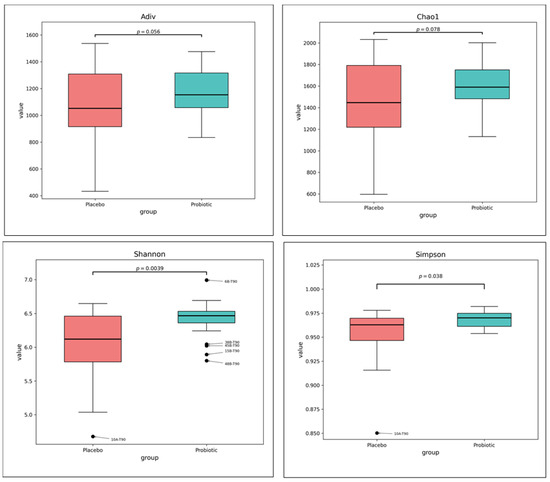
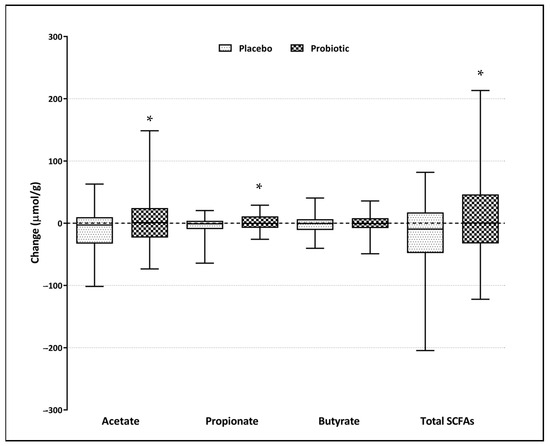
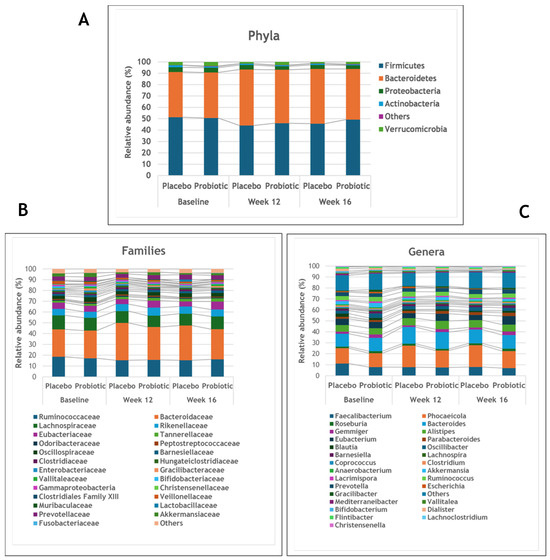
This study aimed to explore the efficacy of oral supplementation with 11 probiotic strains, combined in the strain mix Probatech™ (Centro Sperimentale del Latte S.r.l Strada Provinciale per Merlino, 326839 Zelo Buon Persico (LO), Italy) and delivered through the food supplement PROBAFLOR and how it plays a positive role in maintaining normal intestinal function, providing benefits in healthy adult subjects. A 16-week, randomized, double-blind, placebo-controlled clinical study was conducted starting with 60 participants. Participants were randomly assigned to either the probiotic or placebo group. Participants were asked to provide one faecal sample at the beginning of the study, another one after 12 weeks of supplementation and the final one after 16 weeks. Amplicon 16S rRNA gene sequencing and GC-MS Short-Chain Fatty Acid (SCFA) profiling were performed on the faecal samples. Participants filled out questionnaires to assess their gastrointestinal health and psychological well-being. The overall mean GIQLI scores increased in both groups over time. The increases were significant within both groups but not between groups. Following the administration of PROBAFLOR, Shannon and Simpson diversity indices showed a significant increase at day 90 (week 12) (p < 0.05), demonstrating that the intervention effectively enhanced gut microbiota diversity. A shift in the intestinal microbiota towards SCFA-producing families and genera was observed. Moreover, the change in total and single SCFAs was significantly different between probiotic and placebo groups at the end of the supplementation period. Once-daily consumption of the PROBAFLOR probiotics formula regulated gut microbiota balance by modulating SCFA production. It may be beneficial for gut health, improving defecation habits and satisfaction, normalizing stool frequency, and promoting bacterial metabolism.
Full article

Graphical abstract
Open AccessArticle
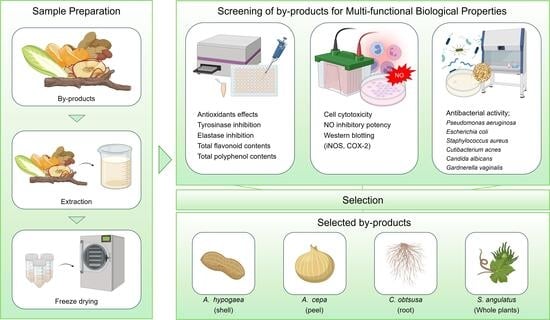
Comparative Study of Anti-Inflammatory and Antimicrobial Potentials of Natural By-Products
by
Na-Hyeon Park, Ji-A Byeon, Moon-Pil Jung, Ju-Young Kim, Seulki Yoon, Gyu Hoon Kim, Bo-Ae Kim and Yong-Jin Kwon
Nutraceuticals 2026, 6(2), 21; https://doi.org/10.3390/nutraceuticals6020021 - 30 Mar 2026
Abstract
Natural by-products (NBPs), including pomace, peels, stems, and skins, account for over 50% of materials generated during fresh fruit processing. Most of these are discarded or landfilled, contributing to environmental pollution. NBPs are rich in bioactive compounds, including polyphenols and flavonoids, suggesting their
[...] Read more.
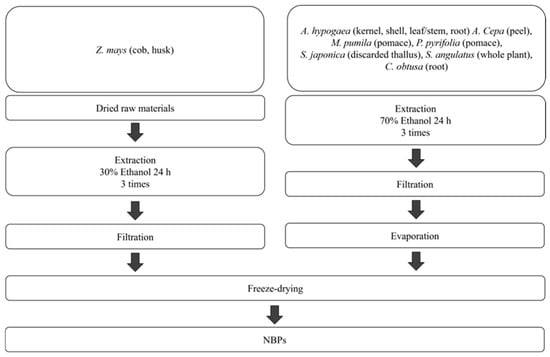
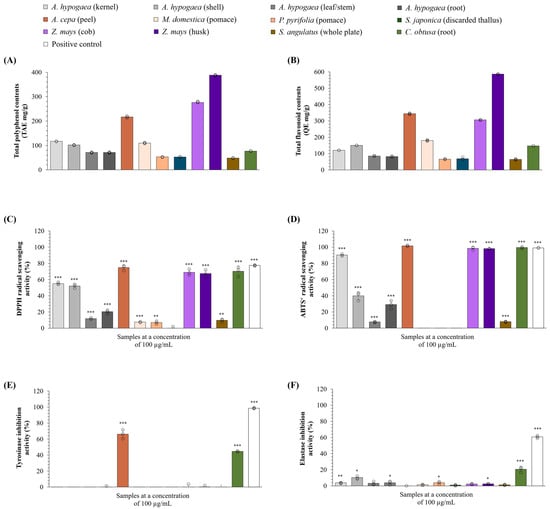
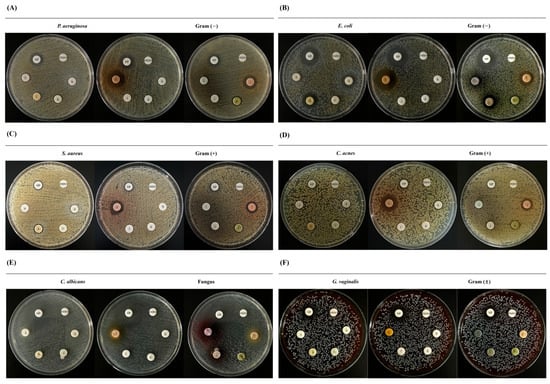
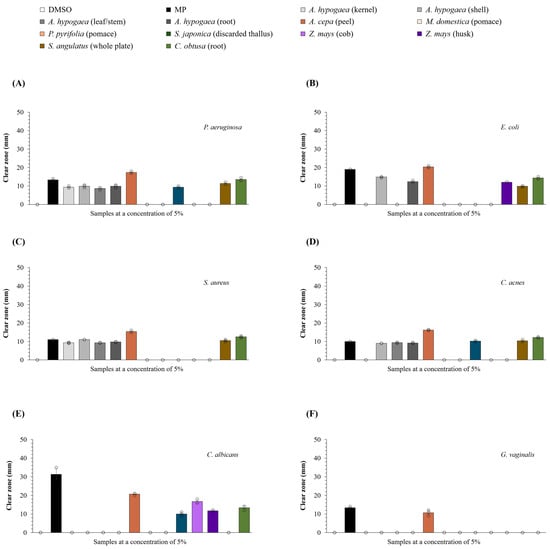
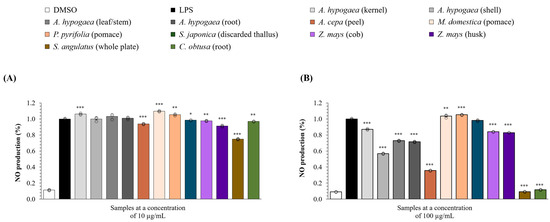
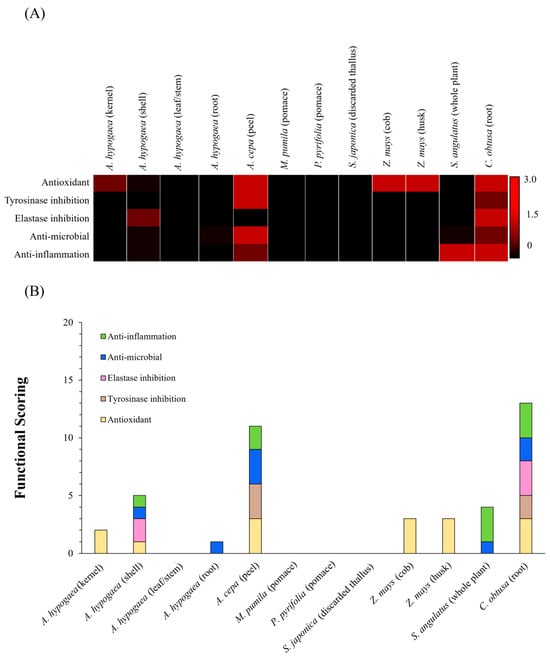
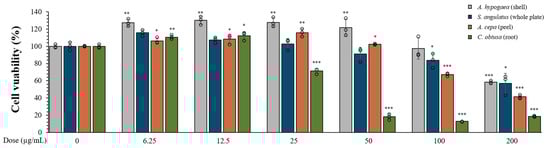
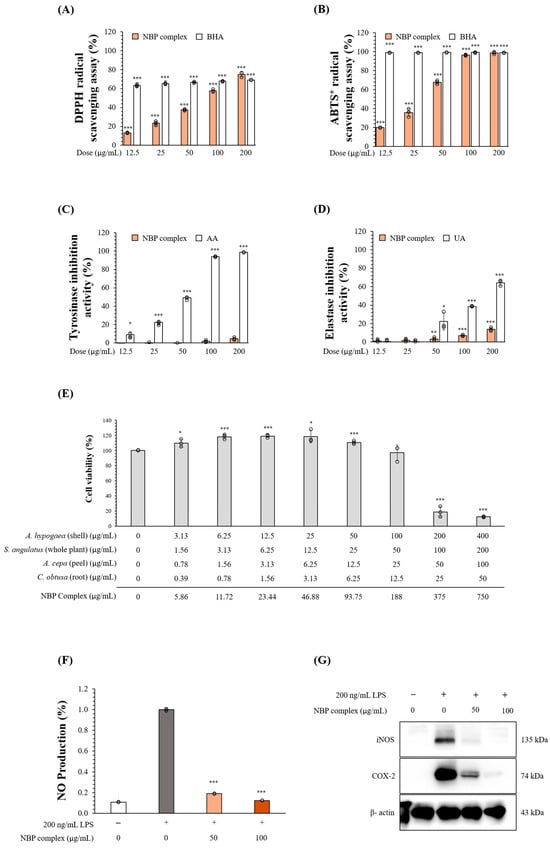
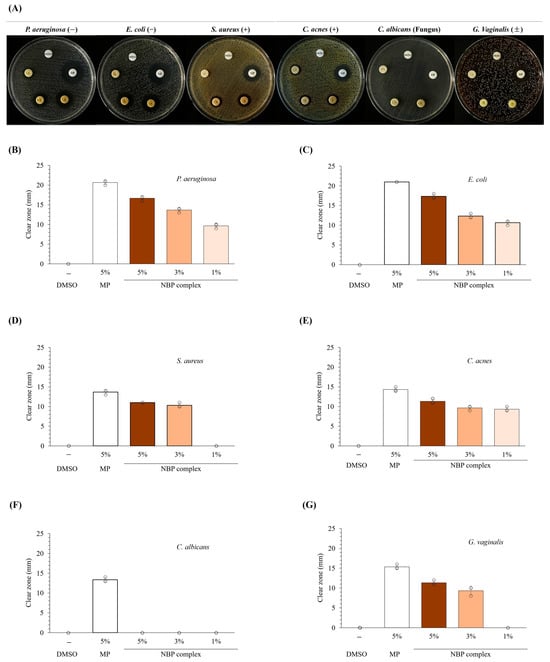
Natural by-products (NBPs), including pomace, peels, stems, and skins, account for over 50% of materials generated during fresh fruit processing. Most of these are discarded or landfilled, contributing to environmental pollution. NBPs are rich in bioactive compounds, including polyphenols and flavonoids, suggesting their potential as functional ingredients for health promotion. Accordingly, twelve types of NBPs from Korea were extracted with 70% ethanol. Each extract was comparatively evaluated at a uniform concentration for antioxidant, tyrosinase inhibition, and elastase inhibition activities. Anti-inflammatory and antimicrobial activities were additionally evaluated to identify extracts with superior overall activity profiles. Based on these findings, four extracts exhibiting the highest activities were combined, and the NBP complex was further tested for its antioxidant, anti-inflammatory, and antimicrobial effects. Although certain individual NBPs extracts showed strong activities, the NBP complex exhibited enhanced overall effects. These findings indicate that selected NBPs, both individually and in combination, possess significant potential as health-promoting functional ingredients. The study provides scientific evidence supporting the valorization of fruit processing residues into value-added products while addressing environmental concerns associated with their disposal.
Full article
(This article belongs to the Topic Functional Foods and Nutraceuticals in Health and Disease)
►▼
Show Figures

Graphical abstract
Open AccessCorrection
Correction: Davis et al. Nutraceuticals in the Treatment of Major Depressive Disorder. Nutraceuticals 2025, 5, 27
by
Allyson Davis, Jacquelyn Pence and Richard J. Bloomer
Nutraceuticals 2026, 6(1), 20; https://doi.org/10.3390/nutraceuticals6010020 - 20 Mar 2026
Abstract
There was an error in the original publication [...]
Full article
Open AccessArticle
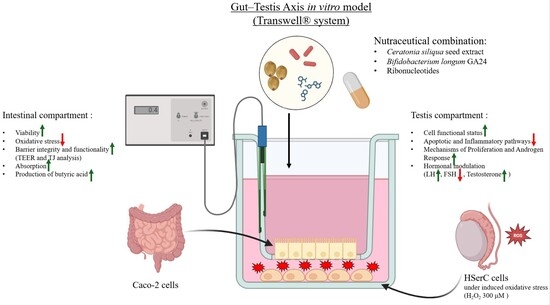
In Vitro Insights on a Gut–Testis Axis Model by a Nutraceutical Combination of Ceratonia siliqua, Ribonucleotides and Bifidobacterium longum
by
Simone Mulè, Rebecca Galla, Francesca Parini, Matteo Musu and Francesca Uberti
Nutraceuticals 2026, 6(1), 19; https://doi.org/10.3390/nutraceuticals6010019 - 12 Mar 2026
Abstract
►▼
Show Figures
Oxidative stress and environmental factors impair spermatogenesis and testicular function. The gut–testis axis has emerged as an important regulator of male reproductive health, influencing spermatogenesis beyond traditional endocrine control. This study evaluated the efficacy of a combination of Carob (Ceratonia siliqua),
[...] Read more.
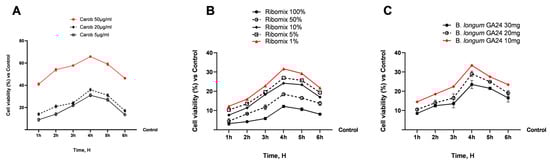
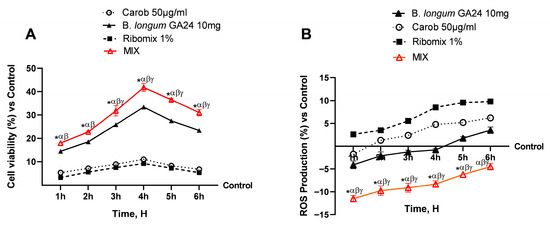
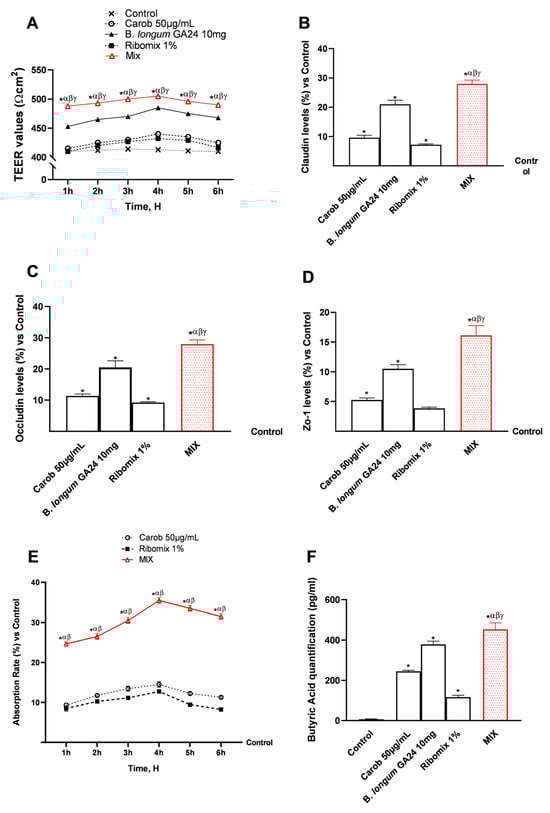
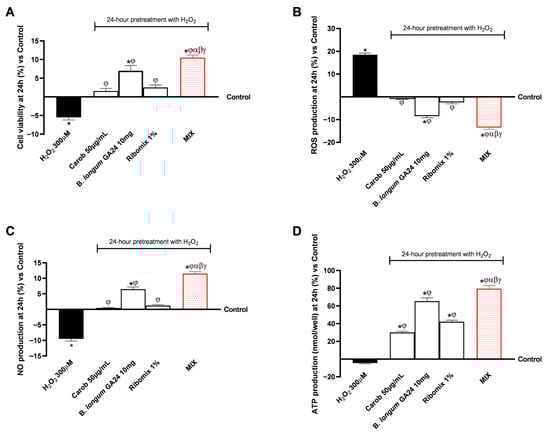
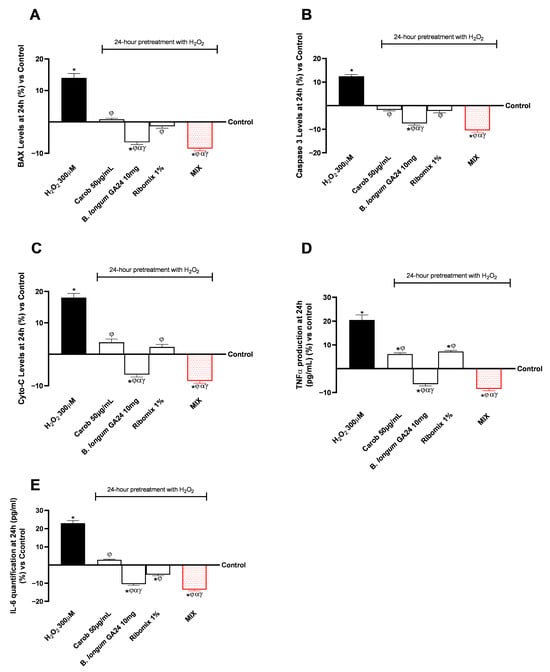
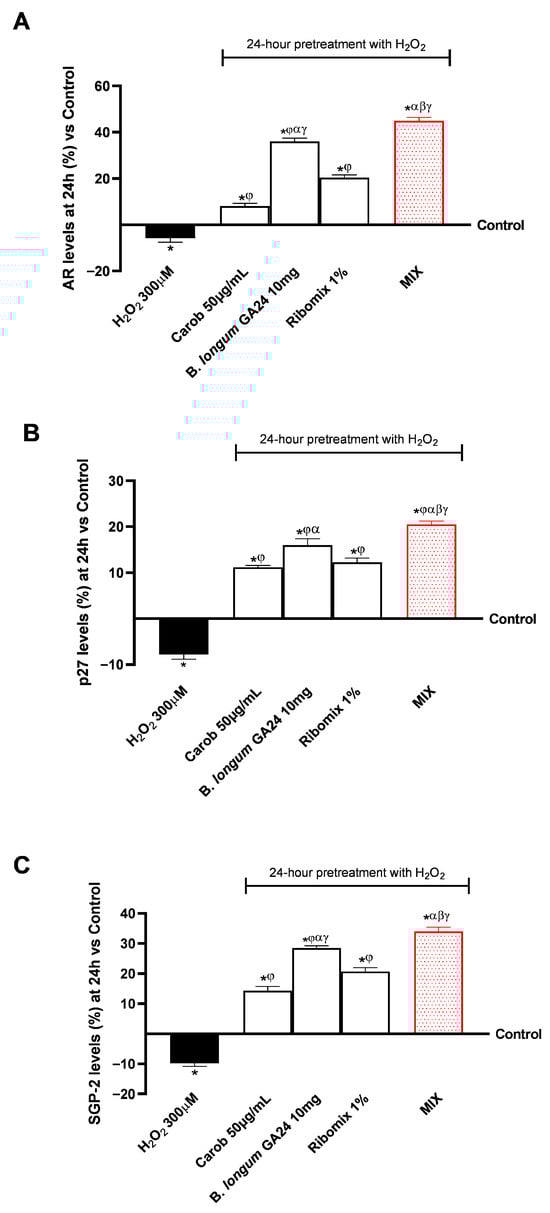
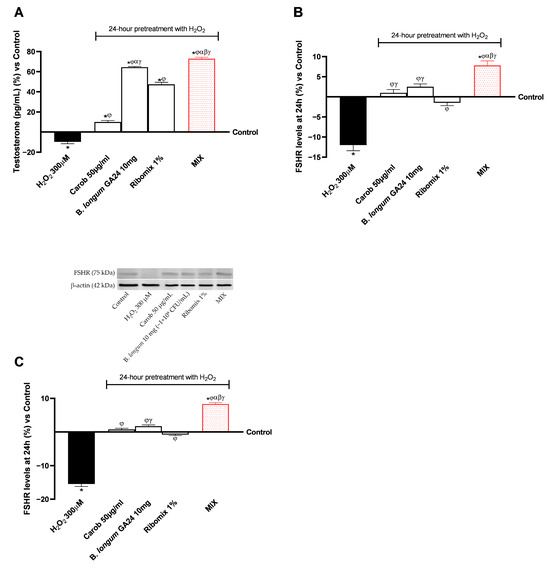
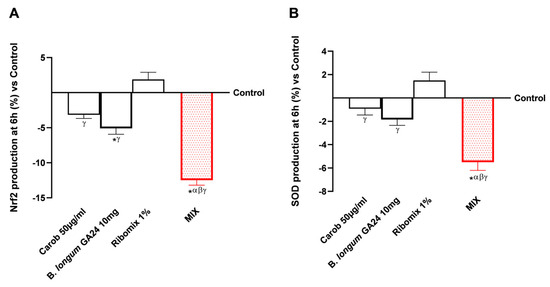
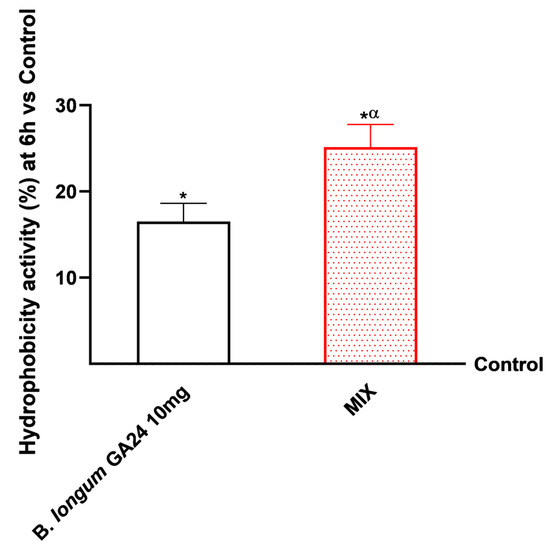
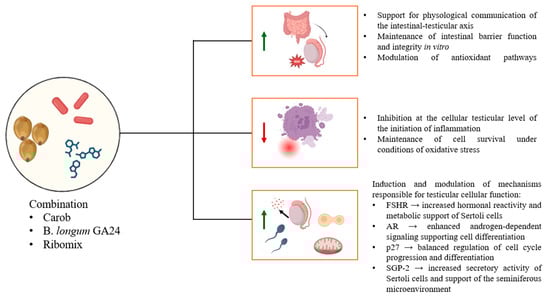
Oxidative stress and environmental factors impair spermatogenesis and testicular function. The gut–testis axis has emerged as an important regulator of male reproductive health, influencing spermatogenesis beyond traditional endocrine control. This study evaluated the efficacy of a combination of Carob (Ceratonia siliqua), Bifidobacterium longum GA24, and ribonucleotides (MIX) on in vitro models of the gut–testis axis (co-culture Caco-2/HSerC on Transwell® system). At the intestinal level, MIX increased Caco-2 cell viability, improved tight junction levels, regulated ROS production, and increased butyrate synthesis beyond physiological values, highlighting improved intestinal barrier function and integrity. In the gut–testis model, HSerC cells subjected to H2O2 300 μM showed 1.5-fold increased viability, 81% reduction in ROS, increased ATP (+1.7-fold) and NO (+1.8-fold). The MIX combination reduced the apoptotic markers BAX (−1.6-fold), caspase-3 (−1.84-fold), and Cyto-C (−1.52-fold), and the inflammatory mediators TNFα and IL-6. MIX enhanced Sertoli cell maturation markers, increasing AR by 6-fold, p27 by 1.64-fold, and SGP-2 by 2.5-fold, and modulated hormonal-related markers by increasing testosterone and FSHR expression. These findings indicate that MIX may positively modulate the gut–testicular axis, supporting the intestinal barrier, testicular health, and spermatogenesis.
Full article
Graphical abstract
Open AccessReview
The Role of Different Dietary Fibers in Modulating Human Gut Microbiota
by
Subir Das, CheKenna J. Fletcher and Ying Wu
Nutraceuticals 2026, 6(1), 18; https://doi.org/10.3390/nutraceuticals6010018 - 11 Mar 2026
Cited by 1
Abstract
Dietary fiber (DF) has a profound influence on human health mainly by modulating the gut microbiota. This review provides an overview of DF derived from cereals, legumes, fruits, vegetables, fungi, and seaweeds, specifically addressing the relationship between microbial utilization and source-specific structural characteristics
[...] Read more.
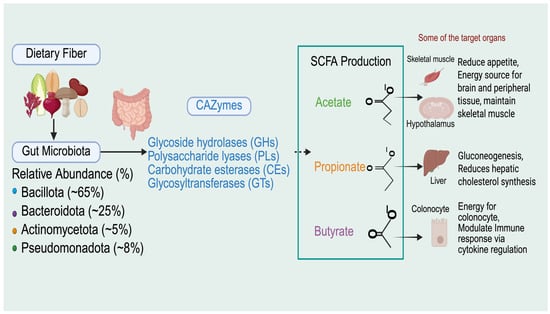
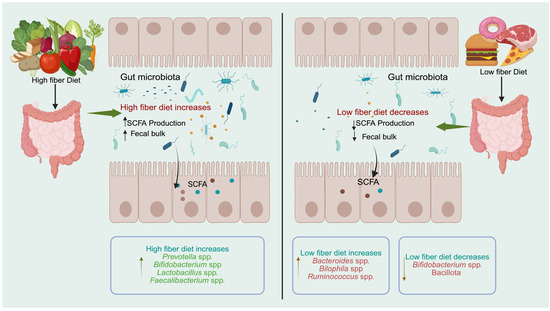
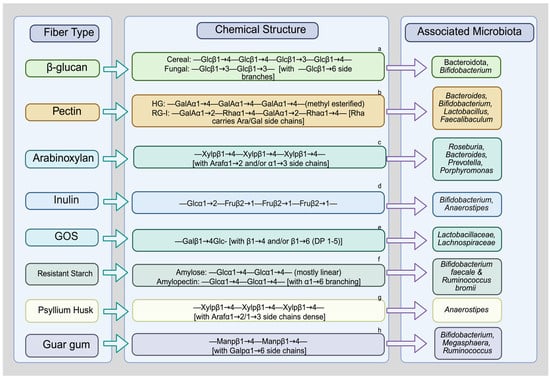
Dietary fiber (DF) has a profound influence on human health mainly by modulating the gut microbiota. This review provides an overview of DF derived from cereals, legumes, fruits, vegetables, fungi, and seaweeds, specifically addressing the relationship between microbial utilization and source-specific structural characteristics (such as linking patterns, conformation, solubility, and fermentability). Due to these structural properties, different DFs display selective microbial responses that favor fermentation and the production of short-chain fatty acids (SCFAs). These microbial responses and fermentation-derived metabolites associated with DF intake may contribute to reduced risk of obesity, diabetes, inflammatory bowel disease, and other chronic disorders. This review does not address the trial heterogeneity, dose response, safety, and conflicting evidence, and much of the available evidence is largely observational and heterogeneous. Future studies should focus on dose–response trials of defined DF structures with standardized microbiome and metabolomic endpoints, including validation in human interventions. This review summarizes the DF source and structure, selective changes in the microbiota across various study types, including in vitro, animal models, and human studies, and how these relate to overall health.
Full article
(This article belongs to the Special Issue Feature Review Papers in Nutraceuticals)
►▼
Show Figures

Graphical abstract
Highly Accessed Articles
Latest Books
E-Mail Alert
News
15 May 2026
Nutrients 2026—Clinical Nutrition: From Research to Practice—Submissions Approaching & Plenary Speaker Announcement, 22–24 October 2026, Barcelona, Spain
Topics
Topic in
Antioxidants, Biomedicines, IJMS, Life, Oxygen, Cosmetics, Nutraceuticals
Oxidative Stress and Inflammation, 3rd Edition
Topic Editors: Maria Letizia Manca, Amparo Nacher, Matteo Perra, Ines Castangia, Mohamad AllawDeadline: 31 July 2026
Topic in
Microorganisms, Foods, Beverages, Fermentation, Applied Microbiology, Nutraceuticals, Applied Biosciences
The Biotechnological Potential of Non-Saccharomyces Yeasts
Topic Editors: Spiros Paramithiotis, Maria Dimopoulou, Jayanta Kumar Patra, Yorgos KotseridisDeadline: 30 September 2026
Topic in
Antioxidants, Biomolecules, Nutraceuticals, Nutrients, Foods, Sci. Pharm., Pharmaceuticals
Functional Foods and Nutraceuticals in Health and Disease
Topic Editors: Srinivas Nammi, Dennis ChangDeadline: 20 December 2026
Topic in
Molecules, Nutraceuticals, Pharmaceuticals, Plants, Antioxidants, IJMS
Bioactive Phytochemicals from Plant Essential Oils and Extracts, 2nd Edition
Topic Editors: Hui-Ting Chang, Nour Eddine Es-Safi, Pei-Ling YenDeadline: 31 March 2027
Conferences
Special Issues
Special Issue in
Nutraceuticals
Dietary Supplements in Clinical and Translational Practice: Mechanisms, Applications and Future Directions
Guest Editors: George Jitca, Amelia Tero-Vescan, Bianca-Eugenia ŐszDeadline: 20 December 2026
Special Issue in
Nutraceuticals
Healthy Aging: The Contribution of Nutraceuticals to the Microbiota of Centenarians
Guest Editors: Emanuel Vamanu, Gretta Veronica Badillo PazmayDeadline: 31 May 2027