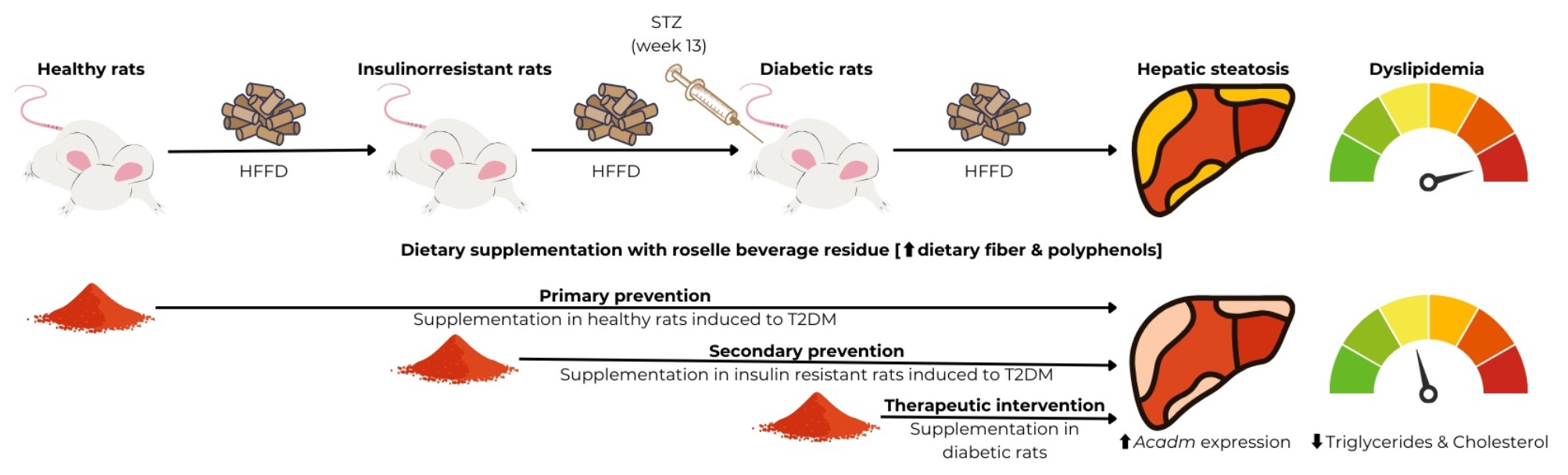

Dietary Intervention with Hibiscus sabdariffa L. Beverage Residue Attenuates Dyslipidemia and Hepatic Steatosis in Late-Stage Type 2 Diabetic Rats

 , , , and
Abstract
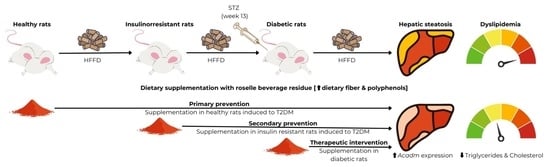
1. Introduction
2. Materials and Methods
2.1. Preparation of Roselle Beverage Residue
2.2. Animal Model and Experimental Design
2.3. Biochemical Measurements
2.4. Histological Analysis
2.5. RNA Extraction and qRT-PCR Analysis
2.6. Data Analysis
3. Results
3.1. RBR-Derived Dietary Fiber and Polyphenol Daily Supplementation
3.2. RBR Supplementation Improves Dyslipidemia and Atherogenic Risk in Late-Stage T2DM Rats
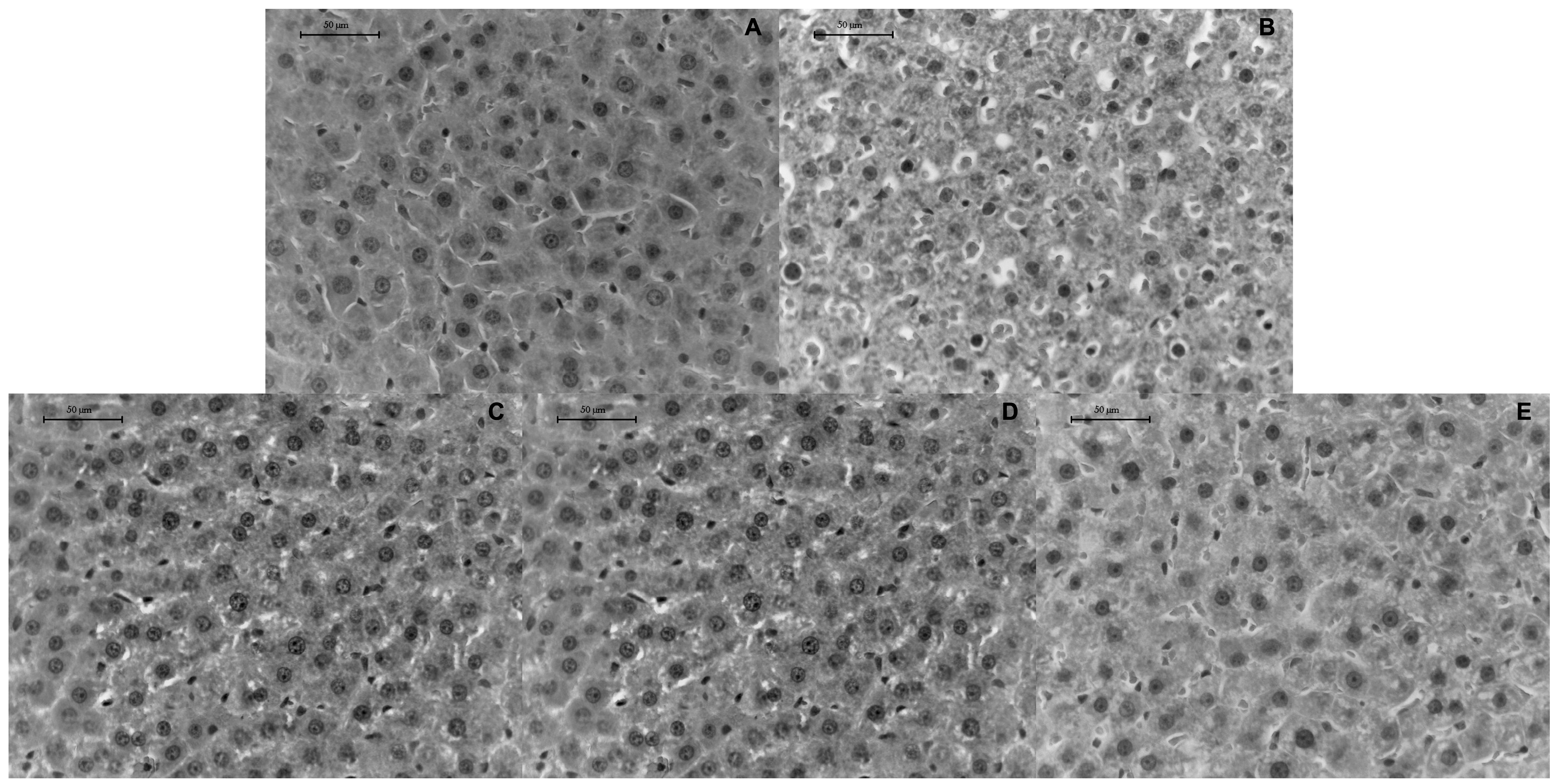
3.3. RBR Supplementation Attenuates Hepatic Steatosis in Late-Stage T2DM Rats
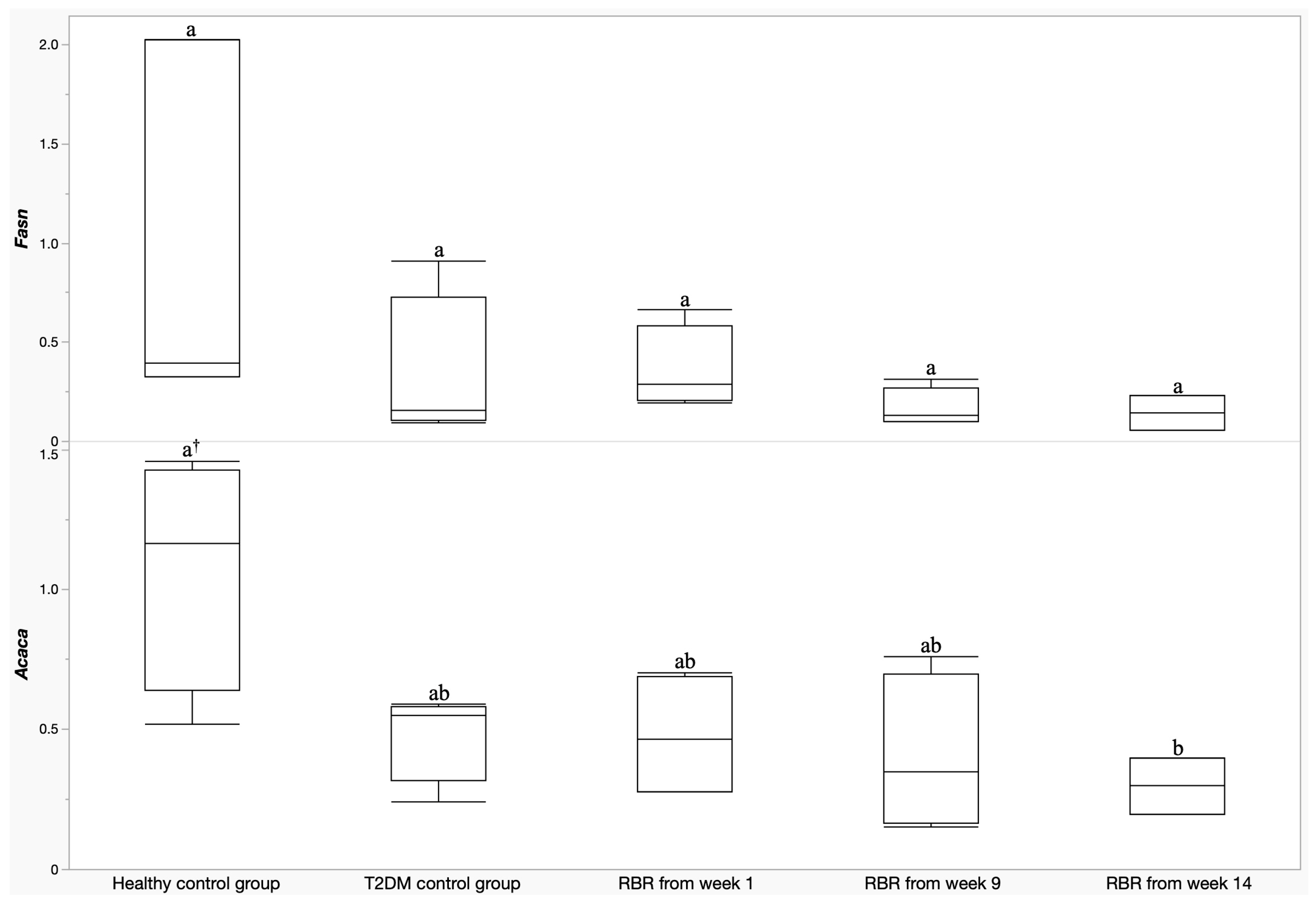
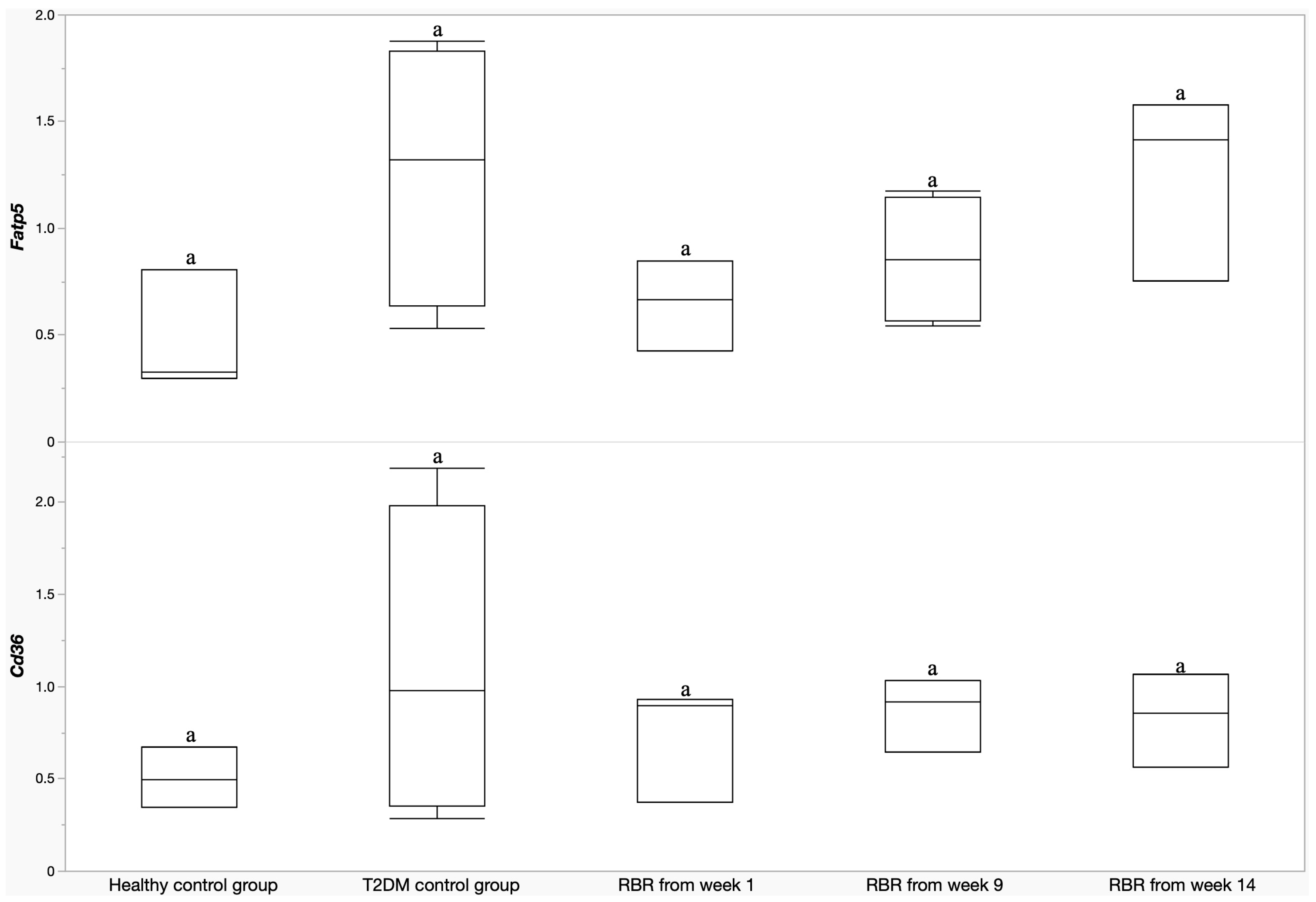
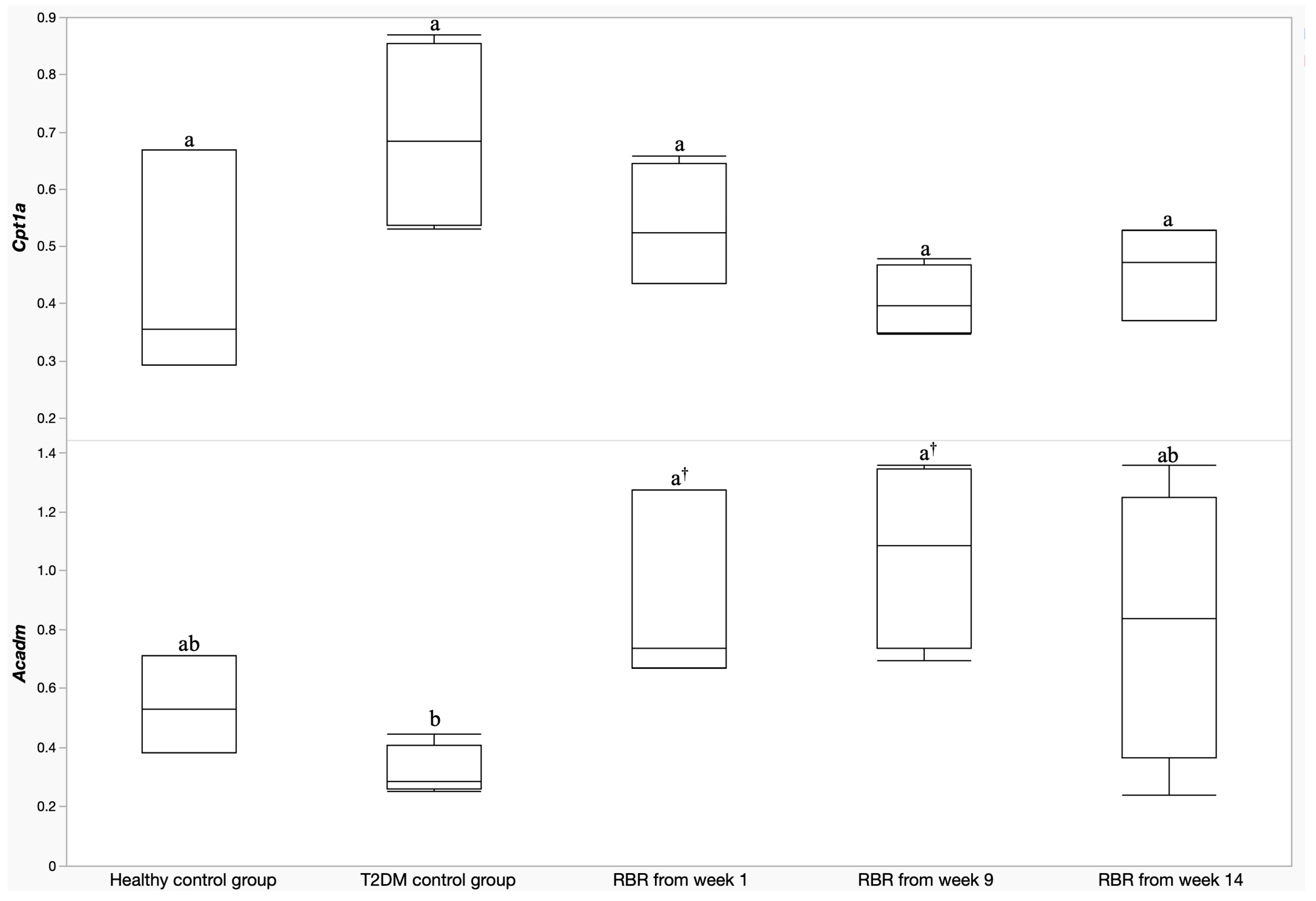
3.4. Modulation of Hepatic Lipid Metabolism Genes by RBR Supplementation in Late-Stage T2DM Rats
4. Discussion
5. Conclusions
Supplementary Materials
Author Contributions
Funding
Institutional Review Board Statement
Informed Consent Statement
Data Availability Statement
Acknowledgments
Conflicts of Interest
Abbreviations
| T2DM | Type 2 diabetes mellitus |
| HFFD | High-fat high-fructose diet |
| MASLD | Metabolic dysfunction-associated steatotic liver disease |
| NAFLD | Non-alcoholic fatty liver disease |
| RBR | Roselle beverage residue |
| NEPP | Non-extractable polyphenols |
| HDL | High-density cholesterol |
| Fasn | Fatty acid synthase |
| Acaca | Acetyl CoA carboxylase alpha |
| Fatp5 | Fatty acid transport protein-5 |
| Cd36 | Cluster of differentiation 36 |
| Cpt1a | Carnitine palmitoyltransferase 1a |
| Acadm | Medium-chain acyl-CoA dehydrogenase |
References
- Saeedi, P.; Petersohn, I.; Salpea, P.; Malanda, B.; Karuranga, S.; Unwin, N.; Colagiuri, S.; Guariguata, L.; Motala, A.A.; Ogurtsova, K.; et al. Global and regional diabetes prevalence estimates for 2019 and projections for 2030 and 2045: Results from the International Diabetes Federation Diabetes Atlas, 9th edition. Diabetes Res. Clin. Pract. 2019, 157, 107843. [Google Scholar] [CrossRef]
- Diabetes Around the World in 2021. Available online: https://diabetesatlas.org (accessed on 23 January 2025).
- Eslam, M.; Newsome, P.N.; Sarin, S.K.; Anstee, Q.M.; Targher, G.; Romero-Gomez, M.; Zelber-Sagi, S.; Wong, V.W.-S.; Dufour, J.-F.; Schattenberg, J.M.; et al. A new definition for metabolic dysfunction-associated fatty liver disease: An international expert consensus statement. J. Hepatol. 2020, 73, 202–209. [Google Scholar] [CrossRef] [PubMed]
- Xie, Z.; Li, H.; Wang, K.; Lin, J.; Wang, Q.; Zhao, G.; Jia, W.; Zhang, Q. Analysis of transcriptome and metabonome profiles alterations in fatty liver induced by high fat diet in rat. Metabl. Clin. Exp. 2010, 59, 554–560. [Google Scholar] [CrossRef] [PubMed]
- Grunberger, G. Should side effects influence the selection of antidiabetic therapies in type 2 diabetes? Curr. Diabetes Rep. 2017, 17, 21. [Google Scholar] [CrossRef]
- Fernandes, I.; Oliveira, J.; Pinho, A.; Carvalho, E. The role of nutraceutical containing polyphenols in diabetes prevention. Metabolites 2022, 12, 184. [Google Scholar] [CrossRef]
- Almajid, A.; Bazroon, A.; AlAhmed, A.; Bakhurji, O. Exploring the health benefits and therapeutic potential of roselle (Hibiscus sabdariffa) in human studies: A comprehensive review. Cureus 2023, 15, e49309. [Google Scholar] [CrossRef]
- Somaratne, G.M.; Lakshani, S.G.A.; Chamodini, A.G.K.; Kariyawasam, K.P. Unveiling the health benefits of roselle calyx extracts: Functional compounds and their role in non-communicable diseases. Pharmacol. Res. 2025, 9, 100407. [Google Scholar] [CrossRef]
- Varzakas, T.; Zakynthinos, G.; Verpoort, F. Plant food residues as a source of nutraceuticals and functional foods. Foods 2016, 5, 88. [Google Scholar] [CrossRef] [PubMed]
- Serna Tenorio, J.E.; Sotelo-González, A.M.; Reynoso-Camacho, R.; Anaya-Loyola, M.A.; Pérez Ramírez, I.F. Comprehensive characterization of the overlooked residue generated during roselle calyxes brewing with potential use as functional ingredient. Biotecnia 2023, 25, 208–220. [Google Scholar] [CrossRef]
- Regalado-Rentería, E.; Serna-Tenorio, J.E.; García-Gutiérrez, D.G.; Reynoso-Camacho, R.; García, O.P.; Anaya-Loyola, M.A.; Pérez-Ramírez, I.F. Preventive and therapeutic efficacy of roselle beverage residue in late-stage type 2 diabetic rats. Beverages 2024, 10, 40. [Google Scholar] [CrossRef]
- Amaya-Cruz, D.; Peréz-Ramírez, I.F.; Pérez-Jiménez, J.; Nava, G.M.; Reynoso-Camacho, R. Comparison of the bioactive potential of Roselle (Hibiscus sabdariffa L.) calyx and its by-product: Phenolic characterization by UPLC-QTOF MSE and their anti-obesity effect in vivo. Food Res. Int. 2019, 126, 108589. [Google Scholar] [CrossRef]
- Livak, K.J.; Schmittgen, T.D. Analysis of relative gene expression data using real-time quantitative PCR and the 2−ΔΔCT method. Methods 2001, 25, 402–408. [Google Scholar] [CrossRef] [PubMed]
- García-Compeán, D.; Kumar, R.; del Cueto-Aguilera, Á.N.; Maldonado-Garza, H.J.; Villarreal-Pérez, J.Z. Body weight loss and glycemic control on the outcomes of patients with NAFLD. The role of new antidiabetic agents. Ann. Hepatol. 2023, 28, 100751. [Google Scholar] [CrossRef] [PubMed]
- Nie, Y.; Luo, F. Dietary fiber: An opportunity for a global control of hyperlipidemia. Oxid. Med. Cell. Longev. 2021, 2021, 5542342. [Google Scholar] [CrossRef]
- Bayram, H.M.; Majoo, F.M.; Ozturkcan, A. Polyphenols in the prevention and treatment of non-alcoholic fatty liver disease: An update of preclinical and clinical studies. Clin. Nutr. ESPEN 2021, 44, 1–14. [Google Scholar] [CrossRef] [PubMed]
- Vrentzos, E.; Pavlidis, G.; Korakas, E.; Kountouri, A.; Pliouta, L.; Dimitriadis, G.D.; Lambadiari, V. Nutraceutical strategies for metabolic dysfunction-associated steatotic liver disease (MASLD): A path to liver health. Nutrients 2025, 17, 1657. [Google Scholar] [CrossRef]
- Tahri-Joutey, M.; Andreoletti, P.; Surapureddi, S.; Nasser, B.; Cherkaoui-Malki, M.; Latruffe, N. Mechanisms mediating the regulation of peroxisomal fatty acid beta-oxidation by PPARα. Int. J. Mol. Sci. 2021, 22, 8969. [Google Scholar] [CrossRef]
- Badmus, O.O.; Hillhouse, S.A.; Anderson, C.D.; Hinds, T.D., Jr.; Stec, D.E. Molecular mechanisms of metabolic associated fatty liver disease (MAFLD): Functional analysis of lipid metabolism pathways. Clin. Sci. 2022, 136, 1347–1366. [Google Scholar] [CrossRef]
- Jiang, S.; Young, J.L.; Wang, K.; Qian, Y.; Cai, L. Diabetic-induced alterations in hepatic glucose and lipid metabolism: The role of type 1 and type 2 diabetes mellitus. Mol. Med. Rep. 2020, 22, 603–611. [Google Scholar] [CrossRef]
- Sukkar, A.H.; Lett, A.M.; Frost, G.; Chambers, E.S. Regulation of energy expenditure and substrate oxidation by short-chain fatty acids. J. Endocrinol. 2019, 242, R1–R8. [Google Scholar] [CrossRef]
- Nguyen, V.; Taine, E.G.; Meng, D.; Cui, T.; Tan, W. Chlorogenic acid: A systematic review on the biological functions, mechanistic actions, and therapeutic potentials. Nutrients 2024, 16, 924. [Google Scholar] [CrossRef]
- Ong, K.W.; Hsu, A.; Tan, B.K.H. Anti-diabetic and anti-lipidemic effects of chlorogenic acid are mediated by AMPK activation. Biochem. Pharmacol. 2013, 85, 1341–1351. [Google Scholar] [CrossRef] [PubMed]
- Wagner, W.; Sobierajska, K.; Pulaski, L.; Stasiak, A.; Ciszewski, W.M. Whole grain metabolite 3,5-dihydroxybenzoic acids is a beneficial nutritional molecule with the feature of a double-edged sword in human health: A critical review and dietary considerations. Crit. Rev. Food Sci. Nutr. 2024, 64, 8786–8804. [Google Scholar] [CrossRef] [PubMed]
- García-Díez, E.; López-Oliva, M.E.; Pérez-Jiménez, J.; Martín, M.A.; Ramos, S. Metabolic regulation of (−)-epicatechin and the colonic metabolite 2, 3-dihydroxybenzoic acid on the glucose uptake, lipid accumulation and insulin signalling in cardiac H9c2 cells. Food Funct. 2022, 13, 5602–56153. [Google Scholar] [CrossRef] [PubMed]



| Component | Daily Supplementation 1 |
|---|---|
| Dietary fiber (g/day) | |
| Total dietary fiber | 1.18–2.37 |
| Soluble dietary fiber | 0.27–0.53 |
| Insoluble dietary fiber | 0.93–1.86 |
| Extractable polyphenols (mg/day) | |
| Delphinidin hexoside | 0.27–0.53 |
| Delphinidin sambubioside | 0.53–1.06 |
| Kaempferol | 0.11–0.22 |
| Kaempferol hexoside-rhamnoside | 0.09–0.18 |
| Kaempferol pentoside-hexoside | 0.34–0.68 |
| Myricetin | 0.22–0.43 |
| Myricetin hexoside | 0.12–0.25 |
| Myricetin rhamnoside | 0.06–0.11 |
| Myricetin rutinoside | 0.03–0.06 |
| Quercetin | 1.04–2.07 |
| Quercetin hexoside | 0.30–0.59 |
| Quercetin hexoside-rhamnoside | 0.49–0.98 |
| Quercetin pentoside-rutinoside | 0.02–0.03 |
| Coumaric acid | 0.08–0.17 |
| Coumaroylquinic acid isomer I | 2.28–4.57 |
| Coumaroylquinic acid isomer II | 3.08–6.17 |
| Dihydroxybenzoic acid isomer I | 0.47–0.95 |
| Dihydroxybenzoic acid isomer II | 0.16–0.33 |
| Dihydroxybenzoic acid hexoside | 7.25–14.50 |
| Gallic acid | 0.50–1.01 |
| Gallic acid ethyl ester | 0.18–0.36 |
| Hydroxybenzoic acid | 2.66–5.33 |
| Methylgallic acid | 0.14–0.28 |
| Trigallic acid hexoside | 0.11–0.23 |
| Vanillic acid | 0.15–0.30 |
| Caffeic acid | 0.43–0.86 |
| Caffeic acid hexoside | 0.15–0.30 |
| Caffeoylquinic acid isomer I (chlorogenic acid) | 20.61–41.22 |
| Caffeoylquinic acid isomer II | 13.04–26.07 |
| Ferulic acid | 0.03–0.06 |
| Feruloylquinic acid isomer I | 1.50–3.00 |
| Feruloylquinic acid isomer II | 1.09–2.19 |
| Feruloylquinic acid isomer III | 1.29–0.59 |
| Sinapic acid hexoside | 0.24–0.49 |
| Acid hydrolysable polyphenols (mg/day) | |
| Dihydroxybenzoic acid isomer I | 0.01–0.02 |
| Hydroxybenzoic acid | 0.04–0.08 |
| Ferulic acid | 0.00–0.01 |
| Sinapic acid | 0.01–0.02 |
| Alkaline hydrolysable polyphenols (mg/day) | |
| Hydroxybenzoic acid hexoside | 0.07–0.14 |
| Coumaric acid | 0.02–0.04 |
| Caffeic acid hexoside | 0.00–0.01 |
| Parameter | Control Groups | RBR Intervention Groups | |||
|---|---|---|---|---|---|
| Healthy | T2DM | From Week 1 | From Week 9 | From Week 14 | |
| Triglycerides 1 | 69.30 ± 1.86 b,† | 649.80 ± 76.22 a | 145.29 ± 10.05 b,† | 185.89 ± 13.18 b,† | 204.43 ± 20.66 b,† |
| Cholesterol 1 | 54.6 ± 0.86 b,† | 114.00 ± 6.88 a | 61.43 ± 1.87 b,† | 56.63 ± 1.79 b,† | 61.29 ± 2.83 b,† |
| HDL 1 | 47.60 ± 0.73 b,† | 74.83 ± 4.00 a | 61.00 ± 2.28 a,b | 51.38 ± 1.57 a,b | 60.11 ± 2.25 a,b |
| Atherogenic index | 0.15 ± 0.01 c,† | 0.77 ± 0.10 a | 0.30 ± 0.02 b,c,† | 0.53 ± 0.03 a,b | 0.46 ± 0.03 a,b |
| Castelli risk index | 1.12 ± 0.01 a | 1.21 ± 0.06 a | 1.02 ± 0.01 a | 1.10 ± 0.01 a | 1.19 ± 0.01 a |
Disclaimer/Publisher’s Note: The statements, opinions and data contained in all publications are solely those of the individual author(s) and contributor(s) and not of MDPI and/or the editor(s). MDPI and/or the editor(s) disclaim responsibility for any injury to people or property resulting from any ideas, methods, instructions or products referred to in the content. |
© 2026 by the authors. Licensee MDPI, Basel, Switzerland. This article is an open access article distributed under the terms and conditions of the Creative Commons Attribution (CC BY) license.
Share and Cite
Regalado-Rentería, E.; Serna-Tenorio, J.E.; García-Gutiérrez, D.G.; Reynoso-Camacho, R.; Anaya-Loyola, M.A.; Pérez-Ramírez, I.F. Dietary Intervention with Hibiscus sabdariffa L. Beverage Residue Attenuates Dyslipidemia and Hepatic Steatosis in Late-Stage Type 2 Diabetic Rats. Nutraceuticals 2026, 6, 23. https://doi.org/10.3390/nutraceuticals6020023
Regalado-Rentería E, Serna-Tenorio JE, García-Gutiérrez DG, Reynoso-Camacho R, Anaya-Loyola MA, Pérez-Ramírez IF. Dietary Intervention with Hibiscus sabdariffa L. Beverage Residue Attenuates Dyslipidemia and Hepatic Steatosis in Late-Stage Type 2 Diabetic Rats. Nutraceuticals. 2026; 6(2):23. https://doi.org/10.3390/nutraceuticals6020023
Chicago/Turabian StyleRegalado-Rentería, Evelyn, Jesús E. Serna-Tenorio, David G. García-Gutiérrez, Rosalía Reynoso-Camacho, Miriam A. Anaya-Loyola, and Iza F. Pérez-Ramírez. 2026. "Dietary Intervention with Hibiscus sabdariffa L. Beverage Residue Attenuates Dyslipidemia and Hepatic Steatosis in Late-Stage Type 2 Diabetic Rats" Nutraceuticals 6, no. 2: 23. https://doi.org/10.3390/nutraceuticals6020023
APA StyleRegalado-Rentería, E., Serna-Tenorio, J. E., García-Gutiérrez, D. G., Reynoso-Camacho, R., Anaya-Loyola, M. A., & Pérez-Ramírez, I. F. (2026). Dietary Intervention with Hibiscus sabdariffa L. Beverage Residue Attenuates Dyslipidemia and Hepatic Steatosis in Late-Stage Type 2 Diabetic Rats. Nutraceuticals, 6(2), 23. https://doi.org/10.3390/nutraceuticals6020023