


Abstract
Cardiovascular diseases (CVDs) remain the leading cause of morbidity and mortality worldwide. Despite their often-asymptomatic progression and complex therapeutic management, a substantial proportion of CVDs is preventable through early intervention and lifestyle modification. However, effective pharmacological strategies to fully reduce disease burden and associated risk factors remain limited. Polyphenols are a structurally diverse class of bioactive compounds widely distributed in plant-based foods, characterized by multiple phenolic and hydroxyl groups that confer potent redox-modulating properties. Increasing evidence indicates that dietary polyphenols exert cardioprotective effects through antioxidant, anti-inflammatory, and endothelial-modulating mechanisms. Experimental studies (in vitro and in vivo) have demonstrated that polyphenols regulate key molecular pathways involved in oxidative stress, inflammation, and vascular function, including PI3K/Akt/eNOS, AMPK/SIRT1, and Nrf2 signaling. In parallel, epidemiological and clinical evidence support their association with improvements in blood pressure, glycemic control, lipid profiles, and body weight, critical determinants of cardiovascular risk. Importantly, the biological response to polyphenol intake is highly variable and influenced by genetic background, metabolism, gut microbiota composition, and bioavailability constraints. This review provides an updated and integrative analysis of the molecular mechanisms underlying the cardioprotective effects of polyphenols, emphasizing their role in endothelial function and nitric oxide bioavailability. Additionally, it highlights recent advances in polyphenol-based nutraceuticals, discusses translational limitations, and outlines future perspectives for their application in cardiovascular disease prevention and management.
1. Introduction
CVDs, including coronary artery disease, hypertension, and stroke, remain the foremost cause of mortality worldwide [1,2,3,4]. According to the World Health Organization, in 2022, 19.8 million people died because of CVDs, which represents 32.2% of the total of deaths worldwide, of whom 85% were due to myocardial and brain-vascular accidents. The development of CVDs is strongly influenced by modifiable lifestyle factors, including tobacco use, poor dietary habits, physical inactivity, obesity, dyslipidemia, hypertension, and excessive alcohol consumption [5,6,7]. Encouragingly, epidemiological evidence suggests that up to 80% of CVD-related deaths could be prevented by having a healthy lifestyle, a balanced diet, regular physical activity, smoking cessation, alcohol consumption termination, and rigorous control of cardiovascular risk factors [3,5,8]. Among dietary bioactive compounds, polyphenols have attracted considerable attention due to their potential cardioprotective properties. Polyphenols are structurally diverse phytochemicals widely distributed in fruits, vegetables, olive oil, tea, cocoa, and other plant-derived foods, where they contribute not only to plant physiology but also to human health through multiple bioactive properties [5,9,10,11]. Experimental evidence indicates that polyphenols can regulate the expression of numerous genes involved in redox imbalance response, lipid metabolism, endothelial function, inflammation, and thrombosis, thereby impacting a variety of cellular processes relevant to cardiovascular health.
The antioxidant capacity of polyphenols has been considered a primary mechanism underlying their cardiovascular benefits. These compounds participate in cellular redox reactions, mitigating oxidative damage by reducing the generation of reactive oxygen species (ROS), inhibiting lipid peroxidation, and preserving endothelial integrity [2,3,12]. For instance, flavonoids derived from olive oil have demonstrated the ability to enhance high-density lipoprotein cholesterol (HDL-c) functionality, facilitate reverse cholesterol transport, and protect the endothelium from atherogenic damage [1,6,11,13,14]. In addition to their antioxidant effects, polyphenols modulate hemostatic balance by inhibiting platelet aggregation and downregulating endothelial adhesion molecules. This action protects low-density lipoproteins (LDLs) from oxidative modification, a key event in the initiation of atherosclerosis (ATS) [10,15]. Polyphenols also exert anti-inflammatory effects during ATS progression. They suppress the expression of pro-inflammatory cytokines such as interleukins (IL-1, IL-6, IL-8), tumor necrosis factor-alpha (TNF-α), and C-reactive protein (CRP) [10,16] and modulate key inflammatory signaling pathways including nuclear factor kappa B (NF-κB), mitogen-activated protein kinases (MAPKs), phosphatidylinositol 3-kinase/protein kinase B (PI3K/Akt), Janus kinase/signal transducer and activator of transcription (JAK/STAT), toll-like receptor (TLR) [10,12,16,17,18,19,20,21,22]. These molecular actions reduce endothelial dysfunction, decrease vascular inflammation, and improve vascular reactivity, suggesting a multifaceted role of polyphenols in cardiovascular protection.
Despite the expanding body of evidence supporting the cardioprotective effects of polyphenols, several important gaps remain. Current literature often emphasizes antioxidant activity without fully integrating emerging insights into gene regulation, intracellular signaling networks, epigenetic modulation, bioavailability constraints, and interindividual variability in response to polyphenol intake. Furthermore, translation of mechanistic findings from in vitro and experimental models into clinically relevant nutraceutical strategies remains limited and sometimes inconsistent. This fragmentation hinders a comprehensive understanding of how polyphenols exert cardiovascular benefits and complicates the development of evidence-based dietary or therapeutic recommendations. Therefore, this review provides an updated and integrative analysis of the molecular mechanisms by which polyphenols regulate gene expression and signaling pathways associated with cardiovascular disease. In addition, it highlights current advances in nutraceutical applications, discusses translational challenges, and identifies critical areas for future research to define the role of polyphenols in CVD prevention and management.
2. Overview of Cardiovascular Diseases
CVDs encompass a broad spectrum of disorders affecting the heart and vascular system, including hypertension, coronary artery disease (CAD), cerebrovascular disease, valvular and rheumatic heart conditions, cardiomyopathies, peripheral arterial disease, congenital heart defects, deep vein thrombosis, and pulmonary embolism [18,23]. Among these conditions, ATS represents the most prevalent underlying pathological process and remains a central focus in cardiovascular research. Historically, ATS was initially interpreted as a passive lipid storage disorder or as a secondary inflammatory response, as proposed by Rokitansky in the 19th century. Subsequently, Virchow advanced the concept of ATS as a primary inflammatory disease [10,15]. Contemporary research has expanded these classical theories by demonstrating that endothelial dysfunction, altered redox state, chronic low-grade inflammation, lipid oxidation, and immune activation are part of a complex network that drives plaque formation and vascular remodelling [15,16].
At the molecular level, endothelial dysfunction is characterized by reduced nitric oxide bioavailability, increased generation of reactive oxygen species, activation of pro-inflammatory transcription factors such as NF-κB, and dysregulation of key signaling pathways, including MAPK, PI3K/Akt, JAK/STAT, and Toll-like receptor (TLR) pathways. These processes promote leukocyte adhesion, lipid accumulation, vascular inflammation, and thrombotic susceptibility, ultimately contributing to the progression of CVDs [19,20,22]. This evolving understanding of cardiovascular pathophysiology has stimulated interest in preventive and therapeutic strategies targeting oxidative stress, inflammation, and endothelial function. In this context, dietary bioactive compounds, particularly polyphenols, have emerged as promising nutraceutical candidates due to their potential to modulate redox balance, inflammatory signaling, and vascular homeostasis. This mechanistic framework provides a basis for exploring how polyphenol-rich interventions may influence cardiovascular risk and disease progression.
Moreover, CVDs remain the leading cause of mortality worldwide, accounting for approximately one in every three deaths globally [24,25]. Among these, ischemic heart disease, primarily driven by atherosclerotic coronary artery pathology, and stroke represent the most prevalent and fatal manifestations. In the United States, heart disease ranks as the foremost cause of death, while stroke occupies the fifth position [6,25,26]. Notably, more than 75% of CVD-related deaths occur in low- and middle-income countries, where access to timely, equitable, and specialized healthcare services remains limited [5]. In such settings, delayed diagnosis and suboptimal management often result in disease detection at advanced stages, further exacerbating the burden of cardiovascular morbidity and mortality [25]. These epidemiological disparities are strongly influenced by modifiable lifestyle factors, particularly dietary patterns. Diets rich in ultra-processed foods, saturated fats, and refined sugars have been associated with increased cardiovascular risk, whereas plant-based dietary patterns rich in bioactive compounds have shown protective effects. In this context, polyphenol-rich foods and nutraceutical preparations have gained attention due to their potential to modulate oxidative stress, inflammation, and endothelial dysfunction. Understanding the integration between these epidemiological trends and molecular mechanisms may help clarify the role of polyphenols in cardiovascular disease prevention and management. This integrated epidemiological and mechanistic perspective underscores the need for complementary preventive strategies. In this context, polyphenol-rich diets and nutraceutical interventions emerge as promising approaches to modulate key molecular pathways involved in cardiovascular disease progression, bridging population-level observations with cellular and molecular mechanisms.
3. Vascular Endothelium and Nitric Oxide Bioavailability in Cardiovascular Health
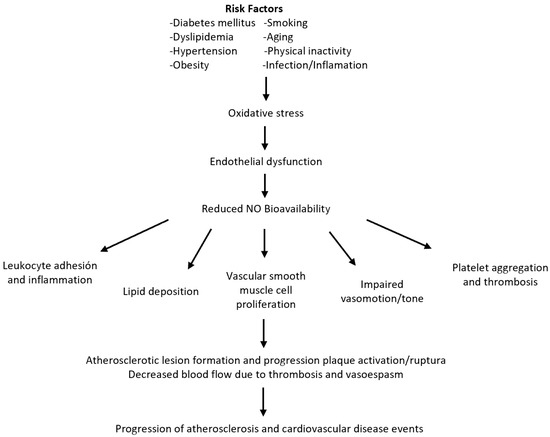
The vascular endothelium is a dynamic monolayer of cells lining the lumen of blood vessels, serving as a critical interface between circulating blood and the vascular wall. Beyond its structural function, the endothelium acts as a highly selective barrier and metabolically active organ, playing a central role in maintaining vascular homeostasis. It regulates the delicate equilibrium between vasodilation and vasoconstriction, modulates vascular smooth muscle cell proliferation and migration, and orchestrates processes such as thrombogenesis and fibrinolysis (Figure 1) [27,28,29]. Vasodilatory responses are primarily mediated by nitric oxide (NO), endothelium-derived hyperpolarizing factors, and prostacyclin, whereas vasoconstriction is driven by endothelin-1, angiotensin II, thromboxane A2, and prostaglandin H2 [27,29]. Among these mediators, NO is considered the most potent endogenous vasodilator and a key determinant of endothelial function. It contributes to vascular wall integrity by inhibiting platelet aggregation, suppressing inflammation and oxidative stress, and preventing smooth muscle cell proliferation and leukocyte adhesion, mechanisms relevant across all stages of atherosclerotic development [29].
Figure 1.
Pathophysiological mechanisms in the progression of atherosclerosis (ATS) and cardiovascular events. Various risk factors, such as diabetes, dyslipidemia, hypertension, obesity, smoking, aging, physical inactivity, and inflammation, contribute to oxidative stress and endothelial dysfunction. This reduces the bioavailability of nitric oxide (NO), promoting leucocyte adhesion and progression of atherosclerotic lesions, thrombosis, and cardiovascular events.
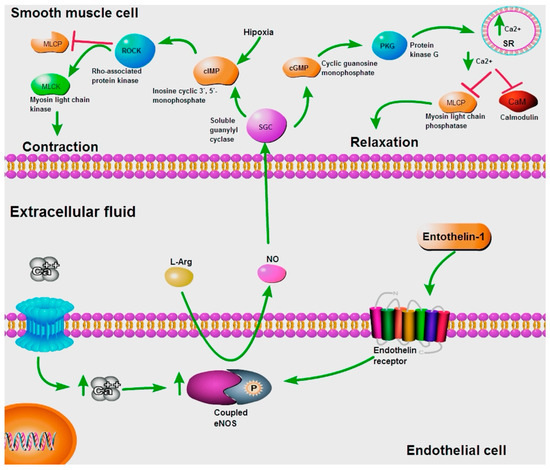
NO is synthesized in endothelial cells from L-arginine through endothelial nitric oxide synthase (eNOS), which is localized in caveolae. Under resting conditions, caveolin-1 binds to calmodulin and inhibits eNOS activity; calcium influx promotes calmodulin binding and displacement of caveolin-1, resulting in eNOS activation and NO production (Figure 2). This enzymatic process requires cofactors such as tetrahydrobiopterin and nicotinamide adenine dinucleotide phosphate (NADPH) for optimal function [15,26]. eNOS expression and activity are modulated by several physiological and pathological stimuli. For instance, laminar shear stress enhances eNOS expression, whereas asymmetric dimethylarginine (ADMA), an endogenous competitive inhibitor, impairs its activity. Elevated ADMA levels are frequently observed in individuals with cardiovascular risk factors, endothelial dysfunction, or established ATS [30]. Chronic exposure to cardiovascular risk factors, including diabetes, dyslipidemia, hypertension, smoking, obesity, and oxidative stress, can overwhelm endothelial defense mechanisms, leading to reduced nitric oxide (NO) bioavailability and vascular alterations [2]. This state is characterized by increased oxidative stress, vascular inflammation, enhanced leukocyte adhesion, and smooth muscle cell proliferation, all of which contribute to atherogenesis and disease progression [31]. Both genetic predisposition and environmental influences may modulate the impact of these risk factors on endothelial function (Figure 2). Reactive species burden further disrupts NO signaling by promoting rapid NO inactivation through superoxide radical formation and by degrading tetrahydrobiopterin, a critical eNOS cofactor [22,32,33]. Additionally, oxidized LDL cholesterol can exacerbate endothelial homeostasis by upregulating caveolin-1 expression, thereby suppressing NO synthesis [19]. Because diminished nitric oxide (NO) bioavailability represents a central mechanism in endothelial dysfunction and cardiovascular disease progression, strategies aimed at preserving or restoring NO levels have emerged as critical therapeutic targets. In this context, polyphenols have emerged as promising candidates due to their ability to enhance endothelial nitric oxide synthase (eNOS) activity, improve redox balance, and modulate key signaling pathways involved in vascular homeostasis [2,27,34]. These combined pleiotropic vascular effects support the potential of polyphenol-rich diets and nutraceutical interventions to maintain endothelial function and confer cardiovascular protection. Importantly, the clinical relevance of these effects depends on factors such as bioavailability, metabolism, and achievable physiological concentrations, which must be carefully considered when translating experimental findings into human applications.
Figure 2.
Typic nitric oxide (NO) production in endothelial cells. NO production is activated by increased Ca2+ levels and by the response to endothelin-1. NO subsequently activates soluble guanylyl cyclase (SGC) to relax or contract muscles. The green arrows indicate activation or increasing expression levels, and the red lines represent blocking. Endothelial nitric oxide synthase (eNOS), L-Arginine (L-Arg).
4. Endothelial Dysfunction and Atherosclerosis
To understand the potential of polyphenols and other nutraceutical strategies in cardiovascular prevention, it is essential to examine the pathophysiological mechanisms underlying endothelial dysfunction and ATS. Vascular impairment is implicated in a range of pathological processes, including the loss of anticoagulant and anti-inflammatory properties, impaired regulation of vascular growth, and disruption of vascular remodeling. It represents not only an early initiating factor but also a critical contributor to the progression of atherosclerotic cardiovascular disease. Importantly, endothelial disruption is recognized as an early biomarker of ATS, often preceding the detection of vascular lesions by angiography or ultrasound [12,35]. ATS itself is a chronic inflammatory condition that typically develops in regions of arterial vulnerability, particularly in medium-sized vessels. Lesions may remain clinically silent for years or even decades before manifesting as acute cardiovascular events. The transition from subclinical to symptomatic disease is frequently triggered by the rupture or erosion of vulnerable atherosclerotic plaques, leading to acute thrombotic events. This exposes thrombogenic material to the bloodstream, resulting in the rapid formation of platelet-rich mural thrombi. These thrombi can partially or completely occlude the arterial lumen, leading to ischemic events such as acute myocardial infarction, unstable angina, or sudden cardiac death [35].
From a mechanistic perspective, several molecular checkpoints characterize endothelial dysfunction, including impaired endothelial signaling and redox imbalance, increased redox damage, inflammatory activation, lipid accumulation, and altered endothelial mechano-transduction. These alterations reflect mechanisms previously described and highlight the central role of endothelial dysfunction in atherogenesis. These interconnected pathways provide relevant targets for preventive strategies, including dietary and nutraceutical interventions [28,36]. Growing evidence suggests that early nutritional interventions, particularly those rich in polyphenols, may help preserve vascular homeostasis by improving endothelial function, restoring redox balance, and modulating inflammatory signaling pathways. Such an approach may therefore represent complementary preventive strategies in the early stages of cardiovascular disease development [36,37].
Although the entire vascular system is susceptible to endothelial dysfunction, atherosclerotic lesions tend to develop preferentially in anatomically distinct regions such as arterial bifurcations, branching points, and the inner curvature of coronary segments. These sites are characterized by complex hemodynamic patterns, particularly disturbed shear forces generated by pulsatile blood flow, which act as critical modulators of the atherogenic process. Such localized variations in shear stress contribute to the regional and clinical heterogeneity observed in ATS [29]. Specifically, areas of low endothelial shear stress (ESS) initiate a cascade of vascular responses that promote the transition toward an unstable atherogenic phenotype. Through mechanosensory and signal transduction mechanisms, low ESS alters the endothelial gene expression, fostering a pro-inflammatory and pro-thrombotic environment conducive to early plaque formation. This hemodynamic disturbance promotes endothelin-1 production while simultaneously suppressing the synthesis of NO and prostacyclin, two key mediators of vascular homeostasis [28,29]. Additionally, low ESS disrupts lipid handling and promotes oxidative stress and inflammatory signaling within endothelial cells, further accelerating atherosclerotic lesion progression [28,29]. These pathophysiological insights highlight endothelial alterations as a critical therapeutic window, where early modulation of redox balance, inflammation, and mechano-transduction pathways may significantly alter disease progression. In this context, nutraceutical strategies, particularly those based on polyphenols, may offer complementary benefits in delaying or preventing the transition from subclinical endothelial dysfunction to overt atherosclerotic disease.
5. Polyphenols and Their Cardiovascular Protective Mechanism
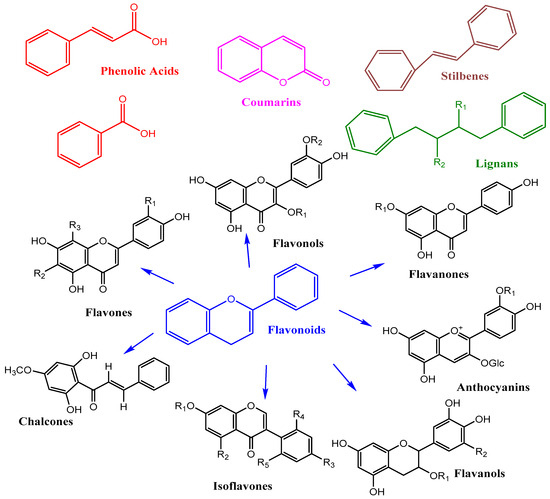
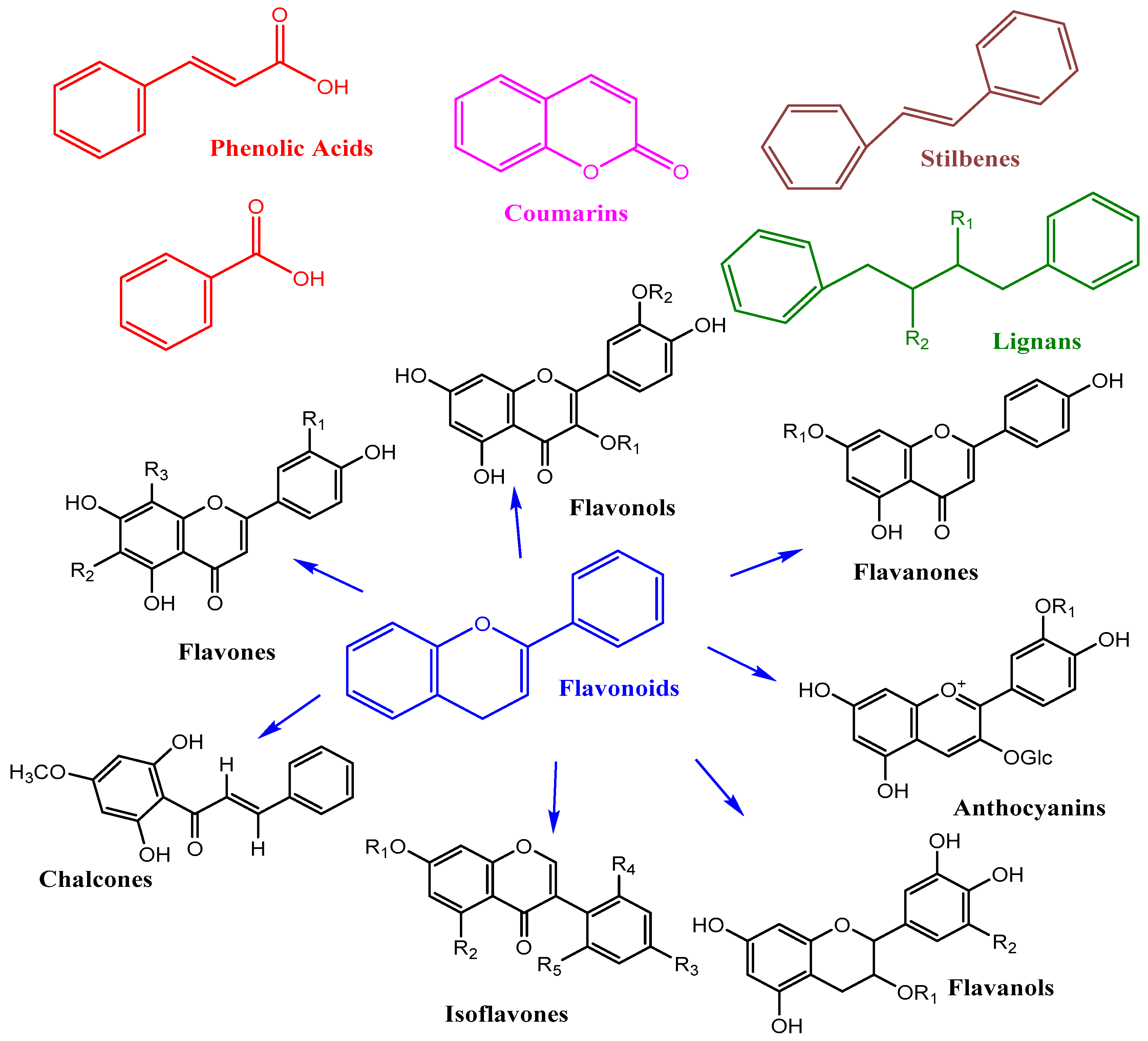
Epidemiological and experimental evidence increasingly support an association between regular dietary polyphenol intake and reduced CVD risk. Polyphenols constitute a structurally diverse family of phytochemicals widely distributed in plant-based foods, such as fruits, vegetables, cereals, olives, legumes, chocolate, tea, coffee, and wine [11]. More than 8000 polyphenolic structures have been identified, generally classified into phenolic acids, non-flavonoids (e.g., stilbenes, lignans), and flavonoids [38] (Figure 3). Polyphenols can modulate redox homeostasis by both direct scavenging of reactive species and, more importantly, by regulating endogenous antioxidant defense systems. However, contemporary evidence suggests that the principal biological effects arise from modulation of the endogenous host antioxidant mechanisms rather than simple radical scavenging [39]. Activation of the nuclear factor erythroid 2-related factor 2 (Nrf2) signaling pathways promotes transcription of cytoprotective enzymes such as heme oxygenase-1 (HO-1), superoxide dismutase, and glutathione-related enzymes, contributing to vascular redox homeostasis and endothelial protection [40].
Figure 3.
Polyphenol classification and structure.
Beyond their antioxidant capacity, polyphenols modulate key inflammatory pathways in ATS. They inhibit pro-inflammatory transcription factors such as NF-kB, reduce cytokine production (e.g., IL-6, TNF-a), and attenuate adhesion molecule expression, thereby limiting leucocyte recruitment and vascular inflammation. These mechanisms contribute to the preservation of endothelial integrity, reduction in vascular stiffness, and attenuation of atherosclerotic progression [11]. Additionally, polyphenols modulate multiple intracellular signaling pathways, including key signaling pathways previously described, that regulate endothelial metabolism, mitochondrial function, and vascular remodeling, supporting their potential as nutraceutical strategies targeting early vascular dysfunction in cardiovascular disease. They also influence gene expression and epigenetic mechanisms, such as transcription factors, microRNAs, DNA methylation, and histone modifications, thereby affecting oxidative stress responses, lipid metabolism, inflammation, and endothelial homeostasis. Although generally regarded as antioxidants, polyphenols may exhibit pro-oxidant effects under certain conditions, particularly at high concentrations, potentially triggering adaptive cellular stress responses. Consequently, understanding dose–response relationships, bioavailability, and metabolic transformation is essential for their safe and effective clinical application.
6. Polyphenols in Cardiovascular Diseases
Growing evidence supports the role of food-derived bioactive compounds, including polyphenols, carotenoids, polyunsaturated fatty acids, and bioactive peptides, in modulating risk factors associated with ATS-CVDs (Table 1) [41]. Due to their combined nutritional and pharmacological properties, these nutraceuticals are increasingly considered adjunct strategies for cardiovascular prevention, particularly during early endothelial impairment and ATS development [42]. ATS is a chronic fibroproliferative inflammatory disorder driven by endothelial dysfunction, oxidative stress, lipid accumulation, and persistent low-grade inflammation, ultimately leading to cholesterol-rich plaque formation. Polyphenols may interfere with these early pathogenic events through broad biological activity, including improved endothelial function and modulation of inflammatory signaling pathways [42]. Experimental evidence indicates that catechins, grape phenolics, berry extracts, and curcuminoids regulate key molecular processes such as NF-κB signaling, reactive oxygen species (ROS) generation, lipid metabolism, and endothelial integrity, highlighting their therapeutic potential in CVDs prevention [38].
Table 1.
Summary of dietary polyphenols, molecular mechanisms, and cardiovascular effects.
Endothelial dysfunction is an early and pivotal event in coronary artery disease (CAD) and other macrovascular complications [35,43]. Dietary polyphenols, particularly flavonoids from cocoa, tea, grapes, citrus fruits, and berries, have demonstrated vascular protective effects in human studies. Clinical evidence indicates that flavanol-rich cocoa consumption improves endothelial function, increases NO bioavailability, activates glucose transporter GLUT-2, enhances insulin sensitivity, and reduces circulating cholesterol [44]. Some clinical trials in CAD patients also report mobilization of circulating angiogenic cells, suggesting improved vascular repair capacity [44,45]. In hypertensive individuals, daily consumption of 100 g of flavonoid-rich chocolate for 15 days resulted in reductions in insulin resistance and improvements in insulin sensitivity [44]. Similarly, daily intake of 500 mg dark chocolate for 28 days significantly reduced fasting glucose levels and HOMA-IR in healthy, overweight, and obese individuals [44,46,47]. Moderate consumption of polyphenol-rich beverages such as tea and wine has also been associated with improved endothelial function, although confounding lifestyle factors remain a limitation [44,48,49]. Clinical benefits have also been reported with polyphenol-rich extracts from Annurca apple in patients with peripheral arterial disease (PAD), improving walking autonomy, hemodynamic parameters, and vascular abnormalities in lower limbs [33]. Additionally, preliminary human studies with catechin-rich green tea variants such as Kosen-cha have shown improvements in triglycerides, insulin resistance, endothelial dysfunction, and cardiac markers [25]. Epidemiological studies further support these findings: higher habitual polyphenol intake has been associated with reduced cardiovascular risk and mortality, although variability in intake assessment and bioavailability complicates causal interpretation [5,10,50,51].
A substantial proportion of mechanistic data derives from in vitro and animal studies. Polyphenol-rich extracts from Vitis vinifera seeds and Aronia melanocarpa berries prolong clotting time and reduce fibrin polymerization velocity in human plasma, suggesting antithrombotic potential [15,52,53,54]. Grape seed proanthocyanidin extract reduces thrombus burden by downregulating key thrombogenic mediators, including P-selectin, von Willebrand factor, and adhesion molecules, highlighting its potential therapeutic relevance in thrombotic disorders such as deep vein thrombosis [55]. Numerous experimental studies report beneficial effects of plant-derived polyphenols across cardiovascular pathologies, including atherosclerosis, myocardial infarction, hypertension, dyslipidemia, and other vascular disorders [55]. These conditions are multifactorial, frequently linked to lifestyle factors such as high dietary fat intake, tobacco use, excessive alcohol consumption, physical inactivity, aging, obesity, hypertension, and hyperglycemia [56]. Polyphenol intake typically occurs through antioxidant-rich foods such as fruits, vegetables, green tea, coffee, and nutraceutical supplements [57]. Large cohort studies indicate that higher polyphenol intake is associated with reduced cardiovascular risk. Average daily intake varies widely across populations, from approximately 759 mg/day in Japan to over 1750 mg/day in Poland [5]. Higher consumption correlates with reduced inflammatory markers, improved metabolic profiles, and lower cardiovascular mortality, although causality remains to be established.
Polyphenolic compounds are absorbed primarily in the gastrointestinal tract and undergo extensive metabolism in intestinal and hepatic cells. Their bioavailability varies considerably depending on chemical structure, metabolic pathways, and host physiological condition [58,59]. Gut microbiota plays a critical role in converting dietary polyphenols into bioactive metabolites, thereby influencing their systemic biological effects [58]. Microbiota may enhance polyphenol bioavailability and contribute to protective effects on skeletal and cardiac muscle tissues. Among their diverse mechanisms, the antioxidant properties of polyphenols are particularly well documented. These compounds inhibit oxidative DNA damage induced by reactive radicals, suppress endothelial adhesion molecule expression, reduce platelet aggregation, and protect LDL from oxidative modification [57,60]. Beyond LDL protection, polyphenols may enhance HDL functionality; for example, olive-derived flavonoids improve cholesterol transport and vascular integrity, reducing atheroma risk [61]. Polyphenols also exert anti-inflammatory effects by downregulating pro-inflammatory cytokines, including IL-1, IL-6, IL-8, TNF-α, and C-reactive protein, all central mediators in cardiovascular pathogenesis [16,61]. Polyphenol-rich dietary patterns, particularly the Mediterranean diet, have been consistently associated with reduced vascular inflammation through modulation of redox balance and downregulation of proatherogenic genes such as LRP1, COX-2, and MCP-1, thereby contributing to plaque stabilization and a lower risk of atherothrombotic events [32,33,62]. Polyphenols extracted from grapes and other plant sources enhance endothelial function and arterial resilience through NO-dependent mechanisms. These compounds stimulate endothelial signaling pathways involved in vascular relaxation, promoting vasodilation, anti-inflammatory responses, antihypertensive effects, and antithrombotic activity [63,64]. Evidence also indicates immunomodulatory actions through suppression of inflammatory biomarkers associated with plaque vulnerability. Additionally, grape-derived polyphenols influence hepatic cholesterol metabolism, reducing intestinal cholesterol absorption, modulating apolipoproteins A and B, enhancing lipoprotein lipase activity, and lowering circulating triglycerides, VLDL, and LDL levels [62].
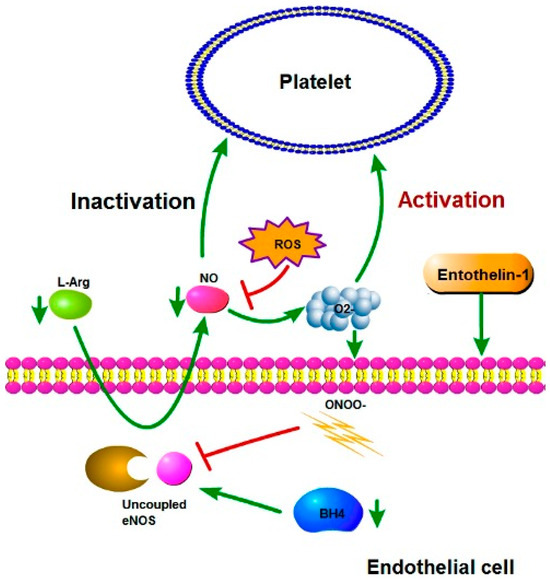
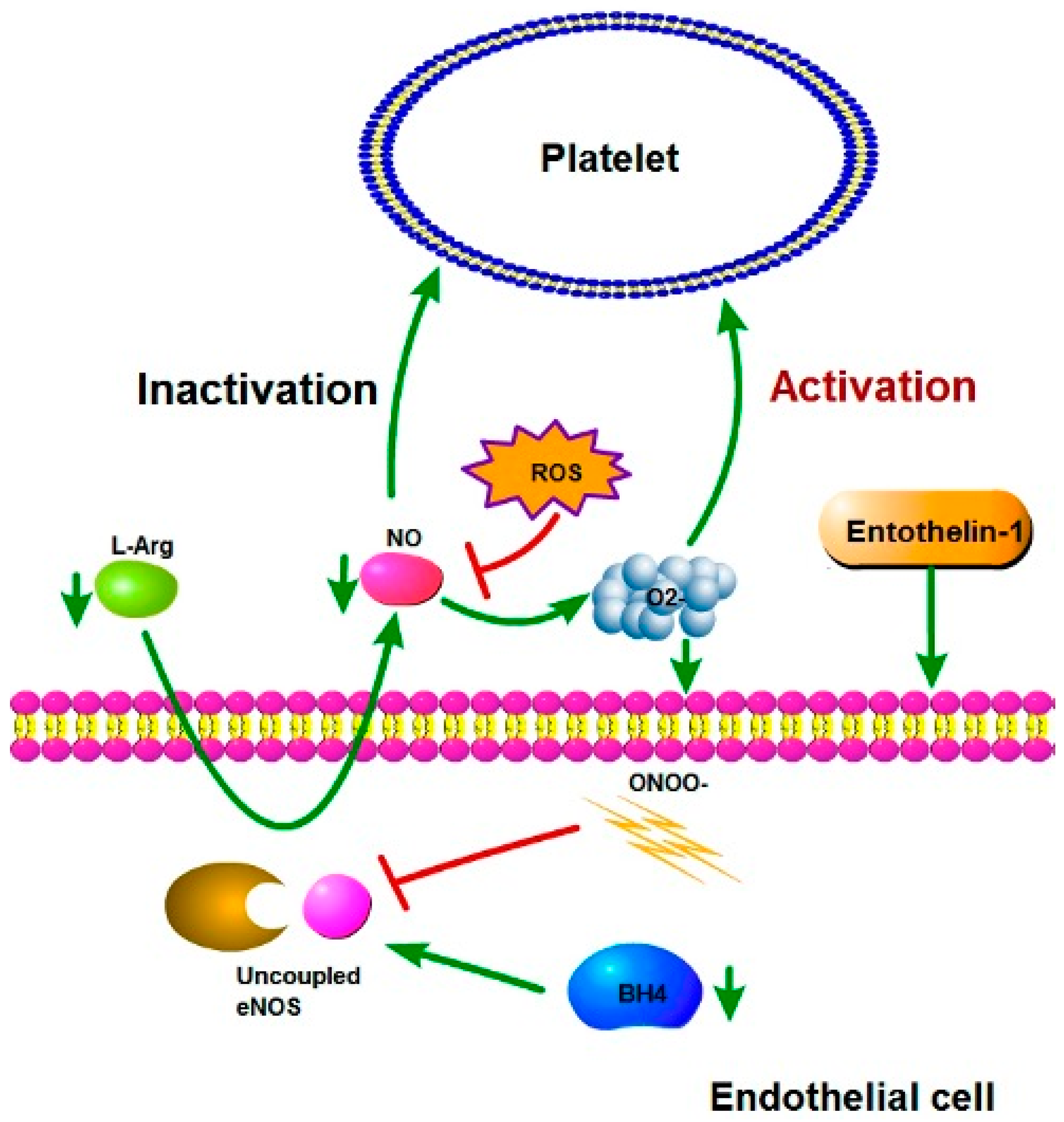
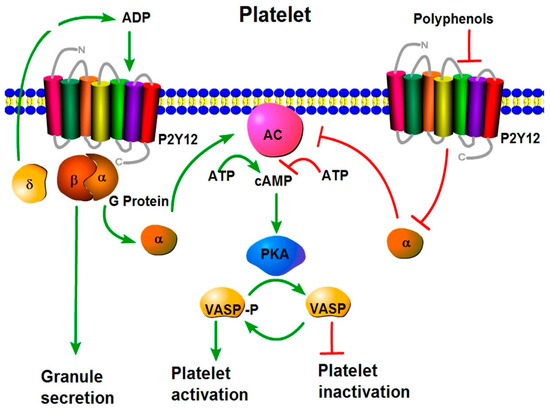
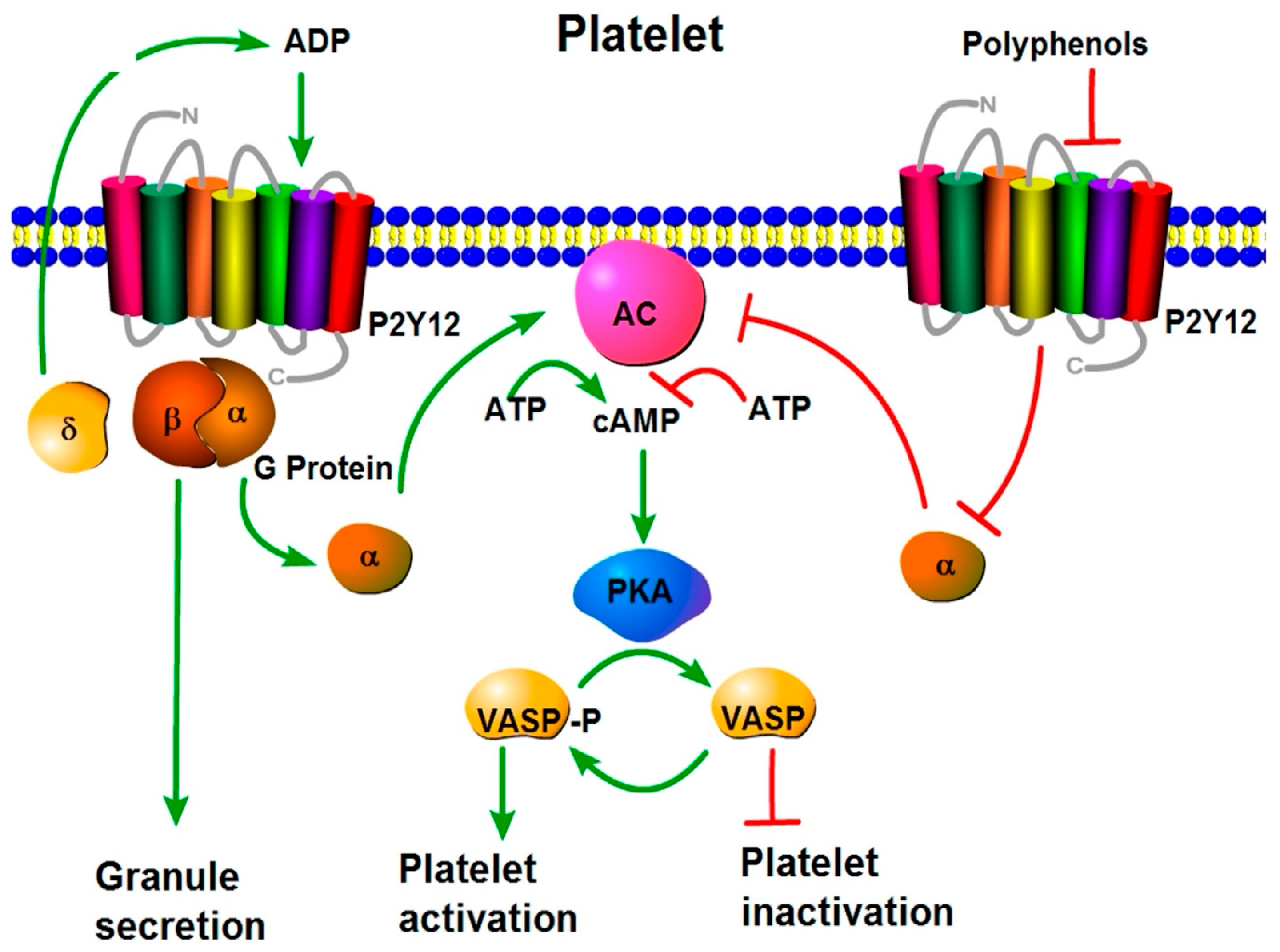
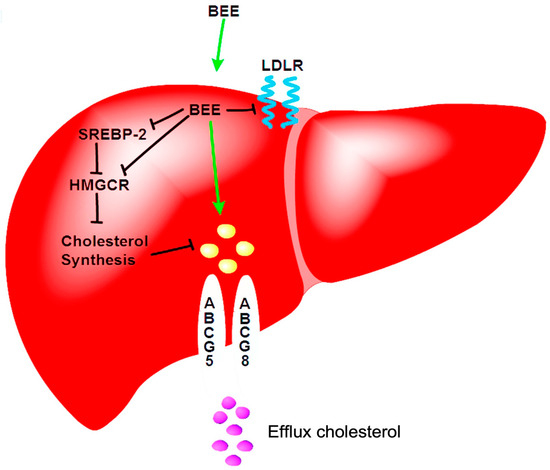
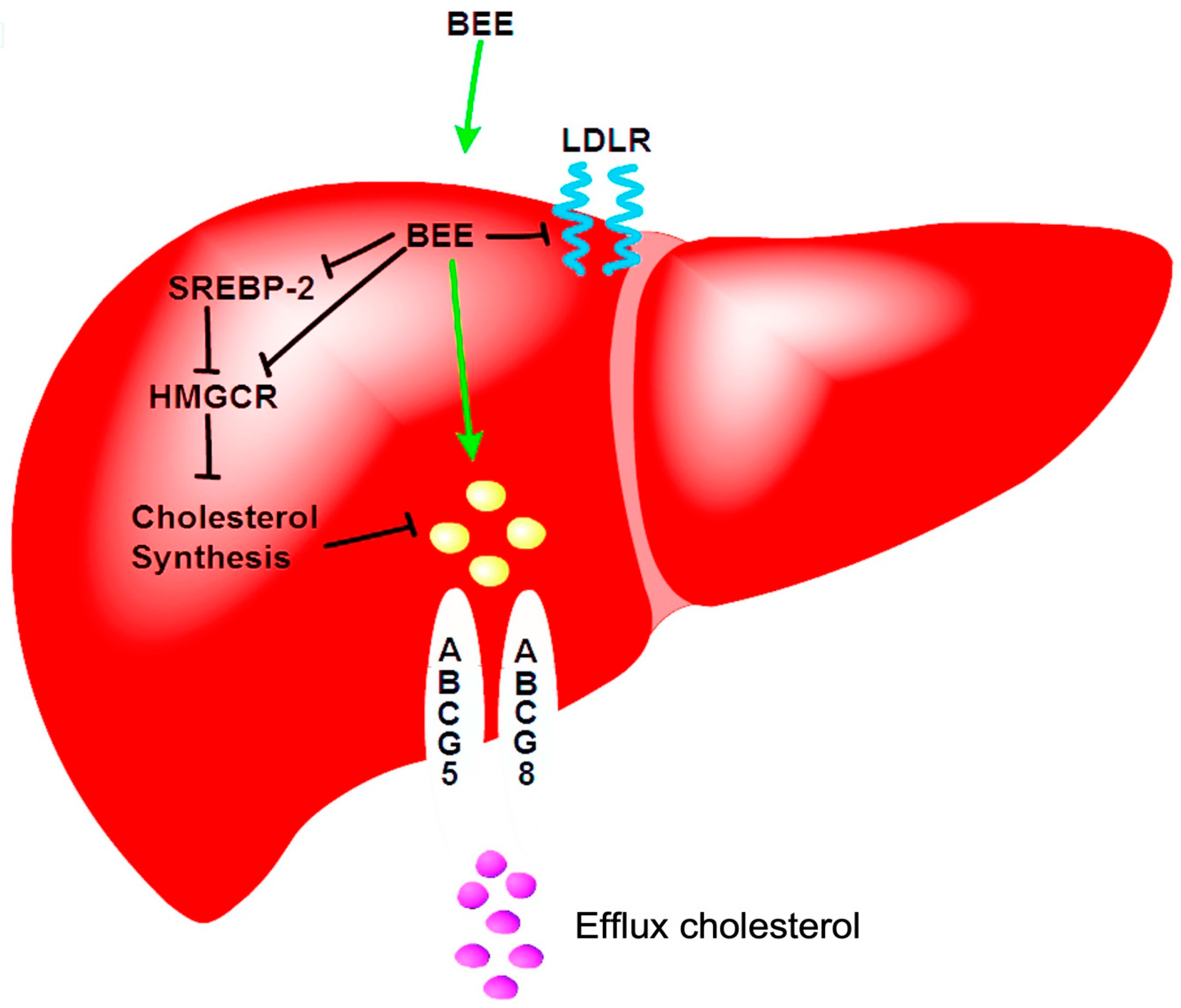
Platelet activation is central to cardiovascular and cerebrovascular disease (Figure 4). Polyphenols, particularly flavonoids from grape seed extract, modulate platelet activation via VASP phosphorylation and PI3K/PKB signaling pathways, reducing aggregation and thrombus formation (Figure 5) [15]. These findings suggest complementary benefits alongside conventional antiplatelet therapies, although clinical confirmation is still limited. Last, polyphenols modulate transcription factors, microRNAs, DNA methylation, and histone modifications, influencing oxidative stress responses, lipid metabolism, inflammation, and endothelial homeostasis [65]. These epigenetic mechanisms may partly explain long-term cardiovascular benefits observed in dietary intervention studies. Many polyphenol supplements are classified as generally recognized as safe (GRAS) by regulatory agencies, further supporting their therapeutic potential. Polyphenols extracted from black elderberry (BEE) have demonstrated potent antioxidant activity in HepG2 hepatic cells treated with 50–100 mg/mL. These extracts downregulated key genes involved in cholesterol metabolism, including sterol regulatory element-binding protein 2 (SREBP-2), 3-hydroxy-3-methylglutaryl coenzyme A reductase (HMGR), and low-density lipoprotein receptor (LDLR) [1,5]. Furthermore, BEE modulated cholesterol transport by suppressing Niemann-Pick C1 Like 1 (NPC1L1) expression and upregulating ATP-binding cassette (ABC) transporters A1, G5/G8, CYP7A1, and ABCB11-proteins involved in cholesterol efflux and bile acid synthesis (Figure 6) [66]. Epigenetically, BEE reduced the expression of histone deacetylases HDAC4, HDAC6, and HDAC9, while enhancing the expression of Sirtuin family members SIRT1, SIRT2, and SIRT3, which are associated with improved metabolic and vascular function [1].
Figure 4.
Activation and inactivation of platelets. Under healthy conditions, endothelial nitric oxide synthase (eNOS) remains coupled and produces nitric oxide (NO); the NO production inactivates the platelets. Reactive oxygen species (ROS) production can inhibit NO production and promote the activation of platelets. BH4 (tetrahydrobiopterin), superoxide (O2−). The green arrows indicate activation or increasing expression levels, and the red lines represent blocking.
Figure 5.
Activation and Inactivation of Platelets. Polyphenols block the P2Y12 receptor, and adenylate cyclase (AC) cannot convert the adenosine triphosphate (ATP) into cAMP. In the absence of cyclic adenosine monophosphate (cAMP), protein kinase A (PKA) continues to be inactivated, and vasodilator-stimulated phosphoprotein (VASP) remains dephosphorylated; then, the platelets are inactivated. Adenosine diphosphate (ADP). The green arrows indicate activation or increasing expression levels, and the red lines represent blocking.
Figure 6.
Black elderberry (BEE) inhibits the element-binding protein 2 (SREBP-2) and low-density lipoprotein receptor (LDLR). The phenolic compounds block the LDLR. In hepatic cells, BEE downregulates SREBP-2, thereby reducing endogenous cholesterol biosynthesis. Additionally, BEE enhances cholesterol efflux by upregulating ATP-binding cassette transporters, particularly ABCG5 and ABCG8, facilitating transmembrane cholesterol transport. The green arrows indicate activation or increasing expression levels; LDLR was represented by blue lines.
Resveratrol, a non-flavonoid polyphenol abundant in grapes, berries, peanuts, and red wine, is among the most extensively studied compounds for cardiovascular protection. It exerts antihypertensive effects by activating endothelial nitric oxide synthase (eNOS), modulating PI3K/Akt/eNOS signaling, and restoring vascular homeostasis, often in synergy with other bioactive compounds such as EGCG, hesperetin, ferulic acid, catechin hydrate, and α-linolenic acid [66]. Preclinical studies demonstrate stimulation of NO production, suppression of vascular inflammation, reduction in oxidative damage via SIRT1 upregulation, inhibition of calcium influx, and reduced platelet aggregation [10,67,68,69]. Additional cardioprotective mechanisms include ROS neutralization, anti-inflammatory effects, enhanced angiogenesis, inhibition of apoptosis, and delayed atherosclerosis progression [69]. Resveratrol also improves dyslipidemia and insulin resistance in animal models, reducing cardiac hypertrophy and improving myocardial contractility [10,50,70]. These effects regulate AMPK, SIRT1, Nrf2, PPARγ, glucose homeostasis, and reduction in HbA1c, oxidative stress markers, and IL-6 levels. Importantly, many of these effects are endothelium-dependent and involve inhibition of angiotensin II signaling to improve vascular tone [71]. Resveratrol also suppresses NADPH oxidase activity and Nox2/Nox4 expression, relevant to heart failure pathophysiology [2,22].
Quercetin, a widely distributed dietary flavonoid present in olive oil, apples, onions, tea, berries, nuts, and vegetables, exhibits multifactorial cardioprotective actions [72,73]. Mechanistically, it reduces blood pressure, enhances antioxidant mechanisms, inhibits cyclooxygenase/lipoxygenase pathways, and modulates autonomic nervous system activity [3]. Human studies show reductions in C-reactive protein levels and LDL cholesterol, as well as inhibition of LDL oxidation in individuals with elevated cardiovascular risk [74]. Quercetin also improves insulin sensitivity by suppressing lipid peroxidation, upregulating antioxidant enzymes (SOD, GPX, CAT), inhibiting insulin-dependent PI3K activation, and activating AMPK-mediated GLUT4 translocation [72]. Anti-atherosclerotic effects involve SIRT1 activation and modulation of AMPK/NADPH oxidase/Akt/eNOS signaling pathways [73].
Curcumin demonstrates cardioprotective effects, including protection against ischemic injury, endothelial dysfunction, myocardial hypertrophy, fibrosis, ventricular remodeling, and drug-induced myocardial damage. It inhibits foam cell formation, vascular smooth muscle proliferation, NADPH oxidase activity, and JNK signaling while enhancing NO bioavailability [75,76]. Other non-polyphenolic natural compounds also show cardiovascular benefits. Berberine exerts antioxidant and metabolic regulatory effects, while Brassica-derived phytochemicals inhibit angiotensin-converting enzyme and renin, improve lipid metabolism, and reduce insulin resistance [70]. Spirulina-derived bioactives may support cardiovascular health through canonical pathways involved in vascular homeostasis [77].
Chlorogenic acid reduces NADPH oxidase activity and enhances antioxidant enzymes in hypertensive animal models. Quercetin attenuates ischemia–reperfusion injury through PI3K/Akt signaling, lowers blood pressure, improves antioxidant systems, and reduces inflammatory biomarkers in human studies. Its metabolic benefits include improved insulin sensitivity via AMPK activation and GLUT4 translocation [3,11]. However, it is important to consider that the mechanistic effects described above are influenced by bioavailability, metabolism, and achievable dosing in humans. Many polyphenols undergo extensive intestinal absorption and hepatic metabolism, forming conjugated metabolites (e.g., glucuronides, sulfates) that may differ in activity from the parent compound. Consequently, concentrations used in preclinical studies may not directly reflect physiologically attainable levels through diet or supplementation. Where human data are available, we highlight plasma concentrations and dose ranges associated with cardiovascular benefits, emphasizing translational relevance.
7. Conclusions and Prospects
Polyphenols have emerged as biologically active dietary compounds with mechanistic relevance to CVDs, particularly through modulation of key vascular and metabolic pathways described throughout this review. Preclinical evidence consistently demonstrates broad biological effects. Human studies further indicate improvements in endothelial function, insulin sensitivity, inflammatory biomarkers, and lipid profiles, particularly with polyphenol-rich dietary patterns such as Mediterranean-style diets. Population-based analyses also associate higher polyphenol intake with reduced incidence and mortality from coronary and cerebrovascular diseases. However, a critical distinction must be made between mechanistic strength and clinical certainty. While molecular and experimental data are robust, large-scale randomized controlled trials with standardized dosing, validated biomarkers, and hard cardiovascular endpoints remain limited. Therefore, although polyphenols show significant promise, their clinical translation is still evolving.
Recent advances in nutraceutical science are expanding the translational potential of polyphenols. Emerging technologies such as metabolomics, nutrigenomics, transcriptomics, and microbiome profiling are improving our understanding of interindividual variability in response to polyphenol intake. These approaches may enable personalized nutrition strategies based on genetic polymorphisms, metabolic phenotype, and gut microbiota composition. Innovative delivery systems, including nanoencapsulation, liposomal formulations, and controlled-release matrices, are being developed to enhance stability, bioavailability, and tissue targeting of polyphenolic compounds. Such strategies may overcome current pharmacokinetic limitations and improve the reproducibility of clinical outcomes. Nevertheless, important regulatory and standardization challenges remain. Variability in polyphenol composition across dietary sources, lack of harmonized extraction methods, inconsistent labeling, and limited regulatory frameworks for nutraceutical approval hinder clinical translation. Establishing standardized formulations, quality control parameters, dose–response characterization, and biomarker-guided clinical trials will be essential for advancing polyphenol-based nutraceuticals from experimental promise to evidence-based cardiovascular interventions.
Future research should prioritize (a) well-designed randomized controlled trials with clearly defined cardiovascular endpoints, (b) standardized polyphenol characterization and dose–response evaluation, (c) integration of multi-omics technologies to identify predictive biomarkers of response, (d) long-term safety and interaction studies with conventional pharmacotherapy, (e) mechanistic exploration of gut microbiota–derived metabolites and their vascular effects. Attention should be given to defining optimal intake ranges, identifying responder phenotypes, and clarifying whether benefits derive from isolated compounds, synergistic food matrices, or overall dietary patterns. Taken together, current evidence positions polyphenols as promising adjunctive agents in cardiovascular prevention and management. Their pleiotropic biological effects, favorable safety profile when consumed within dietary ranges, and accessibility through plant-based foods make them attractive components of integrative cardiovascular strategies. However, polyphenols should not be considered replacements for established pharmacological therapies. Instead, they may complement conventional treatment by targeting early endothelial dysfunction, oxidative imbalance, and metabolic disturbances that precede overt cardiovascular disease. Continued integration of molecular insights with rigorous clinical investigation will be crucial to fully define the therapeutic scope, limitations, and practical applicability of polyphenol-based nutraceutical interventions in cardiovascular medicine.
Author Contributions
Conceptualization, J.A.M.-C.; methodology, J.A.M.-C., A.C.C.-N., S.S.N. and R.R.-H.; software, NA.; validation, J.A.M.-C., I.V.-R., C.B.-R., J.A.P.-G. and E.M.-S.; formal analysis A.C.C.-N., I.V.-R., G.E.-M., C.B.-R., R.R.-H., J.A.P.-G., E.M.-S., S.S.N. and J.A.M.-C.; investigation, A.C.C.-N., R.R.-H., S.S.N. and J.A.M.-C.; resources, NA.; data curation, NA.; writing—original draft preparation, J.A.M.-C.; writing—review and editing, A.C.C.-N., R.R.-H., S.S.N. and J.A.M.-C.; supervision, J.A.M.-C. All authors have read and agreed to the published version of the manuscript.
Funding
This research received no external funding.
Institutional Review Board Statement
Not applicable.
Informed Consent Statement
Not applicable.
Data Availability Statement
No new data were created or analyzed in this study. Data sharing is not applicable to this article.
Acknowledgments
The authors thank Raúl Rodríguez-Herrera for his valuable feedback and critical review of the manuscript, which greatly contributed to its improvement.
Conflicts of Interest
The authors declare no conflicts of interest.
References
- Jeon, S.; Lee, S.; Choi, Y.; Kim, B. The Effects of Polyphenol-Rich Black Elderberry on Oxidative Stress and Hepatic Cholesterol Metabolism. Appl. Sci. 2021, 11, 10018. [Google Scholar] [CrossRef] [Scilit]
- Pechanova, O.; Dayar, E.; Cebova, M. Therapeutic Potential of Polyphenols-Loaded Polymeric Nanoparticles in Cardiovascular System. Molecules 2020, 25, 3322. [Google Scholar] [CrossRef] [Scilit] [PubMed]
- Mirsafaei, L.; Reiner, Z.; Shafabakhsh, R.; Asemi, Z. Molecular and Biological Functions of Quercetin as a Natural Solution for Cardiovascular Disease Prevention and Treatment. Plant Foods Hum. Nutr. 2020, 75, 307–315. [Google Scholar] [CrossRef] [Scilit] [PubMed]
- Zujko, M.E.; Waskiewicz, A.; Witkowska, A.M.; Szczesniewska, D.; Zdrojewski, T.; Kozakiewicz, K.; Drygas, W. Dietary Total Antioxidant Capacity and Dietary Polyphenol Intake and Prevalence of Metabolic Syndrome in Polish Adults: A Nationwide Study. Oxidative Med. Cell. Longev. 2018, 2018, 7487816. [Google Scholar] [CrossRef] [Scilit]
- Taguchi, C.; Kishimoto, Y.; Fukushima, Y.; Kondo, K.; Yamakawa, M.; Wada, K.; Nagata, C. Dietary intake of total polyphenols and the risk of all-cause and specific-cause mortality in Japanese adults: The Takayama study. Eur. J. Nutr. 2020, 59, 1263–1271. [Google Scholar] [CrossRef] [Scilit]
- Li, Q.; Gao, B.; Siqin, B.; He, Q.; Zhang, R.; Meng, X.; Zhang, N.; Zhang, N.; Li, M. Gut Microbiota: A Novel Regulator of Cardiovascular Disease and Key Factor in the Therapeutic Effects of Flavonoids. Front. Pharmacol. 2021, 12, 651926. [Google Scholar] [CrossRef] [Scilit]
- Kapolou, A.; Karantonis, H.C.; Rigopoulos, N.; Koutelidakis, A.E. Association of Mean Daily Polyphenols Intake with Mediterranean Diet Adherence and Anthropometric Indices in Healthy Greek Adults: A Retrospective Study. Appl. Sci. 2021, 11, 4664. [Google Scholar] [CrossRef] [Scilit]
- Godos, J.; Vitale, M.; Micek, A.; Ray, S.; Martini, D.; Del Rio, D.; Riccardi, G.; Galvano, F.; Grosso, G. Dietary Polyphenol Intake, Blood Pressure, and Hypertension: A Systematic Review and Meta-Analysis of Observational Studies. Antioxidants 2019, 8, 152. [Google Scholar] [CrossRef] [Scilit] [PubMed]
- Wisnuwardani, R.W.; De Henauw, S.; Forsner, M.; Gottrand, F.; Huybrechts, I.; Knaze, V.; Kersting, M.; Donne, C.L.; Manios, Y.; Marcos, A. Polyphenol intake and metabolic syndrome risk in European adolescents: The HELENA study. Eur. J. Nutr. 2020, 59, 801–812. [Google Scholar] [CrossRef] [Scilit]
- Dyck, G.J.B.; Raj, P.; Zieroth, S.; Dyck, J.R.B.; Ezekowitz, J.A. The Effects of Resveratrol in Patients with Cardiovascular Disease and Heart Failure: A Narrative Review. Int. J. Mol. Sci. 2019, 20, 904. [Google Scholar] [CrossRef] [Scilit]
- Cione, E.; La Torre, C.; Cannataro, R.; Caroleo, M.C.; Plastina, P.; Gallelli, L. Quercetin, Epigallocatechin Gallate, Curcumin, and Resveratrol: From Dietary Sources to Human MicroRNA Modulation. Molecules 2019, 25, 63. [Google Scholar] [CrossRef] [Scilit] [PubMed]
- Margina, D.; Ungurianu, A.; Purdel, C.; Nitulescu, G.M.; Tsoukalas, D.; Sarandi, E.; Thanasoula, M.; Burykina, T.I.; Tekos, F.; Buha, A.; et al. Analysis of the intricate effects of polyunsaturated fatty acids and polyphenols on inflammatory pathways in health and disease. Food Chem. Toxicol. 2020, 143, 111558. [Google Scholar] [CrossRef] [Scilit]
- Magrone, T.; Magrone, M.; Russo, M.A.; Jirillo, E. Recent Advances on the Anti-Inflammatory and Antioxidant Properties of Red Grape Polyphenols: In Vitro and In Vivo Studies. Antioxidants 2019, 9, 35. [Google Scholar] [CrossRef] [Scilit]
- Chew, B.; Mathison, B.; Kimble, L.; McKay, D.; Kaspar, K.; Khoo, C.; Chen, C.O.; Blumberg, J. Chronic consumption of a low-calorie, high polyphenol cranberry beverage attenuates inflammation and improves glucoregulation and HDL cholesterol in healthy overweight humans: A randomized controlled trial. Eur. J. Nutr. 2019, 58, 1223–1235. [Google Scholar]
- Bijak, M.; Sut, A.; Kosiorek, A.; Saluk-Bijak, J.; Golanski, J. Dual Anticoagulant/Antiplatelet Activity of Polyphenolic Grape Seeds Extract. Nutrients 2019, 11, 93. [Google Scholar] [CrossRef] [Scilit] [PubMed]
- Ranneh, Y.; Akim, A.M.; Hamid, H.A.; Khazaai, H.; Fadel, A.; Zakaria, Z.A.; Albujja, M.; Bakar, M.F.A. Honey and its nutritional and anti-inflammatory value. BMC Complement. Med. Ther. 2021, 21, 30. [Google Scholar] [CrossRef] [Scilit]
- Nikawa, T.; Ulla, A.; Sakakibara, I. Polyphenols and Their Effects on Muscle Atrophy and Muscle Health. Molecules 2021, 26, 4887. [Google Scholar] [CrossRef] [Scilit]
- Mozaffari, H.; Daneshzad, E.; Surkan, P.J.; Azadbakht, L. Dietary Total Antioxidant Capacity and Cardiovascular Disease Risk Factors: A Systematic Review of Observational Studies. J. Am. Coll. Nutr. 2018, 37, 533–545. [Google Scholar] [CrossRef] [Scilit] [PubMed]
- Razquin, C.; Martinez-Gonzalez, M.A. A Traditional Mediterranean Diet Effectively Reduces Inflammation and Improves Cardiovascular Health. Nutrients 2019, 11, 1842. [Google Scholar] [CrossRef] [Scilit]
- Rasheed, Z.; Rasheed, N.; Abdulmonem, W.A.; Khan, M.I. MicroRNA-125b-5p regulates IL-1beta induced inflammatory genes via targeting TRAF6-mediated MAPKs and NF-kappaB signaling in human osteoarthritic chondrocytes. Sci. Rep. 2019, 9, 6882. [Google Scholar] [CrossRef] [Scilit]
- Lacroix, S.; Klicic Badoux, J.; Scott-Boyer, M.P.; Parolo, S.; Matone, A.; Priami, C.; Morine, M.J.; Kaput, J.; Moco, S. A computationally driven analysis of the polyphenol-protein interactome. Sci. Rep. 2018, 8, 2232. [Google Scholar] [CrossRef] [Scilit]
- Almajdoob, S.; Hossain, E.; Anand-Srivastava, M.B. Resveratrol attenuates hyperproliferation of vascular smooth muscle cells from spontaneously hypertensive rats: Role of ROS and ROS-mediated cell signaling. Vasc. Pharmacol. 2018, 101, 48–56. [Google Scholar] [CrossRef] [Scilit]
- Tian, J.; Wu, X.; Zhang, M.; Zhou, Z.; Liu, Y. Comparative study on the effects of apple peel polyphenols and apple flesh polyphenols on cardiovascular risk factors in mice. Clin. Exp. Hypertens. 2018, 40, 65–72. [Google Scholar]
- Benjamin, E.J.; Blaha, M.J.; Chiuve, S.E.; Cushman, M.; Das, S.R.; Deo, R.; de Ferranti, S.D.; Floyd, J.; Fornage, M.; Gillespie, C.; et al. Heart Disease and Stroke Statistics-2017 Update: A Report From the American Heart Association. Circulation 2017, 135, e146–e603. [Google Scholar] [PubMed]
- Frąk, W.; Wojtasińska, A.; Lisińska, W.; Młynarska, E.; Franczyk, B.; Rysz, J. Pathophysiology of Cardiovascular Diseases: New Insights into Molecular Mechanisms of Atherosclerosis, Arterial Hypertension, and Coronary Artery Disease. Biomedicines 2022, 10, 1938. [Google Scholar] [CrossRef] [Scilit]
- Furuuchi, R.; Shimizu, I.; Yoshida, Y.; Hayashi, Y.; Ikegami, R.; Suda, M.; Katsuumi, G.; Wakasugi, T.; Nakao, M.; Minamino, T. Boysenberry polyphenol inhibits endothelial dysfunction and improves vascular health. PLoS ONE 2018, 13, e0202051. [Google Scholar] [CrossRef] [Scilit] [PubMed]
- Cicero, A.F.G.; Caliceti, C.; Fogacci, F.; Giovannini, M.; Calabria, D.; Colletti, A.; Veronesi, M.; Roda, A.; Borghi, C. Effect of apple polyphenols on vascular oxidative stress and endothelium function: A translational study. Mol. Nutr. Food Res. 2017, 61, 1700373. [Google Scholar] [CrossRef] [Scilit]
- Hamrangsekachaee, M.; Wen, K.; Bencherif, S.A.; Ebong, E.E. Atherosclerosis and endothelial mechanotransduction: Current knowledge and models for future research. Am. J. Physiol. Cell Physiol. 2023, 324, C488–C504. [Google Scholar] [PubMed]
- Zhou, H.L.; Jiang, X.Z.; Ventikos, Y. Role of blood flow in endothelial functionality: A review. Front. Cell Dev. Biol. 2023, 11, 1259280. [Google Scholar] [CrossRef] [Scilit]
- Cyr, A.R.; Huckaby, L.V.; Shiva, S.S.; Zuckerbraun, B.S. Nitric Oxide and Endothelial Dysfunction. Crit. Care Clin. 2020, 36, 307–321. [Google Scholar] [CrossRef] [Scilit]
- Vanhoutte, P.M.; Shimokawa, H.; Feletou, M.; Tang, E.H. Endothelial dysfunction and vascular disease: A 30th anniversary update. Acta Physiol. 2017, 219, 22–96. [Google Scholar] [CrossRef] [Scilit] [PubMed]
- Tiwari, R.; Tiwari, G.; Singh, A.; Dhas, N. Pharmacological Foundation and Novel Insights of Resveratrol in Cardiovascular System: A Review. Curr. Cardiol. Rev. 2026, 22, e1573403X343252. [Google Scholar] [CrossRef] [Scilit]
- Zivarpour, P.; Reiner, Ž.; Hallajzadeh, J.; Mirsafaei, L. Resveratrol and cardiac fibrosis prevention and treatment. Curr. Pharm. Biotechnol. 2022, 23, 190–200. [Google Scholar] [CrossRef] [Scilit]
- Ferreira, L.L.; Silva, T.R.; Maturana, M.A.; Spritzer, P.M. Dietary intake of isoflavones is associated with a lower prevalence of subclinical cardiovascular disease in postmenopausal women: Cross-sectional study. J. Hum. Nutr. Diet. 2019, 32, 810–818. [Google Scholar] [CrossRef] [Scilit]
- Libby, P. The changing landscape of atherosclerosis. Nature 2021, 592, 524–533. [Google Scholar] [CrossRef] [Scilit] [PubMed]
- Vetrani, C.; Costabile, G.; Vitale, M.; Giacco, R. (Poly)phenols and cardiovascular diseases: Looking in to move forward. J. Funct. Foods 2020, 71, 104013. [Google Scholar] [CrossRef] [Scilit]
- Rodriguez-Mateos, A.; Le Sayec, M.; Cheok, A. Dietary (poly)phenols and cardiometabolic health: From antioxidants to modulators of the gut microbiota. Proc. Nutr. Soc. 2024, 84, 279–289. [Google Scholar] [CrossRef] [Scilit]
- Beconcini, D.; Felice, F.; Fabiano, A.; Sarmento, B.; Zambito, Y.; Di Stefano, R. Antioxidant and Anti-Inflammatory Properties of Cherry Extract: Nanosystems-Based Strategies to Improve Endothelial Function and Intestinal Absorption. Foods 2020, 9, 207. [Google Scholar]
- Abbas, M.; Saeed, F.; Anjum, F.M.; Afzaal, M.; Tufail, T.; Bashir, M.S.; Ishtiaq, A.; Hussain, S.; Suleria, H.A.R. Natural polyphenols: An overview. Int. J. Food Prop. 2017, 20, 1689–1699. [Google Scholar]
- Ryter, S.W. Heme Oxygenase-1, a Cardinal Modulator of Regulated Cell Death and Inflammation. Cells 2021, 10, 515. [Google Scholar] [CrossRef] [Scilit]
- Bahramsoltani, R.; Ebrahimi, F.; Farzaei, M.H.; Baratpourmoghaddam, A.; Ahmadi, P.; Rostamiasrabadi, P.; Rasouli Amirabadi, A.H.; Rahimi, R. Dietary polyphenols for atherosclerosis: A comprehensive review and future perspectives. Crit. Rev. Food Sci. Nutr. 2019, 59, 114–132. [Google Scholar] [CrossRef] [Scilit]
- Puri, V.; Nagpal, M.; Singh, I.; Singh, M.; Dhingra, G.A.; Huanbutta, K.; Dheer, D.; Sharma, A.; Sangnim, T. A Comprehensive Review on Nutraceuticals: Therapy Support and Formulation Challenges. Nutrients 2022, 14, 4637. [Google Scholar] [CrossRef] [Scilit]
- Ridker, P.M. Targeting residual inflammatory risk: The next frontier for atherosclerosis treatment and prevention. Vasc. Pharmacol. 2023, 153, 107238. [Google Scholar] [CrossRef] [Scilit] [PubMed]
- Grassi, D.; Mai, F.; De Feo, M.; Barnabei, R.; Carducci, A.; Desideri, G.; Necozione, S.; Allegaert, L.; Bernaert, H.; Ferri, C. Cocoa Consumption Decreases Oxidative Stress, Proinflammatory Mediators and Lipid Peroxidation in Healthy Subjects: A Randomized Placebo-Controlled Dose-Response Clinical Trial. High Blood Press. Cardiovasc. Prev. 2023, 30, 219–225. [Google Scholar] [CrossRef] [Scilit] [PubMed]
- De Feo, M.; Paladini, A.; Ferri, C.; Carducci, A.; Del Pinto, R.; Varrassi, G.; Grassi, D. Anti-Inflammatory and Anti-Nociceptive Effects of Cocoa: A Review on Future Perspectives in Treatment of Pain. Pain. Ther. 2020, 9, 231–240. [Google Scholar]
- Rees, A.; Dodd, G.F.; Spencer, J.P.E. The Effects of Flavonoids on Cardiovascular Health: A Review of Human Intervention Trials and Implications for Cerebrovascular Function. Nutrients 2018, 10, 1852. [Google Scholar] [CrossRef] [Scilit]
- Liu, K.; Luo, M.; Wei, S. The Bioprotective Effects of Polyphenols on Metabolic Syndrome against Oxidative Stress: Evidences and Perspectives. Oxid. Med. Cell. Longev. 2019, 2019, 6713194. [Google Scholar] [CrossRef] [Scilit]
- Piano, M.R. Alcohol’s Effects on the Cardiovascular System. Alcohol. Res. Curr. Rev. 2017, 38, 22. [Google Scholar]
- Castaldo, L.; Narvaez, A.; Izzo, L.; Graziani, G.; Gaspari, A.; Minno, G.D.; Ritieni, A. Red Wine Consumption and Cardiovascular Health. Molecules 2019, 24, 3626. [Google Scholar] [CrossRef] [Scilit]
- Tressera-Rimbau, A.; Arranz, S.; Eder, M.; Vallverdu-Queralt, A. Dietary Polyphenols in the Prevention of Stroke. Oxid. Med. Cell. Longev. 2017, 2017, 7467962. [Google Scholar] [CrossRef] [Scilit] [PubMed]
- Deng, Y.; Li, Y.; Yang, F.; Zeng, A.; Yang, S.; Luo, Y.; Zhang, Y.; Xie, Y.; Ye, T.; Xia, Y.; et al. The extract from Punica granatum (pomegranate) peel induces apoptosis and impairs metastasis in prostate cancer cells. Biomed. Pharmacother. 2017, 93, 976–984. [Google Scholar] [CrossRef] [Scilit] [PubMed]
- Pepe, G.; Salviati, E.; Rapa, S.F.; Ostacolo, C.; Cascioferro, S.; Manfra, M.; Autore, G.; Marzocco, S.; Campiglia, P. Citrus sinensis and Vitis vinifera Protect Cardiomyocytes from Doxorubicin-Induced Oxidative Stress: Evaluation of Onconutraceutical Potential of Vegetable Smoothies. Antioxidants 2020, 9, 378. [Google Scholar] [CrossRef] [Scilit]
- Ahles, S.; Stevens, Y.R.; Joris, P.J.; Vauzour, D.; Adam, J.; de Groot, E.; Plat, J. The Effect of Long-Term Aronia melanocarpa Extract Supplementation on Cognitive Performance, Mood, and Vascular Function: A Randomized Controlled Trial in Healthy, Middle-Aged Individuals. Nutrients 2020, 12, 2475. [Google Scholar] [CrossRef] [Scilit]
- Stojković, L.; Jovanović, I.; Zivković, M.; Zec, M.; Djurić, T.; Zivotić, I.; Kuveljić, J.; Kolaković, A.; Kolić, I.; Djordjević, A.; et al. The Effects of Aronia melanocarpa Juice Consumption on the mRNA Expression Profile in Peripheral Blood Mononuclear Cells in Subjects at Cardiovascular Risk. Nutrients 2020, 12, 1484. [Google Scholar] [CrossRef] [Scilit]
- Luca, S.V.; Macovei, I.; Bujor, A.; Miron, A.; Skalicka-Wozniak, K.; Aprotosoaie, A.C.; Trifan, A. Bioactivity of dietary polyphenols: The role of metabolites. Crit. Rev. Food Sci. Nutr. 2020, 60, 626–659. [Google Scholar] [CrossRef] [Scilit]
- Keohane, E.; Prenni, J.; Johnson, S.A.; Van Buiten, C. Comparing Apples to Apples: Evaluating Foodomics in Precision Nutrition Research Featuring the Influence of Polyphenols on the Gut Microbiome. Nutr. Res. 2025, 142, 76–90. [Google Scholar] [CrossRef] [Scilit]
- Ticinesi, A.; Nouvenne, A.; Cerundolo, N.; Parise, A.; Meschi, T. Accounting Gut Microbiota as the Mediator of Beneficial Effects of Dietary (Poly)phenols on Skeletal Muscle in Aging. Nutrients 2023, 15, 2367. [Google Scholar] [CrossRef] [Scilit]
- Ticinesi, A.; Guerra, A.; Nouvenne, A.; Meschi, T.; Maggi, S. Disentangling the Complexity of Nutrition, Frailty and Gut Microbial Pathways during Aging: A Focus on Hippuric Acid. Nutrients 2023, 15, 1138. [Google Scholar] [CrossRef] [Scilit] [PubMed]
- Iriondo-DeHond, A.; Uranga, J.A.; Del Castillo, M.D.; Abalo, R. Effects of Coffee and Its Components on the Gastrointestinal Tract and the Brain-Gut Axis. Nutrients 2020, 13, 88. [Google Scholar] [CrossRef] [Scilit]
- Casas, R.; Castro-Barquero, S.; Estruch, R.; Sacanella, E. Nutrition and Cardiovascular Health. Int. J. Mol. Sci. 2018, 19, 3988. [Google Scholar] [CrossRef] [Scilit] [PubMed]
- Rasines-Perea, Z.; Teissedre, P.L. Grape Polyphenols’ Effects in Human Cardiovascular Diseases and Diabetes. Molecules 2017, 22, 68. [Google Scholar] [CrossRef] [Scilit]
- Fan, S.; Hu, Y.; You, Y.; Xue, W.; Chai, R.; Zhang, X.; Shou, X.; Shi, J. Role of resveratrol in inhibiting pathological cardiac remodeling. Front. Pharmacol. 2022, 13, 924473. [Google Scholar] [CrossRef] [Scilit] [PubMed]
- Di Lorenzo, C.; Colombo, F.; Biella, S.; Stockley, C.; Restani, P. Polyphenols and Human Health: The Role of Bioavailability. Nutrients 2021, 13, 273. [Google Scholar] [CrossRef] [Scilit]
- Fraga, C.G.; Croft, K.D.; Kennedy, D.O.; Tomas-Barberan, F.A. The effects of polyphenols and other bioactives on human health. Food Funct. 2019, 10, 514–528. [Google Scholar] [CrossRef] [Scilit]
- Peng, L.; Ai-lati, A.; Ji, Z.; Chen, S.; Mao, J. Polyphenols extracted from huangjiu have anti-inflammatory activity in lipopolysaccharide-stimulated RAW264.7 cells. RSC Adv. 2019, 9, 5295–5301. [Google Scholar] [CrossRef] [Scilit]
- Su, M.; Zhao, W.; Xu, S.; Weng, J. Resveratrol in Treating Diabetes and Its Cardiovascular Complications: A Review of Its Mechanisms of Action. Antioxidants 2022, 11, 1085. [Google Scholar] [CrossRef] [Scilit] [PubMed]
- Wei, H.; Li, H.; Wan, S.P.; Zeng, Q.T.; Cheng, L.X.; Jiang, L.L.; Peng, Y.D. Cardioprotective Effects of Malvidin Against Isoproterenol-Induced Myocardial Infarction in Rats: A Mechanistic Study. Med. Sci. Monit. 2017, 23, 2007–2016. [Google Scholar] [CrossRef] [Scilit] [PubMed]
- Lu, H.; Tian, Z.; Cui, Y.; Liu, Z.; Ma, X. Chlorogenic acid: A comprehensive review of the dietary sources, processing effects, bioavailability, beneficial properties, mechanisms of action, and future directions. Compr. Rev. Food Sci. Food Saf. 2020, 19, 3130–3158. [Google Scholar] [CrossRef] [Scilit]
- Wang, L.; Pan, X.; Jiang, L.; Chu, Y.; Gao, S.; Jiang, X.; Zhang, Y.; Chen, Y.; Luo, S.; Peng, C. The Biological Activity Mechanism of Chlorogenic Acid and Its Applications in Food Industry: A Review. Front. Nutr. 2022, 9, 943911. [Google Scholar] [CrossRef] [Scilit]
- Carrizzo, A.; Izzo, C.; Forte, M.; Sommella, E.; Di Pietro, P.; Venturini, E.; Ciccarelli, M.; Galasso, G.; Rubattu, S.; Campiglia, P.; et al. A Novel Promising Frontier for Human Health: The Beneficial Effects of Nutraceuticals in Cardiovascular Diseases. Int. J. Mol. Sci. 2020, 21, 8706. [Google Scholar] [CrossRef] [Scilit]
- Xue, F.; Nie, X.; Shi, J.; Liu, Q.; Wang, Z.; Li, X.; Zhou, J.; Su, J.; Xue, M.; Chen, W.D.; et al. Quercetin Inhibits LPS-Induced Inflammation and ox-LDL-Induced Lipid Deposition. Front. Pharmacol. 2017, 8, 40. [Google Scholar] [CrossRef] [Scilit]
- Lin, X.; Lin, C.H.; Zhao, T.; Zuo, D.; Ye, Z.; Liu, L.; Lin, M.T. Quercetin protects against heat stroke-induced myocardial injury in male rats: Antioxidative and antiinflammatory mechanisms. Chem. Biol. Interact. 2017, 265, 47–54. [Google Scholar] [CrossRef] [Scilit] [PubMed]
- Zeng, Y.; Ahmed, H.G.M.; Li, X.; Yang, L.; Pu, X.; Yang, X.; Yang, T.; Yang, J. Physiological Mechanisms by Which the Functional Ingredients in Beer Impact Human Health. Molecules 2024, 29, 3110. [Google Scholar] [CrossRef] [Scilit]
- Yang, C.; Zhu, Q.; Chen, Y.; Ji, K.; Li, S.; Wu, Q.; Pan, Q.; Li, J. Review of the Protective Mechanism of Curcumin on Cardiovascular Disease. Drug Des. Dev. Ther. 2024, 18, 165–192. [Google Scholar] [CrossRef] [Scilit] [PubMed]
- Cannataro, R.; Caroleo, M.C.; Fazio, A.; La Torre, C.; Plastina, P.; Gallelli, L.; Lauria, G.; Cione, E. Ketogenic Diet and microRNAs Linked to Antioxidant Biochemical Homeostasis. Antioxidants 2019, 8, 269. [Google Scholar] [CrossRef] [Scilit]
- Ren, Z.; Xie, Z.; Cao, D.; Gong, M.; Yang, L.; Zhou, Z.; Ou, Y. C-Phycocyanin inhibits hepatic gluconeogenesis and increases glycogen synthesis via activating Akt and AMPK in insulin resistance hepatocytes. Food Funct. 2018, 9, 2829–2839. [Google Scholar] [CrossRef] [Scilit]
- Adriouch, S.; Lampure, A.; Nechba, A.; Baudry, J.; Assmann, K.; Kesse-Guyot, E.; Hercberg, S.; Scalbert, A.; Touvier, M.; Fezeu, L.K. Prospective Association between Total and Specific Dietary Polyphenol Intakes and Cardiovascular Disease Risk in the Nutrinet-Sante French Cohort. Nutrients 2018, 10, 1587. [Google Scholar] [CrossRef] [Scilit] [PubMed]

Disclaimer/Publisher’s Note: The statements, opinions and data contained in all publications are solely those of the individual author(s) and contributor(s) and not of MDPI and/or the editor(s). MDPI and/or the editor(s) disclaim responsibility for any injury to people or property resulting from any ideas, methods, instructions or products referred to in the content. |
© 2026 by the authors. Licensee MDPI, Basel, Switzerland. This article is an open access article distributed under the terms and conditions of the Creative Commons Attribution (CC BY) license.