


Abstract
Oilseed consumption in Morocco has seen enhanced relevance due to its nutrient and functional value. This research paper was undertaken to establish the most consumed oilseeds in the country and to compare their chemical profiles, nutritional contents and health-promoting properties. Two-hundred and fifty people spread out in various regions of Morocco were surveyed to obtain comprehensive information on the consumption patterns of the participants. The findings revealed that the percentage who consumed oilseeds was 91.2%, and the frequency of consumption was at a very low level, with the overall majority consuming the food less than once a week. Flax, sesame, sunflower, pumpkin, chia, anise, garden cress, black cumin, fennel, and fenugreek oilseeds were the most frequently consumed. At the same time, it is possible to note that the analysis of the available scientific evidence gave information about the chemical composition and the nutritional qualities of these oilseeds, which make their use of great advantage in the case of cardiovascular health, digestive system and skin health. Conclusively, although the consumption of oilseeds is still inconsistent, the research indicates that more of them can be consumed both nationally and internationally, especially with the help of nutritional education, awareness, and availability of fortified product campaigns.
1. Introduction
Regardless of their comparatively small size, oilseeds are becoming known by their outstanding nutritional value, which is considered crucial in the current culinary trends worldwide [1]. These vital sources of essential fatty acids like omega-3 and omega-6 are also important sources of plant-based proteins, dietary fiber, and a host of micronutrients, including vitamins and minerals [2]. It is important to note that they are recognized to have antioxidant and anti-inflammatory properties, which make a significant contribution to cardiovascular health [3]. They are not only important in terms of their nutritional content but also in terms of the positive effect they have on metabolism and the immune system and the way they can be used in managing different chronic disorders, including type 2 diabetes and cardiovascular diseases [4,5]. As functional foods, their use in products that are geared towards promoting healthier lifestyles is increasingly becoming instrumental in preventing many diseases related to modern lifestyles [6].
Nonetheless, the use of oilseeds, despite their high nutritional content, is poor in certain parts of the world, one of them being Morocco [7]. Few oilseeds are used in traditional food, and their systematic addition to daily meal plans is not common [8]. Oilseed consumption in Morocco is very patchy, and there is large regional dispersion, as most of the population of consumers of oilseeds are occasional consumers. This low consumption is related to several factors such as a lack of awareness about their nutritional value, their comparatively high cost compared to other staple foods, and social and cultural restrictions that affect dietary habits [9].
The inclusion of oilseeds in Moroccan food culture would have an influence on the population’s health [10]. Like most other nations, Morocco is experiencing an increasing rate of non-communicable diseases to a great extent caused by unbalanced diets. In this regard, the consumption of oilseeds may offer a significant chance of health improvement in the population and a reduction in the burden related to chronic illnesses (particularly obesity, type 2 diabetes, and cardiovascular diseases). Nonetheless, in order to undertake this, it is necessary to develop a thorough knowledge of the existing diet of Moroccans, staying, at the same time, aware of what determines their oilseed consumption. Such an insight would guide the establishment of efficient approaches in the enhancement of oilseed intake and the optimization of their nutritional potential [11].
The main problem is that the level of consumption of oilseeds in Morocco is very poor, even though the health benefits of oilseeds are very high [12]. This raises the issue of why they have not been integrated well within the context of traditional diets and why they have not been adopted by most people. Even though some oilseeds, like sesame and sunflower, are eaten as part of traditional Moroccan food, they are not regarded as a constant part of the everyday diet of most of the residents in this area [13,14]. That is why it is important to investigate the perceptions of Moroccan consumers and their diets regarding oilseeds, with the aim of finding possible levers to increase their consumption.
The purpose of this research is to attain superior comprehension of the oilseed consumption situation in Morocco, with a view to examine the feeding habits of consumers, reasons that propel them to make decisions, and reasons why their consumption frequency is low. Through this research, the most preferred oilseeds by consumers in Morocco shall be identified, their usage frequency will be evaluated along with their usage modes, and a review will be given of their contribution to the foods that they consume on a daily basis. Moreover, the research will aim at exploring the perceptions of the consumers of the health benefits of such oilseeds and the barriers and opportunities to promote more frequent consumption. At the same time, the research will examine the nutritional and functional importance of oilseeds which are being used in Morocco. It will be determined in the form of a detailed nutritional profile of these oilseeds, their chemical composition, the presence of essential fatty acids, their protein and fiber composition and the presence of micronutrients in them (vitamins and minerals). The bioactive properties of these oilseeds, i.e., antioxidant and anti-inflammatory effects, and the possible effects on cardiovascular health, metabolic processes, and prevention of chronic illnesses will be emphasized as well. The analysis shall give critical details on the way oilseeds could be used in enhancing public health outcomes in Morocco. In addition, the research will also seek to compare how the Moroccan consumers perceive the consumption of oilseeds and establish the factors that affect consumption. It is important to know how much the consumers are aware of the nutritional value of these oilseeds and how accepted they would be as a part of their food habits. The consumer perception analysis will be used to develop recommendations to facilitate the adoption of oilseeds in Morocco considering the specific cultural, economic, and social conditions of the country.
This study illuminates the barriers to and facilitators of the adoption of oilseeds in the Moroccan diet and offers reasons supporting the identified barriers through evidence-based methods. In addition, it will provide information on the potential of including these oilseeds in the diet to have a positive effect on the overall health of Moroccan people, minimize the risk of chronic illnesses and enhance the living standards of the entire population of the country. The end result is to further facilitate deeper learning about the role of oilseeds in health improvement and to offer practical recommendations on how public health can increase their intake and maximize their health benefits.
2. Materials and Methods
2.1. Survey on Oilseed Consumption in Morocco
The research protocol used a survey on oilseed consumption in Morocco, which was conducted to identify the influence of the national context on the consumption rates of different varieties of oilseeds produced in Morocco (Supplementary Materials: Table S1). The survey used in conducting this study was to determine the most consumed oilseeds in Morocco, to analyze the dietary habits of the people, and to determine their perceptions towards the nutritional values of these foods (committee’s name: L3BIO; approval code: 2025-0303-0002; date: 3 March 2025). The study was also aimed at delving into the rationale behind the choice of oilseeds based on the perceived health benefits and how they are being included in day-to-day diets. The structured questionnaire was used as a structured data collection method and was distributed online using Google Forms and it consisted of two languages (French and Arabic). In this way, it was possible to cover a large population and cover the various regions of Morocco, representative of all of Morocco regarding the consumption patterns of oilseeds. The survey was done on 250 participants who were spread in different geographical locations, both in urban areas and rural areas, and had a wide range of different age groups, levels of education and socio-economic statuses. The questionnaire was split into a number of major sections. The first part involved collection of socio-demographic features of the respondents, including age, sex, place of residence, educational level and income level. The second part was concerned with the consumption habits of the participants, their frequency of consumption, the types of oilseeds that they consume and the ways in which they consume them (raw, roasted, in dishes, oil, etc.) and the reason that prompted them to use oilseeds [15]. Another part of the questionnaire dealt with the perception of the nutritional value of oilseeds held by the participants, and the last part dealt with their intentions to consume oilseed-based products and their recommendations regarding ways of making these products more accessible at the national level [16].
2.2. Data on Selected Oilseeds
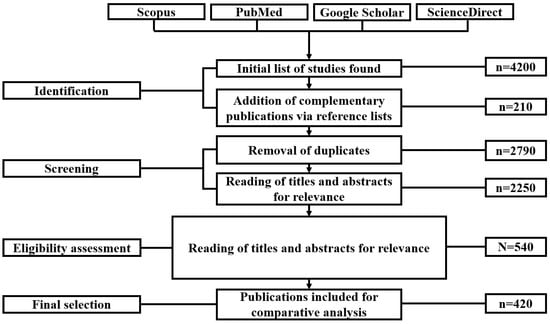
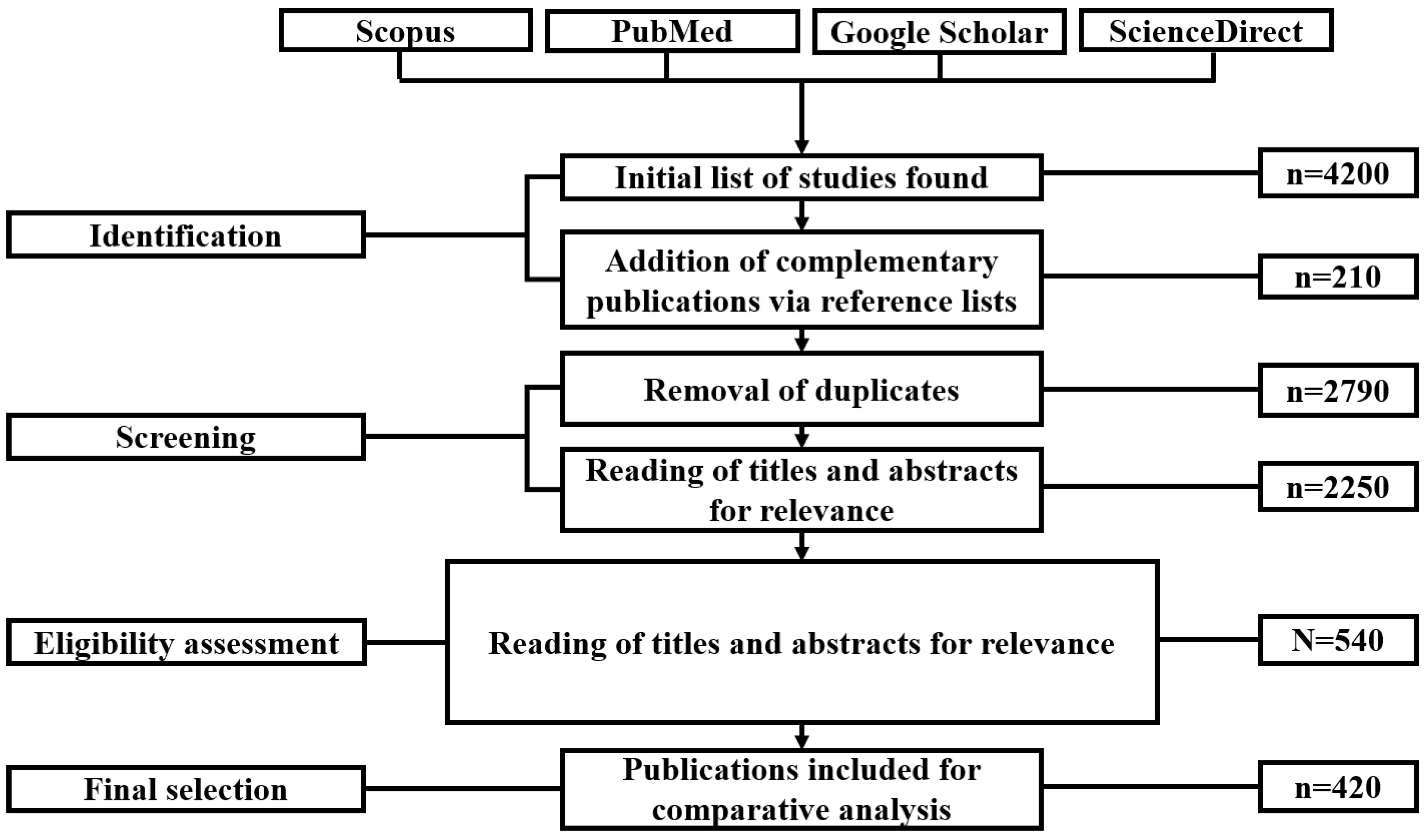
The top ten oilseeds that are mostly consumed in Morocco were identified on the basis of the survey conducted with the participants. Sesame (Sesamum indicum), flax (Linum usitatissimum), sunflower (Helianthus annuus), pumpkin (Cucurbita pepo), chia (Salvia hispanica), anise (Pimpinella anisum), garden cress (Lepidium sativum), black cumin (Nigella sativa), fennel (Foeniculum vulgare), and fenugreek (Trigonella foenum-graecum) are the oilseeds which were chosen for an in-depth analysis. These oilseeds were selected due to their high frequency of consumption and based on availability of good scientific information on the nutritional and bioactive efficacy of these oilseeds. A literature review was performed with the help of recent scientific publications, most of which were published from 2015–2025, found in such reputable databases as Scopus, PubMed, ScienceDirect, and Google Scholar (Figure 1) [17,18,19,20]. These publications were very informative on the chemical compositions, bioactivity, and reported physiological outcomes of the chosen oilseeds. More data was obtained based on good nutritional databases that include ANSES-CIQUAL and LaNutrition.fr, and the data used in the analysis of the nutritional properties of the investigated oilseeds were of good quality and accuracy. The properties of the selected oilseeds were analyzed in three major areas. The first was focused on the establishment of the chemical composition of each seed, with special emphasis on the identification of bioactive substances (polyphenols, flavonoids, lignans, and saponins). The second area covered the creation of the nutritional profile of each seed and the assessment of macronutrients (proteins, lipids, carbohydrates), essential fatty acids (omega-3, omega-6), dietary fibers, as well as important vitamins and minerals. The third one studied the physiological impacts and health benefits of oilseeds, especially their effects on cardiovascular health, metabolic regulation, immune function, and digestive health. This analytical scheme allowed the development of a comprehensive description of the functional qualities of the oilseeds and their possible impact on human health.
Figure 1.
Simplified PRISMA flowchart for the selection process of publications.
2.3. Statistical Analysis Process
The data generated in the survey was subjected to Microsoft Excel (version 2021) and SPSS software (version 29). Descriptive analysis was done to reflect the main features of the respondents, their age, location and their consumption behaviors. The relationships between socio-demographic characteristics (age, region of residence, education level, etc.) and identified consumption behaviors were investigated by use of cross-tabulations. This discussion contributed to the process of determining the important trends and patterns in terms of the regularity of oilseed intake and the reasons that cause one to choose oilseeds.
Descriptive statistics were calculated to gain a general overview of the data on oilseed consumption. Statistical analysis was also done to investigate the relationship between different variables and determine which relationships among dietary behavior and participant traits are significant. As an example, the potential interrelations between age, region and frequency of oilseed consumption were studied with chi-square tests. Data was analyzed using the latest version of SPSS software and descriptive values and graphs were calculated using Microsoft Excel software [21,22].
The entire data analysis facilitated an in-depth study of the variables that affect the consumption of oilseeds in Morocco, and the results provided new insights into consumer behavior and the factors behind the choice of a particular seed. The results of this analysis will be critical in informing future approaches that could be used to encourage people to consume oilseeds and derive the full benefits for their health through specific public health campaigns. This study, relying on a strict survey methodology and strong statistical analysis, offers a strong basis for comprehending the place of oilseeds in Moroccan diets and the opportunity of enhancing the health outcomes of the population.
3. Results
3.1. Results of the Survey
3.1.1. Consumer Profile
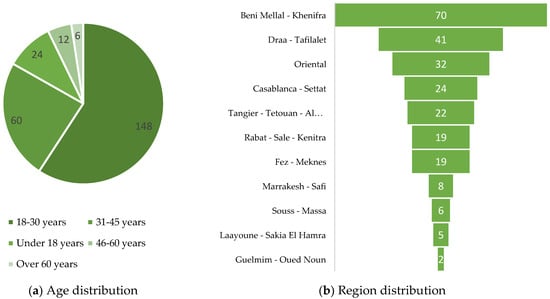
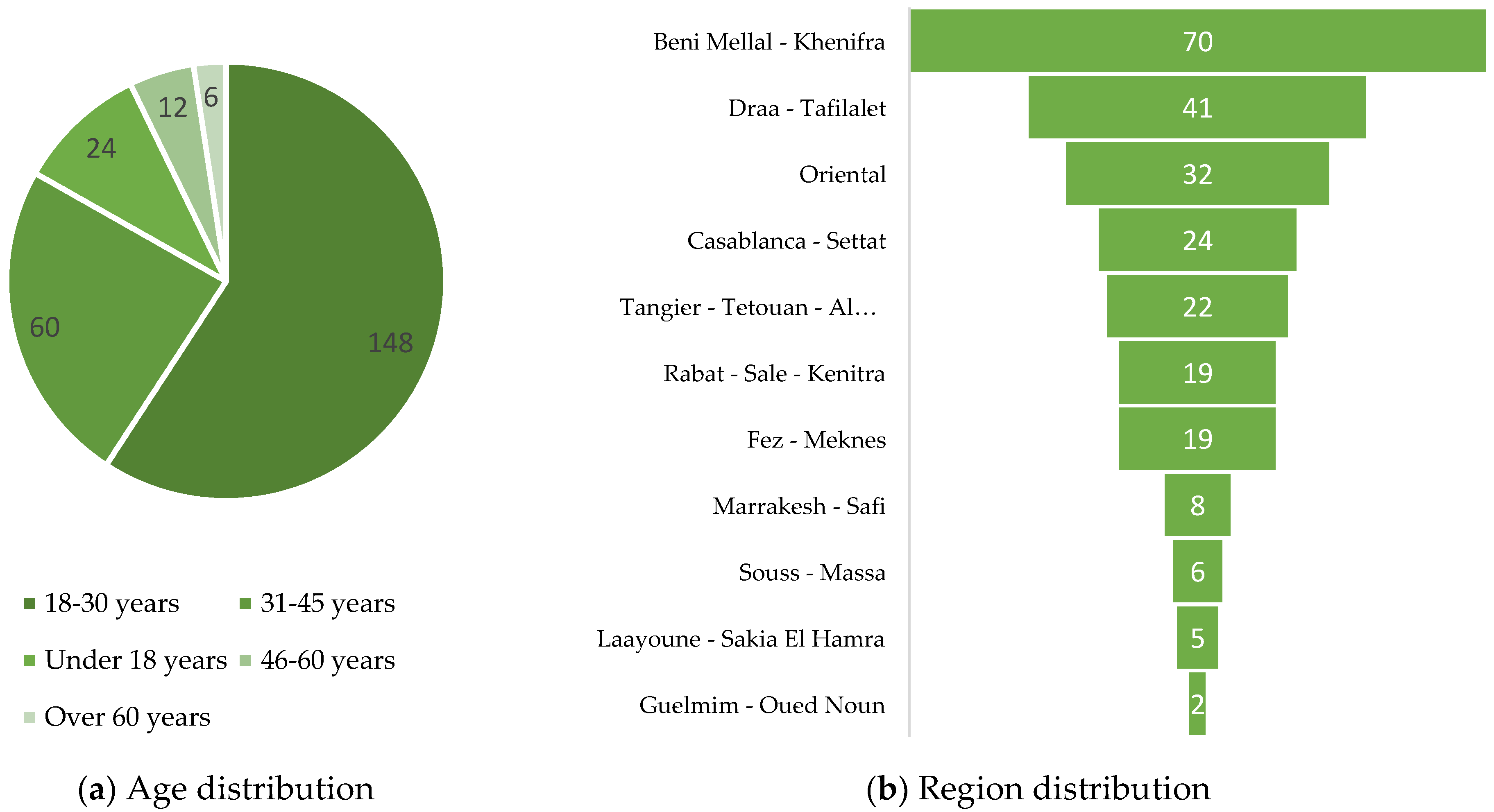
This study sample included 250 individuals from different regions in Morocco. The age distribution (Figure 2a) revealed that the respondents in the age range of 18 to 30 years constituted the majority, at 59.2% of the total respondents, the second group represented 24%, and the youngest group was 9.6%. The respondents between the ages of 46 and 60 years (4.8%) and above 60 years old (2.4%) were underrepresented; hence, the population was mainly young. This feature may affect the preferences regarding nutrition and understanding the advantages of oilseeds because young adults tend to be more receptive to any new approaches to nutrition and are especially concerned with the health effects of natural and functional diets. In terms of geographic distribution (Figure 2b), the largest share of respondents (28%) was registered in the region of Beni Mellal-Khenifra, then the Draa-Tafilalet region (16.4%) followed by the Oriental region (12.8%). A significant contribution was made by Casablanca-Settat (9.6%) and Tangier-Tetouan-Al Hoceima (8.8%), and other regions such as Rabat-Sale-Kenitra and Fes-Meknes (7.6% each), Marrakech-Safi (3.2%), Souss-Massa (2.4%), Laayoune-Sakia El Hamra (2%), and Guelmim-Oued Noun (0.8%) were underrepresented. The predominance of interior regions is emphasized by this geographic distribution and can determine the local cultural and dining particularities that can affect consumption patterns [23]. The aggregate analysis of age and geographical distribution shows that the study population is mainly young and the interior regions of Morocco were the key contributors to it. Such a population pattern can contribute to the establishment of trends in the observed eating habits and the attitude to the advantages of oilseeds. This should therefore be understood as influencing the consumption trends observed here, in the light of the overrepresentation of the young respondents as well as selected regions, which can make the generalization of the findings to the entire Moroccan population questionable [24].
Figure 2.
Distribution of Respondents by Age Group and Region of Residence.
3.1.2. Consumption Habits
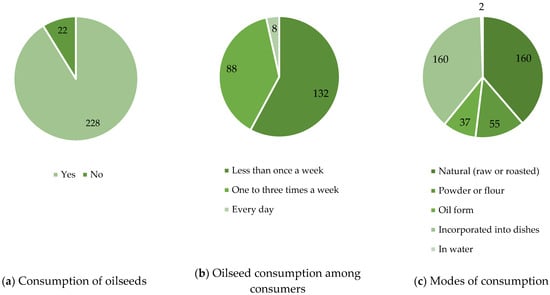
The results of the surveys show that most participants (91.2%) are oilseed consumers and only a small proportion among the participants (8.8%) are not (Figure 3a). This is a high percentage, which highlights the high level of contribution of oilseeds in the diets of the sample group. When it comes to the frequency of consumption (Figure 3b), almost half of the oilseed consumers (57.9%) indicated that they consume them less than once per week. Only a small fraction of respondents (3.5%) use these oilseeds every day, while 38.6% consume them once a week, or less frequently, with an average consumption of one to three times per week among the 216 participants. These results indicate that the consumption of oilseeds is still not frequent, but it is acknowledged. This is largely an occasional type of consumption that might be cultural, economically determined or even due to the availability of the product. Regarding their mode of consumption (Figure 3c), oilseeds are mostly used in their natural state, either uncooked or roasted (38.6%), or used as ingredients of some traditional foods, including pastries, bread, or tagines (38.6%). A lower percentage of them eat them in powdered form or flour (13.3%) or as oil (8.9%), and soaking oilseeds in water is rare (0.5%). The distribution shows that there is a strong inclination towards natural forms and traditional culinary applications, which relates to the firmly situated local habits and incentives that are associated with the naturalness and perceived health qualities of oilseeds [25].
Figure 3.
Distribution and Consumption Patterns of Oilseeds Among Participants.
3.1.3. Types of Oilseeds Consumed
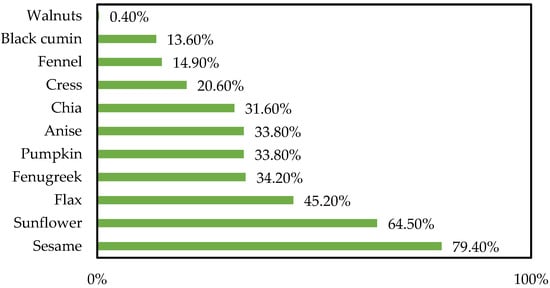
Figure 4 shows the manner in which the types of oilseeds that were consumed are analyzed. According to the results of the survey, the most commonly consumed were sesame oilseeds (79.4%), sunflower (64.5%), and flax (45.2%). Fenugreek (34.2%), pumpkin (33.8%), anise (33.8%), and chia (31.6%), among others, are also popular. On the other hand, such oilseeds as garden cress (20.6%), fennel (14.9%), and black cumin (13.6%), as well as the intake of walnuts, which is extremely minimal (0.4%), are less often used. This increase indicates that some of the oilseeds, and especially sesame, sunflower and flax, are highly incorporated into the daily food of the respondents. The results show that the most commonly consumed oilseeds, such as sesame, sunflower, and flax, are present in respondents’ diets due to their availability, sensory qualities, and established presence in Moroccan cuisine [26]. Oilseeds such as garden cress, fennel, black cumin, and walnuts, on the contrary, are consumed less often, which may imply that they are not adopted prevalently as they are less known, are not easily available or are less appreciated in taste. On the whole, consumption tendencies appear to be influenced by cultural, sensory, and practical determinants, which is why it is important to pay attention to these parameters when investigating local eating patterns [27].
Figure 4.
Most Frequently Consumed Oilseeds and Nuts Among Respondents.
3.1.4. Motivations, Perceptions, and Suggestions for Promoting Oilseed Consumption
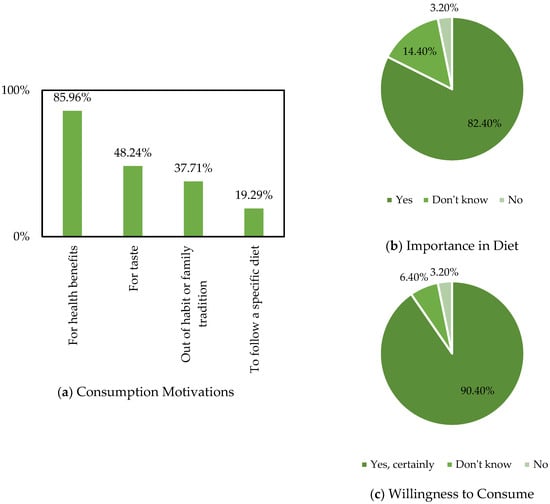
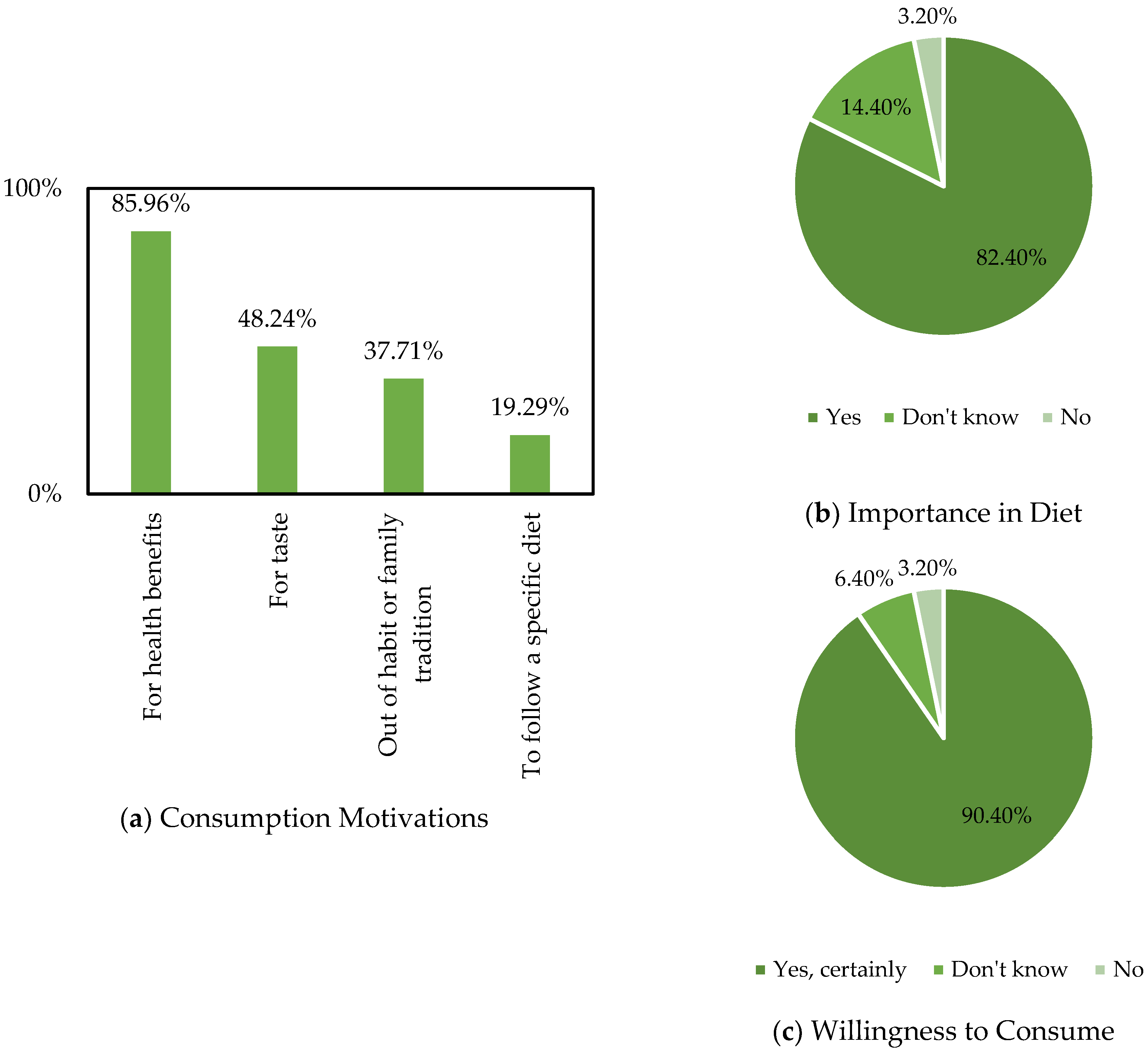
Examination of the answers showed that the perceived health benefits are the major reason why people consume oilseeds, with 85.96 percent of the participants (196 people) referring to this reason (Figure 5a). The sense of taste was also one of the significant aspects, as reported by 48.24% of the participants (110 people). Family habits or traditions were among the first mentioned by 37.71% of the respondents (86 people), and 19.29% (44 people) said that they were doing that because of a particular diet plan. These findings suggest that health considerations mostly drive the eating habits of the participants although taste, cultural beliefs and dietary objectives also contribute significantly. The scale of motivations identified indicates that practical or functional products are becoming more preferred and, simultaneously, the role of gustatory pleasure and the proven food habits is also significant. Therefore, the consumption of oilseeds represents a multifaceted combination of nutritional, hedonic and socio-cultural factors that conditionalize the local eating patterns.
Figure 5.
Motivations for Oilseed Consumption, Their Importance in a Balanced Diet, and Willingness to Consume Organic Oilseed-Enriched Products.
Concerning the perceptions of foods (Figure 5b), most participants (82.4%, or 206 of the participants) mentioned the significance of oilseeds to a balanced diet. Nevertheless, 14.4% of the interviewees (36 individuals) did not give an answer to this question, showing that they did not know or were unaware of the nutritional value of these oilseeds. Very few (3.2 percent, or eight individuals) thought that these oilseeds played no important part in the diet. Comprehensively, the opinions on the advantages of oilseeds were mixed, and the majority of benefits were often discussed. Such advantages were cardiovascular health, provision of nutrients, digestion, prevention of diseases, skin and hair, hormonal balance and energy. The perceived richness in healthy fats (both omega-3 and omega-6) was the most frequently cited benefit of the nutritional value associated with organically produced foodstuffs and is thought to provide protection against cholesterol and heart complications. Oilseeds were considered as a great source of vitamins (especially vitamin E), minerals like magnesium, zinc and calcium, and plant-based proteins. Their fiber content was considered useful in digestive processes and to help in satiety but their use in the prevention of disease, particularly diabetes, cardiovascular diseases, and inflammation, was also noted. Moreover, oilseeds were considered to have positive effects on skin and hair condition as they contain lipids and antioxidants, and some of them were supposed to stabilize hormones and act as sources of energy. Other benefits were their value in a balanced diet, aiding in bone and mental health, and good actions in stipulated dietary plans or traditional food settings. These images portray oilseeds as multifunctional, working as functional foods and high in nutrients and helpful in overall health. The survey was also characterized by a distinct level of consumption of oilseed-enriched organic products (Figure 5c). In fact, 90.4% of the respondents were interested in such products as opposed to 6.4% who were not sure and 3.2% who were not interested. These findings are indicative of a trend towards increased receptiveness towards functional products and an understanding of natural foods in Moroccan foods.
Some recommendations were also offered by the participants to increase the availability and the popularity of oilseeds in Morocco (Table 1). The key recommendations were categorized into four groups. The first was to find a solution to introducing oilseeds into food commodities. Oilseeds were proposed to be added to conventional Moroccan dishes like tagines, bread, pastries and salads. They also suggested creation of ready-to-use or enriched items, e.g., biscuits, snacks, flours, concentrates, and mixes. The second theme was the area of awareness and education. Some of the activities proposed by respondents were mass media, social networks, schools, and culinary workshops that would help organize information campaigns about the health benefits of oilseeds. An improved insight into the nutritional and therapeutic values of such oilseeds might prompt people to use them in their daily food culture. Production and distribution were the third theme. Participants suggested for local growers and cooperatives to cultivate these oilseeds. It was also proposed to make oilseeds more readily available in supermarkets and open markets with convenient packaging that is made to fit everyday use. By decreasing the price of oilseeds, these products will be made more affordable to a greater percentage of the Moroccan population. A fourth theme was that of valorization and innovation. The respondents said that they wanted to experience the emergence of innovative products, including modern snacks, cosmetic products, and enriched mixes with oilseeds. Another proposal they made is to develop market plans that would promote the nutritional and culinary benefits of oilseeds, in order to make them more acceptable to the popular masses. These recommendations show a great passion for introducing oilseeds into the everyday life of Moroccans. They highlight the necessity to implement nutritional education, better access to oilseeds, assistance to local production, and innovation to promote their consumption on a large scale. Integrating these oilseeds into a more diverse range of foodstuffs and increasing awareness of the population on the health benefits of these oilseeds would help in changing the dietary patterns and lead to healthier diets among the Moroccan population [28,29].
Table 1.
Categorization of oilseed-related benefits and proposed strategies to promote their consumption. Approximate frequency denotes the relative prominence of mentions across all responses and does not represent an exact count.
3.2. Nutritional and Therapeutic Profiles of Selected Oilseeds
3.2.1. General Characteristics of Studied Oilseeds
According to the survey results, the most popular oilseeds consumed in Morocco were flax, sesame, sunflower, pumpkin, chia, anise, garden cress, black cumin, fennel and fenugreek. The literature review enabled a summary of their primary chemical, nutritional, and functional properties (Table 2).
Table 2.
Chemical constituents, nutritional profile, and functional characteristics of the ten oilseeds examined.
These oilseeds are of a number of botanical families, e.g., Apiaceae, Lamiaceae and Fabaceae, that are highly metabolically diverse and have lots of nutritional value. The chemical analysis of these oilseeds shows that the lipid density is high and is mainly made up of unsaturated fatty acids and mainly omega-3 (a-linolenic acid, ALA) and omega-6 (linoleic acid). Moreover, these oilseeds can also have significant levels of vegetable proteins (about 20–35%) and dietary fiber (15–40%), which add to a positive nutritional equation. The oilseeds contain different quantities of fatty acids and bioactive constituents. As an example, the amounts of the essential omega-3 fatty acid, also named a-linolenic acid (ALA), are unusually high in flax and chia [52]. Sesame and sunflower oilseeds, on the other hand, are considered absolute sources of polyunsaturated fatty acids and vitamin E, which play an important antioxidant role [53]. Fennel and pumpkin are unique because of their established functional values, such as hypoglycemic and antioxidant effects and hormone-modulating effects. The volatile bioactive compounds of black cumin and anise (i.e., thymoquinone and anethole) are well characterized in terms of their therapeutic potential [54,55]. Culinarily, one can eat these oilseeds in many ways: whole, roasted, ground, or as oils. They are usually integrated into traditional dishes like bread, tagines, pastries, and even in practical or diet preparations [56]. Their all-purpose quality when it comes to the kitchen and nutritional richness contributes to their gradual integration into contemporary diets. This discussion shows the variations in chemical properties, bioactive properties, and different culinary and therapeutic applications of each seed. These aspects offer a very good basis in determining their agro-food suitability and their possible uses in the development of functional products.
3.2.2. Nutritional Composition
The nutritional, lipid and vitamin compositions of the oilseeds studied were analyzed in detail and compared. The given comparison showed significant differences in the contents of macro and fatty acids, vitamins, and minerals, giving a review of the nutritional diversity of the studied oilseeds (Table 3).
Table 3.
Nutritional composition of the oilseeds studied (per 100 g) [57,58].
Regarding lipids, all the oilseeds under consideration are usually very fatty, bearing in mind that polyunsaturated fatty acids are predominant. These oilseeds are noted to be especially high in omega-3 (ALA), such as flax and chia, whereas sunflower and sesame are higher in omega-6 and vitamin E which are powerful antioxidants. Due to the abundance of saponins and bioactive compounds, fennel and fenugreek oilseeds contain definite profiles of fatty acids and also have specific functional properties. Concerning protein, flax, chia and fenugreek oilseeds provide especially high contents of plant-based proteins, which are of interest for vegetarian and vegan diets. Pumpkin, sunflower, and sesame seeds are also good sources of protein but in lower quantities. Regarding dietary fibers, flax, chia, and pumpkin oilseeds are characterized as a rich source of soluble and insoluble fibers, which could help control intestinal movement and aid in the maintenance of weight. There is also a variation in the level of minerals and vitamins contained in the various oilseeds. As a case in point, sesame oilseeds contain especially more calcium, magnesium and zinc, whereas the sunflower oilseeds are a good source of vitamin E which is vital in effecting the proper functioning of the heart and muscles. Chia, as well as flax, on top of the omega-3 composition, also contains much potassium and magnesium which are vital to the proper functioning of the heart and muscular tissue [59,60,61,62].
3.2.3. Fatty Acid Profiles
Analysis of fatty acids of the examined oilseeds indicates an interesting diversity in their constituting structure (Table 4). Flax and chia oilseeds especially contain a-linolenic acid (ALA) which is the essential omega-3 fatty acid; it is essential for cardiovascular health as well as for decreasing inflammation in the body. Sesame and sunflower oilseeds, however, are rich in polyunsaturated fatty acids, especially linoleic acid (omega-6) which is good against heart diseases when taken in moderation alongside omega-3. Unsaturated fatty acids can also be found in fennel and black cumin oilseeds, but the main effect is the activity of certain bioactive compounds, i.e., flavonoids and lignans, which have antioxidant and anti-inflammatory effects. These oilseeds have fatty acids that are used to control lipid metabolism and hence prevent cardiovascular diseases and diabetes. The variation of the fatty acid composition of the analyzed oilseeds justifies the need to diversify the fat sources in the diet to attain an optimal balance between omega-3 and omega-6 fatty acids. This variation is one of the reasons that renders oilseeds effective especially in terms of controlling blood lipid profiles and decreasing the chances of cardiovascular diseases [63,64].
Table 4.
Fatty acid profile of the oilseeds studied (g/100 g) [57,58].
3.2.4. Mineral and Vitamin Profiles
There is a difference in the profiles of the oilseeds under study with respect to minerals and vitamins (Table 5) which contributes to their nutritional value. Sesame oilseeds contain a large amount of calcium which is relevant to bone and tooth health and magnesium which is essential in muscle and nerve function. Sunflower oilseeds contain vitamin E, a potent antioxidant that is helpful in protecting cells against oxidative damage and in the immune system. On top of omega-3, flax and chia oilseeds contain high amounts of potassium that helps to ensure normal blood pressure and magnesium which is required to ensure proper functioning of the muscles and heart. These oilseeds contain important levels of zinc which helps in enhancing the immune system as well as enabling tissues to heal. Fennel and black cumin oilseeds are also products containing vitamins A and C and have a role in the state of the skin and mucous membranes and have significant antioxidant effects. The profile analysis highlights the diversity of the possible benefits of each kind of oilseed, which may be included in the diet to cover the possible daily nutritional requirements and may help to enhance overall health [65].
Table 5.
Mineral and vitamin composition of the oilseeds studied (per 100 g) [57,58].
3.2.5. Therapeutic Applications: Health Benefits
The medicinal value of the investigated oilseeds has found extensive coverage in the scientific literature (Table 6). Oilseeds are beneficial to cardiovascular health because of the high levels of polyunsaturated fatty acids, fibers, and bioactive compounds [66]. In particular, it has been acknowledged that the consumption of omega-3-rich oilseeds, including flax and chia, correlates with a decreased risk of heart diseases, maintenance of blood cholesterol, and prevention of inflammation [67]. Another good role of oilseeds is in the regulation of metabolism. As a case in point, fennel and fenugreek are particularly famous due to their hypoglycemic activity that could help to control the level of sugar in the bloodstream and prevent type 2 diabetes [68]. Moreover, oilseeds have anti-inflammatory properties that would also be useful in treating different chronic diseases, including arthritis and digestive disorders. Other therapeutic uses of oilseeds like black cumin, anise and fennel are due to their antimicrobial and antioxidant effects [69,70,71]. These oilseeds have also been employed in other forms of traditional medicine to enhance digestion, build immunity and cure skin diseases. Moreover, they can be used in cosmetic products as they have advantages for skin and hair. Therefore, it can be concluded that the researched oilseeds have significant therapeutic potential, and they can be utilized to create functional food products and dietary supplements that will help to maintain health and prevent the impact of chronic diseases. These oilseeds have bioactive properties, which justify their consumption in a balanced diet, especially for people at risk of cardiovascular diseases and diabetes, besides those at risk of chronic inflammation [72].
Table 6.
Physiological and functional effects of oilseeds according to the scientific literature.
4. Discussion
The oilseed consumption research in Morocco offered an extensive description of the consumer behavior and attitude towards such products. The observable patterns were significant regarding the consumer demographics, eating patterns and the factors that motivated them to consume these oilseeds. A large percentage of the participants, especially young adults, indicated a strong interest in oilseeds, being exposed to natural food products and perceiving them to be healthier. The interest can be compared to the worldwide trends in the younger adult population that, following preventive and sustainable diets, is more likely to introduce functional foods into their lifestyle. Also, the geographic factor, such as the location of the respondents, pointed to the impact of local culinary traditions, especially in the rural territories of Morocco, where oilseeds play a major role in traditional food culture. Whereas the consumption of oilseeds was relatively high, their inclusion in everyday meals was at a moderate frequency. Such an intermediate rate can be explained by cultural, financial and product availability parameters. These findings corroborate past research showing that oilseeds are viewed positively due to their good effects on the human body yet their regular intake is not yet ideal when it comes to daily meals. The consuming behavior mostly included natural oilseeds or their incorporation into traditional meals, including bread and pastries. This implies that there is great importance in ensuring that there is sustainability of traditional culinary practices that help in preserving the nutritional as well as the functional value of oilseeds. Sesame (79.4%), sunflower (64.5%), and flax (45.2%) were among the commonest oilseeds eaten by the sample under study here, followed by fenugreek (34.2%), pumpkin (33.8%), anise (33.8%), and chia (31.6%). These oilseeds are extensively incorporated into traditional Moroccan food, and due to their nutritional properties, they are in demand with consumers. Conversely, such oilseeds as garden cress (20.6%), fennel (14.9%), and black cumin (13.6%) were less commonly eaten, which can be explained by the taste preferences or the unawareness about the particular benefits of the items in question.
Health benefits of oilseeds were seen as the major reason why they should be included in diets. Oilseeds were viewed as functional foods that can arbitrarily prevent such chronic illnesses as cardiovascular disorders, digestive problems, as well as hormonal imbalance. Nevertheless, although the positive impact of oilseeds was well acknowledged by the general opinion of the respondents, a good percentage of the respondents reported that they were not aware of some of the specific benefits and so more nutritional education was required. Through awareness campaigns, particularly in rural and peri-urban regions, closing these knowledge gaps is therefore a must in order to make the population better understand the importance of oilseeds in ensuring balance in the diet [73].
Various recommendations on the marketing of oilseeds were also made. Introduction of oilseeds into food products that are common, like bread, pastries, and traditional dishes, was largely encouraged. The respondents also suggested the need to elevate education campaigns via media, social networks and schools to create more awareness among citizens regarding the nutritional value of oilseeds. Simultaneously, the development of local production and enhancing the accessibility of these products in stores, as well as the reduction of their price, were recognized as the key measures that could help to make these products more accessible to a larger population. In addition, new products, including functional snacks or blends, enriched with oilseeds, might respond to the demand for increasingly popular convenient foods rich in nutrients and promoting health [74].
Nutritionally, the oilseeds under study have a high level of diversity in their structure. They especially contain unsaturated fats, vegetable proteins, and fibers in abundance. The unique properties of flax, chia, and fenugreek oilseeds are high densities of omega-3 fatty acids and soluble fibers that help in the regulation of lipid metabolism and weight control. Oilseeds containing high levels of vitamin E, which is a powerful antioxidant, include sesame and sunflower. The combination of these nutritional characteristics with the functional nature of the oilseeds makes them instrumental in the prevention of cardiovascular diseases as well as diabetes and inflammatory diseases. Vegetarian and vegan diets will also include the vegetable proteins present in these oilseeds which are a healthy and sustainable substitute for animal proteins [75].
Oilseeds also show a lot of therapeutic potential. Scientific literature supports their anti-inflammatory, antioxidant and hypoglycemic properties, due to their richness in bioactive compounds (flavonoids, lignans and saponins) [76]. Fenugreek and fennel oilseeds are more effective in type 2 diabetes management because they are hypoglycemic in nature, and black cumin and fennel are used in traditional medicine for digestion, immunity, and skin. These biological functions enhance the case for the inclusion of oilseeds in functional food products and dietary supplements that promote health and prevent chronic illnesses. This paper highlights the increased significance of oilseeds in the Moroccan diet. Such oilseeds are currently playing a key role in modern food habits due to their high nutrient content and known functional properties. Nevertheless, they have to be considered in the whole aspect of everyday food consumption, and improving nutritional education, promotion of domestic production, and food innovation should be taken into consideration. Additionally, more studies are required to assess their effect on health more accurately and how they can benefit preventive and sustainable nutrition. The selection of oilseeds featured in this research, such as sesame, sunflower, flax, chia, fenugreek, fennel, black cumin, garden cress, and pumpkin, shows a high diversity of nutritional contents and therapeutic qualities, which prove their importance in the field of functional nutrition.
5. Conclusions
This study explored the preferences of Moroccan consumers regarding oilseeds, analyzing their profile, motivations, and consumption habits. It also identified the nutritional and functional value of the most commonly consumed oilseeds in the country, such as flax, sesame, pumpkin, sunflower, chia, anise, cress, black cumin, fennel, and fenugreek. Although these seeds are frequently consumed, their integration into the daily diet remains relatively limited, despite their proven nutritional benefits. They are distinguished by their richness in unsaturated fatty acids and bioactive compounds, which are particularly beneficial for cardiovascular health and have anti-inflammatory properties. Also, this research highlights the lack of available information regarding the specific benefits of these seeds, underscoring the importance of strengthening nutritional education, particularly in rural areas where access to information is limited. The study also demonstrates the therapeutic potential of oilseeds, particularly for the prevention of cardiovascular disease, diabetes, and inflammatory disorders. This contribution paves the way for the integration of oilseeds into preventive dietary practices in Morocco. The impact of this research lies in highlighting the importance of these seeds for public health and preventive nutrition. To optimize their contribution, programs focused on food innovation, the promotion of local production, and nutritional education are necessary. Furthermore, complementary clinical and technological studies will be essential to precisely evaluate the effect of these oilseeds on health and their bioavailability, thus facilitating their integration into functional products designed to improve the health of the entire Moroccan population.
Supplementary Materials
The following supporting information can be downloaded at: https://www.mdpi.com/article/10.3390/nutraceuticals6020028/s1, Table S1: Questionnaire and variables used in the survey on oilseed consumption in Morocco.
Author Contributions
Conceptualization: S.C. and T.A.; Data curation: A.A. and C.A.N., Formal analysis: A.A., C.A.N. and T.A., Funding acquisition: T.A.; Investigation: A.A. and T.A.; Methodology: A.A. and C.A.N.; Project administration: S.C.; Resources: A.A. and C.A.N.; Software: A.A., C.A.N. and A.E.Y.; Supervision: T.A.; Validation: S.C. and T.A.; Visualization: A.A., S.C., A.E.Y. and T.A.; Roles/Writing—original draft: A.A. and C.A.N.; Writing—review and editing: A.A. and T.A. All authors have read and agreed to the published version of the manuscript.
Funding
This research received no external funding.
Institutional Review Board Statement
The study was conducted according to the guidelines of the Declaration of Helsinki and approved by the Ethics Committee of Laboratory of Biotechnology, Bioresources and Bioinformatics (L3BIO), EST-Khenifra, University of Sultan My Slimane Morocco (2025-0303-0002; Date: 3 March 2025).
Informed Consent Statement
Informed consent was obtained from all subjects involved in the study.
Data Availability Statement
The original contributions presented in this study are included in the article and Supplementary Material. Further inquiries can be directed to the corresponding author.
Acknowledgments
We extend our thanks to the entire team at the Laboratory of Biotechnology, Bioresources and Bioinformatics of EST-Khenifra, as well as the National Center for Scientific and Technical Research in Rabat. Special thanks to our colleagues for their constant support, invaluable advice, and the friendly atmosphere they create every day at Sultan Moulay Slimane University in Morocco.
Conflicts of Interest
The authors declare no conflicts of interest.
References
- Toutirais, L.; Walrand, S.; Vaysse, C. Are oilseeds a new alternative protein source for human nutrition? Food Funct. 2024, 15, 2366–2380. [Google Scholar] [CrossRef] [Scilit]
- Lenihan-Geels, G.; Bishop, K.S. Alternative origins for omega-3 fatty acids in the diet. In Omega-3 Fatty Acids: Keys to Nutritional Health and Disease; Springer Nature: Cham, Switzerland, 2025; pp. 27–38. [Google Scholar]
- Yang, Z.; Chen, Y.; Ma, S.; Zhang, M.; Tang, T.; Du, C. Bioengineering of long-chain polyunsaturated fatty acids in oilseed crops. Prog. Lipid Res. 2025, 99, 101333. [Google Scholar] [CrossRef] [Scilit]
- Tufail, T.; Fatima, S.; Bader Ul Ain, H.; Ikram, A.; Noreen, S.; Rebezov, M.; Shariati, M.A. Role of phytonutrients in the prevention and treatment of chronic diseases: A concrete review. ACS Omega 2025, 10, 12724–12755. [Google Scholar] [CrossRef] [Scilit] [PubMed]
- Bhoir, S.A.; Sharma, D.; Jamdar, S. Millets, pulses, and oil seeds-based flatbread premix: A protein-rich functional food for healthier dietary habits and prevention of lifestyle disorders. J. Food Sci. 2025, 90, e70209. [Google Scholar] [CrossRef] [Scilit] [PubMed]
- Fekete, M.; Lehoczki, A.; Kryczyk-Poprawa, A.; Zábó, V.; Varga, J.T.; Bálint, M.; Varga, P. Functional foods in modern nutrition science: Mechanisms, evidence, and public health implications. Nutrients 2025, 17, 2153. [Google Scholar] [CrossRef] [Scilit] [PubMed]
- Rhioui, W.; Al Figuigui, J.; Boutagayout, A.; Belmalha, S. Weed management strategies for grain legumes in different regions of Morocco. Int. J. Pest Manag. 2024, 1–12. [Google Scholar] [CrossRef] [Scilit]
- Rbah, Y.; Belhaj, K.; Taaifi, Y.; Allay, A.; Melhaoui, R.; Serghini-Caid, H.; Elamrani, A. Nutritional Composition and Functional Properties of ‘Beldiya’ Hemp Seed and Oil: A Sustainable Local Resource from Northern Morocco for Health and Nutrition. J. Oleo Sci. 2025, 74, 533–542. [Google Scholar] [CrossRef] [Scilit]
- Enriquez, J.P.; Archila-Godinez, J.C. Social and cultural influences on food choices: A review. Crit. Rev. Food Sci. Nutr. 2022, 62, 3698–3704. [Google Scholar] [CrossRef] [Scilit]
- Gosselet, N. The global market for oilseeds: Prospects and challenges for Morocco. OCL 2014, 21, D204. [Google Scholar] [CrossRef] [Scilit]
- Amtataw, M.; Kassahun, E.; Tibebu, S.; Andargie, T.; Ayanaw, T.; Agazie, A.; Teferi, D. Nutritional and anti-nutritional evaluation of injera made from Sorghum, Rice, Teff, and Flaxseed flours using D-optimal mixture design. Sci. Rep. 2025, 15, 3959. [Google Scholar] [CrossRef] [Scilit]
- Azenzem, R. Oilseeds development in Morocco in the current international context. OCL 2022, 29, 40. [Google Scholar] [CrossRef] [Scilit]
- Zarrouk, A.; Martine, L.; Grégoire, S.; Nury, T.; Meddeb, W.; Camus, E.; Lizard, G. Profile of fatty acids, tocopherols, phytosterols and polyphenols in Mediterranean oils (argan oils, olive oils, milk thistle seed oils and nigella seed oil) and evaluation of their antioxidant and cytoprotective activities. Curr. Pharm. Des. 2019, 25, 1791–1805. [Google Scholar] [CrossRef] [Scilit]
- Hallouch, O.; Ibourki, M.; Asbbane, A.; Devkota, K.; Giuffrè, A.M.; Majourhat, K. Exploring the bioactive potential of argan oil cake: A comprehensive physicochemical comparison with various seeds cakes. Curr. Res. Nutr. Food Sci. J. 2025, 13, 77–100. [Google Scholar] [CrossRef] [Scilit]
- Reshi, Q.M.; Lone, T.A.; Ahmed, I.; Jan, N.; Sidiq, M.; Dar, R.A. Chapter 2: Edible Oilseed Plants: An Overview. In Oilseed Crops; John Wiley & Sons: Hoboken, NJ, USA, 2025; pp. 25–49. [Google Scholar]
- Mistura, L.; Le Donne, C.; D’Addezio, L.; Ferrari, M.; Comendador, F.J.; Piccinelli, R. IV SCAI field work team. The Italian IV SCAI dietary survey: Main results on food consumption. Nutr. Metab. Cardiovasc. Dis. 2025, 35, 103863. [Google Scholar] [CrossRef] [Scilit]
- Gusenbauer, M. Beyond Google Scholar, Scopus, and Web of Science: An evaluation of the backward and forward citation coverage of 59 databases’ citation indices. Res. Synth. Methods 2024, 15, 802–817. [Google Scholar] [CrossRef] [Scilit]
- Raza, N.; Sadaf, A.; Mushtaq, R.; Mehmood, M.A.; Amrao, L.; Islam, F.; Shah, M.A. Nutritional and Health Potential of Edible Seeds: Micronutrient Bioavailability and Mechanistic Insights. Food Sci. Nutr. 2026, 14, e71480. [Google Scholar] [CrossRef] [Scilit] [PubMed]
- Meddows-Taylor, S.; Ramadwa, T.E. A comprehensive review of the traditional uses, pharmacological activity and phytochemistry of Warburgia salutaris in southern Africa. South Afr. J. Bot. 2025, 179, 134–146. [Google Scholar] [CrossRef] [Scilit]
- Gupta, A.; Sharma, R.; Sharma, S.; Singh, B. Oilseed as Potential Functional Food Ingredient. In Trends & Prospects in Food Technology, Processing and Preservation, 1st ed.; Prodyut Kumar, P., Mahawar, M.K., Abobatta, W., Panja, P., Eds.; Today and Tomorrow’s Printers and Publishers: New Delhi, India, 2018; pp. 25–58. [Google Scholar]
- Creswell, J.W.; Inoue, M. A process for conducting mixed methods data analysis. J. Gen. Fam. Med. 2025, 26, 4–11. [Google Scholar] [CrossRef] [Scilit] [PubMed]
- Dey, D.; Haque, M.S.; Islam, M.M.; Aishi, U.I.; Shammy, S.S.; Mayen, M.S.A.; Uddin, M.J. The proper application of logistic regression model in complex survey data: A systematic review. BMC Med. Res. Methodol. 2025, 25, 15. [Google Scholar] [CrossRef] [Scilit] [PubMed]
- Silva, T.H.; Silver, D. Using graph neural networks to predict local culture. Environ. Plan. B Urban Anal. City Sci. 2025, 52, 355–376. [Google Scholar] [CrossRef] [Scilit]
- Tonković, Ž.; Krolo, K.; Doolan, K.; Primorac, J. The global/local and omnivore/univore nexus: Class divisions and cultural tastes in contemporary Croatia. Cult. Trends 2025, 35, 51–71. [Google Scholar] [CrossRef] [Scilit]
- Bharati, P.; Kulkarni, U.N. Nutritional sufficiency of traditional meal patterns. In Nutritional and Health Aspects of Food in South Asian Countries; Academic Press: Cambridge, MA, USA, 2020; pp. 31–50. [Google Scholar]
- Kouighat, M.; Moussaoui, F.E.; Adiba, A.; Hafid, A.; Bouchyoua, A.; El Fechtali, M.; Nabloussi, A. Evaluation and selection of sesame mutants (Sesamum indicum L.) for optimal nutritional profiles in seeds under field drought conditions. OCL 2025, 32, 8. [Google Scholar] [CrossRef] [Scilit]
- Durant, A.; Pinton, P.; Puel, O.; Oswald, I.P. Mycotoxins in oilseeds and vegetable edible oils: An overview of toxicity, occurrence and exposure. OCL 2025, 32, 19. [Google Scholar] [CrossRef] [Scilit]
- Szczepanski, L.; Bahlmann, L.M.; Rötker, C.; Eylering, A.; Fiebelkorn, F. Attitudes toward milk alternatives and motives for (non-) consumption: An interview study with adolescents from Germany. BMC Nutr. 2025, 11, 101. [Google Scholar] [CrossRef] [Scilit]
- Naybezade, S.; Maghsoudi, A.; Savbieh, S.; Jafarian, H.; Adibiniya, E.; Zarei, M. The role of advertising on the buying behavior consumers toward date oil seed using TPB. J. Basic Appl. Biomed. 2025, 3, 143–146. [Google Scholar]
- Grahovac, N.; Aleksić, M.; Trajkovska, B.; Marjanović Jeromela, A.; Nakov, G. Extraction and Valorization of Oilseed Cakes for Value-Added Food Components—A Review for a Sustainable Foodstuff Production in a Case Process Approach. Foods 2025, 14, 2244. [Google Scholar] [CrossRef] [Scilit]
- Kunutsor, S.K.; Jassal, D.S.; Ravandi, A.; Lehoczki, A. Dietary Flaxseed: Cardiometabolic Benefits and Its Role in Promoting Healthy Aging. GeroScience 2025, 47, 2895–2923. [Google Scholar] [CrossRef] [Scilit]
- Wei, P.; Zhao, F.; Wang, Z.; Wang, Q.; Chai, X.; Hou, G.; Meng, Q. Sesame (Sesamum indicum L.): A Comprehensive Review of Nutritional Value, Phytochemical Composition, Health Benefits, Development of Food, and Industrial Applications. Nutrients 2022, 14, 4079. [Google Scholar] [CrossRef] [Scilit] [PubMed]
- Codină, G.G.; Dabija, A. Advances in Chemistry, Quality, and the Processing of Grain and Oilseed Crops. Appl. Sci. 2026, 16, 2985. [Google Scholar] [CrossRef] [Scilit]
- Ghafoorunissa; Hemalatha, S.; Rao, M.V.V. Sesame Lignans Enhance Antioxidant Activity of Vitamin E in Lipid Peroxidation Systems. Mol. Cell. Biochem. 2004, 262, 195–202. [Google Scholar] [CrossRef] [Scilit] [PubMed]
- Guo, S.; Ge, Y.; Na Jom, K. A Review of Phytochemistry, Metabolite Changes, and Medicinal Uses of the Common Sunflower Seed and Sprouts (Helianthus annuus L.). Chem. Cent. J. 2017, 11, 95. [Google Scholar] [CrossRef] [Scilit] [PubMed]
- McKevith, B. Nutritional Aspects of Oilseeds. Nutr. Bull. 2005, 30, 13–26. [Google Scholar] [CrossRef] [Scilit]
- Attahar, W.; Abdoul-Latif, F.; Jalludin, M.; Ouassil, M.; El Yaacoubi, A.; Ainane, A.; Ainane, T. Antimicrobial and Antioxidant Activities of Trigonella foenum-graecum Essential Oil from the Region of Settat (Morocco). Pharmacologyonline 2021, 2, 434–442. [Google Scholar]
- Blundell, R.; Gieleta, A.W. The Nutritional Powerhouse of Pumpkin Seeds. 2024. Available online: https://www.independent.com.mt (accessed on 19 February 2026).
- Boujemaa, I.; Bernoussi, S.E.; Harhar, H.; Tabyaoui, M. The Influence of the Species on the Quality, Chemical Composition and Antioxidant Activity of Pumpkin Seed Oil. OCL 2020, 27, 40. [Google Scholar] [CrossRef] [Scilit]
- Hu, T.; Zhou, L.; Kong, F.; Wang, S.; Hong, K.; Lei, F.; He, D. Effects of Extraction Strategies on Yield, Physicochemical and Antioxidant Properties of Pumpkin Seed Oil. Foods 2023, 12, 3351. [Google Scholar] [CrossRef] [Scilit] [PubMed]
- Salgado, V.D.S.C.N.; Zago, L.; Fonseca, E.N.d.; Calderari, M.R.d.C.M.; Citelli, M.; Miyahira, R.F. Chemical Composition, Fatty Acid Profile, Phenolic Compounds, and Antioxidant Activity of Raw and Germinated Chia (Salvia hispanica L.) Seeds. Plant Foods Hum. Nutr. 2023, 78, 735–741. [Google Scholar] [CrossRef] [Scilit]
- Kulczyński, B.; Kobus-Cisowska, J.; Taczanowski, M.; Kmiecik, D.; Gramza-Michałowska, A. The Chemical Composition and Nutritional Value of Chia Seeds—Current State of Knowledge. Nutrients 2019, 11, 1242. [Google Scholar] [CrossRef] [Scilit]
- Nazir, S.; Dhull, S.B.; Sharma, V. Extraction and Characterization of Omega Fatty Acids (as Fixed Oil) from Various Plants Seeds (Flaxseeds, Chia Seeds, Chilli Seeds, Basil Seeds, Quince Seeds). J. Food Meas. Charact. 2025, 19, 2063–2076. [Google Scholar] [CrossRef] [Scilit]
- Soussi, M.; El Yaagoubi, W.; Nekhla, H.; El Hanafi, L.; Squalli, W.; Benjelloun, M.; El Ghadraoui, L. A Multidimensional Review of Pimpinella anisum and Recommendation for Future Research to Face Adverse Climatic Conditions. Chem. Afr. 2023, 6, 1727–1746. [Google Scholar] [CrossRef] [Scilit]
- Khan, A.; Awan, A.A.; Yasin, M.; Ramzan, A.; Cheema, M.W.A.; Jan, A.; Anjum, N.A.; Masood, A.; Umar, S.; Khan, N.A. Edible Oilseeds: Historical Perspectives, Recent Advances, and Future Directions. In Edible Oilseeds Research—Updates and Prospects; IntechOpen: London, UK, 2024; ISBN 978-0-85014-490-1. [Google Scholar]
- Kavyani, Z.; Musazadeh, V.; Golpour-Hamedani, S.; Moridpour, A.H.; Vajdi, M.; Askari, G. The Effect of Nigella sativa (Black Seed) on Biomarkers of Inflammation and Oxidative Stress: An Updated Systematic Review and Meta-Analysis of Randomized Controlled Trials. Inflammopharmacology 2023, 31, 1149–1165. [Google Scholar] [CrossRef] [Scilit]
- Nergiz, C.; Ötleş, S. Chemical Composition of Nigella sativa L. Seeds. Food Chem. 1993, 48, 259–261. [Google Scholar] [CrossRef] [Scilit]
- Noreen, S.; Tufail, T.; Badar Ul Ain, H.; Awuchi, C.G. Pharmacological, Nutraceutical, Functional and Therapeutic Properties of Fennel (Foeniculum vulgare). Int. J. Food Prop. 2023, 26, 915–927. [Google Scholar] [CrossRef] [Scilit]
- Dayal, B.; Kulkarni, A.; Lea, M.; Kaur, G.; Karani, W.; Singh, J. Antioxidant Activity of Plant Extracts Containing Phenolic Compounds. Asian J. Org. Med. Chem. 2024, 8, 29–34. [Google Scholar] [CrossRef] [Scilit]
- Faisal, Z.; Irfan, R.; Akram, N.; Manzoor, H.M.I.; Aabdi, M.A.; Anwar, M.J.; Khawar, S.; Saif, A.; Shah, Y.A.; Afzaal, M.; et al. The Multifaceted Potential of Fenugreek Seeds: From Health Benefits to Food and Nanotechnology Applications. Food Sci. Nutr. 2024, 12, 2294–2310. [Google Scholar] [CrossRef] [Scilit] [PubMed]
- Singh, V.; Mahra, K.; Klingaite, J.; Shin, J.-H. Seeds for Gut Health: Prebiotic Potential of Seed Mucilages from Chia, Fenugreek, Basil, Mustard, and Flaxseed and Their Impact on Adult and Toddler’s Gut Microbiome. Future Foods 2025, 11, 100628. [Google Scholar] [CrossRef] [Scilit]
- Dhiman, N.K.; Saini, R. Phyto-Resources of Omega-3 Fatty Acids and Their Role in Immunomodulation. In Omega-3 Fatty Acids: Keys to Nutritional Health and Disease; Springer Nature: Cham, Switzerland, 2025; pp. 433–443. [Google Scholar]
- Marudova, M.; Viraneva, A.; Antova, G.; Nikolova, K.; Petkova, Z.; Teneva, O. Physico-Chemical Characterization of Sesame/Rapeseed Oil Mixtures. Appl. Sci. 2025, 15, 704. [Google Scholar] [CrossRef] [Scilit]
- Pandey, R.; Pandey, B.; Bhargava, A. An updated review on the phytochemistry and pharmacological activity of black cumin (Nigella sativa L.). Adv. Chin. Med. 2025, 2, 13–29. [Google Scholar] [CrossRef] [Scilit]
- Shahrajabian, M.H.; Sun, W. Seed Biology and Pharmacological Benefits of Fennel, Lavender, Thyme and Echinacea Species. J. Stress Physiol. Biochem. 2025, 21, 51–76. [Google Scholar]
- Al-Khusaibi, M.; Rahman, M.S. Traditional foods: Overview. In Traditional Foods: History, Preparation, Processing and Safety; Springer Nature: Cham, Switzerland, 2019; pp. 1–8. [Google Scholar]
- Ciqual Anses. Available online: https://ciqual.anses.fr/ (accessed on 18 November 2025).
- Nagaraj, G. Oilseeds: Properties, Processing, Products and Procedures; New India Publishing: New Delhi, India, 2009. [Google Scholar]
- Kaur, S.; Seem, K.; Ali, A.; Jaiswal, S.; Gumachanamardi, P.; Kaur, G.; Riar, A. A comprehensive review on nutritional, nutraceutical, and industrial perspectives of perilla (Perilla frutscens L.) seeds–An orphan oilseed crop. Heliyon 2024, 10, e33281. [Google Scholar] [CrossRef] [Scilit]
- Vichare, S.A.; Morya, S. Exploring waste utilization potential: Nutritional, functional and medicinal properties of oilseed cakes. Front. Food Sci. Technol. 2024, 4, 1441029. [Google Scholar] [CrossRef] [Scilit]
- Ait Bouzid, H.; Bijla, L.; Ibourki, M.; Asbbane, A.; Sakar, E.H.; Koubachi, J.; Gharby, S. Nutritional potential of Ziziphus lotus (L.) lam. Almonds as compared to some oilseeds from Morocco: Evidence from proximate composition, mineral profiling, and oil physicochemical traits. J. Food Qual. 2024, 1, 6685429. [Google Scholar] [CrossRef] [Scilit]
- Bartova, V.; Barta, J.; Jarošová, M.; Bedrníček, J.; Lorenc, F.; Stupkova, A.; Bjelkova, M. Milk thistle (Silybum marianum L. Gaertner) oilseed cake flour functional, nutritional and antioxidant characteristics as effect of cultivar and preparation process. Food Biosci. 2025, 63, 105735. [Google Scholar] [CrossRef] [Scilit]
- Talebi, S.M.; Darbandi, N.; Naziri, F.; Matsyura, A. Seed morphometry and fatty acid profile in oilseed and non-oilseed sunflower cultivars. Biochem. Syst. Ecol. 2024, 113, 104805. [Google Scholar] [CrossRef] [Scilit]
- Sharma, A.; Sogarwal, P.; Kumar, A.; Choudhary, R. Use of Near-Infrared Spectroscopy for Screening the oil content, protein, phytic acid, glucosinolates and fatty acid profile in oilseed brassica species. Front. Nutr. 2025, 12, 1632421. [Google Scholar] [CrossRef] [Scilit]
- Oso, A.A.; Ashafa, A.O. Nutritional composition of grain and seed proteins. In Grain and Seed Proteins Functionality; IntechOpen: London, UK, 2021. [Google Scholar]
- Morya, S.; Menaa, F.; Jiménez-López, C.; Lourenço-Lopes, C.; BinMowyna, M.N.; Alqahtani, A. Nutraceutical and pharmaceutical behavior of bioactive compounds of miracle oilseeds: An overview. Foods 2022, 11, 1824. [Google Scholar] [CrossRef] [Scilit]
- Oboulbiga, E.B.; Douamba, Z.; Compaoré-Sérémé, D.; Semporé, J.N.; Dabo, R.; Semde, Z.; Dicko, M.H. Physicochemical, potential nutritional, antioxidant and health properties of sesame seed oil: A review. Front. Nutr. 2023, 10, 1127926. [Google Scholar] [CrossRef] [Scilit]
- Nikooyeh, B.; Zargaraan, A.; Ebrahimof, S.; Kalayi, A.; Zahedirad, M.; Yazdani, H.; Neyestani, T.R. Added γ-oryzanol boosted anti-inflammatory effects of canola oil in adult subjects with type 2 diabetes: A randomized controlled clinical trial. Eur. J. Nutr. 2024, 63, 425–433. [Google Scholar] [CrossRef] [Scilit]
- Zouirech, O.; El Kamari, F.; Metouekel, A.; El Barnossi, A.; Siddique, F.; Nadeem, S.; Derwich, E. Comparative analysis of Nigella sativa L. oil extraction processes: Impacts on chemical composition, antioxidant and antimicrobial properties. Int. J. Food Prop. 2024, 27, 838–857. [Google Scholar] [CrossRef] [Scilit]
- Li, K.; Zhao, M.; Zhou, S.; Niu, L.; Zhao, L.; Xu, D. Effects of antibiotics on secondary metabolism and oxidative stress in oilseed rape seeds. Environ. Sci. Pollut. Res. 2024, 31, 27689–27698. [Google Scholar] [CrossRef] [Scilit]
- Dumitru, M.; Râmbu, D.; Ciurescu, G. Probiotics and oilseed cakes as feed additives in piglets nutrition. Arch. Zootech. 2025, 28, 5–30. [Google Scholar] [CrossRef] [Scilit]
- Styrczewska, M.; Zuk, M.; Boba, A.; Zalewski, I.; Kulma, A. Use of natural components derived from oil seed plants for treatment of inflammatory skin diseases. Curr. Pharm. Des. 2019, 25, 2241–2263. [Google Scholar] [CrossRef] [Scilit] [PubMed]
- Kandel, S.; Holguin, F.O.; Idowu, J.; Zhang, J. Importance of cottonseed oil and improvement of its quality and quantity through different breeding strategies. J. Cotton Res. 2026, 9, 8. [Google Scholar] [CrossRef] [Scilit]
- Tiwari, J.K.; Mishra, Y.K.; Tiwari, B.; Singh, A.; Chandra Joshi, D.; Kumar, A. Groundnut (Arachis hypogaea): The Protein-Rich Oilseed of Adaptability and Nutrition. In Fasting Superfoods: Cultivation, Nutrition & Market Potential; Springer Nature Singapore: Singapore, 2025; pp. 3–26. [Google Scholar]
- Rolands, M.R.; Hackl, L.S.; Bochud, M.; Lê, K.A. Protein adequacy, plant protein proportion, and main plant protein sources consumed across vegan, vegetarian, pescovegetarian, and semivegetarian diets: A systematic review. J. Nutr. 2025, 155, 153–167. [Google Scholar] [CrossRef] [Scilit]
- Saini, T.; Sharma, S.; Dash, K.K.; Sandhu, R.; Dadwal, V.; Shams, R.; Pandey, V.K. Role of bioactive phytochemicals in plant seeds and leaves for diabetes control and prevention: A comprehensive review. Phytochem. Rev. 2025, 24, 5083–5108. [Google Scholar] [CrossRef] [Scilit]

Disclaimer/Publisher’s Note: The statements, opinions and data contained in all publications are solely those of the individual author(s) and contributor(s) and not of MDPI and/or the editor(s). MDPI and/or the editor(s) disclaim responsibility for any injury to people or property resulting from any ideas, methods, instructions or products referred to in the content. |
© 2026 by the authors. Licensee MDPI, Basel, Switzerland. This article is an open access article distributed under the terms and conditions of the Creative Commons Attribution (CC BY) license.