






-
Investigation of Storage Conditions and Quality Control Markers for Metabolites and Lipids in Human Feces -
1H NMR-Based Metabolomics in Pediatric Acute Lymphoblastic Leukemia: A Pilot Study of Plasma and Cerebrospinal Fluid Profiles -
Sex-Specific Plasma Metabolomic Signatures in COPD Reveal Creatine, Purine/Urate, and Bile-Acid Axes -
Metabolomic Study of 7-Ethyl-9-(N-methyl)aminomethyl-10-hydroxycamptothecin Derivative (NMe)—The Chemotherapeutic Drug Candidate Versus Irinotecan (IR) on a Mouse Model -
Anthropometric Indices and Markers of Atherothrombotic Risk in Subjects with Primary Hyperparathyroidism
Journal Description
Metabolites
Metabolites
is an international, peer-reviewed, open access journal of metabolism and metabolomics, published monthly online by MDPI.
- Open Access— free for readers, with article processing charges (APC) paid by authors or their institutions.
- High Visibility: indexed within Scopus, SCIE (Web of Science), PubMed, PMC, Embase, CAPlus / SciFinder, and other databases.
- Journal Rank: JCR - Q2 (Biochemistry and Molecular Biology) / CiteScore - Q2 (Endocrinology, Diabetes and Metabolism)
- Rapid Publication: manuscripts are peer-reviewed and a first decision is provided to authors approximately 16.7 days after submission; acceptance to publication is undertaken in 3.6 days (median values for papers published in this journal in the second half of 2025).
- Recognition of Reviewers: reviewers who provide timely, thorough peer-review reports receive vouchers entitling them to a discount on the APC of their next publication in any MDPI journal, in appreciation of the work done.
Impact Factor:
3.7 (2024);
5-Year Impact Factor:
4.1 (2024)
Latest Articles
Ceramide in Type 2 Diabetes and Obesity: Modulation by Nutrients and Dietary Patterns and Opportunities to Prevent and/or Manage Metabolic-Related Conditions
Metabolites 2026, 16(4), 265; https://doi.org/10.3390/metabo16040265 - 14 Apr 2026
Abstract
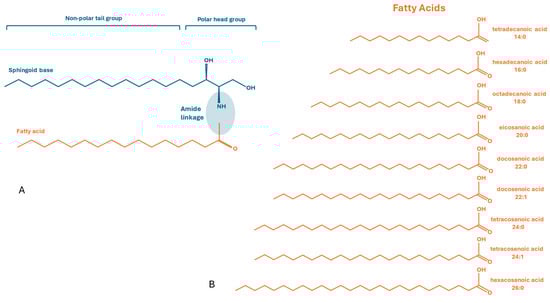
Ceramides, sphingolipids produced from fatty acids linked to sphingosine and an amide, are structural elements of cellular membranes and lipoproteins. These molecules also retain biological effects in key cellular pathways such as oxidative stress and inflammation, apoptosis, and fibrosis, with a role in
[...] Read more.
Ceramides, sphingolipids produced from fatty acids linked to sphingosine and an amide, are structural elements of cellular membranes and lipoproteins. These molecules also retain biological effects in key cellular pathways such as oxidative stress and inflammation, apoptosis, and fibrosis, with a role in the onset and development of many pathophysiological conditions, including obesity, diabetes, and insulin resistance. Increasing evidence suggests that different nutrients and dietary patterns may affect ceramide levels, both negatively (e.g., fructose and the Western diet), whereas others improve the ceramide profile (e.g., ω-3 PUFAs, resveratrol, vitamin D, and the Mediterranean and the Nordic diets). Thus, ceramide nutritional modulation could represent a simple, additive, and reliable tool to improve metabolic health. This review focused on the role of ceramides in the pathophysiology of diabetes and obesity, as well as their pathogenetic mechanisms of action. Ceramides are increasingly recognized as “dynamic metabolic interfaces” linking nutrition and disease. This review aims to address a critical gap by synthesizing recent evidence on how dietary interventions, in addition to pharmacological approaches, can specifically target the enzymatic pathways involved in ceramide synthesis to enhance metabolic health. Thus, this review offers a concentrated analysis of the response of specific ceramide species, such as Cer16:0 and Cer18:0, to distinct dietary factors. Additionally, it incorporates emerging evidence on the role of gut microbiota in the biotransformation of sphingolipids, thereby adding a contemporary dimension to the established nutritional perspective.
Full article
(This article belongs to the Special Issue Role of Lipid Metabolism in Cardiovascular Health)
►
Show Figures
Open AccessArticle
Evidence That Oscillations in Glucose Metabolism Promote Optimal Islet Function
by
Brian P. List, Nicholas B. Whitticar, Kathryn L. Corbin and Craig S. Nunemaker
Metabolites 2026, 16(4), 264; https://doi.org/10.3390/metabo16040264 - 14 Apr 2026
Abstract
Background/Objectives: Impairment in pulsatile insulin release contributes to insulin resistance and is one of the earliest markers of developing type 2 diabetes. Insulin delivered to the liver in pulses has a stronger glucose-lowering effect than continuous insulin delivery. Whether pulsatility benefits the islet
[...] Read more.
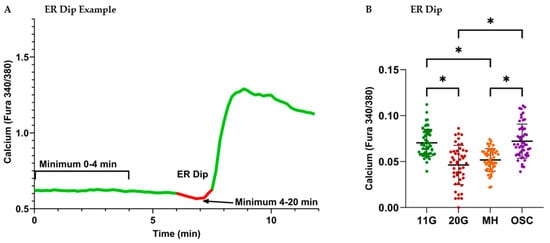
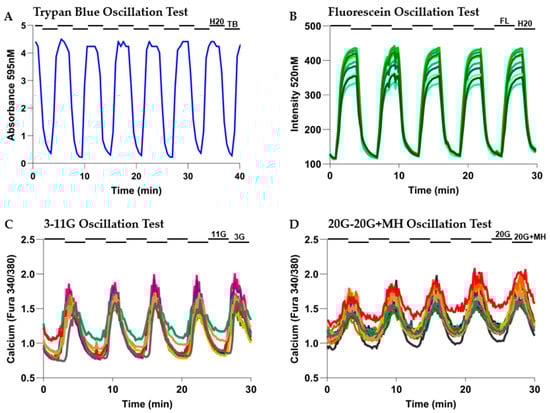
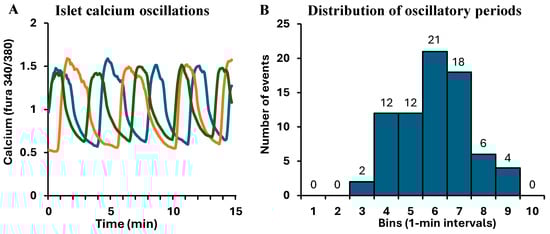
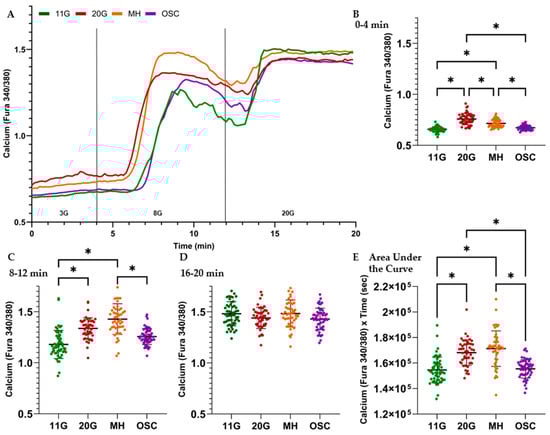
Background/Objectives: Impairment in pulsatile insulin release contributes to insulin resistance and is one of the earliest markers of developing type 2 diabetes. Insulin delivered to the liver in pulses has a stronger glucose-lowering effect than continuous insulin delivery. Whether pulsatility benefits the islet itself is an open question. We previously showed that reducing glucokinase activity with the glucokinase inhibitor D-mannoheptulose (MH) improves function in islets exposed to prolonged hyperglycemic conditions. In this study, we test whether pulsatile vs. continuous delivery impacts the effectiveness of MH in islets. Methods: Islets were exposed to high-glucose conditions (20 mM glucose) for 24 or 48 h to induce early adaptations to hyperglycemia. We then used a specially designed perifusion system to impose pulsatile activity by exposing mouse islets to 3 min of MH in 20 mM glucose and 3 min of only high levels of glucose. Islets given intermittent MH for 18 h were compared with continuous delivery of MH at a full (2.5 mM) or half (1.25 mM) dose. Results: MH delivered by the forced oscillatory system reversed the effects of hyperglycemia and restored glucose sensing more effectively than continuous delivery. Specifically, fura-2AM imaging of intracellular calcium showed that islets given pulsatile MH had greater reductions in the elevated basal calcium caused by hyperglycemic conditions, improved the glucose stimulation index, and improved phase 0 response (indicating glucose-stimulated calcium uptake by the endoplasmic reticulum). Conclusions: These findings suggest that the loss of oscillatory glucose metabolism in islets contributes directly to beta-cell dysfunction.
Full article
(This article belongs to the Special Issue Obesity and Metabolic Dysfunction: Disease Development and Breaking the Cycle)
►▼
Show Figures

Figure 1
Open AccessArticle
Integrated Metabolomic and Transcriptomic Analyses Reveal Alterations in the Serotonergic Synapse Pathway and a Robust Diagnostic Model in Ulcerative Colitis
by
Haiyan Wang, Hanlin Wu, Yuzhen Fu, Xuhan Lv, Chao Li, Yan Jin, Wei Ge and Zenan Wu
Metabolites 2026, 16(4), 263; https://doi.org/10.3390/metabo16040263 - 14 Apr 2026
Abstract
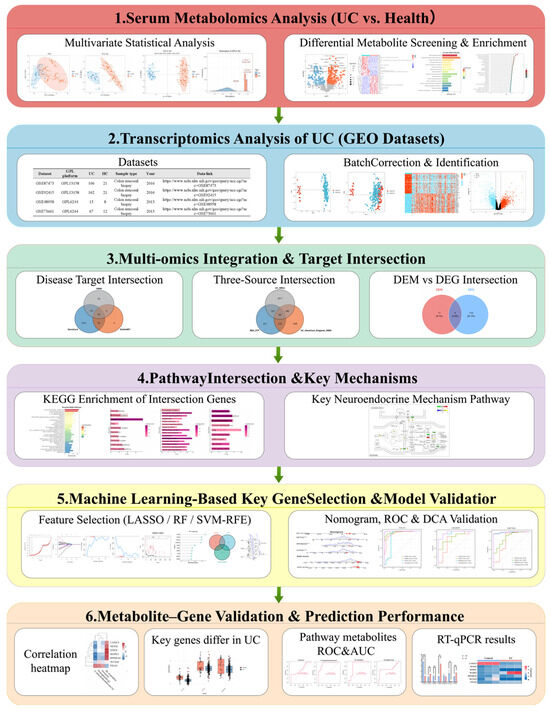
Objectives: To overcome the limitations of invasive diagnostic approaches for ulcerative colitis (UC) diagnosis, this study integrates liquid chromatography–mass spectrometry (LC–MS)-based serum metabolomics with mucosal transcriptomics to elucidate the interplay between systemic metabolic perturbations and neuroendocrine signaling in UC pathogenesis. Methods: Serum metabolites
[...] Read more.
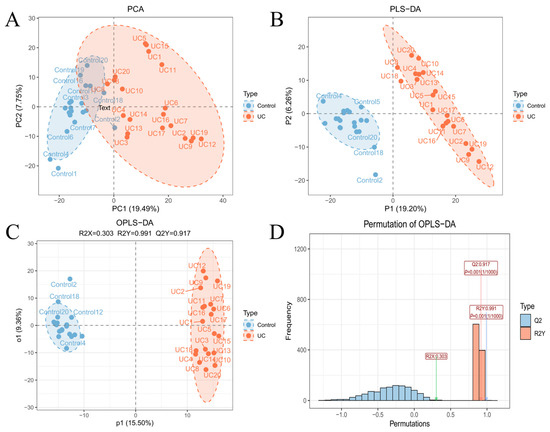
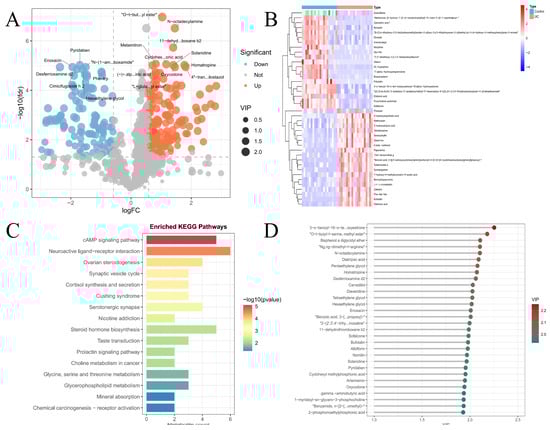
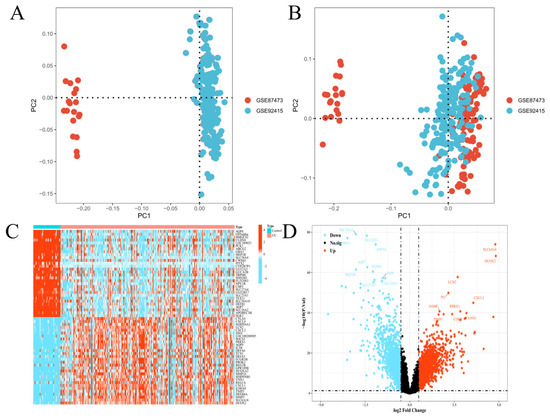
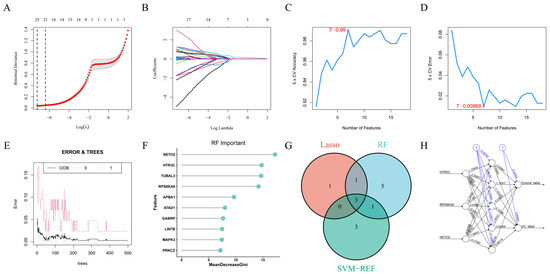
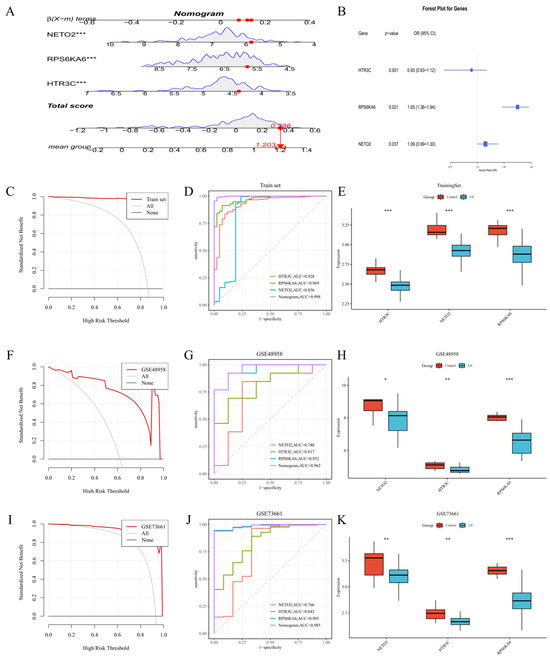
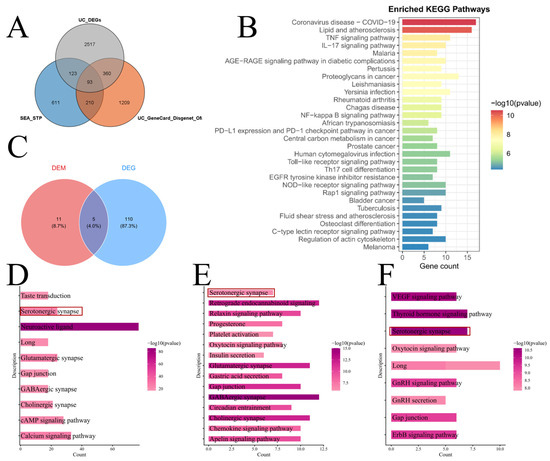
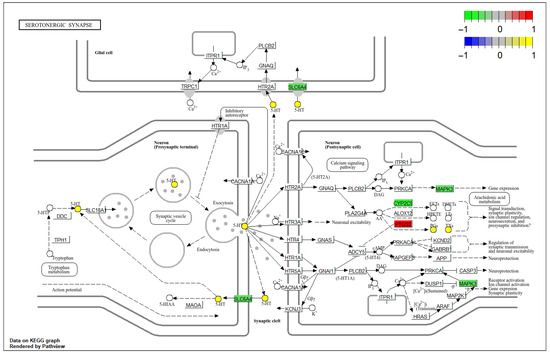
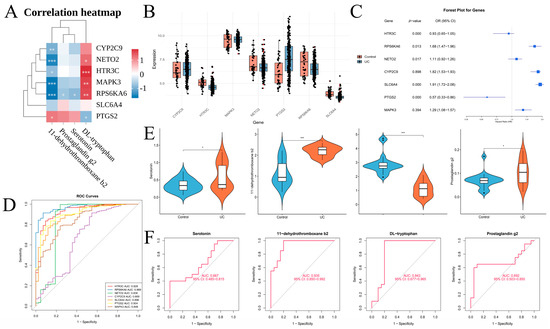
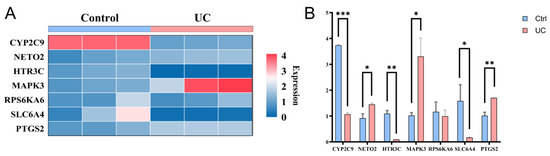
Objectives: To overcome the limitations of invasive diagnostic approaches for ulcerative colitis (UC) diagnosis, this study integrates liquid chromatography–mass spectrometry (LC–MS)-based serum metabolomics with mucosal transcriptomics to elucidate the interplay between systemic metabolic perturbations and neuroendocrine signaling in UC pathogenesis. Methods: Serum metabolites and mucosal differentially expressed genes (DEGs) were identified through multi-omics profiling. Key neurotransmitter receptor-related genes (NRRGs) were prioritized using three machine learning algorithms: LASSO, Random Forest, and SVM-RFE. A three-gene diagnostic nomogram was developed and rigorously validated across multiple independent cohorts (GSE48958, GSE73661) using receiver operating characteristic (ROC) curve analysis and decision curve analysis (DCA). Results: The integrated analysis revealed 334 dysregulated metabolites and 3093 DEGs, both converging on the serotonergic synapse pathway. Specific molecular alterations were uncovered, including tryptophan depletion linked to the downregulation of SLC6A4, concomitant with abnormal serotonin accumulation and PTGS2-mediated inflammatory responses. The three-gene signature, HTR3C, RPS6KA6, and NETO2, formed a highly robust diagnostic model, achieving an area under the ROC curve (AUC) exceeding 0.96 in both the training cohort and external validation sets. Conclusions: This multi-omics study delineates a neuroimmune mechanism in UC centered on dysregulation of the serotonergic synapse. The resulting three-gene nomogram identifies a candidate biomarker signature that demonstrates strong discriminative potential; however, given the exceptionally high performance metrics, these findings should be interpreted as a preliminary diagnostic framework rather than a clinically validated tool, and its efficacy relative to standard markers like CRP or fecal calprotectin requires further investigation in prospective real-world cohorts. Nonetheless, this study provides critical mechanistic insights into gut–brain axis dysfunction in UC.
Full article
(This article belongs to the Special Issue Metabolic Disorders and Inflammatory Bowel Diseases)
►▼
Show Figures

Figure 1

Open AccessArticle
Effects of Probiotic Supplementation on Gut Microbiota and Fecal Metabolome in Autism Spectrum Disorders: A Secondary Analysis of a Randomized Clinical Trial in Preschoolers
by
Letizia Guiducci, Luca Laghi, Nicolò Dellarosa, Paola Mastromarino, Margherita Prosperi, Filippo Muratori and Sara Calderoni
Metabolites 2026, 16(4), 262; https://doi.org/10.3390/metabo16040262 - 13 Apr 2026
Abstract
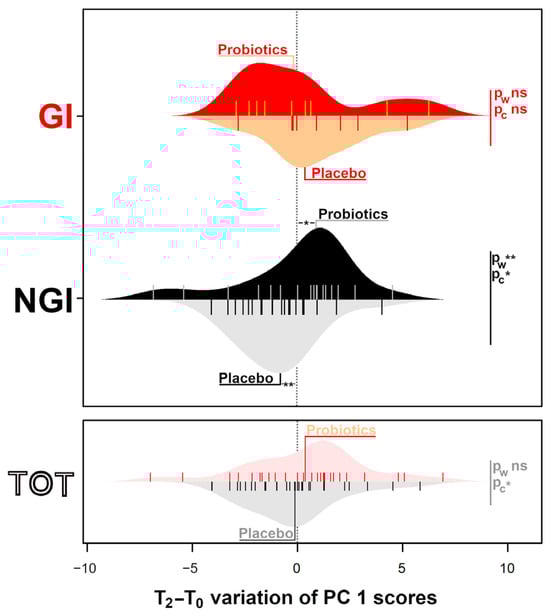
Background/Objectives: Recently, a randomized clinical trial evaluated whether a six-month probiotic administration could reduce symptom severity in preschool children with Autism Spectrum Disorders (ASD), with (GI) or without (NGI) gastrointestinal symptoms. Significant positive changes were observed only in NGI children. A second explorative
[...] Read more.
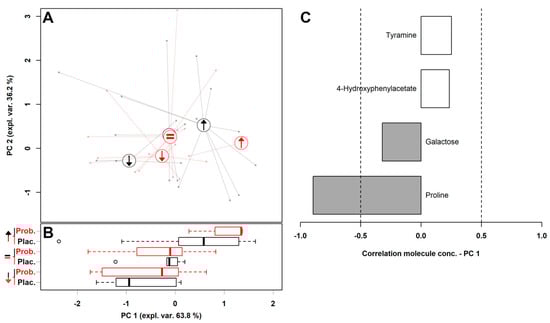
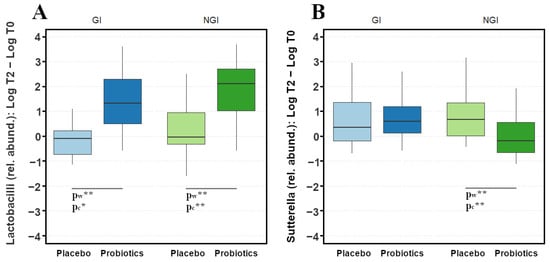
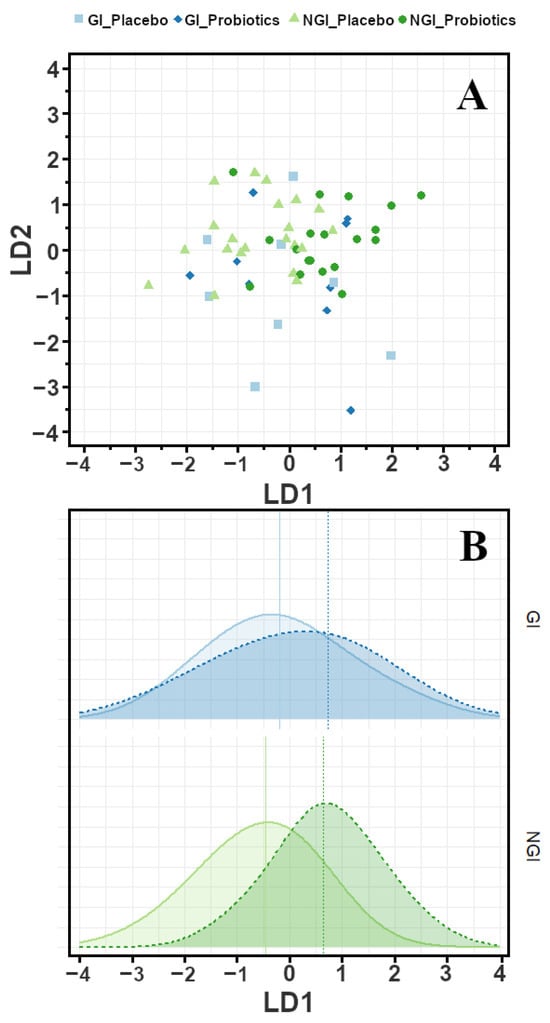
Background/Objectives: Recently, a randomized clinical trial evaluated whether a six-month probiotic administration could reduce symptom severity in preschool children with Autism Spectrum Disorders (ASD), with (GI) or without (NGI) gastrointestinal symptoms. Significant positive changes were observed only in NGI children. A second explorative study on children prior to intervention identified a fecal metabolome fingerprint associated with ASD severity. Building on these findings, the present study aimed to assess whether metabolomics could monitor changes in ASD severity following probiotic administration using a subset of samples from the same trial. Second, this study aimed to identify fecal metabolites to be monitored in children to predict whether their autism severity may decrease after probiotic or placebo treatment. Methods: Evaluations of the fecal metabolome and microbiota could be completed on 57 children before and after a double-blind administration of a probiotic mixture or a placebo. Results: In NGI children the probiotic was found to influence the concentration of the amino acids aspartate, leucine, tryptophan, and valine, together with nicotinate and the short chain fatty acids acetate, butyrate, isobutyrate, and propionate. Lactobacilli and Sutterella showed significant changes in response to probiotic administration (p < 0.05). Acetate, 4-hydroxyphenyl, galactose, proline, and tyramine were identified as key fecal metabolites for prediction purposes. Conclusions: The present exploratory analysis, despite the small sample size, suggests that fecal metabolomics may provide a useful approach for monitoring and potentially for predicting changes in ASD severity following probiotics administration.
Full article
(This article belongs to the Special Issue Advances in Metabolomics for Precision Medicine: From Biomarker Discovery to Clinical Applications: 2nd Edition)
►▼
Show Figures

Figure 1

Open AccessArticle
Finishing Barrow Skeletal Muscle Performance and Fatigue Response to Large-Dose Nicotinamide Riboside Supplementation
by
Daniela A. Alambarrio, Xiaohan Li, Siara S. Zedonek, Sophia E. Willis, Jordan N. Proctor, Faezeh Mozafari, Jarrod A. Call, Litzy E. Delgado, McKenna S. Doran and John M. Gonzalez
Metabolites 2026, 16(4), 261; https://doi.org/10.3390/metabo16040261 - 13 Apr 2026
Abstract
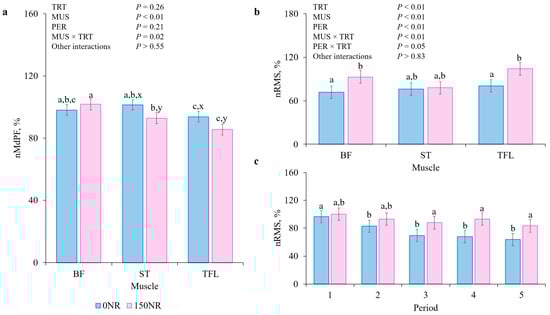
Background/Objective: Delaying muscle fatigue could alleviate economic and food security, and welfare concerns associated with transporting market-weight pigs to harvest. Previous research demonstrates barrow nicotinamide riboside (NR) supplementation at varying doses during the last 10 d of finishing shows to be
[...] Read more.
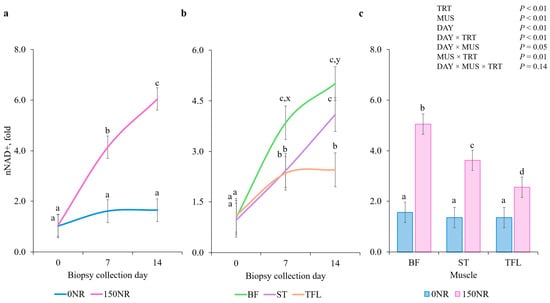
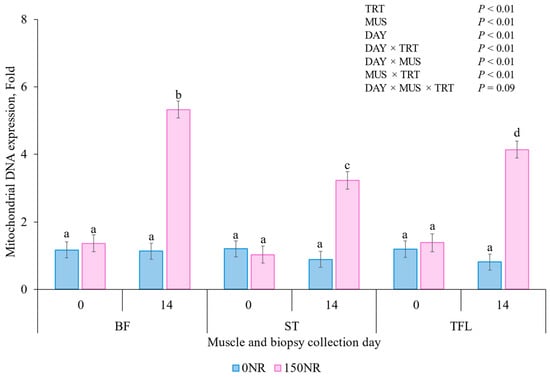
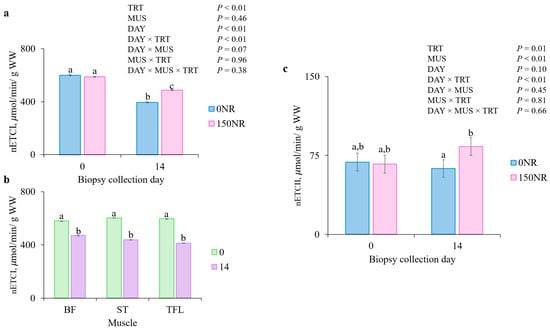
Background/Objective: Delaying muscle fatigue could alleviate economic and food security, and welfare concerns associated with transporting market-weight pigs to harvest. Previous research demonstrates barrow nicotinamide riboside (NR) supplementation at varying doses during the last 10 d of finishing shows to be a countermeasure to muscle fatigue by reducing muscle fiber recruitment and increasing mitochondrial DNA expression in a dose-dependent manner. Therefore, this study aims to determine if a greater NR dose further enhances barrow fatigue resistance and characterize muscle mitochondria content and efficiency. Methods: Barrows (N = 87) were assigned to one of two dietary NR supplementation doses (TRT): 0 (0NR) or 150 (150NR) mg/kg body weigh NR administered during the last 14 d of finishing. Muscle (MUS) biopsies were collected on supplementation d (DAY) 0, 7 and 14 from three hind-leg muscles for NAD+ quantification and mitochondrial DNA expression and efficiency. On days 15 and 16, barrows were subjected to a performance test until they were subjectively exhausted. Electromyography data collection during the performance test were divided into five periods (PER) and included normalized root mean square (nRMS) from the same muscles. Results: There were no three-way interaction for nRMS (p > 0.83), but there were MUS × TRT and PER × TRT interactions (p < 0.05). During performance testing, 150NR had greater nRMS than 0NR in the bicep femoris (BF) and tensor fasciae latae (TFL; p < 0.01), but there were no differences in the semitendinosus (ST; p = 0.77). Treatments did not differ during PER 1 and 2 (p > 0.14) but 150NR had greater nRMS than 0NR during PER 3, 4 and 5 (p < 0.01) across all muscles. There was no three-way interaction for normalized (nNAD+; p = 0.14), but there was a DAY × TRT interaction (p < 0.05). There were no differences between 0NR and 150NR at d 0 (p = 0.95); however, by d 7 and 14, 150NR muscles had greater nNAD+ than 0NR muscles (p < 0.01). There tended to be a three-way interaction for mitochondrial DNA expression (p = 0.09). At supplementation d 14, all 150NR muscles had greater mitochondrial DNA expression and electron transport chain complex I and II activities (p < 0.01). When normalized to citrate synthase activity, electron transport chain complex I and II activity did not differ (p > 0.05). Conclusions: Large-dose NR supplementation appears to support sustained muscle fiber recruitment during prolonged activity and enhance fatigue resilience, primarily through increased NAD+ and mitochondrial biomarkers abundance and not through mitochondrial efficiency.
Full article
(This article belongs to the Special Issue Muscle Metabolic Response and Adaptation to Exercise, Diet, and Environment: 2nd Edition)
►▼
Show Figures

Figure 1

Open AccessArticle
LC-MS/MS Quantification and Comparative Profiling of Stratum Corneum Ceramides in Human Normal and Dry Skin Subtypes
by
Agui Xie, Yue Zhao, Yu Zhao, Xiao Zhao, Xiaoge Zhu and Jia Wang
Metabolites 2026, 16(4), 260; https://doi.org/10.3390/metabo16040260 - 13 Apr 2026
Abstract
Background: Ceramide (Cer) dysregulation in content and composition is linked to various skin conditions, particularly sensitive and dry skin. Existing ceramide quantification methods often lack efficiency, sensitivity, or comprehensive analytical capabilities. This study aimed to adopt an optimized LC-MS/MS platform to ensure
[...] Read more.
Background: Ceramide (Cer) dysregulation in content and composition is linked to various skin conditions, particularly sensitive and dry skin. Existing ceramide quantification methods often lack efficiency, sensitivity, or comprehensive analytical capabilities. This study aimed to adopt an optimized LC-MS/MS platform to ensure the acquisition of reliable and accurate ceramide quantitative data, thereby providing robust methodological support for an in-depth investigation of the differences in ceramide profiles among different dry skin subtypes. Methods: Stratum corneum samples were collected via tape stripping from 93 adult female volunteers, who were stratified into sensitive dry skin, non-sensitive dry skin, and normal skin groups based on clinical assessments. Cer metabolomics was analyzed via targeted metabolomics using liquid chromatography–tandem mass spectrometry (LC-MS/MS). Results: Quantitative analysis of ceramide content in different groups revealed significantly elevated levels of ultra-long-chain ceramides and the atypical Cer (d17:1/24:0) in the SD group, alongside relatively lower levels of shorter-chain ceramides. The NSD group, in contrast, was predominantly enriched in shorter-chain ceramides. Statistical analysis showed statistically significant differences in the levels of Cer (d18:1/24:0), Cer (d18:1/24:1), and Cer (d17:1/24:0) between the SD group and the N group. The UPLC-MS/MS method exhibits a wide linear range and high recovery. Conclusions: This method offers a reliable tool for the quantitative analysis of ceramides in dermatological, physiological, and pathological research. The findings not only underscore the profound heterogeneity in lipid metabolism underlying different dry skin subtypes but also provide a molecular rationale linking aberrant ceramide chain lengths to compromised barrier integrity and heightened inflammatory susceptibility. The partially validated analytical platform and the specific ceramide signatures revealed herein offer valuable tools and insights for advancing the mechanistic understanding, diagnosis, and targeted intervention of sensitive dry skin.
Full article
(This article belongs to the Section Metabolomic Profiling Technology)
Open AccessReview
A Dual-Target Microbial Therapeutic Strategy for Treating Metabolic Diseases: Complementary Mechanisms and Clinical Prospects of Lactiplantibacillus plantarum and Akkermansia muciniphila
by
Si Liu, Mao Wang, Xiaobo Sun, Zhihao Jia and Kuilong Huang
Metabolites 2026, 16(4), 259; https://doi.org/10.3390/metabo16040259 - 13 Apr 2026
Abstract
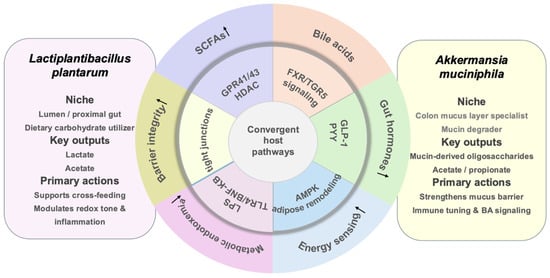
Metabolic diseases, including obesity, type 2 diabetes, and their related complications, have emerged as major global public health challenges. Increasing evidence indicates that gut microbiota dysbiosis contributes to disrupted metabolic homeostasis, chronic low-grade inflammation, and progression of metabolic disorders. Among candidate microbiome-based interventions,
[...] Read more.
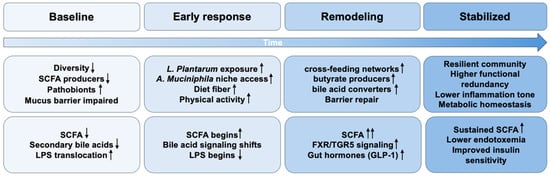
Metabolic diseases, including obesity, type 2 diabetes, and their related complications, have emerged as major global public health challenges. Increasing evidence indicates that gut microbiota dysbiosis contributes to disrupted metabolic homeostasis, chronic low-grade inflammation, and progression of metabolic disorders. Among candidate microbiome-based interventions, Lactiplantibacillus plantarum (L. plantarum) and Akkermansia muciniphila (A. muciniphila) have attracted particular attention because they regulate host metabolism through partially distinct yet potentially complementary mechanisms. L. plantarum has been associated with modulation of appetite-related hormones, adipose tissue remodeling, reinforcement of intestinal barrier function, and attenuation of inflammatory signaling. A. muciniphila has been linked to strengthening of the mucus barrier, production of beneficial metabolites, and improvement in immune and metabolic homeostasis. However, current evidence remains fragmented across strain-specific studies, heterogeneous formulations, and predominantly single-strain experimental designs, and direct comparative evidence for combined administration is still limited. This review synthesizes current epidemiological, mechanistic, preclinical, and clinical evidence on L. plantarum and A. muciniphila, with emphasis on their physiological traits, gut ecological adaptability, pathway-based metabolic effects, and translational challenges in obesity, type 2 diabetes, and related complications. We further highlight the ecological rationale for their functional complementarity and discuss priorities for future combination studies and precision implementation. Overall, the available literature supports functional complementarity and possible additive metabolic benefits, but synergistic effects in humans remain unconfirmed. A clearer understanding of strain identity, active therapeutic entities, delivery strategies, and host context will be essential for advancing this dual-target microbial strategy toward clinically meaningful applications.
Full article
(This article belongs to the Section Microbiology and Ecological Metabolomics)
►▼
Show Figures

Figure 1
Open AccessArticle
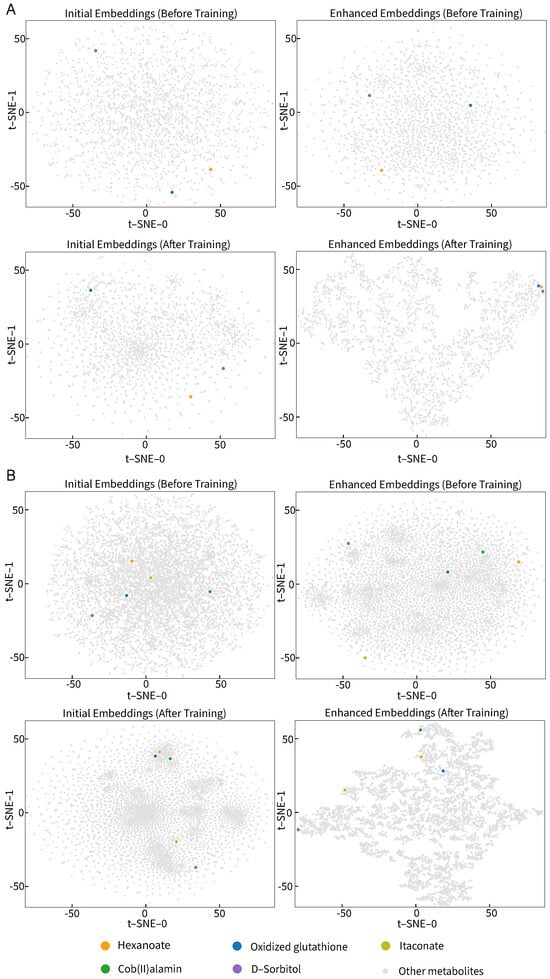
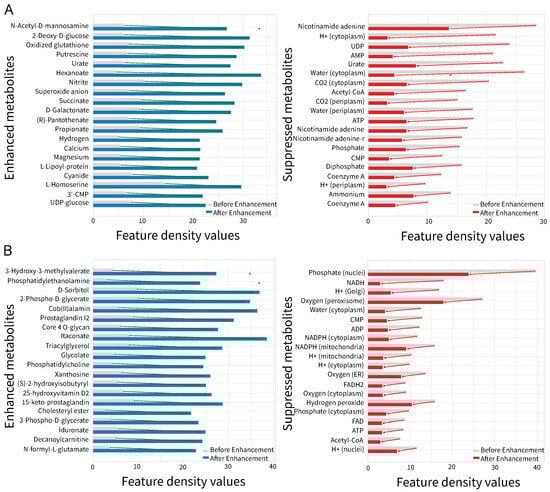
A Novel Topology-Based Candidate Reaction Prediction Approach for Gap-Fillings of Genome-Scale Metabolic Models
by
Jiajun Qu and Kai Wang
Metabolites 2026, 16(4), 258; https://doi.org/10.3390/metabo16040258 - 12 Apr 2026
Abstract
Background: It is significant to predict and fill metabolic reaction gaps (gap-fillings) for reconstructions of high-quality genome-scale metabolic models (GEMs). Currently, many existing optimization-based gap-filling methods have to rely on phenotypic data, while performances of topology-based approaches by deep learning algorithms need
[...] Read more.
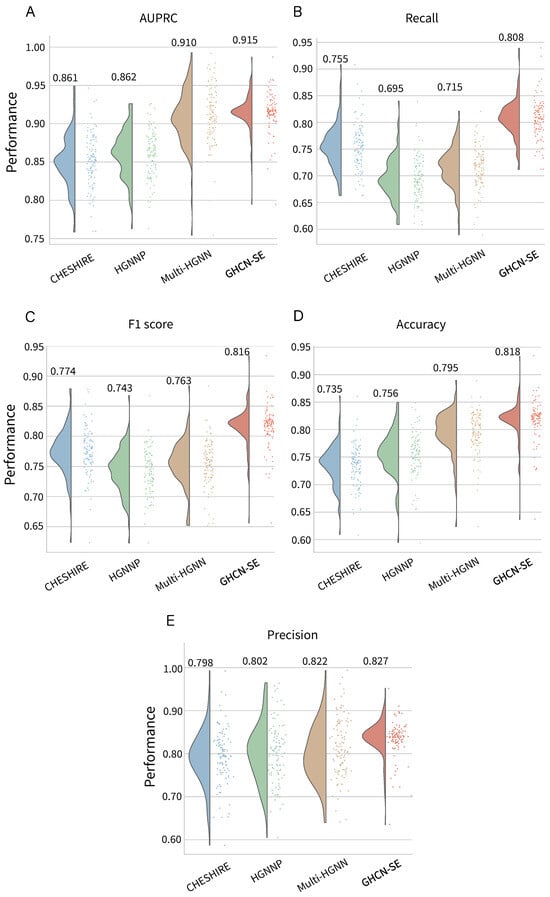
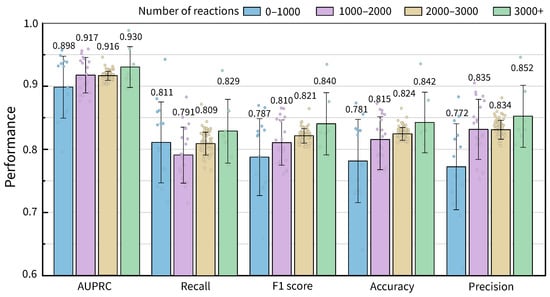
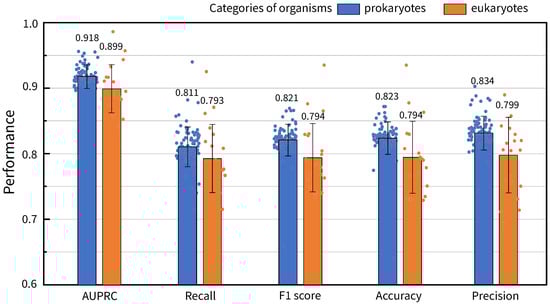
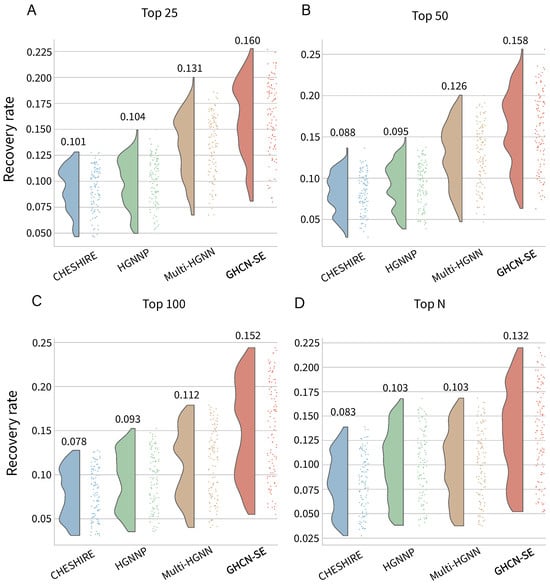
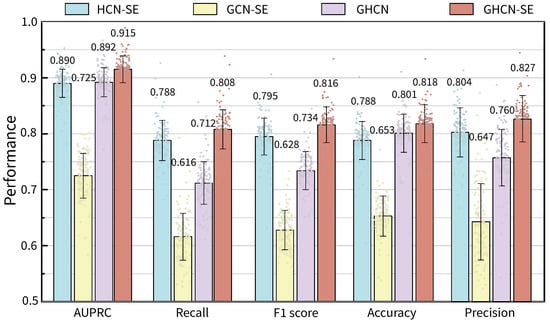
Background: It is significant to predict and fill metabolic reaction gaps (gap-fillings) for reconstructions of high-quality genome-scale metabolic models (GEMs). Currently, many existing optimization-based gap-filling methods have to rely on phenotypic data, while performances of topology-based approaches by deep learning algorithms need to be further improved. Methods: This paper proposes a novel topology-based approach (GHCN-SE) of predicting confidence scores of candidate reactions, which can be used for gap-fillings of GEMs. The topological features of GEMs are fully extracted by simultaneously using graph and hypergraph convolutional networks, such that both associations of metabolites in the same reaction and higher-order interactions of metabolites within reactions can be captured. After the feature fusion, we further employ the squeeze-and-excitation network to enhance features. Results: The reaction prediction and reaction recovery experiments through 5-fold cross validations on 108 high-quality BiGG GEMs show that the proposed GHCN-SE is superior to other related methods. The ablation study further demonstrates the contributions of the graph convolutional network, hypergraph convolutional network, and squeeze-and-excitation network in GHCN-SE. In addition, the visualization study interprets the effectiveness of GHCN-SE. Conclusions: For potential applications in metabolic engineering, biomedicine, etc., this proposed GHCN-SE can be used to further improve the phenotypic prediction accuracy of the draft GEM generated from automated reconstruction tools.
Full article
(This article belongs to the Section Bioinformatics and Data Analysis)
►▼
Show Figures

Figure 1

Open AccessArticle
Circadian Reprogramming by Combined Time-Restricted Feeding and Exercise Improves Metabolic Homeostasis in Diabetes
by
Qingxin Li, Guodong Zhang, Sugao Zhou and Yanli Xie
Metabolites 2026, 16(4), 257; https://doi.org/10.3390/metabo16040257 - 11 Apr 2026
Abstract
Background: Circadian disruption exacerbates type 2 diabetes mellitus (T2DM). Time-restricted feeding (TRF) and exercise (EX) improve metabolic health, but their combinatory effect remains unclear. This study investigated whether combined TRF and EX additively ameliorates metabolism via circadian reprogramming in db/db mice. Methods: Eight-week-old
[...] Read more.
Background: Circadian disruption exacerbates type 2 diabetes mellitus (T2DM). Time-restricted feeding (TRF) and exercise (EX) improve metabolic health, but their combinatory effect remains unclear. This study investigated whether combined TRF and EX additively ameliorates metabolism via circadian reprogramming in db/db mice. Methods: Eight-week-old male db/db mice were assigned to control (Con), diabetic model (DM), TRF (8 h feeding window), EX (treadmill, 60 min/day, 5 days/week), or combined TRF + EX groups for 8 weeks (n = 8/group). Body weight, glucose/insulin tolerance, and 24 h energy metabolism (CLAMS) were assessed. Mitochondrial function, oxidative stress, inflammation, and expression of mitophagy (Pink1, Park2, Bnip3, Fundc1) and thermogenic (Ucp1, Pgc1a, Prdm16, Cidea) genes were measured. Results: Compared with the con group, DM mice showed obesity, hyperglycemia and blunted circadian metabolic rhythm. The TRF and EX groups improved these defects. Specifically, combined TRF + EX reduced fasting blood glucose from 25.3 ± 3.1 mmol/L (DM) to 13.2 ± 1.8 mmol/L (p < 0.05), body weight from 49.8 ± 2.5 g to 39.5 ± 1.7 g (p< 0.05), and body fat percentage from 45.6 ± 3.2% to 32.1 ± 2.2% (p < 0.05). GTT area under the curve (AUC) decreased from 3711.0 ± 186.5 (DM) to 2118.0 ± 112.4 (p < 0.05), and ITT AUC decreased from 2617.5 ± 135.8 to 1260.0 ± 68.9 (p < 0.05). Notably, the combination of TRF + EX produced greater effects than either intervention alone: body weight, fasting blood glucose, and glucose/insulin tolerance were greatly improved (p < 0.05). In addition, compared with the DM group, the diurnal metabolic amplitude and phase were improved in the TRF or EX group; the combination group showed further improvements in these parameters. Furthermore, TRF and EX each resulted in significantly higher expression of key thermogenic genes (Ucp1, Pgc1a, Prdm16, Cidea) in white adipose tissue (WAT) and brown adipose tissue (BAT) (p < 0.05), and the TRF + EX group showed the highest expression levels. Combined intervention also restored skeletal muscle SOD activity (31.2 ± 2.9 U/mg prot vs. DM 20.1 ± 2.5 U/mg prot, p < 0.05) and reduced serum TNF-α (28.5 ± 4.5 pg/mL vs. DM 65.8 ± 8.5 pg/mL, p < 0.05) and IL-6 (21.6 ± 3.8 pg/mL vs. DM 50.3 ± 7.1 pg/mL, p < 0.05). Conclusions: TRF + EX additively restores metabolic homeostasis in diabetes by re-entraining circadian energy rhythms, improving mitochondrial quality, and activating adipose thermogenesis, supporting further investigation of integrated lifestyle timing as a potential therapeutic strategy.
Full article
(This article belongs to the Topic Animal Models of Human Disease 3.0)
Open AccessArticle
Early Cytokine Profiles in Critically Ill Patients with COVID-19 and Their Association with Mortality
by
Yenifer Gamarra-Morales, Jorge Molina-López, Juan Francisco Machado-Casas, Lourdes Herrera-Quintana, Héctor Vázquez-Lorente, José Miguel Pérez-Villares and Elena Planells
Metabolites 2026, 16(4), 256; https://doi.org/10.3390/metabo16040256 - 11 Apr 2026
Abstract
Background/Objectives: The purpose of this study was to (i) determine the levels of interleukins in patients with COVID-19 admitted to the Intensive Care Unit (ICU) and (ii) evaluate their early dynamics, as well as (iii) assess their relationships with morbidity and mortality. Methods:
[...] Read more.
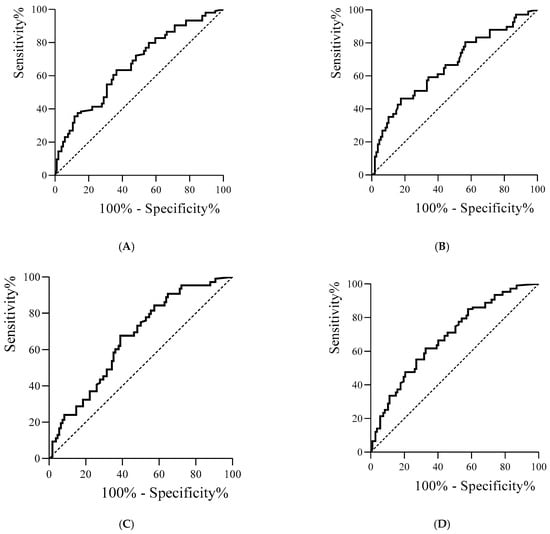
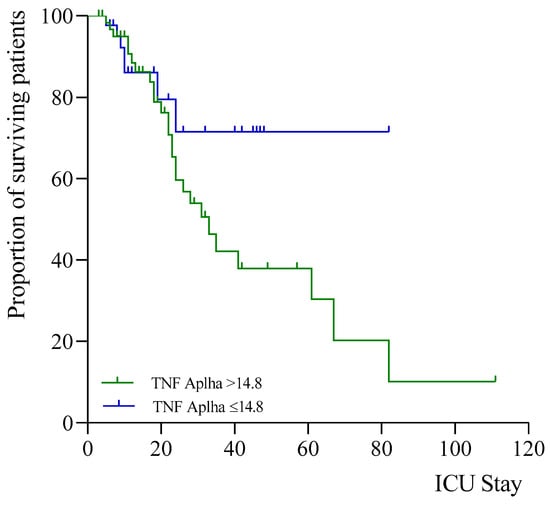
Background/Objectives: The purpose of this study was to (i) determine the levels of interleukins in patients with COVID-19 admitted to the Intensive Care Unit (ICU) and (ii) evaluate their early dynamics, as well as (iii) assess their relationships with morbidity and mortality. Methods: This was a prospective analytical study of critically ill patients with COVID-19 who were monitored from admission to three days of stay in the ICU. Circulating levels of IL-1β, IL-2, IL-6, IL-7, IL-8, IL-10, and tumour necrosis factor-alpha (TNF-α) were measured. Cytokine levels were analysed in relation to clinical severity parameters and 28-day mortality. Results: A dynamic cytokine response was observed during the first 72 h, with a significant increase in TNF-α levels and a decrease in IL-10 and IL-1β. Non-survivors showed higher TNF-α levels than survivors. In the multivariable analysis adjusted for clinical severity, TNF-α remained independently associated with 28-day mortality, whereas other cytokines did not retain statistical significance. The overall predictive performance of cytokines was moderate. Conclusions: Early cytokine dynamics reflect the evolving inflammatory response in critically ill COVID-19 patients. TNF-α emerges as an independent predictor of mortality, supporting its role as a relevant biomarker of adverse outcomes. Although its predictive capacity is moderate, TNF-α may provide clinically meaningful information for risk stratification when integrated with established clinical and laboratory parameters.
Full article
(This article belongs to the Section Endocrinology and Clinical Metabolic Research)
►▼
Show Figures

Figure 1

Open AccessArticle
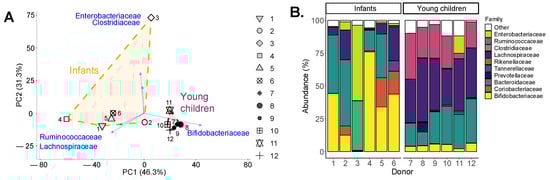
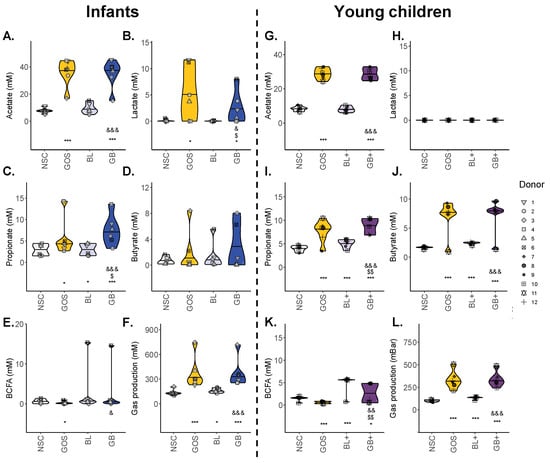
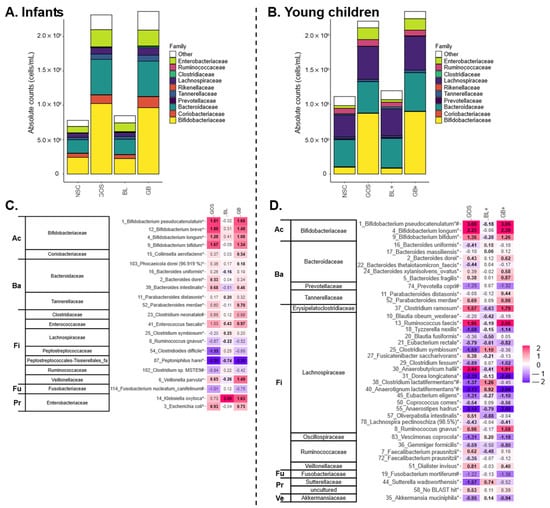
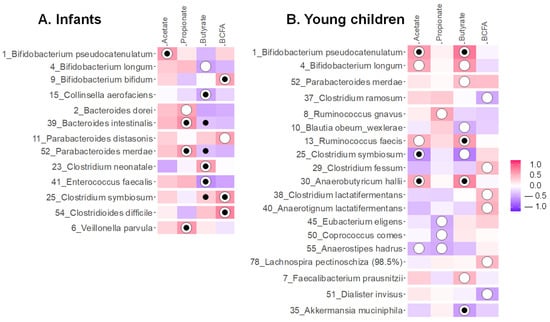
Age-Specific Ex Vivo Modulation of Gut–Brain Axis-Associated Metabolites by Galacto-Oligosaccharides and Nutrient Blends in Early Childhood
by
Laurent Ferrier, Shaillay Kumar Dogra, Lam Dai Vu, Alexandros K. Kanellopoulos, Jonas Poppe, Laurence Biehl, Aurélien Baudot and Pieter Van den Abbeele
Metabolites 2026, 16(4), 255; https://doi.org/10.3390/metabo16040255 - 10 Apr 2026
Abstract
Background: Gut microbiome-derived metabolites, particularly short-chain fatty acids (SCFA) and tryptophan derivatives, are central mediators of the gut–brain axis. This ex vivo study assessed how nutritional interventions impact such metabolites during early life, a critical period for neurodevelopment. Methods: The effects
[...] Read more.
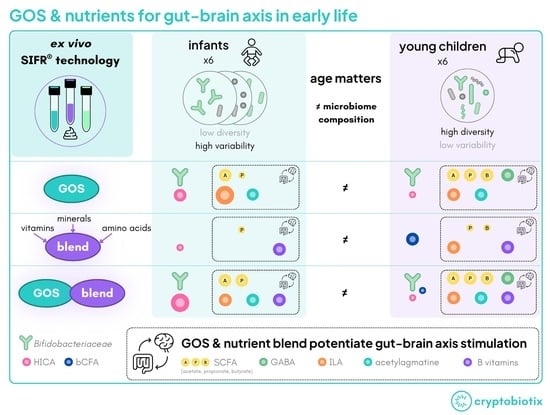
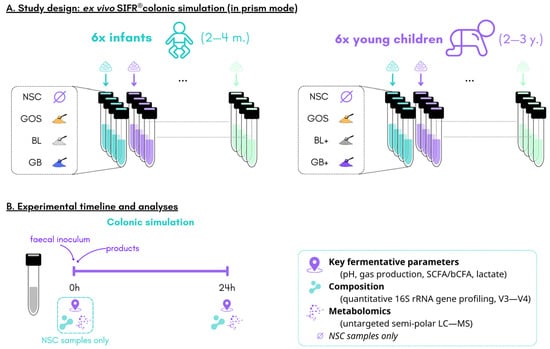
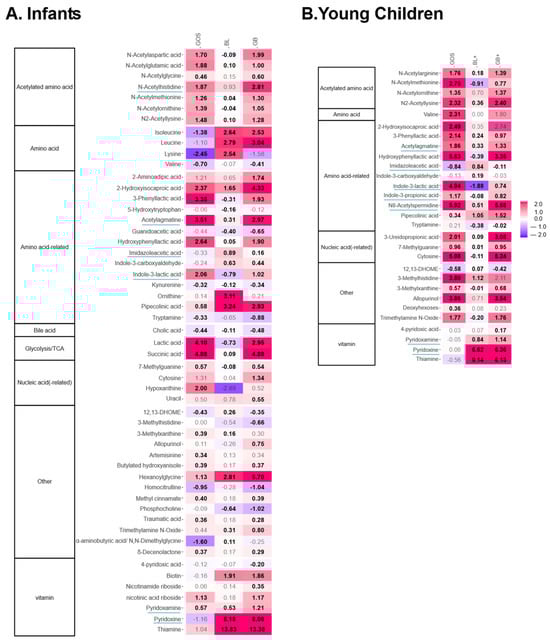
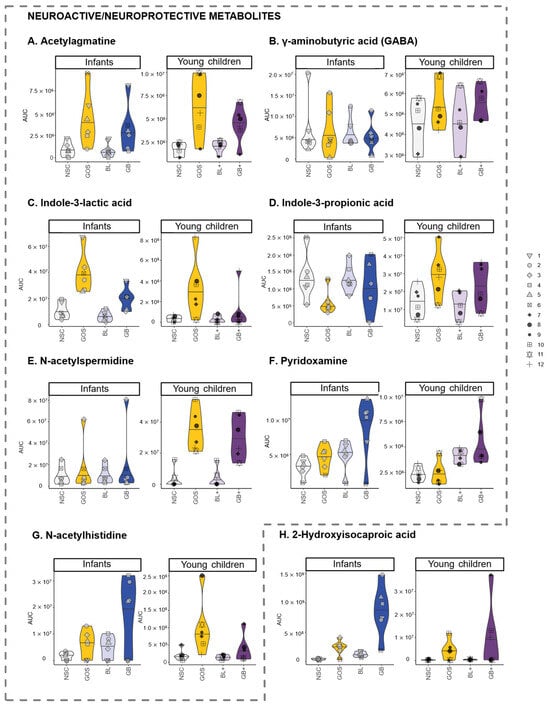
Background: Gut microbiome-derived metabolites, particularly short-chain fatty acids (SCFA) and tryptophan derivatives, are central mediators of the gut–brain axis. This ex vivo study assessed how nutritional interventions impact such metabolites during early life, a critical period for neurodevelopment. Methods: The effects of galacto-oligosaccharides (GOS), nutrient blends (vitamins, minerals and amino acids) and their combinations were evaluated in the gut microbiomes of infants (2–4 months, n = 6) and young children (2–3 years old, n = 6) using the ex vivo SIFR® technology. Results: Baseline microbiome composition was age-dependent, with infants displaying lower α-diversity and greater interpersonal variability. After ex vivo incubation, nutrient blends increased the propionate/butyrate ratio and branched-chain fatty acids in young children and elevated several B-vitamins and amino acid-derived metabolites, including indole-3-carboxaldehyde, imidazoleacetic acid and pipecolinic acid. Combining nutrient blends with GOS exhibited potential synergistic effects on propionate (infants) and 2-hydroxyisocaproic acid (HICA, both age groups). GOS strongly stimulated Bifidobacteriaceae and increased metabolites linked to bifidobacterial metabolism like acetate, HICA, N-acetylated amino acids, aromatic lactic acids and acetylagmatine; in young children, butyrate and γ-aminobutyric acid (GABA) also increased. Conclusions: Combinations of GOS with nutrient blends impacted microbiome-derived metabolites associated with the gut–brain axis, with potential synergistic increases of metabolites with emerging roles in neurodevelopment, including GABA, acetylagmatine and HICA. Despite shared bifidogenic effects, differences between age groups indicate that microbiome maturity may influence responses to nutritional intervention. Future clinical studies are needed to determine whether these metabolite changes translate into neurodevelopmental benefits in vivo.
Full article
(This article belongs to the Special Issue Neuronutrition: Metabolomic Insights and Perspectives)
►▼
Show Figures

Graphical abstract
Open AccessCommentary
Citrus Peels in Health Foods: A Case Study of Pulp-Free Japanese-Grown Bushukan (Citrus medica var. sarcodactylis)
by
Jun Nakahigashi and Eiji Kobayashi
Metabolites 2026, 16(4), 254; https://doi.org/10.3390/metabo16040254 - 10 Apr 2026
Abstract
Background/Objectives: Citrus peels are widely utilized as functional ingredients in health foods; however, their functional value is often assumed based on botanical classification rather than verified chemical composition. Bushukan (Citrus medica var. sarcodactylis) was selected as it lacks developed edible pulp;
[...] Read more.
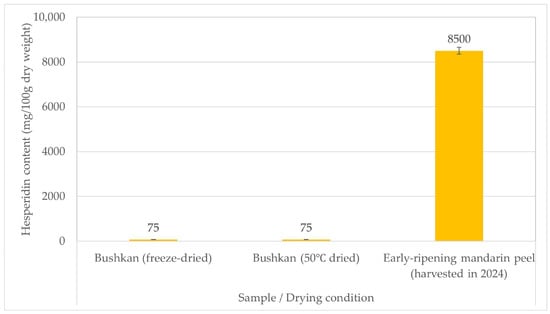
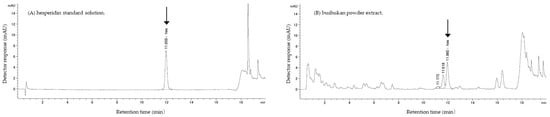
Background/Objectives: Citrus peels are widely utilized as functional ingredients in health foods; however, their functional value is often assumed based on botanical classification rather than verified chemical composition. Bushukan (Citrus medica var. sarcodactylis) was selected as it lacks developed edible pulp; consequently, the usable portion consists almost entirely of peel tissue, making it a suitable model for evaluating peel-specific functional components. This commentary highlights the importance of species- and origin-specific evaluation through a case study of Bushukan (Citrus medica var. sarcodactylis) whole fruit powder cultivated in Japan. Methods: Dried whole-fruit powder samples of bushukan, prepared by freeze-drying and hot-air drying at 50 °C, were analyzed, and the contents of hesperidin and nobiletin were quantified using high-performance liquid chromatography (HPLC) following methanol reflux extraction. Results: Hesperidin was detected at 75 mg/100 g under both drying conditions, whereas nobiletin was below the practical limit of quantification (approximately 1 mg/100 g). No reduction in hesperidin content was observed after drying at 50 °C. These levels were markedly lower than those reported for commonly used citrus peels, such as satsuma mandarin, in previous studies. Conclusions: This commentary demonstrates that Japanese-grown bushukan samples do not necessarily provide substantial levels of commonly expected citrus flavonoids. These findings underscore the need for species- and origin-specific compositional verification before the use of citrus peels as raw materials for health food applications, illustrating this need through a practical, cautionary case study.
Full article
(This article belongs to the Section Food Metabolomics)
►▼
Show Figures

Graphical abstract
Open AccessReview
Common Skin Diseases and Metabolic Syndrome: A Proinflammatory Chemokine Perspective
by
Mateusz Matwiejuk, Hanna Myśliwiec, Agnieszka Mikłosz, Adrian Chabowski and Iwona Flisiak
Metabolites 2026, 16(4), 253; https://doi.org/10.3390/metabo16040253 - 10 Apr 2026
Abstract
Skin diseases frequently coexist with other disorders, such as metabolic syndrome, diabetes mellitus, depression, psoriatic arthritis, and cardiovascular disease. Altered levels of distinct chemokines, like CCL5/RANTES, CXCL12/SDF-1a, CCL7/MCP-3, CCL2/MCP-1, CXCL1/GROa, and the eotaxin family, contribute to the development and/or exacerbation of inflammation, which
[...] Read more.
Skin diseases frequently coexist with other disorders, such as metabolic syndrome, diabetes mellitus, depression, psoriatic arthritis, and cardiovascular disease. Altered levels of distinct chemokines, like CCL5/RANTES, CXCL12/SDF-1a, CCL7/MCP-3, CCL2/MCP-1, CXCL1/GROa, and the eotaxin family, contribute to the development and/or exacerbation of inflammation, which is a common feature of numerous skin diseases as well as metabolic syndrome. The pathological and molecular connections between chronic inflammatory skin diseases and metabolic syndrome are increasingly recognized as being driven by shared inflammatory pathways, oxidative stress, and adipokine dysregulation. While systemic inflammation acts as a common thread, the precise mechanisms for some conditions remain partially understood. Nevertheless, the exact pathological and molecular connections between skin diseases (i.e., psoriasis, atopic dermatitis, pemphigus vulgaris, acute and chronic spontaneous urticaria, bullous pemphigoid, squamous cell carcinoma, alopecia areata, systemic sclerosis, discoid lupus erythematosus, diffuse large B-cell lymphoma) and metabolic syndrome are not yet fully understood. This narrative review summarizes the robust association between various chronic inflammatory skin diseases and metabolic syndrome in the context of pro-inflammatory chemokines.
Full article
(This article belongs to the Special Issue Psoriasis and Metabolic Syndrome)
Open AccessArticle
Evaluation of Nutritional, Antioxidant, Antidiabetic, and Antidyslipidemic Properties of Red Corn Tortillas Enriched with Moringa oleifera Leaves
by
Eunice Tranquilino-Rodríguez, Noé Calderón-Téllez, José Juan Virgen-Ortiz, Juan de Dios Figueroa-Cárdenas, Rafael Zamora-Vega, José Octavio Rodiles-López and Héctor Eduardo Martínez-Flores
Metabolites 2026, 16(4), 252; https://doi.org/10.3390/metabo16040252 - 8 Apr 2026
Abstract
Background/Objectives: Metabolic diseases are increasingly associated with diets low in bioactive compounds. Native maize varieties possess functional potential; however, they remain underutilized. Moringa oleifera leaf flour (MF), rich in protein and polyphenols, represents a promising functional ingredient. This study evaluated the incorporation of
[...] Read more.
Background/Objectives: Metabolic diseases are increasingly associated with diets low in bioactive compounds. Native maize varieties possess functional potential; however, they remain underutilized. Moringa oleifera leaf flour (MF), rich in protein and polyphenols, represents a promising functional ingredient. This study evaluated the incorporation of MF into red native corn tortillas and its effects on nutritional composition and antioxidant capacity, as well as assessed its hypoglycemic and hypolipidemic effects in Wistar rats. Methods: Tortillas were formulated with 5% MF. Nutritional composition was determined using standard AOAC methods, while bioactive compounds (total phenolics and flavonoids) and antioxidant activity were evaluated using Folin–Ciocalteu, aluminum chloride (AlCl3) colorimetric, DPPH•, and ABTS•+ assays, respectively. Male Wistar rats (12 weeks old, with an approximate weight ofs 360 g; n = 5/group) were fed the experimental diets for 21 days with either a standard diet, a high-fat diet, or high-fat diets supplemented with MF or MF-enriched tortillas. Serum glucose, triglycerides, total cholesterol, and HDL were measured using enzymatic colorimetric methods. Data were analyzed by ANOVA followed by Tukey’s test (p < 0.05). Results: MF incorporation increased protein (+19.85%), dietary fiber (+18.51%), and mineral content (+41.03%) compared to control tortillas. Total phenolics and flavonoids increased by 114.0% and 184.7%, respectively. Antioxidant activity improved significantly, as evidenced by reductions in IC50 values of 41.1% (DPPH•) and 43.1% (ABTS•). In vivo, MF-enriched tortillas reduced triglycerides by 68.4%, total cholesterol by 16.2%, and hepatic lipid accumulation by 31.8% compared to the high-fat diet group. Glucose levels showed a reduction of 8.5%, although not statistically significant (p > 0.05). Conclusions: The incorporation of MF into red corn tortillas significantly enhances their nutritional and functional properties. In vivo results also showed improvements in lipid profile and a non-significant reduction in glucose levels. These findings support the development of functional foods based on traditional staples with potential health benefits.
Full article
(This article belongs to the Section Nutrition and Metabolism)
Open AccessArticle
Serum Uric Acid as a Biomarker for Incident Type 2 Diabetes Mellitus: A 6-Year Cohort Study in Qatar
by
Alan Saeed, Yamane Chawa, Samer Kaspo, Hassan Ibrahim, Aisha Al Adab and Anas Kalfah
Metabolites 2026, 16(4), 251; https://doi.org/10.3390/metabo16040251 - 8 Apr 2026
Abstract
Background: Serum uric acid (SUA) may predict incident type 2 diabetes mellitus (T2DM), but longitudinal evidence from Middle Eastern populations remains limited. Methods: We conducted a retrospective cohort study using electronic health records from Qatar’s Primary Health Care Corporation over a six-year period
[...] Read more.
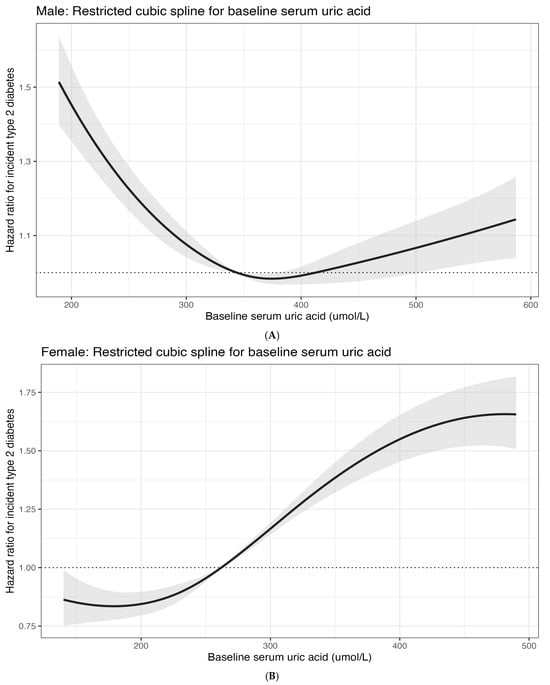
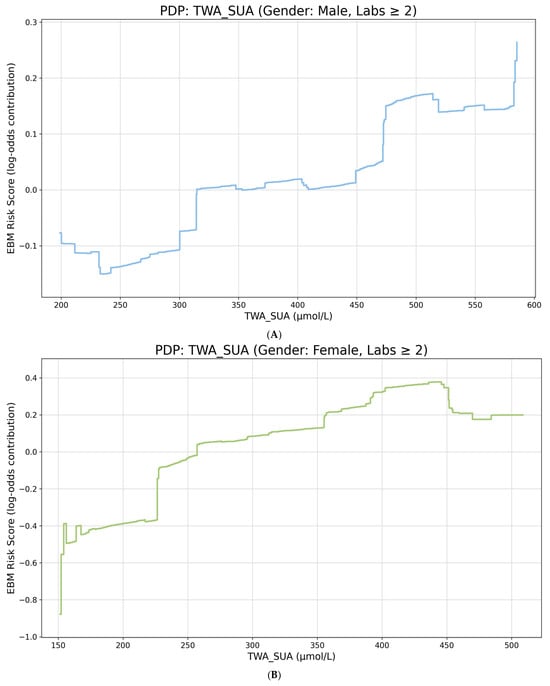
Background: Serum uric acid (SUA) may predict incident type 2 diabetes mellitus (T2DM), but longitudinal evidence from Middle Eastern populations remains limited. Methods: We conducted a retrospective cohort study using electronic health records from Qatar’s Primary Health Care Corporation over a six-year period (2018–2023). Adults aged ≥18 years with at least one valid serum uric acid (SUA) measurement and no prior diabetes at baseline were eligible. All eligible participants were retained; no propensity score matching was performed. Baseline SUA was defined at the first valid measurement, and repeated-measure exposures included current SUA, cumulative-average SUA, and landmark time-weighted average (TWA) SUA. Sex-specific SUA categories were low <208, normal 208–428, and high >428 µmol/L in males and low <149, normal 149–357, and high >357 µmol/L in females. Sex-stratified Cox models, restricted cubic spline analyses, prespecified sensitivity analyses, and complementary explainable boosting machine (EBM) models were used to evaluate associations with incident type 2 diabetes mellitus (T2DM). Results: The cohort included 169,876 adults (85,361 males and 84,515 females) and 18,714 incident T2DM events. In fully adjusted baseline Cox models, high baseline SUA was associated with higher T2DM hazard in females (hazard ratio [HR]: 1.44; 95% CI: 1.36–1.53), whereas low baseline SUA was associated with higher hazard in males (HR: 1.60; 95% CI: 1.44–1.78), and high SUA was not. In women, positive SUA–T2DM associations persisted in time-varying and landmark analyses, including current high- versus- normal SUA (HR: 1.50; 95% CI: 1.41–1.58) and 2-measurement landmark TWA SUA per 1 mg/dL (HR: 1.17; 95% CI: 1.13–1.20). In men, unlagged whole-cohort analyses showed inverse continuous associations, but lagged and repeated-measure analyses shifted toward positive associations, including 365-day lagged high- versus- normal baseline SUA (HR: 1.19; 95% CI: 1.11–1.28) and 2-measurement landmark TWA SUA per 1 mg/dL (HR: 1.06; 95% CI: 1.03–1.09). Restricted cubic splines showed a steadily rising risk gradient in females above approximately 262 µmol/L and a J-shaped pattern in males, with the lowest risk near 374 µmol/L. In EBM models, TWA SUA ranked third in women and fifth in men in the 2-measurement landmark cohorts. Conclusions: In this large Qatar cohort, longitudinal SUA was associated with incident T2DM in a sex-specific manner, with consistent positive associations in females and exposure-definition-dependent patterns in males. Repeated SUA measurements may improve diabetes risk stratification, but causal and therapeutic implications require further study.
Full article
(This article belongs to the Special Issue Diabetes and Metabolic Diseases: From Prevention to Clinical Management, 2nd Edition)
►▼
Show Figures

Figure 1
Open AccessArticle
TMT Proteomics-Based Study of Proteins and Pathways Associated with β-Glucan Degradation in Barley Germination
by
Jie Huang, Fangfang Ning and Guoqiang Zhang
Metabolites 2026, 16(4), 250; https://doi.org/10.3390/metabo16040250 - 7 Apr 2026
Abstract
Background: Zangqing ‘1127’, a hull-less barley type recognized for its high β-glucan content, holds significant agricultural and nutritional potential. Nonetheless, the molecular mechanisms underlying the degradation of β-glucan during barley germination have yet to be thoroughly investigated. Objectives: This study sought
[...] Read more.
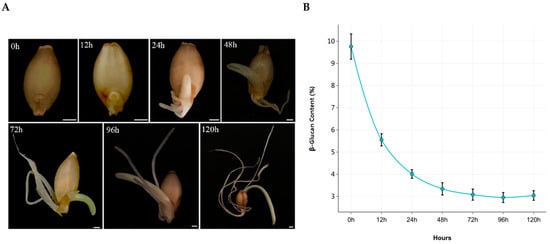
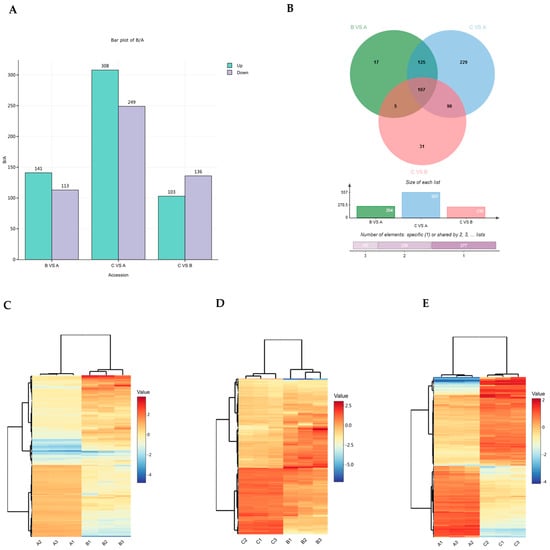
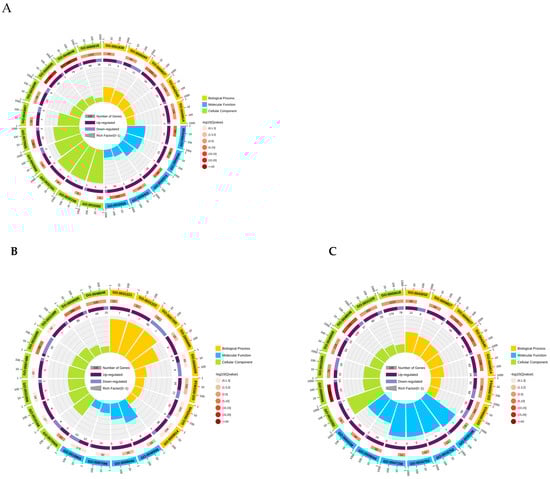
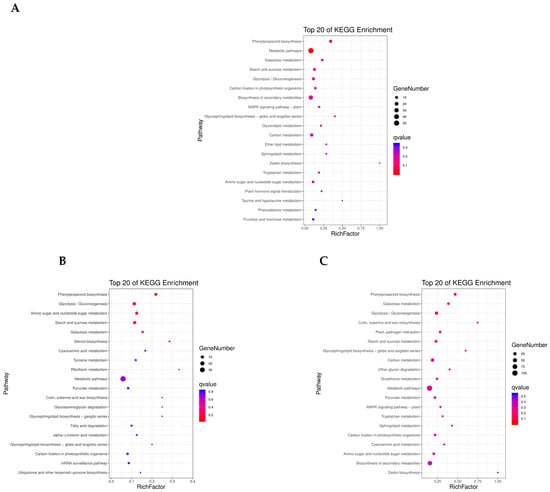
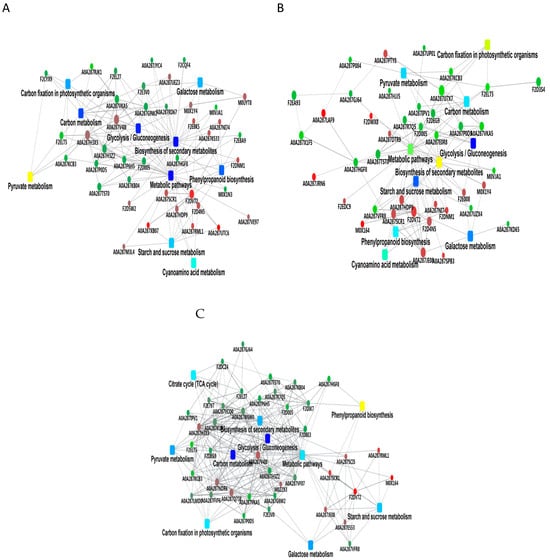
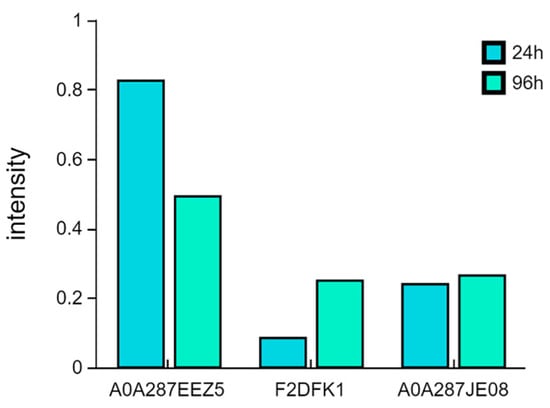
Background: Zangqing ‘1127’, a hull-less barley type recognized for its high β-glucan content, holds significant agricultural and nutritional potential. Nonetheless, the molecular mechanisms underlying the degradation of β-glucan during barley germination have yet to be thoroughly investigated. Objectives: This study sought to identify the key proteins and pathways involved in this process using quantitative proteomics. Methods: Seeds of Zangqing ‘1127’ were collected at 0, 24, and 96 h post germination, and TMT-based quantitative proteomics was used to analyze changes in the proteome. To annotate the functions of differentially expressed proteins (DEPs), Gene Ontology (GO) and Kyoto Encyclopedia of Genes and Genomes (KEGG) enrichment analyses were performed. Results: In total, 3230 unique proteins were identified, which included 610 DEPs during the germination phase. Enrichment analysis showed that these DEPs were primarily associated with key biological processes involved in β-glucan degradation, including cell wall modification, polysaccharide metabolism, and carbon metabolism. Five proteins exhibiting notably high expression levels were identified as potential regulatory candidates for this process. Conclusions: These results enhance our comprehension of the proteomic dynamics associated with β-glucan degradation during barley germination and suggest new candidate targets for functional studies. This study provides deeper insight into the molecular mechanisms governing β-glucan metabolism, with potential implications for agricultural improvement and the nutritional quality of barley.
Full article
(This article belongs to the Special Issue Advances in Secondary Metabolites: Phytochemical Profiling and Bioactivity Evaluation)
►▼
Show Figures

Figure 1
Open AccessArticle
Association Between Psychological Distress and Sleep Quality in Children and Adolescents: A Cross-Sectional Study in Zhejiang, China
by
Tian Liang, Zhengmao Zhuang, Lizhi Wu, Xueqing Li, Zhijian Chen and Mingluan Xing
Metabolites 2026, 16(4), 249; https://doi.org/10.3390/metabo16040249 - 6 Apr 2026
Abstract
Background: Psychological distress has been increasingly recognized as an important determinant of sleep quality in children and adolescents. However, susceptible subgroups have not been clearly identified. This study aimed to examine the associations between psychological distress and sleep quality in children and
[...] Read more.
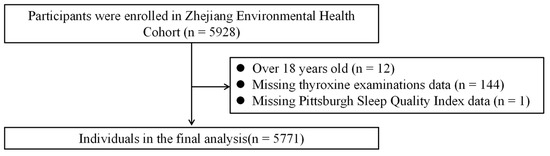
Background: Psychological distress has been increasingly recognized as an important determinant of sleep quality in children and adolescents. However, susceptible subgroups have not been clearly identified. This study aimed to examine the associations between psychological distress and sleep quality in children and adolescents. Methods: We conducted a cross-sectional study among 5771 school-aged children and adolescents (6–18 years) in Zhejiang Province. Psychological status was assessed using the Chinese version of the Depression Anxiety Stress Scale-21, and sleep quality was evaluated using the Chinese version of the Pittsburgh Sleep Quality Index (PSQI). Thyroid-related biomarkers were measured via chemiluminescence immunoassay. Associations between psychological distress and sleep quality were analyzed using generalized linear models. In addition, stratified analyses were performed to identify potentially susceptible subgroups by age, sex, and BMI-for-age z score. Results: Each one-point increase in depression, anxiety, and stress scores was associated with an increase in PSQI scores of 0.18 (95% CI: 0.16, 0.19), 0.20 (95% CI: 0.18, 0.21), and 0.20 (95% CI: 0.19, 0.22), respectively. Subgroup analyses showed that the associations were more pronounced among older children (age > 12 years) and pediatric females. Exploratory mediation analyses suggested a possible but very limited indirect role of T3 in the associations of depression, anxiety, and stress with sleep quality, with all estimated proportions mediated below 1%. Conclusions: Psychological distress was significantly associated with poorer sleep quality in children and adolescents, particularly among older individuals and pediatric females. These findings highlight the importance of early identification and intervention for psychological distress to improve sleep health in younger populations. Further longitudinal studies are needed to clarify underlying mechanisms.
Full article
(This article belongs to the Special Issue Advancing Metabolic/Microbial Biomarker Applications in Disease Prevention, Diagnosis and Public Health)
►▼
Show Figures

Figure 1
Open AccessArticle
Personalizing Obesity Treatment: Real-World Comparison of a Very-Low-Calorie Ketogenic Diet Versus a Whole-Food Mediterranean Ketogenic Diet
by
Davide Masi, Maria Letizia Spizzichini, Elena Colonnello, Daniel Vasquez Barahona, Lucio Gnessi, Daniele Gianfrilli and Mikiko Watanabe
Metabolites 2026, 16(4), 248; https://doi.org/10.3390/metabo16040248 - 5 Apr 2026
Abstract
Background/Objectives: Obesity is a chronic, relapsing disease in which lifestyle modification represents the cornerstone of treatment. Among dietary strategies, ketogenic diets can induce rapid weight loss, whereas the Mediterranean diet is associated with established cardiometabolic benefits but typically produces slower weight reduction. Very-low-calorie
[...] Read more.
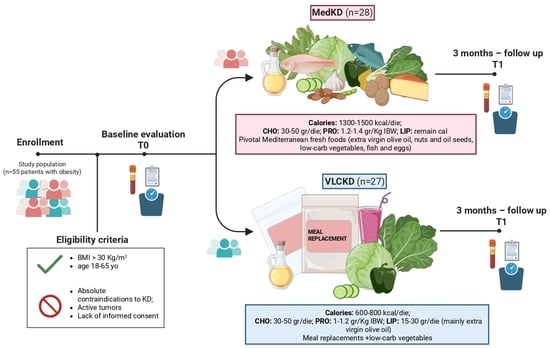
Background/Objectives: Obesity is a chronic, relapsing disease in which lifestyle modification represents the cornerstone of treatment. Among dietary strategies, ketogenic diets can induce rapid weight loss, whereas the Mediterranean diet is associated with established cardiometabolic benefits but typically produces slower weight reduction. Very-low-calorie ketogenic diets (VLCKDs) are effective for weight loss but are often limited by cost, reliance on meal replacements, and reduced long-term feasibility. This study aimed to evaluate whether a whole-food Mediterranean ketogenic diet with moderate caloric restriction (MedKD) could represent a feasible and effective alternative to VLCKD for weight loss and metabolic improvement in adults with obesity. Methods: This 3-month prospective, real-world study compared VLCKD and MedKD in adults with obesity attending a clinical nutrition program. The primary outcome was percentage weight loss. Secondary outcomes included changes in waist circumference, waist-to-height ratio, insulin resistance (HOMA-IR), lipid profile, kidney function, and treatment tolerability. Clinical and biochemical parameters were assessed at baseline and after the intervention. Group differences and time-by-group interactions were analyzed to evaluate changes over the study period. Results: Sixty-two participants were enrolled, and 55 completed the study (27 VLCKD, 28 MedKD). Baseline characteristics were generally comparable, although the MedKD group had a higher prevalence of diabetes and higher baseline insulin resistance and triglyceride levels. Both dietary interventions resulted in substantial and comparable weight loss (approximately 15% of initial body weight), accompanied by significant reductions in waist circumference and waist-to-height ratio. Insulin resistance improved in both groups, with a greater reduction in HOMA-IR observed in the MedKD group (time × group p = 0.031). Serum creatinine decreased in the VLCKD group and slightly increased in the MedKD group (p = 0.025). Changes in lipid profile were not significantly different between groups. No severe adverse events were reported. Conclusions: A whole-food Mediterranean ketogenic diet with moderate caloric restriction achieved weight loss and metabolic improvements comparable to those observed with VLCKD over three months. These findings suggest that MedKD may represent a feasible alternative to formula-based ketogenic programs, supporting more flexible and personalized dietary strategies in the clinical management of obesity.
Full article
(This article belongs to the Special Issue Diabetes and Metabolic Diseases: From Prevention to Clinical Management, 2nd Edition)
►▼
Show Figures

Graphical abstract
Open AccessArticle
New Insights into Dietary L-Glutamate and L-Aspartate Modulation of Hematology, Immune Responses, and Metabolite Profiles in Enterotoxigenic Escherichia coli Challenged Piglets
by
Supatirada Wongchanla, Sangwoo Park, Shuhan Sun, Peng Ji and Yanhong Liu
Metabolites 2026, 16(4), 247; https://doi.org/10.3390/metabo16040247 - 4 Apr 2026
Abstract
Background/Objectives: L-glutamate (Glu) and L-aspartate (Asp) are key intermediates in nitrogen metabolism and tricarboxylic acid cycle activity, linking intestinal energy metabolism with immune function. This study investigated how dietary Glu and Asp supplementation modulates immune responses and metabolic reprogramming in weaned pigs challenged
[...] Read more.
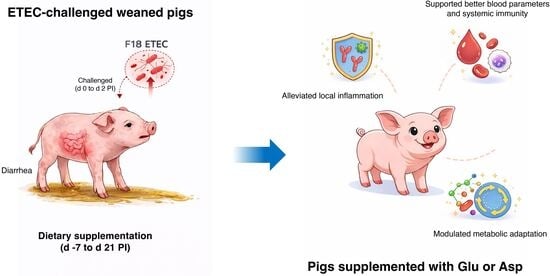
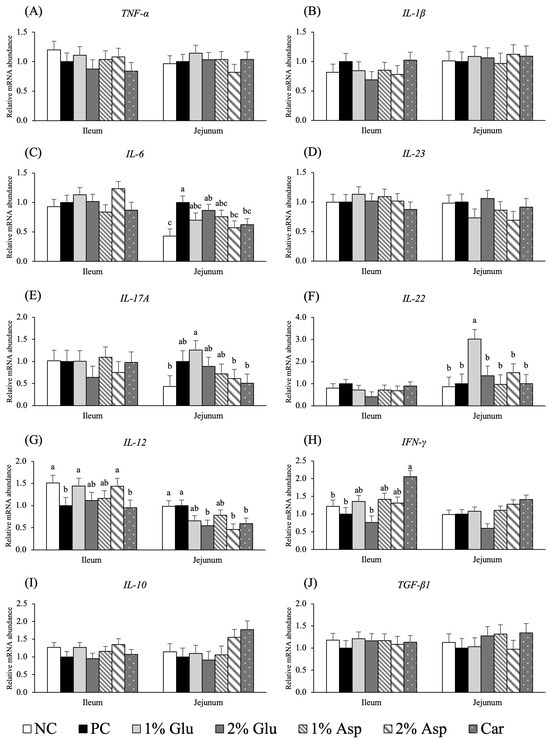
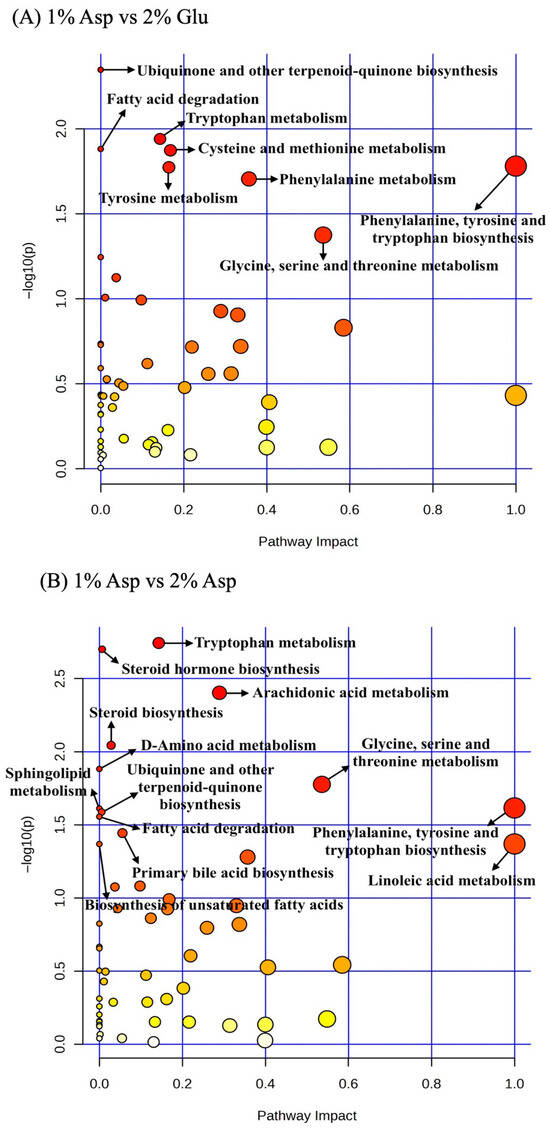
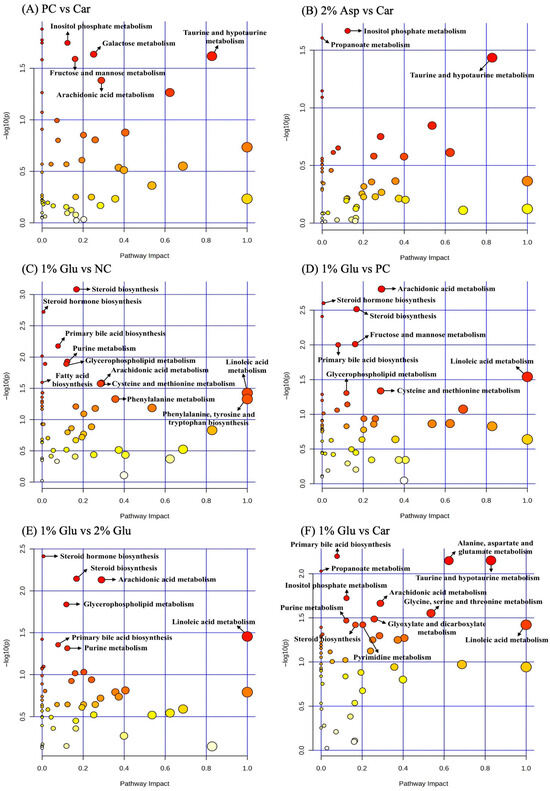
Background/Objectives: L-glutamate (Glu) and L-aspartate (Asp) are key intermediates in nitrogen metabolism and tricarboxylic acid cycle activity, linking intestinal energy metabolism with immune function. This study investigated how dietary Glu and Asp supplementation modulates immune responses and metabolic reprogramming in weaned pigs challenged with F18 enterotoxigenic Escherichia coli (ETEC). Methods: Forty-nine piglets (24 d old; 8.18 ± 1.54 kg body weight) were randomly assigned to seven treatments (n = 7/treatment): unchallenged control (NC), ETEC-challenged control (PC), 1% or 2% Glu, 1% or 2% Asp, and an antibiotic control. The experiment was conducted from d −7 to d 14 post-inoculation (PI). Hematological indices, serum biomarkers, intestinal cytokine gene expression, and untargeted metabolomic profiling of serum, ileal mucosa, and ileal digesta were evaluated. Results: On day 2 PI, 1% Glu reduced the neutrophil-to-lymphocyte ratio, whereas 2% Asp showed an elevated ratio. Supplementation of 1% Asp increased serum total protein on d 2 and d 5 PI. On d 14 PI, 1% Glu enhanced jejunal IL-17A and IL-22 expression, while 2% Asp reduced jejunal IL-6 expression compared with PC. Ileal IL-12 expression increased with 1% Glu and 2% Asp, whereas jejunal IL-12 expression decreased with 2% Glu and 2% Asp. Untargeted metabolomics revealed distinct treatment-dependent separations. Differential metabolite profiling and pathway enrichment analyses demonstrated coordinated alterations in amino acid metabolism, purine metabolism, lipid metabolism, and energy-related pathways across serum and intestinal compartments. Conclusions: Collectively, Glu and Asp supplementation reshaped host metabolic networks during ETEC challenge, indicating their roles in modulating metabolic adaptation and intestinal immune–metabolic crosstalk under enteric stress.
Full article
(This article belongs to the Section Nutrition and Metabolism)
►▼
Show Figures

Graphical abstract
Open AccessArticle
Waist-to-Height Ratio as a Simple Anthropometric Marker for Identifying Individuals at High Risk of MASLD: A Large Population-Based Analysis Using the Fatty Liver Index
by
Ángel Arturo López-González, Pedro Juan Tárraga López, Mónica Silu Piña Dabreu, Lluis Rodas Cañellas, Carla Busquets-Cortés and José Ignacio Ramírez-Manent
Metabolites 2026, 16(4), 246; https://doi.org/10.3390/metabo16040246 - 4 Apr 2026
Abstract
Background: Metabolic dysfunction-associated steatotic liver disease (MASLD) is the most common chronic liver disease worldwide and represents a major component of the global burden of metabolic disorders. Simple anthropometric markers capable of identifying individuals at increased risk of hepatic steatosis are of considerable
[...] Read more.
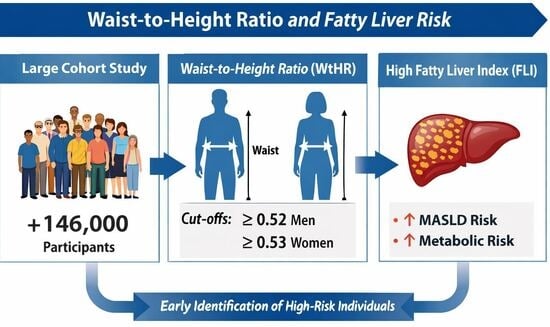
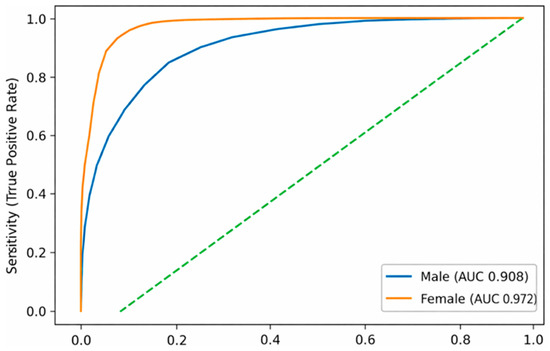
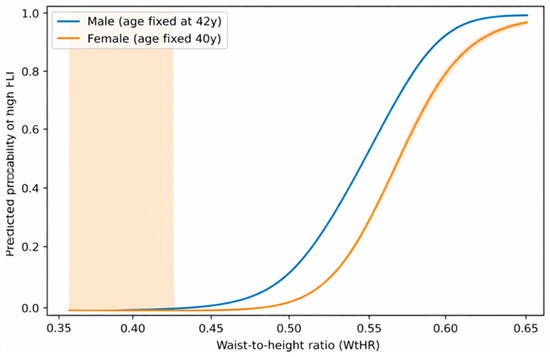
Background: Metabolic dysfunction-associated steatotic liver disease (MASLD) is the most common chronic liver disease worldwide and represents a major component of the global burden of metabolic disorders. Simple anthropometric markers capable of identifying individuals at increased risk of hepatic steatosis are of considerable interest for population-level screening. Methods: In this cross-sectional population-based study, we evaluated the performance of waist-to-height ratio (WtHR) for identifying individuals with a high Fatty Liver Index (FLI ≥ 60), a widely used surrogate marker of hepatic steatosis. The study included 146,318 adult participants with available anthropometric and biochemical data. Discriminatory performance was assessed using receiver operating characteristic (ROC) curve analysis. Optimal WtHR thresholds were determined using the Youden index. Associations between WtHR and high FLI were evaluated using age-adjusted logistic regression models. Non-linear relationships were explored using restricted cubic spline models. Additional analyses included a comparison with body mass index (BMI) and waist circumference, decision curve analysis, and subgroup analyses across age and BMI strata. Results: The prevalence of high FLI in the study population was 18.1%. WtHR demonstrated excellent discriminatory performance, with area under the ROC curve (AUC) values of 0.908 (95% CI 0.906–0.910) in men and 0.972 (95% CI 0.971–0.974) in women. Optimal WtHR thresholds for identifying individuals with high FLI were 0.52 in men and 0.53 in women. Each 0.01 increase in WtHR was strongly associated with higher odds of high FLI (OR 1.56 in men and 1.69 in women). Restricted cubic spline analysis demonstrated a non-linear relationship, with a marked increase in predicted probability of high FLI above WtHR values of approximately 0.50–0.52. WtHR showed discriminatory performance comparable to BMI and waist circumference and maintained strong associations with high FLI across age groups and BMI categories. Conclusions: Waist-to-height ratio is a simple anthropometric marker strongly associated with a high Fatty Liver Index in a large population-based cohort. Given its simplicity, low cost, and ease of calculation, WtHR may represent a practical screening indicator for identifying individuals at increased risk of MASLD-related phenotypes in both clinical practice and population health strategies.
Full article
(This article belongs to the Special Issue The Association Between Metabolic Dysfunction-Related Fatty Liver Disease and Cardiovascular Diseases)
►▼
Show Figures

Graphical abstract
Journal Menu
► ▼ Journal Menu-
- Metabolites Home
- Aims & Scope
- Editorial Board
- Reviewer Board
- Topical Advisory Panel
- Instructions for Authors
- Special Issues
- Topics
- Sections & Collections
- Article Processing Charge
- Indexing & Archiving
- Editor’s Choice Articles
- Most Cited & Viewed
- Journal Statistics
- Journal History
- Journal Awards
- Conferences
- Editorial Office
Journal Browser
► ▼ Journal BrowserHighly Accessed Articles
Latest Books
E-Mail Alert
News
Topics
Topic in
Foods, Molecules, Nutrients, Metabolites
Omics Technologies and Other Quality and Safety Methodologies in Nutrition and Health
Topic Editors: Xianjiang Li, Wen MaDeadline: 1 June 2026
Topic in
Biomedicines, Cancers, Diagnostics, JCM, Metabolites, Targets
Biomarkers of Disease: Discovery and Clinical Applications
Topic Editors: Andreas Tsakalof, Ioannis KanakisDeadline: 30 June 2026
Topic in
Dairy, Foods, Microorganisms, Nutrients, Metabolites
The Efficacy of Probiotics and Their Functional Metabolites in Fermented Foods
Topic Editors: Rina Wu, Wenjun Liu, Zhen Wu, Feiyu AnDeadline: 31 July 2026
Topic in
IJPB, Molecules, Plants, Toxins, Pharmaceuticals, BioTech, Metabolites
From Plant to Pharmacology: Understanding the Metabolism of Natural Products
Topic Editors: Fawzy A. Elbarbry, Mike EspirituDeadline: 31 August 2026
Conferences
Special Issues
Special Issue in
Metabolites
Metabolomics and Bioinformatics Approaches to Studying Human Gut Microbiota-Derived Metabolites
Guest Editors: Zhiwei Zhou, Shipei Xing, Xiaotao ShenDeadline: 15 April 2026
Special Issue in
Metabolites
Microbial Regulation of Host Metabolism
Guest Editor: Kippeum LeeDeadline: 15 April 2026
Special Issue in
Metabolites
Functional Foods and Natural Bioactive Compounds: Strategies to Face Metabolic Syndrome and Related Non-Communicable Diseases—2nd Edition
Guest Editors: Paola Gauffin-Cano, Sebastián Torres, Roxana MedinaDeadline: 15 April 2026
Special Issue in
Metabolites
Modulating Gut Microbiota and Host Interactions: The Role of Diet, Probiotics, and Circadian Rhythms
Guest Editors: Miri Park, Jeehwan ChoeDeadline: 15 April 2026
Topical Collections
Topical Collection in
Metabolites
Feature Papers Related to "Metabolomic Profiling Technology" Section
Collection Editor: Thusitha Rupasinghe
Topical Collection in
Metabolites
Feature Papers Related to "Environmental Metabolomics" Section
Collection Editor: David J. Beale
Topical Collection in
Metabolites
Advances in Metabolomics
Collection Editors: Leonardo Tenori, Edoardo Saccenti