

Journal Description
Life
Life
is an international, peer-reviewed, open access journal related to fundamental themes in life sciences from basic to applied research, published monthly online by MDPI. The Spanish Association for Cancer Research (ASEICA) is affiliated with Life and its members receive a discount on the article processing charges.
- Open Access— free for readers, with article processing charges (APC) paid by authors or their institutions.
- High Visibility: indexed within Scopus, SCIE (Web of Science), PubMed, PMC, CAPlus / SciFinder, and other databases.
- Journal Rank: JCR - Q1 (Biology) / CiteScore - Q1 (Paleontology)
- Rapid Publication: manuscripts are peer-reviewed and a first decision is provided to authors approximately 16.6 days after submission; acceptance to publication is undertaken in 2.4 days (median values for papers published in this journal in the second half of 2025).
- Recognition of Reviewers: reviewers who provide timely, thorough peer-review reports receive vouchers entitling them to a discount on the APC of their next publication in any MDPI journal, in appreciation of the work done.
- Testimonials: See what our editors and authors say about Life.
- Companion journals for Life include: Physiologia and Hydrobiology.
Impact Factor:
3.9 (2025);
5-Year Impact Factor:
3.9 (2025)
Latest Articles
The Maternal Microbiome in Pregnancy: From Physiological Changes to Dysbiosis and Obstetrical Complications—Therapeutic Perspectives
Life 2026, 16(6), 1033; https://doi.org/10.3390/life16061033 (registering DOI) - 21 Jun 2026
Abstract
During pregnancy, hormonal, metabolic, and immunological changes influence the composition and function of maternal microbial communities. Increasing evidence suggests that the maternal microbiota—particularly in the vaginal, gut, and oral environments—plays a significant role in maintaining pregnancy homeostasis and supporting fetal development. In healthy
[...] Read more.
During pregnancy, hormonal, metabolic, and immunological changes influence the composition and function of maternal microbial communities. Increasing evidence suggests that the maternal microbiota—particularly in the vaginal, gut, and oral environments—plays a significant role in maintaining pregnancy homeostasis and supporting fetal development. In healthy pregnancies, the vaginal microbiota is typically dominated by Lactobacillus species, which help maintain a low vaginal pH and protect against ascending infections. However, disruption of this balance (vaginal dysbiosis) has been associated with obstetrical complications such as intrauterine infection and preterm birth. Similarly, the maternal gut microbiota undergoes trimester-specific changes that contribute to metabolic adaptations required for fetal growth, while alterations in microbial composition have been linked to metabolic disorders including gestational diabetes mellitus and preeclampsia. Changes in oral microbiota and periodontal disease have also been associated with adverse pregnancy outcomes through systemic inflammatory pathways and potential microbial translocation to the placenta. Recent advances in sequencing technologies have improved the understanding of host–microbiome interactions in pregnancy, although the existence of a placental microbiome remains controversial. Overall, maternal microbiota plays an important role in pregnancy physiology, and its dysregulation may contribute to obstetrical complications. Understanding these mechanisms may facilitate the development of microbiome-based diagnostic and therapeutic strategies in maternal–fetal medicine.
Full article
(This article belongs to the Special Issue The Microbiome and Dysbiosis in Various Pathologies)
Open AccessReview
Responsible Use of Large Language Models in Microbial Genomics and Bioinformatics: A Life-Science Framework for Reliability, Reproducibility, and Risk-Aware Interpretation
by
Mia Yang Ang, Li Chen, Lanni Song, Leonard Lipovich and Siew Woh Choo
Life 2026, 16(6), 1032; https://doi.org/10.3390/life16061032 (registering DOI) - 20 Jun 2026
Abstract
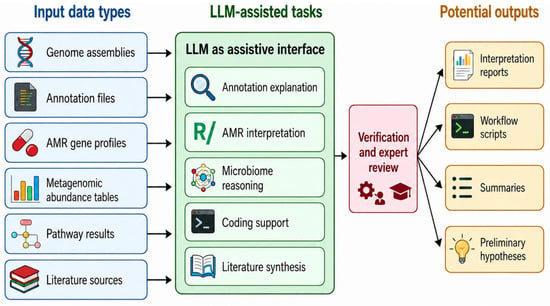
Large language models (LLMs) are increasingly adopted in life-science research for scientific writing, coding, literature synthesis, workflow troubleshooting, and preliminary data interpretation. In microbial genomics and bioinformatics, their appeal is clear because researchers routinely integrate genome annotations, antimicrobial resistance profiles, virulence determinants, taxonomic
[...] Read more.
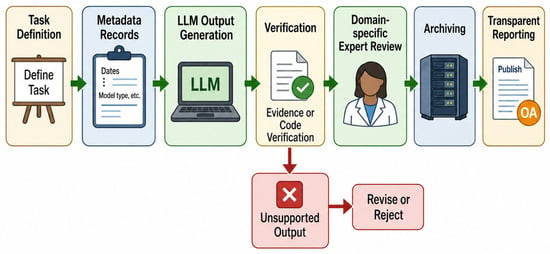
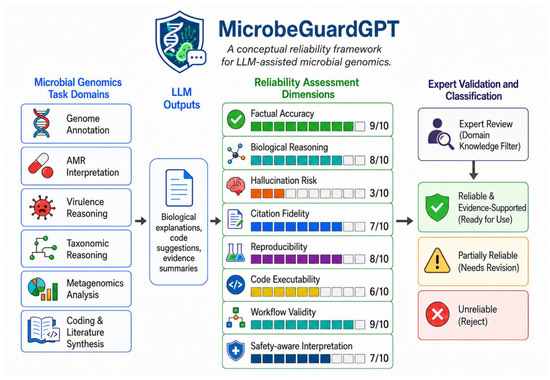
Large language models (LLMs) are increasingly adopted in life-science research for scientific writing, coding, literature synthesis, workflow troubleshooting, and preliminary data interpretation. In microbial genomics and bioinformatics, their appeal is clear because researchers routinely integrate genome annotations, antimicrobial resistance profiles, virulence determinants, taxonomic assignments, microbiome outputs, workflow scripts, and primary literature. Yet this domain also highlights major risks, including hallucinated biological claims, inaccurate citations, irreproducible code, unsupported genotype-to-phenotype inference, and inappropriate clinical or public health framing. This narrative review examines responsible LLM use in microbial genomics as a representative life-science setting where interpretation depends on database provenance, validated workflows, expert assessment, and reproducible evidence chains. It considers applications in genome annotation, antimicrobial resistance interpretation, virulence analysis, microbiome and metagenomics workflows, coding support, and scientific writing. The review further presents MicrobeGuardGPT as a conceptual reliability framework for assessing LLM-assisted microbial genomics outputs before scientific, clinical, or public health use. By connecting task domains, evidence verification, expert validation, and reliability classification, the framework supports risk-aware LLM integration in bioinformatics. Responsible implementation will require domain-specific benchmarks, curated database linkage, transparent reporting, reproducible workflows, human oversight, and governance standards tailored to biological interpretation across research, diagnostic, surveillance, outbreak-response, educational, and translational contexts.
Full article
(This article belongs to the Section Artificial Intelligence in the Life Sciences)
►▼
Show Figures

Figure 1
Open AccessArticle
Tissue-Specific Redistribution of Free Amino Acids in Mandarin Fish (Siniperca chuatsi) Under Acute Salinity, Alkalinity and Combined Saline–Alkaline Stress
by
Yan Li, Longyi Li, Yiming Li, Qiang Ji, Zongli Yao, Pengcheng Gao, Kai Zhou, Zhen Sun, Yuxing Wei and Qifang Lai
Life 2026, 16(6), 1031; https://doi.org/10.3390/life16061031 (registering DOI) - 19 Jun 2026
Abstract
Free amino acids (FAAs) are important low-molecular-weight metabolites involved in osmotic regulation, acid–base balance, and nitrogen metabolism in fish exposed to saline–alkaline environments. To characterize tissue-specific FAA responses in mandarin fish (Siniperca chuatsi), 10 cm juveniles were exposed for 96 h
[...] Read more.
Free amino acids (FAAs) are important low-molecular-weight metabolites involved in osmotic regulation, acid–base balance, and nitrogen metabolism in fish exposed to saline–alkaline environments. To characterize tissue-specific FAA responses in mandarin fish (Siniperca chuatsi), 10 cm juveniles were exposed for 96 h to freshwater control (FW), salinity stress (S, salinity 8), alkalinity stress (A, alkalinity 20 mmol/L), or combined saline–alkaline stress (SA, salinity 8 + alkalinity 20 mmol/L). The contents of 19 FAAs were compared among plasma, muscle, liver, brain, and kidney. FAA profiles showed clear tissue specificity. Total FAA (17) decreased in plasma under all stress treatments, increased in muscle under S and SA but decreased under A, increased in liver and kidney, and decreased under single stress but increased under combined stress in brain. Distinct tissue distribution patterns were observed for functional FAA groups. Under salinity stress, osmoregulation-related FAAs, particularly Ala and Pro, showed higher contents mainly in muscle, liver, and kidney. Under alkalinity stress, kidney showed concurrent increases in multiple FAAs, including Ala, Pro, Glu, Gln, Val, Ile, and Leu, whereas brain was characterized by a high Gln content. Under combined saline–alkaline stress, liver was the main tissue in which multiple functional FAA groups increased simultaneously, kidney maintained elevated levels of several FAAs, and brain showed treatment-specific high levels of Gln and Tau. Redundancy analysis (RDA) indicated weak constrained explanatory power of salinity and alkalinity for the overall FAA profile, whereas tissue-specific differentiation was evident. Glu, Gln, and Pro showed directional consistency with the salinity vector, whereas Val and Leu tended to align with the alkalinity-related ordination direction. Overall, acute saline–alkaline exposure induced a functional and tissue-specific distribution pattern of FAAs rather than a uniform whole-body shift in mandarin fish.
Full article
(This article belongs to the Section Animal Science)
Open AccessSystematic Review
Improving Obstetric Safety in Postpartum Hemorrhage: Impact of Protocol-Based Conservative Management
by
Martina Cheli Basurte, Marta Blasco Alonso, Isidoro Narbona Arias, Lorena Sabonet Moriente, Marta Martínez Diez and Jesus S. Jimenez Lopez
Life 2026, 16(6), 1030; https://doi.org/10.3390/life16061030 (registering DOI) - 19 Jun 2026
Abstract
Background: Postpartum hemorrhage (PPH) remains a leading cause of maternal morbidity and mortality worldwide, accounting for approximately 27% of maternal deaths. In Spain, its incidence ranges from 2.5% to 5.2%. Clinical management has evolved toward a stepwise approach integrating pharmacological, mechanical, and surgical
[...] Read more.
Background: Postpartum hemorrhage (PPH) remains a leading cause of maternal morbidity and mortality worldwide, accounting for approximately 27% of maternal deaths. In Spain, its incidence ranges from 2.5% to 5.2%. Clinical management has evolved toward a stepwise approach integrating pharmacological, mechanical, and surgical interventions. This study aims to analyze the evolution of these techniques during the 2020–2024 period to optimize decision-making and maternal outcomes. Methods: A systematic review was conducted following the PRISMA 2020 guidelines. Comprehensive searches were performed in PubMed, Scopus, and the Cochrane Library for studies published between 2020 and 2024 in English and Spanish. The PICO framework was utilized to evaluate interventions including intrauterine balloon tamponade (UBT), compression sutures, and arterial embolization, prioritizing outcomes such as bleeding control and fertility preservation. Out of 34 identified records, 13 studies met the final inclusion criteria. Results: The findings demonstrate a clear trend toward conservative management. Intrauterine balloon tamponade reported success rates of 80–90% in controlling refractory bleeding and significantly reduced the hysterectomy rates. B-Lynch compression sutures showed success rates between 68.4% and 100%, with generally favorable fertility outcomes. However, combining these sutures with devascularization increased the risk of uterine necrosis. Additionally, the early administration of tranexamic acid (TXA) within 3 h of birth was confirmed as a critical factor in reducing mortality. Conclusions: Acute PPH management has shifted toward protocol-based, sequential, and less invasive strategies. The implementation of standardized algorithms, care bundles, and simulation-based training is essential to reduce decision inertia and improve obstetric safety. While conservative mechanical and surgical techniques are effective, institutional protocols must be regularly updated to consolidate these technological and organizational advances.
Full article
(This article belongs to the Section Physiology and Pathology)
Open AccessArticle
Inhibitory Effects of Oxytocin on Jejunal Migrating Myoelectric Complex Activity in Fasted Rats: Role of Oxytocin and GLP-1 Receptors
by
Hakan Balcı, Özge Darakcı Saltık, Burcu Hatipoğlu Aktemur, Rümeysa Abdullahoğlu and Ayhan Bozkurt
Life 2026, 16(6), 1029; https://doi.org/10.3390/life16061029 (registering DOI) - 19 Jun 2026
Abstract
The migrating myoelectric complex (MMC) is the electrical basis of fasting small intestinal motility. Although oxytocin (OT) regulates gastrointestinal functions through oxytocin receptors (OTRs), its effect on jejunal MMC activity during fasting remains unclear. This study investigated the effects of OT on jejunal
[...] Read more.
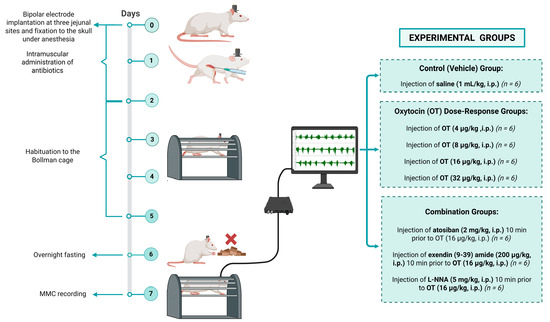
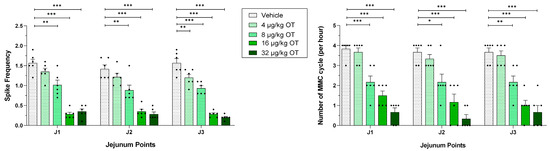
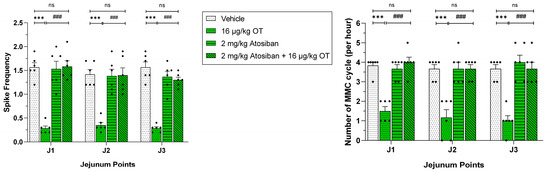
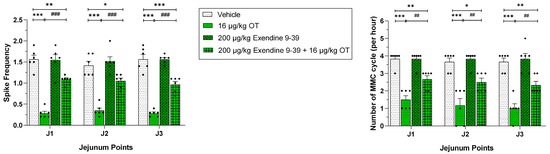
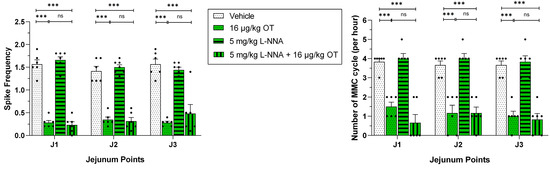
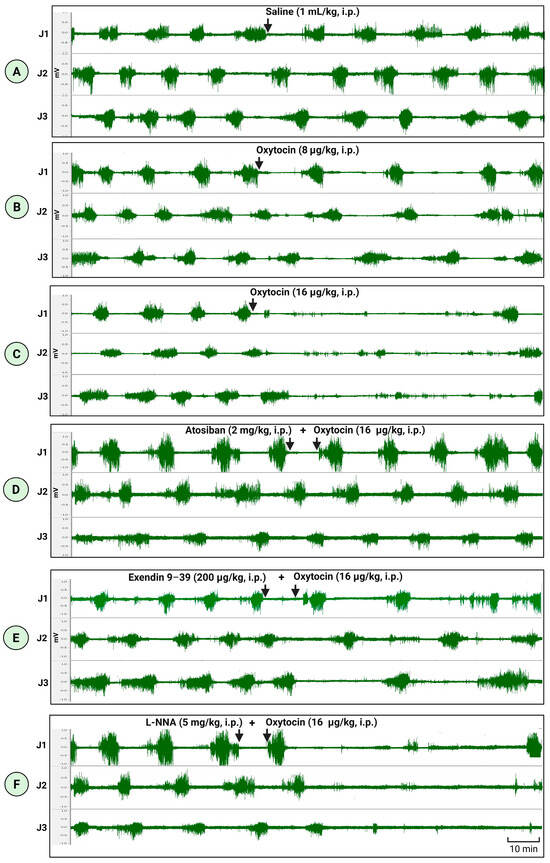
The migrating myoelectric complex (MMC) is the electrical basis of fasting small intestinal motility. Although oxytocin (OT) regulates gastrointestinal functions through oxytocin receptors (OTRs), its effect on jejunal MMC activity during fasting remains unclear. This study investigated the effects of OT on jejunal MMC activity in fasted rats and evaluated the involvement of OTRs, glucagon-like peptide-1 receptors (GLP-1Rs), and nitric oxide (NO) pathways. Bipolar electrodes were implanted at three jejunal sites in adult male Sprague Dawley rats for MMC recordings. After recovery and 18 h fasting, OT was administered intraperitoneally (4–32 µg/kg) following one hour of basal recording. To assess mechanisms, rats were pretreated with the OTR antagonist atosiban (2 mg/kg), the GLP-1R antagonist exendin (9–39) (200 µg/kg), or the nitric oxide synthase inhibitor NG-nitro-L-arginine (L-NNA; 5 mg/kg) before OT (16 µg/kg). Oxytocin dose-dependently reduced spike frequency and MMC cycle number (p < 0.05–0.001 vs. vehicle). Atosiban completely reversed these effects (p < 0.001 vs. OT), while exendin (9–39) partially attenuated them (p < 0.01–0.001 vs. OT). L-NNA showed no significant effect. These findings indicate that OT inhibits jejunal MMC activity via OTR-dependent mechanisms with partial involvement of GLP-1R signaling but not NO pathways.
Full article
(This article belongs to the Section Physiology and Pathology)
►▼
Show Figures

Figure 1
Open AccessArticle
The Effectiveness of Janus Kinase Inhibitors for the Management of Relapsing Takayasu Arteritis: A Spanish Real-World Study and Comprehensive Review of the Literature
by
Javier Loricera, Javier Narváez, Susana Romero-Yuste, Valentina Emperiale, Iván Ferraz-Amaro, Carmen Secada-Gómez, Adrián Martín-Gutiérrez and Ricardo Blanco
Life 2026, 16(6), 1028; https://doi.org/10.3390/life16061028 (registering DOI) - 19 Jun 2026
Abstract
Background: A significant proportion of individuals with Takayasu arteritis (TA) experience relapses notwithstanding standard treatment with glucocorticoids, and conventional synthetic or biologic disease-modifying antirheumatic drugs (DMARDs). As the Janus kinase/signal transducer and activator of transcription (JAK/STAT) signaling pathway contributes to the pathogenesis
[...] Read more.
Background: A significant proportion of individuals with Takayasu arteritis (TA) experience relapses notwithstanding standard treatment with glucocorticoids, and conventional synthetic or biologic disease-modifying antirheumatic drugs (DMARDs). As the Janus kinase/signal transducer and activator of transcription (JAK/STAT) signaling pathway contributes to the pathogenesis of TA, JAK inhibitors (JAKi) could represent a viable therapeutic alternative. This study assessed the effectiveness of JAKi in patients with relapsing TA within a real-world setting in a country with a low incidence of TA such as Spain and included a comprehensive review of the literature. Methods: we conducted a retrospective analysis of TA patients managed with JAKi for recurrent disease across three Spanish centers. Evaluated outcomes comprised clinical remission, clinical and analytical remission, glucocorticoid-sparing effect, improvement in imaging techniques, and adverse events. A systematic literature search was performed to identify further cases of TA treated with JAKi. Results: six patients (83.3% females) with a mean age 48.5 years and relapsing TA received JAKi therapy: baricitinib (n = 2); tofacitinib (n = 2), and upadacitinib (n = 2). Before JAKi therapy, all (100%) patients had received conventional synthetic immunosuppressants, and four (66.7%) biologics. Clinical remission was achieved in 2/6 (33.3%), 3/5 (60%), 3/5 (60%), 2/3 (66.7%), and 2/2 (100%) patients at 1, 3, 6, 12 and 18 months, respectively. Clinical + analytical remission was observed in 1/6 (16.7%), 2/5 (40%), 2/5 (40%), 2/3 (66.7%), and 2/2 (100%) patients, respectively. Two patients who underwent a follow-up PET/CT imaging showed partial improvement in both. After a median (IQR) follow-up of 9.5 (6.0–16.7) months, one (16.7%) patient discontinued the initial JAKi due to no improvement and one patient discontinued it because was diagnosed with tonsillar neoplasia. The literature search identified another 166 JAKi-treated TA cases with clinical improvement reported for the majority of them. Conclusions: this real-world analysis and literature review suggest that JAKi could be effective in the management of TA, including for those patients who have failed established glucocorticoid-sparing strategies.
Full article
(This article belongs to the Special Issue Autoimmune Disorders: From Pathophysiology to Therapeutics)
►▼
Show Figures

Figure 1
Open AccessArticle
Impact of Radiomics Parameters and Clinical Integration on Prognostication in Head and Neck Squamous Cell Carcinoma: A Multicenter Study
by
Hajar Moradmand, Jason Molitoris, Ranee Mehra, Lisa Schumaker, Erin Allor, Daria A. Gaykalova and Lei Ren
Life 2026, 16(6), 1027; https://doi.org/10.3390/life16061027 (registering DOI) - 19 Jun 2026
Abstract
Radiomics has the potential to improve risk stratification in head and neck squamous cell carcinoma (HNSCC), but clinical adoption is limited by inconsistent performance across institutions. A key source of variability is how radiomic features are generated, preprocessed, and selected prior to model
[...] Read more.
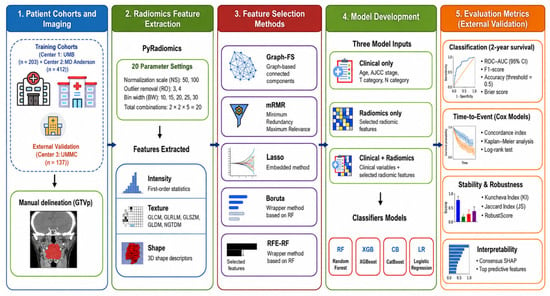
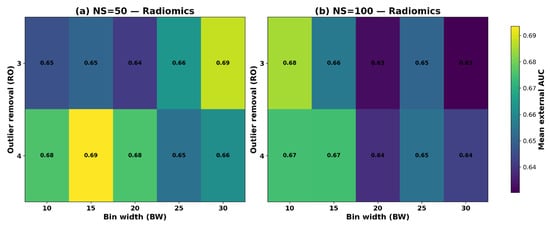
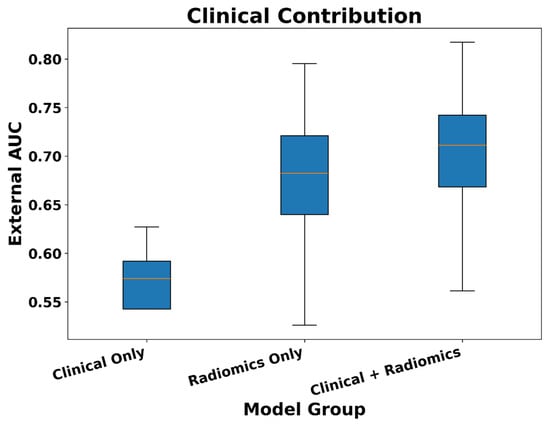
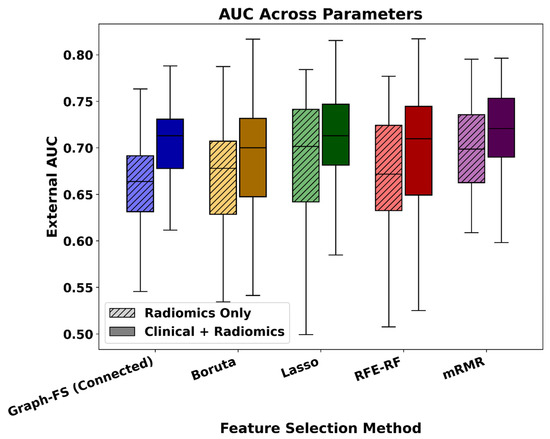
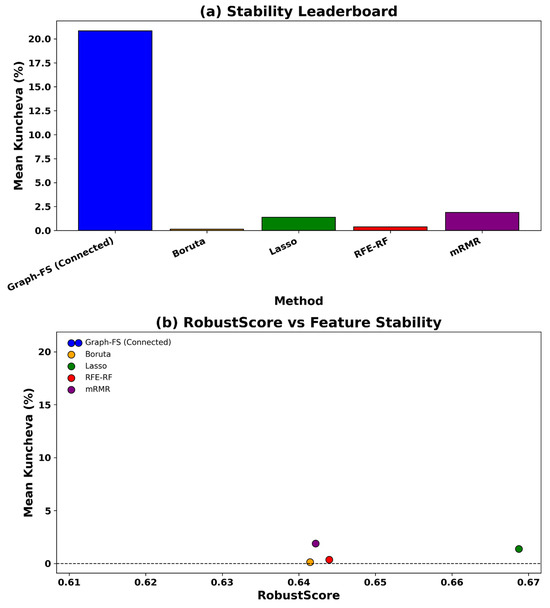
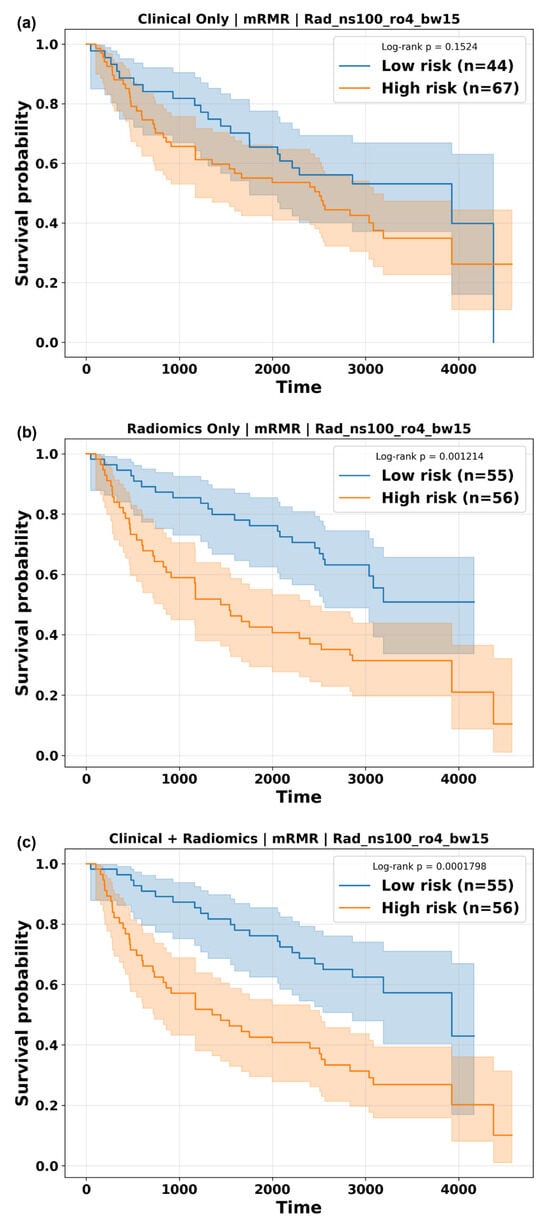
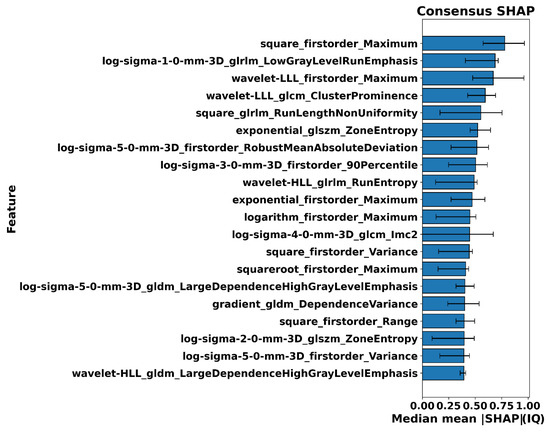
Radiomics has the potential to improve risk stratification in head and neck squamous cell carcinoma (HNSCC), but clinical adoption is limited by inconsistent performance across institutions. A key source of variability is how radiomic features are generated, preprocessed, and selected prior to model development. This multicenter study evaluated how radiomics parameterization and feature selection strategies affect external model performance, feature stability, and time-to-event risk stratification. We studied pre-treatment CT scans from 752 patients with primary HNSCC from three hospitals. For each scan, 1648 radiomic features were computed using 20 different preparation methods that varied in scaling, outlier removal, and gray-level bin width. We compared five feature selection methods: Graph-FS with connected components, Boruta, Lasso, RFE-RF, and mRMR. The classification models used were Random Forest, XGBoost, CatBoost, and Logistic Regression. We measured performance using external ROC-AUC, bootstrap confidence intervals, Brier score, and RobustScore. Stability of feature selection was assessed using the Kuncheva and Jaccard indices. Cox proportional hazards models confirmed time-to-event results, and consensus SHAP analysis helped explain the models. Radiomics parameterization influenced model performance, and no single configuration was optimal across all analyses. Radiomics-only models outperformed clinical-only models, while clinical–radiomics models achieved the highest overall performance. mRMR and Lasso produced the highest average external AUCs, while Graph-FS showed the greatest stability. The best classification model achieved an external AUC of 0.817. In Cox validation, the best clinical–radiomics configuration achieved an external C-index of 0.662 and separated high- and low-risk patients in the external cohort.
Full article
(This article belongs to the Special Issue Breakthroughs in Radiotherapy for Cancer)
►▼
Show Figures

Figure 1
Open AccessArticle
Preoperative Transcranial Doppler Findings and Postoperative Delirium After Cardiac Surgery in Elderly Patients: A Prospective Observational Study
by
Astrid Bergmann, Yurii Ruzhyn, Jan Wiesemann, Nikolai Hulde, Janis Fliegenschmidt, Alexander Krannich and Vera von Dossow
Life 2026, 16(6), 1026; https://doi.org/10.3390/life16061026 - 19 Jun 2026
Abstract
Postoperative delirium (POD) is a common neurocognitive complication after cardiac surgery in elderly patients and is associated with adverse clinical outcomes. Impaired cerebral autoregulation and reduced cerebrovascular reserve may contribute to POD development. Automated transcranial Doppler sonography (TCD) enables non-invasive assessment of intracranial
[...] Read more.
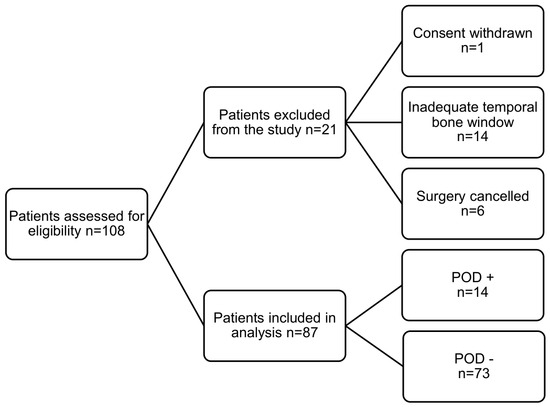
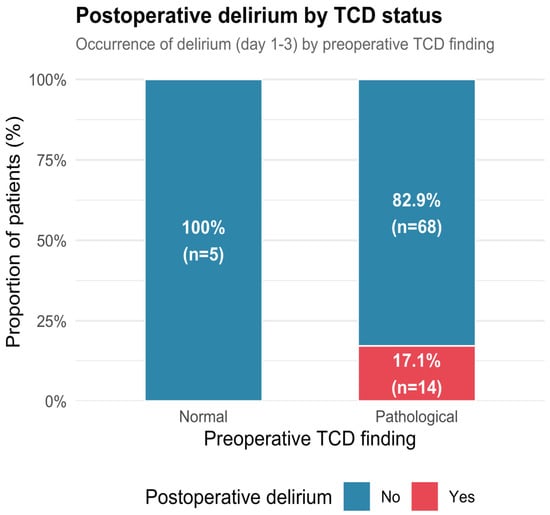
Postoperative delirium (POD) is a common neurocognitive complication after cardiac surgery in elderly patients and is associated with adverse clinical outcomes. Impaired cerebral autoregulation and reduced cerebrovascular reserve may contribute to POD development. Automated transcranial Doppler sonography (TCD) enables non-invasive assessment of intracranial hemodynamics and may provide additional information for perioperative risk assessment. In this prospective single-center observational study, 108 patients aged >70 years scheduled for elective cardiac surgery with cardiopulmonary bypass were enrolled. Patients who had pre-existing neurological disease, had a pathological carotid Doppler ultrasound, underwent emergency surgery, or were unable to undergo delirium screening were excluded. Preoperative bilateral TCD of the middle cerebral arteries was performed using an automated WAKIe R3 system. POD was assessed on postoperative days 1–3 using the CAM-ICU. The primary endpoint was the occurrence of POD. Twenty-one patients were excluded, leaving 87 patients for analysis. POD occurred in 14 patients (16%). All patients who developed POD had pathological preoperative TCD findings, whereas no POD occurred among patients with normal TCD examinations. Overall, 82 patients (94%) demonstrated pathological intracranial hemodynamic findings despite normal carotid Doppler ultrasound. In multivariable Firth logistic regression adjusted for age and sex, pathological TCD findings remained associated with POD; however, interpretation was limited by the small number of outcome events and quasi-complete separation. In elderly patients undergoing cardiac surgery with cardiopulmonary bypass, pathological preoperative TCD findings were frequently observed and may be associated with an increased risk of postoperative delirium. The marked discrepancy between normal carotid ultrasound and abnormal intracranial hemodynamics suggests that TCD may provide complementary information regarding cerebrovascular function. Given the limited sample size and event rate, these findings should be considered exploratory and require confirmation in larger multicenter studies.
Full article
(This article belongs to the Section Medical Research)
►▼
Show Figures

Figure 1
Open AccessReview
Radiofrequency Ablation for Hemorrhoidal Disease
by
Eremeev Spiridon, Cristian Ichim, Paula Anderco and Ciprian Tanasescu
Life 2026, 16(6), 1025; https://doi.org/10.3390/life16061025 - 18 Jun 2026
Abstract
Hemorrhoidal disease is a common anorectal condition that may require treatment when bleeding, prolapse or persistent symptoms fail to respond to conservative or office-based therapy. Radiofrequency ablation (RFA) has emerged as a minimally invasive, tissue-sparing technique for symptomatic internal hemorrhoids, based on controlled
[...] Read more.
Hemorrhoidal disease is a common anorectal condition that may require treatment when bleeding, prolapse or persistent symptoms fail to respond to conservative or office-based therapy. Radiofrequency ablation (RFA) has emerged as a minimally invasive, tissue-sparing technique for symptomatic internal hemorrhoids, based on controlled delivery of high-frequency energy into hemorrhoidal tissue. The resulting thermal effect induces coagulative necrosis, fibrosis, mucosal fixation and progressive reduction in hemorrhoidal volume, without excisional removal of anoderm or rectal mucosa. This narrative review summarizes the mechanism, technical principles, clinical advantages, comparative evidence and remaining uncertainties surrounding RFA, with particular attention to the Rafaelo procedure and related radiofrequency-based approaches. Current evidence suggests that RFA may reduce postoperative pain, analgesic requirements, wound-related morbidity, hospital stay and time to return to normal activity compared with conventional hemorrhoidectomy, while maintaining acceptable short- and mid-term symptom control in selected patients, especially those with grade II–III internal hemorrhoids. However, available studies remain heterogeneous in design, technique, patient selection, outcome definitions and follow-up duration. The relationship between modern probe-based RFA and earlier radiofrequency-based approaches, including Ellman surface coagulation, Celon bipolar radiofrequency-induced thermotherapy and radiofrequency-assisted hemorrhoidectomy, remains insufficiently standardized in the literature. Further randomized trials, standardized outcome reporting, long-term recurrence data and cost-effectiveness analyses are required to define the optimal indications and therapeutic position of RFA.
Full article
(This article belongs to the Section Medical Research)
Open AccessArticle
Transcriptomic Profiling of Adipose Tissues in Sujiang Pigs Reveals Candidate Genes Associated with Tissue-Specific Fat Deposition
by
Huizhen Gao, Shubin Zhu, Ligang Ni, Feixiang Cao and Pan Xu
Life 2026, 16(6), 1024; https://doi.org/10.3390/life16061024 - 18 Jun 2026
Abstract
In addition to its role in energy storage, adipose tissue contributes substantially to energy metabolism, endocrine regulation, and inflammatory processes. Sujiang pigs, a hybrid breed approved by the National Livestock and Poultry Genetic Resources Committee of China as a new national breed in
[...] Read more.
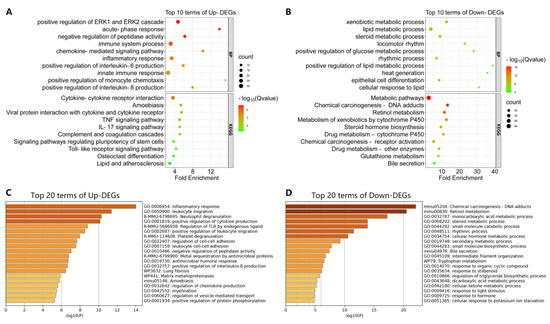
In addition to its role in energy storage, adipose tissue contributes substantially to energy metabolism, endocrine regulation, and inflammatory processes. Sujiang pigs, a hybrid breed approved by the National Livestock and Poultry Genetic Resources Committee of China as a new national breed in 2013, possess a genetic predisposition for substantial fat deposition, making them an ideal model for investigating the mechanisms underlying adipose tissue accumulation. In this study, back fat (BF; subcutaneous adipose tissue), greater omentum (GOM; visceral adipose tissue), and mesenteric adipose tissue (MAD; visceral adipose tissue) were collected from three 6-month-old male Sujiang pigs for RNA-seq analysis. Comparative analyses identified 3005 differentially expressed genes (DEGs) between BF and GOM, 975 DEGs between BF and MAD, and 892 DEGs between GOM and MAD. To validate the reliability of the sequencing data, five DEGs were randomly selected for RT-qPCR verification. The DEGs were further subjected to Gene Ontology (GO) and Kyoto Encyclopedia of Genes and Genomes (KEGG) enrichment analyses. By integrating protein–protein interaction (PPI) networks with bioinformatics analyses, we identified candidate genes potentially associated with lipid metabolism (e.g., WNT9A, WNT5A, and PDGFRA) and inflammatory responses in adipose tissue (e.g., CSF1R, C1QB, and CD4). These findings indicate potential molecular differences between porcine visceral and subcutaneous adipose tissues and may serve as a reference for further studies on the molecular regulation of adipose tissue metabolism.
Full article
(This article belongs to the Section Animal Science)
Open AccessArticle
Diversity and Ethnobotany of the Family Zingiberaceae in Lop Buri Province, Thailand, with Notes on a Putative Natural Hybrid
by
Thawatphong Boonma, Surapon Saensouk, Piyaporn Saensouk and Tepkanya Promkatkeaw
Life 2026, 16(6), 1023; https://doi.org/10.3390/life16061023 - 18 Jun 2026
Abstract
Zingiberaceae is an ecologically, economically, and culturally important plant family in tropical Asia, yet its diversity and ethnobotanical significance remain insufficiently documented in several parts of Thailand. This study investigated the diversity, traditional uses, preliminary regional conservation status, and selected taxonomic aspects of
[...] Read more.
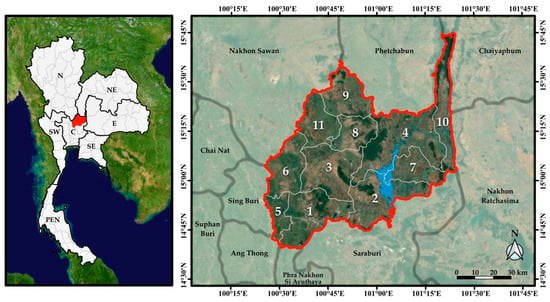
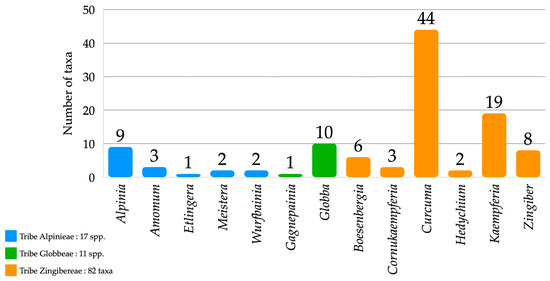
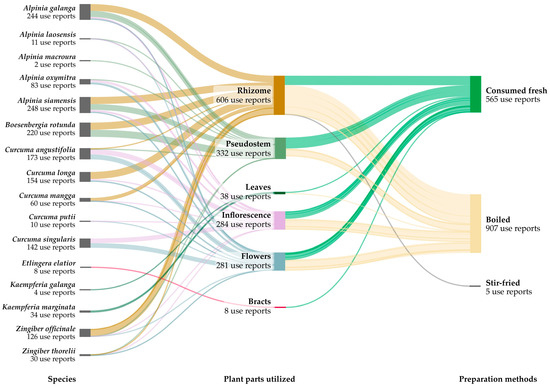
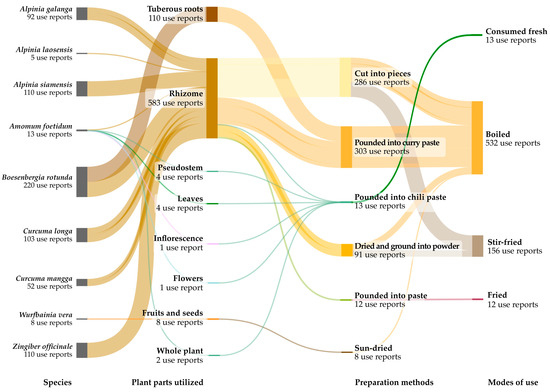
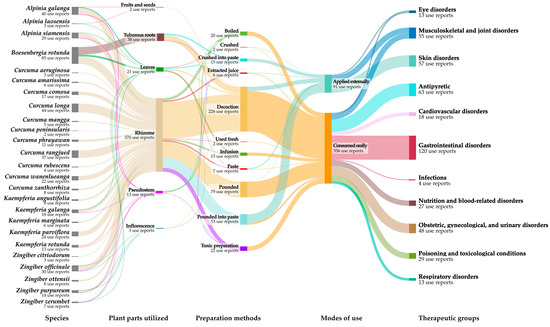
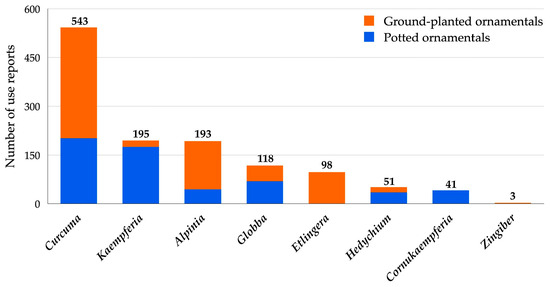
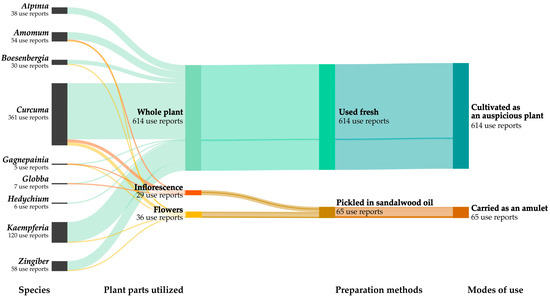
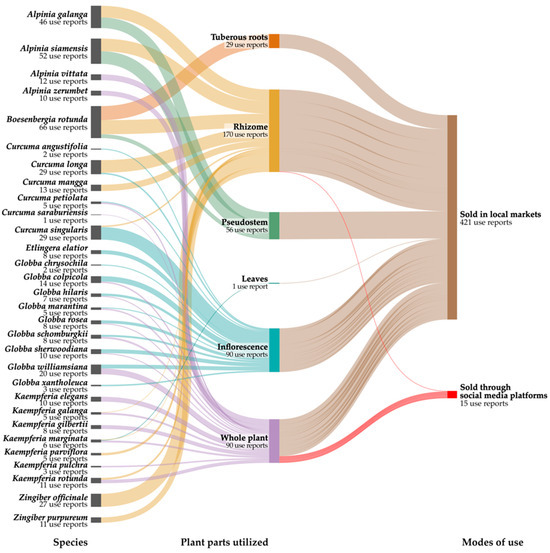
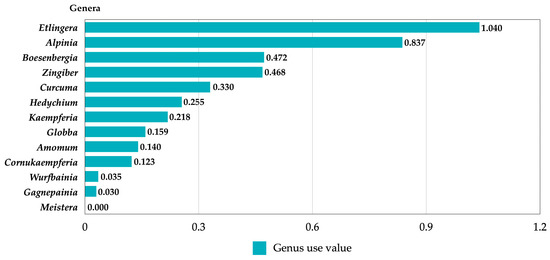
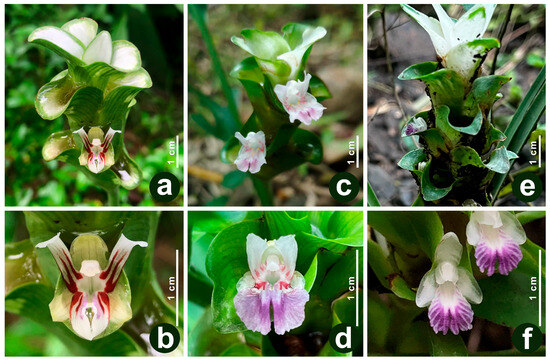
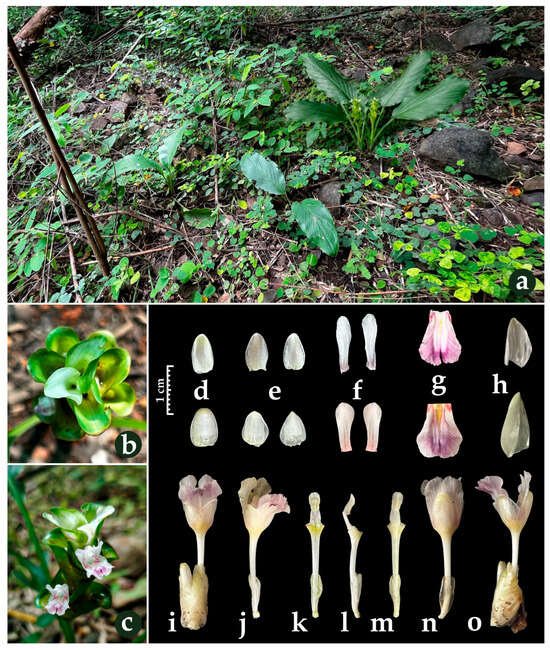
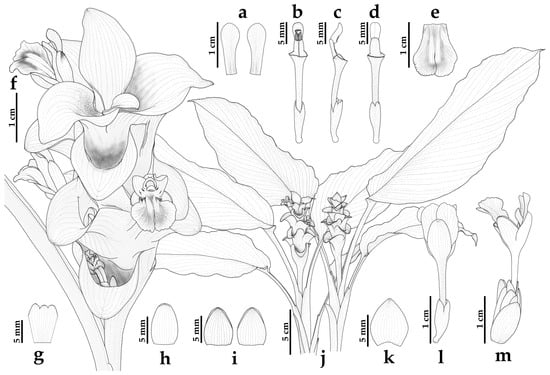
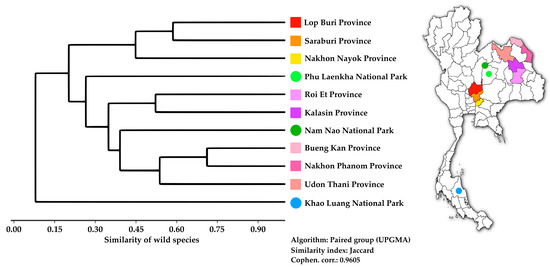
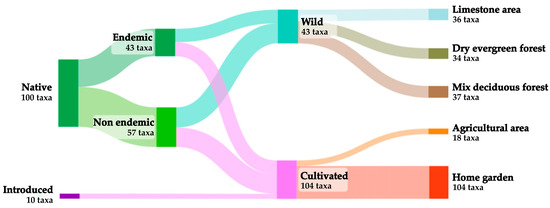
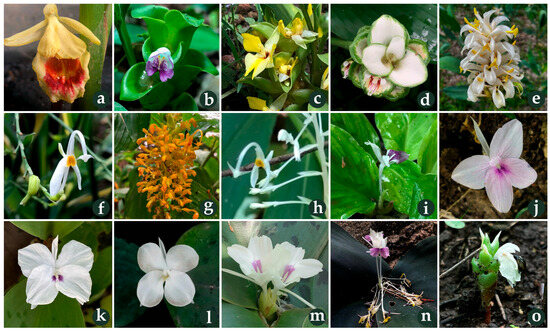
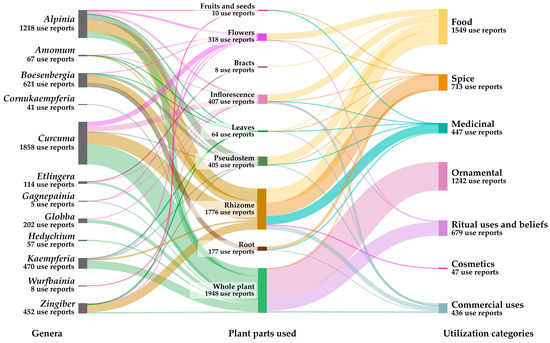
Zingiberaceae is an ecologically, economically, and culturally important plant family in tropical Asia, yet its diversity and ethnobotanical significance remain insufficiently documented in several parts of Thailand. This study investigated the diversity, traditional uses, preliminary regional conservation status, and selected taxonomic aspects of Zingiberaceae in Lop Buri Province, central Thailand. Field surveys, herbarium studies, morphological comparisons, informal ethnobotanical interviews, quantitative use analyses, and preliminary conservation assessments were conducted from 2024 to 2025. A total of 110 taxa, comprising 109 species and one putative natural hybrid, were recorded in 13 genera and three tribes. These included wild, cultivated, introduced, and locally utilized taxa documented from natural habitats, home gardens, agricultural areas, and other human-associated habitats. Among them, 43 taxa were recorded from natural habitats as wild or naturally occurring populations, whereas 95 taxa were newly documented for Lop Buri Province. Natural habitats, particularly limestone areas, mixed deciduous forests, and dry evergreen forests, supported important native and endemic taxa. Ethnobotanical data from 110 informants documented 5113 use reports for 106 taxa, covering food, spice, medicinal, ornamental, ritual and belief-based, cosmetic, and commercial uses. Curcuma and Alpinia turned out to be the most frequently utilized genera. A putative natural hybrid, Curcuma × lopburiensis, is also described. These findings highlight Lop Buri Province as a hot spot for Zingiberaceae diversity and an important area for traditional plant knowledge and conservation in central Thailand.
Full article
(This article belongs to the Section Plant Science)
►▼
Show Figures

Figure 1
Open AccessReview
Polyphenols and ADPKD: A Further Aid from Nature?
by
Caterina Carollo, Alessandra Sorce, Maria Elena Ciuppa, Emanuele Cirafici, Nicola Sinatra, Giulio Geraci, Valentina Paternò, Paola Di Carlo, Rosalia Lo Presti, Giuseppe Mulè and Gregorio Caimi
Life 2026, 16(6), 1022; https://doi.org/10.3390/life16061022 - 18 Jun 2026
Abstract
Treating autosomal dominant polycystic kidney disease (ADPKD) has always been a challenge because the disease is too complex for single-target drugs, which are often held back by side effects. This narrative review explores a different strategy: using plant-derived polyphenols to target multiple disease
[...] Read more.
Treating autosomal dominant polycystic kidney disease (ADPKD) has always been a challenge because the disease is too complex for single-target drugs, which are often held back by side effects. This narrative review explores a different strategy: using plant-derived polyphenols to target multiple disease pathways at the same time. Looking at research from 2005 to 2026, we break down how key compounds like resveratrol, curcumin, naringenin, quercetin, and epigallocatechin-3-gallate (EGCG) actually work. Preclinical studies show these molecules can slow down cyst growth by tackling inflammation, rapid cell division, and tissue scarring all at once, while also resetting the skewed energy metabolism of cystic cells. Some mechanisms are strikingly specific, such as naringenin’s direct interaction with polycystin-2 and quercetin’s ability to clear senescent cells. Yet, the real-world hurdle is poor absorption; a recent clinical trial with standard curcumin fell short simply because the compound could not reach the kidneys in high enough concentrations. Moving forward, the field needs to focus on testing these compounds in realistic animal models, designing smart nanoformulations to improve bioavailability, and exploring combinations that could safely complement current therapies like tolvaptan.
Full article
(This article belongs to the Special Issue Green Medicine: Unraveling the Medicinal Effects of Plant Extracts and Functional Foods)
Open AccessCorrection
Correction: Yalçın et al. Impact of SGLT2 Inhibitors on Cardiovascular Risk Scores, Metabolic Parameters, and Laboratory Profiles in Type 2 Diabetes. Life 2025, 15, 722
by
Nazif Yalçın, Selman Aktaş, Seyit Uyar and Nizameddin Koca
Life 2026, 16(6), 1021; https://doi.org/10.3390/life16061021 - 18 Jun 2026
Abstract
Text Correction [...]
Full article
(This article belongs to the Section Medical Research)
Open AccessArticle
The Impact of Artificial Intelligence on BI-RADS Classification and Diagnostic Confidence in Mammography Interpretation by Radiology Residents
by
Ioana-Andreea Cîrlig, Alexandru-Marian Olaru, Mihai-Alexandru Ene, Aurelia-Ștefania Domenco, Rossy-Vlăduț Teică, Cristina-Mihaela Ciofiac, Raluca-Elena Nica, Violeta-Maria Novac, Mădălin Mămuleanu, Lucian-Mihai Florescu and Ioana-Andreea Gheonea
Life 2026, 16(6), 1020; https://doi.org/10.3390/life16061020 - 17 Jun 2026
Abstract
Background: Artificial intelligence (AI) is increasingly used as a decision-support tool in mammography, but its influence on radiology residents’ interpretive behavior remains insufficiently characterized. This study evaluated the impact of AI assistance on BI-RADS classification and diagnostic confidence among radiology residents. Methods: This
[...] Read more.
Background: Artificial intelligence (AI) is increasingly used as a decision-support tool in mammography, but its influence on radiology residents’ interpretive behavior remains insufficiently characterized. This study evaluated the impact of AI assistance on BI-RADS classification and diagnostic confidence among radiology residents. Methods: This retrospective, single-center, multi-reader paired study included 112 diagnostic mammography examinations, corresponding to 223 assessable breasts and 2230 resident-breast readings. Ten radiology residents interpreted 2D mammography and digital breast tomosynthesis examinations first without AI assistance and subsequently with access to AI output. Changes in the BI-RADS category, diagnostic confidence, reasons for modification, and agreement with an expert-consensus BI-RADS reference standard were analyzed. Results: AI-assisted reassessment changed the BI-RADS classification in 9.7% of readings and diagnostic confidence in 19.2%, with any AI-associated modification observed in 24.3% of instances. Upgrades were more frequent than downgrades, particularly for medium- and high-suspicion AI outputs. Confidence increased more often than it decreased. Expert-reference agreement improved modestly, and BI-RADS 4+ sensitivity increased from 72.0% to 82.3%, with stable negative agreement, but these metrics reflect agreement with expert BI-RADS consensus rather than pathology-confirmed cancer detection. Conclusions: AI assistance influenced both BI-RADS reassessment and diagnostic confidence among radiology residents, producing modest but directionally favorable changes. These findings support cautious, supervised integration of AI into breast imaging training, with attention to confidence calibration and potential overreliance.
Full article
(This article belongs to the Section Medical Research)
Open AccessArticle
Sub-Tenon Block with Bolus-Free Dexmedetomidine Sedation for Penetrating Keratoplasty: A Retrospective Clinical Case Series of 50 High-Risk Patients
by
Margita Lucic, Borivoje Savic, Jelena Kostic, Sanja Petrovic Pajic, Tiana Petrovic, Dolika D. Vasovic and Tanja Kalezic
Life 2026, 16(6), 1019; https://doi.org/10.3390/life16061019 - 17 Jun 2026
Abstract
Background: Penetrating keratoplasty (PK) is a technically demanding corneal transplant procedure frequently performed in elderly patients with substantial systemic comorbidities. In this population, an anesthetic strategy that ensures hemodynamic stability, cooperative sedation, adequate analgesia, and preserved spontaneous ventilation is highly desirable. Dexmedetomidine,
[...] Read more.
Background: Penetrating keratoplasty (PK) is a technically demanding corneal transplant procedure frequently performed in elderly patients with substantial systemic comorbidities. In this population, an anesthetic strategy that ensures hemodynamic stability, cooperative sedation, adequate analgesia, and preserved spontaneous ventilation is highly desirable. Dexmedetomidine, a highly selective alpha2-adrenergic agonist, provides “cooperative” sedation with minimal risk of respiratory depression and additional sympatholytic benefits. Methods: This single-center retrospective observational case series included 50 consecutive patients (American Society of Anesthesiologists [ASA] II–III, age 50–90 years) undergoing PK under sub-Tenon block combined with continuous dexmedetomidine infusion. Dexmedetomidine was administered without a loading bolus at 0.7 mcg/kg/h for 10–15 min, then reduced to 0.5 mcg/kg/h, targeting a Ramsay Sedation Scale (RSS) score of 2–3. The sub-Tenon block was performed using a mixture of levobupivacaine 0.5% and lidocaine 2% (3–5 mL). Heart rate (HR), mean arterial pressure (MAP), oxygen saturation (SpO2) and RSS were recorded in nine predefined perioperative phases. Data were analyzed descriptively. Results: The mean age was 72 ± 9 years; 52% of patients were ASA III. Hypertension was present in all patients; 30% had cardiovascular disease, 28% diabetes mellitus type II, and 30% chronic obstructive pulmonary disease. Progressive, controlled bradycardia was observed (mean HR decreased from 76 to 57 beats/min during graft transplantation), while MAP gradually decreased from hypertensive baseline values (150–160 mmHg) to an optimal intraoperative range of 115–130 mmHg, without episodes of clinically significant hypotension. SpO2 remained stable at 98–99% throughout all phases, with no episodes of desaturation or need for airway intervention or supplemental oxygen. Target sedation (RSS 2–3) was achieved in all patients (median RSS 3), with preserved spontaneous breathing and cooperation. Sub-Tenon block-related bulging occurred in 6% of cases. No episodes of clinically significant bradycardia, malignant arrhythmia, respiratory compromise, or need to discontinue dexmedetomidine were recorded. No opioids or non-steroidal analgesics were required intraoperatively or in the early postoperative period. Conclusions: The combination of sub-Tenon block and continuous dexmedetomidine sedation without a loading bolus represents a hemodynamically stable and respiratory-safe anesthetic strategy for PK in elderly, high-risk patients. These preliminary, hypothesis-generating findings suggest that the protocol provides stable surgical conditions and a favorable safety profile, justifying future prospective randomized controlled trials to establish its comparative efficacy against general anesthesia or standard sedative regimens.
Full article
(This article belongs to the Section Medical Research)
Open AccessReview
The Current Role of Physiotherapy in Systemic Light-Chain (AL) Amyloidosis and Multiple Myeloma
by
Ana Ríos-Sánchez, María Angustias Riazzo-Benítez and Rafael Ríos-Tamayo
Life 2026, 16(6), 1018; https://doi.org/10.3390/life16061018 - 17 Jun 2026
Abstract
Physiotherapy is an evidence-based healthcare occupation aiming to collaborate in the diagnosis, prevention and treatment of a myriad of diseases and clinical scenarios throughout all stages of human life. Its development has been accelerated over the last two decades. The scope of physiotherapy
[...] Read more.
Physiotherapy is an evidence-based healthcare occupation aiming to collaborate in the diagnosis, prevention and treatment of a myriad of diseases and clinical scenarios throughout all stages of human life. Its development has been accelerated over the last two decades. The scope of physiotherapy is continuously evolvig. However, the accumulated evidence in the context of rare diseases is scarce. Remarkably, the opportunity for improvement and potential benefit for complex diseases with low prevalence is also very high, both as an isolated approach or within multidisciplinary specialized units. Systemic light-chain (AL) amyloidosis is a rare, chronic, complex, heterogeneous, incurable, and challenging disease, which may involve different organs and systems, including the heart, kidney, liver, peripheral nerves, lung, muscle, skin, and others. Heart is the most frequently involved organ leading to failure and arrhythmias. Peripheral neuropathy is a relatively frequent symptom. Renal, respiratory, and hepatic failure may also occur. The aim of this narrative review is summarizing, updating, and critically underlining potential new avenues of development on the role of physiotherapy in systemic light-chain (AL) amyloidosis, compared with its application in multiple myeloma, a closely related but not so rare entity.
Full article
(This article belongs to the Section Medical Research)
Open AccessArticle
Multi-Omics Integration Uncovers That Tenofovir Disoproxil Fumarate Is Linked to Hepatic Metabolic Reprogramming Independent of Viral Infection
by
Yuanqin Duan, Yunling Xue, Jing Tang, Teng Long, Zhiwei Chen, Mingli Peng and Peng Hu
Life 2026, 16(6), 1017; https://doi.org/10.3390/life16061017 - 17 Jun 2026
Abstract
Background and Aims: TDF is a first-line antiviral for CHB with pleiotropic effects including immunomodulation and fibrosis regression, but its virus-independent mechanisms are unclear. This study delineates TDF’s direct molecular and metabolic landscape in vivo using multi-omics. Methods: Wild-type mice received TDF or
[...] Read more.
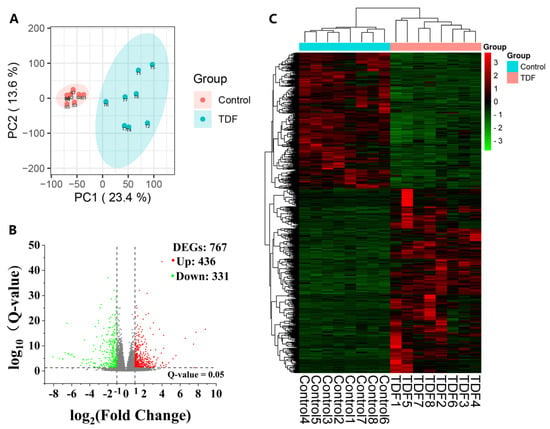
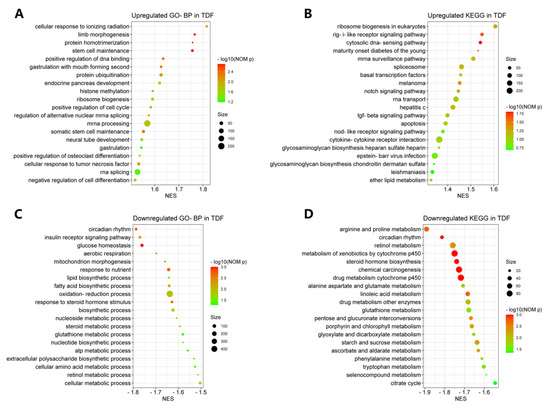
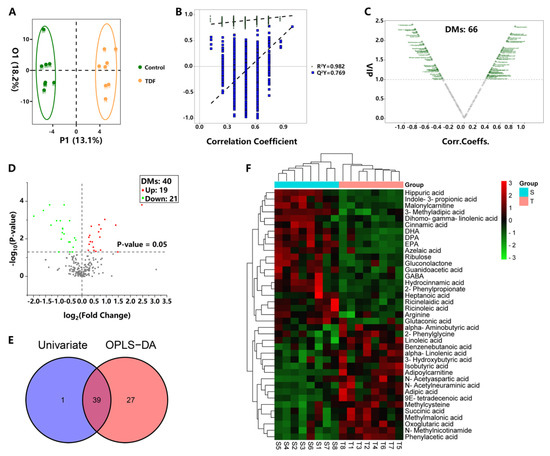
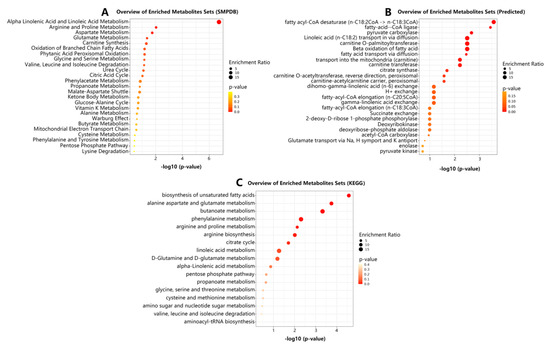
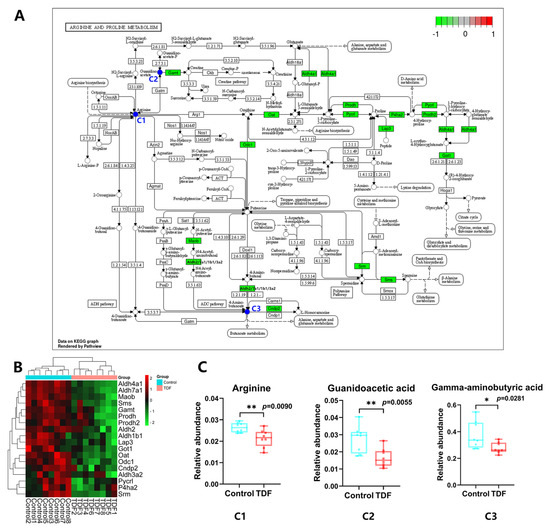
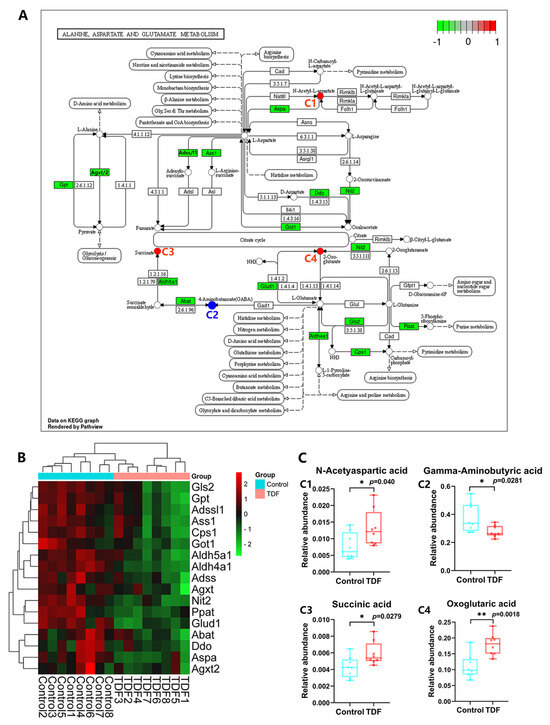
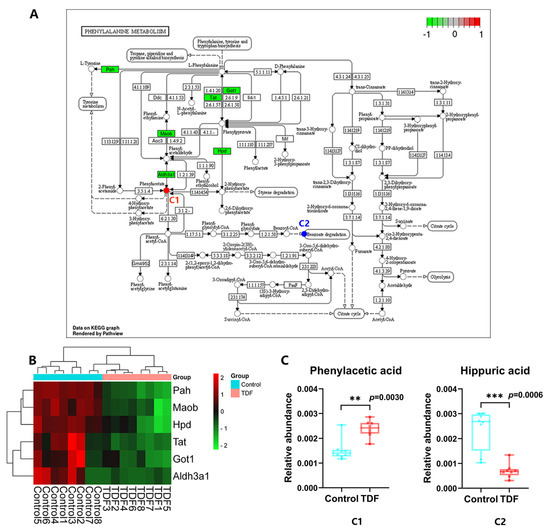
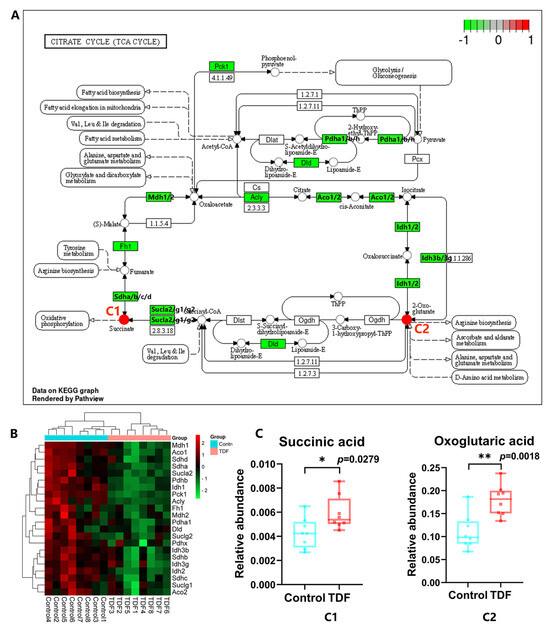
Background and Aims: TDF is a first-line antiviral for CHB with pleiotropic effects including immunomodulation and fibrosis regression, but its virus-independent mechanisms are unclear. This study delineates TDF’s direct molecular and metabolic landscape in vivo using multi-omics. Methods: Wild-type mice received TDF or vehicle for 4 months. Liver tissues underwent RNA-seq and targeted metabolomics, followed by integrative systems biology. Results: TDF caused no hepatotoxicity but induced transcriptomic reprogramming: broad upregulation of immune/inflammatory pathways and suppression of metabolic pathways. Metabolomics confirmed perturbations in amino acid and fatty acid homeostasis. Multi-omics revealed coordinated downregulation of arginine/proline, alanine/aspartate/glutamate, and phenylalanine metabolism, restricting fibrogenic amino acids. TDF also suppressed the TCA cycle (downregulating Idh, Sdh, and Mdh), suggesting a metabolic bottleneck that was associated with paradoxically accumulated succinate and oxoglutarate—immunomodulatory danger signals. Conclusions: This first integrated atlas shows TDF actively remodels the hepatic microenvironment independent of viral infection, bridging metabolic suppression with immune activation. These findings provide an immunometabolic framework that offers new perspectives for understanding the clinical application of TDF and identifies potential biomarkers for CHB therapy. explaining TDF’s clinical superiority and identifying potential biomarkers for CHB therapy.
Full article
(This article belongs to the Special Issue New Insights into Diagnosis and Therapeutic Strategies for Chronic Liver Diseases)
►▼
Show Figures

Figure 1
Open AccessArticle
The Maximum Growth Temperature for Eukaryotes Is Thermodynamically Driven but Ecologically Contingent
by
William Bains
Life 2026, 16(6), 1016; https://doi.org/10.3390/life16061016 - 17 Jun 2026
Abstract
Temperature is a state variable that affects all life. While it is known that archaea can grow at 120 °C and many bacteria can grow at over 100 °C, no eukaryote is known to complete a life cycle at above 65 °C. This
[...] Read more.
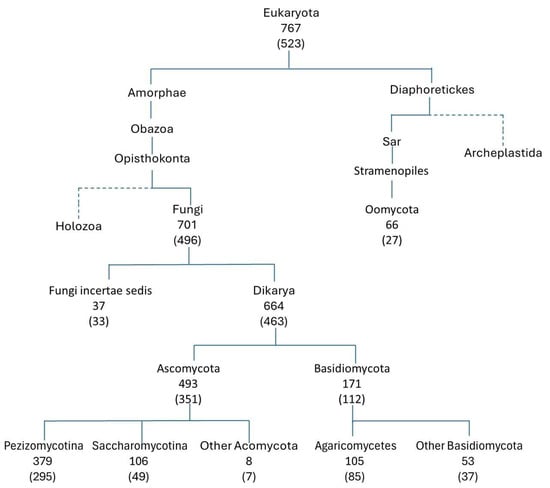
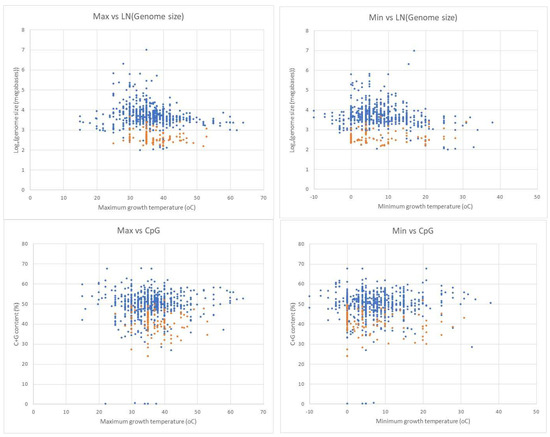
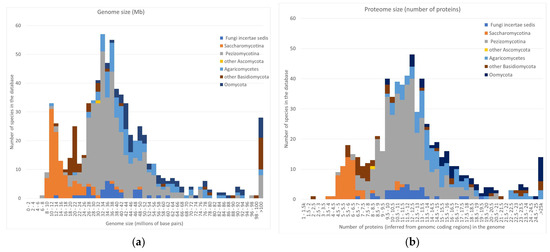
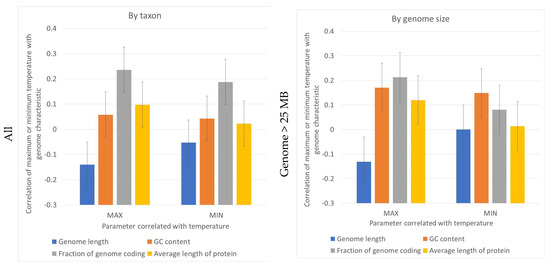
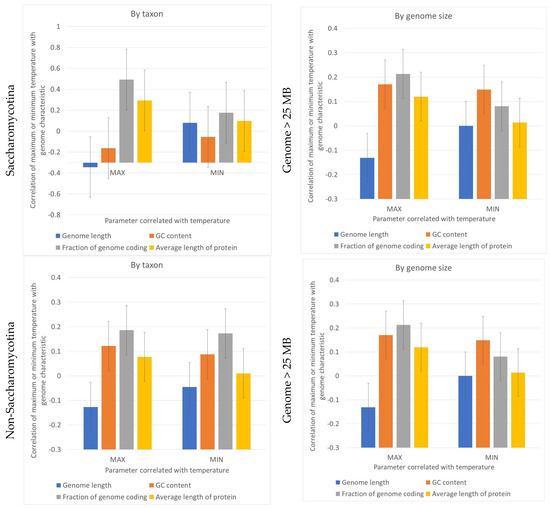
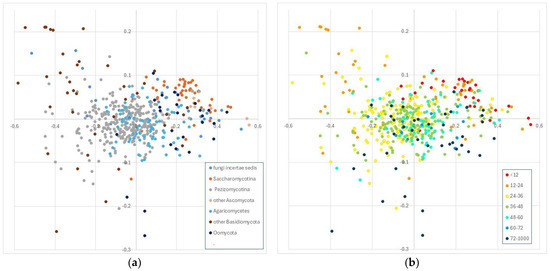
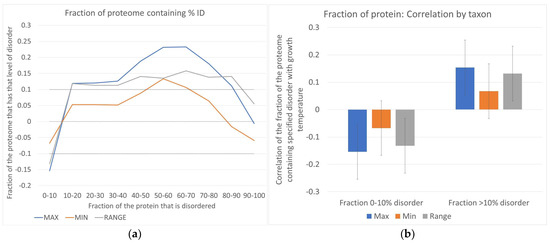
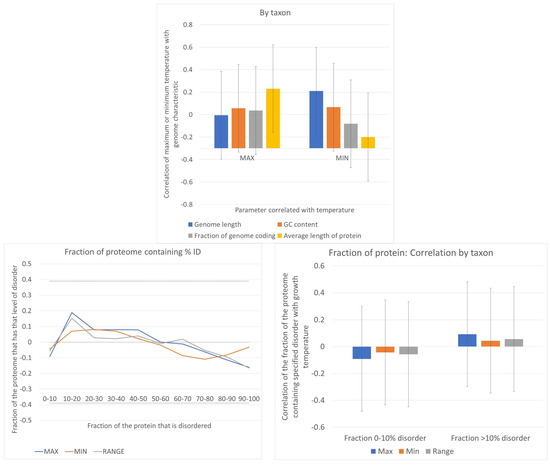
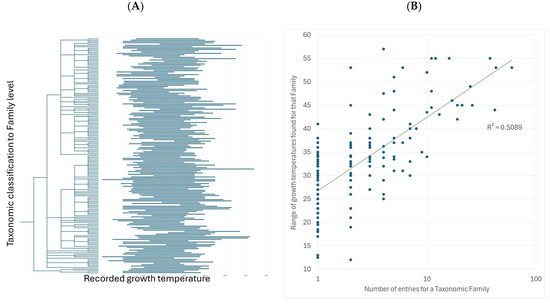
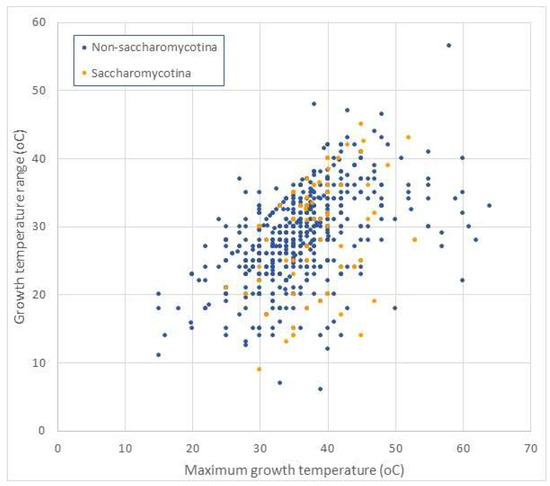
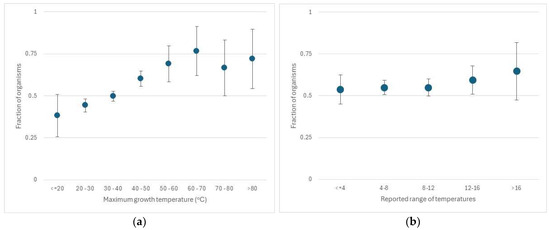
Temperature is a state variable that affects all life. While it is known that archaea can grow at 120 °C and many bacteria can grow at over 100 °C, no eukaryote is known to complete a life cycle at above 65 °C. This paper explores why the difference in the maximum temperature of eukaryotes and other kingdoms of life might occur. It finds that chemical and genome structural differences between the domains of life are unlikely to explain the difference in maximum growth temperature, with the exception of the Saccharomycotina, which are different from other fungi, possibly because of their unique ecology. The distribution of inherently disordered proteins (IDPs), however, is significantly correlated with maximum and minimum growth temperature in fungi, and with the range of temperatures over which fungi can grow. I also demonstrate that the range of temperatures over which a species can grow is correlated with its maximum temperature. I postulate that the range is correlated with maximum temperature because all real-world ecologies fluctuate between elevated and average surface temperatures, and the thermodynamics of IDP-based structures in eukaryotes inherently limits the range over which they can operate. Thus, the 65 °C maximum temperature limit for eukaryotes is a result of a combination of thermodynamic properties of their organization and the temperature regime on the modern Earth; I suggest an experimental approach to testing this.
Full article
(This article belongs to the Section Microbiology)
►▼
Show Figures

Figure 1
Open AccessArticle
HiFi-Assembled Mitogenomes of Four Pygmy Grasshoppers Reveal Mito–Nuclear Discordance in Zhengitettix transpicula and Lineage-Specific Mitochondrial Intergenic Length Variation
by
Rongjiao Zhang, Taihang Xu, Delong Guan and Weian Deng
Life 2026, 16(6), 1015; https://doi.org/10.3390/life16061015 - 17 Jun 2026
Abstract
Mitochondrial genomes are widely used in insect taxonomy and phylogenetics, but their signals may conflict with morphology and nuclear genomic evidence because the mitochondrial genome represents a single maternally inherited locus. Here, we assembled complete mitochondrial genomes of four pygmy grasshoppers, Zhengitettix transpicula
[...] Read more.
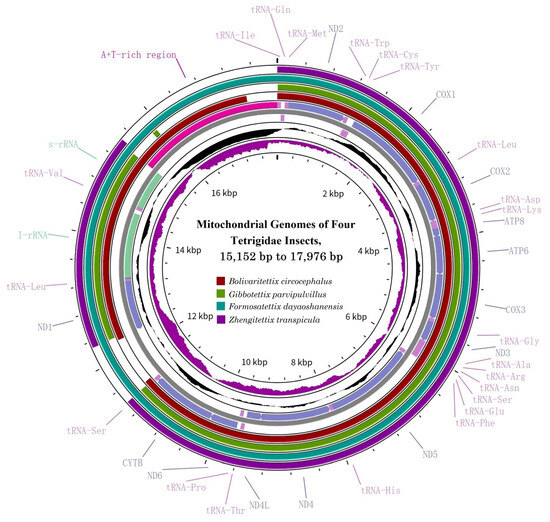
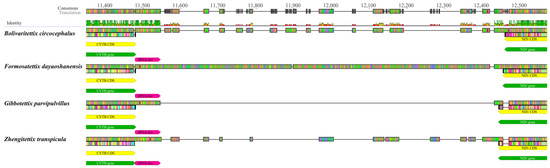
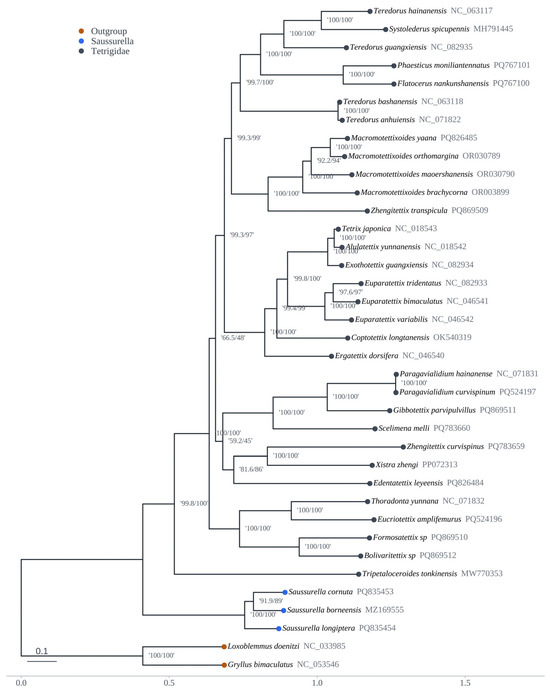
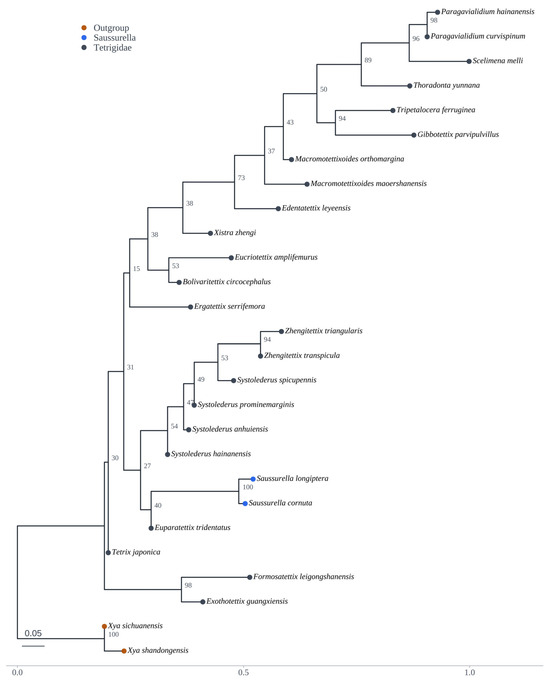
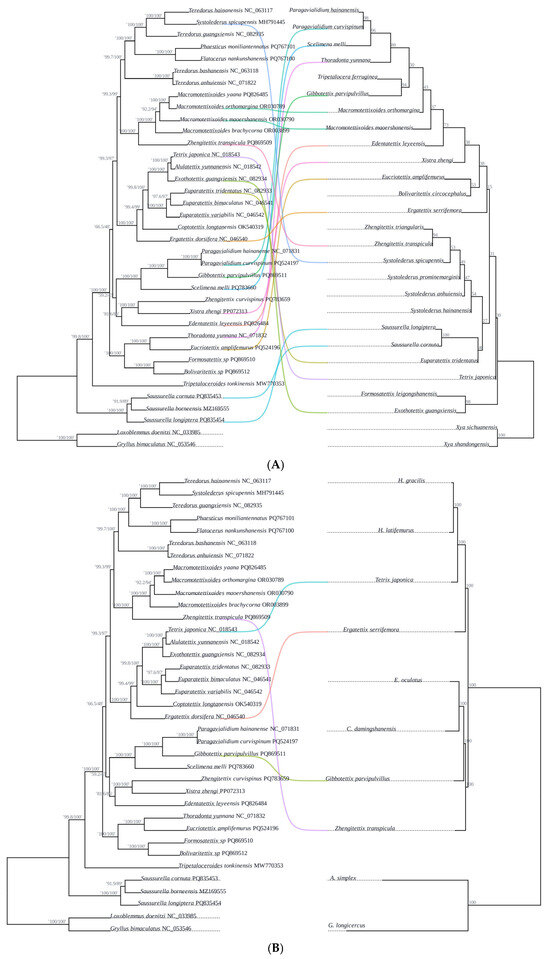
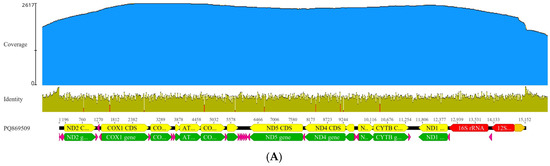
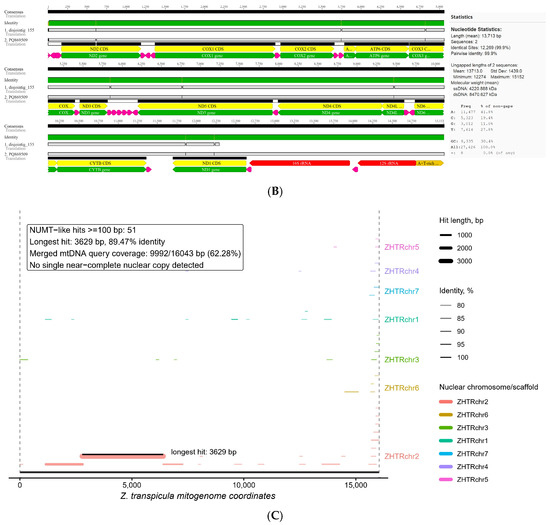
Mitochondrial genomes are widely used in insect taxonomy and phylogenetics, but their signals may conflict with morphology and nuclear genomic evidence because the mitochondrial genome represents a single maternally inherited locus. Here, we assembled complete mitochondrial genomes of four pygmy grasshoppers, Zhengitettix transpicula, Formosatettix sp., Gibbotettix parvipulvillus, and Bolivaritettix sp., using PacBio HiFi reads. The four mitogenomes ranged from 15,152 to 17,976 bp and contained the typical 37 mitochondrial genes. Mitochondrial phylogenies inferred by maximum likelihood and Bayesian methods were topologically identical and recovered several well-supported tetrigid relationships, including a close relationship between Formosatettix sp. and Bolivaritettix sp. However, Z. transpicula was unexpectedly placed near Macromotettixoides rather than close to other Zhengitettix representatives. In contrast, a morphology-based tree recovered Z. transpicula with Z. triangularis, and comparison with a published nuclear single-copy ortholog tree based on 1962 loci supported a non-mitochondrial placement of Zhengitettix inconsistent with the anomalous mitochondrial position of Z. transpicula. Independent assembly from the original HiFi reads, read-depth inspection, protein-coding gene checks, and nuclear-genome screening for NUMT-like sequences supported the authenticity of the assembled Z. transpicula mitogenome. These results document mito–nuclear and cyto-morphological discordance in Tetrigidae and highlight the need for integrative interpretation of mitochondrial phylogenies in taxonomically complex insect groups.
Full article
(This article belongs to the Special Issue Insect Taxonomy in the Era of Mitogenomics)
►▼
Show Figures

Figure 1
Open AccessReview
Fiber-Degrading Microorganisms: Types, Screening and Applications
by
Haiying Yang, Baoyan Yang, Wenjie Zhang, Mengrong Su, Qindan Dai and Jian Ma
Life 2026, 16(6), 1014; https://doi.org/10.3390/life16061014 - 17 Jun 2026
Abstract
Fiber-degrading microorganisms are widely recognized for their potential to convert renewable lignocellulosic biomass into animal feed. However, translating this potential into practical application faces five critical yet underappreciated challenges. First, current screening methods, primarily including plate dilution and Congo red staining, are low-throughput,
[...] Read more.
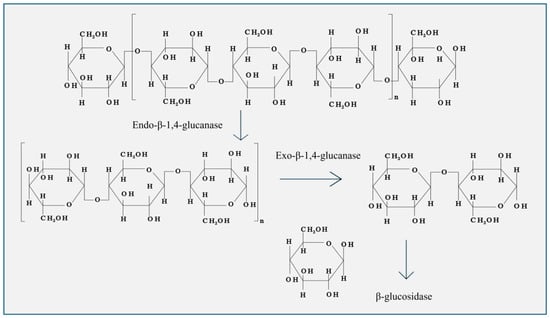
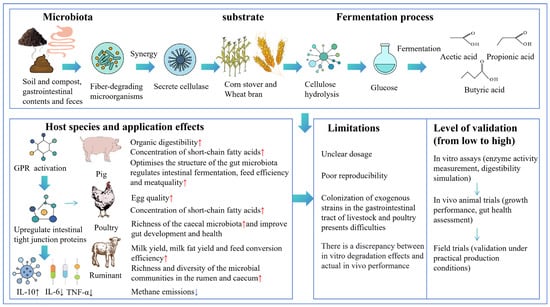
Fiber-degrading microorganisms are widely recognized for their potential to convert renewable lignocellulosic biomass into animal feed. However, translating this potential into practical application faces five critical yet underappreciated challenges. First, current screening methods, primarily including plate dilution and Congo red staining, are low-throughput, poorly reproducible and fail to capture the synergistic actions of natural microbial consortia. Second, the lack of standardized assays for quantifying cellulolytic activity compromises the reliability of cross-study comparisons. Third, safety assessments for fiber-degrading microorganisms remain superficial, with most studies neglecting mycotoxin production, antibiotic resistance gene transfer and long-term colonization risks. Fourth, fundamental differences between fungal and bacterial degradative systems, such as enzyme multiplicity, oxygen requirements and cellulosome assembly, are rarely considered in strain selection, leading to suboptimal application outcomes. Finally, the vast majority of positive in vitro degradation results fail to translate into improved animal performance in vivo, owing to poor microbial survival in the gastrointestinal tract, mismatched enzyme activity with gut pH and temperature, coupled with the absence of dose–response validation. This review critically evaluates these five bottlenecks across fiber-degrading microorganism types, screening platforms and practical livestock production applications. Overall, future progress should depend less on discovering “novel” strains and more on establishing standardized screening pipelines, rigorous safety frameworks and mechanistic understanding of in vivo efficacy, including direct head-to-head comparisons between fungal enzymes and bacterial probiotics under identical conditions.
Full article
(This article belongs to the Special Issue Gut Health and Nutritional Strategies in Animals)
►▼
Show Figures

Figure 1
Journal Menu
► ▼ Journal Menu-
- Life Home
- Aims & Scope
- Editorial Board
- Reviewer Board
- Topical Advisory Panel
- Instructions for Authors
- Special Issues
- Topics
- Sections & Collections
- Article Processing Charge
- Indexing & Archiving
- Editor’s Choice Articles
- Most Cited & Viewed
- Journal Statistics
- Journal History
- Journal Awards
- Society Collaborations
- Conferences
- Editorial Office
Journal Browser
► ▼ Journal BrowserHighly Accessed Articles
Latest Books
E-Mail Alert
News
Topics
Topic in
Antioxidants, Biomedicines, IJMS, Life, Oxygen, Cosmetics, Nutraceuticals
Oxidative Stress and Inflammation, 3rd Edition
Topic Editors: Maria Letizia Manca, Amparo Nacher, Matteo Perra, Ines Castangia, Mohamad AllawDeadline: 31 July 2026
Topic in
Geriatrics, IJMS, Life, Sports, Neurology International, Obesities
Exercise and Human Aging: Physiological and Psychological Functions
Topic Editors: Samuel Da Silva Aguiar, Ismael Perez-SuarezDeadline: 20 September 2026
Topic in
Nutrients, Metabolites, Healthcare, Children, Obesities, Life
Non-Communicable Diseases Silent Killer: Metabolic and Obesity Risks of Sedentary Behaviors
Topic Editors: Kotsedi Daniel Monyeki, Machoene Derrick SekgalaDeadline: 30 September 2026
Topic in
Molecules, Biomimetics, Chemosensors, Life, AI, Sci
Recent Advances in Chemical Artificial Intelligence
Topic Editors: Pier Luigi Gentili, Jerzy Górecki, David C Magri, Pasquale StanoDeadline: 15 October 2026
Conferences
Special Issues
Special Issue in
Life
Advances in Knee Biomechanics—2nd Edition
Guest Editor: Jason ShearnDeadline: 22 June 2026
Special Issue in
Life
Reconstruction of Bone Defects
Guest Editors: Jörg Eschweiler, Philipp KobbeDeadline: 23 June 2026
Special Issue in
Life
Innovations in Thoracic Medicine: Advancements and Challenges—2nd Edition
Guest Editor: Paolo ScanagattaDeadline: 26 June 2026
Special Issue in
Life
Advanced Technologies and Clinical Practice of Cancer Radiotherapy
Guest Editor: Marcin BalcerzykDeadline: 26 June 2026
Topical Collections
Topical Collection in
Life
Antimicrobial Resistance
Collection Editors: Caterina Aurilio, Antonella Paladini, Pasquale Sansone, Vincenzo Pota
Topical Collection in
Life
State of the Art in Plant Science
Collection Editors: Kousuke Hanada, Yoshiteru Noutoshi
Topical Collection in
Life
Feature Papers in Microbiology
Collection Editors: Milan Kolar, Pabulo Rampelotto