

-
Analysis of Physical, Psychological, and Lifestyle Factors Affecting Falls in Older Adults: A Study Based on the Korea National Health and Nutrition Examination Survey -
Technology-Driven Physical Activity Research in Care Homes: A Reflective Narrative -
Polypharmacy and the Use of Potentially Inappropriate Medications in Elderly People in Nursing Homes: A Cross-Sectional Study
Journal Description
Journal of Ageing and Longevity
is an international, peer-reviewed, open access journal on all aspects of ageing and longevity published quarterly online by MDPI. The Italian Longevity League (ILL) is affiliated with the Journal of Ageing and Longevity and its members receive discounts on the article processing charges.
- Open Access— free for readers, with article processing charges (APC) paid by authors or their institutions.
- High Visibility: indexed within Scopus and other databases.
- Rapid Publication: manuscripts are peer-reviewed and a first decision is provided to authors approximately 28.2 days after submission; acceptance to publication is undertaken in 6.3 days (median values for papers published in this journal in the second half of 2025).
- Recognition of Reviewers: APC discount vouchers, optional signed peer review, and reviewer names published annually in the journal.
- Journal Cluster of Healthcare Sciences and Services: Geriatrics, Journal of Ageing and Longevity, Healthcare, Hospitals, Hygiene, International Journal of Environmental Research and Public Health and Nursing Reports.
Latest Articles
The Effect of Boosting Dietary Lactobacillus and Phytochemical Rich Foods on Biomarkers of Longevity—A Phase II Randomised Placebo Controlled Trial
J. Ageing Longev. 2026, 6(2), 35; https://doi.org/10.3390/jal6020035 - 1 Apr 2026
Abstract
►
Show Figures
As men age, systemic inflammation increases, whereas grip strength (GS) and testosterone levels tend to fall. This rate of decline is known to be influenced by gut microbial health, lifestyle and diet but the role for interventions to slow this decline are less
[...] Read more.
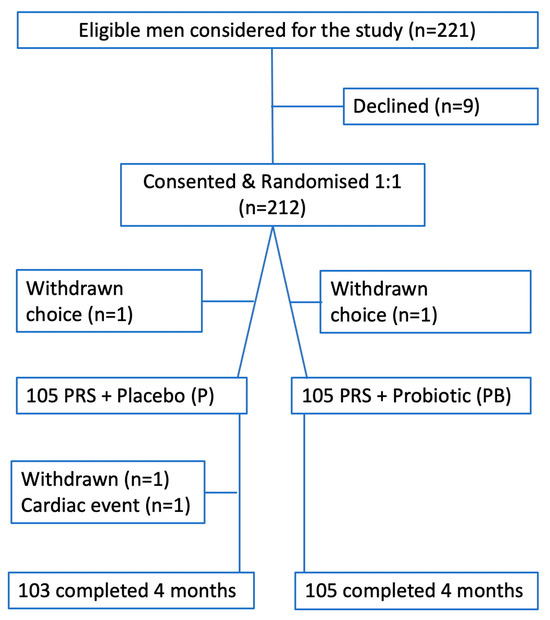
As men age, systemic inflammation increases, whereas grip strength (GS) and testosterone levels tend to fall. This rate of decline is known to be influenced by gut microbial health, lifestyle and diet but the role for interventions to slow this decline are less well established. This double-blind randomised controlled trial evaluated the impact, and explored the synergistic potential, of boosting phytochemical rich foods and Lactobacillus probiotics on these physical and biological markers. Two hundred and eight men with untreated early prostate cancer managed with observation only (average age 74 years) received a phytochemical rich supplement (PRS) containing concentrated broccoli, green tea, pomegranate, ginger, cranberries and turmeric (YourPhyto). In addition, they were randomised to either a 5-blend Lactobacillus probiotic (PB) capsule (YourGutplus) or a placebo (P). Average GS improved by 2.5 kg from baseline to trial completion, at 4 months in men taking PRS +P (95% CI 1.8–3.4, p < 0.001). In the PRS+PB arm, GS improved by 4.4 kg (95% CI 3.6–5.2, p < 0.001). The odds of grip strength improving was 11.8% greater (p = 0.002, OR = 1.11, 95% CI 1.04–1.20) in the PRS+PB arm. Improvements in systemic inflammation were better in the PRS+PB arm (−0.41 vs. +0.39, p = 0.04). Four-month testosterone levels were greater in the PRS+PB arms (14.75 vs. 13.02 ng/L, 95% CI 0.23 to 3.33 ng/L p = 0.046). In conclusion, boosting dietary phytochemicals was associated with improved GS. The addition of this blend of Lactobacillus further enhanced GS, and reduced markers of inflammation. These data justify longer studies exploring the synergy between phytochemicals and probiotics, on more objective markers of longevity.
Full article
Open AccessArticle
Vulnerability to Heat Effects and Regional Inequalities Among Older Adults in the State of São Paulo, Brazil
by
Thauã Pereira Menezes, Ricardo Luiz Damatto, Samuel De Mattos Alves, Paulo José Fortes Villas Boas, Thaís Facundes Santana Santos Silva, José Ferreira de Oliveira Neto, Nauany Araujo Costa, José Eduardo Corrente and Adriana Polachini Valle
J. Ageing Longev. 2026, 6(2), 34; https://doi.org/10.3390/jal6020034 - 1 Apr 2026
Abstract
►▼
Show Figures
Older adults are particularly vulnerable to extreme heat, but evidence of the role of social factors in regional heat vulnerability remains limited. To assess the impacts of heat waves on cardiorespiratory hospitalizations and mortality, we developed a Climate Vulnerability Index by the Regional
[...] Read more.
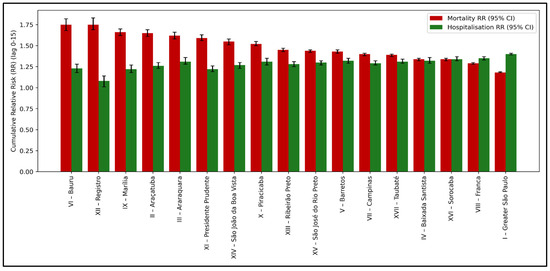
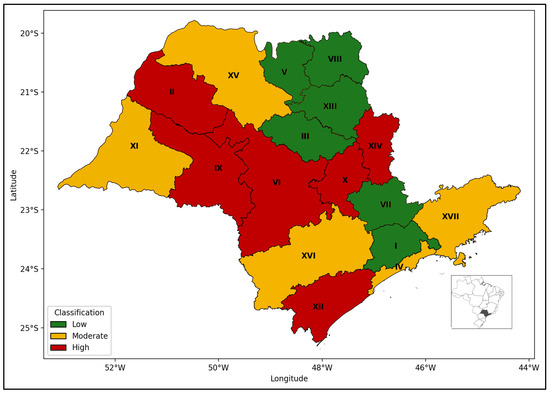
Older adults are particularly vulnerable to extreme heat, but evidence of the role of social factors in regional heat vulnerability remains limited. To assess the impacts of heat waves on cardiorespiratory hospitalizations and mortality, we developed a Climate Vulnerability Index by the Regional Health Department (RHD), including adults aged ≥ 60 years across 17 RHDs in São Paulo State, Brazil. Health data were obtained from national information systems, and heat wave exposure was derived from ERA5 reanalysis data, defined as periods of at least three consecutive days with daily mean temperature exceeding the seasonal climatological mean by ≥3 °C, for 2010–2019 and 2023–2024, excluding 2020–2022. Associations between heat waves and health outcomes were estimated using distributed lag non-linear models with lags of 0–15 days. Cumulative relative risks, along with sociodemographic, sanitation, and health system indicators, were integrated to construct the Index based on IPCC sensitivity and adaptive capacity domains. Heat waves were associated with increased risks of cardiorespiratory hospitalizations and mortality across all RHDs, with stronger effects observed for mortality and inland regions. Higher vulnerability was concentrated in RHDs characterized by larger older adult populations, greater heat-related risks, and weaker health system and sanitation indicators, whereas more developed regions showed lower vulnerability. Overall, the Index provides a practical tool to support territorial prioritization and targeted heat–health adaptation strategies in ageing populations.
Full article

Figure 1

Open AccessArticle
Activity Tracking Behavior and Engagement in Consistent Physical Activity Among Older Adults and Care Partners
by
Oluwaseun Adeyemi, Dowin Boatright and Joshua Chodosh
J. Ageing Longev. 2026, 6(1), 33; https://doi.org/10.3390/jal6010033 - 23 Mar 2026
Abstract
►▼
Show Figures
Background: Activity trackers support physical activity, yet evidence on their effectiveness among older adults and care partners is limited. This study assesses the relationship between activity-tracking frequency and engagement in consistent physical activity among older adults and care partners. Methods: For this cross-sectional
[...] Read more.
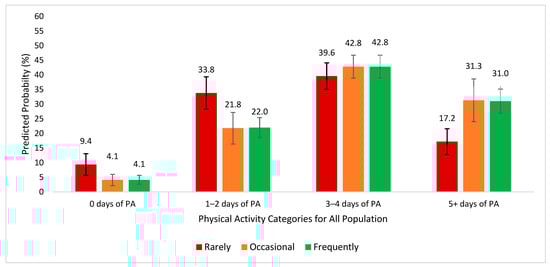
Background: Activity trackers support physical activity, yet evidence on their effectiveness among older adults and care partners is limited. This study assesses the relationship between activity-tracking frequency and engagement in consistent physical activity among older adults and care partners. Methods: For this cross-sectional study, 615 older adults and care partners completed online surveys assessing the frequency of activity tracking (predictor) and the regularity in physical activity engagement (outcome). Using multivariable logistic regression, we assessed the association between the predictors and the outcome across the entire population and separately among older adults (n = 310) and care partners (n = 305), adjusting for sociodemographic, mobility, and health-related covariates. We reported the adjusted odds ratio (aOR) and 95% confidence intervals (CI). Results: Older adult (OA) and care partner (CP) respondents were predominantly female (OA: 57%, CP: 53%) and non-Hispanic White (OA: 51%, CP: 43%). Across the entire population, frequent tracking of physical activity was associated with a 2.4-fold increase in the odds of engaging in consistent physical activity (aOR: 2.40; 95% CI: 1.45–3.96). Older adults who frequently track their physical activity were 2.5 times more likely to engage in consistent physical activity (aOR: 2.47; 95% CI: 1.08–5.64). Care partners who occasionally tracked their physical activity were 3.5 times more likely to engage in consistent physical activity (aOR: 3.54; 95% CI: 1.54–8.11). Conclusions: Physical activity tracking is associated with greater physical activity engagement among older adults and care partners. These findings contribute to understanding factors associated with physical activity behavior in this population.
Full article

Figure 1
Open AccessReview
Depression in Older Adult Refugees: A Scoping Review
by
Hasina Amanzai, Sepali Guruge, Kateryna Metersky, Cristina Catallo, Areej Al-Hamad, Yasin M. Yasin, Zhixi Cecilia Zhuang, Betty Qiuxuan Wang, Angelina Stafford, Lu Wang and Lixia Yang
J. Ageing Longev. 2026, 6(1), 32; https://doi.org/10.3390/jal6010032 - 18 Mar 2026
Abstract
►▼
Show Figures
Global forced displacement has reached unprecedented levels, with more than 123 million people uprooted by the end of 2024. Although older adults represent a growing proportion of refugee populations, their mental health needs remain overlooked. This scoping review synthesized current evidence on depression
[...] Read more.
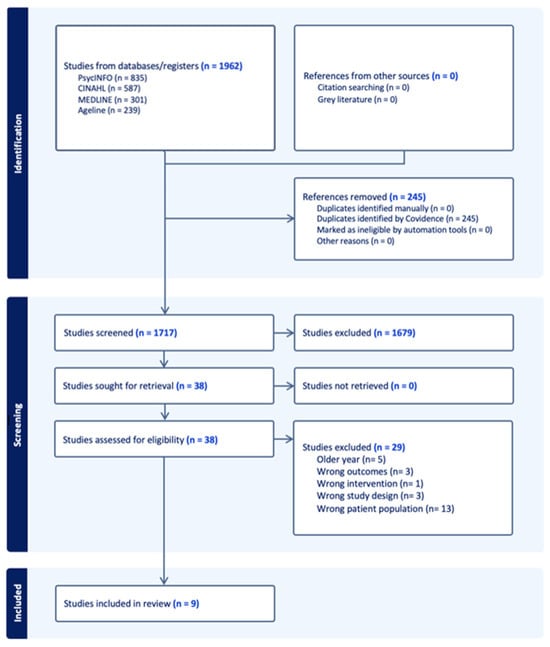
Global forced displacement has reached unprecedented levels, with more than 123 million people uprooted by the end of 2024. Although older adults represent a growing proportion of refugee populations, their mental health needs remain overlooked. This scoping review synthesized current evidence on depression among older adult refugees aged 50 years and older. Guided by the Joanna Briggs Institute methodology and reported using PRISMA-ScR standards, searches were conducted in CINAHL, PsycINFO, AgeLine, and Medline for English-language publications from 2015 to 2025. A total of 1971 records were identified, with nine studies (N = 1370 participants) meeting eligibility criteria. Most studies employed cross-sectional designs and were conducted in high-income countries. Depression prevalence was consistently elevated, with rates ranging from 22% to over 70%, depending on population and measurement tools. Risk factors included female sex, widowhood, low socioeconomic status, chronic illness, functional impairment, trauma exposure, language barriers, social isolation, and limited access to care. Protective influences such as family support, higher socioeconomic status, and improved living conditions were identified but inconsistently reported. Findings indicate that older refugees are at high risk of depression, often shaped by intersecting aging- and displacement-related vulnerabilities. Findings highlight the need for culturally specific tools and longitudinal research to inform culturally safe care for older refugees.
Full article

Figure 1

Open AccessArticle
Housing for Artful Ageing: Reconceptualising Housing for Older Adults Through the Care Ecology of Everyday Life
by
Tine Fristrup and Jon Dag Rasmussen
J. Ageing Longev. 2026, 6(1), 31; https://doi.org/10.3390/jal6010031 - 17 Mar 2026
Abstract
This article develops the concept of Housing for Artful Ageing by integrating theoretical perspectives from Artful Ageing philosophy with empirical insights from an anthropological study of housing for older adults in Copenhagen. Drawing on Jon Dag Rasmussen’s concept of ‘the housing area for
[...] Read more.
This article develops the concept of Housing for Artful Ageing by integrating theoretical perspectives from Artful Ageing philosophy with empirical insights from an anthropological study of housing for older adults in Copenhagen. Drawing on Jon Dag Rasmussen’s concept of ‘the housing area for older adults’ particular (care) ecology’, we argue that successful housing for older adults requires attention to both spatial (physical–material) and spacious (inclusive–experiential) dimensions of ageing lives. Through detailed analysis of everyday life in Guldbergs Have, a housing area for older adults in Copenhagen, we demonstrate how micro-interactions, sensory experiences, and minor gestures create an ecological whole that supports wellbeing beyond biomedical paradigms of successful ageing. Synthesising Manning’s theory of minor gestures with Basting’s creative care approach, we show how Artful Ageing transforms ageing from a narrative of decline into a dynamic process of becoming. We propose design principles and policy implications for creating housing that enables artful processes of becoming in later life, challenging the pathologising tendencies of active ageing discourse through attention to the small ageing experiences that constitute meaningful everyday existence.
Full article
Open AccessReview
Measuring Cognition and Cognitive Impairment in the Survey of Health, Ageing and Retirement in Europe (SHARE): A Scoping Review and Instrument Mapping Study
by
Mark R. O’Donovan, Nicola Cornally and Rónán O’Caoimh
J. Ageing Longev. 2026, 6(1), 30; https://doi.org/10.3390/jal6010030 - 12 Mar 2026
Abstract
►▼
Show Figures
The Survey of Health, Ageing and Retirement in Europe (SHARE) is a cross-national panel study including approximately 160,000 adults aged ≥50 years from 29 countries. While multiple cognitive subtests are available, the SHARE consortium does not currently recommend a standardised approach to cognitive
[...] Read more.
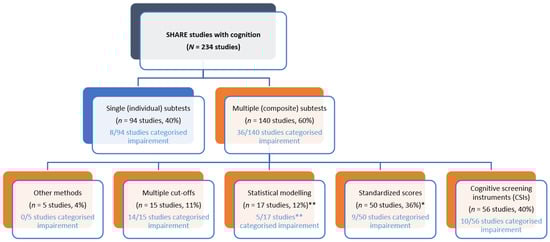
The Survey of Health, Ageing and Retirement in Europe (SHARE) is a cross-national panel study including approximately 160,000 adults aged ≥50 years from 29 countries. While multiple cognitive subtests are available, the SHARE consortium does not currently recommend a standardised approach to cognitive screening. This scoping review and mapping study aimed to (1) assess how cognition is measured in SHARE publications, (2) identify whether any cognitive screening instruments (CSIs) are validated in the SHARE, and (3) explore the potential to replicate additional CSIs using cognitive measures available in recent waves that include an expanded battery of subtests. SHARE-related publications were identified by searching PubMed, and a dedicated online registry of SHARE publications. Methodical details were extracted and quantitative counts calculated. Among 234 SHARE publications, the most common choices were using single subtests (n = 94), CSIs (n = 56), and standardised scores (n = 50). From 22 unique CSIs used in the SHARE, only the SHARE Cognitive Instrument and Langa–Weir Criteria were formally validated. Cognitive impairment was assessed in 36 studies, yet no validated recognised definition of mild cognitive impairment (MCI) was found. Mapping other potential CSIs (n = 81) identified the 10-Point Cognitive Screener, Six-Item Screener and Mini-Cog as other potential CSIs for use across SHARE waves. Further research is needed to validate existing CSIs and to better operationalise MCI in the SHARE.
Full article

Figure 1

Open AccessBrief Report
UnderstandingMCI.ca: Mixed-Methods Evaluation of a Brief Web-Based Multimedia Lesson to Improve Public and Family Care Partner Knowledge of Mild Cognitive Impairment
by
Victoria J. Meng, Dima Hadid, Stephanie Ayers, Sandra Clark, Rebekah Woodburn, Roland Grad and Anthony J. Levinson
J. Ageing Longev. 2026, 6(1), 29; https://doi.org/10.3390/jal6010029 - 12 Mar 2026
Abstract
►▼
Show Figures
Mild cognitive impairment (MCI), also known as mild neurocognitive disorder, represents a transitional stage between normal cognitive aging and dementia and often signals early neurodegenerative change. Despite its clinical importance, MCI remains poorly understood by the public and family care partners, leading to
[...] Read more.
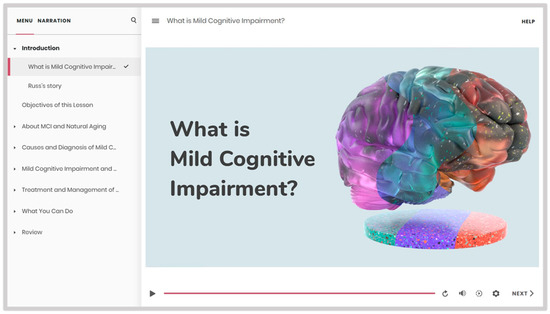
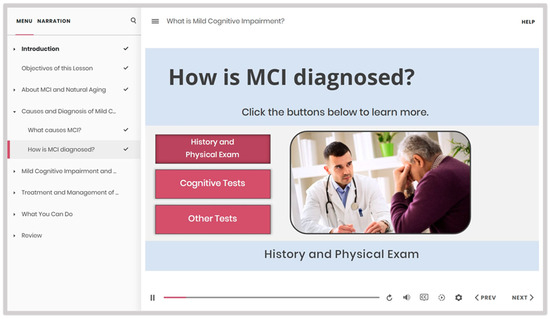
Mild cognitive impairment (MCI), also known as mild neurocognitive disorder, represents a transitional stage between normal cognitive aging and dementia and often signals early neurodegenerative change. Despite its clinical importance, MCI remains poorly understood by the public and family care partners, leading to uncertainty and distress following diagnosis. This study evaluated UnderstandingMCI.ca, a brief multimedia e-learning lesson designed to improve MCI literacy among the public and care partners. The lesson was disseminated through the McMaster Optimal Aging Portal, with web analytics tracking uptake, progress, and completion, and a post-lesson survey incorporating the Net Promoter Score (NPS), the Information Assessment Method for all (IAM4all) questionnaire, and open-text feedback assessing perceived impact. Between 15 January and 7 February 2025, over 5000 users initiated the lesson, 1537 completed it, and 984 responded to the survey. Respondents were predominantly women aged 65 years or older. The NPS was 72 (“excellent”); 942 respondents (96%) found the lesson relevant, 937 (95%) anticipated benefits from using the information, and nearly all (982 respondents) reported understanding the material. Thematic analysis of 296 comments identified greater understanding of MCI versus normal aging and dementia, emotional reassurance, and motivation for proactive brain-health behaviors. UnderstandingMCI.ca was well-received, with respondents reporting that the lesson was understandable and relevant, and that they intended to use the information, suggesting it may be a feasible and scalable approach to public and care partner education about MCI.
Full article

Figure 1
Open AccessArticle
The Association Between Technology Acceptance and Indoor Fear of Falling in Community-Dwelling Older Adults
by
Thomas E. Dorner, Matei Capatu, Christina Fastl, Sabine Lehner and Andreas Jakl
J. Ageing Longev. 2026, 6(1), 28; https://doi.org/10.3390/jal6010028 - 10 Mar 2026
Abstract
►▼
Show Figures
Fear of falling (FoF) is common in older adults and can reduce physical activity, mobility, and independence. As assistive technologies become more common, understanding how attitudes towards technology influence FoF is important. This study examined indoor FoF and its association with technology acceptance
[...] Read more.
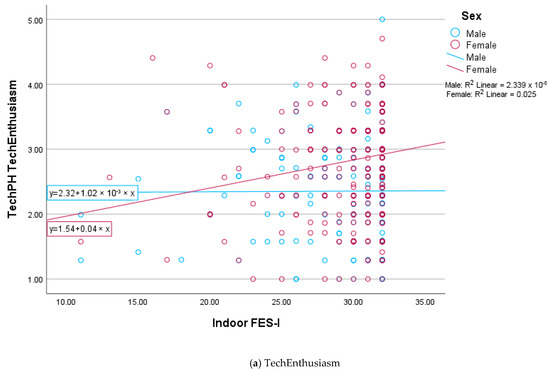
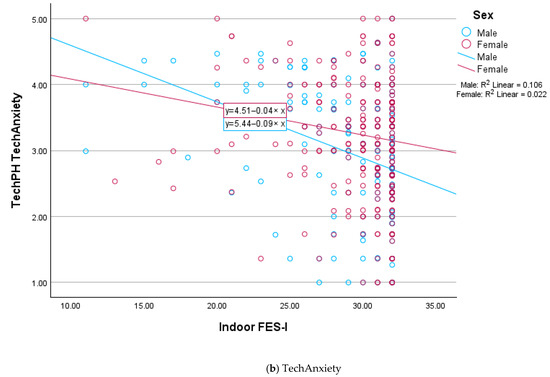
Fear of falling (FoF) is common in older adults and can reduce physical activity, mobility, and independence. As assistive technologies become more common, understanding how attitudes towards technology influence FoF is important. This study examined indoor FoF and its association with technology acceptance among 500 community-dwelling Austrian adults aged 65–85 via a cross-sectional web survey. Indoor FoF was assessed using the Falls Efficacy Scale–International (FES-I) indoor items. Technology acceptance was measured using the TechPH questionnaire, which captured TechEnthusiasm and TechAnxiety. Logistic regression models were used to analyse associations with FoF, dichotomised at the median. The mean age was 74 years, and 55% of participants were female. Overall, indoor FoF was low. Adjusted models indicated that older age (OR = 1.08; 95% CI: 1.04–1.12) and female sex (OR = 1.55; 95% CI: 1.01–2.38) were linked to higher FoF. Greater TechEnthusiasm was associated with lower FoF (OR = 0.65; 95% CI: 0.50–0.85), while higher TechAnxiety (i.e., less confidence with technology) was linked to higher FoF (OR = 1.79; 95% CI: 1.40–2.27). The TechEnthusiasm-FoF association was stronger among women. Promoting enthusiasm for technology may reduce FoF, but potential acceptance barriers must be addressed, especially among higher-risk individuals.
Full article

Figure 1
Open AccessArticle
Sharing Dance with Older Adults in Canada: An Exploratory Case Study
by
Sydney Giancola, Russell Estreicher, Ann Joseph, Rachel J. Bar and Maurita T. Harris
J. Ageing Longev. 2026, 6(1), 27; https://doi.org/10.3390/jal6010027 - 3 Mar 2026
Abstract
►▼
Show Figures
Dance can enhance older adults’ well-being by fostering social connection, physical activity, and creative expression. Yet it is often framed primarily as a health intervention rather than an accessible and enjoyable form of life enrichment. This study explored older adults’ perspectives on the
[...] Read more.
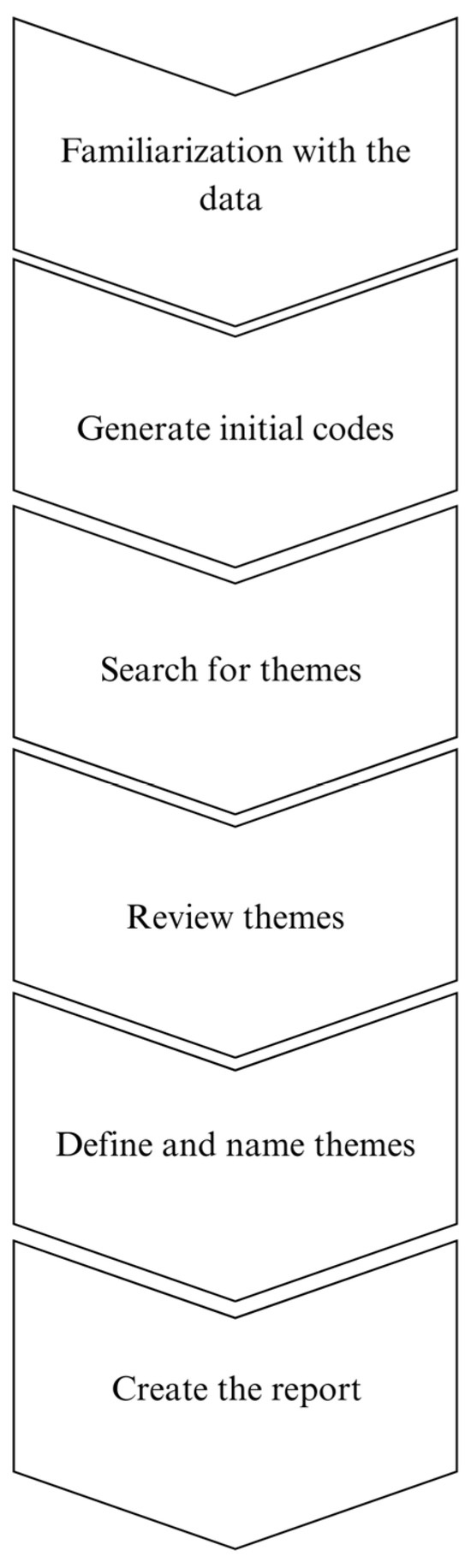
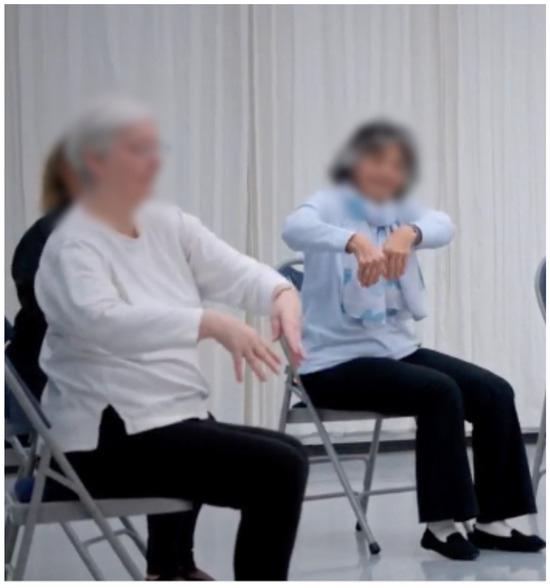
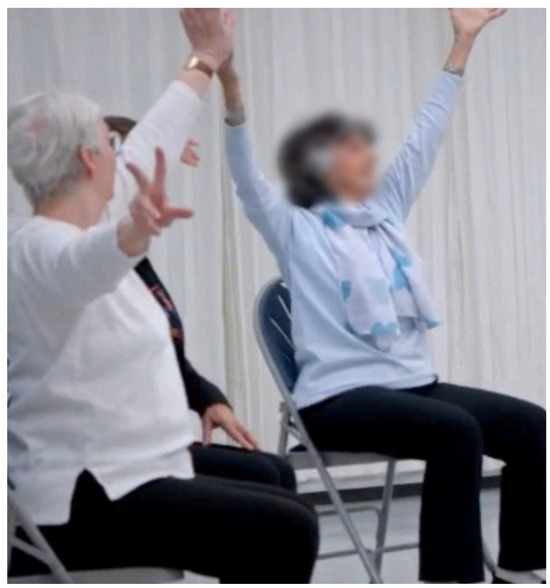
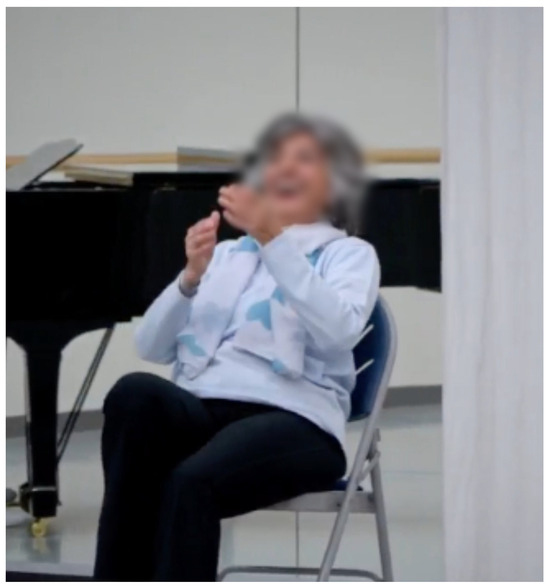
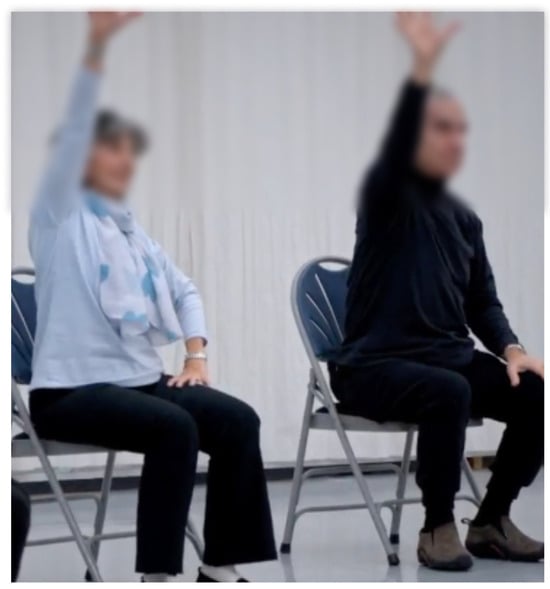
Dance can enhance older adults’ well-being by fostering social connection, physical activity, and creative expression. Yet it is often framed primarily as a health intervention rather than an accessible and enjoyable form of life enrichment. This study explored older adults’ perspectives on the benefits of dance and factors influencing accessibility in the Greater Toronto Area. A qualitative video elicitation study was conducted on 22 January 2025, with nine older adults participating in a Sharing Dance Older Adults class at Canada’s National Ballet School. The class was professionally recorded from fixed positions, and six participants subsequently took part in semi-structured focus groups to review selected footage and discuss their experiences. Data were analyzed by a three-member team using reflexive thematic analysis. The findings identified themes related to perceived health benefits, dance class design, and accessibility, with participants emphasizing that accessible program features enhanced enjoyment and engagement. These findings suggest that prioritizing accessibility in dance programming may support joyful participation among older adults. This study contributes to research on aging and the arts, informs inclusive program design, and demonstrates the utility of video elicitation for examining embodied dance experiences.
Full article

Figure 1
Open AccessArticle
Persistence of the APOE ε4 Allele Among Sardinian Nonagenarians: Longitudinal Survival Evidence from a Blue Zone Cohort
by
Alessandra Errigo, Maria Pina Dore, Elettra Merola and Giovanni Mario Pes
J. Ageing Longev. 2026, 6(1), 26; https://doi.org/10.3390/jal6010026 - 28 Feb 2026
Abstract
►▼
Show Figures
Background: Genetic variants associated with lifespan are typically identified by comparing long-lived individuals with younger populations. However, factors influencing the attainment of advanced age may differ from those affecting survival once extreme age has already been reached. The Sardinian “Longevity Blue Zone” (LBZ)
[...] Read more.
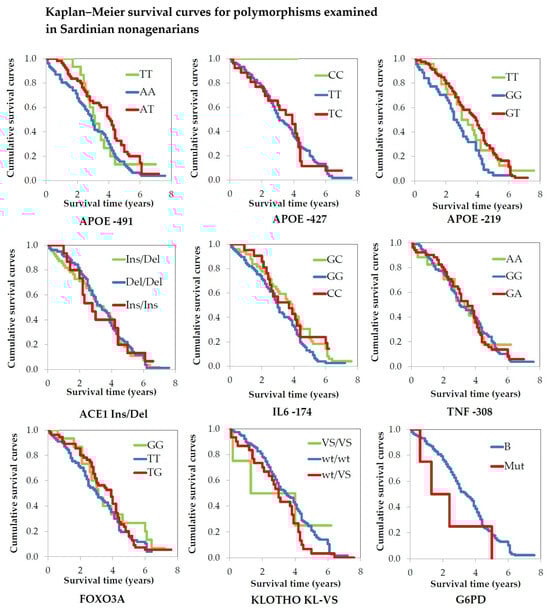
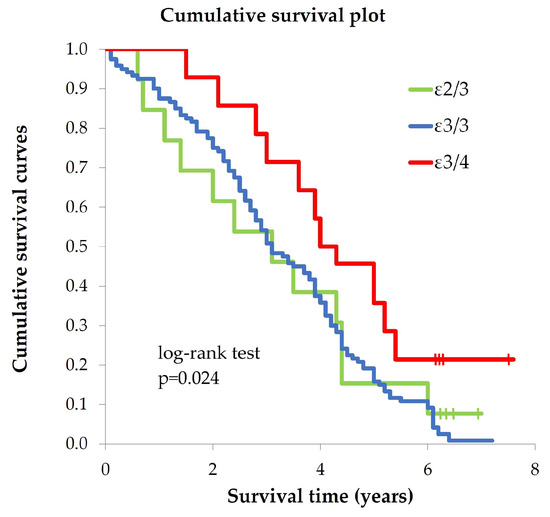
Background: Genetic variants associated with lifespan are typically identified by comparing long-lived individuals with younger populations. However, factors influencing the attainment of advanced age may differ from those affecting survival once extreme age has already been reached. The Sardinian “Longevity Blue Zone” (LBZ) represents a well-characterized longevity population in which this distinction can be investigated. Methods: We conducted a prospective survival study in 150 community-dwelling nonagenarians from the Sardinian LBZ with follow-up for more than seven years. Previously investigated candidate polymorphisms involved in aging-related pathways, including APOE, ACE1, IL6, TNFα, FOXO3A, KLOTHO, and G6PD, were reanalyzed using Kaplan–Meier curves and Cox proportional hazards models adjusted for age at recruitment, sex, and comorbidity burden (CIRS score). Results: Most polymorphisms showed no association with residual survival after age 90. In unadjusted analyses, carriers of the APOE ε4 allele displayed lower mortality than non-carriers (HR 0.49, 95% CI 0.26–0.93). However, after adjustment for age at recruitment, sex, and comorbidity (CIRS score), the association was attenuated and no longer statistically significant (HR 0.49, 95% CI 0.24–1.03). Conclusions: In this cohort of Sardinian nonagenarians, candidate longevity-associated polymorphisms did not significantly influence survival beyond age 90. The absence of an independent mortality disadvantage among APOE ε4 carriers indicates that the allele is compatible with survival into extreme age rather than conferring a survival advantage. These findings highlight the importance of distinguishing genetic determinants of longevity attainment from factors governing mortality dynamics at extreme ages.
Full article

Figure 1

Open AccessArticle
From Evidence to Action: A Qualitative Study Exploring Stakeholder Views on Sharing Exercise Oncology Findings
by
Emily Smyth, Annie O’Brien, Sanela Begic, Felipe Malagon, Juliette Hussey, Emer Guinan and Linda O’Neill
J. Ageing Longev. 2026, 6(1), 25; https://doi.org/10.3390/jal6010025 - 25 Feb 2026
Abstract
►▼
Show Figures
A substantial body of evidence supports the role of exercise in mitigating many effects of cancer and its treatments. However, services for survivors remain scarce, highlighting a significant research-to-practice gap. To address this gap, it is essential to explore strategies that could enhance
[...] Read more.
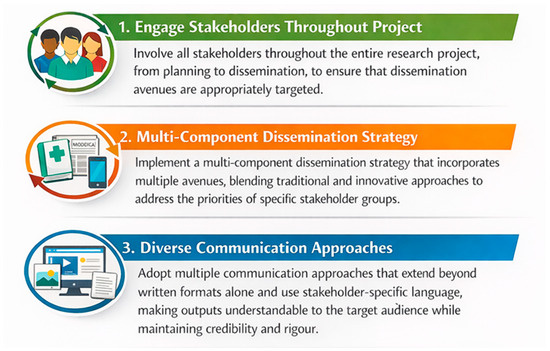
A substantial body of evidence supports the role of exercise in mitigating many effects of cancer and its treatments. However, services for survivors remain scarce, highlighting a significant research-to-practice gap. To address this gap, it is essential to explore strategies that could enhance the dissemination of evidence, supporting the translation of exercise oncology trial findings into clinical practice. To this end, this qualitative study aimed to explore the viewpoints of stakeholders (patients/healthcare professionals (HCPs)/policy makers/researchers) on the dissemination of exercise oncology trials. Stakeholders were invited to take part in a one-to-one semi-structured interview exploring their experiences of and preferences for exercise oncology trial dissemination. Interviews were audio-recorded, transcribed verbatim, and analysed using a thematic approach. Thirty stakeholders were recruited: patients with a history of cancer (n = 14), healthcare professionals (HCPs) (n = 3), researchers (n = 10), and policy makers/healthcare management (n = 3). Median interview length was 14 min and 10 s (range 8 min 16 s to 37 min and 23 s). Three main themes were identified: (i) the need for enhanced dissemination strategies, (ii) engaging stakeholders throughout the study lifespan as key to facilitating effective dissemination, and (iii) tools to support closing the research-to-practice gap. Results indicate that stakeholders want dissemination approaches tailored to the intended audience and presented in formats that are accessible both linguistically and practically, recognising the individuality of each stakeholder group. To support this, three main recommendations were generated: (i) engage all stakeholders throughout the entire research project, from planning to dissemination, to ensure that dissemination avenues are appropriately targeted; (ii) implement a multi-component dissemination strategy that incorporates multiple avenues, blending traditional and innovative approaches to address the priorities of specific stakeholder groups; (iii) adopt multiple communication approaches that extend beyond written format alone and use stakeholder-specific language which is understandable to target audience while maintaining credibility and rigour.
Full article

Figure 1
Open AccessArticle
Declining Health and Sense of Mastery Can Explain the Inverse Relation Between Advanced Age and Wisdom
by
Monika Ardelt
J. Ageing Longev. 2026, 6(1), 24; https://doi.org/10.3390/jal6010024 - 14 Feb 2026
Abstract
►▼
Show Figures
Previous research found an inverse U-shaped association between age and different measures of wisdom, with the apex in late midlife. What might explain the negative relation between age and wisdom during the later years of life? This research investigated the impact of subjective
[...] Read more.
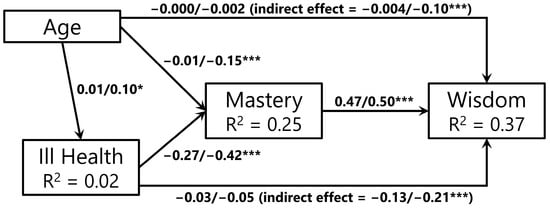
Previous research found an inverse U-shaped association between age and different measures of wisdom, with the apex in late midlife. What might explain the negative relation between age and wisdom during the later years of life? This research investigated the impact of subjective physical health and mastery, using data from the Successful AGing Evaluation (SAGE) study of 976 adults between the ages of 51 and 99 years (M = 77.23, SD = 12.18). Physical health tends to decline with advancing years and, therefore, might reduce older adults’ sense of mastery and control over their lives, which might adversely affect their wisdom. Results showed that age correlated negatively with subjective health, wisdom, and mastery. In multivariate regression and path analyses, the negative relations of age and ill health on wisdom became non-significant after mastery was entered into the model. If wisdom declines in old age due to ill health that results in a perceived loss of mastery, enabling older adults to maintain their sense of control might preserve wisdom.
Full article

Figure 1
Open AccessArticle
Insights from Japanese Seniors After Playing Brain-Training Games and Using a Brain-Activity Wearable Device: An Exploratory Pilot in a Living-Lab
by
Ryan Browne, Takamitsu Shinada, Toshimi Ogawa and Yasuyuki Taki
J. Ageing Longev. 2026, 6(1), 23; https://doi.org/10.3390/jal6010023 - 12 Feb 2026
Abstract
►▼
Show Figures
Aim: Brain training games offer a promising avenue for promoting cognitive engagement and healthy aging among older adults. However, little is known about how design features align with the specific needs of this demographic to promote sustained usage and thereby cognitive intervention. The
[...] Read more.
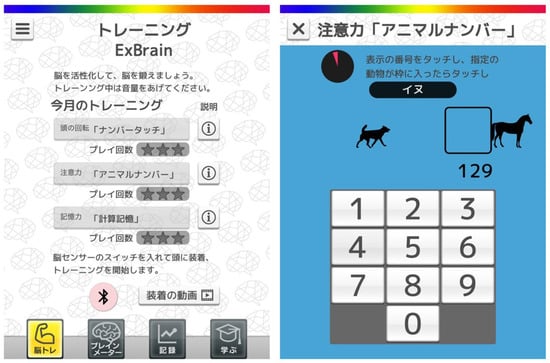
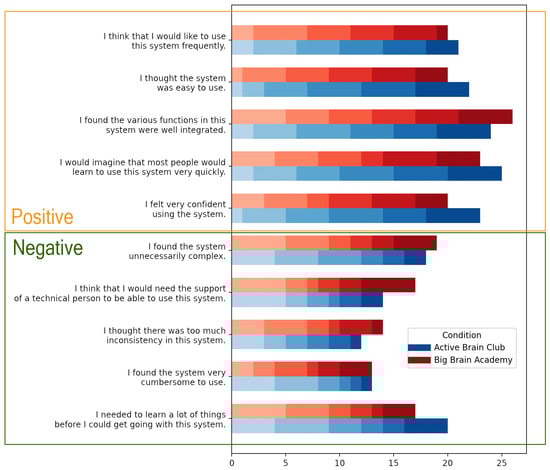
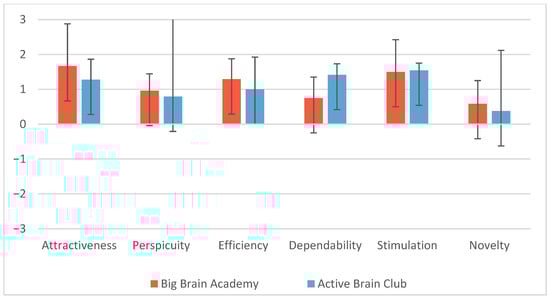
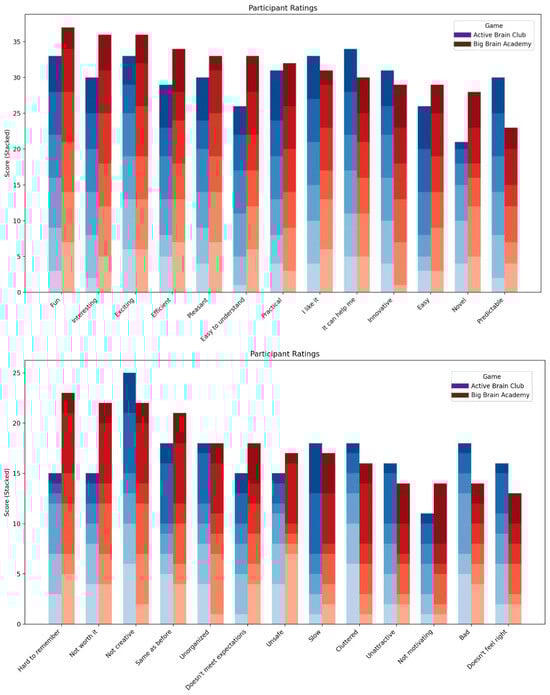
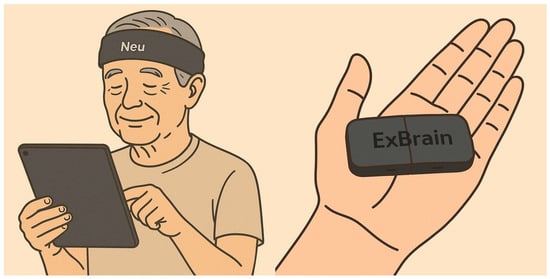
Aim: Brain training games offer a promising avenue for promoting cognitive engagement and healthy aging among older adults. However, little is known about how design features align with the specific needs of this demographic to promote sustained usage and thereby cognitive intervention. The aim of this study was to characterize how all aspects of the game design and player experience might influence adherence mechanisms, and assess the feasibility and acceptability of a wearable brain-activity measuring device. Methods: We use an exploratory mixed-methods approach with n = 6 community-dwelling older adults (mean age 68 ± 3.94) within a smart-home-style Living-Lab. Participants played two commercially available brain-training games. One of the games uses a wearable brain-activity measuring device. We collected System Usability Scale (SUS) and User Experience Questionnaire (UEQ) scores and conducted focus-group interviews and structured observations. We performed a qualitative theory-informed analysis through the Unified Theory of Acceptance and Use of Technology 2 (UTAUT2) framework. Results: Participants reported high motivation to play brain-training games for dementia prevention. They preferred large, high-contrast text, intuitive navigation, touch-based controls, and a relaxed pacing. The wearable device was acceptable and comfortable for home use. There were requests for a clearer meaning of brain activity scores and the integration of personalized brain data with other health apps and broader health metrics. Quantitative scales (SUS and UEQ) showed similar ratings for both games, with both meeting the threshold for acceptability. Conclusions: In this formative study, concrete design features that plausibly increase engagement, persistence and adherence were identified, alongside evidence for the feasibility of integrating a wearable brain-sensor. Our findings motivate a follow-on trial testing whether an adherence-optimized design increases the training dose and downstream cognitive outcomes.
Full article

Figure 1
Open AccessArticle
Determinants of Metabolic Syndrome Among Rural Older Adults: A Cross-Sectional Analysis of the 2023 Korea National Health and Nutrition Examination Survey
by
Changhee Lee and Kyeongmin Jang
J. Ageing Longev. 2026, 6(1), 22; https://doi.org/10.3390/jal6010022 - 10 Feb 2026
Abstract
Metabolic syndrome (MetS) is common in later life and shaped by modifiable lifestyle and clinical factors, yet data specific to rural older adults are limited. This cross-sectional study analyzed rural Koreans aged ≥65 years (unweighted n = 467) from the 2023 Korea National
[...] Read more.
Metabolic syndrome (MetS) is common in later life and shaped by modifiable lifestyle and clinical factors, yet data specific to rural older adults are limited. This cross-sectional study analyzed rural Koreans aged ≥65 years (unweighted n = 467) from the 2023 Korea National Health and Nutrition Examination Survey, incorporating the complex survey design (strata, clusters, and weights). MetS was defined using National Cholesterol Education Program Adult Treatment Panel III criteria with Asian-specific waist cutoffs (≥3 of 5 components). Sociodemographic, behavioral, and clinical characteristics were compared by MetS status using design-based tests, and complex-sample logistic regression estimated adjusted odds ratios (aORs) with 95% confidence intervals (CIs). The survey-weighted prevalence of MetS was 42.8%. Compared with those without MetS, participants with MetS had higher body mass index (BMI) and waist circumference, more hypertension and diabetes, higher triglycerides, and lower high-density lipoprotein cholesterol; low-density lipoprotein cholesterol did not differ meaningfully. In multivariable models, BMI ≥25 kg/m2 (aOR 9.08; 95% CI 6.01–13.71, p ≤ 0.001), hemoglobin A1c ≥ 7.0% (aOR 4.42; 95% CI 1.75–11.16, p = 0.003), and vitamin D deficiency <20 ng/mL (aOR 2.32; 95% CI 1.23–4.35, p = 0.012) were independently associated with higher odds of MetS, whereas meeting the World Health Organization physical activity guideline was inversely associated (aOR 0.50; 95% CI 0.26–0.96, p = 0.039). These findings highlight adiposity, suboptimal glycemic control, and vitamin D deficiency as key, potentially modifiable correlates of MetS in rural older adults and support promotion of guideline-level physical activity as part of integrated cardiometabolic risk management in rural settings.
Full article
Open AccessArticle
Health and Digital Health Literacy in Community-Dwelling Older Adults: Effects of a Health Promotion-Based Psychoeducational Intervention
by
Sara Lima, Francisca Pinto, Raquel Carvalho, Helena Correia and Sónia Martins
J. Ageing Longev. 2026, 6(1), 21; https://doi.org/10.3390/jal6010021 - 5 Feb 2026
Abstract
The main aim of this study is to evaluate the effect of a health promotion-based psychoeducational intervention on Health Literacy (HL) and Digital Health Literacy (DHL) levels in older people. This one-group pre–post design study includes a sample of community-dwelling older people, at
[...] Read more.
The main aim of this study is to evaluate the effect of a health promotion-based psychoeducational intervention on Health Literacy (HL) and Digital Health Literacy (DHL) levels in older people. This one-group pre–post design study includes a sample of community-dwelling older people, at risk of social isolation, sedentary lifestyles, or physical deterioration. A multidimensional assessment protocol, with specific measures of HL and DHL, was applied before and after the intervention. The psychoeducational intervention includes 20 sessions, conducted by a multidisciplinary team and focused on four core areas (Health Promotion, Interpersonal Relationships and Citizens’ Rights, Health Literacy, and Digital Health Literacy). Non-parametric statistics tests (Wilcoxon signed-rank test) were used, since data did not follow a normal distribution. Seventy-nine older persons participated, with a mean age of 71.7 (SD = 4.6), mostly female (66%) and with basic education (91%). There was a statistically significant increase in the mean total HL score (Z = −3.132; p = 0.002; effect size r = 0.76) and DHL score (Z = −4.735; p < 0.001; effect size r = 0.61) after the intervention, reflecting an improvement in HL and DHL levels. This study showed that this intervention was effective in improving the HL and DHL levels of older adults. These results are particularly noteworthy, considering that HL and DHL are modifiable factors that influence self-management, as well as health outcomes in older adults.
Full article
Open AccessArticle
Exploring Resilience-Based Interventions to Overcome HIV-Related Stigma Experiences Among Rural Older Women Living with HIV in Zimbabwe
by
Limkile Mpofu and Zamokuhle Mbandlwa
J. Ageing Longev. 2026, 6(1), 20; https://doi.org/10.3390/jal6010020 - 5 Feb 2026
Abstract
This study examined how resilience-based interventions enable rural older women living with HIV in Zimbabwe to confront stigma and sustain their quality of life. Guided by the 4S framework of resilience resources planning (social support, coping strategies, sagacity, and solution-seeking), the research explored
[...] Read more.
This study examined how resilience-based interventions enable rural older women living with HIV in Zimbabwe to confront stigma and sustain their quality of life. Guided by the 4S framework of resilience resources planning (social support, coping strategies, sagacity, and solution-seeking), the research explored how women apply these dimensions to navigate challenging life events. A purposive sample of 17 women (those not living with a spouse or in a socially sanctioned relationship), aged 40–65, all on antiretroviral therapy and drawn from rural Matabeleland South Province, participated through in-depth interviews. Using Interpretive Phenomenological Analysis, four themes emerged: (1) Social Support and Social Networks as Foundations of Resilience, (2) Self-Efficacy and Coping Strategies in Managing Emotional Distress, (3) Spirituality and Sagacity as Sources of Strength and Meaning, and (4) Sense of Purpose and Solution-Seeking Behaviours. The findings highlight that resilience is actively mobilised through family ties, peer groups, and community initiatives, enabling women to adapt to socio-economic hardship and health-related barriers. This study concludes that empowerment strategies, especially community-based programmes focused on skills development and economic opportunities, are essential for enhancing resilience, reducing vulnerability, and improving health outcomes. Strengthening these resources not only equips women to manage HIV-related challenges but also contributes to sustainable development within their communities.
Full article
(This article belongs to the Special Issue Transforming Health Outcomes: Cutting-Edge Research and Empirical Knowledge About the Care of Older Adults Living with HIV/AIDS)
Open AccessReview
Mechanistic Roles of Androgen and Estrogen in Aging and Age-Related Diseases
by
Ken-ichi Takayama
J. Ageing Longev. 2026, 6(1), 19; https://doi.org/10.3390/jal6010019 - 3 Feb 2026
Abstract
►▼
Show Figures
Sex steroid hormones play a pivotal role in maintaining systemic homeostasis throughout life. Their age-related decline is closely associated with the onset of frailty, including sarcopenia and dementia. Here, this article provides a narrative review of the existing literature about the multifaceted roles
[...] Read more.
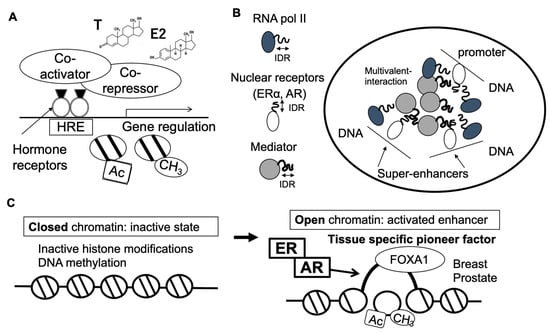
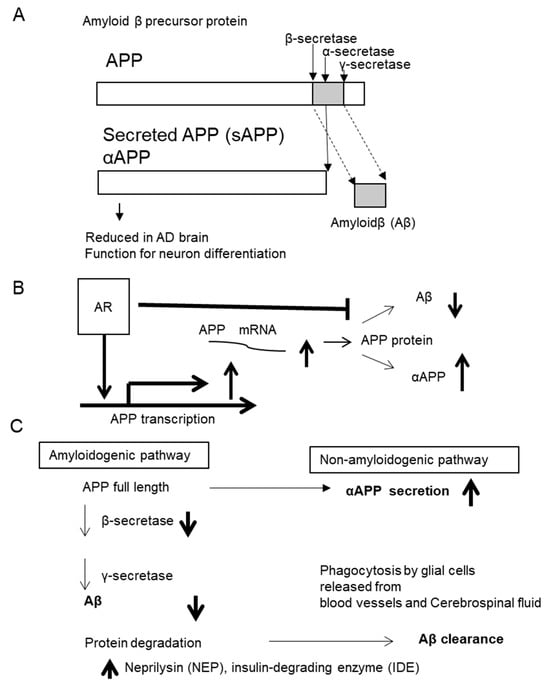
Sex steroid hormones play a pivotal role in maintaining systemic homeostasis throughout life. Their age-related decline is closely associated with the onset of frailty, including sarcopenia and dementia. Here, this article provides a narrative review of the existing literature about the multifaceted roles of sex steroid hormones, particularly estrogens and androgens, in aging and age-related diseases. Sex steroid action is mediated by nuclear receptors such as estrogen receptor alpha (ERα) and androgen receptor (AR). Transcriptional activation through these receptors is orchestrated by epigenetic mechanisms, including histone modifications and chromatin remodeling. Beyond their reproductive functions, sex hormones also influence systemic physiology, metabolism, immune responses, and neuroplasticity. Clinical studies on hormone-deprivation therapies for prostate and breast cancers, as well as animal models, have revealed the key contributions of AR and ER activity to muscle integrity, bone density, and cognitive function. The sexual dimorphism in cognitive decline, especially in postmenopausal women, suggests the therapeutic potential of hormone supplementation and receptor-targeted strategies. Thus, AR- and ER-associated genes are considered promising targets for preventing frailty, sarcopenia, osteoporosis, and dementia. This review summarizes the current knowledge on sex hormone signaling in aging, with an emphasis on translational implications and future research directions.
Full article

Figure 1
Open AccessArticle
Towards a Theory of Older Adults’ Well-Being During the COVID-19 Pandemic: A Qualitative Approach
by
Elfriede Derrer-Merk, Maria Fernanda Reyes, Ashley Navarro-McCarthy, Mary Mulenga-Wincierz and Kate Mary Bennett
J. Ageing Longev. 2026, 6(1), 18; https://doi.org/10.3390/jal6010018 - 2 Feb 2026
Abstract
►▼
Show Figures
The COVID-19 pandemic profoundly disrupted the lives of older adults, yet their experiences have remained underexplored. This paper draws on empirical evidence from a two-wave (W1 April–July 2020, W2 January–April 2021) qualitative study in the UK (n = 62) and a companion study
[...] Read more.
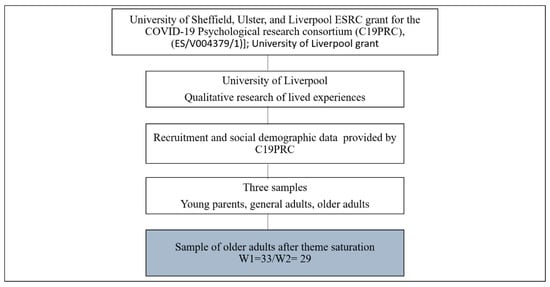
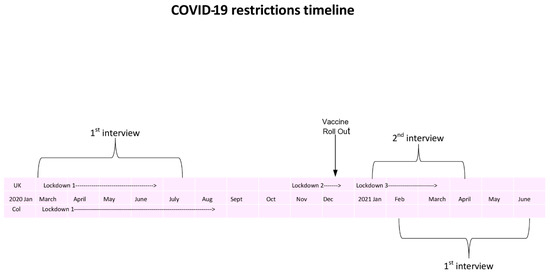
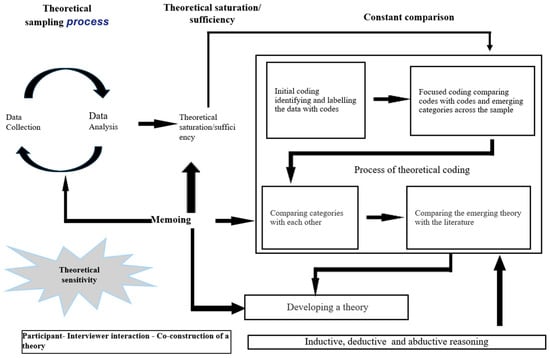
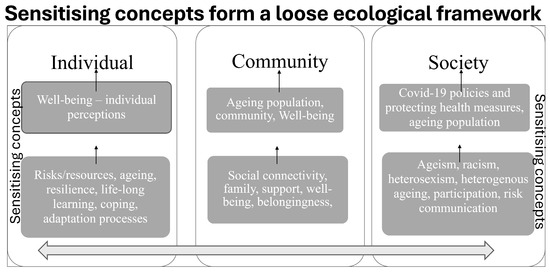
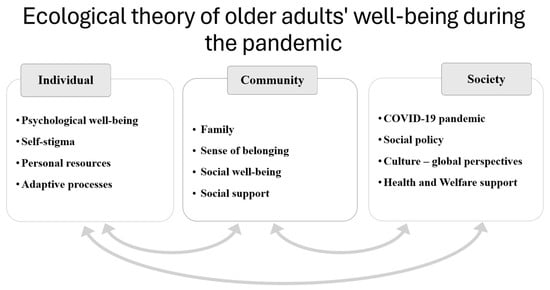
The COVID-19 pandemic profoundly disrupted the lives of older adults, yet their experiences have remained underexplored. This paper draws on empirical evidence from a two-wave (W1 April–July 2020, W2 January–April 2021) qualitative study in the UK (n = 62) and a companion study in Colombia (n = 32), focusing on participants aged 60 and above. Data was analysed using constructivist grounded theory principles, leading to the development of an ecological theory of older adults’ well-being within the context of a health crisis at three interconnected levels: individual, community, and societal. Individual resources, such as adaptability and support systems, contributed to enhancing and maintaining their well-being. Community support and a sense of belonging were essential to meet the needs of people in later life, whilst necessary social health protection measures during the pandemic restricted social activities, further impacting well-being, mostly perceived as challenging. Cultural differences and societal support systems shaped participants’ experiences. The study emphasises the interdependence of the different levels in impacting older adults’ well-being, offers strategies for policy and practice, and advocates and contributes for the development of gerontological theories in the context of health crises.
Full article

Figure 1
Open AccessArticle
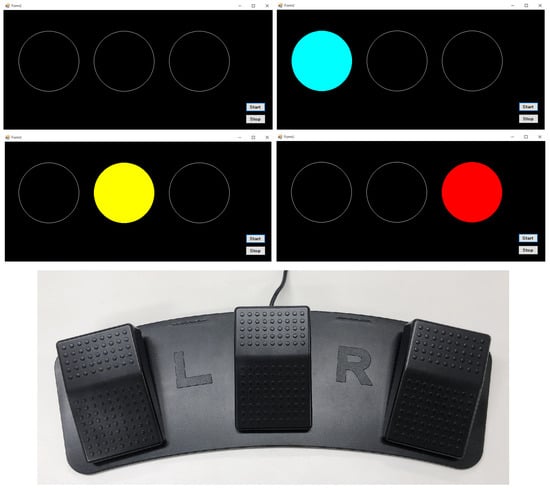
Comparison of Foot-Response Reaction Time Between Younger and Older Adults Using the Foot Psychomotor Vigilance Test
by
Yutaka Yoshida and Kiyoko Yokoyama
J. Ageing Longev. 2026, 6(1), 17; https://doi.org/10.3390/jal6010017 - 2 Feb 2026
Abstract
►▼
Show Figures
Reaction time (RT) is a key indicator of cognitive and motor processing speed, and its age-related decline has important implications for everyday activities such as driving. However, conventional Psychomotor Vigilance Tests (PVTs) assess hand responses and do not capture lower-limb reaction characteristics relevant
[...] Read more.
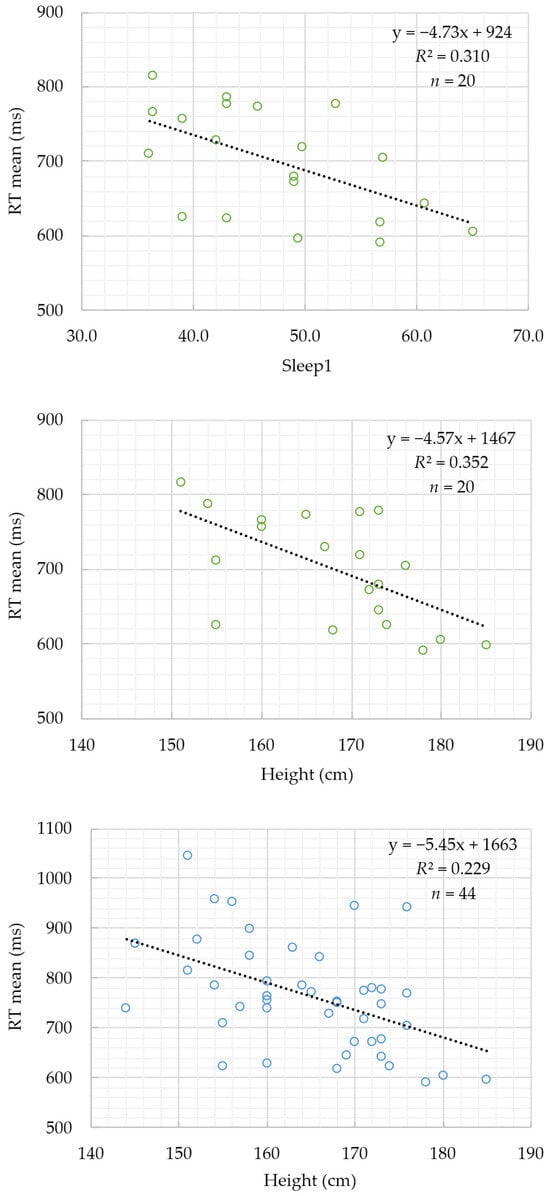
Reaction time (RT) is a key indicator of cognitive and motor processing speed, and its age-related decline has important implications for everyday activities such as driving. However, conventional Psychomotor Vigilance Tests (PVTs) assess hand responses and do not capture lower-limb reaction characteristics relevant to pedal operations. This study aimed to compare RT characteristics between younger and older adults using the foot-response version of the PVT (Foot PVT) and to examine factors associated with RT. Sleep-related variables, physical activity level (PAL), and height were analyzed, and RT distribution characteristics were evaluated. Twenty younger adults (24 ± 3 years, range: 22–29 years) and twenty-four older adults (73 ± 5 years, range: 66–84 years) performed a 10 min Foot PVT. Mean RT was significantly slower in older adults (818 ± 105 ms) than in younger adults (700 ± 73 ms) (p < 0.001), indicating an age-related delay of approximately 120 ms. Older adults showed lower skewness and kurtosis, suggesting more homogeneous and cautious responses. In younger adults, height was negatively correlated with RT (r = −0.593, p = 0.006), and multiple regression analysis identified height as a significant predictor (adjusted R2 = 0.316). No significant predictors were found in older adults. In the combined sample, age and height jointly explained 37.2% of the variance in mean RT. These findings indicate that Foot PVT performance reflects both biomechanical characteristics and age-related declines in reaction speed, supporting its utility for assessing lower-limb reaction capabilities relevant to driving and aging.
Full article

Figure 1
Open AccessArticle
Socioeconomic Inequality, Physical Functioning, and Functional Independence Among the Oldest-Old: Evidence from the SHARE Survey
by
Keisuke Kokubun
J. Ageing Longev. 2026, 6(1), 16; https://doi.org/10.3390/jal6010016 - 30 Jan 2026
Abstract
►▼
Show Figures
Population ageing has led to a rapid increase in the number of individuals aged 80 and above, yet empirical evidence on the determinants of quality of life among the oldest-old remains limited. This study investigates the socioeconomic, lifestyle, and care-related factors associated with
[...] Read more.
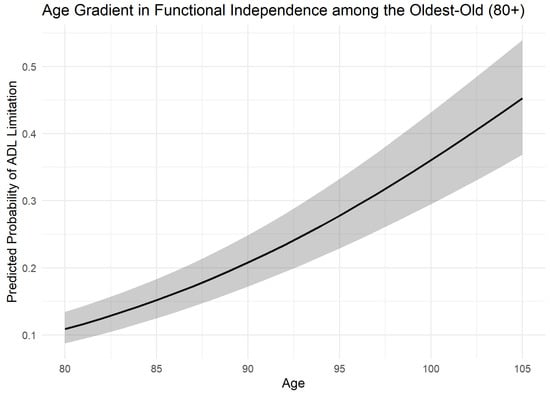
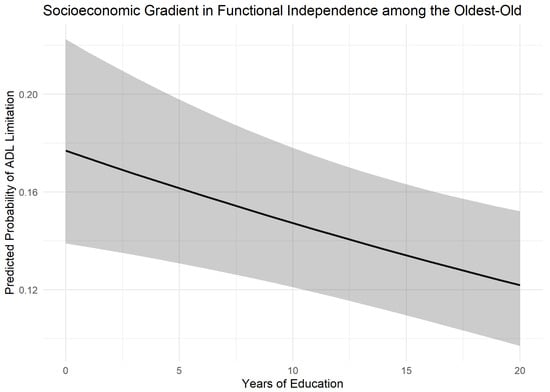
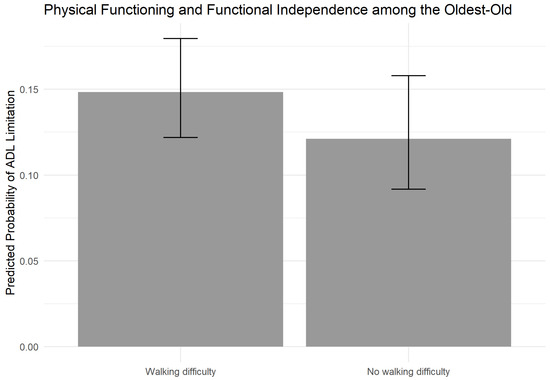
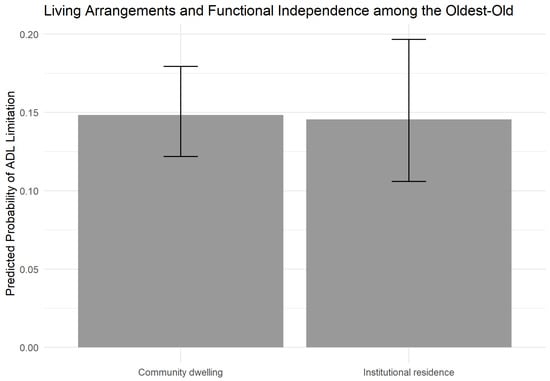
Population ageing has led to a rapid increase in the number of individuals aged 80 and above, yet empirical evidence on the determinants of quality of life among the oldest-old remains limited. This study investigates the socioeconomic, lifestyle, and care-related factors associated with functional independence at very advanced ages using harmonized cross-national data from the Survey of Health, Ageing and Retirement in Europe (SHARE). Focusing on individuals aged 80 and above, we estimate logistic regression models to examine the probability of experiencing limitations in activities of daily living (ADL). The results reveal a persistent socioeconomic gradient in functional health: educational attainment is significantly associated with lower odds of ADL limitations, even after controlling for age, gender, physical functioning, living arrangements, and country fixed effects. Preserved physical functioning, proxied by the absence of walking difficulties, emerges as a strong protective factor against functional dependency. By contrast, institutional residence does not exhibit an independent association with ADL limitations once individual characteristics are taken into account. These findings demonstrate that functional independence among the oldest-old reflects long-term life-course resources and lifestyle-related capacities rather than late-life care settings alone. Policies aimed at promoting successful ageing should therefore adopt a life-course perspective, emphasizing education, health literacy, and the maintenance of physical functioning to enhance quality of life at very advanced ages.
Full article

Figure 1
Highly Accessed Articles
Latest Books
E-Mail Alert
News
Topics
Topic in
Healthcare, IJERPH, JAL, Societies, Sustainability, Social Sciences, Nursing Reports
Environmental and Social Transformations, Population Ageing, and Sustainable Health Equity
Topic Editors: Xiaoting Liu, Chenkai Wu, Zhixin FengDeadline: 30 April 2027
Topic in
AI, Geriatrics, JAL, Healthcare
AI-Driven Smart Elderly Care: Innovations and Solutions
Topic Editors: Mahmoud Elkhodr, Ergun GideDeadline: 30 June 2027
Topic in
Brain Sciences, Geriatrics, Healthcare, IJERPH, JAL, Nursing Reports, JGG, Nutrients
Healthy, Safe and Active Aging, 3rd Edition
Topic Editors: Antonella Lopez, Andrea Bosco, Alessandro Oronzo Caffò, Elisabetta Ricciardi, Luigi Tinella, Giuseppina SpanoDeadline: 31 August 2027
Topic in
Behavioral Sciences, Healthcare, Social Sciences, Societies, Sustainability, JAL
Diversity Competence and Social Inequalities, 2nd Edition
Topic Editors: Costas Constantinou, Lisa Dikomitis, Eirini KamprianiDeadline: 31 October 2027
Conferences
Special Issues
Special Issue in
JAL
Transforming Health Outcomes: Cutting-Edge Research and Empirical Knowledge About the Care of Older Adults Living with HIV/AIDS
Guest Editor: Christopher Lance ColemanDeadline: 30 April 2026
Special Issue in
JAL
Innovations in Rehabilitation to Enhance Abilities and Quality of Life
Guest Editor: Stephanie A. Kolakowsky-HaynerDeadline: 30 September 2026
Special Issue in
JAL
Frailty, Function, and Well-Being in Community-Dwelling Older Adults
Guest Editors: Weida Lyu, Shangjun LiuDeadline: 30 September 2026
Special Issue in
JAL
Health Information Behaviors and Health Literacy in Older Adults
Guest Editors: Maryline Vivion, André TourignyDeadline: 31 January 2027