-
Chronic Histamine Exposure Promotes Melanogenesis via ORAI1-STIM1-Mediated Calcium Signaling Remodeling -
Unraveling the Enigma of Melanoma Brain Metastasis: New Molecular Insights and Therapeutic Directions -
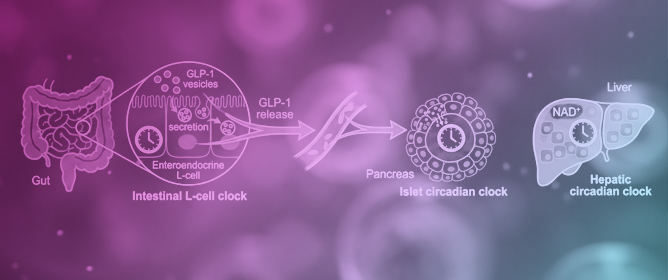
GLP-1 Receptor Agonists at the Crossroads of Circadian Biology, Sleep, and Metabolic Disease -
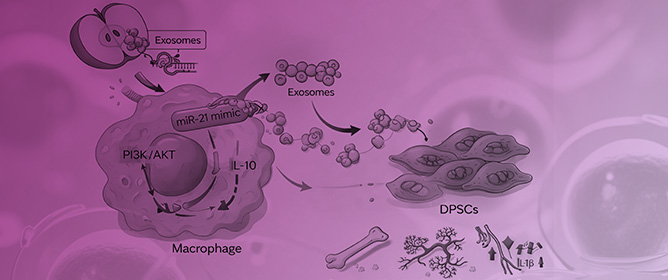
Apple-Derived Vesicles Orchestrate Bone Regeneration: In Vitro Proof of Concept -
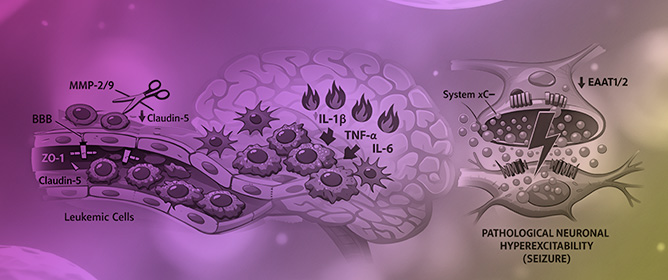
Molecular and Mechanistic Divergence of Seizures in Pediatric Acute Lymphoblastic Leukemia: CNS Infiltration Versus Chemotherapy-Induced Neurotoxicity
Journal Description
International Journal of Molecular Sciences
is an international, peer-reviewed, open access journal providing an advanced forum for biochemistry, molecular and cell biology, molecular biophysics, molecular medicine, and all aspects of molecular research in chemistry, and published semimonthly online by MDPI. The Epigenetics Society, European Chitin Society (EUCHIS), Spanish Society for Cell Biology (SEBC) and others are affiliated with IJMS and their members receive a discount on the article processing charges.
- Open Access— free for readers, with article processing charges (APC) paid by authors or their institutions.
- High Visibility: indexed within Scopus, SCIE (Web of Science), PubMed, PMC, MEDLINE, Embase, CAPlus / SciFinder, and other databases.
- Journal Rank: JCR - Q1 (Biochemistry and Molecular Biology) / CiteScore - Q1 (Organic Chemistry)
- Rapid Publication: manuscripts are peer-reviewed and a first decision is provided to authors approximately 17.8 days after submission; acceptance to publication is undertaken in 2.6 days (median values for papers published in this journal in the second half of 2025).
- Recognition of Reviewers: reviewers who provide timely, thorough peer-review reports receive vouchers entitling them to a discount on the APC of their next publication in any MDPI journal, in appreciation of the work done.
- Testimonials: See what our editors and authors say about IJMS.
- Companion journals for IJMS include: Biophysica, Stresses, Lymphatics, SynBio and Inflammation Journal.
Impact Factor:
4.9 (2024);
5-Year Impact Factor:
5.7 (2024)
Latest Articles
Genomic Basis of Lifestyle Divergence in Rice-Associated Burkholderia: From Pathogenesis to Plant Growth Promotion
Int. J. Mol. Sci. 2026, 27(11), 4730; https://doi.org/10.3390/ijms27114730 (registering DOI) - 24 May 2026
Abstract
The genus Burkholderia encompasses both plant pathogenic and beneficial species, yet the genomic determinants underlying this lifestyle divergence remain poorly understood. Using 16S rRNA sequencing of 100 rice cultivars, our companion study demonstrated that resistant varieties are enriched in beneficial Burkholderiaceae, leading
[...] Read more.
The genus Burkholderia encompasses both plant pathogenic and beneficial species, yet the genomic determinants underlying this lifestyle divergence remain poorly understood. Using 16S rRNA sequencing of 100 rice cultivars, our companion study demonstrated that resistant varieties are enriched in beneficial Burkholderiaceae, leading to the isolation of three phenotypically contrasting strains. Here, we present comparative genomic analyses of non-pathogenic biocontrol strain Burkholderia vietnamiensis J14EpLeaf2 and pathogenic strains Burkholderia gladioli A1EpSeed5 and Burkholderia cepacia J14Eple. Pathogenic strains possess significantly larger genomes (8.36–8.46 Mb) enriched in mobile genetic elements compared to the streamlined 6.95 Mb genome of B. vietnamiensis. CAZyme analysis revealed broader repertoires of glycoside hydrolases and polysaccharide lyases in pathogens, consistent with enhanced plant cell wall degradation. B. gladioli possesses a complete T3SS and expanded T6SS with 301 predicted effectors, while B. cepacia lacks structural T3SS genes but harbors 271 candidate effectors predicted to be secreted via alternative secretion pathways, compared to 180 in B. vietnamiensis. Notably, B. cepacia harbors cystic fibrosis-associated markers (cable pili, ZmpA/ZmpB), raising significant biosafety concerns that preclude its agricultural application. LC-MS validated IAA, ornibactin, and AHL production in B. vietnamiensis, supporting its plant growth-promoting and biocontrol functions. Computational PPI networks predicted distinct interaction landscapes requiring experimental validation. This study provides a genomic framework for distinguishing pathogenic from beneficial Burkholderia and supports B. vietnamiensis as a safe biocontrol agent while cautioning against B. cepacia J14Eple.
Full article
(This article belongs to the Special Issue Recent Advances in Plant–Microbe Interactions)
Open AccessArticle
Dissection of the EIAV Core Packaging Region Identifies SL2 Stem and SL2-SL3 Junction as Gag-Associated Packaging Determinants and Antiviral Targets
by
Qiyan Chen, Rui Li, Li Wang, Jinzhong Wang and Ying Wang
Int. J. Mol. Sci. 2026, 27(11), 4728; https://doi.org/10.3390/ijms27114728 (registering DOI) - 24 May 2026
Abstract
Equine infectious anemia virus (EIAV), with the simplest lentiviral genome, is a key model for studying fundamental lentiviral biology. Infectious viral particles are produced only when the Gag protein selectively encapsidates full-length genomic RNA via the packaging signal (Psi), yet the structural and
[...] Read more.
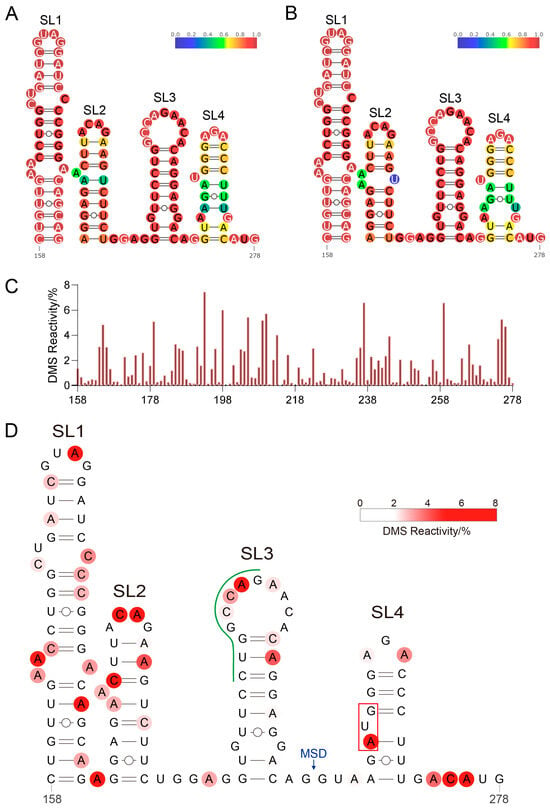
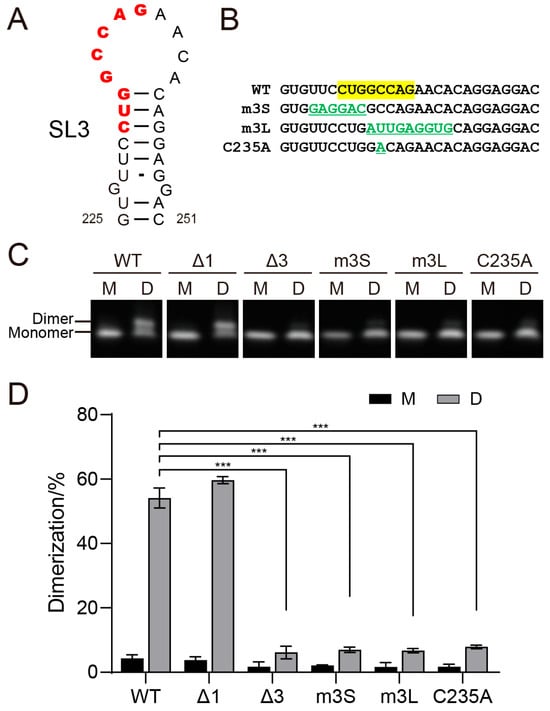
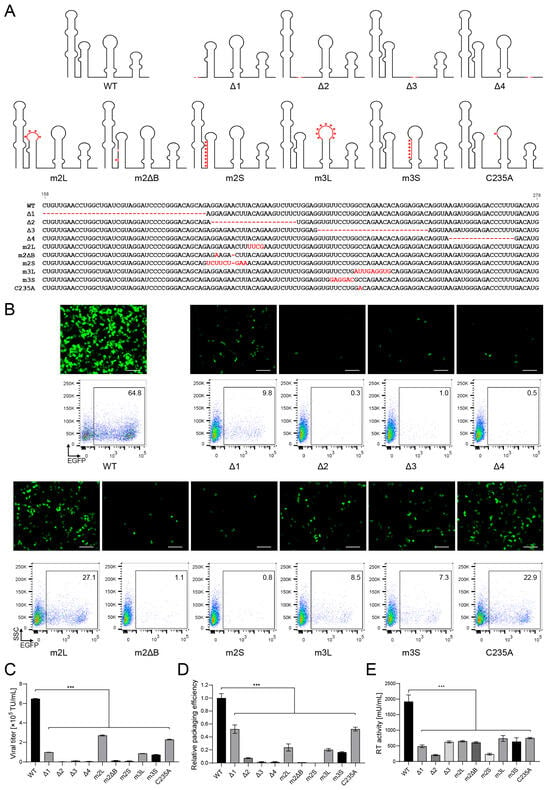
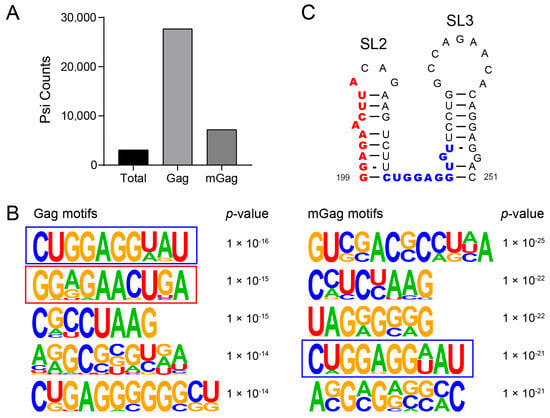
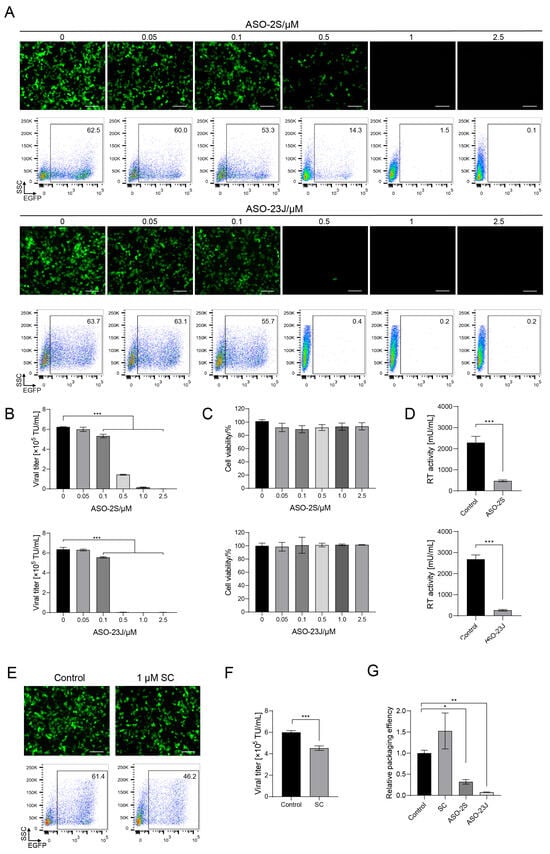
Equine infectious anemia virus (EIAV), with the simplest lentiviral genome, is a key model for studying fundamental lentiviral biology. Infectious viral particles are produced only when the Gag protein selectively encapsidates full-length genomic RNA via the packaging signal (Psi), yet the structural and functional features of EIAV Psi remain poorly characterized. Using computational prediction and dimethyl sulfate probing, we identified four stem-loops (SLs) within a ~120 nt region in the 5′ leader of the genome, spanning from downstream of the primer binding site through 20 nt into the gag coding sequence. In vitro dimerization assays demonstrated that a palindromic sequence (5′-CUGGCCAG-3′) within SL3 acts as a critical determinant of RNA dimerization. Functional screening using both an EIAV pseudovirus packaging system and the infectious clone EIAVuk revealed that deletion or mutation of the stem-loops significantly impairs viral packaging and replication, with SL2 deletion or its stem disruption causing the most severe defects. RNA-seq analysis of RNAs bound by wild-type Gag versus a zinc-finger mutant (H391K/H410K) identified two candidate Gag-associated sites: the SL2 stem and the SL2-SL3 junction. Targeting these regions with phosphorothioate-modified antisense oligonucleotides potently inhibited pseudovirus production and the replication of infectious EIAVuk. Our findings defined the secondary structure and functional organization of the EIAV core packaging region and established the SL2 stem and SL2-SL3 junction as candidate packaging determinants and promising targets for RNA-based antiviral intervention.
Full article
(This article belongs to the Section Molecular Microbiology)
►▼
Show Figures

Figure 1
Open AccessArticle
Jujube Polysaccharide Promotes Neuroprotection and Longevity in Caenorhabditis elegans Through Oxidative Stress Resistance and Stress-Response Signaling
by
Zhiying Hou, Ayaz Ahmed, Jiayin Wang, Meng Sun, Fengzhong Wang and Qiong Wang
Int. J. Mol. Sci. 2026, 27(11), 4727; https://doi.org/10.3390/ijms27114727 (registering DOI) - 24 May 2026
Abstract
Parkinson’s disease (PD) involves oxidative stress, proteotoxic aggregation, and neurotransmitter dysfunction, yet current therapies remain largely symptomatic. This study investigated whether Jujube polysaccharides (ZJP), a food-derived polysaccharide, confer neuroprotective and anti-aging benefits in Caenorhabditis elegans. ZJP was characterized for physicochemical features, antioxidant
[...] Read more.
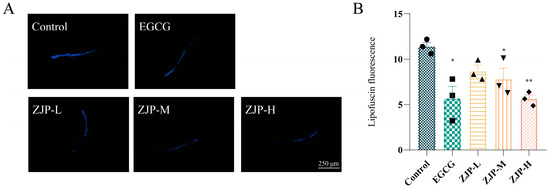
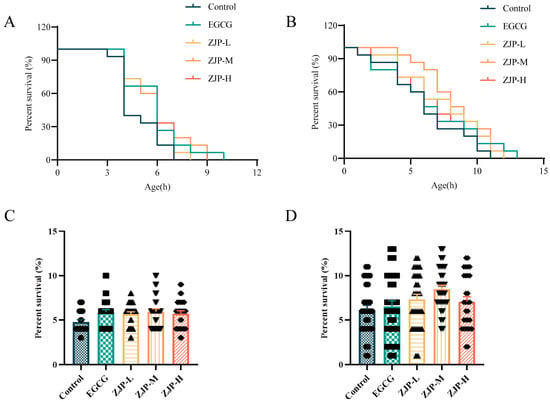
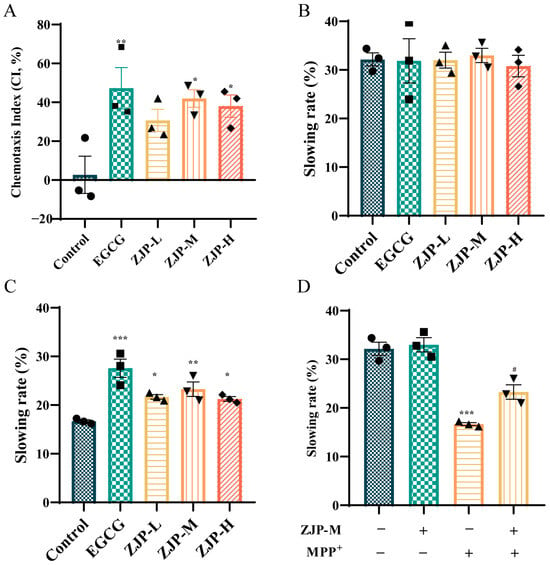
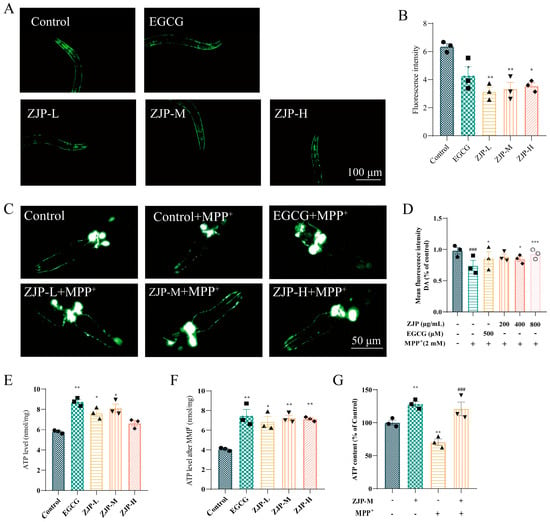
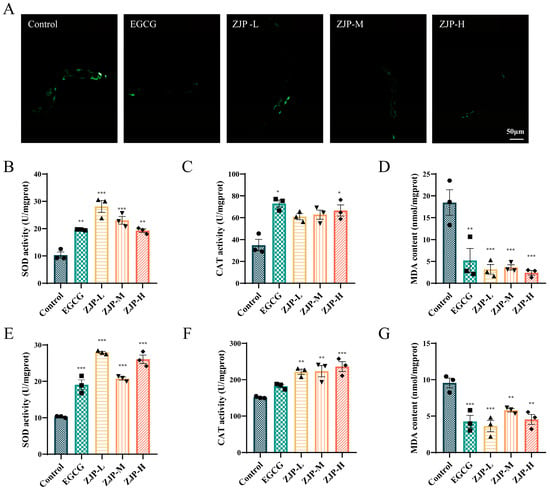
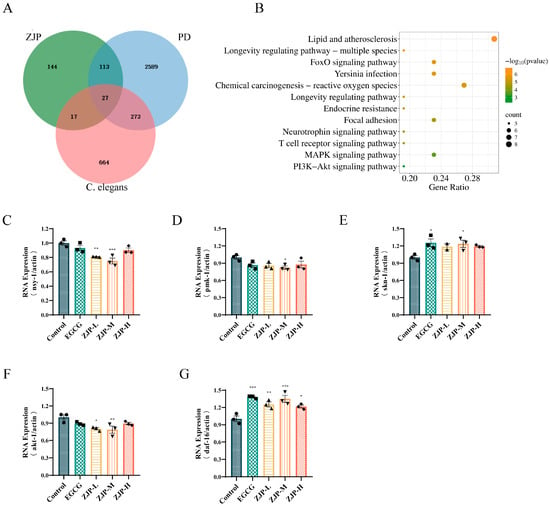
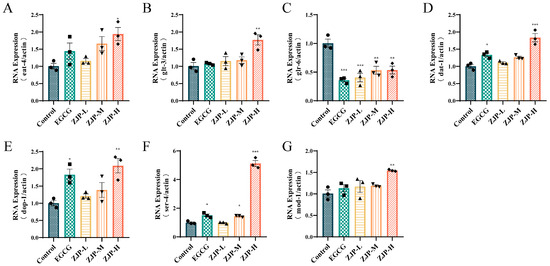
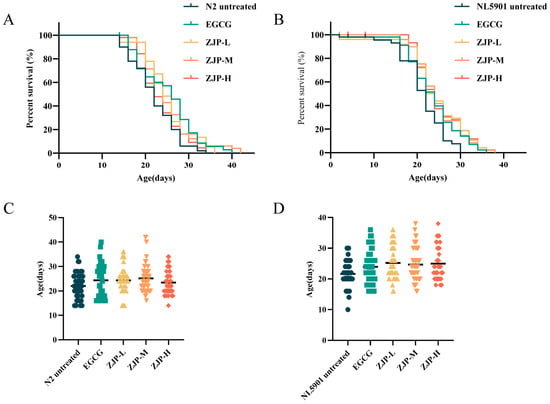
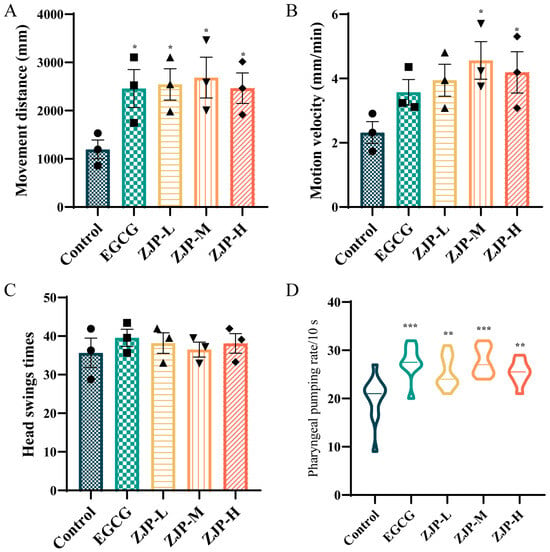
Parkinson’s disease (PD) involves oxidative stress, proteotoxic aggregation, and neurotransmitter dysfunction, yet current therapies remain largely symptomatic. This study investigated whether Jujube polysaccharides (ZJP), a food-derived polysaccharide, confer neuroprotective and anti-aging benefits in Caenorhabditis elegans. ZJP was characterized for physicochemical features, antioxidant capacity, and in vivo safety. Effects were evaluated in wild-type N2 and PD models by measuring lifespan, locomotion, pharyngeal pumping, chemotaxis, α-syn::YFP fluorescence intensity, dopaminergic neuron integrity, adenosine triphosphate (ATP), reactive oxygen species (ROS), superoxide dismutase (SOD), catalase (CAT), malondialdehyde (MDA), and lipofuscin. Stress resilience was assessed under heat (37 °C) and H2O2 exposure. RT-qPCR profiled genes related to stress responses and neurotransmission. ZJP showed no detectable toxicity at tested doses. ZJP extended mean lifespan in N2 (10.3–14.1%) and NL5901 (9.1%), improved locomotion, pharyngeal pumping, and chemotaxis, reduced lipofuscin (26.8–50.6%), and increased survival under heat (23.6%) and oxidative stress (38.1%). In PD models, ZJP reduced α-syn::YFP fluorescence by up to 54.9%, protected dopaminergic neurons, and increased ATP. It also lowered ROS and MDA levels while raising SOD and CAT activities. Gene expression changes were associated with enhanced oxidative stress resistance and with altered expression of genes involved in SKN-1/DAF-16-related stress-response signaling. These findings provide preliminary evidence that ZJP may promote longevity, stress resilience, and neuroprotection in C. elegans models of PD, supporting its potential as a candidate for further investigation in neuroprotection.
Full article
(This article belongs to the Special Issue Natural Medicines and Functional Foods for Human Health)
►▼
Show Figures

Figure 1
Open AccessArticle
MOF-Integrated Self-Healing Schiff Base Hydrogel for Antibacterial and Antioxidant Wound Treatment
by
Pengyi Zhao, Rui Zhu, Chengxiang Wang, Lei Wang and Hua-Jun Shawn Fan
Int. J. Mol. Sci. 2026, 27(11), 4726; https://doi.org/10.3390/ijms27114726 (registering DOI) - 24 May 2026
Abstract
Chronic wound healing disorders are closely associated with microenvironmental imbalance, while traditional dressings fail to meet dynamic therapeutic demands due to limited functionality, poor responsiveness, and lack of controlled drug release. In this study, a smart hydrogel dressing was developed by integrating curcumin/Cu
[...] Read more.
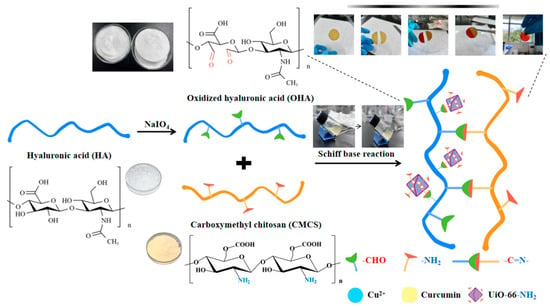
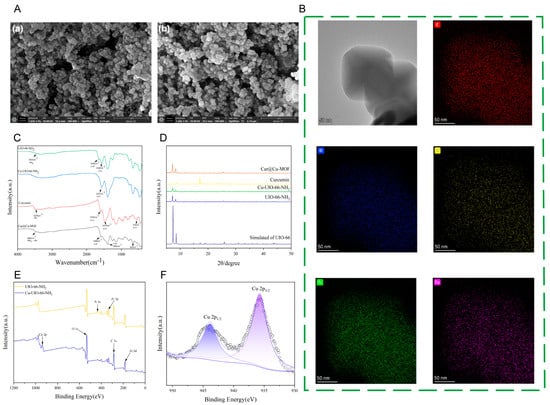
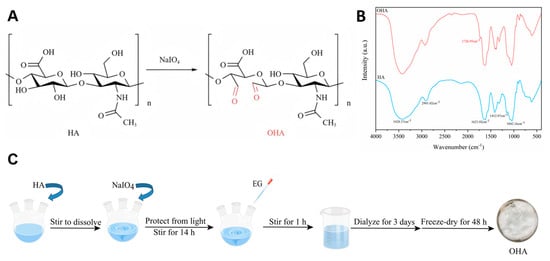
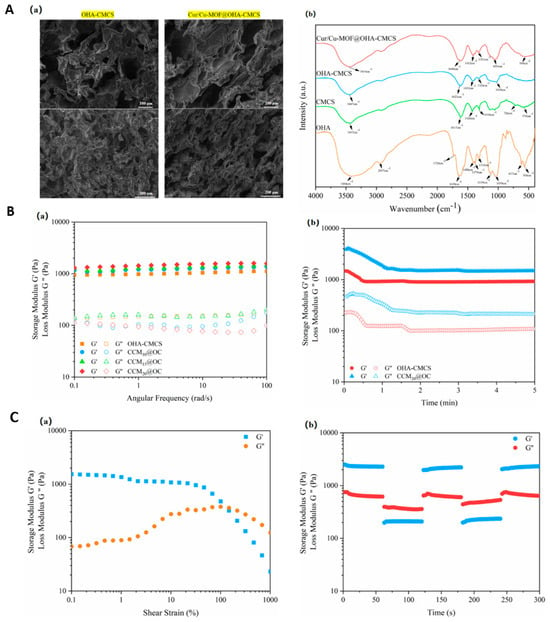
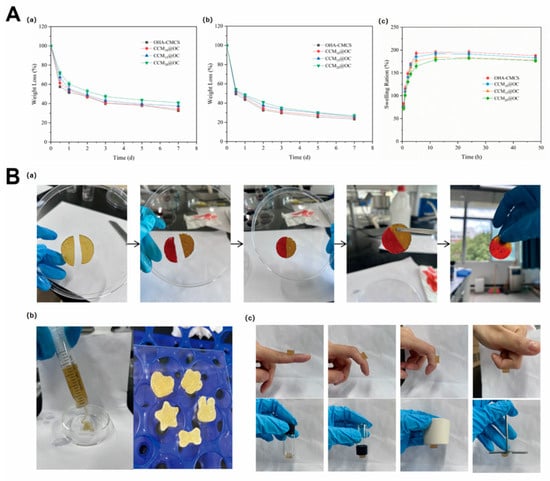
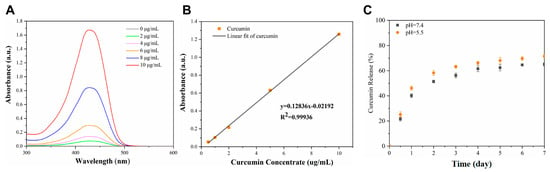
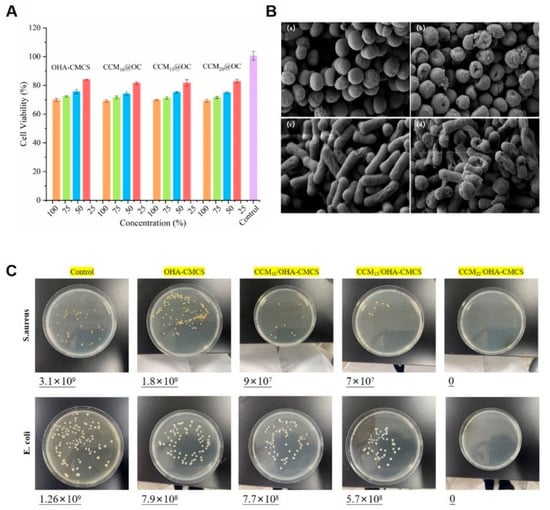
Chronic wound healing disorders are closely associated with microenvironmental imbalance, while traditional dressings fail to meet dynamic therapeutic demands due to limited functionality, poor responsiveness, and lack of controlled drug release. In this study, a smart hydrogel dressing was developed by integrating curcumin/Cu2+ co-loaded UiO-66-NH2 metal–organic frameworks into a dynamically cross-linked oxidized hyaluronic acid/carboxymethyl chitosan (OHA-CMCS) network via Schiff base bonding. The MOFs served as a “one-carrier-dual-function” platform, enabling simultaneous delivery of Cu2+ and curcumin. The resulting Cur/Cu-MOF@OHA-CMCS hydrogel exhibited a porous structure, excellent self-healing ability, injectability, and favorable rheological and mechanical properties. Additionally, it showed pH-responsive degradation behavior and sustained drug release (~71% within 7 days). The hydrogel demonstrated effective anti-bacterial activity against both Escherichia coli and Staphylococcus aureus, along with good cytocompatibility (>70% cell viability). These results highlight its potential as a multifunctional and responsive dressing for chronic wound management.
Full article
(This article belongs to the Special Issue Biocomposite Hydrogels for Biomedical Applications)
►▼
Show Figures

Figure 1
Open AccessArticle
Osteogenic-like Phenotypic Reprogramming Is Associated with Reduced Malignant Behaviors in Pancreatic Cancer Cells Involving MAPK–ERK Signaling
by
Gong Chen, Xiaoyan Huang, Dan Li and Weiping Wei
Int. J. Mol. Sci. 2026, 27(11), 4725; https://doi.org/10.3390/ijms27114725 (registering DOI) - 24 May 2026
Abstract
Pancreatic tumors frequently exhibit calcification, suggesting potential osteogenic-related phenotypic plasticity. This study aimed to systematically evaluate whether pancreatic ductal adenocarcinoma (PDAC) cells acquire osteogenic-like features under induction conditions and to assess the associated phenotypic and molecular changes. PDAC cell lines and non-malignant pancreatic
[...] Read more.
Pancreatic tumors frequently exhibit calcification, suggesting potential osteogenic-related phenotypic plasticity. This study aimed to systematically evaluate whether pancreatic ductal adenocarcinoma (PDAC) cells acquire osteogenic-like features under induction conditions and to assess the associated phenotypic and molecular changes. PDAC cell lines and non-malignant pancreatic epithelial cells were subjected to osteogenic induction. Mineralization, alkaline phosphatase (ALP) activity, osteogenic marker expression, and malignant phenotypes were evaluated. RNA sequencing was performed at defined time points to characterize transcriptional changes. Pharmacological inhibition of MEK and siRNA-mediated knockdown of RUNX2 were applied to examine the involvement of MAPK–ERK signaling and downstream transcriptional regulation. Osteogenic induction led to calcium deposition and increased ALP activity in a subset of PDAC cell lines, accompanied by upregulation of osteogenic-associated markers, including RUNX2 and SPP1. Induced cells exhibited reduced migration, clonogenicity, invasion, and proliferation. Transcriptomic analysis revealed activation of osteogenesis-related and calcium-transport pathways, along with downregulation of cell cycle programs. MAPK–ERK signaling was activated during induction, and MEK inhibition attenuated RUNX2 and ALP expression as well as mineralization-associated changes. Furthermore, RUNX2 knockdown reduced ALP expression and mineralization levels, indicating its contribution to the osteogenic-like phenotype. PDAC cells can acquire osteogenic-like features under defined induction conditions, accompanied by coordinated transcriptional reprogramming and reduced malignant phenotypes. The observed mineralization-associated phenotypes may reflect a combination of active processes and passive calcium deposition. In addition, the MAPK–ERK–RUNX2 axis appears to be involved in this process, although it may reflect a broader adaptive or stress-associated reprogramming rather than lineage commitment. These findings provide insight into the potential relationship between tumor calcification and phenotypic plasticity in PDAC.
Full article
(This article belongs to the Special Issue Deciphering Molecular Complexity of Pancreatic Cancer)
Open AccessArticle
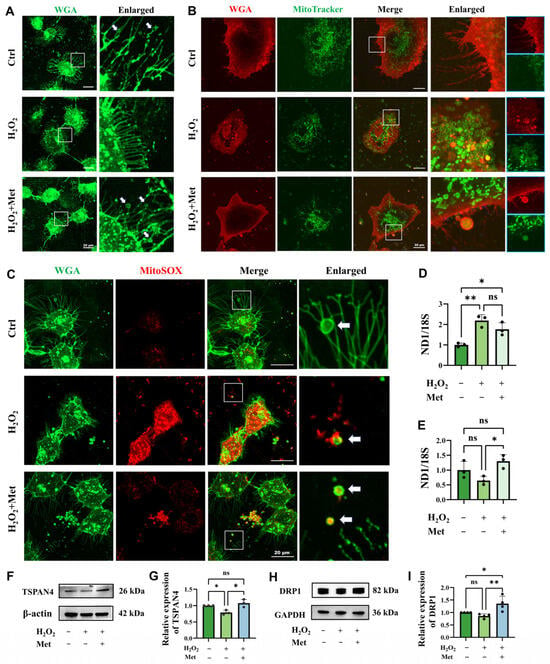
Metformin Alleviates Stress-Induced Premature Senescence of Vascular Endothelial Cells by Regulating Mitocytosis
by
Hui Lu, Qing Mu, Boqun Wang, Yan Chen, Binghui Zeng, Lisha Gu and Wei Zhao
Int. J. Mol. Sci. 2026, 27(11), 4724; https://doi.org/10.3390/ijms27114724 (registering DOI) - 24 May 2026
Abstract
Stress-induced premature senescence (SIPS) of endothelial cells can cause endothelial dysfunction. As a first-line antidiabetic agent, the specific role of metformin in SIPS has not yet been clarified. In this study, an in vitro SIPS model was induced by exposing human umbilical vein
[...] Read more.
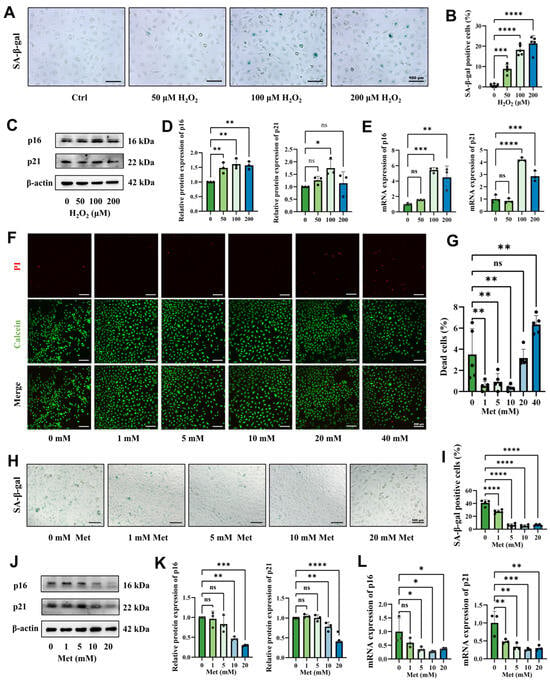
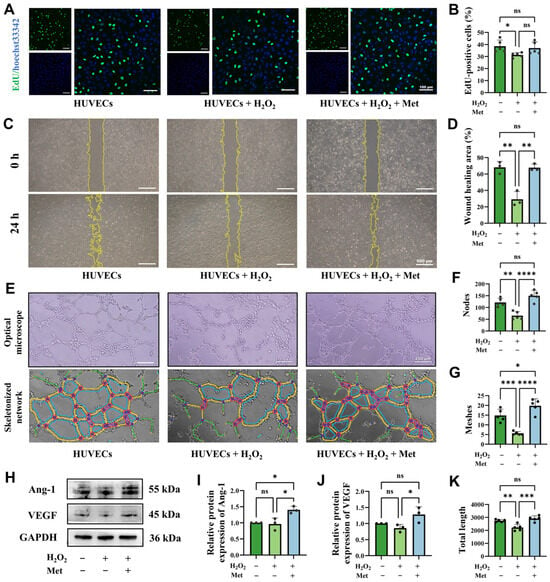
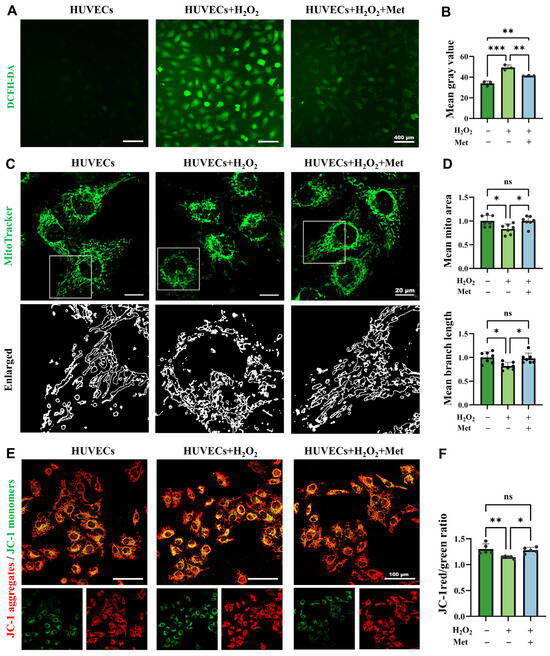
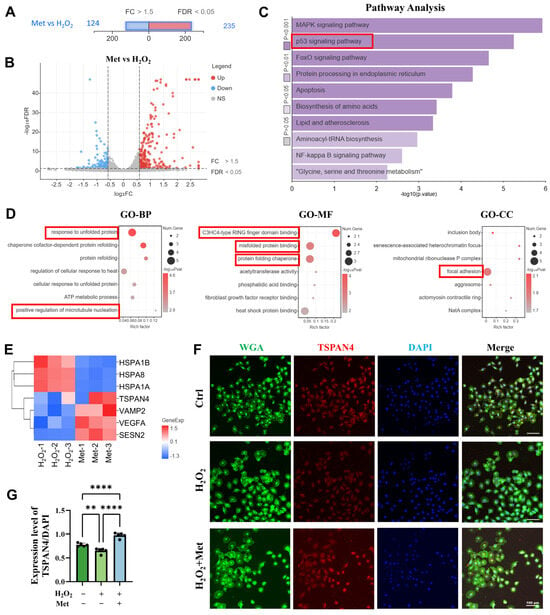
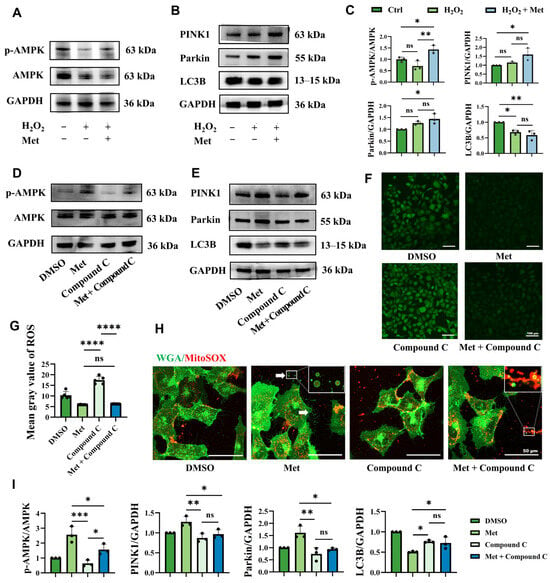
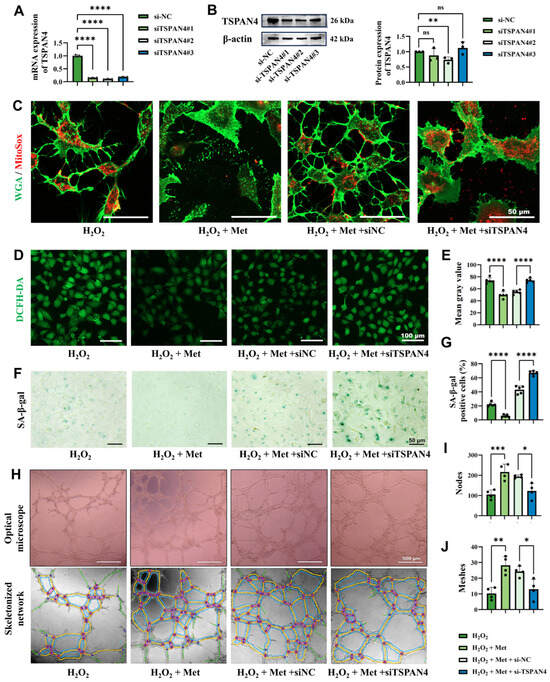
Stress-induced premature senescence (SIPS) of endothelial cells can cause endothelial dysfunction. As a first-line antidiabetic agent, the specific role of metformin in SIPS has not yet been clarified. In this study, an in vitro SIPS model was induced by exposing human umbilical vein endothelial cells (HUVECs) to hydrogen peroxide (H2O2), and the effects of metformin on cell senescence, proliferation, migration, tube formation, and mitochondrial function were evaluated. Gene expressions altered by metformin were profiled via transcriptome sequencing. Specifically, the potential involvement of migrasome-mediated mitocytosis in metformin-driven effects was examined using confocal microscopy and siRNA-mediated silencing. The results showed that metformin significantly reduced SA-β-gal activity and restored the migration and tube-forming capacities of H2O2-induced senescent HUVECs. Moreover, metformin regulated mitochondrial dynamics, restored mitochondrial membrane potential, and attenuated intracellular oxidative stress. Notably, transcriptomic and functional analyses suggested that metformin enhanced migrasome formation and migrasome-mediated mitocytosis. Inhibition of migrasome formation by siTSPAN4 abolished the protective effect of metformin against SIPS. Collectively, these findings demonstrate that metformin alleviates early SIPS-associated changes in HUVECs and suggest that migrasome-mediated mitocytosis contributes to this protection by ameliorating mitochondrial dysfunction. This provides novel mechanistic insight into the vascular protective effects of metformin.
Full article
(This article belongs to the Section Molecular Biology)
►▼
Show Figures

Figure 1
Open AccessReview
The Human Breast Microbiome: From Homeostasis to Malignancy, Mechanistic Insights and Therapeutic Perspectives
by
Mysoon M. Al-Ansari, Suha M. Mahmood and Monther Al-Alwan
Int. J. Mol. Sci. 2026, 27(11), 4723; https://doi.org/10.3390/ijms27114723 (registering DOI) - 24 May 2026
Abstract
Although human mammary glands were traditionally considered sterile, accumulating evidence has established the presence of distinct microbial communities that may have colonized breast tissue primarily via retrograde nipple flow or via hematogenous or lymphatic translocation from other body sites. Comparative studies reveal differences
[...] Read more.
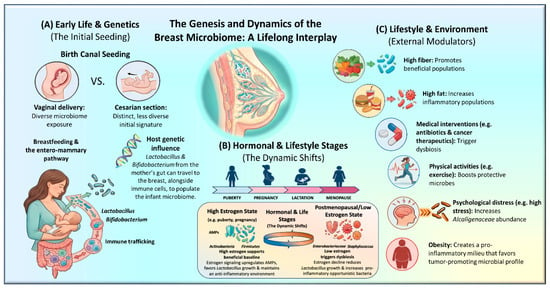
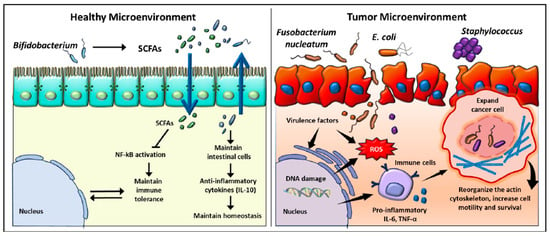
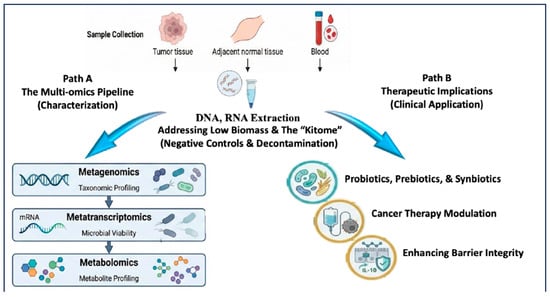
Although human mammary glands were traditionally considered sterile, accumulating evidence has established the presence of distinct microbial communities that may have colonized breast tissue primarily via retrograde nipple flow or via hematogenous or lymphatic translocation from other body sites. Comparative studies reveal differences in the microbiota of healthy and diseased breast tissues, with variations in microbial signatures across breast cancer subtypes and in comparison with adjacent normal tissues. This review synthesizes current evidence on the composition of the breast microbiome, the factors shaping its development, and alterations it undergoes in inflammatory and malignant breast diseases. Furthermore, the article discusses mechanistic insights, methodological challenges, and future therapeutic perspectives based on published studies employing culture-independent approaches, such as 16S rRNA gene sequencing and metagenomic analyses. Key host-related factors influencing breast-associated microbial communities, including hormonal regulation, environmental exposure, diet, and therapeutic interventions, are explored. The existing literature is assessed to identify key associations between the breast microbiome and host signaling pathways, as well as the significant challenges that remain unresolved, including low biomass contamination, inter-study variability, limited longitudinal data, and an incomplete understanding of causality. Addressing these limitations is critical for advancing microbiome-based diagnostic and therapeutic strategies for breast disease.
Full article
(This article belongs to the Special Issue Microbiomes in Human Health and Disease)
►▼
Show Figures

Figure 1
Open AccessReview
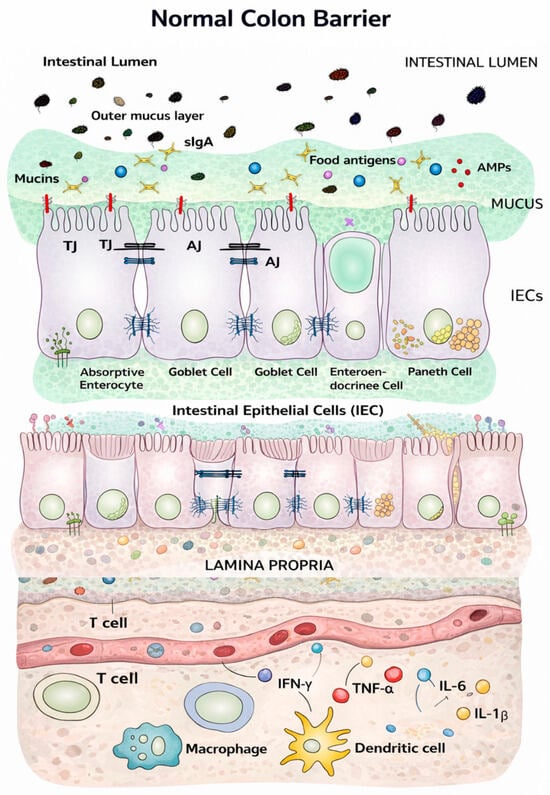
Pro-Inflammatory Cytokines as Core Mediators of Colonic Epithelial Barrier Dysfunction: Roles of TNF-α, IFN-γ, IL-1β, and IL-6
by
Dinesh Prasad V Thanga Velu, Mh Busra Fauzi, Faizul Jaafar, Norfilza Mohd Mokhtar, Mohd Helmy Mokhtar and Adila A Hamid
Int. J. Mol. Sci. 2026, 27(11), 4722; https://doi.org/10.3390/ijms27114722 (registering DOI) - 24 May 2026
Abstract
The colonic epithelial barrier is a multilayered defense system comprising the mucus layer, intestinal epithelial cells (IECs), and the underlying lamina propria. These components collectively maintain mucosal homeostasis and restrict microbial translocation. Disruption of this barrier is a hallmark of chronic intestinal inflammation
[...] Read more.
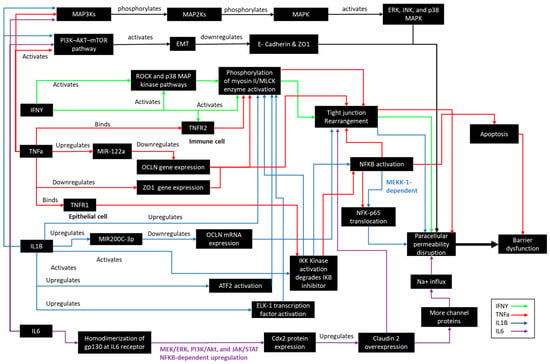
The colonic epithelial barrier is a multilayered defense system comprising the mucus layer, intestinal epithelial cells (IECs), and the underlying lamina propria. These components collectively maintain mucosal homeostasis and restrict microbial translocation. Disruption of this barrier is a hallmark of chronic intestinal inflammation particularly in IBDs, and is primarily driven by pro-inflammatory cytokines, such as TNF-α, IFN-γ, IL-1β, and IL-6. TNF-α and IFN-γ synergistically induce epithelial cell apoptosis and tight junction disassembly through mechanisms involving TNFR2 upregulation, myosin light chain kinase (MLCK) activation, and adherens junction destabilization. IL-1β amplifies paracellular permeability via NF-κB-dependent MLCK induction and OCLN downregulation, while IL-6 promotes barrier leakiness by upregulating CLDN-2 and sustaining self-reinforcing inflammatory loops that maintain chronic inflammation and impede epithelial repair. This leads to persistent immune-cell infiltration, chronic tight junction remodeling, and failure of barrier replenishment. Consequently, leaky colon facilitates microbial and antigen translocation into the lamina propria, further activating immune cells and perpetuating pro-inflammatory signaling. This review synthesizes current evidence and studies on the cooperative and self-reinforcing roles of pro-inflammatory cytokines, providing insight into the mechanisms underlying chronic intestinal barrier dysfunction and highlighting the need for therapeutic strategies that simultaneously target multiple inflammatory axes to restore barrier integrity in inflammatory bowel disorders.
Full article
(This article belongs to the Special Issue Cytokines and Inflammatory Diseases)
►▼
Show Figures

Figure 1
Open AccessArticle
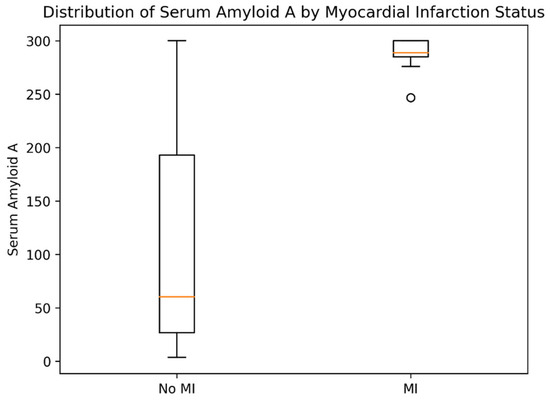
Association of Acute-Phase IL-6 and SAA with Cardiovascular Events and Mortality Six Years After COVID-19 Infection: An Observational Cohort Study
by
Rumen Filev, Boris Bogov, Ralica Hadjieva, Krassimir Kalinov, Julieta Hristova, Dobrin Svinarov and Lionel Rostaing
Int. J. Mol. Sci. 2026, 27(11), 4721; https://doi.org/10.3390/ijms27114721 (registering DOI) - 24 May 2026
Abstract
Coronavirus disease 2019 (COVID-19) has been associated with an increased long-term cardiovascular risk, potentially mediated by magnitude of the acute inflammatory response inflammation. Interleukin-6 (IL-6) and serum amyloid A (SAA) are key components of the inflammatory cascade and may serve as biomarkers of
[...] Read more.
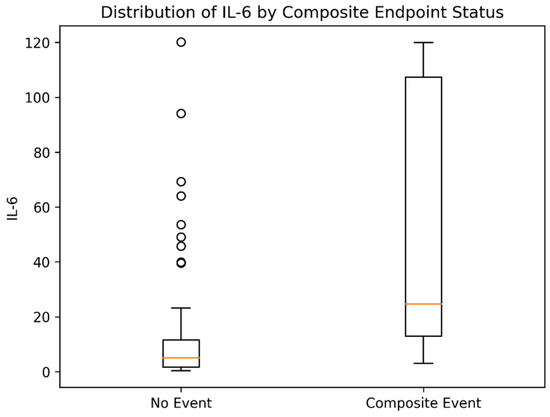
Coronavirus disease 2019 (COVID-19) has been associated with an increased long-term cardiovascular risk, potentially mediated by magnitude of the acute inflammatory response inflammation. Interleukin-6 (IL-6) and serum amyloid A (SAA) are key components of the inflammatory cascade and may serve as biomarkers of post-COVID cardiovascular vulnerability. This longitudinal observational study investigated the association between post- COVID-19 infection IL-6 and SAA levels and major cardiovascular events over a six-year follow-up period. A total of 97 individuals with documented prior SARS-CoV-2 infection were included. Circulating IL-6 and SAA concentrations were measured in the acute phase. The composite endpoint included incident arrhythmia, myocardial infarction, and all-cause mortality. Biomarker distributions were right-skewed and were therefore analyzed using non-parametric methods and penalized logistic regression models. During follow-up, 14.4% of participants experienced the composite endpoint. Individuals with adverse outcomes had significantly higher IL-6 and SAA levels compared with event-free participants. IL-6 demonstrated the strongest association with mortality, whereas SAA showed particularly robust associations with the composite endpoint, and with myocardial infarction. Both biomarkers independently predicted long-term adverse events. Circulating IL-6 and SAA concentrations measured during the acute phase of SARS-CoV-2 infection were analyzed in relation to long-term cardiovascular outcomes. These findings support the hypothesis that the magnitude of the acute inflammatory response during SARS-CoV-2 infection may be associated with long-term cardiovascular outcomes and suggest that combined assessment of IL-6 and SAA may have potential utility for hypothesis-generating prognostic signal requiring validation, pending validation in larger studies.
Full article
(This article belongs to the Special Issue Human Virome and Emerging Viruses: Characterization, Interactions, and Molecular Insights)
►▼
Show Figures

Figure 1
Open AccessReview
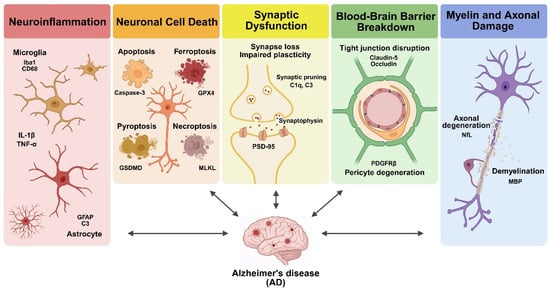
Functional Pathological Features and Molecular Markers in Alzheimer’s Disease
by
Mee-Na Park, Hae Won Kim, Jeong-Ho Hong, Jin Kyung Kim, Seung-Bo Lee, Hye Suk Baek, Soyoung Kwak, Ye Jin Kwon, Kibeom Park, Jieun Jeon, Na Hyeon Heo, Seong-Hun Lee, Juhyeon Cho and Shin Kim
Int. J. Mol. Sci. 2026, 27(11), 4720; https://doi.org/10.3390/ijms27114720 (registering DOI) - 24 May 2026
Abstract
Alzheimer’s disease (AD) is a neurodegenerative disorder defined not only by amyloid-β plaques and tau pathology but also by several interacting processes that drive disease progression. These include neuroinflammation, neuronal cell death, synaptic dysfunction, blood–brain barrier (BBB) breakdown, and myelin and axonal damage.
[...] Read more.
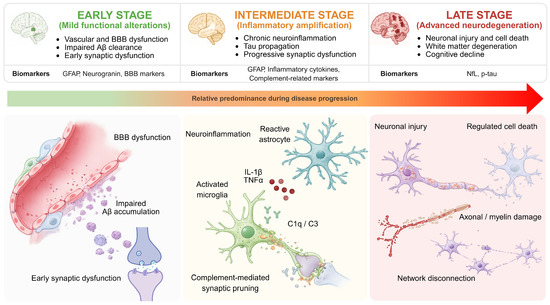
Alzheimer’s disease (AD) is a neurodegenerative disorder defined not only by amyloid-β plaques and tau pathology but also by several interacting processes that drive disease progression. These include neuroinflammation, neuronal cell death, synaptic dysfunction, blood–brain barrier (BBB) breakdown, and myelin and axonal damage. Together, they lead to neuronal loss and cognitive decline. In this review, we present a cell-centered framework linking these processes with key molecular markers. Neuroinflammation is driven by activated microglia and astrocytes and is associated with markers such as Iba1, CD68, GFAP, and C3, along with cytokines including IL-1β and TNF-α. Neuronal cell death occurs through apoptosis, ferroptosis, pyroptosis, and necroptosis, with markers such as caspase-3, GPX4, GSDMD, and MLKL. Synaptic dysfunction is reflected by reduced synaptic proteins, including synaptophysin and PSD-95. BBB breakdown increases permeability and reduces clearance of toxic molecules. Myelin and axonal damage, associated with MBP and NfL, disrupt neural connectivity. These processes are dynamically interconnected and may contribute differently across disease stages. This integrated cell-centered and systems-level framework provides insight into AD progression while highlighting potential biomarkers and therapeutic targets for diagnosis, disease monitoring, and therapeutic intervention.
Full article
(This article belongs to the Special Issue Advances in Alzheimer’s Disease)
►▼
Show Figures

Figure 1
Open AccessReview
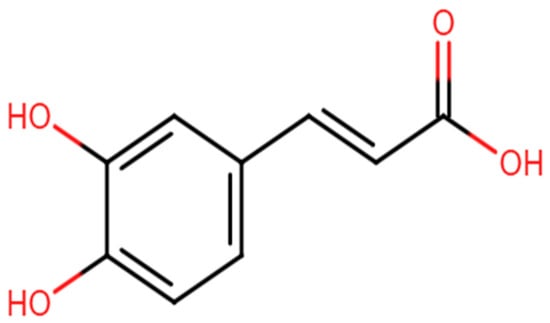
Caffeic Acid and Human Health: Evidence-Based Roles in Disease Prevention and Treatment
by
Saleh A. Almatroodi and Arshad Husain Rahmani
Int. J. Mol. Sci. 2026, 27(11), 4719; https://doi.org/10.3390/ijms27114719 (registering DOI) - 23 May 2026
Abstract
Caffeic acid (CA) is a phenolic compound commonly found in fruits, vegetables, and coffee, with preclinical evidence demonstrating its important role in disease management through different mechanisms of action. This review aimed to explore CA’s pharmacological effects in different pathological conditions, and sources
[...] Read more.
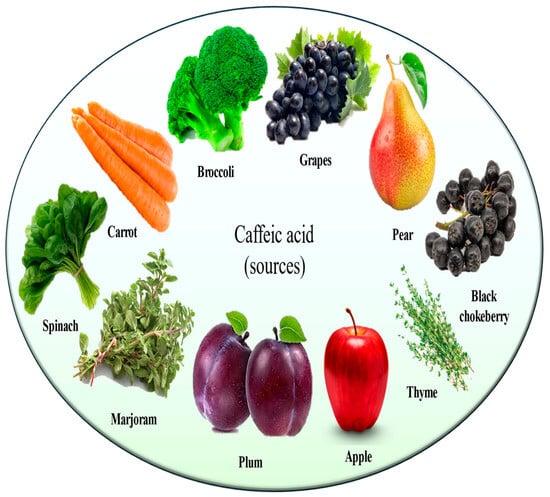
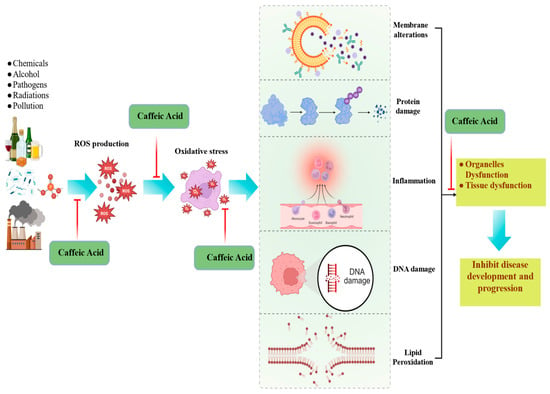
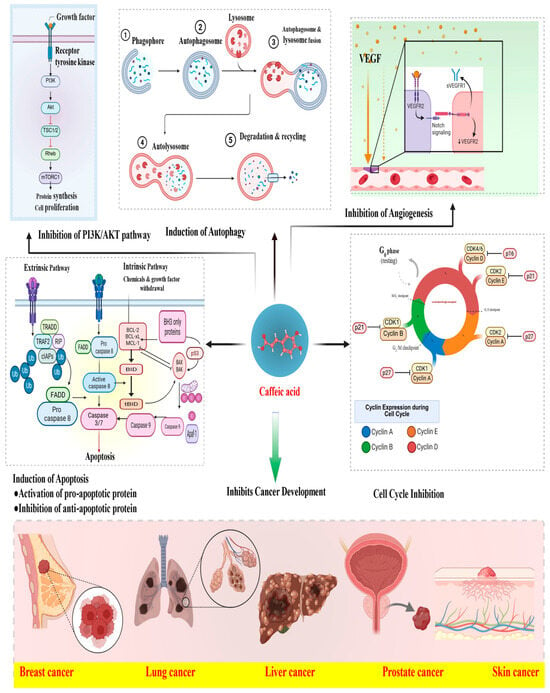
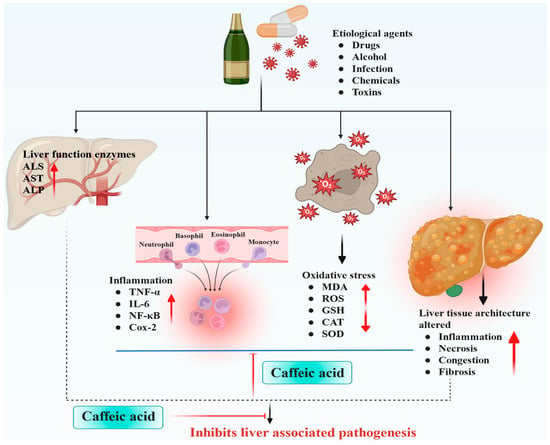
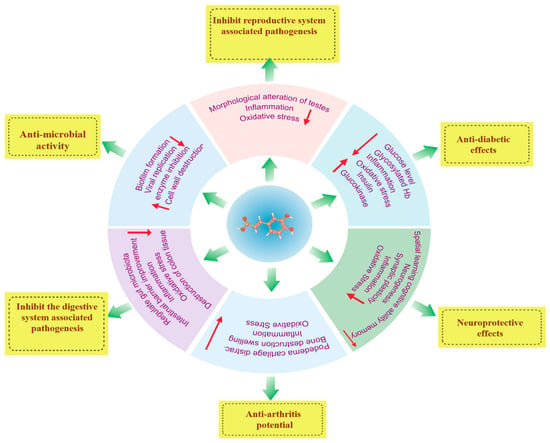
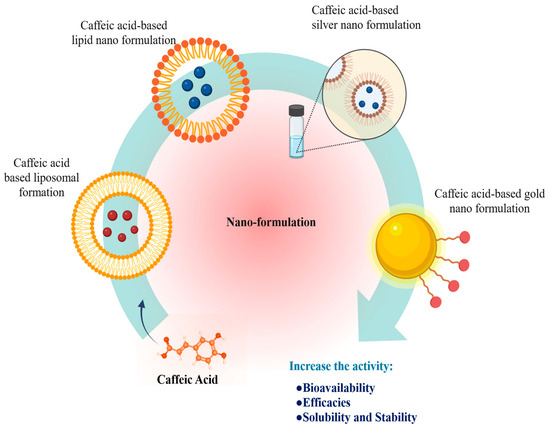
Caffeic acid (CA) is a phenolic compound commonly found in fruits, vegetables, and coffee, with preclinical evidence demonstrating its important role in disease management through different mechanisms of action. This review aimed to explore CA’s pharmacological effects in different pathological conditions, and sources were retrieved by using databases like PubMed, Scopus, Google Scholar, and Web of Science and based on preclinical studies. CA notably protects cells and tissues from oxidative stress and inflammation, highlighting its therapeutic role in the management of pathogenesis. The neuroprotective, cardioprotective, hepatoprotective, anti-microbial, and anti-obesity effects are reported through in vitro and in vivo studies. Moreover, its anticancer effects are linked to modulation of cell signaling pathways, together with angiogenesis, cell cycle, apoptosis, and the PI3K/Akt pathway. This article explores how caffeic acid influences health conditions, providing a comprehensive overview of its effects on disease processes. Reviewing the literature aims to enhance the understanding of caffeic acid’s role in disease management and as a natural therapeutic agent. Although several studies demonstrate the anticancer effects and its role in the management of various pathological conditions, most of the existing evidence is based on in vitro, in vivo, and xenograft models. Moreover, many natural compounds, including CA, that exhibit activity in preclinical settings fail to translate into clinical applications, due to restrictions of poor bioavailability, toxicity, rapid metabolism, and differences in the tumor microenvironment. Thus, future studies should emphasize well-designed in vivo studies as well as controlled clinical trials to better describe CA’s safety, efficacy, mechanism of action, and therapeutic application in humans. Further investigation of its interactions with other therapeutic agents may offer insights into synergistic effects that enhance treatment efficacy. Overall, a more comprehensive understanding of this compound will be indispensable for its development as a therapeutic agent in the treatment of chronic disease.
Full article
(This article belongs to the Special Issue New Advances in Bioactive Compounds in Health and Disease)
►▼
Show Figures

Figure 1
Open AccessReview
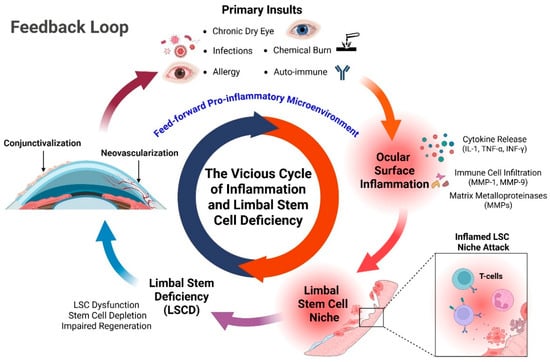
Ocular Surface Inflammation as a Driver of Cornea Limbal Stem Cell Deficiency: Mechanisms and Implications
by
Yura Choi, Mi-Young Jung, Eunsun Han and Choul Yong Park
Int. J. Mol. Sci. 2026, 27(11), 4718; https://doi.org/10.3390/ijms27114718 (registering DOI) - 23 May 2026
Abstract
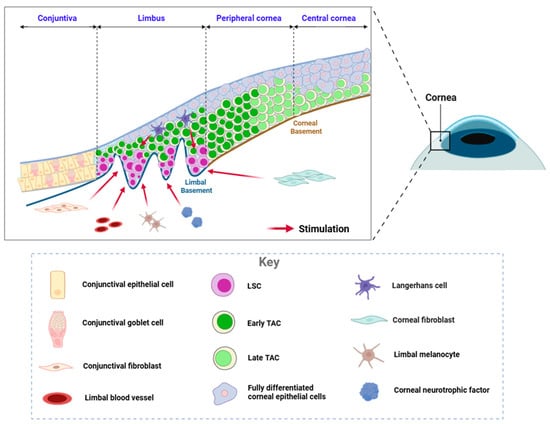
Ocular surface inflammation is a major disruptor of corneal epithelial homeostasis and a key driver of limbal stem cell deficiency (LSCD). Limbal stem cells (LSCs), residing within the specialized limbal niche, maintain corneal transparency through continuous epithelial renewal and by preventing conjunctival encroachment
[...] Read more.
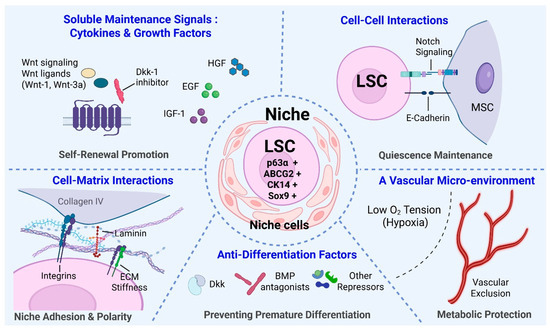
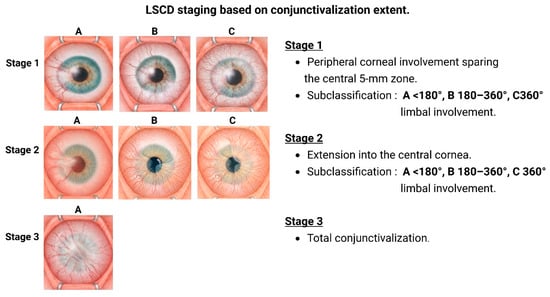
Ocular surface inflammation is a major disruptor of corneal epithelial homeostasis and a key driver of limbal stem cell deficiency (LSCD). Limbal stem cells (LSCs), residing within the specialized limbal niche, maintain corneal transparency through continuous epithelial renewal and by preventing conjunctival encroachment onto the corneal surface. Chronic or severe inflammatory insults—stemming from systemic autoimmune disorders, ocular surface diseases, infections, trauma, or environmental stressors—can damage both LSCs and their microenvironment, ultimately leading to limbal insufficiency. This review synthesizes current insights into the mechanisms by which inflammation impairs LSC survival, including cytokine-mediated cytotoxicity, oxidative stress, immune cell infiltration, and disruption of essential signaling pathways such as Wnt, Notch, and BMP. The distinction between LSC depletion and LSC dysfunction is highlighted, as residual stem cells may persist even in clinically advanced disease and can regenerate the corneal surface once the inflammatory milieu is corrected. Clinical manifestations, staging systems, and diagnostic markers—including p63α, ABCG2, and additional emerging molecular indicators—are summarized to support accurate assessment of LSCD severity. Current therapeutic strategies, ranging from anti-inflammatory medical management to surgical approaches such as SLET, CLET, and allogeneic transplantation, are reviewed alongside evolving regenerative and cell-based therapies. By integrating mechanistic understanding with clinical implications, this review underscores the critical interplay between inflammation and limbal niche failure and emphasizes the importance of early recognition and targeted intervention to preserve or restore LSC function.
Full article
(This article belongs to the Special Issue Advancing Regenerative Medicine: Basic Research and Translation in Clinics)
►▼
Show Figures

Figure 1
Open AccessReview
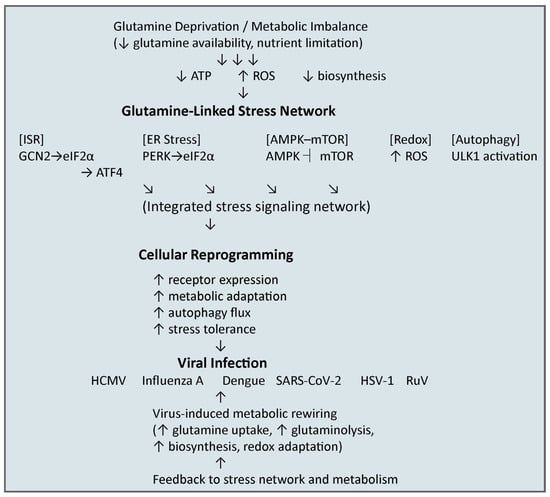
Glutamine-Linked Cellular Stress Responses in Viral Infection: Mechanisms, Crosstalk, and Future Perspectives
by
Ngan Thi Kim Pham, Quang Duy Trinh, Hiroshi Ushijima, Shihoko Komine-Aizawa and Kazuaki Yoshimune
Int. J. Mol. Sci. 2026, 27(11), 4717; https://doi.org/10.3390/ijms27114717 (registering DOI) - 23 May 2026
Abstract
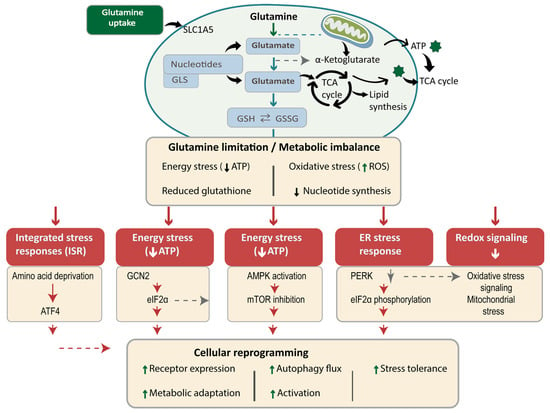
Glutamine is the most abundant amino acid in human plasma and tissues and plays essential roles in cellular metabolism, biosynthesis, and redox homeostasis. Beyond these canonical functions, glutamine availability and utilization have emerged as key regulators of multiple cellular stress responses, including the
[...] Read more.
Glutamine is the most abundant amino acid in human plasma and tissues and plays essential roles in cellular metabolism, biosynthesis, and redox homeostasis. Beyond these canonical functions, glutamine availability and utilization have emerged as key regulators of multiple cellular stress responses, including the integrated stress response, endoplasmic reticulum stress, metabolic checkpoint signaling, and autophagy. During viral infection, host glutamine metabolism is frequently reprogrammed to meet the energetic and biosynthetic demands of viral replication, thereby inducing or reshaping glutamine-linked stress pathways. Increasing evidence indicates that these stress responses are not merely secondary consequences of infection but actively influence key stages of the viral life cycle, including viral entry, genome replication, protein synthesis, and host antiviral responses. In this review, we summarize current advances in understanding how glutamine metabolism regulates cellular stress responses in the context of both viral and non-viral infections, and how these pathways, in turn, modulate viral pathogenesis and host defense. We discuss the context-dependent roles of glutamine-linked stress signaling in either promoting viral replication or restricting infection, depending on viral species, host cell type, and metabolic conditions. Finally, we highlight emerging concepts and unresolved questions, including the potential of targeting glutamine metabolism and associated stress pathways as host-directed antiviral strategies. A deeper understanding of the interplay between glutamine metabolism, cellular stress responses, and viral infection may provide new insights into disease mechanisms and inform the development of novel therapeutic approaches.
Full article
(This article belongs to the Special Issue Molecular Aspects of Viral Pathogenesis: From Infection to Host Response)
►▼
Show Figures

Figure 1
Open AccessReview
Regenerative Approaches to Enhance the Skin Microenvironment and Boost Aesthetic Efficacy: A Narrative Review
by
Valéria Dal Col, Fábio Fernandes Ribas and Rodrigo Pinheiro Araldi
Int. J. Mol. Sci. 2026, 27(11), 4716; https://doi.org/10.3390/ijms27114716 (registering DOI) - 23 May 2026
Abstract
Aesthetic medicine is shifting from symptomatic correction to biological structural restoration. Regenerative aesthetics represents a frontier in dermatology, focusing on the restoration of the skin microenvironment to enhance cellular vitality and tissue resilience. Central to this approach is the concept of “skin bed
[...] Read more.
Aesthetic medicine is shifting from symptomatic correction to biological structural restoration. Regenerative aesthetics represents a frontier in dermatology, focusing on the restoration of the skin microenvironment to enhance cellular vitality and tissue resilience. Central to this approach is the concept of “skin bed preparation”, a strategic priming phase designed to optimize the physiological terrain before the delivery of advanced aesthetic interventions. This review explores the molecular and cellular mechanisms by which skin bed preparation modulates the extracellular matrix (ECM) and the dermal niche to maximize the efficacy of subsequent treatments and promote long-term skin longevity. Evidence suggests that biostimulatory priming utilizing senolytics, senomorphics, mitochondrial, and/or epigenetic rejuvenators rehabilitates the fibroblast–collagen interactome. By reducing oxidative stress and chronic low-grade inflammation, these preparatory steps transition the skin from a catabolic to an anabolic state. This metabolic reset ensures that subsequent procedures, such as laser therapy, injectable fillers, encounter a responsive cellular environment, resulting in superior collagen induction and prolonged clinical outcomes. Optimizing the skin microenvironment via regenerative aesthetics is not merely an adjunctive step but a fundamental requirement for therapeutic success. Integrating skin bed preparation into clinical protocols provides a synergistic framework that enhances immediate procedural results while addressing the underlying hallmarks of skin aging, ultimately redefining the trajectory of skin health and longevity.
Full article
(This article belongs to the Section Molecular Biology)
Open AccessReview
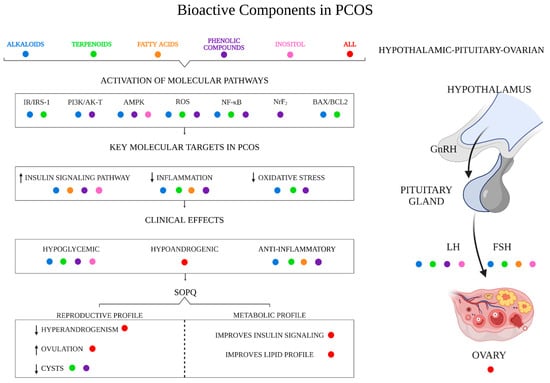
Natural Bioactive Compounds in Polycystic Ovary Syndrome: Properties, Molecular Mechanisms, and Therapeutic Potential
by
Rosa Linares, Gabriela Rosas, Elizabeth Vieyra, Andrea Chaparro, Julieta-Azucena Espinoza, Deyra de los Angeles Ramírez, Carlos-Camilo Silva, Patricia Rosas, Víctor-Manuel Macías and Leticia Morales-Ledesma
Int. J. Mol. Sci. 2026, 27(11), 4715; https://doi.org/10.3390/ijms27114715 (registering DOI) - 23 May 2026
Abstract
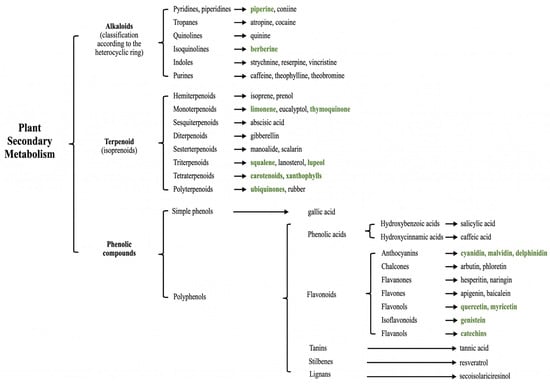
Polycystic ovary syndrome (PCOS) is one of the most common metabolic–endocrine disorders affecting women of reproductive age and represents a significant public health concern due to its clinical heterogeneity. It is characterized by hyperandrogenism, ovulatory dysfunction, and polycystic ovarian morphology, and is frequently
[...] Read more.
Polycystic ovary syndrome (PCOS) is one of the most common metabolic–endocrine disorders affecting women of reproductive age and represents a significant public health concern due to its clinical heterogeneity. It is characterized by hyperandrogenism, ovulatory dysfunction, and polycystic ovarian morphology, and is frequently associated with hyperinsulinemia, obesity, dyslipidemia, chronic low-grade inflammation, and an increased risk of type 2 diabetes and cardiovascular disease. Conventional treatments, including combined oral contraceptives, metformin, and ovulation-inducing agents, primarily target symptoms and present limitations in efficacy, tolerability, and their ability to address underlying metabolic dysfunction. In this context, naturally derived bioactive compounds have emerged as promising complementary therapeutic strategies. Various phytochemicals exhibit antioxidant, anti-inflammatory, hypoglycemic, and reproductive axis-modulating effects by targeting key molecular pathways involved in insulin resistance, hyperandrogenism, and follicular dysfunction. Emerging preclinical and clinical evidence suggests that these compounds may improve metabolic, hormonal, and reproductive outcomes in women with PCOS.
Full article
(This article belongs to the Special Issue The Role of Bioactive Natural Products in Human Health)
►▼
Show Figures

Figure 1
Open AccessArticle
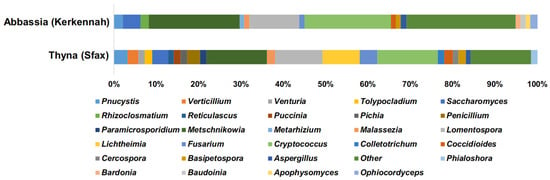
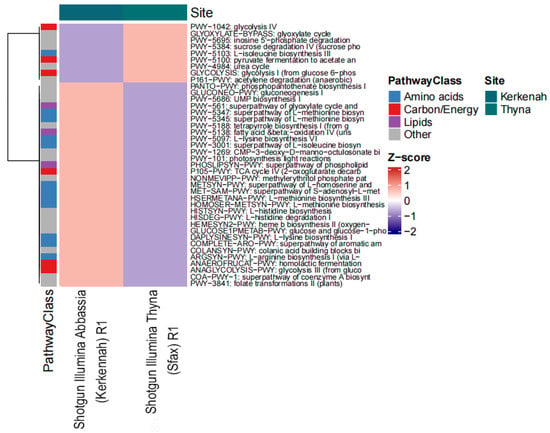
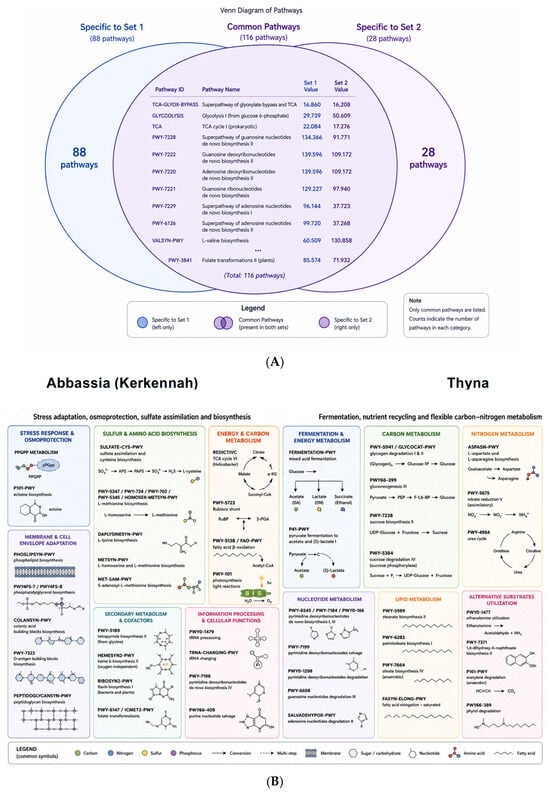
Unraveling the Taxonomic Diversity and Functional Potential of the Tunisian Salterns, Abbassia and Thyna, via Integrated 16S-18S Amplicons and Shotgun Metagenomics
by
Sondes Mechri, Afef Najjari, Séverine Croze, Hadda-Imene Ouzari, Marilize Le Roes-Hill, Slim Tounsi, Joel Lachuer and Bassem Jaouadi
Int. J. Mol. Sci. 2026, 27(11), 4714; https://doi.org/10.3390/ijms27114714 (registering DOI) - 23 May 2026
Abstract
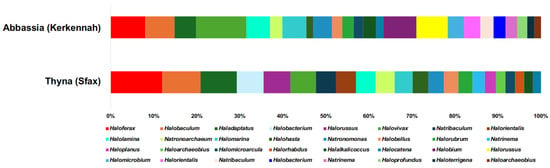
Hypersaline environments are unique ecosystems harboring specialized microbial communities with significant biotechnological potential. This study provides a comprehensive characterization of the taxonomic diversity and functional potential of two Tunisian salterns, Abbassia (Kerkennah) and Thyna (Sfax), using an integrated approach that combines 16S/18S rRNA
[...] Read more.
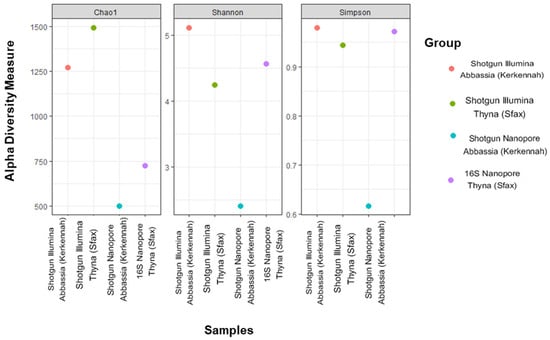
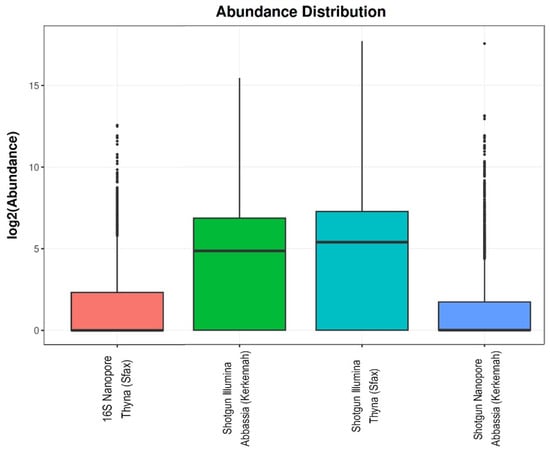
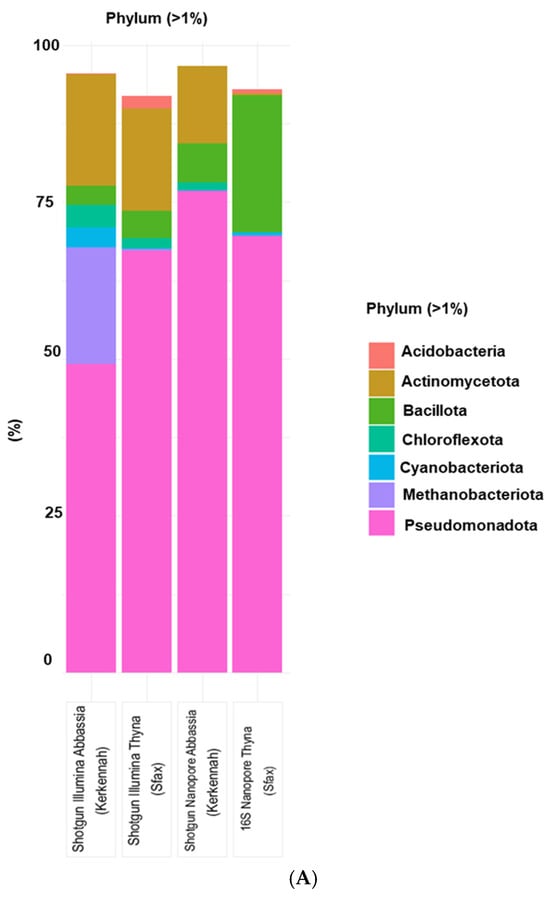
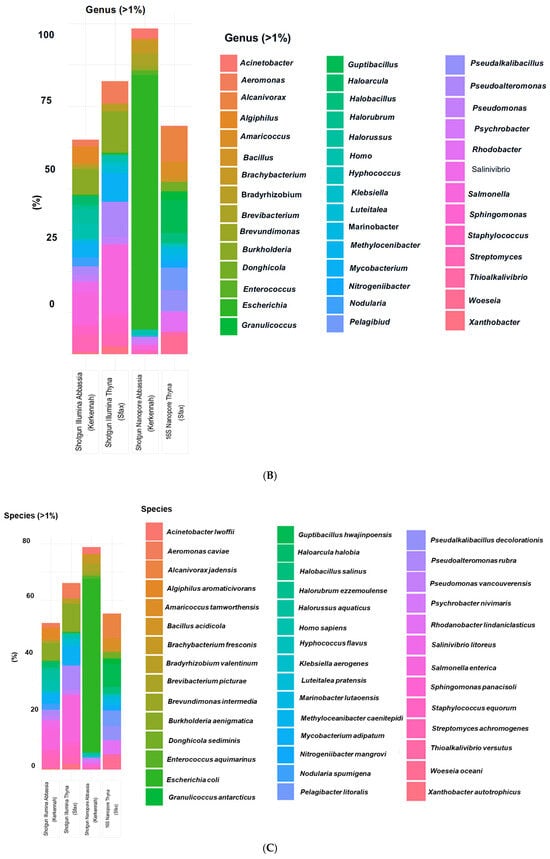
Hypersaline environments are unique ecosystems harboring specialized microbial communities with significant biotechnological potential. This study provides a comprehensive characterization of the taxonomic diversity and functional potential of two Tunisian salterns, Abbassia (Kerkennah) and Thyna (Sfax), using an integrated approach that combines 16S/18S rRNA gene amplicons (Illumina and full-length Nanopore) with shotgun metagenomics. Taxonomic profiling revealed a high species richness (S ≈ 1250 taxa); however, the Abbassia site was characterized by extreme taxonomic polarization, with over 95% of the community dominated by specialized halophilic Bacillota (Salinicoccus and Jeotgalicoccus). In contrast, Thyna exhibited a more even distribution dominated by Pseudomonadota and methanogenic Archaea. Beyond taxonomy, functional annotation via the HUMAnN 3.0 pipeline identified site-specific metabolic specializations. Abbassia was enriched in biosynthetic pathways and robust stress-response mechanisms, including ectoine biosynthesis and ppGpp-mediated stringent response, reflecting adaptation to stable hypersaline conditions. Conversely, Thyna’s microbiome prioritized energy extraction and nutrient recycling, with a high abundance of fermentation and glyoxylate cycle pathways. These findings demonstrate that environmental filtering shapes not only the microbial structure but also the metabolic landscape, highlighting the ecological plasticity of microbial life in extreme Tunisian salterns.
Full article
(This article belongs to the Special Issue 25th Anniversary of IJMS: Updates and Advances in Molecular Microbiology)
►▼
Show Figures

Figure 1
Open AccessArticle
The GhWRKY70-GhAOS1 Axis Integrates Jasmonate Pathway Signaling to Regulate Cotton Immunity Against Verticillium dahliae
by
Huiting Weng, Chao Zhang, Suoxian Li, Huiming Guo, Hongmei Cheng, Wenfang Guo and Xiaofeng Su
Int. J. Mol. Sci. 2026, 27(11), 4713; https://doi.org/10.3390/ijms27114713 (registering DOI) - 23 May 2026
Abstract
Verticillium wilt (VW), caused by the soil-borne phytopathogen Verticillium dahliae, is a devastating vascular disease that severely threatens global cotton production and causes substantial economic losses. Jasmonic acid (JA) signaling plays a crucial role in plant innate immunity; however, the molecular mechanisms
[...] Read more.
Verticillium wilt (VW), caused by the soil-borne phytopathogen Verticillium dahliae, is a devastating vascular disease that severely threatens global cotton production and causes substantial economic losses. Jasmonic acid (JA) signaling plays a crucial role in plant innate immunity; however, the molecular mechanisms governing JA biosynthesis during cotton defense responses to V. dahliae infection remain largely elusive. In this study, we identified that GhAOS1 (allene oxide synthase 1), a key rate-limiting enzyme-encoding gene in the JA biosynthetic pathway, was rapidly and significantly induced by V. dahliae infection and exclusively localized in chloroplasts. Functional analysis in GhAOS1-silenced cotton and overexpressing Arabidopsis plants demonstrated that GhAOS1 positively regulates resistance to V. dahliae. Transcriptome analysis of GhAOS1-silenced cotton plants showed that DEGs are significantly enriched in phenylpropanoid biosynthesis, flavonoid biosynthesis, and α-linolenic acid metabolism pathways. Consistent with these findings, silencing GhAOS1 significantly reduced endogenous JA levels and suppressed the expression of defense-related genes and JA biosynthetic genes in cotton. Furthermore, we identified that the transcription factor GhWRKY70 directly binds to the W-box cis-acting element in the GhAOS1 promoter through Y1H, LUC, and EMSA, which activated GhAOS1 transcription. Silencing GhWRKY70 in cotton significantly enhanced plant susceptibility to V. dahliae and suppressed the expression of JA signaling pathway-related genes. Collectively, our results elucidate that GhWRKY70 positively regulates cotton resistance to VW by activating GhAOS1-mediated JA biosynthesis, revealing a novel GhWRKY70-GhAOS1 regulatory module that integrates JA signaling to coordinate cotton immune responses against V. dahliae. This study provides new insights into the molecular mechanism of JA-mediated defense and offers potential targets for molecular breeding of VW-resistant cotton.
Full article
(This article belongs to the Special Issue Cotton Breeding and Genetics: Advances and Perspectives)
Open AccessArticle
The Gibberellin 2-Oxidase Gene GhGA2ox15 Positively Regulates Drought Resistance in Upland Cotton
by
Shujie Li, Mingxuan Hu, Juling Feng, Dongli Sun, Shuxun Yu and Zhen Feng
Int. J. Mol. Sci. 2026, 27(11), 4712; https://doi.org/10.3390/ijms27114712 (registering DOI) - 23 May 2026
Abstract
Cotton is recognized as the primary source of essential natural fibers for the global textile industry, supporting its sustainability and development. However, adverse environmental conditions such as drought severely constrain cotton production; thus, developing stress-tolerant cultivars via molecular breeding is essential for maintaining
[...] Read more.
Cotton is recognized as the primary source of essential natural fibers for the global textile industry, supporting its sustainability and development. However, adverse environmental conditions such as drought severely constrain cotton production; thus, developing stress-tolerant cultivars via molecular breeding is essential for maintaining yield stability. Here, a comprehensive functional dissection was conducted on GhGA2ox15, a gibberellin 2-oxidase gene derived from Gossypium hirsutum L. This gene encodes a key catabolic enzyme implicated in the deactivation of endogenous bioactive GAs and the modulation of stress adaptation. We characterized GhGA2ox15, a GA2ox gene from upland cotton that modulates endogenous bioactive GA levels and abiotic stress tolerance. Bioinformatics and sequence analyses confirmed that GhGA2ox15 is a canonical C20-GA2ox subfamily member, with conserved DIOX_N and 2OG-FeII_Oxy domains and marked similarity to orthologs in Arabidopsis and rice. Tobacco subcellular localization assays indicated that GhGA2ox15 resides in both the nucleus and the cytoplasm. In transgenic Arabidopsis and Oryza sativa lines, GhGA2ox15 overexpression was shown to increase drought tolerance, while virus-induced gene silencing (VIGS) of GhGA2ox15 yielded significantly compromised drought resistance. Physiological assays linked GhGA2ox15 silencing to impaired reactive oxygen species (ROS) detoxification. The suppressed lines displayed markedly lower antioxidant enzyme activities, concomitant ROS accumulation in leaves, and attenuated transcription of drought-responsive marker genes. Our findings delineate the mechanistic role of GhGA2ox15 in drought adaptation and highlight its potential utility in breeding drought-tolerant cotton.
Full article
(This article belongs to the Special Issue Physiology and Molecular Biology of Plant Stress Tolerance: 3rd Edition)
Open AccessArticle
IL4 Gene Variants rs2243250 and rs2243248 and Their Association with Clinical Phenotypes of Severe Asthma in the Mexican Population: In Silico Functional Analysis and Regulatory Implications
by
Ingrid Berenice Montoya-Delgado, Itzel Vianey Ochoa-García, Zaira Lorena Escobedo-Salcedo, Margarita Ortega-Cisneros, Alicia Del Toro-Arreola, Adrián Daneri-Navarro, Yeminia Valle, María Enriqueta Nuñez-Nuñez, Beatriz Bayardo-Gutierrez and Antonio Quintero-Ramos
Int. J. Mol. Sci. 2026, 27(11), 4711; https://doi.org/10.3390/ijms27114711 (registering DOI) - 23 May 2026
Abstract
Severe asthma (SA) is a chronic respiratory disease characterized by clinical heterogeneity and poor therapeutic response. Variants in the IL4 gene, including rs2243250 and rs2243248, have been associated with asthma susceptibility and severity in different populations; however, their role in the Mexican population
[...] Read more.
Severe asthma (SA) is a chronic respiratory disease characterized by clinical heterogeneity and poor therapeutic response. Variants in the IL4 gene, including rs2243250 and rs2243248, have been associated with asthma susceptibility and severity in different populations; however, their role in the Mexican population remains unclear. This study evaluated the association of IL4 promoter variants rs2243250 and rs2243248 with SA and related clinical characteristics in a Mexican population using genetic and in silico approaches. In total, 106 patients with SA and 180 healthy individuals were included. Genotyping was performed using allelic discrimination assays with TaqMan® probes, and associations between genotypes and clinical variables were assessed. No significant differences in allele or genotype frequencies were observed between groups. However, the rs2243250 TT genotype was associated with nocturnal symptoms (OR = 3.03, 95% CI = 1.31–7.00, p = 0.009) and increased use of rescue medication (OR = 3.16, 95% CI = 1.41–7.07, p = 0.005). The rs2243248 TG/GG genotypes were associated with epithelial allergy (p < 0.05). In silico analysis suggested a regulatory role for both variants. These findings suggest that IL4 variants may not influence overall disease risk but could modulate clinical features of asthma severity.
Full article
(This article belongs to the Special Issue New Insights into Allergic Asthma)
Open AccessReview
Isoprostanes and Isofurans in Infertility and Assisted Reproduction: What Do We Know So Far?
by
Charalampos Voros, Fotios Chatzinikolaou, Georgios Papadimas, Athanasios Karpouzos, Aristotelis-Marios Koulakmanidis, Diamantis Athanasiou, Kyriakos Bananis, Antonia Athanasiou, Aikaterini Athanasiou, Charalampos Tsimpoukelis, Ioannis Papapanagiotou, Maria Anastasia Daskalaki, Christina Trakateli, Nana Kojo Koranteng, Nikolaos Thomakos, Panagiotis Antsaklis, Dimitrios Loutradis and Georgios Daskalakis
Int. J. Mol. Sci. 2026, 27(11), 4710; https://doi.org/10.3390/ijms27114710 (registering DOI) - 23 May 2026
Abstract
Oxidative stress is a fundamental mechanism that impacts reproductive function by altering gamete quality, fertilisation, and the initial development of embryos. Excessive reactive oxygen species lead to the oxidation of polyunsaturated fatty acids in the cell membranes of sperm, oocytes, and adjacent somatic
[...] Read more.
Oxidative stress is a fundamental mechanism that impacts reproductive function by altering gamete quality, fertilisation, and the initial development of embryos. Excessive reactive oxygen species lead to the oxidation of polyunsaturated fatty acids in the cell membranes of sperm, oocytes, and adjacent somatic cells. F2-isoprostanes and isofurans are two of the most dependable indicators of oxidative lipid damage among the byproducts generated during free radical-mediated lipid oxidation. Both arise from the non-enzymatic peroxidation of arachidonic acid and provide a chemically stable depiction of in vivo oxidative processes. Reproductive studies indicate that elevated levels of F2-isoprostanes are associated with diminished sperm motility, compromised membrane stability, and an increased risk of DNA fragmentation in various forms of male infertility. Lipid peroxidation products have been detected in follicular fluid inside the female reproductive system, suggesting a relationship between oxidative imbalance, granulosa cell metabolism, and oocyte competency. Isofurans, which are more prevalent in the presence of elevated oxygen levels, may indicate oxidative stress in mitochondria and complications with cellular respiration. The current comprehension of lipid peroxidation indicators in infertility and assisted reproduction remains insufficient. This review aims to synthesise current information on isoprostanes and isofurans as reliable indicators of oxidative lipid damage in reproductive biology, highlighting their effects on gamete quality, mitochondrial dysfunction, and results in assisted reproduction. Our research seeks to clarify the biological importance of current experimental and clinical findings, highlighting their potential as clinically relevant biomarkers in reproductive medicine.
Full article
(This article belongs to the Collection Advances in Cell and Molecular Biology)
►▼
Show Figures

Figure 1
Journal Menu
► ▼ Journal Menu-
- IJMS Home
- Aims & Scope
- Editorial Board
- Reviewer Board
- Topical Advisory Panel
- Instructions for Authors
- Special Issues
- Topics
- Sections & Collections
- Article Processing Charge
- Indexing & Archiving
- Most Cited & Viewed
- Journal Statistics
- Journal History
- Journal Awards
- Society Collaborations
- Conferences
- Editorial Office
Journal Browser
► ▼ Journal Browser-
arrow_forward_ios
Forthcoming issue
arrow_forward_ios Current issue - Vol. 27 (2026)
- Vol. 26 (2025)
- Vol. 25 (2024)
- Vol. 24 (2023)
- Vol. 23 (2022)
- Vol. 22 (2021)
- Vol. 21 (2020)
- Vol. 20 (2019)
- Vol. 19 (2018)
- Vol. 18 (2017)
- Vol. 17 (2016)
- Vol. 16 (2015)
- Vol. 15 (2014)
- Vol. 14 (2013)
- Vol. 13 (2012)
- Vol. 12 (2011)
- Vol. 11 (2010)
- Vol. 10 (2009)
- Vol. 9 (2008)
- Vol. 8 (2007)
- Vol. 7 (2006)
- Vol. 6 (2005)
- Vol. 5 (2004)
- Vol. 4 (2003)
- Vol. 3 (2002)
- Vol. 2 (2001)
- Vol. 1 (2000)
Highly Accessed Articles
Latest Books
E-Mail Alert
News
27 January 2026
Meet Us at the 5th Molecules Medicinal Chemistry Symposium, 14–17 May 2026, Beijing, China
22 January 2026
“Do Not Be Afraid of New Things”: Prof. Michele Parrinello on Scientific Curiosity and the Importance of Fundamental Research
Topics
Topic in
Cancers, IJMS, Pharmaceuticals, Pharmaceutics, Sci. Pharm., Current Oncology, Molecules
Recent Advances in Anticancer Strategies, 2nd Edition
Topic Editors: Hassan Bousbaa, Zhiwei HuDeadline: 31 May 2026
Topic in
Biomedicines, IJMS, JCM, Medicina, Neurology International
Advances in Exercise-Induced Neurogenesis, Neuronal and Functional Adaptations in Neurorehabilitation
Topic Editors: Carlos Bernal-Utrera, Cleofas Rodriguez-Blanco, Maria Livia Carrascal MorenoDeadline: 29 June 2026
Topic in
Dentistry Journal, IJMS, JCM, Medicina, Applied Sciences
Oral Health Management and Disease Treatment
Topic Editors: Christos Rahiotis, Felice Lorusso, Sergio Rexhep TariDeadline: 31 July 2026
Topic in
Biomedicines, Biomolecules, Cancers, Cells, Hematology Reports, IJMS
Advances in Molecular Pathogenesis and Targeted Therapies for Multiple Myeloma
Topic Editors: Chung Hoow Kok, Cindy H. S. Lee, Claudio CerchioneDeadline: 3 August 2026
Conferences
Special Issues
Special Issue in
IJMS
Molecular Mechanisms in Mucosal Immunity
Guest Editor: Mónica VermeulenDeadline: 25 May 2026
Special Issue in
IJMS
Biogenic and Bioinspired Nanomaterials: Sustainable Strategies for Biomedical Applications
Guest Editor: Cláudia BotelhoDeadline: 25 May 2026
Special Issue in
IJMS
Cutting-Edge Research and Advancements in Neurodegenerative Diseases
Guest Editor: Meera SoundararajanDeadline: 25 May 2026
Special Issue in
IJMS
Cross-Kingdom Conversations: Deciphering Molecular Interactions in Microorganisms and Plants
Guest Editor: Eun-Hae KwonDeadline: 25 May 2026
Topical Collections
Topical Collection in
IJMS
Latest Review Papers in Molecular Pathology, Diagnostics, and Therapeutics
Collection Editor: Abdelkrim Hmadcha
Topical Collection in
IJMS
Feature Papers Collection in Biochemistry
Collection Editor: Clemente Capasso
Topical Collection in
IJMS
Molecular Research on Hematologic Diseases
Collection Editor: Kazuya Sato
Topical Collection in
IJMS
State-of-the-Art Materials Science in China
Collection Editors: Yujiang Fan, Yin Wang