Journal Description
Geomatics
Geomatics
is an international, peer-reviewed, open access journal on geomatic science published bimonthly online by MDPI. The Federation of Scientific Associations for Territorial and Environmental Information (ASITA) is affiliated with Geomatics and its members receive discounts on the article processing charges.
- Open Access— free for readers, with article processing charges (APC) paid by authors or their institutions.
- High Visibility: indexed within ESCI (Web of Science), Scopus, EBSCO, and other databases.
- Journal Rank: JCR - Q2 (Geography, Physical) / CiteScore - Q1 (Earth and Planetary Sciences (miscellaneous))
- Rapid Publication: manuscripts are peer-reviewed and a first decision is provided to authors approximately 22.6 days after submission; acceptance to publication is undertaken in 3.9 days (median values for papers published in this journal in the second half of 2025).
- Recognition of Reviewers: APC discount vouchers, optional signed peer review, and reviewer names published annually in the journal.
- Geomatics is a companion journal of Remote Sensing.
- Journal Cluster of Geospatial and Earth Sciences: Remote Sensing, Geosciences, Quaternary, Earth, Geographies, Geomatics and Fossil Studies.
Impact Factor:
2.8 (2024);
5-Year Impact Factor:
2.5 (2024)
Latest Articles
Cross-Domain Generalisation of Classical Machine Learning for Terrestrial LiDAR and Underwater Sonar 3D Point Cloud Classification
Geomatics 2026, 6(3), 44; https://doi.org/10.3390/geomatics6030044 - 2 May 2026
Abstract
►
Show Figures
Cross-domain semantic classification of 3D point clouds remains challenging due to strong domain shifts between heterogeneous sensing modalities. Most existing classification frameworks are domain-specific, limiting their use in integrated land–water mapping applications. This study evaluates the transferability of classical geometric machine learning classifiers
[...] Read more.
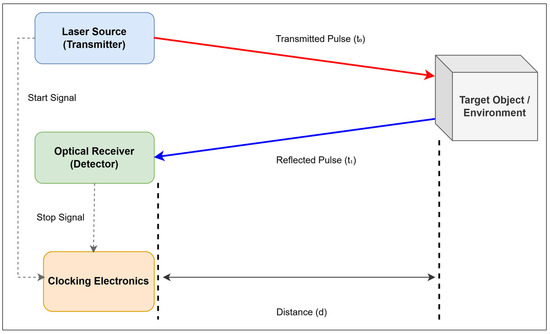
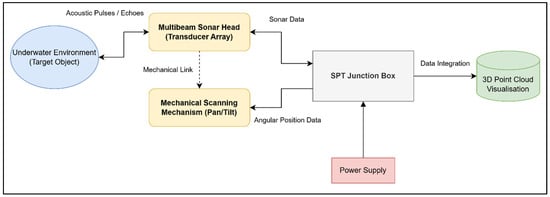
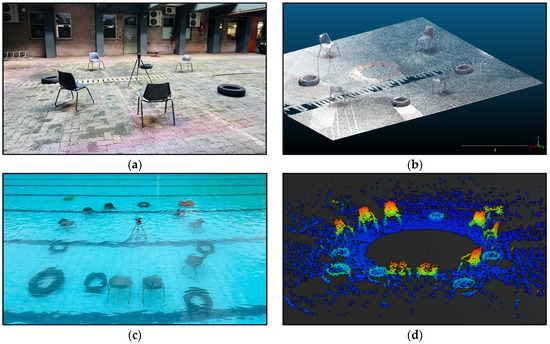
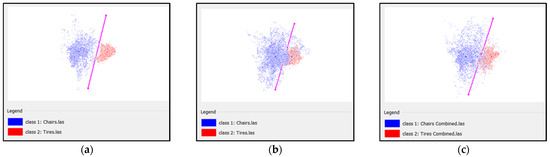
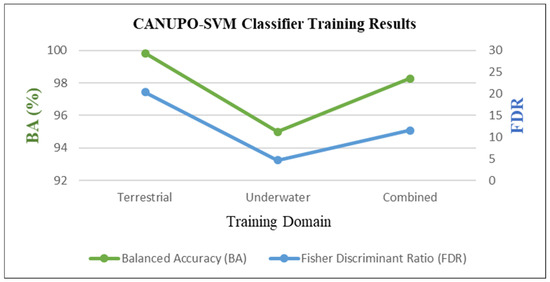
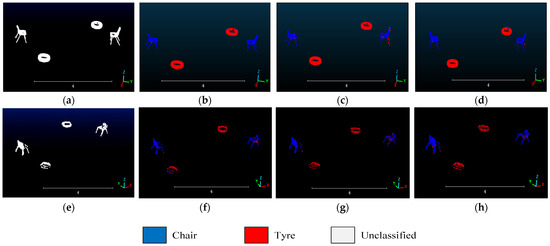
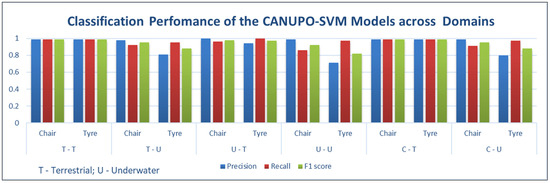
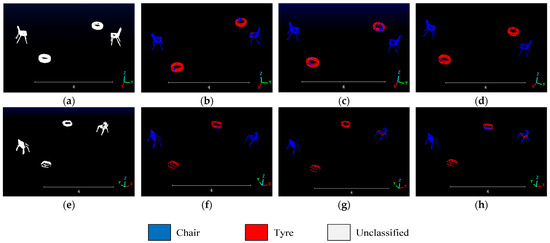
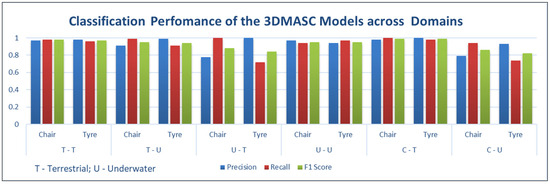
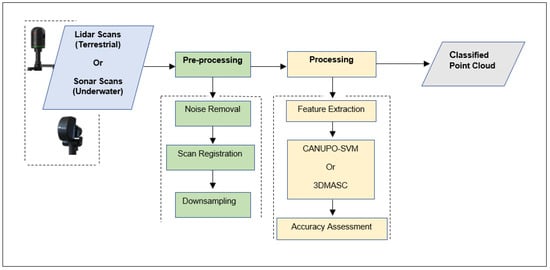
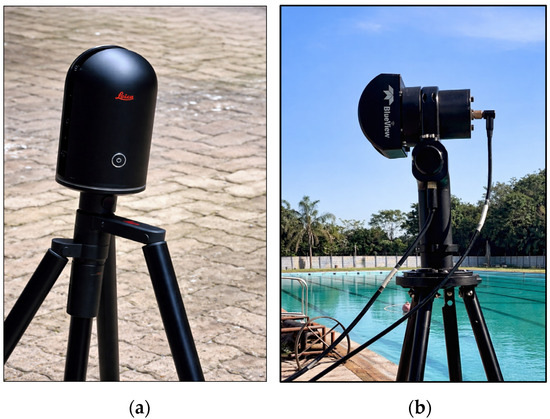
Cross-domain semantic classification of 3D point clouds remains challenging due to strong domain shifts between heterogeneous sensing modalities. Most existing classification frameworks are domain-specific, limiting their use in integrated land–water mapping applications. This study evaluates the transferability of classical geometric machine learning classifiers between terrestrial and underwater point cloud domains without target-domain retraining. Experiments were conducted using terrestrial data acquired with a Leica BLK360 terrestrial laser scanner (TLS) and underwater point clouds collected with a Blueview BV5000 mechanical scanning sonar (MSS). Two dimensionality-based frameworks, CANUPO–Support Vector Machine (SVM) and 3DMASC–Random Forest (RF), were implemented in CloudCompare and assessed under intra-domain and cross-domain configurations. Strong intra-domain performance was achieved, with terrestrial–terrestrial accuracies of 0.99 for CANUPO–SVM and 0.97 for 3DMASC. In underwater evaluation, CANUPO maintained high accuracy (0.97), whereas 3DMASC decreased to 0.86 due to increased variability in the submerged data. Under cross-domain transfer, CANUPO achieved 0.93 accuracy for terrestrial-to-underwater and 0.89 for underwater-to-terrestrial classification, while 3DMASC demonstrated stable generalisation with 0.95 accuracy in both directions. Overall, dimensionality-based geometric descriptors capture stable structural cues across sensing environments, providing an interpretable and efficient pathway for applications such as hydrographic surveying, coastal monitoring, and underwater search-and-rescue detection. Future work will extend validation to larger datasets and explore domain adaptation strategies to further reduce cross-modality domain shift.
Full article
Open AccessArticle
Deep Learning-Based Semantic Segmentation of Airborne LiDAR Point Clouds Using a Transformer-Enhanced PointNet++ Architecture
by
Hacer Kubra Sevinc and Ismail Rakip Karas
Geomatics 2026, 6(3), 43; https://doi.org/10.3390/geomatics6030043 - 29 Apr 2026
Abstract
►▼
Show Figures
Airborne LiDAR (Light Detection and Ranging) data is widely used in urban modelling and three-dimensional spatial analysis studies. However, the irregular structure of LiDAR point clouds, varying point densities, and class imbalances observed in the datasets make semantic segmentation problematic. This study addresses
[...] Read more.
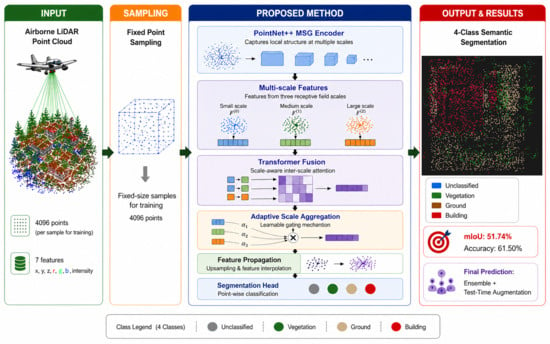
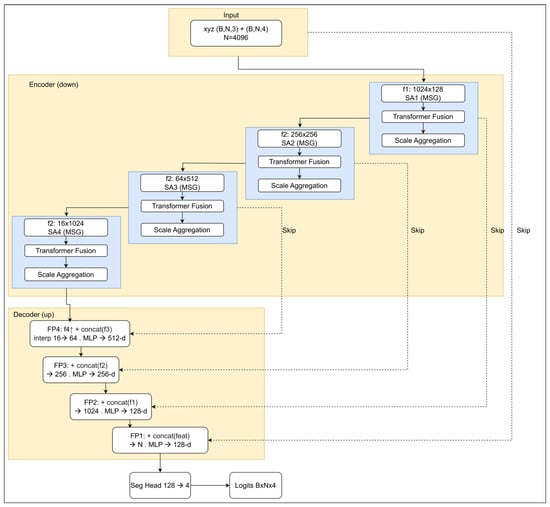
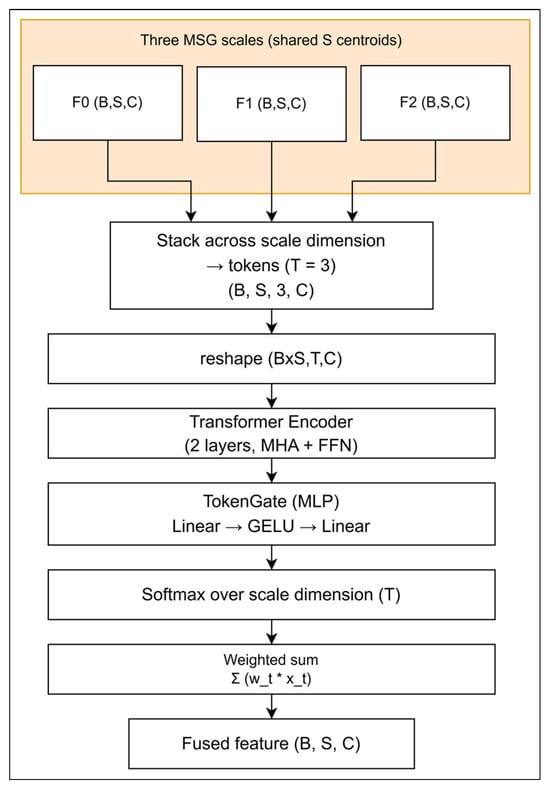
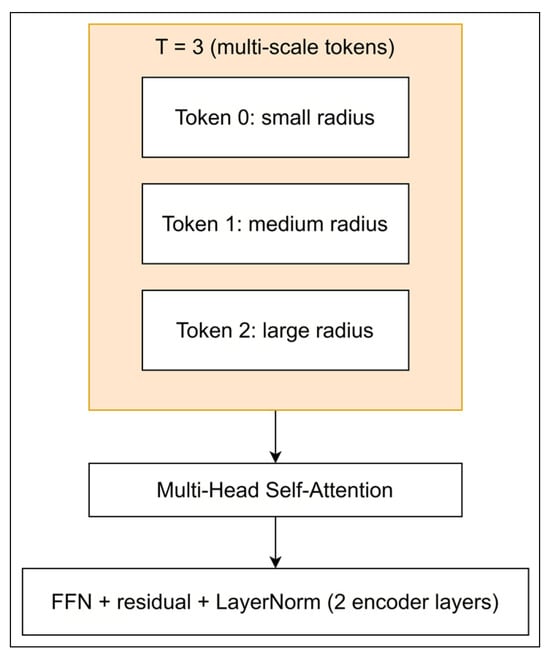
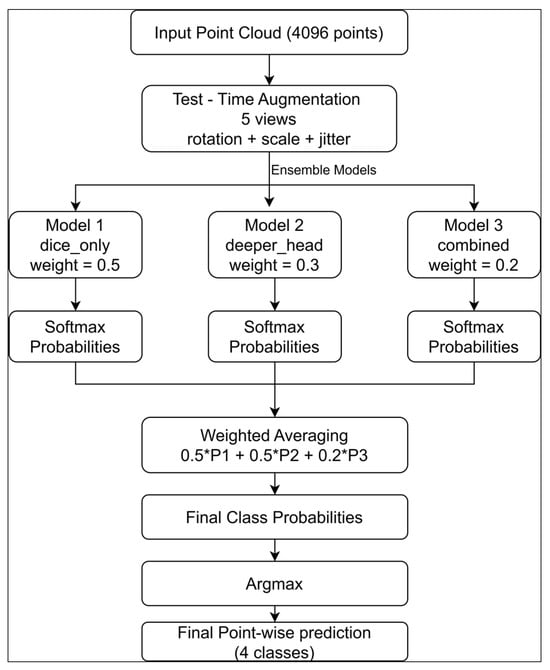
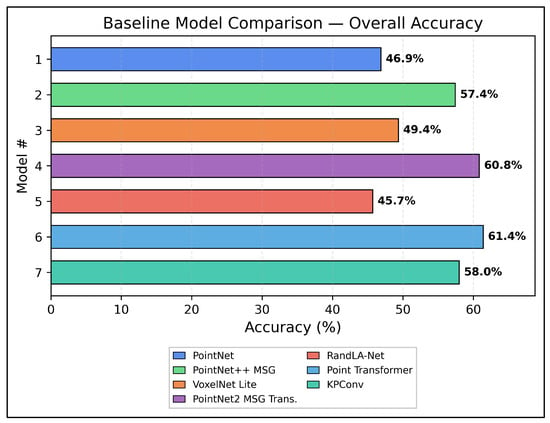
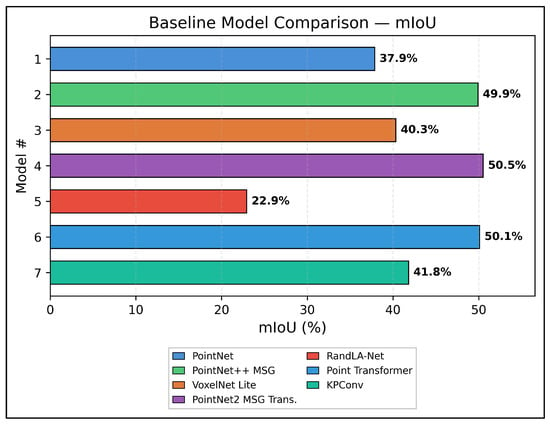
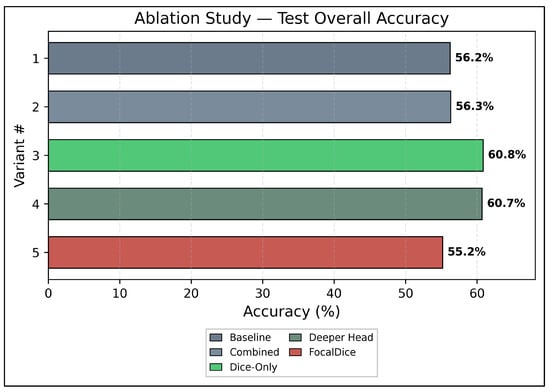
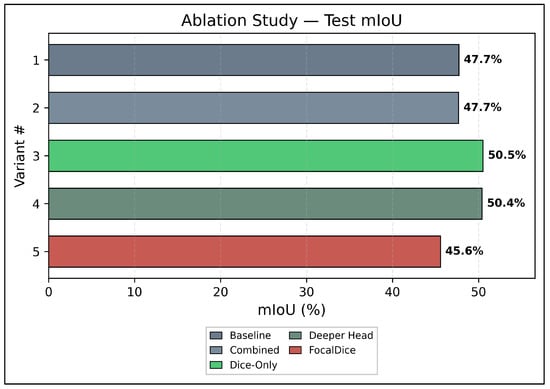
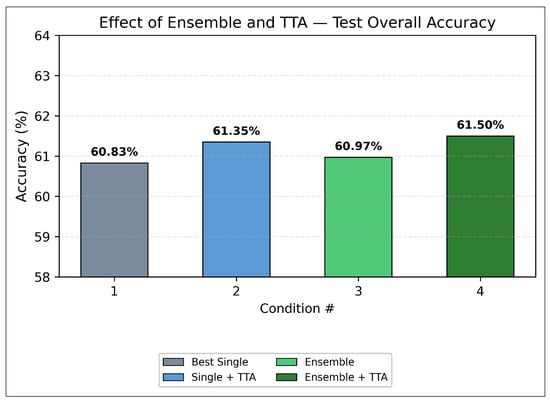
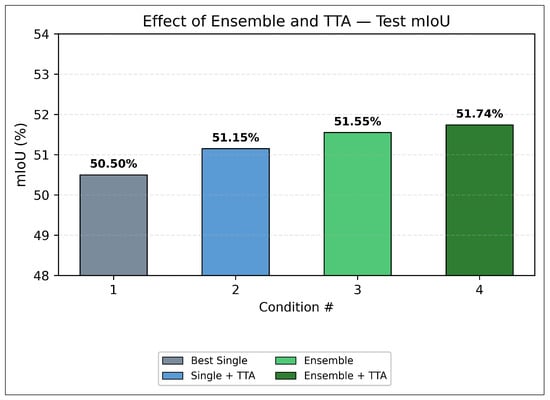
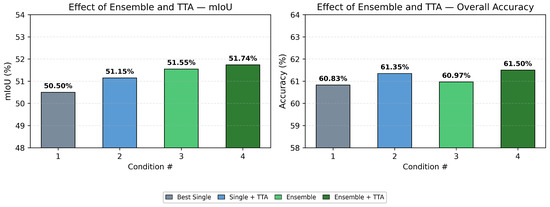
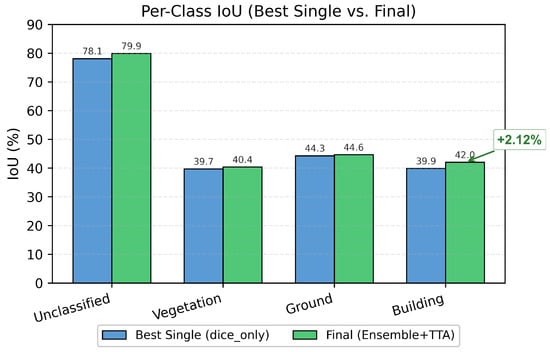
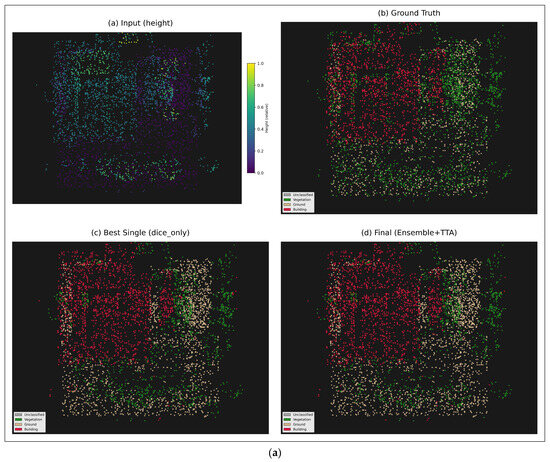
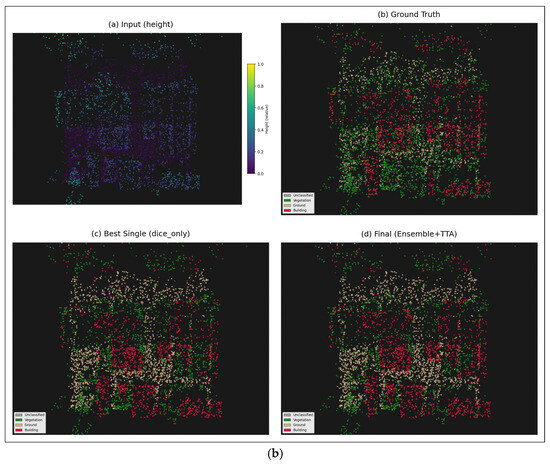
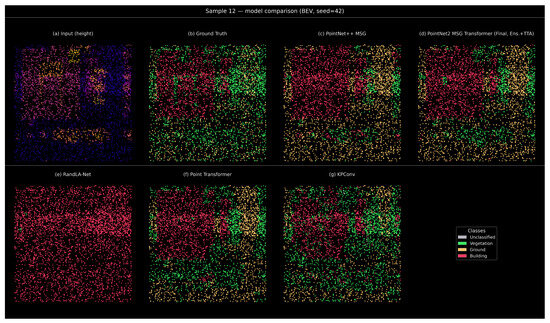
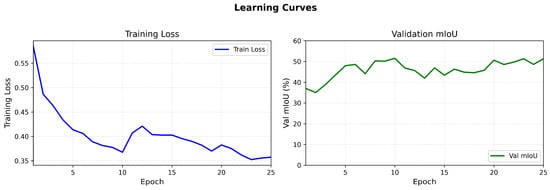
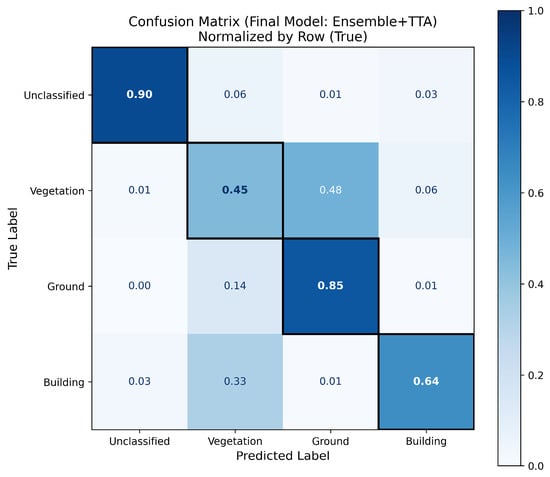
Airborne LiDAR (Light Detection and Ranging) data is widely used in urban modelling and three-dimensional spatial analysis studies. However, the irregular structure of LiDAR point clouds, varying point densities, and class imbalances observed in the datasets make semantic segmentation problematic. This study addresses the four-class semantic segmentation problem (unclassified, vegetation, ground, and building) on aerial LiDAR point clouds, with a particular focus on multi-class segmentation. The Oregon LiDAR Program dataset was obtained through the OpenTopography platform for use in this study. The point cloud data were resampled to 4096 points to ensure a fixed input size; for each point, the X, Y, and Z coordinates, along with the RGB and intensity features, were utilized. Experimental studies compared the proposed method with both baseline models (PointNet, PointNet++ MSG, and VoxelNet Lite) and recent state-of-the-art architectures, including Point Transformer, KPConv, and RandLA-Net. Additionally, the PointNet2 MSG Transformer model was developed based on the PointNet++ MSG architecture and includes a transformer-based feature fusion module. Different loss functions and training configurations were evaluated, and the effects of ensemble learning and test-time augmentation strategies on model performance were analyzed. The experimental results show that the proposed approach achieved a mean Intersection over Union (IoU) of 51.74% and an accuracy of 61.50% on the test dataset. These results demonstrate that combining multi-scale feature extraction with transformer-based feature fusion is an effective approach for semantic segmentation of LiDAR point clouds and multi-class segmentation tasks.
Full article

Graphical abstract
Open AccessArticle
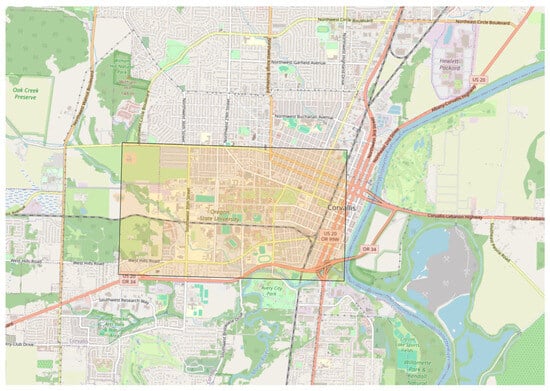
Multi-Epoch Robust DI-Optimal Ground Control Point Network Design for Georeferencing of Google Earth Imagery
by
Zainab N. Jasim, Nagham Amer Abdulateef, Zahraa Ezzulddin Hussein and Bashar Alsadik
Geomatics 2026, 6(3), 42; https://doi.org/10.3390/geomatics6030042 - 27 Apr 2026
Abstract
►▼
Show Figures
Ground Control Points (GCPs) are essential for accurate georeferencing of optical imagery; however, their selection is often heuristic and affected by temporal changes in image geometry. This challenge is particularly acute for Google Earth imagery, where acquisition conditions and mosaicking processes vary over
[...] Read more.
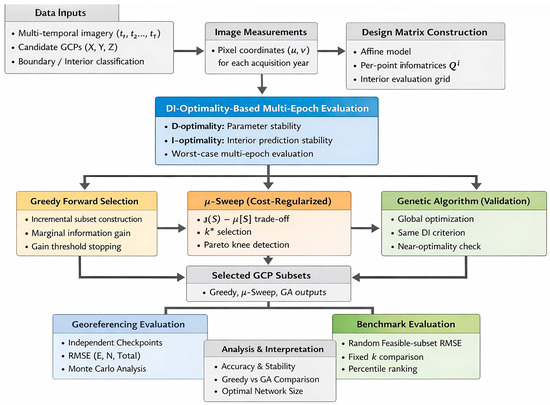
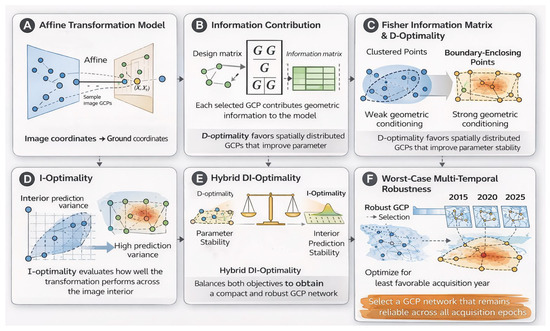
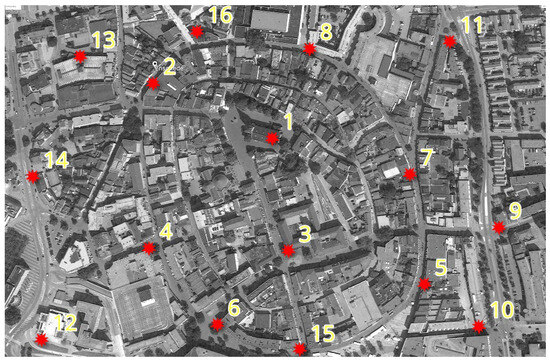
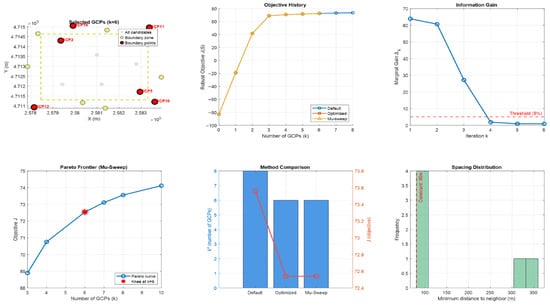
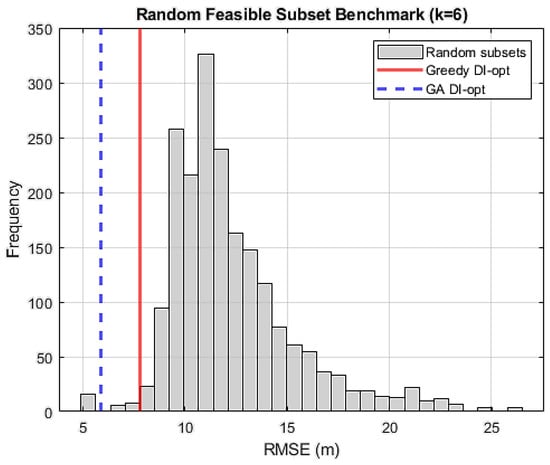
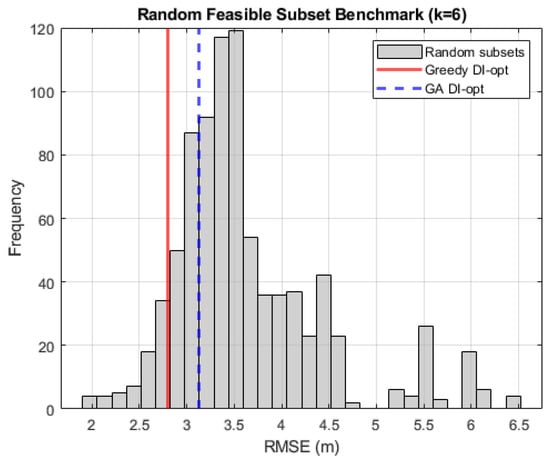
Ground Control Points (GCPs) are essential for accurate georeferencing of optical imagery; however, their selection is often heuristic and affected by temporal changes in image geometry. This challenge is particularly acute for Google Earth imagery, where acquisition conditions and mosaicking processes vary over time. This paper presents a multi-epoch robust framework for the automatic design of GCP networks to precisely georeference multi-temporal Google Earth images. GCP selection is formulated within an affine optimal experimental design setting, in which candidate configurations are evaluated against the most challenging acquisition epoch to promote consistency over time. A hybrid DI-optimality criterion balances transformation stability and interior prediction accuracy without requiring interior control points. The framework also includes an automated method for determining the optimal number of GCPs using marginal-gain stopping and cost-regularized μ-sweep analysis. Experiments on two urban case studies show that compact, well-conditioned GCP networks can match the accuracy of larger heuristic networks and achieve top 10% root-mean-square error (RMSE) performance on a random feasible subset benchmark. Results demonstrate that a carefully designed GCP network can greatly reduce the number of control points needed while maintaining stable geometric performance across acquisition sessions.
Full article

Figure 1
Open AccessArticle
A Python-Based Workflow for Asbestos Roof Mapping and Temporal Monitoring Using Satellite Imagery
by
Giuseppe Bonifazi, Alice Aurigemma, José Salas-Cáceres, Javier Lorenzo-Navarro, Silvia Serranti, Federica Paglietti, Sergio Bellagamba and Sergio Malinconico
Geomatics 2026, 6(3), 41; https://doi.org/10.3390/geomatics6030041 - 25 Apr 2026
Abstract
►▼
Show Figures
The detection and monitoring of asbestos–cement roofing remain a critical public health and environmental challenge, especially in urban and suburban areas where asbestos-containing materials are still widespread due to their extensive use in the 20th century. Although hyperspectral and high-resolution multispectral remote sensing
[...] Read more.
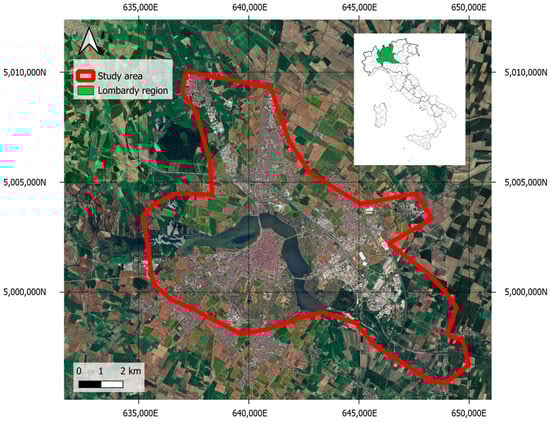
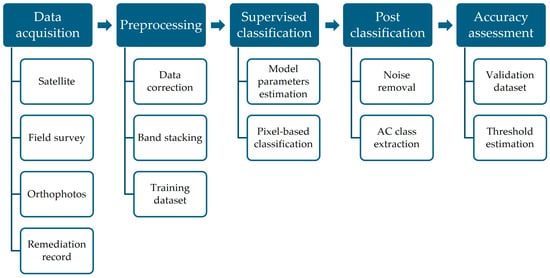
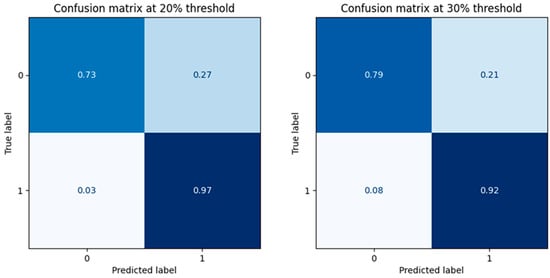
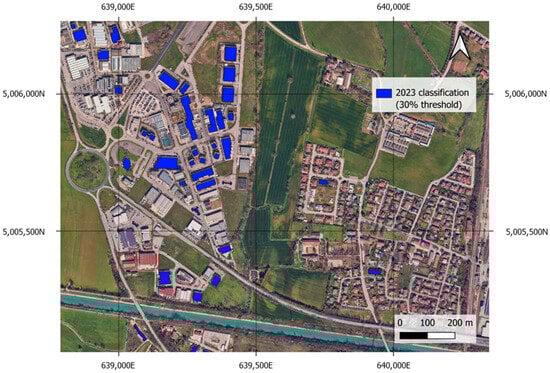
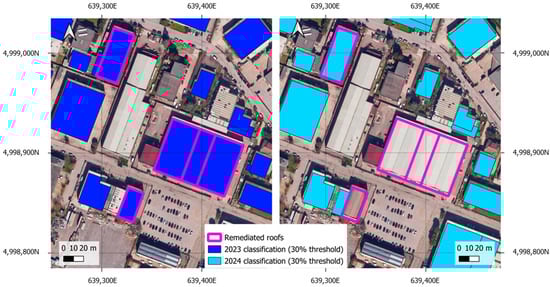
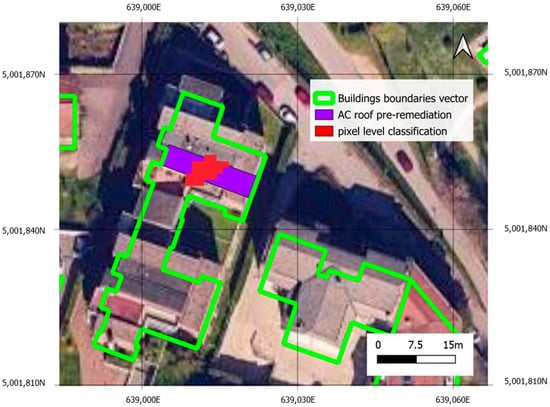
The detection and monitoring of asbestos–cement roofing remain a critical public health and environmental challenge, especially in urban and suburban areas where asbestos-containing materials are still widespread due to their extensive use in the 20th century. Although hyperspectral and high-resolution multispectral remote sensing have proven effective for mapping asbestos–cement roofs, many existing approaches rely on proprietary software, limiting transparency, reproducibility, and large-scale adoption. This study presents a fully reproducible, cost-free Python-based workflow for the detection and temporal monitoring of asbestos–cement roofing using high-resolution multispectral WorldView-3 imagery. The workflow integrates atmospheric correction (using the Py6S radiative transfer model), spatial preprocessing, supervised pixel-based classification, postprocessing, and building-level aggregation within an open framework. A Maximum Likelihood Classifier is applied to VNIR and SWIR data using empirically defined roof typologies to enhance class separability. Pixel-level results are aggregated to the building scale through adaptive thresholding enabling the translation of spectral classifications into meaningful building-level information. Tested over the city of Mantua (Italy), the approach achieved reliable classification performance and enabled multi-temporal comparison to identify changes potentially due to roof remediation. Evaluation metrics (precision, recall, and F1-score) highlight the importance of carefully choosing the building-level threshold. By relying exclusively on open-source tools, the workflow enhances transparency, reproducibility, and scalability for long-term monitoring.
Full article

Figure 1
Open AccessArticle
Evaluating the Robustness of PPP and GNSS Reference Frame Solutions Across Scientific and Legacy Commercial Software
by
Antonino Maltese, Claudia Pipitone and Gino Dardanelli
Geomatics 2026, 6(3), 40; https://doi.org/10.3390/geomatics6030040 - 25 Apr 2026
Abstract
This study evaluates the robustness and time consistency of GNSS coordinate solutions obtained from a suite of scientific and legacy commercial software packages, with the aim of assessing their suitability for rapid preliminary framing of institutional geodetic networks. The analysis includes Pinnacle 1.0,
[...] Read more.
This study evaluates the robustness and time consistency of GNSS coordinate solutions obtained from a suite of scientific and legacy commercial software packages, with the aim of assessing their suitability for rapid preliminary framing of institutional geodetic networks. The analysis includes Pinnacle 1.0, Topcon Tools v.8, TGOffice 1.63, Leica Geo Office Combined 7.0, NDA Lite, and the scientific-grade NDA Professional, together with PPP solutions generated through the CSRS service. A one-year dataset from the UNIPA GNSS CORS network was processed to derive monthly coordinate estimates, which were compared in terms of geocentric (ΔXYZ), horizontal (ΔEN), and vertical (ΔUp) deviations, as well as temporal behavior and statistical significance (Welch’s t-test). The results show that NDA Professional provides the most stable and time-consistent solutions, with mean horizontal and vertical dispersions typically below 2–3 mm. Topcon Tools and Pinnacle also exhibit good performance, with average ΔEN values of approximately 3–4 mm and ΔH values generally within 5–7 mm. In contrast, Leica LGO and NDA Lite display larger variability, particularly in the vertical component, where monthly deviations may exceed 10 mm. The CSRS solution, due to its PPP-based intrinsic nature, reveals a statistically significant temporal trend (on the order of 5–8 mm/year), which prevents direct comparison with static network solutions; however, once detrended, its dispersion becomes comparable to the best-performing static software, with ΔEN and ΔUp values of 2–4 mm.
Full article
(This article belongs to the Special Issue Advances and Innovations in Geomatics: Celebrating a New Chapter—First Impact Factor and CiteScore Received)
Open AccessArticle
Assessing PlanetScope Imagery for Satellite-Derived Bathymetry Using ICESat-2 ATL03 Photon-Based Validation: A Case Study at Cayo Alburquerque, Caribbean Colombia
by
Jose Eduardo Fuentes Delgado
Geomatics 2026, 6(2), 39; https://doi.org/10.3390/geomatics6020039 - 20 Apr 2026
Abstract
►▼
Show Figures
Satellite-derived bathymetry (SDB) offers a practical alternative for mapping shallow reefs in remote oceanic settings where acoustic surveys are costly and logistically constrained. Here we benchmark PlanetScope 8-band (3 m) surface reflectance—an underused commercial constellation for reef SDB—using ICESat-2 Advanced Topographic Laser Altimeter
[...] Read more.
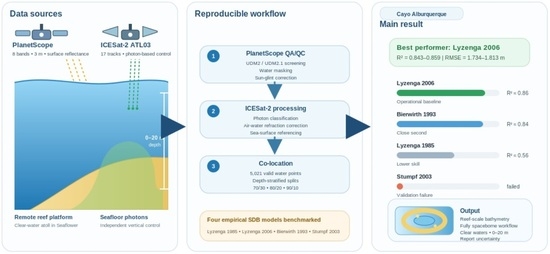
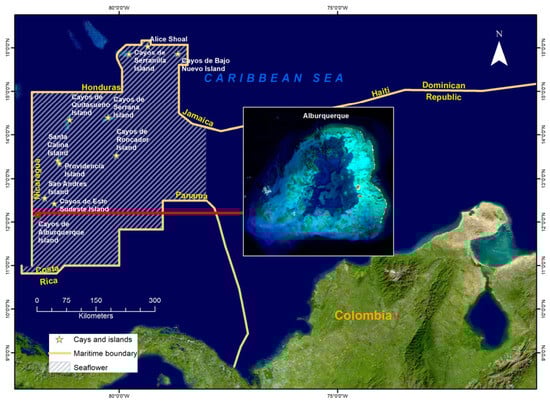
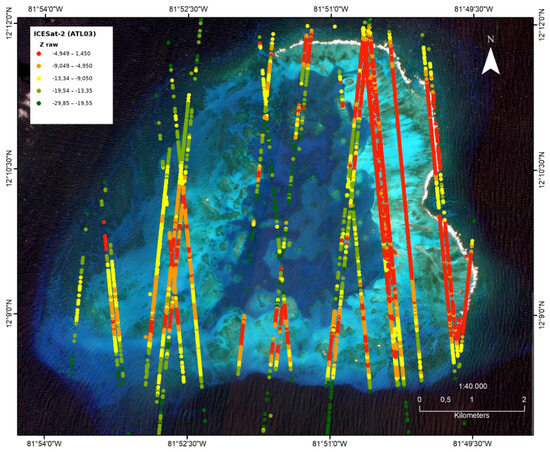
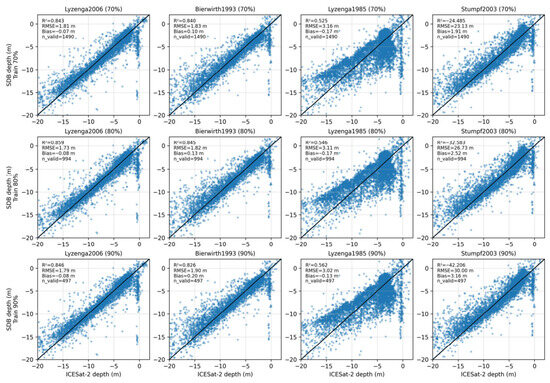
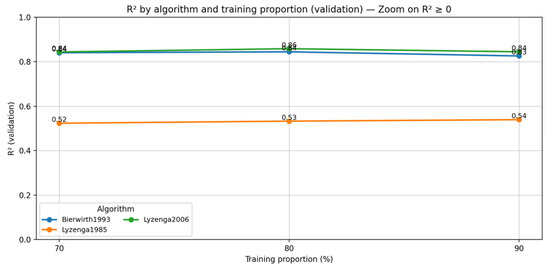
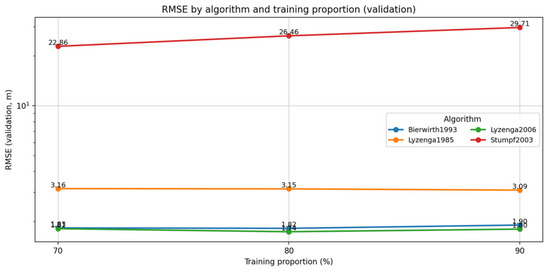
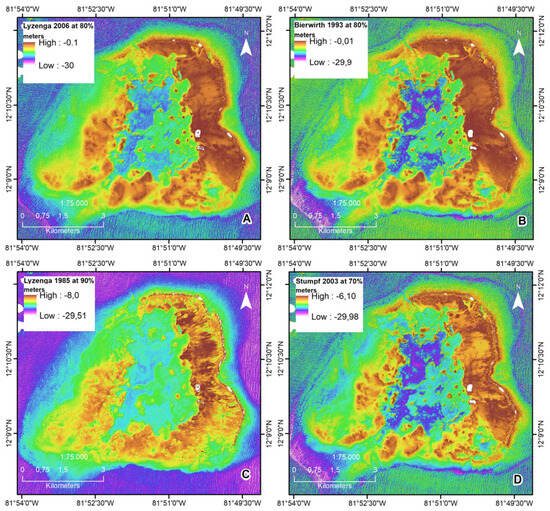
Satellite-derived bathymetry (SDB) offers a practical alternative for mapping shallow reefs in remote oceanic settings where acoustic surveys are costly and logistically constrained. Here we benchmark PlanetScope 8-band (3 m) surface reflectance—an underused commercial constellation for reef SDB—using ICESat-2 Advanced Topographic Laser Altimeter System (ATLAS) ATL03 photon data (Release 006) as independent vertical control. Seventeen ATL03 ground tracks (2019–2025) were processed using geometric filtering, photon classification, and explicit air–water refraction correction. This yielded 5171 candidate seafloor observations, of which 5021 were co-located with valid PlanetScope water pixels after Usable Data Mask screening (UDM2/UDM2.1), sun-glint correction, and reflectance quality screening. Four SDB formulations (Lyzenga, Bierwirth, and Stumpf) were calibrated and independently validated using depth-stratified train/validation partitions (70/30, 80/20, and 90/10). Across partitions, the multiband polynomial model of Lyzenga 2006 generalized best (R2 = 0.843–0.859; RMSE = 1.734–1.813 m; bias = −0.070 to −0.081 m), followed by Bierwirth (R2 = 0.826–0.845; RMSE = 1.818–1.904 m). Lyzenga 1985 reported lower skill (RMSE ≈ 3.1 m), while the Stumpf log-ratio failed in independent validation. ICESat-2 photon bathymetry provides repeatable point-based control in clear waters but remains less precise than echo sounding due to photon classification and spatial-support effects; therefore, uncertainties and applicability limits must be reported. Overall, PlanetScope 3 m, 8-band surface reflectance supports reproducible reef-scale SDB in Seaflower under the evaluated conditions, with Lyzenga 2006 as a robust baseline.
Full article

Graphical abstract
Open AccessArticle
SBAS-InSAR Quantification of Wind Erosion and Sand Dune Migration Dynamics in Eastern Saudi Arabia
by
Mohamed Elhag, Esubalew Adem, Aris Psilovikos, Wei Tian, Jarbou Bahrawi, Ahmad Samman, Roman Shults, Anis Chaabani and Dinara Talgarbayeva
Geomatics 2026, 6(2), 38; https://doi.org/10.3390/geomatics6020038 - 20 Apr 2026
Abstract
►▼
Show Figures
This study applies Small Baseline Subset Interferometric Synthetic Aperture Radar (SBAS-InSAR) to investigate surface deformation dynamics in the hyper-arid Eastern Province of Saudi Arabia, with emphasis on quantifying sand dune migration and identifying areas susceptible to wind erosion. Utilizing Sentinel-1 SAR data and
[...] Read more.
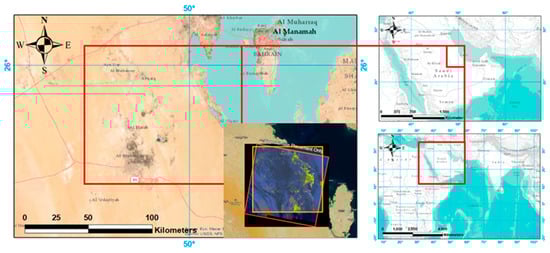
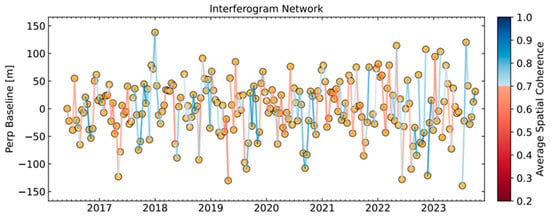
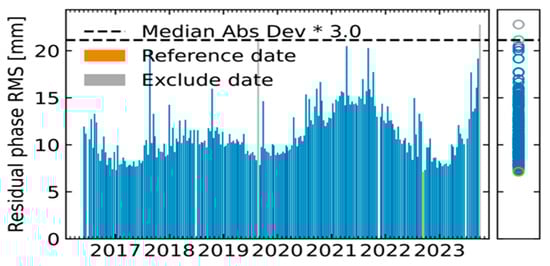
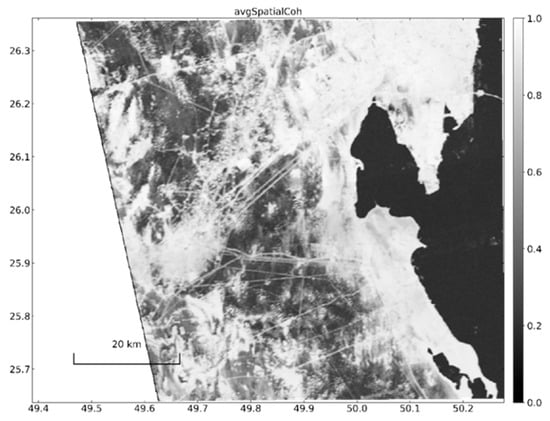
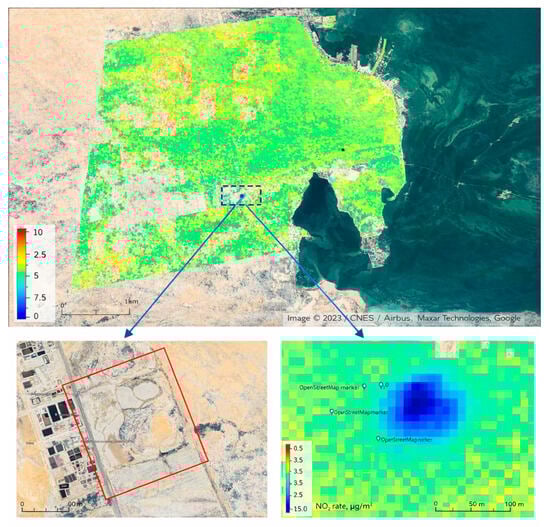
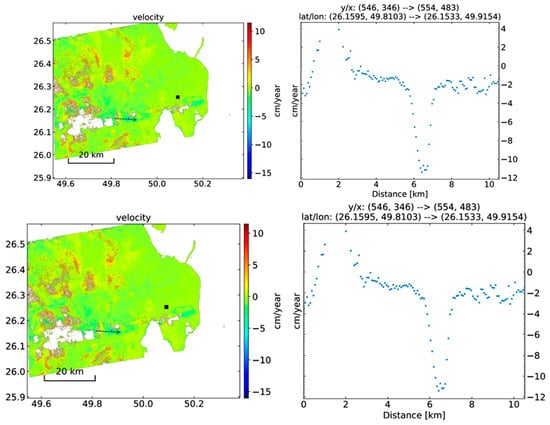
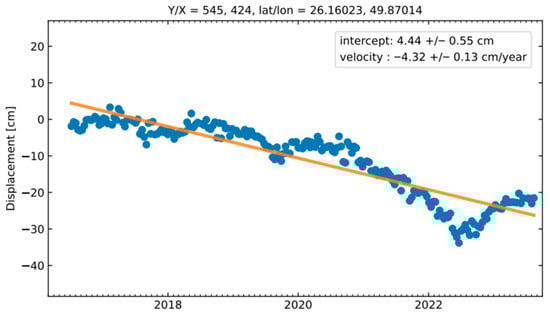
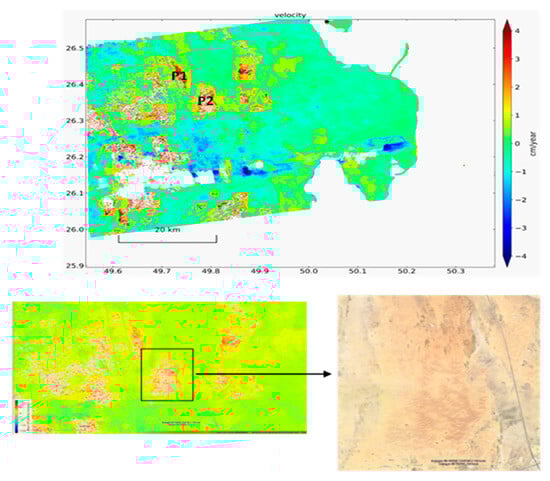
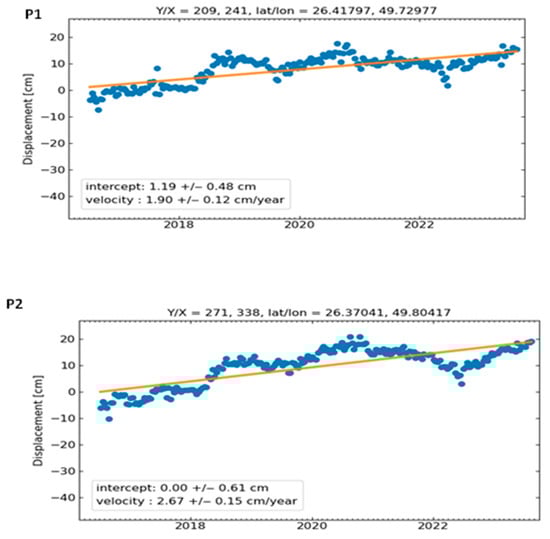
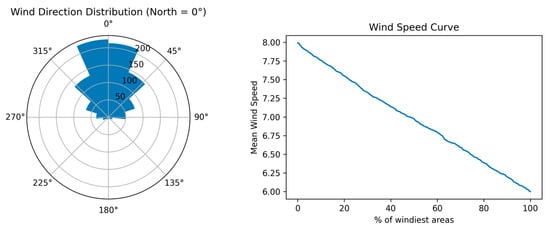
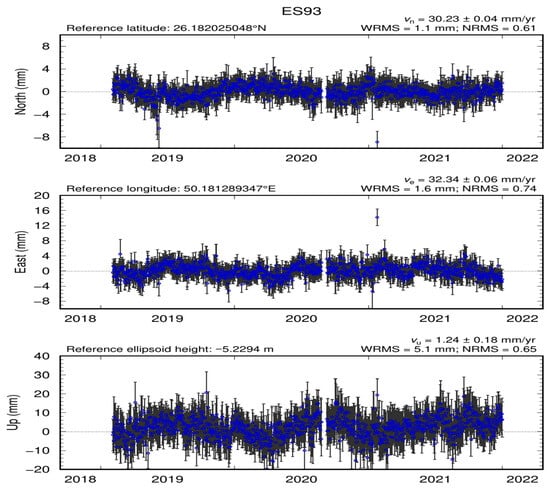
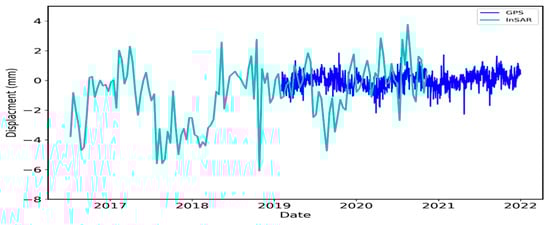
This study applies Small Baseline Subset Interferometric Synthetic Aperture Radar (SBAS-InSAR) to investigate surface deformation dynamics in the hyper-arid Eastern Province of Saudi Arabia, with emphasis on quantifying sand dune migration and identifying areas susceptible to wind erosion. Utilizing Sentinel-1 SAR data and the MintPy toolbox, ground deformation was quantified with millimeter-scale precision. Results reveal significant subsidence, up to 15 cm/year in landfills, linked to waste compaction and groundwater depletion. Localized uplift of ~4 cm/year on northern peripheries is directly attributed to aeolian sand accumulation from seasonal Shamal winds, providing quantitative evidence of dune migration. While direct measurement of wind erosion (net deflation) remains challenging due to the dominance of depositional signals and the spatial heterogeneity of erosion processes, areas of potential erosion are inferred from negative displacement patterns outside landfill zones and from coherence characteristics indicative of surface instability. The integration of SBAS-InSAR with GPS and ERA5 wind reanalysis resolves the combined influence of aeolian deposition, hydrogeological changes, and anthropogenic activity, offering insights into both components of aeolian dynamics and a replicable model for sustainable land management in arid environments.
Full article

Figure 1
Open AccessArticle
Geostatistical Reconstruction of Atmospheric Refractivity Fields Using Universal Kriging
by
Rubén Nocelo López
Geomatics 2026, 6(2), 37; https://doi.org/10.3390/geomatics6020037 - 9 Apr 2026
Abstract
►▼
Show Figures
Atmospheric refractivity governs the propagation behavior of electromagnetic waves in the lower troposphere. Accurate spatial characterization of this parameter is essential for optimizing communication, radar, and navigation systems. This study presents a geostatistical framework for generating high-resolution refractivity maps using Universal Kriging (UK)
[...] Read more.
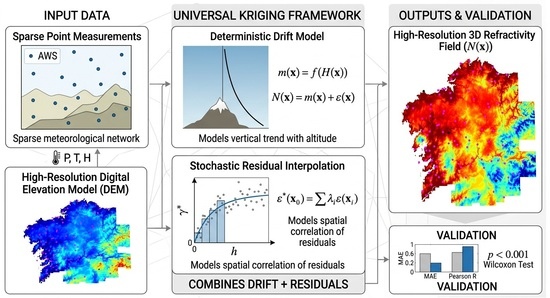
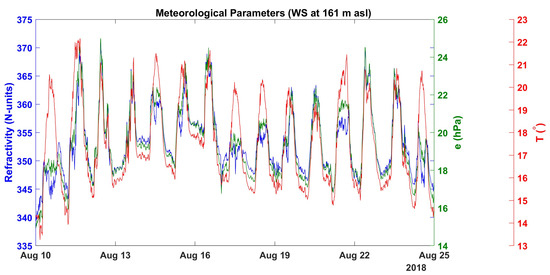
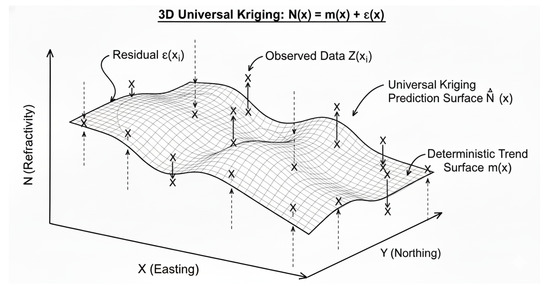
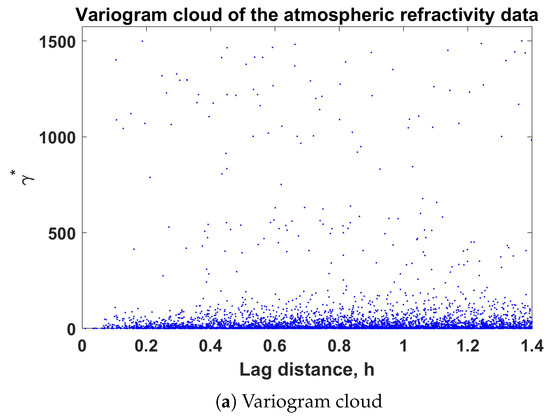
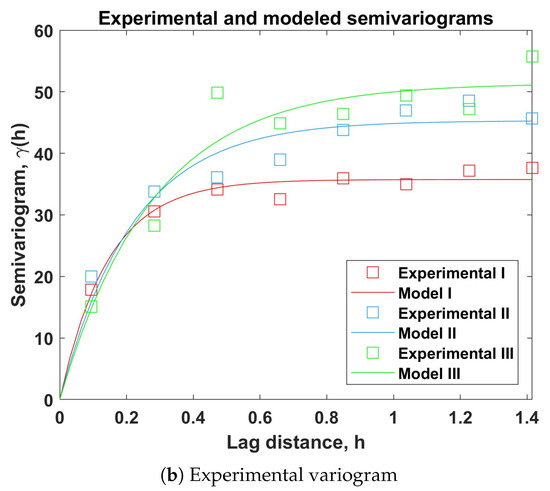
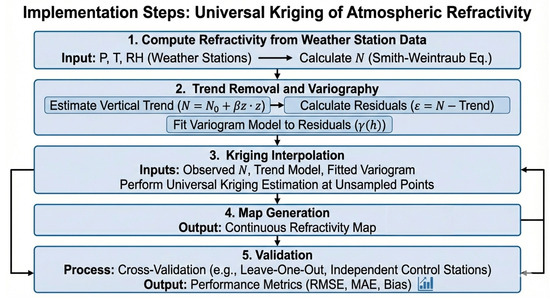
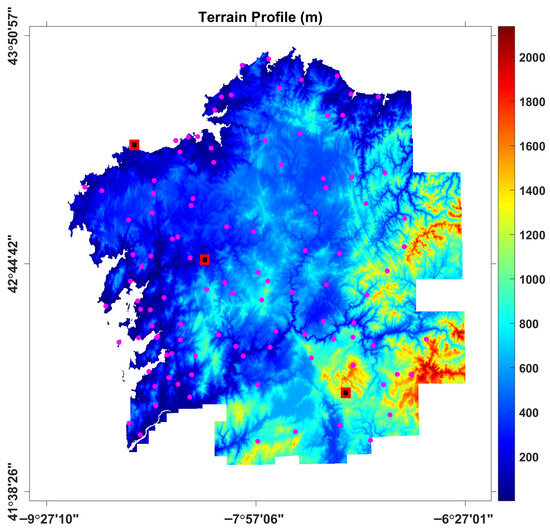
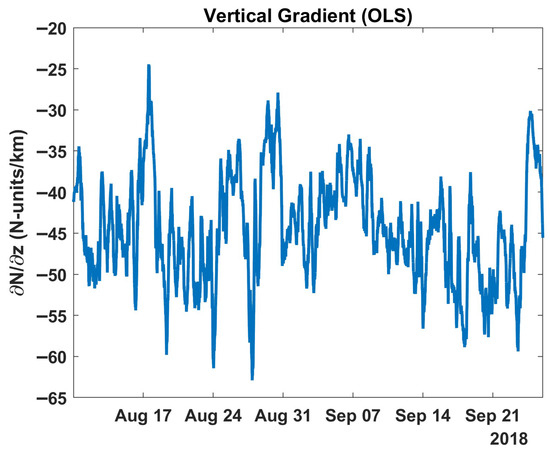
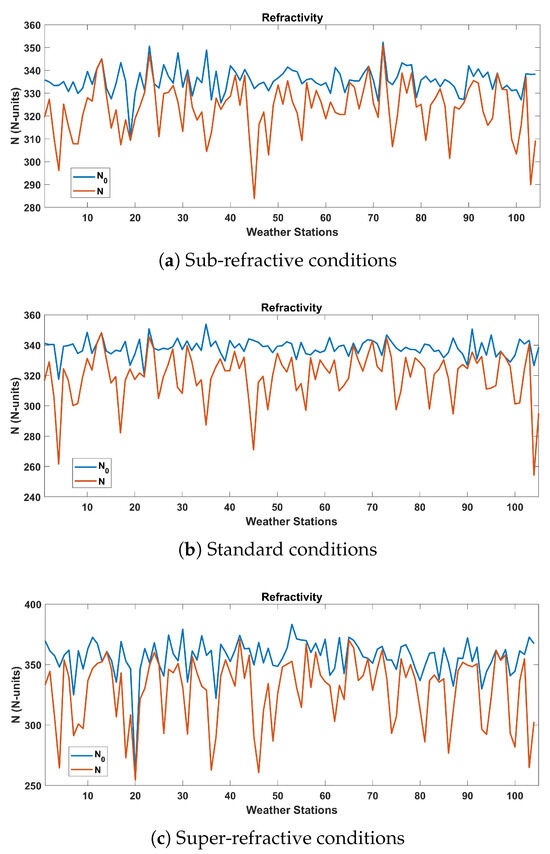
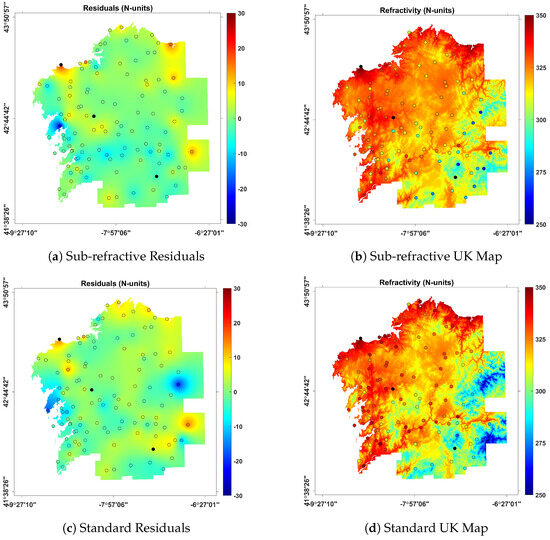
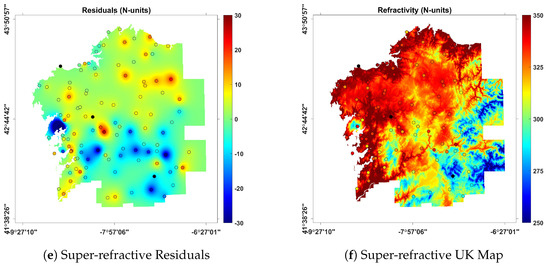
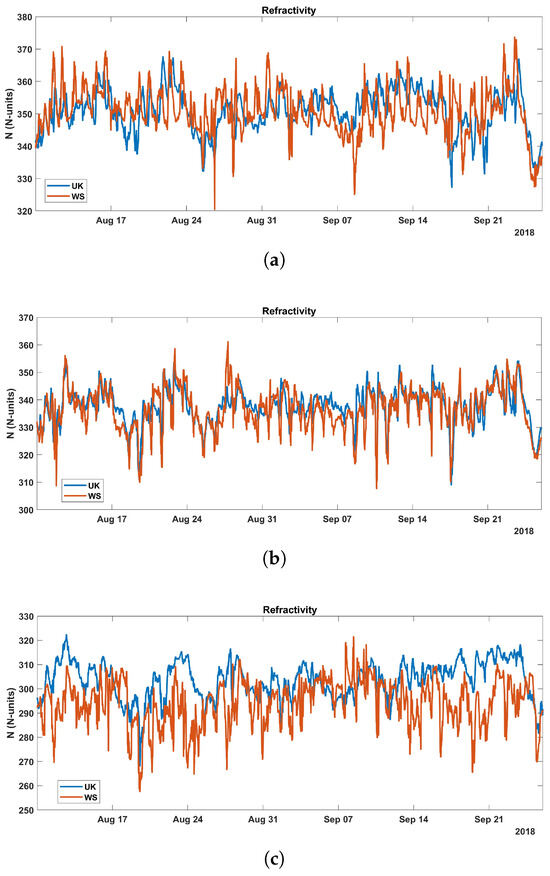
Atmospheric refractivity governs the propagation behavior of electromagnetic waves in the lower troposphere. Accurate spatial characterization of this parameter is essential for optimizing communication, radar, and navigation systems. This study presents a geostatistical framework for generating high-resolution refractivity maps using Universal Kriging (UK) applied to meteorological observations from a dense network of automatic weather stations in the Galician region (NW Spain). The methodology explicitly models the non-stationary vertical structure of the atmosphere by decomposing the refractivity field into a deterministic altitude-dependent drift and a stochastic residual component characterized by an exponential variogram. Validation, performed using independent test stations bounding the regional vertical profile, demonstrates that the UK approach significantly outperforms Ordinary Kriging (OK). UK not only reduces mean errors and improves linear agreement, but critically minimizes systematic bias and extreme outlier occurrences ( ). Beyond accurate spatial interpolation, the dynamically estimated vertical drift retrieves the macroscopic refractivity gradient, serving as a direct, real-time diagnostic tool to classify anomalous radio-frequency (RF) propagation regimes (e.g., super-refraction and ducting) and supporting robust decision-making in complex topographies.
Full article

Graphical abstract
Open AccessArticle
Unlocking Solar Potential: Geospatial Mapping of Building-Level Photovoltaic Opportunities in Northern Khyber Pakhtunkhwa’s Tourism Districts, Pakistan
by
Abdul Sattar Sheikh, Rizwan Shahid, Abdullah Shah, Aseer Ul Haq and Tayyab Shah
Geomatics 2026, 6(2), 36; https://doi.org/10.3390/geomatics6020036 - 6 Apr 2026
Abstract
►▼
Show Figures
This study evaluates the rooftop solar photovoltaic (PV) potential at the building level in the tourism-rich districts of Northern Khyber Pakhtunkhwa (KPK), Pakistan, using advanced geospatial analysis to support renewable energy planning. By combining the Area Solar Radiation tool with detailed building footprint
[...] Read more.
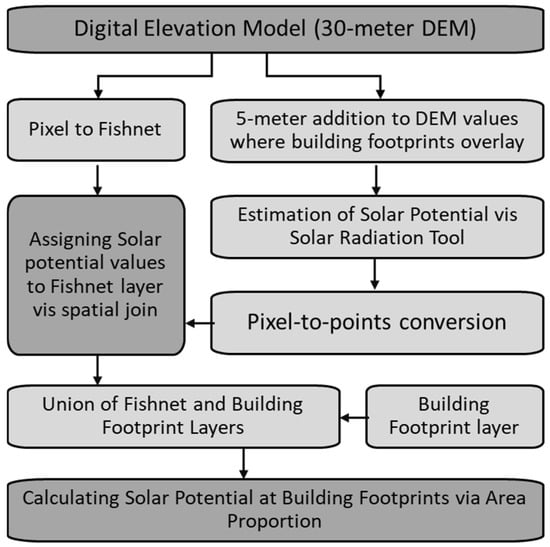
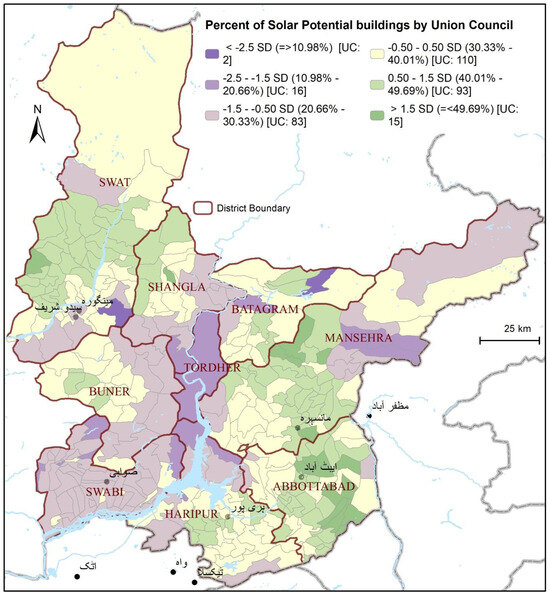
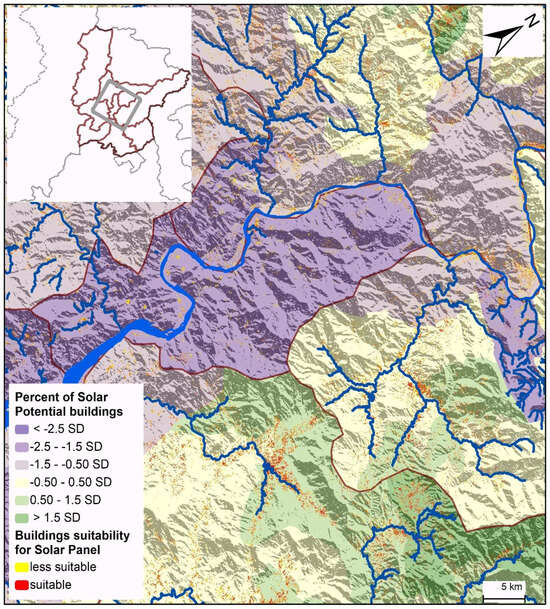
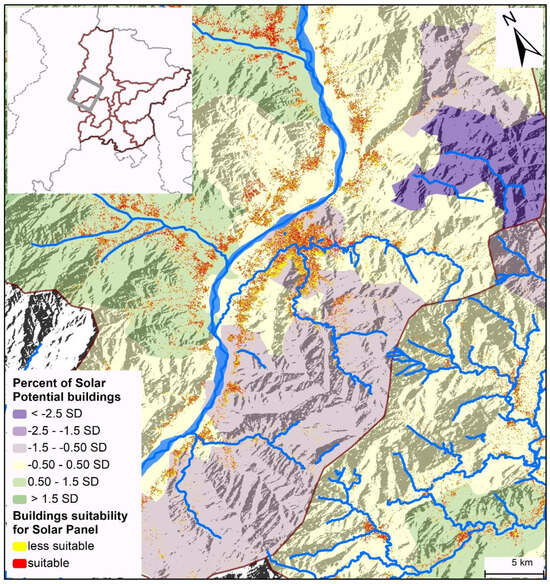
This study evaluates the rooftop solar photovoltaic (PV) potential at the building level in the tourism-rich districts of Northern Khyber Pakhtunkhwa (KPK), Pakistan, using advanced geospatial analysis to support renewable energy planning. By combining the Area Solar Radiation tool with detailed building footprint data, the study identified solar energy potential and prioritized areas for PV system installations. Results show that approximately 35% of the 1.29 million buildings analyzed are suitable for solar panels, with energy generation capacity varying by building size and district. Spatial analysis further highlighted Union Councils (UCs) where over 50% of buildings are solar-suitable, enabling precise targeting of renewable energy initiatives. The study underscores the importance of integrating local geographical and socio-economic data to enhance the feasibility and scalability of solar energy solutions in rural and urban settings and can be used to guide policy prioritization and funding decisions. This research demonstrates how geospatial analysis and open data can drive localized clean energy adoption, directly contributing to Sustainable Development Goal 7 by advancing affordable and sustainable energy solutions.
Full article

Figure 1
Open AccessCommunication
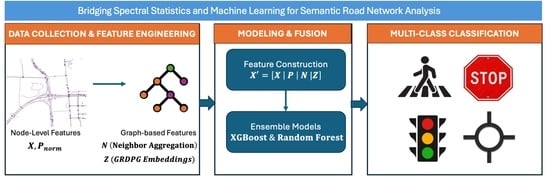
Bridging Spectral Statistics and Machine Learning for Semantic Road Network Analysis
by
Abigail Kelly, Ramchandra Rimal and Arpan Man Sainju
Geomatics 2026, 6(2), 35; https://doi.org/10.3390/geomatics6020035 - 1 Apr 2026
Abstract
►▼
Show Figures
Accurate identification of road network intersections is essential for urban planning, autonomous navigation, and traffic safety analysis. However, standard approaches relying on local geometric attributes often overlook essential topological information. This limitation is particularly problematic for intersection types that are locally similar but
[...] Read more.
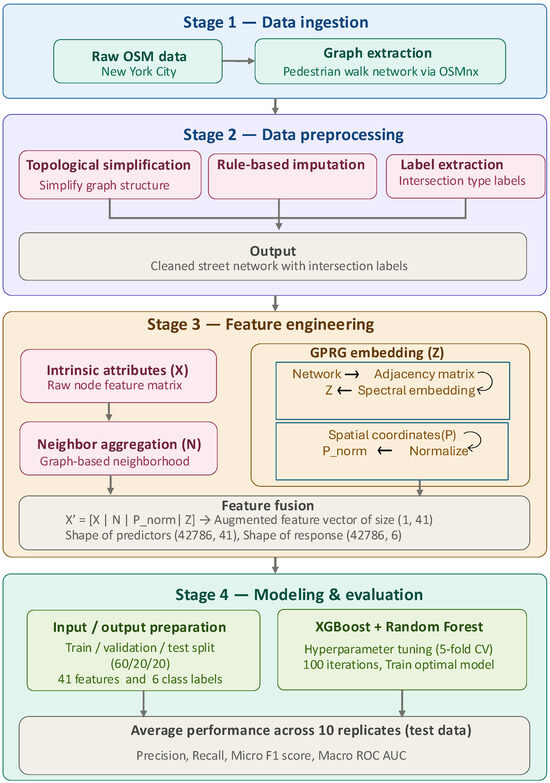
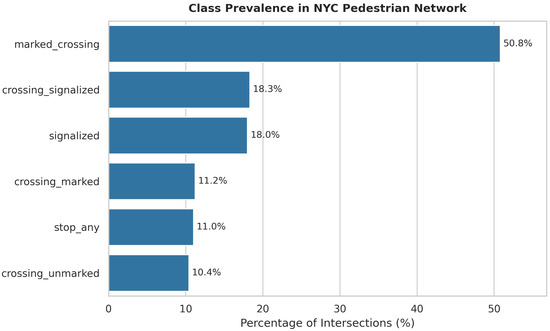
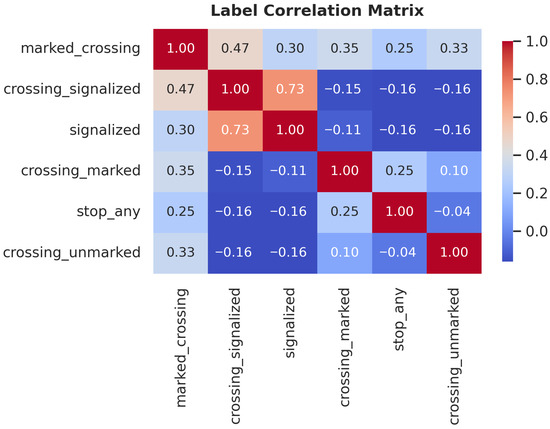
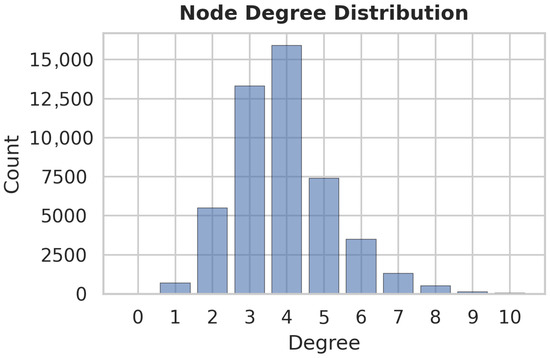
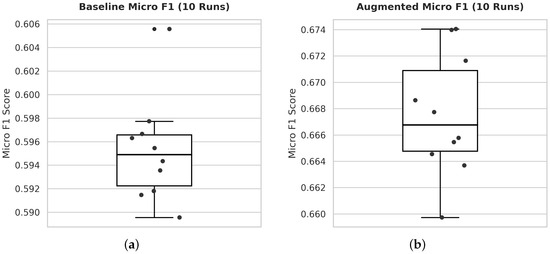
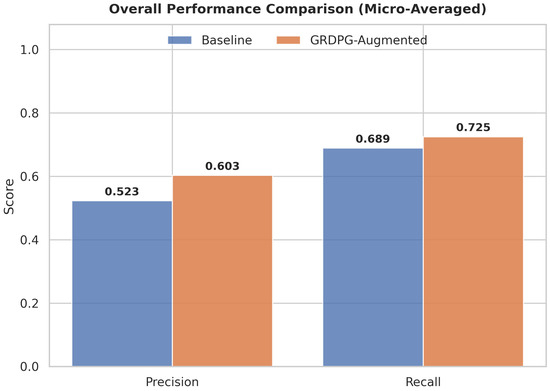
Accurate identification of road network intersections is essential for urban planning, autonomous navigation, and traffic safety analysis. However, standard approaches relying on local geometric attributes often overlook essential topological information. This limitation is particularly problematic for intersection types that are locally similar but topologically distinct. To address this, we propose a hybrid framework that augments intrinsic node attributes with Generalized Random Dot Product Graph embeddings and neighbor-aggregated features. We utilize tree-based ensemble classifiers, specifically Random Forest and Extreme Gradient Boosting, to process this enriched feature set. Unlike standard spectral methods that assume homophily, this approach explicitly models heterophilous connectivity to capture structural patterns where dissimilar nodes connect. Experiments on a real-world urban road network demonstrate that this topological augmentation yields consistent and robust improvements. The proposed integration with the Extreme Gradient Boosting model achieves a Macro ROC AUC of 0.8966 and a Micro F1 score of 0.7005, outperforming the baseline model (ROC AUC 0.8100, Micro F1 0.5919). Performance gains are most pronounced for topologically ambiguous intersection classes, confirming that local attributes alone fail to capture structural distinctions. These results demonstrate that latent structural context is a critical discriminator for granular road intersection classification.
Full article

Graphical abstract
Open AccessArticle
Evaluation of Accuracy and Usability of Low-Cost GNSS Receivers Under Tree Canopy: Impact of Vegetation and Seasonal Changes
by
Kristián Bene and Julián Tomaštík
Geomatics 2026, 6(2), 34; https://doi.org/10.3390/geomatics6020034 - 30 Mar 2026
Abstract
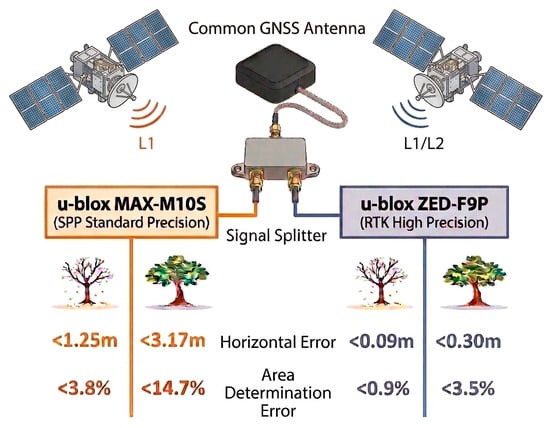
This research addresses the increasing demand for low-cost GNSS solutions in natural resources management and geodesy by comparing a dual-frequency RTK receiver and a single-frequency autonomous receiver under identical conditions. The novelty lies in the simultaneous testing of u-blox ZED-F9P and u-blox MAX-M10S
[...] Read more.
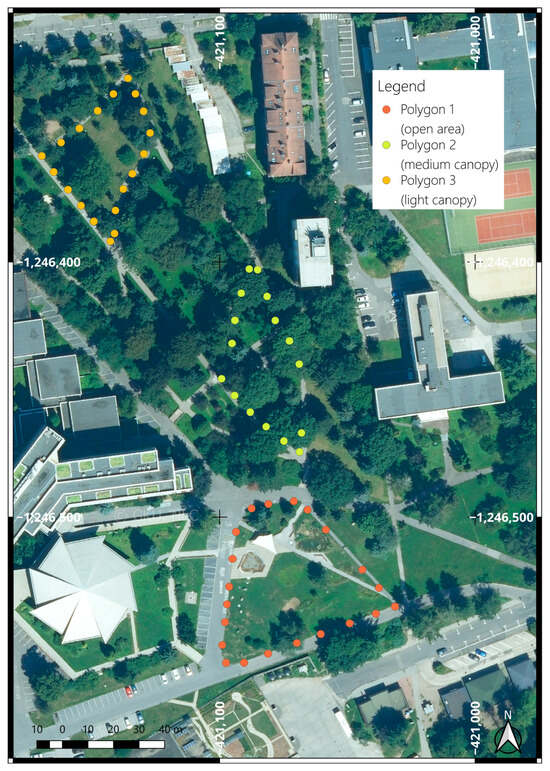
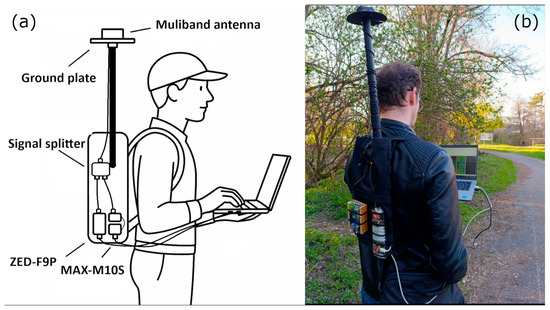
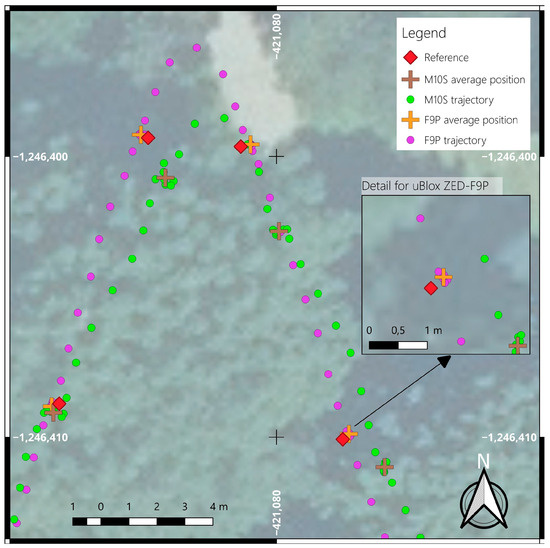
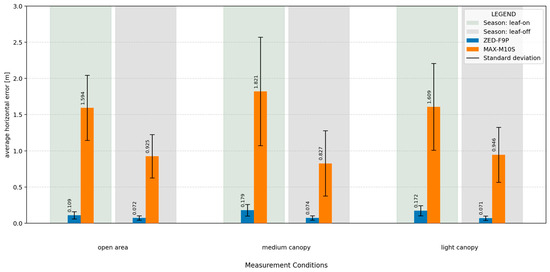
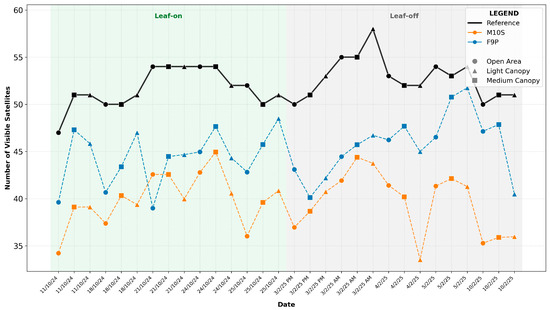
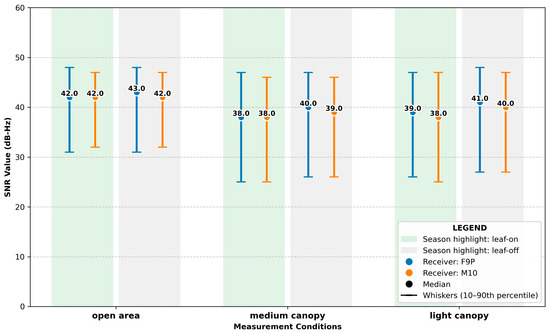
This research addresses the increasing demand for low-cost GNSS solutions in natural resources management and geodesy by comparing a dual-frequency RTK receiver and a single-frequency autonomous receiver under identical conditions. The novelty lies in the simultaneous testing of u-blox ZED-F9P and u-blox MAX-M10S receivers connected to a common antenna, eliminating different signal reception effects. The study also evaluates the horizontal accuracy and area determination accuracy and the influence of seasonal foliage. Experiments were conducted on three polygons with varying vegetation canopies during leaf-on and leaf-off periods. The ZED-F9P receiver demonstrated high accuracy and stability when using RTK corrections. Under canopy conditions, the average horizontal errors were 0.17–0.18 m during leaf-on and improved by 58% to approximately 0.07 m during leaf-off season. The average area determination errors remained below 2%, confirming its suitability for precise mapping. In contrast, the MAX-M10S receiver showed substantial variability under vegetation. Its average horizontal errors reached 1.5–3.0 m during leaf-on season, with the maximum errors exceeding 5 m. Its seasonal improvement ranged from 41 to 54%, while its area errors reached up to 14.7%. The study confirms that while vegetation cover and seasonal foliage are limiting factors for both types of devices, low-cost RTK receivers represent a viable alternative to expensive professional instruments, even in more challenging conditions.
Full article
(This article belongs to the Topic Navigation and Positioning System: Opportunities and Obstacles)
►▼
Show Figures

Graphical abstract
Open AccessArticle
Forest Density Detection Using a Set of Remotely Sensed Vegetation Indices, Texture Parameters, and Spatial Clustering Metrics
by
Stavros Kolios and Mariana Mandilara
Geomatics 2026, 6(2), 33; https://doi.org/10.3390/geomatics6020033 - 27 Mar 2026
Abstract
►▼
Show Figures
Monitoring forest density is essential for understanding ecosystem health, wildfire risk, and post-disturbance recovery. This study proposes a robust methodology to extract forest density classes exclusively using Sentinel-2 multispectral imagery combined with vegetation indices (VIs), textural parameters, and spatial clustering metrics. The approach
[...] Read more.
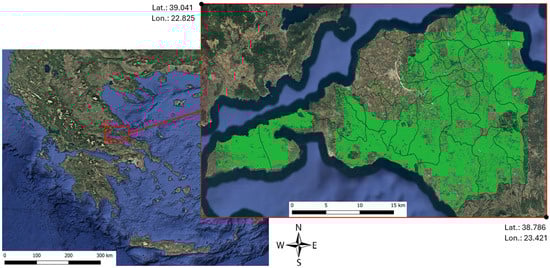
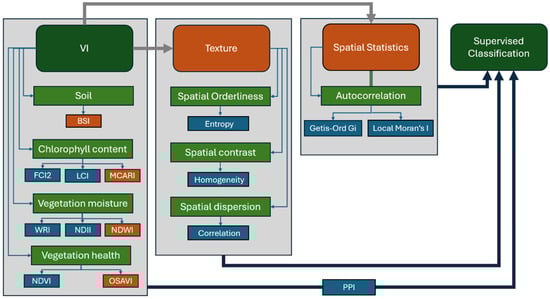
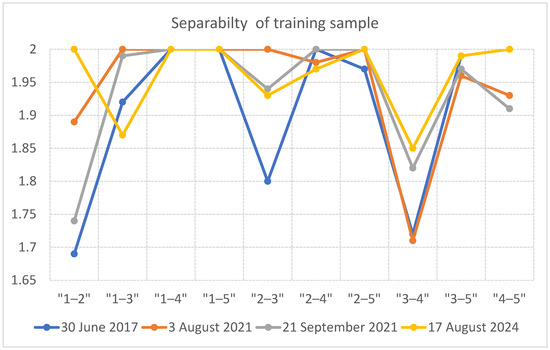
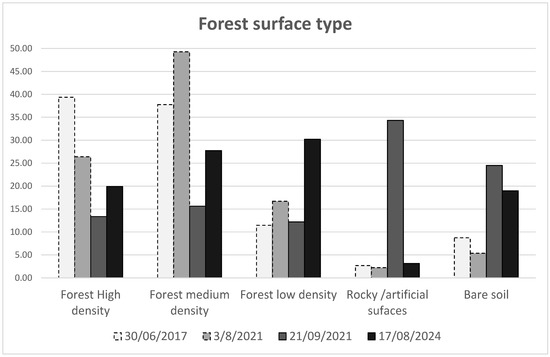
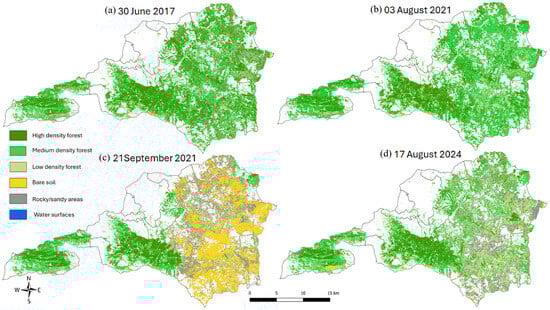
Monitoring forest density is essential for understanding ecosystem health, wildfire risk, and post-disturbance recovery. This study proposes a robust methodology to extract forest density classes exclusively using Sentinel-2 multispectral imagery combined with vegetation indices (VIs), textural parameters, and spatial clustering metrics. The approach was applied to the northern part of Euboea Island, Greece, as a pilot area severely affected by a wildfire in August 2021. Four cloud-free Sentinel-2 images (2017–2024) were selected to capture pre- and post-fire conditions. A set of nine VIs—representing vegetation vigor, chlorophyll content, soil exposure, and canopy moisture—were calculated and statistically assessed for independence. To enhance classification accuracy, texture measures (homogeneity, correlation, and entropy) and spatial autocorrelation metrics (Moran’s I, Getis-Ord Gi) were derived for selected VIs. Supervised classification was performed using the Maximum Likelihood algorithm, yielding overall accuracies up to 89.4% and kappa coefficients above 0.85 when combining VIs with texture and spatial metrics. Results revealed a dramatic 49.3% reduction in forest cover immediately after the wildfire, with partial recovery (to 77.9% of pre-fire levels) three years later, mainly as a low-density forest. Approximately 12.1% of forest cover failed to regenerate, indicating potential long-term ecosystem degradation. The proposed approach provides a computationally efficient, high-accuracy alternative to data-fusion methods involving (Light Detection and Ranging) LiDAR or (Synthetic Aperture Radar) SAR datasets, making it suitable for operational forest monitoring and fire-risk management.
Full article

Figure 1
Open AccessArticle
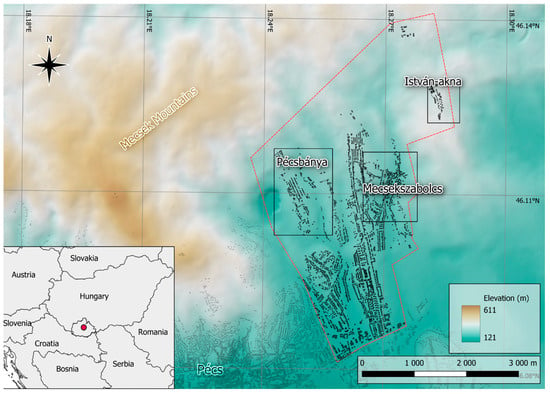
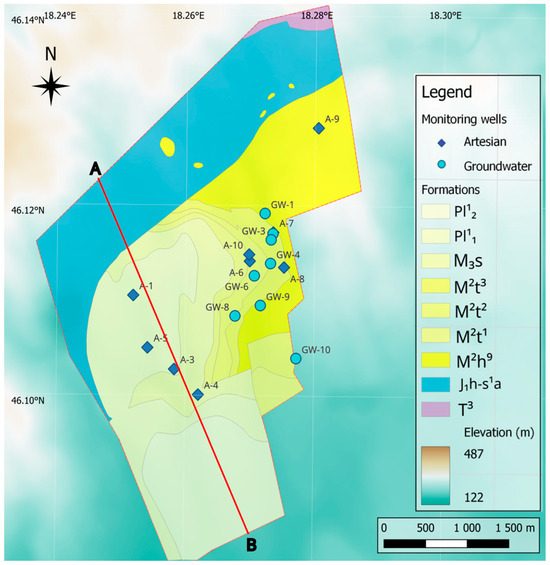
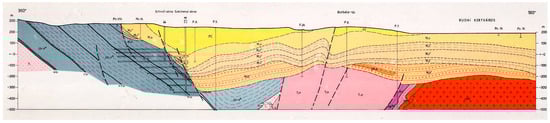
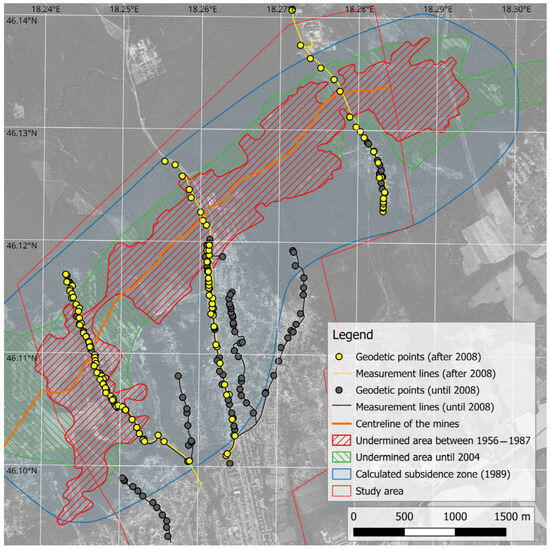
Spatiotemporal Evolution of Post-Mining Deformations in Pécs, Hungary: A Multi-Sensor Approach Using Comparative Assessment of PS-InSAR and Geodetic Data
by
Dániel Márton Kovács, István Péter Kovács and Levente Ronczyk
Geomatics 2026, 6(2), 32; https://doi.org/10.3390/geomatics6020032 - 27 Mar 2026
Abstract
►▼
Show Figures
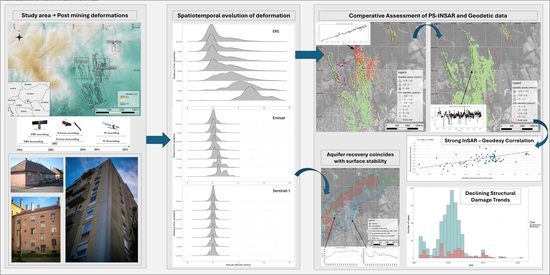
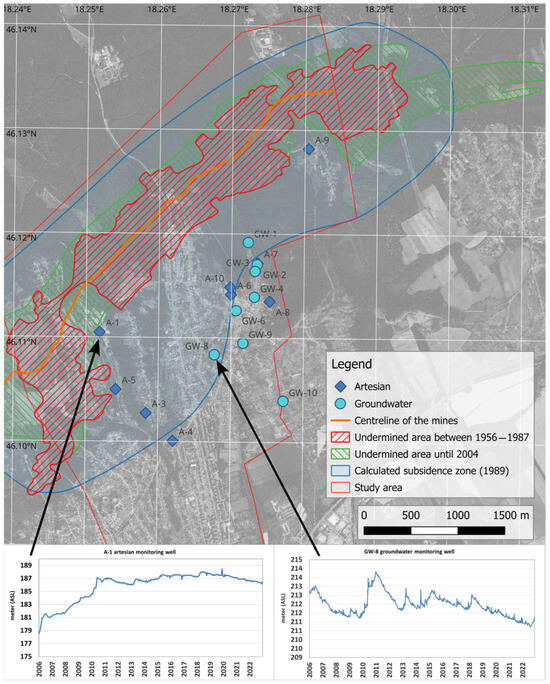
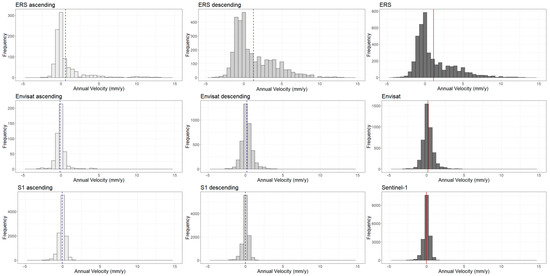
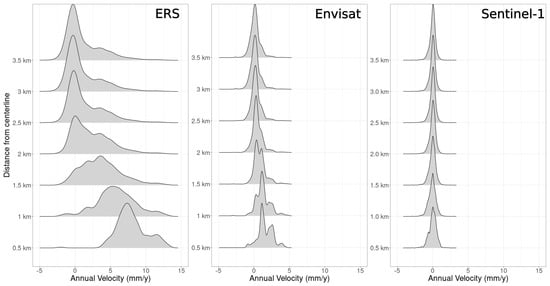
Post-mining surface uplift has affected the northeastern part of Pécs, Hungary, since the closure of underground coal mines in the 1990s. This study synthesises 30 years of SAR data (ERS, Envisat, and Sentinel-1) with geodetic surveys, groundwater monitoring, and over 900 residential damage
[...] Read more.
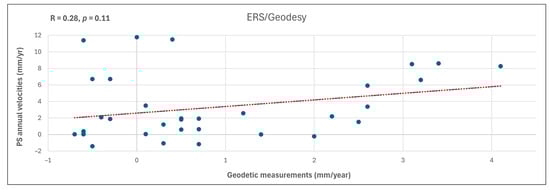
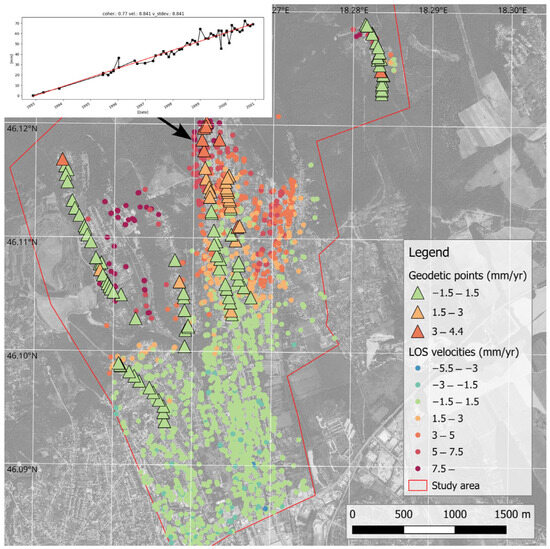
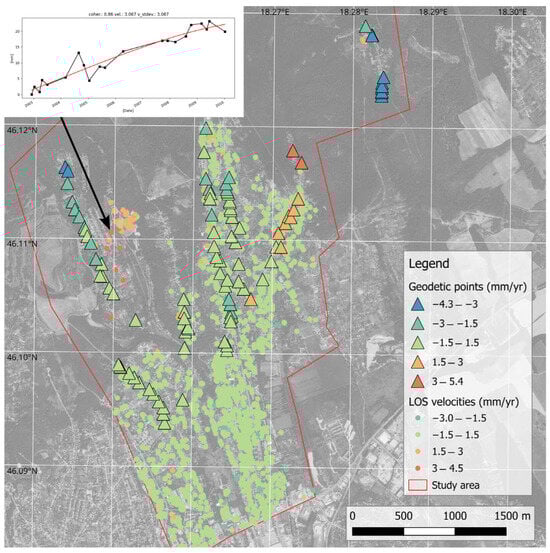
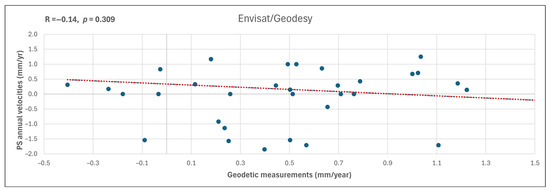
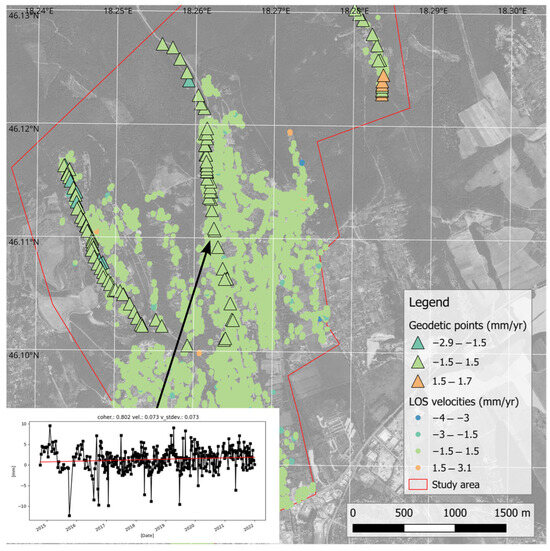
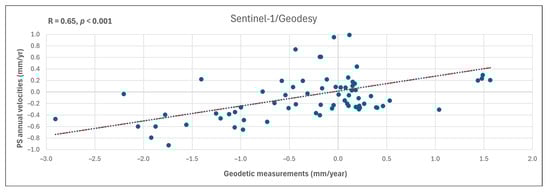
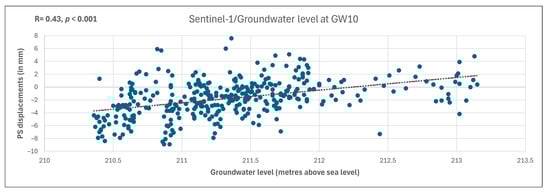
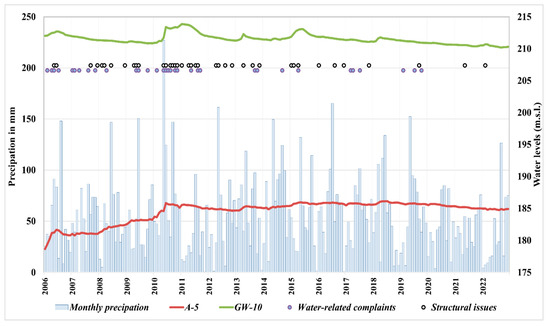
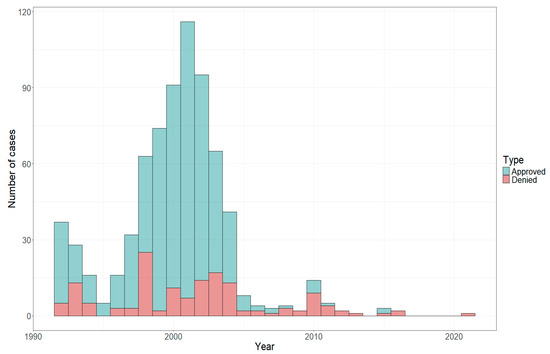
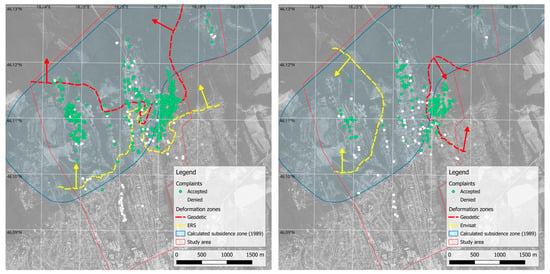
Post-mining surface uplift has affected the northeastern part of Pécs, Hungary, since the closure of underground coal mines in the 1990s. This study synthesises 30 years of SAR data (ERS, Envisat, and Sentinel-1) with geodetic surveys, groundwater monitoring, and over 900 residential damage reports to investigate the spatiotemporal evolution of this deformation. In densely built urban environments, Persistent Scatterer Interferometry (PS-InSAR) provides spatially detailed complementary data measurements to traditional levelling, particularly where survey lines offer limited coverage. The performed combined analysis tracked deformation from initial uplift through stabilisation, revealing a clear transition: while early lower-order measurements showed limited correlation, modern Sentinel-1 data and high-order geodetic surveys (post-2014) demonstrate a robust correlation (R = 0.65). The cross-correlation of InSAR results with geodetic and hydrogeological records revealed that aquifer recovery by the 2010s coincided with the onset of surface stability. While over 90% of 1990s residential damage claims fell within measured deformation zones, this relationship weakened over time, with recent claims showing little spatial connection with ground movements. This highlights the complementary strengths of InSAR and geodetic techniques. It demonstrates the value of integrating geotechnical and socio-economic datasets, providing a transferable framework for reliable deformation monitoring and risk management in post-mining urban environments.
Full article

Graphical abstract
Open AccessArticle
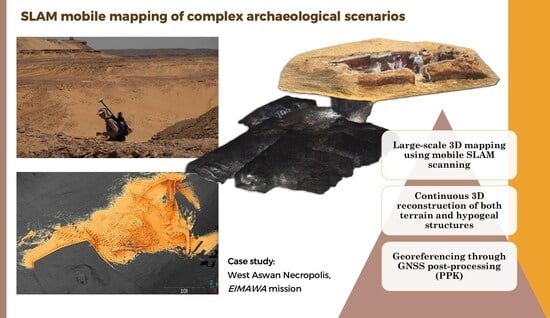
SLAM Mobile Mapping for Complex Archaeological Environments: Integrated Above–Below-Ground Surveying
by
Gabriele Bitelli, Anna Forte and Emanuele Mandanici
Geomatics 2026, 6(2), 31; https://doi.org/10.3390/geomatics6020031 - 26 Mar 2026
Abstract
►▼
Show Figures
Archaeological sites characterized by the coexistence of extensive above-ground terrain and hypogeum structures present major challenges for accurate and comprehensive geospatial documentation. Conventional survey approaches—such as static terrestrial laser scanning (TLS), total-station measurements, and aerial photogrammetry—often suffer from operational constraints, particularly in the
[...] Read more.
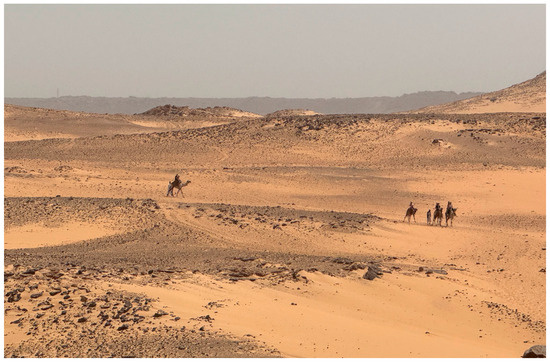
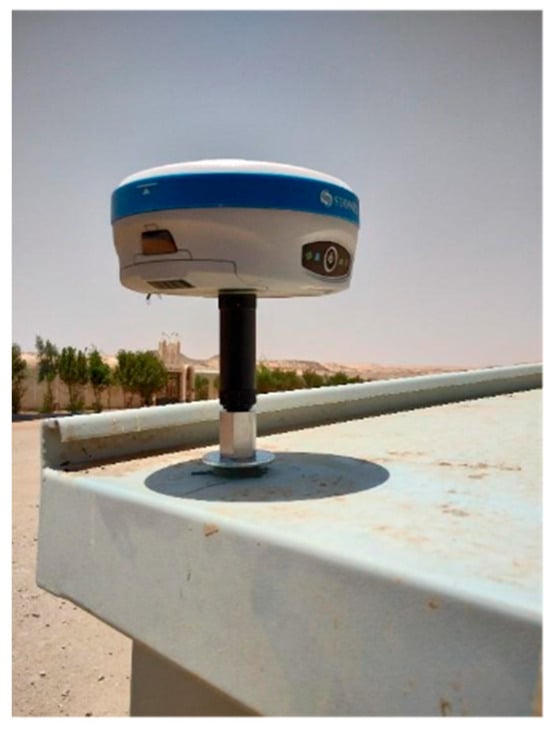
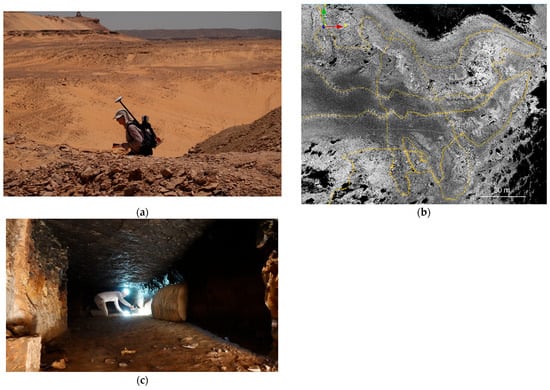
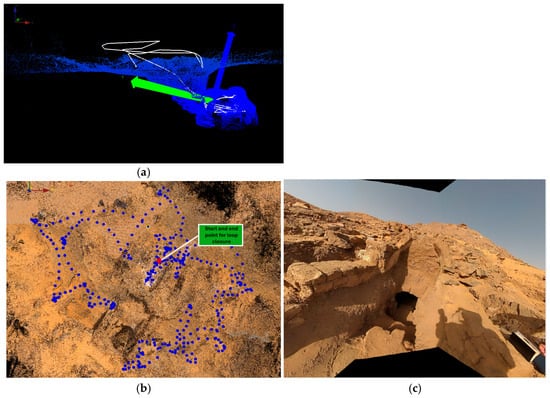
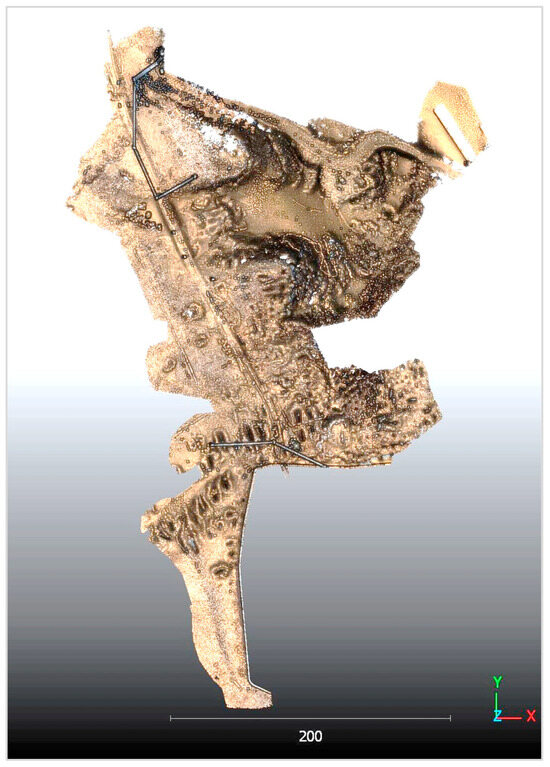
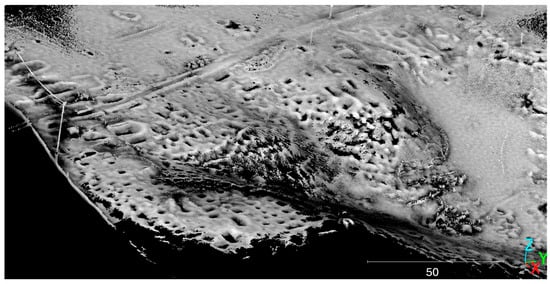
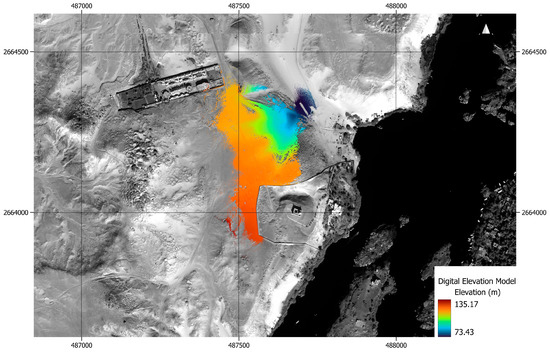
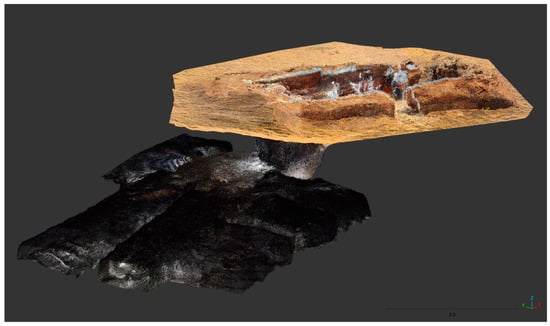
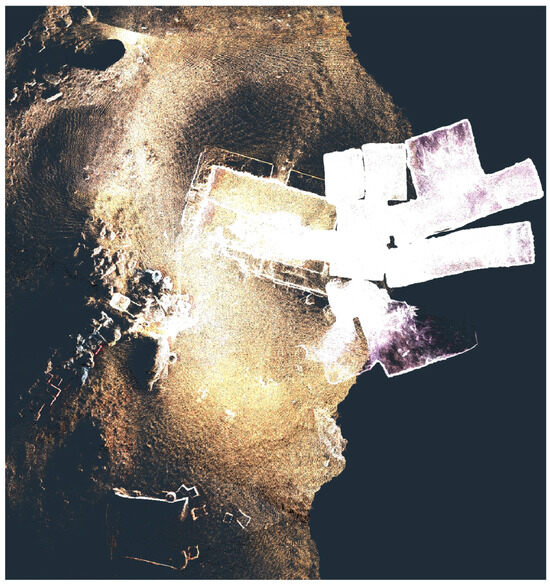
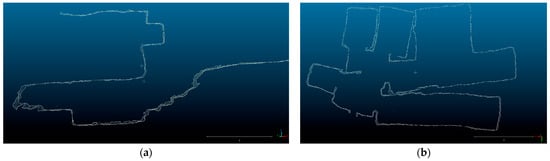
Archaeological sites characterized by the coexistence of extensive above-ground terrain and hypogeum structures present major challenges for accurate and comprehensive geospatial documentation. Conventional survey approaches—such as static terrestrial laser scanning (TLS), total-station measurements, and aerial photogrammetry—often suffer from operational constraints, particularly in the presence of narrow underground spaces, low or absent illumination, harsh environmental conditions, and restrictions on UAV deployment. Additional complexity arises when both surface and subterranean elements must be consistently georeferenced to a common global reference system, especially where establishing a traditional topographic–geodetic control network is impractical. Within the framework of the EIMAWA Egyptian–Italian Mission conducted by the University of Milano since 2018, the Geomatics group of the University of Bologna designed and implemented a multi-scale multi-technique 3D documentation workflow, with a prominent role assumed by Simultaneous Localization and Mapping (SLAM) mobile laser scanning. The approach was supported by GNSS measurements providing centimetric accuracy. SLAM was employed to document both the surface necropolis and multiple hypogeal tombs, enabling rapid acquisition of dense three-dimensional data in environments where traditional techniques are limited. All datasets were integrated within a unified reference system, resulting in a coherent, multi-layered spatial dataset representing both landscape and underground spaces. The results demonstrate that SLAM can produce dense point clouds that document at few-centimetric level accuracy and continuously both above- and below-ground contexts. Quantitative analyses of the co-registration and mutual alignment of multiple SLAM datasets confirm a high degree of internal consistency, further enhanced through post-processing refinement. Overall, the experience indicates that this solution represents a practical and reliable technique for complex archaeological surveying.
Full article

Graphical abstract
Open AccessArticle
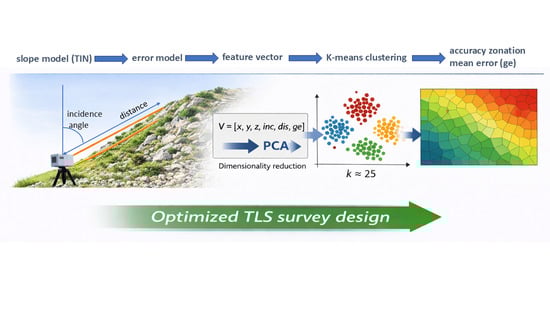
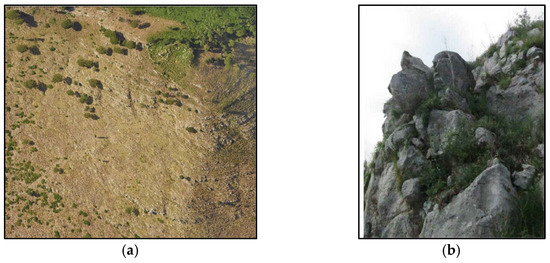
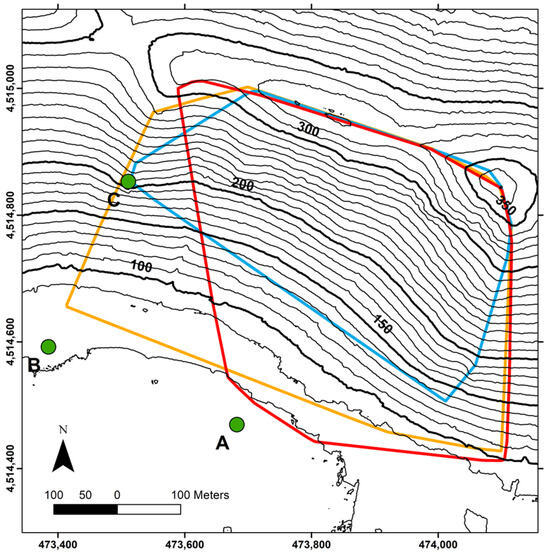
Clustering-Based TLS Accuracy Zonation to Support Landslide Survey Design
by
Maurizio Barbarella and Andrea Lugli
Geomatics 2026, 6(2), 30; https://doi.org/10.3390/geomatics6020030 - 23 Mar 2026
Abstract
►▼
Show Figures
This work presents a simulation-based approach to support the planning of Terrestrial Laser Scanning (TLS) surveys for landslide monitoring. Starting from an approximate digital model of the slope, the method estimates the spatial distribution of positional error induced by scanner characteristics, laser beam
[...] Read more.
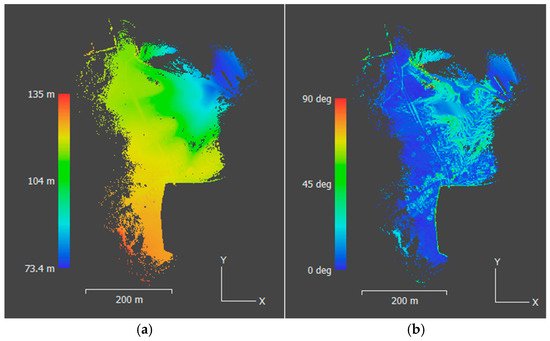
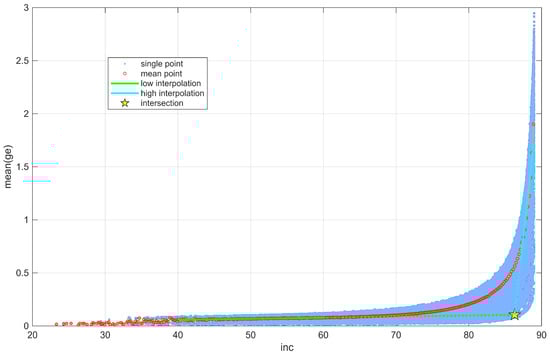
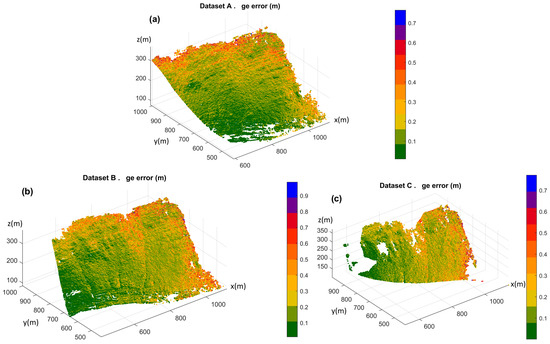
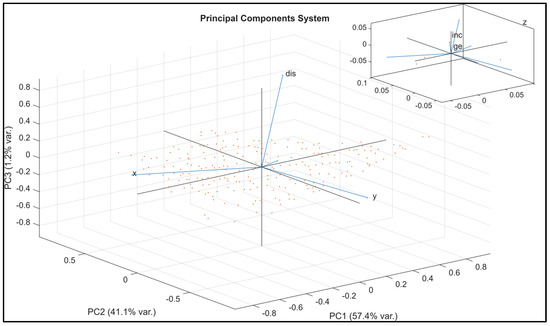
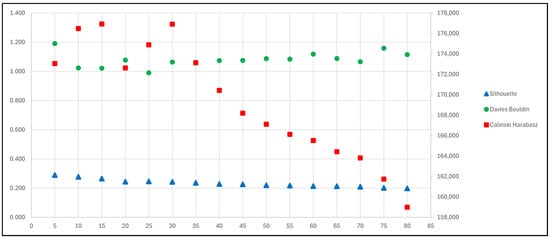
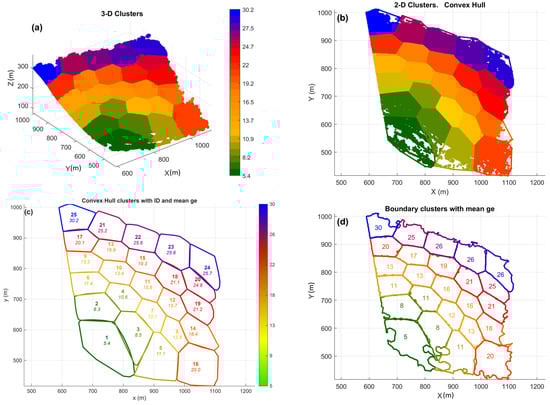
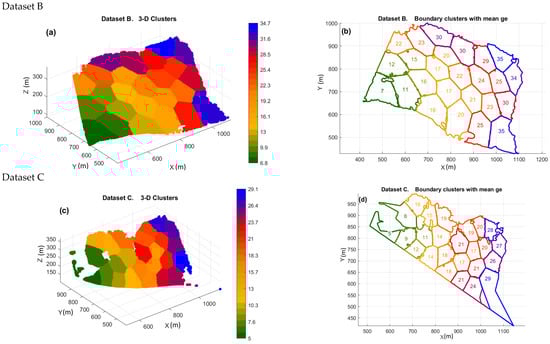
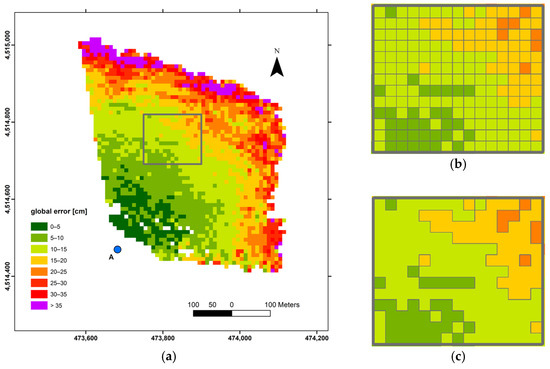
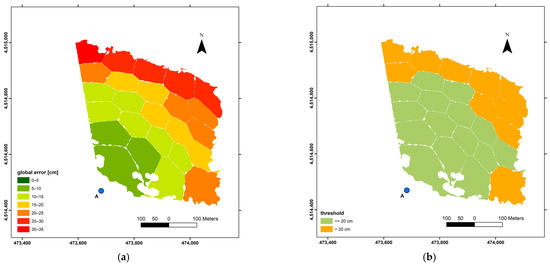
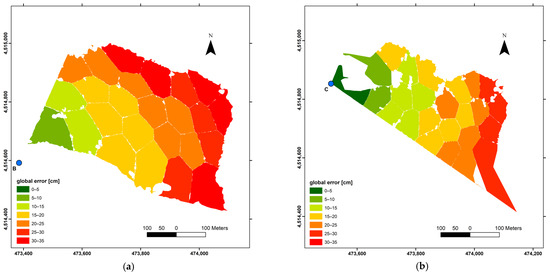
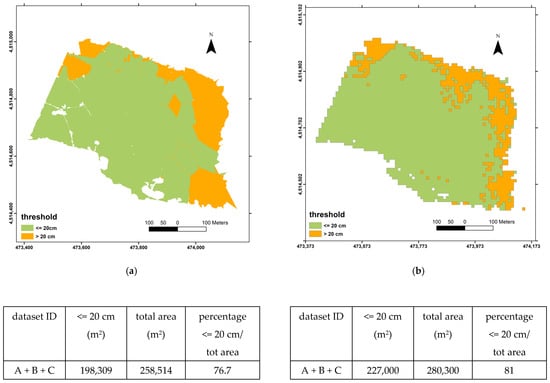
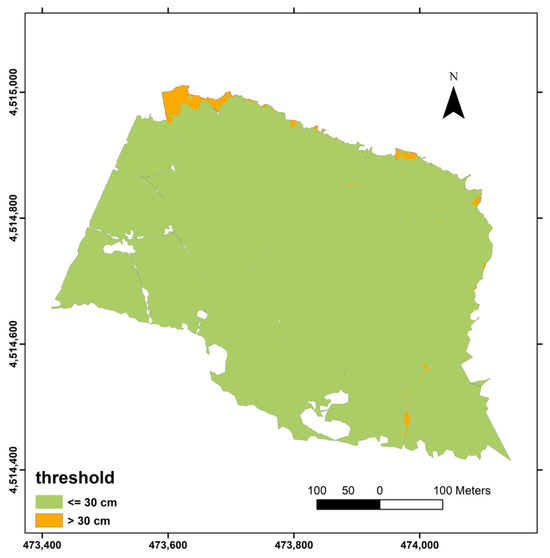
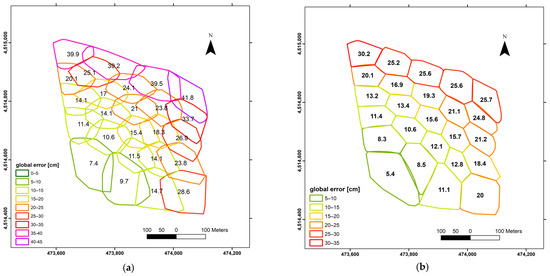
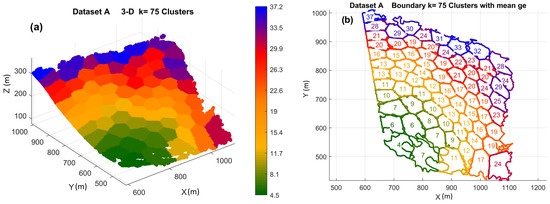
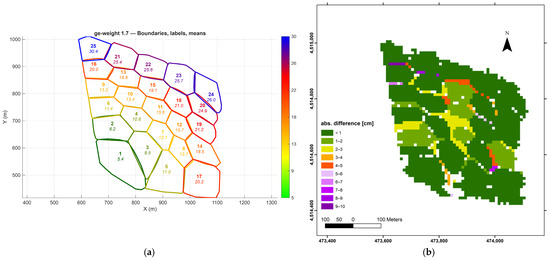
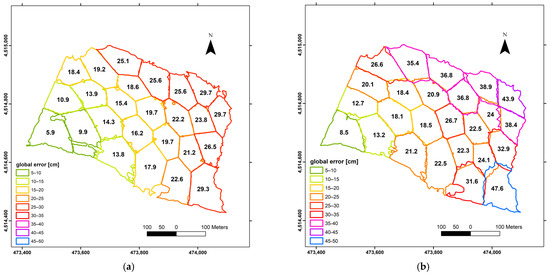
This work presents a simulation-based approach to support the planning of Terrestrial Laser Scanning (TLS) surveys for landslide monitoring. Starting from an approximate digital model of the slope, the method estimates the spatial distribution of positional error induced by scanner characteristics, laser beam divergence and, critically, by the incidence angle between the laser beam and the local surface normal. Because complex morphologies cause rapid local variations in incidence angle, neighbouring points may exhibit markedly different error magnitudes, making a direct classification of raw error values insufficient to delineate homogeneous areas. To address this, a multidimensional variable is defined for each simulated point, combining position, estimated error, distance from the scanner and incidence angle. After dimensionality reduction through PCA, the dataset is clustered using K-means with a sufficiently large number of clusters to preserve spatial resolution. Each cluster is associated with a representative error level, and clusters are then merged into broader error classes that delineate zones of comparable expected precision. The procedure is repeated for alternative scanner positions, enabling a comparative evaluation of achievable accuracy across the slope and the identification of areas requiring multiple scans. The method provides a quantitative, reproducible framework to guide TLS station selection and optimize survey design in complex morphological settings.
Full article

Graphical abstract
Open AccessReview
Advances in Remote Sensing for Tropical Cyclone Impact Assessment in Coastal and Mangrove Ecosystems: A Comprehensive Review
by
Sajib Sarker, Israt Jahan, Tanveer Ahmed, Abul Azad and Xin Wang
Geomatics 2026, 6(2), 29; https://doi.org/10.3390/geomatics6020029 - 22 Mar 2026
Abstract
Tropical cyclones rank among the most destructive natural hazards globally, posing significant threats to coastal ecosystems and communities. Mangrove forests, renowned for their ecological importance and coastal protection services, are vulnerable to these disturbances, suffering structural damage, habitat loss, and disruption of vital
[...] Read more.
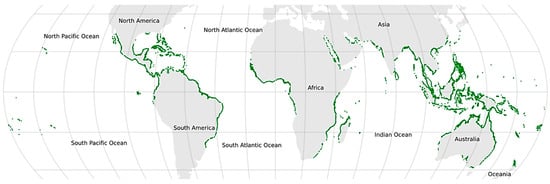
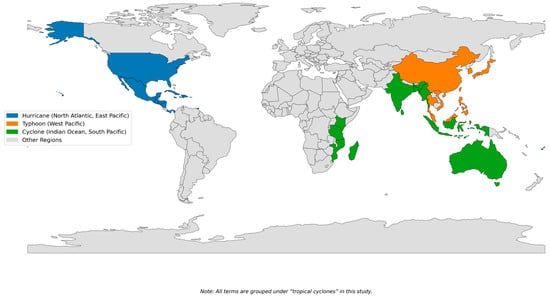
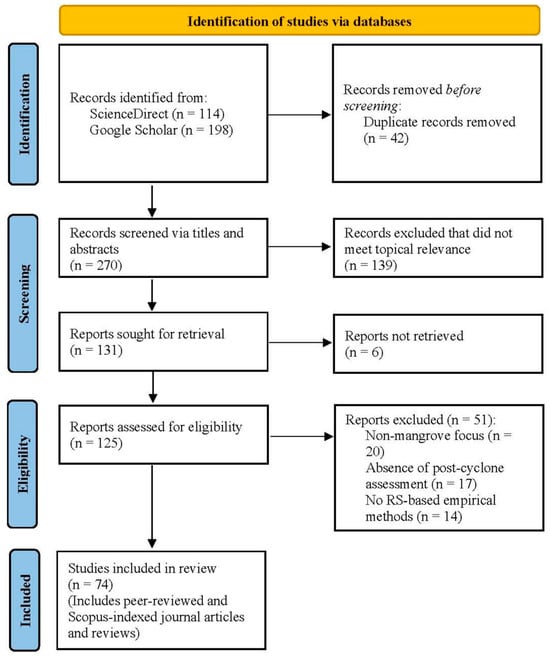
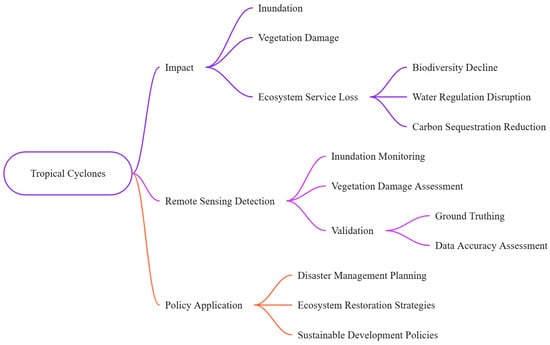
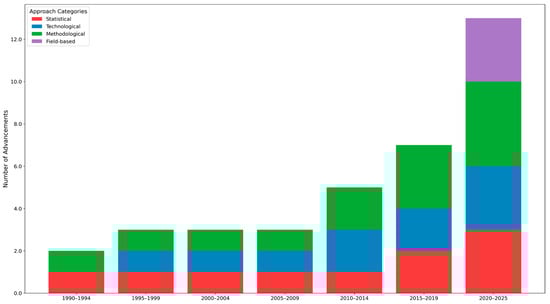
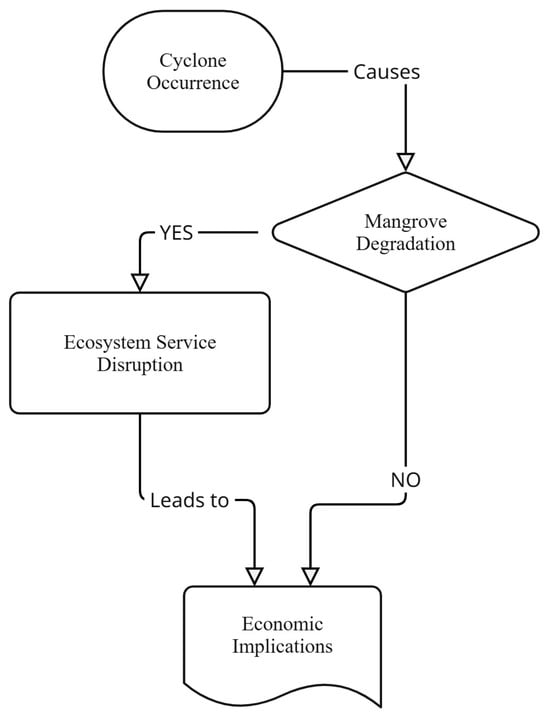
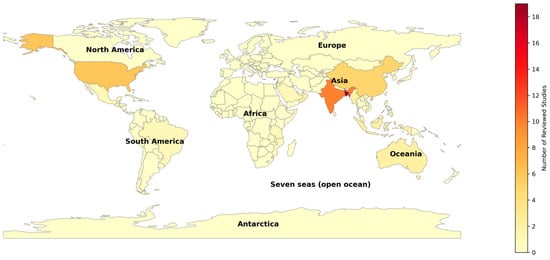
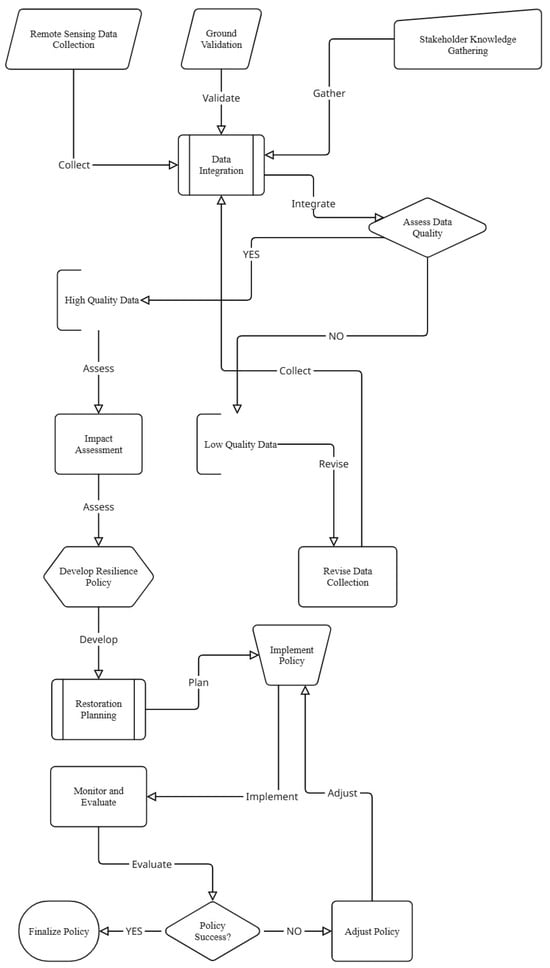
Tropical cyclones rank among the most destructive natural hazards globally, posing significant threats to coastal ecosystems and communities. Mangrove forests, renowned for their ecological importance and coastal protection services, are vulnerable to these disturbances, suffering structural damage, habitat loss, and disruption of vital ecosystem functions. Conventional field-based assessment methods often fall short in capturing the rapid and widespread impacts of cyclones, particularly in remote or cloud-obscured regions. This review aims to provide a comprehensive synthesis of remote sensing applications for monitoring cyclone-induced impacts on mangrove and coastal ecosystems worldwide. Through a systematic literature review of 74 peer-reviewed articles from 1990 to 2025, the study evaluates the utility of optical sensors, radar systems, and multi-sensor platforms in assessing inundation, vegetation damage, and ecosystem service loss. Key methodological advances such as time-series analysis, machine learning, and UAV-based validation are highlighted, alongside critical gaps including limited geographic coverage, weak validation practices, and minimal socio-economic integration. Notably, 75.4% of reviewed studies are concentrated in Asia, with Bangladesh and India alone accounting for 44.6% of the total literature, underscoring a pronounced geographic bias. The findings underscore the need for robust, near-real-time monitoring frameworks that combine satellite technologies with ground data and community engagement. Ultimately, the review advocates for an integrated, multi-sensor, and participatory approach to cyclone resilience, offering valuable insights for future research, disaster response planning, and sustainable mangrove management.
Full article
(This article belongs to the Topic Geographic Information and Remote Sensing Technology (GIRST))
►▼
Show Figures

Figure 1
Open AccessArticle
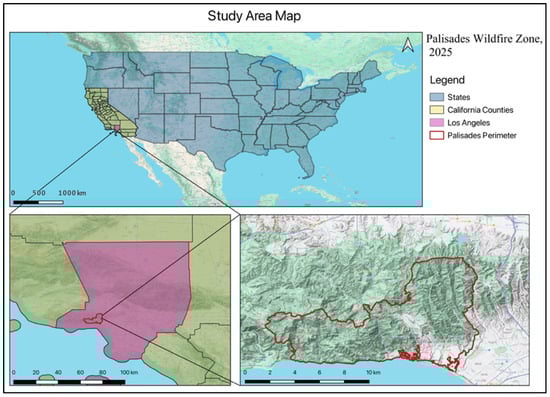
Assessment of Dual-Polarization Sentinel-1 SAR Data for Improved Wildfire Burned Area Mapping: A Case Study of the Palisades Region, USA
by
Rabina Twayana and Karima Hadj-Rabah
Geomatics 2026, 6(2), 28; https://doi.org/10.3390/geomatics6020028 - 19 Mar 2026
Abstract
►▼
Show Figures
Wildfires have become more frequent and intense worldwide due to climate change and anthropogenic activities, which is why accurate and timely burned area mapping is essential for estimating damage and effective post-fire recovery planning. Synthetic Aperture Radar (SAR) data, which operates under all
[...] Read more.
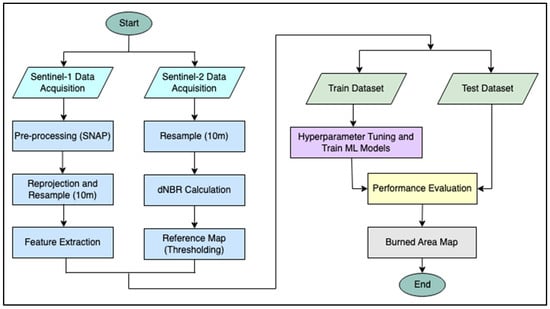
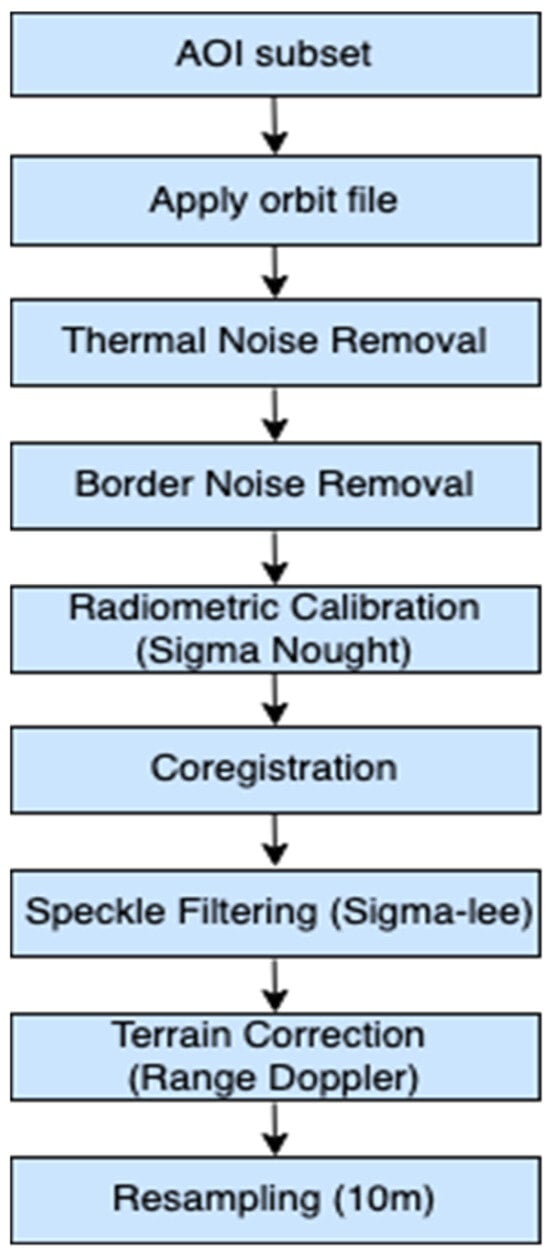
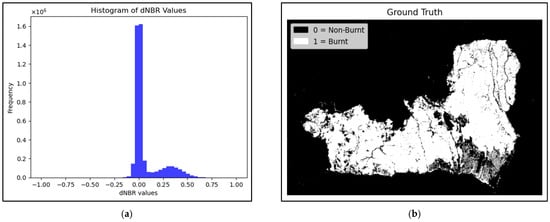
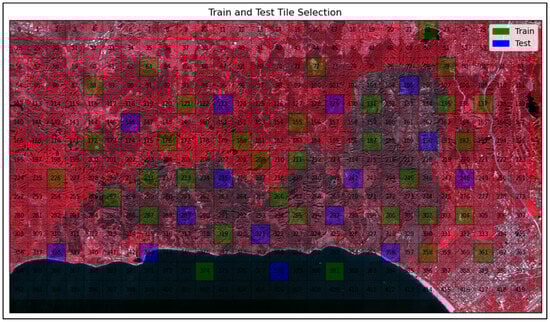
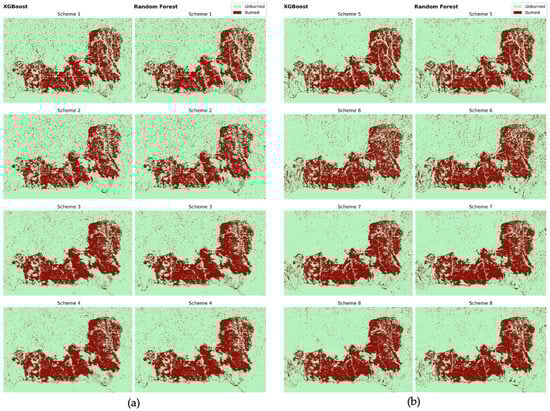
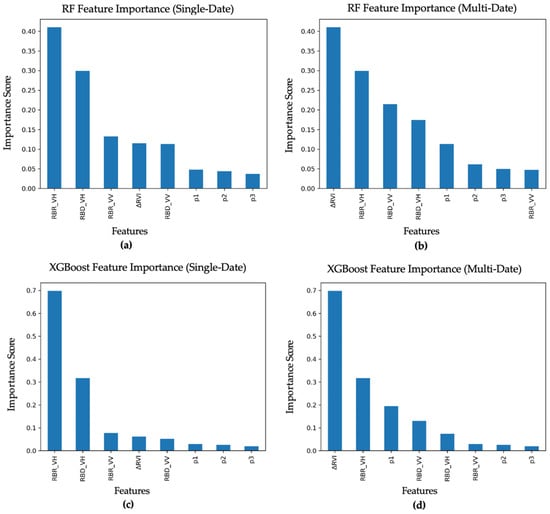
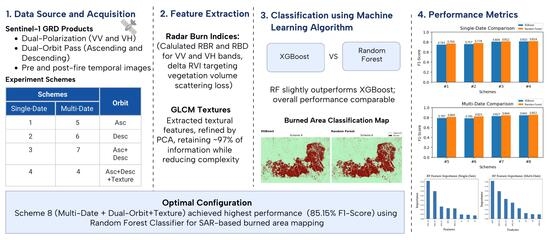
Wildfires have become more frequent and intense worldwide due to climate change and anthropogenic activities, which is why accurate and timely burned area mapping is essential for estimating damage and effective post-fire recovery planning. Synthetic Aperture Radar (SAR) data, which operates under all weather conditions and day-night cycles, offers a reliable source for burned area mapping. In this context, several studies have explored the use of dual-polarization SAR imagery and machine learning, yet the influence of multi-date, dual-orbit pass data and texture features remained unexplored. Therefore, this study aims to assess the Sentinel-1 acquisition configurations, varying in temporal depth and orbital direction, for wildfire burned area mapping, considering the recent Palisades wildfire event as a study area. A comparative study was conducted across different scenarios to evaluate the effectiveness of using single-date versus multi-date SAR imagery, the integration of ascending and descending orbit passes, and the contribution of Grey-Level Co-occurrence Matrix texture features. The performance of Random Forest (RF) and Extreme Gradient Boosting classifiers was analyzed through the scenarios mentioned above. The single-date configuration using RF achieved an accuracy of 82.34%, F1-score of 81.43%, precision of 83.07%, recall of 80.84%, and ROC-AUC of 90.88%, whereas the multi-date approach reached 85.78%, 85.15%, 86.45%, 84.56%, and 93.28%, respectively. Our study highlights the importance of acquisition configuration and texture information for reliable SAR-based wildfire burned area assessment.
Full article

Graphical abstract
Open AccessReview
Indoor Mapping as a Spatiotemporal Framework for Mitigating Greenhouse Gas Emissions in Buildings: A Review
by
Vinuri Nilanika Goonetilleke, Muditha K. Heenkenda and Kamil Zaniewski
Geomatics 2026, 6(2), 27; https://doi.org/10.3390/geomatics6020027 - 19 Mar 2026
Abstract
►▼
Show Figures
Climate change is a critical global challenge, and the building sector accounts for nearly 30% of global greenhouse gas (GHG) emissions, remaining a key target for mitigation. Indoor environments contribute significantly to GHG emissions, primarily through heating, cooling, lighting, and occupant-driven energy use.
[...] Read more.
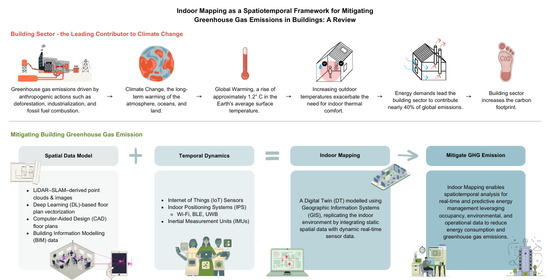
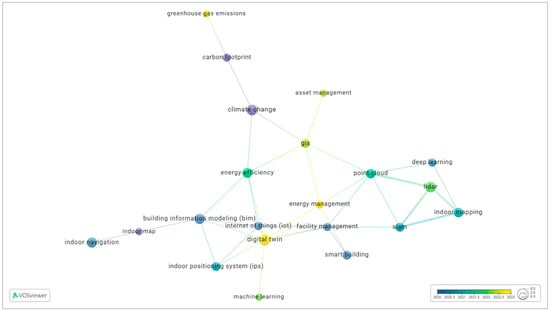
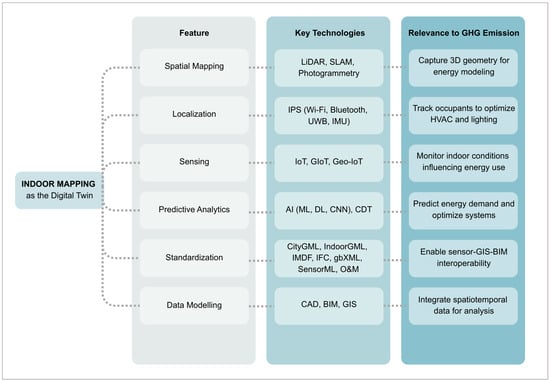
Climate change is a critical global challenge, and the building sector accounts for nearly 30% of global greenhouse gas (GHG) emissions, remaining a key target for mitigation. Indoor environments contribute significantly to GHG emissions, primarily through heating, cooling, lighting, and occupant-driven energy use. Indoor mapping, serving as the foundation for Digital Twins (DTs), provides a spatiotemporal framework that integrates sensor data with Building Information Modelling (BIM), Geographic Information Systems (GIS), and Internet of Things (IoT) to support energy-efficient, low-carbon building operations. This review examined the role of indoor mapping in understanding, modelling, and reducing GHG emissions in buildings. It synthesized current advancements in indoor spatial data acquisition, ranging from Light Detection And Ranging (LiDAR) and Simultaneous Localization and Mapping (SLAM) to deep learning-based floor plan extraction, and evaluated their contribution to improved indoor environmental analysis. The review highlighted emerging techniques, challenges, and gaps, particularly the limited integration of physical indoor spaces with virtual layers representing assets, occupants, and equipment. Addressing this gap requires embedding spatial modelling as an intermediate analytical layer that structures and contextualizes sensor data to support spatiotemporal decision-making. Overall, this review demonstrated that indoor mapping plays a critical role in transforming spatial information into actionable insights, enabling more accurate energy modelling, enhanced real-time building management, and stronger data-driven strategies for GHG mitigation in the built environment.
Full article

Graphical abstract
Open AccessArticle
Content Modeling and Intelligent Extraction Methods for Unstructured Geohazard Big Data
by
Wenye Ou, Dongqi Wei, Hui Guo, Yueqin Zhu, Wenlong Han and Jian Li
Geomatics 2026, 6(2), 26; https://doi.org/10.3390/geomatics6020026 - 17 Mar 2026
Abstract
►▼
Show Figures
Geological hazard data exhibits high-volume and multi-type characteristics, specifically characterized by inherent complexity; measurement uncertainty; cross-source heterogeneity; underdeveloped semantic organization; and fragile inter-entity associations. Consequently, advanced modeling techniques coupled with robust extraction frameworks become imperative for effective unstructured data governance. To address this
[...] Read more.
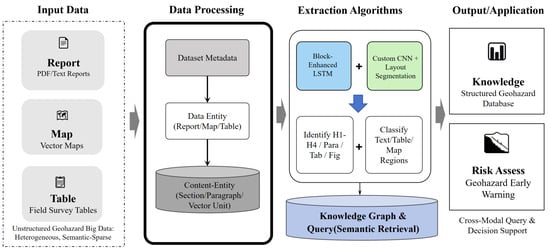
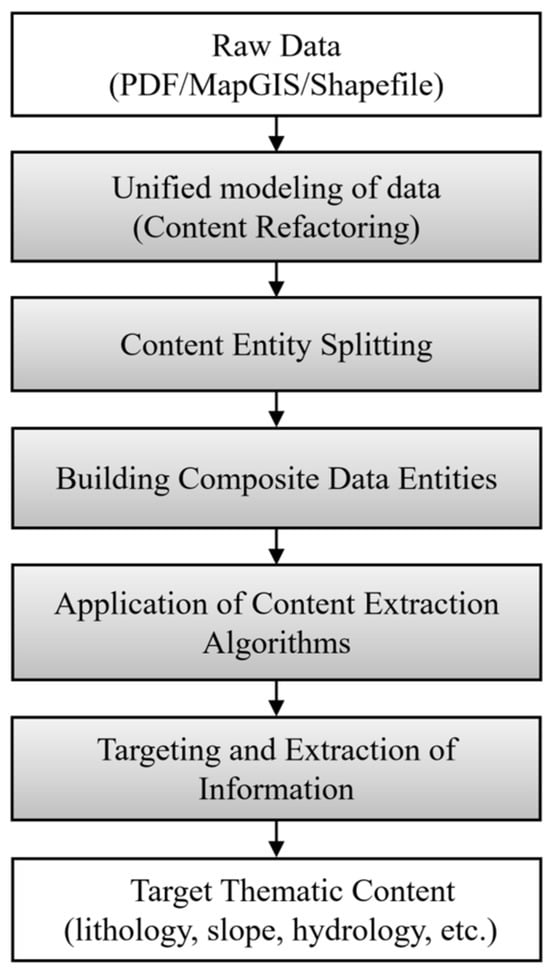
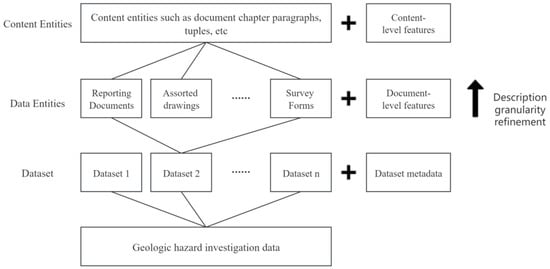
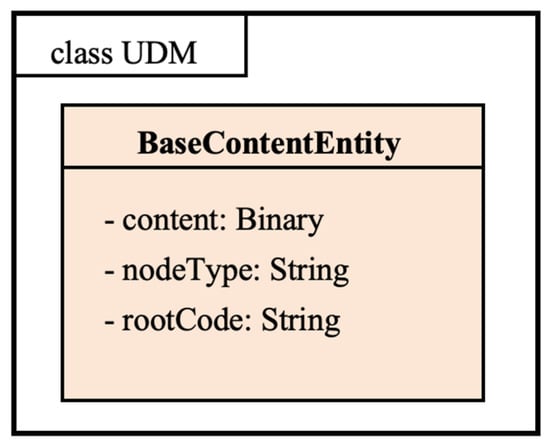
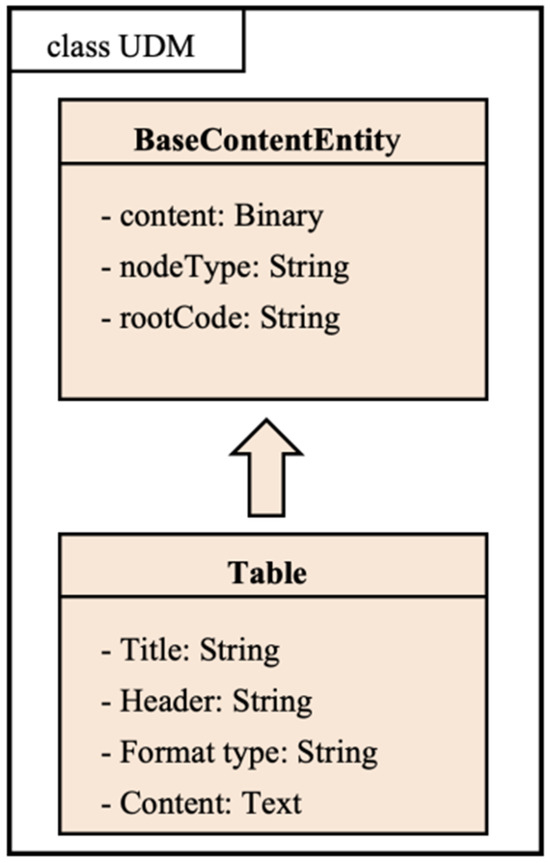
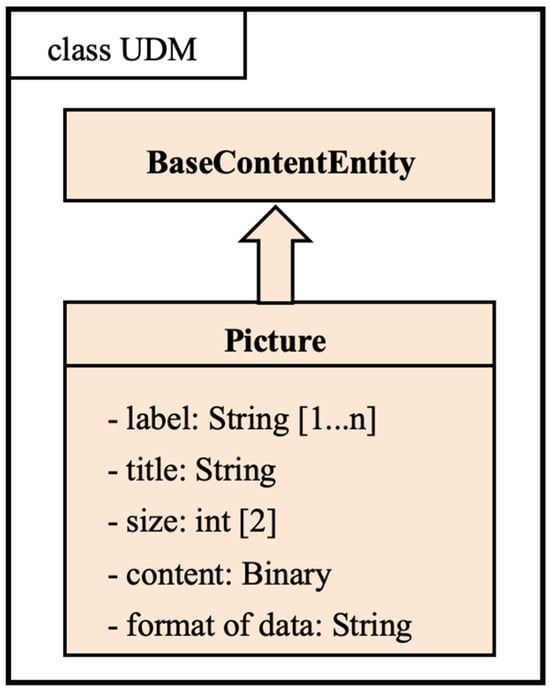
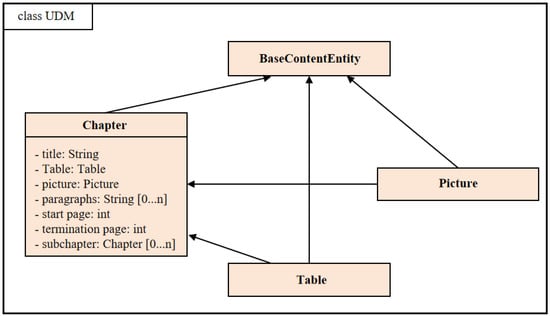
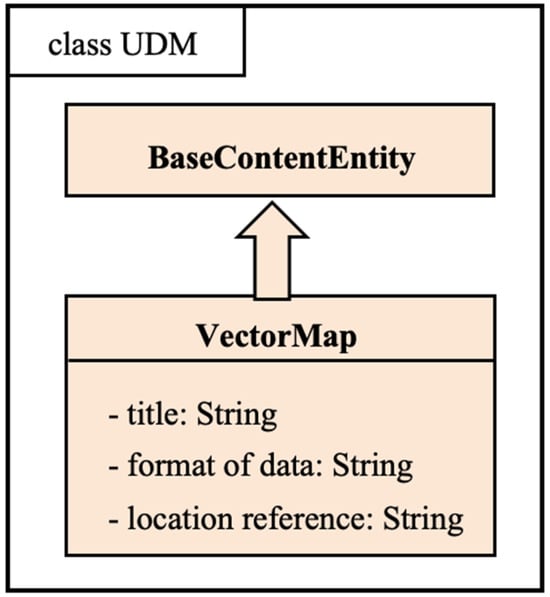
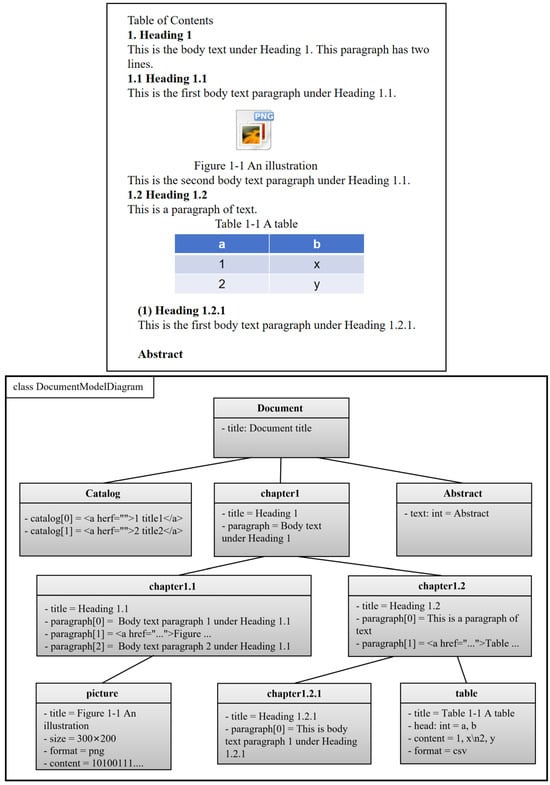
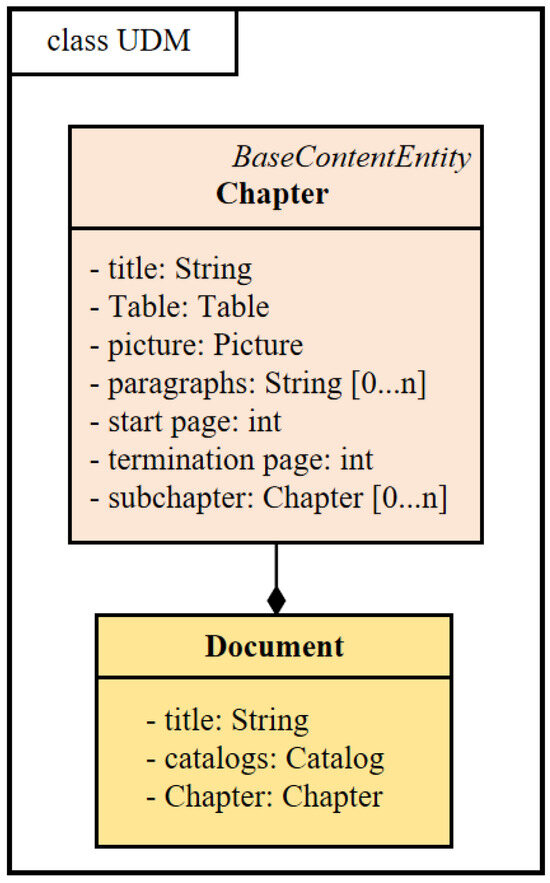
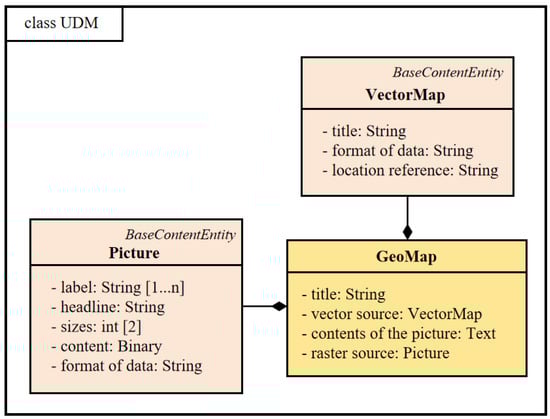
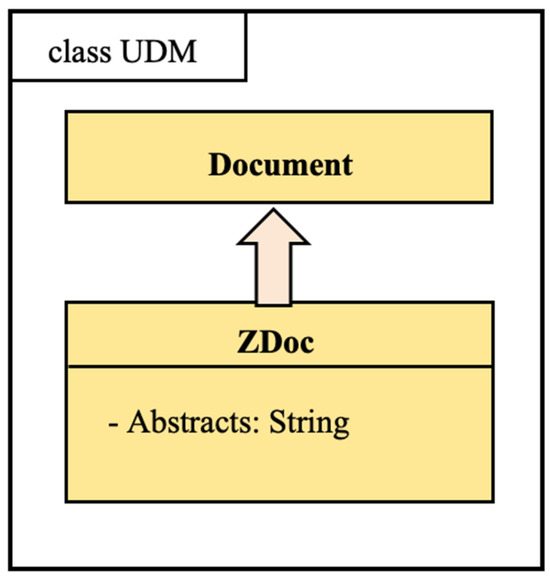
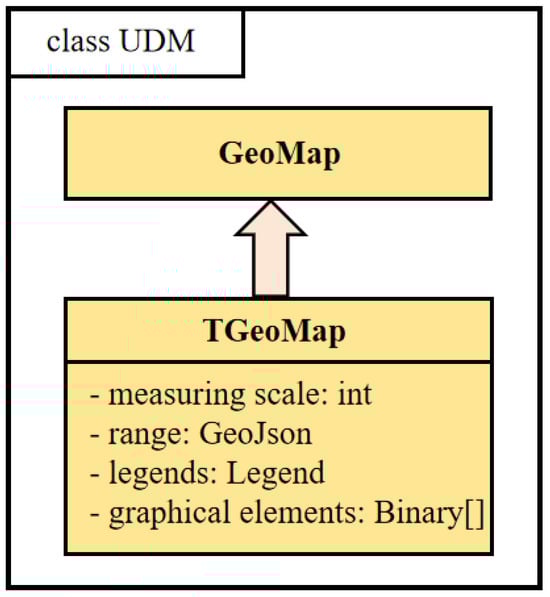
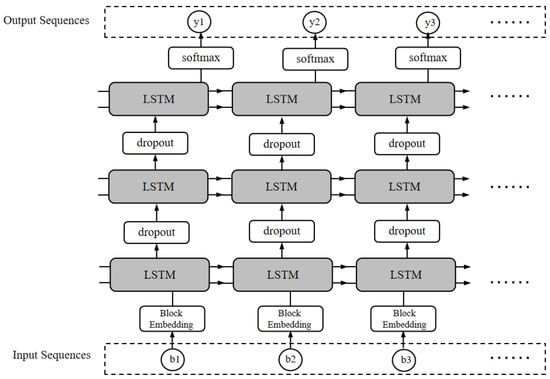
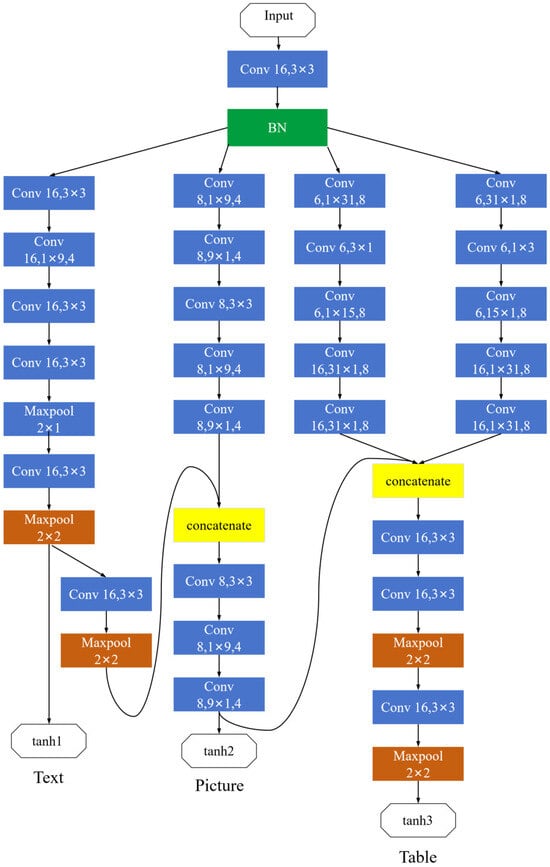
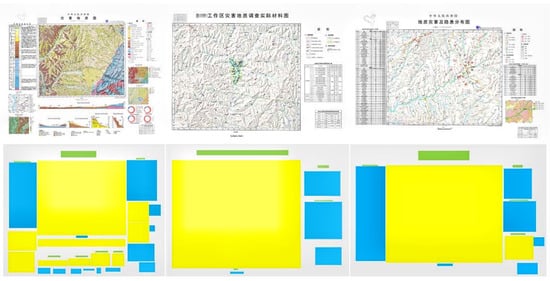
Geological hazard data exhibits high-volume and multi-type characteristics, specifically characterized by inherent complexity; measurement uncertainty; cross-source heterogeneity; underdeveloped semantic organization; and fragile inter-entity associations. Consequently, advanced modeling techniques coupled with robust extraction frameworks become imperative for effective unstructured data governance. To address this challenge, we propose a content–knowledge representation framework that decomposes and reconstructs disaster data using fine-grained content entities as base units. This approach allows for a unified description, objectification, ordering, hierarchical storage, and indexed categorization of unstructured information. Furthermore, we develop specialized text extraction algorithms tailored to document imagery and vector maps—facilitating the systematic application of information retrieval techniques while efficiently targeting specific thematic content. Our method outperforms two representative deep learning architectures (Fast CNN and FCN), demonstrating superior performance in segmenting target regions and precisely detecting textual elements, tables, and geographic features within complex datasets. By studying the modeling and extraction technology of unstructured geologic data, this paper establishes the value chain of geologic result data, which can provide strong support for digital management of geologic disaster data and improve work efficiency.
Full article

Graphical abstract
Open AccessArticle
Analysis of Chlorophyll and Carotenoid Content Variations in Evergreen Forest in Winter Using Vegetation Indices Derived from GCOM-C and MODIS Satellite Data
by
Yasushi Shiraishi, Takuya Hiroshima and Satoshi Tsuyuki
Geomatics 2026, 6(2), 25; https://doi.org/10.3390/geomatics6020025 - 10 Mar 2026
Abstract
The GCOM-C satellite possesses optimal wavelength bands around 530 nm and 570 nm for monitoring seasonal variations in the photochemical reflectance index (PRI) and chlorophyll–carotenoid index (CCI), which are sensitive to carotenoid contents and its ratio to chlorophyll contents, respectively. As well as
[...] Read more.
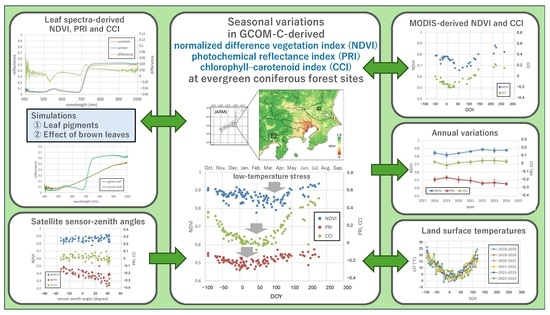
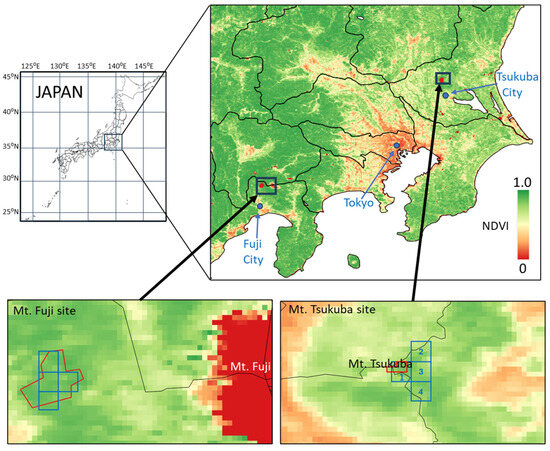
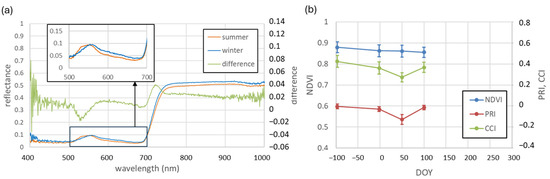
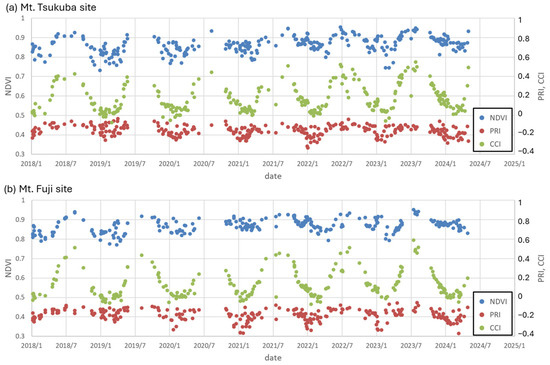
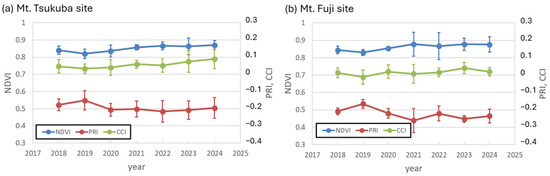
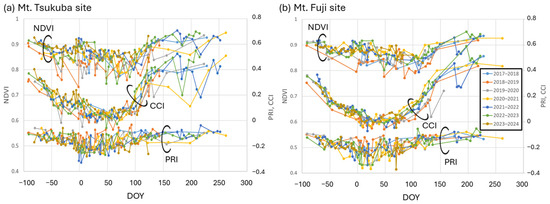
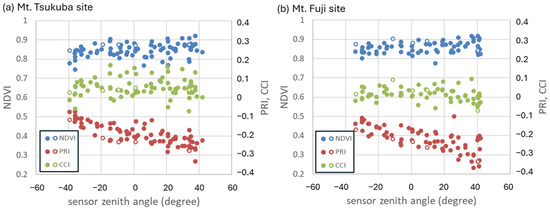
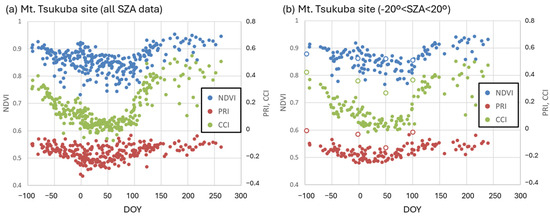
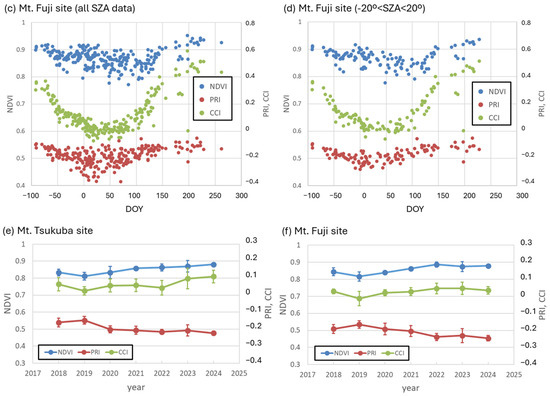
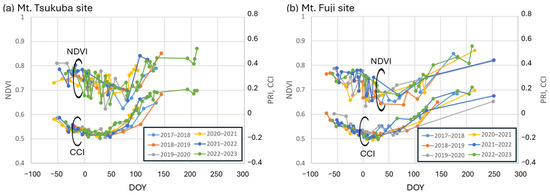
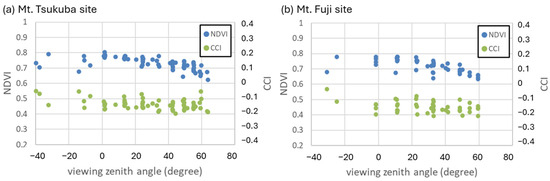
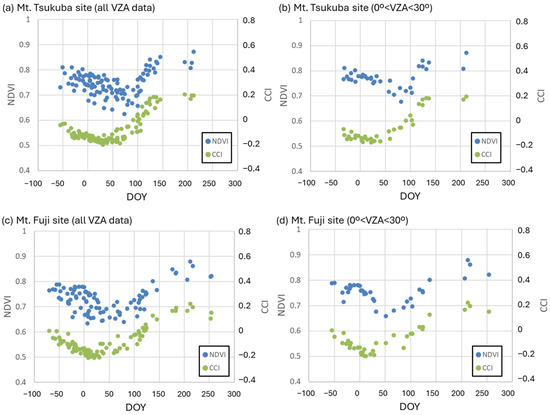
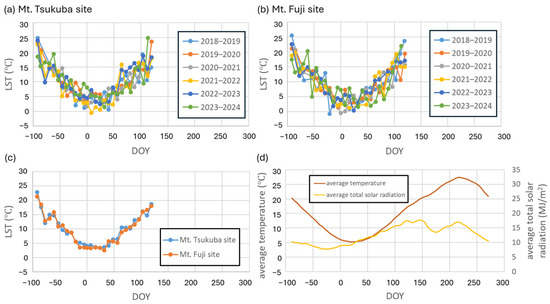
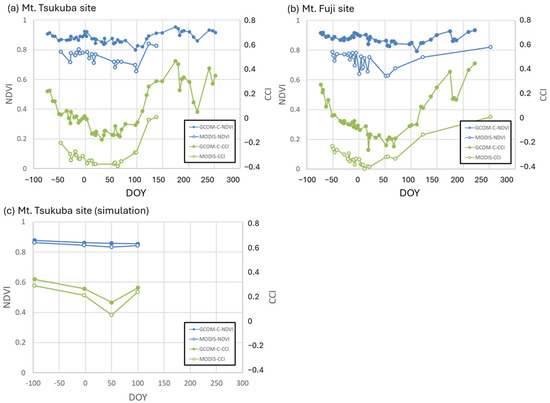
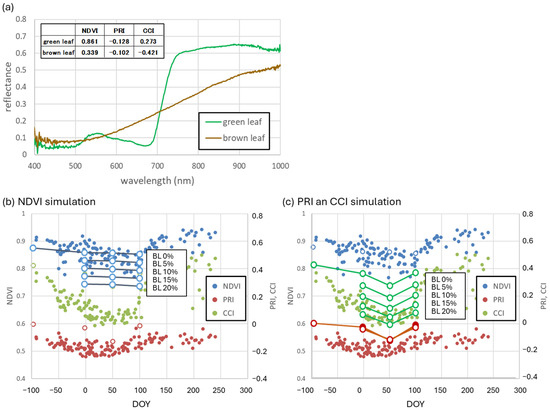
The GCOM-C satellite possesses optimal wavelength bands around 530 nm and 570 nm for monitoring seasonal variations in the photochemical reflectance index (PRI) and chlorophyll–carotenoid index (CCI), which are sensitive to carotenoid contents and its ratio to chlorophyll contents, respectively. As well as NDVI, these indices are excellent indicators for monitoring pigment contents of evergreen trees in winter, which are considered susceptible to climate change impacts. In this study, to investigate the characteristics and usefulness of the GCOM-C-derived indices, the seasonal variations in these indices were analyzed between 2018 and 2024 at two evergreen forest sites in Japan, and compared to CCI and NDVI derived from MODIS, which also has a band near 530 nm. The satellite observation results show that the decreases in all indices for both satellites in winter were observed in the order of PRI, CCI, NDVI. This is thought to indicate that carotenoid contents increased in response to the decrease in land surface temperature to mitigate low-temperature stress, followed by a delayed decrease in chlorophyll contents. GCOM-C showed 0.1 larger NDVI values and 0.2 larger CCI values than MODIS, and the difference was estimated to be largely influenced by the disparity in sensor sensitivity in the red bands. The dispersion of each index was reduced by using data with small sensor zenith angles (below 20 degrees for GCOM-C and 0 to 30 degrees for MODIS); however, MODIS showed a decline in observation accuracy due to satellite drifting in 2024. Spectral measurements of leaves collected at the site also showed similar VI decreases; however, the satellite-derived CCI were 0.12 lower, suggesting that reflection from dead leaves influences the satellite data. This study confirmed that GCOM-C, which can measure both PRI and CCI with high spatial resolution, is suitable for observing seasonal variations in carotenoid and chlorophyll contents in evergreen forests.
Full article
(This article belongs to the Topic Advances in Multi-Scale Geographic Environmental Monitoring: Ecosystem Differences and Multi-Scale Comparisons)
►▼
Show Figures

Graphical abstract
Journal Menu
► ▼ Journal Menu-
- Geomatics Home
- Aims & Scope
- Editorial Board
- Reviewer Board
- Topical Advisory Panel
- Instructions for Authors
- Special Issues
- Topics
- Article Processing Charge
- Indexing & Archiving
- Editor’s Choice Articles
- Most Cited & Viewed
- Journal Statistics
- Journal History
- Society Collaborations
- Conferences
- Editorial Office
Journal Browser
► ▼ Journal BrowserHighly Accessed Articles
Latest Books
E-Mail Alert
News
Topics
Topic in
Applied Sciences, Drones, Geomatics, Heritage, IJGI, Remote Sensing, Sensors
3D Documentation of Natural and Cultural Heritage
Topic Editors: Lorenzo Teppati Losè, Elisabetta Colucci, Arnadi MurtiyosoDeadline: 31 August 2026
Topic in
Applied Sciences, Geomatics, IJGI, Remote Sensing, Smart Cities
The Geography of Digital Twin: Concepts, Architectures, Modeling, AI and Applications
Topic Editors: Chaowei Yang, Daniel Q. Duffy, Xiao Huang, Lingbo LiuDeadline: 20 September 2026
Topic in
Geographies, Geomatics, IJGI, Land, Urban Science, Sustainability
Spatial Decision Support Systems for Urban Sustainability
Topic Editors: Shivanand Balram, Raja Sengupta, Jorge RochaDeadline: 16 October 2026
Topic in
Applied Sciences, Geomatics, NDT, Remote Sensing
Geographic Information and Remote Sensing Technology (GIRST)
Topic Editors: Francesco Benedetto, Fabio TostiDeadline: 31 December 2026
Conferences
Special Issues
Special Issue in
Geomatics
Advances and Innovations in Geomatics: Celebrating a New Chapter—First Impact Factor and CiteScore Received
Guest Editors: Enrico Corrado Borgogno Mondino, Caterina BallettiDeadline: 15 June 2026
Special Issue in
Geomatics
Editorial Board Members’ Collection Series: GeoAI in Disaster
Guest Editor: Suchi GopalDeadline: 30 September 2026
Special Issue in
Geomatics
Innovative Remote Sensing Approaches: 3D Reconstruction, UAV Photogrammetry, and BIM in Cultural Heritage and Infrastructure
Guest Editors: Lidia M. Ortega Alvarado, María Ramos GalanDeadline: 30 September 2026
Special Issue in
Geomatics
Multi-Modal Geospatial AI: Fusing Images, Point Clouds, and Text
Guest Editors: Bashar Alsadik, Daniel Rodrigues dos SantosDeadline: 1 December 2026