

Journal Description
GeoHazards
GeoHazards
is an international, peer-reviewed, open access journal on theoretical and applied research across the whole spectrum of geomorphological hazards, namely endogenous and exogenous hazards, as well as those related to climate change and human activity, published quarterly online by MDPI.
- Open Access— free for readers, with article processing charges (APC) paid by authors or their institutions.
- High Visibility: indexed within ESCI (Web of Science), Scopus, GeoRef, and other databases.
- Rapid Publication: manuscripts are peer-reviewed and a first decision is provided to authors approximately 20.1 days after submission; acceptance to publication is undertaken in 4 days (median values for papers published in this journal in the second half of 2025).
- Recognition of Reviewers: APC discount vouchers, optional signed peer review, and reviewer names published annually in the journal.
- GeoHazards is a companion journal of Water.
- Journal Cluster of Geotechnical Engineering and Geology: Minerals, GeoHazards, Mining, Geotechnics, Glacies.
Impact Factor:
1.6 (2024);
5-Year Impact Factor:
1.6 (2024)
Latest Articles
Multi-Objective Adaptive Harmony Search for Optimization of Seismic Base Isolator Systems
GeoHazards 2026, 7(1), 9; https://doi.org/10.3390/geohazards7010009 - 6 Jan 2026
Abstract
►
Show Figures
The optimization of seismic isolation parameters is essential for balancing displacement demand and acceleration control in base-isolated structures. While numerous studies have applied metaheuristic algorithms to isolator tuning, the influence of objective-function weighting on optimal design outcomes remains insufficiently explored. This study investigates
[...] Read more.
The optimization of seismic isolation parameters is essential for balancing displacement demand and acceleration control in base-isolated structures. While numerous studies have applied metaheuristic algorithms to isolator tuning, the influence of objective-function weighting on optimal design outcomes remains insufficiently explored. This study investigates the effects of displacement and acceleration on control performance in a multi-objective optimization function. Thus, acceleration can be reduced economically by limiting the isolator displacement capacity. In the study, the effective values of the acceleration and displacement coefficients in the objective function of the problem are changed for the design optimization of seismic base isolators, and the determination of the most appropriate weights in the equation and their effects on the control are investigated. In the optimization process, the adaptive harmony search algorithm, which is obtained by adapting the parameters of the harmony search algorithm inspired by the search for the best harmony, is used. The results demonstrate that increased emphasis on acceleration minimization leads to longer effective isolation periods and higher damping ratios, whereas displacement-dominated weighting results in stiffer isolation systems with reduced mobility.
Full article
Open AccessArticle
Numerical Simulation of Liquefaction Behaviour in Coastal Reclaimed Sediments
by
Pouyan Abbasimaedeh
GeoHazards 2026, 7(1), 8; https://doi.org/10.3390/geohazards7010008 - 3 Jan 2026
Abstract
►▼
Show Figures
This study presents a validated numerical investigation into the seismic liquefaction potential of fine-grained reclaimed sediments commonly encountered in coastal, containment, and reclamation projects. Fine-grained reclaimed sediments pose a particular challenge for seismic liquefaction assessment due to their low permeability, high fines content,
[...] Read more.
This study presents a validated numerical investigation into the seismic liquefaction potential of fine-grained reclaimed sediments commonly encountered in coastal, containment, and reclamation projects. Fine-grained reclaimed sediments pose a particular challenge for seismic liquefaction assessment due to their low permeability, high fines content, and complex cyclic response under earthquake loading. A fully coupled, nonlinear finite element model was developed using the Pressure-Dependent Multi-Yield (PDMY) constitutive framework, calibrated against laboratory Cyclic Direct Simple Shear (CDSS) tests and verified using in situ Cone Penetration Tests with pore pressure measurement (CPTu). The model effectively captured the dynamic response of saturated sediments, including excess pore pressure generation, cyclic mobility, and post-liquefaction behavior, under three earthquake ground motions: Livermore, Chi-Chi, and Loma Prieta. Results showed that near-surface layers (0–2.3 m) experienced full liquefaction within two to three cycles, with excess pore pressure ratios (Ru) approaching 1.0 and peak pressures closely matching laboratory data with less than 10% deviation. The numerical approach revealed that traditional CPT-based cyclic resistance methods underestimated liquefaction susceptibility in intermediate layers due to limitations in accounting for pore pressure redistribution, evolving permeability, and seismic amplification effects. In contrast, the finite element model captured progressive strength degradation, revealing strength gain in deeper layers due to consolidation, while upper zones remained vulnerable due to low confinement and resonance effects. A critical threshold of Ru ≈ 0.8 was identified as the onset of rapid shear strength loss. The findings confirm the advantage of advanced numerical modeling over empirical methods in capturing the complex cyclic behavior of reclaimed sediments and support the adoption of performance-based seismic design for such geotechnically sensitive environments.
Full article

Figure 1
Open AccessArticle
Prediction of Coseismic Landslides by Explainable Machine Learning Methods
by
Tulasi Ram Bhattarai, Netra Prakash Bhandary and Kalpana Pandit
GeoHazards 2026, 7(1), 7; https://doi.org/10.3390/geohazards7010007 - 2 Jan 2026
Abstract
The MJMA 7.6 (Mw 7.5) Noto Peninsula Earthquake of 1 January 2024 in Japan triggered widespread slope failures across northern Noto region, but their spatial controls and susceptibility patterns remain poorly quantified. Most previous studies have focused mainly on fault rupture, ground
[...] Read more.
The MJMA 7.6 (Mw 7.5) Noto Peninsula Earthquake of 1 January 2024 in Japan triggered widespread slope failures across northern Noto region, but their spatial controls and susceptibility patterns remain poorly quantified. Most previous studies have focused mainly on fault rupture, ground deformation, and tsunami impacts, leaving a clear gap in machine learning based assessment of earthquake-induced slope failures. This study integrates 2323 mapped landslides with eleven conditioning factors to develop the first data-driven susceptibility framework for the 2024 event. Spatial analysis shows that 75% of the landslides are smaller than 3220 m2 and nearly half occurred within about 23 km of the epicenter, reflecting concentrated ground shaking beyond the rupture zone. Terrain variables such as slope (mean 31.8°), southwest-facing aspects, and elevations of 100–300 m influenced the failure patterns, along with peak ground acceleration values of 0.8–1.1 g and proximity to roads and rivers. Six supervised machine learning models were trained, with Random Forest and Gradient Boosting achieving the highest accuracies (AUC = 0.95 and 0.94, respectively). Explainable AI using SHapley Additive exPlanations (SHAP) identified slope, epicentral distance, and peak ground acceleration as the dominant predictors. The resulting susceptibility maps align well with observed failures and provide an interpretable foundation for post-earthquake hazard assessment and regional risk reduction. Further work should integrate post-seismic rainfall, multi-temporal inventories, and InSAR deformation to support dynamic hazard assessment and improved early warning.
Full article
(This article belongs to the Special Issue Landslide Research: State of the Art and Innovations)
►▼
Show Figures

Figure 1
Open AccessArticle
Basement-Controlled Urban Fracturing: Evidence from Las Pilas, Zacatecas, Mexico
by
Felipe de Jesús Escalona-Alcázar, Estefanía García-Paniagua, Luis Felipe Pineda-Martínez, Baudelio Rodríguez-González, Sayde María Teresa Reveles-Flores, Santiago Valle-Rodríguez and Cruz Daniel Mandujano-García
GeoHazards 2026, 7(1), 6; https://doi.org/10.3390/geohazards7010006 - 1 Jan 2026
Abstract
►▼
Show Figures
The formation of fractures in urban areas is typically related to construction processes, natural ground settlement, and material quality. In valleys, the distribution of ground fissures is associated with aquifer overexploitation and basement faulting. However, where the soil layer is only a few
[...] Read more.
The formation of fractures in urban areas is typically related to construction processes, natural ground settlement, and material quality. In valleys, the distribution of ground fissures is associated with aquifer overexploitation and basement faulting. However, where the soil layer is only a few meters thick or absent, the influence of basement structures remains poorly understood. We hypothesize that urban fractures develop parallel to major basement faults. To test this, we applied a simple structural geology technique to systematically measure extension axes, from street fractures, throughout the town of Las Pilas. These axis orientations were then compared with those calculated for normal faults of Las Pilas Complex. Street fractures are generally about 1 cm thick, with lengths ranging from 0.51 to 1 m and occasionally reaching up to 3 m. They occur within streets 2 to 4 m wide, typically appearing as a single fracture within a 1–2 m wide fracture zone. Based on these characteristics, the fractures do not represent a significant hazard. Measurement results indicate that urban fractures primarily extend in an NE-SW direction. This is consistent with the orientation of the minimum principal stress axis (3) of the regional San Luis-Tepehuanes fault system, thereby supporting our hypothesis.
Full article

Figure 1
Open AccessArticle
Smart Prediction of Rockburst Risks Using Microseismic Data and K-Nearest Neighbor Classification
by
Mahmood Ahmad, Zia Ullah, Sabahat Hussan, Abdullah Alzlfawi, Rohayu Che Omar, Shay Haq, Feezan Ahmad and Muhammad Naveed Khalil
GeoHazards 2026, 7(1), 5; https://doi.org/10.3390/geohazards7010005 - 1 Jan 2026
Abstract
►▼
Show Figures
Effective mitigation of geotechnical risk and safety management of underground mine requires accurate estimation of rockburst damage potential. The inherent complexity of the rockburst phenomena due to nonlinear, high dimensional, and interdependent nature of the geological factors involved, however, makes predictive modeling a
[...] Read more.
Effective mitigation of geotechnical risk and safety management of underground mine requires accurate estimation of rockburst damage potential. The inherent complexity of the rockburst phenomena due to nonlinear, high dimensional, and interdependent nature of the geological factors involved, however, makes predictive modeling a difficult task. The proposed research is based on the use of the K-Nearest Neighbor (KNN) algorithm to predict the risk of rockbursts with the use of microseismic monitoring data. Several key features like the ratio of total maximum principal stress to uniaxial compressive strength, energy capacity of support system, excavation span, geology factor, Richter magnitude of seismic event, distance between rockburst location and microseismic event, and rock density were applied as input parameters to extract critical rockburst precursor activities. In the test stage, the proposed KNN model recorded an accuracy of 75.50%, a precision of 0.913, a recall value of 0.509, and F1 Score of 0.576. The model is reliable with a significant performance indicating its efficacy in practice. The KNN model showed better classification results as compared to recently available models in literature and provided better generalization and interpretability. The model exhibited high prediction in classified low-risk incidents and had strong indicative capabilities towards high-risk situations, attributed to being a useful tool in rockburst hazard measurement.
Full article

Figure 1
Open AccessArticle
Geological and Social Factors Related to Disasters Caused by Complex Mass Movements: The Quilloturo Landslide in Ecuador (2024)
by
Liliana Troncoso, Francisco Javier Torrijo Echarri, Luis Pilatasig, Elías Ibadango, Alex Mateus, Olegario Alonso-Pandavenes, Adans Bermeo, Francisco Javier Robayo and Louis Jost
GeoHazards 2026, 7(1), 4; https://doi.org/10.3390/geohazards7010004 - 1 Jan 2026
Abstract
►▼
Show Figures
Complex landslides have characteristics and parameters that are difficult to analyze. The landslide on 16 June 2024 in the rural community of Quilloturo (Tungurahua, Ecuador) caused severe damage (14 deaths, 24 injuries, and hundreds of affected families) related to the area’s geological, social,
[...] Read more.
Complex landslides have characteristics and parameters that are difficult to analyze. The landslide on 16 June 2024 in the rural community of Quilloturo (Tungurahua, Ecuador) caused severe damage (14 deaths, 24 injuries, and hundreds of affected families) related to the area’s geological, social, and anthropogenic conditions. Its location in the eastern foothills of Ecuador’s Cordillera Real exacerbated the effects of a landslide involving various processes (mud and debris flows, landslides, and rock falls). This event was preceded by intense rainfall lasting more than 10 h, which accumulated and caused natural damming of the streams prior to the event. The lithology of the investigated area includes deformed metamorphic and intrusive rocks overlain by superficial clayey colluvial deposits. The relationship between the geological structures found, such as fractures, joints, schistosity, and shear, favored the formation of blocks within the flow, making mass movement more complex. Geomorphologically, the area features a relief with steep slopes, where ancient landslides or material movements, composed of these colluvial deposits, have already occurred. At the foot of these steep slopes, on plains less than 300 m wide and bordered by the Pastaza River, there are human settlements with less than 60 years of emplacement and a complex history of territorial occupation, characterized by a lack of planning and organization. The memory of the inhabitants identified mass movements that have occurred since the mid-20th century, with the highest frequency of occurrence recorded in the last decade of the present century (2018, 2022, and 2024). Furthermore, it was possible to identify several factors within the knowledge of the inhabitants that can be considered premonitory of a mass movement, specifically a flood, and that must be incorporated as critical elements in decision-making, both individual and collective, for the evacuation of the area.
Full article

Figure 1
Open AccessArticle
Co-Seismic Landslide Detection Combining Multiple Classifiers Based on Weighted Voting: A Case Study of the Jiuzhaigou Earthquake in 2017
by
Yaohui Liu, Xinkai Wang, Jie Zhou and Zhengguang Zhao
GeoHazards 2026, 7(1), 3; https://doi.org/10.3390/geohazards7010003 - 1 Jan 2026
Abstract
Co-seismic landslides are major secondary hazards in earthquakes, and their rapid detection is essential for emergency response, disaster assessment, and post-earthquake reconstruction. However, single classifiers often fail to meet practical detection requirements. This study proposes WPU, a weighted-voting-based multi-classifier method that assigns category-specific
[...] Read more.
Co-seismic landslides are major secondary hazards in earthquakes, and their rapid detection is essential for emergency response, disaster assessment, and post-earthquake reconstruction. However, single classifiers often fail to meet practical detection requirements. This study proposes WPU, a weighted-voting-based multi-classifier method that assigns category-specific weights using the producer’s accuracy and user’s accuracy. A case study was conducted in Jiuzhaigou County, Sichuan Province, China, affected by the Ms 7.0 earthquake on 8 August 2017. A dataset of 193 co-seismic landslides was built through manual interpretation, and six commonly used remote-sensing-based detection methods were employed. The WPU method fused the outputs of all classifiers using PA- and UA-based weights. Results show that WPU achieved an overall accuracy of 0.9755 and a Kappa coefficient of 0.7848, demonstrating substantial improvement over individual classifiers while maintaining efficiency and timeliness. The proposed approach supports rapid emergency assessment and enhances the effectiveness of co-seismic landslide detection, providing a valuable reference for future post-earthquake hazard evaluations and enabling governments to respond more quickly to landslide disasters.
Full article
(This article belongs to the Special Issue Landslide Research: State of the Art and Innovations)
►▼
Show Figures

Figure 1
Open AccessArticle
Quantifying Causal Impact of Drought on Vegetation Degradation in the Chad Basin (2000–2023) with Machine Learning-Enhanced Transfer Entropy
by
Arnob Bormudoi and Masahiko Nagai
GeoHazards 2026, 7(1), 2; https://doi.org/10.3390/geohazards7010002 - 21 Dec 2025
Abstract
►▼
Show Figures
Establishing quantitative causal relationships between drought indicators and vegetation degradation in the Chad Basin remained challenging due to statistical limitations of applying traditional Transfer Entropy to finite-length remote sensing time series. This study implemented a Machine Learning Enhanced Transfer Entropy structure to quantify
[...] Read more.
Establishing quantitative causal relationships between drought indicators and vegetation degradation in the Chad Basin remained challenging due to statistical limitations of applying traditional Transfer Entropy to finite-length remote sensing time series. This study implemented a Machine Learning Enhanced Transfer Entropy structure to quantify directed information flow from primary drought drivers of precipitation and land surface temperature to vegetation dynamics from 2000 to 2023. A feed-forward neural network trained on 10,000 synthetic samples with known theoretical Transfer Entropies enabled causal inference from 24-year MODIS-derived NDVI, land surface temperature, and precipitation. The trained model was applied over 10 million pixels, producing Transfer Entropy maps. Results showed that precipitation and land surface temperature exerted comparable causal influences on NDVI, with mean Transfer Entropy values of 0.064 and 0.063, ranging from 0.041 to 0.388. Spatial analysis revealed distinct causal hotspots exceeding 75th percentile threshold of 0.069, indicating driver-specific vulnerability zones. The decline in mean annual NDVI from 0.225 in 2019 to 0.194 in 2023, together with spatially divergent hotspots, highlighted the need for geographically targeted land management. The study overcame finite-length time-series limitations and provided a replicable pathway for vulnerability assessment and climate adaptation planning in data-constrained drylands in the Chad Basin in Africa.
Full article

Figure 1
Open AccessArticle
Landslide Occurrence and Mitigation Strategies: Exploring Community Perception in Kivu Catchment of Rwanda
by
Ma-Lyse Nema, Bachir Mahaman Saley, Arona Diedhiou and Assiel Mugabe
GeoHazards 2026, 7(1), 1; https://doi.org/10.3390/geohazards7010001 - 19 Dec 2025
Abstract
►▼
Show Figures
Landslides are among the most significant disasters that threaten communities worldwide. This study sampled 384 respondents, using standardized interviews and field observations, to analyze how they perceived the factors influencing the incidence of landslides in the Kivu catchment of Rwanda, especially in landslide-prone
[...] Read more.
Landslides are among the most significant disasters that threaten communities worldwide. This study sampled 384 respondents, using standardized interviews and field observations, to analyze how they perceived the factors influencing the incidence of landslides in the Kivu catchment of Rwanda, especially in landslide-prone areas. This study employs a mixed-methods approach that combines household surveys and interviews with key informants to assess how residents perceive landslide causes, warning signs, and impacts, which were analyzed statistically using SPSS. For further analysis, a binary logistic regression model and chi-square tests were used. The chi-square test findings highlighted that heavy rainfall, inappropriate agricultural practices, steep slopes, deforestation, road construction, earthquakes, and climate change were strongly correlated with landslide occurrence, with a p < 0.05 level of significance, while mining activities were not correlated with landslides. On the other hand, a binary logistic regression model revealed that, among the selected factors influencing landslide occurrence in the Kivu catchment, road construction (B = −0.644; p = 0.014), inappropriate agriculturalpractices (−1.177; p = 0.000), steep slopes (B = −0.648; p = 0.018), deforestation (B = −0.854; p = 0.007), and earthquakes (B = −1.59; p = 0.008) were negatively correlated, while heavy rainfall (B = 1.686; p = 0.000) and climate change (B = 1.784; p = 0.001) were positively correlated, and this was statistically significant for landslide occurrence at a p-value < 0.05. In contrast, mining activities (B = −0.065; p = 0.917) showed a negative coefficient that was statistically insignificant with respect to landslide occurrence in the study area. Future studies should integrate surveys with landslide hazard modeling tools for better spatial prediction of vulnerability and economic losses. Therefore, the findings from this study will contribute to sustainable natural disaster management planning in the western region of Rwanda.
Full article

Figure 1
Open AccessArticle
Quantitative Assessment of Drought Risk in Major Rice-Growing Areas in China Driven by Process-Based Crop Growth Model
by
Tao Lin, Hao Ding, Wangyu Chen, Yu Liu and Hao Guo
GeoHazards 2025, 6(4), 85; https://doi.org/10.3390/geohazards6040085 - 17 Dec 2025
Abstract
►▼
Show Figures
Drought remains one of the most damaging natural hazards to agricultural production and is projected to continue posing substantial risks to food security in the future, particularly in major rice-growing regions. Based on the RCP4.5 and RCP8.5 scenarios under CMIP5, this study used
[...] Read more.
Drought remains one of the most damaging natural hazards to agricultural production and is projected to continue posing substantial risks to food security in the future, particularly in major rice-growing regions. Based on the RCP4.5 and RCP8.5 scenarios under CMIP5, this study used a process-based crop growth model to simulate the growth of rice in China in different future periods (short-term (2031–2050), medium-term (2051–2070), and long-term (2071–2090)). We fitted rice vulnerability curves to evaluate the rice drought risk quantitatively according to the simulated water stress (WS) and yield. The results showed that the drought hazard in major rice-growing areas in China (MRAC) were low in the middle and high in the north and south. The areas without rice yield loss will decline in the future, while the areas with a high yield loss will increase, especially in southwestern China and the middle and lower Yangtze Plain (MLYP). Owing to the markedly increased evaporative demand and the reduced moisture transport caused by a weakening East Asian summer monsoon, northeastern China will be a high-risk area in the future, with the expected yield loss rates in scenarios RCP4.5 and RCP8.5 being 39.75% and 45.5%, respectively. In addition, under the RCP8.5 scenario, the yield loss rate of different return periods in south China will exceed 80%. A significant gap between rice supply and demand affected by drought is expected in the short-term future. The gaps will be 67,770 kt and 78,110 kt under the RCP4.5-SSP2 and RCP8.5-SSP3 scenarios, respectively. The methodology developed in this paper can support the quantitative assessment of drought loss risk in different scenarios using crop growth models. In the context of the future expansion of Chinese grain demand, this study can serve as a reference to improve the capacity for regional drought risk prevention and ensure regional food security.
Full article

Figure 1
Open AccessReview
The Snow Avalanches That Hit Longyearbyen in 2015 and 2017 Led to Better Forecasts and Physical Barriers
by
Ole Arve Misund, Marius O. Jonassen and Jan Otto Larsen
GeoHazards 2025, 6(4), 84; https://doi.org/10.3390/geohazards6040084 - 17 Dec 2025
Abstract
On 19 December 2015 and 21 February 2017, Longyearbyen was hit by major avalanches from the steep hillside of the mountain Sukkertoppen. In this article, we specifically consider the 2015 avalanche that destroyed eleven houses and buried nine people; seven were located and
[...] Read more.
On 19 December 2015 and 21 February 2017, Longyearbyen was hit by major avalanches from the steep hillside of the mountain Sukkertoppen. In this article, we specifically consider the 2015 avalanche that destroyed eleven houses and buried nine people; seven were located and rescued, while two died. We describe the meteorological conditions leading up to the avalanche, the rescue operation, the media coverage, and the immediate aftermath of the catastrophe. Both events came as a result of warming, strong easterly winds, and drifting snow, with the December 2015 event being the most extreme. The 2017 avalanche damaged two houses, but no people were hurt. We analyse the catastrophes in relation to the knowledge of the risks and impacts of avalanches in Longyearbyen, as provided through field-based student courses at the University Centre of Svalbard (UNIS). To protect against further avalanche accidents, parts of Longyearbyen have been restructured, and physical barriers against avalanches have been installed on the hillside of Sukkertoppen. Now there are snow drift fences to reduce snow accumulation in the release areas, avalanche protection fences mounted in the hillside, and a large wall at the foot of the mountain to catch avalanche debris in the future. In hindsight, the accidents have contributed to an increased national awareness of the danger of severe weather events.
Full article
(This article belongs to the Topic Natural Hazards and Environmental Challenges in the Anthropocene Age, 2nd Edition)
►▼
Show Figures

Figure 1
Open AccessArticle
Monitoring and Prediction of Differential Settlement of Ultra-High Voltage Transmission Towers in Goaf Areas
by
Yi Zhou, Ying Jing, Yuesong Zheng, Laizhong Ding, Zhiyao Mai, Yaxing Guo, Dongya Wu and Zhengxi Wang
GeoHazards 2025, 6(4), 83; https://doi.org/10.3390/geohazards6040083 - 16 Dec 2025
Abstract
►▼
Show Figures
Critical transmission lines frequently traverse geologically complex mountainous regions, where harsh environments and variable climatic conditions pose significant geohazard risks. Utilizing 163 Sentinel-1A scenes (January 2018 to October 2023), we employed Multi-Temporal InSAR (MT-InSAR) to derive the deformation field along the transmission corridor.
[...] Read more.
Critical transmission lines frequently traverse geologically complex mountainous regions, where harsh environments and variable climatic conditions pose significant geohazard risks. Utilizing 163 Sentinel-1A scenes (January 2018 to October 2023), we employed Multi-Temporal InSAR (MT-InSAR) to derive the deformation field along the transmission corridor. Time-series analysis of the Lingshao (LS) line towers, interpreted through the principles of mining subsidence, revealed the mechanisms behind their differential tilt. Simultaneously, time-series deformation at the tower footings was input to a deep learning model for 365-day prediction; the accuracy and practical applicability of which were rigorously assessed. The results demonstrate that (1) a unidirectional subsidence funnel within the transmission corridor deformation field, in the absence of zonal settlement features, strongly indicates the presence of a goaf beneath the line; (2) the integrated approach combining time-series InSAR with the settlement trough method proves feasible for monitoring transmission tower tilt, as validated through field verification; (3) the magnitude and direction of tower tilt correlate directly with their position in the mining-induced subsidence basin, showing convergent tilt in tensile zones, divergent tilt in compressive zones, and uniform settlement in neutral zones; (4) for the eight selected typical tower footings, predicted deformation values ranged from −284.6 mm to −186.3 mm, showing excellent agreement with measurements through correlation coefficients of 0.989–0.999 and Root Mean Square Error (RMSE) values of 0.54–2.17 mm. The framework enables proactive hazard avoidance during line routing and provides early warning for tower defects, significantly enhancing power infrastructure resilience in mining-affected regions.
Full article

Figure 1
Open AccessArticle
Exploratory Statistical Analysis of Precursors to Moderate Earthquakes in Japan
by
Tomokazu Konishi
GeoHazards 2025, 6(4), 82; https://doi.org/10.3390/geohazards6040082 - 15 Dec 2025
Abstract
►▼
Show Figures
Modern statistical techniques enable quantitative characterisation of seismic activity. Analysis of the 2011 Tohoku megathrust earthquake revealed clear precursory signals: shortened inter-event intervals, increased magnitude scale (σ), and a pronounced precursory swarm immediately before the mainshock. While unique to this magnitude 9 event,
[...] Read more.
Modern statistical techniques enable quantitative characterisation of seismic activity. Analysis of the 2011 Tohoku megathrust earthquake revealed clear precursory signals: shortened inter-event intervals, increased magnitude scale (σ), and a pronounced precursory swarm immediately before the mainshock. While unique to this magnitude 9 event, here I present subtler anomalies that may precede magnitude 7-class events, particularly when swarms occur. In such cases, magnitude distributions often differ from background seismicity, frequently showing elevated location (μ) and scale (σ). Conversely, σ is sometimes reduced, particularly in volcanic regions, where large earthquakes may occur without discernible swarms. Detection of swarm activity and analysis of magnitude parameters thus remain central to seismic risk assessment. If swarm characteristics resemble background levels, the likelihood of a major event is presumably low. However, the distinct, immediate precursory swarm observed before the Tohoku earthquake has not been replicated elsewhere. These findings indicate that statistical anomalies may signal elevated risk but are unlikely to enable precise temporal prediction of seismic events.
Full article

Figure 1
Open AccessArticle
Spatial and Magnitude Distribution of Seismic Events in Santorini Island, January–February 2025: Tectonic or Volcanic Earthquakes?
by
Alexandra Moshou
GeoHazards 2025, 6(4), 81; https://doi.org/10.3390/geohazards6040081 - 12 Dec 2025
Abstract
During January–February 2025, the Santorini volcanic complex experienced intense seismic activity, increasing interest and concern regarding the possible reactivation of the magmatic system. This study investigates the spatial and magnitude distribution of seismic events with the aim of distinguishing between tectonic and volcanic
[...] Read more.
During January–February 2025, the Santorini volcanic complex experienced intense seismic activity, increasing interest and concern regarding the possible reactivation of the magmatic system. This study investigates the spatial and magnitude distribution of seismic events with the aim of distinguishing between tectonic and volcanic earthquakes and understanding the underlying processes governing seismicity in the region. The analysis is based on data from the national and local seismic network, including epicenter and focus determination, local magnitude (ML) calculation, depth analysis, statistical processing, and the application of machine learning methods for event classification. The results show that tectonic earthquakes are mainly located at depths, D > 8 km along active faults, while volcanic earthquakes are concentrated at shallower levels (D < 5 km) below the volcanic center. The analysis of b values suggests the differentiation of the focal mechanism, with higher values for volcanic events, which is related to fluid and magmatic pressure processes. The spatiotemporal evolution of seismicity demonstrates seismic swarm characteristics, without a main earthquake, which are attributed to processes within the subvolcanic system. The study contributes to improving the understanding of the current seismovolcanic crisis of Santorini and enhances the ability to identify magmatic instability processes in a timely manner, critical for hazard assessment and monitoring of the South Aegean volcanic arc.
Full article
(This article belongs to the Special Issue Active Faulting and Seismicity—2nd Edition)
►▼
Show Figures

Figure 1

Open AccessArticle
Soil Liquefaction in Sarangani Peninsula, Philippines Triggered by the 17 November 2023 Magnitude 6.8 Earthquake
by
Daniel Jose L. Buhay, Bianca Dorothy B. Brusas, John Karl A. Marquez, Paulo P. Dajao, Robelyn Z. Mangahas-Flores, Nicole Jean L. Mercado, Oliver Paul C. Halasan, Hazel Andrea L. Vidal and Carlos Jose Francis C. Manlapat
GeoHazards 2025, 6(4), 80; https://doi.org/10.3390/geohazards6040080 - 12 Dec 2025
Abstract
The 17 November 2023 MW 6.8 earthquake located offshore of Southern Mindanao, Philippines, triggered soil liquefaction along the lowlands of the Sarangani Peninsula. Detailed mapping, geomorphological interpretations, geophysical surveys, comparison with predictive models, and grain size analysis were conducted to obtain a
[...] Read more.
The 17 November 2023 MW 6.8 earthquake located offshore of Southern Mindanao, Philippines, triggered soil liquefaction along the lowlands of the Sarangani Peninsula. Detailed mapping, geomorphological interpretations, geophysical surveys, comparison with predictive models, and grain size analysis were conducted to obtain a comprehensive understanding of the earthquake parameters and subsurface conditions that permitted liquefaction. Soil liquefaction manifested as sediment and water vents, fissures, lateral spreads, and ground deformation, mainly along landforms with shallow groundwater levels such as river deltas, fills, floodplains, and beaches. In populated areas, ground failure due to liquefaction also damaged some buildings. All these impacts fall within the boundaries of the available liquefaction hazard maps for Sarangani Peninsula and the predictive empirical equations generated by various authors. Simulated peak ground acceleration values also indicate that sufficient ground shaking was generated for the soil to liquefy. Refraction microtremor (ReMi) surveys reveal shear wave velocities ranging from 121 to 215 m/s, which infer the presence of soft and stiff soils beneath the surface, promoting the sites’ potential to liquefy. Grain size analyses of sediment ejecta confirm the presence of these liquefiable sediments from the subsurface, with grain sizes ranging from silt to medium sand. The results of three-component microtremor (3CMt) surveys also show varying sediment thicknesses, which are consistent with the thickness of soft sediment layers inferred by ReMi surveys. The information resulting from this study may be useful for researchers, planners, and engineers for liquefaction hazard assessment and mitigation, especially in the Sarangani Peninsula.
Full article
(This article belongs to the Special Issue Seismological Research and Seismic Hazard & Risk Assessments)
►▼
Show Figures

Figure 1
Open AccessArticle
Agricultural Drought Hazard Using Satellite-Based Indices for Drought Risk Mapping in Koel River Basin (India) Through Geospatial Technologies
by
Stuti Chaudhary, Arvind Chandra Pandey, Chandra Shekhar Dwivedi, Bikash Ranjan Parida and Navneet Kumar
GeoHazards 2025, 6(4), 79; https://doi.org/10.3390/geohazards6040079 - 21 Nov 2025
Abstract
►▼
Show Figures
This present study demonstrates the assessment of agricultural drought hazard based on satellite indices for drought risk mapping in part of the South Koel river basin (India) with coverage of (7261 km2). Satellite-based drought indices and NDVI anomalies have been calculated
[...] Read more.
This present study demonstrates the assessment of agricultural drought hazard based on satellite indices for drought risk mapping in part of the South Koel river basin (India) with coverage of (7261 km2). Satellite-based drought indices and NDVI anomalies have been calculated using Moderate Resolution Imaging Spectroradiometer (MODIS) data sets. The variations in vegetation condition from years 2000–2023 for the month of October were examined using additional NDVI and LST products from MODIS data. Vegetation Condition Index (VCI), Temperature Condition Index (TCI), and Vegetation Health Index (VHI) are satellite-based drought indices that were used for agricultural mapping. The study area’s long-term NDVI anomaly demonstrates the negative impact of climate extremes during the past 23 years. Values in drought-prone areas ranged from 10 to 50. The majority of the study area has been severely impacted by drought in 2001, 2005, 2010, and 2023, with water scarcity and mediocre vegetative conditions. Results showed that 59.33% of the study area is in drought risk zone and, among the five districts in the study area, Gumla is in high-risk zone. It covers 610 villages and spans an area of 3275 km2, out of which 2119 km2 with a population of 415,341 are specifically at high risk.
Full article

Figure 1
Open AccessArticle
Holocene Paleoflood Stratigraphy and Sedimentary Events in the Poompuhar Reach, Lower Cauvery River
by
Somasundharam Magalingam and Selvakumar Radhakrishnan
GeoHazards 2025, 6(4), 78; https://doi.org/10.3390/geohazards6040078 - 10 Nov 2025
Abstract
The Late Holocene flood history of the Cauvery River floodplain in the Poompuhar region was reconstructed using a multiproxy sedimentological approach applied to three trench cores. Lithostratigraphy, loss on ignition (LOI), magnetic susceptibility (MS), sand–silt–clay textural analysis, granulometric statistics (Folk and Ward), Passega
[...] Read more.
The Late Holocene flood history of the Cauvery River floodplain in the Poompuhar region was reconstructed using a multiproxy sedimentological approach applied to three trench cores. Lithostratigraphy, loss on ignition (LOI), magnetic susceptibility (MS), sand–silt–clay textural analysis, granulometric statistics (Folk and Ward), Passega CM diagrams, and grain angularity provide complementary evidence to differentiate high-energy flood deposits from background slackwater sediments. Grain-size processing and statistical analyses were carried out in R using the G2Sd package, ensuring reproducible quantification of mean size, sorting, skewness, kurtosis, and transport signatures. We identified 10 discrete high-energy event beds. These layers are characterised by >80% sand content, low LOI (<3.5%), and low frequency-dependent MS (χfd% < 2%), confirming rapid, mineral-dominated deposition. A tentative chronology, projected from the regional aggradation rate, suggests two major flood clusters: a maximum-magnitude event at ~3.2 ka and a synchronous cluster at ~1.6–1.8 ka. These events chronologically align with the documented phases of channel avulsion in the adjacent Palar River Basin, supporting the existence of a synchronised Late Holocene climato-tectonic regime across coastal Tamil Nadu. This hydrological evidence supports the hypothesis that recurrent high-magnitude flooding triggered catastrophic channel avulsion of the Cauvery distributary, leading to the fluvial abandonment and decline of the ancient port city of Poompuhar. Securing an absolute chronology requires advanced K-feldspar post-IR IRSL dating to overcome quartz saturation issues in fluvial deposits.
Full article
(This article belongs to the Topic Earth Observation Systems in Geology Mass Identification, Investigation and Inventory Mapping)
►▼
Show Figures

Figure 1

Open AccessArticle
Hydraulic Capacity of the Segura River Channel (SE Spain) in Urban Areas: 2D Hydraulic Modeling in HEC-RAS and Comparison of Results with the September 2019 Flood Event in the Lower Segura Basin
by
Antonio Oliva and Jorge Olcina
GeoHazards 2025, 6(4), 77; https://doi.org/10.3390/geohazards6040077 - 9 Nov 2025
Abstract
►▼
Show Figures
This article proposes a novel methodology based on the 2D hydraulic model of the HEC-RAS software, with a stepped ascending hydrograph that allows determining the maximum capacities of the channel (value at which overflow occurs), identifying potential breaking and overflow points, and the
[...] Read more.
This article proposes a novel methodology based on the 2D hydraulic model of the HEC-RAS software, with a stepped ascending hydrograph that allows determining the maximum capacities of the channel (value at which overflow occurs), identifying potential breaking and overflow points, and the affected areas. This methodology also allows for determining whether the theoretical hydraulic capacities indicated by official agencies correspond to the current capacity of the channel. The areas analyzed correspond to the urban channel sections of the Segura River as it passes through Murcia, Orihuela, Almoradí, and Rojales. The results show that the capacity is much lower than the estimated flows, which explains the overflows of the Segura River in some sections. These results have been compared with the events of the September 2019 flood. The discussion addresses some potential problems identified during the modeling process and how they were resolved. The importance of understanding these capacities for better flood management is also highlighted. It is concluded that the Segura River channel capacity is lower, that it is a method that can be extrapolated to other rivers, and that it allows for more effective management of river floods, reducing the impacts on the population.
Full article

Figure 1
Open AccessBrief Report
The 1572 CE Santorini Eruption from Little-Known Historical Documents
by
Gerassimos A. Papadopoulos
GeoHazards 2025, 6(4), 76; https://doi.org/10.3390/geohazards6040076 - 3 Nov 2025
Abstract
►▼
Show Figures
The Santorini volcano in the South Aegean Volcanic Arc is of great scientific importance. Knowledge of historical eruptions is valuable for better understanding the volcanic cycle and for improved hazard assessments. One of the little-known historical eruptions occurred either in 1570 or in
[...] Read more.
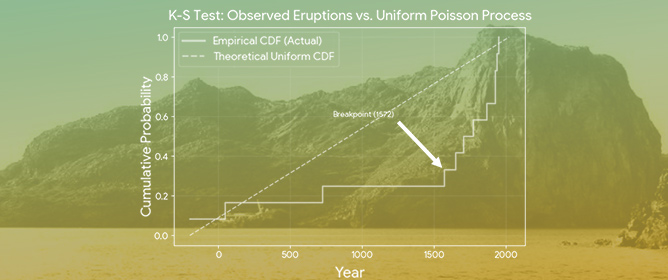
The Santorini volcano in the South Aegean Volcanic Arc is of great scientific importance. Knowledge of historical eruptions is valuable for better understanding the volcanic cycle and for improved hazard assessments. One of the little-known historical eruptions occurred either in 1570 or in 1573 or from 1570 to 1573 CE. We bring to light a very little-known but reliable Greek manuscript dated in 1588 CE which improves our knowledge about this eruption. The manuscript documents that the eruption occurred in 1572 and took place within the sea caldera between Santorini and Palaia Kameni. It makes it clear that “fire, smoke, and stones” were coming out between the two islands and a new volcanic island named Mikri Kameni was born. This landscape has been verified by independent maps of the 17th and 18th centuries. The floating pumice was transported by the sea as far as to Thessaloniki and Constantinople. Also, we learn a lot about the consequences of the eruption: (1) smoke and heat destroyed the vineyards and the planting season on Santorini, i.e., spring–summer, (2) it is likely that sulfurous gases were released, and (3) the residents of Santorini were forced to move to nearby islands. The duration of the eruption was ~1 year, but the fire and smoke disappeared suddenly. The Volcanic Explosivity Index of the eruption was estimated to be as high as 3.
Full article

Figure 1
Open AccessArticle
Geohazard Assessment of Historic Chalk Cavity Collapses in Aleppo, Syria
by
Alaa Kourdey, Omar Hamza and Hamzah M. B. Al-Hashemi
GeoHazards 2025, 6(4), 75; https://doi.org/10.3390/geohazards6040075 - 1 Nov 2025
Abstract
►▼
Show Figures
Over the past five decades, the Tallet Alsauda district of Aleppo (Syria) has experienced multiple catastrophic collapses, attributed to a network of subsurface chalk cavities formed through historic quarrying and possible natural karstification. Yet, no comprehensive investigation has previously been conducted to characterise
[...] Read more.
Over the past five decades, the Tallet Alsauda district of Aleppo (Syria) has experienced multiple catastrophic collapses, attributed to a network of subsurface chalk cavities formed through historic quarrying and possible natural karstification. Yet, no comprehensive investigation has previously been conducted to characterise the cavities or clarify the governing failure mechanisms. Such assessments are particularly difficult in historic urban environments, where void geometries are irregular, subsurface data scarce, and underground access limited. This study addresses these challenges through an integrated programme of fourteen boreholes, laboratory testing, and inverse-distance interpolation to reconstruct subsurface geometry and overburden thickness. These data-informed three-dimensional finite element simulations are designed to test the hypothesis that chalk deterioration, driven by both natural and anthropogenic processes, controls the instability of cavity roofs. Rock mass parameters, particularly the Geological Strength Index (GSI), were progressively reduced and evaluated against the site’s documented collapse history. The simulations revealed that a modest decline in GSI from ~53 to 47 precipitated abrupt displacements (>300 mm) and upward-propagating plastic zones, consistent with field evidence of past collapses. These results confirm that instability is governed by threshold reductions in material strength, with sewer leakage identified as a principal trigger accelerating chalk softening and roof destabilisation.
Full article

Figure 1
Highly Accessed Articles
Latest Books
E-Mail Alert
News
Topics
Topic in
Applied Sciences, Energies, GeoHazards, Minerals
Dynamic Disaster Control, Mine Multi-Source Disaster Monitoring and Intelligent Analysis, 2nd Edition
Topic Editors: Feng Cui, Zhenlei LiDeadline: 28 February 2026
Topic in
AI, BDCC, Fire, GeoHazards, Remote Sensing
AI for Natural Disasters Detection, Prediction and Modeling
Topic Editors: Moulay A. Akhloufi, Mozhdeh ShahbaziDeadline: 31 March 2026
Topic in
GeoHazards, Geosciences, Geotechnics, Remote Sensing, Sensors, Standards
Advanced Risk Assessment in Geotechnical Engineering
Topic Editors: Meho-Saša Kovačević, Vassilis MarinosDeadline: 25 July 2026
Topic in
Applied Sciences, GeoHazards, Geosciences, Land, Remote Sensing
Remote Sensing and Geological Disasters
Topic Editors: Gan Feng, Qiao Lyu, Yunfeng Ge, Guoqing LiDeadline: 30 November 2026
Conferences
Special Issues
Special Issue in
GeoHazards
Seismological Research and Seismic Hazard & Risk Assessments
Guest Editors: Ioanna Triantafyllou, Danijel SchorlemmerDeadline: 15 March 2026
Special Issue in
GeoHazards
Active Faulting and Seismicity—2nd Edition
Guest Editor: Dimitrios PapanikolaouDeadline: 31 March 2026
Special Issue in
GeoHazards
Geohazards and the Role of Near-Surface Geophysics
Guest Editors: Federico Da Col, Binbin MiDeadline: 15 September 2026
Special Issue in
GeoHazards
Landslide Research: State of the Art and Innovations
Guest Editor: Davide TirantiDeadline: 31 October 2026
Topical Collections
Topical Collection in
GeoHazards
Geohazard Characterization, Modeling, and Risk Assessment
Collection Editors: Zhong Lu, Tiago Miguel Ferreira