
Journal Description
Current Oncology
Current Oncology
is an international, peer-reviewed, open access journal that since 1994 represents a multidisciplinary medium for clinical oncologists to report and review progress in the management of this disease, and published monthly online by MDPI (from Volume 28, Issue 1 - 2021). The Canadian Association of Medical Oncologists (CAMO), Canadian Association of Psychosocial Oncology (CAPO), Canadian Association of General Practitioners in Oncology (CAGPO), Cell Therapy Transplant Canada (CTTC) and others are affiliated with Current Oncology and their members receive discounts on the article processing charges.
- Open Access— free for readers, with article processing charges (APC) paid by authors or their institutions.
- High Visibility: indexed within Scopus, SCIE (Web of Science), PubMed, MEDLINE, PMC, Embase, and other databases.
- Journal Rank: JCR - Q2 (Oncology) / CiteScore - Q1 (Oncology)
- Rapid Publication: manuscripts are peer-reviewed and a first decision is provided to authors approximately 22.6 days after submission; acceptance to publication is undertaken in 2.9 days (median values for papers published in this journal in the first half of 2026).
- Recognition of Reviewers: Reviewers whose reports are timely and of high quality receive an APC discount voucher for a future publication in an MDPI journal. Become a reviewer.
- Journal Clusters of Oncology: Cancers, Current Oncology, Onco and Targets.
Impact Factor:
3.6 (2025);
5-Year Impact Factor:
3.6 (2025)
Latest Articles
Community-Based HPV Self-Sampling to Enhance Access to Cervical Cancer Prevention: A Continuum-of-Care Model from Urban Nepal
Curr. Oncol. 2026, 33(9), 539; https://doi.org/10.3390/curroncol33090539 - 5 Sep 2026
Abstract
Cervical cancer remains the leading cause of cancer-related mortality among women in Nepal, where national screening coverage is approximately 16%. This study evaluated the feasibility of a community-based, door-to-door self-sampling strategy for high-risk human papillomavirus (hrHPV) detection in an urban municipality of central
[...] Read more.
Cervical cancer remains the leading cause of cancer-related mortality among women in Nepal, where national screening coverage is approximately 16%. This study evaluated the feasibility of a community-based, door-to-door self-sampling strategy for high-risk human papillomavirus (hrHPV) detection in an urban municipality of central Nepal and assessed hrHPV prevalence, genotype distribution, screening outcomes, and associated demographic factors. A cross-sectional study was conducted between September 2023 and May 2024 in Ward No. 3 of Lalitpur Metropolitan City. Women aged 30–60 years were recruited through trained community health workers, provided education and home-based self-sampling kits, and completed a demographic questionnaire. Dry cervical swabs from 418 participants were tested for hrHPV. Women with positive results underwent visual inspection with acetic acid (VIA), followed by colposcopy, biopsy when indicated, and thermal ablation for confirmed precancerous lesions. Overall participation was 64.1%, and hrHPV prevalence was 10.3%. Non-16/18 hrHPV genotypes predominated (55.8%), followed by HPV16 (20.9%). Women aged > 50 years were more likely to be hrHPV- and VIA-positive (OR = 7.39, p = 0.02). Six pre-cancer cases were identified: five cervical intraepithelial neoplasia (CIN1) and one CIN3 case. Community-based hrHPV self-sampling was found to be feasible and achieved effective linkage to triage and treatment, supporting its consideration for strengthening cervical cancer screening in Nepal.
Full article
(This article belongs to the Special Issue Global Strategies and Equity Challenges in Cervical Cancer Prevention and Elimination)
Open AccessArticle
Higher Negative Margin Rates with Intraoperative Ultrasound-Guided Excision for Myxofibrosarcoma: A Single-Center Cohort Study with External Comparisons
by
Youngkeun Lee, Sujin Lee, Sang Ah Chi and Sung Wook Seo
Curr. Oncol. 2026, 33(9), 538; https://doi.org/10.3390/curroncol33090538 - 4 Sep 2026
Abstract
Background/Objectives: Myxofibrosarcoma (MFS) shows infiltrative fascial extensions that complicate margin achievement and drive local recurrence. We evaluated whether intraoperative ultrasound guidance improves negative margin achievement and oncological outcomes compared with conventional excision. Methods: In this retrospective cohort study at a single
[...] Read more.
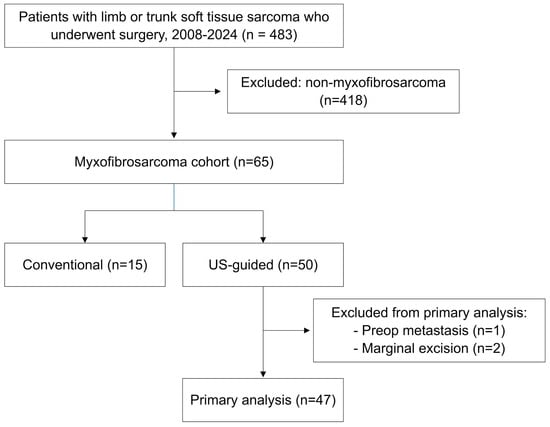
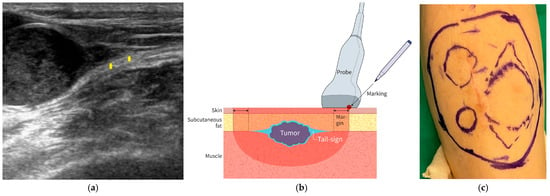
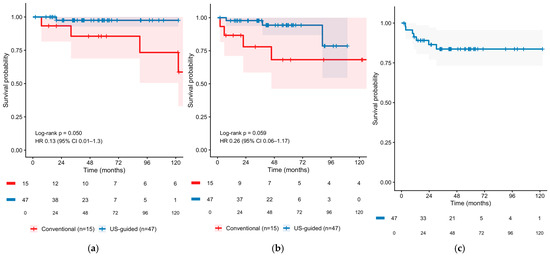
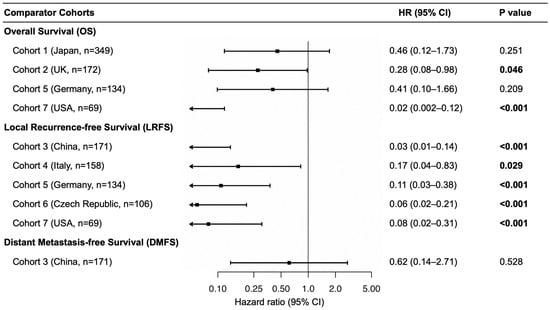
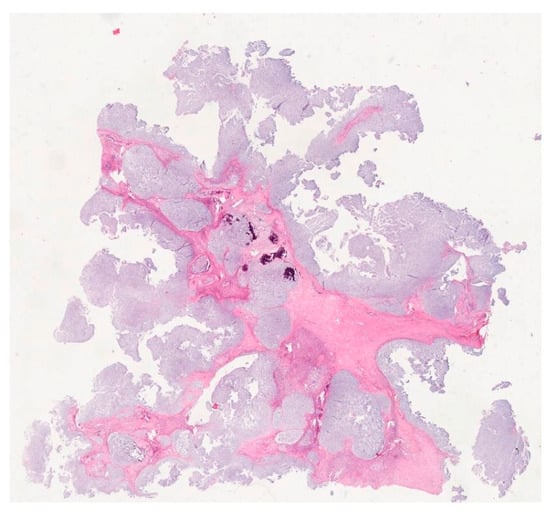
Background/Objectives: Myxofibrosarcoma (MFS) shows infiltrative fascial extensions that complicate margin achievement and drive local recurrence. We evaluated whether intraoperative ultrasound guidance improves negative margin achievement and oncological outcomes compared with conventional excision. Methods: In this retrospective cohort study at a single tertiary referral center, patients with MFS underwent conventional excision (2008–2013; n = 15) or ultrasound-guided excision (2014–2024; n = 50; primary comparative analysis n = 47 after excluding three patients). The primary outcome was negative margin achievement; secondary outcomes were overall survival (OS), local recurrence-free survival (LRFS), and distant metastasis-free survival (DMFS). Exploratory matching-adjusted indirect comparisons (MAICs) were performed against seven published international MFS cohorts. Results: Overall R0 (negative) margin rates did not differ between cohorts (97.9% vs. 93.3%; p = 0.428). Among R0 margins, however, a wide clearance (R0-wide, ≥1 mm) was more frequent in the US-guided cohort, whereas R0-close (<1 mm) margins predominated after conventional excision (R0-wide 83.0% vs. 46.7%; odds ratio 5.38, 95% CI 1.30–23.73; p = 0.014). Median follow-up was 49 months; five-year OS, LRFS, and DMFS were 97.5%, 94.3%, and 83.7%. In the internal historical comparison, LRFS was directionally higher with ultrasound guidance (94.3% vs. 68.2%; HR 0.26; p = 0.059). In MAICs, LRFS favored the US-guided cohort in all five comparisons and OS in two of four. Conclusions: Intraoperative ultrasound guidance was associated with a higher rate of wide (R0-wide, ≥1 mm) negative margins and favorable local disease control in MFS; whether wider microscopic clearance itself improves local control requires prospective multicenter evaluation.
Full article
(This article belongs to the Special Issue Advances in the Orthopaedic Oncology)
Open AccessArticle
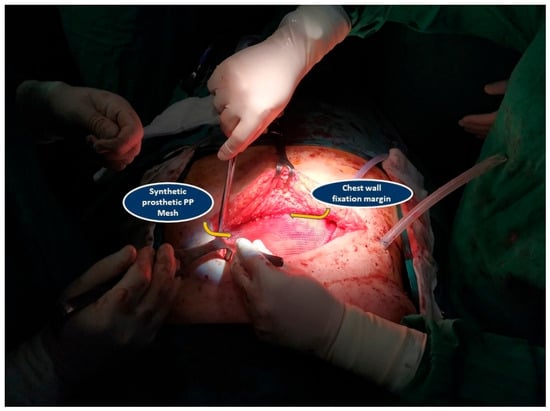
Post-Mastectomy Emergency Department Visits in Alberta: Understanding Patient Perspectives
by
Emily M. Heath, Julia Chai, Susan Isherwood, Riley Martens Mulangu, Steven Langer and May Lynn Quan
Curr. Oncol. 2026, 33(9), 537; https://doi.org/10.3390/curroncol33090537 - 4 Sep 2026
Abstract
Same-day surgery for mastectomy increased in Alberta from 1.7% to 73% in 2022, after implementation of a perioperative pathway in 2016. However, rates of unplanned visits to the emergency department (ED) remained >20%. Previous research explored reasons for this using administrative data but
[...] Read more.
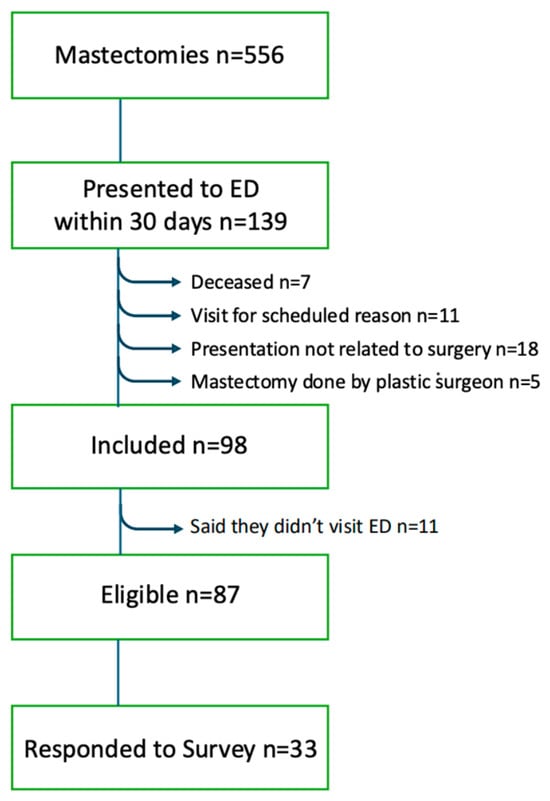
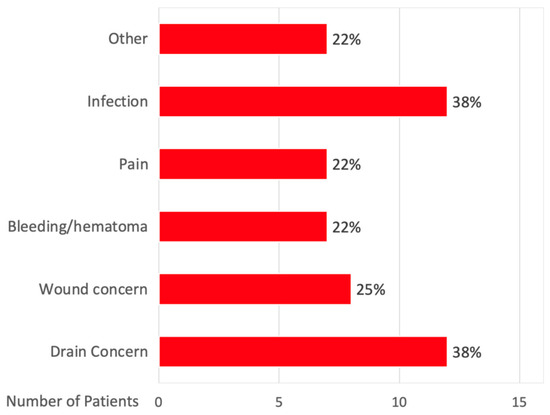
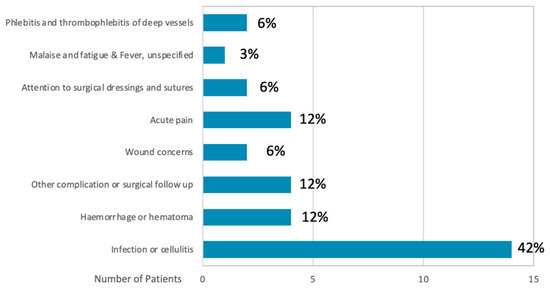
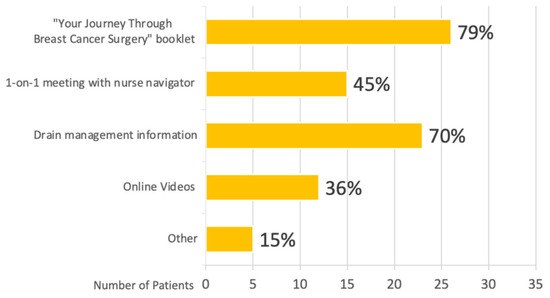
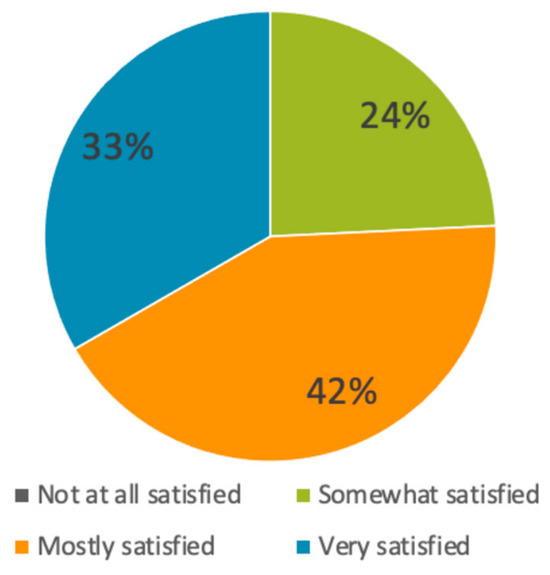
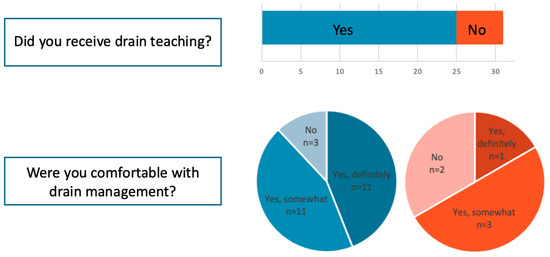
Same-day surgery for mastectomy increased in Alberta from 1.7% to 73% in 2022, after implementation of a perioperative pathway in 2016. However, rates of unplanned visits to the emergency department (ED) remained >20%. Previous research explored reasons for this using administrative data but lacked patient-level data. Our study aims to explore patient-reported factors influencing unplanned ED visits after mastectomy. A survey study was conducted of patients who underwent mastectomy in Alberta between July 2021 and June 2022. Patients were identified from the Canadian Institute of Health Information database; chart review was performed to confirm ED visit details. Survey questions evaluated medical, socioeconomic, and psychologic domains, as well as patient-reported experiences of perioperative care. Of 556 patients who underwent mastectomy during the study period, 23% presented to the ED unplanned within 30 days. The survey was sent to 87 patients meeting inclusion criteria; 38% responded. Most patients presented on a weekend, stating the ED was the only choice available at the time. The most common patient concerns were related to infection (38%) and drain function (38%). Despite high postoperative ED visit rates, overall, 84% felt prepared for surgery, only 15% felt uncomfortable with drain management, and 78% of patients were satisfied with surgery. Difficulty accessing their surgical team postoperatively was reported as the main challenge. Future initiatives should focus on improved access to outpatient care and education on post-mastectomy emergencies.
Full article
(This article belongs to the Section Breast Cancer)
►▼
Show Figures

Figure 1
Open AccessCase Report
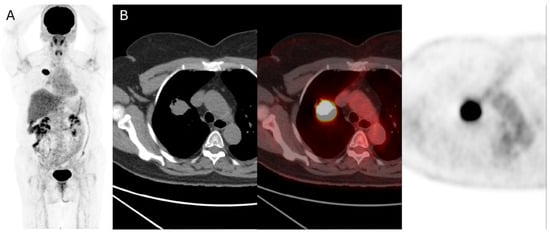
Long-Term Cutaneous Hyperpigmentation During Adjuvant Osimertinib Therapy in a Resected Stage IIB EGFR L858R-Mutated Lung Adenocarcinoma in an Older Adult: A Rare Case Report with Two-Year Follow-Up and Literature Review
by
Marclesson Santos Alves, Juliana Palácio de Queiroz Ventura Barros, Danielle Calheiros Campelo Maia, Igor Santos Costa, Ormando Rodrigues Campos Junior and Howard Lopes Ribeiro Junior
Curr. Oncol. 2026, 33(9), 536; https://doi.org/10.3390/curroncol33090536 - 3 Sep 2026
Abstract
The use of targeted therapies has improved outcomes in patients with resected epidermal growth factor receptor-mutated non-small cell lung cancer, but uncommon and persistent dermatologic toxicities remain poorly characterized. We report a 71-year-old woman with resected lung adenocarcinoma harboring an epidermal growth factor
[...] Read more.
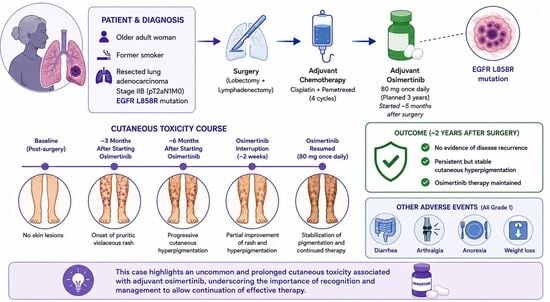
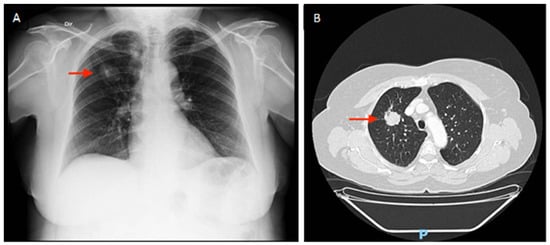
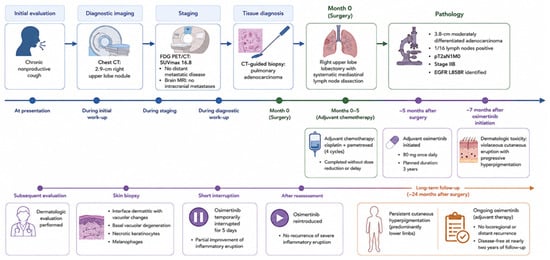
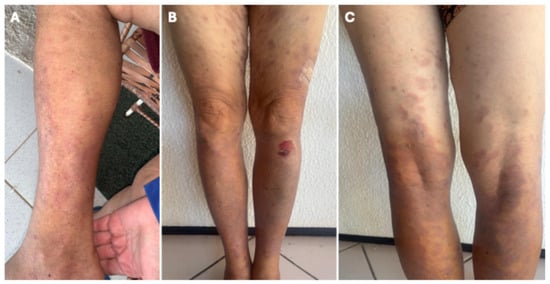
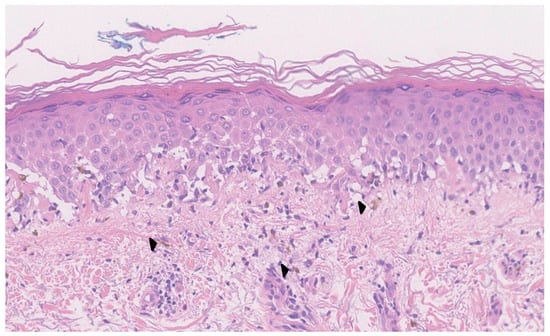
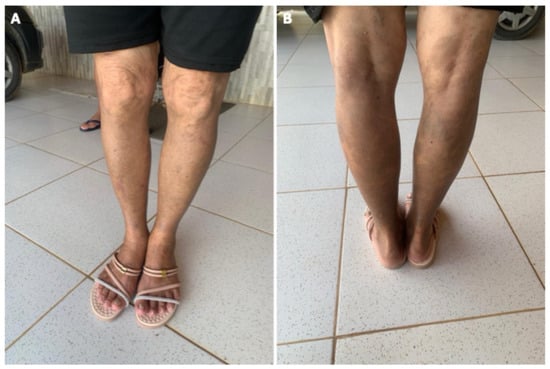
The use of targeted therapies has improved outcomes in patients with resected epidermal growth factor receptor-mutated non-small cell lung cancer, but uncommon and persistent dermatologic toxicities remain poorly characterized. We report a 71-year-old woman with resected lung adenocarcinoma harboring an epidermal growth factor receptor exon 21 L858R mutation. Following right upper lobectomy and systematic mediastinal lymph node dissection, pathological staging was pT2aN1M0 (stage IIB). She received four cycles of adjuvant cisplatin plus pemetrexed followed by planned three-year adjuvant Osimertinib. During Osimertinib treatment, she developed a persistent violaceous rash accompanied by progressive cutaneous hyperpigmentation. Osimertinib was temporarily interrupted, and dermatologic evaluation was performed, resulting in partial clinical improvement. Hyperpigmentation, however, persisted during follow-up. Other adverse events included grade 1 diarrhea, transient arthralgia, anorexia, and weight loss. Osimertinib was subsequently resumed and maintained. Nearly two years after surgery, the patient remains free of disease recurrence, with stable pigmentary skin changes. This case highlights an uncommon and prolonged dermatologic manifestation associated with Osimertinib and emphasizes the importance of recognizing atypical cutaneous toxicity to facilitate appropriate management and to facilitate appropriate dermatologic evaluation and individualized management of treatment-related toxicity.
Full article
(This article belongs to the Section Thoracic Oncology)
►▼
Show Figures

Graphical abstract
Open AccessCorrection
Correction: Gould et al. Emergency Use of Targeted Osmotic Lysis for the Treatment of a Patient with Aggressive Late-Stage Squamous Cell Carcinoma of the Cervix. Curr. Oncol. 2021, 28, 2115–2122
by
Harry J. Gould III, Paige R. Miller, Samantha Edenfield, Kelly Jean Sherman, Chad K. Brady and Dennis Paul
Curr. Oncol. 2026, 33(9), 535; https://doi.org/10.3390/curroncol33090535 - 3 Sep 2026
Abstract
In the original publication [...]
Full article
Open AccessArticle
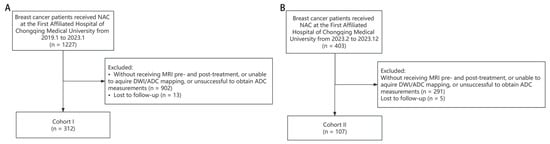
Pretreatment Ki67-to-ADC Ratio Predicts Prognosis in Breast Cancer Patients Receiving Neoadjuvant Chemotherapy: A Retrospective Cohort Study
by
Jun Fan, Lin Lin, Yang Tao, Yanjia Fan, Yudi Jin and Fajin Lv
Curr. Oncol. 2026, 33(9), 534; https://doi.org/10.3390/curroncol33090534 - 2 Sep 2026
Abstract
(1) Background: Neoadjuvant chemotherapy (NAC) is important for breast cancer, but prognosis varies widely. Ki67 and apparent diffusion coefficient (ADC) reflect proliferation and cellularity, respectively. This study evaluated the prognostic value of the Ki67/ADC ratio (KA) and post-treatment ADC change (δADC) in breast
[...] Read more.
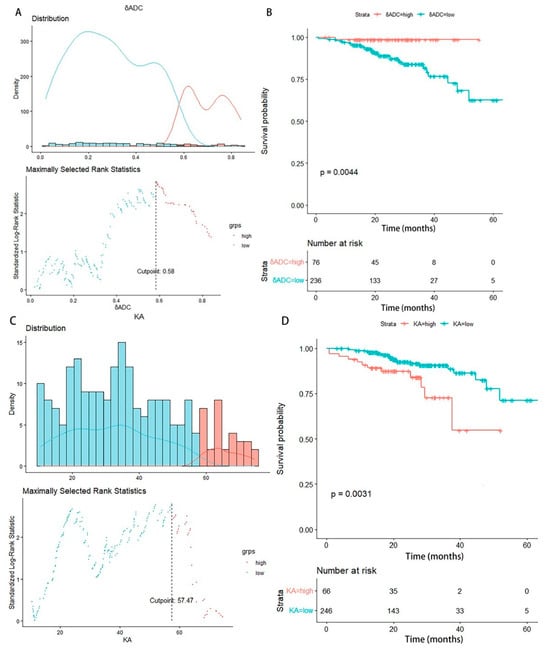
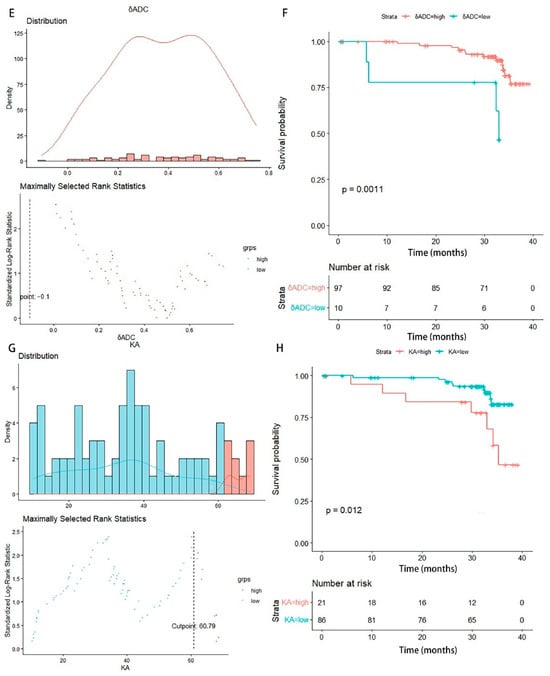
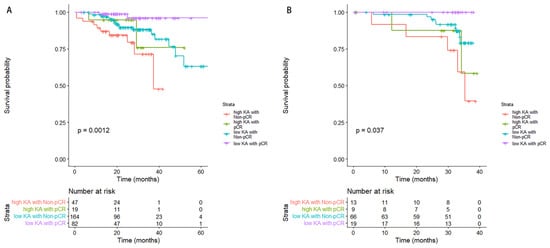
(1) Background: Neoadjuvant chemotherapy (NAC) is important for breast cancer, but prognosis varies widely. Ki67 and apparent diffusion coefficient (ADC) reflect proliferation and cellularity, respectively. This study evaluated the prognostic value of the Ki67/ADC ratio (KA) and post-treatment ADC change (δADC) in breast cancer patients receiving NAC, and developed a survival prediction model incorporating these indicators. (2) Methods: Two cohorts of breast cancer patients treated with NAC were collected. Pre- and post-treatment breast MRI with diffusion-weighted imaging were obtained; ADC values were measured by two blinded radiologists. KA was calculated as pre-treatment Ki67 divided by pre-treatment ADC, and δADC as post-ADC minus pre-ADC. Disease-free survival (DFS) was the primary outcome. Cox regression and a predictive Cox model were used. (3) Results: A total of 419 patients were analyzed. Both KA and δADC were associated with survival. In multivariable analysis, KA remained an independent prognostic factor (HR 0.40, 95% CI 0.19–0.84, p = 0.015). High KA was associated with worse prognosis, particularly in patients without pathological complete response. The model incorporating KA showed better predictive performance than clinicopathological variables alone and effectively stratified high- vs. low-risk patients. (4) Conclusion: KA is a promising complementary biomarker for prognosis in breast cancer patients undergoing NAC. Its integration into a prognostic model improved survival risk prediction and may aid individualized post-treatment management.
Full article
(This article belongs to the Section Breast Cancer)
Open AccessArticle
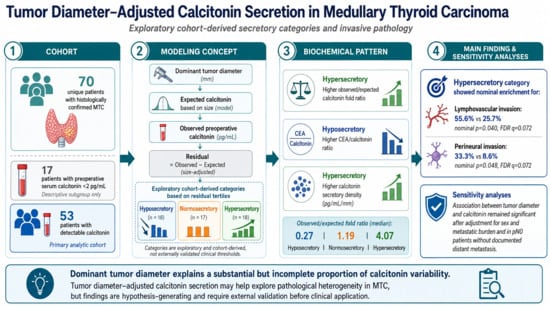
Beyond Tumor Diameter: Exploratory Cohort-Derived Calcitonin Secretory Categories and Invasive Pathology in Medullary Thyroid Carcinoma
by
Adem Ozcan, Gizem Gunes, Ali Bal, Abdulkadir Unsal, Furkan Savas and Mustafa Omer Yazicioglu
Curr. Oncol. 2026, 33(9), 533; https://doi.org/10.3390/curroncol33090533 - 2 Sep 2026
Abstract
Background: Serum calcitonin is commonly interpreted as a marker of tumor burden in medullary thyroid carcinoma (MTC), but patients with comparable tumor diameters may show markedly different calcitonin levels. This exploratory study aimed to derive cohort-specific, tumor diameter–adjusted calcitonin secretory categories and examine
[...] Read more.
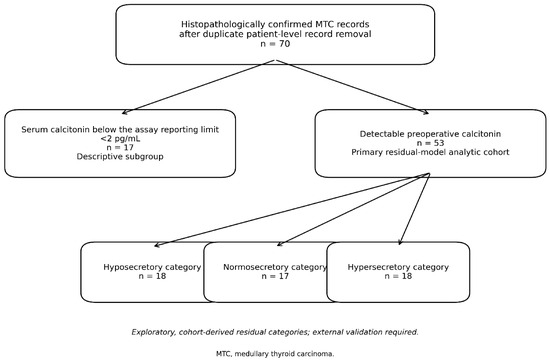
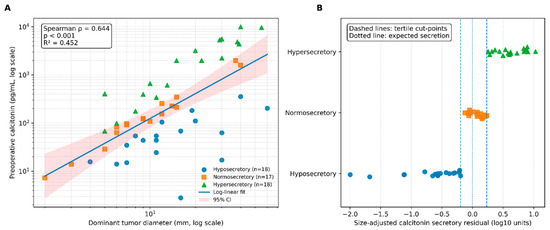
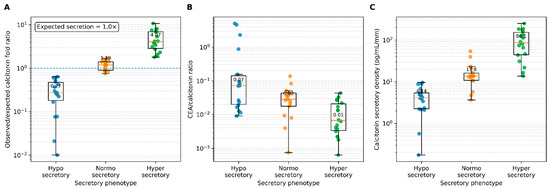
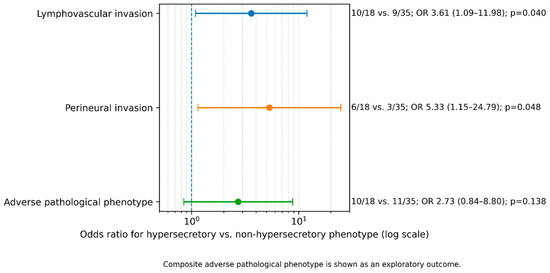
Background: Serum calcitonin is commonly interpreted as a marker of tumor burden in medullary thyroid carcinoma (MTC), but patients with comparable tumor diameters may show markedly different calcitonin levels. This exploratory study aimed to derive cohort-specific, tumor diameter–adjusted calcitonin secretory categories and examine their relationship with invasive pathological features. Methods: This retrospective single-center study included 70 unique patients with histopathologically confirmed MTC. Seventeen patients with preoperative serum calcitonin below the assay reporting limit (<2 pg/mL) were evaluated separately. In 53 patients with detectable calcitonin, residuals from a log-linear model of calcitonin according to dominant tumor diameter were divided into tertiles to define exploratory hyposecretory, normosecretory, and hypersecretory categories. Sensitivity analyses accounted for sex, metastatic lymph-node count, documented distant metastatic disease, and restriction to patients with pN0 disease and no documented distant metastasis. Results: Preoperative calcitonin correlated with dominant tumor diameter (Spearman rho = 0.644, p < 0.001), and the primary model explained 45.2% of calcitonin variability (R2 = 0.452). The cohort-derived categories included 18 hyposecretory, 17 normosecretory, and 18 hypersecretory tumors. In a hypothesis-driven exploratory contrast, lymphovascular invasion (55.6% vs. 25.7%; nominal p = 0.040) and perineural invasion (33.3% vs. 8.6%; nominal p = 0.048) were more frequent in the hypersecretory category. However, the global three-group comparisons were not statistically significant (p = 0.135 and p = 0.117, respectively), and both false-discovery-rate-adjusted q values were 0.072. The tumor diameter–calcitonin relationship remained significant after adjustment for sex and metastatic burden and in the pN0 subgroup without documented distant metastasis. Conclusions: The exploratory, cohort-derived hypersecretory category showed hypothesis-generating enrichment for lymphovascular and perineural invasion, but these associations did not meet the false-discovery-rate-adjusted significance threshold. External validation is required before these categories can be considered biologically established or clinically applicable.
Full article
(This article belongs to the Section Head and Neck Oncology)
►▼
Show Figures

Graphical abstract
Open AccessArticle
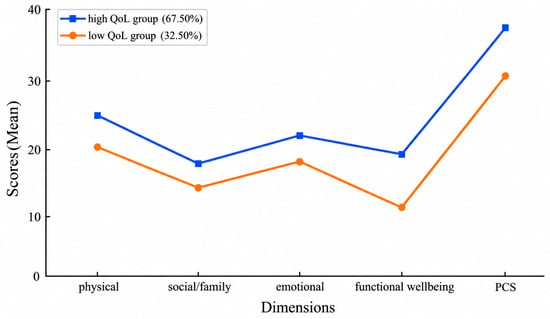
Identifying Distinct Quality-of-Life Profiles in Prostate Cancer Patients: A Latent Profile Approach
by
Linan Cheng
Curr. Oncol. 2026, 33(9), 532; https://doi.org/10.3390/curroncol33090532 - 2 Sep 2026
Abstract
Background: Prostate cancer substantially affects patients’ quality of life (QoL). However, whether distinct QoL profiles exist among patients remains unclear. Objective: This study aimed to identify latent QoL profiles among patients with prostate cancer and explore factors associated with profile membership. Methods: A
[...] Read more.
Background: Prostate cancer substantially affects patients’ quality of life (QoL). However, whether distinct QoL profiles exist among patients remains unclear. Objective: This study aimed to identify latent QoL profiles among patients with prostate cancer and explore factors associated with profile membership. Methods: A cross-sectional study included 200 patients with prostate cancer recruited from a tertiary hospital in China between May and December 2024. QoL was assessed using the Functional Assessment of Cancer Therapy–Prostate (FACT-P). Latent profile analysis was performed using Mplus 8.3, and the optimal model was selected according to information criteria, entropy, and likelihood ratio tests. Multivariable logistic regression was used to examine factors associated with profile membership. Results: LPA identified two distinct subgroups: low QoL (32.5%) and high QoL (67.5%). Medium and heavy economic burden significantly increased odds of low QoL (OR = 4.13, 95% CI: 1.13–15.02, p = 0.032; OR = 11.12, 95% CI:1.55–79.86, p = 0.017). Urinary continence markedly reduced odds of low QoL (OR = 0.08, 95% CI: 0.02–0.25, p < 0.001). Longer diagnosis-to-treatment intervals were associated with membership in the low-QoL profile (1–3 months: OR = 2.99, 95% CI: 1.26–7.08, p = 0.013; >3 months: OR = 3.36, 95% CI: 1.02–11.07, p = 0.046). Conclusions: This study identified two QoL profiles among patients with prostate cancer. The findings suggest that person-centered QoL assessment may facilitate early identification of patients with greater supportive care needs and contribute to more individualized survivorship care.
Full article
(This article belongs to the Section Oncology Nursing)
Open AccessArticle
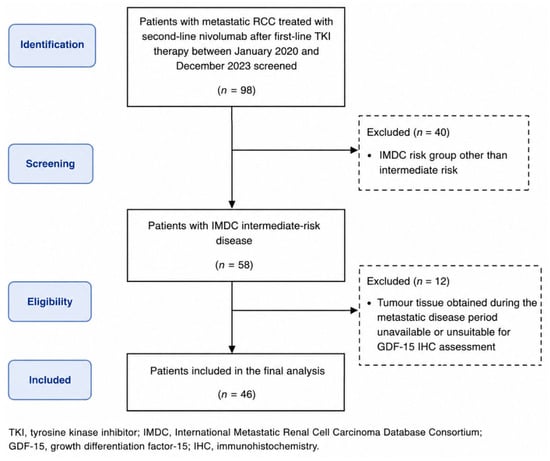
Tumour GDF-15 Expression and Clinical Outcomes in Intermediate-Risk Metastatic Clear-Cell Renal Cell Carcinoma Treated with Second-Line Nivolumab
by
Orhun Akdogan, Betul Ogut, Osman Sutcuoglu, Melike Urganci, Burcu Ulas Kahya, Ipek Isik Gonul, Hatice Azra Begum Salimoglu, Tuba Ugur Tuzcu, Ozan Yazici, Ahmet Ozet and Nuriye Ozdemir
Curr. Oncol. 2026, 33(9), 531; https://doi.org/10.3390/curroncol33090531 - 2 Sep 2026
Abstract
Background: Immune checkpoint inhibitors have improved outcomes in metastatic clear-cell renal cell carcinoma (mRCC), yet clinically applicable tissue biomarkers remain limited. Growth differentiation factor-15 (GDF-15) promotes tumour immune evasion and has emerged as a potential therapeutic target in immuno-oncology. We evaluated the prognostic
[...] Read more.
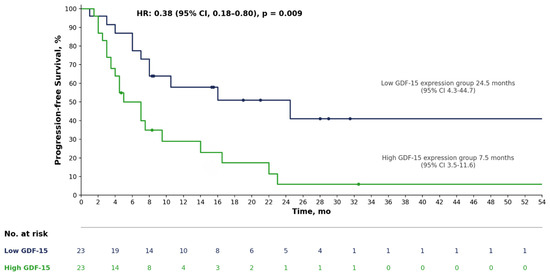
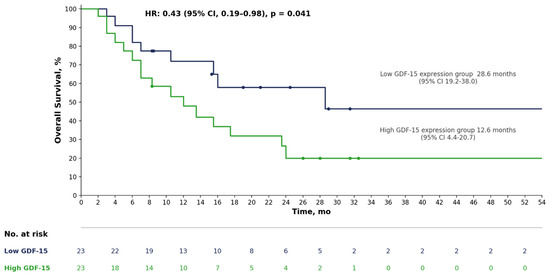
Background: Immune checkpoint inhibitors have improved outcomes in metastatic clear-cell renal cell carcinoma (mRCC), yet clinically applicable tissue biomarkers remain limited. Growth differentiation factor-15 (GDF-15) promotes tumour immune evasion and has emerged as a potential therapeutic target in immuno-oncology. We evaluated the prognostic significance of tumour GDF-15 expression in patients with intermediate-risk clear-cell mRCC treated with second-line nivolumab. Methods: Forty-six patients with intermediate-risk clear-cell mRCC who received nivolumab after one line of tyrosine kinase inhibitor therapy were retrospectively evaluated. Tumour GDF-15 expression was assessed by immunohistochemistry and classified as low (0–1+) or high (2–3+). Objective response rate (ORR), progression-free survival (PFS), overall survival (OS), and the development of cancer-associated cachexia were compared between expression groups. Results: High tumour GDF-15 expression was observed in 23 patients (50%). ORR was significantly higher in the low-expression group than in the high-expression group (57% vs. 26%, p = 0.036). Low tumour GDF-15 expression was associated with significantly longer PFS (24.5 vs. 7.5 months; HR 0.38, 95% CI 0.18–0.80; p = 0.009) and OS (28.6 vs. 12.6 months; HR 0.43, 95% CI 0.19–0.98; p = 0.041). The association with OS remained significant after adjustment for age. The frequency of cancer-associated cachexia did not differ according to tumour GDF-15 expression (43% vs. 35%, p = 0.546). Conclusions: Low tumour GDF-15 expression was associated with better objective response and longer progression-free and overall survival in patients with intermediate-risk metastatic clear-cell renal cell carcinoma treated with second-line nivolumab, with the association with overall survival remaining significant after adjustment for age. Tumour GDF-15 represents a promising tissue biomarker for prognostic risk stratification and warrants validation in larger prospective studies.
Full article
(This article belongs to the Special Issue Advances in Novel Biomarkers for Kidney Cancer)
►▼
Show Figures

Figure 1
Open AccessArticle
Comparative Pharmacovigilance Analysis of Safety Signals Among Advanced Prostate Cancer Therapies Using FAERS (FDA Adverse Event Reporting System)
by
Zaid Ahmed, Rashid Sayyid, Omid Yazdanpanah, Ravand Samaeekia, Arash Rezazadeh Kalebasty, David I. Lee and Mohammed Shahait
Curr. Oncol. 2026, 33(9), 530; https://doi.org/10.3390/curroncol33090530 - 2 Sep 2026
Abstract
Therapeutic options for advanced prostate cancer have expanded in recent years, incorporating multiple-system treatment approaches with differing mechanisms of action. However, comparative real-world safety data following drug approval remain limited. As such, the aim of this study is to characterize adverse events and
[...] Read more.
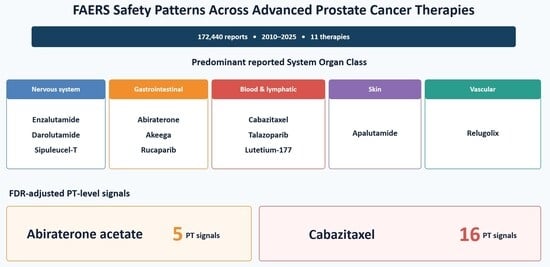
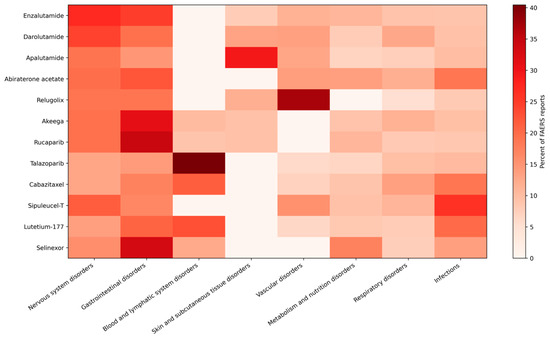
Therapeutic options for advanced prostate cancer have expanded in recent years, incorporating multiple-system treatment approaches with differing mechanisms of action. However, comparative real-world safety data following drug approval remain limited. As such, the aim of this study is to characterize adverse events and disproportionate safety signals among advanced prostate cancer therapies using the FDA Adverse Event Reporting System (FAERS). A retrospective pharmacovigilance study of FAERS reports evaluated enzalutamide, darolutamide, apalutamide, abiraterone acetate, relugolix, niraparib/abiraterone, talazoparib, rucaparib, cabazitaxel, sipuleucel-T, and lutetium-177 vipivotide. Adverse events were categorized by System Organ Class and Preferred Terms. Reporting odds ratios (RORs) with 95% confidence intervals identified safety signals. Among 172,440 reports, most involved patients aged 65–85 years. Cabazitaxel had the highest proportion of serious reports (86.6%) and deaths (22%), whereas relugolix had the lowest (23.3% and 4.8%). Nervous system disorders predominated with enzalutamide and darolutamide, gastrointestinal disorders with abiraterone, rucaparib, and niraparib/abiraterone, and hematologic toxicities with cabazitaxel, talazoparib, and lutetium-177 vipivotide. Significant safety signals were identified for abiraterone and cabazitaxel, but not other therapies. The absence of a detected signal should not be interpreted as evidence of safety or equivalence, as reporting volume, detection bias, and statistical power varied across therapies. Overall, the therapies demonstrated distinct toxicity profiles, which may inform treatment selection, toxicity monitoring, and patient counseling.
Full article
(This article belongs to the Section Genitourinary Oncology)
►▼
Show Figures

Graphical abstract
Open AccessArticle
Real-World Outcomes of Second-Line Chemotherapy in Metastatic Urothelial Carcinoma
by
İlkay Çıtakkul, Hayati Arvas, Mert Karaoğlan, Bahadır Köylü, Nazan Demir, Gözde Balkaya Aykut, Elif Şahin, Mesut Yılmaz, Zuhat Urakçı, Duygu Bayır Garbioğlu, Fatih Selçukbiricik, Ece Baydar, Beşire Nurdan Tazebay, Melike Yazıcı, Yasemin Bakkal Temi, Devrim Çabuk, Kazım Uygun and Umut Kefeli
Curr. Oncol. 2026, 33(9), 529; https://doi.org/10.3390/curroncol33090529 - 2 Sep 2026
Abstract
Second-line chemotherapy is widely used in metastatic urothelial carcinoma after progression on first-line platinum-based therapy, but its independent contribution to survival, as opposed to selection of healthier patients, remains unclear. In this multicenter retrospective cohort of 142 patients treated with first-line platinum-based chemotherapy
[...] Read more.
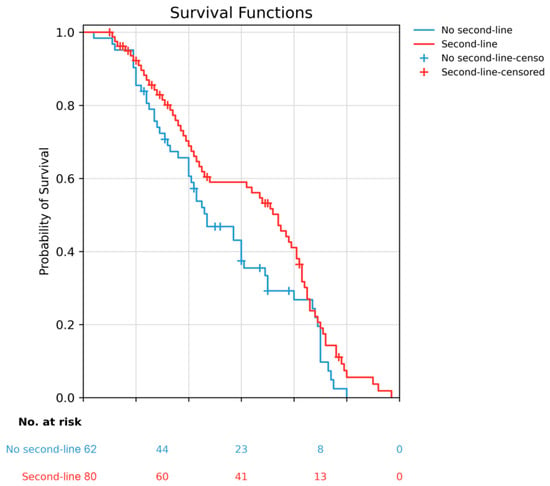
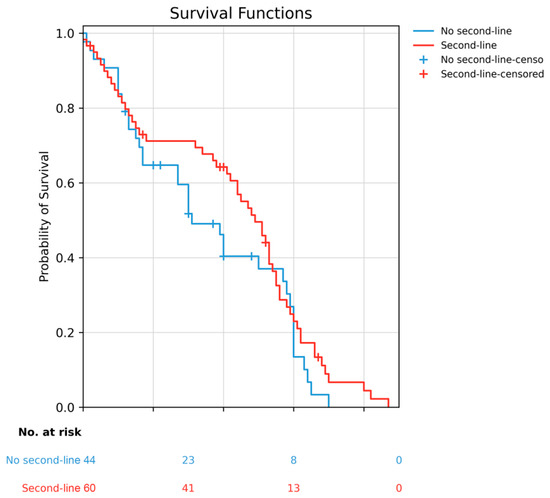
Second-line chemotherapy is widely used in metastatic urothelial carcinoma after progression on first-line platinum-based therapy, but its independent contribution to survival, as opposed to selection of healthier patients, remains unclear. In this multicenter retrospective cohort of 142 patients treated with first-line platinum-based chemotherapy across seven Turkish centers, overall survival (OS) from first-line progression was compared between patients who received second-line chemotherapy (n = 80) and those who did not (n = 62), using multivariable Cox regression, inverse probability of treatment weighting (IPTW), propensity-score matching, landmark analysis, and a time-dependent Cox model. Median OS was 7.4 versus 4.7 months (log-rank p = 0.064). Second-line chemotherapy was independently associated with improved OS on multivariable analysis (adjusted hazard ratio [aHR] 0.620; 95% confidence interval [CI] 0.423–0.907; p = 0.014); Eastern Cooperative Oncology Group (ECOG) performance status ≥ 2 (aHR 3.881; p = 0.001) and lower albumin (aHR 0.671; p = 0.018) were also independent predictors. The association remained significant after IPTW (HR 0.648; p = 0.025) and after a time-dependent Cox model (HR 0.632; p = 0.019), and was unchanged in ECOG-restricted and Bellmunt-adjusted analyses (p = 0.008, p = 0.029); it narrowly missed significance after propensity-score matching (HR 0.645; p = 0.051) and did not reach significance in the 3-month landmark analysis (HR 0.743; p = 0.180). Power was limited (~49%). In a time-dependent Cox model—the analysis least susceptible to immortal-time bias, as it retains the full cohort and classifies pre-treatment person-time as unexposed—second-line chemotherapy remained independently associated with improved OS (HR 0.632; p = 0.019), closely consistent with the primary multivariable estimate. The conventional Cox, IPTW, and propensity-score-matched analyses, which treat second-line receipt as a baseline exposure, were directionally concordant but share a common time-related bias and are therefore not independent confirmations. ECOG performance status was a consistent predictor throughout.
Full article
(This article belongs to the Special Issue Treatment Strategies for Advanced Urothelial Carcinoma)
►▼
Show Figures

Figure 1
Open AccessArticle
Explainable Deep Learning Model for Predicting Overall Survival in Patients Receiving Palliative Radiotherapy for Bone Metastases
by
Yui Watanabe, Takuya Tomoda, Akiko Iwata, Hirokazu Matsuno, Hiroto Hayakawa and Takeshi Nagata
Curr. Oncol. 2026, 33(9), 528; https://doi.org/10.3390/curroncol33090528 - 2 Sep 2026
Abstract
Purpose: Although machine learning-based prediction of overall survival (OS) in palliative radiotherapy for bone metastases has been investigated, explainable deep learning (DL) models remain underexplored. This study aimed to develop and validate an explainable DL model to predict OS in this setting, and
[...] Read more.
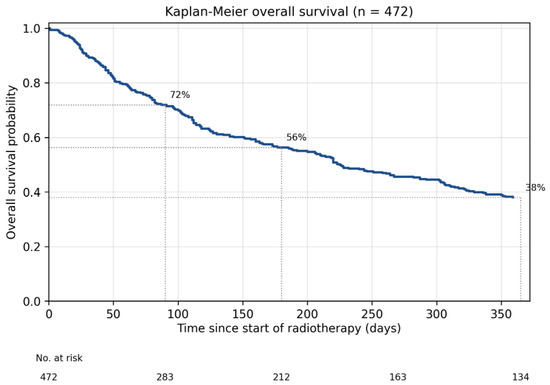
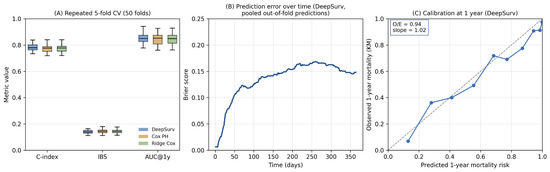
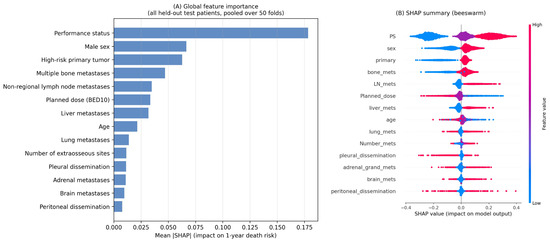
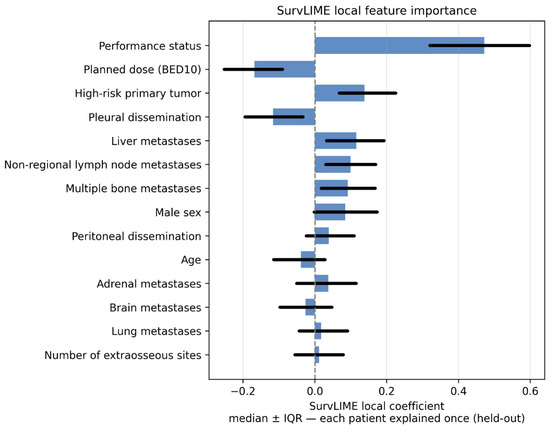
Purpose: Although machine learning-based prediction of overall survival (OS) in palliative radiotherapy for bone metastases has been investigated, explainable deep learning (DL) models remain underexplored. This study aimed to develop and validate an explainable DL model to predict OS in this setting, and to examine whether this flexible model provides predictive value beyond a standard Cox model based on routinely collected baseline variables. Methods and Materials: We analyzed all 472 eligible patients who received palliative radiotherapy for bone metastases between January 2013 and August 2024; patients alive with less than one year of follow-up were retained as right-censored observations. The primary endpoint was OS over a fixed 1-year horizon. A DeepSurv model using 14 baseline predictors, including the planned prescribed dose (biologically effective dose, BED10), was developed with repeated 5-fold cross-validation (K = 5, R = 10) and compared with standard and ridge-penalized Cox models fitted on identical splits. Performance was assessed by the time-dependent concordance index (C-index), integrated Brier score (IBS), time-dependent area under the curve (AUC) at 90, 180, and 365 days, and a calibration analysis at one year; 95% confidence intervals (CI) were obtained by patient-level bootstrapping of the pooled out-of-fold predictions. Shapley Additive Explanations (SHAP) and SurvLIME were computed on the held-out test sets. Results: Within one year, 242 patients (51.3%) died; median OS was 225 days (95% CI: 189–287). The DeepSurv model achieved a pooled time-dependent C-index of 0.779 (95% CI: 0.751–0.807), an IBS of 0.135 (95% CI: 0.122–0.149), and AUCs of 0.892 (0.857–0.925), 0.862 (0.822–0.895), and 0.856 (0.814–0.895) at 90, 180, and 365 days, with an observed/expected ratio of 0.94 and a calibration slope of 1.02; discrimination was comparable to the Cox model (C-index 0.763, 95% CI: 0.737–0.789). SHAP identified poor performance status as the dominant predictor (mean |SHAP| 0.178), followed by male sex (0.067), high-risk primary tumor type (0.063), multiple bone metastases (0.047), and planned dose (0.033), the latter being the only leading feature associated with lower predicted mortality; SurvLIME gave consistent results. In multivariable Cox analysis, performance status (hazard ratio [HR] 2.21 per standard deviation [SD], p < 0.001) and planned dose (HR 0.71 per SD, p < 0.001) were independently associated with OS. Conclusions: The explainable DL model predicted OS after palliative radiotherapy for bone metastases with discrimination and calibration comparable to those of a well-specified Cox model, and its feature attributions agreed with the Cox coefficients, suggesting that the prognostic information in these baseline variables is essentially additive and can therefore be delivered at the bedside as a simple score, without dedicated AI infrastructure and without loss of predictive performance. The combined use of SHAP and SurvLIME verified that the model relies on established clinical factors, most prominently performance status, and provides patient-level explanations. Pending external validation, such prediction may support individualized decisions on treatment goals and radiation schedules.
Full article
(This article belongs to the Section Palliative and Supportive Care)
►▼
Show Figures

Figure 1
Open AccessCase Report
Case of MYB-Rearranged Prostatic Adenoid Cystic Carcinoma
by
Sha Liu, Yuhan Liu, Ziyu Zhang, Shuiping Yin, Xinyi Wu, Ying Dai and Yingying Du
Curr. Oncol. 2026, 33(9), 527; https://doi.org/10.3390/curroncol33090527 - 1 Sep 2026
Abstract
Background: Prostatic adenoid cystic carcinoma/basal cell carcinoma (ACC/BCC) has been reclassified under the fifth edition of the World Health Organization’s classification of tumors, distinguishing it from basal cell cancer of the skin. This malignant neoplasm exhibits distinct biological characteristics that differ from those
[...] Read more.
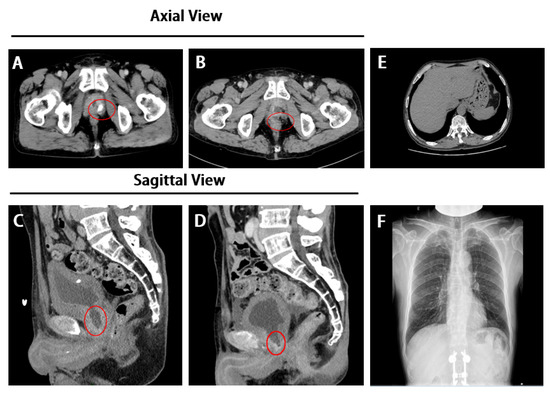
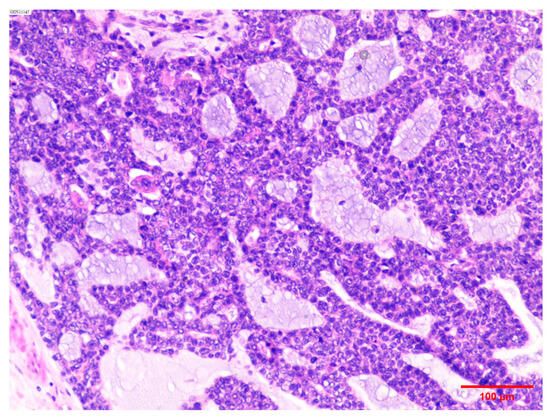
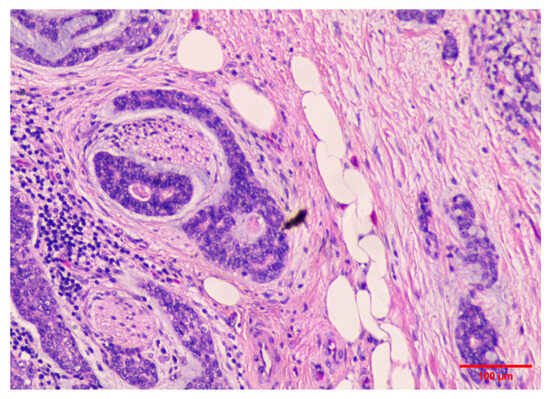
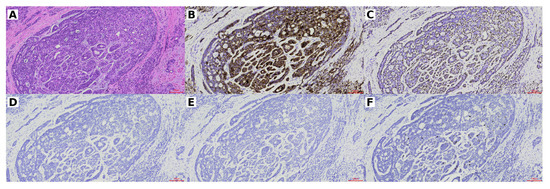
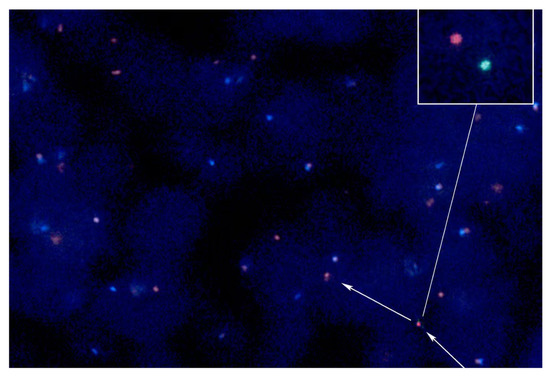
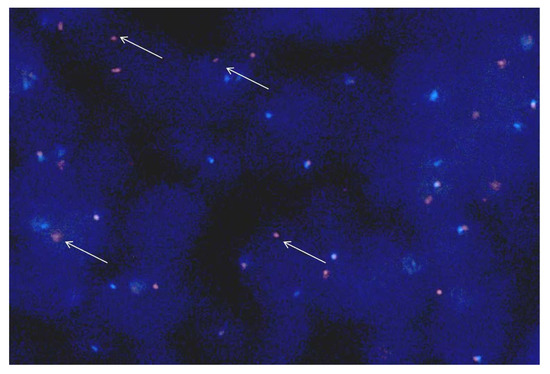
Background: Prostatic adenoid cystic carcinoma/basal cell carcinoma (ACC/BCC) has been reclassified under the fifth edition of the World Health Organization’s classification of tumors, distinguishing it from basal cell cancer of the skin. This malignant neoplasm exhibits distinct biological characteristics that differ from those of typical prostatic adenocarcinoma. However, optimal clinical management of prostatic ACC/BCC remains uncertain because of its rarity and the limited evidence available. Methods: This study retrospectively reviews the treatment course of a 62-year-old male patient presenting with more than six months of dysuria. Initial management included transurethral plasmakinetic resection of the prostate (TUPKP), followed by robot-assisted radical prostatectomy and bilateral pelvic lymph node dissection. Postoperative fluorescence in situ hybridization (FISH) demonstrated MYB rearrangement, providing molecular support for the pathological classification of prostatic ACC/BCC and facilitating diagnostic reclassification. Results: Pathological examination of the TUPKP specimen indicated poorly differentiated carcinoma, with findings consistent with prostatic ACC/BCC. Preoperative imaging showed an irregular soft-tissue lesion in the prostate/bladder neck region, without definite pelvic lymph node or distant organ metastasis. Histological analysis demonstrated cribriform structures and perineural invasion, while immunohistochemistry supported a basal cell phenotype; together with these findings, detection of MYB rearrangement via FISH supported reclassification of the tumor as prostatic ACC/BCC. Following radical surgery, adjuvant paclitaxel plus carboplatin was administered as an individualized empirical treatment in the absence of an established disease-specific standard. The patient completed six cycles of adjuvant chemotherapy and remained clinically stable during follow-up, with no radiological evidence of recurrence at the latest evaluation. Conclusions: This case highlights the diagnostic challenges of prostatic ACC/BCC and underscores the value of integrating molecular findings with histopathological and immunohistochemical features to support accurate tumor classification and individualized clinical management. MYB rearrangement may provide useful molecular support for diagnosis and classification; however, its biological and potential therapeutic significance in prostatic ACC/BCC requires further investigation in larger cohorts.
Full article
(This article belongs to the Section Genitourinary Oncology)
►▼
Show Figures

Figure 1
Open AccessArticle
Emergency Surgery Independently Predicts Postoperative Recurrence in Patients with Pathologic T3N0M0 Colon Cancer: A Retrospective Single-Center Cohort Study
by
Selahattin Çelik, Salih Karatlı, Esra Zeynelgil, Hatice Ayyıldız Sevim and Tülay Eren
Curr. Oncol. 2026, 33(9), 526; https://doi.org/10.3390/curroncol33090526 - 1 Sep 2026
Abstract
Background and Objectives: Pathologic stage IIA (T3N0M0) colon cancer represents a heterogeneous subgroup of stage II disease with variable recurrence risk despite similar TNM staging. Although several clinicopathological high-risk features are incorporated into current treatment guidelines, the independent prognostic significance of emergency surgery
[...] Read more.
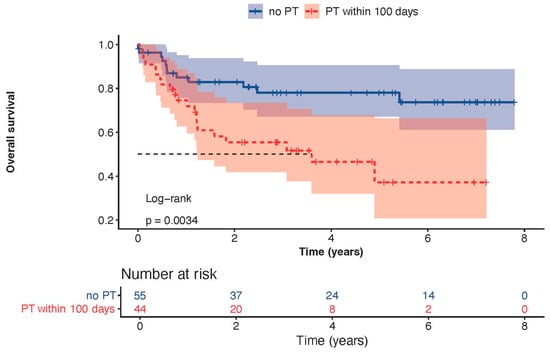
Background and Objectives: Pathologic stage IIA (T3N0M0) colon cancer represents a heterogeneous subgroup of stage II disease with variable recurrence risk despite similar TNM staging. Although several clinicopathological high-risk features are incorporated into current treatment guidelines, the independent prognostic significance of emergency surgery remains incompletely understood. This study aimed to identify clinicopathological predictors of postoperative recurrence, with particular emphasis on the prognostic impact of emergency surgery. Materials and Methods: This retrospective single-center cohort study included 118 patients with pathologic T3N0M0 colon adenocarcinoma who underwent curative-intent surgery. Demographic, clinicopathological, treatment, and follow-up data were analyzed. Univariable and multivariable logistic regression analyses were performed to identify independent predictors of recurrence. Because adjuvant chemotherapy was not randomly assigned, a sensitivity analysis including adjuvant chemotherapy was conducted to address confounding by indication. Disease-free survival (DFS) was evaluated using the Kaplan–Meier method. Results: During follow-up, recurrence occurred in 15 patients (12.7%). Patients with recurrence underwent emergency surgery significantly more frequently than those without recurrence (60.0% vs. 20.4%, p = 0.003). Perineural invasion and adjuvant chemotherapy were associated with recurrence in univariable analyses. In the primary multivariable model, emergency surgery remained an independent predictor of recurrence (OR 5.508, 95% CI 1.726–17.576; p = 0.004), whereas perineural invasion showed only borderline significance. In the sensitivity analysis, emergency surgery remained independently associated with recurrence (OR 4.079, 95% CI 1.207–13.779; p = 0.024), while adjuvant chemotherapy was no longer independently associated with recurrence. Kaplan–Meier analysis demonstrated significantly shorter DFS among patients undergoing emergency surgery (log-rank p = 0.002). Conclusions: Among patients with pathologic T3N0M0 colon cancer, the need for emergency surgery was associated with a higher risk of recurrence after adjustment for other clinicopathological factors. Emergency presentation may therefore serve as an additional marker for identifying patients at increased postoperative risk. Further prospective multicenter research is needed to confirm this association and to explore its potential value when combined with molecular biomarkers for individualized postoperative management.
Full article
(This article belongs to the Section Gastrointestinal Oncology)
►▼
Show Figures

Figure 1
Open AccessArticle
Post-Treatment Trajectories of Retained Totally Implantable Venous Access Ports After Anticancer Therapy: A Conditional Landmark Cohort Study
by
Zeyang Fan, Tiantian Li and Kai Yang
Curr. Oncol. 2026, 33(9), 525; https://doi.org/10.3390/curroncol33090525 - 1 Sep 2026
Abstract
Background: Retained totally implantable venous access ports (TIVAPs) pose a clinical management challenge after completion of intravenous anticancer therapy, particularly when future treatment needs remain uncertain. We aimed to characterize longitudinal post-treatment TIVAP trajectories after a day-90 conditional landmark, with elective removal prespecified
[...] Read more.
Background: Retained totally implantable venous access ports (TIVAPs) pose a clinical management challenge after completion of intravenous anticancer therapy, particularly when future treatment needs remain uncertain. We aimed to characterize longitudinal post-treatment TIVAP trajectories after a day-90 conditional landmark, with elective removal prespecified as the primary first event. Methods: This retrospective cohort study included patients who were alive and event-free, retained the original TIVAP, had no documented TIVAP-related indication requiring removal, and had documented clinical and TIVAP status at day 90. Elective removal was the primary event; TIVAP reactivation, complication-related removal, and network-documented death were competing events. Results: Among 1406 patients, the 12-month cumulative incidence was 34.3% (95% confidence interval [CI], 31.4–37.1) for elective removal, 10.1% (95% CI, 8.2–11.9) for reactivation, 4.1% (95% CI, 3.0–5.3) for complication-related removal, and 1.0% (95% CI, 0.5–1.6) for network-documented death. During 1164.9 patient-years, 9978 maintenance-related patient-date encounters were recorded. In the assessed subcohort (n = 1319), 69.2% of assessments indicated willingness to choose a TIVAP again for similar future treatment, 64.4% indicated willingness to recommend TIVAP use, and 26.0% recorded a preference for earlier removal. Conclusions: Retained TIVAPs followed heterogeneous post-treatment courses, including elective removal, subsequent reuse, and continued retention requiring maintenance. These findings describe observed management patterns; they do not establish the comparative effectiveness of retention versus removal or identify an optimal removal time, and they support a prospective evaluation of structured reassessment pathways.
Full article
(This article belongs to the Section Palliative and Supportive Care)
►▼
Show Figures

Graphical abstract
Open AccessConference Report
Exercise and Childhood Cancer: From Science to Life “The 3rd Pediatric Exercise Oncology Congress Meets FORTEe”
by
S. Nicole Culos-Reed, Miriam Götte, Jörg Faber and Sabine V. Kesting
Curr. Oncol. 2026, 33(9), 524; https://doi.org/10.3390/curroncol33090524 - 31 Aug 2026
Abstract
On behalf of the organizing committee, we are pleased to present the abstracts from the 2026 conference, “PEOC meets FORTEe”. The Third Pediatric Exercise Oncology Congress, this year meeting in person with the EU Study FORTEe (Get Strong to Fight Childhood Cancer: An
[...] Read more.
On behalf of the organizing committee, we are pleased to present the abstracts from the 2026 conference, “PEOC meets FORTEe”. The Third Pediatric Exercise Oncology Congress, this year meeting in person with the EU Study FORTEe (Get Strong to Fight Childhood Cancer: An Exercise Intervention for Children and Adolescents Undergoing Anti-Cancer Treatment), brought together scientists, clinicians, exercise professionals, physiotherapists, patients, families, community partners, and advocates from across the globe. Over two intensive days, 142 participants from 24 countries, guided by seven invited speakers, engaged in rigorous, wide-ranging, and interdisciplinary exchange that our field needs for sustaining growth and addressing key issues. The conference was held in Mainz, Germany, on 16–17 April 2026 and explored the growing field of evidence examining the impacts of exercise on basic biological mechanisms through to patient perspectives on quality of life. There was also a clear focus on knowledge translation, moving evidence to inform clinical integration of exercise to support beneficial outcomes across treatment trajectories. We would like to thank all of the researchers and presenters for their work and for contributing to the positive impact on patients and families who journey through a childhood or adolescent cancer diagnosis. The Congress Presidents and Scientific Committee Lead of the Third Pediatric Exercise Oncology Congress meets with FORTEe 2026. Scientific Committee co-leads included Miriam Götte, Nicole Culos-Reed, and Marie Neu. Scientific Committee members included Alejandro Lucía, Amanda Wurz, Carolina Chamorro Viña, Corina Rueegg, Elias Dreis-Mickenbecker, Emma Verwaaijen, Helen Griffith, Joachim Wiskemann, Jörg Faber, Maria Olsson, Maxime Caru, Nivedita S. Prabhu, Sara Grimshaw, and Vesile Yıldız Kabak. Congress organization was through the University Medical Center Mainz.
Full article
(This article belongs to the Special Issue Feature Advancements in Section "Childhood, Adolescent and Young Adult Oncology")
Open AccessArticle
Implementation and Resource Optimization of an Oral Anticancer Medication Clinical Pharmacy Trainee Program: Operational and Financial Impact at a Tertiary Cancer Centre
by
Christine Peragine, Flay Charbonneau, Susan Singh and Carlo DeAngelis
Curr. Oncol. 2026, 33(9), 523; https://doi.org/10.3390/curroncol33090523 - 31 Aug 2026
Abstract
Background: The emergence of oral anticancer medications (OAMs) has increased demand for specialized clinical pharmacy services (CPSs). Concurrently, Canadian cross-sectional data highlights undergraduate education gaps, with fewer than 14% of community pharmacists reporting adequate training on OAM therapies. We designed, implemented, and evaluated
[...] Read more.
Background: The emergence of oral anticancer medications (OAMs) has increased demand for specialized clinical pharmacy services (CPSs). Concurrently, Canadian cross-sectional data highlights undergraduate education gaps, with fewer than 14% of community pharmacists reporting adequate training on OAM therapies. We designed, implemented, and evaluated a pharmacist-led Oral Anticancer Medication Clinical Co-op Program (OAMCCP) to bridge this experiential education gap while cost-effectively expanding institutional capacity. Methods: Launched in Fall 2022, the OAMCCP integrated one PharmD student per 16-week term into a multidisciplinary oncology specialty pharmacy. Trainees executed core ambulatory oncology clinical pharmacy key performance indicators (AOcpKPIs), including Best Possible Medication Histories (BPMHs), drug–drug interaction (DDI) screenings, and proactive adherence and toxicity follow-up. Student competency was verified by a licensed oncology pharmacist to maintain patient safety. Impact was quantified via self-reported task logging over 15 weeks, standardized 10-point patient satisfaction surveys, payroll expenditure comparisons, and student testimonials. Results: Trainees completed 673 clinical tasks (~45 tasks/week), contributing 16.2 h of direct clinical support weekly—effectively adding +0.43 full-time equivalent (FTE) to service capacity. Mean patient satisfaction was 9.5/10 (n = 29), with students successfully managing inquiries in 96.5% of encounters. Financially, a 1.0 FTE student (44,700 CAD/year cost) captured clinical capacity valued at 69,300 CAD/year (0.43 FTE pharmacist equivalence). Conclusions: The OAMCCP resolves experiential training gaps while presenting a safe, scalable, and financially viable human resource framework that expands oncology pharmacy services.
Full article
(This article belongs to the Special Issue Unveiling the Economic Impact of Cancer Treatment)
►▼
Show Figures

Figure 1
Open AccessReview
Cellular and Immunotherapy for Pediatric Brain Tumors: A Primer
by
Irem Yenidogan, Nirav Thacker, Anirban Das and Magimairajan Issai Vanan
Curr. Oncol. 2026, 33(9), 522; https://doi.org/10.3390/curroncol33090522 - 31 Aug 2026
Abstract
Brain tumors are the most common solid malignancies in children and the leading cause of cancer-related mortality in this age group. Cancer immunotherapy has shown a lot of promise in the treatment of both adult and pediatric cancers. In this review, we summarize
[...] Read more.
Brain tumors are the most common solid malignancies in children and the leading cause of cancer-related mortality in this age group. Cancer immunotherapy has shown a lot of promise in the treatment of both adult and pediatric cancers. In this review, we summarize the use of immunotherapies in the treatment of pediatric brain tumors with special emphasis on CAR T cells, Immune checkpoint inhibitors and oncolytic viral therapy.
Full article
(This article belongs to the Special Issue Clinical Outcomes and New Treatments in Pediatric Brain Tumors)
►▼
Show Figures

Graphical abstract
Open AccessArticle
Reclassification of BRCA2 Variants of Uncertain Significance Using Saturation Genome Editing Combined with Clinical Phenotypes in Breast Cancer
by
Yueran Shen, Jiuan Chen, Li Hu, Jie Sun, Juan Zhang, Lu Yao, Ye Xu and Yuntao Xie
Curr. Oncol. 2026, 33(9), 521; https://doi.org/10.3390/curroncol33090521 - 31 Aug 2026
Abstract
Purpose: To evaluate the pathogenicity of BRCA2 variants of uncertain significance (VUS) located within the functionally critical exons 15–26 using published SGE data, and to reclassify these VUS by integrating clinical phenotypes. Methods: A total of 15,092 breast cancer patients were enrolled in
[...] Read more.
Purpose: To evaluate the pathogenicity of BRCA2 variants of uncertain significance (VUS) located within the functionally critical exons 15–26 using published SGE data, and to reclassify these VUS by integrating clinical phenotypes. Methods: A total of 15,092 breast cancer patients were enrolled in this study, among which 457 distinct BRCA2 VUS were identified in 1051 carriers. Based on SGE scores, 88 BRCA2 VUSs within exons 15–26 were functionally assessed and carriers reclassified as functionally pathogenic, functionally benign, or remaining VUS. Clinicopathological characteristics were subsequently compared across variant groups. Results: Of these 88 evaluated BRCA2 VUSs (187 carriers), 15 were reclassified as functionally pathogenic (20 carriers), 66 as functionally benign (154 carriers), and 7 remained VUS (13 carriers). Compared with non-carriers, carriers with functionally pathogenic variants exhibited a significantly higher prevalence of a family history of any cancer (65.0% vs. 31.1%, p = 0.002), particularly breast and/or ovarian cancer (35.0% vs. 10.0%, p = 0.002), as well as a trend toward a higher incidence of bilateral breast cancer (10.0% vs. 2.4%, p = 0.085). In contrast, individuals harboring functionally benign variants demonstrated clinicopathological characteristics similar to non-carriers. Conclusion: SGE-based functional scoring system provides a reliable approach for reclassifying BRCA2 VUS. When integrated with clinical phenotypes, it enhanced the accuracy of pathogenicity assessment.
Full article
(This article belongs to the Section Breast Cancer)
►▼
Show Figures

Figure 1
Open AccessArticle
Patient-Controlled Real-Time Transcutaneous Electrical Acupoint Stimulation at Neiguan (PC6) for Chemotherapy-Induced Nausea and Vomiting in Breast Cancer: An Exploratory Single-Arm Two-Stage Trial
by
Huiting Liu, Jie Zhou, Junying Du, Qiongying Shen, Chao Lu, Jianxing Zhang, Weiping Zhang, Ran Ran, Jianqiao Fang, Jiongyao Ye, Hong Gao and Junfan Fang
Curr. Oncol. 2026, 33(9), 520; https://doi.org/10.3390/curroncol33090520 - 31 Aug 2026
Abstract
Chemotherapy-induced nausea and vomiting (CINV) remain difficult to control after discharge despite guideline-based antiemetics. This multicenter exploratory single-arm two-stage trial evaluated patient-controlled, real-time transcutaneous electrical acupoint stimulation (TEAS) at Neiguan (PC6) as an adjunct to standard antiemetic therapy in patients with breast cancer.
[...] Read more.
Chemotherapy-induced nausea and vomiting (CINV) remain difficult to control after discharge despite guideline-based antiemetics. This multicenter exploratory single-arm two-stage trial evaluated patient-controlled, real-time transcutaneous electrical acupoint stimulation (TEAS) at Neiguan (PC6) as an adjunct to standard antiemetic therapy in patients with breast cancer. Forty-eight patients who had experienced CINV and were scheduled at enrollment to receive the same chemotherapy and antiemetic regimens during two consecutive cycles were analyzed. Cycle 1 served as the observation period, and cycle 2 added on-demand wrist-worn TEAS initiated by patients at nausea or vomiting onset during 0–120 h after chemotherapy. Compared with the observation period, TEAS was associated with lower nausea frequency and visual analogue scale scores on days 1–5 and higher nausea response rates on days 1–4. Vomiting frequency and severity were lower on days 1–3, but between-period differences were not significant on days 4–5. SF-36 scores increased and SAS/SDS scores decreased on day 5. Two transient local numbness events occurred, with no serious TEAS-related adverse events. These findings suggest that patient-controlled TEAS is feasible and warrants confirmation in randomized sham-controlled trials.
Full article
(This article belongs to the Section Palliative and Supportive Care)
►▼
Show Figures

Graphical abstract
Journal Menu
► ▼ Journal Menu-
- Current Oncology Home
- Aims & Scope
- Editorial Board
- Reviewer Board
- Topical Advisory Panel
- Early Career Editorial Board
- Instructions for Authors
- Special Issues
- Topics
- Sections & Collections
- Article Processing Charge
- Indexing & Archiving
- Editor’s Choice Articles
- Most Cited & Viewed
- Journal Statistics
- Journal History
- Journal Awards
- Society Collaborations
- Conferences
- Editorial Office
Journal Browser
► ▼ Journal Browser-
arrow_forward_ios
Forthcoming issue
arrow_forward_ios Current issue - Volumes not published by MDPI
Highly Accessed Articles
Latest Books
E-Mail Alert
News
Topics
Topic in
Cancers, Current Oncology, Diseases, Onco
Genomic Signature of Ocular Tumors
Topic Editors: Bita Esmaeli, Natalie WolkowDeadline: 20 October 2026
Topic in
Cancers, Current Oncology, Diagnostics, Gastroenterology Insights
Advanced Endoscopic Ultrasound (EUS) Techniques: Current and Future Directions
Topic Editors: Bertrand V. Napoleón, Andrea Lisotti, Tawfik KhouryDeadline: 31 October 2026
Topic in
Cancers, Diagnostics, JCM, Life, Medical Sciences, Current Oncology
Triple-Negative Breast Cancer: Genetic Vulnerabilities and Emerging Targets for Precision Oncology
Topic Editors: Tatiana de Almeida Simão, Sheila Coelho Soares-LimaDeadline: 30 November 2026
Topic in
Cancers, Current Oncology, Gastroenterology Insights, Livers, Precision Oncology
Liver Diseases: From Pathogenesis to Modern Management
Topic Editors: Dimitrios Moris, Georgia Sofia KarachaliouDeadline: 15 December 2026
Conferences
Special Issues
Special Issue in
Current Oncology
2nd Edition: Stereotactic Radiosurgery for Brain Tumors
Guest Editors: Dante Amelio, Piera Navarria, Giuseppe MinnitiDeadline: 15 September 2026
Special Issue in
Current Oncology
Health-Related Quality of Life of Pediatric Cancer Survivors
Guest Editors: John T. Lucas, Jr., I-Chan HuangDeadline: 15 September 2026
Special Issue in
Current Oncology
Oncovascular Surgery: Blood Vessel Reconstruction and Tumor Resection
Guest Editors: Pirkka J. Vikatmaa, Federica CampanaDeadline: 30 September 2026
Special Issue in
Current Oncology
Systemic Therapy in Hepatocellular Carcinoma: Current Challenges and Future Directions
Guest Editors: Andrea Martini, Alessandro VitaleDeadline: 30 September 2026
Topical Collections
Topical Collection in
Current Oncology
New Insights into Prostate Cancer Diagnosis and Treatment
Collection Editor: Sazan Rasul
Topical Collection in
Current Oncology
New Insights into Breast Cancer Diagnosis and Treatment
Collection Editors: Filippo Pesapane, Matteo Suter
Topical Collection in
Current Oncology
Editorial Board Members’ Collection Series: Contemporary Perioperative Concepts in Cancer Surgery
Collection Editors: Vijaya Gottumukkala, Jörg Kleeff