


Journal Description
Cells
Cells
is an international, peer-reviewed, open access journal on cell biology, molecular biology, and biophysics, published semimonthly online by MDPI. The Nordic Autophagy Society (NAS), the Spanish Society of Hematology and Hemotherapy (SEHH), the International Cell Death Society (ICDS), and the Spanish Group for Hematopoietic Transplantation and Cell Therapy (GETH-TC) are affiliated with Cells, and their members receive discounts on the article processing charges.
- Open Access— free for readers, with article processing charges (APC) paid by authors or their institutions.
- High Visibility: indexed within Scopus, SCIE (Web of Science), PubMed, MEDLINE, PMC, CAPlus / SciFinder, and other databases.
- Journal Rank: JCR - Q2 (Cell Biology) / CiteScore - Q1 (General Biochemistry, Genetics and Molecular Biology)
- Rapid Publication: manuscripts are peer-reviewed and a first decision is provided to authors approximately 15.5 days after submission; acceptance to publication is undertaken in 2.8 days (median values for papers published in this journal in the second half of 2025).
- Recognition of Reviewers: reviewers who provide timely, thorough peer-review reports receive vouchers entitling them to a discount on the APC of their next publication in any MDPI journal, in appreciation of the work done.
- Sections: published in 21 topical sections.
- Companion journal: Organoids.
Impact Factor:
5.2 (2024);
5-Year Impact Factor:
6.1 (2024)
Latest Articles
Quantitative Assessment of GFAP-Based Astrocyte Morphology in the Cuprizone Model: A Comparative Evaluation of Neurolucida® 360 and SNT
Cells 2026, 15(11), 964; https://doi.org/10.3390/cells15110964 (registering DOI) - 22 May 2026
Abstract
Reactive astrocytes are a hallmark of several neurological diseases in multiple sclerosis and experimental demyelination models. Their morphological alterations are commonly assessed by qualitative histopathology, yet quantitative tools are required to better capture astrocytic heterogeneity and to allow correlations with imaging-derived biomarkers. Here,
[...] Read more.
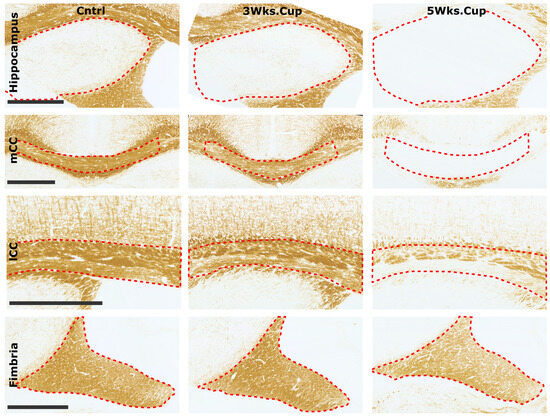
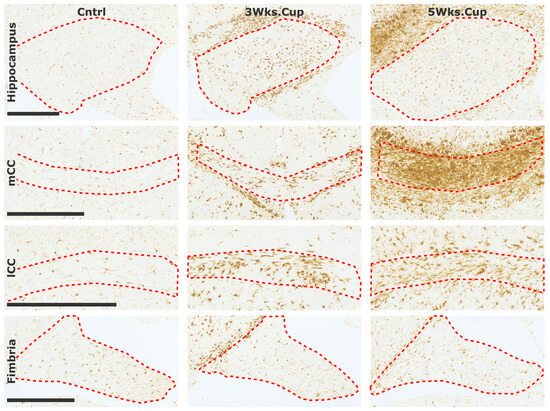
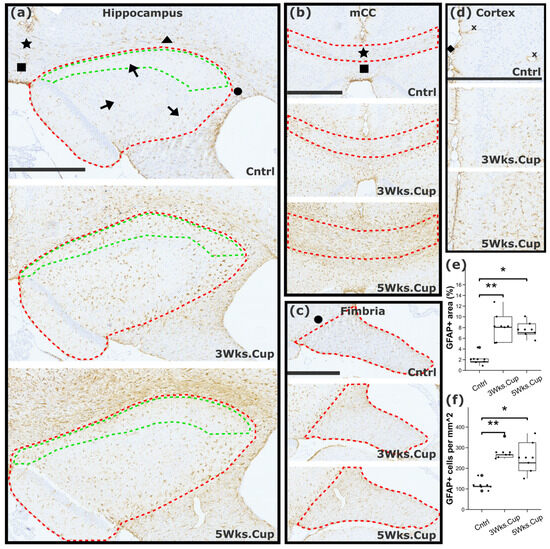
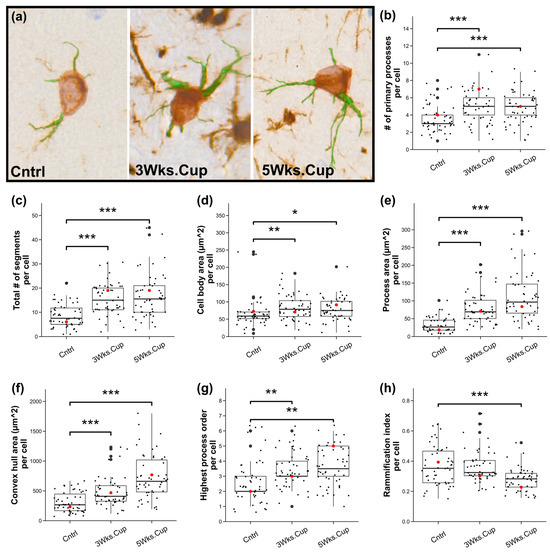
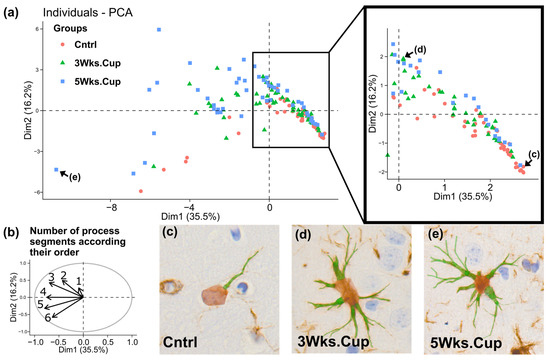
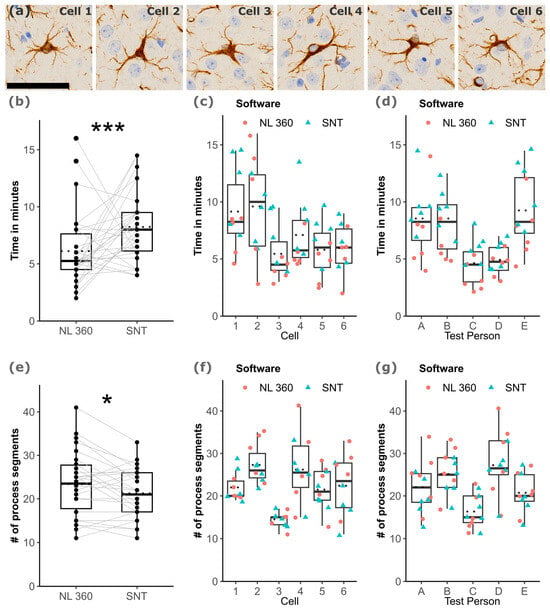
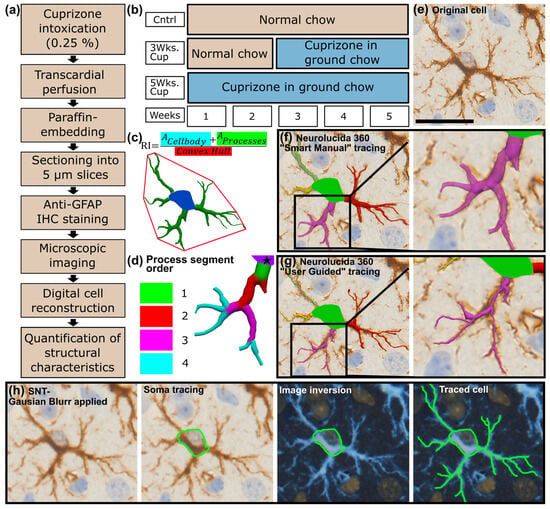
Reactive astrocytes are a hallmark of several neurological diseases in multiple sclerosis and experimental demyelination models. Their morphological alterations are commonly assessed by qualitative histopathology, yet quantitative tools are required to better capture astrocytic heterogeneity and to allow correlations with imaging-derived biomarkers. Here, we present a workflow for the quantitative analysis of Glial Fibrillary Acidic Protein (GFAP) network remodeling in astrocytes in the cuprizone model of demyelination. C57BL/6 mice were intoxicated with cuprizone for 3 or 5 weeks to induce progressive demyelination, microglial activation, and reactive astrogliosis. Brain sections were processed for anti-GFAP immunohistochemistry, and individual astrocytes from the stratum oriens of the hippocampus were digitally reconstructed. Diverse parameters of GFAP topology, including soma size, process length, branching order, convex hull area, and ramification index, were extracted using either the commercial Neurolucida® 360 software or the open-source Simple Neurite Tracer (SNT) plugin in ImageJ. Principal component analysis revealed clear differences between control astrocytes and astrocytes in cuprizone-intoxicated animals, with reactive astrocytes displaying increased numbers of primary processes, enhanced bifurcation, and process complexity. Comparative evaluation of Neurolucida® 360 and SNT demonstrated that both tools are suitable for astrocyte reconstruction, although Neurolucida® 360 enabled faster and more detailed tracing. This protocol provides a reproducible pipeline for the quantitative assessment of astrocyte morphology under control and pathological conditions, thereby supporting future efforts to link cellular remodeling to functional outcomes in neuroinflammatory disease models.
Full article
(This article belongs to the Special Issue Advanced Technology for Cellular Imaging)
►
Show Figures
Open AccessArticle
Comparative Evaluation of hiPSC-Derived Brain Organoids as Platforms for Assessing Thyroid Hormone System Disrupting Chemicals
by
Valeria Fernandez Vallone, Lina Hellwig, Eddy Rijntjes, Nicolai von Kügelgen, Rajas Sane, Robert Opitz, Peter Kühnen, Josef Köhrle, Philipp Mergenthaler and Harald Stachelscheid
Cells 2026, 15(11), 963; https://doi.org/10.3390/cells15110963 (registering DOI) - 22 May 2026
Abstract
►▼
Show Figures
Thyroid hormones (THs) are essential regulators of human brain development, and disrupted TH availability during pregnancy or early life is linked to adverse neurodevelopmental outcomes. Concerns that environmental chemicals interfere with TH signalling have increased the need for human-relevant in vitro systems to
[...] Read more.
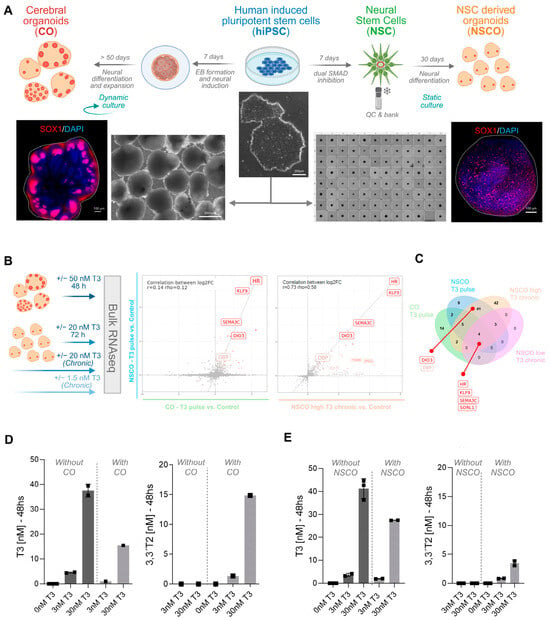
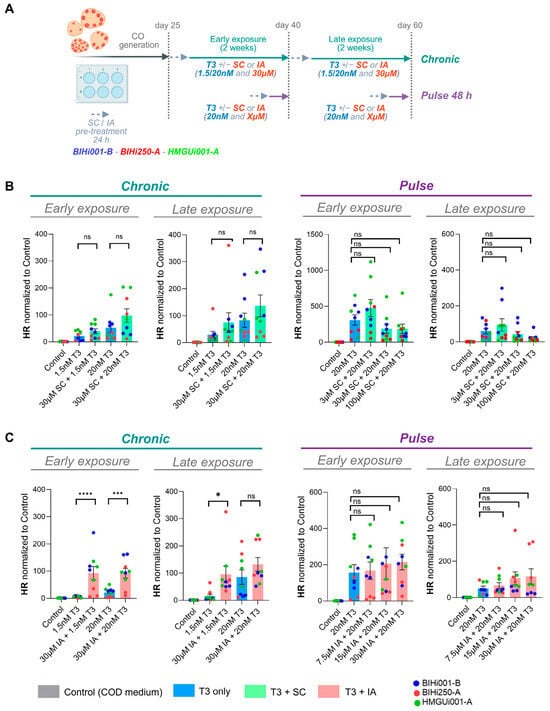
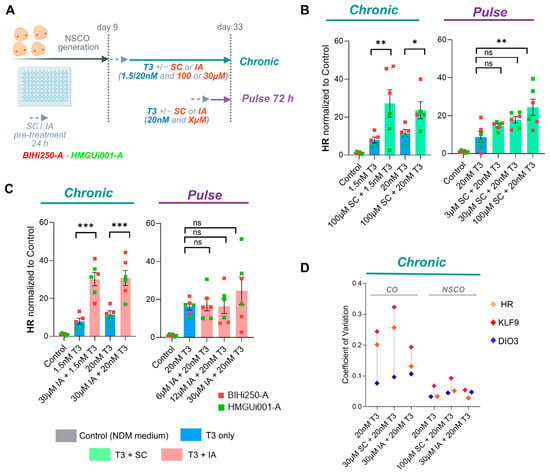
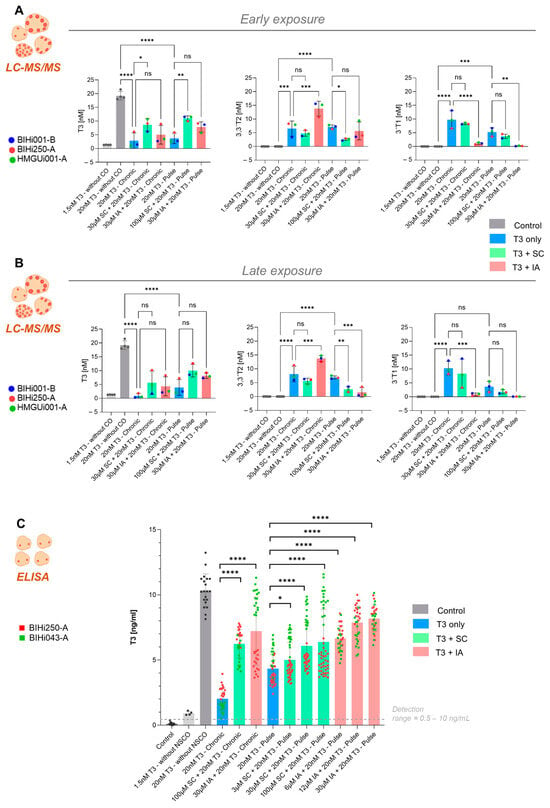
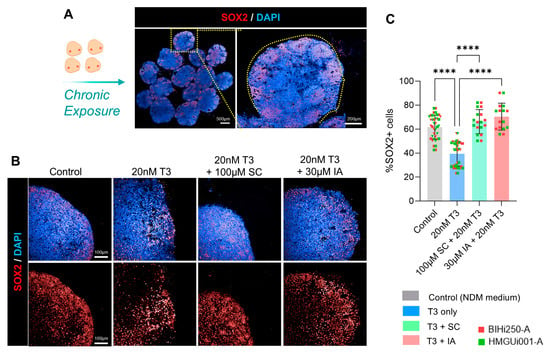
Thyroid hormones (THs) are essential regulators of human brain development, and disrupted TH availability during pregnancy or early life is linked to adverse neurodevelopmental outcomes. Concerns that environmental chemicals interfere with TH signalling have increased the need for human-relevant in vitro systems to identify thyroid hormone system-disrupting chemicals (THSDCs) for risk assessment. Here, we compared two human-induced pluripotent stem cell (hiPSC)-derived brain organoid models for THSDC assessment: (i) human cortical organoids (COs) generated by unguided differentiation, offering higher architectural complexity but lower throughput; and (ii) neural stem cell-derived organoids (NSCOs), designed for scalability with reduced cellular diversity. Both models expressed key TH handling components, including the transporter SLC16A2 (MCT8) and the inactivating enzyme DIO3. Using LC–MS/MS, we show that exogenous T3 is depleted from culture media and metabolized to 3,3′-T2 and 3′-T1 in both models, alongside upregulation of T3-responsive genes (HR, KLF9, DIO3, SEMA3C). Pulse and chronic co-exposures to reference disruptors iopanoic acid (IA, deiodinase inhibitor) and silychristin (SC, MCT8 inhibitor) altered T3 metabolism and modulated T3-responsive transcriptional endpoints. In NSCOs, high-content imaging revealed treatment-associated changes in cell composition, with chronic T3 reducing the SOX2-positive progenitor pool and THSDCs blocking this effect. Together, these findings provide a framework for organoid qualification—linking TH handling, transcriptomic responsiveness, and scalable phenotypic readouts—as a necessary step toward model validation and implementation of brain organoids in THSDC risk assessment pipelines.
Full article

Figure 1
Open AccessReview
Polypharmacology of Pathway Crosstalk in Neurodegenerative Diseases: Chemical Modulation of Interconnected Signaling Networks
by
Muhammad Sohail Khan, Imran Zafar, Muhammad Noman, Gabsik Yang, Ki Sung Kang and Jean C. Bopassa
Cells 2026, 15(11), 962; https://doi.org/10.3390/cells15110962 (registering DOI) - 22 May 2026
Abstract
Neurodegenerative disorders, including Alzheimer’s disease (AD), Parkinson’s disease (PD), Huntington’s disease (HD), and amyotrophic lateral sclerosis (ALS), arise from highly interconnected molecular and cellular abnormalities that progressively lead to neuronal dysfunction, synaptic failure, and cell death. This review provides a unified framework to
[...] Read more.
Neurodegenerative disorders, including Alzheimer’s disease (AD), Parkinson’s disease (PD), Huntington’s disease (HD), and amyotrophic lateral sclerosis (ALS), arise from highly interconnected molecular and cellular abnormalities that progressively lead to neuronal dysfunction, synaptic failure, and cell death. This review provides a unified framework to understand the interrelated molecular mechanisms driving these diseases, with a focus on identifying key disease-specific intervention nodes. Core contributors include oxidative stress, mitochondrial dysfunction, protein aggregation, neuroinflammation, and emerging roles of peroxisomal dysfunction in redox imbalance, lipid dysregulation, and inflammatory amplification. Single-target therapies often show limited efficacy due to the complex, interconnected nature of these pathways. In contrast, polypharmacology, which targets multiple disease-relevant mechanisms simultaneously, offers a more promising therapeutic strategy. This review critically examines how pathway crosstalk drives neurodegenerative progression, with particular emphasis on mitochondrial–ROS–inflammatory signaling, aggregation–proteostasis failure, synaptic–neuroimmune dysfunction, and gut–brain communication. It evaluates various multi-node intervention strategies, including multi-target-directed ligands (MTDLs), molecular hybrids, natural products, drug repurposing, and nanocarrier-based delivery systems. Advances in network pharmacology, artificial intelligence (AI), bioinformatics, and multi-omics have enhanced the identification of actionable therapeutic nodes, candidate compounds, and brain-targeted delivery platforms. Notably, the NOD-like receptor pyrin domain-containing protein 3 (NLRP3) inflammasome and cyclic GMP–AMP synthase (cGAS)—stimulator of interferon genes (STING) pathways—play distinct roles in neuroinflammation, amplifying neuronal damage by releasing inflammatory cytokines and inducing mitochondrial dysfunction. However, successful translation into clinical practice remains constrained by challenges such as blood–brain barrier penetration, patient heterogeneity, and biomarker limitations. The review advocates for a shift towards mechanism-informed, patient-stratified polypharmacological strategies to better address the network pathology of neurodegeneration, despite significant translational hurdles.
Full article
(This article belongs to the Special Issue Recent Advances in the Molecular Mechanisms of Neurodegenerative Diseases: Current Progress and Future Directions for Disease-Modifying Therapies)
Open AccessArticle
Pharmacological Inhibition of SP1 Reverses Cancer Stemness and Enhances Sorafenib Efficacy in Hepatocellular Carcinoma
by
Maël Padelli, Christophe Desterke, Aurore Devocelle, Denis Clay, Agnès Bourillon, Georges Uzan, Antoinette Lemoine and Julien Giron-Michel
Cells 2026, 15(11), 961; https://doi.org/10.3390/cells15110961 (registering DOI) - 22 May 2026
Abstract
Hepatocellular carcinoma (HCC) is a highly heterogeneous malignancy characterized by poor prognosis and limited therapeutic response. Cancer stem cells (CSCs) contribute to tumor progression, therapeutic resistance, and tumor recurrence. Among transcriptional regulators potentially involved in these processes, Specificity Protein 1 (SP1) has emerged
[...] Read more.
Hepatocellular carcinoma (HCC) is a highly heterogeneous malignancy characterized by poor prognosis and limited therapeutic response. Cancer stem cells (CSCs) contribute to tumor progression, therapeutic resistance, and tumor recurrence. Among transcriptional regulators potentially involved in these processes, Specificity Protein 1 (SP1) has emerged as a candidate integrator of oncogenic and epigenetic signaling networks. However, its contribution to CSC-associated phenotypes and drug resistance in HCC remains incompletely defined. In this study, we combined transcriptomic analyses of TCGA datasets with functional experiments in HCC cell lines (Huh7 and HepG2). SP1-associated transcriptional programs were targeted pharmacologically using mithramycin A (MIT-A) and genetically using siRNA-mediated knockdown. The effects were assessed by RNA sequencing, RT-qPCR, Western blotting, flow cytometry, and functional assays evaluating proliferation, migration, CSC-associated properties, and response to sorafenib. MIT-A treatment markedly reduced the expression of stemness-associated transcription factors (NANOG, OCT4, SOX2) and CSC markers (CD133, CD24), impaired CSC-related functions including ALDH activity and the Side Population phenotype, and inhibited cell proliferation and migration. MIT-A also sensitized both parental and sorafenib-resistant HCC cells to sorafenib, associated with modulation of apoptotic regulators and reduced transporter-mediated efflux activity. SP1 knockdown partially reproduced several of these effects, supporting a contribution of SP1-dependent transcriptional programs to these phenotypes. Overall, these findings identify SP1-associated transcriptional networks as potential regulators of CSC features and therapeutic resistance in HCC and support targeting SP1-associated transcriptional programs as a strategy to enhance sorafenib efficacy.
Full article
(This article belongs to the Collection Cancer Stem Cells and Drug Resistance)
Open AccessArticle
Differential Effects of Hypoglycemia and Excitotoxic Signals on SN56 Septal Cholinergic Neuronal Cells
by
Sylwia Gul-Hinc, Andrzej Szutowicz, Anna Ronowska and Agnieszka Jankowska-Kulawy
Cells 2026, 15(11), 960; https://doi.org/10.3390/cells15110960 (registering DOI) - 22 May 2026
Abstract
Glucose is the principal energy substrate for the brain. Hypo- and hyperglycemic episodes frequently occur in senescent people, contributing to functional and structural impairment of brain neurons and causing cognitive deficits in this population. In this study, we investigate whether long-term changes in
[...] Read more.
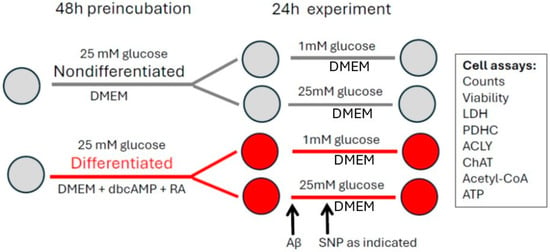
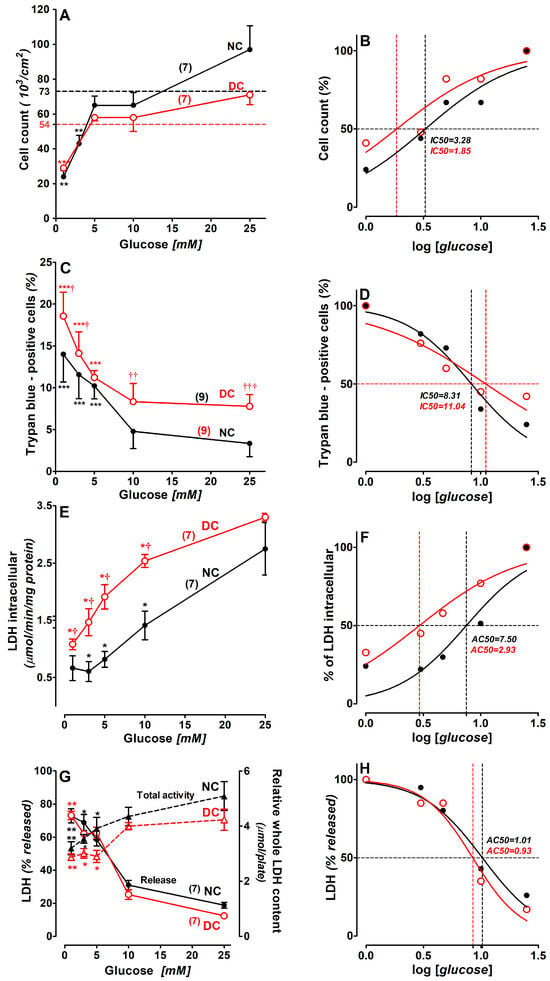
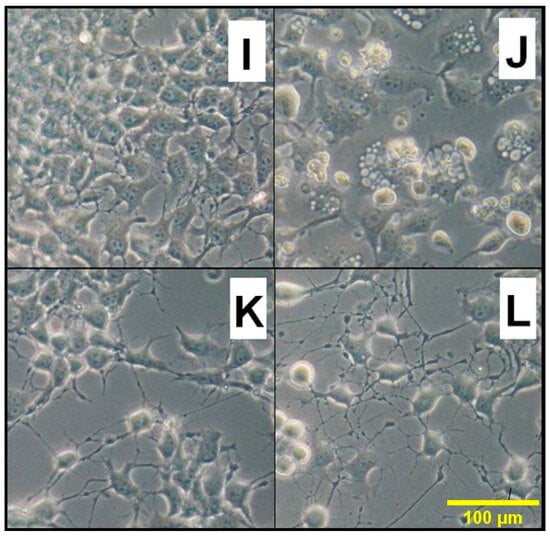
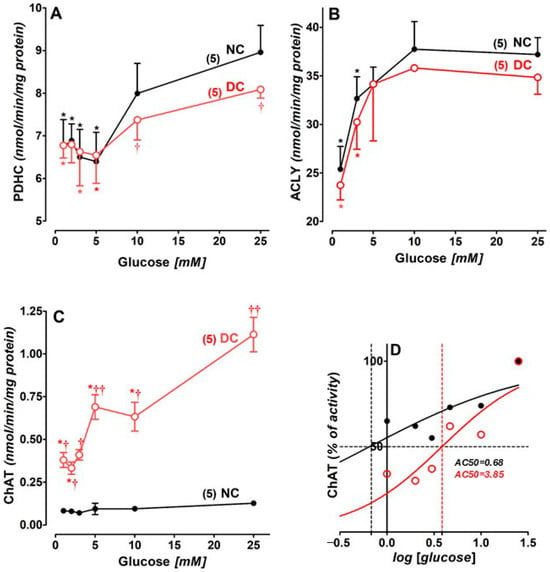
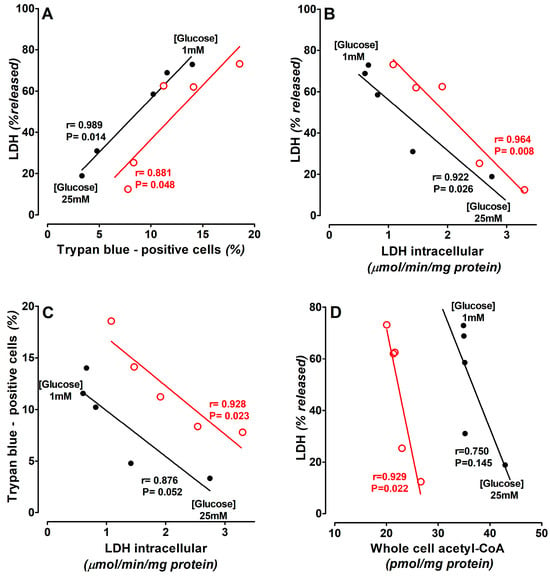
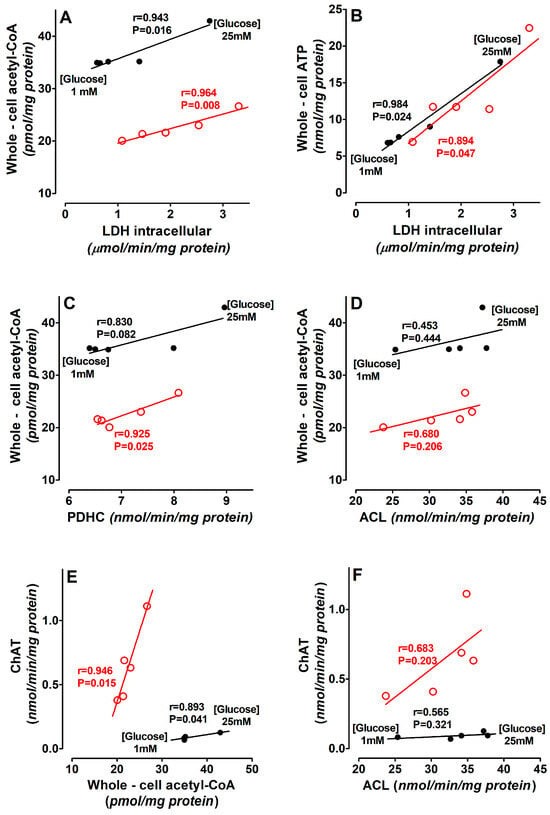
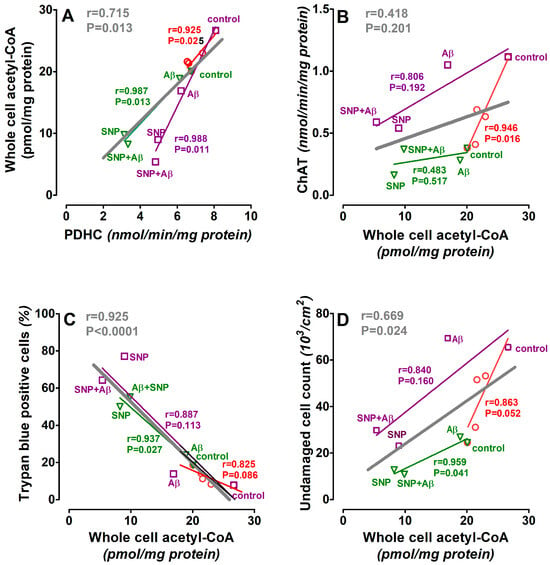
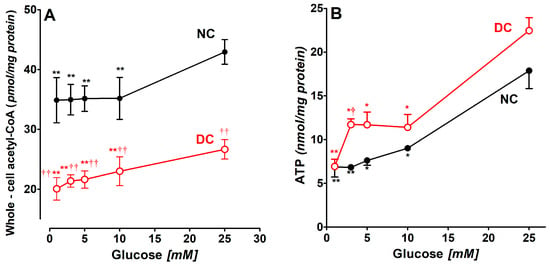
Glucose is the principal energy substrate for the brain. Hypo- and hyperglycemic episodes frequently occur in senescent people, contributing to functional and structural impairment of brain neurons and causing cognitive deficits in this population. In this study, we investigate whether long-term changes in the extracellular concentration of glucose affect viability and transmitter functions of septum-derived SN56 cholinergic neuronal cells through alterations in acetyl-CoA availability. Cells with low cholinergic expression (NCs) and cAMP/retinoic acid-induced high cholinergic expression (DCs) were investigated. Hypoglycemia brought about similar (approximately 20–30%) decreases in pyruvate dehydrogenase complex (PDHC) and ATP-citrate lyase (ACLY) activities and a 65% decline in lactate dehydrogenase (LDH) activity in NCs and DCs. Choline acetyltransferase (ChAT) and LDH activities in DCs were about 3–8 and 1.7–2.4 times higher than in NCs over the tested glucose concentration range, respectively. DCs appeared to be more resistant than NCs to hypoglycemia, as evidenced by lower glucose IC50 values for cell count and intracellular LDH activity. On the other hand, some of functional properties of DCs, such as the cholinergic phenotype and their plasma membrane functions (trypan blue exclusion, TB+), were found to be more sensitive to hypoglycemia than those of NCs, as demonstrated by the higher IC50 for glucose in DCs. Acetyl-CoA levels in DCs were 40% lower than in NCs, and decreased by about 25% with increasing hypoglycemia in both cell types. The cytotoxic effects of amyloid-β25–35 (Aβ) and sodium nitroprusside (SNP; NO generator) were also tested. In 25 mM glucose medium, these toxic compounds exerted greater detrimental effects on DCs than on NCs. In contrast, in 1 mM glucose, more evident cytotoxicity of SNP and Aβ was observed in NCs. These data suggest that the higher rate of glycolysis in differentiated cholinergic septal neurons may be a protective mechanism against hypoglycemia.
Full article
(This article belongs to the Section Cellular Neuroscience)
►▼
Show Figures

Figure 1

Open AccessArticle
Network Toxicology and Transcriptomic Analyses Reveal Ferroptosis-Related Neurotoxicity of Rotenone as an Environmental Hazardous Compound
by
Yimeng Chen, Ding Zhang, Jiajia Ma, Huixin Li, Jingrong Xu, Cuixia Ma, Yuqian Liu, Zhenbing Zhao, Garry P. Duffy, Jun Ma and Huixian Cui
Cells 2026, 15(11), 959; https://doi.org/10.3390/cells15110959 (registering DOI) - 22 May 2026
Abstract
Background: Rotenone is a widely used environmental pesticide, and epidemiological studies suggest that exposure is associated with an increased risk of Parkinson’s disease (PD); however, the molecular toxicological basis of this association remains incompletely defined. Ferroptosis is an iron-dependent, lipid peroxidation-driven form of
[...] Read more.
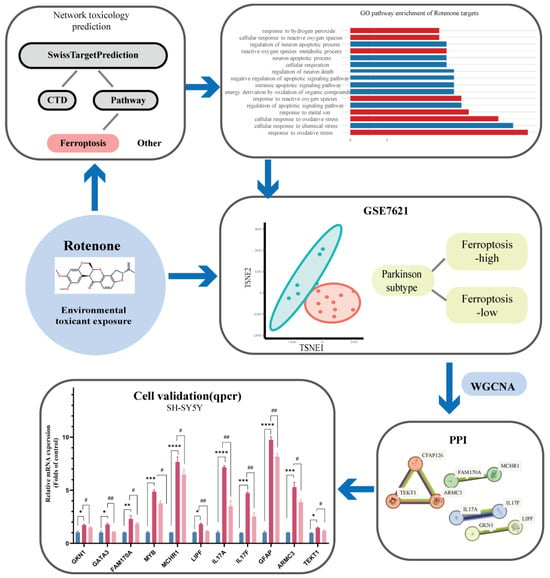
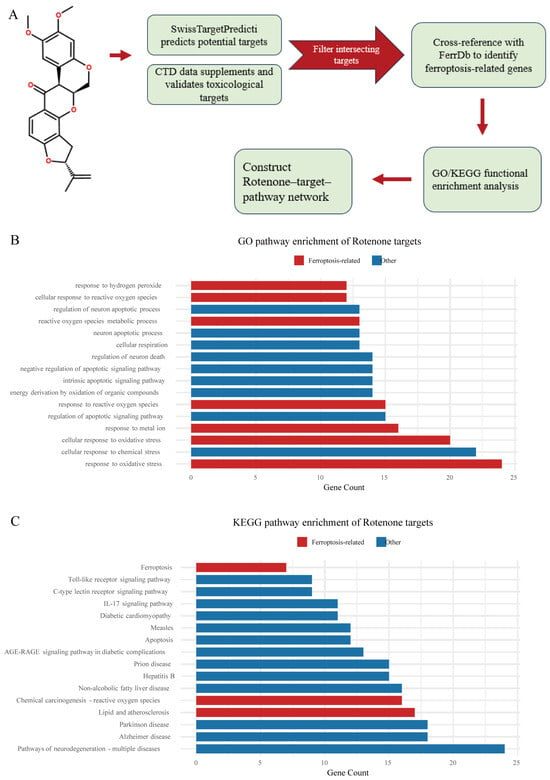
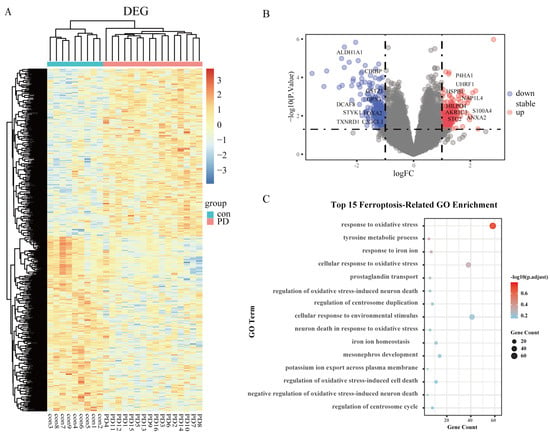
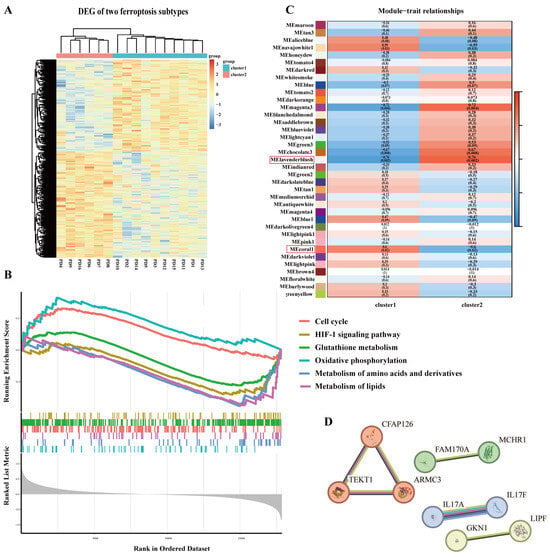
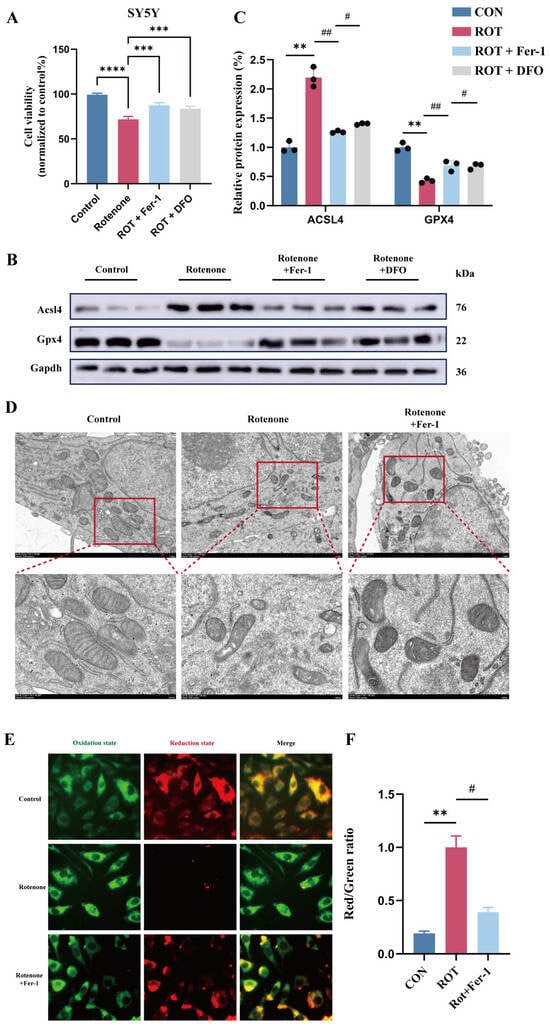
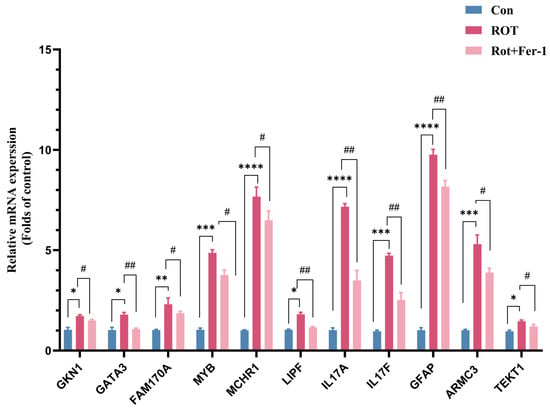
Background: Rotenone is a widely used environmental pesticide, and epidemiological studies suggest that exposure is associated with an increased risk of Parkinson’s disease (PD); however, the molecular toxicological basis of this association remains incompletely defined. Ferroptosis is an iron-dependent, lipid peroxidation-driven form of regulated cell death that is relevant to PD and other neurodegenerative disorders. In this study, we provide disease-contextual functional evidence linking ferroptosis to rotenone-induced PD-like neurotoxicity. Methods: We combined network toxicology, human PD substantia nigra transcriptomic analysis using GSE7621, and SH-SY5Y cell-based validation. Rotenone-associated targets were predicted and analyzed for ferroptosis-related enrichment, PD transcriptomic signatures were used for disease-contextual candidate prioritization, and selected findings were validated using qPCR, CCK-8, Western blotting, C11-BODIPY lipid peroxidation staining, and transmission electron microscopy. Results: By further integrating a human PD substantia nigra transcriptomic dataset (GSE7621), we prioritized an 11-gene, PD-contextualized ferroptosis-associated candidate module (LIPF, FAM170A, MCHR1, IL17A, MYB, GFAP, ARMC3, GKN1, GATA3, IL17F, and TEKT1). In SH-SY5Y cells, rotenone exposure consistently upregulated this candidate transcriptional module, and this induction was broadly attenuated by the ferroptosis inhibitor ferrostatin-1 (Fer-1). In parallel, orthogonal functional assays supported an iron- and lipid peroxidation-driven injury state under rotenone exposure that was suppressible by ferroptosis inhibition and iron chelation. Finally, we further performed an exploratory drug–gene association screen to prioritize clinically available candidates, and a limited qPCR check suggested that several selected compounds partially attenuated representative hub-gene induction under rotenone exposure. Conclusions: Collectively, these findings provide disease-contextual and experimentally supported evidence linking rotenone exposure to ferroptosis-associated neurotoxicity, and identify a ferroptosis-responsive transcriptional module for future hypothesis-driven mechanistic investigation.
Full article
(This article belongs to the Section Cellular Neuroscience)
►▼
Show Figures

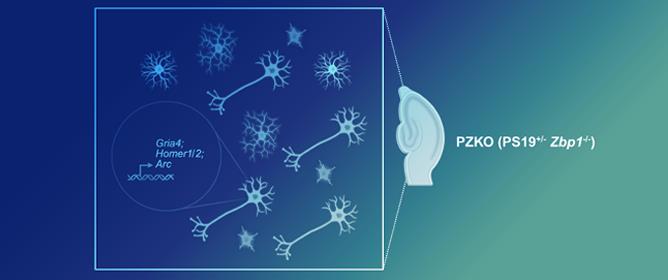
Graphical abstract
Open AccessArticle
Antitumor Activity of Liposomal Nanoparticles Co-Encapsulating Ceramides and Doxorubicin in In Vitro Nucleolin-Expressing Neuroblastoma Models
by
Veronica Bensa, Hugo Lopes-Cardoso, Martina Ardito, Eleonora Ciampi, Anastasiya Voronovska, João Soares-Gonçalves, Mirco Ponzoni, Chiara Brignole, João Nuno Moreira and Fabio Pastorino
Cells 2026, 15(11), 958; https://doi.org/10.3390/cells15110958 (registering DOI) - 22 May 2026
Abstract
Background: Neuroblastoma (NB) causes about 15% of cancer deaths in childhood. Recently, we suggested cell-surface nucleolin (NCL) as a novel target for preclinical therapy against NB. Methods: Here, a broad range of human NB cell lines were evaluated for NCL expression. PEGylated liposomal
[...] Read more.
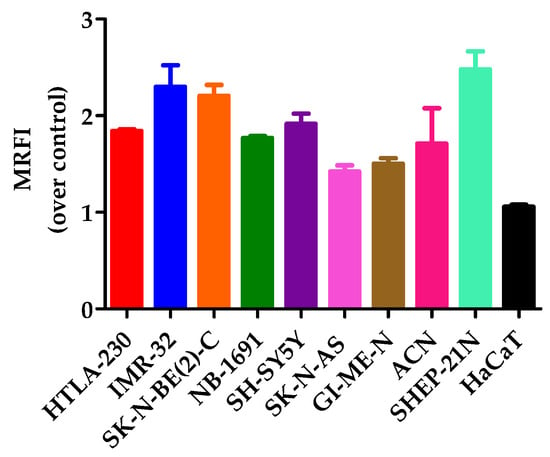
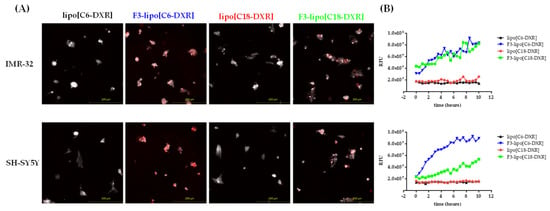
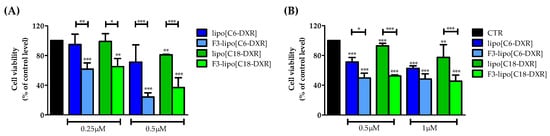
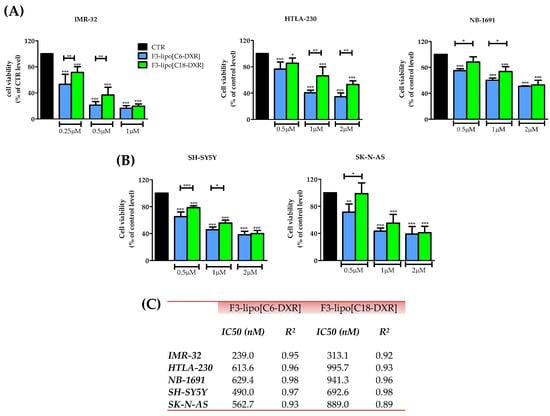
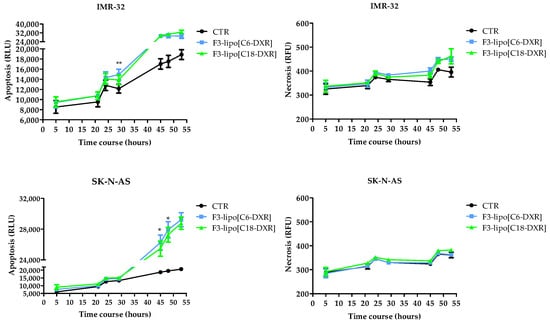
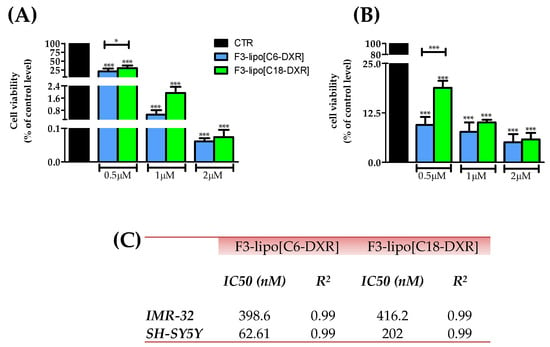
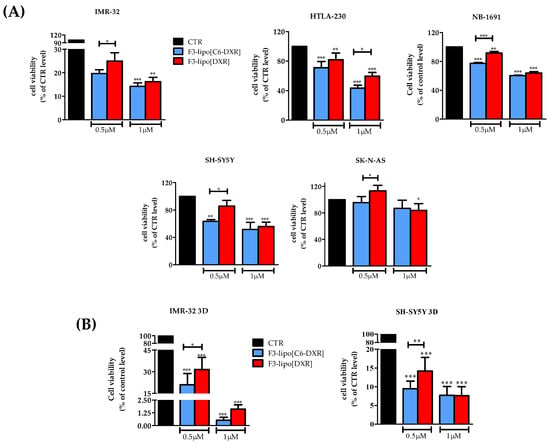
Background: Neuroblastoma (NB) causes about 15% of cancer deaths in childhood. Recently, we suggested cell-surface nucleolin (NCL) as a novel target for preclinical therapy against NB. Methods: Here, a broad range of human NB cell lines were evaluated for NCL expression. PEGylated liposomal nanoparticles, co-encapsulating C6- or C18-ceramides and doxorubicin (DXR) and functionalized with the F3 peptide (F3-lipo[C6-DXR] or F3-lipo[C18-DXR]), were tested against NCL-expressing NB cell lines, grown in monolayers (2D) and as multicellular tumor spheroids (3D). Untargeted liposomes were used as the control. Cytotoxicity and apoptotic/necrotic deaths were evaluated. Results: All NB cell lines expressed cell-surface NCL. Compared to untargeted formulations, F3-lipo[C6-DXR] and F3-lipo[C18-DXR] showed enhanced cellular association and antitumor effects against NB cells. Compared to F3-lipo[C18-DXR], F3-lipo[C6-DXR] was significantly more effective in reducing 2D and 3D NB cell lines’ viability (2D: IC50 range 313–995 nM and 239–629 nM, respectively; 3D: IC50 range 202–416.2 nM and 62.61–398.6 nM, respectively) and in inducing apoptotic cell death. F3-lipo[C6-DXR] also led to a greater cytotoxicity compared to liposomal DXR alone, highlighting the benefit of co-encapsulation. Conclusions: NCL is a promising target in NB, and F3-targeted liposomes enable the selective delivery of their cargo. F3-lipo[C6-DXR] showed superior antitumor activity, supporting ceramide–DXR co-encapsulation as a potential treatment strategy, which needs to be further validated.
Full article
(This article belongs to the Section Cell and Gene Therapy)
►▼
Show Figures

Figure 1
Open AccessReview
Epigenetic Modulators: Role of Gut Microbiome in Transformation of Nutrient Bioactives and Host Gene Regulation
by
Hadeel Edkaidek, Divakar Dahiya and Poonam Singh Nigam
Cells 2026, 15(11), 957; https://doi.org/10.3390/cells15110957 (registering DOI) - 22 May 2026
Abstract
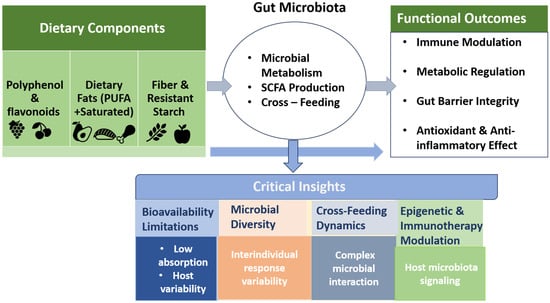
Biological activity of diets consisting of dietary fibers, peptides and polyphenols is largely mediated by the gut microbiota, which converts these compounds into bioactive metabolites. This review examines the microbiota–epigenome axis, highlighting gut microbiota-derived metabolites, including short-chain fatty acids (SCFAs), urolithins, and phenolic
[...] Read more.
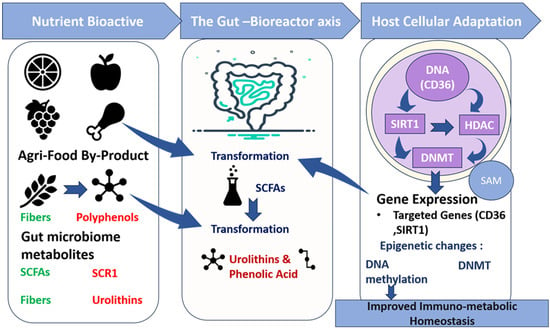
Biological activity of diets consisting of dietary fibers, peptides and polyphenols is largely mediated by the gut microbiota, which converts these compounds into bioactive metabolites. This review examines the microbiota–epigenome axis, highlighting gut microbiota-derived metabolites, including short-chain fatty acids (SCFAs), urolithins, and phenolic acids, that modulate host gene expression through DNA methylation, histone modifications, and non-coding RNA regulation. Current evidence from molecular and microbiome studies indicates that these metabolites influence key metabolic and inflammatory pathways, including lipid absorption via CD36, SIRT1 activation, and one-carbon metabolism involving folate and S-adenosylmethionine (SAM). Inter-individual variability in metabolic responses is associated with differences in microbial composition and metabotypes, which determine the magnitude of epigenetic regulation. Furthermore, dietary polyphenols derived from pomegranate, berries, tea, cocoa, and grapes are shown to modulate gut microbiota composition and enhance epigenetic effects. A “butyrate–polyphenol synergy” model is proposed, in which combined microbial metabolites optimize host epigenetic programming. Overall, agri-food by-products are suggested to function as modulators of the host epigenetic landscape, providing a framework for microbiome-targeted dietary strategies to improve metabolic and inflammatory health.
Full article
(This article belongs to the Special Issue Interactions Between Gut Microbiota and Epigenetic Markers in Health and Disease)
►▼
Show Figures

Figure 1

Open AccessArticle
Human Chorionic Gonadotropin (hCG)-Induced Remodeling of the Granulosa Cell Exosomal Proteome: Implications for Follicular Communication
by
Francesca Mancini, Michela Cicchinelli, Emanuela Teveroni, Erica Pazzaglia, Donatella Lucchetti, Giulia Artemi, Valentina Palmieri, Federica Iavarone, Domenico Milardi, Andrea Urbani, Tullio Ghi, Annamaria Merola and Fiorella Di Nicuolo
Cells 2026, 15(11), 956; https://doi.org/10.3390/cells15110956 (registering DOI) - 22 May 2026
Abstract
►▼
Show Figures
Human follicular development depends on coordinated communication between granulosa cells (GCs) and oocytes through endocrine cues, direct contacts, and extracellular vesicles (EVs). Exosomes are key EV mediators of intrafollicular signaling, but their cargo and functions in gonadotropin-stimulated GCs remain poorly defined. The human
[...] Read more.
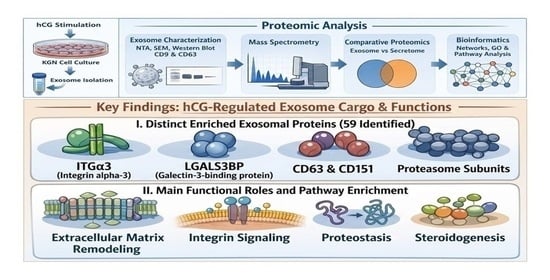
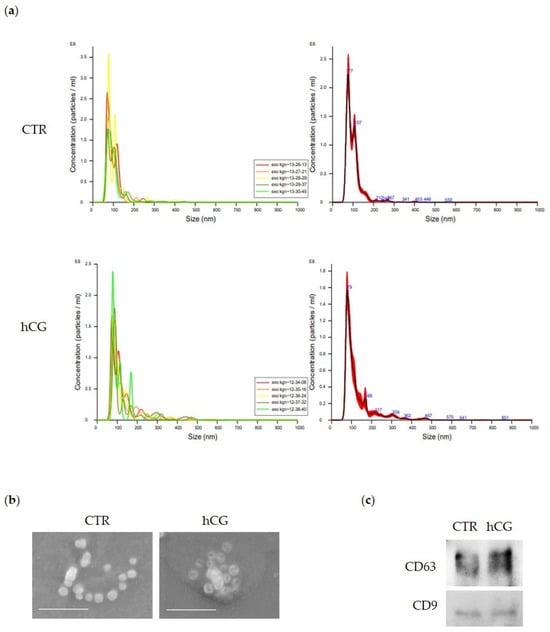
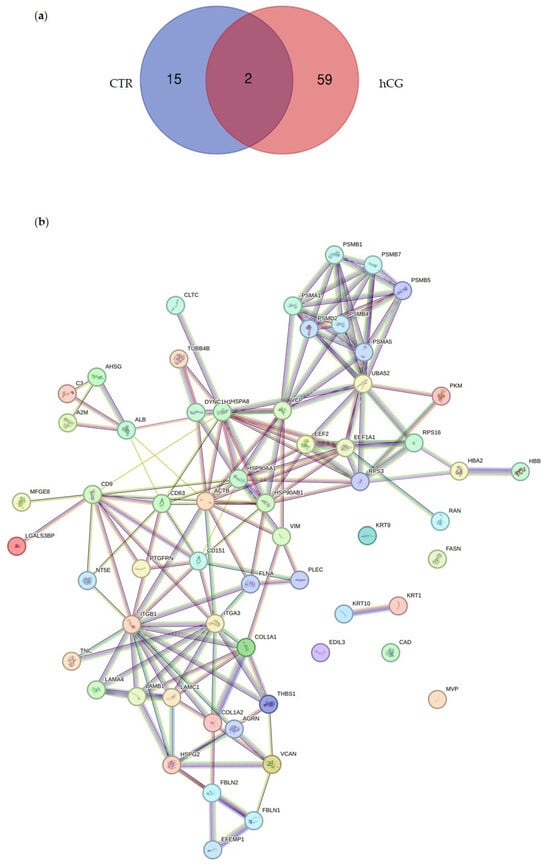
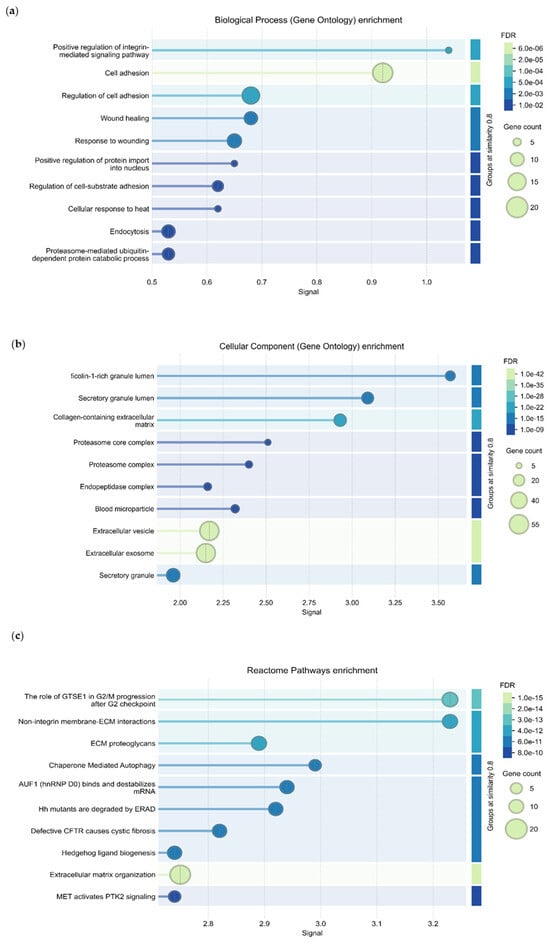
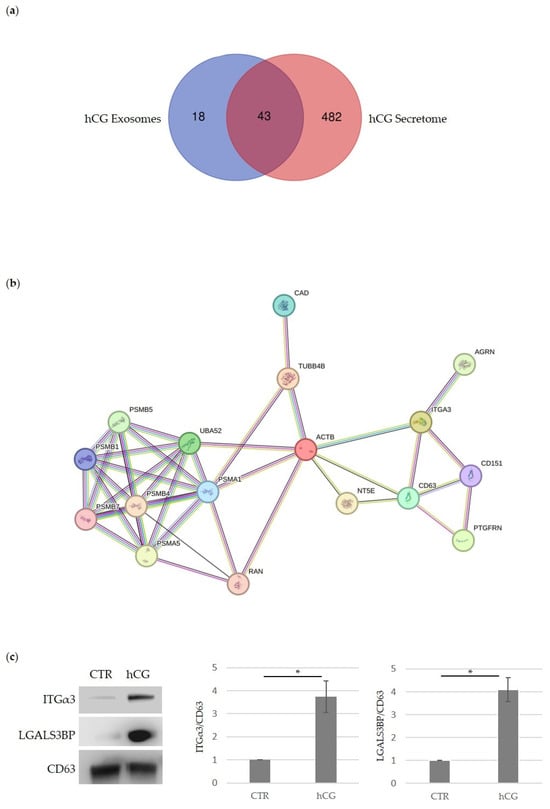
Human follicular development depends on coordinated communication between granulosa cells (GCs) and oocytes through endocrine cues, direct contacts, and extracellular vesicles (EVs). Exosomes are key EV mediators of intrafollicular signaling, but their cargo and functions in gonadotropin-stimulated GCs remain poorly defined. The human granulosa-like tumor cell line KGN was used to investigate exosome secretion and protein composition following human chorionic gonadotropin (hCG) stimulation. Exosomes were isolated by ultracentrifugation, characterized via nanoparticle tracking analysis (NTA), Scanning Electron Microscopy (SEM) and Western blotting, and analyzed using high-resolution mass spectrometry. Comparative proteomics integrating exosomal profiles with the whole secretome were performed, followed by bioinformatic analyses of protein networks, gene ontology, and pathway enrichment. hCG reshaped exosomal cargo, identifying 59 proteins enriched in exosomes, including Integrin α3 (ITGα3), Galectin-3-binding protein (LGALS3BP), tetraspanins (CD63, CD151), and proteasome subunits. Functional enrichment indicated roles in extracellular matrix remodeling, integrin signaling, proteostasis, and steroidogenesis. Comparison with the secretome revealed distinct protein distributions, supporting selective exosomal packaging. Western blot confirmed increased ITGα3 and LGALS3BP levels in exosomes upon hCG treatment. In conclusion, hCG modulates exosome cargo composition in granulosa cells, uncovering a novel mechanism of extracellular regulation.
Full article

Graphical abstract
Open AccessReview
Extracellular Vesicles in Human Reproduction: Integrating Redox–Mitochondrial Signaling with Multi-Omics and AI-Driven Biomarker Discovery
by
Sofoklis Stavros, Angeliki Gerede, Efthalia Moustakli, Athanasios Zikopoulos, Ioannis Tsakiridis, Christina Messini, Anastasios Potiris, Ismini Anagnostaki, Ioannis Arkoulis, Spyridon Topis, Themistoklis Dagklis and Dimitrios Loutradis
Cells 2026, 15(10), 955; https://doi.org/10.3390/cells15100955 (registering DOI) - 21 May 2026
Abstract
►▼
Show Figures
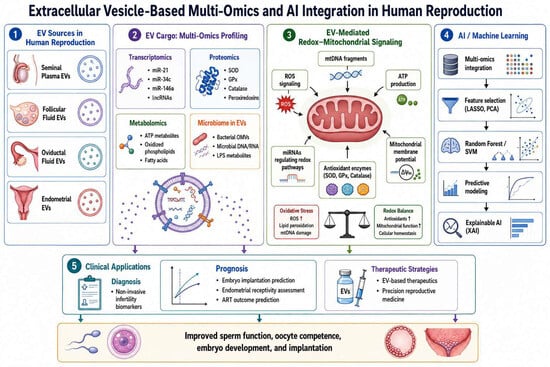
In the human reproductive system, extracellular vesicles (EVs) have been recognized as playing a vital role in mediating cell–cell communication. They are considered critical for embryo development, implantation, gamete interaction, and fertilization. The various cargoes carried by EVs, depending on the physiological and
[...] Read more.
In the human reproductive system, extracellular vesicles (EVs) have been recognized as playing a vital role in mediating cell–cell communication. They are considered critical for embryo development, implantation, gamete interaction, and fertilization. The various cargoes carried by EVs, depending on the physiological and pathological state of the cell, include proteins, lipids, nucleic acids, and mitochondrial components. EVs are recognized as critical carriers of redox-related signals and mitochondrial components, linking oxidative stress (OS) to reproductive failure and influencing gamete quality and embryo competence. Although considerable progress has been made, research remains poorly integrated, despite individual omics technologies providing valuable molecular insights. The use of multi-omics technologies, including transcriptomics, proteomics, metabolomics, and microbiome analysis, has been proposed as a global approach to understanding the complexities associated with EVs and discovering new biomarkers associated with infertility. ML and AI have been proposed to identify predictive signatures linked to ART effectiveness and reproductive outcomes, with a strong capacity to handle high-dimensional data. The review aims to provide an overview of current knowledge on EV-mediated redox–mitochondrial signaling in human reproduction, while highlighting the importance of emerging multi-omics and AI technologies for EV-mediated biomarker development. The review discusses the promise of EVs in the development of minimally invasive diagnostic approaches and therapeutic interventions, as well as the challenges in the standardization, integration, and clinical translation of EV-mediated research. In addition, the review proposes integrating computational approaches to better understand molecular pathways involved in the development of next-generation precision medicine in human reproduction.
Full article

Figure 1
Open AccessArticle
The Trilineage Coexistence Observed During the Differentiation of Porcine EPSCs
by
Lihua Zhao, Yanglin Chen, Xiyun Guo, Meng Zhou, Tianxu Guo, Junjun Ma, Manling Zhang, Linxin Cheng, Jinbo Yu, Yu Zhang, Guang Yang, Rongfeng Li and Xihe Li
Cells 2026, 15(10), 954; https://doi.org/10.3390/cells15100954 (registering DOI) - 21 May 2026
Abstract
The mammalian early embryo possesses totipotency and can be captured as extended pluripotent stem cells (EPSCs). The first two cell differentiations result in epiblast, primitive endoderm, and trophectoderm, with the trilineage coexisting in a unified uterine microenvironment. Nevertheless, the in vitro counterparts—primed PSCs,
[...] Read more.
The mammalian early embryo possesses totipotency and can be captured as extended pluripotent stem cells (EPSCs). The first two cell differentiations result in epiblast, primitive endoderm, and trophectoderm, with the trilineage coexisting in a unified uterine microenvironment. Nevertheless, the in vitro counterparts—primed PSCs, trophoblast stem cells (TSCs), and extraembryonic endoderm (XEN) cells—require a distinct culture system. In this study, we successfully derived stable porcine EPSCs from fibroblasts at 35% efficiency, and interestingly observed that these EPSCs differentiated in parallel and gave rise to the transient coexistence (36–84 h) of trilineage cells when cultured in a single system (LCDM: hLIF, CHIR99021, DiM, and MiH). Then, XEN cells gradually predominated and eventually became the sole population in prolonged LCDM culture. However, TSCs and primed PSCs had to be differentiated from EPSCs under their respective culture system. EPSCs can differentiate into PGC-like cells independently of genetic modification and contribute to mouse neurula-stage embryos. Collectively, the trilineage coexistence phenomenon may provide novel insight into an early embryogenesis mechanism and strategy for porcine blastoid construction.
Full article
(This article belongs to the Section Stem Cells)
Open AccessArticle
Chemically Defined Medium Enables GDNF-Driven Early Neuronal-like Phenotype of Human Dental Pulp Stem Cells
by
Maria-del-Carmen Silva-Lucero, Gustavo Lopez-Toledo, Víctor-Adrián Cortés-Morales, Juan-José Montesinos, Raúl Sampieri-Cabrera, David-E. García, Juan-Ramon Padilla-Mendoza, Obed-Ricardo Lora-Marin, Jesus-Adrian Buendia-Meraz, Fausto-Alejandro Jiménez-Orozco, Israel López-Reyes, Paul Mondragon-Teran and Maria-del-Carmen Cardenas-Aguayo
Cells 2026, 15(10), 953; https://doi.org/10.3390/cells15100953 (registering DOI) - 21 May 2026
Abstract
Background: Human dental pulp stem cells (hDPSCs) are a promising source of multipotent mesenchymal stem cells (MSCs) for regenerative neurology because of their inherent neurogenic potential. However, robust and reproducible protocols for driving their terminal neuronal maturation in a fully defined, xeno-free environment
[...] Read more.
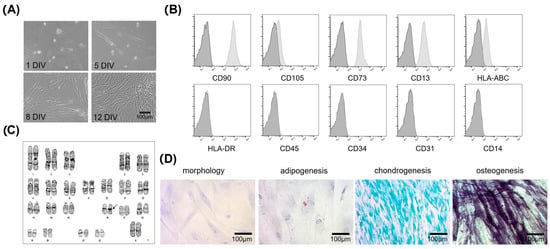
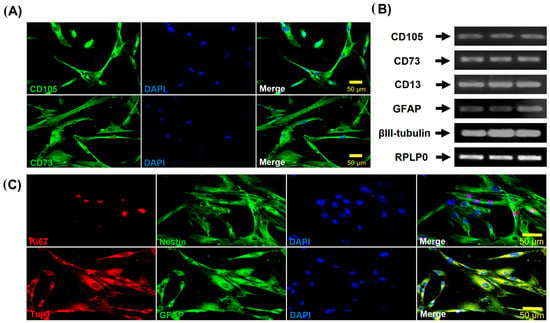
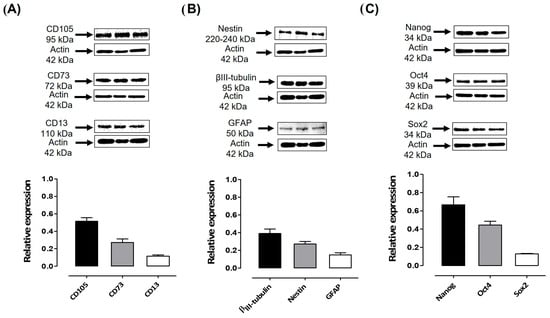
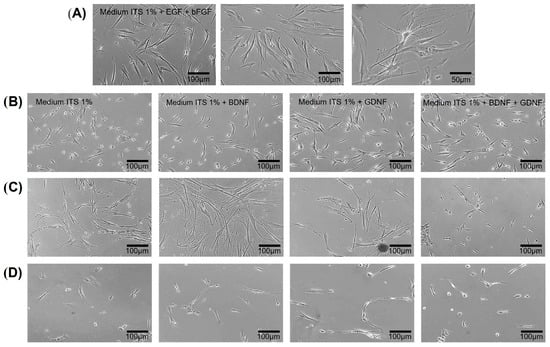
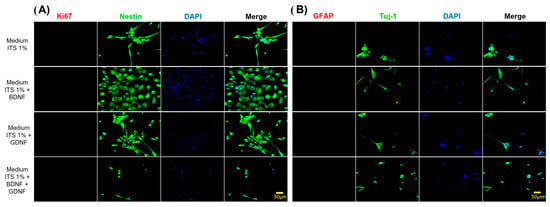
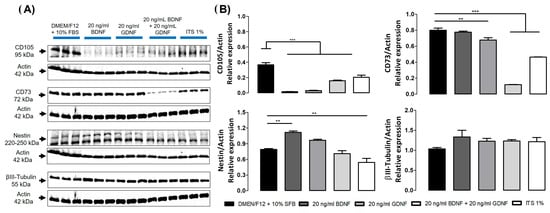
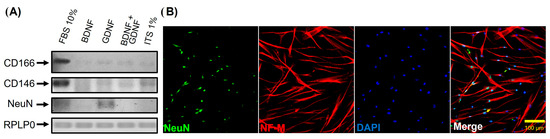
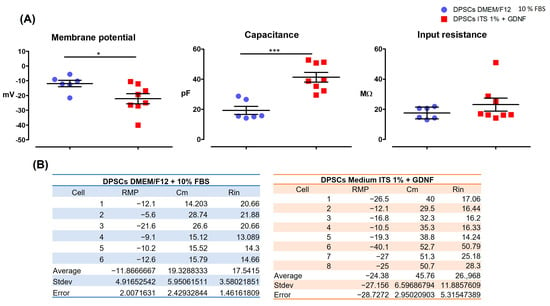
Background: Human dental pulp stem cells (hDPSCs) are a promising source of multipotent mesenchymal stem cells (MSCs) for regenerative neurology because of their inherent neurogenic potential. However, robust and reproducible protocols for driving their terminal neuronal maturation in a fully defined, xeno-free environment are lacking. Methods: hDPSCs were isolated from a donor tooth and characterized for mesenchymal (CD105, CD90, CD73, CD13) and stemness-associated markers (SOX2, Oct3/4 and Nanog). Cells were differentiated in a novel, fully chemically defined medium 1% ITS medium (ITS: Insulin, Transferrin, Selenium) supplemented with glial cell line-derived neurotrophic factor (GDNF) or brain-derived neurotrophic factor (BDNF). Neuronal commitment and partial maturation were assessed via immunofluorescence, Western blot, and RT-PCR for markers such as NeuN (Neuronal nuclei) and NF-M (Neurofilament medium chain), and functionally by whole-cell patch-clamp electrophysiology. Results: Although undifferentiated hDPSCs expressed neural progenitor markers (βIII-tubulin and Nestin), only GDNF treatment in a chemically defined medium significantly upregulated mature neuronal markers (NeuN and NF-M) and downregulated mesenchymal markers. Importantly, GDNF-treated cells exhibited key functional changes, including hyperpolarized resting membrane potentials, increased membrane capacitance, and elevated input resistance, which are electrophysiological hallmarks of neural precursor or early neuronal maturation, compared to control cells cultured in medium containing fetal bovine serum (FBS). Although action potentials were not elicited, this represents a significant advancement toward achieving a functional neuronal state. Conclusion: This study demonstrates that a fully chemically defined medium enables GDNF to drive hDPSCs beyond the neural progenitor state towards a partially mature neuronal phenotype. This defined medium protocol eliminates serum variability, enhances reproducibility, and provides a critical step towards standardizing hDPSC-derived neuronal cells for disease modeling and cell-based therapy.
Full article
(This article belongs to the Special Issue Mesenchymal Stem Cells in Cell Therapy, Regenerative Medicine, and Tissue Engineering)
►▼
Show Figures

Figure 1

Open AccessArticle
A Feedback Loop Driven by H3K18la and ASF1B via the LINC02732-miR-1291 Axis Promotes Hepatocellular Carcinoma Proliferation
by
Jingya Yu, Lulu Xin, Ying Cui, Chunxin Fan, Yongheng Yang and Xiaolu Zhang
Cells 2026, 15(10), 952; https://doi.org/10.3390/cells15100952 (registering DOI) - 21 May 2026
Abstract
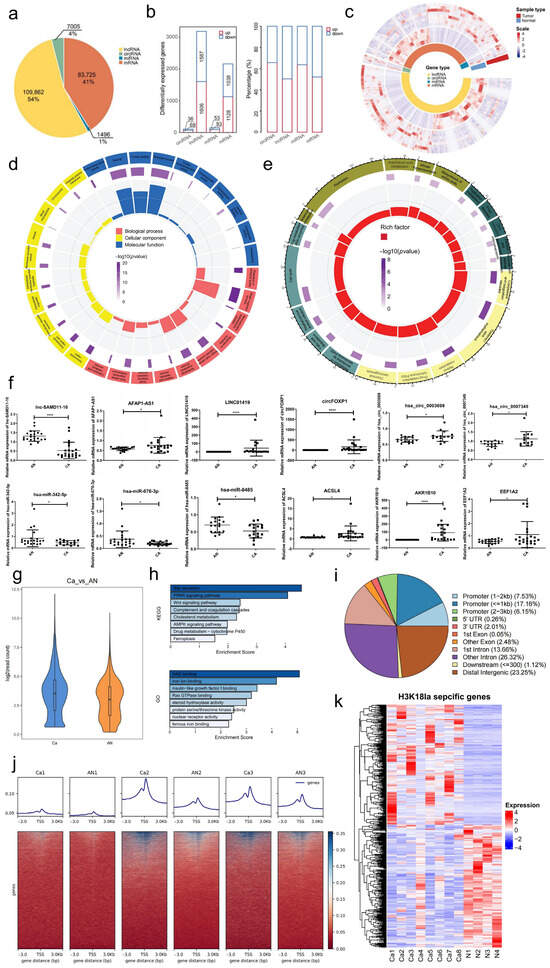
Histone lactylation acts as a master regulator in tumor development, but its role in a noncoding RNA (ncRNA) network remains unclear. This study aims to reveal the interaction between H3K18la and the lncRNA-miRNA-mRNA regulatory network in hepatocellular carcinoma (HCC). Transcriptome sequencing and ChIP
[...] Read more.
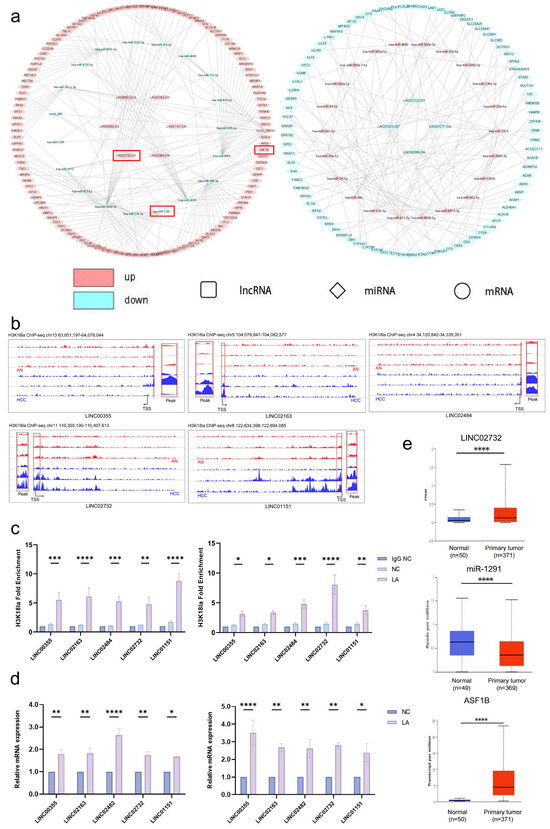
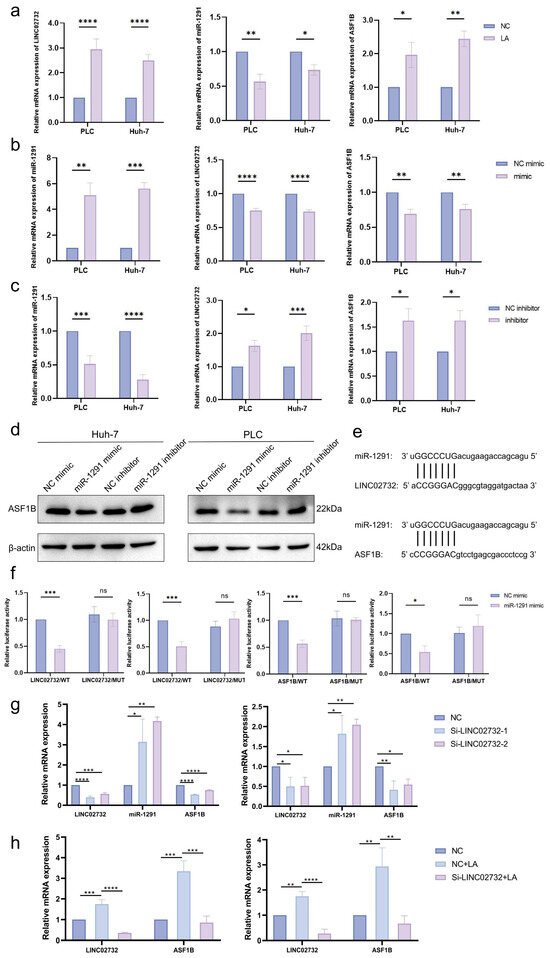
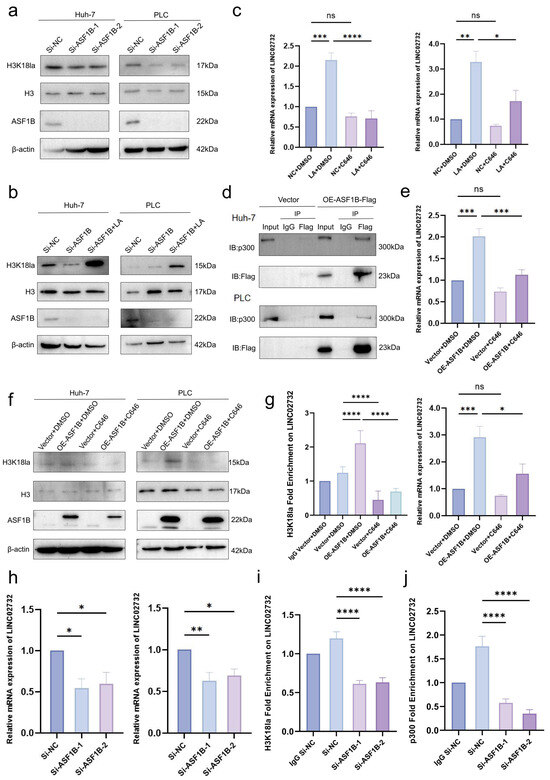
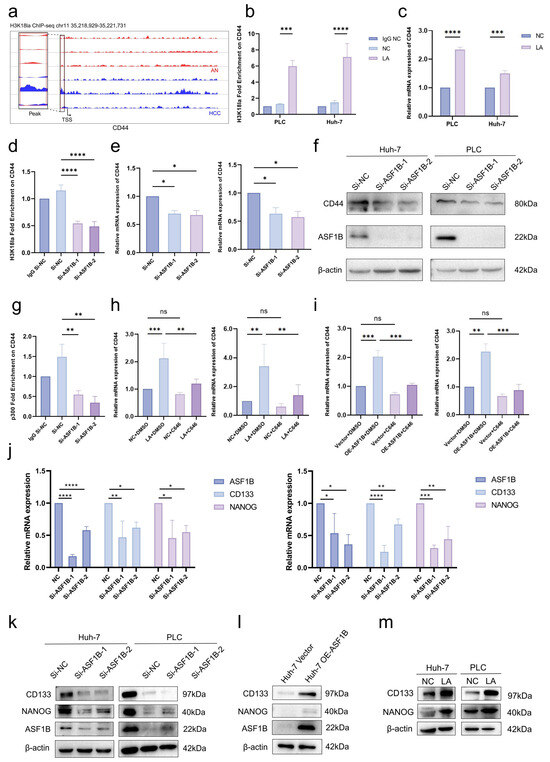
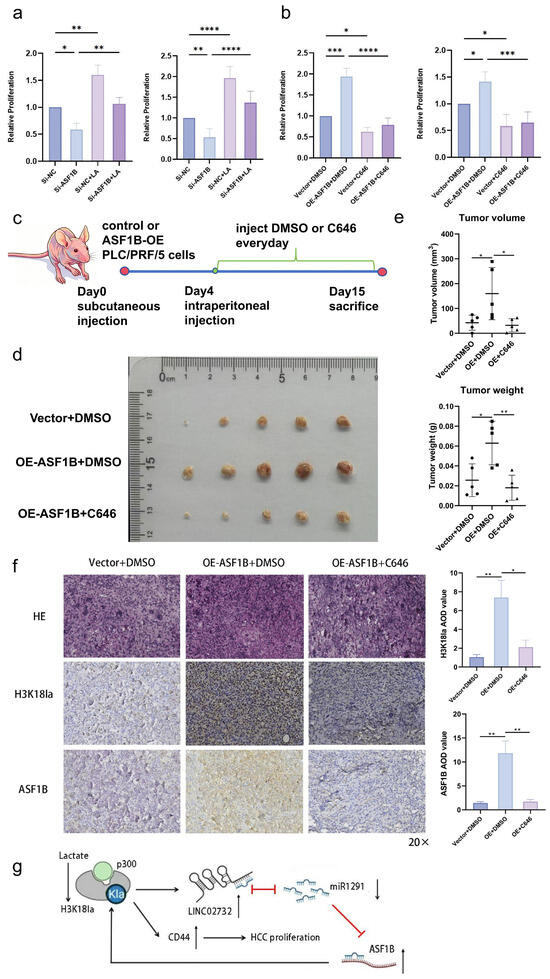
Histone lactylation acts as a master regulator in tumor development, but its role in a noncoding RNA (ncRNA) network remains unclear. This study aims to reveal the interaction between H3K18la and the lncRNA-miRNA-mRNA regulatory network in hepatocellular carcinoma (HCC). Transcriptome sequencing and ChIP sequencing were performed in HCC and adjacent normal tissues. Cut&Run and qPCR were used to validate the H3K18la enrichment on LINC02732 and CD44 promoter. Dual luciferase reporter assay, qPCR and Western blotting were used to verify the LINC02732-miR-1291-ASF1B axis. Co-Immunoprecipitation was performed to validate ASF1B recruiting p300. CCK8 and mouse subcutaneous tumor formation were performed to demonstrate this axis promoting HCC. H3K18la enrichment on LINC02732 promoter elevates its expression in both HCC samples and cell lines, therefore enhancing ASF1B expression via sponging miR-1291. Moreover, ASF1B, a histone chaperone, promotes H3K18la by recruiting lactyltransferase p300, forming an ASF1B-H3K18la positive feedback loop. The axis upregulates CD44 expression and promotes HCC in vitro and in vivo. These findings demonstrated the influence of H3K18la on the LINC02732-miR-1291-ASF1B axis and the novel role of ASF1B in histone lactylation by recruiting p300, which together promoted HCC proliferation.
Full article
(This article belongs to the Collection Targeting Signal Transduction Pathways and Non-coding RNAs as Potential Therapy in Cancer and Aging)
►▼
Show Figures

Figure 1

Open AccessReview
Is Recurrent Endometriosis a Reprogrammed Disease? Molecular Persistence Beyond Surgical Clearance
by
Mario Palumbo, Luigi Della Corte, Maria Rotonda Conte, Giuseppe D’Angelo, Mario Ascione, Antonisia Pollio, Pierluigi Giampaolino and Giuseppe Bifulco
Cells 2026, 15(10), 951; https://doi.org/10.3390/cells15100951 (registering DOI) - 21 May 2026
Abstract
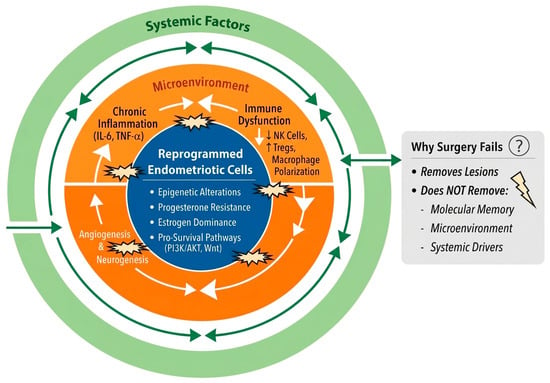
Background: Endometriosis is traditionally conceptualized as a localized gynecological disorder characterized by the presence of ectopic endometrial tissue. However, high recurrence rates following apparently complete surgical excision challenge this lesion-based paradigm and suggest the existence of underlying biological mechanisms that extend beyond residual
[...] Read more.
Background: Endometriosis is traditionally conceptualized as a localized gynecological disorder characterized by the presence of ectopic endometrial tissue. However, high recurrence rates following apparently complete surgical excision challenge this lesion-based paradigm and suggest the existence of underlying biological mechanisms that extend beyond residual disease. Increasing evidence indicates that endometriotic cells exhibit persistent molecular alterations, including dysregulated gene expression, epigenetic modifications, and immune dysfunction, which may contribute to disease maintenance and recurrence. Objective: This study aims to critically examine whether endometriosis can be considered a molecularly reprogrammed disease, characterized by persistent cellular and microenvironmental alterations that are not reversed by surgical removal of visible lesions. Methods: A narrative review of the literature was conducted using PubMed, Scopus, and Web of Science databases including studies published from January 2016 to March 2026. Studies investigating molecular, genetic, epigenetic, and immunological mechanisms of endometriosis persistence and recurrence were included. Particular attention was given to pathways involved in cellular survival, inflammation, hormone resistance, and epigenetic regulation. Results: Endometriotic cells demonstrate stable alterations in gene expression profiles, including pathways related to estrogen signaling, progesterone resistance, inflammation, and cellular proliferation. Epigenetic mechanisms, such as aberrant DNA methylation and histone modifications, appear to sustain these changes over time, contributing to a form of “molecular memory.” In parallel, the peritoneal microenvironment is characterized by chronic inflammation, immune tolerance, and impaired clearance of ectopic cells. These factors collectively support lesion persistence and may explain recurrence even after complete surgical excision. Emerging evidence also highlights the role of systemic factors, including endocrine–immune interactions and microbiome-related pathways, reinforcing the concept of endometriosis as a systemic rather than purely localized condition. Conclusions: Endometriosis may be more accurately defined as a persistent, molecularly reprogrammed disease driven by stable alterations in cellular behavior and the surrounding microenvironment. This paradigm shift has important clinical implications, suggesting that surgical treatment alone may be insufficient and that future therapeutic strategies should target the underlying molecular and immunological mechanisms responsible for disease persistence.
Full article
(This article belongs to the Special Issue Cellular and Molecular Mechanisms in Reproductive Biology and Fertility)
►▼
Show Figures

Figure 1
Open AccessArticle
Dual Pathways Coupled to Oxytocin Molecular Signals in Cultured Astrocytes
by
Elisa Farsetti, Sarah Amato, Monica Averna, Elena Gatta, Diego Guidolin, Marco Pedrazzi, Laura Lori, Matilde Gnecco, Guido Maura, Luigi F. Agnati, Manuela Marcoli and Chiara Cervetto
Cells 2026, 15(10), 950; https://doi.org/10.3390/cells15100950 (registering DOI) - 21 May 2026
Abstract
Oxytocin’s capacity to affect the glial cell functions is increasingly recognized. We previously reported that oxytocin could cause both excitation and inhibition of Ca2+ signals and glutamate release in the processes of adult rodent astrocytes. Our purpose here was to investigate oxytocin
[...] Read more.
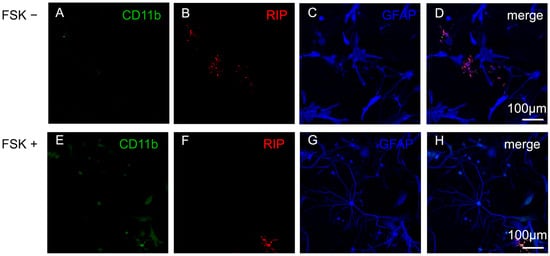
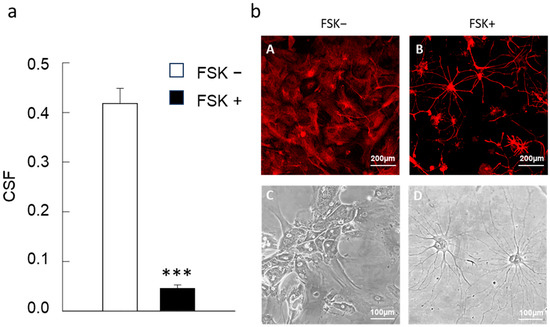
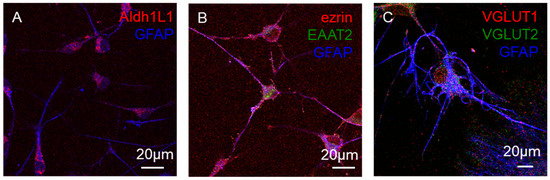
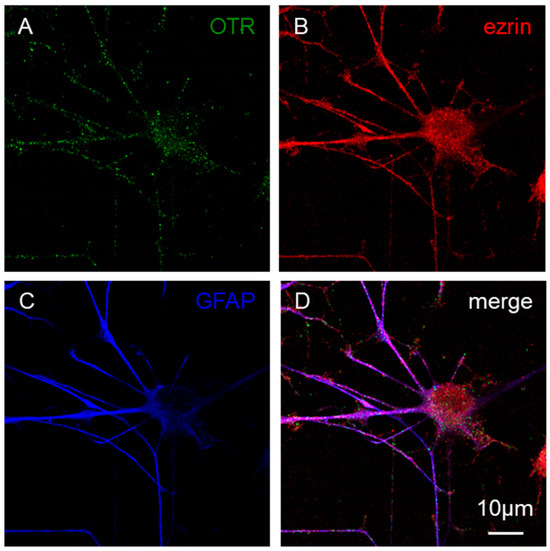
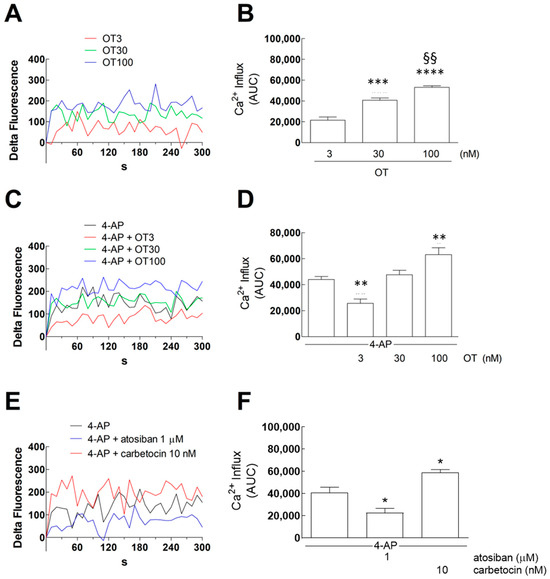
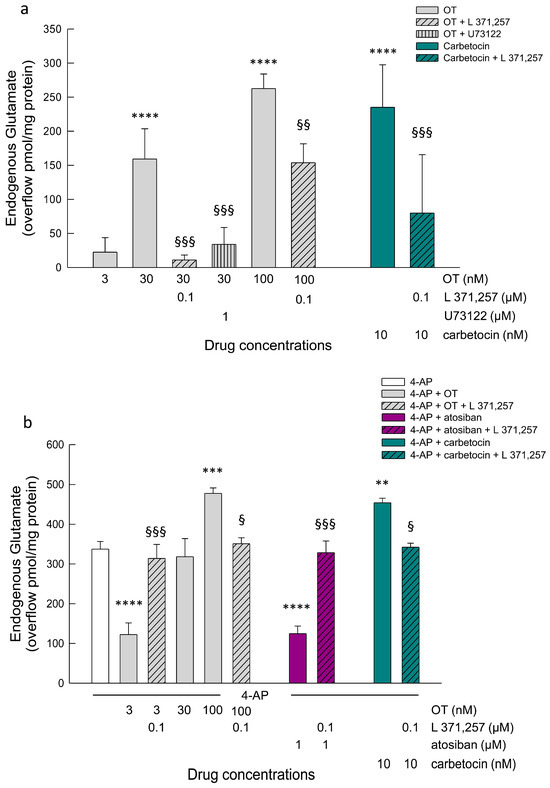
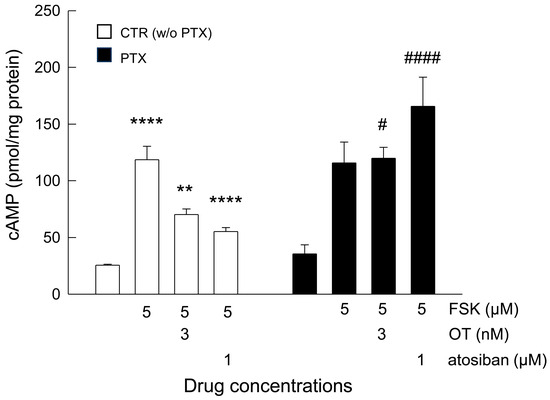
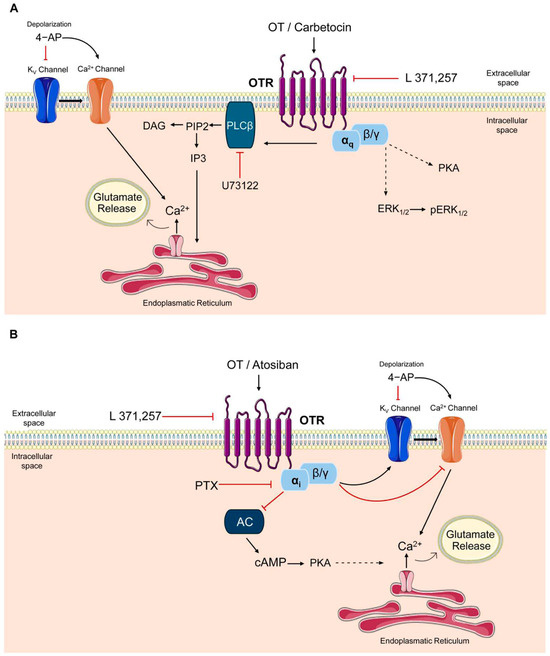
Oxytocin’s capacity to affect the glial cell functions is increasingly recognized. We previously reported that oxytocin could cause both excitation and inhibition of Ca2+ signals and glutamate release in the processes of adult rodent astrocytes. Our purpose here was to investigate oxytocin receptor expression and oxytocin effects in astrocytes. In primary cortical astrocytes, we assessed the presence of oxytocin receptors by confocal imaging, and the effects of oxytocin receptor activation on intracellular Ca2+ signals and glutamate release. We found that oxytocin receptors are expressed in both the soma and processes of astrocytes; oxytocin at nanomolar concentrations could induce dual responses in astrocytes, namely facilitation and inhibition of Ca2+ signals and glutamate release; the oxytocin facilitatory and inhibitory effects were duplicated by the biased agonists carbetocin and atosiban, respectively; and the facilitatory and the inhibitory effect were dependent on activation of a Gq and a Gi pathway, respectively. It is concluded that oxytocin effects in astrocytes could duplicate the effects in processes prepared from astrocytes matured in neuron-astrocyte networks, substantiating the use of astrocytes to study astrocytic oxytocin molecular signaling.
Full article
(This article belongs to the Special Issue Emerging Roles of Glial Cells in the Nervous System)
►▼
Show Figures

Figure 1
Open AccessArticle
APN Inhibitor Bestatin Induces MM Cell Differentiation Through the CD79B/BTK/STAT3 Pathway
by
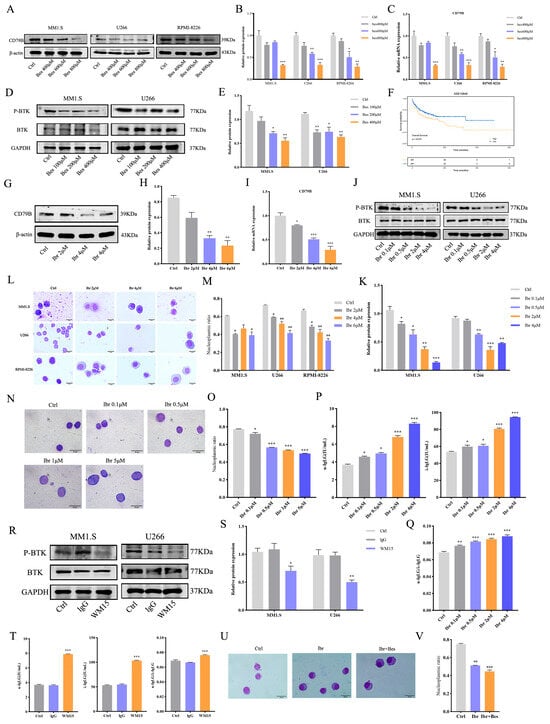
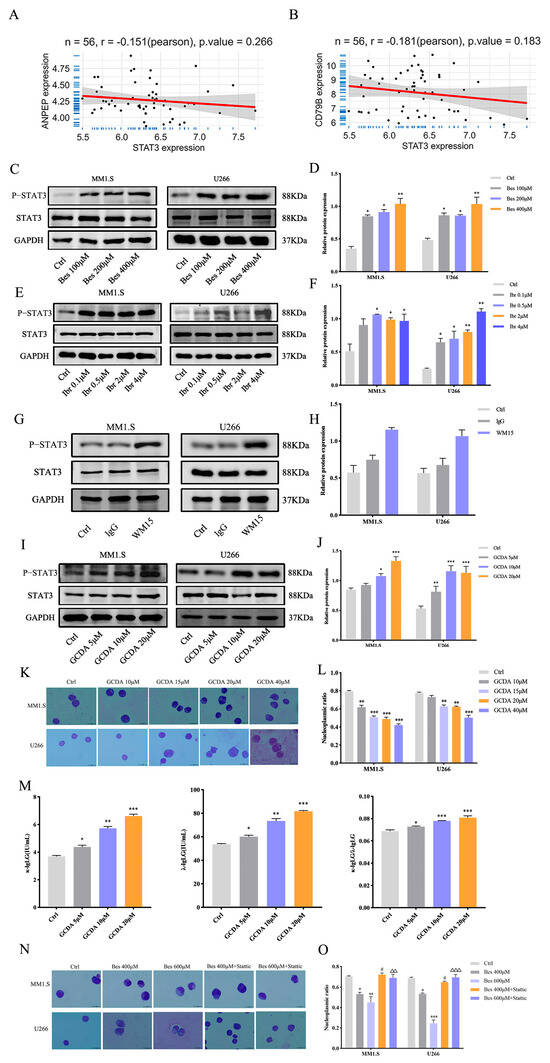
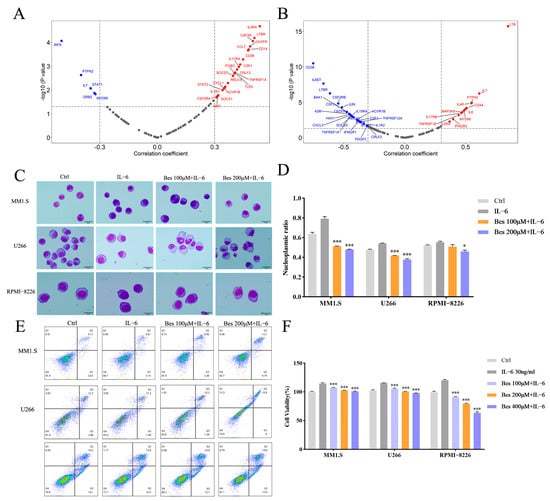
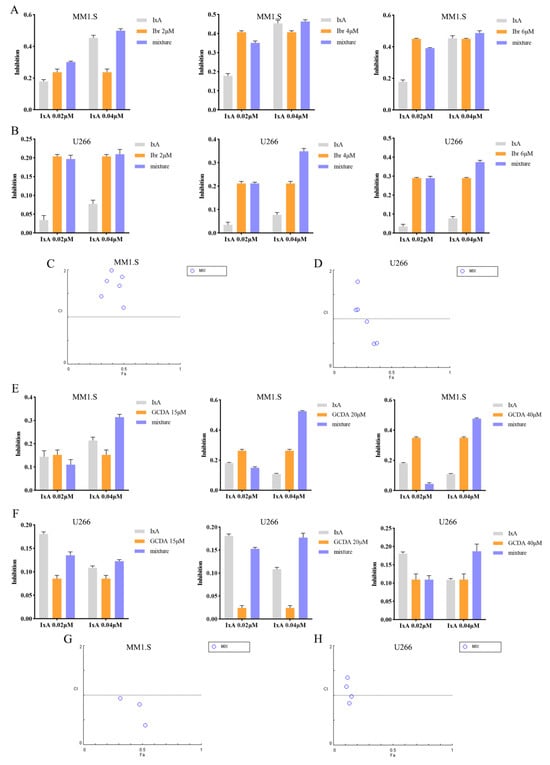
Xiaoke Wang, Chunyan Fang, Shanyu Li, Huakai Zeng, Junyi Liu, Xinwei Duan, Xiaoyi Zhang, Wenyan Jiang and Xuejian Wang
Cells 2026, 15(10), 949; https://doi.org/10.3390/cells15100949 (registering DOI) - 21 May 2026
Abstract
►▼
Show Figures
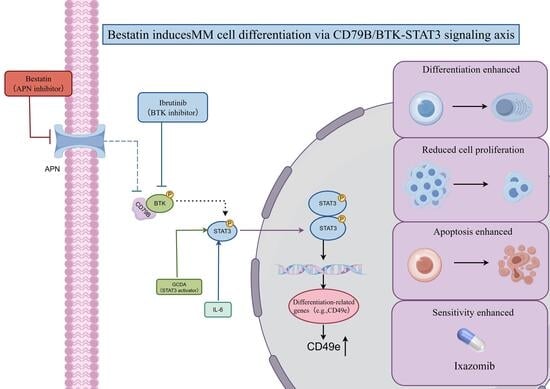
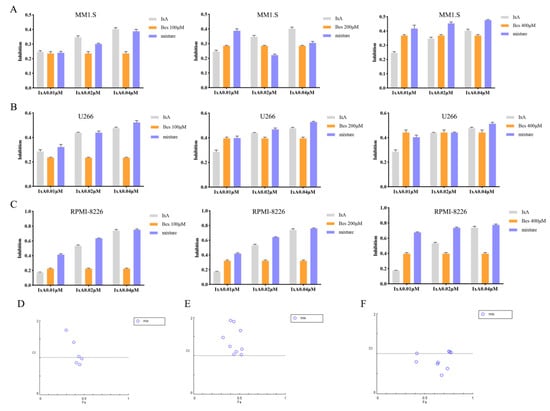
Differentiation therapy holds significant potential for the treatment of multiple myeloma (MM). We previously identified that the aminopeptidase N (APN) inhibitor Bestatin promotes MM cell differentiation. Herein, we elucidate the underlying molecular mechanisms of this process. Utilizing MM1.S, U266, and RPMI-8226 cell lines,
[...] Read more.
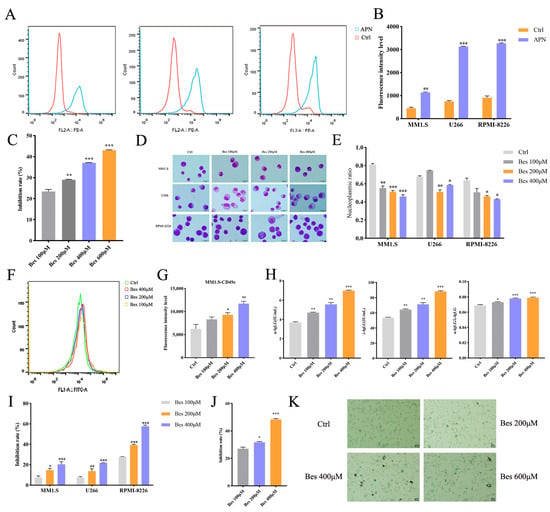
Differentiation therapy holds significant potential for the treatment of multiple myeloma (MM). We previously identified that the aminopeptidase N (APN) inhibitor Bestatin promotes MM cell differentiation. Herein, we elucidate the underlying molecular mechanisms of this process. Utilizing MM1.S, U266, and RPMI-8226 cell lines, a combination of CCK-8 assays, flow cytometry, Wright–Giemsa staining, Western blotting, qRT-PCR, ELISA, APN enzymatic activity analysis, SA-β-gal staining, and bioinformatic analyses revealed elevated APN expression across all cell types. Bestatin treatment induced MM cell differentiation in a concentration-dependent manner, which was accompanied by the upregulation of the differentiation marker CD49e, increased immunoglobulin light chain secretion, elevated cellular senescence, and a concomitant suppression of cell proliferation and APN enzymatic activity. Mechanistically, Bestatin exerts its effects by downregulating the CD79B/BTK signaling pathway, thereby activating the downstream transcription factor STAT3. Consistent with this axis, direct inhibition of CD79B/BTK alone was sufficient to induce differentiation, while blockade of STAT3 completely abrogated the differentiation-promoting effect of Bestatin. The APN-neutralizing antibody (WM15) yielded consistent results with Bestatin, further validating this regulatory axis. Furthermore, both the CD79B/BTK inhibitor Ibrutinib and the STAT3 agonist GCDA potentiated the cytotoxicity of the clinical MM drug Ixazomib. Bestatin itself synergized with Ixazomib and enhanced the anti-proliferative effect of IL-6. In summary, our findings establish that the APN inhibitor Bestatin induces MM cell differentiation via the CD79B/BTK-STAT3 signaling axis. Targeting this pathway represents a promising strategy to enhance the efficacy of Ixazomib, providing a compelling rationale for novel combination therapies in MM.
Full article

Graphical abstract
Open AccessArticle
Increased Osteoclast Activity Contributes to Bone Resorption and Osteopenia in a Rett Syndrome Mouse Model
by
Nadeem Samee, Lou Belz, Nicolas Narboux-Nême, Jean-Christophe Roux, Nicolas Panayotis and Giovanni Levi
Cells 2026, 15(10), 948; https://doi.org/10.3390/cells15100948 (registering DOI) - 21 May 2026
Abstract
►▼
Show Figures
Rett syndrome is a severe neurodevelopmental disorder caused predominantly by loss-of-function mutations in the X-linked gene MECP2. In addition to a vast array of neurological and physiological impairments, patients also frequently develop severe osteopenia with increased fracture risk; however, the mechanisms underlying
[...] Read more.
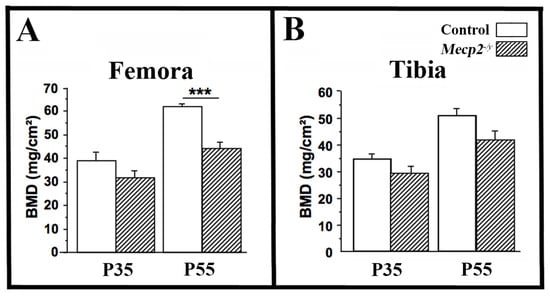
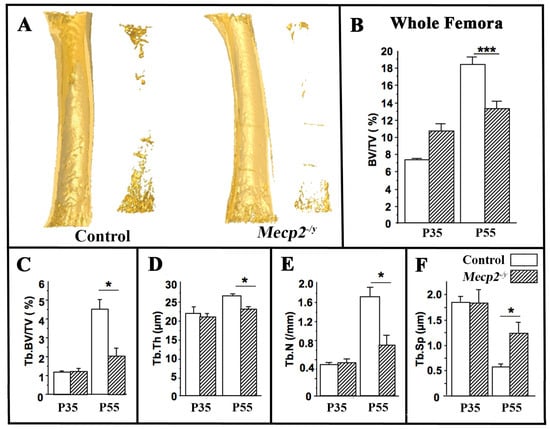
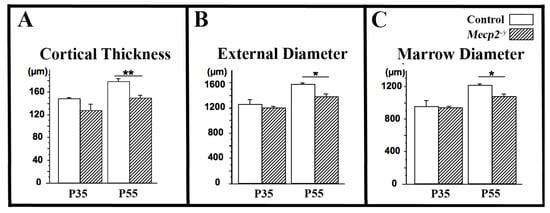
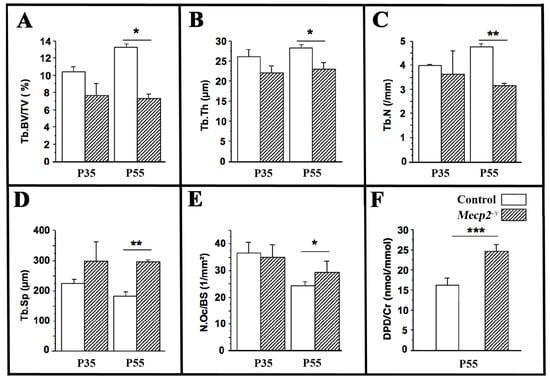
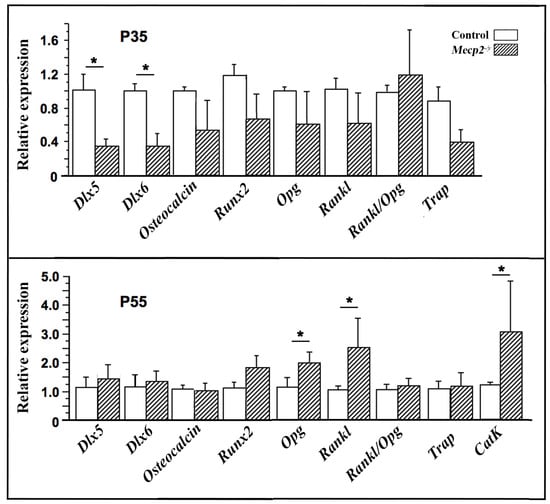
Rett syndrome is a severe neurodevelopmental disorder caused predominantly by loss-of-function mutations in the X-linked gene MECP2. In addition to a vast array of neurological and physiological impairments, patients also frequently develop severe osteopenia with increased fracture risk; however, the mechanisms underlying these skeletal defects are not completely understood. Previous work in Mecp2-null mouse models has suggested that osteopenia is mainly due to impaired osteoblast function and reduced bone formation. Here, we examined bone mass, microarchitecture, and remodeling parameters in a Mecp2-null mouse model during postnatal development, with a particular focus on osteoclast involvement. Microcomputed tomography and histomorphometric analyses showed reduced bone mineral density and trabecular bone volume, which are associated with increased trabecular separation and cortical thinning. These structural alterations were accompanied by increased osteoclast number per bone surface, elevated urinary deoxypyridinoline, and higher expression of osteoclast-associated genes, including Cathepsin K. Furthermore, gene expression analysis revealed an age-dependent shift in bone remodeling. At postnatal day 35, mutant mice showed reduced expression of Dlx5 and Dlx6, consistent with low bone turnover. By postnatal day 55, Rankl and Cathepsin K were markedly upregulated, suggesting an increase in osteoclast resorptive activity, while key osteoblast markers and the RANKL/OPG ratio did not change significantly. A potential cell-autonomous contribution of Mecp2 to osteoclast maturation is also suggested by the analysis of public transcriptomic datasets on human osteoclast differentiation. Together, our findings identify increased osteoclast activity as a significant contributor to Rett-associated osteopenia and suggest that skeletal pathology in Mecp2 deficiency progresses from an early low-turnover state to a later phase of increased osteoclast resorption.
Full article

Figure 1
Open AccessArticle
The Use of Single-Cell Mitochondrial DNA SNP Combinations for Distinguishing Organ-Specific Cell Types
by
Shuai Wang, Xinyue Tu, Haozhe Zhu, Ce Gao, Jianan Gao, Jinsong Wei, Hui Shi and Jinrong Peng
Cells 2026, 15(10), 947; https://doi.org/10.3390/cells15100947 (registering DOI) - 21 May 2026
Abstract
►▼
Show Figures
Cell lineage relationship studies in developmental and regenerative biology have been greatly advanced using techniques such as fluorescent labeling driven by cell-type-specific promoters. Nevertheless, unbiased non-invasive tools for distinguishing cell lineages are inevitably desired. Mitochondrial DNA (mtDNA) exhibits wide-range single-nucleotide polymorphisms (SNPs) among
[...] Read more.
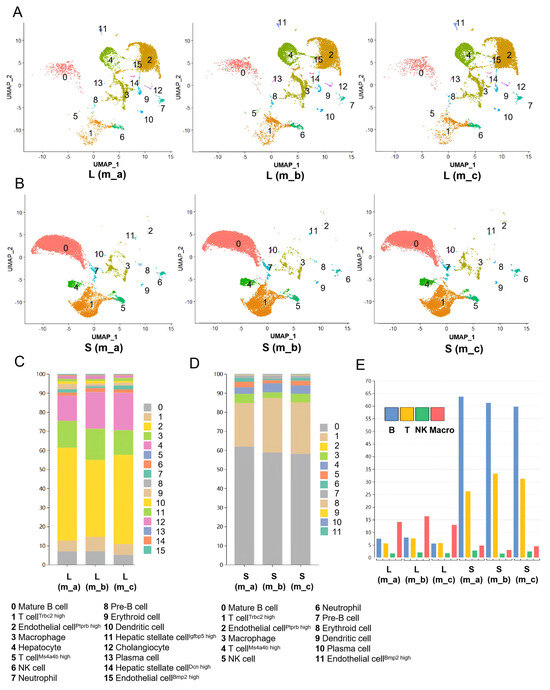
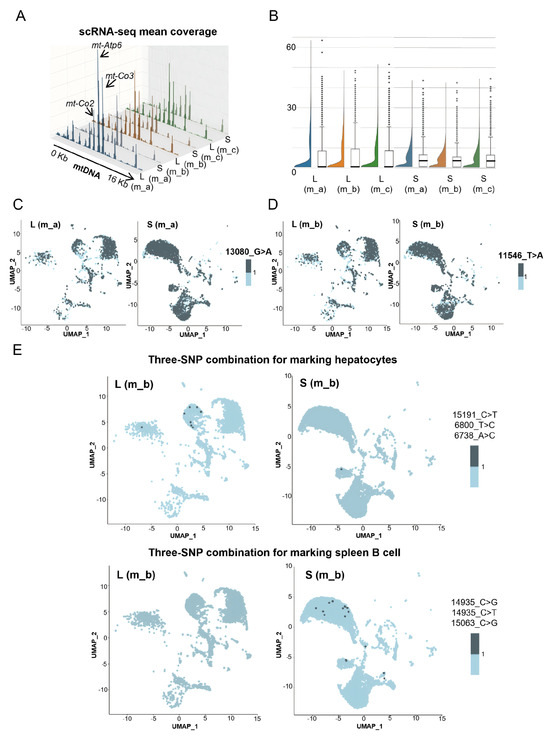
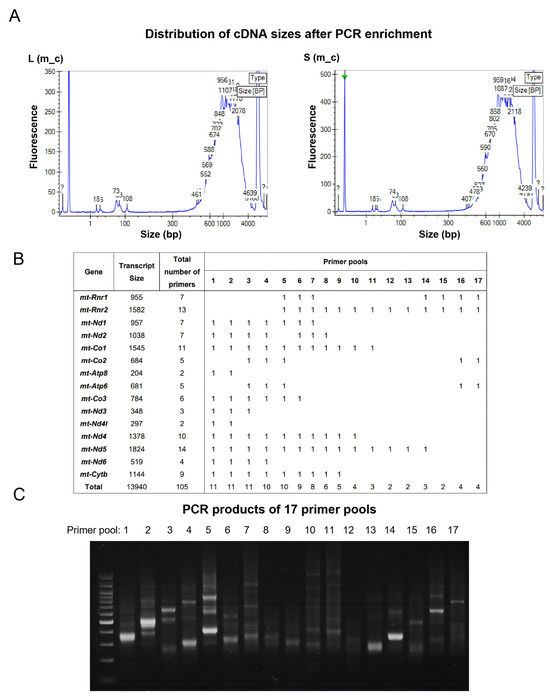
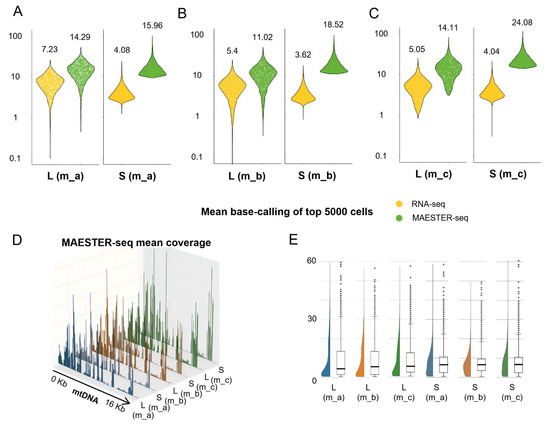
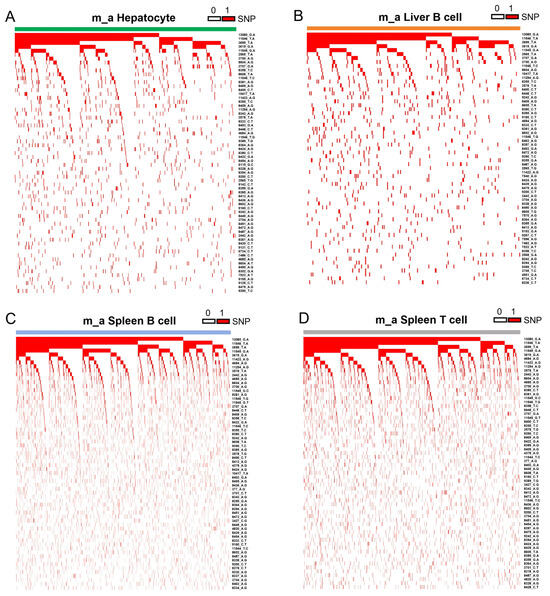
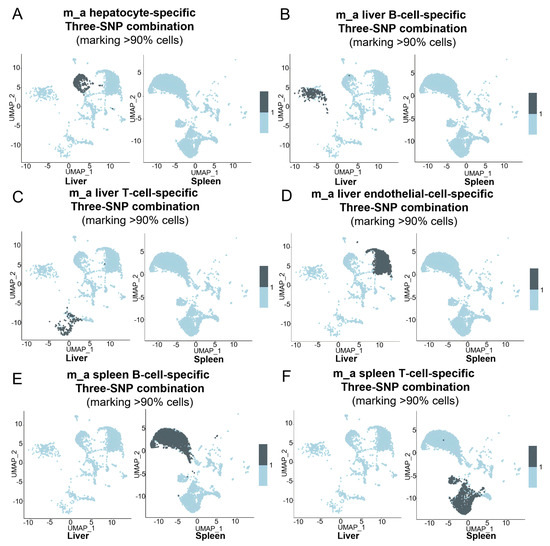
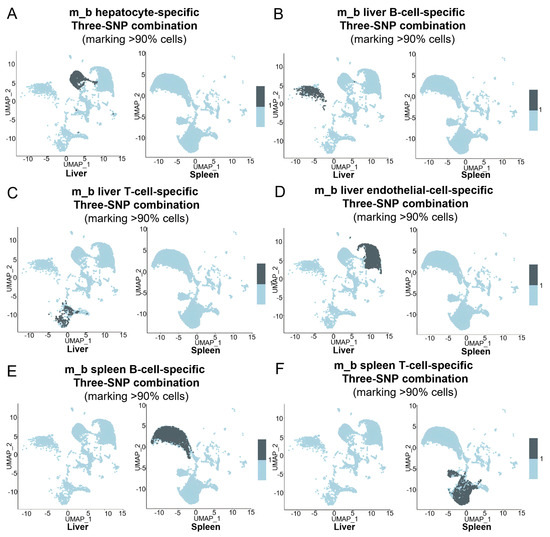
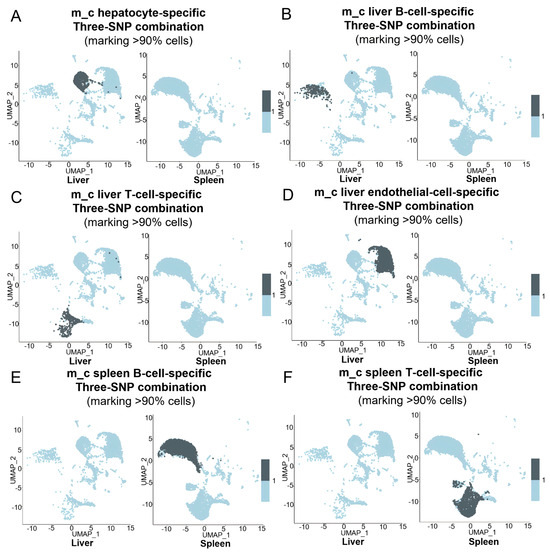
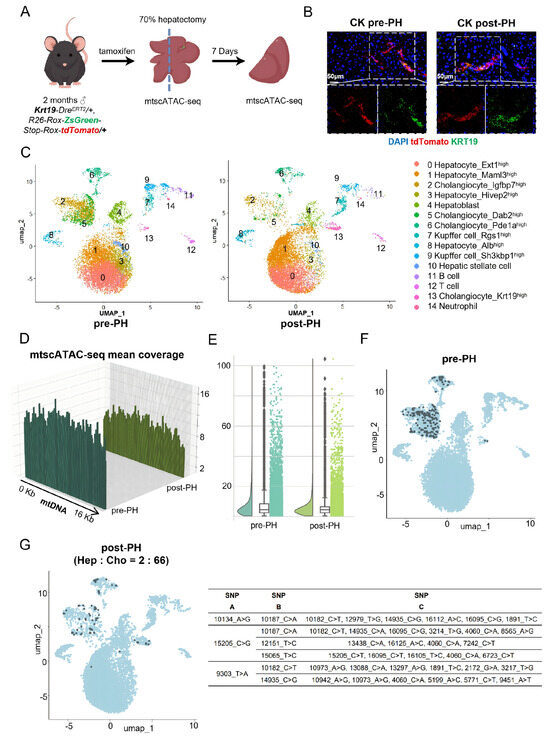
Cell lineage relationship studies in developmental and regenerative biology have been greatly advanced using techniques such as fluorescent labeling driven by cell-type-specific promoters. Nevertheless, unbiased non-invasive tools for distinguishing cell lineages are inevitably desired. Mitochondrial DNA (mtDNA) exhibits wide-range single-nucleotide polymorphisms (SNPs) among individual cells. Here, we aim to distinguish cell types in organs/tissues of the same individual and in the regenerated liver based on the use of mtDNA SNPs. For this, two approaches—“Mitochondrial Alteration Enrichment and Sequencing” (MAESTER) and “mitochondrial single-cell assay for transposase-accessible chromatin with sequencing” (mtscATAC-seq)—were adopted to facilitate the detection of mtDNA SNPs in single cells. With MAESTER, we show that specific cell types in the liver and spleen of the same individual can be successfully defined using collective individual-specific markers composed of panels of unique mtDNA SNP combinations. For its application, we performed partial hepatectomy (PH) on a Krt19:DreERT2/+;R26:Rox-ZsGreen-Stop-Rox-tdTomato/+ mouse harboring tdTomato-labeled cholangiocytes following tamoxifen injection and demonstrated that utilizing panels of unique mtDNA SNP combinations detected by mtscATAC-seq in the pre-PH cholangiocytes as markers can faithfully trace the cell fate in the post-PH liver samples. Hence, this approach may serve as an unbiased tool for investigating cell lineage relationships in relevant research areas such as liver regeneration.
Full article

Figure 1
Open AccessReview
Influence of Donor Obesity on Adipose-Derived Stem Cell Function and Therapeutic Efficacy
by
Marva Khalid, Marvin L. Frommer, Jeries Abu-Hanna, Benjamin J. Langridge, Clara Calero Pages, Laura Awad and Peter E. M. Butler
Cells 2026, 15(10), 946; https://doi.org/10.3390/cells15100946 (registering DOI) - 21 May 2026
Abstract
Adipose-derived stem cells (ADSCs) are widely used in regenerative medicine and are considered key effectors underlying the therapeutic efficacy of autologous fat grafting for scarring and skin fibrosis, yet clinical outcomes remain variable. This review examines how obesity alters the adipose microenvironment through
[...] Read more.
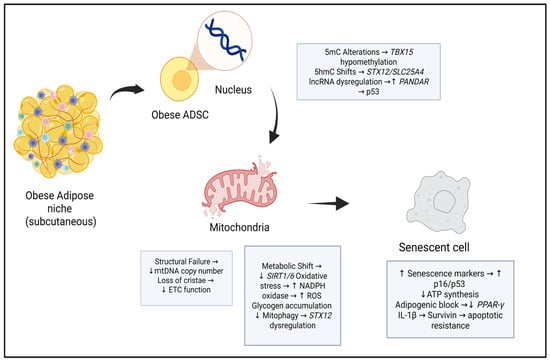
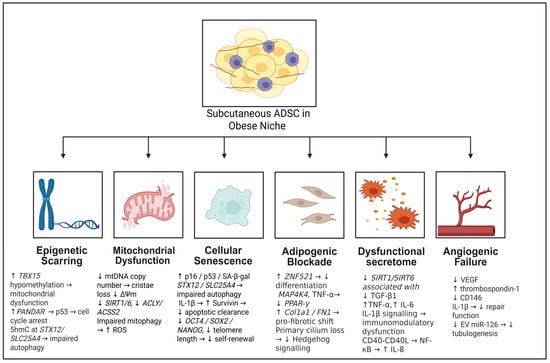
Adipose-derived stem cells (ADSCs) are widely used in regenerative medicine and are considered key effectors underlying the therapeutic efficacy of autologous fat grafting for scarring and skin fibrosis, yet clinical outcomes remain variable. This review examines how obesity alters the adipose microenvironment through chronic inflammation and metabolic dysfunction, resulting in epigenetic changes, mitochondrial impairment, oxidative stress, and premature cellular senescence in ADSCs. ADSCs from obese individuals exhibit reduced stemness, impaired differentiation, and a pro-inflammatory secretome with diminished regenerative capacity. While weight loss may partially reverse these effects, persistent epigenetic and functional memory limits full recovery. This review argues that donor metabolic status is a determinant of ADSC therapeutic potency and discusses key challenges and opportunities for improving regenerative outcomes.
Full article
(This article belongs to the Special Issue Stem Cells in Action: Unlocking the Potential of Next-Generation Therapies)
►▼
Show Figures

Figure 1
Open AccessArticle
The Impact of Surgical Trauma-Activated Platelet-Rich Fibrin on Mesenchymal Stromal Cells In Vitro
by
René D. Verboket, Lea Usov, Isabell Bohl, Jonas Neijhoft, Marissa Penna-Martinez, Ingo Marzi and Dirk Henrich
Cells 2026, 15(10), 945; https://doi.org/10.3390/cells15100945 (registering DOI) - 21 May 2026
Abstract
Introduction: platelet-rich fibrin (PRF) is a second-generation platelet concentrate which is known for promoting cell migration, tissue repair, angiogenesis and bone formation. In contrast, the specific effects of trauma-activated PRF on mesenchymal stromal cells (MSC) are not yet fully understood. The present study
[...] Read more.
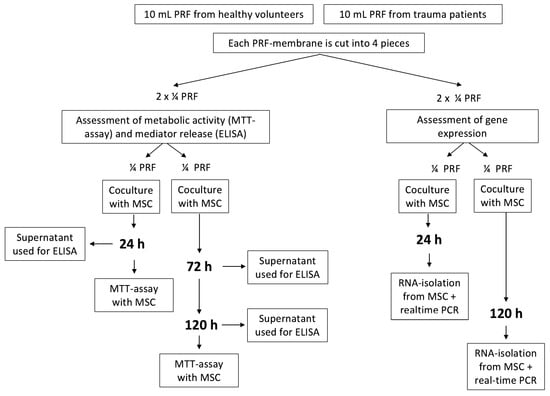
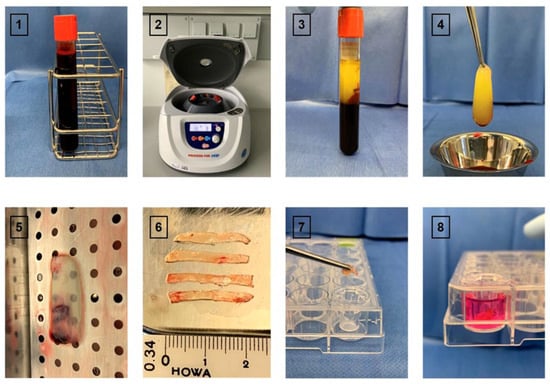
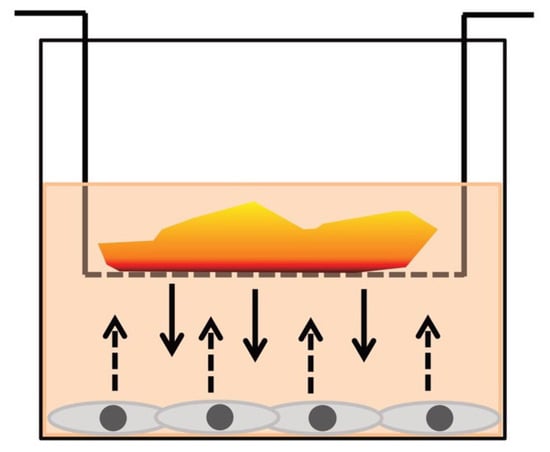
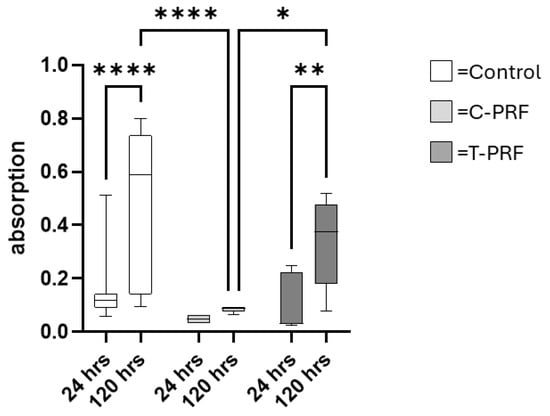
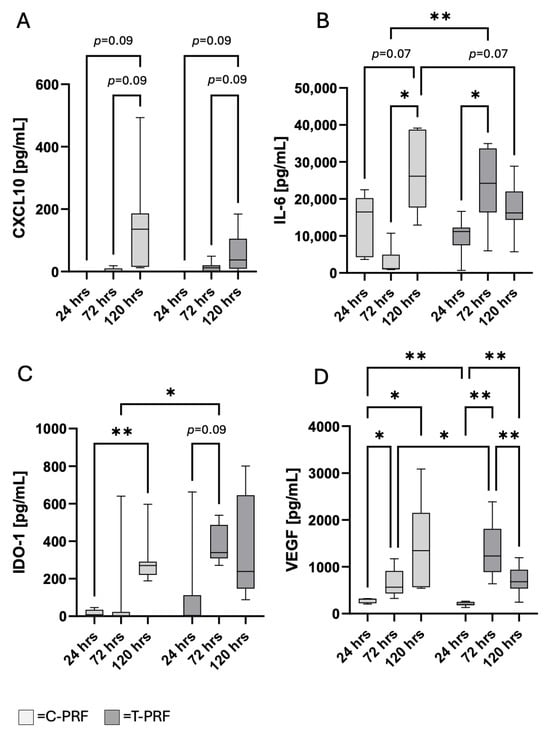
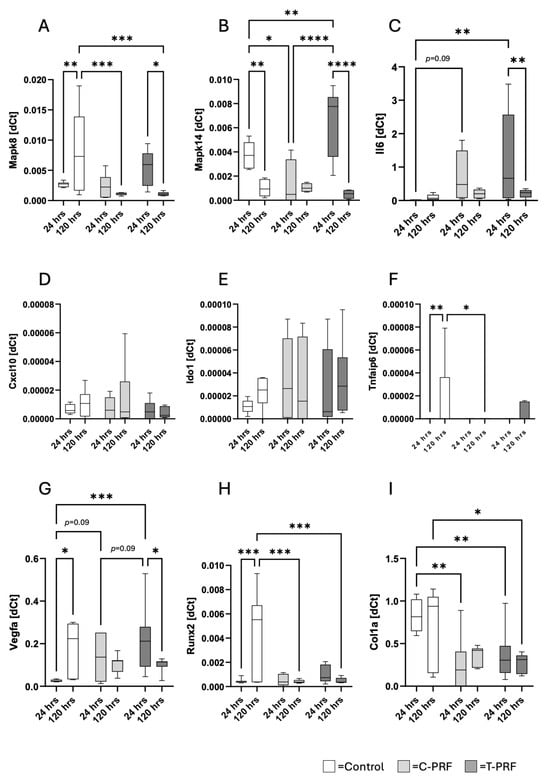
Introduction: platelet-rich fibrin (PRF) is a second-generation platelet concentrate which is known for promoting cell migration, tissue repair, angiogenesis and bone formation. In contrast, the specific effects of trauma-activated PRF on mesenchymal stromal cells (MSC) are not yet fully understood. The present study investigates systemic effects of surgical trauma-activated PRF on MSCs in vitro, analyzing their metabolic activity, inflammatory responses, and regenerative capacity to optimize advanced treatment concepts for severe fractures and injuries. Material & Methods: PRF membranes (T-PRF from trauma patients, C-PRF from healthy controls) were generated. After co-incubation with MSC cells for 24, 72, and 120 h, further investigations of metabolic activity (MTT assay) and gene expression analyses were performed. Results: for MTT assay, results especially showed a significantly higher metabolic activity of T-PRF after 120 h. ELISA-results measuring cytokine levels (CXCL10, IL-6, VEGF, and IDO) exposed a frequent peak in T-PRF group at 72 h, declining slightly at 120 h. In the gene expression analyses, T-PRF exerted a comparatively stronger stimulating effect on MAPK14 and VEGFA after 24 h, while a decrease in gene expression for MAPK8, MAPK14, and RUNX2 was observed over time. Conclusion: surgical trauma-activated PRF seems to be a powerful inducer of early inflammatory and stress responses in MSCs with preserved angiogenic but limited osteogenic signaling. Therefore, a targeted balance between inflammatory activation and sustainable regeneration, as well as optimized preparation and possible combination with immunomodulatory approaches, appear to be crucial for the therapeutic success of PRF-based strategies.
Full article
(This article belongs to the Special Issue The Challenges and Opportunities of Mesenchymal Stromal Cells in Regenerative Medicine)
►▼
Show Figures

Figure 1

Journal Menu
► ▼ Journal Menu-
- Cells Home
- Aims & Scope
- Editorial Board
- Reviewer Board
- Topical Advisory Panel
- Instructions for Authors
- Special Issues
- Topics
- Sections & Collections
- Article Processing Charge
- Indexing & Archiving
- Editor’s Choice Articles
- Most Cited & Viewed
- Journal Statistics
- Journal History
- Journal Awards
- Society Collaborations
- Conferences
- Editorial Office
Journal Browser
► ▼ Journal BrowserHighly Accessed Articles
Latest Books
E-Mail Alert
News
Topics
Topic in
Cells, JCM, Organoids, JMP
Novel Discoveries in Oncology 2nd Edition
Topic Editors: Michela Campolo, Giovanna Casili, Alessia Filippone, Marika LanzaDeadline: 20 June 2026
Topic in
Biomedicines, Biomolecules, Cancers, Cells, Hematology Reports, IJMS
Advances in Molecular Pathogenesis and Targeted Therapies for Multiple Myeloma
Topic Editors: Chung Hoow Kok, Cindy H. S. Lee, Claudio CerchioneDeadline: 3 August 2026
Topic in
Biology, Biomolecules, Cancers, Cells, IJMS, Pharmaceuticals, Kinases and Phosphatases
Kinases in Cancer and Other Diseases, 2nd Edition
Topic Editors: Jonas Cicenas, Anna M. CzarneckaDeadline: 31 August 2026
Topic in
Pharmaceuticals, Medical Sciences, JCM, Vision, Reports, Cells, IJMS
New Developments in Glaucoma Diagnostics and Therapeutics
Topic Editors: Shan C. Lin, Sunee ChansangpetchDeadline: 30 September 2026
Conferences
Special Issues
Special Issue in
Cells
Cell Signaling in Neurodegenerative Disease
Guest Editors: Rijwan Uddin Ahammad, Yasuhiro Funahashi, Akira Sobue, Xinjian Zhang, Md-nadim HossainDeadline: 25 May 2026
Special Issue in
Cells
Non-Coding and Coding RNAs in Targeted Cancer Therapy
Guest Editors: César López-Camarillo, Macrina B. Silva-CázaresDeadline: 25 May 2026
Special Issue in
Cells
Basic Mechanisms and Emerging Therapeutic Strategies for Spinal Cord Injury
Guest Editors: Daniel J. Hellenbrand, Angela FilousDeadline: 25 May 2026
Special Issue in
Cells
Small Molecular Therapeutics Promoting Neuronal Plasticity, Hippocampal Learning, and Memory
Guest Editor: Avik RoyDeadline: 25 May 2026
Topical Collections
Topical Collection in
Cells
Oxidative Stress in Human Health and Disease
Collection Editors: Carsten Theiss, Veronika Matschke
Topical Collection in
Cells
Molecular and Cellular Mechanisms of Parkinson's Disease
Collection Editor: Wolfgang Jost
Topical Collection in
Cells
Compartmentilisation of Cellular Signaling
Collection Editor: Stephen Yarwood