

Journal Description
Cells
Cells
is an international, peer-reviewed, open access journal on cell biology, molecular biology, and biophysics, published semimonthly online by MDPI. The Nordic Autophagy Society (NAS) and the Spanish Society of Hematology and Hemotherapy (SEHH) are affiliated with Cells and their members receive discounts on the article processing charges.
- Open Access— free for readers, with article processing charges (APC) paid by authors or their institutions.
- High Visibility: indexed within Scopus, SCIE (Web of Science), PubMed, MEDLINE, PMC, CAPlus / SciFinder, and other databases.
- Journal Rank: JCR - Q2 (Cell Biology) / CiteScore - Q1 (General Biochemistry, Genetics and Molecular Biology)
- Rapid Publication: manuscripts are peer-reviewed and a first decision is provided to authors approximately 16 days after submission; acceptance to publication is undertaken in 2.7 days (median values for papers published in this journal in the first half of 2025).
- Recognition of Reviewers: reviewers who provide timely, thorough peer-review reports receive vouchers entitling them to a discount on the APC of their next publication in any MDPI journal, in appreciation of the work done.
- Sections: published in 21 topical sections.
- Companion journal: Organoids.
Impact Factor:
5.2 (2024);
5-Year Impact Factor:
6.1 (2024)
Latest Articles
Cell-Free Nucleic Acids in Cardiovascular Disease: From Biomarkers to Mechanistic Drivers and Therapeutic Opportunities
Cells 2026, 15(1), 33; https://doi.org/10.3390/cells15010033 (registering DOI) - 23 Dec 2025
Abstract
Cardiovascular disease (CVD) remains the leading cause of morbidity and mortality worldwide, with heart failure (HF) representing a major contributor to hospitalizations, healthcare costs, and death. Effective management of HF is hindered by the limitations of current biomarkers and diagnostic tools. Conventional biomarkers,
[...] Read more.
Cardiovascular disease (CVD) remains the leading cause of morbidity and mortality worldwide, with heart failure (HF) representing a major contributor to hospitalizations, healthcare costs, and death. Effective management of HF is hindered by the limitations of current biomarkers and diagnostic tools. Conventional biomarkers, such as natriuretic peptides, primarily reflect downstream hemodynamic stress and often lack specificity, particularly in HF with preserved ejection fraction or multiple comorbidities. While imaging provides valuable structural and functional information, it is resource-intensive, costly, and unsuitable for frequent longitudinal monitoring. As a result, these conventional approaches are inadequate to capture the dynamic and heterogeneous nature of HF pathophysiology. Circulating cell-free nucleic acids (cfNAs), including cell-free DNA (cfDNA) and RNA (cfRNA), have emerged as promising noninvasive liquid biopsy biomarkers capable of providing real-time insight into upstream pathological events, such as cardiomyocyte injury, immune activation, inflammation, and maladaptive remodeling. Importantly, cfNAs also act as active mediators of CVD pathology. When released under stress or injury, cfNAs interact with pattern recognition receptors (PRRs) that trigger sterile inflammation, cardiovascular cell dysfunction, and adverse cardiac remodeling. This review summarizes the origins, mechanistic roles, and clinical significance of cfNAs in HF and related CVD, highlighting their dual roles as diagnostic biomarkers and mechanistic effectors of disease. Finally, we discuss emerging cfNA-targeted therapeutic strategies, challenges, and future opportunities for precision medicine in HF and HF-associated CVD.
Full article
(This article belongs to the Special Issue Molecular Pathogenesis of Cardiovascular Diseases)
►
Show Figures
Open AccessArticle
DUSP5 Downregulation in Nucleus Accumbens Core Correlates with Cocaine-Induced Maladaptive Synaptic Plasticity
by
Juan Pablo Taborda-Bejarano, Michael Meyerink, Debbie C. Crans, Ramani Ramchandran and Constanza Garcia-Keller
Cells 2026, 15(1), 32; https://doi.org/10.3390/cells15010032 (registering DOI) - 23 Dec 2025
Abstract
►▼
Show Figures
The United States is currently facing a drug overdose epidemic. The nucleus accumbens core (NAcore), a brain region critical for reward and aversion behaviors, undergoes structural and functional synaptic adaptations in response to chronic drug exposure. However, the molecular mechanisms underlying these adaptations
[...] Read more.
The United States is currently facing a drug overdose epidemic. The nucleus accumbens core (NAcore), a brain region critical for reward and aversion behaviors, undergoes structural and functional synaptic adaptations in response to chronic drug exposure. However, the molecular mechanisms underlying these adaptations remain poorly understood. In this study, we investigate the role of dual-specificity phosphatase 5 (DUSP5), a phosphatase known to deactivate extracellular signal-regulated kinase (ERK), in cocaine-induced neuroplasticity. While prior research has linked other DUSP family members to various drugs of abuse, the specific role of DUSP5 in cocaine addiction remains unexplored. We hypothesized that lack of DUSP5 contributes to cocaine-induced maladaptive synaptic plasticity in NAcore. To test this, we employed a rat cocaine self-administration model and molecular analyses and mined publicly available single-cell RNA sequencing data from cocaine-treated NAcore. Our findings reveal a role for DUSP5 in cocaine-related synaptic and behavioral adaptations, highlighting DUSP5 and DUSP5-associated signaling pathways as potential mechanisms underlying substance use disorders and as candidates for therapeutic intervention.
Full article

Figure 1
Open AccessArticle
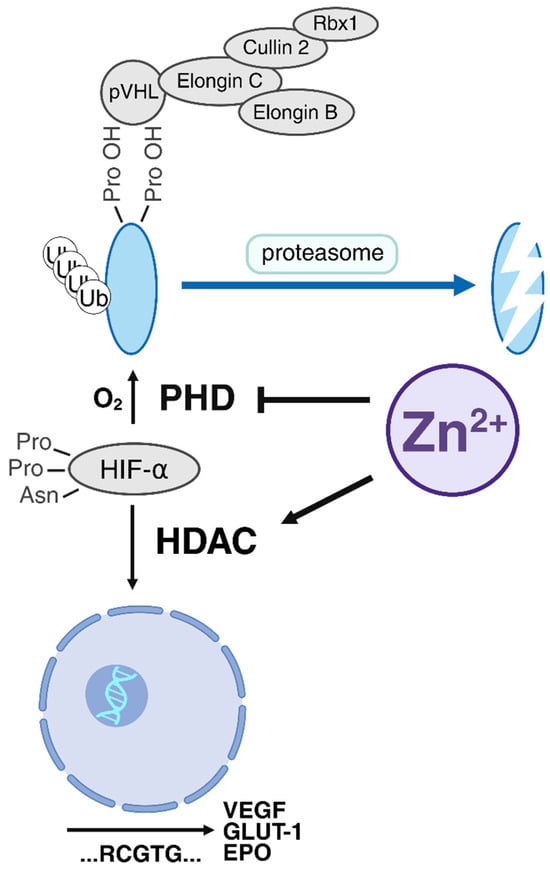
Hypoxia Affects Stem Cell Fate in Patient-Derived Ileum Enteroids in a HIF-1α-Dependent Manner
by
Zina M. Uckeley, Carmon Kee, Carlos Ramirez, Victoria Karaluz, Ashwini K. Sharma, Josmar Polanco, Freddie D. Ortiz Martinez, Christopher I. Mederos, Sorin O. Jacobs, Ingrid J. Groose, James M. Ramsden, Carl Herrmann, Megan L. Stanifer and Steeve Boulant
Cells 2026, 15(1), 31; https://doi.org/10.3390/cells15010031 - 23 Dec 2025
Abstract
The intestinal epithelium maintains tissue homeostasis through a dynamic balance of stem cell proliferation and differentiation. This process is spatially regulated along the crypt–villus axis, with intestinal stem cells in the crypt regions proliferating and progenitor cells differentiating as they migrate toward the
[...] Read more.
The intestinal epithelium maintains tissue homeostasis through a dynamic balance of stem cell proliferation and differentiation. This process is spatially regulated along the crypt–villus axis, with intestinal stem cells in the crypt regions proliferating and progenitor cells differentiating as they migrate toward the villus tips. Because the lumen of the gut contains very low levels of oxygen (i.e., hypoxia), an oxygen gradient is established within the crypt–villus axis, placing the crypt regions under normoxic conditions while the villus tips reside under hypoxic conditions. Hence, intestinal epithelial cells encounter distinct oxygen microenvironments throughout their life span as they migrate along the crypt–villus structures during their proliferation and differentiation process. To investigate how oxygen availability influences intestinal stem cell proliferation and differentiation, we cultured patient-derived human ileum organoids (i.e., enteroids) under normoxic (20% oxygen) or hypoxic (1% oxygen) conditions. Under hypoxia, enteroid growth was reduced, and expression of several stem cell markers, such as OLFM4 and LGR5, was decreased. Bulk and single-cell RNA sequencing revealed that hypoxia suppressed Wnt signaling pathways and reduced stem cell activity. Importantly, pharmacological stabilization of HIF-1α under normoxic conditions recapitulated the hypoxia-induced loss of stemness, demonstrating that HIF-1α is a key mediator of oxygen-dependent stem cell regulation in enteroids. These findings establish that physiological hypoxia in the intestinal epithelium directly regulates stem cell fate through HIF-1α stabilization, providing mechanistic insight into how oxygen availability along the crypt–villus structures controls intestinal homeostasis.
Full article
(This article belongs to the Section Cell Microenvironment)
►▼
Show Figures

Figure 1
Open AccessArticle
Comprehensive Characterization of the Immune Microenvironment of Colorectal and Gastric Signet Ring Cell Cancer
by
Jianqing Zhang, Robin Collingwood, Sameer Al Diffalha, Deborah Della Manna, Ravi Kumar Paluri, Haider A. Mejbel and Olumide Gbolahan
Cells 2026, 15(1), 30; https://doi.org/10.3390/cells15010030 - 23 Dec 2025
Abstract
The reasons for the aggressive clinical phenotype of signet ring cell carcinoma (SRCC) have not been fully elucidated. Previous studies suggest similarities in the genotype of colorectal and gastric SRCC and a clear distinction from non-SRCC. The immune microenvironments of gastric and colorectal
[...] Read more.
The reasons for the aggressive clinical phenotype of signet ring cell carcinoma (SRCC) have not been fully elucidated. Previous studies suggest similarities in the genotype of colorectal and gastric SRCC and a clear distinction from non-SRCC. The immune microenvironments of gastric and colorectal SRCC have not been comprehensively examined. We isolated RNA from formalin-fixed, paraffin-embedded (FFPE) sections of 34 tumor specimens, 10 colorectal SRCC, 24 gastric SRCC, 4 non-SRCC colorectal (CCC), and 3 gastric adenocarcinoma (GCC) samples. The PanCancer Immune Profiling Panel was used to evaluate the expression of 770 immune-related genes. We compared the expression profiles of colorectal and gastric SRCC and non-SRCC adenocarcinoma. We found that the immune-related gene expression profiles (GEPs) of colorectal SRCC (CR-SRCC) and gastric SRCC (G-SRCC) were distinct from the non-SRCC. A total of 127 genes were upregulated and 32 downregulated in CR-SRCC compared to CCC. Only two genes (CCL27 and LAIR2 reached statistical significance (p-adj < 0.05)) among the differentially expressed genes in G-SRCC compared to GCC. None of the clinically relevant immune checkpoints were significantly differentially expressed in SRCC vs. non-SRCC. Overall, we noted a relative abundance of CD8+ cells in CR-SRCC and G-SRCC and relative overexpression of genes involved in innate immune response including the complement pathway. Finally, we identified IL13RA2 as a potential biomarker and therapeutic target candidate for CR-SRCC. The immune microenvironments of CR-SRCC and G-SRCC are distinct from non-SRCC. Broadly, both CR-SRCC and G-SRCC are characterized by a complex immune microenvironment that features cytotoxic cells and innate immune activity that may facilitate immune evasion.
Full article
(This article belongs to the Special Issue Gastrointestinal Cancer: From Cellular and Molecular Mechanisms to Therapeutic Opportunities)
Open AccessArticle
Integrin-Mediated TIMP1 Signaling Reprograms Liver Macrophages and Accelerates Colorectal Cancer Metastasis
by
Jialiang Liu, Liming Zhao, Lin Wang, Guoli Sheng, Pu Cheng, Mingyu Han, Guoxin Li and Zhaoxu Zheng
Cells 2026, 15(1), 29; https://doi.org/10.3390/cells15010029 - 23 Dec 2025
Abstract
►▼
Show Figures
Background: Colorectal cancer (CRC) frequently metastasizes to the liver (CRLM), where M2-polarized macrophages shape an immunosuppressive pre-metastatic niche. The molecular cues driving this polarization remain unclear. Methods and Results: Using integrated transcriptomics, patient cohorts, and mouse models, we investigated the role of tissue
[...] Read more.
Background: Colorectal cancer (CRC) frequently metastasizes to the liver (CRLM), where M2-polarized macrophages shape an immunosuppressive pre-metastatic niche. The molecular cues driving this polarization remain unclear. Methods and Results: Using integrated transcriptomics, patient cohorts, and mouse models, we investigated the role of tissue inhibitor of metalloproteinases-1 (TIMP1) in CRLM. TIMP1 was consistently overexpressed in CRC tissues and associated with poor overall survival. CRC cells secreted TIMP1 into the tumor microenvironment, where it induced M2-like macrophage polarization and increased the expression of immunosuppressive mediators such as CSF1 and IRF4. In vivo, TIMP1 overexpression enhanced, whereas its knockdown reduced, liver metastatic burden. Immune profiling and depletion experiments indicated that these pro-metastatic effects were largely macrophage-dependent. Mechanistically, TIMP1 engaged CD63/β1-integrin on macrophages, activating AKT/mTOR signaling and stabilizing the M2 phenotype. Conclusions: CRC-derived TIMP1 remodels liver macrophages via the CD63/β1-integrin–AKT/mTOR pathway to promote a hepatic pre-metastatic niche. Pharmacologic inhibition of this signaling axis with the integrin antagonist cilengitide suppressed macrophage M2 markers and liver colonization in mice, supporting TIMP1–integrin signaling as a potential therapeutic target.
Full article

Figure 1
Open AccessReview
Lymphatic Endothelial Cells and Organ-Associated Lymphangiogenesis in Tumor Microenvironment
by
Rui-Cheng Ji
Cells 2026, 15(1), 28; https://doi.org/10.3390/cells15010028 - 23 Dec 2025
Abstract
Lymphatic vessels are a kind of heterogeneous and versatile component of the lymphatic system, with a unique ability to respond to environmental changes in different organs. The heterogeneity and plasticity of lymphatic endothelial cells (LECs) and defective lymphatic architecture are critical for organ-specific
[...] Read more.
Lymphatic vessels are a kind of heterogeneous and versatile component of the lymphatic system, with a unique ability to respond to environmental changes in different organs. The heterogeneity and plasticity of lymphatic endothelial cells (LECs) and defective lymphatic architecture are critical for organ-specific lymphatic function. Moreover, lymphatic vessels have a dual effect on tumor microenvironment (TME), and lymphangiogenesis, an active and dynamic player, is a hallmark of cancer progression and treatment resistance. Dysregulation of lymphatic vessels and uncontrolled lymphangiogenesis contribute to the pathogenesis of many diseases, including cancer. Increasing evidence has indicated that lymphangiogenesis provides a critical target for inhibiting lymphatic metastasis, in which immune checkpoint inhibitors, either alone or combined with chemotherapy, may have a therapeutic value. This article reviews the current status of tumor-associated lymphangiogenesis and lymphatic remodeling, as well as the crosstalk among LECs, immune cells and cancer cells, which will help to further understand the role of lymphangiogenesis in cancer progression, metastasis, and therapy.
Full article
(This article belongs to the Special Issue How Can We Optimise Cancer Therapy? Tumour Microenvironment and Immune Evasion Strategies)
►▼
Show Figures

Figure 1
Open AccessReview
Extracellular Vesicles in Osteogenesis: Comparative Analysis of Stem Cell Sources, Conditioning Strategies, and In Vitro Models Toward Advanced Bone Regeneration
by
Luca Dalle Carbonare, Arianna Minoia, Michele Braggio, Francesca Cristiana Piritore, Anna Vareschi, Mattia Cominacini, Alberto Gandini, Franco Antoniazzi, Daping Cui, Maria Grazia Romanelli and Maria Teresa Valenti
Cells 2026, 15(1), 27; https://doi.org/10.3390/cells15010027 - 23 Dec 2025
Abstract
Extracellular vesicles (EVs) derived from stem cells have emerged as promising mediators of osteogenesis, suggesting cell-free alternatives for bone tissue engineering and regenerative medicine. This review provides a comprehensive analysis of the main stem cell sources used for EV production, including bone marrow
[...] Read more.
Extracellular vesicles (EVs) derived from stem cells have emerged as promising mediators of osteogenesis, suggesting cell-free alternatives for bone tissue engineering and regenerative medicine. This review provides a comprehensive analysis of the main stem cell sources used for EV production, including bone marrow mesenchymal stem cells (BM-MSCs), adipose-derived stem cells (ADSCs), umbilical cord MSCs (UC-MSCs), induced pluripotent stem cells (iPSCs), and alternative stromal populations. Particular attention is given to the ways in which different conditioning and differentiation strategies, such as osteogenic induction, hypoxia, and mechanical stimulation, modulate EV cargo composition and enhance their therapeutic potential. We further discuss the in vitro models employed to evaluate EV-mediated bone regeneration, ranging from 2D cultures to complex 3D spheroids, scaffold-based systems, and bone organoids. Overall, this review emphasizes the current challenges related to standardization, scalable production, and clinical translation. It also outlines future directions, including bioengineering approaches, advanced preclinical models, and the integration of multi-omics approaches and artificial intelligence to optimize EV-based therapies. By integrating current knowledge, this work aims to guide researchers toward more consistent and physiologically relevant strategies to harness EVs for effective bone regeneration. Finally, this work uniquely integrates a comparative analysis of EVs from multiple stem cell sources with engineering strategies and emerging clinical perspectives, thereby providing an updated and translational framework for their application in bone regeneration.
Full article
(This article belongs to the Special Issue Biochemical Mechanisms and Physiological Implication of Stem Cell Differentiation)
►▼
Show Figures

Figure 1
Open AccessReview
Mechanisms of Dural Involvement in Cerebral Amyloid Angiopathy
by
Marialuisa Zedde, Fabrizio Piazza and Rosario Pascarella
Cells 2026, 15(1), 26; https://doi.org/10.3390/cells15010026 - 23 Dec 2025
Abstract
Cerebral Amyloid Angiopathy (CAA) is a neurovascular condition characterized by the accumulation of amyloid-beta (Aβ) in the walls of small blood vessels, particularly affecting the leptomeninges and cortical regions in elderly populations. Initially recognized for its association with spontaneous lobar intracerebral hemorrhage, recent
[...] Read more.
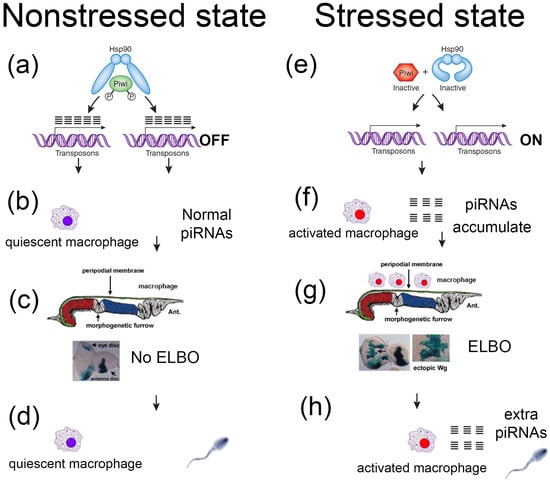
Cerebral Amyloid Angiopathy (CAA) is a neurovascular condition characterized by the accumulation of amyloid-beta (Aβ) in the walls of small blood vessels, particularly affecting the leptomeninges and cortical regions in elderly populations. Initially recognized for its association with spontaneous lobar intracerebral hemorrhage, recent studies have highlighted the broader implications of CAA on cognitive decline and vascular health. This narrative review aims to elucidate the mechanisms of dural involvement in CAA, an aspect that has been largely overlooked in existing literature. This paper provides a detailed examination of the potential role of the dura mater and its associated lymphatic system in the clearance of interstitial amyloid and the maintenance of cerebrospinal fluid (CSF) homeostasis. Dural lymphatic vessels may facilitate the efflux of Aβ from the brain, and any impairment in this drainage system could contribute to the pathological accumulation of amyloid, exacerbating CAA and its neurological consequences. Additionally, the significant association between CAA and subdural hematoma (SDH) has been explored, indicating that the presence of SDH may complicate the clinical management of CAA patients by signaling an increased risk of hemorrhagic events. The mechanisms linking CAA and SDH, including vascular fragility and chronic inflammatory processes, are discussed to provide insight into potential pathways for therapeutic intervention.
Full article
(This article belongs to the Special Issue Cellular and Molecular Mechanisms of Vascular-Related Diseases)
►▼
Show Figures

Figure 1
Open AccessArticle
Inhibition of Tumor Microenvironment-Driven JAK-STAT Signaling Enhances Response to Arginine Deprivation Therapy in Triple-Negative Breast Cancer
by
Hila Tishler, Shahar Ziman, Kuoyuan Cheng, Kun Wang, Neel Sanghvi, Lital Adler, Gil Stelzer, Hillary Maniriho, Bareket Dassa, Elizabeta Bab-Dinitz, Michal Levi, Sivan Galai, Omer Goldman, Yarden Ariav, Naama Darzi, Saar Ezagouri, Nitsan Nimni, Nataly Rosenfeld, Ron Rotkopf, Alexander Brandis, Tevie Mehlman, Roni Oren, Mirie Zerbib, Yuri Kuznetsov, Sara Donzelli, Giovanni Blandino, Rony Seger, Eytan Ruppin and Ayelet Erezadd
Show full author list
remove
Hide full author list
Cells 2026, 15(1), 25; https://doi.org/10.3390/cells15010025 - 23 Dec 2025
Abstract
Argininosuccinate synthetase 1 (ASS1) expression and arginine availability are key metabolic determinants that influence tumor fitness and regulate immune interactions within the tumor microenvironment (TME). Using an orthotopic triple-negative breast cancer (TNBC) model, we demonstrate that arginine deprivation heightens tumor dependence on the
[...] Read more.
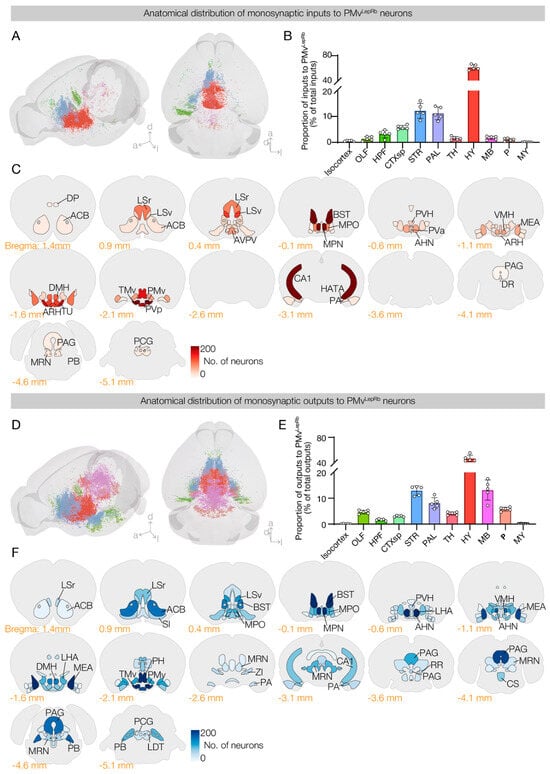
Argininosuccinate synthetase 1 (ASS1) expression and arginine availability are key metabolic determinants that influence tumor fitness and regulate immune interactions within the tumor microenvironment (TME). Using an orthotopic triple-negative breast cancer (TNBC) model, we demonstrate that arginine deprivation heightens tumor dependence on the TME for survival. Mechanistically, fibroblasts sustain tumor viability by supplying arginine, whereas macrophages cooperate with stromal cues to activate Janus kinase-signal transducer and activator of transcription (JAK-STAT) signaling, thereby enhancing tumor survival. Concordantly, a JAK-STAT gene-expression signature correlates with ASS1 levels in human TNBC datasets. Translationally, combined pharmacological inhibition of JAK signaling with arginine deprivation markedly suppresses tumor growth. Together, these findings reveal a TME-driven, targetable stromal–immune circuit that enables tumors to withstand arginine deficiency-induced metabolic stress. Broadly, our work highlights that mapping and strategically inducing metabolic dependencies can reveal actionable compensatory pathways, offering opportunities to improve cancer therapy.
Full article
(This article belongs to the Special Issue Decoding Cancer Metabolism: Recent Insights and Future Directions)
►▼
Show Figures

Figure 1
Open AccessArticle
Atrial TRPM2 Channel-Mediated Ca2+ Influx Regulates ANP Secretion and Protects Against Isoproterenol-Induced Cardiac Hypertrophy and Fibrosis
by
Tomohiro Numata, Hideaki Tagashira, Kaori Sato-Numata, Meredith C Hermosura, Fumiha Abe, Ayako Sakai, Shinichiro Yamamoto and Hiroyuki Watanabe
Cells 2026, 15(1), 24; https://doi.org/10.3390/cells15010024 - 22 Dec 2025
Abstract
Transient receptor potential melastatin 2 (TRPM2) channel is a Ca2+-permeable, redox-activated cardiac ion channel protective in ischemia–reperfusion, but whether it regulates atrial endocrine output under stress is unclear. Here, we investigated whether TRPM2 contributes to the atrial natriuretic peptide (ANP) response
[...] Read more.
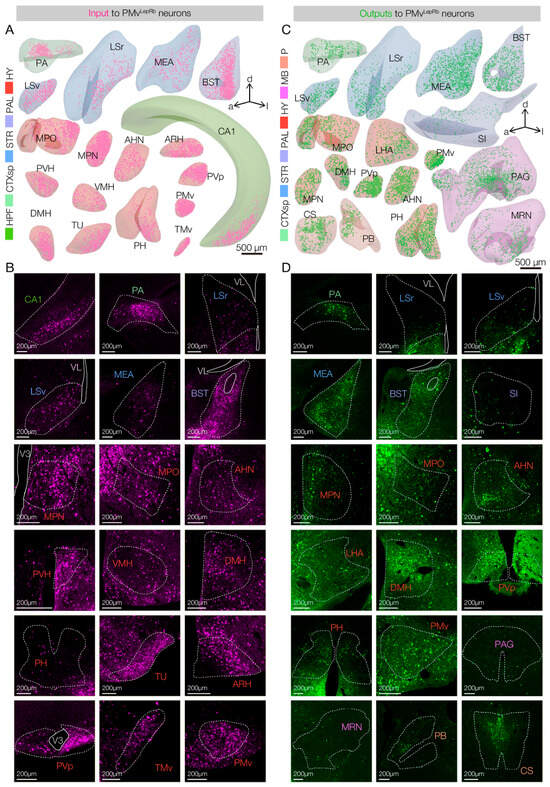
Transient receptor potential melastatin 2 (TRPM2) channel is a Ca2+-permeable, redox-activated cardiac ion channel protective in ischemia–reperfusion, but whether it regulates atrial endocrine output under stress is unclear. Here, we investigated whether TRPM2 contributes to the atrial natriuretic peptide (ANP) response during β-adrenergic stimulation. We compared how male C57BL/6J wild-type (WT) and TRPM2 knockout (TRPM2−/−) mice (8–12 weeks old) respond to β-adrenergic stress induced by isoproterenol (ISO) using echocardiography, histology, RT-PCR, electrophysiology, Ca2+ imaging, ELISA, and atrial RNA-seq. We detected abundant Trpm2 transcripts in WT atria and measured ADP-ribose (ADPr)-evoked currents and hydrogen peroxide (H2O2)-induced Ca2+ influx characteristic of TRPM2; these were absent in TRPM2−/− cells. Under the ISO-induced hypertrophic model, TRPM2−/− mice developed greater cardiac hypertrophy, fibrosis, and systolic dysfunction compared with WT mice. Atrial bulk RNA-seq showed significant induction of Nppa (ANP precursor gene) in WT + ISO, accompanied by higher circulating ANP; TRPM2−/− + ISO showed blunted Nppa and ANP responses. ISO-treated TRPM2−/− mice exhibited more blunt responses, in both Nppa transcripts and circulating ANP levels. Exogenous ANP attenuated ISO-induced dysfunction, hypertrophy, and fibrosis in TRPM2−/− mice, suggesting that TRPM2 is needed for the cardioprotective endocrine response via ANP to control stress-induced β-adrenergic remodeling.
Full article
(This article belongs to the Special Issue Insight into Cardiomyopathy)
►▼
Show Figures

Figure 1
Open AccessReview
Microbiota-Mediated Bile Acid Metabolism as a Mechanistic Framework for Precision Nutrition in Gastrointestinal and Metabolic Diseases
by
Suna Kang, Do-Youn Jeong, Jeowon Seo, James W. Daily and Sunmin Park
Cells 2026, 15(1), 23; https://doi.org/10.3390/cells15010023 - 22 Dec 2025
Abstract
Gut microbiota play a central role in shaping bile acid (BA) metabolism through community-specific capacities for deconjugation, dehydroxylation, and other transformation reactions. Distinct microbiome compositional patterns—often referred to as enterotype-like clusters—correspond to reproducible functional profiles that generate unique BA metabolic signatures with relevance
[...] Read more.
Gut microbiota play a central role in shaping bile acid (BA) metabolism through community-specific capacities for deconjugation, dehydroxylation, and other transformation reactions. Distinct microbiome compositional patterns—often referred to as enterotype-like clusters—correspond to reproducible functional profiles that generate unique BA metabolic signatures with relevance for metabolic and gastrointestinal health. This narrative review synthesizes current evidence describing the interplay between microbial composition, BA metabolism, and metabolic dysfunction. A structured literature search was conducted in PubMed, Web of Science, EMBASE, and Scopus using predefined keywords related to bile acids, microbiome composition, metabolic disorders, and enterotypes. Studies were screened for human clinical relevance and mechanistic insights into BA–microbiome interactions. Across the evidence base, Bacteroides-, Prevotella-, and Ruminococcus-associated community types consistently demonstrate different BA transformation capacities that influence secondary BA production and downstream host signaling through FXR and TGR5. These differences are linked to variation in metabolic dysfunction-associated steatotic liver disease, obesity, type 2 diabetes, inflammatory bowel disease, and colorectal cancer. Host genetic variations in BA synthesis, transport, and signaling further modify these microbiome–BA interactions, contributing to the heterogeneity of dietary intervention responses. Overall, the literature supports a model in which microbiome-derived BA profiles act as metabolic phenotypes that shape host lipid and glucose homeostasis, inflammation, and gut–liver axis integrity. Emerging clinical applications include microbiome-stratified dietary strategies, targeted probiotics with defined BA-modifying functions, and therapeutic approaches that align BA-modulating interventions with an individual’s microbial metabolic capacity. Establishing integrated biomarker platforms combining microbiome clustering with BA profiling will be essential for advancing precision nutrition and personalized management of metabolic and gastrointestinal diseases.
Full article
(This article belongs to the Special Issue Gut Microbiota, Metabolites, and Immune Regulation in Gastrointestinal Diseases)
Open AccessArticle
Activating KRAS Mutations Expressed in 3D Endothelial Spheroids Induce Blebbing Morphologies Associated with Amoeboid-like Migration
by
Lucinda S. McRobb, Vivienne S. Lee and Marcus A. Stoodley
Cells 2026, 15(1), 22; https://doi.org/10.3390/cells15010022 - 22 Dec 2025
Abstract
►▼
Show Figures
Introduction: A 3D endothelial spheroid model expressing mosaic gain-of-function KRAS mutations was established to further understand the molecular changes associated with sporadic brain arteriovenous malformations (AVMs). Methods: Repellent 96-well U-bottom plates were seeded with human cerebral microvascular endothelial cells and resultant spheroids transduced
[...] Read more.
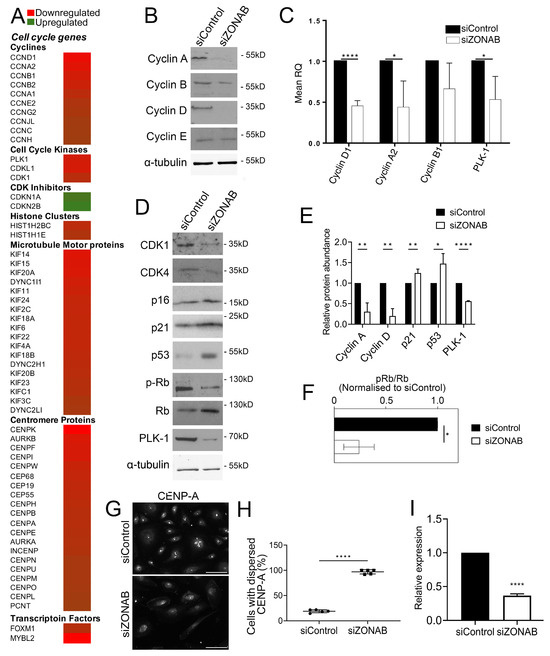
Introduction: A 3D endothelial spheroid model expressing mosaic gain-of-function KRAS mutations was established to further understand the molecular changes associated with sporadic brain arteriovenous malformations (AVMs). Methods: Repellent 96-well U-bottom plates were seeded with human cerebral microvascular endothelial cells and resultant spheroids transduced with recombinant adeno-associated virus expressing KRASG12V. Spheroids were monitored using live-cell imaging for extended culture periods. Results: In the early growth period, KRASG12V expression increased spheroid growth rates and enhanced spheroid sprouting on gel matrices consistent with known AVM characteristics. With extended culture, novel endothelial characteristics were observed. KRASG12V-expressing spheroids displayed dynamic blebbing associated with the formation of rounded, hypertrophic cells disposed to engage in spheroid escape. These cells displayed reduced cell–cell adherence with rapid plasma membrane blebbing characteristic of amoeboid-like migration and mesenchymal-to-amoeboid transition. Spheroid growth and blebbing were reversed with MEK and mTOR inhibitors; Rho/ROCK inhibition specifically targeted the blebbing phenotype. Conclusions: Endothelial spheroids expressing KRASG12V exhibit characteristic features associated with abnormal vessel development in brain AVMs as well as novel phenotypes not previously observed in 2D monolayers. The ability to extend culture periods in this simple 3D model may allow further phenotypic exploration of important AVM driver mutations.
Full article

Figure 1
Open AccessReview
CAR-NK Engineering to Overcome TME Barriers
by
Fahmida Islam, Aleta Pupovac, Richard L. Boyd and Alan O. Trounson
Cells 2026, 15(1), 21; https://doi.org/10.3390/cells15010021 - 22 Dec 2025
Abstract
Chimeric antigen receptor (CAR)-based immunotherapy has shown considerable promise in cancer treatment by redirecting immune effector cells to recognize and eliminate tumor cells in an antigen-specific manner. While CAR-T cells bearing tumor-specific CARs have shown remarkable success in treating some hematological malignancies, their
[...] Read more.
Chimeric antigen receptor (CAR)-based immunotherapy has shown considerable promise in cancer treatment by redirecting immune effector cells to recognize and eliminate tumor cells in an antigen-specific manner. While CAR-T cells bearing tumor-specific CARs have shown remarkable success in treating some hematological malignancies, their clinical application is limited by cytokine release syndrome, neurotoxicity, and graft-versus-host disease. In contrast, CAR–natural killer (NK) cells retain their multiple forms of natural anti-tumor capabilities without the pathological side effects and are compatible with allogeneic “off-the-shelf” application by not requiring prior activation signaling. Despite CAR-NK therapies showing promising results in hematological malignancies, they remain limited as effector cells against solid tumors. This is primarily due to the complex, immunosuppressive tumor microenvironment (TME), characterized by hypoxia, nutrient depletion, lactate-induced acidosis, and inhibitory soluble factors. Collectively, these significantly impair NK cell functionality. This review examines challenges faced by CAR-NK therapy in combating solid tumors and outlines strategies to reduce them. Barriers include tumor antigen heterogeneity, immune escape, trogocytosis-mediated fratricide, rigid structural and metabolic barriers in the TME, immunosuppressive factors, and defective homing and cell persistence of CAR-NK cells. We also emphasize the impact of combining other complementary immunotherapies (e.g., multi-specific immune engagers and immunomodulatory agents) that further strengthen CAR-NK efficacy. Finally, we highlight critical research gaps in CAR-NK therapy and propose that cutting-edge technologies are required for successful clinical translation in solid tumor treatment.
Full article
(This article belongs to the Special Issue Novel Insights into Cancer Immune Responsiveness)
►▼
Show Figures

Figure 1
Open AccessArticle
Spinal Microglial TLR7 Activation Drives Hyperalgesia in a Lupus Mouse Model via Upregulation of IL-1β, IL-18, and Cav2.2 and Enhanced Glutamatergic Synaptic Activity
by
Saumya Bipin, Viacheslav Viatchenko-Karpinski, Catherine Li, Sujin Lim and Han-Rong Weng
Cells 2026, 15(1), 20; https://doi.org/10.3390/cells15010020 - 22 Dec 2025
Abstract
►▼
Show Figures
Patients with systemic lupus erythematosus (SLE) often suffer from chronic pain due to a lack of effective and safe analgesics. In this study, we investigated the role of spinal TLR7 in the pathogenesis of chronic pain using female MRL lupus prone (MRL/lpr
[...] Read more.
Patients with systemic lupus erythematosus (SLE) often suffer from chronic pain due to a lack of effective and safe analgesics. In this study, we investigated the role of spinal TLR7 in the pathogenesis of chronic pain using female MRL lupus prone (MRL/lpr) mice, a SLE mouse model. We found that from 11 weeks of age, MRL/lpr mice exhibited thermal hypersensitivity in the hind paw, which reached plateau between 14 and 16 weeks. MRL/lpr mice with thermal hypersensitivity had increased expression of TLR7 in the spinal dorsal horn. TLR7 was located in microglia in this region. Intrathecal administration of a TLR7 antagonist attenuated the thermal hypersensitivity in MRL/lpr mice, while administration of the TLR7 agonist induced thermal hypersensitivity in control mice. Pharmacological activation of spinal TLR7 in control mice recapitulated molecular, synaptic, and cellular changes in the spinal dorsal horn of MRL/lpr mice with thermal hyperalgesia. These alterations included activation of microglia and astrocytes, increased production of IL-1β and IL-18, upregulated expression of N-type voltage-gated calcium channels (Cav2.2), enhanced glutamatergic synaptic activity, and elevated neuronal activation. Our findings suggest that targeting TLR7 or downstream effectors may represent a promising strategy to alleviate chronic pain induced by SLE.
Full article

Figure 1
Open AccessArticle
Potential Role of Serum Cytokines and Chemokines as Biomarkers of Injury Severity and Functional Outcomes Following Pediatric Traumatic Brain Injury
by
Kathryn Swaby, Alexander J. Skirvin, Natalie Machado, Maria Mateo Chavez, Julia Alexis Bernal, Ana Fuentes, Charlene P. Pringle, Kourtney Guthrie, Jennifer Coto, Rajderkar Dhanashree, Joslyn Gober, Paula Karina Perez, Juan P. Solano, Heather J. McCrea, Ricardo Loor-Torres, Joyce Kaufman, Ayham Alkhachroum, Kristine H. O’Phelan, Firas Kobeissy, Robert W. Keane, Kevin K. Wang, W. Dalton Dietrich, Juan Pablo de Rivero Vaccari and Jennifer C. Munoz Parejaadd
Show full author list
remove
Hide full author list
Cells 2026, 15(1), 19; https://doi.org/10.3390/cells15010019 - 22 Dec 2025
Abstract
Traumatic brain injury (TBI) is one of the leading causes of death and neurological disability worldwide. The search for biomarkers that indicate TBI severity and prognosis with greater accuracy is ongoing. This study aimed to evaluate the significance of several neuroinflammatory cytokines and
[...] Read more.
Traumatic brain injury (TBI) is one of the leading causes of death and neurological disability worldwide. The search for biomarkers that indicate TBI severity and prognosis with greater accuracy is ongoing. This study aimed to evaluate the significance of several neuroinflammatory cytokines and chemokines, assessing their potential as biomarkers in pediatric TBI (pTBI). This was an exploratory analysis of inflammatory cytokines and chemokines measured in a subset of 26 children aged 0–18 years with TBI and 21 controls. TBI severity was determined by GCS. The functional outcome was measured via the GOS-E score at 6 weeks and 3, 6, 9, and 12 months post-injury. Serum samples were analyzed for ICAM-1, VCAM-1, SAA, CRP, IFN-g, IL-10, IL-12p70, IL-13, IL-1b, IL-2, IL-4, IL-6, IL-8, TNF-a, TNF-b, eotaxin, eotaxin-3, IP-10, MCP-1, MCP-4, MDC, MIP-1a, MIP-1b and TARC. Levels of IL-6, IL-10, IL-13, IL-16, MDC, and GM-CSF were increased, and IFN-γ, IL-5, IL-8, and eotaxin-3 were decreased at enrollment when compared with controls. Elevated IL-6 and IL-10 at enrollment were associated with severe TBI (AUC of 1, p = 0.0002 and p = <0.0001, respectively). IL-6, IL-10, IL-16, and TNF-β at enrollment and IL-5 at 24 h were elevated in children with unfavorable outcomes, with an AUC > 0.8, suggesting biomarker potential. Our data indicate that several cytokines and chemokines measured after TBI may aid in the assessment of pTBI severity and prognosis. IL-6, IL-10, and IL-16 may show potential as biomarkers for pTBI severity and outcomes.
Full article
(This article belongs to the Special Issue Cellular and Molecular Mechanisms in Neuropsychiatric and Neurological Disorders)
►▼
Show Figures

Figure 1
Open AccessArticle
Milk-Derived Extracellular Vesicles Protect Bovine Oviduct Epithelial Cells from Oxidative Stress
by
Seyed Omid Reza Mousavi, Qurat Ul Ain Reshi, Kasun Godakumara, Subhashini Muhandiram, Getnet Midekessa, Aneta Andronowska, Sergei Kopanchuk, Darja Lavogina, Ago Rinken, Suranga Kodithuwakku and Alireza Fazeli
Cells 2026, 15(1), 18; https://doi.org/10.3390/cells15010018 - 22 Dec 2025
Abstract
►▼
Show Figures
Extracellular vesicles (EVs) are promising therapeutic agents due to their role in intercellular communication. This study examined the protective effects of milk-derived EVs (mEVs) on bovine oviductal epithelial cells (BOECs) under cobalt chloride (CoCl2)-induced oxidative stress (OS), comparing EVs stored at
[...] Read more.
Extracellular vesicles (EVs) are promising therapeutic agents due to their role in intercellular communication. This study examined the protective effects of milk-derived EVs (mEVs) on bovine oviductal epithelial cells (BOECs) under cobalt chloride (CoCl2)-induced oxidative stress (OS), comparing EVs stored at −80 °C or lyophilized. mEVs and algae-derived EVs (aEVs; negative control) were isolated via tangential flow filtration and applied at 107, 109, and 1011 particles/mL in three treatment strategies: pre-treatment, co-incubation, and post-treatment. mEVs specifically enhanced cell viability in all protocols except for post-treatment, where only 107 particles/mL was effective; meanwhile, storage method did not affect EV activity. Enzyme digestion suggested that internal EV cargos are potentially the dominant contributors to the protective response compared to surface-associated molecules. mEVs reduced the expression of the OS markers DDIT4 and HIF1A while promoting cell migration more effectively than aEVs. Pathway enrichment analysis of previously reported mEV miRNAs indicated regulation of cytokine production and glucocorticoid responses, potentially contributing to OS defense. mEV protein cargo analysis showed pathways primarily linked to peptidase and vesicle-related functions, suggesting that protein cargo may also contribute to the observed protective effects. Overall, mEVs protect BOECs against CoCl2-induced OS and maintain bioactivity after lyophilization.
Full article

Figure 1
Open AccessReview
Hinokiflavone as a Potential Antitumor Agent: From Pharmacology to Pharmaceutics
by
Fengrui Liu, Ranyi Li, Xiaolei Zhou and Xiaoyu Li
Cells 2026, 15(1), 17; https://doi.org/10.3390/cells15010017 - 22 Dec 2025
Abstract
►▼
Show Figures
Hinokiflavone (HF), a natural C-O-C-linked biflavonoid originally isolated from Chamaecyparis obtusa, is a promising multifunctional antitumor agent. Despite challenges posed by multidrug resistance and tumor heterogeneity, HF demonstrates notable therapeutic potential through a multifaceted pharmacological profile. HF exerts broad-spectrum anticancer effects by
[...] Read more.
Hinokiflavone (HF), a natural C-O-C-linked biflavonoid originally isolated from Chamaecyparis obtusa, is a promising multifunctional antitumor agent. Despite challenges posed by multidrug resistance and tumor heterogeneity, HF demonstrates notable therapeutic potential through a multifaceted pharmacological profile. HF exerts broad-spectrum anticancer effects by targeting multiple oncogenic pathways, including the MDM2-p53 axis, MAPK/JNK/NF-κB signaling, ROS/JNK-mediated apoptosis, and Bcl-2/Bax-regulated mitochondrial pathways. These actions are further complemented by inhibition of cell proliferation through cell cycle arrest and suppression of metastasis via downregulation of matrix metalloproteinases and reversal of epithelial–mesenchymal transition. Additionally, HF displays antioxidant, anti-inflammatory, and antimicrobial activities, enhancing treatment efficacy. However, its clinical translation remains limited by poor aqueous solubility, low oral bioavailability, and incomplete pharmacokinetic characterization. Recent advances in nanotechnology-based formulation strategies, such as polymeric micelles and metal–organic frameworks, have enhanced HF’s bioavailability and in vivo antitumor efficacy. This review comprehensively delineates HF’s molecular mechanisms of anticancer action, evaluates its pharmacokinetics and bioformulation developments, and highlights challenges and prospects for clinical application. Integration of tumor microenvironment-responsive delivery systems with synergistic therapeutic strategies is essential to fully realize HF’s therapeutic potential, positioning it as a valuable scaffold for novel anticancer drug development.
Full article

Figure 1
Open AccessArticle
FAK-Activated Mucosal Healing Promotes Resistance to Reinjury
by
Sema Oncel, Guiming Liu, Louis Kwantwi, Emilie E. Vomhof-DeKrey, Ricardo Gallardo-Macias, Vadim J. Gurvich and Marc D. Basson
Cells 2026, 15(1), 16; https://doi.org/10.3390/cells15010016 - 22 Dec 2025
Abstract
Background: Gastrointestinal (GI) mucosal injury is a frequent complication of long-term nonsteroidal anti-inflammatory drug (NSAID) use. Effective mucosal healing requires coordinated epithelial migration, proliferation, and angiogenesis, which may be influenced by focal adhesion kinase (FAK). This study aimed to determine whether our newly
[...] Read more.
Background: Gastrointestinal (GI) mucosal injury is a frequent complication of long-term nonsteroidal anti-inflammatory drug (NSAID) use. Effective mucosal healing requires coordinated epithelial migration, proliferation, and angiogenesis, which may be influenced by focal adhesion kinase (FAK). This study aimed to determine whether our newly developed FAK activators promote intestinal mucosal healing by enhancing angiogenesis and whether FAK activation increases resistance to reinjury. Methods: Ischemic jejunal ulcers were induced in C57BL/6 mice. After 24 h, mice received intraperitoneal injections of the FAK activator ZINC40099027 (ZN27, 900 µg/kg every 6 h) or vehicle for 2, 4, or 14 days. Ulcer areas were quantified, and liver and kidney function were assessed. Ulcer and adjacent tissues were analyzed by immunofluorescence staining for angiogenesis and proliferation markers. In vitro, human umbilical vein endothelial cells (HUVECs) were treated with ZN27 to evaluate proliferation, migration, angiogenesis, and intracellular signaling. In a reinjury model, male C57BL/6J mice received continuous infusion of the FAK activator M64HCl (25 mg/kg/day) or vehicle for 7 days, with a single subcutaneous injection of indomethacin (10 mg/kg) on day 1 to induce GI injury. Fourteen days after the first dose of indomethacin, the mice received a second indomethacin challenge, and one day later, total ulcer areas in the pyloric opening and small intestine were quantified. Results: Ulcer areas were significantly smaller in ZN27-treated mice compared with vehicle-treated controls at 3 and 5 days, accompanied by increased expression of angiogenesis and proliferation markers. In vitro, ZN27 enhanced HUVEC migration via FAK activation in an ERK1/2-dependent manner and increased the number of angiogenic sprouts. In the reinjury model, treatment with M64HCl during the initial indomethacin-induced injury resulted in significantly smaller ulcer areas in both the pyloric opening and small intestine after the second indomethacin challenge compared with controls. Conclusions: FAK activation accelerates ischemic ulcer healing, in part by enhancing angiogenesis. Moreover, FAK activation during an initial injury reduces susceptibility to recurrent NSAID-induced intestinal injury, perhaps because it promotes initial higher-quality ulcer repair.
Full article
(This article belongs to the Special Issue Translational Aspects of Cell Signaling)
►▼
Show Figures

Figure 1
Open AccessReview
From Zygote to Blastocyst—Molecular Aspects of Porcine Early Embryonic Development
by
Beenu Moza Jalali and Marta Wasielak-Politowska
Cells 2026, 15(1), 15; https://doi.org/10.3390/cells15010015 - 22 Dec 2025
Abstract
►▼
Show Figures
Early mammalian embryo development is a temporally regulated process initially governed by maternal factors during the first few cleavage divisions. In porcine embryos, the transition from oocyte to embryonic control occurs around the 4-cell stage. This developmental progression depends on embryonic genome activation
[...] Read more.
Early mammalian embryo development is a temporally regulated process initially governed by maternal factors during the first few cleavage divisions. In porcine embryos, the transition from oocyte to embryonic control occurs around the 4-cell stage. This developmental progression depends on embryonic genome activation (EGA), epigenetic reprogramming, metabolic cues, and extracellular signaling pathways. While fundamental aspects of early development are conserved across mammals, porcine embryos exhibit distinct molecular features, including unique EGA timing, altered regulatory gene expression, and a pronounced reliance on lipid metabolism. This review provides a comprehensive overview of recent advances in understanding the molecular mechanisms underlying early porcine embryo development, from fertilization to blastocyst formation. It summarizes molecular changes associated with the maternal regulation of initial embryonic divisions, genome activation, chromatin remodeling, and the role of transcription factors and metabolic pathways. Additionally, the review examines the impact of in vitro culture conditions on these molecular processes. A thorough understanding of these mechanisms is critical for optimizing embryo culture systems, improving developmental outcomes, and advancing agricultural biotechnology.
Full article

Figure 1
Open AccessReview
Engineering Liver-Specific Promoters: A Comprehensive Review of Design, Mechanisms, and Clinical Applications in Gene Therapy
by
Valentin Artemyev, Anastasiia Iu. Paremskaia, Amina A. Dzhioeva, Daria Mishina, Viktor Bogdanov, Julia Krupinova, Ali Mazloum, Sofya G. Feoktistova, Olga N. Mityaeva and Pavel Yu. Volchkov
Cells 2026, 15(1), 14; https://doi.org/10.3390/cells15010014 - 22 Dec 2025
Abstract
The liver is a primary metabolic hub and a pivotal target for gene therapy, owing to its capacity for protein secretion, role in metabolic homeostasis and immune tolerance. Liver-directed gene therapies are used to treat numerous inherited metabolic disorders and coagulation factor deficiencies
[...] Read more.
The liver is a primary metabolic hub and a pivotal target for gene therapy, owing to its capacity for protein secretion, role in metabolic homeostasis and immune tolerance. Liver-directed gene therapies are used to treat numerous inherited metabolic disorders and coagulation factor deficiencies including hemophilia (A and B), Crigler–Najjar syndrome, mucopolysaccharidoses, phenylketonuria, Fabry, Gaucher, Wilson and Pompe diseases. The efficacy and safety of liver-directed gene therapy rely on the use of strong tissue-specific promoters. To date, there are many different liver-specific promoters used in preclinical and clinical studies, including novel completely synthetic promoters. This review provides a comprehensive analysis of the design, engineering and application of liver-specific promoters. Furthermore, we discuss fundamental principles of gene expression regulation in the liver and the physiological and immunological characteristics that make it a suitable target organ for gene therapy delivery.
Full article
(This article belongs to the Special Issue Gene Therapy for Rare Diseases)
►▼
Show Figures

Figure 1
Journal Menu
► ▼ Journal Menu-
- Cells Home
- Aims & Scope
- Editorial Board
- Reviewer Board
- Topical Advisory Panel
- Instructions for Authors
- Special Issues
- Topics
- Sections & Collections
- Article Processing Charge
- Indexing & Archiving
- Editor’s Choice Articles
- Most Cited & Viewed
- Journal Statistics
- Journal History
- Journal Awards
- Society Collaborations
- Editorial Office
Journal Browser
► ▼ Journal BrowserHighly Accessed Articles
Latest Books
E-Mail Alert
News
Topics
Topic in
Biology, Biomolecules, Cancers, Cells, IJMS
RNAs and Phase Separation Phenomena
Topic Editors: Ana Lúcia Leitão, Afshin Beheshti, Francisco J. EnguitaDeadline: 31 December 2025
Topic in
Biomolecules, Cancers, Cells, JMP, Livers
Signaling Pathways in Liver Disease 2nd Edition
Topic Editors: Ralf Weiskirchen, Amedeo AmedeiDeadline: 20 March 2026
Topic in
Biomolecules, Cancers, Cells, Organoids, Current Oncology
Advances in Glioblastoma: From Biology to Therapeutics
Topic Editors: Javier S. Castresana, Miguel IdoateDeadline: 31 March 2026
Topic in
Cells, JCM, Organoids, JMP
Novel Discoveries in Oncology 2nd Edition
Topic Editors: Michela Campolo, Giovanna Casili, Alessia Filippone, Marika LanzaDeadline: 20 June 2026
Special Issues
Special Issue in
Cells
Role of T Cells in Immune Disease Treatment
Guest Editor: Ilan BankDeadline: 25 December 2025
Special Issue in
Cells
Advances in Molecular Genomics and Pathology of Cancers
Guest Editor: Muhammad KibriyaDeadline: 25 December 2025
Special Issue in
Cells
Cellular Differentiation in Health and Disease
Guest Editors: Christine K. C. Loo, Grant A. RammDeadline: 25 December 2025
Special Issue in
Cells
Host Immunity to Bacterial Infections
Guest Editor: Karine GlouxDeadline: 26 December 2025
Topical Collections
Topical Collection in
Cells
Exclusive Papers from Editorial Board Members and Invited Scholars in CellsCollection Editor: Alexander E. Kalyuzhny
Topical Collection in
Cells
Cell-to-Cell Metabolic Cross-Talk in Physiology and Pathology—2nd Edition
Collection Editors: Ciro Isidoro, Danny N. Dhanasekaran
Topical Collection in
Cells
STIM and Orai Communication in Health and Disease
Collection Editor: Isabella Derler
Topical Collection in
Cells
The New Era of Mesenchymal Stromal/Stem Cell Functional Application: State of the Art, Therapeutic Challenges and Future Directions
Collection Editors: Alessandro Poggi, Mehdi Najar