Journal Description
Atmosphere
Atmosphere
is an international, peer-reviewed, open access journal of scientific studies related to the atmosphere, published monthly online by MDPI. The Italian Aerosol Society (IAS) and Working Group of Air Quality in European Citizen Science Association (ECSA) are affiliated with Atmosphere and their members receive a discount on the article processing charges.
- Open Access— free for readers, with article processing charges (APC) paid by authors or their institutions.
- High Visibility: indexed within Scopus, SCIE (Web of Science), Ei Compendex, GEOBASE, GeoRef, Inspec, CAPlus / SciFinder, Astrophysics Data System, and other databases.
- Journal Rank: CiteScore - Q2 (Environmental Science (miscellaneous))
- Rapid Publication: manuscripts are peer-reviewed and a first decision is provided to authors approximately 19.7 days after submission; acceptance to publication is undertaken in 2.7 days (median values for papers published in this journal in the second half of 2025).
- Recognition of Reviewers: reviewers who provide timely, thorough peer-review reports receive vouchers entitling them to a discount on the APC of their next publication in any MDPI journal, in appreciation of the work done.
- Testimonials: See what our editors and authors say about Atmosphere.
- Companion journals for Atmosphere include: Meteorology and Aerobiology.
Impact Factor:
2.3 (2024);
5-Year Impact Factor:
2.5 (2024)
Latest Articles
Factors Influencing Inversion Layers and Subsequent Dust Transport in Deep Open-Pit Mines
Atmosphere 2026, 17(5), 524; https://doi.org/10.3390/atmos17050524 (registering DOI) - 20 May 2026
Abstract
Due to their unique topography, deep open-pit coal mines are prone to temperature inversions, which, in turn, exacerbate dust pollution. To characterize this phenomenon, we combined field measurements with FLUENT-based numerical simulations to analyze how inversion layer properties and dust transport patterns respond
[...] Read more.
Due to their unique topography, deep open-pit coal mines are prone to temperature inversions, which, in turn, exacerbate dust pollution. To characterize this phenomenon, we combined field measurements with FLUENT-based numerical simulations to analyze how inversion layer properties and dust transport patterns respond to varying conditions. The results show that the temperature contrast between the pit walls is positively correlated with the inversion layer’s temperature difference, thickness, and strength. In contrast, ambient wind speed is negatively correlated with the layer’s temperature difference and strength, yet positively correlated with its thickness. Surface temperature has no significant effect on the inversion layer’s temperature difference or thickness and exhibits only a weak correlation with its strength. Furthermore, higher wall temperature contrasts lead to increased dust concentration, whereas stronger winds promote dispersion and lower concentrations. These findings confirm that temperature inversion intensifies pollution, with stronger inversions causing more severe contamination. Therefore, mitigating the formation of inversion layers is crucial for effective dust control in deep pits. Unlike previous phenomenological observations, this study provides novel quantitative data on the thermal-aerodynamic coupling within deep open pits. Specifically, it establishes exact mathematical correlations between discrete rock wall temperature differentials and inversion layer thickness, providing critical thresholds for predicting severe dust retention.
Full article
(This article belongs to the Collection Measurement of Exposure to Air Pollution)
►
Show Figures
Open AccessArticle
A Case Study on the Stability of Neural Network Climate Prediction Models with Different Training Stop Criteria
by
Xiangjun Shi, Ping Zhou and Sirui He
Atmosphere 2026, 17(5), 523; https://doi.org/10.3390/atmos17050523 (registering DOI) - 20 May 2026
Abstract
Due to randomness factors in the machine learning model construction process, reproducibility is compromised. This study investigates the impact of randomness on model stability and evaluates techniques for reducing this impact using the widely adopted shallow neural network model as a testbed. Randomness
[...] Read more.
Due to randomness factors in the machine learning model construction process, reproducibility is compromised. This study investigates the impact of randomness on model stability and evaluates techniques for reducing this impact using the widely adopted shallow neural network model as a testbed. Randomness in this neural network model arises from three events: randomly initializing model parameters, randomly selecting a validation subset, and randomly sampling batches for parameter updates. Among these, batch randomness exerts a much weaker impact than the other two factors. In this study, the model training is stopped when the validation performance fails to improve or when a preset threshold for loss or epoch number is met. The final model stability is considerably better when using threshold criteria than when using validation criterion, as the former avoids the randomness associated with selecting a validation subset. Sensitivity experiments show that scaling the model’s initial parameters (i.e., weights) to 0.1 times their original values can mitigate the impact of initialization randomness, thereby markedly improving model stability while also substantially enhancing predictive skill. Furthermore, weight decay and multi-model ensembles, which are two commonly used techniques, can also markedly enhance model stability. From the perspective of this case study, the compression of model initial parameters yields better improvements in stability compared to weight decay, and unlike multi-model ensemble methods that entail substantial increases in computational cost, it serves as a preferable technique for improving model stability.
Full article
(This article belongs to the Special Issue Statistical and Machine Learning Methods for Climate Sciences: Advances, Applications and Emerging Challenges)
►▼
Show Figures

Figure 1
Open AccessArticle
A Methodological Approach Using ENVI-Met Simulations and Meteorological Data for Assessing Thermal Stress: The Case of Athens (Greece)
by
Ioannis Koletsis, Katerina Pantavou, Spyridon Lykoudis, Areti Tseliou, Antonis Bezes, Ioannis X. Tsiros, Konstantinos Lagouvardos, Basil E. Psiloglou, Dimitra Founda and Vassiliki Kotroni
Atmosphere 2026, 17(5), 522; https://doi.org/10.3390/atmos17050522 - 19 May 2026
Abstract
Climate change and rising global temperature values lead to a cascade of effects on human health and well-being. Methodologies for assessing thermal conditions and identifying areas with increased thermal stress are important for enhancing the quality of life in urban environments. This study
[...] Read more.
Climate change and rising global temperature values lead to a cascade of effects on human health and well-being. Methodologies for assessing thermal conditions and identifying areas with increased thermal stress are important for enhancing the quality of life in urban environments. This study is aimed at developing a methodology that combines high-resolution simulation data with surface meteorological observations for application in urban thermal stress assessment. Eleven urban public sites within the metropolitan area of Athens, Greece (i.e., squares and parks) were simulated using the three-dimensional microclimate model ENVI-met. The model was validated using micrometeorological data from field campaigns conducted in summer, autumn and winter. The validation results confirmed that ENVI-met showed satisfactory performance for further research analysis. Subsequently, Physiologically Equivalent Temperature (PET) and Universal Thermal Climate Index (UTCI) were calculated using data from weather stations operated by the National Observatory of Athens and the Hellenic National Meteorological Service. PET and UTCI were then spatially interpolated using a mixed modeling and kriging method, with parameters optimized based on statistical validation metrics derived from the ENVI-met simulations. Finally, seasonal bioclimatic maps were produced to identify areas experiencing unfavorable thermal conditions. The spatial analysis revealed distinct seasonal patterns in the distribution of unfavorable thermal conditions across the Athens metropolitan area.
Full article
(This article belongs to the Special Issue The Drivers and Impacts of Climate Change Over the Eastern Mediterranean)
►▼
Show Figures

Figure 1

Open AccessArticle
Long-Term Variability, Source Apportionment and Meteorological Controls of PM2.5-Bound Polycyclic Aromatic Hydrocarbons at a Southern Italian Mediterranean Urban Site
by
Elvira Esposito, Antonella Giarra, Marco Annetta, Elena Chianese, Angelo Riccio and Marco Trifuoggi
Atmosphere 2026, 17(5), 521; https://doi.org/10.3390/atmos17050521 - 19 May 2026
Abstract
A three-year (January 2020–December 2022) daily dataset of 16 polycyclic aromatic hydrocarbons (PAHs) collected in parallel with PM2.5 and a suite of meteorological variables at a coastal Mediterranean urban site in southern Italy (Pomigliano d’Arco, Campania) is presented and analysed. Raw PAH
[...] Read more.
A three-year (January 2020–December 2022) daily dataset of 16 polycyclic aromatic hydrocarbons (PAHs) collected in parallel with PM2.5 and a suite of meteorological variables at a coastal Mediterranean urban site in southern Italy (Pomigliano d’Arco, Campania) is presented and analysed. Raw PAH time series were decomposed into a long-term trend component (LT), a seasonal component (ST), and a residual component (RT) using an iterative missing-value-robust Kolmogorov–Zurbenko (KZ) moving-average filter. Spearman rank correlations between PAH concentrations and four meteorological predictors (mean temperature, relative humidity, mean wind speed, and maximum wind speed) were computed for each congener. Diagnostic molecular ratios—Fla/(Fla + Pyr), BaP/BghiP, Indeno[1,2,3-cd]pyrene/(IcdP + BghiP), and BaA/(BaA + Chr)—were evaluated seasonally and interpreted jointly with an information-theoretic Bayesian mixture modelling procedure (SNOB/MML) and with the documented susceptibility of some PAH ratios, especially BaP-containing ratios, to atmospheric ageing, phase repartitioning and summer photodegradation. Total PAH concentrations (sum of 16 congeners) ranged from <1 ng m−3 in summer to 46 ng m−3 during winter high-pollution episodes, with BaP peaking at ≈6.7 ng m−3. Because BaP was measured in the PM2.5 fraction, comparisons with the EU annual target value of 1 ng m−3 established for PM10-bound BaP are treated as indicative context only, not as formal compliance statements. Pronounced seasonal variability was driven primarily by residential heating emissions, and the incremental lifetime cancer risk (ILCR) for inhalation exposure reached (95% CI: – ) during the heating season under a continuous outdoor-exposure worst-case scenario. The absolute ILCR magnitude is conditional on the selected TEF scheme and on the adopted BaP unit-risk coefficient; under an additional indoor-dominated scenario (16 h day−1, infiltration factor 0.6), the corresponding risk remained above the conventional benchmark. An anomalous near-background PAH signal during spring 2020 is attributed to the COVID-19 national lockdown, which reduced total PAH concentrations by approximately 85% relative to the seasonal component predicted by the iterative moving-average filter for the same calendar window. Source apportionment via diagnostic ratios identifies residential/biomass combustion as the dominant cold-season source and vehicular emissions as the prevailing warm-season source. These results provide a novel characterisation of PAH pollution dynamics in the undersampled southern Mediterranean and provide evidence to support targeted abatement policies.
Full article
(This article belongs to the Special Issue Anthropogenic Pollutants in Environmental Geochemistry (2nd Edition))
►▼
Show Figures

Figure 1

Open AccessArticle
Estimation of Solar UV Irradiance Under Clear-Sky Conditions from Broadband Radiometric Measurements
by
Andrea-Florina Codrean, Octavian Madalin Bunoiu and Marius Paulescu
Atmosphere 2026, 17(5), 520; https://doi.org/10.3390/atmos17050520 - 19 May 2026
Abstract
It is well known that broadband solar irradiance is measured with a much higher spatial density than ultraviolet (UV) solar irradiance. Building on this, this study proposes a new model for estimating clear-sky global UV solar irradiance based on broadband radiometric measurements. The
[...] Read more.
It is well known that broadband solar irradiance is measured with a much higher spatial density than ultraviolet (UV) solar irradiance. Building on this, this study proposes a new model for estimating clear-sky global UV solar irradiance based on broadband radiometric measurements. The model is developed for the UV spectral range from 0.280 to 0.400 μm. The originality of the model lies in its innovative structure, empirically derived equations, and minimal input requirements, limited to global solar irradiance and atmospheric turbidity. Preliminary results demonstrate that the proposed model achieves a stable and well-balanced trade-off between simplicity and accuracy. A notable advantage of the model is its reliance on minimal inputs, enabling application over large geographical areas.
Full article
(This article belongs to the Section Atmospheric Techniques, Instruments, and Modeling)
►▼
Show Figures

Graphical abstract
Open AccessArticle
Single-Point Thunderstorm Forecasting Based on Second-Order Moist Potential Vorticity and Deep Learning
by
Cha Yang, Xiaoqiang Xiao, Na Li, Daoyong Yang, Xiao Shi, Yue Yuan and Hu Wang
Atmosphere 2026, 17(5), 519; https://doi.org/10.3390/atmos17050519 - 19 May 2026
Abstract
Thunderstorms are the most frequent type of severe convective weather, which pose great threats to buildings, power transmission, communication facilities, and air transportation. Their analysis and forecasting have long been challenges in meteorological operations. Currently, deep learning-based lightning forecasting has a short valid
[...] Read more.
Thunderstorms are the most frequent type of severe convective weather, which pose great threats to buildings, power transmission, communication facilities, and air transportation. Their analysis and forecasting have long been challenges in meteorological operations. Currently, deep learning-based lightning forecasting has a short valid period, mostly relying on satellite imagery, radar echoes, and lightning location data, focusing on very-short-range forecasting. The longest valid period does not exceed 6 h, and the forecasting accuracy is not high. Based on the physical quantities of the ECMWF numerical prediction model and the actual observations of single-point thunderstorms, this paper constructs a single-point thunderstorm forecasting model with a long validity period (>6 h). The study integrates multi-dimensional parameters such as thermal, dynamic, water vapor, and stratification instability, introduces the second-order moist potential vorticity S as a comprehensive predictor, systematically compares the forecasting performance of eight models, such as 1D PreRNN and ConvLSTM, and verifies the actual operational capability of the model through independent cases. The results show that the 1D PreRNN model has the best overall performance in all periods, which can effectively capture the temporal evolution characteristics of meteorological physical quantities and still has stable generalization performance under unbalanced samples. The model performs well in the 1st, 2nd, and 4th periods, and especially still has significant operational reference value in the 4th period with the longest forecasting validity period; only the 3rd period is weakly affected by the small number of samples. The effect of second-order moist potential vorticity has significant time-dependent differences. Its overall improvement effect is limited in short-term forecasting, but it can provide key disturbance signals in the 4th period with the longest forecasting validity period, and the model forecasting performance drops significantly after removal. The original binary cross-entropy loss is most suitable for the unbalanced sample scenario in this study, and weighted losses are prone to overcorrection. The method in this paper can achieve stable and reliable single-point thunderstorm forecasting for more than 6 h, and can provide long-term fixed-point meteorological support for key scenarios such as aerospace and new energy stations.
Full article
(This article belongs to the Special Issue Advances in Understanding Extreme Weather Events in the Anthropocene (2nd Edition))
►▼
Show Figures

Figure 1

Open AccessArticle
Thermal Effects of Injection Molding Machines in Cleanrooms
by
Stephan Puntigam, Stefan Radl and Peter Karlinger
Atmosphere 2026, 17(5), 518; https://doi.org/10.3390/atmos17050518 - 19 May 2026
Abstract
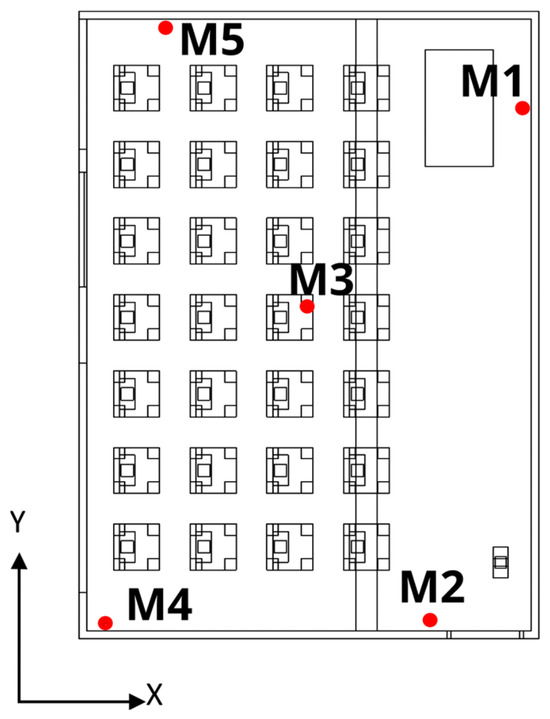
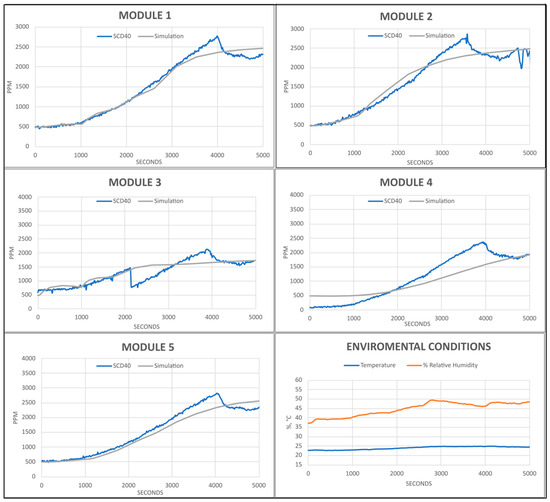
Plastic injection molding in cleanrooms involves high thermal loads and strict particle limits. The hot surfaces of the injection molding machine and peripherals increase the cooling demand of the heating, ventilation, and air conditioning system to an undefined amount. Moreover, the generation of
[...] Read more.
Plastic injection molding in cleanrooms involves high thermal loads and strict particle limits. The hot surfaces of the injection molding machine and peripherals increase the cooling demand of the heating, ventilation, and air conditioning system to an undefined amount. Moreover, the generation of buoyancy-driven plumes has the potential to disturb the cleanroom airflow around the injection mold, thereby risking cross contamination of the manufactured components. The present study quantifies the global heat load of injection molding machines in an ISO Class 7 cleanroom with a laminar flow microenvironment around the mold. Therefore, a measurement-based method to determine the heat load of a complete injection molding production cell is applied to a hydraulic and an electric machine. This method revealed that the heat load of the isolated machines is process-independent, whereas the total heat load of the complete production cell scales linearly with mold temperature. Moreover, the emitted heat to the cleanroom is considerable lower than the injection molding machine’s installed power. Secondly, the airflow regime and particle transport in the mold area are analyzed. This is achieved by means of schlieren visualization and aerosol measurements. The introduction of a modified Archimedes number, incorporating mold size and convective heat flux, has led to the observation of a correlation between flow regimes and the resulting particle load. This enables the selection of case-dependent FFU velocities that deviate from the conventional recommendation of an air speed of 0.45 m/s ± 20%. Despite the presence of a filter-fan unit, the particle load near the injection mold cavity increases for flow conditions that exceed a critical Archimedes number.
Full article
(This article belongs to the Special Issue Indoor Air Quality in the Built Environment: Characterization, Dynamics, and Control Strategies)
►▼
Show Figures

Figure 1
Open AccessArticle
Global Research Trends and Knowledge Map of Atmospheric Microplastics: History, Evolution and Atmospheric Science Perspectives
by
Zhen Wang, Hewen Xu, Xingzhou Li, Qiurong Lei, Fuxing Li and Jing Chen
Atmosphere 2026, 17(5), 517; https://doi.org/10.3390/atmos17050517 - 19 May 2026
Abstract
Atmospheric microplastics (AMPs), as a globally prevalent environmental pollutant, have attracted increasing attention from the academic community in the past decade. This study aims to systematically explore the historical background, development trajectory, and evolutionary trends of global atmospheric microplastic research through bibliometric analysis.
[...] Read more.
Atmospheric microplastics (AMPs), as a globally prevalent environmental pollutant, have attracted increasing attention from the academic community in the past decade. This study aims to systematically explore the historical background, development trajectory, and evolutionary trends of global atmospheric microplastic research through bibliometric analysis. Based on 1385 relevant studies retrieved from the Web of Science core collection, knowledge graph analysis was conducted using the CiteSpace and VOSviewer tools. The results indicate that research on AMPs has gone through three distinct stages: the budding exploration period (2014–2016), the steady growth period (2016–2019), and the explosive expansion period (2020–2025). In the initial stage, people lacked understanding of AMPs, with a low publication volume and research focused on “occurrence and source”. During the steady growth stage, the number of publications increased, and researchers’ research areas focused on source analysis. During the explosive growth stage, the number of publications reached its peak, and research on AMPs gradually developed from the initial description of phenomena and method development to a comprehensive research direction involving multiple regions, media, and methods. It is worth noting that China has the highest research output on AMPs globally and occupies a dominant position in atmospheric microplastics research. Therefore, this study establishes a knowledge framework for global atmospheric microplastics research, identifies current research gaps, and provides comprehensive references for subsequent academic exploration and environmental governance practices.
Full article
(This article belongs to the Section Air Quality)
►▼
Show Figures

Figure 1
Open AccessArticle
Possible Shift of Suitable Distribution Habitats of Laurus nobilis L. in Türkiye with the Effects of Global Climate Change
by
Ugur Canturk, Ismail Koc, Ramazan Erdem, Ayse Ozturk Pulatoglu, Hakan Sevik, Halil Baris Ozel, Fatih Adiguzel and Nuri Kaan Ozkazanc
Atmosphere 2026, 17(5), 516; https://doi.org/10.3390/atmos17050516 - 18 May 2026
Abstract
Climate change poses significant threats to Mediterranean plant species, including Laurus nobilis L., an ecologically and economically important tree. This study evaluates potential shifts in its suitable distribution areas across Türkiye under future climate scenarios [Shared Socioeconomic Pathway 2-4.5 (SSP2-4.5) and 5-8.5 (SSP5-8.5)]
[...] Read more.
Climate change poses significant threats to Mediterranean plant species, including Laurus nobilis L., an ecologically and economically important tree. This study evaluates potential shifts in its suitable distribution areas across Türkiye under future climate scenarios [Shared Socioeconomic Pathway 2-4.5 (SSP2-4.5) and 5-8.5 (SSP5-8.5)] using an ensemble species distribution model incorporating ten algorithms. Key environmental drivers—elevation, annual mean temperature (Bio1), and evaporation including sublimation and transpiration (evspsbl)—were identified as critical factors influencing habitat suitability. Results indicate substantial spatial redistributions, with habitat losses projected in inland transition zones toward continental climates, particularly in parts of the Aegean and Black Sea regions. The current suitable distribution area across the country, approximately 18.48%, could rise to 18.55% by 2040 under the SSP2-4.5 scenario and to 18.76% by 2060 under the SSP5-8.5 scenario. However, without human intervention, the species’ establishment in these new suitable distribution areas is not considered possible. Moreover, it has been determined that the suitable distribution area of the species could decrease to 17.48% by 2060 under the SSP2-4.5 scenario and to 17.31% by 2080 under the SSP5-85 scenario. This result indicates that there could be a loss of more than 8% of the suitable distribution area between 2060 and 2080, according to the SSP5-8.5 scenario. Conversely, limited expansions may occur in specific areas, including the northern Aegean and the Hatay-Antep region. By 2100, despite periodic fluctuations, a net decline in suitable habitats is expected under both scenarios. Notably, spatial analysis reveals that while some newly suitable areas may emerge, natural migration will likely be insufficient for population persistence, necessitating human-assisted adaptation strategies. These findings underscore the need for proactive conservation measures, such as identifying climate-resilient provenances, assisted migration, and targeted reforestation in future suitable zones. Given that most Turkish forests are state-managed, collaboration with the General Directorate of Forestry is essential to integrate climate adaptation into long-term management plans. This study provides a framework for mitigating climate-induced habitat loss in L. nobilis while offering insights applicable to other vulnerable Mediterranean species facing similar threats.
Full article
(This article belongs to the Special Issue Is Climate Change a Catastrophe or a New Opportunity for Life for Tree Species?)
Open AccessArticle
Emission Characterization of Synthetic and Natural Candles in a Residential Environment
by
Dalton Crunkelton, Marcel Ilie, Dorothy Seybold, Jhy-Charm Soo and Atin Adhikari
Atmosphere 2026, 17(5), 515; https://doi.org/10.3390/atmos17050515 - 18 May 2026
Abstract
The combustion of candles is known to emit various air pollutants, including particulate matter (PM) and volatile organic compounds (VOCs), into the air. This study characterizes emissions of these pollutants from natural and synthetic candles in a standard, sealed, unventilated residential environment. In
[...] Read more.
The combustion of candles is known to emit various air pollutants, including particulate matter (PM) and volatile organic compounds (VOCs), into the air. This study characterizes emissions of these pollutants from natural and synthetic candles in a standard, sealed, unventilated residential environment. In addition, computational fluid dynamics (CFD) modeling was used to study the potential effects of inlet air velocity on a paraffin candle flame. A laminar diffusion flame model simulated the distributions of temperature, CO2, and H2O. A Testo DiSC mini air sampler was used for ultrafine particles and Lung-Deposited Surface Area (LDSA) data collection, and a CEM DT-9881 sampler was used for recording larger particle number concentrations, temperature, and relative humidity. VOC sorbent tubes were used for the collection of individual and total VOCs. Study findings showed that natural candles produced significantly (p < 0.05) higher LDSA ranges (mean 195.2 µm2/cm3) and ultrafine particle concentrations (mean 8.4 × 10¹¹ No/m3), while paraffin wax synthetic candles exhibited higher 0.3–10 µm PM concentrations (mean 2.0 × 10⁷ No/m3). CFD modeling showed that increasing air velocity produced a shorter, more compact flame and reduced CO2 and H2O mass fractions due to enhanced mixing and aerodynamic dilution, highlighting the strong interaction between airflow, temperature, and product formation in laminar paraffin flames.
Full article
(This article belongs to the Section Air Quality and Health)
►▼
Show Figures

Figure 1
Open AccessReview
State of the Art of Martian Weather–Climate Modeling and Open Challenges
by
Edoardo Bucchignani
Atmosphere 2026, 17(5), 514; https://doi.org/10.3390/atmos17050514 - 18 May 2026
Abstract
Mars climatology is a growing interest domain for planetary research and for operational missions. In the last three decades, Martian General Circulation Models have been developed to support the interpretation of spacecraft and telescopic observations and for the advancement of theoretical understanding of
[...] Read more.
Mars climatology is a growing interest domain for planetary research and for operational missions. In the last three decades, Martian General Circulation Models have been developed to support the interpretation of spacecraft and telescopic observations and for the advancement of theoretical understanding of the climate. They have been designed to represent key processes, such as dust cycle, seasonal CO2 condensation, and interaction between boundary layer and surface. At the same time, new observations from orbiters and landers have enhanced the diagnostics, but several uncertainties in the parameterization, especially in dust representation and turbulent mixing, require further improvements. This review represents a synthesis of the state of the art of existing global and regional models, comparing numerical and physical approaches, identifying the main challenges for the next years, with particular attention to the needs of operational missions and machine learning techniques.
Full article
(This article belongs to the Section Planetary Atmospheres)
Open AccessArticle
Longwave Radiation Variability in the Arctic: Forty Years of Change Under Reducing Global Anthropogenic SO2 Emissions
by
Andrey Zachek and Leonid Yurganov
Atmosphere 2026, 17(5), 513; https://doi.org/10.3390/atmos17050513 - 18 May 2026
Abstract
This study presents a comprehensive assessment of longwave radiation variability in the Arctic based on unique measurements collected at the North Pole drifting station SP-28 in 1987. The primary objective is to compare these historical observations with modern datasets from the Surface Heat
[...] Read more.
This study presents a comprehensive assessment of longwave radiation variability in the Arctic based on unique measurements collected at the North Pole drifting station SP-28 in 1987. The primary objective is to compare these historical observations with modern datasets from the Surface Heat Budget of the Arctic Ocean (SHEBA, 1997–1998) and the Multidisciplinary drifting Observatory for the Study of Arctic Climate (MOSAiC, 2019–2020) to evaluate long-term changes in the Arctic radiation regime. Continuous longwave radiation measurements were obtained using high-precision spectral pyrgeometers to identify Arctic haze. The results show that in 1987, Arctic haze layers enhanced the downward longwave flux by 15–20 W·m−2 and increased atmospheric emissivity. In contrast, MOSAiC observations reveal emissivity values that closely match aerosol-free model calculations, indicating a substantial decline in Arctic haze and the diminishment of radiatively significant aerosol layers. This shift is in alignment with the long-term reduction of global anthropogenic sulfur dioxide emissions across the Northern Hemisphere.
Full article
(This article belongs to the Section Meteorology)
Open AccessReview
Recent Advances in the Evolution of Pollutants and Their Interactions with Oxygen Carriers During Coal Chemical Looping
by
Yudong Pang, Shien Liu, Chungang Li, Mei An and Guodong Zhang
Atmosphere 2026, 17(5), 512; https://doi.org/10.3390/atmos17050512 - 18 May 2026
Abstract
Chemical looping is a clean, energy-efficient, and economically viable route for coal utilization. However, the pyrolysis and gasification of raw coal in chemical looping generate gaseous pollutants (SOX, NOX, and Hg) and ash that affect both reactor performance and
[...] Read more.
Chemical looping is a clean, energy-efficient, and economically viable route for coal utilization. However, the pyrolysis and gasification of raw coal in chemical looping generate gaseous pollutants (SOX, NOX, and Hg) and ash that affect both reactor performance and the environment. This review synthesizes the current understanding of the formation, transformation, migration, and release of these pollutants in chemical looping, alongside the behavior of coal ash. It further assesses how these species interact with oxygen carriers, influencing reactivity, redox stability, sintering, agglomeration, attrition, and deactivation. Based on these insights, the review proposes research priorities for pollutant management and oxygen-carrier design, and for elucidating the coupled dynamics of the coal/oxygen-carrier/ash three-component particle system in fuel reactors.
Full article
(This article belongs to the Section Air Pollution Control)
►▼
Show Figures

Figure 1
Open AccessArticle
Identification and Evolution Characteristics of Drought–Flood Abrupt Alternation Events from 1951 to 2020 Using a Daily SWAP Index in Henan Province, China
by
Heng Xiao, Chen Lu, Wentao Cai, Xiuyu Zhang and Huiru Su
Atmosphere 2026, 17(5), 511; https://doi.org/10.3390/atmos17050511 - 17 May 2026
Abstract
Drought–flood abrupt alternation (DFAA) has attracted increasing attention because of its severe compound impacts. This study used a daily SWAP index calculated by the precipitation data from 17 meteorological stations in Henan Province from June to September during the period of 1951–2020 to
[...] Read more.
Drought–flood abrupt alternation (DFAA) has attracted increasing attention because of its severe compound impacts. This study used a daily SWAP index calculated by the precipitation data from 17 meteorological stations in Henan Province from June to September during the period of 1951–2020 to identify and analyze the spatiotemporal evolution of DFAA events. The results show that a drought duration of 10 d, together with a transition interval and a flood duration of 7 d, has a relatively good applicability for identifying DFAA events in Henan Province. The identified DFAA events were generally consistent with historical disaster records. DFAA events were characterized by slight decreasing trends in frequency and duration, with no obvious trend in intensity. The mean annual frequency, mean intensity, and mean duration of drought-to-flood (DTF) events were 2.19 events, 1.09, and 66.33 d, respectively, whereas those of flood-to-drought (FTD) events were 1.36 events, 0.36, and 73.82 d, respectively. Spatially, the distributions of DTF and FTD events exhibit distinct differences in their characteristics of frequency, intensity, and duration. Although the identification results obtained are based on precipitation as a single meteorological factor, the findings may provide a scientific basis for improving the understanding of DFAA evolution in the short term and enhancing regional disaster risk management in Henan Province, China.
Full article
(This article belongs to the Special Issue Climate Change and Extreme Weather Disaster Risks (2nd Edition))
Open AccessArticle
Global Mesospheric Inversion Layer Climatology and Statistics Based on Limb-Sounding Satellite Data
by
Nicolas Gilbert Tufel, Pedro Da Costa-Louro, Philippe Keckhut and Alain Hauchecorne
Atmosphere 2026, 17(5), 510; https://doi.org/10.3390/atmos17050510 - 17 May 2026
Abstract
This study tackles the middle atmosphere phenomenon known as Mesospheric Inversion Layers (MILs). Reinterpreting Envisat’s GOMOS instrument limb-sounding temperature profiles which we compared to the MSIS-2.0 climatological model, we studied 340,000 resolute temperature profiles, detecting 44,000 (13%) MILs in this dataset. We have
[...] Read more.
This study tackles the middle atmosphere phenomenon known as Mesospheric Inversion Layers (MILs). Reinterpreting Envisat’s GOMOS instrument limb-sounding temperature profiles which we compared to the MSIS-2.0 climatological model, we studied 340,000 resolute temperature profiles, detecting 44,000 (13%) MILs in this dataset. We have shown that MILs are a worldwide phenomenon, concentrated around the tropics and in the Winter Hemisphere’s mid-latitude region (between and of profiles are MILs in those areas). MILs follow a correlation law ( on pure data, on binned-mean data) between the log-amplitude of its peak and its altitude. Median altitudes are about 70 km worldwide, but the median amplitude reached by equatorial MILs is typically higher (14.5 K compared to the others at 12.5 K). Lastly, equatorial MILs (but not mid-latitude MILs) are correlated with high-difference estimated tide temperature gradient contributions. Results suggest that the MIL is a common phenomenon with statistically consistent characteristics. Seasonal occurrence hinted that there is probably a class of MILs favoured by planetary waves at the edge of the polar vortex, while the equatorial type of inversions seems to occur when the atmospheric tide model flattens the temperature gradient around 70 km.
Full article
(This article belongs to the Section Upper Atmosphere)
Open AccessArticle
Analysis of Drivers of Temperature and Precipitation Regime Variability on Three Small Islands in the Adriatic Sea and Implications for Drought
by
Ognjen Bonacci, Ana Žaknić-Ćatović and Tanja Roje-Bonacci
Atmosphere 2026, 17(5), 509; https://doi.org/10.3390/atmos17050509 - 16 May 2026
Abstract
This study analyzes changes in temperature, precipitation, and drought conditions on three small islands in the southern Adriatic (Vis, Lastovo, and Mljet) over the period 1981–2024, to identify the spatial and seasonal heterogeneity of the climate signal and its relationship with drought occurrence.
[...] Read more.
This study analyzes changes in temperature, precipitation, and drought conditions on three small islands in the southern Adriatic (Vis, Lastovo, and Mljet) over the period 1981–2024, to identify the spatial and seasonal heterogeneity of the climate signal and its relationship with drought occurrence. The analysis reveals a statistically significant and consistent increase in mean annual air temperature at all analyzed stations, with warming being strongly seasonally asymmetric and most pronounced during the summer months. In contrast, precipitation trends are weak, spatially heterogeneous, and statistically insignificant in most cases, with a locally pronounced increase in precipitation in the interior and more orographically complex areas of Mljet. Drought conditions were assessed using the Standardized Precipitation Index (SPI) and the New Drought Index (NDI). The annual SPI exhibits strong interannual variability without a clear long-term trend, and in some cases an apparent increase driven by episodic extremely wet years. In contrast, the NDI clearly detects a systematic increase in aridity, particularly during the warm part of the year, reflecting the combined effect of rising temperatures and unfavourable precipitation distribution. June emerges as a key transitional month with a regionally coherent and statistically significant drying signal, whereas October shows weak and inconsistent trends due to the dominance of episodic precipitation extremes. The results confirm that drought assessment on small Mediterranean islands based solely on precipitation may be misleading, and that integrated indices incorporating the energy aspect of climate provide a more realistic representation of changes in aridity.
Full article
(This article belongs to the Section Climatology)
►▼
Show Figures

Figure 1
Open AccessArticle
Southern Hemisphere Shallow Extratropical Cyclones: A 2000–2023 Comprehensive Analysis Using Multi-Level Detection and Tracking
by
Susan G. Lakkis, Pablo O. Canziani, Guillermo A. Frank and Adrián E. Yuchechen
Atmosphere 2026, 17(5), 508; https://doi.org/10.3390/atmos17050508 - 16 May 2026
Abstract
Extratropical cyclones (ETCs) are primary drivers of mid-latitude weather variability, yet most climatologies rely on single-level tracking, leaving their vertical structure poorly characterised. Because the vertical extent of a cyclone reflects its degree of baroclinic coupling and the tropospheric layer in which it
[...] Read more.
Extratropical cyclones (ETCs) are primary drivers of mid-latitude weather variability, yet most climatologies rely on single-level tracking, leaving their vertical structure poorly characterised. Because the vertical extent of a cyclone reflects its degree of baroclinic coupling and the tropospheric layer in which it resides is closely linked to the dominant physical processes governing its formation and impacts, a multi-level perspective is essential. Using the STACKER 4D tracking algorithm and ERA5 reanalysis (2000–2023), this study provides a comprehensive climatology of shallow ETCs (2–3 pressure levels) across 12 levels (925–100 hPa) over the Southern Hemisphere (14° S–78° S). A total of 21,701 shallow systems were detected, representing 42% of all multi-level ETCs. Classification into three subfamilies, shallow low (SL, 925–600 hPa; 43%), shallow mid (SM, 500–250 hPa; 35%), and shallow upper (SU, 200–100 hPa; 22%), suggests a possible linkage with different physical mechanisms: surface baroclinic instability for SL, upper-level potential vorticity forcing for SM, and tropopause-level dynamics for SU. SM and SU systems, jointly accounting for 57% of shallow events, are unlikely to be detected by conventional single-level-based tracking methods. Three-level systems (S3) exhibit higher vorticity, longer lifetimes, and greater interaction with the UTLS region than two-level systems (S2), with implications for stratosphere–troposphere exchange. Maximum cyclone density is concentrated between 30–40° S and 50–60° S.
Full article
(This article belongs to the Special Issue Southern Hemisphere Climate Dynamics)
Open AccessArticle
Spatially Continuous PM10 Exposure Mapping in the Campania Region Using a Land Use Random Forest Model: Integration of Monitoring Data, Geographic Predictors, ERA5 Reanalysis, and CHIMERE Model Output
by
Elena Chianese and Angelo Riccio
Atmosphere 2026, 17(5), 507; https://doi.org/10.3390/atmos17050507 - 16 May 2026
Abstract
In this study, we present a machine-learning approach—a land use random forest (LURF) model—to produce daily PM10 concentration maps at a 1 km resolution across the Campania region for the year 2022. The model combines daily measurements from 13 ARPA Campania monitoring
[...] Read more.
In this study, we present a machine-learning approach—a land use random forest (LURF) model—to produce daily PM10 concentration maps at a 1 km resolution across the Campania region for the year 2022. The model combines daily measurements from 13 ARPA Campania monitoring stations with a wide set of spatial and atmospheric information. The predictors include population, land cover, road network, ERA5 meteorological data, satellite aerosol observations from MODIS, output from the CHIMERE chemistry transport model, and a flag identifying days affected by Saharan dust transport. The model is trained and validated using a station-based cross-validation scheme that accounts for spatial correlation between sites. Under this scheme, the LURF reproduces observed concentrations with substantially smaller errors than the raw CHIMERE output (RMSE of 11.0 vs. 23.6 g m−3). CHIMERE concentrations and ERA5 meteorology emerge as the most informative predictors, while the dust flag specifically improves the representation of episodic high-PM10 events. The resulting 1-km maps reveal clear urban–rural contrasts. They identify pollution hotspots in the Naples metropolitan area and along major motorways that are not visible in coarser model outputs. Probabilistic exceedance maps further show that meeting the future 2030 EU limit value of 20 g m−3 will be challenging across much of the metropolitan area. Overall, the proposed framework provides a low-cost, practical tool for high-resolution PM10 exposure assessment, supporting epidemiological studies, environmental justice analyses, and air quality management in regions with complex terrain and limited monitoring coverage.
Full article
(This article belongs to the Section Air Quality)
►▼
Show Figures

Graphical abstract
Open AccessEditorial
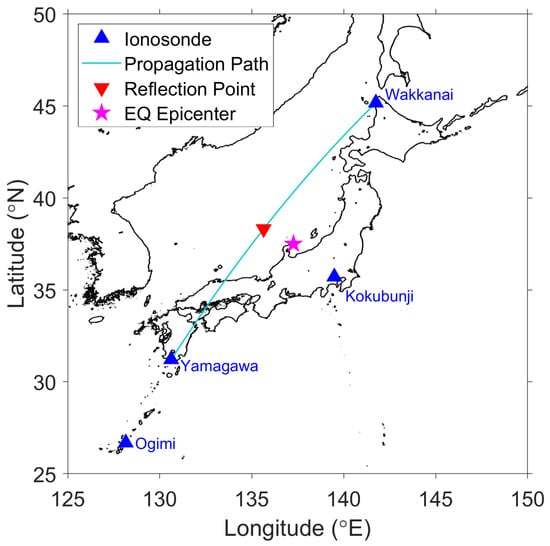
Editorial for the Special Issue “Understanding Space Physics and Atmospheric Electricity with VLF/ELF Signals”
by
Masashi Hayakawa, Alexander P. Nickolaenko, Xuemin Zhang and Yasuhide Hobara
Atmosphere 2026, 17(5), 506; https://doi.org/10.3390/atmos17050506 - 15 May 2026
Abstract
This Special Issue (SI) was intended to gather high-quality original research articles and reviews on the above topic, with an emphasis on the essential role of VLF (very low frequency, 3–30 kHz)/ELF (extremely low frequency, 1 Hz–3 kHz) wave phenomena in a wide
[...] Read more.
This Special Issue (SI) was intended to gather high-quality original research articles and reviews on the above topic, with an emphasis on the essential role of VLF (very low frequency, 3–30 kHz)/ELF (extremely low frequency, 1 Hz–3 kHz) wave phenomena in a wide range of scientific fields from astrophysics, space physics, ionospheric physics, atmospheric electricity, and seismo-electromagnetics [...]
Full article
(This article belongs to the Special Issue Understanding Space Physics and Atmospheric Electricity with VLF/ELF Signals)
Open AccessReview
Pollen Monitoring and Current Techniques in Aerobiology: An Update
by
Maximilian Bastl, Karen Koelzer and Katharina Bastl
Atmosphere 2026, 17(5), 505; https://doi.org/10.3390/atmos17050505 - 15 May 2026
Abstract
Pollen monitoring is an integral part of aerobiology. The analysis of pollen content in the air, which is its core routine work, requires reliable devices. The continuous evolution of technology prompted us to give an update on current techniques used in pollen monitoring
[...] Read more.
Pollen monitoring is an integral part of aerobiology. The analysis of pollen content in the air, which is its core routine work, requires reliable devices. The continuous evolution of technology prompted us to give an update on current techniques used in pollen monitoring to provide a historical overview and an outlook into the future. Standard works in aerobiology and the most important literature were incorporated to summarize the development of pollen monitoring technology. We span a range from the first description of pollen monitoring in the 1870s, the invention of simple devices by early researchers, onwards to the development of the first volumetric samplers, such as the Rotorod- or Hirst-type traps. While volumetric devices are widely used in the USA and in Europe today, automatic and near-real-time pollen monitoring play an increasing role and offer new possibilities. In contrast to volumetric methods, most of these still require validation and standardization. Other methods, like the analysis of environmental DNA (eDNA) and the modeling of historical pollen data for pollination forecasts, are outlined. Aerobiology and pollen monitoring will continue to benefit from technological advances and be re-shaped in the next decades.
Full article
(This article belongs to the Special Issue Pollen Monitoring and Health Risks)
Journal Menu
► ▼ Journal Menu-
- Atmosphere Home
- Aims & Scope
- Editorial Board
- Reviewer Board
- Topical Advisory Panel
- Instructions for Authors
- Special Issues
- Topics
- Sections & Collections
- Article Processing Charge
- Indexing & Archiving
- Editor’s Choice Articles
- Most Cited & Viewed
- Journal Statistics
- Journal History
- Journal Awards
- Society Collaborations
- Conferences
- Editorial Office
Journal Browser
► ▼ Journal BrowserHighly Accessed Articles
Latest Books
E-Mail Alert
News
Topics
Topic in
Atmosphere, Drones, Forests, Grasses, Land, Sustainability
Big Data Analytics for Climate and Human Impacts on Terrestrial Ecosystems
Topic Editors: Qing Zhang, Qingfu LiuDeadline: 31 May 2026
Topic in
Atmosphere, Forests, Geosciences, Hydrology, Land, Remote Sensing, Sustainability
Karst Environment and Global Change—Second Edition
Topic Editors: Xiaoyong Bai, Yongjun Jiang, Jian Ni, Xubo Gao, Yuemin Yue, Jiangbo Gao, Junbing Pu, Hu Ding, Qiong Xiao, Zhicai ZhangDeadline: 16 June 2026
Topic in
Atmosphere, Earth, Encyclopedia, Entropy, Fractal Fract, MAKE, Meteorology
Revisiting Butterfly Effect, Multiscale Dynamics, and Predictability Using Ai-Enhanced Modeling Framework (AEMF) and Chaos Theory
Topic Editors: Bo-Wen Shen, Roger A. Pielke Sr., Xubin ZengDeadline: 31 July 2026
Topic in
Agronomy, Crops, Land, Plants, Atmosphere, Nitrogen, Agriculture, Methane
Multi-Objective Optimization of Staple Crop Production for Yield, Carbon Sequestration, and Greenhouse Gas Mitigation
Topic Editors: Qiang Xu, Wei Yang, Ziyin Shang, Peng ZhangDeadline: 31 October 2026
Conferences
Special Issues
Special Issue in
Atmosphere
Southern Hemisphere Climate Dynamics
Guest Editors: Fabrício Daniel Dos Santos Silva, Jório Bezerra Cabral Júnior, Gabriela MüllerDeadline: 20 May 2026
Special Issue in
Atmosphere
Vulnerability to Climate- and Weather-Related Extremes in the Mediterranean: Past, Present, and FutureGuest Editors: Antonio Contino, Cipriano Di MaggioDeadline: 22 May 2026
Special Issue in
Atmosphere
Climate Change and Regional Sustainability in Arid Lands (2nd Edition)
Guest Editors: Yang Yu, Cun ChangDeadline: 29 May 2026
Special Issue in
Atmosphere
Effects of Natural and Anthropogenic Factors on Climate and Environment (3rd Edition)
Guest Editors: Bin Chen, Ning Tang, Bushra KhalidDeadline: 29 May 2026
Topical Collections
Topical Collection in
Atmosphere
Indoor Air Quality: From Sampling to Risk Assessment in the Light of New Legislations
Collection Editors: Pasquale Avino, Gaetano Settimo
Topical Collection in
Atmosphere
Livestock Odor Issues and Air Quality
Collection Editor: Jacek Koziel
Topical Collection in
Atmosphere
Measurement of Exposure to Air Pollution
Collection Editor: Luca Stabile