


Special Issue "Heuristic Algorithms in Engineering and Applied Sciences"

A special issue of Applied Sciences (ISSN 2076-3417). This special issue belongs to the section "Mechanical Engineering".

Deadline for manuscript submissions: 31 October 2021.

Special Issue Editor

Special Issue Information

Dear Colleagues,

Heuristic and computing techniques are technologies that are poised to transform the way humans interact with machines and the role that machines play in all spheres of human life. On the one hand, there is the exhilaration and excitement linked to the immense potential of these technologies to enhance and enrich human life, and on the other hand, there is fear and apprehension of a dystopian future where machines have taken over.

These techniques are considered in a category of computer science, involved in the research, design, and application of intelligent computers. Traditional methods for modeling and optimizing complex structure systems require huge amounts of computing resources, and computing-based solutions can often provide valuable alternatives for efficiently solving problems in engineering. Such techniques, due to making nonlinear and complex relationships between dependent and independent variables, can be performed in the field of engineering with a high degree of accuracy. In this way, many new intelligence models can be introduced for different applications of engineering.

The focus of this Special Issue is on the development of computational methods for solving problems in fields of engineering. Articles submitted to this Special Issue can also be concerned with the most significant recent soft computing, optimization algorithms, hybrid intelligent systems, and their applications in engineering sciences. We invite researchers to contribute original research articles, as well as review articles that will stimulate the continuing research effort on applications of metaheuristic and computing techniques to assess/solve engineering problems.

Prof. Dr. Panagiotis G. Asteris
Guest Editor

Manuscript Submission Information

Manuscripts should be submitted online at www.mdpi.com by registering and logging in to this website. Once you are registered, click here to go to the submission form. Manuscripts can be submitted until the deadline. All papers will be peer-reviewed. Accepted papers will be published continuously in the journal (as soon as accepted) and will be listed together on the special issue website. Research articles, review articles as well as short communications are invited. For planned papers, a title and short abstract (about 100 words) can be sent to the Editorial Office for announcement on this website.

Submitted manuscripts should not have been published previously, nor be under consideration for publication elsewhere (except conference proceedings papers). All manuscripts are thoroughly refereed through a single-blind peer-review process. A guide for authors and other relevant information for submission of manuscripts is available on the Instructions for Authors page. Applied Sciences is an international peer-reviewed open access semimonthly journal published by MDPI.

Please visit the Instructions for Authors page before submitting a manuscript. The Article Processing Charge (APC) for publication in this open access journal is 2000 CHF (Swiss Francs). Submitted papers should be well formatted and use good English. Authors may use MDPI's English editing service prior to publication or during author revisions.

Keywords

  • Artificial neural networks (ANNs)
  • Computational biology/bioinformatics
  • Computational science and engineering
  • Evolutionary multimodal optimization
  • Forecasting models
  • Fuzzy set theory and hybrid fuzzy models
  • Genetic algorithm and genetic programming
  • Heuristic models
  • Hybrid intelligent systems
  • Image processing and computer vision
  • Machine learning techniques
  • Multicriteria decision making (MCDM)
  • Multiexpression programming
  • Multivariate adaptive regression splines (MARS)
  • Neural networks and deep neural networks
  • Optimization algorithms [structural optimization; topology optimization]

Published Papers (17 papers)

Order results
Result details
Select all
Export citation of selected articles as:

Research

Article
COMPACT: Concurrent or Ordered Matrix-Based Packing Arrangement Computation Technique
Appl. Sci. 2021, 11(11), 5217; https://doi.org/10.3390/app11115217 - 04 Jun 2021
Viewed by 523
Abstract
Despite their versatility in treating irregular geometries, the raster methods have received limited attention in solving packing problems involving rotatable objects. In addition, raster approximation allows the use of unique performance metrics and indirect consideration of constraints, which have not been exploited in [...] Read more.
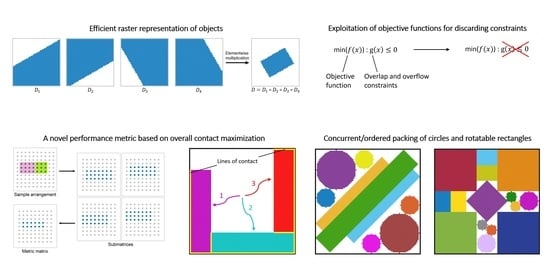
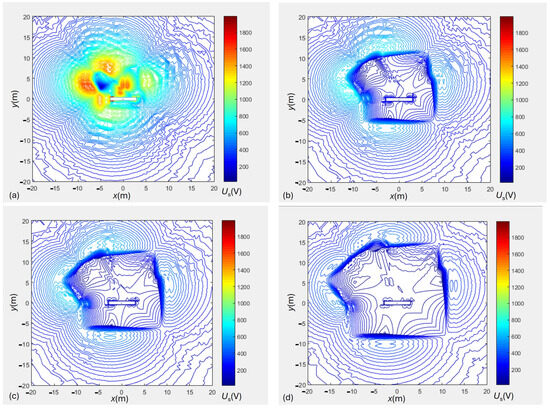
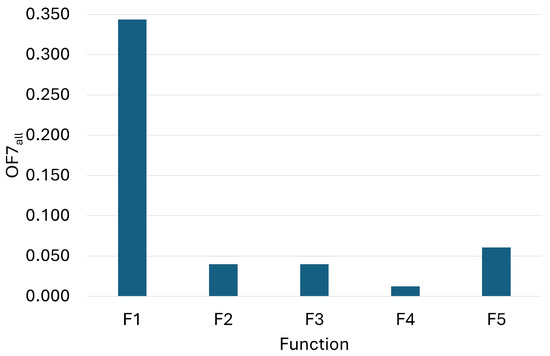
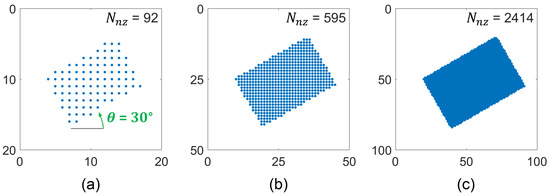
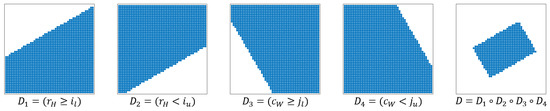
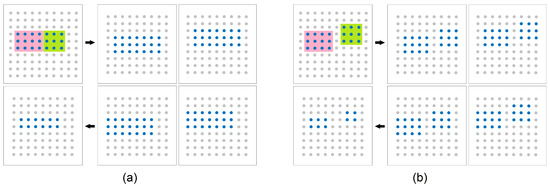
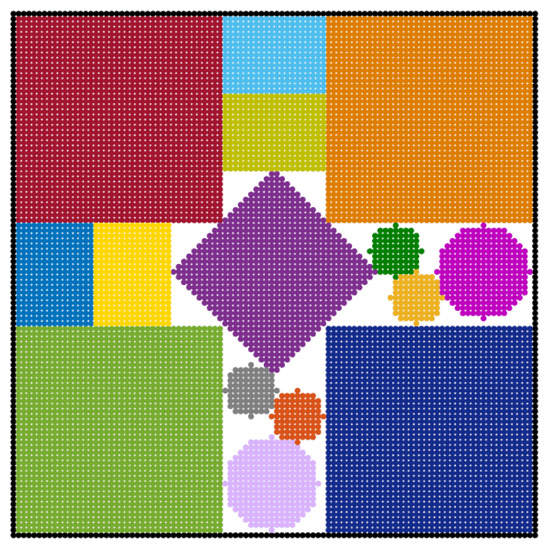
Despite their versatility in treating irregular geometries, the raster methods have received limited attention in solving packing problems involving rotatable objects. In addition, raster approximation allows the use of unique performance metrics and indirect consideration of constraints, which have not been exploited in the literature. This study presents the Concurrent or Ordered Matrix-based Packing Arrangement Computation Technique (COMPACT). The method allows the objects to be rotated by arbitrary angles, unlike the right-angled rotation restrictions imposed in many existing packing optimization studies based on raster methods. The raster approximations are obtained through loop-free operations that improve efficiency. Additionally, a novel performance metric is introduced, which favors efficient filling of the available space by maximizing the overall contact within the domain. Moreover, the objective functions are exploited to discard the overlap and overflow constraints and enable the use of unconstrained optimization methods. The results of the case studies demonstrate the effectiveness of the proposed technique. Full article
(This article belongs to the Special Issue Heuristic Algorithms in Engineering and Applied Sciences)
Show Figures

Figure 1
Article
Priority Pricing for Efficient Resource Usage of Mobile Internet Access
Appl. Sci. 2021, 11(9), 4083; https://doi.org/10.3390/app11094083 - 29 Apr 2021
Viewed by 317
Abstract
Radio-frequency spectrum resources are finite and scarce, but their demand is increasing exponentially every year. Therefore, wireless network resources are too expensive to be wasted. To avoid waste, pricing techniques can efficiently control resource usage and manage user needs in networks. This study [...] Read more.
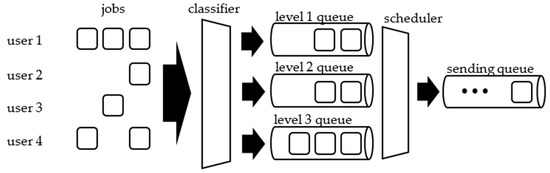
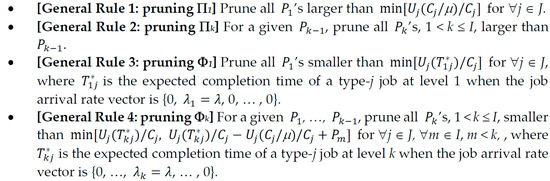
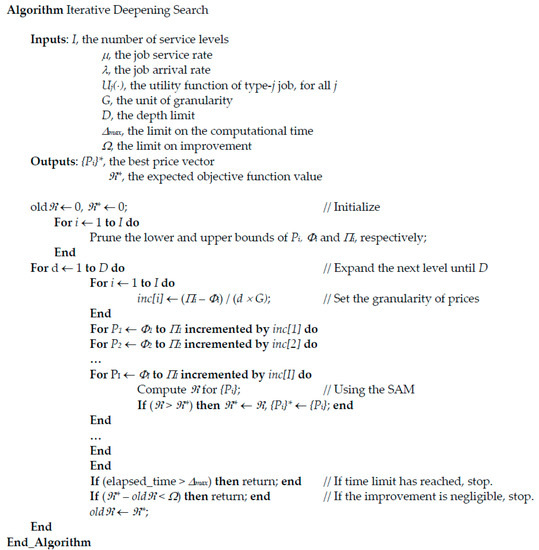
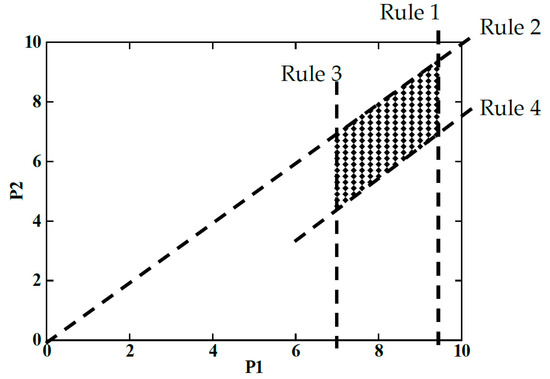
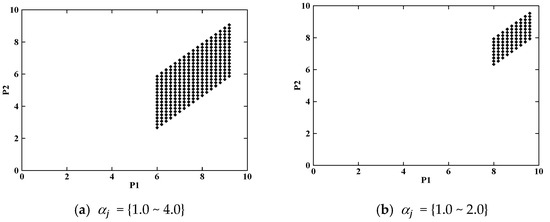
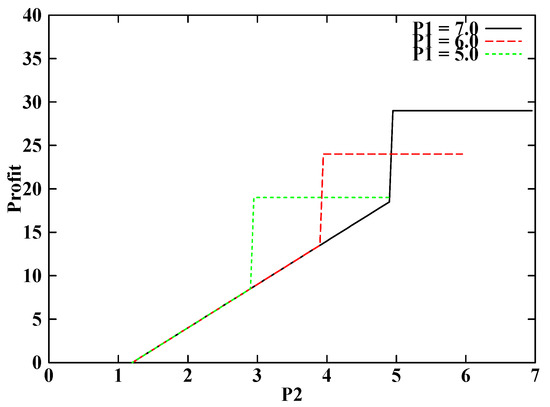
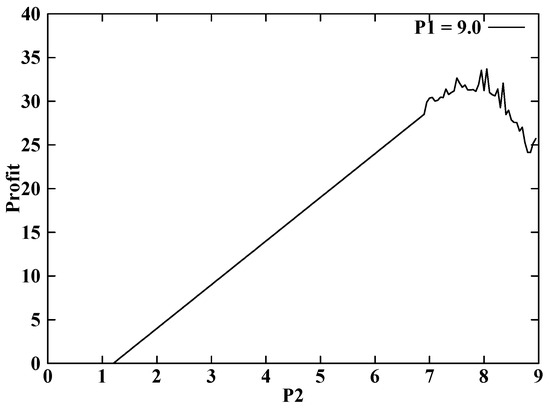
Radio-frequency spectrum resources are finite and scarce, but their demand is increasing exponentially every year. Therefore, wireless network resources are too expensive to be wasted. To avoid waste, pricing techniques can efficiently control resource usage and manage user needs in networks. This study focuses on QoS-aware pricing for usage-based mobile Internet access charging. Specifically, I propose a heuristic algorithm for priority pricing with multiple service levels. The proposed algorithm is built on top of the existing equilibrium analysis methods. While being extensively studied for optimal price selection, the equilibrium methods make a few unrealistic assumptions, and so my methods adjust the solutions of the equilibrium methods to account for distortions that the real world creates. The evaluation results indicate that multiple equilibrium prices may exist, and the proposed scheme produces a pricing plan that is substantially more effective than existing equilibrium methods. Full article
(This article belongs to the Special Issue Heuristic Algorithms in Engineering and Applied Sciences)
Show Figures

Figure 1
Article
Prediction of Peak Particle Velocity Caused by Blasting through the Combinations of Boosted-CHAID and SVM Models with Various Kernels
Appl. Sci. 2021, 11(8), 3705; https://doi.org/10.3390/app11083705 - 20 Apr 2021
Cited by 4 | Viewed by 411
Abstract
This research examines the feasibility of hybridizing boosted Chi-Squared Automatic Interaction Detection (CHAID) with different kernels of support vector machine (SVM) techniques for the prediction of the peak particle velocity (PPV) induced by quarry blasting. To achieve this objective, a boosting-CHAID technique was [...] Read more.
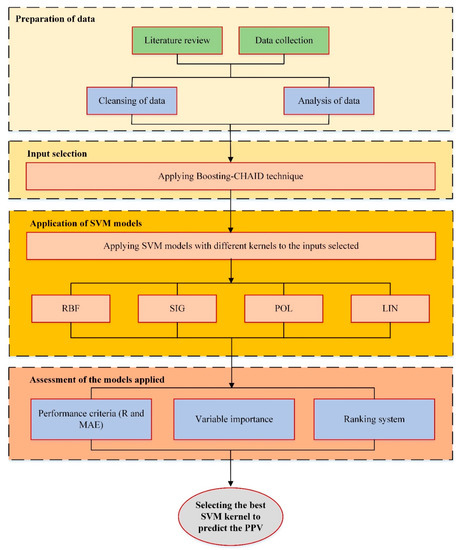
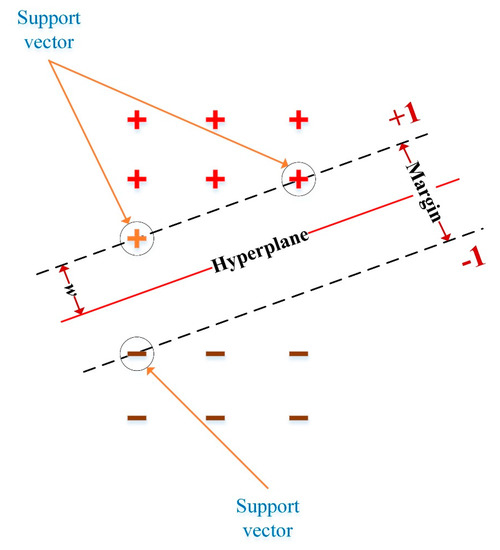
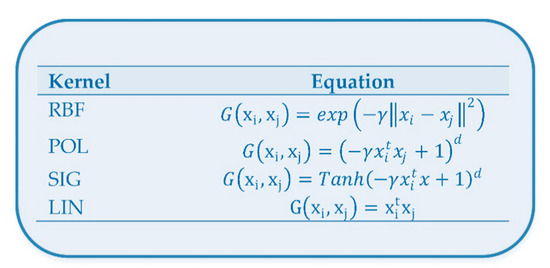
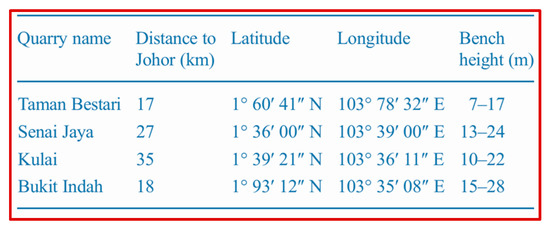
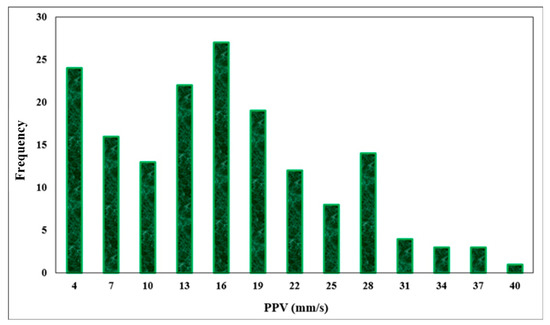
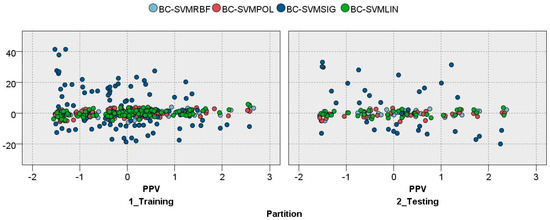
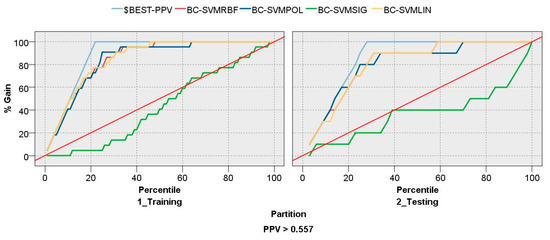
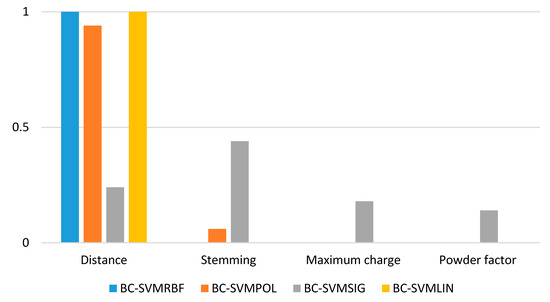
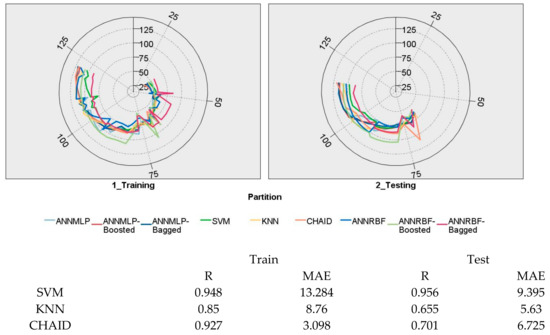
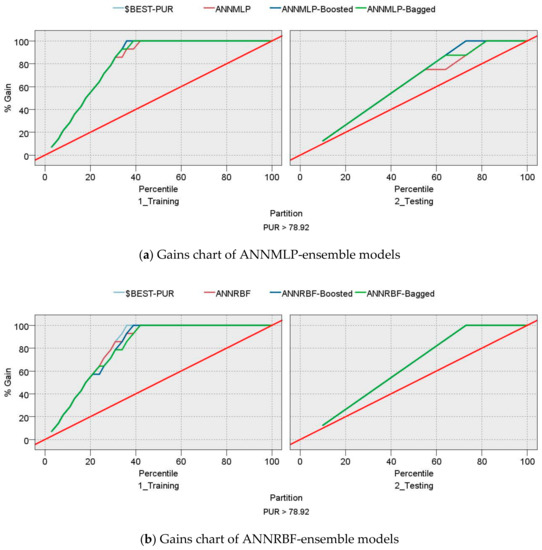
This research examines the feasibility of hybridizing boosted Chi-Squared Automatic Interaction Detection (CHAID) with different kernels of support vector machine (SVM) techniques for the prediction of the peak particle velocity (PPV) induced by quarry blasting. To achieve this objective, a boosting-CHAID technique was applied to a big experimental database comprising six input variables. The technique identified four input parameters (distance from blast-face, stemming length, powder factor, and maximum charge per delay) as the most significant parameters affecting the prediction accuracy and utilized them to propose the SVM models with various kernels. The kernel types used in this study include radial basis function, polynomial, sigmoid, and linear. Several criteria, including mean absolute error (MAE), correlation coefficient (R), and gains, were calculated to evaluate the developed models’ accuracy and applicability. In addition, a simple ranking system was used to evaluate the models’ performance systematically. The performance of the R and MAE index of the radial basis function kernel of SVM in training and testing phases, respectively, confirm the high capability of this SVM kernel in predicting PPV values. This study successfully demonstrates that a combination of boosting-CHAID and SVM models can identify and predict with a high level of accuracy the most effective parameters affecting PPV values. Full article
(This article belongs to the Special Issue Heuristic Algorithms in Engineering and Applied Sciences)
Show Figures

Figure 1
Article
An Algorithm for Rescheduling of Trains under Planned Track Closures
Appl. Sci. 2021, 11(5), 2334; https://doi.org/10.3390/app11052334 - 06 Mar 2021
Cited by 1 | Viewed by 391
Abstract
This work considered a joint problem of train rescheduling and closure planning. The derivation of a new train run schedule and the determination of a closure plan not only must guarantee the satisfaction of all the given constraints but also must optimize the [...] Read more.
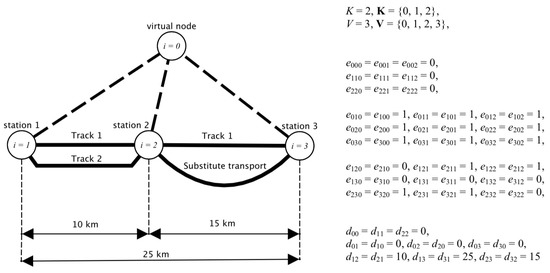
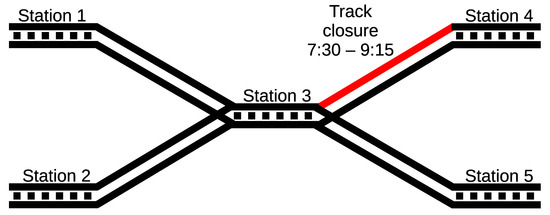
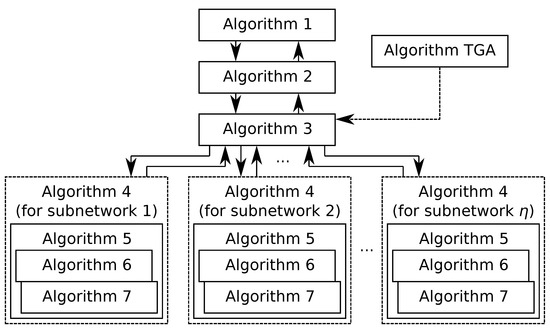
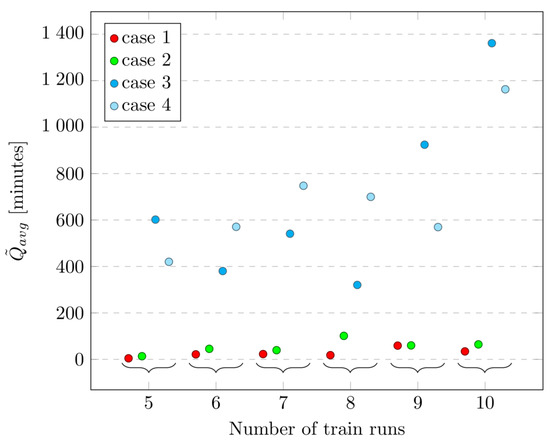
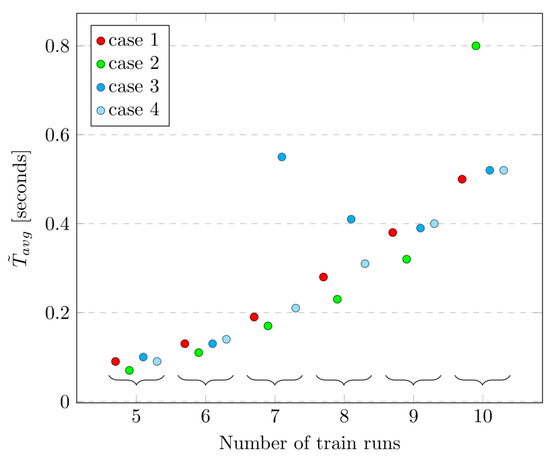
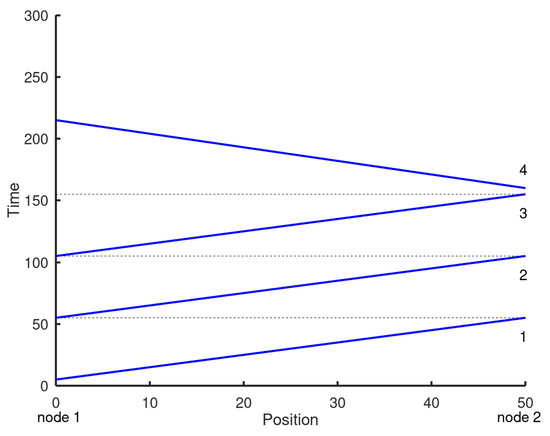
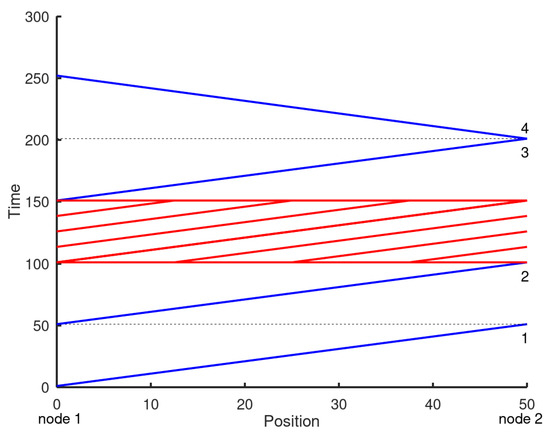
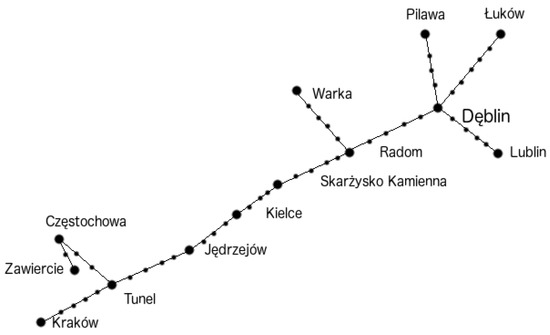
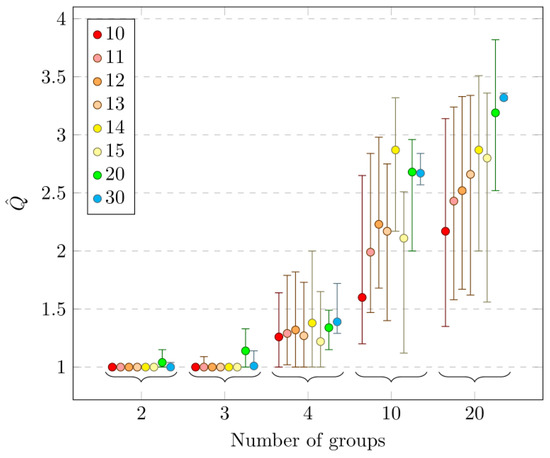
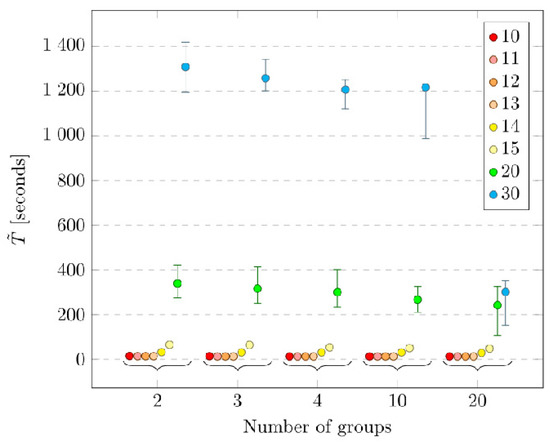
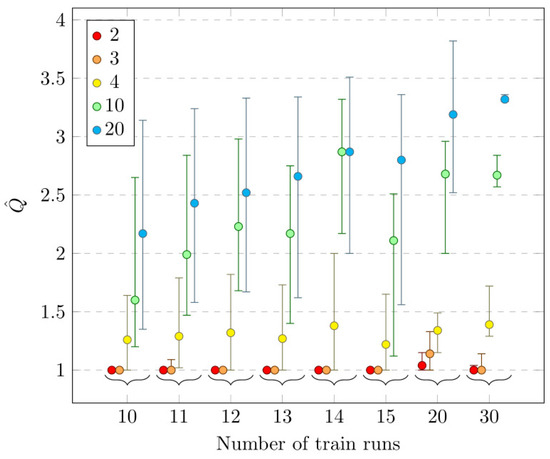
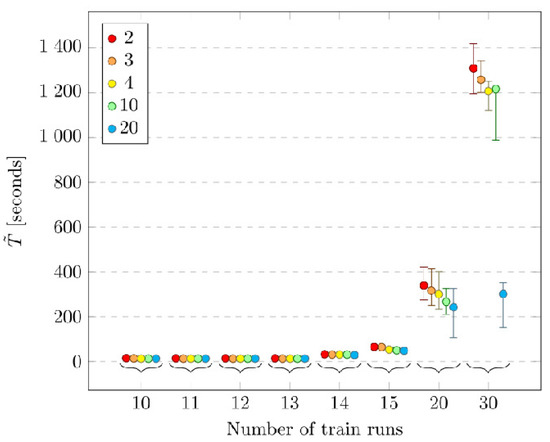
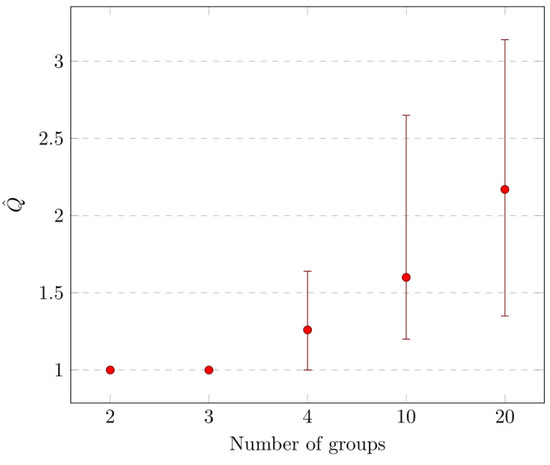
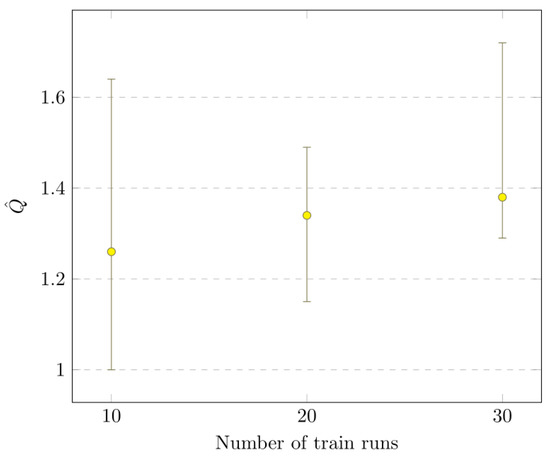
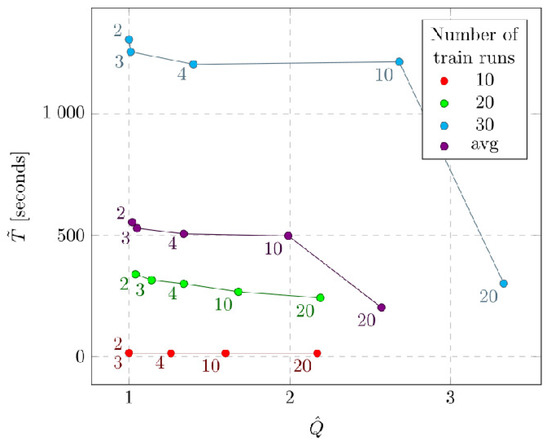
This work considered a joint problem of train rescheduling and closure planning. The derivation of a new train run schedule and the determination of a closure plan not only must guarantee the satisfaction of all the given constraints but also must optimize the number of accepted closures, the number of approved train runs, and the total time shift between the resultant and the original schedule. Presented is a novel nonlinear mixed integer optimization problem which is valid for a broad class of railway networks. A multi-level hierarchical heuristic algorithm is introduced due to the NP-hardness of the considered optimization problem. The algorithm is able, on an iterative basis, to jointly select closures and train runs, along with the derivation of a train schedule. Results obtained by the algorithm, launched for the conducted experiments, confirm its ability to provide acceptable and feasible solutions in a reasonable amount of time. Full article
(This article belongs to the Special Issue Heuristic Algorithms in Engineering and Applied Sciences)
Show Figures

Figure 1
Article
Adaptive Multi-Level Search for Global Optimization: An Integrated Swarm Intelligence-Metamodelling Technique
Appl. Sci. 2021, 11(5), 2277; https://doi.org/10.3390/app11052277 - 04 Mar 2021
Cited by 1 | Viewed by 370
Abstract
Over the last decade, metaheuristic algorithms have emerged as a powerful paradigm for global optimization of multimodal functions formulated by nonlinear problems arising from various engineering subjects. However, numerical analyses of many complex engineering design problems may be performed using finite element method [...] Read more.
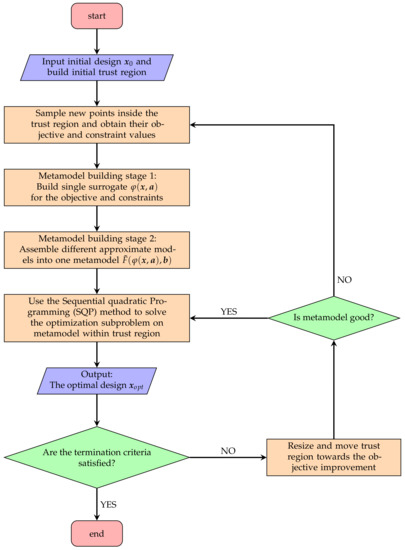
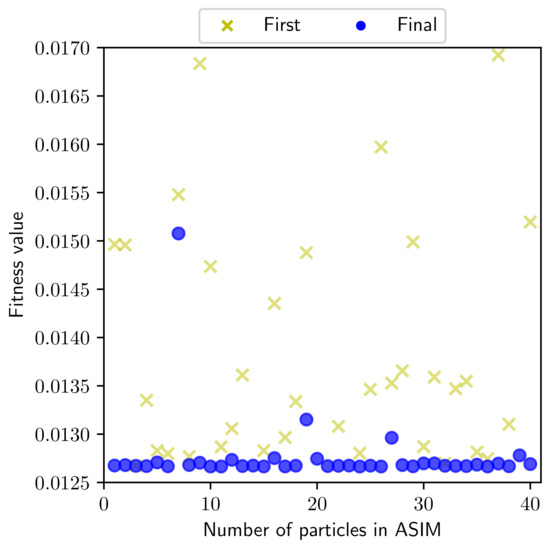
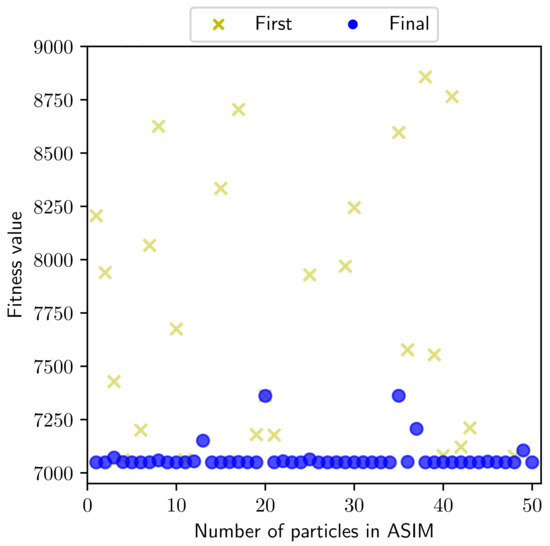
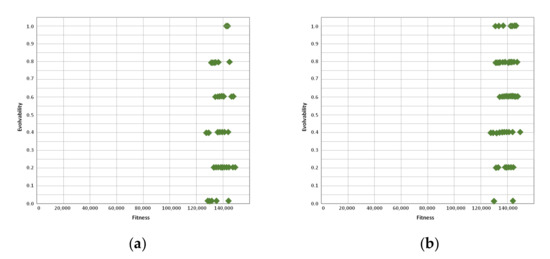
Over the last decade, metaheuristic algorithms have emerged as a powerful paradigm for global optimization of multimodal functions formulated by nonlinear problems arising from various engineering subjects. However, numerical analyses of many complex engineering design problems may be performed using finite element method (FEM) or computational fluid dynamics (CFD), by which function evaluations of population-based algorithms are repetitively computed to seek a global optimum. It is noted that these simulations become computationally prohibitive for design optimization of complex structures. To efficiently and effectively address this class of problems, an adaptively integrated swarm intelligence-metamodelling (ASIM) technique enabling multi-level search and model management for the optimal solution is proposed in this paper. The developed technique comprises two steps: in the first step, a global-level exploration for near optimal solution is performed by adaptive swarm-intelligence algorithm, and in the second step, a local-level exploitation for the fine optimal solution is studied on adaptive metamodels, which are constructed by the multipoint approximation method (MAM). To demonstrate the superiority of the proposed technique over other methods, such as conventional MAM, particle swarm optimization, hybrid cuckoo search, and water cycle algorithm in terms of computational expense associated with solving complex optimization problems, one benchmark mathematical example and two real-world complex design problems are examined. In particular, the key factors responsible for the balance between exploration and exploitation are discussed as well. Full article
(This article belongs to the Special Issue Heuristic Algorithms in Engineering and Applied Sciences)
Show Figures

Figure 1
Article
A Phase Angle-Modulated Bat Algorithm with Application to Antenna Topology Optimization
Appl. Sci. 2021, 11(5), 2243; https://doi.org/10.3390/app11052243 - 03 Mar 2021
Cited by 1 | Viewed by 422
Abstract
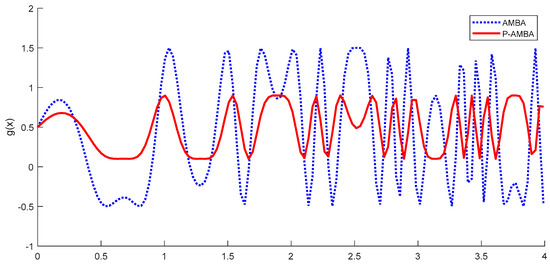
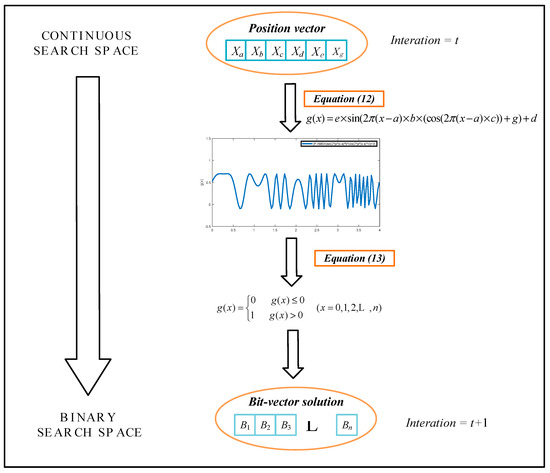
This paper proposes a phase angle-modulated bat algorithm (P-AMBA) for high-dimensional binary optimization. The idea was to reduce the optimization time by introducing angle modulation technology to reduce the optimization dimensions. Different from the original angle-modulated bat algorithm (AMBA), the control of the [...] Read more.
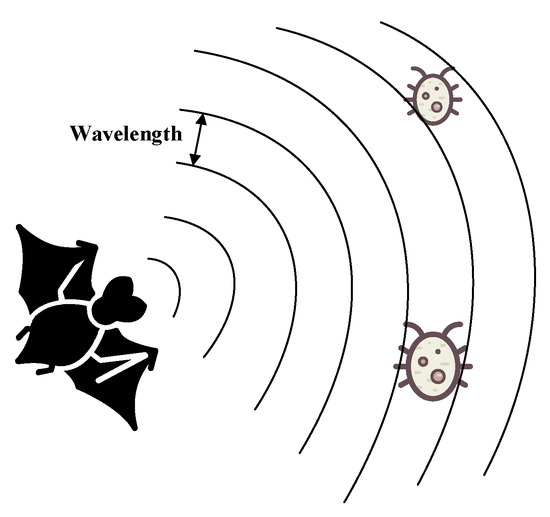
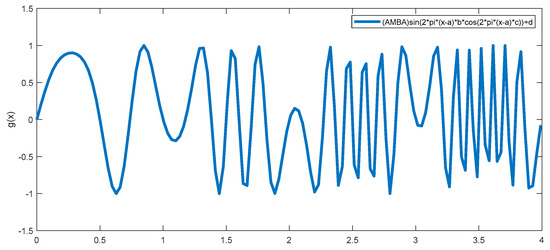
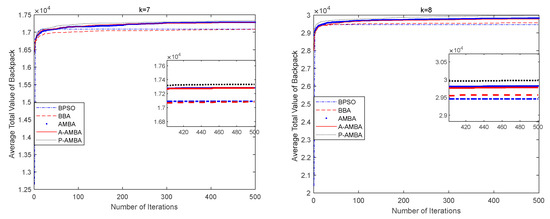
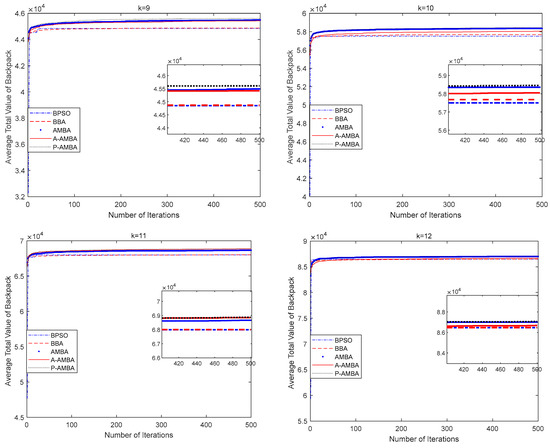
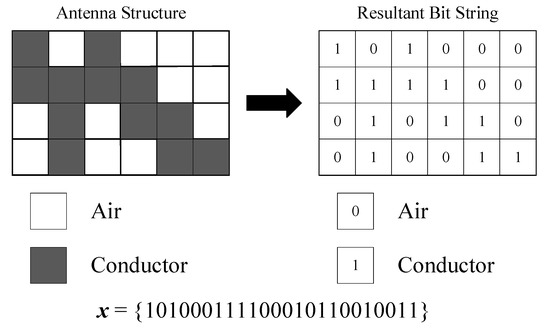
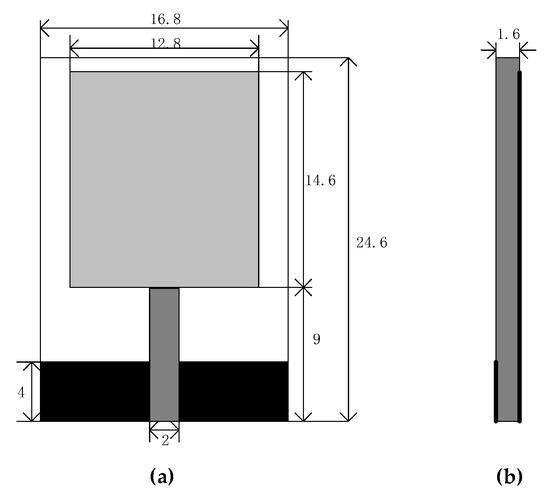
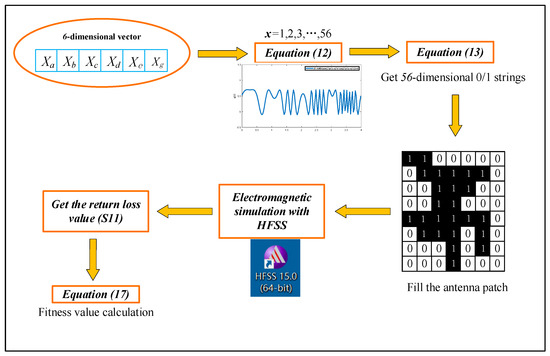
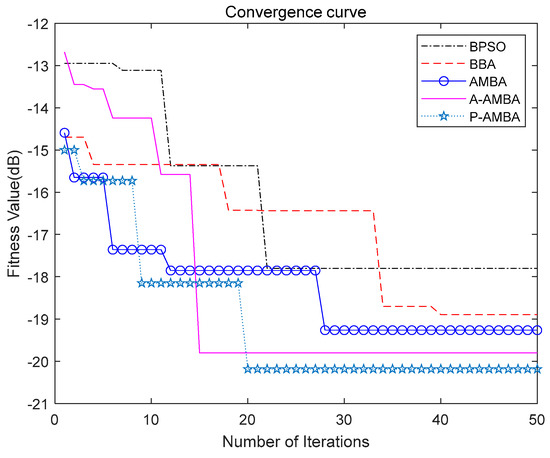
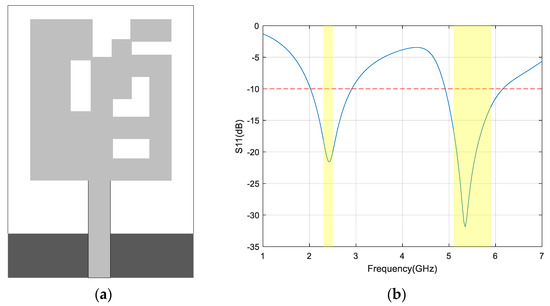
This paper proposes a phase angle-modulated bat algorithm (P-AMBA) for high-dimensional binary optimization. The idea was to reduce the optimization time by introducing angle modulation technology to reduce the optimization dimensions. Different from the original angle-modulated bat algorithm (AMBA), the control of the trigonometric generating function cosine wave is by introducing new parameters, thereby improving the perturbation ability of the function curve near the x-axis. P-AMBA can explore more 0/1 solutions, and it has advantages in optimizing convergence speed and global search capabilities. The numerical results of the 0–1 knapsack problem tests show that P-AMBA is superior to the contrast algorithms on optimization ability and optimization time. Finally, the experimental result of a compact dual-band planar monopole antenna design showed the effectiveness of P-AMBA in engineering applications. Full article
(This article belongs to the Special Issue Heuristic Algorithms in Engineering and Applied Sciences)
Show Figures

Figure 1
Article
Finding Effective Item Assignment Plans with Weighted Item Associations Using A Hybrid Genetic Algorithm
Appl. Sci. 2021, 11(5), 2209; https://doi.org/10.3390/app11052209 - 03 Mar 2021
Cited by 1 | Viewed by 360
Abstract
By identifying useful relationships between massive datasets, association rule mining can provide new insights to decision-makers. Item assignment models based on association between items are used to place items in a retail or e-commerce environment to increase sales. However, existing models fail to [...] Read more.
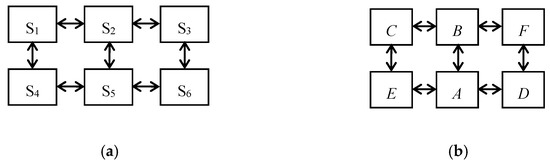
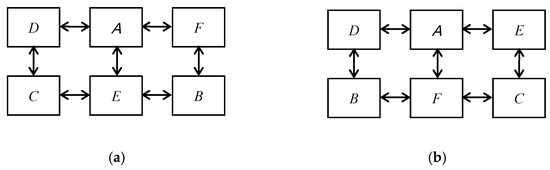
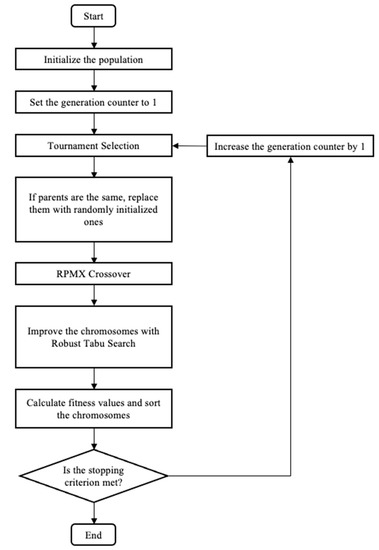
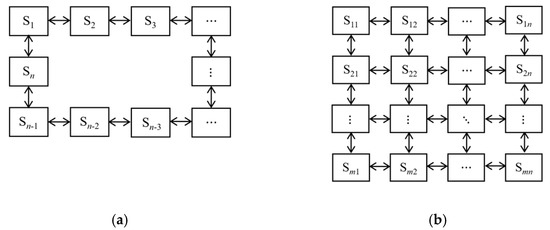
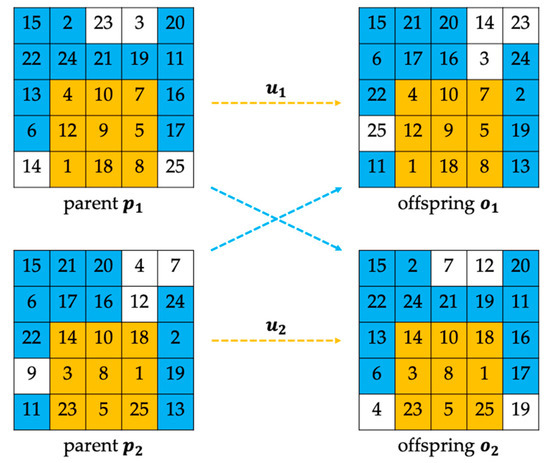
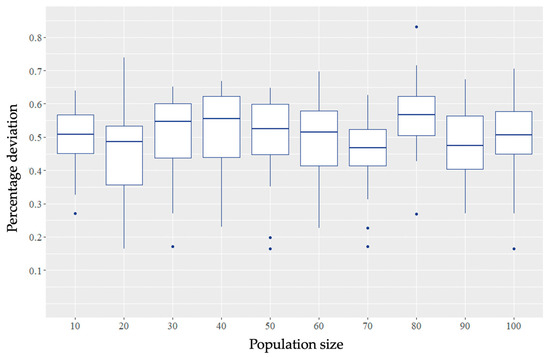
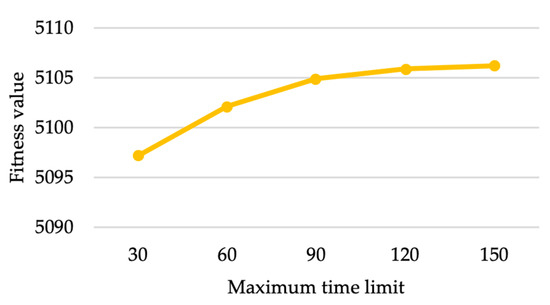
By identifying useful relationships between massive datasets, association rule mining can provide new insights to decision-makers. Item assignment models based on association between items are used to place items in a retail or e-commerce environment to increase sales. However, existing models fail to combine these associations with item-specific information, such as profit and purchasing frequency. To find effective assignments with item-specific information, we propose a new hybrid genetic algorithm that incorporates a robust tabu search with a novel rectangular partially matched crossover, focusing on rectangular layouts. Interestingly, we show that our item assignment model is equivalent to popular quadratic assignment NP-hard problems. We show the effectiveness of the proposed algorithm, using benchmark instances from QAPLIB and synthetic databases that represent real-life retail situations, and compare our algorithm with other existing algorithms. We also show that the proposed crossover operator outperforms a few existing ones in both fitness values and search times. The experimental results show that not only does the proposed item assignment model generates a more profitable assignment plan than the other tested models based on association alone but it also obtains better solutions than the other tested algorithms. Full article
(This article belongs to the Special Issue Heuristic Algorithms in Engineering and Applied Sciences)
Show Figures

Figure 1
Article
An Attraction Map Framework of a Complex Multi-Echelon Vehicle Routing Problem with Random Walk Analysis
Appl. Sci. 2021, 11(5), 2100; https://doi.org/10.3390/app11052100 - 27 Feb 2021
Cited by 1 | Viewed by 451
Abstract
The paper aims to investigate the basin of attraction map of a complex Vehicle Routing Problem with random walk analysis. The Vehicle Routing Problem (VRP) is a common discrete optimization problem in field of logistics. In the case of the base VRP, the [...] Read more.
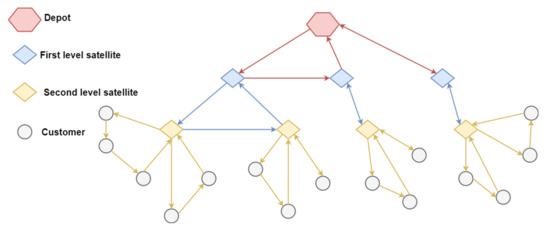
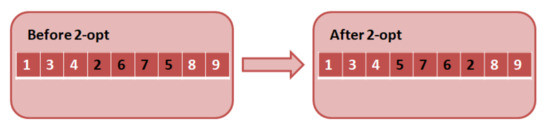
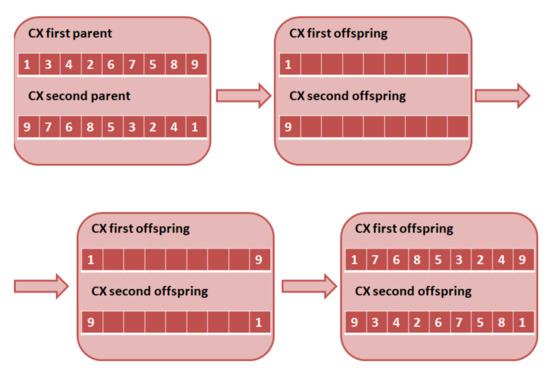
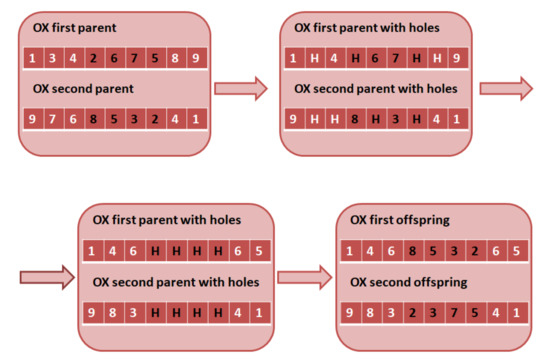
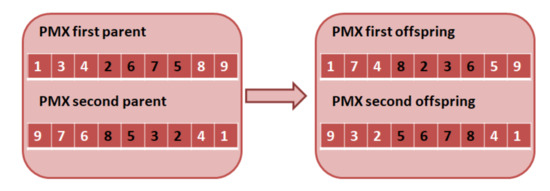
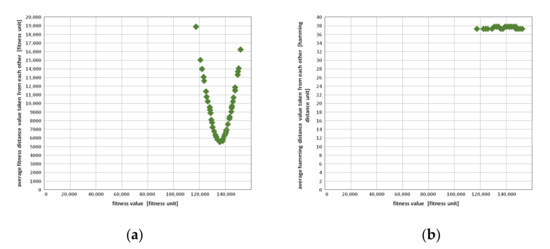
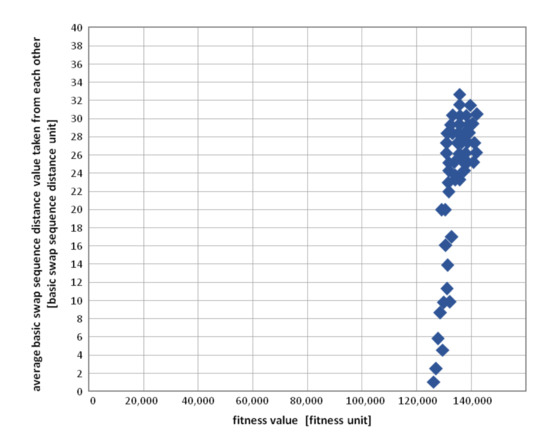
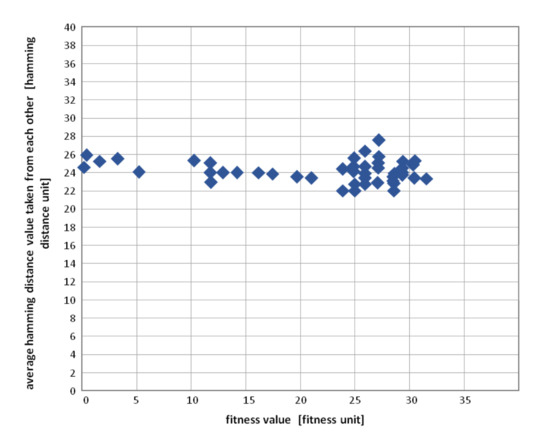
The paper aims to investigate the basin of attraction map of a complex Vehicle Routing Problem with random walk analysis. The Vehicle Routing Problem (VRP) is a common discrete optimization problem in field of logistics. In the case of the base VRP, the positions of one single depot and many customers (which have product demands) are given. The vehicles and their capacity limits are also fixed in the system and the objective function is the minimization of the length of the route. In the literature, many approaches have appeared to simulate the transportation demands. Most of the approaches are using some kind of metaheuristics. Solving the problems with metaheuristics requires exploring the fitness landscape of the optimization problem. The fitness landscape analysis consists of the investigation of the following elements: the set of the possible states, the fitness function and the neighborhood relationship. We use also metaheuristics are used to perform neighborhood discovery depending on the neighborhood interpretation. In this article, the following neighborhood operators are used for the basin of attraction map: 2-opt, Order Crossover (OX), Partially Matched Crossover (PMX), Cycle Crossover (CX). Based on our test results, the 2-opt and Partially Matched Crossover operators are more efficient than the Order Crossover and Cycle Crossovers. Full article
(This article belongs to the Special Issue Heuristic Algorithms in Engineering and Applied Sciences)
Show Figures

Figure 1
Article
Performance Evaluation of Hybrid WOA-SVR and HHO-SVR Models with Various Kernels to Predict Factor of Safety for Circular Failure Slope
Appl. Sci. 2021, 11(4), 1922; https://doi.org/10.3390/app11041922 - 22 Feb 2021
Cited by 4 | Viewed by 417
Abstract
To detect areas with the potential for landslides, slopes are routinely subjected to stability analyses. To this end, there is a need to adopt appropriate mitigation techniques. In general, the stability of slopes with circular failure mode is defined as the factor of [...] Read more.
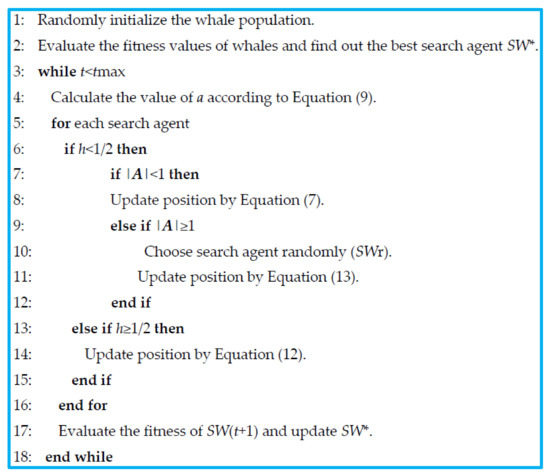
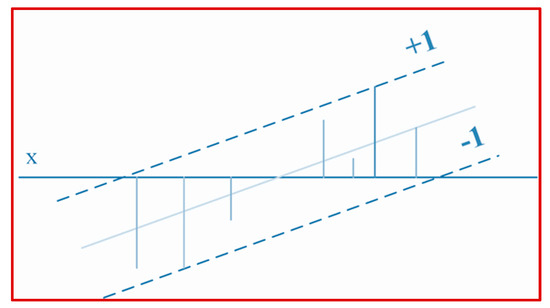
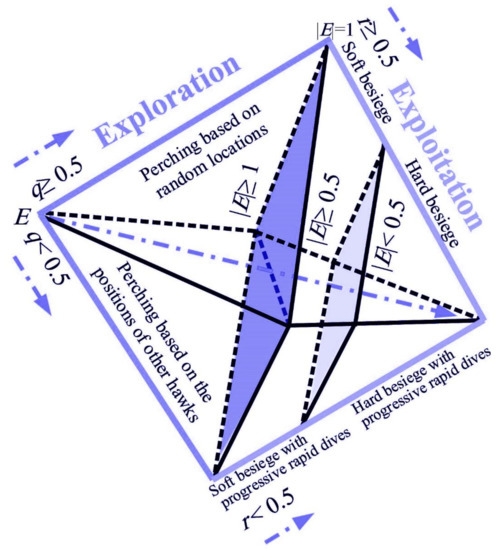
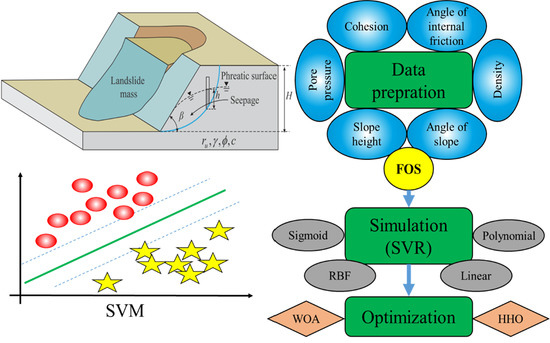
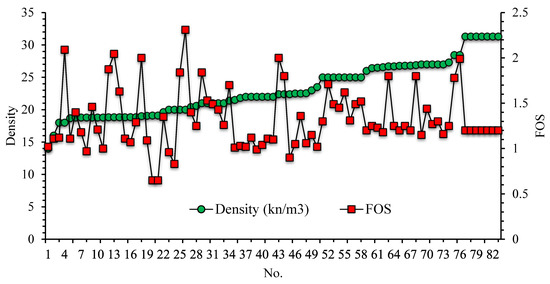
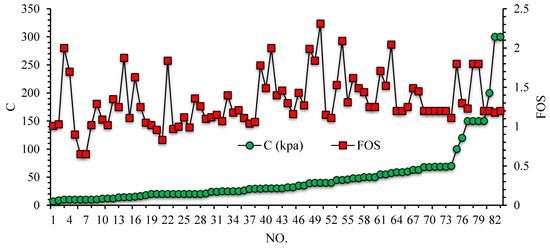
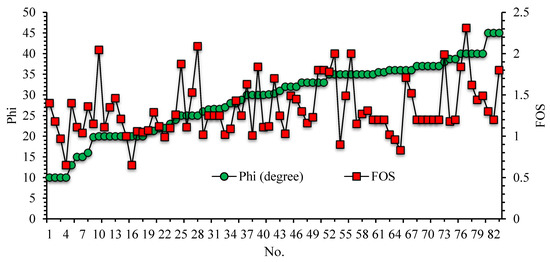
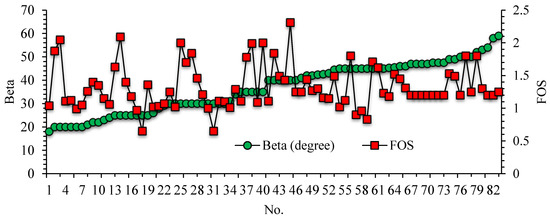
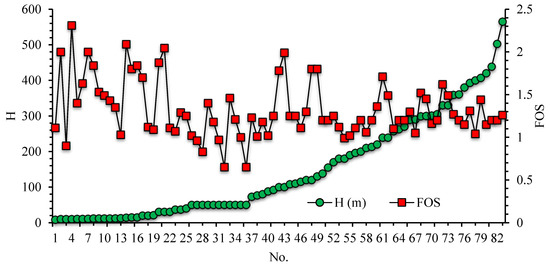
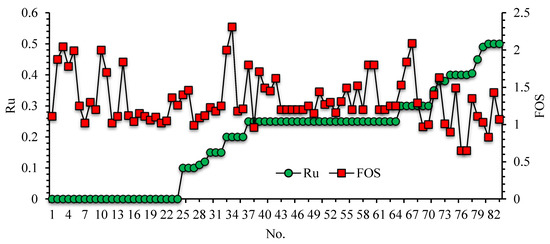
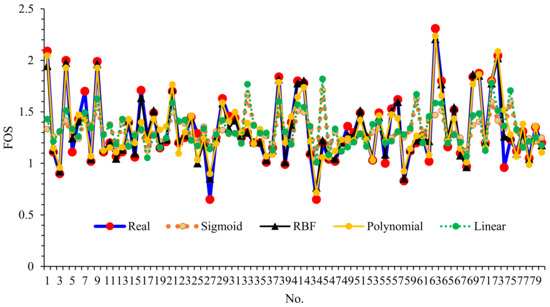
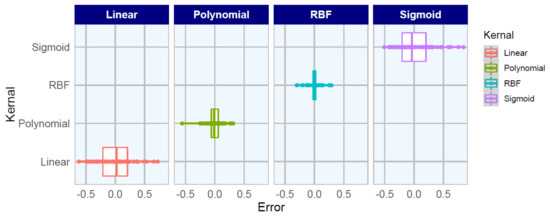
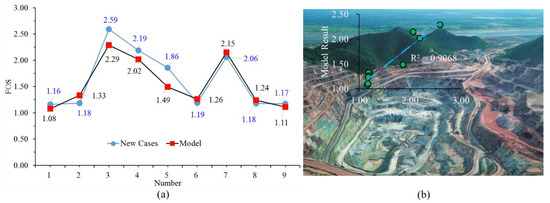
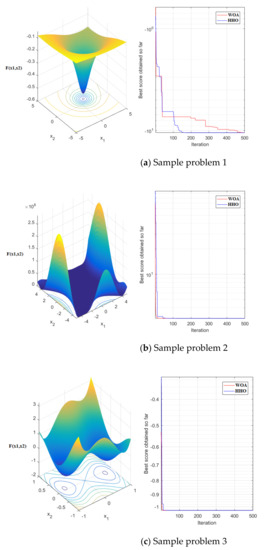
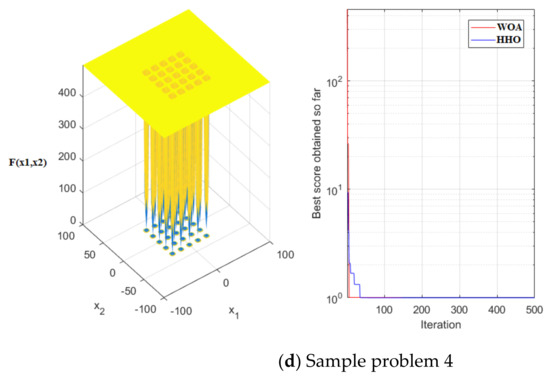
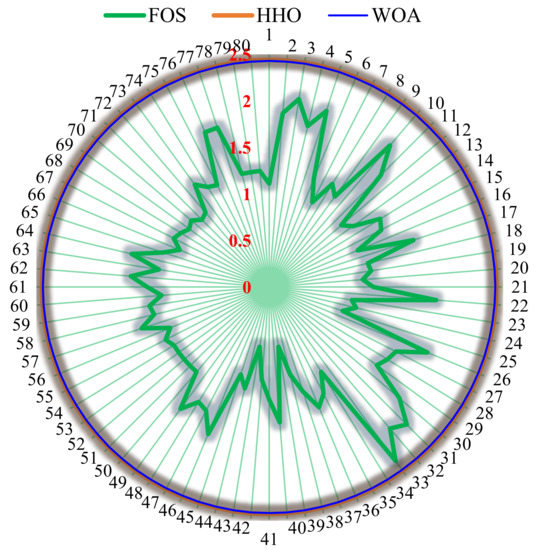
To detect areas with the potential for landslides, slopes are routinely subjected to stability analyses. To this end, there is a need to adopt appropriate mitigation techniques. In general, the stability of slopes with circular failure mode is defined as the factor of safety (FOS). The literature includes a variety of numerical/analytical models proposed in different studies to compute the FOS values of slopes. However, the main challenge is to propose a model for solving a non-linear relationship between independent parameters (which have a great impact on slope stability) and FOS values of slopes. This creates a problem with a high level of complexity and with multiple variables. To resolve the problem, this study proposes a new hybrid intelligent model for FOS evaluation and analysis of slopes in two different phases: simulation and optimization. In the simulation phase, different support vector regression (SVR) kernels were built to predict FOS values. The results showed that the radius basis function (RBF) kernel produces more accurate performance prediction compared with the other applied kernels. The prediction accuracy of this kernel was obtained as coefficient of determination = 0.94, which indicates a high prediction capacity during the simulation phase. Then, in the optimization phase, the proposed SVR model was optimized through the use of two well-known techniques, namely, the whale optimization algorithm (WOA) and Harris hawks optimization (HHO), and the optimum input parameters were obtained. The optimal results confirmed that both optimization techniques are able to achieve a high value for FOS of slopes; however, the HHO shows a more powerful process in FOS maximization compared with the WOA technique. In addition, the developed model was also successfully validated using new data with nine data samples. Full article
(This article belongs to the Special Issue Heuristic Algorithms in Engineering and Applied Sciences)
Show Figures

Figure 1
Article
The Effectiveness of Ensemble-Neural Network Techniques to Predict Peak Uplift Resistance of Buried Pipes in Reinforced Sand
Appl. Sci. 2021, 11(3), 908; https://doi.org/10.3390/app11030908 - 20 Jan 2021
Cited by 7 | Viewed by 713
Abstract
Buried pipes are extensively used for oil transportation from offshore platforms. Under unfavorable loading combinations, the pipe’s uplift resistance may be exceeded, which may result in excessive deformations and significant disruptions. This paper presents findings from a series of small-scale tests performed on [...] Read more.
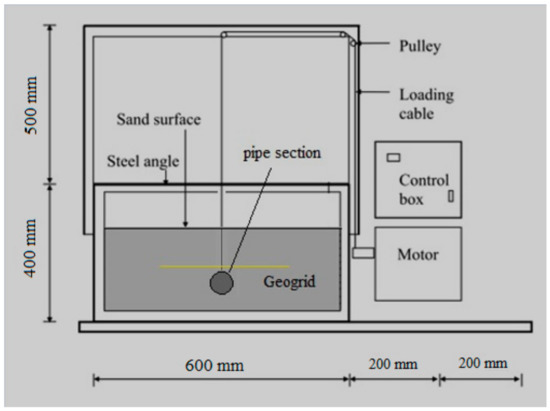
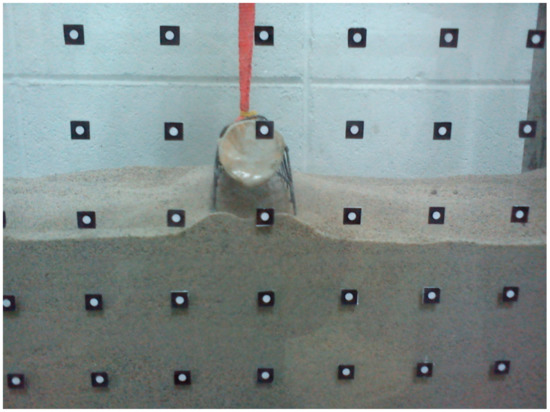
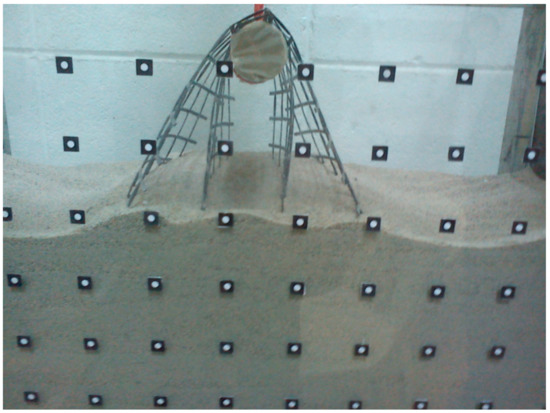
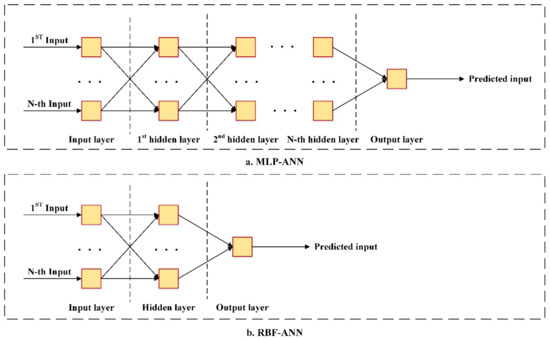
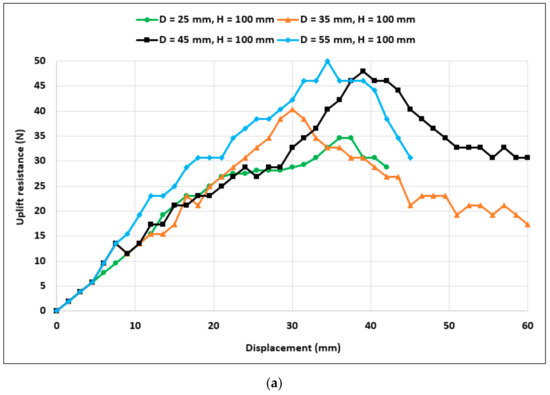
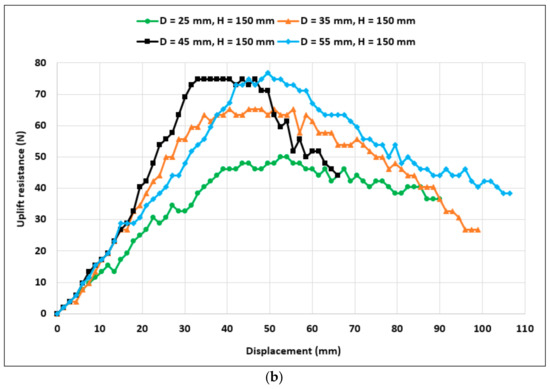
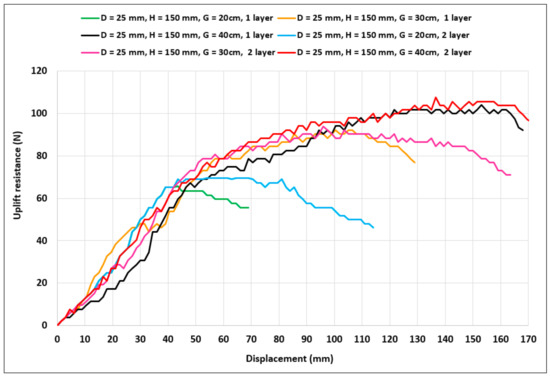
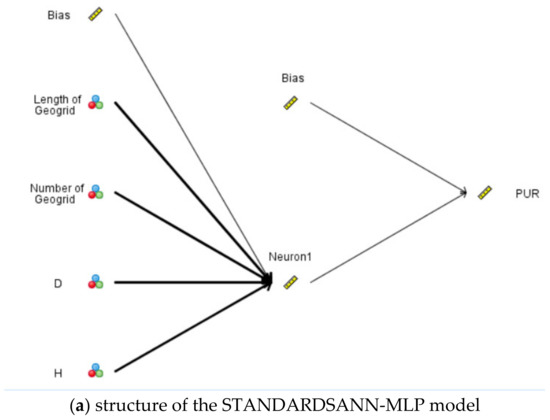
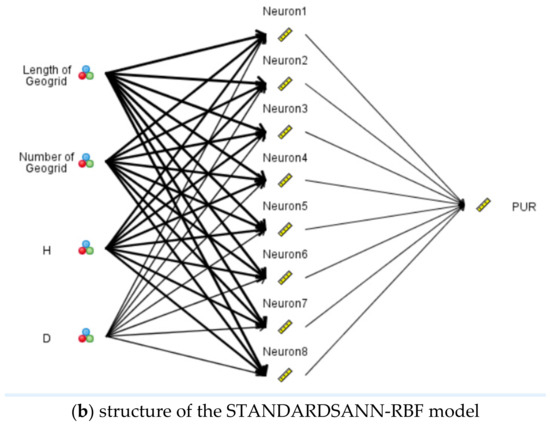
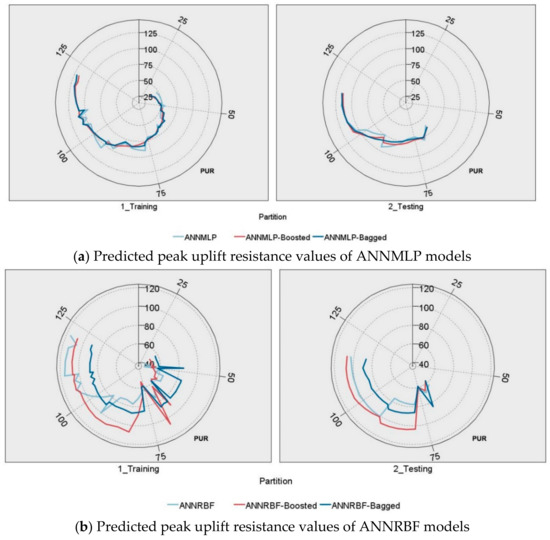
Buried pipes are extensively used for oil transportation from offshore platforms. Under unfavorable loading combinations, the pipe’s uplift resistance may be exceeded, which may result in excessive deformations and significant disruptions. This paper presents findings from a series of small-scale tests performed on pipes buried in geogrid-reinforced sands, with the measured peak uplift resistance being used to calibrate advanced numerical models employing neural networks. Multilayer perceptron (MLP) and Radial Basis Function (RBF) primary structure types have been used to train two neural network models, which were then further developed using bagging and boosting ensemble techniques. Correlation coefficients in excess of 0.954 between the measured and predicted peak uplift resistance have been achieved. The results show that the design of pipelines can be significantly improved using the proposed novel, reliable and robust soft computing models. Full article
(This article belongs to the Special Issue Heuristic Algorithms in Engineering and Applied Sciences)
Show Figures

Figure 1
Article
Prediction of Swelling Index Using Advanced Machine Learning Techniques for Cohesive Soils
Appl. Sci. 2021, 11(2), 536; https://doi.org/10.3390/app11020536 - 07 Jan 2021
Viewed by 880
Abstract
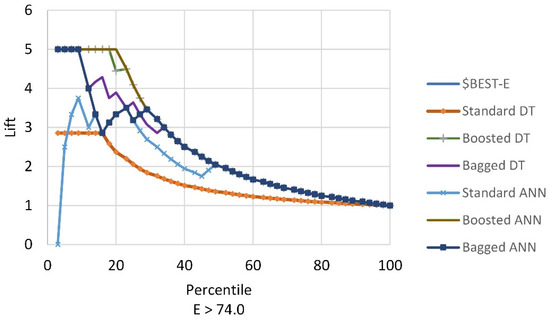
Several attempts have been made for estimating the vital swelling index parameter conducted by the expensive and time-consuming Oedometer test. However, they have only focused on the neuron network neglecting other advanced methods that could have increased the predictive capability of models. In [...] Read more.
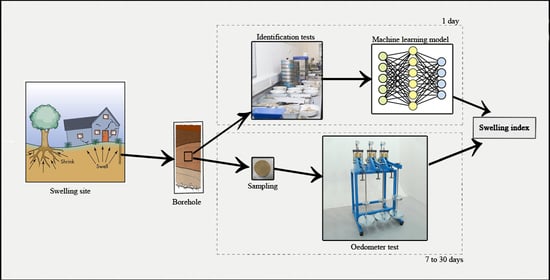
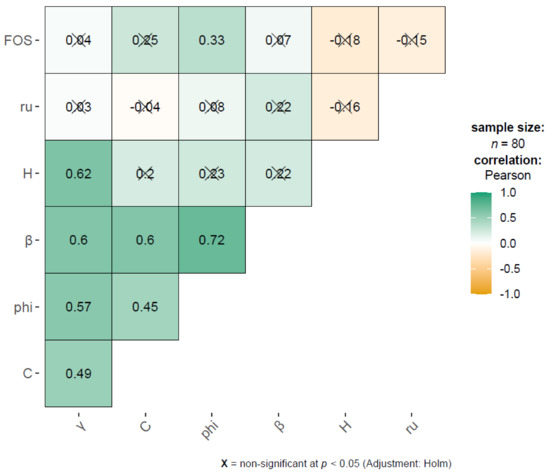
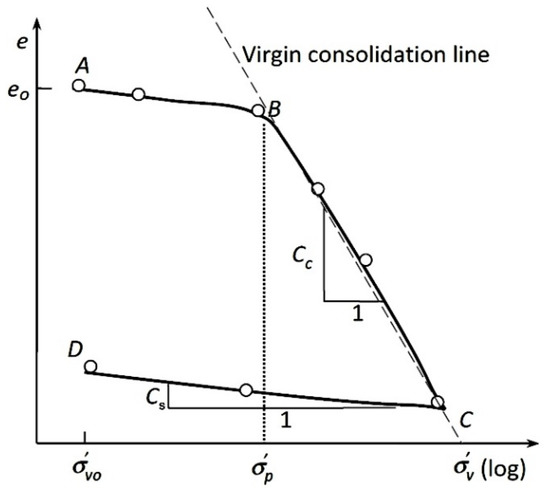
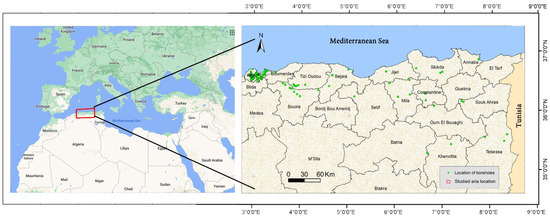
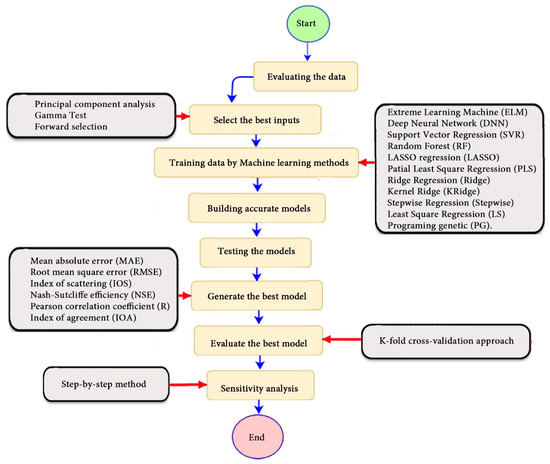
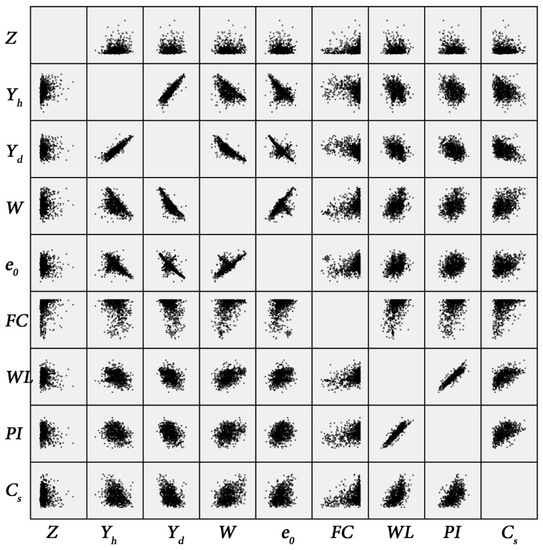
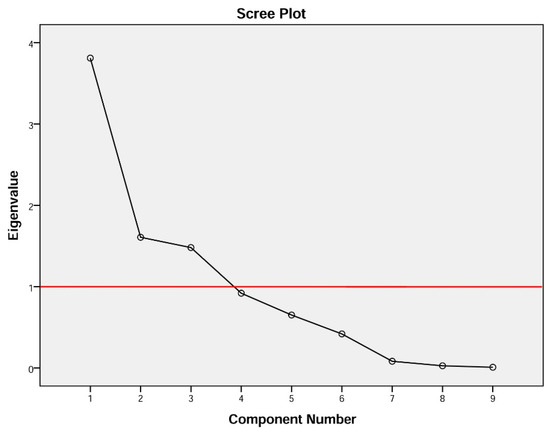
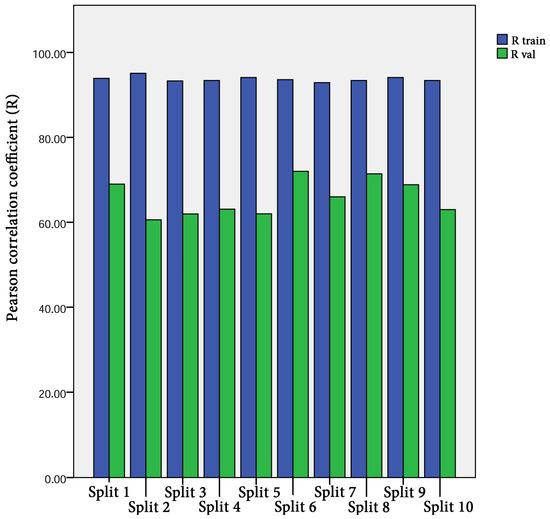
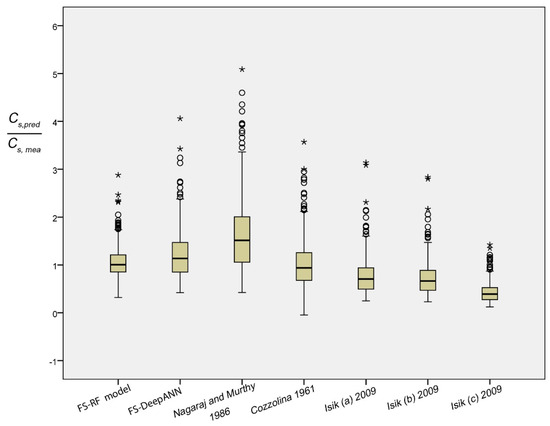
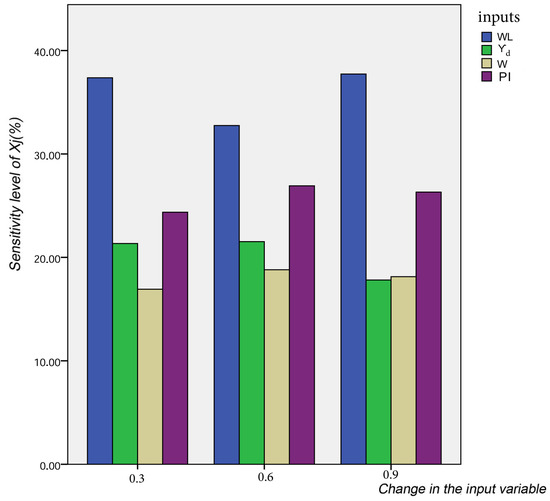
Several attempts have been made for estimating the vital swelling index parameter conducted by the expensive and time-consuming Oedometer test. However, they have only focused on the neuron network neglecting other advanced methods that could have increased the predictive capability of models. In order to overcome this limitation, the current study aims to elaborate an alternative model for estimating the swelling index from geotechnical physical parameters. The reliability of the approach is tested through several advanced machine learning methods like Extreme Learning Machine, Deep Neural Network, Support Vector Regression, Random Forest, LASSO regression, Partial Least Square Regression, Ridge Regression, Kernel Ridge, Stepwise Regression, Least Square Regression, and genetic Programing. These methods have been applied for modeling samples consisting of 875 Oedometer tests. Firstly, principal component analysis, Gamma test, and forward selection are utilized to reduce the input variable numbers. Afterward, the advanced techniques have been applied for modeling the proposed optimal inputs, and their accuracy models were evaluated through six statistical indicators and using K-fold cross validation approach. The comparative study shows the efficiency of FS-RF model. This elaborated model provided the most appropriate prediction, closest to the experimental values compared with other models and formulae proposed by the previous studies. Full article
(This article belongs to the Special Issue Heuristic Algorithms in Engineering and Applied Sciences)
Show Figures

Graphical abstract

Article
A Completion Method for Missing Concrete Dam Deformation Monitoring Data Pieces
Appl. Sci. 2021, 11(1), 463; https://doi.org/10.3390/app11010463 - 05 Jan 2021
Cited by 2 | Viewed by 1067
Abstract
A concrete dam is an important water-retaining hydraulic structure that stops or restricts the flow of water or underground streams. It can be regarded as a constantly changing complex system. The deformation of a concrete dam can reflect its operation behaviors most directly [...] Read more.
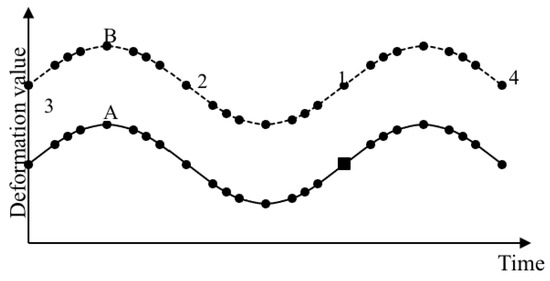
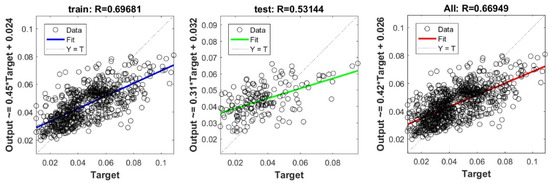
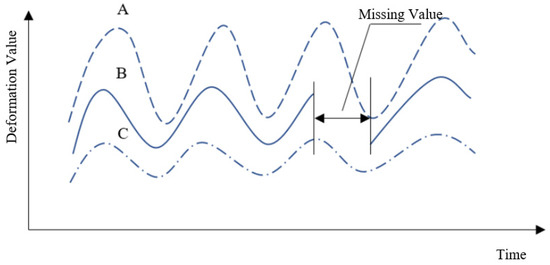
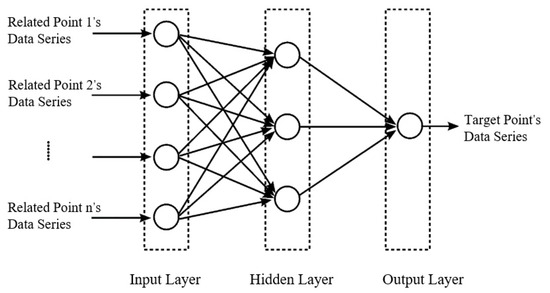
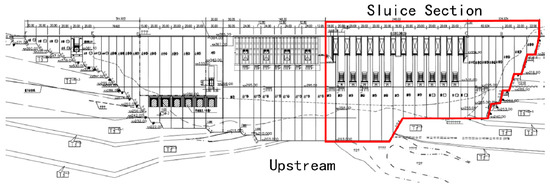
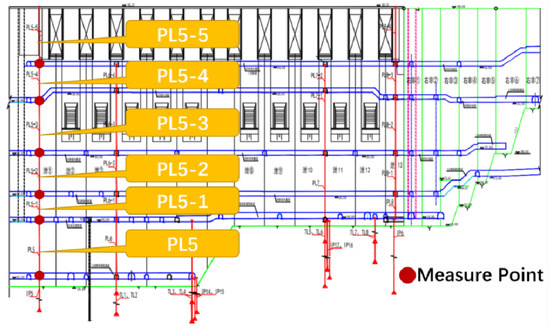
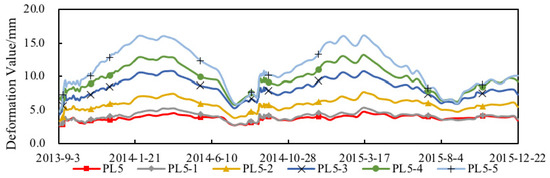
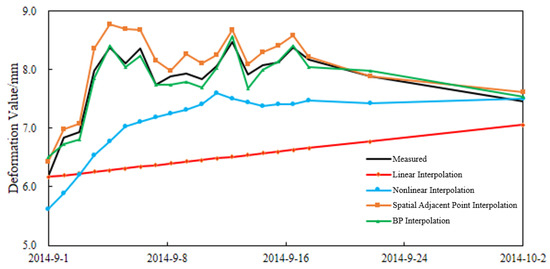
A concrete dam is an important water-retaining hydraulic structure that stops or restricts the flow of water or underground streams. It can be regarded as a constantly changing complex system. The deformation of a concrete dam can reflect its operation behaviors most directly among all the effect quantities. However, due to the change of the external environment, the failure of monitoring instruments, and the existence of human errors, the obtained deformation monitoring data usually miss pieces, and sometimes the missing pieces are so critical that the remaining data fail to fully reflect the actual deformation patterns. In this paper, the composition, characteristics, and contamination of the concrete dam deformation monitoring information are analyzed. From the single-value missing data completion method based on the nonlocal average method, a multi-value missing data completion method using BP (back propagation) mapping of spatial adjacent points is proposed to improve the accuracy of analysis and pattern prediction of concrete dam deformation behaviors. A case study is performed to validate the proposed method. Full article
(This article belongs to the Special Issue Heuristic Algorithms in Engineering and Applied Sciences)
Show Figures

Figure 1
Article
Laser Ablation Manipulator Coverage Path Planning Method Based on an Improved Ant Colony Algorithm
Appl. Sci. 2020, 10(23), 8641; https://doi.org/10.3390/app10238641 - 03 Dec 2020
Viewed by 552
Abstract
Coverage path planning on a complex free-form surface is a representative problem that has been steadily investigated in path planning and automatic control. However, most methods do not consider many optimisation conditions and cannot deal with complex surfaces, closed surfaces, and the intersection [...] Read more.
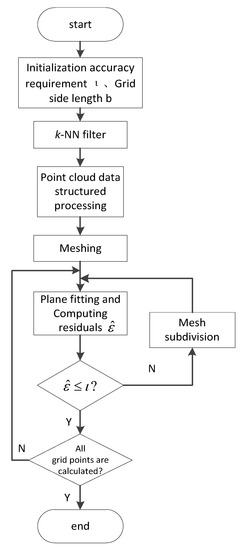
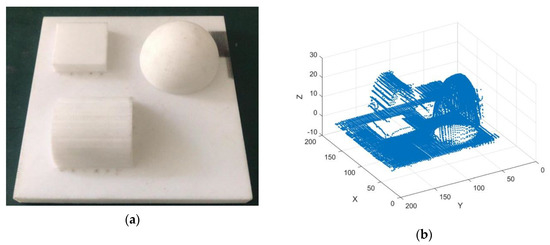
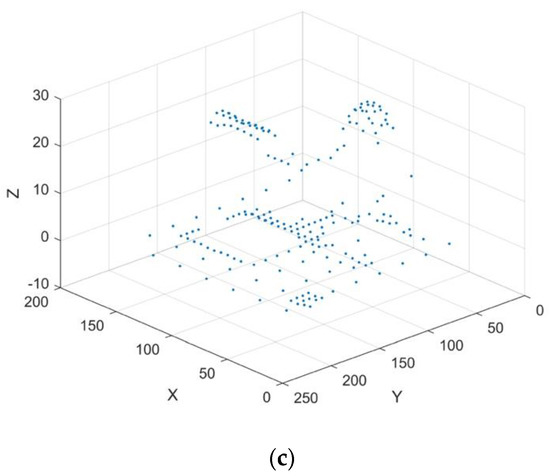
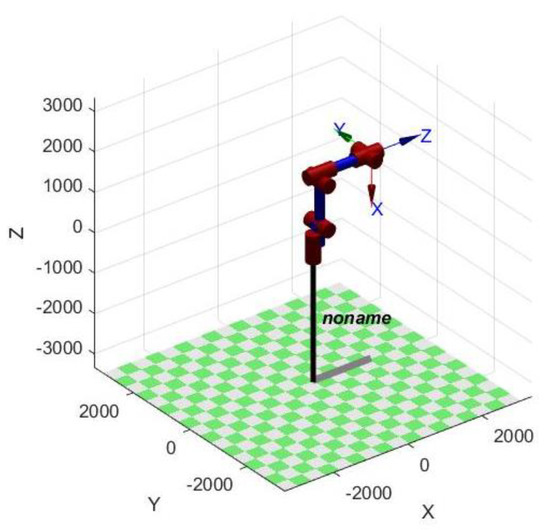
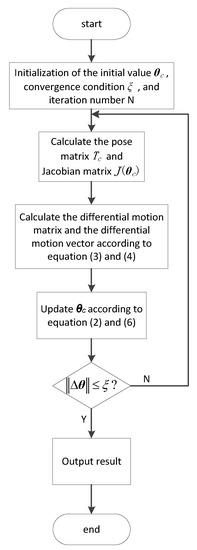
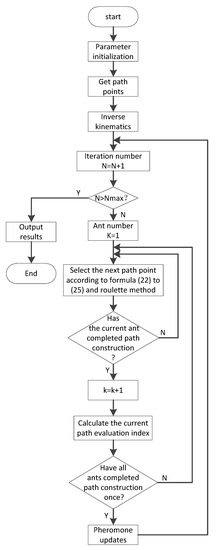
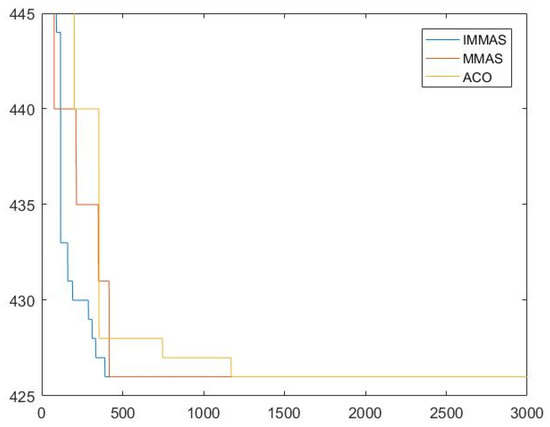
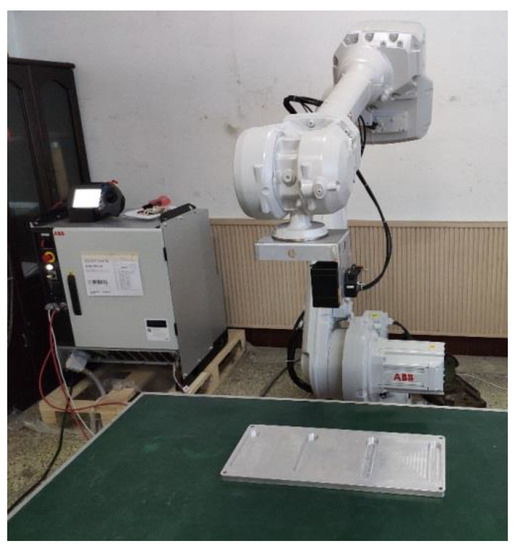
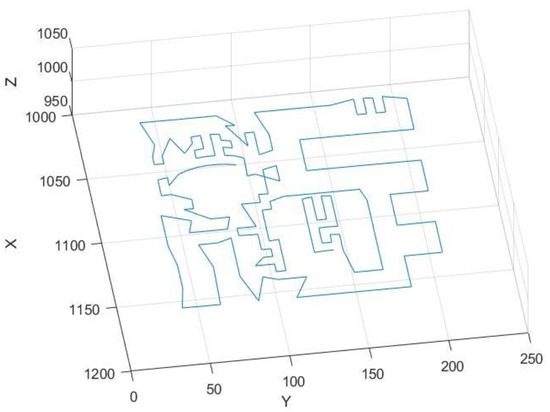
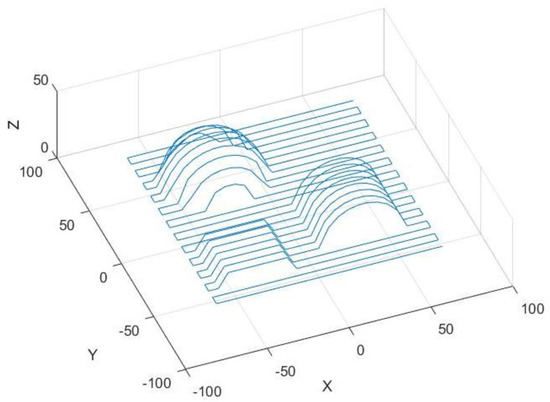
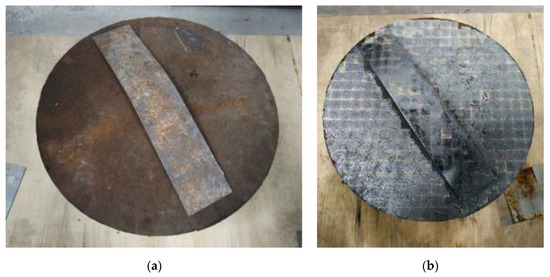
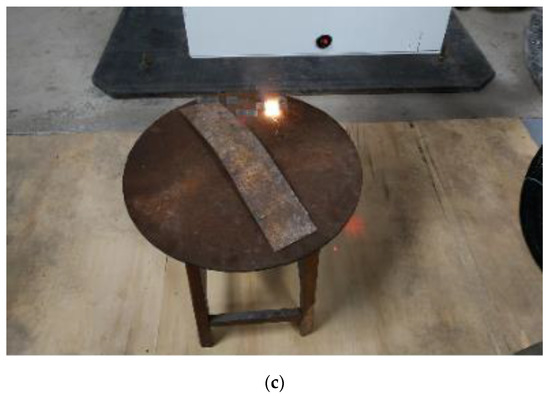
Coverage path planning on a complex free-form surface is a representative problem that has been steadily investigated in path planning and automatic control. However, most methods do not consider many optimisation conditions and cannot deal with complex surfaces, closed surfaces, and the intersection of multiple surfaces. In this study, a novel and efficient coverage path-planning method is proposed that considers trajectory optimisation information and uses point cloud data for environmental modelling. First, the point cloud data are denoised and simplified. Then, the path points are converted into the rotation angle of each joint of the manipulator. A mathematical model dedicated to energy consumption, processing time, and path smoothness as optimisation objectives is developed, and an improved ant colony algorithm is used to solve this problem. Two measures are proposed to prevent the algorithm from being trapped in a local optimum, thereby improving the global search ability of the algorithm. The standard test results indicate that the improved algorithm performs better than the ant colony algorithm and the max–min ant system. The numerical simulation results reveal that compared with the point cloud slicing technique, the proposed method can obtain a more efficient path. The laser ablation de-rusting experiment results specify the utility of the proposed approach. Full article
(This article belongs to the Special Issue Heuristic Algorithms in Engineering and Applied Sciences)
Show Figures

Figure 1
Article
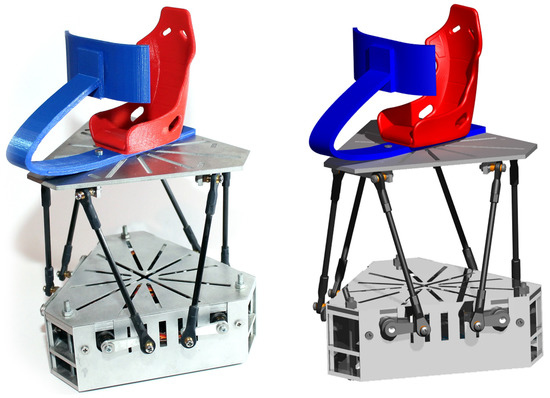
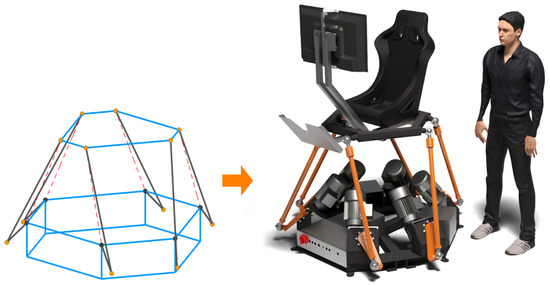
Multi-Objective, Reliability-Based Design Optimization of a Steering Linkage
Appl. Sci. 2020, 10(17), 5748; https://doi.org/10.3390/app10175748 - 20 Aug 2020
Cited by 2 | Viewed by 635
Abstract
Reliability-based design optimization (RBDO) of a mechanism is normally based on the non-probabilistic model, which is viewed as failure possibility constraints in each optimization loop. It leads to a double-loop nested problem that causes a computationally expensive evaluation. Several methods have been developed [...] Read more.
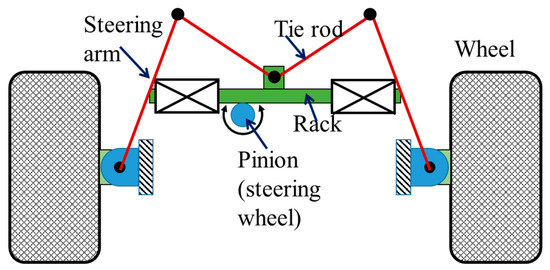
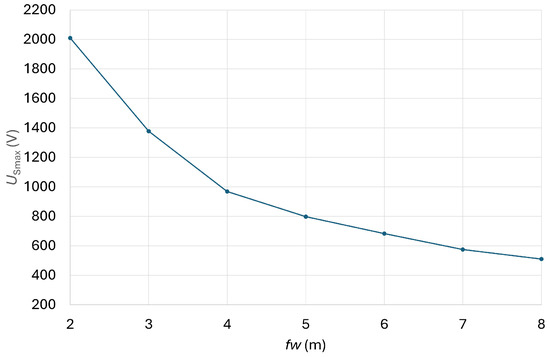
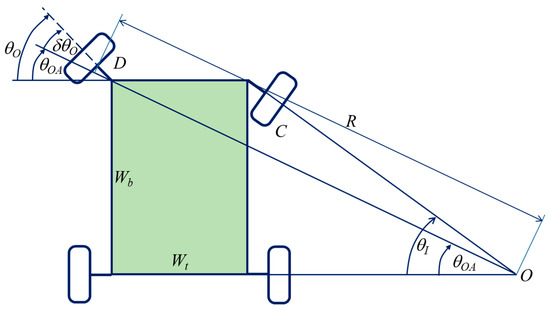
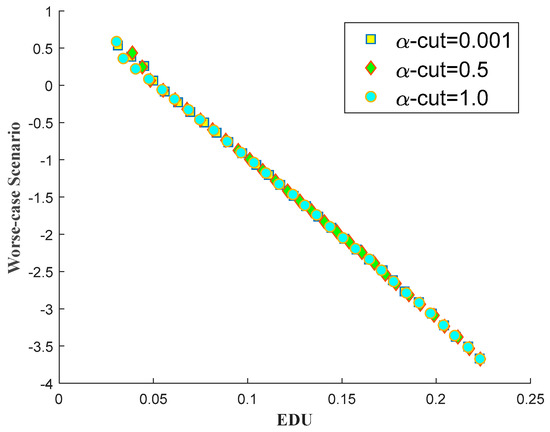
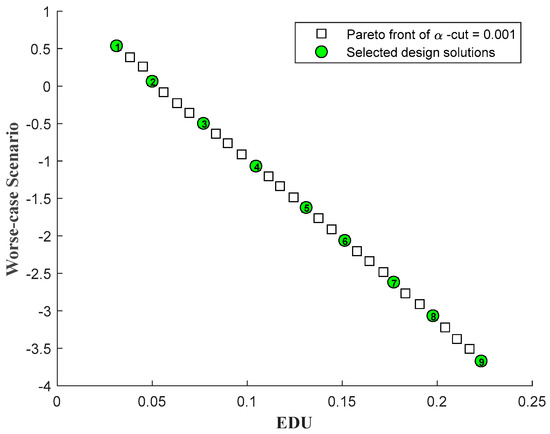
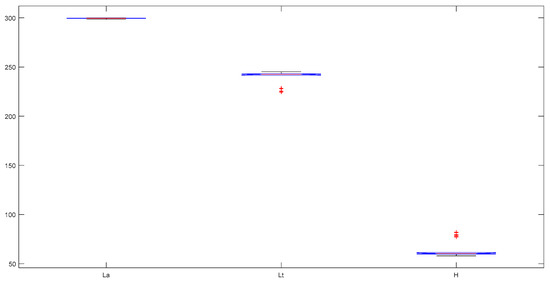
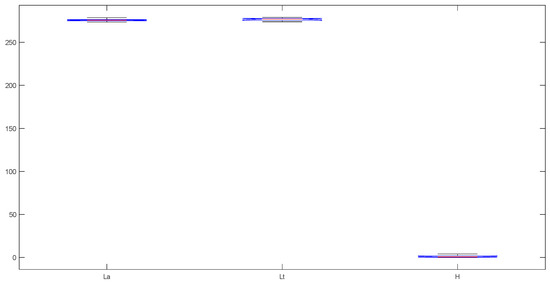
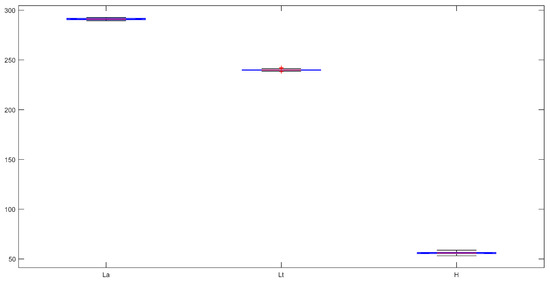
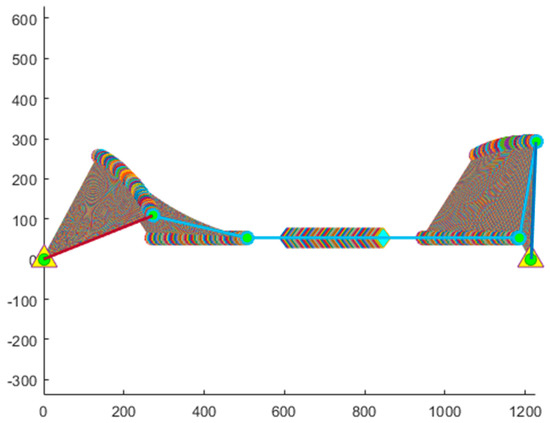
Reliability-based design optimization (RBDO) of a mechanism is normally based on the non-probabilistic model, which is viewed as failure possibility constraints in each optimization loop. It leads to a double-loop nested problem that causes a computationally expensive evaluation. Several methods have been developed to solve the problem, which are expected to increase the realization of optimum results and computational efficiency. The purpose of this paper was to develop a new technique of RBDO that can reduce the complexity of the double-loop nested problem to a single-loop. This involves using a multi-objective evolutionary technique combined with the worst-case scenario and fuzzy sets, known as a multi-objective, reliability-based design optimization (MORBDO). The optimization test problem and a steering linkage design were used to validate the performance of the proposed technique. The proposed technique can reduce the complexity of the design problem, producing results that are more conservative and realizable. Full article
(This article belongs to the Special Issue Heuristic Algorithms in Engineering and Applied Sciences)
Show Figures

Figure 1
Article
Machine Learning Classifiers for Modeling Soil Characteristics by Geophysics Investigations: A Comparative Study
Appl. Sci. 2020, 10(17), 5734; https://doi.org/10.3390/app10175734 - 19 Aug 2020
Cited by 2 | Viewed by 642
Abstract
To design geotechnical structures efficiently, it is important to examine soil’s physical properties. Therefore, classifying soil with respect to geophysical parameters is an advantageous and popular approach. Novel, quick, cost, and time effective machine learning techniques can facilitate this classification. This study employs [...] Read more.
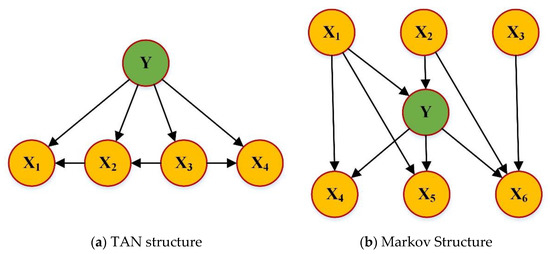
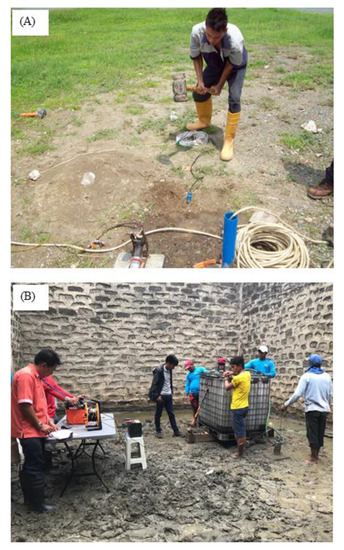
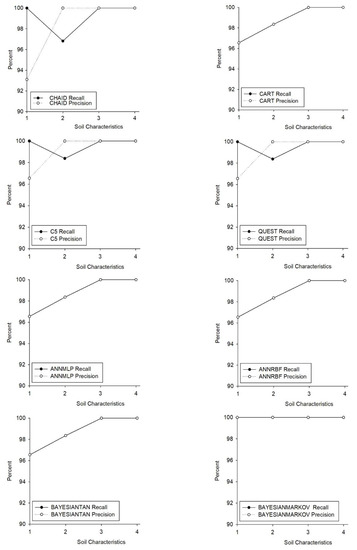
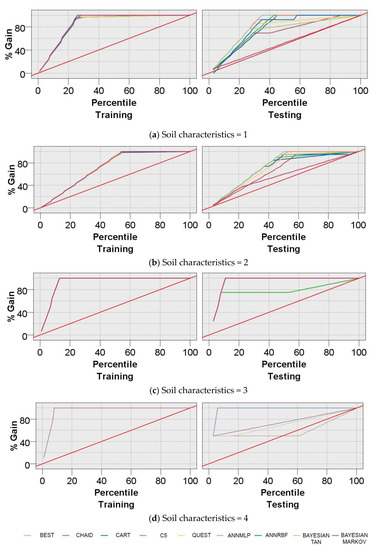
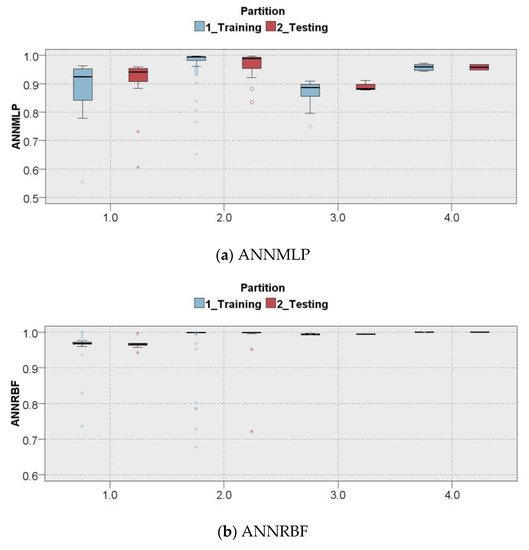
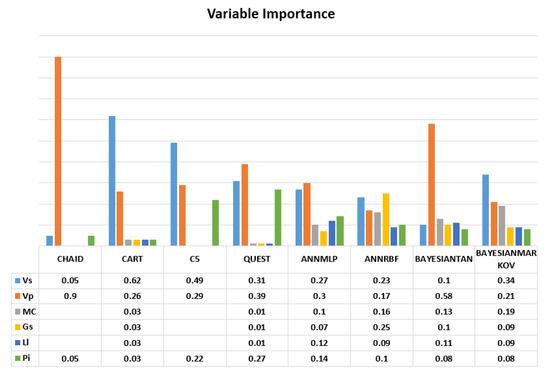
To design geotechnical structures efficiently, it is important to examine soil’s physical properties. Therefore, classifying soil with respect to geophysical parameters is an advantageous and popular approach. Novel, quick, cost, and time effective machine learning techniques can facilitate this classification. This study employs three kinds of machine learning models, including the Decision Tree, Artificial Neural Networks, and Bayesian Networks. The Decision tree models included the chi-square automatic interaction detection (CHAID), classification and regression trees (CART), quick, unbiased, and efficient statistical tree (QUEST), and C5; the Artificial Neural Networks models included Multi-Layer Perceptron (MLP) and Radial Basis Function (RBF); and BN models included the Tree Augmented Naïve (TAN) and Markov Blanket, which were employed to predict the soil classifications using geophysics investigations and laboratory tests. The performance of each model was assessed through the accuracy, stability and gains. The results showed that while the BAYESIANMARKOV model achieved the highest overall accuracy (100%) in training phase, this model achieved the lowest accuracy (34.21%) in testing phases. Thus, this model had the worst stability. The QUEST had the second highest overall training accuracy (99.12%) and had the highest overall testing accuracy (94.74%). Thus, this model was somewhat stable and had an acceptable overall training and testing accuracy to predict the soil characteristics. The future studies can use the findings of this paper as a benchmark to classify the soil characteristics and select the best machine learning technique to perform this classification. Full article
(This article belongs to the Special Issue Heuristic Algorithms in Engineering and Applied Sciences)
Show Figures

Figure 1
Article
Artificial Intelligence-Based Model for the Prediction of Dynamic Modulus of Stone Mastic Asphalt
Appl. Sci. 2020, 10(15), 5242; https://doi.org/10.3390/app10155242 - 29 Jul 2020
Cited by 2 | Viewed by 834
Abstract
Stone Mastic Asphalt (SMA) is a tough, stable, rut-resistant mixture that takes advantage of the stone-to-stone contact to provide strength and durability for the material. Besides, the warm mix asphalt (WMA) technology allows reducing emissions and energy consumption by reducing the production temperature [...] Read more.
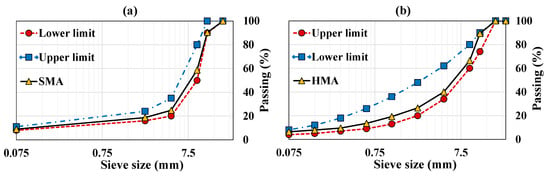
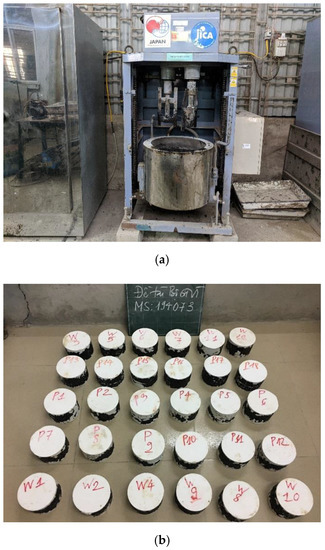
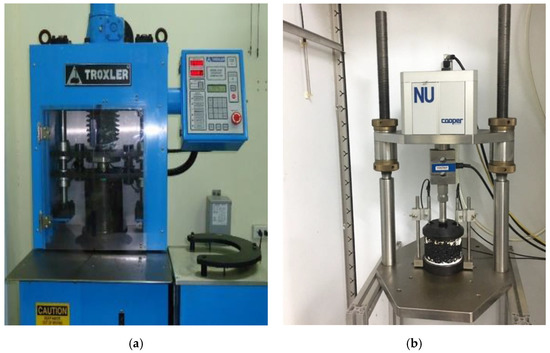
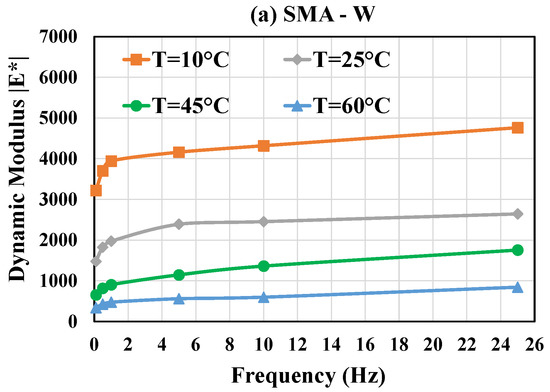
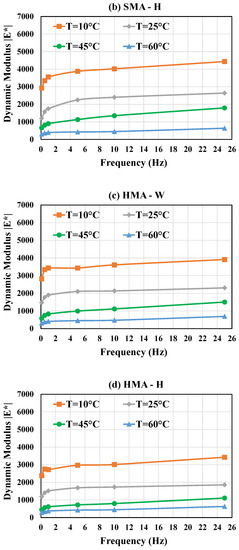
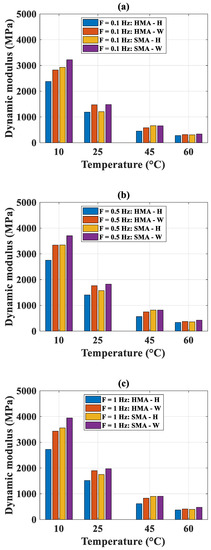
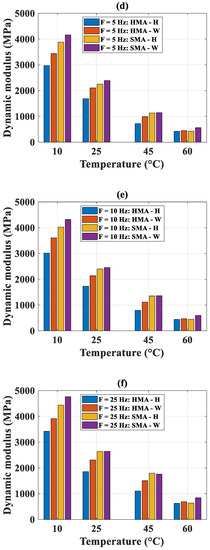
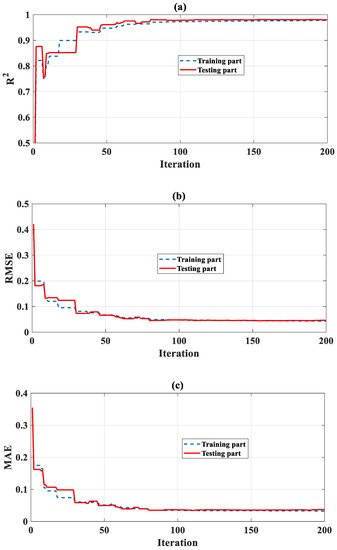
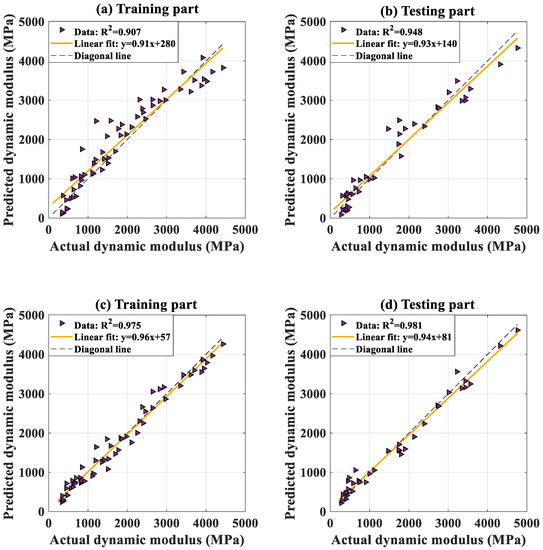
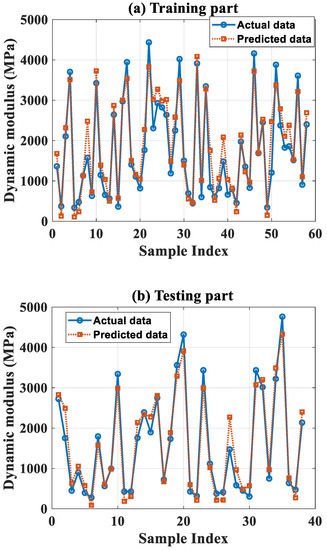
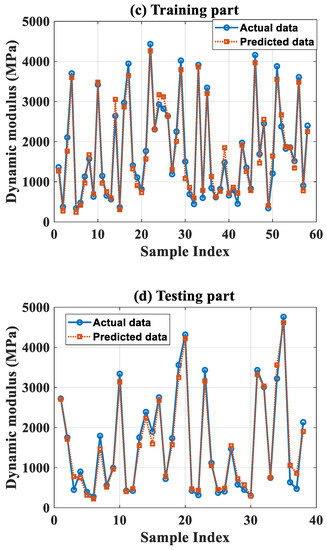
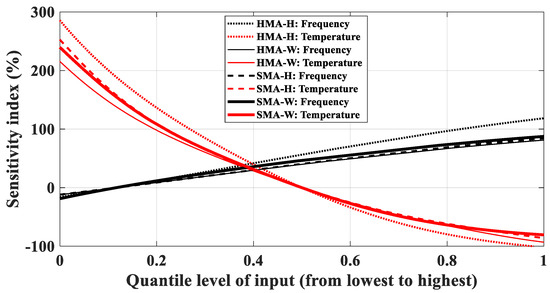
Stone Mastic Asphalt (SMA) is a tough, stable, rut-resistant mixture that takes advantage of the stone-to-stone contact to provide strength and durability for the material. Besides, the warm mix asphalt (WMA) technology allows reducing emissions and energy consumption by reducing the production temperature by 30–50 °C, compared to conventional hot mix asphalt technology (HMA). The dynamic modulus |E*| has been acknowledged as a vital material property in the mechanistic-empirical design and analysis and further reflects the strains and displacements of such layered pavement structures. The objective of this study is twofold, aiming at favoring the potential use of SMA with WMA technique. To this aim, first, laboratory tests were conducted to compare the performance of SMA and HMA through the dynamic modulus. Second, an advanced hybrid artificial intelligence technique to accurately predict the dynamic modulus of asphalt mixtures was developed. This hybrid model (ANN-TLBO) was based on an Artificial Neural Network (ANN) algorithm and Teaching Learning Based Optimization (TLBO) technique. A database containing the as-obtained experimental tests (96 data) was used for the development and assessment of the ANN-TLBO model. The experimental results showed that SMA mixtures exhibited higher values of the dynamic modulus |E*| than HMA, and the WMA technology increased the dynamic modulus values compared with the hot technology. Furthermore, the proposed hybrid algorithm could successfully predict the dynamic modulus with remarkable values of R2 of 0.989 and 0.985 for the training and testing datasets, respectively. Lastly, the effects of temperature and frequency on the dynamic modulus were evaluated and discussed. Full article
(This article belongs to the Special Issue Heuristic Algorithms in Engineering and Applied Sciences)
Show Figures

Figure 1
Article
Enhanced Artificial Neural Network with Harris Hawks Optimization for Predicting Scour Depth Downstream of Ski-Jump Spillway
Appl. Sci. 2020, 10(15), 5160; https://doi.org/10.3390/app10155160 - 27 Jul 2020
Cited by 6 | Viewed by 884
Abstract
A spillway is a structure used to regulate the discharge flowing from hydraulic structures such as a dam. It also helps to dissipate the excess energy of water through the still basins. Therefore, it has a significant effect on the safety of the [...] Read more.
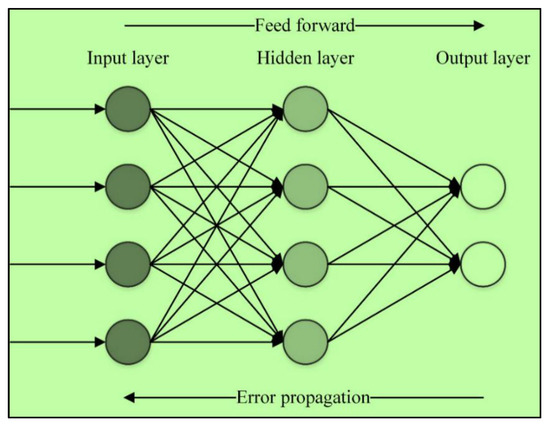
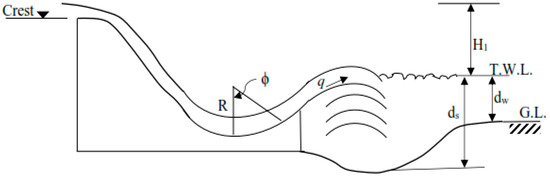
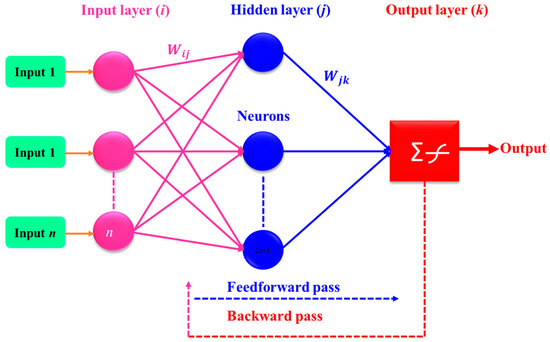
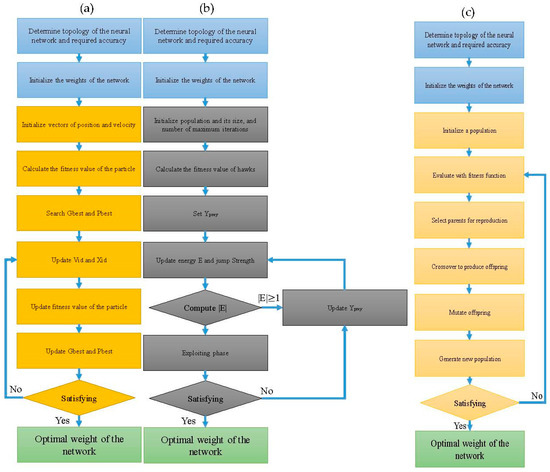
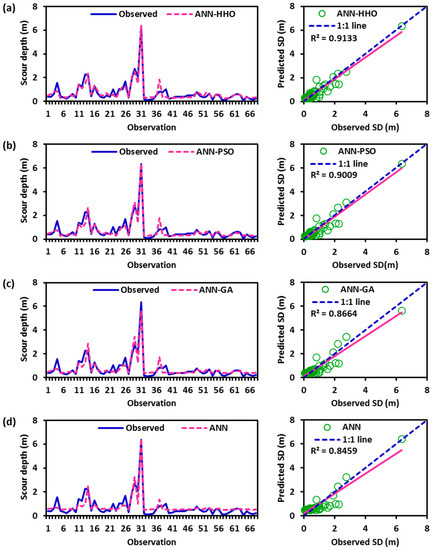
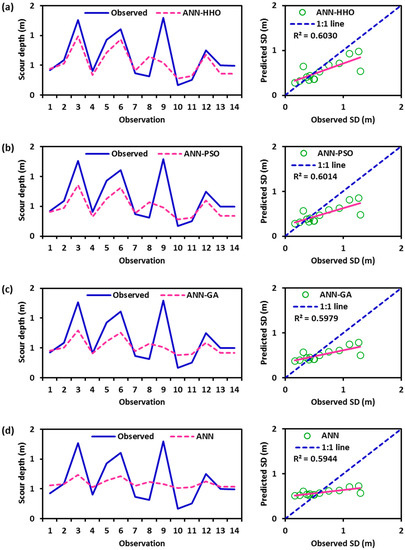
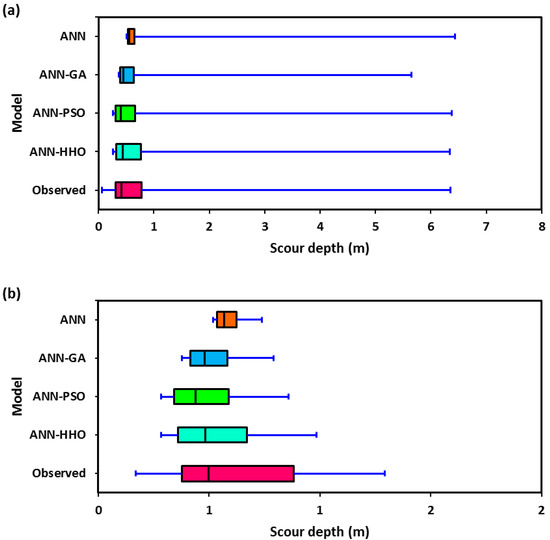
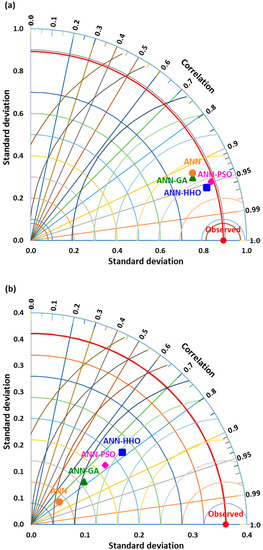
A spillway is a structure used to regulate the discharge flowing from hydraulic structures such as a dam. It also helps to dissipate the excess energy of water through the still basins. Therefore, it has a significant effect on the safety of the dam. One of the most serious problems that may be happening below the spillway is bed scouring, which leads to soil erosion and spillway failure. This will happen due to the high flow velocity on the spillway. In this study, an alternative to the conventional methods was employed to predict scour depth (SD) downstream of the ski-jump spillway. A novel optimization algorithm, namely, Harris hawks optimization (HHO), was proposed to enhance the performance of an artificial neural network (ANN) to predict the SD. The performance of the new hybrid ANN-HHO model was compared with two hybrid models, namely, the particle swarm optimization with ANN (ANN-PSO) model and the genetic algorithm with ANN (ANN-GA) model to illustrate the efficiency of ANN-HHO. Additionally, the results of the three hybrid models were compared with the traditional ANN and the empirical Wu model (WM) through performance metrics, viz., mean absolute error (MAE), root mean square error (RMSE), coefficient of correlation (CC), Willmott index (WI), mean absolute percentage error (MAPE), and through graphical interpretation (line, scatter, and box plots, and Taylor diagram). Results of the analysis revealed that the ANN-HHO model (MAE = 0.1760 m, RMSE = 0.2538 m) outperformed ANN-PSO (MAE = 0.2094 m, RMSE = 0.2891 m), ANN-GA (MAE = 0.2178 m, RMSE = 0.2981 m), ANN (MAE = 0.2494 m, RMSE = 0.3152 m) and WM (MAE = 0.1868 m, RMSE = 0.2701 m) models in the testing period. Besides, graphical inspection displays better accuracy of the ANN-HHO model than ANN-PSO, ANN-GA, ANN, and WM models for prediction of SD around the ski-jump spillway. Full article
(This article belongs to the Special Issue Heuristic Algorithms in Engineering and Applied Sciences)
Show Figures

Figure 1
Back to TopTop