




Journal Description
Animals
Animals
is an international, peer-reviewed, open access journal devoted entirely to animals, including zoology and veterinary sciences, and is published semimonthly online by MDPI. The World Association of Zoos and Aquariums (WAZA), European College of Animal Welfare and Behavioural Medicine (ECAWBM), and Federation of European Laboratory Animal Science Associations (FELASA) are affiliated with Animals and their members receive a discount on the article processing charges.
- Open Access— free for readers, with article processing charges (APC) paid by authors or their institutions.
- High Visibility: indexed within Scopus, SCIE (Web of Science), PubMed, PMC, Embase, PubAg, AGRIS, Animal Science Database, CAB Abstracts, and other databases.
- Journal Rank: JCR - Q1 (Veterinary Sciences) / CiteScore - Q1 (General Veterinary )
- Rapid Publication: manuscripts are peer-reviewed and a first decision is provided to authors approximately 15.7 days after submission; acceptance to publication is undertaken in 2.6 days (median values for papers published in this journal in the first half of 2026).
- Recognition of Reviewers: reviewers who provide timely, thorough peer-review reports receive vouchers entitling them to a discount on the APC of their next publication in any MDPI journal, in appreciation of the work done.
- Companion journals for Animals include: Birds, Ruminants and Zoonotic Diseases.
- Journal Cluster of Animal Science: Animals, Arthropoda, Birds, Dairy, Insects, Journal of Zoological and Botanical Gardens, Pets, Poultry, Ruminants and Veterinary Sciences.
Impact Factor:
3.2 (2025);
5-Year Impact Factor:
3.5 (2025)
Latest Articles
Feed Efficiency Classification in Confined Texel Ewe Lambs: Relationships with Ruminal Fermentation, Nitrogen Metabolism, and Greenhouse Gas Emissions
Animals 2026, 16(16), 2554; https://doi.org/10.3390/ani16162554 (registering DOI) - 16 Aug 2026
Abstract
Feed efficiency classification based on residual feed intake (RFI) and residual intake and gain (RIG) is widely used to identify biologically efficient animals, yet it remains unclear whether this classification reflects consistent differences in digestive, fermentative, and metabolic processes. This study evaluated the
[...] Read more.
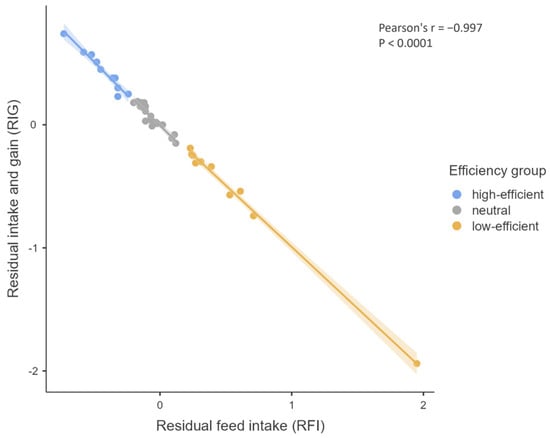
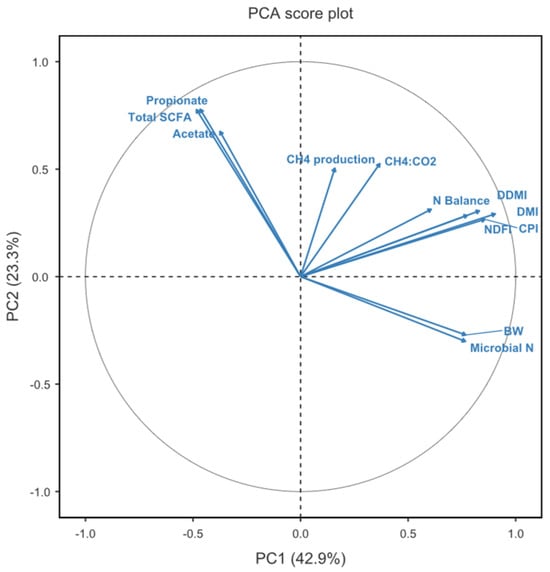
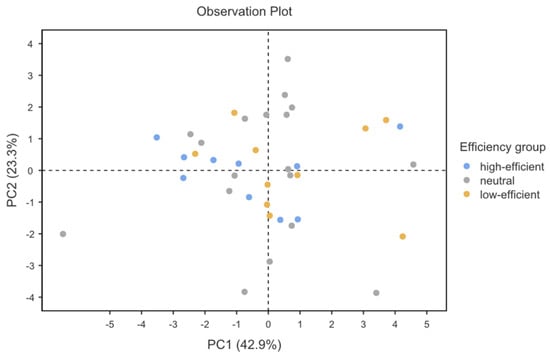
Feed efficiency classification based on residual feed intake (RFI) and residual intake and gain (RIG) is widely used to identify biologically efficient animals, yet it remains unclear whether this classification reflects consistent differences in digestive, fermentative, and metabolic processes. This study evaluated the effects of RFI and RIG classification on nutrient intake, apparent digestibility, ruminal fermentation, nitrogen metabolism, microbial protein synthesis, and gaseous emissions in confined lambs. Thirty-eight weaned Texel ewe lambs underwent a 60-day performance test using an automated feed intake system and were classified as high-efficiency, neutral, or low-efficiency based on both indices. Animals were individually housed in respirometric chambers where emissions of methane, carbon dioxide, nitrous oxide, and ammonia were assessed by cavity ring-down spectroscopy; apparent digestibility was determined from total collections of feed, orts, faeces, and urine; microbial protein synthesis was estimated from urinary purine derivatives; and ruminal short-chain fatty acid profiles were determined by gas chromatography. Feed efficiency classification did not significantly affect body weight, nutrient intake, apparent digestibility, ruminal fermentation parameters, nitrogen balance, microbial protein synthesis, or greenhouse gas emissions. Principal component analysis revealed two major biological gradients related to nutrient intake and utilisation (42.9%) and ruminal fermentation and gaseous emissions (23.3%), together explaining 66.2% of total variance, but showing no clear separation among efficiency groups. These findings indicate that the digestive, fermentative, and nitrogen metabolism variables evaluated in this study did not account for the observed variation in feed efficiency. Because the regression underlying RIG explained little additional variation (R2 = 0.01), these conclusions primarily reflect feed efficiency as classified by RFI, suggesting that other physiological mechanisms may play a more important role in determining feed efficiency in confined Texel ewe lambs.
Full article
(This article belongs to the Section Small Ruminants)
►
Show Figures
Open AccessArticle
Differential Modulation of Capacitation-Associated Responses in Boar Spermatozoa by in Vitro Capacitation Media: A Kinetic Study
by
Eduardo de Mercado, Irene Ortega, Adrián Martín-San Juan, Helena Nieto-Cristóbal, María José Martinez-Alborcia, Miguel Ángel Silvestre and Manuel Álvarez-Rodríguez
Animals 2026, 16(16), 2553; https://doi.org/10.3390/ani16162553 (registering DOI) - 15 Aug 2026
Abstract
In vitro capacitation of boar spermatozoa remains highly variable among laboratories due to differences in media composition, incubation conditions, and previous semen handling. Since capacitation is a dynamic process, identifying how different media modulate specific sperm responses over time is crucial to improving
[...] Read more.
In vitro capacitation of boar spermatozoa remains highly variable among laboratories due to differences in media composition, incubation conditions, and previous semen handling. Since capacitation is a dynamic process, identifying how different media modulate specific sperm responses over time is crucial to improving the standardization of porcine in vitro fertilization protocols. This study evaluated the temporal dynamics of membrane lipid disorder, acrosomal integrity, mitochondrial activity, and motility patterns in response to different media. Commercial boar semen doses were centrifuged and resuspended in a non-capacitating control solution or in three capacitation media differing mainly in bicarbonate, caffeine, and energy substrate composition, and evaluated every 15 min using flow cytometry and computer-assisted semen analysis at 38 °C for up to 2 h. Media containing higher bicarbonate and caffeine concentrations induced rapid membrane lipid destabilization and increased acrosomal exocytosis during the initial incubation period. Subsequently, these changes were accompanied by a more rapid decline in cell viability over time. In contrast, the medium containing lower bicarbonate together with lactate and pyruvate preserved higher viability, mitochondrial activity, and a more sustained, linear movement pattern (higher linearity and straightness). Interestingly, training-associated responses were detected immediately at time 0, suggesting that semen storage conditions may prime spermatozoa before incubation. Overall, medium composition and pre-treatment handling conditions should both be considered when standardizing porcine reproductive technologies.
Full article
(This article belongs to the Special Issue Conservation and Sperm Quality in Domestic Animals: Second Edition)
Open AccessArticle
Dietary Chlorogenic Acid Attenuates Liver Injury, Lipid Metabolic Disturbance, and Inflammatory Responses in Broilers Under High Stocking Density
by
Dongying Bai, Yi Zhang, Bo Zheng, Fangshen Guo, Wenrui Zhen, Ziyue Zhao, Keyuan Lei, Chenjie Zhang, Cai Zhang, Yushu Zhang, Bingkun Zhang and Yanbo Ma
Animals 2026, 16(16), 2552; https://doi.org/10.3390/ani16162552 (registering DOI) - 15 Aug 2026
Abstract
This study evaluated whether chlorogenic acid (CGA) attenuates hepatic injury in broilers under high stocking density (HSD). A total of 216 experimental male Arbor Acres broilers were assigned to normal density without CGA (ND; 14 birds/m2), high density without CGA (HD;
[...] Read more.
This study evaluated whether chlorogenic acid (CGA) attenuates hepatic injury in broilers under high stocking density (HSD). A total of 216 experimental male Arbor Acres broilers were assigned to normal density without CGA (ND; 14 birds/m2), high density without CGA (HD; 22 birds/m2), normal density with 0.1% CGA (NDCGA), or high density with 0.1% CGA (HDCGA) groups, with six cages per treatment. CGA was supplied from day 7 to 42. At 42 d, live-weight densities were 35.00, 50.25, 34.48, and 49.38 kg/m2, respectively. Compared with their corresponding normal-density groups, the high-density groups had lower body weights at 21, 28, 35, and 42 d, and lower average daily gain (ADG) during days 21–42 (p < 0.05), whereas CGA did not significantly alter body weight or ADG within either stocking density (p > 0.05). At 35 and 42 d, the HD group had lower hepatic T-AOC, SOD, and CAT activities and higher MDA content than the ND group (p < 0.05). Compared with the HD group, the HDCGA group had higher T-AOC and CAT activities and lower MDA content at both ages, and higher SOD activity at 42 d (p < 0.05). Qualitative histological and transcript-level alterations were evident at 28 d. Compared with HD, the HDCGA group showed treatment-associated shifts in AMPK, SREBP1, ACACA, PLA2G4A, COX-2, ALOX5, and NOX5 mRNA abundance (p < 0.05). Under the experimental conditions, 0.1% CGA was associated with partial attenuation of HSD-related hepatic oxidative, lipid-metabolic, and inflammatory disturbances without a significant growth response.
Full article
(This article belongs to the Special Issue Biological Activities of Natural Compounds and Their Application in Animal Health)
Open AccessArticle
Construction and Immunological Evaluation of a Bivalent DNA Vaccine Targeting Micropterus salmoides Rhabdovirus and Largemouth Bass Ranavirus
by
Boge Gu, Pengzhen Yu, Jinhao Su, Changhong Li, Jianfei Lu and Jiong Chen
Animals 2026, 16(16), 2551; https://doi.org/10.3390/ani16162551 (registering DOI) - 15 Aug 2026
Abstract
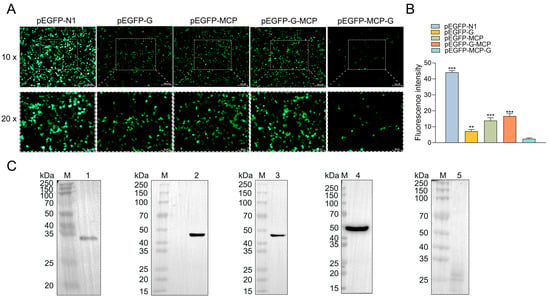
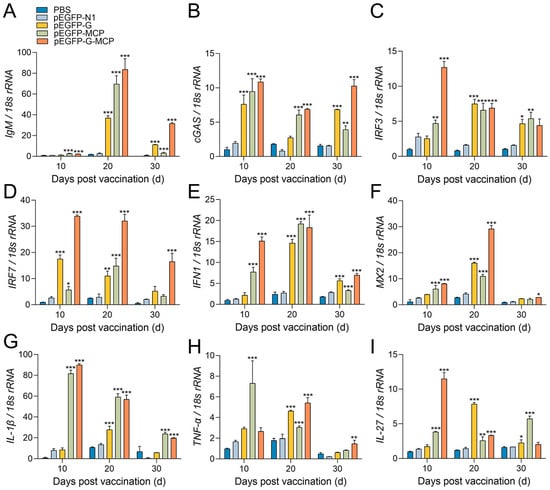
The largemouth bass (Micropterus salmoides) is persistently threatened by Micropterus salmoides rhabdovirus (MSRV) and largemouth bass ranavirus (LMBV), highlighting the need for combined immunization strategies. Here, a bivalent DNA vaccine pEGFP-G-MCP was constructed by concatenating the highly immunogenic fragments of MSRV
[...] Read more.
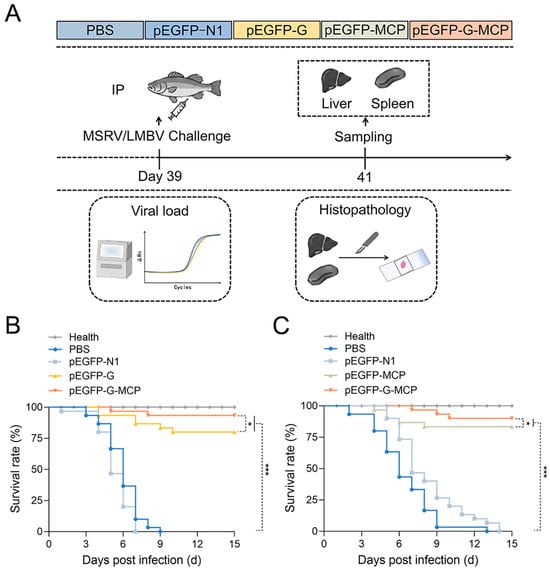
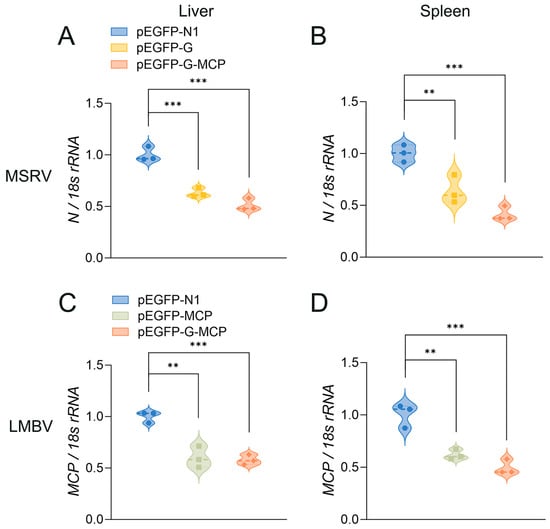
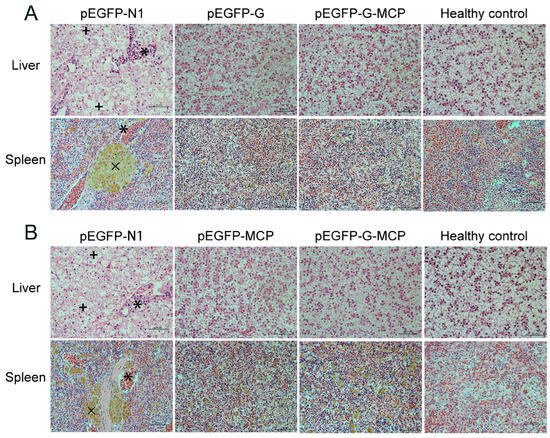
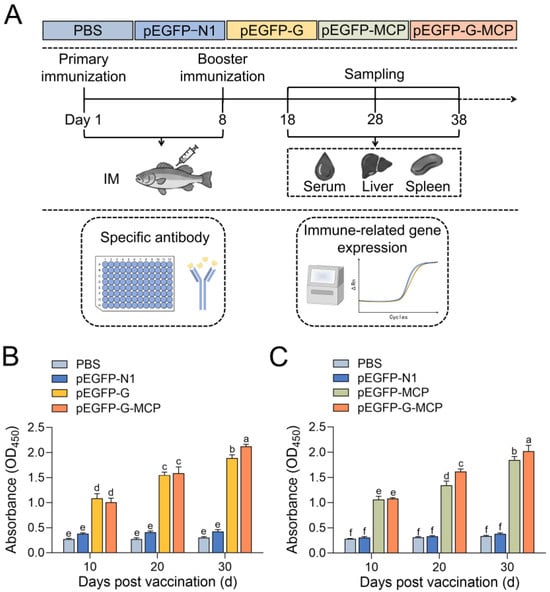
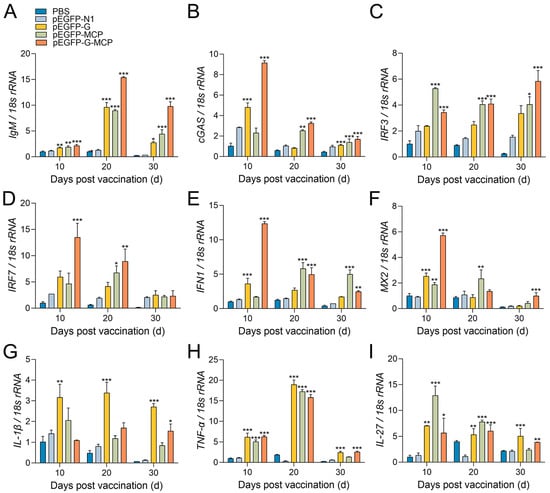
The largemouth bass (Micropterus salmoides) is persistently threatened by Micropterus salmoides rhabdovirus (MSRV) and largemouth bass ranavirus (LMBV), highlighting the need for combined immunization strategies. Here, a bivalent DNA vaccine pEGFP-G-MCP was constructed by concatenating the highly immunogenic fragments of MSRV glycoprotein (MSRV-G) and LMBV main capsid protein (LMBV-MCP) using a flexible linker peptide, and its immunogenicity and protective effect were systematically evaluated. Fish were immunized by intramuscular injection of 200 ng of plasmid on day 1, followed by a booster immunization on day 8. Blood and tissues were collected at 10, 20, and 30 d post-last immunization. The results showed that pEGFP-G-MCP immunization induced G- and MCP-specific antibodies and upregulated the expression of immunity-related genes. The bivalent vaccine achieved a relative percent survival (RPS) of 93.3% against MSRV and 90.0% against LMBV, which were higher than those of the monovalent vaccine groups. Additionally, the bivalent vaccine reduced viral mRNA and alleviated pathological damage in MSRV- or LMBV-infected fish. These results indicate that pEGFP-G-MCP confers immune protection against MSRV and LMBV, providing a foundation for combined prevention and control of MSRV and LMBV.
Full article
(This article belongs to the Topic Immunology and Disease Prevention and Control in Aquatic Animals)
►▼
Show Figures

Figure 1

Open AccessArticle
Characterization of Circulating Maternal Progestagens, Estrogens, Androgens and Glucocorticoids During Normal Pregnancy in Belugas (Delphinapterus leucas) Under Human Care
by
Karen J. Steinman, Gisele A. Montano and Todd R. Robeck
Animals 2026, 16(16), 2550; https://doi.org/10.3390/ani16162550 (registering DOI) - 15 Aug 2026
Abstract
Determining progesterone concentration is currently considered the most reliable hormonal test for pregnancy detection in belugas. In other cetaceans, additional steroid hormones also serve as pregnancy biomarkers. Whether these hormones are useful for beluga pregnancy diagnosis is unknown. The objective of this study
[...] Read more.
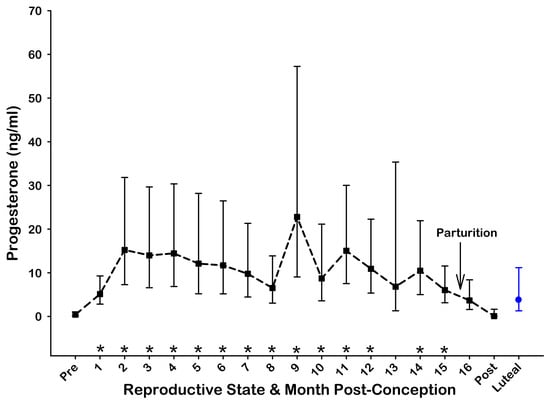
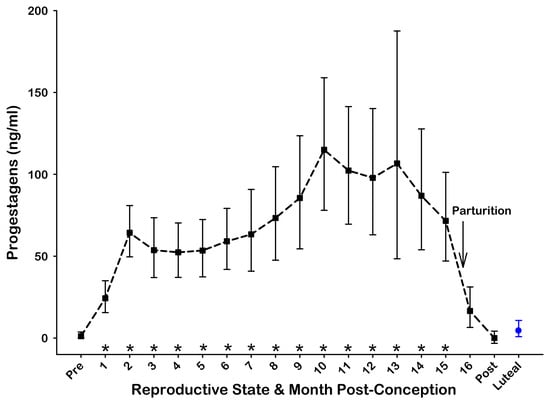
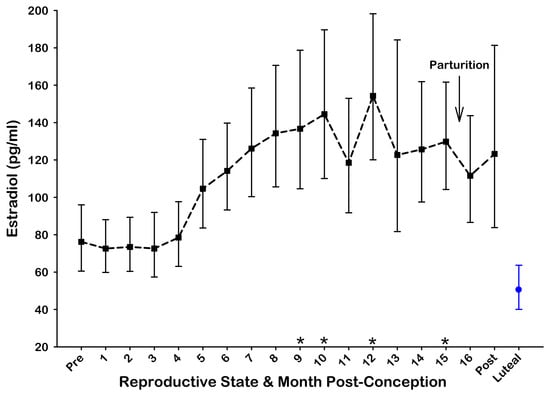
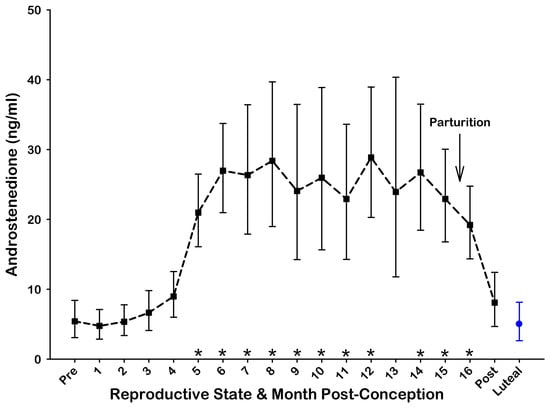
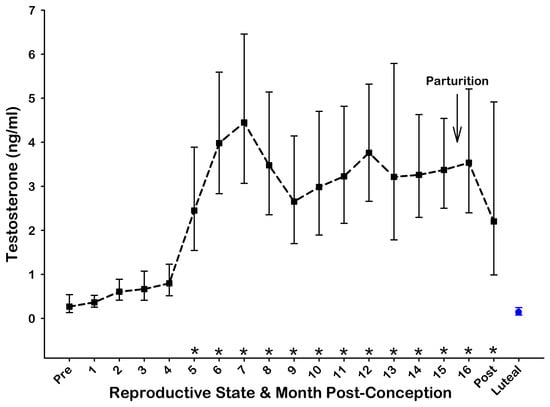
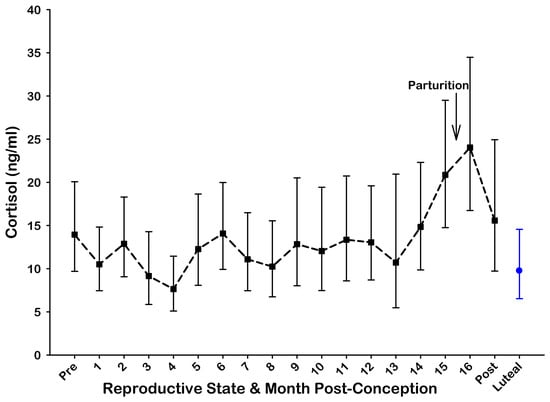
Determining progesterone concentration is currently considered the most reliable hormonal test for pregnancy detection in belugas. In other cetaceans, additional steroid hormones also serve as pregnancy biomarkers. Whether these hormones are useful for beluga pregnancy diagnosis is unknown. The objective of this study was to conduct circulating steroid hormone analysis across normal pregnancy and different reproductive states in the beluga. Serum samples (n = 240) collected from nine females representative of 20 pregnancies (1991–2017) were analyzed using immunoassays for progesterone, progestagens, estradiol, testosterone, androstenedione, and cortisol. Across pregnancy trimesters (early, mid, late), progesterone was highest during early and mid, and decreased slightly during late, but still maintained concentrations above pre- and post-pregnancy levels. Progestagens increased above luteal phase concentrations during early and continued to increase and remained elevated during mid and late. Estradiol and androstenedione increased during mid and late trimesters. Testosterone was higher at all stages of pregnancy (highest at mid and late) compared to other reproductive states. Across gestation, cortisol was only elevated during late pregnancy. The present study established pregnancy profiles for various steroid hormones during normal beluga pregnancy for animals under human care and identified other non-progestagen hormones that may possibly serve as gestational biomarkers in this species.
Full article
(This article belongs to the Special Issue Wildlife Reproductive Endocrinology)
►▼
Show Figures

Figure 1

Open AccessFeature PaperArticle
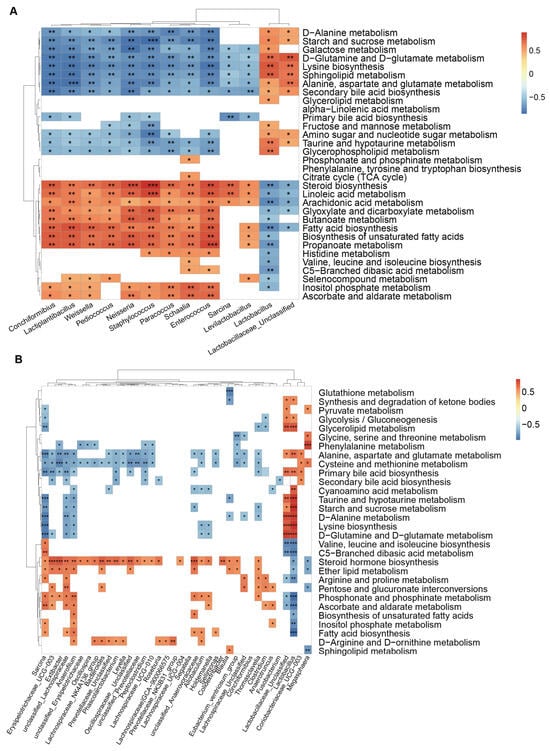
Effects of Dietary Protein and Starch Digestion Rates on Jejunal and Cecal Microbial Community States and Feed Efficiency in Raccoon Dogs
by
Weixiao Nan, Runyu Jiang, Xing Duan, Sibo Chen, Shaochen Yu, Ruijia Deng, Yunxi Zhang, Daozhi Wang, Haoxuan Xu, Zhipeng Li and Huazhe Si
Animals 2026, 16(16), 2549; https://doi.org/10.3390/ani16162549 (registering DOI) - 15 Aug 2026
Abstract
Feed efficiency remains a significant challenge in farmed raccoon dogs, and performance differences can occur even when diets are formulated with similar nutrient levels. Beyond nutrient concentrations, digestion kinetics can alter the timing of carbon and nitrogen availability along the gastrointestinal tract, thereby
[...] Read more.
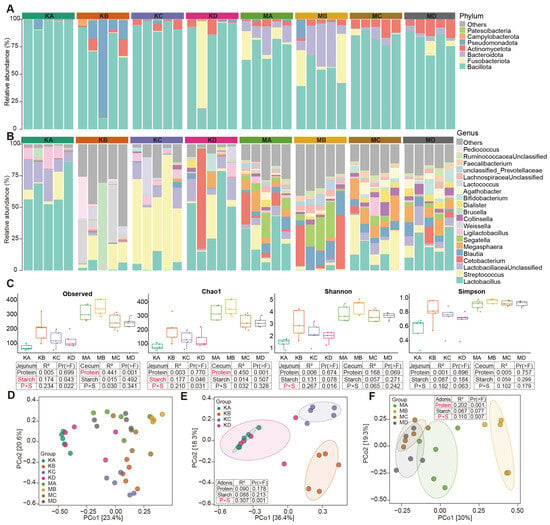
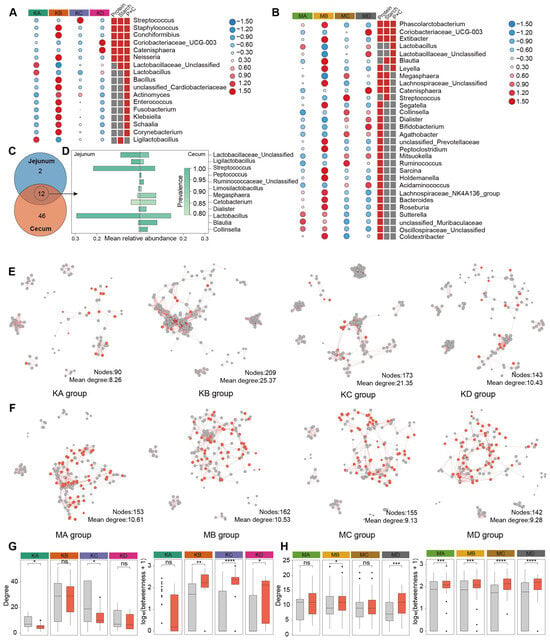
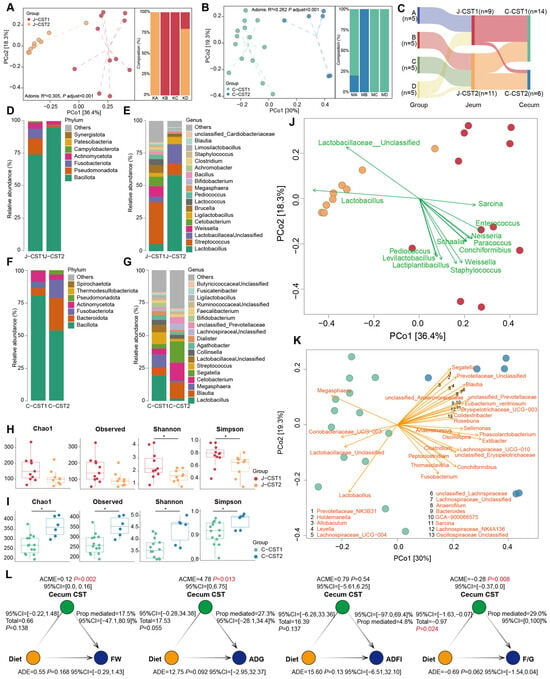
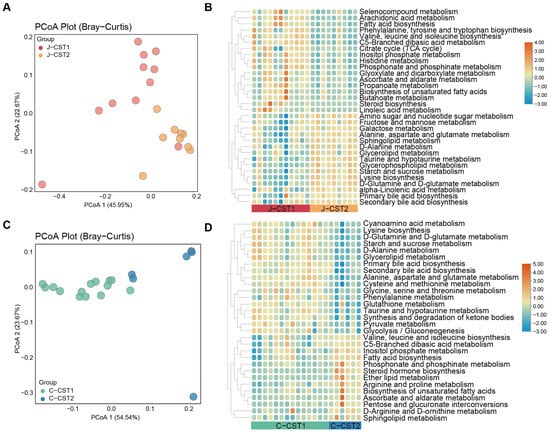
Feed efficiency remains a significant challenge in farmed raccoon dogs, and performance differences can occur even when diets are formulated with similar nutrient levels. Beyond nutrient concentrations, digestion kinetics can alter the timing of carbon and nitrogen availability along the gastrointestinal tract, thereby influencing microbial assembly in a segment-specific way. Twenty 2-month-old male raccoon dogs (Nyctereutes procyonoides) were divided into four dietary groups (n = 5) in a 2 × 2 factorial design. The design combined protein-source formulations containing either soybean cake or dried distillers grains with solubles and starch-source formulations based primarily on either extruded corn or high-amylose corn starch, representing relatively rapid and slow expected digestion characteristics, respectively. The purpose was to assess how digestion-rate synchronization affects jejunal and cecal microbiota structure and whether community state types (CSTs) link diet and feed efficiency. Growth performance varied modestly among treatments, with group B showing the lowest feed-to-gain ratio (F/G) and highest average daily gain (ADG). Starch source significantly affected ADG, while protein and protein × starch interaction influenced F/G. Microbiota profiles were strongly segment-dependent: the cecum had higher richness and diversity than the jejunum. Two-way analyses and Bray–Curtis ordinations showed that the jejunal community was primarily associated with the protein × starch interaction, whereas the cecal community was associated mainly with the protein-source factor and the protein × starch interaction. Network analysis revealed more complex and densely connected microbial communities in the cecum, with core genera occupying central positions. Dirichlet multinomial mixture modeling, performed independently for each intestinal segment, identified two jejunal community states (J-CST1 and J-CST2) and two cecal community states (C-CST1 and C-CST2). J-CST1 and J-CST2 represented alternative lactic acid bacteria-dominated configurations, with J-CST2 enriched in Lactobacillus and J-CST1 characterized by higher abundances of Streptococcus and Bacillus. C-CST2 was represented predominantly by samples from group B and was characterized by higher abundances of Segatella and taxa affiliated with Bacteroidota and Lachnospiraceae. Predicted functional profiles differed between CSTs, involving pathways related to carbohydrate, amino acid, lipid, and bile acid metabolism. Mediation analysis did not provide consistent evidence of significant indirect effects for J-CST membership, whereas C-CST membership was associated with significant estimated indirect effects on final body weight, ADG, and F/G. These findings suggest that dietary protein- and starch-source combinations with different expected digestion characteristics drive segment-specific microbial patterns. Supported by taxonomic, network and functional evidence, cecal CSTs act as an intermediate ecological phenotype that partially explains the variation in growth efficiency, highlighting hindgut community states as potential targets for personalized nutrition of raccoon dogs.
Full article
(This article belongs to the Section Animal Nutrition)
►▼
Show Figures

Figure 1
Open AccessFeature PaperArticle
Angiotensin II and TGFB1 Induce Global DNA Demethylation and Telomere Elongation in Bovine Embryos
by
Shunsuke Hara, Kanami Abe, Minori Shida, Komei Shirasuna and Hisataka Iwata
Animals 2026, 16(16), 2548; https://doi.org/10.3390/ani16162548 - 14 Aug 2026
Abstract
Telomere length (TL) is an important indicator of embryo quality and is associated with subsequent developmental outcomes. However, little is known about the factors that regulate TL during embryonic development. Because in vitro-produced embryos typically exhibit shorter TL than in vivo-developed embryos, this
[...] Read more.
Telomere length (TL) is an important indicator of embryo quality and is associated with subsequent developmental outcomes. However, little is known about the factors that regulate TL during embryonic development. Because in vitro-produced embryos typically exhibit shorter TL than in vivo-developed embryos, this study aimed to identify factors that regulate TL in bovine embryos. Candidate regulators were identified by integrating RNA-seq data from bovine blastocysts with normal or short TL and information on factors present in oviductal fluid. Ingenuity Pathway Analysis of differentially expressed genes identified angiotensin II (Ang II), transforming growth factor-beta 1 (TGFB1), and epidermal growth factor (EGF) as candidate regulators. The effects of supplementing these factors in the culture medium were then evaluated with respect to embryonic development, TL, telomerase activity, and DNA methylation. All three factors improved embryonic development. Ang II and TGFB1 increased TL at the blastocyst stage and reduced global DNA methylation levels at both the 8-cell and blastocyst stages. Transcriptomic analysis further suggested that Ang II and TGFB1 modulated pathways related to chromatin remodeling and telomere maintenance. These findings identify Ang II and TGFB1 as important regulators of telomere length during bovine preimplantation development and suggest that their effects are mediated, at least in part, through epigenetic remodeling.
Full article
(This article belongs to the Special Issue Development and Application of Assisted Reproductive Techniques in Livestock and Companion Animals)
Open AccessFeature PaperArticle
Bioenergetic Dynamics of Heat Exchange in Japanese Quail Under Heat Stress with Gracilaria birdiae Supplementation
by
Ricardo de Sousa Silva, Dermeval Araújo Furtado, Carlos Eduardo Alves Oliveira, Airton Gonçalves de Oliveira, Neila Lidiany Ribeiro, Tácila Rodrigues Arruda, José Pinheiro Lopes Neto and Matteo Barbari
Animals 2026, 16(16), 2547; https://doi.org/10.3390/ani16162547 - 14 Aug 2026
Abstract
The intensification of poultry production, associated with climate change, has increased the occurrence of heat stress, compromising animal welfare and productive efficiency. Despite recent advances, studies quantifying heat exchange in quail under different environmental and dietary conditions from an integrated bioenergetic perspective remain
[...] Read more.
The intensification of poultry production, associated with climate change, has increased the occurrence of heat stress, compromising animal welfare and productive efficiency. Despite recent advances, studies quantifying heat exchange in quail under different environmental and dietary conditions from an integrated bioenergetic perspective remain scarce, particularly regarding the shift between sensible and latent heat dissipation mechanisms. In this context, this study aimed to quantify and model sensible and latent heat exchange, together with associated physiological responses, in Japanese quail (Coturnix coturnix japonica) subjected to different air temperatures and dietary inclusion levels of the macroalga Gracilaria birdiae. A total of 864 quail were distributed in a completely randomized design, arranged in a 4 × 3 factorial design with four macroalgae inclusion levels (0.00, 3.00, 6.00, and 9.00%) and three air temperature levels (25.00, 29.00, and 33.00 °C), and maintained in climate-controlled chambers. Heat exchange was estimated using biophysical models integrating convective, radiative, and evaporative heat fluxes. Increasing air temperature reduced sensible heat exchange and intensified latent heat losses (p < 0.0001). During the growing phase, approximately 73.18% of sensible heat exchange was dissipated through radiation. In the laying phase, reductions of up to 59.96% in sensible heat exchange were observed, along with increases exceeding 50.00% in latent heat losses and reductions of up to 26.00% in total heat exchange. Increasing air temperature promoted higher respiratory rate (p < 0.0001), whereas surface and cloacal temperatures remained within the physiological range required to maintain homeothermy. Dietary inclusion of up to 9.00% G. birdiae exerted only limited effects on the quantified heat exchange pathways and did not impair physiological thermoregulation under the experimental conditions evaluated. No significant interaction between air temperature and dietary supplementation was observed for the heat exchange variables (p > 0.05). These findings show that heat stress was the primary determinant of bioenergetic heat exchange, whereas dietary supplementation with G. birdiae exerted only limited effects.
Full article
(This article belongs to the Section Animal System and Management)
Open AccessArticle
Contrast-Enhanced CT of the Coelom in a Female Bald Eagle (Haliaeetus leucocephalus): Development of a Preliminary CT-Based Anatomical Segmentation Workflow
by
Alberto Arencibia, José Perera, Aday Melián, Salvador Ariza, Letizia Fiorucci and Mario Encinoso
Animals 2026, 16(16), 2546; https://doi.org/10.3390/ani16162546 - 14 Aug 2026
Abstract
This case study describes a contrast-enhanced computed tomography (CT) examination of the coelom in a female bald eagle (Haliaeetus leucocephalus) and presents a structured CT-based workflow for anatomical identification and segmentation. CT images were acquired using standard imaging protocols and subsequently
[...] Read more.
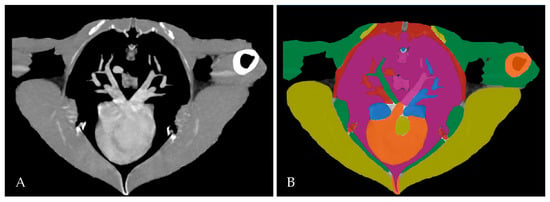
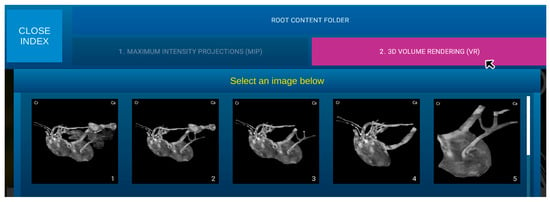
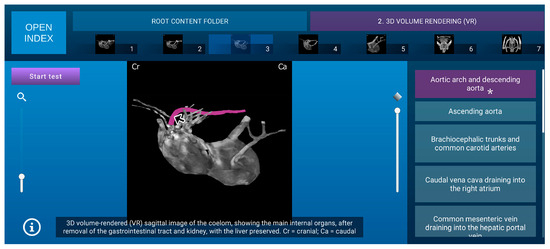
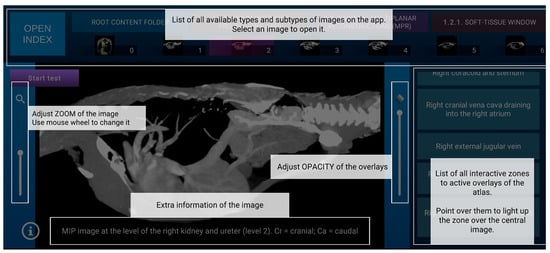
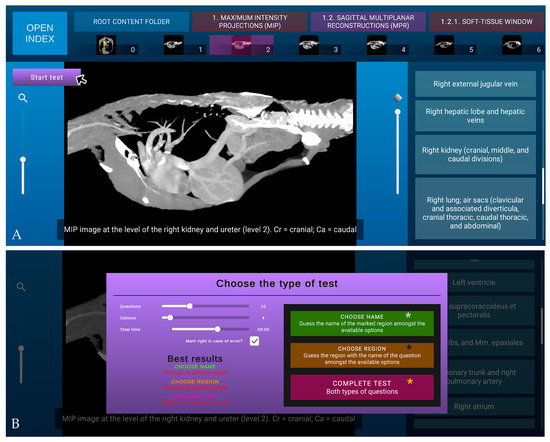
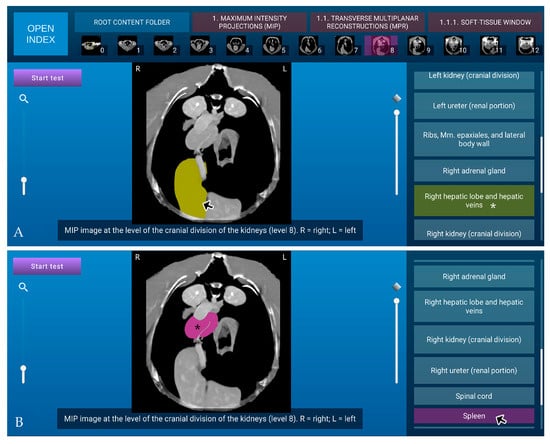
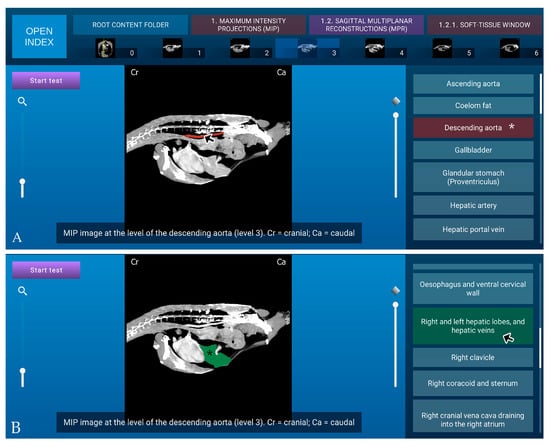
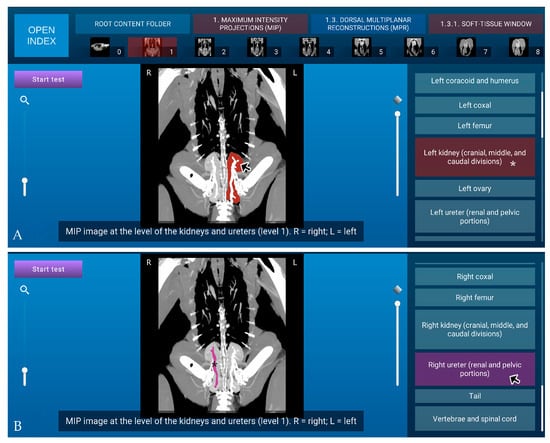
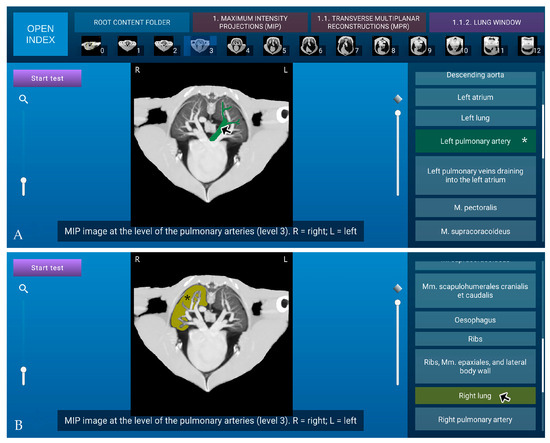
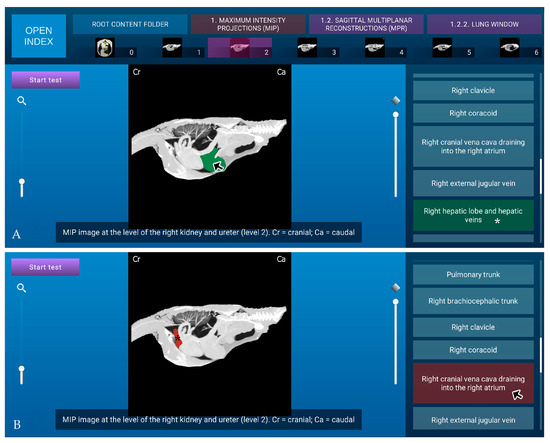
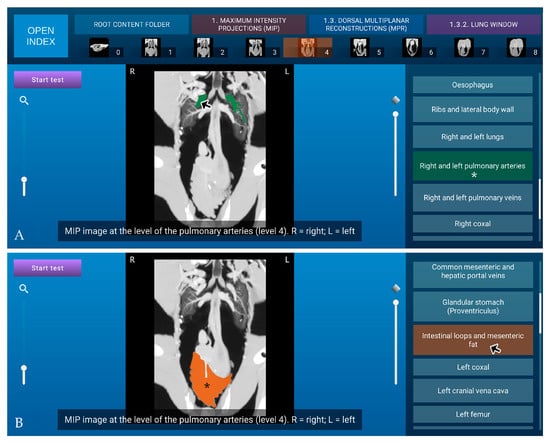
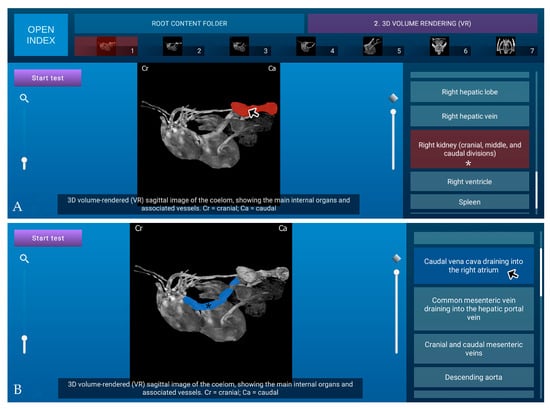
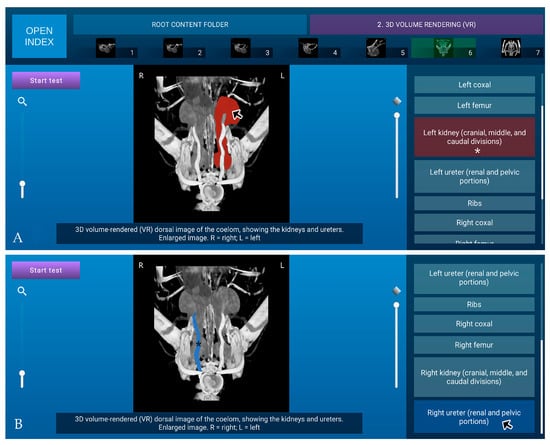
This case study describes a contrast-enhanced computed tomography (CT) examination of the coelom in a female bald eagle (Haliaeetus leucocephalus) and presents a structured CT-based workflow for anatomical identification and segmentation. CT images were acquired using standard imaging protocols and subsequently processed on a dedicated DICOM workstation. Multiplanar reconstructions (MPR) were generated in the transverse, sagittal, and dorsal planes to assess anatomical relationships. Maximum-intensity projection (MIP) images were generated from the MPR datasets, whereas three-dimensional volume-rendered (3D VR) images were generated directly from the CT volume. Anatomical segmentation was performed using the resulting MIP and 3D VR datasets. Anatomical structures were identified directly from the imaging data and manually segmented. The resulting segmentations were organised into a layer-based dataset to ensure consistency and traceability across the anatomical regions. This workflow provides a structured framework for the identification and organisation of anatomical structures within CT-derived datasets. An interactive visualisation environment was developed to facilitate the exploration of the segmented data, enable the dynamic display of labelled anatomical structures, and support the interpretation of the segmentation results. This study therefore presents a preliminary CT-based approach to anatomical segmentation in an avian species and may contribute to improved anatomical delineation and image interpretation in similar applications. The methodology may also support the development of analogous segmentation approaches for other avian species and related imaging applications.
Full article
(This article belongs to the Section Birds)
►▼
Show Figures

Figure 1
Open AccessArticle
Development of a Colloidal Gold Immunochromatographic Test Strip for PPRV Antibody Detection Based on Antigenic Epitope-Derived Recombinant Protein
by
Shenyuan Wang, Cong Han, Chuanhao Sun, Dong Zhang and Yongbin Liu
Animals 2026, 16(16), 2545; https://doi.org/10.3390/ani16162545 - 14 Aug 2026
Abstract
Peste des petits ruminants virus (PPRV) causes a highly fatal disease that severely impacts small ruminant production and global food security. This study aimed to develop a rapid, user-friendly colloidal gold immunochromatographic test strip for detecting PPRV-specific antibodies using a double-antigen sandwich format.
[...] Read more.
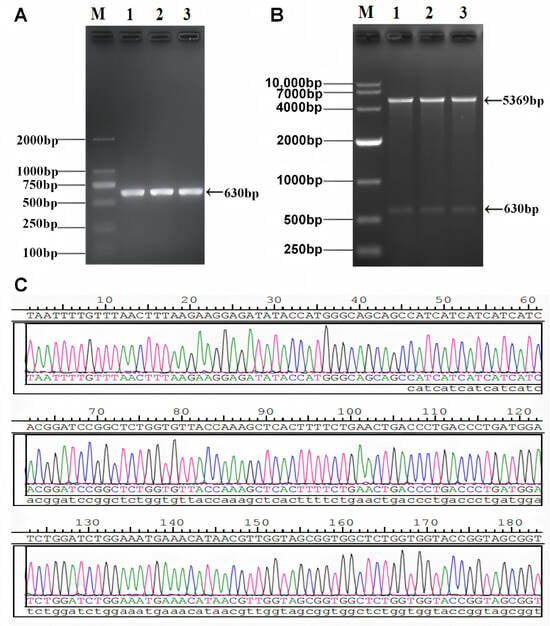
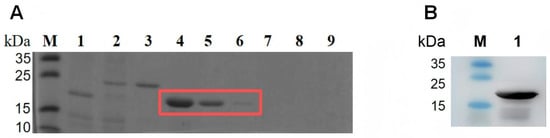
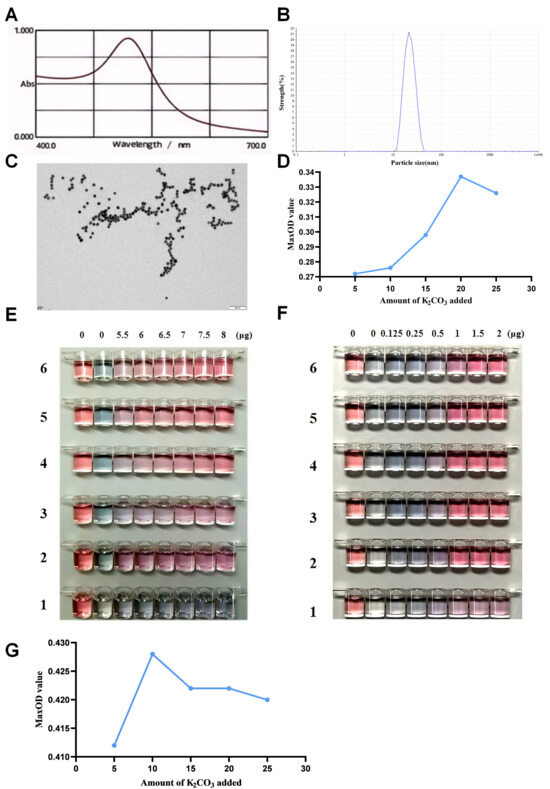
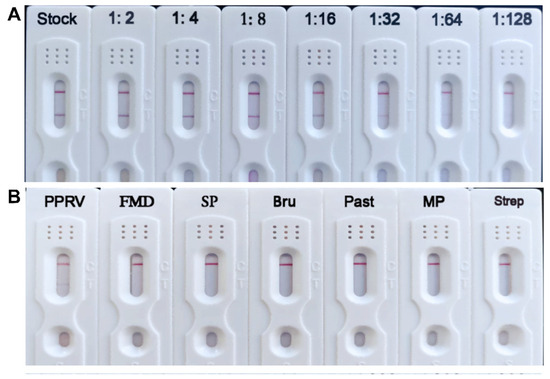
Peste des petits ruminants virus (PPRV) causes a highly fatal disease that severely impacts small ruminant production and global food security. This study aimed to develop a rapid, user-friendly colloidal gold immunochromatographic test strip for detecting PPRV-specific antibodies using a double-antigen sandwich format. Bioinformatic analysis using DNASTAR Protean was performed to predict candidate antigenic regions in the PPRV H and N proteins. Three predicted candidate regions from each protein were selected and incorporated into the design of the recombinant fusion antigen PPRV-H3N3EP. The recombinant antigen was expressed in E. coli, purified, and refolded to obtain a final concentration of 8.52 mg/mL. The strip was assembled with colloidal gold-labeled fusion protein as the detection probe and unlabeled protein coated on the test line, plus an independent mouse IgG/goat anti-mouse IgG control system. Performance evaluation showed that the results were readable within 10–15 min. The strip showed satisfactory analytical sensitivity and cross-reactivity performance, consistent qualitative results in within-batch repeatability testing, and preliminary short-term storage stability. In a comparative evaluation using sheep serum samples and a commercial competitive enzyme-linked immunosorbent assay (ELISA) kit, the overall agreement reached 97.9%. Collectively, the constructed PPRV-H3N3EP antigen enabled a simple, rapid, and reliable strip assay suitable for field detection of PPRV antibodies and post-vaccination monitoring, while also providing a methodological reference for developing antibody tests for other pathogens.
Full article
(This article belongs to the Topic Disease Dynamics in Modern Livestock Production Systems: Prevention and Control Strategies)
►▼
Show Figures

Figure 1
Open AccessArticle
Seasonal Diet Variation in Reintroduced Milu (Elaphurus davidianus) Revealed by DNA Macrobarcoding: Implications for Biodiversity Conservation
by
Menglin Sun, Yifan Zhou, Hong Wu and Dapeng Zhao
Animals 2026, 16(16), 2544; https://doi.org/10.3390/ani16162544 - 14 Aug 2026
Abstract
Understanding seasonal dietary shifts in reintroduced herbivores is essential for conservation, yet detailed patterns for Milu (Elaphurus davidianus) in wetland habitats remain underexplored. This study applied high-throughput sequencing to fecal samples collected across four seasons in Tianjin Qilihai Wetland, identifying 43
[...] Read more.
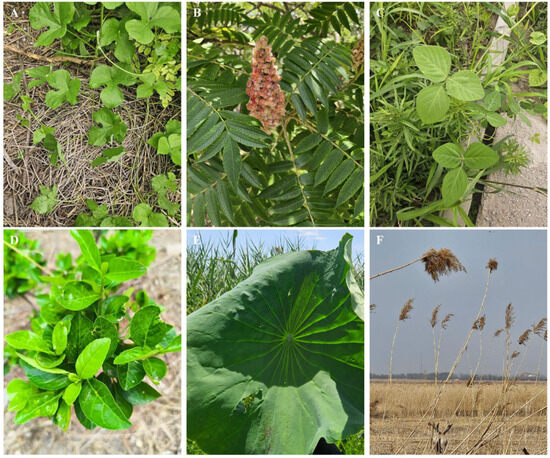
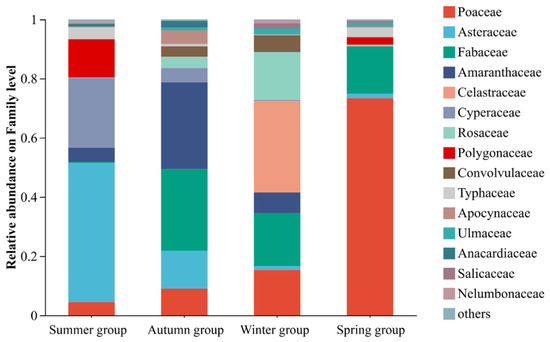
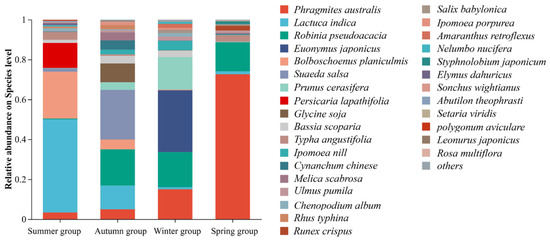
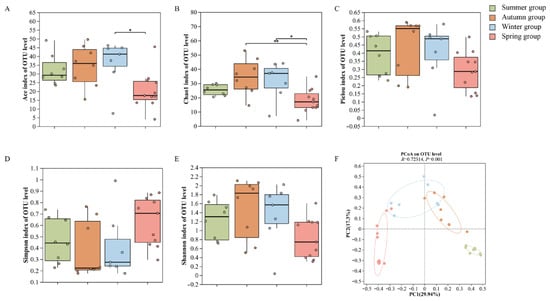
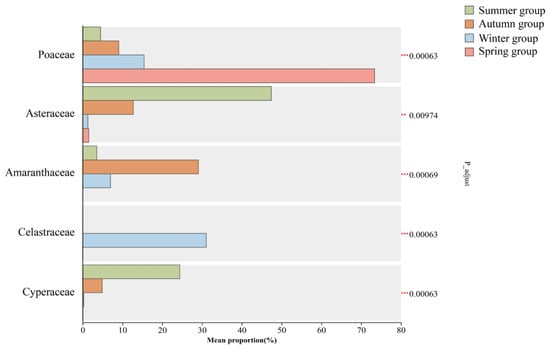
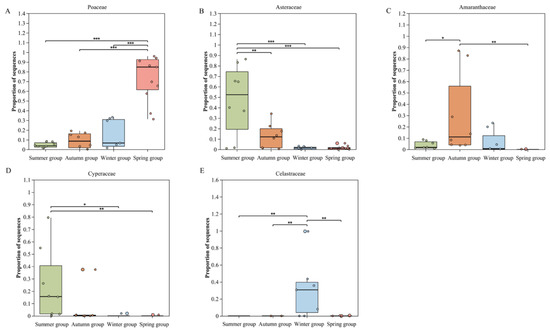
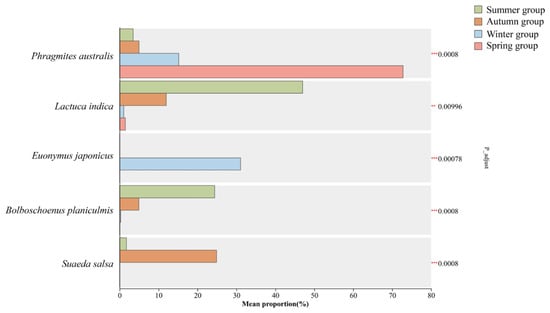
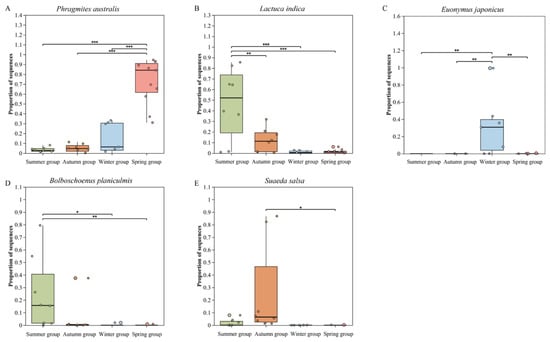
Understanding seasonal dietary shifts in reintroduced herbivores is essential for conservation, yet detailed patterns for Milu (Elaphurus davidianus) in wetland habitats remain underexplored. This study applied high-throughput sequencing to fecal samples collected across four seasons in Tianjin Qilihai Wetland, identifying 43 plant species from 24 families. Significant seasonal differences were detected in relative read abundance. At the family level, Poaceae dominated spring, significantly exceeding all other seasons; Asteraceae and Cyperaceae were highest in summer, with Cyperaceae also surpassing winter and spring; Amaranthaceae peaked in autumn, higher than spring and summer; and Celastraceae prevailed in winter. At the species level, Phragmites australis was overwhelmingly consumed in spring; Lactuca indica and Bolboschoenus planiculmis peaked in summer; Euonymus japonicus dominated winter; and Suaeda salsa was highest in autumn, exceeding spring. These compositional shifts reveal a strategic transition from a specialized diet focused on high-quality resources in spring–summer to a broad-spectrum diet including woody plants, legumes, and cultivated species in autumn–winter. Overall, Milu exhibit substantial dietary plasticity, a key trait underpinning reintroduction success, and our findings provide empirical evidence to guide adaptive forage management in wetland reserves.
Full article
(This article belongs to the Section Wildlife)
►▼
Show Figures

Figure 1

Open AccessArticle
Production-Type-Specific Spatial and Space–Time Clustering of High-Pathogenicity Avian Influenza Outbreaks in Layer and Duck Farms in the Republic of Korea, 2020–2026
by
Dae Sung Yoo and Yeonsu Oh
Animals 2026, 16(16), 2543; https://doi.org/10.3390/ani16162543 - 14 Aug 2026
Abstract
High-pathogenicity avian influenza (HPAI) remains a recurrent threat to poultry production in the Republic of Korea, but production-type-specific clustering has rarely been assessed against the underlying farm population. This retrospective unmatched case–control point-pattern study examined spatial and space–time clustering across six epidemic seasons
[...] Read more.
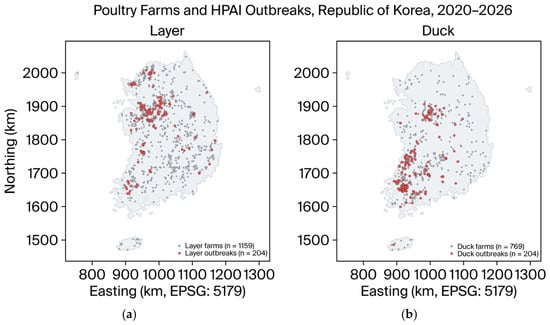
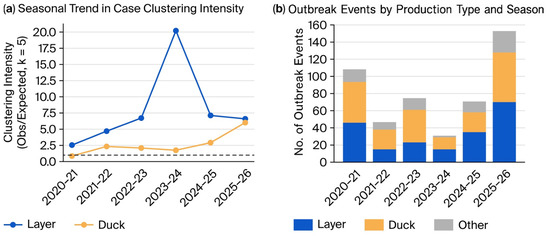
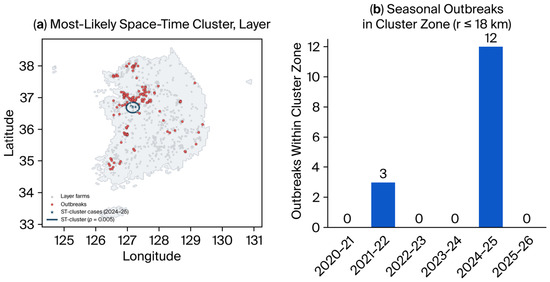
High-pathogenicity avian influenza (HPAI) remains a recurrent threat to poultry production in the Republic of Korea, but production-type-specific clustering has rarely been assessed against the underlying farm population. This retrospective unmatched case–control point-pattern study examined spatial and space–time clustering across six epidemic seasons from 2020 to 2026. We analyzed 486 reported poultry-farm outbreak records together with a national registry of 66,499 poultry farms. The principal analyses compared 204 layer and 204 duck outbreak events with farms of the same production type using the Cuzick–Edwards k-nearest-neighbor statistic, an observed-to-expected clustering-intensity ratio, kernel relative-risk mapping, and spatial and space–time scan statistics. At k = 5, the observed-to-expected intensity ratio was 2.51 for layer events and 1.63 for duck events; this between-type contrast was descriptive because no direct inferential test was performed. Layer-event clustering remained elevated across all seasons, although the extreme 2023–2024 estimate was based on only 15 events. Duck-event clustering was more intermittent and increased in 2025–2026. Premises-level scan statistics identified a broad layer cluster with a relative risk of 3.12 and a smaller duck cluster with a higher local relative risk but far fewer farms. A layer space–time cluster occurred in 2024–2025. These findings support production-type-specific, density-aware surveillance. They do not establish farm-to-farm transmission or implicate egg-handling infrastructure, and they should be interpreted in light of the static registry, repeated-event design, and unmeasured flock size, movements, biosecurity, environmental exposure, and viral lineage.
Full article
(This article belongs to the Section Poultry)
►▼
Show Figures

Figure 1

Open AccessArticle
Lyophilized Coffee Grounds as a Natural Antioxidant to Preserve Post-Thaw Sperm Quality in Dorper and Creole Rams
by
Luis Alberto Hurtado Burga, Nilton Luis Murga Valderrama, Deiner Jhonel Gongora-Bardales, Milton Trigoso Yalta, Lizeth A. Heredia-Vilchez, Paul A. Fernandez-Castro, Hugo Frias, Marilu Mestanza Mendoza and Gleni Tatiana Segura Portocarrero
Animals 2026, 16(16), 2542; https://doi.org/10.3390/ani16162542 - 14 Aug 2026
Abstract
Cryopreservation of ovine semen is associated with oxidative stress and structural sperm damage, which may compromise post-thaw sperm quality. Natural antioxidants derived from agro-industrial by-products have emerged as potential alternatives to reduce cryo-induced damage. The present study evaluated the effect of lyophilized coffee
[...] Read more.
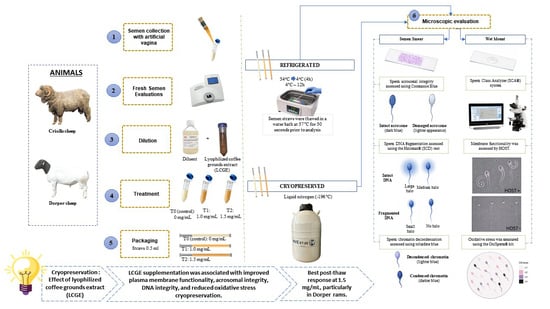
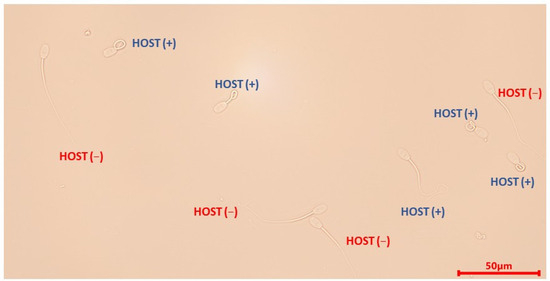
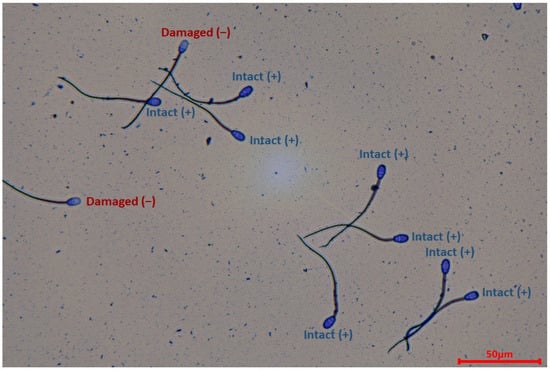
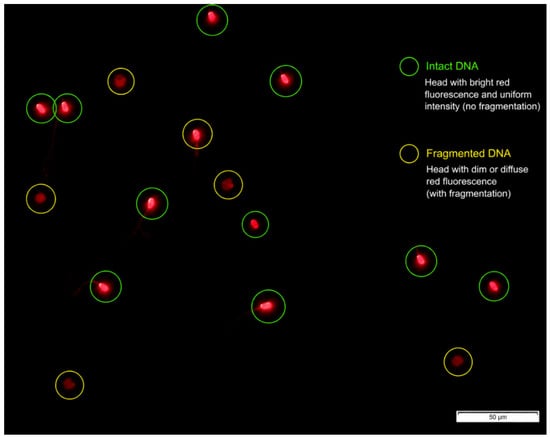
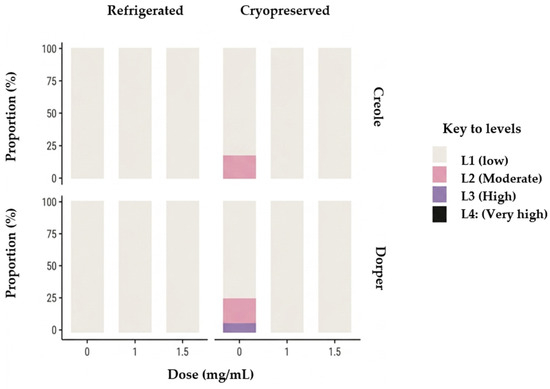
Cryopreservation of ovine semen is associated with oxidative stress and structural sperm damage, which may compromise post-thaw sperm quality. Natural antioxidants derived from agro-industrial by-products have emerged as potential alternatives to reduce cryo-induced damage. The present study evaluated the effect of lyophilized coffee grounds extract (LCGE) supplementation on sperm quality during refrigeration and cryopreservation of Dorper and Creole ram semen. Semen samples from ten rams (five per breed) were allocated to three treatments based on LCGE concentration: 0 mg/mL (control), 1.0 mg/mL, and 1.5 mg/mL. Cryopreservation significantly affected all CASA-derived sperm parameters, with breed-dependent responses detected for several kinetic traits. LCGE supplementation had limited effects on CASA-derived sperm motility and kinetic parameters, with a significant dose effect detected only for total motility. In contrast, higher plasma membrane functionality, acrosomal integrity, DNA integrity, and chromatin condensation were observed in cryopreserved semen supplemented with LCGE, particularly at 1.5 mg/mL. LCGE-treated samples also exhibited a lower occurrence of moderate and high oxidative stress categories than cryopreserved control samples. Overall, the findings indicate that LCGE supplementation was associated with higher plasma membrane functionality, acrosomal integrity, DNA integrity, and chromatin condensation in cryopreserved semen. Further studies are required to determine the biological mechanisms involved and to evaluate the effects of LCGE supplementation on fertility under in vivo conditions.
Full article
(This article belongs to the Section Animal Reproduction)
►▼
Show Figures

Graphical abstract
Open AccessArticle
Crossbreeding a Mediterranean Local Chicken Breed with a Medium-Growing Commercial Hybrid as a Complementary Strategy for Conservation and Productive Valorization: Growth Performance, Carcass Traits, and Meat Quality
by
Laura Martínez-Martínez, Antonio Vallecillos, Juan Orengo, Salvador Escobar, Achille Schiavone and Eva Armero
Animals 2026, 16(16), 2541; https://doi.org/10.3390/ani16162541 - 14 Aug 2026
Abstract
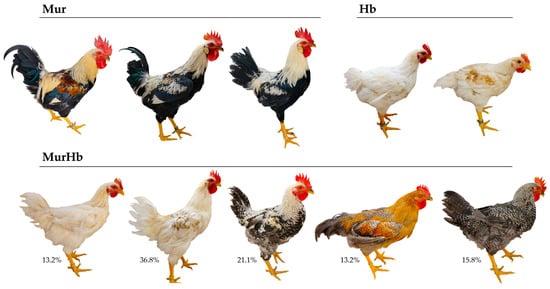
Local chicken breeds are valuable genetic resources, but their limited growth performance may restrict practical use. This study evaluated whether crossing the Murciana chicken, a Mediterranean local breed, with the medium-growing commercial hybrid Hubbard JA757 could improve performance while retaining differentiated meat-quality traits.
[...] Read more.
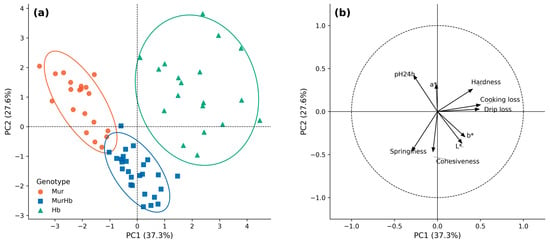
Local chicken breeds are valuable genetic resources, but their limited growth performance may restrict practical use. This study evaluated whether crossing the Murciana chicken, a Mediterranean local breed, with the medium-growing commercial hybrid Hubbard JA757 could improve performance while retaining differentiated meat-quality traits. A total of 179 male chickens were assigned to three genotypes: Murciana (Mur), Murciana × Hubbard JA757 (MurHb), and Hubbard JA757 (Hb), reared under identical conditions, and slaughtered at a common target body weight. Final body weight was comparable among genotypes but reached at different ages (126, 78, and 53 days for Mur, MurHb, and Hb). Compared with Mur, MurHb showed higher average daily gain (30.6 vs. 21.5 g/d), improved feed conversion ratio (2.58 vs. 3.89), obtained higher carcass yield, and increased breast yield, although performance remained below Hb. Mur showed lower drip and cooking losses, whereas MurHb generally showed intermediate responses. In thigh meat, MurHb showed higher lipid content than Mur and a differentiated fatty acid profile, with lower SFA than Mur but PUFA, n-3, n-6/n-3, and PUFA/SFA values comparable to Mur and distinct from Hb. Overall, Murciana-derived crossbred improved productive performance while preserving local-breed meat-quality and lipid-related traits, supporting their potential as a complementary conservation-through-use strategy.
Full article
(This article belongs to the Section Poultry)
►▼
Show Figures

Figure 1
Open AccessArticle
Comparative Population Genetics of Rutilus rutilus and Perca fluviatilis in Lithuanian Freshwater Ecosystems
by
Ieva Ignatavičienė, Adomas Ragauskas, Adrijana Bencevičiūtė, Vytautas Rakauskas and Dalius Butkauskas
Animals 2026, 16(16), 2540; https://doi.org/10.3390/ani16162540 - 14 Aug 2026
Abstract
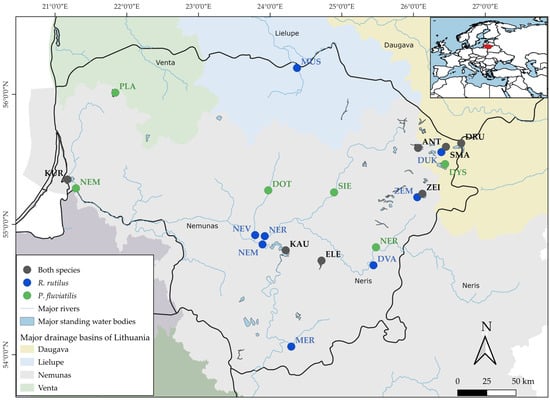
Understanding how co-occurring freshwater species respond to the same hydrological landscape is important for interpreting genetic diversity and population connectivity. We compared the population genetic structure of two widespread freshwater fishes, Rutilus rutilus (Linnaeus, 1758) and Perca fluviatilis Linnaeus, 1758, across major Lithuanian
[...] Read more.
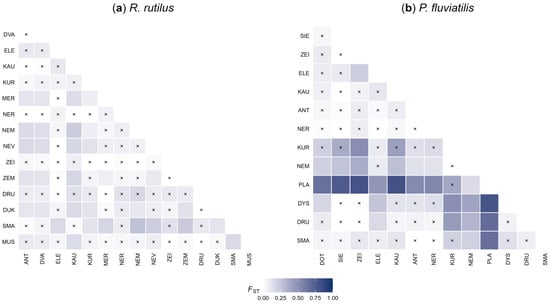
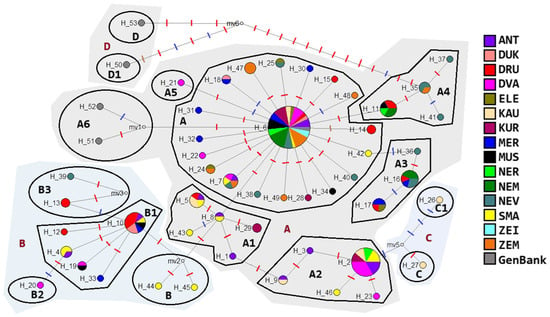
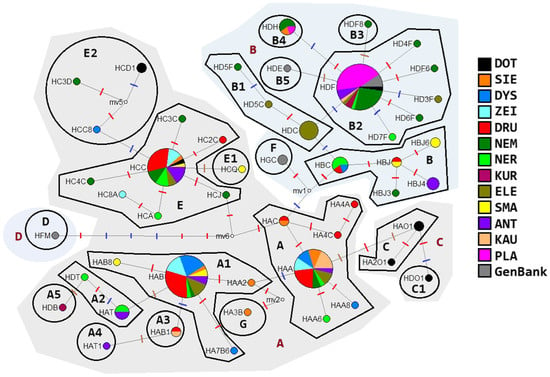
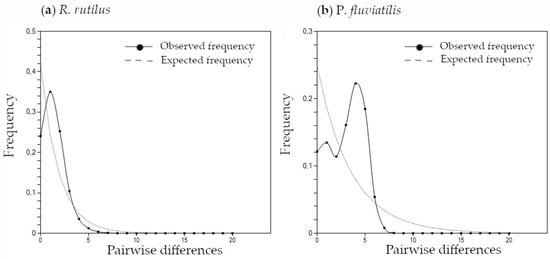
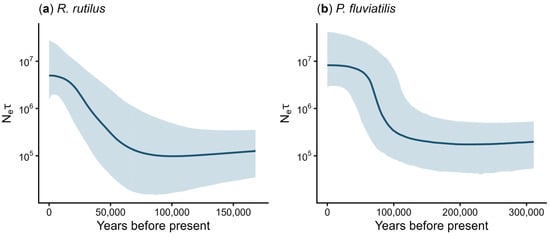
Understanding how co-occurring freshwater species respond to the same hydrological landscape is important for interpreting genetic diversity and population connectivity. We compared the population genetic structure of two widespread freshwater fishes, Rutilus rutilus (Linnaeus, 1758) and Perca fluviatilis Linnaeus, 1758, across major Lithuanian river basins using mitochondrial ATP6 and D-loop sequences. Both species exhibited high haplotype diversity but differed markedly in genetic structure. R. rutilus showed weak differentiation, widespread haplotype sharing among basins, and demographic signals compatible with population expansion. By contrast, P. fluviatilis exhibited stronger, more spatially heterogeneous structuring, with less consistent demographic signals and more localized differentiation. Contrary to expectations, genetic variation was not consistently associated with major drainage-basin boundaries in either species. Instead, the observed patterns suggest that species-specific ecological traits, particularly differences in dispersal capacity and habitat use, may play a greater role in shaping population structure than contemporary hydrological boundaries alone. These findings demonstrate that co-occurring freshwater fishes can exhibit contrasting patterns of genetic diversity even within shared hydrological systems. Although nuclear or genome-wide markers would strengthen these mitochondrial inferences, the study highlights the value of comparative approaches for understanding population connectivity and informing freshwater biodiversity conservation and management.
Full article
(This article belongs to the Section Animal Genetics and Genomics)
►▼
Show Figures

Figure 1
Open AccessArticle
Temporal Influence of Transport Length on Epidermal Barrier Integrity, Mucin Transcription, and Goblet Cell Kinetics in Red Tilapia (Oreochromis sp.) Fry
by
Hernán Antonio Alzate-Díaz, Samir Julián Calvo-Cardona and Sandra Clemencia Pardo-Carrasco
Animals 2026, 16(16), 2539; https://doi.org/10.3390/ani16162539 - 14 Aug 2026
Abstract
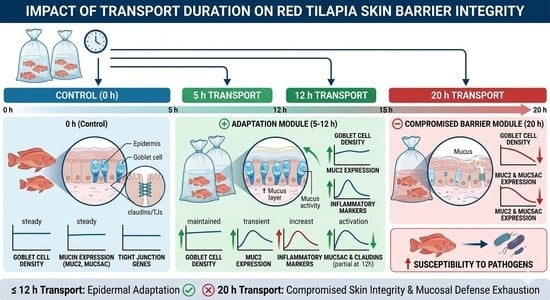
Red tilapia (Oreochromis sp.) fry are routinely transported between hatcheries and grow out farms, yet the effects of transport duration on epidermal barrier-associated responses and goblet cells remain poorly defined. This study assessed the impact of simulated transport on epidermal morphology, immune-related
[...] Read more.
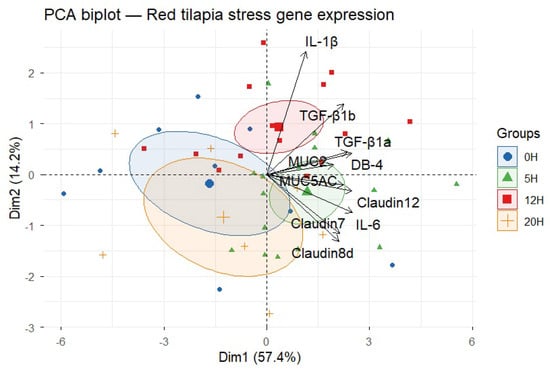
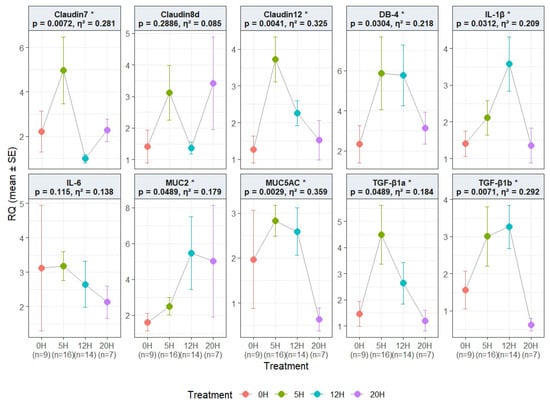
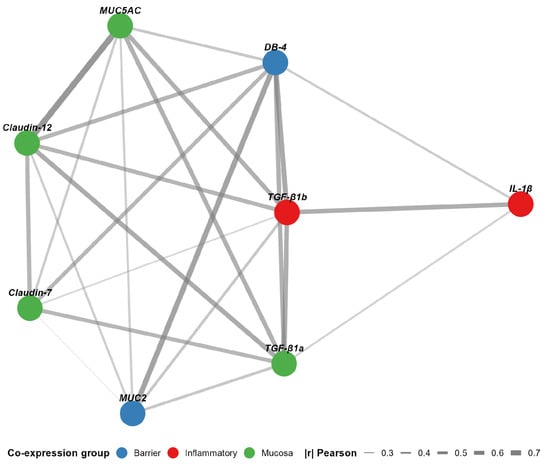
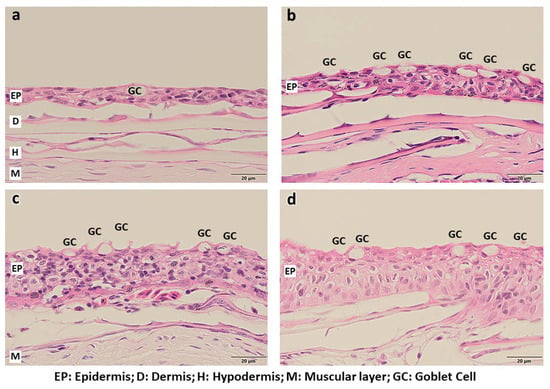
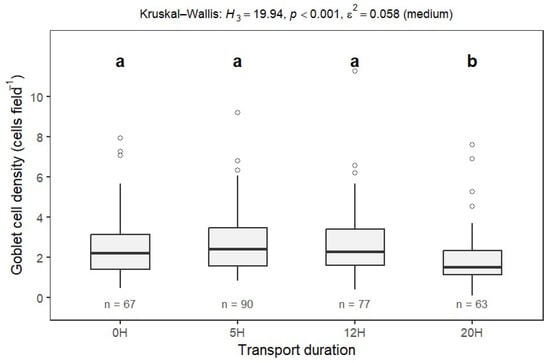
Red tilapia (Oreochromis sp.) fry are routinely transported between hatcheries and grow out farms, yet the effects of transport duration on epidermal barrier-associated responses and goblet cells remain poorly defined. This study assessed the impact of simulated transport on epidermal morphology, immune-related gene expression and goblet cell density in red tilapia fry. Fish were assigned to four groups (0, 5, 12 and 20 h of transport). Skin samples were analyzed for relative mRNA expression of 10 genes associated with tight junction proteins, mucins, antimicrobial peptides and cytokines using RT-qPCR, and for epidermal goblet cell density by histology. Transport significantly modulated eight genes, forming three co-expression clusters associated with inflammatory, barrier-related, and mucus-related responses, with mainly non-linear time courses. MUC2, DB-4, IL-1β, and TGF-β1b showed transient increases at 5–12 h, whereas MUC5AC and claudin transcripts increased earlier and approached control levels at 20 h. Goblet cell density remained relatively stable up to 12 h but declined after 20 h, coinciding with changes in MUC2 and MUC5AC expression and suggesting altered mucosal responses during prolonged transport. Overall, transport durations ≤ 12 h were associated with relatively stable epidermal responses, whereas 20 h induced pronounced changes in goblet cell density and barrier-associated gene expression. These findings provide information that may assist future optimization of transport practices in tilapia aquaculture. Transport stress in red tilapia fry induces rapid defensive responses, significantly modulating gene expression and mucosal dynamics; this is characterized by increased mucus production, goblet cell density, and early upregulation of mucins (MUC2), followed by later increases in tight junction genes and anti-inflammatory cytokines, alongside a temporary downregulation of antimicrobial peptides.
Full article
(This article belongs to the Special Issue Developments in Environmental Physiology, Nutrition Physiology, and Immunity Mechanisms of Aquatic Animals)
►▼
Show Figures

Graphical abstract
Open AccessArticle
Dietary Supplementation of Protease and/or Amylase Improves Growth Performance, Digestive Function, and Intestinal Health of Weaned Piglets
by
Runzi Tang, Jiaqi Chen, Binke Chen, Jiayue Zhao, Wenzi Wu, Hanyue Zhang, Aikun Fu and Xiuan Zhan
Animals 2026, 16(16), 2538; https://doi.org/10.3390/ani16162538 - 14 Aug 2026
Abstract
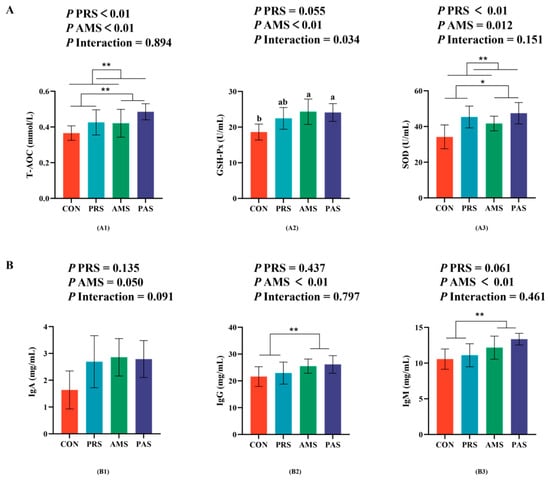
A total of 96 26-day-old weaned piglets were randomly assigned to four groups with three replicates per group: (1) CON group (basal diet), (2) PRS group (protease supplementation), (3) AMS group (amylase supplementation), and (4) combined protease and amylase group (PAS group) (protease
[...] Read more.
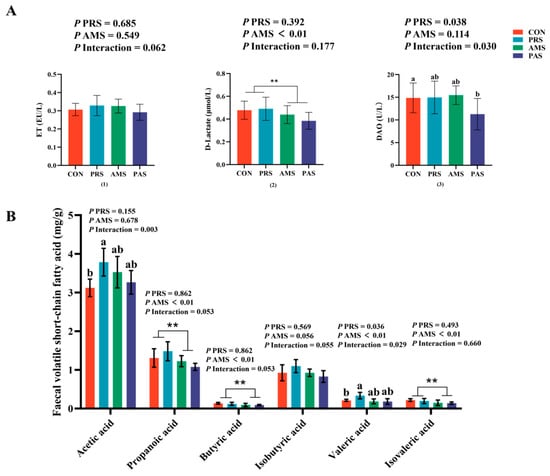
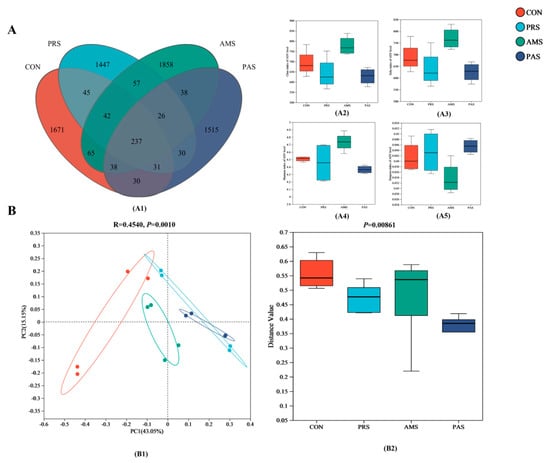
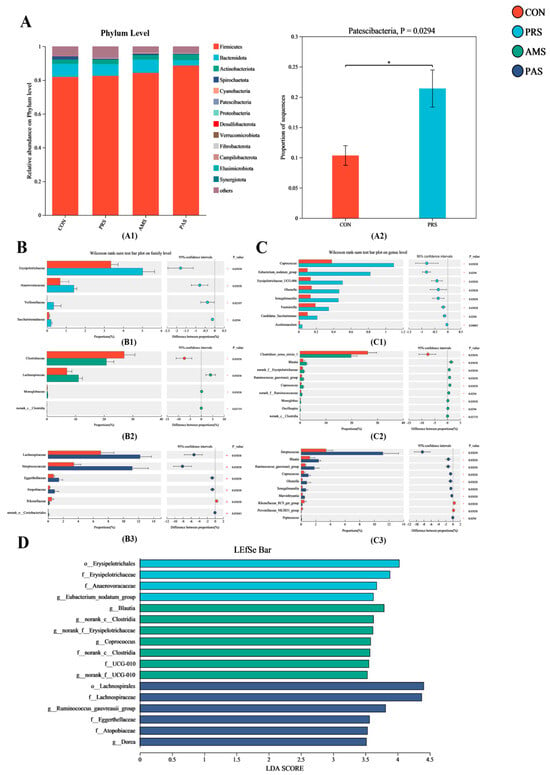
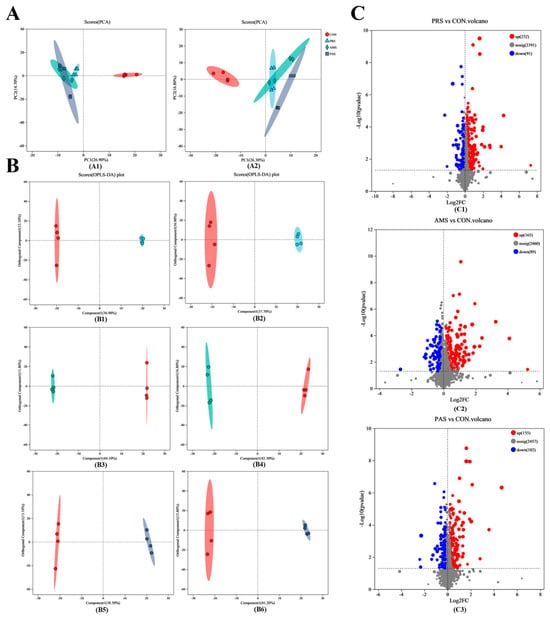
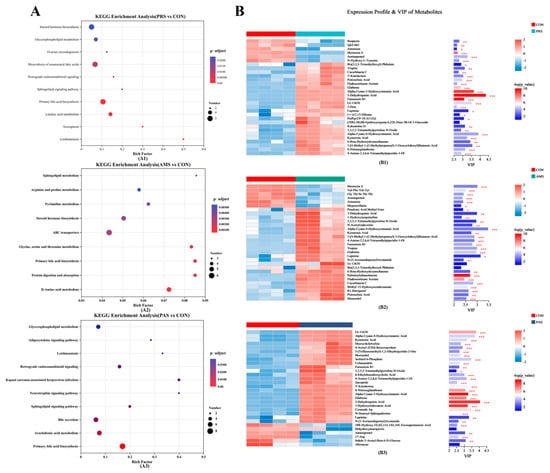
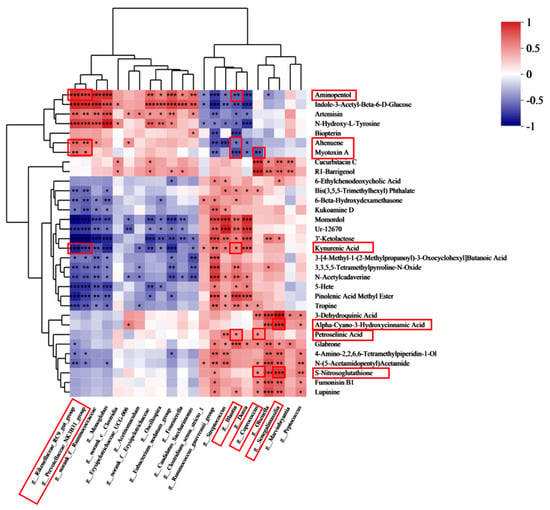
A total of 96 26-day-old weaned piglets were randomly assigned to four groups with three replicates per group: (1) CON group (basal diet), (2) PRS group (protease supplementation), (3) AMS group (amylase supplementation), and (4) combined protease and amylase group (PAS group) (protease and amylase supplementation). Compared to the CON group, AMS group reduced feed-to-gain ratio (p < 0.05). Additionally, all treatments increased ether extract digestibility (p < 0.05). The PRS and AMS groups reduced serum urea nitrogen level (p < 0.01). PAS group increased total protein, and decreased total cholesterol (p < 0.05). PRS and/or AMS supplementation increased serum glutathione peroxidase. IgM and IgG were higher in the AMS group. Furthermore, levels of D-Lactate and diamine oxidase were reduced (p < 0.05). PRS group exhibited increased fecal acetic acid and valeric acid levels (p < 0.05). Microbiota analysis showed that PRS or/and AMS supplementation enriched bacteria, including Anaerovoracaceae and Blautia. Metabolomics analysis revealed that health-promoting differential metabolites, including S-nitrosoglutathione and kynurenic acid, were further enriched, indicating enhanced immune regulation and intestinal homeostasis. Taken together, PRS or/and AMS supplementation can effectively promote nutrient digestion, intestinal microbiota structure and metabolism, and enhance intestinal barrier, thereby improving growth performance in weaned piglets.
Full article
(This article belongs to the Section Pigs)
►▼
Show Figures

Figure 1
Open AccessCommunication
Preliminary Study on the Use of Sargassum horneri as a Dietary Ingredient for Juvenile Rochia nilotica: Effects on Growth and Survival
by
Jong-Seop Shin, Changju Lee, Yeong-Ji Park, Yu-Na Song, Han-Jun Kim, Sang-Woo Hur, June Kim and Hyun-Sung Yang
Animals 2026, 16(16), 2537; https://doi.org/10.3390/ani16162537 - 14 Aug 2026
Abstract
Rochia nilotica is an economically important marine gastropod in Pacific Island countries, valued for its nacreous shell used in ornaments. The brown macroalga Sargassum horneri accumulates in large quantities along coastal regions, causing significant ecological and economic burdens. We evaluated the effects of
[...] Read more.
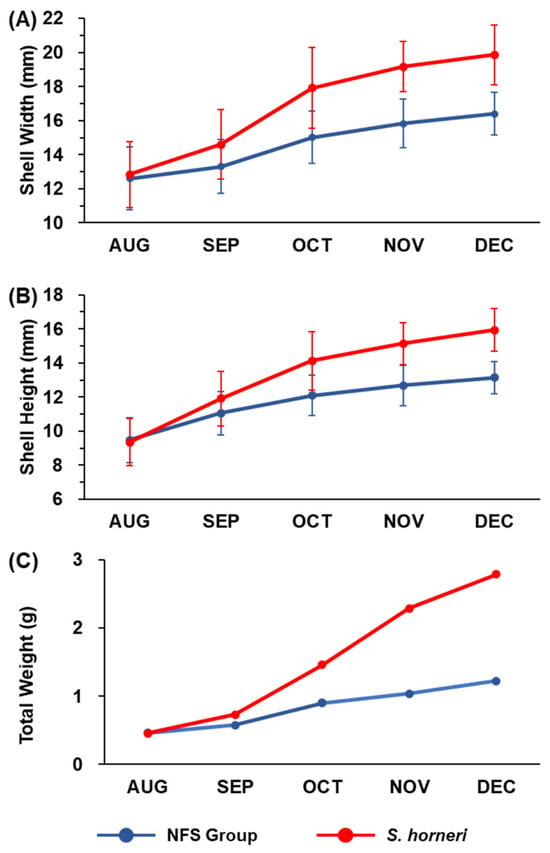
Rochia nilotica is an economically important marine gastropod in Pacific Island countries, valued for its nacreous shell used in ornaments. The brown macroalga Sargassum horneri accumulates in large quantities along coastal regions, causing significant ecological and economic burdens. We evaluated the effects of S. horneri-based feed on the growth performance of juvenile R. nilotica under controlled tank conditions in Chuuk Lagoon, Micronesia. Juveniles (initial shell width ≈ 12.7 mm) were reared for 120 days and fed either a formulated diet (disc-shaped pellets, <1 cm in diameter) containing S. horneri or a traditional live-rock diet providing natural biofilms. Notable biological differences in shell width and height were observed after 2 months, with final mean values of 19.86 ± 1.76 mm and 15.92 ± 1.25 mm in the S. horneri group (94% survival), compared with 16.40 ± 1.26 mm and 13.14 ± 0.96 mm in the natural diet group (86% survival). Although greater growth and survival were observed in the tank receiving the formulated diet, fully replicated multi-tank experiments are required to definitively confirm whether these differences were caused directly by the dietary treatment. Given its abundance and environmental impact, recycling S. horneri biomass as a sustainable feed source could support trochid aquaculture and resource restoration and contribute to circular bioeconomy practices in Pacific Island countries.
Full article
(This article belongs to the Special Issue Advancing Sustainable Aquaculture: Enhancing Production Methods, Innovating Feeds, Promoting Animal Welfare and Minimizing Environmental Impact—2nd Edition)
►▼
Show Figures

Figure 1
Open AccessArticle
The Apgar Score in Foals: Association with Clinical, Behavioral and Reproductive Parameters
by
Dania Cingottini, Alessandra Bulgarella, Giulia Sala, Maria Claudia Curadi, Paola Marmorini, Giorgia Troiani and Micaela Sgorbini
Animals 2026, 16(16), 2536; https://doi.org/10.3390/ani16162536 - 14 Aug 2026
Abstract
The Apgar score is commonly used to assess neonatal vitality in foals, although its clinical relevance remains unclear. This retrospective study evaluated 144 foals investigating associations between a four-parameter Apgar score assessed within 5 min of birth as well as selected neonatal and
[...] Read more.
The Apgar score is commonly used to assess neonatal vitality in foals, although its clinical relevance remains unclear. This retrospective study evaluated 144 foals investigating associations between a four-parameter Apgar score assessed within 5 min of birth as well as selected neonatal and maternal variables. Inclusion criteria required availability of Apgar scores and body temperature measurements. Maternal, reproductive, and peripartum determinants were evaluated using ordinal logistic regression. Spearman’s rank correlation, Kruskal–Wallis analysis, and Fisher’s exact test were applied as appropriate according to type and distribution. Multiple comparisons were controlled using the Benjamini–Hochberg false-discovery-rate procedure. Most foals showed good neonatal vitality (median Apgar score 8/8, IQR 7–8; 91.7% had scores ≥ 7/8). Higher Apgar scores were associated with higher heart rate, respiratory rate, and shorter time to sternal recumbency, therefore supporting the score’s internal consistency. No associations were found with neonatal behavioral milestones, blood glucose, IgG concentrations, or maternal and reproductive variables. Umbilical abnormalities were not associated with low Apgar score after multiple-comparisons correction. However, few foals scored ≤ 6/8, which limited the evaluation of clinically compromised neonates. Overall, the Apgar score appears to be a practical tool for evaluating immediate neonatal vitality in foals. However, the associations with subsequent neonatal and maternal variables were limited.
Full article
(This article belongs to the Section Equids)
Open AccessCase Report
Dystocia in Pet Giant African Land Snails
by
Silvana Schmidt-Ukaj and Michaela Gumpenberger
Animals 2026, 16(16), 2535; https://doi.org/10.3390/ani16162535 - 14 Aug 2026
Abstract
Background: Giant African Land Snails originate from Africa. Although these snails are becoming more popular as exotic pets in Europe, there is a lack of comprehensive information about their diseases and how to treat them. Reported medical issues included failures in husbandry and
[...] Read more.
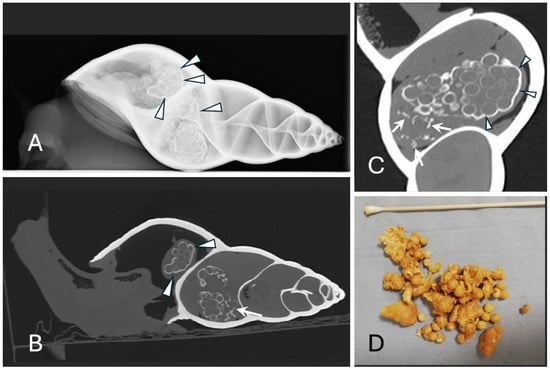
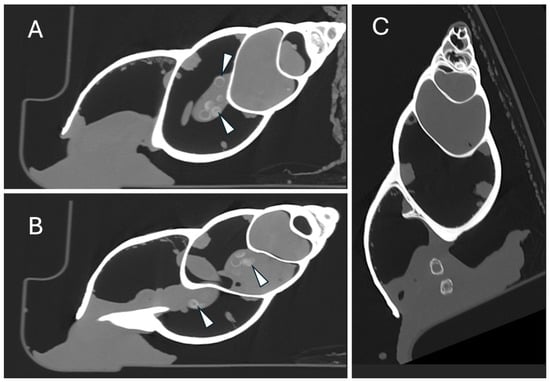
Background: Giant African Land Snails originate from Africa. Although these snails are becoming more popular as exotic pets in Europe, there is a lack of comprehensive information about their diseases and how to treat them. Reported medical issues included failures in husbandry and feeding (often leading to aestivation, calcium deficiency or renal disease), trauma, poison, prolapse, and ecto- and endoparasites, as well as bacterial and fungal infections. Although their reproductive system has been well studied, dystocia has not yet been reported in terrestrial snail species. Patient Presentation: Two cases of dystocia in pet Giant African Land Snails are presented. Case 1 involved a 5.5-year-old Lissachatina fulica with esophageal prolapse and severe chronic dystocia, as indicated by radiographic and computed tomographic findings, ultimately leading to euthanasia. Case 2 involved a 3-year-old Lissachatina albopicta also affected by dystocia, with computed tomography again showing findings consistent with the diagnosis, but subsequently laying most of the pathological clutch with supportive, conservative treatment. Conclusion: Dystocia in Giant African Land Snails is a significant health concern that can lead to severe complications and mortality. Early diagnosis using imaging techniques is crucial for identifying reproductive issues and determining appropriate treatment strategies. However, because these terrestrial snails have an open circulatory system and vascular anatomy remains incompletely characterized, the reproductive tract remains difficult to access surgically. Furthermore, there is currently insufficient evidence to support hormonal induction of oviposition as a therapeutic approach for egg retention in this species. Consequently, conservative management remains the primary supportive therapy.
Full article
(This article belongs to the Section Veterinary Clinical Studies)
►▼
Show Figures

Figure 1
Journal Menu
► ▼ Journal Menu-
- Animals Home
- Aims & Scope
- Editorial Board
- Reviewer Board
- Topical Advisory Panel
- Early Career Editorial Board
- Instructions for Authors
- Special Issues
- Topics
- Sections & Collections
- Article Processing Charge
- Indexing & Archiving
- Editor’s Choice Articles
- Most Cited & Viewed
- Journal Statistics
- Journal History
- Journal Awards
- Society Collaborations
- Conferences
- Editorial Office
Journal Browser
► ▼ Journal BrowserHighly Accessed Articles
Latest Books
E-Mail Alert
News
5 August 2026
Summary of the MDPI Academic Publishing Workshop at Naresuan University Held on 20 July 2026
5 August 2026
MDPI INSIGHTS: The CEO’s Letter #37 – Canada Summit, Sciforum Relaunch, 30 Years of Impactful Research & ISPRS 2026
Topics
Topic in
Animals, Antioxidants, Fishes, Biology
Immunology and Disease Prevention and Control in Aquatic Animals
Topic Editors: Hongliang Zuo, Jiejie Sun, Linwei YangDeadline: 31 August 2026
Topic in
Animals, Antioxidants, Metabolites, Pets, Veterinary Sciences
Research on Companion Animal Nutrition
Topic Editors: Baichuan Deng, Lian Li, Yun JiDeadline: 26 October 2026
Topic in
Animals, Dairy, Microorganisms, Veterinary Sciences, Metabolites, Life, Parasitologia
The Complexity of Parasites in Animals: Impacts, Innovation, and Interventions
Topic Editors: Kun Li, Rongjun Wang, Ningbo Xia, Md. F. KulyarDeadline: 31 December 2026
Topic in
Agriculture, Dairy, Foods, Nutrients, Animals
Advances in Animal-Derived Non-Cow Milk and Niche Cow Milk. Properties, Processing, Dairy Products and Environmental Impact, 2nd Edition
Topic Editors: Jacek Wójtowski, Jan Pikul, Maria Markiewicz-KęszyckaDeadline: 31 January 2027
Conferences
Special Issues
Special Issue in
Animals
Advances in Fish Immunology: Novel Strategies for Disease Prevention
Guest Editors: Antonio Luna-González, Carlos AnguloDeadline: 16 August 2026
Special Issue in
Animals
Advancements in Veterinary Biosecurity: Safeguarding Animal Health
Guest Editors: Alessandra Piccirillo, Andrea Laconi, Ronald R. B. Vougat NgomDeadline: 20 August 2026
Special Issue in
Animals
Structures of Human–Animal Interaction
Guest Editor: Mika SimonenDeadline: 25 August 2026
Special Issue in
Animals
Conservation and Sperm Quality in Domestic Animals: Second Edition
Guest Editors: Eduardo De Mercado, Manuel Álvarez-RodríguezDeadline: 25 August 2026
Topical Collections
Topical Collection in
Animals
Applications of Quantitative Genetics in Livestock Production
Collection Editor: Michael E. Davis
Topical Collection in
Animals
Use of Agricultural By-Products in Animal Feeding
Collection Editor: Mariangela Caroprese
Topical Collection in
Animals
Research Advances in Donkey and Mule Science and Medicine
Collection Editor: Amy McLean
Topical Collection in
Animals
Carcass Composition and Meat Quality of Small Ruminants
Collection Editors: Virgínia Alice Cruz Dos Santos, Severiano R. Silva, Cristina Miranda Guedes