



Agronomy 2026, 16(13), 1294; https://doi.org/10.3390/agronomy16131294 (registering DOI) - 6 Jul 2026
Abstract
Global atmospheric N2O concentrations have risen to 335 ppb, with agricultural soils serving as a major emission source and rice paddies accounting for approximately 11% of agricultural N2O emissions. Rice–crab co-culture has been widely adopted because of its potential
[...] Read more.
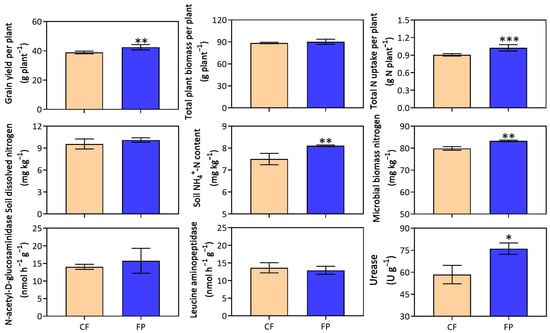
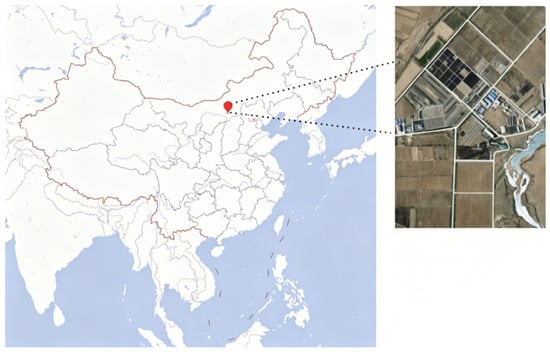
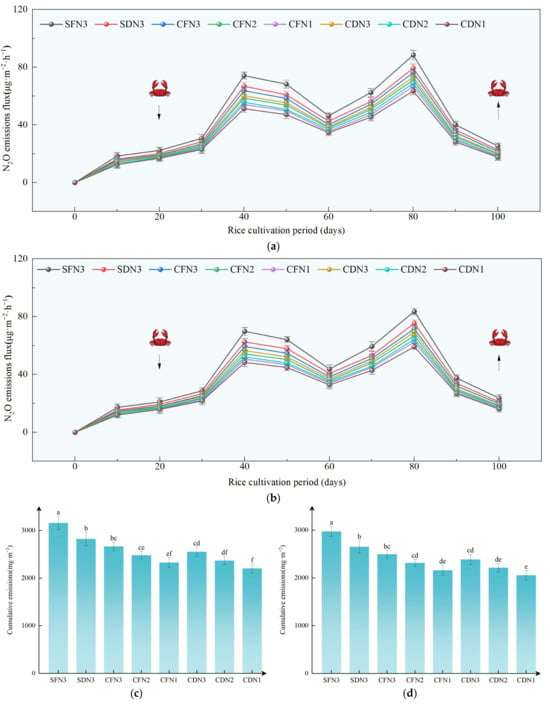
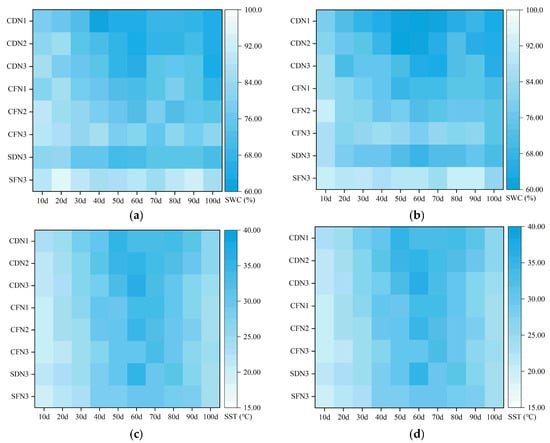
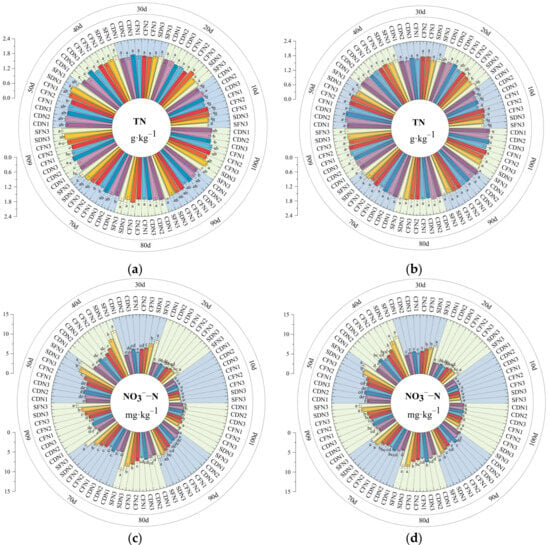
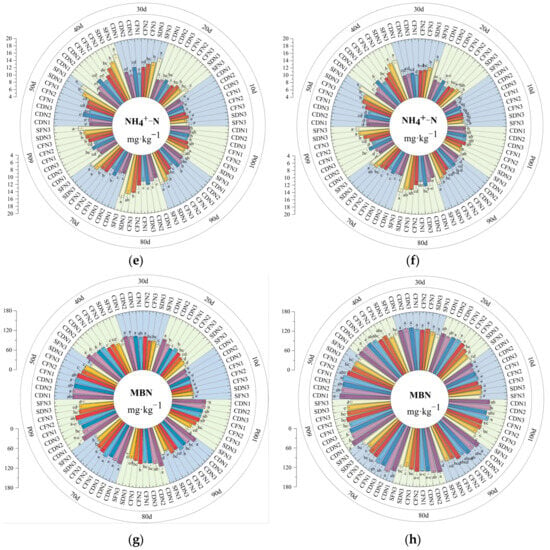
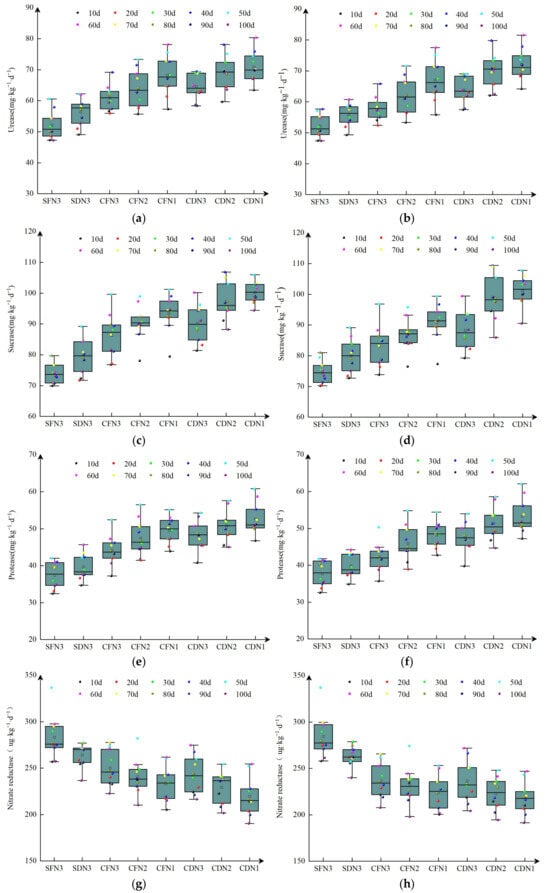
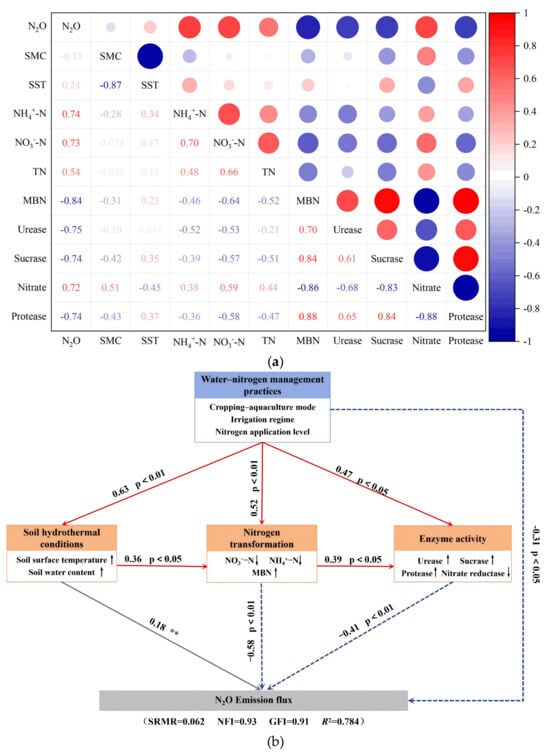
Global atmospheric N2O concentrations have risen to 335 ppb, with agricultural soils serving as a major emission source and rice paddies accounting for approximately 11% of agricultural N2O emissions. Rice–crab co-culture has been widely adopted because of its potential to increase and stabilize crop yields; however, the underlying mechanisms of N2O mitigation and the synergistic effects of crab bioturbation with water and nitrogen management remain unclear. Therefore, in this study, we conducted a two-year field experiment in Zhaodong, Heilongjiang Province, China, to elucidate the N2O mitigation effects of rice–crab co-culture under water and nitrogen regulation and the associated driving mechanisms. The results showed that rice–crab co-culture significantly reduced N2O emissions. Specifically, the N2O flux decreased by 19.9%, while cumulative N2O emissions decreased by 19.8%. Under the combined regulation of water and nitrogen management, the mitigation effect on N2O emissions was further enhanced, with a reduction of up to 30.8%. Regarding environmental factors, crab activity combined with shallow wet irrigation reduced soil water content and increased surface temperature. These changes promoted the transformation of nitrogen from inorganic forms to microbially assimilable forms, increasing the microbial nitrogen content by approximately 29.5%. Meanwhile, soil enzyme activities changed significantly: the activities of urease, sucrase, and protease increased, whereas nitrate reductase activity decreased. Structural equation modeling showed that the indirect effect of management practices was much greater than the direct effect, accounting for 63% of the total effect. Nitrogen transformation was the core mitigation pathway, characterized by the conversion of inorganic nitrogen into microbial biomass nitrogen, which reduced substrate availability for nitrification and denitrification. Enzyme activity regulation served as a secondary pathway, mainly through the inhibition of nitrate reductase activity. Overall, the rice–crab system achieved sustained N2O reduction by improving soil aeration and jointly regulating substrate limitation and weakening nitrogen transformation capacity.
Full article
(This article belongs to the Special Issue Agricultural Carbon Sequestration, Emission Reduction, and Efficiency Enhancement: Innovative Practices and Prospects)
►
Show Figures
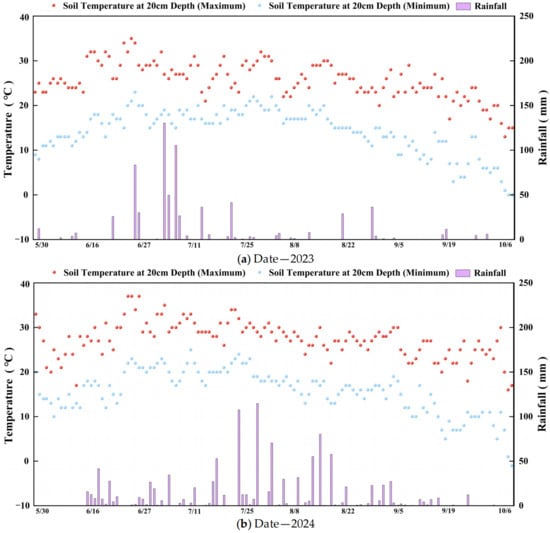
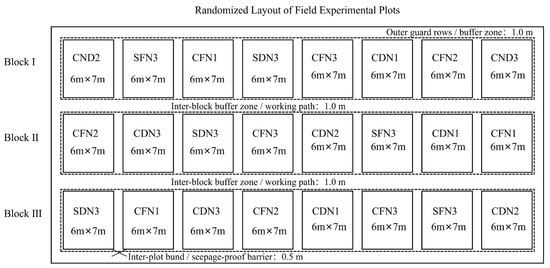
Figure 1