Article

Mitochondrial Genomes Reveal Population Structure of the Locust Oedaleus decorus (Orthoptera: Acrididae: Oedipodinae) in China

1
State Key Laboratory for Biology of Plant Diseases and Insect Pests, Institute of Plant Protection, Chinese Academy of Agricultural Sciences, Beijing 100193, China
2
Xilingol League Grassland Technical Station, Xilinhot 026000, China
3
Xilinhot City Grassland Technical Station, Xilinhot 026000, China
4
Laboratory of Applied Biological Control of Plant Pests, School of Agroecology, Mongolian University of Life Sciences, Zaisan-53, Khan-Uul District, Ulaanbaatar 17024, Mongolia
5
Biology-Tourism Department, School of Applied Sciences, Mongolian University of Life Sciences, Zaisan-53, Khan-Uul District, Ulaanbaatar 17024, Mongolia
6
CABI Joint Laboratory, Ministry of Agriculture and Rural Affairs, Beijing 100193, China
7
Kazakh Research Institute of Plant Protection and Quarantine Named After Zh. Zhiembayeva, Kúltóbe Street 1, Rahat Microdistrict, Nauryzbai District, Almaty 050000, Kazakhstan
*
Authors to whom correspondence should be addressed.
These authors contributed equally to this work.
Agronomy 2025, 15(12), 2830; https://doi.org/10.3390/agronomy15122830
Submission received: 14 November 2025 / Revised: 8 December 2025 / Accepted: 8 December 2025 / Published: 9 December 2025
(This article belongs to the Section Pest and Disease Management)

Abstract

The locust Oedaleus decorus undergoes massive outbreaks and engages in round-trip migratory flights across northern China and Mongolia. However, its specific genetic structure remains poorly understood. In this study, we sequenced the complete mitochondrial genomes of 163 O. decorus individuals from 16 locations in northern China using high-throughput sequencing data and analyzed its population structure. The results showed that these mitochondrial genomes are 15,142 to 15,914 bp in sizes, with size variation attributed to A + T-rich regions in intergenic spacers. All 13 protein-coding genes exhibited conserved lengths across samples. The overall genetic differentiation between populations was small (Fst = 0.00843), with high gene flow (Nm = 29.40). Both genetic differentiation and DAPC analyses revealed significant genetic differentiation in the New Barag Left Banner (NBL) population compared to the Zhengxiangbai Banner (ZB), Taibus Banner (TP), Xianghuang Banner (XH), and Zhenglan Banner (ZL) populations. The phylogenetic tree and haplotype network suggest Hap_20 is presumably a relatively ancestral haplotype and all haplotypes were divided into two clades, and no population formed a distinct independent clade. Our findings indicate that the O. decorus population in North China exhibits mitochondrial subtype differentiation. The lack of difference in genetic structure across different regions in North China is consistent with a high level of migratory activity by O. decorus in the region.

1. Introduction

Oedaleus decorus (Germar, 1825)—with O. asiaticus Bei-Bienko, 1941 now regarded as its synonym [1,2]—is widely distributed across several regions of China, including Inner Mongolia, Ningxia, Gansu, Qinghai, Hebei, Shanxi, Shandong, and Heilongjiang, as well as in Mongolia and eastern Russia [3]. Similar to other migratory locust species such as Locusta migratoria and Schistocerca gregaria, O. decorus is responsible for significant annual losses in both agricultural and pastoral industries. As a dominant species in northern China, particularly within the grasslands of Inner Mongolia, it plays a disruptive role in the ecological equilibrium of these ecosystems, contributing to accelerated grassland degradation and desertification. Consequently, it has been recognized as an indicator species for grassland degradation [4]. The species exhibits gregarious and migratory behaviors, undertaking long-distance nocturnal flights with strong phototaxis [5,6], with these traits generally more evident in females than in males [7]. Historical data indicate that O. decorus caused large-scale damage throughout Inner Mongolia over consecutive years from 2000 to 2004, with the affected area reaching 18.47 million hectares in 2001 [8]. Notably, in 2017, the Xilingol League experienced a severe outbreak impacting approximately 599,000 hectares, with locust densities reaching up to 86 individuals per square meter [9]. As a polyphagous pest, O. decorus primarily consumes a variety of Poaceae plants. Its diet in grasslands includes dominant species such as Stipa grandis, Cleistogenes songorica, Cleistogenes squarrosa, Agropyron cristatum, Leymus chinensis, and Stipa krylovii [10,11,12]. Understanding the migration patterns of O. decorus is critical for developing effective management strategies, a goal that useful resolving its fine-scale population genetic structure [13].
Mitochondrial gene fragments such as cytochrome c oxidase subunit I (COI) have been utilized to trace the origins of pest migrations [14,15]; however, the complete mitochondrial genome provides substantially greater resolution for examining population genetic diversity, haplotype evolution, and phylogeographic history [16]. Due to its maternal inheritance and rapid evolutionary rate, mitochondrial genome serves as an ideal molecular marker for population-level investigations [17]. The efficacy of mitogenomic approaches in elucidating insect dispersal patterns is well exemplified by their successful application in reconstructing the colonization history of the migratory locust [18] and resolving phylogenetic relationships within various insect taxa [19]. Therefore, mitogenomic analysis constitutes a robust methodology for clarifying the population structure and migratory dynamics of O. decorus. Mitochondrial DNA exclusively represents the maternal lineage and may not provide a complete depiction of the overall genomic genetic architecture. Future research could be enhanced through several strategies: first, by integrating nuclear genetic markers or whole-genome sequencing data to achieve a more comprehensive understanding of population genetic structure; second, by expanding geographic sampling to include regions like Mongolia, thereby elucidating the influence of trans-regional migration on genetic exchange; third, by incorporating ecological data-such as migration trajectory monitoring and field-based assessments of population dynamics-to correlate genetic patterns with observed migratory behaviors, ultimately facilitating a more precise elucidation of the mechanisms underlying population connectivity.
It is noteworthy that prior research has predominantly utilized partial gene sequences, potentially limiting the thorough characterization of the population genetic architecture. To overcome this limitation, we obtained 163 complete mitochondrial genomes through high-throughput sequencing and performed comparative analyses of sequence structural characteristics and genetic diversity among populations in China. These analyses were designed to deliver a more comprehensive and systematic understanding of the population genetic structure. Ultimately, the results are anticipated to furnish a scientific foundation for elucidating migration patterns, reconstructing historical population dynamics, and guiding the development of future management strategies.

2. Material and Methods

2.1. Samples

Insect samples: O. decorus individuals were collected from 16 different locations in Inner Mongolia during July and August 2024, with approximately 10 specimens per site. After morphological identification, the samples were preserved in absolute ethanol and stored at −80 °C. Detailed sampling information is provided in Table 1.

2.2. Mitochondrial Genome Sequencing of O. decorus

Muscle tissue from the legs of individual O. decorus specimens was ground into powder using liquid nitrogen. Genomic DNA was extracted using the Multisource Genomic DNA Miniprep Kit, followed by quality assessment via 1% agarose gel electrophoresis and quantification using a spectrophotometer. Approximately 0.5 μg of DNA per sample was sent to Wuhan Benagen Co., Ltd. (Wuhan, China) for library preparation and sequencing. A 350 bp short-insert library was constructed and subjected to paired-end (PE150) sequencing on the Illumina NovaSeq 6000 platform, generating 6 Gb of raw data per sample. After obtaining the raw sequencing data, Fastp v0.20.0 was employed for quality control, removing adapter sequences and low-quality reads (short length, low base quality, or excessive ambiguous “N” bases), with default parameters applied.

2.3. Mitochondrial Genome Assembly, Annotation and SNP Data

MitoZ v 3.6 software (https://github.com/linzhi2013/MitoZ, accessed on 2 January 2025) was utilized for de novo assembly and annotation of individual samples. The assembled genomes were manually curated in Geneious 10 (http://www.geneious.com/, accessed on 13 March 2025) to correct misassembled regions, generating the final dataset for downstream analyses. The BWA-MEM v 0.7.17 [20] was used to map sequencing data to the reference O. decorus (NCBI: NC_011115.1) with default parameters, and the duplicate reads generated from PCR were removed with the picard tool (http://broadinstitute.github.io/picard/, accessed on 7 January 2025). The flagstat and coverage functions implemented in SAMtools v 1.13 [21] were used to statistically check the alignment. SNP detection for each sample was conducted with GATK v 4.2.0.0 [22], and the SNP data were preliminarily filtered with the parameters “QD < 2.0, MQ < 40.0, FS > 60.0, SOR > 3.0, MQRankSum < −12.5, and ReadPosRankSum < −8.0”, and the resulting data were used as the input dataset for subsequent DAPC analysis.

2.4. Population Genetic Indices and Demographic History

Genetic diversity indices, including haplotype number (H), haplotype diversity (Hd), nucleotide diversity (π), synonymous (dS) and nonsynonymous (dN) substitution rates, were calculated using DnaSP 6. Population differentiation (FST), mismatch distribution, gene flow (Nm), and neutrality tests (Tajima’s D and Fu’s Fs) were estimated in Arlequin v3.5.2.2, and the AMOVA module, with 1000 permutations for statistical significance.

2.5. DAPC Analysis

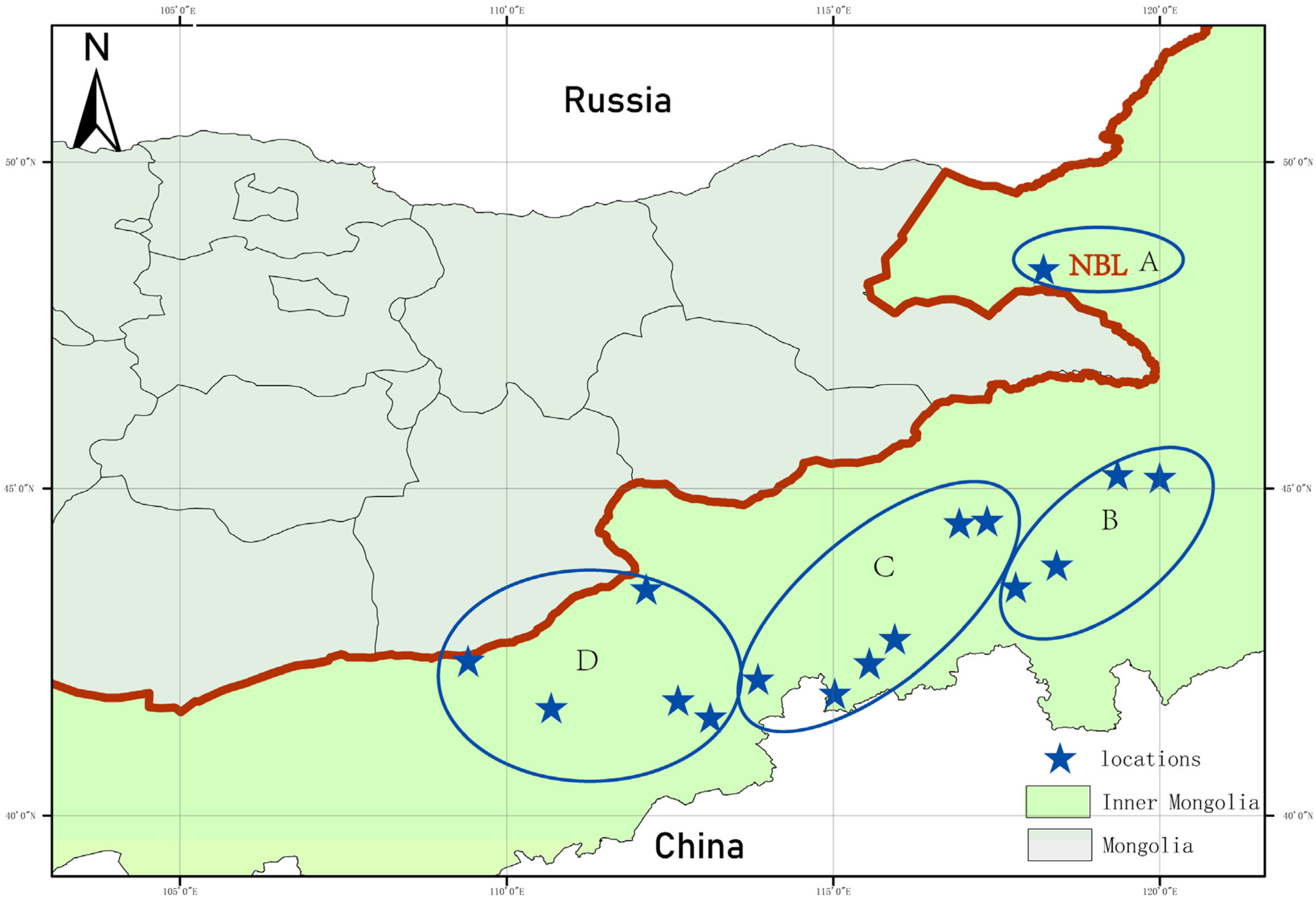
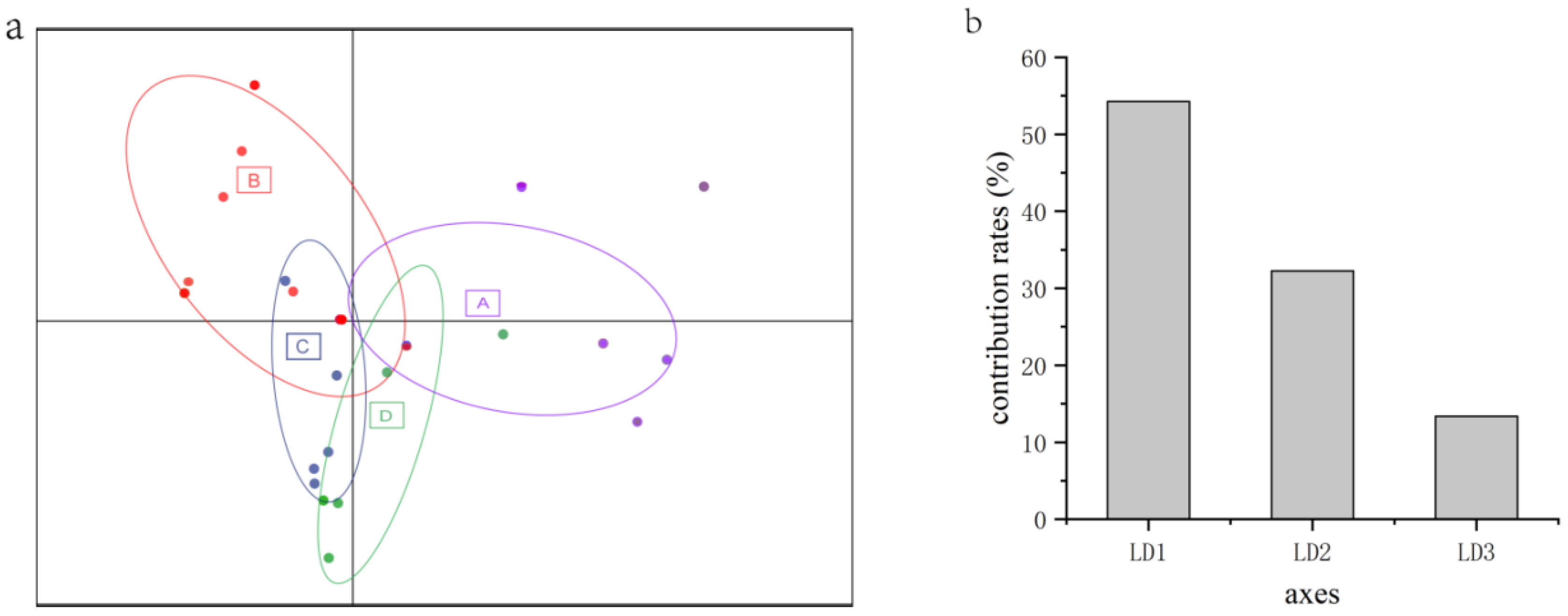
Discriminant Analysis of Principal Components (DAPC) was conducted using the R package adegenet version 2.1.1 [23]. We predefined a priori groups (A, B, C, D) as the “grouping variable” for Discriminant Analysis (DA) based on the Yinshan Mountains, Greater Khingan Range, and Hunshandak Sandy Land, and further reflected the dominant vegetation types of their respective ecoregions: forest—meadow transition zone (A), meadow steppe (B), typical steppe (C), and desert steppe (D) (Figure 1). The sample sizes for the predefined groups were as follows: Group A comprised 14 individuals, Group B comprised 34 individuals, Group C comprised 54 individuals, and Group D comprised 61 individuals. Then input their SNP data into the DA function of the R adegenet package; initially, we retained 30 principal components (PCs) via Principal Component Analysis (PCA) to capture most genetic variation. To balance discriminatory power and stability and avoid overfitting, we used the optim.a.score( ) function in R adegenet to determine the optimal number of PCs and repeated DAPC with this count. DA then maximized the ratio of between-group to within-group variance to enhance the separation of a priori groups in the reduced-dimensional space. We calculated the Euclidean distance between group centroids in the DAPC result space using “grp.coord” values and quantified FST between groups via the ‘wc( )’ function in the ‘hierfstat’ package [24]. The result will be visualized as scatter plots with inertia ellipses.

2.6. Phylogeny and Haplotype Network

ML tree was constructed using IQ-TREE 2.0.4 [25], and branch supports were calculated using 1000 ultrafast bootstrap replicates [26]. Haplotype networks were constructed using PopART 1.7 (https://popart.maths.otago.ac.nz/, accessed on 21 March 2025) to further visualize the relationships among haplotypes.

3. Results

3.1. Mitochondrial Genomes of O. decorus

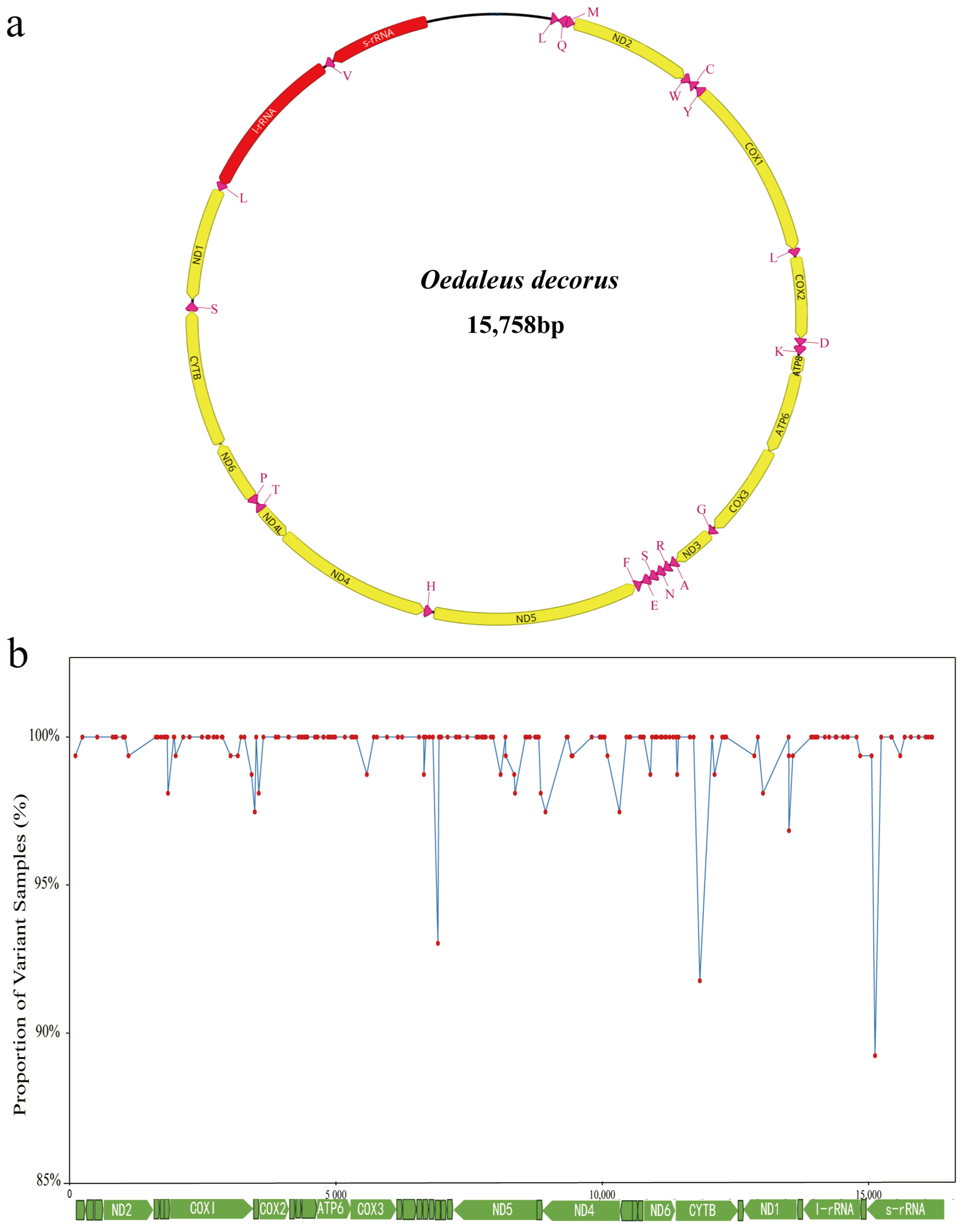
Through assembly and manual correction, we successfully obtained 163 complete mitochondrial genomes (Figure 2a), with lengths ranging from 15,142 to 15,914 bp. The A + T content averaged 76.1%, markedly exceeding the GC content of 24.9%, which aligns with the characteristic composition of locust mitochondrial genomes. Verification via NCBI BLAST (https://blast.ncbi.nlm.nih.gov/Blast.cgi, accessed on 16 January 2025) confirmed that all sequences corresponded to O. decorus. Genome annotation identified the presence of 13 protein-coding genes (PCGs), 22 transfer RNA (tRNA) genes and 2 ribosomal RNA (rRNA) genes. All samples exhibited identical lengths for the 13 PCGs, with no evidence of frameshift mutations or amino acid insertions/deletions. Mutation analysis across the 163 mitochondrial genomes revealed that all mitochondrial genomes had mutations in PCGs, ND5 exhibited the highest number of variants (16), followed by COX1 (14). Moderate variant counts were observed in CYTB (7), COXⅢ (7), COXⅡ (5), and ND4 (6), whereas fewer variants were detected in ND1 (5), ND2 (4), and ND6 (4), with ATP8 exhibiting the least variation (3). Additionally, 93% of variants were located within tRNA genes and 89% within rRNA genes; specifically, 13 variants were found in the 18S rRNA gene and 10 in the 16S rRNA gene (Figure 2b).
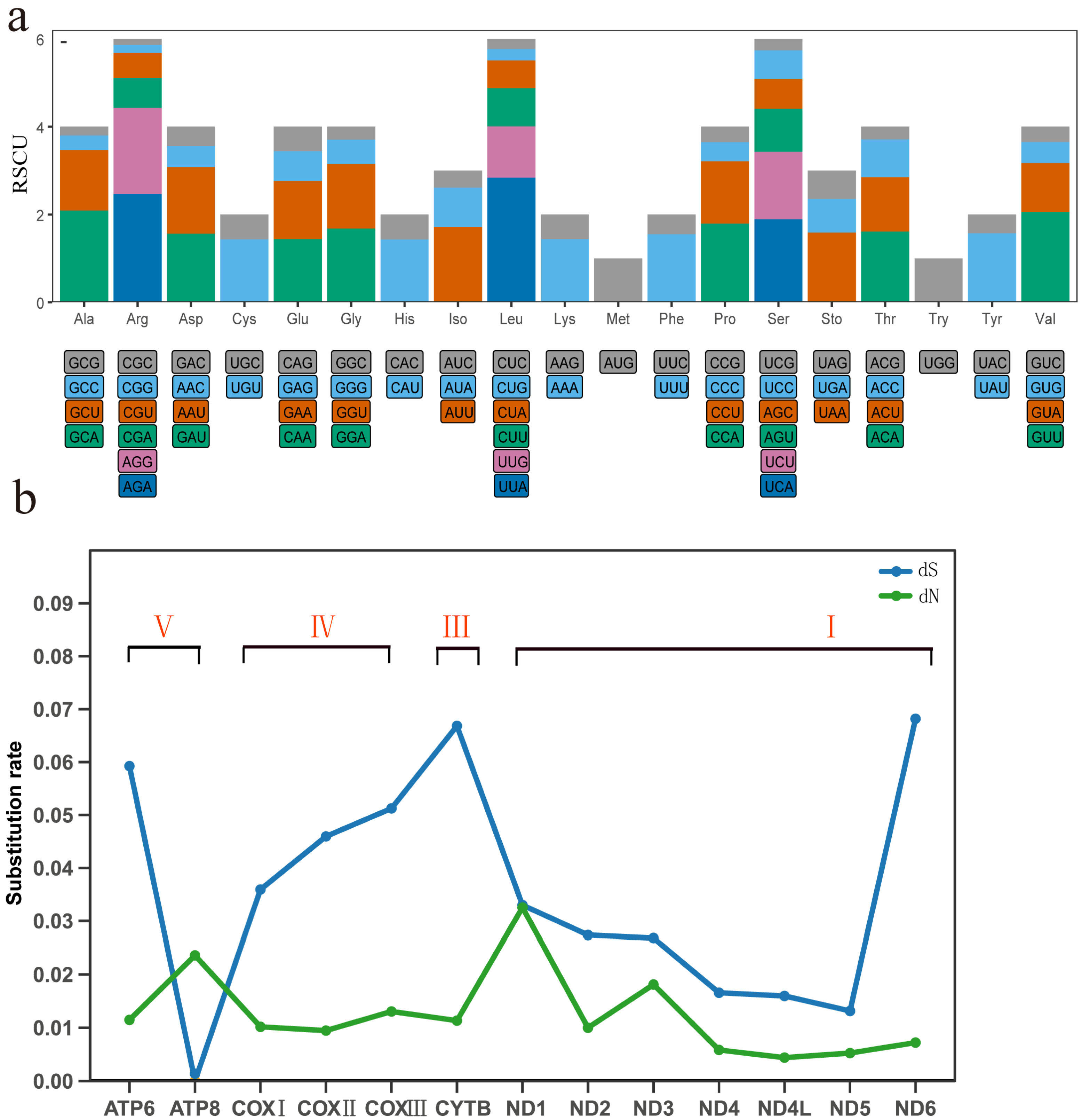
The relative synonymous codon usage (RSCU) was analyzed for the mt genomes of O. decorus. GCA (tRNA-Ala), AGA (tRNA-Arg), TTA (tRNA-Leu), TCA (tRNA-Ser) were the top four codons used in the mt genome of O. decorus (Figure 3a). Further analysis of synonymous (dS) and nonsynonymous (dN) mutation rates in the 13 PCGs revealed that synonymous mutations (dS) were more frequent than nonsynonymous (dN) across all complexes, with the highest dS rates observed in ND6 (7%), CYTB (6.6%), and ATP6 (5.9%). Complex IV showed dS rates of 3.5–5.1%, while Complex I (excluding ND6) ranged from 1.3–3.2%. Nonsynonymous mutation rates (dN) were relatively low (0.43–3.2%) with no significant differences among complexes (Figure 3b).

3.2. Genetic Diversity of Analysis

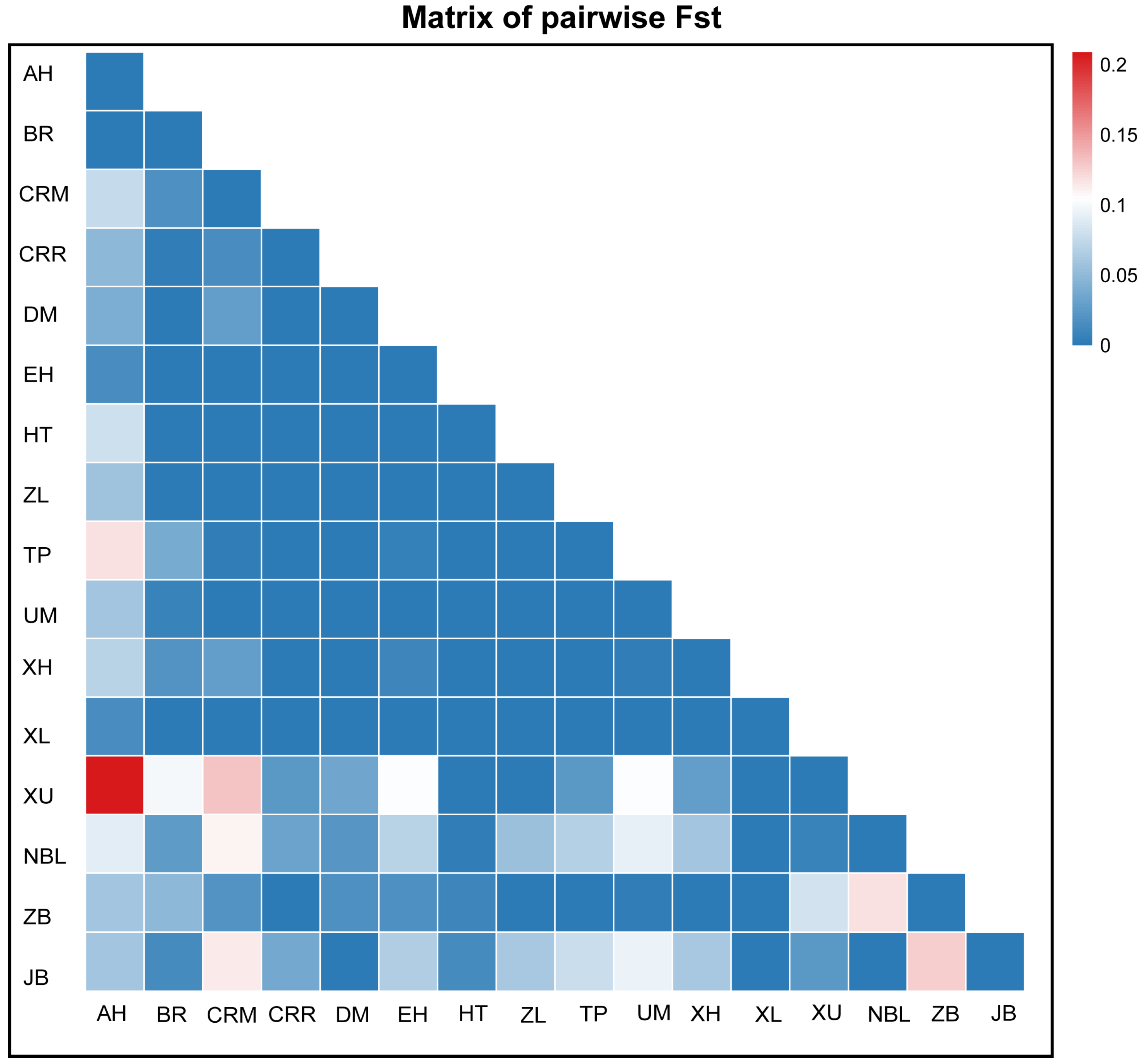
Analysis of mitochondrial genome sequences revealed that nucleotide diversity (π) across populations ranged from 0.00029 to 0.00112, with the XL showing the highest diversity (π = 0.00112) and AH exhibiting the lowest (π = 0.00029) (Table 2). All 16 populations displayed high haplotype diversity (Hd = 0.894–1.000) (Table 2). Analysis of molecular variance (AMOVA) indicated that the vast majority of genetic variation (97.92%) was found within populations, while only a small fraction (2.08%) was attributable to differences among populations (Table 3). These findings suggest that genetic variation in O. decorus is predominantly derived from intra-population differences. Pairwise FST values ranged between 0 and 0.20892, with the greatest genetic differentiation observed between the XU and AH (FST = 0.20892) The estimated gene flow (Nm = 29.40) indicates substantial genetic exchange among populations, implying the absence of significant genetic barriers between them (Figure 4).

3.3. DAPC Analyses

The results of DAPC revealed that individuals within each cluster aggregated, while distinct genetic clusters did not demonstrate pronounced separation within the discriminant space. Notably, cluster A (NBL) had low overlap with other genetic clusters and exhibited a certain degree of differentiation, which was further confirmed by Fst values (Figure 4 and Figure 5a). The proportions of variance explained by the first three Linear Discriminants (LD1, LD2, and LD3) were 54.25%, 32.26%, and 13.38%, respectively, suggesting that the first two LDs accounted for the vast majority of genetic variation among populations (Figure 5b).

3.4. Phylogeny and Haplotype Network Based on Mitochondrial Sequences

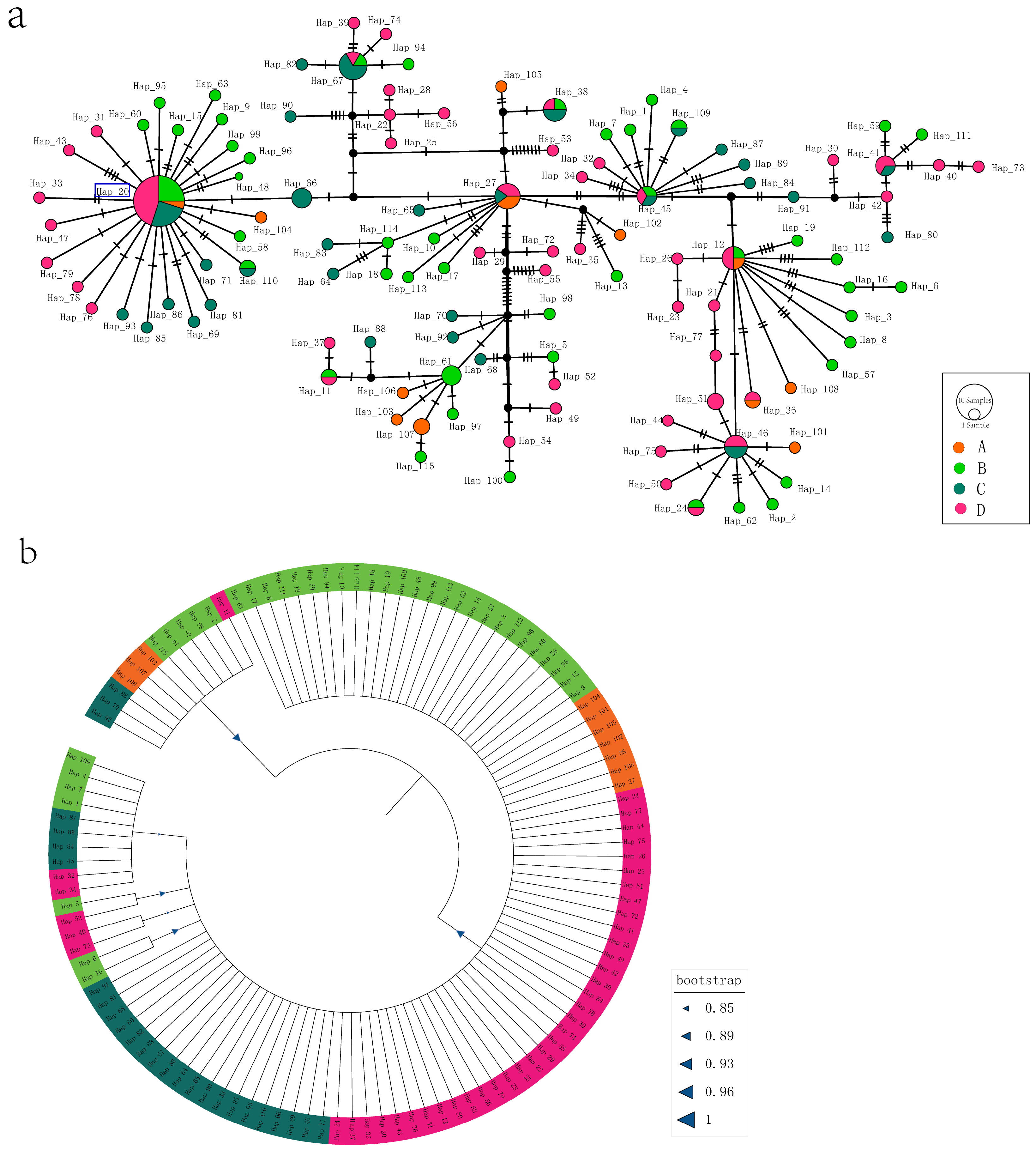
A total of 115 haplotypes were defined from 163 mitochondrial genomes, among which 10 were shared haplotypes. Hap_20 was present in all populations, which is presumably a relatively ancestral haplotype. Group B contained 38 haplotypes, group C contained 26 haplotypes, and group D contained 41 haplotypes. Cluster A (NBL) had only 10 haplotypes and exhibited relatively low genetic diversity (Figure 6a). Based on the phylogenetic tree analysis, the results showed that all haplotypes were divided into two clades, and no population formed a distinct independent clade, which was consistent with the previous results (Figure 6b).

3.5. Demographic History

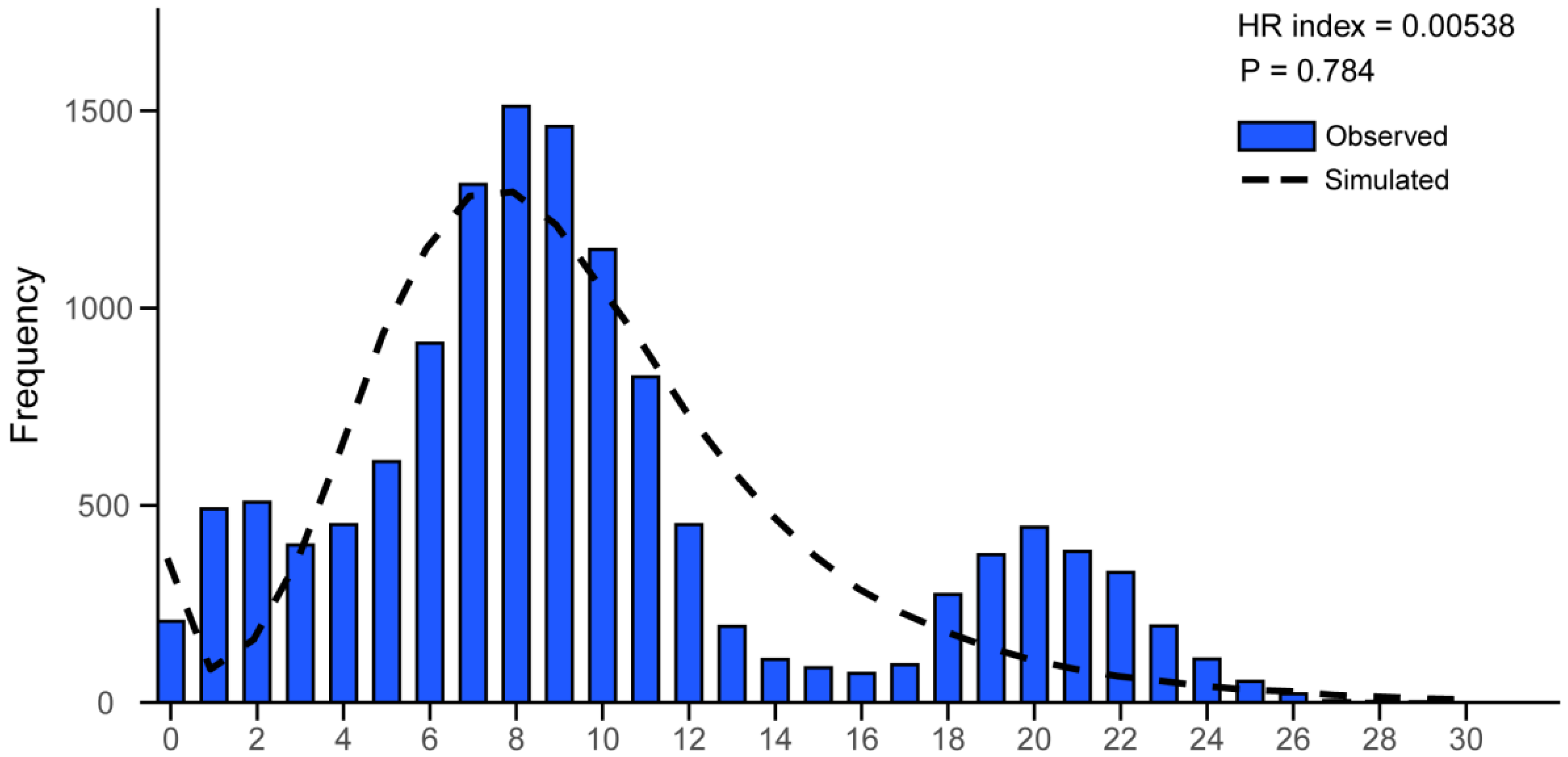
Neutrality tests indicated that the populations exhibited negative values for both Tajima’s D and Fu’s Fs statistics (Table 2). Specifically, the XH showed a significantly negative Tajima’s D value (−2.12650, p < 0.01), while Fu’s Fs values for the remaining populations were not statistically significant (Table 2). The unimodal mismatch distribution patterns observed across all 16 populations (Figure 7), combined with the negative Tajima’s D and Fu’s Fs values, consistently support the hypothesis that these populations have undergone recent demographic expansion following the expectations of neutral evolution theory.

4. Discussion

This study revealed that the mitochondrial genome size of O. decorus ranges from 15,142 to 15,914 bp, with the variation mainly originating from the A + T-rich region in the intergenic spacers. Notably, the lengths of all 13 protein-coding genes remained conserved across all specimens, which is consistent with mitochondrial genome features reported in other species of the Acridoidea superfamily [27,28]. Such conservation not only underscores the evolutionary stability of the mitochondrial genome in O. decorus but also supports its utility as a reference for character consistency in future phylogenetic studies of Acridoidea based on mitochondrial markers. Furthermore, the observed variation in the A + T-rich region may serve as a genetic marker for more detailed investigations into population differentiation [29].
The findings demonstrated a generally low genetic differentiation coefficient among populations of O. decorus, accompanied by an exceptionally high level of gene flow (Nm = 29.40). This pattern suggests frequent genetic exchange between populations. Considering the known migratory behavior of this species—specifically, its trans-regional round-trip migration across northern China and Mongolia—the high gene flow can reasonably be attributed to such migratory movements [30]. Migratory individuals promote the transfer of genetic material across geographically separated populations, thereby reducing genetic divergence that might otherwise result from geographic isolation [31,32]. Conversely, the low level of genetic differentiation further supports the view that O. decorus exhibits substantial migratory activity in northern China, indicating that migration is a key actor in maintaining population connectivity.
Phylogenetic reconstruction and haplotype network analysis identified Hap_20 as a relatively ancestral haplotype. All observed haplotypes were divided into two distinct branches, with no monophyletic clade strictly associated with any specific population. The persistence of an ancestral haplotype like Hap_20 implies the existence of one or more historical genetic diffusion centers that may have existed for O. decorus, from which the current haplotype diversity has gradually radiated [33]. The lack of population-specific clustering aligns with the previously reported patterns of low genetic differentiation and high gene flow, indicating that recurrent genetic exchange has facilitated extensive haplotype sharing among populations, thereby hindering the development of geographically structured phylogenetic patterns [34]. These results are largely consistent with earlier studies on the same species employing different molecular markers [35,36,37,38]. Furthermore, the divergence of haplotypes into two well-supported lineages may reflect historical population expansion events. However, clarifying the precise timing and migration routes associated with these expansions will require further validation through population analyses of genetic dynamics, including neutrality tests and mismatch distribution analyses [39,40].
DAPC revealed that the NBL population displayed minimal genetic overlap with other genetic clusters. This preliminary indication of differentiation is strongly supported by its classification as a distinct lineage within in the phylogenetic tree [36]. This finding is particularly significant given the generally high gene flow observed among the studied populations. The consistent evidence of genetic distinctness observed in both clustering and phylogenetic analyses is likely attributable to partial geographic isolation. This isolation, potentially influenced by the presence of the Greater Khingan Mountains in the region [41], may have restricted gene flow promoted the early stages of adaptive divergence in the NBL population. This pattern finds parallels in broader ecological systems: studies on riparian plants show that genetic structure is shaped more by vegetation and habitat fragmentation than by the watercourse [42], while specialist butterflies exhibit reduced genetic diversity in fragmented habitats unlike their generalist counterparts [43]. Collectively, these findings suggest that gene flow is constrained by an interplay of physical landscape features and the ecological niches they create [44].

Author Contributions

Conceptualization: G.W. and U.D.; Data Curation: X.L. and S.F.; Data Analysis: N.R.; Data Interpretation: L.G. and A.R.; Data Collection: H.L.; Formal Analysis: Z.N.; Investigation: N.M.; Methodology: X.L., S.F. and X.T.; Resources: L.G., O.A. and H.L.; Supervision: U.C., X.T., G.W. and U.D.; Validation: O.A. and N.M.; Visualization: A.R.; Writing—Original Draft: X.L., S.F. and N.R.; Writing—Review & Editing: U.C., N.M., H.L., Z.N., A.R., X.T., G.W. and U.D. All authors have read and agreed to the published version of the manuscript.

Funding

This work was supported by National Key R&D Program of China (2023YFE0100100), the earmarked fund for CARS (CARS-34-18), the Central Public-interest Scientific Institution Basal Research Fund (No. S2025XM04), State Key Laboratory for Biology of Plant Diseases and Insect Pests Open Fund (No. SKLOF202412) and Forestry and Grassland Science R&D project (2025132019).

Data Availability Statement

The data presented in this study are available on request from the corresponding authors due to the data being part of a larger collaborative research project. To protect the integrity of the project and the interests of all collaborators, the data is not publicly available until the entire dataset has been fully analyzed.

Conflicts of Interest

The authors declare that they have no competing interests.

References

  1. Dey, L.-S.; Seidel, M.; Lkhagvasuren, D.; Husemann, M. From the steppe to the desert: Survey of band-winged grasshoppers from Mongolia (Orthoptera: Acrididae: Oedipodinae) based on material from 50 years of expeditions. Explor. Into Biol. Resour. Mong. 2021, 14, 329–360. [Google Scholar]
  2. Cigliano, M.M.H.; Braun, D.C.; Eades, D.O. Oedaleus decorus (Germar, 1825). Orthoptera Species File. Available online: http://orthoptera.speciesfile.org/otus/929731/overview (accessed on 9 November 2025).
  3. Zheng, Z.M.; Xia, K.L. Fauna Sinica: Insecta. Orthoptera: Acridoidea; Science Press: Beijing, China, 2002; Volume 10, pp. 121–123. [Google Scholar]
  4. Kang, L.; Chen, Y. Dynamics of grasshopper communities under different grazing intensities in inner Mongolian steppes. Insect Sci. 1995, 2, 265–281. [Google Scholar] [CrossRef]
  5. Jiang, X.; Maimaitiming Zhang, L. Night migration of Oedaleus decorus asiaticus. Acta Agrestia Sin. 2003, 1, 75–77. [Google Scholar]
  6. Wang, Y.-P.; Tu, X.-B.; Lin, P.-J.; Li, S.; Xu, C.-M.; Wang, X.-Q.; Reynolds, D.R.; Chapman, J.; Zhang, Z.-H.; Hu, G. Migratory take-off behaviour of the mongolian grasshopper Oedaleus decorus asiaticus. Insects 2020, 11, 416. [Google Scholar] [CrossRef]
  7. Niu, H.L.; Zhou, Q. Preliminary Report on Infrared Light Trapping of Grassland Locusts [Conference presentation]. In Research on the Prevention and Control of Agricultural Biological Disasters; China Agricultural University: Beijing, China, 2005; pp. 968–969. [Google Scholar]
  8. Hasibateer, G.S.; Zhang, P. Causes of Grasshopper Disasters and Control Strategies in Inner Mongolia Grassland. Inn. Mong. Prataculture 2007, 4, 52–55. [Google Scholar]
  9. Xue, S.Q. Analysis of Meteorological Conditions for the 2017 Locust Outbreak in Xilingol League. Agric. Technol. Serv. 2018, 35, 80+84. [Google Scholar]
  10. Qin, X.H. Study on the Adaptation of Oedaleus decorus asiaticus to Typical Steppe Habitat. Master’s Thesis, Chinese Academy of Agricultural Sciences, Beijing, China, 2016. [Google Scholar]
  11. Zhang, S.Y. Preliminary report on the occurrence pattern of Oedaleus decorus asiaticus. Mod. Agric. 2003, 11, 24. [Google Scholar]
  12. Li, G. Study on the Analysis of Loss Estimation for Pasture Damage by Oedaleus decorus asiaticus. Master’s Thesis, Chinese Academy of Agricultural Sciences, Beijing, China, 2007. [Google Scholar]
  13. Chapman, J.W.; Reynolds, D.R.; Wilson, K. Long-range seasonal migration in insects: Mechanisms, evolutionary drivers and ecological consequences. Ecol. Lett. 2015, 18, 287–302. [Google Scholar] [CrossRef]
  14. Nagoshi, R.N.; Meagher, R.L.; Hay-Roe, M. Inferring the annual migration patterns of fall armyworm (Lepidoptera: Noctuidae) in the United States from mitochondrial haplotypes. Ecol. Evol. 2012, 2, 1458–1467. [Google Scholar] [CrossRef]
  15. Behere, G.T.; Tay, W.T.; Russell, D.A.; Heckel, D.G.; Appleton, B.R.; Kranthi, K.R.; Batterham, P. Mitochondrial DNA analysis of field populations of Helicoverpa armigera (Lepidoptera: Noctuidae) and of its relationship to H. zea. BMC Evol. Biol. 2007, 7, 117. [Google Scholar] [CrossRef]
  16. Miya, M.; Nishida, M. Use of Mitogenomic Information in Teleostean Molecular Phylogenetics: A Tree-Based Exploration under the Maximum-Parsimony Optimality Criterion. Mol. Phylogenetics Evol. 2000, 17, 437–455. [Google Scholar] [CrossRef]
  17. Behura Susanta, K. Molecular Marker Systems in Insects: Current Trends and Future Avenues. Mol. Ecol. 2006, 15, 3087–3113. [Google Scholar] [CrossRef]
  18. Chuan, M.A.; Le, K. Population genetics and the subspecific taxonomy of the migratory locust. Chin. J. Appl. Entomol. 2018. [Google Scholar]
  19. Jiang, P. Comparative Mitochondrial Genomics and Phylogenetic Relationships of Heteroptera Insects. Ph.D. Thesis, China Agricultural University, Canton, China, 2017. [Google Scholar]
  20. Li, H. Aligning sequence reads clone sequences assembly contigs with, BWA-MEM. arXiv 2013, arXiv:1303.3997. [Google Scholar]
  21. Li, H.; Handsaker, B.; Wysoker, A.; Fennell, T.; Ruan, J.; Homer, N.; Marth, G.; Abecasis, G.; Durbin, R.; 1000 Genome Project Data Processing Subgroup. The sequence alignment/map format and SAMtools. Bioinformatics 2009, 25, 2078–2079. [Google Scholar] [CrossRef]
  22. McKenna, A.; Hanna, M.; Banks, E.; Sivachenko, A.; Cibulskis, K.; Kernytsky, A.; Garimella, K.; Altshuler, D.; Gabriel, S.; Daly, M.; et al. The Genome Analysis Toolkit: A MapReduce framework for analyzing next-generation DNA sequencing data. Genome Res. 2010, 20, 1297–1303. [Google Scholar] [CrossRef]
  23. Jombart, T. adegenet: A R package for the multivariate analysis of genetic markers. Bioinformatics 2008, 24, 1403–1405. [Google Scholar] [CrossRef] [PubMed]
  24. Goudet, J.; Perrin, N.; Waser, P. Tests for sex-biased dispersal using bi-parentally inherited genetic markers. Mol. Ecol. 2002, 11, 1103–1114. [Google Scholar] [CrossRef]
  25. Nguyen, L.T.; Schmidt, H.A.; von Haeseler, A.; Minh, B.Q. IQ-TREE: A fast and effective stochastic algorithm for estimating maximum-likelihood phylogenies. Mol. Biol. Evol. 2015, 32, 268–274. [Google Scholar] [CrossRef] [PubMed]
  26. Hoang, D.T.; Chernomor, O.; von Haeseler, A.; Minh, B.Q.; Vinh, L.S. UFBoot2: Improving the ultrafast bootstrap approximation. Mol. Biol. Evol. 2018, 35, 518–522. [Google Scholar] [CrossRef] [PubMed]
  27. Bengueraichi, F.; Moussi, A.; Huang, Y.; Husemann, M. Characterisation of the complete mitochondrial genomes and phylogenetic analysis of ten Oedipodinae grasshoppers (Orthoptera: Acrididae) from Algeria. Orient. Insects 2024, 58, 732–765. [Google Scholar] [CrossRef]
  28. Zhang, K.; Song, J.; Lu, J.; Zhao, L.; Deng, W.; Guan, D.; Mao, B. Phylogenetics and evolutionary dynamics of Yunnan Acrididae grasshoppers inferred from 17 new mitochondrial genomes. Insects 2025, 16, 151. [Google Scholar] [CrossRef]
  29. Zhang, D.-X.; Hewitt, G.M. Insect mitochondrial control region: A review of its structure, evolution and usefulness in evolutionary studies. Biochem. Syst. Ecol. 1997, 25, 99–120. [Google Scholar] [CrossRef]
  30. Wang, Y.P. Preliminary Study on Take-Off Behavior and Migration Patterns of Oedaleus decorus asiaticus. Master’s Thesis, Nanjing Agricultural University, Nanjing, China, 2020. [Google Scholar]
  31. LaCava, M.E.F.; Gagne, R.B.; Gustafson, K.D.; Oyler-McCance, S.; Monteith, K.L.; Sawyer, H.; Kauffman, M.J.; Thiele, D.J.; Ernest, H.B. Functional connectivity in a continuously distributed, migratory species as revealed by landscape genomics. Ecography 2021, 44, 987–999. [Google Scholar] [CrossRef]
  32. Lowe, W.H.; Allendorf, F.W. What can genetics tell us about population connectivity? Genetic and demographic connectivity. Mol. Ecol. 2010, 19, 3038–3051. [Google Scholar] [CrossRef]
  33. Wang, Z.; Wang, W.; Xie, X.; Wang, Y.; Yang, Z.; Peng, H.; Xin, M.; Yao, Y.; Hu, Z.; Liu, J.; et al. Dispersed emergence and protracted domestication of polyploid wheat uncovered by mosaic ancestral haploblock inference. Nat. Commun. 2022, 13, 3891. [Google Scholar] [CrossRef]
  34. Slatkin, M. Gene flow and the geographic structure of natural populations. Science 1987, 236, 787–792. [Google Scholar] [CrossRef] [PubMed]
  35. Gao, S.J.; Li, D.W.; Liu, A.P.; Yan, Z.J.; Xu, L.B. mtDNA COI gene sequences and their relationships among different geographical populations of Oedaleus decorus asiaticus. Acta Agrestia Sin. 2011, 19, 846–851. [Google Scholar]
  36. Gao, S.J.; Liu, A.P.; Han, J.L.; Yan, Z.J.; Xu, L.B.; Li, D.W. mtDNA ND1 gene sequences and their relationships among different geographical populations of Oedaleus decorus asiaticus. Chin. J. Appl. Entomol. 2011, 48, 811–819. [Google Scholar]
  37. Gao, S.J.; Li, D.W.; Liu, A.P.; Yan, Z.J.; Wang, N.; Wei, Y.S. Genetic variation analysis of seven geographical populations of Oedaleus decorus asiaticus based on mitochondrial 16S rRNA gene. Acta Agric. Boreali Sin. 2012, 27, 54–59. [Google Scholar]
  38. Han, H.B.; Zhou, X.R.; Gao, S.J.; Pang, B.P. ISSR analysis of genetic diversity and genetic differentiation of Oedaleus decorus asiaticus populations in Inner Mongolia. J. Plant Prot. 2017, 44, 24–31. [Google Scholar]
  39. Mousset, S. A test of neutrality and constant population size based on the mismatch distribution. Mol. Biol. Evol. 2004, 21, 724–731. [Google Scholar] [CrossRef] [PubMed]
  40. Tajima, Y. Statistical method for testing the neutral mutation hypothesis by DNA polymorphism. Genetics 1989, 123, 585–595. [Google Scholar] [CrossRef] [PubMed]
  41. Shaohong, W.; Qinye, Y.; Du, Z. Study on the Ecogeographical Regional System of China; Science Press: Beijing, China, 2013. [Google Scholar]
  42. Hopley, T.; Byrne, M. Connectivity in riparian plants: The role of vegetation type and habitat fragmentation overrides that of the stream. Oecologia 2018, 188, 169–180. [Google Scholar] [CrossRef] [PubMed]
  43. Nolen, Z.J.; Rundlöf, M.; Runemark, A. Species-specific erosion of genetic diversity in grassland butterflies depends on landscape land cover. Biol. Conserv. 2024, 296, 110694. [Google Scholar] [CrossRef]
  44. Manel, S.; Schwartz, M.K.; Luikart, G.; Taberlet, P. Landscape genetics: Combining landscape ecology and population genetics. Trends Ecol. Evol. 2003, 18, 189–197. [Google Scholar] [CrossRef]
Figure 1. Location of origin of the samples analyzed in this study.
Agronomy 15 02830 g001
Figure 2. Genetic variations in mitochondrial genomes. The mitochondrial genome arrangement of O. decorus. The map displays the typical arrangement of 37 genes: 13 protein-coding genes in yellow, 22 transfer RNA genes in pink, two ribosomal RNA genes in red, and the control region, single letters (L, Q, V) are tRNA genes, labelled with the one-letter code of their corresponding amino acid (a). Variation sites and identical rates of each point (b).
Agronomy 15 02830 g002
Figure 3. Codon usage analysis in the mitochondrial genome of O. decorus. Relative synonymous codon usage (RSCU) for the mitochondrial genomes of O. decorus, RSCU > 1.0 indicates positive codon usage bias, and RSCU < 1.0 indicates negative bias (a). Synonymous and non-synonymous mutation rates of 13 PCGS. The blue line represents the synonymous substitution rate (dS), and the green line represents the non-synonymous substitution rate (dN). The mtDNA-encoded genes for each oxidative phosphorylation complex: Complex I (NADH-ubiquinone reductase): ND1, ND2, ND3, ND4, ND5, ND6, ND4L; Complex III (Cytochrome bc1 complex): CYTB; Complex IV (Cytochrome c oxidase): COX1, COX2, COX3; Complex V (ATP synthase): ATP6, ATP8 (b).
Agronomy 15 02830 g003
Figure 4. Heat map of pairwise FST values among 16 populations of O. decorus. Blue to red indicates low to high differentiation.
Agronomy 15 02830 g004
Figure 5. Discriminant analysis of principal component (DAPC) obtained from 163 mitochondrial genome. Scatter plot of Discriminant Analysis of Principal Components (DAPC), depicting the genetic differentiation among different groups (A: NBL; B: AH, BR, JB, HT; C: ZL, TP, XH, ZB, XL, XU; D: CRM, CRR, DM, EH, UM). Different colored points and ellipses represent distinct groups, with the axes corresponding to the principal component axes from discriminant analysis (a). Bar chart showing the contribution rates (%) of discriminant axes (LD1, LD2, LD3) to the total genetic variation, which illustrates the importance of each axis in distinguishing groups (b).
Agronomy 15 02830 g005
Figure 6. Phylogeny and median-joining network based on 115 haplotypes defined from 163 mitochondrial genome. Median-joining network; circles represent different haplotypes and short lines between haplotypes represent mutation steps; the area of the circle is proportional to the number of individuals belonging to the haplotype; The codes on the right are divided into four populations based on geography (a). Maximum likelihood (ML) tree constructed with GTR + G model determined by jModelTest (b).
Agronomy 15 02830 g006
Figure 7. Mismatch distribution analysis of 16 O. decorus populations in China. Harpending’s raggedness indices are shown in the mismatch distribution.
Agronomy 15 02830 g007
Table 1. Samples used in this study.
PopulationSampling LocalityNumbersDateLongitudeLatitude
AHAr Horqin Banner *430 July 2024119.35095545.204049
BRBairin Right Banner151 August 2024118.41971343.822819
CRMChahar Right Middle Banner111 August 2024112.62699341.767319
CRRChahar Right Rear Banner1329 July 2024113.116141.5056
DMDarhan Muminggan United Banner1031 July 2024110.684241.6483
EHErenhot City1528 July 2024112.135743.4579
HTHexigten Banner829 July 2024117.79361443.488498
ZLZhenglan Banner24 July 2024115.94072942.697289
TPTaibus Banner1329 July 2024115.02508141.868874
UMUrad Middle Banner122 August 2024109.409942.3595
XHXianghuang Banner153 July 2024113.844942.0892
XLXilinhot City51 August 2024116.92844.4712
XUWest Ujimqin Banner101 August 2024117.3550544.504818
NBLNew Barag Left Banner1413 July 2024118.22092248.206965
ZBZhengxiangbai Banner63 July 2024115.55445942.323439
JBJarud Banner731 July 2024119.99700045.160671
* In Inner Mongolia, “Banner” is a county level administrative division.
Table 2. Genetic diversity of 16 O. decorus populations in China.
Neutrality Tests
PopulationNSHHdπKTajima’s DFu’s Fs
AH4441.0000.000292.000−0.78012−1.872
BR1525110.9430.002064.200−1.98109 *−4.075
CRM111380.9450.000604.8000.35656−1.573
CRR1350120.9870.000819.333−1.93660 *−3.786
DM103690.9780.000689.68889−1.25497−1.704
EH15670.8000.000411.200−1.22419−3.605
HT82170.9640.000986.07143−1.30676−1.467
ZL2921.0000.000609.000NANA
TP131880.9100.000614.05128−1.27958−1.307
UM121080.8940.000602.75758−0.68806−2.845
XH1524110.9330.000743.60000−2.12650 **−4.801
XL52851.0000.0011211.700−1.19148−0.134
XU102080.9330.000917.37778−0.02885−1.001
NBL1417100.9230.001025.04396−0.23283−2.489
ZB62261.0000.000599.00000−0.41331−1.121
JB72011.0000.000908.476190.21522−1.868
N, Number of samples; S, Number of polymorphic (segregating) sites; H, Number of Haplotypes; Hd, Haplotype (gene) diversity; π, Nucleotide diversity; K, Average number of pairwise nucleotide differences; * p < 0.05, ** p < 0.01.
Table 3. AMOVA analysis of O. decorus.
Source of VariationSum of SquaresVariance ComponentsPercentage Variationd.f
Among populations747.1860.10217 Va2.08
Within population151727.2674.81633 Vb97.92
Total158774.454.91850100
Disclaimer/Publisher’s Note: The statements, opinions and data contained in all publications are solely those of the individual author(s) and contributor(s) and not of MDPI and/or the editor(s). MDPI and/or the editor(s) disclaim responsibility for any injury to people or property resulting from any ideas, methods, instructions or products referred to in the content.