
Journal Description
Wild
Wild
is an international, peer-reviewed, open access journal on natural systems and dynamics and interactions between primary and secondary environments/species, published quarterly online by MDPI.
- Open Access— free for readers, with article processing charges (APC) paid by authors or their institutions.
- Rapid Publication: manuscripts are peer-reviewed and a first decision is provided to authors approximately 33.3 days after submission; acceptance to publication is undertaken in 12.1 days (median values for papers published in this journal in the first half of 2025).
- Recognition of Reviewers: APC discount vouchers, optional signed peer review, and reviewer names published annually in the journal.
- Journal Cluster of Ecosystem and Resource Management: Forests, Diversity, Fire, Conservation, Ecologies, Biosphere and Wild.
subject
Imprint Information
Open Access
ISSN: 3042-4526
Latest Articles
The Pampas Fox (Lycalopex gymnocercus, ‘Zorro Gris Pampeano’): An Integrative Review of the Ecological, Health, and Conflict Roles of a Key Mesopredator in Southern South America
Wild 2025, 2(4), 49; https://doi.org/10.3390/wild2040049 - 9 Dec 2025
Abstract
►
Show Figures
The Pampas fox (Lycalopex gymnocercus) is a widespread meso-predator in Southern South America, present in grasslands, agroecosystems, and human-modified landscapes. Although numerous studies have examined its diet, parasites, distribution, and behaviour, knowledge remains fragmented without an integrative synthesis. This review compiles
[...] Read more.
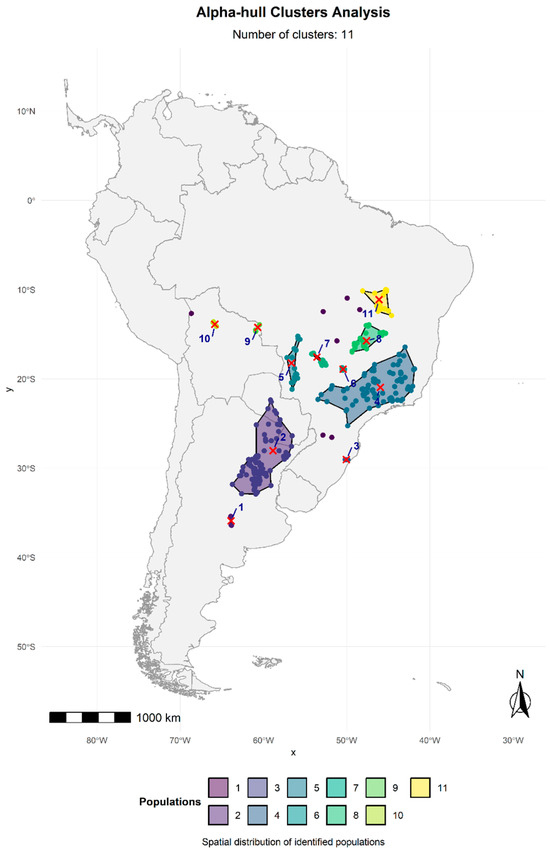
The Pampas fox (Lycalopex gymnocercus) is a widespread meso-predator in Southern South America, present in grasslands, agroecosystems, and human-modified landscapes. Although numerous studies have examined its diet, parasites, distribution, and behaviour, knowledge remains fragmented without an integrative synthesis. This review compiles over 150 documents from Argentina, Uruguay, Brazil, Paraguay, and Bolivia to unify dispersed information. Key findings highlight unresolved taxonomy, population structure, and biogeography (based on genetic, morphological, and phylogeographic data), the species’ ecological roles as a meso-predator, seed disperser, and scavenger, and major threats (including road mortality, hunting, persecution, and interactions with domestic dogs). The Pampas fox also harbours pathogens—including zoonotic agents and those threatening livestock and pets—and is frequently stigmatised as a pest, persecuted without substantiated evidence. By integrating ecological, health, and conflict perspectives, this review provides a regional baseline, reframing its importance and guiding more effective management.
Full article
Open AccessReview
Light and Environment: Regulation of Seasonal Reproduction in Wild Birds
by
Caroline Silva Vieira, Letícia Zoccolaro Oliveira, Paula Fernanda de Souza Braga and Janaina Torres Carreira
Wild 2025, 2(4), 48; https://doi.org/10.3390/wild2040048 - 8 Dec 2025
Abstract
►▼
Show Figures
Reproductive seasonality in birds represents a key ecological adaptation that ensures synchronization between breeding activity and optimal environmental conditions for offspring survival and development. Photoperiod is the primary cue regulating the hypothalamic–pituitary–gonadal (HPG) axis, through brain photoreceptors and pineal melatonin secretion. Increasing day
[...] Read more.
Reproductive seasonality in birds represents a key ecological adaptation that ensures synchronization between breeding activity and optimal environmental conditions for offspring survival and development. Photoperiod is the primary cue regulating the hypothalamic–pituitary–gonadal (HPG) axis, through brain photoreceptors and pineal melatonin secretion. Increasing day length induces thyroid hormone activation by hypothalamic type 2 deiodinase (DIO2), stimulates gonadotropin-releasing hormone (GnRH) secretion, and promotes gonadal growth, whereas prolonged exposure to long days triggers photorefractoriness, which has been linked to increased hypothalamic type 3 deiodinase (DIO3) expression in several studies, although the causal role of this enzyme remains under investigation. Secondary environmental modulators, such as temperature, food supply, precipitation, and social interactions, also play crucial roles in fine-tuning reproductive timing. Moreover, anthropogenic factors like artificial light at night can disrupt circadian and seasonal regulation, causing mismatches between breeding and food availability. Evidence from diverse species, including passerines, galliforms, waterfowl, and raptors, demonstrates both conserved mechanisms and ecological plasticity, with tropical and urban species showing more opportunistic breeding strategies. These findings highlight the multifactorial and flexible nature of avian reproductive cycles, underlining their vulnerability to climate change and habitat anthropization. Considering this, this review aimed to understand the neuroendocrine and environmental control of seasonality and to offer an integrative perspective on how light, hormones, and environmental factors interact to shape seasonal reproduction in wild birds.
Full article

Figure 1
Open AccessArticle
Law Reforms and Human–Wildlife Conflicts in the Living Communities in a Depopulating Society: A Case Study of Habituated Bear Management in Contemporary Japan
by
Satomi Kohyama
Wild 2025, 2(4), 47; https://doi.org/10.3390/wild2040047 - 2 Dec 2025
Abstract
►▼
Show Figures
Human–wildlife conflicts can be broadly categorized from the perspective of human activities into conflicts (a) caused by the expansion of human activities into wildlife habitats, and (b) resulting from the re-expansion of wildlife habitats due to the decline of human activities. The first
[...] Read more.
Human–wildlife conflicts can be broadly categorized from the perspective of human activities into conflicts (a) caused by the expansion of human activities into wildlife habitats, and (b) resulting from the re-expansion of wildlife habitats due to the decline of human activities. The first type of conflict has been managed through the systematic training of wildlife managers, field specialists, and well-organized institutional frameworks. In Japan, Asiatic black bears (Ursus thibetanus) and brown bears (Ursus arctos) have increasingly come into human contact because of habitat re-expansion. Short-term measures to protect human life and property include the implementation of the 2024 and 2025 revisions of the Wildlife Protection and Hunting Management Act, which designated bears as “managed wildlife” and “dangerous wildlife” and permitted emergency culling in residential areas. However, Japan’s approach remains limited in scope and depth, relies on ad hoc responses by local hunters, and lacks adequate public education and effective long-term sustainability planning. This study highlights the necessity of a multi-layered policy framework that integrates human–wildlife conflict management, particularly human–bear conflict, by comparing U.S. laws and policies and incorporating them into medium- and long-term strategies for community resilience and national land conservation. This approach may serve as a model for countries and regions facing similar demographic and ecological challenges.
Full article

Figure 1
Open AccessArticle
Eurasian Otters’ Urban Pond Use Patterns in Southern Spain: A Case Study
by
Jesús Duarte, Diego Rodríguez and Miguel Ángel Farfán
Wild 2025, 2(4), 46; https://doi.org/10.3390/wild2040046 - 18 Nov 2025
Abstract
►▼
Show Figures
As human activities such as urbanization encroach on natural areas, some wildlife species adapt to these changes and learn ways to utilize newly available resources. We monitored the use patterns of the Eurasian otter in three urban ponds in southern Spain (Málaga province).
[...] Read more.
As human activities such as urbanization encroach on natural areas, some wildlife species adapt to these changes and learn ways to utilize newly available resources. We monitored the use patterns of the Eurasian otter in three urban ponds in southern Spain (Málaga province). We compared weekly otter visits and relative spraint abundance between the urban ponds and two control ponds located in natural areas, testing for differences in use patterns between them using Generalized Linear Mixed Models and the Wald–Wolfowitz run test. We also estimated prey survival rates through Kaplan–Meier estimator curves. We also assessed problems of coexistence with human interests. Relative spraint abundance was not affected by pond type (urban or natural). However, the number of otter visits was lower for urban ponds, and the pattern was not random but concentrated over a short time until prey depletion, suggesting consistent use of the urban feeding patches. Available food resources in urban settings can become a viable option for otters, which appear to explore urban habitats when it suits them. However, in the monitored urban ponds, otters competed with human interests and generated a conservation problem that almost led to lethal measures.
Full article

Figure 1
Open AccessArticle
Evaluation of Long Bone Marrow Composition of Roe Deer (Capreolus capreolus)
by
Francesca Gaydou, Francesca Marucco, Chiara Bianchi, Luca Rossi, Achille Schiavone and Joana Nery
Wild 2025, 2(4), 45; https://doi.org/10.3390/wild2040045 - 14 Nov 2025
Abstract
►▼
Show Figures
Assessing body condition in mammals is essential to understanding their nutritional status and health. Traditionally, fat content in femur bone marrow has been used as an indicator, but this study aims to improve assessment by expanding analysis to multiple long bones of roe
[...] Read more.
Assessing body condition in mammals is essential to understanding their nutritional status and health. Traditionally, fat content in femur bone marrow has been used as an indicator, but this study aims to improve assessment by expanding analysis to multiple long bones of roe deer (Capreolus capreolus) in the Alps. Marrow samples were collected from 14 animals, with 25 femur samples analyzed for dry matter (DM), ether extract (EE), and color, the latter measured objectively using RGB values. The main innovation is the use of objective color quantification of marrow as a non-destructive proxy for fat content, showing strong correlations with DM and EE. Results reveal significant correlations between femur EE and tibia DM, as well as between femur and humerus DM, indicating consistent fat distribution across the analyzed bones. Metacarpus and metatarsus bones showed weaker correlations. This method represents a preliminary validation, especially for wildlife studies where full carcasses are often unavailable. The approach based on objective marrow color analysis improves reproducibility and standardization in body condition assessment, enhancing comparability across ecological and zoological studies worldwide.
Full article

Figure 1
Open AccessReview
Exploring the Potential Antioxidant, Anti-Inflammatory, and Anticancer Properties of Careya arborea: A Promising Underutilized Source of Natural Therapeutics
by
P. Aruni Sewwandi, Seenuga Kugaseelan, M. P. Theja Virajini, Kalpa W. Samarakoon, Prasad T. Jayasooriya and Anchala I. Kuruppu
Wild 2025, 2(4), 44; https://doi.org/10.3390/wild2040044 - 11 Nov 2025
Abstract
►▼
Show Figures
Careya arborea, commonly known as wild guava, is a deciduous tree native to Asia, including Sri Lanka. Traditionally used to treat various ailments such as skin diseases, tumors, gastrointestinal disorders, and inflammation, it is valued for its notable astringent properties. Rich in
[...] Read more.
Careya arborea, commonly known as wild guava, is a deciduous tree native to Asia, including Sri Lanka. Traditionally used to treat various ailments such as skin diseases, tumors, gastrointestinal disorders, and inflammation, it is valued for its notable astringent properties. Rich in phytochemicals, including phenolics, terpenes, sterols, tannins, and saponins, Careya arborea exhibits potent antioxidant, anti-inflammatory, and anticancer activities. Its anticancer effects are primarily attributed to the induction of apoptosis and the inhibition of cancer cell proliferation, with several extracts such as chloroform, ethyl acetate, and methanol demonstrating selective cytotoxicity against cancer cell lines. The high phenolic content of Careya arborea underpins its antioxidant potential, which plays a crucial role in mitigating oxidative stress and associated inflammatory conditions. Despite its medicinal potential, Careya arborea remains an underutilized plant in Sri Lanka. Greater attention should be given to promoting its use in both traditional and modern healthcare systems to harness its therapeutic benefits. Given its therapeutic potential, sustainable harvesting and conservation efforts are essential to protect this plant from overexploitation and habitat loss. Taking all these factors into account, this review emphasizes Careya arborea’s potential as a source of natural therapeutic agent, highlighting the importance of further research and conservation to unlock its full medicinal value for clinical applications.
Full article

Figure 1
Open AccessArticle
Local-Scale Movement Patterns Indicate Persistent Urban Avoidance by Airborne Golden Eagles in Western Nevada, USA
by
Justin H. White, Collin S. Philipps, Zachary E. Ormsby, Peter H. Bloom, Josh Snook and Sierra Dinndorf
Wild 2025, 2(4), 43; https://doi.org/10.3390/wild2040043 - 3 Nov 2025
Abstract
►▼
Show Figures
Despite many raptors establishing urban populations globally, Golden Eagles (Aquila chrysaetos) tend to avoid urban areas, including while in flight. The contiguous cities of Reno and Sparks, NV, USA, host a dense guild of breeding raptors (>10 species) but Golden Eagles
[...] Read more.
Despite many raptors establishing urban populations globally, Golden Eagles (Aquila chrysaetos) tend to avoid urban areas, including while in flight. The contiguous cities of Reno and Sparks, NV, USA, host a dense guild of breeding raptors (>10 species) but Golden Eagles only nest in trees and cliffs in the wildlands immediately adjacent urban development. We affixed GPS transmitters to nine non-breeding Golden Eagles to monitor their local-scale movements from 2015 to 2017, and investigated whether they use the airspace associated with the urbanized landscape. We found that they moved throughout the wildlands adjacent to, but rarely entered (0.17% of point locations), the urban area. Given that the wildlands around the urban area contain montane forest, sagebrush, and grassland habitats, which support some of the prey that Golden Eagles consume the most (Lepus, Sylvilagus, Otospermophilus, and Marmota spp.), it is likely that they use the wildlands for dietary and nesting resources but avoid the urban habitat itself. Our study provides a snapshot of a single geographic area but parallels existing research elsewhere.
Full article

Figure 1
Open AccessArticle
Community and Scientists Work Together to Identify Koalas Within the Plantations Inside the Proposed Great Koala National Park in New South Wales, Australia
by
Rolf Schlagloth, Flavia Santamaria, Tim Cadman, Alexandra McEwan, Michael Danaher, Gabrielle McGinnis, Ian D. Clark, Fred Cahir, Sean Cadman and Matt Dell
Wild 2025, 2(4), 42; https://doi.org/10.3390/wild2040042 - 16 Oct 2025
Abstract
►▼
Show Figures
There is a widespread belief that koala conservation measures should be focused on ending forestry operations in native forests and that plantations should be the alternative source for timber. While advocates for conservation continue to promote this strategic approach, they overlook the fact
[...] Read more.
There is a widespread belief that koala conservation measures should be focused on ending forestry operations in native forests and that plantations should be the alternative source for timber. While advocates for conservation continue to promote this strategic approach, they overlook the fact that hardwood plantations also provide important habitats. Ongoing operations in both natural and planted forests continue to threaten the viability of the koala species, and populations in one of the koala’s core habitats in northern New South Wales (NSW) continue to decline. To improve conservation outcomes for this species in the wild, the Great Koala National Park (GKNP) has been proposed. While the process of establishing this park continues, ongoing forestry operations exert continuous pressure on koalas and their habitat within the proposed area of the park. This paper investigates how community stakeholders are collaborating with scientists to identify areas of high koala habitat value within the hardwood eucalypt plantations inside the proposed GKNP that are currently excluded from conservation and will be subject to ongoing timber extraction. Investigations of Tuckers Nob State Forest, which is inside the proposal area, confirmed the presence of both koalas and original forest inside the plantations which were excluded from conservation by the state government. Original trees and remnants were identified using historical aerial photography, which were orthorectified and matched against current NSW government imagery (SIX Maps); composite mosaics of photographic sheets and closeups (Quantum GIS) were imported into Google Earth Pro. Koala drone surveys, habitat ground-truthing, and on-ground scat and koala surveys of 120 ha involving various community stakeholders were conducted in December 2024 and revealed 25 koalas records, necessitating the reclassification of this area from plantation to prime koala habitat. Here, as in many other plantations in NSW, the findings of this study indicate significant numbers of original trees that are part of highly diverse nutrient-rich sites attractive to koalas. This leads to the conclusion that the exclusion of specific areas of the proposed park from conservation to allow for ongoing logging is inconsistent with recognized koala protection strategies. Hence, koala protection strategies need to consider the integrity of the reserve system in its entirety, and the whole area of the GKNP should be accorded the requisite status of a World Heritage Site.
Full article

Figure 1
Open AccessArticle
Phosphorus Dynamics in Nannorrhops ritchieana (Mazri) Forests Across Different Climatic Zones of Pakistan: A Framework for Sustainability and Management
by
Abdullah Abdullah, Shujaul Mulk Khan, Rabia Afza, Amos Kipkoech, Shakil Ahmad Zeb, Zahoorul Haq, Fazal Manan, Zeeshan Ahmad, Muhammad Shakeel Khan, Jawad Hussain and Henrik Balslev
Wild 2025, 2(4), 41; https://doi.org/10.3390/wild2040041 - 10 Oct 2025
Abstract
►▼
Show Figures
Nannorrhops ritchieana (Mazri) forests are found in Pakistan, Afghanistan, Iran, and Oman. These forests are ecologically and economically important to local communities and exhibit complex spatial distributions. This research examines the distribution of Mazri forests and their responses to varying phosphorus levels across
[...] Read more.
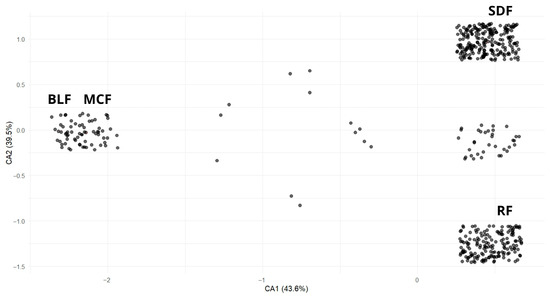
Nannorrhops ritchieana (Mazri) forests are found in Pakistan, Afghanistan, Iran, and Oman. These forests are ecologically and economically important to local communities and exhibit complex spatial distributions. This research examines the distribution of Mazri forests and their responses to varying phosphorus levels across different climatic zones. We collected data from 508 plots in the Khyber Pakhtunkhwa region of Pakistan, gathering 500 g of soil from each plot for phosphorus analysis, along with measurements of abundance and various traits. A distribution map was constructed to assess the impact of phosphorus levels on Mazri forest distribution and traits across climatic zones. Using a PCA biplot, we visualized the abundance and density and studied the effects of different climatic and environmental factors. Our findings suggest that phosphorus levels do not significantly influence the distribution of Mazri forests, which vary across different climatic regions. Forests are stable in the eastern wet mountain zone (EWMZ) and northern dry mountain zone (NDMZ), although without a significant pattern. A weak positive correlation was observed in the western dry mountain zone (WDMZ). In contrast, the Sulaiman piedmont zone (SPMZ) presented minor variations in abundance, indicating that phosphorus, in conjunction with other edaphic and climatic factors, affects Mazri forest distribution and abundance. Further research is needed to investigate the combined effects of various soil nutrients and climatic factors on the distribution, abundance, and functional traits of Mazri forests across different regions.
Full article

Figure 1
Open AccessArticle
Suitable Habitat Prediction for African Wild Ass (Equus africanus) in the Danakil Desert of the Afar Region, Ethiopia
by
Redwan Mohammed, Redae T. Tesfai, Patricia D. Moehlman, Fanuel Kebede, Afework Bekele, Nicholas E. Young and Paul H. Evangelista
Wild 2025, 2(4), 40; https://doi.org/10.3390/wild2040040 - 6 Oct 2025
Abstract
►▼
Show Figures
The critically endangered African wild ass is found in low population densities and there may be as few as 600 individuals in the Danakil Desert of Ethiopia and Eritrea. An understanding of suitable habitats is important for prioritizing the conservation and management of
[...] Read more.
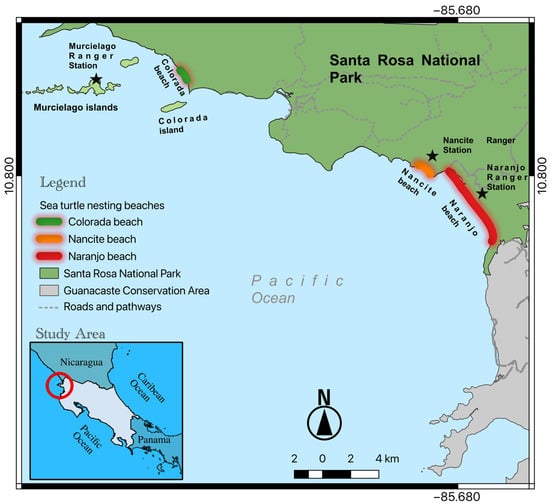
The critically endangered African wild ass is found in low population densities and there may be as few as 600 individuals in the Danakil Desert of Ethiopia and Eritrea. An understanding of suitable habitats is important for prioritizing the conservation and management of the African wild ass. In this study, we recorded presence locations of the African wild ass and independently prepared environmental covariates to identify suitable habitats using the maximum entropy (Maxent) model. Model performances were high, with the area under the curve (AUC) values of 0.927 and 0.950 for wet and dry seasons, respectively. The predicted moderately suitable habitat area extent was greater during the wet season (15,223 km2) than during the dry season (6052 km2). Precipitation, temperature, and distance from water sources were vital variables for the wet season, while distance from water sources and distance from the settlements were important determinant covariates for the dry season. This information prioritizes where protected areas should be established for African wild ass conservation and also indicates potential new undocumented locations to guide surveys in the Danakil Desert of the Afar Region, Ethiopia.
Full article

Figure 1
Open AccessPerspective
Managing Natural Extinctions
by
John Gould, Alex Callen and Chad Beranek
Wild 2025, 2(4), 39; https://doi.org/10.3390/wild2040039 - 6 Oct 2025
Abstract
►▼
Show Figures
The Earth is facing an extinction crisis caused by anthropogenic activities, with a primary goal of today’s conservation management being the protection of species from being lost to the Anthropocene. What is missing from the debate surrounding extinction, and how humanity grapples with
[...] Read more.
The Earth is facing an extinction crisis caused by anthropogenic activities, with a primary goal of today’s conservation management being the protection of species from being lost to the Anthropocene. What is missing from the debate surrounding extinction, and how humanity grapples with this issue, is an acknowledgement that it is a natural phenomenon that has always accompanied biological life, including prior to human evolution. Despite the importance of continued efforts to save species from extinctions, there is a need to differentiate extinctions caused by humans (anthropogenic extinctions) from extinctions that would have occurred in our absence (natural extinctions). We propose that there is a dilemma in halting extinctions altogether and in perpetuity if this also prevents non-anthropogenic extinctions that are a key component of life on Earth, particularly when considering much longer timescales than the current extinction crisis necessitates. From this perspective, we argue that non-anthropogenic extinctions should be allowed if they can be distinguished from anthropogenic extinctions. This perspective is intended for managers to consider the ways in which they actively manipulate ecosystems moving forward in the pursuit of conservation and how extinction needs to be considered on a case-by-case basis to fulfil this process of management.
Full article

Figure 1
Open AccessCorrection
Correction: Mesa-Sierra et al. Quantifying the Potential of the Tropical Dry Region of the Gulf of Mexico to Provide Tree Species with Traditional Uses for Forest-Reliant Communities. Wild 2024, 1, 1–16
by
Natalia Mesa-Sierra, Patricia Moreno-Casasola and Rebecca Chaplin-Kramer
Wild 2025, 2(4), 38; https://doi.org/10.3390/wild2040038 - 3 Oct 2025
Abstract
In the original publication [...]
Full article
Open AccessArticle
Ecological Assessment of Riparian Vegetation Along the Banks of the River Panjkora, Hindukush Range
by
Shakil Ahmad Zeb, Shujaul Mulk Khan, Abdullah Abdullah, Zeeshan Ahmad and Tufail Ahmad Zeb
Wild 2025, 2(3), 37; https://doi.org/10.3390/wild2030037 - 10 Sep 2025
Abstract
►▼
Show Figures
Physiographic, geographic, and environmental gradients influence the development of plant communities. This study assessed how environmental gradients affect riparian vegetation along the River Panjkora, aiming to find relationships between vegetation and abiotic factors through indicator species analysis. Vegetation was sampled using the quadrat
[...] Read more.
Physiographic, geographic, and environmental gradients influence the development of plant communities. This study assessed how environmental gradients affect riparian vegetation along the River Panjkora, aiming to find relationships between vegetation and abiotic factors through indicator species analysis. Vegetation was sampled using the quadrat method (1 × 1 m2 for herbs, 5 × 5 m2 for shrubs, 10 × 10 m2 for trees), and soil samples were analyzed for edaphic variables. Indicator species and ordination analyses were performed using PCORD (version 5) and CANOCO (version 4.5) software to understand species diversity. Detrended correspondence analysis (DCA) and canonical correspondence analysis (CCA) identified species patterns and their links to environmental factors. A total of 216 plant species were recorded across seven stations, grouped into five communities. Community 01, Melia azedarach, Punica granatum, and Asparagus racemosus, are affected by Cr, p ≤ 0.03; Fe, p ≤ 0.01; Zn, p ≤ 0.04; and Mg, p = 0.03. On the other hand, Community 02, Populus alba, Debregeasia saeneb, and Youngia japonica, are controlled by Co, p = 0.01; pH, p = 0.03; Cd, p = 0.04; EC, p = 0.03; and TDSs, p = 0.03. The third community, with indicator species Pinus roxburghii, Rydingia limbata, and Cheilanthes pteridioides, is strongly influenced by Cr, p ≤ 0.05; Cu, p ≤ 0.03; TDSs, p = 0.02; and Zn, p = 0.03. Community 04, consisting of Ficus carica, Polygonum plebeium, and Avena sativa, is shaped by Na, p = 0.01; K, p ≤ 0.05; and Fe, p = 0.04. The fifth community, represented by Ficus palmata, Rosa multiflora, and Heliotropium europaeum, is influenced by pH, p ≤ 0.04 and Mn, p = 0.03. DCA displayed maximum gradient lengths of 6.443 (eigenvalue 0.742) on axis 1, 5.222 (0.662) on axis 2, 4.053 (0.600) on axis 3, and 4.791 (0.464) on axis 4. Soil pH, heavy metals (Cr, Fe, Zn, Mg, Co, Cd, Cu, Na, K, and Mn), EC, and TDSs were the main factors shaping community structure. The indicator species analysis is recommended to identify and conserve the rare species and native flora of a particular region.
Full article

Figure 1
Open AccessArticle
Evaluation of Density and Viability of Arbuscular Mycorrhizal Spores in Austrocedrus chilensis Forests Affected by Wildland Fires in Patagonia, Argentina
by
María Eugenia Salgado Salomón, María Florencia Urretavizcaya, Sabrina S. Talarico, Andrés De Errasti, Stefano Gianolini and Carolina Barroetaveña
Wild 2025, 2(3), 36; https://doi.org/10.3390/wild2030036 - 10 Sep 2025
Abstract
►▼
Show Figures
Background: Wildfires represent a recurrent disturbance in the Patagonia Andean region, with increasing frequency in recent decades. Austrocedrus chilensis is an arbuscular mycorrhizal (AM) endemic conifer that is particularly vulnerable to fire, a situation that will worsen with climate change. In February 2015,
[...] Read more.
Background: Wildfires represent a recurrent disturbance in the Patagonia Andean region, with increasing frequency in recent decades. Austrocedrus chilensis is an arbuscular mycorrhizal (AM) endemic conifer that is particularly vulnerable to fire, a situation that will worsen with climate change. In February 2015, a wildfire affected 5700 ha of Austrocedrus chilensis forests with varying severities (WFSs). The aim of this study was to determine and compare the density of AM spores (AMSs) in soil affected by different WFS and non-affected sites, considering site features. Methods: Ninety soil samples were collected from three sites 10 months and 5 years after the fire. The AMSs density was determined, a bioassay was set, and soil physicochemical features were evaluated. Results: After the wildfires, spores were significantly more abundant in sites affected by moderate severity fires. After 5 years, burned sites showed no differences between severities, but the driest sites showed no changes since the wildfires occurred. Seedlings from the bioassay showed less than 25% mycorrhizal colonization growing in soil from burned sites, regardless of fire severity, compared with unburned soils. Conclusions: For restoration strategies, it must be considered that wildfires reduce mycorrhizal spores and mycelium and alter soil properties, indicating that both WFSs require active restoration; under drier conditions, the spore banks do not change after a 5-year period.
Full article

Figure 1
Open AccessCommunication
First Molecular Evidence of Theileria and Anaplasma Genospecies in Subulo gouazoubira Exhibiting Clinical Symptoms from Entre Ríos Province, Argentina
by
Patrick S. Sebastian, Paula J. Vaschalde, María C. Pelosi, Fernando S. Flores, Julio Yedro and Evelina L. Tarragona
Wild 2025, 2(3), 35; https://doi.org/10.3390/wild2030035 - 4 Sep 2025
Abstract
►▼
Show Figures
In November 2022, a male specimen of Subulo gouazoubira was found with signs of obnubilation and recumbency without the ability to maintain sternal or ambulatory posture. Based on the symptoms, serological, biochemical and molecular analyses were performed. The results of the biochemical blood
[...] Read more.
In November 2022, a male specimen of Subulo gouazoubira was found with signs of obnubilation and recumbency without the ability to maintain sternal or ambulatory posture. Based on the symptoms, serological, biochemical and molecular analyses were performed. The results of the biochemical blood analysis and the clinical signs were compatible with theileriosis. DNA of Theileria were detected in the blood sample by PCR analysis. The phylogenetic analysis of the obtained partial sequences of the 18S rDNA gen resulted in the identification of the detected strain as a Theileria genospecies closely related to Theileria spp. detected in other deer species. Further, a genospecies of Anaplasma was detected in the blood sample. This genospecies is located phylogenetically near to Anaplasma phagocytophilum. The results of this study demonstrate co-infection with two novel genospecies of Anaplasma and Theileria in a clinical case of a free-living S. gouazoubira for the first time in Argentina. However, the pathogenicity of these strains and specific role of S. gouazoubira in their enzootic transmission cycles remains unclear. To improve epidemiological understanding, assess risks and develop targeted control strategies, future studies should prioritize the isolation, characterization and cultivation of these genospecies and the assessment of vector competence.
Full article

Figure 1

Open AccessArticle
Hungry Caterpillars: Massive Outbreaks of Achaea lienardi in Hluhluwe-iMfolozi Park, South Africa
by
Debbie Jewitt
Wild 2025, 2(3), 34; https://doi.org/10.3390/wild2030034 - 1 Sep 2025
Abstract
►▼
Show Figures
Achaea lienardi is a polyphagous moth occurring in sub-Saharan Africa. It is a fruit-sucking moth, causing secondary damage to fruit such as citrus and peaches, while the larval stage can cause significant tree defoliation, including in several indigenous trees, wattle, Eucalyptus, and
[...] Read more.
Achaea lienardi is a polyphagous moth occurring in sub-Saharan Africa. It is a fruit-sucking moth, causing secondary damage to fruit such as citrus and peaches, while the larval stage can cause significant tree defoliation, including in several indigenous trees, wattle, Eucalyptus, and castor oil plants, amongst others. In February and March of 2025, a massive outbreak of the caterpillars was observed in the Hluhluwe-iMfolozi Park in South Africa, feeding primarily on Tamboti trees (Spirostachys africana). Satellite imagery from the previous five years was examined, but no similar large defoliation events were observed during this period. Climate data for the last five years (September 2019–March 2025) were collated and examined to determine the conditions supporting the outbreak. Above average winter rainfall, early spring rains, sustained rains, and high humidity in January and February, with warm nighttime temperatures, likely acted in concert to create favourable conditions for the caterpillar outbreak. This outbreak coincided with historic outbreaks of the African armyworm (Spodoptera exempta) in the summer rainfall areas of South Africa where precipitation, temperature, solar radiation, and humidity were found to be critical factors affecting armyworm outbreaks. Further research is required to determine specific criteria to enable predictions of future outbreaks.
Full article

Figure 1
Open AccessArticle
Phenotypic and Phytochemical Variability Among Four Populations of Hedeoma multiflora Benth. (Tomillito de las Sierras) Native to the Province of Córdoba—In Situ Evaluation
by
Florencia R. Turco, Ana G. Chaves, Francisco J. de Blas and Lorena E. Torres
Wild 2025, 2(3), 33; https://doi.org/10.3390/wild2030033 - 25 Aug 2025
Abstract
►▼
Show Figures
Hedeoma multiflora Benth. is an endangered aromatic and medicinal wild species native to Argentina, widely used in traditional medicine, whose cultivation represents a small and untapped sector within the agricultural industry. Current market supply relies on wild harvesting practices by rural communities, leading
[...] Read more.
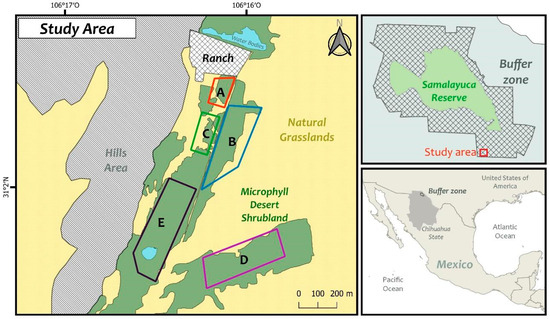
Hedeoma multiflora Benth. is an endangered aromatic and medicinal wild species native to Argentina, widely used in traditional medicine, whose cultivation represents a small and untapped sector within the agricultural industry. Current market supply relies on wild harvesting practices by rural communities, leading to population decline and genetic diversity loss through inappropriate extraction methods, including uprooting during suboptimal phenological stages. This study evaluated phenotypic and phytochemical variability in four populations of H. multiflora in the province of Córdoba to develop conservation strategies and cultivation protocols. Forty individuals were sampled from each population to analyze morphological, chemical, phenological, edaphological, and climatic variables. Significant differences were observed between populations: Tulumba had the tallest plants and largest leaves, while Bialet Massé had the highest number of internodes. Essential oil yield ranged from 1.01% to 2.10%, with Ongamira having the highest content. Phytochemical analysis revealed two chemotypes: pulegone-dominant (Bialet Massé and Río Cuarto) and menthone-dominant (Ongamira and Tulumba). Phenological patterns differed significantly, with Ongamira showing the greatest reproductive synchronization. Soil organic matter content significantly influenced morphological and chemical traits. The high variability among populations underscores the importance of preserving genetic diversity for domestication and conservation strategies.
Full article

Graphical abstract
Open AccessArticle
Effects of Siberian Marmot Density in an Anthropogenic Ecosystem on Habitat Vegetation Modification
by
Hiroto Taguchi, Uuganbayar Ganbold, Mai Ikeda, Kurt Ackermann and Buho Hoshino
Wild 2025, 2(3), 32; https://doi.org/10.3390/wild2030032 - 20 Aug 2025
Abstract
►▼
Show Figures
Burrowing mammals function as ecosystem engineers by creating spatial heterogeneity in the soil structure and vegetation composition, thereby providing microhabitats for a wide range of organisms. These keystone species play a crucial role in maintaining local ecosystem functions and delivering ecosystem services. However,
[...] Read more.
Burrowing mammals function as ecosystem engineers by creating spatial heterogeneity in the soil structure and vegetation composition, thereby providing microhabitats for a wide range of organisms. These keystone species play a crucial role in maintaining local ecosystem functions and delivering ecosystem services. However, in Mongolia, where overgrazing has accelerated due to the expansion of a market-based economy, scientific knowledge remains limited regarding the impacts of human activities on such species. In this study, we focused on the Siberian marmot (Marmota sibirica), an ecosystem engineer inhabiting typical Mongolian steppe ecosystems. We assessed the relationship between the spatial distribution of marmot burrows and vegetation conditions both inside and outside Hustai National Park. Burrow locations were recorded in the field, and the Normalized Difference Vegetation Index (NDVI) was calculated, using Planet Lab, Dove-2 satellite imagery (3 m spatial resolution). Through a combination of remote sensing analyses and vegetation surveys, we examined how the presence or absence of anthropogenic disturbance (i.e., livestock grazing) affects the ecological functions of marmots. Our results showed that the distance between active burrows was significantly shorter inside the park (t = −2.68, p = 0.0087), indicating a higher population density. Furthermore, a statistical approach, using beta regression, revealed a significant interaction between the burrow type (active, non-active, off-colony area) and region (inside vs. outside the park) on the NDVI (e.g., outside × non-active: z = −5.229, p < 0.001). Notably, in areas with high grazing pressure outside the park, the variance in the NDVI varied significantly as a function of burrow presence or absence (e.g., July 2023, active vs. off-colony area: F = 133.46, p < 0.001). Combined with vegetation structure data from field surveys, our findings suggest that marmot burrowing activity may contribute to the enhancement of vegetation quality and spatial heterogeneity. These results indicate that the Siberian marmot remains an important component in supporting the diversity and stability of steppe ecosystems, even under intensive grazing pressure. The conservation of this species may thus provide a promising strategy for utilizing native ecosystem engineers in sustainable land-use management.
Full article

Figure 1

Open AccessArticle
From Pets to Wildlife: An Ecological-Phenomenological Approach to Multispecies Tourism
by
Yulei Guo and David Fennell
Wild 2025, 2(3), 31; https://doi.org/10.3390/wild2030031 - 5 Aug 2025
Abstract
►▼
Show Figures
Pet ownership and wildlife tourism are two prominent ways people interact with non-human animals in contemporary contexts. Despite this, there is a need for further exploration of the interconnections between pets, wildlife, and visitors. Utilizing an ecological-phenomenological framework, this study examines how these
[...] Read more.
Pet ownership and wildlife tourism are two prominent ways people interact with non-human animals in contemporary contexts. Despite this, there is a need for further exploration of the interconnections between pets, wildlife, and visitors. Utilizing an ecological-phenomenological framework, this study examines how these multispecies interactions contribute to experiences that extend beyond the human domain. This research is based on a quantitative survey of 1422 participants at the Panda Center that were analyzed using inferential statistical methods to assess differences in visitor experiences. The statistical results reveal that pet ownership and wildlife encounters mediate the environmental affordances and constraints encountered by visitors, creating a dynamic and intricate nexus among pets, wildlife, and tourists. Specifically, pet ownership is shown to enhance both the richness and frequency of wildlife encounters. Nonetheless, the study highlights that human dominance over non-human animals remains a central environmental constraint in multispecies interactions despite the adoption of a more humane approach to animal management through tourism activities.
Full article

Figure 1
Open AccessArticle
Adornments from the Sea: Fish Skins, Heads, Bones, Vertebras, and Otoliths Used by Alaska Natives and Greenlandic Inuit
by
Elisa Palomino
Wild 2025, 2(3), 30; https://doi.org/10.3390/wild2030030 - 4 Aug 2025
Abstract
►▼
Show Figures
This paper investigates the cultural, spiritual, and ecological use and value of fish by-products in the material practices of Alaska Native (Indigenous Peoples are the descendants of the populations who inhabited a geographical region at the time of colonisation and who retain some
[...] Read more.
This paper investigates the cultural, spiritual, and ecological use and value of fish by-products in the material practices of Alaska Native (Indigenous Peoples are the descendants of the populations who inhabited a geographical region at the time of colonisation and who retain some or all of their own social, economic, cultural, and political institutions. In this paper, I use the terms “Indigenous” and “Native” interchangeably. In some countries, one of these terms may be favoured over the other.) and Greenlandic Inuit women. It aims to uncover how fish remnants—skins, bones, bladders, vertebrae, and otoliths—were transformed through tanning, dyeing, and sewing into garments, containers, tools, oils, glues, and adornments, reflecting sustainable systems of knowledge production rooted in Arctic Indigenous lifeways. Drawing on interdisciplinary methods combining Indigenist research, ethnographic records, and sustainability studies, the research contextualises these practices within broader environmental, spiritual, and social frameworks. The findings demonstrate that fish-based technologies were not merely utilitarian but also carried symbolic meanings, linking wearers to ancestral spirits, animal kin, and the marine environment. These traditions persisted even after European contact and the introduction of glass trade beads, reflecting continuity and cultural adaptability. The paper contributes to academic discourse on Indigenous innovation and environmental humanities by offering a culturally grounded model of zero-waste practice and reciprocal ecology. It argues that such ancestral technologies are directly relevant to contemporary sustainability debates in fashion and material design. By documenting these underexamined histories, the study provides valuable insight into Indigenous resilience and offers a critical framework for integrating Indigenous knowledge systems into current sustainability practices.
Full article

Figure 1

Highly Accessed Articles
Latest Books
E-Mail Alert
News
Topics
Topic in
Agriculture, Foods, Insects, Forests, Sustainability, Wild, Biology
Sustainable Utilization of Insect Biodiversity in Agriculture Forestry and Food Systems Resource Utilization, Food Security and Policy Integration
Topic Editors: Yu Gao, Yunfei Xie, Menglei XuDeadline: 31 March 2026
Topic in
Animals, Biology, Birds, Veterinary Sciences, Wild
Wildlife Intelligent Monitoring: Advancing Conservation Through Visual and Acoustic Monitoring Technologies
Topic Editors: Jiangjian Xie, Junguo ZhangDeadline: 31 July 2026