
Journal Description
Marine Drugs
Marine Drugs
is an international, peer-reviewed, open access journal on the research, development, and production of biologically and therapeutically active compounds from the sea, published monthly online by MDPI. The Australia New Zealand Marine Biotechnology Society (ANZMBS) is affiliated with Marine Drugs and its members receive discounts on the article processing charges.
- Open Access— free for readers, with article processing charges (APC) paid by authors or their institutions.
- High Visibility: indexed within Scopus, SCIE (Web of Science), PubMed, MEDLINE, PMC, Embase, PubAg, MarinLit, AGRIS, and other databases.
- Journal Rank: JCR - Q1 (Pharmacology and Pharmacy) / CiteScore - Q1 (Pharmacology, Toxicology and Pharmaceutics (miscellaneous))
- Rapid Publication: manuscripts are peer-reviewed and a first decision is provided to authors approximately 13.6 days after submission; acceptance to publication is undertaken in 1.9 days (median values for papers published in this journal in the second half of 2025).
- Recognition of Reviewers: reviewers who provide timely, thorough peer-review reports receive vouchers entitling them to a discount on the APC of their next publication in any MDPI journal, in appreciation of the work done.
- Journal Clusters-Pharmaceutical Science: Scientia Pharmaceutica, Marine Drugs, Pharmaceuticals, Pharmaceutics, Pharmacy, Future Pharmacology, Pharmacoepidemiology, Drugs and Drug Candidates and Journal of Pharmaceutical and BioTech Industry.
Impact Factor:
5.4 (2024);
5-Year Impact Factor:
5.6 (2024)
Latest Articles
Thiol-Associated Antioxidant Activity of Recombinant Mussel Foot Protein Mfp6-1 Supports Cutaneous Wound Repair in a Murine Model
Mar. Drugs 2026, 24(5), 157; https://doi.org/10.3390/md24050157 (registering DOI) - 29 Apr 2026
Abstract
Mussel foot proteins (Mfps) are renowned for their underwater adhesion, whereas their biotechnological potential for cutaneous wound repair remains largely underexplored. In this study, we identified and characterized a cysteine-rich mussel foot protein, Mfp6-1, from Mytilus coruscus and investigated its therapeutic potential for
[...] Read more.
Mussel foot proteins (Mfps) are renowned for their underwater adhesion, whereas their biotechnological potential for cutaneous wound repair remains largely underexplored. In this study, we identified and characterized a cysteine-rich mussel foot protein, Mfp6-1, from Mytilus coruscus and investigated its therapeutic potential for wound healing. Sequence analysis showed that Mfp6-1 is enriched in cysteine (11.0%) and tyrosine (~16.5%). We successfully expressed recombinant Mfp6-1 (rMfp6-1) in E. coli. Structural prediction based on the mature peptide sequence suggested that rMfp6-1 adopts a relatively compact fold containing several short β-structural elements. In vitro assays demonstrated that rMfp6-1 possesses antioxidant activity in the 2,2-diphenyl-1-picrylhydrazyl (DPPH) assay, and alkylation experiments suggested that cysteine residues contribute importantly to this activity. Dithio-bis-nitrobenzoic acid (DTNB)-based thiol quantification further demonstrated that rMfp6-1 contained abundant accessible free sulfhydryl groups, supporting an important contribution of cysteine-derived thiols to its antioxidant activity. Experiments on a full-thickness mouse wound model showed that rMfp6-1 treatment resulted in significantly faster wound contraction. Morphological analysis further revealed that rMfp6-1 optimizes the healing microenvironment by promoting collagen accumulation and re-epithelialization. Additionally, the treatment was found to trigger vascular endothelial growth factor (VEGF)-mediated angiogenesis, thereby improving the overall quality of the regenerated tissue. Furthermore, rMfp6-1 treatment significantly reduced interleukin-6 (IL-6) expression, suggesting that its antioxidant capacity creates a permissive microenvironment for tissue regeneration by suppressing excessive inflammation. These findings indicate that recombinant rMfp6-1 is a promising bioactive candidate for wound-healing applications.
Full article
(This article belongs to the Special Issue Marine Antioxidants 2026)
Open AccessArticle
Diatomaceous Earth-Enabled Resveratrol Microemulsion for Enhanced Permeation and Stability
by
Yotsanan Weerapol, Suwisit Manmuan, Somnathtai Yammen, Thiyapha Werayachankul, Nattaya Chaothanaphat and Sukannika Tubtimsri
Mar. Drugs 2026, 24(5), 156; https://doi.org/10.3390/md24050156 - 28 Apr 2026
Abstract
This study developed a microemulsion system based on diatomaceous earth (DE) for the topical delivery of resveratrol. The microemulsions were prepared using pseudo-ternary phase diagrams. A 4:1 ethanol:virgin coconut oil ratio resulted in a larger microemulsion region than a 3:1 ratio. Two formulations
[...] Read more.
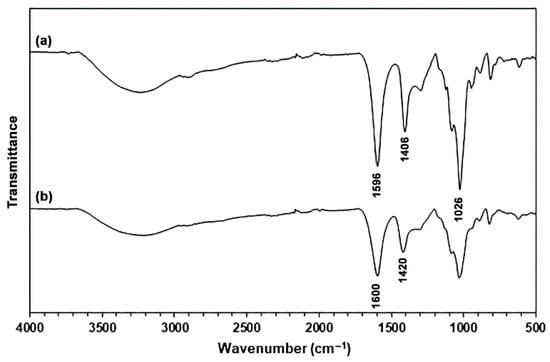
This study developed a microemulsion system based on diatomaceous earth (DE) for the topical delivery of resveratrol. The microemulsions were prepared using pseudo-ternary phase diagrams. A 4:1 ethanol:virgin coconut oil ratio resulted in a larger microemulsion region than a 3:1 ratio. Two formulations with oil (ethanol:virgin coconut oil, 3:1):Cremophor RH40:water ratios of 1:5:4 (ME1) and 2:5:3 (ME2) were selected for resveratrol loading and subsequently combined with DE at ratios of DE:microemulsion (DE:ME) 0.5:1, 0.5:2, and 0.5:3. The transmission electron microscopy images demonstrated the different microstructures of the microemulsions. Rheological analysis revealed an increase in storage modulus and a decrease in the linear viscoelastic region with increasing DE concentration, particularly in ME1. Differential scanning calorimetry showed disruption of boundary water following DE incorporation. Fourier-transform infrared spectroscopy indicated primarily physical interactions between resveratrol and the DE:ME system. DE:ME demonstrated high resveratrol content, approaching 100%. DE:ME1 0.5:2 significantly enhanced resveratrol permeation, resulting in a 3-fold increase compared with the microemulsion alone after 8 h. DE:ME1 0.5:2 and DE:ME2 0.5:3 enhanced the photostability of resveratrol and the formulations remained stable after storage at 40 °C for 6 months. The DE:ME system maintained its cellular uptake capability, preserved the biological activity of resveratrol, and exhibited low cytotoxicity in human keratinocytes, with cell viability remaining above 70%. These results highlight the potential of DE-based systems for incorporating microemulsions of low-water soluble photo-sensitizing substances in topical drug delivery applications.
Full article
(This article belongs to the Section Biomaterials of Marine Origin)
Open AccessReview
Smart Secondary Metabolites in Marine Environments: Exploring the Oxasqualenoid Dehydrothyrsiferol
by
Francisco Cen-Pacheco, Ana R. Díaz-Marrero and José J. Fernández
Mar. Drugs 2026, 24(5), 155; https://doi.org/10.3390/md24050155 - 27 Apr 2026
Abstract
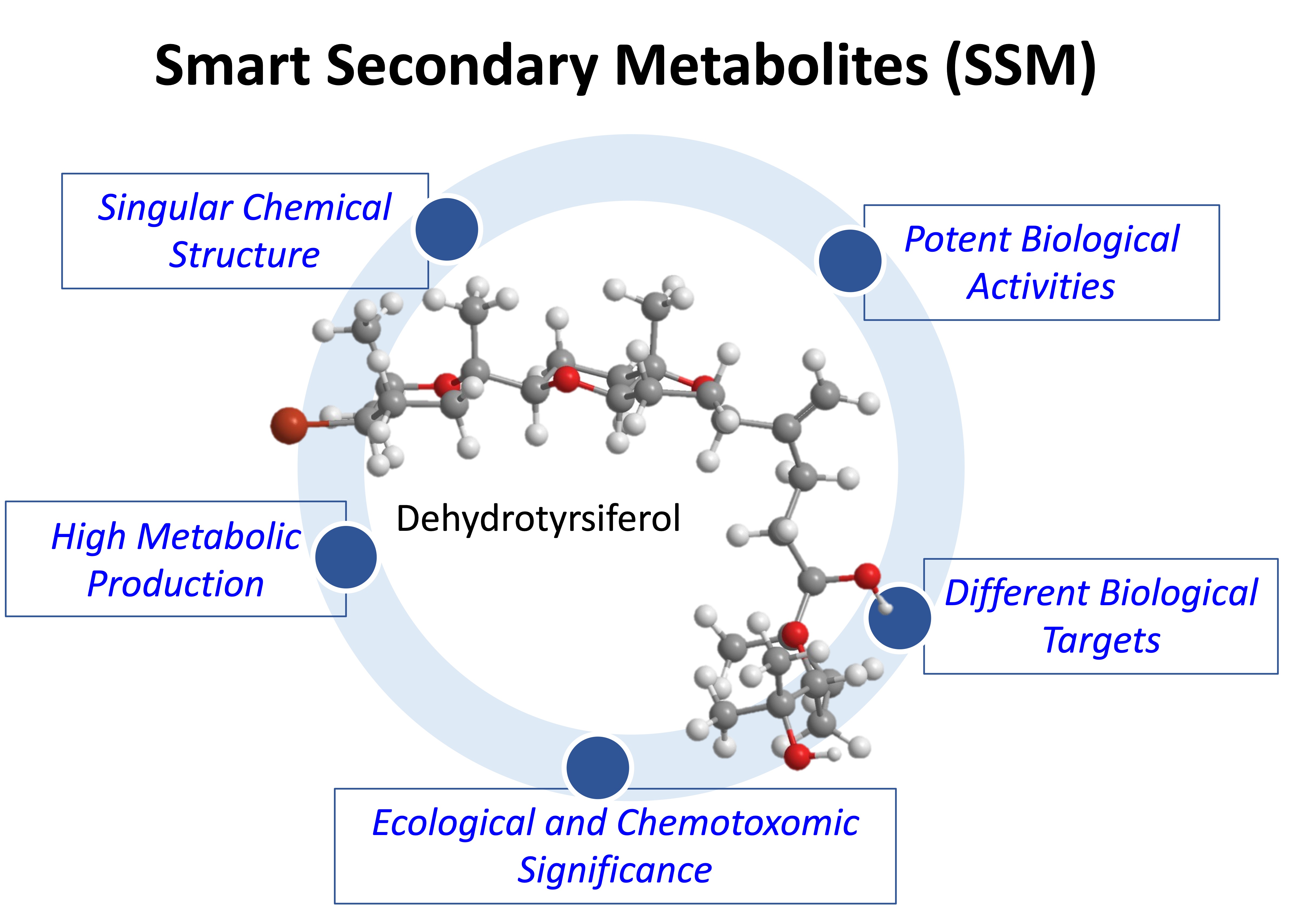
Dehydrothyrsiferol (DT), a brominated oxasqualenoid from the red alga Laurencia viridis, represents a compelling example of this framework. This review establishes DT as a model Smart Secondary Metabolite based on the convergence of a unique molecular architecture of rigid stereogroups connected by
[...] Read more.
Dehydrothyrsiferol (DT), a brominated oxasqualenoid from the red alga Laurencia viridis, represents a compelling example of this framework. This review establishes DT as a model Smart Secondary Metabolite based on the convergence of a unique molecular architecture of rigid stereogroups connected by flexible bonds; a high metabolic yield (0.42% w/w of crude extract); potent selective bioactivity against kinetoplastids and drug-resistant tumors; multi-target modulation of protein phosphatase 2A (PP2A) and cell-surface integrins; and distinctive chemotaxonomic relevance within Macaronesian communities. Its biosynthesis proceeds through stereocontrolled epoxide-opening cascades, generating an evolutionarily refined scaffold. Ecologically, DT operates as a multifunctional shield, providing antifouling protection and deterring herbivory. Pharmacologically, it acts as a selective signaling modulator, triggering integrin-mediated cell death (IMD) in resistant cancer cells and inducing mitochondrial collapse in protozoa. In vivo studies in murine models of cutaneous leishmaniasis have demonstrated an 87% reduction in lesion size, reinforcing its promise as a lead structure.
Full article
(This article belongs to the Special Issue Pharmacognostic Potential of Seaweed Extracts and Metabolites)
►▼
Show Figures

Graphical abstract
Open AccessArticle
Marine Antimicrobial Peptide as a Promising Alternative to Polymyxin B
by
Victoria N. Safronova, Vladislav A. Lushpa, Victoria O. Shipunova, Marta V. Volovik, Kira L. Dobrochaeva, Roman N. Kruglikov, Ilia A. Bolosov, Dmitrii E. Dashevskii, Alexey V. Mishin, Oleg V. Batishchev, Olga V. Korobova, Alexander I. Borzilov, Gulsara A. Slashcheva, Igor A. Dyachenko, Eduard V. Bocharov, Pavel V. Panteleev and Tatiana V. Ovchinnikova
Mar. Drugs 2026, 24(5), 154; https://doi.org/10.3390/md24050154 - 27 Apr 2026
Abstract
The rise in antimicrobial resistance represents a significant challenge to global health. The reason partially lies in an inappropriate use of conventional antibiotics and the subsequent rapid spread of multidrug-resistant pathogen strains. This emergency requires an urgent search for conceptually new antimicrobial agents.
[...] Read more.
The rise in antimicrobial resistance represents a significant challenge to global health. The reason partially lies in an inappropriate use of conventional antibiotics and the subsequent rapid spread of multidrug-resistant pathogen strains. This emergency requires an urgent search for conceptually new antimicrobial agents. A viable alternative to conventional antibiotics is antimicrobial peptides (AMPs), which are ribosomally synthesized molecules with considerable potential as next-generation anti-infectious therapeutics. Previously, we have reported on the β-hairpin peptide Ap9, an analog of abarenicin from the marine polychaeta Abarenicola pacifica, with potent activity against key Gram-negative pathogens. Here, it is shown that Ap9 acts in a manner resembling polymyxin B, namely via interaction with lipopolysaccharide (LPS), and retains its activity against polymyxin-resistant isolates without observed cross-resistance, and causes insignificant damage in cytoplasmic membrane at bactericidal concentrations. NMR spectroscopy reveals that LPS binding induces a conformational rearrangement of Ap9, its dimer formation, and local structural remodeling of the peptide region (residues 8–12) into 310-helix. Bacterial resistance to Ap9 was found to be relatively low with a reduced susceptibility associated with infrequent genetic alterations, such as the mutation in lptD or the deletion in mlaA. Furthermore, Ap9 demonstrates a favorable tolerability, a wider therapeutic window than that of polymyxin B, and a sufficiently long half-life through the systemic use, as well as in vivo efficacy in murine models of Gram-negative infections, including sepsis caused by the mcr-1-harboring Escherichia coli strain. The obtained results point to Ap9 as a promising candidate for further preclinical studies aimed at development of an alternative to polymyxins.
Full article
(This article belongs to the Special Issue Marine Bioactive Peptides—Structure, Function and Application, 3rd Edition)
Open AccessReview
Pharmacological Properties and Phytochemical Profile of Sargassum filipendula Extracts
by
Varun Jaiswal and Hae-Jeung Lee
Mar. Drugs 2026, 24(5), 153; https://doi.org/10.3390/md24050153 - 26 Apr 2026
Abstract
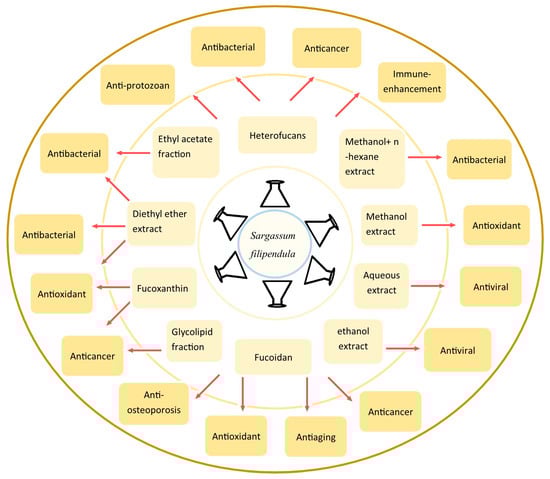
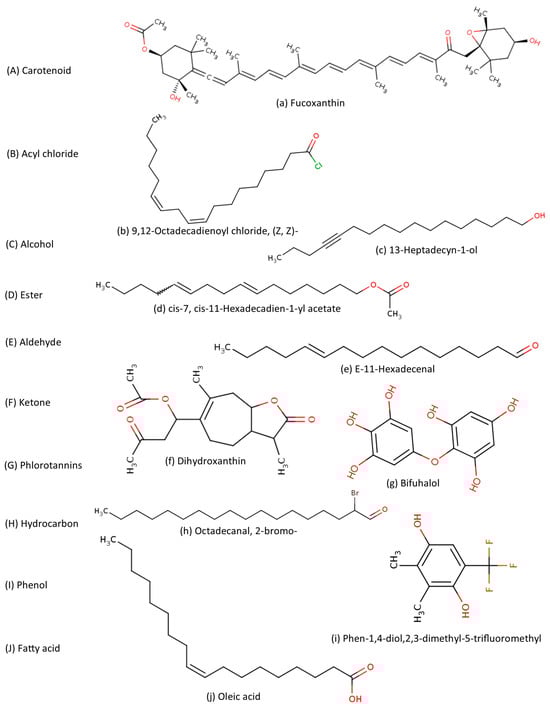
Sargassum filipendula is a widely distributed, edible brown alga that possesses a rich nutritional profile. Several studies have demonstrated that the components/extracts of S. filipendula (SFE) possess diverse pharmacological potential against both infectious and non-infectious diseases. These include antibacterial and antifungal properties, as
[...] Read more.
Sargassum filipendula is a widely distributed, edible brown alga that possesses a rich nutritional profile. Several studies have demonstrated that the components/extracts of S. filipendula (SFE) possess diverse pharmacological potential against both infectious and non-infectious diseases. These include antibacterial and antifungal properties, as well as antioxidant, anti-aging, anti-osteoporosis, antiviral, antiprotozoal, and immunomodulatory effects. Furthermore, SFE has shown significant anticancer activity across various malignant cell lines. The unique phytochemical profile of this species, characterized by the presence of sulfated polysaccharides (primarily fucoidan), carotenoids, phenols, glycolipids, and phlorotannins, serves as the foundation for these wide-ranging pharmacological activities. Studies have demonstrated that SFE can modulate key molecular targets, such as glycogen synthase kinase-3 beta, and activate the mitochondrial-dependent apoptosis pathway, providing a robust mechanistic basis for the observed pharmacological activities. Recent evaluations of nutritional parameters and techno-functional properties confirm the rich nutritional profile of S. filipendula, supporting its application in a diverse range of food products. Despite its diverse bioactive phytochemicals and broad efficacy against infectious and non-infectious diseases, research on S. filipendula remains largely restricted to in vitro preclinical studies. The lack of a comprehensive compilation of its pharmacological activities, phytochemical profiles, and molecular targets hinders its development as a therapeutic agent. This review aims to bridge this gap by compiling the existing knowledge, identifying research deficiencies, particularly the lack of in vivo data and safety assessments for high-dose therapeutic applications, while proposing suggestions for transitioning S. filipendula into a viable therapeutic or functional supplement.
Full article
(This article belongs to the Section Marine Pharmacology)
►▼
Show Figures

Figure 1
Open AccessArticle
Enhanced Synechococcus Growth Under Extended High-Light and High-Temperature Stress by the F1-α-C252Y Mutation in ATP Synthase: ATP Generation and Metabolic Network Remodeling
by
Linan Zhou, Wenjing Lou, Xin Guo, Siyan Yi, Wenhui Lou, Guodong Luan and Xuefeng Lu
Mar. Drugs 2026, 24(5), 152; https://doi.org/10.3390/md24050152 - 25 Apr 2026
Abstract
Photosynthesis, the main energy source for life on Earth, confronts escalating challenges of high-light–high-temperature stress (HLHT). Our previous study identified a mutation in ATP synthase, F1-α-C252Y, that significantly enhances the HLHT tolerance of Synechococcus elongatus PCC 7942 (Sye7942), although
[...] Read more.
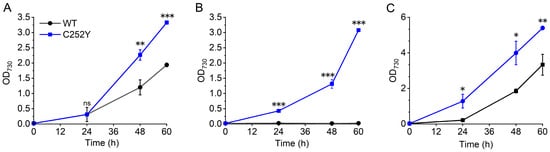
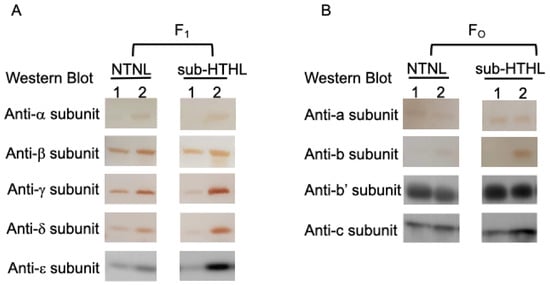
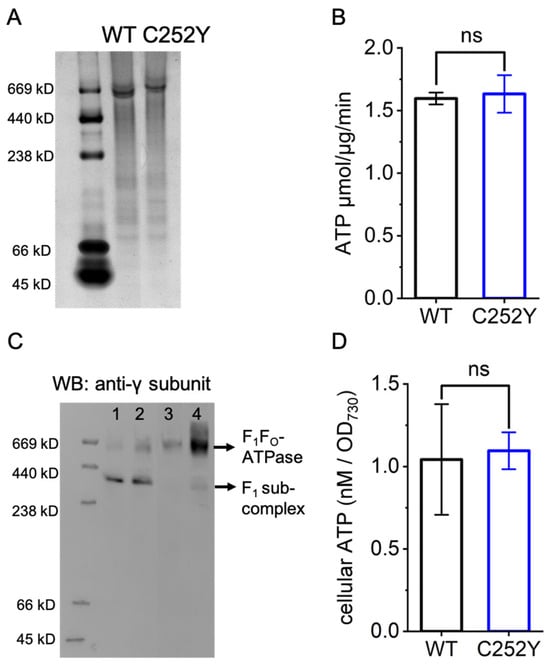
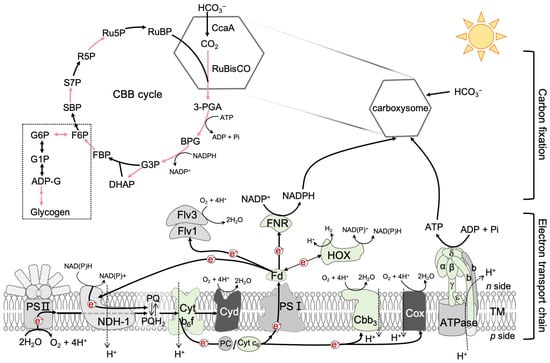
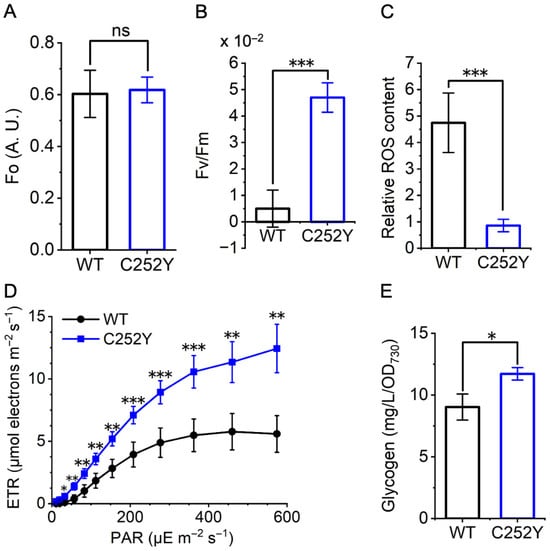
Photosynthesis, the main energy source for life on Earth, confronts escalating challenges of high-light–high-temperature stress (HLHT). Our previous study identified a mutation in ATP synthase, F1-α-C252Y, that significantly enhances the HLHT tolerance of Synechococcus elongatus PCC 7942 (Sye7942), although the underlying mechanism remains obscure. In this study, we found that this mutation led to elevated levels of the b subunit of Fo, F1 subunits, and the ATP synthase within cells, without affecting ATP synthetic activity, indicating improved intracellular ATP synthesis activity. Additionally, the mutation altered the transcriptome of Sye7942, impacting the expression of genes involved in crucial processes, such as the electron transport chain, carbon fixation, and regulatory factors, which are crucial for cyanobacteria’s adaptation to stresses. Correspondingly, the mutant exhibited enhanced photosynthesis, accelerated growth, and increased glycogen under HLHT conditions, showing improved adaptation. The higher intracellular ATP synthesis activity, along with enhanced photosynthetic activity, suggests increased ATP production in the mutant under HLHT. Enhancing ATP production and remodeling the cellular transcriptome appear to be key strategies employed by the C252Y mutation for Sye7942 acclimating to HLHT. These findings provide valuable insights for enhancing photosynthetic efficiency and stress resilience in cyanobacteria and other photosynthetic organisms facing HLHT challenges.
Full article
(This article belongs to the Special Issue Synthetic Biology in Marine Microalgae)
►▼
Show Figures

Figure 1
Open AccessArticle
From Sea to Therapy: Development and Analytical Control of Recombinant Human CDKL5 Production in the Marine Bacterium Pseudoalteromonas haloplanktis TAC125
by
Andrea Coletti, Marzia Calvanese, Flora Cozzolino, Ilaria Iacobucci, Concetta Lauro, Angelica Severino, Maria Monti, Ermenegilda Parrilli and Maria Luisa Tutino
Mar. Drugs 2026, 24(5), 151; https://doi.org/10.3390/md24050151 - 24 Apr 2026
Abstract
Marine bacteria are increasingly explored as alternative microbial platforms for the production of high-value biopharmaceuticals. In this study, we investigate the Antarctic marine bacterium Pseudoalteromonas haloplanktis TAC125 (PhTAC125), an unconventional host capable of yielding soluble and biologically active human cyclin-dependent kinase-like
[...] Read more.
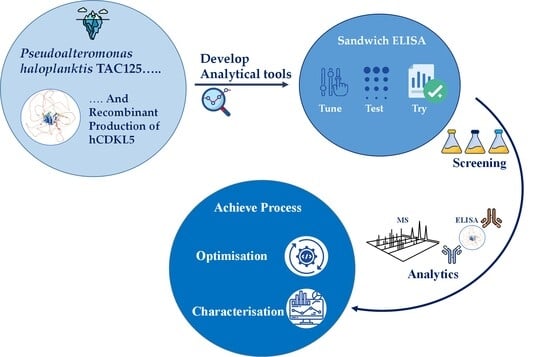
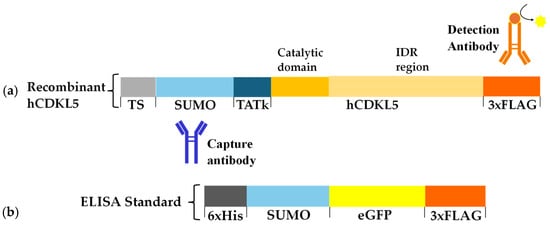
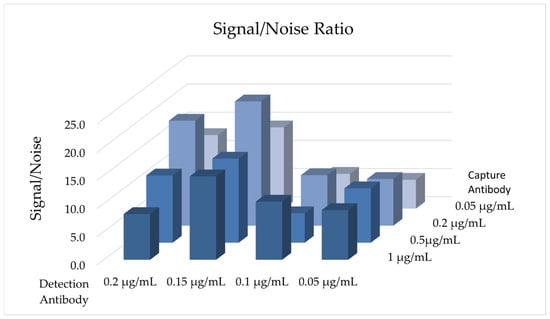
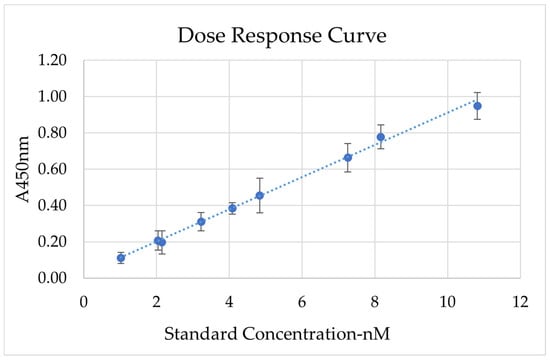
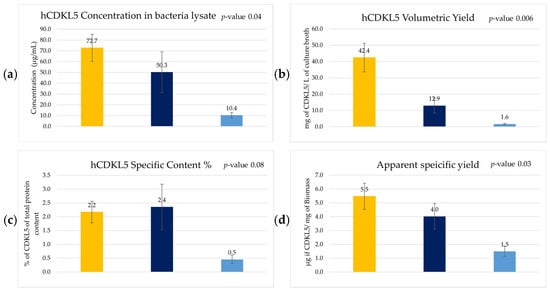
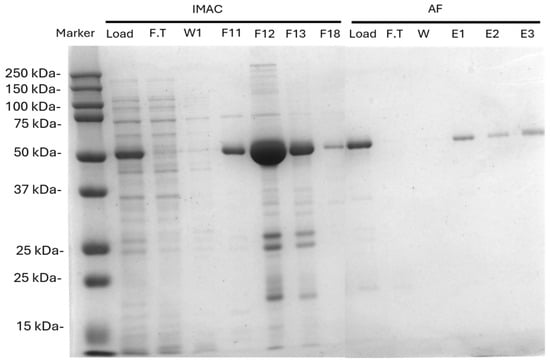
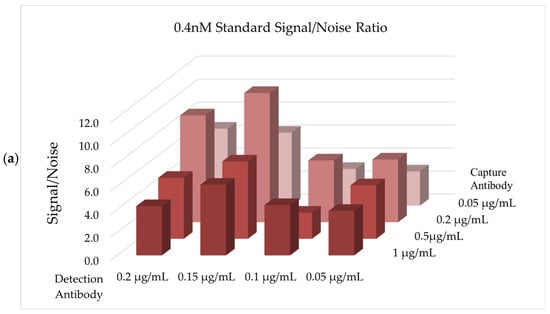
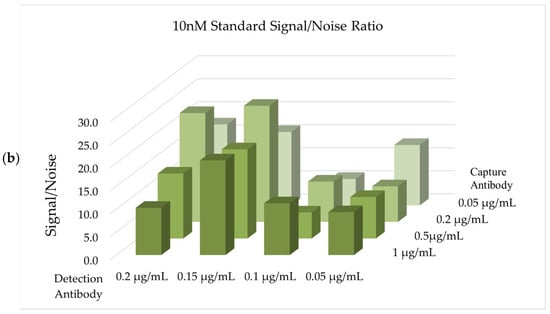
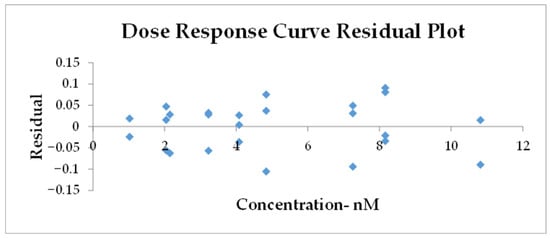
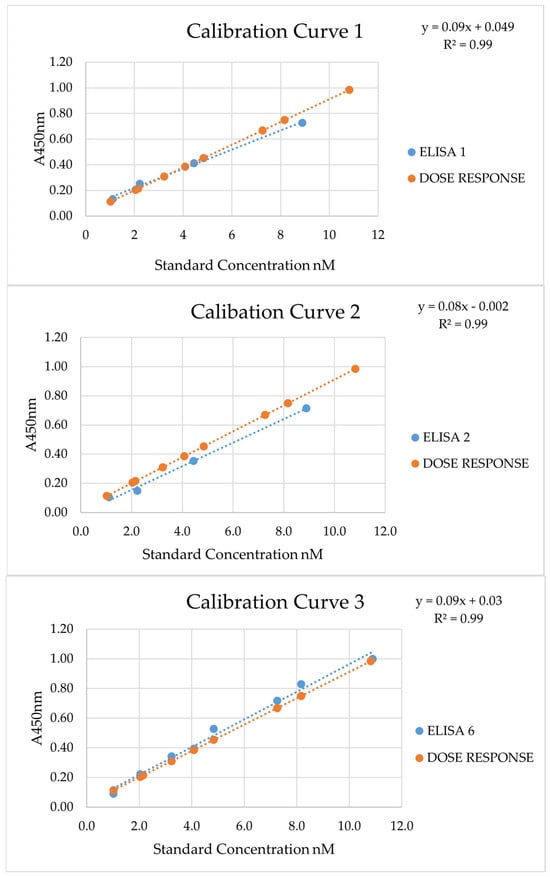
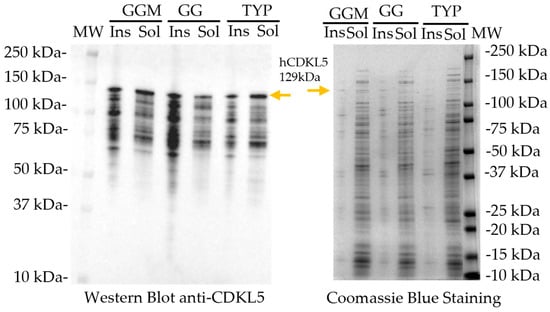
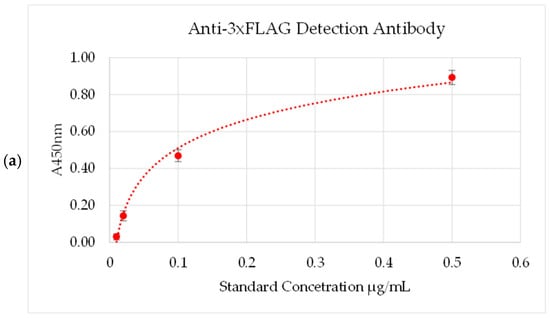
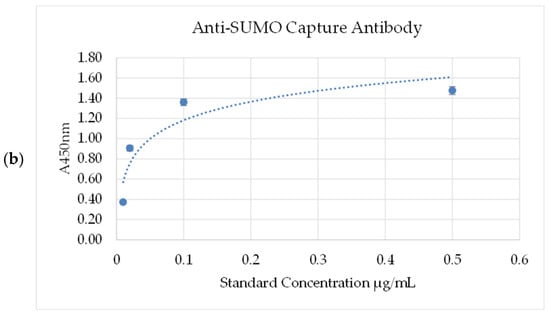
Marine bacteria are increasingly explored as alternative microbial platforms for the production of high-value biopharmaceuticals. In this study, we investigate the Antarctic marine bacterium Pseudoalteromonas haloplanktis TAC125 (PhTAC125), an unconventional host capable of yielding soluble and biologically active human cyclin-dependent kinase-like 5 (hCDKL5). This serine/threonine kinase plays a crucial role in neuronal development, and its deficiency causes CDKL5 Deficiency Disorder, a severe and currently untreatable neurodevelopmental disease. Recombinant production of hCDKL5 is a prerequisite for the development of enzyme replacement therapy; however, current manufacturing processes remain insufficient for industrial translation, particularly in terms of product quality and functional consistency. To address these limitations, we developed dedicated analytical strategies: protein accumulation was quantified using a customised sandwich Enzyme-Linked Immunosorbent Assay (ELISA) designed to selectively detect full-length hCDKL5, while protein functionality was assessed by mass spectrometry-based quantification of autophosphorylation, a critical determinant of kinase activation. These complementary tools were applied to characterise hCDKL5 production under different growth conditions. Overall, this work establishes an integrated analytical framework aligned with a Quality by Design approach, enabling the simultaneous assessment of yield, structural integrity, and functional activation, and providing a robust basis for rational process optimisation towards scalable hCDKL5 manufacturing.
Full article
(This article belongs to the Section Marine Biotechnology Related to Drug Discovery or Production)
►▼
Show Figures

Graphical abstract
Open AccessArticle
Anticoagulant Effect and Platelet Bioactivities of a Novel Cephalopod Byproduct Oil
by
Ioannis Tsamesidis, Paraskevi Tzika, Diana Samara, Sakshi Hans, Ioannis Zabetakis and Eleni P. Kalogianni
Mar. Drugs 2026, 24(5), 150; https://doi.org/10.3390/md24050150 - 23 Apr 2026
Abstract
This study investigates the effects of a novel marine byproduct oil extracted from the cephalopod Nototodarus sloani (Arrow squid) on human platelets and red blood cells (RBCs). The oil was produced using enzyme-assisted extraction under varying pH conditions without further refining. The level
[...] Read more.
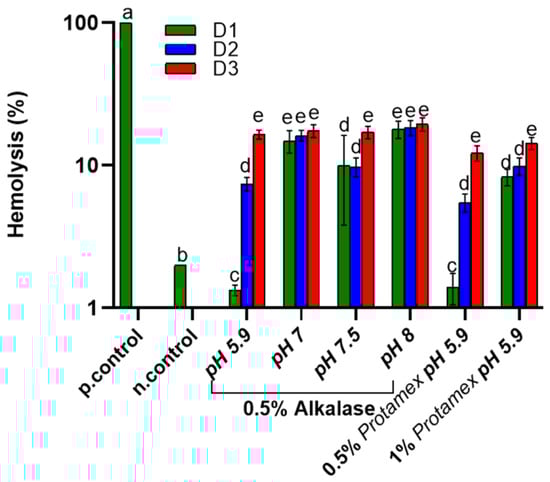
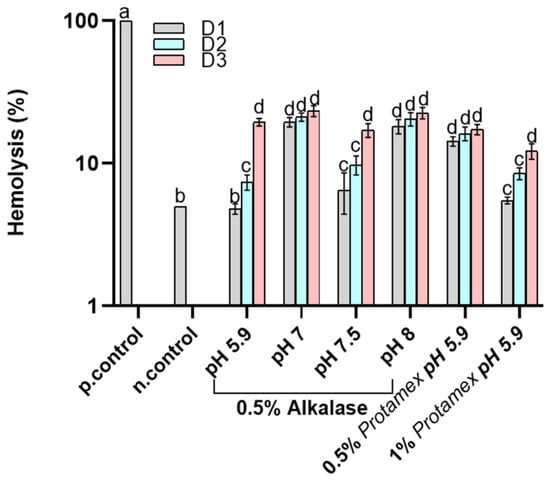
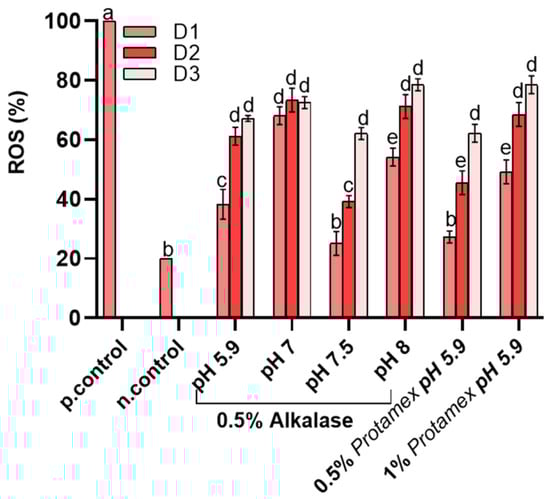
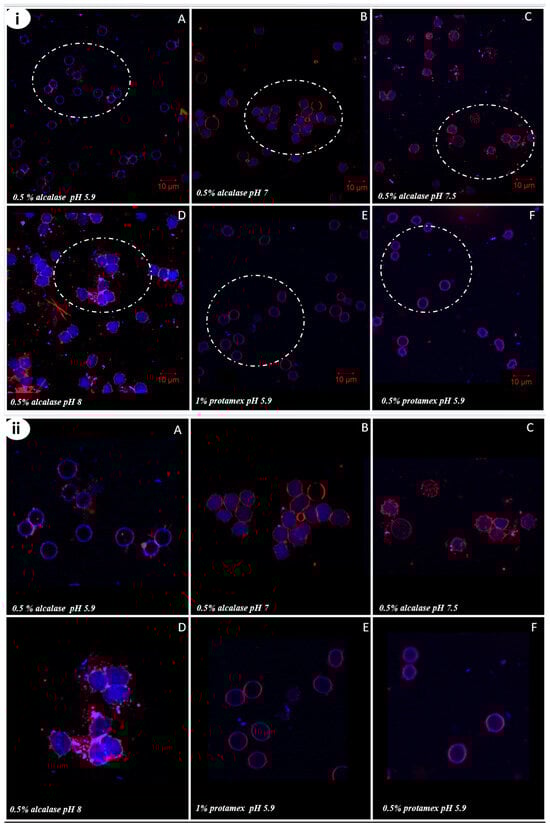
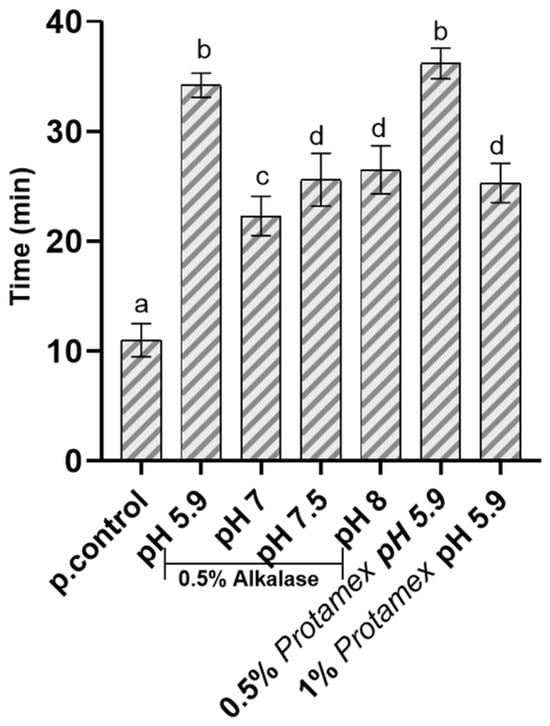
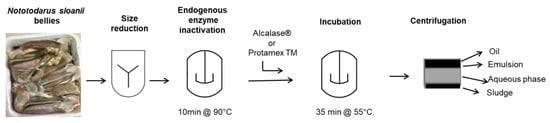
This study investigates the effects of a novel marine byproduct oil extracted from the cephalopod Nototodarus sloani (Arrow squid) on human platelets and red blood cells (RBCs). The oil was produced using enzyme-assisted extraction under varying pH conditions without further refining. The level of oxidation of the different oils was determined. Hemocompatibility and oxidative effects were evaluated after 24 h of incubation at physiological and fever-like conditions. Hemolysis levels varied with extraction conditions and with the amount of oil in contact with the cells. Oils extracted using 0.5% Alcalase® and 1% ProtamexTM ® at pH 5.9 demonstrated superior hemocompatibility. Intracellular reactive oxygen species (ROS) levels presented a dose-dependent increase, with higher levels observed in oils extracted at a higher pH. Although there was no direct correlation between hemolysis rate, ROS levels and oxidation, the less oxidized oils presented lower ROS formation and better hemocompatibility. Additionally, the oils exhibited a strong anticoagulant effect and low IC50 values against TRAP-6-induced platelet aggregation. These findings highlight the potential of Nototodarus sloani as a source of bioactive compounds, providing initial evidence of potential cardiovascular benefits and resource valorization, underlining the importance of extraction conditions in determining the biological properties of marine byproduct oils.
Full article
(This article belongs to the Special Issue Marine Anti-Inflammatory and Antioxidant Agents, 5th Edition)
►▼
Show Figures

Figure 1
Open AccessArticle
Valorization of Ryegrass Hydrolysates Through Mixotrophic Cultivation of Desmodesmus subspicatus: Effects of Carbon and Nitrogen Sources on Biomass and Lipid Composition
by
Ana Dobrinčić, Klara Komarec, Nenad Marđetko, Antonija Trontel, Mario Novak, Mladen Pavlečić, Vlatka Petravić Tominac and Božidar Šantek
Mar. Drugs 2026, 24(5), 149; https://doi.org/10.3390/md24050149 - 23 Apr 2026
Abstract
Lignocellulosic biomass represents an abundant and renewable carbon source, and its valorization through microalgal cultivation offers a sustainable route to resource-efficient bioprocessing. This study examined the effects of various carbon and nitrogen sources on the growth and lipid metabolism of Desmodesmus subspicatus,
[...] Read more.
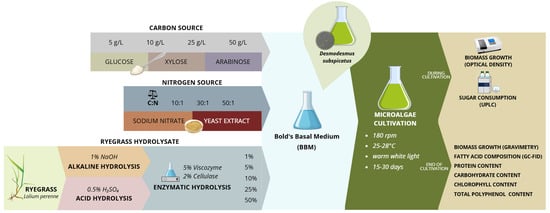
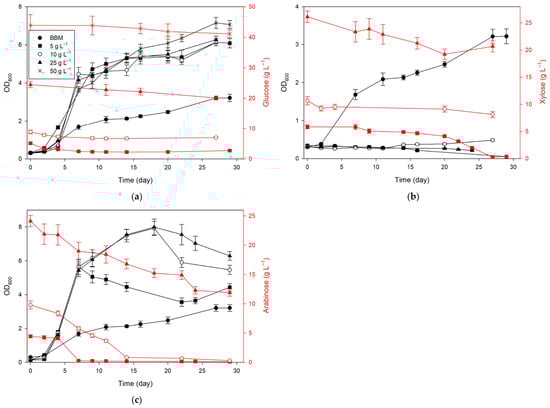
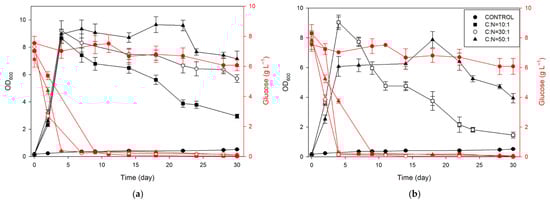
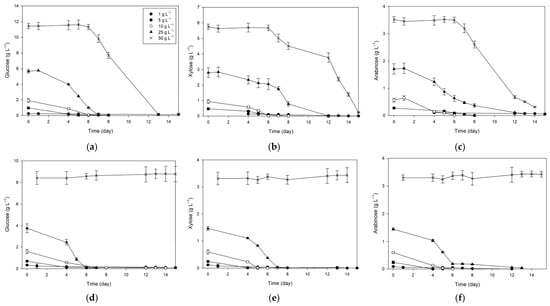
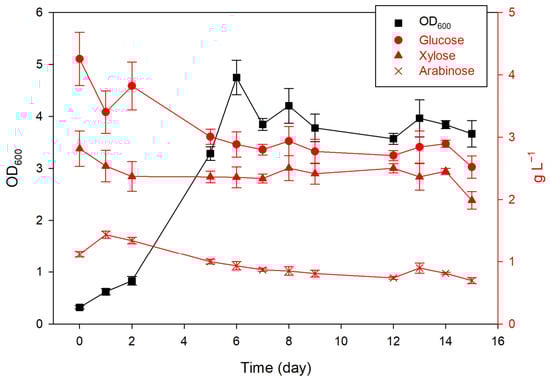
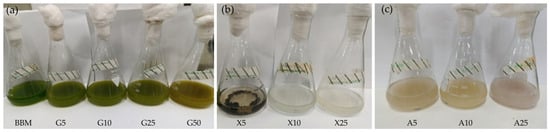
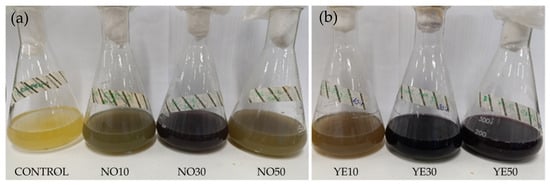
Lignocellulosic biomass represents an abundant and renewable carbon source, and its valorization through microalgal cultivation offers a sustainable route to resource-efficient bioprocessing. This study examined the effects of various carbon and nitrogen sources on the growth and lipid metabolism of Desmodesmus subspicatus, with a focus on ryegrass enzymatic hydrolysates as an alternative carbon source. Cultures were supplied with glucose, xylose, or arabinose at different concentrations, along with sodium nitrate or yeast extract, under different carbon-to-nitrogen ratios. Additionally, the impacts of alkaline- and acid-pretreated enzymatic ryegrass hydrolysates were evaluated. Growth was assessed by optical density and gravimetric analysis, and fatty acid profiles by gas chromatography. Glucose supplementation enhanced lipid accumulation, yielding fatty acid profiles dominated by C16 and C18 fatty acids, which are favorable for the quality of the produced biodiesel. Nitrogen limitation further promoted lipid accumulation; cultures supplied with sodium nitrate achieved higher total lipid content, while yeast extract favored greater proportions of PUFAs. Alkaline-pretreated ryegrass hydrolysate supported dose-dependent biomass formation reaching approximately 12 g L−1 at 50%, whereas the acid-pretreated hydrolysate exhibited inhibitory effects at the same concentration. Scale-up in a 1 L photobioreactor yielded lower biomass but higher lipid content with a fatty acid profile shifted to SFA. These results support ryegrass as a viable alternative carbon source and highlight cultivation parameters that influence growth and lipid quality relevant for biofuel applications.
Full article
(This article belongs to the Special Issue Algal Cultivation for Obtaining High-Value Products, 2nd Edition)
►▼
Show Figures

Graphical abstract
Open AccessReview
Marine Polysaccharides Modulating the Gut Microbiota-Immune Axis in Digestive Tract Tumors: An Update
by
Lisheng Wang, Danni Gao, Xi Chen and Yitao Chen
Mar. Drugs 2026, 24(5), 148; https://doi.org/10.3390/md24050148 - 23 Apr 2026
Abstract
Digestive tract tumors represent a predominant contributor to the global public health burden, with conventional therapeutic modalities experiencing inherent limitations and immunotherapy being impeded by the immunosuppressive property and heterogeneity of the tumor microenvironment (TME). This makes the gut microbiota–immune axis a promising
[...] Read more.
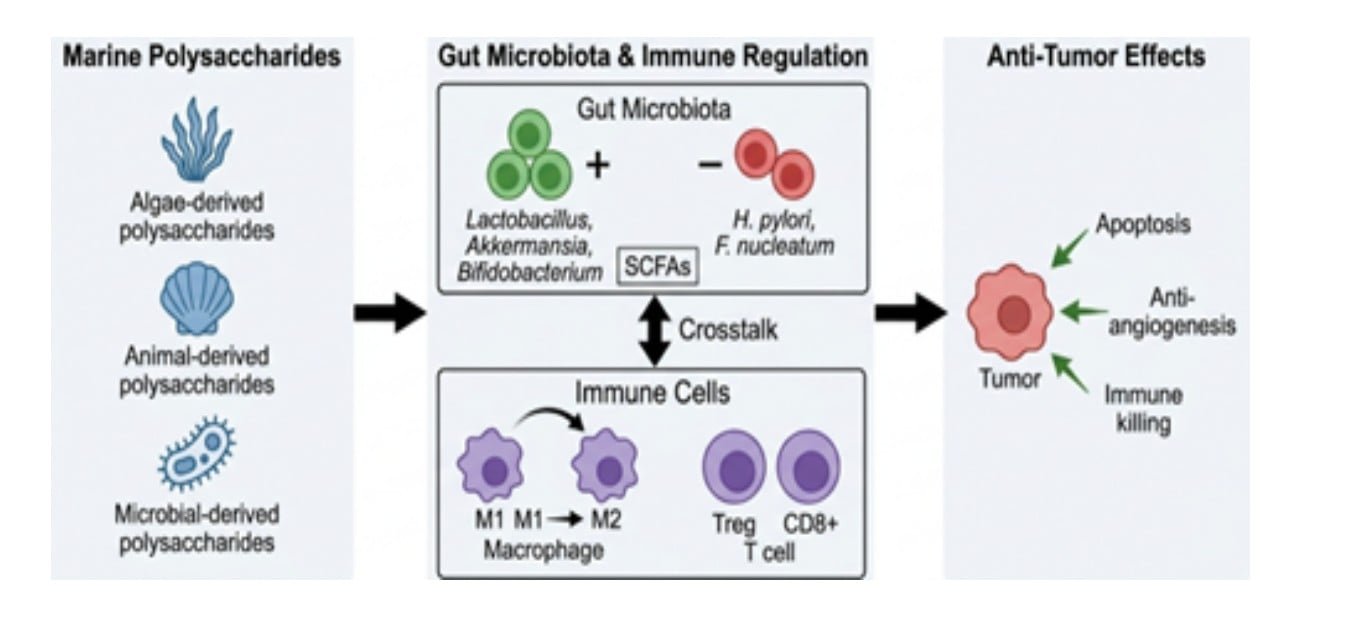
Digestive tract tumors represent a predominant contributor to the global public health burden, with conventional therapeutic modalities experiencing inherent limitations and immunotherapy being impeded by the immunosuppressive property and heterogeneity of the tumor microenvironment (TME). This makes the gut microbiota–immune axis a promising therapeutic target. Marine polysaccharides, endowed with distinctive structural characteristics, exhibit potential in the modulation of this regulatory axis, yet their structure–activity relationships (SARs) and the intrinsic limitations in delivery efficiency remain largely unelucidated. In this review, we systematically synthesized the latest research advances pertaining to the modulation of the gut microbiota–immune axis by marine polysaccharides in digestive tract tumors, in accordance with the logical framework of polysaccharide structure, flora regulation, immune activation, tumor inhibition, and delivery optimization. We elaborated on the bidirectional crosstalk between the gut microbiota and the immune axis during tumorigenesis, as well as the regulatory effects and core underlying mechanisms of marine polysaccharides derived from algal, animal and microbial sources on this axis, including targeted floral regulation, microbiota-mediated immune activation, and direct/indirect tumor suppression. We also analyzed the key structural determinants and structural modification strategies of marine polysaccharides, alongside the development of nanodelivery systems for the improvement of their oral bioavailability. Furthermore, we identified critical existing research gaps, such as the ambiguous SARs and poor oral bioavailability of marine polysaccharides, and propose the integration of multi-omics analysis, synthetic biology technology and advanced nanodelivery strategies as the core future research directions in this field. Collectively, marine polysaccharides hold tremendous promise as novel therapeutic agents for digestive tract tumors, and interdisciplinary collaboration is regarded as indispensable for their successful clinical translation and translational application.
Full article
(This article belongs to the Special Issue Research on Marine Compounds and Inflammation)
►▼
Show Figures

Graphical abstract
Open AccessArticle
Anti-Ulcerative Colitis Tanzawaic Acids from a Marine Algicolous Fungus, Penicillium steckii SCSIO 41040
by
Yingying Song, Jiamin Wang, Yuchen Lin, Jianglian She, Yalin Liu, Xiangxi Yi, Chenghai Gao, Junfeng Wang and Yonghong Liu
Mar. Drugs 2026, 24(5), 147; https://doi.org/10.3390/md24050147 - 22 Apr 2026
Abstract
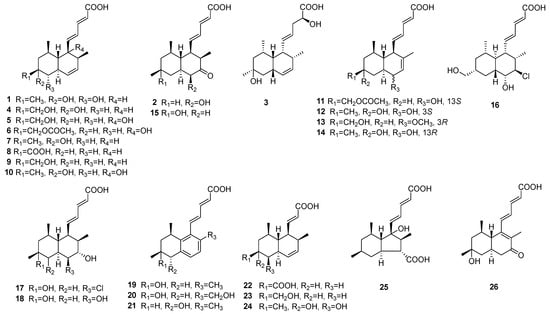
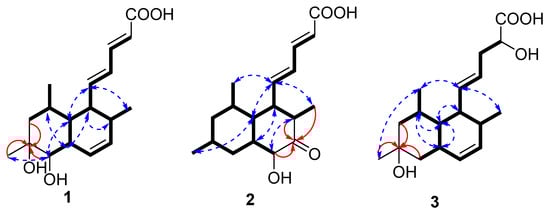
Three new, previously undescribed tanzawaic acids, steckwaic acids H–J (1–3), and twenty-three known natural products (4–26) were isolated from the marine algicolous fungus Penicillium steckii SCSIO 41040. Structurally, compound 3 underwent a rare hydration reaction
[...] Read more.
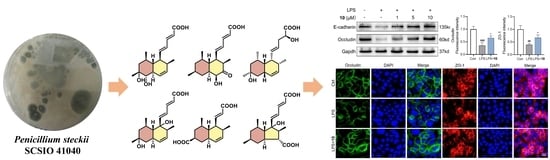
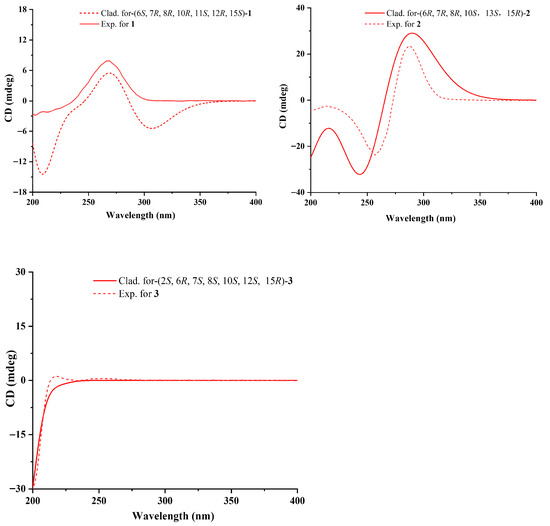
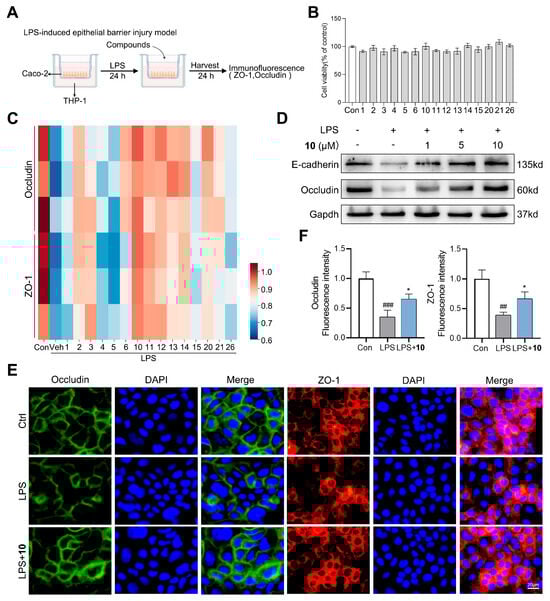
Three new, previously undescribed tanzawaic acids, steckwaic acids H–J (1–3), and twenty-three known natural products (4–26) were isolated from the marine algicolous fungus Penicillium steckii SCSIO 41040. Structurally, compound 3 underwent a rare hydration reaction at the double bond of its carboxylic acid side chain. The chemical structures and stereochemistry were determined using comprehensive spectroscopic analyses, including NMR, electronic circular dichroism (ECD) calculations, and high-resolution electrospray ionization mass spectrometry (HRESIMS), and verified by literature comparison. The protective effect of tanzawaic acids on inflammatory damage to the intestinal epithelial barrier was assessed using an LPS-stimulated Caco-2/THP-1 co-culture model. Notably, immunofluorescence and Western blotting assays showed that compound 10 significantly enhanced the fluorescence signals and protein expression of ZO-1 and occludin, alleviated lipopolysaccharide (LPS)-induced intestinal barrier damage in Caco-2 cells, and contributed to the re-establishment of intestinal barrier homeostasis. Our findings demonstrate the critical role of tanzawaic acids in maintaining intestinal barrier integrity, identifying them as promising lead compounds for UC treatment.
Full article
(This article belongs to the Special Issue Diversity of Marine Fungi as a Source of Bioactive Natural Products, 3rd Edition)
►▼
Show Figures

Graphical abstract
Open AccessReview
Recent Advances in NADES-Assisted Process Intensification Technologies for Sustainable Recovery of Microalgal Bioactives: Challenges and Future Prospectives
by
Muhammad Shafiq, Sardar Ali and Liaqat Zeb
Mar. Drugs 2026, 24(4), 146; https://doi.org/10.3390/md24040146 - 21 Apr 2026
Abstract
Microalgae are increasingly recognized as renewable biofactories for producing high-value bioactive molecules. However, their industrial exploitation is limited by their rigid cell walls, metabolite heterogeneity, and the energy-intensive nature of the extraction processes. Recent advances in process-intensification technologies, including microwave-assisted, ultrasound-assisted, enzymatic, pressurized
[...] Read more.
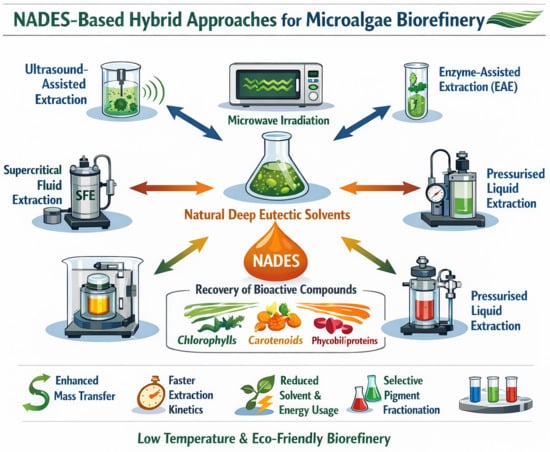
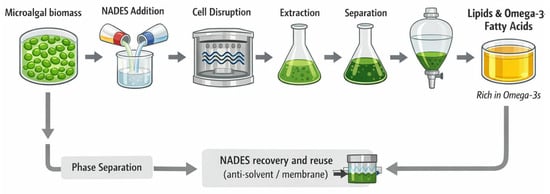
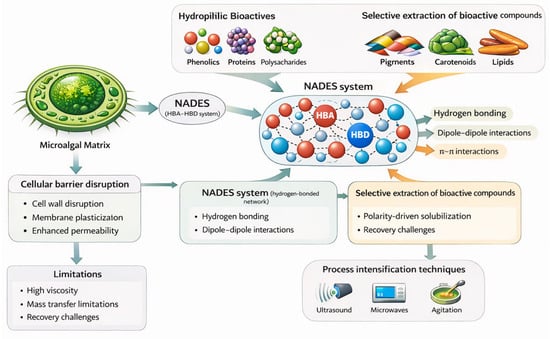
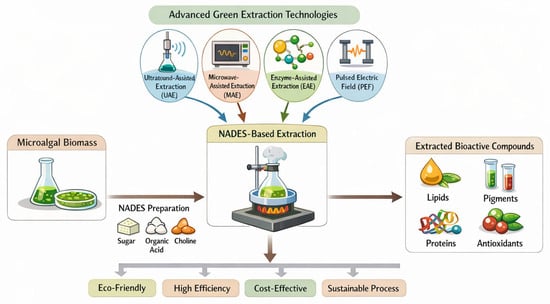
Microalgae are increasingly recognized as renewable biofactories for producing high-value bioactive molecules. However, their industrial exploitation is limited by their rigid cell walls, metabolite heterogeneity, and the energy-intensive nature of the extraction processes. Recent advances in process-intensification technologies, including microwave-assisted, ultrasound-assisted, enzymatic, pressurized liquid, and supercritical CO2-based methods, have significantly improved extraction efficiency and selectivity, with reported lipid recoveries exceeding 40–50% in some microalgal systems and carotenoid recoveries approaching 90% under optimized conditions. NADES-assisted systems further enhance mass transfer and solubilization through tailored hydrogen-bonding interactions, enabling selective extraction of polar and semi-polar metabolites under mild conditions. However, limitations remain, including high viscosity, variability in extraction performance, and challenges in solvent recovery and scale-up. This review critically evaluates the extraction efficiency, mechanistic basis, and sustainability of NADES-assisted processes, highlighting key limitations and identifying research priorities for their integration into scalable microalgal biorefinery systems.
Full article
(This article belongs to the Section Marine Biotechnology Related to Drug Discovery or Production)
►▼
Show Figures

Graphical abstract
Open AccessArticle
Red Macroalgae as Sources of Antioxidant and Multifunctional Ingredients for Functional Foods: A Biorefinery Approach
by
Nuno Nunes, Emmanuel Nunes, Kilian Odenthal and Miguel Â. A. Pinheiro de Carvalho
Mar. Drugs 2026, 24(4), 145; https://doi.org/10.3390/md24040145 - 21 Apr 2026
Abstract
Given the established interplay between oxidative stress, cholinergic dysfunction, and metabolic imbalance in cognitive decline, this study investigated the multifunctional potential of three red macroalgae from the Madeira Archipelago (Asparagopsis taxiformis, Grateloupia lanceola, and Nemalion elminthoides) using a sequential
[...] Read more.
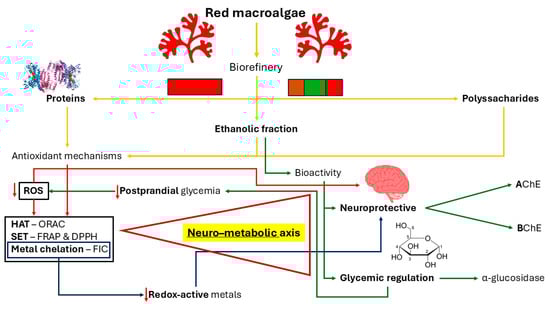
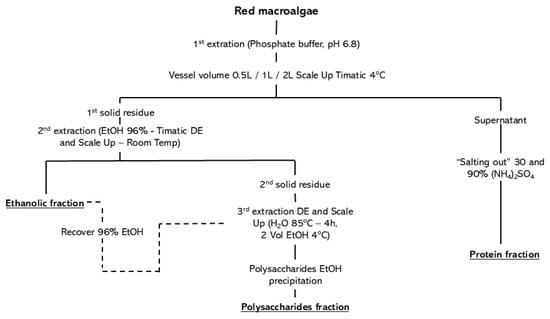
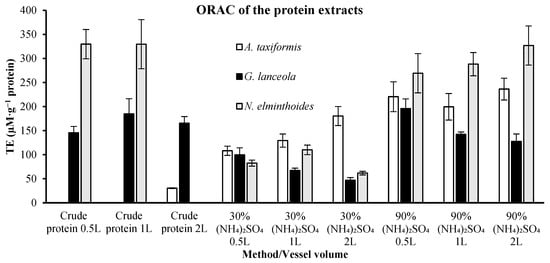
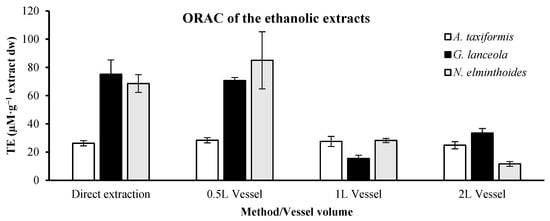
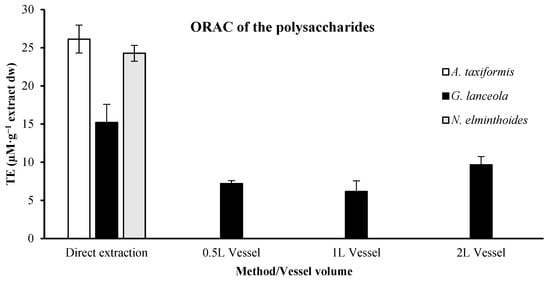
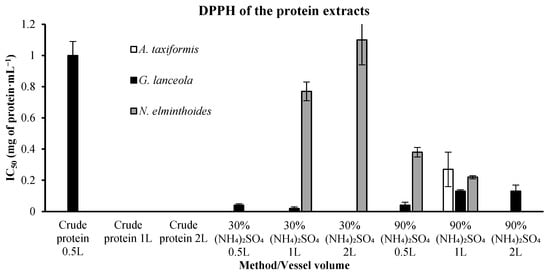
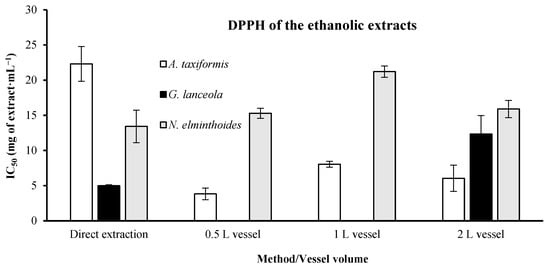
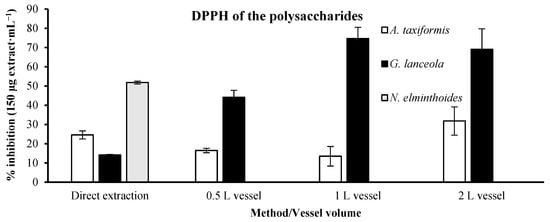
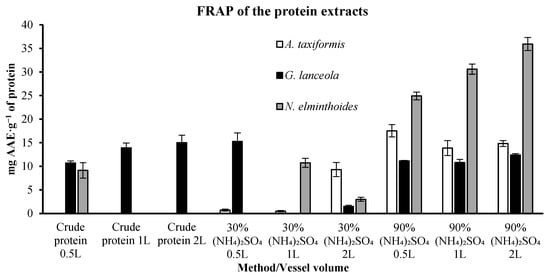
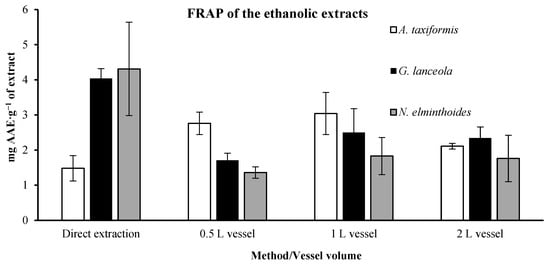
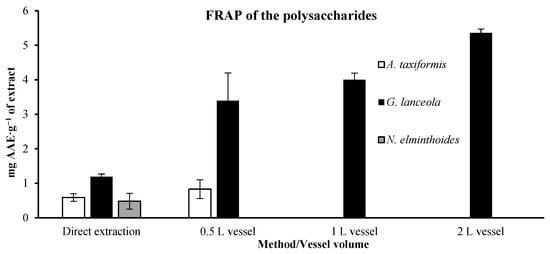
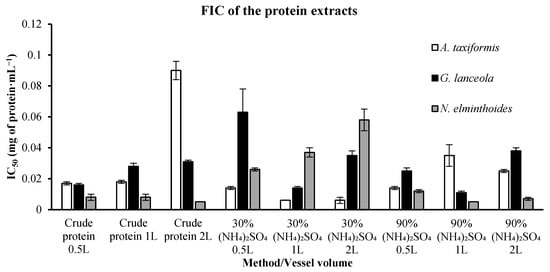
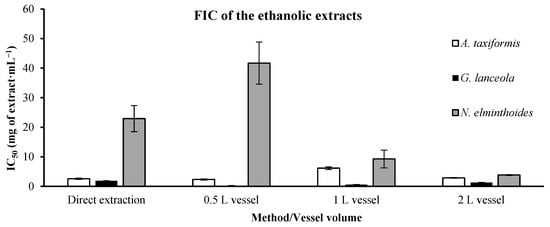
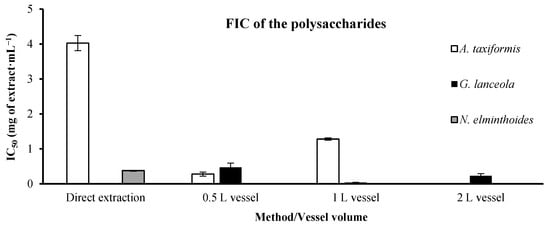
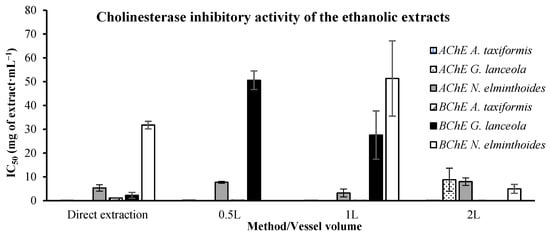
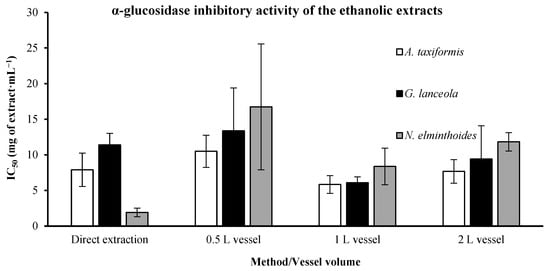
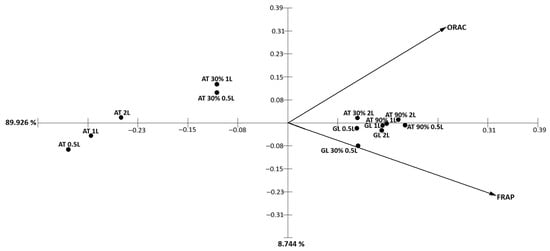
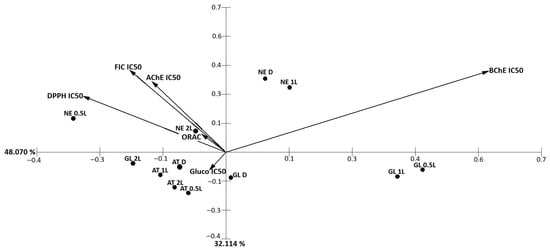
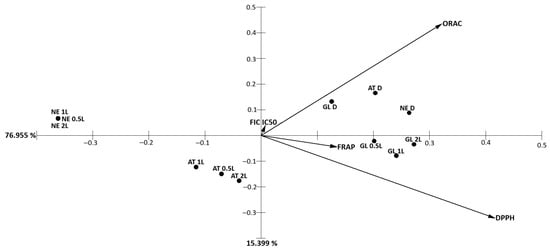
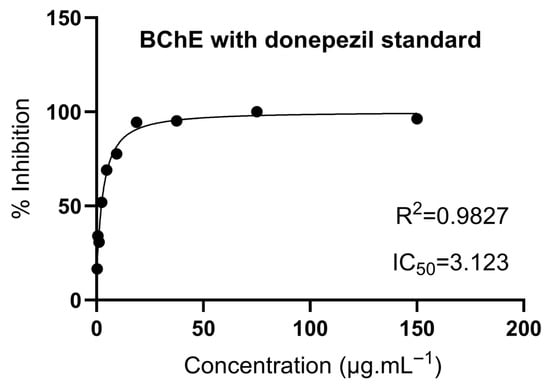
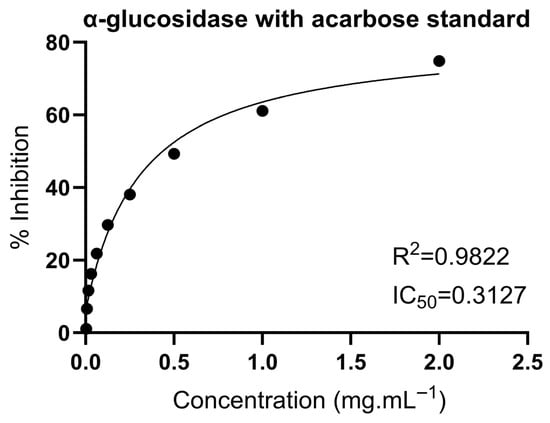
Given the established interplay between oxidative stress, cholinergic dysfunction, and metabolic imbalance in cognitive decline, this study investigated the multifunctional potential of three red macroalgae from the Madeira Archipelago (Asparagopsis taxiformis, Grateloupia lanceola, and Nemalion elminthoides) using a sequential biorefinery approach. Marine algae represent a sustainable source of functional food ingredients due to their rich content in bioactive compounds and their compatibility with low-impact production systems. Protein, ethanolic (phenolic-rich), and polysaccharide fractions were obtained through direct extraction and scalable biorefinery processing. Antioxidant activity was evaluated using ORAC, DPPH, FRAP, and FIC assays, while functionality relevant to human health was assessed through acetylcholinesterase, butyrylcholinesterase, and α-glucosidase inhibition. Protein extracts, particularly from N. elminthoides, exhibited strong hydrogen atom transfer-based antioxidant capacity, whereas ethanolic extracts demonstrated multifunctional activity, combining radical scavenging, metal chelation, and enzyme inhibition associated with neuroprotective and glycemic-regulation potential. Polysaccharide fractions contributed mainly to iron chelation and reducing capacity. Correlation analyses highlighted the complementary nature of antioxidant and bioactivity assays. Overall, these findings support the potential of Madeira red macroalgae as functional food ingredients and emphasize the importance of optimized biorefinery strategies to maximize nutritional and health-related benefits.
Full article
(This article belongs to the Special Issue Marine Algae as Functional Foods)
►▼
Show Figures

Graphical abstract
Open AccessArticle
Enhanced DHA Production in Aurantiochytrium by ω-3 Desaturase Integration and Fatty Acid Synthase Disruption
by
Ziyu Wang, Yujian Wang, Weijian Wan, Chao Chen, Wen Wen, Xiaojin Song, Jinsong Xuan and Yingang Feng
Mar. Drugs 2026, 24(4), 144; https://doi.org/10.3390/md24040144 - 20 Apr 2026
Abstract
Docosahexaenoic acid (DHA) is an essential ω-3 polyunsaturated fatty acid (PUFA) with high nutritional and pharmaceutical value. The marine protist Aurantiochytrium is a promising industrial DHA producer; however, its DHA biosynthesis via the PUFA synthase pathway co-produces ω-6 docosapentaenoic acid (DPA), limiting DHA
[...] Read more.
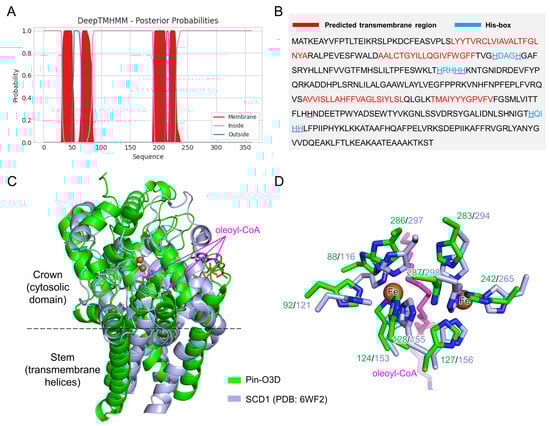
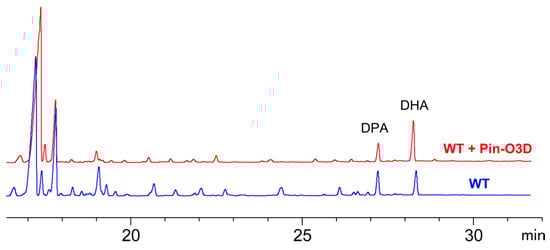
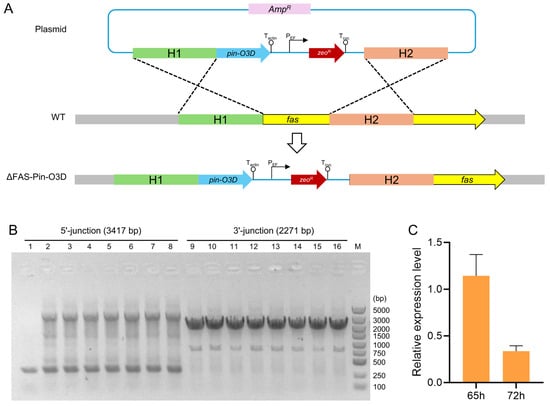
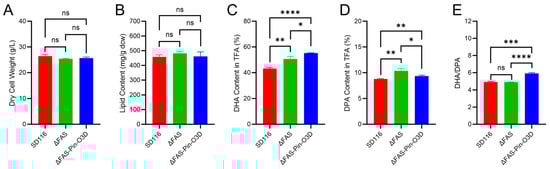
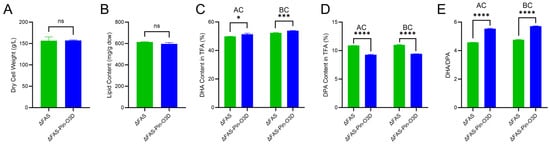
Docosahexaenoic acid (DHA) is an essential ω-3 polyunsaturated fatty acid (PUFA) with high nutritional and pharmaceutical value. The marine protist Aurantiochytrium is a promising industrial DHA producer; however, its DHA biosynthesis via the PUFA synthase pathway co-produces ω-6 docosapentaenoic acid (DPA), limiting DHA purity. Here, we introduced an ω-3 desaturase from Phytophthora infestans (Pin-O3D) into Aurantiochytrium sp. SD116. Functional validation in an Escherichia coli system co-expressing the native PUFA synthase confirmed that Pin-O3D converts DPA to DHA, shifting the DHA/DPA ratio from 1:1 to 2:1. Pin-O3D was then integrated into the fatty acid synthase (FAS) locus, simultaneously attenuating FAS activity and enabling heterologous gene expression. The engineered strain ΔFAS-Pin-O3D exhibited significantly (p < 0.0001 in t-test) increased DHA content (55.2% of total fatty acids) and DHA/DPA ratio (5.91) in shake flasks, with no negative impact on biomass or lipid accumulation. Fed-batch fermentation confirmed the scalability of this strategy, achieving a >20% increase in DHA/DPA ratio. This study demonstrates that combining heterologous ω-3 desaturase expression with FAS attenuation is an effective approach for optimizing PUFA profiles in Aurantiochytrium.
Full article
(This article belongs to the Special Issue Synthetic Biology in Marine Microalgae)
►▼
Show Figures

Figure 1
Open AccessEditorial
Marine Bioactives for Functional Cosmetics with Health-Promoting Properties
by
Alexandros Tsoupras
Mar. Drugs 2026, 24(4), 143; https://doi.org/10.3390/md24040143 - 19 Apr 2026
Abstract
Modern lifestyles expose humans to a dynamic and complex exposome that significantly influences overall health, including skin physiology [...]
Full article
(This article belongs to the Special Issue Marine Bioactives for Functional Cosmetics with Health-Promoting Properties)
Open AccessArticle
Reinforcement of Thermo-Compressed Sodium Alginate Films with Calcium Alginate Powder
by
Prasong Srihanam, Wilaiwan Simchuer, Vanseng Chounlamany, Kesiny Phomkeona, Phengxay Deevanhxay and Yodthong Baimark
Mar. Drugs 2026, 24(4), 142; https://doi.org/10.3390/md24040142 - 17 Apr 2026
Abstract
Alginate is a biocompatible and biodegradable polymer derived from seaweed. It has been extensively researched and developed for various applications. However, its poor mechanical properties present a significant drawback that limits its use in multiple fields. Furthermore, the fabrication of reinforced alginate films
[...] Read more.
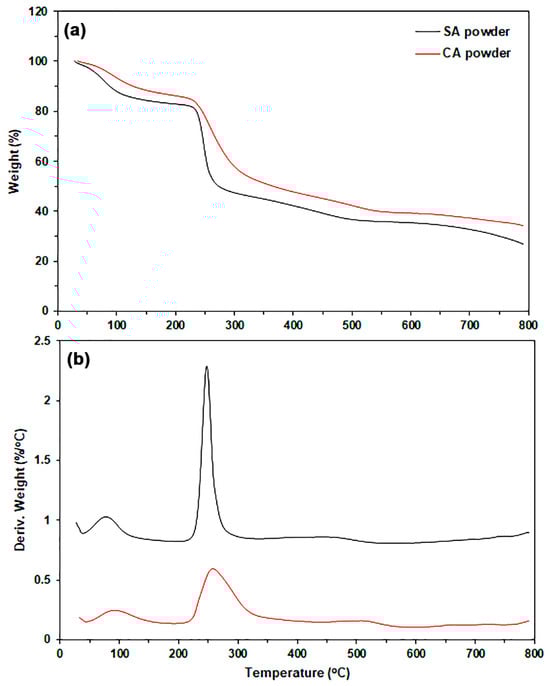
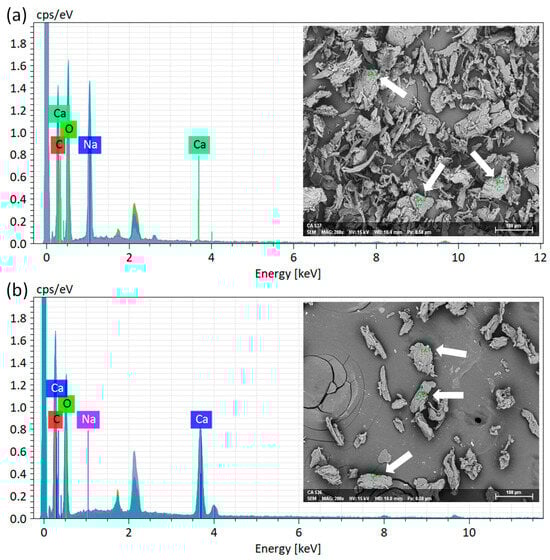
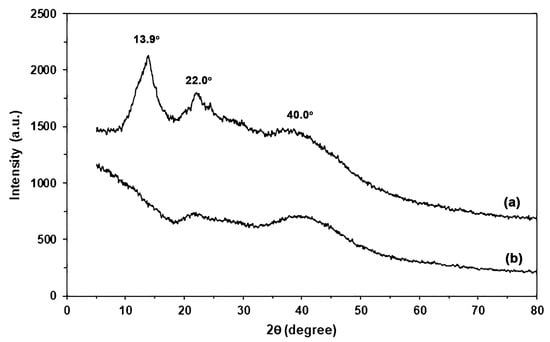
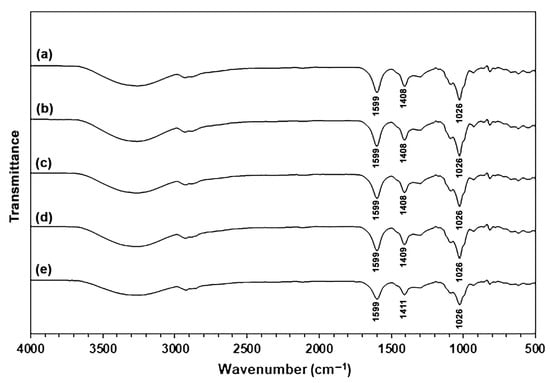
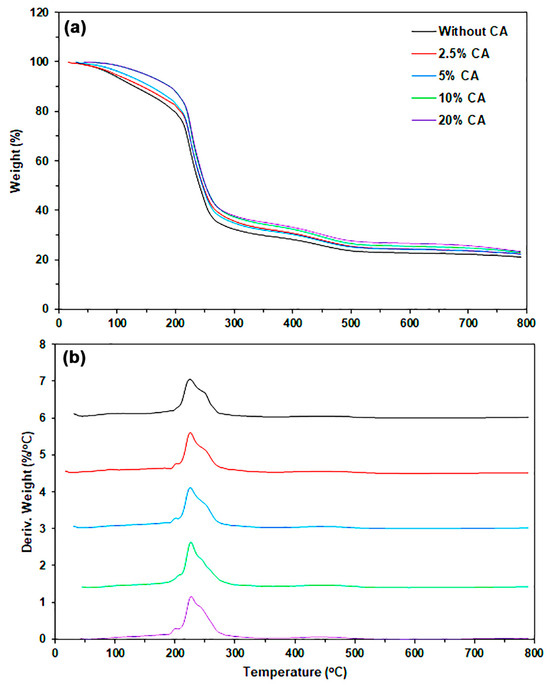
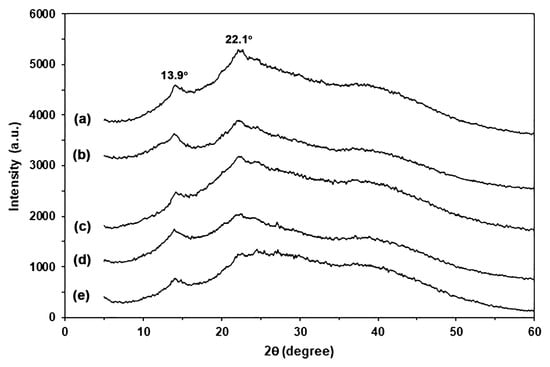
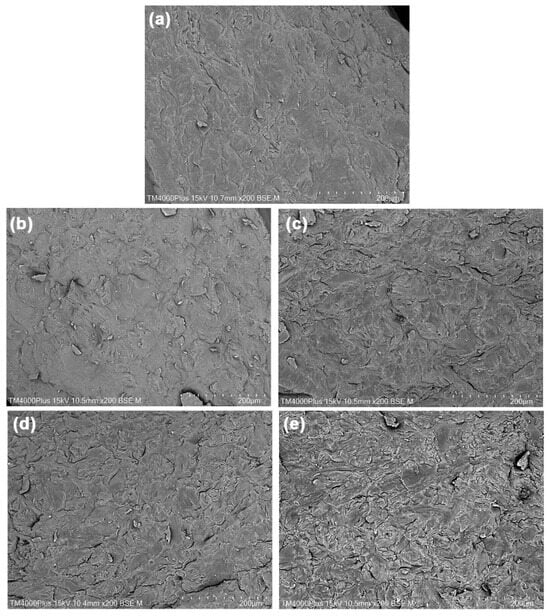
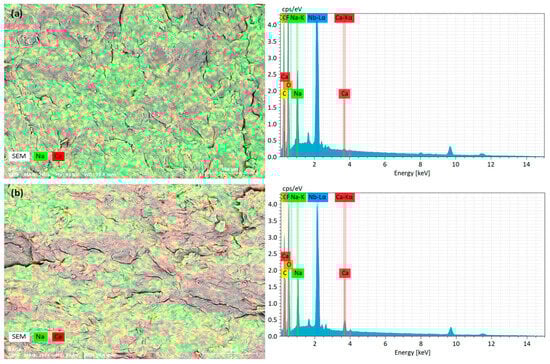
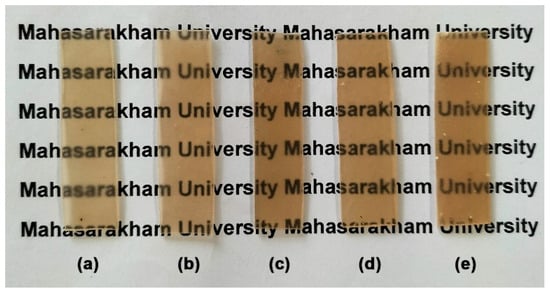
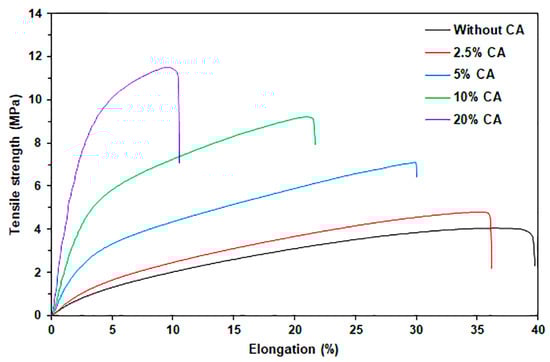
Alginate is a biocompatible and biodegradable polymer derived from seaweed. It has been extensively researched and developed for various applications. However, its poor mechanical properties present a significant drawback that limits its use in multiple fields. Furthermore, the fabrication of reinforced alginate films using conventional melt processing has the potential for scaling up production. This study aimed to enhance the mechanical properties of sodium alginate (SA) films by incorporating calcium alginate (CA) powder. The SA/CA biocomposite films were created using a thermo-compression technique, with glycerol acting as a plasticizer for the SA matrix. Various CA contents—2.5, 5, 10, and 20 wt%—were investigated. Scanning electron microscopy and energy dispersive spectroscopy revealed good interfacial adhesion between the SA film matrix and the CA powder. As the CA content increased, the moisture content of SA/CA biocomposite films decreased. The addition of CA powder significantly improved the tensile properties of the SA films. Based on the tensile test, SA/CA biocomposite films with 20 wt% CA powder exhibited a maximum tensile strength of 11.7 MPa and a Young’s modulus of 234.7 MPa. These results indicate a substantial increase of 208% in maximum tensile strength and 907% in Young’s modulus compared to SA films without CA. These findings indicated that the CA powder serves as an effective reinforcing filler for thermo-compressed SA films, which could lead to the development of high-strength alginate-based products for potential use in various applications, including biomedical, agricultural, and packaging applications.
Full article
(This article belongs to the Special Issue Marine Polysaccharides-Based Biomaterials)
►▼
Show Figures

Figure 1
Open AccessArticle
Cultivation of Limnospira platensis (Spirulina) in Full Seawater with Medium Recycling: A Promising Source of Protein and Phycocyanin for Arid Coastal Regions
by
Monserrat Alemán, Marianna Venuleo, Juan Luis Gómez-Pinchetti, Eduardo Portillo and Flavio Guidi
Mar. Drugs 2026, 24(4), 141; https://doi.org/10.3390/md24040141 - 16 Apr 2026
Abstract
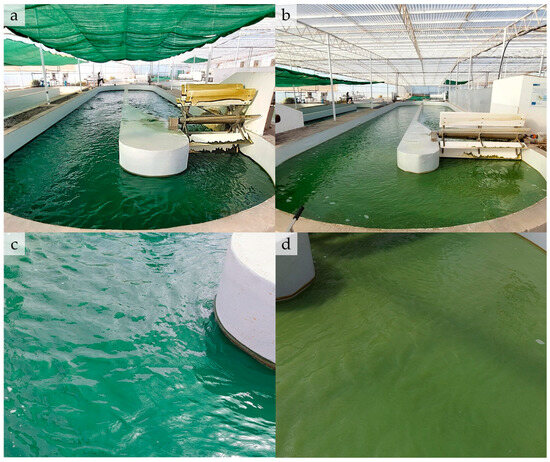
Protein and phycocyanin production is challenged by freshwater scarcity in arid coastal regions. This study assessed and optimized the cultivation of Limnospira platensis BEA 1257B in full seawater. Eight cultivation phases were conducted in 10,000 L raceways under a greenhouse to evaluate the
[...] Read more.
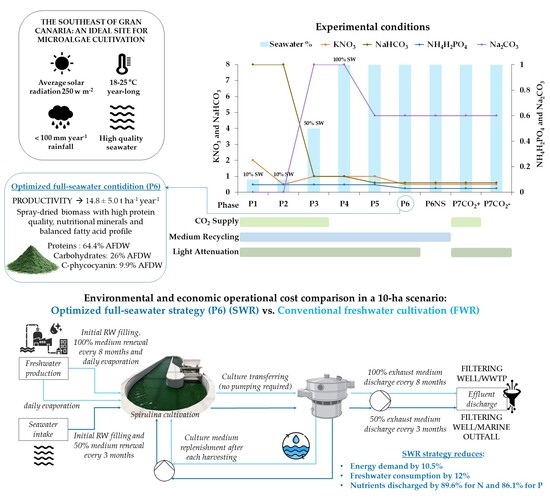
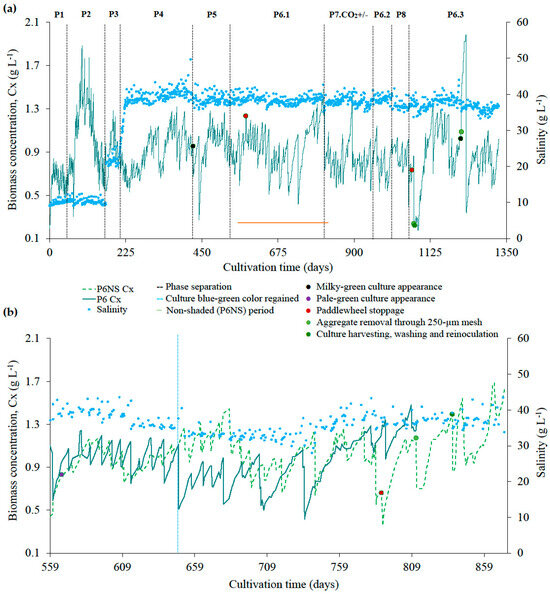
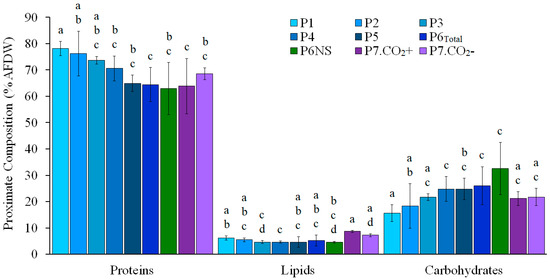
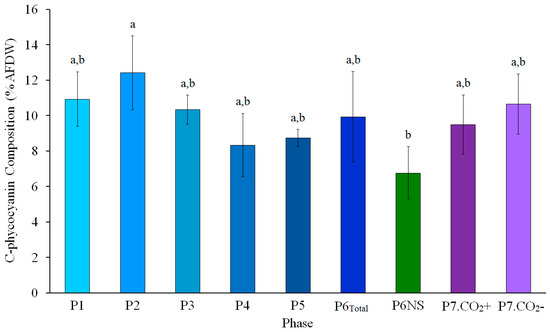
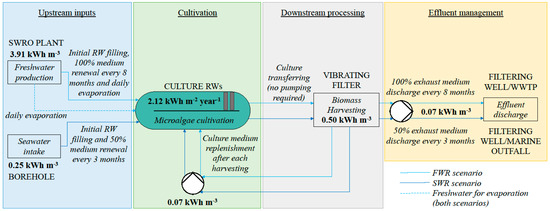
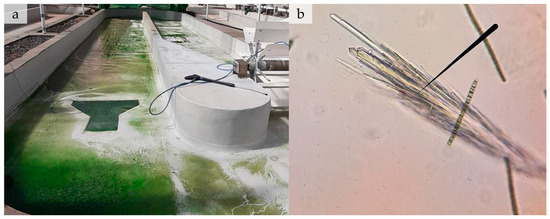
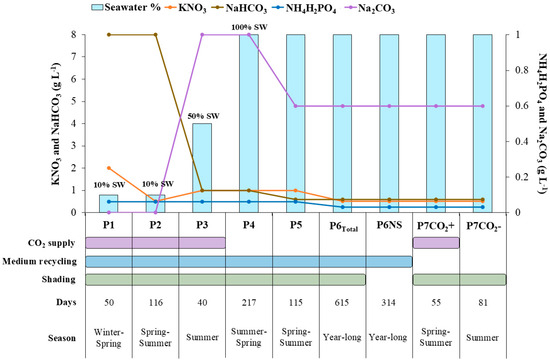
Protein and phycocyanin production is challenged by freshwater scarcity in arid coastal regions. This study assessed and optimized the cultivation of Limnospira platensis BEA 1257B in full seawater. Eight cultivation phases were conducted in 10,000 L raceways under a greenhouse to evaluate the effects of seawater content, nutrient availability, shading, CO2 supply, and medium recycling on biomass productivity and biochemical composition. Freshwater, energy, and fertilizer savings, together with effluent characteristics of the optimized full-seawater recirculation strategy (SWR), were evaluated against a conventional freshwater cultivation process. Lower productivity was associated with high salinity and irradiance. Under long-term optimized conditions (615 days), the strain achieved stable productivities of 4.1 ± 1.4 gDW m−2 day−1 (14.8 ± 5.0 tDW ha−1 year−1). Increasing salinity promoted carbohydrate accumulation in the biomass (26.0% AFWD), while protein (64.4%) and C-phycocyanin (9.9%) moderately decreased. Nevertheless, protein quality, phycocyanin, and essential fatty acids remained high. Spray-dried biomass exhibited nutritionally relevant contents of K, Mg, Ca, Fe, and Mn, and complied with international food safety standards. SWR reduced energy demand by 10.5% and freshwater consumption by 12% on a surface basis, although these advantages were partially offset when expressed per unit of product, while clearly supporting environmentally sustainable and regulatory-compliant Limnospira production.
Full article
(This article belongs to the Special Issue Algal Cultivation for Obtaining High-Value Products, 2nd Edition)
►▼
Show Figures

Graphical abstract
Open AccessArticle
Antioxidant Peptides from Skipjack tuna: Ameliorate Function on Cigarette Smoke Extract-Induced COPD in Cell Model by Targeting Oxidative Stress, Inflammation and Apoptosis
by
Yu-Hui Zeng, Yang-Yan Jin, Yan Sheng, Chang-Feng Chi and Bin Wang
Mar. Drugs 2026, 24(4), 140; https://doi.org/10.3390/md24040140 - 16 Apr 2026
Abstract
Antioxidant peptides show significant activity and can be developed into functional foods for treating chronic diseases. Cigarette smoke components can cause damage or even apoptosis of lung cells, eventually leading to chronic lung diseases. Therefore, this study aimed to investigate the protective effects
[...] Read more.
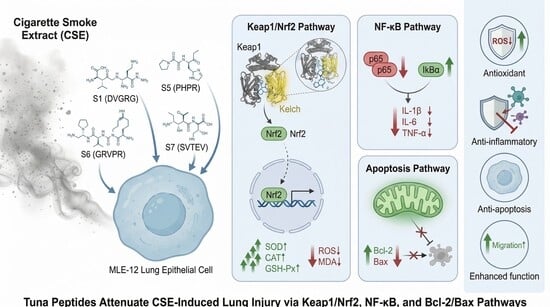
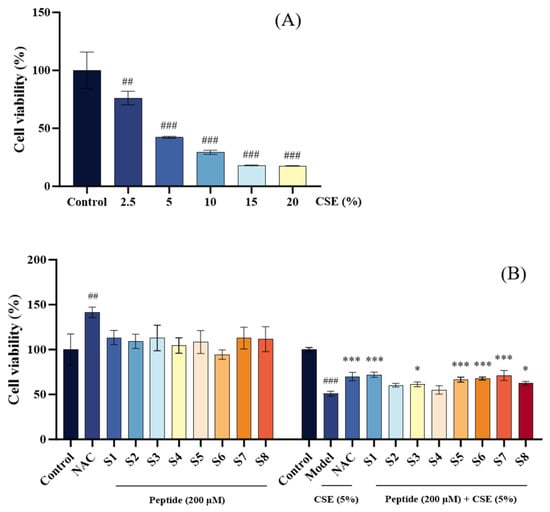
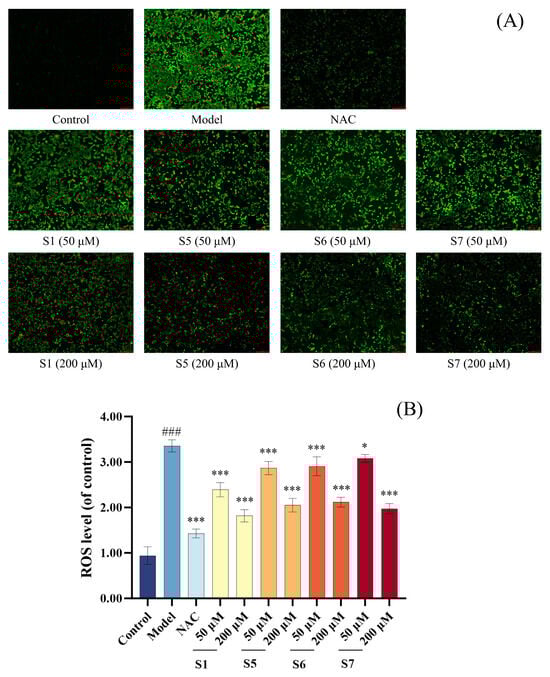
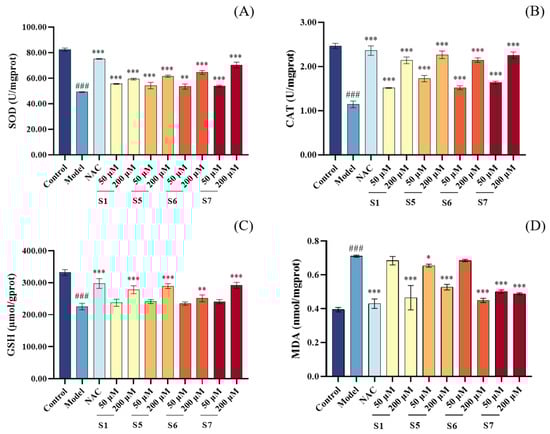
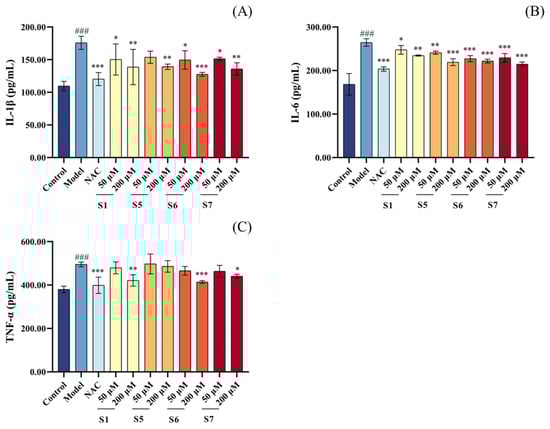
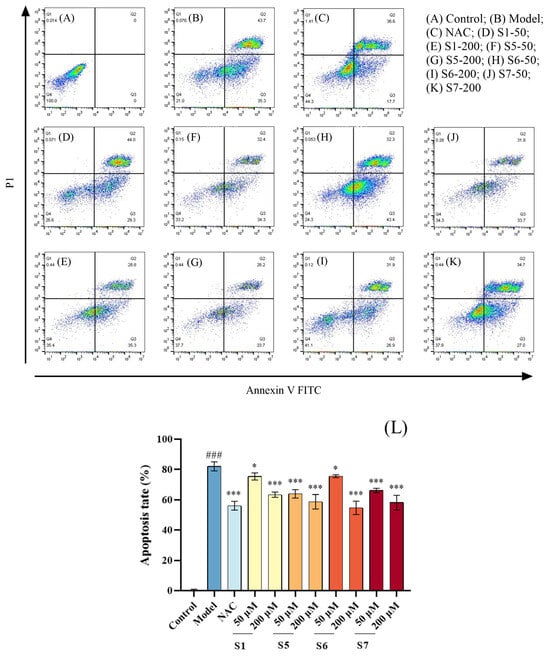
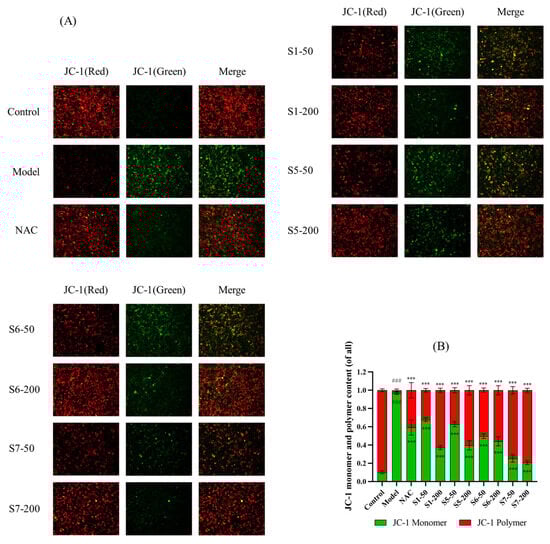
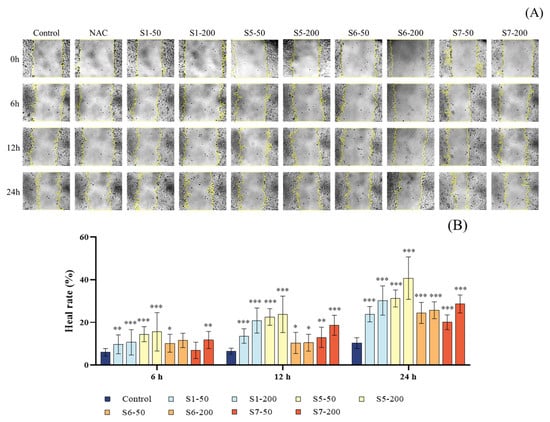
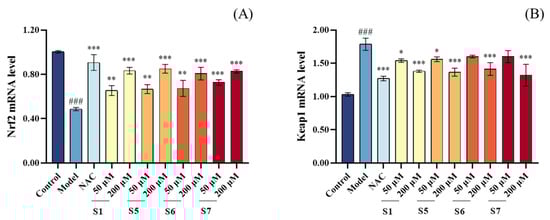
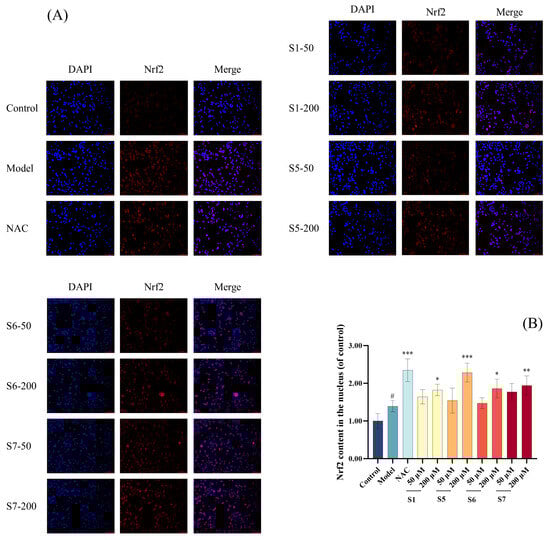
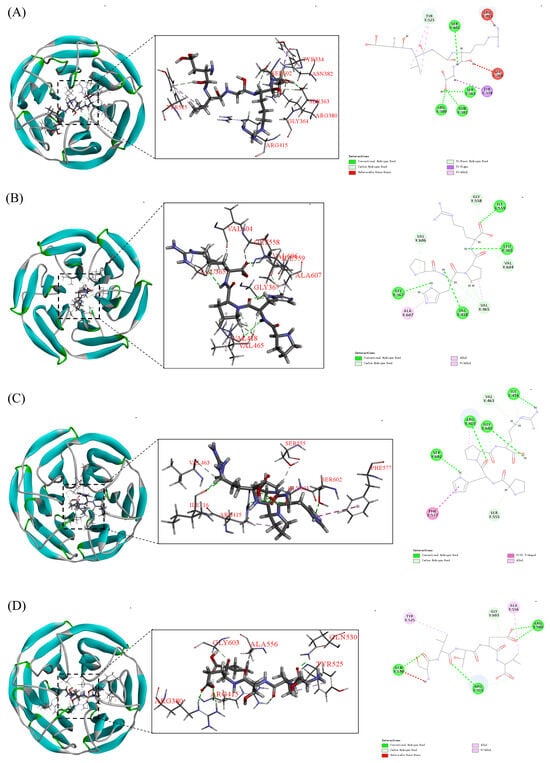
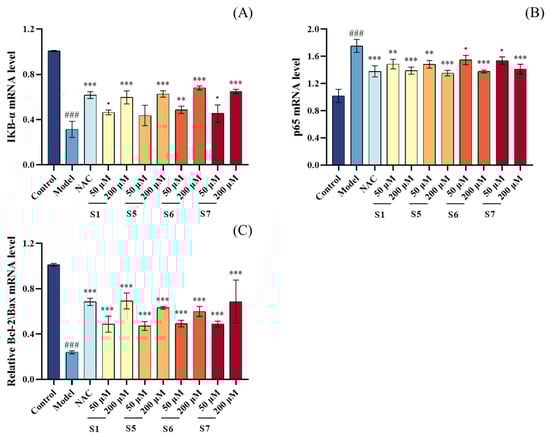
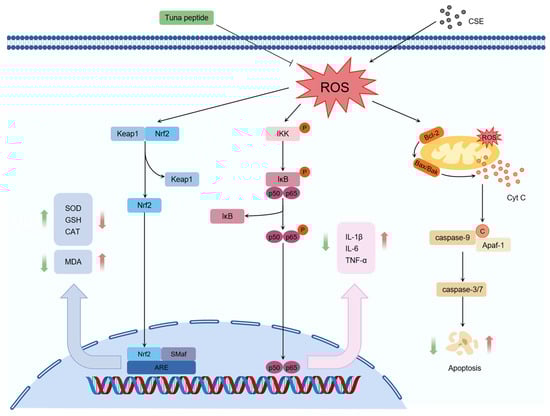
Antioxidant peptides show significant activity and can be developed into functional foods for treating chronic diseases. Cigarette smoke components can cause damage or even apoptosis of lung cells, eventually leading to chronic lung diseases. Therefore, this study aimed to investigate the protective effects and mechanisms of Skipjack tuna peptides against in vitro cigarette smoke extract (CSE)-induced chronic obstructive pulmonary disease (COPD). The results demonstrated that tuna peptides DVGRG (S1), PHPR (S5), GRVPR (S6), and SVTEV (S7) significantly enhanced the activities of SOD, CAT, and GSH-Px by upregulating the mRNA transcription levels of Keap1 and Nrf2, consequently reducing ROS and MDA levels in CSE-induced COPD model of MLE-12 cells. Molecular docking analysis revealed that S1, S6, and S7 competitively inhibited the Keap1-Nrf2 interaction by binding to the Kelch domain of Keap1, whereas S5 operated through a non-competitive mechanism. These peptides also downregulated p65 mRNA expression and upregulated IκBα mRNA expression, leading to a significant reduction in inflammatory cytokines of IL-1β, IL-6, and TNF-α, thereby alleviating inflammatory responses. Furthermore, these peptides significantly inhibited CSE-induced apoptosis by restoring mitochondrial membrane potential and upregulating the Bcl-2/Bax ratio. Additionally, S1, S5, S6, and S7 promoted MLE-12 cell migration in a concentration-dependent manner, suggesting a role in lung epithelial repair and regeneration. In conclusion, tuna peptides S1, S5, S6, and S7 exert antioxidant, anti-inflammatory, anti-apoptotic, and cell migration-promoting effects through the regulation of the Keap1/Nrf2 and NF-κB signaling pathways, as well as Bcl-2/Bax apoptotic balance, providing a promising strategy for mitigating CSE-induced lung injury.
Full article
(This article belongs to the Special Issue Marine Bioactive Peptides—Structure, Function and Application, 3rd Edition)
►▼
Show Figures

Graphical abstract
Open AccessReview
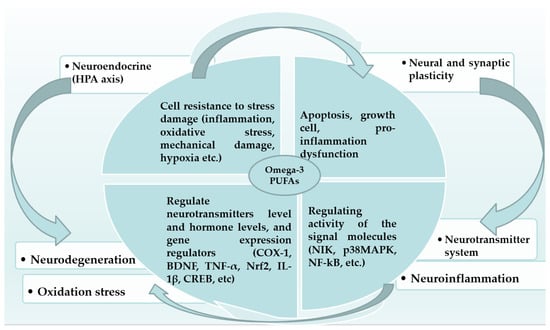
A Review of Omega-3 Fatty Acids from Marine Source Supplements and Enhanced Food Effects on Children’s Development, Neurological and Metabolic Disorders and General Health
by
Maria Dimopoulou, Stavroula Savvidi, Panagiotis Madesis, Aliki Dimopoulou, Dimitrios Stagos and Olga Gortzi
Mar. Drugs 2026, 24(4), 139; https://doi.org/10.3390/md24040139 - 15 Apr 2026
Abstract
Long-chain polyunsaturated fatty acids (LC-PUFAs) of omega-3 family, particularly docosahexaenoic acid and eicosapentaenoic acid, are essential nutrients that play a critical role in children’s growth and health. This review examines the evidence on the effects of omega-3 supplements and omega-3-enhanced foods on children’s
[...] Read more.
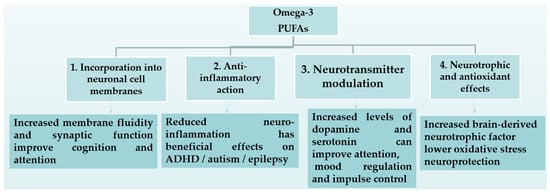
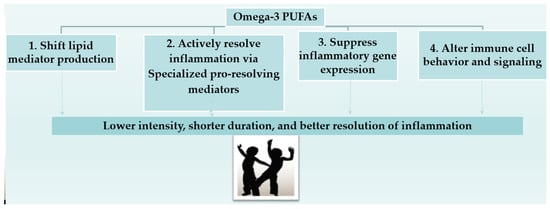
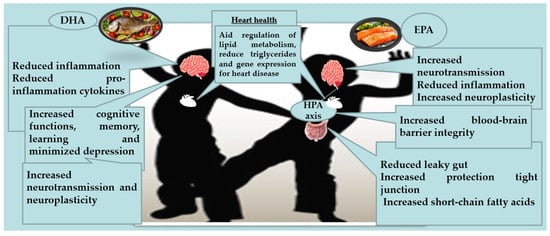
Long-chain polyunsaturated fatty acids (LC-PUFAs) of omega-3 family, particularly docosahexaenoic acid and eicosapentaenoic acid, are essential nutrients that play a critical role in children’s growth and health. This review examines the evidence on the effects of omega-3 supplements and omega-3-enhanced foods on children’s development, as well as on neurological and metabolic disorders. Research consistently highlights the importance of DHA in brain and visual development, especially during early childhood, when rapid neural growth occurs. PubMed, Web of Science, Scopus and the Cochrane Library databases were searched for relevant articles published up to January 2026. Adequate omega-3 intake has been associated with improvements in cognitive performance, attention, and learning outcomes. In children with neurodevelopmental conditions such as attention-deficit/hyperactivity disorder and autism spectrum disorder, omega-3 supplementation shows modest but potential benefits in reducing behavioral symptoms and supporting executive function, although results remain mixed. Additionally, omega-3 fatty acids exhibit anti-inflammatory properties that may positively influence metabolic health, including lipid profiles, insulin sensitivity, and obesity-related risk factors in children. Omega-3-enhanced foods provide an alternative to supplements and may improve adherence and overall dietary quality. However, variability in dosage, study design, and baseline nutritional status limits definitive conclusions. Overall, omega-3 fatty acids appear to support healthy development and may aid in managing certain neurological and metabolic disorders in children.
Full article
(This article belongs to the Special Issue Effects of Marine Natural Products in Brain Health and Metabolic Diseases, 2nd Edition)
►▼
Show Figures

Figure 1
Open AccessReview
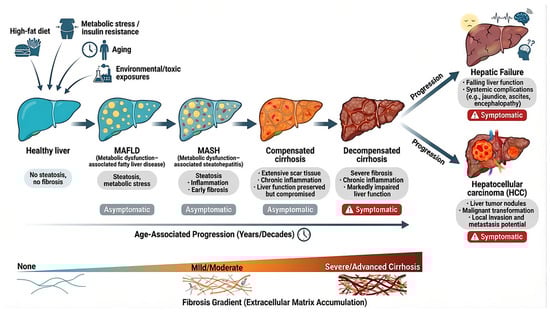
Marine Bioactives in Liver Aging: Mechanistic Insights and Translational Potential
by
Ricardo Moreno Traspas and Zachariah Tman
Mar. Drugs 2026, 24(4), 138; https://doi.org/10.3390/md24040138 - 15 Apr 2026
Abstract
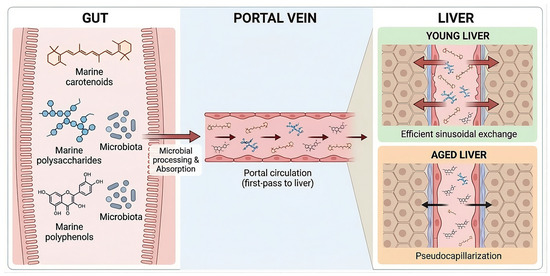
The liver is a central regulator of systemic metabolism and exhibits exceptional regenerative capacity, yet aging progressively impairs hepatic resilience through metabolic dysregulation, mitochondrial dysfunction, epigenetic instability, and chronic inflammation. Marine ecosystems constitute a vast and underexplored source of structurally diverse bioactive compounds
[...] Read more.
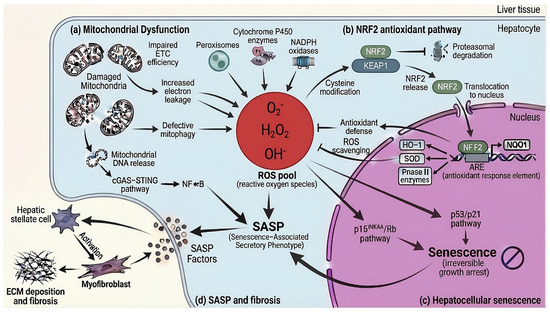
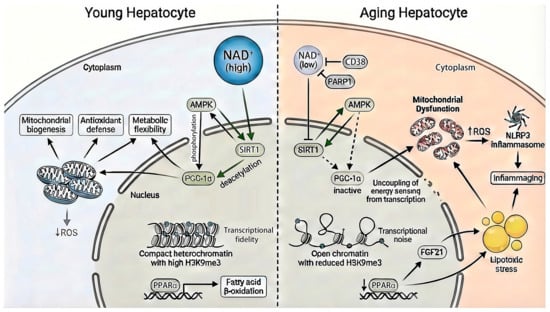
The liver is a central regulator of systemic metabolism and exhibits exceptional regenerative capacity, yet aging progressively impairs hepatic resilience through metabolic dysregulation, mitochondrial dysfunction, epigenetic instability, and chronic inflammation. Marine ecosystems constitute a vast and underexplored source of structurally diverse bioactive compounds that have evolved to modulate conserved stress response and homeostatic pathways. This review synthesizes current preclinical evidence demonstrating how marine-derived metabolites target key molecular axes implicated in liver aging, including energy sensing, redox balance, mitochondrial quality control, inflammatory signaling, and chromatin-associated regulation. Rather than focusing solely on isolated hepatoprotective effects, we frame marine bioactives within an aging biology perspective, highlighting their ability to modulate pathways associated with cellular plasticity and resilience. We further propose that this mechanistic convergence provides a theoretical framework for exploring marine compounds as potential adjunctive modulators within emerging, experimental liver rejuvenation strategies, including partial cellular reprogramming approaches that require coordinated metabolic and epigenetic control. While acknowledging that direct reversal of liver aging remains to be clinically established, integrating marine chemodiversity with contemporary aging and regenerative biology outlines a conceptual roadmap for developing liver-directed interventions targeting aging-related vulnerability as a fundamental driver of disease.
Full article
(This article belongs to the Special Issue Marine Antioxidants 2026)
►▼
Show Figures

Figure 1
Journal Menu
► ▼ Journal Menu-
- Marine Drugs Home
- Aims & Scope
- Editorial Board
- Reviewer Board
- Instructions for Authors
- Special Issues
- Topics
- Sections & Collections
- Article Processing Charge
- Indexing & Archiving
- Editor’s Choice Articles
- Most Cited & Viewed
- Journal Statistics
- Journal History
- Journal Awards
- Society Collaborations
- Conferences
- Editorial Office
Journal Browser
► ▼ Journal Browser-
arrow_forward_ios
Forthcoming issue
arrow_forward_ios Current issue - Vol. 24 (2026)
- Vol. 23 (2025)
- Vol. 22 (2024)
- Vol. 21 (2023)
- Vol. 20 (2022)
- Vol. 19 (2021)
- Vol. 18 (2020)
- Vol. 17 (2019)
- Vol. 16 (2018)
- Vol. 15 (2017)
- Vol. 14 (2016)
- Vol. 13 (2015)
- Vol. 12 (2014)
- Vol. 11 (2013)
- Vol. 10 (2012)
- Vol. 9 (2011)
- Vol. 8 (2010)
- Vol. 7 (2009)
- Vol. 6 (2008)
- Vol. 5 (2007)
- Vol. 4 (2006)
- Vol. 3 (2005)
- Vol. 2 (2004)
- Vol. 1 (2003)
Highly Accessed Articles
Latest Books
E-Mail Alert
News
Topics
Topic in
Applied Biosciences, Applied Microbiology, Fermentation, Marine Drugs, Microorganisms
Microbial Cell Factories for Natural Products
Topic Editors: Carlos Barreiro, Ana Ibáñez, José L. BarredoDeadline: 31 May 2026
Topic in
Applied Biosciences, Applied Sciences, Fermentation, Marine Drugs, Microorganisms, Phycology
Microalgae: Current Trends in Basic Research and Applications
Topic Editors: Nhuan Nghiem, Tae Hyun KimDeadline: 30 September 2026
Topic in
Dietetics, Foods, Marine Drugs, Nutrients, Oceans, Phycology
Microalgae-Based Foods and Ingredients: Innovative Processing, Sensory Quality, and Functional Applications
Topic Editors: Haohao Wu, Xiaojin Song, Han Sun, Adewale Olusegun Obadina, Wenhui GuDeadline: 12 March 2027
Topic in
Brain Sciences, Nutrients, Pharmaceuticals, Sci. Pharm., Marine Drugs
Marine-Derived Bioactive Components in the Prevention and Treatment of Memory Disorders
Topic Editors: Zhiyou Yang, Yi ZhangDeadline: 30 May 2027
Conferences
Special Issues
Special Issue in
Marine Drugs
Pharmacological Potential of Marine Natural Products, 3rd Edition
Guest Editor: Chang-Lun ShaoDeadline: 30 April 2026
Special Issue in
Marine Drugs
Synthesis, Optimization and Biological Activity of Marine Natural Product
Guest Editors: Shengrong Liao, Zejun XuDeadline: 30 April 2026
Special Issue in
Marine Drugs
Sustainable Valorization of Seafood By-Products through Recovery of Valuable Bioactive Compounds 2nd Edition
Guest Editors: Oscar Martinez-Alvarez, Ali BougatefDeadline: 30 April 2026
Special Issue in
Marine Drugs
Effects of Marine Natural Products in Brain Health and Metabolic Diseases, 2nd Edition
Guest Editor: Vanni CarusoDeadline: 30 April 2026
Topical Collections
Topical Collection in
Marine Drugs
Zebrafish Models in Marine Drug Discovery
Collection Editor: Xiaobin Li
Topical Collection in
Marine Drugs
Marine Compounds and Cancer
Collection Editors: Friedemann Honecker, Sergey A. Dyshlovoy
Topical Collection in
Marine Drugs
Marine Drugs in the Management of Metabolic Diseases
Collection Editor: Ralph Urbatzka
Topical Collection in
Marine Drugs
Papers from “Sino–Italian Symposium on Bioactive Natural Products”
Collection Editors: Orazio Taglialatela-Scafati, Hong Wang