




J. Fungi, Volume 12, Issue 1 (January 2026) – 80 articles
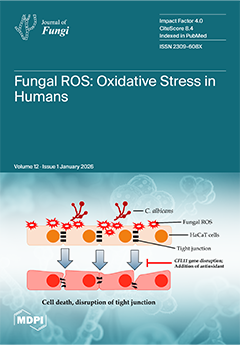
Cover Story (view full-size image):
Candida albicans causes severe skin infections, yet its impact on skin barrier integrity has long been underappreciated. This study highlights the fungal virulence gene CFL11, which encodes an NADPH oxidase responsible for generating reactive oxygen species (ROS) at hyphal tips. It is revealed that ROS secreted by C. albicans induce apoptosis by elevating intracellular ROS levels in human keratinocytes and compromise epithelial barrier function and tight junction expression, even in the absence of direct contact. By visualizing this oxidative stress at the host–pathogen interface, this work emphasizes fungal ROS as a previously overlooked pathogenic strategy and points toward antioxidant-based approaches as potential interventions to preserve epithelial health and strengthen skin defenses. View this paper
- Issues are regarded as officially published after their release is announced to the table of contents alert mailing list.
- You may sign up for e-mail alerts to receive table of contents of newly released issues.
- PDF is the official format for papers published in both, html and pdf forms. To view the papers in pdf format, click on the "PDF Full-text" link, and use the free Adobe Reader to open them.
Previous Issue
Next Issue
