


Abstract
Global warming is a problem that threatens humanity, with livestock being one of the causes. A systematic literature review was carried out by using some appropriate elements of the PRISMA statement to identify disciplines that work to mitigate the effects of the livestock industry by organizing them according to their approach to addressing this problem. The main objective is to find information and classify the disciplines, papers, literature review methodologies, research gaps, authors, and journals developing the management of the cattle supply chain. This paper could analyze and mitigate the adverse effects on society and the environment generated by the industry, organizing them according to their approach. Twenty databases were consulted between March and May 2020, from which 146 review documents were chosen. The papers reviewed were published between 2003 and 2020. The eligibility criteria for selection were open access to the full text, publication in an indexed journal, and a focus on any discipline related to cattle. The unselected papers did not have DOIs or duplicates, and those focused on other types of meat and book chapters. Subsequently, the information in the selected papers was described and consolidated, and these papers had 602 authors and were from 99 journals. Next, a discipline categorization was proposed. The results were organized, showing that among all the analysis criteria, the category of veterinary medicine had the best results in terms of indicators; therefore, additional research is needed on the other disciplines, especially in culture, technology, management, quality control, tanneries, and transportation, as there was less research within these disciplines. It is recommended that research on a mix of the different proposed disciplines be conducted. The proposed categorization’s main contribution is to identify and group the cattle supply chain’s different disciplines and the definition of research gaps organized under a structure organizational management model. Finally, a multicriteria selection methodology must be used that prioritizes the discipline categories proposed in this review to guide future research.
1. Introduction
Livestock impacts on the environment and its contribution to the increase in the generation of greenhouse gases (GHGs) through its production systems and each echelon of the supply chain are problematic and concerning to academic entities and social, environmental, governmental, and non-governmental organizations that are working to identify alternatives to mitigate the adverse effects of this economic sector worldwide [1,2,3]. This systematic literature review focuses on identifying the different disciplines relating to the cattle supply chain.
This categorization seeks to understand the important interests of the actors involved in managing livestock, identify in detail new and established areas of knowledge and research, jointly develop synergistic scenarios, and achieve the sustainable development objectives established by the Food and Agriculture Organization (FAO) of the United Nations, 2030 Agenda [4,5]. One objective is conducting water management while recognizing water as a finite vital resource for all ecosystems on Earth and as a right for all living organisms, even if all do not have that right. Approximately 1.5 million children die each year due to a lack of clean water. Water reserves are threatened due to increased demand from industries, agricultural production systems, urban waste, contamination of waterways, and mining; there is no equilibrium in water use, and water supply is less than water consumption; as a result, 47% of the world’s population will live with water scarcity by 2030 [6,7,8,9,10].
Similarly, government representatives at the FAO World Food Summit rejected that 800 million people in the world cannot meet their food needs, which implies establishing sustainable action plans defined in conjunction with world leaders focused on identifying these communities and offering food and nutritional security [11,12,13]. In addition, mitigating climate change is a priority. The conclusions presented by the Intergovernmental Panel on Climate Change suggest that source control in production systems should be conducted, all significant events should be tracked, and critical indicators should be removed. According to the projections for the next five years, the temperature will continue to increase, and it is expected that the goal of maintaining global warming below 2 °C will be achieved [14]. Finally, the population is expected to increase to 9800 million by 2050 and 11,200 million by 2100 [15].
This scenario could increase meat consumption by 73% by 2050 and, consequently, some goals for improving environmental conditions could be affected [16]. The projected world production for the current year of beef cattle is 70,707 kilotons, and consumption is 70,430 kilotons. The production projection for the year 2030 is 74,713 kilotons, and consumption is 74,421. The data indicates that the demand must be fully satisfied [17]. Meat consumption provides nutritional benefits such as proteins, fats, minerals, and vitamins with a high supply of bioavailability and micronutrients for humans [16,18]. The low or non-consumption of beef could affect the health of the human being, especially in the absence of iron content that the body needs. Anemia problems could affect intellectual development, amenorrhea, and fertility impairment [19]. Based on the previously described overview, the objective of this systematic literature review was to identify disciplines related to the livestock industry and categorize them by analyzing and organizing the related information found in each scientific article on technical approaches and then produce an interdisciplinary guide that promotes mixing, experimenting with, and identifying new methodologies to address the problems generated by livestock. As an additional objective, we sought to identify and analyze information from papers, authors, and journals in detail.
Previous research has contributed to the scientific progress related to livestock and has identified cultural diversity for and against the permanence of the sector in the economy from different disciplines. However, no contributions have grouped them and identified the same concerns regarding animal welfare and the environment. This document, unlike previous works, collects all those disciplines around livestock and identifies gaps allowing future researchers to be interested in the same concerns. Likewise, it encourages the industry to find common paths from different positions to focus efforts on maintaining the works and transforming practices that are harmful to the environment and turning them into competitive advantages for the sector, where the opponents are future friends and tend toward common goals.
2. Materials and Methods
2.1. Search Strategy
A systematic literature review was conducted of reviews performed on the cattle supply chain, following the guidelines of the proposal to improve the publication of systematic reviews and meta-analyses guideline report (PRISMA) (Please see Appendix A Section). About 60,000 published papers have used the PRISMA guideline report for systematic review until August 2020, ensuring the reliability and suitability of the findings [20]. These published papers have demonstrated the PRISMA’s effectiveness as a methodology for conducting systematic literature reviews. A total of 20 databases were consulted between March and May 2020, and 10 identical keywords were used for each search, yielding 2060 references (Table 1), with the number of papers per database in Table 2.
Table 1.
Search terms and equations in databases.
Table 2.
Number of papers obtained from the databases.
The papers reviewed were published between 2003 and 2020. A PRISMA flowchart was made to present all the steps of the literature search and final selection (Figure 1). The inclusion criteria of the papers were as follows: (i) open access to the full text; (ii) publication in indexed journals; and (iii) a focus on any discipline related to cattle. Unselected papers were those without DOIs/duplicates/focus on other livestock/and book chapters.
Figure 1.
PRISMA flowchart of the bibliographic search and text selection process.
Of the documents that did not have open access, three were identified that were considered necessary to include; thus, the authors were contacted, and the provision of the complete texts was facilitated through ResearchGate. Finally, the number of papers per database selected for the final review is presented in Table 3.
Table 3.
Number of papers selected for absolute review.
2.2. Data Analysis
The information obtained from each article was consolidated in a spreadsheet and included a summary, keywords, objectives, results, conclusions, recommendations, research gaps, weighted impacts in the field, number of citations in Scopus, and literature review methodologies. Subsequently, information on each review was collected and consolidated. This information consisted of the following: affiliations, thematic areas, country of origin, number of papers, total citations, and H index, yielding a total of 602 authors based on Scopus. Finally, from 99 journals, the following data were obtained: the Journal Citation Report (JCR), Scimago Journal and Country Rank (SJR), H index, rejection rates, percentile of prominence and CiteScore from Scopus, and publisher, editor(s), original language, frequency, cost of publication, and country, from Scopus and Web of Science.
3. Data Analysis
The supply chain integrates functions from suppliers that offer goods and services to customers. The supply function includes the participation of different stakeholders directly or indirectly fulfilling the demand [21]. These activities are repeated several times for the flow supply channel [22]. The beef supply echelons are suppliers, plant production, transportation modes, and final distribution. The main objective of the supply chain is to integrate activities that allow managing the supply chain in real-time to simplify activities [23]. Likewise, supply chains add value to stakeholders and create competitive advantages [24].
Similarly, it is necessary to manage its operations to improve profitability and competitiveness [25]. Subsequently, organizations use concepts of green supply chains and collaborative strategic alliances to turn them into tools and reduce the unfavorable environmental, social, and economic impact of their industrial operations; including awareness of the importance of sustainability [26,27,28,29,30,31]. Finally, supply chain management plans and controls forward and backward goods, services, and information from origin to destination for the fulfilling needs of all stakeholders [32].
The cattle supply chain begins with the production or raising of the cattle, and its objective is to wean, raise and fatten the cattle. Once the animals meet weight expectations, they are sent through carriers to marketing centers called beaches, fairs, or livestock auctions. The price is negotiated according to the value per kilogram, and the product is sold. Another alternative is when the buyer finds the cattle to negotiate it for a tentative value, evaluating the price probabilistically based on their experience, or buying it by the weight of the carcass placed. Subsequently, the cattle are loaded onto trucks or trailers and sent to processing plants or refrigerators, where the cattle are slaughtered and prepared in quarters or eighths of the carcass to be sent to refrigeration rooms. Next, they are distributed in equipped vehicles with refrigeration to small meat outlets or industrial companies. Consecutively, companies and small businesses ship fresh or processed products to customers. The customer also could go to buy their products personally. Finally, some companies have integrated the entire supply chain, produce, transport, benefit, and have their industrial plants; sometimes, the same producers take the cattle from their farms to these plants [33].
The results obtained in the review literature and the proposal to categorize the cattle supply chain are presented Figure 2.
Figure 2.
Echelons of livestock supply chain.
3.1. Categorization
Table 4 presents the suggested discipline categories and approaches and the number of publications covering the cattle supply chain. The discipline’s organization was performed according to the objectives of each area of interest in scientific papers. Based on the review, researchers are increasing their research in veterinary medicine, and 33% of the total number of papers were on veterinary medicine. Similarly, the category of culture and transport accounted for the lowest percentage of the total number of review papers at 2.96%. This analysis highlighted the need to increase research in this disciplinary area in the scientific community.
Table 4.
List of proposed categories and approaches.
Finally, this organization has been performed based on the analysis of the relationship between the objectives of each paper. We have separated each category as appropriate to the echelons of the entire cattle supply chain. Indeed, the proposed structure allows generating the cross-cutting nature of the disciplines as they interfere and relate to each other in all the echelons of the meat supply network.
3.2. Papers
Figure 3 indicates the increase in researcher interest in the livestock industry from the first publication to efforts to obtain a sample of papers to develop this document. Table 5 shows the different methodologies that the researchers used to carry out their scientific reviews. It is observed that 74% of the authors did not use a formal guide; however, we found that 12.59% used PRISMA reporting guideline as an approach for conducting their systematic literature reviews. In addition, there is interest from other authors in offering guidelines for conducting a literature review. Table 6 lists the publications that used the right parts of the PRISMA reporting guideline. Besides, Table 7 specifies which publications misnamed their work that PRISMA is a method when it is evident that it is a reporting guideline. It identifies the publications attached to the diagram and the PRISMA checklist. Table 8 shows that the impact and number of citations of agricultural sector disciplines related to the cattle supply chain accounted for higher proportions of the review papers at 35.22% and 33.99%, respectively. Similarly, veterinary medicine identified the highest number of research gaps, at 32.68%; these gaps were extracted from those suggested by the authors and not from the documents they reference in their papers.
Figure 3.
Number of publications per year.
Table 5.
Methodologies used by the publications to carry out the reviews.
Table 6.
Number of publications, citations, citation impact and gaps using Scopus data.
Table 7.
Publications including PRISMA diagram.
Table 8.
Number of publications, citations, citation impact and gaps using Scopus data.
3.3. Authors
Table 9 shows that the highest number of researchers, papers, and H-indexes were in the discipline category of veterinary medicine, and the lowest number of researchers, papers, and H-indexes were in the discipline categories of culture tanneries and transport. However, the highest number of citations corresponds to the general agriculture sector at 44.09%.
Table 9.
Number of Authors, articles, total citations and H index by category.
3.4. Journals
Table 10 indicates that England has the most significant number of cattle production-related journals at 29.54%. Table 11 consolidates the number of publications for each journal, where the journal with the cleanest methods of production had the highest number of publications at 7.4%. Similarly, in comparison to JCR, SJR had 39 more papers in category Q1 based on Table 1. This comparison of a single component showed that each journal’s impact factor and scientific relevance were different in the JCRs than in the SCR, although they were the same in some of the components. Table 12, Table 13, Table 14, Table 15 and Table 16 present information on Publisher, ISSN, publication cost, badge, submission to first decision review—acceptance time, post time, acceptance rate, post frequency, and electronic address.
Table 10.
Number of journals by country.
Table 11.
Number of publications, SJR, H-Index, Journal category and CiteScore impact indicator.
Table 12.
Data from JCR, H-Index and Journal Category.
Table 13.
Data from publisher, ISSN (NP: No publication).
Table 14.
Data from publication cost, fee, submission to first decision and review—acceptance time (NP: No publication).
Table 15.
Data from post time, acceptance rate and post frequency (NP: No publication).
Table 16.
Data from electronic address.
4. Literature Review and Discussion
4.1. Category 1—Global Warming
4.1.1. Climate Change
The climatic impact of livestock production increases every day due to the increase in productive units, especially in developing countries. Evaluating the environmental impacts generated by livestock production in terms of each supply chain echelon is important for identifying the magnitude of the effects so that controls can be implemented to mitigate the negative consequences on the environment [34].
4.1.2. Meat Consumption
Nutrition in Western society is based on beef consumption. There are small groups of people aware of this economic sector’s impact on the environment. Initiatives to reduce or simplify processes in the livestock supply chain are hampered by consumer beliefs, personal behaviors, social and family pressures, health, and preferred tastes. Vegans and vegetarians are aware of meat consumption’s harm to the environment [35]. Generally, young people and women limit their meat consumption, especially in Europe, Asia, and the United States of America [36].
The introduction of other food sources, such as insects and cultivated meat, are alternatives that can reduce meat consumption [37]. Studies conducted on the impact of livestock on the environment generally support the concept that reducing beef consumption and promoting the intake of vegetables and fruits are beneficial [38]. A reduction in meat consumption could mitigate the emissions of GHGs and the burden of diseases on humans [39]. Consumer awareness of environmental sustainability and animal welfare are expressed concerning producers of beef and dairy products; thus, the demand by consumers for high-quality meat products has increased as consumer awareness has increased. Several studies seek to identify a consumer’s willingness to pay for these quality attributes, and the results showed that there are differences in consumers’ perceptions; therefore, it was difficult to standardize the estimates of the attributes [40].
4.1.3. Greenhouse Gas Emissions
Manure is considered a waste that generates environmental impacts, and it can be reused for the production of fertilizers and biogas. Biogas production involves various processes, including obtaining raw materials, transporting materials, industrializing the production process, implementing a technology structure, and establishing a plant in an area that has a drinking water supply, energy, and supplies. The environmental impacts of each of these processes that produce biogas must be evaluated to establish sustainable production strategies [41]. Farmer awareness of the importance of protecting the environment increases, and they are adopting sustainable strategies for nutrient management and manure treatment [42]. GHG emissions should not supersede the other impacts generated by the meat industry, whether negative or positive; thus, it is necessary to identify, characterize, and analyze each impact. Emission reports can omit details in the data, preventing their reliability and credibility.
Debates around the definition of carbon dioxide equivalence metrics should consider each impact individually to improve the evaluation of GHG emissions from the agricultural sector, thus benefiting research efforts [43]. Policy-makers focusing on reducing GHGs focus on animal nutrition and manure management through anaerobic digestion [44]. There are differences between globally modeled GHG estimates and those obtained in the field, where higher emission factors [45]. It is necessary to standardize GHG measurement methods and instruments and the presentation of the reports integrating the data [46]. The GHG emission factors of beef cattle are the highest compared to those of other types of meat when analyzing the production processes from birth to the cooking process [47]. In terms of ammonia emission rates, farm type, air temperature, and crude protein content in the diet are considered important factors; similarly, for methane emission rates, energy intake and feed digestibility are important factors. Enteric food efficiency and increased productivity mitigate the emissions of these two GHGs [48].
4.1.4. Industrial Processes
Industrial plants that process the different components of livestock produce products and byproducts that add value to the supply chain economically, environmentally, and socially. The leather industry uses raw materials for the leather goods sector; tallow is used for butter, soaps, cosmetics, paints, and other animal products. The industry has made technological advances in software and hardware, which are expected in product quality [49].
4.1.5. Water Resources
The production, transformation of products and byproducts, and generation of inputs for the livestock sector require a supply of water, generating a water footprint. Therefore, it is necessary to identify alternatives that allow water use optimization. There are different metrics for quantifying water consumption; however, the results are isolated from the important objectives that need to be measured, such as environmental impact, water quality problems, water sources, and how they are measured and presented results [50].
4.1.6. Waste
Reusing the waste generated in meat processing plants provides an energy source for the biorefinery industry. This alternative use makes it possible to progressively change the current practices of disposal and incineration in landfills, which are incompatible with improving the environment. Research has been conducted to identify the different technologies that enable the conversion of biomass [51]. Wastewater from livestock processing plants and milk industrialization require treatment to reduce environmental impacts; technologies such as electrocoagulation are alternative options that achieve these environmental objectives [52]. Pretreatment processes for wastewater anaerobic digestion in livestock processing plants are other alternatives that can mitigate environmental impacts, and the related important variables to evaluate are costs and energy balance [53].
4.1.7. Soils and Plants
Livestock grazing has negative, positive, and neutral effects on natural ecosystems, especially concerning forest conservation [54]. The production of animal protein involves using nonrenewable resources and intense land use; the yields of these livestock species, in terms of gain per kilogram in cattle, are higher in dairy cattle than in beef cattle [55].
4.2. Category 2—Culture
4.2.1. Spirituality
Judaism, Islam, and Christianity have rules related to the production, distribution, and consumption of meat products, and the objective of these rules is to guarantee food security so that needs are met at nutritional and spiritual levels. Halal and kosher products must certify the quality of the production processes across the supply chain of different types of livestock [56].
4.2.2. Origin and Evolution
Young people and women are influenced to try to dissociate meat consumption and its origins [57]. Identifying pregnant female cattle prior to slaughter is essential to mitigate the pain generated in the process [58]. The supply of nicotinamide to humans from consuming large amounts of meat improves health, longevity, and intelligence, although the impacts on fertility are moderate; in contrast, if meat consumption is low, then fertility is high, and diseases can occur [59].
4.3. Category 3—Tanneries
4.3.1. Occupational Health
Working in tanneries can affect the skin, lymph nodes, joints and bones, and eyes and lung parenchyma, mainly from the effects caused by sarcoidosis, a disease that can occur in environmental and work environments [60]. Worker exposure to the nano papers emitted in the production process generates health damage, cardiac arrest, skin and eye allergies, cancer, DNA damage, and platelet alterations [61].
4.3.2. Conservation
The use of inorganic, natural, organic, and other chemical antiseptics; sodium chloride preservation; and physical preservation are leather curing methods that could reduce the environmental impacts of tanneries and improve the effectiveness of these efforts [62].
4.4. Category 4—General Agricultural Sector
4.4.1. Strategic Alliances
Coordination and stability, continuous improvement, power, commitment, trust, adaptation, collaboration value, and exchange activities are key factors for stakeholder cooperation in an agri-food supply chain [63].
4.4.2. Foods
Governance of the soybean value chain, public and private initiatives, consequences and potential barriers, and economic, social, and environmental challenges are the themes that define the proposed conceptual framework for managing the global supply chain of soybean [64]. The consumption of phosphorus fertilizers for food production will increase in the coming years, phosphate rock reserves are being depleted, and there are geopolitical limitations on the production and supply of P chemical fertilizers, which will lead to an increase in their prices could affect farmers. There is evidence of waste and loss of P to water bodies at different geographical scales, which will affect fish and cause algal blooms [65].
In comparison to the production of ruminant livestock, the production of fruits and vegetables, available products, dairy products, and nonruminant livestock have a lower impact on GHG emissions [66]. Strategic alliances, the definition of structural and naming guidelines, communication, and joint efforts among academia, the state, and business organizations are strategies that need to be implemented to reduce corruption in food supply chains [67].
The production of legumes contributes to increasing socioeconomic levels and protecting the environment by reducing GHG emissions. The fixation of atmospheric nitrogen, the release of high-quality organic matter to the soil, water retention, and the facilitation of nutrient circulation to the soil are some of the positive characteristics that make legumes necessary for agri-food systems in the future [68]. Knowledge about nutrition and food choice suggests that nutritional education and the provision of information through labels are the most common strategies used to alter processes related to the selection and purchase of food products [69].
Designing appropriate architecture and tracking and quality monitoring of food products involves the Internet of Things in the supply chain to ensure food safety. Temperature, humidity, and location are monitored by sensors, radiofrequency identification, and wireless sensor networks [70]. Managing, monitoring, and controlling the temperature in cold chains reduce food waste. The greatest consumption and abuse of energy are recorded in developed countries, for which there is not much information. Inappropriate practices by operators, poor location of products in storage areas, and poor refrigeration equipment designs are the main problems in the cold chain [71].
The agri-food chains that generate waste and loss are vegetables and fruits; however, in comparison to livestock production, fruit and vegetable production creates less environmental impacts and a smaller water footprint [72]. The development of efficient technologies and strategies for the reprocessing of environmentally friendly waste and public acceptance prevent the transformation of food waste into added value [73]. Physicochemical and biological treatment, including anaerobic and membrane treatment technologies, are techniques used to treat waste generated in food industries [74]. Children’s cognitive development is altered by exposure to pesticides used in the production of food products, and antibiotics are used in livestock production.
Benefits to human health can be found in consuming organic products that could reduce the diseases associated with being overweight and obese and the risk of acquiring allergic diseases [75]. Approaches for modeling using operations research for sustainable risk management in the food supply involve the following concepts: consumer preference, the global sustainable food supply chain, the sustainable regional food supply chain taking into account food centers, sustainable distribution with controlled temperatures, nonprofit supply chains to alleviate food insecurity, farmer welfare, animal welfare, food supply chains based on traceability, sustainable agriculture, new modeling approaches and solution methods, application in developing countries, application of digital technologies and data analysis, and sustainable risk management [76]. The primary research has addressed the safety and food quality of perishable products, application of information technologies to logistics, optimization of losses generated in the industrialization of different foods, and climate change management; for the five actors in the supply chain: farmers, processors, retailers and final consumers [77]. Reduction of waste among farmers, wholesalers, and retailers, together with the support of government entities that design policies and consumer awareness, are vital axes to reduce hunger and malnutrition. Designing an integrated transportation system and road infrastructure improvement will allow optimization of the value chain. Adjusting demand and supply through prediction will reduce waste, disaggregating and studying all types of products [78].
4.4.3. Diets
A vegan diet has less environmental impact than vegetarian and omnivorous diets [79]. Greater consumption of animal-derived food products has a more significant estimated impact on the environment than consuming plant-derived products with a lower estimated environmental impact [80]. However, eliminating the consumption of meat and dairy products results in a decrease in the supply of micronutrients necessary for a healthy diet [81]. A cost model has been structured to minimize the diet cost, use linear programming, and meet nutritional requirements, including for those with low incomes [82]. The adoption of sustainable dietary standards allows for reducing GHG emissions and optimizing land and water use, ensuring. Western countries are aware of the changes they can make in their diets and the benefits they would have on the environment [83]. A strategy to encourage the consumption of plant products has been to highlight their benefits in reducing environmental impacts, benefiting human health, and reducing types of cancer and cardiovascular diseases [84].
4.4.4. Inputs
Emerging technologies will allow effective management of the supply of inputs to fields with high precision [85]. Soil and plants benefit from biofertilizers that improve soil’s physical, chemical, and biological characteristics, crop quality; mineral and physiological nutrition; and phytosanitary control [86]. For example, water hyacinth has been used as a substrate for the production of compost and biogas, and fodder for different types of livestock, improving the yields of the different productive units [87].
4.4.5. Greenhouse Gas Mitigation
Minimization of food waste, support between countries to eliminate deforestation, incentivizing sustainable production in consumption patterns, anaerobic digestion of waste, and optimization of grazing practices are challenges to mitigating the generation of GHGs [88]. Redesigning production systems of goods and services, managing waste, and obtaining commitments from environmental and institutional leaders are requirements for achieving environmental sustainability. In addition, GHGs, water, energy, ecosystems, phosphorus, nitrogen, terrestrial footprints, and biodiversity are proposed as factors to consider in environmental footprints [89].
4.4.6. Industrial Processes
Eliminating uncertainties and introducing ecological and lean practices, safety, quality, collaboration, and innovation are strategies that allow agri-food supply chains to improve their economic indicators [90]. Industrial wastewater treatment involves hybrid and constructed wetlands that integrate surface, horizontal, and vertical flows and subsoil to mitigate environmental impacts [91]. Statistics, data mining, machine learning, and optimization are techniques through which big data can be analyzed and applied in the management of green supply chains, ecological purchases, green strategic alliances with consumers, and the management of the entire supply chain and internal environment [92]. Analysis of the food value chain, deployment of the quality function, and value chain mapping is lean tools used to analyze the agri-food supply chain to identify and reduce waste in each process [93]. The impact of greenhouse gas emissions, production, distribution, traceability, standards, and safety are the main axes to manage in the supply chain of the agricultural food industry, especially in small and medium-sized companies [94].
4.4.7. Prospective
The use of different plant species will positively impact soil and plant conditions, which will allow an increase in plant productivity and stress tolerance and, consequently, will have a positive contribution to climate change [95]. Ecosystem services related to pastures consist of erosion control, carbon sequestration, and forage production, and their evaluation is carried out through field experiments, statistical modeling based on processes, and field surveys [96].
4.4.8. Water Resources
Consequently, various barriers in agri-food supply chains and water management related to the classification of the water resource management have been studied, which favors the integral management of water in sustainable agricultural supply chains [97]. The agri-food sector is the leading consumer of water, with livestock and wine production being the main consumers of primary freshwater generators of pollution. A framework for strategic, tactical, and operational decisions has been established that allows agro-industrial food production organizations to manage water consumption correctly [98].
4.5. Category 5—Quality Management and Control
4.5.1. Consumer
Tenderness, juiciness, and flavor are traditionally three of the most critical indicators when evaluating the quality of meat; however, it is necessary to expand the evaluation of the concept of quality to reduce subjectivity in evaluating beef palatability [99]. Consumers of beef are willing to pay an increased price, given it is guaranteed that the production processes have been respectful in terms of the management and welfare of the animals, that information that can be found on the product labels, and that rearing cattle in pastures is a priority [100,101]. Cancer of the esophagus, endometrium, breast and bladder, oral cavity and oropharynx, glioma and non-Hodgkin’s lymphoma, lung and stomach, and colon have been considered. Besides, diabetes, obesity, and cerebrovascular accidents are diseases generated by consuming fresh and processed red meats [102]. Low-income consumers are limited in purchasing organic meat products due to high prices. Public policies of some European countries in different social contexts promote green contracting to democratize the consumption of organic products [103].
4.5.2. Safety
Meat color, external or intramuscular fat, brand, and information on a label are the main attributes that define the safety of meat; however, price is the main attribute that consumers consider when deciding to purchase meat [104]. Focusing on fruits and vegetables, reducing diseases and pollution, developing technologies for traceability systems, and conducting risk management are topics of working groups for safety in agri-food supply chains [105]. Implementing Good Manufacturing Practices and HACCP principles are essential to reducing Salmonella bacteria in fresh or processed meat products. There are microorganism controls approved during benefit and processing and others validated in the laboratory or pilot plants that require field validation [106].
4.5.3. Temperature
Monitoring and tracking temperature are parameters that need to be managed throughout the agri-food supply chain to reduce waste, improve quality, and control the organoleptic characteristics of food products in real-time. Emerging technologies such as radiofrequency and data management obtained from control and surveillance allow variable food behaviors to be predicted in real-time [107].
4.6. Category 6—Veterinary Medicine
4.6.1. Cattle Welfare
Meat quality, behavior, physiology, and morphometry are categories in which animal welfare indicators are classified from their departure from breeding areas to their arrival and internal management at processing plants [108]. Body temperature, respiration rate, feeding, and resting behavior are heat indicators that help estimate and project the sensitivity of animals [109]. The mathematical modeling of animal welfare allows data processing to project parameter scenarios, which help decision-makers; however, interdisciplinary work with researchers on sustainability and food safety is necessary [110].
Human responsibility, technological development in terms of the relationship between animals and humans, emotions and abilities, noninvasive evaluations, and improvements in the animal welfare process are necessary issues to be addressed to achieve animal welfare [111]. Reducing the number of animals, improving health and longevity, and managing land, food, and manure can be implemented to balance the environmental impact generated by livestock production systems and improve animal welfare [112]. Trailer design, the population in feedlots, water supply limitation during transport, understanding the risk factors for the primary livestock diseases, and the impact of the technologies used for the fattening process are topics that are of great importance to consider in the future, especially for the creation of new animal welfare indicators [113].
There is no animal welfare protocol within the processing plants that everyone accepts; however, small plants have designed and implemented practices that respect animal welfare, complemented by practices and methods that evaluate welfare within the production process that could provide benefits for this process if there is published scientific support [114]. The mortality rate of calves increases due to climate impacts, farmer care, poor nutrition planning, high herd numbers, and lack of vaccination against diseases [115]. Intensive calf rearing occurs in these production systems, where a lack of space, state of the infrastructure, and insufficient hydration units harm the well-being of calves and fatten cattle [116]. The free and thyroid hormones of cattle are sensitive to environmental conditions and transportation stress. Iodothyronines contribute positively to stress reduction; their evaluation ensures better production yields and energy homeostasis, providing well-being to cattle [117]. Weaning calves and providing nutrition with hand and confined feeding improve growth rates and morbidity in feedlots and adaptation during slaughterhouse transport. Mixing cattle before slaughter creates stress for cattle and negatively affects meat quality [118].
4.6.2. Disease
Low cattle production for meat and milk typically occurred due to the increased mortality of calves in the perinatal and neonatal stages and slaughtered cows due to diseases [119]. Dairy cow lameness is one of the primary diseases for which they have to be slaughtered, and this impacts the economy of farmers and animal production [120]. The identification, control, and management of zoonosis disease are essential within the livestock supply chain; however, farmers in Africa lack support to address this problem, and they do not have sufficient information to fight diseases [121].
Research on animal health and production yields is becoming increasingly important in the scientific community due to the impact on environmental sustainability. Researchers are formalizing reviews, presenting results, and all research methods related to the livestock supply chain [122]. Influenza D, the evolution of influenza A, spread throughout the world, generating uncertainty for farmers regarding its identification and control, mainly due to the costs generated [123].
The lack of definition of temperature control limits, contamination during the production process, and nondairy ingredients affect the birth and proliferation of the bacterium Clostridium botulinum, present in packaged dairy products and fresh dairy products, and packaged meat [124]. Modeling Johne’s disease has allowed the study of the interaction between the infection and livestock, the definition of guidelines, and the identification of the animals that will be the subject of the experimentation process [125].
The surveillance and control of zoonotic tuberculosis during production, transport, processing and delivery to the final consumer are actions needed to eliminate the causes of its spread throughout the supply chain [126]. The defined methodologies for vaccinating against pinkeye lack information to validate the results’ quality [127]. Workers in livestock processing plants and farmers are exposed to bovine tuberculosis through direct contact with livestock; similarly, approximately 1% of cattle across all Caribbean and Latin American regions are infected [128]. Eliminating the tapeworm Taenia saginata is difficult, even in countries with high control standards and strict and recognized quality management standards; there is also not enough data to establish identification and surveillance protocols [129].
Paratuberculosis represents a risk to human health and cattle; there is no evidence of zoonotic potential, and it is suggested that it be identified and controlled in the dairy sector [130]. Some data allow an analysis of indicators for the presence of bovine cysticercosis; however, they are not consolidated and must be obtained from different sources, which do not allow for the integration of the information; an objective is to consolidate a single health system, which will help manage the presence of the disease [131].
Weight reduction, cirrhosis, a decrease in the price of leather, low milk production and fertility periods, diagnosis and treatment costs, mortality, and abortions are impacts of diseases caused by parasites that generate economic losses in the livestock sector [132]. Joint work between the private and public sectors is essential to establish programs that optimize the costs associated with the entire supply chain of cattle to evaluate the impact on the economic and financial system generated by bovine diarrhea [133]. Managing livestock in the field, during transport, and in processing plants generates risks to those who have contact with the animals, thus generating minor and severe accidents that sometimes lead to human death [134]. Cattle fever caused by the parasite Theileria Parva has been identified in different parts of Africa. There is a method to combat the infection and prevent its expansion through vaccination with live viruses. However, logistical and quality control difficulties prevent its diversification [135].
4.6.3. Internal Medicine
Diagnosis of diseases, animal health, and identification of biomarkers and bioproducts are some of the applications of metabolomics, and they can be applied to different types of livestock. In addition, there are opportunities to apply this technique to predict the behavior of these parameters at different scales [136].
4.6.4. Nutrition
A life cycle analysis can evaluate the environmental impacts generated by livestock, and the analysis indicates that the category with the most significant impact on the environment is climate change. Climate change impacts biodiversity, and ionizing radiation is another category evaluated to a lesser degree. It is essential to increase interest in these topics on the part of the scientific community, mainly due to the impacts generated by extensive production systems [137]. Between organic and conventional livestock production, there are differences in the indicators when comparing them; if a hybrid between these production systems is achieved, then better results can be achieved; however, more data and consensus between the interested parties are needed to establish a roadmap [138].
Production increases are essential for farmers, so they use feed additives; however, farmers do not know the environmental impact generated by their use; it is possible to reduce these impacts on the environment, especially GHGs and ammonia [139]. In southern Africa, livestock production by small farmers is experiencing problems related to the animal food supply, inequitable marketing, and high rates of diseases and parasites, although regional livestock breeds are resistant to conditions adverse to their welfare. Farmers’ training systems are vital in improving their production systems, as research processes consider integrating and coordinating activities throughout the supply chain [140].
The sedentary lifestyles of some cultures and climatic factors cause land degradation. By planning grazing in the environment where livestock farmers live, livestock may improve the fertility conditions of the land [141]. Improvements in meat quality and feed transformation ratios and increases in animal weight productivity are some of the improvements that occur when cattle are fed pangola grass forage, either as silage or hay; similarly, there is great potential for the use of this type of grass [142]. Despite the controversy regarding the nutrition of recently weaned calves with forage, there is evidence of benefit in improved rumination and fermentation of the feed. This objective is achieved depending on the quality and quantity of milk and concentrate supplied [143].
The indicators of average daily gain, feed efficiency, and dry matter consumption are improved with monensin in the forage of cattle feed, a product used in the different production stages, from the animal’s birth to the benefit stage [144]. The use of plants as plant bioactive improves the health of animals while providing high-quality derivatives thereof, whether meat or dairy. Benefits for human health can be obtained as well [145]. The biosolids obtained from the filtration of household wastewater become fertilizer for pastures for animal production, which reduces economic and environmental costs [146].
Human health can obtain benefits when their diets incorporate products that contain antioxidants and antimicrobial peptides from products and by-products derived from different types of livestock [147]. The industrial production of chestnuts generates several types of by-products and residues, which can be converted into raw material to produce different products, covering economic sectors such as cosmetology, health, food in general, and especially the conservation of meat products. The use of these chestnut by-products improves the health of humans due to their antioxidant and anti-inflammatory characteristics and improves neurological disorders and cardiovascular diseases [148]. The animal feed industry generates large amounts of waste, and reusing this waste benefits the value chain, such as by-product hydrolysates, which are a source of protein for the nutrition of weaned calves and serve as raw material for obtaining other products [149].
When inspecting the milk transported in tank trucks and finding the presence of tetracycline and sulfonamides, it was decided to discard the product. This milk can be used to feed calves to avoid a total loss. However, to neutralize the risk of detecting drugs in them, it is essential to wait twenty days of quarantine so that the residue tests come out negative [150].
The pastoral production system has benefits for sustainability. However, it is necessary to integrate functions with market systems and long-term purchase and sale commercial agreements. Indeed, the entire supply chain benefits, especially the quality of life of the shepherds, given that they are the most important management variable [151].
Increasing sustainable beef production can be achieved by integrating stakeholders from across the value chain, with public institutions defining policies that help small producers [152]. Reducing greenhouse gases, animal health, feed efficiency, meat quality, digestion, and growth of livestock are benefits obtained from using biochar as an aggregate for forage [153]. Air, water, and soil quality, cultural impact, deforestation, and lack of regulation to protect species of fauna and flora are some of the ecosystem services and characteristics affected by livestock production.
Improving production practices increases the well-being of all those involved in the supply chain [154]. Critics of meat production from different types of livestock are based on the negative impacts that this economic sector generates for human health and the environment. However, they are unaware of some nutritional benefits from its consumption and are a primary ranchers’ primary source of life. There are significant advances in improving production systems that allow balancing the balance, both positive and negative [155]. Increasing livestock productivity and reducing the effects on the environment of its operations are objectives of the economic sector. Mathematical models for predicting nitrogen efficiencies are strategies to achieve these environmental and economic commitments [156].
4.7. Category 7—Perspectives
4.7.1. Future and Current Context
The demand for beef cattle in Australia is sustained, especially by the guidelines defined by the economic sector, which consists of uniting the interested parties and working together to develop strategies for technological improvement, marketing, product quality assurance, biosecurity, genetic improvement, strategic planning and efficiency in production systems in each echelon of the supply chain. This approach will make that country continue to be one of the leading meat producers in the world [157]. Although Europe is one of the leading meat producers globally, its export market is not. The challenge is to achieve homogeneity between the countries of the European Union, improving their production systems at a technical, economic level. Social and environmental, to produce beef of high quality and in the necessary quantities [158].
The demand for beef cattle is greater than the supply. Indeed, it is necessary to improve the technologies for cattle breeding, technology transfer, training for farmers, and integration of other types of crops into livestock nutrition to reduce this gap [159]. Japan is recognized worldwide as a producer of one of the highest quality beef cattle. To achieve this position, they assume high costs of importing feed, with risk to food safety due to diseases inherent in this raw material; therefore, its purpose is to increase the national nutrition production and develop metabolic programming and implementation of information and communication technologies [160].
The consumption of beef cattle in Thailand is growing, and its total current production is consumed locally. In order to meet the forecast demand, it has been established to structure a breeding and fatten production system, integrating all the participants from each link in the supply chain [161]. The import of beef cattle in China is greater than the export, for producers it is important to look for strategies to increase the internal production of cattle, given the consumption growth that is expected for the following years; therefore, depending on achieving this supply objective will improve the technological platform, the pregnancy system, and feeding management [162].
The analysis of the process, products, environmental management, waste management, and water and energy consumption are work axes that allow us to offer environmentally friendly industrial practices. For this aspect, it is crucial to involve all the echelons of the supply chain [163]. Compared with the ecological-environmental, socio-anthropological, and neuroeconomics, the technical-biological epistemological aspect, due to its approach to contemplating the three pillars of sustainability, social, environmental, and economic, will allow production systems in livestock to be sustainable, preferably, farm-to-consumer practices are implemented [164].
4.7.2. Innovation and Competitiveness
Developing strategies to promote innovation in the meat product processing industries is essential to achieving competitiveness in the economic sector; some are oriented to managing the organization’s capabilities, consumer management, and developing and implementing new technologies [165].
4.7.3. Developing Countries
Developing countries are challenged to balance urbanization and food security with social needs, especially with low-income people, generating a connection between all participants in the livestock supply chain and not only from production and consumption [166]. South Africa’s low-income countries are struggling to meet sustainability targets. It is necessary to structure sustainable development programs at a technical, technological, and modernization level, defining a general framework for monitoring sustainability goals to ensure that the different production systems of each echelon in the cattle supply chain are friendly to the environment [167].
4.8. Category 8—Technology
4.8.1. Infrared Spectroscopy
Prediction of the quality of carcass fat, product quality, technological parameters, sensory attributes, chemical components, and identification and classification of meat products are some of the applications of near-infrared spectroscopy used to improve the quality control and monitor the process of beef cattle products [168].
4.8.2. Nanotechnology
Vaccine development and dietary supplementation are the two main areas of application of nanotechnology, whose objective is to increase production by improving growth performance and reducing the severity and frequency of animal and zoonotic diseases. The use of nanotechnology in livestock is growing and will guarantee food safety and the commitment of technology to sustainability [169].
4.8.3. Emerging and Innovative Technologies
Smart stretch and Pivac, ultrasound, pulsed electric field, shock waves, and high-pressure processing are technologies used to achieve meat tenderization and increase the shelf life and quality of meat products. Consumers are willing to bear the additional cost of using these technologies [170]. Consumers want to know the traceability of meat products. Radiofrequency identification per animal and DNA fingerprinting per product are two alternatives. These technologies allow managing information from the farm to delivery to the final consumer, helping to guarantee the origin and quality of the products [171]. The anaerobic digestion of livestock and poultry sector waste through biodigesters for biogas production shows positive yields for implementation in farms and industrial plants; likewise, the contribution to the environment is significant by reusing manure as a source of raw material [172].
4.8.4. Artificial Vision and UAV (Unmanned Air Vehicles)
Tracking cattle is one of the goals of artificial vision; in this way, specific animal information would be obtained for proper characterization. Combining different identification and tracking algorithms allows us to reach this objective. Communication and interdisciplinary work, improving the presentation of research reports in articles, and tracing knowledge gaps defined in previous works, will ensure that this area of research has a prosperous future [173]. The processing of images obtained by uncrewed vehicles allows the identification and monitoring of livestock. However, to speed up the process, more tools are required. Autonomous learning is another additional technique to the previous two that increases its technological advance [174].
4.9. Category 9—Transportation
4.9.1. Road
The precedent processes of the land transportation of cattle, such as the conditions in the farms, nutrition, surveillance, monitoring, and mixing with unknown animals, among other factors, are essential concerning animal welfare and are interrelated to the adjacent problems which occur throughout the supply chain [175]. Road transport is a multifactorial problem in which several factors are responsible for animal welfare and meat quality; animals in better conditions suffer less during the transport process [176]. Mortality, physiological analysis, weight loss, fever, behavior, meat quality, distance and time, and climatic factors are structural axes that require analysis and evaluation to mitigate stress to cattle during road transport to processing plants [177].
4.9.2. Sea
The transportation of livestock by sea represents one of the critical problems in animal welfare; they are subjected to climatic conditions not suitable for this export marketing process, heat, humidity, lack of ventilation, and elimination of heat generated by their metabolic processes and population density cause mortality. This fact allows the entire process to be measured, in the sense that from it, economic expectations are generated in the marketing process [178].
4.9.3. Air
Transportation begins from the farm, or pre-export center, to the airport, where the cattle are packed, and ends with unloading at the importing country’s facilities. The information on practices, procedures, and protocols of this means of transport is minimal, especially during the trip, for reception and unloading. Therefore, it is unclear how some factors, such as nutrition, air quality, air turbulence, travel time, cage design, pre-flight and post-flight inspection facilities, influence animal health. Studies conducted on land and sea transport to assess animal welfare have not been conducted for air transport [179].
5. Concluding Remarks
This systematic literature review has been performed to holistically identify different disciplines that investigate cattle supply chain issues, organize them according to their approach to propose categories that would allow classifying different areas of scientific research, and was oriented to identify specific information articles, authors, and journals. Consequently, the referenced articles were described, the disciplinary categorization was carried out, and synthesized findings that allowed specific information of interest to be observed and compared. Additionally, it is evident in all the analysis criteria that the category of veterinary medicine is the one that has the best results in the indicators. Therefore, additional research is required in the other categories, especially in culture, technology, management, and quality control. Tanneries and transport have been less studied. It is encouraged to develop research mixing the different proposed categories.
For future research, proposed gaps were identified and grouped according to the similarity of the proposed categories and the levels of the strategic direction of companies [180]. Generalities of the agricultural sector, perspectives, and culture correspond to a strategic level; according to Worldometers, for the year 2050, the population would amount to 9.73 million [181], creating a projection instrument for the consumption of bovine meat in parallel, would allow generating productive expectations for ranchers. The development of this research gap will allow bovine livestock science to improve cost structure, plan and program its production; state policies would be created to encourage the sector and measure sustainability indicators. Production costs, maximization of cargo capacity, and the emission of greenhouse gases could be optimized by using the results of these projections. For future research, it is suggested to incorporate variables such as informed consumers with intercultural and religious differences, alternative organic inputs, and freshwater management.
Technology and preventive medicine are related to the tactical level, decentralized from strategic managerial functions. An objective could be to know the state of health and well-being of animals by country in real-time. Creating a global cattle entity that captures and manages the data obtained using present and emerging technologies would allow it to control indicators of diseases, nutrition, welfare, and animal production, among others. The linking of all the countries would allow the establishment of common objectives at the environmental level, mitigating adverse effects on the environment, improving the quality of life of the immersed society, and making strategic marketing alliances that improve its economy. It is suggested for consequent research to create new indicators for measuring animal welfare such as the impact of resting time in pens prior to processing in the area near the plant, design new technologies for standing diagnosis, anti-theft, monitoring by state entities such as the police, reuse of waste in real-time to new alternatives for use in different processes of the production system.
Management and quality control, transport, and tanneries belong to the operational level, processes that execute the strategies proposed at the strategic and tactical level, an instrument could be had during transport that allows monitoring the status of the animals. By controlling and managing the risks associated with the transportation of cattle, such as stress, injuries due to fights, suffocation, and dehydration, among others, by the driver or another mechanism, the possibility of improving sustainability indicators is increased. It is recommended in future research to evaluate the driver-animal relationship in the quality of the product and the welfare of the two entities, deepen the analysis of the organoleptic losses of the products and by-products, design trailers with protection under the four seasons of the year and with technologically controlled food supply. It is essential to develop research mixing gaps from the different proposed categories. Finally, it is considered significant to carry out a multicriteria selection methodology prioritizing the categories proposed in this review to guide future research work.
Author Contributions
Conceptualization, H.B.R., J.W.E. and R.L.; methodology, J.W.E. and H.B.R.; software, H.B.R.; validation, J.W.E. and V.O.-A.; formal analysis, H.B.R., R.L., V.O.-A. and J.W.E.; investigation, H.B.R.; resources, R.L. and V.O.-A.; data curation, H.B.R.; writing—original draft preparation, H.B.R. and J.W.E.; writing—review and editing, J.W.E.; visualization, H.B.R.; supervision, J.W.E.; project administration, R.L.; funding acquisition, R.L. and V.O.-A. All authors have read and agreed to the published version of the manuscript.
Funding
This research was supported by University of Bío-Bío grant number 2260222 IF/R, and 2160277 GI/EF.
Institutional Review Board Statement
Not applicable.
Informed Consent Statement
Not applicable.
Data Availability Statement
Not applicable.
Acknowledgments
The authors thank to anonymous referees for their valuable contributions to improve our original version of the paper.
Conflicts of Interest
The authors declare no conflict of interest.
Appendix A
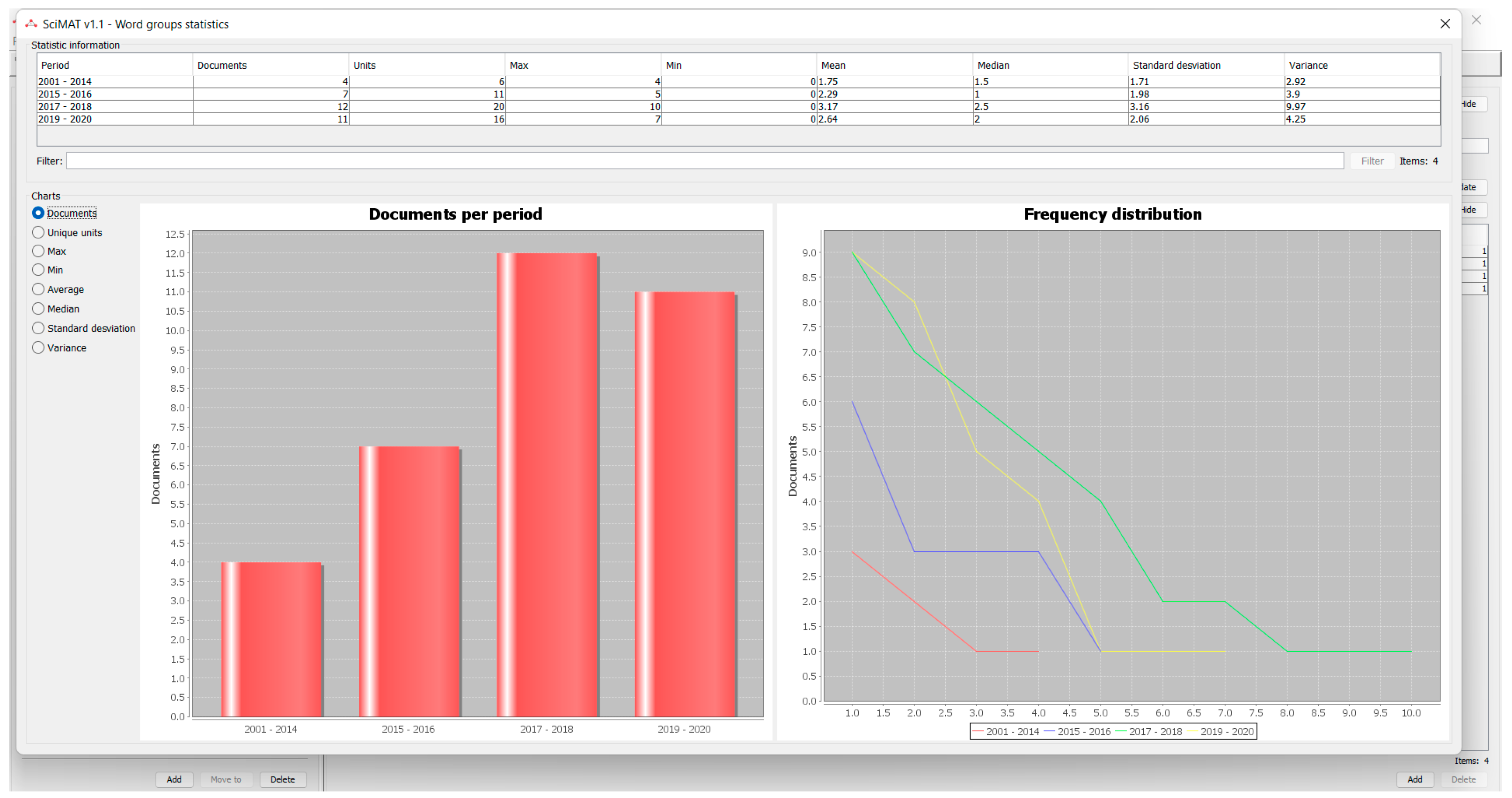
We have performed a bibliometric analysis by using VosViewer 1.6.18 and SciMAT (GPLv3) software using 34 papers from Scopus database. The following figures summarize the obtained results of the bibliometric analysis.
Figure A1, Figure A2, Figure A3 and Figure A4 show that the information provided is clear and valuable. VosViewer manages articles from Scopus, WoS, Pubmed, and Dimensions, while we have considered 16 additional databases. SciMAT performs a complementary descriptive statistical analysis; however, it is elementary, and we have not considered it part of the literature analysis review.
Figure A1.
Network visualization of papers. Source: Generated by VosViewer.
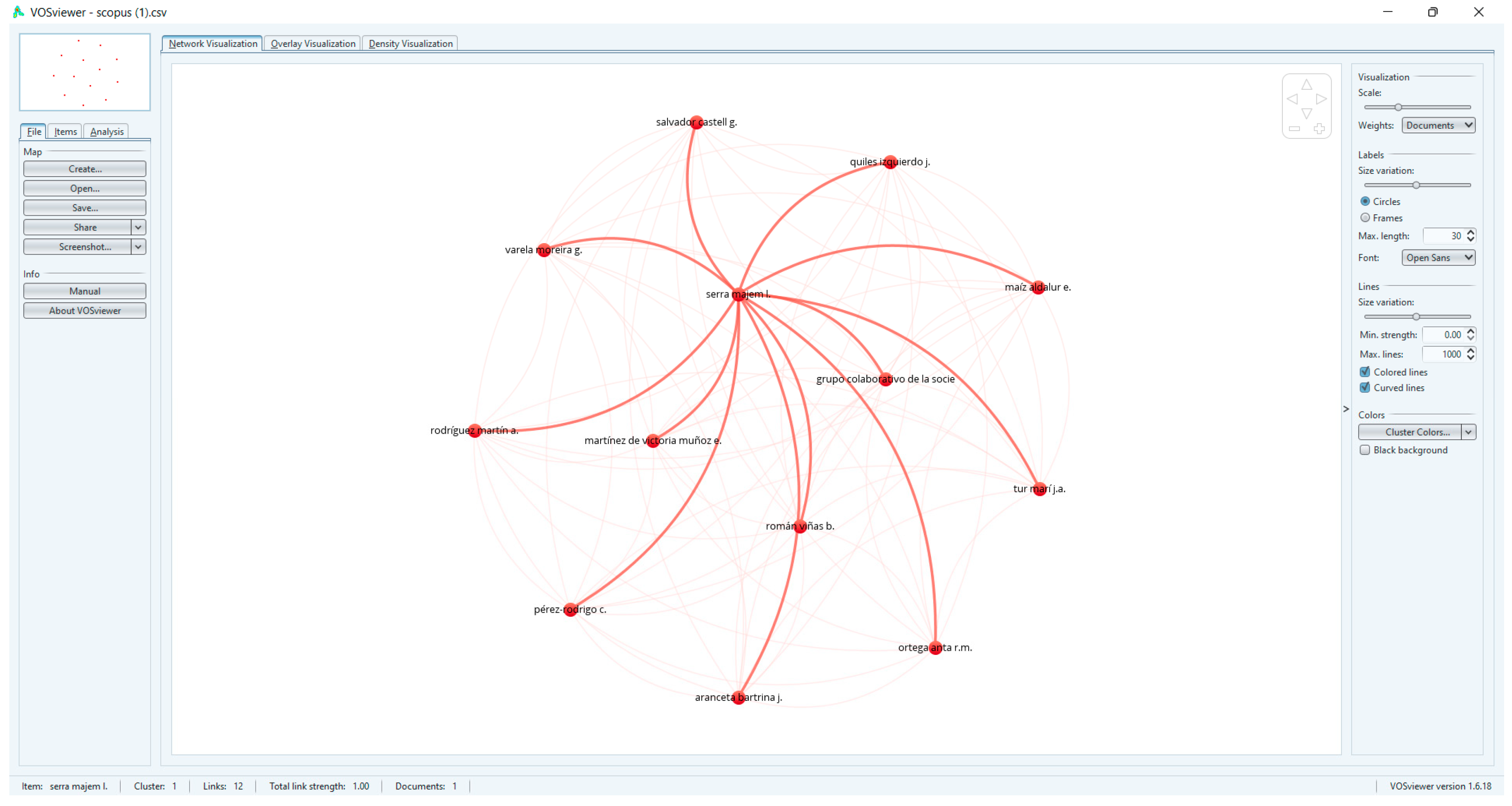
Figure A2.
Overlay visualization of papers. Source: Generated by VosViewer.
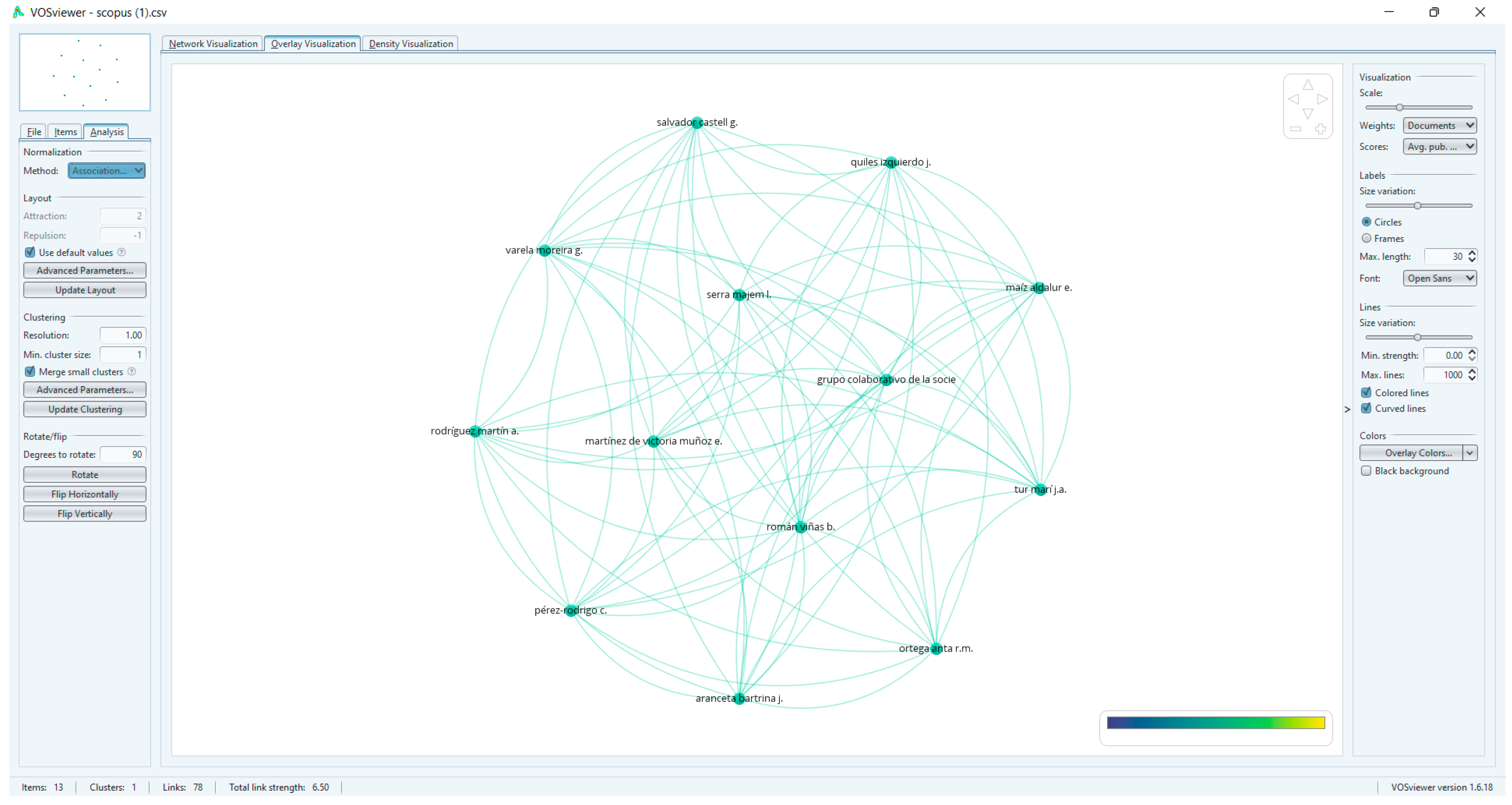
Figure A3.
Density visualization of papers. Source: Generated by VosViewer.
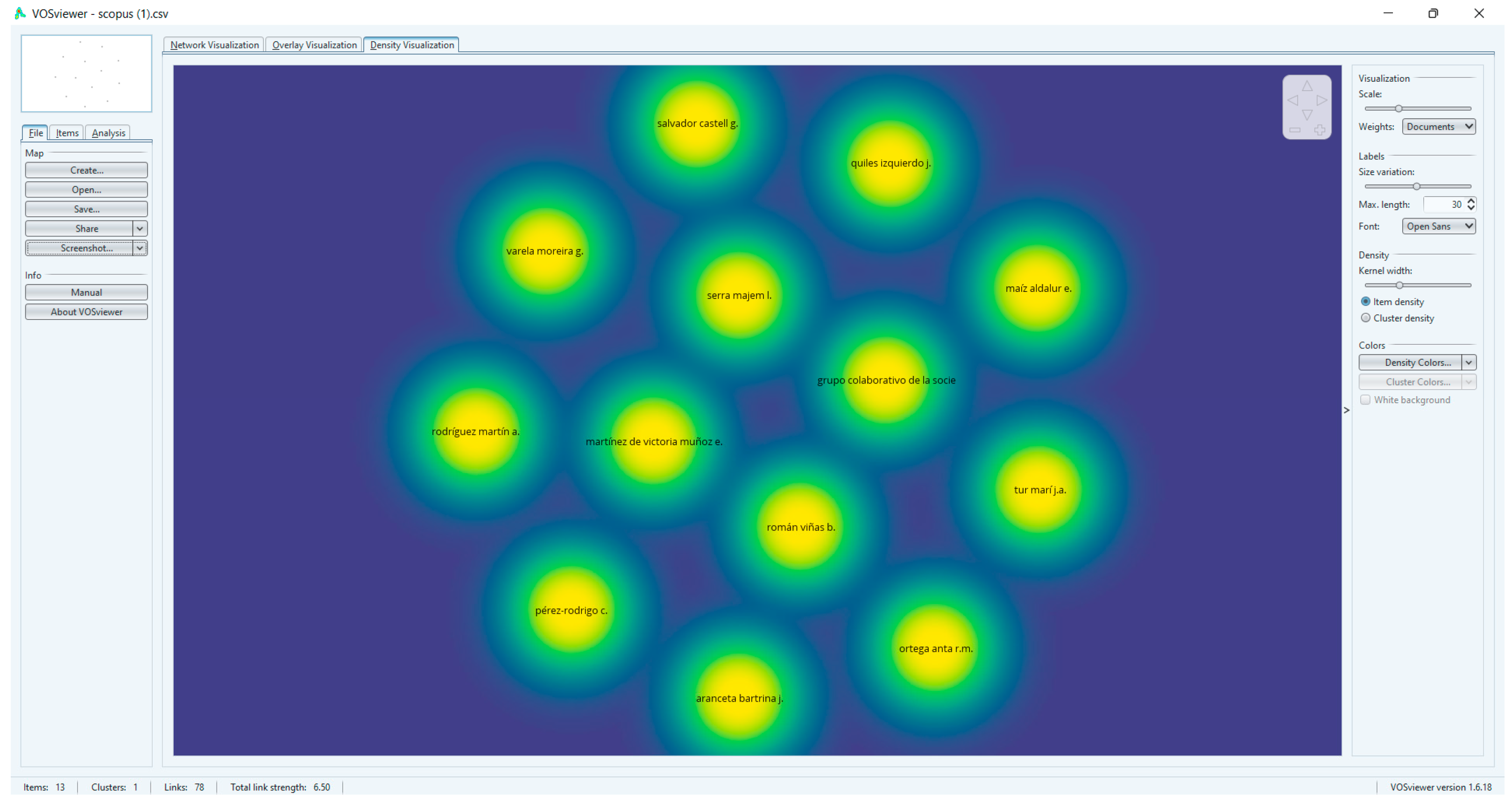
Figure A4.
Word group statistical analysis. Source: Generated by SciMAT.
We have decided to plan, schedule, and present our document according to the PRISMA methodology.
Table A1.
PRISMA 2020 Main Checklist.
References
- Food an Agricultural of the United Nations. The Impact of Natural Hazards and Disasters on Agriculture. Available online: https://www.fao.org/3/i5128e/i5128e.pdf (accessed on 26 November 2021).
- Greenpeace Colombia. Available online: https://www.greenpeace.org/colombia/ (accessed on 26 November 2021).
- Inicio|Organización de las Naciones Unidas para la Alimentación y la Agricultura. Available online: https://www.fao.org/home/es (accessed on 26 November 2021).
- Food and Agriculture-Key to Achieving the 2030 Agenda for Sustainable Development. Available online: https://www.fao.org/documents/card/en/c/d569c955-8237-42bf-813e-5adf0c4241b9/ (accessed on 26 November 2021).
- Objetivos de Desarrollo Sostenible|Organización de las Naciones Unidas para la Alimentación y la Agricultura. Available online: https://www.fao.org/sustainable-development-goals/es/ (accessed on 26 November 2021).
- Alliance for Water Stewardship Standard-Setting System Report, 2016. Available online: http://www.allianceforwaterstewardship.org/become-a-water-steward.html#aws-standard (accessed on 26 November 2021).
- Home—Alliance for Water Stewardship. Available online: https://a4ws.org/ (accessed on 26 November 2021).
- United Nations. UN-Water|Coordinating the UN’s Work on Water and Sanitation, 2020. Available online: https://www.unwater.org/ (accessed on 26 November 2021).
- Las Naciones Unidas, Agua|Naciones Unidas. Available online: https://www.un.org/es/global-issues/water (accessed on 26 November 2021).
- Connor, R.K.E. The United Nations World Water Development Report 3; United Nations: Washington, DC, USA, 2012. [Google Scholar]
- FAO (Food and Agriculture Organization). Rome Declaration and Plan of Action. Available online: https://www.fao.org/3/w3613e/w3613e00.htm (accessed on 26 November 2021).
- Sustainable Diets and Biodiversity. Directions and Solutions for Policy, Research and Action. Available online: https://www.cgiar.org/ (accessed on 26 November 2021).
- FAO. FIDA, and PMA. In El Estado de la Inseguridad Alimentaria en el Mundo 2013. Las Múltiples Dimensiones de la Seguridad Alimentaria; FAO: Rome, Italy, 2013. [Google Scholar]
- Intergovernmental Panel on Climate Change. Encyclopedia of Corporate Social Responsibility; Springer: Berlin, Germany, 2013; p. 1492.
- UN DESA. World Population Projected to Reach 9.8 Billion in 2050, and 11.2 Billion in 2100|UN DESA|United Nations Department of Economic and Social Affairs. 2017. Available online: https://www.un.org/development/desa/en/news/population/world-population-prospects-2017.html (accessed on 26 November 2021).
- FAO. News Article: Major Gains in Efficiency of Livestock Systems Needed. Available online: https://www.fao.org/news/story/en/item/116937/icode/ (accessed on 12 May 2021).
- World Meat Projections. Available online: https://www.oecd-ilibrary.org/sites/cbc9005c-en/index.html?itemId=/content/component/cbc9005c-en (accessed on 16 May 2021).
- FAO—División de Producción y Sanidad Animal. Available online: https://www.fao.org/ag/againfo/themes/es/meat/home.html (accessed on 16 May 2021).
- Al Evitar la Carne Podrías Arriesgar tu Salud|UNAM Global. Available online: https://unamglobal.unam.mx/al-evitar-la-carne-podrias-arriesgar-tu-salud/ (accessed on 16 May 2021).
- Page, M.J.; McKenzie, J.E.; Bossuyt, P.M.; Boutron, I.; Hoffmann, T.C.; Cynthia, D.M.; Mulrow, D.; Shamseer, L.; Jennifer, M.T.; Akl, E.A.; et al. The PRISMA 2020 statement: An updated guideline for reporting systematic reviews. Syst. Rev. 2021, 10, 1–11. [Google Scholar] [CrossRef] [Scilit] [PubMed]
- Chopra, S. Administración de la Cadena de Suministro. Available online: http://up-rid2.up.ac.pa:8080/xmlui/bitstream/handle/123456789/1340/Administraci%C3%B3n%20de%20la%20cadena%20de%20suministro.pdf?sequence=1&isAllowed=y (accessed on 16 May 2021).
- Allou, R.H.B. Administración de la Cadena de Suministro; Pearson Educación: London, UK, 2004. [Google Scholar]
- Akkerman, R.; Farahani, P.; Grunow, M. Quality, safety and sustainability in food distribution: A review of quantitative operations management approaches and challenges. OR Spectr. 2010, 32, 863–904. [Google Scholar] [CrossRef] [Scilit]
- Porter, M. Competitive Advantage: Creating and Sustaining Superior Performance; Harvard Business School: Boston, MA, USA, 1998. [Google Scholar]
- Gaither, N.; Frazier, G. Administración de Producción y Operaciones. Available online: https://clea.edu.mx/biblioteca/files/original/2f63e2eb5f8d66b336d65b3947975b33.pdf (accessed on 16 May 2021).
- Bautista-Santos, H.; Martínez-Flores, J.L.; Fernández-Lambert, G.; Bernabé-Loranca, M.B.; Sánchez-Galván, F. Integration model of collaborative supply chain. DYNA 2015, 82, 145–154. [Google Scholar] [CrossRef] [Scilit]
- Organization, T.I.T.T. Cadenas de Suministro Sostenibles|ITTO|The International Tropical Timber Organization. Available online: https://www.itto.int/es/economic_market/supply_chains/ (accessed on 17 May 2021).
- Dialnet, Cadenas de Suministro Verdes, una Respuesta al Desempeño Ambiental-Dialnet. Available online: https://dialnet.unirioja.es/servlet/articulo?codigo=4733838 (accessed on 17 May 2021).
- Logística, B. La Importancia de una Cadena de Suministro Verde.-Blog de CC de Transporte y Logística. Available online: https://blogs.ucjc.edu/cc-transporte-logistica/2020/01/la-importancia-de-una-cadena-de-suministro-verde/ (accessed on 17 May 2021).
- Zonalogística, La Planificación Colaborativa en la Cadena de Suministros-Zonalogística. Available online: https://zonalogistica.com/la-planificacion-colaborativa-en-la-cadena-de-suministros/ (accessed on 17 May 2021).
- Sertrans, La Importancia de las Cadenas de Suministro Colaborativas|Sertrans. Available online: https://www.sertrans.es/noticias/la-importancia-cadenas-suministro-colaborativas/ (accessed on 17 May 2021).
- C. M. Professionals Definiciones de SCM y Glosario de Términos. Available online: https://cscmp.org/CSCMP/Academia/SCM_Definitions_and_Glossary_of_Terms/CSCMP/Educate/SCM_Definitions_and_Glossary_of_Terms.aspx?hkey=60879588-f65f-4ab5-8c4b-6878815ef921 (accessed on 17 May 2021).
- Dane. 2 Boletín Mensual Insumos Y Factores Asociados A La Producción Agropecuaria; Dane: Bogotá, Colombia, 2021. [Google Scholar]
- Escarcha, J.; Lassa, J.; Zander, K. Livestock Under Climate Change: A Systematic Review of Impacts and Adaptation. Climate 2018, 6, 54. [Google Scholar] [CrossRef] [Scilit]
- Sanchez-Sabate, R.; Badilla-Briones, Y.; Sabaté, J. Understanding Attitudes towards Reducing Meat Consumption for Environmental Reasons. A Qualitative Synthesis Review. Sustainability 2019, 11, 6295. [Google Scholar] [CrossRef] [Scilit]
- Sanchez-Sabate, R.; Sabaté, J. Consumer Attitudes Towards Environmental Concerns of Meat Consumption: A Systematic Review. Int. J. Environ. Res. Public Health 2019, 16, 1220. [Google Scholar] [CrossRef] [Scilit]
- Hartmann, C.; Siegrist, M. Consumer perception and behaviour regarding sustainable protein consumption: A systematic review. Trends Food Sci. Technol. 2017, 61, 11–25. [Google Scholar] [CrossRef] [Scilit]
- Reynolds, C.; Buckley, J.; Weinstein, P.; Boland, J. Are the Dietary Guidelines for Meat, Fat, Fruit and Vegetable Consumption Appropriate for Environmental Sustainability? A Review of the Literature. Nutrients 2014, 6, 2251–2265. [Google Scholar] [CrossRef] [Scilit]
- Yip, C.S.C.; Crane, G.; Karnon, J. Systematic review of reducing population meat consumption to reduce greenhouse gas emissions and obtain health benefits: Effectiveness and models assessments. Int. J. Public Health 2013, 58, 683–693. [Google Scholar] [CrossRef] [Scilit]
- Yang, W.; Renwick, A. Consumer Willingness to Pay Price Premiums for Credence Attributes of Livestock Products–A Meta-Analysis. J. Agric. Econ. 2019, 70, 618–639. [Google Scholar] [CrossRef] [Scilit]
- Esteves, E.M.M.; Herrera, A.M.N.; Esteves, V.P.P.; do Morgado, C.R.V. Life cycle assessment of manure biogas production: A review. J. Clean Prod. 2019, 219, 411–423. [Google Scholar] [CrossRef] [Scilit]
- Niles, M.T.; Horner, C.; Chintala, R.; Tricarico, J. A review of determinants for dairy farmer decision making on manure management strategies in high-income countries. Environ. Res. Lett. 2019, 14, 053004. [Google Scholar] [CrossRef] [Scilit]
- Lynch, J. Availability of disaggregated greenhouse gas emissions from beef cattle production: A systematic review. Environ. Impact Assess. Rev. 2019, 76, 69–78. [Google Scholar] [CrossRef] [Scilit]
- York, L.; Heffernan, C.; Rymer, C. A systematic review of policy approaches to dairy sector greenhouse gas (GHG) emission reduction. J. Clean. Prod. 2018, 172, 2216–2224. [Google Scholar] [CrossRef] [Scilit]
- Owen, J.J.; Silver, W.L. Greenhouse gas emissions from dairy manure management: A review of field-based studies. Glob. Chang. Biol. 2015, 21, 550–565. [Google Scholar] [CrossRef] [Scilit]
- Kebreab, E.; Clark, K.; Wagner-Riddle, C.; France, J. Methane and nitrous oxide emissions from Canadian animal agriculture: A review. Can. J. Anim. Sci. 2006, 86, 135–157. [Google Scholar] [CrossRef] [Scilit]
- Yip, C.S.C.; Fielding, R. Cradle-to-cooked-edible-meat analysis of greenhouse gas emissions. Nutr. Cycl. Agroecosyst. 2018, 112, 291–302. [Google Scholar] [CrossRef] [Scilit]
- Liu, Z.; Liu, Y.; Murphy, J.; Maghirang, R. Ammonia and Methane Emission Factors from Cattle Operations Expressed as Losses of Dietary Nutrients or Energy. Agriculture 2017, 7, 16. [Google Scholar] [CrossRef] [Scilit]
- MacDonald, J.M. Beef and pork packing industries. Vet. Clin. N. Am. Food Anim. Pract. 2003, 19, 419–443. [Google Scholar] [CrossRef] [Scilit]
- Legesse, G.; Ominski, K.H.; Beauchemin, K.A.; Pfister, S.; Martel, M.; McGeough, E.J.; Hoekstra, A.Y.; Kroebel, R.; Cordeiro, M.R.C.; McAllister, T.A. BOARD-INVITED REVIEW: Quantifying water use in ruminant production. J. Anim. Sci. 2017, 95, 2001. [Google Scholar] [CrossRef] [Scilit]
- Okoro, O.V.; Sun, Z.; Birch, J. Meat processing waste as a potential feedstock for biochemicals and biofuels–A review of possible conversion technologies. J. Clean. Prod. 2017, 142, 1583–1608. [Google Scholar] [CrossRef] [Scilit]
- Reilly, M.; Cooley, A.P.; Tito, D.; Tassou, S.A.; Theodorou, M.K. Electrocoagulation treatment of dairy processing and slaughterhouse wastewaters. Energy Procedia 2019, 161, 343–351. [Google Scholar] [CrossRef] [Scilit]
- Harris, P.W.; McCabe, B.K. Review of pre-treatments used in anaerobic digestion and their potential application in high-fat cattle slaughterhouse wastewater. Appl. Energy 2015, 155, 560–575. [Google Scholar] [CrossRef] [Scilit]
- Mazzini, F.; Relva, M.A.; Malizia, L.R. Impacts of domestic cattle on forest and woody ecosystems in southern South America. Plant Ecol. 2018, 219, 913–925. [Google Scholar] [CrossRef] [Scilit]
- Flachowsky, G.; Meyer, U.; Südekum, K.-H. Land Use for Edible Protein of Animal Origin—A Review. Animals 2017, 7, 25. [Google Scholar] [CrossRef] [Scilit]
- Farouk, M.M.; Regenstein, J.M.; Pirie, M.R.; Najm, R.; Bekhit, A.E.D.; Knowles, S.O. Spiritual aspects of meat and nutritional security: Perspectives and responsibilities of the Abrahamic faiths. Food Res. Int. 2015, 76, 882–895. [Google Scholar] [CrossRef] [Scilit]
- Benningstad, N.C.G.; Kunst, J.R. Dissociating meat from its animal origins: A systematic literature review. Appetite 2020, 147, 104554. [Google Scholar] [CrossRef] [Scilit]
- Fayemi, P.O.; Muchenje, V. Maternal slaughter at abattoirs: History, causes, cases and the meat industry. Springerplus 2013, 2, 125. [Google Scholar] [CrossRef] [Scilit]
- Williams, A.C.; Hill, L.J. Meat and Nicotinamide: A Causal Role in Human Evolution, History, and Demographics. Int. J. Tryptophan Res. 2017, 10, 117864691770466. [Google Scholar] [CrossRef] [Scilit]
- Michalska-Jakubus, M.M.; Zdeb, K.; Rymgayłło-Jankowska, B.; Korolczuk, A.; Żarnowski, T.; Krasowska, D. Occupational exposure as a presumable cause of subcutaneous sarcoidosis in a tannery worker–case report and review of the literature. Adv. Dermatol. Allergol. 2018, 35, 118–121. [Google Scholar] [CrossRef] [Scilit]
- Sarwar, F.; Malik, R.N.; Chow, C.W.; Alam, K. Occupational exposure and consequent health impairments due to potential incidental nanoparticles in leather tanneries: An evidential appraisal of south Asian developing countries. Environ. Int. 2018, 117, 164–174. [Google Scholar] [CrossRef] [Scilit] [PubMed]
- Wu, J.; Zhao, L.; Liu, X.; Chen, W.; Gu, H. Recent progress in cleaner preservation of hides and skins. J. Clean. Prod. 2017, 148, 158–173. [Google Scholar] [CrossRef] [Scilit]
- Dania, W.A.P.; Xing, K.; Amer, Y. Collaboration behavioural factors for sustainable agri-food supply chains: A systematic review. J. Clean. Prod. 2018, 186, 851–864. [Google Scholar] [CrossRef] [Scilit]
- Jia, F.; Peng, S.; Green, J.; Koh, L.; Chen, X. Soybean supply chain management and sustainability: A systematic literature review. J. Clean. Prod. 2020, 255, 120254. [Google Scholar] [CrossRef] [Scilit]
- Chowdhury, R.B.; Moore, G.A.; Weatherley, A.J.; Arora, M. Key sustainability challenges for the global phosphorus resource, their implications for global food security, and options for mitigation. J. Clean. Prod. 2017, 140, 945–963. [Google Scholar] [CrossRef] [Scilit]
- Clune, S.; Crossin, E.; Verghese, K. Systematic review of greenhouse gas emissions for different fresh food categories. J. Clean. Prod. 2017, 140, 766–783. [Google Scholar] [CrossRef] [Scilit]
- Fassam, L.; Dani, S. A conceptual understanding of criminality and integrity challenges in food supply chains. Br. Food J. 2017, 119, 67–83. [Google Scholar] [CrossRef] [Scilit]
- Stagnari, F.; Maggio, A.; Galieni, A.; Pisante, M. Multiple benefits of legumes for agriculture sustainability: An overview. Chem. Biol. Technol. Agric. 2017, 4, 2. [Google Scholar] [CrossRef] [Scilit]
- Perez-Cueto. An Umbrella Review of Systematic Reviews on Food Choice and Nutrition Published between 2017 and-2019. Nutrients 2019, 11, 2398. [Google Scholar] [CrossRef] [Scilit]
- Bouzembrak, Y.; Klüche, M.; Gavai, A.; Marvin, H.J.P. Internet of Things in food safety: Literature review and a bibliometric analysis. Trends Food Sci. Technol. 2019, 94, 54–64. [Google Scholar] [CrossRef] [Scilit]
- Ndraha, N.; Hsiao, H.-I.; Vlajic, J.; Yang, M.-F.; Lin, H.-T.V. Time-temperature abuse in the food cold chain: Review of issues, challenges, and recommendations. Food Control 2018, 89, 12–21. [Google Scholar] [CrossRef] [Scilit]
- de Moraes, C.C.; de Souza, T.A. Panorama Mundial do Desperdício e Perda de Alimentos no Contexto de Cadeias de Suprimentos Agroalimentares. Rev. Agronegócio Meio Ambient. 2018, 11, 901. [Google Scholar] [CrossRef] [Scilit]
- Ghosh, P.R.; Fawcett, D.; Sharma, S.B.; Poinern, G.E.J. Progress towards Sustainable Utilisation and Management of Food Wastes in the Global Economy. Int. J. Food Sci. 2016, 2016, 1–22. [Google Scholar] [CrossRef] [Scilit] [PubMed]
- Frenkel, V.S.; Cummings, G.; Maillacheruvu, K.Y.; Tang, W.Z. Food-Processing Wastes. Water Environ. Res. 2013, 85, 1501–1514. [Google Scholar] [CrossRef] [Scilit]
- Mie, A.; Andersen, H.R.; Gunnarsson, S.; Kahl, J.; Kesse-Guyot, E.; Rembiałkowska, E.; Quaglio, G.; Grandjean, P. Human health implications of organic food and organic agriculture: A comprehensive review. Environ. Health 2017, 16, 111. [Google Scholar] [CrossRef] [Scilit]
- Zhu, Z.; Chu, F.; Dolgui, A.; Chu, C.; Zhou, W.; Piramuthu, S. Recent advances and opportunities in sustainable food supply chain: A model-oriented review. Int. J. Prod. Res. 2018, 56, 5700–5722. [Google Scholar] [CrossRef] [Scilit]
- Routroy, S.; Behera, A. Agriculture supply chain. J. Agribus. Dev. Emerg. Econ. 2017, 7, 275–302. [Google Scholar] [CrossRef] [Scilit]
- Shukla, M.; Jharkharia, S. Agri-fresh produce supply chain management: A state-of-the-art literature review. Int. J. Oper. Prod. Manag. 2013, 33, 114–158. [Google Scholar] [CrossRef] [Scilit]
- Chai, B.C.; van der Voort, J.R.; Grofelnik, K.; Eliasdottir, H.G.; Klöss, I.; Perez-Cueto, F.J.A. Which Diet Has the Least Environmental Impact on Our Planet? A Systematic Review of Vegan, Vegetarian and Omnivorous Diets. Sustainability 2019, 11, 4110. [Google Scholar] [CrossRef] [Scilit]
- Nelson, M.E.; Hamm, M.W.; Hu, F.B.; Abrams, S.A.; Griffin, T.S. Alignment of Healthy Dietary Patterns and Environmental Sustainability: A Systematic Review. Adv. Nutr. An Int. Rev. J. 2016, 7, 1005–1025. [Google Scholar] [CrossRef] [Scilit]
- González-García, S.; Esteve-Llorens, X.; Moreira, M.T.; Feijoo, G. Carbon footprint and nutritional quality of different human dietary choices. Sci. Total Environ. 2018, 644, 77–94. [Google Scholar] [CrossRef] [Scilit] [PubMed]
- McFarlane, I. The Goal of Adequate Nutrition: Can It Be Made Affordable, Sustainable, and Universal? Foods 2016, 5, 82. [Google Scholar] [CrossRef] [Scilit] [PubMed]
- Aleksandrowicz, L.; Green, R.; Joy, E.J.M.; Smith, P.; Haines, A. The Impacts of Dietary Change on Greenhouse Gas Emissions, Land Use, Water Use, and Health: A Systematic Review. PLoS ONE 2016, 11, e0165797. [Google Scholar] [CrossRef] [Scilit] [PubMed]
- Joyce, A.; Dixon, S.; Comfort, J.; Hallett, J. Reducing the Environmental Impact of Dietary Choice: Perspectives from a Behavioural and Social Change Approach. J. Environ. Public Health 2012, 2012, 1–7. [Google Scholar] [CrossRef] [Scilit] [PubMed]
- Weekley, J.; Gabbard, J.; Nowak, J. Micro-Level Management of Agricultural Inputs: Emerging Approaches. Agronomy 2012, 2, 321–357. [Google Scholar] [CrossRef] [Scilit]
- Cavalcante, L.F.; Bezerra, F.T.C.; de Souto, A.G.; Bezerra, M.A.F.; de Lima, G.S.; Gheyi, H.R.; Pereira, J.F.d.; Beckmann-Cavalcante, M.Z. Biofertilizers in horticultural crops. Comun. Sci. 2019, 10, 415–428. [Google Scholar] [CrossRef] [Scilit]
- Gunnarsson, C.C.; Petersen, C.M. Water hyacinths as a resource in agriculture and energy production: A literature review. Waste Manag. 2007, 27, 117–129. [Google Scholar] [CrossRef] [Scilit]
- Bellarby, J.; Tirado, R.; Leip, A.; Weiss, F.; Lesschen, J.P.; Smith, P. Livestock greenhouse gas emissions and mitigation potential in Europe. Glob. Chang. Biol. 2013, 19, 3–18. [Google Scholar] [CrossRef] [Scilit]
- Čuček, L.; Klemeš, J.J.; Varbanov, P.S.; Kravanja, Z. Significance of environmental footprints for evaluating sustainability and security of development. Clean Technol. Environ. Policy 2015, 17, 2125–2141. [Google Scholar] [CrossRef] [Scilit]
- Mor, R.S.; Singh, S.; Bhardwaj, A.; Singh, L.P. Technological Implications of Supply Chain Practices in Agri-Food Sector-A. Int. J. Supply Oper. Manag. 2015, 2, 720–747. Available online: www.ijsom.com (accessed on 27 May 2021).
- Vymazal, J. Constructed wetlands for treatment of industrial wastewaters: A review. Ecol. Eng. 2014, 73, 724–751. [Google Scholar] [CrossRef] [Scilit]
- Liu, J.; Chen, M.; Liu, H. The role of big data analytics in enabling green supply chain management: A literature review. J. Data Inf. Manag. 2020, 2, 75–83. [Google Scholar] [CrossRef] [Scilit]
- Cuer, L.; Bernardo, C.; Scalco, A. Abordagem Lean na cadeia agroalimentar: Uma revisão bibliográfica sistemática. Rev. Gestão Proj. 2019, 10, 93–106. [Google Scholar] [CrossRef] [Scilit]
- Jose, A.; Shanmugam, P. Supply chain issues in SME food sector: A systematic review. J. Adv. Manag. Res. 2019, 17, 19–65. [Google Scholar] [CrossRef] [Scilit]
- Pagano, M.; Correa, E.; Duarte, N.; Yelikbayev, B.; O’Donovan, A.; Gupta, V. Advances in Eco-Efficient Agriculture: The Plant-Soil Mycobiome. Agriculture 2017, 7, 14. [Google Scholar] [CrossRef] [Scilit]
- Zhao, Y.; Liu, Z.; Wu, J. Grassland ecosystem services: A systematic review of research advances and future directions. Landsc. Ecol. 2020, 35, 793–814. [Google Scholar] [CrossRef] [Scilit]
- Jia, F.; Hubbard, M.; Zhang, T.; Chen, L. Water stewardship in agricultural supply chains. J. Clean. Prod. 2019, 235, 1170–1188. [Google Scholar] [CrossRef] [Scilit]
- Aivazidou, E.; Tsolakis, N.; Iakovou, E.; Vlachos, D. The emerging role of water footprint in supply chain management: A critical literature synthesis and a hierarchical decision-making framework. J. Clean. Prod. 2016, 137, 1018–1037. [Google Scholar] [CrossRef] [Scilit]
- Gonzalez, J.M.; Phelps, K.J. United States beef quality as chronicled by the National Beef Quality Audits, Beef Consumer Satisfaction Projects, and National Beef Tenderness Surveys—A review. Asian-Australas. J. Anim. Sci. 2018, 31, 1036–1042. [Google Scholar] [CrossRef] [Scilit]
- Janssen, M.; Rödiger, M.; Hamm, U. Labels for Animal Husbandry Systems Meet Consumer Preferences: Results from a Meta-analysis of Consumer Studies. J. Agric. Environ. Ethics 2016, 29, 1071–1100. [Google Scholar] [CrossRef] [Scilit]
- Stampa, E.; Schipmann-Schwarze, C.; Hamm, U. Consumer perceptions, preferences, and behavior regarding pasture-raised livestock products: A review. Food Qual. Prefer. 2020, 82, 103872. [Google Scholar] [CrossRef] [Scilit]
- Yip, C.S.C.; Lam, W.; Fielding, R. A summary of meat intakes and health burdens. Eur. J. Clin. Nutr. 2018, 72, 18–29. [Google Scholar] [CrossRef] [Scilit] [PubMed]
- Aschemann-Witzel, J.; Zielke, S. Can’t Buy Me Green? A Review of Consumer Perceptions of and Behavior Toward the Price of Organic Food. J. Consum. Aff. 2017, 51, 211–251. [Google Scholar] [CrossRef] [Scilit]
- Henchion, M.M.; McCarthy, M.; Resconi, V.C. Beef quality attributes: A systematic review of consumer perspectives. Meat Sci. 2017, 128, 1–7. [Google Scholar] [CrossRef] [Scilit] [PubMed]
- Wahyuni, H.; Vanany, I.; Ciptomulyono, U. Food safety and halal food in the supply chain: Review and bibliometric analysis. J. Ind. Eng. Manag. 2019, 12, 373. [Google Scholar] [CrossRef] [Scilit]
- Young, I.; Wilhelm, B.J.; Cahill, S.; Nakagawa, R.; Desmarchelier, P.; Rajić, A. A Rapid Systematic Review and Meta-Analysis of the Efficacy of Slaughter and Processing Interventions to Control Nontyphoidal Salmonella in Beef and Pork. J. Food Prot. 2016, 79, 2196–2210. [Google Scholar] [CrossRef] [Scilit]
- Raab, V.; Petersen, B.; Kreyenschmidt, J. Temperature monitoring in meat supply chains. Br. Food J. 2011, 113, 1267–1289. [Google Scholar] [CrossRef] [Scilit]
- Losada-Espinosa, N.; Villarroel, M.; María, G.A.; Miranda-de la Lama, G.C. Pre-slaughter cattle welfare indicators for use in commercial abattoirs with voluntary monitoring systems: A systematic review. Meat Sci. 2018, 138, 34–48. [Google Scholar] [CrossRef] [Scilit]
- Galán, E.; Llonch, P.; Villagrá, A.; Levit, H.; Pinto, S.; del Prado, A. A systematic review of non-productivity-related animal-based indicators of heat stress resilience in dairy cattle. PLoS ONE 2018, 13, e0206520. [Google Scholar] [CrossRef] [Scilit]
- Collins, L.; Part, C. Modelling Farm Animal Welfare. Animals 2013, 3, 416–441. [Google Scholar] [CrossRef] [Scilit]
- Adamczyk, K. Dairy cattle welfare as a result of human-animal relationship–A review. Ann. Anim. Sci. 2018, 18, 601–622. [Google Scholar] [CrossRef] [Scilit]
- Shields, S.; Orme-Evans, G. The Impacts of Climate Change Mitigation Strategies on Animal Welfare. Animals 2015, 5, 361–394. [Google Scholar] [CrossRef] [Scilit] [PubMed]
- Tucker, C.B.; Coetzee, J.F.; Stookey, J.M.; Thomson, D.U.; Grandin, T.; Schwartzkopf-Genswein, K.S. Beef cattle welfare in the USA: Identification of priorities for future research. Anim. Health Res. Rev. 2015, 6, 107–124. [Google Scholar] [CrossRef] [Scilit] [PubMed]
- Wigham, E.E.; Butterworth, A.; Wotton, S. Assessing cattle welfare at slaughter–Why is it important and what challenges are faced? Meat Sci. 2018, 145, 171–177. [Google Scholar] [CrossRef] [Scilit] [PubMed]
- Uetake, K. Newborn calf welfare: A review focusing on mortality rates. Anim. Sci. J. 2013, 84, 101–105. [Google Scholar] [CrossRef] [Scilit] [PubMed]
- Cozzi, G.; Brscic, M.; Gottardo, F. Main critical factors affecting the welfare of beef cattle and veal calves raised under intensive rearing systems in Italy: A review. Ital. J. Anim. Sci. 2009, 8, 67–80. [Google Scholar] [CrossRef] [Scilit]
- Ferlazzo, A.; Cravana, C.; Fazio, E.; Medica, P. The contribution of total and free iodothyronines to welfare maintenance and management stress coping in Ruminants and Equines: Physiological ranges and reference values. Res. Vet. Sci. 2018, 118, 134–143. [Google Scholar] [CrossRef] [Scilit]
- Colditz, I.G.; Watson, D.L.; Kilgour, R.; Ferguson, D.M.; Prideaux, C.; Ruby, J.; Kirkland, P.D.; Sullivan, K. Impact of animal health and welfare research within the CRC for Cattle and Beef Quality on Australian beef production. Aust. J. Exp. Agric. 2006, 46, 233. [Google Scholar] [CrossRef] [Scilit]
- Compton, C.W.R.; Heuer, C.; Thomsen, P.T.; Carpenter, T.E.; Phyn, C.V.C.; McDougall, S. Invited review: A systematic literature review and meta-analysis of mortality and culling in dairy cattle. J. Dairy Sci. 2017, 100, 1–16. [Google Scholar] [CrossRef] [Scilit]
- Oehm, A.W.; Knubben-Schweizer, G.; Rieger, A.; Stoll, A.; Hartnack, S. A systematic review and meta-analyses of risk factors associated with lameness in dairy cows. BMC Vet. Res. 2019, 15, 346. [Google Scholar] [CrossRef] [Scilit]
- Alonso, S.; Lindahl, J.; Roesel, K.; Traore, S.G.; Yobouet, B.A.; Ndour, A.P.N.; Carron, M.; Grace, D. Where literature is scarce: Observations and lessons learnt from four systematic reviews of zoonoses in African countries. Anim. Health Res. Rev. 2016, 17, 28–38. [Google Scholar] [CrossRef] [Scilit] [PubMed]
- Vriezen, R.; Sargeant, J.M.; Vriezen, E.; Reist, M.; Winder, C.B.; O’Connor, A.M. Systematic reviews and meta-analyses in animal health, performance, and on-farm food safety: A scoping review. Anim. Health Res. Rev. 2019, 20, 116–127. [Google Scholar] [CrossRef] [Scilit] [PubMed]
- Sreenivasan, C.C.; Thomas, M.; Kaushik, R.S.; Wang, D.; Li, F. Influenza A in Bovine Species: A Narrative Literature Review. Viruses 2019, 11, 561. [Google Scholar] [CrossRef] [Scilit]
- Lindström, M.; Myllykoski, J.; Sivelä, S.; Korkeala, H. Clostridium botulinum in Cattle and Dairy Products. Crit. Rev. Food Sci. Nutr. 2010, 50, 281–304. [Google Scholar] [CrossRef] [Scilit]
- Alonso, S.; Lindahl, J.; Roesel, K.; Traore, S.G.; Yobouet, B.A.; Ndour, A.P.N.; Carron, M.; Grace, D. Experimental challenge models for Johne’s disease: A review and proposed international guidelines. Vet. Microbiol. 2007, 122, 197–222. [Google Scholar] [CrossRef] [Scilit]
- Luciano, S.A.; Roess, A. Human zoonotic tuberculosis and livestock exposure in low-and middle-income countries: A systematic review identifying challenges in laboratory diagnosis. Zoonoses Public Health 2020, 67, 97–111. [Google Scholar] [CrossRef] [Scilit]
- Burns, M.J.; O’Connor, A.M. Assessment of methodological quality and sources of variation in the magnitude of vaccine efficacy: A systematic review of studies from 1960 to 2005 reporting immunization with Moraxella bovis vaccines in young cattle. Vaccine 2008, 26, 144–152. [Google Scholar] [CrossRef] [Scilit]
- de Kantor, I.N.; Ritacco, V. An update on bovine tuberculosis programmes in Latin American and Caribbean countries. Vet. Microbiol. 2006, 112, 111–118. [Google Scholar] [CrossRef] [Scilit]
- Saratsis, A.; Sotiraki, S.; Braae, U.C.; Devleesschauwer, B.; Dermauw, V.; Eichenberger, R.M.; Thomas, L.F.; Bobić, B.; Dorny, P.; Gabriël, S.; et al. Epidemiology of Taenia saginata taeniosis/cysticercosis: A systematic review of the distribution in the Americas. Parasit. Vectors 2018, 11, 518. [Google Scholar] [CrossRef] [Scilit]
- Waddell, L.A.; Rajić, A.; Sargeant, J.; Harris, J.; Amezcua, R.; Downey, L.; Read, S.; McEwen, S.A. The Zoonotic Potential of Mycobacterium avium spp. Paratuberculosis. Can. J. Public Health 2008, 99, 145–155. [Google Scholar] [CrossRef] [Scilit]
- Rossi, G.A.M.; van Damme, I.; Gabriël, S. Systematic review and meta-analysis of bovine cysticercosis in Brazil: Current knowledge and way forward. Parasit. Vectors 2020, 13, 92. [Google Scholar] [CrossRef] [Scilit] [PubMed]
- Rashid, M.; Rashid, M.I.; Akbar, H.; Ahmad, L.; Hassan, M.A.; Ashraf, K.; Saeed, K.; Gharbi, M. A systematic review on modelling approaches for economic losses studies caused by parasites and their associated diseases in cattle. Parasitology 2019, 146, 129–141. [Google Scholar] [CrossRef] [Scilit]
- Pinior, B.; Firth, C.L.; Richter, V.; Lebl, K.; Trauffler, M.; Dzieciol, M.; Hutter, S.E.; Burgstaller, J.; Obritzhauser, W.; Winter, P.; et al. A systematic review of financial and economic assessments of bovine viral diarrhea virus (BVDV) prevention and mitigation activities worldwide. Prev. Vet. Med. 2017, 137, 77–92. [Google Scholar] [CrossRef] [Scilit] [PubMed]
- Watts, M.; Meisel, E.M.; Densie, I.K. Cattle-related trauma, injuries and deaths. Trauma 2014, 16, 3–8. [Google Scholar] [CrossRef] [Scilit]
- Bishop, R.P.; Odongo, D.; Ahmed, J.; Mwamuye, M.; Fry, L.M.; Knowles, D.P.; Nanteza, A.; Lubega, G.; Gwakisa, P.; Clausen, P.H. A review of recent research on Theileria parva: Implications for the infection and treatment vaccination method for control of East Coast fever. Transbound. Emerg. Dis. 2020, 67, 56–67. [Google Scholar] [CrossRef] [Scilit]
- Goldansaz, S.A.; Guo, A.C.; Sajed, T.; Steele, M.A.; Plastow, G.S.; Wishart, D.S. Livestock metabolomics and the livestock metabolome: A systematic review. PLoS ONE 2017, 12, e0177675. [Google Scholar] [CrossRef] [Scilit]
- McClelland, S.C.; Arndt, C.; Gordon, D.R.; Thoma, G. Type and number of environmental impact categories used in livestock life cycle assessment: A systematic review. Livest. Sci. 2018, 209, 39–45. [Google Scholar] [CrossRef] [Scilit]
- van Wagenberg, C.P.A.; de Haas, Y.; Hogeveen, H.; van Krimpen, M.M.; Meuwissen, M.P.M.; van Middelaar, C.E.; Rodenburg, T.B. Animal Board Invited Review: Comparing conventional and organic livestock production systems on different aspects of sustainability. Animal 2017, 11, 1839–1851. [Google Scholar] [CrossRef] [Scilit]
- Lewis, K.A.; Tzilivakis, J.; Green, A.; Warner, D.J. Potential of feed additives to improve the environmental impact of European livestock farming: A multi-issue analysis. Int. J. Agric. Sustain. 2015, 13, 55–68. [Google Scholar] [CrossRef] [Scilit]
- Nyamushamba, G.B.; Mapiye, C.; Tada, O.; Halimani, T.E.; Muchenje, V. Conservation of indigenous cattle genetic resources in Southern Africa’s smallholder areas: Turning threats into opportunities—A review. Asian-Australas. J. Anim. Sci. 2016, 30, 603–621. [Google Scholar] [CrossRef] [Scilit]
- Weber, K.T.; Horst, S. Desertification and livestock grazing: The roles of sedentarization, mobility and rest. Pastor. Res. Policy Pract. 2011, 1, 19. [Google Scholar] [CrossRef] [Scilit]
- Tikam, K.; Phatsara, C.; Mikled, C.; Vearasilp, T.; Phunphiphat, W.; Chobtang, J.; Cherdthong, A.; Südekum, K.H. Pangola grass as forage for ruminant animals: A review. Springerplus 2013, 2, 604. [Google Scholar] [CrossRef] [Scilit]
- Xiao, J.; Alugongo, G.M.; Li, J.; Wang, Y.; Li, S.; Cao, Z. Review: How Forage Feeding Early in Life Influences the Growth Rate, Ruminal Environment, and the Establishment of Feeding Behavior in Pre-Weaned Calves. Animals 2020, 10, 188. [Google Scholar] [CrossRef] [Scilit] [PubMed]
- Duffield, T.F.; Merrill, J.K.; Bagg, R.N. Meta-analysis of the effects of monensin in beef cattle on feed efficiency, body weight gain, and dry matter intake1. J. Anim. Sci. 2012, 90, 4583–4592. [Google Scholar] [CrossRef] [Scilit] [PubMed]
- Rochfort, S.; Parker, A.J.; Dunshea, F.R. Plant bioactives for ruminant health and productivity. Phytochemistry 2008, 69, 299–322. [Google Scholar] [CrossRef] [Scilit] [PubMed]
- Sigua, G.C. Recycling biosolids and lake-dredged materials to pasture-based animal agriculture: Alternative nutrient sources for forage productivity and sustainability. A review. Agron. Sustain. Dev. 2009, 29, 143–160. [Google Scholar] [CrossRef] [Scilit]
- di Bernardini, R.; Harnedy, P.; Bolton, D.; Kerry, J.; O’Neill, E.; Mullen, A.M.; Hayes, M. Antioxidant and antimicrobial peptidic hydrolysates from muscle protein sources and by-products. Food Chem. 2011, 124, 1296–1307. [Google Scholar] [CrossRef] [Scilit]
- Echegaray, N.; Gómez, B.; Barba, F.J.; Franco, D.; Estévez, M.; Carballo, J.; Marszałek, K.; Lorenzo, J.M. Chestnuts and by-products as source of natural antioxidants in meat and meat products: A review. Trends Food Sci. Technol. 2018, 82, 110–121. [Google Scholar] [CrossRef] [Scilit]
- Martínez-Alvarez, O.; Chamorro, S.; Brenes, A. Protein hydrolysates from animal processing by-products as a source of bioactive molecules with interest in animal feeding: A review. Food Res. Int. 2015, 73, 204–212. [Google Scholar] [CrossRef] [Scilit]
- DeDonder, K.D.; Gehring, R.; Tell, L.A.; Riviere, J.E. Protocol for diversion of confirmed positive bulk raw milk tankers to calf ranches—A review of the Pharmacokinetics of tetracyclines and sulfonamides in veal calves. Anim. Health Res. Rev. 2016, 17, 127–136. [Google Scholar] [CrossRef] [Scilit]
- Tessema, W.K.; Ingenbleek, P.T.M.; van Trijp, H.C.M. Pastoralism, sustainability, and marketing. A review. Agron. Sustain. Dev. 2014, 34, 75–92. [Google Scholar] [CrossRef] [Scilit]
- Crowley, M.A.; Shannon, K.E.; Leslie, I.S.; Jilling, A.; McIntire, C.D.; Kyker-Snowman, E. Sustainable beef production in New England: Policy and value-chain challenges and opportunities. Agroecol. Sustain. Food Syst. 2019, 43, 274–298. [Google Scholar] [CrossRef] [Scilit]
- Schmidt, H.-P.; Hagemann, N.; Draper, K.; Kammann, C. The use of biochar in animal feeding. PeerJ 2019, 7, e7373. [Google Scholar] [CrossRef] [Scilit] [PubMed]
- Pogue, S.J.; Kröbel, R.; Janzen, H.H.; Beauchemin, K.A.; Legesse, G.; Souza, D.M.; Iravani, M.; Selin, C.; Byrne, J.; Allister, T.A.M. Beef production and ecosystem services in Canada’s prairie provinces: A review. Agric. Syst. 2018, 166, 152–172. [Google Scholar] [CrossRef] [Scilit]
- Mlambo, V.; Mnisi, C.M. Optimizing ruminant production systems for sustainable intensification, human health, food security and environmental stewardship. Outlook Agric. 2019, 48, 85–93. [Google Scholar] [CrossRef] [Scilit]
- Reed, K.F.; Casper, D.P.; France, J.; Kebreab, E. Prediction of nitrogen efficiency in dairy cattle: A review. CABI Rev. 2015, 2015, 1–12. [Google Scholar] [CrossRef] [Scilit]
- Greenwood, P.L.; Gardner, G.E.; Ferguson, D.M. Current situation and future prospects for the Australian beef industry—A review. Asian-Australas. J. Anim. Sci. 2018, 31, 992–1006. [Google Scholar] [CrossRef] [Scilit]
- Hocquette, J.-F.; Ellies-Oury, M.-P.; Lherm, M.; Pineau, C.; Deblitz, C.; Farmer, L. Current situation and future prospects for beef production in Europe—A review. Asian-Australas. J. Anim. Sci. 2018, 31, 1017–1035. [Google Scholar] [CrossRef] [Scilit]
- Agus, A.; Widi, T.S.M. Current situation and future prospects for beef cattle production in Indonesia—A review. Asian-Australas. J. Anim. Sci. 2018, 31, 976–983. [Google Scholar] [CrossRef] [Scilit]
- Gotoh, T.; Nishimura, T.; Kuchida, K.; Mannen, H. The Japanese Wagyu beef industry: Current situation and future prospects—A review. Asian-Australas. J. Anim. Sci. 2018, 31, 933–950. [Google Scholar] [CrossRef]
- Bunmee, T.; Chaiwang, N.; Kaewkot, C.; Jaturasitha, S. Current situation and future prospects for beef production in Thailand—A review. Asian-Australas. J. Anim. Sci. 2018, 31, 968–975. [Google Scholar] [CrossRef] [Scilit] [PubMed]
- Li, X.Z.; Yan, C.G.; Zan, L.S. Current situation and future prospects for beef production in China—A review. Asian-Australas. J. Anim. Sci. 2018, 31, 984–991. [Google Scholar] [CrossRef] [Scilit] [PubMed]
- Djekic, I.; Tomasevic, I. Environmental impacts of the meat chain–Current status and future perspectives. Trends Food Sci. Technol. 2016, 54, 94–102. [Google Scholar] [CrossRef] [Scilit]
- Cisneros-Saguilán, P.; Gallardo-López, F.; López-Ortíz, S.; Rosado, O.R.; Herrera-Haro, J.G.; Hernández-Castro, E. Current Epistemological Perceptions of Sustainability and Its Application in the Study and Practice of Cattle Production: A Review. Agroecol. Sustain. Food Syst. 2015, 39, 885–906. [Google Scholar] [CrossRef] [Scilit]
- Fernandes, A.M.; Teixeira, O.; Rios, H.V.; Canozzi, M.E.A.; Schultz, G.; Barcellos, J.O.J. Insights of innovation and competitiveness in meat supply chains. Int. Food Agribus. Manag. Rev. 2019, 22, 413–427. [Google Scholar] [CrossRef] [Scilit]
- Hatab, A.A.; Cavinato, M.E.R.; Lagerkvist, C.J. Urbanization, livestock systems and food security in developing countries: A systematic review of the literature. Food Secur. 2019, 11, 279–299. [Google Scholar] [CrossRef] [Scilit]
- Marandure, T.; Bennett, J.; Dzama, K.; Makombe, G.; Gwiriri, L.; Mapiye, C. Advancing a holistic systems approach for sustainable cattle development programmes in South Africa: Insights from sustainability assessments. Agroecol. Sustain. Food Syst. 2020, 44, 827–858. [Google Scholar] [CrossRef] [Scilit]
- Prieto, N.; Pawluczyk, O.; Dugan, M.E.R.; Aalhus, J.L. A Review of the Principles and Applications of Near-Infrared Spectroscopy to Characterize Meat, Fat, and Meat Products. Appl. Spectrosc. 2017, 71, 1403–1426. [Google Scholar] [CrossRef] [Scilit]
- Belluco, S.; Gallocchio, F.; Losasso, C.; Ricci, A. State of art of nanotechnology applications in the meat chain: A qualitative synthesis. Crit. Rev. Food Sci. Nutr. 2018, 58, 1084–1096. [Google Scholar] [CrossRef] [Scilit]
- Warner, R.D.; McDonnell, C.K.; Bekhit, A.E.D.; Claus, J.; Vaskoska, R.; Sikes, A.; Dunshea, F.R.; Ha, M. Systematic review of emerging and innovative technologies for meat tenderization. Meat Sci. 2017, 132, 72–89. [Google Scholar] [CrossRef] [Scilit]
- Zhao, J.; Li, A.; Jin, X.; Pan, L. Technologies in individual animal identification and meat products traceability. Biotechnol. Biotechnol. Equip. 2020, 34, 48–57. [Google Scholar] [CrossRef] [Scilit]
- Sakar, S.; Yetilmezsoy, K.; Kocak, E. Anaerobic digestion technology in poultry and livestock waste treatment—A literature review. Waste Manag. Res. J. Sustain. Circ. Econ. 2009, 27, 3–18. [Google Scholar] [CrossRef] [Scilit] [PubMed]
- Wurtz, K.; Camerlink, I.; D’Eath, R.B.; Fernández, A.P.; Norton, T.; Steibel, J.; Siegford, J. Recording behaviour of indoor-housed farm animals automatically using machine vision technology: A systematic review. PLoS ONE 2019, 14, e0226669. [Google Scholar] [CrossRef] [Scilit] [PubMed]
- de Lima Weber, F.; Cagnin, M.I.; Paiva, D.M.B.; de Moraes Weber, V.A.; de Medeiros, S.R.; da Costa Gomes, R.; Pistori, H. Use of computational vision and UAVs in livestock: A Literature review. In Proceedings of the 2019 14th Iberian Conference on Information Systems and Technologies (CISTI), Coimbra, Portugal, 19–22 June 2019; pp. 1–7. [Google Scholar] [CrossRef] [Scilit]
- Šímová, V.; Večerek, V.; Passantino, A.; Voslářová, E. Pre-transport factors affecting the welfare of cattle during road transport for slaughter—A review. Acta Vet. Brno 2016, 85, 303–318. [Google Scholar] [CrossRef] [Scilit]
- Schwartzkopf-Genswein, K.S.; Faucitano, L.; Dadgar, S.; Shand, P.; González, L.A.; Crowe, T.G. Road transport of cattle, swine and poultry in North America and its impact on animal welfare, carcass and meat quality: A review. Meat Sci. 2012, 92, 227–243. [Google Scholar] [CrossRef] [Scilit] [PubMed]
- Knowles, G. A review of the road transport of cattle. Vet. Rec. 1999, 144, 197–201. [Google Scholar] [CrossRef] [Scilit]
- Collins, T.; Hampton, J.; Barnes, A. A Systematic Review of Heat Load in Australian Livestock Transported by Sea. Animals 2018, 8, 164. [Google Scholar] [CrossRef] [Scilit]
- Collins, T.; Stockman, C.; Hampton, J.; Barnes, A. Identifying animal welfare impacts of livestock air transport. Aust. Vet. J. 2020, 98, 197–199. [Google Scholar] [CrossRef] [Scilit]
- Ronda, A. The Integration of Strategic, Tactical and Operational Levels in Strategic Management. J. Chem. Inf. Model. 2004, 53, 27–57. Available online: https://www.redalyc.org/pdf/206/20605204.pdf (accessed on 17 April 2022).
- Worldometers. Current World Population. Available online: https://www.worldometers.info/es/poblacion-mundial/#table-forecast (accessed on 10 January 2022).
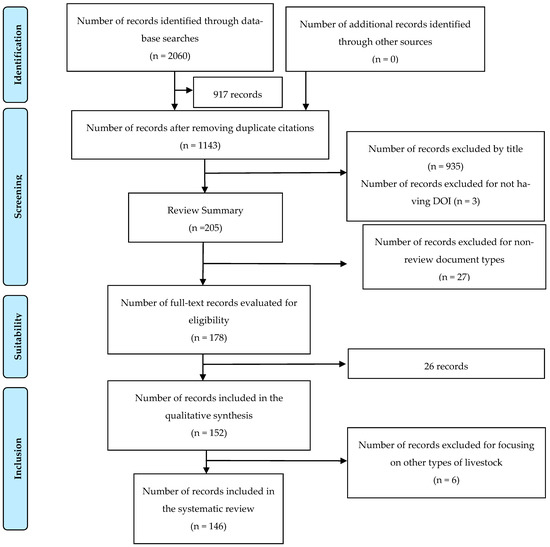
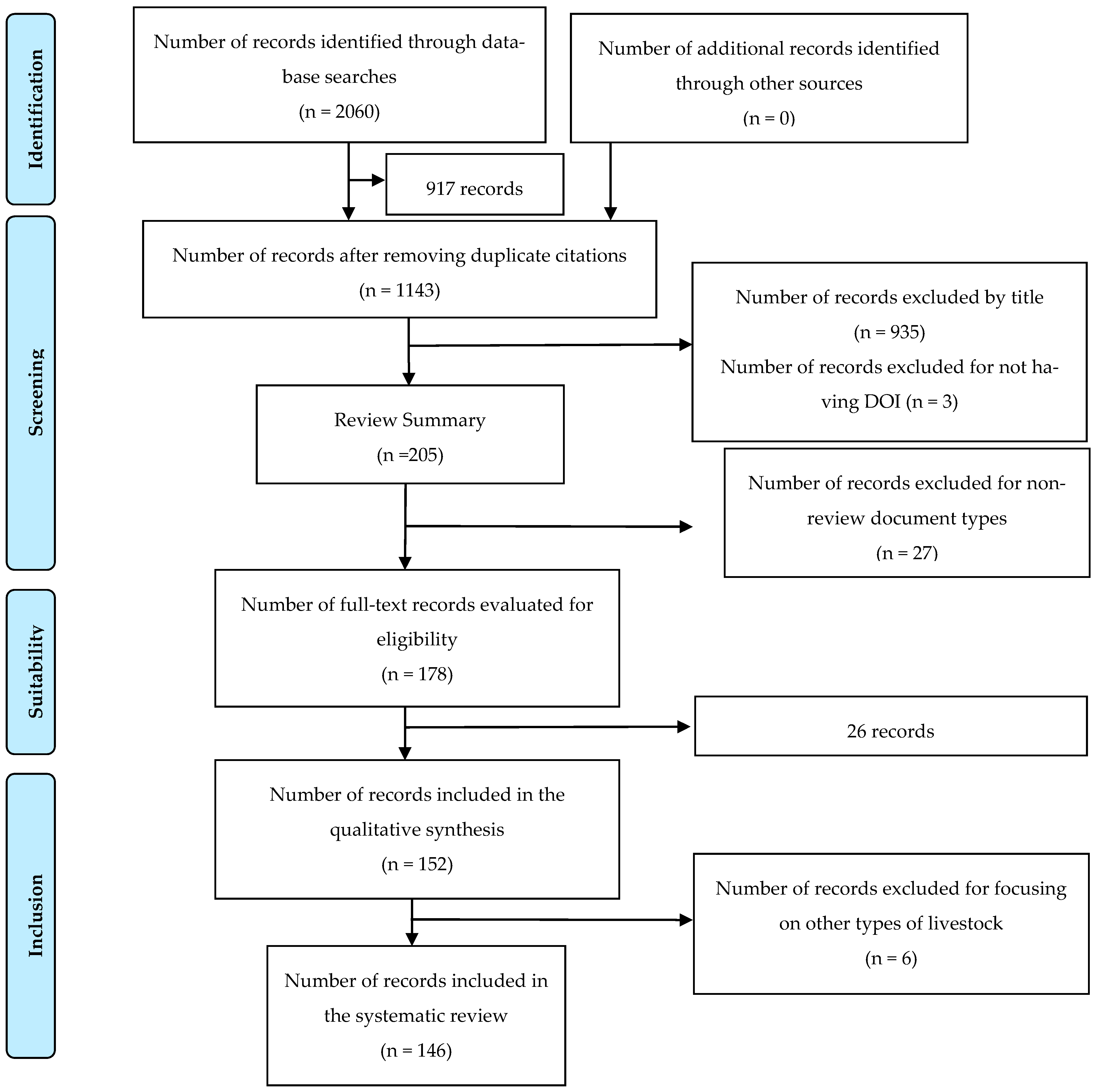
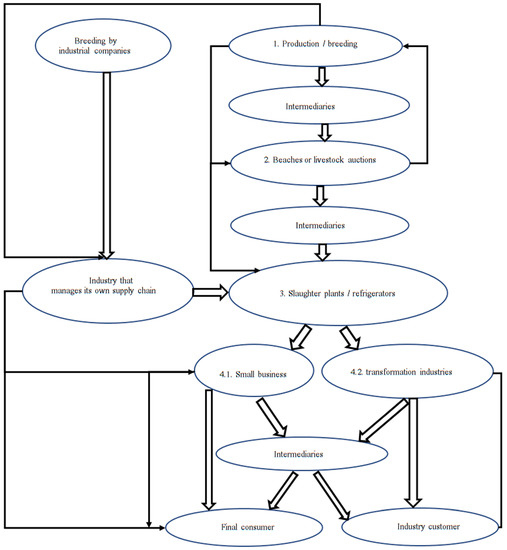
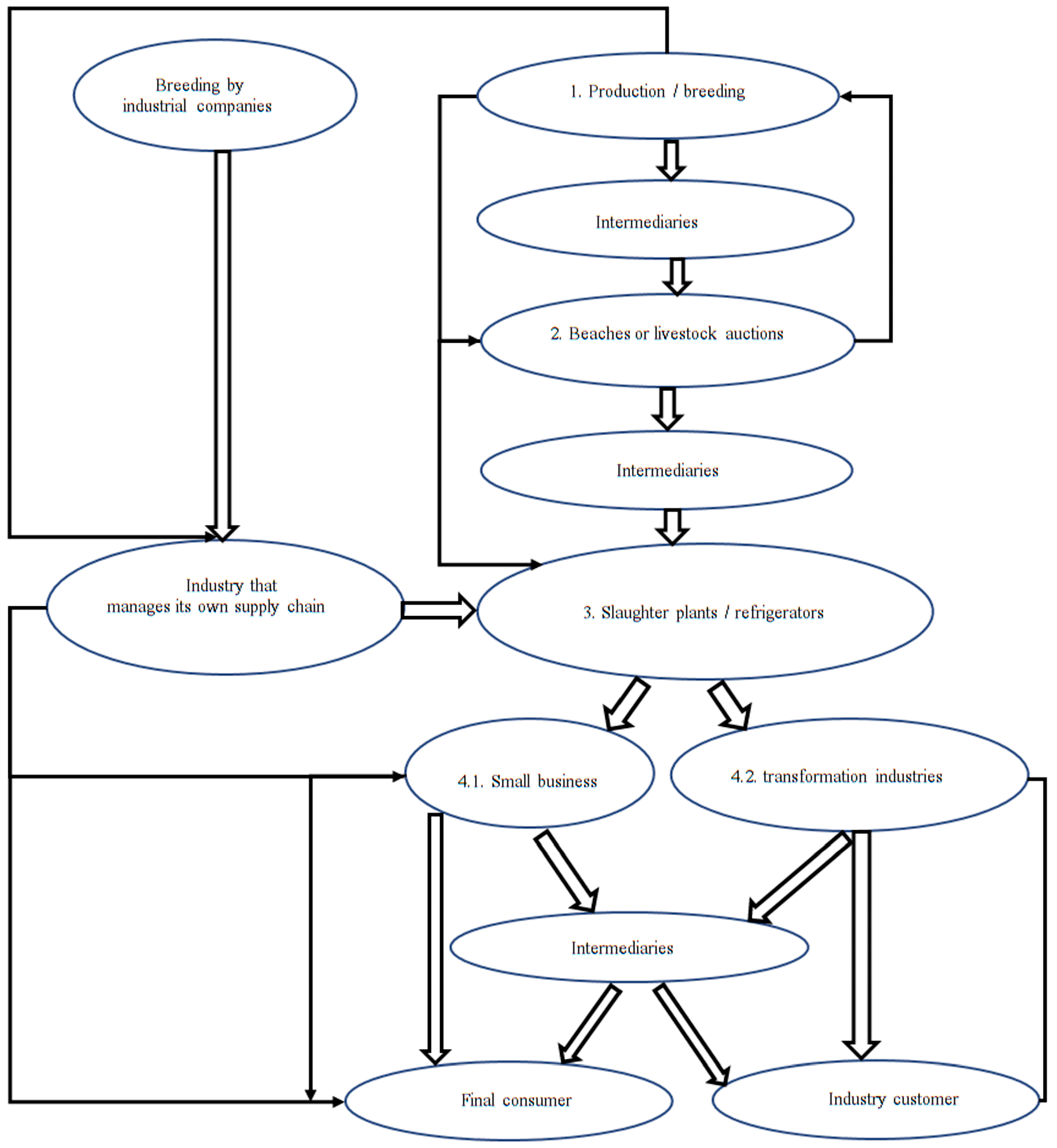
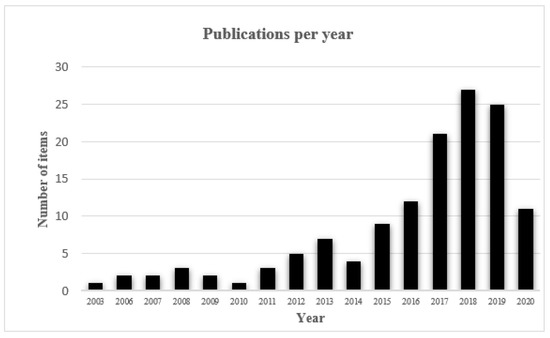
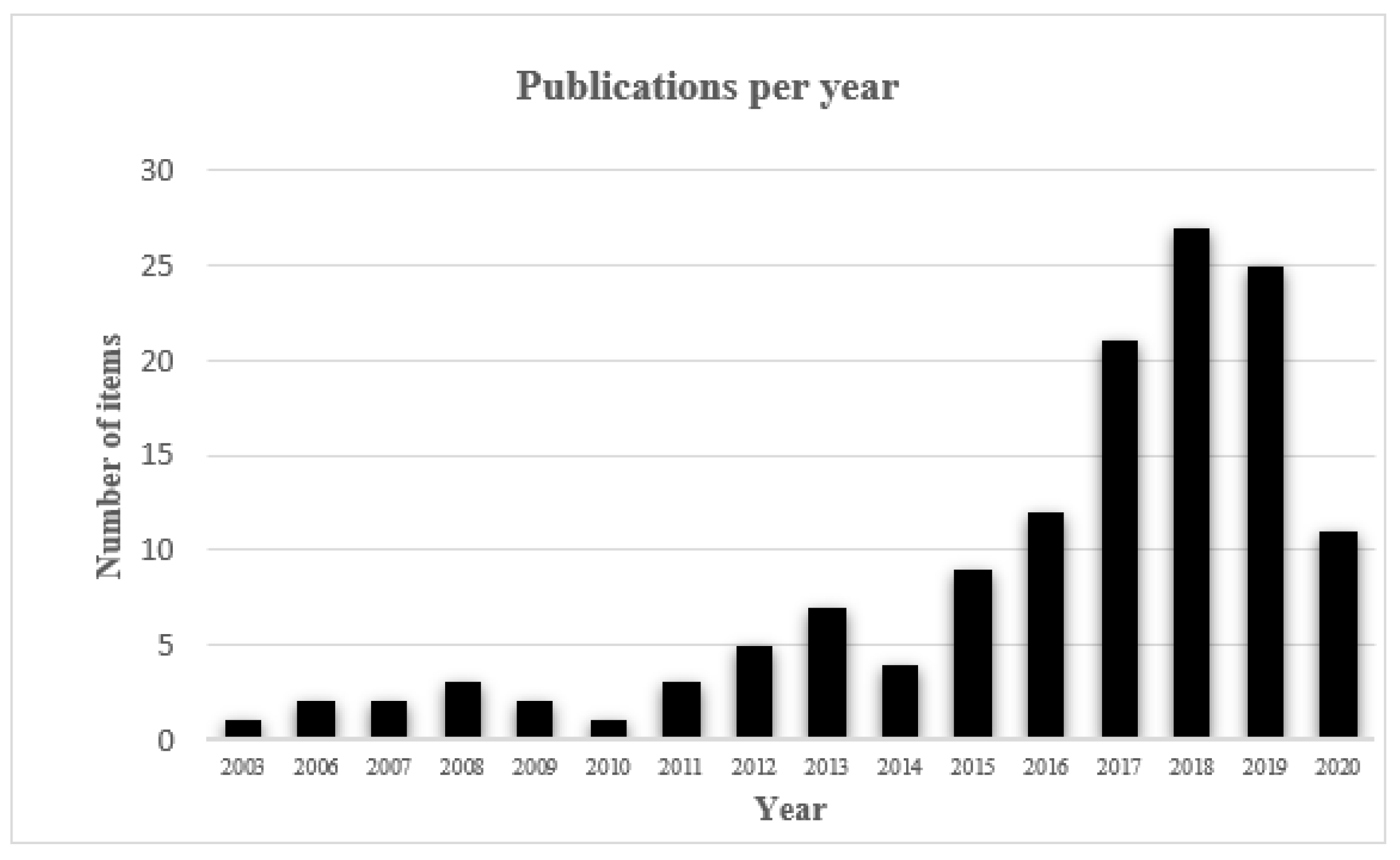

Publisher’s Note: MDPI stays neutral with regard to jurisdictional claims in published maps and institutional affiliations. |
© 2022 by the authors. Licensee MDPI, Basel, Switzerland. This article is an open access article distributed under the terms and conditions of the Creative Commons Attribution (CC BY) license (https://creativecommons.org/licenses/by/4.0/).