

Journal Description
Viruses
Viruses
is a peer-reviewed, open access journal of virology, published monthly online by MDPI. The Spanish Society for Virology (SEV), Canadian Society for Virology (CSV), Italian Society for Virology (SIV-ISV), Australasian Virology Society (AVS), Brazilian Society for Virology (BSV) and Global Virus Network (GVN) are affiliated with Viruses and their members receive a discount on the article processing charges.
- Open Access— free for readers, with article processing charges (APC) paid by authors or their institutions.
- High Visibility: indexed within Scopus, SCIE (Web of Science), PubMed, MEDLINE, PMC, Embase, PubAg, and other databases.
- Journal Rank: JCR - Q2 (Virology) / CiteScore - Q1 (Infectious Diseases)
- Rapid Publication: manuscripts are peer-reviewed and a first decision is provided to authors approximately 17.2 days after submission; acceptance to publication is undertaken in 2.7 days (median values for papers published in this journal in the second half of 2025).
- Recognition of Reviewers: reviewers who provide timely, thorough peer-review reports receive vouchers entitling them to a discount on the APC of their next publication in any MDPI journal, in appreciation of the work done.
- Journal Cluster of Microbiology: Acta Microbiologica Hellenica, Applied Microbiology, Bacteria, Journal of Fungi, Microorganisms, Microbiology Research, Pathogens and Viruses.
Impact Factor:
3.8 (2025);
5-Year Impact Factor:
3.8 (2025)
Latest Articles
Development and Validation of a Rapid Titer Assay for the Oncolytic Virus oHSV2 Expressing a PD-L1/CD3 Bispecific Antibody
Viruses 2026, 18(7), 694; https://doi.org/10.3390/v18070694 (registering DOI) - 24 Jun 2026
Abstract
Oncolytic viruses represent a promising class of anticancer therapeutics, and rapid, accurate quantification of viral titers is critical for ensuring both efficacy and safety during clinical development. Conventional viral titering methods, such as 50% cell culture infectious dose (CCID50), are time-consuming
[...] Read more.
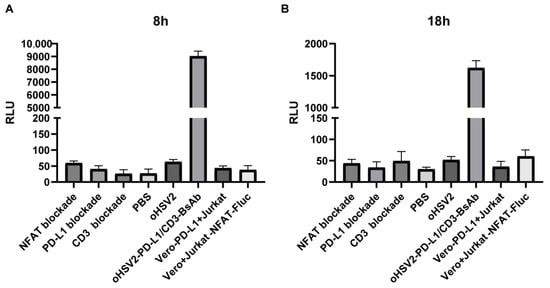
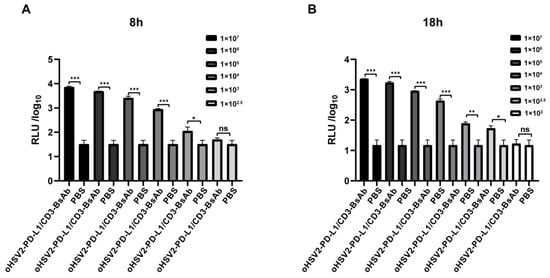
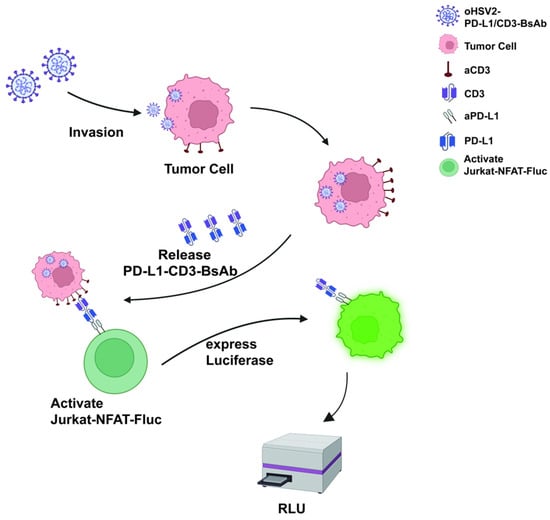
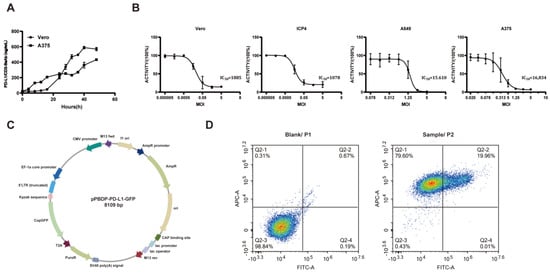
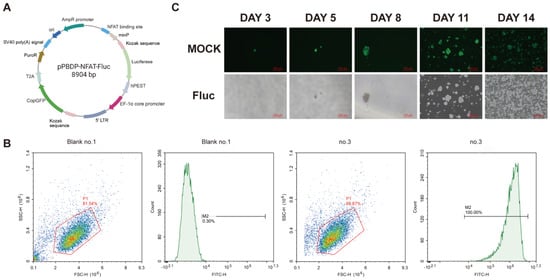
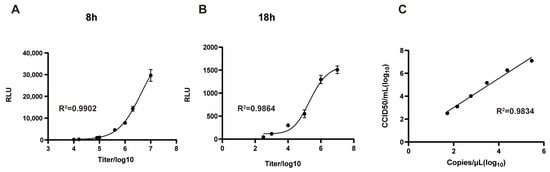
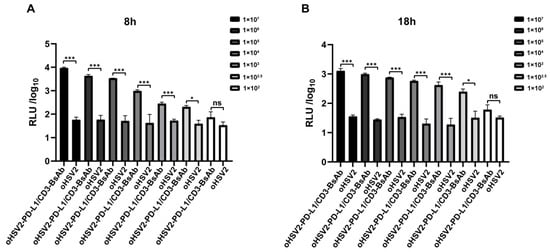
Oncolytic viruses represent a promising class of anticancer therapeutics, and rapid, accurate quantification of viral titers is critical for ensuring both efficacy and safety during clinical development. Conventional viral titering methods, such as 50% cell culture infectious dose (CCID50), are time-consuming and limited in sensitivity, thereby restricting their application in real-time clinical monitoring. This study aimed to develop and validate a rapid titer assay for oHSV2-PD-L1/CD3-BsAb, an oncolytic herpes simplex virus expressing a PD-L1/CD3 bispecific antibody, to support preclinical and clinical monitoring. A dual-reporter cell system was established using Vero-PD-L1-GFP (Vero cells expressing PD-L1 and GFP) cells as target cells and Jurkat-NFAT-Fluc (Jurkat cells expressing NFAT and Fluc) cells as effector cells. Viral infection activates the NFAT signaling pathway, driving Fluc expression, thereby enabling rapid quantification of infectious virus. The assay was evaluated for specificity, limit of detection (LOD), and lower limit of quantification (LLOQ), and compared with the conventional CCID50 method. Its applicability was further assessed using clinical simulation samples, including PBMCs and swabs. The rapid titer assay accurately quantified virus at 103 CCID50/mL after 8 h of incubation, consistent with CCID50 results, while extending the incubation to 18 h improved the LLOQ to 102.5 CCID50/mL, demonstrating enhanced sensitivity. The assay exhibited high reproducibility and stability in both PBMC and swab samples, enabling reliable quantification of low-titer virus in complex biological matrices. Compared with CCID50, the method substantially reduced assay time (from 3–5 days to 8–18 h) while improving sensitivity and specificity. The developed rapid titer assay for oHSV2-PD-L1/CD3-BsAb provides a sensitive and specific platform for viral quantification. It offers a valuable tool for oncolytic virus development, production quality control, and clinical monitoring, facilitating efficient safety evaluation and risk management in ongoing and future clinical applications.
Full article
(This article belongs to the Section Human Virology and Viral Diseases)
►
Show Figures
Open AccessArticle
First Report of Porcine Bocavirus and Porcine Cytomegalovirus in Croatian ASF-Negative Wild Boar Populations
by
Jelena Prpić, Magda Kamber Taslaman, Margarita Božiković, Daria Jurković Žilić, Andreja Jungić, Ivana Lojkić and Lorena Jemeršić
Viruses 2026, 18(7), 693; https://doi.org/10.3390/v18070693 (registering DOI) - 23 Jun 2026
Abstract
Wild boar populations are increasingly recognized as important hosts in the ecology of swine viruses, yet data from Croatia remain limited. This study aimed to establish baseline information on the presence of porcine bocavirus (PBoV) and porcine cytomegalovirus (PCMV) in Croatian wild boar
[...] Read more.
Wild boar populations are increasingly recognized as important hosts in the ecology of swine viruses, yet data from Croatia remain limited. This study aimed to establish baseline information on the presence of porcine bocavirus (PBoV) and porcine cytomegalovirus (PCMV) in Croatian wild boar within the framework of the national African swine fever (ASF) surveillance program. Spleen and blood samples from 184 ASF-negative wild boar collected across 11 counties were tested using real-time PCR. PCMV DNA was detected in 16 animals (8.69%), with similar detection frequencies in spleen (7.69%) and blood (9.52%). PBoV DNA was identified in seven animals (3.80%), all from spleen samples. Positive animals were distributed across several counties, but no significant associations were observed between virus detection and age, sex, or geographic origin. Coinfection with both viruses was detected in a single animal (0.05%). These findings provide the first molecular evidence of PBoV and PCMV in Croatian wild boar and indicate low-level viral circulation across multiple regions. Although both viruses are typically subclinical, their detection contributes to understanding pathogen diversity in free-living suids and establishes a foundation for future epidemiological and molecular studies in the region.
Full article
(This article belongs to the Special Issue Spotlight on Bocavirus and Other Parvoviruses, and Overlooked Respiratory Viruses)
Open AccessReview
Eastern Equine Encephalitis Virus Complex: Human Disease, Diagnosis and Treatment
by
Mohammed Umar, Evan P. Williams, Gabriel Correa Quitete Schaller Chagas, Anuj Singh, Katarina Rueda and Colleen B. Jonsson
Viruses 2026, 18(7), 692; https://doi.org/10.3390/v18070692 (registering DOI) - 23 Jun 2026
Abstract
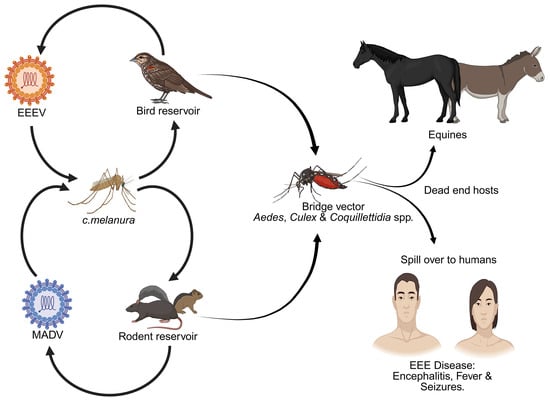
The Eastern equine encephalitis virus (EEEV) complex comprises mosquito-borne neurotropic alphaviruses maintained in nature by mosquitoes. Although rare, human infections caused by these viruses can lead to febrile illness that may progress to severe encephalitis, for which there are no vaccines for prevention
[...] Read more.
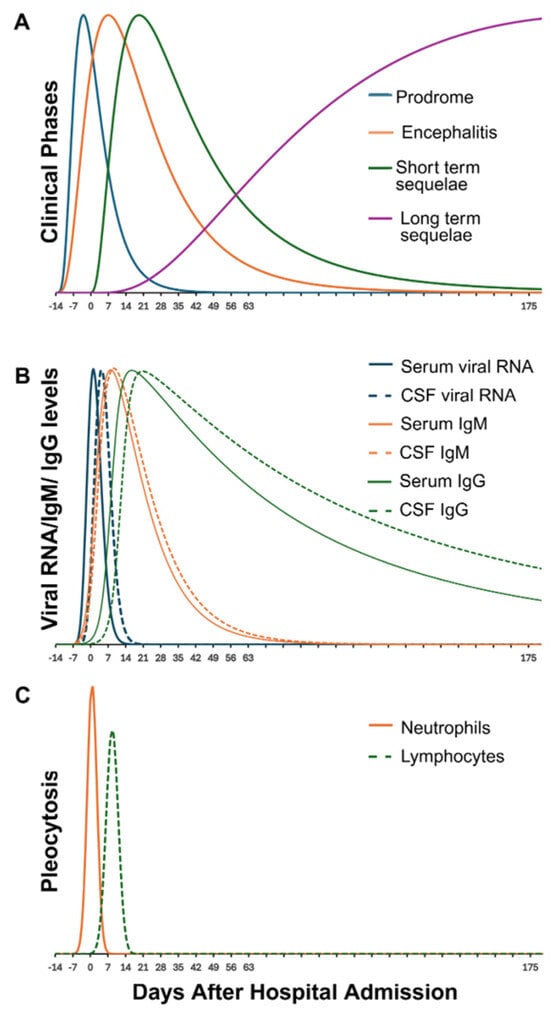
The Eastern equine encephalitis virus (EEEV) complex comprises mosquito-borne neurotropic alphaviruses maintained in nature by mosquitoes. Although rare, human infections caused by these viruses can lead to febrile illness that may progress to severe encephalitis, for which there are no vaccines for prevention and no specific therapeutics for treatment. Moreover, a high percentage of human cases show long-term neurological sequelae. Here, we review the literature on cases, diagnosis, and management. Current gaps in clinical care include an urgent need to develop rapid diagnostic tests, new therapeutics, and vaccines.
Full article
(This article belongs to the Special Issue Mosquito-Borne Encephalitis Viruses: 2nd Edition)
►▼
Show Figures

Figure 1
Open AccessArticle
Influenza as the Predominant Cause of Severe Hepatic Involvement in Children Hospitalized with Acute Respiratory Infections: A Post-COVID-19 Era Analysis
by
Ozlem Kalaycik Sengul, Suleyman Zahid Akyuz, Ilke Aktas, Ezgi Dilan Sencan, Asude Sule Arikan, Sevliya Ocal Demir and Sebahat Cam
Viruses 2026, 18(7), 691; https://doi.org/10.3390/v18070691 (registering DOI) - 23 Jun 2026
Abstract
Background: Following the coronavirus disease 2019 (COVID-19) pandemic, increased reports of severe acute hepatitis of unknown etiology in children have raised concerns about virus-associated liver injury. Acute respiratory tract infections (ARTIs) are a common cause of pediatric hospitalization and may be accompanied
[...] Read more.
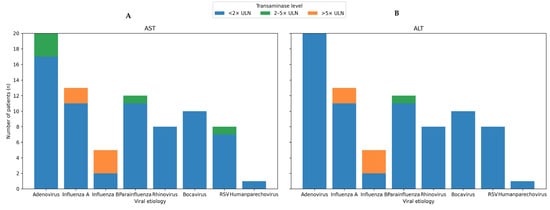
Background: Following the coronavirus disease 2019 (COVID-19) pandemic, increased reports of severe acute hepatitis of unknown etiology in children have raised concerns about virus-associated liver injury. Acute respiratory tract infections (ARTIs) are a common cause of pediatric hospitalization and may be accompanied by reactive hepatitis; however, virus-specific patterns of hepatic involvement remain incompletely defined. This study aimed to evaluate liver involvement associated with ARTIs in hospitalized children. Methods: This retrospective study included pediatric patients (<18 years) hospitalized with ARTIs between October 2021 and May 2023. Respiratory viruses were identified via multiplex real-time polymerase chain reaction assays. Liver function tests were systematically evaluated during hospitalization. Transaminase elevations were categorized according to the upper limit of normal (ULN = 40 U/L). Acute hepatic failure was defined according to the Pediatric Acute Liver Failure criteria. Results: A total of 179 patients were analyzed (median age: 38 months; 59.2% male). Elevated AST and ALT levels were observed in 24.0% and 8.4% of patients, respectively. Adenovirus was the most frequently detected virus (11.2%), followed by influenza A (7.3%) and parainfluenza virus (6.7%). Severe transaminase elevations (>5 × ULN and >500 U/L) were observed in patients with influenza infection. All cases of acute hepatic failure (n = 3) were associated with influenza infection. Other respiratory viruses were associated with mild or transient liver enzyme abnormalities. Conclusions: Severe hepatic involvement—including severe transaminase elevation and acute hepatic failure—occurred exclusively in children with influenza infection, particularly influenza B, while mild and transient liver enzyme abnormalities were common across other respiratory viral infections. These findings highlight the importance of targeted liver function monitoring in pediatric influenza patients and provide clinically relevant data on virus-specific hepatic involvement in the post-COVID-19 era.
Full article
(This article belongs to the Special Issue Extrapulmonary Manifestations of Respiratory Viruses)
►▼
Show Figures

Figure 1

Open AccessArticle
Burden of Malaria and Dengue Across Global, Asian, and Chinese Populations Based on GBD 2021 Data: A Quantitative Assessment of Importation Risks to China
by
Ning Jiang, Weichao Liu, Huifang Zhou, Xianlin Zhan, Xue’e Dai, Wei Yan and Jianhua Yin
Viruses 2026, 18(6), 690; https://doi.org/10.3390/v18060690 (registering DOI) - 22 Jun 2026
Abstract
Background: Malaria and dengue continue to pose significant public health challenges in Asia, with differing temporal trends and regional distributions. However, comparative and long-term assessments of their disease burden and future trajectories remain limited. Methods: Using Global Burden of Disease Study 2021 data,
[...] Read more.
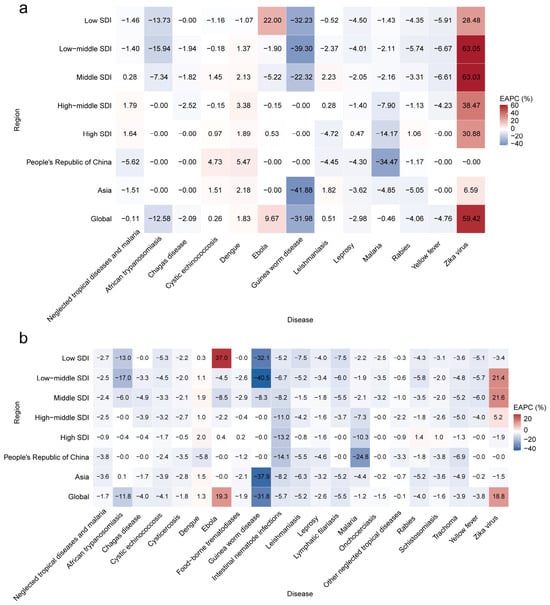
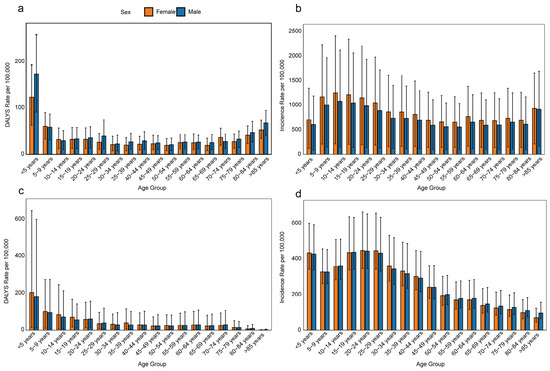
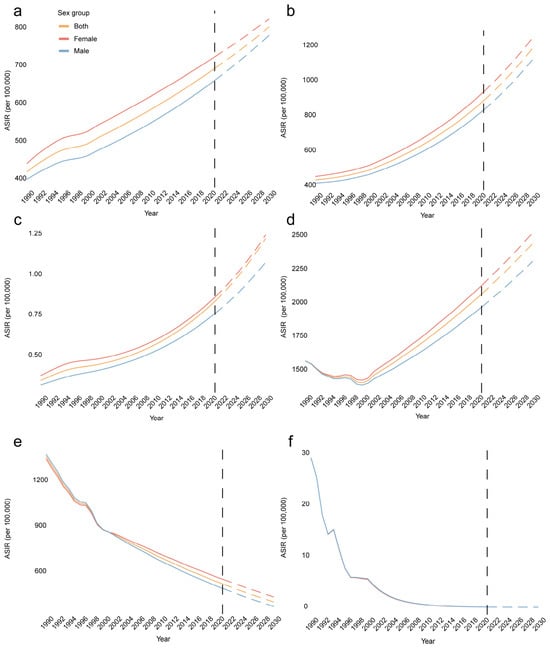
Background: Malaria and dengue continue to pose significant public health challenges in Asia, with differing temporal trends and regional distributions. However, comparative and long-term assessments of their disease burden and future trajectories remain limited. Methods: Using Global Burden of Disease Study 2021 data, we estimated age-standardized incidence rates (ASIR), disability-adjusted life years (DALYs-ASR), and estimated annual percentage changes (EAPCs) for global, Asian, and Chinese populations by age, sex, and socio-demographic index (SDI). Correlations with SDI and population density were analyzed, and an importation risk index for China was developed. Future trends to 2030 were projected using Bayesian age-period-cohort modeling. Findings: From 1990 to 2021, dengue ASIR increased globally and in China, particularly in middle-SDI regions, whereas malaria ASIR and DALYs-ASR declined substantially, with the most pronounced reductions observed in China. Dengue DALYs-ASR were highest among children under five, while incidence peaked in adolescents; malaria burden was concentrated in young children and young adults. Sex-specific differences were observed, with higher dengue incidence in females but greater DALY rates in males. Geographically, Southeast Asian countries contributed most to the estimated importation risk for both diseases. Projections indicate continued increases in dengue burden through 2030, alongside further declines in malaria. Conclusions: Malaria and dengue exhibit divergent epidemiological patterns across Asia, with declining malaria burden but rising dengue incidence. These findings highlight the need for differentiated control strategies, strengthened regional collaboration, and enhanced surveillance of cross-border transmission.
Full article
(This article belongs to the Special Issue Preparation for the Next Potential Pandemic—Chikungunya, Dengue, Zika and Other Viruses 2026)
►▼
Show Figures

Figure 1

Open AccessCorrection
Correction: Bulatov et al. Camelpox Virus in Western Kazakhstan: Assessment of the Role of Local Fauna as Reservoirs of Infection. Viruses 2024, 16, 1626
by
Yerbol Bulatov, Sholpan Turyskeldy, Ruslan Abitayev, Abdurakhman Usembai, Zhanna Sametova, Zhanat Kondybayeva, Alina Kurmasheva, Dana Mazbayeva, Asselya Kyrgyzbayeva, Kamshat Shorayeva, Zhanat Amanova and Dariya Toktyrova
Viruses 2026, 18(6), 689; https://doi.org/10.3390/v18060689 (registering DOI) - 22 Jun 2026
Abstract
In the published publication [...]
Full article
Open AccessCommunication
First Report of Orthonairovirus songlingense in Haemaphysalis concinna Ticks from Russia
by
Mikhail Y. Kartashov, Valentina Y. Kurushina, Kirill A. Svirin, Alina S. Zheleznova, Tatyana V. Tregubchak, Alexander P. Agafonov and Anastasia V. Gladysheva
Viruses 2026, 18(6), 688; https://doi.org/10.3390/v18060688 (registering DOI) - 22 Jun 2026
Abstract
High-throughput sequencing methods have made it possible to identify numerous novel tick-borne viruses that are potentially pathogenic to humans. Among these, Songling virus (Orthonairovirus songlingense, SGLV) has been associated with febrile illness in patients following tick bites in China, but its
[...] Read more.
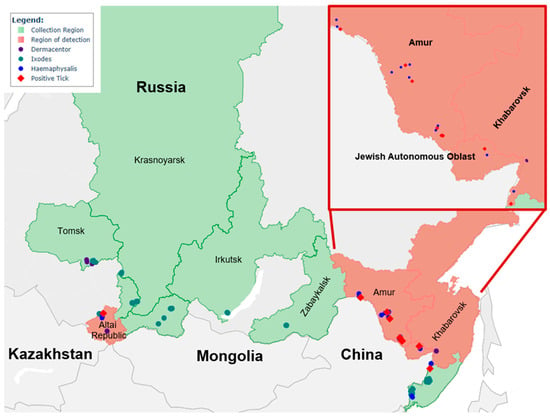
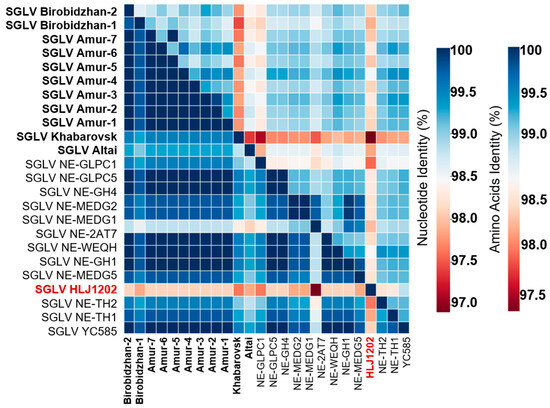
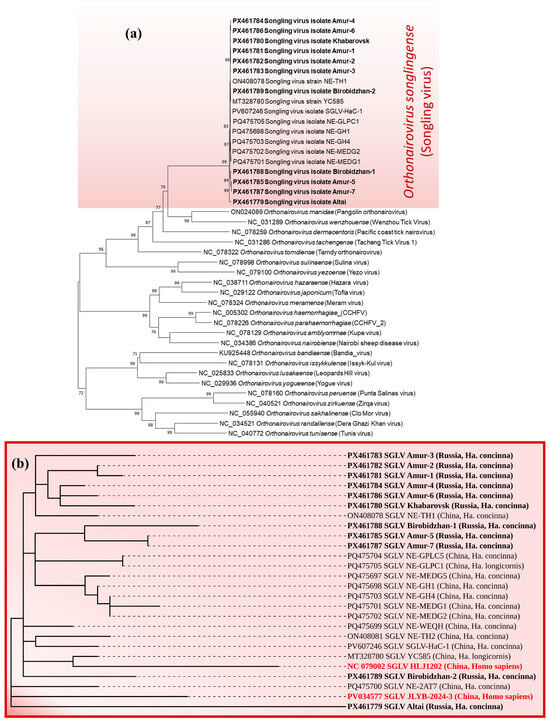
High-throughput sequencing methods have made it possible to identify numerous novel tick-borne viruses that are potentially pathogenic to humans. Among these, Songling virus (Orthonairovirus songlingense, SGLV) has been associated with febrile illness in patients following tick bites in China, but its geographic distribution outside China remains largely unexplored. In this study, we aimed to detect SGLV circulation in ticks across Asian Russia, focusing on regions bordering China. A total of 3444 adult ticks representing six species were collected from 170 locations across 11 regions during the summer of 2024. SGLV RNA was detected in Haemaphysalis concinna ticks, with 11 positive specimens yielding an SGLV RNA prevalence rate of 2.2%. Positive ticks were found in four regions, with the highest positivity rate (5.8%) recorded in Amur Oblast, which directly borders China. The detection of SGLV in the Republic of Altai represents the westernmost record of this virus to date. Full-length nucleoprotein-coding sequences obtained for all Russian isolates revealed up to 1.2% nucleotide divergence. Phylogenetic analysis confirmed that all Russian SGLV isolates belong to Orthonairovirus songlingense, with the Altai SGLV isolate showing genetic similarity to a human-derived Chinese SGLV isolate. Co-infections with Rickettsia heilongjiangensis were detected in four SGLV-positive ticks, highlighting the potential for simultaneous pathogen transmission. These findings establish the first evidence of SGLV circulation in Russia across a wide geographic range and underscore the need for differential diagnosis of febrile illnesses following tick bites in this region.
Full article
(This article belongs to the Special Issue Emerging and Re-Emerging Viral Zoonoses)
►▼
Show Figures

Figure 1

Open AccessArticle
Epidemiological and Virological Characteristics of H9N2 Avian Influenza Virus in Jiangsu Province, China, 2024
by
Xue Gao, Huiyan Yu, Na Zhang, Liqi Liu, Jing Tong, Xian Qi, Haodi Huang, Shenjiao Wang, Zi Li, Yangguang Du and Liguo Zhu
Viruses 2026, 18(6), 687; https://doi.org/10.3390/v18060687 (registering DOI) - 20 Jun 2026
Abstract
H9N2 avian influenza viruses inherently carry cross-species transmission potential, making continuous surveillance critical for pandemic prevention. This study focused on monitoring the 2024 H9N2 epidemic in Jiangsu Province’s external environment, analyzing its molecular evolution and receptor binding properties, assessing cross-species transmission and pandemic
[...] Read more.
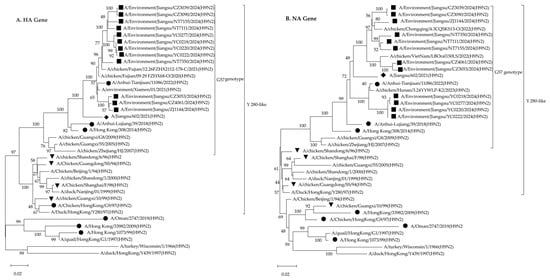
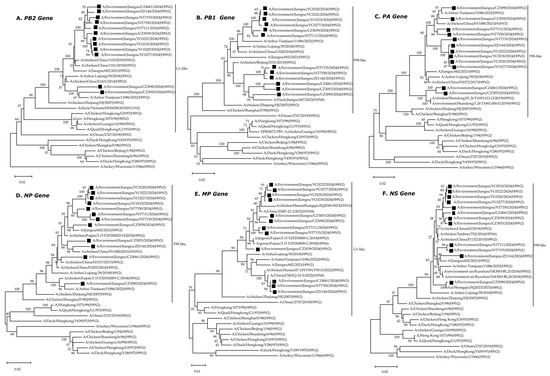
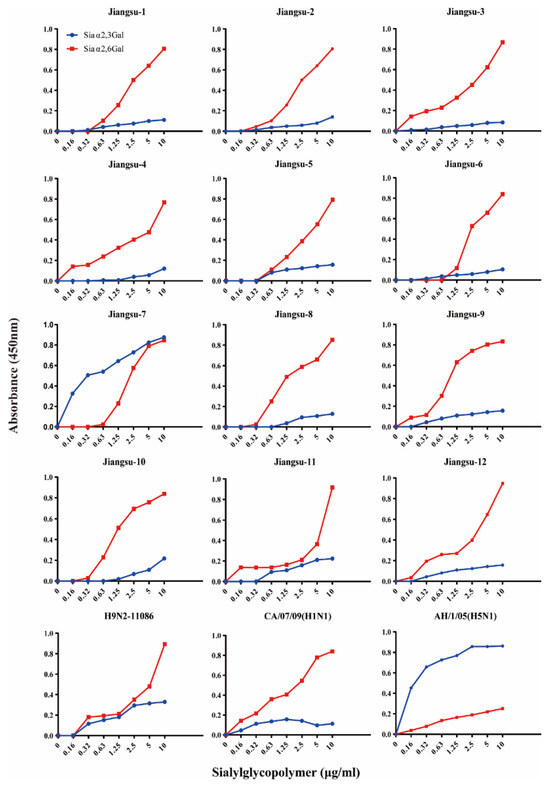
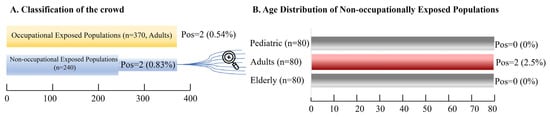
H9N2 avian influenza viruses inherently carry cross-species transmission potential, making continuous surveillance critical for pandemic prevention. This study focused on monitoring the 2024 H9N2 epidemic in Jiangsu Province’s external environment, analyzing its molecular evolution and receptor binding properties, assessing cross-species transmission and pandemic risks, and investigating serological antibody levels across different human populations. Environmental samples were collected from live poultry markets, farms, slaughterhouses, and bird habitats across Jiangsu, screened via quantitative PCR (qPCR), with positive samples used for virus isolation and whole-genome sequencing. Receptor binding properties were tested by hemagglutination assay, and H9N2 antibody levels were measured in 370 occupationally exposed individuals and 240 non-exposed individuals using hemagglutination inhibition (HI) assays. Among the 5779 collected samples, 6.89% tested H9N2-positive, and 12 strains belonging to the Eurasian lineage Y280-like clade G57 genotype were successfully isolated. All strains carried the HA-Q226L mutation, with 11 showing preferential binding to human α-2,6 receptors and one strain possessing dual receptor binding capability. Internal genes harbored mammalian adaptation mutations, and M2 proteins contained mutations conferring complete resistance to amantadine-class antiviral drugs. Serological tests revealed antibody positive rates of 4.05% in exposed populations and 2.5% in non-exposed populations, with no statistically significant difference between groups. These findings confirm that Jiangsu’s circulating H9N2 viruses have acquired human receptor preference and mammalian adaptation, posing silent infection and pandemic risks. Enhanced surveillance and the development of candidate vaccine stockpiles are strongly recommended.
Full article
(This article belongs to the Section Animal Viruses)
►▼
Show Figures

Figure 1
Open AccessArticle
Analysis of Epidemiological and Molecular Characteristics of Bocavirus in Guangzhou
by
Yifan Pan, Pingting Zhu, Yiyun Chen, Jingjing Zhang, Yanhui Liu, Shuiping Hou, Anna Wang, Xinwei Wu, Pengzhe Qin and Lan Cao
Viruses 2026, 18(6), 686; https://doi.org/10.3390/v18060686 (registering DOI) - 20 Jun 2026
Abstract
Objective: We aimed to elucidate the epidemiological characteristics and co-infection status of HBoV in Guangzhou and to investigate the potential recombination events and alterations in antigenic properties among circulating HBoV strains. Methods: Utilizing respiratory specimens collected from patients at sentinel surveillance hospitals in
[...] Read more.
Objective: We aimed to elucidate the epidemiological characteristics and co-infection status of HBoV in Guangzhou and to investigate the potential recombination events and alterations in antigenic properties among circulating HBoV strains. Methods: Utilizing respiratory specimens collected from patients at sentinel surveillance hospitals in Guangzhou between August 2023 and December 2025, multiplex pathogen detection was performed. We describe the temporal and demographic distribution of HBoV in Guangzhou and determine its co-infection patterns. Subsequent sequence analysis focused on identifying potential recombination events and characterizing antigenic properties. Results: The epidemiological features of HBoV in Guangzhou exhibited a primary epidemic peak around the autumn season, followed closely by a secondary peak. HBoV infection was predominantly observed in children under three years of age. Co-infections with rhinovirus and parainfluenza virus were common. Whole-genome sequencing yielded 15 complete HBoV genome sequences. Recombination analysis and verification suggested potential recombination events in two of these sequences. A comparative analysis of the antigenic characteristics of one identified recombinant strain, GZ-2024-20891, against its putative parental strains and domestic prevalent strains revealed potential alterations in its antigenic characteristic. Conclusions: Bocavirus is highly prevalent among young children under 3 years of age, with a secondary peak following the main epidemic peaks around autumn in Guangzhou. Genetic recombination and potential antigenic alteration were detected in bocavirus.
Full article
(This article belongs to the Section Human Virology and Viral Diseases)
Open AccessArticle
Acquired HIV-1 Drug Resistance and Molecular Transmission Networks in Zhongwei, Ningxia, China
by
Youping Duan, Subinuer Mutalifu, Ziyang Luo, Yufeng Li, Xiaohong Zhu, Jianxin Pei, Dongzhi Yang and Zhonglan Wu
Viruses 2026, 18(6), 685; https://doi.org/10.3390/v18060685 (registering DOI) - 18 Jun 2026
Abstract
Objective: This retrospective cross-sectional study aimed to characterize HIV-1 genotypes, assess drug resistance, and analyze molecular transmission networks in Zhongwei City to inform prevention strategies. Methods: Plasma samples were collected from antiretroviral therapy (ART)-treated patients (2007–2024) with viral load ≥ 200 copies/mL. HIV-1
[...] Read more.
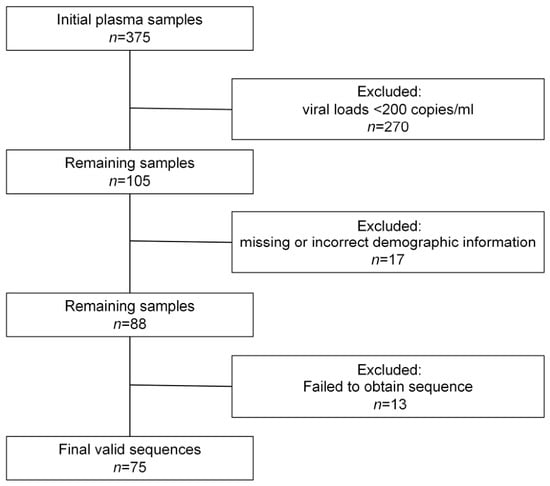
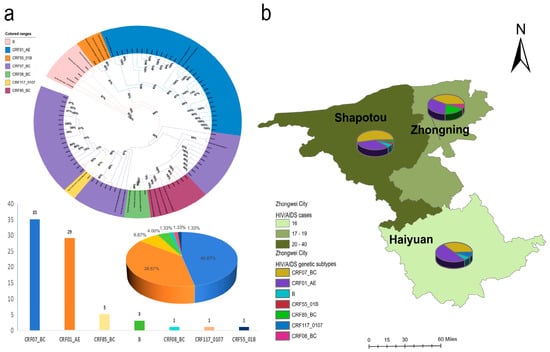
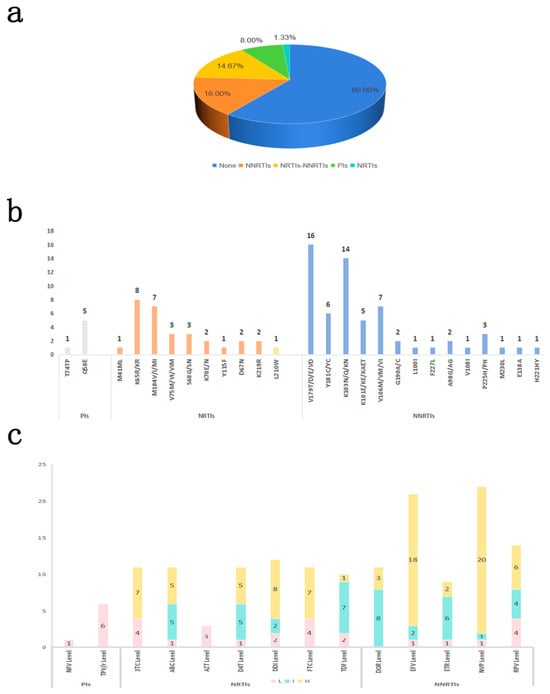
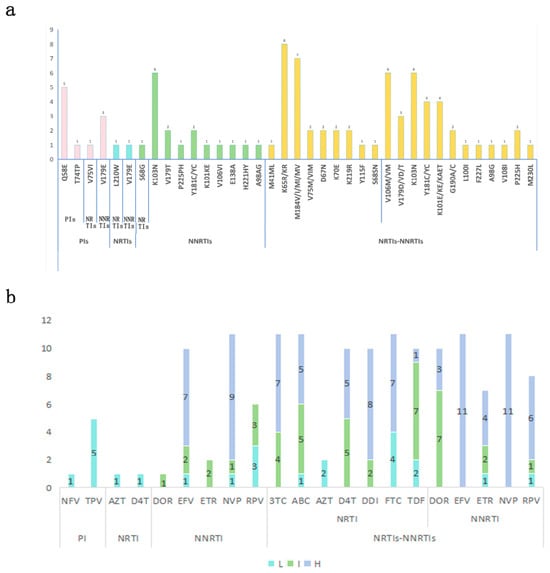
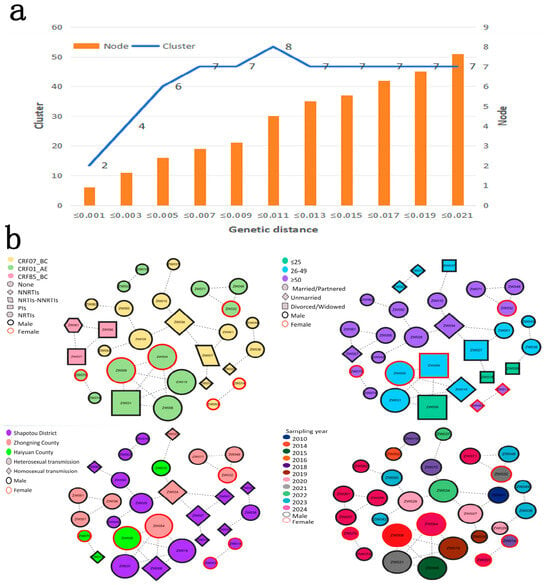
Objective: This retrospective cross-sectional study aimed to characterize HIV-1 genotypes, assess drug resistance, and analyze molecular transmission networks in Zhongwei City to inform prevention strategies. Methods: Plasma samples were collected from antiretroviral therapy (ART)-treated patients (2007–2024) with viral load ≥ 200 copies/mL. HIV-1 pol was amplified by nested PCR; successful sequences were genotyped by maximum likelihood (ML) (IQ-TREE, TVM+F+I+G4, 1000 bootstrap). Drug resistance (DR) was interpreted using Stanford HIV Drug Resistance Database (HIVDB) v9.0; detected mutations represent acquired drug resistance (ADR). Pairwise genetic distances (GD) (TN93 model) were calculated; transmission networks were constructed in Cytoscape 3.10.3. Results: 75 sequences were obtained. Males (84.00%), and heterosexual transmission (64.00%) predominated. CRF07_BC (46.67%) and CRF01_AE (38.67%) were the major subtypes; the overall ADR rate was 40.00%, mainly NNRTIs-associated (30.67% of all participants, including 16.00% single-class NNRTIs and 14.67% dual-class NRTIs-NNRTIs). Network inclusion rate was 40.00% of the 75 sequences; CRF07_BC showed higher betweenness centrality (p = 0.028), while CRF01_AE and CRF85_BC showed higher closeness centrality (p < 0.001). Occupation significantly affected network enrollment (p ≤ 0.05). Conclusion: HIV-1 subtypes are diverse with high ADR. CRF07_BC may act as a transmission bridge, whereas CRF01_AE and CRF85_BC exhibit faster potential spread. Baseline DR testing and network-guided interventions are recommended.
Full article
(This article belongs to the Section Human Virology and Viral Diseases)
►▼
Show Figures

Figure 1

Open AccessConference Report
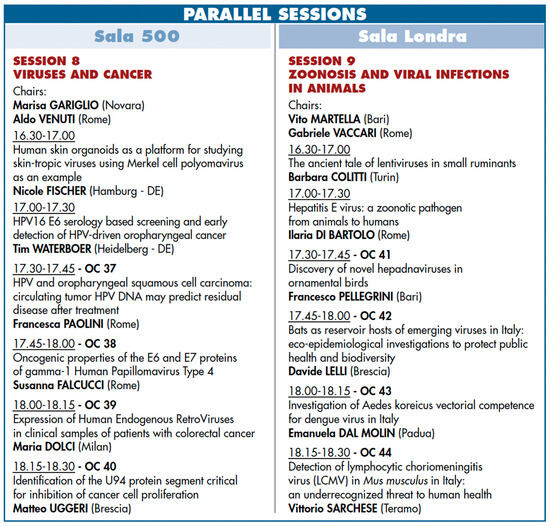
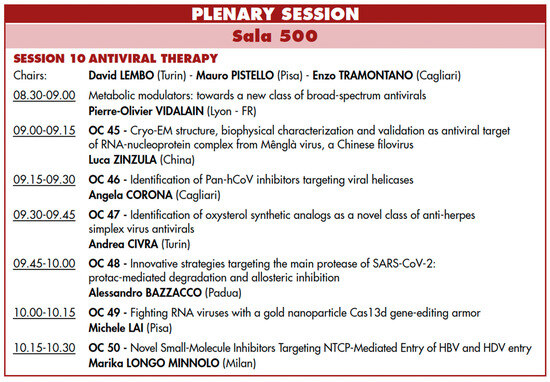
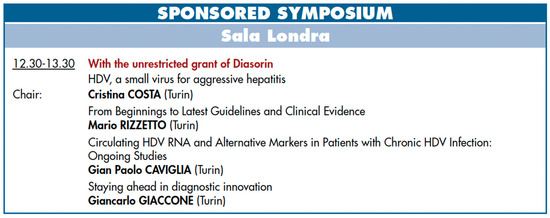
Report from the 9th Italian Society for Virology (SIV-ISV) 2025 Annual Meeting
by
Anna De Filippis, Manuela Donalisio, Anna Luganini, Francesca Caccuri, Francesca Esposito, Nicole Grandi, Carla Zannella, Luisa Rubino, Enzo Tramontano, Gabriele Vaccari, Massimiliano Galdiero and Arnaldo Caruso
Viruses 2026, 18(6), 684; https://doi.org/10.3390/v18060684 (registering DOI) - 18 Jun 2026
Abstract
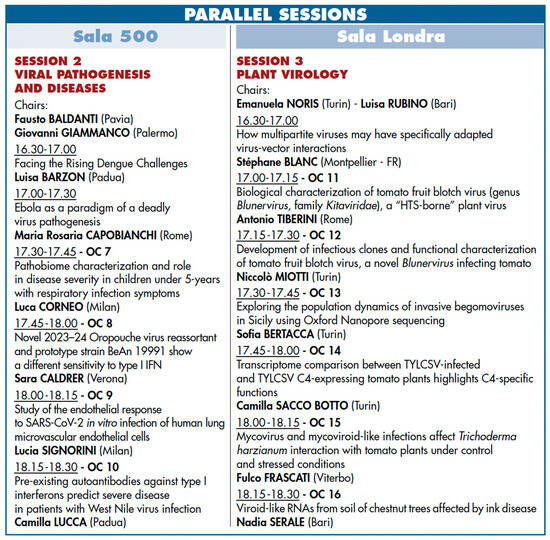
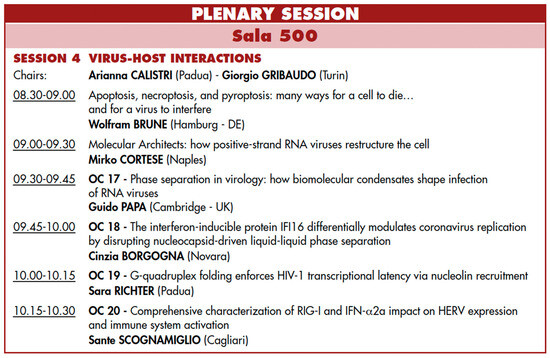
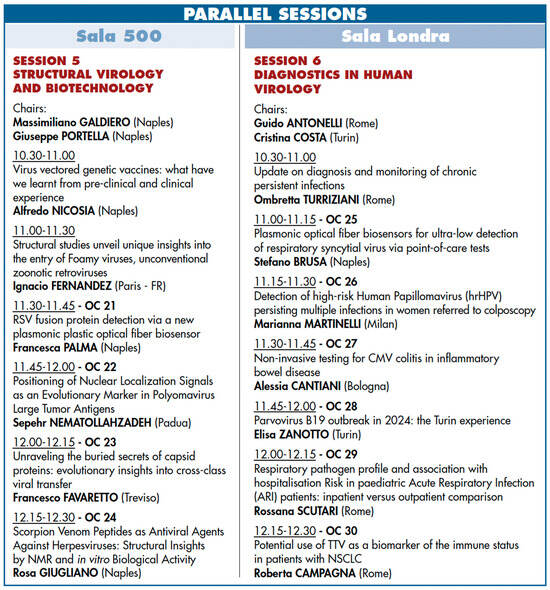
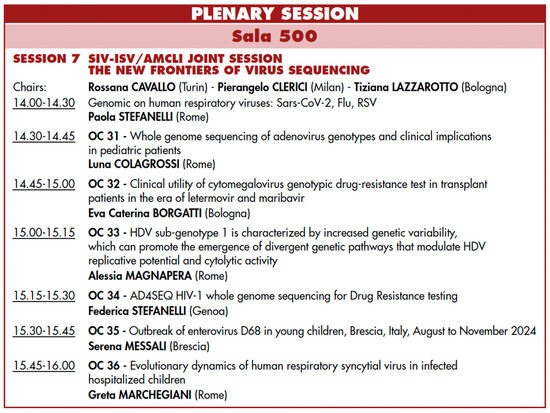
The 9th National Congress of the Italian Society for Virology (SIV-ISV), entitled “One Virology—One Health”, took place in Turin at the Centro Congressi Lingotto from 22 to 24 June 2025. The meeting highlighted recent multidisciplinary and translational developments in virology, with a strong
[...] Read more.
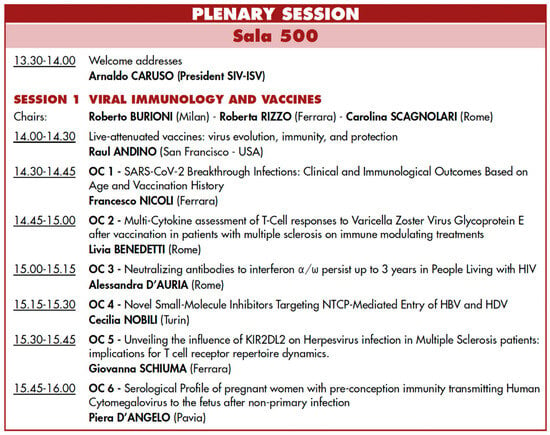
The 9th National Congress of the Italian Society for Virology (SIV-ISV), entitled “One Virology—One Health”, took place in Turin at the Centro Congressi Lingotto from 22 to 24 June 2025. The meeting highlighted recent multidisciplinary and translational developments in virology, with a strong focus on the integration of the One Health perspective. Major themes included viral emergence and surveillance, genomic sequencing and bioinformatics, virus–host interactions, viral immunology and vaccines, structural and physical virology, environmental and food virology, zoonoses and animal infections, diagnostics and antiviral therapy, virus-based biotechnology and plant virology. The Congress aimed to: (i) bring together clinicians, basic researchers, veterinarians, environmental microbiologists, bioinformaticians, public-health professionals and industry to share methodologies and best practices; (ii) provide an interactive scientific environment promoting discussion and collaboration between senior investigators and trainees through plenaries, joint society sessions, invited talks, oral communications selected from abstracts, poster sessions, and mentoring panels; and (iii) identify priorities and inspire new research directions at the interface of human, animal and environmental health. More than 400 participants from national and international institutions attended the meeting, featuring distinguished plenary speakers, joint sessions with global networks, and numerous presentations of original unpublished data. This report summarizes the meeting’s scientific highlights, cross-disciplinary discussions, and proposed actions to strengthen One Health surveillance, computational infrastructures, and translational applications of viral biology.
Full article
(This article belongs to the Special Issue Virology in Italy 2025—9th National Congress of the Italian Society for Virology)
►▼
Show Figures

Figure 1
Open AccessReview
Determinants of Dengue Serotype Shifts: A Narrative Multifactorial Perspective
by
Jeyanthi Suppiah, Sakshaleni Rajendiran, Siti Aishah Rashid, Nurulhusna Ab Hamid, Murni Maya Sari Zulkifli and Rozainanee Mohd Zain
Viruses 2026, 18(6), 683; https://doi.org/10.3390/v18060683 - 18 Jun 2026
Abstract
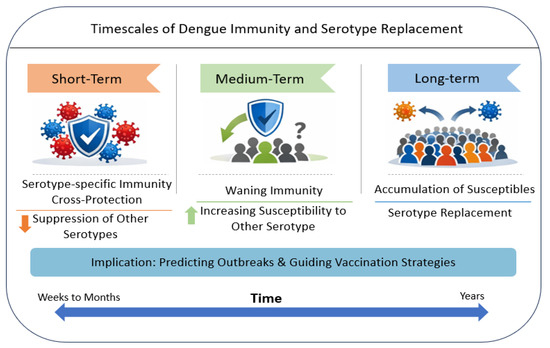
Dengue Virus (DENV) circulates as four antigenically distinct serotypes whose dominance fluctuates over time in many endemic regions, a phenomenon known as serotype shift that is frequently associated with large outbreaks and increased disease severity. This review, through a synthesis of epidemiological, virological,
[...] Read more.
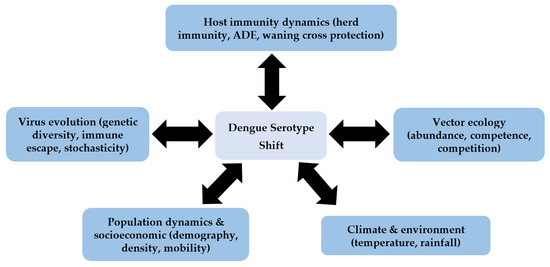
Dengue Virus (DENV) circulates as four antigenically distinct serotypes whose dominance fluctuates over time in many endemic regions, a phenomenon known as serotype shift that is frequently associated with large outbreaks and increased disease severity. This review, through a synthesis of epidemiological, virological, immunological, entomological, and environmental evidence, observes that serotype shift likely arises from the interaction of multiple determinants rather than solely from viral evolution, with population immunity playing a central role. The accumulation of serotype-specific herd immunity, together with short-lived cross-protection and Antibody-Dependent Enhancement (ADE), reshapes population susceptibility and creates ecological space for heterologous serotypes with higher transmission potential. The synthesis of global dengue studies indicates that these immune dynamics interact with viral genetic diversity, vector competence, climate variability, and human factors such as demography, socioeconomic status, population density and mobility to drive cyclical and sometimes abrupt changes in serotype dominance. Notably, the review indicates that serotype changes often precede or coincide with more clinical severity and patterns of outbreaks, with direct implications for the process of forecasting outbreaks, vaccine performance, and preparedness to respond with appropriate health measures. On the whole, this review confirms the opinion that the change of dengue serotype occurrence becomes a consequence of interconnected biological and ecological processes involved in the transmission of dengue serotype shifts in hyperendemic areas.
Full article
(This article belongs to the Special Issue Pathogenesis and Persistence in Flavivirus Infections: Mechanisms, Biomarkers, and Clinical Implications)
►▼
Show Figures

Figure 1
Open AccessArticle
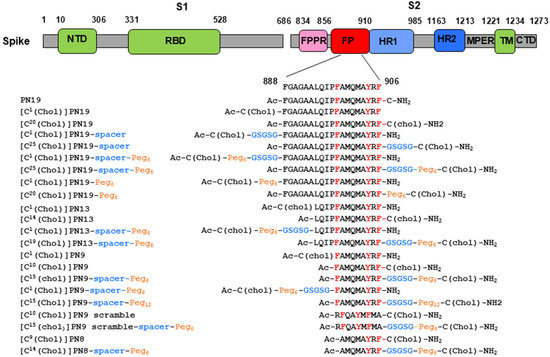
Membrane-Anchored and Sequence-Oriented Antiviral Activity of Fusion-Inhibitory Lipopeptides Derived from the SARS-CoV-2 Spike Glycoprotein S2 Subunit
by
Rosaria Arvia, Michael Quagliata, Andrea Di Santo, Maria Alfreda Stincarelli, Lorenzo Pacini, Anna Maria Papini, Paolo Rovero and Simone Giannecchini
Viruses 2026, 18(6), 682; https://doi.org/10.3390/v18060682 - 18 Jun 2026
Abstract
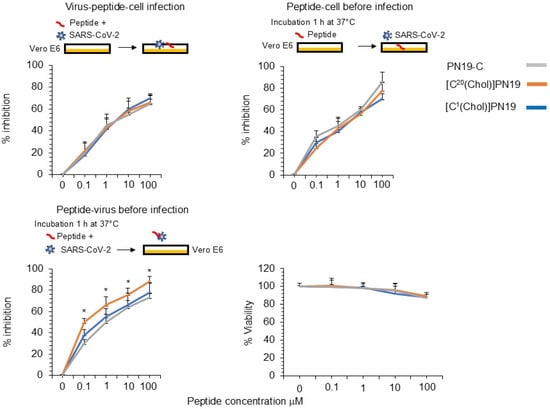
Background: SARS-CoV-2 fusion inhibitory peptides represent promising antiviral candidates. Recently, a 19-mer peptide (PN19)—designed in our laboratory to mimic the internal fusion peptide of the SARS-CoV-2 spike S2 subunit—demonstrated potent antiviral activity and stable conformational features. Objectives: To investigate how this antiviral activity
[...] Read more.
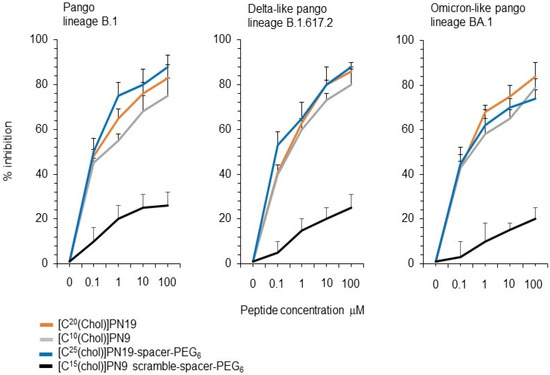
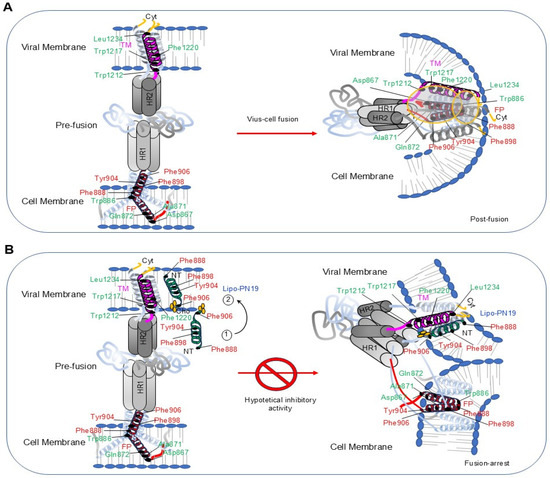
Background: SARS-CoV-2 fusion inhibitory peptides represent promising antiviral candidates. Recently, a 19-mer peptide (PN19)—designed in our laboratory to mimic the internal fusion peptide of the SARS-CoV-2 spike S2 subunit—demonstrated potent antiviral activity and stable conformational features. Objectives: To investigate how this antiviral activity depends on membrane interactions, we designed synthetic PN19 lipopeptide derivatives and evaluated their efficacy against SARS-CoV-2 replication. Methods: Lipopeptides were synthesized by conjugating cholesterol to either the N- or C-terminus of the PN19 peptide, utilizing a Gly/Ser pentapeptide (GSGSG) and/or various polyethylene glycol (PEG) spacers. Antiviral activity against SARS-CoV-2 variants was evaluated by plaque reduction assays, and cytotoxicity was assessed in Vero E6 cells. Results: The lipopeptides exhibited potent inhibitory activity at sub-micromolar concentrations. Compared to the unmodified PN19 peptide, antiviral efficacy was significantly enhanced by cholesterol conjugation at either terminus. Evaluation of six PN19 lipopeptides bearing the GSGSG sequence and different PEG spacers revealed that C-terminal cholesterol conjugation yielded higher antiviral activity than N-terminal derivatives. Furthermore, thirteen shorter PN19 lipopeptide derivatives (8–13-mers) confirmed this robust efficacy, which was most pronounced with C-terminal cholesterol conjugation and further enhanced by the spacers. Noteworthy, all tested PN19 lipopeptides displayed broad activity against multiple SARS-CoV-2 variants in the absence of cytotoxicity. Conclusions: Collectively, peptides conjugated with cholesterol at the C-terminus emerged as highly potent inhibitors of SARS-CoV-2, likely driven by enhanced peptide–membrane interactions. These findings warrant further investigation to fully elucidate the role of lipidation in the inhibitory mechanism, supporting the development of novel antiviral lipopeptides for SARS-CoV-2 therapy.
Full article
(This article belongs to the Special Issue Antiviral Agents and Peptides: Discovery, Mechanisms, and Therapeutic Applications)
►▼
Show Figures

Figure 1

Open AccessSystematic Review
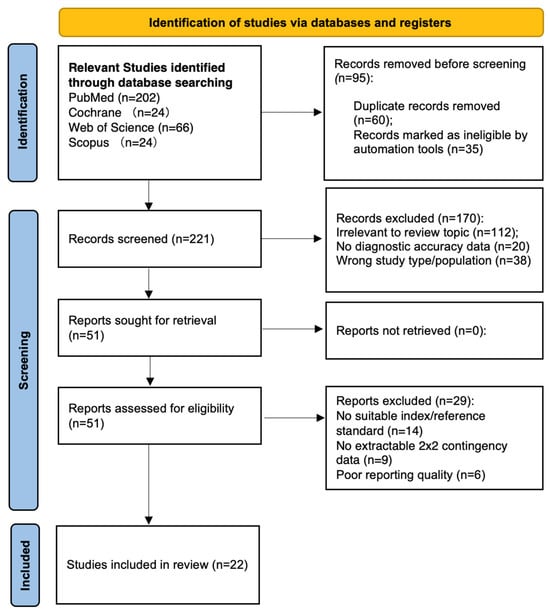
Diagnostic Accuracy of Urine and Vaginal Self-Sampling for Detection of High-Risk Human Papillomavirus: A Systematic Review and Meta-Analysis
by
Altynshash Rakhat and Gulzhanat Aimagambetova
Viruses 2026, 18(6), 681; https://doi.org/10.3390/v18060681 - 18 Jun 2026
Abstract
Cervical cancer remains a major public health challenge, particularly in low- and middle-income countries. The primary cause of cervical cancer is high-risk human papillomavirus (HPV), and screening using physician-collected samples is complicated by stigma, inconvenience, and access. There are non-invasive alternatives to the
[...] Read more.
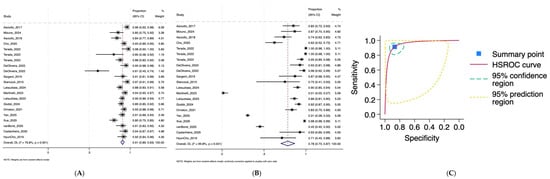
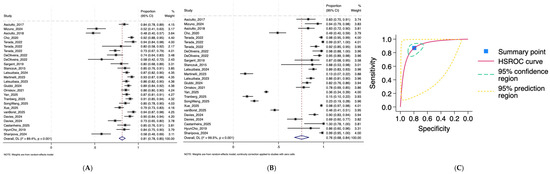
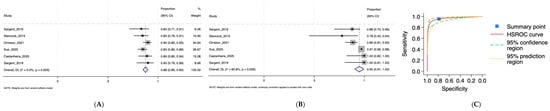
Cervical cancer remains a major public health challenge, particularly in low- and middle-income countries. The primary cause of cervical cancer is high-risk human papillomavirus (HPV), and screening using physician-collected samples is complicated by stigma, inconvenience, and access. There are non-invasive alternatives to the physician-collected samples, including self-sampling methods such as first-void urine and vaginal swabs. This systematic review and meta-analysis evaluated and compared the diagnostic accuracy of vaginal and urine self-sample methods for detecting high-risk HPV. PubMed, Scopus, Web of Science, and the Cochrane Library were searched for studies published between January 2015 and October 2025. Bivariate random-effects models and HSROC models were used to estimate pooled sensitivity and specificity results compared with clinician-collected samples for CIN2+. Meta-regression assessed sources of heterogeneity. Twenty-two studies involving over 9000 participants were included. Vaginal self-sampling showed a pooled sensitivity of 91.3% and a specificity of 86.9%, while urine self-sampling showed 86.9% sensitivity and 79.5% specificity. Vaginal swabs demonstrated higher sensitivity in head-to-head comparisons. DNA-based PCR assays showed higher sensitivity than mRNA-based tests, and room-temperature storage decreased urine sample sensitivity. Both methods are effective for high-risk HPV detection. Vaginal self-sampling showed superior performance, while urine self-sampling remains a valuable non-invasive option for under-screened populations.
Full article
(This article belongs to the Special Issue Oncogenic Infections and Cancer: Clinical Insights and Emerging Therapeutics)
►▼
Show Figures

Figure 1
Open AccessArticle
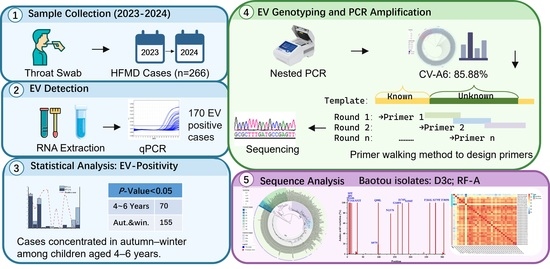
Epidemiological Characteristics of Coxsackievirus A6 in Baotou, Inner Mongolia, China, 2023–2024
by
Chenxi Zhang, Yurong Yang, Rong Jin, Jiebo Xia, Hanjie Liu, Guoyong Mei, Haijun Du, Miao Jin, Zhiqiang Xia, Qinqin Song, Desheng Zhai and Jun Han
Viruses 2026, 18(6), 680; https://doi.org/10.3390/v18060680 - 18 Jun 2026
Abstract
The re-emergence of Coxsackievirus A6 (CV-A6) as a predominant pathogen in hand, foot, and mouth disease (HFMD) underscores the need for ongoing molecular surveillance to clarify local evolutionary dynamics. This study aimed to characterize the genetic features of CV-A6 strains circulating in Baotou,
[...] Read more.
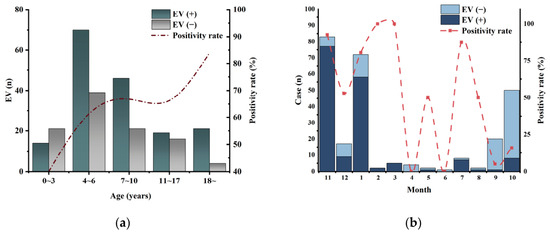
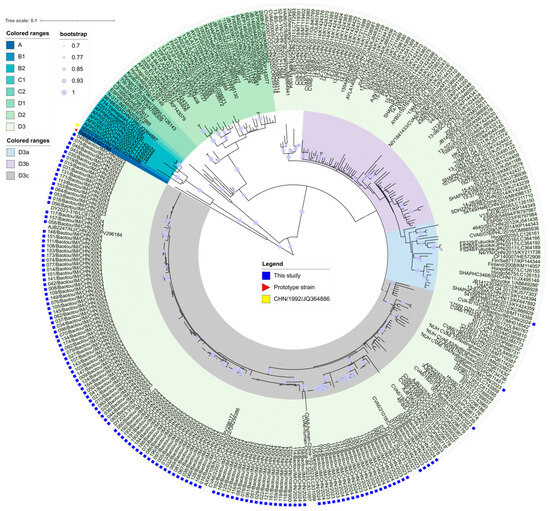
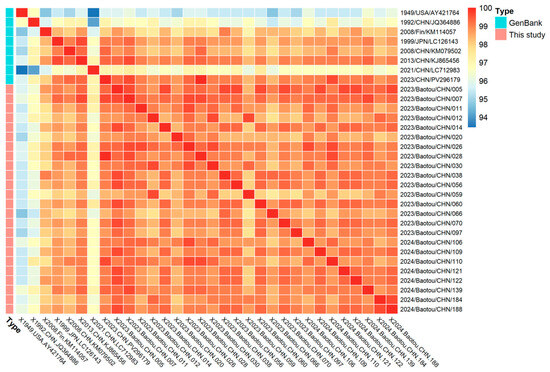
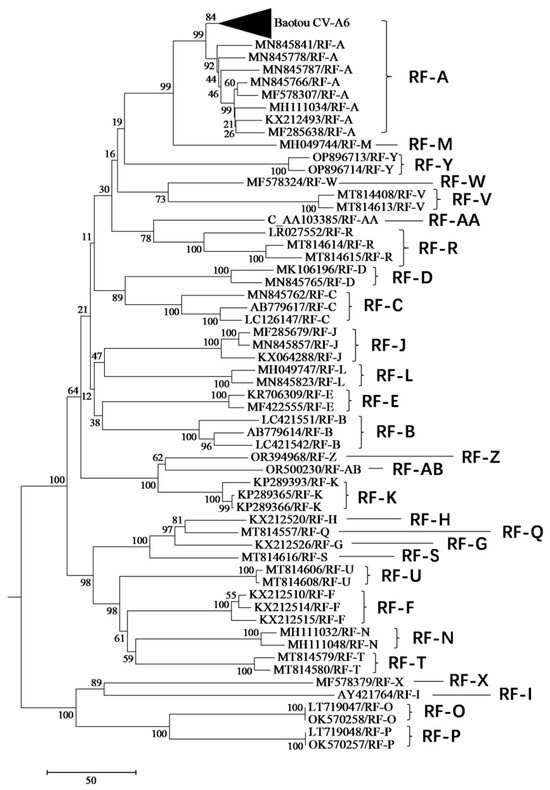
The re-emergence of Coxsackievirus A6 (CV-A6) as a predominant pathogen in hand, foot, and mouth disease (HFMD) underscores the need for ongoing molecular surveillance to clarify local evolutionary dynamics. This study aimed to characterize the genetic features of CV-A6 strains circulating in Baotou, Inner Mongolia, from 2023 to 2024. Throat swabs collected from HFMD patients were screened using real-time quantitative PCR; the VP1 region and complete genomes of representative CV-A6-positive samples were amplified and sequenced. Phylogenetic and recombination analyses were subsequently performed. Among 266 clinical specimens, 169 (63.53%) tested positive for enterovirus, of which 146 (86.39%) were identified as CV-A6. The local epidemic displayed an autumn–winter seasonality and predominantly affected children aged 4–6 years. Phylogenetic reconstruction of 133 VP1 sequences revealed that all Baotou CV-A6 isolates belonged to subgenotype D3c, and analysis of complete genomes identified a predominant recombinant form. These findings demonstrate that the D3c subgenotype, characterized by a specific recombinant structure, was responsible for HFMD outbreaks in Baotou during the study period, providing essential molecular evidence for regional public health strategies and vaccine development.
Full article
(This article belongs to the Section Human Virology and Viral Diseases)
►▼
Show Figures

Graphical abstract
Open AccessArticle
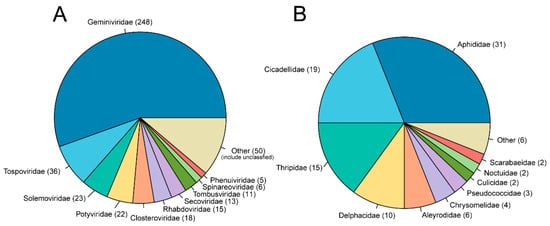
VIP-DB: A Comprehensive Database of Virus–Insect–Plant Relationships
by
Tao Deng, Dandan Liu, Xinghui Zhu, Hongyan Zhang and Zheng Zhang
Viruses 2026, 18(6), 679; https://doi.org/10.3390/v18060679 - 18 Jun 2026
Abstract
Insect-mediated transmission is central to the epidemiology of plant viruses and has major implications for global food security and agricultural production. Although several resources have compiled information on plant virus transmission, evidence-traceable integration of virus–insect vector–host plant relationships remains limited. Here, we developed
[...] Read more.
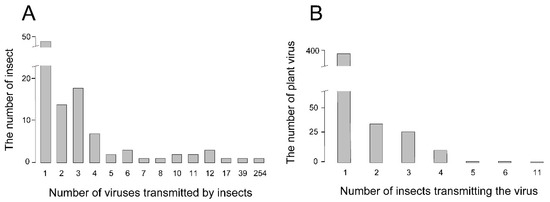
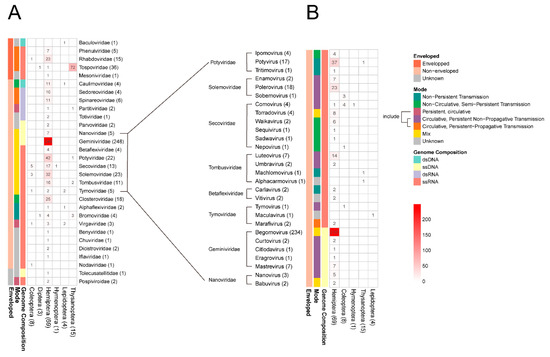
Insect-mediated transmission is central to the epidemiology of plant viruses and has major implications for global food security and agricultural production. Although several resources have compiled information on plant virus transmission, evidence-traceable integration of virus–insect vector–host plant relationships remains limited. Here, we developed the Virus–Insect–Plant Database (VIP-DB), an evidence-guided database that links literature-derived virus–insect transmission records, host plant information, transmission mode annotations, taxonomic information, and traceable literature evidence. VIP-DB compiles 583 virus–insect transmission relationships, 855 virus–plant relationships with non-missing host plant information, and 1375 integrated virus–insect–plant records. Among these records, 120 lack host plant information and 51 lack transmission mode annotation. VIP-DB provides a curated and searchable resource for querying documented plant virus, insect vector, host plant, and transmission mode information. This database offers an evidence-traceable framework for comparative analyses of plant virus transmission relationships and supports future studies in plant virology, vector ecology, and disease management.
Full article
(This article belongs to the Section Viruses of Plants, Fungi and Protozoa)
►▼
Show Figures

Figure 1
Open AccessArticle
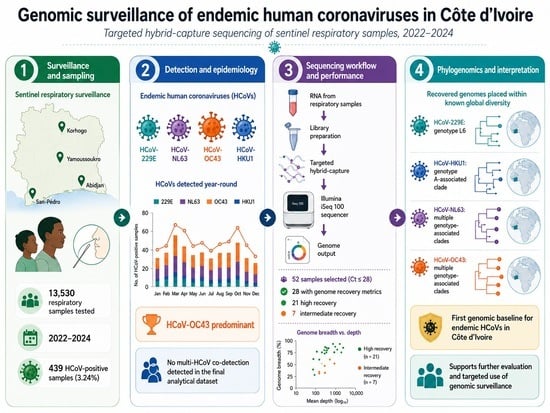
Genomic Surveillance of Endemic Human Coronaviruses in Côte d’Ivoire Using Targeted Hybrid-Capture Sequencing
by
Ange-Michèle M’bra, Syndou Meite, Herve A. Kadjo, Luc Venance Kouakou, Yakoura Ouattara, Mouhamed Kane, Helene A. Kouassi, Ndeye Awa Ndiaye, Olivia Cariolh Koumba-Koumba, Alida Mouliom, Safiétou Sankhe, David Coulibaly Ngolo, Ndongo Dia, Edgard Adjogoua and Moussa Moise Diagne
Viruses 2026, 18(6), 678; https://doi.org/10.3390/v18060678 (registering DOI) - 17 Jun 2026
Abstract
Endemic human coronaviruses (HCoVs) are important contributors to respiratory infections, yet genomic data from sub-Saharan Africa remain limited. We analyzed 13,530 nasopharyngeal samples collected through the national influenza sentinel surveillance network in Côte d’Ivoire between 2022 and 2024 to characterize the circulation and
[...] Read more.
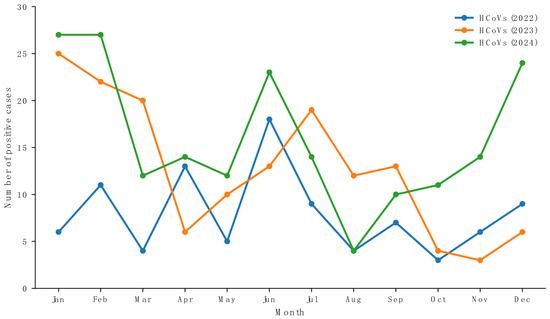
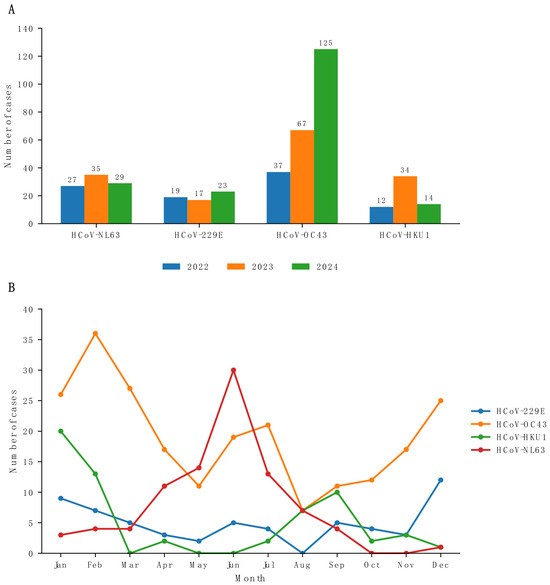
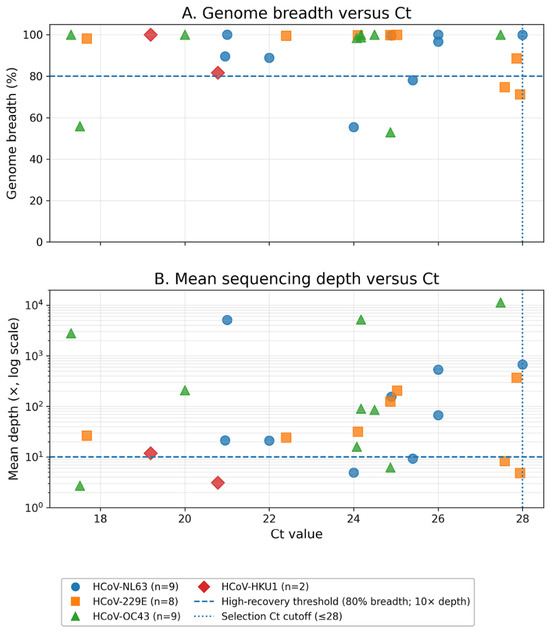
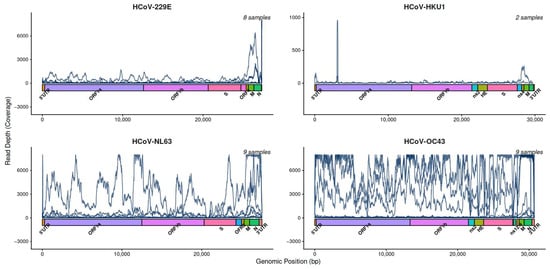
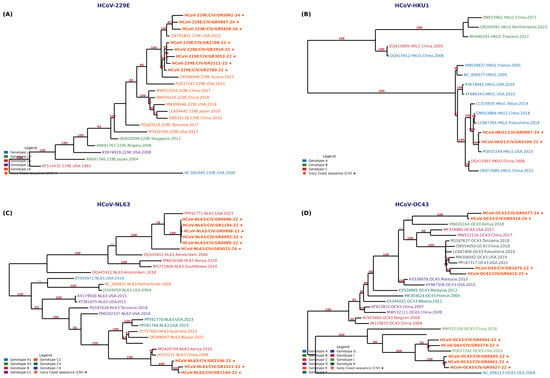
Endemic human coronaviruses (HCoVs) are important contributors to respiratory infections, yet genomic data from sub-Saharan Africa remain limited. We analyzed 13,530 nasopharyngeal samples collected through the national influenza sentinel surveillance network in Côte d’Ivoire between 2022 and 2024 to characterize the circulation and genomic diversity of endemic HCoVs. A subset of 52 RT-qPCR-positive samples with Ct values ≤ 28 was selected for targeted hybrid-capture sequencing using the Twist Bioscience Respiratory Virus Research Panel. Genome recovery metrics were available for 28 samples, including HCoV-NL63 (n = 9), HCoV-229E (n = 8), HCoV-OC43 (n = 9), and HCoV-HKU1 (n = 2). Endemic HCoVs circulated throughout the study period, with temporal variation across species and increased detections during several rainy-season months. No co-presence of multiple endemic HCoV species was identified in the final analytical dataset. Genome recovery differed by species, with broader and more consistent coverage for HCoV-OC43 and HCoV-NL63 than for HCoV-229E and HCoV-HKU1. Phylogenetic analysis showed that all recovered HCoV-229E genomes clustered within genotype L6 and all recovered HCoV-HKU1 genomes within genotype A, whereas HCoV-OC43 and HCoV-NL63 were distributed across multiple genotypes among recovered genomes. To our knowledge, these findings provide the first genomic data on endemic HCoVs from Côte d’Ivoire and support the feasibility and further targeted integration of targeted hybrid-capture sequencing into routine genomic surveillance of respiratory viruses.
Full article
(This article belongs to the Special Issue Coronaviruses and Influenza Viruses: Evolution, Cross-Species Transmission, and Recombination)
►▼
Show Figures

Graphical abstract
Open AccessArticle
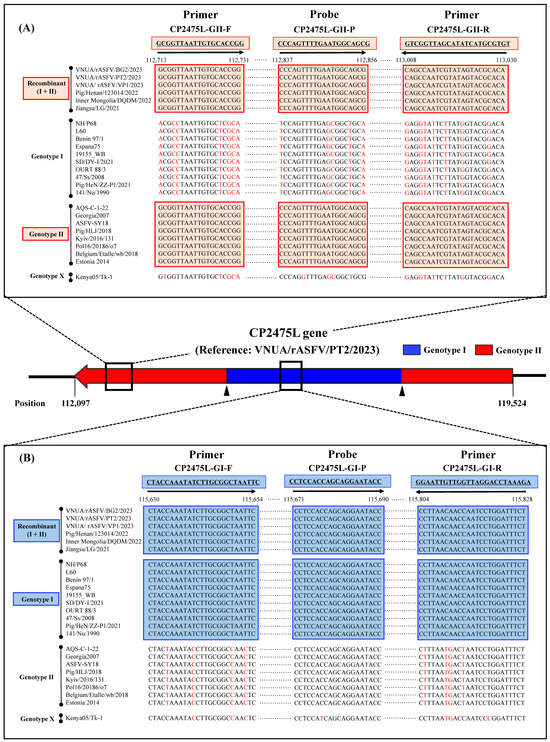
Establishment of a Duplex Quantitative PCR Assay for the Detection and Differentiation of African Swine Fever Virus Genotype I, Genotype II, and Genotype I/II Recombinants
by
Naoki Yoshida, Shiho Oka, Anh Duc Truong, Mizuki Watanabe, Mitsutaka Ikezawa, Hien Thi Thu Nguyen, Le Thi Hai Vo, Tuong Dinh Nguyen, Tomoya Kitamura, Tatsuya Nishi, Takehiro Kokuho, Hoang Vu Dang, Ha Thi Thanh Tran and Kentaro Masujin
Viruses 2026, 18(6), 677; https://doi.org/10.3390/v18060677 - 17 Jun 2026
Abstract
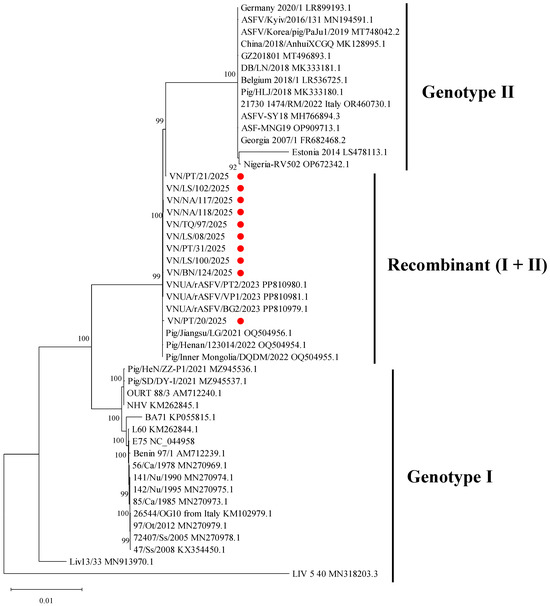
African swine fever (ASF) is a highly fatal, febrile infectious disease of domestic pigs and wild boars caused by the African swine fever virus (ASFV). Recently, highly virulent recombinant ASFVs with chimeric genomes derived from p72 genotype I and II viruses have emerged
[...] Read more.
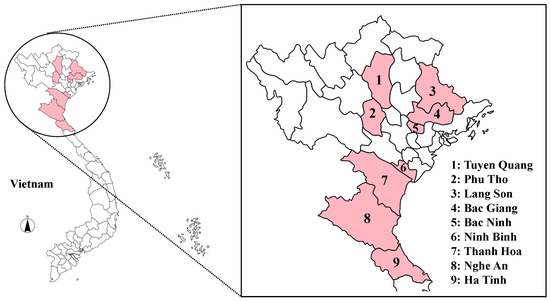
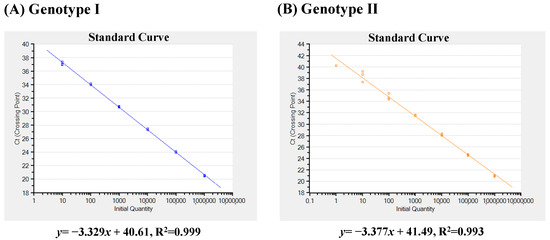
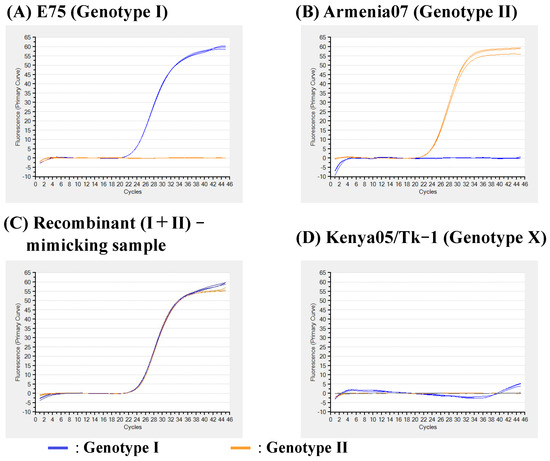
African swine fever (ASF) is a highly fatal, febrile infectious disease of domestic pigs and wild boars caused by the African swine fever virus (ASFV). Recently, highly virulent recombinant ASFVs with chimeric genomes derived from p72 genotype I and II viruses have emerged in China, Vietnam, and Russia. These genotype I/II recombinants can evade immunity induced by genotype II–based vaccines, thereby complicating disease control efforts. To address this challenge, a novel duplex quantitative PCR (qPCR) assay was developed to simultaneously detect and differentiate genotypes I, II, and I/II recombinants in a single reaction. The assay exhibited high sensitivity and specificity, with a reliable detection limit of 10 copies/reaction for genotype I and II ASFV DNA. Validation using clinical samples collected in northern Vietnam in 2025 confirmed a robust performance in accurately distinguishing circulating genotype II viruses from recombinant genotype I/II viruses, including the detection of potential co-infection. Whole-genome sequencing of selected positive samples further corroborated these findings. Overall, this qPCR assay provides a precise and efficient tool for identifying currently circulating ASFV genotypes, thereby facilitating improved disease surveillance and supporting a comprehensive understanding of the evolving epidemiological landscape of ASF in regions with increasing viral genetic diversity.
Full article
(This article belongs to the Special Issue Early Diagnosis and Surveillance of Transboundary and Emerging Viral Diseases of Animals, 2nd Edition)
►▼
Show Figures

Figure 1
Open AccessArticle
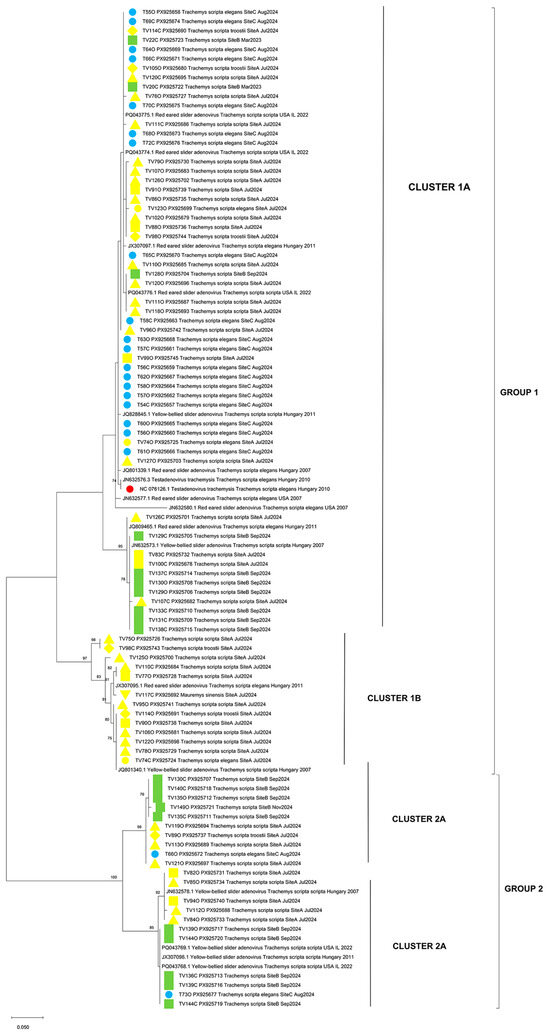
Epidemiological Survey of DNA Viruses in Non-Native Pond Sliders (Trachemys scripta) in Northeastern Italy
by
Claudia Maria Tucciarone, Giovanni Franzo, Daniela Pasotto, Riccardo Baston, Luca Spadotto, Cinzia Centelleghe and Erica Marchiori
Viruses 2026, 18(6), 676; https://doi.org/10.3390/v18060676 - 17 Jun 2026
Abstract
The spread of non-native freshwater turtles in urban, peri-urban, and natural environments poses increasing ecological and sanitary concerns, particularly due to their potential role as reservoirs of infectious agents. Among these, DNA viruses remain largely unexplored in both invasive and native chelonians. In
[...] Read more.
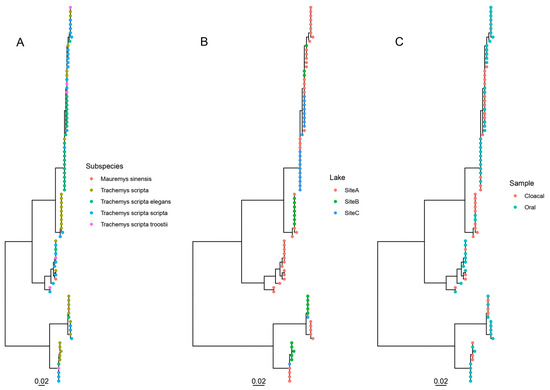
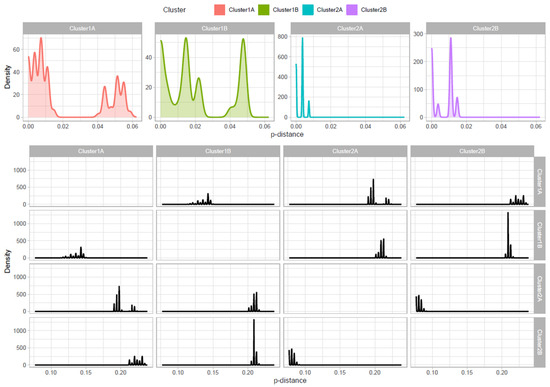
The spread of non-native freshwater turtles in urban, peri-urban, and natural environments poses increasing ecological and sanitary concerns, particularly due to their potential role as reservoirs of infectious agents. Among these, DNA viruses remain largely unexplored in both invasive and native chelonians. In this study, a molecular survey targeting selected viral pathogens was conducted on oral and cloacal swabs collected from non-native freshwater turtles from natural and confinement ponds in Northeastern Italy, with the aim of assessing the pathogen’s presence and their potential epidemiological relevance. One hundred sixty-four pond sliders (Trachemys scripta) were sampled from three sites: Herpesviruses and ranaviruses were not detected; in contrast, adenoviruses were frequently identified (72/163, 44.2%). Sequence analyses allowed their classification mostly as Testadenovirus trachemys, with only a single detection of a strain closely related to siadenoviruses and previously associated with mortality events in other tortoise species. Although the pathogenic significance of these viruses remains unclear, their detection highlights the potential role of non-native turtles as viral carriers and underlines the need for systematic virological surveillance in non-native species, particularly in ecosystems shared with susceptible native fauna.
Full article
(This article belongs to the Special Issue Viral Diseases of Aquatic Animals: Crustaceans, Mollusks, Fish, Sea Turtles, and Marine Mammals)
►▼
Show Figures

Figure 1
Open AccessArticle
Exploring Key Regulators of Mitochondrial Dynamics and Immune Response in SARS-CoV-2 Infection
by
Thatiana Corrêa de Melo, Hellen Paula Valerio, Dilza Trevisan-Silva, Marcelo Medina de Souza, Amanda Teixeira de Melo, Miryam Paola Alvarez-Flores, Douglas Souza Oliveira, Renata Nascimento Gomes, Glaucia Maria Machado-Santelli, Beatriz Fumelli Monti Ribeiro, Viviane Fongaro Botosso, Soraia Attie Calil Jorge and Ana Marisa Chudzinski-Tavassi
Viruses 2026, 18(6), 675; https://doi.org/10.3390/v18060675 - 16 Jun 2026
Abstract
Mitochondria are central hubs of antiviral immunity and cellular metabolism, yet the links between SARS-CoV-2–induced mitochondrial remodeling, antiviral gene regulation, and post-translational control remain incompletely understood. Here, we investigated mitochondrial–immune remodeling in SARS-CoV-2–infected lung-derived LC-HK2 cells at 48 and 96 h post-infection using
[...] Read more.
Mitochondria are central hubs of antiviral immunity and cellular metabolism, yet the links between SARS-CoV-2–induced mitochondrial remodeling, antiviral gene regulation, and post-translational control remain incompletely understood. Here, we investigated mitochondrial–immune remodeling in SARS-CoV-2–infected lung-derived LC-HK2 cells at 48 and 96 h post-infection using confocal and high-content imaging, colocalization analysis, CellProfiler quantification, RT-qPCR, proteomics, cytokine profiling, and conditioned-medium analysis. Infection induced a time-dependent mitochondrial phenotype. At 48 hpi, cells displayed early mitochondrial stress and fission-associated signatures, including increased DRP1, transient upregulation of mitochondrial respiratory genes, and reduced MFN1/2. At 96 hpi, mitochondria shifted toward elongated perinuclear networks, accompanied by increased fusion/biogenesis markers and partial ISG15–MFN2 colocalization, indicating a spatial association between ISG15-related antiviral/stress responses and mitochondrial remodeling. Antiviral and ISG-related transcripts were consistently upregulated, but IFN-α2 secretion remained limited, suggesting partial uncoupling between antiviral transcriptional activation and downstream interferon output. SUMO2/3 was dynamically modulated and showed time-dependent colocalization with mitochondrial dynamics proteins and MAVS. Together, these data support a coordinated mitochondrial–immune regulatory axis involving mitochondrial remodeling, ISG15-associated responses, and SUMO-dependent regulation during SARS-CoV-2 infection.
Full article
(This article belongs to the Special Issue Coronaviruses Pathogenesis, Immunity, and Antivirals (2nd Edition))
Journal Menu
► ▼ Journal Menu-
- Viruses Home
- Aims & Scope
- Editorial Board
- Reviewer Board
- Topical Advisory Panel
- Instructions for Authors
- Special Issues
- Topics
- Sections & Collections
- Article Processing Charge
- Indexing & Archiving
- Editor’s Choice Articles
- Most Cited & Viewed
- Journal Statistics
- Journal History
- Journal Awards
- Society Collaborations
- Conferences
- Editorial Office
Journal Browser
► ▼ Journal BrowserHighly Accessed Articles
Latest Books
E-Mail Alert
News
Topics
Topic in
Biomedicines, Cancers, IJMS, Vaccines, Viruses, JMP
Advances in HPV-Driven Head and Neck Cancer: Pathogenesis, Treatment, and Prevention
Topic Editors: Shilpi Gupta, Bhudev Chandra Das, Prabhat KumarDeadline: 20 April 2027
Topic in
Antibiotics, Diseases, Vaccines, Viruses, Epidemiologia
HIV Prevention and Treatment: A Guide to Health and Safety
Topic Editors: Olanrewaju Oladimeji, Martha ChadyiwaDeadline: 31 December 2027
Conferences
Special Issues
Special Issue in
Viruses
Molecular Virus–Insect Interactions, 2nd Edition
Guest Editor: Li-Long PanDeadline: 30 June 2026
Special Issue in
Viruses
RNA Viruses Replication and Innate Immunity
Guest Editor: Griffith ParksDeadline: 30 June 2026
Special Issue in
Viruses
Immune Responses to Papillomavirus Infections: 2nd Edition
Guest Editor: Jiafen HuDeadline: 30 June 2026
Special Issue in
Viruses
Early Diagnosis and Surveillance of Transboundary and Emerging Viral Diseases of Animals, 2nd Edition
Guest Editors: Aruna Ambagala, Kalhari GoonewardeneDeadline: 30 June 2026
Topical Collections
Topical Collection in
Viruses
Efficacy and Safety of Antiviral Therapy
Collection Editors: Giordano Madeddu, Andrea De Vito, Agnese Colpani
Topical Collection in
Viruses
Phage Therapy
Collection Editors: Nina Chanishvili, Jean-Paul Pirnay, Mikael Skurnik