


Journal Description
Vibration
Vibration
is a peer-reviewed, open access journal of vibration science and engineering, published quarterly online by MDPI.
- Open Access— free for readers, with article processing charges (APC) paid by authors or their institutions.
- High Visibility: indexed within Scopus, ESCI (Web of Science), and other databases.
- Journal Rank: CiteScore - Q2 (Engineering (miscellaneous))
- Rapid Publication: manuscripts are peer-reviewed and a first decision is provided to authors approximately 20.8 days after submission; acceptance to publication is undertaken in 3.6 days (median values for papers published in this journal in the second half of 2025).
- Recognition of Reviewers: reviewers who provide timely, thorough peer-review reports receive vouchers entitling them to a discount on the APC of their next publication in any MDPI journal, in appreciation of the work done.
- Journal Cluster of Civil Engineering and Built Environment: Acoustics, Architecture, Buildings, CivilEng, Construction Materials, Infrastructures, Intelligent Infrastructure and Construction, NDT and Vibration.
Impact Factor:
1.6 (2024);
5-Year Impact Factor:
2.0 (2024)
Latest Articles
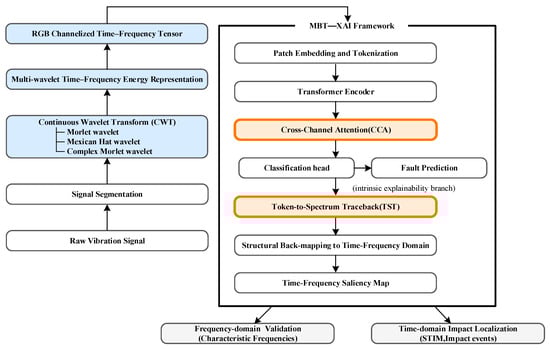
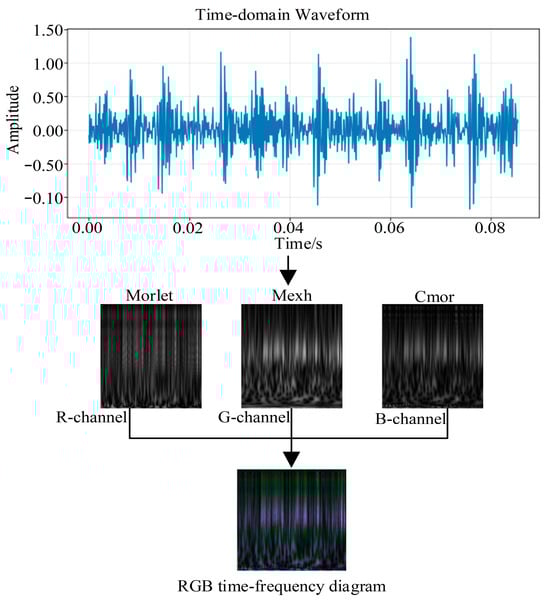
Multi-Wavelet Fusion Transformer with Token-to-Spectrum Traceback for Physically Interpretable Bearing Fault Diagnosis
Vibration 2026, 9(2), 28; https://doi.org/10.3390/vibration9020028 - 15 Apr 2026
Abstract
►
Show Figures
Rolling bearing fault diagnosis under complex and noisy operating conditions requires not only high diagnostic accuracy but also interpretability that can be quantitatively verified against physically meaningful excitation structures. However, many existing deep learning approaches rely on a single time–frequency (TF) representation and
[...] Read more.
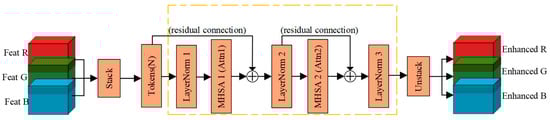
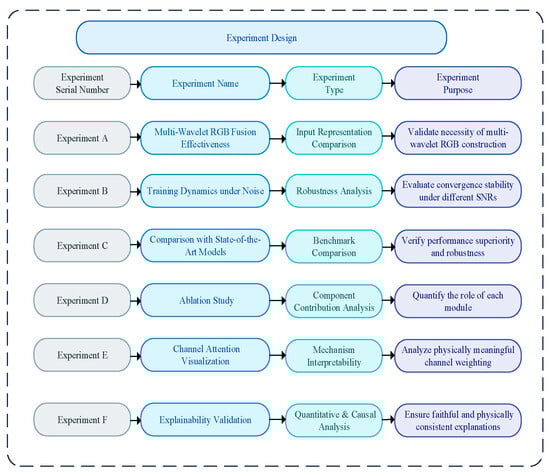
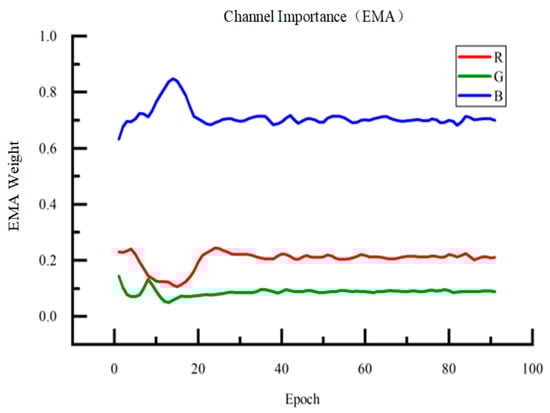
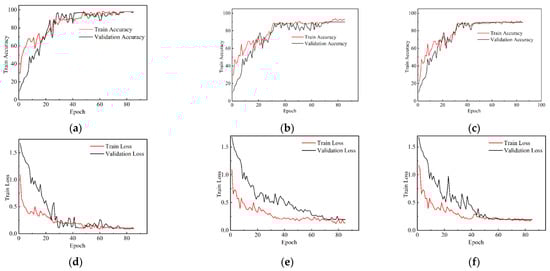
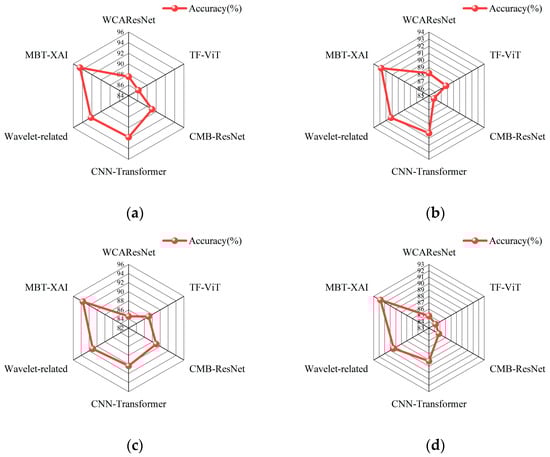
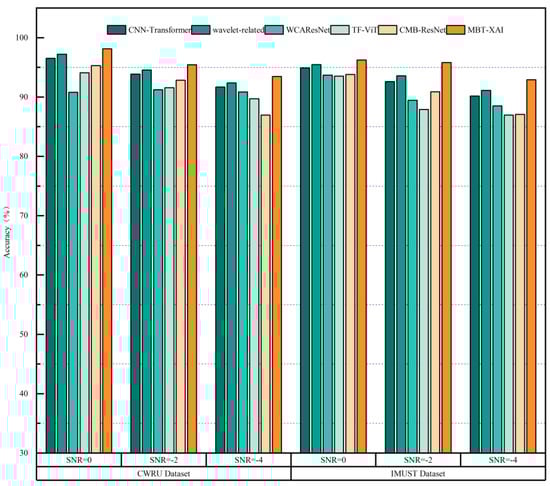
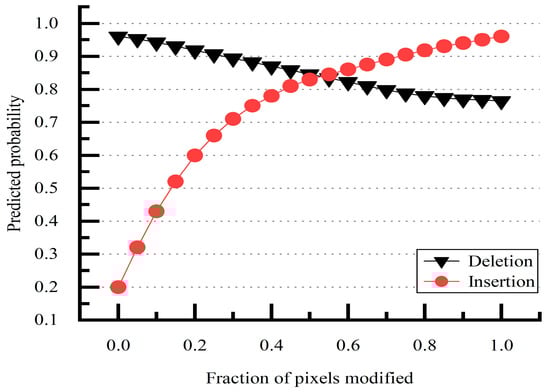
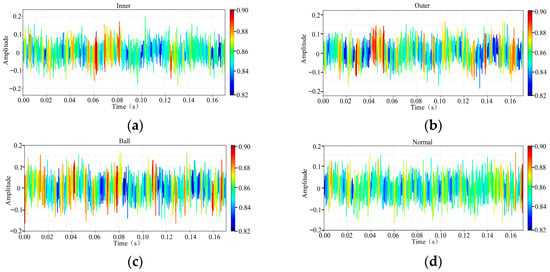
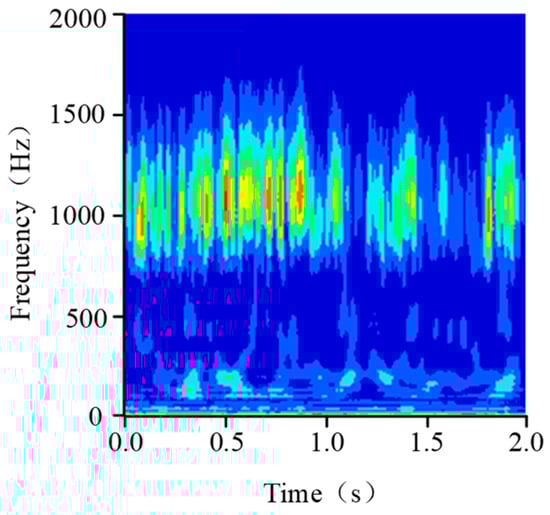
Rolling bearing fault diagnosis under complex and noisy operating conditions requires not only high diagnostic accuracy but also interpretability that can be quantitatively verified against physically meaningful excitation structures. However, many existing deep learning approaches rely on a single time–frequency (TF) representation and provide limited, non-verifiable links between model decisions and the original vibration patterns. To address this issue, we propose MBT-XAI, a multi-wavelet TF fusion network with a Token-to-Spectrum Traceback (TST) mechanism for structure-preserving, physics-consistent interpretability. Three complementary wavelets, namely Morlet, Mexican Hat, and Complex Morlet, are used to construct multi-view TF representations, which are encoded into RGB channels and adaptively fused via cross-channel attention within a Transformer backbone. TST maps patch-token attributions back to the TF domain, enabling quantitative evaluation of physics consistency through overlap-based metrics. Experiments on the public CWRU dataset and an industrial IMUST dataset show that MBT-XAI achieves 98.13 ± 0.24% and 96.23 ± 0.31% accuracy at SNR = 0 dB, outperforming the strongest baseline by 2.83% and 2.43%, respectively. Under AWGN contamination, MBT-XAI maintains 95.44 ± 0.38%/93.45 ± 0.47% accuracy on CWRU and 95.80 ± 0.33%/92.91 ± 0.51% accuracy on IMUST at SNR = −2/−4 dB. Under colored-noise contamination, the proposed method also preserves robust performance under pink and brown noise at the same SNR levels. Quantitative interpretability evaluation further indicates high alignment between salient frequency regions and theoretical fault-characteristic bands, with IoU = 80.21 ± 0.86% and Coverage = 91.70 ± 0.63%. In addition, MBT-XAI requires 10.393 M parameters and 10.678 GFLOPs, with an inference latency of 14.7 ms per sample (batch size = 1) on an NVIDIA GeForce RTX 3060 GPU. These results suggest that multi-wavelet TF modeling with attention-based fusion and TF-level traceback provides an accurate, robust, and physics-consistent framework for intelligent bearing fault diagnosis.
Full article
Open AccessArticle
Numerical and Experimental Study of Structural Parameter Identification for Jacket-Type Offshore Wind Turbines
by
Xu Han, Chen Zhang, Zhaoyang Guo, Wenhua Wang, Qiang Liu and Xin Li
Vibration 2026, 9(2), 27; https://doi.org/10.3390/vibration9020027 - 14 Apr 2026
Abstract
Offshore wind energy has developed rapidly in recent years as a crucial component of renewable energy. However, offshore wind turbines (OWTs) face significant challenges in operations under complex marine environmental conditions, such as multimodal nonlinear vibrations, reliable structural monitoring, efficient maintenance, and sustainable
[...] Read more.
Offshore wind energy has developed rapidly in recent years as a crucial component of renewable energy. However, offshore wind turbines (OWTs) face significant challenges in operations under complex marine environmental conditions, such as multimodal nonlinear vibrations, reliable structural monitoring, efficient maintenance, and sustainable long-term operations. The model-updating-based parameter identification takes advantages of structural vibration measurements, assisting in structural health monitoring. However, the traditional methods have not fully accounted for the parameter uncertainties and the need for real-time state updating, making them insufficient to meet the long-term online monitoring requirements for OWTs. This study introduces an innovative structural parameter identification framework that integrates modal parameter identification with Bayesian recursive updating. The proposed framework enables more efficient updates and uncertainty quantification of critical physical parameters for OWTs. It combines the covariance-driven stochastic subspace identification (COV-SSI) method for automatic modal parameter identification with the unscented Kalman filter (UKF) for parameter estimation. A 10 MW jacket-type offshore wind turbine was used as a case study. First, the numerical simulations were conducted to generate synthetic measurements for method validation and demonstration, enabling stepwise updating of the tower material’s elastic modulus across different sea conditions. A comparison of update speed and the convergence rate with the traditional time-step-based UKF method demonstrated the superiority of the proposed sea-condition-based approach in terms of computational efficiency and stability. Finally, the proposed framework was systematically validated using scaled model experimental data of a jacket-type OWT with a 4.2% identification error, confirming its engineering applicability. This research provides reliable technical support for the safety assessment of offshore wind turbine structures.
Full article
Open AccessArticle
Optimization of a Ship-Based Three-Magnet Energy Harvester Using Wave Excitation via the Flower Pollination and Simulated Annealing Algorithms
by
Ho-Chih Cheng, Min-Chie Chiu and Ming-Guo Her
Vibration 2026, 9(2), 26; https://doi.org/10.3390/vibration9020026 - 10 Apr 2026
Abstract
In response to the urgent requirement for sustainable power supply for deep-sea or offshore underwater sensing equipment, this work investigates autonomous power generation aboard marine vessels. The vertical vibrations induced by wave excitation at the bottom of the vessel are utilized to drive
[...] Read more.
In response to the urgent requirement for sustainable power supply for deep-sea or offshore underwater sensing equipment, this work investigates autonomous power generation aboard marine vessels. The vertical vibrations induced by wave excitation at the bottom of the vessel are utilized to drive the vibration energy harvesters on the deck for power generation. In a scenario involving automatic steering, a multiplicity of magnetoelectric harvesters mounted on the deck would move vertically in response to surface wave motion, enabling continuous conversion of wave energy into electrical power. The key feature of this study is that the ship-based self-power generation system is simple to install and safe, with the vibration energy harvesters mounted above the sea surface to avoid the unpredictable underwater sea conditions. This study presents a numerical case analysis of a three-magnet energy harvester designed to generate induced electrical power under wave conditions characterized by a speed of V = 3.0 m/s, amplitude of Zo = 0.4 m, and wavelength of λ = 2.0 m. Prior to optimizing the ship-based energy harvester, the mathematical model of a three-magnet vibration system was validated against experimental data to ensure accuracy. Subsequently, a sensitivity study was performed to evaluate the influence of wave parameters (e.g., amplitude and wavelength) and the harvester’s geometric parameters on the electrical power output. To maximize power generation, the flower pollination algorithm—an efficient bio-inspired optimization method known for its robustness in global search—was integrated with the objective function defined as the root-mean-square electrical power. Simulation results indicate that the optimized harvester is capable of producing up to 0.1943 W. These findings highlight the potential of ship-based energy harvesters as a sustainable and reliable source of electrical power.
Full article
(This article belongs to the Special Issue Vibration Control and Energy Harvesting Towards Autonomous Structural Systems)
Open AccessArticle
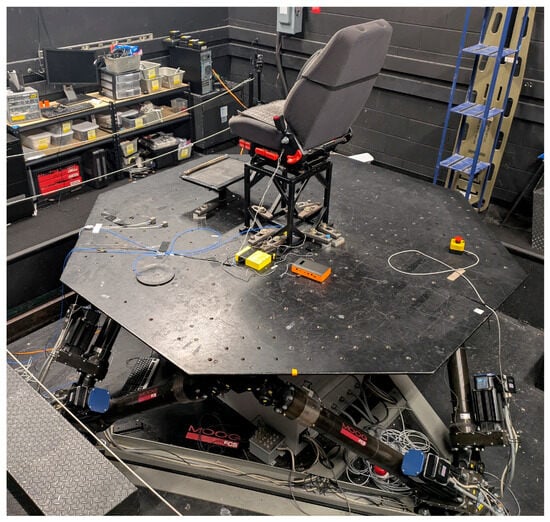
Posture Prediction of Individuals Using Agricultural Machinery Under Whole-Body Vibration in a Lab Environment
by
Brian Fiegel, Yash Kumar Dhabi, Salam Rahmatalla, Geb Thomas, Tyler Guzowski, Elizabeth Ritchie, David Wilder and Nathan B. Fethke
Vibration 2026, 9(2), 25; https://doi.org/10.3390/vibration9020025 - 9 Apr 2026
Abstract
►▼
Show Figures
Low back pain associated with exposure to whole-body vibration (WBV) is common among agricultural workers, and seated posture significantly affects health outcomes from WBV exposure. Current posture assessment methods rely on manual observation or body-worn sensors, which are labor-intensive and impractical for continuous
[...] Read more.
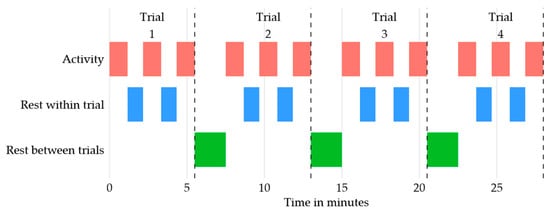
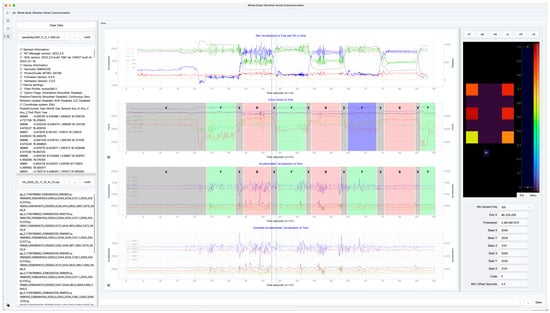
Low back pain associated with exposure to whole-body vibration (WBV) is common among agricultural workers, and seated posture significantly affects health outcomes from WBV exposure. Current posture assessment methods rely on manual observation or body-worn sensors, which are labor-intensive and impractical for continuous monitoring. We developed a machine learning approach to classify seated posture using force sensors and accelerometers integrated into a vibration sensing seat pad for use in agricultural machinery, avoiding the need for body-worn sensors. Twenty-four participants were exposed to WBV in different upper body postures while seat pad force and acceleration data were recorded. We compared four machine learning architectures: Logistic Regression, Random Forest, Support Vector Machine, and Recurrent Neural Network with Gated Recurrent Unit (GRU). The GRU architecture substantially outperformed baseline models, achieving 89% accuracy (weighted F1 = 0.89) in classifying forward and backward leaning postures. To our knowledge, this study demonstrates the first application of machine learning to classify seated postures from seat pad force measurements during WBV exposure. Temporal modeling with an 18 s window proved essential for accurate classification, enabling non-invasive, continuous posture monitoring.
Full article

Figure 1
Open AccessArticle
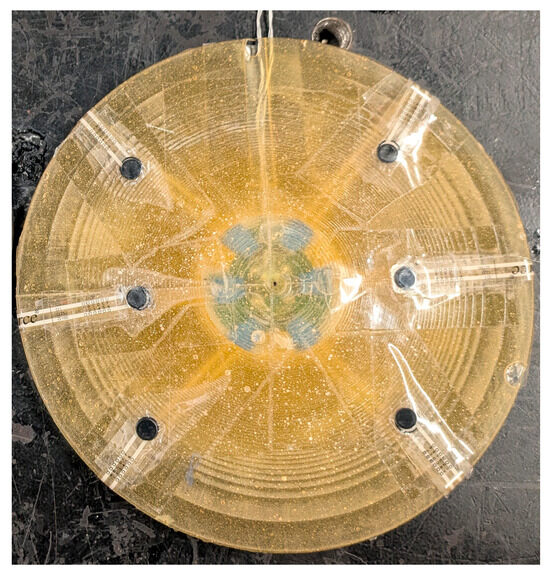
Impact of Lateral Hollow Wear Depth on 400 km/h Wheel–Rail Contact and Noise Radiation
by
Mandie Tu, Laixian Peng, Xinbiao Xiao, Jian Han and Peng Wang
Vibration 2026, 9(2), 24; https://doi.org/10.3390/vibration9020024 - 5 Apr 2026
Abstract
►▼
Show Figures
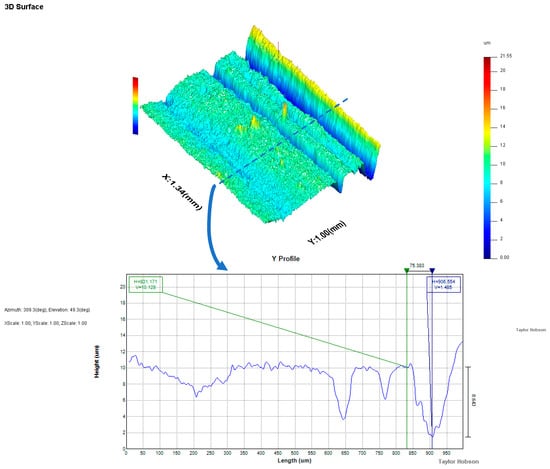
Lateral wear inevitably develops on the wheel treads of high-speed trains after a period of operation. Extensive research has been dedicated to circumferential wear (e.g., wheel polygonization), whereas studies on lateral tread wear and its impact on wheel-rail noise remain limited. This study
[...] Read more.
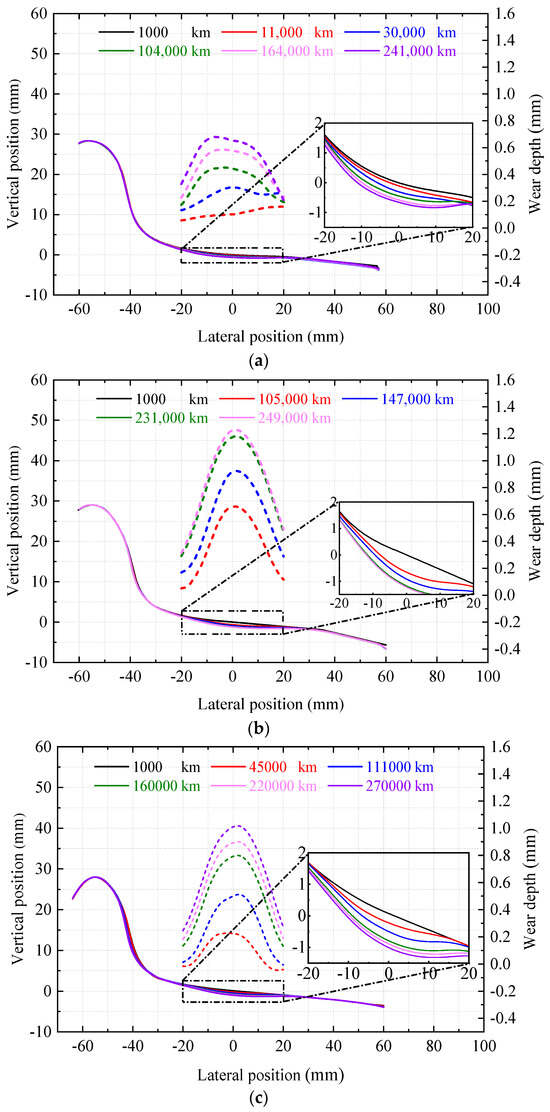
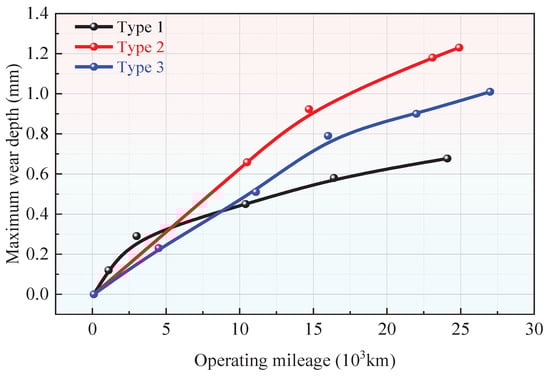
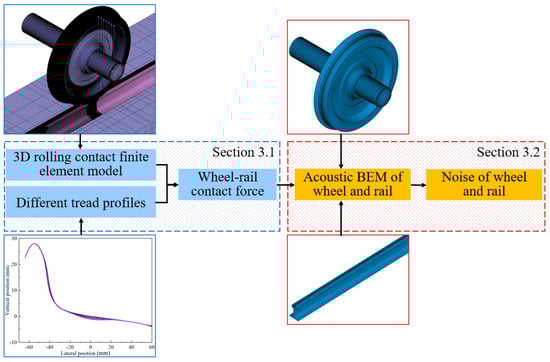
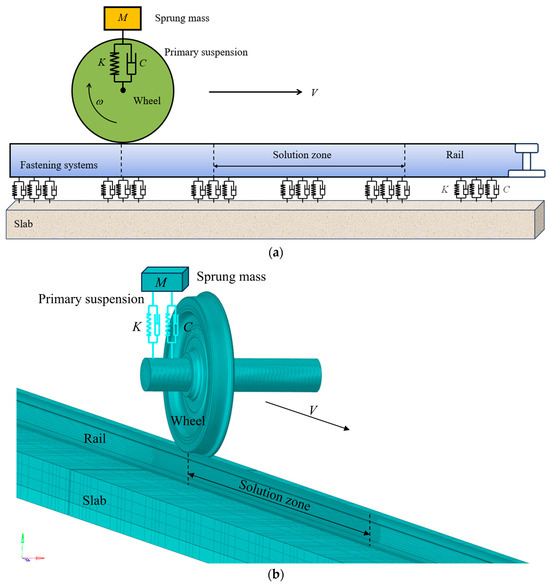
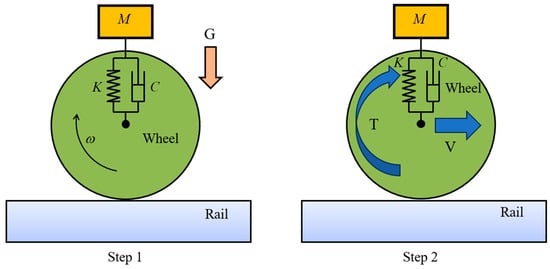
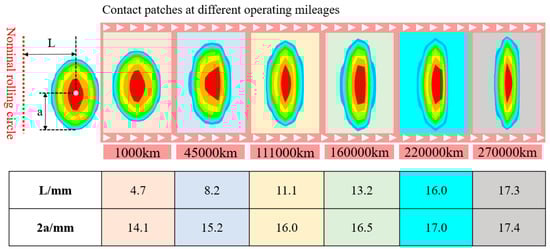
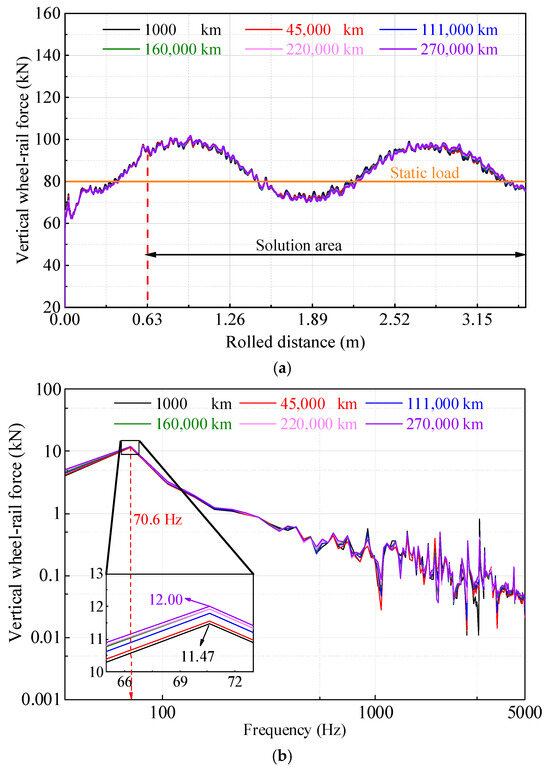
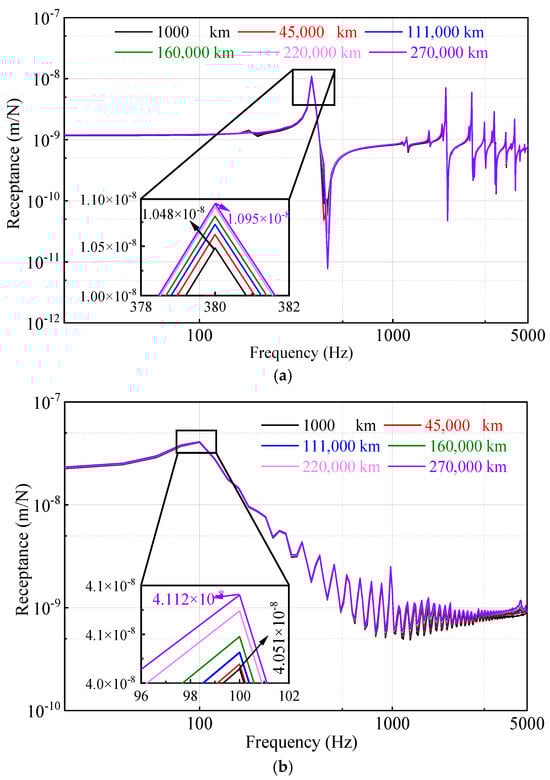
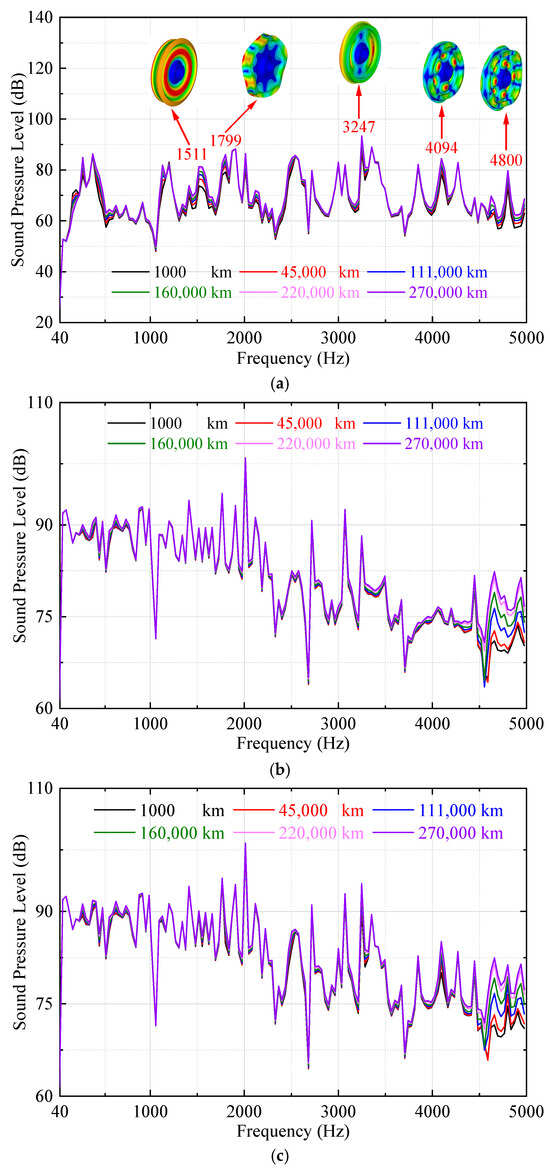
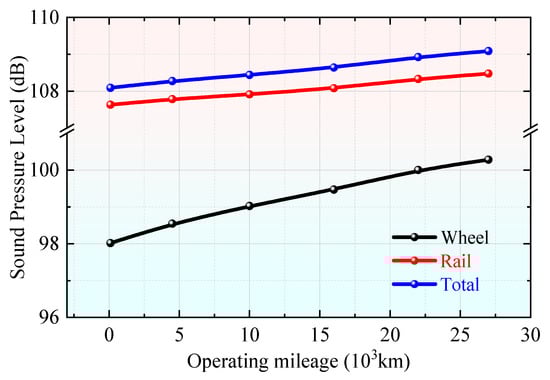
Lateral wear inevitably develops on the wheel treads of high-speed trains after a period of operation. Extensive research has been dedicated to circumferential wear (e.g., wheel polygonization), whereas studies on lateral tread wear and its impact on wheel-rail noise remain limited. This study investigates this issue through a combined approach of field measurements and numerical simulation. First, lateral wear profiles are measured on in-service high-speed train wheels, and their patterns are systematically analyzed. Subsequently, a three-dimensional transient wheel-rail rolling contact model is developed using the explicit finite element method. This model is employed to analyze the effects of the lateral hollow wear depth on the contact patch position and wheel-rail forces at 400 km/h. Finally, these calculated forces are imported into a coupled wheel-rail vibration and acoustic radiation model to predict noise characteristics at different wear depths. This study clarifies the coupling of lateral tread hollow wear with wheel-rail contact characteristics at 400 km/h and quantifies its mechanical influence on high-frequency wheel-rail noise via contact patch evolution and structural receptance variation. The results demonstrate that lateral wear manifests as hollow wear, with a maximum depth of approximately 1 mm within a reprofiling cycle. It has been found that as the hollow wear depth increases, the contact patch center shifts toward the wheel flange, and its major axis elongates. Consequently, wheel-rail noise increases significantly with greater wear depth. Specifically, a wear depth increase of 0.78 mm leads to increments of 2.3 dB in wheel noise, 0.9 dB in rail noise, and 1.0 dB in total wheel-rail noise. These findings underscore that tread hollow wear is a significant contributor to high-speed wheel-rail noise, highlighting the need for its consideration in maintenance and noise control strategies.
Full article

Figure 1
Open AccessArticle
CNN-BiLSTM-CA Model with Visualized Bayesian Optimization for Structural Vibration Prediction During Flood Discharge
by
Guojiang Yin and Shuo Wang
Vibration 2026, 9(2), 23; https://doi.org/10.3390/vibration9020023 - 30 Mar 2026
Abstract
►▼
Show Figures
Accurate prediction of vibration responses in hydraulic structures during flood discharge is essential for ensuring safe and stable operation. This study develops a hybrid deep learning model that combines Convolutional Neural Networks (CNN), Bidirectional Long Short-Term Memory (BiLSTM), and a Channel Attention (CA)
[...] Read more.
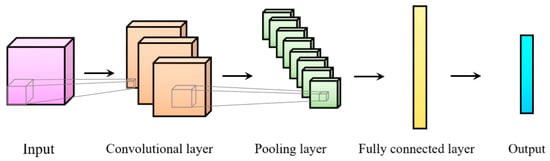
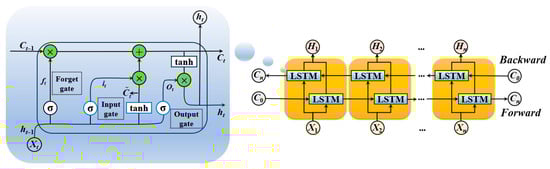
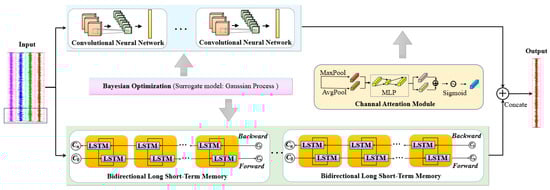
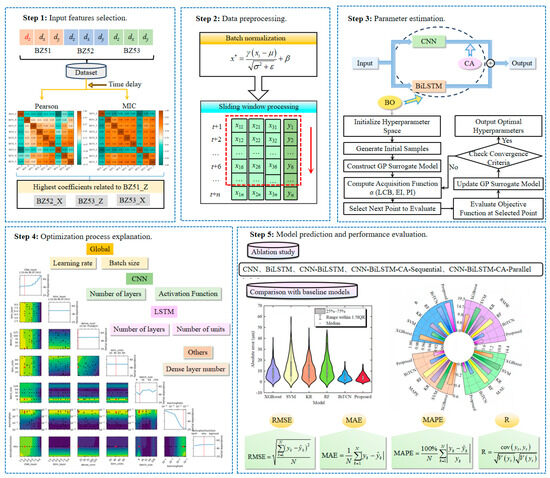
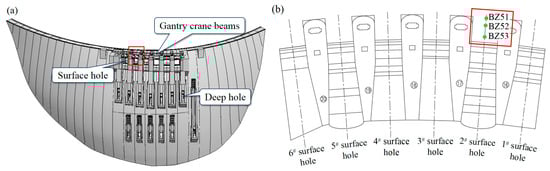
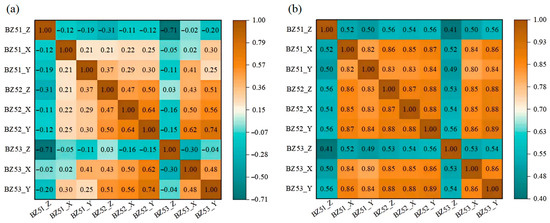
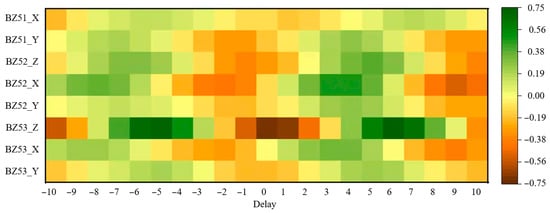
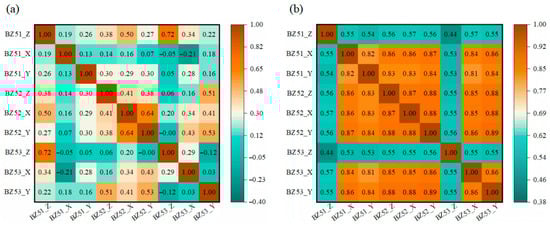
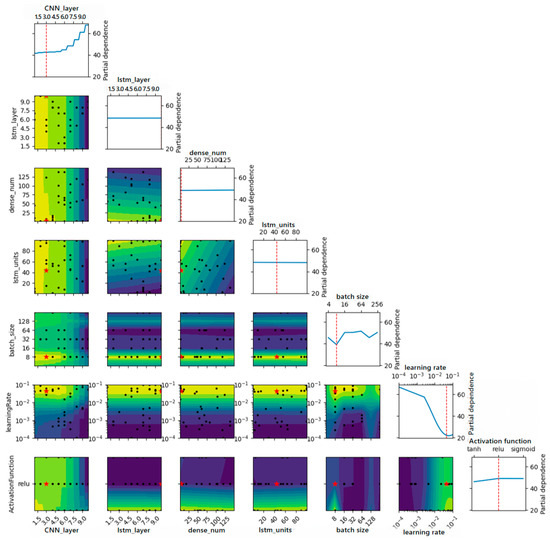
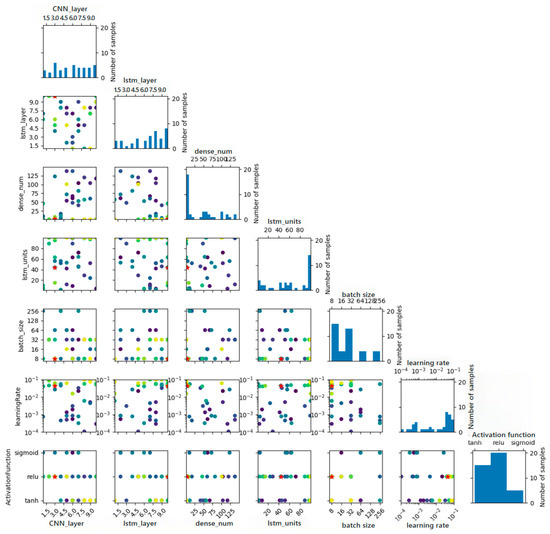
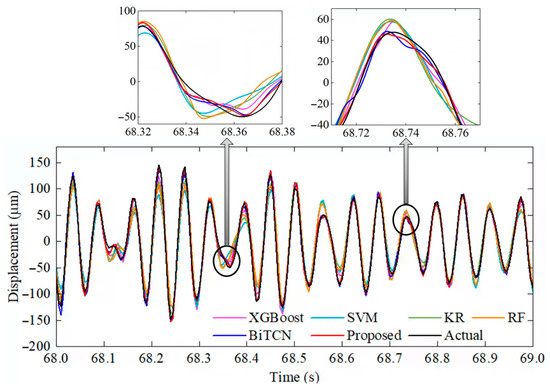
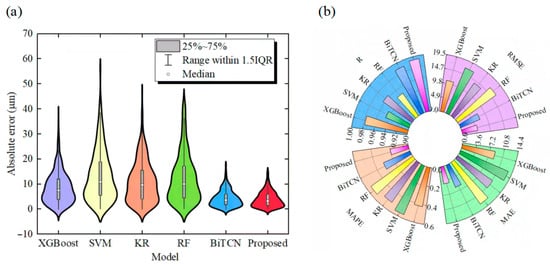
Accurate prediction of vibration responses in hydraulic structures during flood discharge is essential for ensuring safe and stable operation. This study develops a hybrid deep learning model that combines Convolutional Neural Networks (CNN), Bidirectional Long Short-Term Memory (BiLSTM), and a Channel Attention (CA) mechanism, optimized through Bayesian Optimization (BO), to predict dam gantry crane beam displacements. Time-lagged Pearson correlation and Maximum Information Coefficient (MIC) are applied to select the informative input features. The CNN-BiLSTM-CA model captures both spatial patterns and temporal dependencies in vibration signals. BO tunes model hyperparameters, while Partial Dependence (PD) analysis provides insight into how these parameters affect prediction accuracy. The model is validated using vibration data from an arch dam in Southwest China during flood discharge. Results show that CNN parameters have a greater impact on prediction accuracy than BiLSTM parameters, underscoring the importance of spatial feature extraction. Ablation studies confirm each component’s contribution. Compared with existing methods, the proposed model achieves superior accuracy with a Root Mean Square Error (RMSE) of 5.49, Mean Absolute Error (MAE) of 4.34, and correlation coefficient (R) of 99.42%. This framework provides a reliable and interpretable tool for predicting structural vibrations in hydraulic engineering under complex discharge conditions.
Full article

Figure 1
Open AccessArticle
New Accurate Local-Buckling Analysis of Equal-Leg Angle Steels in Transmission Towers
by
Dongrui Song, Xiaocheng Tang, Zhiwei Sun, Dong Han, Xiaozhuo Guan and Huashun Li
Vibration 2026, 9(1), 22; https://doi.org/10.3390/vibration9010022 - 22 Mar 2026
Abstract
►▼
Show Figures
This study presents a specific analytical solution procedure to the local-buckling problem in angle steels using a two-dimensional improved Fourier-series method (2D-IFSM). The effect of coupling between the sub-plates of an angle steel on its local-buckling behaviour is studied by incorporating rotational spring
[...] Read more.
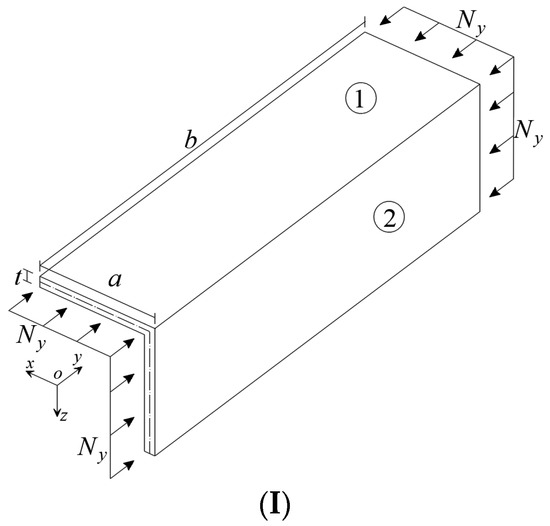
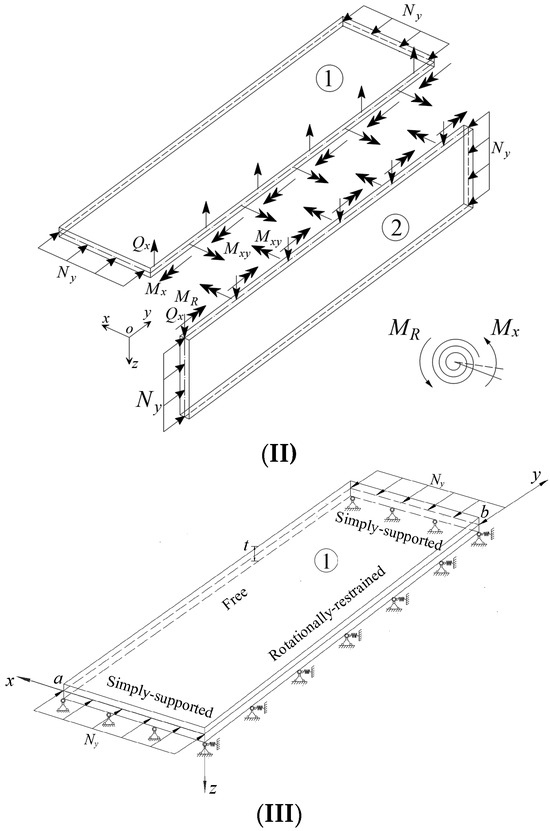
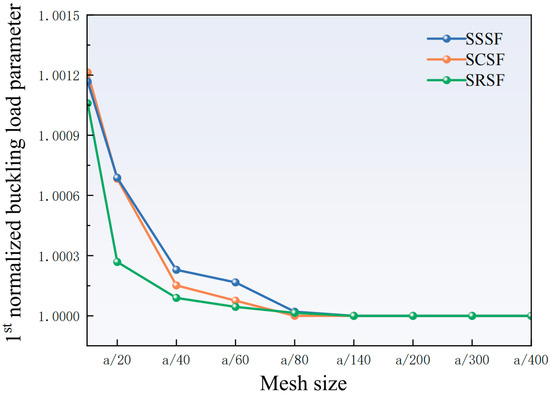
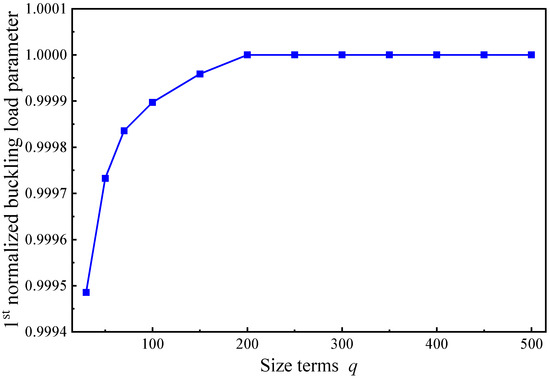
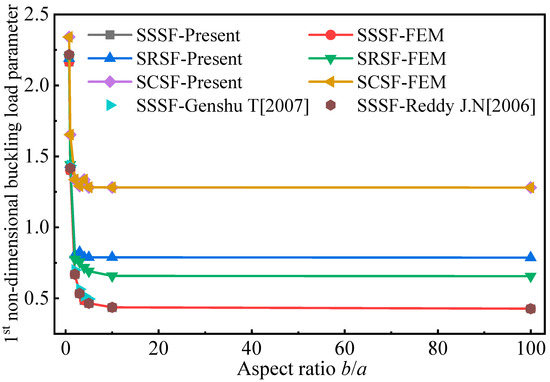
This study presents a specific analytical solution procedure to the local-buckling problem in angle steels using a two-dimensional improved Fourier-series method (2D-IFSM). The effect of coupling between the sub-plates of an angle steel on its local-buckling behaviour is studied by incorporating rotational spring constraints between them. The proposed solution procedure enables one to convert the local-buckling problem of angle steels into solving sets of linear algebraic equations, thereby effectively simplifying its solution process. The critical load and related buckling-mode results obtained in this study are in good agreement with the existing analytical solutions and finite-element-method numerical data, verifying the effectiveness of the proposed method. Based on the derived solutions, a quantitative analysis is conducted to investigate the influences of aspect ratio, width–thickness ratio, and rotational constraint degree on the local-buckling behaviour of angle steels.
Full article

Figure 1

Open AccessArticle
Excitation and Transmission of Train-Induced Ground and Building Vibrations—Measurements, Analysis, and Prediction
by
Lutz Auersch, Samir Said and Werner Rücker
Vibration 2026, 9(1), 21; https://doi.org/10.3390/vibration9010021 - 18 Mar 2026
Abstract
Measurement results of train-induced vibrations are evaluated for characteristic frequencies, amplitudes and spectra, leading to a prediction which is based on transfer functions of the vehicle–track–soil system, the soil, and the building–soil system. The characteristic frequencies of train-induced vibrations are discussed following the
[...] Read more.
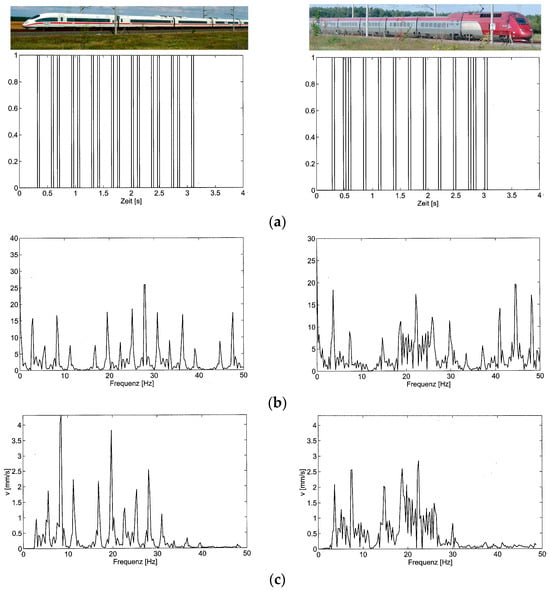
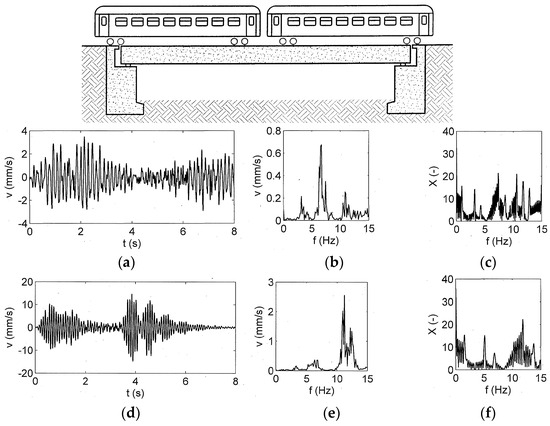
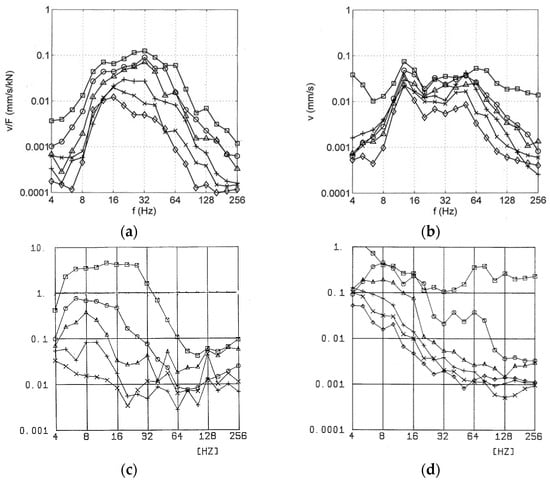
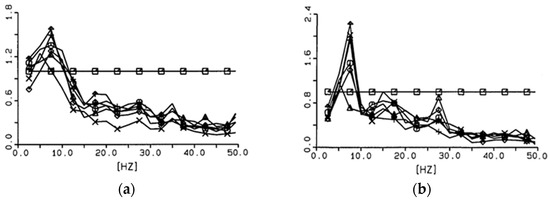
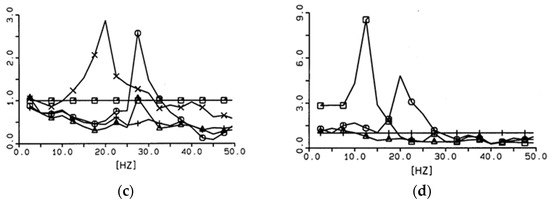
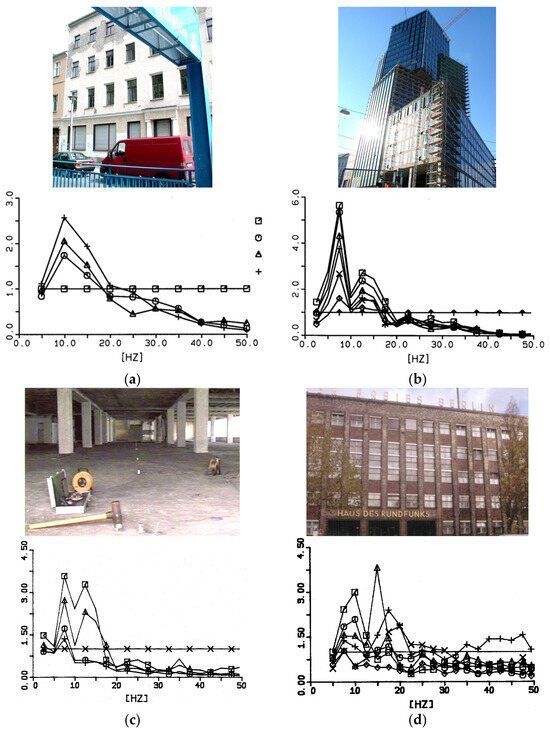
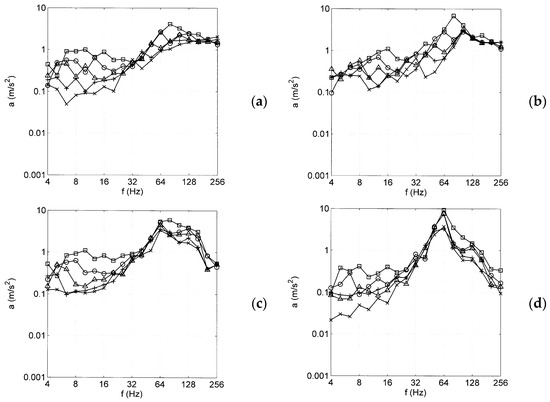
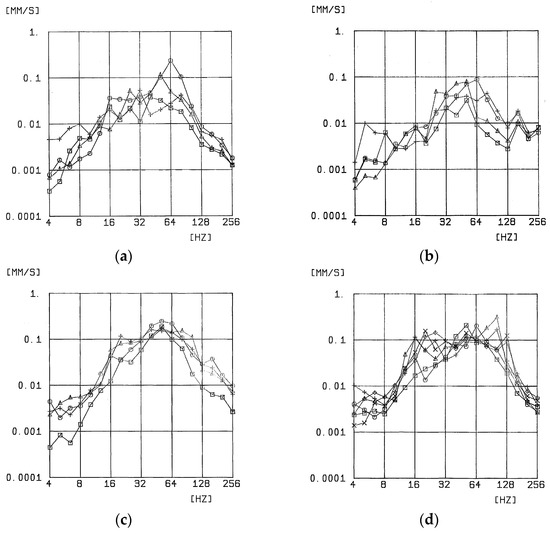
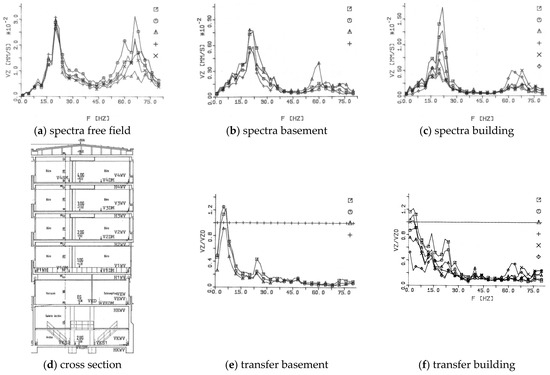
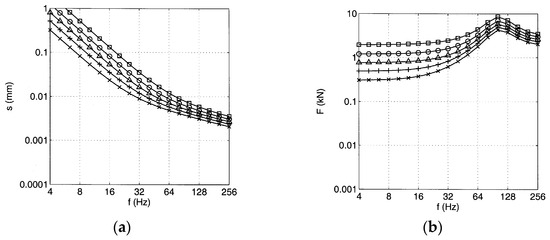
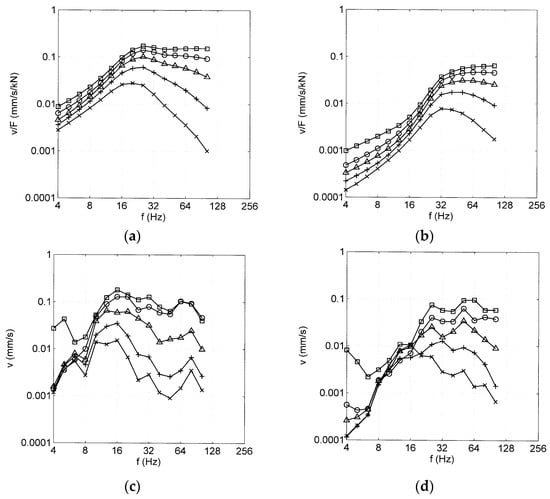
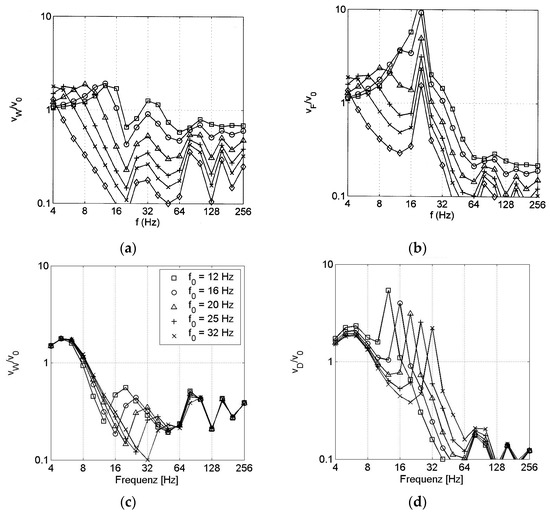
Measurement results of train-induced vibrations are evaluated for characteristic frequencies, amplitudes and spectra, leading to a prediction which is based on transfer functions of the vehicle–track–soil system, the soil, and the building–soil system. The characteristic frequencies of train-induced vibrations are discussed following the propagation of vibrations from the source to the receiver: out-of-roundness frequencies of the wheels, the sleeper passage frequency, the vehicle–track eigenfrequency, the car-length frequency and multiples, axle-distance frequencies, bridge eigenfrequencies, the building–soil eigenfrequency, and floor eigenfrequencies. Amplitudes and spectra are compared for different train and track types, for different train speeds, and for different soft and stiff soils, where high frequencies are typically found for stiff soil and low frequencies for soft soil. The ground vibration is between the cut-on frequency due to the layering and the cut-off frequency due to the material damping of the soil, but the dominant frequency range also changes with distance from the track. The frequency band of the axle impulses due to the passing static loads obtains a signature from the axle sequence. The high amplitudes between the zeros of the axle-sequence spectrum are measured at the track, the bridge, and also in the ground vibrations, which are even dominant in the far field. A prediction software is presented, which includes all three parts: the excitation by the vehicle–track interaction, the wave transmission through the soil, and the transfer into a building.
Full article
(This article belongs to the Special Issue Railway Dynamics and Ground-Borne Vibrations)
►▼
Show Figures

Figure 1
Open AccessArticle
Nonlinear Characterisation of Wind Turbine Gearbox Vibration Dynamics Driven by Inhomogeneous Helical Gear Wear
by
Khaldoon F. Brethee, Ghalib R. Ibrahim and Al-Hussein Albarbar
Vibration 2026, 9(1), 20; https://doi.org/10.3390/vibration9010020 - 16 Mar 2026
Abstract
Helical gear transmissions in wind turbine gearboxes operate under high torque, variable speed, and complex rolling–sliding contact conditions, where friction-induced wear evolves in a spatially non-uniform manner. However, most existing dynamic models assume uniform or mild wear and therefore fail to capture the
[...] Read more.
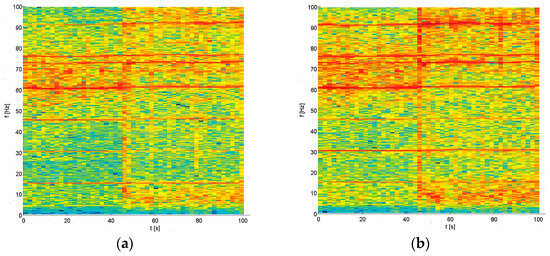
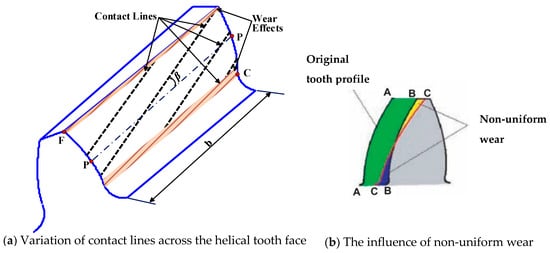
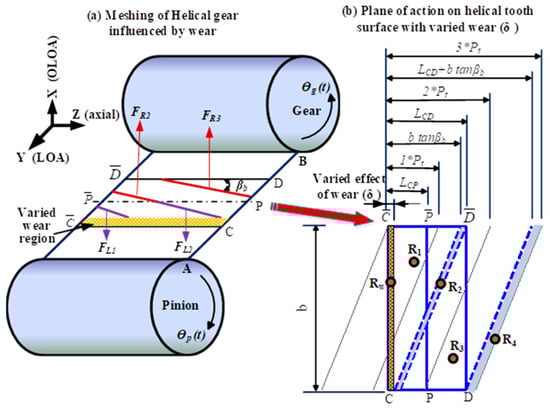
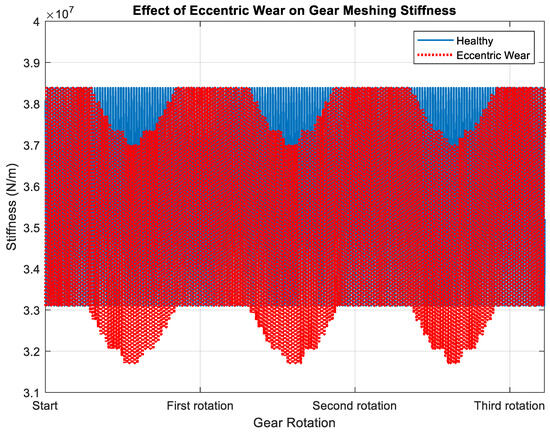
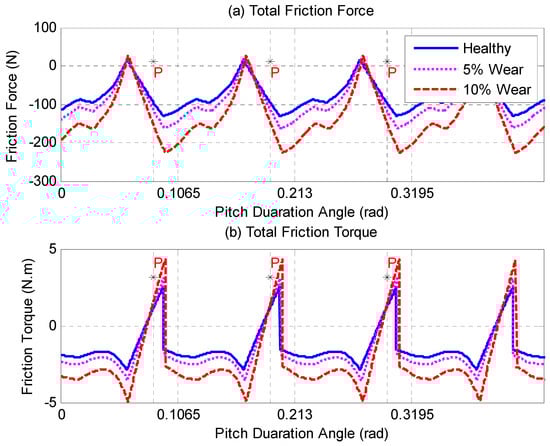
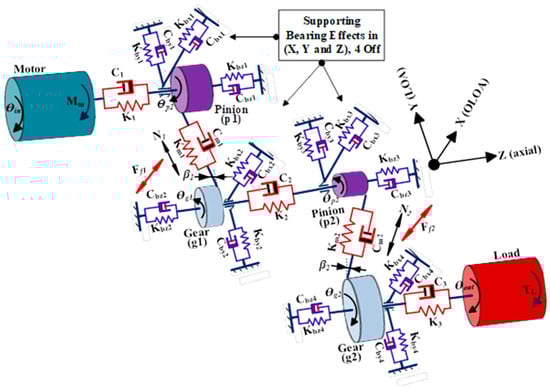
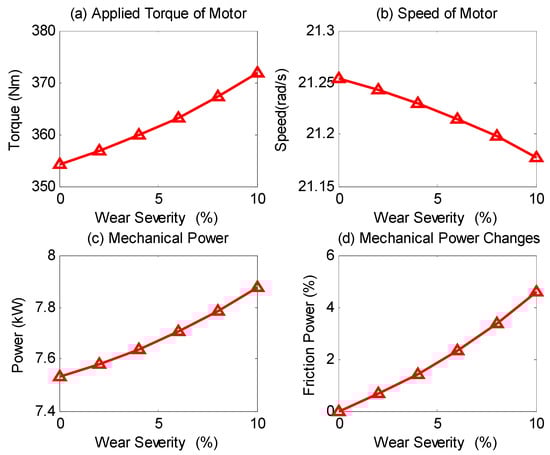
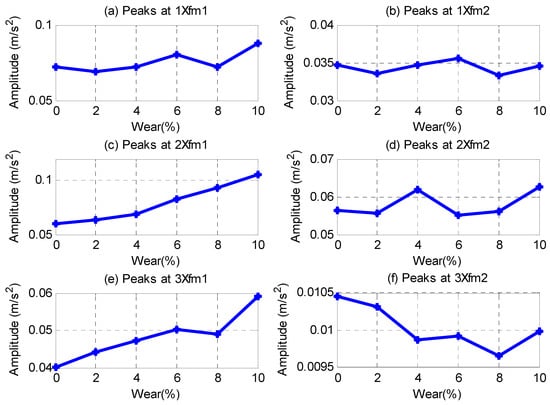
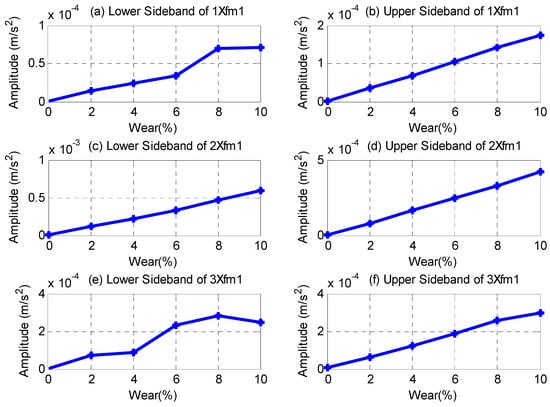
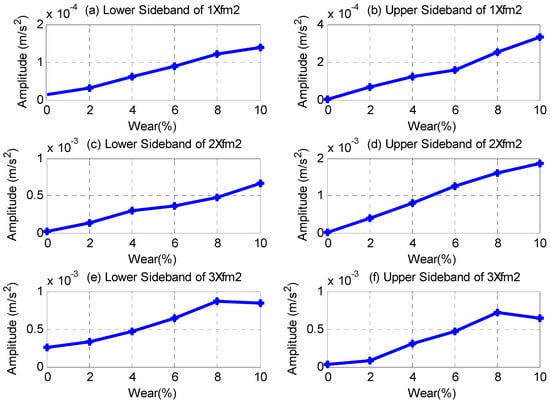
Helical gear transmissions in wind turbine gearboxes operate under high torque, variable speed, and complex rolling–sliding contact conditions, where friction-induced wear evolves in a spatially non-uniform manner. However, most existing dynamic models assume uniform or mild wear and therefore fail to capture the nonlinear coupling between localised tooth surface degradation, gear mesh dynamics, and vibration response. In this work, a nonlinear dynamic model of a helical gear pair is formulated by incorporating time-varying mesh stiffness, elasto-hydrodynamic lubrication (EHL)-based friction forces, and wear-dependent contact geometry. The governing equations of motion are derived to explicitly account for the influence of inhomogeneous tooth wear on the contact load distribution and frictional excitation during meshing. Wear evolution is represented as a spatially varying modification of tooth surface topology, enabling the progressive coupling between wear depth, mesh stiffness perturbations, and dynamic transmission error. The model is employed to analyse the effects of non-uniform wear on system stability, vibration spectra, and dynamic response under wind turbine operating conditions. Numerical results reveal that uneven wear introduces nonlinear modulation of gear mesh forces and generates characteristic sidebands and amplitude variations in the vibration signal that are absent in conventional mild-wear formulations. These wear-induced dynamic features provide mathematically traceable indicators for the onset and progression of uneven tooth degradation. The proposed framework establishes a physics-based link between wear evolution and measurable vibration responses, providing a rigorous foundation for advanced vibration-based diagnostics and model-driven condition monitoring of wind turbine gearboxes.
Full article
(This article belongs to the Special Issue Free Vibration and Dynamic Characteristics of Microheterogeneous Materials and Structures)
►▼
Show Figures

Figure 1
Open AccessArticle
Visual Servoing Sliding Mode Control with Vibration Model Compensation for Trajectory Tracking in a 2-DOF Ball Balancer System
by
Mohammed Abdeldjalil Djehaf, Ahmed Hamet Sidi and Youcef Islam Djilani Kobibi
Vibration 2026, 9(1), 19; https://doi.org/10.3390/vibration9010019 - 11 Mar 2026
Abstract
Ball balancers are nonlinear, electromechanical, multivariable, open-loop unstable systems widely used in research laboratories, aerospace, military, and automotive industries to evaluate control mechanism effectiveness. The inherent difficulty in precisely managing ball position, combined with actuator saturation and system sensitivity to disturbances, makes trajectory
[...] Read more.
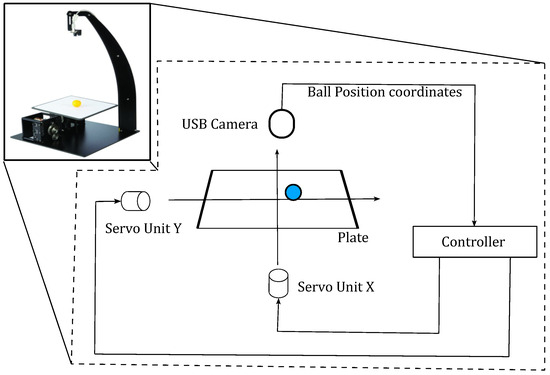
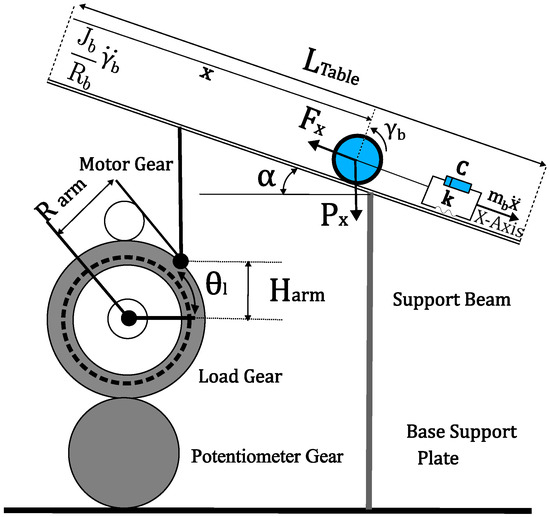
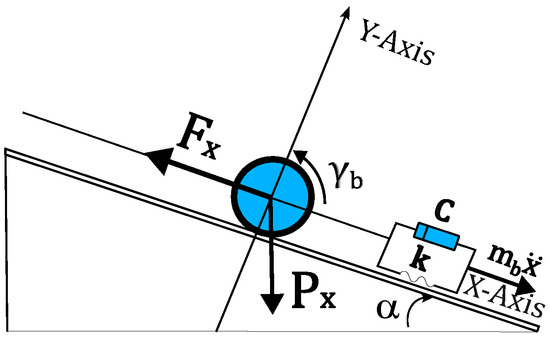
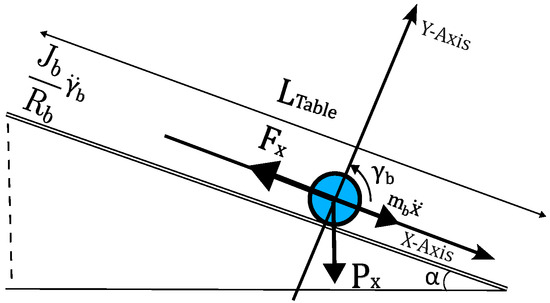
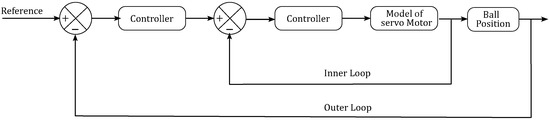
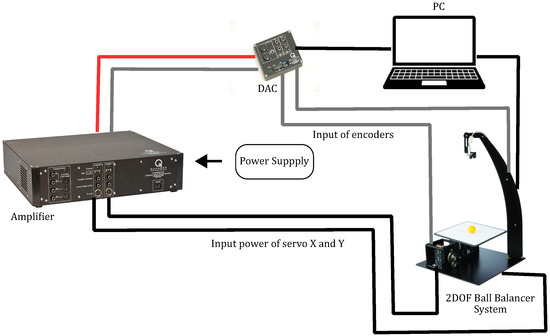
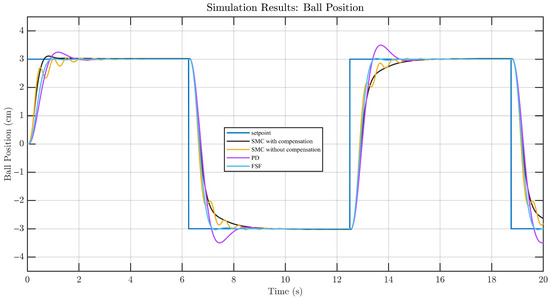
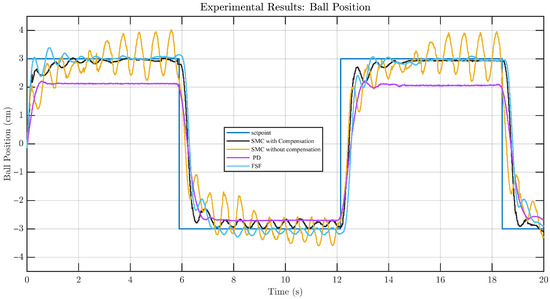
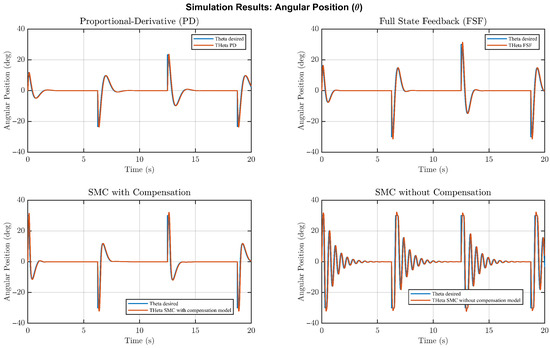
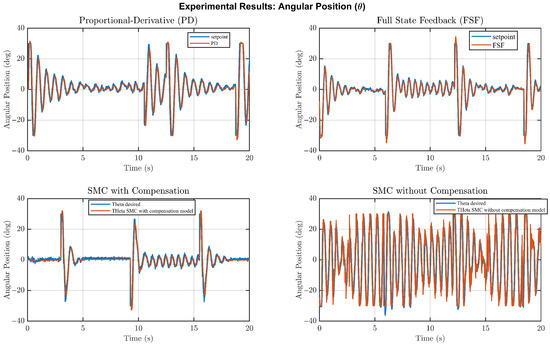
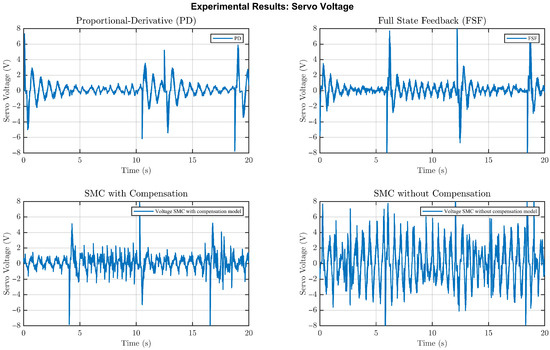
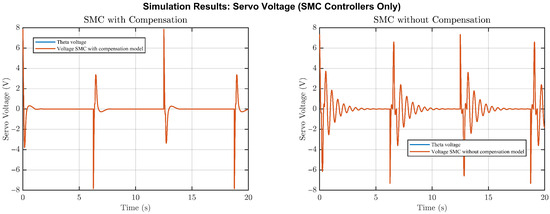
Ball balancers are nonlinear, electromechanical, multivariable, open-loop unstable systems widely used in research laboratories, aerospace, military, and automotive industries to evaluate control mechanism effectiveness. The inherent difficulty in precisely managing ball position, combined with actuator saturation and system sensitivity to disturbances, makes trajectory tracking a persistent challenge. Conventional controllers often exhibit oscillatory responses with steady-state errors exceeding acceptable limits. Sliding mode control (SMC) offers robustness against model uncertainties; however, chattering finite-frequency, finite-amplitude oscillations near the sliding surface caused by switching imperfections, time delays, and actuator dynamics remain a significant limitation. This study addresses chattering through explicit vibration model compensation integrated into the SMC design for a 2-DOF ball balancer system using a visual servoing approach. A double-loop control architecture is implemented, where the inner loop handles servo angular position control and the outer loop manages ball position tracking through visual servoing feedback. The sliding mode controller is designed with a power rate reaching law, synthesizing two control laws: one with explicit vibration model compensation incorporating damping and stiffness terms, and one without. Experimental validation confirmed that SMC with compensation achieved significantly reduced steady-state error (0.034 mm vs. 0.386 mm) and lower overshoot (3.95% vs. 13.81%) compared to the uncompensated variant, with chattering amplitude reduced by approximately 72%.
Full article
(This article belongs to the Special Issue Vibration Damping)
►▼
Show Figures

Figure 1
Open AccessArticle
The Influence of Boundary Conditions on Trapped Modes in Semi-Infinite Elastic Waveguides
by
Marcus Dykes, Julius Kaplunov and Danila Prikazchikov
Vibration 2026, 9(1), 18; https://doi.org/10.3390/vibration9010018 - 10 Mar 2026
Abstract
►▼
Show Figures
This work investigates trapped modes induced by localized inhomogeneities in semi-infinite elastic waveguides in the form of a point mass or a meta-spring attached to the edge. Explicit relations linking the parameters of the meta-spring and the mass are presented with a string
[...] Read more.
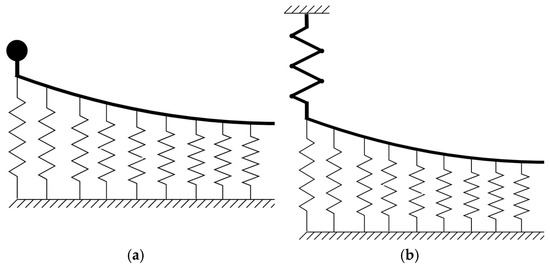
This work investigates trapped modes induced by localized inhomogeneities in semi-infinite elastic waveguides in the form of a point mass or a meta-spring attached to the edge. Explicit relations linking the parameters of the meta-spring and the mass are presented with a string or beam resting on a Winkler foundation. Asymptotic expansions are derived to describe the limiting behavior of the obtained solutions, including small- and large-mass regimes. Special emphasis is placed on the less-studied trapped modes in an elastically supported beam, providing new insights into the peculiarities of wave localization phenomena, e.g., the analysis of the associated frequency equation.
Full article

Figure 1
Open AccessArticle
In-Plane Vibration Analysis of Annular Plates Considering All Combinations of Edge Conditions
by
Yoshihiro Narita
Vibration 2026, 9(1), 17; https://doi.org/10.3390/vibration9010017 - 9 Mar 2026
Abstract
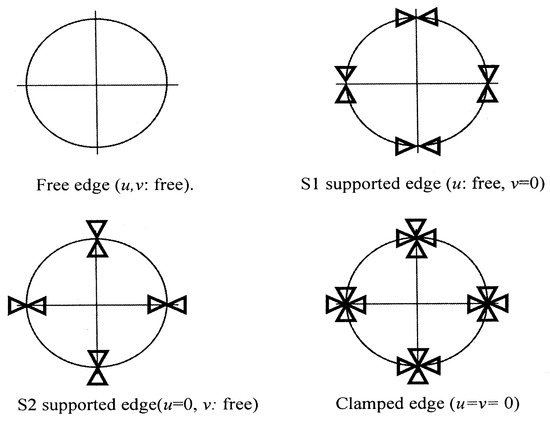
The Ritz method is applied to an in-plane vibration analysis to obtain accurate frequencies of isotropic annular plates. The method is formulated in a manner that allows all combinations of free boundary conditions, two types of supported (constraining only either radial or circumferential
[...] Read more.
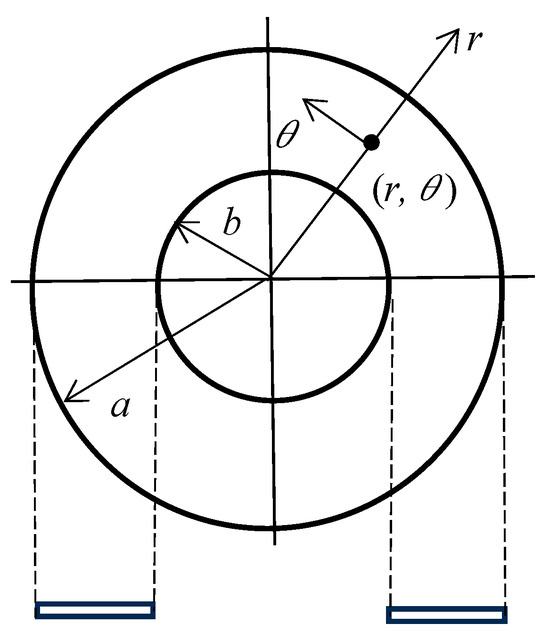
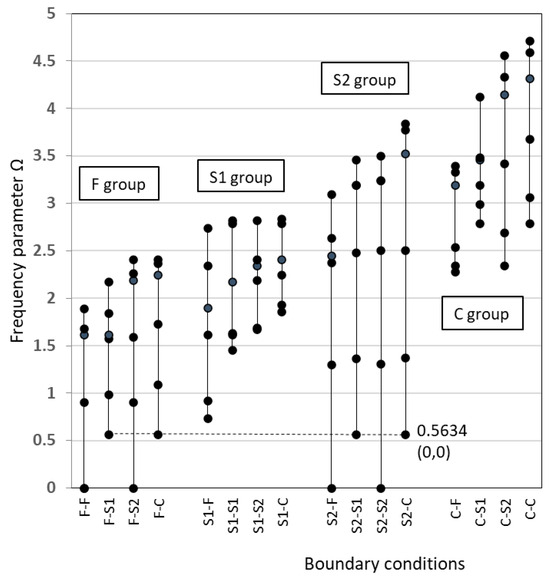
The Ritz method is applied to an in-plane vibration analysis to obtain accurate frequencies of isotropic annular plates. The method is formulated in a manner that allows all combinations of free boundary conditions, two types of supported (constraining only either radial or circumferential displacement) boundary conditions, and clamped boundary conditions. Admissible functions for the two displacement components are chosen as products of trigonometric functions in the circumferential coordinate and special algebraic polynomials in the radial coordinate, enabling all possible boundary-condition combinations to be satisfied. In the numerical study, after the solution’s accuracy is verified through convergence and comparison tests, extensive and accurate frequency parameters are presented to cover all combinations of the four in-plane boundary conditions along the outer and inner edges of the annular plates.
Full article
(This article belongs to the Special Issue Structural Vibration: Modeling, Analysis, Optimization and Engineering Applications)
►▼
Show Figures

Figure 1
Open AccessArticle
The Energy-Dispersion Index (EDI) and Cross-Domain Archetypes: Towards Fully Automated VMD Decomposition for Robust Fault Detection
by
Ikram Bagri, Achraf Touil, Rachid Oucheikh, Ahmed Mousrij, Aziz Hraiba and Karim Tahiry
Vibration 2026, 9(1), 16; https://doi.org/10.3390/vibration9010016 - 2 Mar 2026
Abstract
Variational Mode Decomposition (VMD) is a powerful formalism for the time-scale analysis of vibration signals from rotating machinery. However, its performance is often compromised by complex parameter configuration, where subjective manual tuning leads to mode mixing or information loss. In this study, we
[...] Read more.
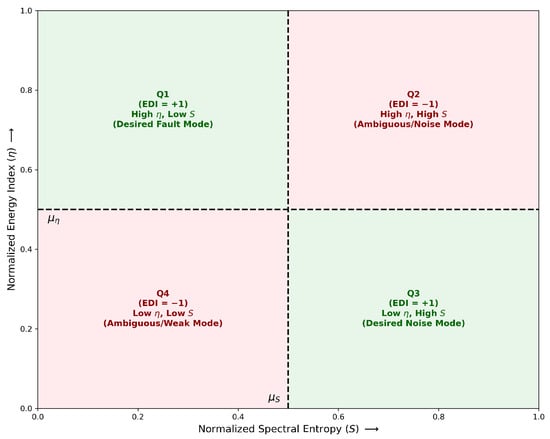
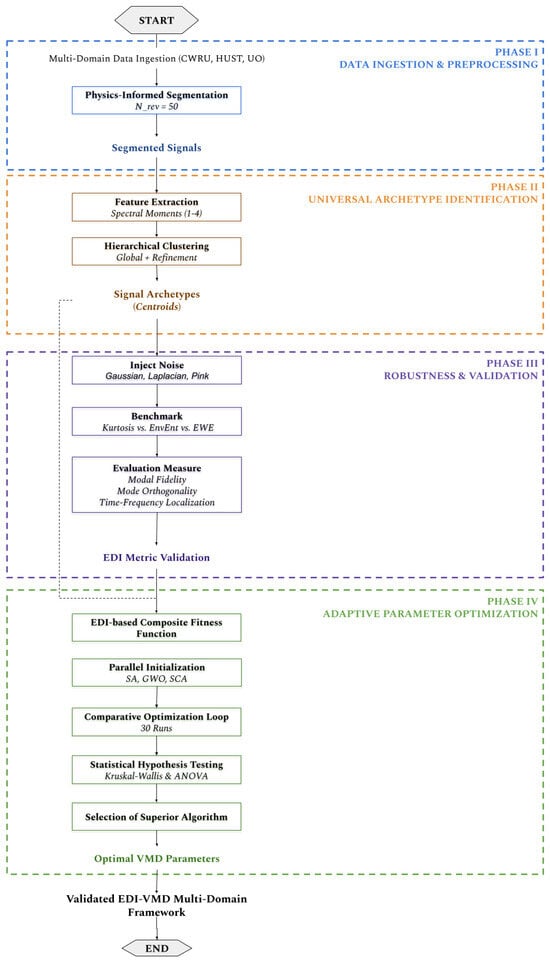
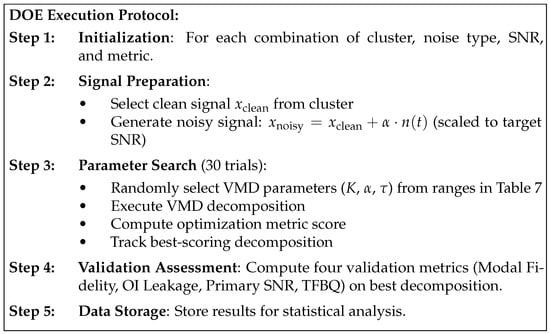
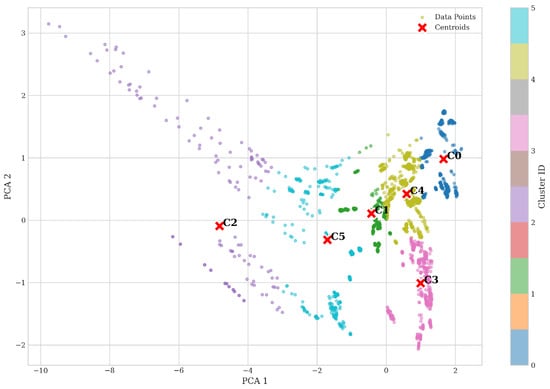
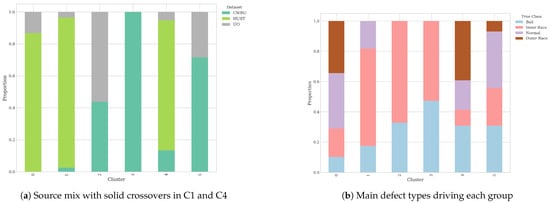
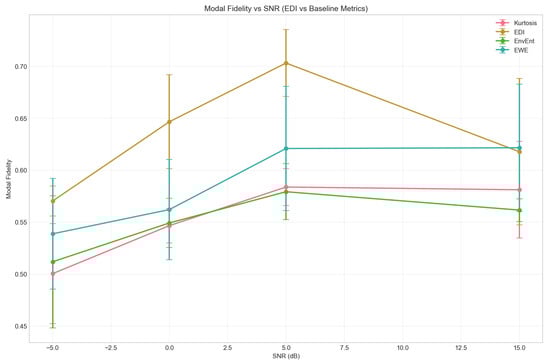
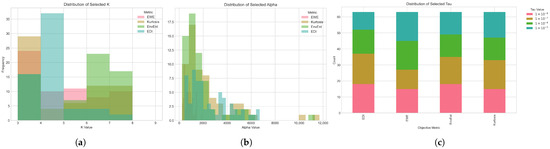
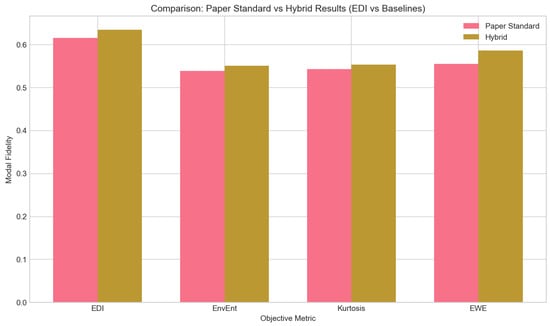
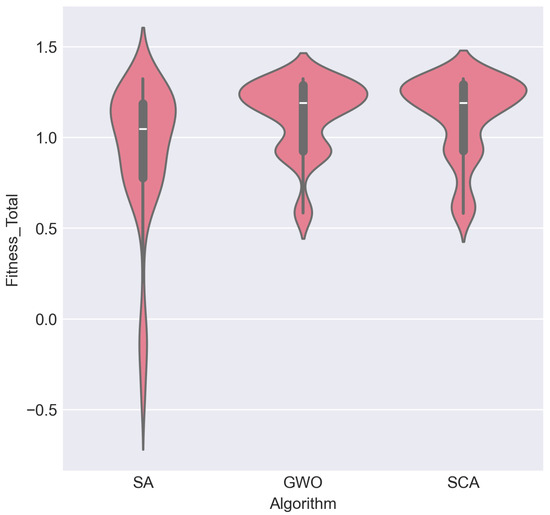
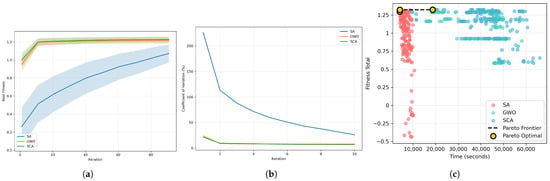
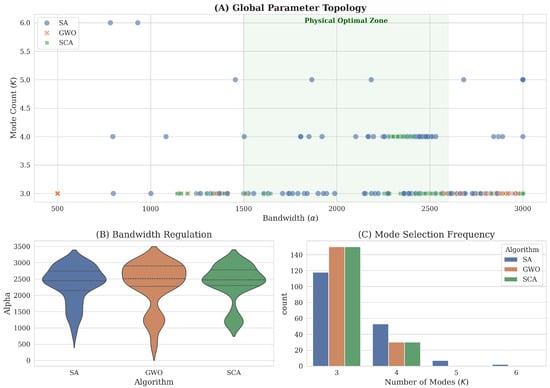
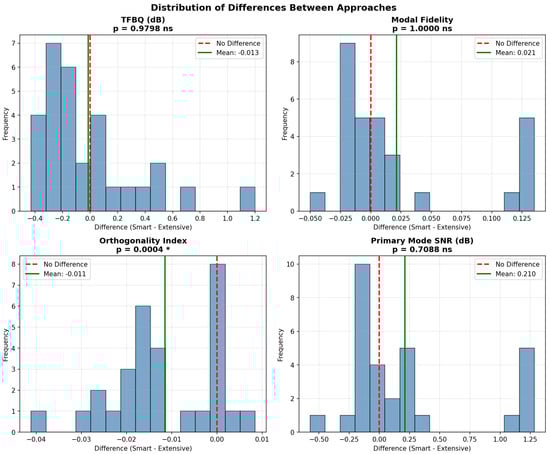
Variational Mode Decomposition (VMD) is a powerful formalism for the time-scale analysis of vibration signals from rotating machinery. However, its performance is often compromised by complex parameter configuration, where subjective manual tuning leads to mode mixing or information loss. In this study, we present a physics-guided framework that generalizes VMD optimization across diverse operating conditions. We utilized a meta-dataset combining three distinct sources (CWRU, HUST, UO) to validate the approach. Through a shaft-normalized segmentation strategy and K-Means++ clustering, we identified six distinct signal archetypes based on spectral morphology. Central to this framework is the Energy-Dispersion Index (EDI), a novel physically interpretable metric designed to differentiate between structured fault transients and stochastic noise. Extensive validation via a full-factorial Design of Experiments (8640 trials) confirmed the statistical superiority of EDI over benchmarks like kurtosis and envelope entropy, yielding an 8.3% improvement in modal fidelity. Furthermore, a rigorous ablation study demonstrated that the proposed archetype-based parameterization is highly efficient. This strategy achieved a speedup over online optimization while maintaining statistically equivalent diagnostic accuracy. Additionally, by generalizing parameters from high-quality archetype representatives, the framework reduced spectral leakage (Orthogonality Index) by 51.4% compared to instance-wise optimization. The resulting framework provides a mathematically rigorous, real-time solution for automated vibration signal decomposition.
Full article
(This article belongs to the Special Issue New Trends in Experimental and Numerical Vibroacoustic Techniques—Physics Guided and Datas Guided Approaches)
►▼
Show Figures

Figure 1
Open AccessArticle
A Nonlinear Approach to the Delamination Characterization of Solid Structures Using Impact Response—Part I
by
Yousef Sardahi, Asad Salem, Isaac W. Wait, Gang S. Chen, Kirk McCormick, Killian Blake, Tanner Samples and Luke Lanham
Vibration 2026, 9(1), 15; https://doi.org/10.3390/vibration9010015 - 26 Feb 2026
Abstract
Impact-echo/impact response testing is widely used to detect cracks, voids, and delamination, but transient signals and crowded spectra can complicate diagnosis. This study presents a nonlinear, harmonic-based framework that characterizes delamination using higher-order harmonics in the impact-free response, instead of the amplitude-dependent resonance–frequency
[...] Read more.
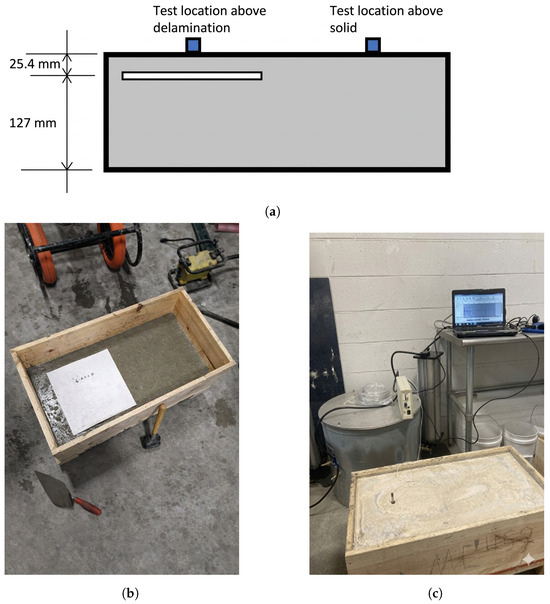
Impact-echo/impact response testing is widely used to detect cracks, voids, and delamination, but transient signals and crowded spectra can complicate diagnosis. This study presents a nonlinear, harmonic-based framework that characterizes delamination using higher-order harmonics in the impact-free response, instead of the amplitude-dependent resonance–frequency shift. The delaminated region is formulated as a locally vibrating nonlinear plate/oscillator with polynomial material and geometric nonlinearities, predicting harmonic components whose levels depend on impact intensity and nonlinearity parameters. The approach is validated on a concrete slab containing an artificial delamination, excited by repeatable impacts, and measured with an accelerometer. Frequency-domain analysis shows that intact regions exhibit a distinct spectral pattern, whereas the delaminated region produces a clear fundamental component and, with modestly increased impacts, a strong second harmonic that serves as a defect signature; time series metrics corroborate nonlinearity. The results demonstrate a nondestructive technique that can localize and characterize delamination without driving the specimen into damaging strain. Looking ahead, the same harmonic signature principle can be extended to vibroacoustic/impact monitoring of lithium-ion batteries to flag mechanically induced internal defects (e.g., separator/electrode delamination) that can precipitate internal short circuits and elevate thermal runaway risk, improving quality control and in-service safety.
Full article
(This article belongs to the Special Issue New Trends in Experimental and Numerical Vibroacoustic Techniques—Physics Guided and Datas Guided Approaches)
►▼
Show Figures

Figure 1
Open AccessArticle
Fault Diagnosis of Rotating Machinery Based on ICEEMDAN and Observer
by
Yilang Dong, Xuewu Dai, Dongliang Cui and Dong Zhou
Vibration 2026, 9(1), 14; https://doi.org/10.3390/vibration9010014 - 24 Feb 2026
Abstract
►▼
Show Figures
Rolling bearings are critical components in rotating machinery, and their failures may lead to significant economic losses and safety hazards. However, early fault signals are often weak and masked by strong background noise, making accurate fault diagnosis extremely challenging. To address this issue,
[...] Read more.
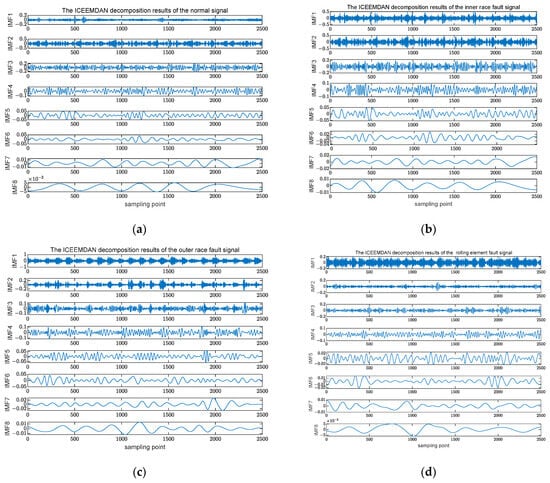
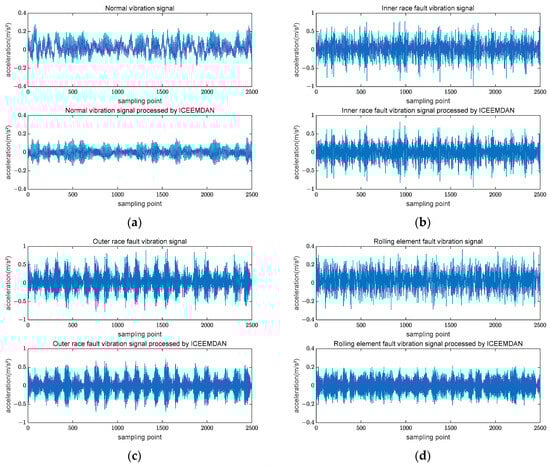
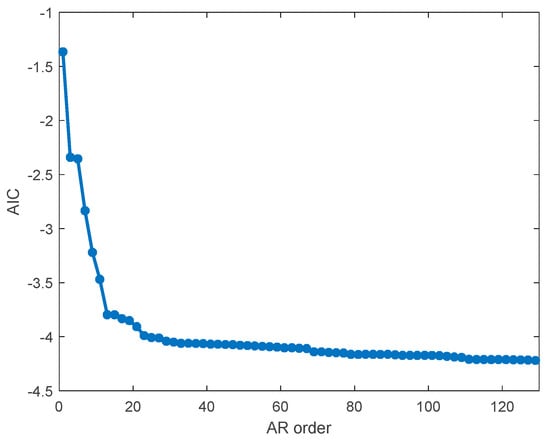
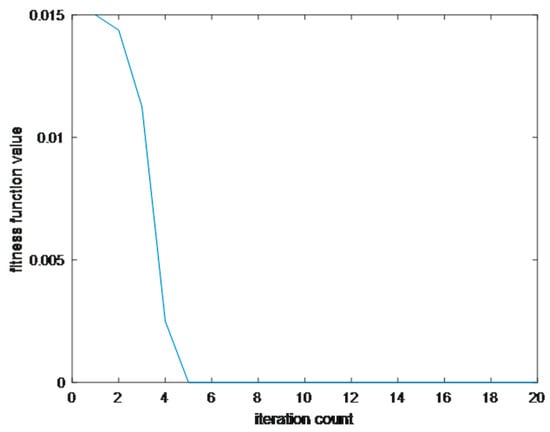
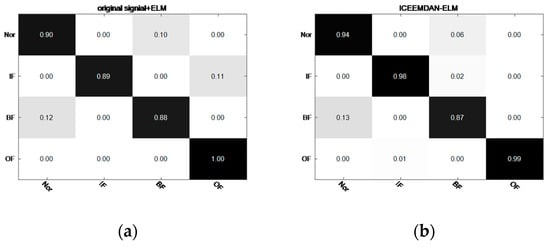
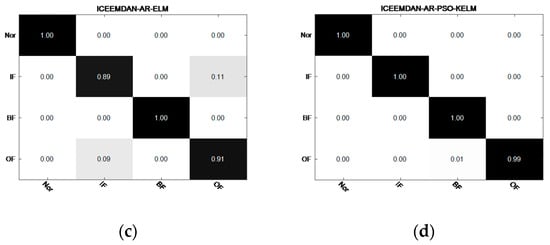
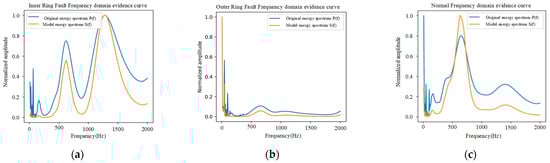
Rolling bearings are critical components in rotating machinery, and their failures may lead to significant economic losses and safety hazards. However, early fault signals are often weak and masked by strong background noise, making accurate fault diagnosis extremely challenging. To address this issue, this paper proposes a fault diagnosis method for rolling bearings based on improved complete ensemble empirical mode decomposition with adaptive noise (ICEEMDAN), an autoregressive (AR) model, and observer-based eigenvalue extraction, combined with a particle swarm optimization-based kernel extreme learning machine (PSO-KELM). Targeting rotating machinery with rolling bearings, the approach begins by applying ICEEMDAN as a preprocessing step to decompose non-stationary vibration signals into multiple intrinsic mode functions (IMFs), from which all essential fault-related information is extracted. The preprocessed vibration signal is then reconstructed. Subsequently, an AR model is used to establish a state-space representation for the observer, which processes the reconstructed signal and generates a residual output by comparing it with the actual mechanical signal. Features are then extracted from the residual signal, including its mean, variance, maximum and minimum values, kurtosis, waveform factor, pulse factor, and clearance factor. These features serve as inputs to the PSO-KELM classifier for fault diagnosis. To validate the method, real vibration data from electric motor bearings were employed in a case study, covering normal conditions and three typical fault types: outer race fault, inner race fault, and rolling element fault. The results demonstrate that the proposed method effectively enables fault feature extraction and accurate identification of bearing conditions.
Full article

Figure 1

Open AccessArticle
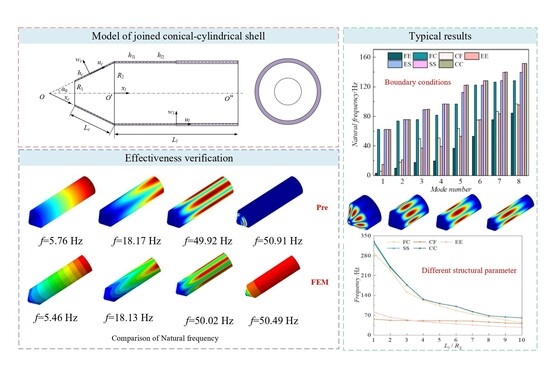
Semi-Analytical Modeling and Free Vibration Analysis of Joined Conical–Cylindrical Shells with Axially Stepped Thickness
by
Lin Lu, Zhe Zhao, Ting Li, Cong Gao and Jiajun Zheng
Vibration 2026, 9(1), 13; https://doi.org/10.3390/vibration9010013 - 13 Feb 2026
Abstract
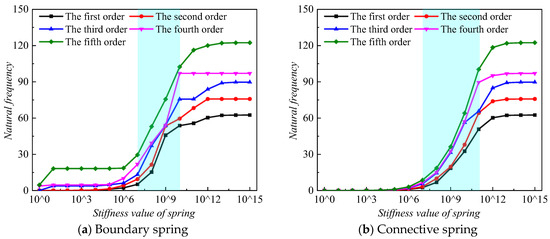
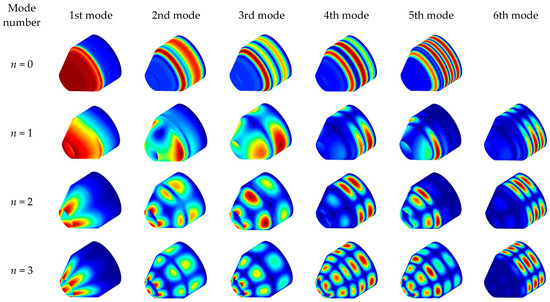
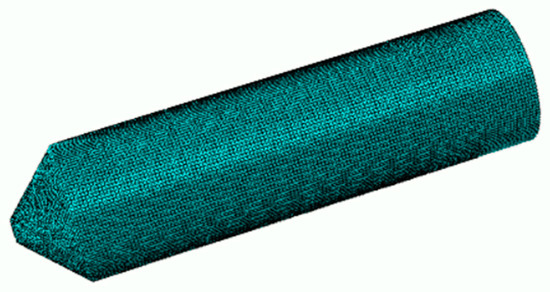
This study develops a semi-analytical method for free vibration analysis of joined conical–cylindrical shell with axially stepped thickness. The computational framework is built through the domain decomposition method, artificial spring technology and shear deformation shell theory. Kinematic admissible functions are constructed via superposition
[...] Read more.
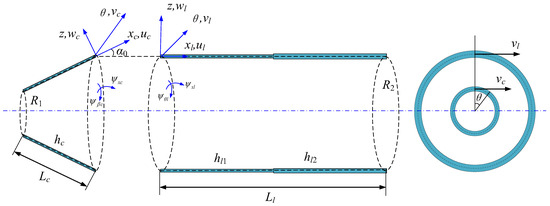
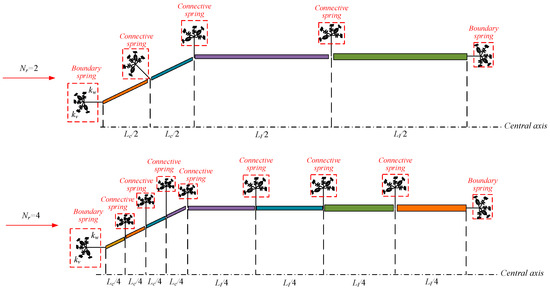
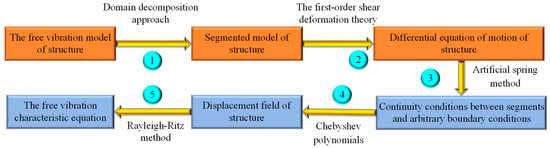
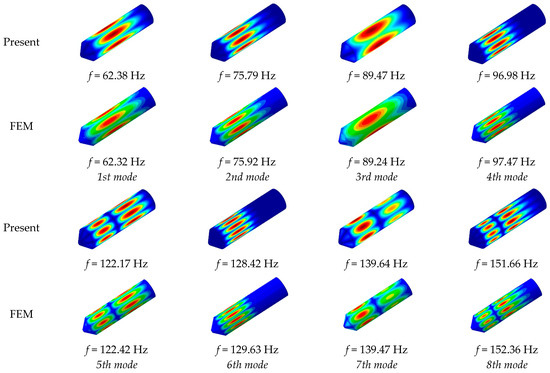
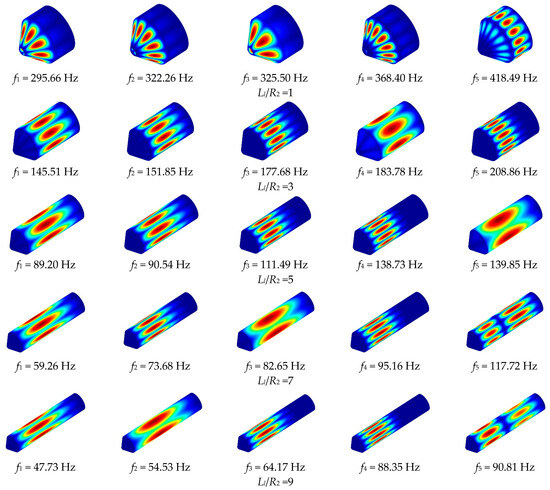
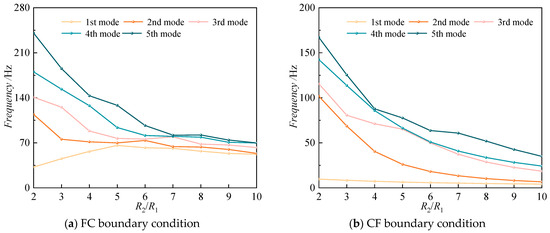
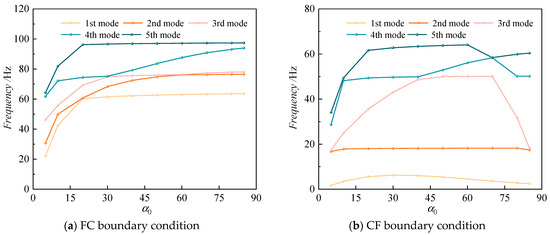
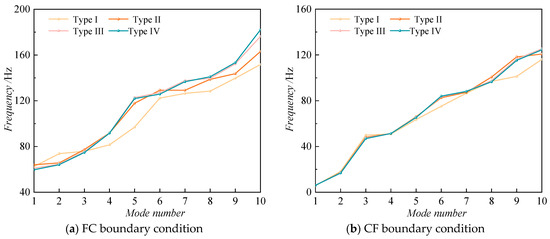
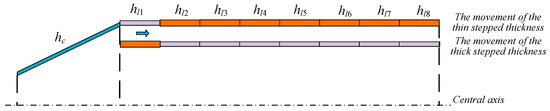
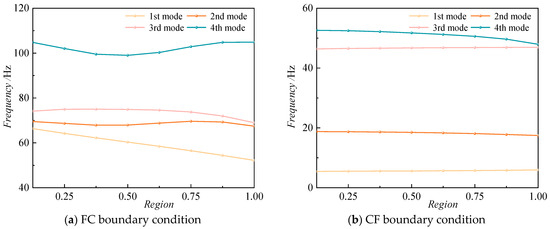
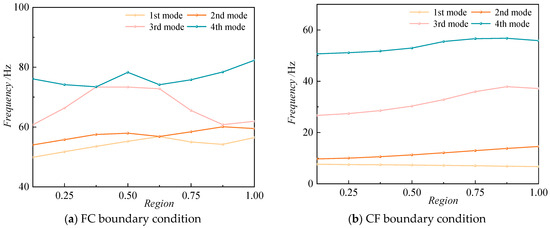
This study develops a semi-analytical method for free vibration analysis of joined conical–cylindrical shell with axially stepped thickness. The computational framework is built through the domain decomposition method, artificial spring technology and shear deformation shell theory. Kinematic admissible functions are constructed via superposition of Chebyshev orthogonal polynomials and trigonometric series. Subsequently, the Rayleigh–Ritz method is employed to solve for the system’s characteristic frequencies. The accuracy of the method is further verified by the excellent agreement between the current results and those from published studies and finite element simulations. Ultimately, the influence of boundary conditions, structural parameters and stepped thickness distribution on the free vibration characteristics of conical–cylindrical shells are systematically discussed. These findings reveal the critical methodological constraints in free vibration modeling of stepped thickness shell systems, thereby advancing vibration design optimization for the stepped thickness structures.
Full article
(This article belongs to the Special Issue Structural Vibration: Modeling, Analysis, Optimization and Engineering Applications)
►▼
Show Figures

Graphical abstract
Open AccessArticle
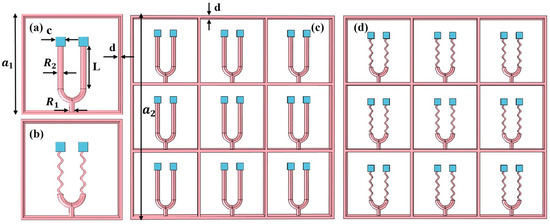
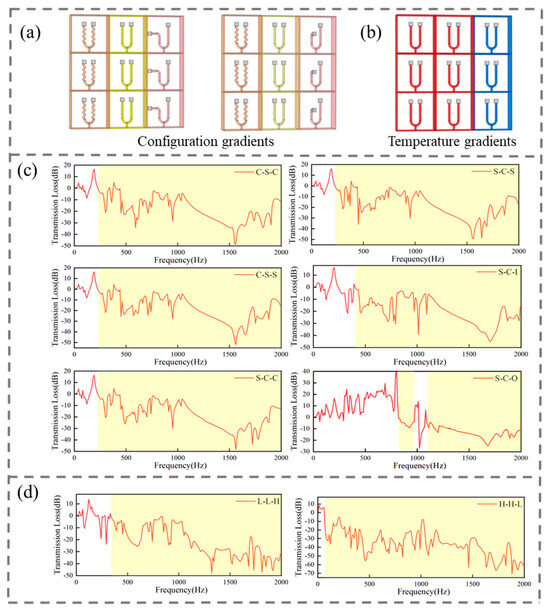
A Shape–Memory–Programmable Tuning Fork Metamaterial with Adjustable Vibration Isolation Bands
by
Rui Yang, Wenyou Zha, Ruixiang Zhang, Yongtao Yao and Yanju Liu
Vibration 2026, 9(1), 12; https://doi.org/10.3390/vibration9010012 - 11 Feb 2026
Abstract
Honeycomb structures are widely utilized in engineering due to their light weight, high strength, high stiffness, excellent energy absorption, and outstanding vibration isolation performance. In this study, we propose a novel tuning fork–honeycomb megastructure, which demonstrates excellent tunable vibration isolation capabilities. The geometric
[...] Read more.
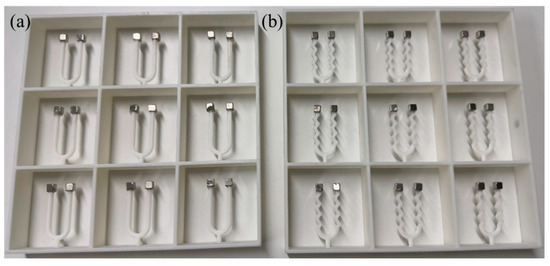
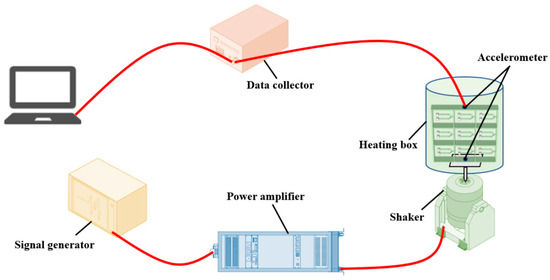
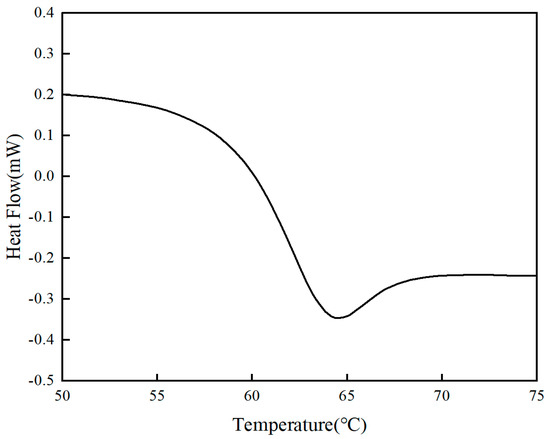
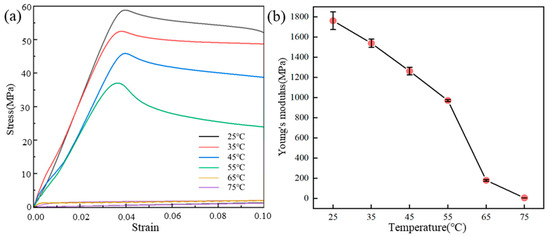
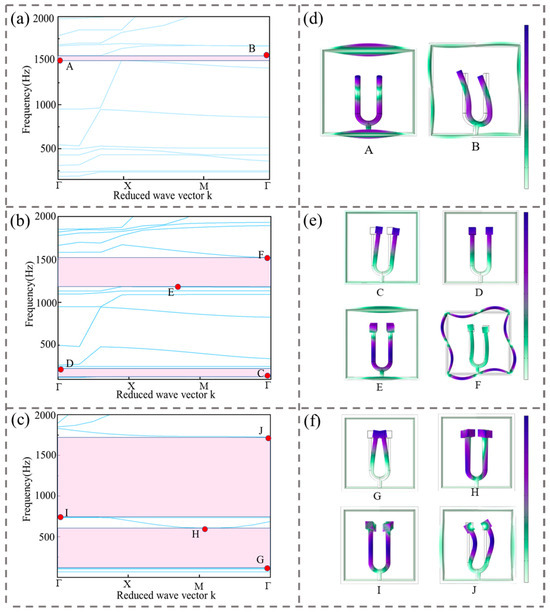
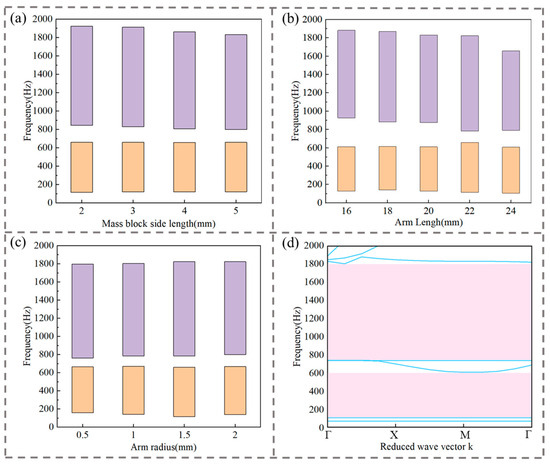
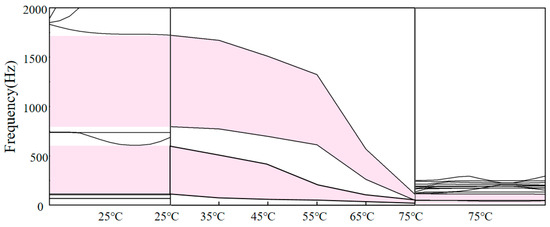
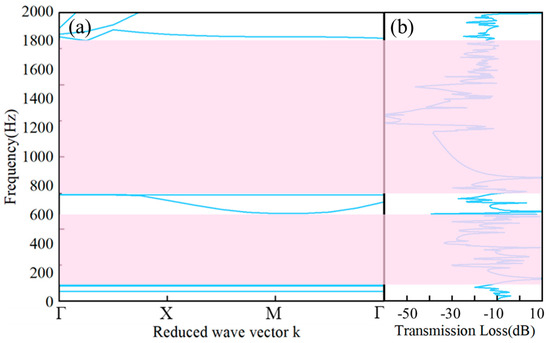
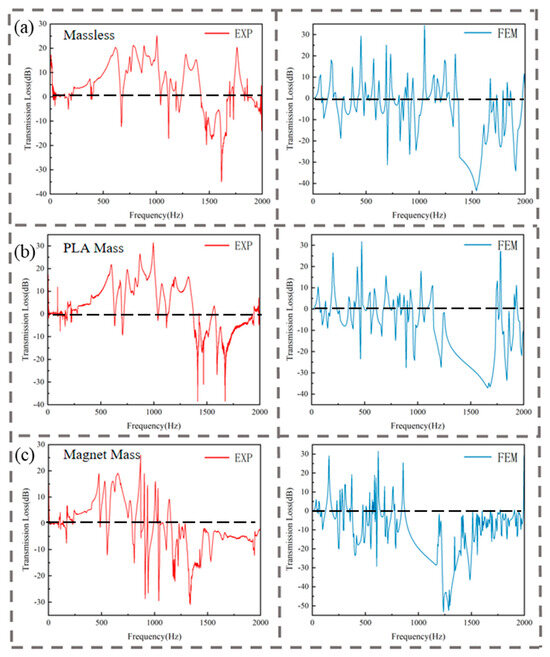
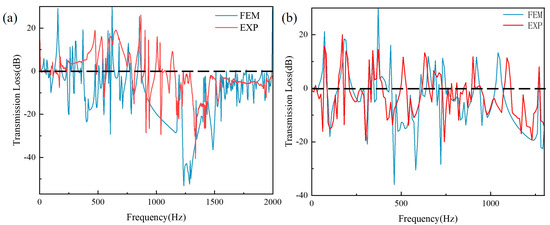
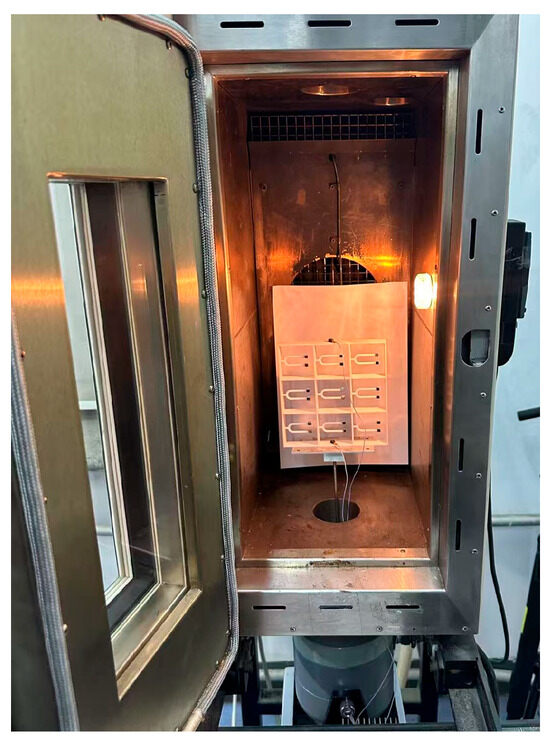
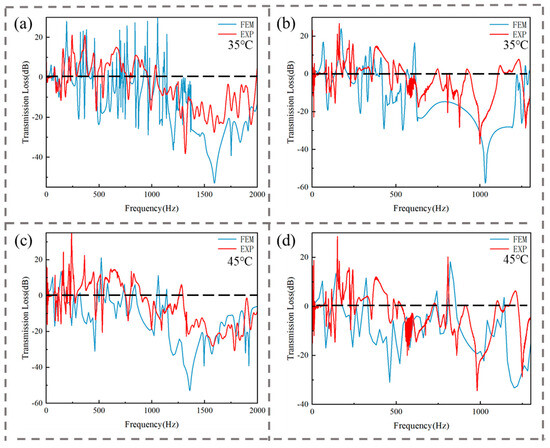
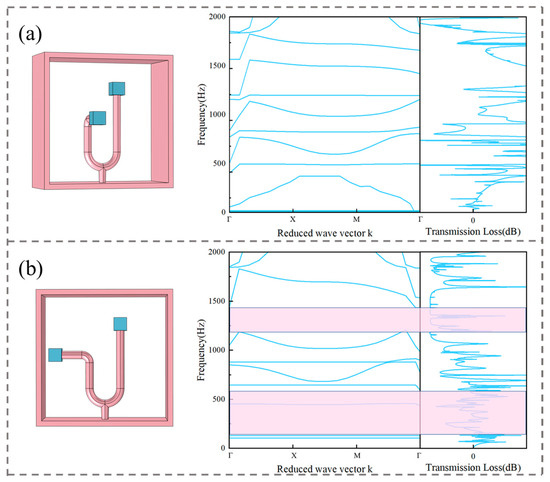
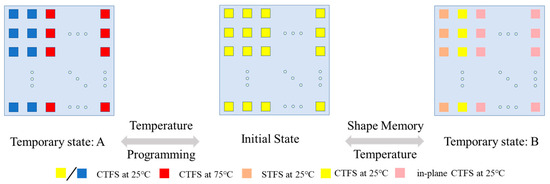
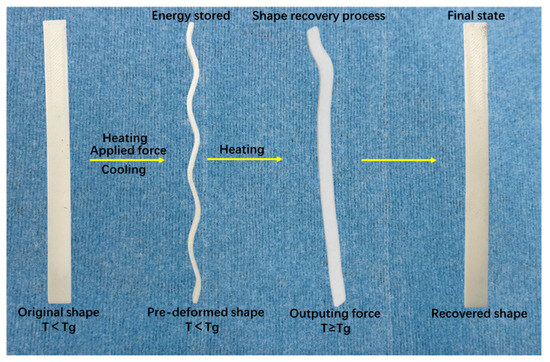
Honeycomb structures are widely utilized in engineering due to their light weight, high strength, high stiffness, excellent energy absorption, and outstanding vibration isolation performance. In this study, we propose a novel tuning fork–honeycomb megastructure, which demonstrates excellent tunable vibration isolation capabilities. The geometric configuration of the structure before and after shape memory–induced deformation is described, and a theoretical model for the natural frequency of the initial configuration is established. The vibration isolation performance of the structure is validated through simulations and experiments, and three strategies for tuning its vibrational behavior are proposed. First, by exploiting variable stiffness, shape memory materials are used to achieve a linear shift in the bandgap position. At 75 °C, the starting frequency of the bandgap decreases to 95% of its value at room temperature. Second, based on shape memory programming, the deformed structure exhibits a 20% reduction in the center frequency of the first bandgap and a 47% reduction in the center frequency of the second bandgap compared to the undeformed configuration. Then, by altering the geometry of the tuning fork structure, in–plane deformation is shown to provide superior low–frequency vibration isolation performance compared to out–of–plane deformation. Finally, the design method of programmable mechanical pixel metamaterials is introduced. This method achieves tunable full–band vibration isolation through shape–memory–induced deformation and temperature–induced stiffness variation. It enhances the structural diversity, modularity, and reconfigurability. Moreover, a shape memory tuning fork structure could be combined with any type of cellular structure with excellent vibration isolation performance. It offers a new paradigm for designing structures with adjustable wide–frequency vibration isolation performance.
Full article
(This article belongs to the Special Issue Vibration in 2025)
►▼
Show Figures

Figure 1
Open AccessArticle
An Adverse Outcome Resulting from an Aftermarket Modification of a Suspension Seat: A Sentinel Health Event Investigation
by
Eckardt Johanning
Vibration 2026, 9(1), 11; https://doi.org/10.3390/vibration9010011 - 10 Feb 2026
Abstract
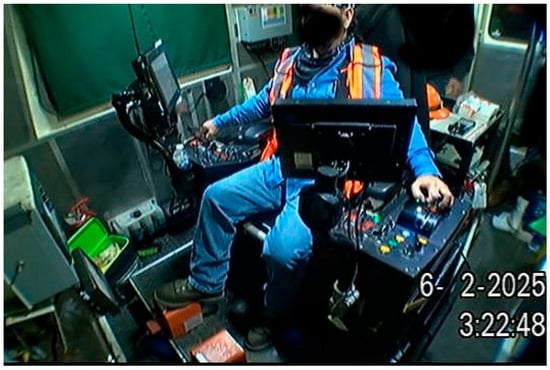
In a sentinel health event investigation of a back disorder claim, the vibration exposure and ergonomic function of a modified suspension seat were assessed. Background: In a forensic occupational injury investigation, an aftermarket-altered operator seat in a railroad rail-track tamper machine was evaluated.
[...] Read more.
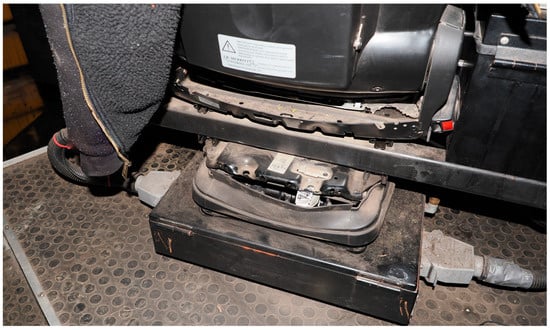
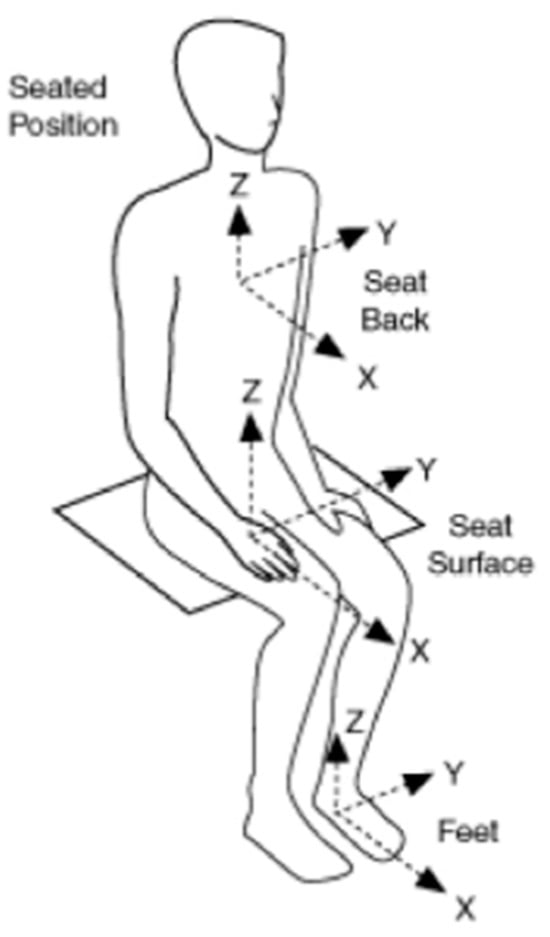
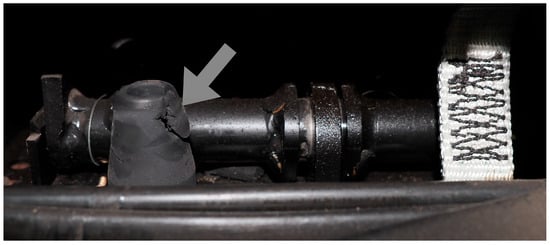
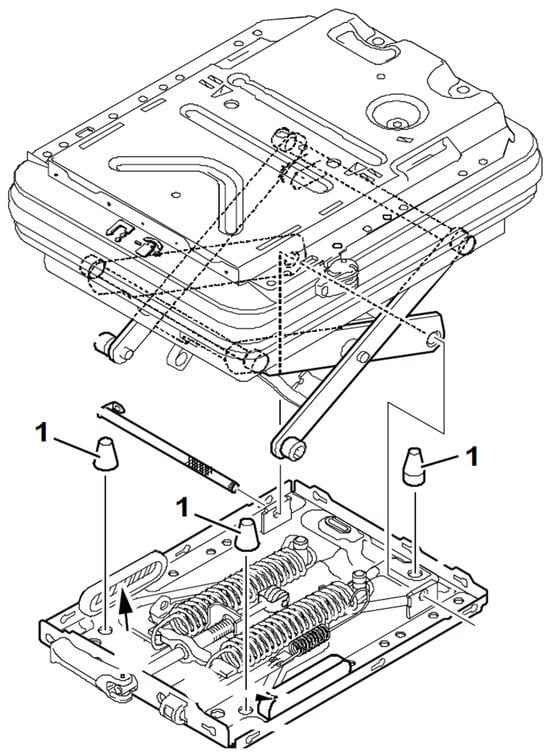
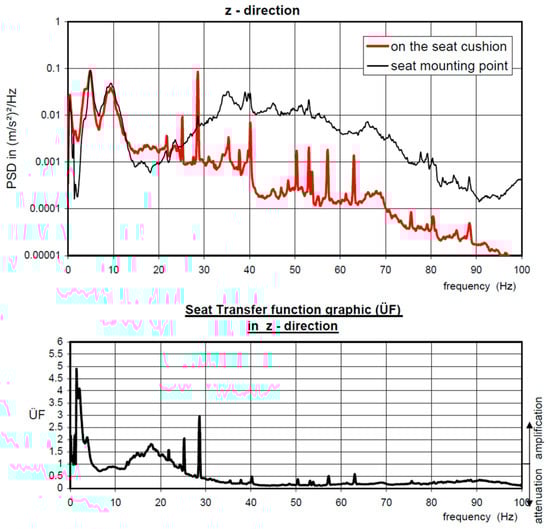
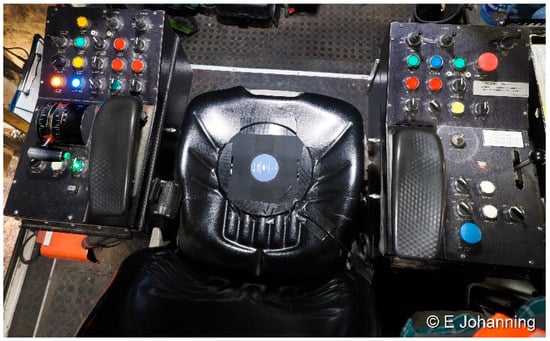
In a sentinel health event investigation of a back disorder claim, the vibration exposure and ergonomic function of a modified suspension seat were assessed. Background: In a forensic occupational injury investigation, an aftermarket-altered operator seat in a railroad rail-track tamper machine was evaluated. Methods: Detailed whole-body vibration (WBV) exposure measurements were conducted according to current applicable technical standards and guidelines (i.e., ISO 2631-1:1997) on a 09-16 DYNACAT Continuous Action Tamper with Stabilizer during routine track repair services. The modified Grammer Mfg. suspension operator seat was evaluated for performance and ergonomic features (i.e., adjustability, posture, and suspension quality). Results: The tested seat appeared to underperform and was overloaded with the aftermarket control devices, attachments and modifications. The suspension system’s end-stopper was damaged. The seat system had excessive play and wobbles; it was not firmly braced and attached. The vector sum (av) results ranged from 0.26 m/s2 (no tamping) to a maximal 0.55 m/s2 (tamping). The seat transfer (SEAT) analysis showed magnification of vibration input and variable performance of the suspension depending on operational tasks. Conclusions: The modified suspension seat underperformed and seemed to magnify and worsen the vibration, jolts and shock exposures of the seated operator. The heavy and bulky seat modifications likely limited the suspension function. The malfunctioning seat was more likely than not a contributing factor in the pathogenesis of the spinal disorders of the injured machine operator.
Full article
(This article belongs to the Special Issue Whole-Body Vibration and Hand-Arm Vibration Related to ISO-TC108-SC4 Published Standards)
►▼
Show Figures

Figure 1
Open AccessEditorial
Editorial for the Special Issue of Vibration: Nonlinear Vibration of Mechanical Systems
by
Francesco Pellicano, Yuri V. Mikhlin, Konstantin V. Avramov and Antonio Zippo
Vibration 2026, 9(1), 10; https://doi.org/10.3390/vibration9010010 - 5 Feb 2026
Abstract
Nonlinear vibration phenomena play a central role in modern engineering, spanning applications from large-scale civil infrastructure to microscale and nanoscale systems [...]
Full article
(This article belongs to the Special Issue Nonlinear Vibration of Mechanical Systems)
Open AccessArticle
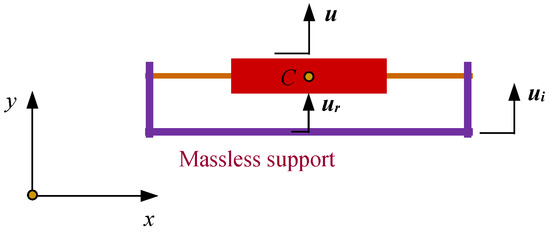
Frequency Model of Fixed-Ends Collinear System with Two Flexible Members and One Rigid Connector by Lumped-Parameter, Compliance-Based Matrix Method
by
Nicolae Lobontiu
Vibration 2026, 9(1), 9; https://doi.org/10.3390/vibration9010009 - 2 Feb 2026
Abstract
►▼
Show Figures
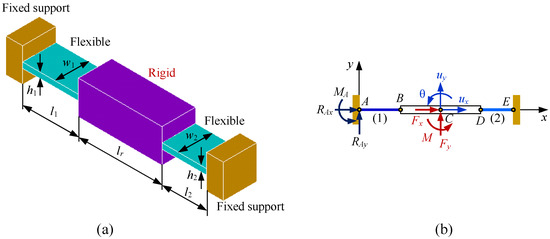
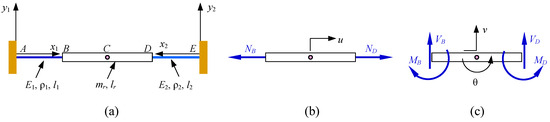
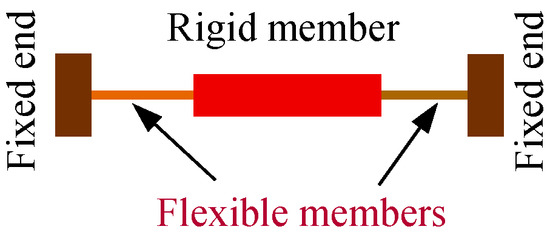
A new lumped-parameter matrix method is proposed to model the decoupled, in-plane longitudinal and transverse free undamped vibrations of a collinear system with fixed ends and formed of two end flexible and prismatic members linked by a middle rigid connector. The method calculates
[...] Read more.
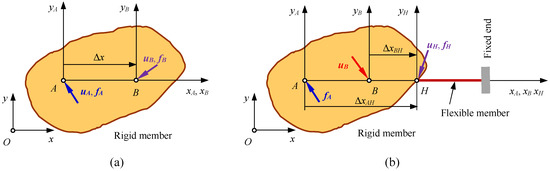
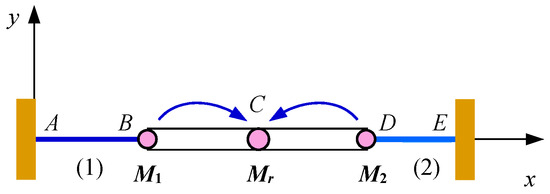
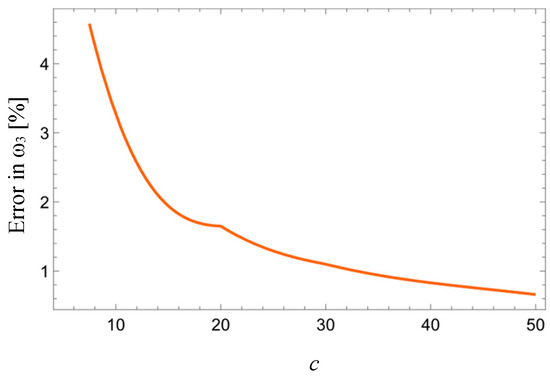
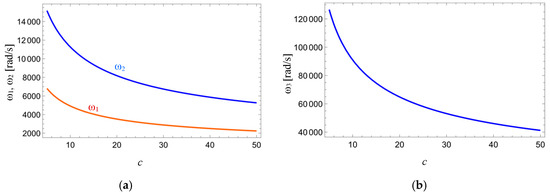
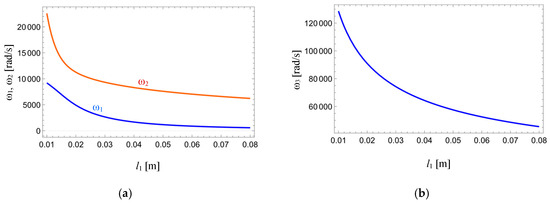
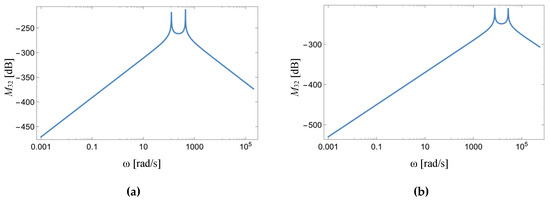
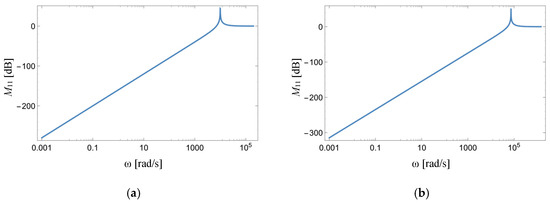
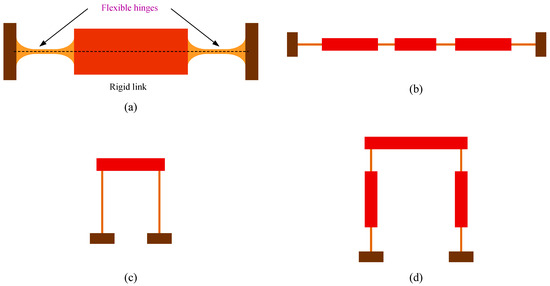
A new lumped-parameter matrix method is proposed to model the decoupled, in-plane longitudinal and transverse free undamped vibrations of a collinear system with fixed ends and formed of two end flexible and prismatic members linked by a middle rigid connector. The method calculates the natural frequencies associated with the system’s three degrees of freedom by solving a linear algebraic characteristic equation related to the dynamic matrix, which is obtained from the system compliance and mass matrices. The linear, small-displacement model characterizes either long or short beams by adequately formulating the compliance and mass matrices. The lumped-parameter model is comprehensively validated by two separate distributed-parameter models, which determine the system’s longitudinal-vibration and long-beam, bending-vibration natural frequencies. Numerical simulations are performed with the lumped-parameter model to identify the sensitivity of the natural frequencies to system parameters variations and model variants. The system’s matrices are also utilized to perform frequency-domain analysis of the three-member system in a displacement/acceleration sensing application. The method can be adapted and expanded to describe more complex configurations with multiple, non-collinear, and non-prismatic members.
Full article

Figure 1

Highly Accessed Articles
Latest Books
E-Mail Alert
News
Topics
Special Issues
Special Issue in
Vibration
Digital Twins and Smart Monitoring of Concrete and Masonry Structures Under Seismic Loads
Guest Editors: Marina Nikolić, Ante Buzov, Marija Smilovic Zulim, Liangfu GeDeadline: 30 April 2026
Special Issue in
Vibration
Vibration Control and Energy Harvesting Towards Autonomous Structural Systems
Guest Editors: Bao Zhao, Xin Li, Yifei XuDeadline: 1 June 2026
Special Issue in
Vibration
New Trends in Experimental and Numerical Vibroacoustic Techniques—Physics Guided and Datas Guided Approaches
Guest Editors: Mohamed Ichchou, Noureddine BouhaddiDeadline: 25 August 2026
Special Issue in
Vibration
Free Vibration and Dynamic Characteristics of Microheterogeneous Materials and Structures
Guest Editors: Jarosław Jędrysiak, Piotr Ostrowski, Jakub MarczakDeadline: 20 September 2026