Special Issue "Electric Vehicles: New Challenges and Opportunities for Sustainability"

A special issue of Sustainability (ISSN 2071-1050). This special issue belongs to the section "Energy Sustainability".

Deadline for manuscript submissions: 31 December 2021.

Special Issue Editors

Prof. Dr. João L. Afonso
E-Mail Website
Guest Editor
Department of Industrial Electronics, School of Engineering, University of Minho, 4800-058 Guimaraes, Portugal
Interests: power electronics; power quality; active power filters; renewable energy; energy efficiency; electric vehicles; energy storage systems; battery charging systems; smart grids; smart cities; smart homes; technologies for innovative railway systems
Special Issues and Collections in MDPI journals

Special Issue Information

Dear Colleagues,

Aiming to mitigate the negative effect of climate change, while maintaining social prosperity as a priority, the broad theme of sustainability is vital targeting a balance between economic growth and sustainable mobility. In this context, as a consequence of climate change concerns, the automotive industry is facing major investments targeting to reduce the dependence from fossil fuels. Therefore, the transportation sector is changing to the electric mobility paradigm, entailing a set of important questions about sustainability, namely about the required electricity for driving an electric vehicle, the environmental impacts due to require energy to produce the EV (including the batteries), and consequences related with recycling materials and the EV end-of-life. Covering all of these aspects under a smart grid scenario, also technologies as renewable energy sources, energy storage systems, and active conditioners, are emerging as new challenges and opportunities within the scope of the electric mobility for sustainability. This special issue ambitions to consolidate the present and future perspectives of electric mobility for sustainability, consequently, are invited original contributions including review papers, from different perspectives, including Ph.D. students, academic scientists, researchers, and professional communities. The topics of interest are related with (but not limited to):

  • Renewable energy sources and energy storage systems as support of electric mobility
  • Operation modes for the electric mobility (e.g., G2V, V2G, V2H, and V4G modes)
  • Power quality, reliability and security in smart grids
  • Demand response programs including electric mobility
  • Technologies for smart grids, smart homes, and smart cities as support of electric mobility
  • New topologies of power electronics converters for on-board and off-board chargers
  • Economic and environmental issues of electric mobility
  • Environmental impact and life-cycle assessment about the electric mobility
  • Technologies of battery electric vehicles, hybrid electric vehicles, range-extended electric vehicles
  • Analysis of cost and emissions associated with electric mobility
  • New technologies of on-board energy storage systems for electric mobility
  • Analysis of well-to-tank, well-to-wheel, and tank-to-wheel
  • Options and issues for the electric mobility concerning end-of-life

Dr. Vítor Monteiro
Prof. Dr. João L. Afonso
Guest Editors

Manuscript Submission Information

Manuscripts should be submitted online at www.mdpi.com by registering and logging in to this website. Once you are registered, click here to go to the submission form. Manuscripts can be submitted until the deadline. All papers will be peer-reviewed. Accepted papers will be published continuously in the journal (as soon as accepted) and will be listed together on the special issue website. Research articles, review articles as well as short communications are invited. For planned papers, a title and short abstract (about 100 words) can be sent to the Editorial Office for announcement on this website.

Submitted manuscripts should not have been published previously, nor be under consideration for publication elsewhere (except conference proceedings papers). All manuscripts are thoroughly refereed through a single-blind peer-review process. A guide for authors and other relevant information for submission of manuscripts is available on the Instructions for Authors page. Sustainability is an international peer-reviewed open access semimonthly journal published by MDPI.

Please visit the Instructions for Authors page before submitting a manuscript. The Article Processing Charge (APC) for publication in this open access journal is 1900 CHF (Swiss Francs). Submitted papers should be well formatted and use good English. Authors may use MDPI's English editing service prior to publication or during author revisions.

Keywords

  • demand response
  • energy storage systems
  • electric mobility
  • environmental issues
  • end-of-life
  • life-cycle assessment
  • operation modes
  • power quality
  • renewable energy sources
  • smart grids
  • power electronics
  • tank-to-wheel
  • well-to-tank
  • well-to-wheel

Published Papers (12 papers)

Order results
Result details
Select all
Export citation of selected articles as:

Research

Jump to: Review

Article
Role of Model Predictive Control for Enhancing Eco-Driving of Electric Vehicles in Urban Transport System of Japan
Sustainability 2021, 13(16), 9173; https://doi.org/10.3390/su13169173 - 16 Aug 2021
Viewed by 705
Abstract
Electrification alters the energy demand and environmental impacts of vehicles, which brings about new challenges for sustainability in the transport sector. To further enhance the energy economy of electric vehicles (EVs) and offer an energy-efficient driving strategy for next-generation intelligent mobility in daily [...] Read more.
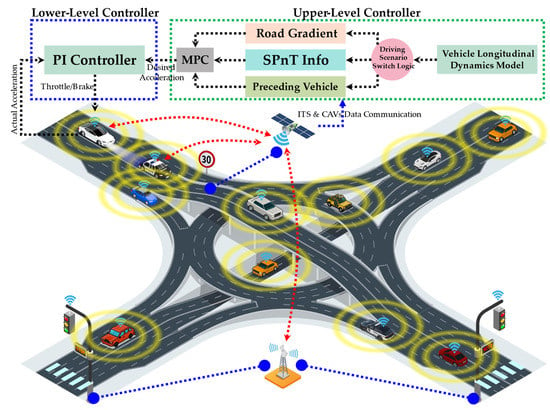
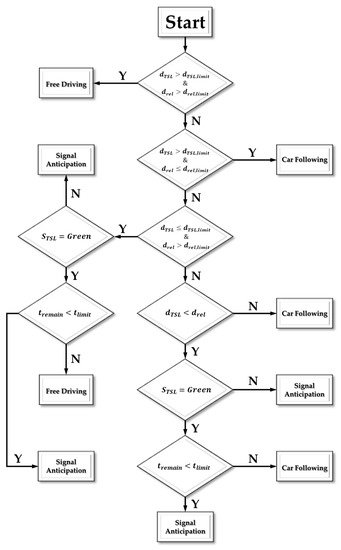
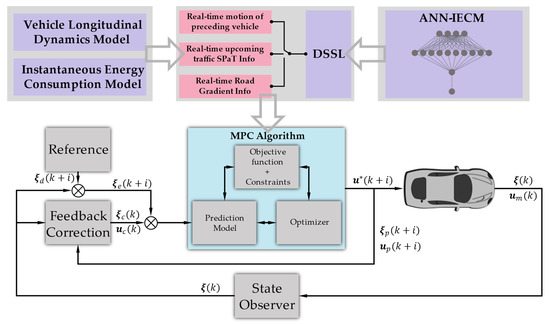
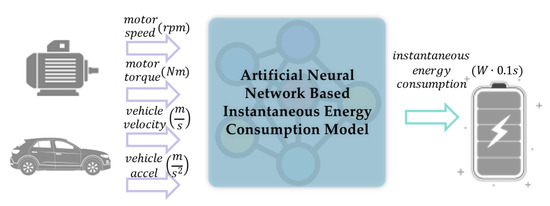
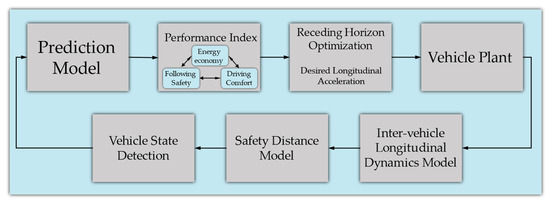
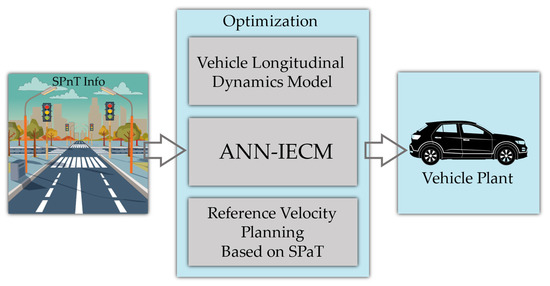
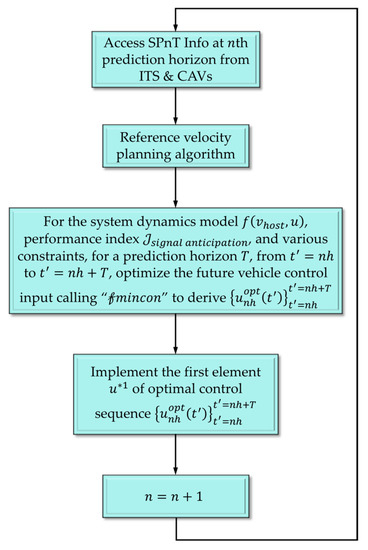
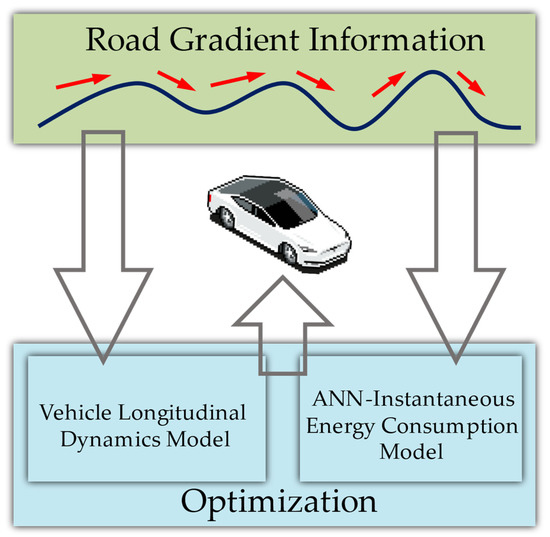
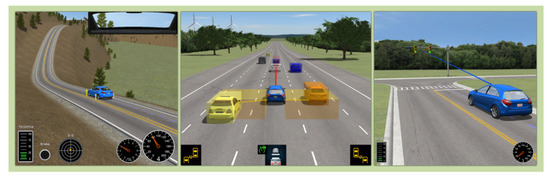
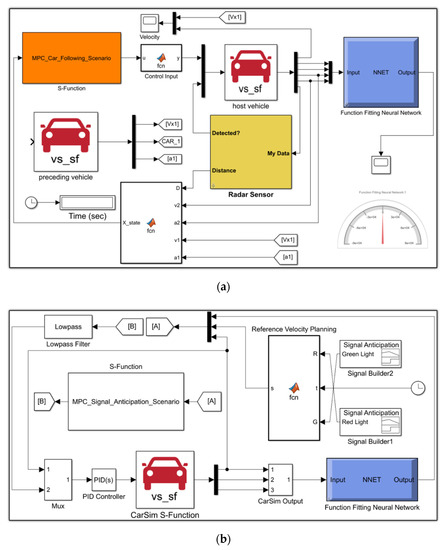
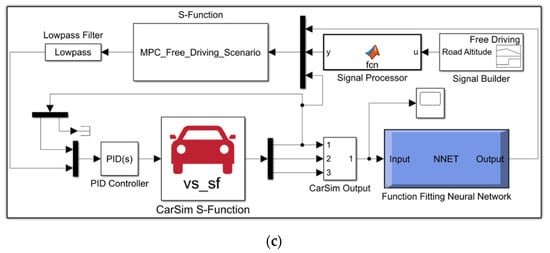
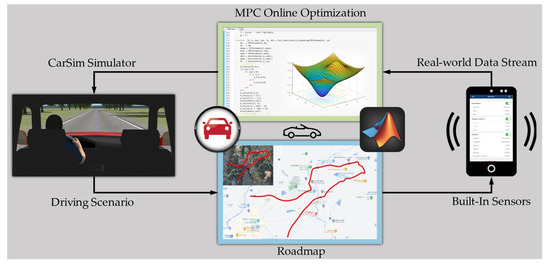
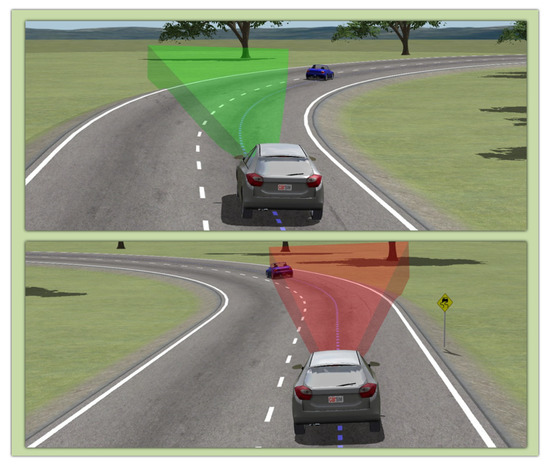
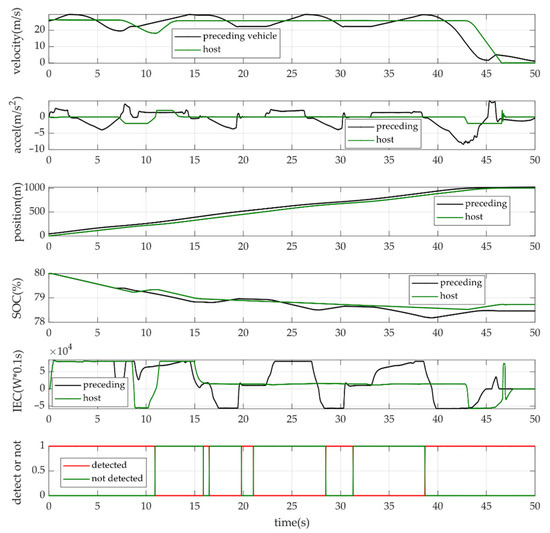
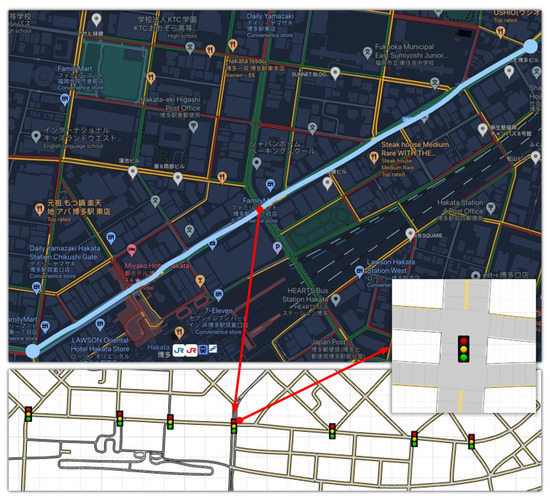
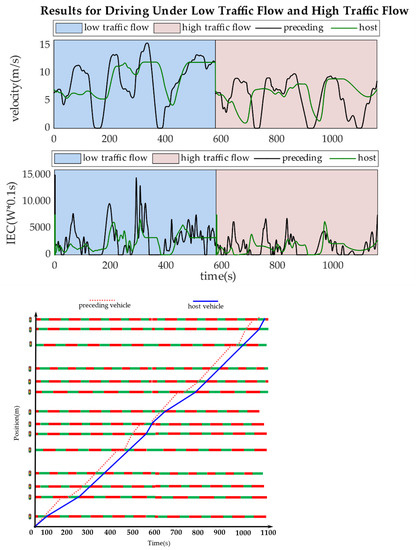
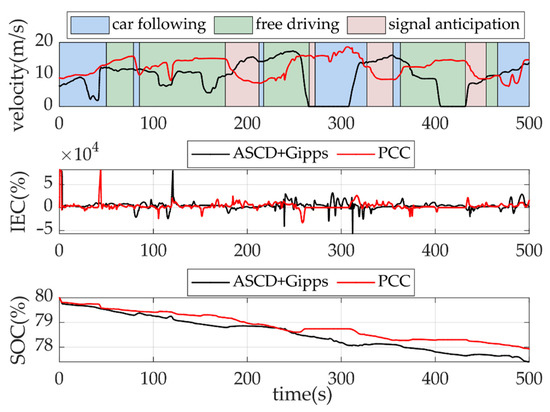
Electrification alters the energy demand and environmental impacts of vehicles, which brings about new challenges for sustainability in the transport sector. To further enhance the energy economy of electric vehicles (EVs) and offer an energy-efficient driving strategy for next-generation intelligent mobility in daily synthetic traffic situations with mixed driving scenarios, the model predictive control (MPC) algorithm is exploited to develop a predictive cruise control (PCC) system for eco-driving based on a detailed driving scenario switching logic (DSSL). The proposed PCC system is designed hierarchically into three typical driving scenarios, including car-following, signal anticipation, and free driving scenario, using one linear MPC and two nonlinear MPC controllers, respectively. The performances of the proposed tri-level MPC-based PCC system for EV eco-driving were investigated by a numerical simulation using the real road and traffic data of Japan under three typical driving scenarios and an integrated traffic situation. The results showed that the proposed PCC system can not only realize driving safety and comfortability, but also harvest considerable energy-saving rates during either car-following (16.70%), signal anticipation (12.50%), and free driving scenario (30.30%), or under the synthetic traffic situation (19.97%) in urban areas of Japan. Full article
Show Figures

Figure 1

Article
Electric Vehicles in Jordan: Challenges and Limitations
Sustainability 2021, 13(6), 3199; https://doi.org/10.3390/su13063199 - 15 Mar 2021
Viewed by 605
Abstract
An increasing number of electric vehicles (EVs) are replacing gasoline vehicles in the automobile market due to the economic and environmental benefits. The high penetration of EVs is one of the main challenges in the future smart grid. As a result of EV [...] Read more.
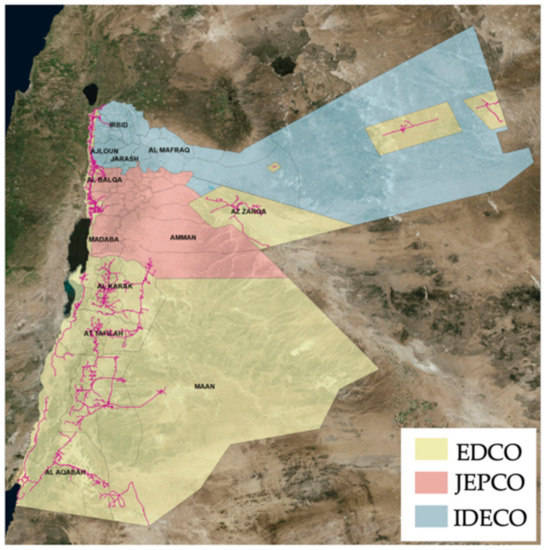
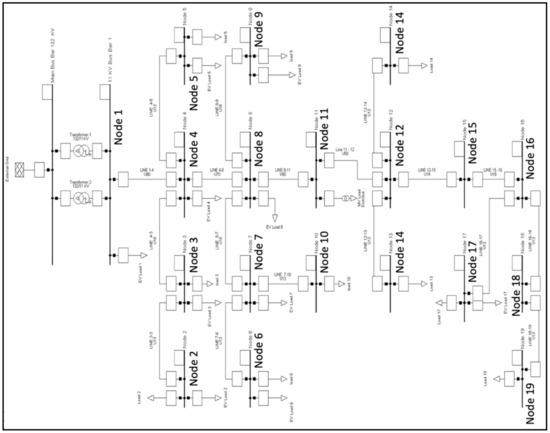
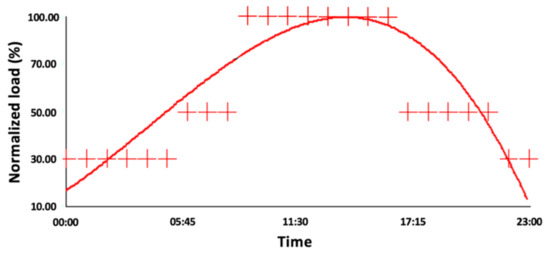
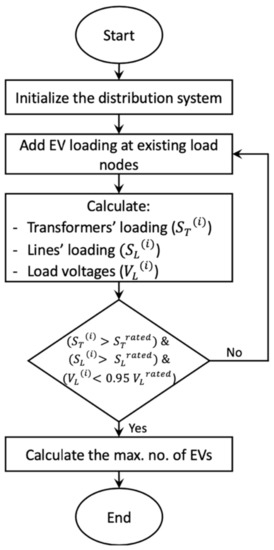
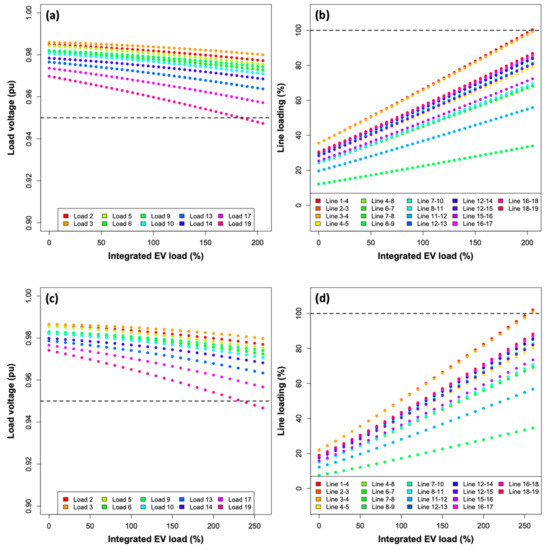
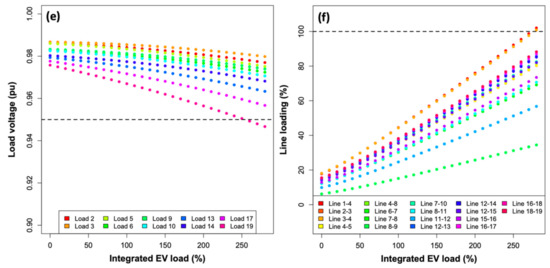
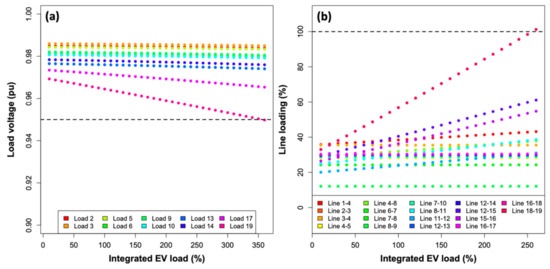
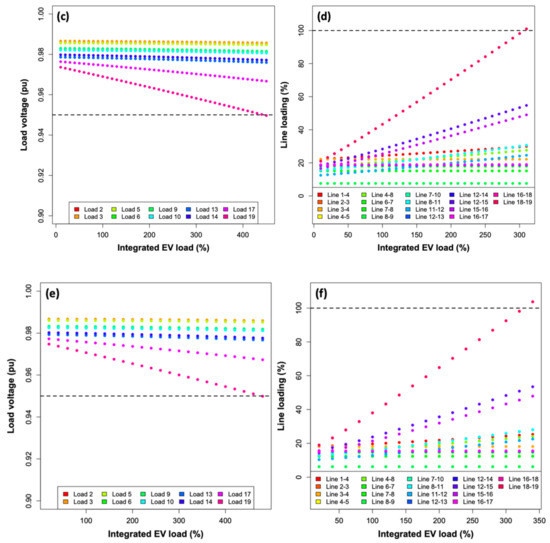
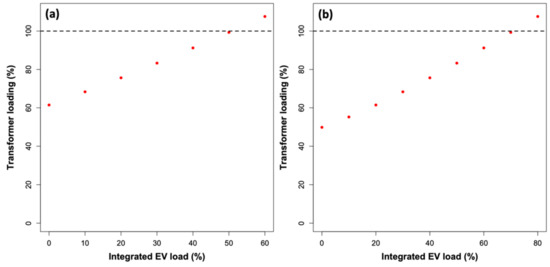
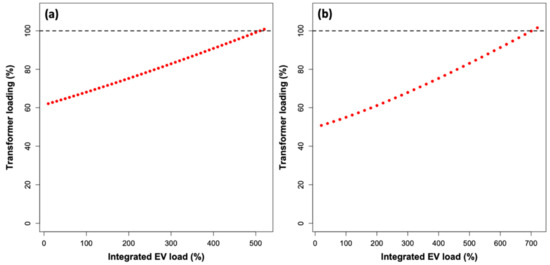
An increasing number of electric vehicles (EVs) are replacing gasoline vehicles in the automobile market due to the economic and environmental benefits. The high penetration of EVs is one of the main challenges in the future smart grid. As a result of EV charging, an excessive overloading is expected in different elements of the power system, especially at the distribution level. In this paper, we evaluate the impact of EVs on the distribution system under three loading conditions (light, intermediate, and full). For each case, we estimate the maximum number of EVs that can be charged simultaneously before reaching different system limitations, including the undervoltage, overcurrent, and transformer capacity limit. Finally, we use the 19-node distribution system to study these limitations under different loading conditions. The 19-node system is one of the typical distribution systems in Jordan. Our work estimates the upper limit of the possible EV penetration before reaching the system stability margins. Full article
Show Figures

Figure 1

Article
Energy-Saving of Battery Electric Vehicle Powertrain and Efficiency Improvement during Different Standard Driving Cycles
Sustainability 2020, 12(24), 10466; https://doi.org/10.3390/su122410466 - 14 Dec 2020
Cited by 3 | Viewed by 766
Abstract
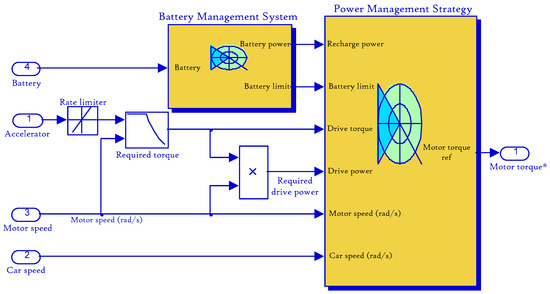
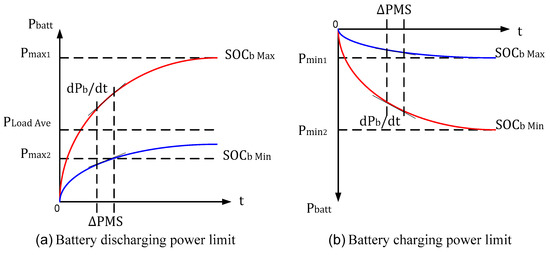
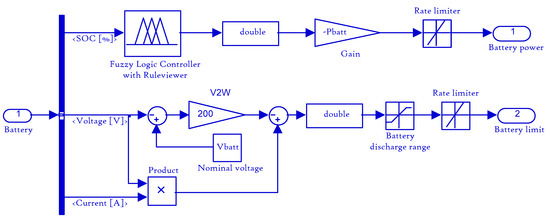
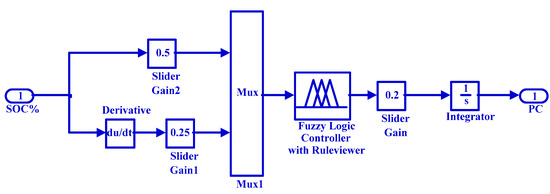
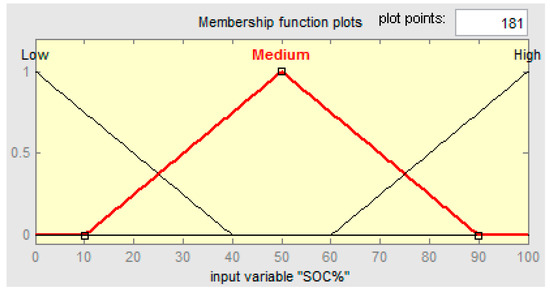
This article focuses on the energy-saving of each driving distance for battery electric vehicle (BEV) applications, by developing a more effective energy management strategy (EMS), under different driving cycles. Fuzzy logic control (FLC) is suggested to control the power management unit (PMU) for [...] Read more.
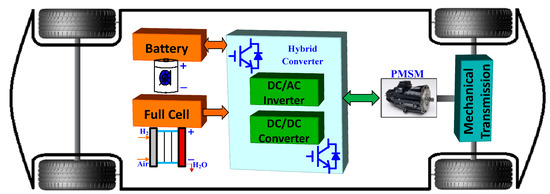
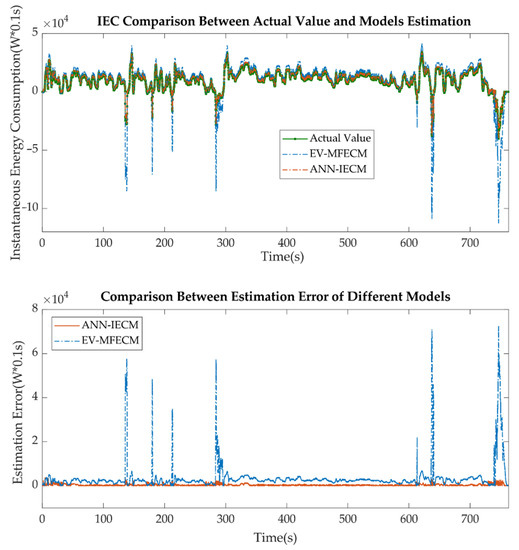
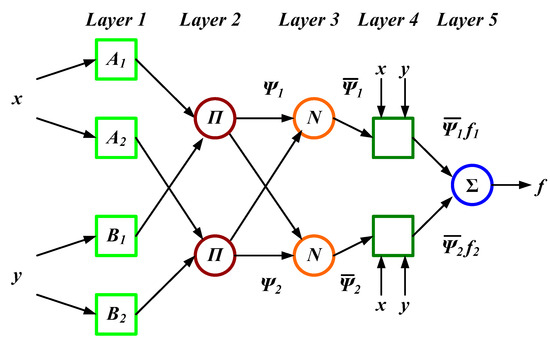
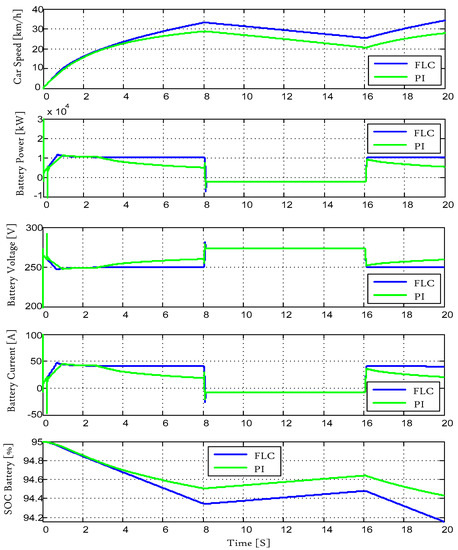
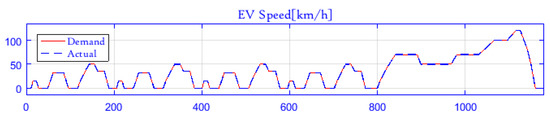
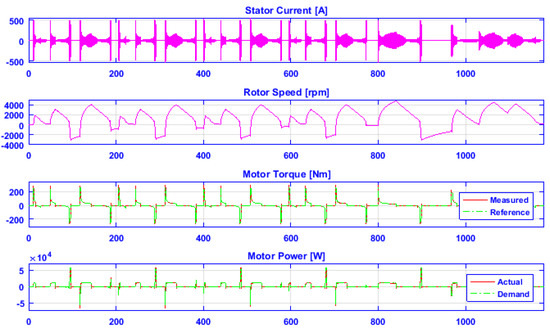
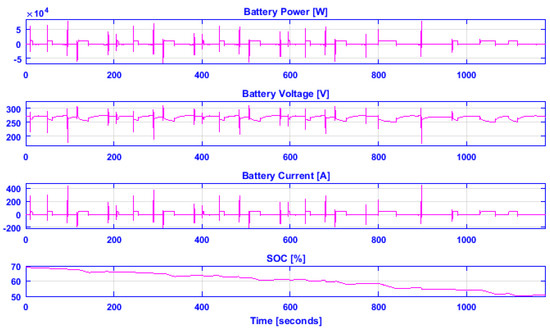
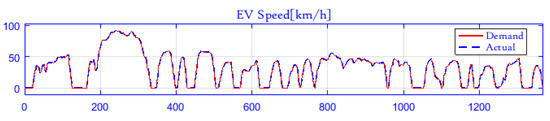
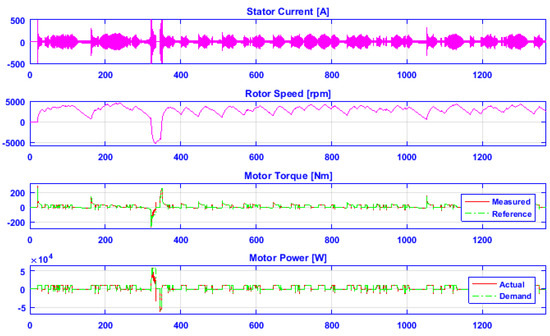
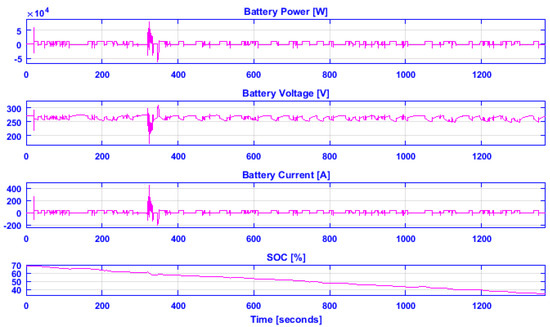
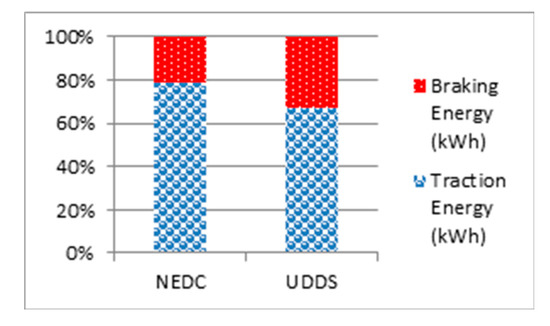
This article focuses on the energy-saving of each driving distance for battery electric vehicle (BEV) applications, by developing a more effective energy management strategy (EMS), under different driving cycles. Fuzzy logic control (FLC) is suggested to control the power management unit (PMU) for the battery management system (BMS) for BEV applications. The adaptive neural fuzzy inference system (ANFIS) is a modeling technique that is mainly based on data. Membership functions and FLC rules can be improved by simply training the ANFIS with real driving cycle data gathered from the MATLAB/SIMULINK program. Then, FLC console blocks are rewritten by enhanced membership functions by ANFIS traineeship. Two different driving cycles are chosen to check the improvement in the efficiency of this proposed system. The suggested control system is validated by simulation and comparison with the traditional proportional-integral (PI) control. The optimized FLC shows better energy-saving. Full article
Show Figures

Figure 1

Article
An Integrated Approach to Optimal Charging Scheduling of Electric Vehicles Integrated with Improved Medium-Voltage Network Reconfiguration for Power Loss Minimization
Sustainability 2020, 12(21), 9211; https://doi.org/10.3390/su12219211 - 05 Nov 2020
Cited by 4 | Viewed by 561
Abstract
The uncoordinated integration of electric vehicles (EVs) severely deteriorates the operational performance of a distribution network. To optimize distribution network performance in an EV charging environment, this paper presents a two-stage optimization approach, which integrates coordinated EV charging with network reconfiguration. A formulation [...] Read more.
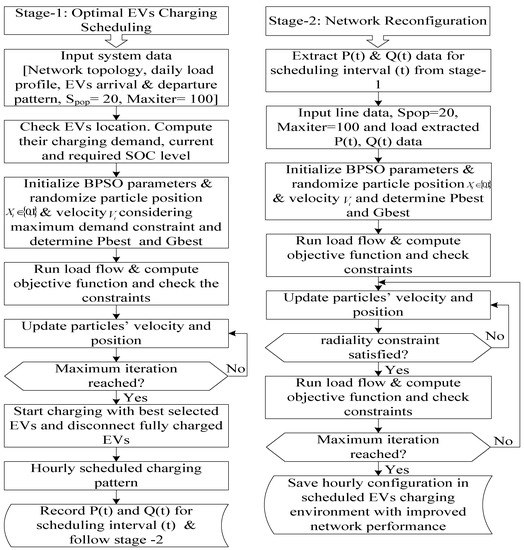
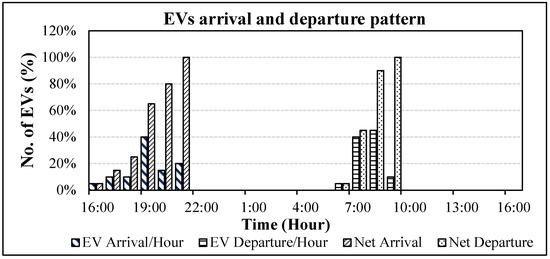
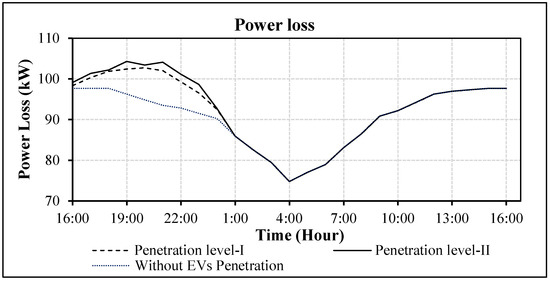
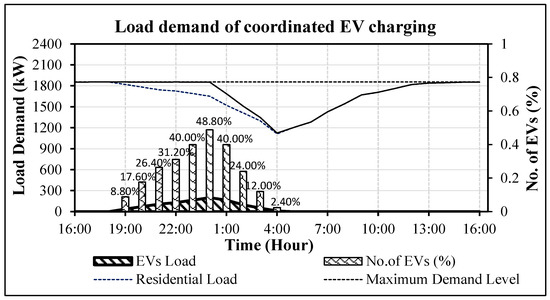
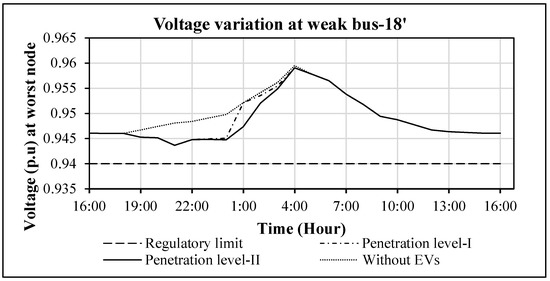
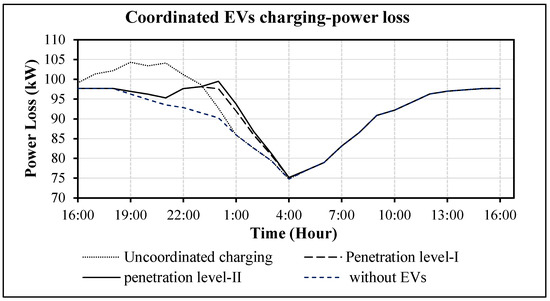
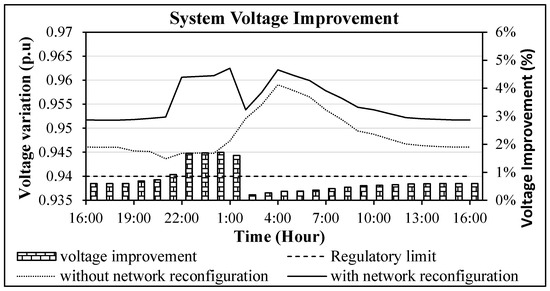
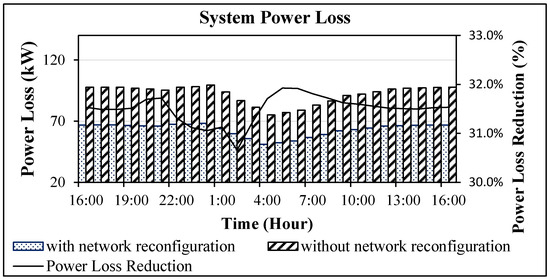
The uncoordinated integration of electric vehicles (EVs) severely deteriorates the operational performance of a distribution network. To optimize distribution network performance in an EV charging environment, this paper presents a two-stage optimization approach, which integrates coordinated EV charging with network reconfiguration. A formulation to minimize system power loss is presented, and an optimal solution is obtained using a binary particle swarm optimization algorithm. The proposed approach is tested on a modified IEEE 33-bus medium-voltage node test system, coupled with a low voltage distribution network. Results of the coordinated and uncoordinated EV charging are compared with those of the developed integrated approach, and the operational performance of the system is studied. The results show that the integration of network reconfiguration with coordinated EV charging significantly decreases network power losses and fairly improves voltage profile. Thus, the proposed strategy can lead to improved operational performance of the system while dealing with the growing penetration of EVs in the network. Full article
Show Figures

Figure 1

Article
Reducing Commuter CO2 Footprint through Transit PV Electrification
Sustainability 2020, 12(16), 6406; https://doi.org/10.3390/su12166406 - 09 Aug 2020
Viewed by 801
Abstract
The transport sector is a major consumer of energy, and thus a major contributor to greenhouse gas (GHG) emissions. The introduction of Electric Vehicles (EVs) has helped in mitigating some of the energy demands presented by the transportation system, though the electrical energy [...] Read more.
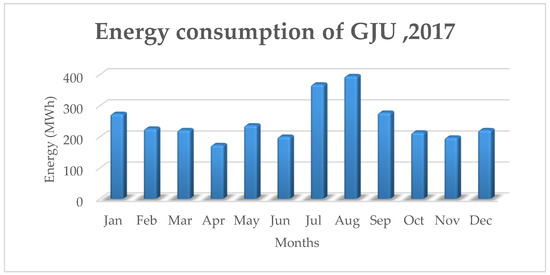
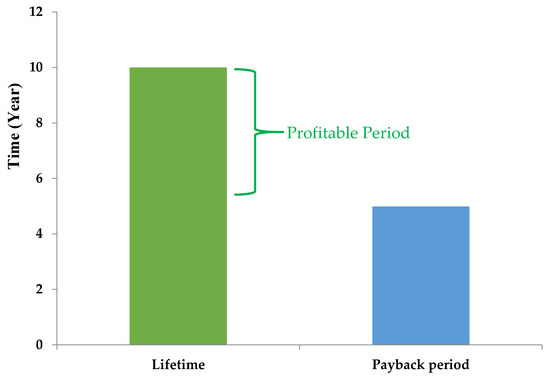
The transport sector is a major consumer of energy, and thus a major contributor to greenhouse gas (GHG) emissions. The introduction of Electric Vehicles (EVs) has helped in mitigating some of the energy demands presented by the transportation system, though the electrical energy still needs to be secured through conventional and renewable resources. Searching for a new power source for vehicles has become necessary, due to incentives and policy initiatives to counter fossil greenhouse gas emissions. This study provides a new efficient Photovoltaic (PV) powered transportation system, which may be utilized instead of traditional public transportation systems. The main idea is to transform the transportation systems used by large campuses into green systems by deploying educated scheduling approaches and utilizing existing renewable energy infrastructures. The German Jordan University (GJU) campus was chosen as a case study. The presented work describes a comprehensive methodology to exploit the full capacity of the existing PV power plant coupled with the rescheduling of the transportation fleet to meet the energy availability and consumption demand. The proposed technique audits the existing renewable energy power plants for optimum operation. The results validate the efficiency of the proposed system and its ability to reduce carbon dioxide (CO2) emissions compared to traditional transportation systems with an acceptable payback period. Full article

Show Figures

Figure 1

Article
A Fuzzy Demand-Profit Model for the Sustainable Development of Electric Vehicles in China from the Perspective of Three-Level Service Chain
Sustainability 2020, 12(16), 6389; https://doi.org/10.3390/su12166389 - 07 Aug 2020
Viewed by 815
Abstract
Electric vehicles have great potential in dramatically reducing environmental pollution, which has become an important strategic direction for future sustainable development. With the influence of policy support and market, the construction of new energy supply infrastructure in China has achieved remarkable outcomes. However, [...] Read more.
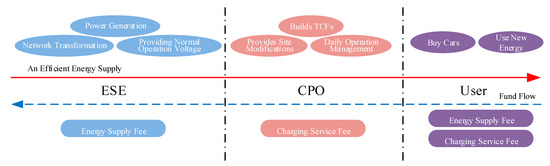
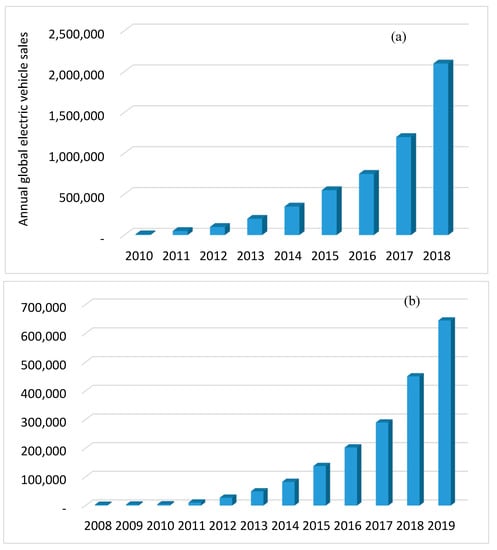
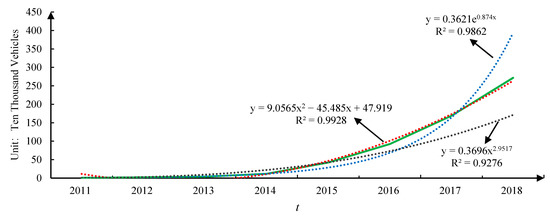
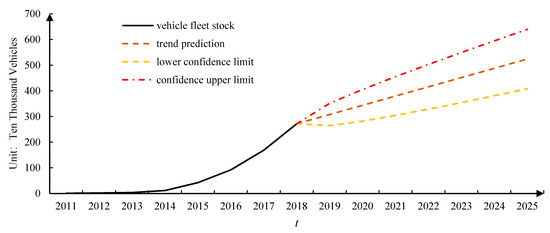
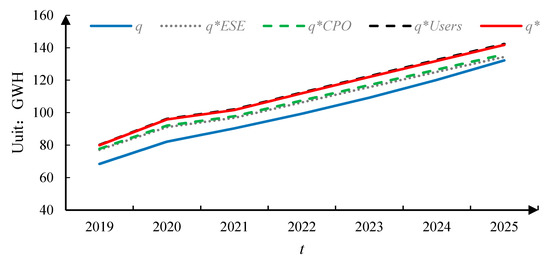
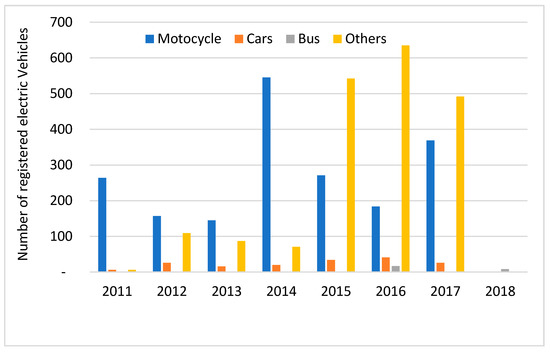
Electric vehicles have great potential in dramatically reducing environmental pollution, which has become an important strategic direction for future sustainable development. With the influence of policy support and market, the construction of new energy supply infrastructure in China has achieved remarkable outcomes. However, according to the actual use of the new energy supply facilities, there is still a severe imbalance between long queues and unattended charging stations in some areas. Therefore, this paper aims to establish a fuzzy demand-profit model to accurately optimize new energy supply from the perspective of the three-level service chain. Then, based on authoritative historical sales data of electric vehicles in China in 2011–2018, the model is used to analyze the fuzzy demand for electric vehicle charging capacity. The research results indicate that the fuzzy demand-profit model is an effective tool to promote the coordination of new energy supply, which will provide support for the sustainable development of electric vehicles in China. Full article
Show Figures

Figure 1

Article
Evaluation of Cost Competitiveness of Electric Vehicles in Malaysia Using Life Cycle Cost Analysis Approach
Sustainability 2020, 12(13), 5303; https://doi.org/10.3390/su12135303 - 30 Jun 2020
Cited by 4 | Viewed by 982
Abstract
The need to mitigate CO2 emissions from the transportation sector has necessitated the adoption of electric vehicles (EVs) and other forms of alternative vehicles. Despite the global rise of EVs demand as a complementary means of green transportations, the level of adoption [...] Read more.
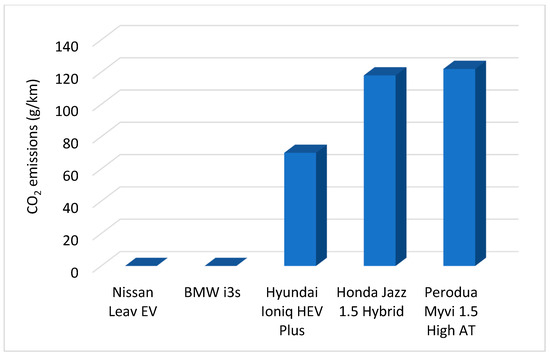
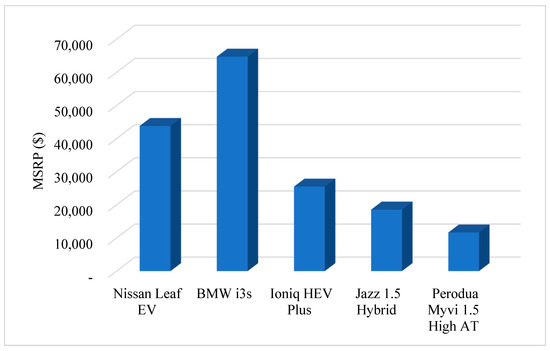
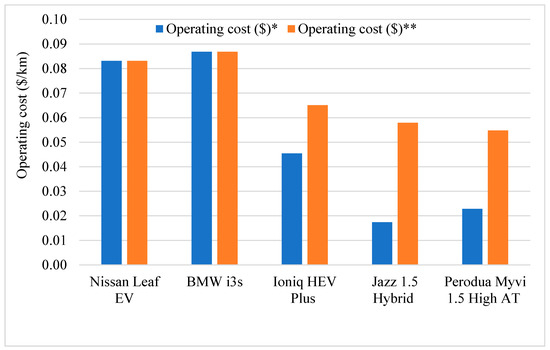
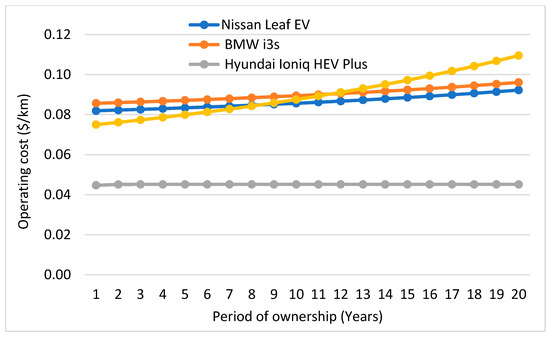
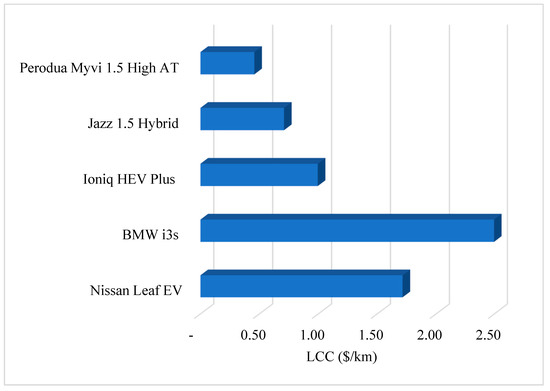
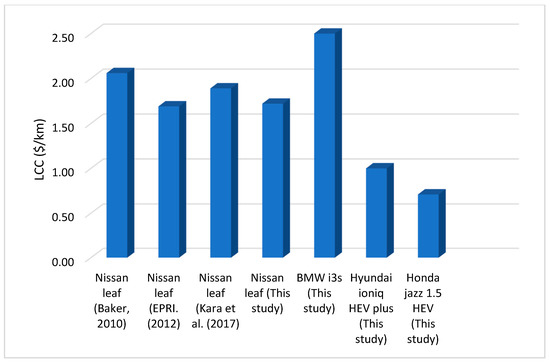
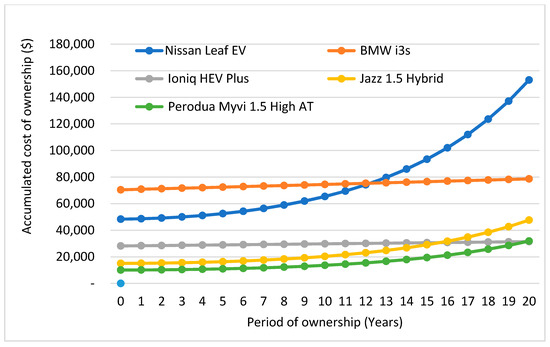
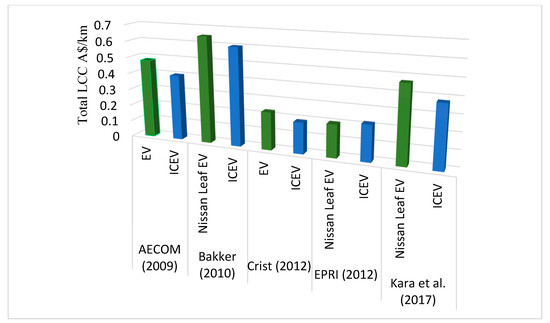
The need to mitigate CO2 emissions from the transportation sector has necessitated the adoption of electric vehicles (EVs) and other forms of alternative vehicles. Despite the global rise of EVs demand as a complementary means of green transportations, the level of adoption in Malaysia is still not encouraging. Therefore, this study aimed to investigate the cost competitiveness of EVs in comparison with Hybrid Electric Vehicles (HEVs) and an Internal Combustion Vehicle (ICV) based on Malaysia scenarios. Using the existing data in Malaysia, life cost analysis (LCC) of two EVs was computed and compared with HEVs and ICVs. The study shows that Nissan leaf and BMW i3s EVs with LCC of $1.75 and $2.5 per km are not cost-competitive based on prevalent data available in Malaysia compared to the HEVs and ICV. Based on the sensitivity analysis, changes in the components of the operating costs significantly influence the accumulated cost of ownership of the EVs whereas the cost of ownership of the HEVs and ICVs did not experience any significant influence. The findings from this study could serve as bases for policymakers to formulate appropriate policies and strategies to improve the competitiveness of EVs in Malaysia. Full article
Show Figures

Figure 1

Article
Analysis of Using Biogas Resources for Electric Vehicle Charging in Bangladesh: A Techno-Economic-Environmental Perspective
Sustainability 2020, 12(7), 2579; https://doi.org/10.3390/su12072579 - 25 Mar 2020
Cited by 13 | Viewed by 1579
Abstract
The growing popularity of electric vehicles (EV) is creating an increasing burden on the power grid in Bangladesh due to massive energy consumption. Due to this uptake of variable energy consumption, environmental concerns, and scarcity of energy lead to investigate alternative energy resources [...] Read more.
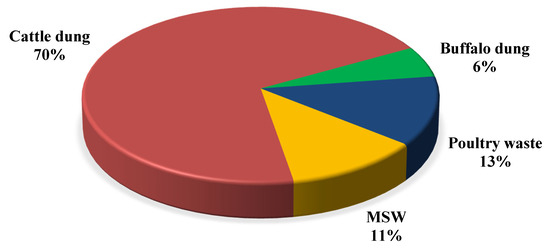
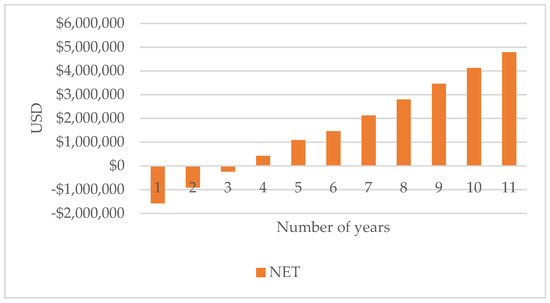
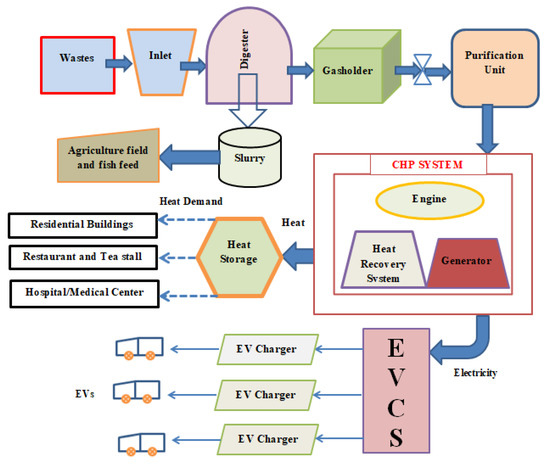
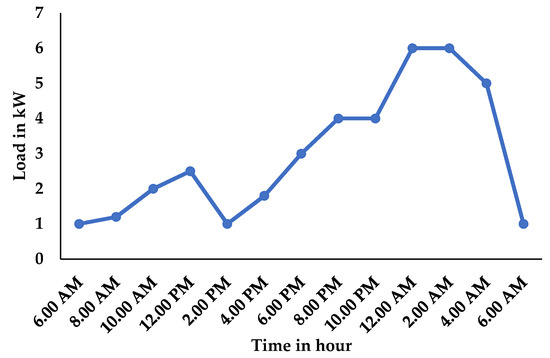
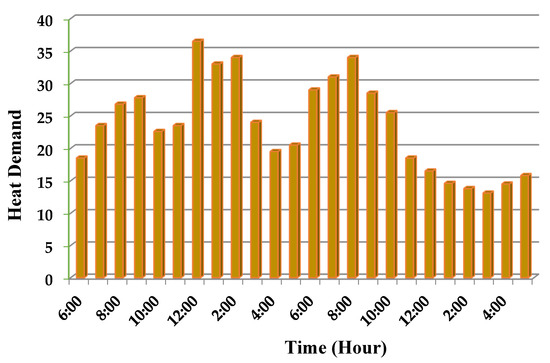
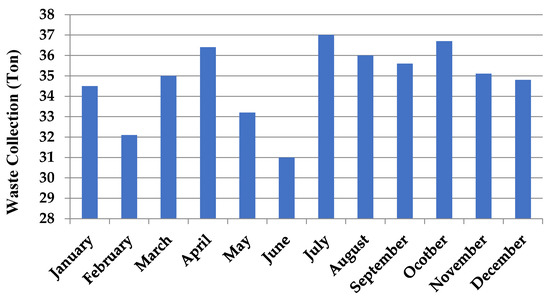
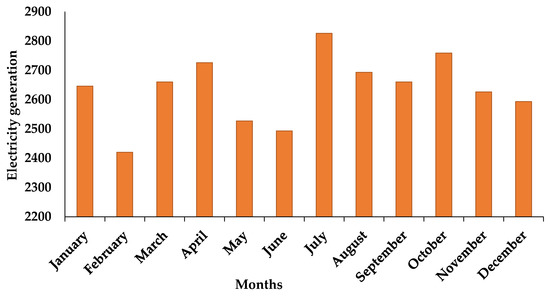
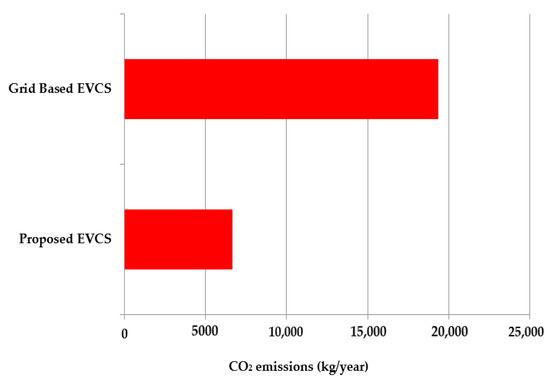
The growing popularity of electric vehicles (EV) is creating an increasing burden on the power grid in Bangladesh due to massive energy consumption. Due to this uptake of variable energy consumption, environmental concerns, and scarcity of energy lead to investigate alternative energy resources that are readily available and environment friendly. Bangladesh has enormous potential in the field of renewable resources, such as biogas and biomass. Therefore, this paper proposes a design of a 20 kW electric vehicle charging station (EVCS) using biogas resources. A comprehensive viability analysis is also presented for the proposed EVCS from technological, economic, and environmental viewpoints using the HOMER (Hybrid Optimization of Multiple Energy Resources) model. The viability result shows that with the capacity of 15–20 EVs per day, the proposed EVCS will save monthly $16.31 and $29.46, respectively, for easy bike and auto-rickshaw type electric vehicles in Bangladesh compare to grid electricity charging. Furthermore, the proposed charging station can reduce 65.61% of CO2 emissions than a grid-based charging station. Full article
Show Figures

Figure 1

Article
Locating Battery Swapping Stations for a Smart e-Bus System
Sustainability 2020, 12(3), 1142; https://doi.org/10.3390/su12031142 - 05 Feb 2020
Cited by 5 | Viewed by 1109
Abstract
With the growing interest and popularity of electric vehicles (EVs), the electrification of buses has been progressing recently. To achieve the seamless operation of electric buses (e-Buses) for public transportation, some bus stations should play the role of battery swapping station due to [...] Read more.
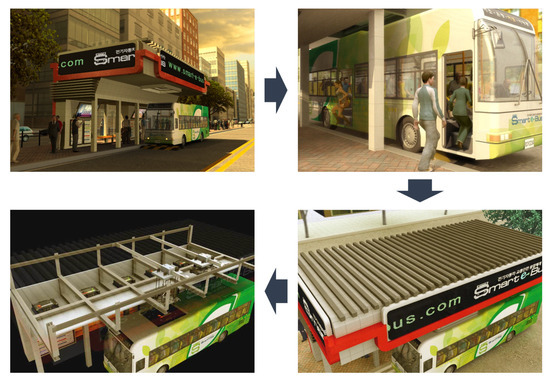
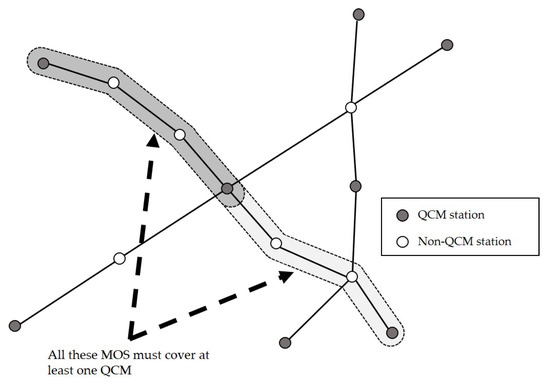
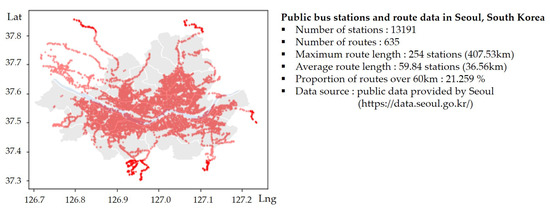
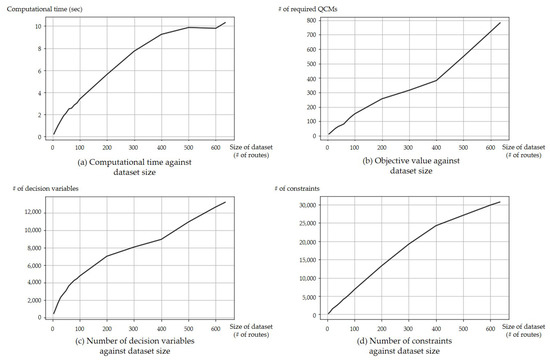
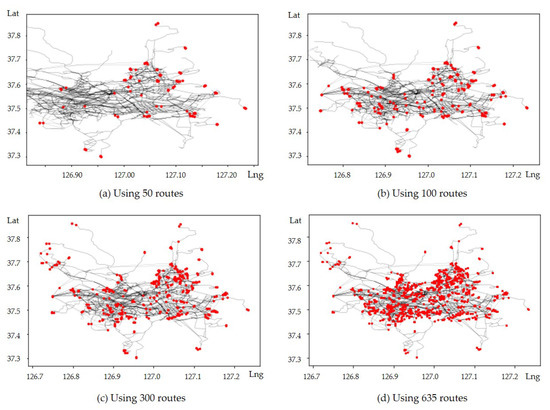
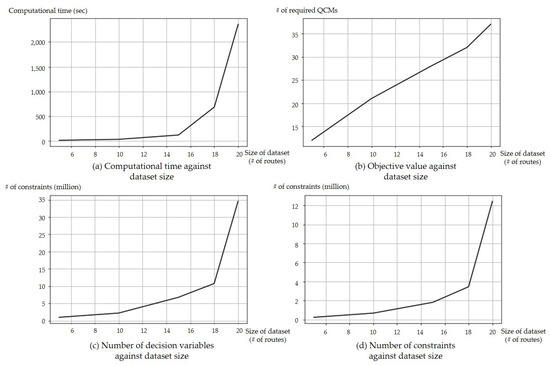
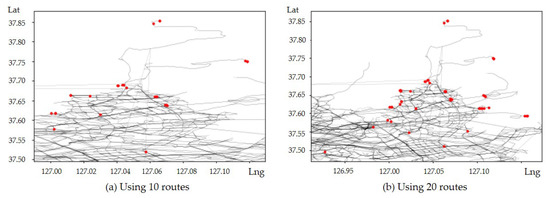
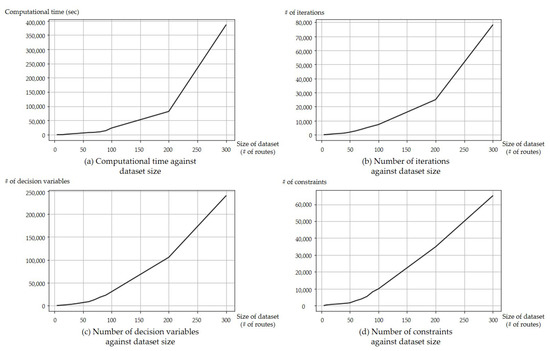
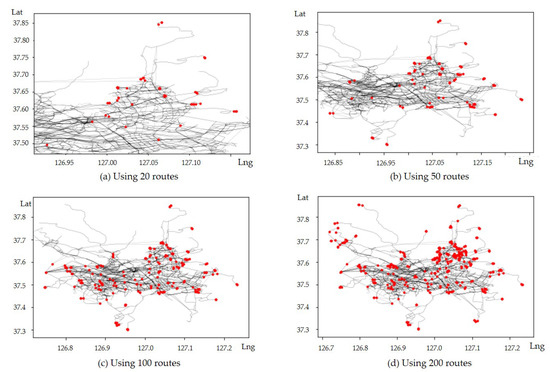
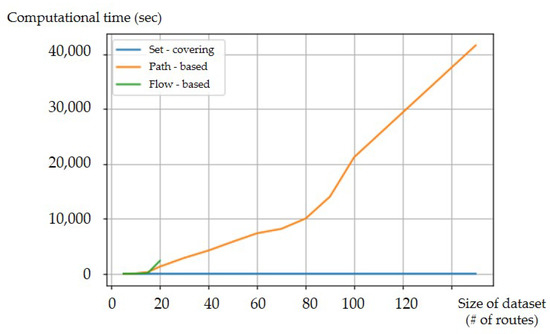
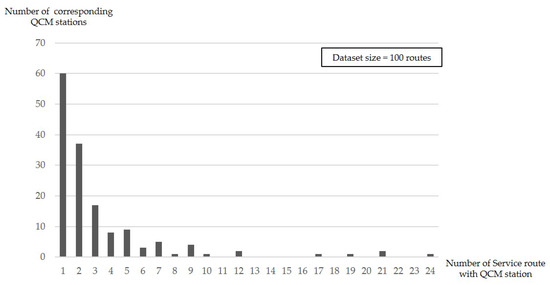
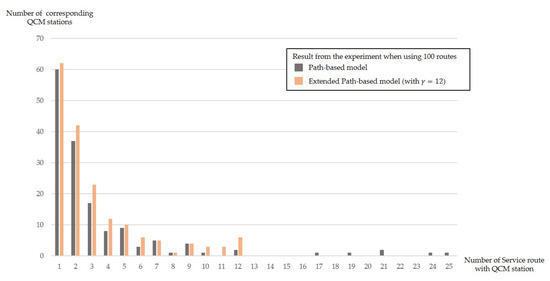
With the growing interest and popularity of electric vehicles (EVs), the electrification of buses has been progressing recently. To achieve the seamless operation of electric buses (e-Buses) for public transportation, some bus stations should play the role of battery swapping station due to the limited travel range of e-Buses. In this study, we consider the problem of locating battery swapping stations for e-Buses on a passenger bus traffic network. For this purpose, we propose three integer programming models (set-covering-based model, flow-based model and path-based model) to model the problem of minimizing the number of stations needed. The models are applied and tested on the current bus routes in the Seoul metropolitan area of South Korea. Full article
Show Figures

Figure 1

Review

Jump to: Research

Review
Review of a Disruptive Vision of Future Power Grids: A New Path Based on Hybrid AC/DC Grids and Solid-State Transformers
Sustainability 2021, 13(16), 9423; https://doi.org/10.3390/su13169423 - 22 Aug 2021
Viewed by 386
Abstract
Power grids are evolving with the aim to guarantee sustainability and higher levels of power quality for universal access to electricity. More specifically, over the last two decades, power grids have been targeted for significant changes, including migration from centralized to decentralized paradigms [...] Read more.
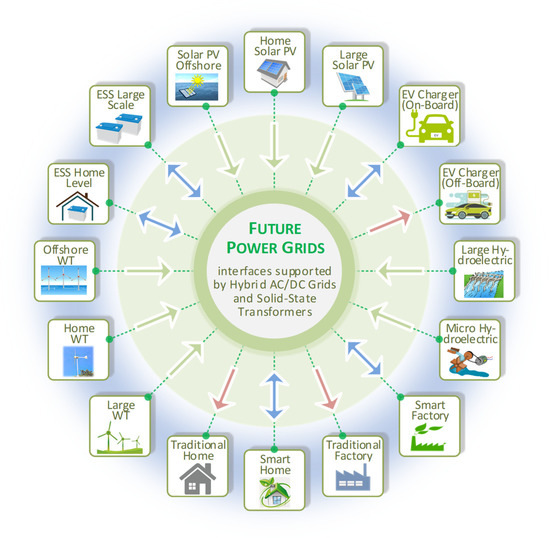
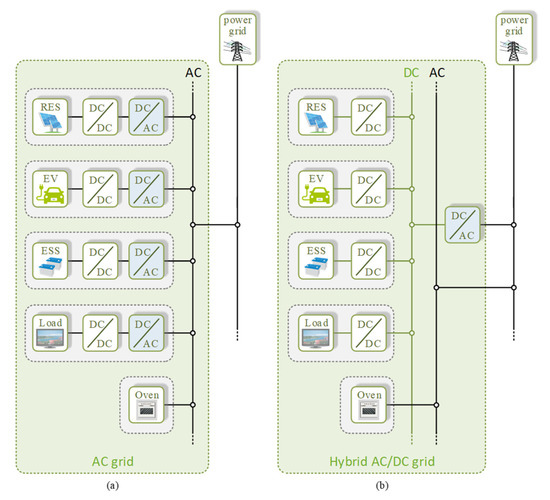
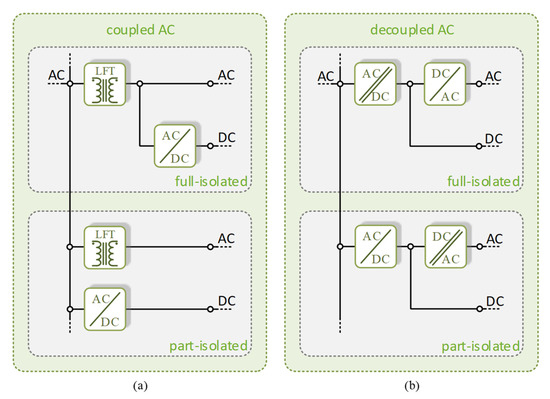
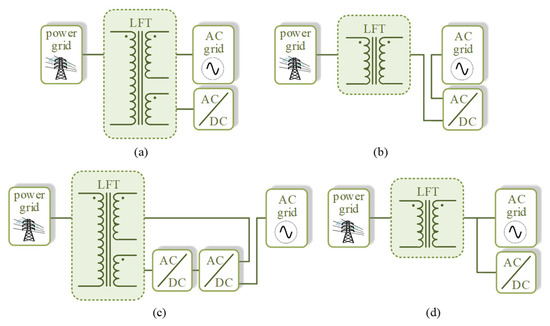
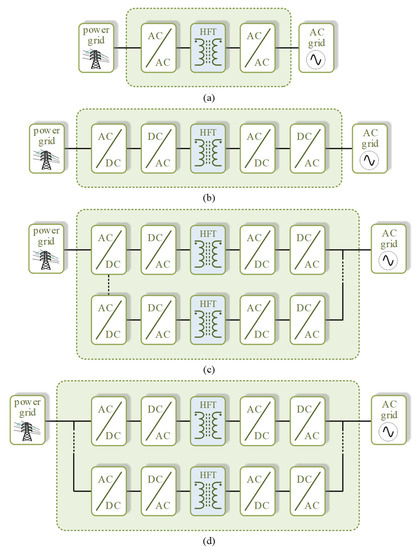
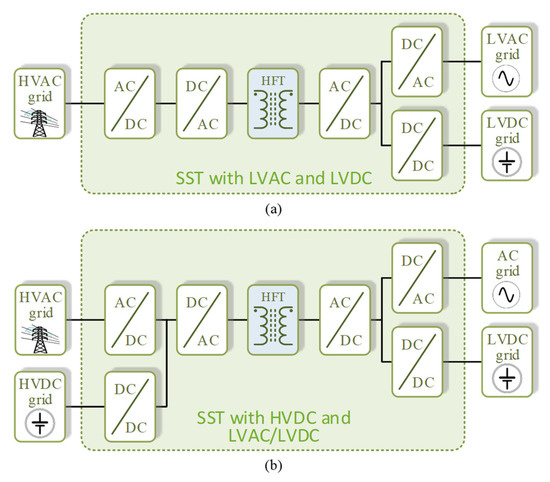
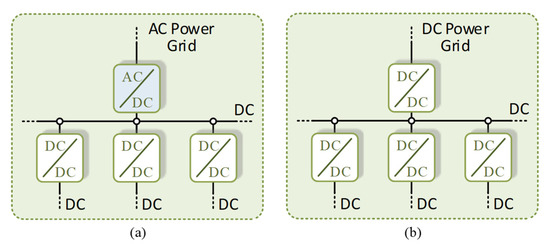
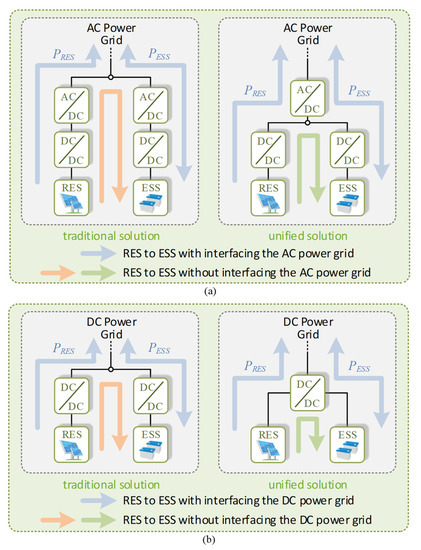
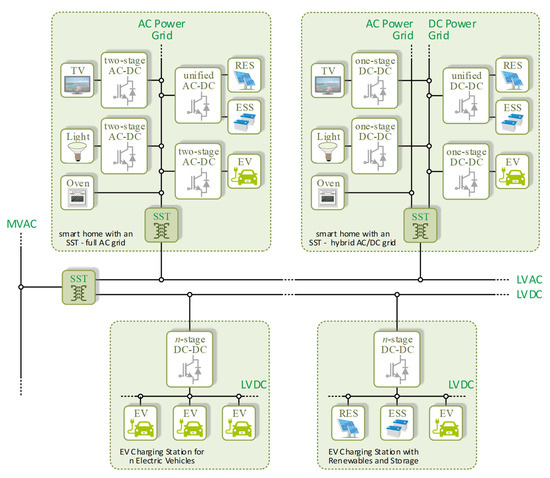
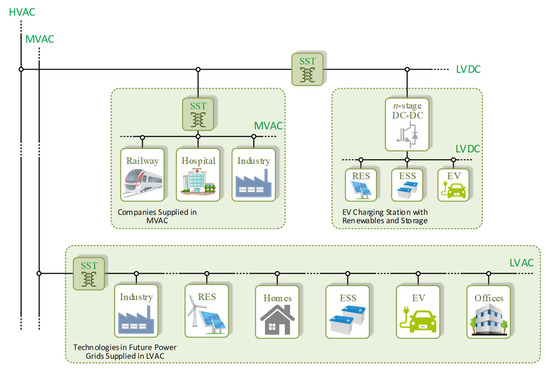
Power grids are evolving with the aim to guarantee sustainability and higher levels of power quality for universal access to electricity. More specifically, over the last two decades, power grids have been targeted for significant changes, including migration from centralized to decentralized paradigms as a corollary of intensive integration of novel electrical technologies and the availability of derived equipment. This paper addresses a review of a disruptive vision of future power grids, mainly focusing on the use of hybrid AC/DC grids and solid-state transformers technologies. Regarding hybrid AC/DC grids in particular, they are analyzed in detail in the context of unipolar and bipolar DC grids (i.e., two-wire or three-wire DC grids), as well as the different structures concerning coupled and decoupled AC configurations with low-frequency or high-frequency isolation. The contextualization of the possible configurations of solid-state transformers and the different configurations of hybrid transformers (in the perspective of offering benefits for increasing power quality in terms of currents or voltages) is also analyzed within the perspective of the smart transformers. Additionally, the paper also presents unified multi-port systems used to interface various technologies with hybrid AC/DC grids, which are also foreseen to play an important role in future power grids (e.g., the unified interface of renewable energy sources and energy storage systems), including an analysis concerning unified multi-port systems for AC or DC grids. Throughout the paper, these topics are presented and discussed in the context of future power grids. An exhaustive description of these technologies is made, covering the most relevant and recent structures and features that can be developed, as well as the challenges for the future power grids. Several scenarios are presented, encompassing the mentioned technologies, and unveiling a progressive evolution that culminates in the cooperative scope of such technologies for a disruptive vision of future power grids. Full article
Show Figures

Figure 1

Review
Electric Vehicles and Psychology
Sustainability 2021, 13(2), 719; https://doi.org/10.3390/su13020719 - 13 Jan 2021
Cited by 4 | Viewed by 953
Abstract
The popularity of electric vehicles is evidenced by the broad range of manufacturers presenting new models of plug-in hybrid and battery vehicles. However, the success of the revolution or, rather, the rebirth of electric vehicles, is hanging by a thread, as it lacks [...] Read more.
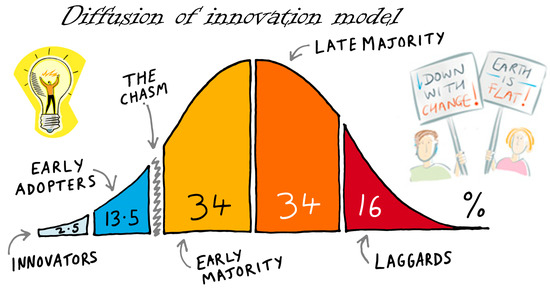
The popularity of electric vehicles is evidenced by the broad range of manufacturers presenting new models of plug-in hybrid and battery vehicles. However, the success of the revolution or, rather, the rebirth of electric vehicles, is hanging by a thread, as it lacks the involvement of a large number of users, and many psychological mechanisms hinder it. What are users’ true feelings about this new world of vehicles? Are people ready for the fifth level of automation, i.e., fully automatic driving and the absence of the driving position? The purpose of this paper is to present and discuss the psychological aspects that influence the adoption of electric vehicles. Topics such as the chicken and egg paradox (electric vehicles and charging stations) and performance anxiety (regarding, e.g., range) are addressed. This review is characterized by contradictions and irony. Full article
Show Figures

Figure 1

Review
Life Cycle Cost Assessment of Electric Vehicles: A Review and Bibliometric Analysis
Sustainability 2020, 12(6), 2387; https://doi.org/10.3390/su12062387 - 19 Mar 2020
Cited by 8 | Viewed by 1848
Abstract
The transportation sector has been reported as a key contributor to the emissions of greenhouse gases responsible for global warming. Hence, the need for the introduction of electric vehicles (EVs) into the transportation sector. However, the competitiveness of the EVs with the conventional [...] Read more.
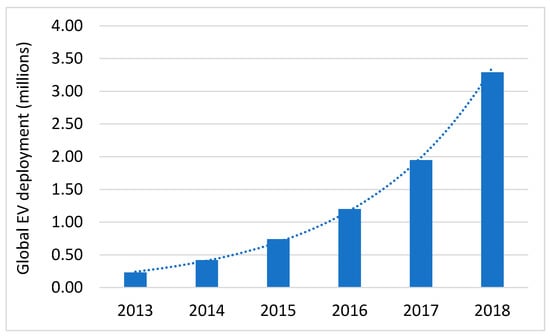
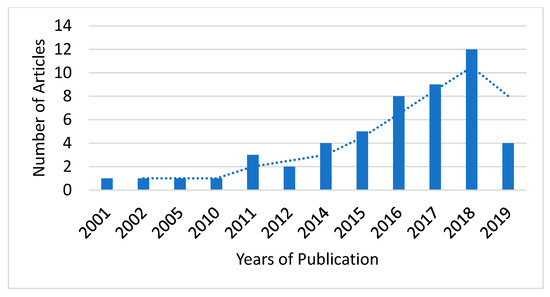
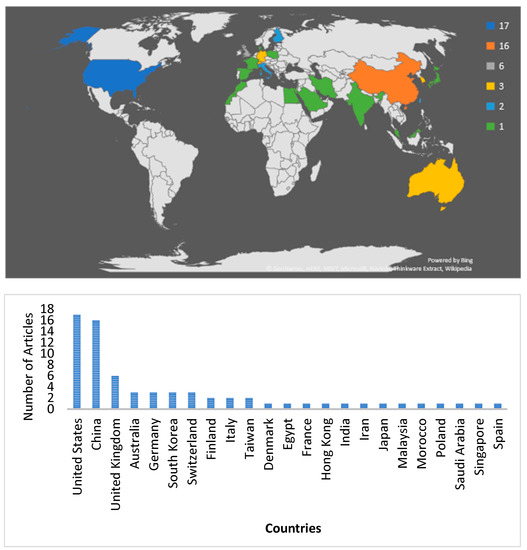
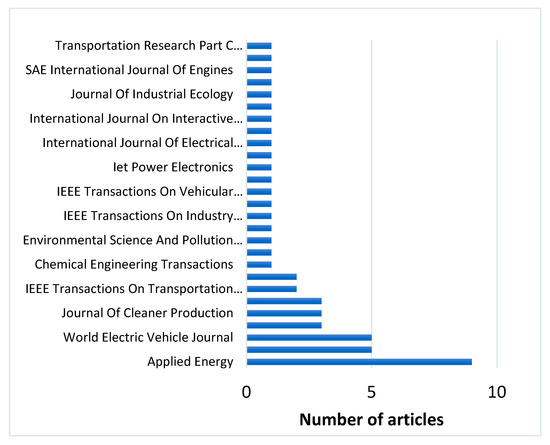
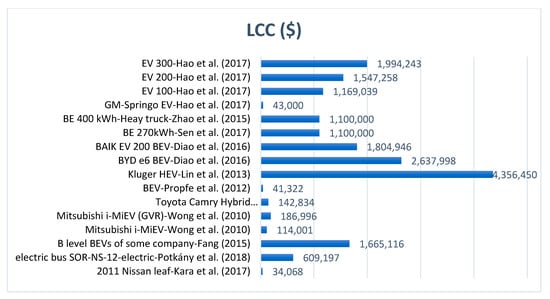
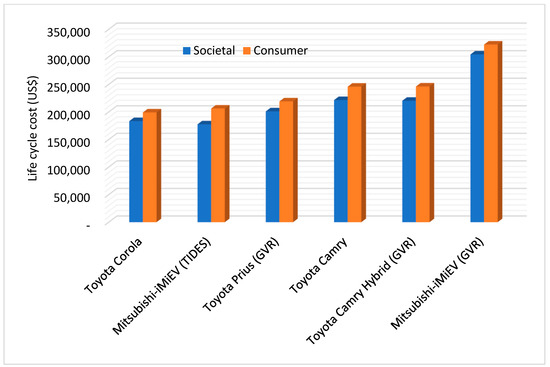
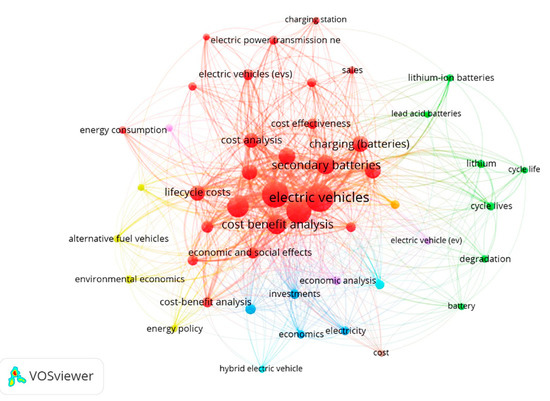
The transportation sector has been reported as a key contributor to the emissions of greenhouse gases responsible for global warming. Hence, the need for the introduction of electric vehicles (EVs) into the transportation sector. However, the competitiveness of the EVs with the conventional internal combustion engine vehicles has been a bone of contention. Life cycle cost analysis (LCCA) is an important tool that can be employed to determine the competitiveness of a product in its early stage of production. This review examines different published articles on LCCA of EVs using Scopus and Web of Science databases. The time trend of the published articles from 2001 to 2019 was examined. Moreover, the LCC obtained from the different models of EVs were compared. There was a growing interest in research on the LCC of EVs as indicated by the upward increase in the number of published articles. A variation in the LCC of the different EVs studied was observed to depend on several factors. Based on the LCC, EVs were found not yet competitive with conventional internal combustion engine cars due to the high cost of batteries. However, advancement in technologies with incentives could bring down the cost of EV batteries to make it competitive in the future. Full article
Show Figures

Figure 1

Back to TopTop