


Journal Description
Psychiatry International
is an international, peer-reviewed, open access journal on psychiatric research and practice, published bimonthly online by MDPI.
- Open Access— free for readers, with article processing charges (APC) paid by authors or their institutions.
- High Visibility: indexed within ESCI (Web of Science), Scopus, EBSCO, and other databases.
- Rapid Publication: manuscripts are peer-reviewed and a first decision is provided to authors approximately 27.2 days after submission; acceptance to publication is undertaken in 6.3 days (median values for papers published in this journal in the second half of 2025).
- Journal Rank: CiteScore - Q2 (Psychiatric Mental Health)
- Recognition of Reviewers: APC discount vouchers, optional signed peer review, and reviewer names published annually in the journal.
- Journal Cluster of Neurosciences: Brain Sciences, Neurology International, NeuroSci, Clinical and Translational Neuroscience, Neuroimaging, Neuroglia, Psychiatry International, Clocks & Sleep and Journal of Dementia and Alzheimer's Disease.
Impact Factor:
1.1 (2024);
5-Year Impact Factor:
1.0 (2024)
Latest Articles
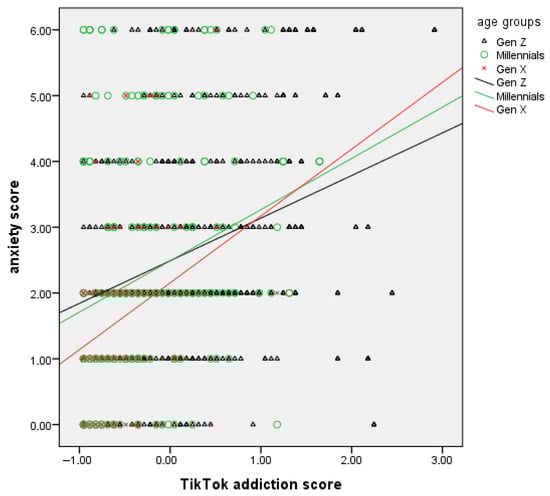
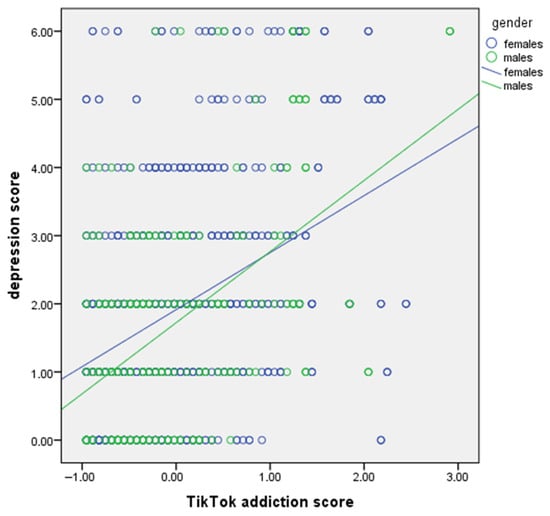
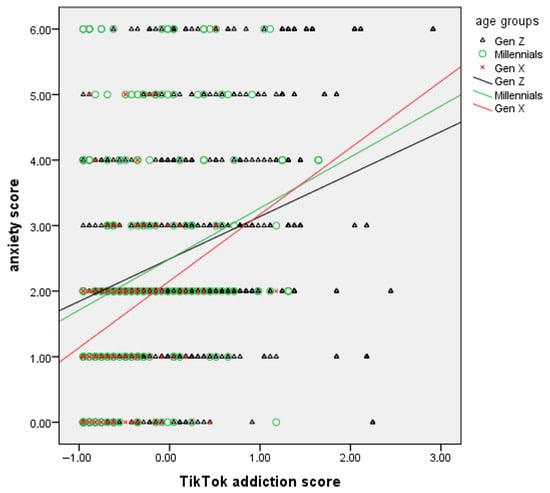
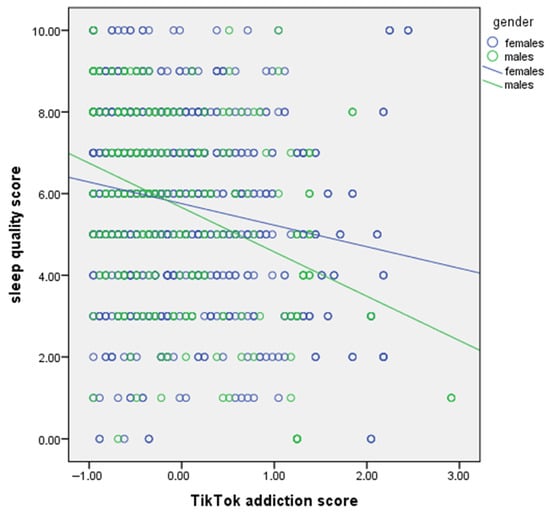
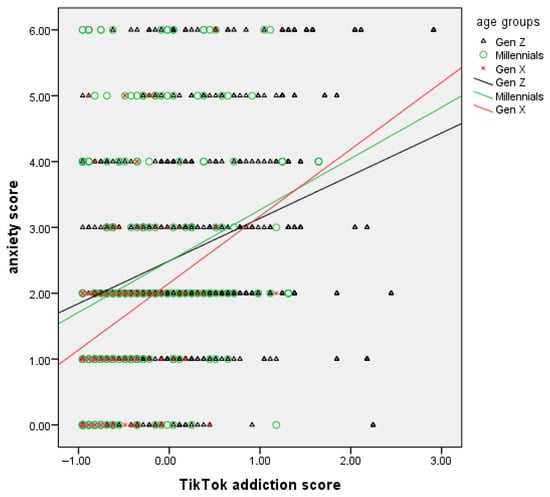
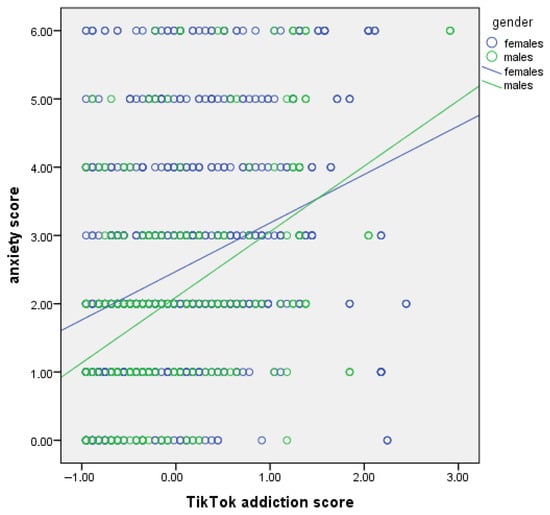
Associations Between Problematic TikTok Use, Anxiety, Depression and Sleep Quality: Sex and Generation Differences
Psychiatry Int. 2026, 7(3), 88; https://doi.org/10.3390/psychiatryint7030088 - 24 Apr 2026
Abstract
Our objective was to investigate the relationship between problematic TikTok use and levels of anxiety, depression, and sleep quality. We also explored differences across sex and generational groups. A cross-sectional study was conducted in Greece using a convenience sample. Participants were classified into
[...] Read more.
Our objective was to investigate the relationship between problematic TikTok use and levels of anxiety, depression, and sleep quality. We also explored differences across sex and generational groups. A cross-sectional study was conducted in Greece using a convenience sample. Participants were classified into three generational groups: Generation Z (1997–2012), Millennials (1981–1996), and Generation X (1965–1980). Problematic TikTok use was assessed with the TikTok Addiction Scale, while anxiety and depression were measured using the Patient Health Questionnaire-4. Sleep quality was evaluated with the Sleep Quality Scale. To account for potential confounding factors, we performed multivariable linear regression analyses. Our results showed a positive association between problematic TikTok use and both anxiety and depression. Multivariable analysis revealed a negative association between problematic TikTok use and sleep quality. In summary, our findings indicate that problematic TikTok use is linked to higher levels of anxiety and depression, as well as poorer sleep quality. These results highlight the need for policymakers, stakeholders, and healthcare professionals to develop and implement targeted interventions aimed at mitigating the negative effects associated with problematic TikTok use.
Full article
(This article belongs to the Special Issue The Impact of Social Media on Mental Health)
►
Show Figures
Open AccessArticle
A Multilevel Governance Framework for Community-Based Mental Health Promotion: Findings from a Qualitative Study
by
David Octavio Rangel-Carrero, Lina Díaz-Castro, German Guerra and Jose Carlos Suarez-Herrera
Psychiatry Int. 2026, 7(3), 87; https://doi.org/10.3390/psychiatryint7030087 - 24 Apr 2026
Abstract
►▼
Show Figures
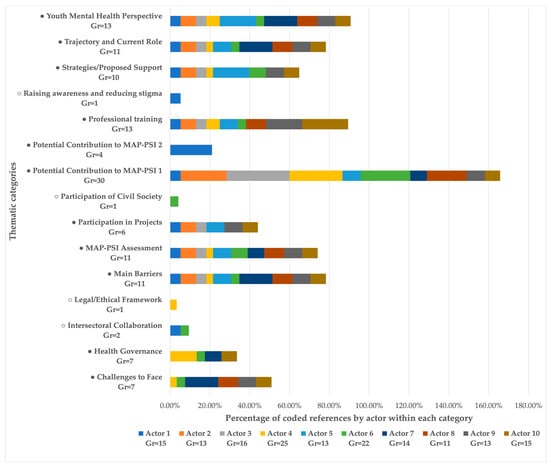
Mental health interventions in rural areas often face systemic and governance barriers that limit their implementation. This study analysed how governance dimensions at the municipal, state, and federal levels influence the perceived feasibility of implementing the Primary Care and Psychiatry Model (MAP-PSI), an
[...] Read more.
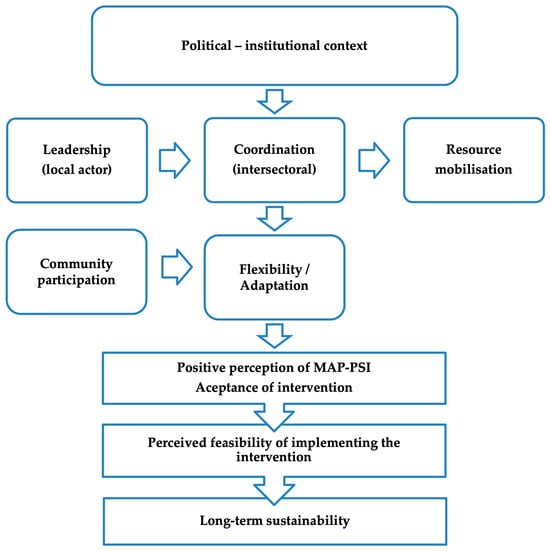
Mental health interventions in rural areas often face systemic and governance barriers that limit their implementation. This study analysed how governance dimensions at the municipal, state, and federal levels influence the perceived feasibility of implementing the Primary Care and Psychiatry Model (MAP-PSI), an early intervention strategy targeting adolescent depression in rural Mexico. A descriptive–interpretative qualitative design was employed, using semi-structured interviews and hybrid (deductive–inductive) content analysis. Participants were purposively selected institutional stakeholders involved in MAP-PSI implementation, including local health managers, state and federal decision-makers, and community-based actors. The coding process was collaboratively developed and validated through consensus and critical reflection among researchers. Five interrelated governance dimensions were identified: local leadership, intersectoral coordination, resource mobilisation, community participation, and institutional adaptability. These dimensions converge in a multilevel governance framework that illustrates how governance capacities across levels can enable or constrain community-based mental health interventions. The findings provide an empirically grounded framework to inform the design, adaptation, and future evaluation of community-based mental health strategies in underserved rural contexts.
Full article

Figure 1
Open AccessBrief Report
Assessing Risk of Harm in Lay Counsellor Interventions for Psychosis: Evidence from a Thai Randomised Trial
by
Nachiket Mor
Psychiatry Int. 2026, 7(3), 86; https://doi.org/10.3390/psychiatryint7030086 - 23 Apr 2026
Abstract
Background: Lay counsellor-delivered psychosocial interventions are increasingly used to address workforce shortages in mental health care. While randomised trials commonly report mean improvements, explicit assessment of clinical deterioration is rare. This secondary analysis evaluated whether a lay counsellor intervention for early psychosis was
[...] Read more.
Background: Lay counsellor-delivered psychosocial interventions are increasingly used to address workforce shortages in mental health care. While randomised trials commonly report mean improvements, explicit assessment of clinical deterioration is rare. This secondary analysis evaluated whether a lay counsellor intervention for early psychosis was associated with evidence of deterioration compared with usual care. Methods: Patient-level data from a randomised controlled trial in Thailand (n = 255) were analysed. Deterioration was defined as worsening between baseline and the 6-month follow-up across functional, behavioural, and service utilisation domains. Risk differences were estimated using Newcombe confidence intervals, and risk ratios were calculated using standard methods with the Haldane–Anscombe correction applied, where required. Analyses were conducted for the full sample (UC n = 125; LICM n = 130) and stratified by baseline severity (none/borderline: UC n = 103, LICM n = 103; mild-to-severe: UC n = 22, LICM n = 27). Results: In the full sample, deterioration rates were similar across most domains. A statistically significant reduction in deterioration related to disturbing or aggressive behaviour was observed in the LICM arm (risk difference −14.1%; 95% CI −26.8% to −0.6%; risk ratio 0.45; 95% CI 0.26 to 0.79). No statistically significant excess deterioration was observed in other domains. In severity-stratified analyses, no subgroup showed a statistically significant increase in deterioration attributable to the intervention. However, among participants with mild-to-severe baseline illness, although no statistically significant harm signal was detected, the adverse risk differences and risk ratios observed in socially useful activities, self-care, regular outpatient follow-up visits, and medication adherence among participants with greater baseline severity underscore the importance of careful monitoring in higher-risk subgroups. Conclusions: No statistically significant evidence of excess deterioration was observed in either the full sample or subgroup analyses between the intervention and control arms. However, the adverse absolute difference observed in multiple patient-related domains, among participants with mild-to-severe baseline illness, suggests that lay-counsellor interventions may require a stepped-care approach to safely address the mental health needs of patients with higher levels of severity. Psychosocial trials should routinely report deterioration and subgroup analyses alongside mean improvements.
Full article
Open AccessArticle
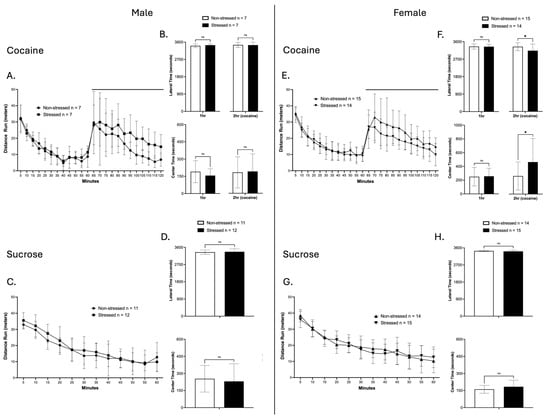
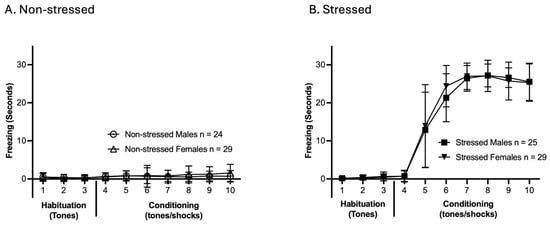
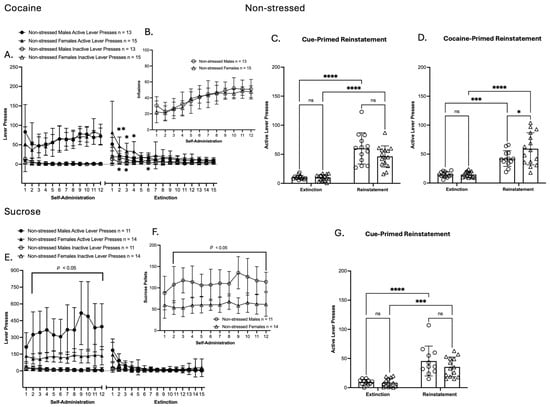
Threat Conditioning Prior to Cocaine or Sucrose Exposure Alters Reward-Seeking Behavior in a Sex-Dependent Manner
by
Yobet Perez-Perez, Roberto J. Morales-Silva, Genesis N. Rodriguez-Torres, Rafael III Ruiz-Villalobos, Jose C. Rivera-Velez, Edgardo G. Arlequin-Torres, Elaine M. Vera-Torres, Lenin J. Godoy-Muñoz, Serena I. Fazal, Nilenid Rivera-Aviles, Sofia Neira and Marian T. Sepulveda-Orengo
Psychiatry Int. 2026, 7(2), 85; https://doi.org/10.3390/psychiatryint7020085 - 18 Apr 2026
Abstract
Background/Objectives: Research has shown a high prevalence of co-occurring trauma-related disorders and cocaine use disorder (CUD). However, there remains a need for preclinical studies to determine how traumatic event exposure influences vulnerability to CUD development and relapse. In this study, we assessed the
[...] Read more.
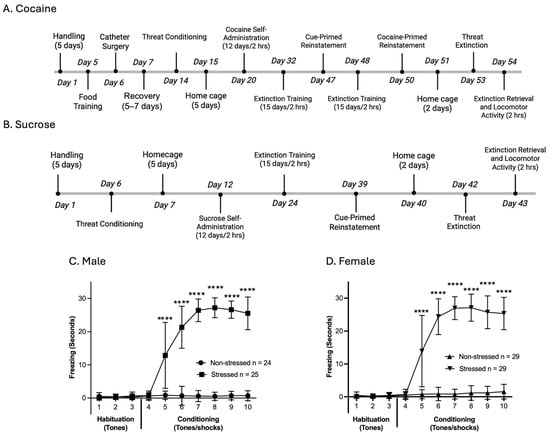
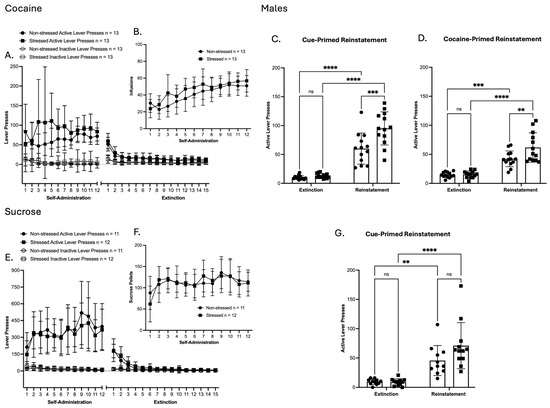
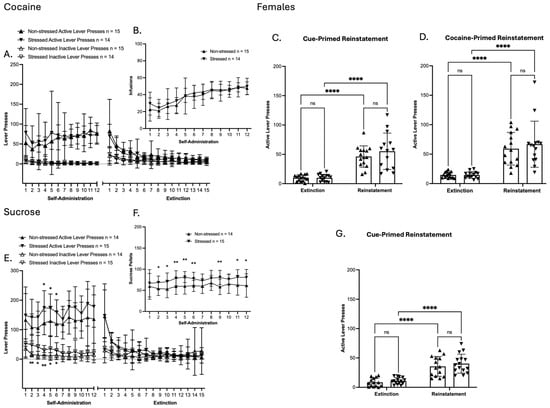
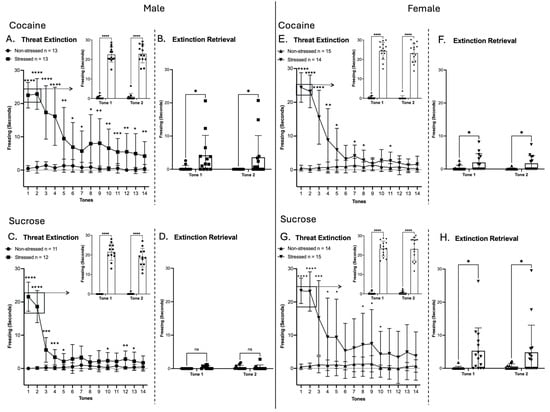
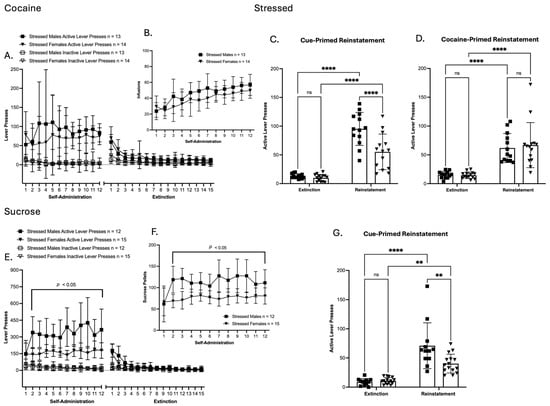
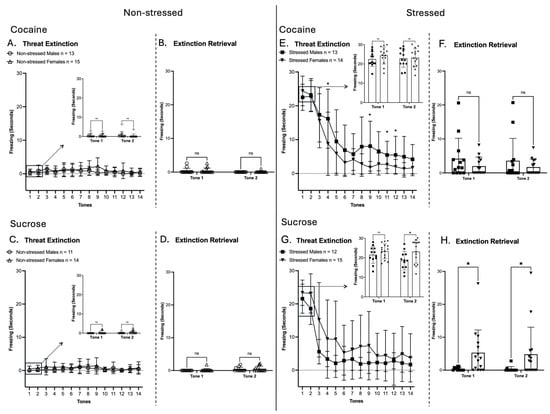
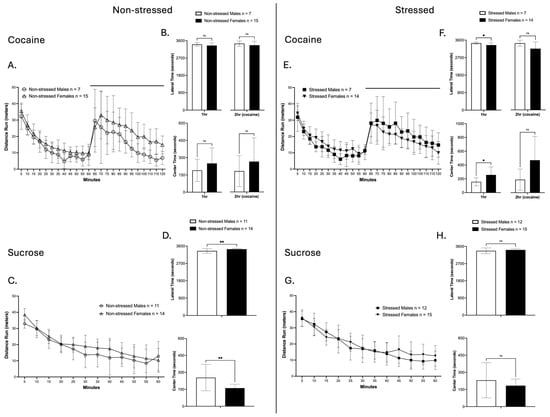
Background/Objectives: Research has shown a high prevalence of co-occurring trauma-related disorders and cocaine use disorder (CUD). However, there remains a need for preclinical studies to determine how traumatic event exposure influences vulnerability to CUD development and relapse. In this study, we assessed the impact of traumatic event exposure using a threat conditioning (TC) paradigm, which models traumatic event exposure through associative threat learning on cocaine-seeking behavior in adult male and female rats. Methods: Adult male and female rats were exposed to a single TC session. After TC, the rats underwent cocaine self-administration (SA), extinction training, cue-primed reinstatement, and cocaine-primed reinstatement testing. A parallel cohort was subjected to a sucrose SA cohort to assess whether TC altered non-drug reward seeking in the form of sucrose SA. Results: In the cocaine cohort, stressed male rats exhibited greater cue- and cocaine-primed reinstatement relative to non-stressed males, whereas no reinstatement differences emerged in female rats. In the sucrose cohort, stressed females displayed increased sucrose pellet delivery during self-administration compared to non-stressed females, but no differences were observed during sucrose reinstatement in either male or female rats. Conclusions: These findings indicate that trauma exposure prior to cocaine use influences cocaine relapse-related behavior, as well as non-drug reward reinforcement earning, in a sex-specific manner. Overall, these results highlight the value of associative stress models such as TC for studying trauma–addiction comorbidity and the need to investigate the neurobiological mechanisms driving these sex-specific outcomes.
Full article
(This article belongs to the Section Addiction Psychiatry)
►▼
Show Figures

Figure 1

Open AccessArticle
Psychiatric Comorbidity, Headache Burden, and Quality of Life in Adults with Migraine Undergoing Repetitive Transcranial Magnetic Stimulation (rTMS): An Exploratory Observational Study
by
Robert Zgarbura, Leea Cristescu Rizea, Alexandru Pavel and Catalina Tudose
Psychiatry Int. 2026, 7(2), 84; https://doi.org/10.3390/psychiatryint7020084 - 17 Apr 2026
Abstract
Background: Migraine is a chronic neurological disorder with a high prevalence of psychiatric comorbidity, including anxiety and depression, which compound functional impairment and reduce health-related quality of life (HRQoL). Repetitive transcranial magnetic stimulation (rTMS) is a non-pharmacological neuromodulatory intervention targeting both pain and
[...] Read more.
Background: Migraine is a chronic neurological disorder with a high prevalence of psychiatric comorbidity, including anxiety and depression, which compound functional impairment and reduce health-related quality of life (HRQoL). Repetitive transcranial magnetic stimulation (rTMS) is a non-pharmacological neuromodulatory intervention targeting both pain and affective circuits; however, predictors of HRQoL improvement following rTMS remain poorly characterized. Methods: In this exploratory observational study, 32 adults with migraines underwent 10–40 rTMS sessions. Quality of life was assessed using the WHOQOL-BREF and Migraine-Specific Quality of Life Questionnaire (Migraine-QoL). Psychiatric burden, headache impact, and disability were evaluated using HAMA, HAMD, HIT-6, and MIDAS at baseline and post-intervention. Paired t-tests, Spearman correlations, and linear regression identified predictors of QoL change. Results: Both WHOQOL-BREF and Migraine-QoL improved significantly following rTMS (p < 0.001). Antipsychotic use was associated with greater overall QoL improvement (p = 0.026). Given the very small subgroup size (n = 7), this finding should be interpreted with extreme caution and considered hypothesis-generating only. Higher baseline HIT-6 and HAMA correlated with greater Migraine-QoL gains (p = 0.001 and p = 0.013). In multivariate regression, higher headache severity independently predicted Migraine-QoL improvement (R2 = 0.514, p < 0.001). Conclusions: rTMS produced clinically meaningful QoL improvements in migraine. Headache burden emerged as an independent predictor, while associations with anxiety severity and antipsychotic use should be considered exploratory.
Full article
Open AccessArticle
Psychosocial and Family Predictors of Impulsivity in Drama Students: A Mixed-Methods Pilot Study
by
Munteanu Alina Mihaela, Turcu Suzana, Stan Cristina and Petrescu Monica
Psychiatry Int. 2026, 7(2), 83; https://doi.org/10.3390/psychiatryint7020083 - 16 Apr 2026
Abstract
Impulsivity is a core transdiagnostic construct in adolescent psychiatry, associated with emotional dysregulation, behavioral disorders, and increased vulnerability to mental health problems. Adolescents engaged in performing arts education may experience heightened psychosocial stressors that challenge self-regulatory capacities during a critical neurodevelopmental period. Methods:
[...] Read more.
Impulsivity is a core transdiagnostic construct in adolescent psychiatry, associated with emotional dysregulation, behavioral disorders, and increased vulnerability to mental health problems. Adolescents engaged in performing arts education may experience heightened psychosocial stressors that challenge self-regulatory capacities during a critical neurodevelopmental period. Methods: This mixed-methods study examined psychosocial and family-related factors associated with impulsivity in adolescent students enrolled in drama programs. Two focus groups with 28 upper-grade students (grades 11–12) explored subjective experiences of stress, emotional overload, and family communication. Based on these findings, a 77-item questionnaire was developed and administered to 90 ninth-grade students. Impulsivity was assessed using the Barratt Impulsiveness Scale (BIS). Results: An exploratory stepwise multiple linear regression analysis identified perceived school-related stress (β = 0.370, p < 0.001), conflictual parental communication (β = 0.273, p = 0.013), and discomfort during school discussions at home (β = 0.331, p < 0.001) as significant predictors of higher impulsivity scores. Conclusions: The findings highlight the interaction between neurodevelopmental vulnerability and environmental stressors in shaping impulsivity during adolescence. These results are clinically relevant for child and adolescent psychiatry, emphasizing the importance of early psychosocial interventions targeting stress regulation and family communication to prevent the escalation of impulsivity-related psychopathology.
Full article
Open AccessPerspective
Addiction, Agency, and the Limits of Choice: Involuntary Care as a Stress Test for Psychiatric Ethics
by
Anees Bahji
Psychiatry Int. 2026, 7(2), 82; https://doi.org/10.3390/psychiatryint7020082 - 15 Apr 2026
Abstract
Debates regarding involuntary treatment for substance use disorders have intensified in the context of escalating overdose mortality and system-level strain. These proposals raise fundamental questions in psychiatric ethics concerning decisional capacity, agency, proportionality, and the justification for liberty restrictions. Addiction presents a distinctive
[...] Read more.
Debates regarding involuntary treatment for substance use disorders have intensified in the context of escalating overdose mortality and system-level strain. These proposals raise fundamental questions in psychiatric ethics concerning decisional capacity, agency, proportionality, and the justification for liberty restrictions. Addiction presents a distinctive challenge: decisional capacity may appear intact at discrete moments, while agency remains predictably unstable across time in conditions of chronic risk. This Perspective argues that addiction exposes limitations in strictly moment-based applications of the capacity doctrine. Drawing on ethical theory, clinical reasoning, and selected empirical literature, the manuscript evaluates involuntary addiction treatment primarily through normative criteria of justification rather than relying solely on outcome estimation. It identifies evidentiary limitations in the current literature and articulates heightened substantive and procedural thresholds that must be satisfied for coercive interventions to be ethically defensible. These include demonstrable impairment linked to near-term serious harm, exhaustion of less restrictive alternatives, clearly defined therapeutic objectives, and independent oversight with outcome monitoring. This paper does not advocate for categorical endorsement or rejection of involuntary treatment; rather, it proposes structured guardrails to guide psychiatric engagement under conditions of uncertainty.
Full article
(This article belongs to the Section Addiction Psychiatry)
Open AccessArticle
Community Mental Health Professionals in Italy Report Higher Well-Being than Hospital-Based Outpatient Staff in 2025: A Cross-Sectional Study
by
Noemi M. Mereu, Diego Primavera, Sonia Marchegiani, Antonella Denti, Michela Atzeni, Giulia Cossu, Viviana Forte and Elisa Cantone
Psychiatry Int. 2026, 7(2), 81; https://doi.org/10.3390/psychiatryint7020081 - 15 Apr 2026
Abstract
Background: COVID-19 increased psychological distress among healthcare workers. Italian studies have suggested lower distress levels among mental health professionals compared to hospital-based colleagues. Methods: In May 2025, we conducted a cross-sectional observational study in community mental health centers and non-psychiatric hospital
[...] Read more.
Background: COVID-19 increased psychological distress among healthcare workers. Italian studies have suggested lower distress levels among mental health professionals compared to hospital-based colleagues. Methods: In May 2025, we conducted a cross-sectional observational study in community mental health centers and non-psychiatric hospital outpatient departments in Sardinia, Italy, involving 101 professionals from three community mental health centers and 97 staff members from four non-psychiatric hospital outpatient departments. The SF-12 was used to assess health-related quality of life (HRQoL) and the PHQ-9 was used to assess depressive symptoms. Results were also compared with pre-pandemic community samples. Results: Mental health professionals reported fewer depressive symptoms and better quality of life than hospital-based colleagues: PHQ-9 ≥ 10: 10.9% vs. 35.0% (11/101 vs. 34/97) (OR = 0.23; 95%CI 0.11–0.47; p < 0.001); PHQ-9 ≥ 9: 14.8% vs. 38.1% (OR = 0.31; 95%CI 0.16–0.60; p < 0.001). Mean PHQ-9 score: 4.45 ± 3.51 vs. 8.35 ± 3.95 (p < 0.001). Low HRQoL (SF-12 ≤ 36): 34.6% vs. 62.9% (35/101 vs. 61/97) (OR = 0.31; 95%CI 0.19–0.52; p < 0.001). No significant within-group differences were found by sex, age, or professional role. Compared with pre-pandemic community data, the well-being of mental health professionals remained stable. Limitations: Cross-sectional design and convenience sampling limit causal inference and generalizability. Conclusions: The organizational structure, operational flexibility, and peer collaboration typical of community-based services may contribute to the sustained psychological well-being of mental health professionals. The community-based model deserves consideration for future reforms aimed at improving staff well-being.
Full article
Open AccessCase Report
Resistant Schizoaffective Disorder in a Patient with Psoriasis and Hypophysitis: A Case Report of the Interaction Between Psychosis and Chronic Systemic Inflammation
by
Rui Martins Pinhel, Irina Gorgal Carvalho, Francisco Coutinho, Martim Luz, Rita Dionísio, Rui Vilarinho and Palmira Coya
Psychiatry Int. 2026, 7(2), 80; https://doi.org/10.3390/psychiatryint7020080 - 14 Apr 2026
Abstract
►▼
Show Figures
Schizoaffective disorder is a complex psychiatric condition that often requires specialized treatment, particularly when resistant to standard therapies. Comorbidities like chronic inflammatory diseases can complicate the diagnosis, suggesting shared pathophysiological mechanisms. This case study examines the role of chronic systemic inflammation in psychiatric
[...] Read more.
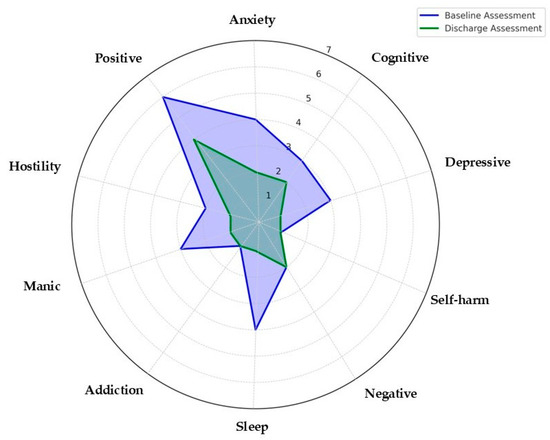
Schizoaffective disorder is a complex psychiatric condition that often requires specialized treatment, particularly when resistant to standard therapies. Comorbidities like chronic inflammatory diseases can complicate the diagnosis, suggesting shared pathophysiological mechanisms. This case study examines the role of chronic systemic inflammation in psychiatric disorders, focusing on a patient with treatment-resistant schizoaffective disorder, psoriasis, and hypophysitis. The 40-year-old male patient, admitted for psychopathological decompensation, was initially treated with clozapine, which was effective but discontinued due to severe sialorrhoea. He was then switched to olanzapine, showing continued improvement in his psychiatric symptoms and good tolerability. Following optimization of antipsychotic treatment, the patient’s delusional thoughts diminished, verbalization stopped, and associated distress reduced. Interestingly, the psoriatic lesions also improved. This case highlights the potential connection between severe, treatment-resistant psychosis, endocrine dysfunction caused by hypophysitis, and psoriasis, suggesting that chronic systemic inflammation may be a shared underlying factor. The overlap between these conditions underscores the importance of considering inflammation’s role in psychiatric illnesses and emphasizes the need for an interdisciplinary approach when managing psychosis with somatic comorbidities.
Full article

Figure 1
Open AccessArticle
Psychological Mechanisms of Sleep Disorders in Elderly at Nursing Homes: A Path Analysis Effect of Loneliness on Sleep Quality Through Anxiety and Depression
by
Surilena Hasan, Clara Rosa Pujiyogyanti Ajisuksmo, Hans Christian, Ivany Lestari Goutama, Lukas Arya Kusuma, Jolene Budiono and Josephine Retno Widayanti
Psychiatry Int. 2026, 7(2), 79; https://doi.org/10.3390/psychiatryint7020079 - 13 Apr 2026
Abstract
Psychological factors such as depression, anxiety, and loneliness significantly affect sleep quality, particularly among elderly individuals living in nursing homes. This study aimed to examine the relationship between sleep quality and depression, anxiety, and loneliness among elderly residents of nursing homes in Indonesia,
[...] Read more.
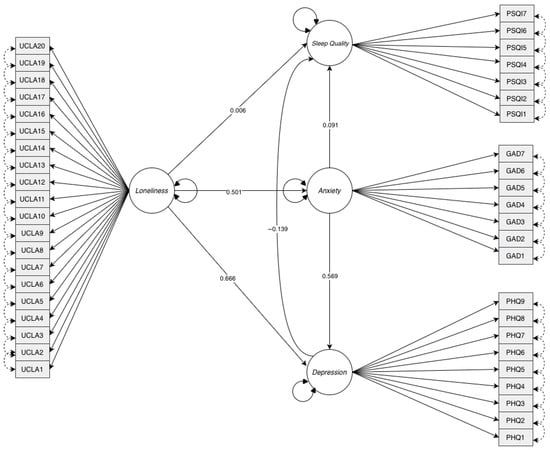
Psychological factors such as depression, anxiety, and loneliness significantly affect sleep quality, particularly among elderly individuals living in nursing homes. This study aimed to examine the relationship between sleep quality and depression, anxiety, and loneliness among elderly residents of nursing homes in Indonesia, as well as to explore the underlying pathway mechanisms. A quantitative cross-sectional design was used to assess correlational relationships among elderly individuals residing in nursing homes in Jakarta and Tangerang. Data were analyzed using JASP statistical software through descriptive, bivariate, and path analyses. The results demonstrated significant associations between poorer sleep quality and higher levels of loneliness, anxiety, and depression. Path analysis revealed a significant chain mediation pattern, in which loneliness was associated with higher anxiety levels, anxiety was associated with depressive symptoms, and depressive symptoms were associated with poorer sleep quality (β = −0.040, p = 0.045). These findings indicate that sleep disturbances in the elderly are statistically associated with interconnected psychological factors, highlighting the importance of comprehensive psychosocial interventions to improve sleep quality in this population.
Full article
(This article belongs to the Section Psychiatry of Ageing and Late Life)
►▼
Show Figures

Figure 1
Open AccessPerspective
Extending the Reach of Interventions to Treat Mental Disorders
by
Alan E. Kazdin
Psychiatry Int. 2026, 7(2), 78; https://doi.org/10.3390/psychiatryint7020078 - 10 Apr 2026
Abstract
The majority of people with mental disorders in low-, middle-, and high-income countries do not receive any intervention for their symptoms, despite enormous advances in developing evidence-based psychosocial treatments and medications. The perspective and viewpoint article discusses and illustrates digital and technology-based interventions
[...] Read more.
The majority of people with mental disorders in low-, middle-, and high-income countries do not receive any intervention for their symptoms, despite enormous advances in developing evidence-based psychosocial treatments and medications. The perspective and viewpoint article discusses and illustrates digital and technology-based interventions and activities in everyday life that have been shown to reduce symptoms of mental disorders. The article begins with background on the treatment gap and a discussion of why treatments do not reach people in need. Digital and technology-based interventions and everyday activities are presented to complement current treatments with the goal of scaling interventions to serve more people in need and to circumvent many of the usual barriers that preclude people from seeking or receiving traditional mental health services. Interventions in each of the categories are illustrated. The challenge is to integrate such interventions in mental health practices, to better promote these at the population level, and to monitor their impact.
Full article
Open AccessArticle
Psychometric Properties of the GAD-7 in Parents of Children with Chronic Conditions
by
Mark A. Ferro, Melissa Elgie and Karina Tamkee
Psychiatry Int. 2026, 7(2), 77; https://doi.org/10.3390/psychiatryint7020077 - 10 Apr 2026
Abstract
This study modeled the factor structure of the Generalized Anxiety Disorder-7 (GAD-7), quantified its internal consistency, tested for longitudinal invariance, and estimated associations with measures of depression, parent stress, family functioning, and child psychopathology. Data were from 200 parents enrolled in an on-going
[...] Read more.
This study modeled the factor structure of the Generalized Anxiety Disorder-7 (GAD-7), quantified its internal consistency, tested for longitudinal invariance, and estimated associations with measures of depression, parent stress, family functioning, and child psychopathology. Data were from 200 parents enrolled in an on-going study of children with chronic health conditions recruited from a pediatric hospital. Exploratory and confirmatory factor analysis (CFA) modeled the GAD-7 factor structure, and multiple-group CFA tested longitudinal invariance over 48 months. A one-factor model showed the best fit to the data, and the omega hierarchical was 0.89 and 0.88 at baseline and 48 months, respectively. The GAD-7 demonstrated longitudinal invariance. Internal consistency was good at both assessments (α > 0.75). Correlations with other measures were significant and at least small in magnitude. Known-group validity (parents with vs. without depression) showed very large effects (d > 2.0). The GAD-7 is psychometrically robust in parents of children with chronic health conditions.
Full article
Open AccessArticle
Cortical Timing Biomarkers of Psychomotor Dysfunction in Depressive Disorder: A Cross-Validated Study
by
Mayra Evelise dos Santos, Kariny Realino Ferreira, Sérgio Fonseca, Gabriela Lopes Gama, Michelle Almeida Barbosa and Alexandre Carvalho Barbosa
Psychiatry Int. 2026, 7(2), 76; https://doi.org/10.3390/psychiatryint7020076 - 8 Apr 2026
Abstract
►▼
Show Figures
Background: Major Depressive Disorder (MDD) is increasingly recognized as involving psychomotor slowing and impaired cortical timing. Objective vibrotactile assessments can quantify sensory and cognitive integration, potentially identifying mechanistic biomarkers of depression. Objective: To determine whether tactile performance metrics from the Brain
[...] Read more.
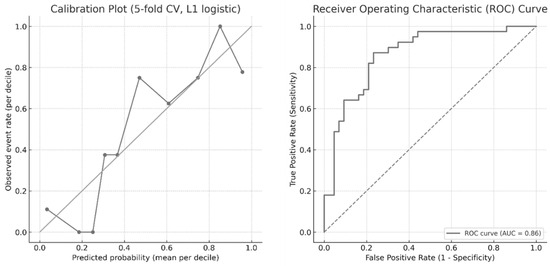
Background: Major Depressive Disorder (MDD) is increasingly recognized as involving psychomotor slowing and impaired cortical timing. Objective vibrotactile assessments can quantify sensory and cognitive integration, potentially identifying mechanistic biomarkers of depression. Objective: To determine whether tactile performance metrics from the Brain Gauge system differentiate individuals with depression from healthy controls and to identify the most predictive domains using cross-validated modeling. Methods: Eighty-two adults (43 with depression, 39 controls) completed the Brain Gauge battery assessing reaction time (RT), RT variability, amplitude and duration discrimination, temporal order judgment, accuracy, and cortical plasticity. Results: After FDR correction, participants with depression showed significantly slower and more variable tactile responses (FDR-adjusted p < 0.05). Speed and RT variability remained independent predictors (OR = 4.14; OR = 0.015), yielding an AUC = 0.86 (sensitivity = 0.87; specificity = 0.77). These findings suggest reduced cortical stability and efficiency in depression. Conclusions: Tactile timing measures—particularly Speed and RT variability—objectively capture psychomotor and temporal instability in MDD. Cross-validated logistic modeling supports their potential as non-invasive digital biomarkers for depression phenotyping and monitoring. These findings suggest tactile timing instability as a clinically relevant neurofunctional dimension of major depressive disorder, with potential applications in psychiatric phenotyping, objective symptom monitoring, and future precision-guided treatment strategies.
Full article

Figure 1
Open AccessArticle
Experiences of an Informal Creative Arts Group Among Individuals in Substance Use Disorder Recovery: A Qualitative Analysis
by
Sydney Sun, Christine DeJuliis and Margaret S. Chisolm
Psychiatry Int. 2026, 7(2), 75; https://doi.org/10.3390/psychiatryint7020075 - 8 Apr 2026
Abstract
Substance use disorder (SUD) undermines social connection, identity, and well-being. While art therapy is formally incorporated into clinical treatment, far less is known about how informal, group-based creative activities contribute to recovery. This qualitative study examines whether and how participation in a creative
[...] Read more.
Substance use disorder (SUD) undermines social connection, identity, and well-being. While art therapy is formally incorporated into clinical treatment, far less is known about how informal, group-based creative activities contribute to recovery. This qualitative study examines whether and how participation in a creative arts group fosters social support and human flourishing among individuals with SUD. We conducted semi-structured, individual interviews of eight adults enrolled in SUD outpatient treatment at the Johns Hopkins Broadway Center for Addiction who voluntarily participated in a creative arts class. Recordings were transcribed and analyzed using an iterative, thematic approach. Analysis revealed four themes: (1) Social connectedness and support—artmaking fostered camaraderie, accountability, and peer encouragement; (2) Holistic and supportive environment—the group offered a safe, nonjudgmental space that affirmed participants beyond their addiction; (3) Emotional renewal through art—creative engagement reduced anxiety, promoted joy, and provided a constructive outlet for emotions; and (4) Reclaiming agency through artistic expression—participants experienced autonomy, skill development, and identity building, which fostered hope and personal growth. Overall, participants viewed artmaking as a catalyst for relational and personal transformation. These exploratory findings generate hypotheses for future research on the role of informal creative arts groups within recovery-oriented care settings.
Full article
Open AccessArticle
Dark Triad and Parenting Styles: Mediating Effect of Beliefs on Physical Punishment
by
Mariagiulia Galluzzo, Inês Carvalho Relva and Margarida Simões
Psychiatry Int. 2026, 7(2), 74; https://doi.org/10.3390/psychiatryint7020074 - 7 Apr 2026
Abstract
►▼
Show Figures
The mental health of children/adolescents is closely related to family functioning. However, there are factors that impair family functioning, such as parental psychopathology, parenting styles, and beliefs about physical punishment, which may require intervention by psychology and psychiatry. Given the lack of literature,
[...] Read more.
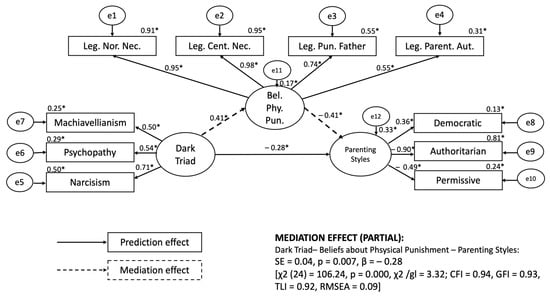
The mental health of children/adolescents is closely related to family functioning. However, there are factors that impair family functioning, such as parental psychopathology, parenting styles, and beliefs about physical punishment, which may require intervention by psychology and psychiatry. Given the lack of literature, the main objectives of this research are: to explore the association between parenting styles and the personality traits that constitute the Dark Triad, to analyze the association between beliefs about physical punishment and the personality traits that make up the Dark Triad, and to test the mediating effect of beliefs about physical punishment between the traits of the Dark Triad and parenting styles. The sample consisted of 290 parents of school-age children/adolescents between 7 and 16 years old, consisting of 231 female and 59 male participants. The main results suggest that Machiavellianism and narcissism are positively associated with authoritarian and permissive parenting styles and psychopathy with authoritarian; personality traits are associated with beliefs about physical punishment, and beliefs about physical punishment influence the relationship between the Dark Triad and parenting styles. In short, parental psychopathology seems to have an influence on the way parents educate their children and on their beliefs about physical punishment.
Full article

Figure 1
Open AccessArticle
Coping Strategies and Their Protective Role Against Post-Traumatic Stress Disorder in the Immediate Aftermath of the 2023 Türkiye Earthquakes: A Multicenter Primary Care Study
by
Zeliha Yelda Özer, Ayşe Nur Topuz, İlker Ünal, Hatice Kurdak and Sevgi Özcan
Psychiatry Int. 2026, 7(2), 73; https://doi.org/10.3390/psychiatryint7020073 - 3 Apr 2026
Abstract
►▼
Show Figures
We aimed to investigate factors associated with post-earthquake coping strategies and to examine the relationship between coping styles and post-traumatic stress disorder (PTSD) symptom levels. This multicenter cross-sectional study was conducted among individuals presenting to 22 primary health centers in the Adana and
[...] Read more.
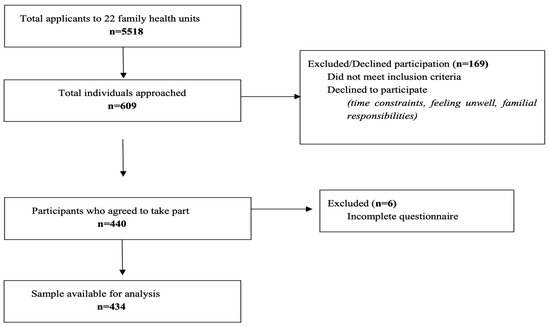
We aimed to investigate factors associated with post-earthquake coping strategies and to examine the relationship between coping styles and post-traumatic stress disorder (PTSD) symptom levels. This multicenter cross-sectional study was conducted among individuals presenting to 22 primary health centers in the Adana and Osmaniye provinces of Türkiye between 13 and 17 March 2023. Data were collected using a structured sociodemographic form, the Posttraumatic Stress Disorder Checklist for DSM-5 (PCL-5), and the Coping with Earthquake Stress Scale. The mean age of the participants (n = 434) was 38.27 ± 13.84 years, and 63.4% were female. The prevalence of probable PTSD was 32.95%. A weak negative correlation was found between PCL-5 scores and positive reappraisal scores (r = −0.192, p < 0.01), whereas no significant associations were observed between PTSD symptom scores and other coping strategies. Positive reappraisal scores were positively correlated with both religious coping (r = 0.248) and seeking social support (r = 0.316) (p < 0.01). Individuals who experienced family-related losses reported higher religious coping scores. These findings suggest that positive reappraisal may be associated with lower PTSD symptom levels in the early post-disaster period, highlighting the potential importance of adaptive cognitive coping strategies in primary care settings.
Full article

Figure 1
Open AccessArticle
Music Listening While Studying and Academic Performance Among College Students with Attention Deficit and Hyperactivity Disorder
by
Raihan K. Khan, Md Towfiqul Alam, Madalynn Nofplot, Sojib Bin Zaman and Catherine L. Zeman
Psychiatry Int. 2026, 7(2), 72; https://doi.org/10.3390/psychiatryint7020072 - 2 Apr 2026
Abstract
Evidence on whether music listening supports academic performance, particularly among students with attention deficit and hyperactivity disorder (ADHD), remains mixed. We explored associations between music listening while studying and academic performance (GPA: grade point average) among college students, and to evaluate whether the
[...] Read more.
Evidence on whether music listening supports academic performance, particularly among students with attention deficit and hyperactivity disorder (ADHD), remains mixed. We explored associations between music listening while studying and academic performance (GPA: grade point average) among college students, and to evaluate whether the associations differed by ADHD status. We analyzed cross-sectional survey data from college students and conducted linear regression models with self-reported GPA as the dependent variable. Models were adjusted for sex, academic level, college affiliation, primary study location, weekly study hours, and preferred genre of music. A total of 541 students participated. Most of the students were at undergraduate level (84%), with a mean age of 20.78 years and mean GPA of 3.50. Among students with ADHD, listening to music while studying was associated with higher GPA (β = 0.42; p < 0.01), whereas preferring country music was associated with lower GPA (β = −0.33; p < 0.01). Undergraduate students with ADHD were associated with lower GPA (β = −0.31; p = 0.033). Among students without ADHD, preferring rap was associated with higher GPA (β = 0.30; p < 0.001), and CHBS affiliation (β = −0.15; p = 0.034) and listening to jazz (β = −0.16, p = 0.03) were associated with lower GPA. Associations between music listening and GPA differed by ADHD status and by preferred genre, suggesting the potential value of individualized recommendations rather than one-size-fits-all guidance.
Full article
Open AccessArticle
The Role of Empathy and Alexithymia Dimensions in Predicting Psychopathy Traits: A Cross-Cultural Study
by
Iara Teixeira, Felipe Alckmin-Carvalho, Alice Jones Bartoli and Guilherme Welter Wendt
Psychiatry Int. 2026, 7(2), 71; https://doi.org/10.3390/psychiatryint7020071 - 2 Apr 2026
Abstract
Psychopathy is a complex personality trait involving emotional and behavioral deficits that often overlap with alexithymia and reduced empathy. While it is reasonable to assume that the cognitive and behavioral traits associated with this construct may be influenced by specific sociocultural factors, research
[...] Read more.
Psychopathy is a complex personality trait involving emotional and behavioral deficits that often overlap with alexithymia and reduced empathy. While it is reasonable to assume that the cognitive and behavioral traits associated with this construct may be influenced by specific sociocultural factors, research examining these cross-cultural variations remains scarce. In this cross-sectional study, we examined the relationship between psychopathy traits, empathy, and alexithymia in Brazilian (n = 171) and British (n = 167) adults. Participants completed the Levenson Self-Report Psychopathy Scale, the Basic Empathy Scale, and the Toronto Alexithymia Scale. British participants scored significantly higher on primary, secondary, and total psychopathy, as well as on difficulties describing feelings, compared to Brazilians. Regression analyses indicated that affective empathy and alexithymia dimensions were statistically associated with psychopathy scores in both groups. The regression models accounted for substantially more variance in primary psychopathy, marked by narcissism, grandiosity, and emotional detachment, in the British group than in the Brazilian one (36.4% vs. 13.4%, p < 0.05). Our findings are consistent with sociocultural differences in psychopathy traits and highlight the importance of investigating these constructs from a cross-cultural perspective to better characterize contextual differences and refine assessment and intervention.
Full article
Open AccessReview
Insomnia and Cognitive Functions: Focus on Neurobiological Mechanisms
by
Vladimir Janjic, Danijela Djokovic, Maja Muric, Ermin Fetahovic, Branimir Radmanovic, Stevan Barac, Sofija Colovic, Olivera Radmanovic and Nemanja Muric
Psychiatry Int. 2026, 7(2), 70; https://doi.org/10.3390/psychiatryint7020070 - 1 Apr 2026
Abstract
►▼
Show Figures
Insomnia is the most prevalent sleep disorder worldwide, affecting up to 30% of the population, and is frequently accompanied by cognitive complaints and measurable cognitive impairments. Chronic insomnia is characterized by persistent hyperarousal across physiological, cognitive, and neurobiological domains, which may compromise multiple
[...] Read more.
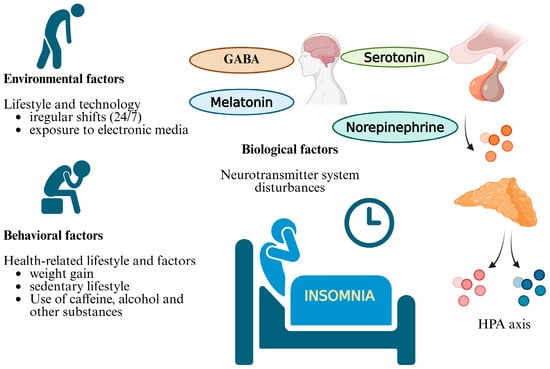
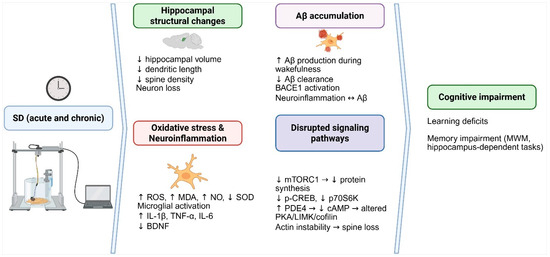
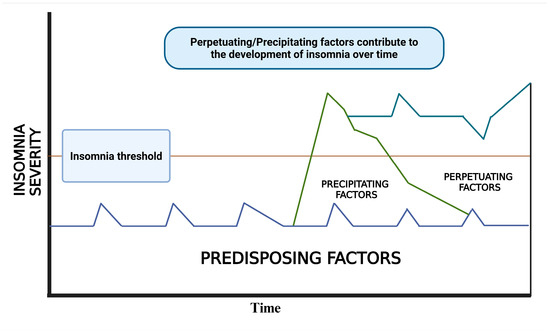
Insomnia is the most prevalent sleep disorder worldwide, affecting up to 30% of the population, and is frequently accompanied by cognitive complaints and measurable cognitive impairments. Chronic insomnia is characterized by persistent hyperarousal across physiological, cognitive, and neurobiological domains, which may compromise multiple cognitive systems. This review synthesizes current evidence on the impact of insomnia on major cognitive domains, including attention, language, memory and learning, executive functions, perceptual–motor skills, and social cognition. We critically evaluate methodological factors contributing to heterogeneous findings across studies, such as variability in diagnostic criteria, insomnia phenotypes, cognitive assessments, and sample characteristics. Additionally, we summarize emerging evidence on neuroanatomical and molecular correlates of insomnia-related cognitive impairment, including alterations in hippocampal and prefrontal brain structures, amyloid-β accumulation, dysregulation of brain-derived neurotrophic factor, neurotransmitter imbalance, neuroinflammation, and disrupted signaling pathways. Insights from preclinical studies show mechanistic links between sleep loss, synaptic dysfunction, oxidative stress, and memory decline. Despite substantial advances, the precise pathophysiological mechanisms underlying cognitive dysfunction in insomnia remain incompletely understood, suggesting that cognitive impairment arises from the convergence of multiple biological processes rather than a single causal pathway. A deeper mechanistic understanding is essential for developing targeted interventions for preventing cognitive decline in individuals with insomnia.
Full article

Figure 1
Open AccessArticle
Do Inhibitory Deficits in ADHD Reflect Both Controlled and Automatic Mechanisms?
by
Tindara Caprì and Rosa Angela Fabio
Psychiatry Int. 2026, 7(2), 69; https://doi.org/10.3390/psychiatryint7020069 - 1 Apr 2026
Abstract
Background: The present study investigated automatic and intentional inhibitory control processes in children with Attention-Deficit/Hyperactivity Disorder (ADHD) within the framework of the dual-process theory, comparing their performance with that of typically developing children in ocular motor tasks. The aim was to determine whether
[...] Read more.
Background: The present study investigated automatic and intentional inhibitory control processes in children with Attention-Deficit/Hyperactivity Disorder (ADHD) within the framework of the dual-process theory, comparing their performance with that of typically developing children in ocular motor tasks. The aim was to determine whether deficits in ADHD involve both controlled and automatic inhibitory mechanisms. Methods: 104 children (M = 10.92, SD = 1.97) divided into three groups (ADHD-Inattentive, ADHD-Combined, and control) were tested using the Delayed Ocular Response (DOR) task, which measures intentional inhibitory control by requiring the suppression of reflexive saccades toward peripheral stimuli, and the Saccadic Interference (SI) task, which evaluates automatic inhibitory control by assessing susceptibility to distractor interference during goal-directed saccades. Results: In the DOR task, ADHD groups exhibited a higher number of premature saccades, fewer correct saccades, and lower accuracy compared to controls, with no differences between ADHD subtypes, indicating an impairment in intentional inhibitory control. Performance on the SI task did not differ significantly among groups, suggesting preserved automatic inhibitory control in children with ADHD. Conclusions: These findings indicate that ADHD is characterized by deficits in intentional inhibitory processes rather than in automatic inhibitory mechanisms, contributing to a more differentiated understanding of inhibitory control dysfunctions in this disorder.
Full article
Highly Accessed Articles
Latest Books
E-Mail Alert
News
Topics
Topic in
Behavioral Sciences, Healthcare, Psychiatry International, Adolescents, Social Sciences, Children
Behavioral Addictions and Risk-Taking in the Digital Age: Gambling, Sports Betting, and Emerging Challenges
Topic Editors: André Luiz Monezi Andrade, Denise De MicheliDeadline: 31 August 2026
Topic in
Brain Sciences, Clocks & Sleep, JDAD, Neuroglia, Psychiatry International, NeuroSci, Neurology International, CTN
Advancing Neuroscience and Brain Sciences: Insights from the 5th International Electronic Conference on Brain Sciences & 1st International Electronic Conference on Neurosciences (IECBS-IECNS 2026)
Topic Editors: Stephen D. Meriney, Magda TsolakiDeadline: 11 November 2026
Topic in
Education Sciences, Youth, Behavioral Sciences, Psychiatry International, EJIHPE
Addictive Behaviors and Mental Disorders Among Youth and Adolescents
Topic Editors: Wenchao Wang, Chao SongDeadline: 30 November 2026
Conferences
Special Issues
Special Issue in
Psychiatry International
Precision Approaches to Anxiety and Depression: Integrating Digital Technologies in Mental Health Research
Guest Editors: Rossella Suriano, Giorgio Mario GrassoDeadline: 30 November 2026
Special Issue in
Psychiatry International
Role of Neuroinflammation in Neurological Disorders
Guest Editor: Rekha JagadapillaiDeadline: 31 December 2026
Special Issue in
Psychiatry International
Cognitive Functioning Across Severe Psychiatric Disorders: From Research to Clinical Practice
Guest Editors: Thiago P. Fernandes, Natanael Antonio dos Santos, Irina Ivanovna Shoshina, Milena OliveiraDeadline: 31 December 2026
Special Issue in
Psychiatry International
The Impact of Social Media on Mental Health
Guest Editor: Malinda DesjarlaisDeadline: 31 December 2026