

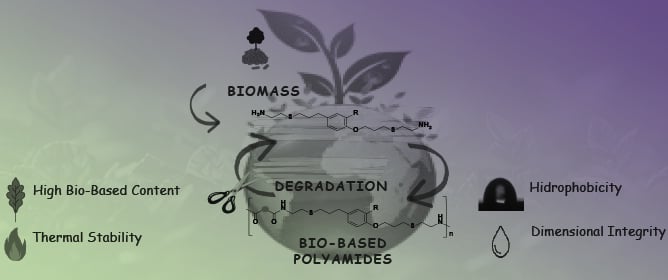
Journal Description
Polymers
Polymers
is an international, peer-reviewed, open access journal of polymer science published semimonthly online by MDPI. Belgian Polymer Group (BPG), European Colloid & Interface Society (ECIS), National Interuniversity Consortium of Materials Science and Technology (INSTM) and North American Thermal Analysis Society (NATAS) are affiliated with Polymers and their members receive a discount on the article processing charges.
- Open Access— free for readers, with article processing charges (APC) paid by authors or their institutions.
- High Visibility: indexed within Scopus, SCIE (Web of Science), Ei Compendex, PubMed, PMC, FSTA, CAPlus / SciFinder, Inspec, and other databases.
- Journal Rank: JCR - Q1 (Polymer Science) / CiteScore - Q1 (General Chemistry )
- Rapid Publication: manuscripts are peer-reviewed and a first decision is provided to authors approximately 14.4 days after submission; acceptance to publication is undertaken in 2.6 days (median values for papers published in this journal in the second half of 2025).
- Recognition of Reviewers: reviewers who provide timely, thorough peer-review reports receive vouchers entitling them to a discount on the APC of their next publication in MDPI journals, in appreciation of the work.
- Testimonials: See what our authors and editors say about Polymers.
- Journal Cluster of Polymer and Macromolecular Science: Polymers, Gels, Polysaccharides, Textiles, Macromol, Microplastics and Adhesives.
Impact Factor:
4.9 (2024);
5-Year Impact Factor:
5.2 (2024)
Latest Articles
Green and Scalable Manufacturing of Biodegradable Polymer Scaffolds: Solvent-Free Processing, Supercritical CO2 and Melt Electrowriting
Polymers 2026, 18(8), 974; https://doi.org/10.3390/polym18080974 - 16 Apr 2026
Abstract
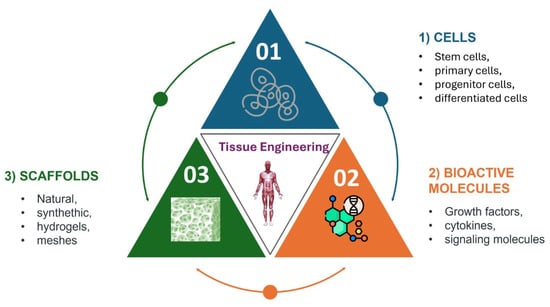
Tissue scaffolds are one of the main components of the tissue engineering triad, playing a vital role in tissue engineering. However, their production procedures heavily rely on solvent-intensive and energy-demanding methods. This raises serious questions about industrial-scale manufacturability, residual solvent toxicity to living
[...] Read more.
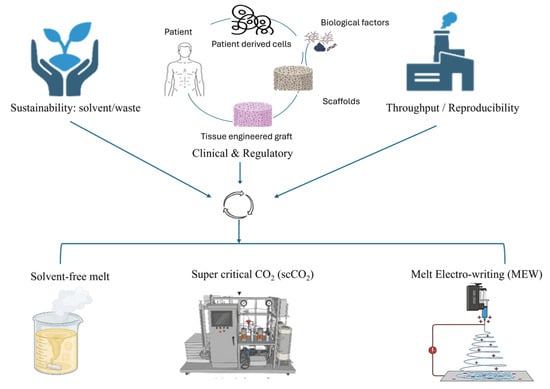
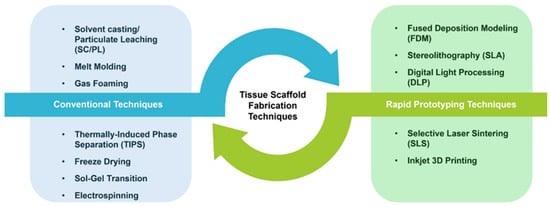
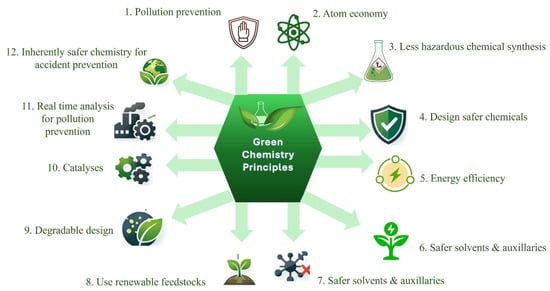
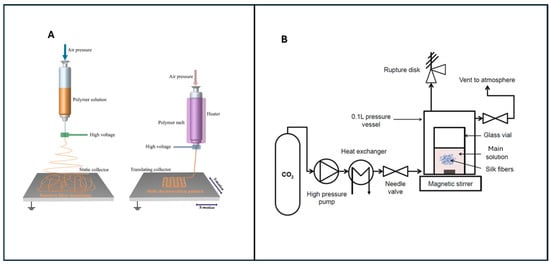
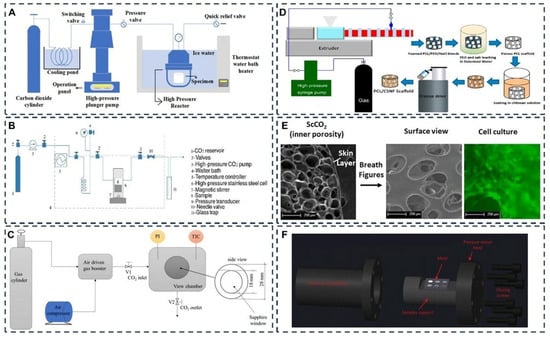
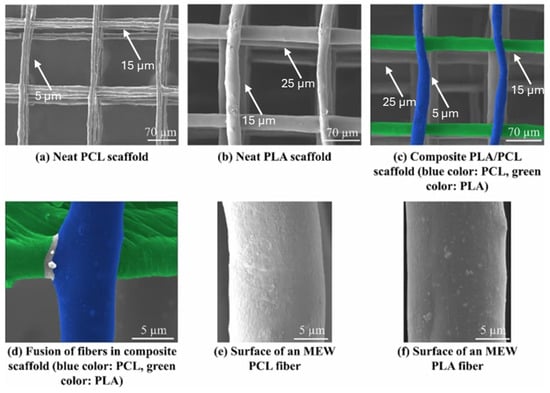
Tissue scaffolds are one of the main components of the tissue engineering triad, playing a vital role in tissue engineering. However, their production procedures heavily rely on solvent-intensive and energy-demanding methods. This raises serious questions about industrial-scale manufacturability, residual solvent toxicity to living health, and sustainability for nature and the environment. Therefore, the main aim of this study is to identify robust scaffolds that provide a suitable microenvironment for resident cells and promote tissue regeneration, while reducing waste through environmentally friendly production methods. In this context, the scalable and ecologically friendly production methods emerge as necessary alternatives as biodegradable polymer scaffolds are used in more therapeutic settings. Clinically applicable and green synthesis-based supercritical carbon dioxide (scCO2) technologies, melt electrowriting (MEW), and solvent-free processing techniques are the main topics of this study for a critical analysis of biodegradable polymer scaffold production techniques. Scaffold structure–property correlations, polymer selection and interactions, production procedures, the benefits and drawbacks of existing fabrication technologies, and sustainability issues are discussed in detail. It aims to contribute a novel perspective and approach to literature by presenting and comparing production-oriented approaches as sustainable and green methods. The challenges in the development of biodegradable tissue scaffolds, along with the significance of green manufacturing techniques, are also revealed. The approach is designed to connect processing factors to scaffold features in addition to evaluating current technologies. This review tries to offer a framework for producing biodegradable polymer scaffolds in a sustainable and clinically implementable context.
Full article
(This article belongs to the Special Issue Advanced Biodegradable Polymer Scaffolds for Tissue Engineering, 3rd Edition)
►
Show Figures
Open AccessArticle
Performance Evaluation and Micro-Mechanisms of Composite Asphalt Modified by Desulfurized Rubber Powder and Distinct Waste Plastics
by
Dongwei Cao, Mingming Zhang, Rui Zheng, Qidong Su and Wenbo Zhou
Polymers 2026, 18(8), 973; https://doi.org/10.3390/polym18080973 - 16 Apr 2026
Abstract
The synergistic utilization of waste plastics and tires in asphalt modification is a highly promising sustainable strategy. However, the differential impacts of distinct plastic molecular architectures on the performance and network evolution of rubber-modified asphalt remain fundamentally unclear. This study systematically investigated the
[...] Read more.
The synergistic utilization of waste plastics and tires in asphalt modification is a highly promising sustainable strategy. However, the differential impacts of distinct plastic molecular architectures on the performance and network evolution of rubber-modified asphalt remain fundamentally unclear. This study systematically investigated the physical, rheological, and microstructural properties of composite asphalts modified with desulfurized rubber powder (DRP) and four representative plastics: polyethylene (PE), styrene–isoprene–styrene (SIS), styrene–ethylene–butylene–styrene (SEBS), and styrene–butadiene–styrene (SBS). Furthermore, the pavement performance of the asphalt mixtures prepared via dry and wet methods was comparatively evaluated. Microstructural and spectroscopic analyses revealed that the composite modification was primarily governed by physical blending and swelling. The non-polar, semi-crystalline PE resulted in severe phase separation and extreme low-temperature brittleness. Conversely, the saturated hydrogenated mid-blocks of SEBS endowed the asphalt with the highest high-temperature rutting resistance but severely compromised its low-temperature stress relaxation. Remarkably, SBS interacted synergistically with DRP to form a highly homogeneous and densely interwoven three-dimensional network, thereby achieving an optimal viscoelastic balance, outstanding storage stability, and superior low-temperature ductility. Pavement performance tests further demonstrated that the wet method significantly outperformed the dry method for block copolymers by facilitating sufficient pre-swelling. Overall, the SBS-DRP composite-modified asphalt prepared via the wet method exhibited the most exceptional and balanced comprehensive pavement performance, providing a robust theoretical foundation for the sustainable and high-value recycling of multi-source solid wastes in paving engineering.
Full article
(This article belongs to the Section Polymer Composites and Nanocomposites)
Open AccessReview
Electrospinning of Natural Polymeric Fibers with Essential Oils for the Control of Multidrug-Resistant Pathogens
by
Deysi Alejandrina Cabrera Segura, Verónica Santacruz Vázquez, Sandra Mendoza, Santa Toxqui-López, Paulina Arellanes-Lozada and Claudia Santacruz Vázquez
Polymers 2026, 18(8), 972; https://doi.org/10.3390/polym18080972 - 16 Apr 2026
Abstract
Antimicrobial resistance (AMR) represents one of the major threats to global health, driven by the indiscriminate use of antibiotics and decline in the development of new therapeutic agents. In this context, essential oils (EOs) have emerged as innovative natural alternatives due to their
[...] Read more.
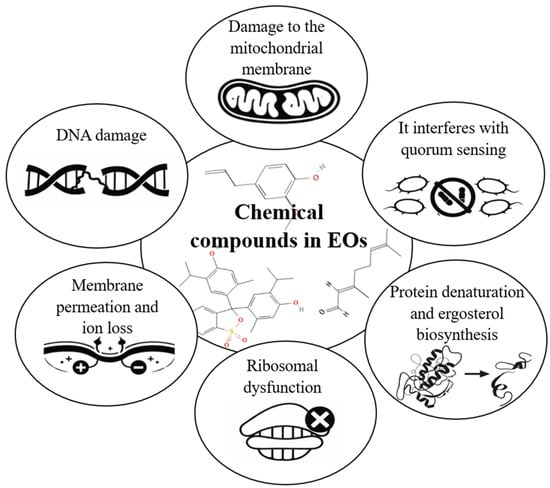
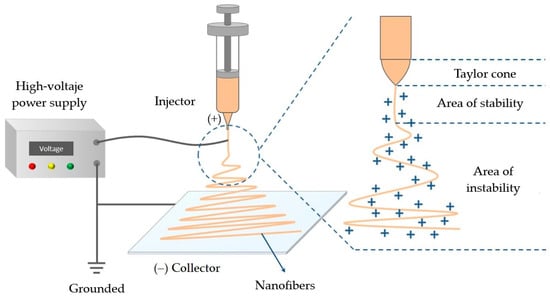
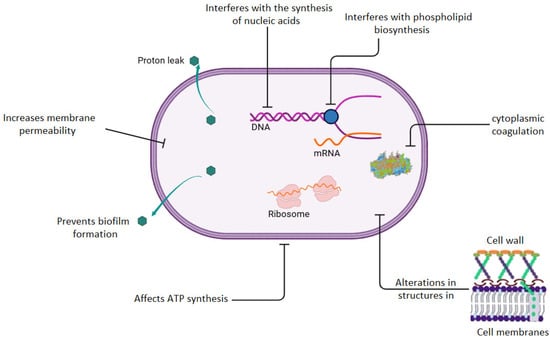
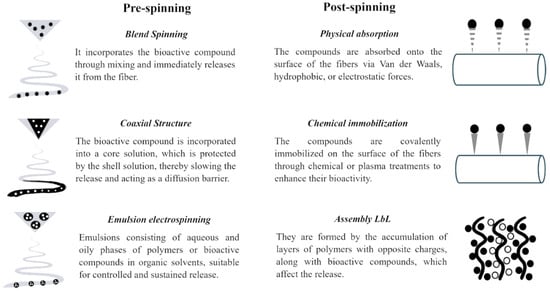
Antimicrobial resistance (AMR) represents one of the major threats to global health, driven by the indiscriminate use of antibiotics and decline in the development of new therapeutic agents. In this context, essential oils (EOs) have emerged as innovative natural alternatives due to their broad-spectrum antimicrobial activity and low potential to induce bacterial resistance. However, their clinical application is limited by their volatility, low chemical stability, and rapid degradation. The incorporation of EOs into electrospun natural polymer fibers has emerged as an effective strategy to overcome these limitations, improving their stability, enabling controlled release, and enhancing their antimicrobial efficiency. This review focuses on the use of electrospun natural polymers for biomedical applications, highlighting their biocompatibility, biodegradability, and ability to mimic the extracellular matrix, thereby promoting cell interaction. Additionally, their high surface area and porous structure facilitate efficient encapsulation and controlled release of bioactive compounds. Recent advances in the development of these systems against clinically relevant multidrug-resistant pathogens are analyzed, along with the antimicrobial mechanisms of EOs. Finally, the factors influencing encapsulation and release efficiency, as well as the main challenges and future perspectives for clinical translation, are discussed.
Full article
(This article belongs to the Special Issue Recent Advances in Electrospun Polymer Nanofibers)
►▼
Show Figures

Figure 1

Open AccessArticle
Enhancing Stability of Reprocessed Acrylonitrile–Butadiene–Styrene (ABS) Polymers from Sorted WEEE Streams for Filament Extrusion
by
Christina Podara, Christos Panagiotopoulos, Dionysia Kouranou, Christos Tsirogiannis, Melpo Karamitrou, Tatjana Kosanovic Milickovic, Stamatina Vouyiouka and Costas Charitidis
Polymers 2026, 18(8), 971; https://doi.org/10.3390/polym18080971 - 16 Apr 2026
Abstract
The mechanical recycling of styrenic polymers from waste electrical and electronic equipment (WEEE) is often limited by thermomechanical degradation occurring during repeated processing. In this work, the degradation behaviour of acrylonitrile–butadiene–styrene (ABS) recovered from sorted WEEE streams was systematically investigated through multiple extrusion
[...] Read more.
The mechanical recycling of styrenic polymers from waste electrical and electronic equipment (WEEE) is often limited by thermomechanical degradation occurring during repeated processing. In this work, the degradation behaviour of acrylonitrile–butadiene–styrene (ABS) recovered from sorted WEEE streams was systematically investigated through multiple extrusion cycles, and the effectiveness of antioxidant stabilization was evaluated. Progressive degradation was assessed by chemical structure, rheological, thermal and mechanical testing, and colorimetric analysis. Repeated processing resulted in increased melt flow, altered viscoelastic behaviour, molecular weight reduction, deterioration of mechanical properties, and discoloration. To mitigate these effects, antioxidant-stabilized compounds were prepared and subjected to identical reprocessing pathways. The addition of antioxidants effectively reduced chain scission, stabilized rheological properties, and limited colour changes during reprocessing. Furthermore, the processability of the optimized recycled ABS is demonstrated through filament extrusion for fused filament fabrication, highlighting its potential for high-value additive manufacturing applications. These results demonstrate that appropriate stabilization strategies can significantly enhance the process stability and recyclability of styrenic polymers from WEEE streams, supporting their use in higher-value applications within a circular economy framework.
Full article
(This article belongs to the Special Issue Additive Manufacturing of Polymer Based Materials)
Open AccessArticle
Influence of Surface Modification of Fly Ashes on the Fire Behavior of Polyamide 6
by
Marcos Batistella, Nour-Alhoda Masarra, Constantinos Xenopoulos and José-Marie Lopez-Cuesta
Polymers 2026, 18(8), 970; https://doi.org/10.3390/polym18080970 - 16 Apr 2026
Abstract
This study investigates the influence of surface-modified fly ash particles on the fire behavior of polyamide 6 (PA6) composites containing two types of flame retardants: melamine polyphosphate (MPP) and aluminum diethyl phosphinate (AlPi). The objective was to evaluate how interfacial modification of fly
[...] Read more.
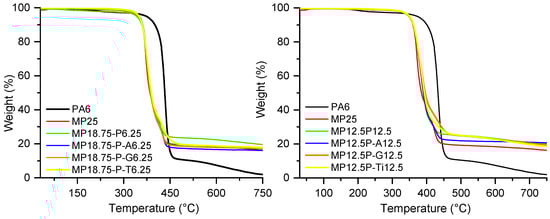
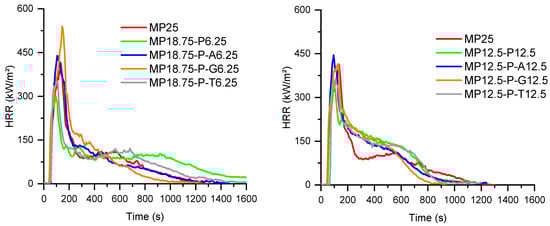
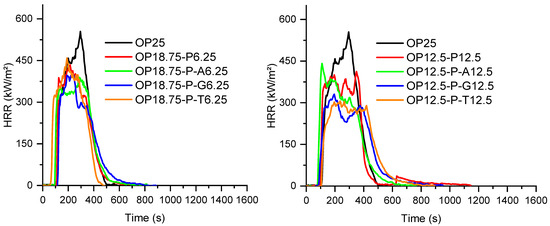
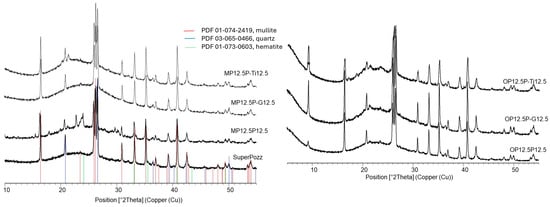
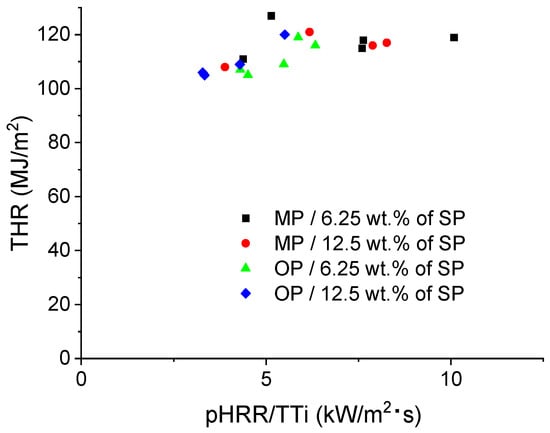
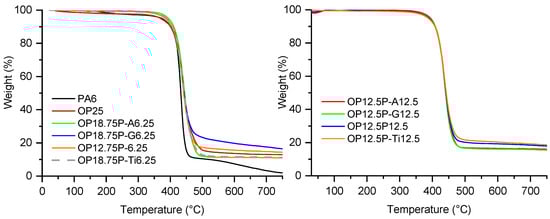
This study investigates the influence of surface-modified fly ash particles on the fire behavior of polyamide 6 (PA6) composites containing two types of flame retardants: melamine polyphosphate (MPP) and aluminum diethyl phosphinate (AlPi). The objective was to evaluate how interfacial modification of fly ash using amino-silane (APTES), glycidoxy-silane (GPTES), or titanate coupling agents affects dispersion, thermal stability, and combustion performance. A series of 18 formulations containing up to 25 wt% of additives was prepared by melt compounding and characterized by thermogravimetric analysis (TGA) and cone calorimetry. TGA results showed that MPP-based systems favored char formation, with residues up to 21%, whereas AlPi provided higher thermal stability (T50% ≈ 445 °C). The incorporation of untreated or surface-treated fly ash improved both thermal stability and char yield, depending on the nature of the coupling agent. Cone calorimeter results confirmed a strong synergistic effect between flame retardants and fly ash. The peak heat release rate (pHRR) decreased by 65–75% compared to neat PA6, while total heat release (THR) and mass loss were also significantly reduced. Titanate-modified fly ash showed the most homogeneous dispersion and provided the highest residue and lowest pHRR values. Energy-dispersive X-ray (EDX) analyses confirmed enhanced phosphorus retention in the residues (up to 100%), evidencing the formation of stable inorganic species and protective ceramic-like structures. These results demonstrate that surface-modified fly ash can act as an efficient synergistic additive in PA6 flame-retardant formulations, simultaneously improving fire performance and promoting the valorization of industrial by-products for sustainable polymer design.
Full article
(This article belongs to the Special Issue Flame-Retardant Polymer Composites, 3rd Edition)
►▼
Show Figures

Figure 1
Open AccessArticle
The Impact of Biomass Treatment and Plasticizers on the Properties of Chicken Feather-Based Biodegradable Films
by
Sarah Montes, Emmi Nuutinen, Julen Vadillo, Alaitz Rekondo, Hans-Jürgen Grande and Jonna Almqvist
Polymers 2026, 18(8), 969; https://doi.org/10.3390/polym18080969 - 16 Apr 2026
Abstract
The poultry sector generates large amounts of feather waste every year, providing an abundant keratin-rich residue that is difficult to valorise due to its crosslinked and highly compacted crystalline structure. In the present work, with the aim of promoting its use in biodegradable
[...] Read more.
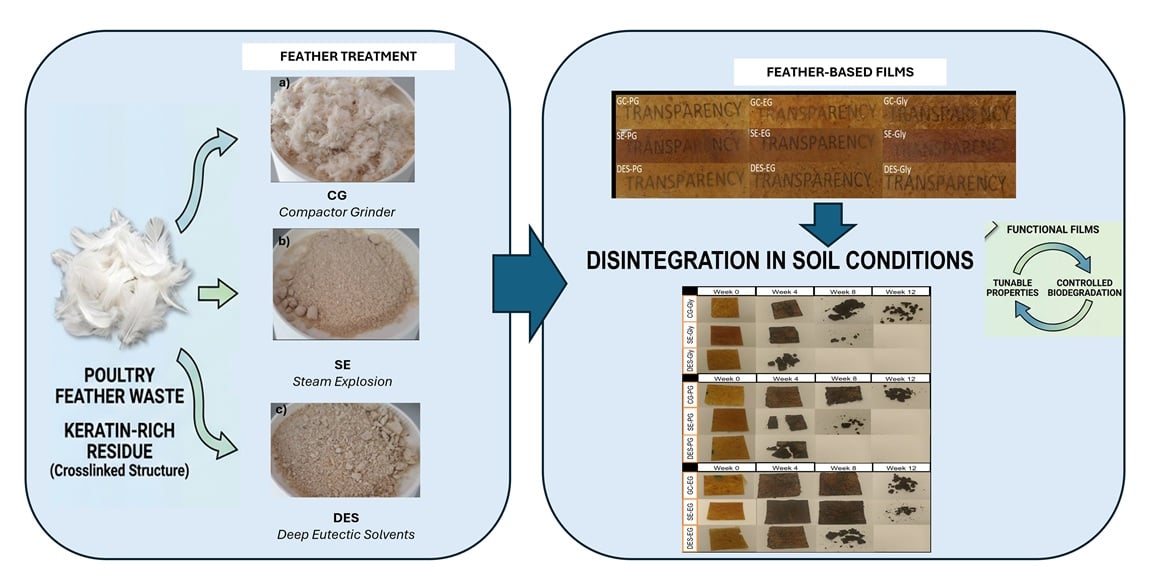
The poultry sector generates large amounts of feather waste every year, providing an abundant keratin-rich residue that is difficult to valorise due to its crosslinked and highly compacted crystalline structure. In the present work, with the aim of promoting its use in biodegradable plastic films, environmentally friendly processes, such as mechanical grinding (compactor grinder, CG), deep eutectic solvents (DES), and steam explosion process (SE) are being explored as alternatives to conventional chemical processes. Thus, biodegradable feather-based films were produced by compounding treated feathers in a torque rheometer at 40 wt.% with glycerol, ethylene glycol, and 1,2-propanediol (propylene glycol), followed by hot pressing. All formulations produced homogeneous and translucent films, which were characterized in terms of colorimetric properties and thermal and mechanical behaviour, as well as their degradation in soil conditions, revealing pronounced differences in properties as a function of the specific combination of feather treatment and plasticizer employed. Interestingly, soil disintegration tests revealed the fastest degradation of films of DES-treated feathers plasticized with glycerol. Overall, controlling feather treatment and plasticizer type enables tuning of mechanical performance and biodegradation, supporting keratin-based films as a viable route for feather waste valorisation.
Full article
(This article belongs to the Special Issue Advanced Polymeric Films for Functional Applications)
►▼
Show Figures

Graphical abstract
Open AccessArticle
Analysis of Photothermal Conversion Behaviors in Graphene–Polymer Nanocomposites
by
Haiyu Zhang, Runzhe Rao, Yan Feng, Zhou Fang, Xinyan Hu and Fang Li
Polymers 2026, 18(8), 968; https://doi.org/10.3390/polym18080968 - 16 Apr 2026
Abstract
Due to its strong near-infrared (NIR) absorption and high thermal conductivity, graphene is considered an excellent nanophotothermal filler that can effectively improve the photothermal conversion performance of composites. In particular, graphene–polymer nanocomposites, new types of photothermal conversion materials, have broad application prospects in
[...] Read more.
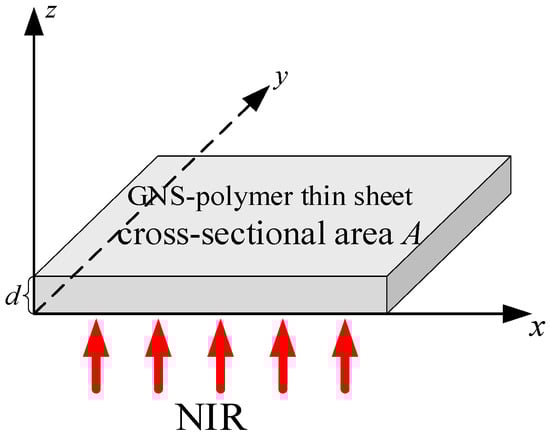
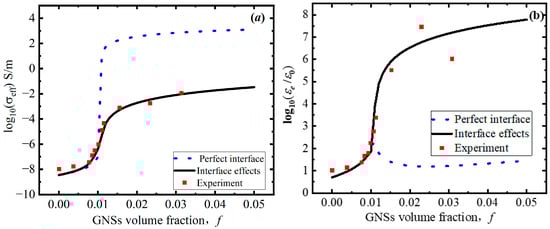
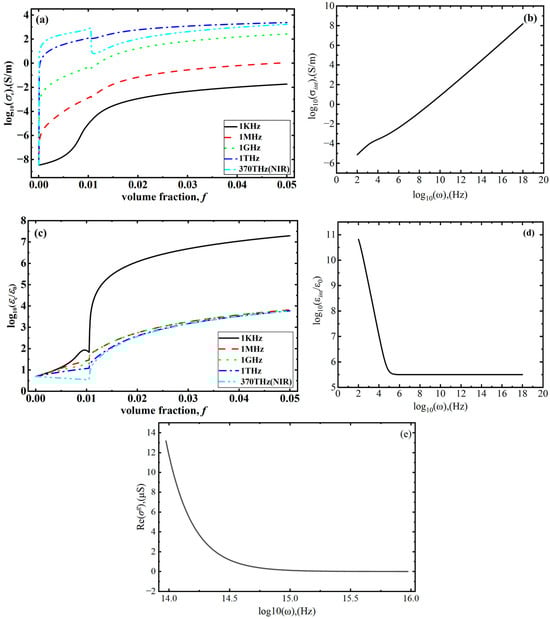
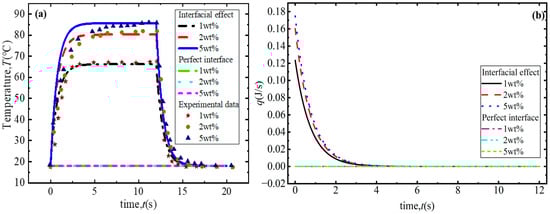
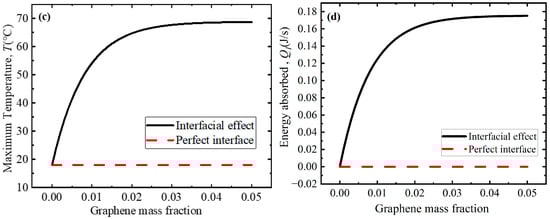
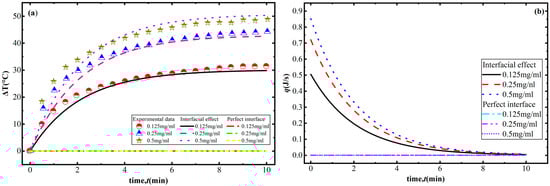
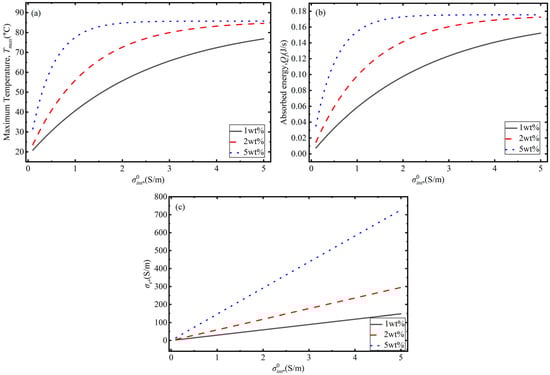
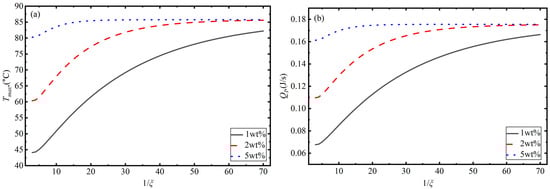
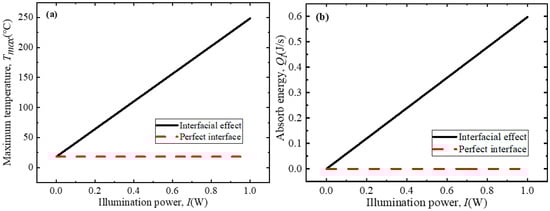
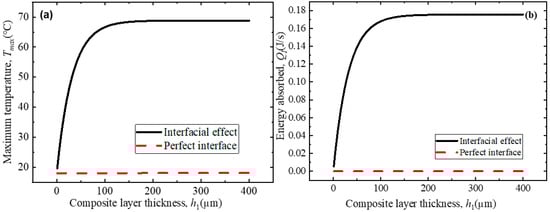
Due to its strong near-infrared (NIR) absorption and high thermal conductivity, graphene is considered an excellent nanophotothermal filler that can effectively improve the photothermal conversion performance of composites. In particular, graphene–polymer nanocomposites, new types of photothermal conversion materials, have broad application prospects in photothermal therapy, photothermal driving, and micro-/nanomachinery. Recent research results have shown that when the filling concentration of graphene nanosheets (GNSs) in the matrix reaches the percolation threshold, interface effects such as interface tunneling and Maxwell–Wagner–Sillars (MWS) polarization, the key factors affecting the photothermal conversion performance of such composites, will occur. Furthermore, graphene exhibits unique optical conductivity due to its strong interaction with light. To reveal how interface effects influence the photothermal conversion performance of these nanocomposites, the optical conductivity of graphene at near-infrared frequencies was introduced to modify the effective medium theory. By combining this with a photothermal conversion model, the photothermal conversion behaviors of GNS–polymer composites are discussed, taking into account the interface effects and optical conductivity characteristics of GNSs.
Full article
(This article belongs to the Special Issue Carbon Nanomaterial-Reinforced Polymer Nanocomposites: Advanced Synthesis, Properties, and Multifunctional Applications)
►▼
Show Figures

Figure 1
Open AccessArticle
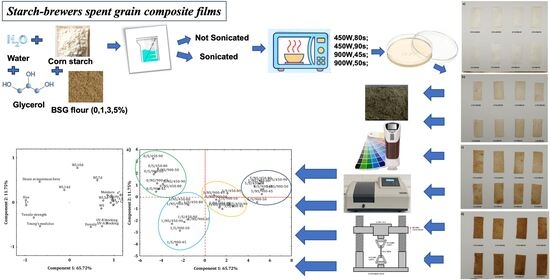
Ultrasound and Microwave Treatments to Produce Flexible Thermoplastic Starch–Brewers’ Spent Grain Composite Films
by
Antonietta Baiano, Antonella Di Palma and Anna Fiore
Polymers 2026, 18(8), 967; https://doi.org/10.3390/polym18080967 - 16 Apr 2026
Abstract
This research aimed to evaluate the effects of formulation and process conditions on the physical and structural properties of starch–brewers’ spent grain films. Three factors were considered: BSG amounts (0, 1, 3, 5%), a possible ultrasonication pre-treatment, and different microwave gelatinization treatments (450
[...] Read more.
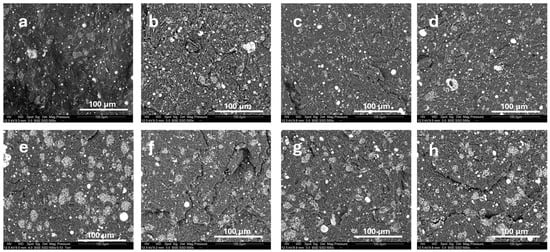
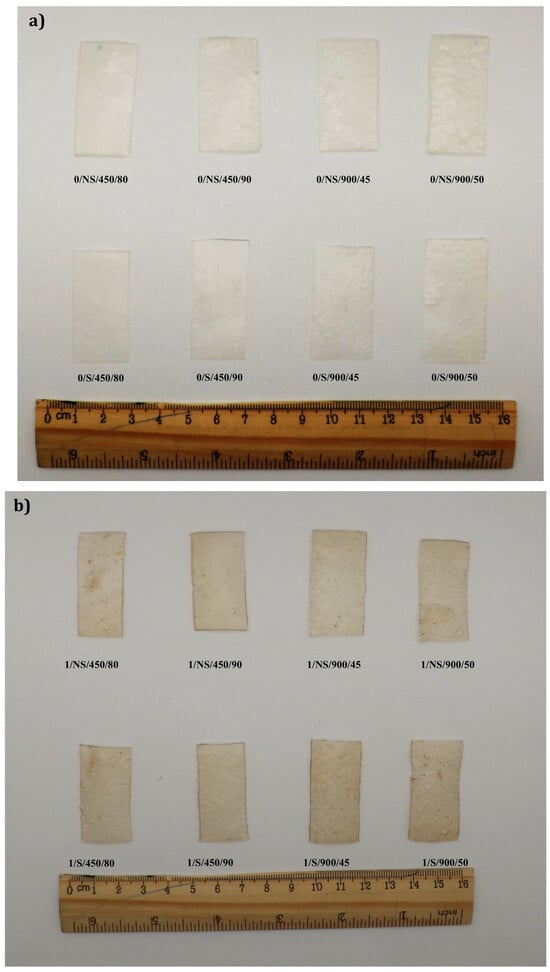
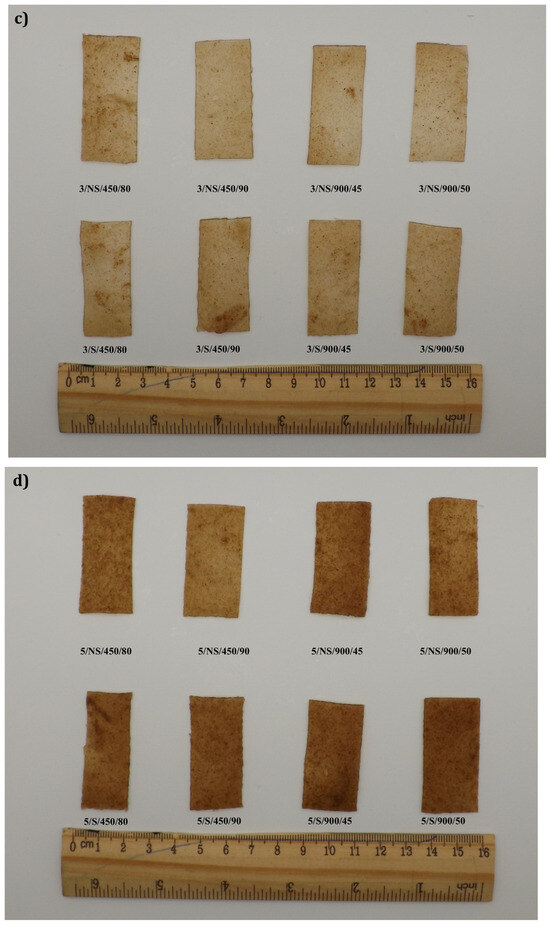
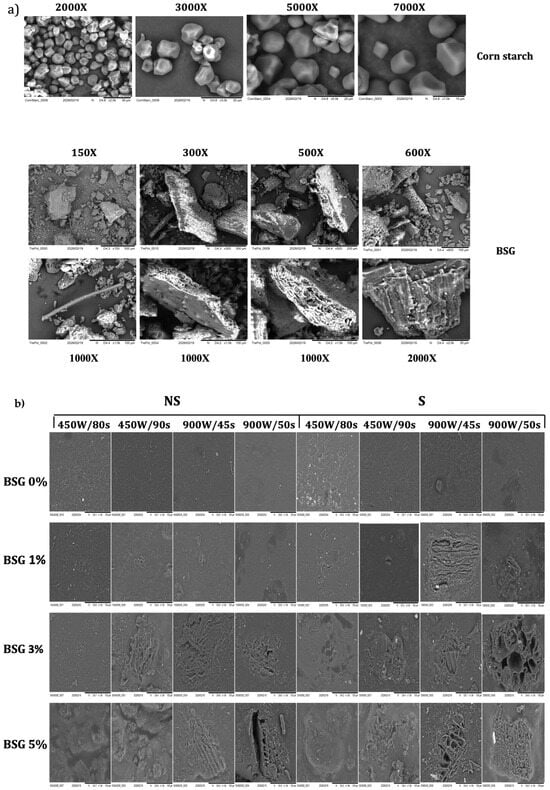
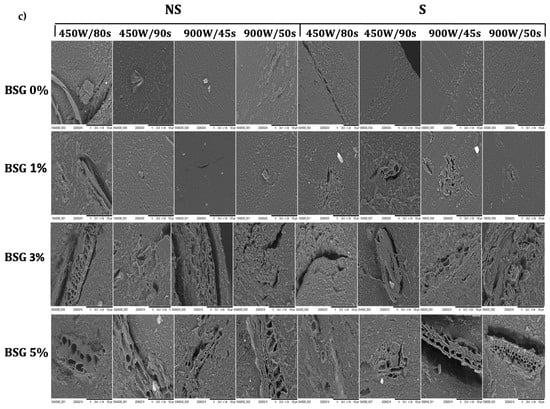
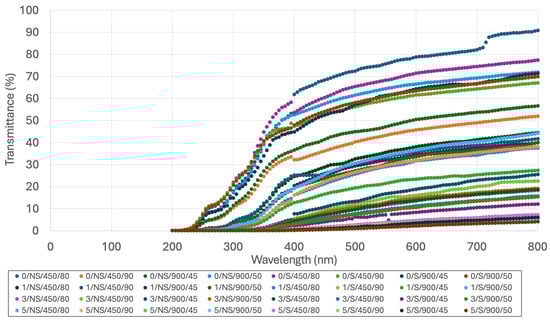
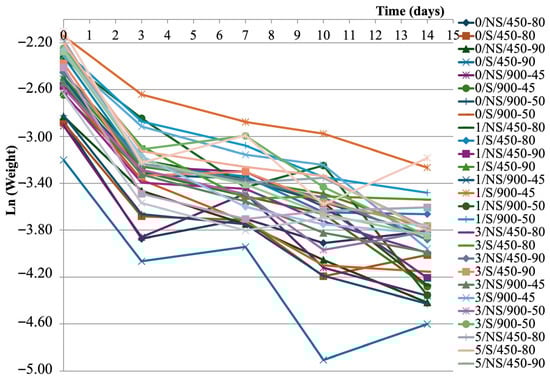
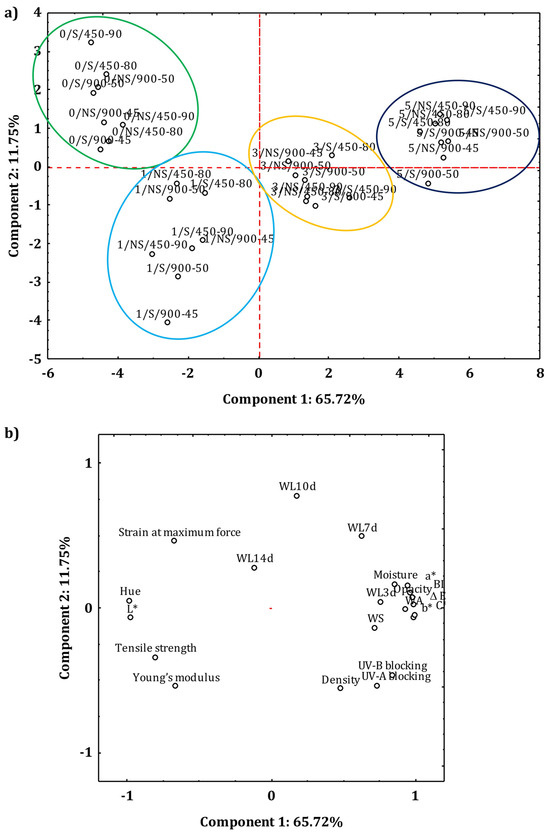
This research aimed to evaluate the effects of formulation and process conditions on the physical and structural properties of starch–brewers’ spent grain films. Three factors were considered: BSG amounts (0, 1, 3, 5%), a possible ultrasonication pre-treatment, and different microwave gelatinization treatments (450 W for 80 and 90 s; 900 W for 45 and 50 s). An increase in BSG is responsible for increases in moisture (10.72 → 23.40%), water absorption (67.65 → 95.73%), density (0.90 → 1.27 g/cm3), browning index (5.86 → 85.88), UV blocking capacity (82.42% → 99.96% for UV_A; 61.28% → 99.86% for UV_B), and degradability in the first 7 days (58.72 → 66.57%), but dramatically decreases the Young’s modulus and tensile strength (fallen to 2.90 N/mm2 and 0.21 N/mm2, at 5% BSG). Sonication contributes to increased browning index (36.17 → 37.24), UV blocking capacity, solubility (49.35 → 51.49%) and Young’s modulus (4.40 → 4.77 N/mm2). The most severe microwave treatment (900 W, 50 s) minimizes moisture (15.83%) and water absorption (80.89%) and maximizes density (1.21 g/cm3), browning index (37.52), and Young’s modulus (5.37 N/mm2). SEM micrographs allow us to observe that the film surface appears rough, and the structure becomes increasingly porous as BSG % increases. The regression analysis indicates that the quadratic model effectively describes the relationships between the three factors and each of the most important properties of the films; it is suitable for predicting film behavior and optimizing their characteristics depending on the desired use.
Full article
(This article belongs to the Section Polymer Membranes and Films)
►▼
Show Figures

Graphical abstract
Open AccessArticle
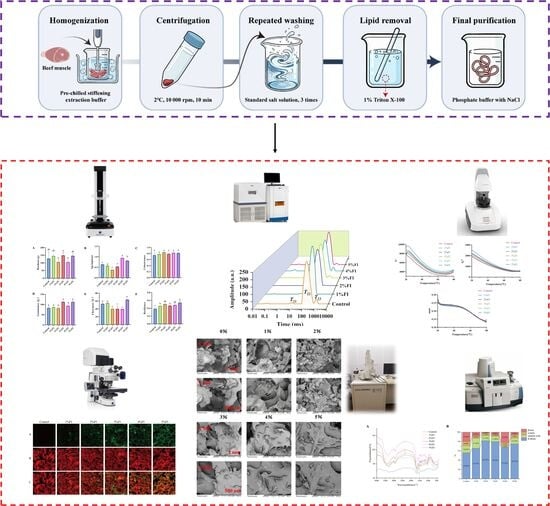
Effect of Adding Natural Inulin on the Quality of Beef Myofibrillar Protein Gels
by
Xuchen Ji, Yanbin Wang, Chunqing Shi, Mengjie Zhang, Zhouya Bai, Chonghui Yue, Libo Wang, Peiyan Li, Denglin Luo and Sihai Han
Polymers 2026, 18(8), 966; https://doi.org/10.3390/polym18080966 - 16 Apr 2026
Abstract
To investigate how natural inulin (FI) influences the quality of heat-induced beef myofibrillar protein (BMP) gels, BMP gel systems were prepared with graded FI concentrations (1%, 2%, 3%, 4%, and 5%). Texture analysis (TA), low-field nuclear magnetic resonance (LF-NMR), rheological measurements, scanning electron
[...] Read more.
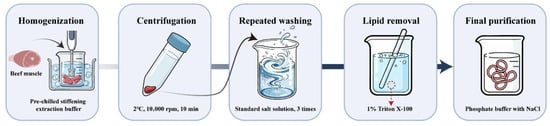
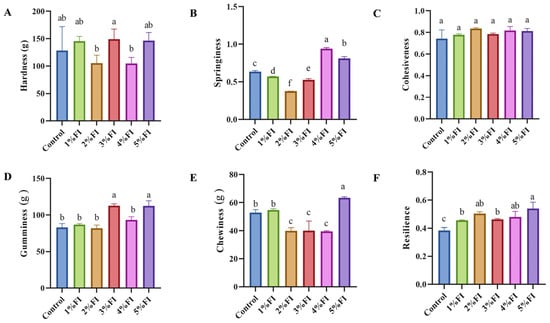
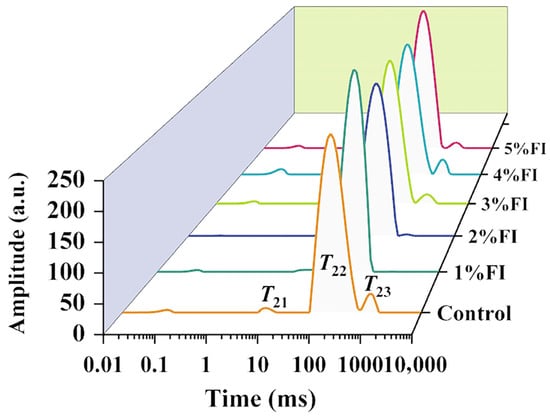
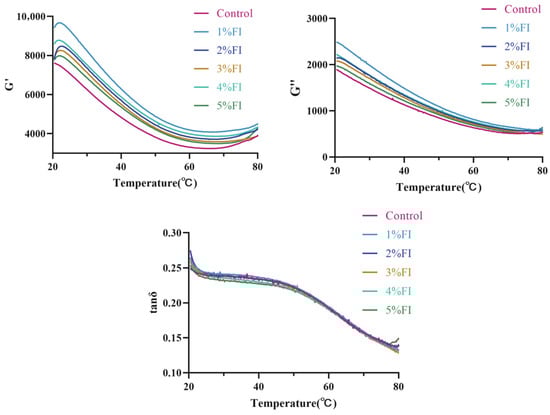
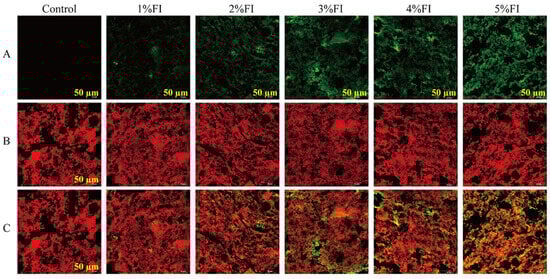
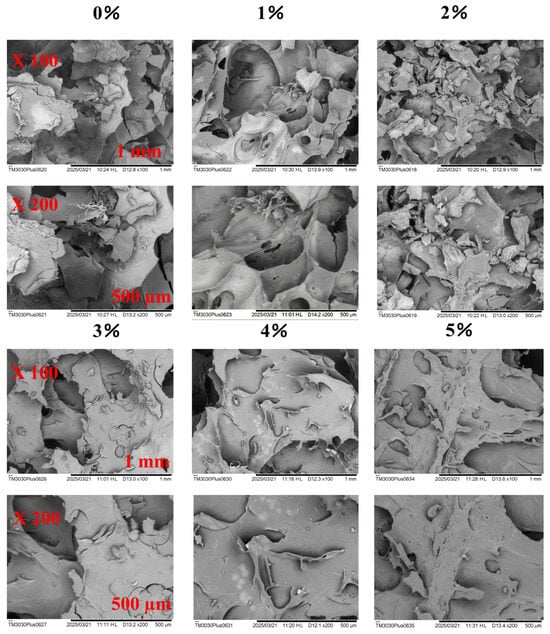
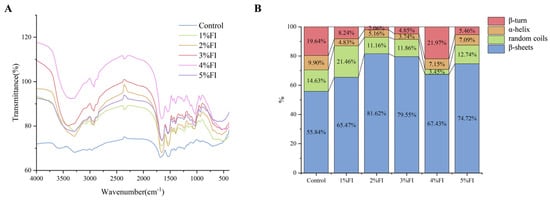
To investigate how natural inulin (FI) influences the quality of heat-induced beef myofibrillar protein (BMP) gels, BMP gel systems were prepared with graded FI concentrations (1%, 2%, 3%, 4%, and 5%). Texture analysis (TA), low-field nuclear magnetic resonance (LF-NMR), rheological measurements, scanning electron microscopy (SEM), and Fourier transform infrared spectroscopy (FT-IR) were used to systematically characterise changes in gel properties, water migration and distribution, microstructure, and protein secondary structure. The results showed that the improvement in gel quality produced by inulin was concentration-dependent. FI at addition levels of 1–2% promoted the ordered intermolecular cross-linking of beef myofibrillar proteins, thereby facilitating the formation of a homogeneous and compact three-dimensional gel network, as confirmed by SEM and CLSM observations. Notably, 2% FI was identified as the optimal addition level for the BMP gel system. Compared with the control group, this treatment produced the highest relative β-sheet content (82%) among all groups, optimised the internal water distribution of the gel by reducing the proportion of free water, enhanced the water-holding capacity of the gels (p < 0.05), and preserved the elasticity-dominated solid-state characteristics of the BMP gel system (tan δ < 1), indicating that FI improved gel strength without changing its fundamental properties. These findings provide an important theoretical basis and practical technical parameters for the development of functional beef products with both desirable texture and high dietary fibre content.
Full article
(This article belongs to the Special Issue Biopolymers for Food Applications)
►▼
Show Figures

Graphical abstract
Open AccessArticle
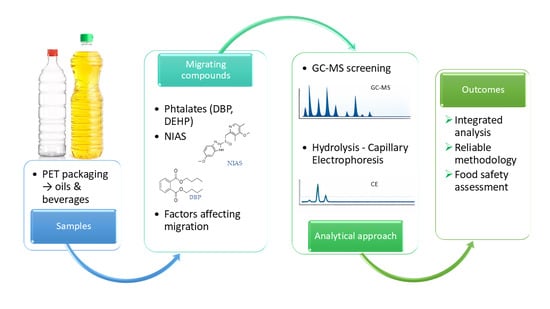
Migration of Plastic Additives and Non-Intentionally Added Substances from Packaging into Edible Oils and Beverages: A Combined GC–MS and Hydrolysis–Capillary Electrophoresis Approach
by
Rodica Sturza, Veronica Dragancea, Aliona Ghendov-Mosanu, Ileana-Denisa Nistor, Diana-Carmen Mirila and Dmitri Lazacovici
Polymers 2026, 18(8), 965; https://doi.org/10.3390/polym18080965 - 15 Apr 2026
Abstract
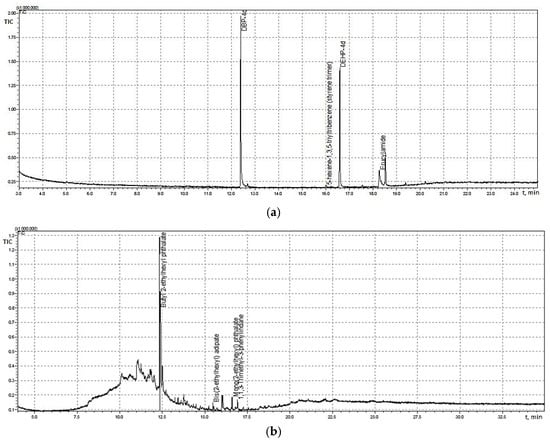
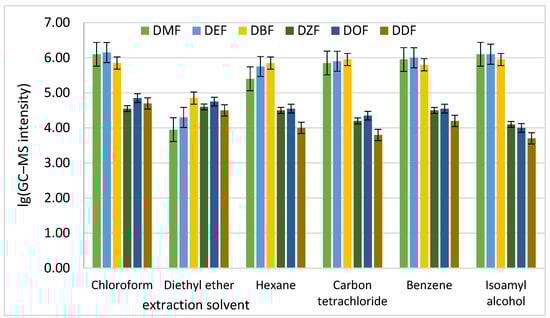
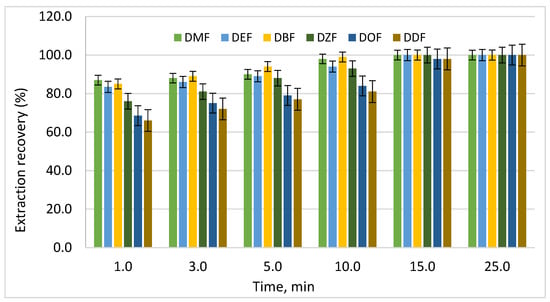
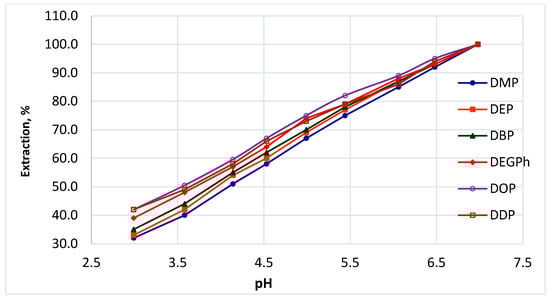
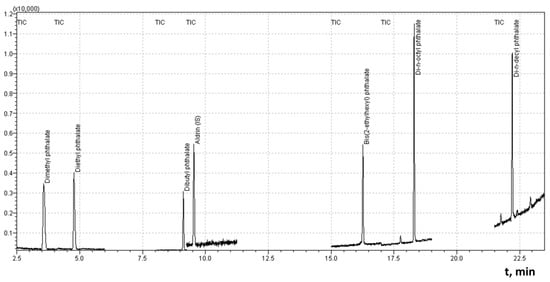
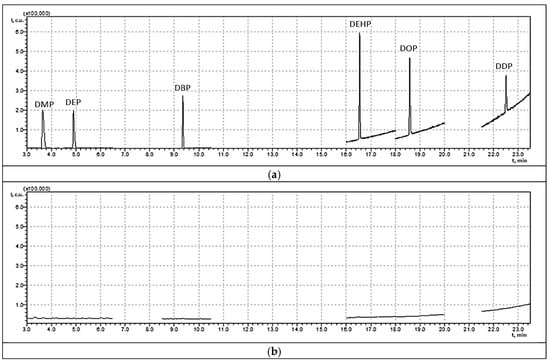
The present study aimed to investigate the migration of potentially hazardous compounds from plastic food packaging into edible oils, bottled water and soft drinks available on the market in the Republic of Moldova. GC–MS screening was applied to identify plastic additives and unintentionally
[...] Read more.
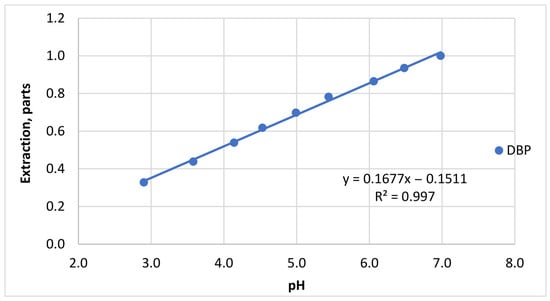
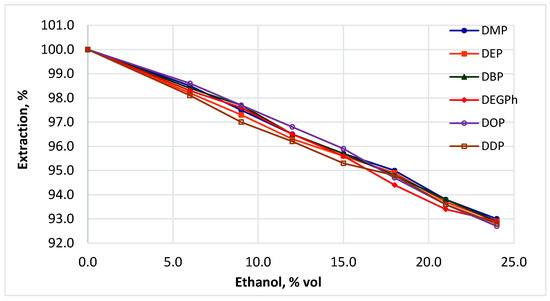
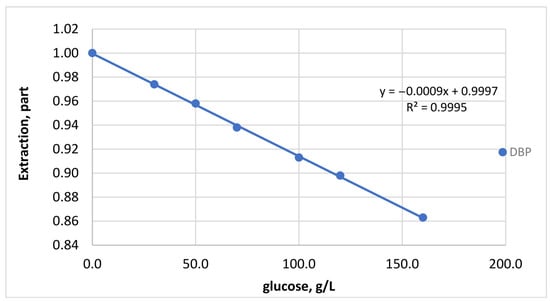
The present study aimed to investigate the migration of potentially hazardous compounds from plastic food packaging into edible oils, bottled water and soft drinks available on the market in the Republic of Moldova. GC–MS screening was applied to identify plastic additives and unintentionally added substances (NIAS). The influence of key extraction parameters, including solvent type, extraction time, pH, alcohol content and sugar concentration, was systematically investigated. The optimized procedure demonstrated satisfactory analytical performances, with recoveries ranging from 81 to 96%, repeatability below 5% and detection limits between 0.006 and 0.01 mg/L. To allow a comprehensive assessment of total phthalate contamination, an additional analytical approach based on the hydrolysis of phthalate esters and the determination of o-phthalic acid using capillary electrophoresis with spectrophotometric detection was proposed. The method showed a linearity range of 0.1–5.0 mg/L and a limit of quantification of 0.07 mg/L. The combined chromatographic and hydrolysis-capillary electrophoresis approaches provide a reliable tool for the integrated determination and evaluation of phthalate residues in aqueous-alcoholic systems and beverages, accessible to laboratories performing food quality control.
Full article
(This article belongs to the Special Issue Advances and Innovations in Biopolymer Applications for Sustainable Packaging Solutions)
►▼
Show Figures

Graphical abstract
Open AccessArticle
Evolution of Char Structure and Its Influence on Reactivity During Biomass Pyrolysis: Spatial Scale Effects from Pellet Size to Intra-Pellet Location
by
Huping Liu, Yun Yu, Jingyi Wu, Jingchun Huang, Wei Hu, Li Xia, Yu Ru, Maolong Zhang, Minghou Xu and Yu Qiao
Polymers 2026, 18(8), 964; https://doi.org/10.3390/polym18080964 - 15 Apr 2026
Abstract
Biomass, composed of natural polymers such as cellulose, hemicellulose, and lignin, can be converted into circular chemical feedstocks through thermochemical conversion processes like pyrolysis. Char conversion is the rate-limiting step in the thermochemical conversion process, and thus, char reactivity is essential for determining
[...] Read more.
Biomass, composed of natural polymers such as cellulose, hemicellulose, and lignin, can be converted into circular chemical feedstocks through thermochemical conversion processes like pyrolysis. Char conversion is the rate-limiting step in the thermochemical conversion process, and thus, char reactivity is essential for determining the overall efficiency of pellet-based thermochemical processes. Pyrolysis experiments were conducted on rice straw pellets of different sizes (i.e., 8, 10, and 12 mm) in a vertical quartz tube reactor at 700 °C, and then the chemical structure of chars sampled at different stages and locations within a 10 mm pellet was analyzed using Raman spectroscopy and Fourier transform infrared spectroscopy (FTIR). The results indicate that increasing the pellet size facilitates the growth of polycyclic aromatic structures, as evidenced by the observed variations in the abundance of typical aromatic compounds in bio-oil. This also promotes volatile–char interactions, leading to greater deposition of large aromatic structures on the char surface, thereby enhancing char aromatization. Analogous to the spatial scale effect of pellet size on char structure, the evolution of the char structure within a single pellet exhibits distinct spatial heterogeneity during the initial devolatilization and subsequent char aromatization stages due to the location-dependent coupling of heat/mass transfer limitations and aromatization reactions during pyrolysis. Furthermore, the spatiotemporal evolution of the char structure leads to differences in the specific reactivity: during the devolatilization stage at 75 s, the center exhibits the highest reactivity, whereas the outer surface becomes the most reactive in the subsequent char aromatization stage at 300 s.
Full article
(This article belongs to the Special Issue Thermochemical Conversion of Polymer Waste)
Open AccessArticle
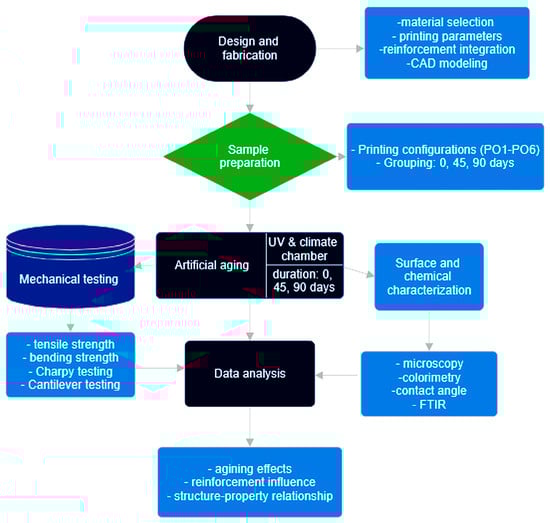
Mechanical Performance and Artificial Aging Behavior of Reinforced 3D-Printed PLA Structures for Drone Arm Application
by
Miloš R. Vasić, Miloš D. Vorkapić, Danica M. Bajić, Snežana B. Vučetić, Marija K. Kovač, Anja Terzić and Biljana Ilić
Polymers 2026, 18(8), 963; https://doi.org/10.3390/polym18080963 - 15 Apr 2026
Abstract
This study addresses several key limitations identified in previous research on additively manufactured PLA composites. Unlike most earlier studies that focused primarily on the characterization of as-printed materials, the present work systematically investigates both mechanical and surface behavior before, during, and after artificial
[...] Read more.
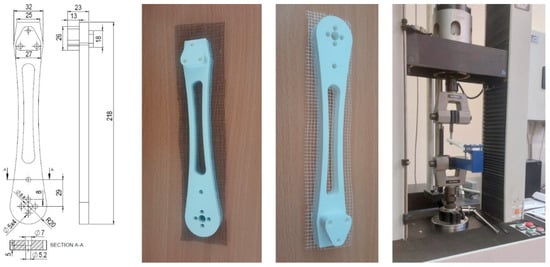
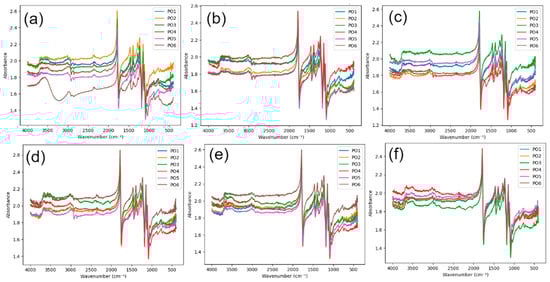
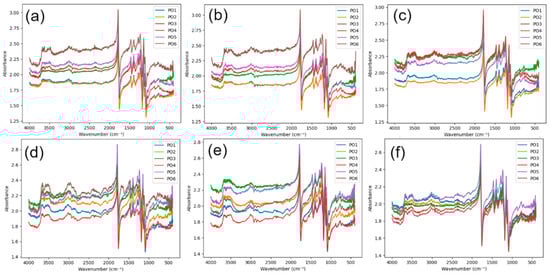
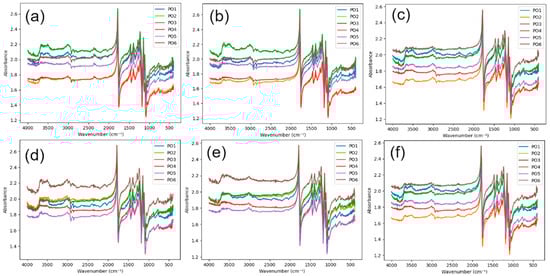
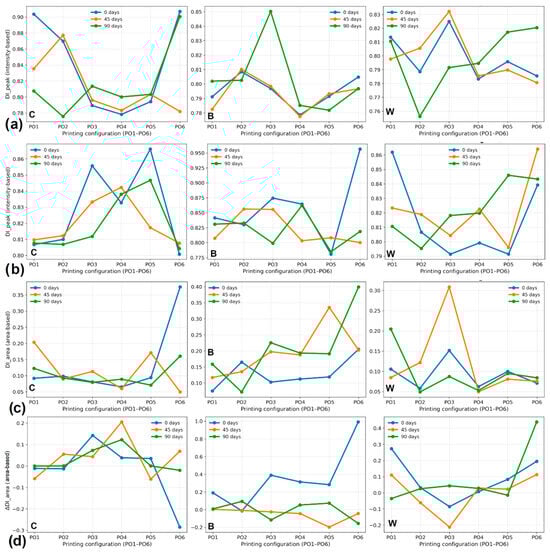
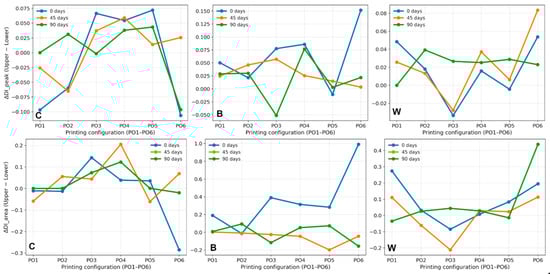
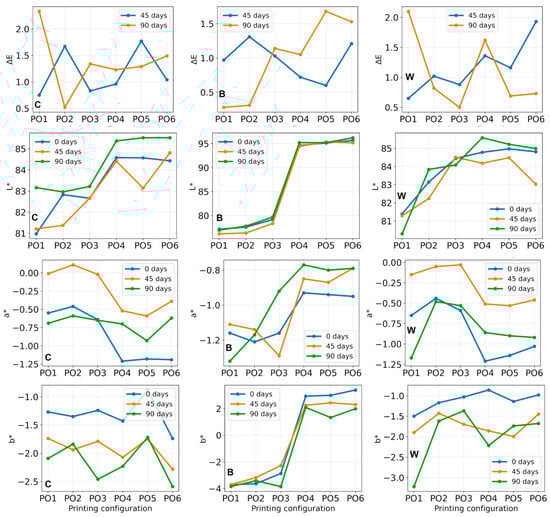
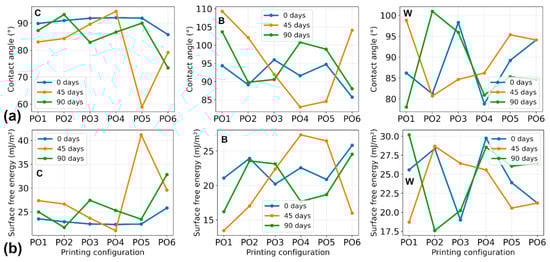
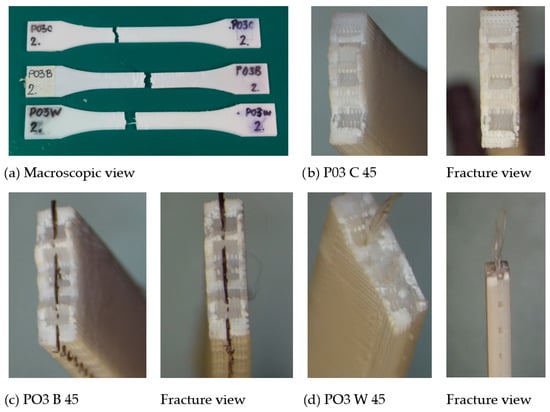
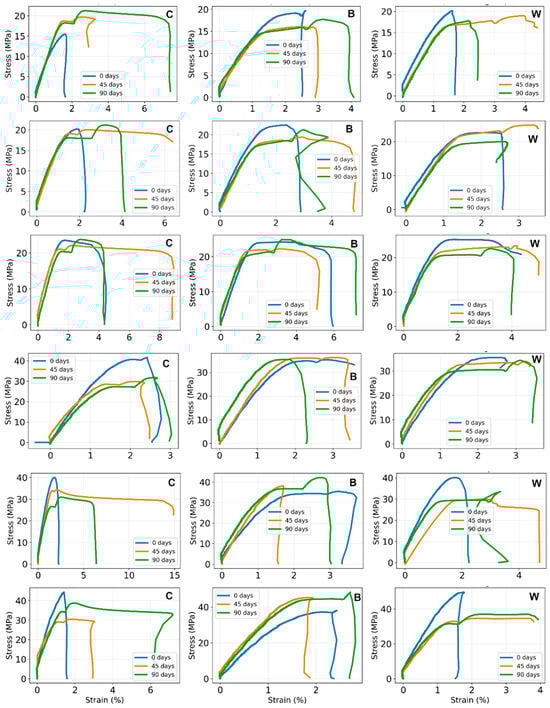
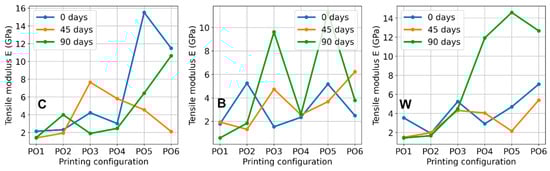
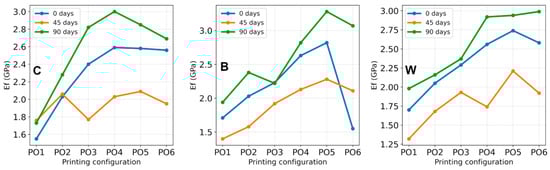
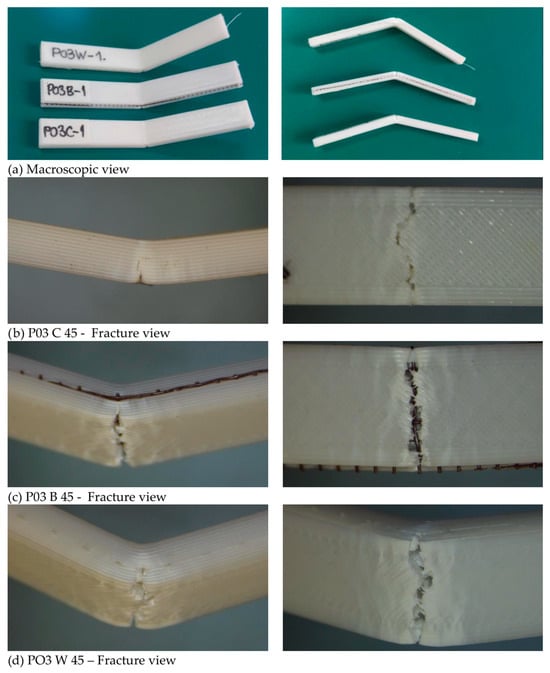
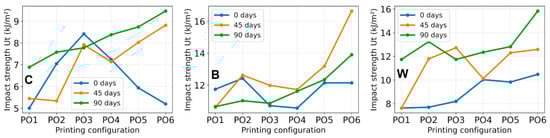
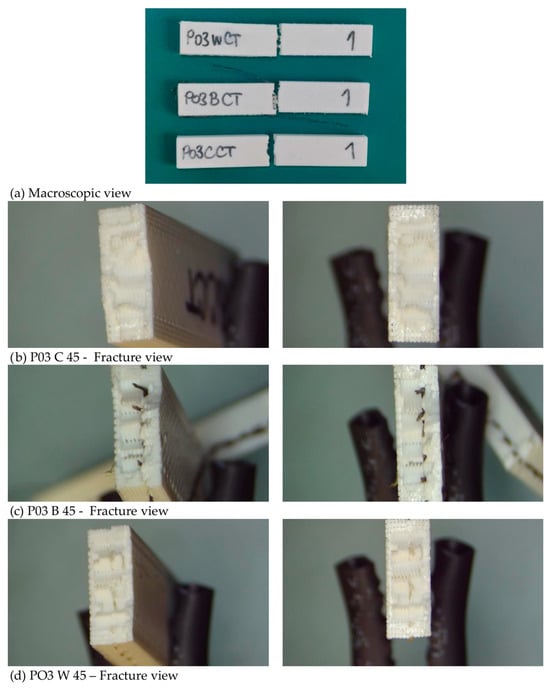
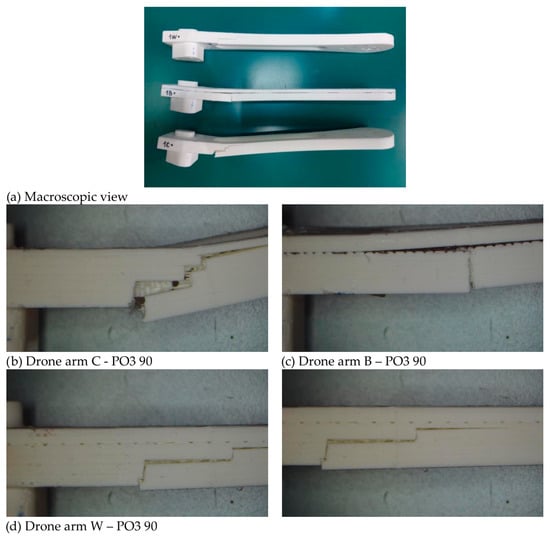
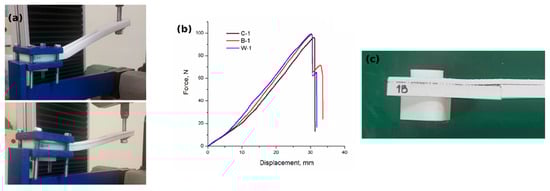
This study addresses several key limitations identified in previous research on additively manufactured PLA composites. Unlike most earlier studies that focused primarily on the characterization of as-printed materials, the present work systematically investigates both mechanical and surface behavior before, during, and after artificial aging. In addition, six different printing configurations and reinforcement types (PVC and fiberglass mesh) were analyzed under controlled conditions, enabling a more reliable assessment of their combined influence on composite performance. Printed specimens were artificially aged for 45 and 90 days. The aging protocol combined cyclic changes in moisture, temperature, UV, and IR agents, trying to mimic real exploitation conditions as realistically as possible. The chemical and surface changes during aging were tracked using FTIR spectroscopy, colorimetry, contact angle, and surface free energy measurements. Mechanical performance at 0, 45, and 90 days was evaluated through tensile, three-point bending, and Charpy impact tests, as well as full-scale cantilever loading tests of real printed drone arms. Results show that artificial aging causes measurable chemical and surface modifications, as indicated by changes in the FTIR degradation index and surface wettability. However, these changes do not result in severe mechanical degradation within the investigated aging period. Reinforcement in the form of incorporated PVC and fiberglass mesh significantly affected failure behavior. Specimens printed with higher infill density and thicker infill lines generally exhibit improved mechanical properties. Specimens stiffness and impact resistance were also altered. Results demonstrate that reinforced PLA structures are suitable for lightweight drone applications.
Full article
(This article belongs to the Section Polymer Processing and Engineering)
►▼
Show Figures

Figure 1
Open AccessArticle
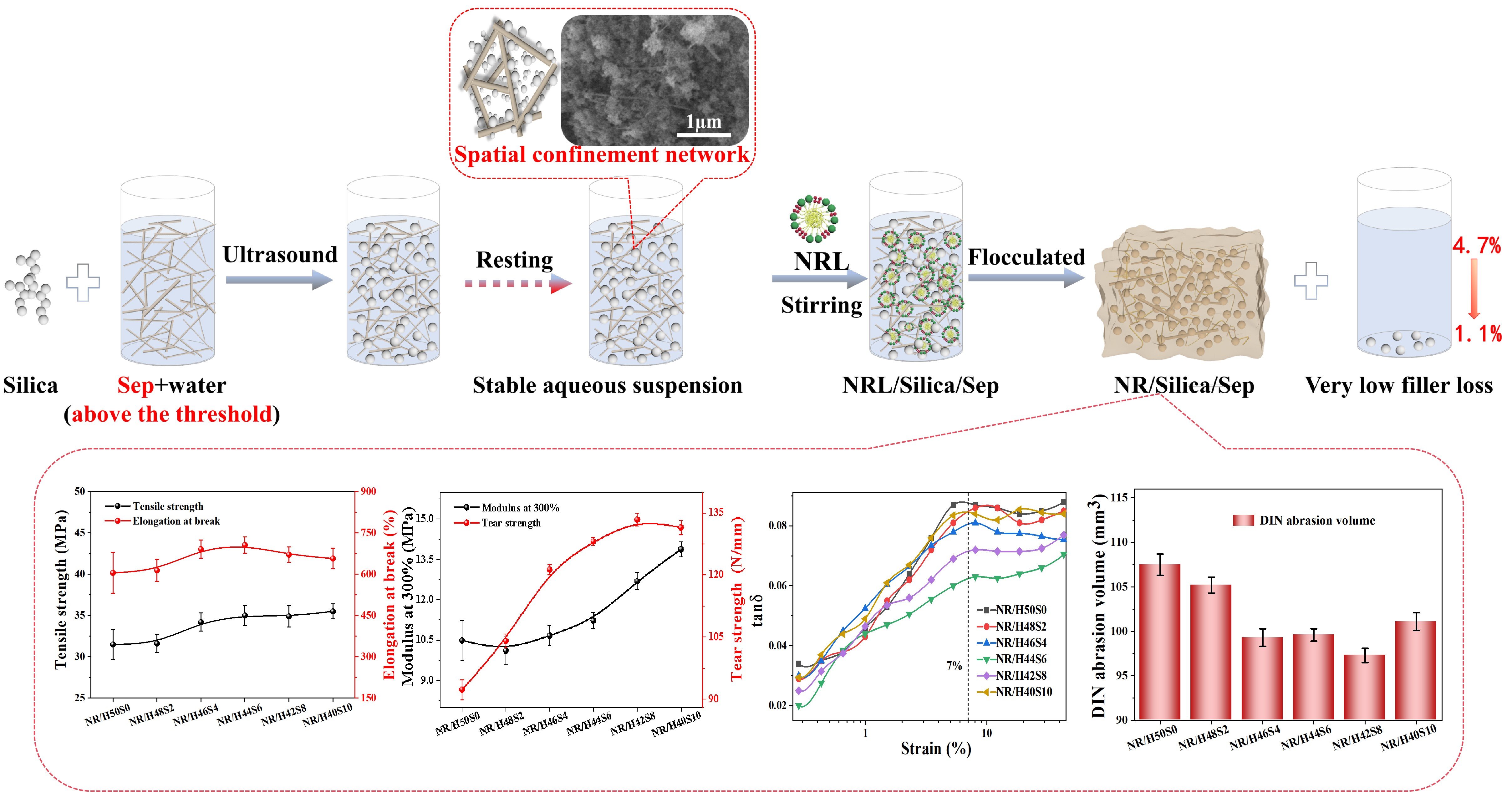
Effect of “Spatially Confined” Sepiolite on the Processing and Properties of Natural Rubber/Silica Composites Prepared by Latex Compounding Method
by
Zhanfeng Hou, Yahe Hou, Qi Chen, Hui Yang, Hongzhen Wang and Zhenxiang Xin
Polymers 2026, 18(8), 962; https://doi.org/10.3390/polym18080962 - 15 Apr 2026
Abstract
To address the pronounced self-aggregation of highly loaded silica in the aqueous phase and the substantial filler loss occurring during the flocculation stage of latex compounding, this study introduces disaggregated and activated sepiolite possessing a spatial confinement effect as both a suspension stabilizer
[...] Read more.
To address the pronounced self-aggregation of highly loaded silica in the aqueous phase and the substantial filler loss occurring during the flocculation stage of latex compounding, this study introduces disaggregated and activated sepiolite possessing a spatial confinement effect as both a suspension stabilizer and a synergistic reinforcing component. On this basis, a multiscale natural rubber (NR)/silica/sepiolite composite system was constructed via a latex compounding route. Rheological characterization combined with static sedimentation observations revealed that the percolation threshold of the sepiolite is approximately 0.8 wt%. When the sepiolite content exceeds 1.0 wt%, its fibrous morphology enables the formation of a continuous three-dimensional network, which physically constrains silica particles and effectively suppresses their sedimentation and self-aggregation in the aqueous medium. Guided by this percolation behavior, a stable silica/sepiolite hybrid slurry was subsequently wet-mixed with natural rubber latex, and the influence of sepiolite loading on silica retention during flocculation, as well as on the resulting composite properties, was systematically examined. The results demonstrate that incorporation of sepiolite reduces filler loss during flocculation, with the loss rate decreasing from 4.7% to 1.1%. The Payne effect, SEM, dynamic and static mechanical analyses indicate that an appropriate sepiolite dosage promotes dispersion of silica within the rubber matrix while simultaneously strengthening filler–rubber interfacial interactions. Accordingly, tensile and tear strengths are increased from 32.1 to 35.5 MPa and from 92.3 to 133.4 N·mm−1, respectively, while wet skid resistance is preserved and both rolling resistance and wear resistance are further improved. The findings of this work establish a practical and efficient strategy for the wet preparation of high-performance NR/silica composites.
Full article
(This article belongs to the Special Issue Dynamic Response and Failure of Polymer Composites)
►▼
Show Figures

Graphical abstract
Open AccessArticle
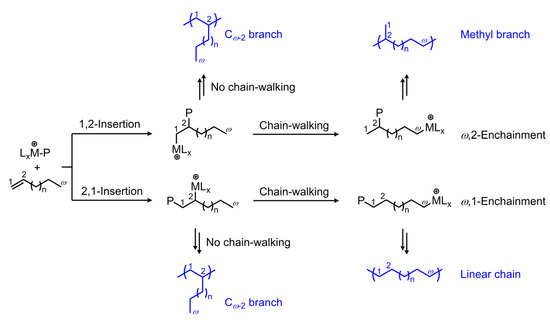
Investigations of the α-Olefin Polymerization Process Using the Classic α-Diimine Nickel Catalyst
by
Ying Wang, Jingjing Lai, Zhihui Song, Rong Gao, Qingqiang Gou, Bingyi Li, Gang Zheng, Randi Zhang, Qiang Yue and Yuanning Gu
Polymers 2026, 18(8), 961; https://doi.org/10.3390/polym18080961 - 15 Apr 2026
Abstract
This work provides a comprehensive exploration of α-olefin polymerization characteristics catalyzed by the classic α-diimine Ni catalyst. The polymerization process exhibited quasi-living behaviour, and a reaction kinetic model for the monomer coordination–insertion process was established. It was observed that the reaction exhibits living
[...] Read more.
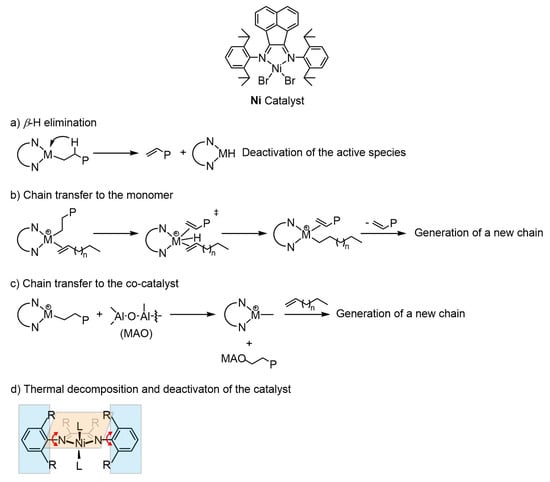
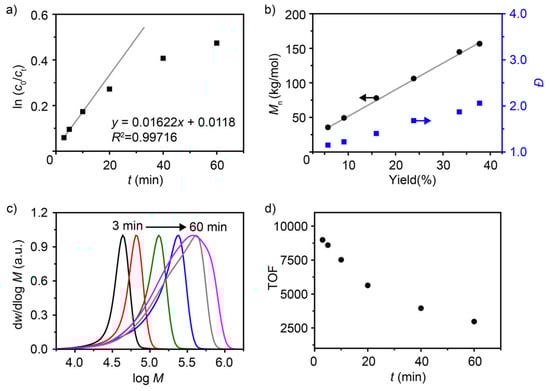
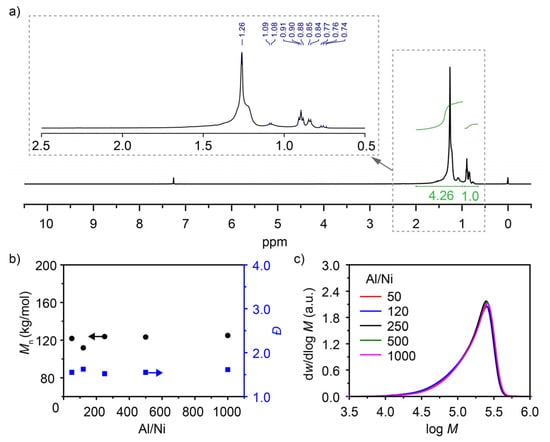
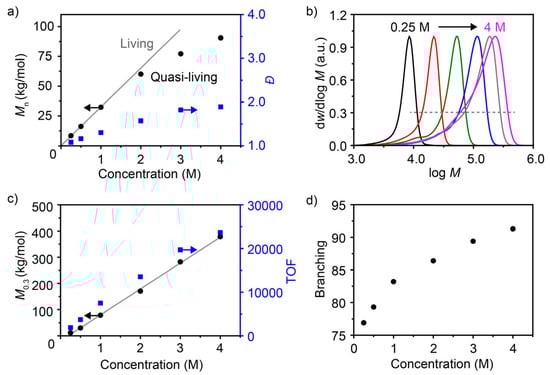
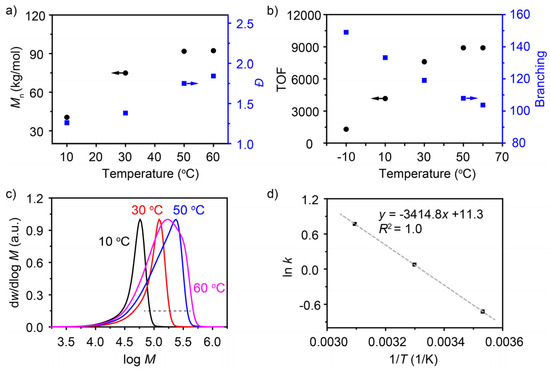
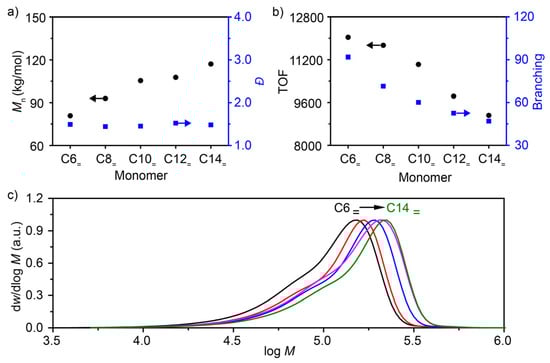
This work provides a comprehensive exploration of α-olefin polymerization characteristics catalyzed by the classic α-diimine Ni catalyst. The polymerization process exhibited quasi-living behaviour, and a reaction kinetic model for the monomer coordination–insertion process was established. It was observed that the reaction exhibits living polymerization features during the first 10 min, and the coordination–insertion rate constant was determined to be 1.08 L·mol−1·s−1 at 30 °C. The regulation rules for factors including co-catalyst amount, monomer concentration, polymerization temperature, monomer type on the molecular weight, molecular weight distribution and chain structure of poly(α-olefin)s were clarified. The co-catalyst (methylaluminoxane) primarily served to activate the catalyst without inducing a chain transfer effect, suggesting that chain stagnation is likely the primary cause of the deviation from typical living polymerization behaviour. Based on temperature-controlled experiments, the activation energy for the coordination–insertion reaction was calculated to be 28.40 kJ·mol−1 through GPC curve analysis. The kinetic model established in this study, along with the revealed chain branching rules, provides a theoretical foundation for the design of poly(α-olefin)s with novel structures and functions.
Full article
(This article belongs to the Section Polymer Chemistry)
►▼
Show Figures

Figure 1

Open AccessArticle
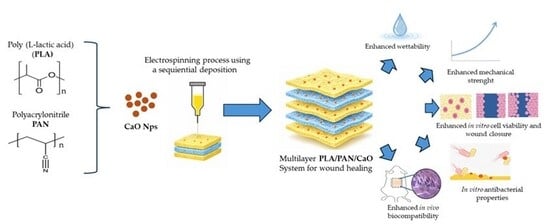
Electrospun Multilayer Scaffolds Based on Poly (L-Lactic Acid) and Poly (Acrylonitrile) Reinforced with CaO Nanoparticles for Enhanced Skin Regeneration and Wound Healing
by
Eugenio Rivera, Lissette Montoille, Fabián Guajardo, Fabian Álvarez-Carrasco, Sebastián Romero, Mauricio Gómez-Barrena, Esmeralda Lopez, Carlos Loyo, Claudio García-Herrera, Paula A. Zapata, Diana Zárate-Triviño, Juan José Martinez and Daniel A. Canales
Polymers 2026, 18(8), 960; https://doi.org/10.3390/polym18080960 - 15 Apr 2026
Abstract
This study reports the development and characterization of hierarchical electrospun scaffolds based on poly (L-lactic acid) (PLA) and polyacrylonitrile (PAN) reinforced with calcium oxide (CaO) nanoparticles (18.5 ± 4.7 nm) for skin regeneration. Six configurations, including two five-layer multilayer systems (PLA/PAN/CaO and PAN/PLA/CaO),
[...] Read more.
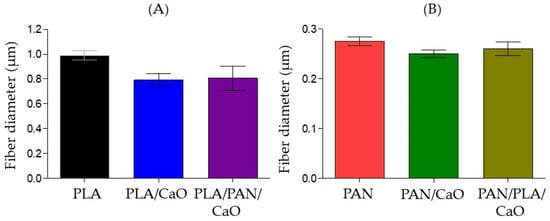
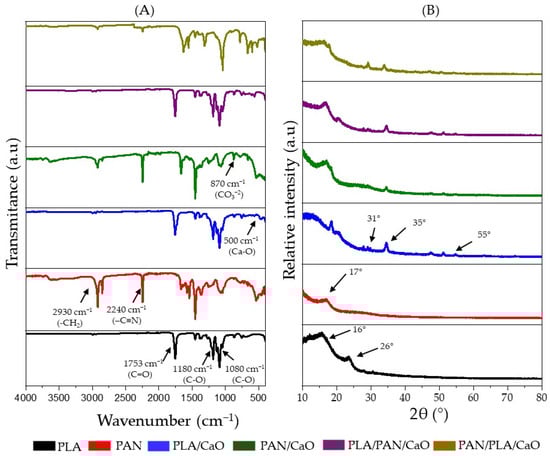
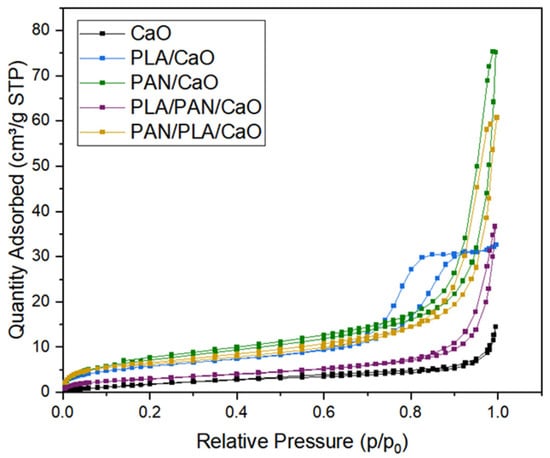
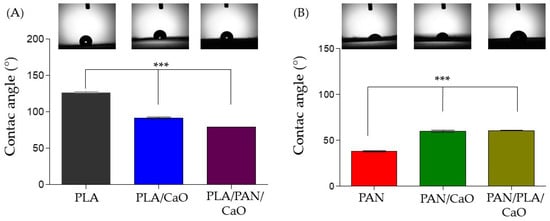
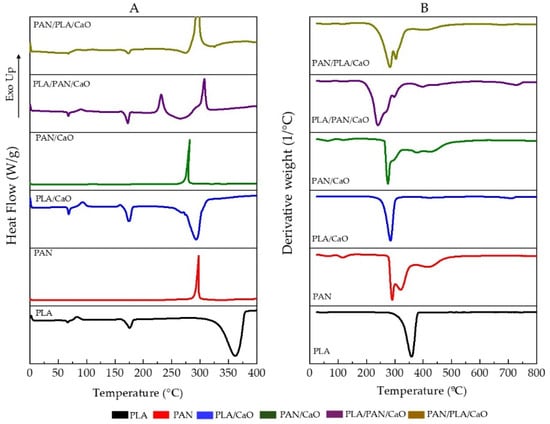
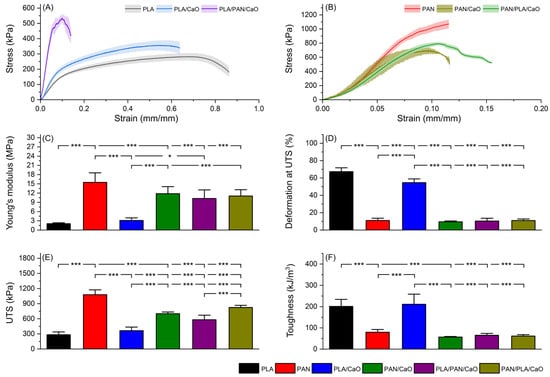
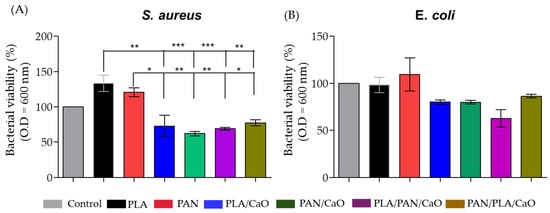
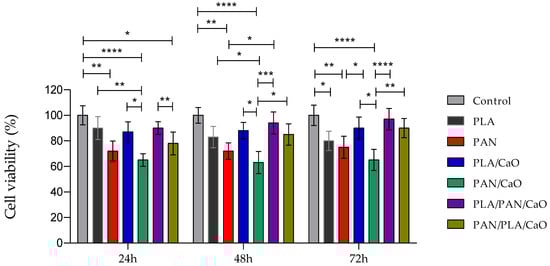
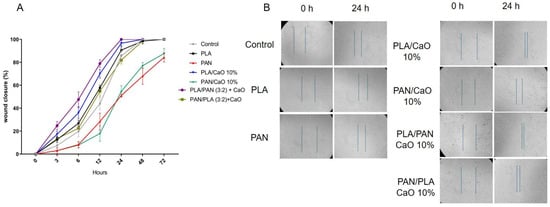
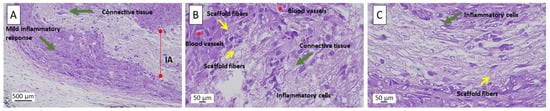
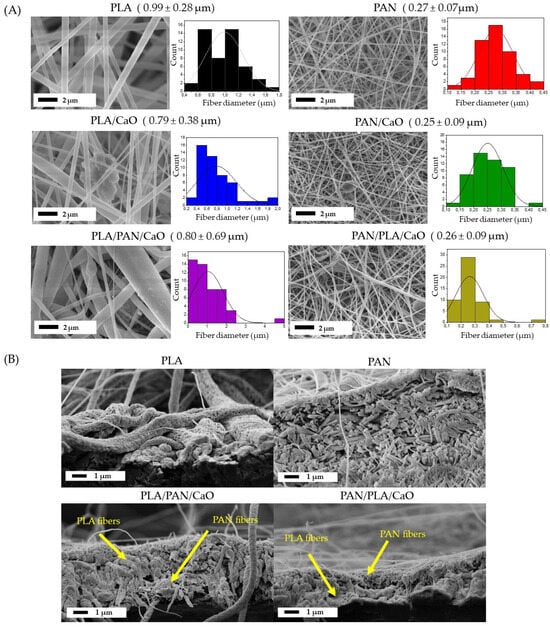
This study reports the development and characterization of hierarchical electrospun scaffolds based on poly (L-lactic acid) (PLA) and polyacrylonitrile (PAN) reinforced with calcium oxide (CaO) nanoparticles (18.5 ± 4.7 nm) for skin regeneration. Six configurations, including two five-layer multilayer systems (PLA/PAN/CaO and PAN/PLA/CaO), were evaluated to determine how composition and deposition sequence influence physicochemical, mechanical, and biological performance. FT-IR, XRD and DSC confirmed the successful integration of CaO, while thermal analysis evidenced an effect of chain mobility and interfacial interactions within multilayer systems. Cross-sectional SEM revealed the presence of both fibers with continuous interfaces. Nitrogen adsorption showed that CaO significantly increased the specific surface area (e.g., from 4.6 m2/g in neat PLA to 21.65 m2/g in PLA/CaO), with type IV isotherms indicating mesoporosity. Wettability assays demonstrated reduced contact angle in PLA (from 126.3° to 91.8°) and sequence-dependent surface properties in multilayers. Tensile testing confirmed that the multilayer architecture bridged the mechanical gap between compliant PLA and high-strength PAN, yielding intermediate moduli (~10–11 MPa) and balanced toughness. Antibacterial assays against S. aureus and E. coli showed that CaO significantly reduced bacterial viability, with PLA/PAN/CaO achieving the highest inhibition (up to 37.1%). In vitro HaCaT assays and in vivo implantation in BALB/c mice confirmed high cytocompatibility and biocompatibility. These findings demonstrate that multilayer electrospinning of PLA/PAN/CaO enables the design of structurally integrated, bioactive, and mechanically balanced scaffolds for advanced wound healing and dermal repair.
Full article
(This article belongs to the Special Issue Polymeric Materials in Tissue Engineering)
►▼
Show Figures

Graphical abstract
Open AccessArticle
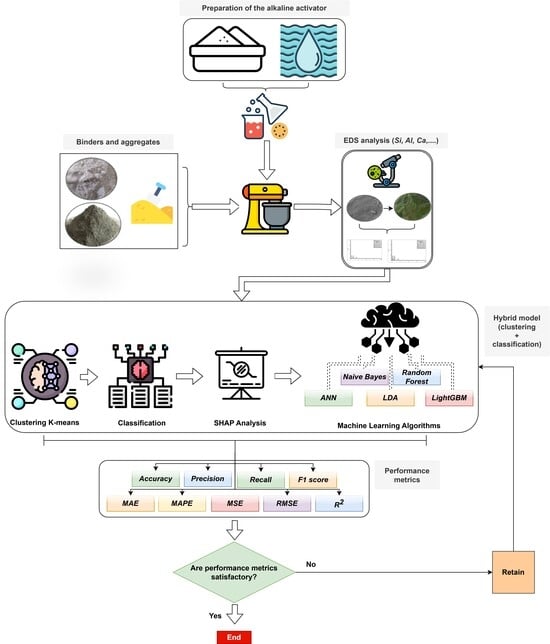
A Hybrid Clustering–Classification Approach for Predicting Strength and Analyzing Material Composition of Geopolymers
by
Yıldıran Yılmaz, Talip Çakmak and İlker Ustabaş
Polymers 2026, 18(8), 959; https://doi.org/10.3390/polym18080959 - 14 Apr 2026
Abstract
The development of geopolymers as sustainable alternative binders has been accelerated by the environmental requirement to reduce the carbon footprint of cement. However, predicting their key properties, such as compressive strength, from their complex chemical composition remains a significant challenge. Although mixture ratios
[...] Read more.
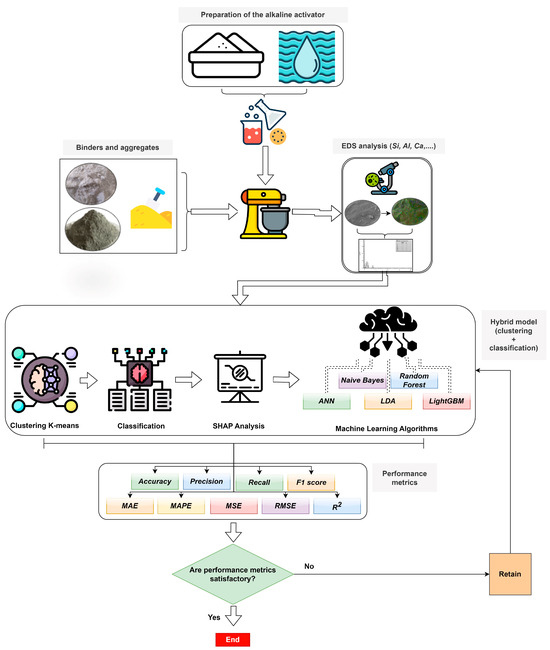
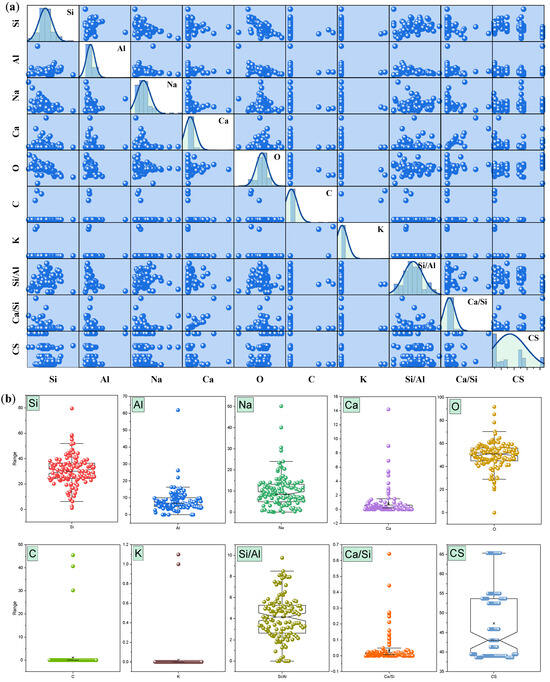
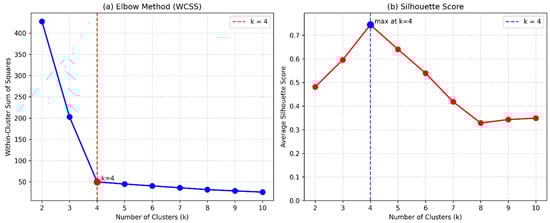
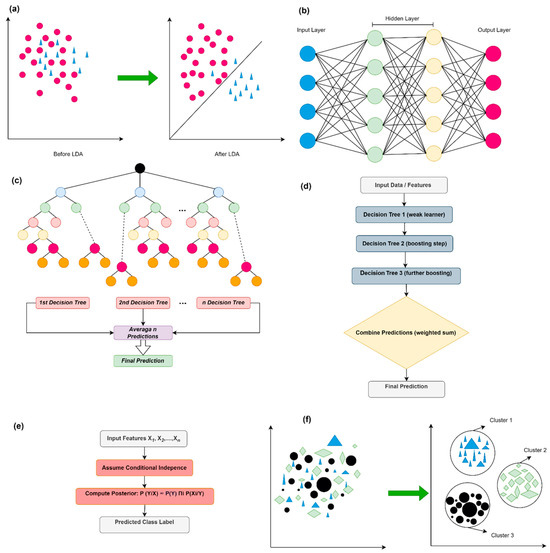
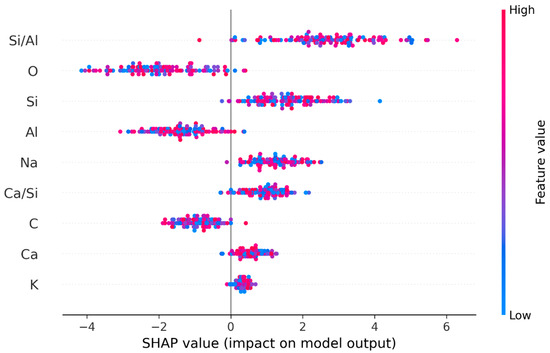
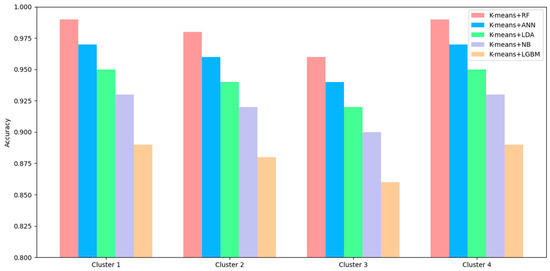
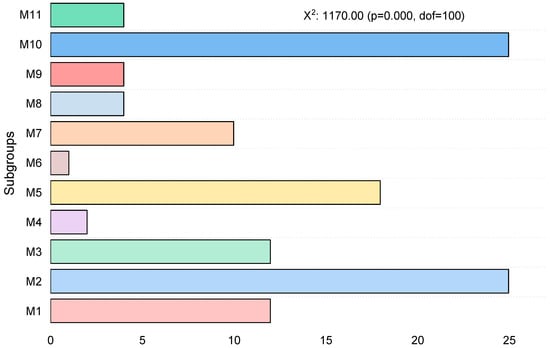
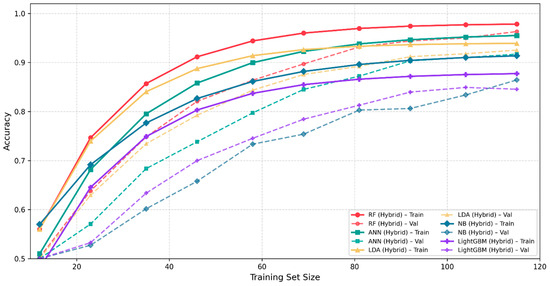
The development of geopolymers as sustainable alternative binders has been accelerated by the environmental requirement to reduce the carbon footprint of cement. However, predicting their key properties, such as compressive strength, from their complex chemical composition remains a significant challenge. Although mixture ratios prepared on a macro-scale are widely used for quality control purposes, they do not account for the chemical structure, despite this having a direct impact on the materials’ structural properties. Predicting fundamental properties such as compressive strength from complex chemical compositions remains a significant challenge due to the nonlinear relationships between the elemental components. This research paper introduces a tailored hybrid machine learning framework that combines K-means clustering with classification algorithms. The method uses energy-dispersive X-ray spectroscopy (EDS) data to classify geopolymer samples into their specific mixture numbers, which allows scientists to predict material properties through compositional analysis. A new dataset featuring the elemental compositions of Si, Al, Na, Ca, O, and C, as well as the critical ratios of Si/Al and Ca/Si, was analyzed. The initial step involved clustering the data to discover natural compositional clusters, which served as the basis for training and testing five different classifiers, which included Random Forest (RF), Artificial Neural Networks (ANN), LightGBM, Naive Bayes (NB), and Linear Discriminant Analysis (LDA). The consequences proved that the hybrid method worked with outstanding efficiency. RF achieved the highest performance results through its 98% accuracy, 96% recall, 94% precision, and 95% F1-score results when it classified samples according to their clustered groups. SHAP (SHapley Additive exPlanations) and permutation feature importance analyses both showed that Si/Al proportion functioned as the most crucial predictive variable, while oxygen (O) content and silicon (Si) content followed in importance. The K-means cluster labels produced high accuracy results because they demonstrated that compositional data had strong natural groups, which matched the target property. The system delivers an efficient method which enables fast and dependable geopolymer property forecasts through direct analysis of chemical composition with chemical composition analysis, thus delivering essential information to enhance mix design processes and boost sustainable building material production.
Full article
(This article belongs to the Section Polymer Physics and Theory)
►▼
Show Figures

Graphical abstract
Open AccessArticle
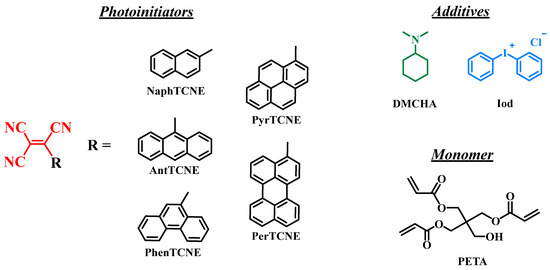
Aromatic Tricyanoethylenes a New Class of ‘Compact’ Photoinitiators for One- and Two-Photon Photopolymerization
by
Elnara R. Zhiganshina, Tatyana S. Lyubova, Anastasia E. Tarakanova, Maxim V. Arsenyev, Roman S. Kovylin, Natalia D. Anisimova, Yuri V. Polushtaytsev, Konstantin A. Kozhanov, Anastasia V. Pisarenko, Diana Ya. Aleynik, Marfa N. Egorikhina, Alexei Vitukhnovsky, Larisa G. Klapshina and Sergey A. Chesnokov
Polymers 2026, 18(8), 958; https://doi.org/10.3390/polym18080958 - 14 Apr 2026
Abstract
In this paper, we consider a series of new compact A-π-D photoinitiators consisting of donor aromatic fragments (naphthalene, anthracene, phenanthrene, pyrene and perylene) and a strong acceptor tricyanoethylene group—aryltricyanoethylenes (ArTCNEs). Spectral, photophysical, and electrochemical characteristics of ArTCNEs are studied. One-photon (with LED@405 nm)
[...] Read more.
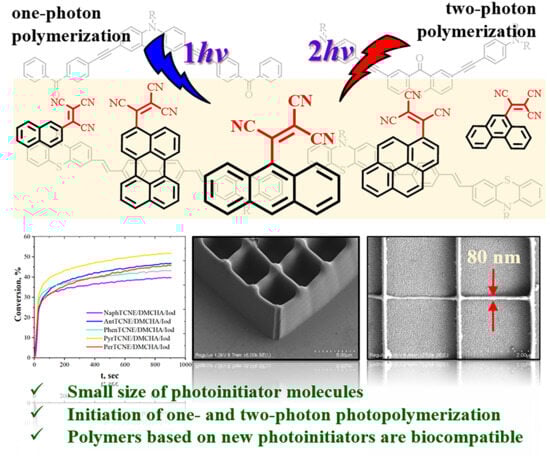
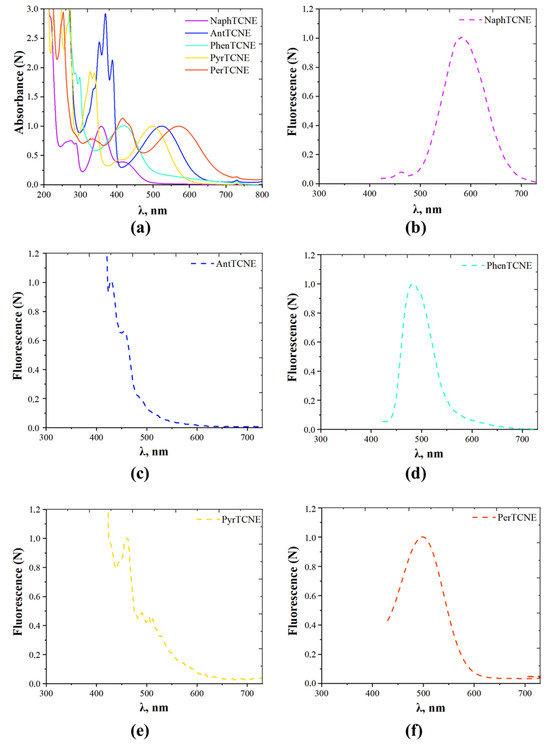
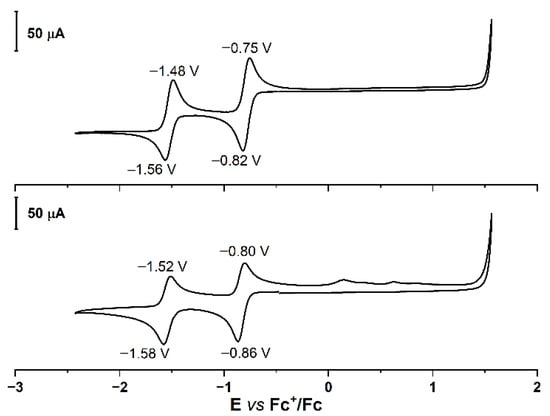
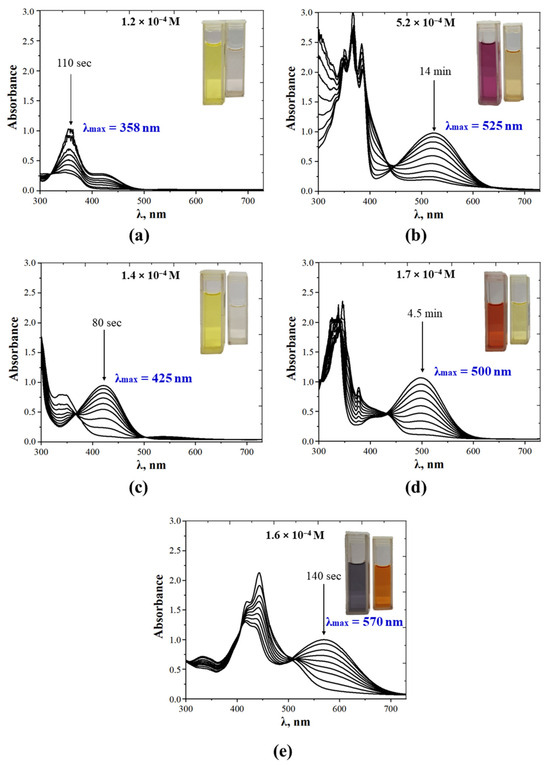
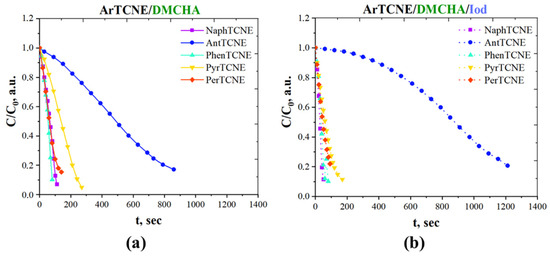
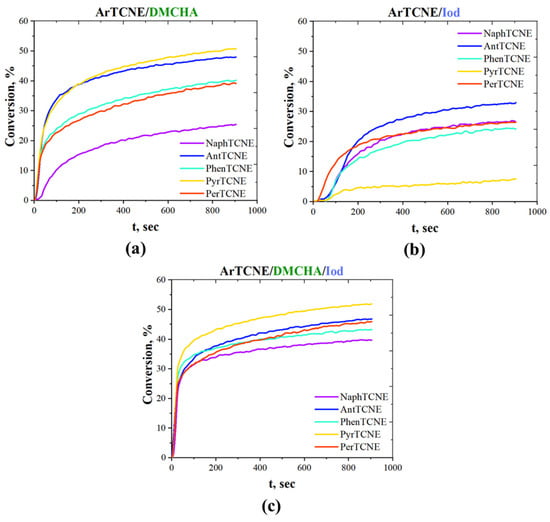
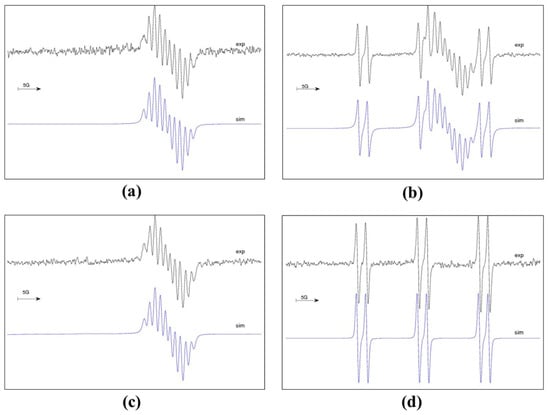
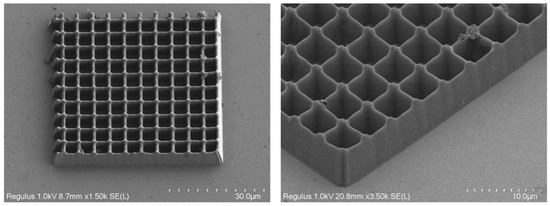
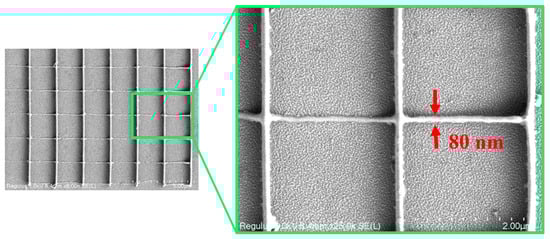
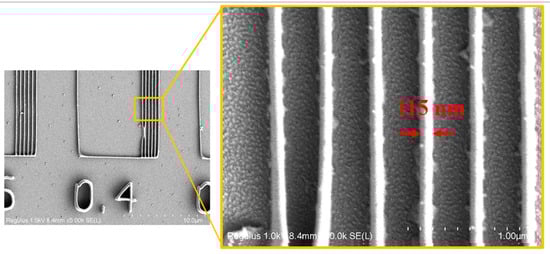
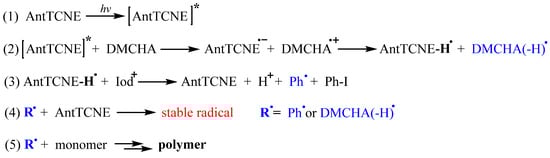
In this paper, we consider a series of new compact A-π-D photoinitiators consisting of donor aromatic fragments (naphthalene, anthracene, phenanthrene, pyrene and perylene) and a strong acceptor tricyanoethylene group—aryltricyanoethylenes (ArTCNEs). Spectral, photophysical, and electrochemical characteristics of ArTCNEs are studied. One-photon (with LED@405 nm) and two-photon (λ = 780 nm, impulse duration of 100 fs) photopolymerization of PETA can be effectively initiated by ArTCNEs with the tertiary amine N,N-dimethylcyclohexylamine DMCHA and/or the iodonium salt diphenyliodonium chloride Iod. Based on results of experiments on photodegradation, photopolymerization and EPR spectroscopy, a photoinitiation mechanism of radical photopolymerization was proposed for two-component (AntTCNE/DMCHA) and three-component (AntTCNE/DMCHA/Iod) initiating systems. The composition containing PerTCNE/DMCHA as a photoinitiator demonstrated the best reactivity under two-photon nanolithography conditions: the polymerization threshold was 2 mW at a laser beam scanning speed of 100 μm/s, and the widest fabrication window of 11 mW was typical for it. As an example, 3D “cage” structures were fabricated using the AntTCNE-based composition, and the test structure resolution parameters, such as the minimum line width and the distance between lines of 80 and 400 nm, respectively, were achieved. MTT experiments with human dermal fibroblasts showed promising preliminary biocompatibility of the resulting polymers, which opens up possibilities for using the obtained materials in biological applications.
Full article
(This article belongs to the Special Issue Photopolymerization: Materials, Applications and Challenges)
►▼
Show Figures

Graphical abstract
Open AccessArticle
Nano-Engineered Sandwich Interlayers for Simultaneous Functionalization and Delamination Resistance in CFRPs
by
Pengzhe Ji, Yunxiao Zhang, Yunfu Ou, Juan Li and Dongsheng Mao
Polymers 2026, 18(8), 957; https://doi.org/10.3390/polym18080957 - 14 Apr 2026
Abstract
Carbon fiber-reinforced polymers (CFRP) are widely employed in advanced manufacturing sectors such as aerospace, wind energy, and new energy vehicles owing to their high specific strength and stiffness. The growing demand for lightweight, high-performance, and multifunctional materials has accelerated the development of structurally
[...] Read more.
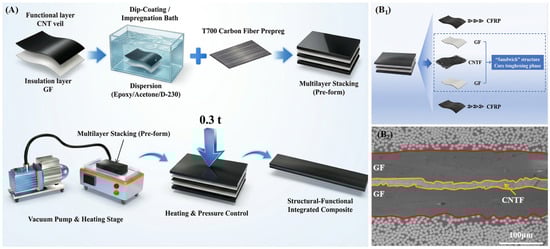
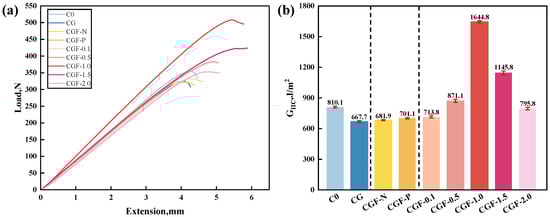
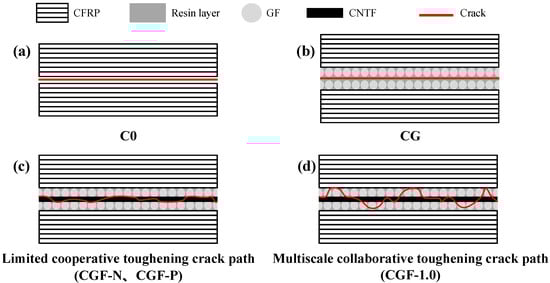
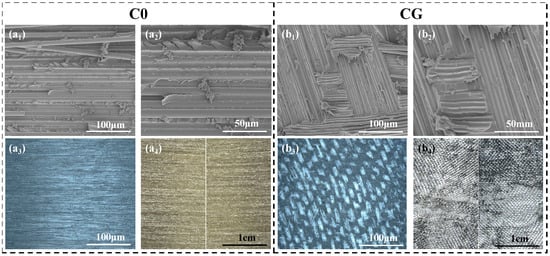
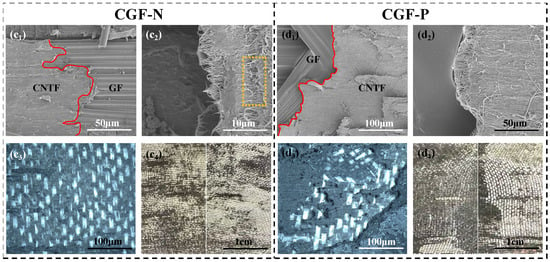
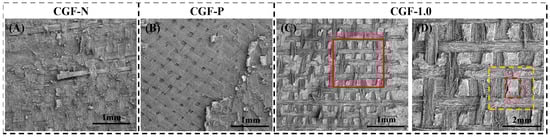
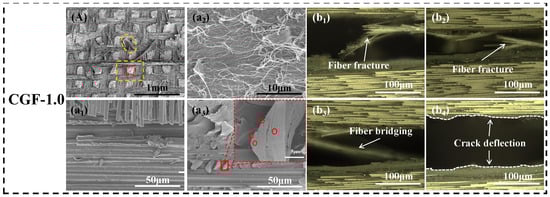
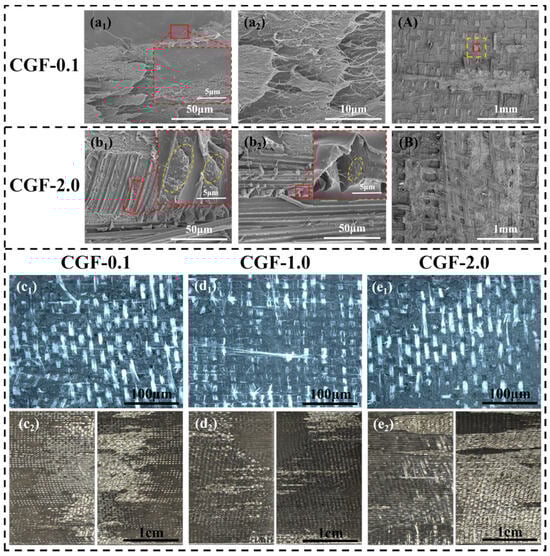
Carbon fiber-reinforced polymers (CFRP) are widely employed in advanced manufacturing sectors such as aerospace, wind energy, and new energy vehicles owing to their high specific strength and stiffness. The growing demand for lightweight, high-performance, and multifunctional materials has accelerated the development of structurally and functionally integrated CFRP. Introducing functional interlayers between composite laminates is an effective strategy to impart additional functionalities; however, such interlayers are often multi-component and structurally complex. A critical challenge remains to integrate functionality without compromising, and preferably enhancing, the load-bearing capability of CFRP, particularly their resistance to interlaminar delamination. In this study, electrically heated CFRP incorporating a sandwich-structured interlayer composed of glass fiber mesh fabric/CNT veils doped with carbon nanotubes/glass fiber mesh fabric (GF/CNTs-CNTv/GF) was investigated. The effects of interlayer architecture and CNT loading on the Mode II interlaminar fracture toughness were systematically examined. Delamination failure modes and interlaminar toughening mechanisms were analyzed using scanning electron microscopy and ultra-depth-of-field three-dimensional microscopy. The results demonstrate that an optimal CNT pre-impregnation concentration of 1.0 wt% yielded a maximum GIIC of 1644.8 J/m2, corresponding to a 103.06% increase relative to the reference laminate. The enhanced performance is attributed to simultaneous optimization of interfacial “nano-engineering” effects, including matrix toughening and a pronounced “nano-anchoring” mechanism induced by CNT. These effects promote a transition in failure mode from weak interfacial debonding to a mesh-block composite delamination pattern, thereby activating multiple energy-dissipation mechanisms such as crack deflection, fiber pull-out, rupture, and bridging. This work highlights the effectiveness of CNT-modified sandwich interlayers in improving delamination resistance and provides both theoretical insight and experimental validation for the design of multifunctional CFRP with superior interlaminar fracture toughness.
Full article
(This article belongs to the Special Issue Advances in Strengthening and Toughening of Carbon Fiber-Reinforced Polymer Composites)
►▼
Show Figures

Figure 1

Open AccessArticle
Improving the Flexibility and Water Resistance of Thermo-Compressed Guar Gum Films by Blending Natural Rubber for Use in Sustainable Packaging Applications
by
Prasong Srihanam, Nuanchai Khotsaeng and Yodthong Baimark
Polymers 2026, 18(8), 956; https://doi.org/10.3390/polym18080956 - 14 Apr 2026
Abstract
Guar gum (GG), a typical biopolymer, has found widespread use in packaging applications due to its biodegradability, non-toxicity, and low price. However, the further application of GG is significantly limited by its poor flexibility and water resistance. In this study, GG/natural rubber (NR)
[...] Read more.
Guar gum (GG), a typical biopolymer, has found widespread use in packaging applications due to its biodegradability, non-toxicity, and low price. However, the further application of GG is significantly limited by its poor flexibility and water resistance. In this study, GG/natural rubber (NR) films were prepared by thermo-compressing hand-kneaded pastes made from GG powder and fresh NR latex. Various NR contents—5, 10, 20, and 40 wt%—were investigated. Water-resistant properties were determined by moisture absorption, water dissolution, surface wettability, and water vapor permeability. Fourier transform infrared spectroscopy indicated interactions between the dispersed NR phases and the GG matrix. Scanning electron microscopy revealed distinct phase separation between the GG and NR phases in the films. All GG/NR films exhibited excellent interfacial adhesion between GG and NR phases. Tensile results indicated that an increase in the amount of NR in the GG-based films led to a decrease in both maximum tensile strength and Young’s modulus, while elongation at break increased. GG/40% NR films exhibited an elongation at break of 17.5%, which is a substantial increase of 415% compared to pure GG films. The addition of NR showed improved water-resistant properties of GG-based films; however, the rate of biodegradation during soil burial decreased as the NR ratios increased. These thermo-compressed GG/NR blends hold promise as sustainable alternatives to single-use plastic packaging applications.
Full article
(This article belongs to the Special Issue Polysaccharide-Based Materials: Developments and Properties, 2nd Edition)
Open AccessArticle
Lifetime Prediction and Aging Characteristics of HTV-SiR Under Coupled Electro–Thermo–Hygro–Mechanical Stresses
by
Ben Shang, Wenjie Fu, Lei Yang, Qifan Yang, Zian Yuan, Zijiang Wang and Youping Fan
Polymers 2026, 18(8), 955; https://doi.org/10.3390/polym18080955 - 14 Apr 2026
Abstract
To investigate the aging behavior of high-temperature-vulcanized silicone rubber (HTV-SiR) used in composite insulator sheds under coupled electrical, thermal, humidity, and mechanical stresses, accelerated aging tests were conducted to emulate the service conditions of ±800 kV ultra-high-voltage direct current (UHVDC) systems in Guangzhou,
[...] Read more.
To investigate the aging behavior of high-temperature-vulcanized silicone rubber (HTV-SiR) used in composite insulator sheds under coupled electrical, thermal, humidity, and mechanical stresses, accelerated aging tests were conducted to emulate the service conditions of ±800 kV ultra-high-voltage direct current (UHVDC) systems in Guangzhou, China. The physicochemical, mechanical, and electrical properties of the specimens were systematically characterized. The results show simultaneous degradation of both electrical and mechanical performance. In particular, the tensile strength exhibits a significant monotonic decrease and drops to 49.52% of its initial value under the most severe condition (0.5 kV·mm−1 and 5% tensile strain) after 75 days. In contrast, the DC breakdown strength shows a non-monotonic “rise-then-fall” trend and decreases more markedly with increasing tensile strain. To address the one-shot and destructive nature of tensile testing and the associated statistical uncertainties, a lifetime prediction framework was developed by integrating a generalized Eyring acceleration relation with a stochastic degradation process. Under representative service conditions of 0.09 kV·mm−1 and 0.2% tensile strain, the predicted lifetimes corresponding to failure probabilities of 10%, 75%, and 90% are 1.77, 9.08, and 17.90 years, respectively. The applicability of the model is supported by field-aged specimens. These findings provide a mechanistically grounded and reliability-oriented basis for condition assessment, lifetime-margin evaluation, material screening, and maintenance planning of UHVDC composite insulators operating in hot–humid environments.
Full article
(This article belongs to the Special Issue Polymeric Composites for Electrical Insulation Applications)
Journal Menu
► ▼ Journal Menu-
- Polymers Home
- Aims & Scope
- Editorial Board
- Reviewer Board
- Topical Advisory Panel
- Instructions for Authors
- Special Issues
- Topics
- Sections & Collections
- Article Processing Charge
- Indexing & Archiving
- Editor’s Choice Articles
- Most Cited & Viewed
- Journal Statistics
- Journal History
- Journal Awards
- Society Collaborations
- Conferences
- Editorial Office
Journal Browser
► ▼ Journal BrowserHighly Accessed Articles
Latest Books
E-Mail Alert
News
Topics
Topic in
Biomass, Energies, Materials, Molecules, Nanomaterials, Polymers
Biomass for Energy, Chemicals and Materials
Topic Editors: Shaohua Jiang, Changlei Xia, Shifeng Zhang, Xiaoshuai HanDeadline: 24 May 2026
Topic in
IJERPH, Microplastics, Polymers, Toxics
Plastic Contamination (Plastamination): An Environmental and Public Health-Related Concern
Topic Editors: Rosaria Meccariello, Antonino Testa, Francesco Cappello, Antonietta SantoroDeadline: 30 June 2026
Topic in
Foods, Materials, Polymers, Safety, Sensors, Toxics, Micromachines
Development of Rapid Detection Methods for Foodborne Micro/Trace Hazardous Substances
Topic Editors: Bo Zhang, Yukun YangDeadline: 30 July 2026
Topic in
Applied Mechanics, Applied Sciences, Materials, Polymers, Solids, Metals
Multi-scale Modeling and Optimisation of Materials
Topic Editors: Mustafa Awd, Frank WaltherDeadline: 31 August 2026
Conferences
Special Issues
Special Issue in
Polymers
Functional Polymer Materials in Construction Technology
Guest Editors: Agnieszka Wdowiak-Postulak, Marek WieruszewskiDeadline: 20 April 2026
Special Issue in
Polymers
Polymeric Composite Coatings: Preparation, Properties, and Applications
Guest Editor: Andreea GrozaDeadline: 20 April 2026
Special Issue in
Polymers
Polymers and Their Role in Drug Delivery, 3rd Edition
Guest Editors: Panagiotis Barmpalexis, Afroditi KapouraniDeadline: 20 April 2026
Special Issue in
Polymers
High-Performance Conductive Polymer Composites
Guest Editor: İsmet KayaDeadline: 20 April 2026
Topical Collections
Topical Collection in
Polymers
Biodegradable Polymers and Polymeric Composite
Collection Editors: Marina Patricia Arrieta Dillon, Francesca Luzi
Topical Collection in
Polymers
Sustainable Polymer/Biopolymer-Based Composites: Processing, Characterization, and Application
Collection Editors: José Alberto Méndez, Helena Oliver-Ortega
Topical Collection in
Polymers
Polymerization and Kinetic Studies
Collection Editors: Shin-ichi Yusa, Binyuan Liu