



polymers-logo

Journal Browser

Journal Browser

Biodegradable Polymers and Polymeric Composite

A topical collection in Polymers (ISSN 2073-4360). This collection belongs to the section "Biobased and Biodegradable Polymers".

Viewed by 1814

Editors


E-Mail Website
Collection Editor

E-Mail Website
Collection Editor
Department of Science and Engineering of Matter, Environment and Urban Planning (SIMAU), Polytechnic University of Marche, 60131 Ancona, Italy
Interests: biodegradable and natural polymers; biodegradation of polymers; polymeric composites and nanocomposites; mechanical behaviour of materials; thermal properties; active packaging materials; active packaging; lignocellulosic materials; circular economy
Special Issues, Collections and Topics in MDPI journals

Topical Collection Information

Dear Colleagues,

Biodegradable polymers represent a rapidly evolving area of materials science, offering promising solutions to the growing environmental challenges vs conventional, petroleum-based plastics. These polymers are capable of breaking down into natural by-products through the action of enzymes, microorganisms, or other biological processes, making them particularly attractive for applications where sustainability and environmental impact are critical concerns.

To this end, we are launching a Topic collection of Polymers, entitled “Biodegradable Polymers and Polymeric Composite”. This collection aims to collect contributions on the recent advances in form of research papers, communications, and review articles, exploring the study of polymeric systems with biodegradation properties, promoting scientific and academic cooperation and guidance for the development/design and application of polymer based materials.

Emphasis is placed on both natural and biodegradable polymers. The collection highlights novel approaches in processing techniques, structure–property relationships, strategies for enhancing mechanical performance and biodegradability, as well as those approaches focused not only in their biodegradability but also on their mechanical or chemical recyclability.

Contributions also investigate the environmental impact and/or life cycle assessment of biodegradable polymers, along with their potential in various sectors such as packaging, agriculture and consumer goods. The collection aims to promote interdisciplinary collaboration and stimulate further innovation in the development of sustainable materials in line with the principles of the circular economy and global efforts to reduce plastic pollution.

Dr. Marina Patricia Arrieta Dillon
Prof. Dr. Francesca Luzi
Collection Editors

Manuscript Submission Information

Manuscripts should be submitted online at www.mdpi.com by registering and logging in to this website. Once you are registered, click here to go to the submission form. All submissions that pass pre-check are peer-reviewed. Accepted papers will be published continuously in the journal (as soon as accepted) and will be listed together on the collection website. Research articles, review articles as well as short communications are invited. For planned papers, a title and short abstract (about 250 words) can be sent to the Editorial Office for assessment.

Submitted manuscripts should not have been published previously, nor be under consideration for publication elsewhere (except conference proceedings papers). All manuscripts are thoroughly refereed through a single-blind peer-review process. A guide for authors and other relevant information for submission of manuscripts is available on the Instructions for Authors page. Polymers is an international peer-reviewed open access semimonthly journal published by MDPI.

Please visit the Instructions for Authors page before submitting a manuscript. The Article Processing Charge (APC) for publication in this open access journal is 2700 CHF (Swiss Francs). Submitted papers should be well formatted and use good English. Authors may use MDPI's English editing service prior to publication or during author revisions.

Keywords

  • polymeric composites and nanocomposites
  • study of biodegrdadation process
  • sustainable development
  • engineering applications
  • polymeric additives
  • characterization (thermal, mechanical, rheological, morphology, barrier, phisico-chemical analysis, etc.)
  • manufacturing and processing (i.e.: extrusion, aditive manufacturing, injection moulding, thermoforming, hot-press moulding, electrospinning, etc.)

Published Papers (1 paper)

2026

56 pages, 5116 KB  
Review
Biobased Polymers in Printed Electronics: From Renewable Resources to Functional Devices
by Dimitra Karavasili, Kyriaki Lazaridou, Maria Angeliki Ntrivala, Andreas Chrysovalantis Pitsavas, Zafeiria Baziakou, Maria Papadimitriou, Nikolaos D. Bikiaris, Evangelia Balla and Ζoi Terzopoulou
Polymers 2026, 18(2), 301; https://doi.org/10.3390/polym18020301 - 22 Jan 2026
Cited by 3 | Viewed by 1188
Abstract
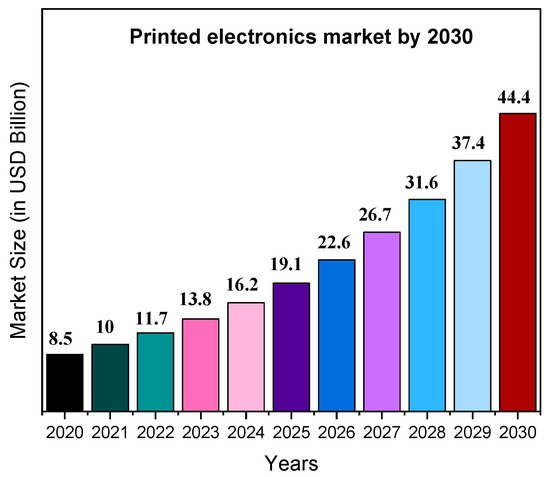
Printed electronics (PE) have emerged as a rapidly growing technology owing to their potential for low-cost fabrication, flexibility, and scalable device manufacturing. The dependence on fossil-based components raises environmental concerns, leading the scientific community toward sustainable solutions, aiming to reduce the accumulation of [...] Read more.
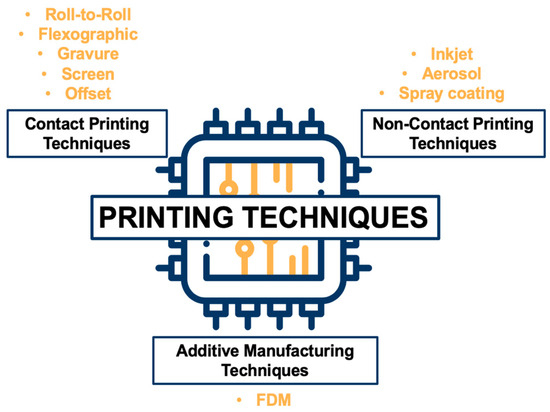
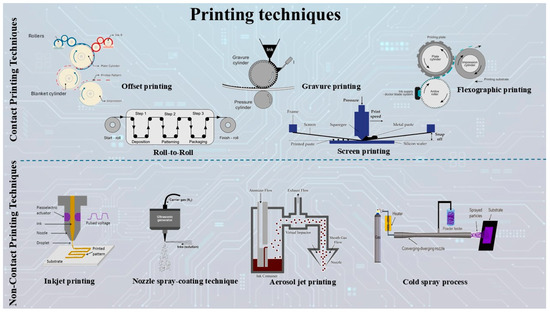
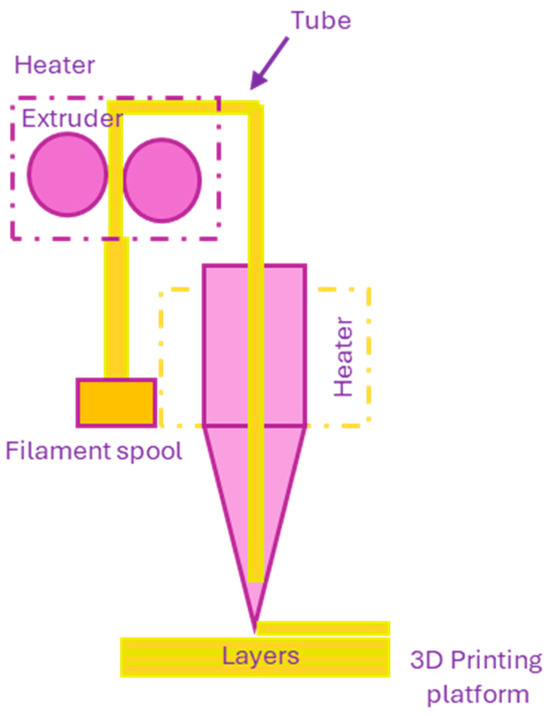
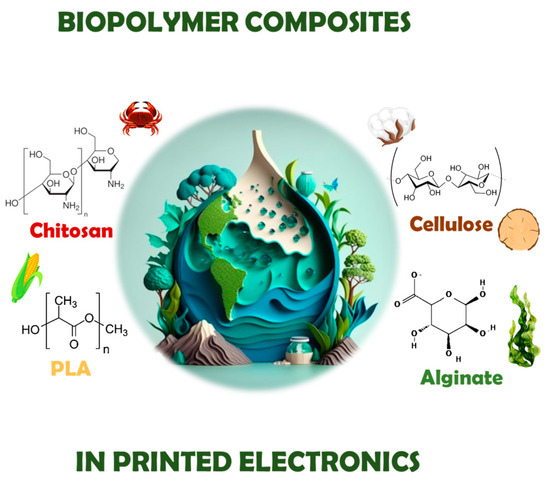
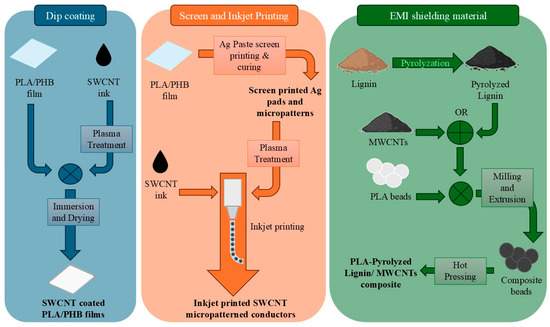
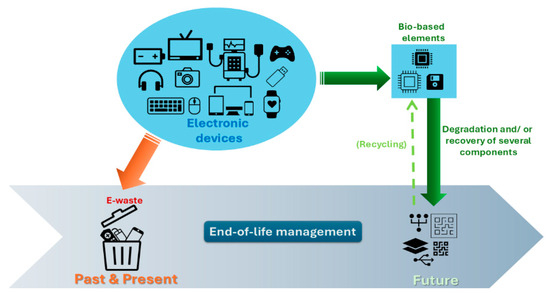
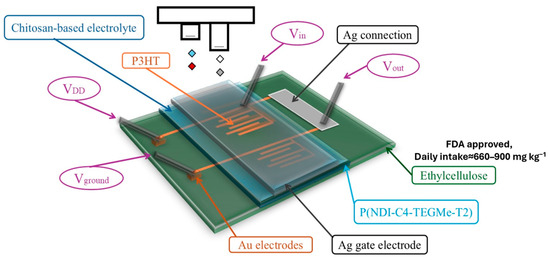
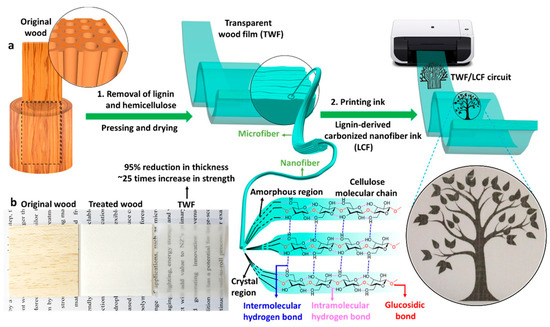
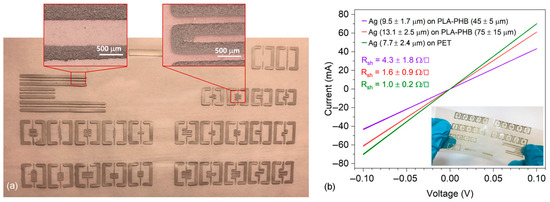
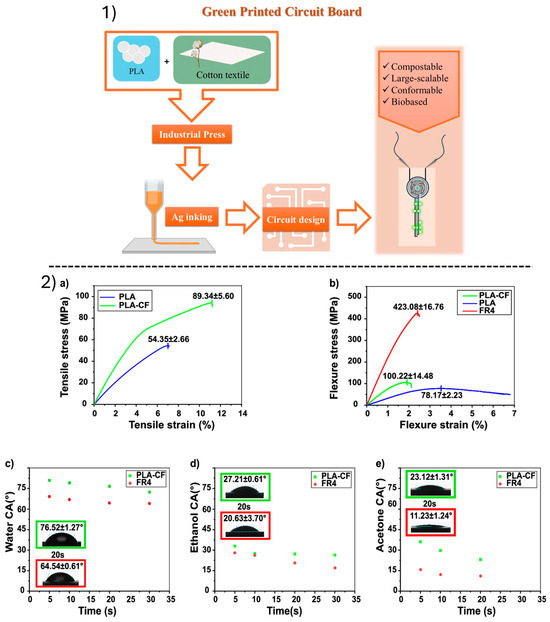
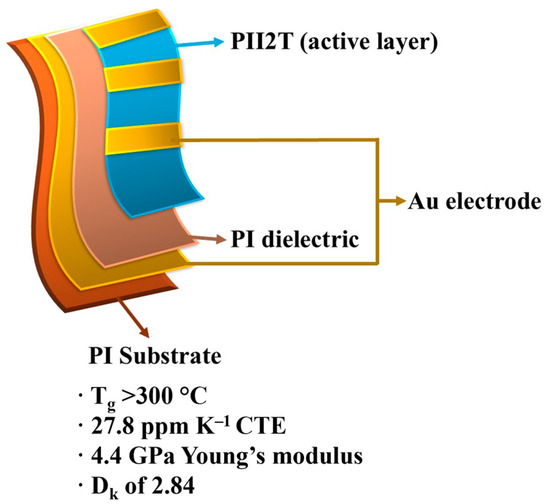
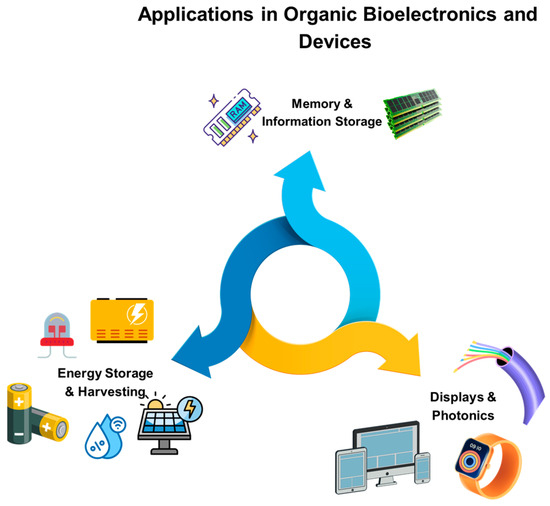
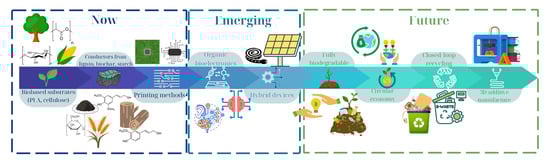
Printed electronics (PE) have emerged as a rapidly growing technology owing to their potential for low-cost fabrication, flexibility, and scalable device manufacturing. The dependence on fossil-based components raises environmental concerns, leading the scientific community toward sustainable solutions, aiming to reduce the accumulation of electronic waste (e-waste) in the environment and the emission of toxic gases, as well as to offer a circular solution in the sector. This review presents an in-depth overview of biobased polymeric materials in printed and organic (bio-)electronics. Firstly, the principal printing techniques are presented in detail. The review proceeds by outlining the various biobased synthetic and natural polymers, along with their blends, that are employed in the fabrication of biobased substrates for printed devices. Finally, the review emphasizes the existing challenges and constraints in the field of PE, along with the promising opportunities for its future advancement. Full article
Show Figures

Graphical abstract

Back to TopTop