Journal Description
Physiologia
Physiologia
is an international, peer-reviewed, open access journal on physiology published quarterly online by MDPI.
- Open Access free for readers, with article processing charges (APC) paid by authors or their institutions.
- High Visibility: indexed within ESCI (Web of Science), AGRIS, and other databases.
- Journal Rank: JCR - Q2 (Physiology)
- Rapid Publication: manuscripts are peer-reviewed and a first decision is provided to authors approximately 23.3 days after submission; acceptance to publication is undertaken in 3.6 days (median values for papers published in this journal in the second half of 2025).
- Recognition of Reviewers: APC discount vouchers, optional signed peer review and reviewer names are published annually in the journal.
- Physiologia is a companion journal of Life.
Impact Factor:
2.3 (2024);
5-Year Impact Factor:
2.3 (2024)
Latest Articles
Effects of Karting Competition on Heart Rate Variability, Fatigue, Neuromuscular Function, and Cognitive-Motor Performance in Racing Drivers: An Exploratory Study
Physiologia 2026, 6(1), 14; https://doi.org/10.3390/physiologia6010014 - 8 Feb 2026
Abstract
Background/Objectives: Competitive karting places high physiological and cognitive demands on drivers. This field study investigated the acute effects of racing on heart rate variability (HRV), perceived fatigue and neuromuscular function, and cognitive-motor performance during an official event held under persistent rain. Methods: Longitudinal,
[...] Read more.
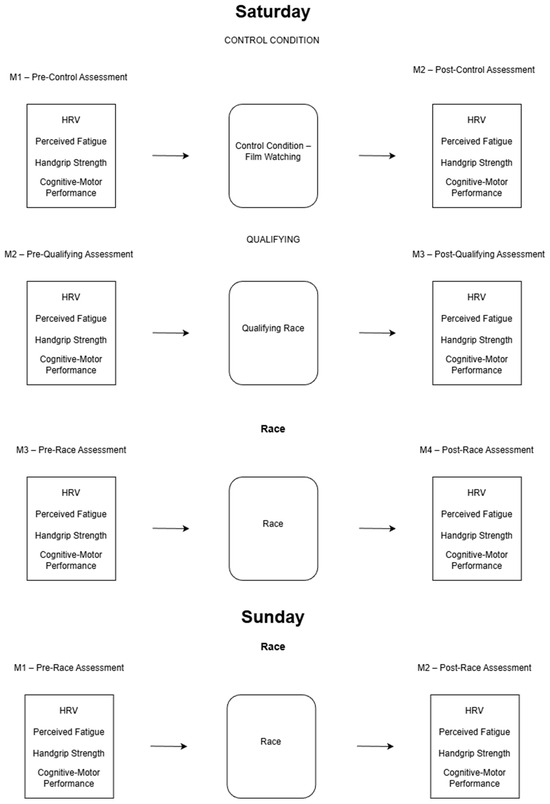
Background/Objectives: Competitive karting places high physiological and cognitive demands on drivers. This field study investigated the acute effects of racing on heart rate variability (HRV), perceived fatigue and neuromuscular function, and cognitive-motor performance during an official event held under persistent rain. Methods: Longitudinal, repeated-measures design across two conditions: control (race video viewing) and competition (qualifying and race). Four drivers (Junior, X30 Senior, X30 Super Shifter) were assessed pre/post-control and post-qualifying/race on Day 1 (Saturday) and pre/post-race only on Day 2 (Sunday). Measures included continuous heart rate, pre/post HRV (HRV4Training; rMSSD, SDNN), perceived fatigue (ROF), bilateral handgrip strength, and visuomotor performance (reaction times and accuracy). Results: On Day 1, SDNN and rMSSD decreased significantly after qualifying versus pre- and post-control (p < 0.05), remaining globally lower post-race; no changes emerged in frequency-domain indexes. Perceived fatigue, handgrip strength, and mean/max reaction times did not change significantly; an improvement in minimum reaction time was observed post-race versus post-control (p = 0.033). rMSSD consistently decreased after racing on both days (p < 0.05) with no day × time interaction observed, and accuracy improved on Sunday, reflected by more correct attempts (hits) and fewer failed attempts (errors) (p < 0.05). Conclusions: Racing was associated with lower time-domain HRV indices (rMSSD/SDNN), consistent with heightened autonomic activation without measurable decrements in handgrip-based neuromuscular function or cognitive-motor performance. The improved accuracy on Day 2 may be related to an increased level of physiological activation and readiness associated with race day. Routine HRV monitoring across race weekends is recommended to guide recovery decisions when subjective scales show limited immediate sensitivity. These findings are preliminary due to the small and heterogeneous sample and should be interpreted cautiously.
Full article
(This article belongs to the Special Issue Exercise Physiology and Biochemistry: 3rd Edition)
►
Show Figures
Open AccessArticle
Monitoring Retinal Degeneration in a Porcine Model of Retinitis Pigmentosa with Spectral Domain Optical Coherence Tomography and Electroretinography
by
Wankun Xie, Min Zhao, Shu-Huai Tsai, Maxwell G. Su, Luke B. Potts, Natalia J. Rosa, Travis W. Hein, Lih Kuo and Robert H. Rosa, Jr.
Physiologia 2026, 6(1), 13; https://doi.org/10.3390/physiologia6010013 - 7 Feb 2026
Abstract
►▼
Show Figures
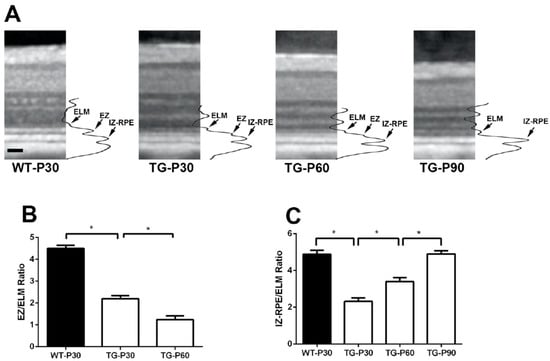
Background/Objectives: The correlation between in vivo morphological and functional changes in the degenerating retina in a large animal model of retinitis pigmentosa (RP) has not been characterized longitudinally. Herein, spectral domain optical coherence tomography (SD-OCT) was used to monitor the dynamic morphological changes
[...] Read more.
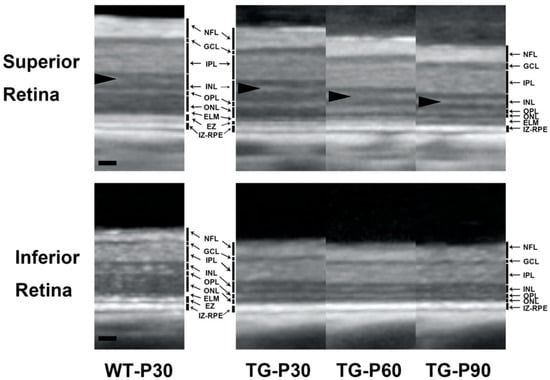
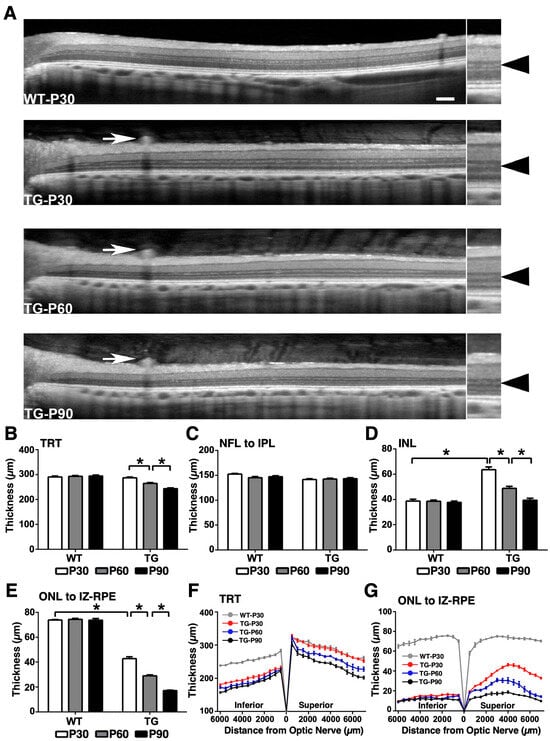
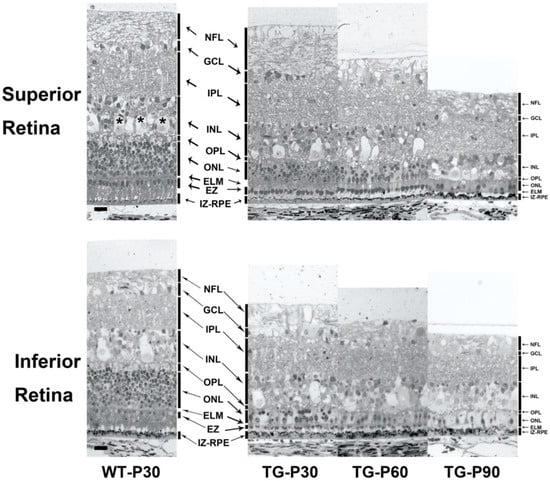
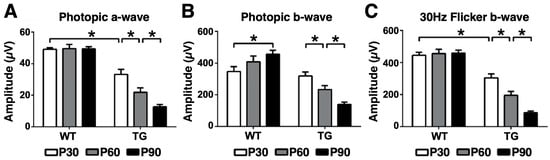
Background/Objectives: The correlation between in vivo morphological and functional changes in the degenerating retina in a large animal model of retinitis pigmentosa (RP) has not been characterized longitudinally. Herein, spectral domain optical coherence tomography (SD-OCT) was used to monitor the dynamic morphological changes in the Pro23His rhodopsin transgenic (TgP23H) pig model of RP and was correlated with electroretinography (ERG) in the rapid, early phase of photoreceptor degeneration. Methods: TgP23H and wild-type (WT) hybrid pig littermates at the ages of postnatal days 30 (P30), P60, and P90 were studied. The thickness of different retinal layers was quantified using SD-OCT and compared with histology. Retinal function was evaluated with ERG at corresponding time points. Results: In the WT pigs, retinal morphology on SD-OCT was consistent throughout the observation period. In the TgP23H pigs, the retinal thickness decreased significantly from P30 to P90. Moreover, the relative intensity of the ellipsoid zone (EZ) progressively decreased, while the intensity of the interdigitation zone–retinal pigment epithelium (IZ-RPE) progressively increased during this period. Morphological changes in SD-OCT corresponded with histology, as well as the progressively decreased amplitude of the ERG photopic a- and b-waves in the TgP23H pigs. Conclusions: Retinal degeneration can be quantified using SD-OCT by measuring retinal thickness and the intensity of the EZ and IZ-RPE bands in the TgP23H pig. The SD-OCT results correspond with the histologic and ERG assessments of retinal degeneration. These data provide a foundation for future preclinical studies investigating potential new therapeutic strategies in a large animal model of retinitis pigmentosa.
Full article

Figure 1
Open AccessArticle
Blood Flow Restriction Training Improves Cognition Performance and Sleep Quality in Middle-Aged Adults with Relapsing–Remitting Multiple Sclerosis
by
Javier Cano-Sánchez, María del Carmen Carcelén-Fraile and Juan Miguel Muñoz-Perete
Physiologia 2026, 6(1), 12; https://doi.org/10.3390/physiologia6010012 - 6 Feb 2026
Abstract
Background/Objectives: Cognitive impairment and sleep disturbances are highly prevalent in individuals with multiple sclerosis (MS), particularly during middle age, and negatively affect functional independence and quality of life. Although physical exercise has demonstrated cognitive and sleep-related benefits in MS, tolerance to high-intensity training
[...] Read more.
Background/Objectives: Cognitive impairment and sleep disturbances are highly prevalent in individuals with multiple sclerosis (MS), particularly during middle age, and negatively affect functional independence and quality of life. Although physical exercise has demonstrated cognitive and sleep-related benefits in MS, tolerance to high-intensity training is often limited. Blood flow restriction (BFR) training, which combines low-load resistance exercise with partial vascular occlusion, has emerged as a feasible alternative. This study aimed to evaluate the effects of a 12-week BFR training program on performance in specific cognitive domains and sleep quality in middle-aged adults with MS. Methods: A randomized controlled trial was conducted in 65 adults with relapsing–remitting multiple sclerosis (RRMS) aged 40–65 years and an Expanded Disability Status Scale score below 7. Participants were randomly assigned to a BFR training group or a usual-care control group. The intervention consisted of supervised low-load resistance training with BFR performed twice weekly for 12 weeks. Outcomes assessed before and after the intervention included processing speed (Symbol Digit Modalities Test), executive function (Trail Making Test A and B), verbal fluency (Isaacs Set Test), and self-reported sleep quality (Pittsburgh Sleep Quality Index). Results: Compared with controls, participants in the BFR group showed significant improvements in specific cognitive domains, including processing speed, executive function, and verbal fluency. Significant reductions were also observed in self-reported global sleep disturbance and daytime dysfunction. No adverse events were reported. Conclusions: A 12-week BFR training program improved performance in key cognitive domains and self-reported sleep quality in middle-aged adults with MS, supporting its feasibility and potential clinical relevance as an exercise-based intervention.
Full article
(This article belongs to the Section Exercise Physiology)
►▼
Show Figures

Figure 1
Open AccessSystematic Review
Acute Modulation of Physiological Tremor by Physical Exercise and Resistance-Based Protocols: A Meta-Analysis of Quantitative Neuromuscular Responses in Healthy Adults
by
Szymon Kuliś, Wiktor Kłobuchowski, Bianca Callegari, Givago Silva Souza, Kajetan Ornowski, Adam Maszczyk, Jan Gajewski and Przemysław Pietraszewski
Physiologia 2026, 6(1), 11; https://doi.org/10.3390/physiologia6010011 - 3 Feb 2026
Abstract
This meta-analysis investigates the acute (immediate) pre–post changes in the modulation of physiological tremor in healthy adults following physical exercise, including resistance-based protocols. Physiological tremor is characterized by low-amplitude, high-frequency oscillations during posture or movement and reflects transient changes in neuromuscular control. Background/Objectives:
[...] Read more.
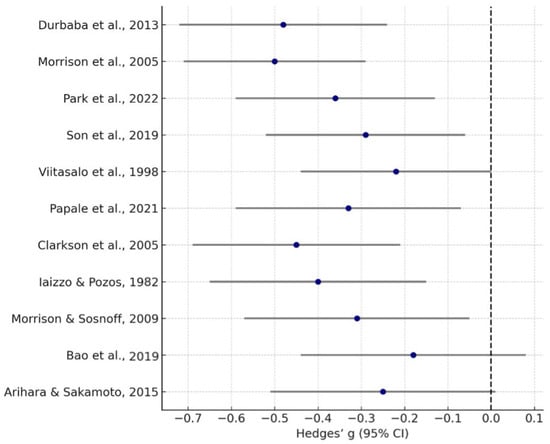
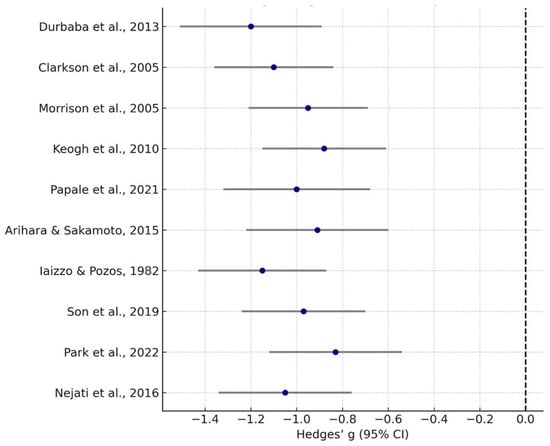
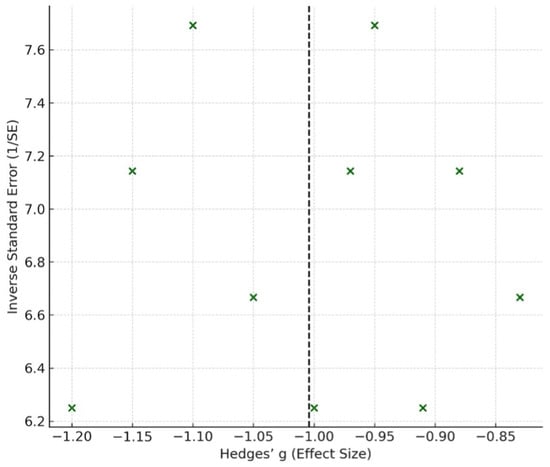
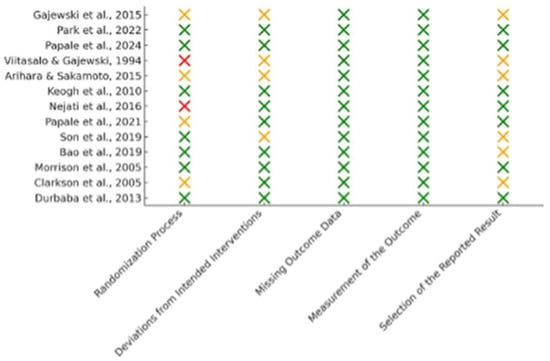
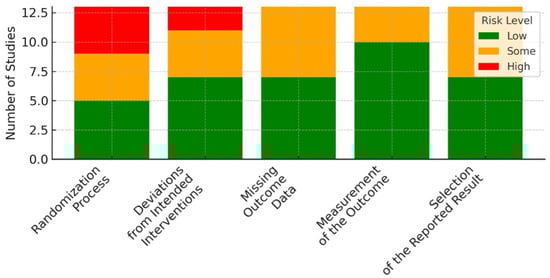
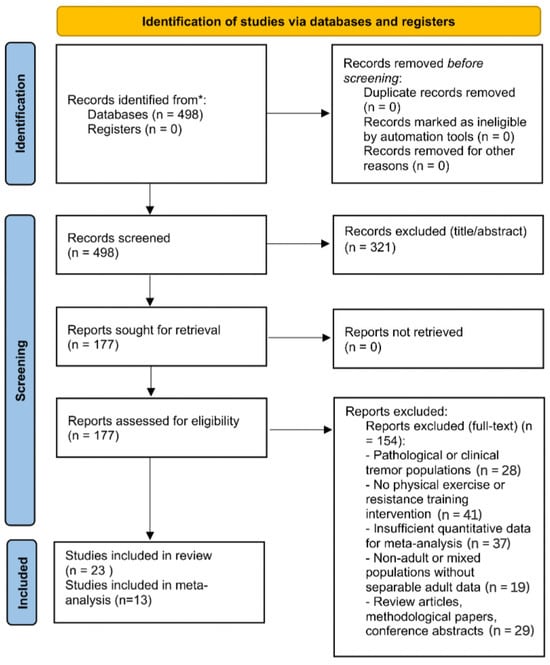
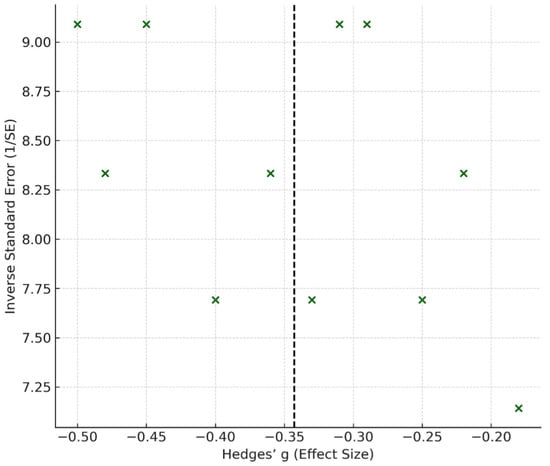
This meta-analysis investigates the acute (immediate) pre–post changes in the modulation of physiological tremor in healthy adults following physical exercise, including resistance-based protocols. Physiological tremor is characterized by low-amplitude, high-frequency oscillations during posture or movement and reflects transient changes in neuromuscular control. Background/Objectives: Quantify the pooled effect of physical exercise on physiological tremor amplitude in healthy adults using magnitude-based metrics (RMS, peak power). A secondary objective was to synthesize evidence from acute resistance-based protocols separately. Methods: This meta-analysis was conducted in accordance with the Preferred Reporting Items for Systematic Reviews and Meta-Analyses (PRISMA 2020) guidelines and followed the methodological framework outlined in the Cochrane Handbook for Systematic Reviews of Interventions. Thirteen experimental studies met the inclusion criteria, with eleven included in the general exercise analysis and eight in the acute resistance-based subset. Results: Random-effects models revealed a moderate reduction in tremor amplitude following acute exercise (Hedges’ g = −0.42, p < 0.001). The resistance-based synthesis was restricted to acute single-session protocols only and indicated a directionally consistent reduction in tremor amplitude. Conclusions: These findings suggest that physical exertion is associated with transient suppression of physiological tremor amplitude. Acute single-session resistance-based exercise protocols showed a consistent direction of effect, although pooled estimates should be interpreted cautiously due to heterogeneity. Overall, physiological tremor may serve as a sensitive, non-invasive outcome measure reflecting short-term neuromuscular state.
Full article
(This article belongs to the Special Issue Resistance Training Is Medicine: 2nd Edition)
►▼
Show Figures

Figure 1

Open AccessArticle
Gender Differences in Autonomic Stress Status and Body Fat Percentage Among Teachers
by
Estela Álvarez-Gallardo, Andrea Calderón García, María Isabel Ramírez-Goercke, Pedro Belinchón-deMiguel and Vicente Javier Clemente-Suárez
Physiologia 2026, 6(1), 10; https://doi.org/10.3390/physiologia6010010 - 30 Jan 2026
Abstract
Background/Objectives: Teaching is a profession characterized by a high burden of stress. This study examined sex differences in autonomic regulation by analysing heart rate variability (HRV) and body fat percentage (BF%) in teachers, explicitly hypothesizing that the association between adiposity and autonomic modulation
[...] Read more.
Background/Objectives: Teaching is a profession characterized by a high burden of stress. This study examined sex differences in autonomic regulation by analysing heart rate variability (HRV) and body fat percentage (BF%) in teachers, explicitly hypothesizing that the association between adiposity and autonomic modulation (HRV) would be more consistent in men. Methods: A cross-sectional study was conducted with 253 teachers from compulsory and university education during the 2022–2023 academic year. HRV was obtained from heart rate recordings, and body composition was assessed using bioelectrical impedance analysis. Analyses were stratified by sex and, in addition to comparisons based on the sex-specific median of fat mass (kg), ANCOVA models were performed and adjusted for age, teaching experience, and educational level. Results: Teachers with higher BF% were older (43.46 vs. 40.65 years; p = 0.007) and reported higher perceived stress (7.60 vs. 6.83; p = 0.034). In men, HRV was lower in the ≥p50 adiposity group, with reductions in RMSSD and pNN50 (p = 0.015–0.016). In women, RMSSD and pNN50 were not significant (p > 0.20; small effect sizes). In adjusted analyses (ANCOVA), no significant differences were found in men for any index; in women, HRmax and the LF/HF ratio were significant (small effects), whereas the remaining indices were not. Conclusions: Greater adiposity was associated with higher stress and lower HRV, particularly in men. In women, the pattern was more heterogeneous, and significance after adjustment was limited to HRmax and the LF/HF ratio, suggesting the need for sex-specific approaches to the assessment and promotion of psychophysiological well-being in teachers.
Full article
Open AccessArticle
Key Influences on Competitive Load in Youth Regional Teams During National Basketball Competition
by
João Rocha, João Serrano, Pablo López-Sierra, Jorge Arede and Sergio J. Ibáñez
Physiologia 2026, 6(1), 9; https://doi.org/10.3390/physiologia6010009 - 20 Jan 2026
Abstract
Background: This study examines how contextual factors influence the match load experienced by U14 athletes. Methods: Ninety-six male players from eight Portuguese regional selection teams were monitored during three official matches each, using WIMU Pro™ inertial devices with ultra-wideband (UWB) tracking
[...] Read more.
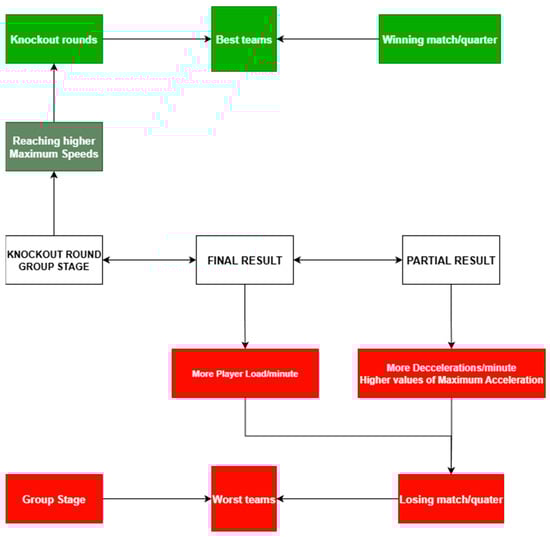
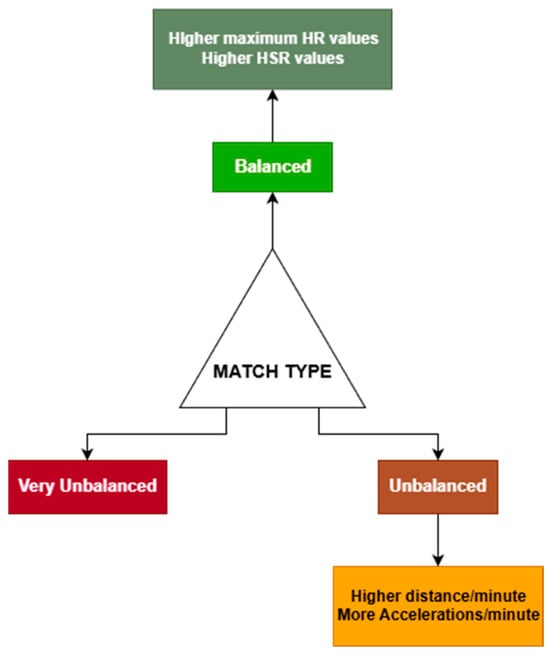
Background: This study examines how contextual factors influence the match load experienced by U14 athletes. Methods: Ninety-six male players from eight Portuguese regional selection teams were monitored during three official matches each, using WIMU Pro™ inertial devices with ultra-wideband (UWB) tracking systems. Fifteen internal and external load variables were analyzed, including player load/min, high-speed running (HSR), maximum heart rate (HRmax), and high impacts/min. Mixed linear models revealed significant inter-individual variability in all variables, showing sensitivity to match context. Results: Losing teams exhibited higher player load/min. Balanced matches provoked greater cardiovascular and locomotor demands, particularly in HRmax and HSR metrics. Cluster analysis identified three match typologies based on score margin. Team level was strongly associated with final outcomes and quarter performance, reinforcing the predictive value of intra-match consistency. In contrast, match type (score margin) showed limited correlation with team quality or load distribution. Conclusions: These findings demonstrate the multifactorial nature of match load in youth basketball, supporting the implementation of individualized, context-aware training and recovery strategies while guiding long-term athlete development.
Full article
(This article belongs to the Section Exercise Physiology)
►▼
Show Figures

Figure 1
Open AccessArticle
Differences in Physical Performance According to Contextual Variables in U21 Football Players
by
Rodrigo Villaseca-Vicuña, Pablo Merino-Muñoz, Guillermo Cortes-Rocco, Natalia Escobar, Marcelo Muñoz Lara, Rodrigo Yañez Sepúlveda, Joel Barrera-Díaz and Jorge Pérez-Contreras
Physiologia 2026, 6(1), 8; https://doi.org/10.3390/physiologia6010008 - 19 Jan 2026
Abstract
Understanding how contextual variables shape differences in match demands in youth football is essential for optimising performance and player development. Objective: This study aimed to compare physical and competitive performance according to playing position, match location, match result, and opponent quality in the
[...] Read more.
Understanding how contextual variables shape differences in match demands in youth football is essential for optimising performance and player development. Objective: This study aimed to compare physical and competitive performance according to playing position, match location, match result, and opponent quality in the physical and competitive performance of U21 football players from a professional Chilean club. Methods: Twenty male U21 players (19.2 ± 1.2 years) were monitored during 11 official matches using 10 Hz GPS devices (WIMU Pro™) and post-match Rating of Perceived Exertion (RPE). Variables included total distance (TD), high-speed running (HSR > 20 km/h), metres per minute (MM), accelerations/decelerations (N°AC/N°DC > 3 m·s−2), player load (PL), and peak velocity (PV). Contextual variables were classified by playing position, home/away, win/loss, and opponent quality (higher vs. lower rank). Results: Significant between-group differences were found across all contextual factors (p < 0.05). Midfielders (MFs) covered greater TD and reported higher RPE, while full-backs (FBs) and wingers (WGs) reached higher HSR and PV. Away and lost matches showed greater RPE, PL, and N°AC/N°DC, alongside more goals conceded. Facing higher-ranked opponents increased RPE and HSR but reduced explosive actions. Conclusions: Physical performance in U21 football is strongly modulated by contextual factors. Coaches should adjust training load and tactical strategies according to match conditions and positional roles to optimise adaptation and competitive readiness in developmental categories.
Full article
(This article belongs to the Topic The Mechanics of Movement: Biomechanics in Sports Performance)
Open AccessArticle
Exploring Circulating Irisin as a Biomarker: An Analysis in Relationship with Glucose and Bone Status Evaluation in Adults with Vitamin D Deficient Versus Sufficient Status
by
Natalia Loghin-Oprea, Dana Manda, Sorina Violeta Schipor, Ana Popescu, Oana-Claudia Sima, Ana-Maria Gheorghe, Ana Valea, Luminita Suveica, Alexandra-Ioana Trandafir, Veronica Cumpata, Mara Carsote and Nina Ionovici
Physiologia 2026, 6(1), 7; https://doi.org/10.3390/physiologia6010007 - 15 Jan 2026
Abstract
►▼
Show Figures
Background: Irisin, a muscle-derived hormone, enhances the energy metabolism by activating the brown adipose tissue and acts as a bone-forming agent across the entire life span. No consistent clinical data in humans have been published so far to highlight if blood irisin as
[...] Read more.
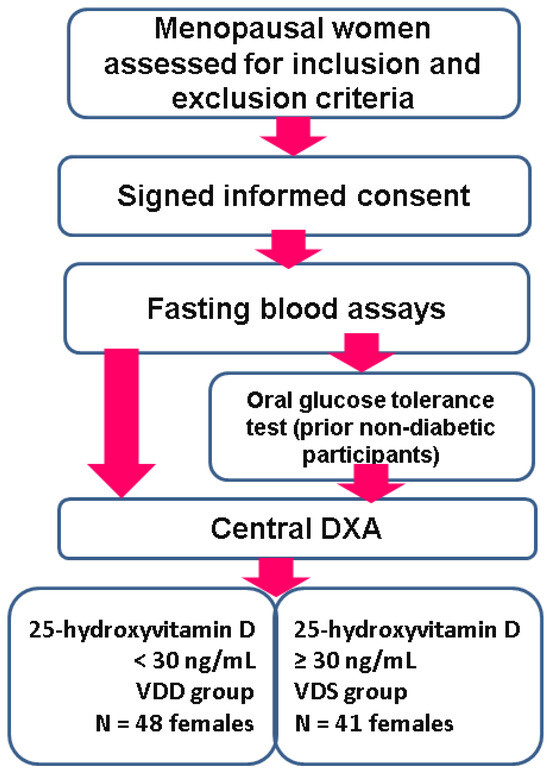
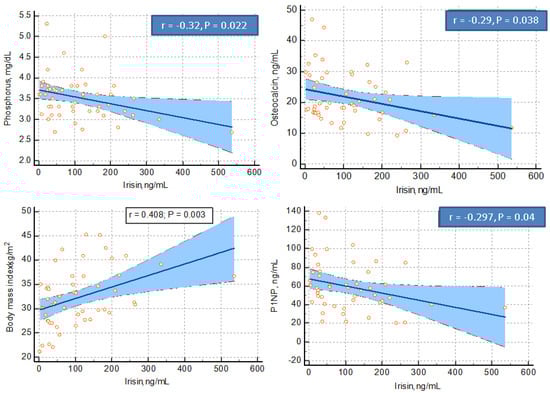
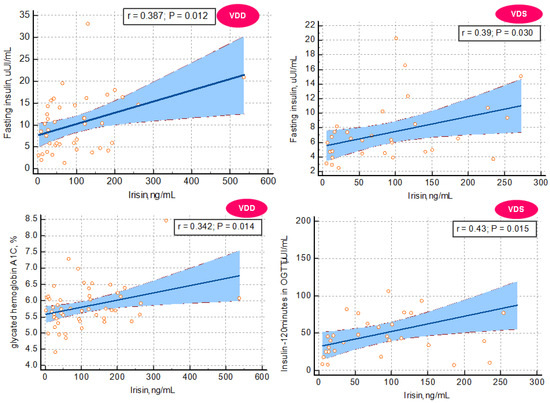
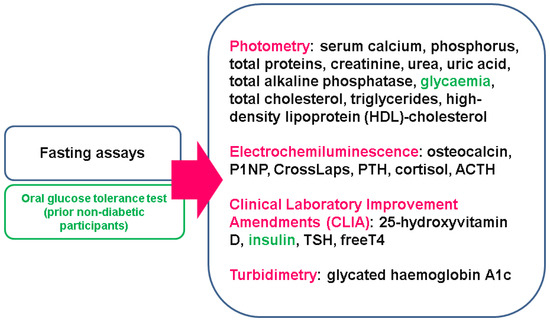
Background: Irisin, a muscle-derived hormone, enhances the energy metabolism by activating the brown adipose tissue and acts as a bone-forming agent across the entire life span. No consistent clinical data in humans have been published so far to highlight if blood irisin as glucose/bone biomarker should be refined based on the vitamin D status (deficient or sufficient). Therefore, we aimed to objectively assess the level of irisin in female adults with abnormal and normal vitamin D status, as reflected by the level of 25-hydroxyvitamin (25OHD) in relationship with glucose and bone metabolic parameters. Methods: This pilot, prospective, exploratory study included eighty-nine menopausal women aged over 50. We excluded subjects with malignancies, bone and metabolic disorders, insulin treatment, and active endocrine disorders. Fasting profile included glycaemia, insulin, and glycated haemoglobin A1c (HbA1c). Then, 75 g oral glucose tolerance test (OGTT) included glycaemia and insulin assay after 60 and 120 min. Bone status involved bone turnover markers and central dual-energy X-ray absorptiometry providing bone mineral density (BMD) and trabecular bone score. Results: Eighty-nine subjects were included in the following two groups depending on 25OHD: vitamin D-deficient (VDD) group (N = 48; 25OHD < 30 ng/mL) and vitamin D-sufficient (VDS) group (N = 41; 25OHD ≥ 30 ng/mL). The two groups had similar age and menopausal period (62.29 ± 10.19 vs. 63.56 ± 8.16 years, respectively; 15.82 ± 9.55 vs. 16.11 ± 9.00 years, p > 0.5 for each). A statistically significant higher body mass index (BMI) was found in VDD vs. VDS group (32.25 ± 5.9 vs. 28.93 ± 4.97 kg/m2, p = 0.006). Circulating irisin was similar between the groups as follows: median (IQR) of 91.85 (44.76–121.76) vs. 71.17 (38.76–97.43) ng/mL, p = 0.506. Fasting profile and OGTT assays showed no between-group difference. Median HOMA-IR in VDD group pointed out insulin resistance of 2.67 (1.31–3.29). Lowest mean/median T-scores at DXA for both groups were consistent with osteopenia category, but they were confirmed at different central sites as follows: femoral neck in both groups [VDD versus VDS group: −1.1 (−1.20–−0.90) vs. −1.1 (−1.49–−0.91), p = 0.526, respectively], only at lumbar spine for VDS group (T-score of −1.18 ± 1.13). The correlations between irisin and the mentioned parameters displayed a different profile when the analysis was performed in the groups with different 25OHD levels. In VDD group, irisin levels statistically significantly correlated with serum phosphorus (r = −0.32, p = 0.022), osteocalcin (r = −0.293, p = 0.038), P1NP (r = −0.297, p = 0.04), HbA1c (r = 0.342, p = 0.014), and BMI (r = 0.408, p = 0.003). Conclusions: This pilot study brings awareness in the analysis of irisin in relationship with glucose and bone-related biomarkers correlates, showing a distinct type of association depending on 25OHD level, which might represent an important crossroad in the multitude of irisin-activated signal transduction pathways.
Full article

Figure 1
Open AccessArticle
Impact of Macular Neovascularization Architecture in Age-Related Macular Degeneration on Treatment Requirement During the First 5 Years of Treatment
by
Michael Grün, Kai Rothaus, Martin Ziegler, Alexander Beger, Albrecht Lommatzsch, Clemens Lange and Henrik Faatz
Physiologia 2026, 6(1), 6; https://doi.org/10.3390/physiologia6010006 - 11 Jan 2026
Abstract
►▼
Show Figures
Background: To investigate baseline MNV characteristics in Optical Coherence Tomography Angiography (OCTA) and its impact on therapeutic needs and visual acuity after 5 years in initially therapy-naïve eyes. Methods: A retrospective study of 43 therapy-naïve eyes with neovascular AMD (nAMD). OCTA was performed
[...] Read more.
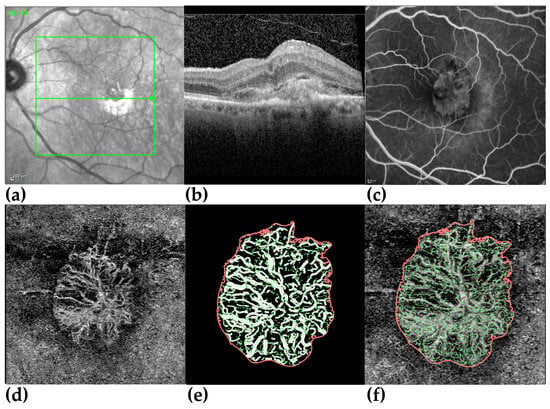
Background: To investigate baseline MNV characteristics in Optical Coherence Tomography Angiography (OCTA) and its impact on therapeutic needs and visual acuity after 5 years in initially therapy-naïve eyes. Methods: A retrospective study of 43 therapy-naïve eyes with neovascular AMD (nAMD). OCTA was performed at baseline and all eyes were observed for 5 years. MNV architecture was characterized by area, total vessel length, flow density and fractal dimension. These variables were tested for correlation with the number of administered intravitreal injections (IVIs) and best-corrected visual outcome (BCVA) after 5 years of treatment. Results: Mean follow-up time was 4.97 ± 0.21 years. Area and total vessel length of MNVs were significantly associated with a higher number of administered IVIs after 5 years (p < 0.05), flow density significantly correlated with fewer IVIs (p < 0.05). Fractal dimension showed a tendency to more IVIs (p = 0.056) after 5 years. Flow density at baseline correlated with a better BCVA (p < 0.05). In contrast, MNV area size, total vessel length and fractal dimension did not show any correlation to BCVA after 5 years (p > 0.05). Conclusions: Specific features of MNV architecture such as area, total vessel length and flow density can predict long-term treatment requirement and visual outcome. Further studies using deep learning algorithms are necessary to explore the usage of these findings in daily practice.
Full article

Figure 1
Open AccessReview
Exercise and Dietary Factors in Skeletal Muscle Anabolism Across Aging: Inferences for the Insulin/IGF-1 Axis—A Narrative Review
by
Vianney Curiel-Cervantes
Physiologia 2026, 6(1), 5; https://doi.org/10.3390/physiologia6010005 - 9 Jan 2026
Abstract
Resistance training (RT) influences endocrine pathways that control skeletal muscle (SM) growth. This review summarizes 25 years of evidence (January 2000–December 2025) from PubMed, Medline, and ScienceDirect, focusing on three aspects: (1) exercise types such as RT, speed, power, high-intensity interval training, and
[...] Read more.
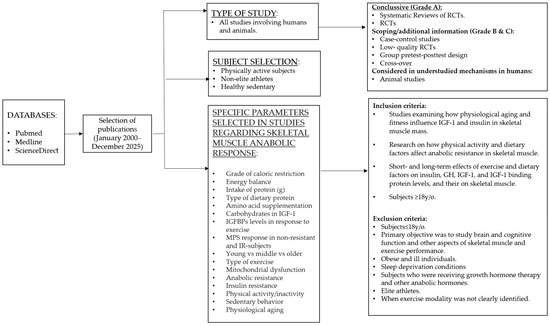
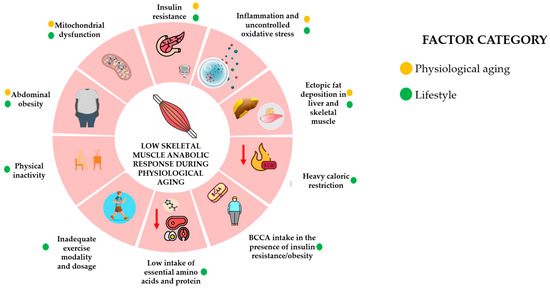
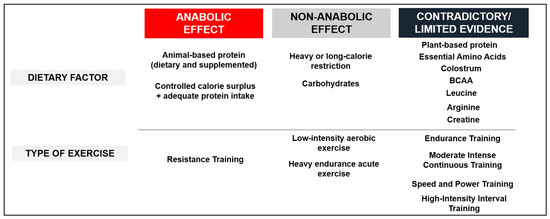
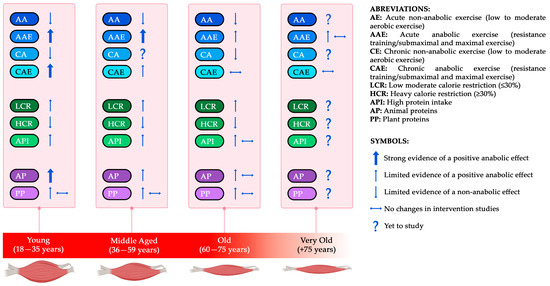
Resistance training (RT) influences endocrine pathways that control skeletal muscle (SM) growth. This review summarizes 25 years of evidence (January 2000–December 2025) from PubMed, Medline, and ScienceDirect, focusing on three aspects: (1) exercise types such as RT, speed, power, high-intensity interval training, and aerobic training at various intensities; (2) dietary factors, including caloric restriction, total protein, protein sources, amino acids, and carbohydrates; and (3) aging-related physiological factors that may impair the insulin/IGF-1 axis in SM, such as insulin resistance, fat infiltration, physical inactivity, mitochondrial dysfunction, and inflammation. The data from Grade A evidence in systematic reviews and RCTs are prioritized to develop practical recommendations and future research directions for young, middle-aged, older, and very old individuals. Evidence regarding the effects of anabolic amino acids in women, middle-aged, and very old individuals, as well as locally mediated IGF-1 effects of any type of exercise, is limited.
Full article
(This article belongs to the Special Issue Exercise Physiology and Biochemistry: 3rd Edition)
►▼
Show Figures

Figure 1

Open AccessReview
Linking Pesticide Exposure to Gestational Diabetes: Current Knowledge and Future Directions
by
Christina Pagkaki, Panagiotis Tsikouras and Panagiotis Halvatsiotis
Physiologia 2026, 6(1), 4; https://doi.org/10.3390/physiologia6010004 - 5 Jan 2026
Abstract
►▼
Show Figures
Background: Gestational diabetes mellitus (GDM) is a frequent pregnancy pathology with poor maternal and fetal outcomes and risk of type 2 diabetes in later life. Despite known risk factors, such as obesity, age, and familial history, new data suggest that environmental exposure
[...] Read more.
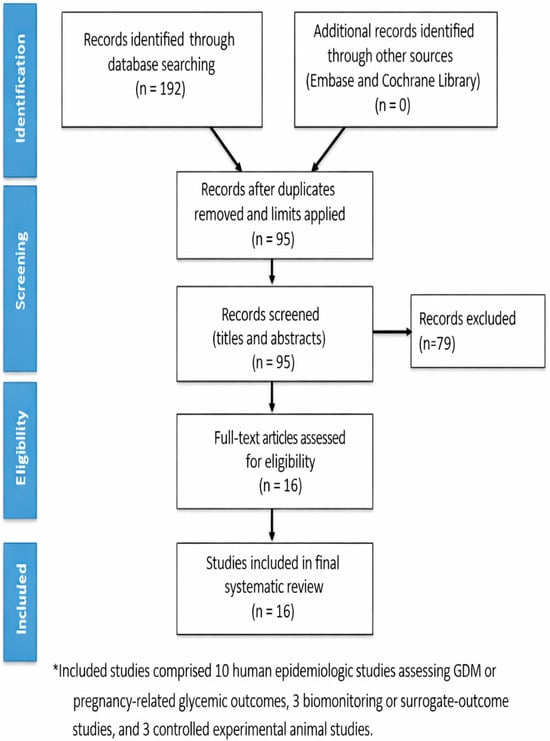
Background: Gestational diabetes mellitus (GDM) is a frequent pregnancy pathology with poor maternal and fetal outcomes and risk of type 2 diabetes in later life. Despite known risk factors, such as obesity, age, and familial history, new data suggest that environmental exposure to agents, such as pesticides, can play a role in the etiogenesis of GDM. Objective: The epidemiologic, experimental, and mechanistic evidence between pesticide exposure and GDM risk is summarized here, and we concentrate on recent research (2000–2025). Methods: We conducted a literature search in PubMed, Embase, and the Cochrane Library for studies published from January 2000 to December 2025 using combinations of the terms “fertilizers”, “herbicides”, and “pesticides” with “diabetes mellitus” and “gestational diabetes”. After deduplication, 12 unique studies met inclusion criteria for qualitative synthesis (GDM endpoint or pregnancy glycemia with pesticide exposure). Results: Occupational and agricultural exposure to pesticides during first pregnancy was determined to be associated with a significantly increased risk of GDM through various epidemiologic studies. New studies have implicated new classes of pesticides, including pyrethroids and neonicotinoids, with higher GDM risk with first-trimester exposure. Experimental studies suggest that pesticides provide potential endocrine-disrupting chemicals that can induce insulin resistance through disruption of hormonal signaling, oxidative stress, inflammation, β-cell toxicity, and epigenetic modifications. However, significant limitations exist. Most of the evidence is observational, measurement of exposure is often indirect, and confounding factors are difficult to exclude. Notably, low dietary and residential exposure is not well studied, and dose–response relationships are undefined. Conclusions: New data indicate that pesticide exposure during early pregnancy and occupational exposure may increase the risk of GDM. Prospective cohort studies using biomonitoring, chemical mixture exposure, and geographic variation in pesticide exposure should be the focus of future research. Due to potential public health implications, preventive strategies to ensure the quality of nutrition and to reduce maternal exposure to pesticides during pregnancy are rational.
Full article

Figure 1
Open AccessArticle
New Indices of Arterial Stiffness Measured with an Upper-Arm Oscillometric Device in Long-Term Japanese Shigin Practitioners: A Cross-Sectional Exploratory Study
by
Ryota Kobayashi, Shotaro Seki, Kun Niu and Hideyuki Negoro
Physiologia 2026, 6(1), 3; https://doi.org/10.3390/physiologia6010003 - 4 Jan 2026
Abstract
►▼
Show Figures
Background/Objectives: Arterial stiffness is an independent cardiovascular risk factor, and arterial velocity pulse index (AVI) and arterial pressure–volume index (API) are practical oscillometric markers. Shigin, a traditional Japanese vocal recitation practice characterised by abdominal breathing, has limited physiological evidence. This cross-sectional exploratory study
[...] Read more.
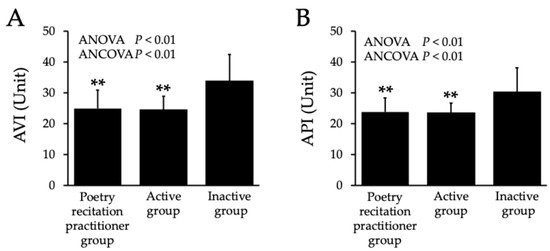
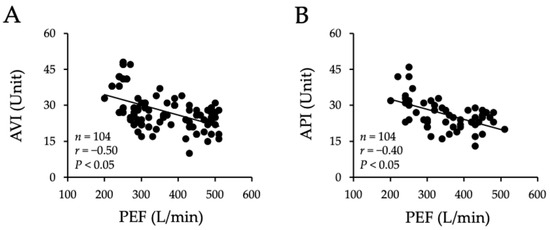
Background/Objectives: Arterial stiffness is an independent cardiovascular risk factor, and arterial velocity pulse index (AVI) and arterial pressure–volume index (API) are practical oscillometric markers. Shigin, a traditional Japanese vocal recitation practice characterised by abdominal breathing, has limited physiological evidence. This cross-sectional exploratory study examined the association between long-term shigin practice and arterial stiffness in older adults. Methods: Community-dwelling adults aged ≥60 years were classified into shigin practitioners (≥10 years), physically active non-practitioners, and inactive non-practitioners. AVI and API were measured using an upper-arm oscillometric device. Blood pressure, heart rate, salivary α-amylase (morning, standardised conditions), and peak expiratory flow were assessed. Results: Both shigin practitioners and active non-practitioners showed lower AVI and API, lower blood pressure, higher peak expiratory flow, and lower salivary α-amylase than inactive non-practitioners (p < 0.01). These associations remained significant after adjustment for blood pressure, heart rate, and sex. Conclusions: Long-term shigin practice was associated with arterial stiffness indices comparable to those of physically active older adults, without implying causality.
Full article

Figure 1
Open AccessArticle
Cross-Sectional Investigation of Acute Stress Responses to Two Different Laboratory Stress Tests in Male and Female Athletes
by
Peter Raidl, Barbara Wessner, Michael Methlagl and Robert Csapo
Physiologia 2026, 6(1), 2; https://doi.org/10.3390/physiologia6010002 - 26 Dec 2025
Abstract
►▼
Show Figures
Background: Regular exercise was previously shown to reduce glucocorticoid and cardiac-autonomic responses to psychosocial stressors. Specifically, laboratory-based stress induction procedures are recognized as valid experimental manipulations of the physiological stress response. Nevertheless, comparative research between different types of stressors is limited. This study
[...] Read more.
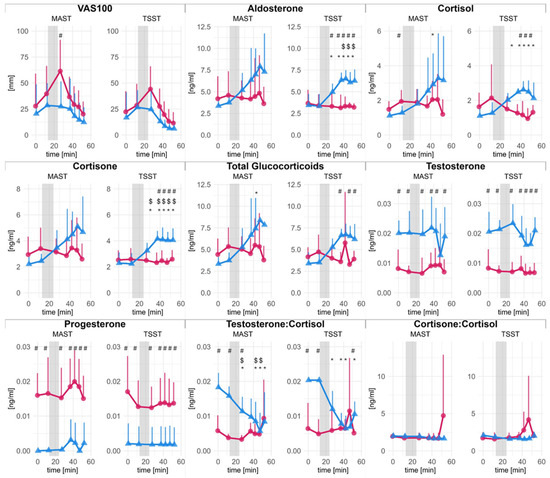
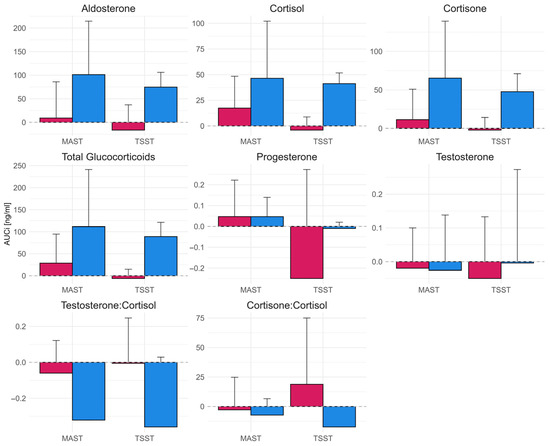
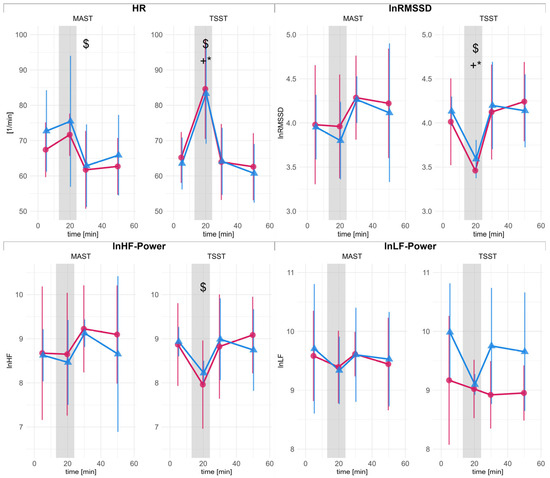
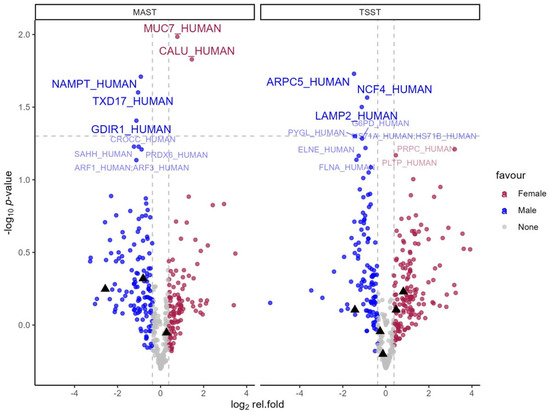
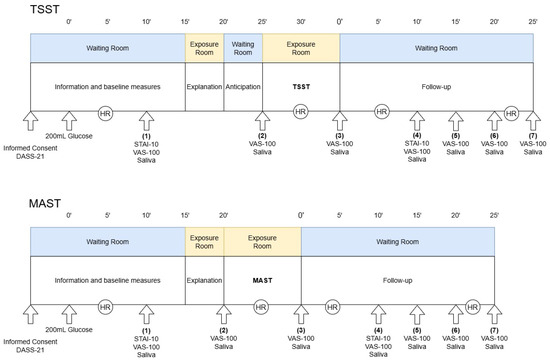
Background: Regular exercise was previously shown to reduce glucocorticoid and cardiac-autonomic responses to psychosocial stressors. Specifically, laboratory-based stress induction procedures are recognized as valid experimental manipulations of the physiological stress response. Nevertheless, comparative research between different types of stressors is limited. This study was designed to examine the multi-system psychophysiological response to two stress-induction procedures—psychosocial (Trier Social Stress Test; TSST) and psychophysical (Maastricht Acute Stress Test; MAST)—in male and female athletes. Methods: In a crossover pilot study, 12 athletes (6 female) underwent a TSST and a MAST, one month apart. Saliva hormones and cardiac-autonomic response (heart rate and HRV) were analyzed, besides an untargeted proteomics analysis. Results: The MAST revealed a lower elevation of heart rate (SMD = −1.47 [−2.51, −0.43]) and reduction in RMSSD (SMD = 0.98 [0.01, 1.95]) compared to the TSST. No statistically significant differences were found for hormones or subjective stress (all p < 0.05). Sex comparisons of the area under the curve exposed overall lower responses in women for aldosterone (SMD = −1.50, [−2.45, −0.51]), cortisol (SMD = −1.35, [−2.28, −0.39]), cortisone (SMD = −1.43, [−2.38, −0.46]), overall glucocorticoids (SMD = −1.44, [−2.38, −0.46]), and stronger reduction in testosterone-to-cortisone (SMD = 1.41, [0.44, 2.35]). Interestingly, sex differences were more evident in response to the TSST. Conclusions: Found sex differences underscore the importance of sex sensitive research in stress and exercise science. Our data support the presented methodological approach and encourage properly powered research on stressor comparison in relation to sports and physical fitness.
Full article

Figure 1
Open AccessArticle
Effects of a Multimodal Training Program for the Management of Urinary Incontinence and Physical Activity Levels on Symptom Perception and Urine Loss
by
Iris Prestanti, Sofia Serafini, Francesca Di Rocco, Rosa Cavuto, Andrea Fusco, Pascal Izzicupo and Angela Di Baldassarre
Physiologia 2026, 6(1), 1; https://doi.org/10.3390/physiologia6010001 - 25 Dec 2025
Abstract
►▼
Show Figures
Background: Urinary incontinence (UI) is common in women and negatively affects quality of life. Although pelvic floor muscle training (PFMT) is effective, most studies have focused on isolated muscle contractions. Less is known about multimodal programs integrating posture, breathing, and intra-abdominal pressure management.
[...] Read more.
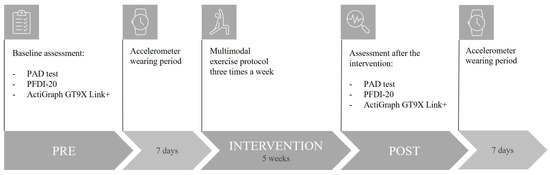
Background: Urinary incontinence (UI) is common in women and negatively affects quality of life. Although pelvic floor muscle training (PFMT) is effective, most studies have focused on isolated muscle contractions. Less is known about multimodal programs integrating posture, breathing, and intra-abdominal pressure management. This study examined how urinary loss (UL) and moderate physical activity (MPA), measured objectively, relate to perceived pelvic floor disorders after a five-week multimodal intervention. Methods: Twenty women (40–70 years) with UI participated in three weekly 60 min sessions for five weeks. Outcomes were assessed before and after the intervention: UL using the pad test, physical activity with a wrist-worn accelerometer, and pelvic floor disorders with the Pelvic Floor Distress Inventory (PFDI-20). Paired t-tests or Wilcoxon tests and regression models were used to analyze changes and associations between variables. Results: UL significantly decreased after treatment (p < 0.001) as did total PFDI-20 (p = 0.007). Before treatment, PFDI-20 was mainly predicted by MPA (β = −0.537, p = 0.013). After treatment, UL became the strongest predictor of PFDI-20 (β = 0.587, p = 0.008) while Δ analyses confirmed that changes in both UL (β = 0.444, p = 0.026) and MPA (β = −0.461, p = 0.021) predicted improvements in perceived pelvic floor disorders. Conclusions: A five-week multimodal program reduced UL and improved perceived pelvic floor disorders. After treatment, symptoms were more strongly related to UL than to MPA. This study suggests that a multimodal exercise approach may represent a feasible and potentially effective option for improving both objectively measured urinary loss and perceived pelvic floor symptoms.
Full article

Figure 1
Open AccessReview
The Significant Role of Physical Activity and Exercise in Health and Metabolic Diseases
by
George D. Dimitriadis, Costas Chryssanthopoulos, Anastassios Philippou and Michael Koutsilieris
Physiologia 2025, 5(4), 57; https://doi.org/10.3390/physiologia5040057 - 15 Dec 2025
Abstract
Physical inactivity, which currently dominates the lifestyles of most people, is linked to chronic metabolic diseases such as obesity, type 2 diabetes (T2D), hypertension, metabolic syndrome, and cardiovascular disease, all of which share insulin resistance as a common pathogenic mechanism. Both epidemiological and
[...] Read more.
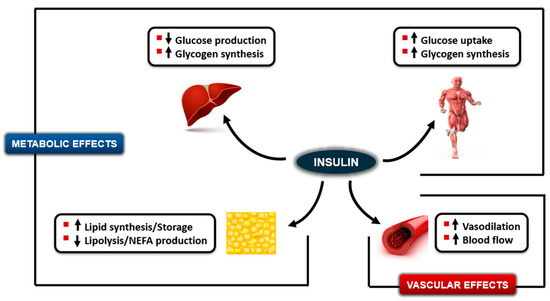
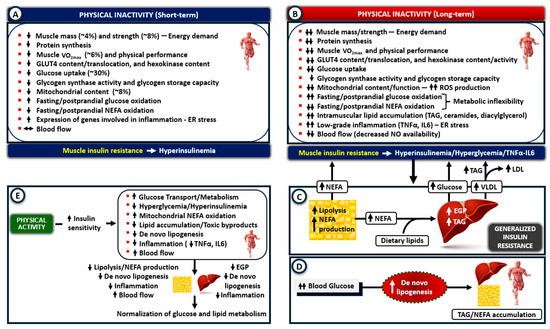
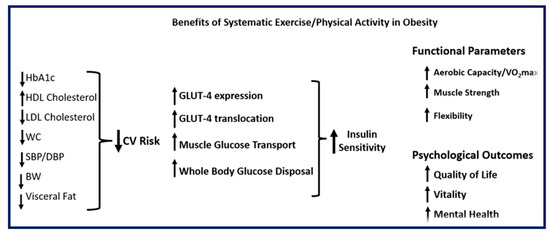
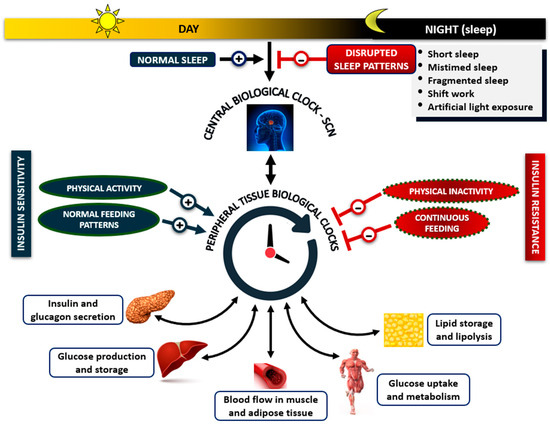
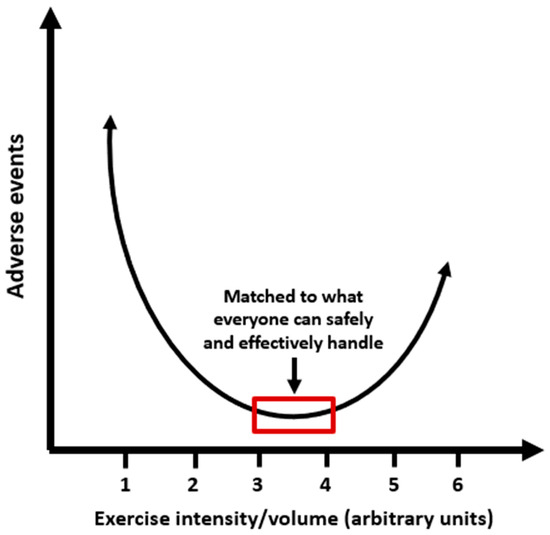
Physical inactivity, which currently dominates the lifestyles of most people, is linked to chronic metabolic diseases such as obesity, type 2 diabetes (T2D), hypertension, metabolic syndrome, and cardiovascular disease, all of which share insulin resistance as a common pathogenic mechanism. Both epidemiological and experimental intervention studies have consistently shown that physical activity and exercise can reduce the incidence of these diseases and significantly improve their clinical outcomes, resulting in enhanced quality of life and well-being. This approach includes various forms of aerobic and anaerobic/resistance training, either individually or in combination, leading to reduced insulin resistance and visceral fat, regardless of the weight loss achieved through diet. It also lowers inflammatory responses and oxidative stress, a harmful mechanism that leads to cellular damage, and positively impacts immunological regulation. Regarding timing, physical activity/exercise appears to produce better outcomes for metabolic control, particularly in individuals with T2D, when performed after dinner compared to other times of the day. In addition to organized physical activity/exercise sessions, practices such as interrupting prolonged sitting with frequent breaks every 30 min that involve muscular contractions and increased energy expenditure may also benefit metabolic health. Minimizing physical inactivity, prolonged sitting at work or during leisure time, can decrease the frequency of metabolic illness, enhance health and quality of life, and avert premature death. However, intense exercise may not always be the most beneficial option for health, and the relationship between adverse events and the intensity of physical activity or exercise resembles a U-shaped or J-shaped curve. Physical activity/exercise should be performed at a suitable intensity that aligns with personal capability. In this primarily clinically focused review, we discuss the effects of insulin on target tissues, the significance of insulin sensitivity in metabolic regulation, how physical inactivity contributes to insulin resistance, the different types of exercise and their impact on insulin effectiveness, and the importance of physical activity and exercise in managing metabolic diseases.
Full article
(This article belongs to the Special Issue Exercise Physiology and Biochemistry: 2nd Edition)
►▼
Show Figures

Figure 1

Open AccessArticle
Height, Sex, and Sport as Correlates of Tendon Stiffness in Elite Athletes
by
Alejandro Bustamante-Garrido, Sebastián Sepúlveda González, Felipe Inostroza-Ríos, Otávio de Toledo Nóbrega, Bianca Miarka, Mauricio Araya-Ibacache, Felipe J. Aidar, Esteban Aedo-Muñoz and Ciro José Brito
Physiologia 2025, 5(4), 56; https://doi.org/10.3390/physiologia5040056 - 12 Dec 2025
Abstract
Background/Objectives: Understanding the factors that influence tendon mechanical properties is essential for optimizing performance and preventing injuries in elite athletes. This study aimed to identify the strongest correlates of the biomechanical properties (frequency, stiffness, logarithmic decrement, relaxation, and creep) in the Achilles and
[...] Read more.
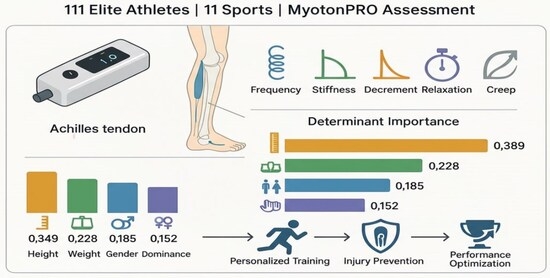
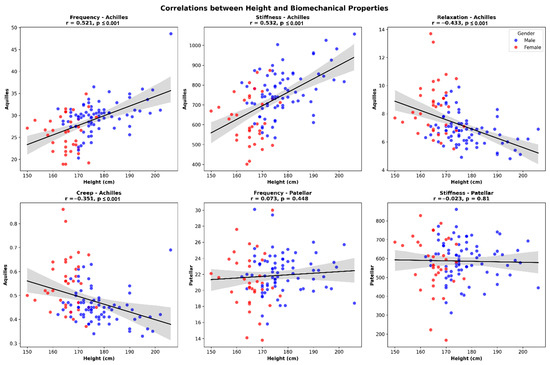
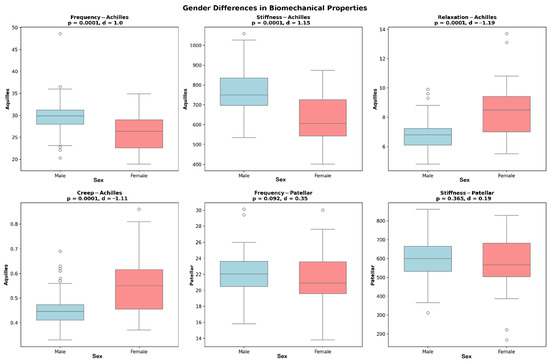
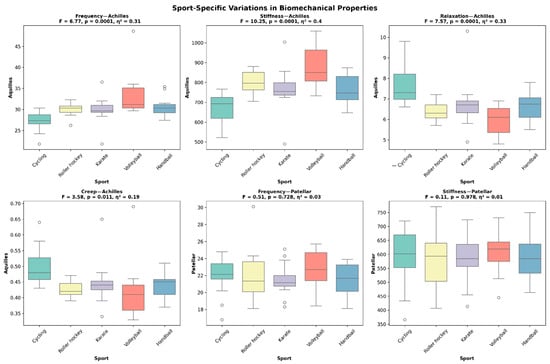
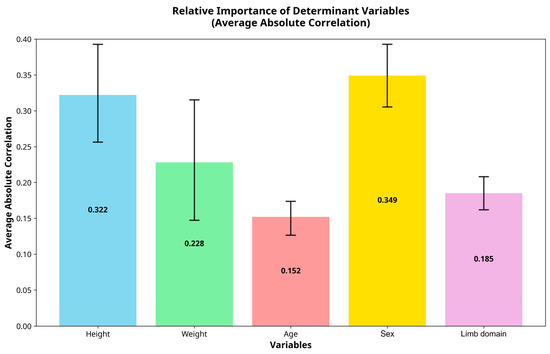
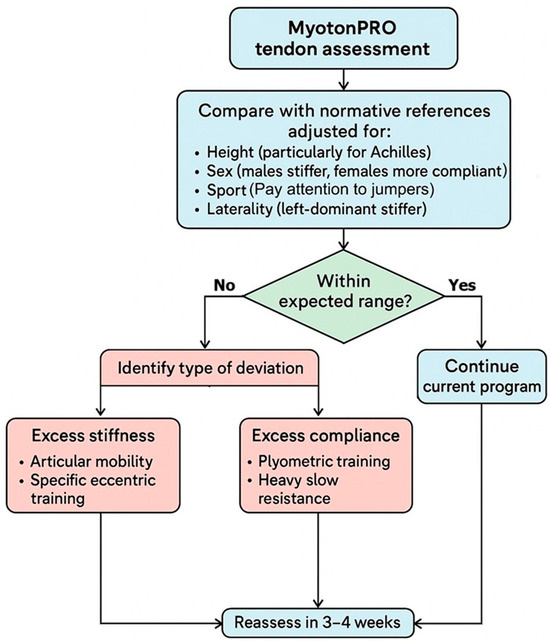
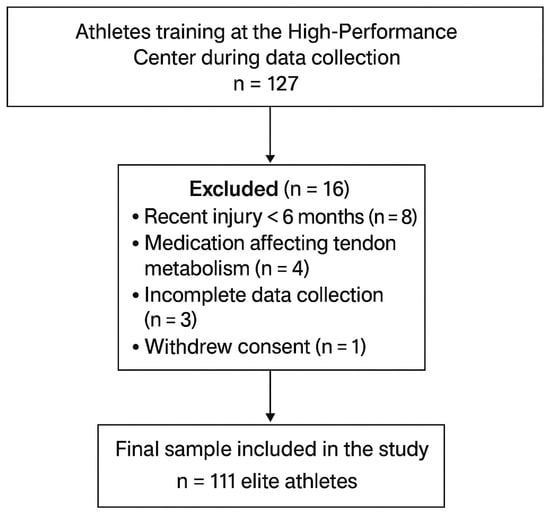
Background/Objectives: Understanding the factors that influence tendon mechanical properties is essential for optimizing performance and preventing injuries in elite athletes. This study aimed to identify the strongest correlates of the biomechanical properties (frequency, stiffness, logarithmic decrement, relaxation, and creep) in the Achilles and patellar tendons in elite international athletes. Methods: A cross-sectional study was conducted with 111 elite athletes from 11 sports disciplines assessed at a high-performance training center. Tendon properties were measured bilaterally using MyotonPRO. Anthropometric (height, weight, age), demographic (sex, limb dominance defined as the preferred limb for sport-specific activities), and sport-specific variables were analyzed using correlation, multiple regression, and machine learning approaches. Results: Height showed the strongest correlations with tendon frequency and stiffness, particularly for the Achilles tendon (r = 0.52 for frequency; r = 0.53 for stiffness; p ≤ 0.001, large effects). Sex differences were evident across all measures, with men showing higher stiffness and frequency, and women greater relaxation and creep (partial η2 = 0.35–0.48, Cohen’s d = 0.84–1.16). Sports discipline explained substantial variance in tendon properties (η2 > 0.40), and limb dominance influenced Achilles stiffness, with left-dominant athletes showing higher values (p < 0.05). Age showed minimal associations (r < 0.10). Conclusions: Height, sex, and sports discipline were the strongest correlates of Achilles and patellar tendon mechanical properties in elite athletes, with large and practically meaningful effects across sports. This comprehensive analysis, utilizing multivariate and machine learning approaches, provides insights that can inform individualized training, injury prevention, and performance optimization strategies in high-performance sports.
Full article
(This article belongs to the Topic The Mechanics of Movement: Biomechanics in Sports Performance)
►▼
Show Figures

Graphical abstract
Open AccessReview
Gravity in the Eye: How ‘Gravitational Ischemia’ in the Retina May Be Released and Resolved Through Rapid Eye Movement (REM), a Component of Gravity Opposition Physiology
by
J. Howard Jaster, Joshua Ong and Giulia Ottaviani
Physiologia 2025, 5(4), 55; https://doi.org/10.3390/physiologia5040055 - 12 Dec 2025
Abstract
►▼
Show Figures
This narrative review of rapid eye movement (REM) focuses on its primary etiology and how it fits into the larger framework of neurophysiology and general physiology. Arterial blood flow in the retina may be sensitive to the full overlying ‘weight’ of its adjacent
[...] Read more.
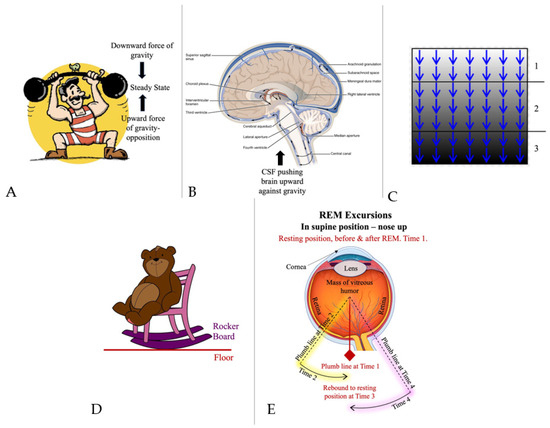
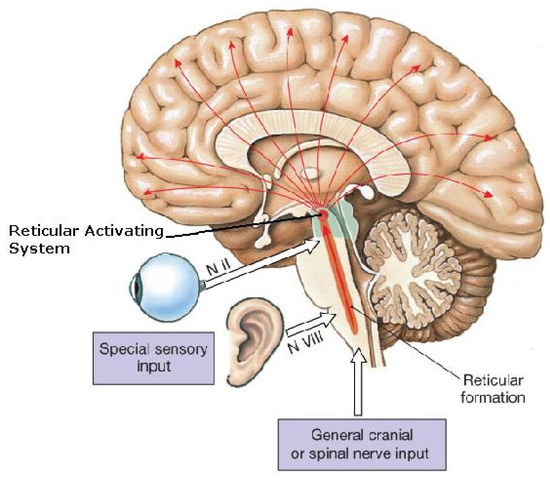
This narrative review of rapid eye movement (REM) focuses on its primary etiology and how it fits into the larger framework of neurophysiology and general physiology. Arterial blood flow in the retina may be sensitive to the full overlying ‘weight’ of its adjacent and contiguous vitreous humor caused by the humoral mass effect in the Earth’s gravitational field. During waking hours of the day, this ‘weight’ is continuously shifted in position due to changing head position and eye movements associated with ordinary environmental observations. This reduces its impact on any one point on the retinal field. However, during sleep, the head may maintain a relatively constant position (often supine), and observational eye movements are minimal, leaving essentially one retinal area exposed at the ‘bottom’ of each eye, relative to gravity. During sleep, REM may provide a mechanism for frequently repositioning the retina with respect to the weight it incurs from its adjacent (overlying) vitreous humor. Our findings were consistent with the intermittent terrestrial nocturnal development of ‘gravitational ischemia’ in the retina, wherein the decreased blood flow is accompanied metabolically by decreased oxygen tension, a critically important metric, with a detrimental influence on nerve-related tissue generally. However, the natural mechanisms for releasing and resolving gravitational ischemia, which likely involve glymphatics and cerebrospinal fluid shifts, as well as REM, may gradually fail in old age. Concurrently associated with old age in some individuals is the deposition of alpha-synuclein and/or tau in the retina, together with similar deposition in the brain, and it is also associated with the development of Parkinson’s disease and/or Alzheimer’s disease, possibly as a maladaptive attempt to release and resolve gravitational ischemia. This suggests that a key metabolic parameter of Parkinson’s disease and Alzheimer’s disease may be a lack of oxygen in some neural tissues. There is some evidence that oxygen therapy (hyperbaric oxygen) may be an effective supplemental treatment. Many of the cardinal features of spaceflight-associated neuro-ocular syndrome (SANS) may potentially be explained as features of gravity opposition physiology, which becomes unopposed by gravity during spaceflight. Gravity opposition physiology may, in fact, create significant challenges for humans involved in long-duration space travel (long-term microgravity). Possible solutions may include the use of artificial gravitational fields in space, such as centrifuges.
Full article

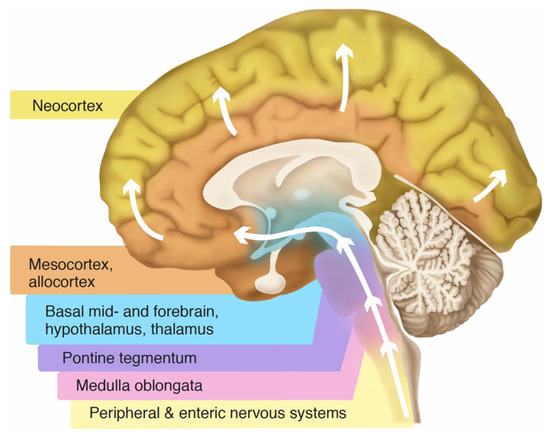
Figure 1
Open AccessArticle
One Week of a Betalain-Rich Beetroot Concentrate Does Not Improve 4 km Time-Trial Performance but Impairs Repeated Sprint Cycling Performance in Trained Cyclists
by
Steven Vitti, Meghan E. Smith, Sean Killip, Alyssa Sarkisov, Grace Frattellone, Craig Mattern and Justin Faller
Physiologia 2025, 5(4), 54; https://doi.org/10.3390/physiologia5040054 - 5 Dec 2025
Abstract
Purpose: We aimed to assess the effects of one-week betalain-rich beetroot concentrate (BRC) supplementation on high-intensity cycling performance in trained cyclists. Methods: Eighteen male (n = 15) and female (n = 3) cyclists (age: 38.83 ± 8.09; weight: 73.23 ± 10.95
[...] Read more.
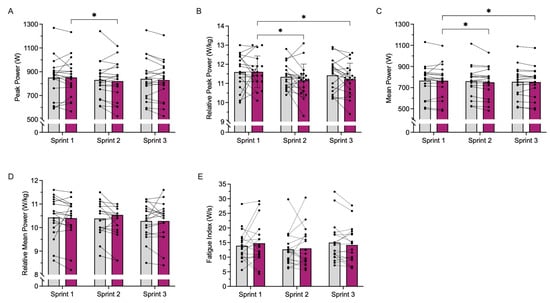
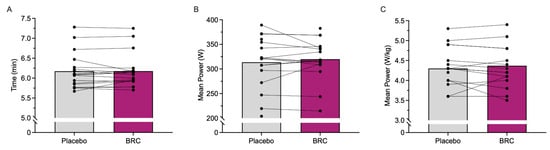
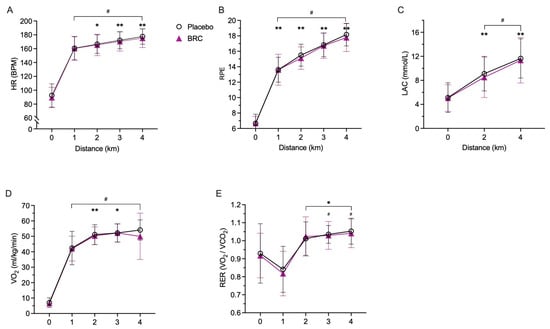
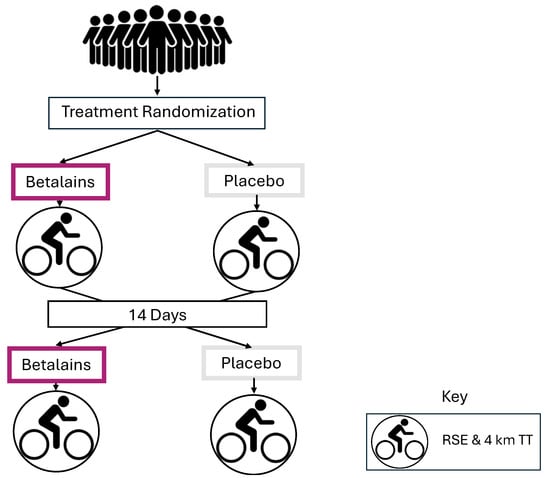
Purpose: We aimed to assess the effects of one-week betalain-rich beetroot concentrate (BRC) supplementation on high-intensity cycling performance in trained cyclists. Methods: Eighteen male (n = 15) and female (n = 3) cyclists (age: 38.83 ± 8.09; weight: 73.23 ± 10.95 kg; height: 176.86 ± 9.60 cm) were supplemented with a BRC or a placebo (PLA) for six days prior to the experimental trials. On the seventh day, a final dose was administered, and participants completed three all-out 15 s cycling sprints back-to-back, followed by a 4 km cycling time trial (TT). Physiological indicators related to performance were measured throughout the 4 km TT. Results: Sprint performance remained unchanged following PLA treatment. However, BRC treatment led to significant reductions in sprint performance during sprints 2 and 3 compared to sprint 1 (p < 0.05). Time trial performance did not differ between treatments (p > 0.05). Significant increases in physiological and psychological responses during the 4-km time trial were observed following both treatments (p < 0.05). However, heart rate was higher at 2 km compared to 1 km, the respiratory exchange ratio was slightly elevated at 2 km and 4 km relative to 1 km, and VO2 was slightly higher at 3 km and 4 km compared to pre-TT following BRC treatment only (p < 0.05). Conclusions: One week of a BRC does not enhance 4 km TT performance but may impair repeated-sprint performance in trained cyclists.
Full article
(This article belongs to the Special Issue Exercise Physiology and Biochemistry: 3rd Edition)
►▼
Show Figures

Figure 1

Open AccessArticle
Validation of a Smartphone Application for Measuring Peak Torque During the Nordic Hamstring Exercise in Recreational Athletes
by
Amândio Dias, Bruno Lopes, Francisco Machado, João Fonseca, Ricardo Santos and Rodrigo Alves
Physiologia 2025, 5(4), 53; https://doi.org/10.3390/physiologia5040053 - 5 Dec 2025
Abstract
Background/Objectives: Hamstring injuries are highly prevalent in sports and often occur, particularly among recreational and professional athletes. Assessing eccentric hamstring strength is critical for injury prevention and rehabilitation, with isokinetic dynamometry being considered the gold standard. However, its accessibility is limited by cost
[...] Read more.
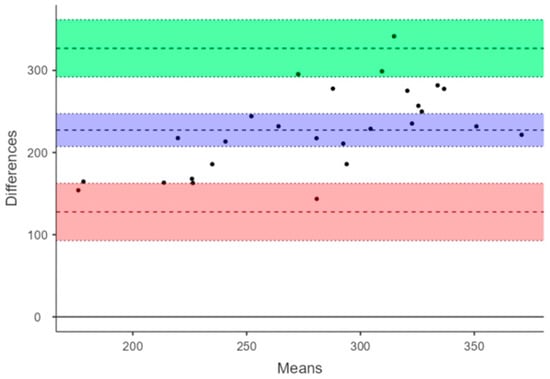
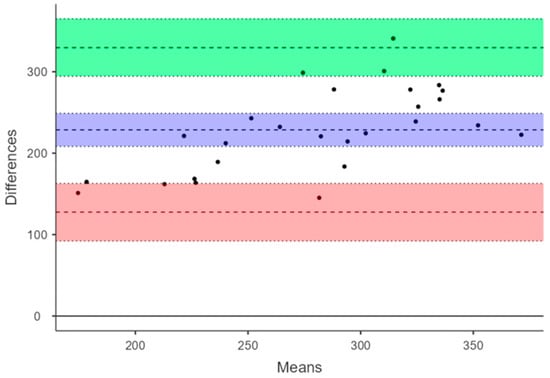
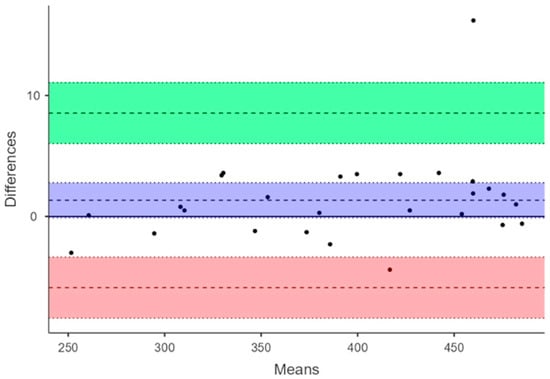
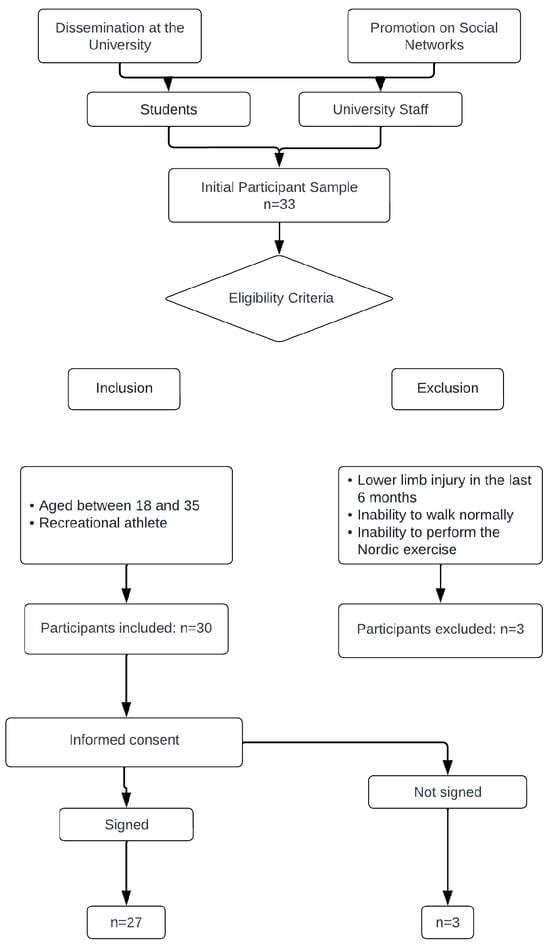
Background/Objectives: Hamstring injuries are highly prevalent in sports and often occur, particularly among recreational and professional athletes. Assessing eccentric hamstring strength is critical for injury prevention and rehabilitation, with isokinetic dynamometry being considered the gold standard. However, its accessibility is limited by cost and logistics. This study aimed to evaluate the validity and reliability of the My Jump Lab (version 4.0) mobile application in estimating eccentric peak torque in the break-point angle, compared with isokinetic dynamometry. Methods: Twenty-seven recreational athletes (twenty-six male, one female) were assessed bilaterally using the mobile application and isokinetic dynamometer, which is considered the gold standard for this type of strength assessment. Statistical analysis included Pearson’s correlation, intraclass correlation coefficient (ICC), standard error of measurement (SEM), coefficient of variation (CV), and Bland–Altman plots. Results: Results showed excellent inter-rater reliability (ICC = 0.999; CV = 0.66%) for both smartphone application evaluators and good comparative validity and reliability (ICC ≈ 0.76 with confidence interval: 0.5367–0.876; p < 0.001 and r ≈ 0.705;) when comparing with isokinetic dynamometry. Conclusions: My Jump Lab is a mobile application which can provide a practical and accessible mean for monitoring eccentric hamstring strength in field settings. The app may serve as a feasible field-based alternative to laboratory dynamometry for eccentric strength monitoring.
Full article
(This article belongs to the Special Issue Exercise Physiology and Biochemistry: 3rd Edition)
►▼
Show Figures

Figure 1
Open AccessArticle
Effects of Bodypump Training on Blood Pressure and Physical Fitness in Sedentary Older Adults with Hypertension: A Randomized Trial
by
Manuel Jesús Rodríguez Chavarría, Manuel Chavarrías-Olmedo and Jorge Pérez-Gómez
Physiologia 2025, 5(4), 52; https://doi.org/10.3390/physiologia5040052 - 30 Nov 2025
Cited by 1
Abstract
►▼
Show Figures
Background/Objectives: Hypertension is a leading cause of cardiovascular morbidity and mortality, particularly in older adults, pharmacological therapy is effective, but side effects and limited adherence highlight the need for non-pharmacological alternatives. This study investigated the effects of a structured Bodypump (BoP) programme,
[...] Read more.
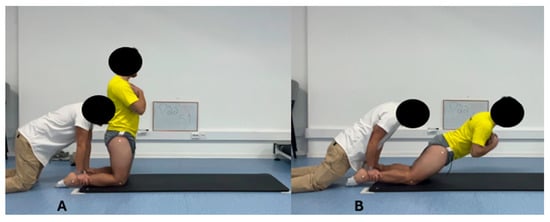
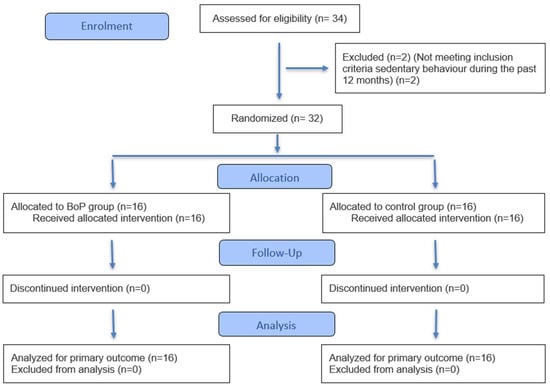
Background/Objectives: Hypertension is a leading cause of cardiovascular morbidity and mortality, particularly in older adults, pharmacological therapy is effective, but side effects and limited adherence highlight the need for non-pharmacological alternatives. This study investigated the effects of a structured Bodypump (BoP) programme, a choreographed group-based resistance training intervention, on blood pressure (BP) and functional fitness in sedentary older adults with hypertension. Methods: Thirty-two participants (65.4 ± 7.7 years) diagnosed with hypertension were randomly allocated to a BoP group (n = 16) or a control group (CG) (n = 16). The intervention lasted 8-week and consisted of 3 supervised sessions per week. Resting systolic BP (SBP) and diastolic BP (DBP) were measured using a validated automated device (Omron M3 Intellisense, HEM-7051-E), functional capacity was assessed with the Senior Fitness Test (SFT) battery. Results: After the intervention, BoP exhibited significant reductions in SBP (−24.4 ± 4.7 mmHg; p < 0.001) and DBP (−6.4 ± 2.7 mmHg; p = 0.025) compared to CG. BoP improved functional fitness, lower- and upper-body strength, aerobic endurance and agility (p < 0.05), with no changes in the CG. Conclusions: 8-week of BoP programme reduced BP and enhanced physical function in sedentary hypertensive older adults. Given its accessible, motivating and socially engaging format, BoP represents a promising non-pharmacological strategy for hypertension management and functional fitness of healthy ageing.
Full article

Figure 1
Highly Accessed Articles
Latest Books
E-Mail Alert
News
Topics
Topic in
Animals, Antioxidants, Metabolites, Physiologia
Redox Modulation, Antioxidants, and Metabolites in Animals Through the One Health Concept
Topic Editors: Francesca Ciani, Simona Tafuri, Immaculata De VivoDeadline: 31 March 2026
Topic in
Antioxidants, IJMS, JFMK, Life, Physiologia
Skeletal Muscle Adaptations to Oxidative Stress
Topic Editors: Guglielmo Duranti, Zsolt RadakDeadline: 30 April 2026
Topic in
Biology, Brain Sciences, Sports, Biomechanics, JFMK, Physiologia
The Mechanics of Movement: Biomechanics in Sports Performance
Topic Editors: Mario Bernardo-Filho, Danúbia Da Cunha De Sá-Caputo, Redha TaiarDeadline: 31 July 2026
Topic in
Cells, IJMS, Metabolites, Physiologia, Life
Animal Models of Human Disease 3.0
Topic Editors: Sigrun Lange, Jameel M. InalDeadline: 31 October 2026
Special Issues
Special Issue in
Physiologia
Exercise Physiology and Biochemistry: 3rd Edition
Guest Editors: Michael Koutsilieris, Anastassios PhilippouDeadline: 30 June 2026
Special Issue in
Physiologia
Resistance Training Is Medicine: 2nd Edition
Guest Editor: Daniel J. McDonoughDeadline: 25 July 2026
Special Issue in
Physiologia
Advances in Cardiac Physiology and Pathophysiology
Guest Editor: Peter AngellDeadline: 31 July 2026
Special Issue in
Physiologia
Redox Homeostasis and Cellular Adaptation: From Stress Signaling to Defense Strategies
Guest Editors: Alessia Remigante, Rossana Morabito, Sara SpinelliDeadline: 1 August 2026