-
Molecular Detection of Helminths in Stool Samples: Methods, Challenges, and Applications -
A Scoping Review of Naturally Occurring Xenomas in Fish: Clinical Features, Diagnostic Approaches, and Knowledge Gaps -
Isolation and Antiprotozoal Effects of Two Sesquiterpene Lactones from Ptilostemon chamaepeuce subsp. cyprius (Asteraceae)
Journal Description
Parasitologia
Parasitologia
is an international, peer-reviewed, open access journal on parasitology published bimonthly online by MDPI.
- Open Access— free for readers, with article processing charges (APC) paid by authors or their institutions.
- High Visibility: indexed within ESCI (Web of Science), Scopus, AGRIS, and other databases.
- Rapid Publication: manuscripts are peer-reviewed and a first decision is provided to authors approximately 20.6 days after submission; acceptance to publication is undertaken in 4.7 days (median values for papers published in this journal in the second half of 2025).
- Journal Rank: CiteScore - Q2 (Veterinary (miscellaneous))
- Recognition of Reviewers: APC discount vouchers, optional signed peer review, and reviewer names published annually in the journal.
- Parasitologia is a companion journal of Pathogens.
Impact Factor:
1.5 (2024);
5-Year Impact Factor:
1.5 (2024)
Latest Articles
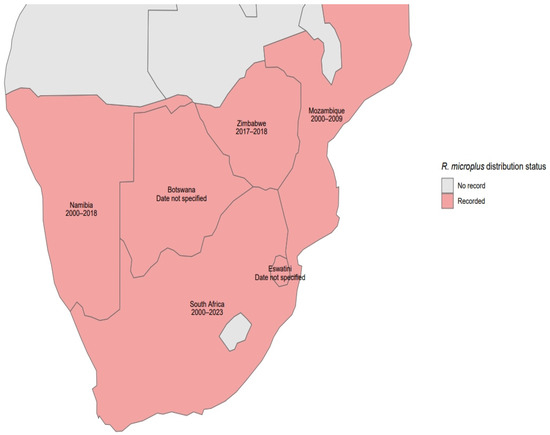
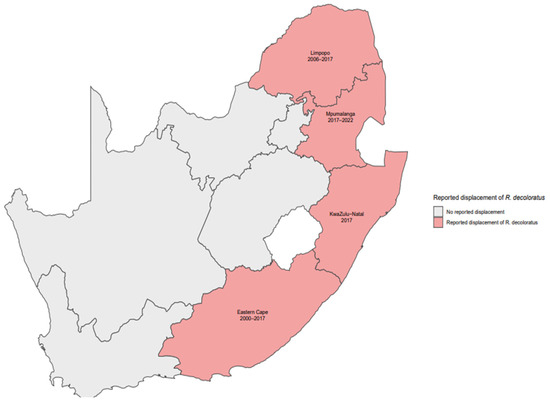
Tick Species Displacement at the Communal Interface: Drivers of Rhipicephalus microplus Expansion in Southern Africa
Parasitologia 2026, 6(3), 23; https://doi.org/10.3390/parasitologia6030023 - 29 Apr 2026
Abstract
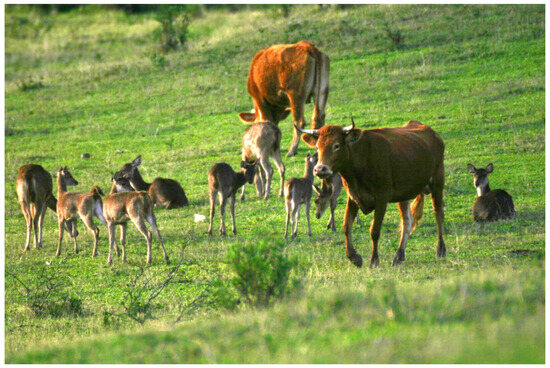
Tick-borne diseases pose a significant threat to global cattle production, with species displacement between ticks compounding this issue. This narrative review synthesises the literature to examine the drivers behind the expansion of the invasive Rhipicephalus microplus and its displacement of the native Rhipicephalus
[...] Read more.
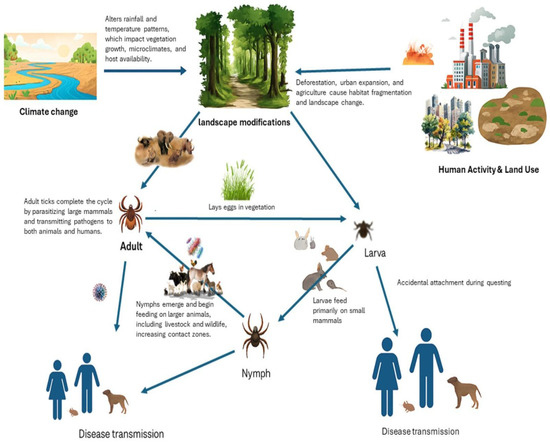
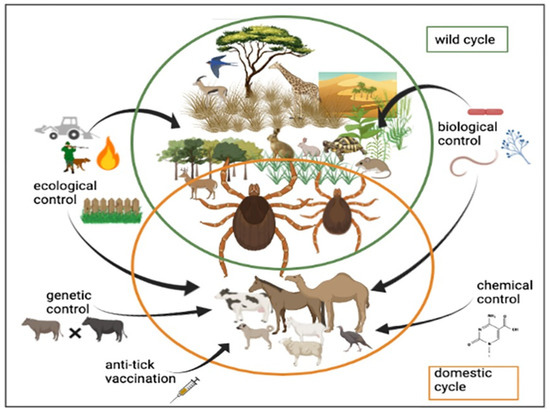
Tick-borne diseases pose a significant threat to global cattle production, with species displacement between ticks compounding this issue. This narrative review synthesises the literature to examine the drivers behind the expansion of the invasive Rhipicephalus microplus and its displacement of the native Rhipicephalus decoloratus in Southern Africa. We analysed the biological, ecological, environmental, and anthropogenic factors by reviewing existing scientific studies and reports. Our findings indicate that R. microplus possesses a competitive advantage due to its shorter life cycle, higher reproductive output, and greater acaricide resistance. Furthermore, anthropogenic activities such as communal grazing practices, unregulated livestock movement, and land-use changes facilitate the spread of this parasite. Climate change and vegetation shifts also create more favourable habitats for this invasive species. The conclusion is that the displacement of R. decoloratus by R. microplus intensifies the burden of tick-borne diseases, leading to substantial economic losses. Effective mitigation requires an integrated tick management approach that combines chemical, biological, and ecological strategies, supported by improved surveillance and farmer education.
Full article
(This article belongs to the Special Issue Parasitic Diseases in Livestock: Advances in Diagnostics, Understanding and Control)
Open AccessArticle
Dual Oncogenic Mechanisms of Clonorchis sinensis-Derived Csi-miR-125a in Promoting Cholangiocarcinoma Progression via BAK1 Targeting and ERK Activation
by
Aoxun Wu, Anyuan Xu, Linya Huang, Shu Fang, Chunyan Xu, Chenlin Huang, Xiaowen Pan, Meiyu Li, Zifeng Zhong, Yinjuan Wu and Xuerong Li
Parasitologia 2026, 6(2), 22; https://doi.org/10.3390/parasitologia6020022 - 21 Apr 2026
Abstract
►▼
Show Figures
Cholangiocarcinoma (CCA) is an aggressive malignancy with a poor prognosis that is strongly associated with chronic Clonorchis sinensis (C. sinensis, Cs) infection; however, its underlying molecular mechanisms remain elusive. Recent studies suggest that C. sinensis-derived extracellular vesicles (Cs
[...] Read more.
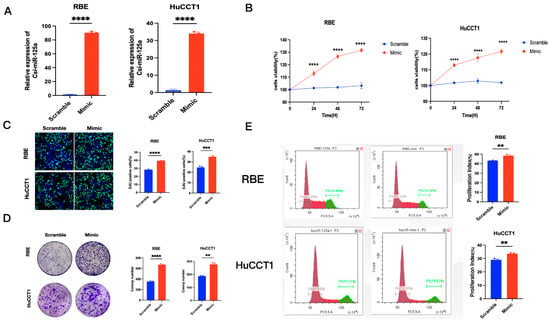
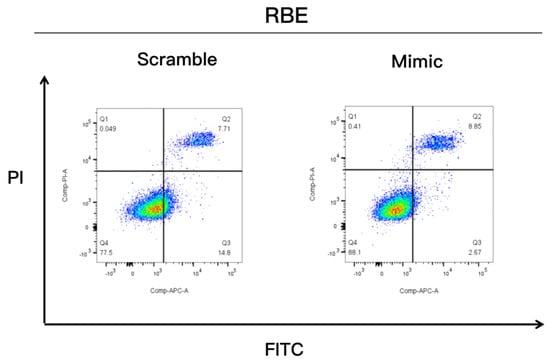
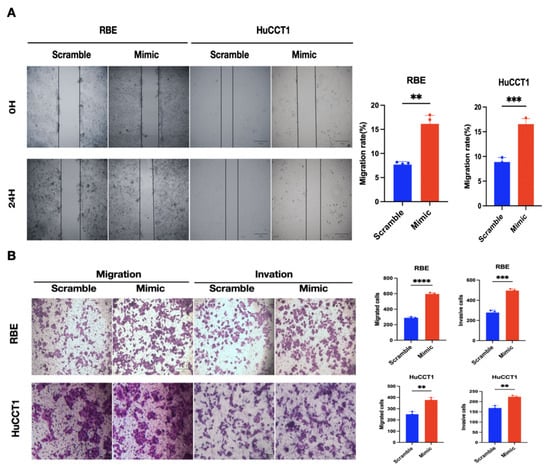
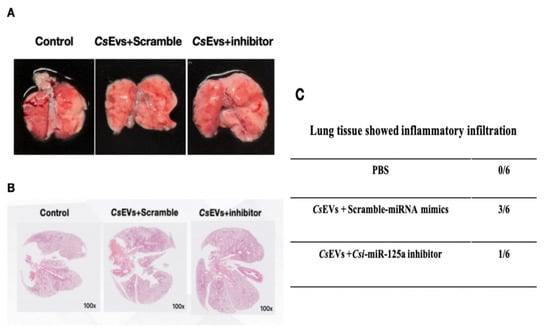
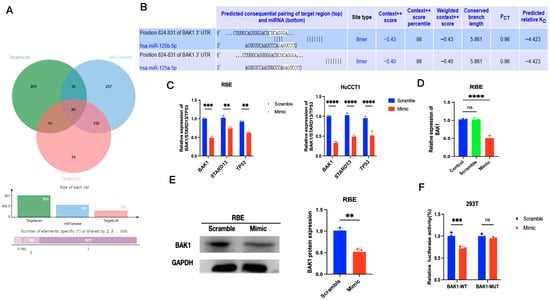
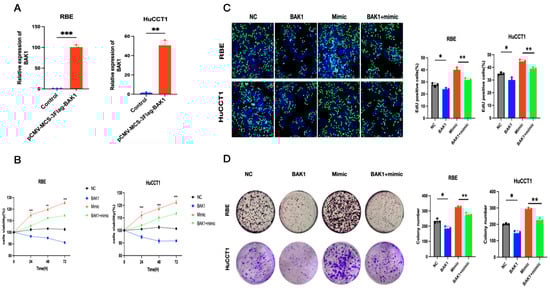
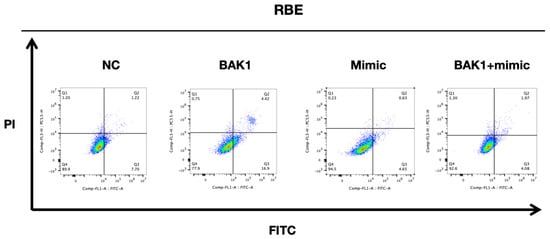
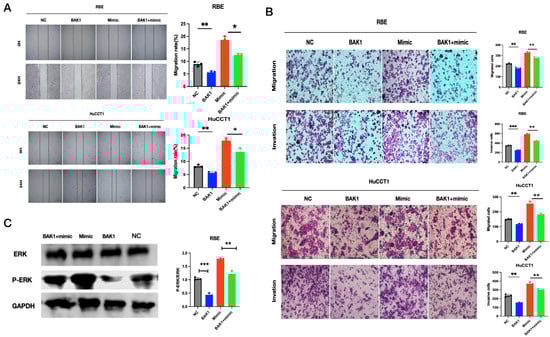
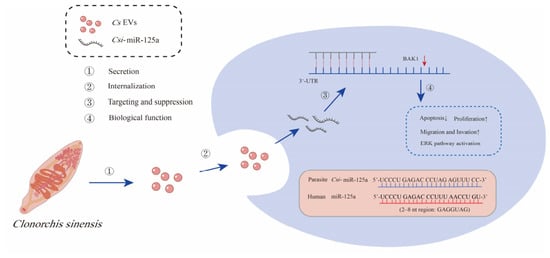
Cholangiocarcinoma (CCA) is an aggressive malignancy with a poor prognosis that is strongly associated with chronic Clonorchis sinensis (C. sinensis, Cs) infection; however, its underlying molecular mechanisms remain elusive. Recent studies suggest that C. sinensis-derived extracellular vesicles (CsEVs) play a crucial role in host–parasite interactions and in shaping the tumor microenvironment during infection. Acting as key delivery vehicles, these CsEVs can transfer specific functional molecules, such as microRNAs (miRNAs), to host cholangiocytes, thereby modulating cellular behaviors—a process that may represent a significant pathway in parasite-induced carcinogenesis. Despite this, the specific miRNAs shuttled by CsEVs and their concrete functions and mechanisms in driving CCA proliferation and metastasis remain largely unexplored. To this end, we investigated Csi-miR-125a, a miRNA abundantly expressed in CsEVs, aiming to systematically elucidate its dual regulatory functions in CCA progression. Our findings offer novel mechanistic insights into host–parasite crosstalk, further the understanding of CCA pathogenesis, and point to potential therapeutic avenues. Using gain-and loss-of-function approaches in RBE and HuCCT1 cell lines, we demonstrated that Csi-miR-125a promotes cell proliferation by accelerating cell-cycle progression and suppressing apoptosis through direct targeting of BAK1. Concurrently, Csi-miR-125a enhances the migratory and invasive capacities of CCA cells via activation of the ERK signaling pathway. In a BALB/c nude mouse lung metastasis model, CsEVs depleted of Csi-miR-125a significantly inhibited pulmonary metastasis. Collectively, This study found that Csi-miR-125a derived from C. sinensis can regulate apoptosis and cell cycle progression by targeting BAK1, thereby promoting the proliferation of cholangiocarcinoma cells; meanwhile, it enhances cell migration and invasion by activating the ERK signaling pathway. These results suggest that Csi-miR-125a participates in and promotes the malignant progression of CCA. However, given its high homology with human endogenous miR-125a, its function may partially overlap with host endogenous miRNAs, rather than representing a completely independent carcinogenic effect. These findings provide mechanistic insights into host–parasite interactions during C. sinensis infection and lay a theoretical foundation for subsequent targeted intervention studies.
Full article


Figure 1
Open AccessBrief Report
Mosquito (Diptera: Culicidae) Assemblages in Urban Recreational Interdunal Lagoons of Veracruz, Mexico
by
Luis A. Ortíz Carbajal, Jose L. Bravo Ramos, Sergio Ibáñez-Bernal and Dora Romero Salas
Parasitologia 2026, 6(2), 21; https://doi.org/10.3390/parasitologia6020021 - 15 Apr 2026
Abstract
►▼
Show Figures
Urban coastal wetlands constitute important ecological interfaces where human activities, wildlife, and arthropod vectors interact, potentially increasing the risk of pathogen transmission. In the city of Veracruz, Mexico, several interdunal lagoons have been incorporated into urban areas and are intensively used for recreational
[...] Read more.
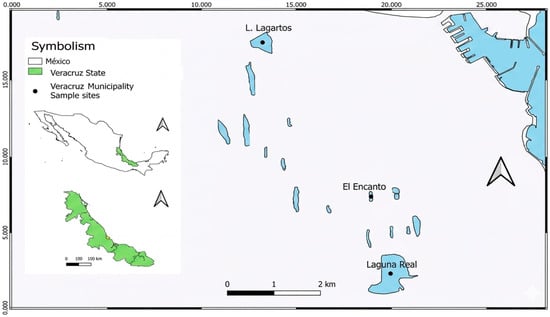
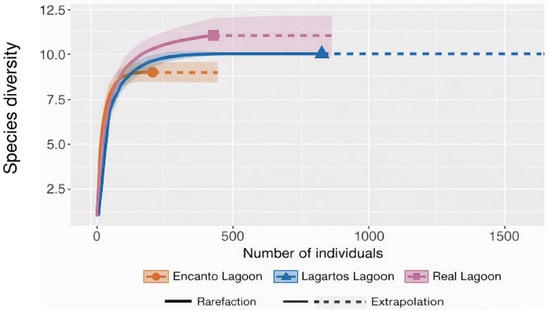
Urban coastal wetlands constitute important ecological interfaces where human activities, wildlife, and arthropod vectors interact, potentially increasing the risk of pathogen transmission. In the city of Veracruz, Mexico, several interdunal lagoons have been incorporated into urban areas and are intensively used for recreational activities; however, information on their mosquito fauna remains limited. This study aimed to characterize mosquito species composition, abundance, and diversity in three urban recreational interdunal lagoons in Veracruz. Adult mosquitoes were collected weekly during the rainy season (June–September) 2023 using CDC light traps. Specimens were identified based on morphological characters using standard taxonomic keys, including genitalia dissections for male specimens when necessary. Species richness, sampling completeness, and community structure were evaluated using non-parametric richness estimators, diversity indices, species accumulation curves, and similarity analyses. A total of 1465 adult mosquitoes belonging to 11 species and five genera were collected. Mosquito assemblages were characterized by low species richness and a marked dominance of Culex panocossa and Culex quinquefasciatus across all lagoons. Diversity indices were low, and species composition showed a high degree of similarity among sites. Notably, Uranotaenia apicalis was recorded for the first time in the state of Veracruz, expanding its known geographical distribution. These findings indicate that urban interdunal lagoons support simplified mosquito communities dominated by disturbance-tolerant species, highlighting their potential epidemiological relevance and the need for targeted vector surveillance in urban coastal environments.
Full article

Figure 1
Open AccessArticle
A New Species of Eimeria (Apicomplexa: Eimeriidae) from Yellow-Bellied Watersnake, Nerodia erythrogaster transversa (Ophidia: Natricidae), from Arkansas, USA
by
Chris T. McAllister, John A. Hnida and Eric M. Leis
Parasitologia 2026, 6(2), 20; https://doi.org/10.3390/parasitologia6020020 - 3 Apr 2026
Abstract
►▼
Show Figures
During August 2025, a single adult yellow-bellied watersnake, Nerodia erythrogaster transversa was found dead on the road in Montgomery County, Arkansas, USA, salvaged, and its feces examined for coccidian parasites. Fecal material from the rectum was placed in a vial of 2.5% potassium
[...] Read more.
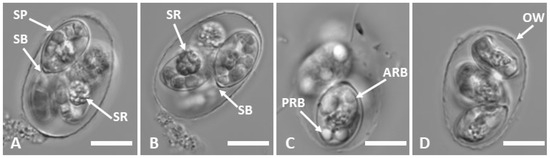
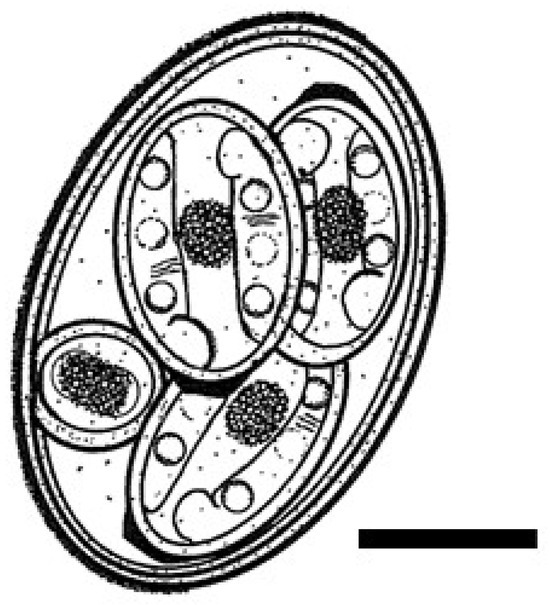
During August 2025, a single adult yellow-bellied watersnake, Nerodia erythrogaster transversa was found dead on the road in Montgomery County, Arkansas, USA, salvaged, and its feces examined for coccidian parasites. Fecal material from the rectum was placed in a vial of 2.5% potassium dichromate and examined by light microscopy. Partially sporulated oocysts were initially found and allowed to completely sporulate. The snake was found to be passing a new species of Eimeria. Oocysts of Eimeria speairsi sp. n. were ovoidal to spheroidal with a slightly rough bi-layered wall, measured (L × W) 28.0 × 18.2 µm, and had a length/width (L/W) ratio of 1.5; a micropyle, oocyst residuum, and polar granule was absent. Sporocysts are ellipsoidal and measured 13.7 × 8.6 µm, L/W ratio of 1.6; a flattened Stieda body was present but sub-Stieda and para-Stieda bodies were absent. The sporocyst residuum was composed of various-sized granules in a compact rounded or irregular mass, sometimes dispersed between the sporozoites. A 412 bp sequence of the SSU rRNA gene produced for E. speairsi sp. n. showed a relatively low level of similarity. The species description is based primarily on oocyst morphology and partial SSU rRNA sequence data from the single host snake. In addition, an updated summary of the coccidians of North American watersnakes is provided.
Full article

Figure 1
Open AccessCase Report
A Probable Autochthonous Case of Cutaneous Larva Migrans in Bulgaria
by
Sabina Sabeva, Boryana Parashkevova-Simeonova, Rayna Gardeva-Garvanova and Nedelina Kostadinova
Parasitologia 2026, 6(2), 19; https://doi.org/10.3390/parasitologia6020019 - 2 Apr 2026
Abstract
►▼
Show Figures
Cutaneous larva migrans (CLM) is a zoonotic parasitic infection traditionally associated with tropical and subtropical regions. In recent years, autochthonous cases have been reported in various European countries, suggesting a possible change in the epidemiological profile of the disease. We present a case
[...] Read more.
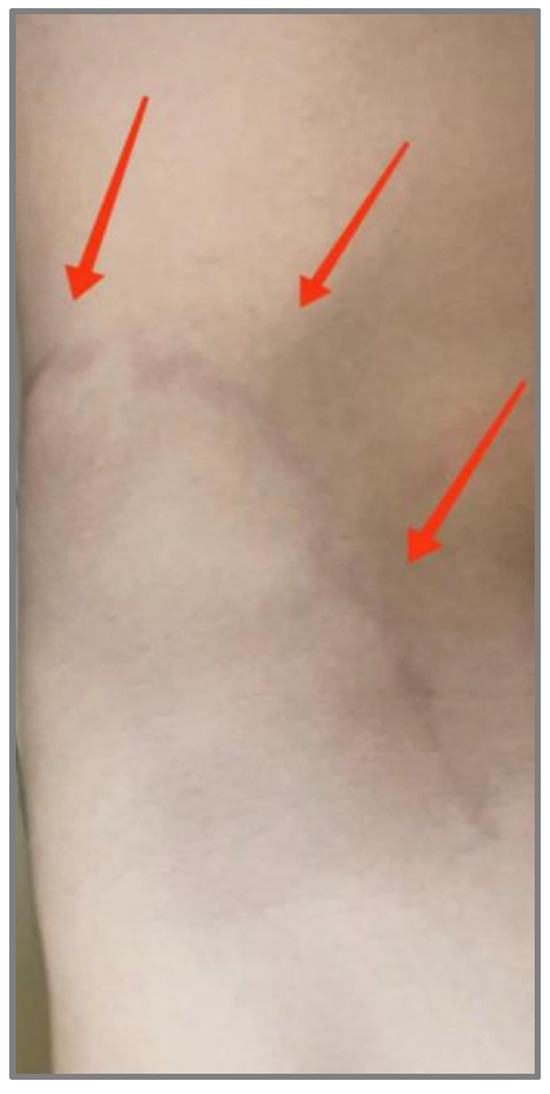
Cutaneous larva migrans (CLM) is a zoonotic parasitic infection traditionally associated with tropical and subtropical regions. In recent years, autochthonous cases have been reported in various European countries, suggesting a possible change in the epidemiological profile of the disease. We present a case of a patient with no history of international travel who developed a typical serpiginous, migrating skin lesion after local exposure. The diagnosis was made clinically, and treatment with albendazole resulted in rapid clinical improvement. To our knowledge, this is the first published probable autochthonous case of CLM in Bulgaria. The case highlights the role of climate change in expanding the geographical scope of the parasitosis and the need for increased clinical vigilance at the primary care level.
Full article

Figure 1
Open AccessArticle
Urinary Schistosomiasis Among School-Aged Children Living in the Senegal River Basin and the Arid Oasis Areas in Mauritania
by
Binta N’Daraw Niang, Ousmane Sy, Cheikh Baba Ould Ahmed Salem, Mohamed Haidy Massa, Lemat Nakatt, Mohamed Ouldabdallahi Moukah, Stéphane Ranque, Doudou Sow and Ali Ould Mohamed Salem Boukhary
Parasitologia 2026, 6(2), 18; https://doi.org/10.3390/parasitologia6020018 - 31 Mar 2026
Abstract
►▼
Show Figures
Schistosomiasis is a major neglected tropical disease in sub-Saharan Africa. This study compared the epidemiology of urinary schistosomiasis among children living in two distinct ecosystems in Mauritania: the Senegal River Basin (Trarza region) and the arid oasis areas (Adrar and Tagant regions). A
[...] Read more.
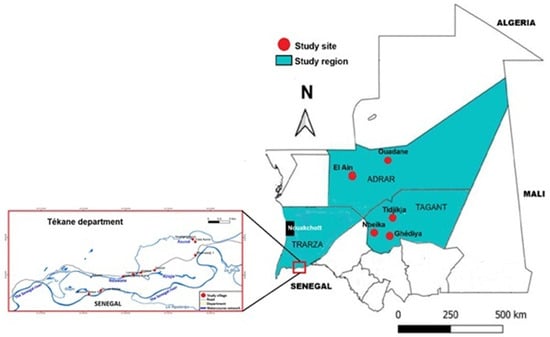
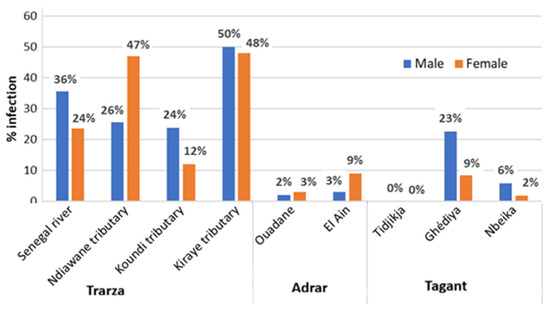
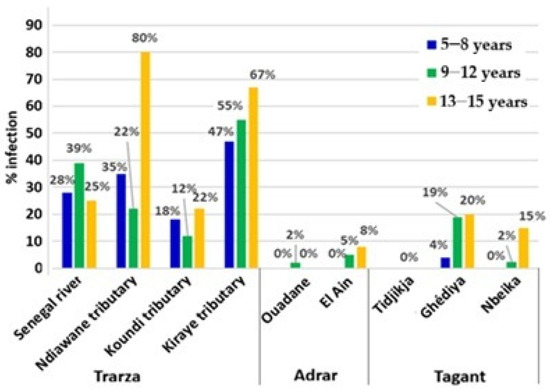
Schistosomiasis is a major neglected tropical disease in sub-Saharan Africa. This study compared the epidemiology of urinary schistosomiasis among children living in two distinct ecosystems in Mauritania: the Senegal River Basin (Trarza region) and the arid oasis areas (Adrar and Tagant regions). A cross-sectional study was conducted between February 2023 and February 2024 involving 856 children across 14 sites. Urine samples were collected from school-aged children and subjected to macroscopic and microscopic examinations. A questionnaire was administered to each child to determine sociodemographic factors. Environmental and geographical factors were documented in the localities. The prevalence rate of urinary schistosomiasis among children in the Senegal River Valley was 32.4%. In the oases zone, prevalences were 6.43% and 3.35% in Tagant and Adrar, respectively. Macroscopic hematuria was 29.1%, 6.04%, and 4.18% in Trarza, Adrar, and Tagant, respectively. The intensities of infection were 48.9, 6.43, and 40 eggs/10 mL in the Trarza, Adrar, and Tagant regions, respectively. Based on sex, prevalence was higher among boys in the Trarza and Tagant regions, while in Adrar, it was higher among girls. Prevalence among children using polluted water sources with dense vegetation in the department of Tékane, in the Trarza region, was significantly higher (35.7%) than among those using cleaner water sources (21%). Urinary schistosomiasis remains highly prevalent among children living along the Senegal River, while considerably lower transmission was observed in oasis settings. These findings highlight the strong influence of environmental and water-related factors on transmission dynamics and underscore the need for targeted, context-specific control strategies.
Full article
Figure 1
Open AccessArticle
Diagnostic Performance of an In-House-Developed IgG Western blot for the Early Detection of Congenital Toxoplasmosis: A Retrospective Study
by
Ana Flávia Eugênio Lourenço Maciel, Ana Maria de Castro, Marcos Gontijo da Silva, Heloisa Ribeiro Storchilo, Isolina Maria Xavier Rodrigues, Silvio Carneiro Cunha Filho, Sandro Estevan Moron, Raphael Gomes Ferreira, Helierson Gomes, Noé Mitterhofer Eiterer Ponce de Leon da Costa, Fabricio Souza Campos, Gil Rodrigues dos Santos, Raimundo Wagner de Souza Aguiar, Alice Ruthe Mazutti, Julliana Dias Pinheiro, Frederico Eugênio, Erica Eugênio Lourenço Gontijo, Sara Falcão de Sousa, Jaqueline Cibene Moreira Borges, Samara Tatielle Monteiro Gomes and Mariza Martins Avelinoadd
Show full author list
remove
Hide full author list
Parasitologia 2026, 6(2), 17; https://doi.org/10.3390/parasitologia6020017 - 26 Mar 2026
Abstract
Objective: To evaluate the diagnostic performance of an in-house-developed IgG Western blot (WB) for congenital toxoplasmosis and its complementary role with other serological markers. Methodology: For this purpose, the study utilized 42 mother–child pairs, evaluating the WB in comparison with a Composite Reference
[...] Read more.
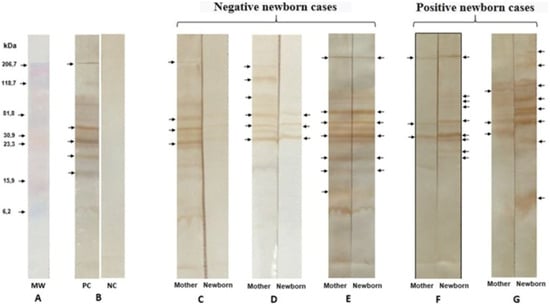
Objective: To evaluate the diagnostic performance of an in-house-developed IgG Western blot (WB) for congenital toxoplasmosis and its complementary role with other serological markers. Methodology: For this purpose, the study utilized 42 mother–child pairs, evaluating the WB in comparison with a Composite Reference Standard (CRS). Cohen’s Kappa coefficient measured agreement, while McNemar’s test compared WB with Combined Serology (neonatal IgG titers higher than the mother’s (IgG↑), IgM, IgA). Results: The WB demonstrated a sensitivity of 75.0% and a specificity of 100.0%. Kappa indicated substantial agreement with the CRS (κ = 0.67; 95% CI: 0.44–0.89). McNemar’s test found no statistically significant difference between WB and Combined Serology (p = 0.7516). Crucially, WB detected 4 unique cases missed by Combined Serology, and Combined Serology detected 6 cases missed by WB. This complementarity increased the overall diagnostic rate from 82.14% to 96.43%. Conclusions: IgG-WB is a crucial complementary diagnostic tool, especially for asymptomatic newborns. Its integration significantly improves diagnostic certainty, allowing for more timely treatment for congenital toxoplasmosis.
Full article
(This article belongs to the Special Issue Epidemiology, Diagnosis and Clinical Management of Human Parasitic Infections—2nd Edition)
►▼
Show Figures

Figure 1
Open AccessReview
Leishmaniasis Vaccine Development: A Review of Current Candidates and Cross-Species Protection Potential
by
Clara Yona, Amit Kumar Dey, Eva Moshiro, Abel Lupala and Magreth Macha
Parasitologia 2026, 6(2), 16; https://doi.org/10.3390/parasitologia6020016 - 23 Mar 2026
Abstract
►▼
Show Figures
Leishmaniases are infections caused by Leishmania parasites and transmitted through the bite of infected female Phlebotomus (Old World) and Lutzomyia (New World) sandflies. The disease disproportionately affects marginalized communities with limited healthcare access. With no approved human vaccines available, leishmaniasis treatment and prevention
[...] Read more.
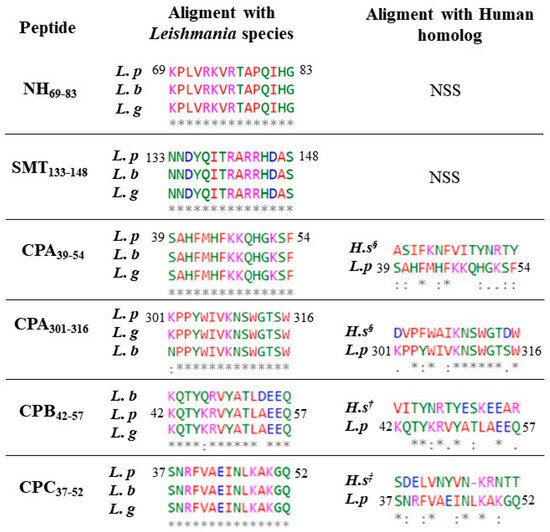
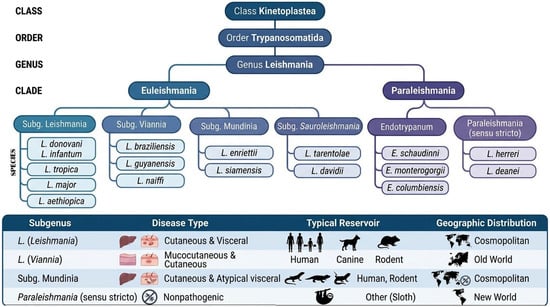
Leishmaniases are infections caused by Leishmania parasites and transmitted through the bite of infected female Phlebotomus (Old World) and Lutzomyia (New World) sandflies. The disease disproportionately affects marginalized communities with limited healthcare access. With no approved human vaccines available, leishmaniasis treatment and prevention depend heavily on chemotherapeutics that face growing drug resistance challenges alongside toxicity concerns. The development of safe, effective and affordable vaccines against human leishmaniasis remains a global health priority for disease control and elimination, mostly in resource-limited settings. This review synthesizes progress in leishmaniasis vaccine platforms including live-attenuated parasites, whole-killed parasites, DNA, protein subunit, peptide-based and chimeric/multiepitope vaccines and their homogenous and heterogenous efficacy. Live-attenuated and whole-parasite vaccines have been accounted to elicit robust cellular immunity but pose safety risks, particularly in immunocompromised hosts. While both second- and third-generation vaccines exemplified by LEISH-F1/F3 polyproteins, elicit strong Th1-biased T cell responses in preclinical models, their efficacy in humans remains limited. However, the highlighted collective efforts are pivotal in steering the rational development of future research using various formulations for multiple management of leishmaniasis through cross-protection. Furthermore, emerging strategies including mRNA platforms, nanoparticle delivery, reverse vaccinology, and immunoinformatics offer promising avenues for accelerating vaccine discovery and advancing the development of novel and effective human vaccines.
Full article
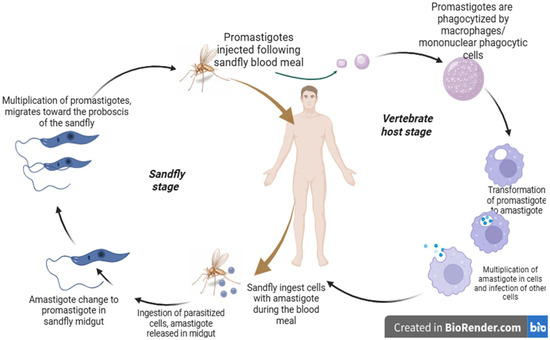
Figure 1
Open AccessReview
A Narrative Overview of Canine Babesiosis in Africa
by
Joshua Kamani, Mike Shand, Mary S. Gambo, James Budaye, Falmata H. Bwala, Henry E. Nnabuife and Rebecca A. Yakubu
Parasitologia 2026, 6(2), 15; https://doi.org/10.3390/parasitologia6020015 - 20 Mar 2026
Abstract
►▼
Show Figures
Canine babesiosis is a vector-borne disease of dogs with a worldwide distribution, presenting varying clinical signs depending on the host, parasite strain and climatic factors. Beyond companionship, dog meat serves as delicacy and is also used for zootherapy in some African communities. In
[...] Read more.
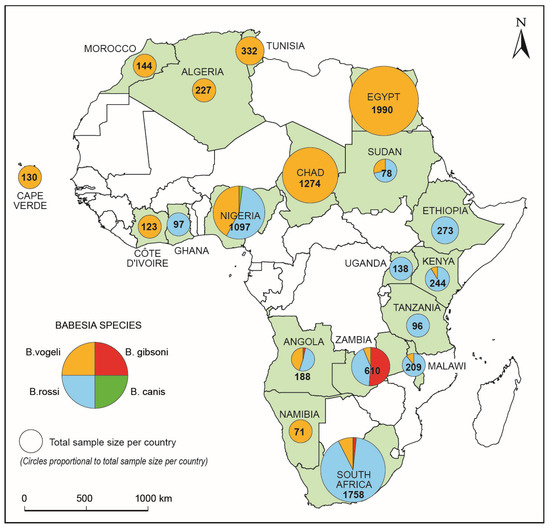
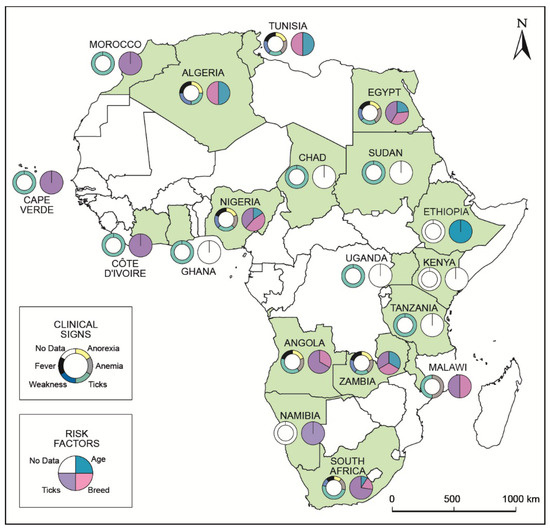
Canine babesiosis is a vector-borne disease of dogs with a worldwide distribution, presenting varying clinical signs depending on the host, parasite strain and climatic factors. Beyond companionship, dog meat serves as delicacy and is also used for zootherapy in some African communities. In this study, we collated and analyzed molecular biology-based diagnostic data on Babesia species of dogs in Africa in order to elucidate the epidemiological factors of the disease on the continent. Four Babesia species—B. rossi, B. vogeli, B. gibsoni and B. canis—were detected in Africa based on the results from 40 studies that involved the screening of 9435 dog blood samples from 83 study locations. Babesia rossi was the most commonly reported (aggregate detection rate = 7.7%) and was detected in samples from all the African regions except northern Africa. Babesia vogeli was the second most commonly reported (aggregate detection = 4.8%) and was detected in all of the African sub-regions. There were few reports of B. gibsoni (0.6%) in the southern and western African regions, and a single case of B. canis in an untraveled Nigerian dog. So far, there were no reports of Babesia coco, Babesia conradae or Babesia vulpes (Babesia annae, Babesia microti-like) in any of the African countries that have been confirmed by a molecular method. This study presents a synopsis of canine babesiosis in Africa, and provides an overview of common clinical signs, etiologies and risk factors that will serve as a quick guide to veterinarians to achieve timely tentative diagnosis.
Full article
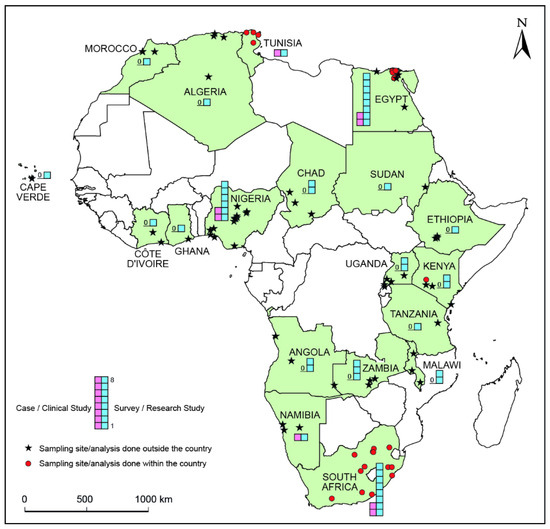
Figure 1
Open AccessArticle
Ultrastructure of the Mature Spermatozoon of Gerbillitaenia psammomi (Cestoda: Catenotaeniidae) and Its Phylogenetic Implications
by
Ahlem Boubakri, Hichem Kacem and Jordi Miquel
Parasitologia 2026, 6(2), 14; https://doi.org/10.3390/parasitologia6020014 - 17 Mar 2026
Abstract
►▼
Show Figures
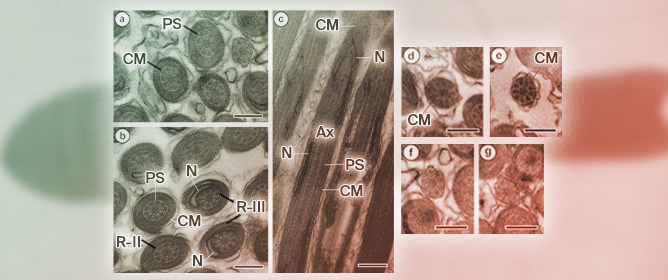
In this study, the ultrastructural characteristics of the mature spermatozoon of the cestode Gerbillitaenia psammomi, a parasite of the fat sand rat (Psammomys obesus) in the south of Tunisia, were examined by means of transmission electron microscopy. The spermatozoon is
[...] Read more.
In this study, the ultrastructural characteristics of the mature spermatozoon of the cestode Gerbillitaenia psammomi, a parasite of the fat sand rat (Psammomys obesus) in the south of Tunisia, were examined by means of transmission electron microscopy. The spermatozoon is of Levron et al.’s type VI. This type of sperm cell is mainly characterized by the presence of a single axoneme of the 9 + ‘1’ pattern typical of the trepaxonematan Platyhelminthes, crest-like bodies, a periaxonemal sheath, twisted cortical microtubules, and a spiraled nucleus. The spermatozoon of G. psammomi possesses two crest-like bodies of different length. The results obtained in the present study suggest certain similarities with the remaining analyzed catenotaeniids; namely, Catenotaenia pusilla, Skrjabinotaenia (Meggittina) gerbilli, and Spasskijela lobata. The results are compared and discussed according to several characteristics found in the catenotaeniids and other studied cestodes, particularly those of the order Cyclophyllidea.
Full article

Graphical abstract
Open AccessEditorial
Hedgehog Parasitology—A Nocturnal Risk to Human Health?
by
Simon R. Clegg and Andrew S. Cooke
Parasitologia 2026, 6(2), 13; https://doi.org/10.3390/parasitologia6020013 - 9 Mar 2026
Abstract
A One Health approach to disease has never been more important [...]
Full article
Open AccessArticle
DO11.10 CD4 T Cell Cross-Reacts with Trypanosoma cruzi Antigens
by
Fabíola Cardillo, Jorge Nihei and José Mengel
Parasitologia 2026, 6(2), 12; https://doi.org/10.3390/parasitologia6020012 - 24 Feb 2026
Abstract
►▼
Show Figures
Acute Trypanosoma cruzi infection induces an exuberant immune response; however, the host is unable to clear the parasite, and the infection progresses to a chronic phase. T and B cells play a crucial role in controlling infections. Although the parasite constitutes a myriad
[...] Read more.
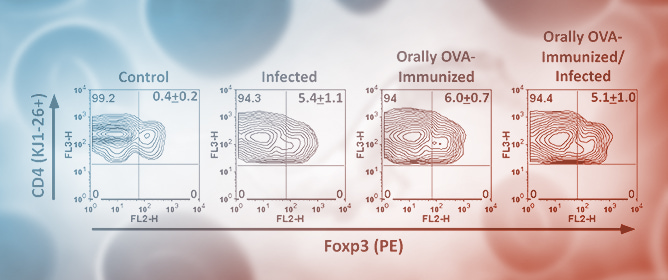
Acute Trypanosoma cruzi infection induces an exuberant immune response; however, the host is unable to clear the parasite, and the infection progresses to a chronic phase. T and B cells play a crucial role in controlling infections. Although the parasite constitutes a myriad of antigenic determinants capable of activating many T and B cell clones, some antigens trigger a large proportion of CD8 T cells, implying TCR cross-reactivity targeting these determinants. Polyclonal activation may result in an inefficient immune response against the parasite, diverting it to less critical antigenic determinants, allowing infection persistence, and increasing the risk of autoimmunity. Cross-reactivity has been demonstrated in CD8 T cells but not in CD4 T cells. Herein, we demonstrate, by cytometry, that CD4+ T cells, carrying the DO11.10 transgenic TCR, which are responsive to OVA, are activated during the T. cruzi acute infection, becoming effector memory T cells that produce cytokines such as IFN-γ, TNF-α, IL-4, and IL-10. In addition, prior oral exposure to OVA altered cytokine production by these transgenic T cells upon infection. We also demonstrate that T. cruzi induces Foxp3 expression in a sizable pool of transgenic T cells.
Full article

Figure 1
Open AccessArticle
An Eco-Tourism Farm as a Monitoring Area for the Occurrence of Tick-Borne Pathogens
by
Barbara Mangová, Michal Chvostáč, Markéta Derdáková, Yuliya M. Didyk, Mária Kazimírová, Diana Selyemová and Veronika Rusňáková Tarageľová
Parasitologia 2026, 6(1), 11; https://doi.org/10.3390/parasitologia6010011 - 13 Feb 2026
Abstract
►▼
Show Figures
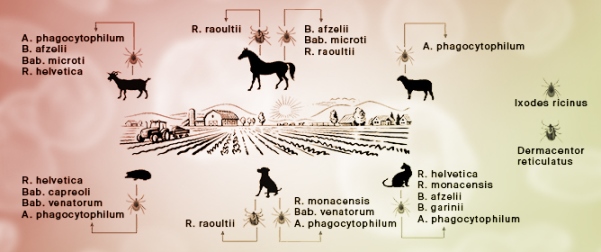
Free-ranging animals may serve as sentinels for the occurrence of ticks and tick-borne pathogens within a given habitat. Between 2020 and 2022, ticks were collected from domestic animals and vegetation on a family-operated agrotouristic farm in Western Slovakia. A total of 391 ticks
[...] Read more.
Free-ranging animals may serve as sentinels for the occurrence of ticks and tick-borne pathogens within a given habitat. Between 2020 and 2022, ticks were collected from domestic animals and vegetation on a family-operated agrotouristic farm in Western Slovakia. A total of 391 ticks were obtained (163 host-feeding and 228 questing). Ixodes ricinus predominated (94.9%), followed by Dermacentor reticulatus (4.9%) and Haemaphysalis concinna (one specimen). All ticks were screened for Borrelia burgdorferi sensu lato (s.l.), Borrelia miyamotoi, Anaplasma phagocytophilum, Babesia spp., and Rickettsia spp. by using PCR-based methods and subsequent sequencing. Borrelia burgdorferi s.l. was detected in 15.9% of I. ricinus. Six species were identified, with Borrelia afzelii dominating. Borrelia miyamotoi was detected in 1.62% of questing I. ricinus. Anaplasma phagocytophilum was identified in 20.49% of I. ricinus, mainly in host-feeding specimens. Babesia spp. were detected in I. ricinus (2.7%), represented by Babesia microti, Babesia venatorum, and Babesia capreoli. Rickettsia spp. were detected in 5.39% of I. ricinus and 31.58% of D. reticulatus. They comprised Rickettsia helvetica, Rickettsia monacensis, and Rickettsia raoultii. Co-infections involving two or three pathogens were observed in several ticks. Our results underscore the considerable diversity of tick-borne pathogens in a rural area where humans and domestic animals are in close contact to wildlife.
Full article

Figure 1
Open AccessReview
A Scoping Review of Naturally Occurring Xenomas in Fish: Clinical Features, Diagnostic Approaches, and Knowledge Gaps
by
Alessia Mariacher, Miriana Coltraro, Susanna Merlo, Carlo Corradini, Ana Isabel Miranda Soares, Cristiano Cocumelli, Francesca Susini, Baldassare Fronte and Gianluca Fichi
Parasitologia 2026, 6(1), 10; https://doi.org/10.3390/parasitologia6010010 - 6 Feb 2026
Cited by 1
Abstract
►▼
Show Figures
Xenomas are distinctive hypertrophic host-cell lesions caused by intracellular parasites and represent a recurrent pathological finding in wild and farmed fish. Their presence has implications for fish health, diagnostic workflows, aquaculture productivity, and in some cases product quality and consumer acceptability. Despite this
[...] Read more.
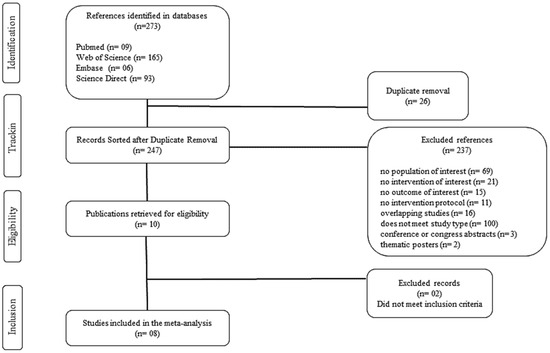
Xenomas are distinctive hypertrophic host-cell lesions caused by intracellular parasites and represent a recurrent pathological finding in wild and farmed fish. Their presence has implications for fish health, diagnostic workflows, aquaculture productivity, and in some cases product quality and consumer acceptability. Despite this relevance, information on xenoma diversity, associated pathogens, and diagnostic practices remains fragmented across decades of literature. This scoping review synthesised available evidence on naturally occurring xenomas in fish, following PRISMA-ScR guidelines. Eligible sources included studies reporting clinical, pathological, or diagnostic information on xenomas in fish. Data were charted on host species and families, taxonomic identification of the aetiological agents, xenoma morphology, and diagnostic approaches. Across 114 publications published between 1968 and 2024, xenomas were reported in a wide range of teleost families and were attributed mostly to microsporidian infections, particularly species of Glugea, Loma, Spraguea, Pleistophora, and Microgemma, although myxosporean-associated cases (Kudoa, Myxidium, Nephrocystidium) were also documented. Light and electron microscopy were the most frequently applied diagnostic methods, whereas molecular techniques were used less consistently, with increasing use in the most recent decade. Macroscopic xenomas were typically described as whitish, rounded to oval, and well delimited, yet substantial morphological variation occurred across hosts and tissues. Overall, the review highlights major heterogeneity in pathogen identification and diagnostic pathways, underscoring the need for more standardised and integrative approaches.
Full article

Figure 1
Open AccessArticle
First Molecular Characterisation and SEM Observations of Lamproglena barbicola from Labeobarbus altianalis in the Nyando River, Kenya
by
Nehemiah M. Rindoria, Willem J. Smit, Iva Přikrylová and Wilmien J. Luus-Powell
Parasitologia 2026, 6(1), 9; https://doi.org/10.3390/parasitologia6010009 - 3 Feb 2026
Abstract
►▼
Show Figures
A supplemental description of Lamproglena barbicola Fryer, 1961 is provided based on specimens collected from the gills of Labeobarbus altianalis (Boulenger, 1900) from the Nyando River, Lake Victoria Basin, Kenya, using an integrated approach of scanning electron microscopy (SEM) and molecular analysis (18S,
[...] Read more.
A supplemental description of Lamproglena barbicola Fryer, 1961 is provided based on specimens collected from the gills of Labeobarbus altianalis (Boulenger, 1900) from the Nyando River, Lake Victoria Basin, Kenya, using an integrated approach of scanning electron microscopy (SEM) and molecular analysis (18S, 28S rDNA, and cox1 gene regions). Morphologically, the specimens conform to L. barbicola and closely resemble Lamproglena hoi Dippenaar, Luus-Powell & Roux, 2001; however, SEM revealed a previously undescribed feature on the uniramous antennule in L. barbicola, namely indistinctly three-segmented, tapering from a broad base to the apex, basal segment much longer than distal, comprising 14 setae of varying sizes, ventral laterally, absence of distinctive anterior fringe of setae on the antennule, as well as several characters that differentiate L. barbicola from L. hoi, including 5 setae at the basal endopod of leg one, five cuticular protuberances in the oral region, 19 setae on the basal antennular segment, and 10 setae on the distal segment, with 1 seta on each ramus. The phylogenetic analysis confirms L. barbicola as a sister taxon of L. hoi, supporting their close relationship. The genetic divergence presented as the uncorrected genetic p-distances between L. barbicola and L. hoi are 23.1% and 0.45% for cox1 and 28S rDNA regions, respectively, with observed nucleotide differences of 145 and 3 bp between the sequences, respectively. There was no interspecific variability detected in the 18S rDNA sequences. This study provides novel molecular sequences and the first high-resolution SEM images, which reveal additional taxonomic features for L. barbicola, establishing a robust reference for future identification.
Full article

Figure 1
Open AccessArticle
Prevalence and Risk Analysis of Human Geohelminths in Rural Communities of Ilalo, Ecuador
by
Fernando Pazmiño, Gissela García, Karla Novoa and Stefan Michael Geiger
Parasitologia 2026, 6(1), 8; https://doi.org/10.3390/parasitologia6010008 - 2 Feb 2026
Abstract
►▼
Show Figures
Soil-transmitted helminthiases (STH) represent the most prevalent helminth infections worldwide and are closely associated with inadequate sanitation and poverty. During 2020 and 2021, a significant information gap emerged as a consequence of the SARS-CoV-2 pandemic. Therefore, the objective of this study was to
[...] Read more.
Soil-transmitted helminthiases (STH) represent the most prevalent helminth infections worldwide and are closely associated with inadequate sanitation and poverty. During 2020 and 2021, a significant information gap emerged as a consequence of the SARS-CoV-2 pandemic. Therefore, the objective of this study was to provide an updated post-pandemic overview by estimating the prevalence of STH, identifying the etiological agents involved, and analyzing the risk factors associated with these infections. The study was conducted in Ilaló, Pichincha, Ecuador, where a total of 320 individuals were examined using three diagnostic methods: Kato-Katz, McMaster, and Mini-FLOTAC. Of these, 73 participants tested positive (22.81%, 95% CI: 22.3–23.4). The most frequently identified parasite was Ascaris lumbricoides (74.73%, 95% CI: 73.7–75.8). The main risk factors identified were pig farming (OR: 4.16; 95% CI: 2.34–7.42) and vegetable and fruit cultivation (OR: 11.66; 95% CI: 4.32–41.08). These findings provide relevant epidemiological data on STH in the region, demonstrating a reduction in infection prevalence likely associated with improved prevention and control measures implemented during the COVID-19 pandemic.
Full article

Figure 1
Open AccessArticle
Artificial Intelligence-Based Detection of Clonorchis sinensis and Metagonimus spp. Eggs Using an Automated Microscope Solution
by
Hee-Eun Shin, Young-Ju Lee, Seon-Ok Back, Jung-Won Ju, Hee-Il Lee, Mi-Jin Kim, Young-Min Shin and Myoung-Ro Lee
Parasitologia 2026, 6(1), 7; https://doi.org/10.3390/parasitologia6010007 - 28 Jan 2026
Abstract
►▼
Show Figures
Clonorchis sinensis and Metagonimus spp. are prevalent parasites in Korea, and accurate diagnosis is essential because treatment dosages differ between infections. However, their eggs are morphologically similar under light microscopy, making differentiation difficult and dependent on examiner expertise. To address this limitation, we
[...] Read more.
Clonorchis sinensis and Metagonimus spp. are prevalent parasites in Korea, and accurate diagnosis is essential because treatment dosages differ between infections. However, their eggs are morphologically similar under light microscopy, making differentiation difficult and dependent on examiner expertise. To address this limitation, we evaluated an artificial intelligence (AI)-based automated microscope solution for the simultaneous detection and discrimination of both parasites. Microscopic images from 170 stool samples were analyzed using an AI system based on You Only Look Once version 5. The annotated dataset comprised 9455 egg images (6494 C. sinensis and 2961 Metagonimus spp.), randomly divided at the slide/patient level into training (6862), validation (1301), and test (1292) sets. Diagnostic performance was evaluated using mean average precision, confusion matrix analysis, and correlation with conventional microscopy. The model achieved a classification accuracy of up to 97.8%. C. sinensis showed higher recall and F1 scores, whereas Metagonimus spp. showed higher precision and specificity. Species identification showed complete concordance with conventional microscopy, and egg quantification was strongly correlated. These results indicate that the proposed AI system may serve as a supportive diagnostic tool comparable to conventional microscopy.
Full article
Figure 1
Open AccessArticle
Dominance of Ixodes ricinus and Emergence of Hyalomma marginatum Among Ticks Removed from Humans in Serbia and North Macedonia (2022–2024)
by
Ana Marija Radevska, Sofija Mateska, Angela Stamenkovska, Marija Najdovska, Silvana Stevanoska, Verica Simin, Ivana Bogdan, Dragana Mijatović, Dejan Jakimovski and Pavle Banović
Parasitologia 2026, 6(1), 6; https://doi.org/10.3390/parasitologia6010006 - 19 Jan 2026
Abstract
►▼
Show Figures
Tick-borne diseases are rising across Europe, yet human-biting tick data from the central Balkans remain limited. We analysed ticks removed from patients seeking care after tick bites at centers in Skopje (North Macedonia) and Novi Sad (Serbia) between January 2022 and December 2024,
[...] Read more.
Tick-borne diseases are rising across Europe, yet human-biting tick data from the central Balkans remain limited. We analysed ticks removed from patients seeking care after tick bites at centers in Skopje (North Macedonia) and Novi Sad (Serbia) between January 2022 and December 2024, recording species, developmental stage, month of removal, and anatomical attachment site. A total of 1641 ticks were collected (North Macedonia, n = 157; Serbia, n = 1484) and identified morphologically. Six tick species were detected in North Macedonia and eight in Serbia. Ixodes ricinus was dominant in both countries, comprising ~69% of ticks in North Macedonia and >90% in Serbia, while Hyalomma marginatum was found in North Macedonia. Adult females predominated among ticks in North Macedonia (75.8%), whereas nymphs were most frequent among ticks in Serbia (55.6%); between-center comparisons of developmental stage should be interpreted cautiously given the marked sampling imbalance. In both settings, collections peaked in May–June (~64% of annual ticks), indicating highest bite pressure in late spring/early summer. Attachment sites were most commonly the torso and lower extremities, with significant between-country differences and species-/stage-specific patterns most evident in Serbia. These data refine the epidemiology of human tick exposure in two Balkan countries and support targeted seasonal prevention messaging and strengthened regional surveillance.
Full article

Figure 1
Open AccessArticle
Geographic Distance as a Driver of Tabanidae Community Structure in the Coastal Plain of Southern Brazil
by
Rodrigo Ferreira Krüger, Helena Iris Leite de Lima Silva, Rafaela de Freitas Rodrigues Mengue Dimer, Marta Farias Aita, Pablo Parodi, Steve Mihok and Tiago Kütter Krolow
Parasitologia 2026, 6(1), 5; https://doi.org/10.3390/parasitologia6010005 - 13 Jan 2026
Abstract
►▼
Show Figures
Horse flies (Tabanidae) negatively affect livestock by reducing productivity, compromising animal welfare, and serving as mechanical vectors of pathogens. However, the spatial processes shaping their community organization in southern Brazil’s Coastal Plain of Rio Grande do Sul (CPRS) remain poorly understood. To address
[...] Read more.
Horse flies (Tabanidae) negatively affect livestock by reducing productivity, compromising animal welfare, and serving as mechanical vectors of pathogens. However, the spatial processes shaping their community organization in southern Brazil’s Coastal Plain of Rio Grande do Sul (CPRS) remain poorly understood. To address this, we conducted standardized Malaise-trap surveys and combined them with historical–contemporary comparisons to examine distance–decay patterns in community composition. We evaluated both abundance-based (Bray–Curtis) and presence–absence (Jaccard) dissimilarities using candidate models. Across sites, Tabanus triangulum emerged as the dominant species. Dissimilarity in community structure increased monotonically with geographic distance, with no evidence of abrupt thresholds. The square-root model provided the best fit for abundance-based data, whereas a linear model best described presence–absence patterns, reflecting dispersal limitation and environmental filtering across a heterogeneous coastal landscape. Sites within riparian forests and conservation units displayed higher diversity, emphasizing the ecological role of protected habitats and the importance of maintaining connected corridors. Collectively, these findings establish a process-based framework for surveillance and landscape management strategies to mitigate vector, host contact. Future directions include integrating remote sensing and host distribution, applying predictive validation across temporal scales.
Full article
Graphical abstract
Open AccessArticle
Antibiotic-Mediated Microbiota Depletion of Aedes aegypti Gut Bacteria Modulates Susceptibility to Entomopathogenic Fungal Infection and Modifies Developmental Factors
by
Josiane Pessanha Ribeiro, Adriano Rodrigues de Paula, Leila Eid Imad Silva, Gerson Adriano Silva, Carlos Peres Silva, Tariq M. Butt and Richard Ian Samuels
Parasitologia 2026, 6(1), 4; https://doi.org/10.3390/parasitologia6010004 - 4 Jan 2026
Abstract
►▼
Show Figures
Entomopathogenic fungi are promising alternatives to synthetic insecticides for the control of vector species, notably the arbovirus vector, Aedes aegypti. The influence of intrinsic mosquito midgut microbiota on host susceptibility to fungal infection and subsequent physiological processes remains poorly understood. Here we
[...] Read more.
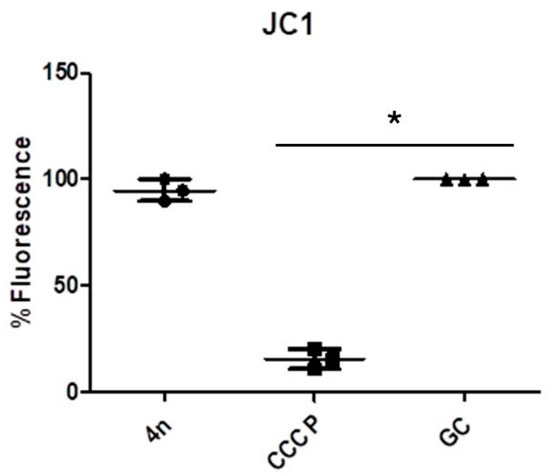
Entomopathogenic fungi are promising alternatives to synthetic insecticides for the control of vector species, notably the arbovirus vector, Aedes aegypti. The influence of intrinsic mosquito midgut microbiota on host susceptibility to fungal infection and subsequent physiological processes remains poorly understood. Here we treated female Ae. aegypti with the broad-spectrum antibiotic carbenicillin to reduce gut bacterial populations, then exposed them to Metarhizium anisopliae conidia. Female Ae. aegypti offered carbenicillin and then sprayed with fungi had significantly lower survival rates (38.9% ± 1.15) compared to non-antibiotic-treated mosquitoes sprayed with fungus (68.9% ± 0.58). To monitor the kinetics of microbial community recovery, mosquitoes were challenged with conidia at 0, 3, 6, and 9 days following antibiotic removal from the diet. Reduced survival persisted through the 6-day period (survival rates 37.8% to 45.6%), with a significant increase in survival observed 9 days post-antibiotic removal (58.9% vs. control 63.3%), which coincided with recovery of gut bacterial populations. Additionally, antibiotic and fungal treatments reduced egg production, larval eclosion, and pupal formation. These results demonstrate that gut bacteria contribute to mosquito defense against fungal pathogens and support normal reproductive and developmental functions. Understanding the interplay between gut microbiota and entomopathogenic fungi may enhance biological control approaches.
Full article
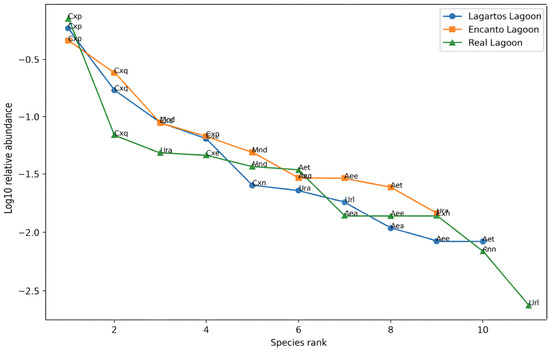
Figure 1
Highly Accessed Articles
Latest Books
E-Mail Alert
News
Topics
Topic in
Animals, Dairy, Microorganisms, Veterinary Sciences, Metabolites, Life, Parasitologia
The Complexity of Parasites in Animals: Impacts, Innovation, and Interventions
Topic Editors: Kun Li, Rongjun Wang, Ningbo Xia, Md. F. KulyarDeadline: 31 December 2026
Conferences
Special Issues
Special Issue in
Parasitologia
Avian Hosts and Their Parasites: Parasitological Studies on Protozoa and Helminths
Guest Editor: Evelina Juozaitytė-NguguDeadline: 31 May 2026
Special Issue in
Parasitologia
From Pathogenicity of Free-Living Amoebae to Applications in Medical-Related Sciences
Guest Editor: Paul JungDeadline: 31 May 2026
Special Issue in
Parasitologia
Intestinal Parasitism in Vulnerable Communities: Epidemiology, Molecular Insights, and Socio-Environmental Determinants
Guest Editors: Maria Victoria Periago, Carla Muñoz-AntolíDeadline: 20 June 2026
Special Issue in
Parasitologia
Molecular Interactions and Microbial Biocontrol Strategies in Host-Parasite-Pest Systems
Guest Editor: Rubén Marino CardozoDeadline: 30 June 2026