


Abstract
Tick-borne diseases pose a significant threat to global cattle production, with species displacement between ticks compounding this issue. This narrative review synthesises the literature to examine the drivers behind the expansion of the invasive Rhipicephalus microplus and its displacement of the native Rhipicephalus decoloratus in Southern Africa. We analysed the biological, ecological, environmental, and anthropogenic factors by reviewing existing scientific studies and reports. Our findings indicate that R. microplus possesses a competitive advantage due to its shorter life cycle, higher reproductive output, and greater acaricide resistance. Furthermore, anthropogenic activities such as communal grazing practices, unregulated livestock movement, and land-use changes facilitate the spread of this parasite. Climate change and vegetation shifts also create more favourable habitats for this invasive species. The conclusion is that the displacement of R. decoloratus by R. microplus intensifies the burden of tick-borne diseases, leading to substantial economic losses. Effective mitigation requires an integrated tick management approach that combines chemical, biological, and ecological strategies, supported by improved surveillance and farmer education.
1. Introduction
Ticks are the primary vectors of diseases affecting livestock and wildlife worldwide [1,2]. Although mosquitoes are the primary vectors of human diseases worldwide, ticks are the most significant vectors of disease-causing pathogens in both domestic and wild animals [3,4]. Their direct effects on hosts include anaemia, excessive grooming, stress, toxicosis, and immunosuppression, often resulting in diminished productivity [1,5]. As members of the family Ixodidae, ticks transmit a variety of infectious agents, including bacteria (Borrelia, Anaplasma), viruses (tick-borne encephalitis), and parasites (Babesia, Theileria) [6,7]. In Southern Africa, the dominant and economically significant tick genera include Amblyomma, Hyalomma, and Rhipicephalus [8].
Tick genera, such as Hyalomma and Rhipicephalus, also play significant roles in the transmission of diseases [9]. Hyalomma ticks are abundant in warm, arid, and semi-arid regions and are known vectors of Theileria annulata, Crimean-Congo haemorrhagic fever virus, among other pathogens [10,11]. Rhipicephalus, one of the 12 extant genera within Ixodidae, comprises 84 described species and includes several of major veterinary importance.
Specifically two Rhipicephalus species are of particular interest in this context: Rhipicephalus decoloratus, which is indigenous to the continent [12], and Rhipicephalus microplus, an invasive species that has expanded its distribution primarily through the translocation of tick-infested cattle [13,14]. Notably, R. microplus, originally from Southeast Asia, has emerged as the single most impactful cattle tick worldwide, invading tropical and subtropical regions through cattle trade and now threatening indigenous tick species [15].
Its invasiveness is attributed to its high reproductive capacity, characterised by a short life cycle, adaptability to changing environments, increasing resistance to chemical acaricide, and its one-host life cycle, which facilitates efficient spreading through cattle movement [6,16]. In contrast, R. decoloratus, also known as the African blue tick, has a wide distribution across the African continent, preferring regions with temperate climates and higher rainfall, while maintaining localised populations in specific areas [16].
The study by Estrada-Peña, Venzal [3] highlighted differences in vector competence among Rhipicephalus species. While R. microplus is an efficient vector of Babesia equi [17,18], R. decoloratus and R. annulatus are major vectors of Babesia bigemina, Babesia bovis, and Anaplasma marginale [10]. Specifically, R. decoloratus efficiently transmits B. bigemina and A. marginale, but not B. bovis or B. equi, highlighting the complexity of tick-borne disease (TBD) transmission and the need for targeted control strategies [19].
Globally, the distribution and prevalence of ticks and TBDs are influenced by multiple factors, including climate change, wildlife migration, and human activities such as habitat fragmentation [17,20]. These drivers contribute to the dynamic nature of tick populations and facilitate pathogen spread across regions [21]. Shared habitats between wild and domestic animals further enhance pathogen exchange [22]; when species overlap spatially or interact at fence lines, ticks and tick-borne pathogens can move bidirectionally between free-ranging and managed populations [23].
In South Africa, particularly in the Eastern Cape province (ECP), small-scale cattle farmers face significant challenges in controlling ticks and TBDs [12]. This region is home to several commercially important tick species that infest animals, especially under communal grazing systems [24,25]. Most subsistence farmers cannot afford regular acaricide-based control and instead rely on labour-intensive manual tick removal combined with limited chemical treatments, particularly during the rainy season [26]. Furthermore, communal farmers often experience restricted access to veterinary services and information on TBD prevention and treatment, relying largely on conventional medicine due to the high cost of veterinary drugs and services [27].
The displacement of R. decoloratus by R. microplus poses a significant threat to cattle production globally, resulting in substantial economic losses [12]. Understanding the distribution and ecology of these two species, as well as the factors driving their displacement, is essential for designing effective tick control strategies. This narrative review therefore aims to synthesise the existing literature on the biological and ecological differences between R. decoloratus and R. microplus and to examine the environmental and anthropogenic drivers of species displacement in Southern Africa. By evaluating the roles of grazing systems, cattle movements, climate, vegetation, and acaricide resistance in facilitating the distribution and dispersal of tick species, this review seeks to inform the development of targeted, sustainable control strategies to reduce the burden of tick-borne diseases in Southern Africa and beyond.
2. Biological and Ecological Differences Between Rhipicephalus microplus and Rhipicephalus decoloratus at the Communal Interface
The competitive displacement of R. decoloratus by R. microplus is driven by a combination of life-history traits, host-use strategies, and physiological adaptations that collectively enhance the invasive potential of R. microplus in communal grazing systems [28,29]. Both species have one-host life cycles, in which larvae and nymphs remain on the same host until reaching adulthood, and only gravid females detach to oviposit [30]. However, R.microplus completes its life cycle more rapidly and has a higher reproductive output than R. decoloratus. Females of R. microplus produce approximately 3000 eggs, compared with about 1000 eggs in R. decoloratus. In addition, mating in R. microplus occurs about two days earlier, and males reach sexual maturity sooner, providing a further advantage during mixed infestations [29,31]. A comparative summary of these biological and reproductive traits contributing to species displacement is presented in Table 1.
Table 1.
Comparative biological and reproductive traits of Rhipicephalus microplus and Rhipicephalus decoloratus contributing to species displacement.
These biological advantages increase population growth and establishment success for R. microplus. Its shorter life cycle, higher fecundity, and earlier sexual maturity allow it to outcompete and suppress R. decoloratus populations, ultimately leading to displacement [31,33]. Additional factors, including the production of sterile offspring through cross-mating, higher feeding success on cattle, and the development of acaricide resistance in R. microplus, further reinforce this process [38]. Collectively, these traits promote the rapid spread and dominance of R. microplus, accelerating the displacement of R. decoloratus, particularly within Southern African communal grazing systems, where cattle movement and control challenges enhance opportunities for competitive replacement [24,28].
The differences in development and reproduction provide R. microplus a competitive advantage over R. decoloratus [24]; Although, studies have also outlined that differences in mortality may play a role [39]. There is limited evidence on how factors such as predation by birds and insects can affect survival and influence the balance between the two species.
Host-use patterns and feeding behaviour influence the competitive dynamics between R. decoloratus and R. microplus [16,37]. R. decoloratus uses a wide variety of hosts, including bushbuck, cattle, impala, eland, nyala, and zebra, indicating both ecological flexibility and reliance on various wildlife/cattle interfaces [40,41]. However, this diverse host range includes species with varied levels of natural tick resistance, and some may serve as dead-end hosts, thereby limiting population increase. In contrast, R. microplus primarily infests domestic cattle but can complete its entire life cycle on goats when co-grazing with cattle [8]. This indicates its ability to opportunistically adapt to alternative hosts, which are critical for its persistence in communal farming systems, where cattle availability may fluctuate [42]. Feeding duration and site selection are critical determinants of tick fitness, particularly in shared-host environments [37]. Both species prefer similar attachment sites that are less accessible to host grooming, such as the shoulders, neck, dewlap, ears, and legs [24]. However, the faster development rate and higher reproductive output of R. microplus intensify competition for these sites, giving it a competitive advantage over R. decoloratus [34]. Collectively, these advantages, including a shorter feeding-to-oviposition interval, flexible host utilisation, and competitive site occupancy, enhance the survival, reproductive efficiency [43], and displacement potential of R. microplus in Southern African communal grazing systems.
Acaricide resistance and physiological adaptations further tilt the competitive balance in favour of R. microplus. In South Africa and neighbouring countries, tick control relies predominantly on chemical acaricides, particularly amitraz and synthetic pyrethroids [24,40,41]. However, the effectiveness of these compounds has declined due to the widespread emergence of resistance, now reported against all major acaricide classes globally [42]. This resistance arises through several mechanisms, including reduced cuticular penetration, target-site insensitivity, and enhanced metabolic detoxification [43]. In R. microplus, amitraz resistance has been associated with increased detoxification mediated by glutathione S-transferase activity and single-nucleotide polymorphisms (SNPs) [43,44]. R. decoloratus has also developed resistance against multiple acaricides, including arsenic, DDT, pyrethroids, cypermethrin, and amitraz [45]. However, resistance patterns vary between species: certain R. decoloratus populations display multi-resistance to both cypermethrin and amitraz, whereas sympatric R. microplus populations more typically show resistance to cypermethrin [40,46]. Recent studies highlight that incorporating ecological and epidemiological data into acaricide application programmes will be critical for mitigating resistance development and enhancing sustainable tick management [41,47].
3. Environmental and Anthropogenic Drivers of Tick Species Expansion and Displacement at the Communal Interface
3.1. Environmental Factors
Climate and vegetation change primarily influence the distribution and behaviour of vector species, including ticks [44,45]. Temperature and precipitation exert direct effects on tick survival, development, and population dynamics [46]. Climatic variables, particularly rainfall and minimum and maximum temperatures, are more reliable predictors of tick presence than vegetation-related factors [47]. However, climate is not the only factor influencing tick expansion.
Rising temperatures in South Africa are accelerating tick growth, increasing the number of annual generations, and allowing expansion into both higher-altitude areas and more southerly regions, which are generally cooler [48]. This may lead to larger tick populations and an increased risk of disease transmission. Furthermore, climate change can alter vegetation patterns, indirectly influencing tick populations by creating new or more favourable habitats [49]. For instance, the expansion of shrubby vegetation and prolonged growing seasons may enhance tick survival and support higher population densities by maintaining suitable microclimatic conditions [50].
Host availability and vegetation type also play critical roles in shaping tick occupancy and abundance [23]. Landscape structure and vegetation heterogeneity influence microclimatic conditions, host movement, and habitat suitability, thereby affecting local tick persistence and density [47,51].
The complex interactions among climate change, human land-use practices, vegetation modification, and the tick life cycle within savanna ecosystems are illustrated on Figure 1. The reviewed studies further indicate that tick displacement and expansion are driven by the combined influence of these environmental changes, together with intrinsic tick life-history traits [44,52,53]. Climate-driven vegetation shifts create increasingly favourable habitats, enhancing tick survival, population densities, species displacement, and host–tick contact rates, thereby elevating pathogen transmission risk [44,54]. These findings highlight the need for integrated vegetation management and strengthened tick control strategies to mitigate the impacts of climate change on tick ecology and disease emergence.
Figure 1.
Conceptual model illustrating the ecological and anthropogenic drivers of tick displacement, adopted from [47].
3.2. Anthropogenic Drivers
Cattle movement, grazing dynamics, land-use changes and habitat modification collectively play a key role in facilitating the spread of R. microplus at the communal interface [22]. Seasonal livestock migration across ecological zones makes it easier for tick-infested animals to travel long distances, thereby promoting the spread of ticks and TBDs [55]. High host density and frequent inter-herd interaction in communal production systems influence transmission dynamics, raising the pressure of infestation and causing native species like R. decoloratus to be displaced [25,26].
Grazing management practices further shaped the population dynamics and influenced invasion success. Recent studies have identified rotational grazing as a potential management tool to reduce production losses associated with high tick burdens [56]. However, the effectiveness of rotational grazing is strongly dependent on the paddock recovery time, with systems characterised by short rest periods (approximately 20 days) associated with higher on-host tick infestations than continuous grazing systems [57]. Collectively, these grazing and movement practices complicate tick control efforts and influence tick population dynamics, ultimately promoting the spread and persistence of invasive species such as R. microplus [58].
Land-use change and habitat modification act as broader landscape-scale drivers that facilitate tick dispersal and establishment [49,53]. Rapid housing development in forested areas generates a network of forest patches, or islands, that remain connected to nearby natural habitats, facilitating tick dispersal into residential areas [53,59]. Similarly, landscaped spaces with tree canopies provide suitable habitats for animal hosts and help prevent ticks from desiccation, supporting their survival and dispersal into homes and urban green spaces [49]. The construction of roads and trails through forests fragments landscapes, altering interactions between hosts and ticks and enabling animals to move along new pathways [60].
Forest fragmentation is positively correlated with both tick density and infection prevalence [59]. Moreover, urbanisation driven by deforestation and forest degradation has also been linked to the expansion of R. microplus and associated tick-borne diseases [49,61]. Forest conversion and resource extraction further facilitate tick dispersal into new areas by increasing host movement and connectivity across landscapes [62]. The reviewed studies further highlighted that agricultural expansion and land fragmentation similarly contribute to tick expansion [45,49].
In addition, resource extraction, deforestation, and habitat conversion increase landscape connectivity for livestock and wildlife, thereby enhancing host movement and facilitating tick spread into new areas [63,64]. Traditional practices management in the communal systems, including seasonal grazing rotations and rangeland burning, alter vegetation structure and host movement patterns, further influencing tick abundance and transmission dynamics [57,59].
Fire can directly reduce tick numbers by destroying microhabitats and disrupting life cycles [65]. However, it has been highlighted that it indirectly reshapes tick dynamics by altering vegetation structure and host distribution [47]. Arthropods, including ticks, are highly sensitive to abiotic and biotic shifts, making wildfires an important determinant of population fluctuations in fire-prone ecosystems [66]. According to studies, fire severity influences tick populations through cascading effects on habitat structure, microclimatic conditions, and ecological communities [47,49]. Therefore, changes in vegetation and fire regimes play a significant role in shaping tick distribution, abundance, and host–parasite interactions, ultimately affecting the epidemiology and risk of tick infestations and TBDs in affected ecosystems.
Human management practices, including livestock transport within countries, promote the introduction of new tick species and the diseases they transmit [55]. Moreover, human-modified environments such as pastures, gardens, parks, and communal grazing areas increasingly provide suitable microhabitats for tick survival and reproduction [67,68]. A study by Ortiz, Piche-Ovares [67] found that understanding the interactions between human and vector–host movement patterns is critical for implementing effective tick control strategies. Among these factors, livestock movement, particularly cattle trade, plays a central role in driving the spread of R. microplus and promoting the transmission of tick-borne diseases [69]. In most Southern African countries, the unregulated movement of livestock, particularly the transport of cattle and goats across provincial and national boundaries without movement permits, has been shown to increase the risk of spreading tick-borne pathogens and facilitating the introduction of invasive tick species, such as R. microplus [70]. Such movements not only promote tick dispersal but also exacerbate the transmission of transboundary animal diseases (TADs), including foot-and-mouth disease (FMD), Rift Valley fever (RVF), and peste des petits ruminants (PPRs) [71]. Effective disease surveillance and tick management, therefore, depend on a clear understanding of livestock trade dynamics and animal movement patterns [72]. Moreover, studies highlighted that enforcing animal movement permits and improving traceability systems would strengthen veterinary control measures and limit the spread of both ticks and TBDs [73,74].
4. Role of Communal Grazing and Reinfestation in Rhipicephalus microplus Expansion
The frequent mixing of different herds raises the risk of tick dispersal and competition for hosts [56]. Cattle movement between grazing zones for commercial, seasonal, or herd management reasons increases herd-to-herd contact and encourages tick dispersal [22]. However, some studies suggest that age-related infection rates are more informative than landscape processes in understanding the spatial distribution of tick-borne illness risk among cattle [75,76]. Calves in many traditional cattle systems are naturally exposed to tick-infected blood at an early age, when age-dependent resistance and maternal (colostral) antibodies shield them from serious illness [77]. Early exposure facilitates the development of immunity, while repeated exposure maintains acquired protection, ultimately leading to lifelong resistance against tick fever [78]. In contrast, insufficient exposure, often due to environmental variability, limits immunity development, resulting in cows giving birth to highly susceptible calves that may only acquire immunity later in life [79]. This challenge is particularly evident in communal farming systems where tick exposure varies across herds.
This pattern of early-life exposure and immunity development aligns with the concept of endemic stability [80]. Endemic stability is defined as a state in which the interaction between cattle, parasites, vectors, and the environment results in frequent infection, but clinical disease occurs rarely and with minimal economic loss [78,81]. Key characteristics include a low likelihood of disease during peak pathogen exposure and a reduced probability of severe disease following initial infection [79]. This state depends on inverse immunity, where the severity of clinical disease increases with age, while overall mortality remains low [77]. It also requires a sufficiently high force of infection to ensure that most animals acquire functional immunity early in life, along with the persistence of immunity, reflected by lower disease prevalence but higher immunity in older age groups [78]. Furthermore, endemic stability is associated with high seroprevalence of antibodies and low clinical disease incidence, as illustrated in Figure 2 [79]. This balance supports population-level protection, although it may involve trade-offs such as persistent infections and occasional production losses [82]. Within this system, disease tolerance plays a critical role by enabling animals to maintain performance despite infection, in contrast to resistance mechanisms that reduce pathogen burden [80].
Figure 2.
Conceptual illustration of endemic stability, created using Python 3.
5. Regional Patterns of Rhipicephalus microplus Expansion and Tick Species Displacement at the Communal Interface of Southern Africa
Tick species’ distributions are dynamic and shift in response to multiple interacting factors, including host movement, changes in local tick control practices, selection for acaricide resistance, and variation in seasonal rainfall [25,83]. Historically, several tick species were introduced to new continents, and once established, their expansion was often rapid [84]. In Africa, notable range expansions have been observed among ixodid ticks, particularly within the genera Amblyomma and Rhipicephalus, both of which contribute substantially to cattle morbidity and mortality [83,85]. Among these, R. microplus has emerged as a major invasive species of epidemiological significance. It was originally introduced into East and Southern Africa during the second wave of cattle importation following the 1896 rinderpest pandemic, when infested cattle were brought from southern Asia via Madagascar [11,86]. The genetic evidence confirms the historical invasion and worldwide spread of R. microplus [87]. Mitochondrial COI gene studies show that the South African strains of R. microplus belong to a genetic clade comprising the ticks of Asia and South America, pointing to a shared ancestry and long-range distribution of these ticks [48]. These results correspond to historical evidence showing that R. microplus along with the associated disease agents was distributed by the trade of infected cattle into new areas like Latin America, Mexico, and the United States [88,89].
R. microplus has progressively expanded across the continent and has now been recorded in countries where it was previously absent, including Namibia and South Africa [9,14,90]. The broad regional spread of this species across Southern Africa is illustrated in Figure 3.
Figure 3.
Expansion data of Rhipicephalus microplus across Southern Africa. The pink colour indicates that R. microplus expansion has been reported in Namibia, South Africa, Zimbabwe, Zambia, Mozambique and neighbouring countries such as Botswana and Eswatini. The localities presented in this map were adapted from [16,39,90,91,92].
The expansion and establishment of R. microplus are strongly associated with communal grazing systems, which are common in many African settings [28]. In these systems, cattle from different owners graze together on unfenced communal lands that do not constitute closed farming systems. These environments are characterised by unrestricted livestock movement, shared grazing lands, and inconsistent acaricide application, all of which facilitate tick establishment, persistence, and spread [61,80]. Similar patterns have been reported in Zimbabwe, Zambia, and Mozambique, where communal production systems and cross-border livestock movements accelerate the spread of invasive tick populations [16,75,93]. Tick species displacement at the communal interface is driven by multiple interacting ecological and management factors [12,24]. In several regions, R. microplus has displaced the indigenous species R. decoloratus. For example, in the eastern parts of the ECP, R. microplus has become dominant in areas where R. decoloratus previously prevailed [12]. As shown in Figure 4, the documented expansion of R. microplus and the displacement of R. decoloratus have been reported across several provinces in South Africa. Recent studies have highlighted that this displacement is attributed to the development of resistance to multiple acaricides, which enhances the competitive advantage of R. microplus, particularly in communal grazing systems such as those in Mpumalanga [24,94]. Regional evidence indicates that communal grazing interfaces serve as important hotspots for R. microplus expansion, establishment, and displacement of native tick species across Southern Africa [12,95].
Figure 4.
Documented expansion of Rhipicephalus microplus and displacement of Rhipicephalus decoloratus across the provinces of South Africa. The highlighted colour indicates that the expansion of R. microplus and the displacement of R. decoloratus have been reported in the ECP of the KwaZulu-Natal, Limpopo, and Mpumalanga provinces. Locations shown in this figure were derived from [12,78,90,96].
6. Wildlife–Livestock Interface Influences on the Displacement Dynamics
The wildlife–livestock interface plays a significant role in shaping tick species diversity, richness, and abundance [97]. Interactions between wild and domestic hosts facilitate the transmission of ticks and tick-borne pathogens [63]. Transmission from wildlife to livestock can have significant economic impacts [98]. In South Africa’s ECP, shifts to game farming have increased wildlife–livestock contact, facilitating R. microplus establishment [99,100]. Increased wildlife mobility, driven by environmental pressures or management practices, further increases the likelihood of contact with livestock populations and promotes the exchange of ticks and pathogens [73]. In addition, pathogens introduced by domestic animals may spill back into wildlife populations [99].
These interactions influence the persistence and spread of R. microplus [100]. Domestic cattle are considered the primary effective hosts of this tick [101], while records from wildlife remain scarce, indicating that R. microplus populations depend largely on livestock for maintenance and survival [102]. However, although wildlife does not function as a direct maintenance host for R. microplus, the reviewed studies similarly outlined that wildlife does not directly contribute to the establishment of micro-niches for R. microplus [63,103]; instead, it indirectly influences vegetative structure, microclimatic conditions, and host interaction patterns, thereby modifying the ecological context in which the tick persists [47,92]. Furthermore, Smith and Parker [103] recently reported that these types of interfaces strongly determine the ecology of R. microplus and the level of pathogen transmission from wildlife to livestock.
Although numerous studies have explored the role of ungulates in tick-borne pathogen dynamics, relatively few have examined multiple ungulate species simultaneously or explicitly assessed their contributions to R. microplus persistence and spread [86]. As illustrated in Figure 5, the interaction between wildlife and livestock can be a direct physical one when they share the same space at the same time. In recent decades, these interactions have been further intensified by several factors such as land-use change and climate change, particularly within the savannah biomes of southern Africa [73]. Wildlife movements across landscapes can introduce new tick species and pathogens into livestock populations, complicating control efforts and increasing outbreak risks [104].
Figure 5.
Illustrates the wildlife–livestock interface between wildlife animal and cattle sharing the same grazing pastures, adopted from [105].
7. Integrated Tick Management and Acaricide Resistance Control
Acaricides remain central to tick control and eradication programmes, providing rapid and relatively cost-effective suppression of tick populations [106]. They are typically classified according to their mode of action, including neurotoxins such as organophosphates, pyrethroids, and phenylpyrazoles, as well as growth regulators and chitin synthesis inhibitors [107,108]. However, the intensive and often improper use of these chemicals has contributed to the widespread emergence of resistance in cattle tick species, notably R.microplus [106,109]. Moreover, long-term use of a single chemical compound on farms also results in measurable resistance to most major acaricide groups, affecting both commercial and communal grazing systems [24,39]. This exhibits greater tolerance to chemical pressure compared to R. decoloratus, enhancing its competitive dominance and displacement of indigenous tick species [110].
The escalating resistance problem highlights the need for integrated tick management (ITM) strategies that combine multiple control methods to achieve sustainable tick suppression [111,112]. Alternative strategies are increasingly emphasised and summarised in Table 2.
Table 2.
Control strategies, mechanisms of action, and limitations in the management of tick infestations.
Entomopathogenic fungi (EPF), such as Metarhizium anisopliae and Beauveria bassiana, have shown potential as environmentally friendly agents for tick control [115]. These fungi penetrate the tick cuticle, causing lethal mycosis, and have demonstrated significant reductions in tick populations with minimal impact on non-target organisms [39,121]. Field studies have reported reductions in tick abundance following fungal applications [122].
Entomopathogenic nematodes (EPNs), particularly Steinernematidae and Heterorhabditidae, have emerged as promising biological control alternatives [121]. They kill ticks through symbiotic associations with mutualistic bacteria such as Xenorhabdus and Photorhabdus spp., which rapidly cause mortality in ticks and other arthropods following infection [108].
Similarly, the development of anti-tick vaccines has gained increasing attention as a sustainable, long-term strategy to reduce reliance on chemical acaricides [123]. Vaccination using tick-derived antigens has been shown to elicit protective immune responses in cattle, thereby decreasing tick infestations, impairing tick reproductive success, and lowering the need for acaricide treatments [122]. Sustainable land management practices include controlled burns, rotational grazing, and removal of invasive plant species [124]. These disrupt tick life cycles, support natural predators, limit host–tick interactions, and reduce tick hotspots [61,98]. Moreover, effective vector control requires continuous monitoring of tick populations to identify high-risk areas and guide targeted interventions [56,58]. The integration of all these strategies is illustrated in Figure 6.
Figure 6.
Summary of integrated chemical, biological, ecological, and genetic control measures. Source: Adopted from [10].
8. Effects of Rhipicephalus microplus Expansion and Tick Displacement on Disease Transmission and Control
Ticks and TBDs pose major threats to cattle farming worldwide, significantly affecting livestock health, productivity, and economic sustainability [1]. Impacts include direct damage from infestations and indirect losses from tick-borne pathogens transmission [125]. These challenges are most noticeable in tropical and developing areas [126]. Research highlights that these risks are further intensified by limited resources, inconsistent tick control practices, acaricide resistance, and climate variability [127]. For example, in Zimbabwe, TBDs have caused mortality rates above 60% in cattle from resource-limited communal settings [128].
Moreover, shared grazing areas and frequent animal contact at livestock–livestock interfaces are widely recognised as hotspots for disease emergence and transmission [76]. According to the reviewed studies, the replacement of R. decoloratus by the invasive R. microplus is associated with an increase in TBDs transmission among cattle [1,90,129,130].
Tick-borne haemoparasitic diseases remain a major concern for ruminants in tropical and subtropical regions [131]. Bovine babesiosis is one of the most common haemoprotozoan infections due to transovarial and transstadial transmission in hard ticks [5]. Babesiosis is clinically defined by haemolytic anaemia, fever, and haemoglobinuria [1]. Anaplasmosis causes progressive anaemia, jaundice, and fever and results in huge financial losses [132,133]. Furthermore, Theileriosis, caused by Theileria species, and heartwater remain significant restrictions on livestock production in Southern Africa, adding to economic losses and restricting herd productivity [134]. The major TBDs affecting cattle in Southern Africa are summarised in Table 3. The reviewed studies highlighted that control of ticks and TBDs requires an integrated approach [10,113]. However, acaricide resistance in R. microplus complicates the control efforts [135].
Table 3.
Major tick-borne diseases of cattle in Southern Africa, their causative pathogens, primary vectors and endemic regions.
9. Economic Impact of Tick Infestations and Tick-Borne Diseases on Livestock Production
In Africa and other of the Global South parts (Latin America, Asia, and Oceania) favourable ecological conditions for tick survival influences the impact of tick infestations [140]. These conditions result in both direct and indirect economic losses in livestock production systems. Direct losses include blood loss, skin damage and mortality, while indirect losses involve reduced productivity and reproductive performance [126,139,141,142]. Globally, ticks infest an estimated 80% of the cattle population, causing annual economic losses of USD 20–30 billion [126,143], while in developing regions, TBDs alone are estimated to cost USD 14–19 billion per year [90].
In Southern Africa, R. microplus expansion has intensified economic losses through displacement of R. decoloratus [126], with South Africa alone losing over USD 33 million annually in livestock production and incurring substantial additional costs for TBD control, including USD 21 million in the commercial cattle sector and over USD 70 million in small ruminant systems [25,90]. Compared to worldwide averages, it suffers excessively high losses in herd size, driven by spread of R. microplus and faster TBDs transmission [144]. High infestation of this tick species imposes substantial economic burdens on cattle production systems, in addition to direct production costs. These include increased treatment and control costs [145]. Additional losses arise from trade restriction, breed restrictions and acaricide residue concerns [126,146].
The economic impacts of tick infestations and TBDs in livestock are summarised in Table 4, highlighting the need for targeted control strategies to mitigate both direct and indirect economic losses associated with tick displacement in Southern Africa and globally. These impacts reflect a combination of production losses, disease management costs, and systemic inefficiencies across livestock value chains.
Table 4.
Summary of estimated economic losses associated with Rhipicephalus microplus infestation and tick-borne diseases in livestock.
10. Traditional Knowledge and Tick Management Constraints
Livestock production plays a crucial part in the natural economy of South Africa and beyond as a component of agriculture, providing food for both urban and rural inhabitants [149]. Approximately 600 million farmers in communal areas across Africa rely on livestock production to support their livelihoods [39]. These communal areas are dominated by small-scale, resource-limited farmers who still possess traditional knowledge on ticks and TBDs [132]. As a result, cattle production in these resource-poor farming systems is frequently reduced due to high tick infestations [150], with resource constraints further limiting the productivity and commercialisation [145].
Research has shown that communal farmers often rely on traditional methods such as manual removal of ticks and grazing techniques that allow for natural spelling of pastures, rather than using chemical control methods [151]. This is mainly due to the financial constraints faced by communal farmers, who often lack the means to purchase an acaricide [152]. Studies suggest that the limits of local knowledge in dealing with ticks are one of the central problems faced by African livestock owners [17,27,132]. Therefore, upgrading livestock farming for small-scale farmers’ remains an important pathway for income generation.
Research highlights several key strategies for transforming communal livestock systems into more productive and sustainable farming systems, including the implementation of climate-smart agriculture (CSA) to address challenges related to climate change and food security [153]. Climate-smart agriculture (CSA) is described as agriculture that sustainably increases production, improves resilience, and reduces greenhouse gases (GHGs) (mitigation) where practicable, and facilitates the achievement of national food security and development goals [154]. In addition, socio-cultural factors such as farmers’ beliefs, risk perceptions, and willingness to adopt modern technologies further constrain implementation [153]. As a result, the transition from traditional communal livestock systems to climate-smart communal farming systems remains slow and uneven.
Studies have also highlighted that, to date, there is a lack of available literature on farmers’ knowledge, attitudes, and practices regarding ticks and TBDS, as well as their knowledge about acaricide resistance, particularly in the northeastern regions of the ECP and several provinces in South Africa [155,156]. Moreover, misconceptions about tick displacement and TBDs among communal farmers pose a significant challenge [157]. These knowledge gaps further constrain farmers’ ability to transition from traditional livestock management practices to more efficient, climate-smart systems.
To address this, targeted farmer training is essential for achieving more effective control of ticks and the diseases they transmit. A clear understanding of the complex interplay among farmers’ characteristics, practices, and perceptions is crucial for developing well-informed and practical strategies [158]. Studies have highlighted the value of participatory research approaches, in which local communities, veterinarians, and researchers collaborate to co-design context-specific tick control measures, thereby enhancing the long-term sustainability of tick management programmes in resource-limited communal systems [155,159].
11. Research Gaps and Surveillance Priorities
Habitat encroachment has increased the interaction between domestic and wild animals, contributing to the growth in the prevalence [47]. According to recent research, R. microplus can spread into previously inappropriate habitats, where it increasingly coexists with, and occasionally replaces, the native R. decoloratus [160,161]. Factors contributing to this displacement include climatic suitability, communal grazing practices, and increased livestock trade and movement [92]. Furthermore, a study by Vial [52] outlined that, biologically, R. microplus possesses characteristics that increase its competitive advantage in these shifting environments; however, there is currently limited direct evidence to confirm that it is actively displacing R. decoloratus through biological interactions such as competition or reproductive interference. However, despite growing evidence of the expansion and displacement dynamics of R. microplus in Southern Africa, several critical research gaps remain, particularly at the communal livestock–wildlife interface, where ecological, climatic, and anthropogenic factors interact.
Longitudinal surveillance data documenting the temporal and spatial patterns of tick species displacement in communal grazing systems is another major limitation. Farm-centred surveillance has been identified as an effective approach for monitoring tick populations at the local level [120]. However, shortcomings in current surveillance systems, including limited reliable biomarkers, hinder the accurate identification of high-risk areas, early outbreak detection, and evaluation of intervention strategies [75].
Advances in surveillance technologies, particularly Geographic Information Systems (GIS), enable spatial tracking of tick populations and spread of tick species over time [47]. Therefore, strengthening surveillance and farmer engagement is key to improving tick control and limiting R. microplus expansion [72].
12. Conclusions
The expansion of R. microplus poses a rising threat to cattle and wildlife at wildlife–livestock interfaces and in communal farming areas. The evidence demonstrates that this spread is not driven by a single factor which is commonly cited as climate. A tick’s biological characteristics such as its reproductive capacity and adaptability also facilitate its dispersal. Human activities, particularly livestock movement within countries, further contribute to the spread of R. microplus, the displacement of R. decoloratus, and the diseases they transmit.
Farmers in South Africa’s communal areas already perceive ticks and TBDs as the most serious threat to livestock health. Addressing this challenge therefore demands a diverse strategy. Regular monitoring of livestock and wildlife for tick infestations and disease transmission is critical, as is educating farmers, communities, and stakeholders and incorporating them in management efforts. Acaricides use should be carefully managed to limit resistance development and environmental impacts. Ongoing surveillance of tick populations, disease transmission, and environmental change will also be critical in developing adaptive control strategies that are appropriate for communal cattle production. To support these efforts, future studies should focus on longitudinal ecological studies to determine how vegetation change and climate variability affect tick population dynamics. Molecular research, including pathogen monitoring and resistance marker analysis, are also needed to clarify transmission pathways and resistance mechanisms. These activities will promote evidence-based, long-term strategies to limit the spread and burden of TBDs.
13. Methodology
A systematic literature search was conducted to identify studies on tick species displacement at the communal livestock–wildlife interface, with emphasis on the expansion of Rhipicephalus microplus in Southern Africa. Electronic databases, including PubMed, Google Scholar, and Science Direct, were searched using controlled vocabulary and free-text terms.
The following search terms (with minor database-specific adaptations) were used: (Rhipicephalus microplus OR “Asian blue tick”) AND (Rhipicephalus decoloratus OR “indigenous tick”) AND (displacement OR replacement OR invasion OR “range expansion”) AND (“communal grazing” OR “livestock–wildlife interface” OR “cattle movement”) AND (“climate change” OR rainfall OR temperature OR “land-use change” OR “acaricide resistance” OR “stocking density” OR “vegetation change”) AND (“Southern Africa” OR “South Africa”).
The search was restricted to peer-reviewed English-language publications from the past 30 years to capture contemporary ecological trends, invasion dynamics, and disease epidemiology. Studies conducted in South Africa and neighbouring Southern African countries were prioritised to ensure contextual relevance. A multidisciplinary scope was adopted, encompassing veterinary science, parasitology, epidemiology, ecology, environmental science, and socio-ecological research, with observational, experimental, modelling, and laboratory-based studies. Database yields were as follows: PubMed (n = 101 before screening; n = 47 after filtering), Science Direct (n = 14; 10 included), and Google Scholar when using specific search terms such as “Climate change”, “acaricide resistance” and “cattle movement” (n = 829 articles before filtering; n = 104 after filtering; with 11 review articles = included). After thorough screening 161 references of various types, including journal articles and academic theses, were used to compile this article.
Author Contributions
K.K.M.: Conceptualisation; methodology; software; validation; formal analysis; investigation; data curation; writing—original draft preparation. T.G.M.: Review; editing; validation; writing—review and editing; supervision. T.C.N.: Methodology; validation; resources; supervision; funding acquisition. N.S.-P.: Resources; supervision; funding acquisition. All authors have read and agreed to the published version of the manuscript.
Funding
This research received no external funding.
Institutional Review Board Statement
Not applicable.
Informed Consent Statement
Not applicable.
Data Availability Statement
Data are provided within the body of the article.
Acknowledgments
The authors sincerely acknowledge Mogalatloga Eugene Madiseng for the invaluable mentorship, intellectual guidance and constructive critique during the preparation of this manuscript.
Conflicts of Interest
The authors declare no conflicts of interest.
Abbreviations
The following abbreviations are used in the manuscript:
| TBDS | Tick-borne diseases |
| GIS | Geographic Information Systems |
| ITM | Integrated tick management |
| TADs | Transboundary animal diseases |
| CSA | Climate-smart agriculture |
| FMD | Foot-and-mouth disease |
| SNPs | Single-nucleotide polymorphisms |
| ECP | Eastern Cape Province |
References
- Boulanger, N.; Boyer, P.; Talagrand-Reboul, E.; Hansmann, Y. Ticks and tick-borne diseases. Med. Mal. Infect. 2019, 49, 87–97. [Google Scholar] [CrossRef] [Scilit]
- Silatsa, B.A.; Simo, G.; Githaka, N.; Mwaura, S.; Kamga, R.M.; Oumarou, F.; Keambou, C.; Bishop, R.P.; Djikeng, A.; Kuiate, J.-R. A comprehensive survey of the prevalence and spatial distribution of ticks infesting cattle in different agro-ecological zones of Cameroon. Parasites Vectors 2019, 12, 489. [Google Scholar] [CrossRef] [Scilit]
- Estrada-Peña, A.; Venzal, J.M.; Kocan, K.M.; Sonenshine, D.E. Overview: Ticks as vectors of pathogens that cause disease in humans and animals. Front. Biosci. 2008, 13, 6938–6946. [Google Scholar] [CrossRef] [Scilit] [PubMed]
- Szabó, M.P.; Pinter, A.; Labruna, M.B. Ecology, biology and distribution of spotted-fever tick vectors in Brazil. Front. Cell. Infect. Microbiol. 2013, 3, 27. [Google Scholar] [CrossRef] [Scilit] [PubMed]
- Dantas-Torres, F.; Chomel, B.B.; Otranto, D. Ticks and tick-borne diseases: A One Health perspective. Trends Parasitol. 2012, 28, 437–446. [Google Scholar] [CrossRef] [Scilit]
- Guglielmone, A.A.; Robbins, R.G.; Apanaskevich, D.A.; Petney, T.N.; Estrada-Peña, A.; Horak, I.G. The Hard Ticks of the World; Springer: Berlin/Heidelberg, Germany, 2014; Volume 10. [Google Scholar]
- Levin, M.L.; Zemtsova, G.E.; Killmaster, L.F.; Snellgrove, A.; Schumacher, L.B. Vector competence of Amblyomma americanum (Acari: Ixodidae) for Rickettsia rickettsii. Ticks Tick-Borne Dis. 2017, 8, 615–622. [Google Scholar] [CrossRef] [Scilit] [PubMed]
- Akure, C.P. Tick Species Composition and Associated Haemoparasites of Cattle in a Semi-Arid Area of Karamoja, Uganda. Master’s Thesis, University of Pretoria, Pretoria, South Africa, 2019. [Google Scholar]
- Sungirai, M. Ixodid Ticks Parasitising Cattle in Zimbabwe: Ecology and Management. Ph.D. Thesis, Ghent University, Faculty of Bioscience Engineering, Ghent, Belgium, 2017. [Google Scholar]
- Bonnet, S.I.; Vourc’h, G.; Raffetin, A.; Falchi, A.; Figoni, J.; Fite, J.; Hoch, T.; Moutailler, S.; Quillery, E. The control of Hyalomma ticks, vectors of the Crimean–Congo hemorrhagic fever virus: Where are we now and where are we going? PLoS Negl. Trop. Dis. 2022, 16, e0010846. [Google Scholar] [CrossRef] [Scilit]
- Etiang, P.; Musoba, A.; Nalumenya, D.; Ndekezi, C.; Bbira, J.; Ochwo, S.; Tweyongyere, R.; Muhanguzi, D. Distribution and prevalence of ixodid tick species (Acari: Ixodidae) infesting cattle from North-eastern Uganda [Karamoja]. BMC Vet. Res. 2023, 20, 50. [Google Scholar] [CrossRef] [Scilit]
- Nyangiwe, N.; Harrison, A.; Horak, I.G. Displacement of Rhipicephalus decoloratus by Rhipicephalus microplus (Acari: Ixodidae) in the eastern cape province, South Africa. Exp. Appl. Acarol. 2013, 61, 371–382. [Google Scholar] [CrossRef] [Scilit]
- Madder, M.; Thys, E.; Achi, L.; Touré, A.; De Deken, R. Rhipicephalus (Boophilus) microplus: A most successful invasive tick species in West-Africa. Exp. Appl. Acarol. 2011, 53, 139–145. [Google Scholar] [CrossRef] [Scilit]
- Muhanguzi, D.; Byaruhanga, J.; Amanyire, W.; Ndekezi, C.; Ochwo, S.; Nkamwesiga, J.; Mwiine, F.N.; Tweyongyere, R.; Fourie, J.; Madder, M. Invasive cattle ticks in East Africa: Morphological and molecular confirmation of the presence of Rhipicephalus microplus in south-eastern Uganda. Parasites Vectors 2020, 13, 165. [Google Scholar] [CrossRef] [Scilit] [PubMed]
- Makenov, M.T.; Toure, A.H.; Korneev, M.G.; Sacko, N.; Porshakov, A.M.; Yakovlev, S.A.; Radyuk, E.V.; Zakharov, K.S.; Shipovalov, A.V.; Boumbaly, S. Rhipicephalus microplus and its vector-borne haemoparasites in Guinea: Further species expansion in West Africa. Parasitol. Res. 2021, 120, 1563–1570. [Google Scholar] [CrossRef] [Scilit] [PubMed]
- Sungirai, M.; Moyo, D.; De Clercq, P.; Madder, M.; Vanwambeke, S.O.; De Clercq, E.M. Modelling the distribution of Rhipicephalus microplus and R. decoloratus in Zimbabwe. Vet. Parasitol. Reg. Stud. Rep. 2018, 14, 41–49. [Google Scholar] [CrossRef] [Scilit]
- Alale, T.Y.; Sormunen, J.J.; Nzeh, J.; Agjei, R.O.; Vesterinen, E.J.; Klemola, T. Public knowledge and awareness of tick-borne pathogens and diseases: A cross-sectional study in Ghana. Curr. Res. Parasitol. Vector-Borne Dis. 2024, 6, 100228. [Google Scholar] [CrossRef] [Scilit]
- Gray, J.S.; Estrada-Peña, A.; Zintl, A. Vectors of babesiosis. Annu. Rev. Entomol. 2019, 64, 149–165. [Google Scholar] [CrossRef] [Scilit]
- Hussain, S.; Hussain, A.; Aziz, U.; Song, B.; Zeb, J.; George, D.; Li, J.; Sparagano, O. The role of ticks in the emergence of Borrelia burgdorferi as a zoonotic pathogen and its vector control: A global systemic review. Microorganisms 2021, 9, 2412. [Google Scholar] [CrossRef] [Scilit]
- Akinlade, O.; Okeniyi, A.; Omotosho, K. How Climate Change is Redrawing the Global Map of Vector-Borne Disease Transmission. Betta Health Rep. 2025, 1, e7–e15. [Google Scholar]
- Tardy, O.; Acheson, E.S.; Bouchard, C.; Chamberland, É.; Fortin, A.; Ogden, N.H.; Leighton, P.A. Mechanistic movement models to predict geographic range expansions of ticks and tick-borne pathogens: Case studies with Ixodes scapularis and Amblyomma americanum in eastern North America. Ticks Tick-Borne Dis. 2023, 14, 102161. [Google Scholar] [CrossRef] [Scilit]
- Busch, J.D.; Stone, N.E.; Nottingham, R.; Araya-Anchetta, A.; Lewis, J.; Hochhalter, C.; Giles, J.R.; Gruendike, J.; Freeman, J.; Buckmeier, G. Widespread movement of invasive cattle fever ticks (Rhipicephalus microplus) in southern Texas leads to shared local infestations on cattle and deer. Parasites Vectors 2014, 7, 188. [Google Scholar] [CrossRef] [Scilit]
- Yessinou, R.E.; Koumassou, A.; Galadima, H.B.; Nanoukon-Ahigan, H.; Farougou, S.; Pfeffer, M. Tick diversity and distribution of pathogen in ticks collected from wild animals and vegetation in Africa. Pathogens 2025, 14, 116. [Google Scholar] [CrossRef] [Scilit]
- van Dalen, E.M.; Jansen van Rensburg, C. Competitive displacement and acaricide resistance of two Rhipicephalus (Boophilus) species collected on commercial farms in South Africa. Exp. Appl. Acarol. 2024, 92, 135–149. [Google Scholar] [CrossRef] [Scilit]
- Nyangiwe, N. Distribution and Ecology of Economically Important Ticks on Cattle, with Special Reference to the Eastern Cape Province, South Africa and Namibia. Ph.D. Thesis, Stellenbosch University, Stellenbosch, South Africa, 2017. [Google Scholar]
- Dzemo, W.D.; Thekisoe, O.; Vudriko, P. Risk factors contributing to tick-acaricide control failure in communal areas of the Oliver Tambo district eastern cape province, South Africa. Exp. Appl. Acarol. 2024, 93, 17–33. [Google Scholar] [CrossRef] [Scilit]
- Gaorekwe, R.M.; Ledwaba, M.B.; Smith, R.M.; Malatji, D.P. Cattle tick-borne diseases: Study of knowledge and practices among communal farmers in selected areas of the Limpopo Province, South Africa. Parasitol. Res. 2025, 124, 82. [Google Scholar] [CrossRef] [Scilit] [PubMed]
- Yawa, M.; Nyangiwe, N.; Jaja, I.F.; Kadzere, C.T.; Marufu, M.C. Geographic distribution of boophilid ticks in communal grazing cattle in the north-eastern region of the Eastern Cape Province, South Africa. Vet. Parasitol. Reg. Stud. Rep. 2021, 23, 100538. [Google Scholar] [CrossRef] [Scilit]
- Belozerov, V.N. Seasonal adaptations in the life cycles of mites and ticks: Comparative and evolutionary aspects. In Proceedings of the Trends in Acarology; Springer: Dordrecht, The Netherlands, 2010; pp. 319–326. [Google Scholar]
- Apanaskevich, D.A.; Oliver, J.; Sonenshine, D.; Roe, R. Life cycles and natural history of ticks. Biol. Ticks 2014, 1, 59–73. [Google Scholar]
- Troughton, D.R.; Levin, M.L. Life cycles of seven ixodid tick species (Acari: Ixodidae) under standardized laboratory conditions. J. Med. Entomol. 2007, 44, 732–740. [Google Scholar] [CrossRef] [PubMed]
- Centers for Disease Control and Prevention. DPDx-Laboratory Identification of Parasites of Public Health Concern. Pthiriasis. 2019. Available online: https://www.cdc.gov/dpdx/pthiriasis/index.html (accessed on 11 March 2020).
- Balashov, Y.S. Demography and population models of ticks of the genus Ixodes with long-term life cycles. Entomol. Rev. 2012, 92, 1006–1011. [Google Scholar] [CrossRef] [Scilit]
- Abbas, R.Z.; Zaman, M.A.; Colwell, D.D.; Gilleard, J.; Iqbal, Z. Acaricide resistance in cattle ticks and approaches to its management: The state of play. Vet. Parasitol. 2014, 203, 6–20. [Google Scholar] [CrossRef] [Scilit]
- Lovis, L.; Reggi, J.; Berggoetz, M.; Betschart, B.; Sager, H. Determination of acaricide resistance in Rhipicephalus (Boophilus) microplus (Acari: Ixodidae) field populations of Argentina, South Africa, and Australia with the larval tarsal test. J. Med. Entomol. 2013, 50, 326–335. [Google Scholar] [CrossRef] [Scilit]
- Benitez, D.; Cetrá, B.; Florin-Christensen, M. Rhipicephalus (Boophilus) microplus ticks can complete their life cycle on the water buffalo (Bubalus bubalis). J. Buffalo Sci. 2012, 1, 193–197. [Google Scholar] [CrossRef] [Scilit]
- Mastropaolo, M.; Mangold, A.J.; Guglielmone, A.A.; Nava, S. Non-parasitic life cycle of the cattle tick Rhipicephalus (Boophilus) microplus in Panicum maximum pastures in northern Argentina. Res. Vet. Sci. 2017, 115, 138–145. [Google Scholar] [CrossRef] [Scilit]
- Labruna, M.B.; Naranjo, V.; Mangold, A.J.; Thompson, C.; Estrada-Peña, A.; Guglielmone, A.A.; Jongejan, F.; De la Fuente, J. Allopatric speciation in ticks: Genetic and reproductive divergence between geographic strains of Rhipicephalus (Boophilus) microplus. BMC Evol. Biol. 2009, 9, 46. [Google Scholar] [CrossRef] [Scilit]
- Pottinger, M. The Distribution of Rhipicephalus (Boophilus) microplus and Rhipicephalus (Boophilus) decoloratus on a Farm in the Eastern Cape Province, South Africa. Master’s Thesis, University of the Free State, Bloemfontein, South Africa, 2019. [Google Scholar]
- Abouelhassan, E.M.; El-Gawady, H.M.; Abdel-Aal, A.A.; El-Gayar, A.K.; Esteve-Gassent, M.D. Comparison of some molecular markers for tick species identification. J. Arthropod-Borne Dis. 2019, 13, 153. [Google Scholar] [CrossRef] [Scilit]
- Madder, M.; Horak, I.; Stoltsz, H. Tick Identification; Faculty of Veterinary Science, University of Pretoria: Pretoria, South Africa, 2014. [Google Scholar]
- Byaruhanga, C. Epidemiology and Tick-Borne Haemoparasite Diversity Amongst Transhumant Zebu cattle in Karamoja Region, Uganda. Ph.D. Thesis, University of Pretoria, Pretoria, South Africa, 2017. [Google Scholar]
- Bandaranayaka, K.; Dissanayaka, U.; Rajakaruna, R. Experimental aspects of life cycles of two hard tick species Rhipicephalus (Boophilus) microplus and Hyalomma isaaci (Acari: Ixodidae), on New Zealand white rabbits. Ceylon J. Sci. 2021, 50, 47–56. [Google Scholar] [CrossRef] [Scilit]
- Alkishe, A.A.; Peterson, A.T.; Samy, A.M. Climate change influences on the potential geographic distribution of the disease vector tick Ixodes ricinus. PLoS ONE 2017, 12, e0189092. [Google Scholar] [CrossRef] [Scilit]
- De Souza, W.M.; Weaver, S.C. Effects of climate change and human activities on vector-borne diseases. Nat. Rev. Microbiol. 2024, 22, 476–491. [Google Scholar] [CrossRef] [Scilit]
- Singer, M.; Shoreman-ouimet, E.; Graham, A.L. Climate change and health: Anthropology and beyond. In A Companion to Medical Anthropology; Wiley: Hoboken, NJ, USA, 2022; pp. 429–441. [Google Scholar]
- Makwarela, T.G.; Seoraj-Pillai, N.; Nangammbi, T.C. The impact of vegetation changes in savanna ecosystems on tick populations in wildlife: Implications for ecosystem management. Diversity 2025, 17, 314. [Google Scholar] [CrossRef] [Scilit]
- Baron, S.; van der Merwe, N.A.; Maritz-Olivier, C. The genetic relationship between R. microplus and R. decoloratus ticks in South Africa and their population structure. Mol. Phylogenet. Evol. 2018, 129, 60–69. [Google Scholar] [CrossRef] [Scilit] [PubMed]
- Diuk-Wasser, M.A.; VanAcker, M.C.; Fernandez, M.P. Impact of land use changes and habitat fragmentation on the eco-epidemiology of tick-borne diseases. J. Med. Entomol. 2021, 58, 1546–1564. [Google Scholar] [CrossRef] [Scilit] [PubMed]
- Synodinos, A.D.; Tietjen, B.; Lohmann, D.; Jeltsch, F. The impact of inter-annual rainfall variability on African savannas changes with mean rainfall. J. Theor. Biol. 2018, 437, 92–100. [Google Scholar] [CrossRef] [Scilit]
- Cumming, G. Comparing climate and vegetation as limiting factors for species ranges of African ticks. Ecology 2002, 83, 255–268. [Google Scholar] [CrossRef]
- Vial, L. Biological and ecological characteristics of soft ticks (Ixodida: Argasidae) and their impact for predicting tick and associated disease distribution. Parasite 2009, 16, 191–202. [Google Scholar] [CrossRef] [Scilit]
- Elmieh, N. The impacts of climate and land use change on tick-related risks. Natl. Collab. Cent. Environ. Health 2022, 2–18. [Google Scholar]
- Cao, B.; Bai, C.; Wu, K.; La, T.; Chen, W.; Liu, L.; Zhou, X.; Chen, C.; Li, X.; Su, Y. Ticks jump in a warmer world: Global distribution shifts of main pathogenic ticks are associated with future climate change. J. Environ. Manag. 2025, 374, 124129. [Google Scholar] [CrossRef] [Scilit]
- Cruz-González, G.; Pinos-Rodríguez, J.M.; Alonso-Díaz, M.Á.; Romero-Salas, D.; Vicente-Martínez, J.G.; Fernández-Salas, A.; Jarillo-Rodríguez, J.; Castillo-Gallegos, E. Rotational grazing modifies Rhipicephalus microplus infestation in cattle in the humid tropics. Animals 2023, 13, 915. [Google Scholar] [CrossRef] [Scilit]
- Lyons, A.; Ashton, P.A.; Powell, I.; Oxbrough, A. Impacts of contrasting conservation grazing management on plants and carabid beetles in upland calcareous grasslands. Agric. Ecosyst. Environ. 2017, 244, 22–31. [Google Scholar] [CrossRef] [Scilit]
- Nava, S.; Rossner, M.V.; Toffaletti, J.R.; Da Luz, M.; Rossner, M.B.; Signorini, M.; Morel, N. Strategic control of the cattle tick Rhipicephlaus microplus applied to rotational and silvopastoral grazing systems in subtropical areas. Parasitol. Res. 2024, 123, 232. [Google Scholar] [CrossRef] [Scilit]
- Jones, E.O.; Webb, S.D.; Ruiz-Fons, F.J.; Albon, S.; Gilbert, L. The effect of landscape heterogeneity and host movement on a tick-borne pathogen. Theor. Ecol. 2011, 4, 435–448. [Google Scholar] [CrossRef] [Scilit]
- Ledger, K.J. The Role of Changing Lands and Hosts on Tick and Tick-Borne Pathogen Ecology in Southern Africa. Ph.D. Thesis, University of Florida, Gainesville, FL, USA, 2022. [Google Scholar]
- Ye, J.; Tang, F.; Chen, Z.; Dai, P.; Guo, K.; Yang, X. Habitat suitability and distribution dynamics of Rhipicephalus microplus under climate change in Yunnan Province, China. Acta Trop. 2025, 270, 107784. [Google Scholar] [CrossRef] [Scilit] [PubMed]
- Hassell, J.M.; Begon, M.; Ward, M.J.; Fèvre, E.M. Urbanization and disease emergence: Dynamics at the wildlife–livestock–human interface. Trends Ecol. Evol. 2017, 32, 55–67. [Google Scholar] [CrossRef] [Scilit]
- Makwarela, T.G.; Seoraj-Pillai, N.; Nangammbi, T.C. Distribution and prevalence of ticks and tick-borne pathogens at the wildlife-livestock interface in Africa: A Systematic Review. Vet. Sci. 2025, 12, 364. [Google Scholar] [CrossRef] [Scilit] [PubMed]
- Hoch, T.; Monnet, Y.; Agoulon, A. Influence of host migration between woodland and pasture on the population dynamics of the tick Ixodes ricinus: A modelling approach. Ecol. Model. 2010, 221, 1798–1806. [Google Scholar] [CrossRef] [Scilit]
- Fulk, A.; Huang, W.; Agusto, F. Exploring the effects of prescribed fire on tick spread and propagation in a spatial setting. Comput. Math. Methods Med. 2022, 2022, 5031806. [Google Scholar] [CrossRef] [Scilit] [PubMed]
- Sambado, S.; Dayton, G.; Zilliacus, K.M.; Dewees, S.; MacDonald, A.J.; Briggs, C.J. Wildfire disturbance and ecological cascades: Teasing apart the direct and indirect effects of fire on tick populations. J. Appl. Ecol. 2025, 62, 3421–3435. [Google Scholar] [CrossRef] [Scilit]
- Nyangiwe, N.; Yawa, M.; Muchenje, V. Driving forces for changes in geographic range of cattle ticks (Acari: Ixodidae) in Africa: A review. S. Afr. J. Anim. Sci. 2018, 48, 829–841. [Google Scholar] [CrossRef] [Scilit]
- Ortiz, D.I.; Piche-Ovares, M.; Romero-Vega, L.M.; Wagman, J.; Troyo, A. The impact of deforestation, urbanization, and changing land use patterns on the ecology of mosquito and tick-borne diseases in Central America. Insects 2021, 13, 20. [Google Scholar] [CrossRef] [Scilit]
- Sánchez-Quirós, A.C.; Barrantes, G. Influence of vegetation structure and climatic conditions on abundance of host-seeking Amblyomma ticks (Acari; Ixodidae) in a Costa Rican dry forest. Acta Zoológica Mex. 2024, 40, 1–16. [Google Scholar]
- Heylen, D.J.; Kumsa, B.; Kimbita, E.; Frank, M.N.; Muhanguzi, D.; Jongejan, F.; Adehan, S.B.; Toure, A.; Aboagye-Antwi, F.; Ogo, N.I. Tick communities of cattle in smallholder rural livestock production systems in sub-Saharan Africa. Parasites Vectors 2023, 16, 206. [Google Scholar] [CrossRef] [Scilit]
- Nyangiwe, N.; Goni, S.; Hervé-Claude, L.P.; Ruddat, I.; Horak, I.G. Ticks on pastures and on two breeds of cattle in the Eastern Cape Province, South Africa. Onderstepoort J. Vet. Res. 2011, 78, 1–9. [Google Scholar] [CrossRef] [Scilit]
- Alkishe, A.; Raghavan, R.K.; Peterson, A.T. Likely geographic distributional shifts among medically important tick species and tick-associated diseases under climate change in North America: A review. Insects 2021, 12, 225. [Google Scholar] [CrossRef] [Scilit]
- Mariner, J.C.; Hendrickx, S.C.; Pfeiffer, D.U.; Costard, S.; Knopf, L.; Okuthe, S.; Chibeu, D.; Parmley, J.; Musenero, M.; Pissang, C. Integration of participatory approaches into surveillance systems. OIE Sci. Tech. Rev. 2011, 30, 653–659. [Google Scholar] [CrossRef] [Scilit] [PubMed]
- Thompson, A.T.; White, S.A.; Doub, E.E.; Sharma, P.; Frierson, K.; Dominguez, K.; Shaw, D.; Weaver, D.; Vigil, S.L.; Bonilla, D.L. The wild life of ticks: Using passive surveillance to determine the distribution and wildlife host range of ticks and the exotic Haemaphysalis longicornis, 2010–2021. Parasites Vectors 2022, 15, 331. [Google Scholar] [CrossRef] [Scilit]
- Dziedziech, A.; Krupa, E.; Persson, K.E.; Paul, R.; Bonnet, S. Tick exposure biomarkers: A One Health approach to new tick surveillance tools. Curr. Res. Parasitol. Vector-Borne Dis. 2024, 6, 100212. [Google Scholar] [CrossRef] [Scilit] [PubMed]
- Li, S. Modelling the Spatial Distribution of Ticks and Human Exposure to Tick-Borne Zoonoses: An Agent-Based Perspective. Ph.D. Dissertation, UCL-Université Catholique de Louvain, Louvain-la-Neuve, Belgium, 2014. [Google Scholar]
- Murapa, R.E. Spatio-Temporal Variation in the Dipping Frequency of Communal Cattle at the Wildlife-Livestock Interface in the Mnisi Study Area Mpumalanga South Africa. Master’s Thesis, University of Pretoria, Pretoria, South Africa, 2018. [Google Scholar]
- Hay, S.I. The paradox of endemic stability. Trends Parasitol. 2001, 17, 310. [Google Scholar] [CrossRef] [Scilit] [PubMed]
- Horak, I.G.; Jordaan, A.J.; Van Dalen, E.M.; Heyne, H. Distribution of endemic and introduced tick species in Free State Province, South Africa. J. S. Afr. Vet. Assoc. 2015, 86, 1255. [Google Scholar] [CrossRef] [Scilit]
- Ndou, R.; Diphahe, T.; Dzoma, B.; Motsei, L. The seroprevalence and endemic stability of anaplasmosis in cattle around Mafikeng in the North West province, South Africa. Vet. Res. 2010, 3, 1–3. [Google Scholar]
- Byaruhanga, C.; Collins, N.; Knobel, D.; Kabasa, W.; Oosthuizen, M. Endemic status of tick-borne infections and tick species diversity among transhumant zebu cattle in Karamoja Region, Uganda: Support for control approaches. Vet. Parasitol. Reg. Stud. Rep. 2015, 1, 21–30. [Google Scholar] [CrossRef] [Scilit]
- Jonsson, N.N.; Bock, R.E.; Jorgensen, W.K.; Morton, J.M.; Stear, M.J. Is endemic stability of tick-borne disease in cattle a useful concept? Trends Parasitol. 2012, 28, 85–89. [Google Scholar] [CrossRef] [Scilit]
- Edwardes, W.F.I. The Financial Implications of Endemic Stability as a Control Strategy for Bovine babesiosis in Veld Grazing Beef Production Systems of the KwaZulu-Natal Midlands. Ph.D. Thesis, Stellenbosch University, Stellenbosch, South Africa, 2019. [Google Scholar]
- Ledwaba, M.B.; Nozipho, K.; Tembe, D.; Onyiche, T.E.; Chaisi, M.E. Distribution and prevalence of ticks and tick-borne pathogens of wild animals in South Africa: A systematic review. Curr. Res. Parasitol. Vector-Borne Dis. 2022, 2, 100088. [Google Scholar] [CrossRef] [Scilit]
- De Clercq, E.M.; Vanwambeke, S.O.; Sungirai, M.; Adehan, S.; Lokossou, R.; Madder, M. Geographic distribution of the invasive cattle tick Rhipicephalus microplus, a country-wide survey in Benin. Exp. Appl. Acarol. 2012, 58, 441–452. [Google Scholar] [CrossRef] [Scilit]
- Gomes, A.F.; Neves, L. Rhipicephalus microplus (Acarina, Ixodidae) in Angola: Evidence of its establishment and expansion. Exp. Appl. Acarol. 2018, 74, 117–122. [Google Scholar] [CrossRef] [Scilit]
- De Clercq, E.; Leta, S.; Estrada-Peña, A.; Madder, M.; Adehan, S.; Vanwambeke, S.O. Species distribution modelling for Rhipicephalus microplus (Acari: Ixodidae) in Benin, West Africa: Comparing datasets and modelling algorithms. Prev. Vet. Med. 2015, 118, 8–21. [Google Scholar] [CrossRef] [Scilit]
- Kamani, J.; Yagüe, I.S.; Shand, M.; Olubade, T.; Moses, S.A.; Yakubu, R.A.; Harrus, S. Genetic characterization of Rhipicephalus microplus (Canestrini, 1887) (Acari: Ixodidae) in Africa reveals the presence of diverse haplotypes within a single clade: Implications for pathogens transmission and tick control in a predominantly pastoral production system. Acta Trop. 2025, 271, 107869. [Google Scholar] [PubMed]
- Baron, S.; Barrero, R.A.; Black, M.; Bellgard, M.I.; van Dalen, E.M.; Fourie, J.; Maritz-Olivier, C. Differentially expressed genes in response to amitraz treatment suggests a proposed model of resistance to amitraz in R. decoloratus ticks. Int. J. Parasitol. Drugs Drug Resist. 2018, 8, 361–371. [Google Scholar] [CrossRef] [Scilit]
- Giles, J.R.; Peterson, A.T.; Busch, J.D.; Olafson, P.U.; Scoles, G.A.; Davey, R.B.; Pound, J.M.; Kammlah, D.M.; Lohmeyer, K.H.; Wagner, D.M. Invasive potential of cattle fever ticks in the southern United States. Parasites Vectors 2014, 7, 189. [Google Scholar] [CrossRef] [Scilit] [PubMed]
- Nyangiwe, N.; Horak, I.G.; Van der Mescht, L.; Matthee, S. Range expansion of the economically important Asiatic blue tick, Rhipicephalus microplus, in South Africa. J. S. Afr. Vet. Assoc. 2017, 88, a1482. [Google Scholar] [CrossRef] [Scilit]
- Tonnesen, M.H. Distribution of Boophilus microplus and Boophilus decoloratus and Associated Occurrence of Babesia Species in Cattle in the Soutpansberg Region, Northern Province, South Africa. Master’s Thesis, University of Pretoria, Pretoria, South Africa, 2006. [Google Scholar]
- Makwarela, T.G.; Seoraj-Pillai, N.; Malatji, D.P.; Nangammbi, T.C. Adaptation and Invasion Dynamics of Rhipicephalus microplus in South Africa: Ecology, Resistance, and Management Implications. Insects 2025, 16, 1204. [Google Scholar] [CrossRef] [Scilit]
- Kopsco, H.L.; Smith, R.L.; Halsey, S.J. A scoping review of species distribution modeling methods for tick vectors. Front. Ecol. Evol. 2022, 10, 893016. [Google Scholar] [CrossRef] [Scilit]
- van Dalen, E.M.; van Rensburg, C.J. Evolution of acaricide resistance of Rhipicephalus decoloratus on commercial farms in South Africa. Exp. Appl. Acarol. 2023, 90, 339–355. [Google Scholar] [CrossRef] [Scilit]
- Kotzé, J.L. Development of a Population Dynamics Model to Investigate the Displacement of Rhipicephalus decoloratus by Rhipicephalus microplus. Master’s Thesis, University of Pretoria, Pretoria, South Africa, 2022. [Google Scholar]
- Makwarela, T.G.; Djikeng, A.; Masebe, T.M.; Nkululeko, N.; Nesengani, L.T.; Mapholi, N.O. Vector abundance and associated abiotic factors that influence the distribution of ticks in six provinces of South Africa. Vet. World 2024, 17, 1765. [Google Scholar] [CrossRef] [Scilit]
- Barroso, P.; Gortázar, C. The Wildlife–Livestock Interface: A General Perspective; Oxford University Press: New York, NY, USA, 2024; pp. 3–4. [Google Scholar]
- Madzingira, O.; Lukubwe, M.S.; Simasiku, E. The Wildlife-Livestock Interface: Implications on the Sustainability of Wildlife Populations, Pastoral Livestock Production Systems and Livelihoods. In Agricultural Sciences; IntechOpen: London, UK, 2025. [Google Scholar]
- Makgabo, S.M. Genetic Diversity of Anaplasma marginale in Cattle and in Putative Novel Anaplasma species from Wildlife in Mpumalanga, South Africa. Ph.D. Thesis, University of Pretoria, Pretoria, South Africa, 2024. [Google Scholar]
- Wang, H.-H.; Grant, W.E.; Donaldson, T.G.; Thomas, D.B.; Lohmeyer, K.H.; de León, A.Á.P.; Teel, P.D. Leveraging location intelligence and individual-based modeling to simulate Rhipicephalus microplus infestation and eradication dynamics at the cattle-wildlife interface. Curr. Res. Parasitol. Vector-Borne Dis. 2025, 8, 100323. [Google Scholar] [CrossRef] [Scilit]
- Mucheka, V.T.; Pillay, A.; Mukaratirwa, S. Prevalence of tick-borne pathogens in Rhipicephalus species infesting domestic animals in Africa: A systematic review and meta-analysis. Acta Trop. 2023, 246, 106994. [Google Scholar] [CrossRef] [Scilit]
- Miguel, E.; Boulinier, T.; de Garine-Wichatitsky, M.; Caron, A.; Fritz, H.; Grosbois, V. Characterising African tick communities at a wild–domestic interface using repeated sampling protocols and models. Acta Trop. 2014, 138, 5–14. [Google Scholar] [CrossRef] [Scilit]
- Smith, E.; Parker, D. Tick communities at the expanding wildlife/cattle interface in the Eastern Cape Province, South Africa: Implications for Corridor disease. J. S. Afr. Vet. Assoc. 2010, 81, 237–240. [Google Scholar] [CrossRef] [Scilit] [PubMed]
- Katswara, T.; Mukaratirwa, S. Knowledge, attitudes and practices on African tick bite fever of rural livestock communities living in a livestock-wildlife interface area in the Eastern Cape Province of South Africa. BMC Infect. Dis. 2021, 21, 497. [Google Scholar] [CrossRef] [Scilit]
- De Meeus, T.; Koffi, B.B.; Barré, N.; De Garine-Wichatitsky, M.; Chevillon, C. Swift sympatric adaptation of a species of cattle tick to a new deer host in New Caledonia. Infect. Genet. Evol. 2010, 10, 976–983. [Google Scholar] [CrossRef] [Scilit] [PubMed]
- Adakal, H.; Stachurski, F.; Chevillon, C. Tick control practices in Burkina Faso and acaricide resistance survey in Rhipicephalus (Boophilus) geigyi (Acari: Ixodidae). Exp. Appl. Acarol. 2013, 59, 483–491. [Google Scholar] [CrossRef] [Scilit] [PubMed]
- Jain, P.; Satapathy, T.; Pandey, R.K. Rhipicephalus microplus: A parasite threatening cattle health and consequences of herbal acaricides for upliftment of livelihood of cattle rearing communities in Chhattisgarh. Biocatal. Agric. Biotechnol. 2020, 26, 101611. [Google Scholar] [CrossRef] [Scilit]
- De Meneghi, D.; Stachurski, F.; Adakal, H. Experiences in tick control by acaricide in the traditional cattle sector in Zambia and Burkina Faso: Possible environmental and public health implications. Front. Public Health 2016, 4, 239. [Google Scholar] [CrossRef] [Scilit]
- George, J.; Pound, J.; Davey, R. Chemical control of ticks on cattle and the resistance of these parasites to acaricides. Parasitology 2004, 129, S353–S366. [Google Scholar] [CrossRef] [Scilit] [PubMed]
- Dzemo, W.D.; Thekisoe, O.; Vudriko, P. Development of acaricide resistance in tick populations of cattle: A systematic review and meta-analysis. Heliyon 2022, 8, e08718. [Google Scholar] [CrossRef] [Scilit]
- Graf, J.-F.; Gogolewski, R.; Leach-Bing, N.; Sabatini, G.; Molento, M.; Bordin, E.; Arantes, G. Tick control: An industry point of view. Parasitology 2004, 129, S427–S442. [Google Scholar] [CrossRef] [Scilit] [PubMed]
- Makwarela, T.G.; Seoraj-Pillai, N.; Nangammbi, T.C. Tick control strategies: Critical insights into chemical, biological, physical, and integrated approaches for effective hard tick management. Vet. Sci. 2025, 12, 114. [Google Scholar] [CrossRef] [Scilit] [PubMed]
- Bishop, R.P.; Githaka, N.W.; Bazarusanga, T.; Bhushan, C.; Biguezoton, A.; Vudriko, P.; Muhanguzi, D.; Tumwebaze, M.; Bosco, T.J.; Shacklock, C. Control of ticks and tick-borne diseases in Africa through improved diagnosis and utilisation of data on acaricide resistance. Parasites Vectors 2023, 16, 224. [Google Scholar] [CrossRef] [Scilit]
- Mkwanazi, M.; Ndlela, S.; Chimonyo, M. Utilisation of indigenous knowledge to control ticks in goats: A case of KwaZulu-Natal Province, South Africa. Trop. Anim. Health Prod. 2020, 52, 1375–1383. [Google Scholar] [CrossRef] [Scilit]
- Alonso-Díaz, M.A.; Fernández-Salas, A. Entomopathogenic fungi for tick control in cattle livestock from Mexico. Front. Fungal Biol. 2021, 2, 657694. [Google Scholar] [CrossRef] [Scilit] [PubMed]
- Albogami, B.; Darwish, H.; Alghamdi, A.; Darwish, A.B.; Al-Otaibi, W.M.; Osman, M.A.; Al Dhafar, Z.M.; Alkhaibari, A.M.; Mashlawi, A.M.; Baakdah, F. Acaricidal and insecticidal activities of entomopathogenic nematodes combined with rosemary essential oil and bacterium-synthesized silver nanoparticles against camel tick, Hyalomma dromedarii and wax moth, Galleria mellonella. PeerJ 2025, 13, e18782. [Google Scholar] [CrossRef] [Scilit]
- Stafford, K.C., III; Williams, S.C.; Molaei, G. Integrated pest management in controlling ticks and tick-associated diseases. J. Integr. Pest Manag. 2017, 8, 28. [Google Scholar] [CrossRef] [Scilit]
- Cruz, R.R.; García, D.I.D.; Silva, S.L.; Domínguez, F.R. Integrated management of the cattle tick Rhipicephalus (Boophilus) microplus (Acari: Ixodidae) and the Acaricide resistance mitigation. In Insecticides-Impact and Benefits of Its Use for Humanity; IntechOpen: London, UK, 2021. [Google Scholar]
- FAO. Resistance Management and Integrated Parasite Control in Ruminants Guidelines, Module 1. Ticks: Acaricide Resistance: Diagnosis, Management and Prevention, Food and Agriculture Organization; Animal Production and Health Division: Rome, Italy, 2004. [Google Scholar]
- Nchu, F.; Nyangiwe, N.; Muhanguzi, D.; Nzalawahe, J.; Nagagi, Y.P.; Msalya, G.; Joseph, N.A.; Kimaro, E.G.; Mollel, M.; Temba, V. Development of a practical framework for sustainable surveillance and control of ticks and tick-borne diseases in Africa. Vet. World 2020, 13, 1910. [Google Scholar] [CrossRef] [Scilit]
- Andreotti, R.; Guerrero, F.D.; Soares, M.A.; Barros, J.C.; Miller, R.J.; Léon, A.P.d. Acaricide resistance of Rhipicephalus (Boophilus) microplus in state of Mato Grosso do Sul, Brazil. Rev. Bras. Parasitol. Vet. 2011, 20, 127–133. [Google Scholar] [CrossRef] [Scilit]
- Pérez de León, A.A.; Teel, P.D.; Li, A.; Ponnusamy, L.; Roe, R.M. Advancing integrated tick management to mitigate burden of tick-borne diseases. Outlooks Pest Manag. 2014, 25, 382–389. [Google Scholar] [CrossRef] [Scilit]
- Rosario-Cruz, R.; Domínguez-García, D.I.; Almazán, C. Inclusion of anti-tick vaccines into an integrated tick management program in Mexico: A public policy challenge. Vaccines 2024, 12, 403. [Google Scholar] [CrossRef] [Scilit]
- Mollong, E.; Lébri, M.; Marie-Magdeleine, C.; Lagou, S.M.; Naves, M.; Bambou, J.-C. Sustainable management of tick infestations in cattle: A tropical perspective. Parasites Vectors 2025, 18, 62. [Google Scholar] [CrossRef] [Scilit]
- Ferreira, G.C.M.; Canozzi, M.E.A.; Peripolli, V.; de Paula Moura, G.; Sánchez, J.; Martins, C.E.N. Prevalence of bovine Babesia spp., Anaplasma marginale, and their co-infections in Latin America: Systematic review-meta-analysis. Ticks Tick-Borne Dis. 2022, 13, 101967. [Google Scholar] [CrossRef] [Scilit]
- Yadav, N.; Upadhyay, R.K. Status of economic losses and health impact of the tick bites on farm, field and dairy animals. Acta Sci. Med. Sci. 2024, 8, 172–184. [Google Scholar] [CrossRef] [Scilit]
- Dantas-Torres, F. Climate change, biodiversity, ticks and tick-borne diseases: The butterfly effect. Int. J. Parasitol. Parasites Wildl. 2015, 4, 452–461. [Google Scholar] [CrossRef] [Scilit]
- Narladkar, B. Projected economic losses due to vector and vector-borne parasitic diseases in livestock of India and its significance in implementing the concept of integrated practices for vector management. Vet. World 2018, 11, 151. [Google Scholar] [CrossRef] [Scilit] [PubMed]
- Domatskiy, V.N.; Sivkova, E.I. The influence of climatogeographic conditions on the expansion of the range of Ixodes ticks. Entomol. Appl. Sci. Lett. 2023, 10, 1–9. [Google Scholar] [CrossRef] [Scilit]
- Ngoc, D.P.; Ha, T.D.T.; Ngoc, M.P.; Nhu, N.D.; Farkas, R.; Teeraananchai, S.; Hornok, S. The current status and predicted climate-driven range expansion of Rhipicephalus microplus in northern Vietnam. Acta Trop. 2025, 268, 107732. [Google Scholar] [CrossRef] [Scilit]
- Demessie, Y.; Derso, S. Tick borne hemoparasitic diseases of ruminants: A review. Adv. Biol. Res. 2015, 9, 210–224. [Google Scholar]
- de la Fuente, J.; Estrada-Peña, A.; Rafael, M.; Almazán, C.; Bermúdez, S.; Abdelbaset, A.E.; Kasaija, P.D.; Kabi, F.; Akande, F.A.; Ajagbe, D.O. Perception of ticks and tick-borne diseases worldwide. Pathogens 2023, 12, 1258. [Google Scholar] [CrossRef] [Scilit]
- Eremeeva, M.E.; Dasch, G.A. Challenges posed by tick-borne rickettsiae: Eco-epidemiology and public health implications. Front. Public Health 2015, 3, 55. [Google Scholar] [CrossRef] [Scilit] [PubMed]
- Ramotadima, I.; Hyera, J.; Sungirai, M.; Lebani, K. Heartwater: A situation report of the Southern district of Botswana from 2017 to 2019. Vet. Parasitol. Reg. Stud. Rep. 2023, 43, 100902. [Google Scholar] [CrossRef] [Scilit]
- Estrada-Peña, A.; Salman, M. Current limitations in the control and spread of ticks that affect livestock: A review. Agriculture 2013, 3, 221–235. [Google Scholar] [CrossRef] [Scilit]
- Solano-Gallego, L.; Sainz, Á.; Roura, X.; Estrada-Peña, A.; Miró, G. A review of canine babesiosis: The European perspective. Parasites Vectors 2016, 9, 336. [Google Scholar] [CrossRef] [Scilit]
- Ganaie, Z.; Shahardar, R.; Maqbool, I.; Bulbul, K.; Allaie, I.; Wani, Z. An overview of bovine theileriosis. Int. J. Vet. Sci. Anim. Husb. 2019, 4, 9–13. [Google Scholar]
- Nemaungwe, T.M.; Van Dalen, E.M.; Waniwa, E.O.; Makaya, P.V.; Chikowore, G.; Chidawanyika, F. Biogeography of the theileriosis vector, Rhipicephalus appendiculatus under current and future climate scenarios of Zimbabwe. Exp. Appl. Acarol. 2023, 90, 67–82. [Google Scholar] [CrossRef] [Scilit] [PubMed]
- Van Den Heever, M.; Lombard, W.; Bahta, Y.; Maré, F. The economic impact of heartwater on the South African livestock industry and the need for a new vaccine. Prev. Vet. Med. 2022, 203, 105634. [Google Scholar] [CrossRef] [Scilit] [PubMed]
- Strydom, T.; Lavan, R.P.; Torres, S.; Heaney, K. The economic impact of parasitism from nematodes, trematodes and ticks on beef cattle production. Animals 2023, 13, 1599. [Google Scholar] [CrossRef] [Scilit]
- Calvano, M.P.C.A.; Brumatti, R.C.; Garcia, M.V.; Barros, J.C.; Andreotti, R. Economic efficiency of Rhipicephalus microplus control and effect on beef cattle performance in the Brazilian Cerrado. Exp. Appl. Acarol. 2019, 79, 459–471. [Google Scholar] [CrossRef] [Scilit]
- Singh, K.; Kumar, S.; Sharma, A.K.; Jacob, S.; RamVerma, M.; Singh, N.K.; Shakya, M.; Sankar, M.; Ghosh, S. Economic impact of predominant ticks and tick-borne diseases on Indian dairy production systems. Exp. Parasitol. 2022, 243, 108408. [Google Scholar] [CrossRef] [Scilit]
- Makwarela, T.G.; Nyangiwe, N.; Masebe, T.; Mbizeni, S.; Nesengani, L.T.; Djikeng, A.; Mapholi, N.O. Tick diversity and distribution of hard (Ixodidae) cattle ticks in South Africa. Microbiol. Res. 2023, 14, 42–59. [Google Scholar] [CrossRef] [Scilit]
- Hurtado, O.J.B.; Giraldo-Ríos, C. Economic and health impact of the ticks in production animals. In Ticks and Tick-Borne Pathogens; IntechOpen: London, UK, 2018. [Google Scholar]
- Baqwa, M.; Swanepoel, E.; Venter, M. Challenges affecting Mzongwana cattle farmers to commercialise livestock production in Eastern Cape, from a local economic development perspective. Afr. Public Serv. Deliv. Perform. Rev. 2022, 10, 576. [Google Scholar] [CrossRef] [Scilit]
- Rodríguez-Vivas, R.I.; Grisi, L.; Pérez de León, A.A.; Villela, H.S.; Torres-Acosta, J.F.d.J.; Fragoso Sánchez, H.; Romero Salas, D.; Rosario Cruz, R.; Saldierna, F.; García Carrasco, D. Potential economic impact assessment for cattle parasites in Mexico. Review. Rev. Mex. Cienc. Pecu. 2017, 8, 61–74. [Google Scholar] [CrossRef] [Scilit]
- Domínguez, D.; Agatón, F.T.; Cruz, R.R. Evaluación económica del control de garrapatas Rhipicephalus microplus en México. Rev. Iberoam. Cienc. Biol. Agropecu. CIBA 2016, 5, 43–52. [Google Scholar]
- Grisi, L.; Leite, R.C.; Martins, J.R.d.S.; Barros, A.T.M.d.; Andreotti, R.; Cançado, P.H.D.; León, A.A.P.d.; Pereira, J.B.; Villela, H.S. Reassessment of the potential economic impact of cattle parasites in Brazil. Rev. Bras. Parasitol. Vet. 2014, 23, 150–156. [Google Scholar] [CrossRef] [Scilit]
- Monkwe, T.; Gxasheka, M.; Gunya, B. Challenges and perception of communal farmers on cattle production in Ga-Matlala, Limpopo Province, South Africa. Heliyon 2023, 9, e14190. [Google Scholar]
- Minjauw, B.; McLeod, A. Tick-Borne Diseases and Poverty: The Impact of Ticks and Tick-Borne Diseases on the Livelihoods of Small-Scale and Marginal Livestock Owners in India and Eastern and Southern Africa; DFID Animal Health Programme, Centre for Tropical Veterinary Medicine: Edinburgh, UK, 2003. [Google Scholar]
- Léger, E.; Vourc’h, G.; Vial, L.; Chevillon, C.; McCoy, K.D. Changing distributions of ticks: Causes and consequences. Exp. Appl. Acarol. 2013, 59, 219–244. [Google Scholar] [CrossRef] [Scilit]
- Molapo, D.S.; Makwarela, T.G.; Seoraj-Pillai, N.; Madiseng, M.E.; Nangammbi, T.C. Perceptions, Knowledge, and Attitudes of Communal Farmers Toward Tick-Borne Diseases: Review of South African Case Studies. Parasitologia 2025, 6, 2. [Google Scholar] [CrossRef] [Scilit]
- Molieleng, L.; Fourie, P.; Nwafor, I. Adoption of climate smart agriculture by communal livestock farmers in South Africa. Sustainability 2021, 13, 10468. [Google Scholar] [CrossRef] [Scilit]
- Lipper, L.; Thornton, P.; Campbell, B.M.; Baedeker, T.; Braimoh, A.; Bwalya, M.; Caron, P.; Cattaneo, A.; Garrity, D.; Henry, K. Climate-smart agriculture for food security. Nat. Clim. Change 2014, 4, 1068–1072. [Google Scholar] [CrossRef] [Scilit]
- Chakraborty, S.; Steckler, T.L.; Gronemeyer, P.; Mateus-Pinilla, N.; Smith, R.L. Farmers’ knowledge and practices about ticks and tickborne diseases in Illinois. J. Agromed. 2023, 28, 756–768. [Google Scholar] [CrossRef] [Scilit] [PubMed]
- Yawa, M.; Nyangiwe, N.; Jaja, I.F.; Kadzere, C.T.; Marufu, M.C. Communal cattle farmer’s knowledge, attitudes and practices on ticks (Acari: Ixodidae), tick control and acaricide resistance. Trop. Anim. Health Prod. 2020, 52, 3005–3013. [Google Scholar] [CrossRef] [Scilit]
- Beinart, W.; Brown, K. African Local Knowledge & Livestock Health: Diseases & Treatments in South Africa; Boydell & Brewer Ltd.: Martlesham, UK, 2013. [Google Scholar]
- Paucar-Quishpe, V.; Pérez-Otáñez, X.; Rodríguez-Hidalgo, R.; Pérez-Escalante, C.; Cepeda-Bastidas, D.; Grijalva, J.; Enríquez, S.; Arciniegas-Ortega, S.; Vanwambeke, S.O.; Ron-Garrido, L. Farmers’ adoption, knowledge, and perceptions of tick control measures on dairy farms in subtropical areas of continental Ecuador. Transbound. Emerg. Dis. 2024, 2024, 5023240. [Google Scholar] [CrossRef] [Scilit] [PubMed]
- Bath, G.F.; Leask, R. Observations and perceptions of veterinarians and farmers on heartwater distribution, occurrence and associated factors in South Africa. J. S. Afr. Vet. Assoc. 2020, 91, 1–8. [Google Scholar] [CrossRef] [Scilit]
- Bryson, N.; Tice, G.; Horak, I.; Stewart, C.; Du Plessis, B. Ixodid ticks on cattle belonging to small-scale farmers at 4 communal grazing areas in South Africa. J. S. Afr. Vet. Assoc. 2002, 73, 98–103. [Google Scholar] [CrossRef] [Scilit] [PubMed]
- Marufu, M.C. Prevalence of Ticks and Tick-Borne Diseases in Cattle on Communal Rangelands in the Highland Areas of the Eastern Cape Province, South Africa. Master’s Thesis, University of Fort Hare, Alice, South Africa, 2008. [Google Scholar]
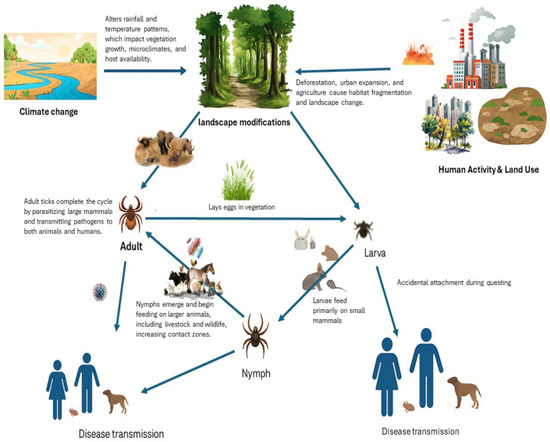
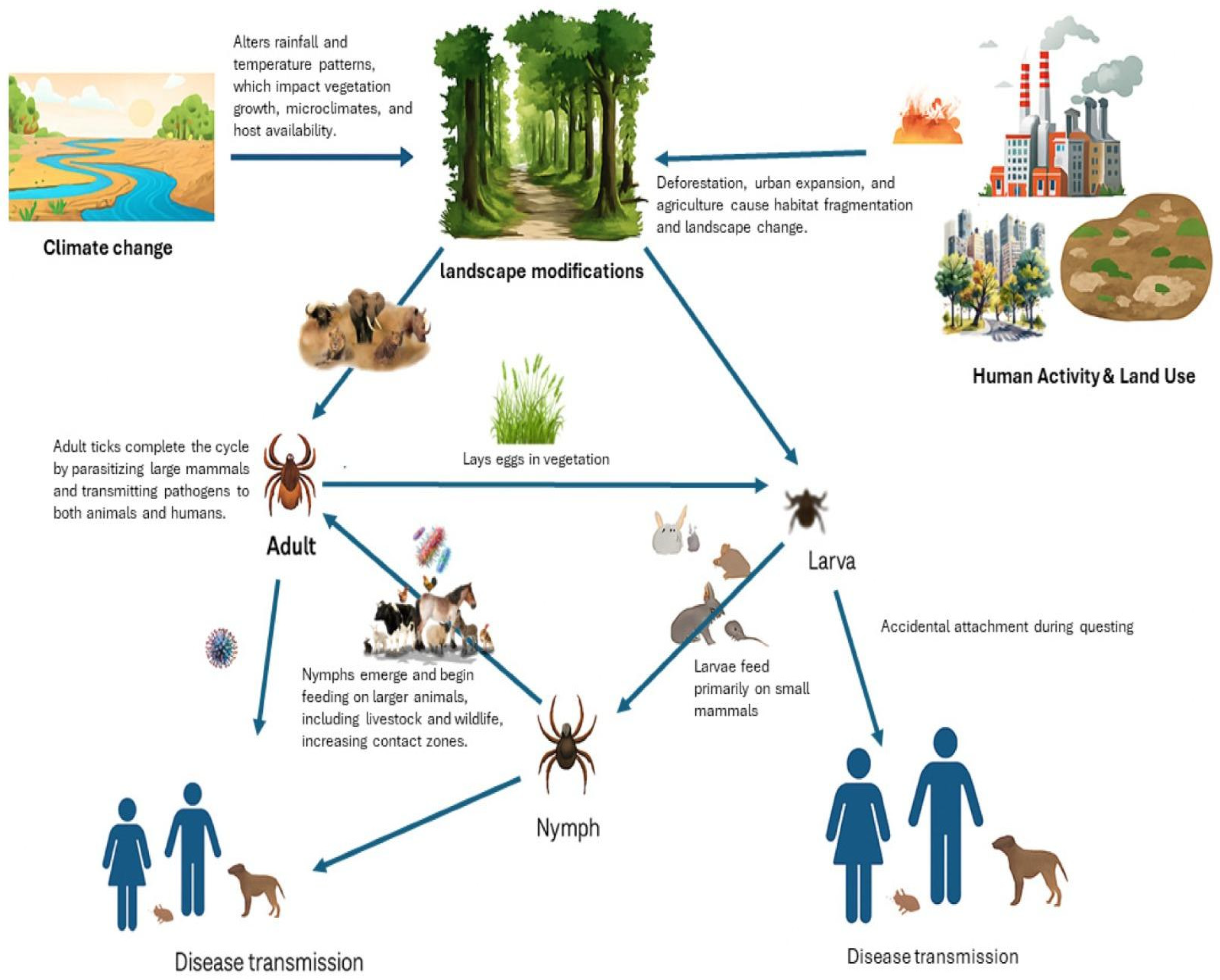
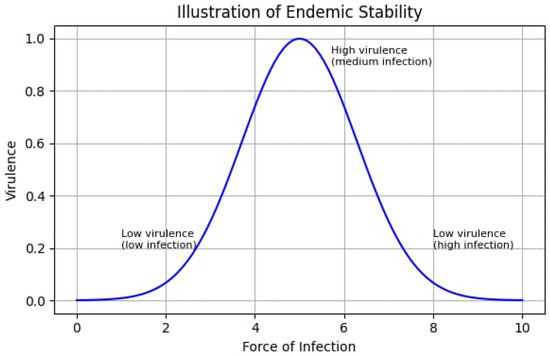
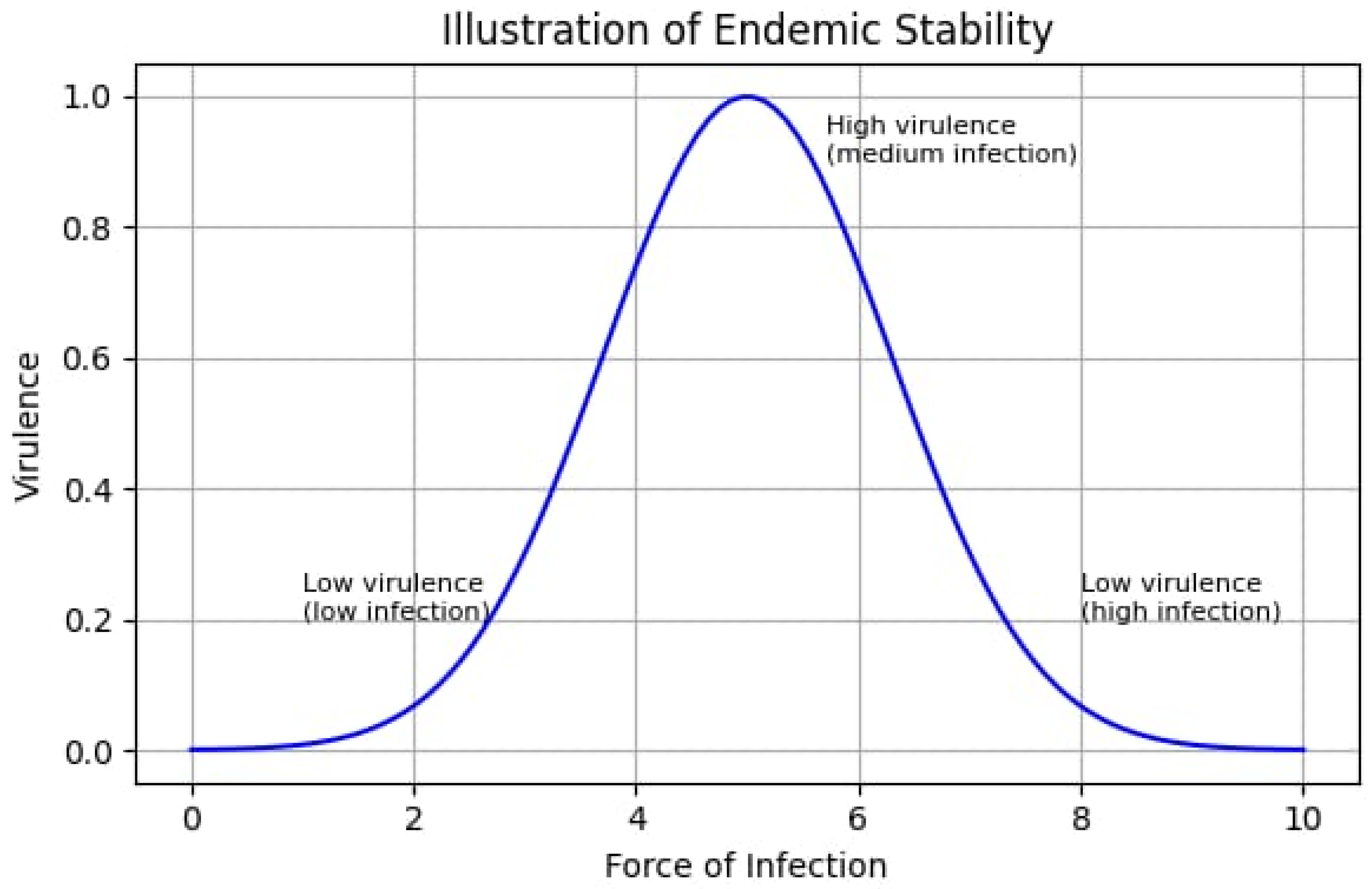
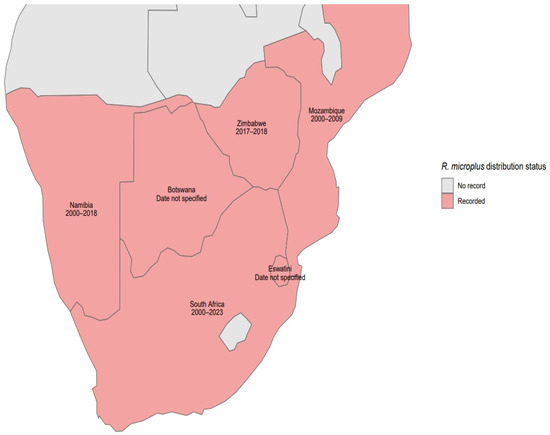
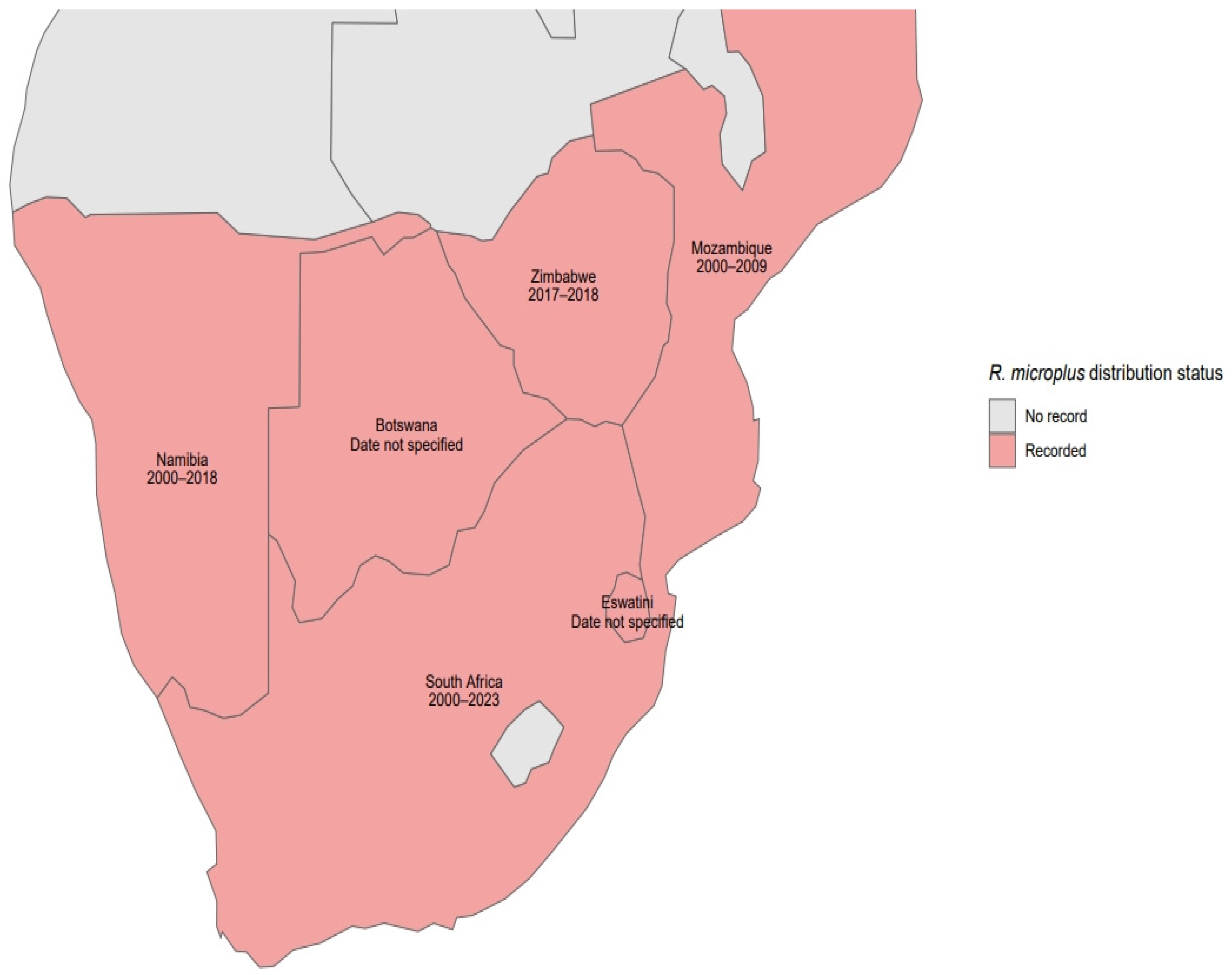
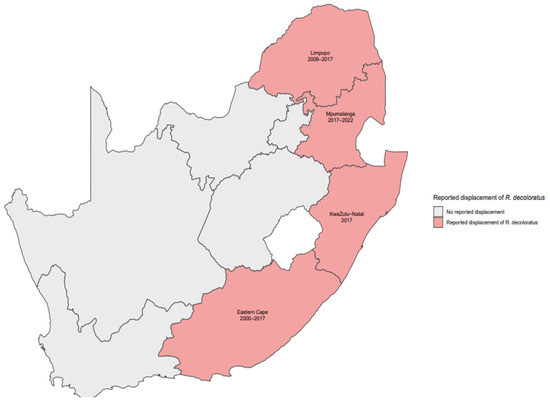
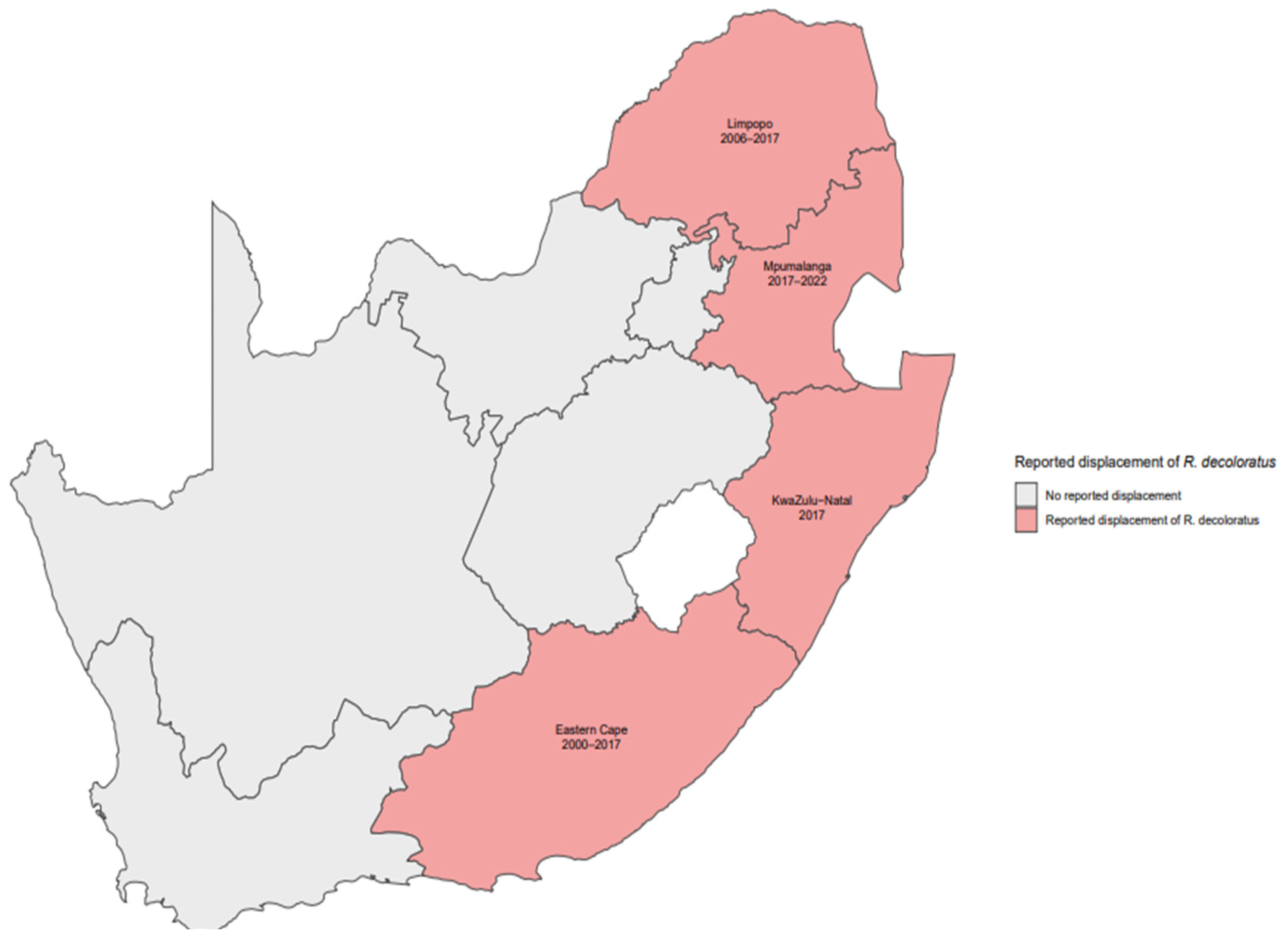
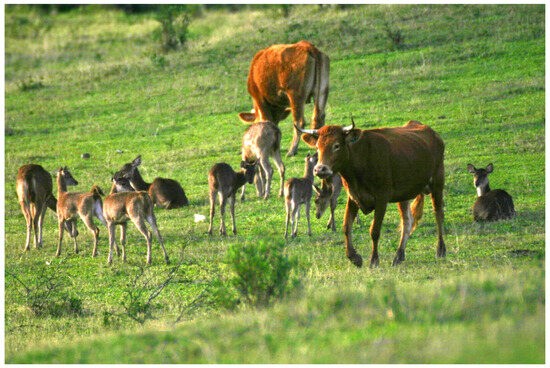
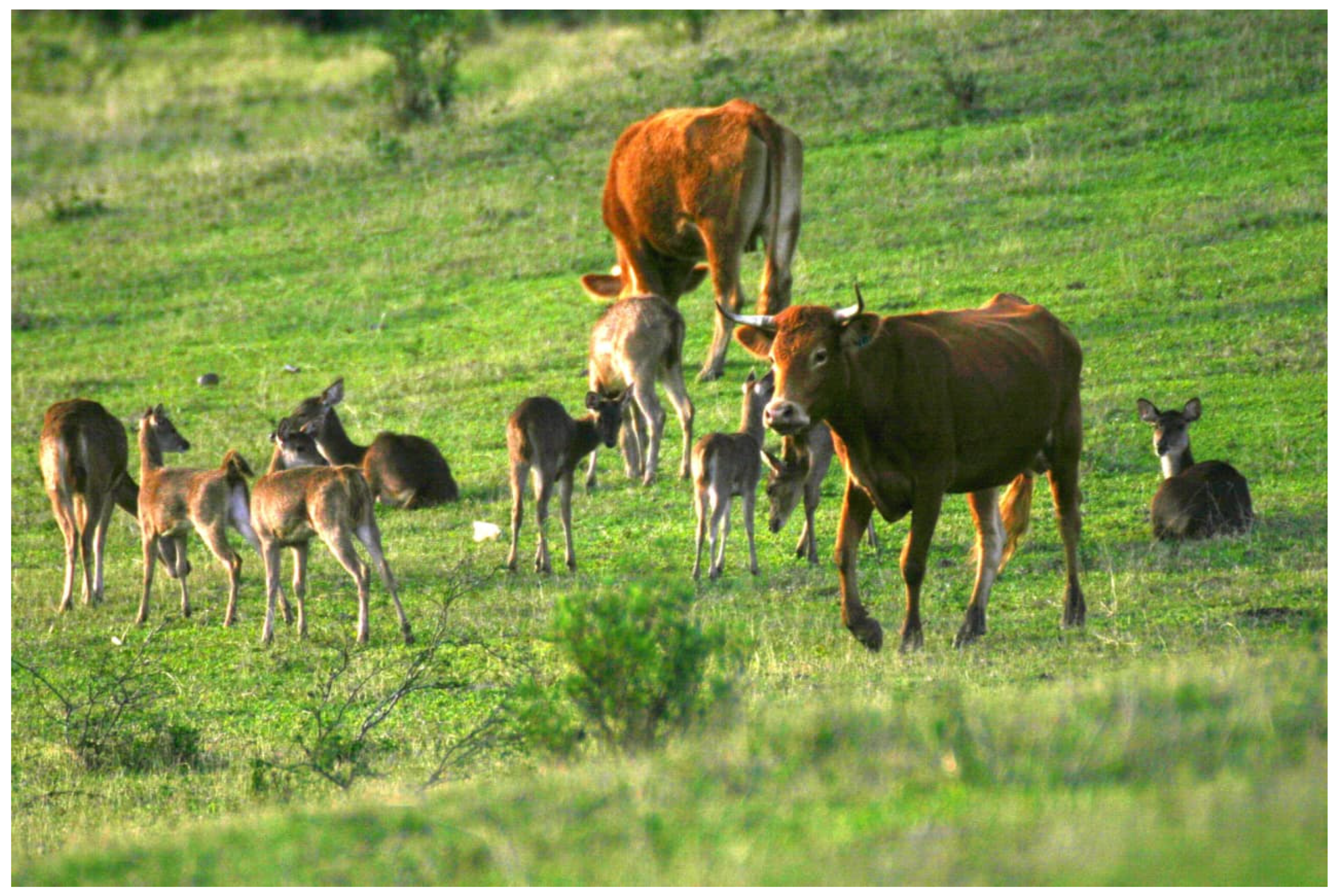
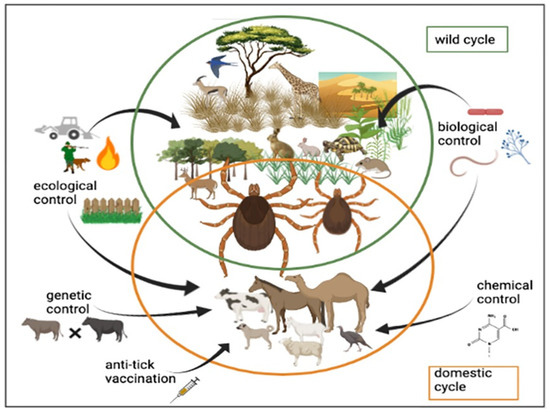
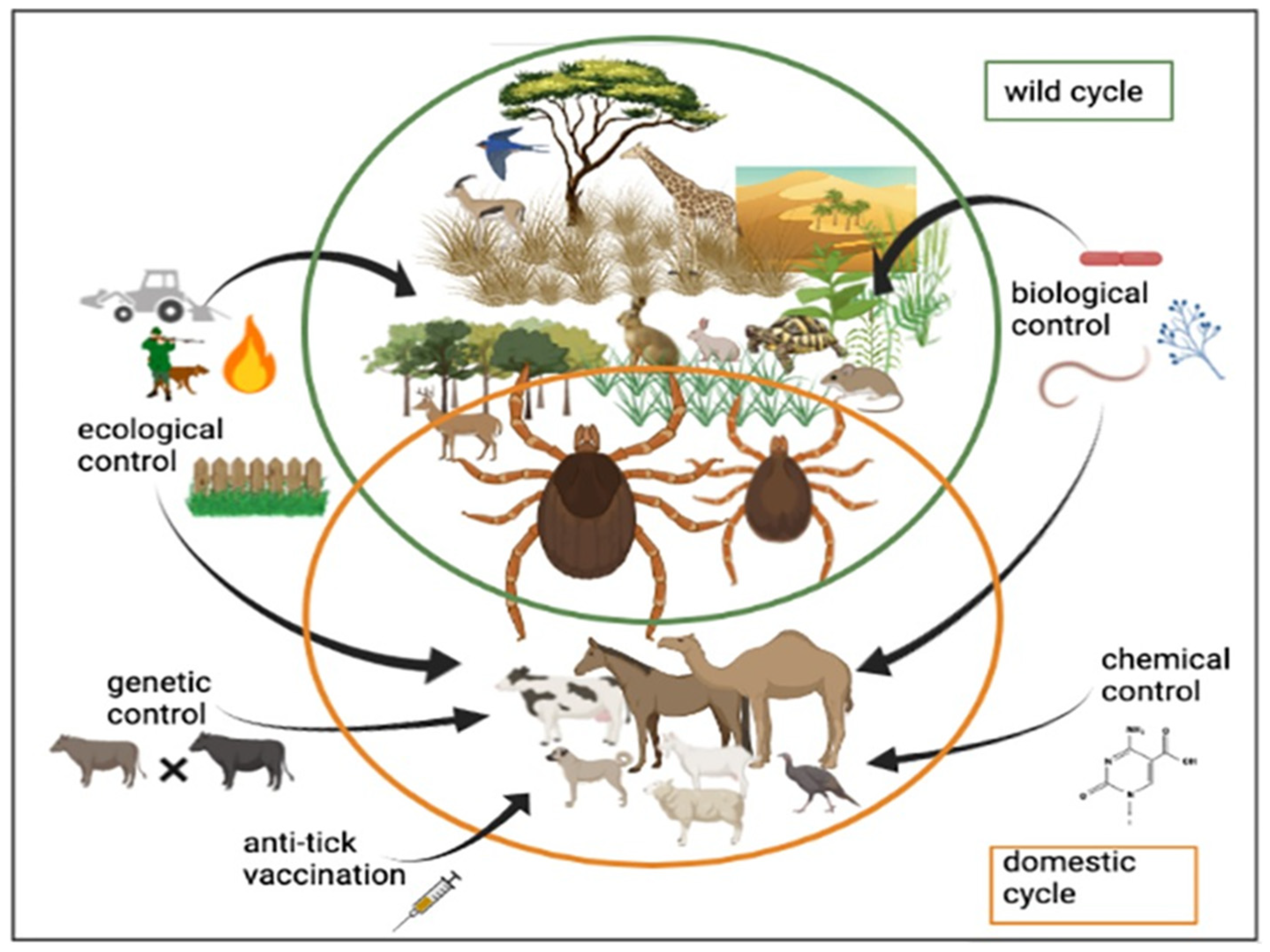

Disclaimer/Publisher’s Note: The statements, opinions and data contained in all publications are solely those of the individual author(s) and contributor(s) and not of MDPI and/or the editor(s). MDPI and/or the editor(s) disclaim responsibility for any injury to people or property resulting from any ideas, methods, instructions or products referred to in the content. |
© 2026 by the authors. Licensee MDPI, Basel, Switzerland. This article is an open access article distributed under the terms and conditions of the Creative Commons Attribution (CC BY) license.